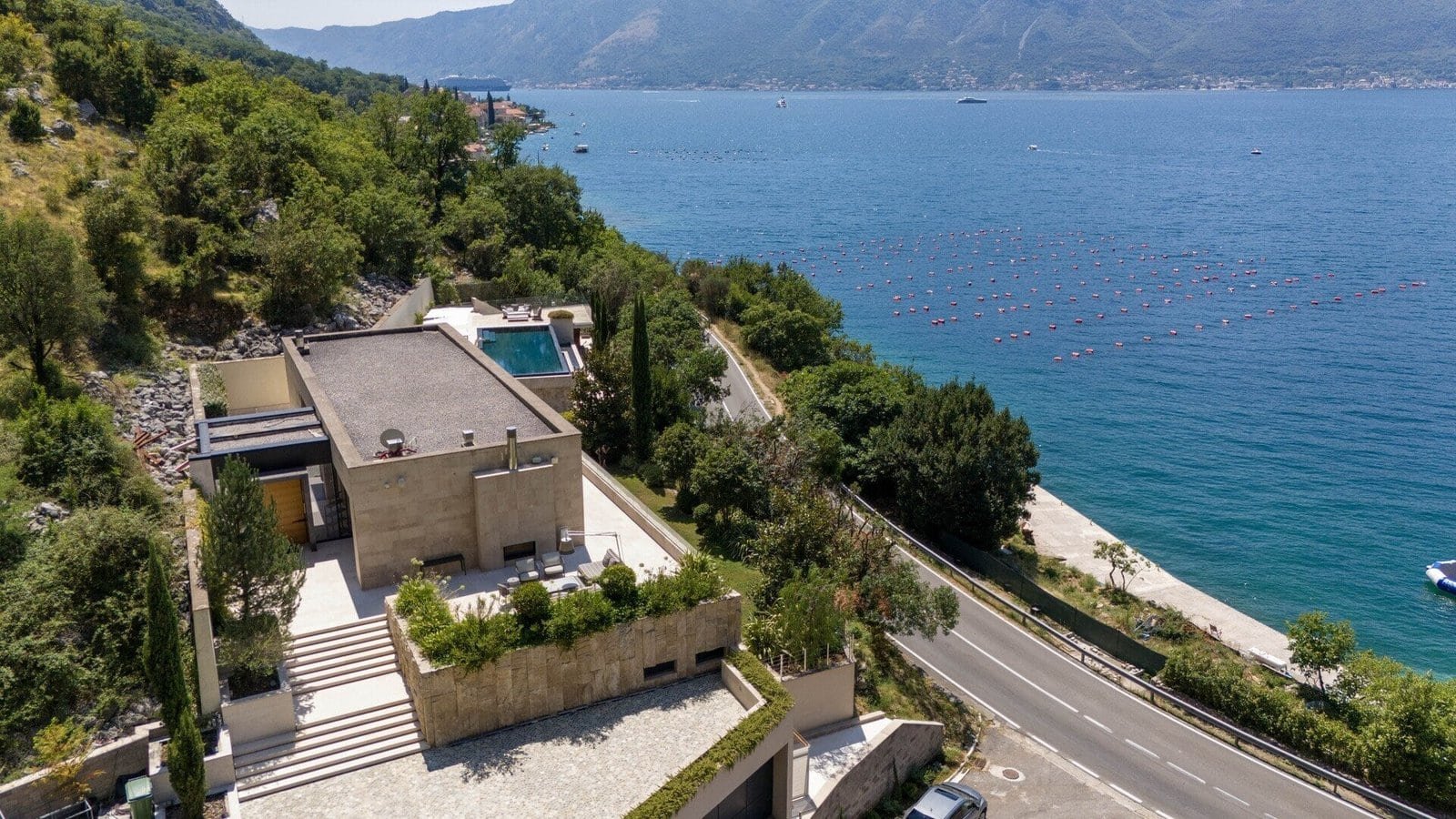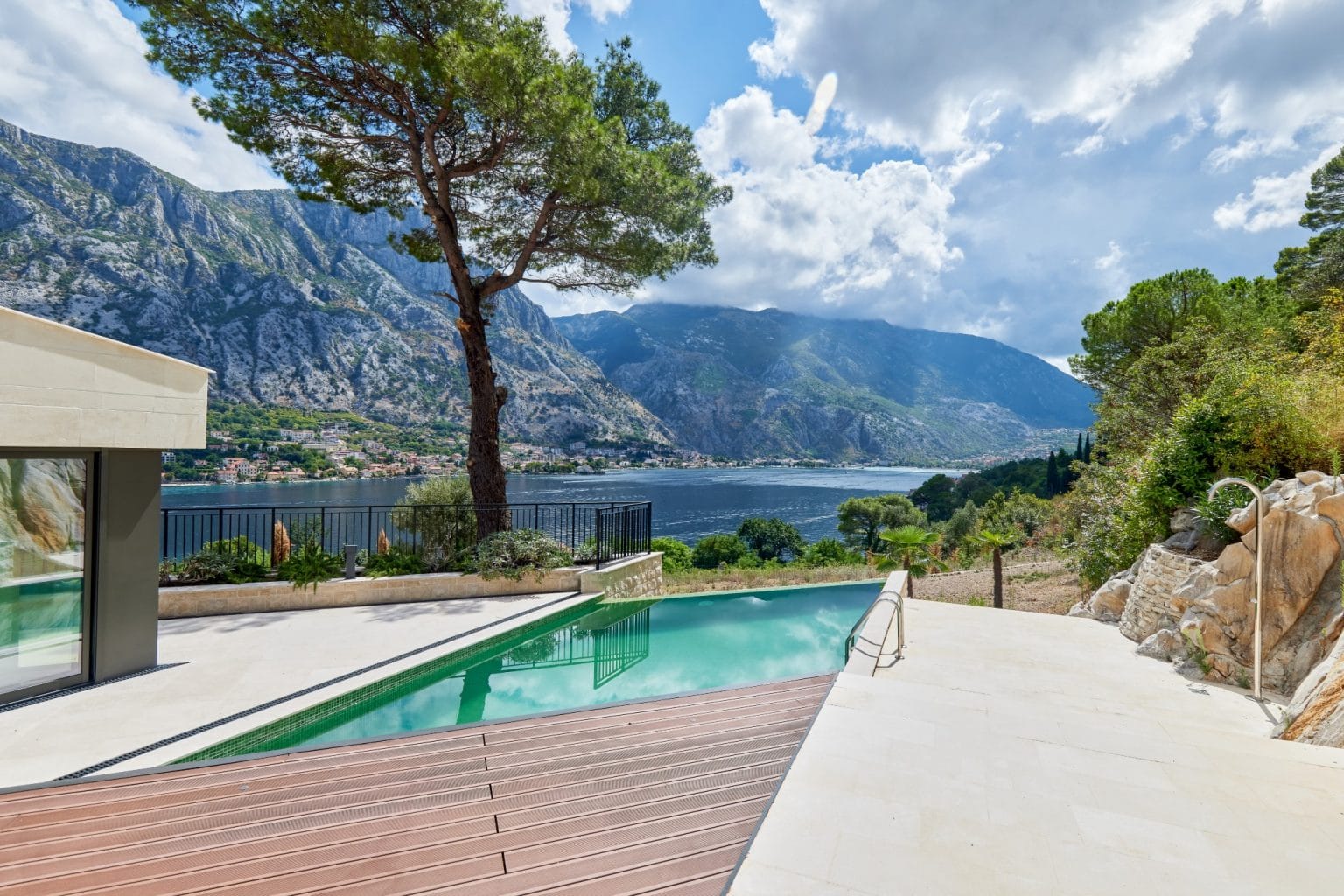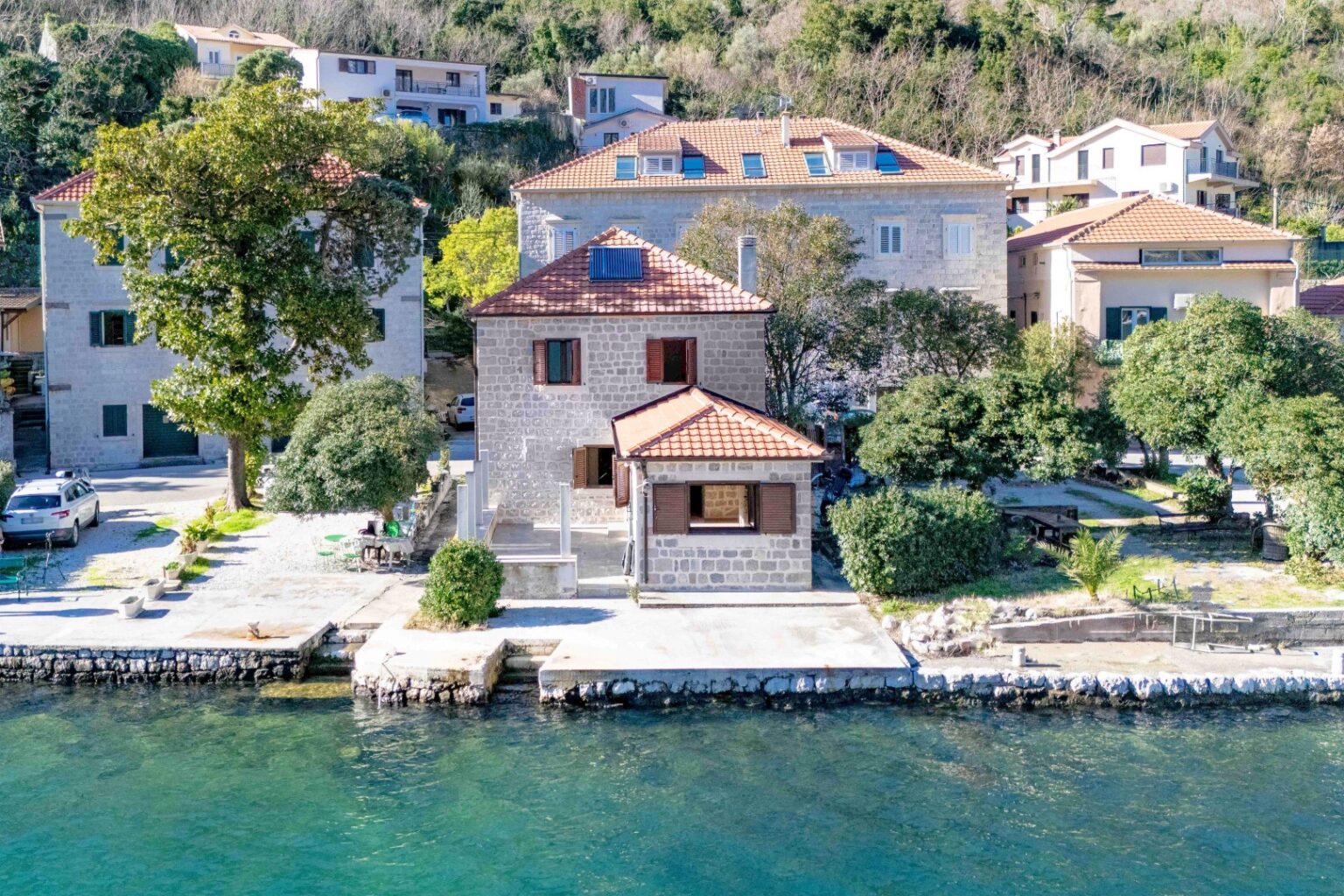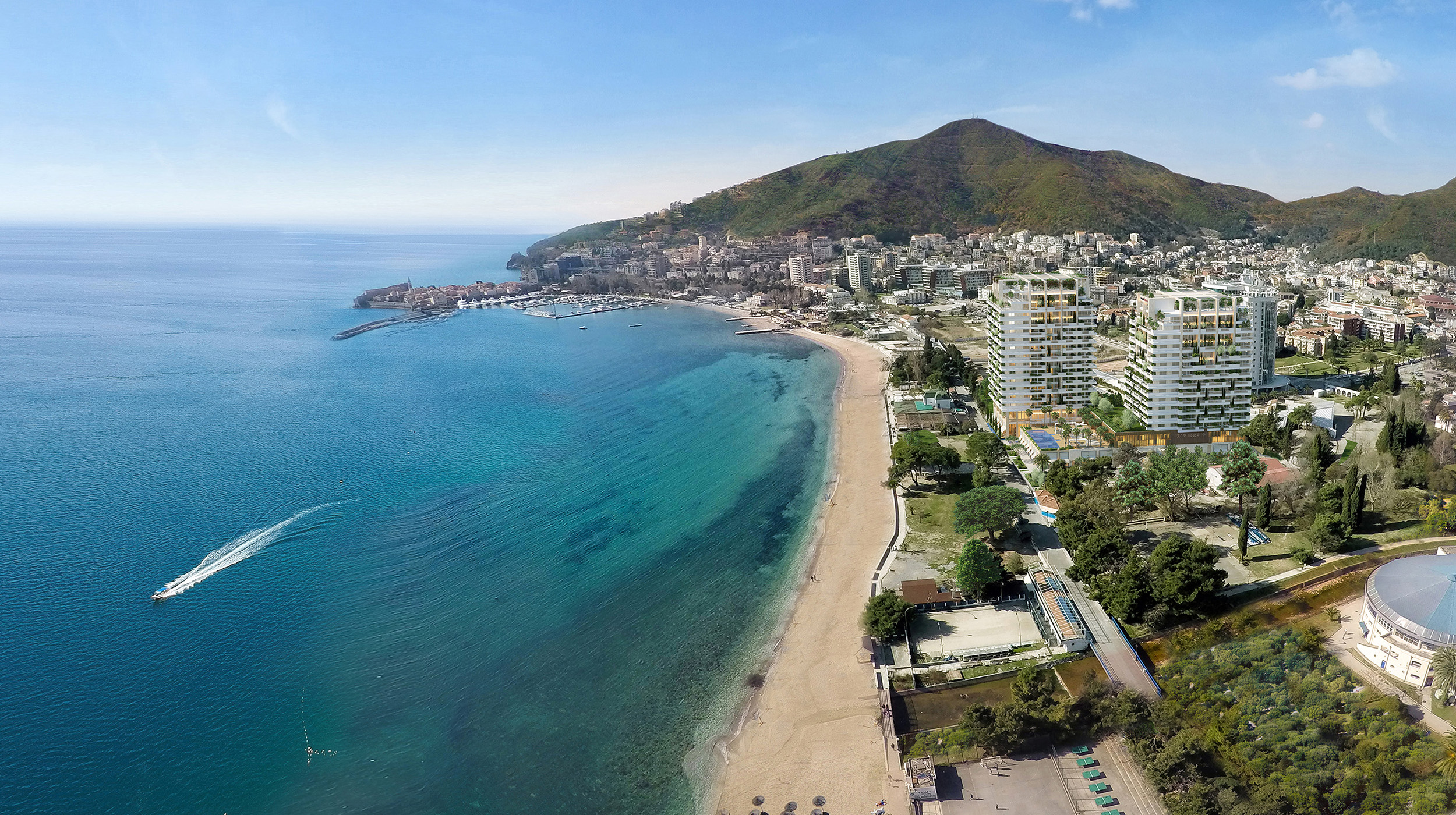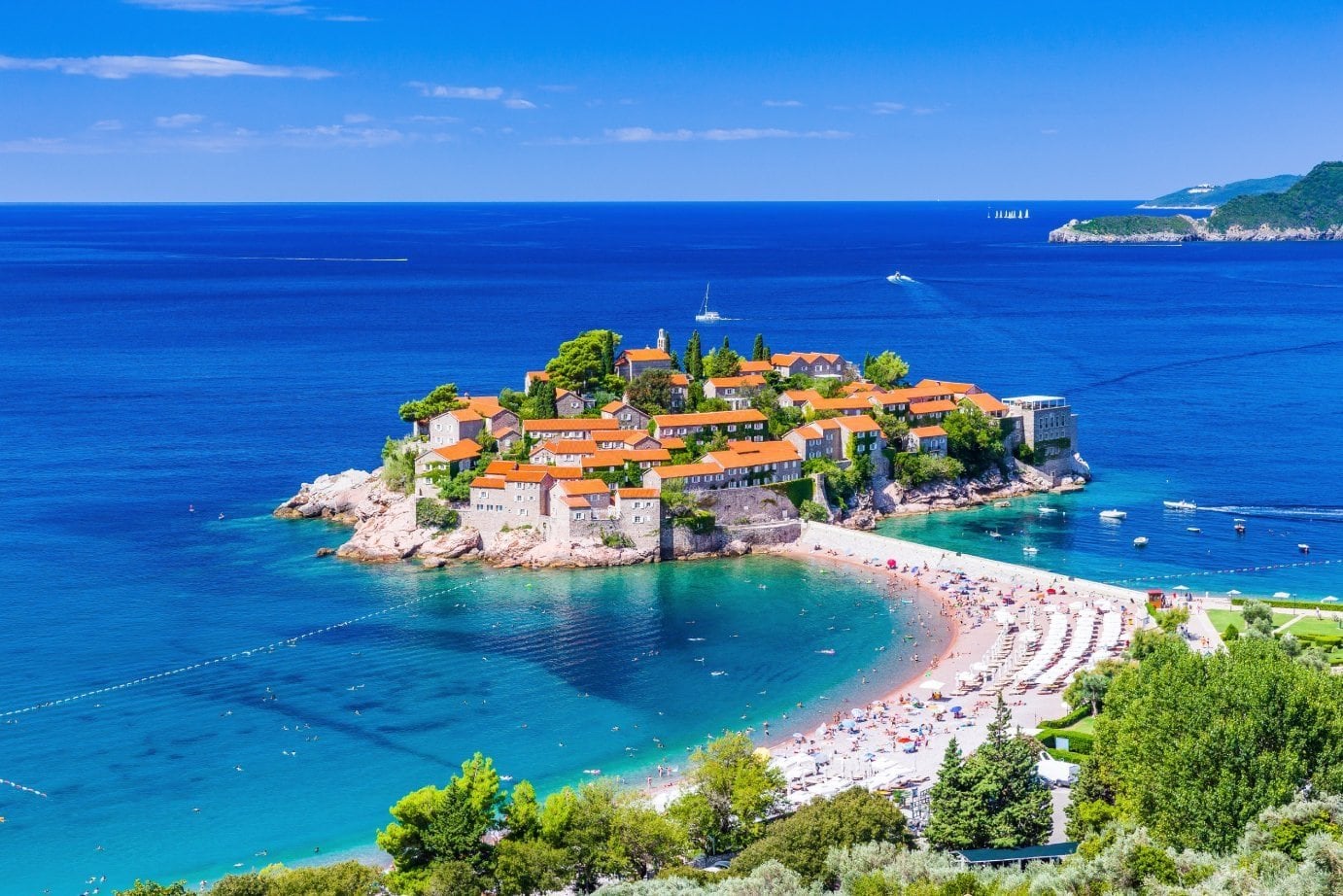
Foreign property owners in Montenegro can generate rental income legally and tax-efficiently, with personal income tax charged at 15 percent on a significantly reduced base that in practice produces an effective rate of 4.5 to 7.5 percent for owners operating through registered tourism rental channels. Understanding this structure before the first tenant arrives makes the difference between a well-positioned rental operation and a compliance problem discovered years after the fact.
Montenegro has become an increasingly prominent destination for capital-aware buyers acquiring coastal property with the intention of using it for part of the year and renting for the remainder. The country’s fiscal framework for rental income is straightforward by European standards, the coastline is genuinely under-supplied with quality inventory relative to comparable Adriatic markets, and the base of international visitors seeking short-term accommodation continues to expand. For buyers already positioned in the market or evaluating entry, the operational mechanics of rental management and tax compliance deserve the same attention as acquisition pricing. Our overview of Montenegro coastal rental yields covers the return benchmarks in detail.
This guide addresses the core questions for foreign owners: what tax applies, how the deduction system works, what registration steps are required and where the VAT threshold becomes relevant.
How Montenegro Taxes Rental Income
Montenegro levies personal income tax at a flat 15 percent rate on income earned from Montenegrin sources. For rental income, the tax base is not the gross rent received but a reduced figure after allowable deductions, which vary according to the type of rental arrangement.
For long-term residential rentals, the standard deduction where actual documented expenses are not claimed is 30 percent of gross income. An owner receiving €10,000 per year in long-term rent would therefore pay 15 percent on €7,000, producing a tax liability of €1,050, or an effective rate of 10.5 percent of gross receipts. Where actual expenses exceed 30 percent and are properly documented, owners may claim those instead.
For short-term tourism rentals, the deduction structure is notably more favourable. The standard deduction is 50 percent, reducing the effective tax rate to 7.5 percent of gross income. Where the rental is arranged through a licensed Montenegrin travel agency, the deduction rises to 70 percent, producing an effective rate of 4.5 percent. For an owner generating €20,000 per year in tourism rental income through a licensed agency, the resulting tax liability is €1,350. This rate compares very favourably with equivalent short-term rental tax burdens in Croatia, Portugal or France. For the full picture of purchase and holding costs in Montenegro, see our Montenegro property taxes and purchase costs guide.
These rates apply to non-resident foreign owners taxed solely on their Montenegrin-source income. If you are considering becoming a Montenegrin tax resident, your worldwide income picture changes materially and specialist local tax advice is required before taking that step.
Registration Requirements for Tourism Rentals
Short-term rental activity in Montenegro, whether through international platforms or direct booking channels, requires formal registration with the relevant municipal tourism authority. The principal obligations are consistent across the coastal municipalities and cover four areas.
First, the property must be registered as a tourism rental facility with the relevant municipal office, which typically involves a property inspection and the issue of a categorisation decision confirming the rental category (apartment, studio, villa or similar). Second, each guest must be reported to the Montenegrin police system through the e-Registration platform within 12 hours of arrival, as required under the Law on Tourism. Third, tourism tax (a nominal per-person, per-night charge that varies by municipality and season) must be collected from guests and remitted to the relevant authority. Fourth, rental receipts must be issued in compliance with fiscal requirements, which in practice means either a registered cashier system or a certified accountant managing fiscal documentation.
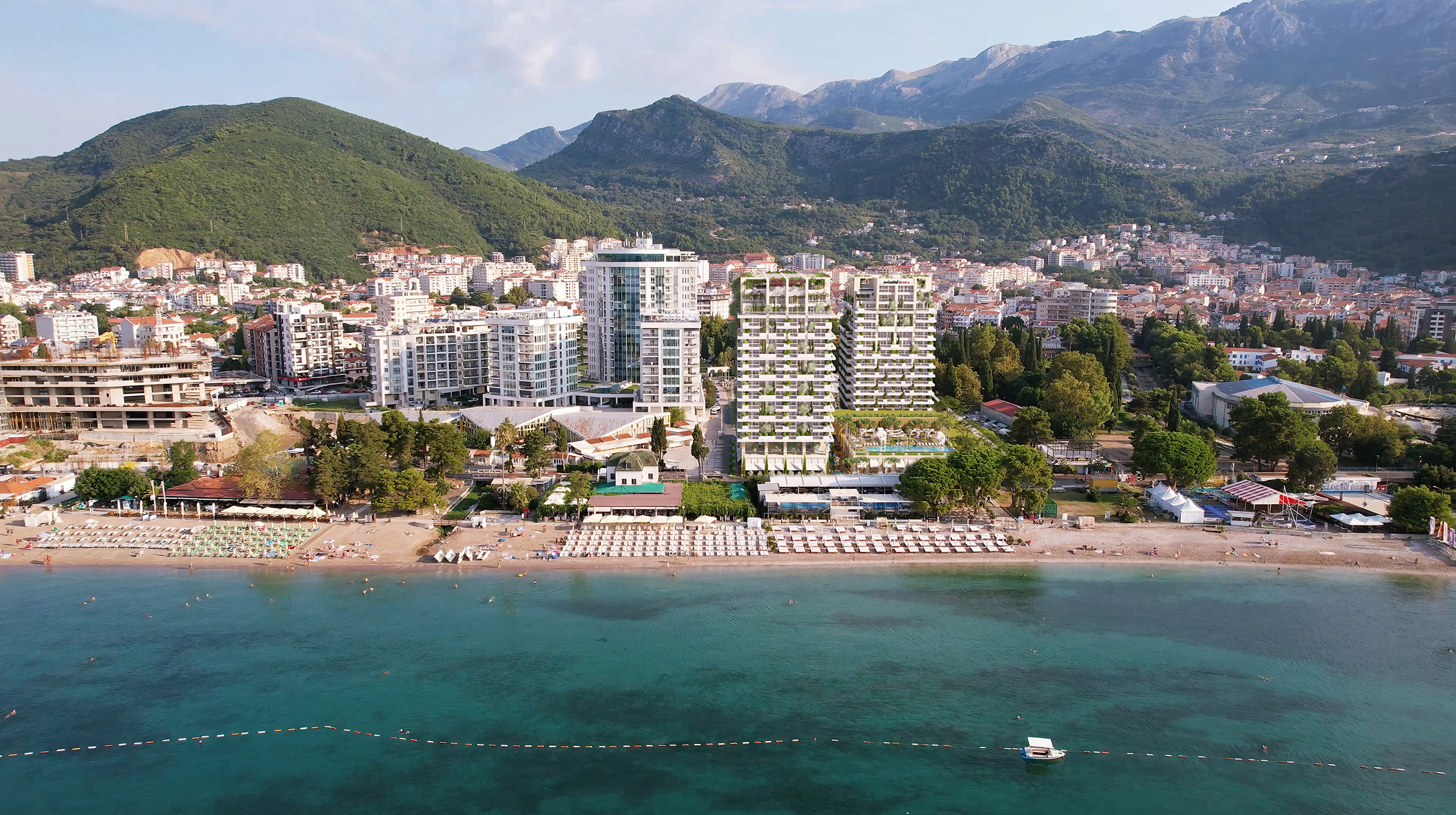
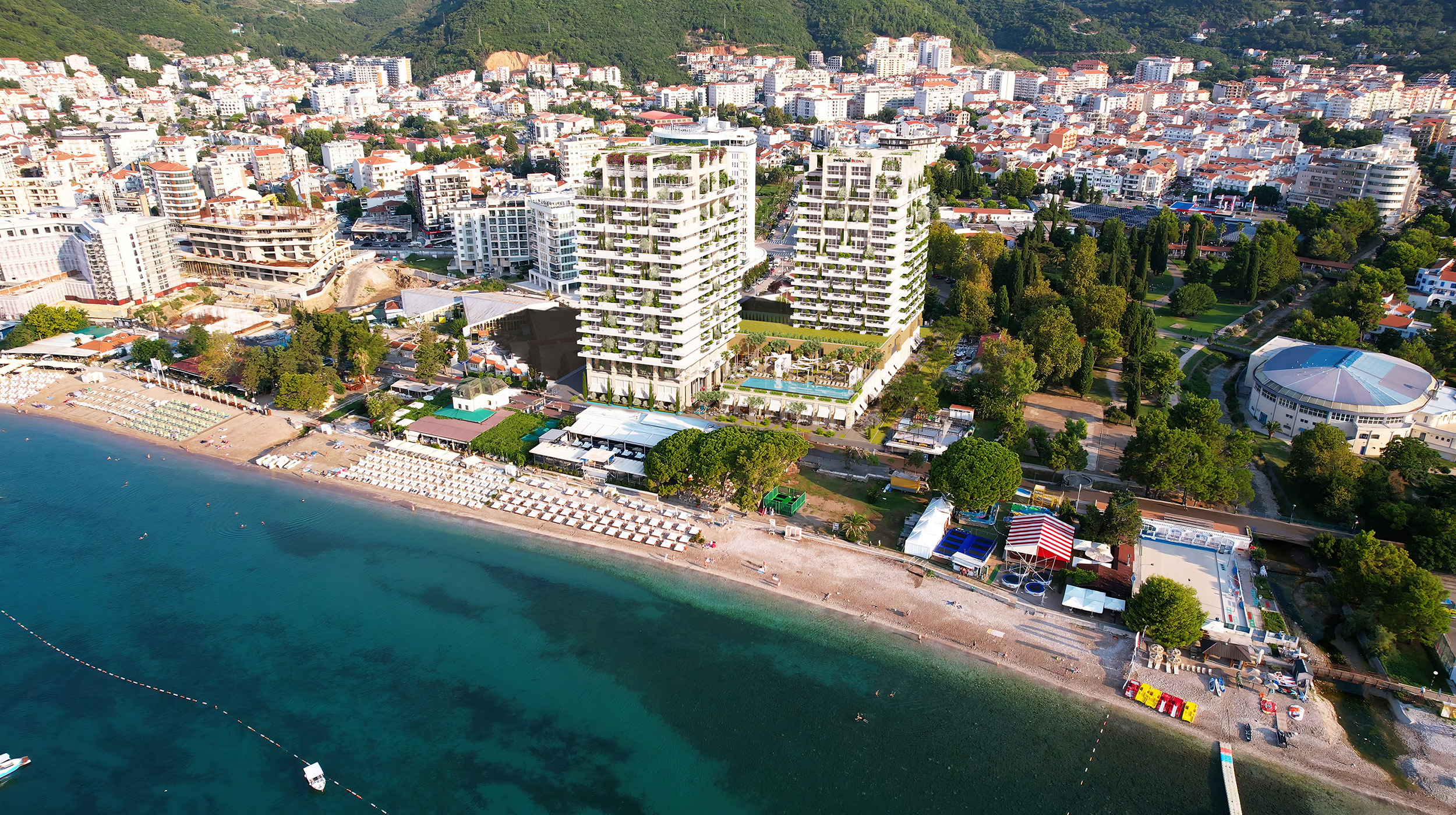
In practice, most foreign owners operating short-term rentals in Montenegro engage a local property management company to handle these obligations. The management fee, typically 20 to 30 percent of gross rental income, covers guest communications, e-Registration filing, key holding and property maintenance. For buyers evaluating Budva as a rental base, our Budva property guide covers the management infrastructure available in the market. Tivat’s rental market and management options are addressed in our Tivat real estate guide.
The VAT Threshold
A separate consideration for more active rental operators is VAT registration. In Montenegro, VAT registration becomes compulsory once annual turnover exceeds €30,000. For most individual foreign owners operating one or two properties, this threshold is unlikely to be reached in a normal year. However, owners managing multiple units across the coastal market, or owners of larger villas generating significant weekly rental income in peak season, should monitor their position annually and seek local accounting advice before crossing the threshold. VAT obligations add meaningful administrative complexity and should be factored into the acquisition business case for higher-yield properties.
What the Numbers Mean for Investment Returns
The Montenegro rental income framework is directly material to the investment thesis for coastal property. A well-positioned two-bedroom apartment in Budva or Tivat, acquired at €200,000 to €350,000, can generate €8,000 to €15,000 per year in summer rental income. After the 50 percent tourism deduction and 15 percent tax on the reduced base, the effective tax cost on that income is modest relative to comparable European holiday property markets.
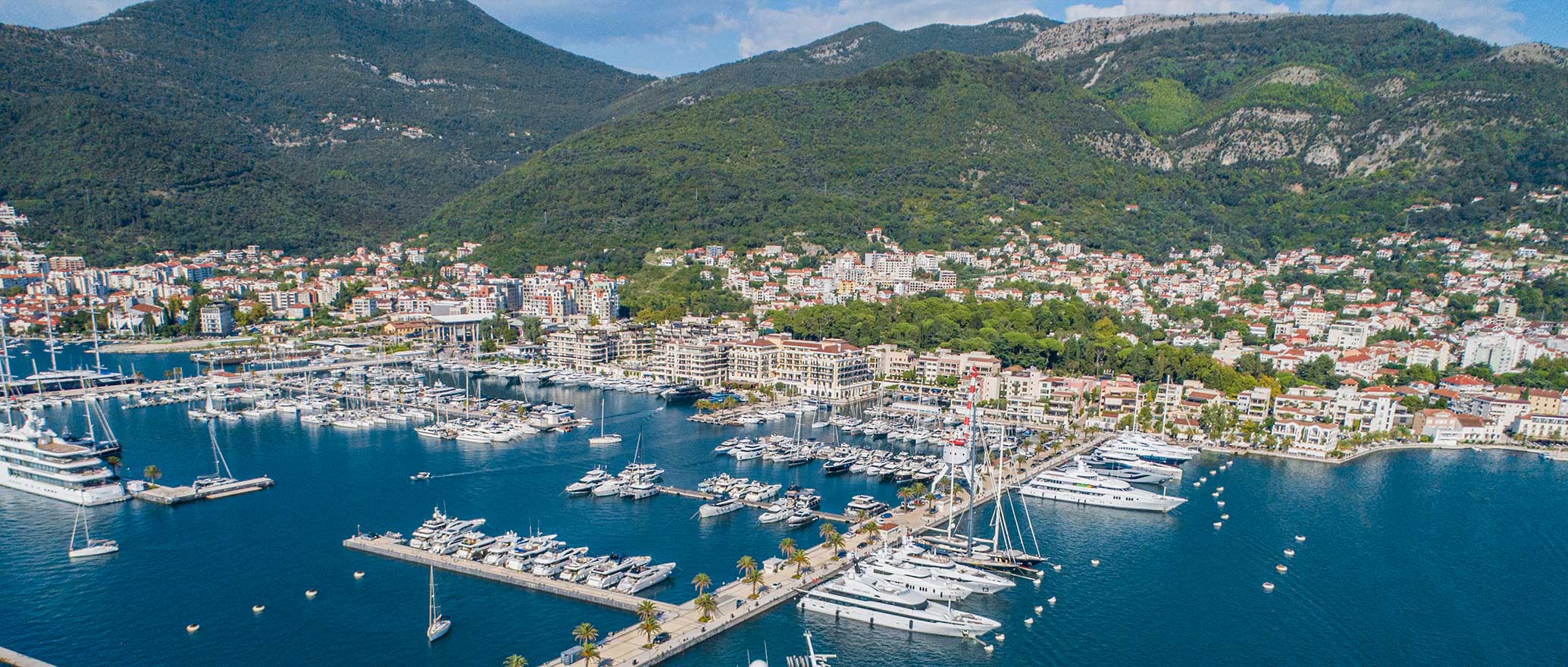
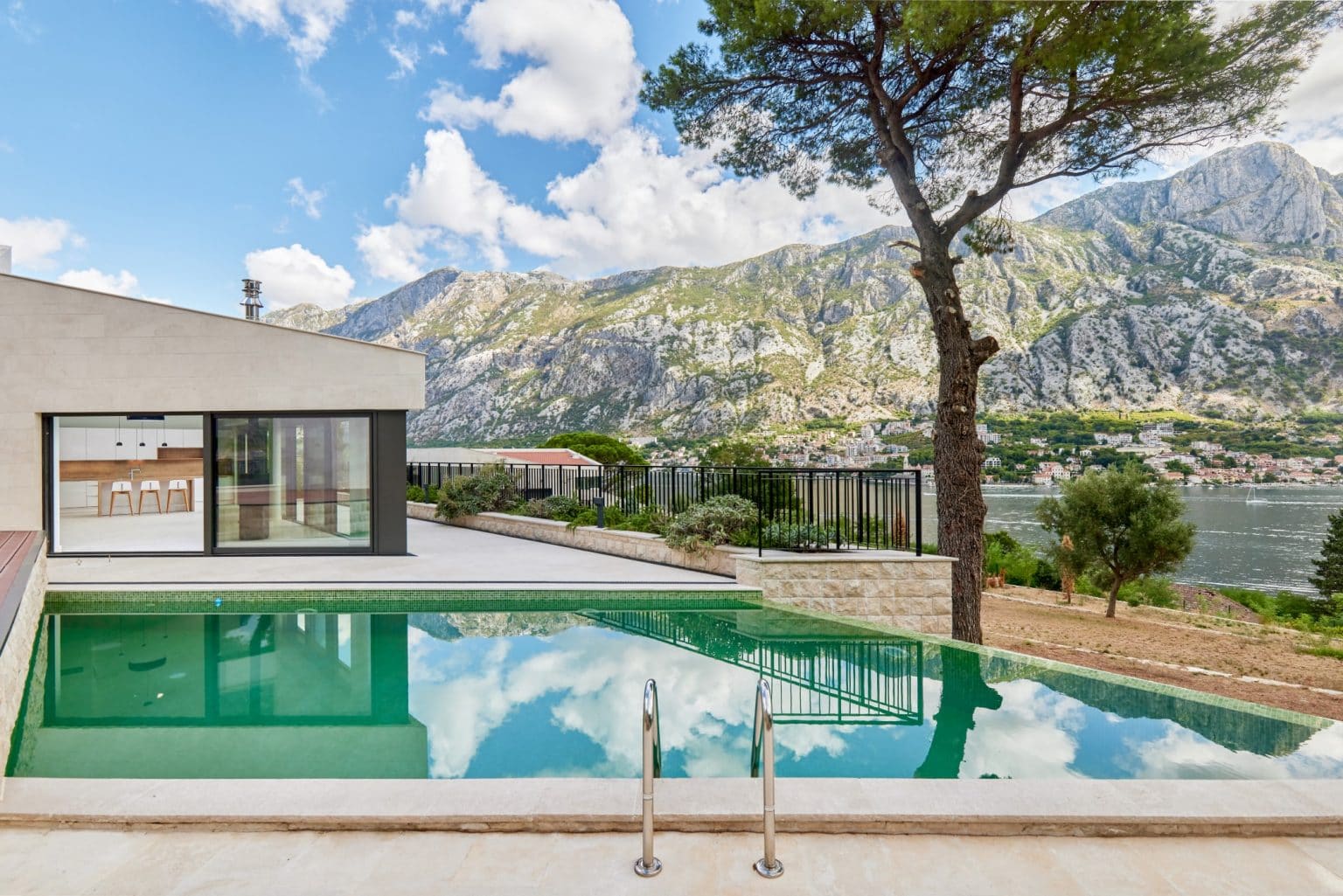
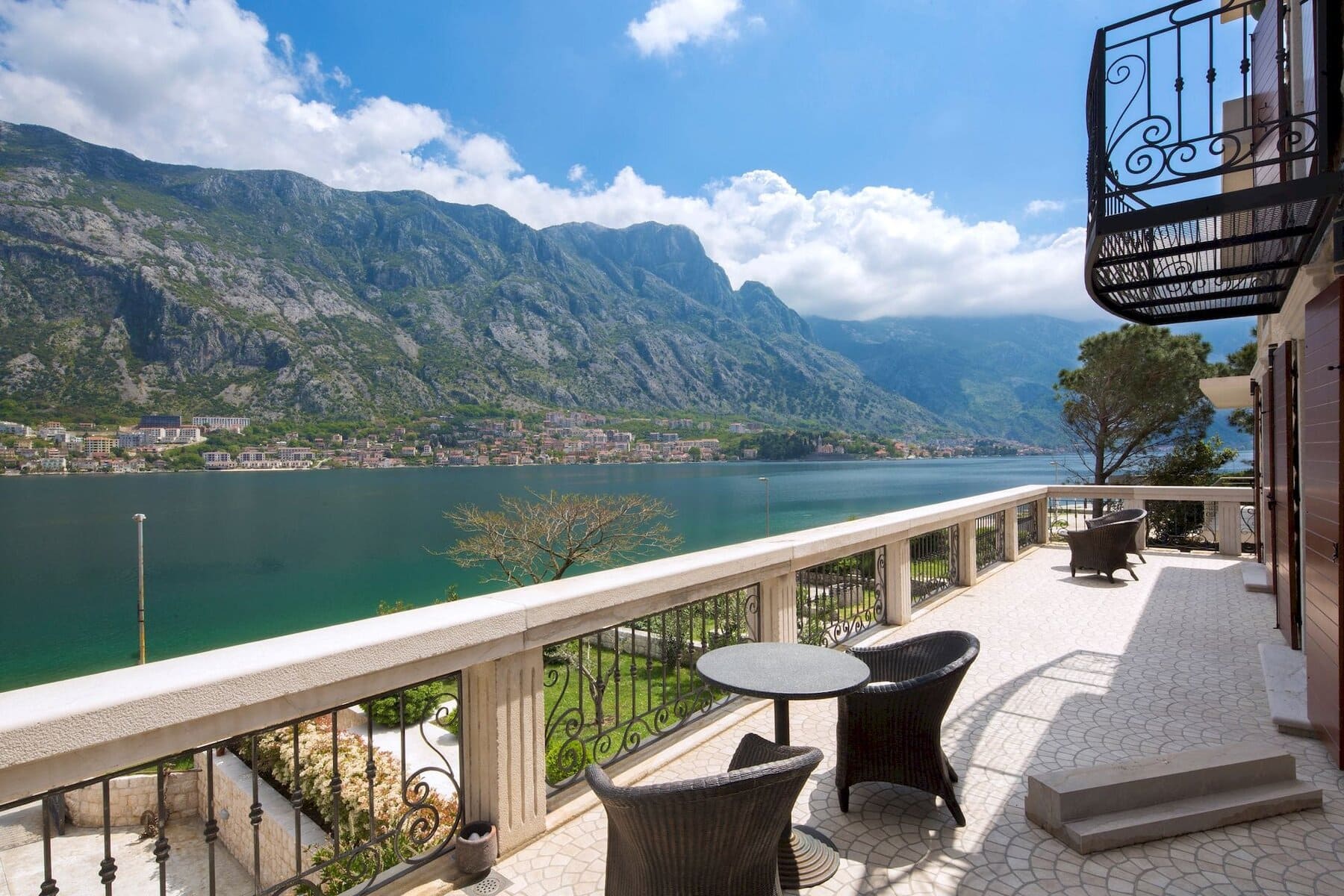
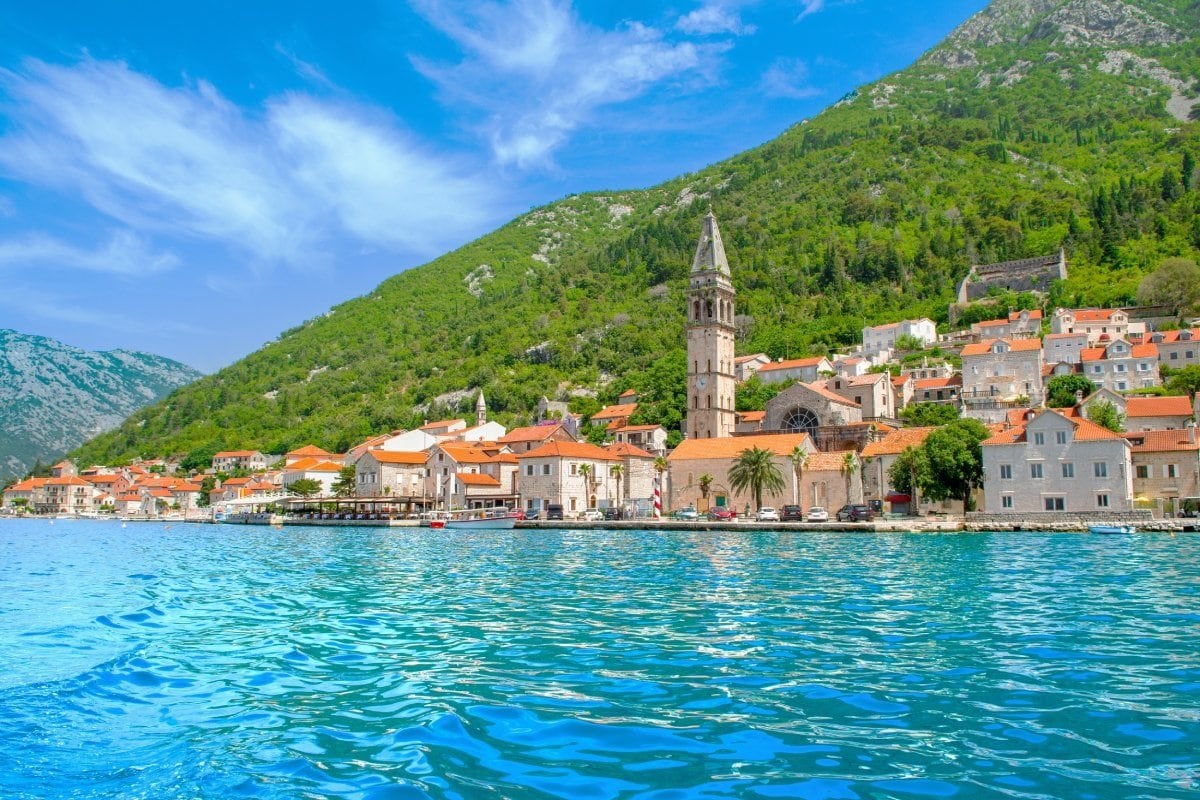
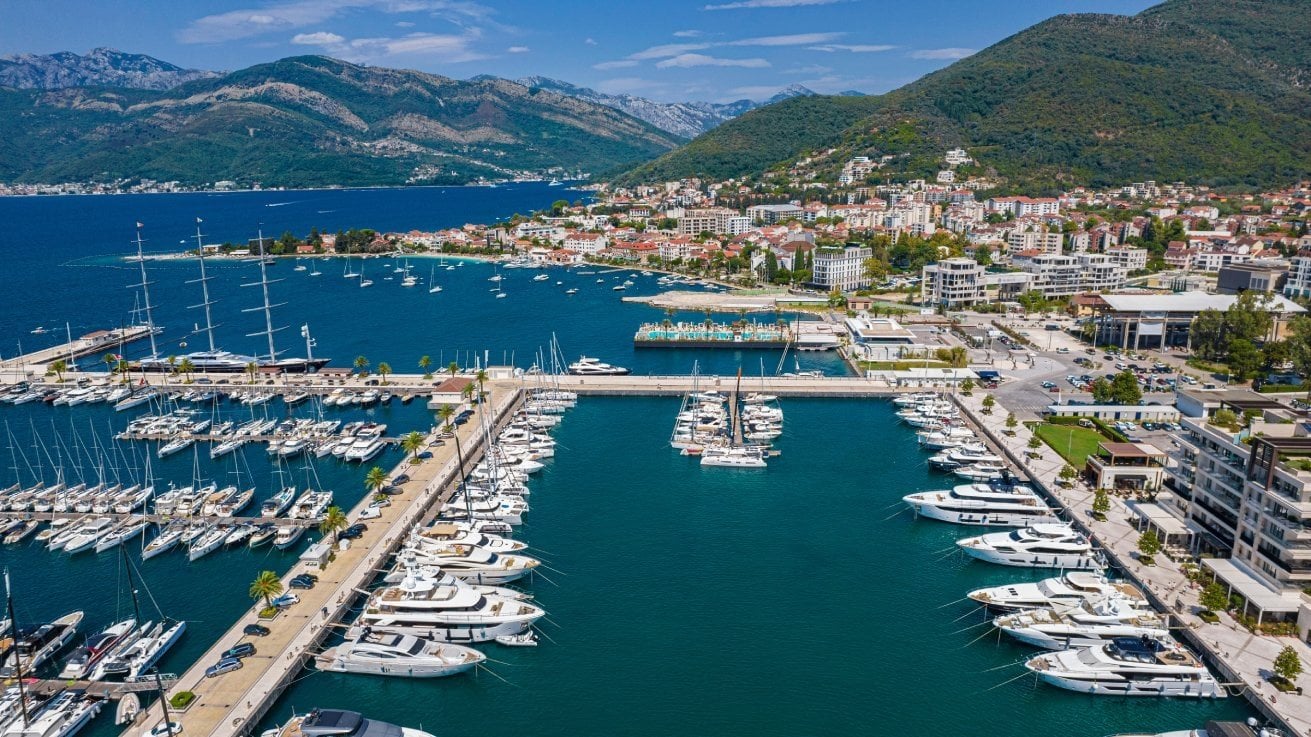
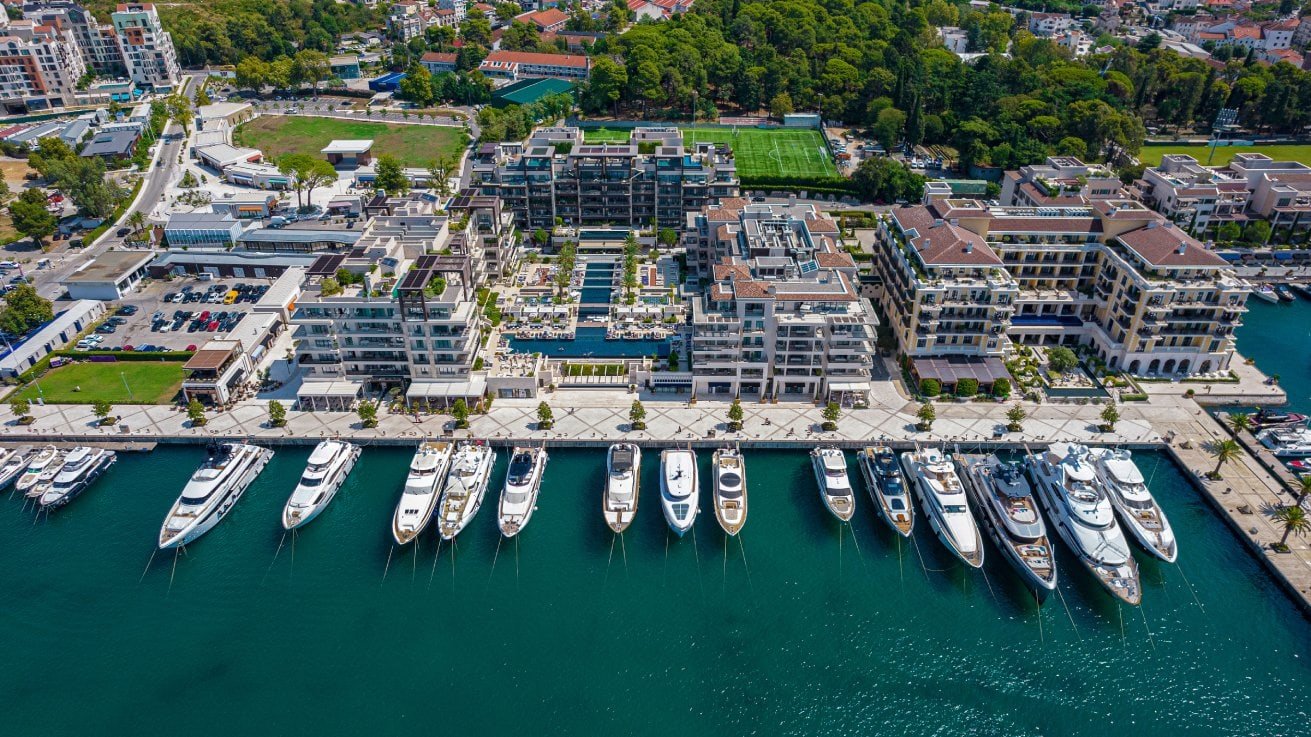
Gross rental yields across the Montenegrin coast currently sit in a broad range of 4.5 to 7 percent annually, depending on location, property quality and management approach. Budva’s Old Town and beachfront positions tend to achieve the highest seasonal premiums, while Tivat and the Porto Montenegro area attract a slightly different profile of longer-stay tenant willing to pay for marina access and lifestyle infrastructure. The Bay of Kotor real estate guide covers the positioning of Kotor Bay properties within this yield picture, and our waterfront Montenegro property guide focuses specifically on sea-view and frontline inventory where premium rental positioning is strongest. The broader Montenegro real estate investment guide provides the macro context for evaluating yield against capital appreciation potential.
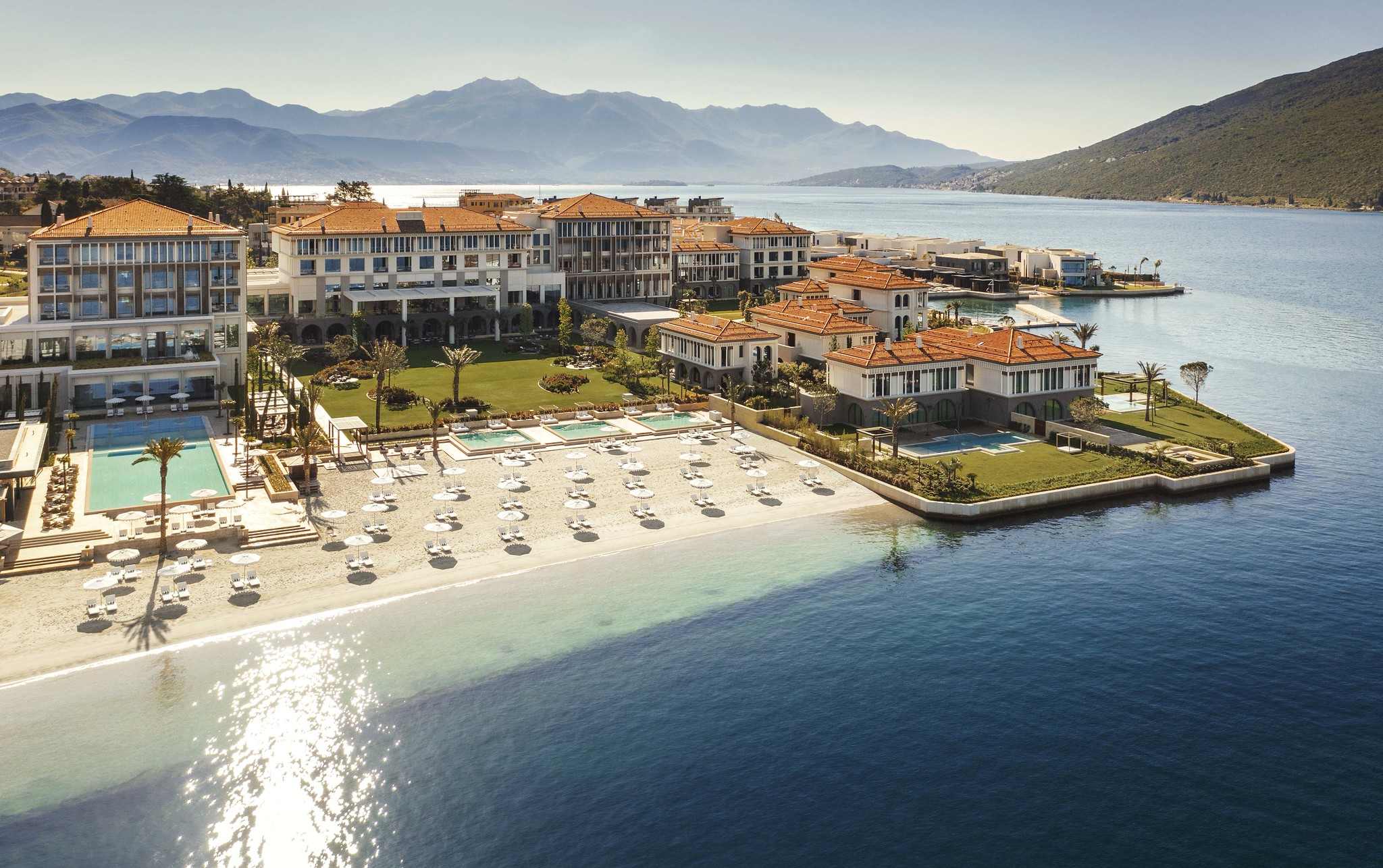
For investors modelling net returns correctly, the relevant inputs are: gross seasonal rental income, less management fees (20 to 30 percent), less the effective tax rate on the reduced base (4.5 to 10.5 percent depending on structure), less annual running costs. The result for well-managed coastal properties is a net yield that compares favourably with equivalent holiday-rental markets in Croatia, Greece or the Portuguese Algarve, while the underlying capital appreciation story in Montenegro remains at an earlier stage than those markets. Our Porto Montenegro real estate guide covers the specific rental profile of the marina district in detail. For buyers considering off-plan acquisitions as part of a rental strategy, our off-plan Montenegro guide addresses the additional yield considerations that apply to pre-completion inventory.
Structuring Correctly from the Outset
The difference between a tax-efficient and a poorly structured Montenegro rental operation often comes down to decisions made before the first booking is taken. Registering the property correctly with the municipal tourism authority, working with a licensed agency to access the 70 percent deduction, maintaining proper documentation, and complying with e-Registration requirements from day one positions the owner correctly and avoids the penalties that come from retroactive compliance. For verification of the rental income framework, the PwC Montenegro Tax Summary provides the current statutory rates and structures.
For buyers at the pre-purchase stage, the rental income question is part of a broader set of considerations that includes property selection, legal due diligence and acquisition cost structure. Understanding how the pieces connect before committing is a considerably more productive approach than optimising the rental framework after the purchase has completed.
Barok Estates International works with international buyers across each stage of the Montenegro acquisition process, from initial market positioning through to ownership and, where relevant, rental strategy. Our portfolio covers the principal coastal markets including Budva, Tivat and the Bay of Kotor, and our advisory relationships extend to the accounting and property management professionals needed to operate a Montenegro rental correctly and compliantly.
Explore our Montenegro property portfolio, read more about our advisory approach, or contact our team for a confidential discussion about your acquisition and rental objectives.
Barok Estates International is a premium, multi-location luxury real estate advisory operating across Europe and the Middle East. For confidential availability and consultation: barokestates.com/contact


















.jpg)