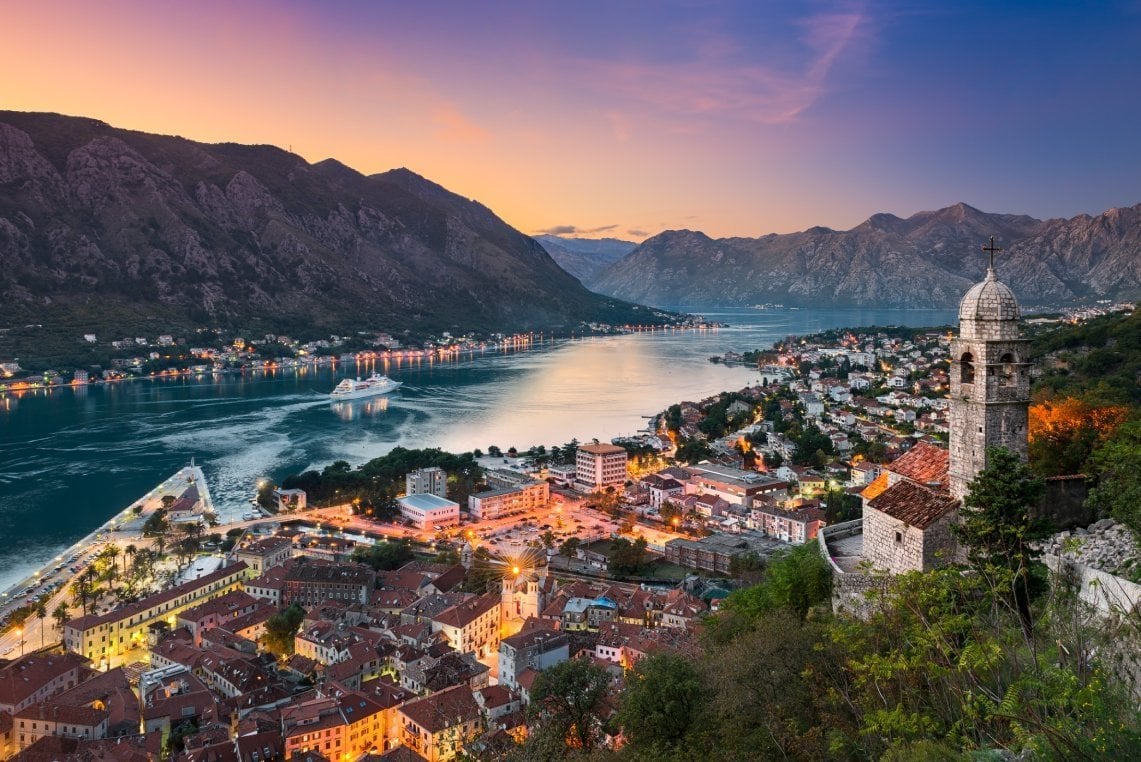
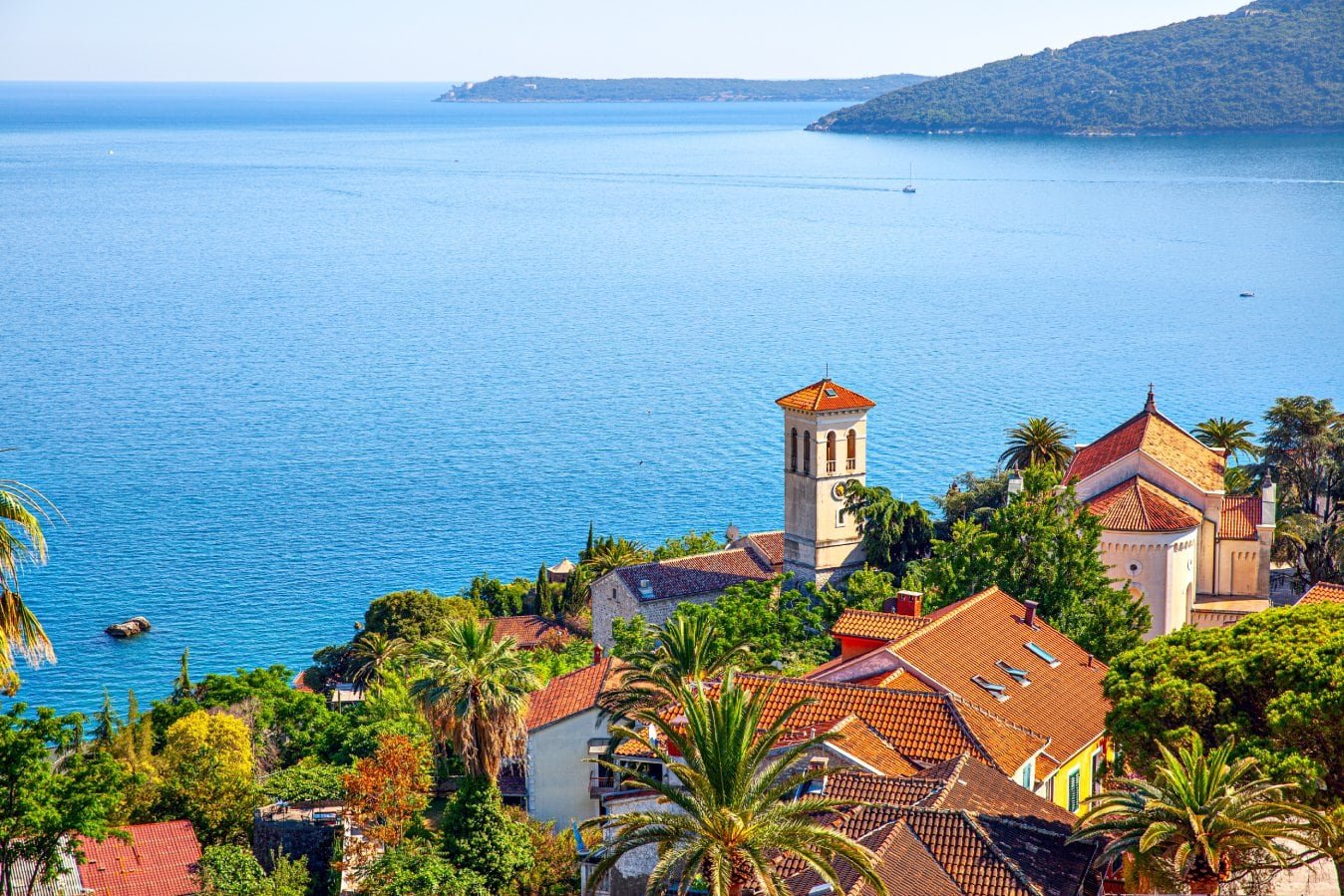
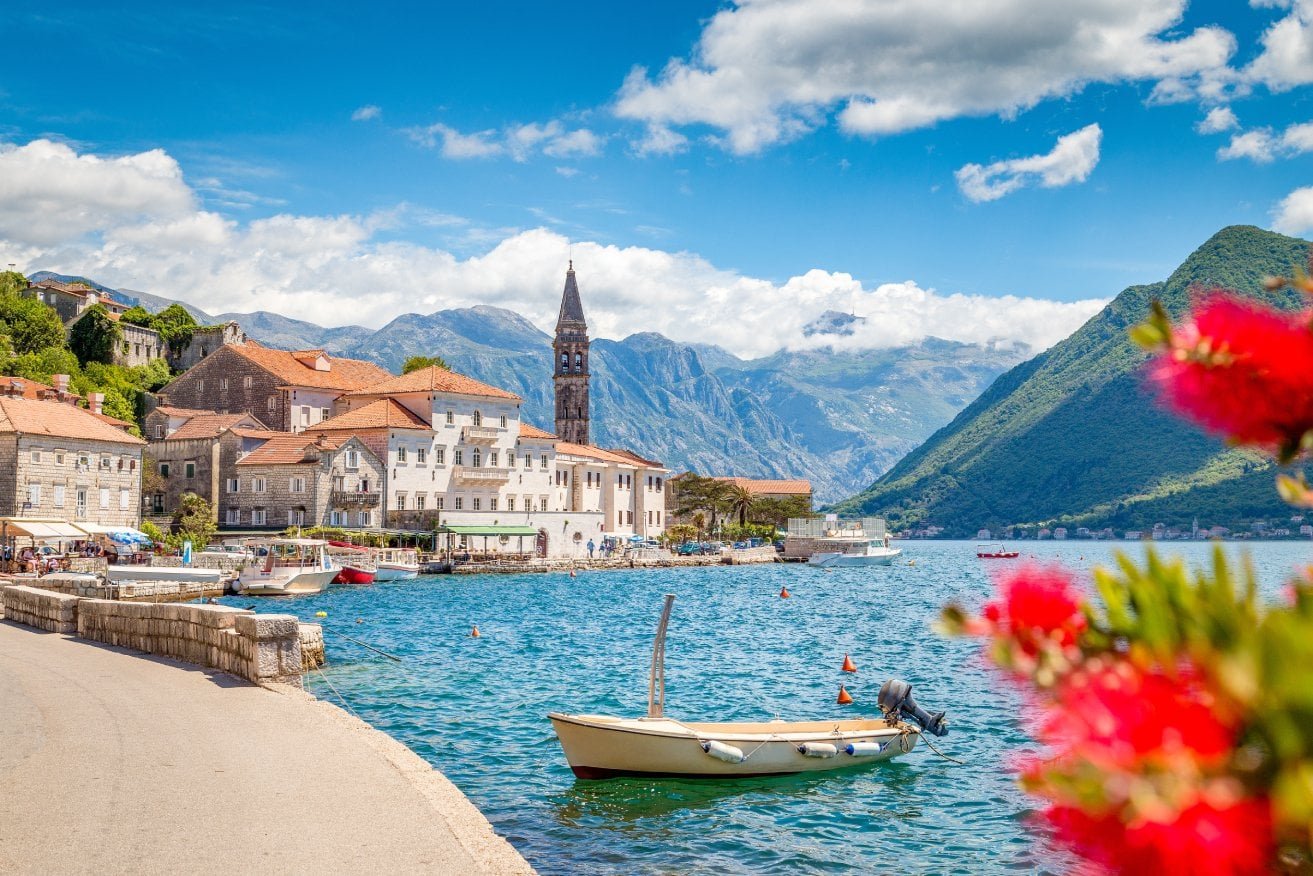
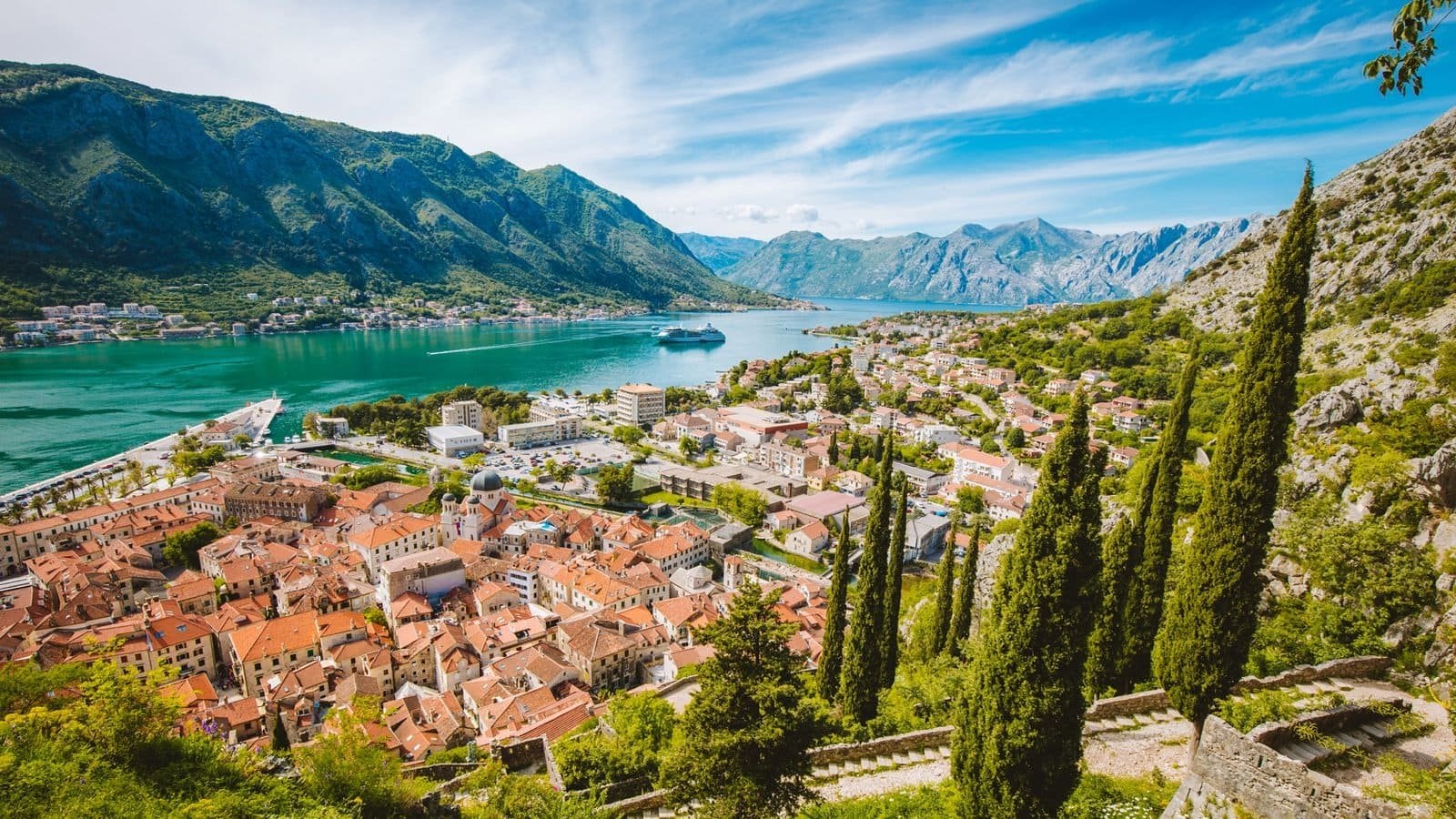
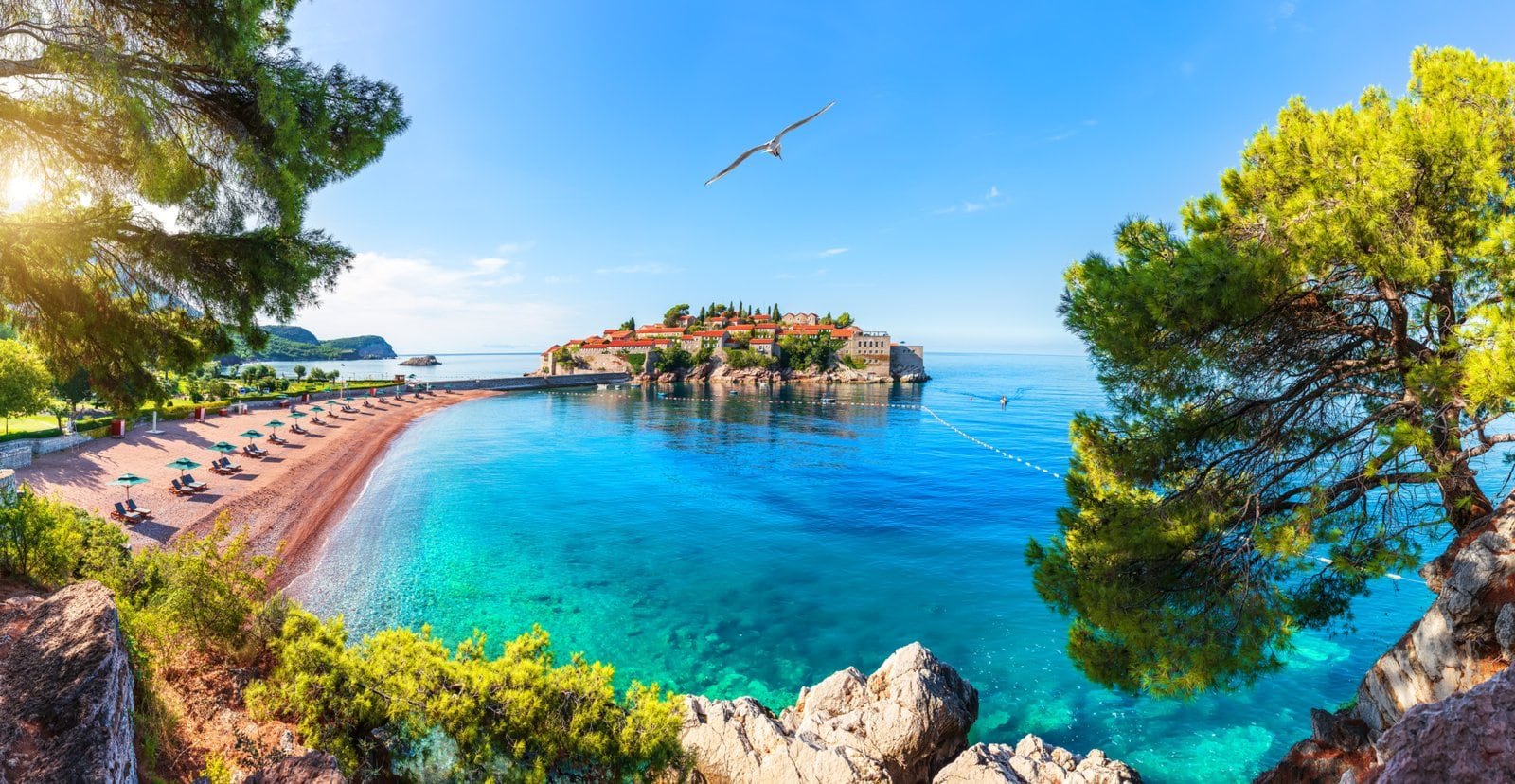
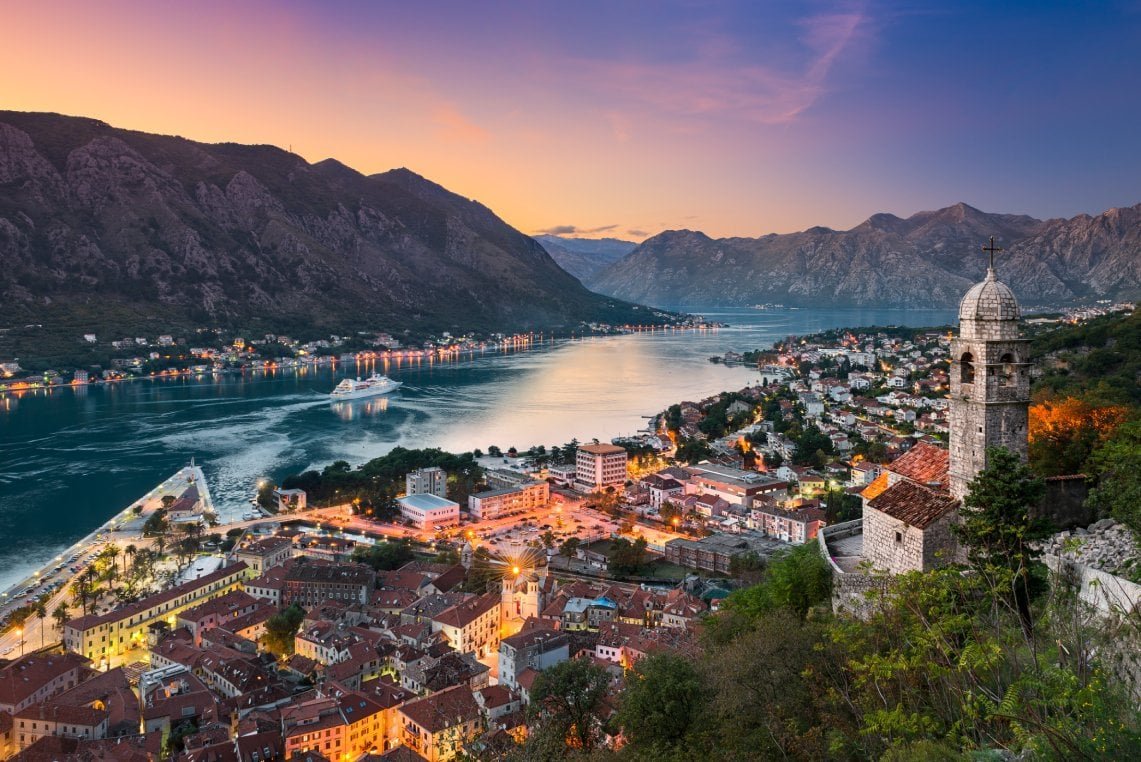
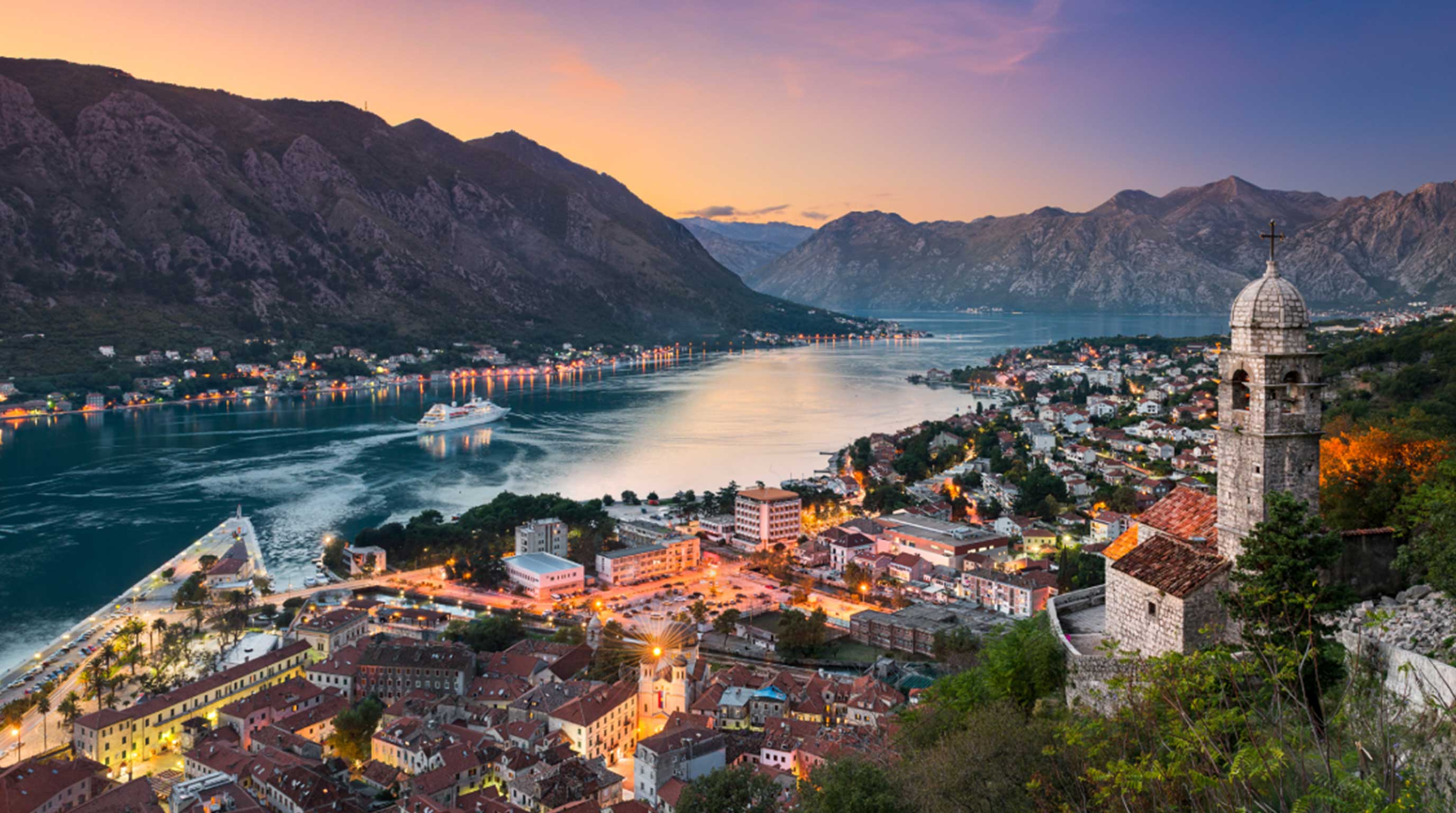
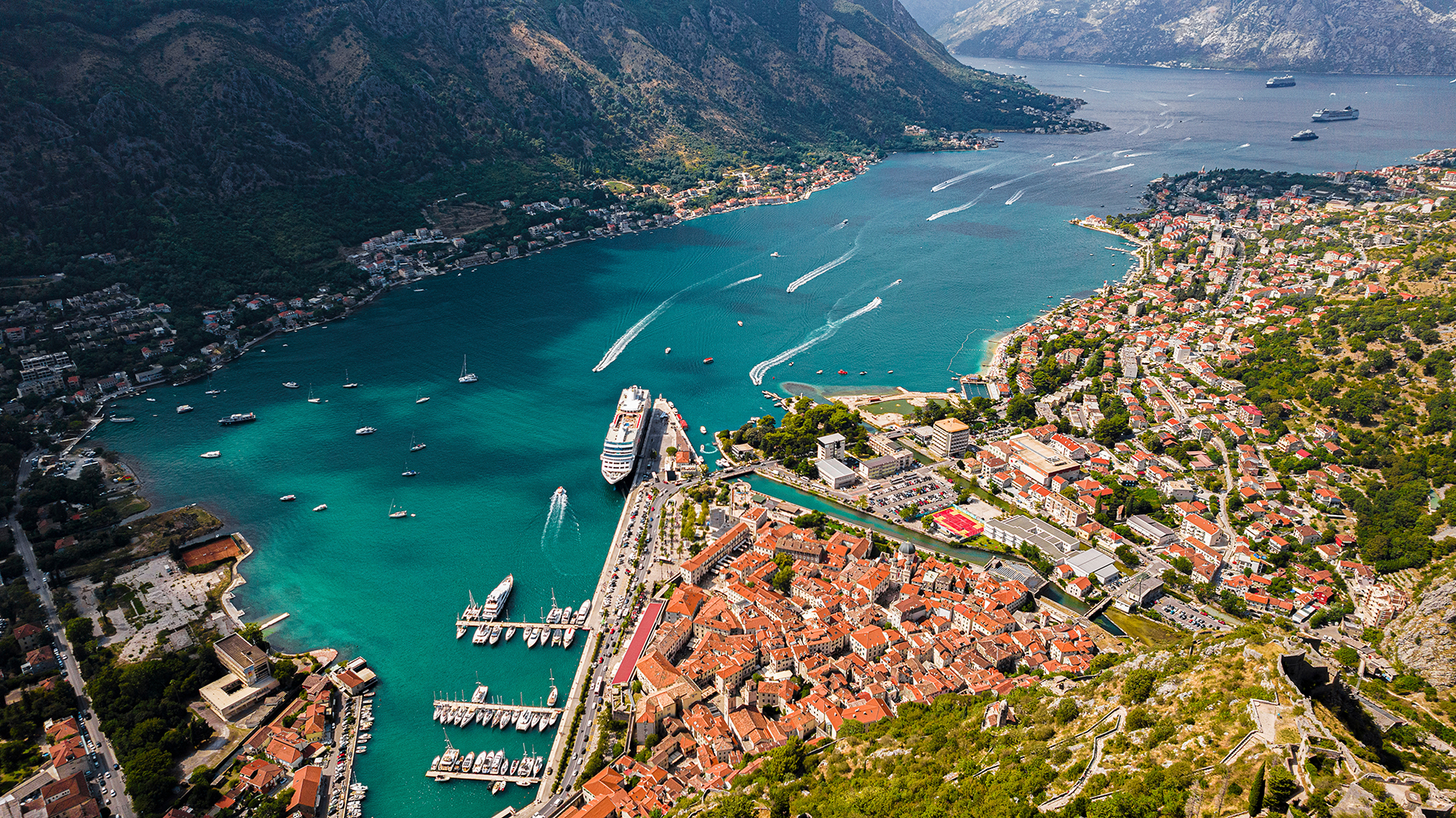
Few corners of Europe present the combination of absolute supply constraints, internationally recognised heritage status, and accelerating cross-border buyer interest that defines the Kotor Old Town property market today. For investors with a genuine long-term perspective, this is not a conventional Adriatic residential purchase. It is an entry into a finite, irreplaceable category of asset, one contained within medieval fortifications that have stood for centuries and will never grow. As Montenegro's position on the global luxury real estate map strengthens through 2026, the Old Town continues to occupy a category entirely its own: a walled city where every stone palazzo, vaulted residence, and canal-facing apartment is, by definition, singular.
For broader context on capital flows and yield benchmarks across the Bay of Kotor region, the Bay of Kotor Property Investment: Rental Yields and Returns for 2026 report published by Barok Estates International provides current market intelligence across the full coastal corridor.
Why Kotor Old Town Is an Alternative Investment Class
Heritage Scarcity as a Value Driver
The foundational investment thesis here rests on a single, durable fact: the supply of property inside Kotor Old Town is structurally fixed and cannot be expanded. The medieval walls define a boundary that is physical, legal, and permanent. There are no undeveloped plots within those walls, no approvals pathway for new residential construction, and no mechanism by which the investable stock can grow in any meaningful sense. What exists today is essentially what will exist in twenty years, and the only change to that inventory will come through ownership transfers, not additions.
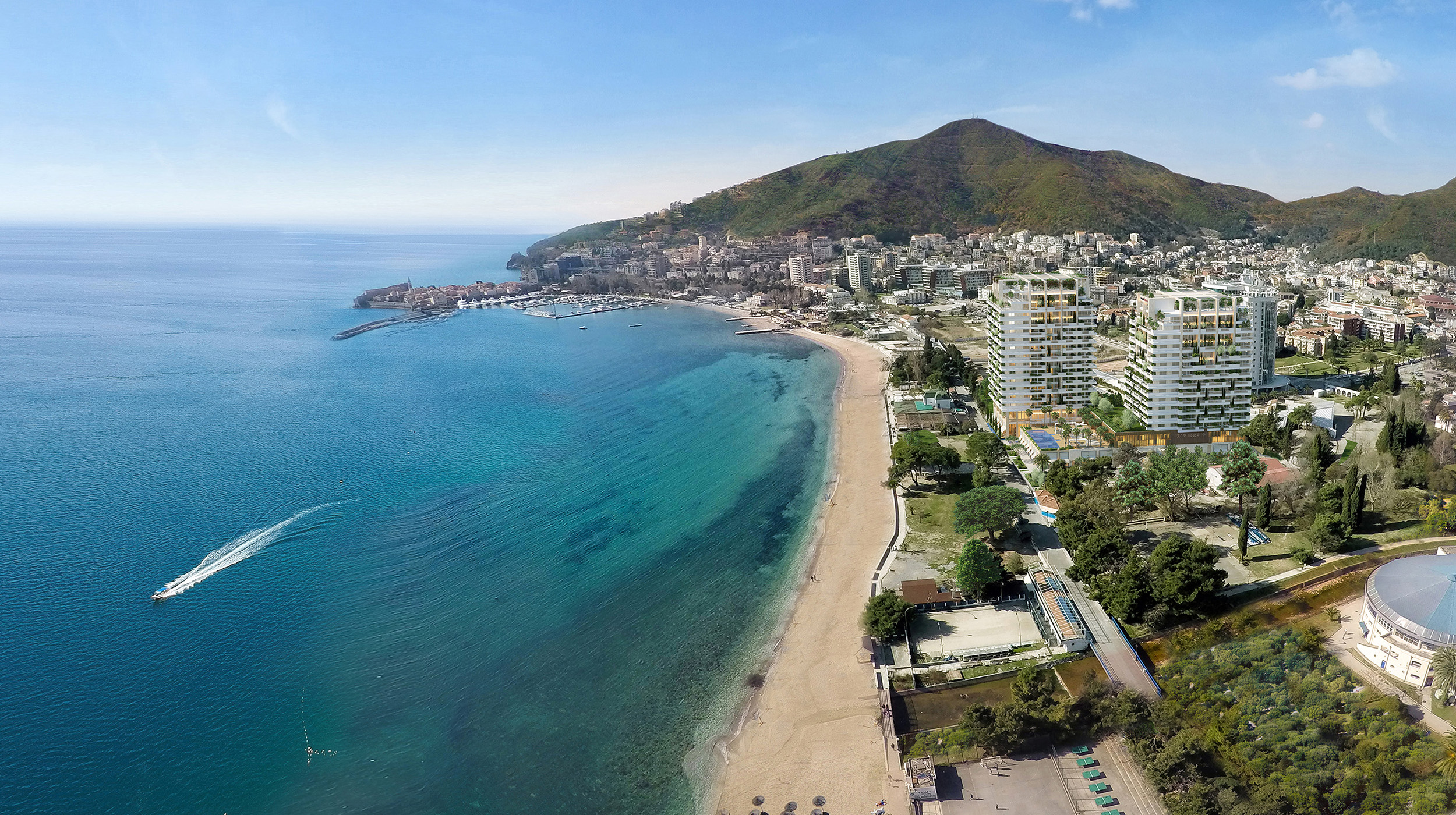
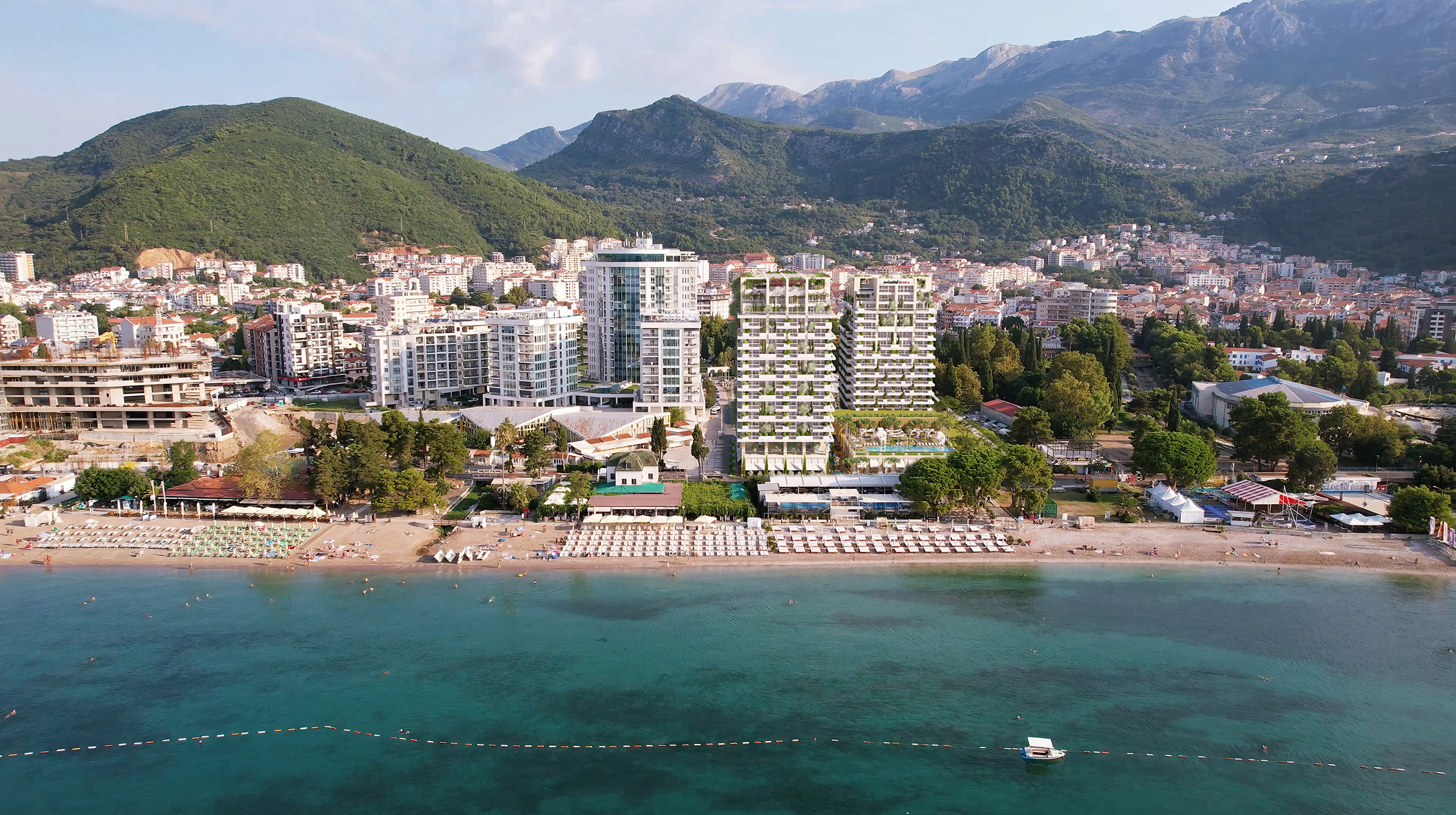
This is the critical distinction between Kotor Old Town and every other residential market in Montenegro. A sea-facing apartment in a coastal development in Budva or Bar can be replicated by the project next door, or the one planned for next year. A Venetian-era stone house set on a cobbled lane behind the Church of Saint Luke cannot be replicated anywhere, at any price. When scarcity is enforced simultaneously by physical barriers and regulatory controls, it becomes one of the most reliable long-term value supports in any asset class. Both conditions are fully present here.
Enquiry data monitored by Barok Estates International throughout 2025 and into 2026 confirms sustained growth in interest from European and Middle Eastern buyers targeting specifically the Old Town district. Heritage apartments and unrenovated stone houses represent the most requested off-market category. That demand profile, pressing against a supply that has no capacity to respond, creates the structural conditions that underpin continued price appreciation over time.
How UNESCO Designation Shapes Property Value Appreciation
Kotor Old Town received UNESCO World Heritage Site status in 1979, placing it among the earliest listed sites on the entire Adriatic coastline. The designation does more than acknowledge historical significance. It permanently caps the supply of investable property within the medieval perimeter and signals to buyers from every major international market exactly what the asset represents: authenticity that cannot be manufactured, permanence that cannot be replicated, and a quality benchmark that transcends any single country's domestic real estate context.
A buyer arriving from London, Dubai, or Singapore does not need an extended education in Montenegrin planning law to understand what UNESCO status means. The designation carries its own global credibility, and that credibility translates directly into demand from precisely the buyer segment that drives premium pricing.
Conservation legislation reinforces the effect. Every proposed alteration to a structure within the heritage zone requires formal approval from the Montenegro Cultural Heritage Protection Directorate, a process that limits speculative short-cycle investment and preserves the architectural character that underpins the market's premium positioning. The closest and most instructive parallel on the Adriatic is Dubrovnik, where UNESCO designation has sustained a measurable and durable price premium over non-protected comparable assets across extended hold periods, according to Croatian National Bureau of Statistics property transaction data. The same dynamic is at work in Kotor. Here, the heritage designation is not a constraint on value. It is the primary mechanism by which value is defended.
Historic Apartment Kotor Rental Income: What Investors Are Earning
Short-Term Luxury Rentals Versus Long-Term Tenancies
A well-positioned historic apartment inside Kotor Old Town generates income through two operationally distinct channels, and experienced investors structure their hold to take advantage of both. During the Adriatic high season, running broadly from late May through to September, the Old Town draws a high-spending international visitor base that actively prioritises character and authenticity over the standardised comfort of chain hotel rooms. Vaulted stone ceilings, thick medieval walls, private terraces overlooking baroque piazzas: these are not decorative features. They are the product, and the market prices them accordingly. Nightly rates for premium historic apartments in Kotor Old Town consistently outperform comparable modern apartments across the wider Bay of Kotor by a substantial margin.
Beyond peak season, the Old Town's growing appeal to European remote workers and longer-stay international residents creates a complementary income layer that improves annual yield stability. Montenegro's cost of living relative to Western European capitals, combined with Kotor's quality of life, connectivity, and cultural depth, has expanded the pool of medium-term tenants substantially. For investors, this translates into more predictable cash flow across the shoulder months and winter period, reducing the seasonal income volatility that affects short-let-only strategies elsewhere on the Adriatic coast.
For investors assessing yield potential across Montenegro's broader coastal market before focusing specifically on the Old Town, the Montenegro Real Estate Investment in 2026: Market Intelligence, Yields and Hones guide from Barok Estates International provides a useful comparative framework.
Boutique Accommodation as a Revenue Model
Several Venetian-era palazzos along the principal squares and canal-facing lanes of the Old Town have already completed the conversion from private residential use into boutique guesthouses and premium holiday accommodation, establishing a clear and demonstrable pathway from acquisition to income for investors entering the market now. A boutique property of this type, typically a multi-room stone building operated under a licensed guesthouse or aparthotel structure, generates revenue at a different order of magnitude compared with a single rental apartment. Premium positioning, considered interior design that respects the building's period character, and the inherent atmosphere of a medieval stone palazzo allow operators to set rates that reflect the full experiential value of the product rather than simply the square metreage on offer.
This model requires more active management than a passively held rental apartment, and the upfront capital commitment for fit-out is correspondingly higher. The revenue ceiling, however, is proportionally greater. Investors who approach this as an operating business from the outset, with professional hospitality management in place and a clear brand positioning, are achieving the strongest returns in the current market. The model rewards preparation and penalises underinvestment in the guest experience.
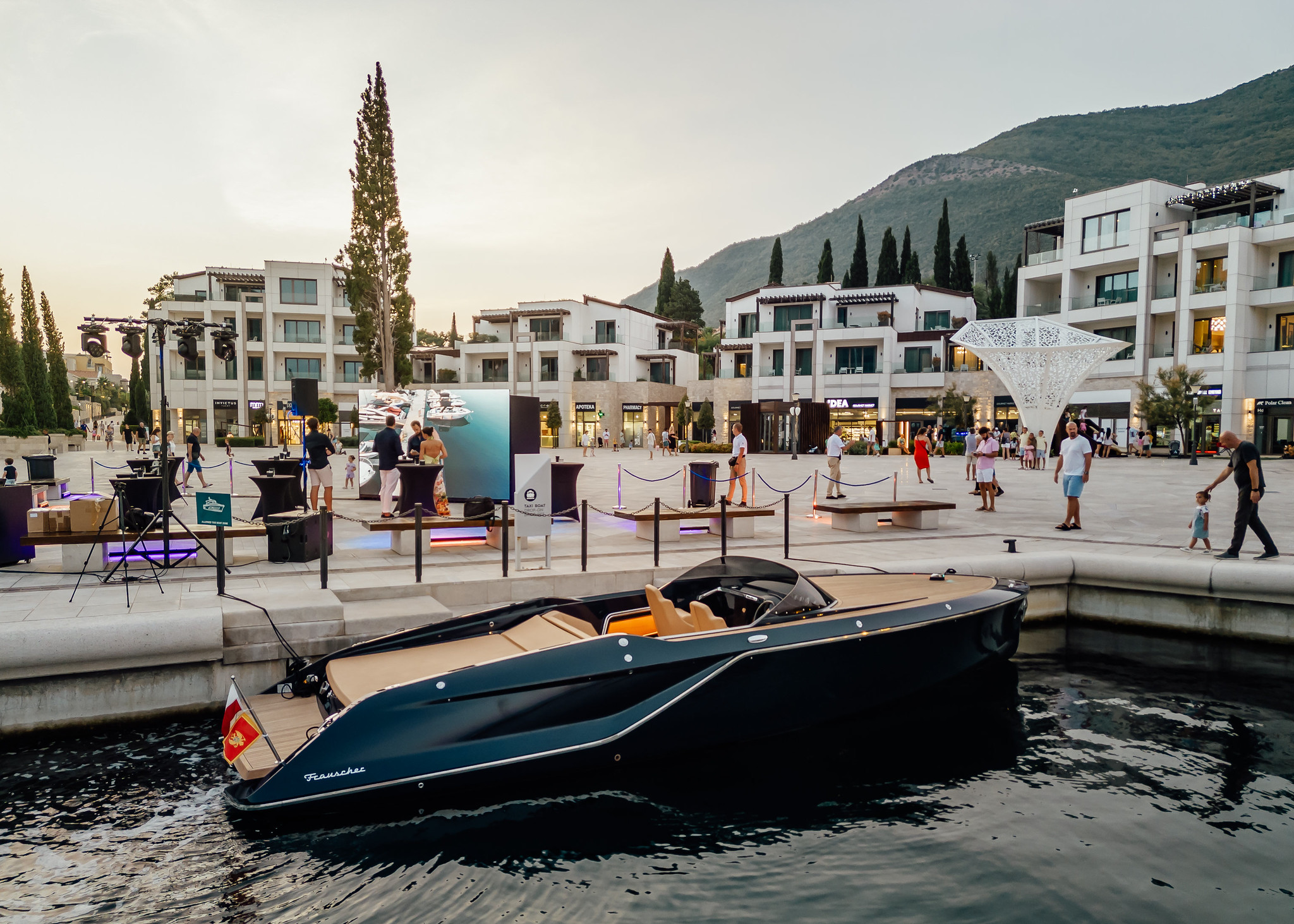
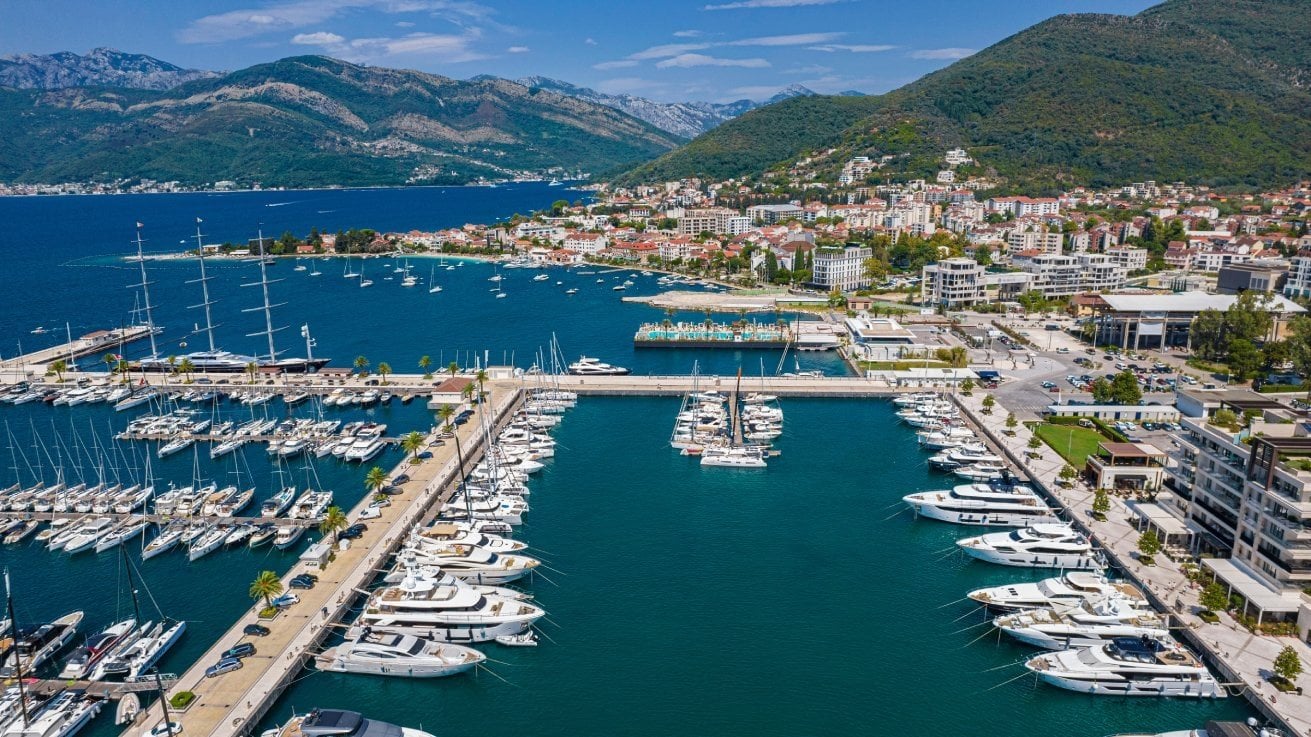
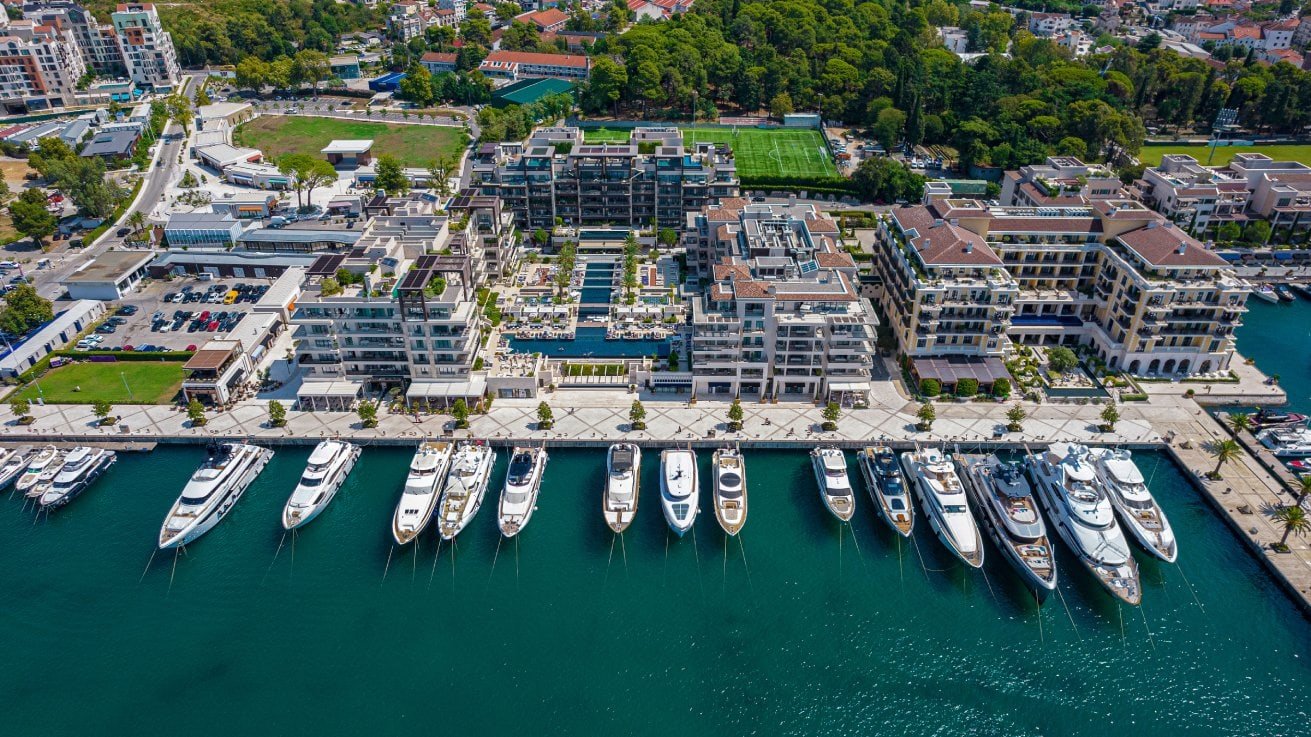
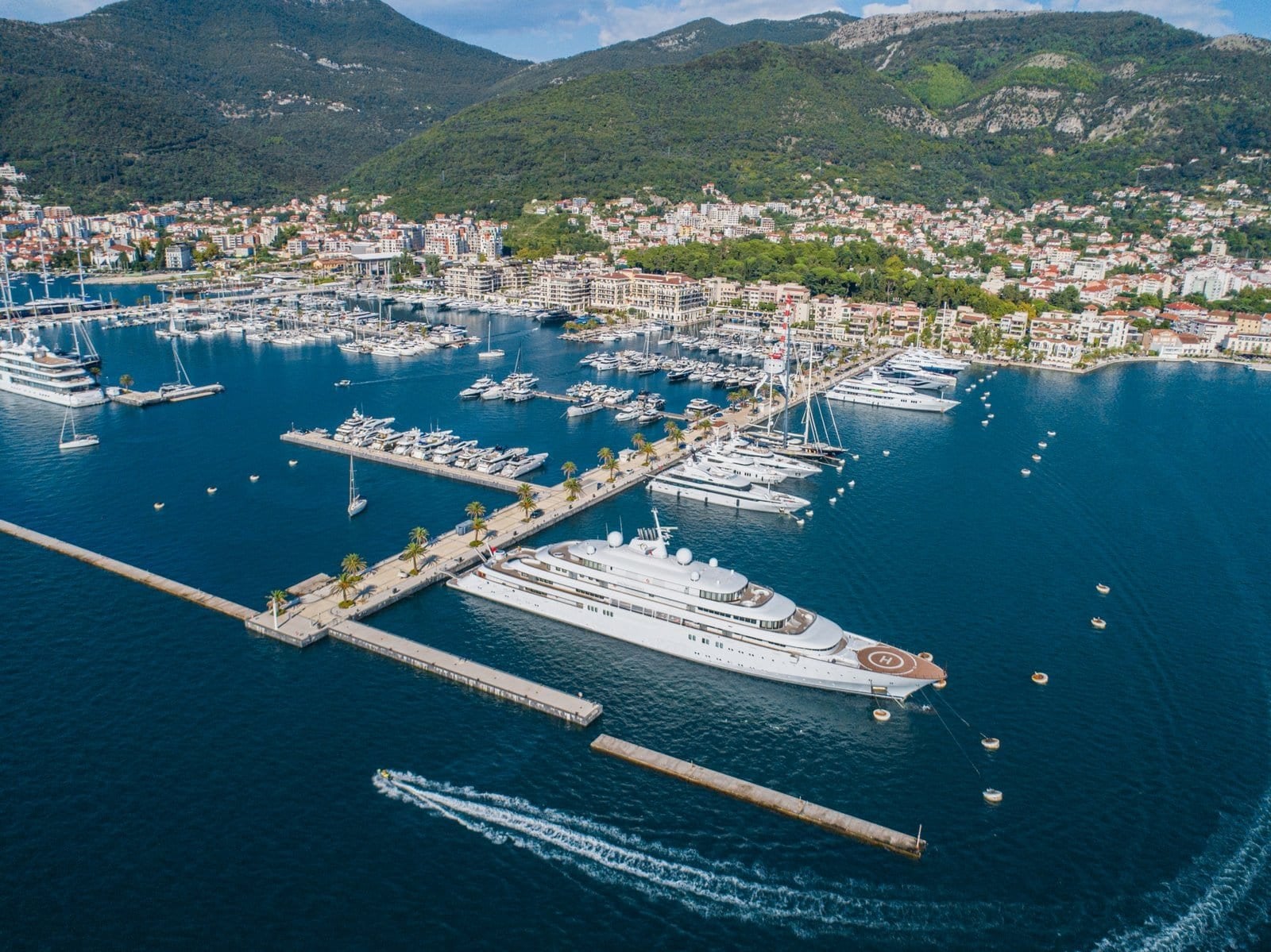
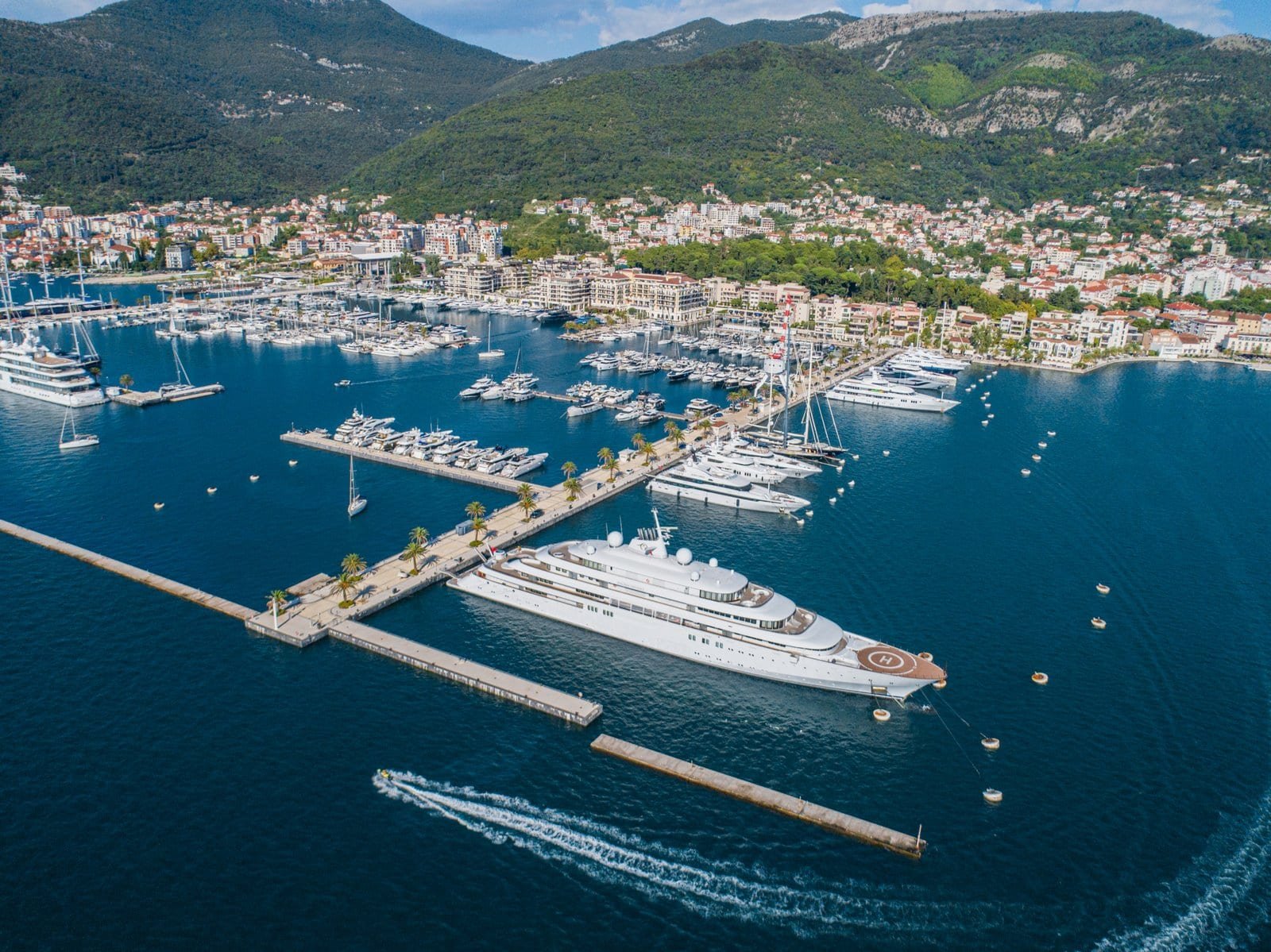
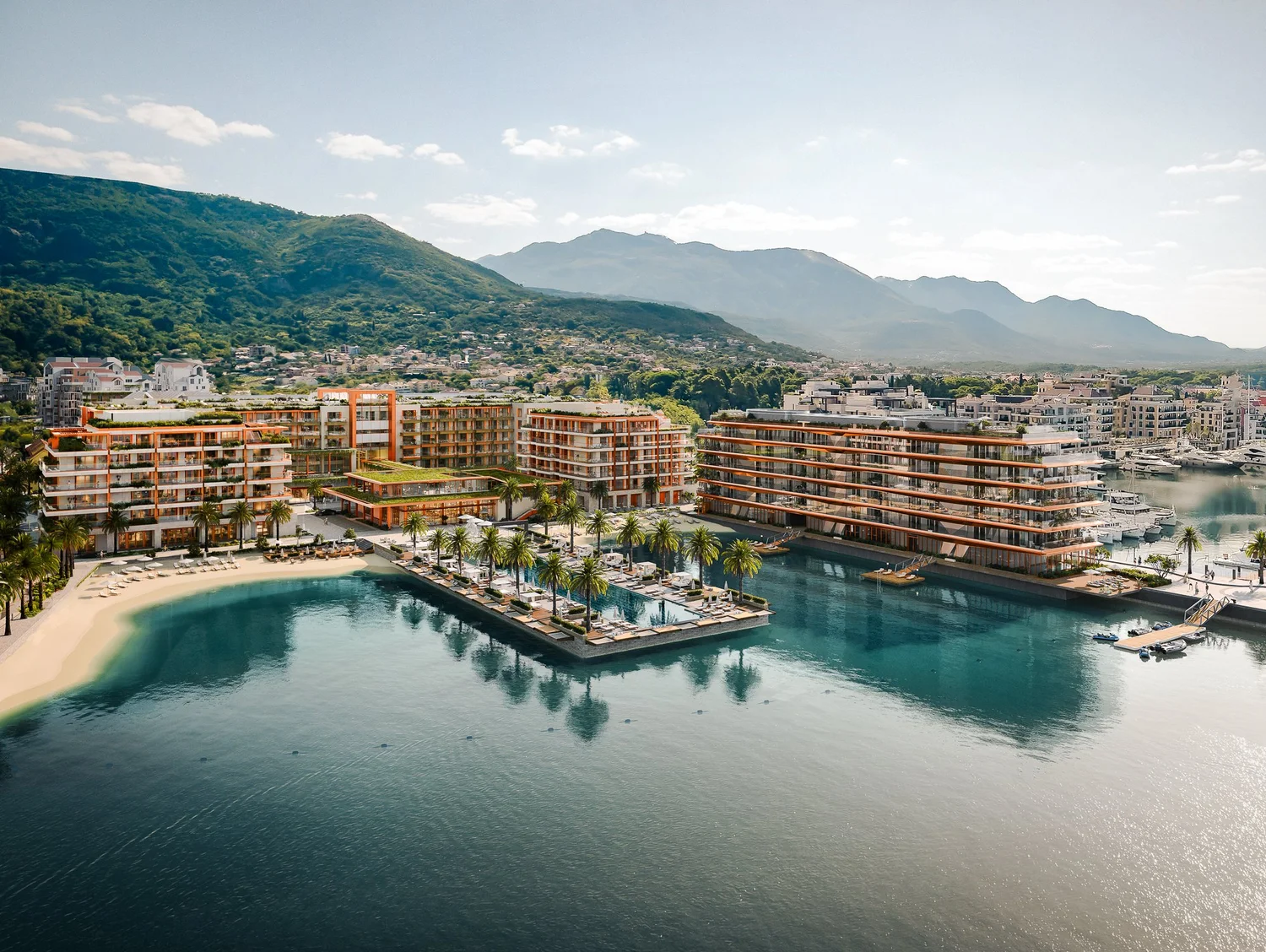
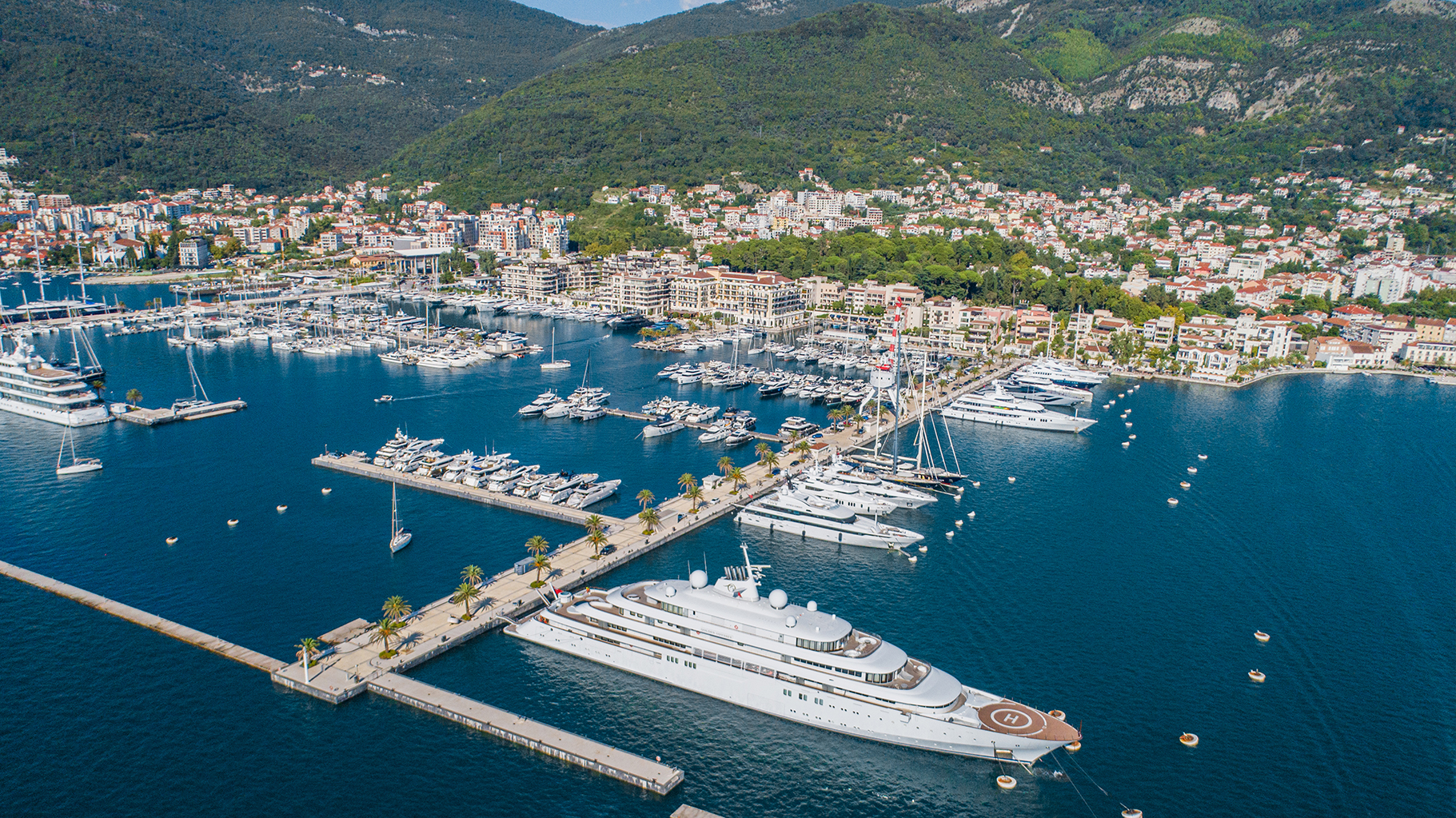
For investors considering the contemporary luxury apartment market as a complementary or alternative holding within Montenegro, the Porto Montenegro Apartments for Sale: 2026 Buyer and Investment Guide presents a detailed overview of the country's most internationally established marina address. Porto Montenegro also offers residences at the absolute top of the Adriatic luxury market, including the Elevated Living Above the Adriatic: Porto Montenegro's Finest Rooftop Penthouse and the landmark Sky-High Sovereignty Above the Adriatic: Porto Montenegro's Crown Penthouse, which together represent the upper end of Montenegro's contemporary luxury residential inventory.
Kotor Old Town Renovation Investment Returns: Restoring a Stone House
Understanding Restoration Costs and Heritage Regulations
Acquiring an unrenovated stone house or palazzo inside Kotor Old Town is a categorically different transaction from purchasing a finished residential unit. In practical terms, it is closer to a development project than a property purchase, and investors who approach it without that framing tend to underestimate both the timelines and the capital requirements involved.
All works within the historic district fall under the jurisdiction of the Montenegro Cultural Heritage Protection Directorate, which operates under the Law on Cultural Heritage Protection. Before any structural intervention can begin, the owner must obtain formal approval from the Directorate. That approval process specifies not only what can be done, but what materials must be used: local stone is required for any masonry repairs or extensions, traditional lime mortars replace contemporary cement renders, and joinery must conform to period-appropriate specifications. The use of modern substitute materials is not permitted within the heritage zone, regardless of cost savings or construction convenience.
This regulatory framework adds both time and cost to the renovation pathway. Experienced investors in this market build the approval timeline into their financial model from acquisition, treating it not as an obstacle but as a standard stage-gate in a heritage development process. The directorate's requirements also serve a protective function: they prevent the dilution of architectural authenticity that would, over time, undermine the premium the market commands. The regulations that create short-term friction are the same regulations that protect long-term asset value.
Material and labour costs for authentic restoration work in Kotor Old Town currently run at a meaningful premium over standard residential construction rates in Montenegro. Skilled stonemasons, lime mortar specialists, and heritage joinery craftspeople are a finite resource, and demand from the growing pipeline of Old Town restoration projects competes for that capacity. Investors should obtain detailed contractor assessments before fixing restoration budgets, and should include a contingency provision appropriate for a heritage project rather than a standard residential refurbishment.
Luxury Stone Houses in Kotor Bay: Finished Asset Value
The financial case for acquiring and restoring an unrenovated stone house in Kotor Old Town rests on the spread between entry cost, including acquisition and full restoration capital, and finished asset value in the current market. That spread, for well-selected properties in prime Old Town locations, remains attractive relative to comparable heritage restoration plays in more established Western European markets.
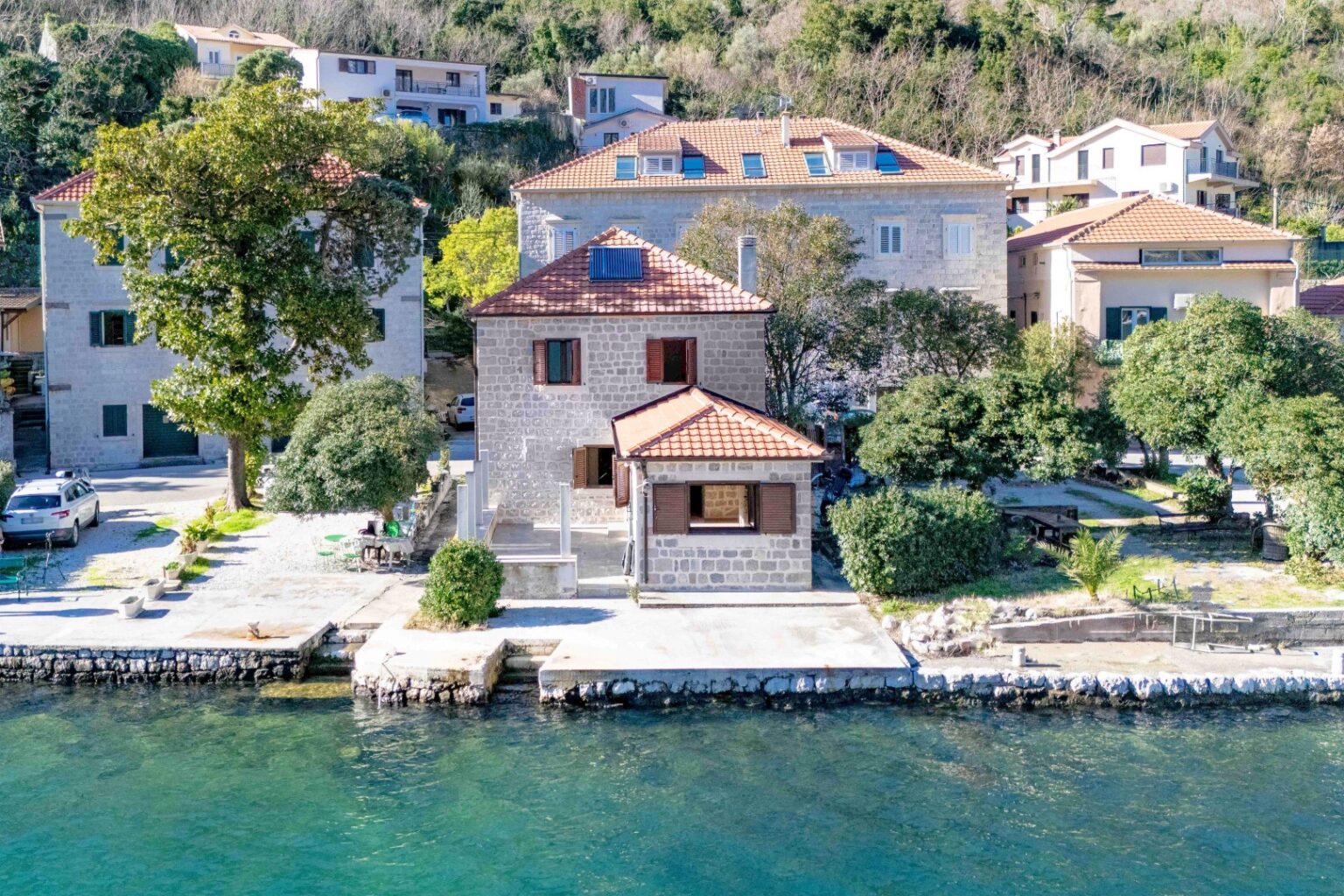
Finished luxury stone houses and palazzos in Kotor Old Town, fully restored to a contemporary interior standard while preserving period architectural features, command prices that reflect both the scarcity of the asset and the quality of the execution. Location within the Old Town matters significantly: properties facing the main squares, the cathedral, or the canal-facing lanes achieve the highest per-square-metre values and the strongest rental premiums. Properties on secondary lanes or upper floors without terrace access trade at a discount, but still benefit from the fundamental scarcity premium that the walled perimeter creates for the entire district.
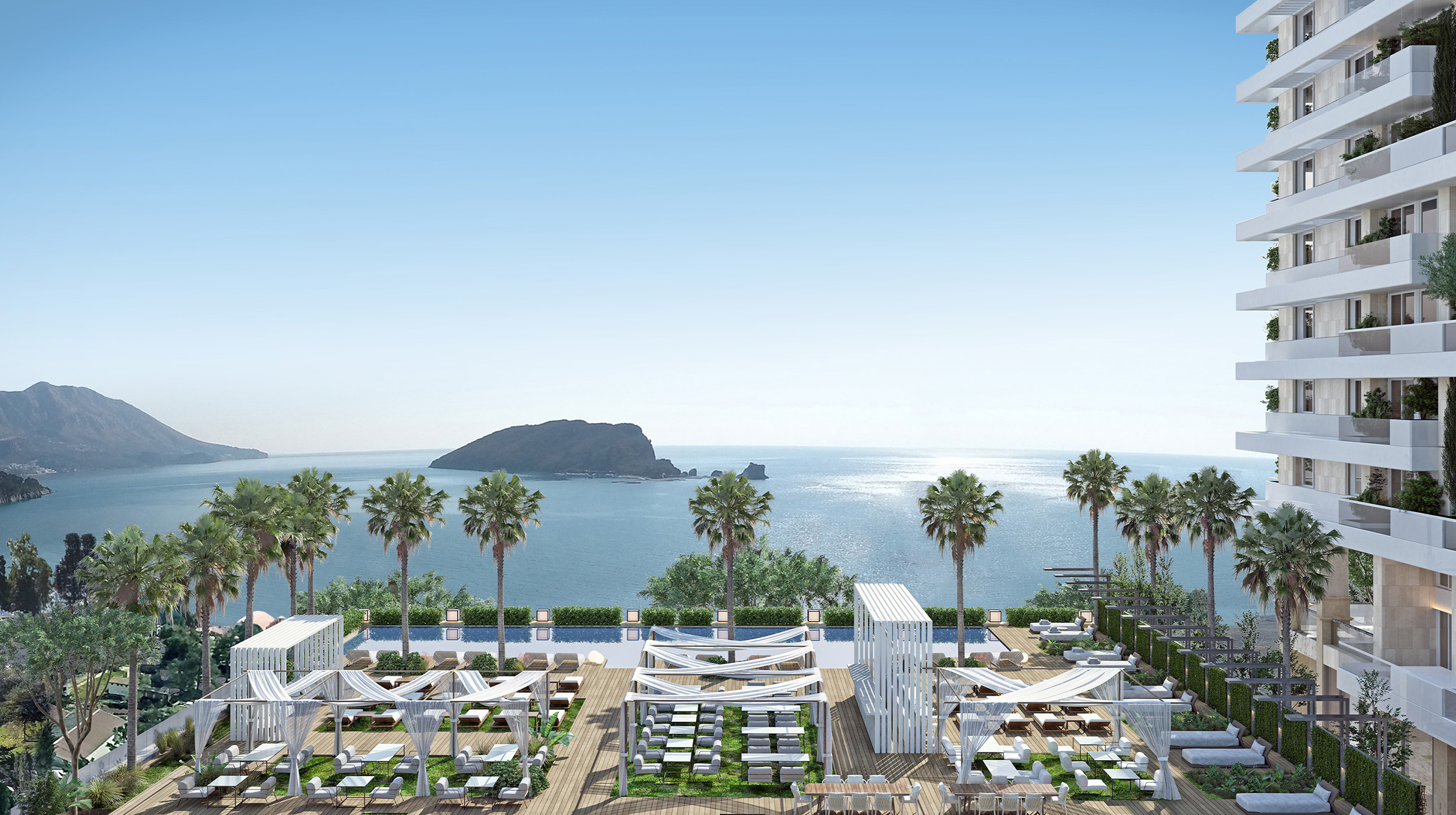
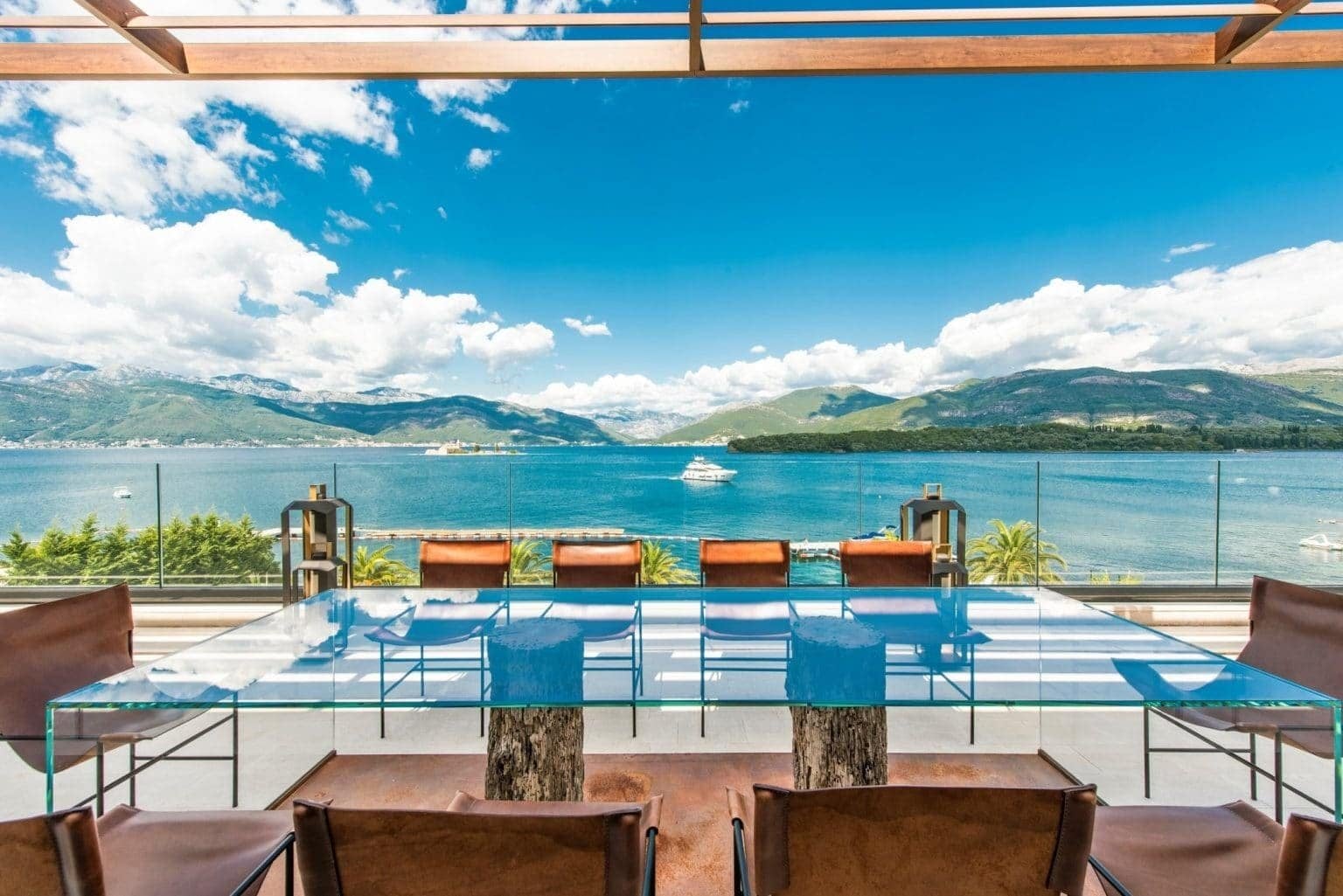
For investors seeking contemporary residences at the luxury end of the Montenegrin market as a counterpoint to Old Town heritage assets, the Panoramic Sea Views and Alpine Horizons at Porto Montenegro's Finest Address and the Sky-High Sovereignty Above the Adriatic: Porto Montenegro's Crown Penthouse illustrate the quality standard that Montenegro's premium new-build market now delivers, with full marina infrastructure and international owner services that heritage properties cannot match.
The International Buyer's Entry Point to Kotor's Historic District
The entry process for foreign nationals acquiring property inside Kotor Old Town follows Montenegro's general real estate acquisition framework, under which citizens of most countries may purchase freehold residential property without restriction, subject to standard due diligence and notarised transaction procedures. Montenegro's Law on Property Rights and the Law on Spatial Planning and Construction govern acquisition and any subsequent development activity. Investors should engage independent Montenegrin legal counsel with specific experience in heritage zone transactions, as the combination of freehold conveyancing and Cultural Heritage Directorate requirements creates a more complex documentation process than a standard residential purchase.
Transaction costs in Montenegro, including property transfer tax, notary fees, and registration charges, have historically been modest relative to comparable Western European markets, according to the Montenegrin Ministry of Finance's published tax schedule. Investors should verify current rates directly through legal counsel at the time of transaction, as fiscal policy is subject to periodic revision.
Entry price points in Kotor Old Town vary considerably by condition, size, and location. Unrenovated properties offer the widest spread between entry cost and potential finished value, but require the renovation capital, regulatory patience, and project management capability described above. Fully restored apartments and smaller houses represent a more immediate income-generating entry, with the capital commitment concentrated at acquisition rather than spread across a construction phase.
Demand pressure from international buyers, combined with the structural supply constraints that define this market, continues to compress the availability of off-market stock. Properties in the most sought-after positions within the Old Town rarely appear on open listing platforms. Access to the best opportunities in this market is a function of established local relationships and the ability to move decisively when the right asset becomes available.
For investors building a position in Montenegrin luxury real estate across multiple property types, the combination of a heritage asset in Kotor Old Town and a contemporary marina residence at Porto Montenegro represents a diversified approach that captures both the scarcity premium of the historic market and the liquidity advantages of Montenegro's most internationally visible address.
---
Barok Estates International Advisory Note
Barok Estates International advises private clients and institutional investors across Montenegro, Spain, and the United Kingdom on the acquisition, restoration, and management of luxury and heritage real estate. Our Montenegro desk maintains active relationships with owners of off-market stock in Kotor Old Town and across the Bay of Kotor. If you are considering a position in this market, whether a fully restored apartment, an unrenovated palazzo, or a boutique accommodation conversion project, our advisory team is available for a confidential initial consultation. Contact Barok Estates International through our Montenegro office to discuss current opportunities and to receive our private client briefing on the Kotor Old Town market.









.jpg)