Montenegro Second Home Guide for Affluent Buyers 2026
By the Editorial Team, Barok Estates International | June 2026
The geography of European luxury property has shifted. Buyers who once instinctively turned to the Côte d'Azur, the Dalmatian coast, or the Tuscan hills are increasingly pausing at a smaller, quieter country on the eastern Adriatic. Montenegro has earned serious attention from the affluent second-home market not through marketing noise, but through the weight of its own credentials: a coastline of genuine drama, an ownership environment that rewards the decisive buyer, and a price structure that still reflects opportunity rather than saturation.
This guide is written for the lifestyle buyer. Someone purchasing a personal retreat as the primary objective, viewing asset quality as a natural consequence of that choice, and expecting the ownership experience itself to be uncomplicated. It draws on the advisory experience of Barok Estates International across our Mediterranean and Adriatic offices, and it covers location selection, micro-market character, tax treatment, and legal process for foreign nationals.
Why Montenegro Is Drawing Affluent Second-Home Buyers in 2026
The Adriatic Lifestyle Advantage
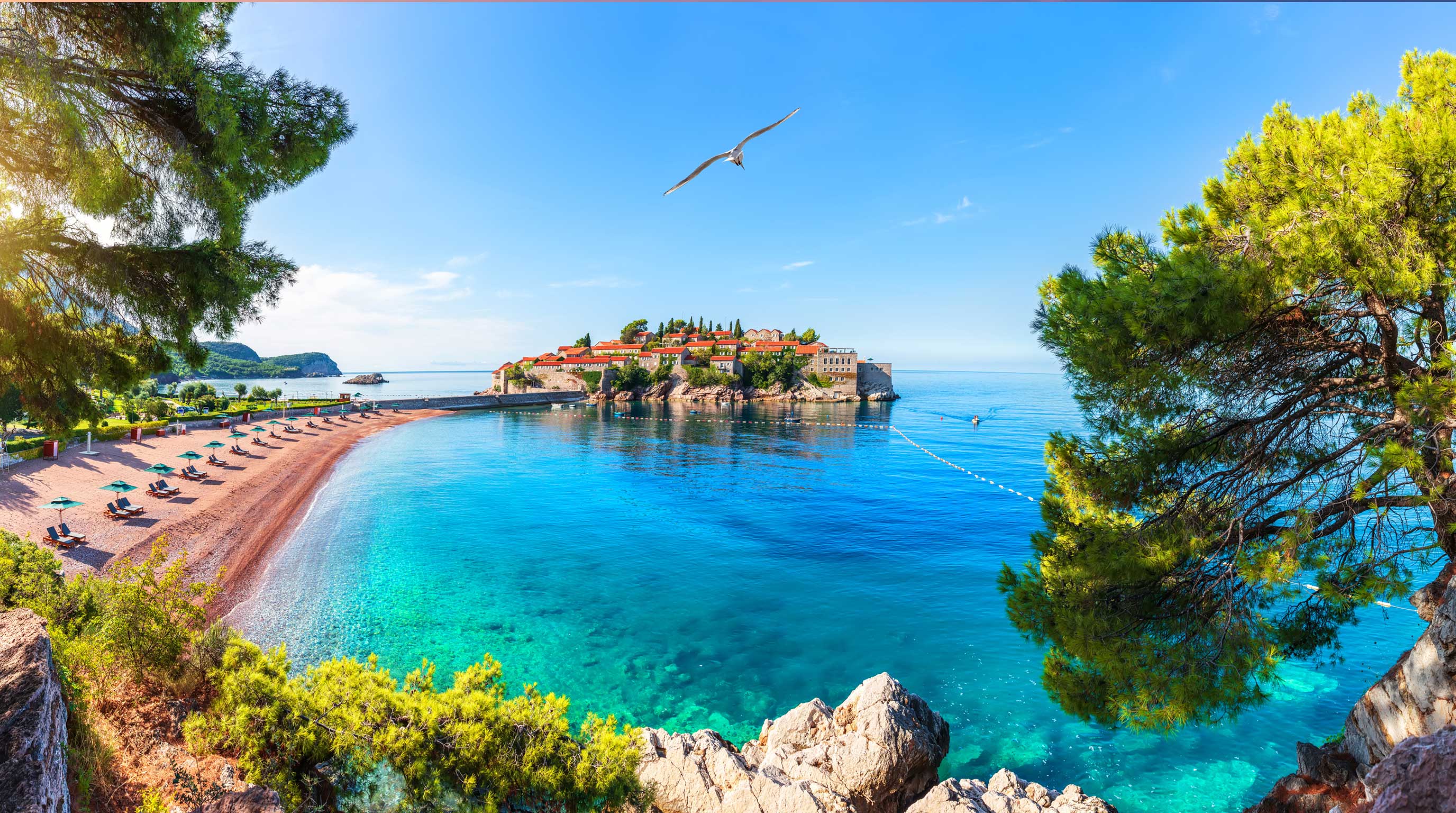
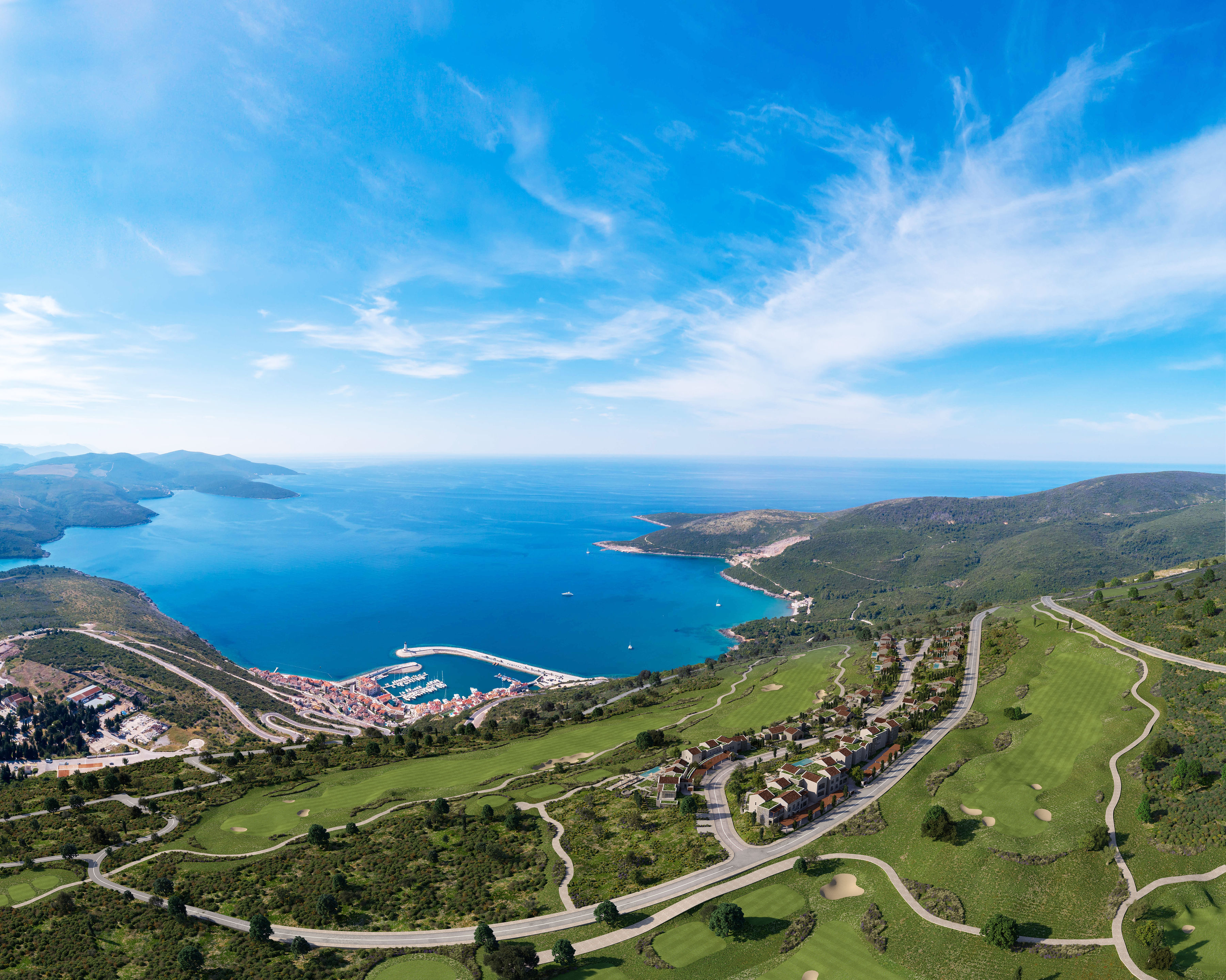
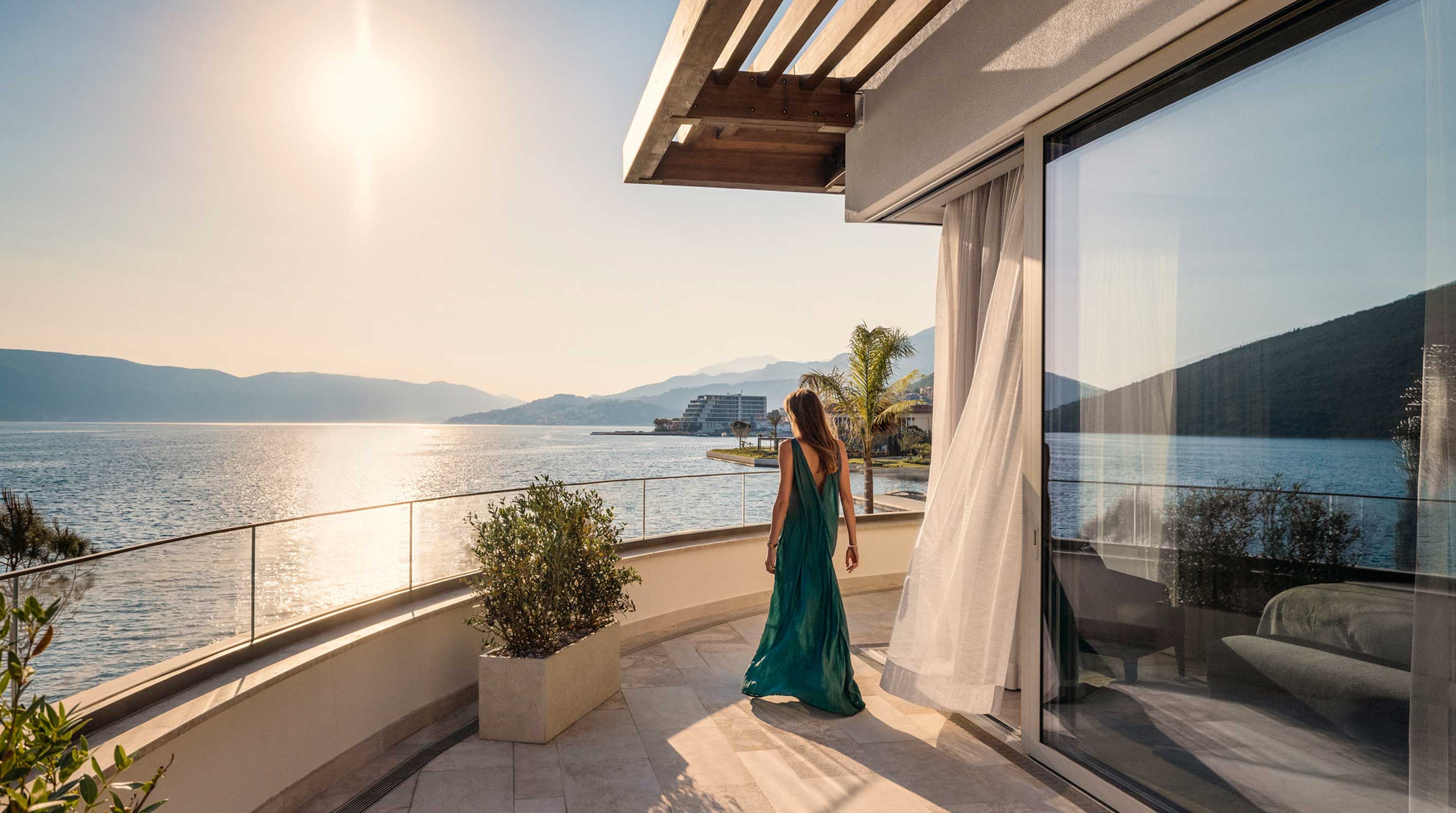
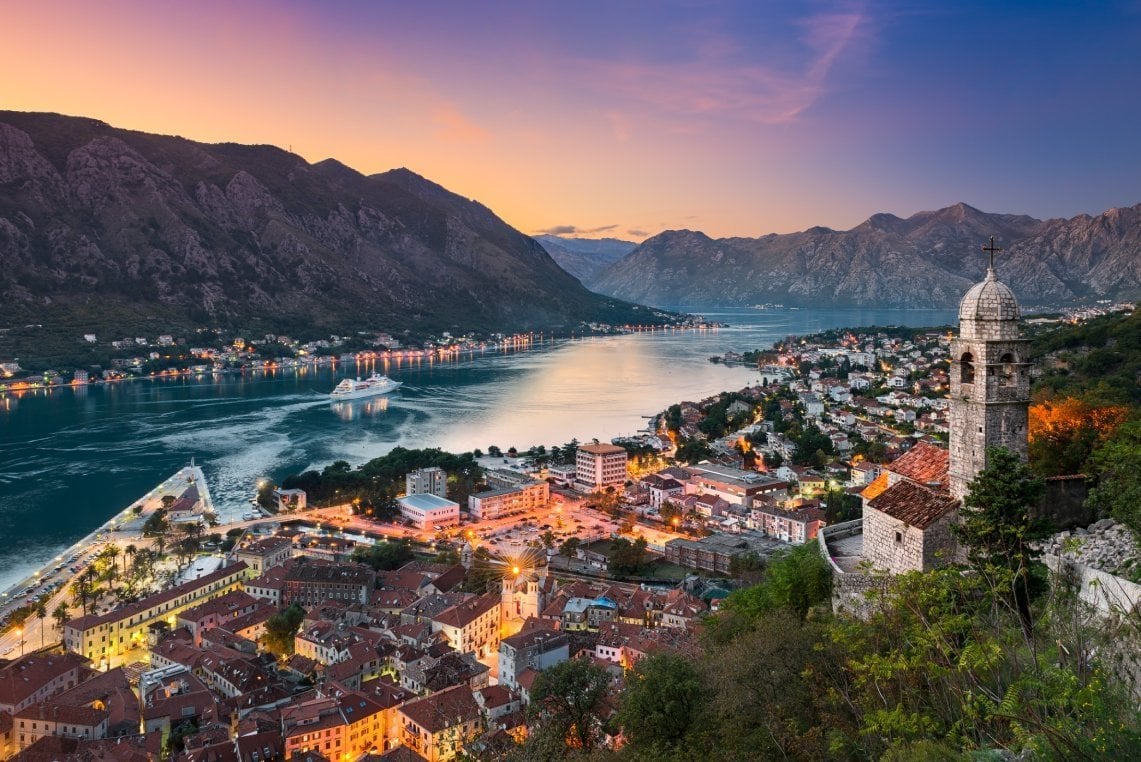
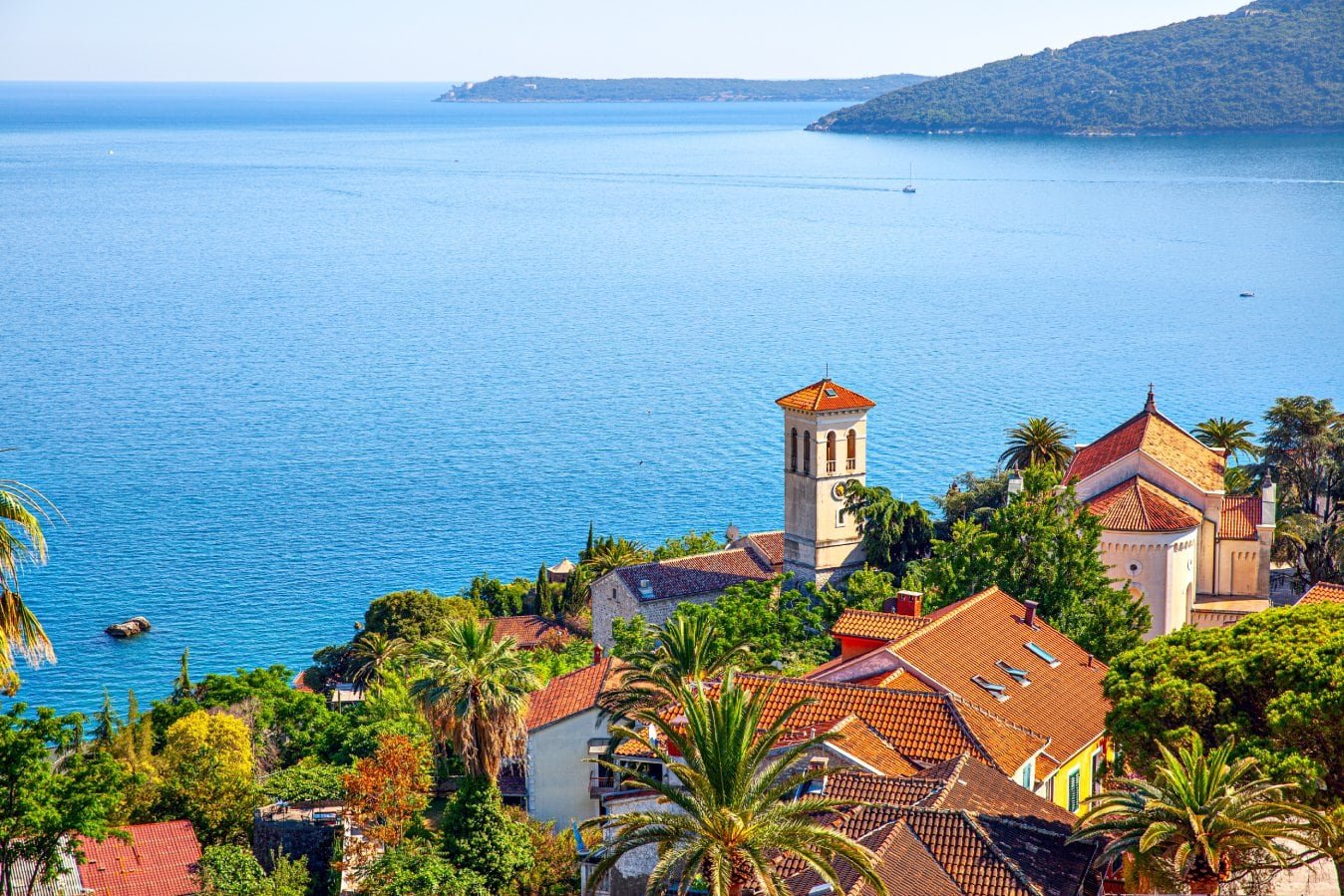
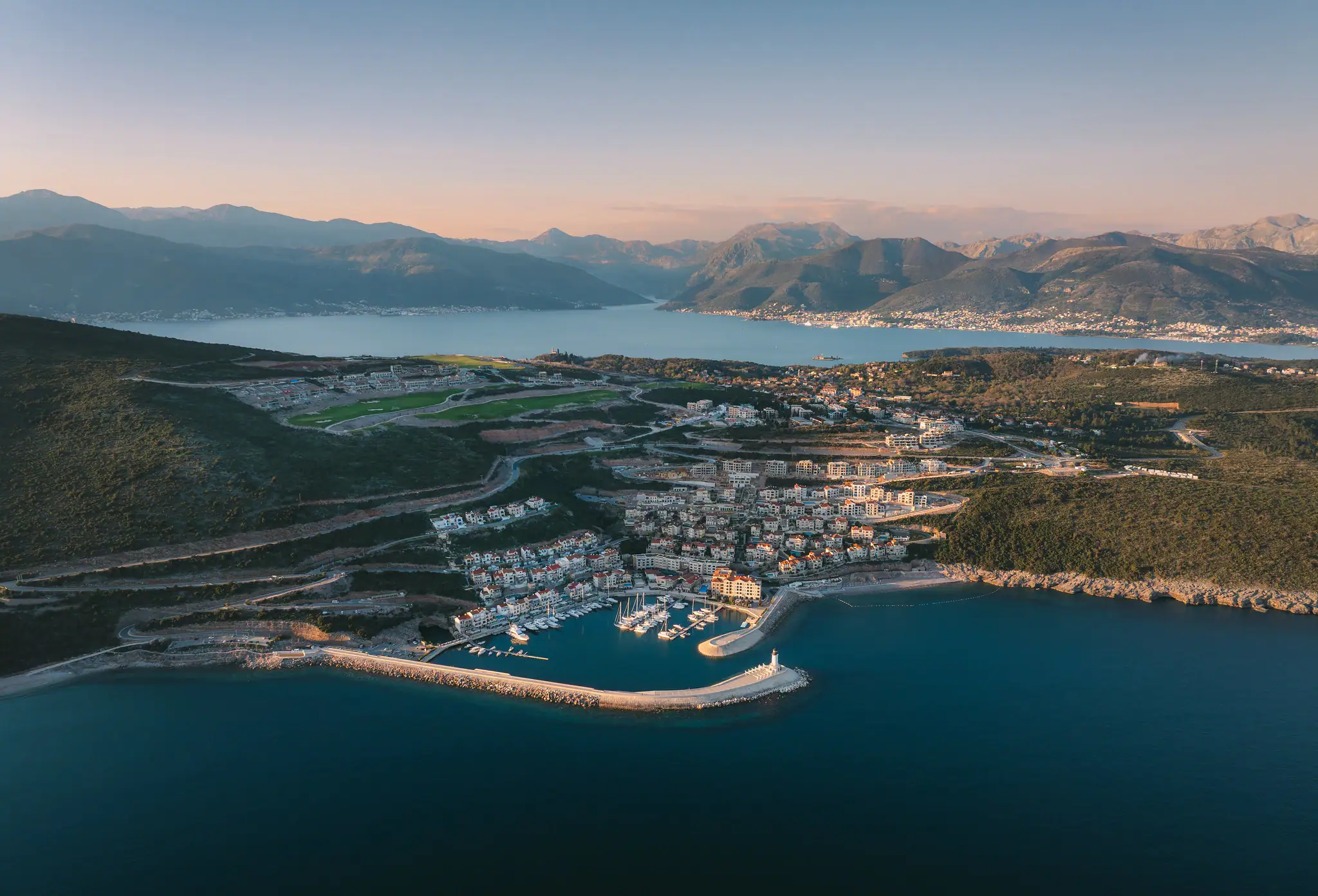
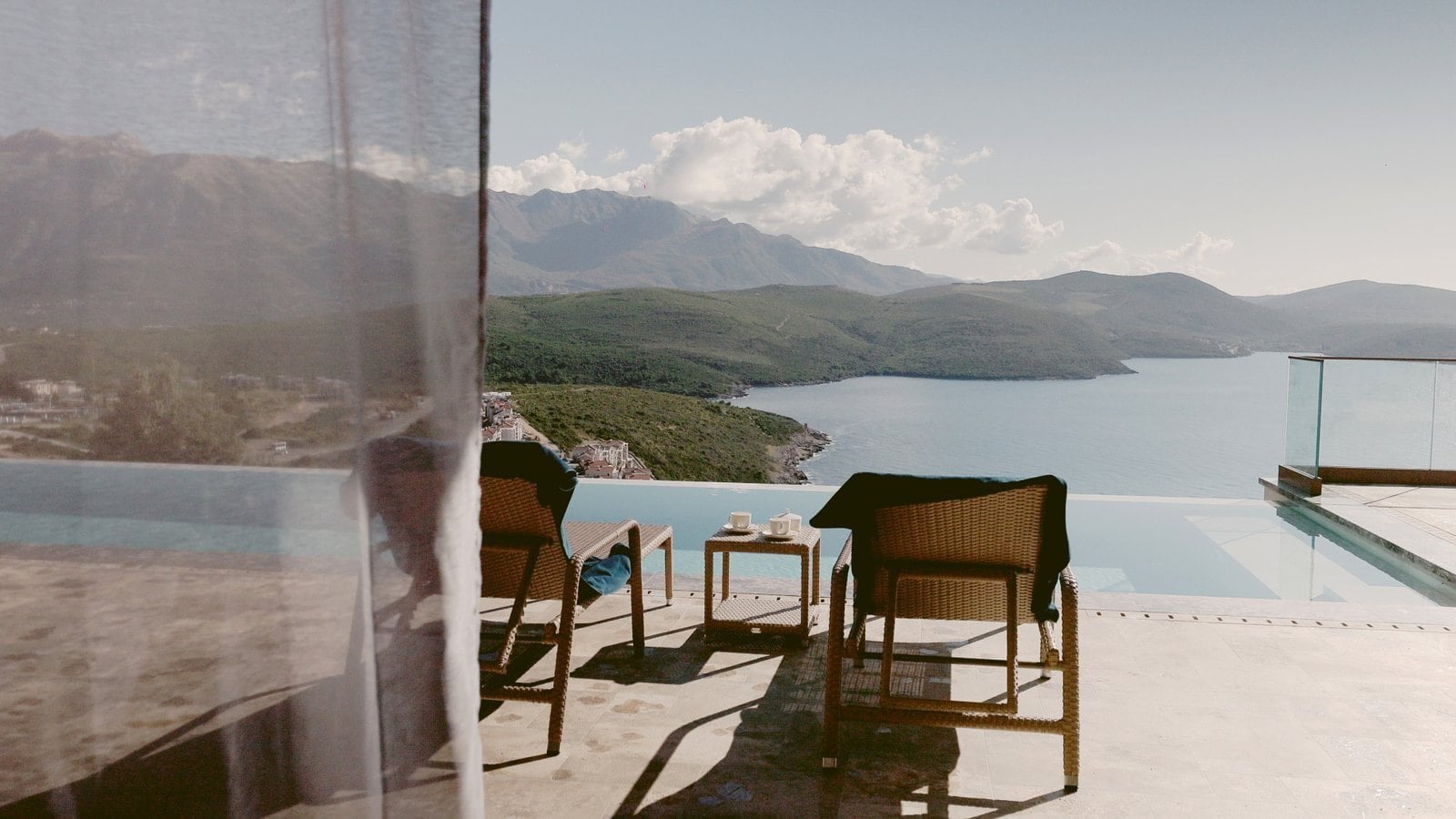
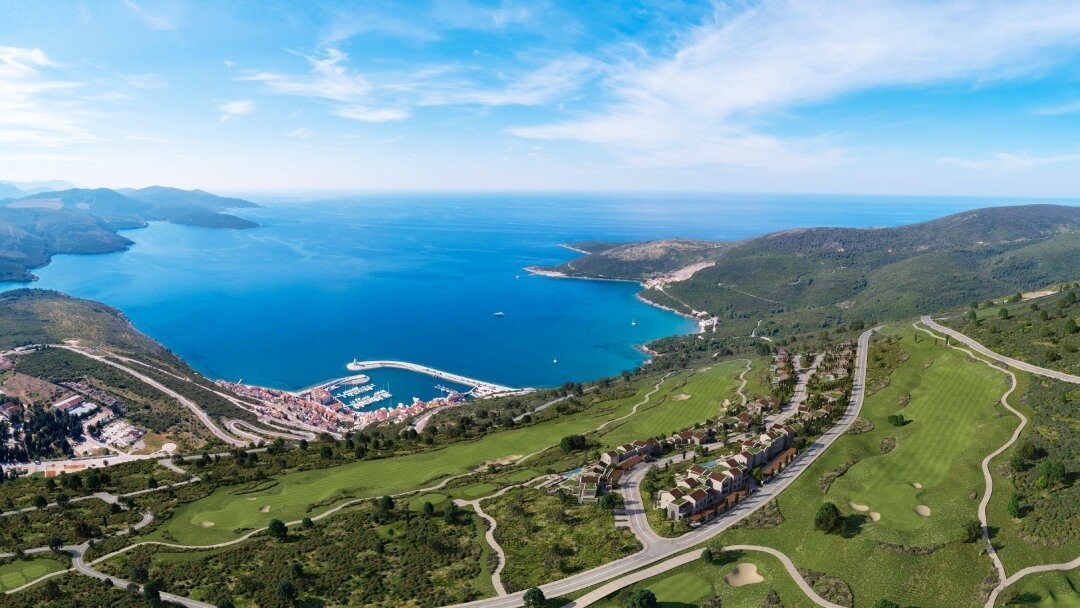
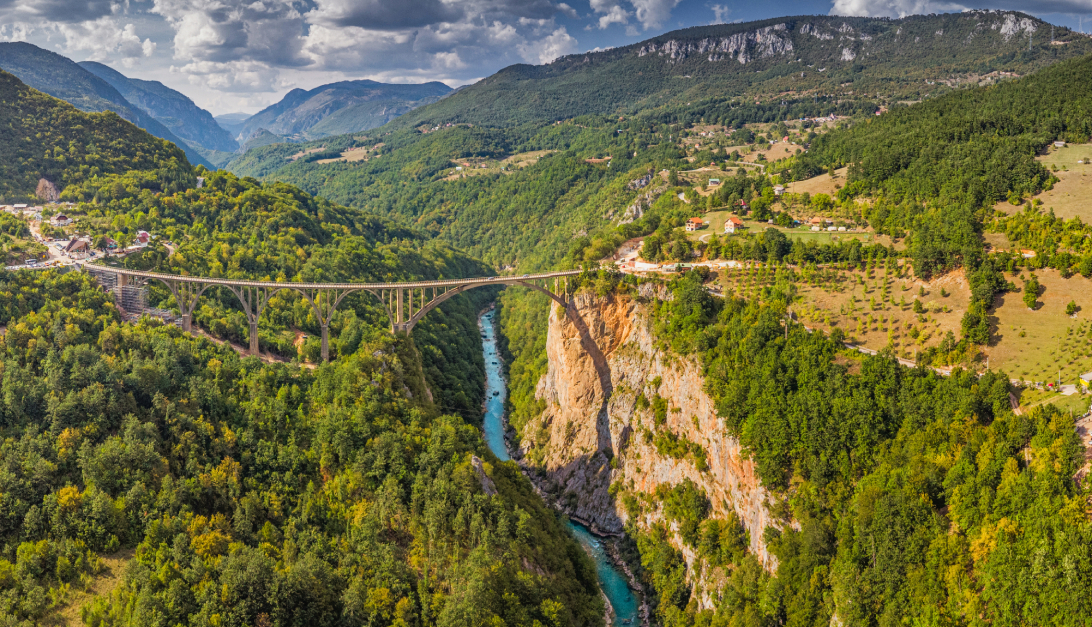
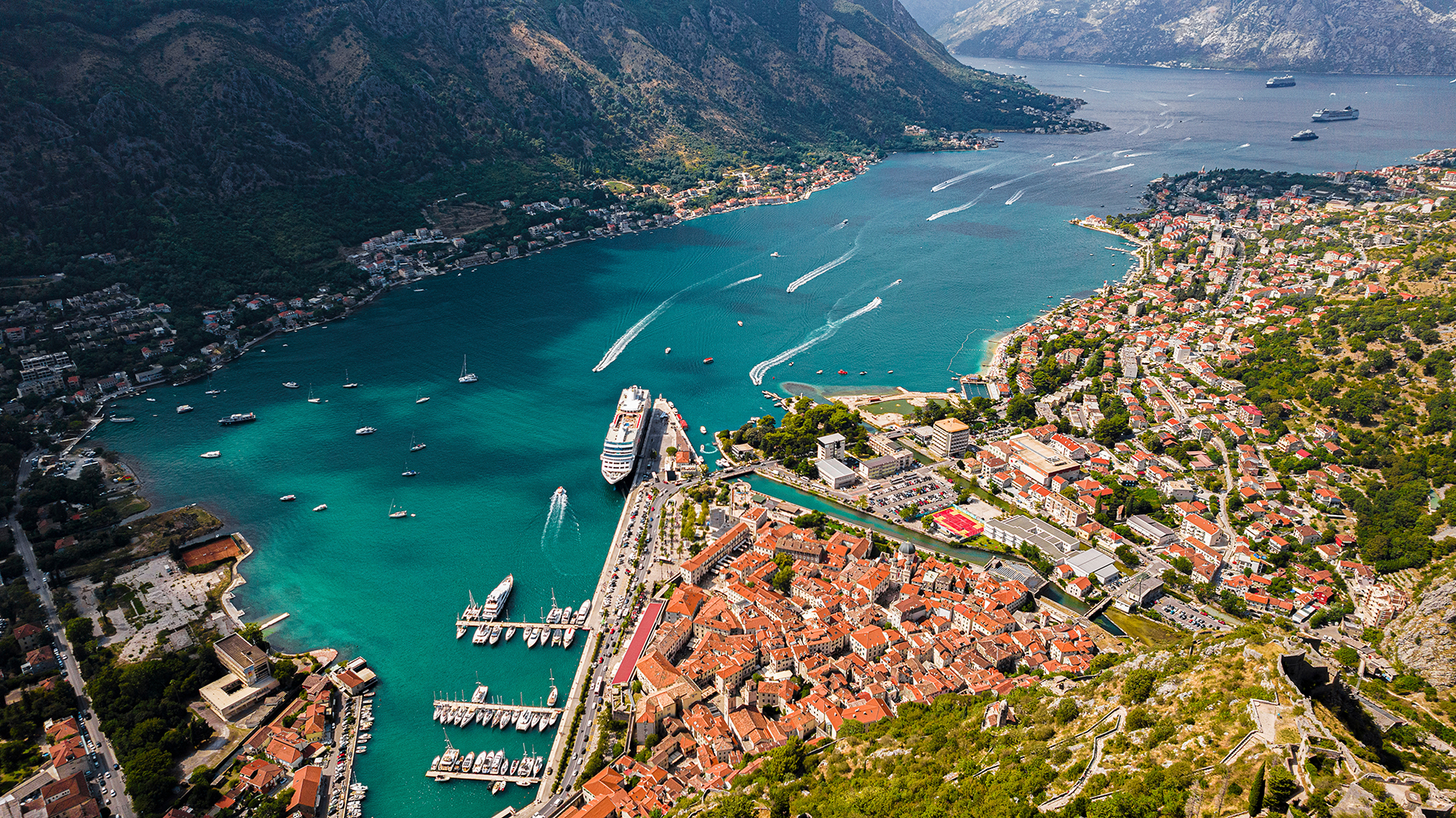
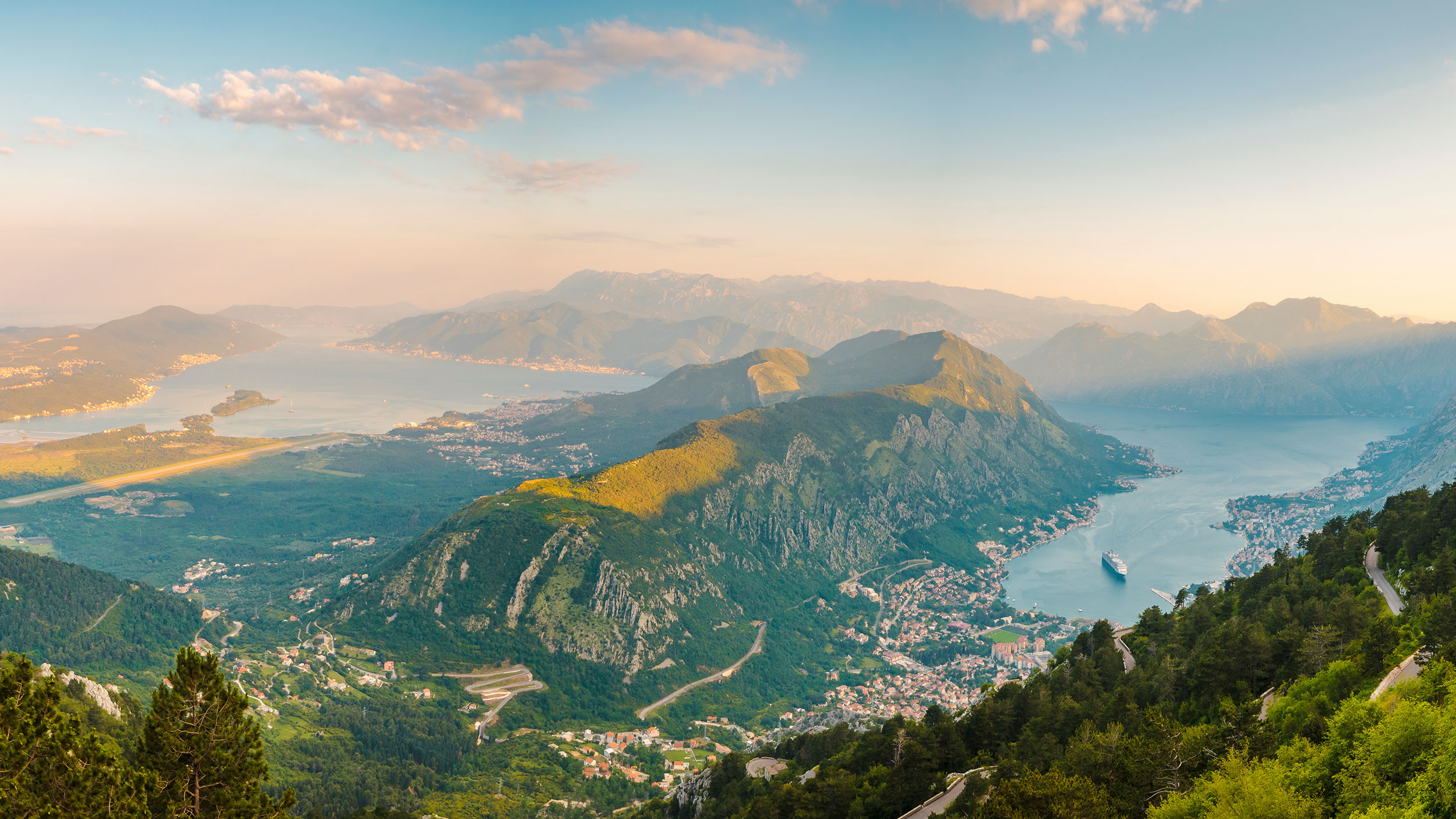
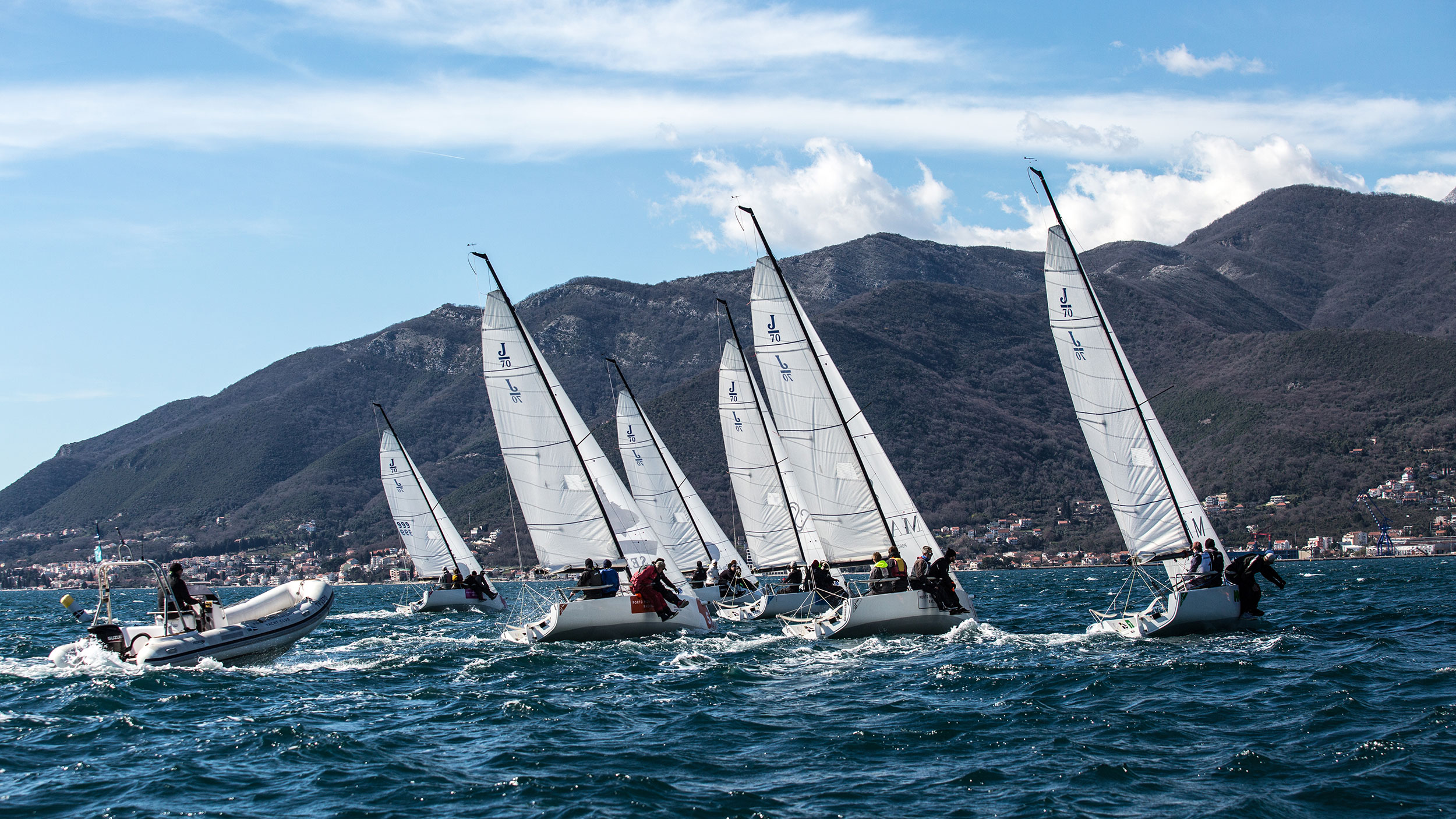
Montenegro is a country of remarkable compression. Within a territory smaller than the island of Cyprus, buyers encounter a fjord-like bay of extraordinary calm, an open Adriatic coastline, medieval walled towns, and mountain ranges that receive reliable winter snowfall. The Bay of Kotor sits no more than thirty minutes from open-sea beaches. The Lovćen massif rises sharply behind Kotor's medieval fortifications. Durmitor, a UNESCO-listed highland plateau, lies a few hours north by road. For a buyer seeking a single residence that supports sailing in summer, walking in autumn, and skiing in winter, the country offers an unusually complete annual programme.
Connectivity is a practical matter for any second-home buyer who intends to use the property rather than simply own it. Tivat Airport receives direct scheduled services from London, Paris, Frankfurt, Vienna, and Istanbul, with seasonal capacity that has expanded year on year. Podgorica Airport serves additional European routes. A buyer travelling four to six times annually will find arrival and departure straightforward, without the transit complexities that complicate ownership of properties in more remote parts of Southern Europe.
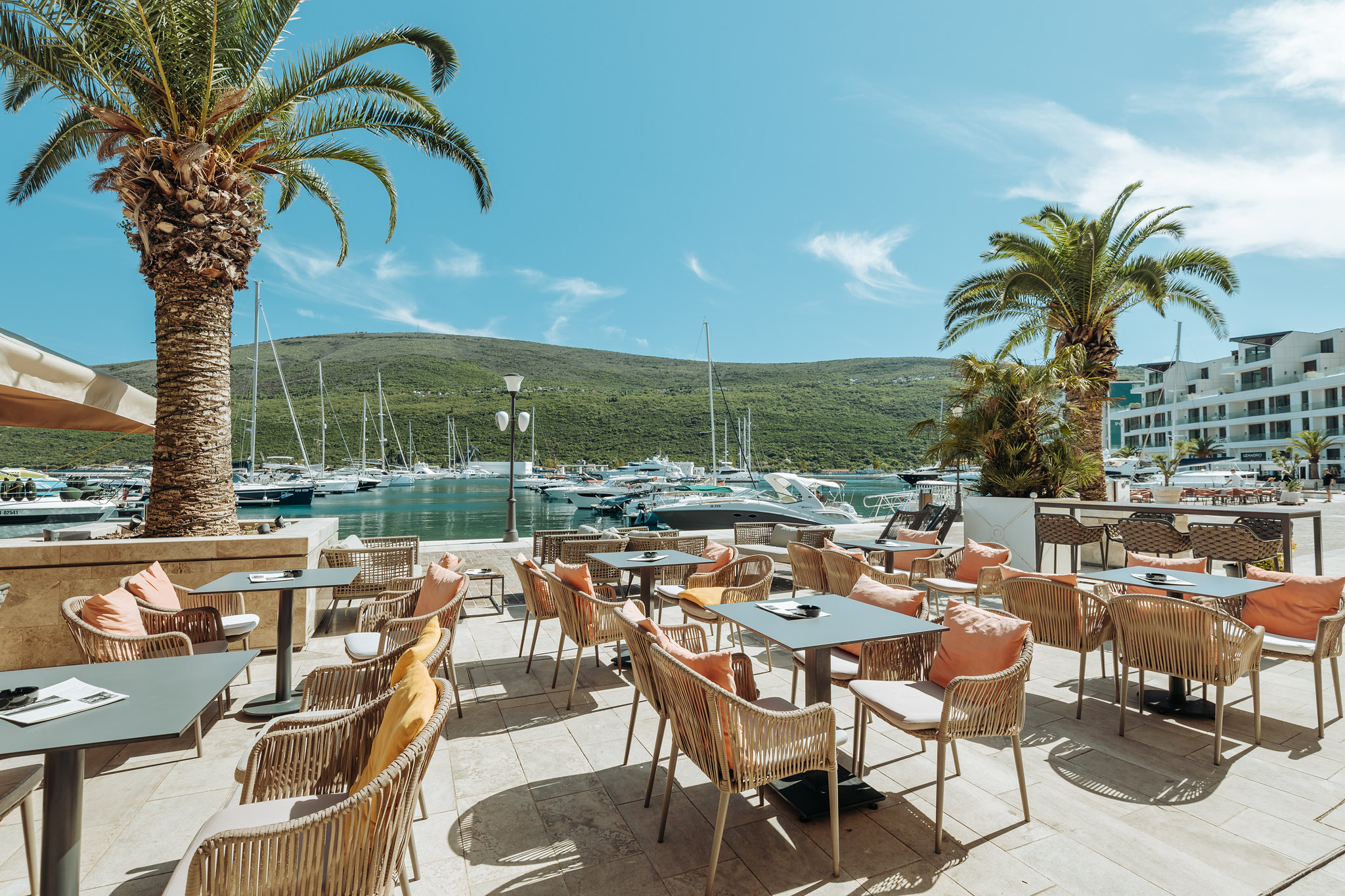
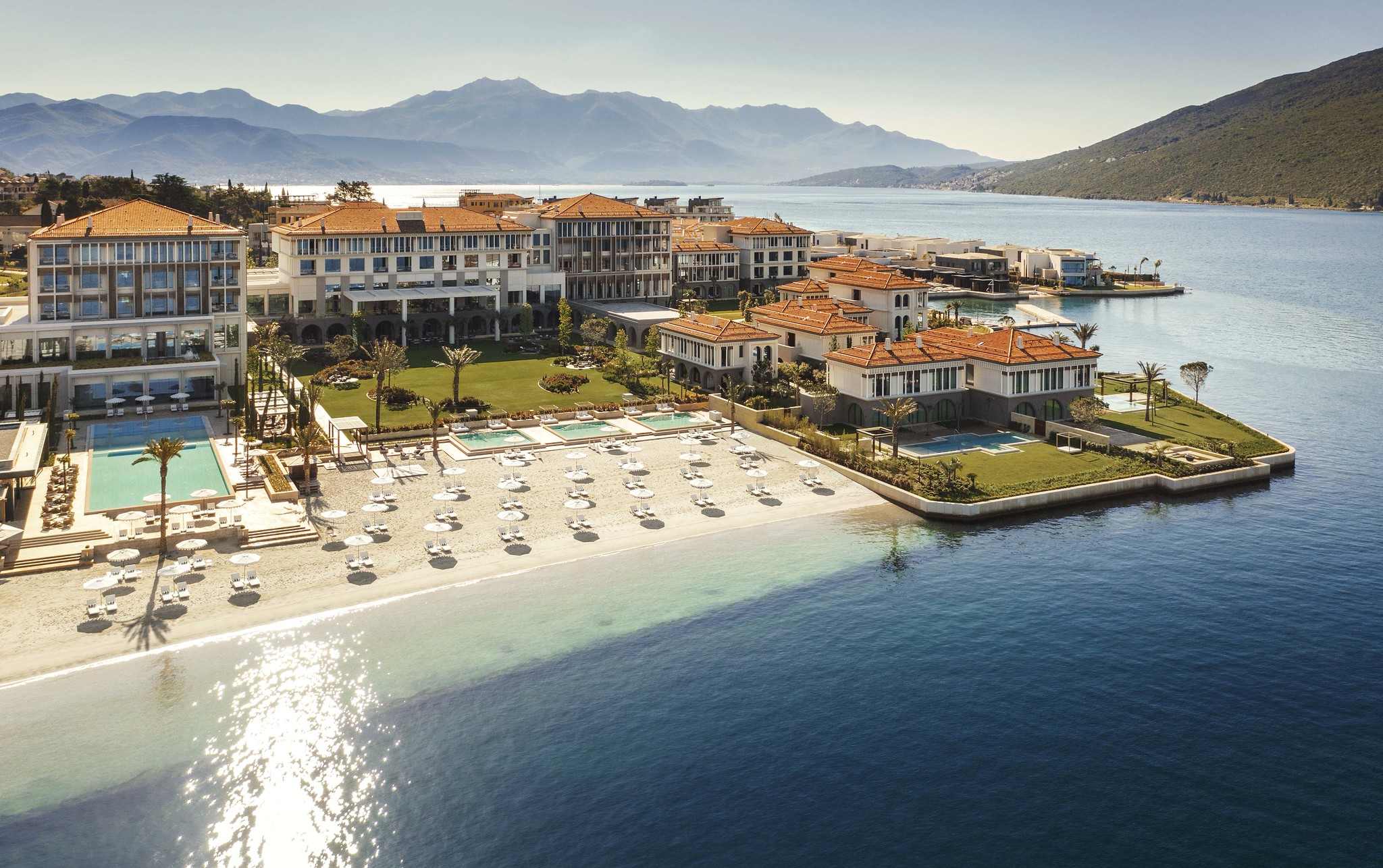
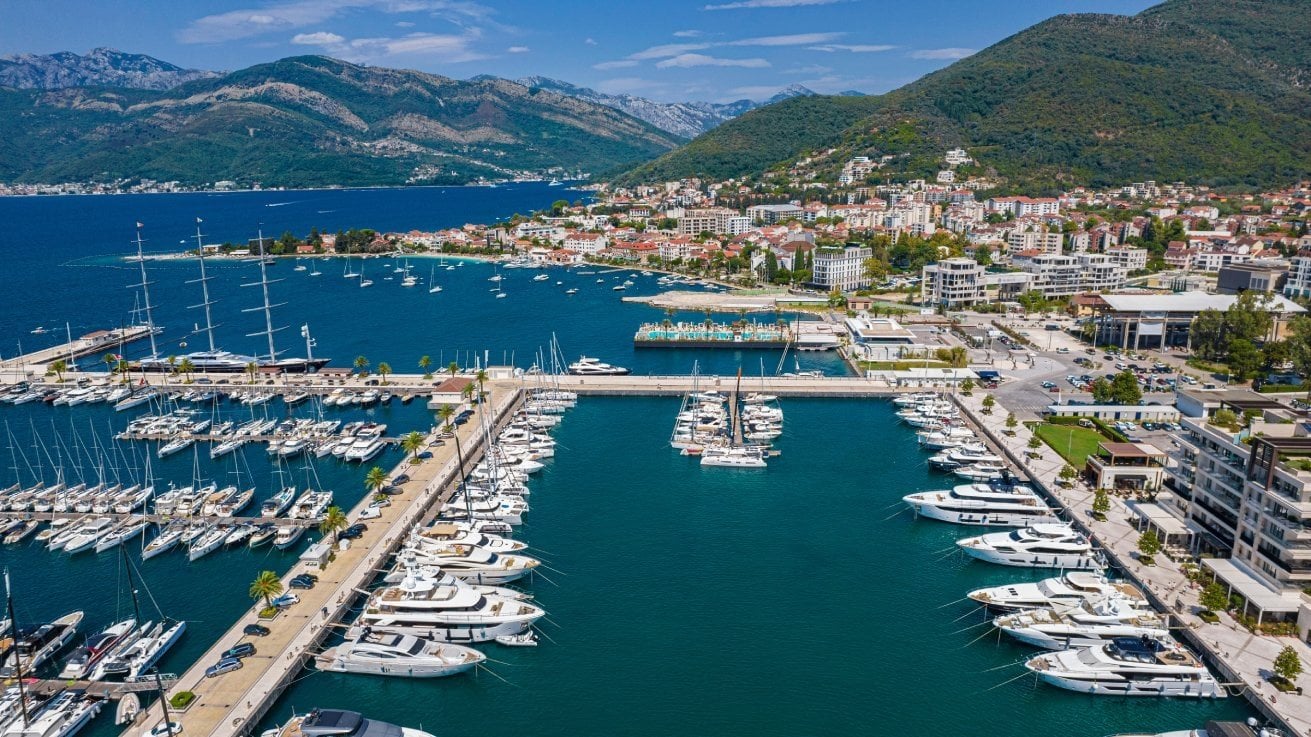
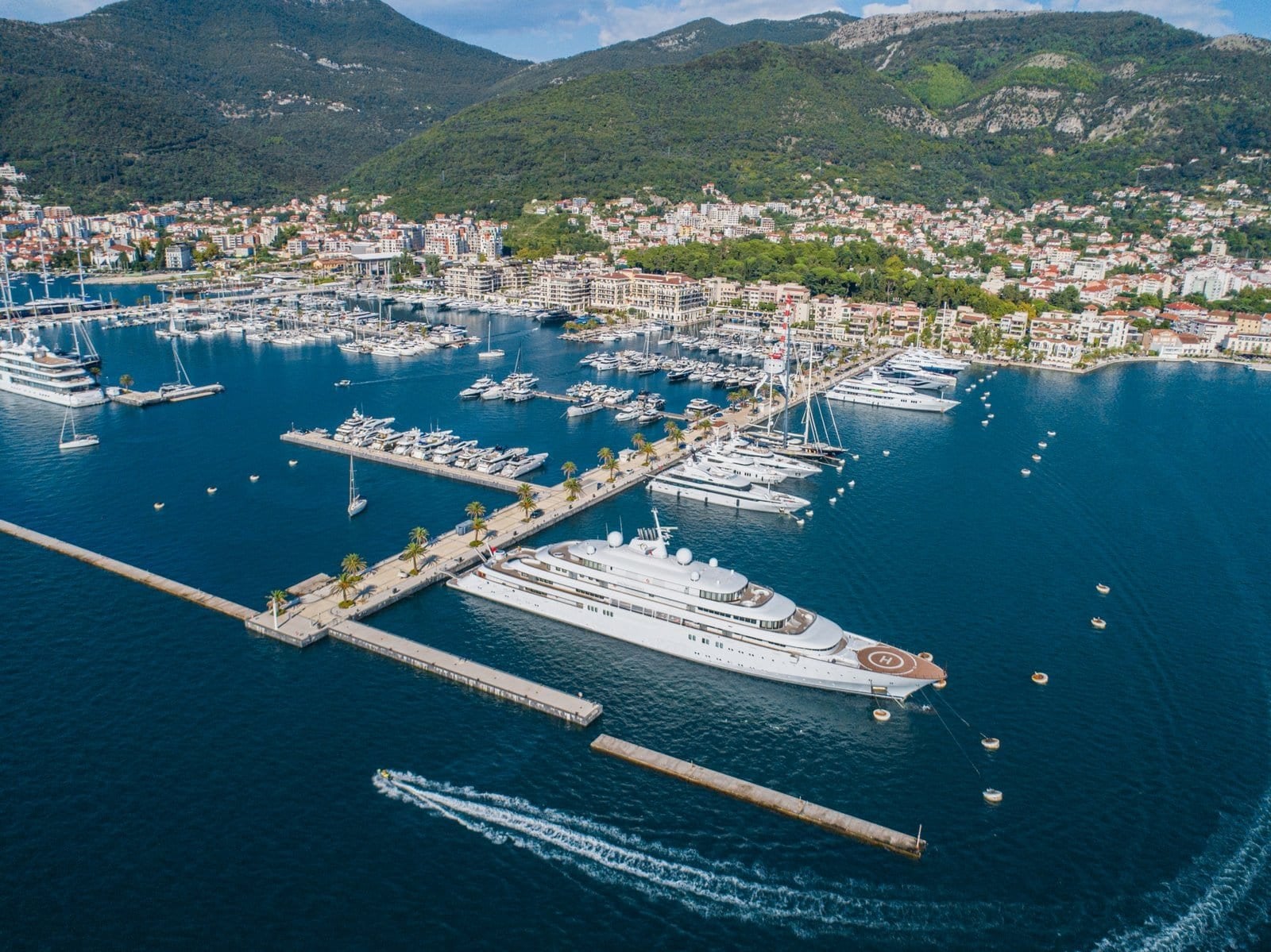
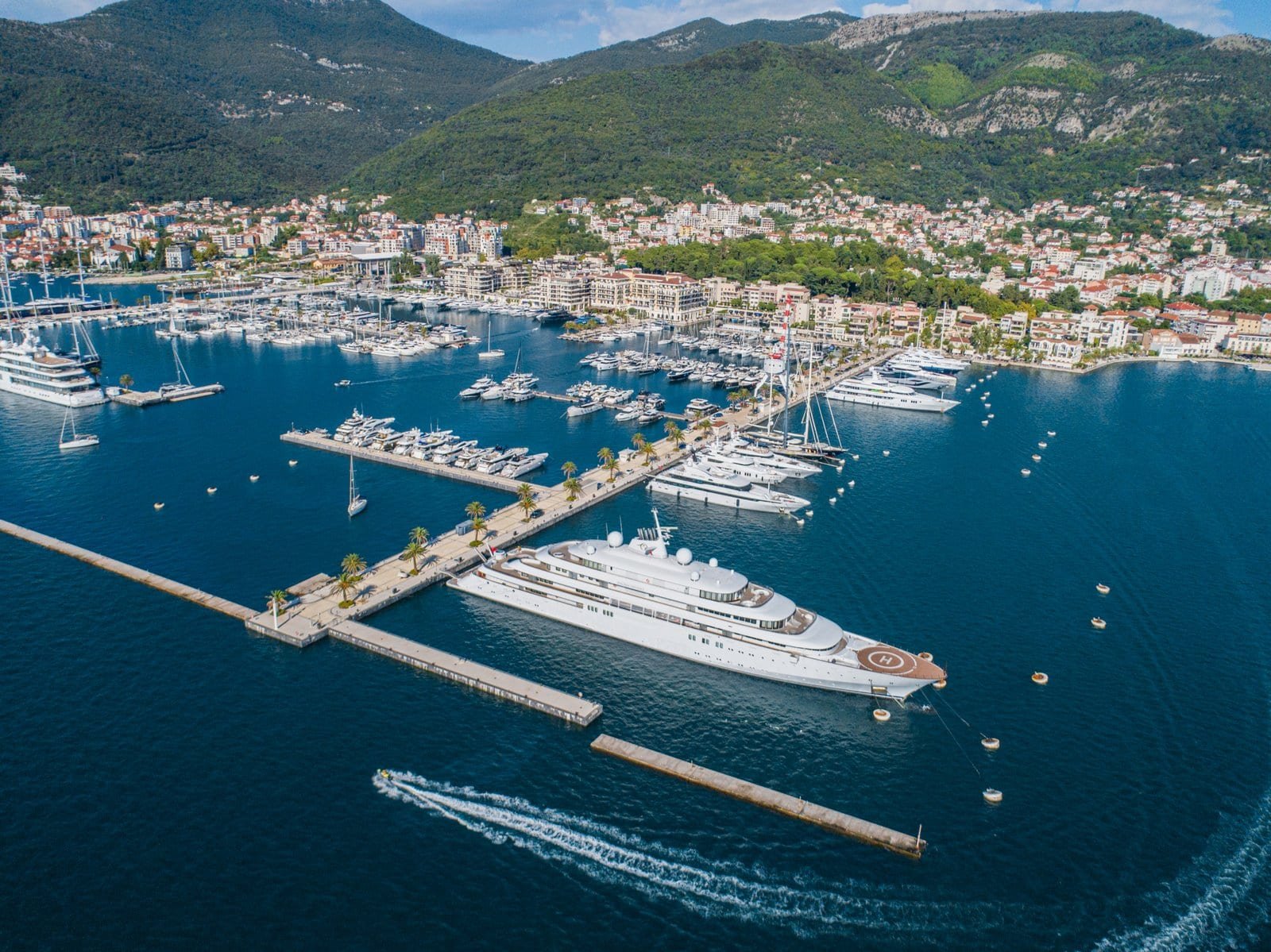
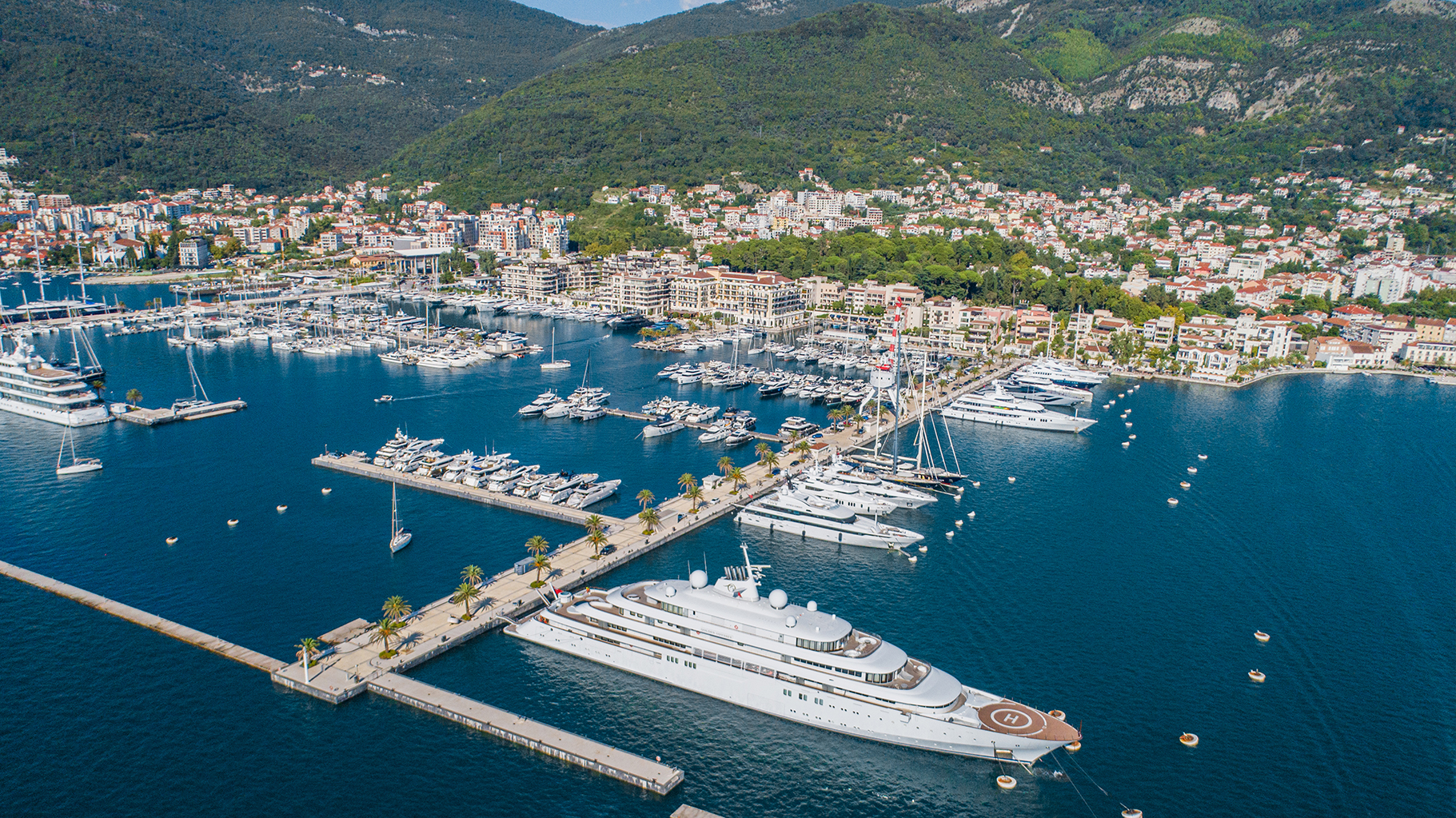
The social and culinary offer has matured considerably. Waterfront dining across the Bay of Kotor and the Budva Riviera now operates at a standard that would not disappoint a buyer whose reference points are Saint-Tropez or Dubrovnik. The marina scene, centred on Porto Montenegro in Tivat, has attracted an international crowd that gives the summer season genuine sophistication without the aggressive commercialisation that has degraded the experience in several competing destinations.
How Montenegro Compares to Southern European Alternatives
A buyer evaluating Montenegro alongside its natural competitors will find the comparison instructive. Prime Côte d'Azur property carries acquisition costs that reflect decades of international demand and a supply environment that is effectively closed. Annual ownership costs, including taxe foncière, taxe d'habitation obligations, and the French wealth tax framework as it applies to real property, add a persistent overhead that is entirely absent in Montenegro. Croatian coastal property, particularly in Istria and along the Dalmatian islands, has appreciated sharply since Croatia's EU accession in 2013, with prime waterfront in Hvar and Dubrovnik's outskirts now priced at levels that leave limited margin for the buyer entering today.
Tuscany presents a different constraint: supply of genuinely characterful rural estates is finite, competition from international buyers is structural, and the restoration and maintenance burden of older stone properties can be considerable. The Italian bureaucratic process for foreign buyers, while entirely manageable, involves layers of notarial and fiscal complexity that extend timelines.
Montenegro offers a different proposition. Acquisition costs are transparent and modest by regional comparison. The legal framework for foreign ownership is clear and non-discriminatory. Well-priced, architecturally distinguished properties remain available in prime locations, particularly along the Bay of Kotor corridor, where buyers can still acquire heritage stone houses and contemporary villas at values that would not be credible in France or Italy. The window is narrowing as the market matures, but conviction buyers in 2026 are still entering at a point that will look astute in retrospect.
For a comprehensive view of current availability and pricing by location, our Montenegro Apartments for Sale: The Complete Buyer's Guide for 2026 covers the full spectrum of the market.
Choosing Your Second Home: Coast, Bay, or Mountains
Montenegro's principal micro-markets are distinct enough that location selection is effectively a lifestyle decision before it is a property decision. The Bay of Kotor buyer and the Budva buyer are often seeking entirely different experiences, and the right advice begins with understanding which experience the buyer actually wants.
Bay of Kotor and Perast: Intimacy and Heritage
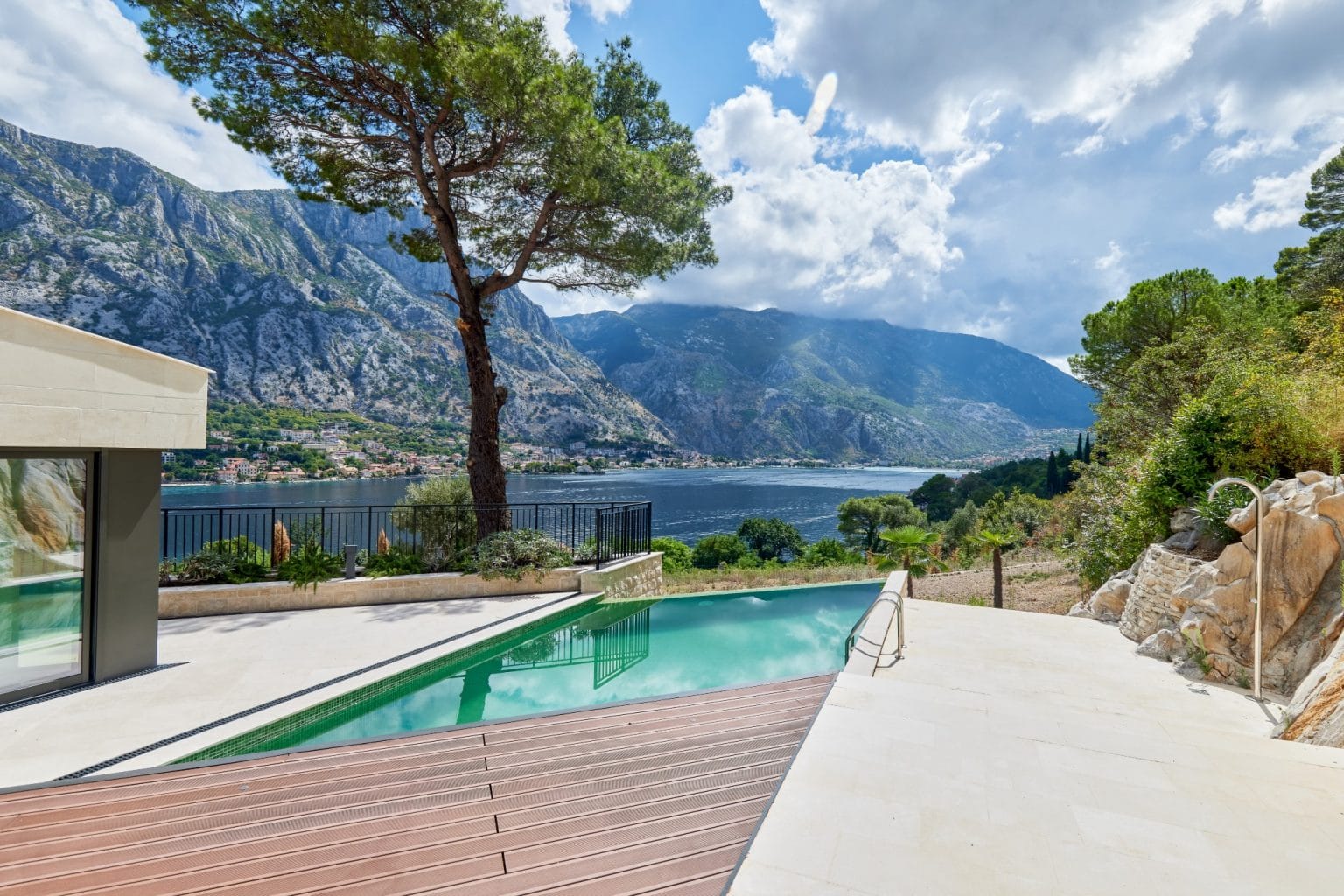
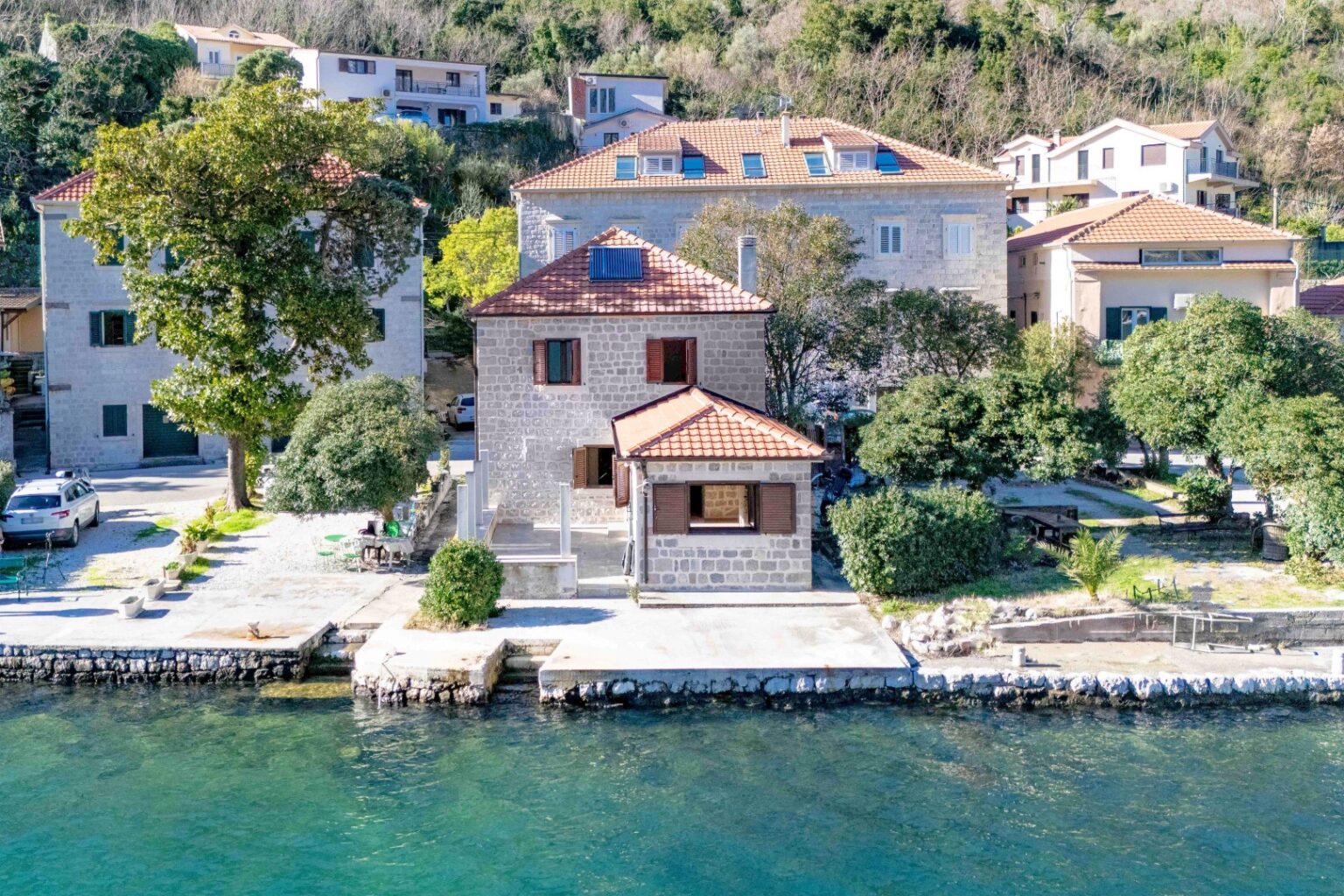
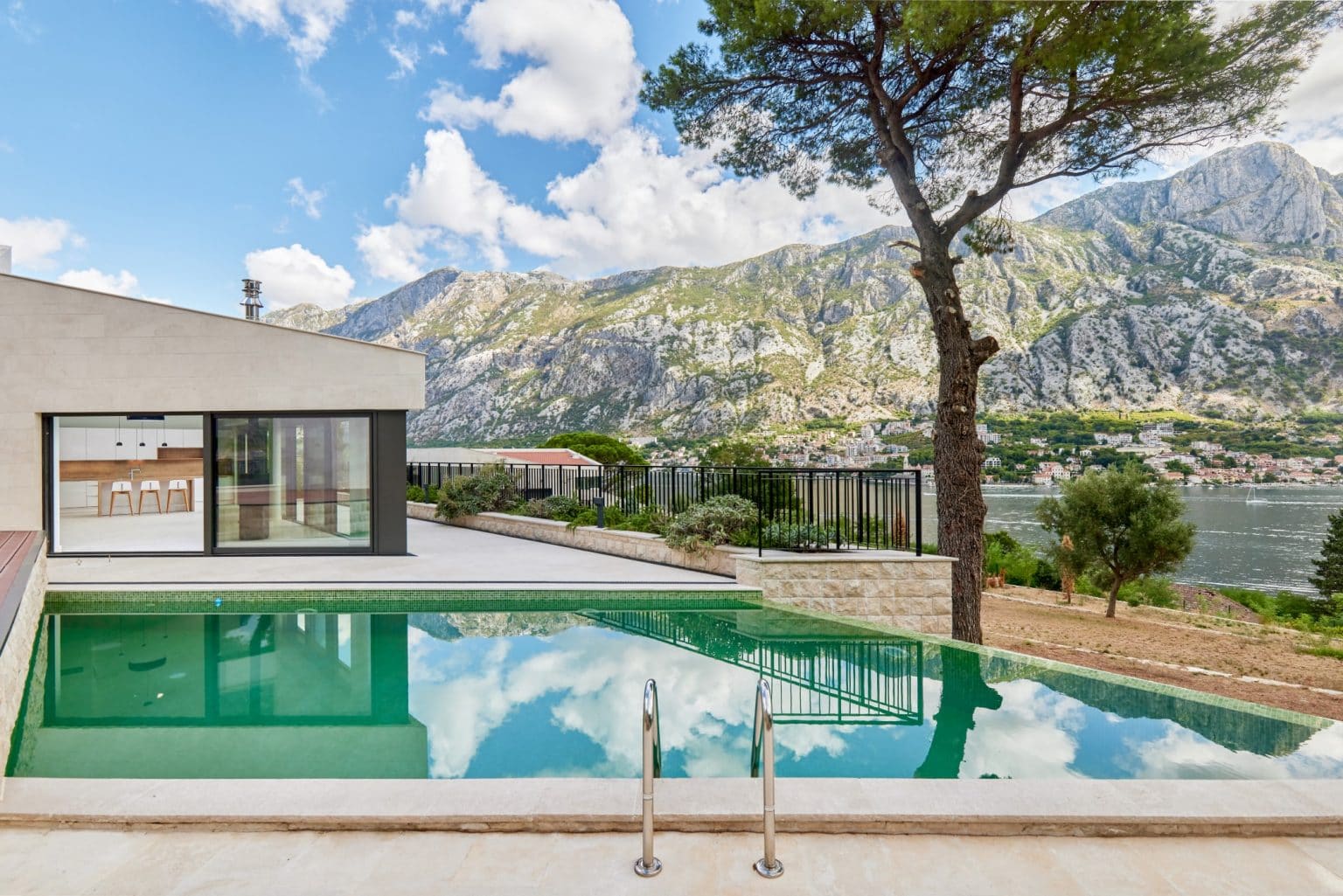
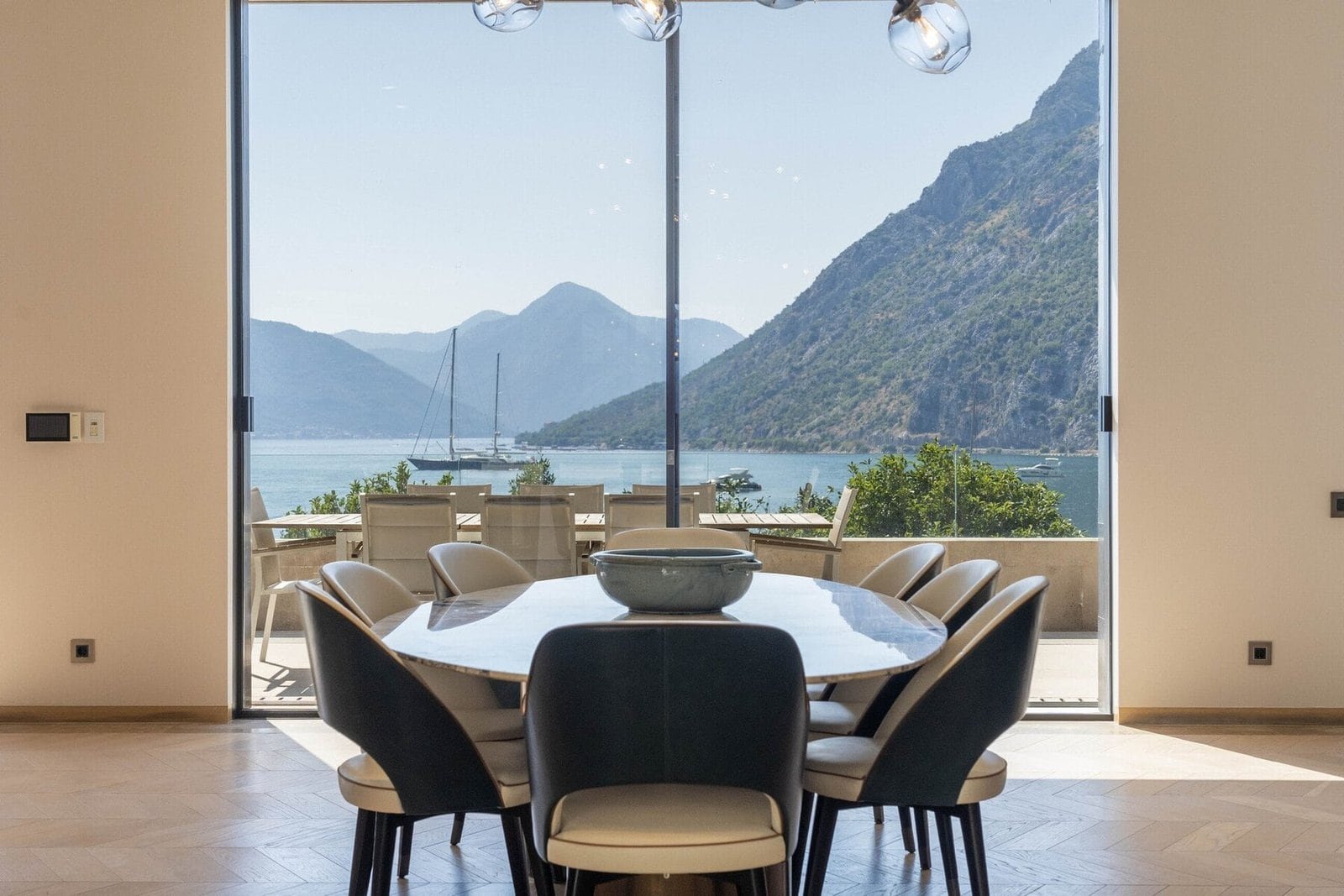
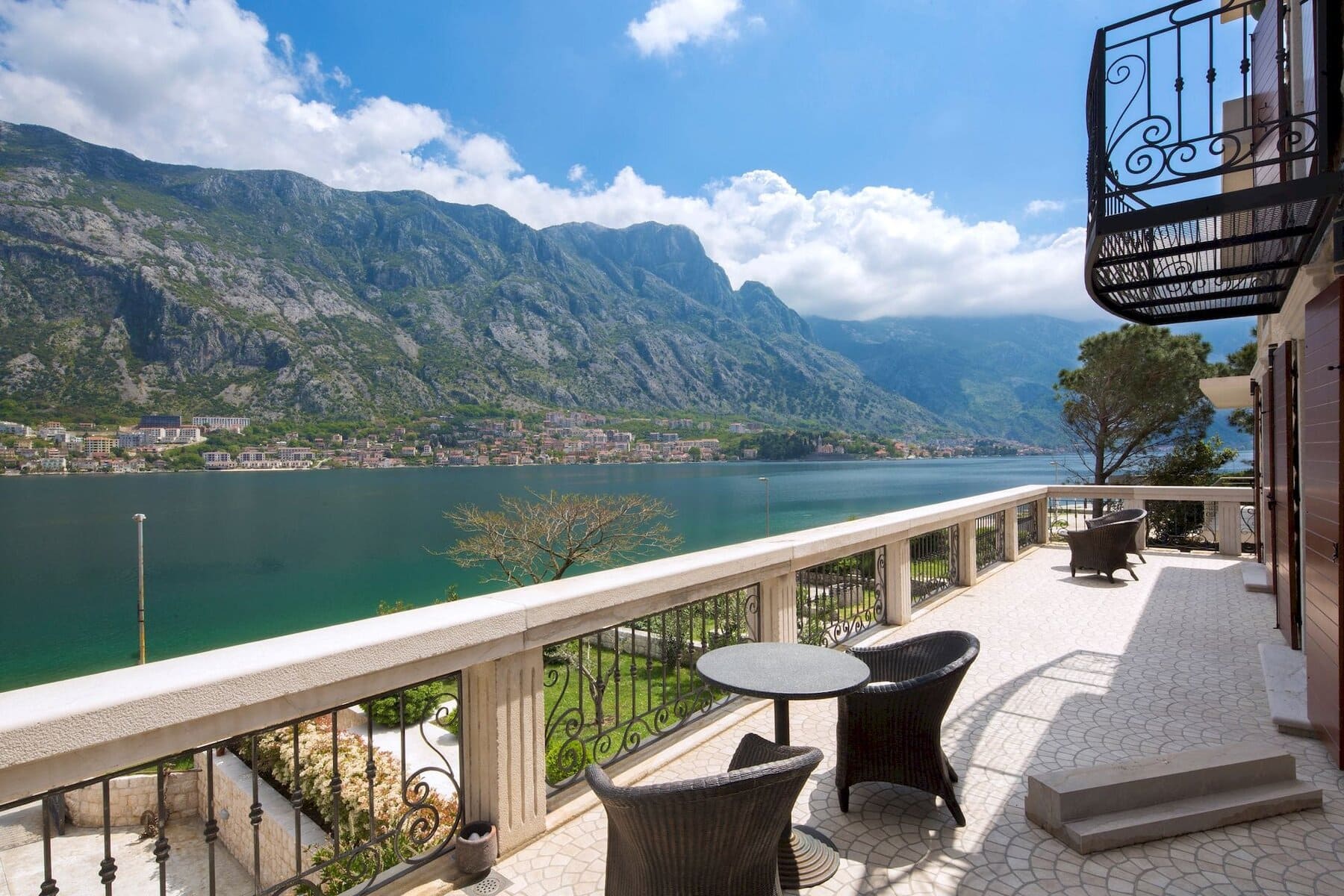
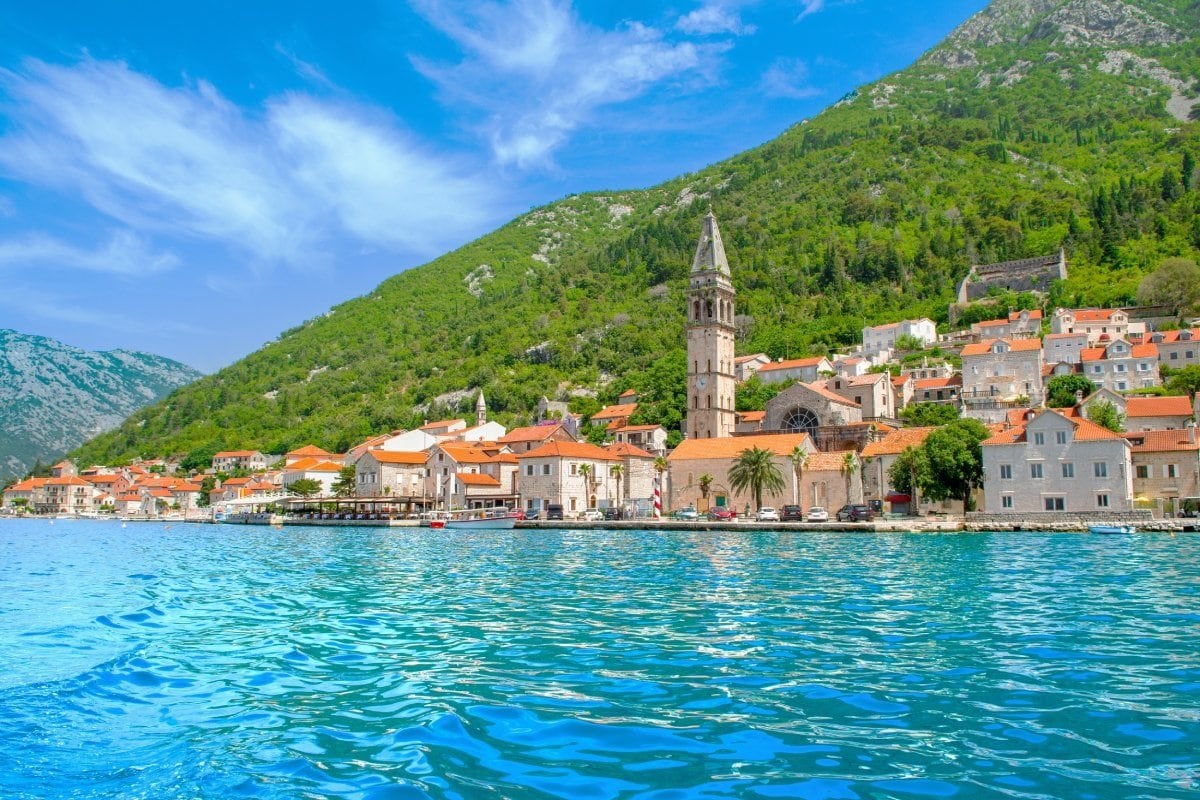
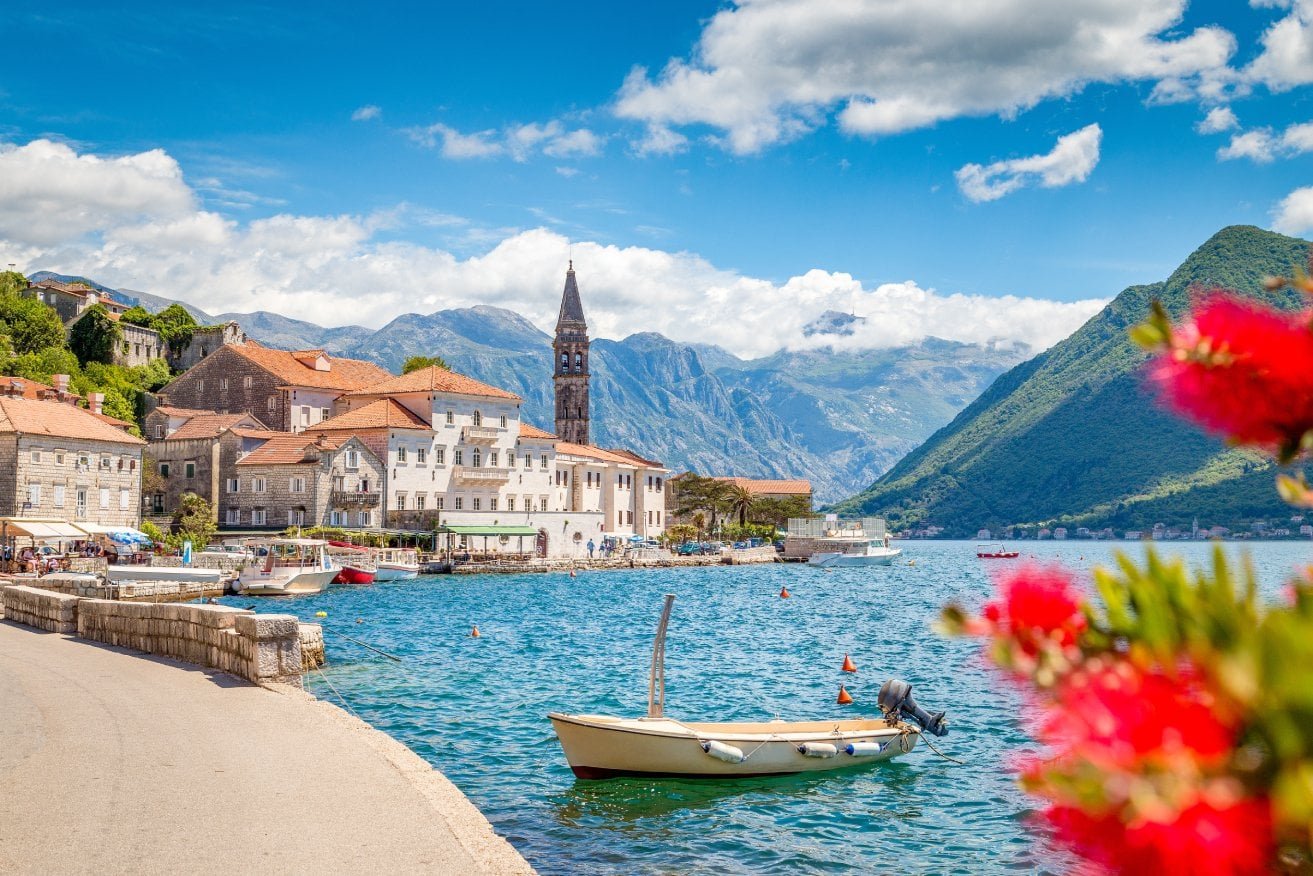
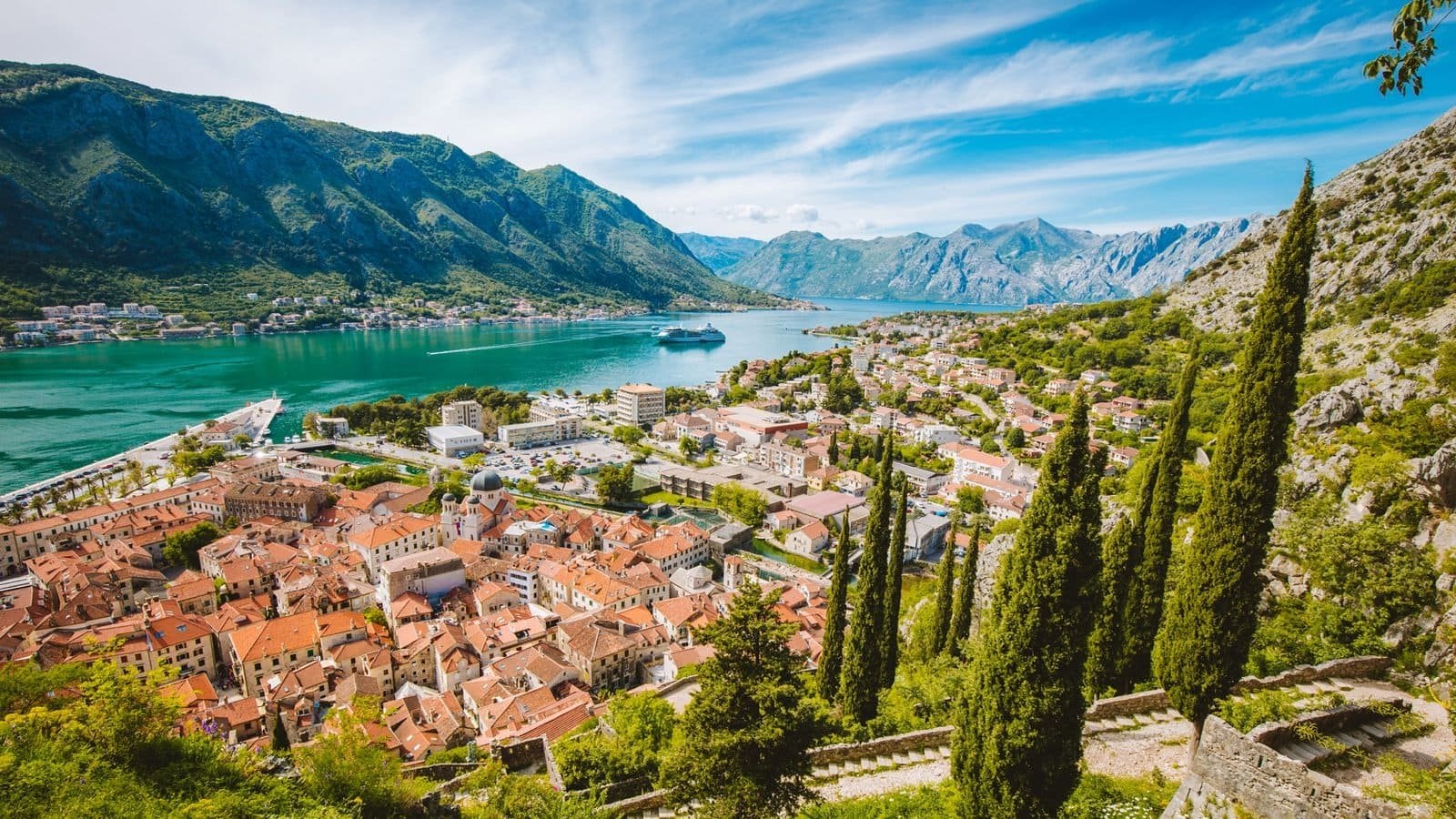
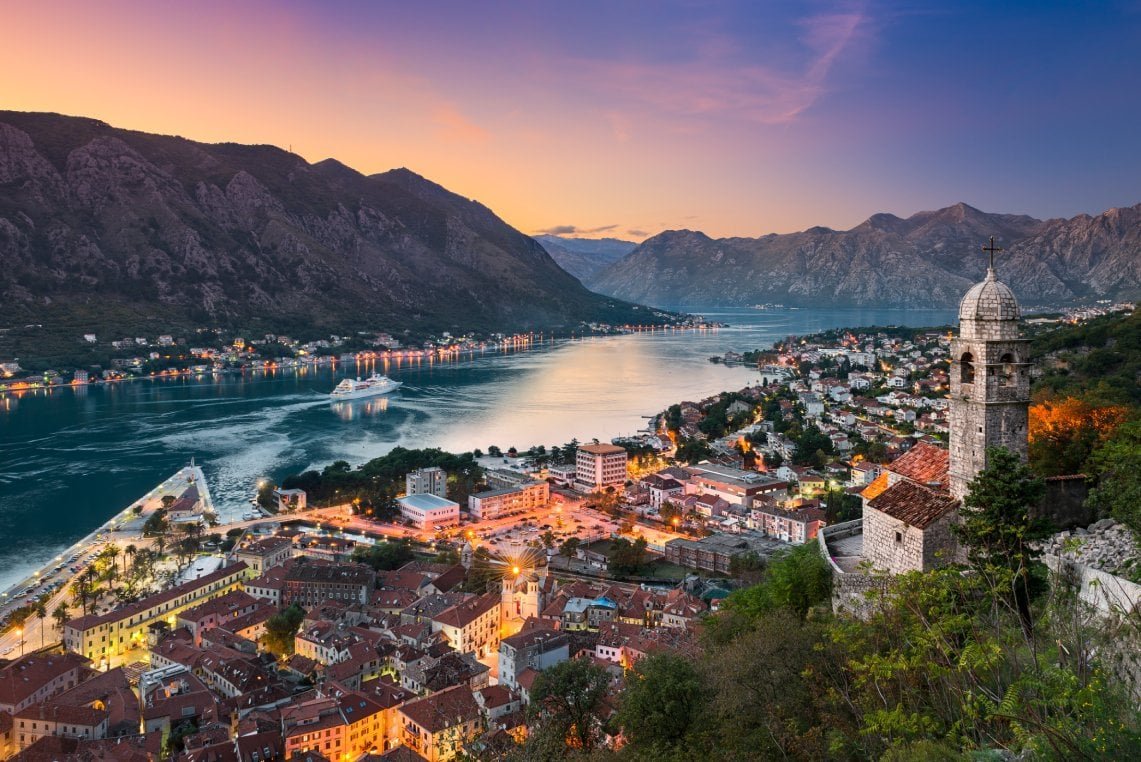
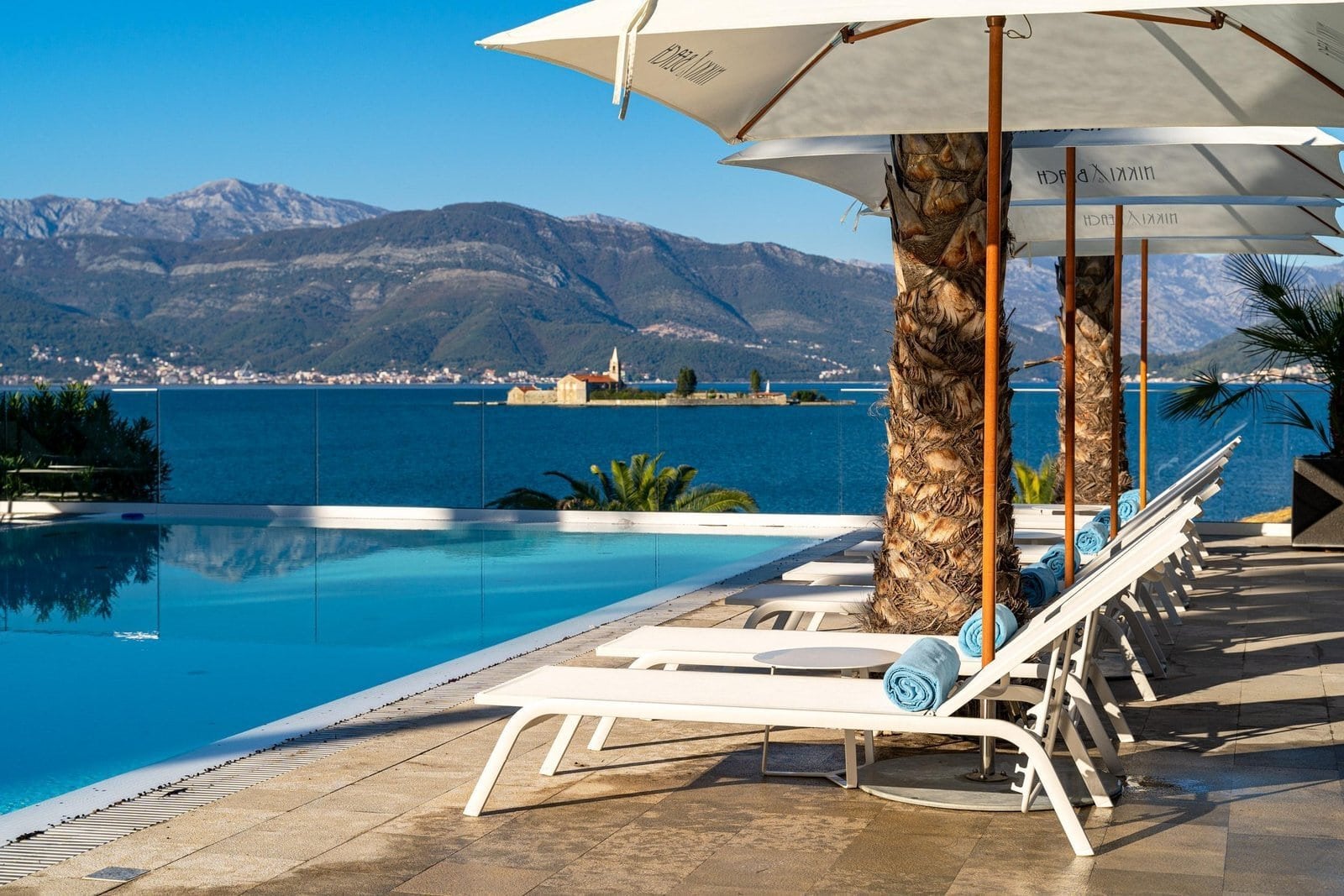
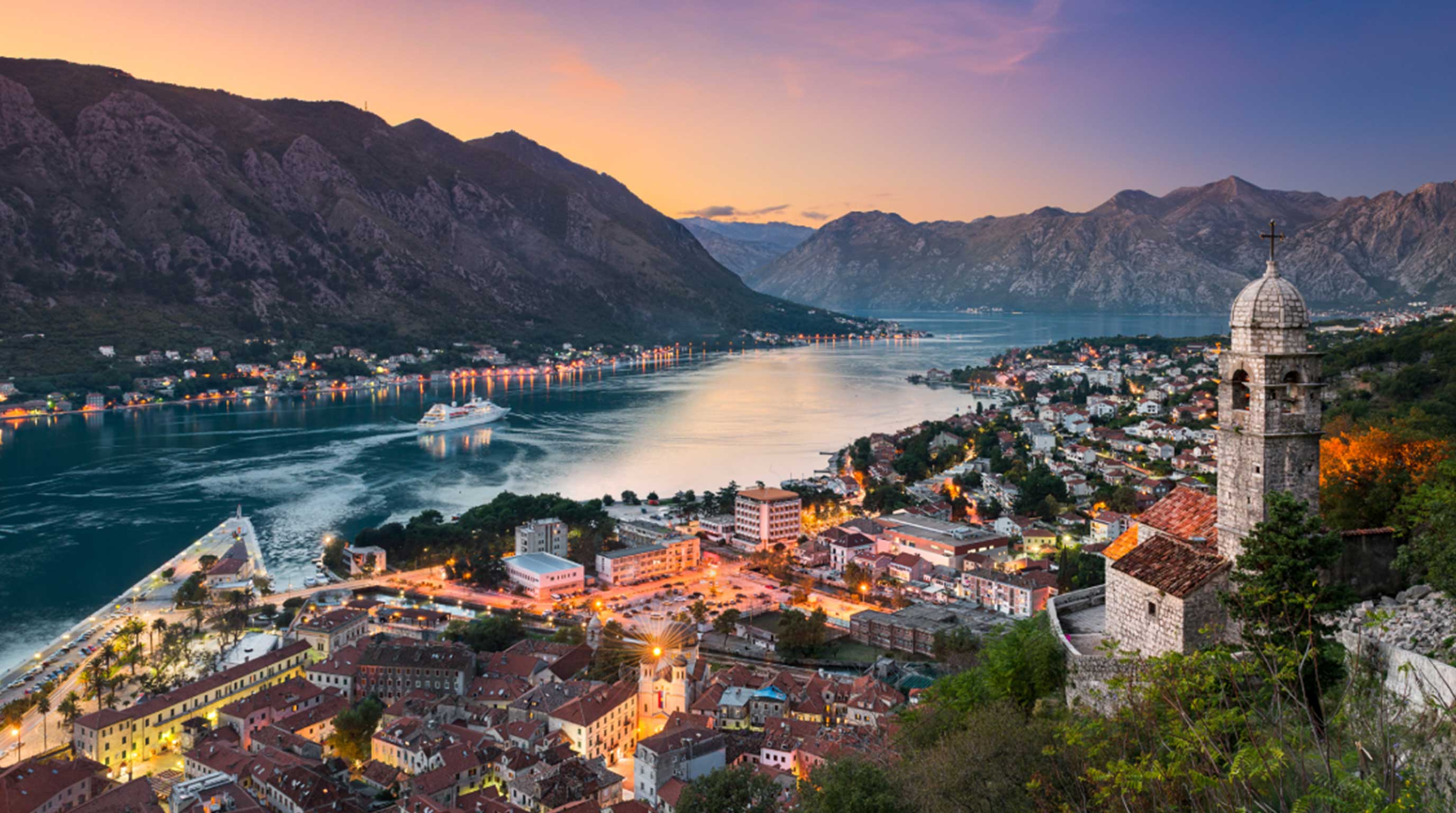
The Bay of Kotor holds UNESCO World Heritage status, a designation that reflects both the integrity of its built environment and the exceptional quality of its natural setting. The bay's enclosed, fjord-like geography produces a sense of privacy and enclosure that is rare on the Mediterranean. Venetian-era fortifications, tiered stone villages, and Baroque ecclesiastical architecture line a shoreline where the mountains rise directly from the water's edge. The visual effect is closer to a Norwegian fjord or a Swiss lake than anything conventionally Adriatic.
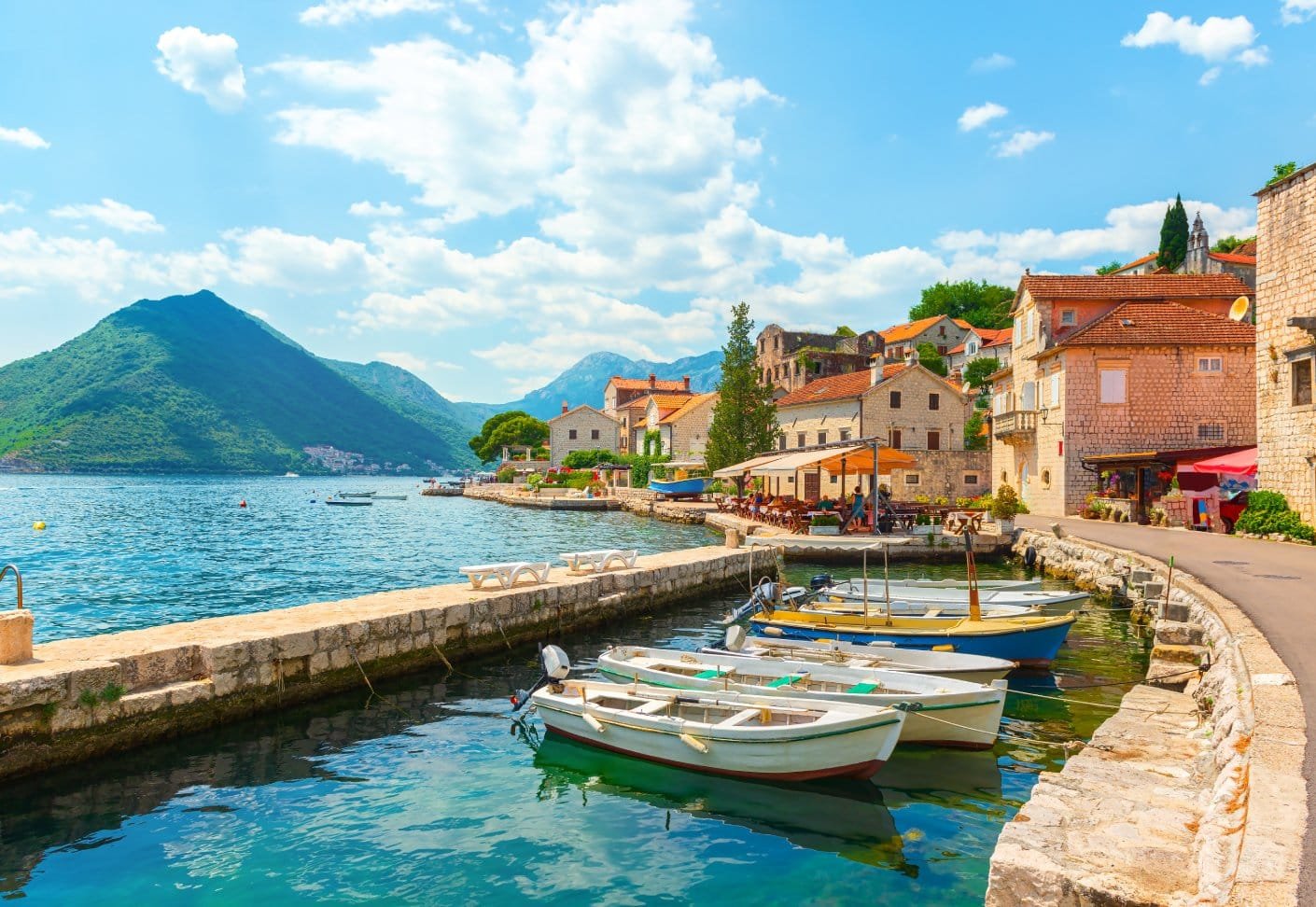
Perast is the bay's most architecturally coherent settlement: a cluster of Baroque palaces facing two celebrated island churches, largely unaffected by the pressures of mass tourism that have altered the character of comparable towns elsewhere. Buyers who place cultural and architectural integrity at the centre of their decision consistently identify Perast and the upper bay villages as among the most rewarding places to own property anywhere in Southern Europe.
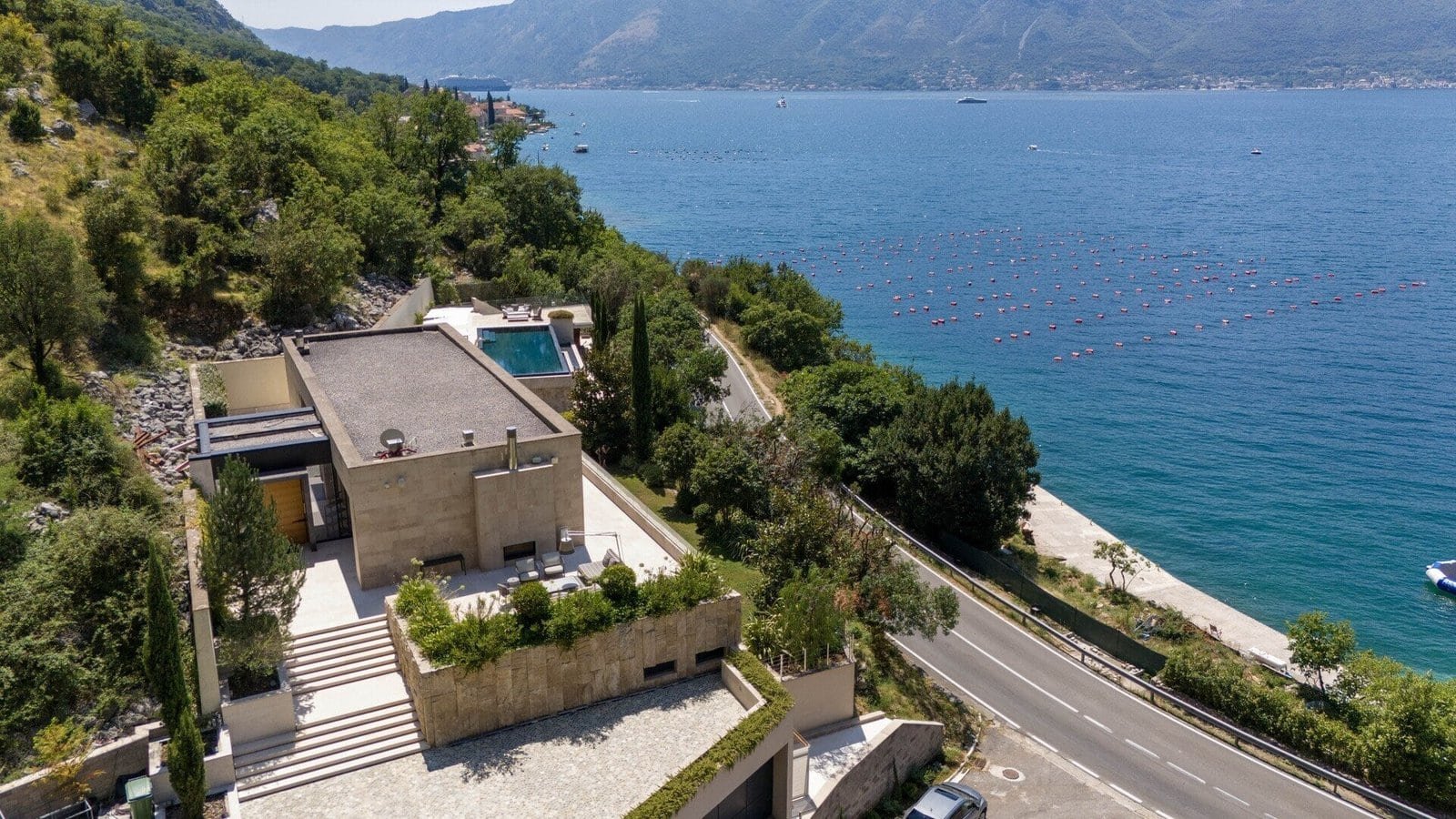
The bay's microclimate is among the most temperate on the eastern Adriatic, with warmer average winter temperatures than the open coast. This extends the period during which the property is genuinely pleasant to use, making it better suited to year-round or extended-season occupation than locations more exposed to the Bora wind. Bay of Kotor pricing in 2026 reflects this premium, sitting above the Montenegrin average, but remaining materially below comparable heritage waterfront in the South of France or the Italian lakes. Prime waterfront in this corridor is increasingly supply-constrained, and the advisory position of Barok Estates International is that buyers with a genuine interest in this micro-market should not treat urgency as a sales construct.
Budva Riviera: The Sun-Season Residence
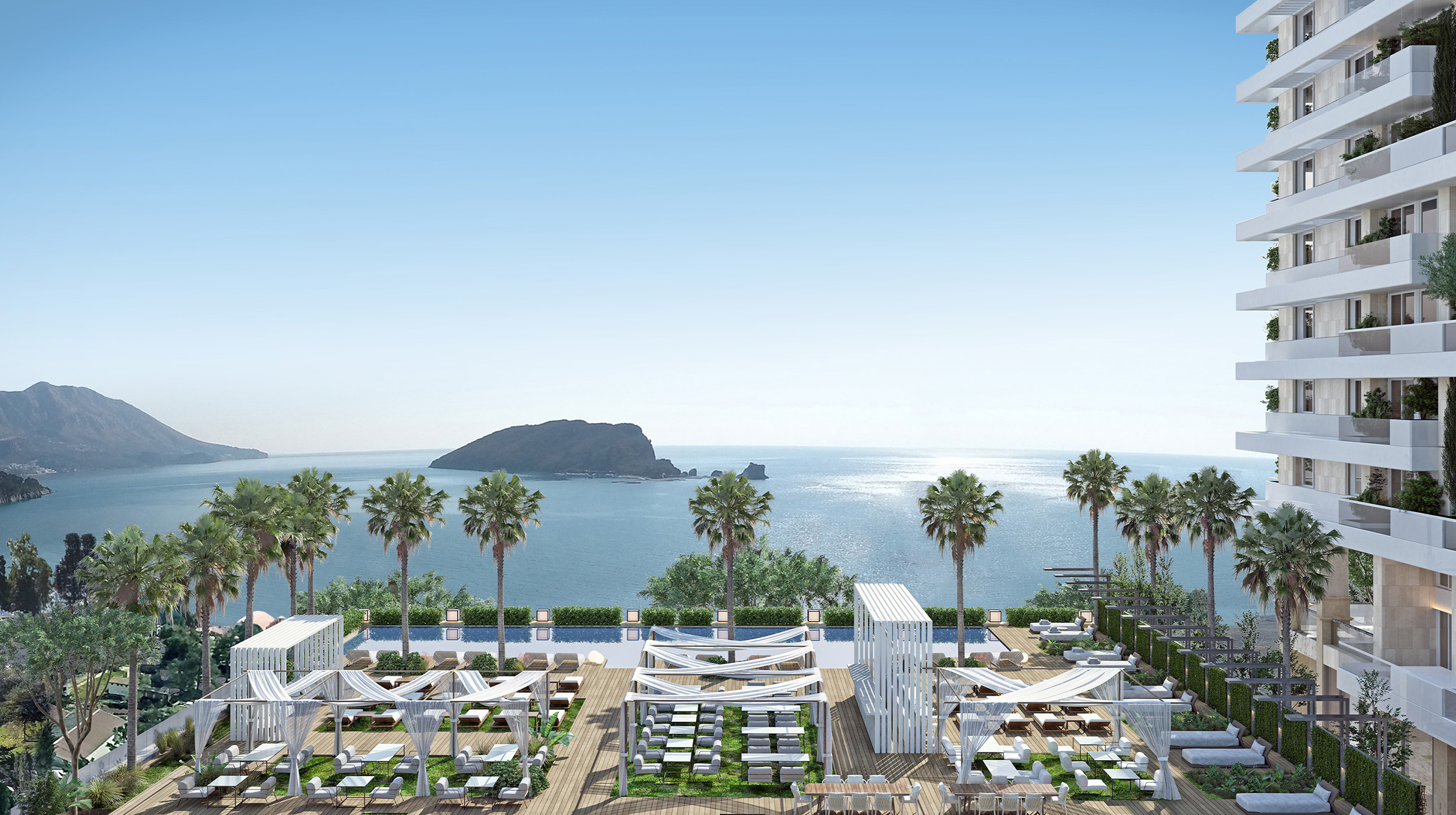
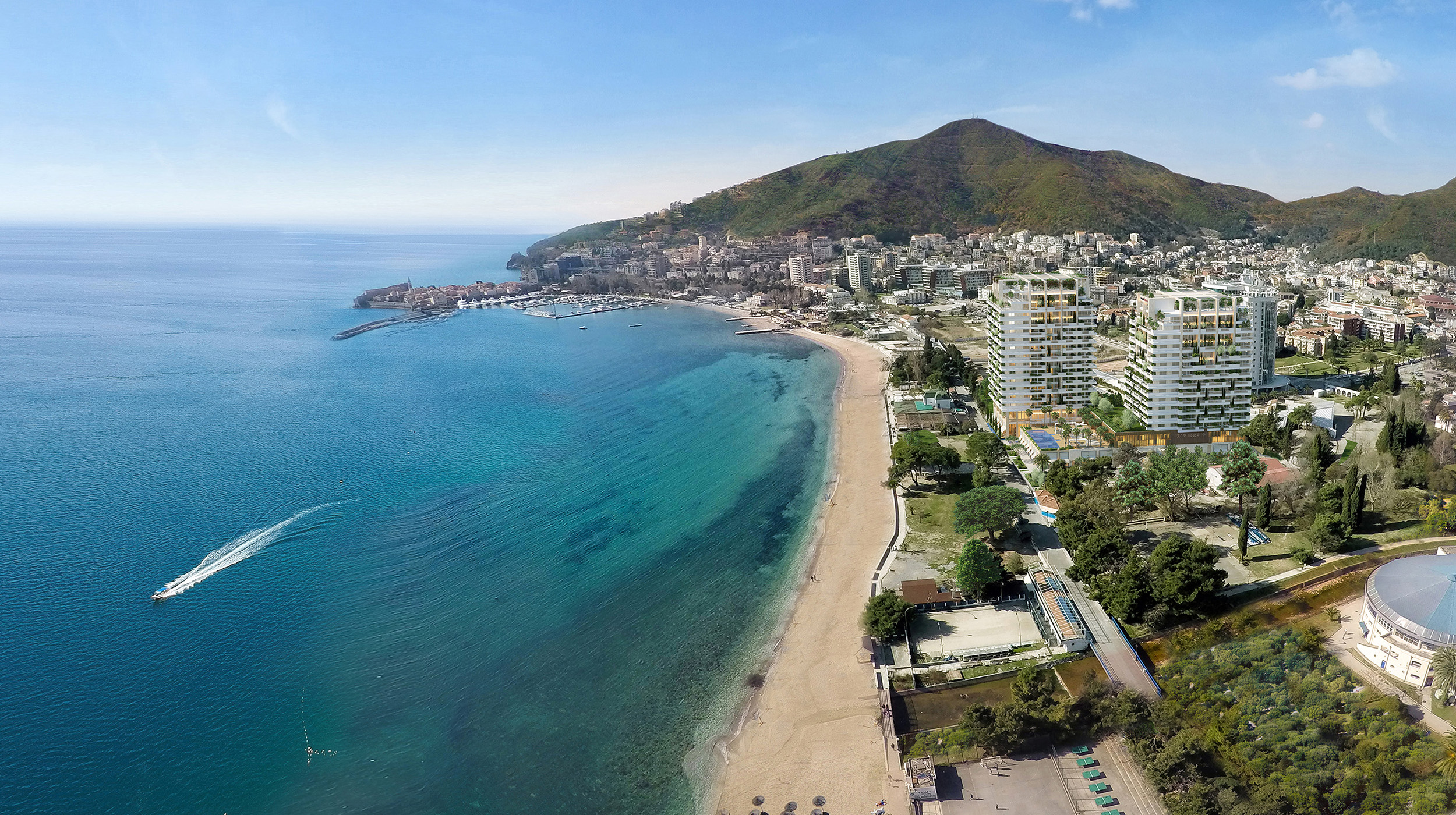
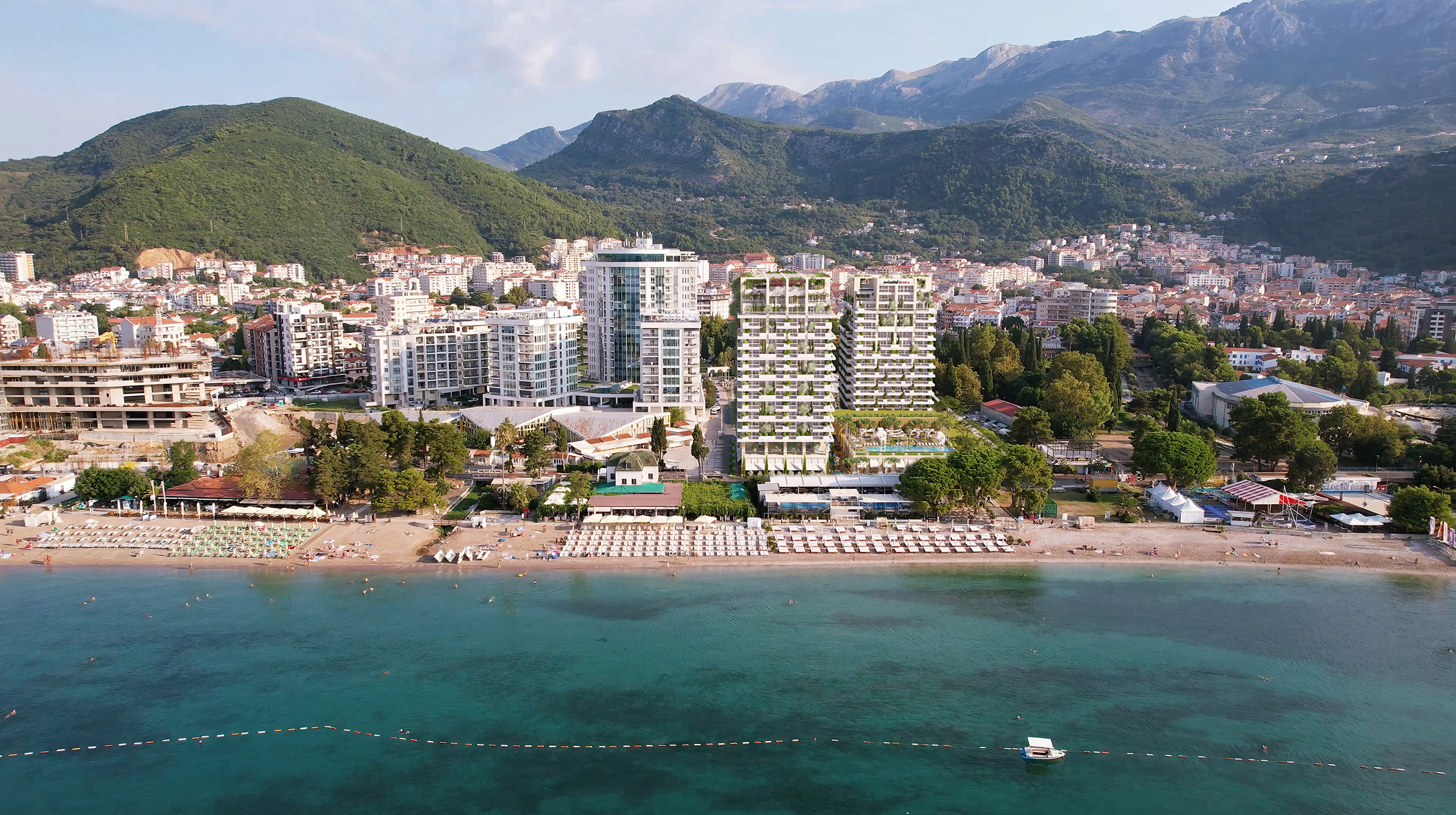
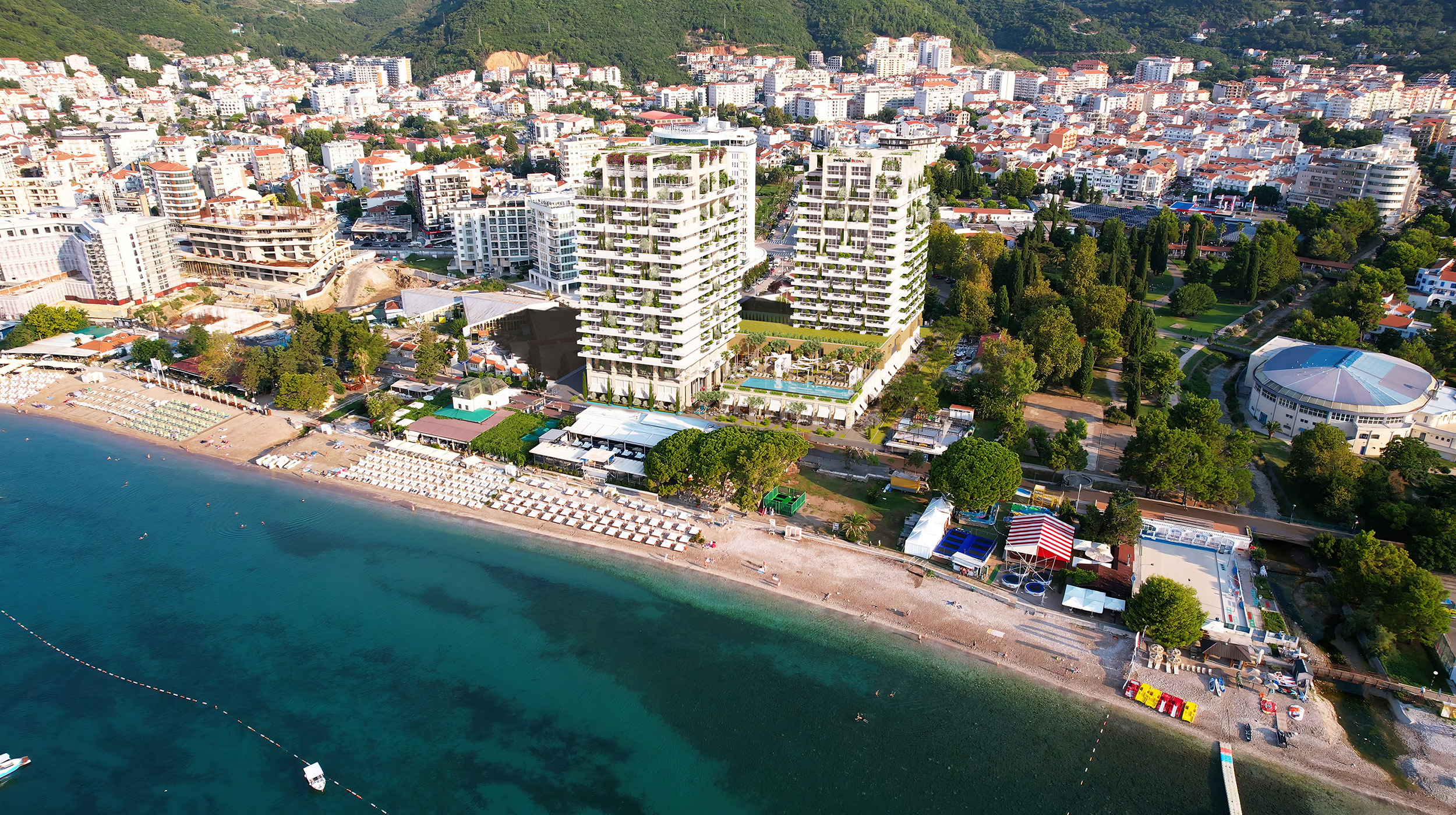
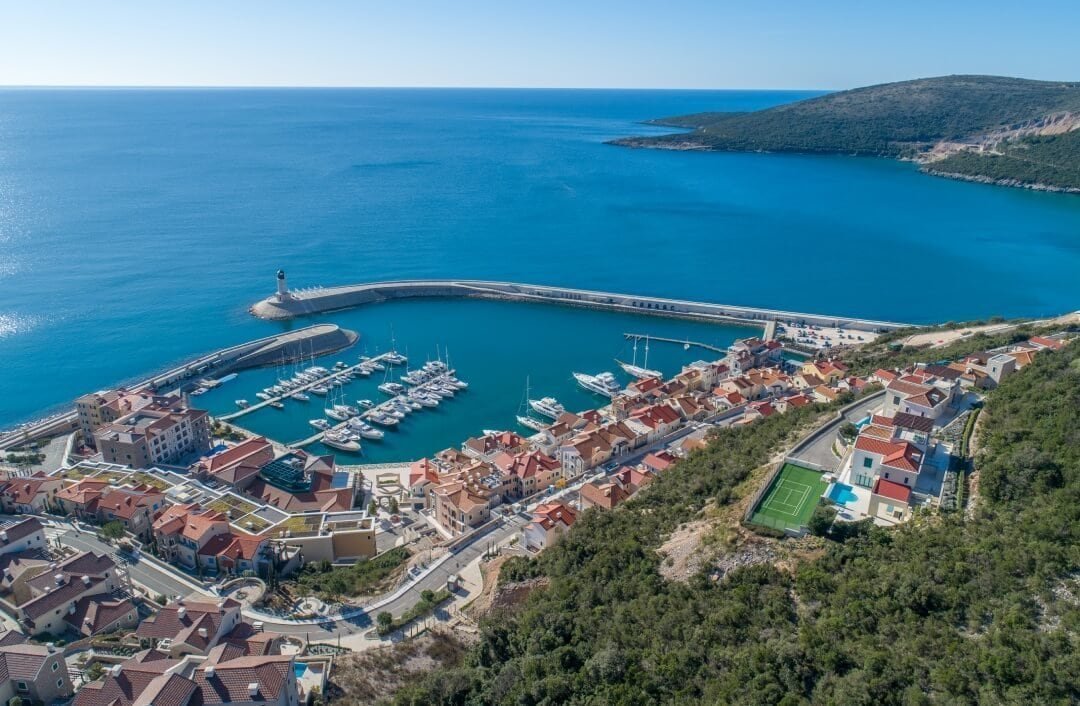
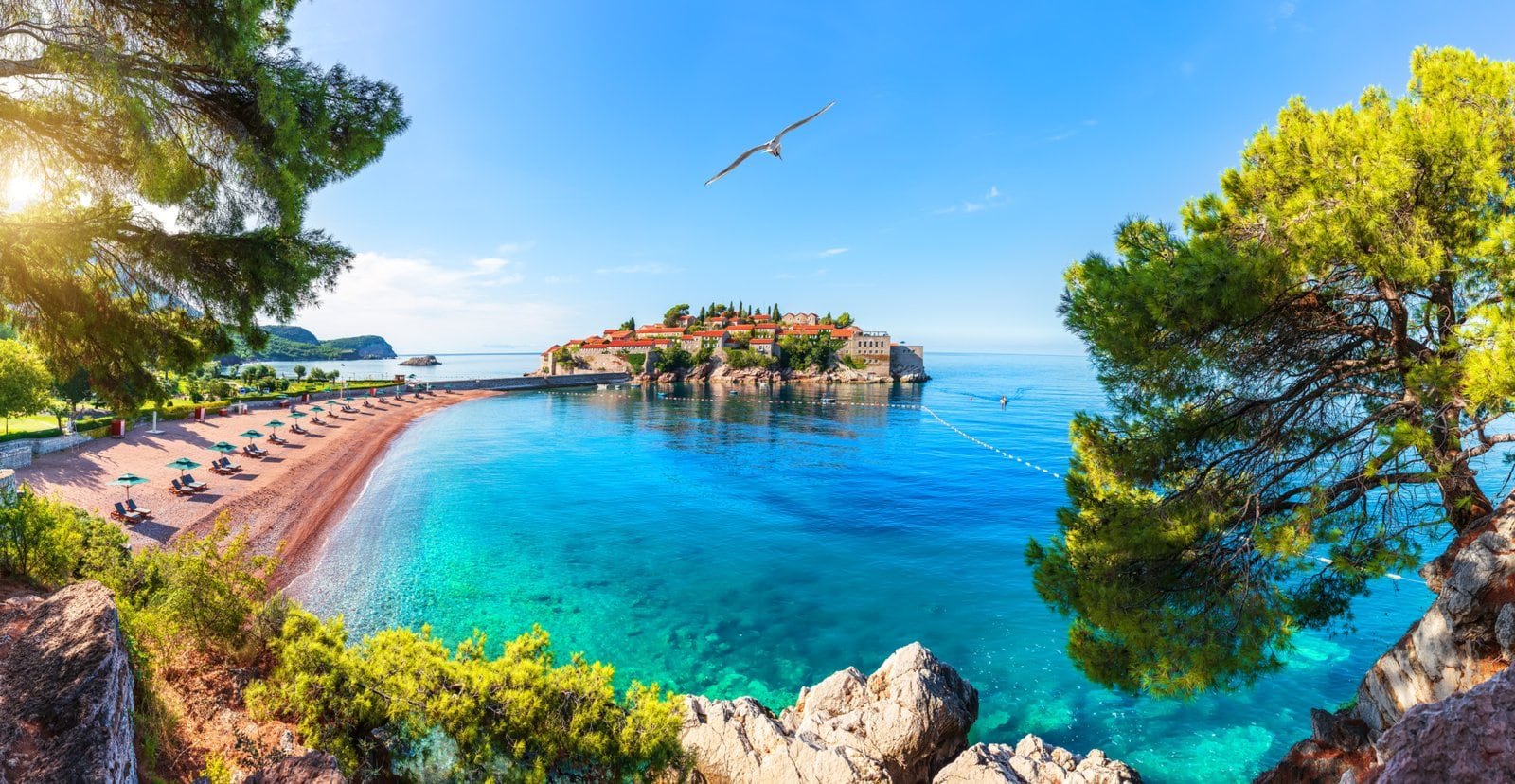
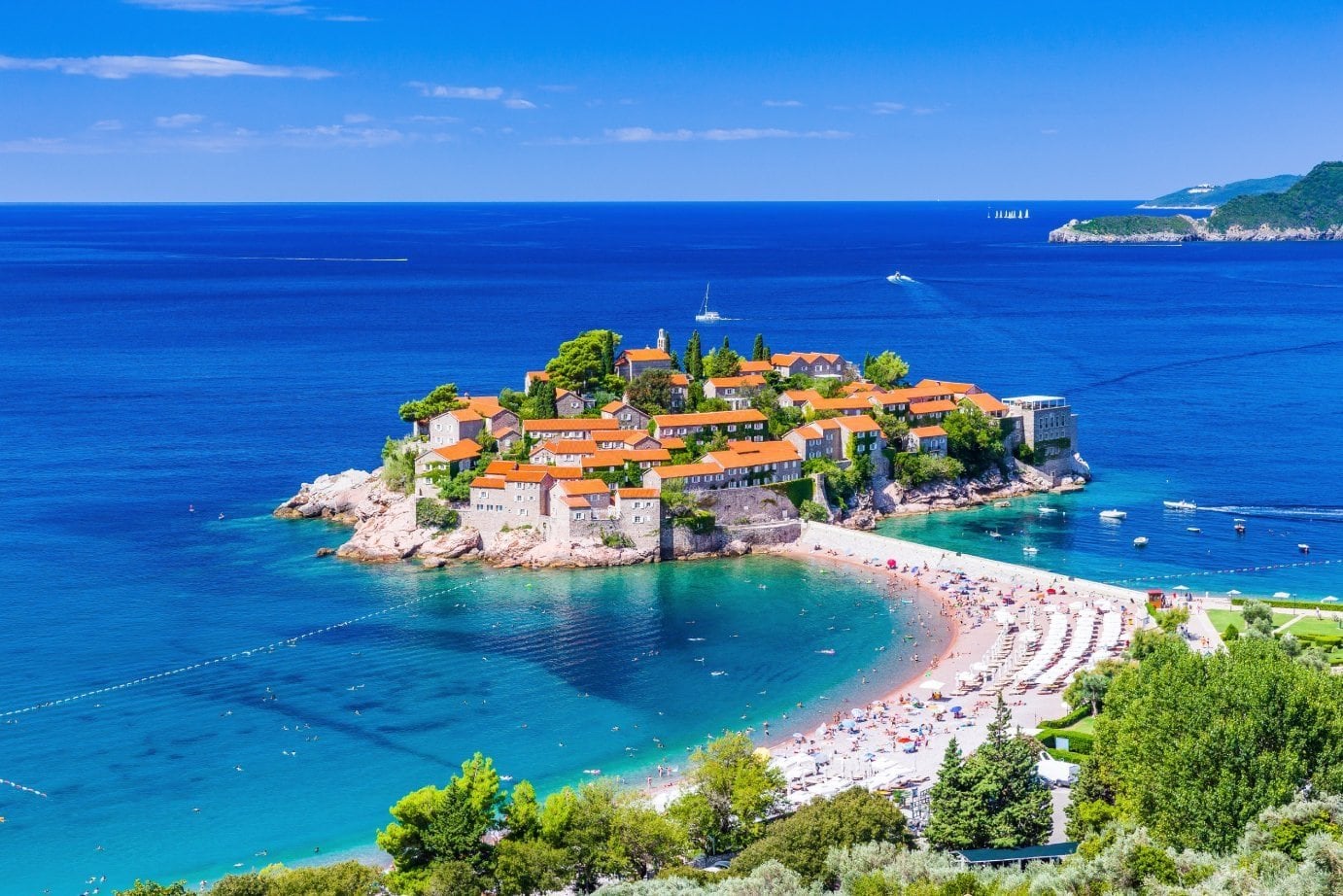
Budva operates on a different register entirely. The town's medieval old quarter is among the most visited sites in the country, and the string of sandy beaches extending south along the Riviera fills reliably between late June and early September. The hospitality infrastructure, beach clubs, restaurants, and nightlife concentrated along this stretch, is calibrated for the summer season and delivers it with competence.
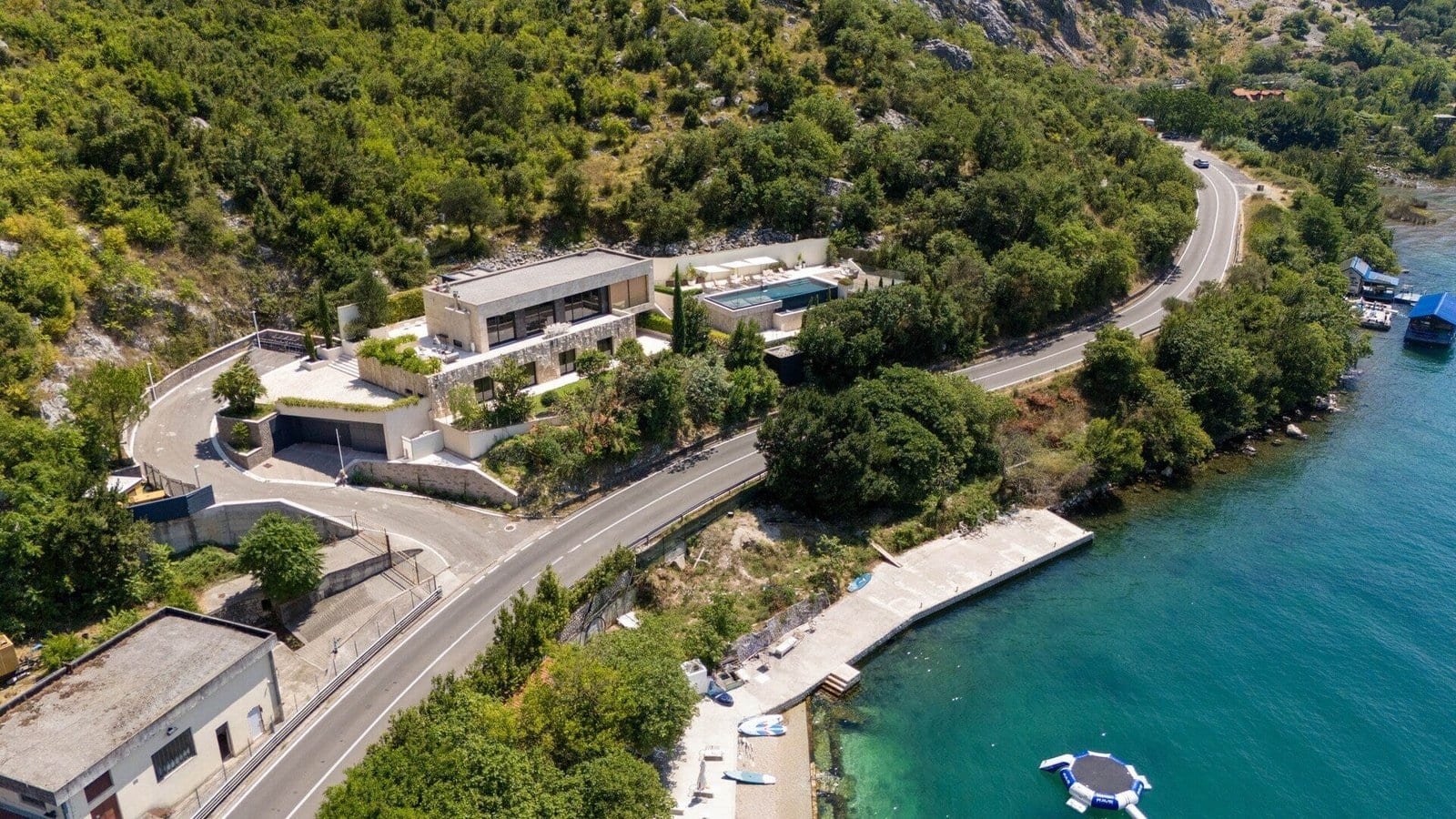
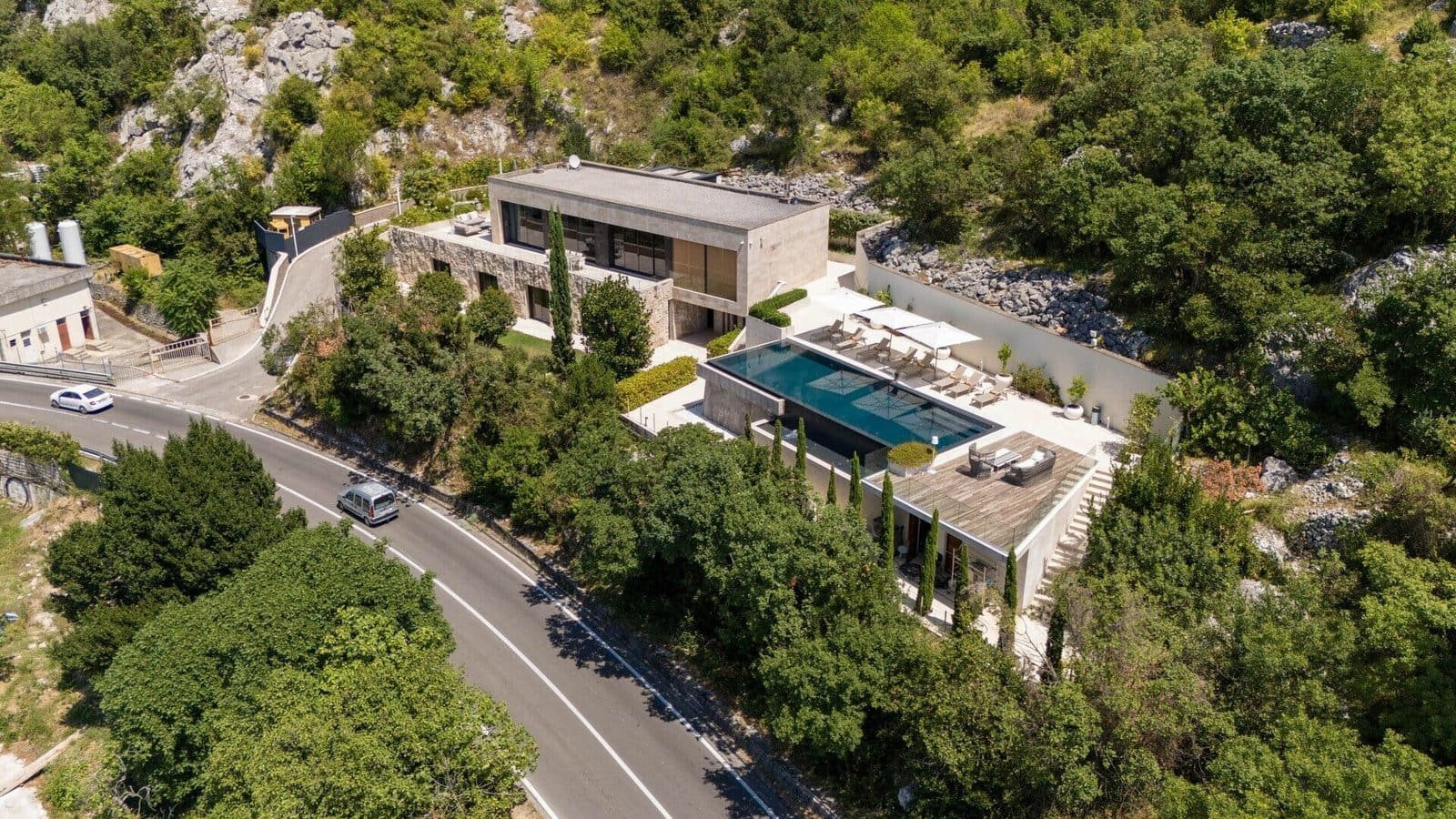
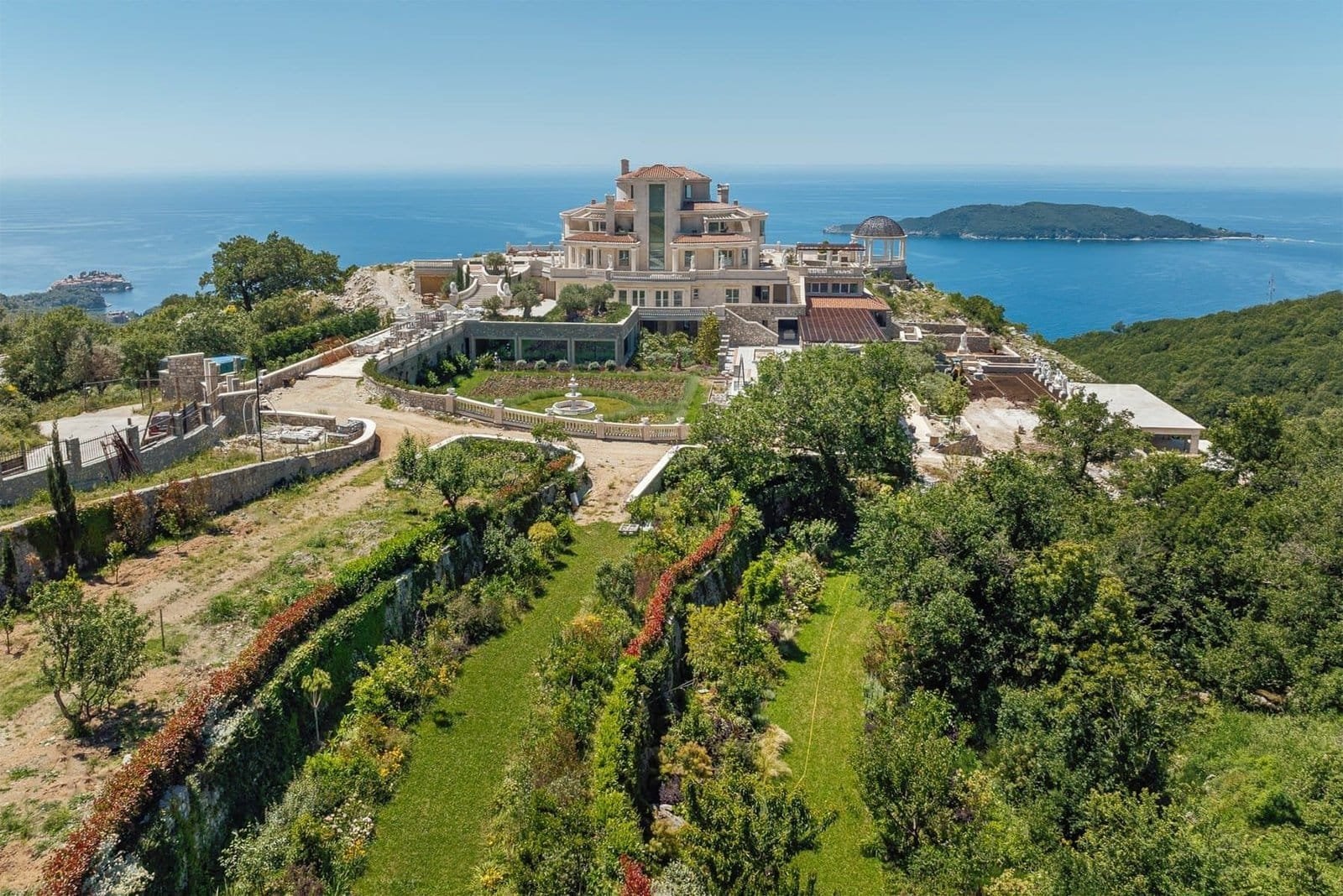
For a buyer whose primary use case is a family beach retreat during July and August, with the option to let the property during periods of non-occupation, the Budva Riviera offers a logical combination of personal lifestyle value and rental optionality. The residential market spans a wide range of typologies, from compact lock-up-and-leave apartments in well-managed complexes to substantial private villas set above the coastline with full sea views and private pools.
The honest advisory note on Budva is that the summer crowds can be intense, and the town itself trades atmosphere for volume during peak season. Buyers seeking the quiet possession of a private retreat will often find the bay more aligned with their expectations. Buyers who want the energy of a resort season, and the commercial reality that comes with it, will find Budva well-suited.
Porto Montenegro and Tivat: Marina Living at International Standards
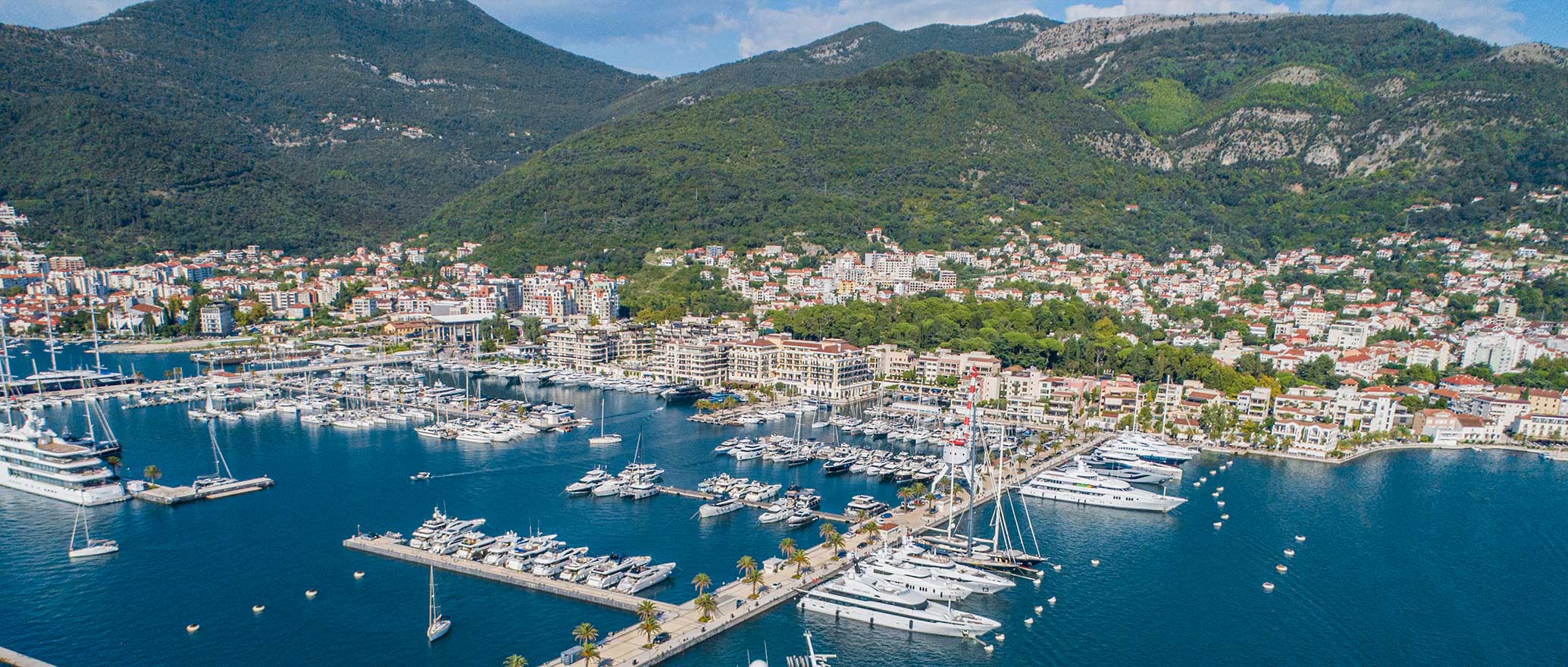
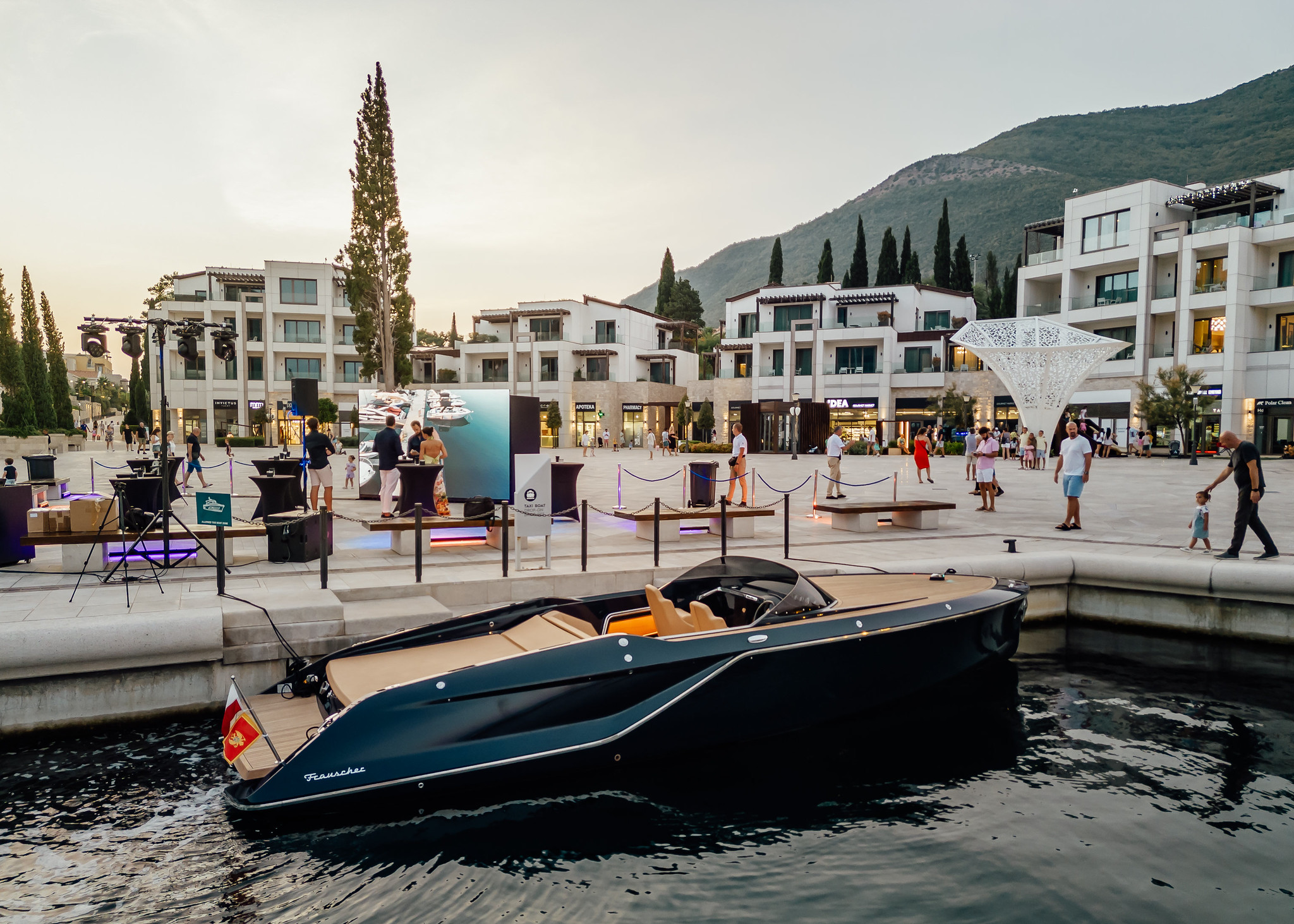
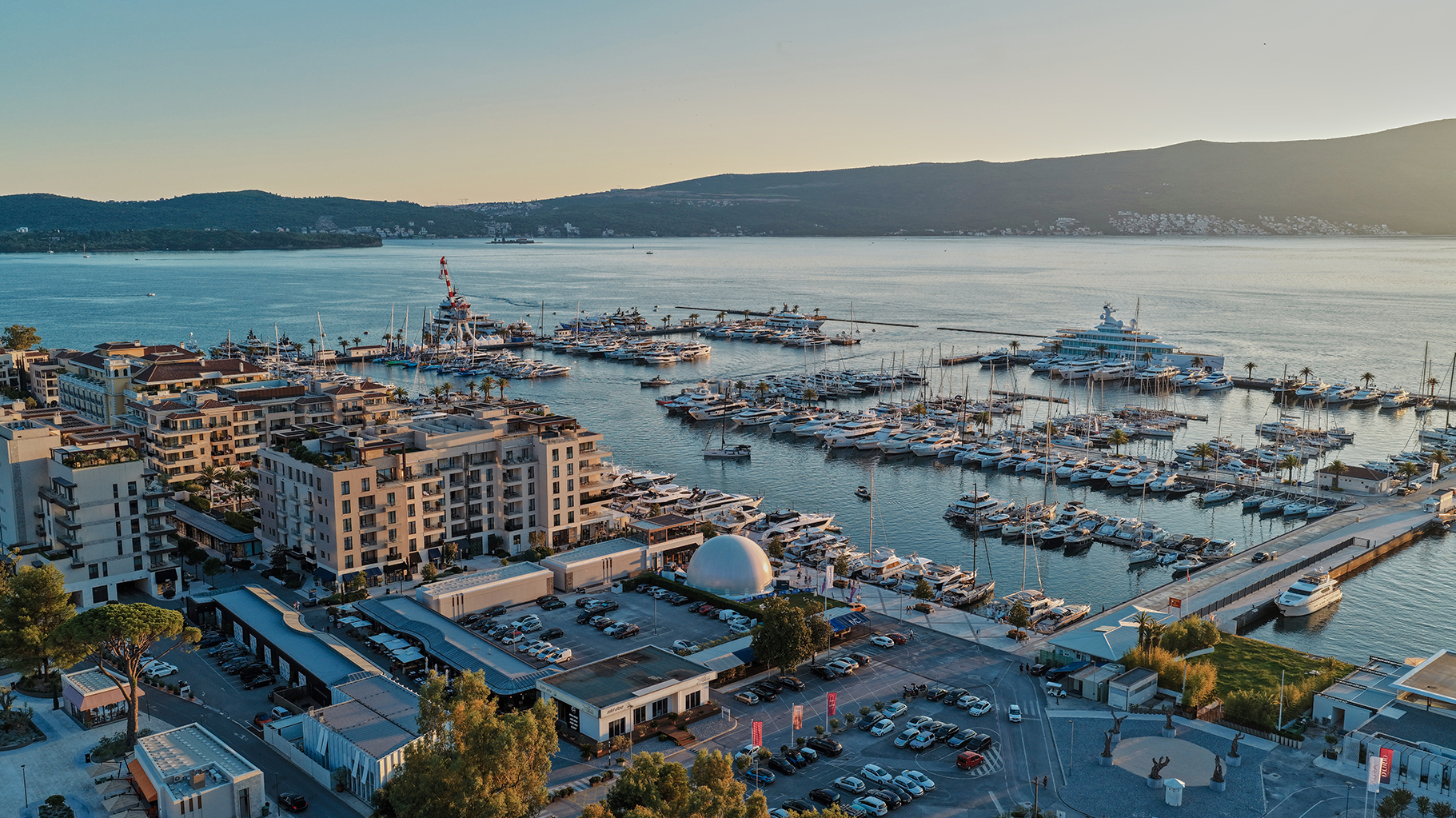
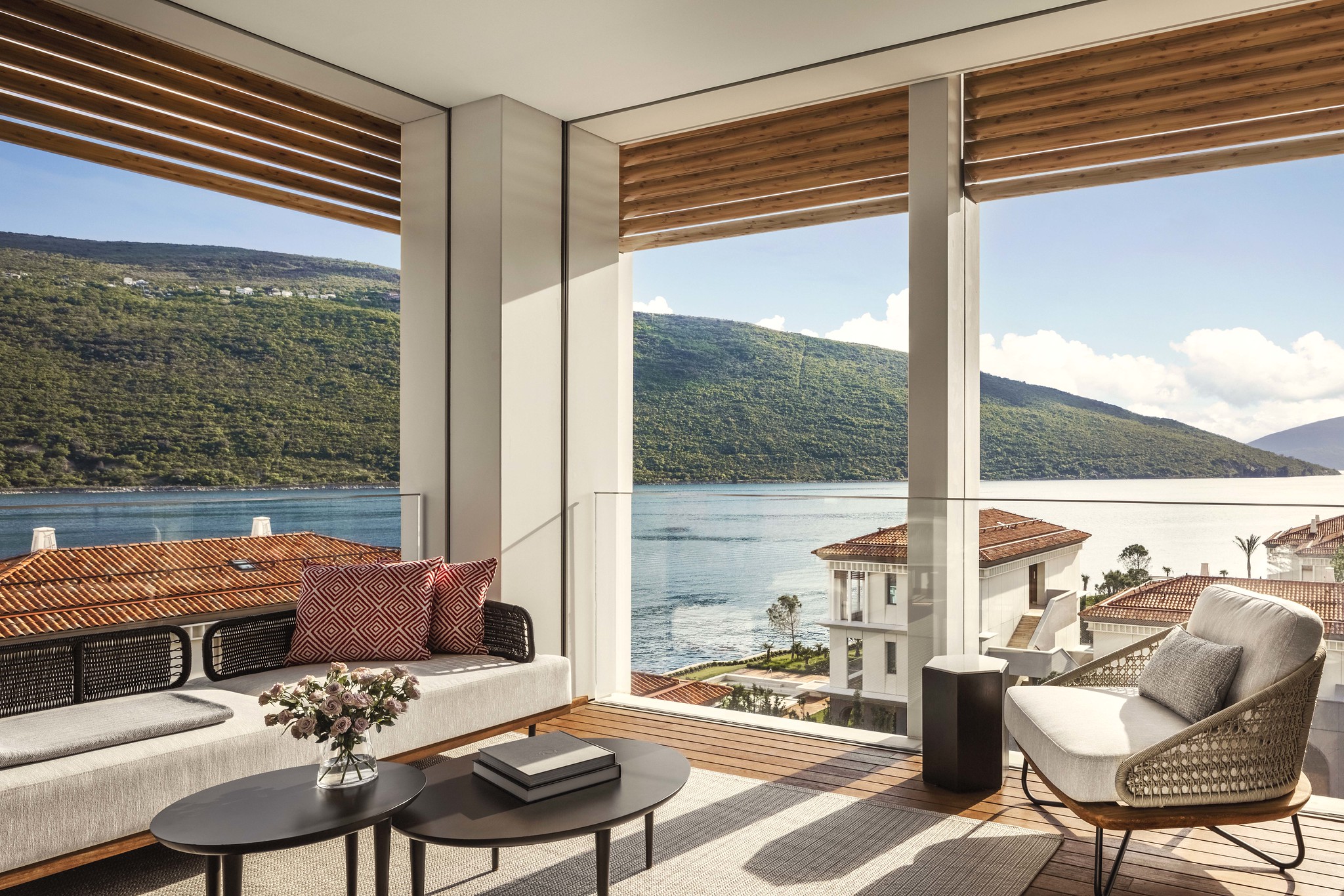
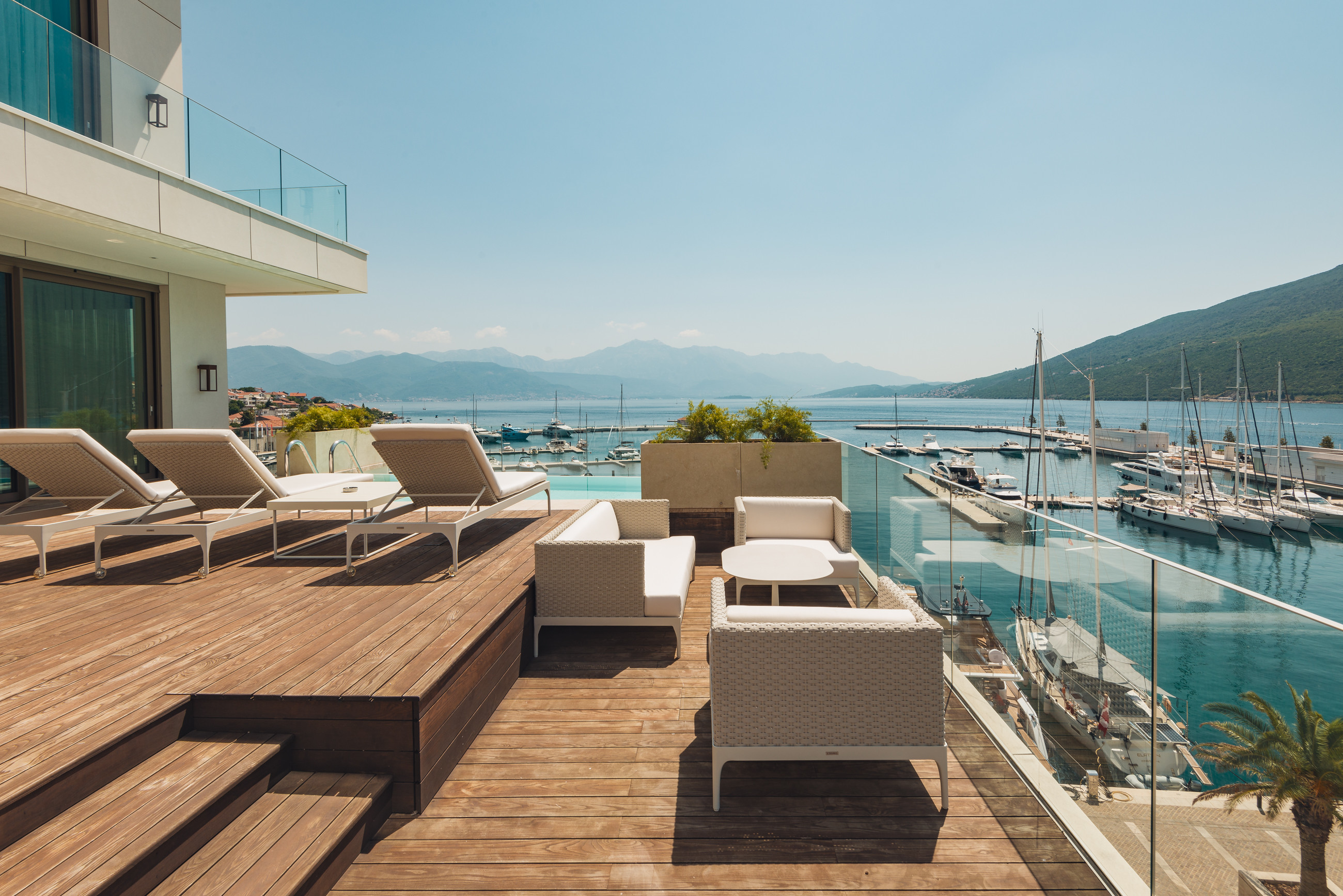
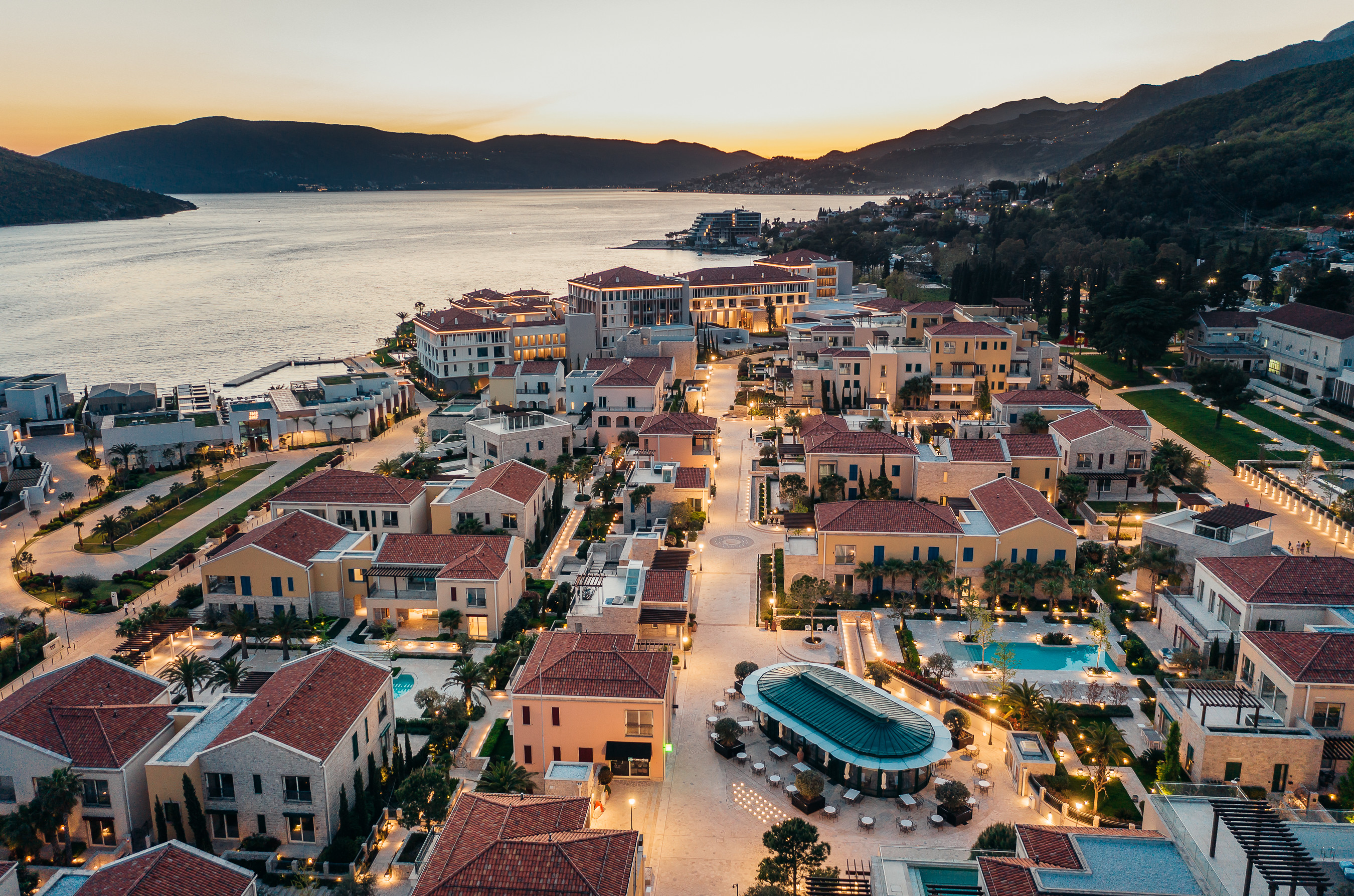
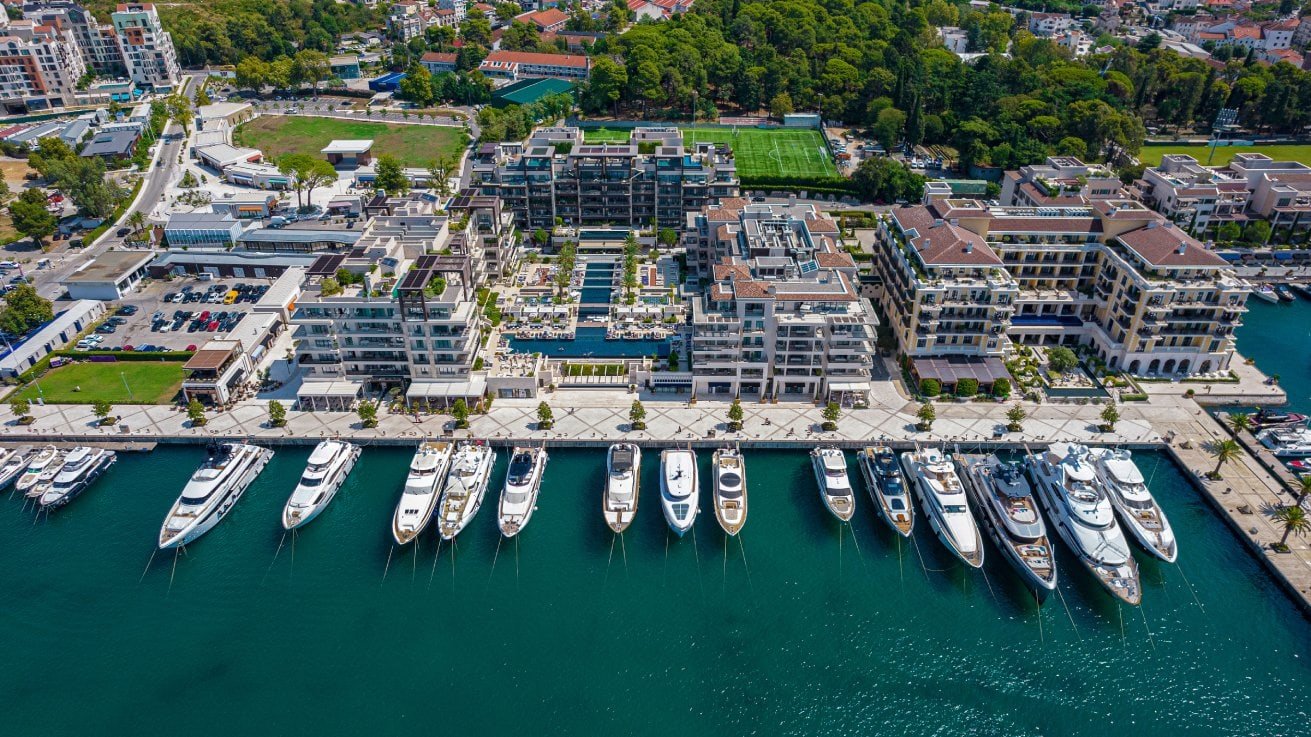
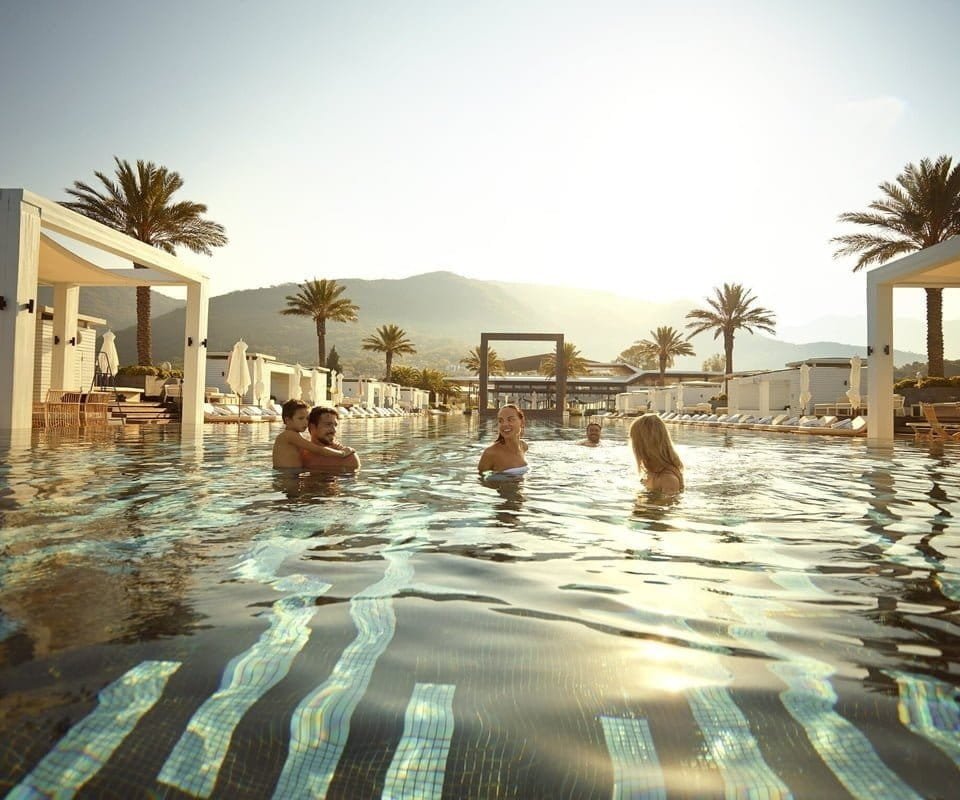
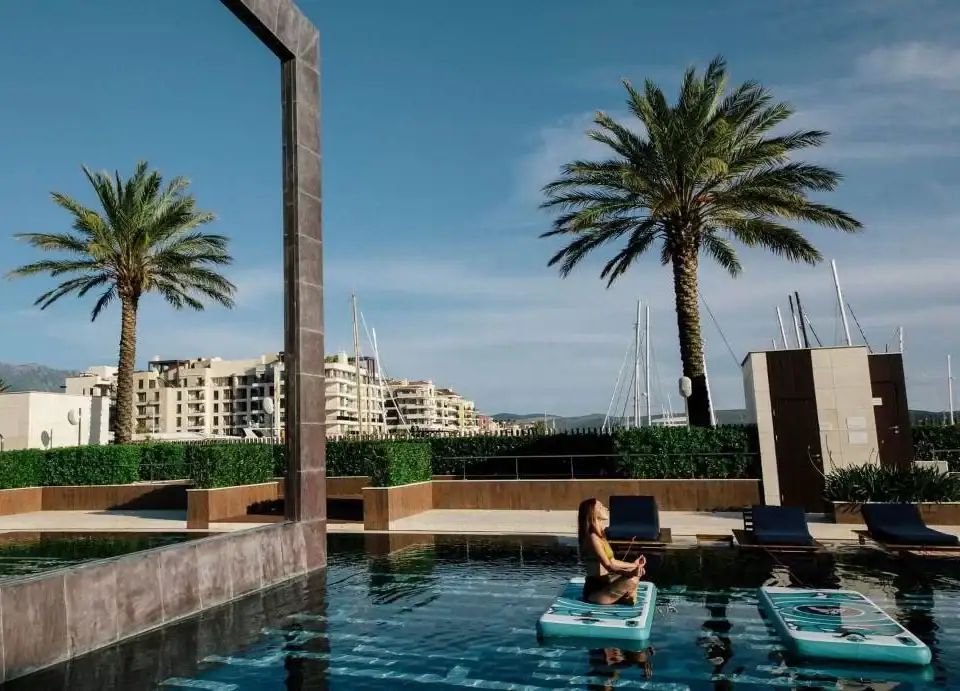
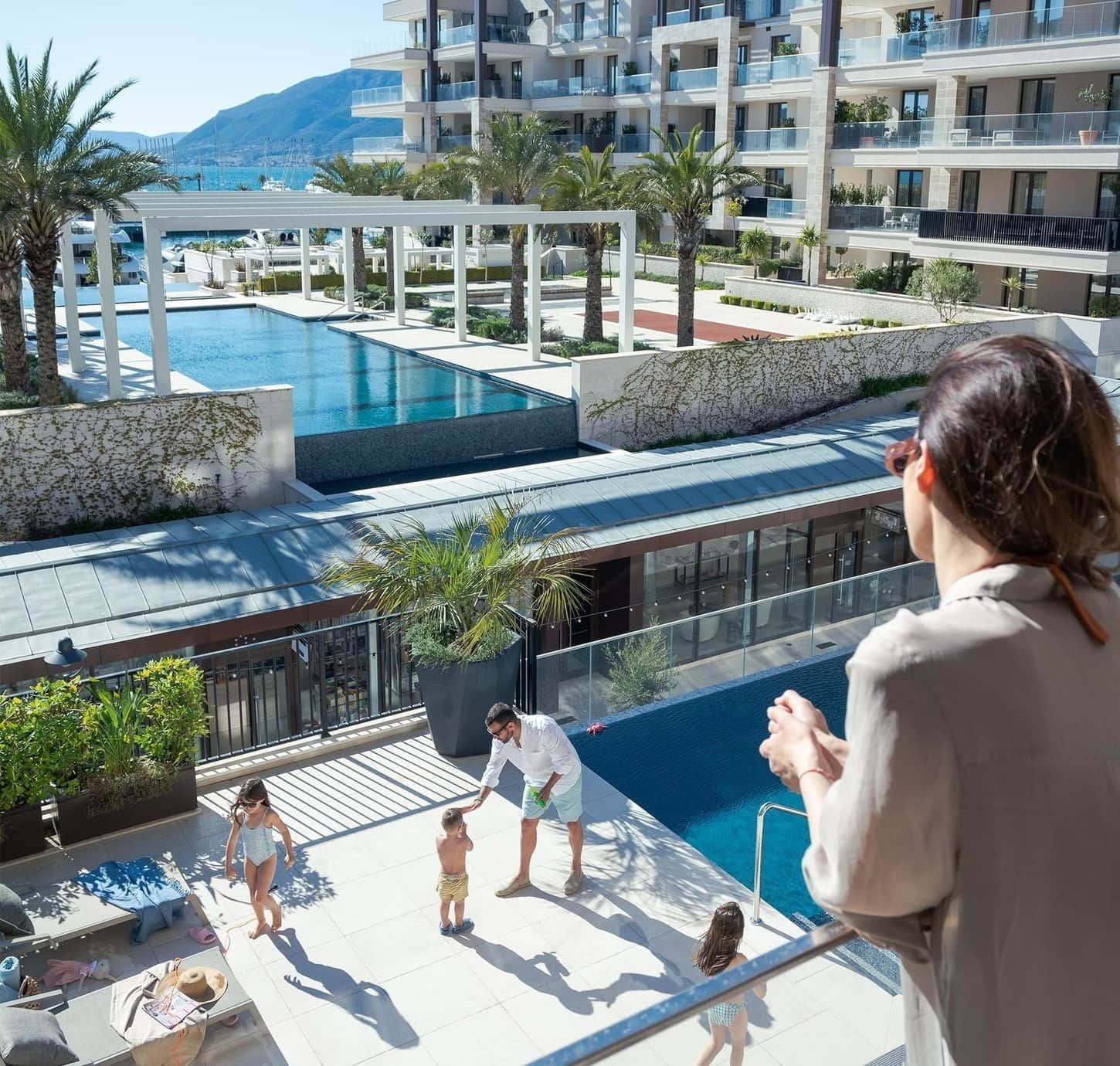
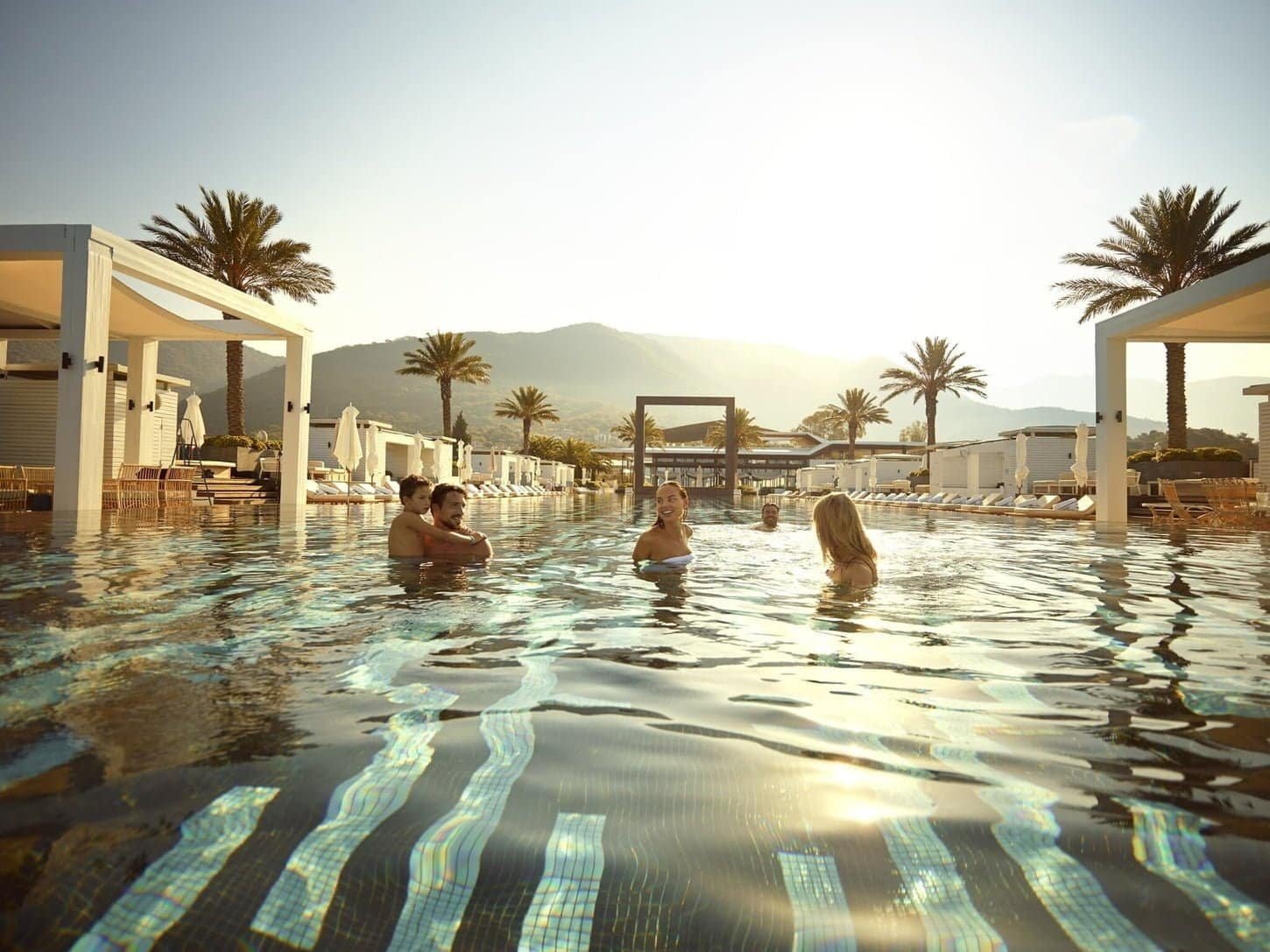
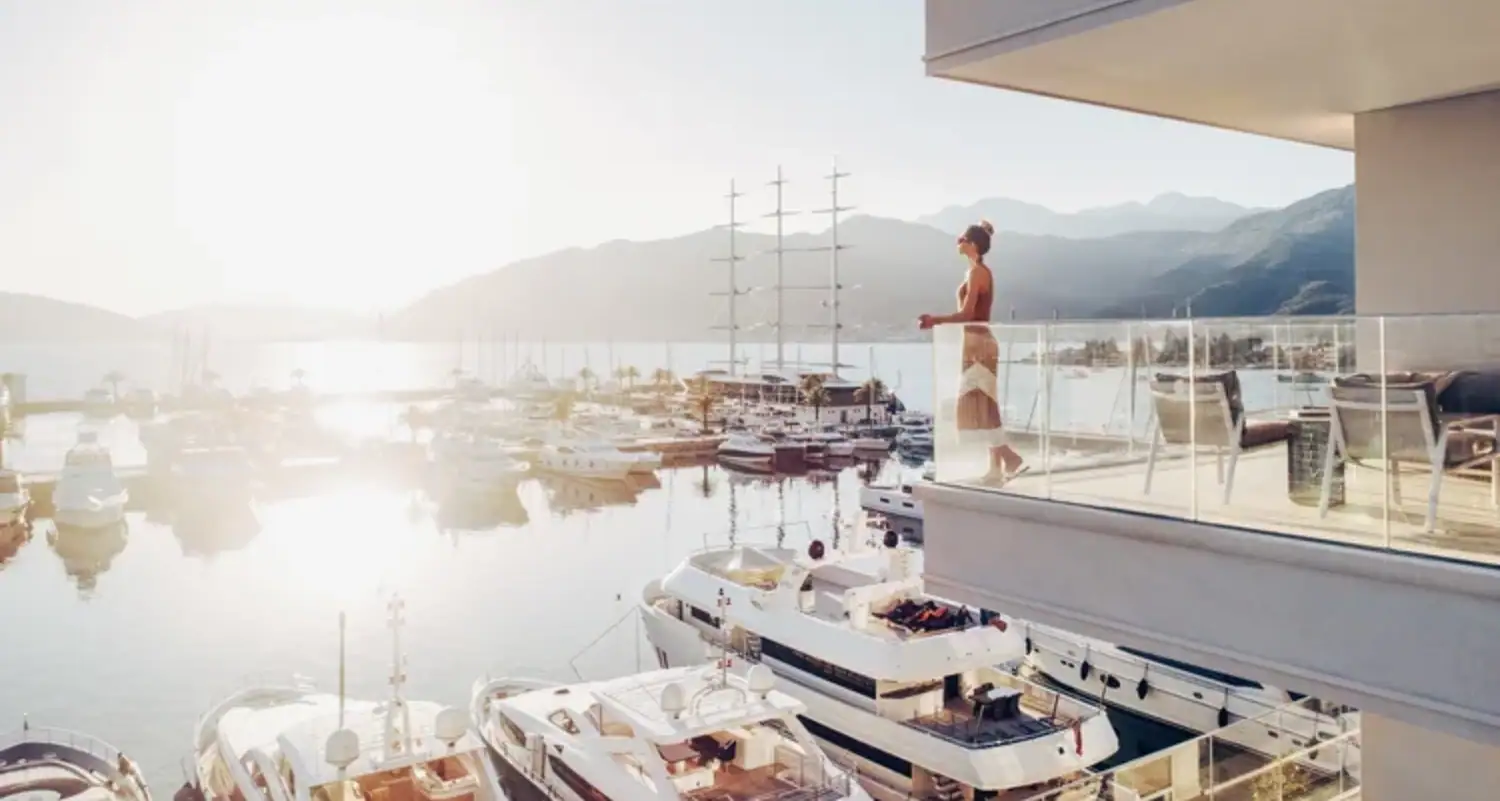
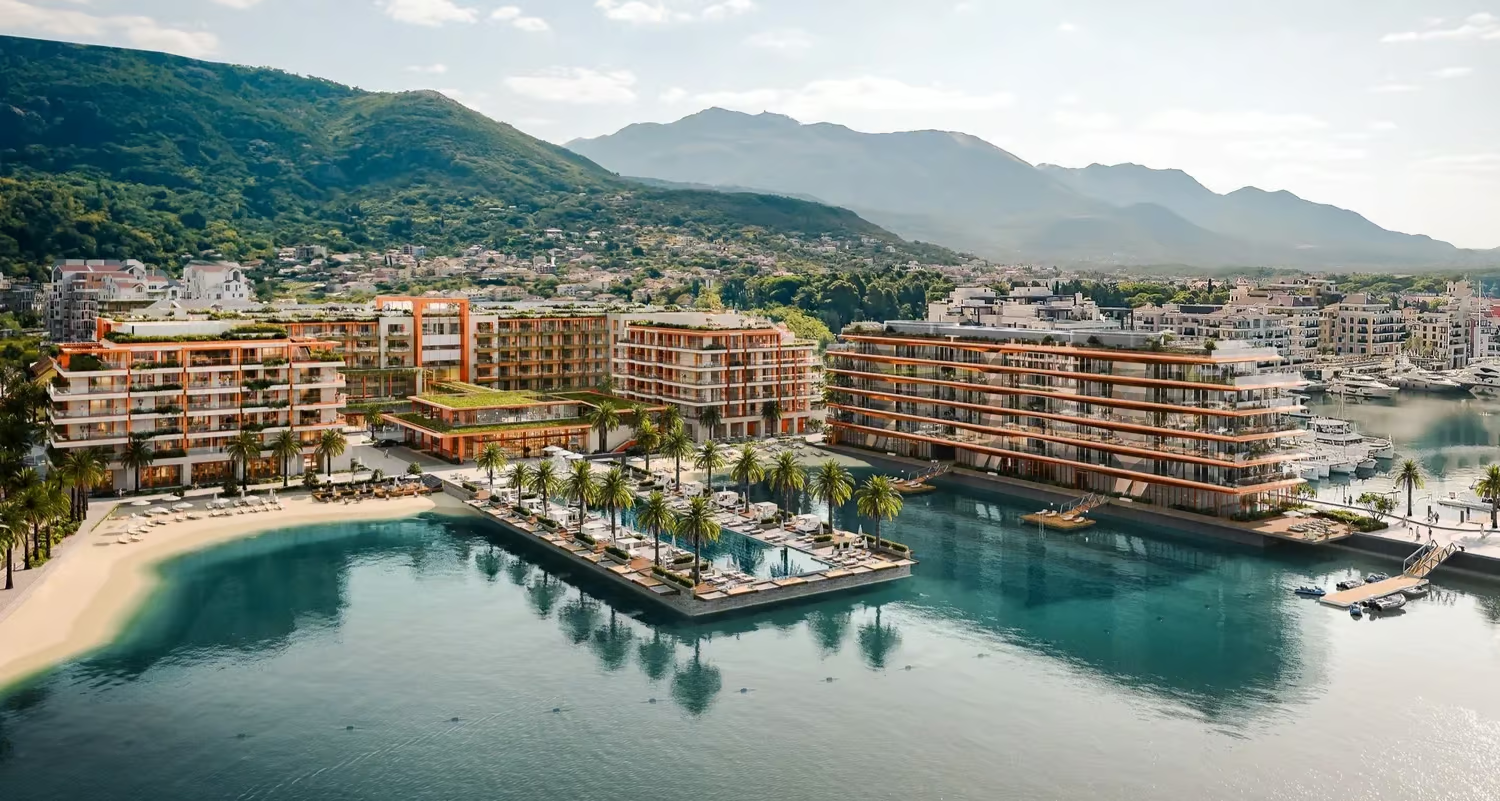
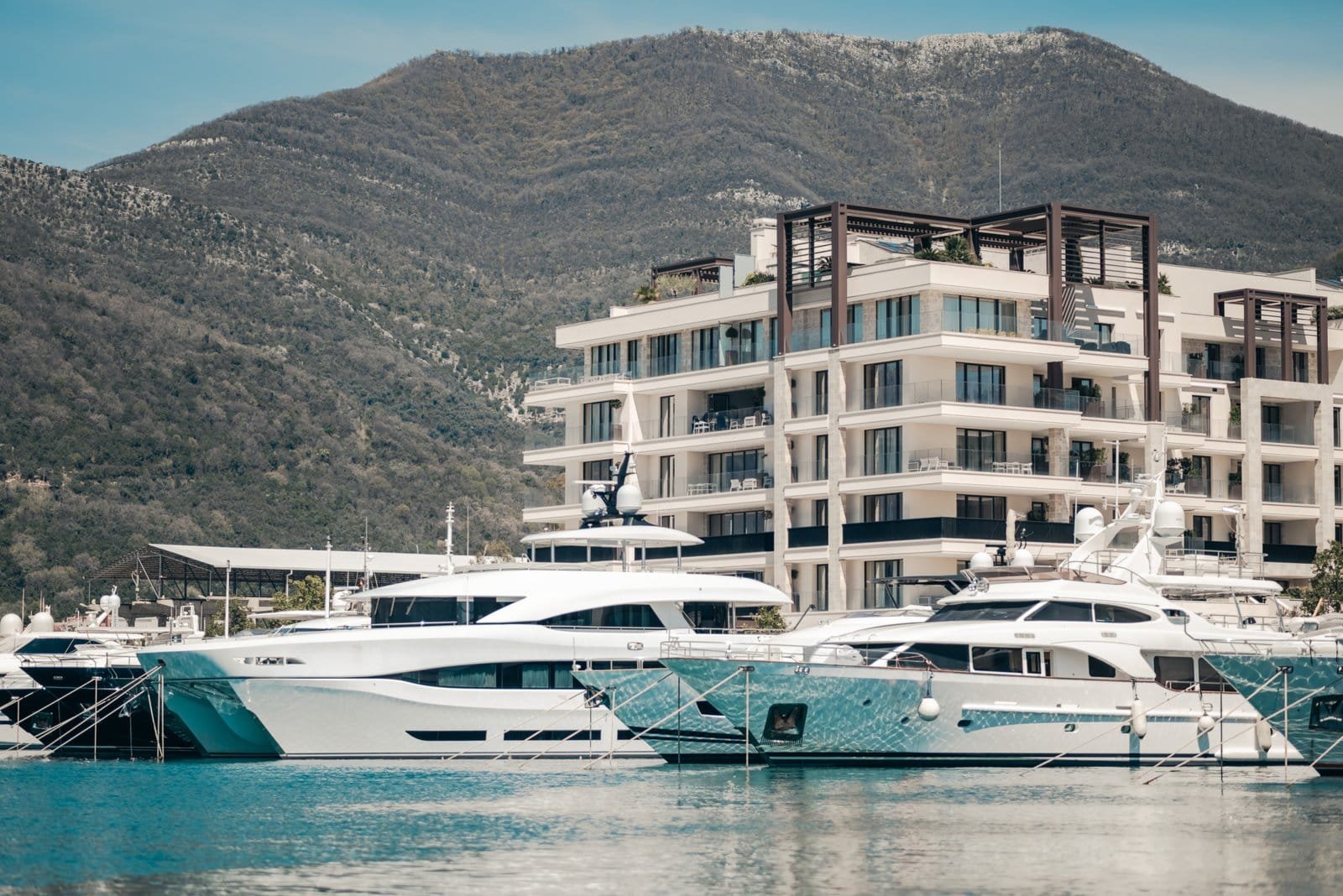
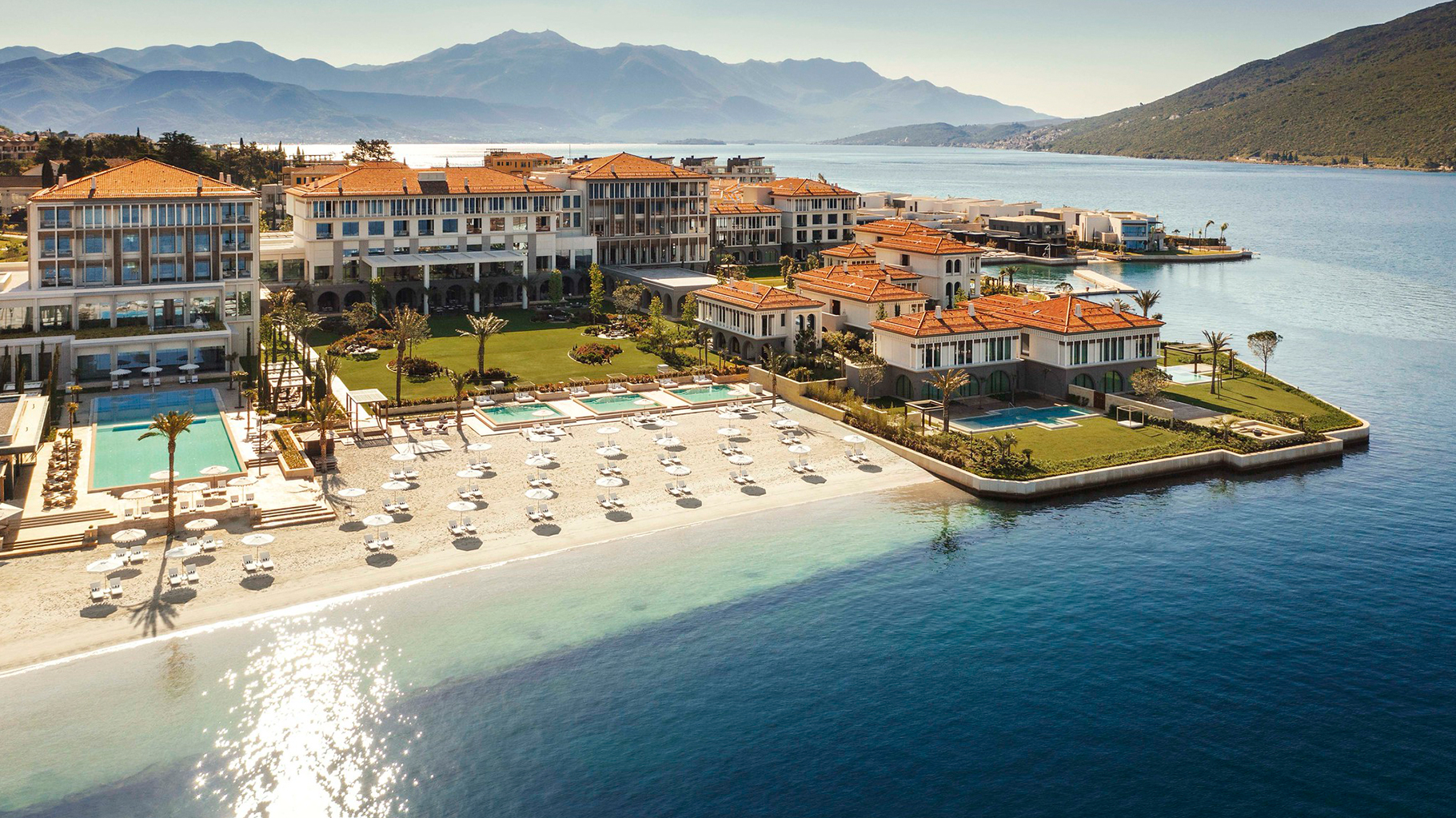
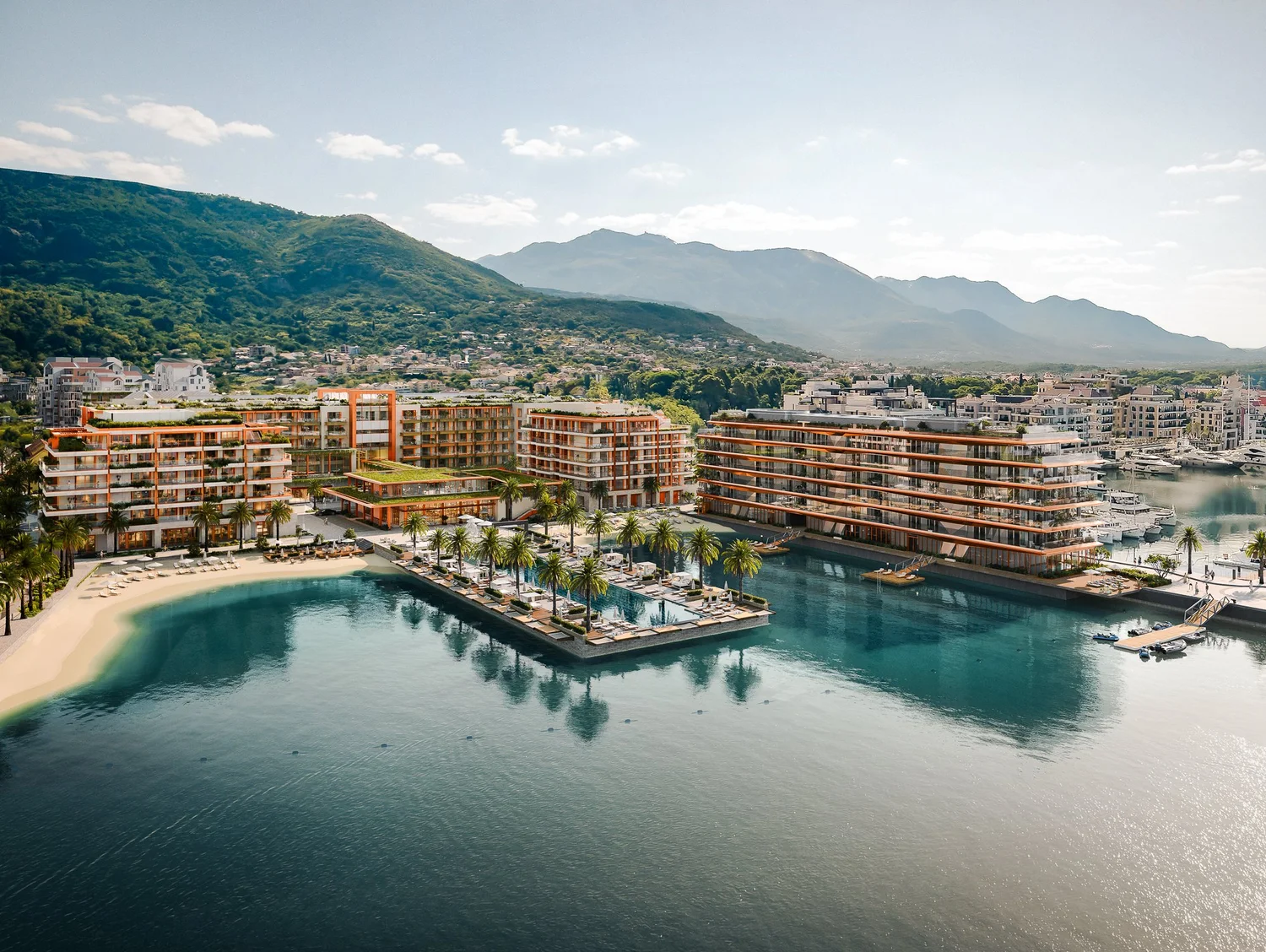
Porto Montenegro represents a different category of second-home ownership: a purpose-built, internationally managed residential marina village centred on Tivat. The development accommodates superyachts of any size and wraps that berth infrastructure in a curated residential, retail, and wellness environment that operates to the standards a buyer would expect from a comparable development in Antibes or Palma de Mallorca.
The residential proposition within Porto Montenegro suits buyers who want the security and ease of a managed resort environment while retaining the legal and fiscal position of a private property owner. Management, maintenance, and security are handled institutionally. The resident does not manage contractors or worry about the property in their absence. For buyers with multiple homes and limited bandwidth to administer them all, this matters.
Tivat is also the primary arrival airport for the majority of international visitors to Montenegro, making Porto Montenegro the most logistically effortless location in the country. A buyer landing at Tivat Airport is at their residence within fifteen minutes.
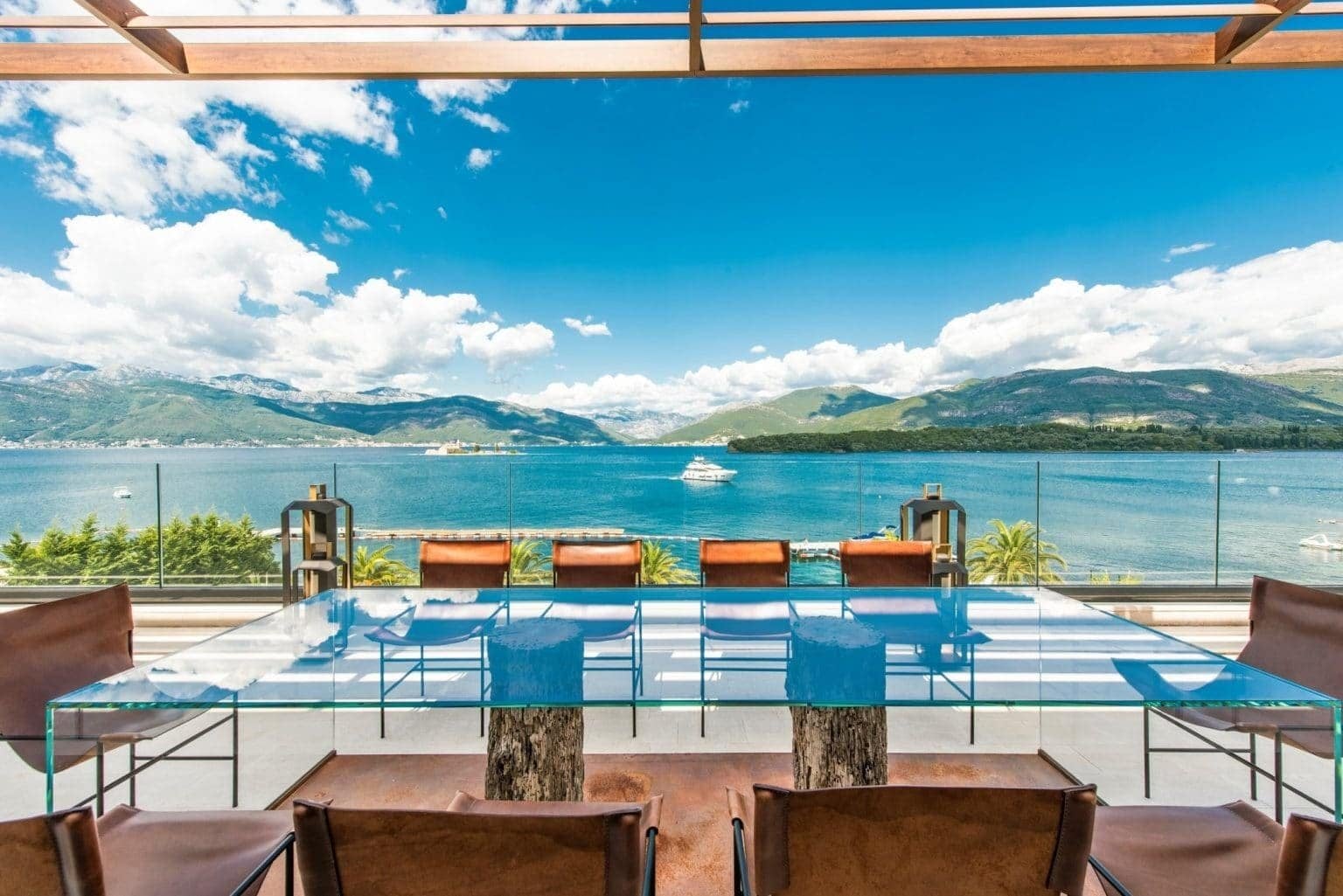
Barok Estates International currently holds an exceptional selection of Porto Montenegro residences. The Elevated Living Above the Adriatic: Porto Montenegro's Finest Rooftop Penthouse offers three bedrooms and panoramic Adriatic views from the marina's rooftop. For buyers seeking the absolute pinnacle of the Porto Montenegro residential offer, the Sky-High Sovereignty Above the Adriatic: Porto Montenegro's Crown Penthouse is a four-bedroom crown penthouse that sets a new benchmark for the address. A second Crown Penthouse opportunity within the same building is available here: Sky-High Sovereignty Above the Adriatic: Porto Montenegro's Crown Penthouse. Buyers who prioritise dual perspectives, open sea in one direction, alpine ridgelines in the other, will find the Panoramic Sea Views and Alpine Horizons at Porto Montenegro's Finest Address a two-bedroom residence that delivers exactly that quality of outlook from one of the development's most considered floor plans.
For a detailed breakdown of the Tivat market by property type and price band, Barok Estates has published two dedicated guides: Property for Sale in Tivat, Montenegro: A 2026 Waterfront Buyer's Guide and Buying Property in Tivat, Montenegro: The 2026 Guide for International Buyers.
Tax Implications and Legal Considerations for Foreign Buyers
Property Transfer Tax and Ongoing Ownership Costs
Montenegro's tax framework for property ownership is one of its most practically attractive features for international buyers, and it is worth understanding clearly before drawing comparisons with the buyer's home jurisdiction.
Property transfer tax on resale transactions is set at 3% of the assessed transaction value, payable by the purchaser. This rate is confirmed by the Montenegro Tax Administration and has remained stable. New-build acquisitions direct from a developer are structured differently: these transactions attract VAT rather than transfer tax, and in practice the VAT component is incorporated into the agreed purchase price, meaning the buyer's headline cost is typically presented on an all-inclusive basis.
There is no annual net wealth tax on real property for individual owners. Montenegro does not operate the French IFI framework or any equivalent mechanism that imposes a recurring levy on the capital value of held property. Capital gains arising on the disposal of residential property are exempt from tax for individual owners who have held the asset for more than two years, a provision confirmed under Montenegro's Personal Income Tax Law. Annual communal charges vary by municipality and property classification but are modest relative to comparable obligations in Western European jurisdictions. A well-maintained villa on the Bay of Kotor will carry annual communal and local tax costs that represent a fraction of what an equivalent property in the South of France would impose.
Buying as an EU Citizen Versus a Non-EU National
Montenegro is a candidate country for European Union membership, currently progressing through the accession process under Chapter frameworks monitored by the European Commission. In the interim period, the legal right of foreign nationals to acquire real property is broad and explicitly established under Montenegrin law.
EU citizens acquire property in Montenegro under conditions that are functionally identical to those applicable to Montenegrin nationals. There are no restrictions on property type, no prior approval requirements, and no caps on the number of properties that may be held.
Non-EU nationals, including buyers from the United Kingdom following its departure from the EU, the United States, the Gulf states, and other third countries, are also permitted to acquire residential property in Montenegro without restriction, subject to the principle of reciprocity as set out in the Law on Property Relations. In practice, this principle does not create material obstacles for buyers from the countries most commonly represented in the Montenegro second-home market. Commercial land and agricultural parcels are subject to additional requirements for non-EU buyers, but for the purposes of a lifestyle residential acquisition, the framework is permissive and well-established.
The purchase process involves engagement of a local notary, legal verification of title through the cadastral register, and registration of the new ownership interest with the Real Property Administration. Professional legal representation throughout this process is standard practice and strongly advised. Timelines from agreed terms to completed registration typically run between four and eight weeks for straightforward residential transactions.
---
A Note from the Barok Estates International Advisory Team
Barok Estates International advises private buyers and families on the acquisition of premium residential property across the Adriatic, the Iberian Peninsula, and the United Kingdom. Our Montenegro desk operates from offices in Marbella and London, with dedicated on-the-ground advisory capability across the Bay of Kotor, Tivat, and the Budva Riviera.
For buyers at the consideration stage, we offer a structured advisory consultation: a confidential conversation about lifestyle priorities, location alignment, budget parameters, and the specific legal and tax questions relevant to your nationality and existing property holdings. There is no obligation and no sales pressure. Our model is grounded in the belief that the right advice, given honestly and early, produces better outcomes for buyers and better relationships for us.
To begin a conversation with the Barok Estates Montenegro team, contact our advisory desk directly through barokestates.com. We look forward to helping you find precisely the right address on this exceptional coastline.








.jpg)