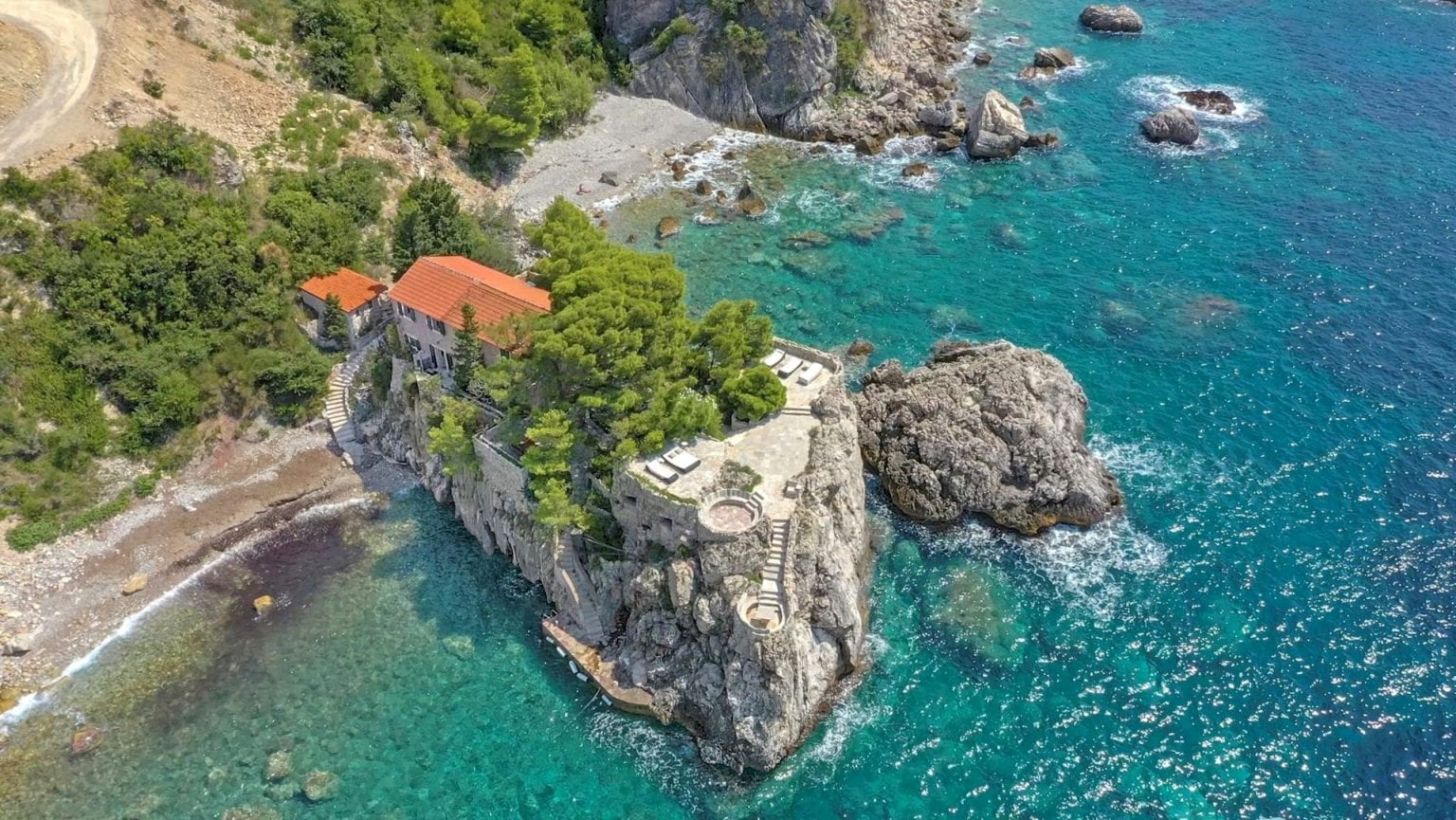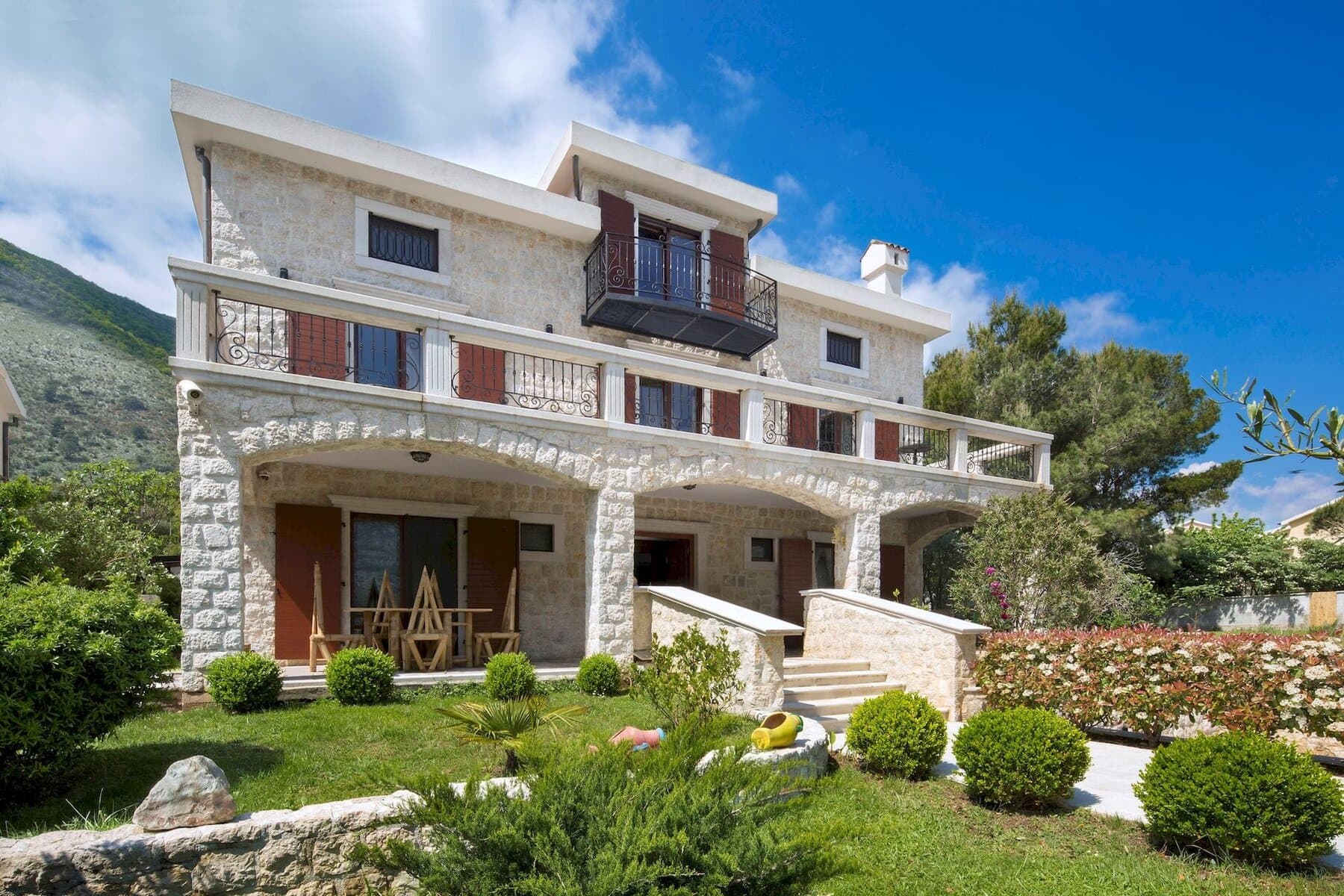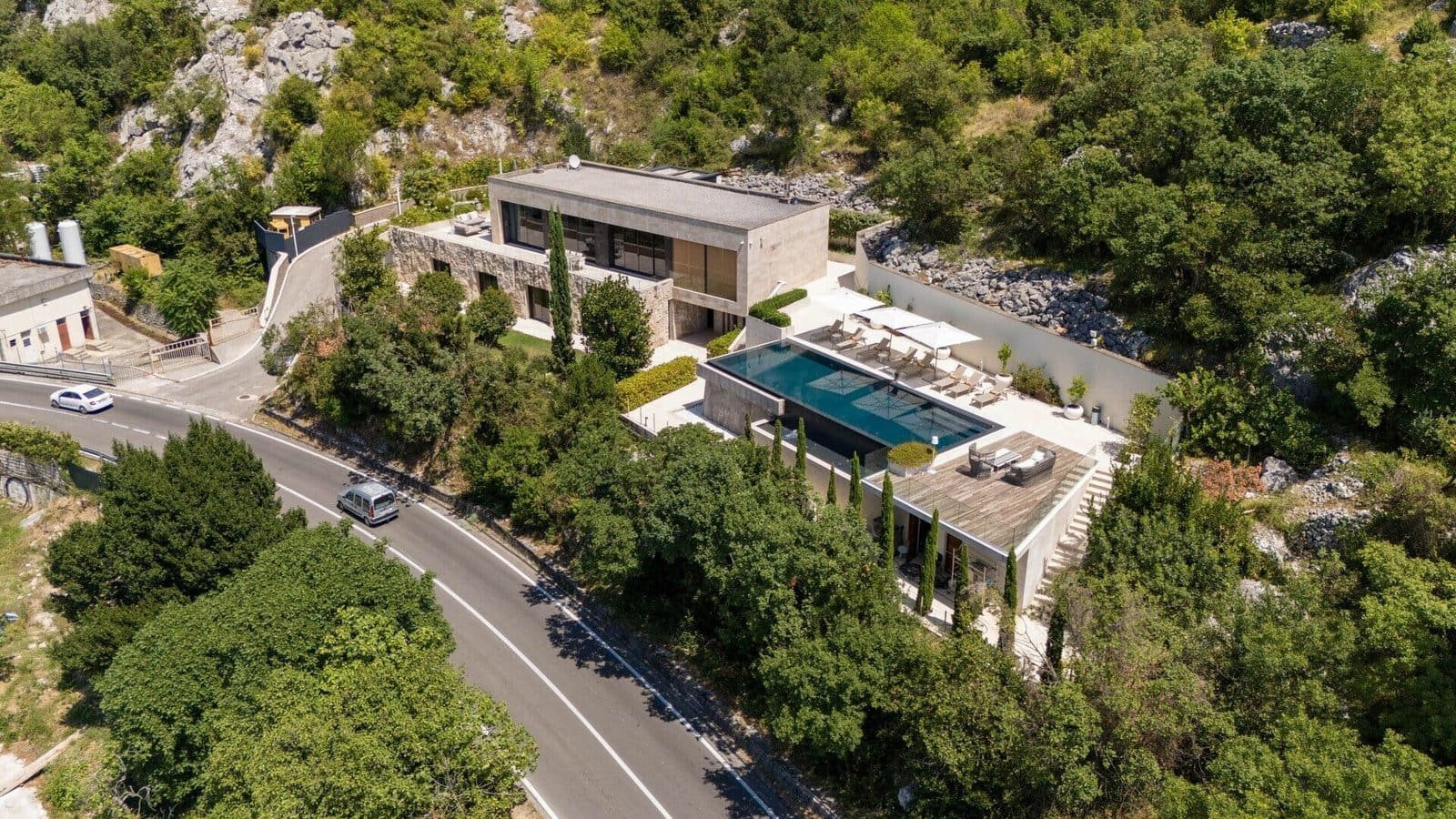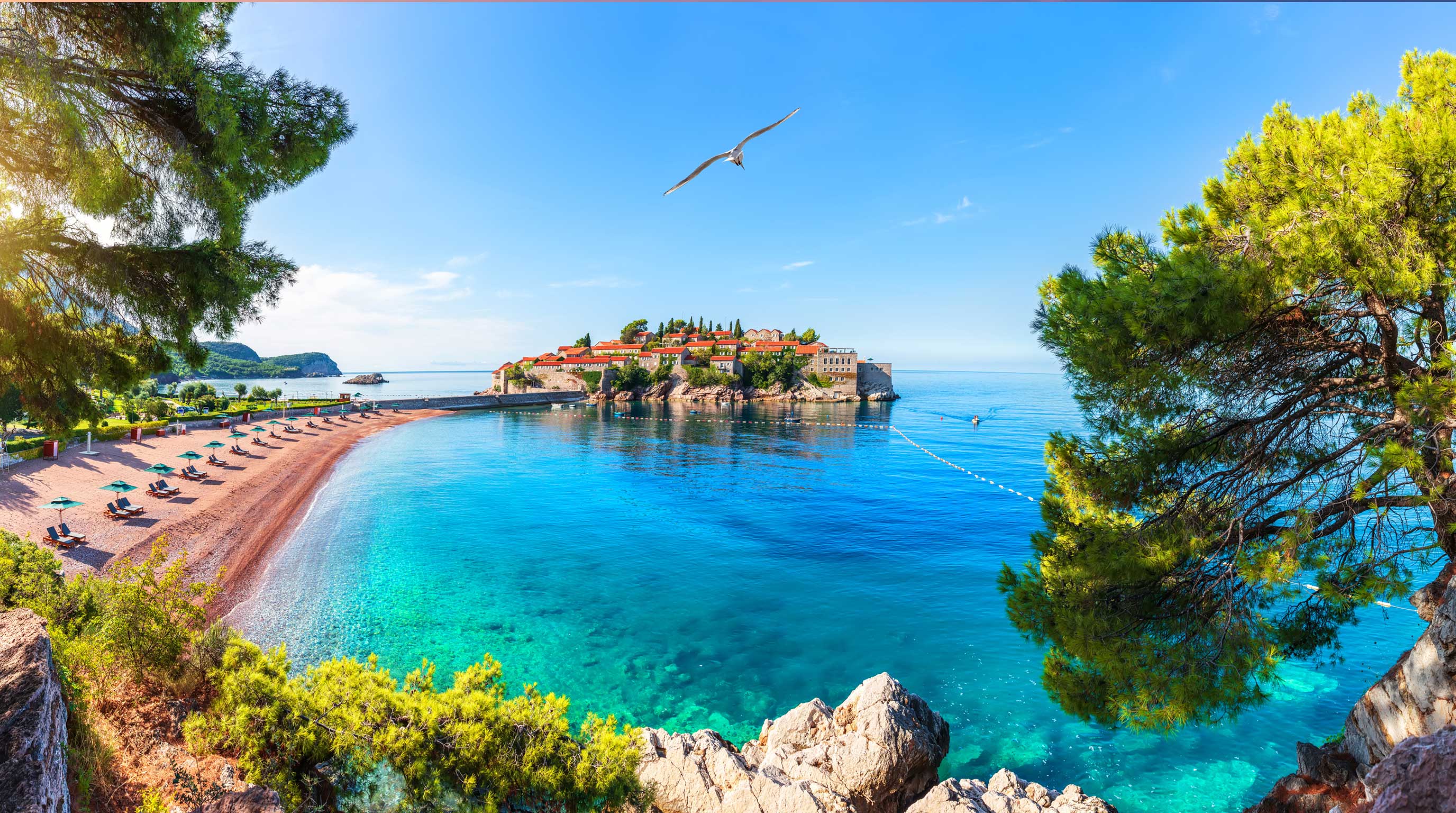
Retirement is, at its core, a question of environment. The decision about where to spend the years that follow a working life carries far greater consequence than most financial plans acknowledge. Climate, community, access to nature, the pace of daily life, the quality of food on the table and the view from the window all shape wellbeing in ways that compound quietly over time. For a growing number of discerning retirees, the answer to that question involves a coastline.
Beach retirement has moved well beyond the realm of idle fantasy. Across southern Europe, from the Costa del Sol to the Ligurian Riviera to the Adriatic shores of Montenegro, an increasing number of high-net-worth individuals are choosing to anchor their retirement years close to the sea. Their reasons are grounded in evidence as much as in preference. The physical health benefits of coastal living are well-documented in academic and public health literature. The psychological rewards are equally compelling. And in certain markets, the financial logic is persuasive enough to stand entirely on its own.
This guide examines the case for retiring by the beach with the rigour it deserves, before turning to Montenegro specifically, a country that has quietly become one of the most interesting retirement propositions on the European continent.
The Physical Health Case for Coastal Retirement
The relationship between coastal living and physical health is not anecdotal. Studies published in medical and environmental health journals over the past two decades have consistently found that proximity to the sea correlates with higher levels of physical activity, lower rates of obesity and improved cardiovascular health among older adults.
The mechanism is straightforward. A beach environment is an invitation to move. Morning swims, long walks along the shoreline, cycling on coastal paths, open-water rowing and gentle beach sports all represent low-impact forms of exercise that are sustainable well into advanced age. These activities carry none of the barriers associated with gym memberships or structured fitness regimes. The sea is simply there, and the instinct to engage with it is natural.
Mediterranean and Adriatic coastal communities have a further advantage in terms of nutrition. Local produce markets in these regions carry fruit, vegetables and seafood that arrive from source with minimal processing and at prices that reward daily shopping rather than weekly bulk purchasing. The Mediterranean dietary pattern, which the World Health Organization has long described as among the most protective against chronic disease, is not a lifestyle choice in these communities. It is simply the way people eat.
For retirees managing the physical changes that come with age, this combination of accessible exercise and high-quality nutrition is not trivial. It translates, over years, into measurable differences in vitality, mobility and independence.
Mental Wellbeing and the Psychology of the Sea
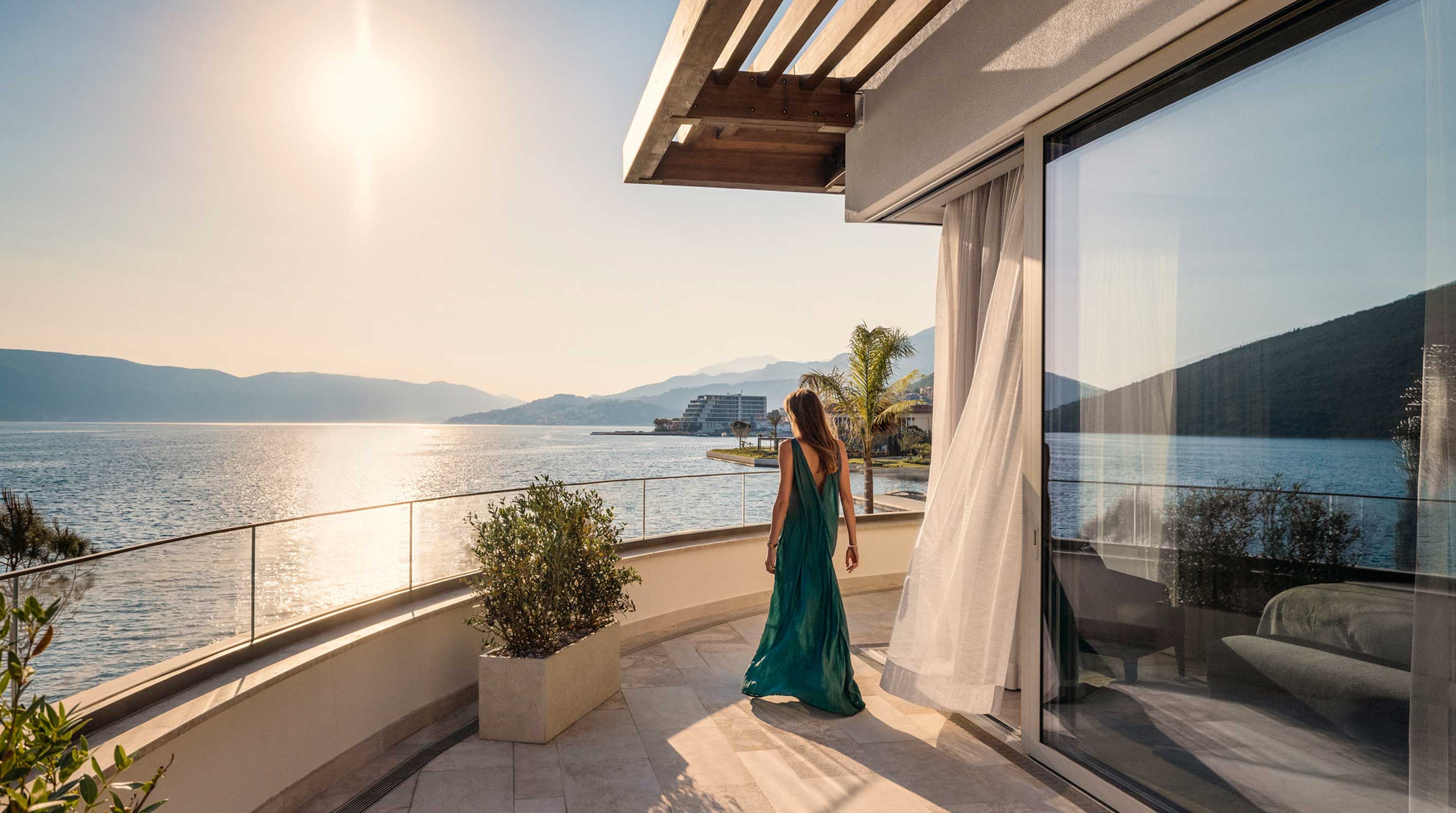
The psychological dimension of coastal retirement deserves equal attention. The human response to the ocean is one of the more consistent findings in environmental psychology. Exposure to blue space, the term researchers use to describe visual and physical access to water, is associated with reduced cortisol levels, lower self-reported stress and higher scores on measures of life satisfaction.
The auditory environment of the coast plays a significant role. The rhythmic sound of waves is a form of natural white noise that interrupts ruminative thought patterns and creates what researchers describe as involuntary attention, a state in which the mind rests from directed cognitive effort. For retirees transitioning out of high-pressure professional lives, this quality of mental rest can be genuinely restorative.
There is also the social dimension. Coastal communities, particularly in southern Europe, tend to organise life outdoors. The promenade, the harbour-side café, the beach bar at the end of the afternoon all serve as informal gathering points that make social connection easy and habitual. Loneliness among older adults is a recognised public health concern across developed economies. Retiring to an environment that structurally encourages daily social contact is a meaningful counterweight to that risk.
Cultural richness adds another layer. Many of Europe's most historically textured towns sit directly on the coast. Access to architecture, museums, music, festivals and culinary tradition is not a secondary consideration for retirees who have spent careers building cultural literacy. The best coastal retirement destinations offer all of this within walking distance.
What to Look for in a Coastal Retirement Destination
Not every beach town is an equally sound retirement choice. The factors that distinguish a genuinely excellent coastal retirement location from a merely pleasant one repay careful analysis.
Healthcare access ranks among the most practical considerations. Proximity to well-equipped hospitals and reliable general practice provision becomes progressively more important as age advances. The best coastal retirement markets in Europe sit within reasonable distance of major medical centres and have developed private healthcare infrastructure that meets international standards.
Legal and fiscal environment matters considerably for internationally mobile retirees. Several European jurisdictions offer favourable tax treatment for foreign pension income or non-habitual residents. Understanding the applicable framework before committing to a location is basic due diligence. Relevant guidance is available from national tax authorities and, at the EU level, from the European Commission's tax and customs directorate.
Connectivity, both physical and digital, is a practical requirement. Reliable high-speed internet supports the video calls, financial management and entertainment that sustain quality of life. International airport access enables retirees to maintain relationships with family and friends across borders without excessive inconvenience.
Property quality and the security of title are fundamental. In mature markets, the legal framework governing foreign property ownership is well-established. In emerging markets, professional legal and advisory support is essential before any commitment is made.
Montenegro: The Adriatic's Most Compelling Retirement Proposition
Among Europe's coastal retirement destinations, Montenegro occupies an unusual position. It combines the natural beauty of a country that has simply not had time to be overdeveloped with the infrastructure investment of a jurisdiction actively courting international residents and capital. The result is a destination that offers exceptional quality of life at a cost structure that would be impossible to replicate on the French Riviera or the Balearics.
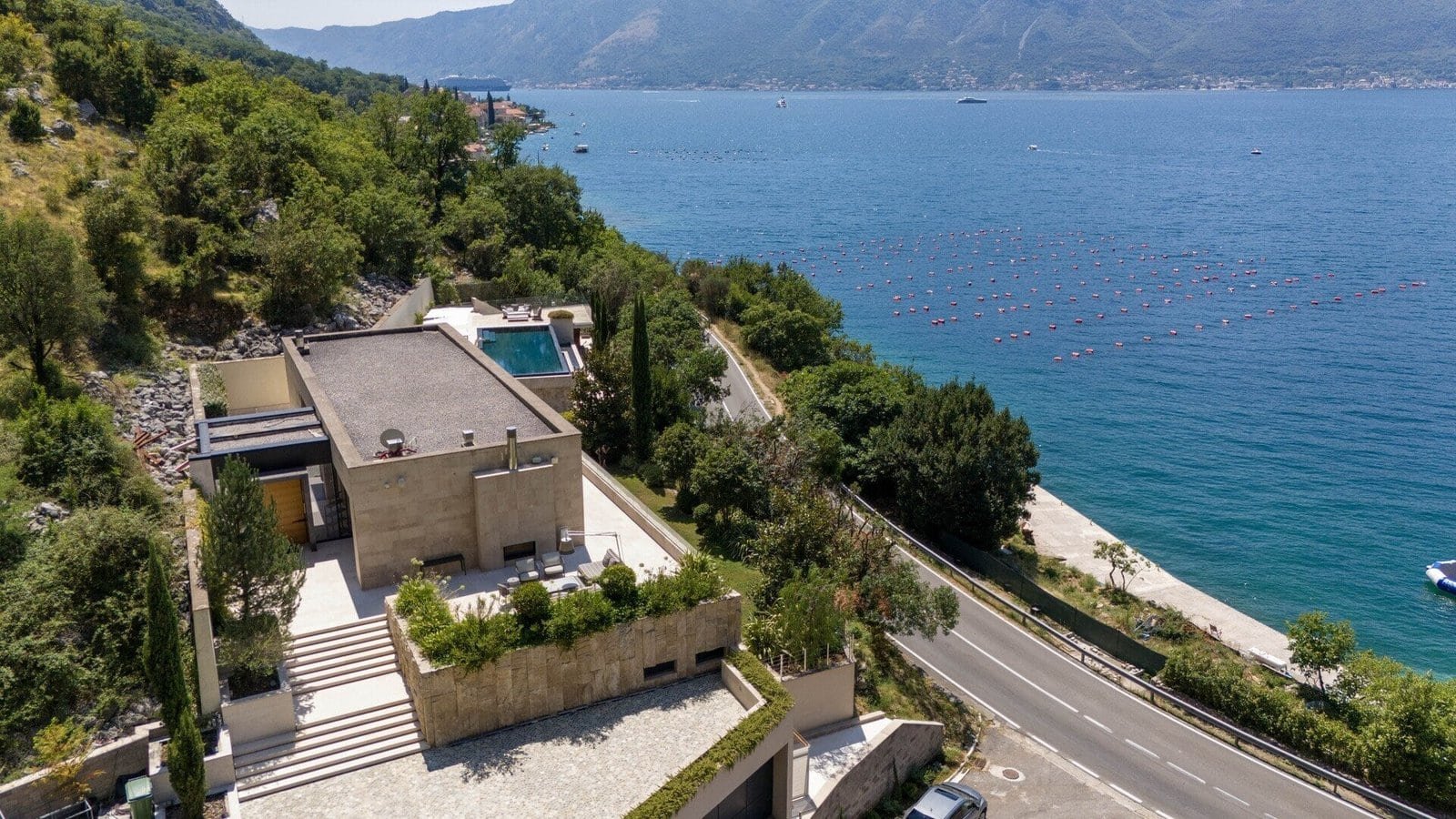
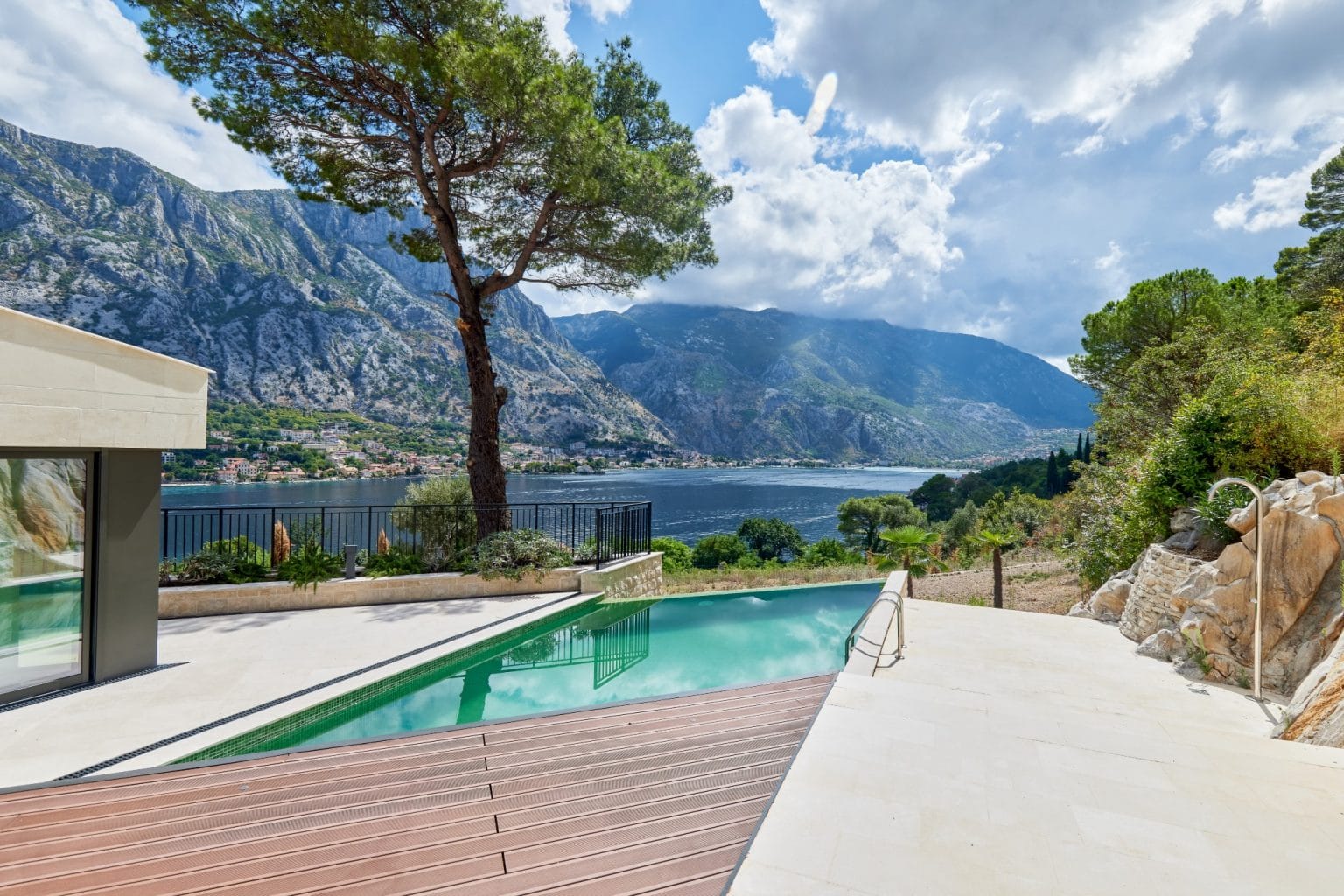
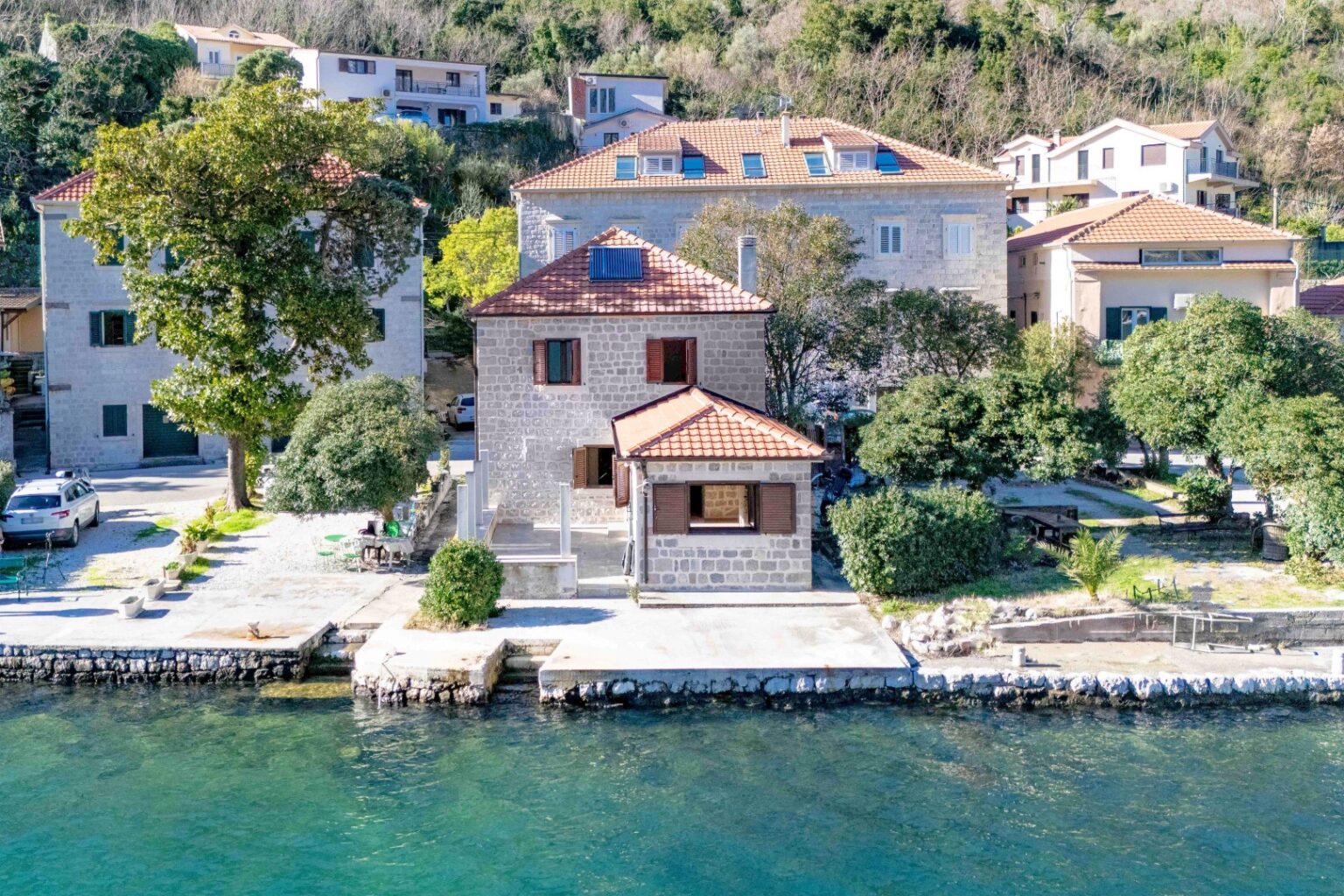
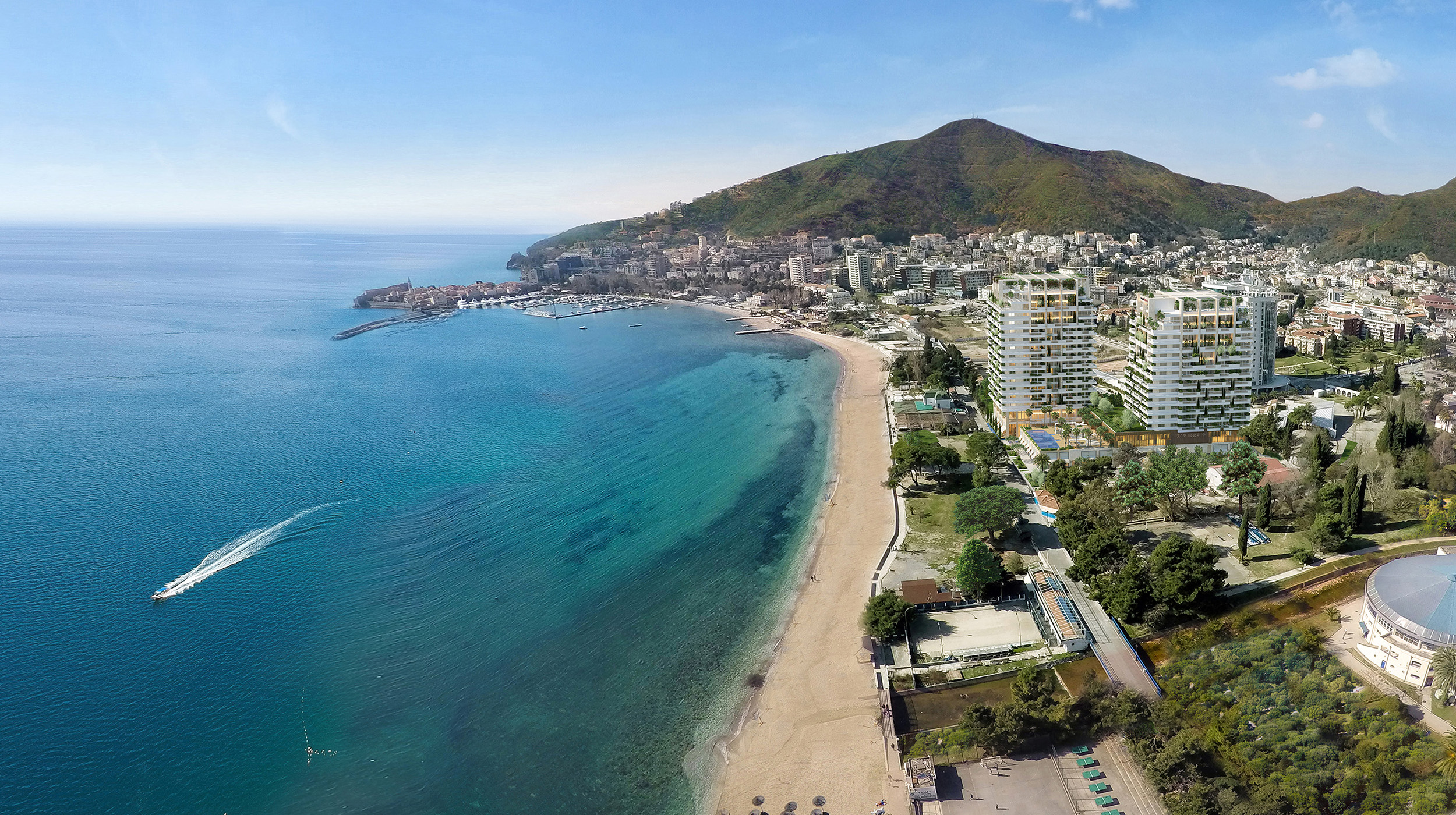
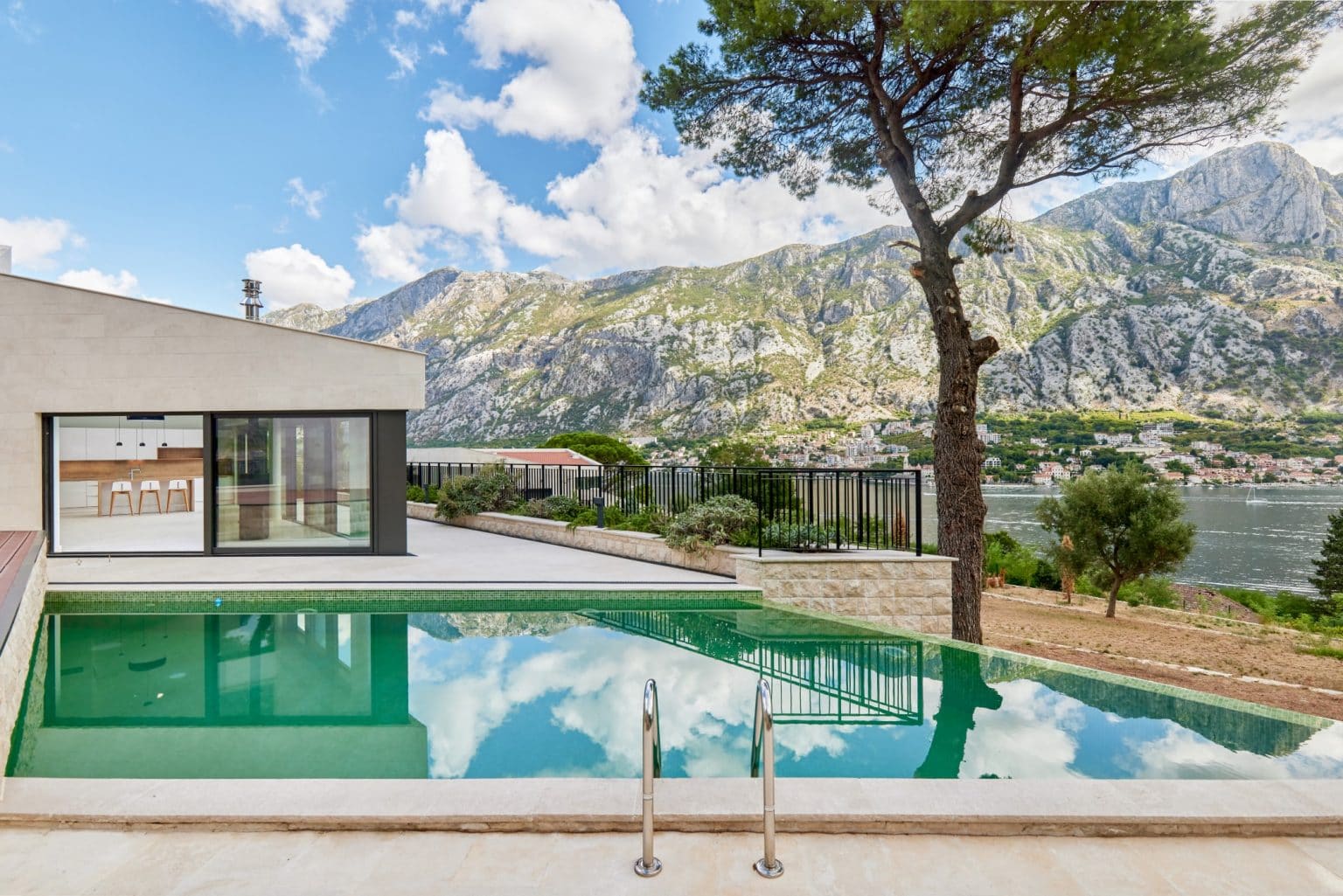
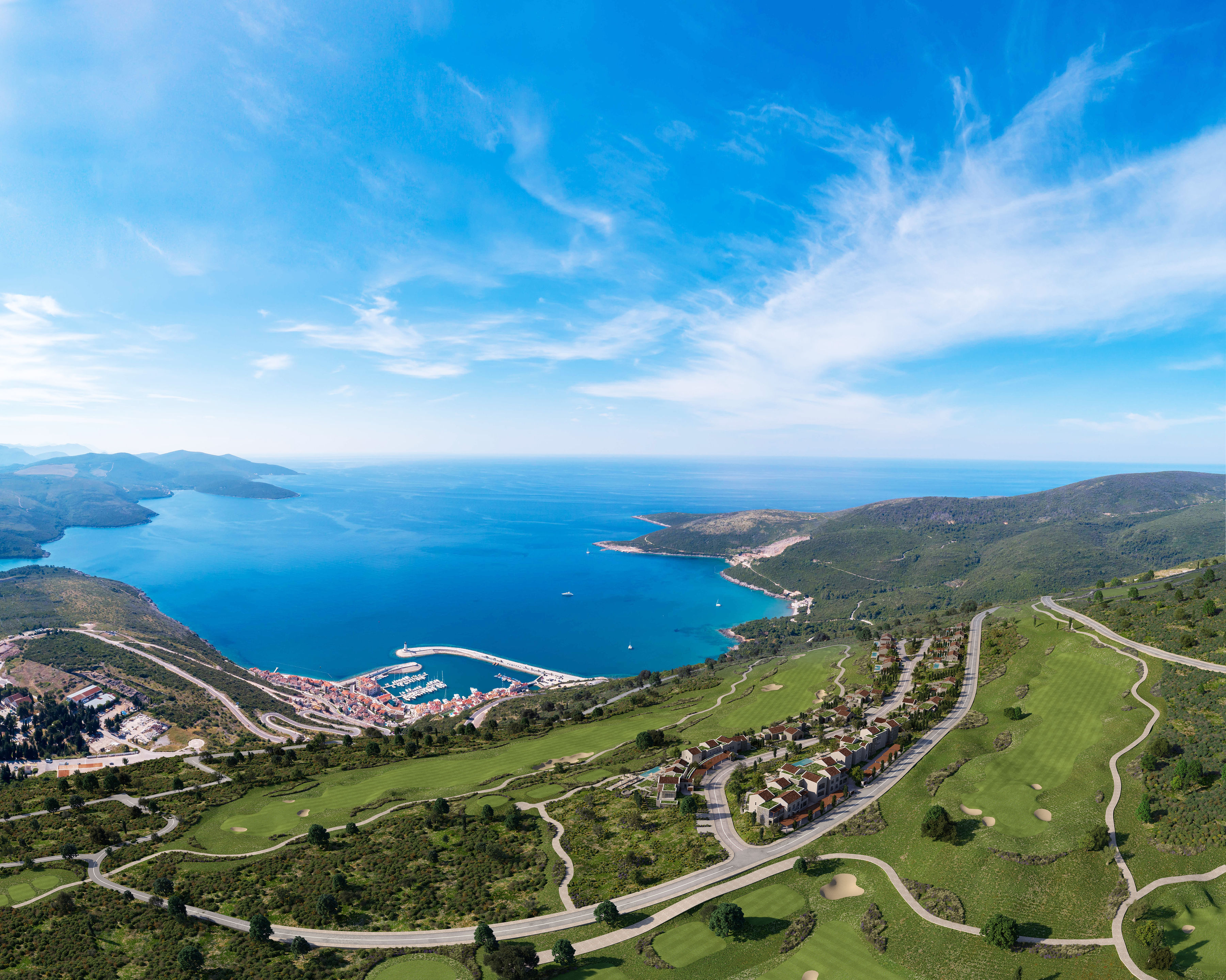
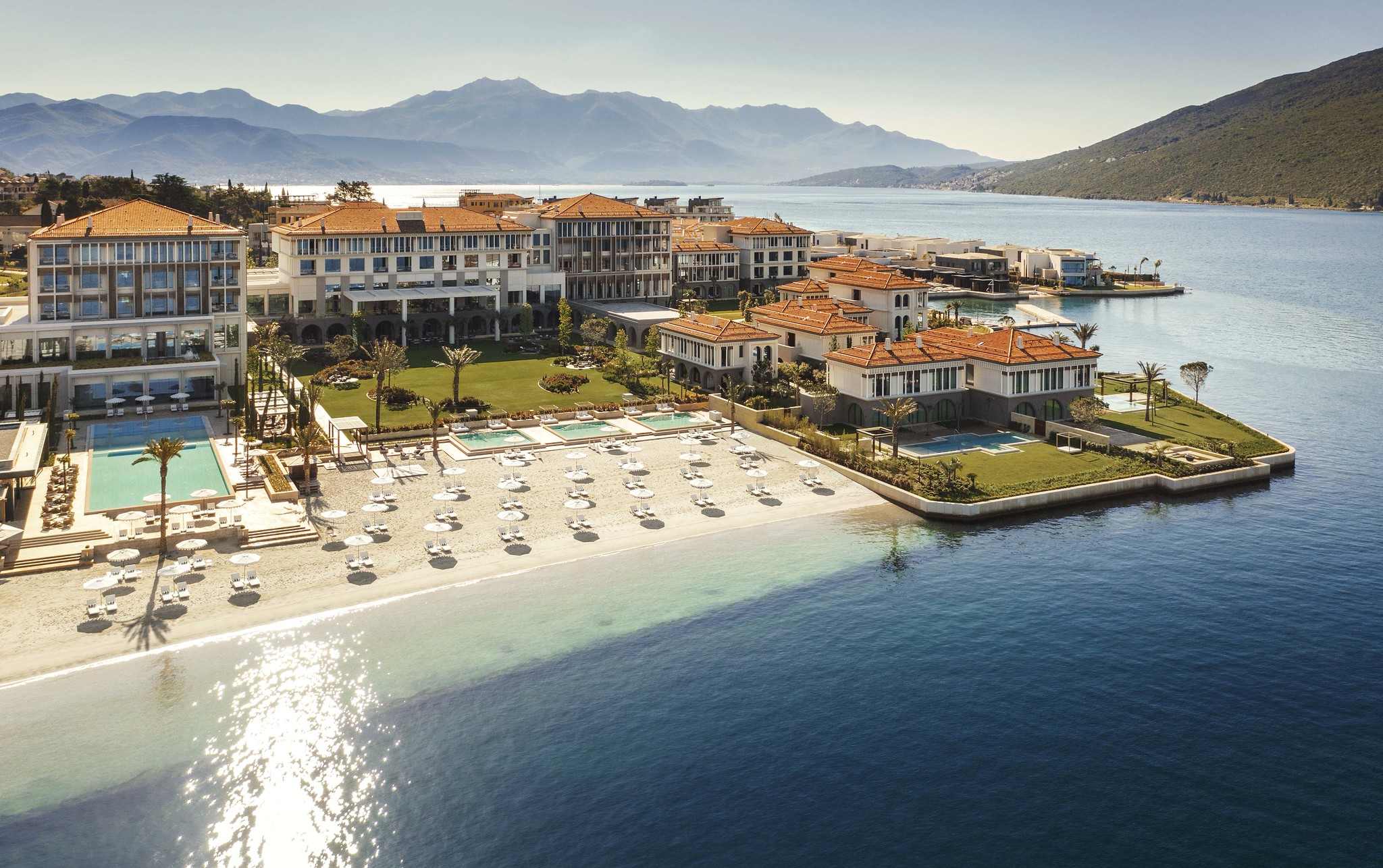
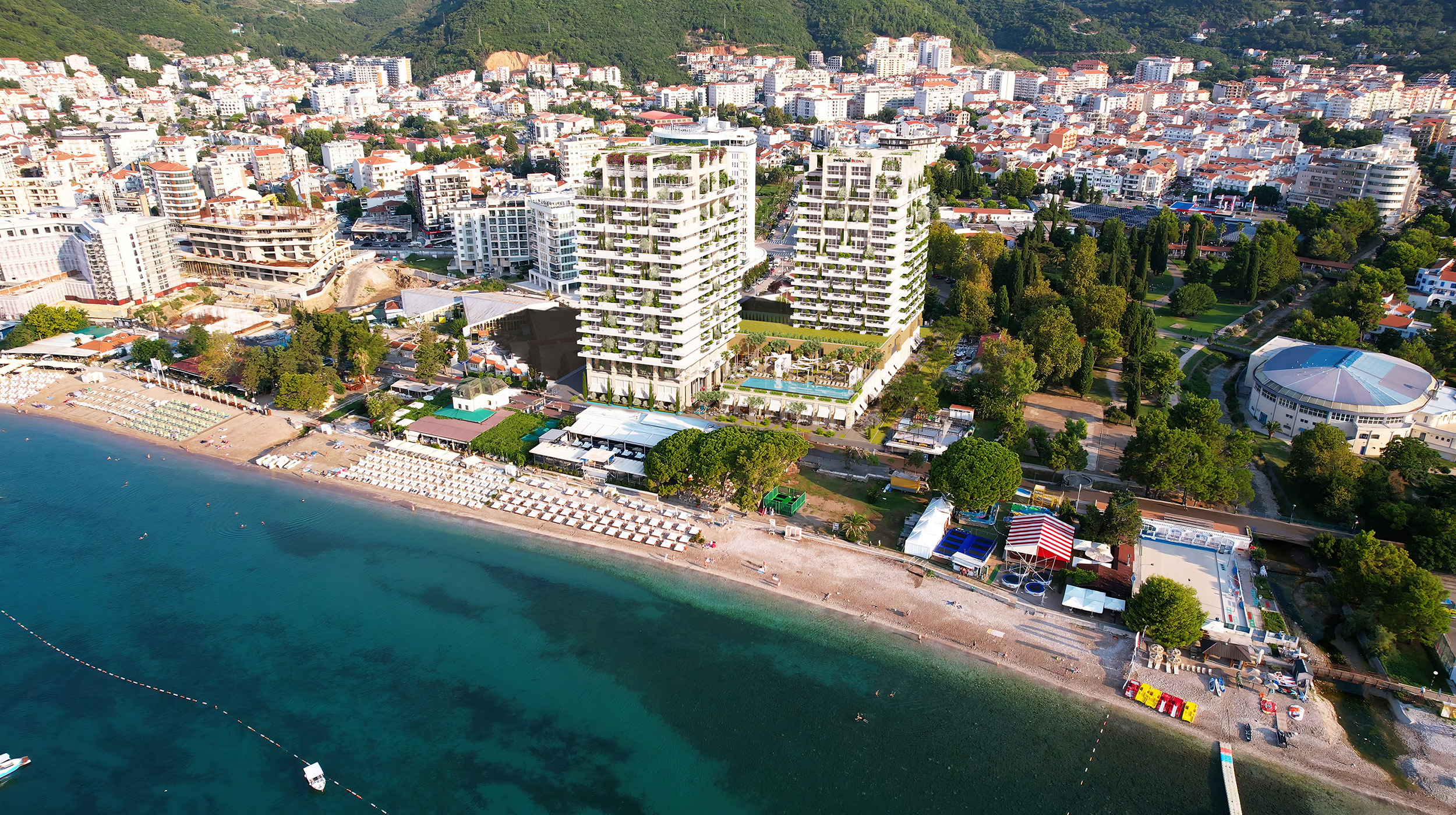
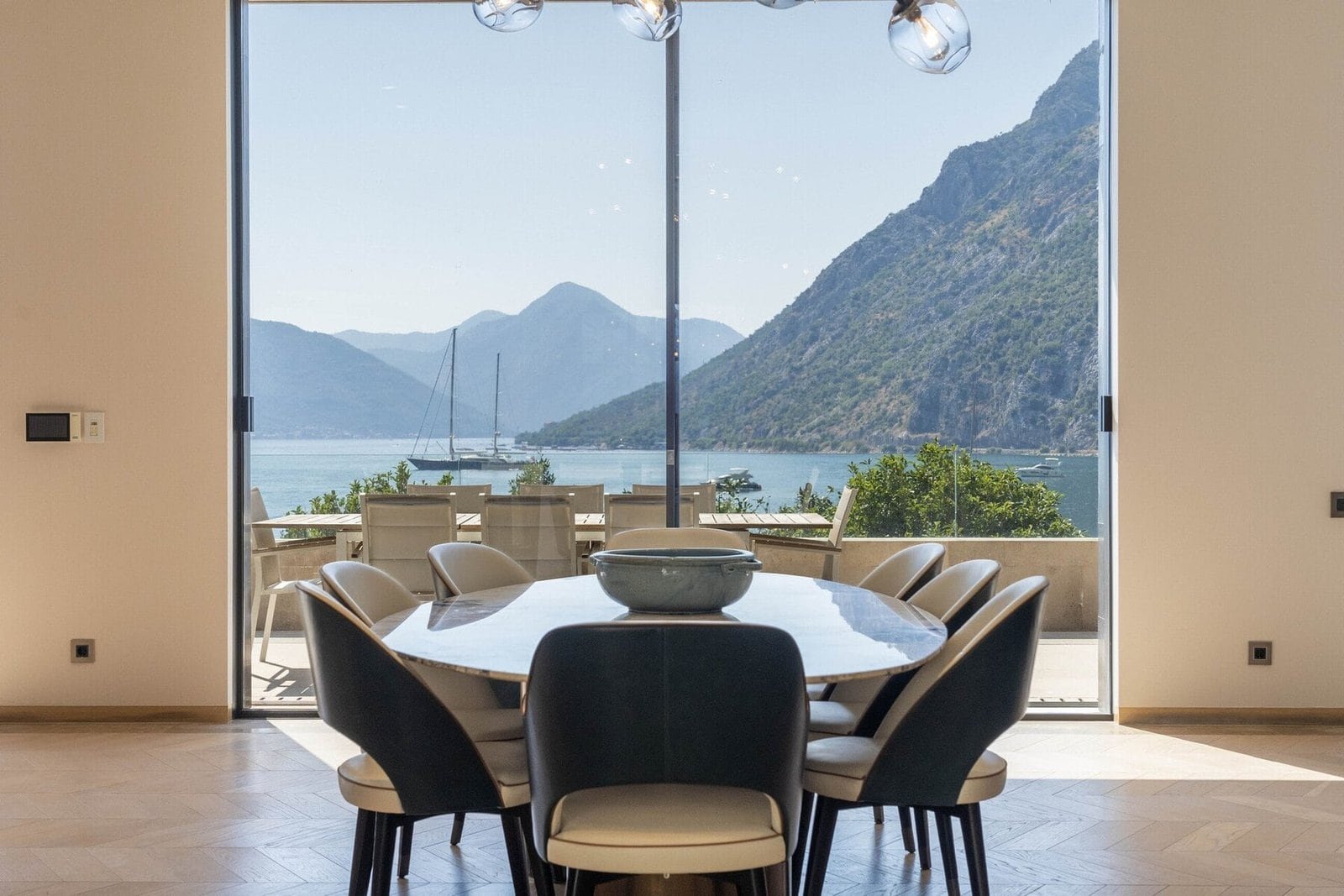
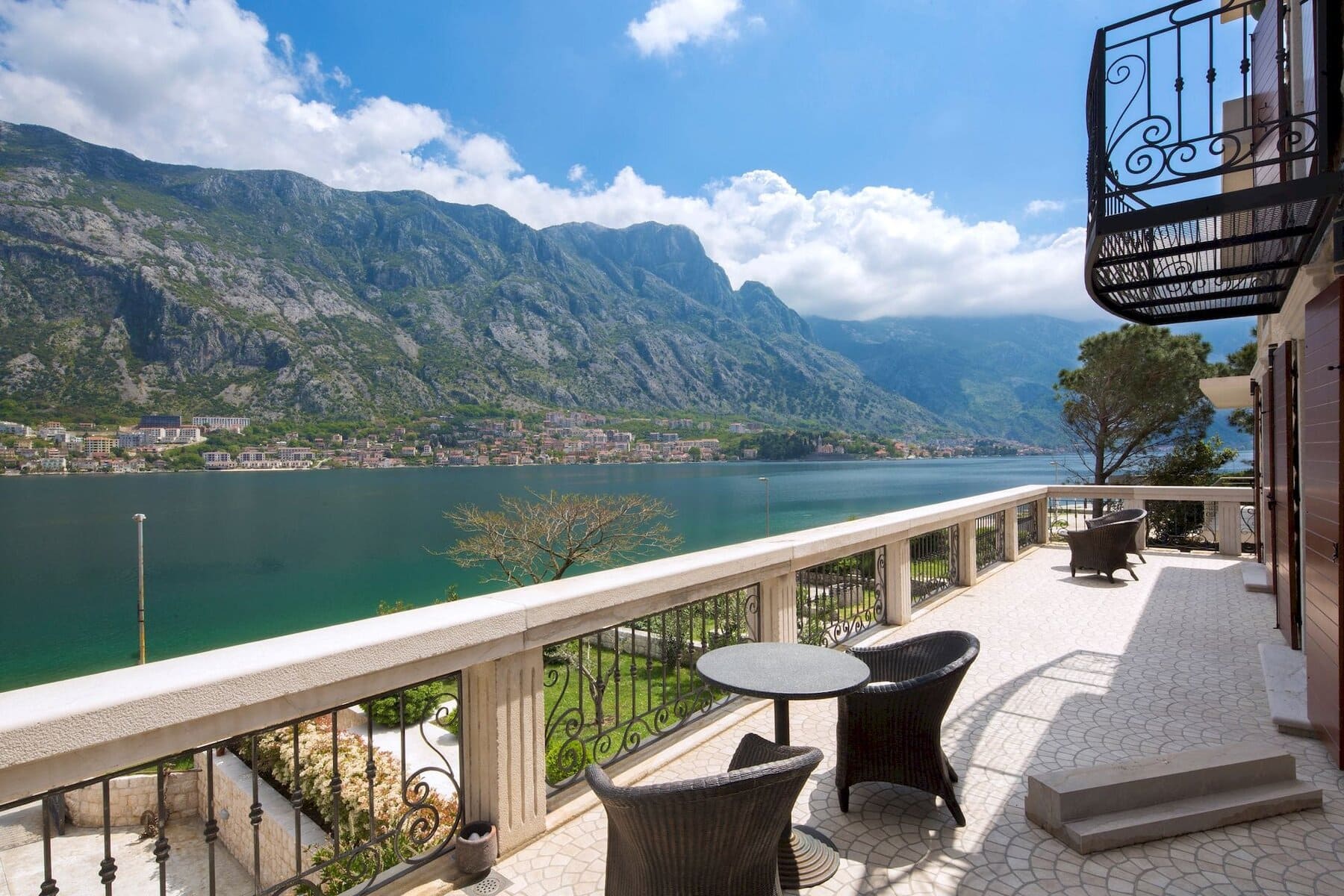
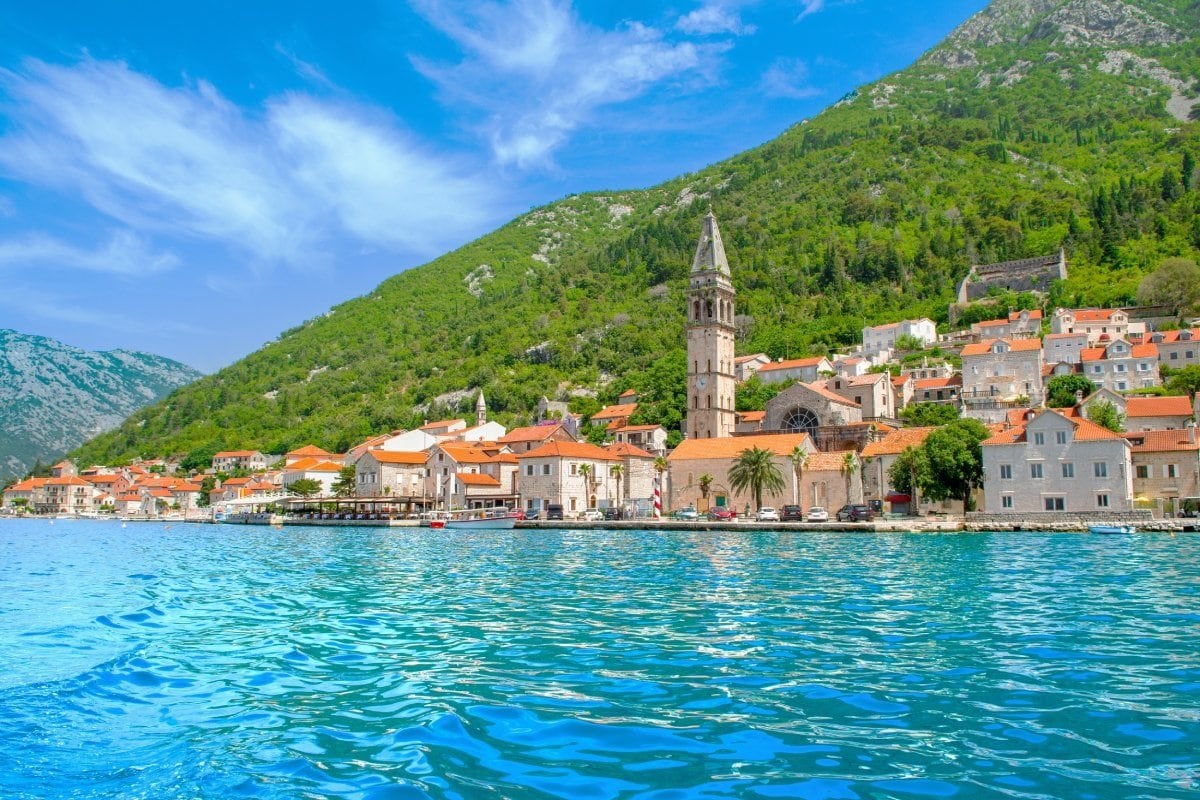
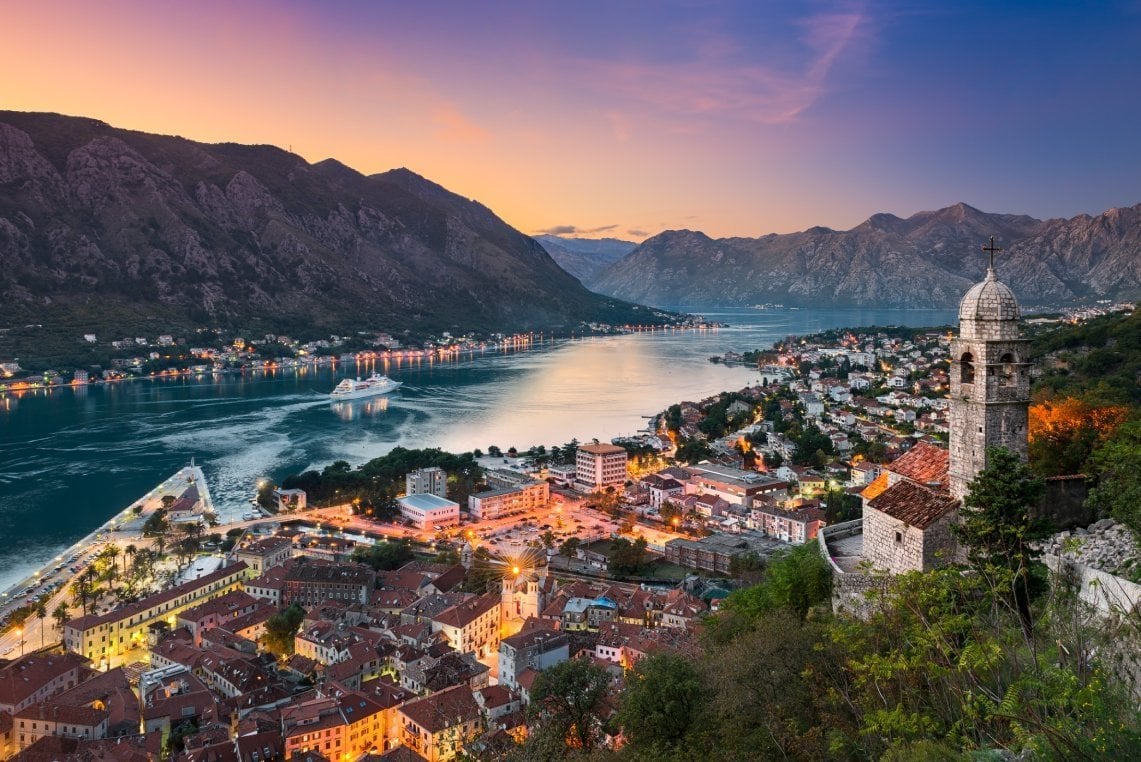
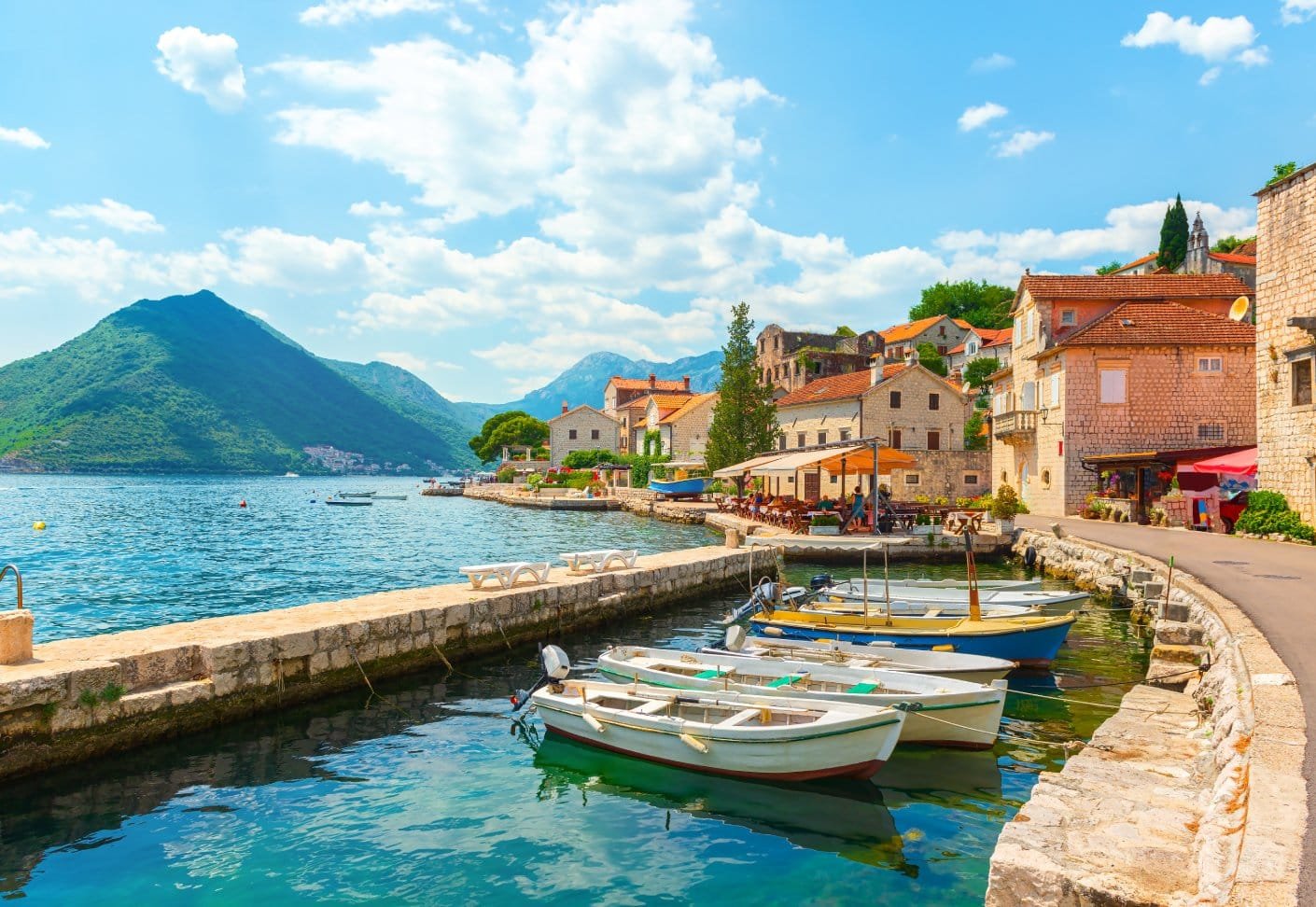
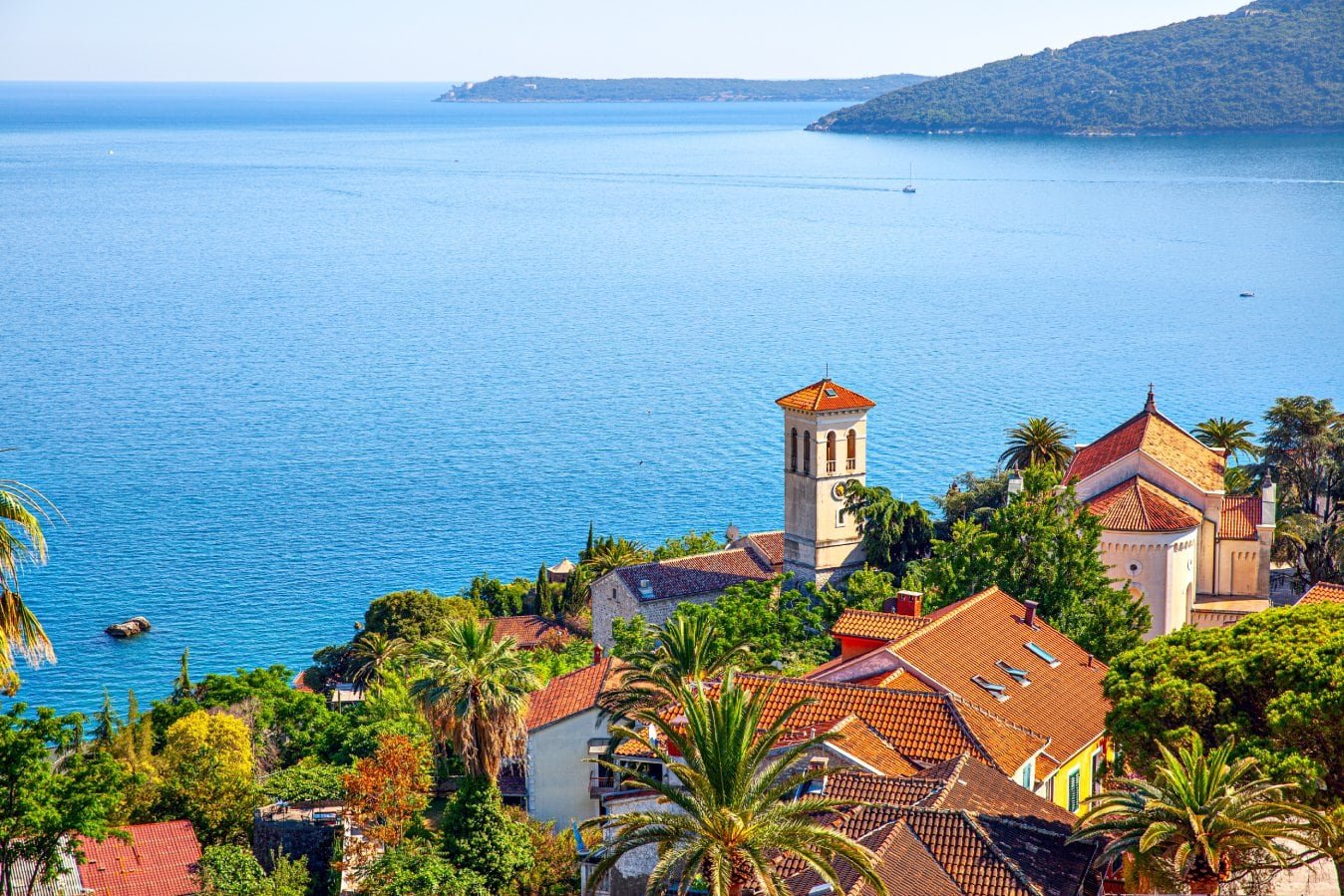
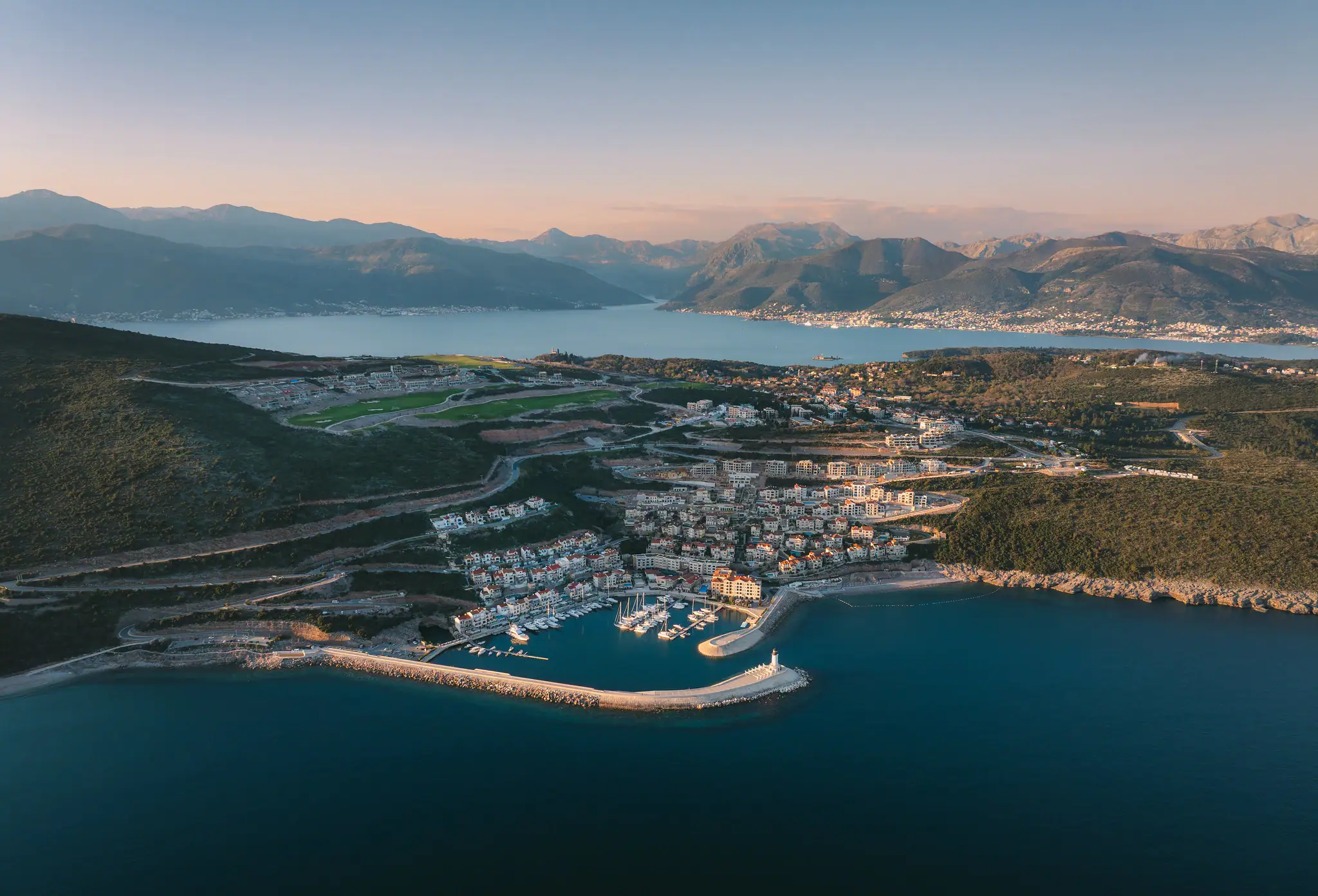
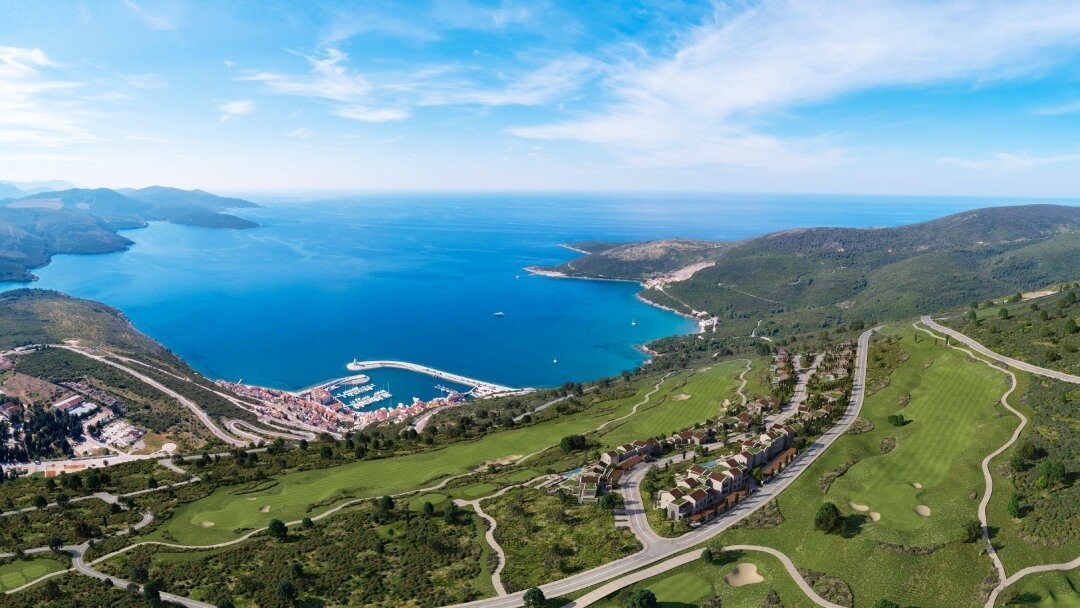
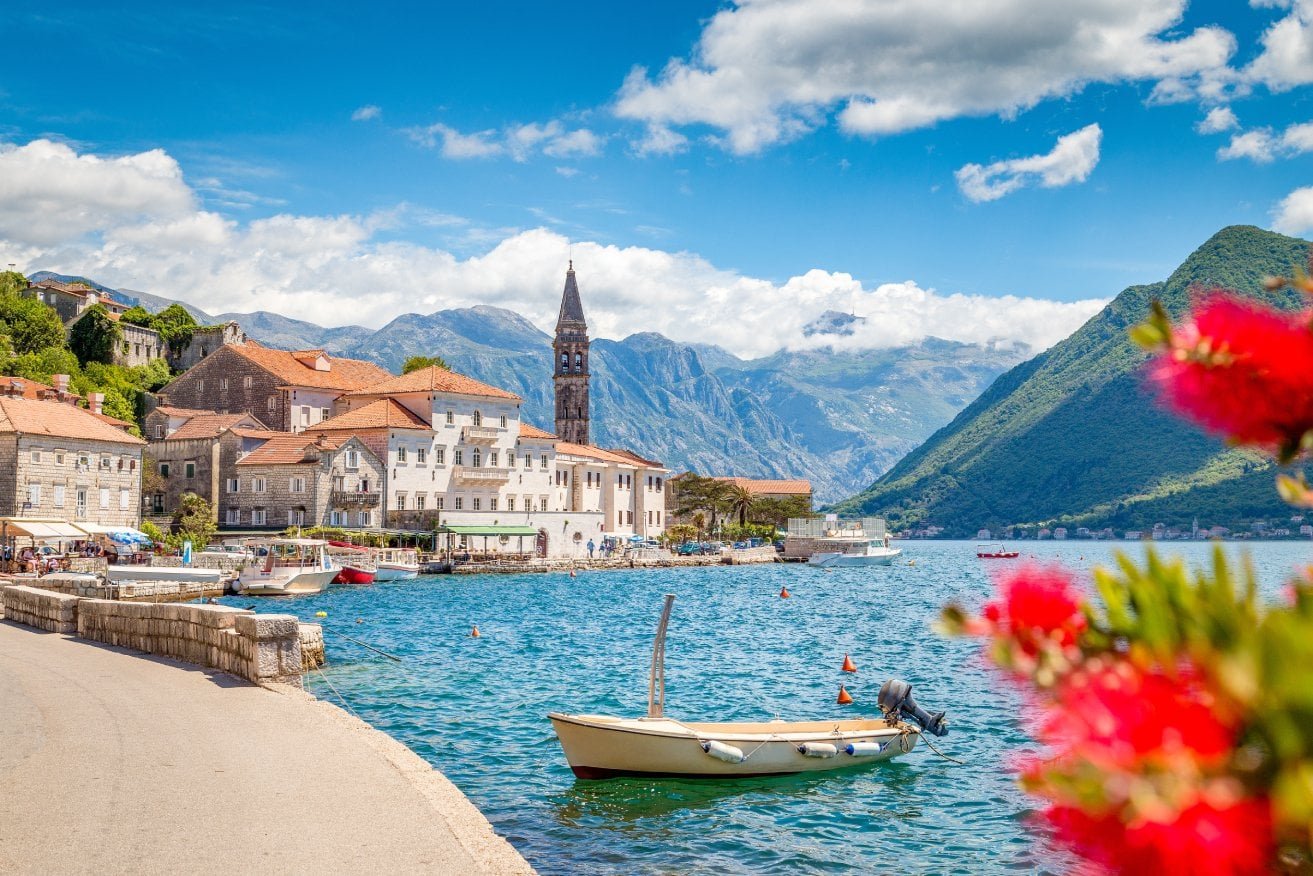
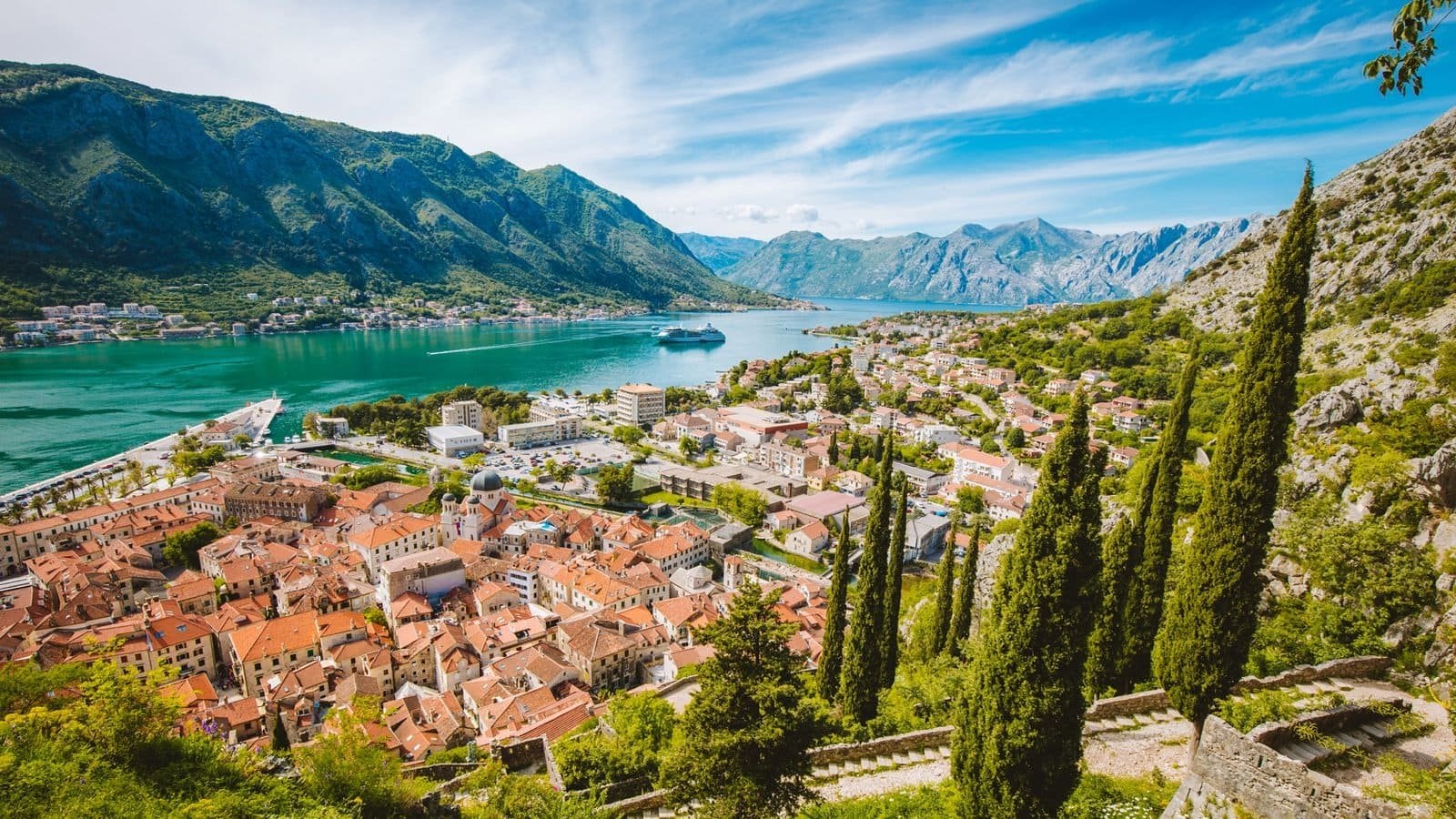
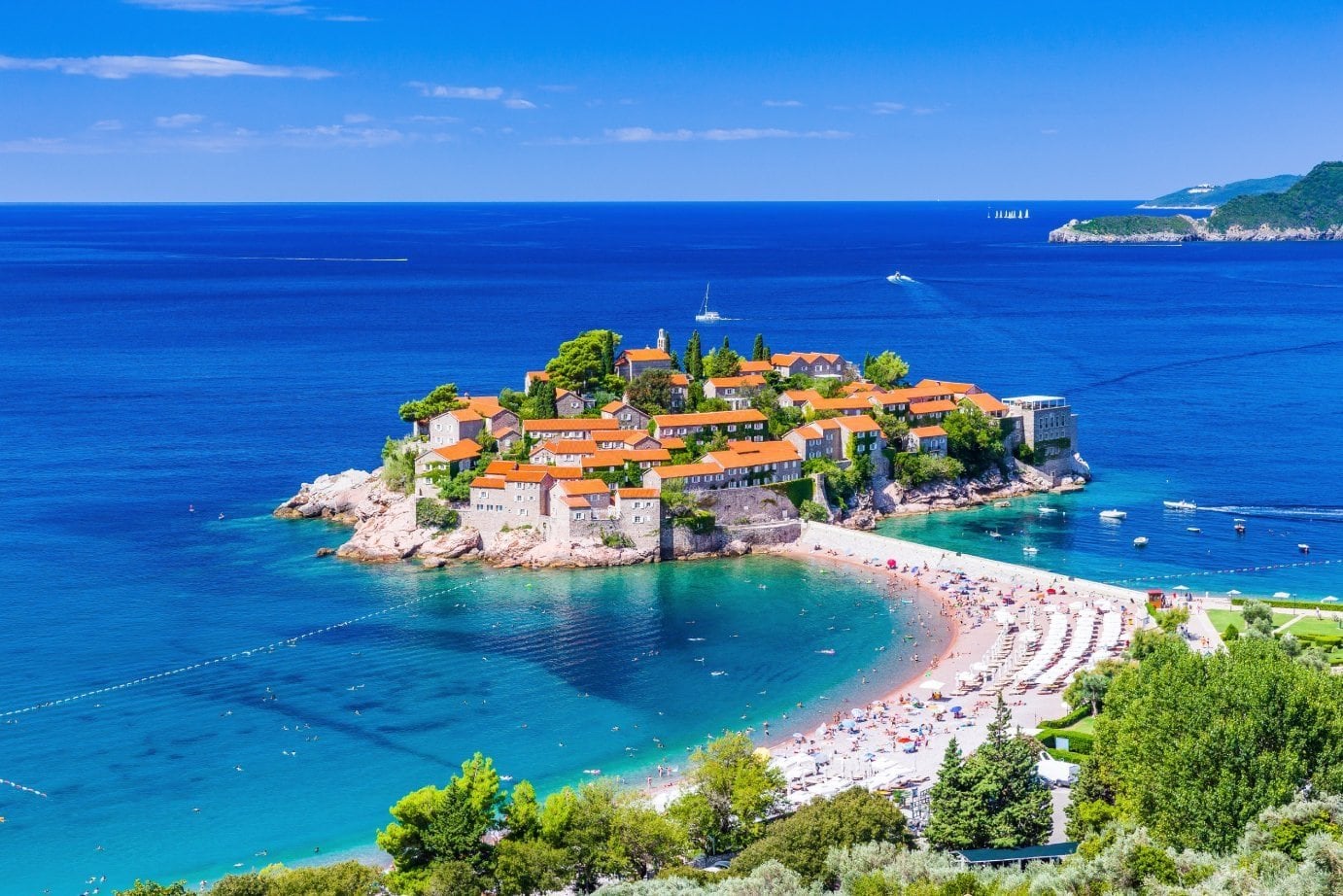
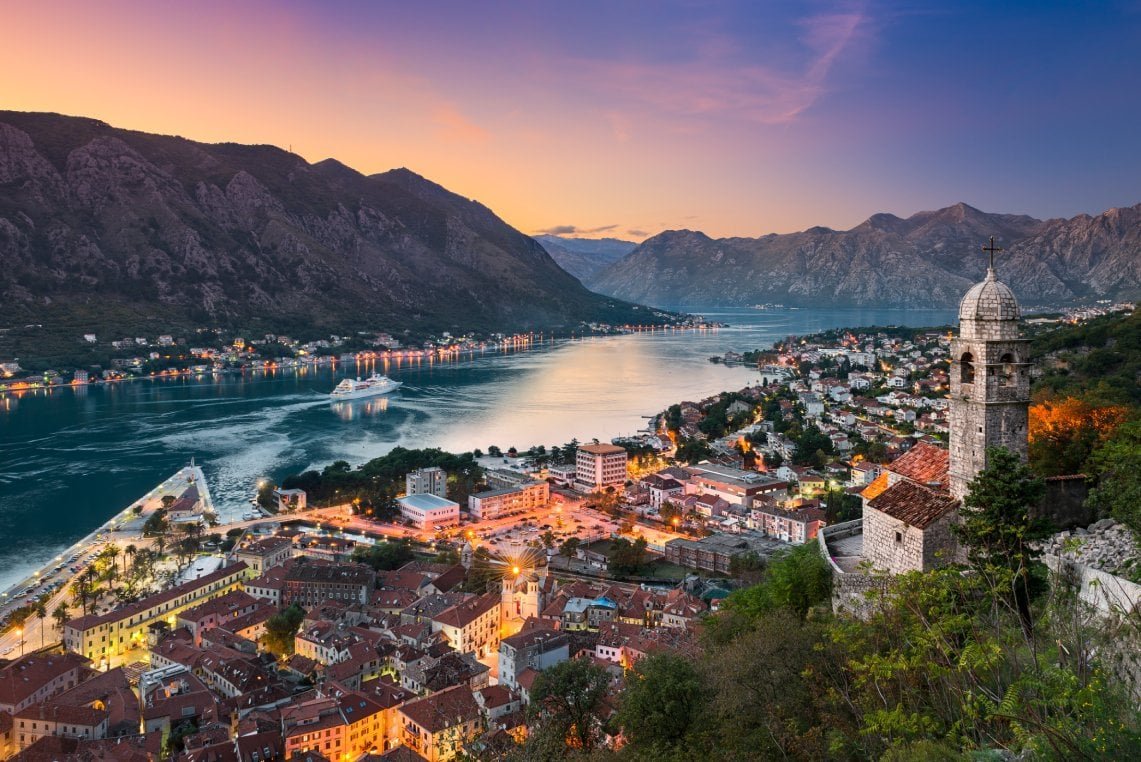
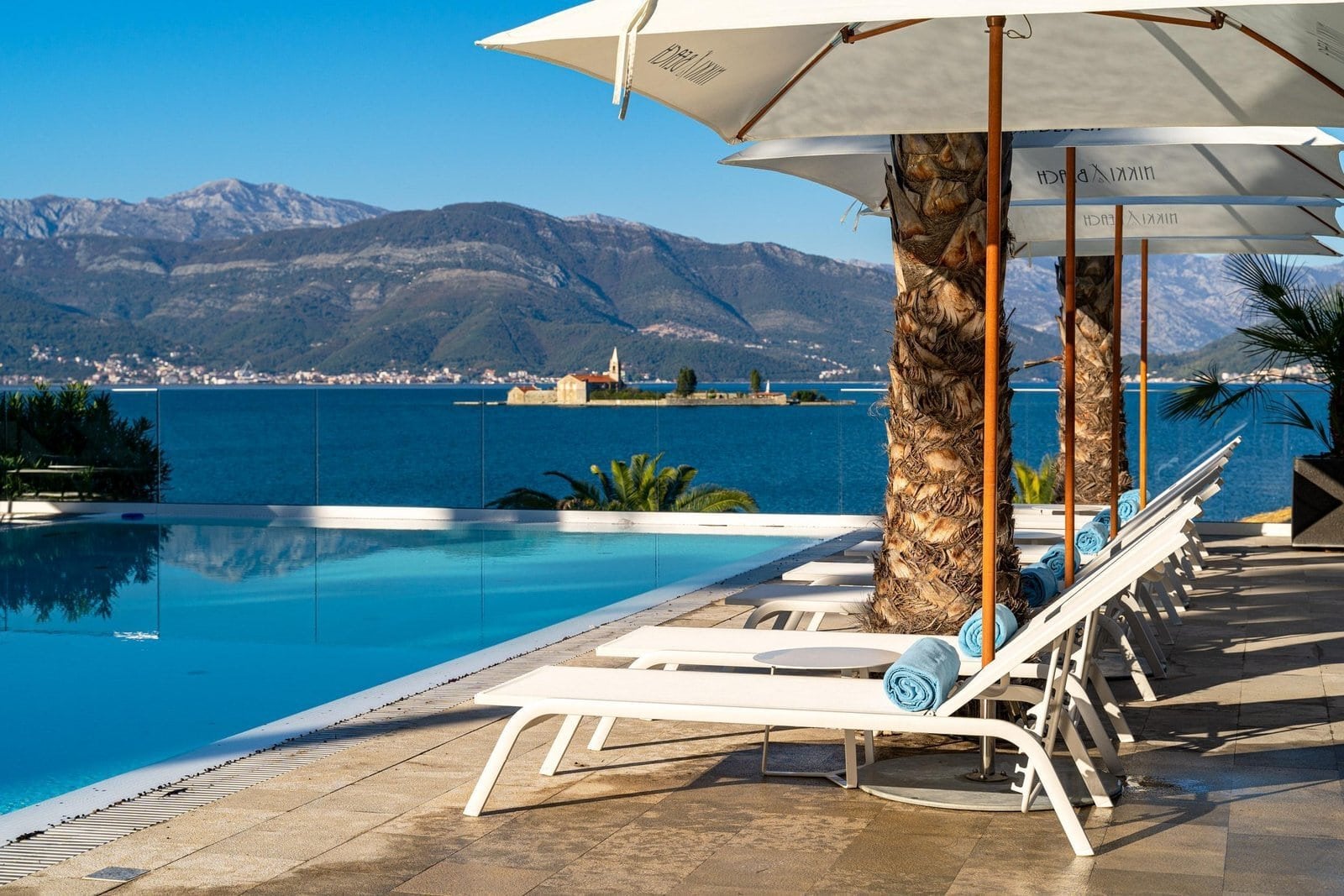
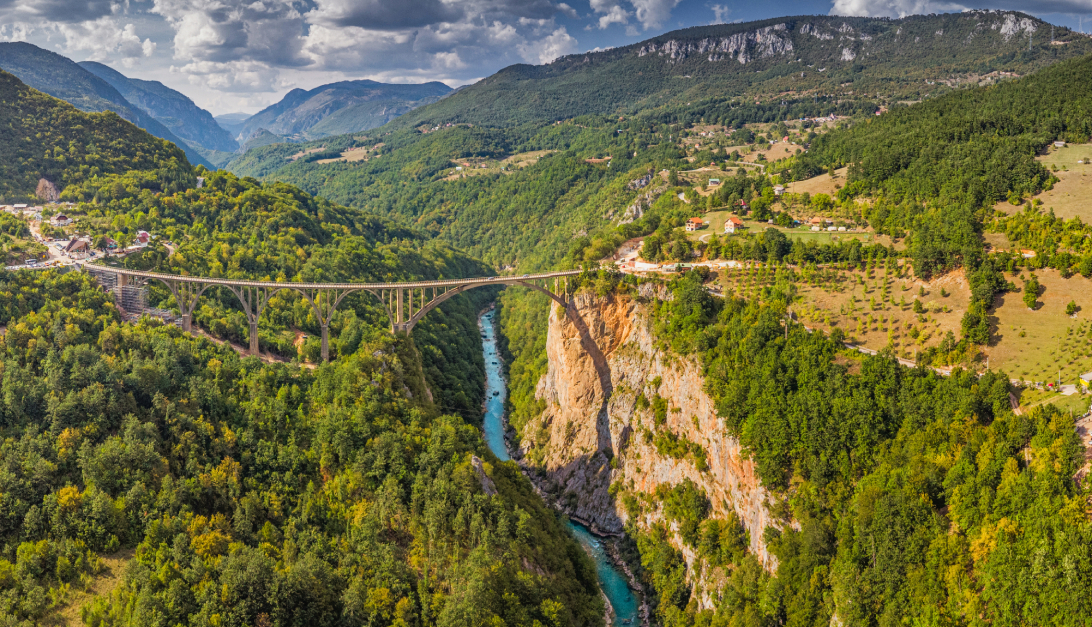
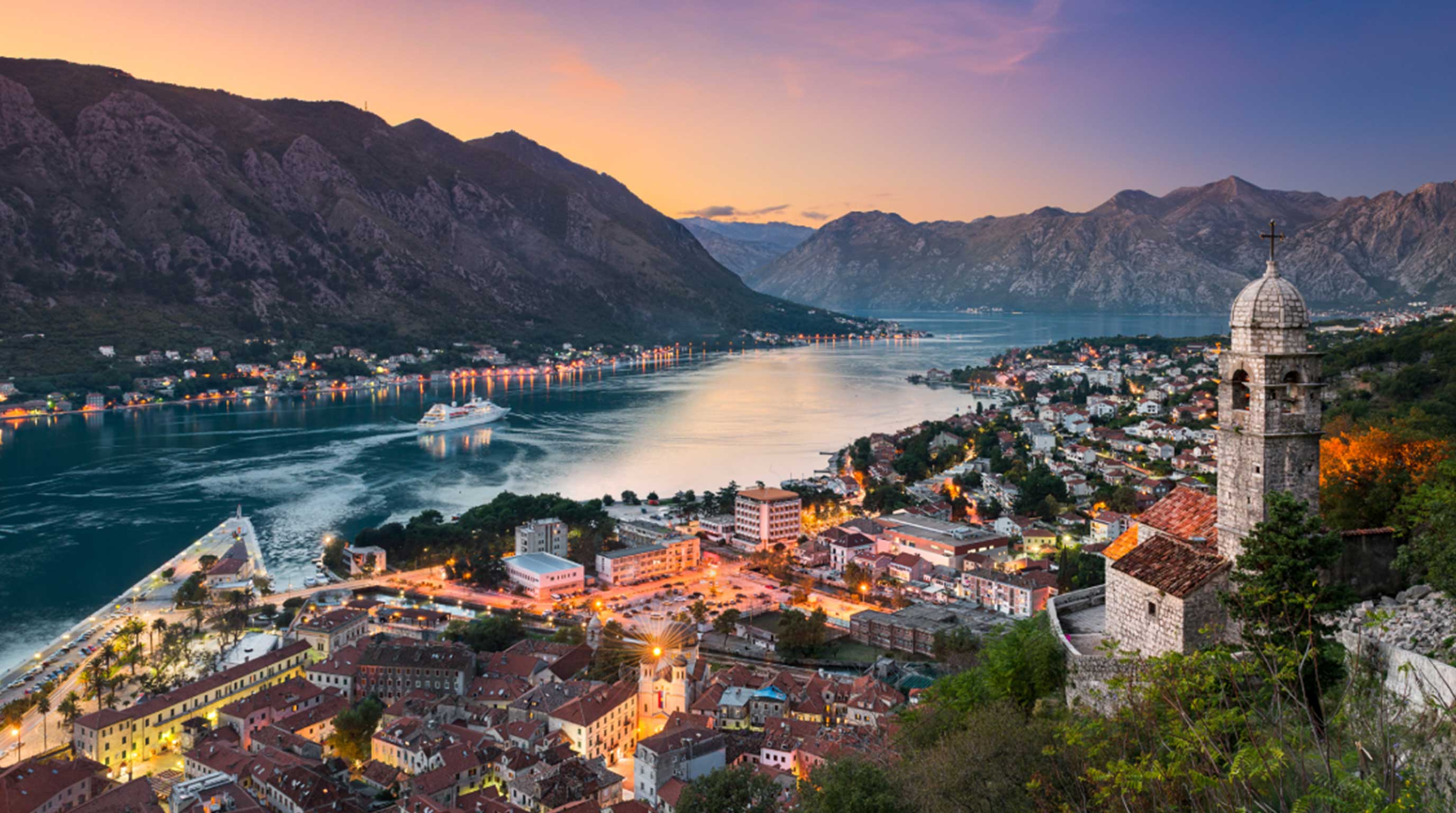
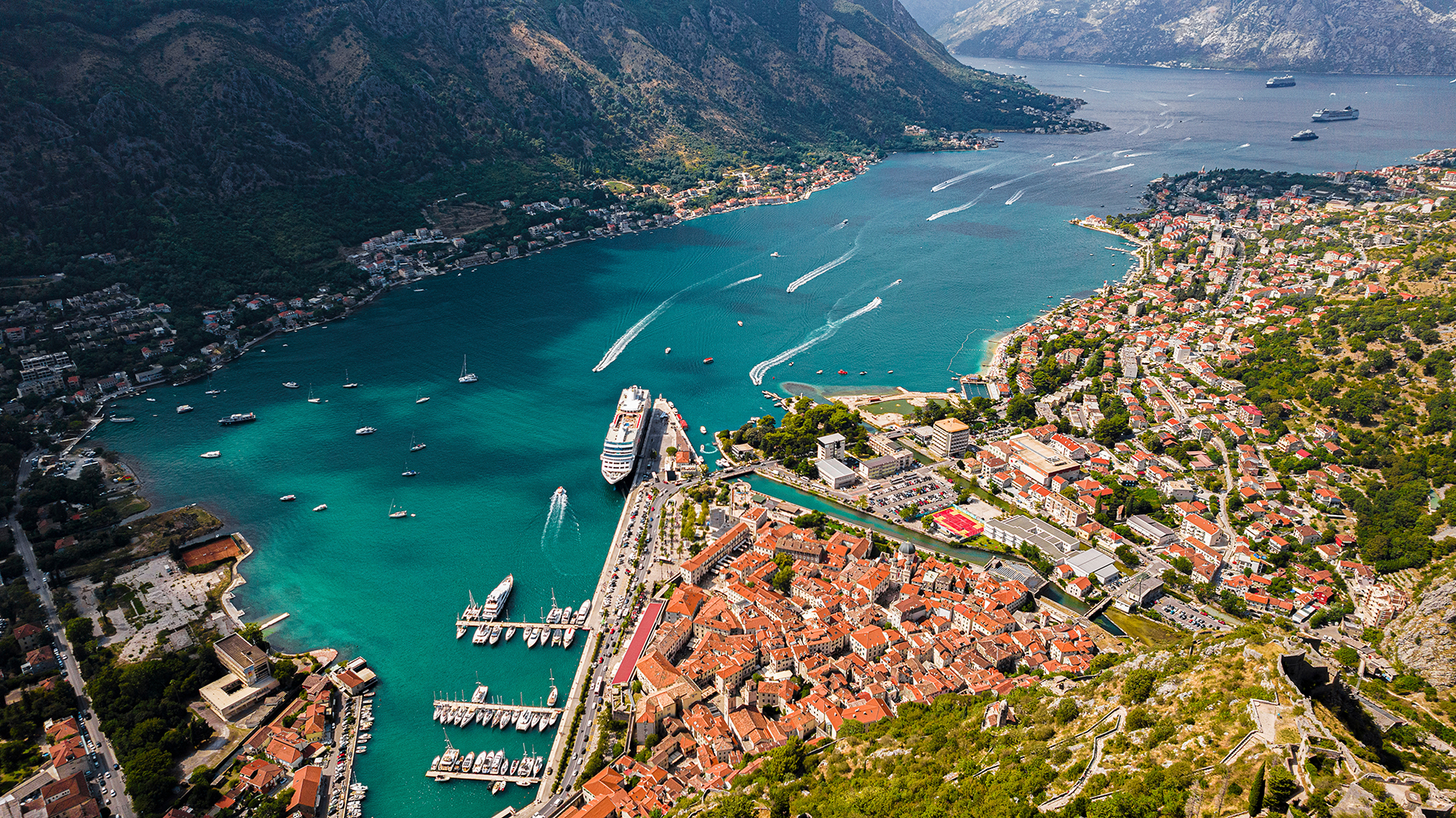
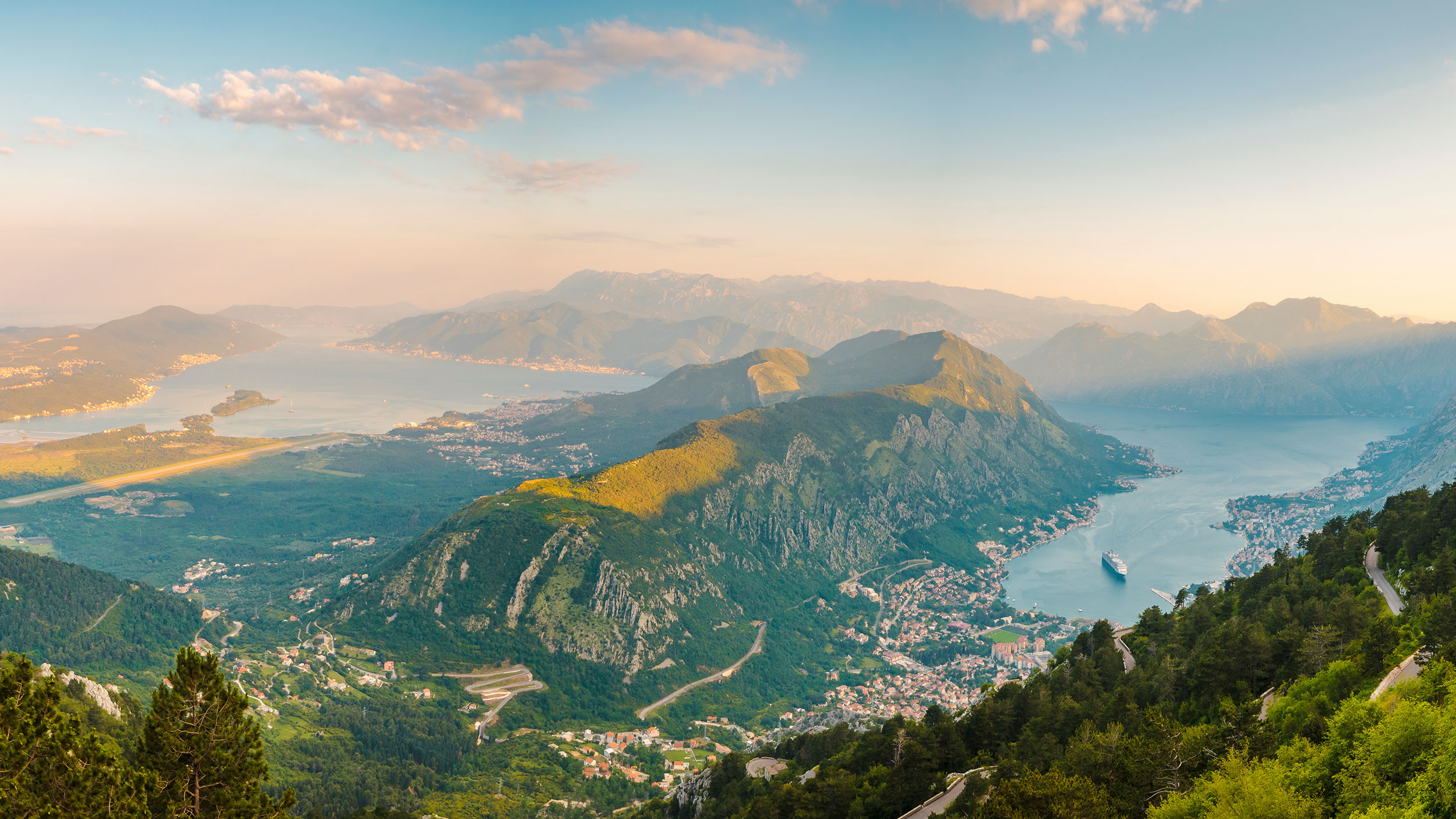
The country's Adriatic coastline runs for roughly 295 kilometres, taking in a series of distinct environments. The Bay of Kotor, a drowned river canyon that resembles a Norwegian fjord transposed to a southern latitude, offers one of the most dramatic inland sea landscapes in Europe. The Budva Riviera to the south combines sandy beaches with a historic old town that has been inhabited continuously since antiquity. Further north, the bay town of Herceg Novi occupies a hillside above the Boka Bay with views that reward every season.
For retirees comparing Mediterranean options, the Budva vs Tivat Property: Choosing the Right Montenegro Market in 2026 analysis published by Barok Estates International provides a grounded comparative framework for understanding how the country's primary coastal markets differ in character, pricing and long-term trajectory.
The Financial Case for Retiring in Montenegro
Montenegro's cost of living remains materially lower than that of Western Europe. According to data compiled by the Montenegro Statistical Office, consumer prices across most categories run at a significant discount to comparable EU economies. Dining, domestic services, transport and utilities all offer meaningful savings relative to what internationally mobile retirees would spend in Spain, Italy or Portugal.
Property values, particularly at the premium end of the coastal market, have appreciated consistently over the past decade. Foreign nationals may purchase property in Montenegro without restriction, and the country operates a straightforward transfer tax regime. Montenegro is a candidate country for European Union membership, a process that has historically preceded periods of significant price appreciation in comparable markets. The European Commission's annual progress reports on Montenegro's accession track the evolution of the legal and regulatory framework.
Personal income tax in Montenegro is levied at a flat rate, and the country has signed double taxation treaties with a number of major economies. Retirees considering relocation should take independent tax advice to understand the interaction between their country of origin's tax rules and Montenegro's domestic framework.
Kotor, Budva and Tivat: Three Distinct Retirement Environments
The choice between Montenegro's coastal towns is a choice between fundamentally different lifestyles, all of which sit within easy driving distance of one another.
Kotor is the choice for retirees who prize history and architectural authenticity. The old town, a UNESCO World Heritage Site, contains Venetian-era churches, medieval fortifications and limestone streets that have changed little in essential character over centuries. Life here is quieter, more contemplative, more oriented around culture and landscape.
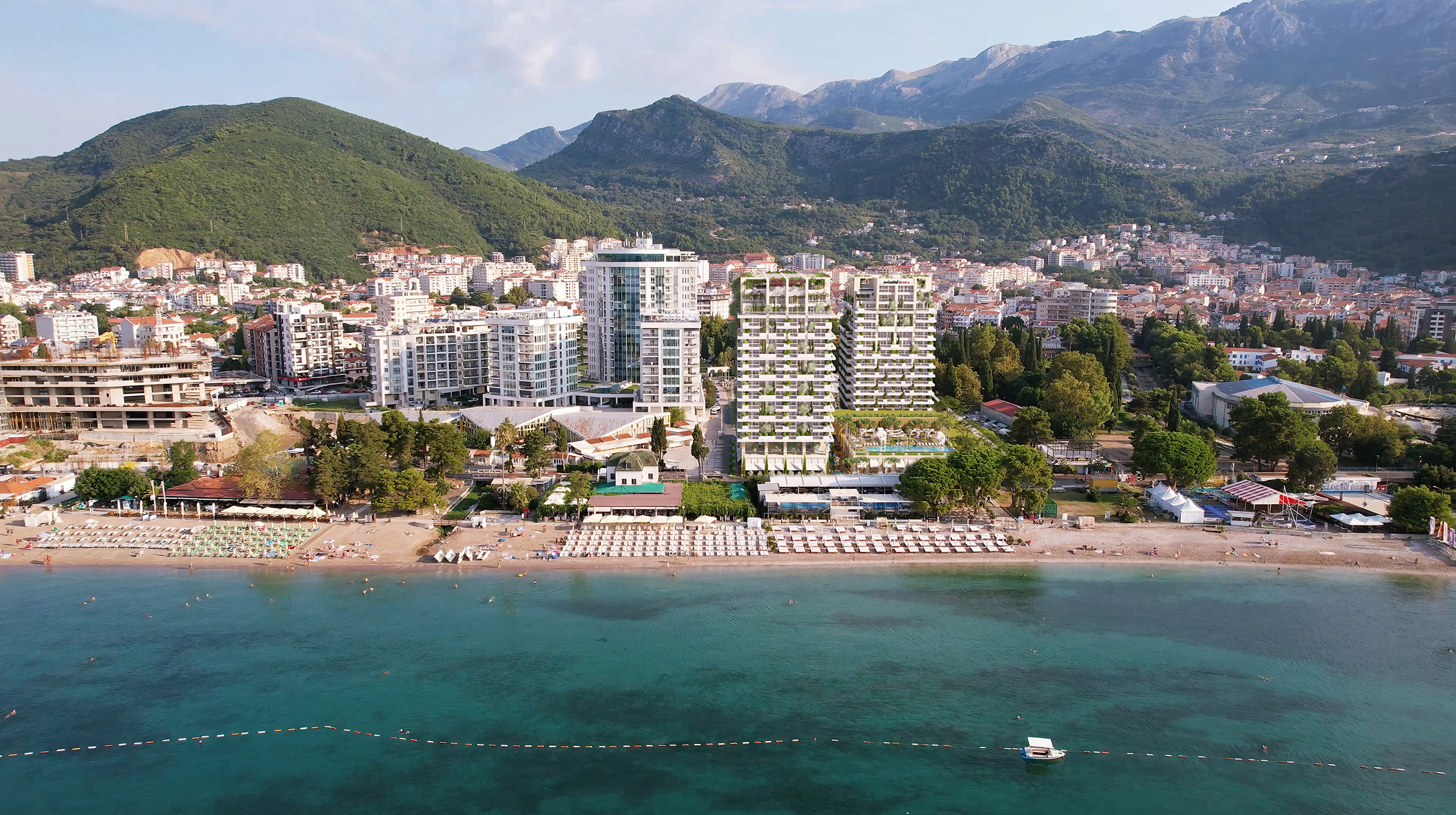
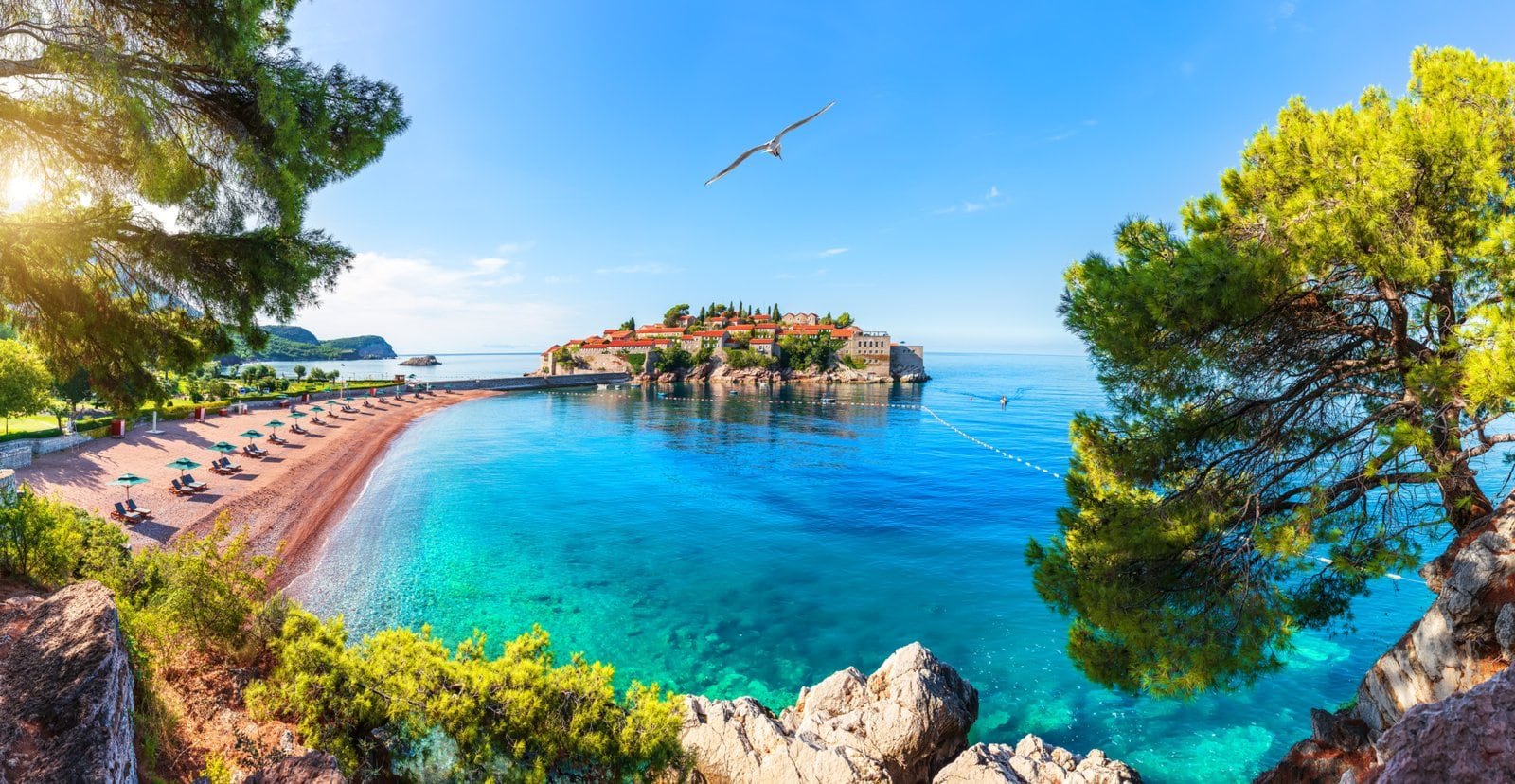
Budva appeals to those who want more of the social energy associated with a proper resort town. Its beaches are excellent, its restaurant and bar culture is well-developed and its international community is large enough to offer an immediate social network for new arrivals. The Budva Riviera property market is one of the more liquid on the Adriatic coast, which matters for those who view their retirement property partly as a capital asset.
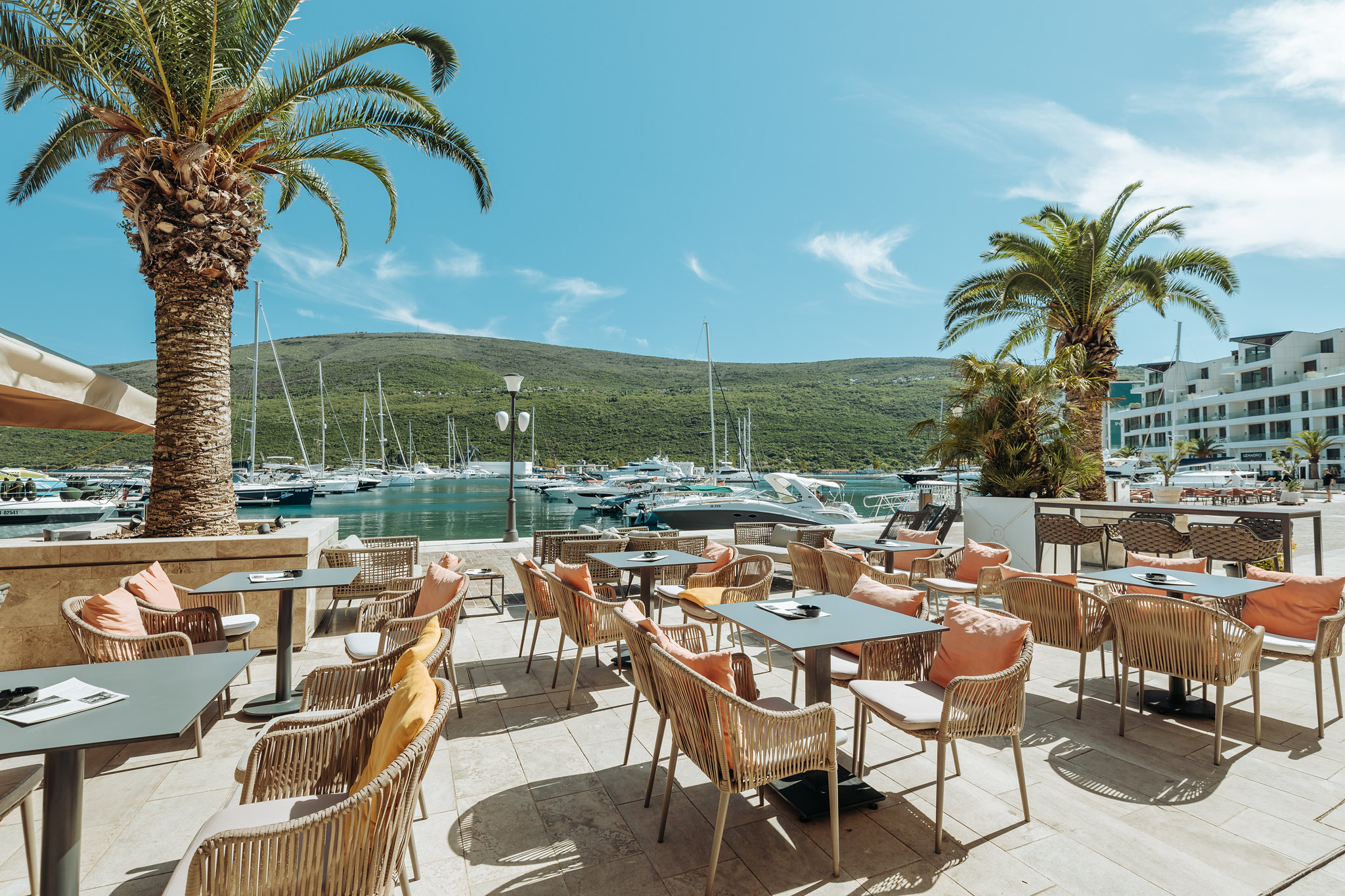
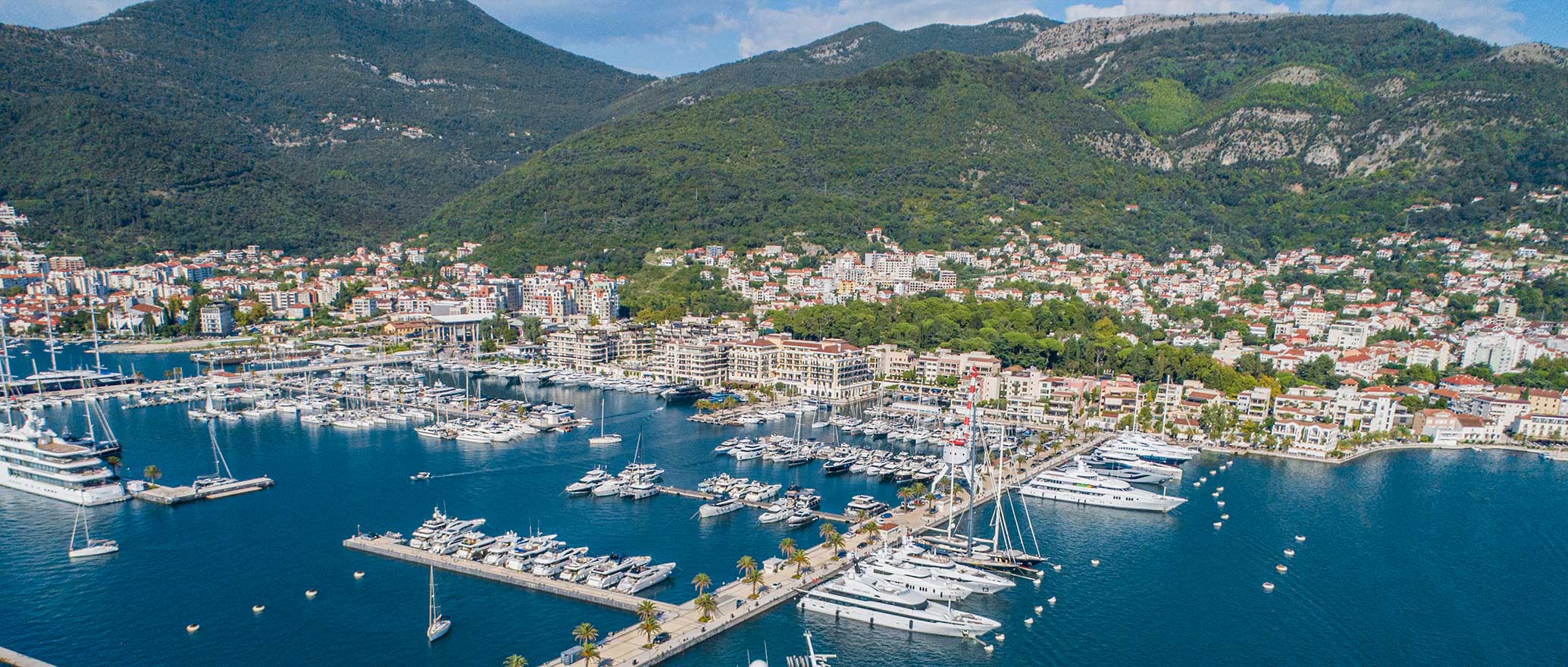
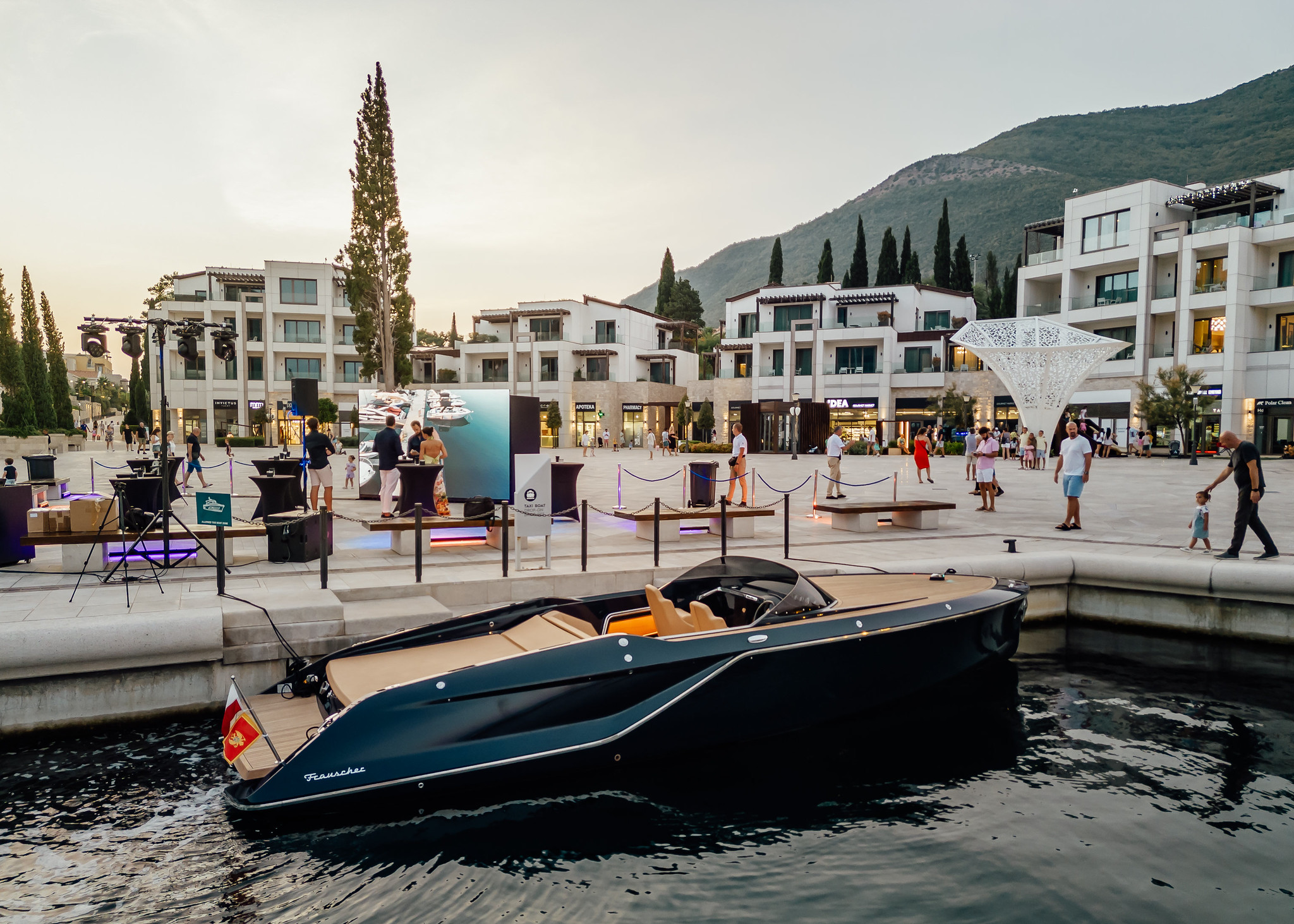
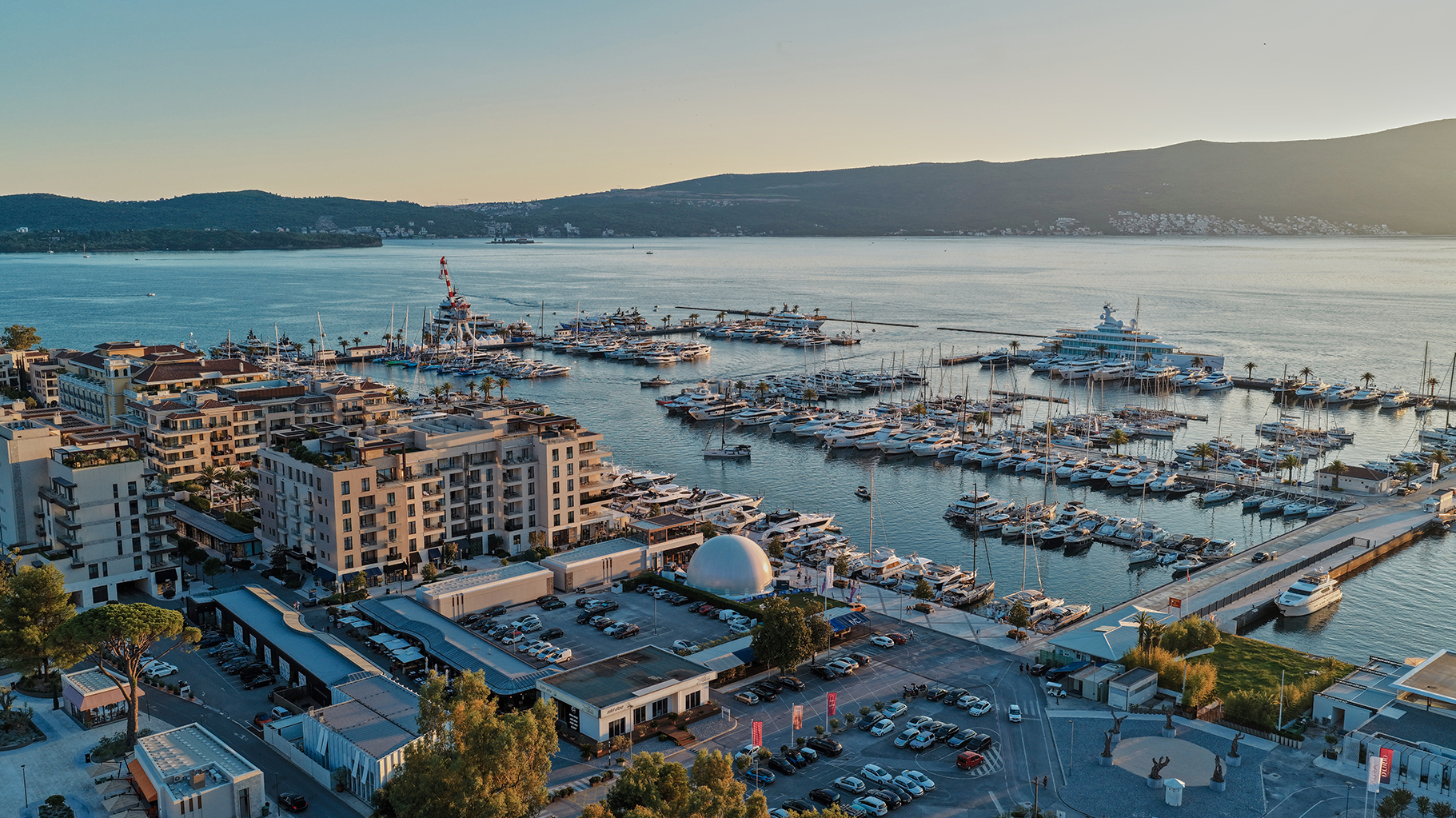
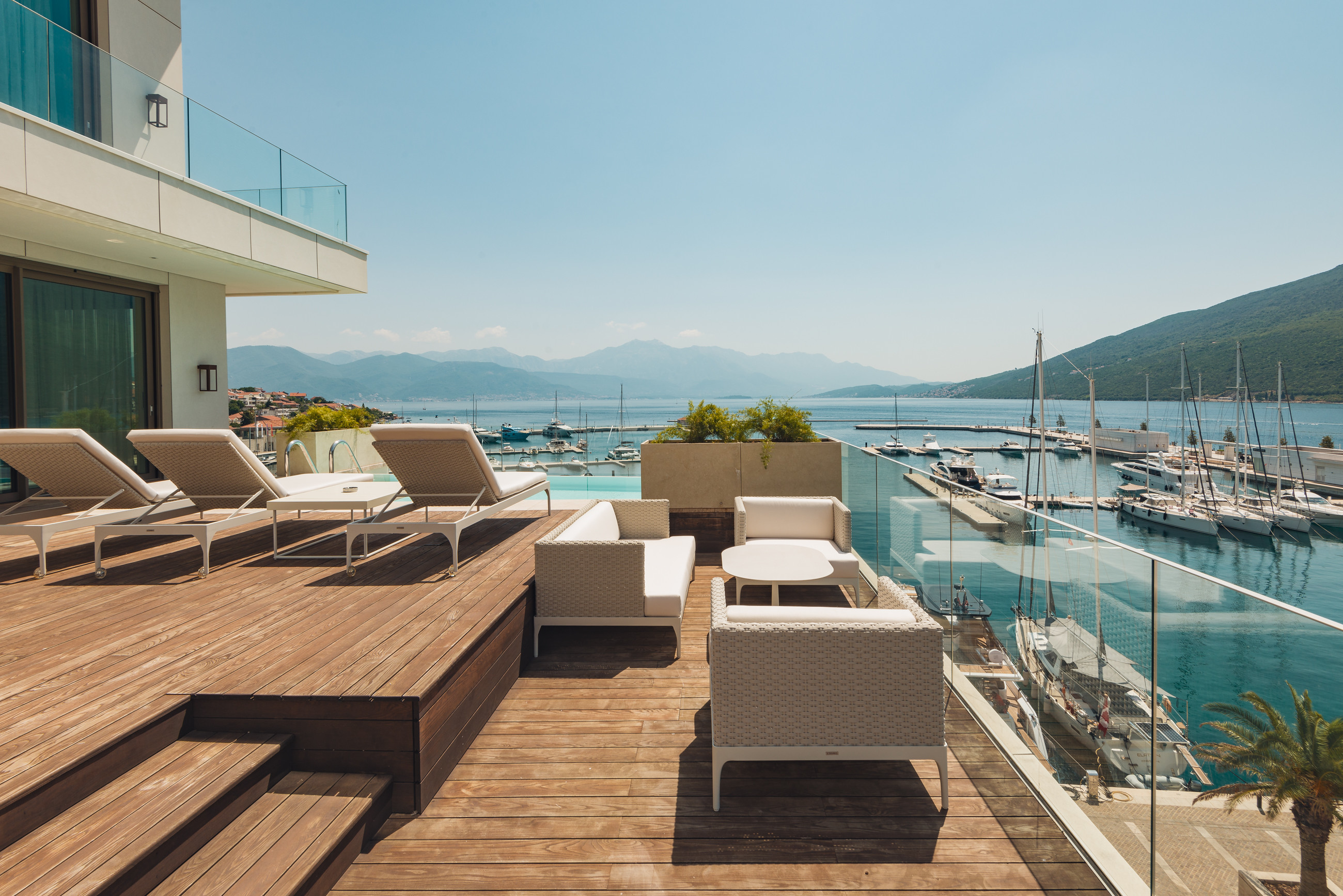
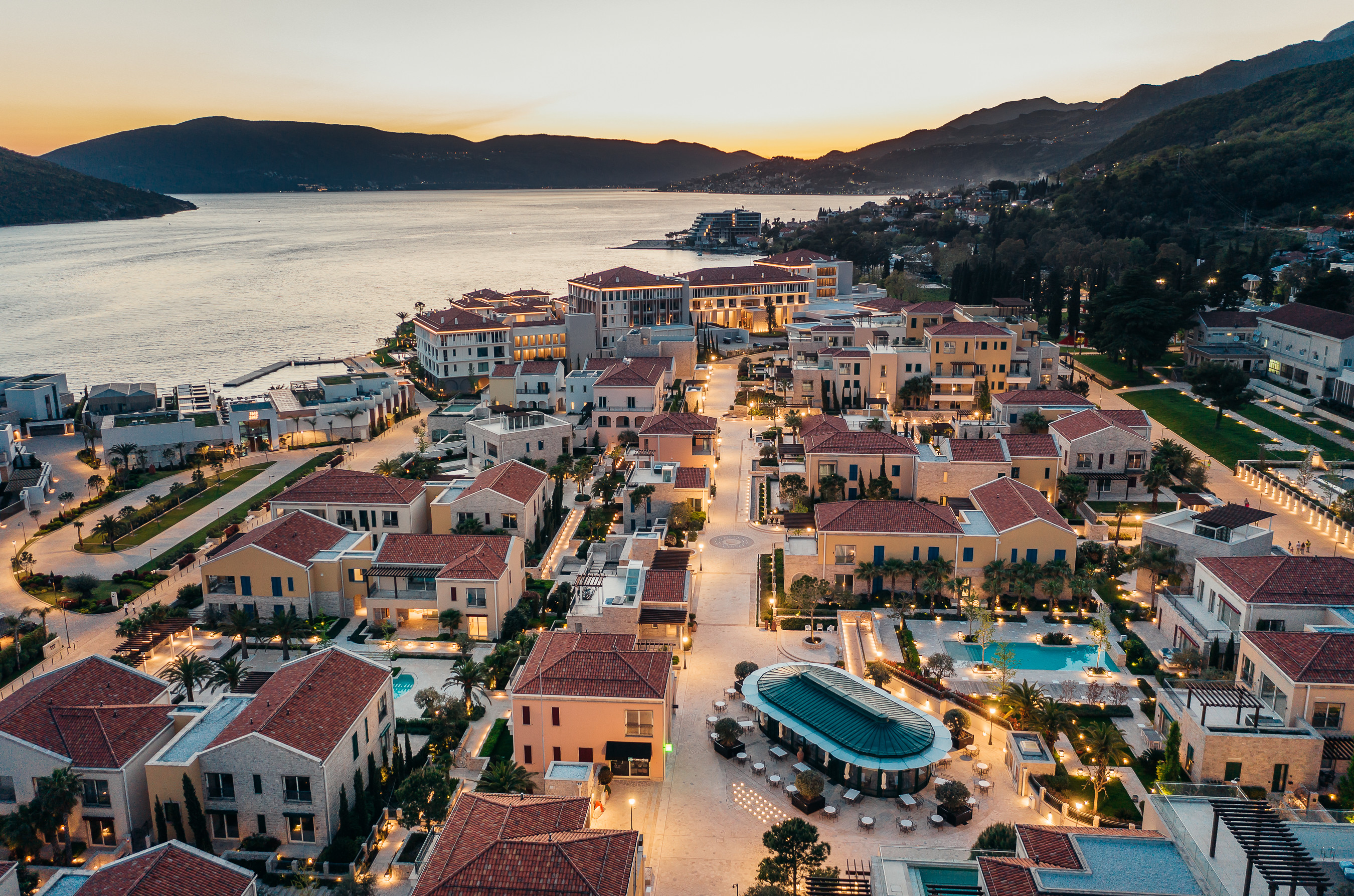
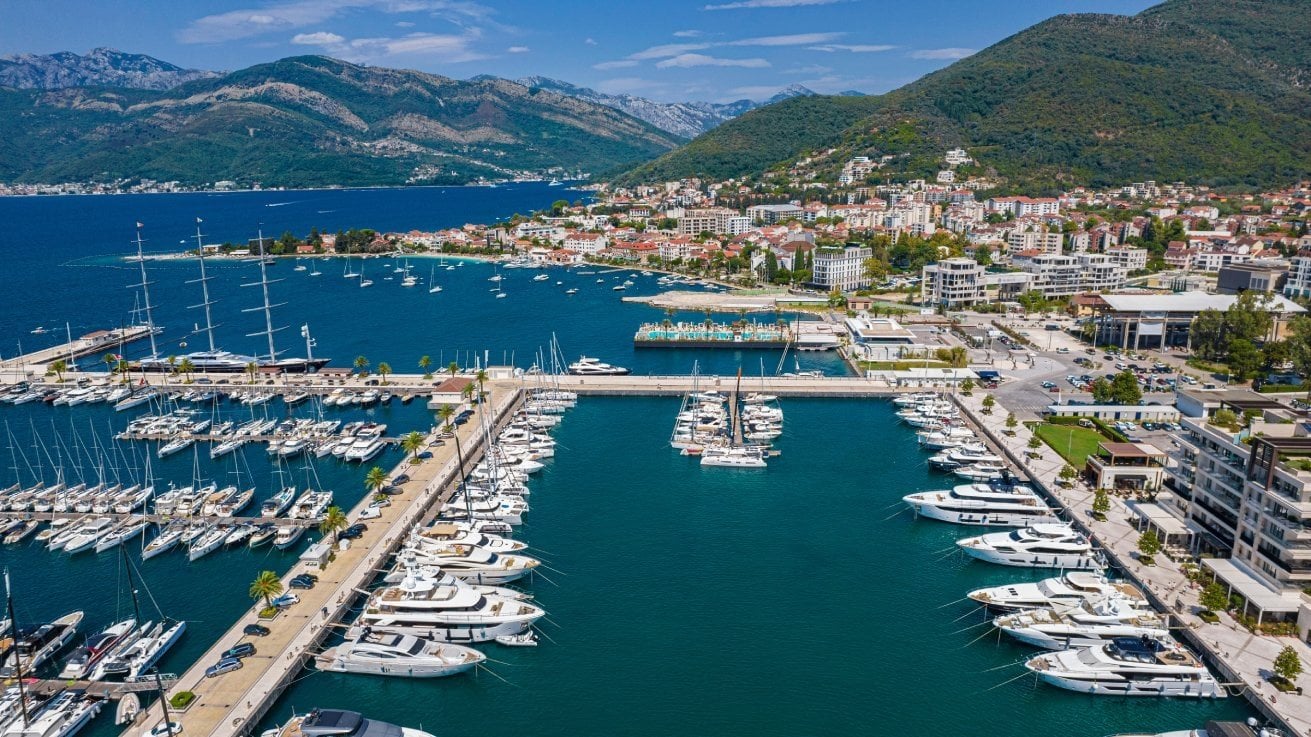
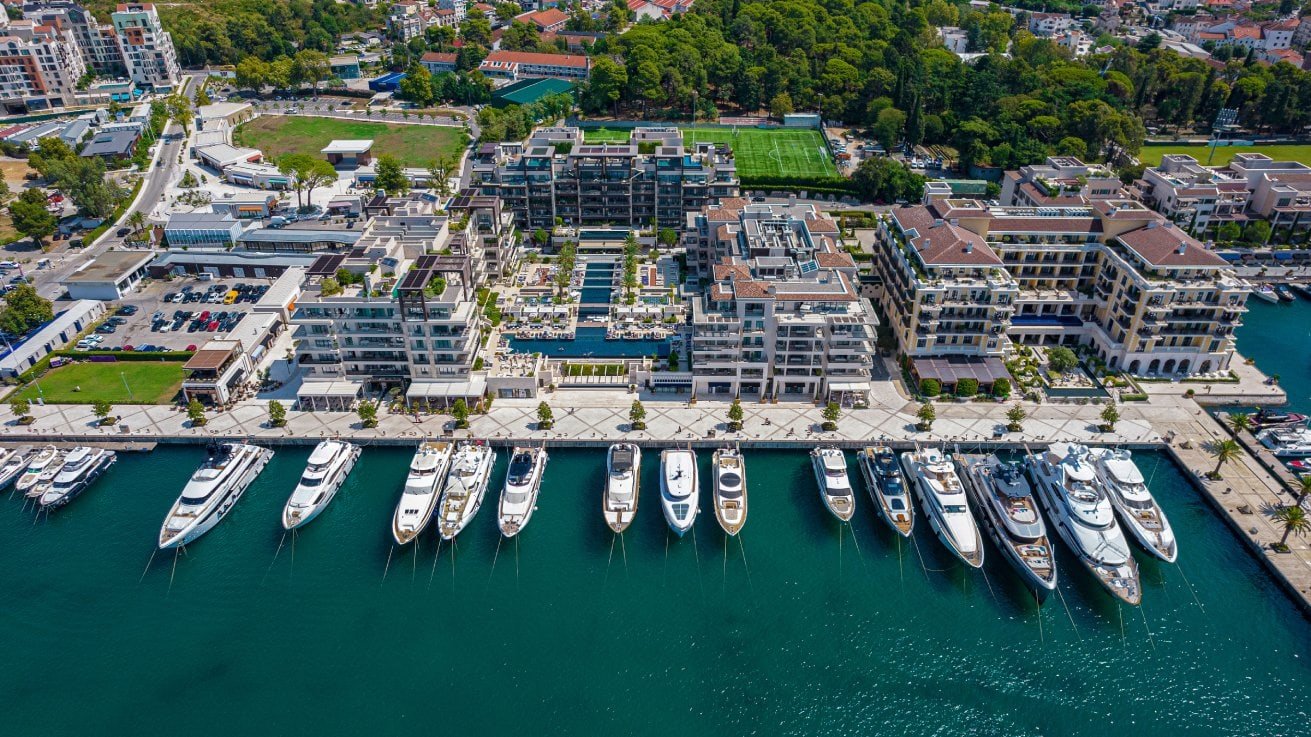
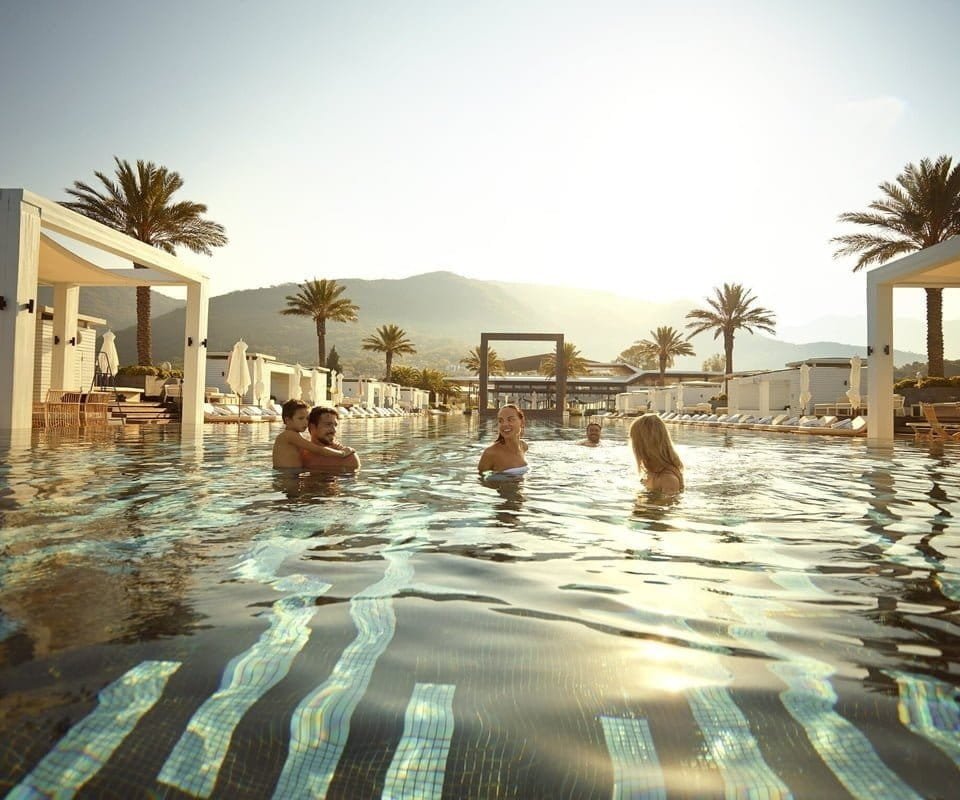
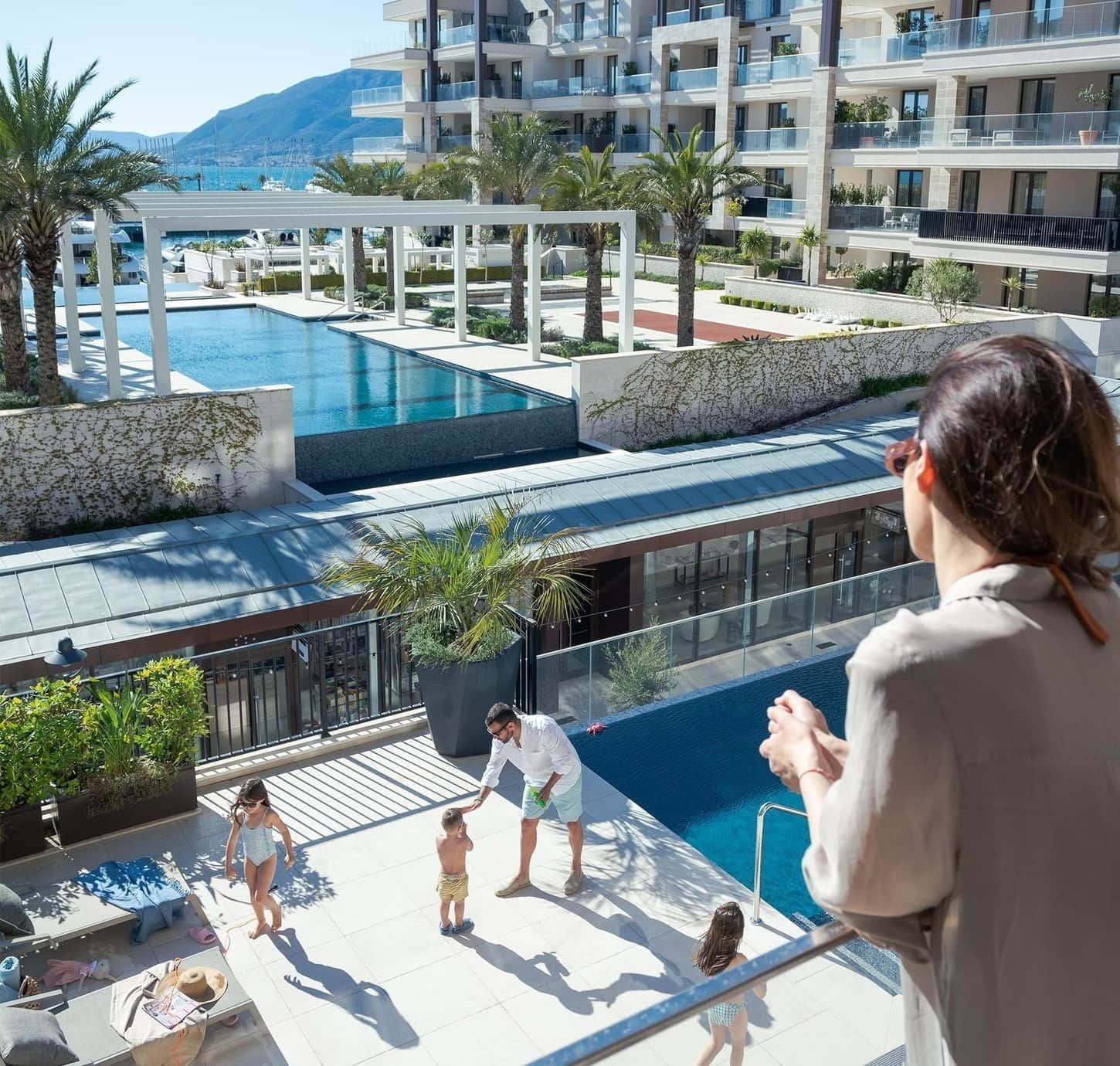
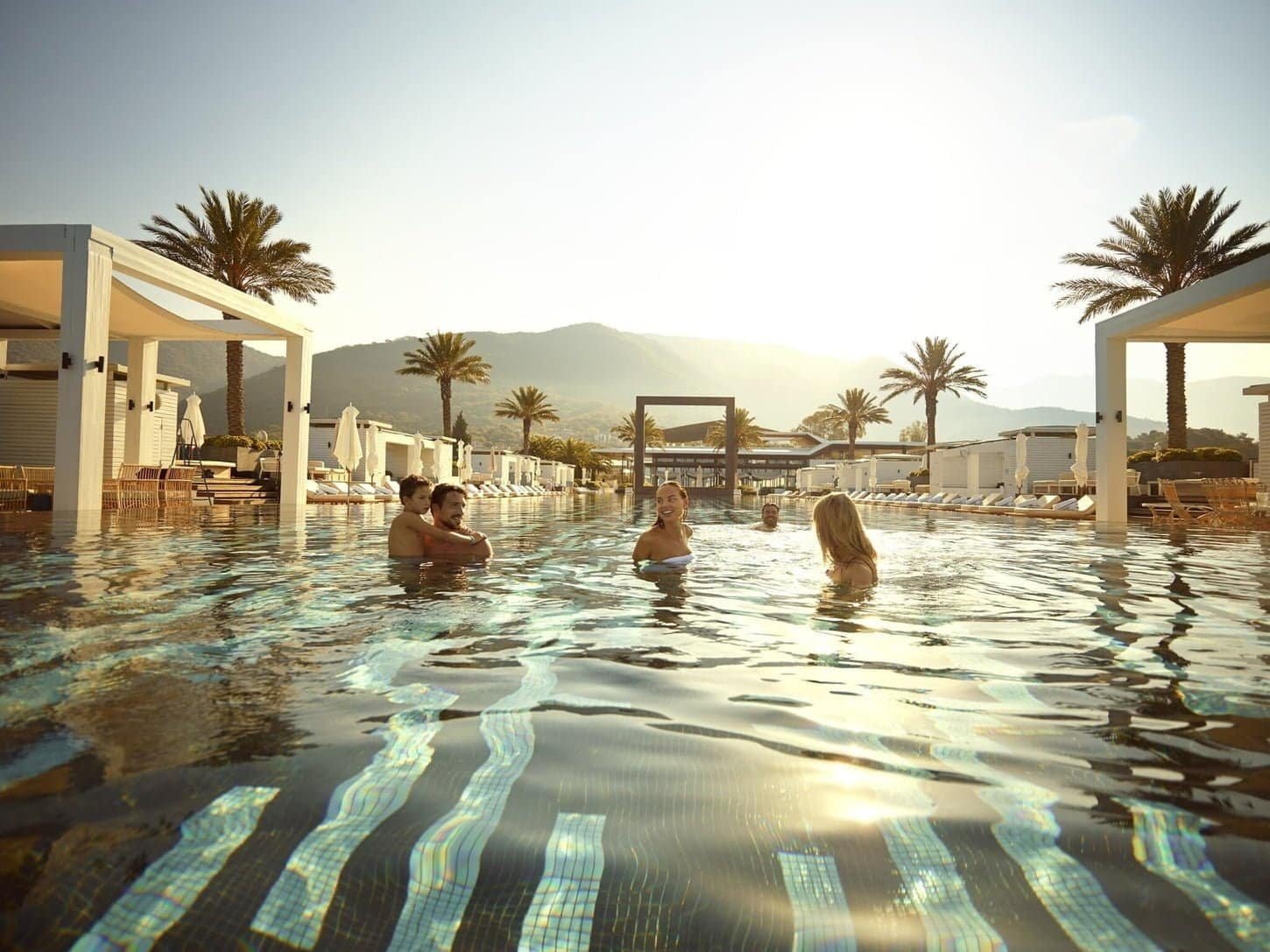
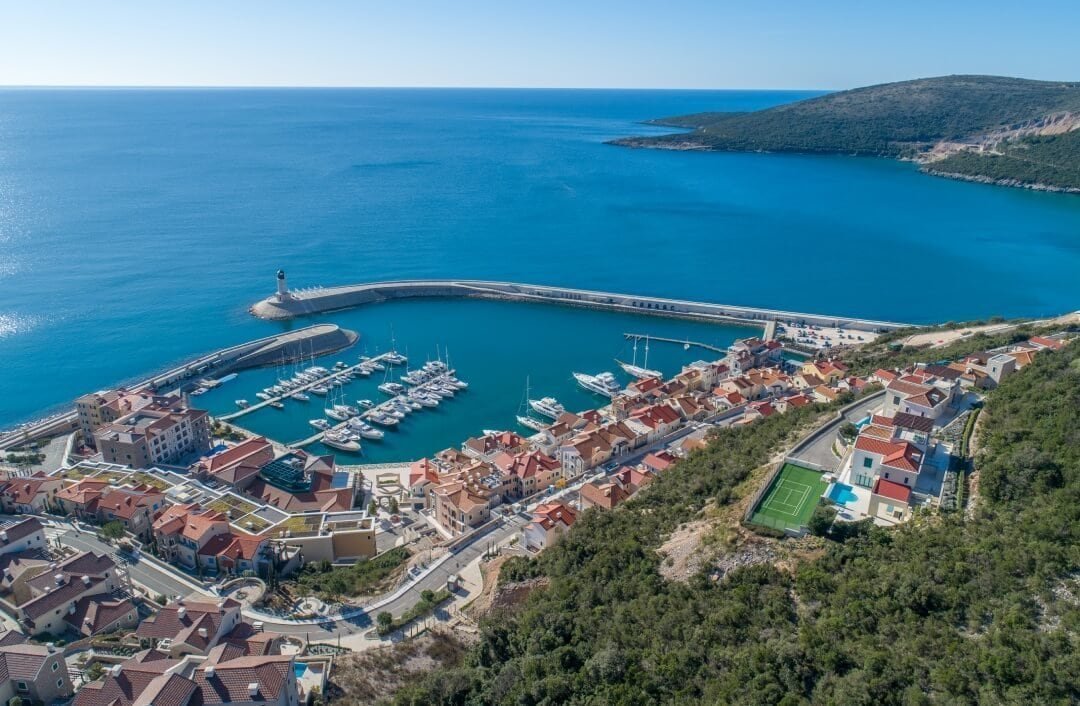
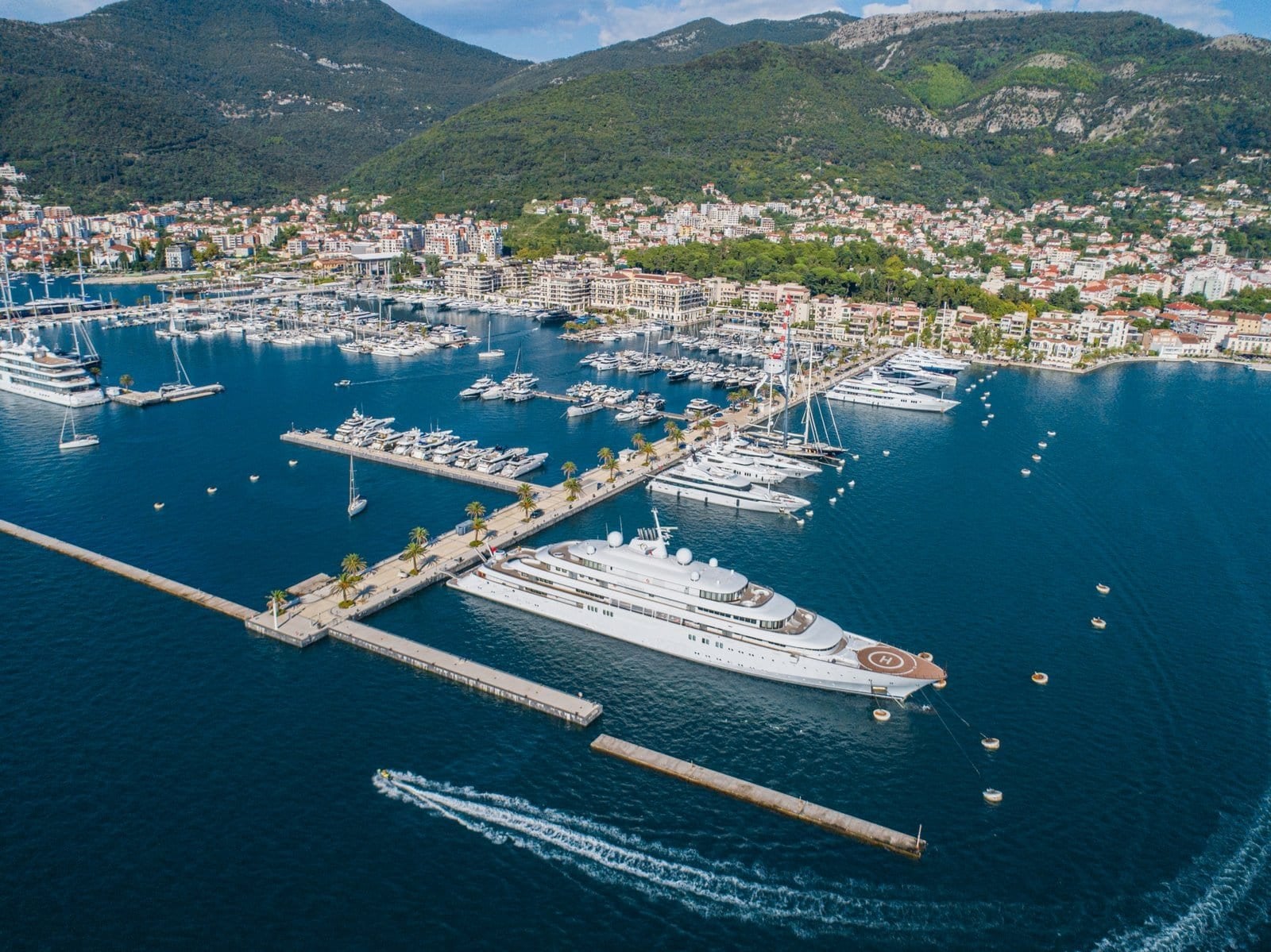
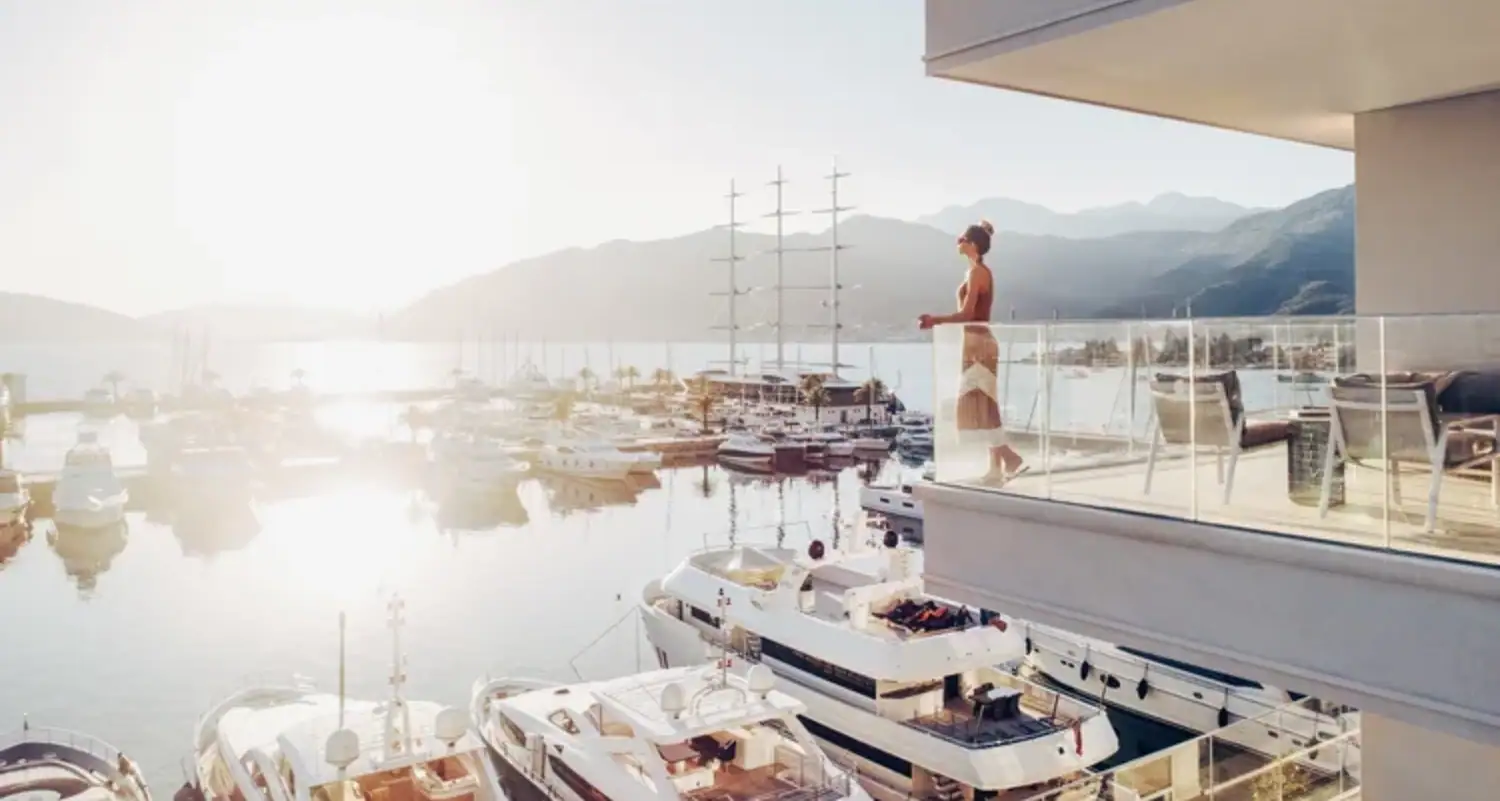
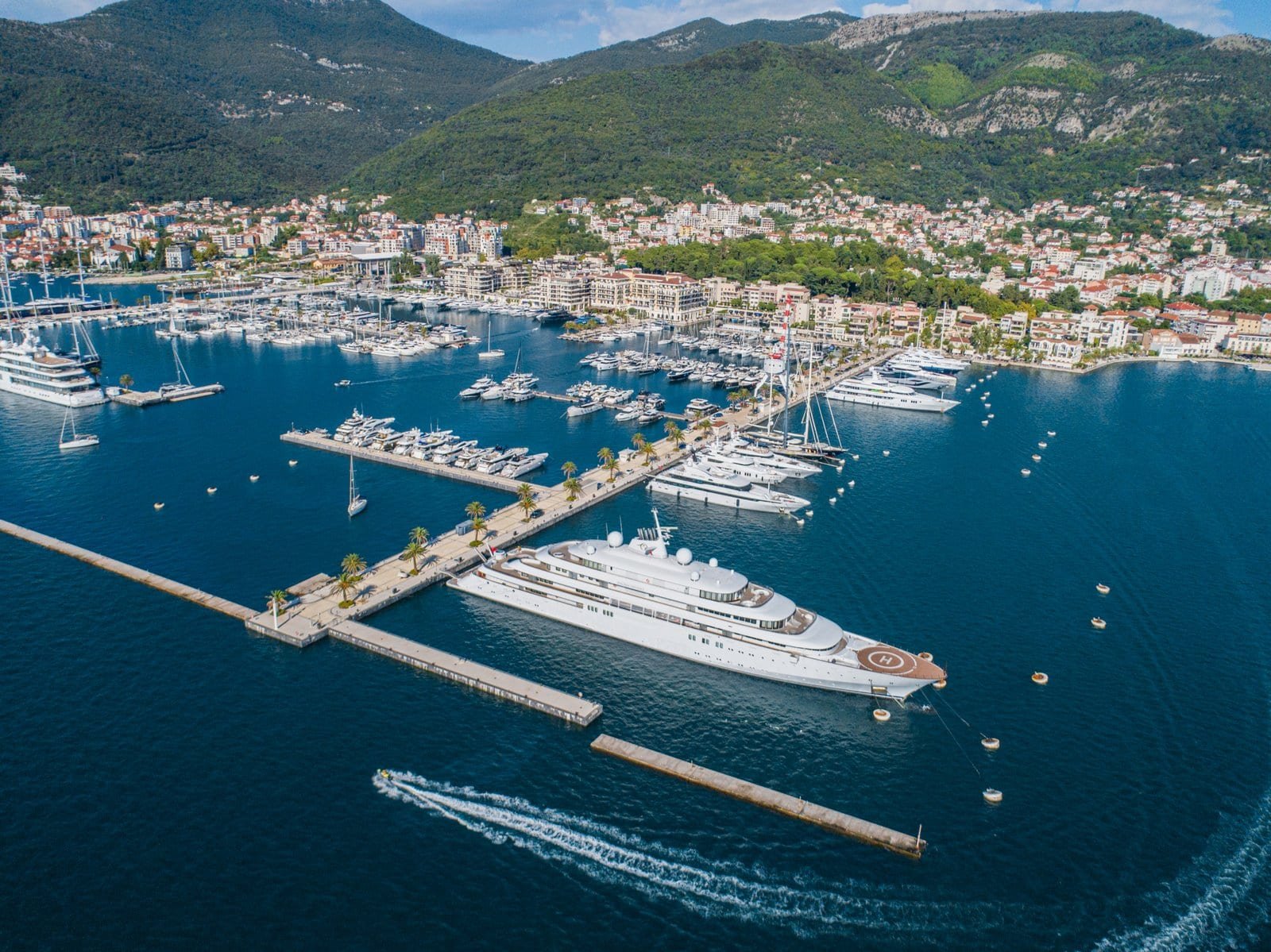
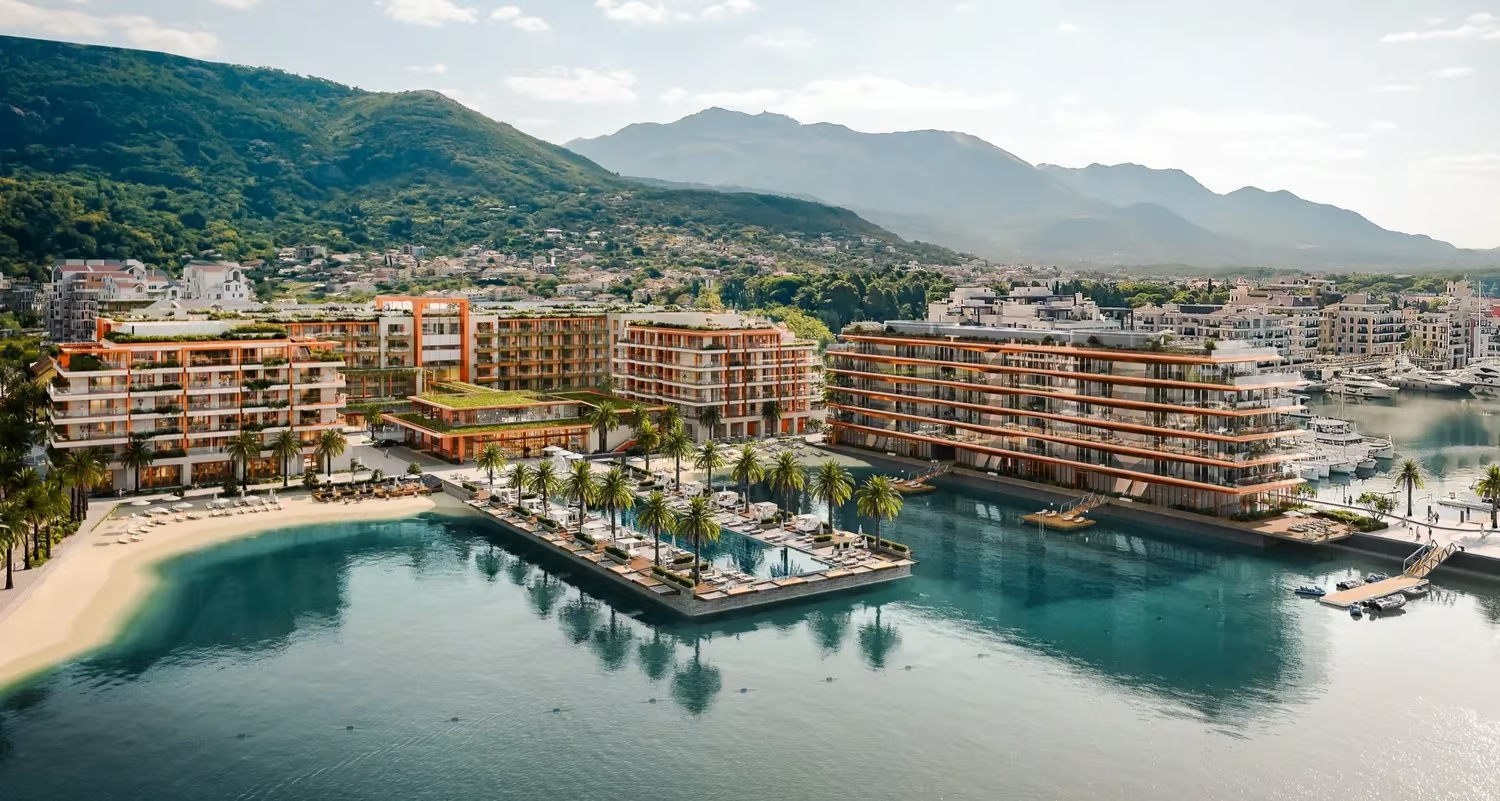
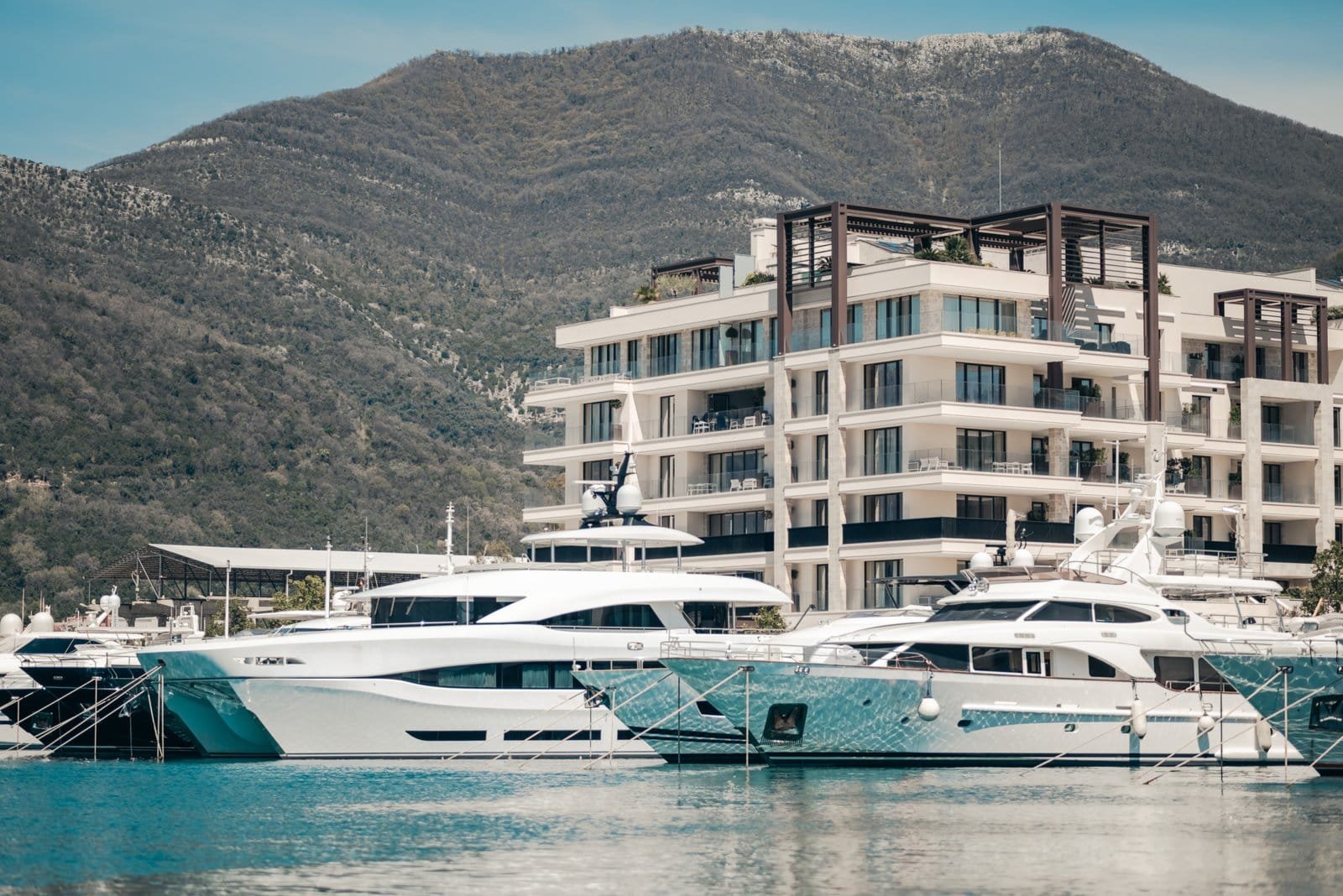
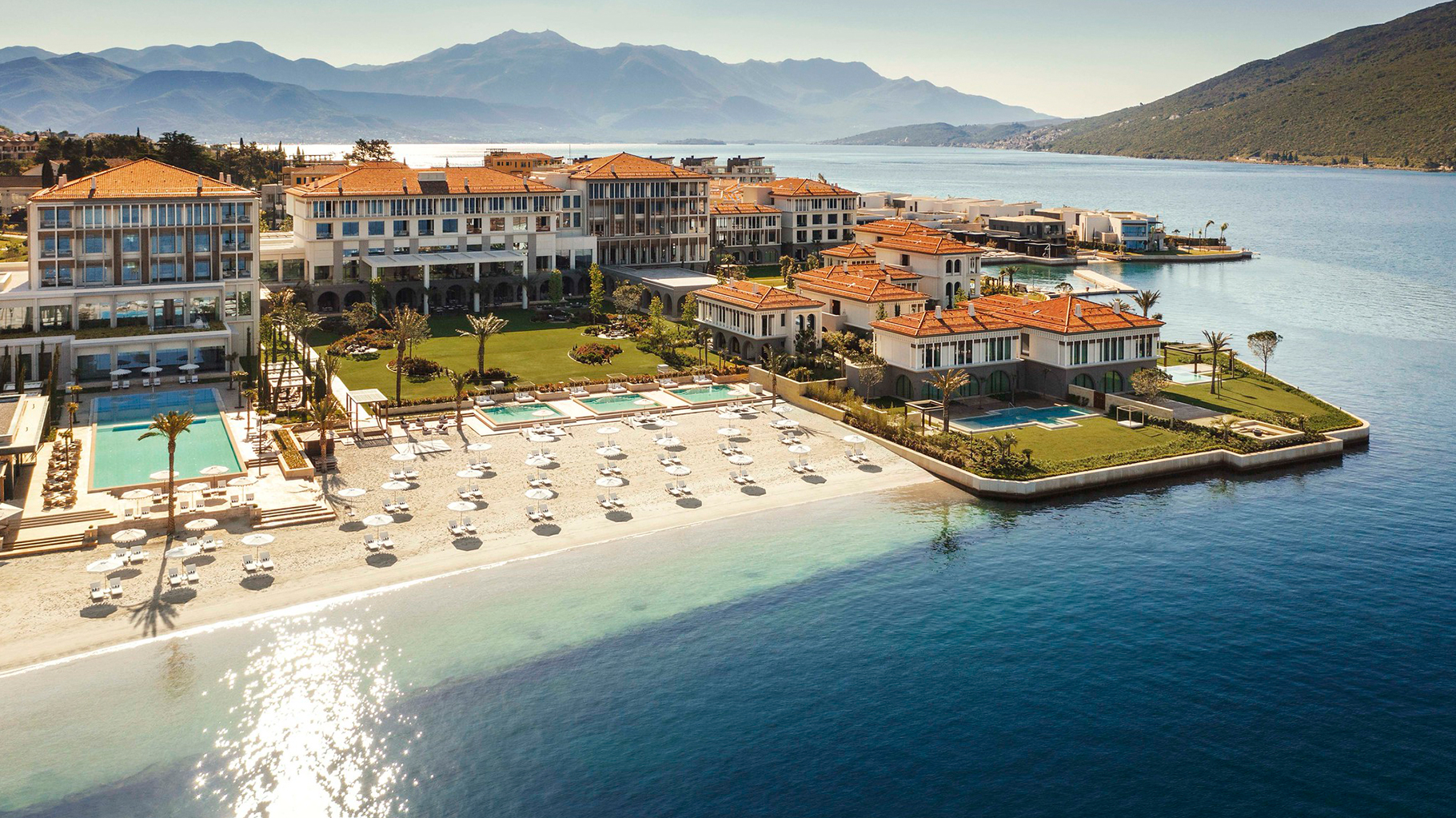
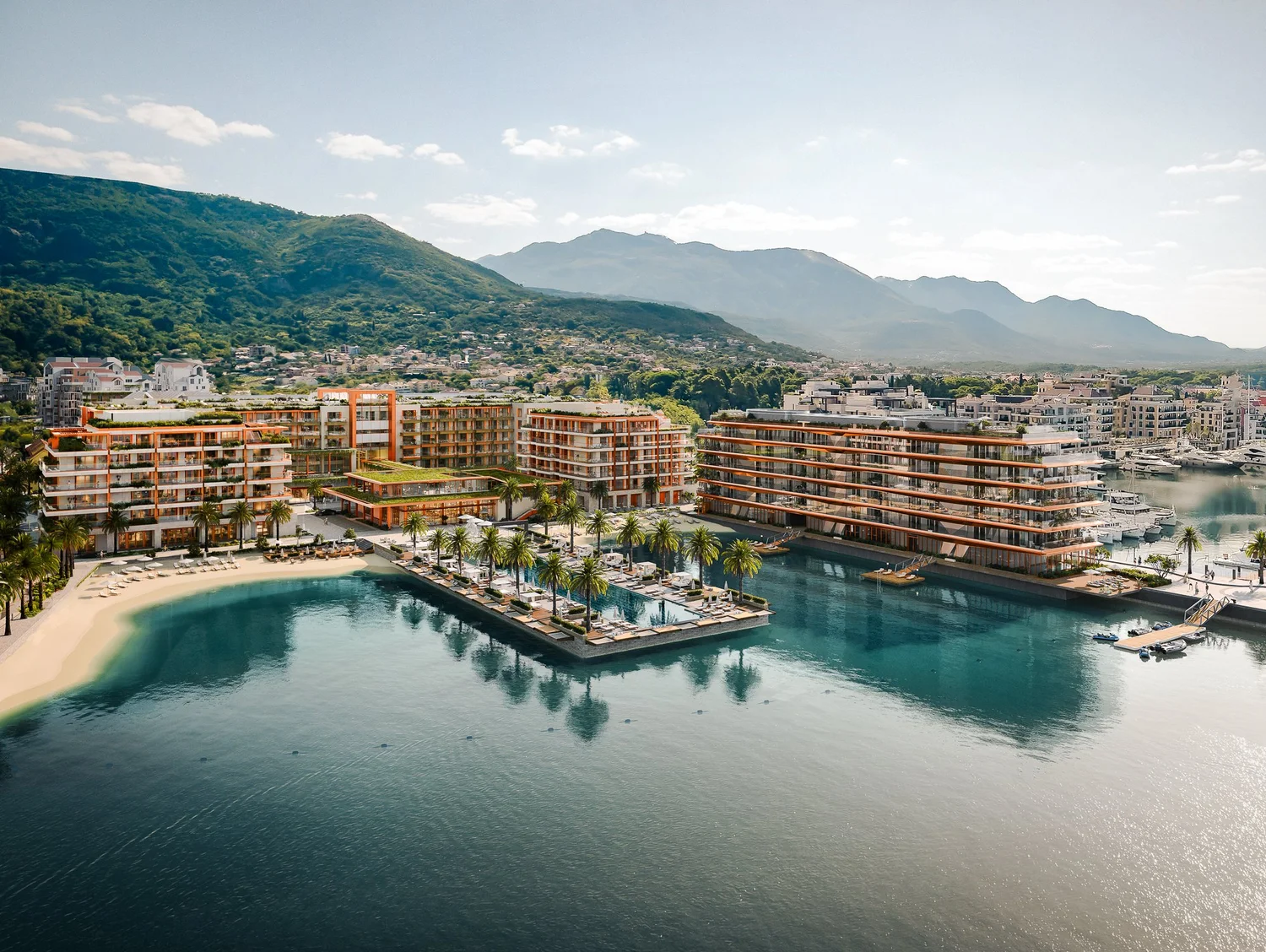
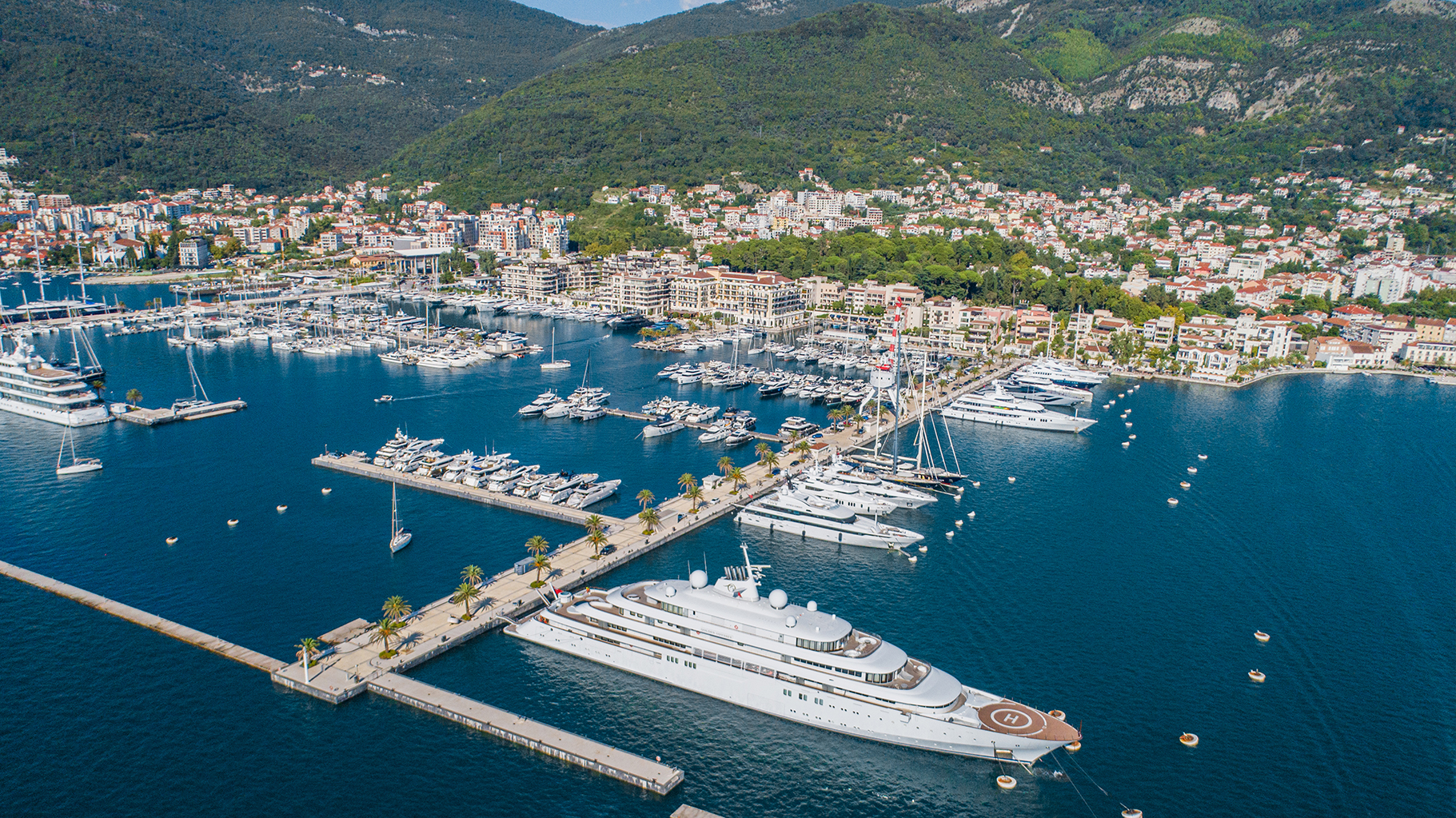
Tivat, and specifically Porto Montenegro, represents a third and increasingly sophisticated option. Built around a superyacht marina that has attracted consistent investment since its development, Porto Montenegro offers a standard of lifestyle infrastructure that sits comfortably alongside comparable European marina towns. The Property for Sale in Tivat, Montenegro: A 2026 Waterfront Buyer's Guide sets out the current market dynamics in detail, including pricing benchmarks and the key considerations for buyers at different budget levels.
For retirees focused specifically on the Porto Montenegro address, Porto Montenegro Apartments for Sale: 2026 Buyer and Investment Guide examines the full range of available stock and the characteristics that distinguish the various sub-developments within the marina precinct.
Premium Coastal Residences: A Selection of Current Opportunities
Within the Porto Montenegro development, a small number of properties consistently represent the most considered expression of Adriatic retirement living at the premium level.
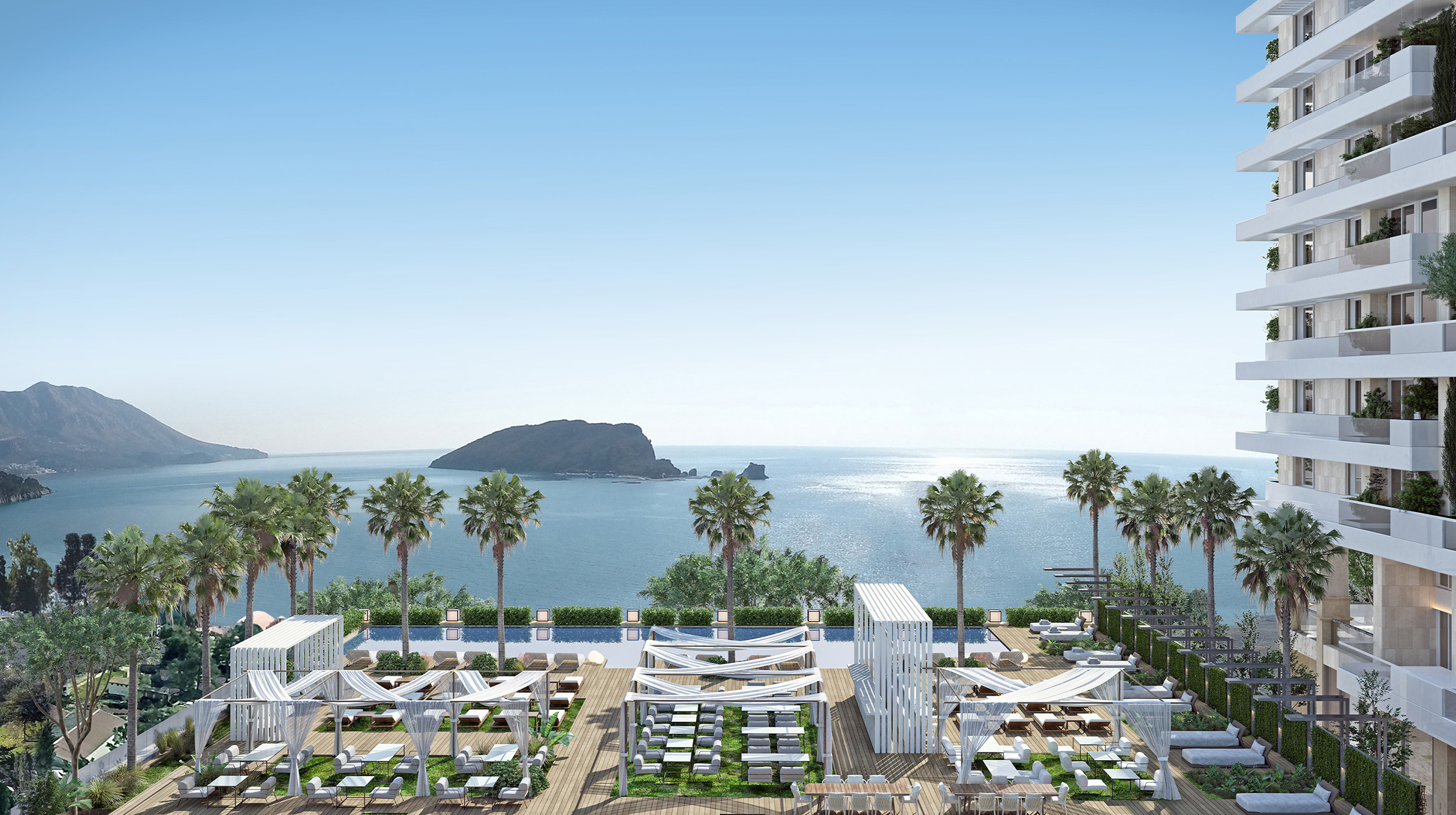
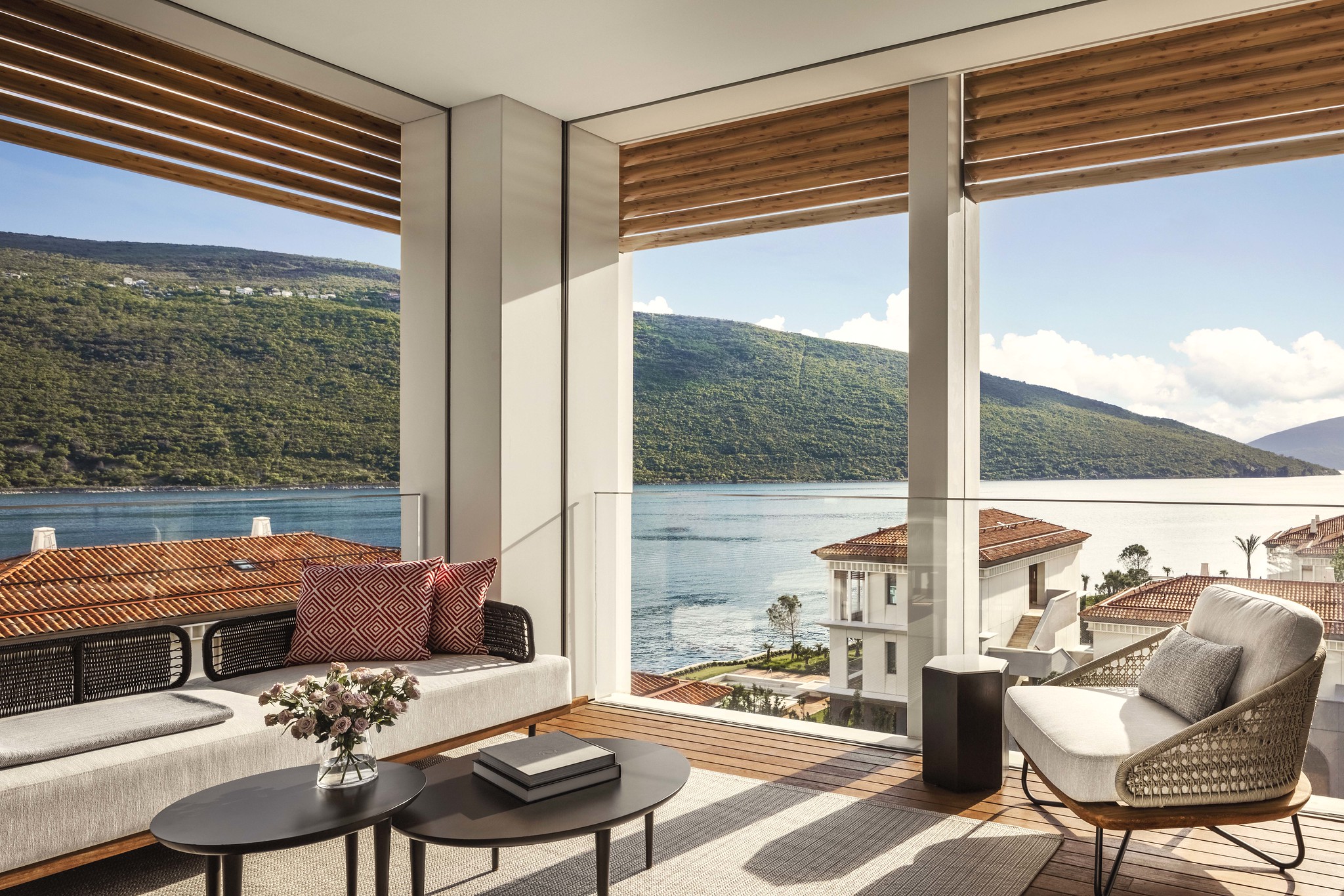
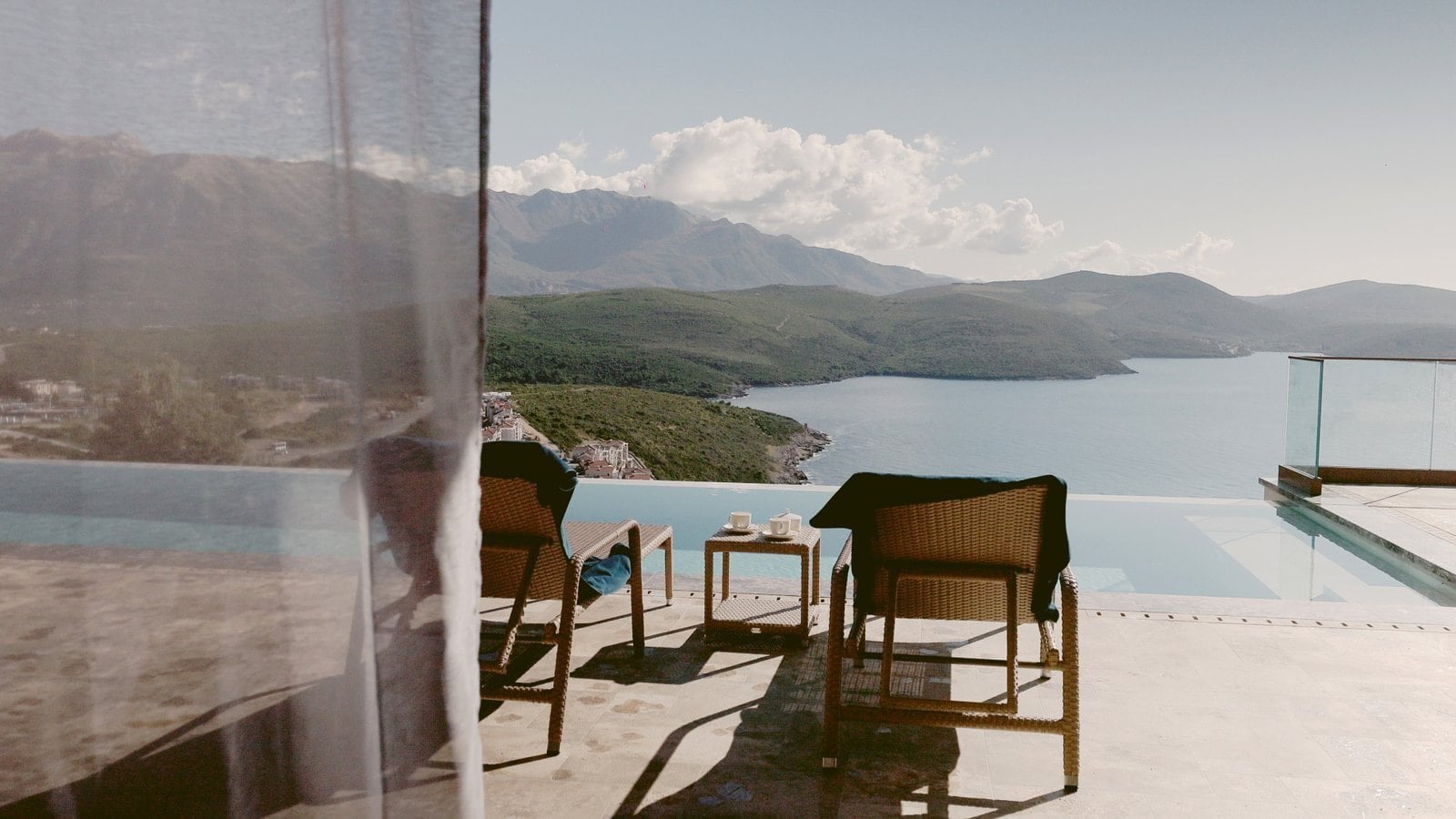
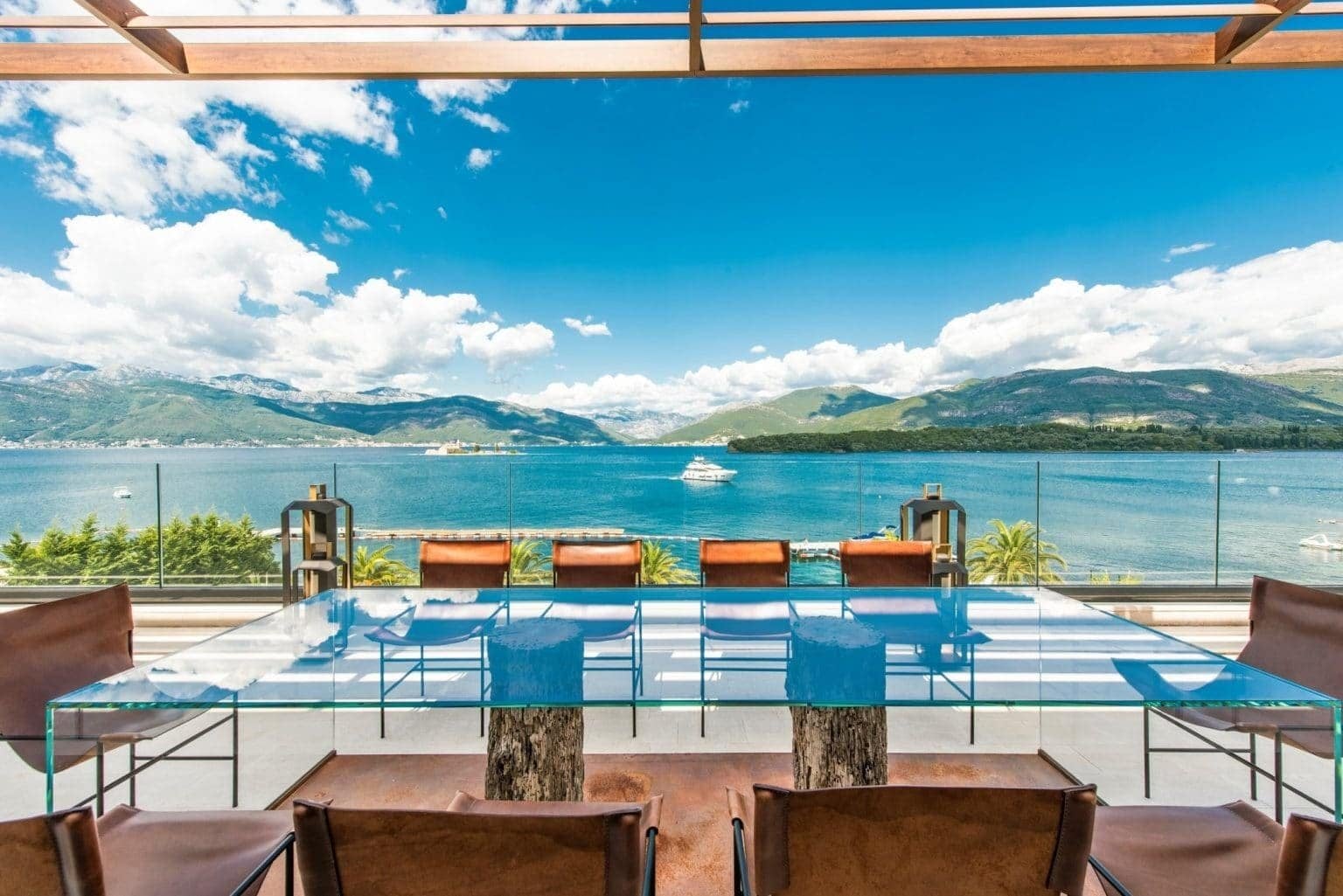
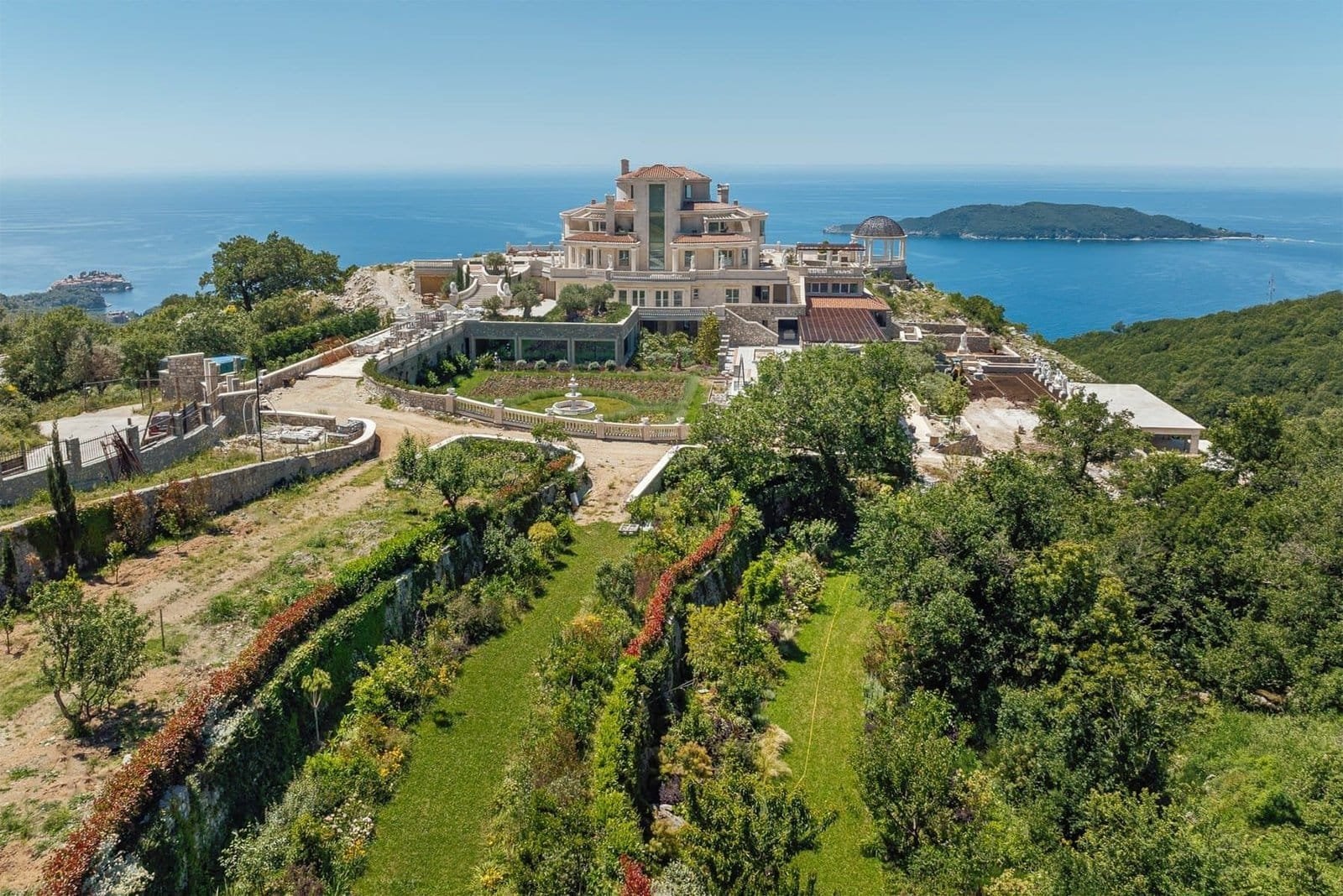
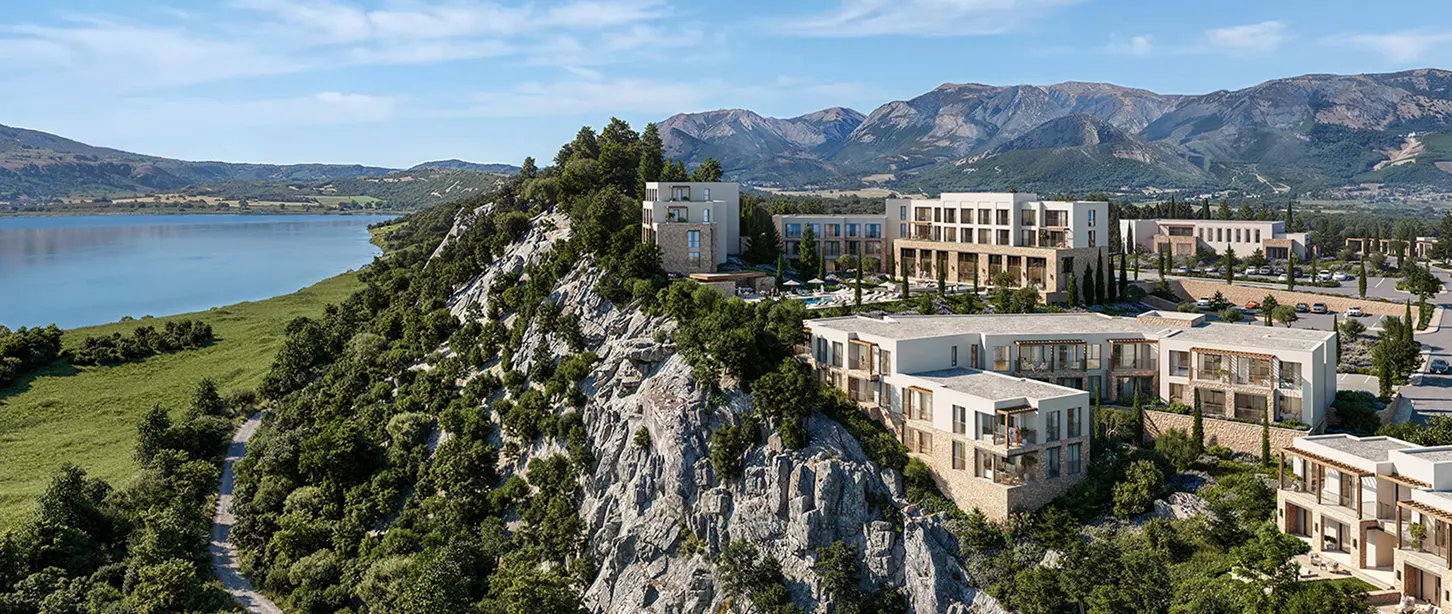
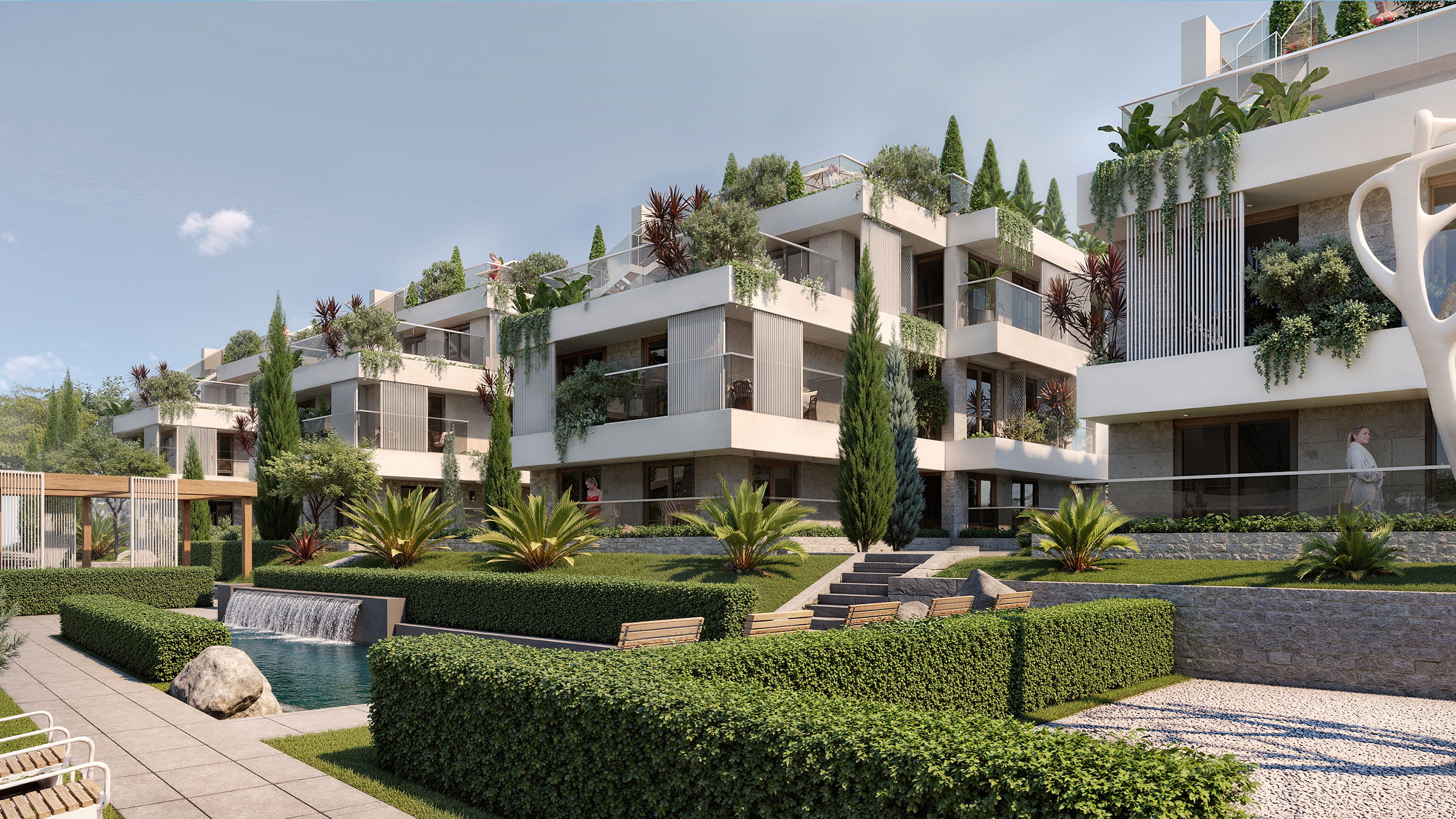
The Elevated Living Above the Adriatic: Porto Montenegro's Finest Rooftop Penthouse occupies the upper floor of one of the marina's most desirable buildings. The residence combines internal proportions suited to year-round occupation with outdoor terrace space that takes full advantage of the Boka Bay panorama. For retirees who have spent careers in cities, the quality of light and silence at this elevation represents a genuinely different experience of daily life.
At the apex of the Porto Montenegro collection, two distinct penthouses offer what might reasonably be described as the definitive residential statement in the northern Adriatic. The Sky-High Sovereignty Above the Adriatic: Porto Montenegro's Crown Penthouse and its counterpart at Sky-High Sovereignty Above the Adriatic: Porto Montenegro's Crown Penthouse provide four-bedroom configurations with specification standards that reflect the international buyer profile Porto Montenegro has consistently attracted. The combination of indoor volume, private outdoor space and bay views at this level is difficult to replicate anywhere on the Adriatic coast.
For those whose priority is a well-proportioned two-bedroom residence with sightlines across both sea and mountain, the Panoramic Sea Views and Alpine Horizons at Porto Montenegro's Finest Address offers an entry into the premium marina market at a scale that suits couples or those who prefer a more intimate principal residence.
Lifestyle Infrastructure: What Montenegro's Coast Delivers
A retirement residence is only as good as the environment surrounding it. Montenegro's coastal infrastructure has developed considerably over the past decade, driven by consistent inward investment in hospitality and marina facilities.
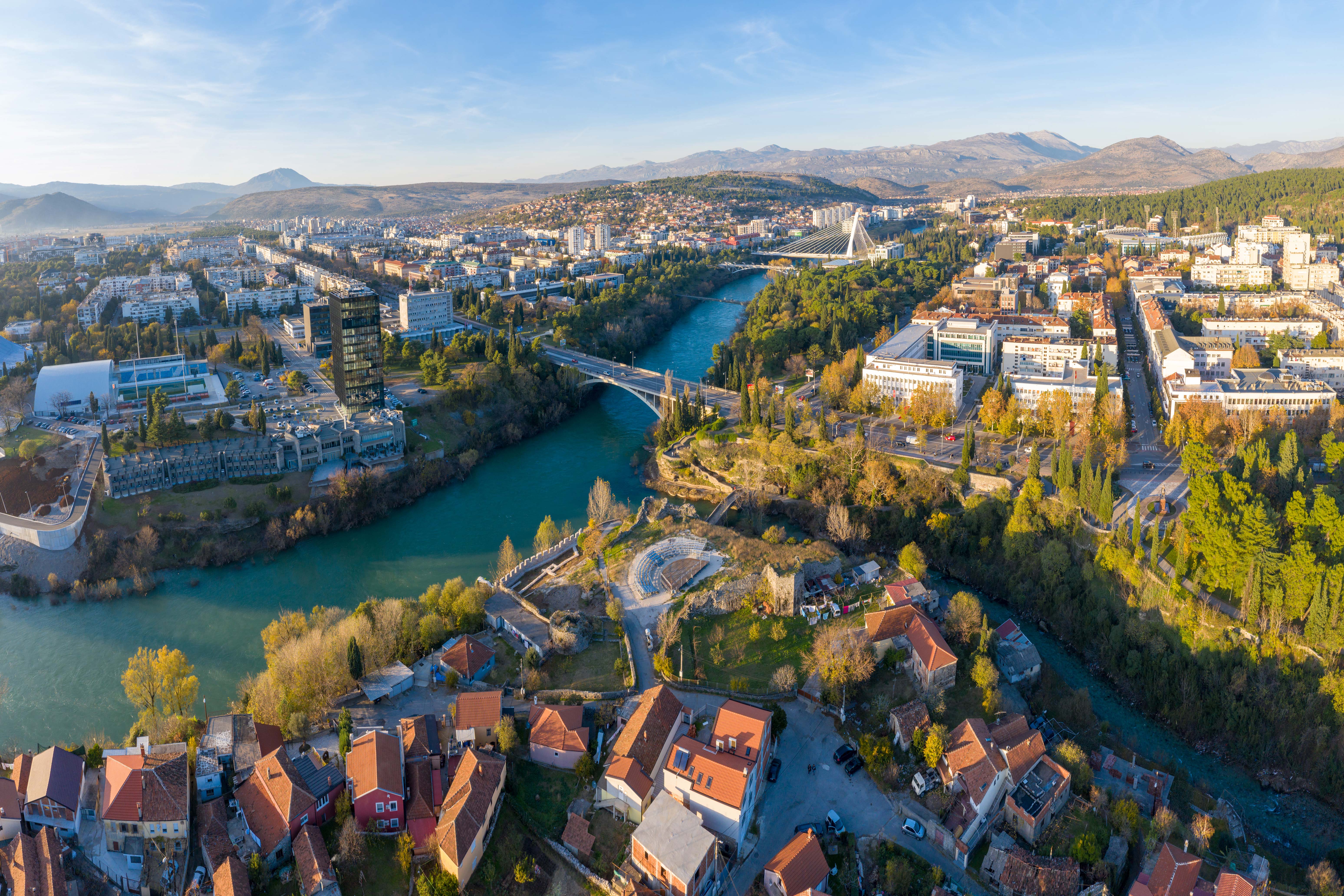
International standard medical facilities are available in Podgorica and are supplemented by private clinic provision in Tivat and Budva. Direct flights from London, Frankfurt, Moscow, Warsaw and a range of other European cities serve Tivat and Podgorica airports, reducing the sense of distance from family and prior social networks.
The gastronomic offer on the Montenegrin coast has matured significantly. The bay's seafood, the inland valleys' lamb and the country's own wine production combine to create a local food culture that rewards exploration. Fresh produce markets operate in all the main coastal towns throughout the warmer months.
Cultural life is richer than the country's scale might suggest. The Kotor Art festival, summer music events in Herceg Novi and the calendar of cultural programming at Porto Montenegro all provide the kind of intellectual and social stimulation that distinguishes a fully lived retirement from simple relaxation.
Making the Decision: A Framework for Serious Buyers
Retiring to a coastal property in Montenegro, or anywhere on the European seaboard, is a decision that rewards structured preparation. The practical checklist covers legal title verification, independent tax advice on both sides of any relevant border, healthcare proximity assessment, currency and banking arrangements, and the establishment of reliable local professional relationships.
Beyond the practical checklist lies a more fundamental question of fit. The best retirement destinations are those whose particular combination of climate, culture, pace and community aligns with the specific preferences of the individual buyer rather than with generic recommendations. Montenegro's coast offers a genuinely distinctive character. It is not the Costa del Sol, and it is not the Côte d'Azur. It is quieter, more mountainous, more raw in its natural beauty and more genuinely international in its residential community than either.
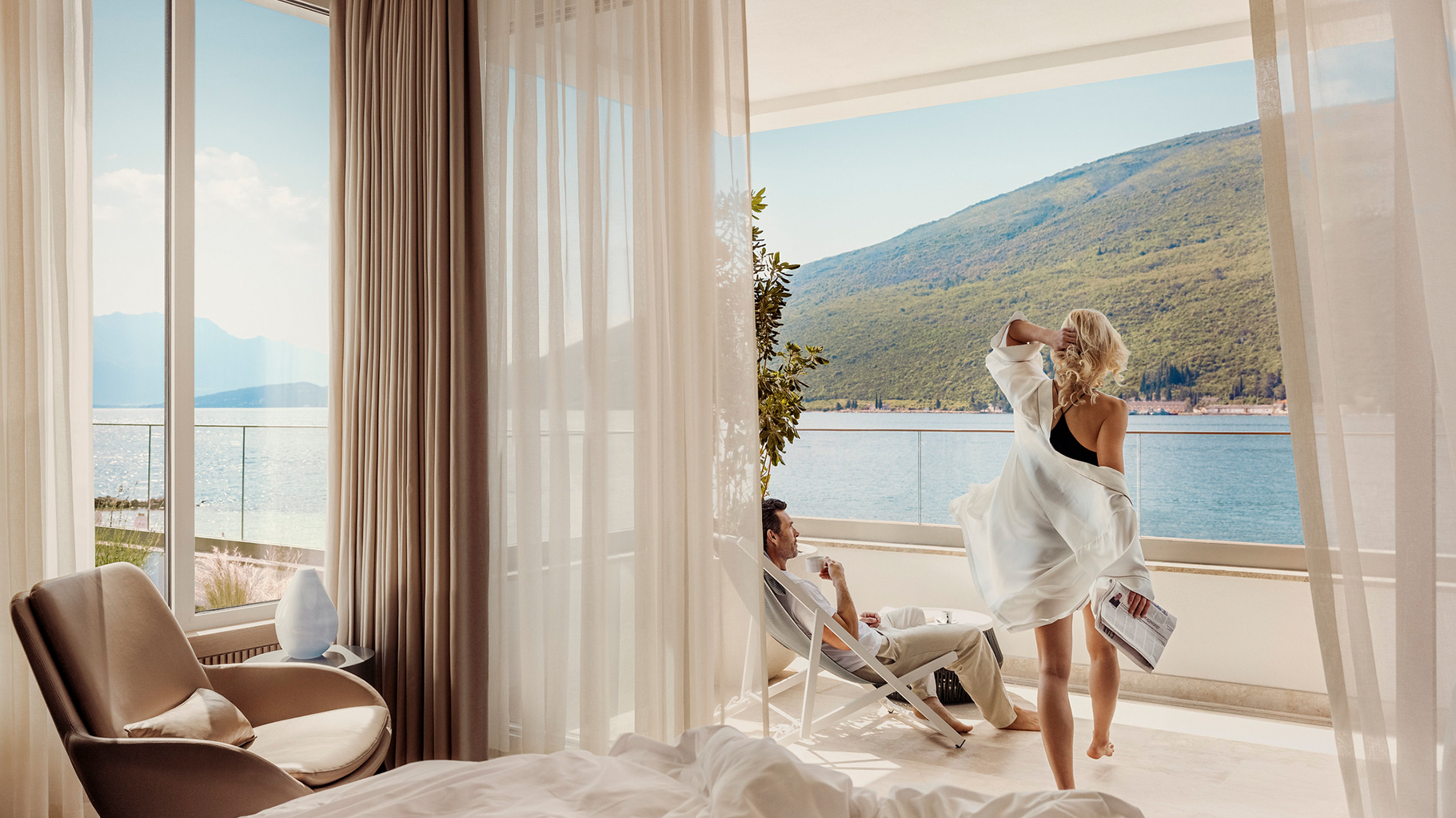
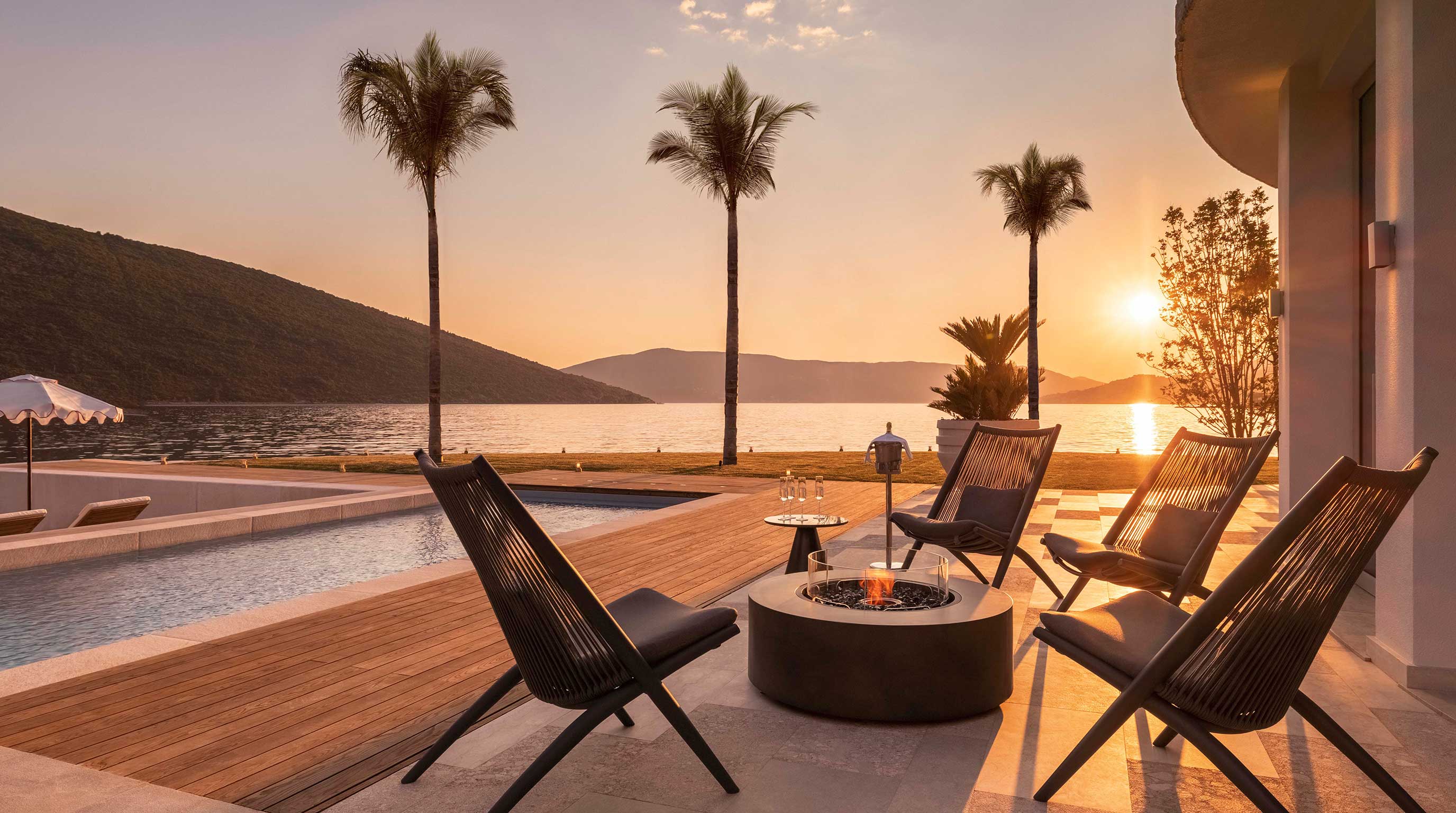
For those whose retirement vision involves waking to the sound of water, eating well without effort, moving through days at a pace they choose and building a life in a community that is still in the process of forming its identity, Montenegro's Adriatic coast presents a rare opportunity.
---
Barok Estates International Advisory Note
Barok Estates International advises private clients on premium coastal property across Montenegro, Spain and the broader Mediterranean. Our team in Montenegro works exclusively at the upper end of the coastal and marina market, with particular depth of knowledge in the Porto Montenegro, Bay of Kotor and Budva Riviera submarkets. We provide independent acquisition guidance, introductions to qualified legal and tax professionals, and ongoing asset management support for internationally mobile buyers.
To arrange a private consultation with one of our Montenegro advisors, contact the Barok Estates International team directly. We do not charge for initial consultations and we operate strictly in the interest of the buyer.








.jpg)