The Forbes Headline
In August 2026, Forbes published a pointed analysis: Montenegro wants to be Europe's next crypto hub, but weak regulation might be costing it serious institutional business. The assessment is fair. Montenegro has positioned itself as crypto-friendly, attracted interest from blockchain entrepreneurs and created a basic registration framework for crypto-asset service providers. But it has not yet passed the comprehensive legislation that institutional capital requires.
What Exists Today
Montenegro's current crypto framework, established by February 2025 amendments to anti-money-laundering law, allows registration of crypto-asset service providers under the Capital Market Authority. Services covered include custody, exchange, trading platforms and order execution. As of mid-2026, one provider has been formally registered.
What Montenegro does not yet have is a MiCA-equivalent regulatory framework. That means no EU passporting rights for crypto firms registered here, no comprehensive rules for token issuance or stablecoins, and no institutional-grade custody standards. The dedicated crypto-assets bill has not appeared in the 2026 legislative programme.
Why This Matters Beyond Crypto
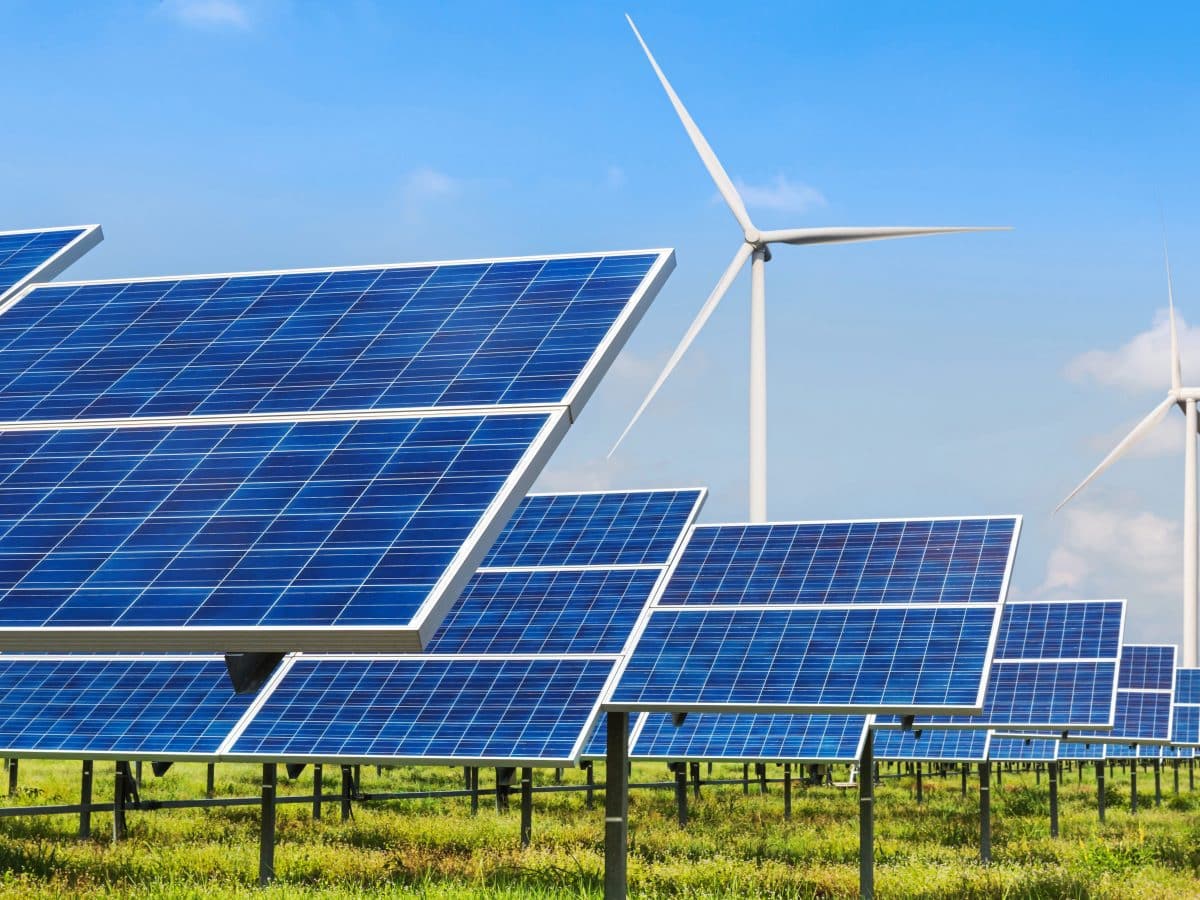
The crypto story is a proxy for a broader economic narrative: Montenegro is actively diversifying its economy beyond tourism and real estate. Whether through renewable energy partnerships (Masdar), aviation expansion (23 new flight routes), or digital-economy positioning, the country is building the institutional infrastructure that supports long-term GDP growth.
For property investors, economic diversification matters because it reduces the seasonal dependency that has historically limited Montenegro's rental yields to summer months. A growing tech and digital-nomad community creates year-round demand for quality housing, particularly in locations with reliable connectivity and lifestyle amenities.
The Opportunity for Buyers
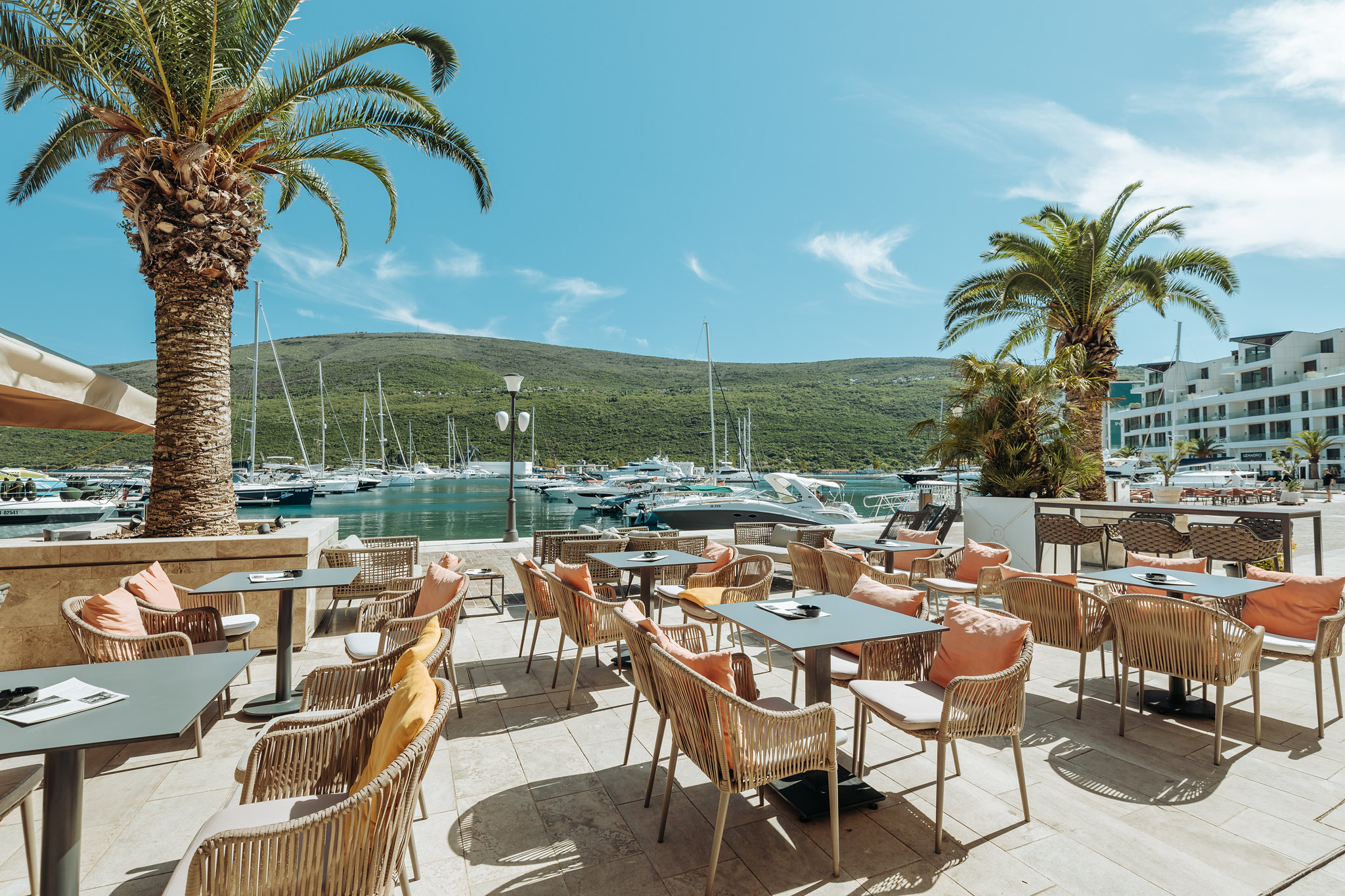
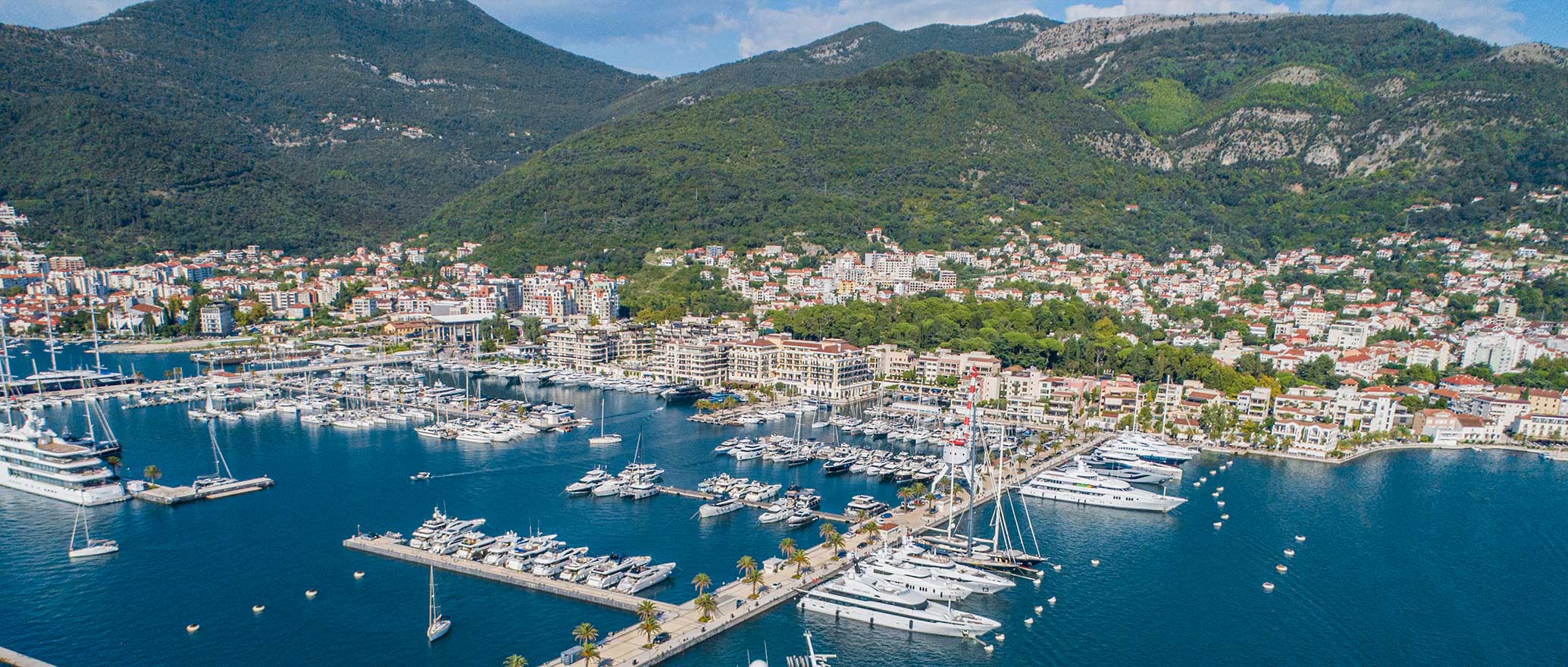
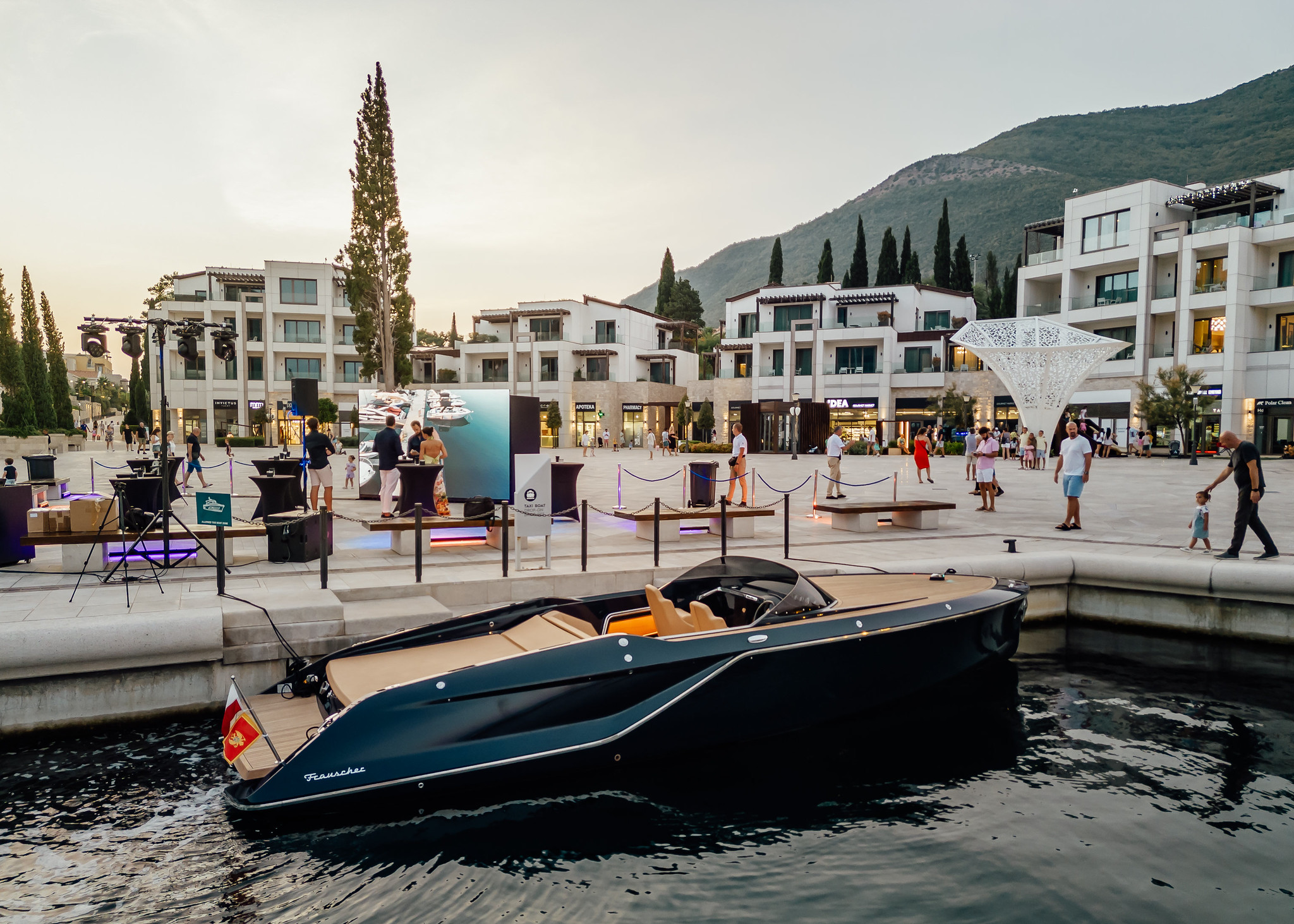
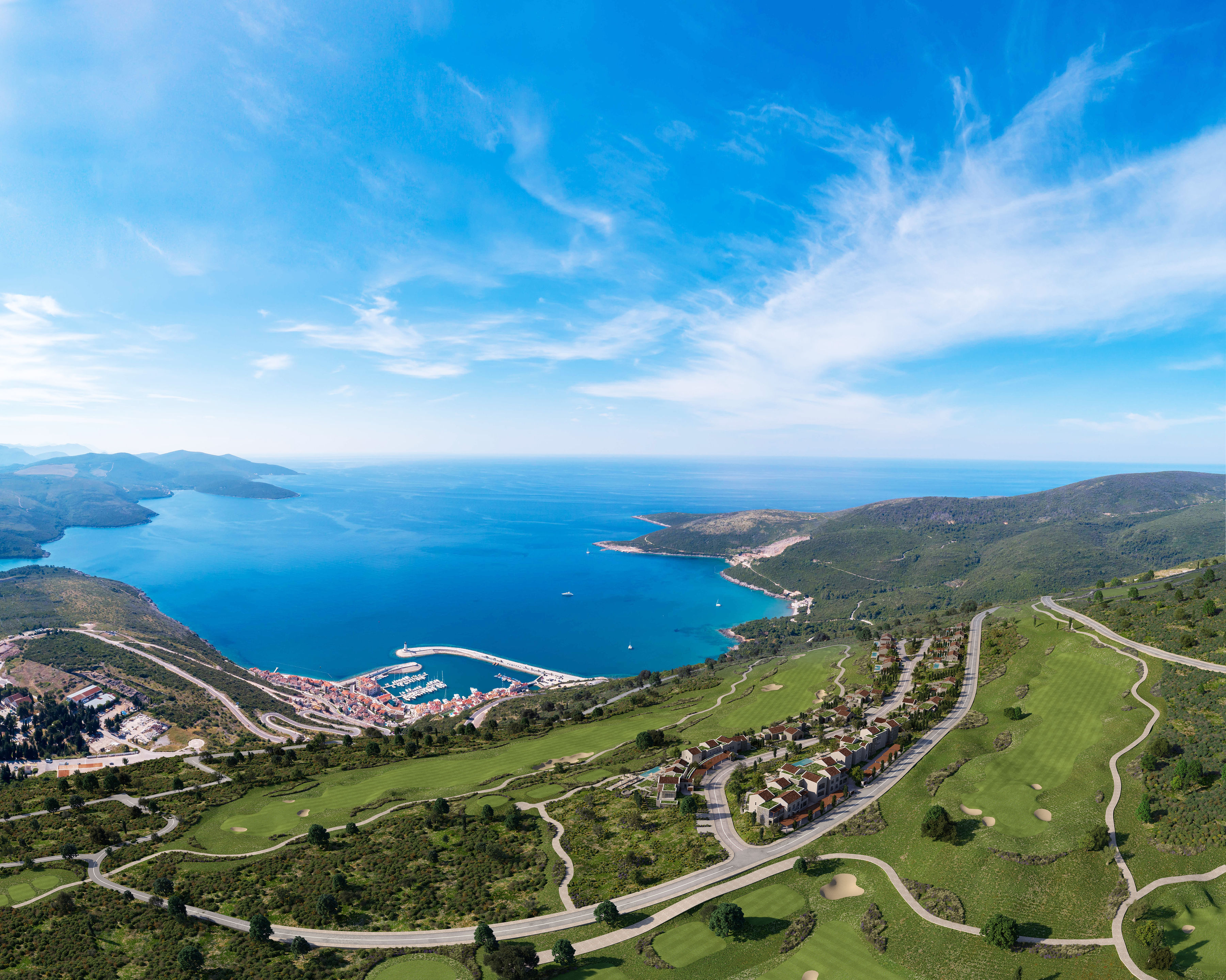
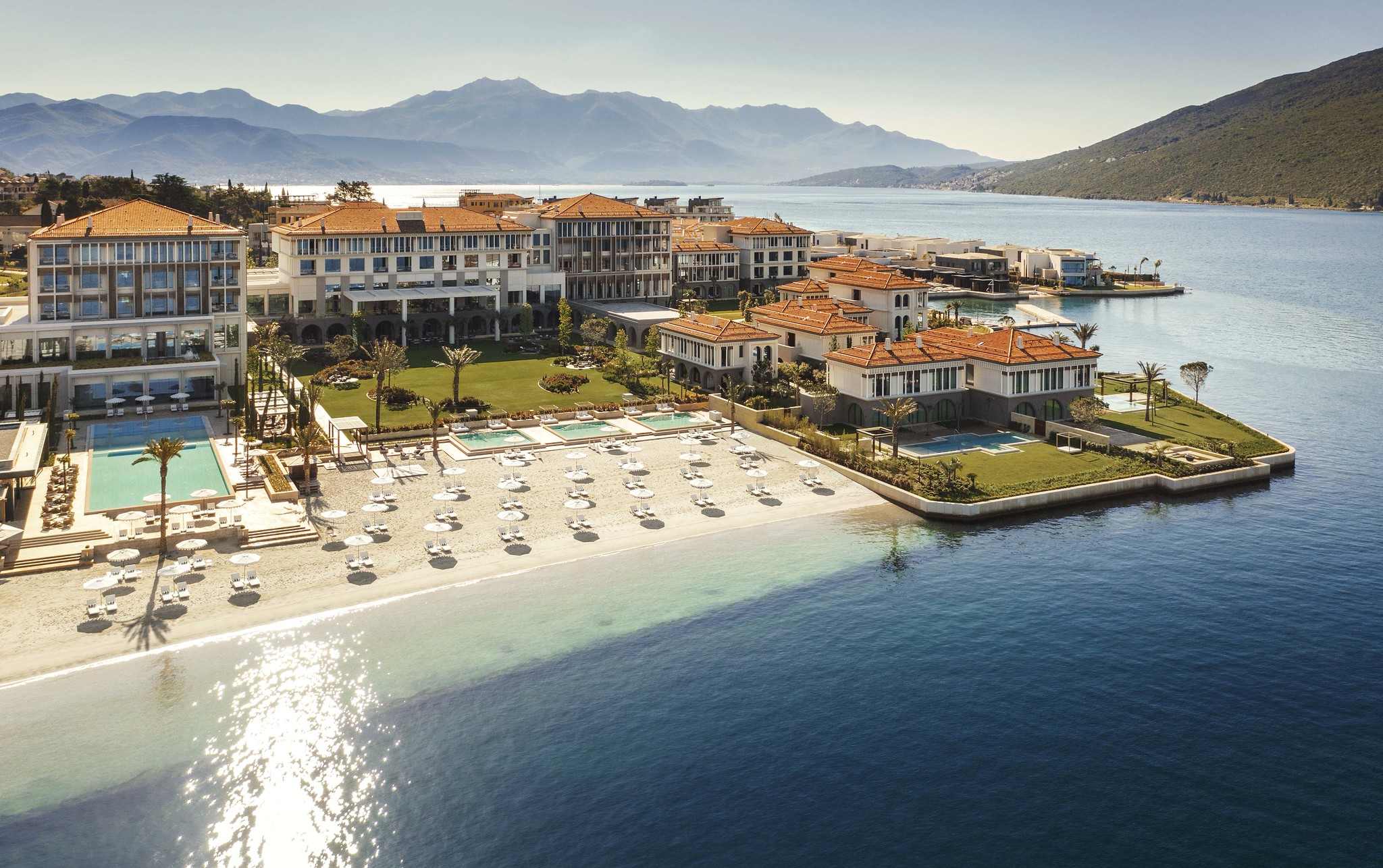
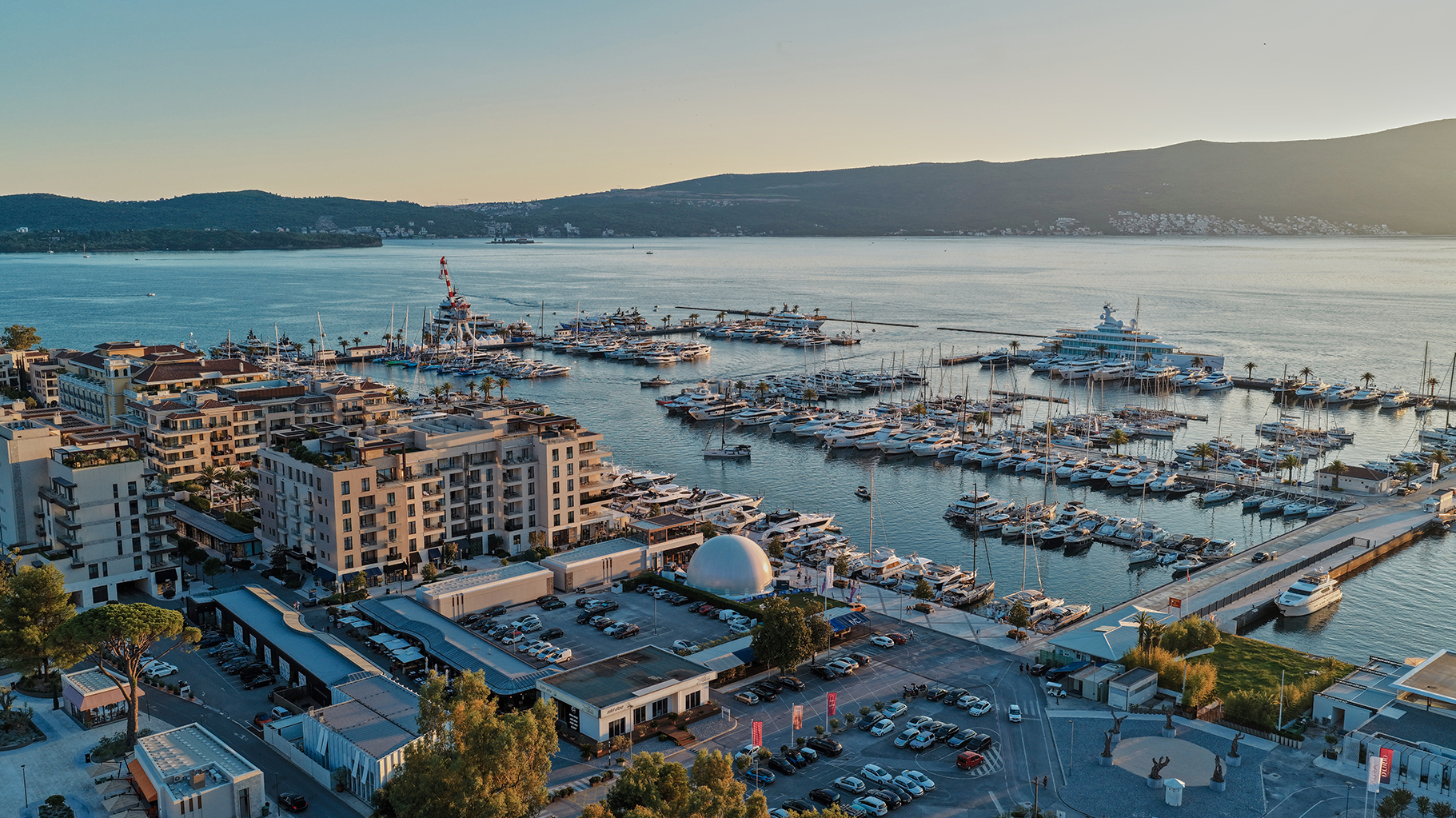
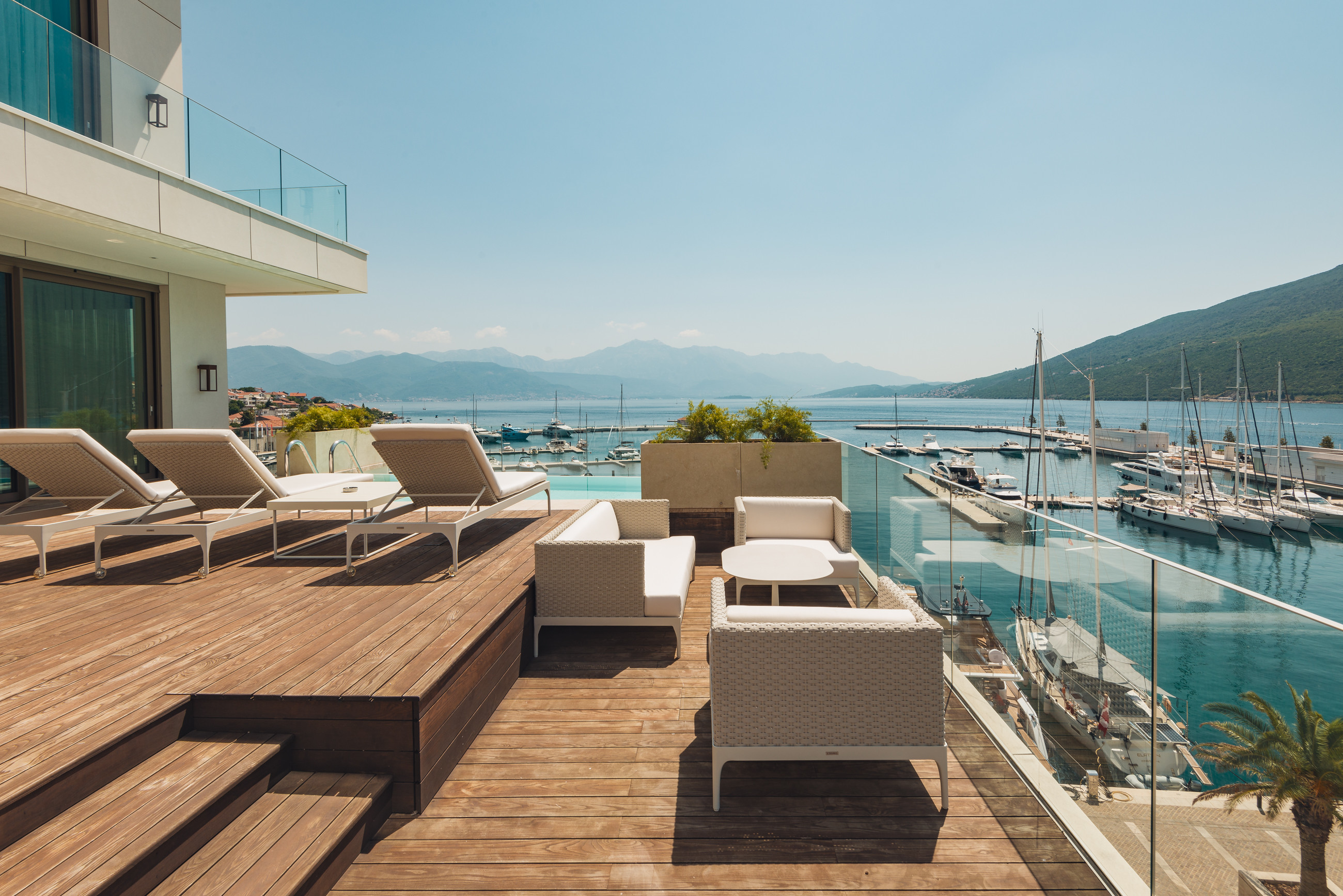
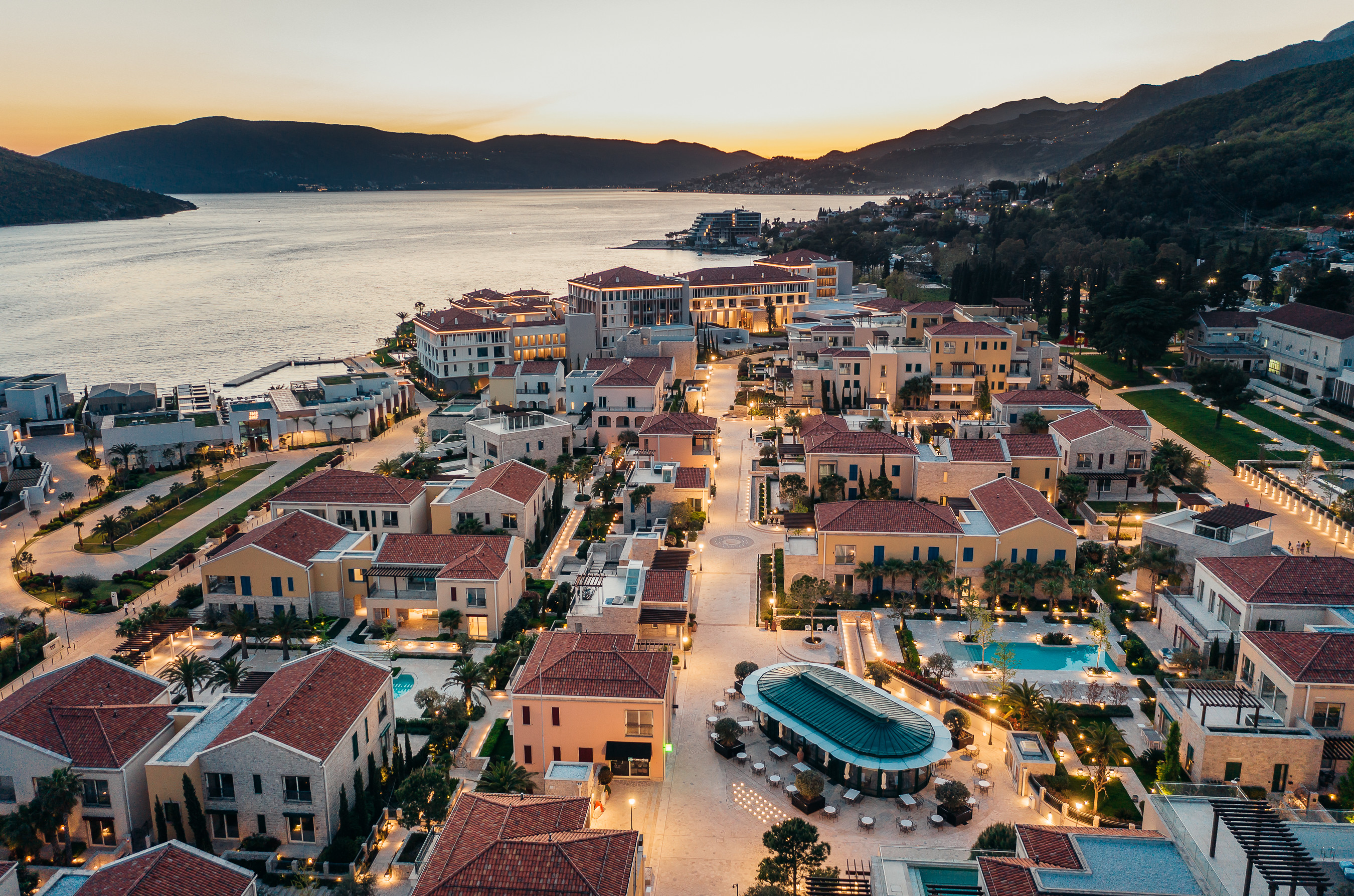
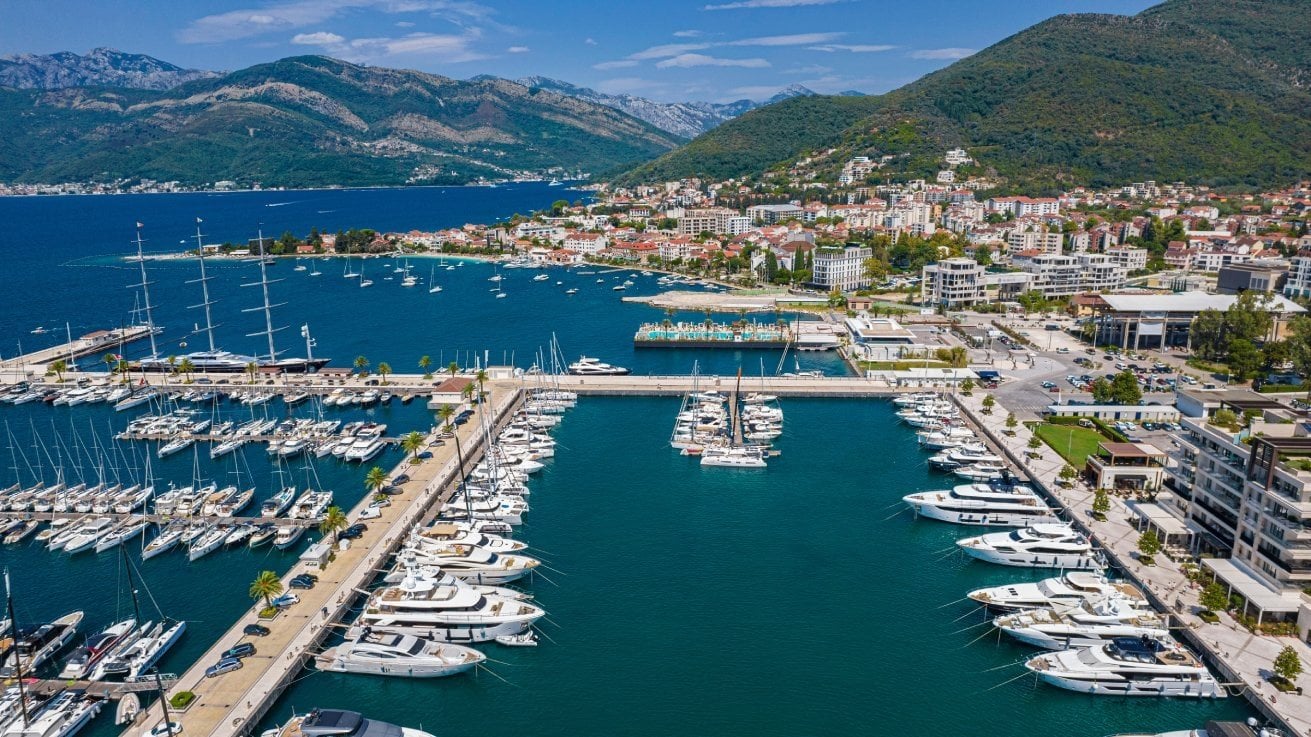
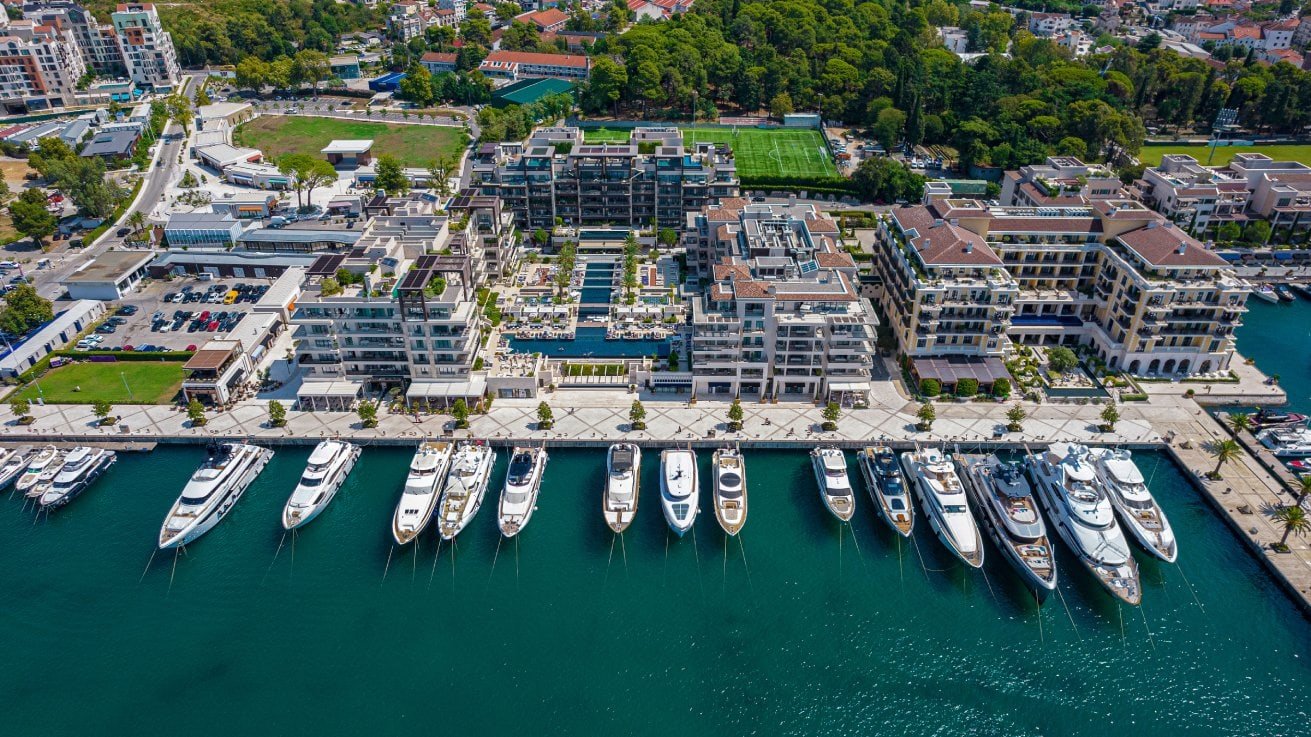
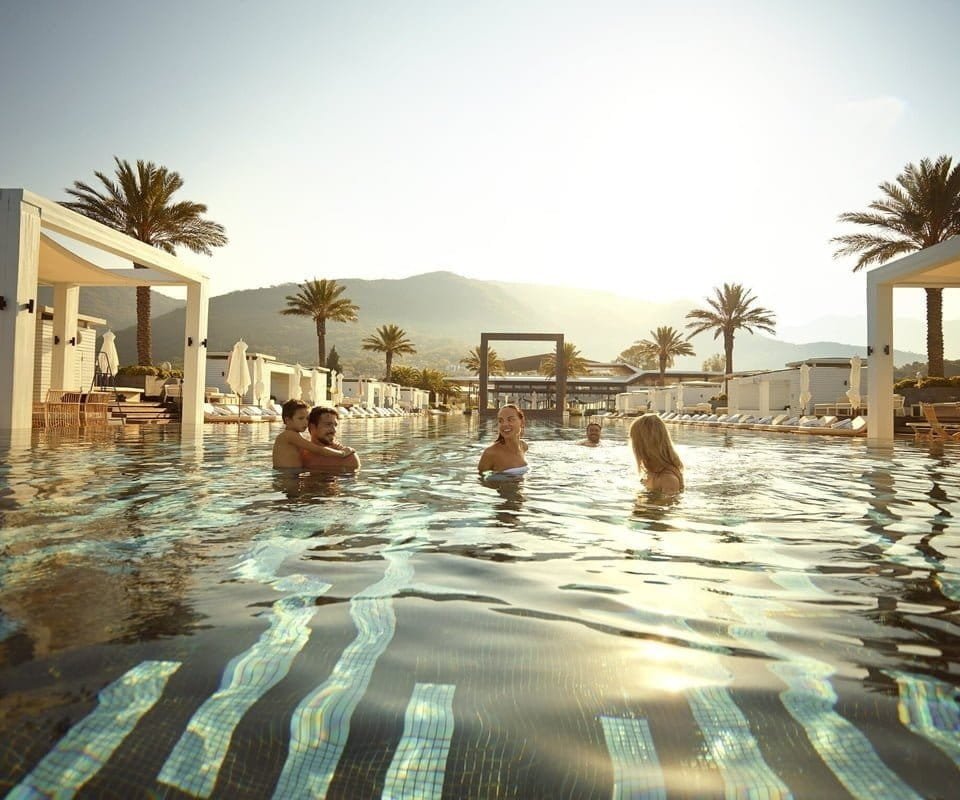
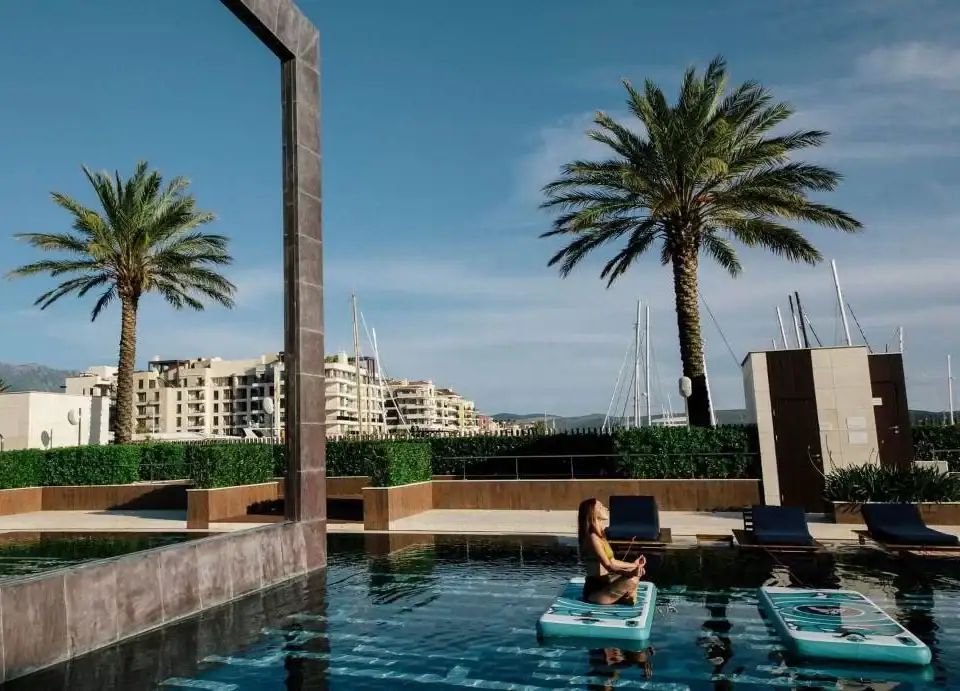
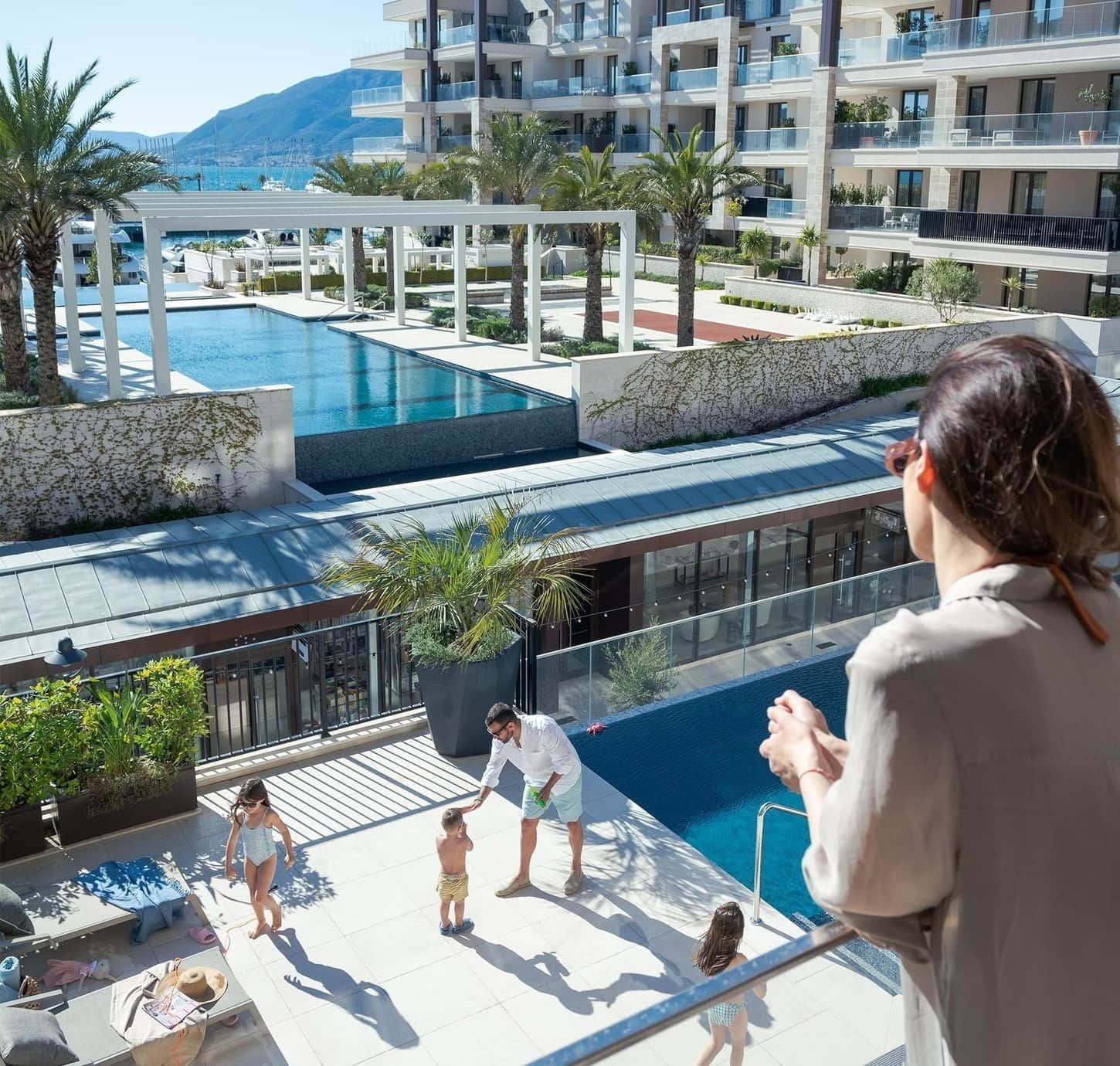
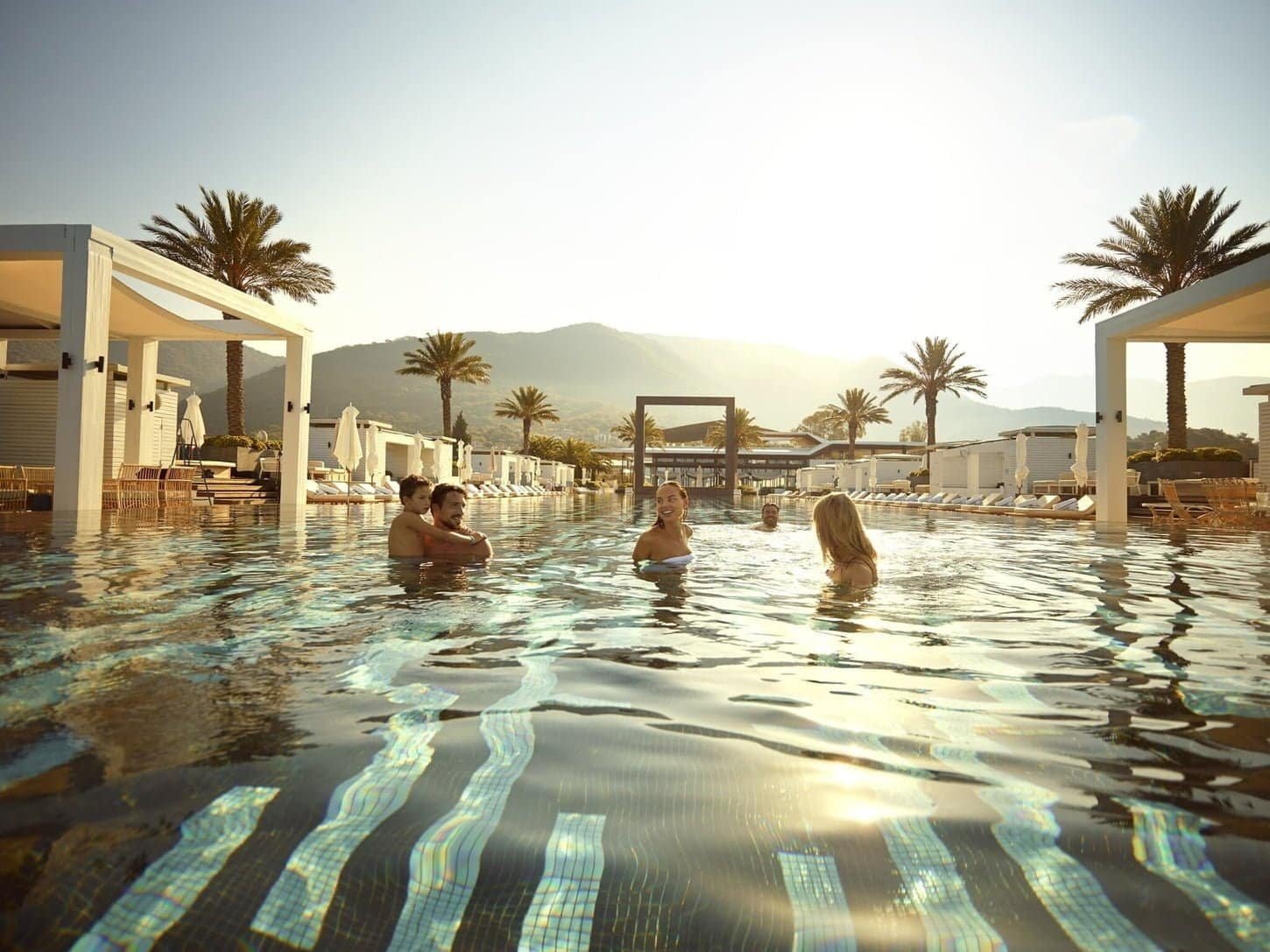
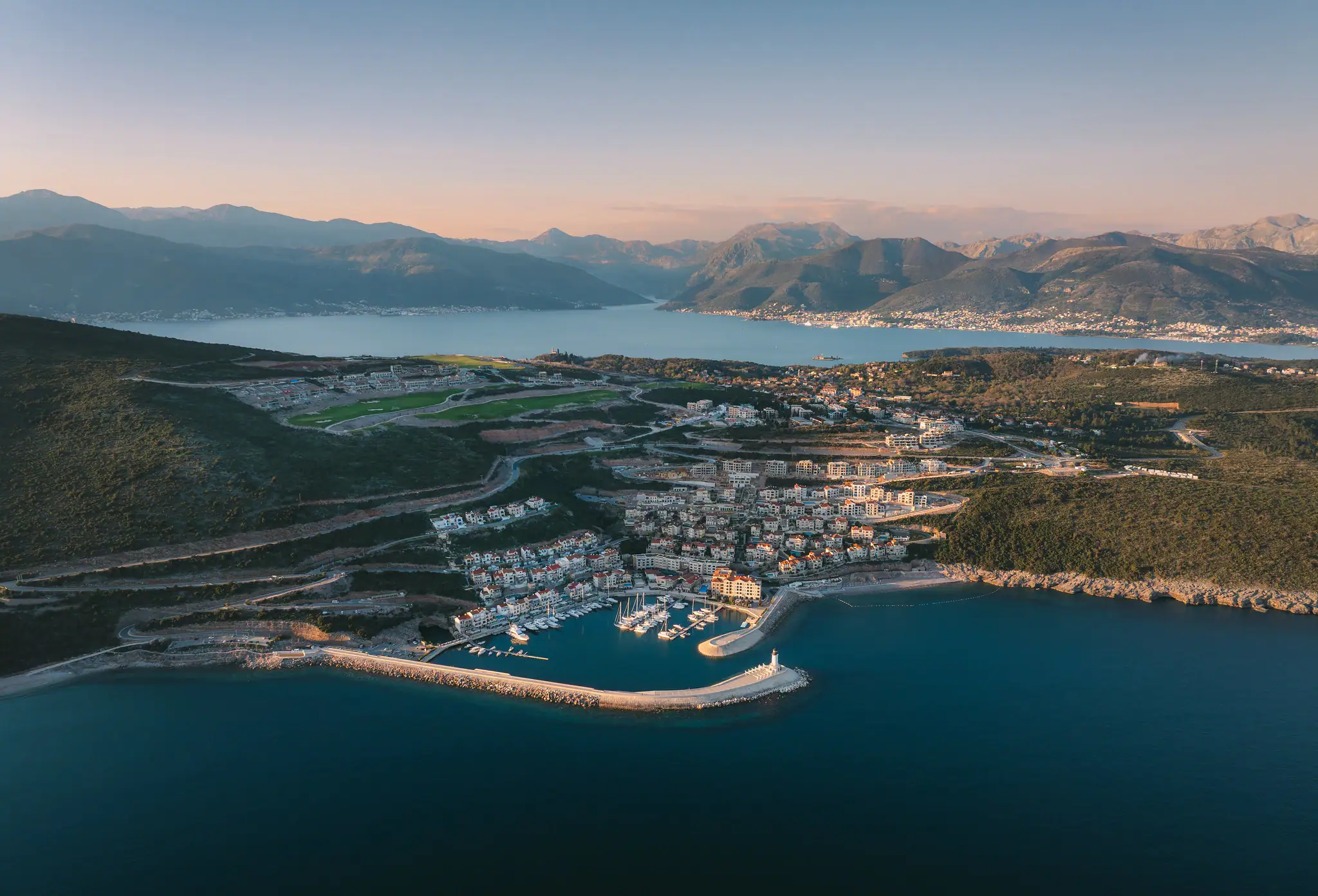
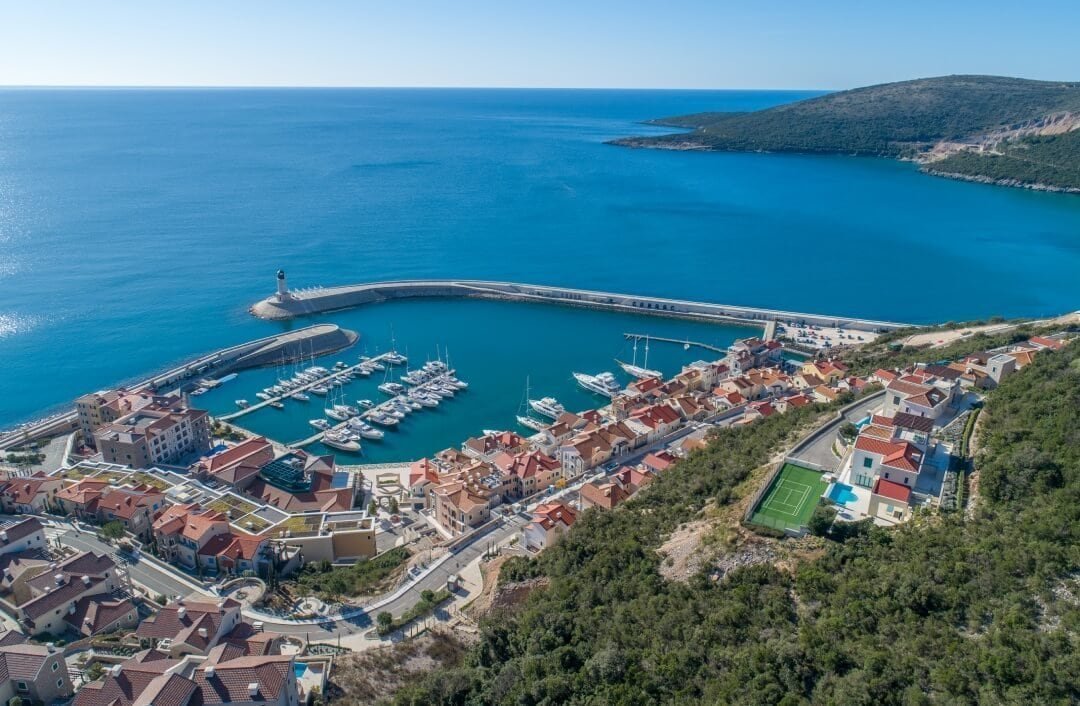
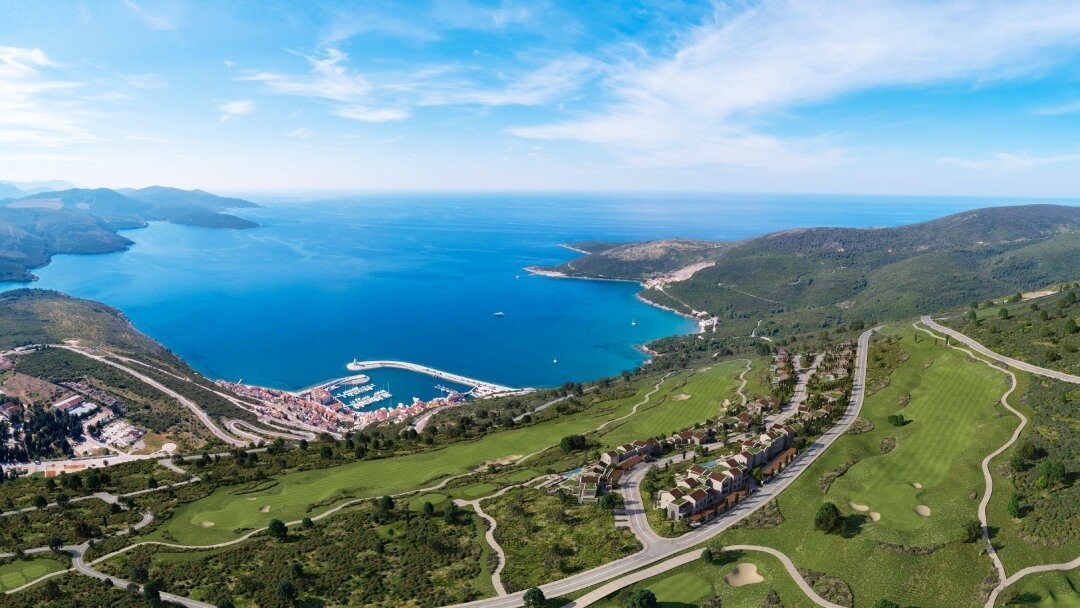
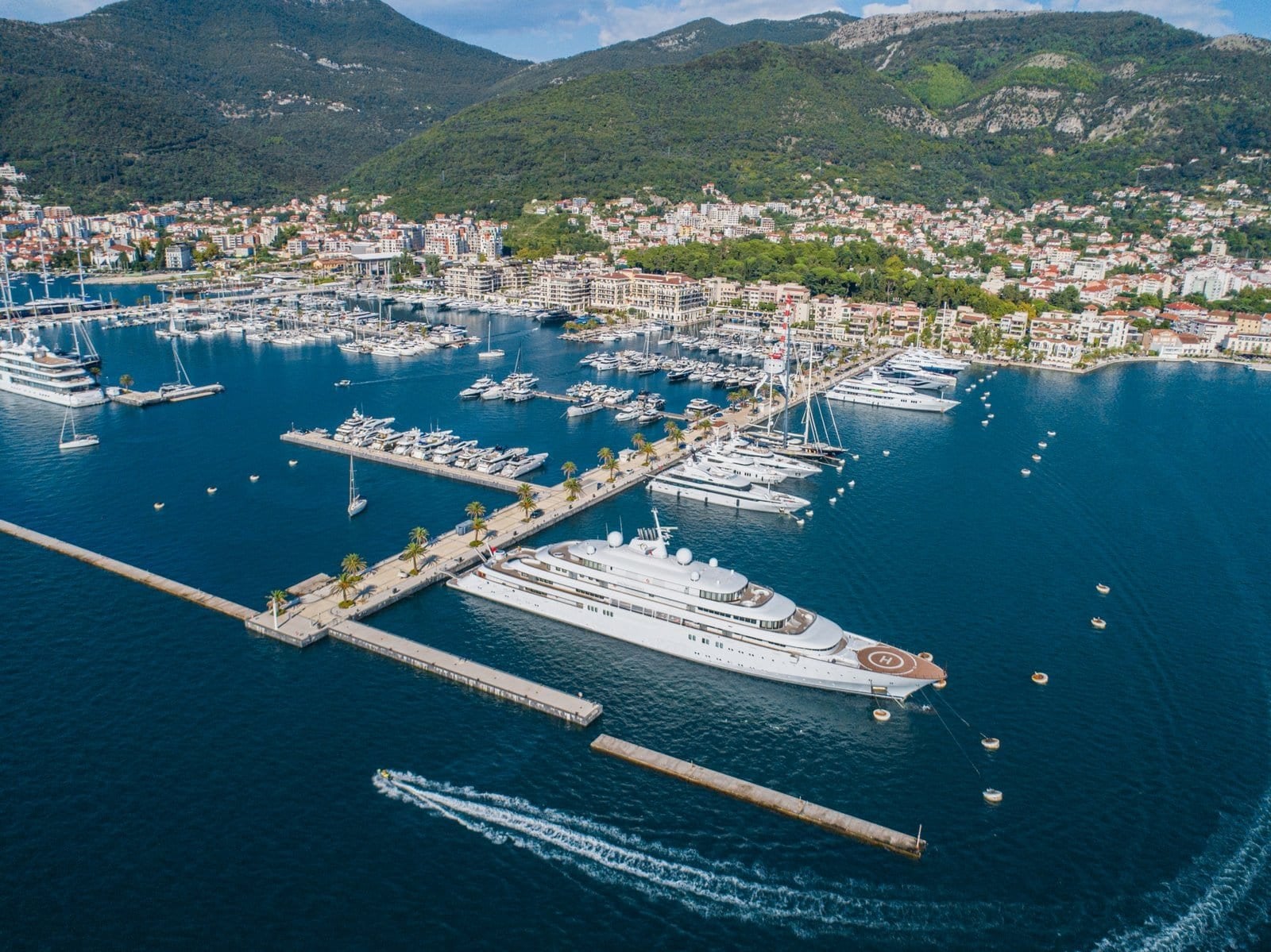
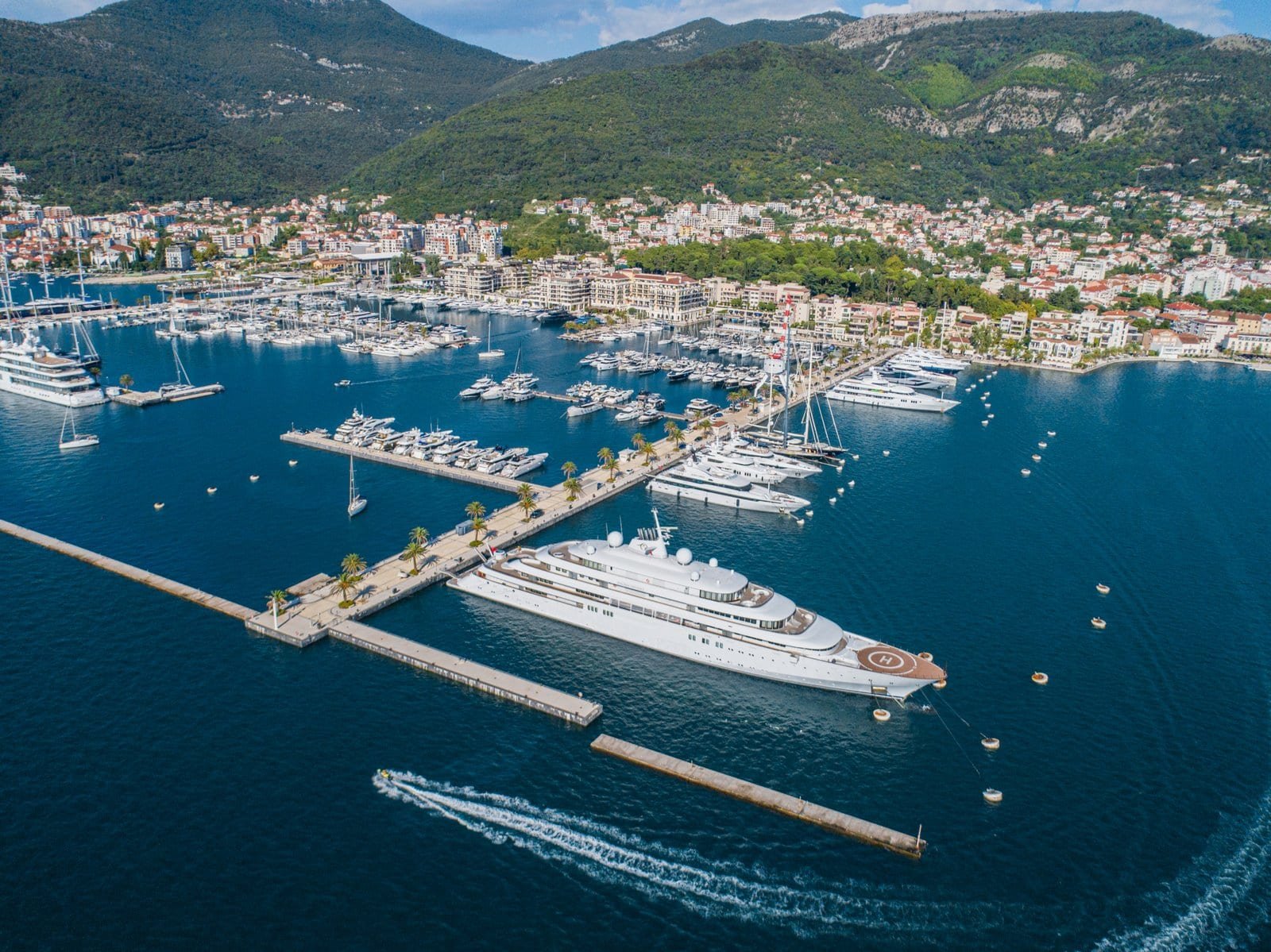
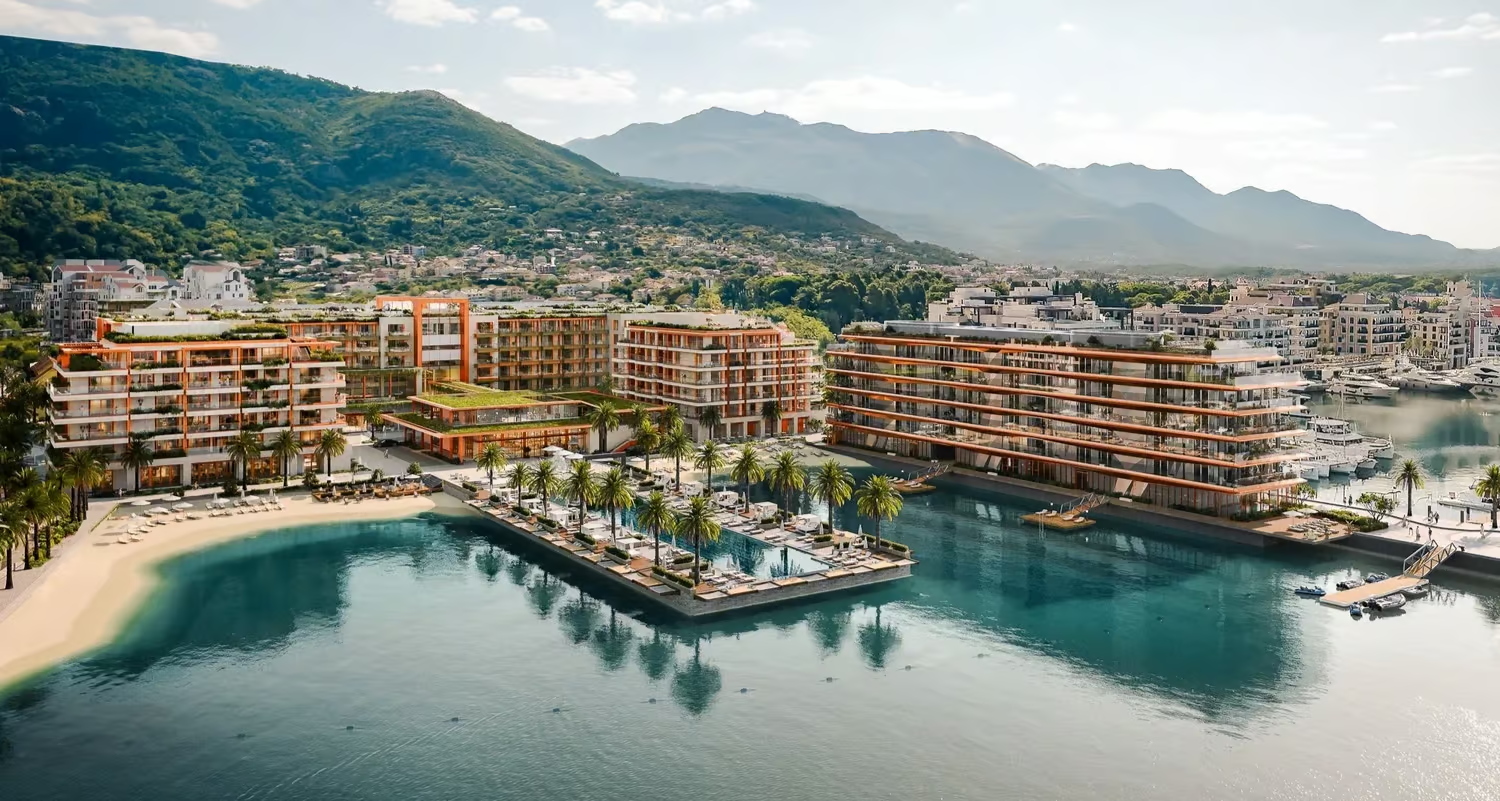
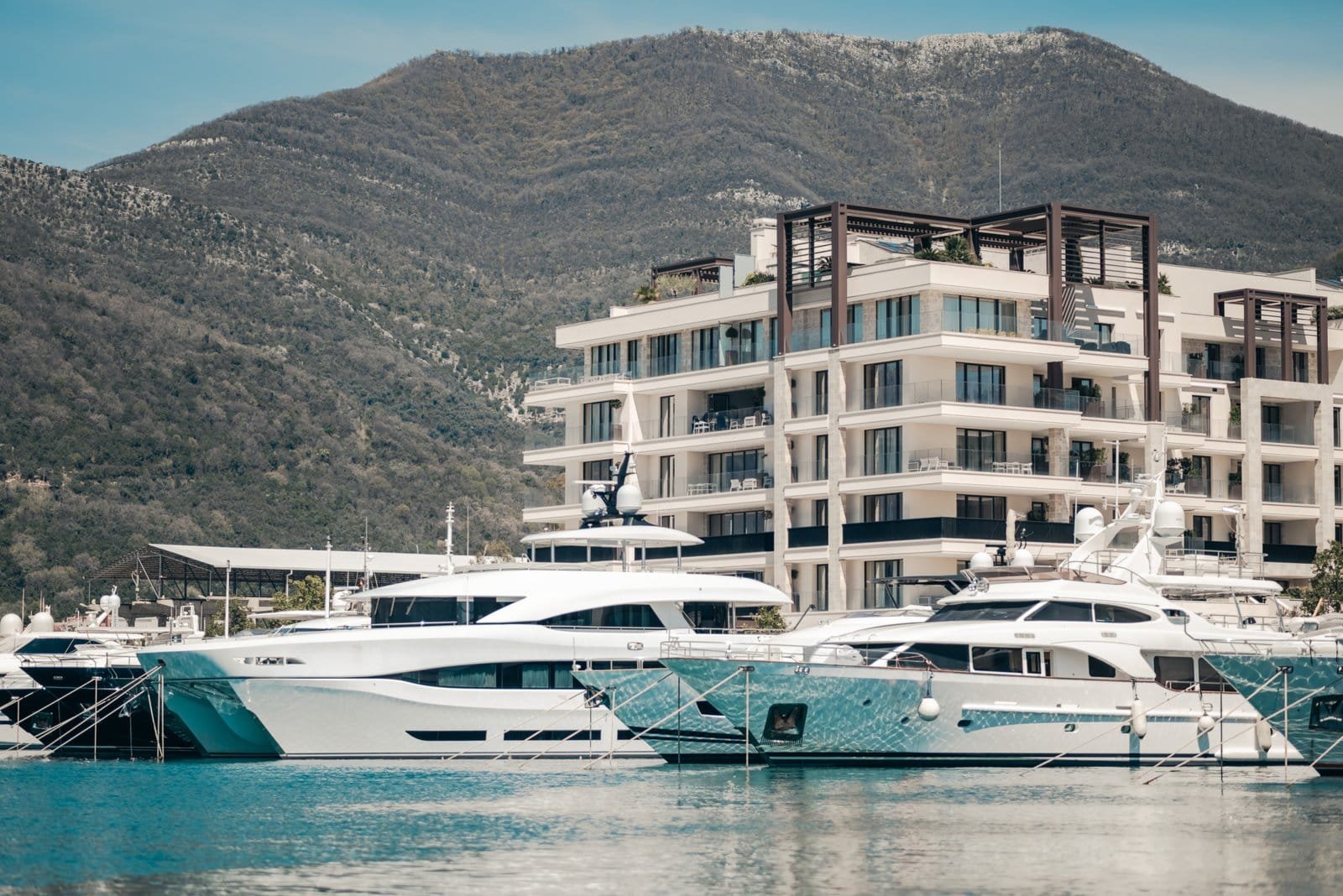
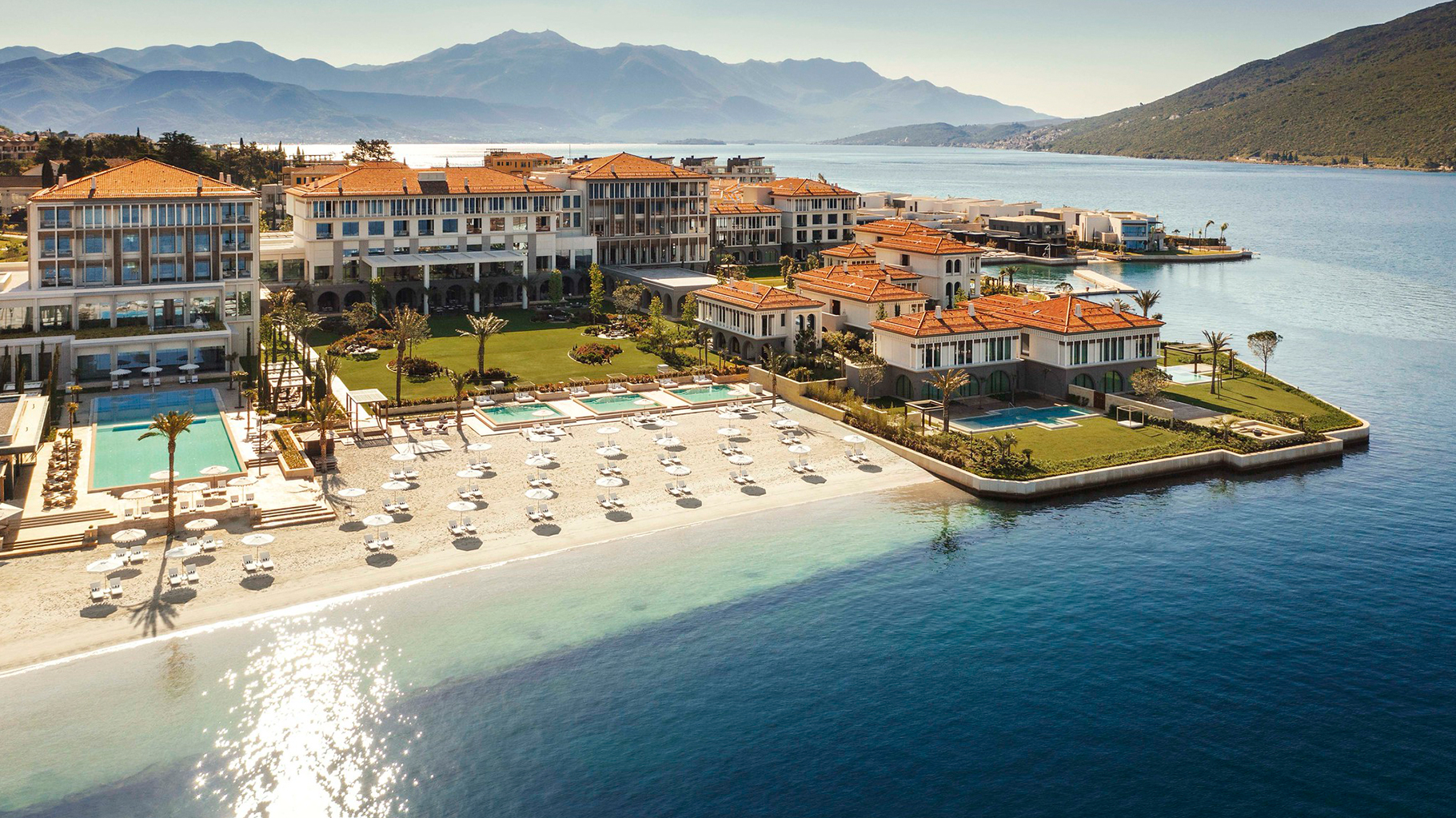
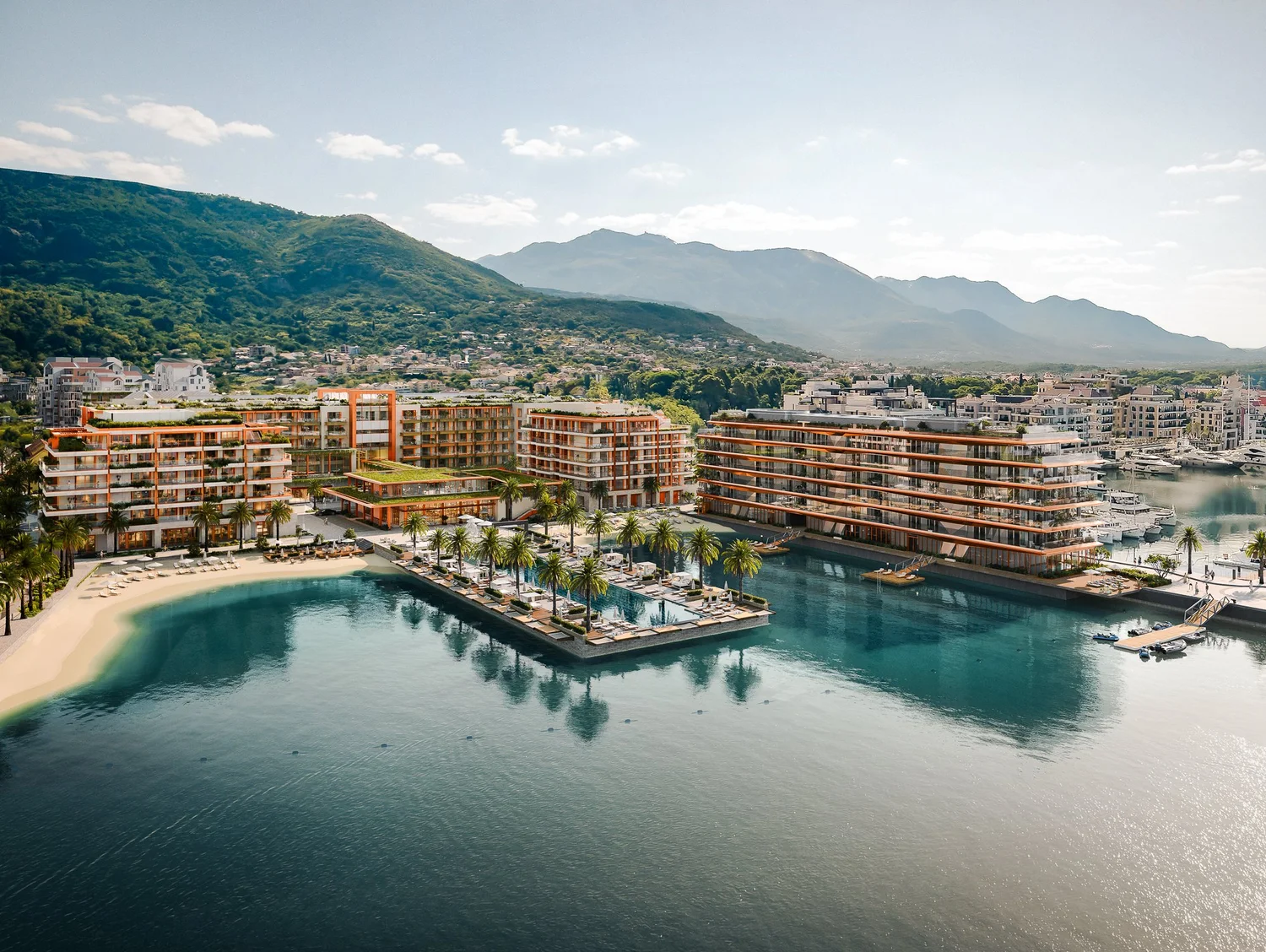
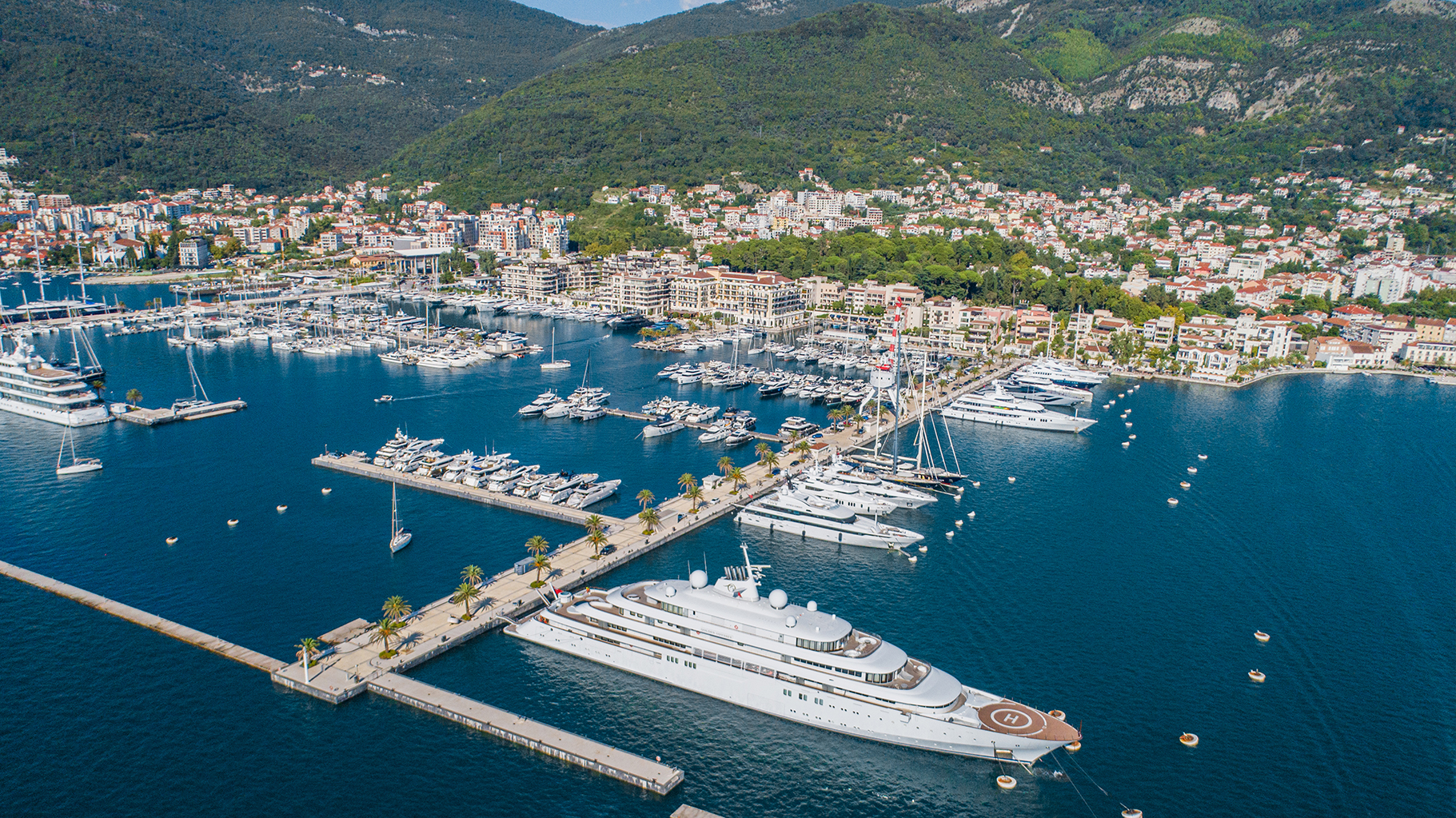
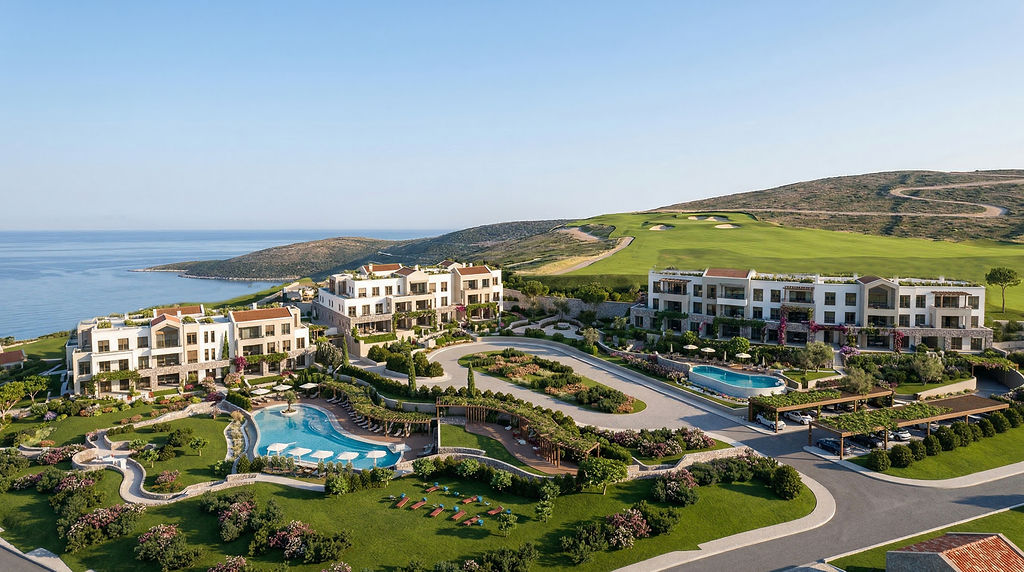
Properties in Porto Montenegro and Lustica Bay already attract a demographic that splits time between digital work and Adriatic living. As Montenegro's digital-economy infrastructure matures, this demand segment will grow. Buyers who position in high-connectivity, professionally managed developments will capture that demand.
Barok Estates International advises clients on properties suited to remote-work lifestyles and year-round occupancy. Book a consultation to explore options.





.jpg)