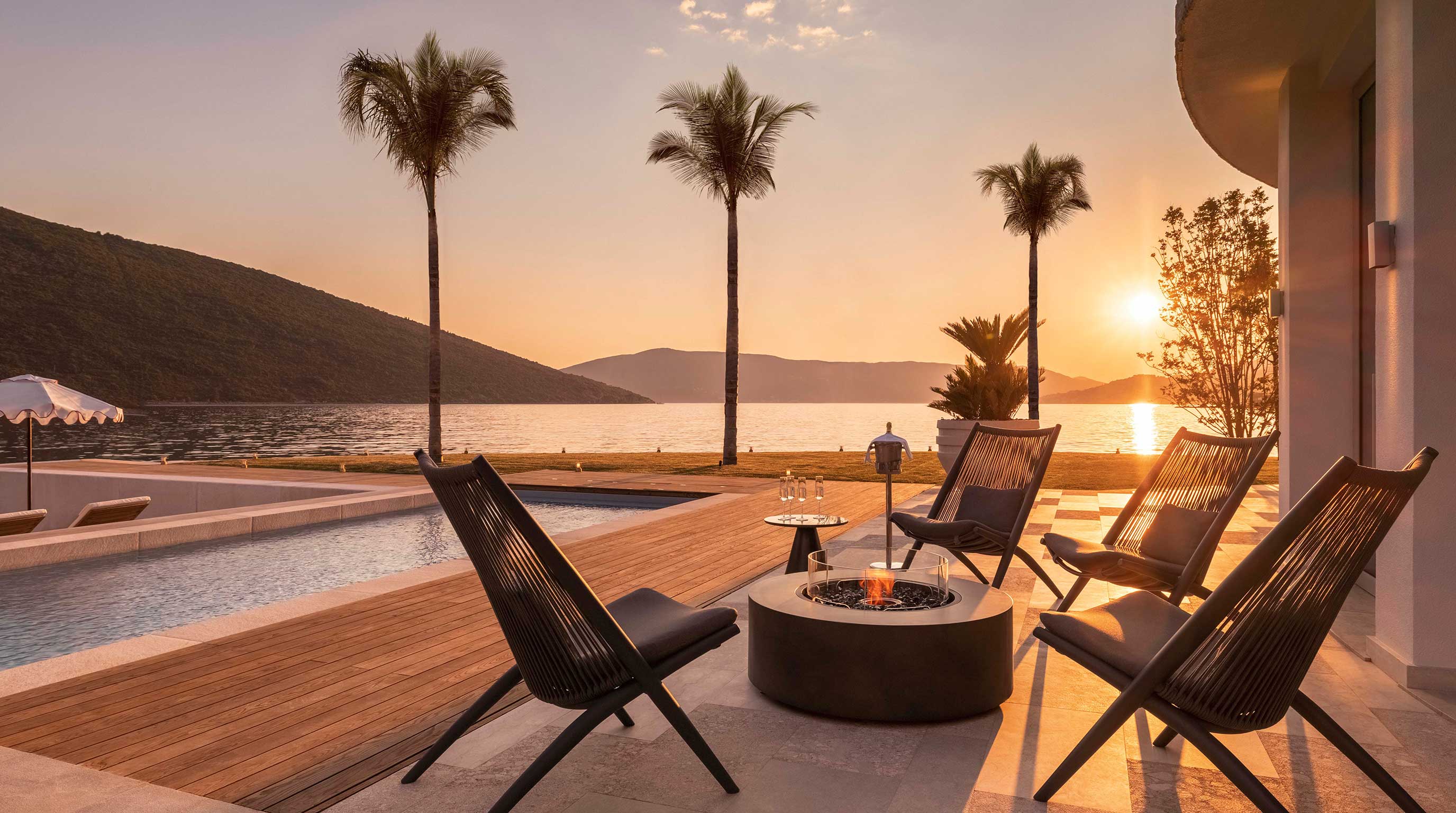
Why Montenegro Is Capturing Serious Relocation Interest in 2026
For years, Montenegro occupied a curious position in the international property conversation: admired by those who had visited, underestimated by those who had not. That is changing with some speed. Across the advisory desks at Barok Estates International, the volume of qualified relocation enquiries from Western Europe, the Gulf states, and North America has accelerated markedly through 2025 and into 2026. Clients who arrived at initial consultations asking about Portugal or southern Spain are, with increasing frequency, leaving with Montenegro firmly at the top of their shortlists.
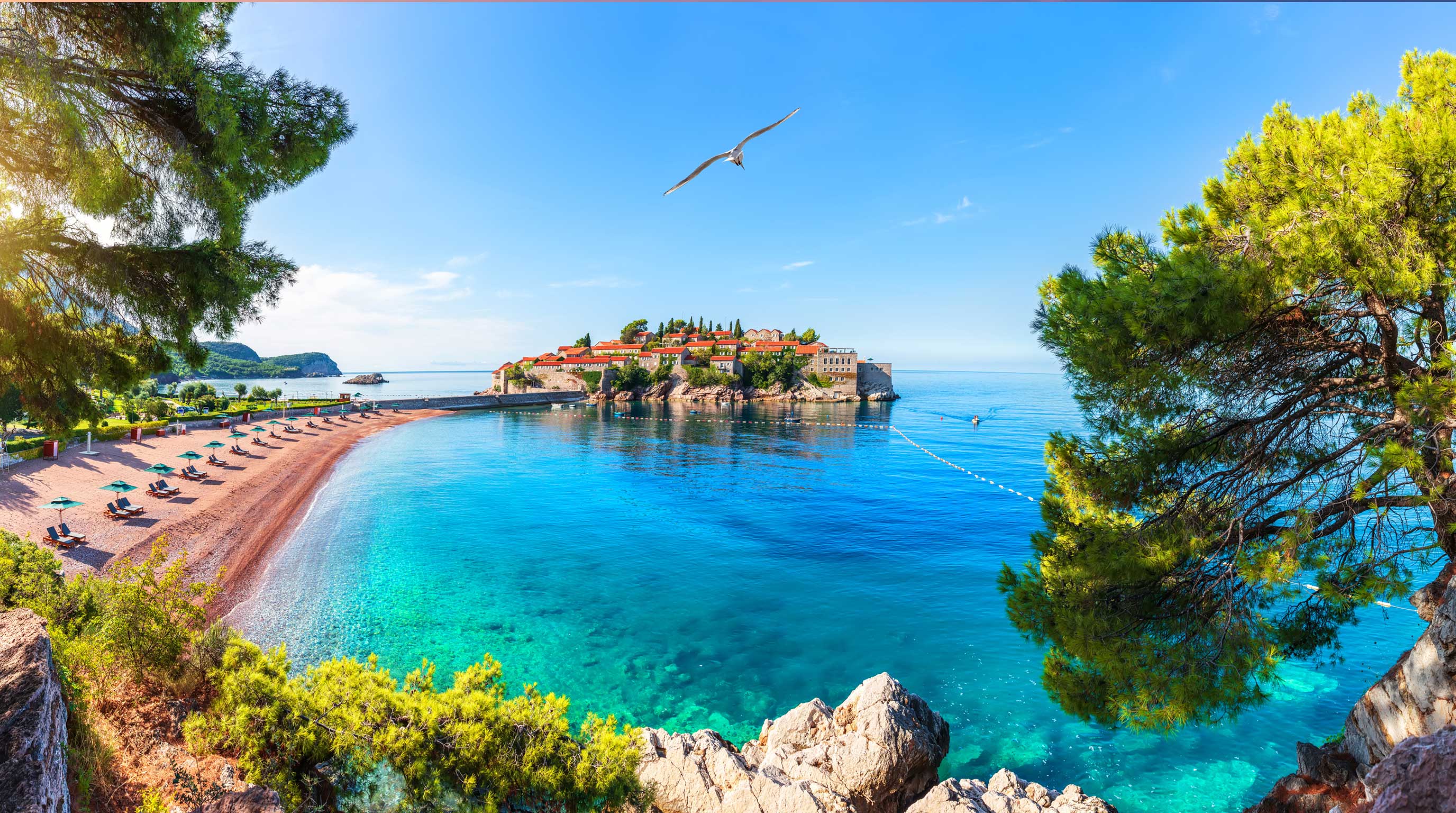
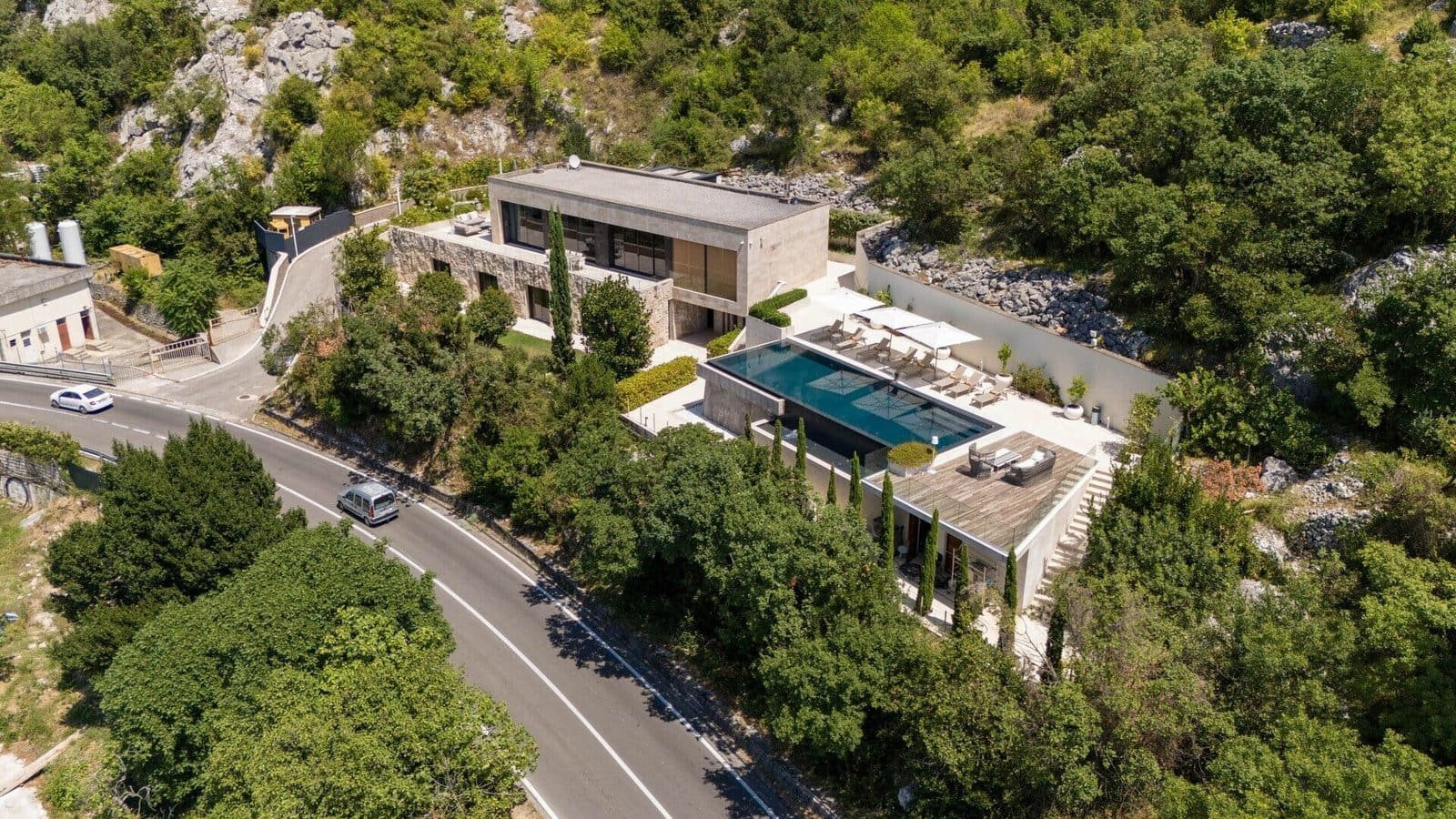
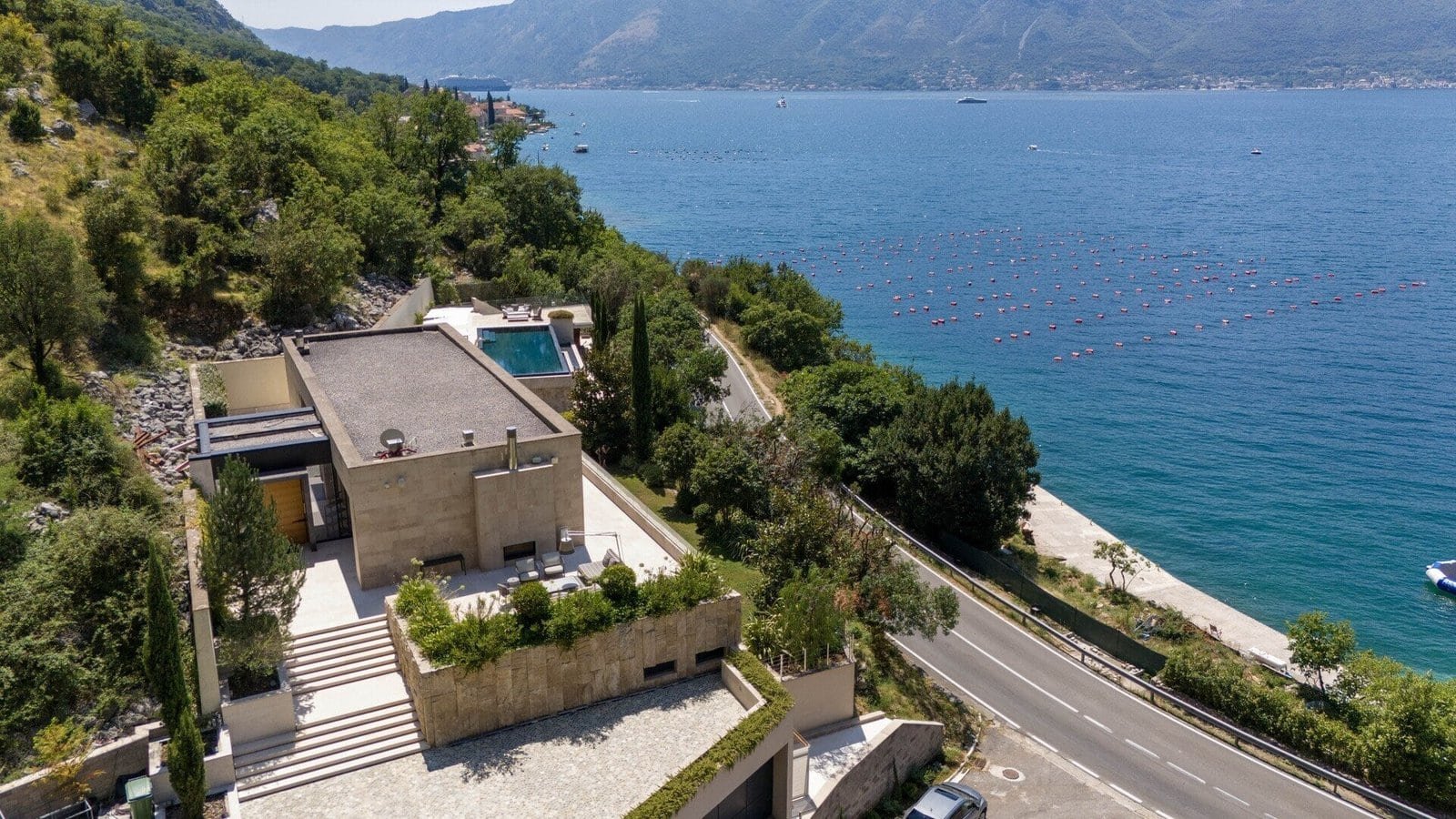
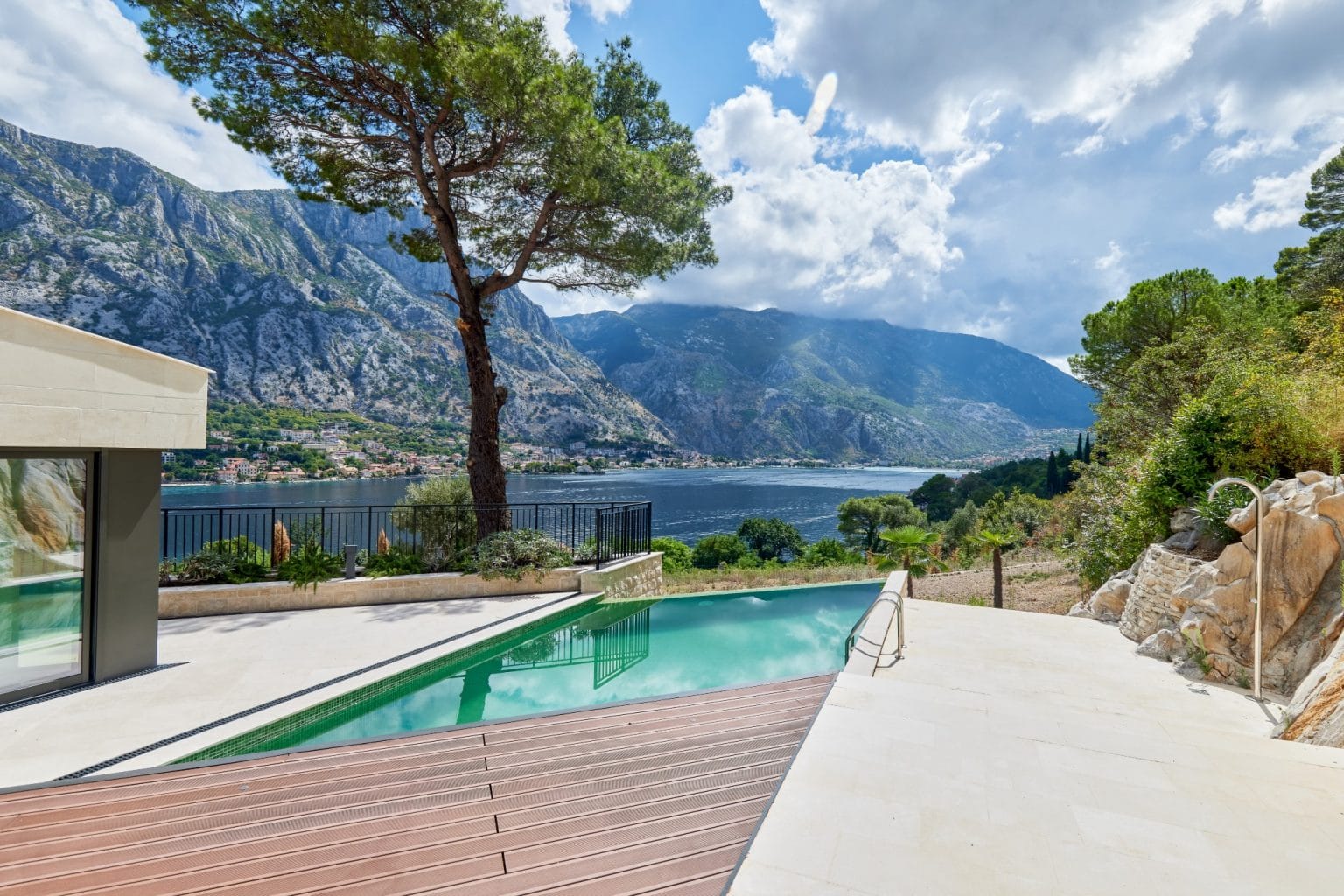
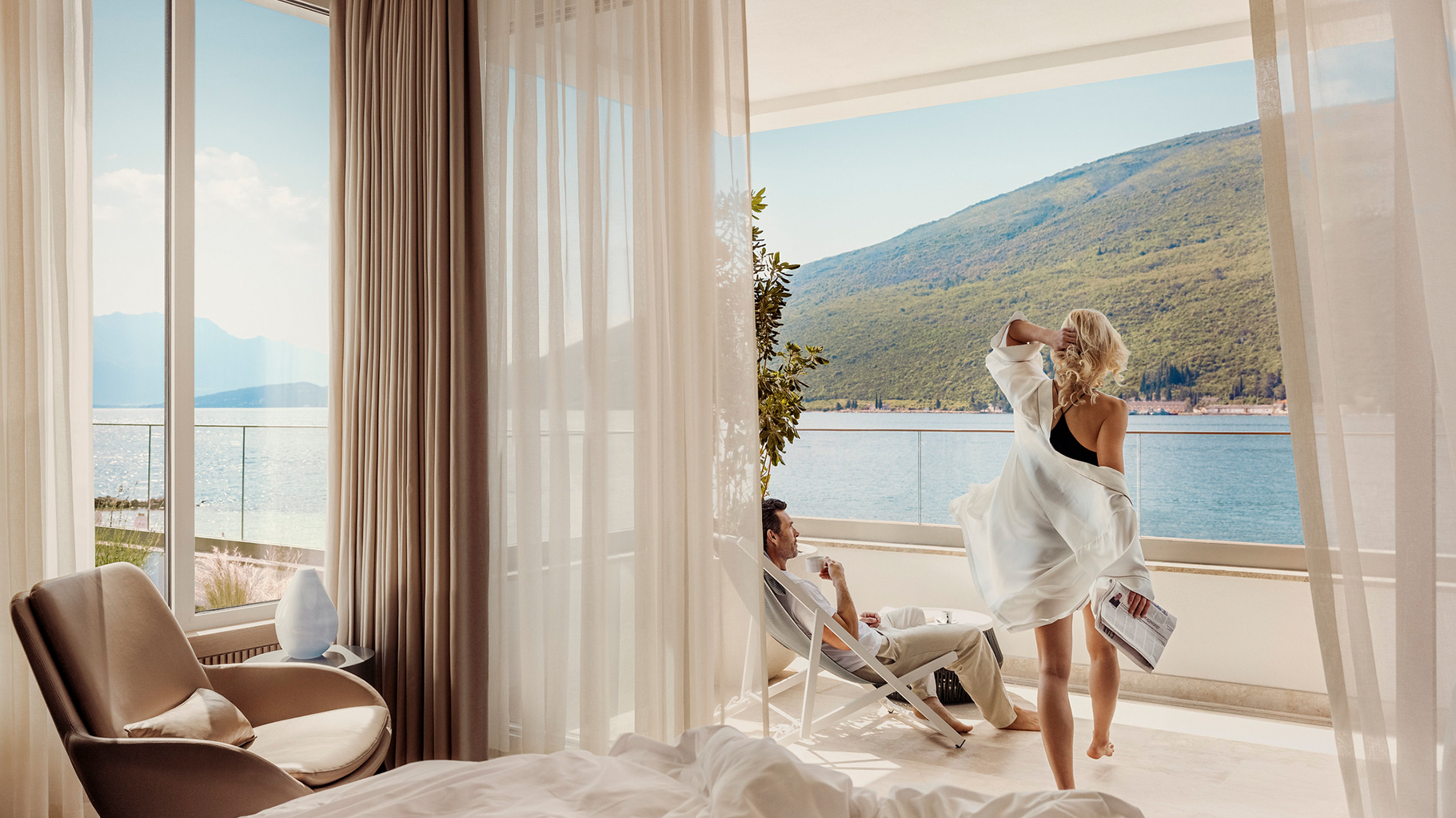
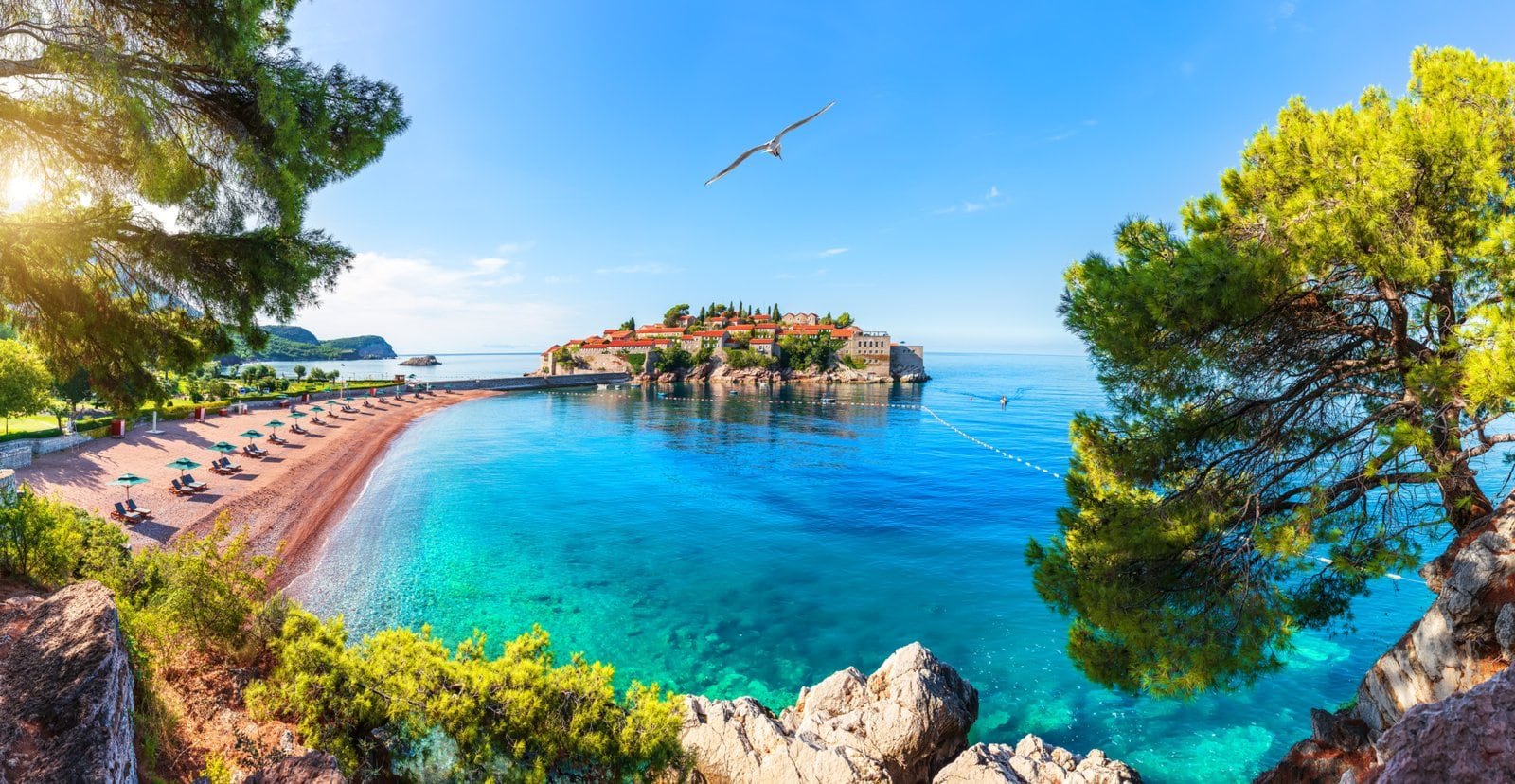
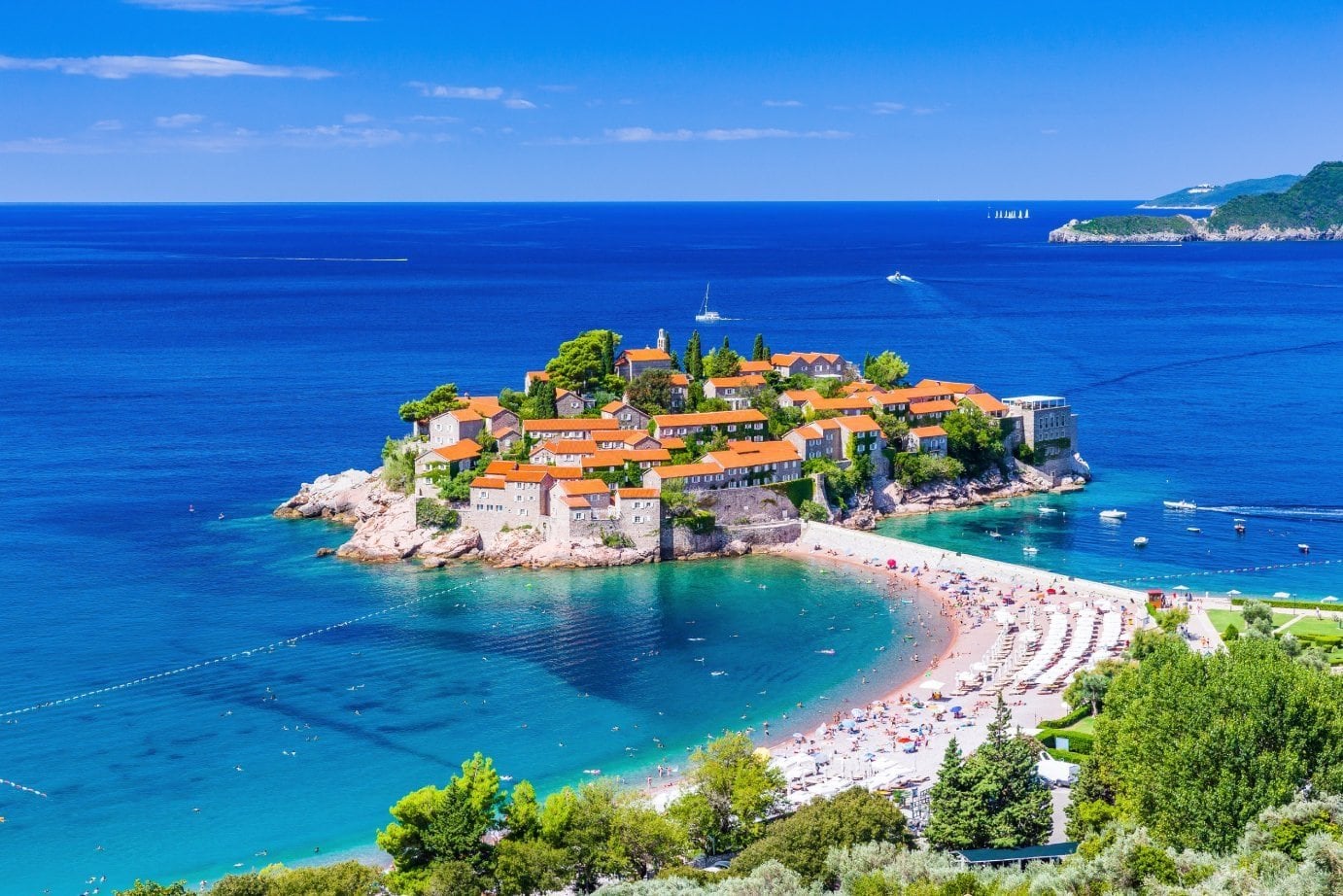
The reasons are not difficult to identify. Montenegro offers a genuinely rare combination: Adriatic coastline of exceptional quality, medieval towns of architectural and cultural distinction, national parks that sit among the finest in the wider European region, and a cost of living that makes equivalent Western European addresses feel, by comparison, financially irrational. At Barok Estates International, we work with buyers, renters, and relocation clients across Montenegro and the broader Adriatic market. This guide draws on that direct experience to set out what the country actually delivers, practically and financially, for those considering a serious move.
A Country That Rewards Closer Inspection
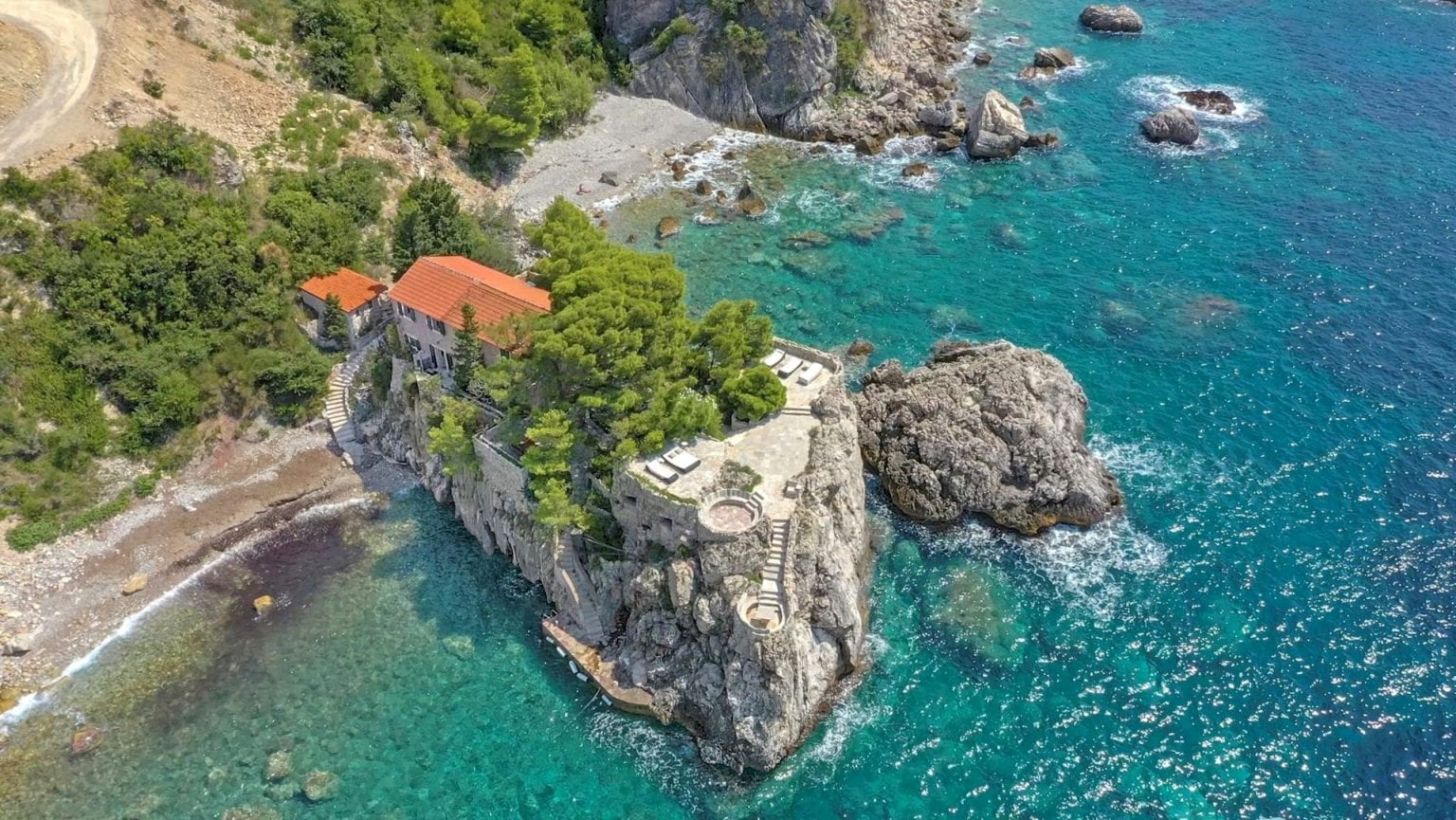
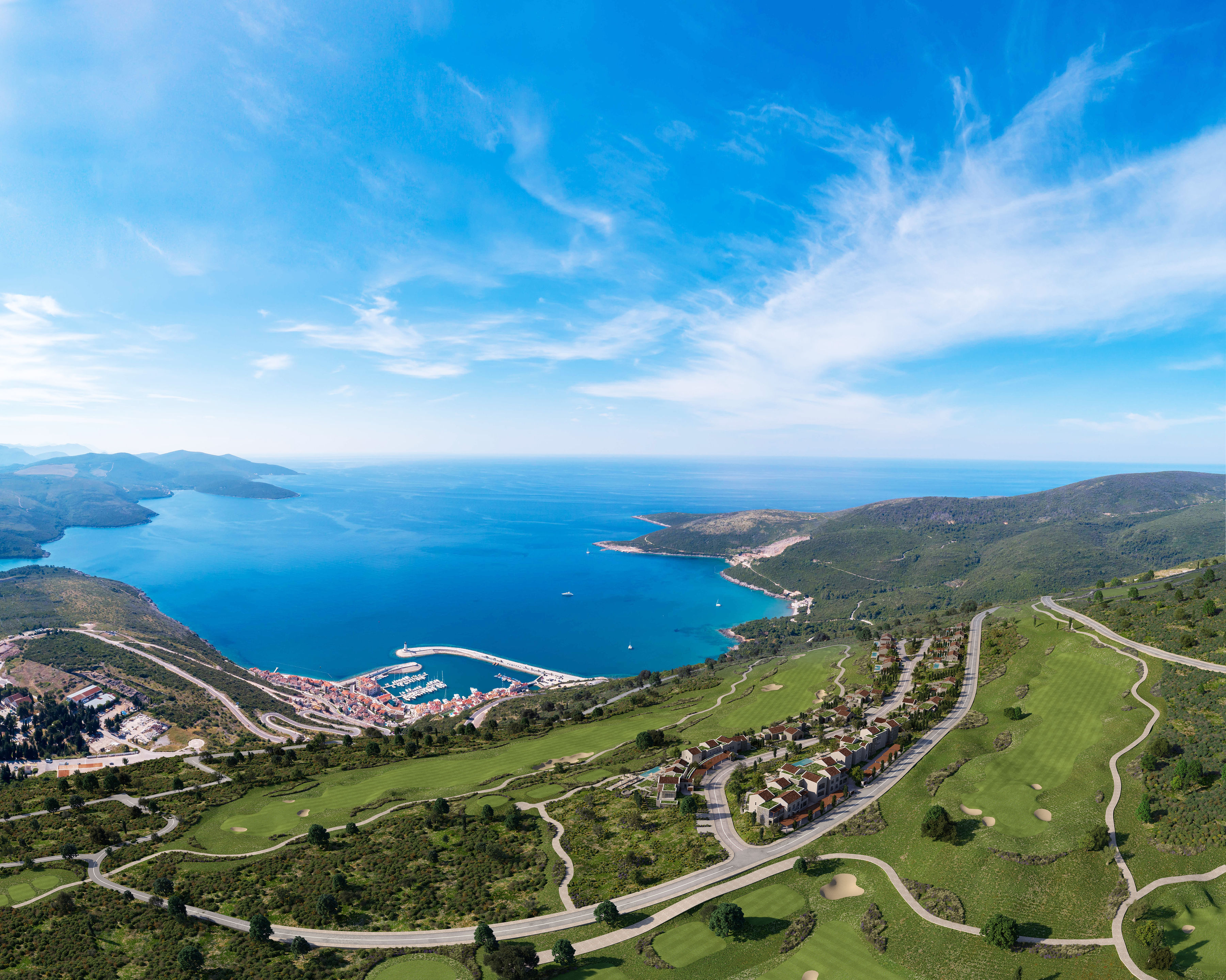
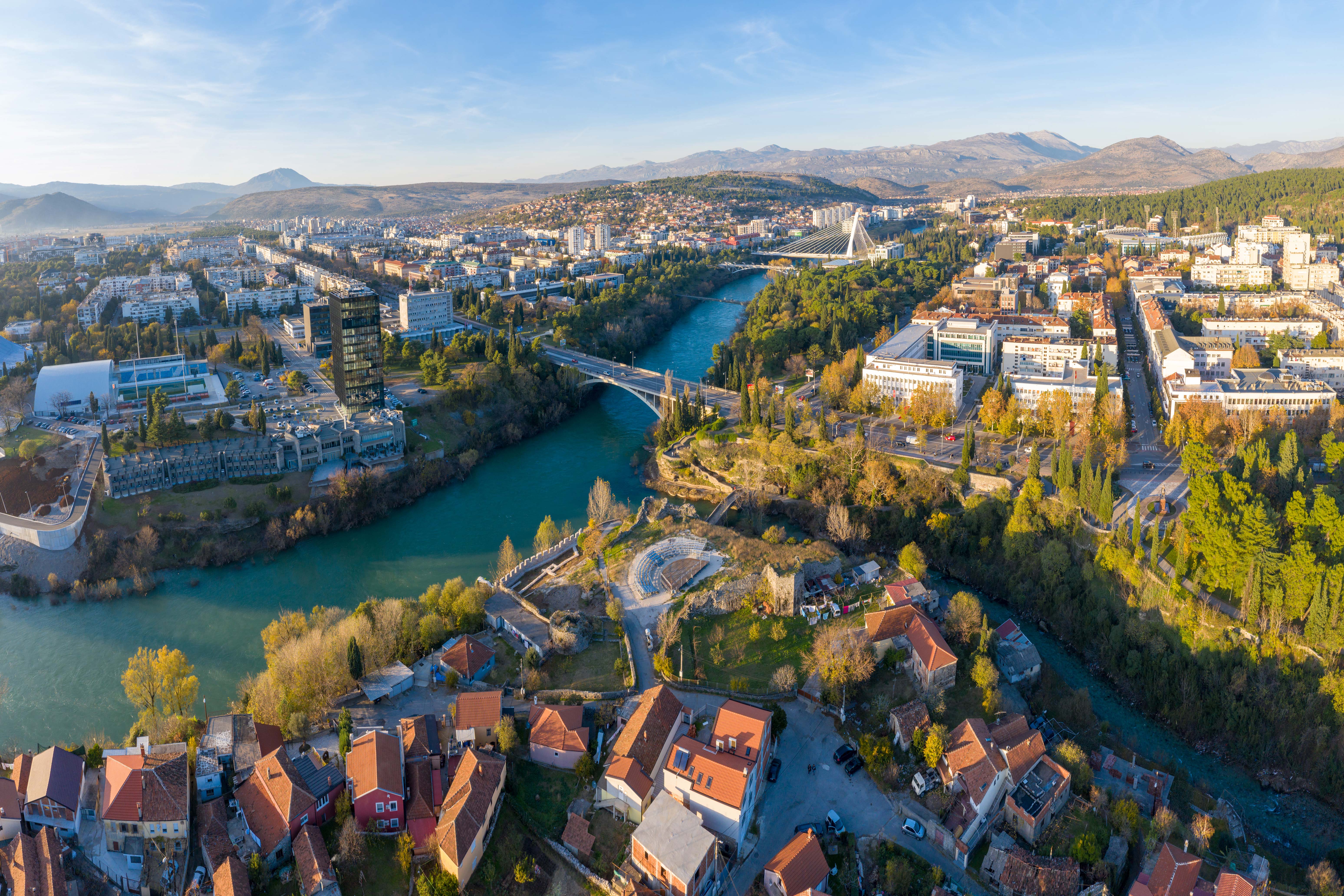
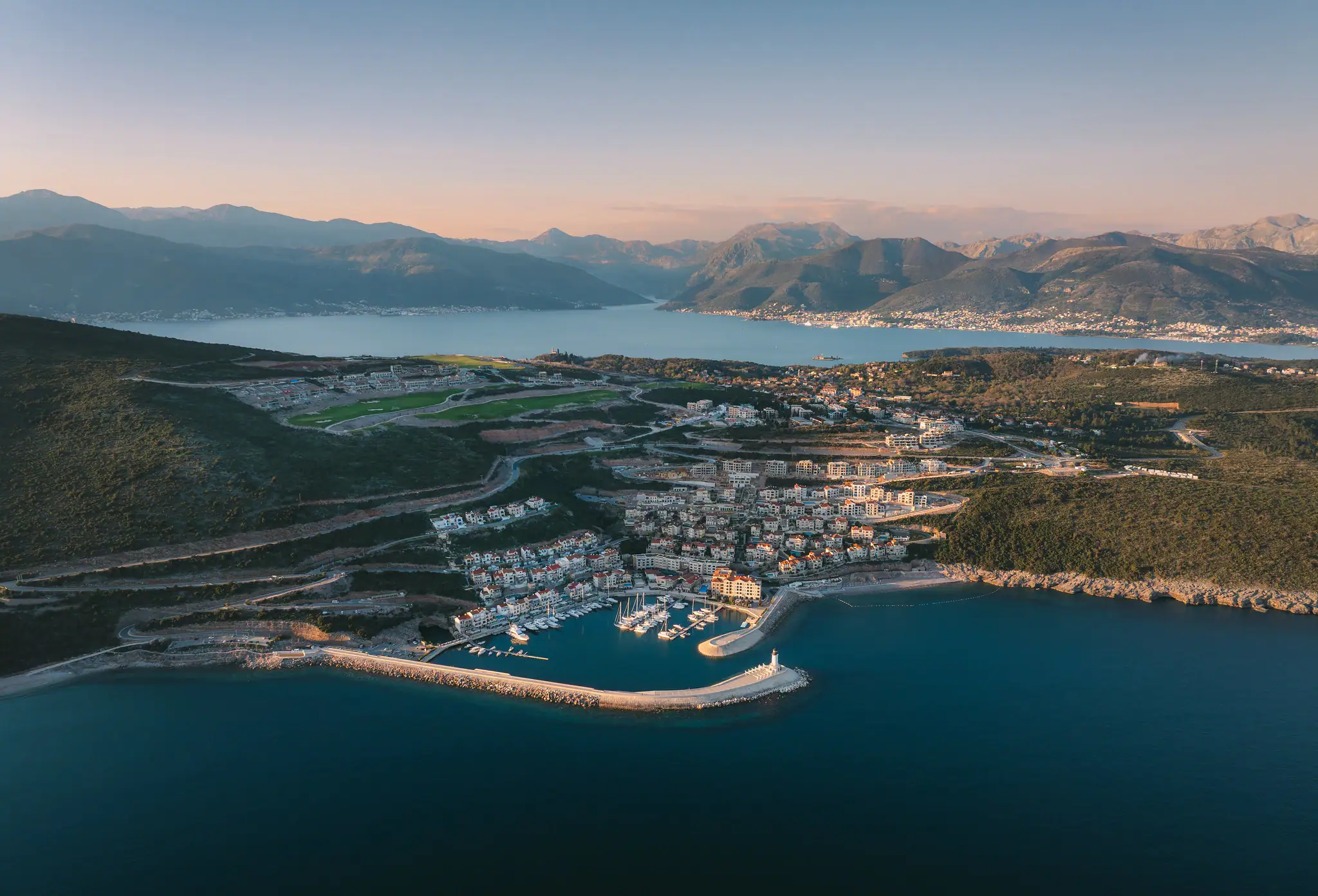
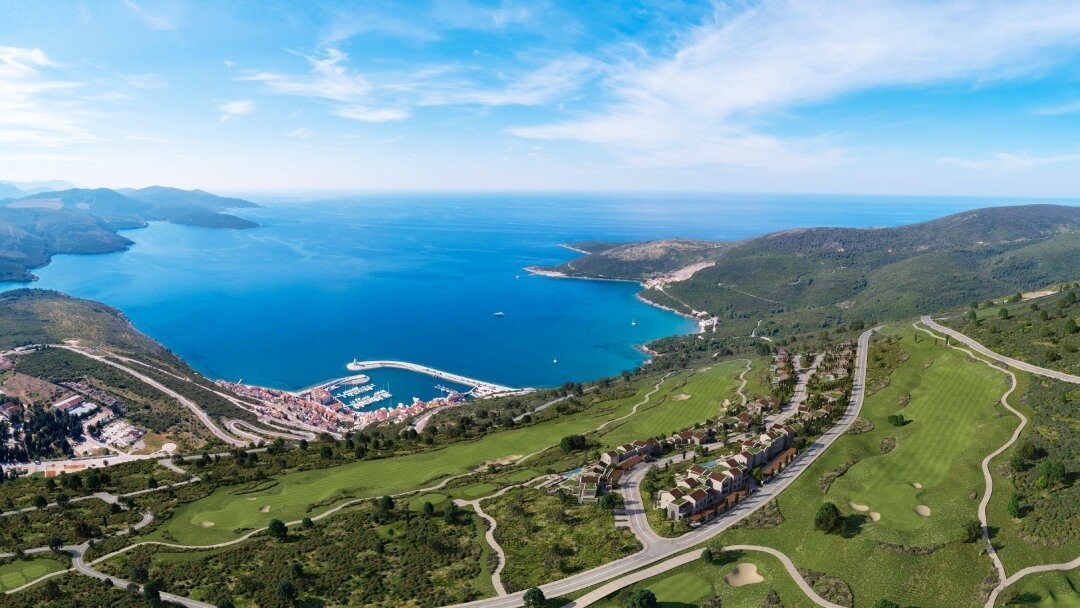
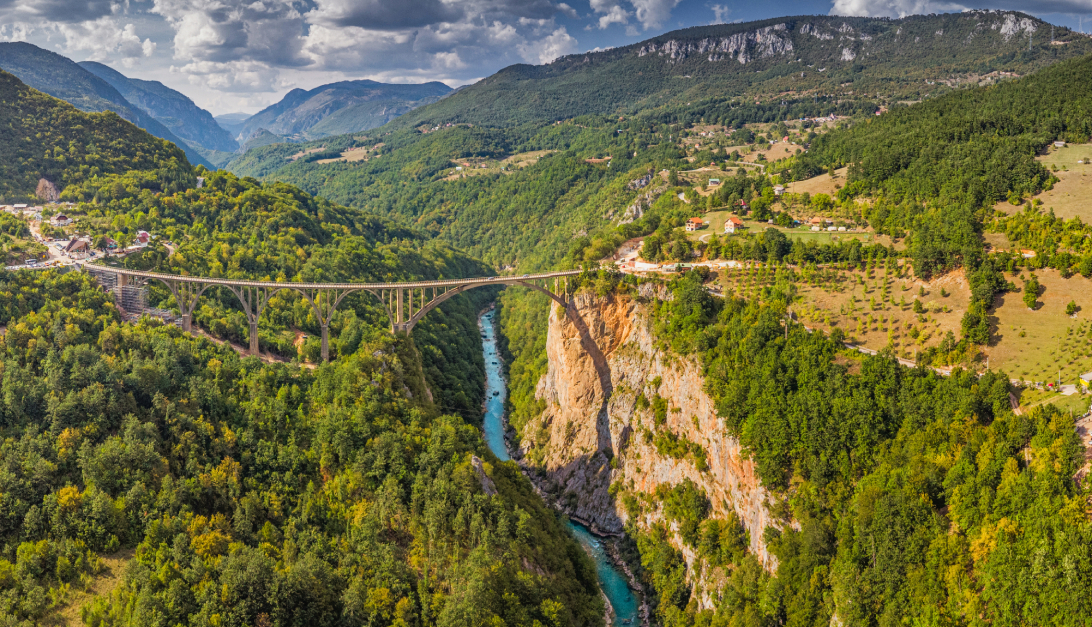
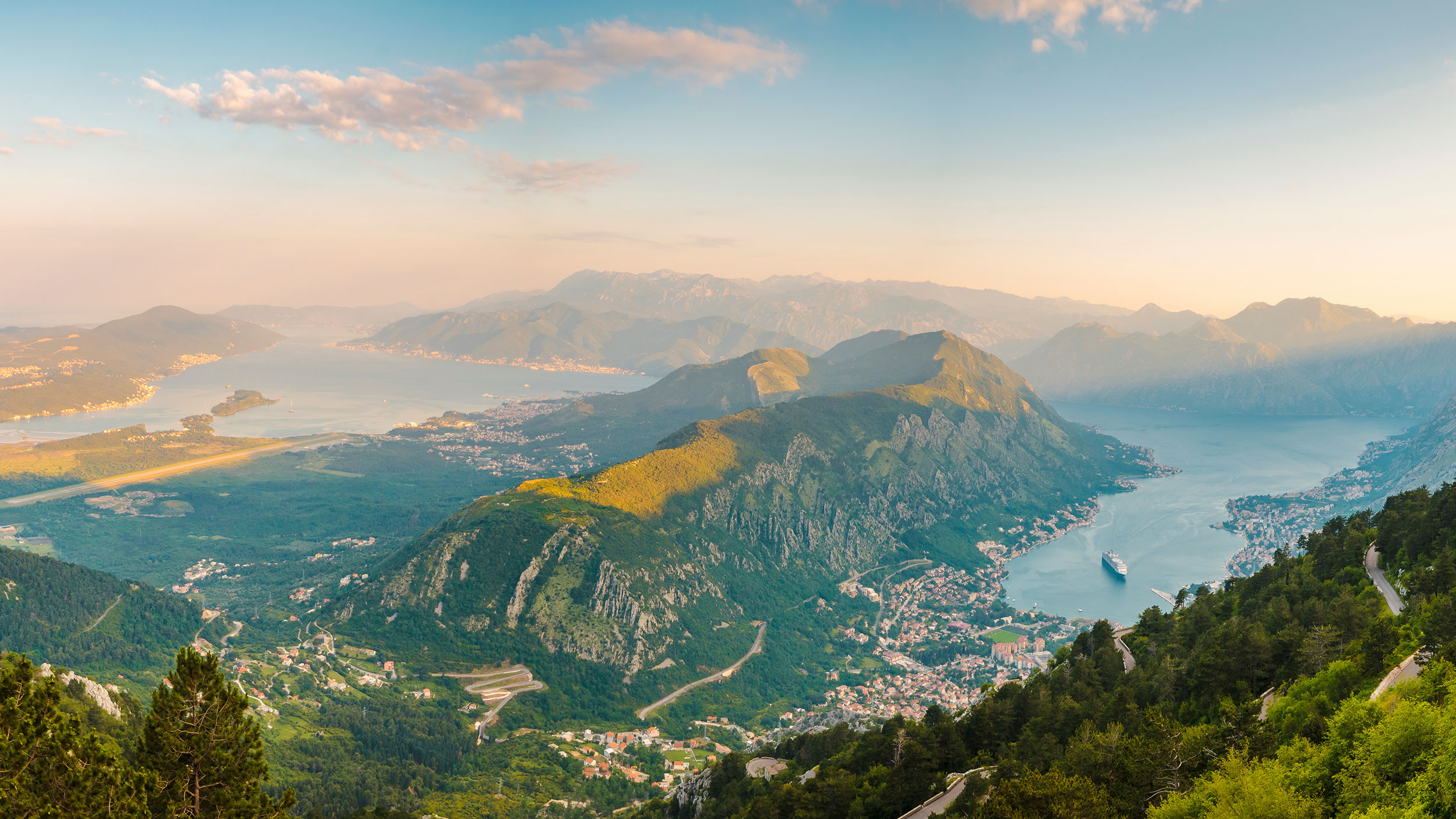
Montenegro covers a relatively compact territory, but the variety it contains is genuinely striking. Within two hours of driving, a resident can move from a UNESCO-listed walled harbour town to glacial mountain lakes, from pine-forested national parks to the flat urban grid of the capital, Podgorica. That physical variety translates into a lifestyle offer that suits a wide range of relocation profiles, from families seeking open space and outdoor recreation to professionals who want urban infrastructure during the week and coastline access at weekends.
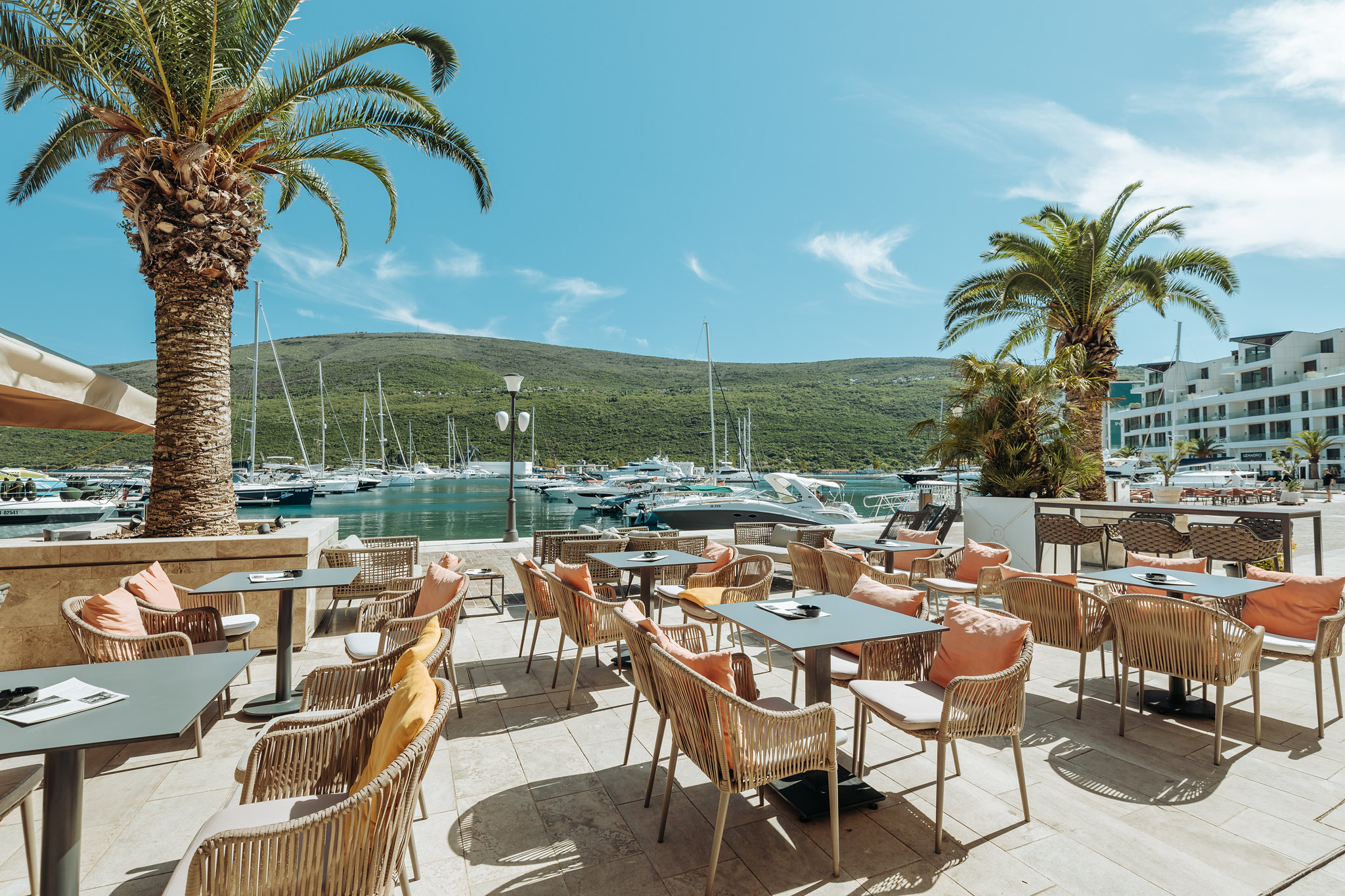
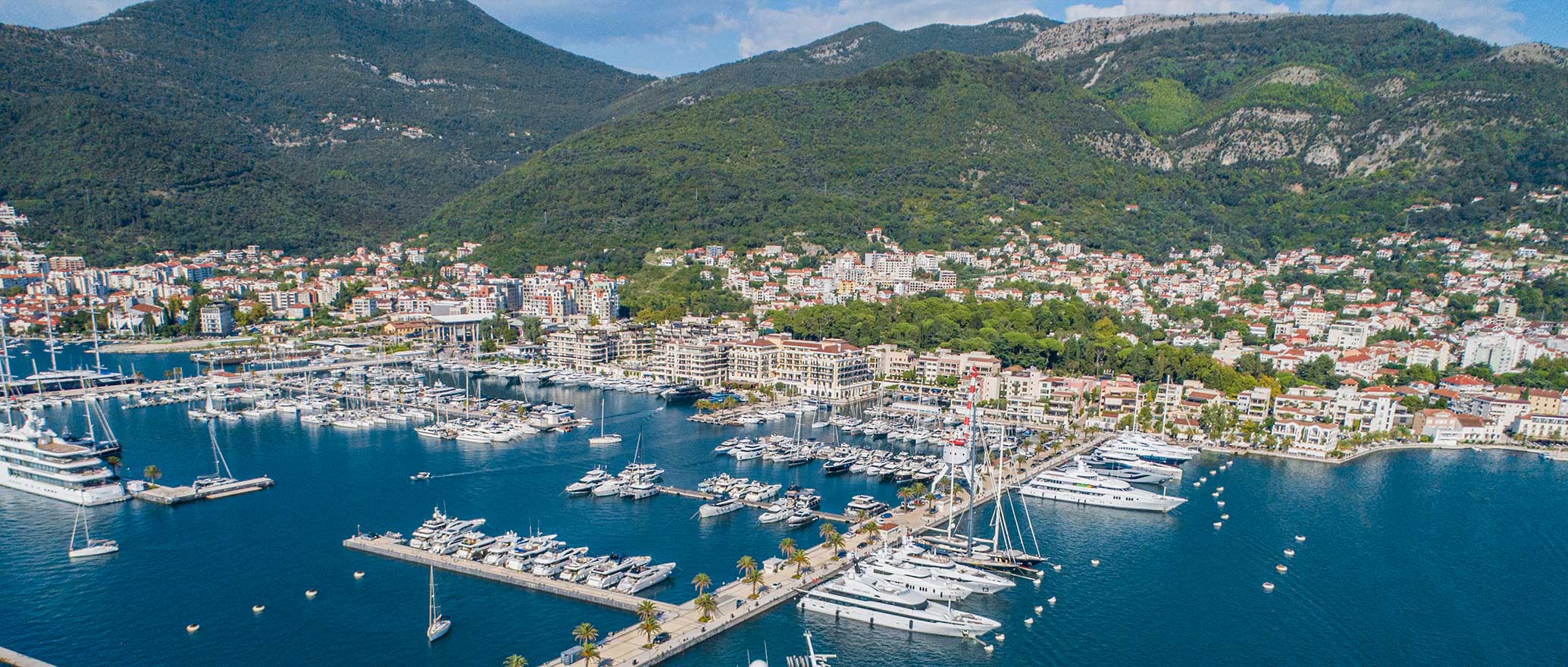
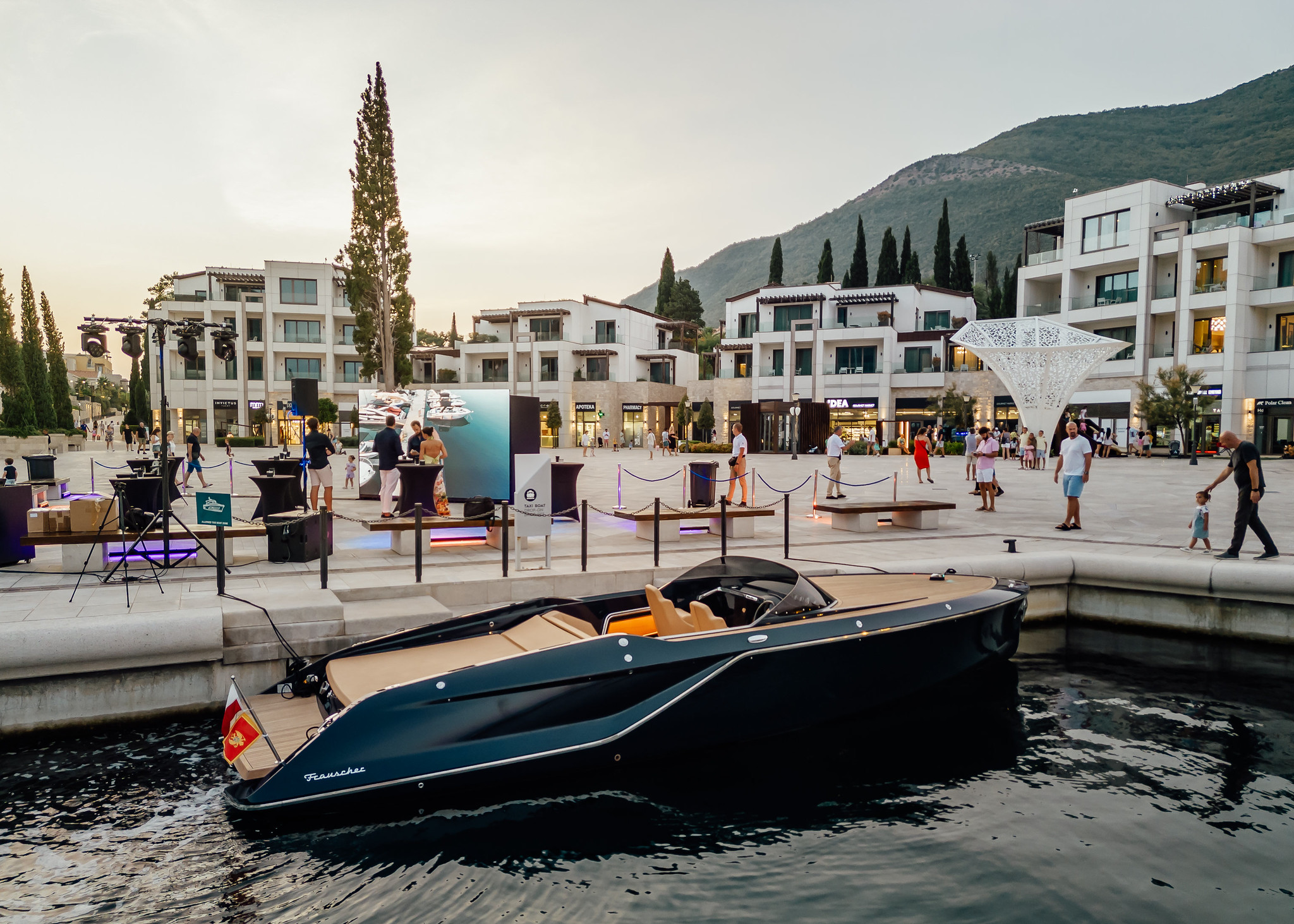
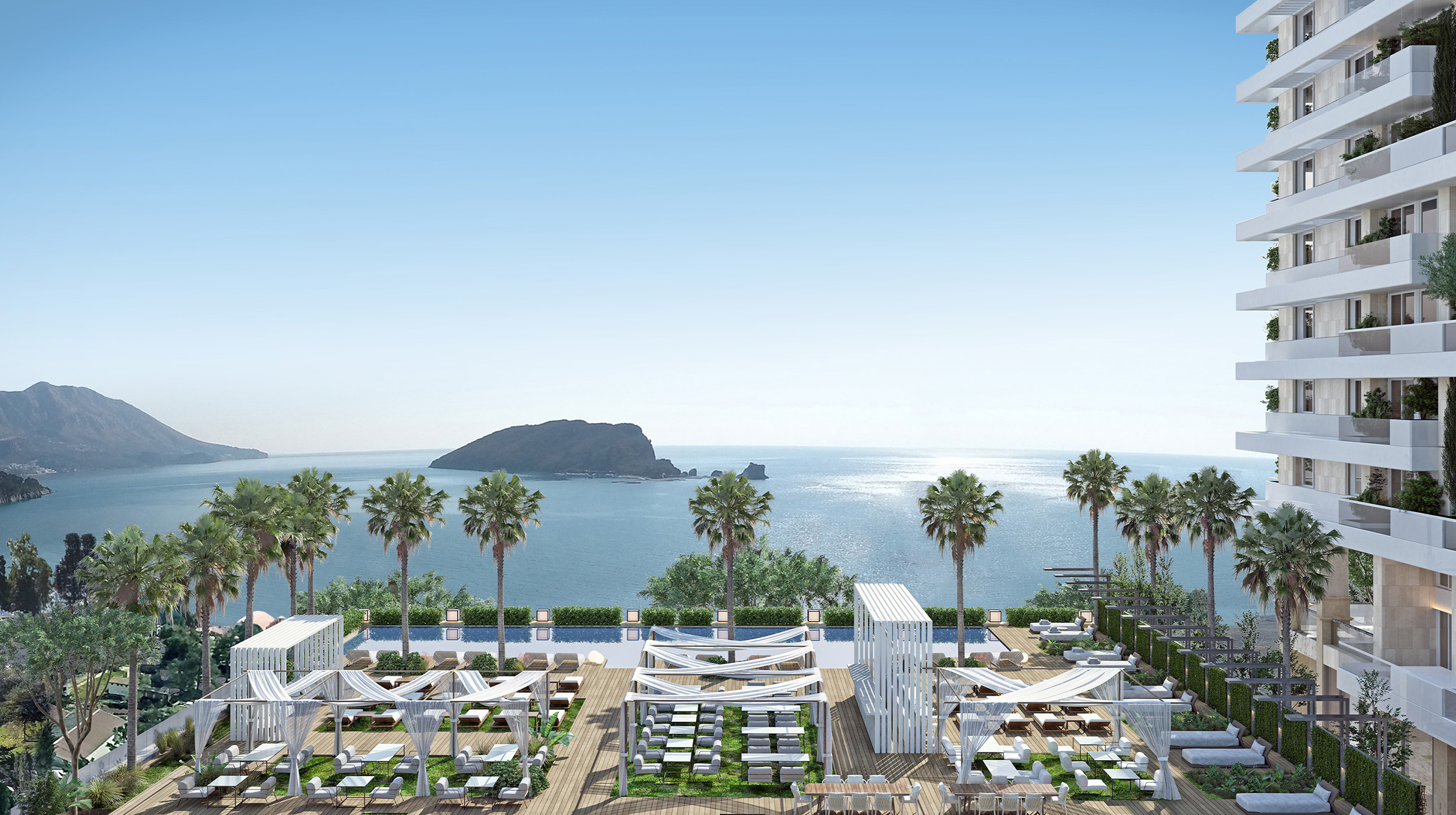
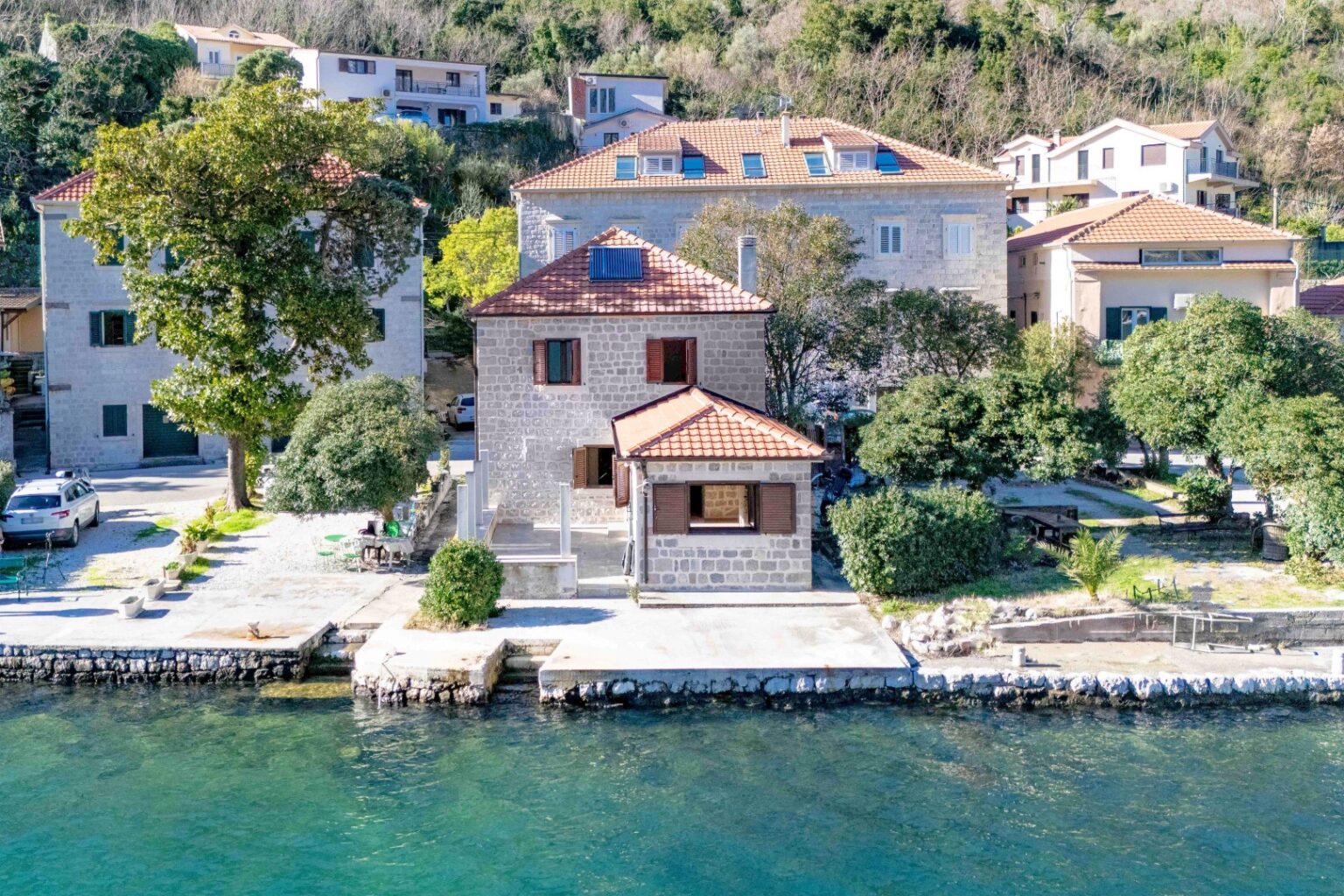
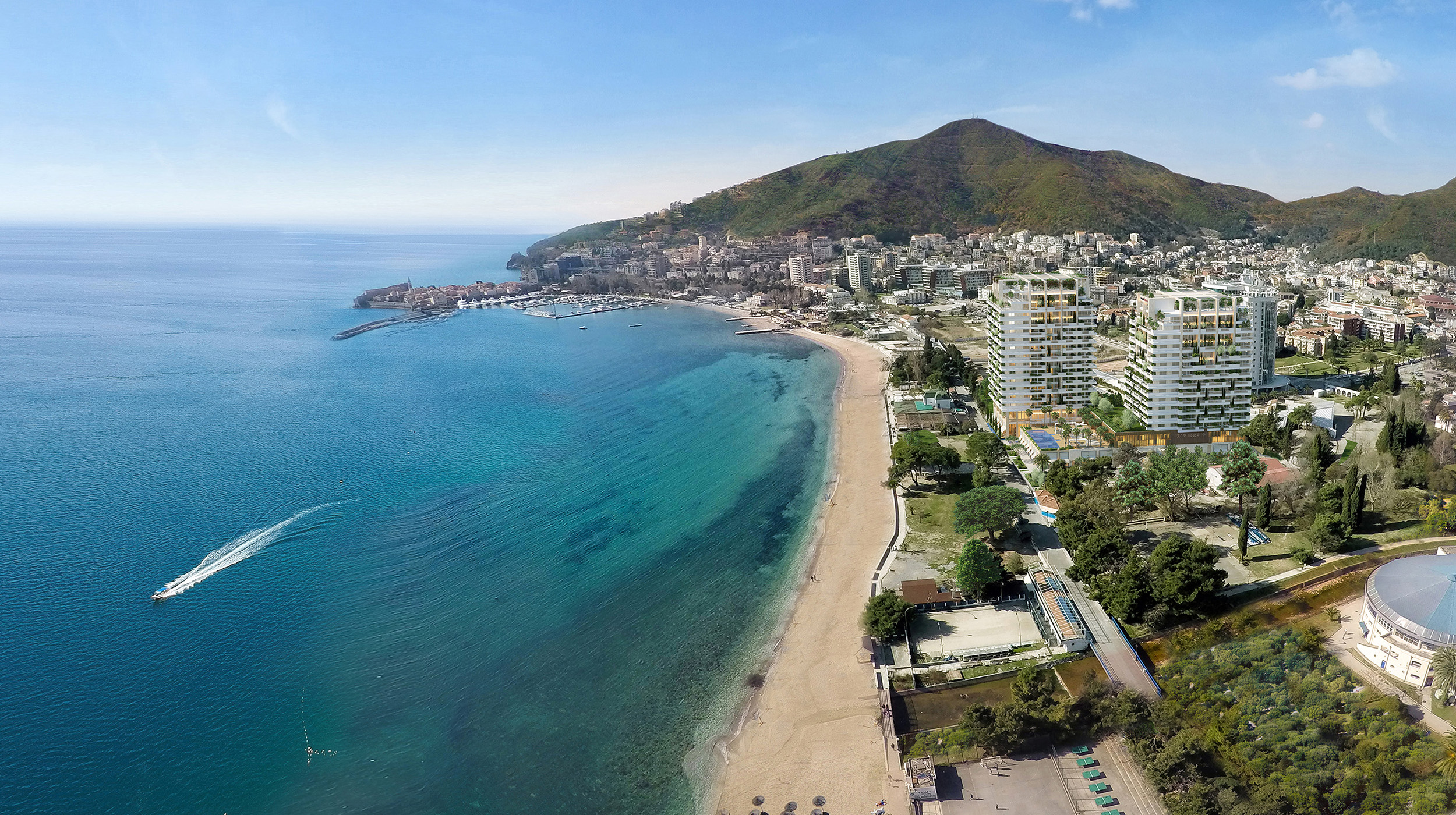
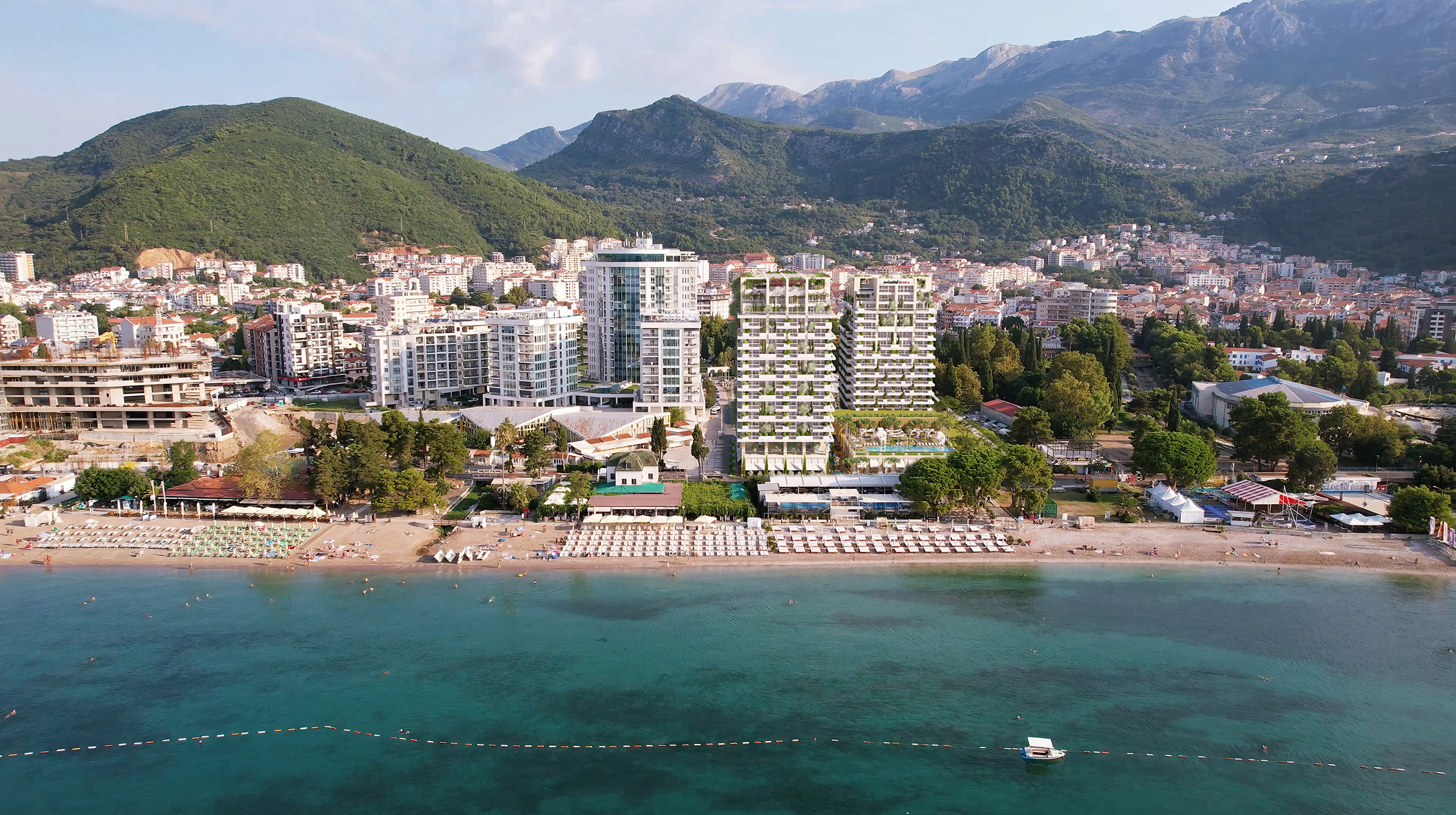
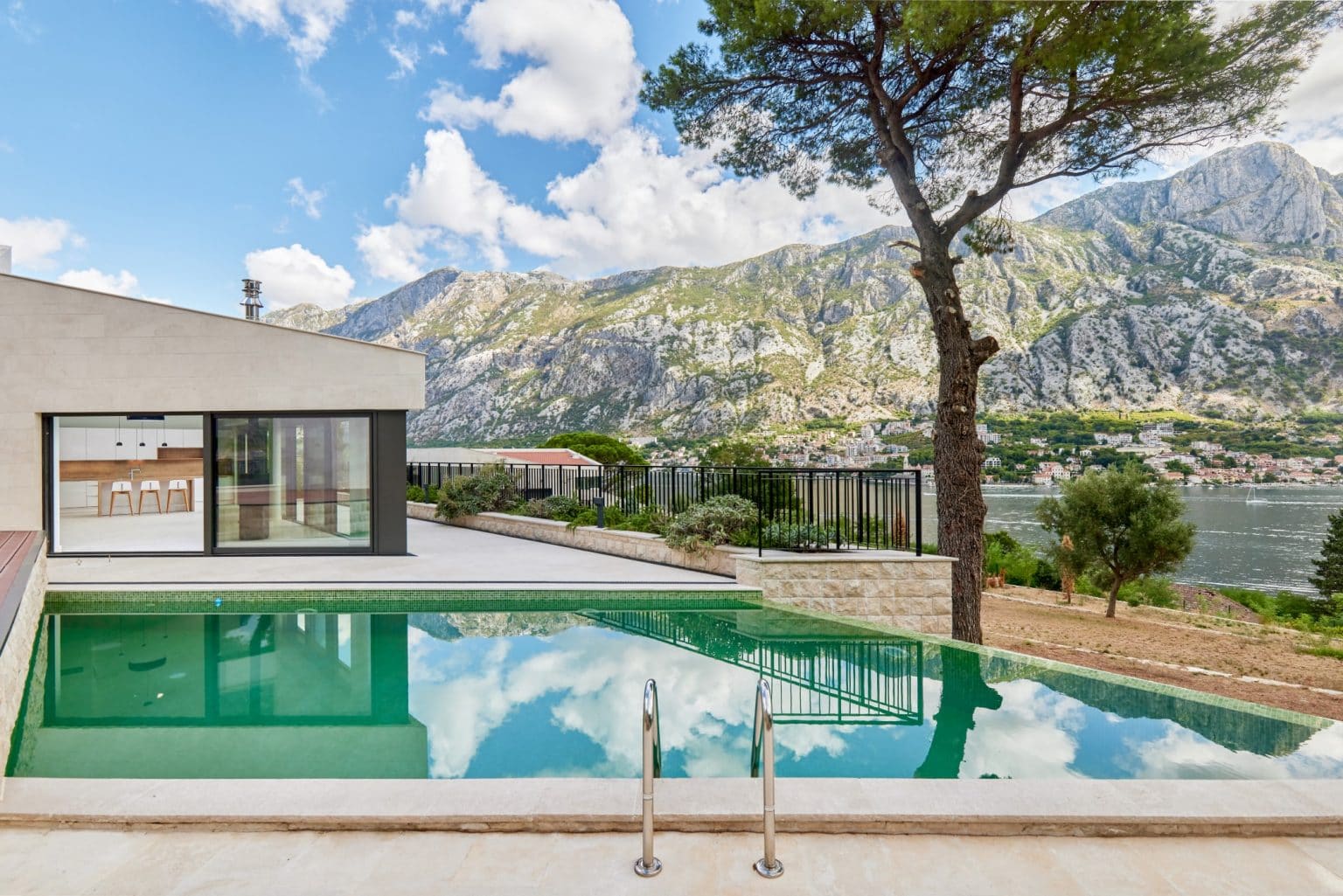
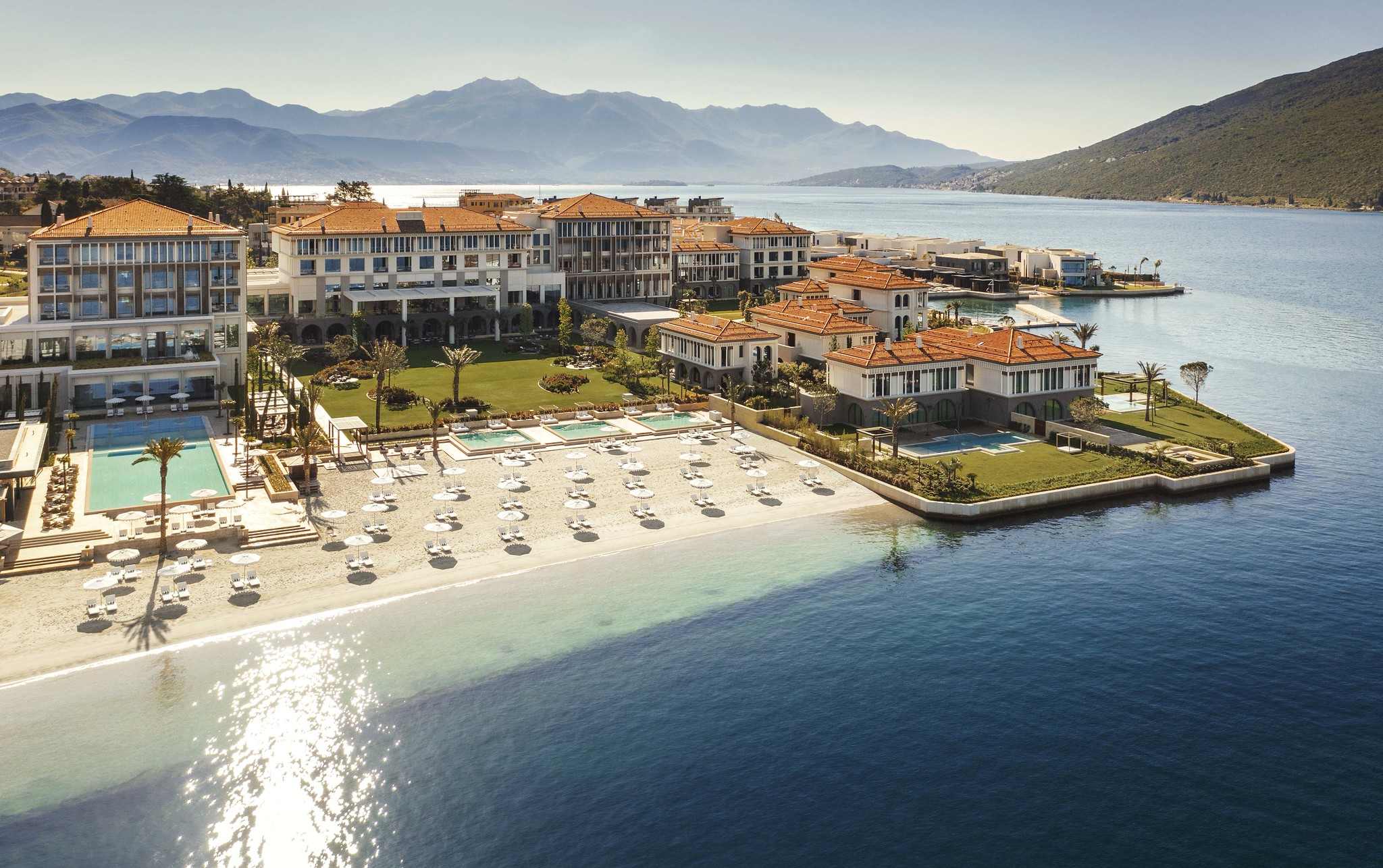
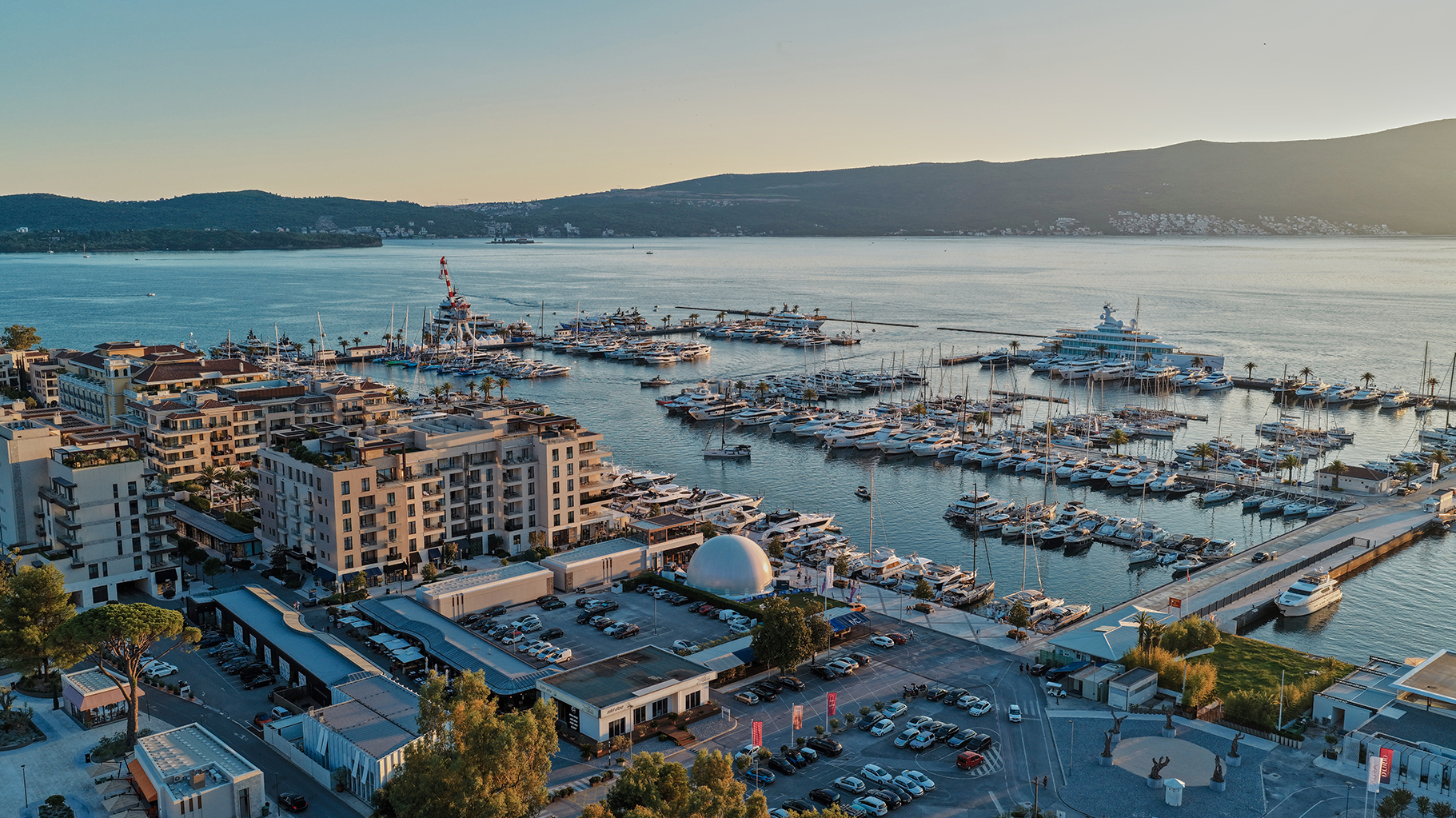
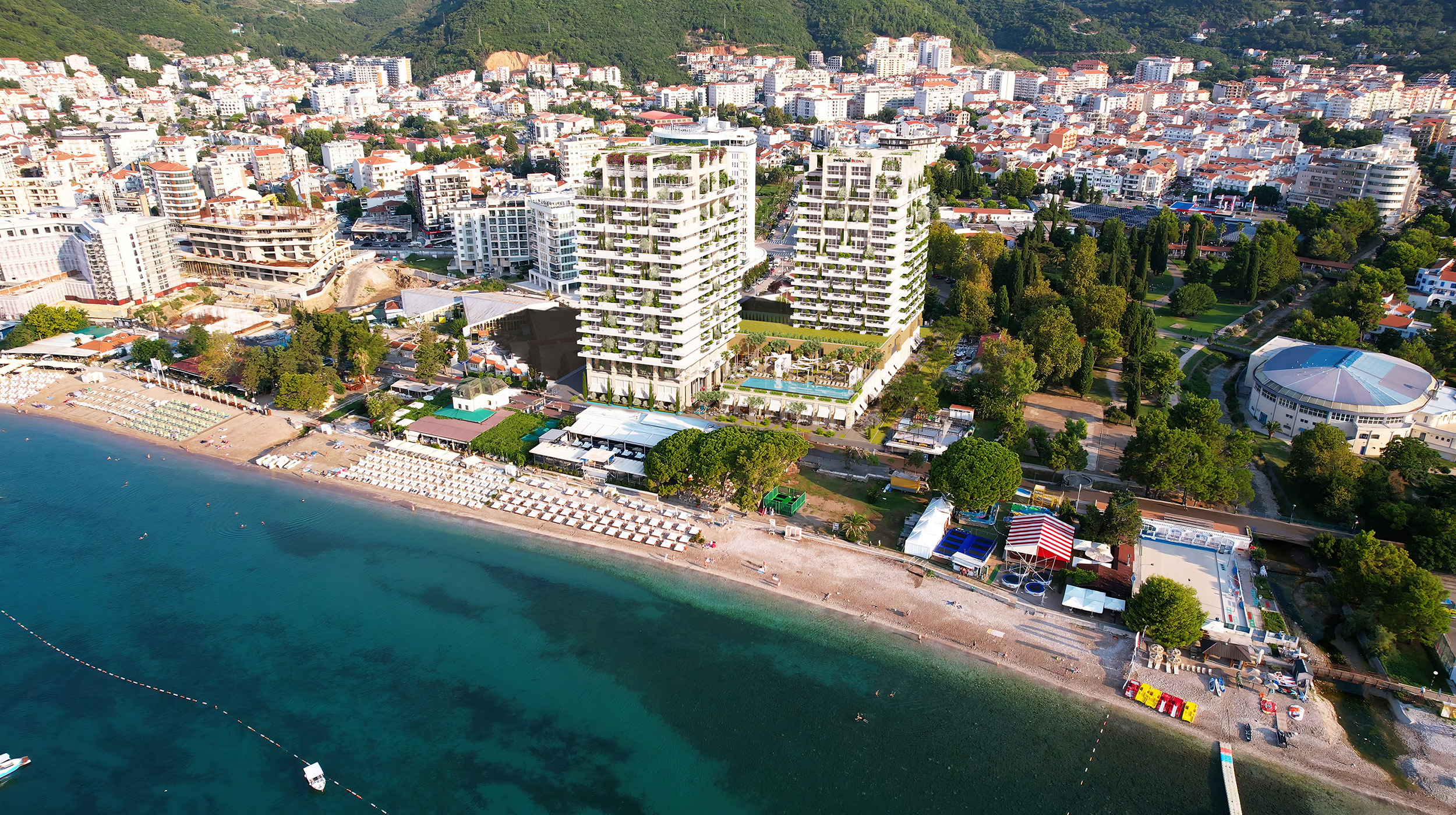
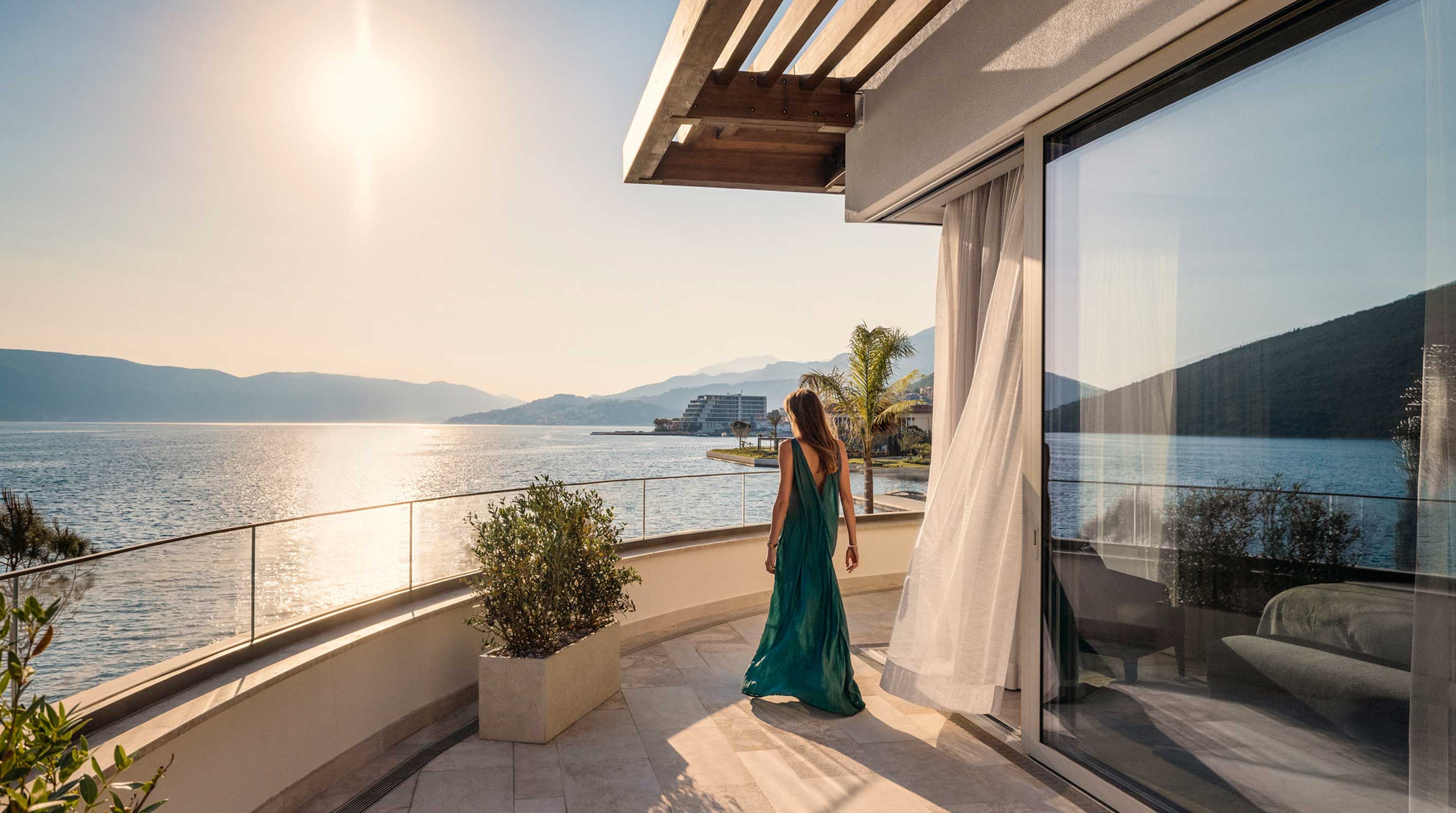
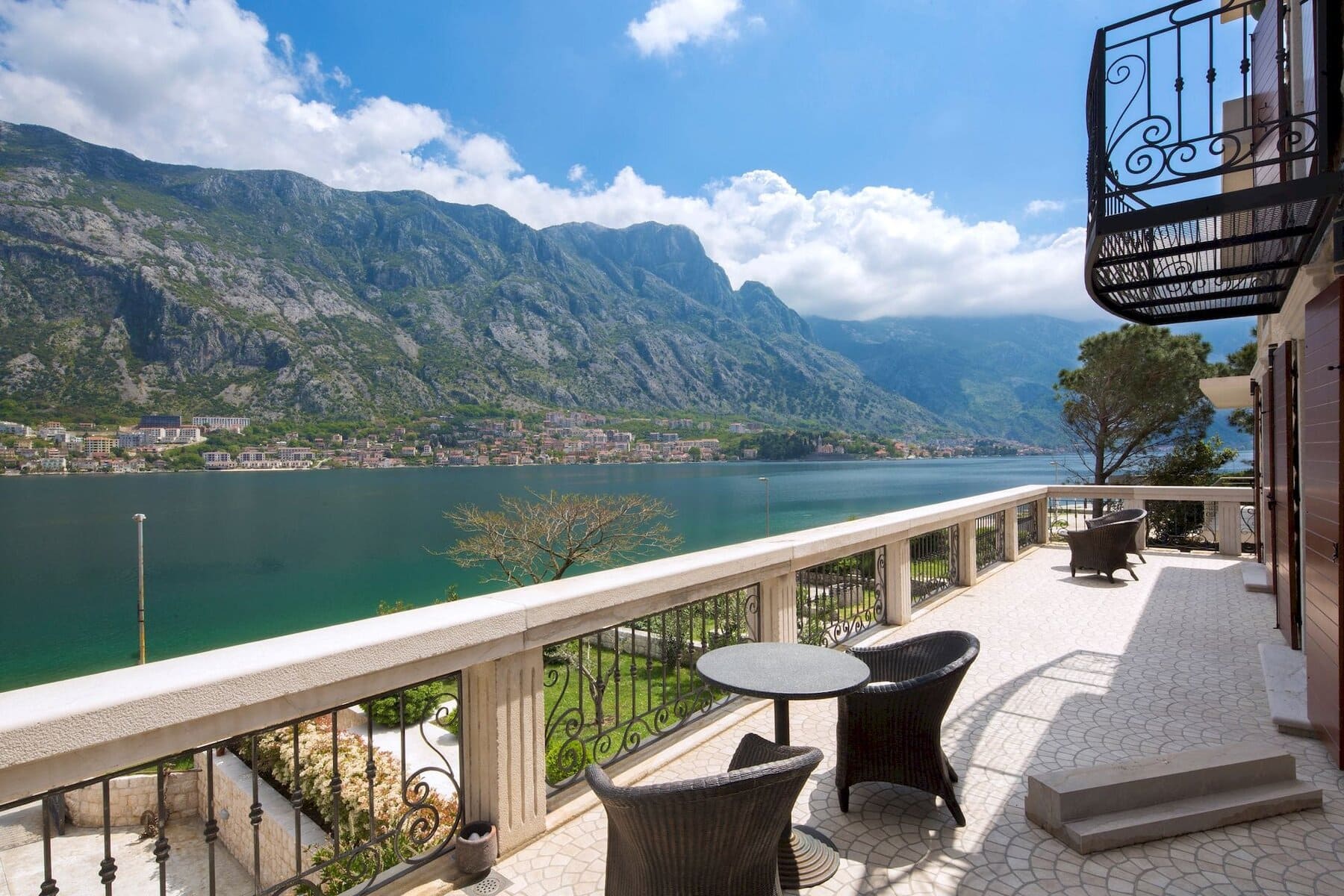
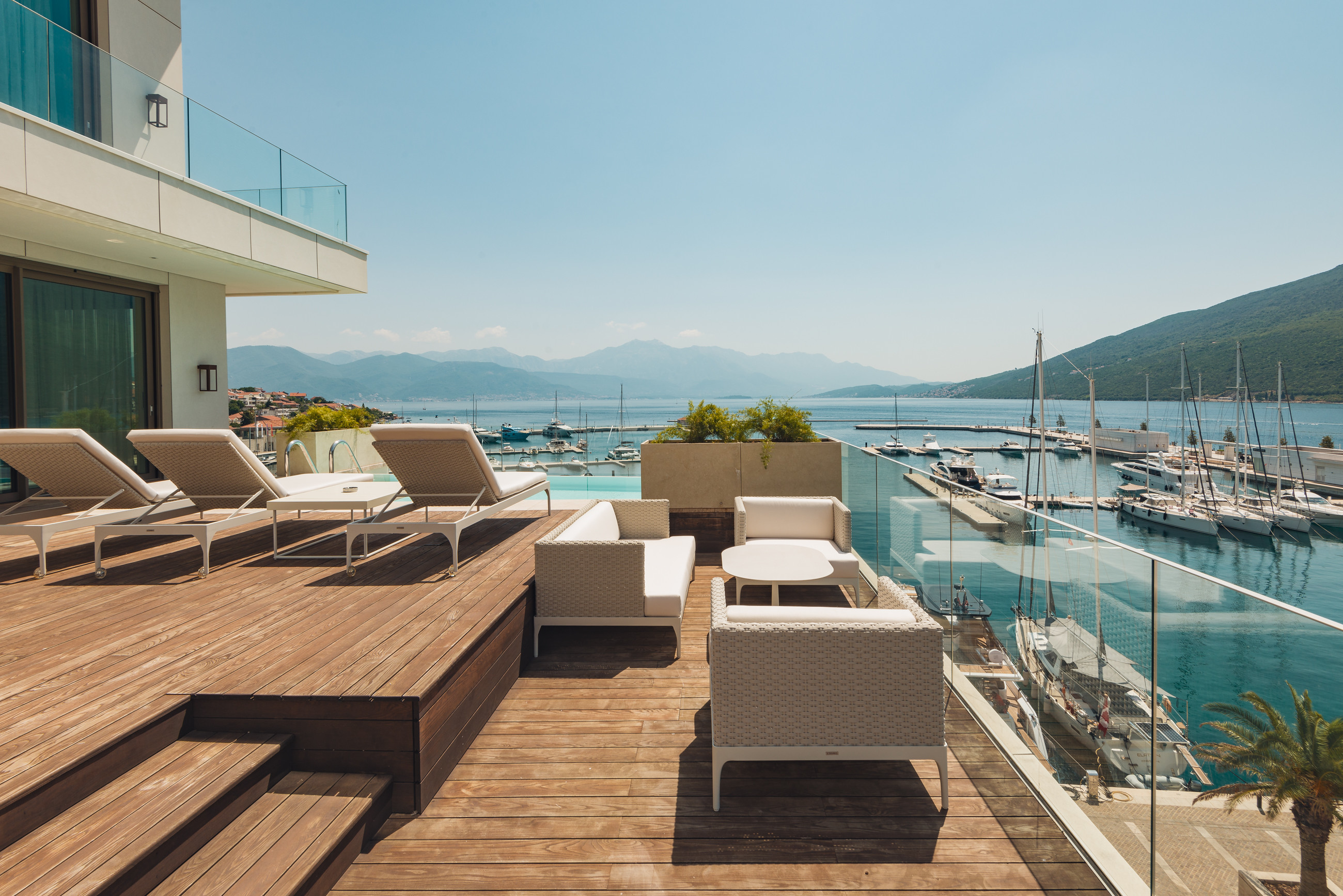
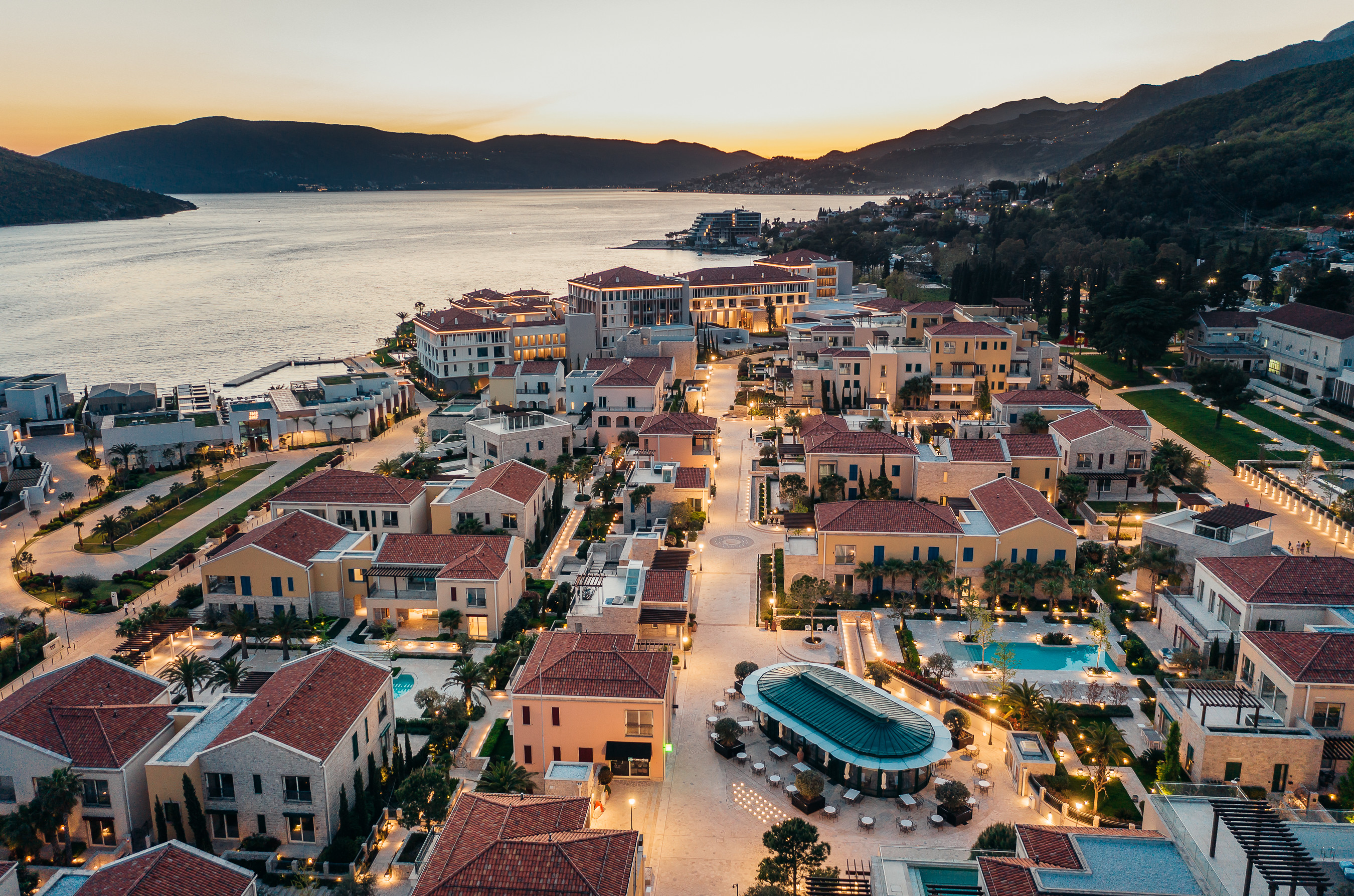
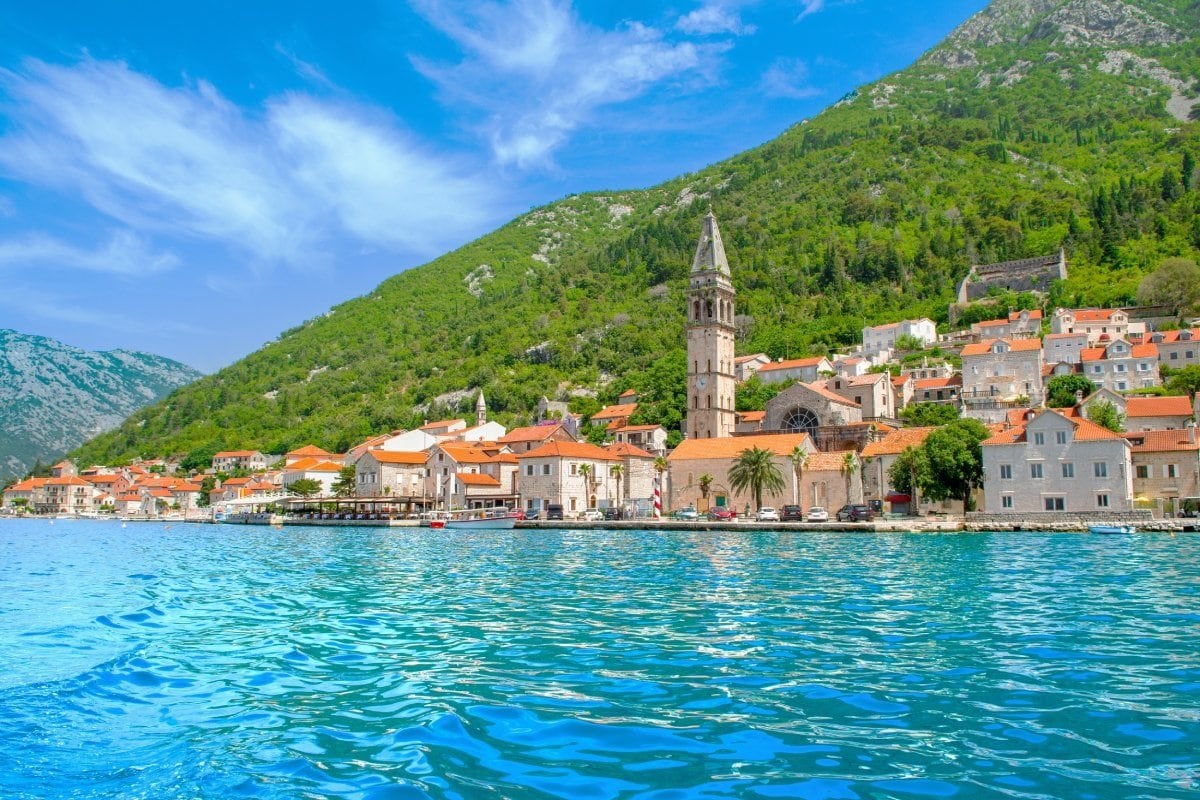
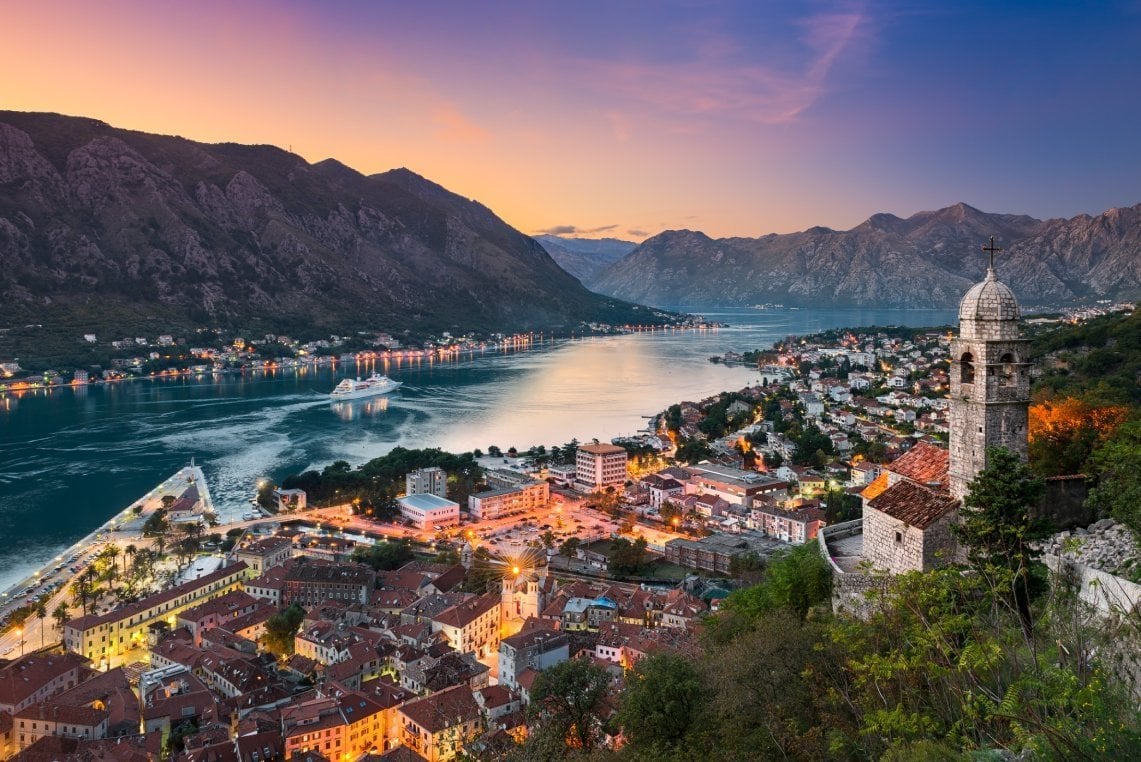
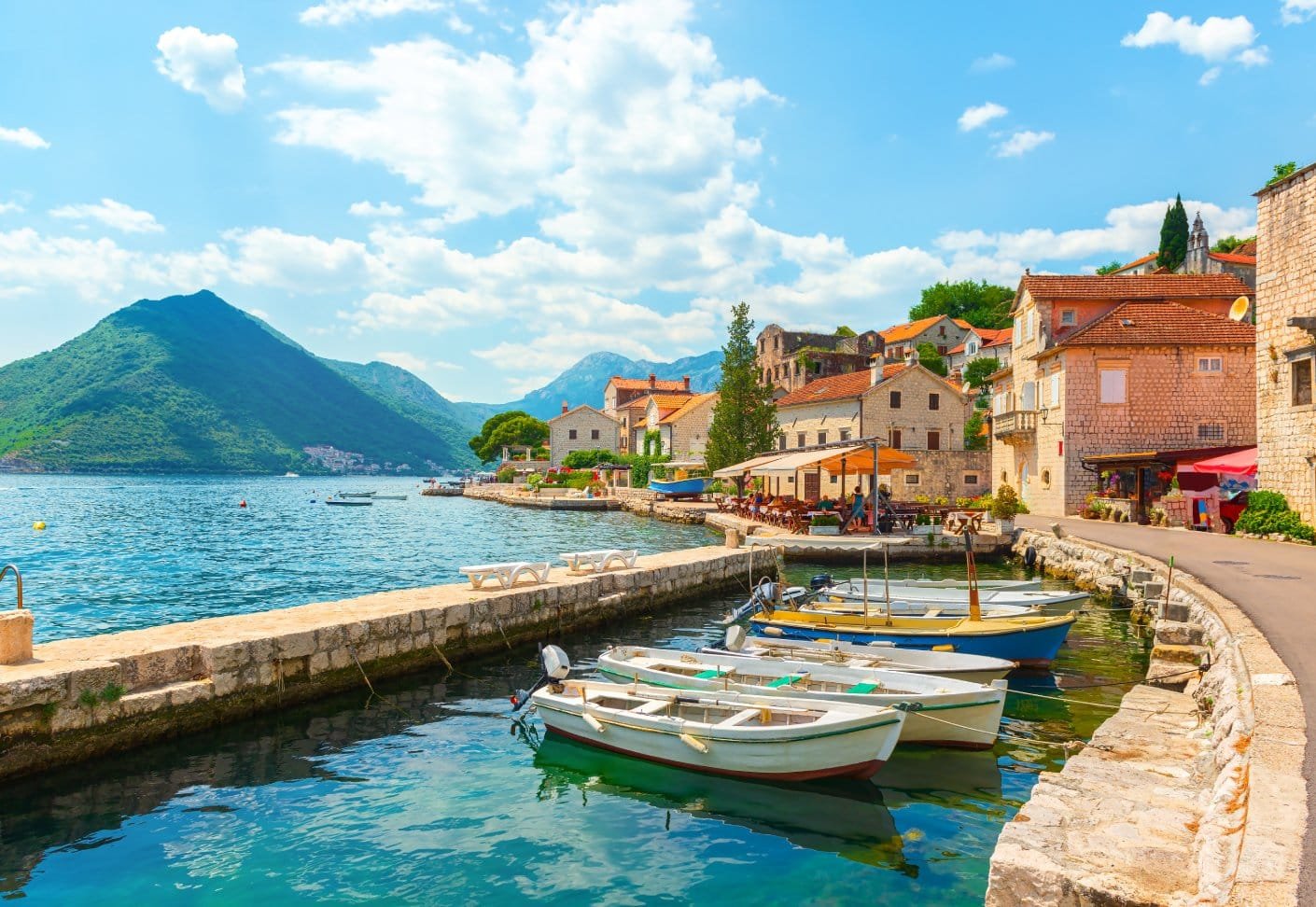
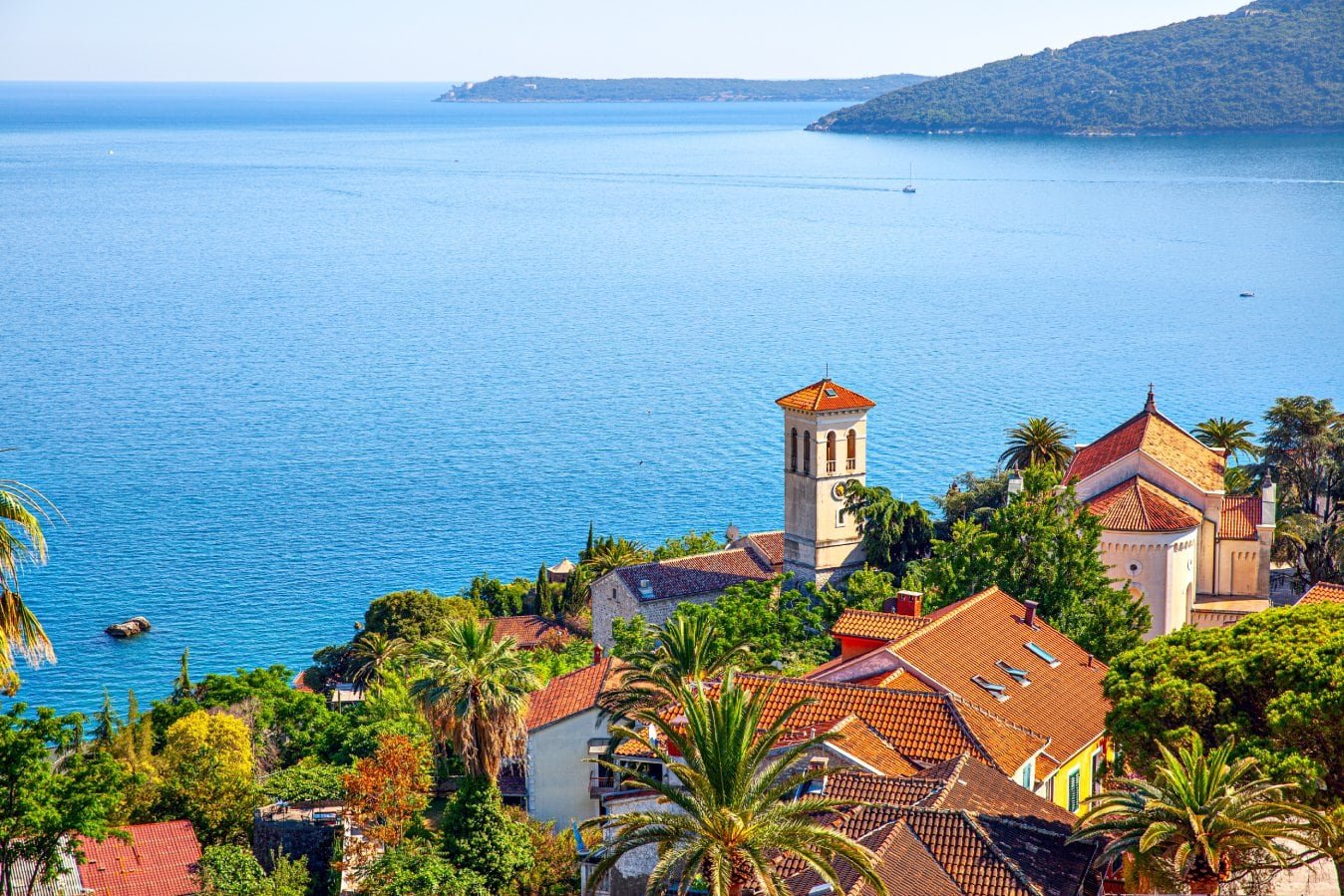
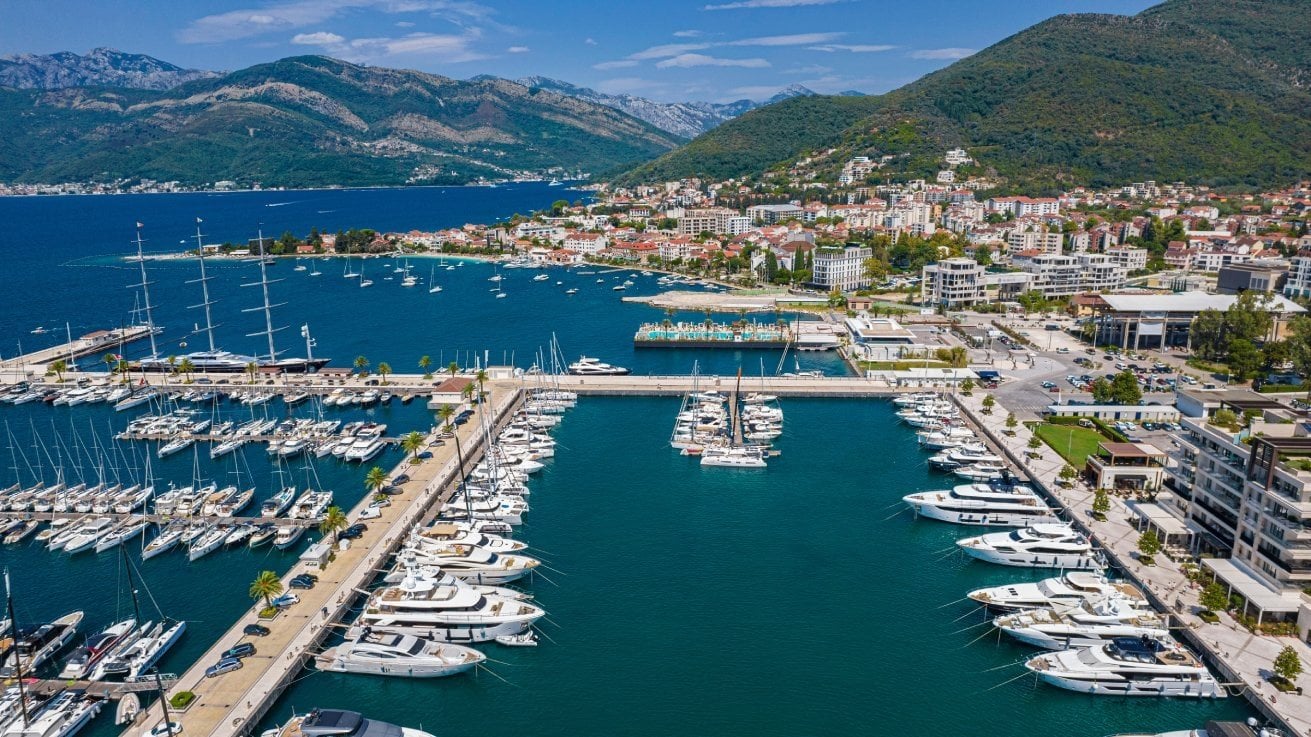
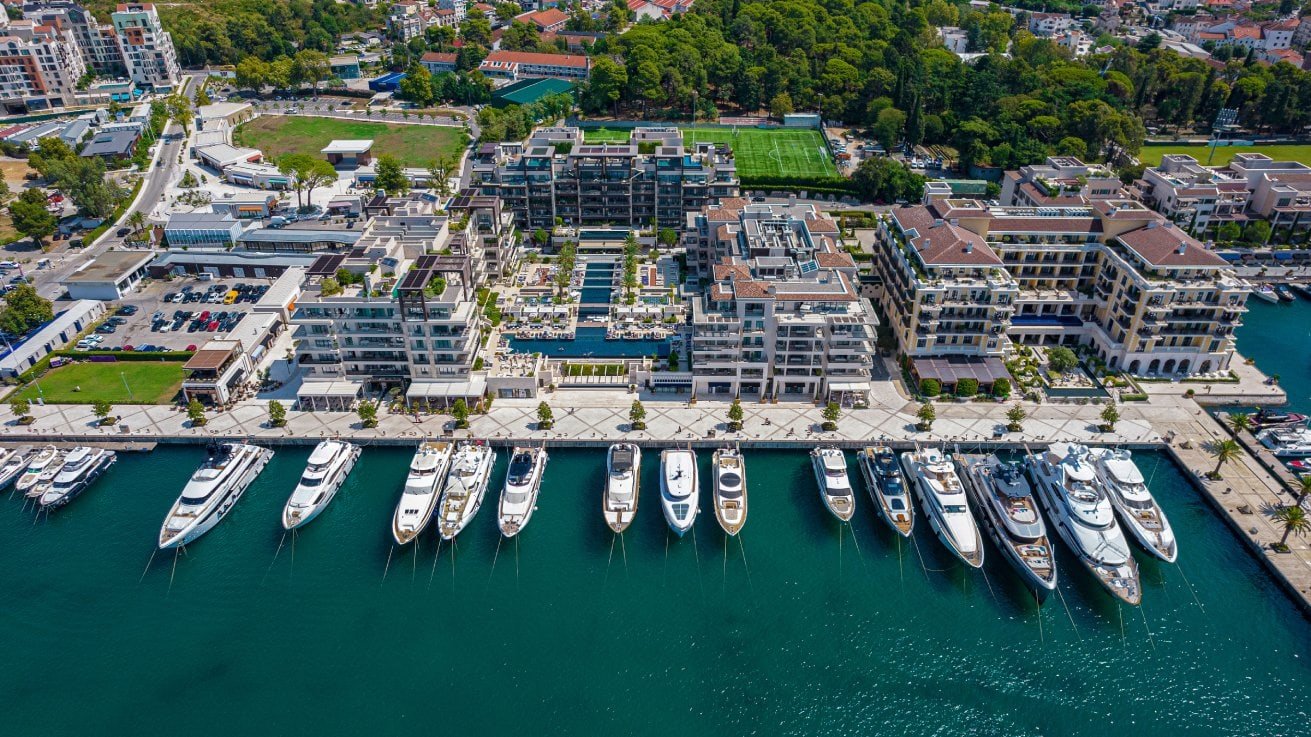
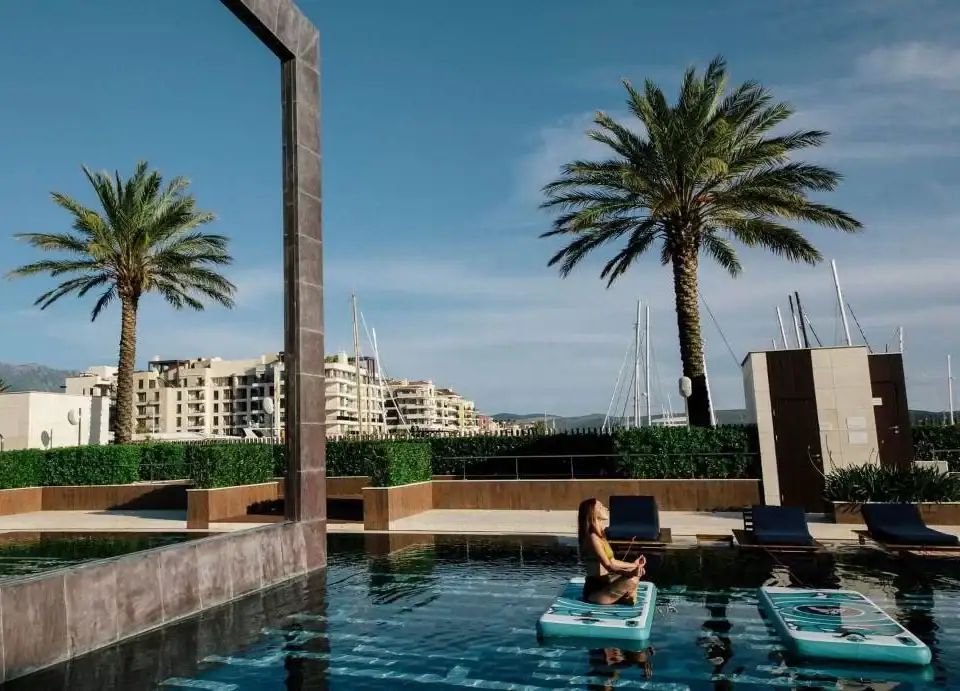
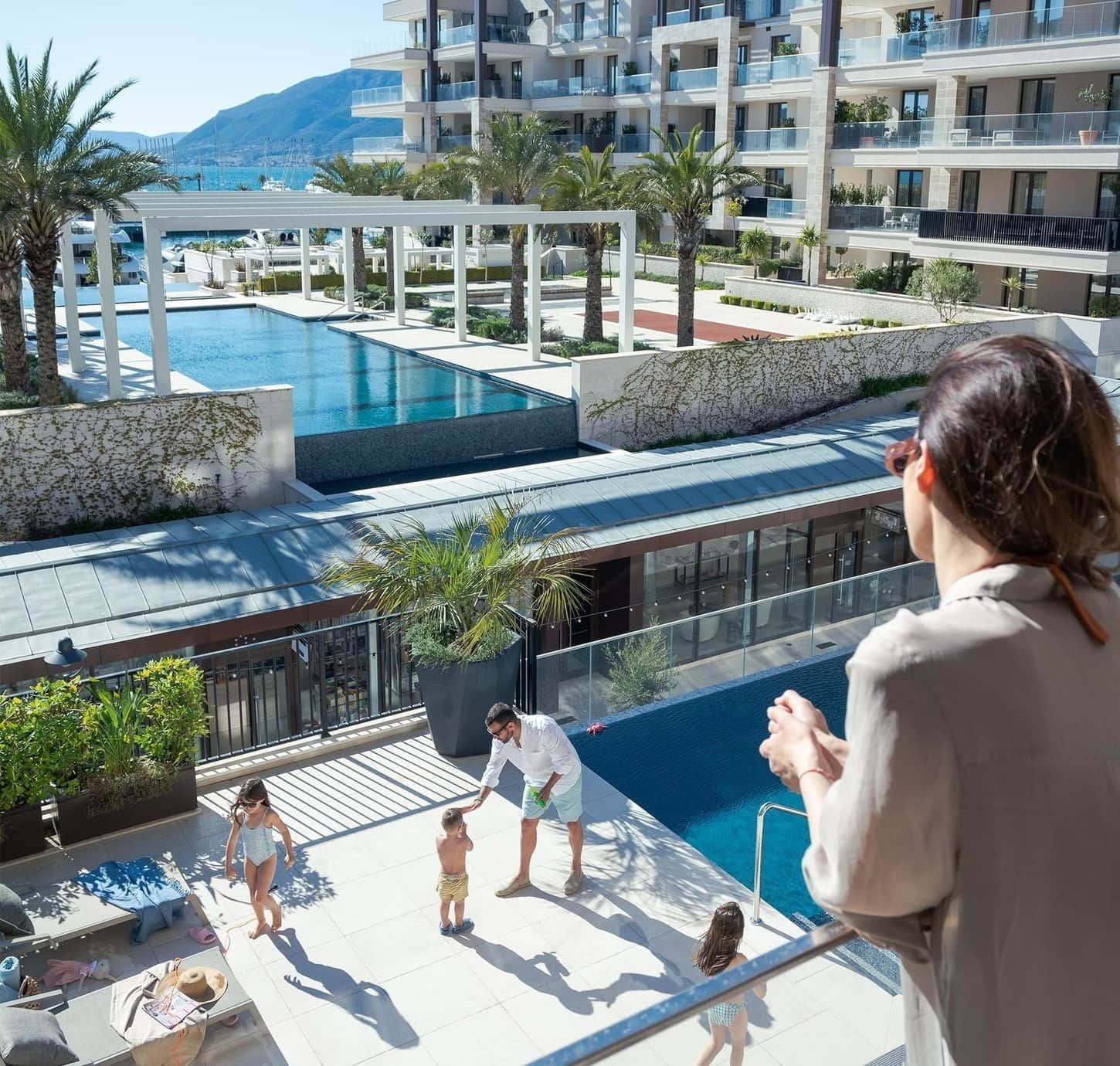
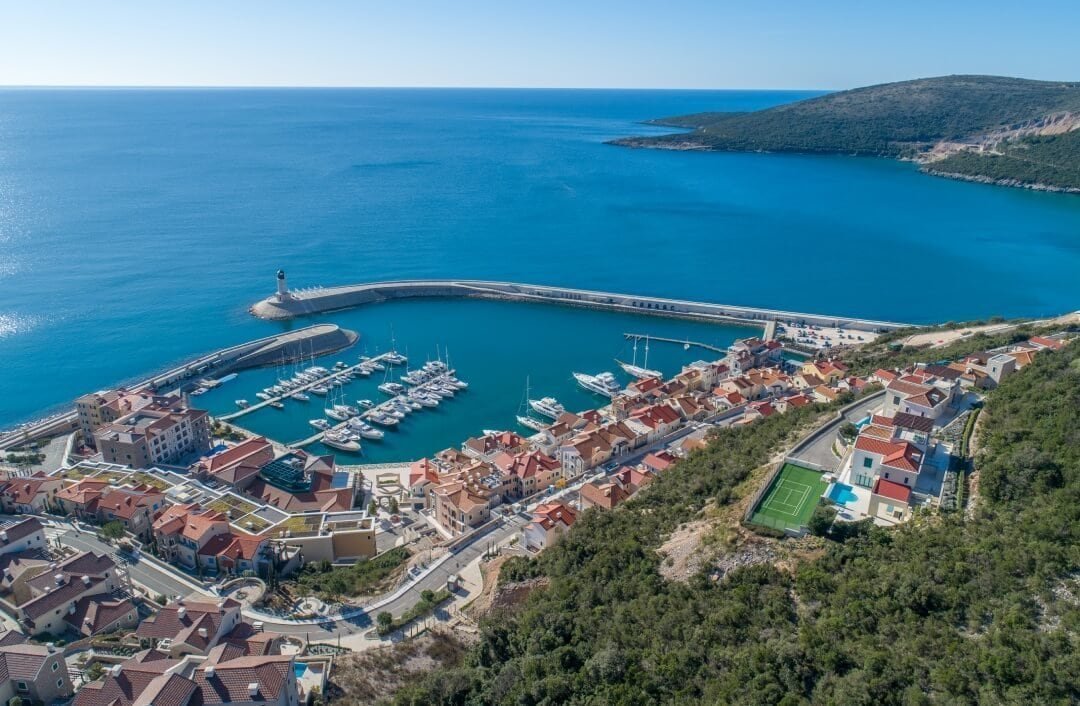
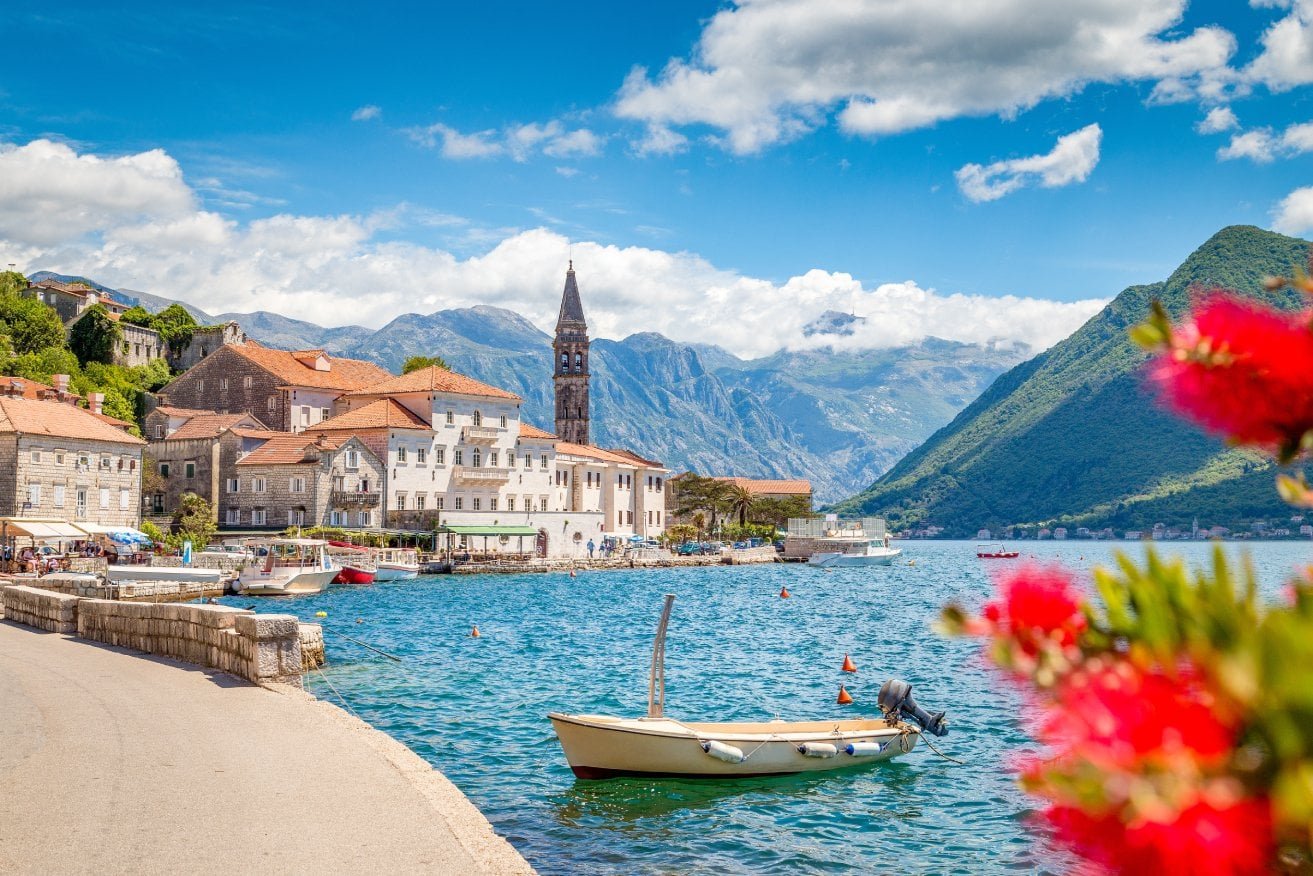
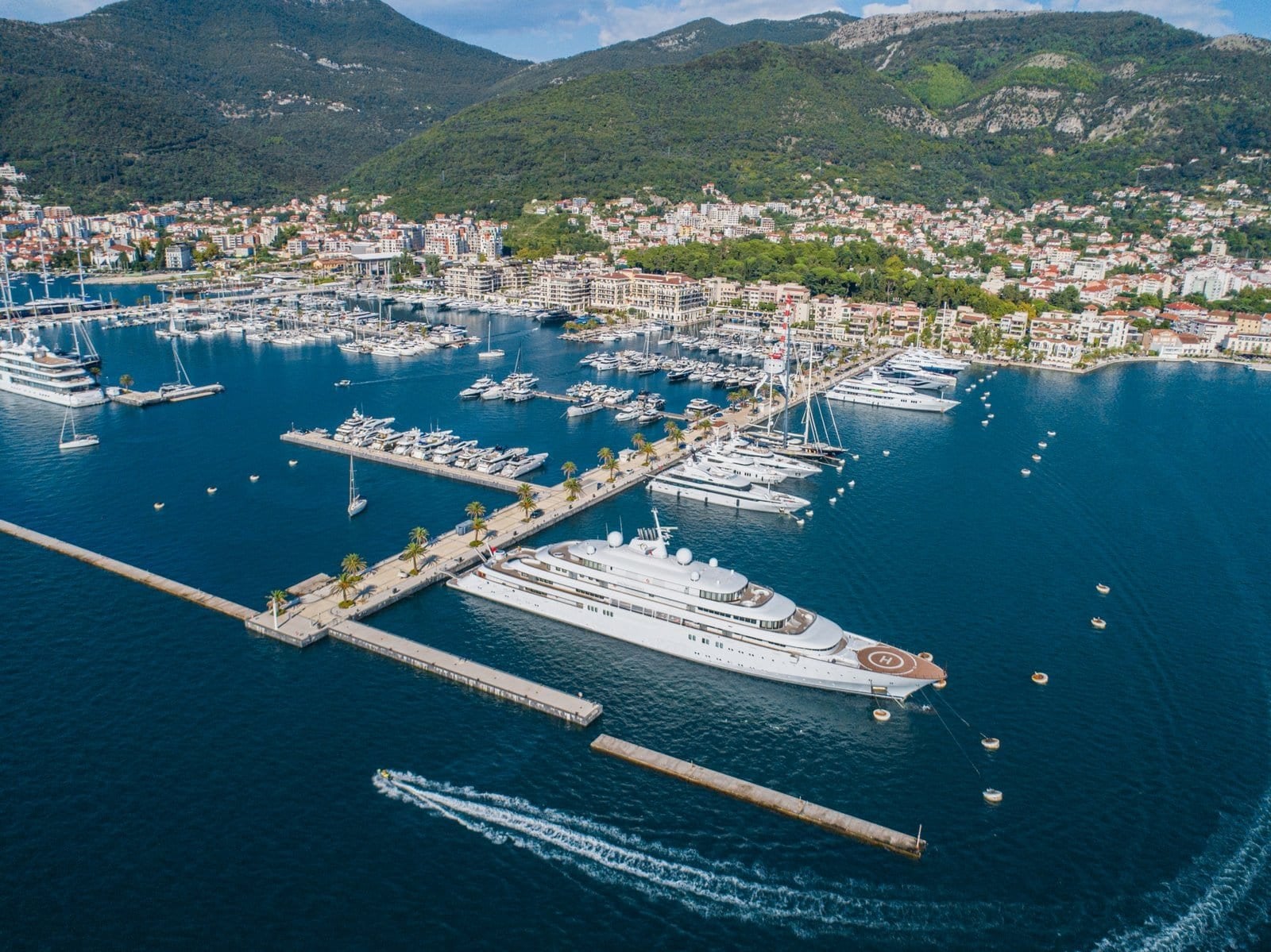
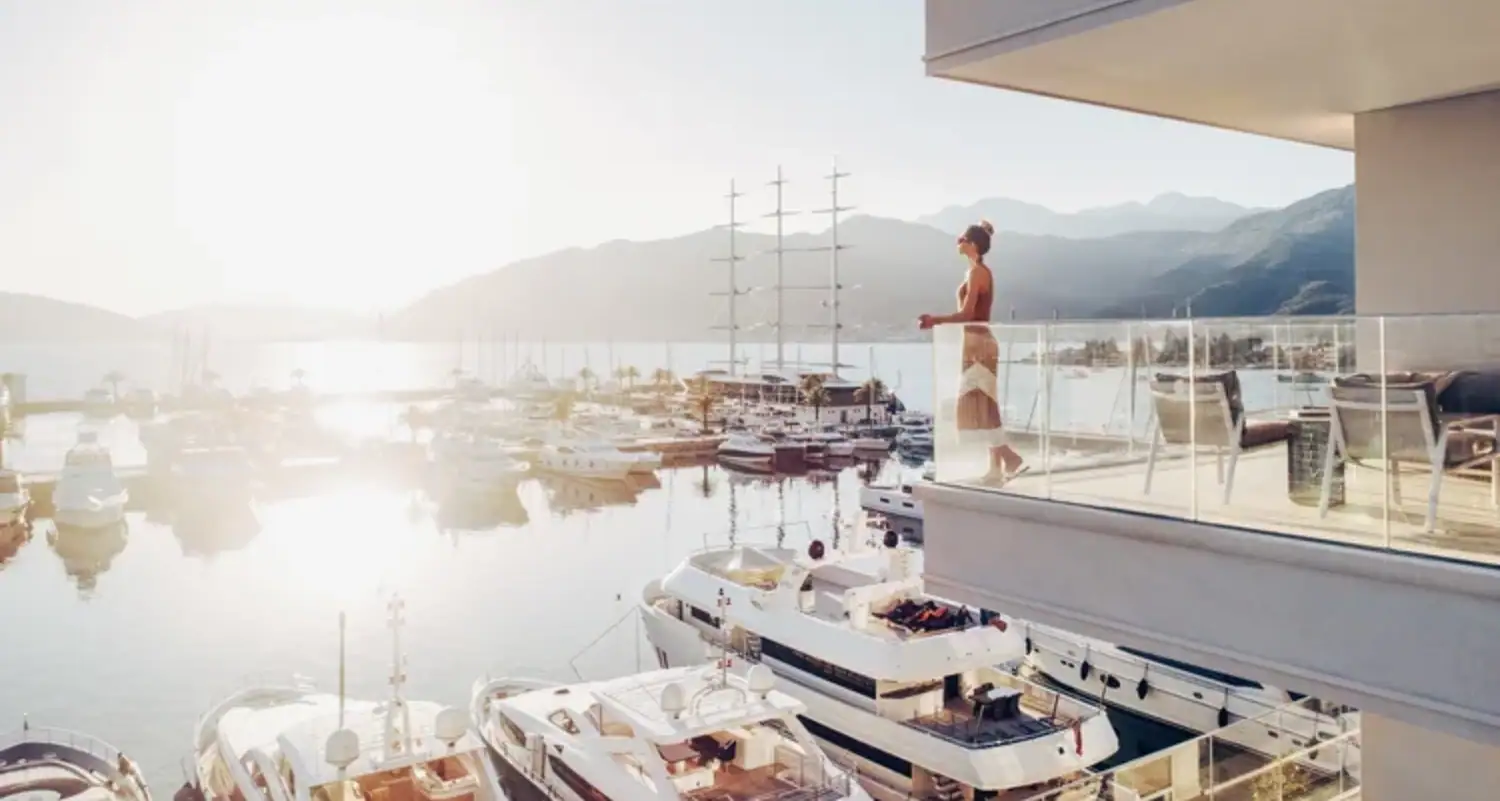
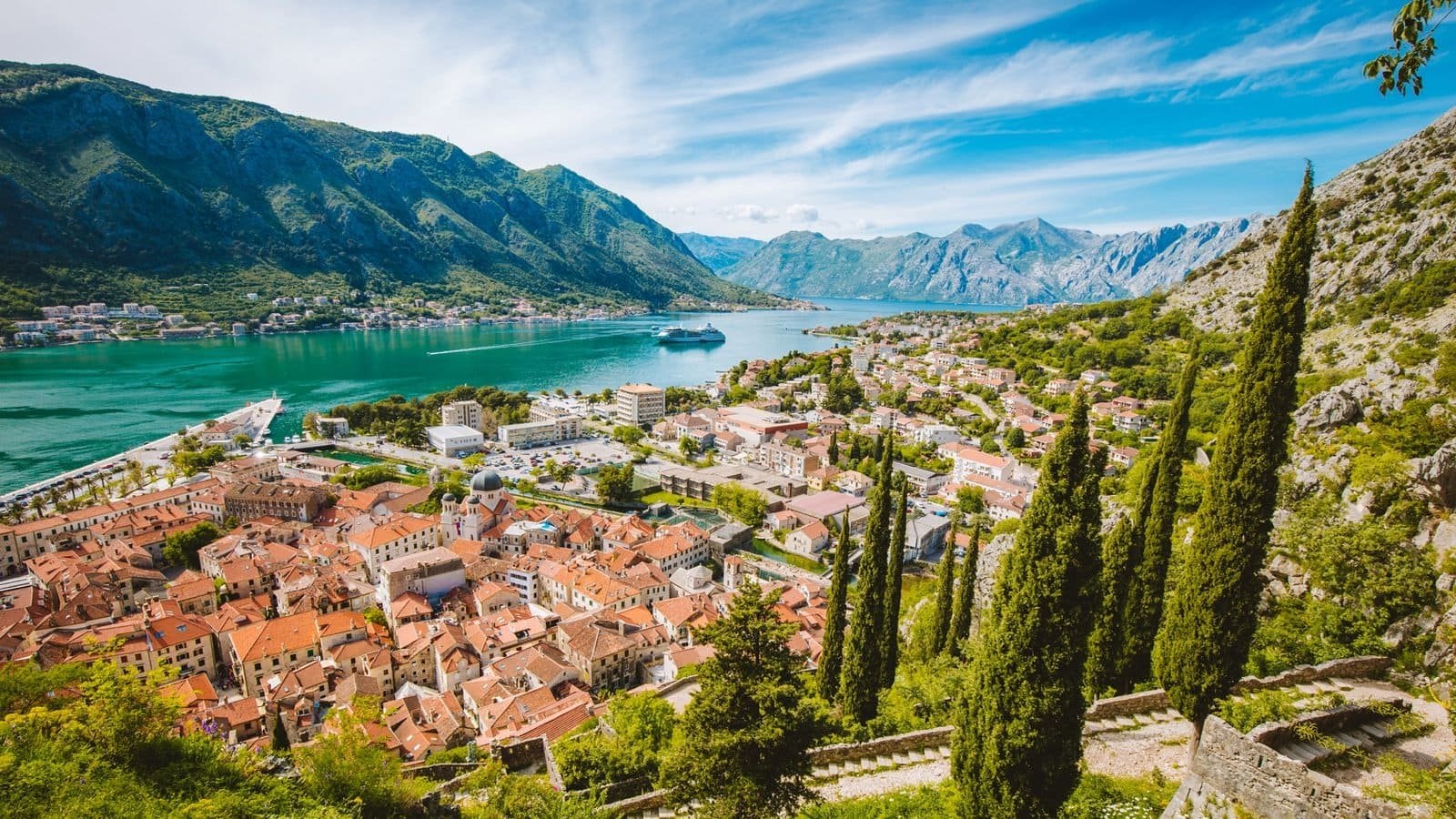
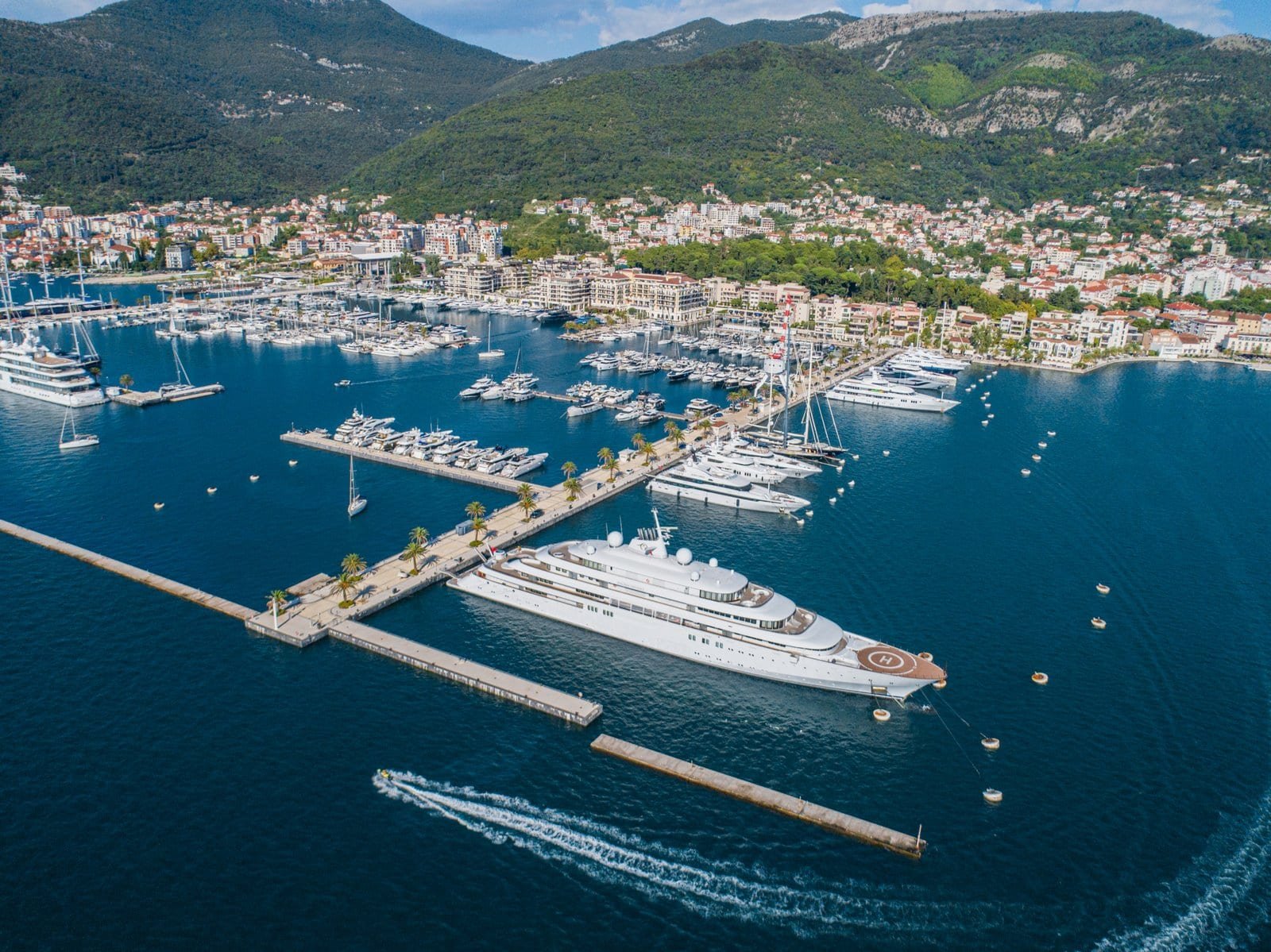
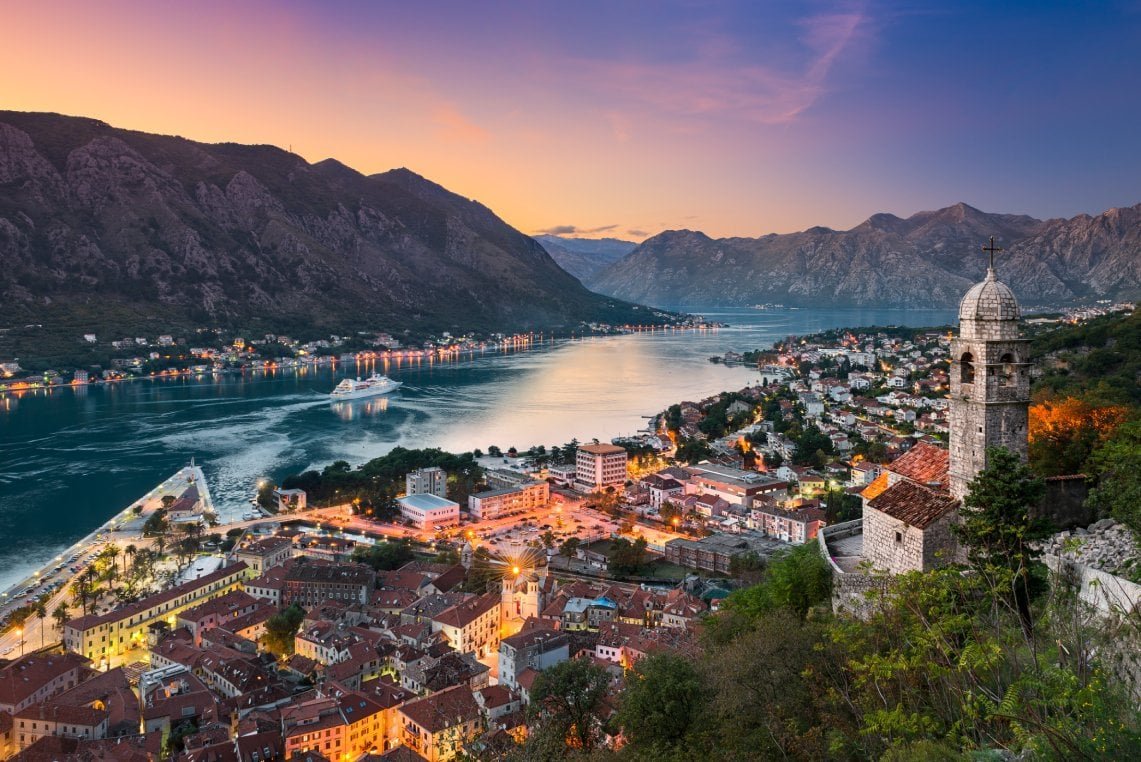
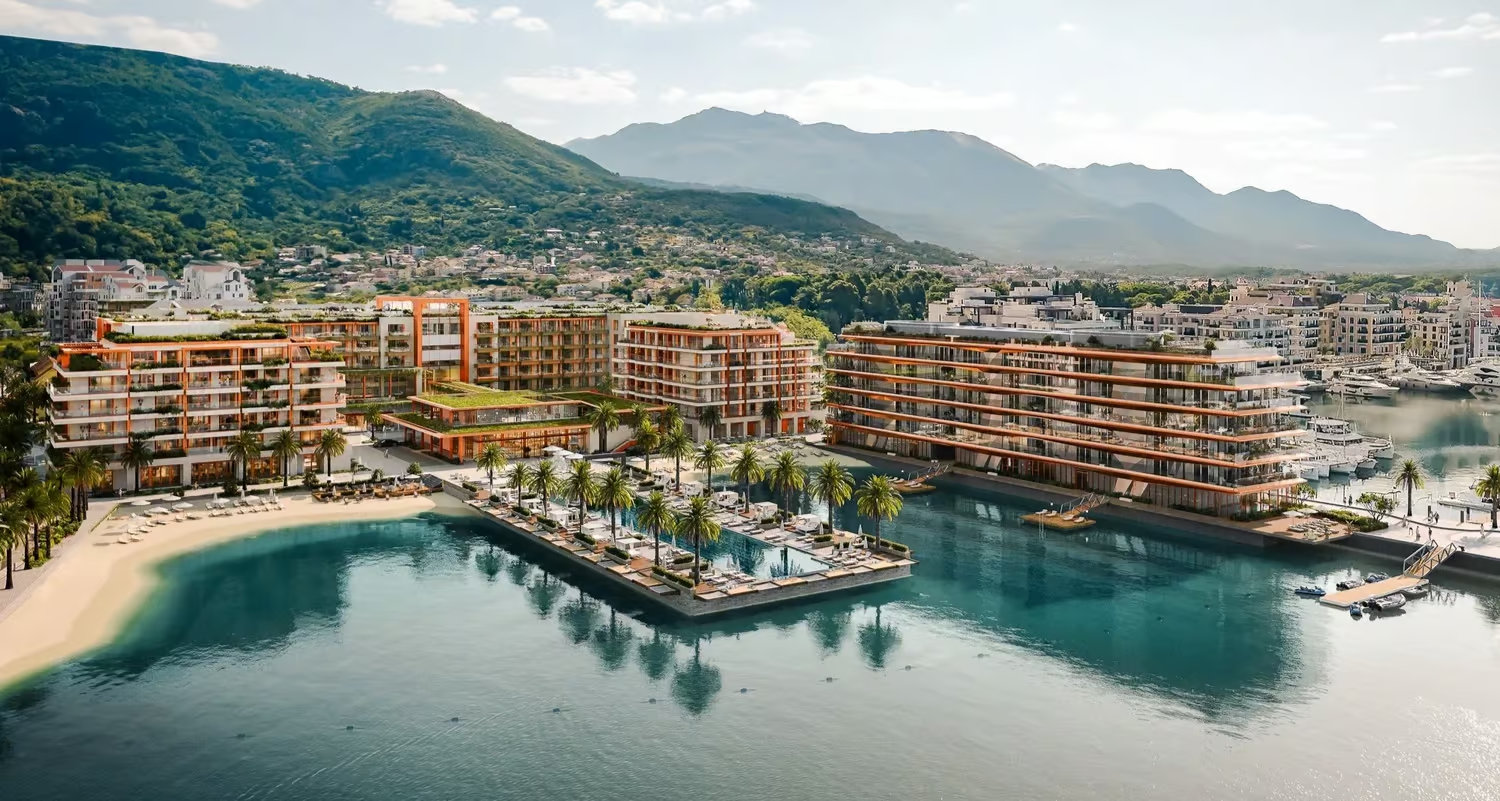
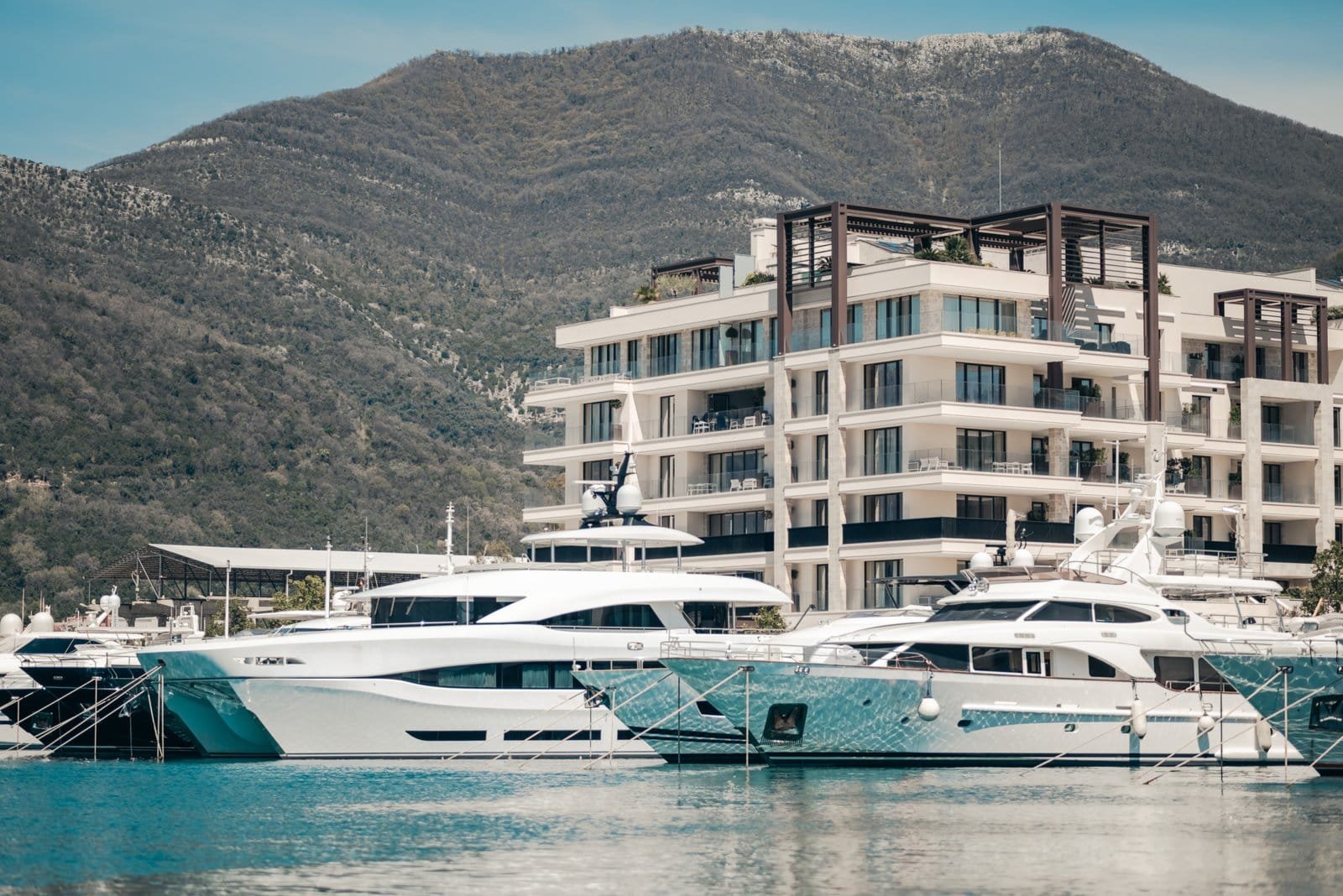
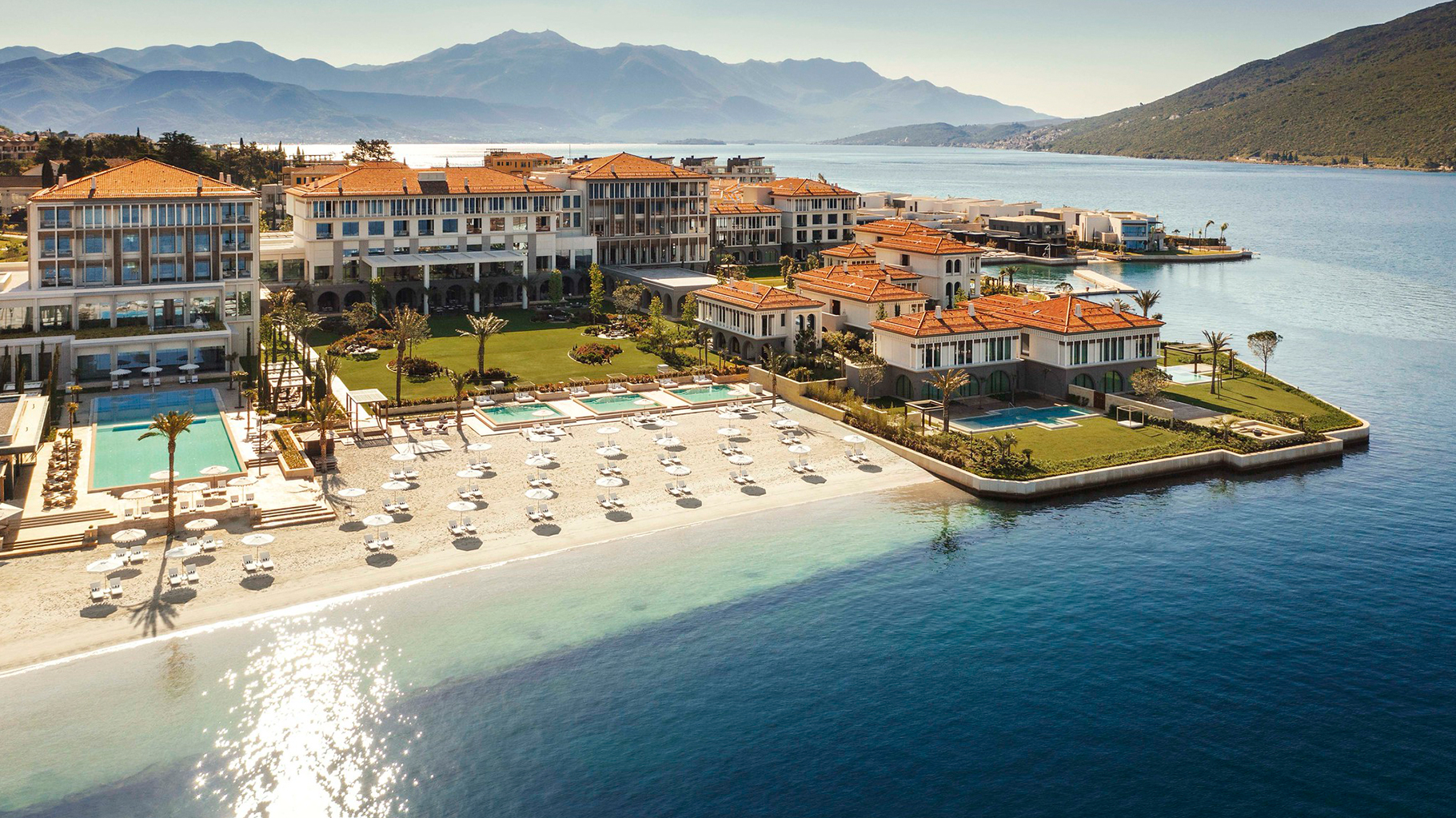
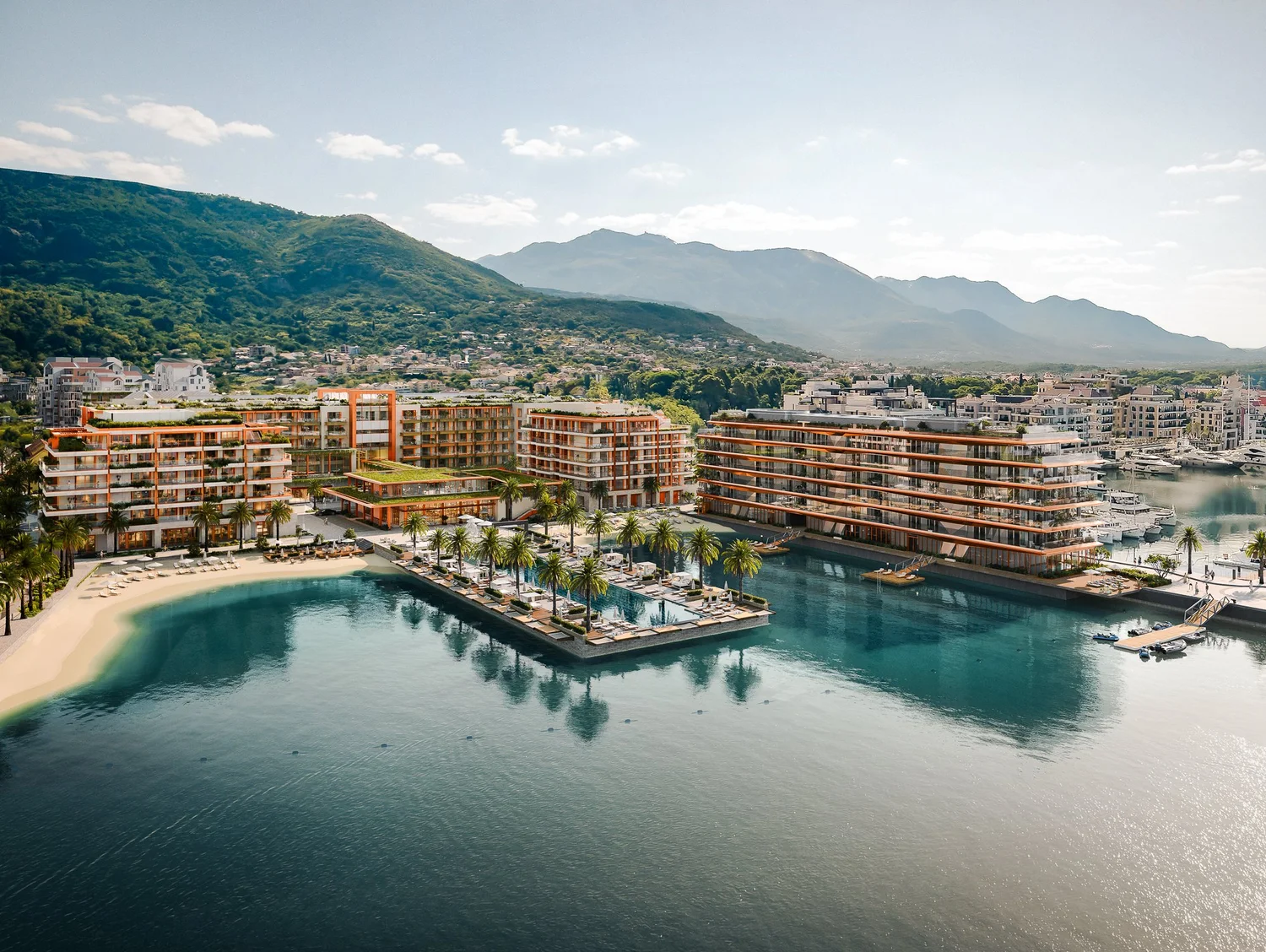
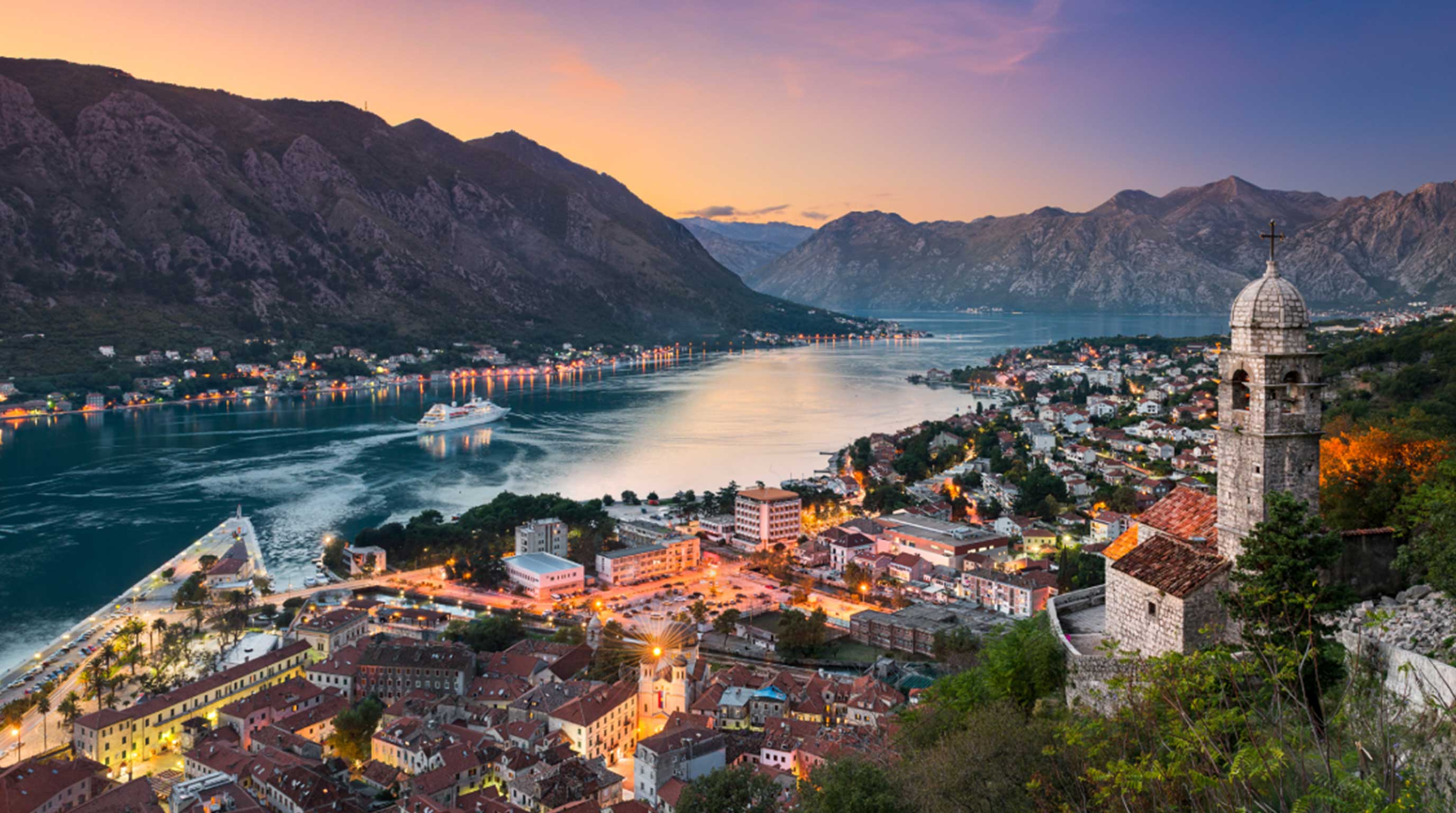
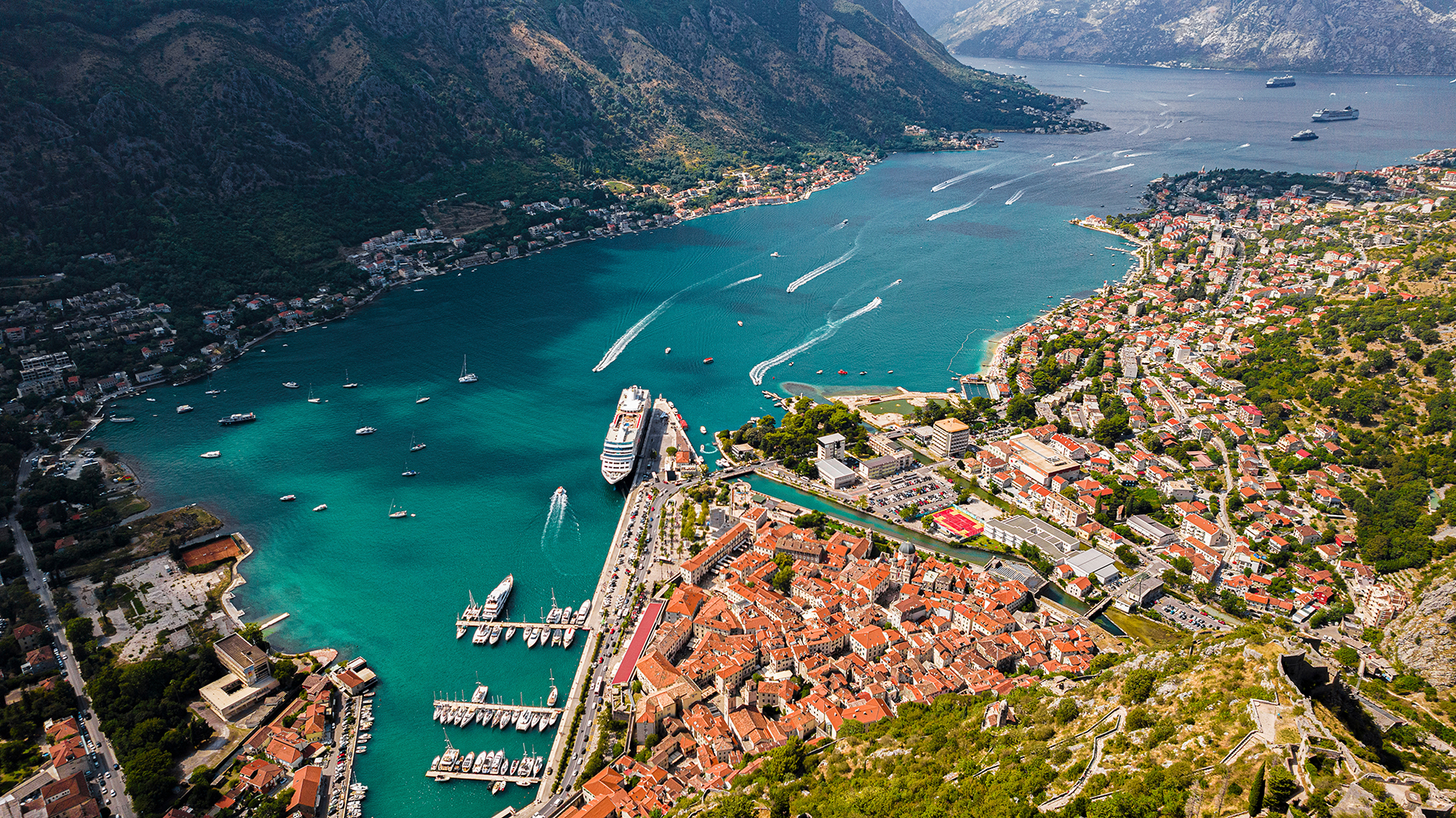
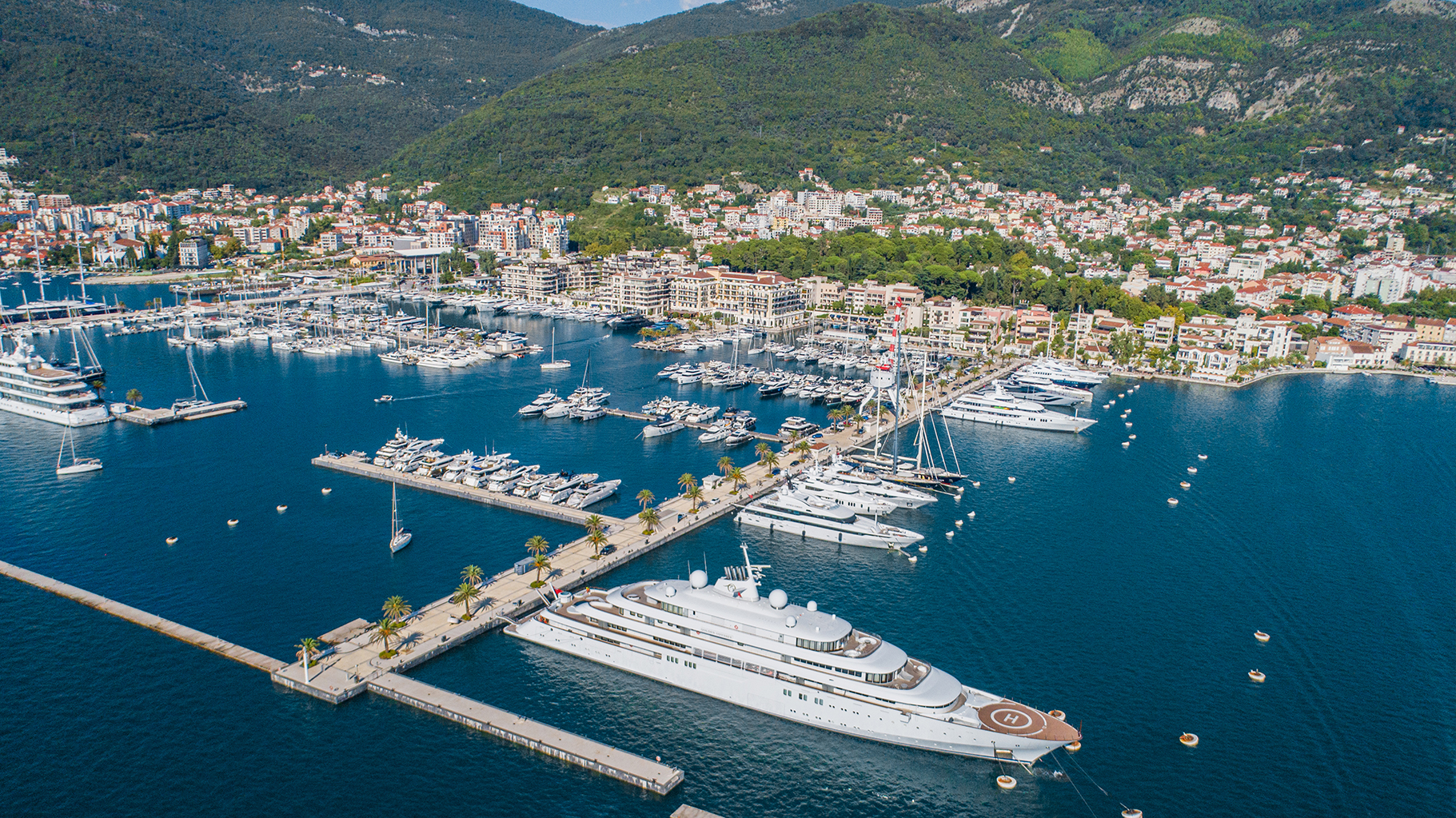
Kotor's Old Town has established itself as one of the most sought-after addresses among European expats relocating to the Adriatic. The quality of daily life within those medieval walls, the café terraces with views across the bay, the limestone streets, the human scale of the town, is genuinely difficult to replicate at comparable cost further west. Budva's coastline provides a more animated, resort-oriented setting. Tivat, anchored by the Porto Montenegro marina development, has created a distinct luxury enclave with international standards of retail, hospitality, and marina infrastructure. You can read a full analysis of Tivat's current buyer market in our Property for Sale in Tivat, Montenegro: A 2026 Waterfront Buyer's Guide.
Montenegro's status as an EU candidate country, a formal process confirmed and progressing under European Commission oversight, has had a practical and measurable effect on the legal and regulatory environment for international residents. Property law, company registration procedures, and residency frameworks have all moved toward greater alignment with EU norms over the past several years. For anyone planning a long-term move, that trajectory matters.
The Digital Nomad Case for Montenegro
The growth of location-independent professional life has produced an increasingly discriminating class of relocation decision-maker. Remote workers with the freedom to work from anywhere are not simply looking for cheap rent. They are evaluating connectivity, working environment, time zone compatibility with clients and colleagues, and the quality of life available outside working hours. Montenegro performs well across most of these criteria.
Fibre broadband has been extended across the principal urban centres and tourist hubs. Mobile coverage, operating on 4G across the coastal areas and 5G in selected urban zones, is reliable by Balkan regional standards, according to data published by the Agency for Electronic Communications and Postal Services of Montenegro. Co-working infrastructure in Kotor and Tivat has developed to meet international expectations, and the café culture across both towns is accommodating of laptop workers in a way that many Southern European cities, which have begun to restrict terrace working, are not.
Podgorica, as the administrative and commercial capital, offers the most complete business infrastructure: serviced offices, banking with international access, a growing technology sector, and administrative services that cater to foreign nationals. For remote professionals who need periodic access to formal business environments, the capital provides that anchor without requiring full-time urban residence.
The European time zone position is a further practical advantage. Montenegro operates on CET, placing it within straightforward working-hours reach of London, Frankfurt, Dubai, and the US East Coast morning.
What the Cost of Living Actually Looks Like
Day-to-Day Household Expenditure
Living costs in Montenegro sit meaningfully below Western European benchmarks across the majority of spending categories. The Montenegrin statistical office, Monstat, publishes regular consumer price data, and the picture for internationally mobile residents is consistently favourable. Groceries purchased at local markets cost a fraction of equivalent spending in London, Amsterdam, or Paris. Restaurant meals, including well-regarded waterfront establishments, represent spending levels that most Western European city-dwellers would associate with a mid-range neighbourhood venue rather than a destination dinner.
Utilities are moderate and, for those coming from Northern European markets, often surprisingly so. Fuel and motor insurance costs remain below EU averages, and a car, while not essential within Kotor or Tivat, becomes useful for those living outside the principal coastal centres.
Rental pricing is geographically and seasonally variable. Apartments within Kotor's Old Town, Budva's seafront, and the Porto Montenegro marina district command clear premiums, particularly through the summer season. Long-term tenants who approach the market outside peak periods and with local knowledge tend to access pricing that is more reflective of year-round value. Podgorica provides the most stable rental market, with no material seasonal variation and consistent supply across a range of property types.
Two categories where costs rise toward regional-capital levels are worth honest acknowledgement: international schooling and private healthcare at hospital standard. Both are available and of acceptable quality, but neither is inexpensive relative to the general cost base. Any household budget prepared for a Montenegro relocation should account for these items as distinct line items rather than assuming they follow the general cost curve.
How Montenegro Compares Across the Region
Positioning Montenegro within the wider Balkan and Southern European relocation market clarifies where its genuine value proposition lies. Within the Balkans, the coastal areas of Montenegro price above Serbia and Albania, but below Croatia's Dalmatian coast, particularly Dubrovnik, which has experienced sustained price pressure from tourism demand and a constrained residential supply. Montenegro's position is, in this sense, a considered middle ground: Adriatic quality of setting and international community depth, at costs that remain accessible to a wide range of relocation budgets.
Belgrade and Novi Sad in Serbia offer lower price points, but without coastline access. Albania presents a cheaper overall cost base, but infrastructure development and the range of international services available to expats remain at an earlier stage. Montenegro's infrastructure, while not yet matching EU member state standards, is improving at a visible rate and operates at a level that most internationally mobile residents find workable.
Measured against Portugal's Algarve or the Costa del Sol, which remain the default Western European relocation benchmarks for many clients from the UK and Gulf markets, Montenegro offers broadly comparable lifestyle ingredients. The scenery is distinct rather than inferior. The food culture, centred on fresh seafood, locally produced olive oil, and mountain-cured meats, is genuine rather than tourist-facing. The expat community is international but not yet saturated. And the overall cost structure rewards those relocating from higher-cost markets to a greater degree than either Portugal or Spain now does, particularly given the price inflation both markets have experienced since 2021.
For buyers interested in year-round mountain access alongside Adriatic living, Montenegro's ski property market at Kolašin offers a distinct second dimension. Our Ski Property in Montenegro: The Kolašin Investment Guide for 2026 covers that market in full.
Residency, Visas, and the Legal Framework
Entry and Short-Stay Arrangements
Citizens of EU member states, the United Kingdom, the United States, and a significant number of other nationalities may enter Montenegro without a visa for stays of up to 90 days. This arrangement, confirmed under Montenegro's bilateral agreements and its EU accession process, provides a useful initial window for those exploring the country before committing to a longer-term arrangement.
For stays beyond 90 days, Montenegrin law provides several temporary residency pathways. The principal routes include registration of a local legal entity, employment with a Montenegrin-registered employer, and family reunification with an existing legal resident. Each pathway carries its own documentation requirements, and the specific procedural steps have evolved as the country has aligned its administrative framework with EU candidate obligations. Professional legal support from a practitioner familiar with current Montenegrin requirements is not a recommendation to consider; it is an operational necessity.
The alignment of Montenegro's regulatory framework with EU standards, overseen through the European Commission's accession monitoring process, has made documentation requirements more consistent and predictable than was the case five years ago. That said, Montenegrin administrative processes retain their own character, and timelines can vary. Building the right local professional relationships early is the single most effective way to reduce friction.
Residency Through Property Ownership
It is worth clarifying a point that generates frequent confusion in client conversations. Property ownership in Montenegro does not, of itself, automatically confer residency rights. The legal position, as consistently confirmed by practitioners specialising in Montenegrin property and residency law, is that ownership provides meaningful supporting documentation for residency applications under several of the available pathways, and materially simplifies the overall process, but the residency right derives from the application category, not from title to property.
For clients who are purchasing with a view to establishing long-term residency, the practical approach is to initiate property acquisition and residency application planning in parallel, with legal advisors covering both tracks. The Porto Montenegro market, given its documentation standards and international transaction history, is particularly well-established in this regard.
For buyers evaluating the full scope of Porto Montenegro's residential offer, our Porto Montenegro Apartments for Sale: 2026 Buyer and Investment Guide sets out the current market in detail.
Healthcare, Education, and Daily Infrastructure
Healthcare Access
Public healthcare in Montenegro is available to legal residents and is delivered through a network of primary care clinics and regional hospitals. For routine and emergency care, the public system functions at a level that covers essential needs. For residents whose healthcare expectations include the standards of a Western European private hospital, private facilities in Podgorica and Kotor provide a more appropriate option, and private health insurance, typically sourced through international providers, is the normal arrangement for the expatriate community. Premiums vary significantly by age and coverage scope, and should be budgeted carefully.
International Schools
The international schooling provision within Montenegro is centred primarily in Podgorica and, to a lesser extent, the Tivat area. Several international schools operate curricula aligned with the International Baccalaureate or British national standards, and these institutions have developed solid reputations among the expatriate families who attend them. Waiting lists at the better-regarded institutions do exist, and early engagement with admissions processes is advisable for families planning a move with school-age children. Fee levels at international schools represent the most significant single category of premium expenditure for family households.
Connectivity and Daily Practicalities
Supermarkets, pharmacies, banking, and the full range of daily commercial infrastructure are reliably available across the main urban and coastal centres. Podgorica offers the widest range. International banking and multi-currency account management is most straightforwardly handled through international financial institutions with Montenegro presence, or through digital banking providers operating across the wider European region. The adoption of the euro as the functional currency, despite Montenegro's non-EU member status, removes currency exchange friction for residents from eurozone countries and simplifies budgeting for those from sterling or dollar-denominated markets.
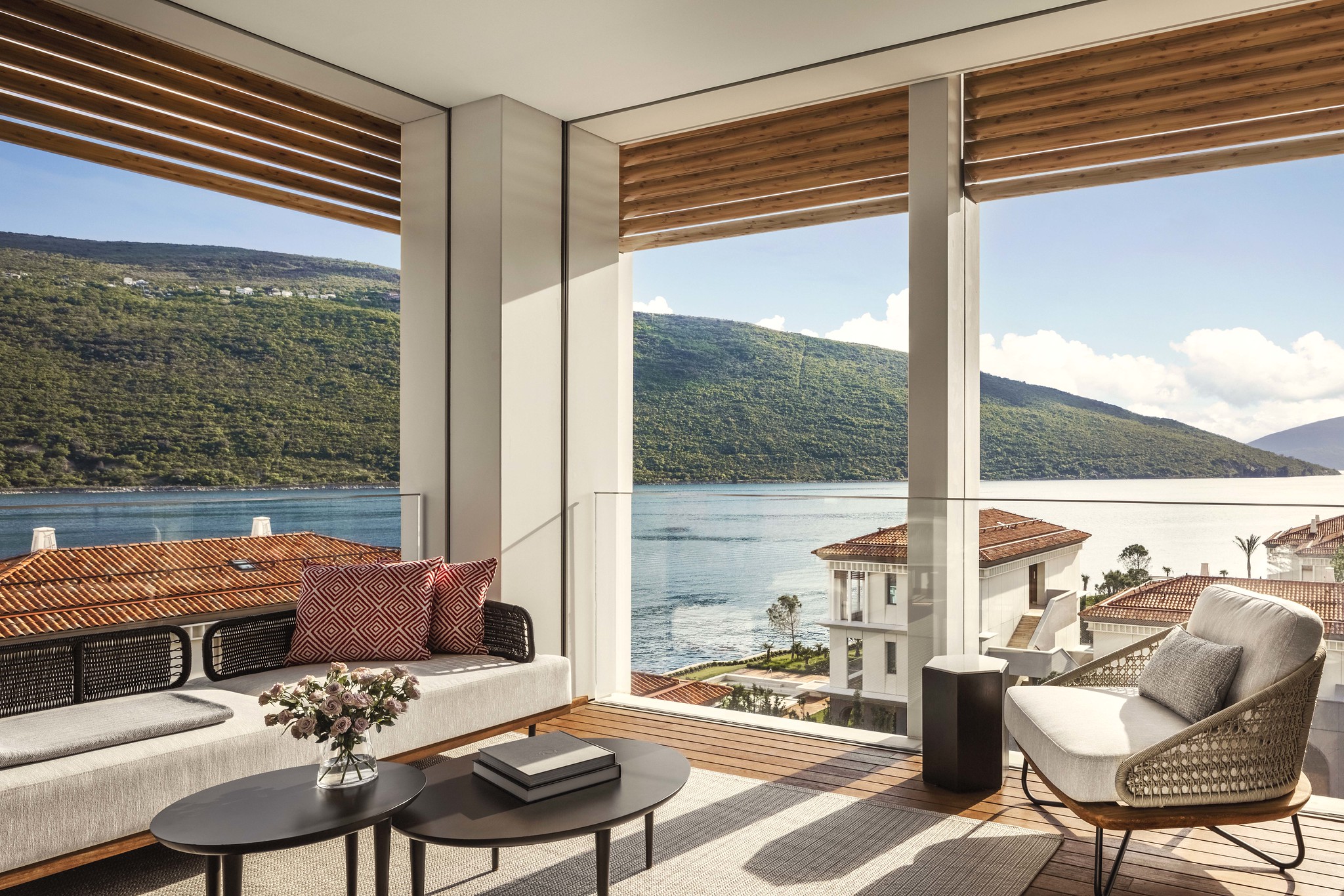
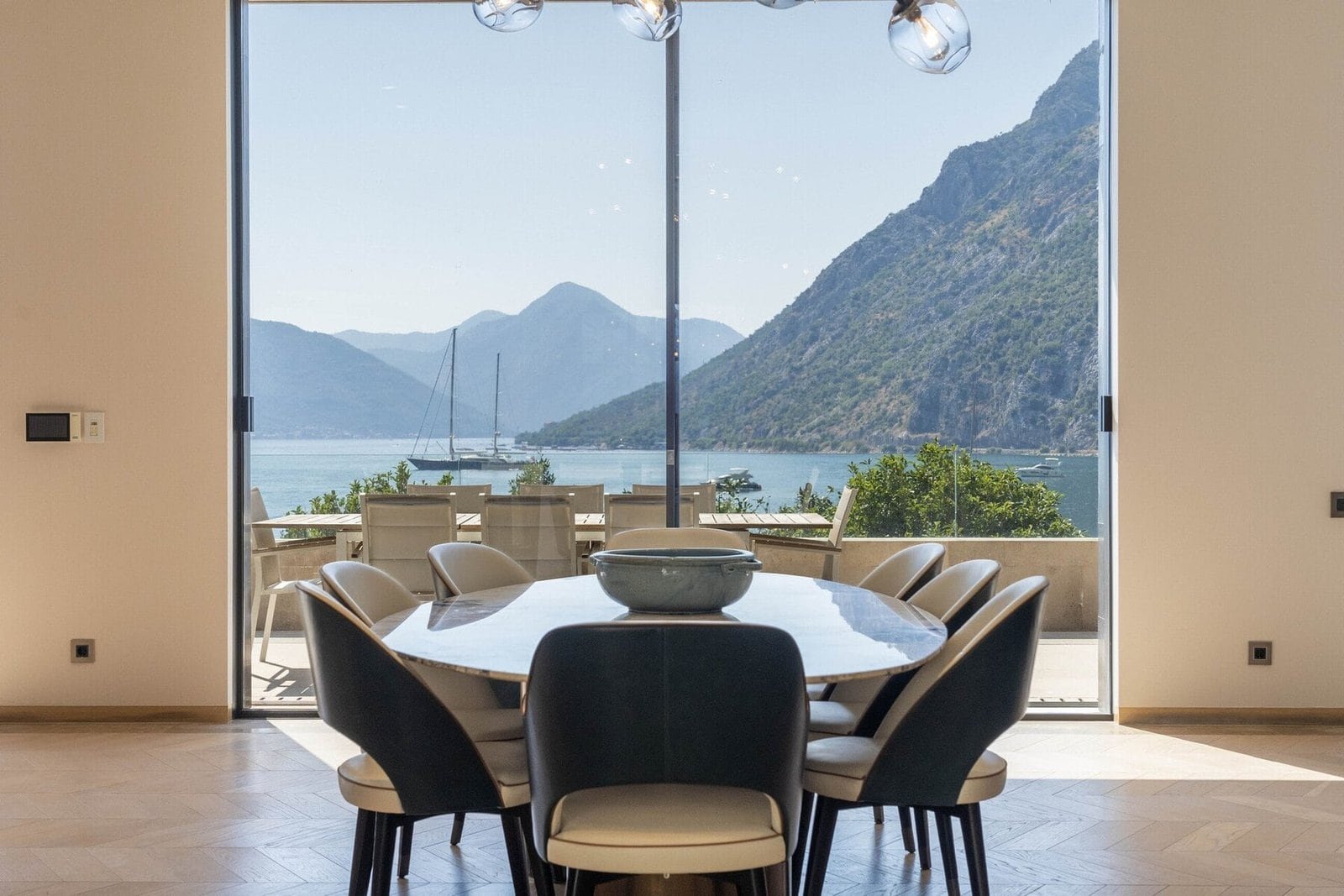
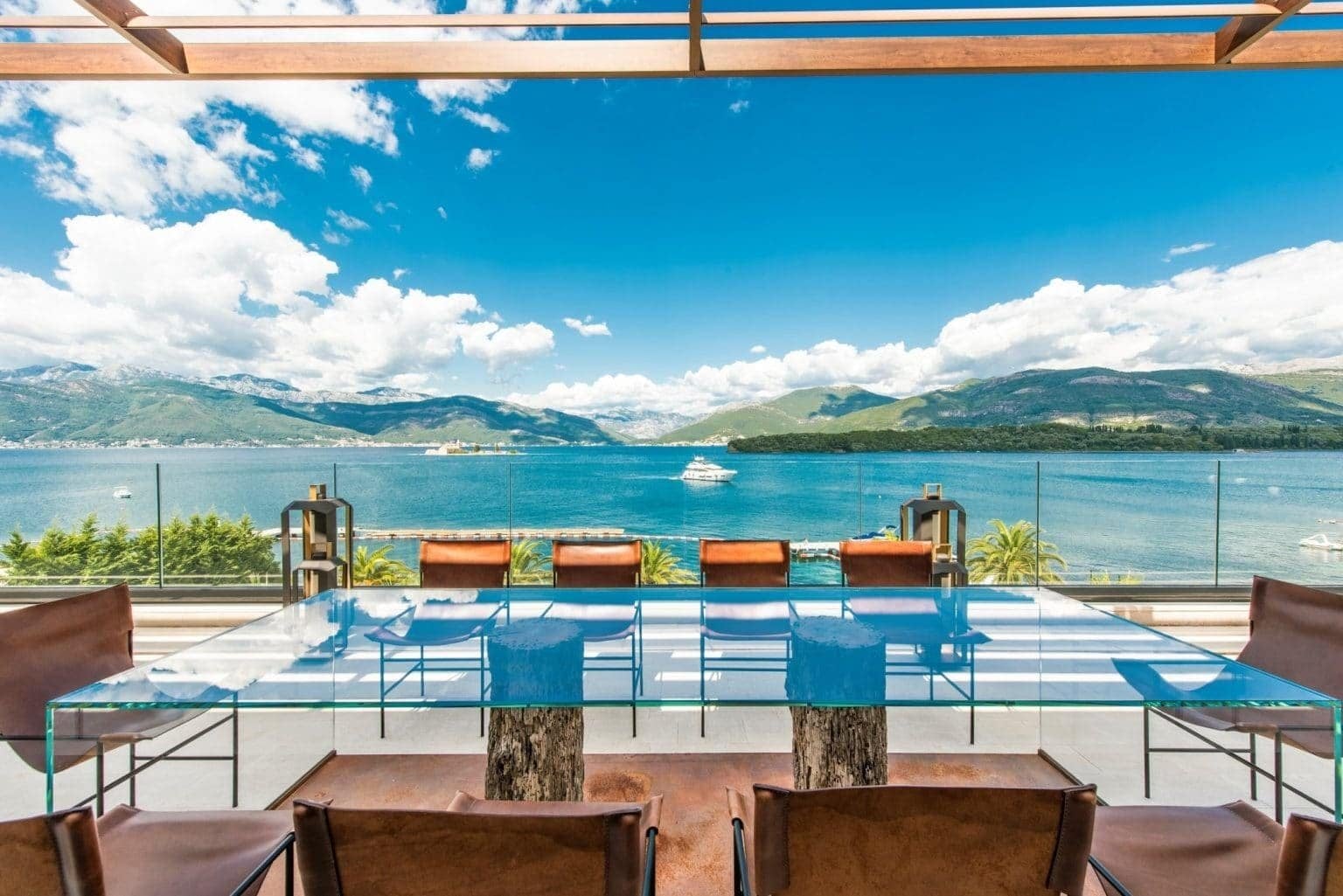
Property selection has a direct bearing on quality of daily life in a country where location differentials are significant. For those seeking the highest standard of residential living within the Porto Montenegro enclave, the Elevated Living Above the Adriatic: Porto Montenegro's Finest Rooftop Penthouse represents a benchmark for coastal residential quality. At the apex of the Porto Montenegro offer, the Sky-High Sovereignty Above the Adriatic: Porto Montenegro's Crown Penthouse delivers a living standard that requires no qualification against any comparable European address. For buyers seeking a considered balance of scale, view, and location, the Panoramic Sea Views and Alpine Horizons at Porto Montenegro's Finest Address is among the most compelling two-bedroom propositions currently available in the market.
Advisory Note from Barok Estates International
Montenegro in 2026 is a market that rewards those who approach it with both enthusiasm and rigour. The lifestyle case is genuine and, at the right price point and location, exceptional. The investment case for well-selected coastal and marina property is grounded in measurable demand dynamics. The residency and legal frameworks are improving and are workable with the right professional support.
At Barok Estates International, our advisory team operates across our offices in Madrid, Marbella, London, and Montenegro, providing clients with direct access to local market knowledge and professional networks across every aspect of a Montenegro relocation: property acquisition, legal and residency support, school introductions, and ongoing client services.
For a confidential conversation about your Montenegro relocation or acquisition, contact the Barok Estates International Montenegro desk directly. We are here to ensure that your move to the Adriatic is grounded in the right intelligence from the outset.







.jpg)