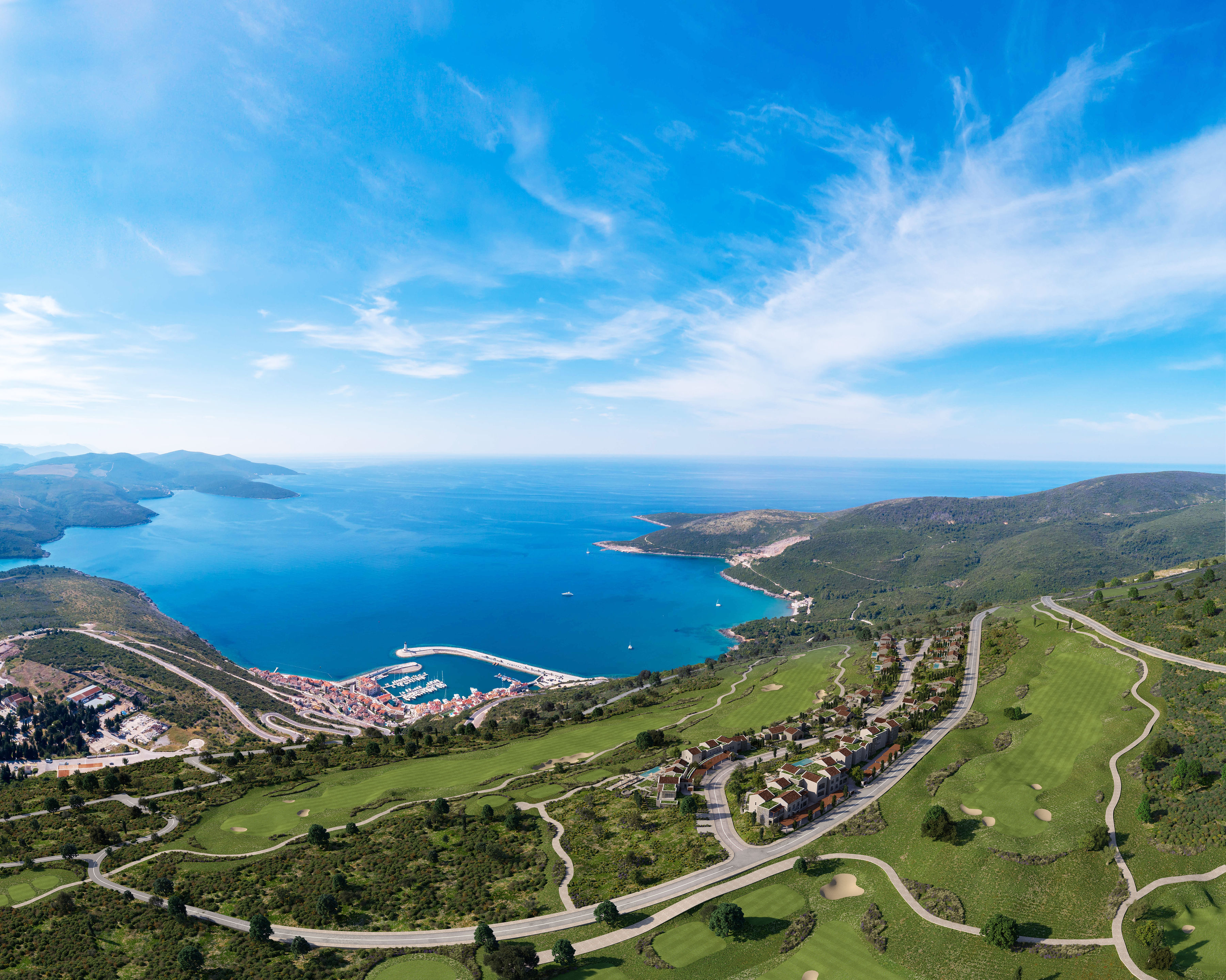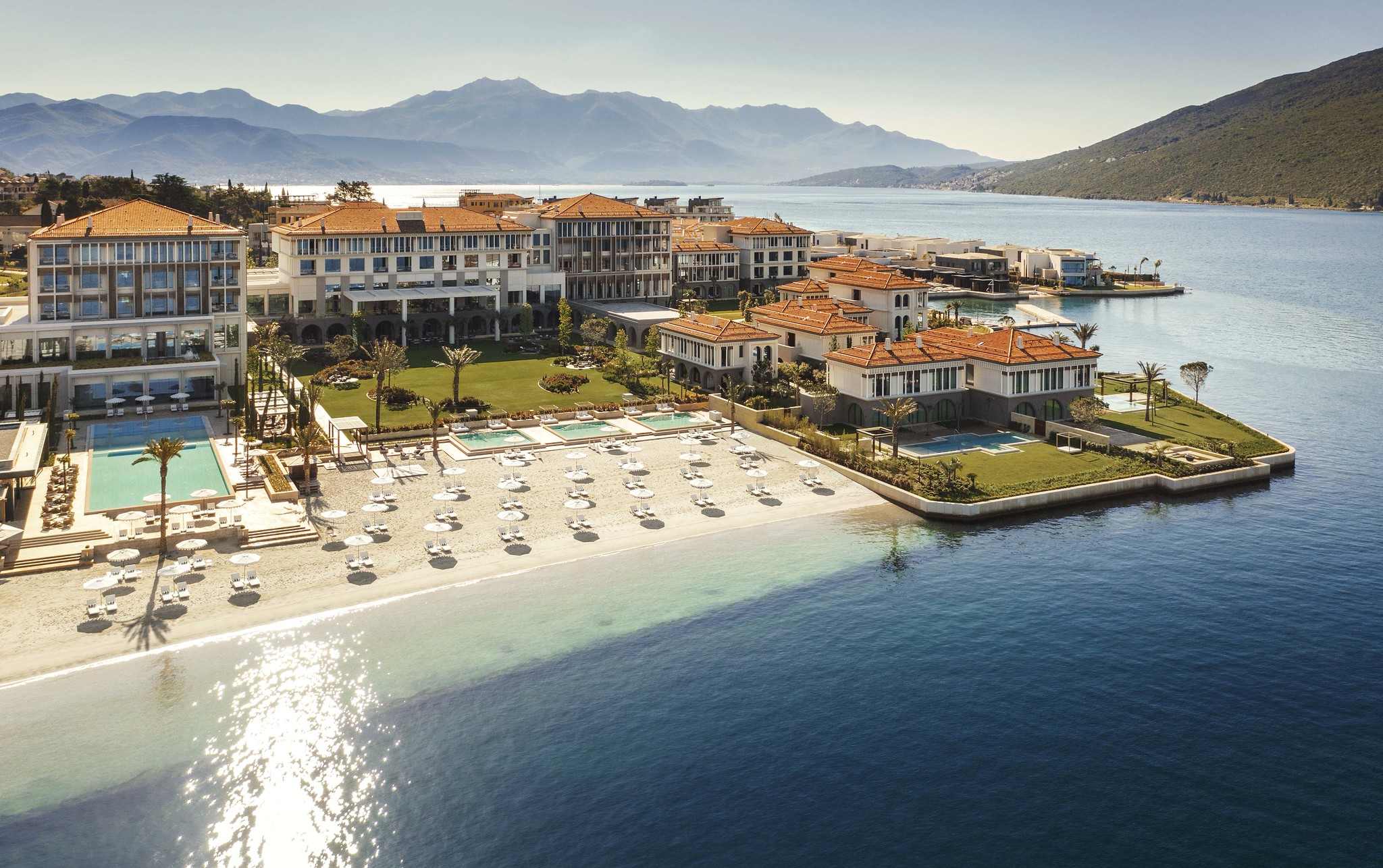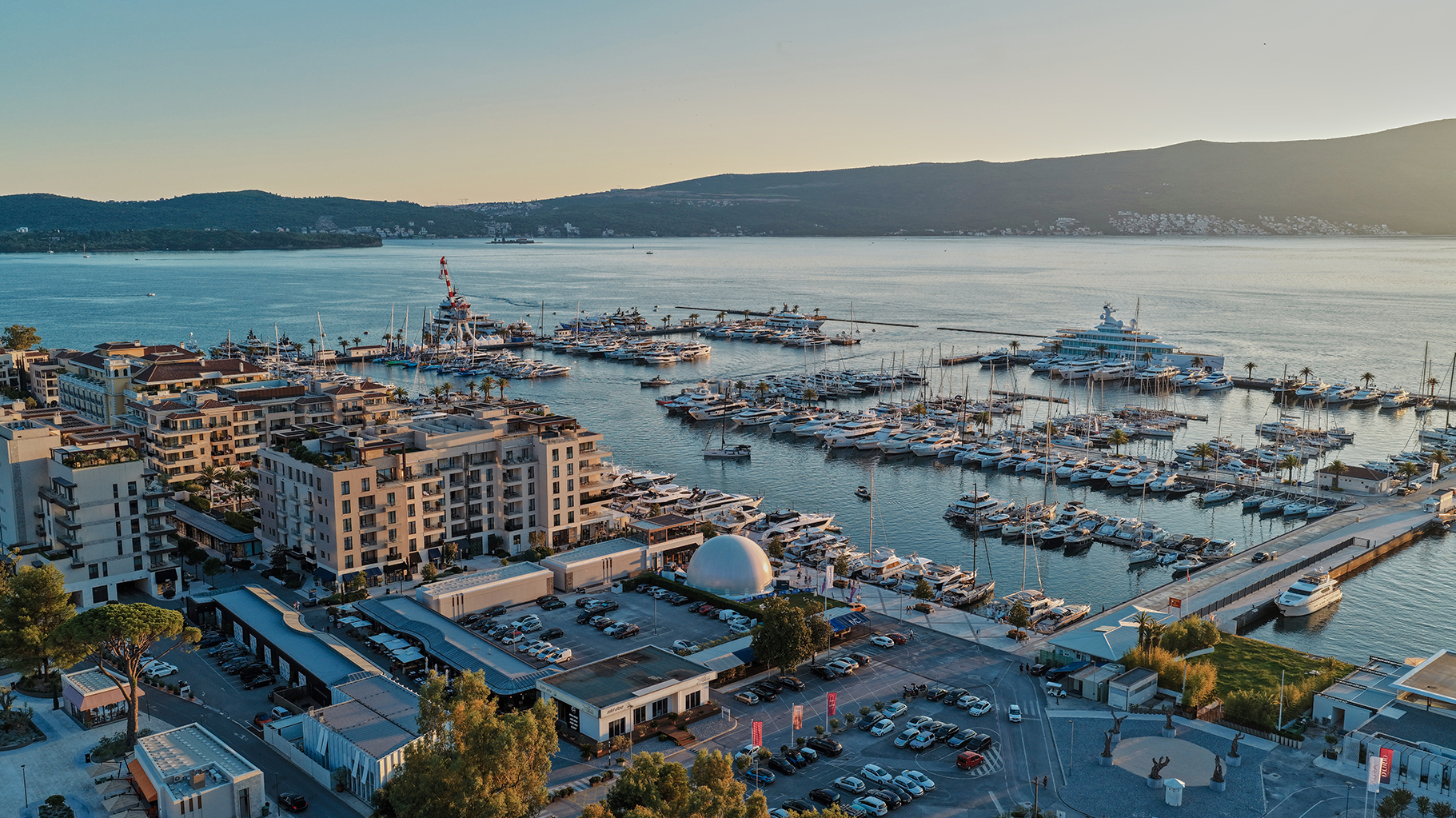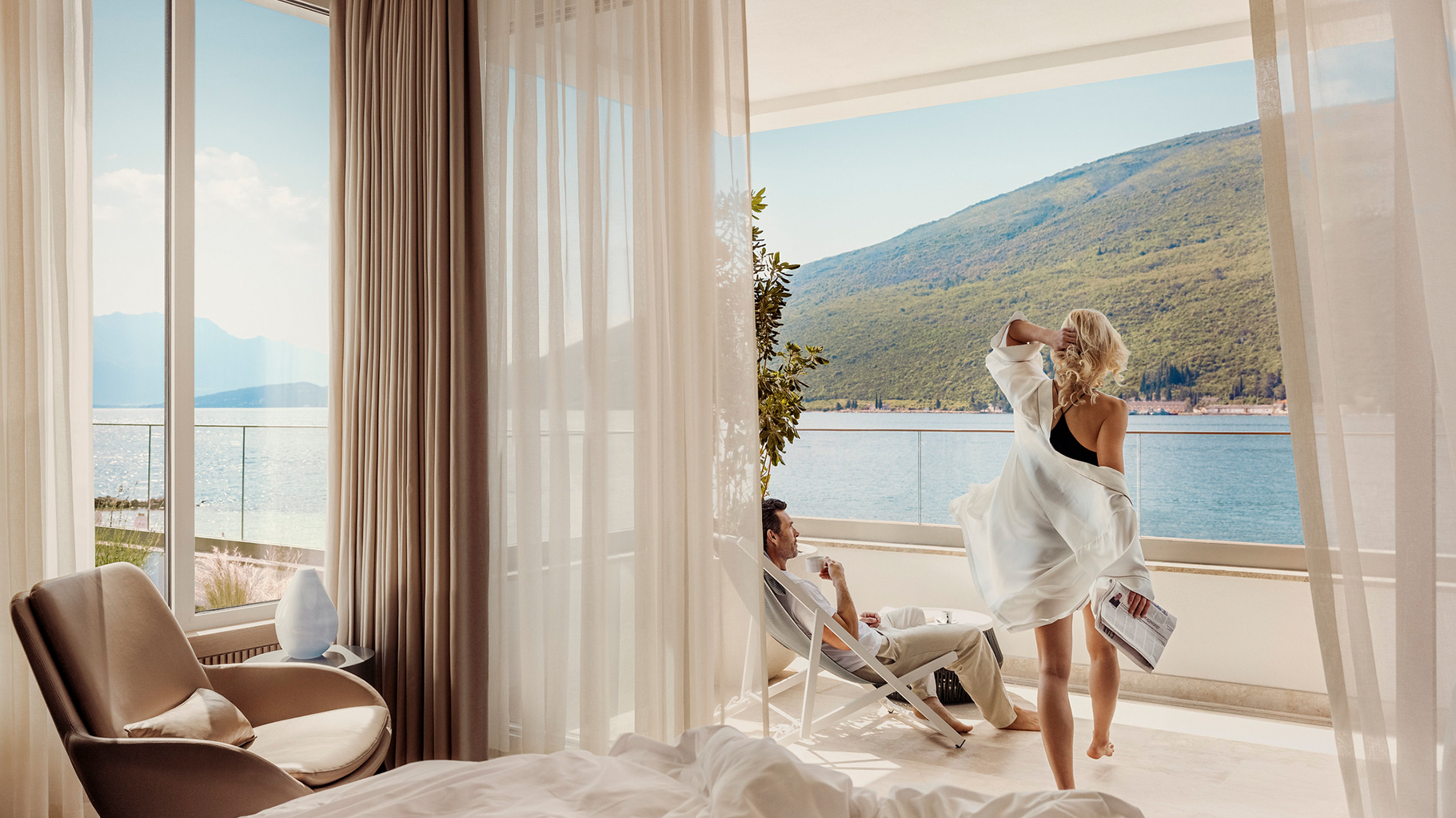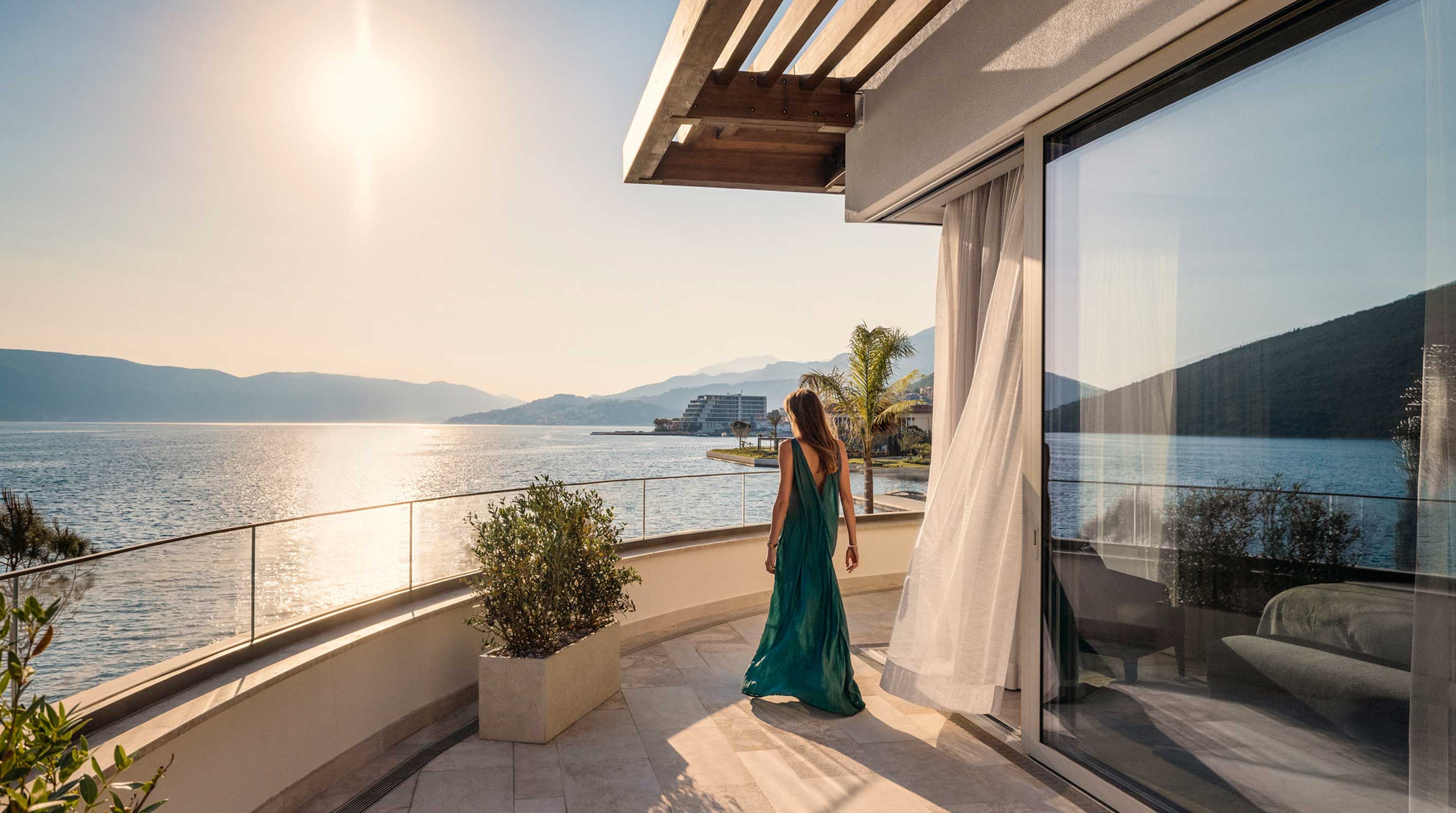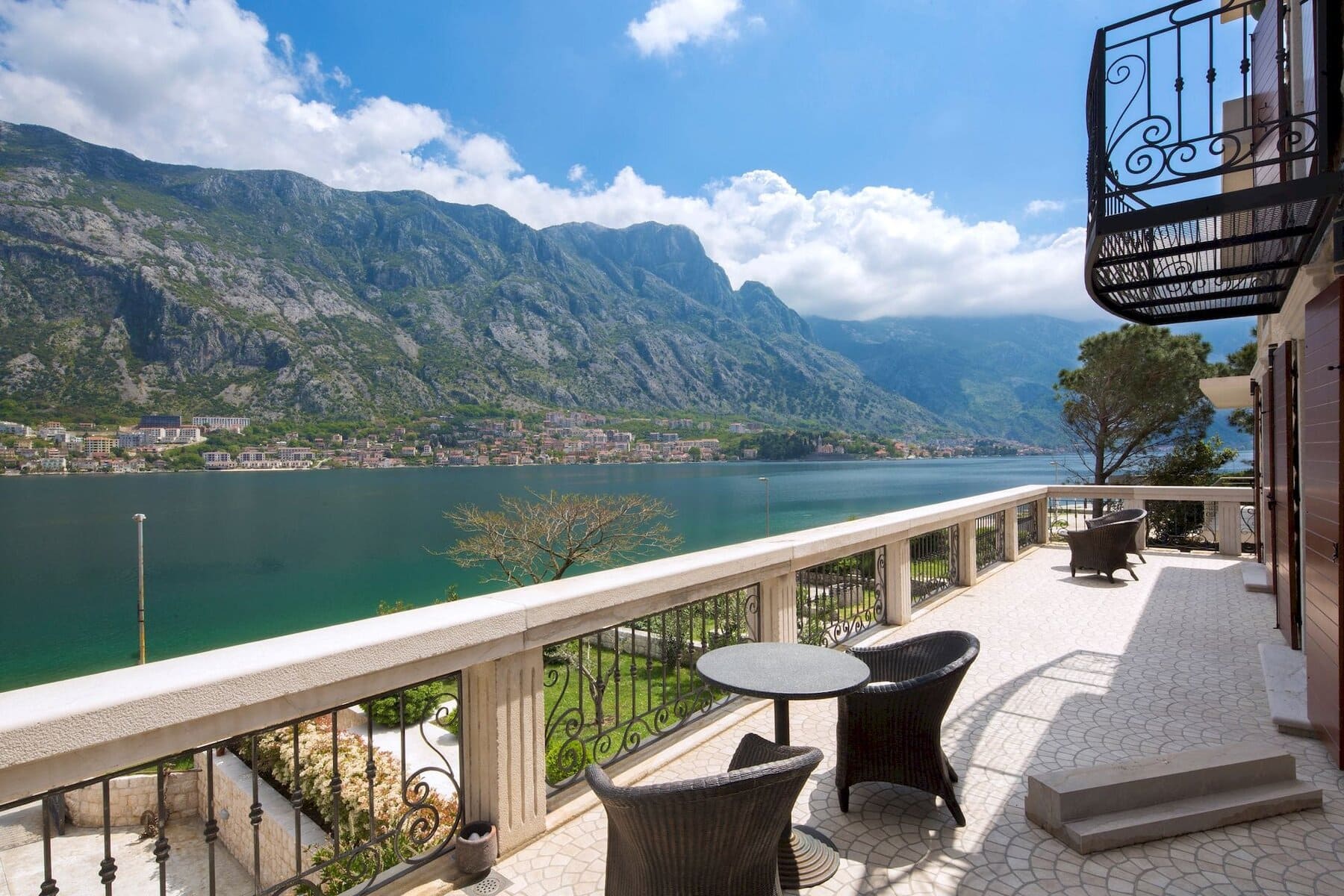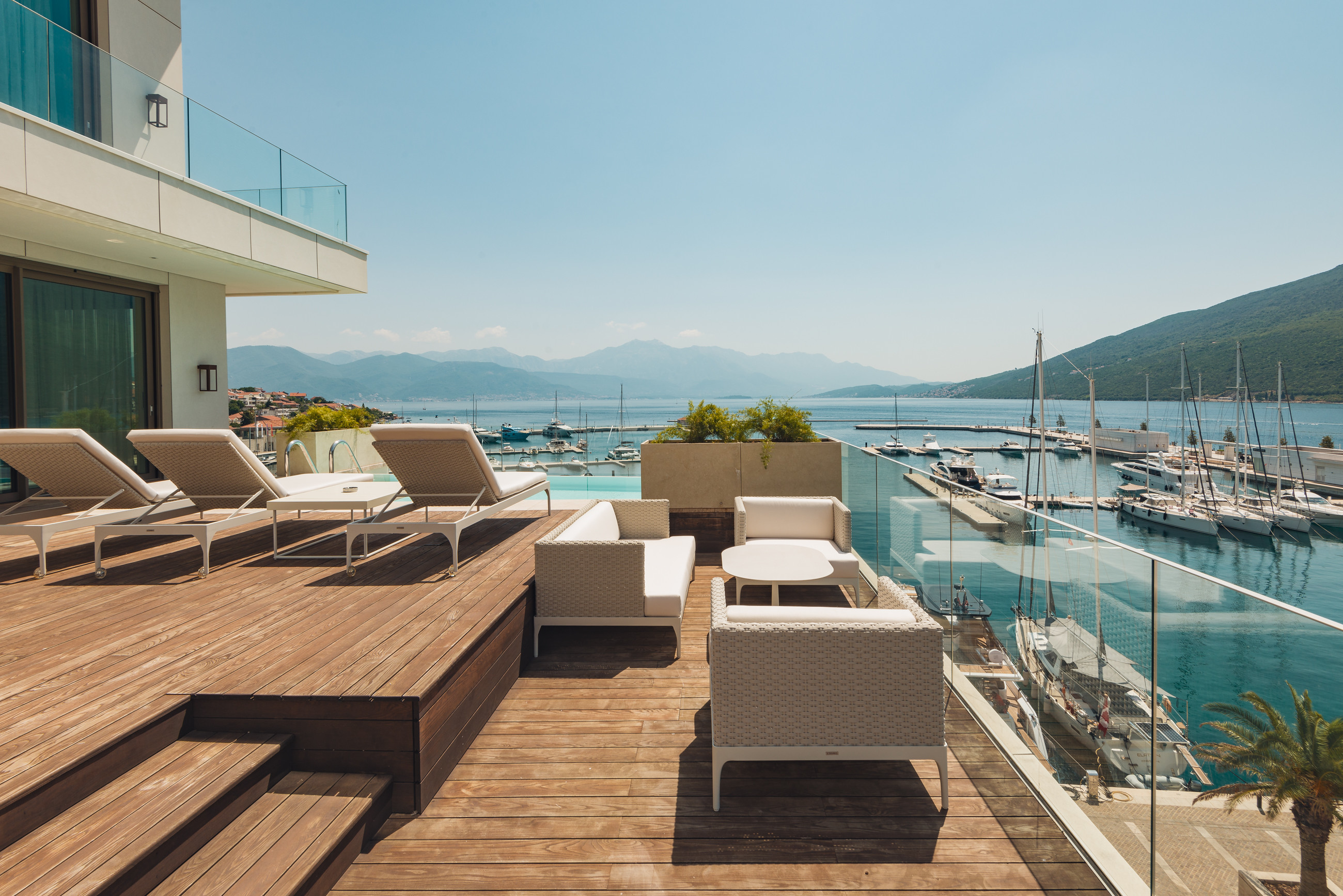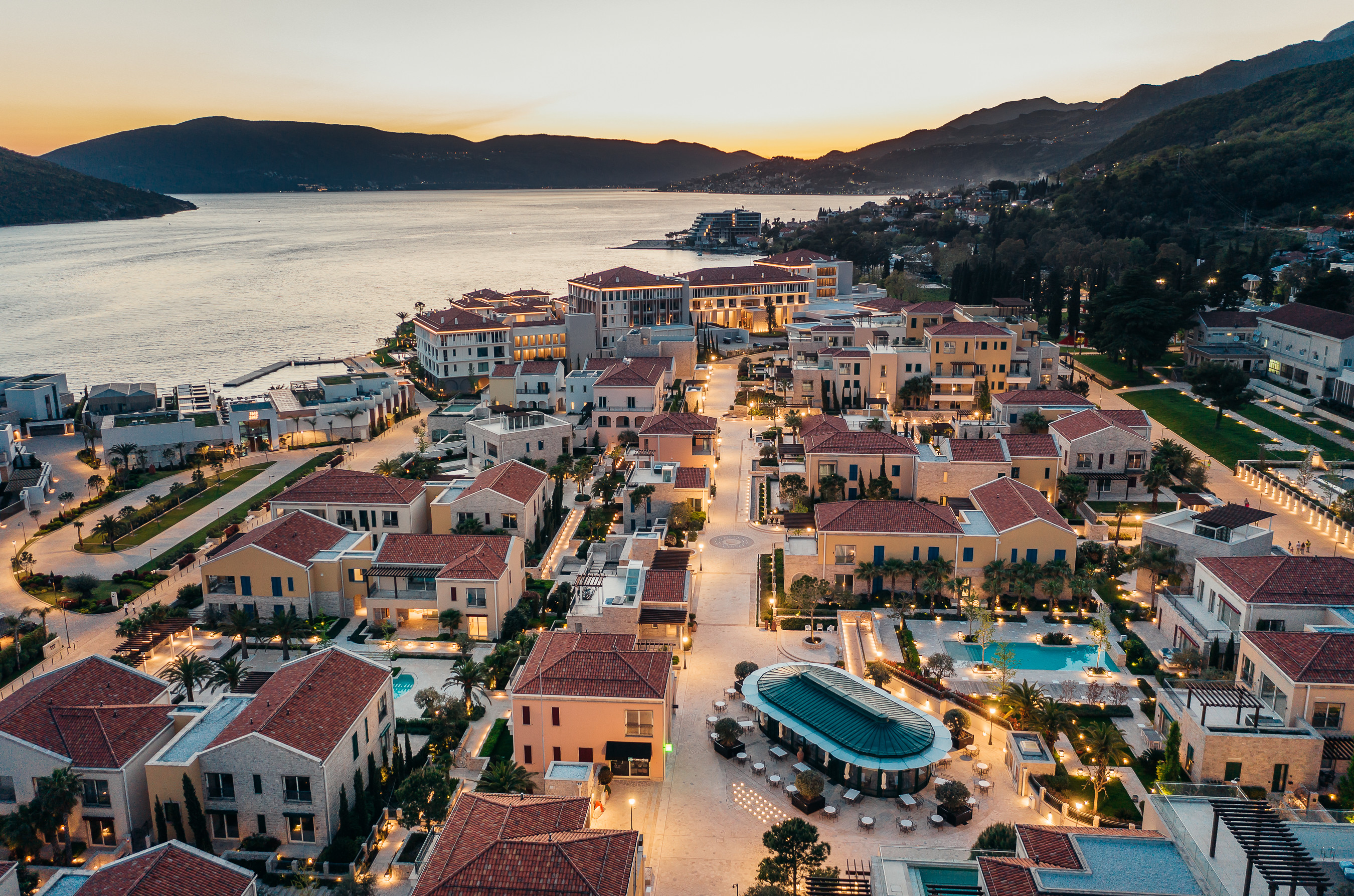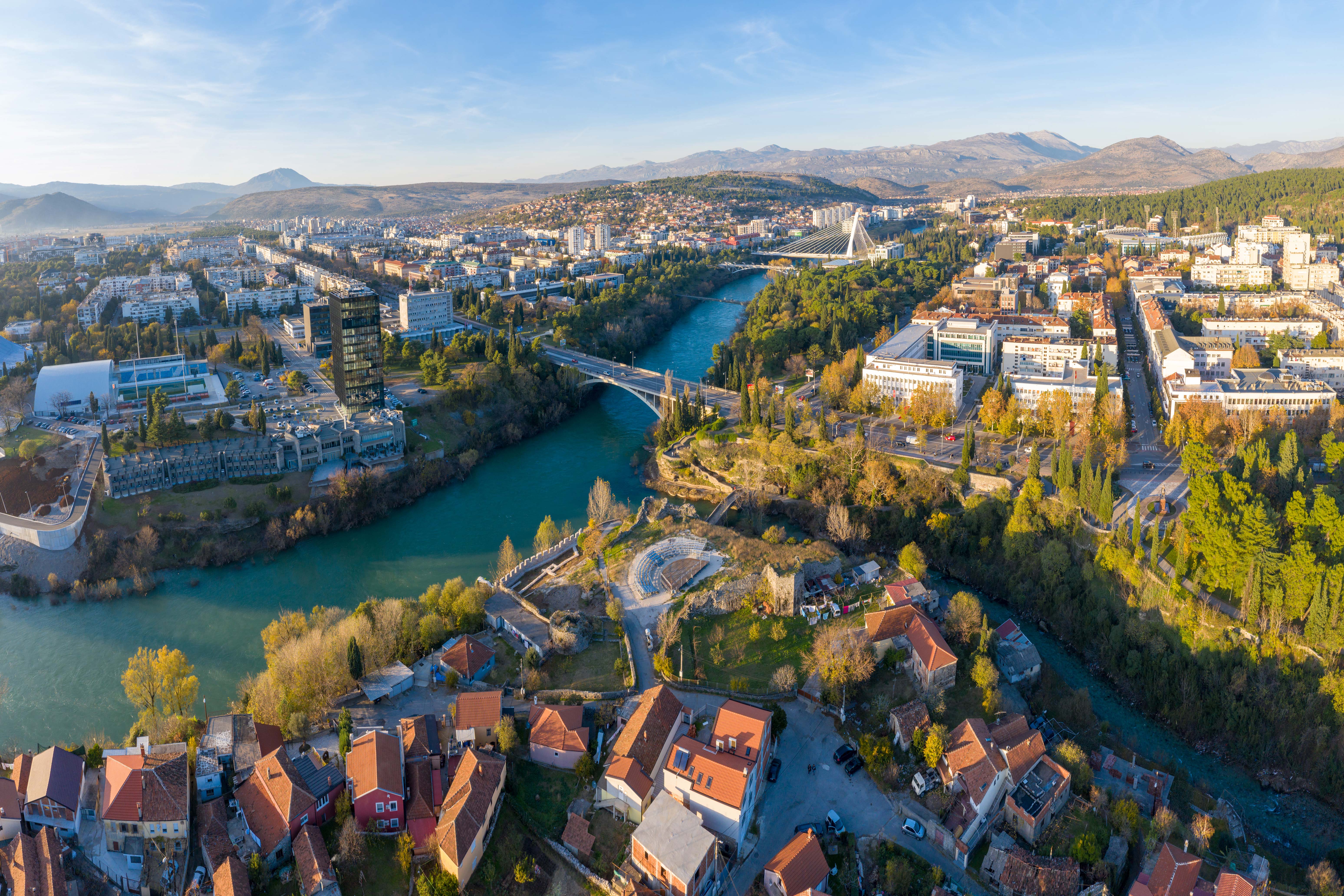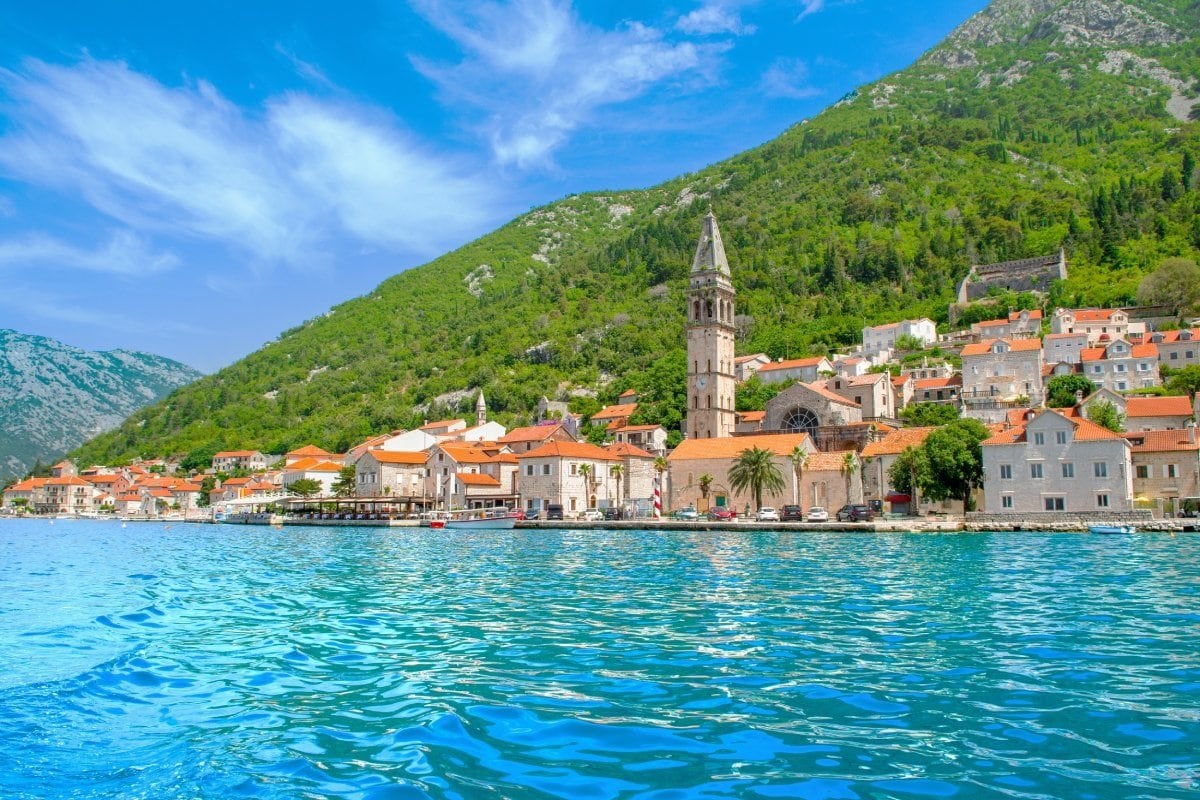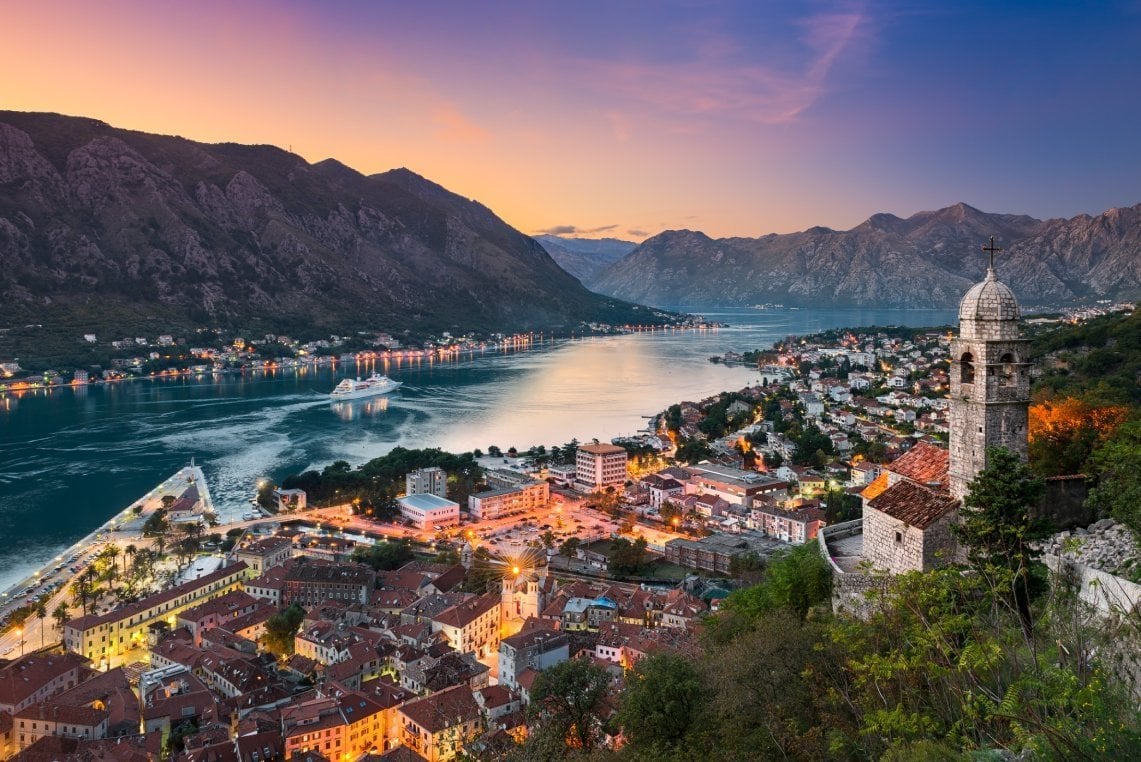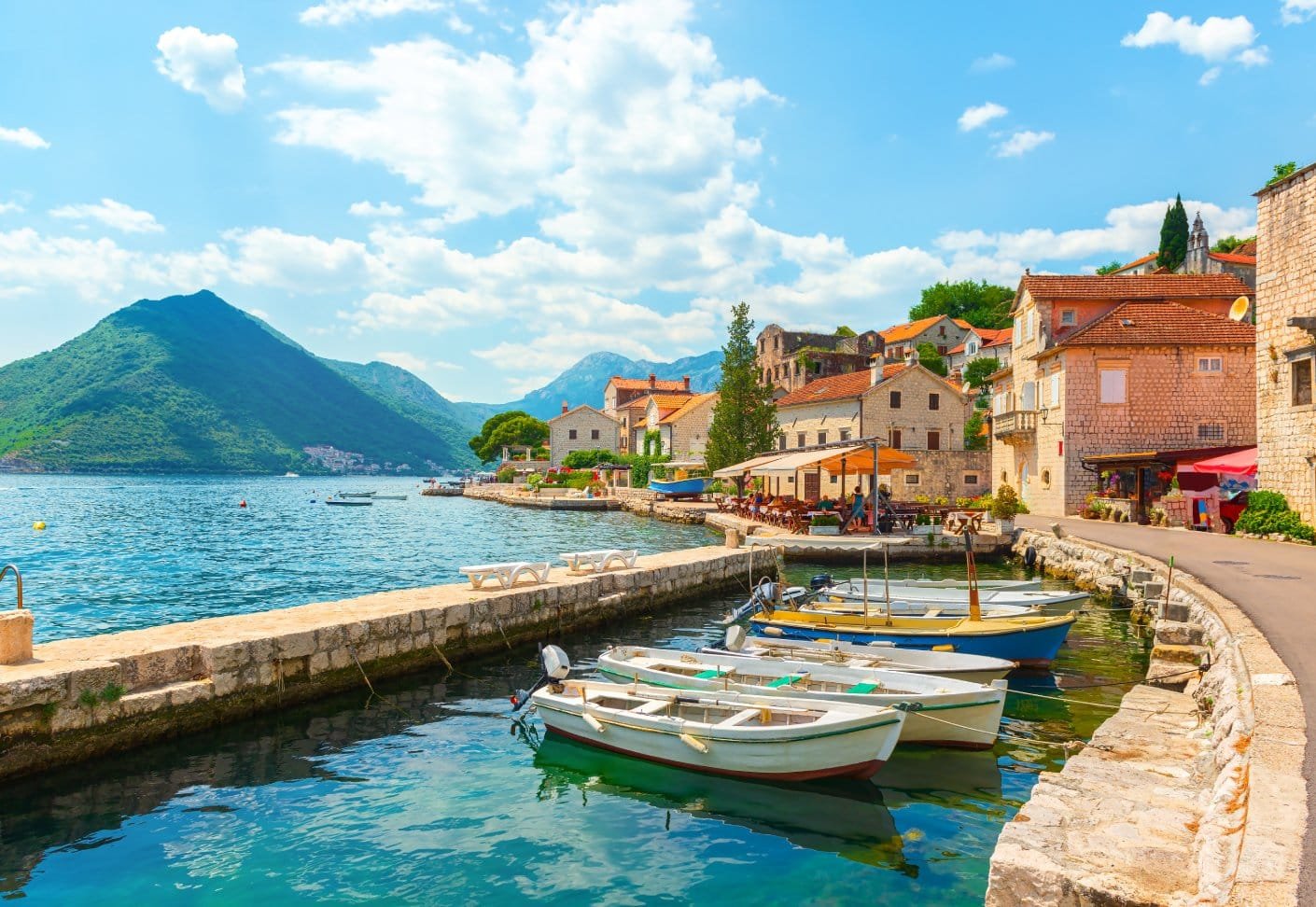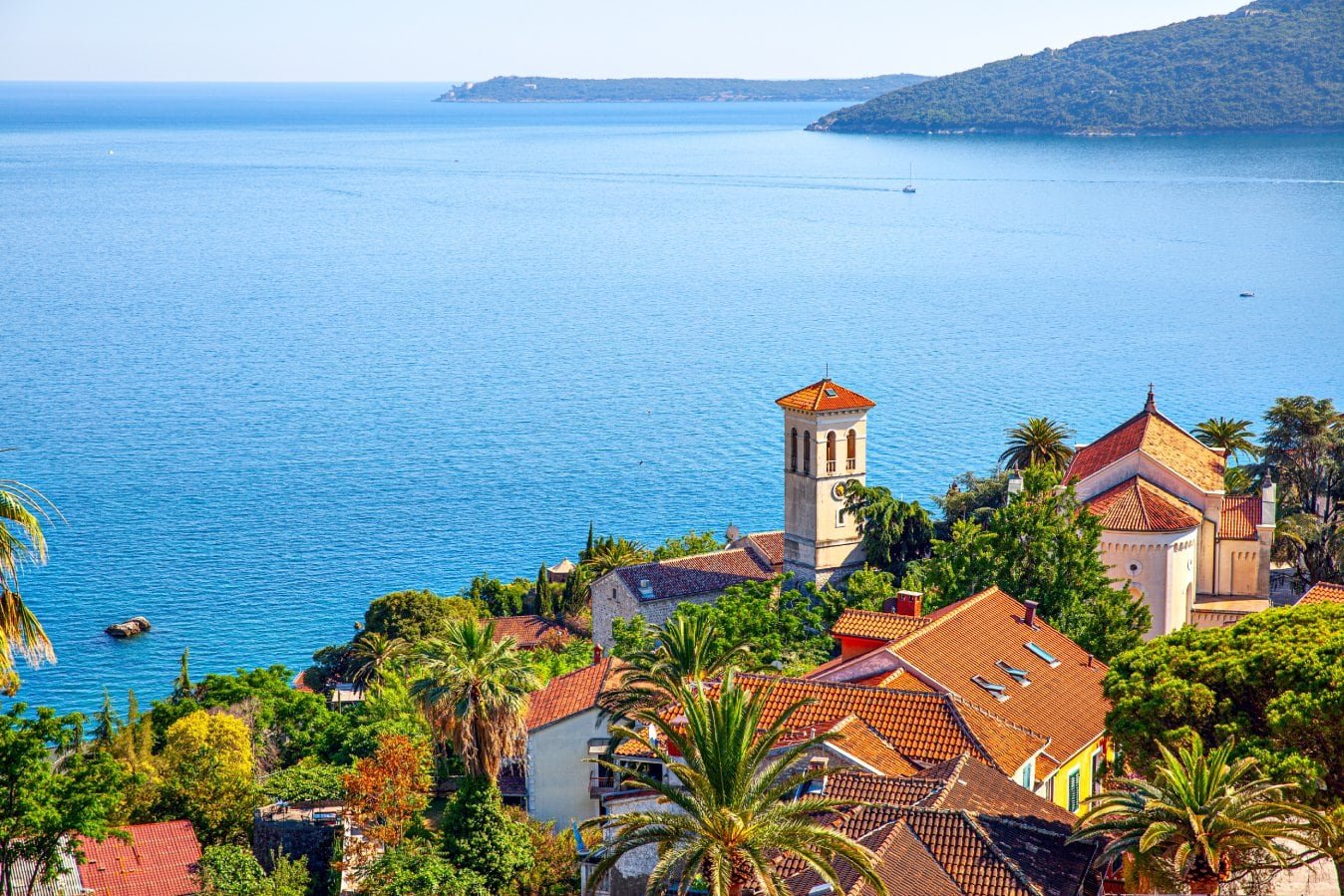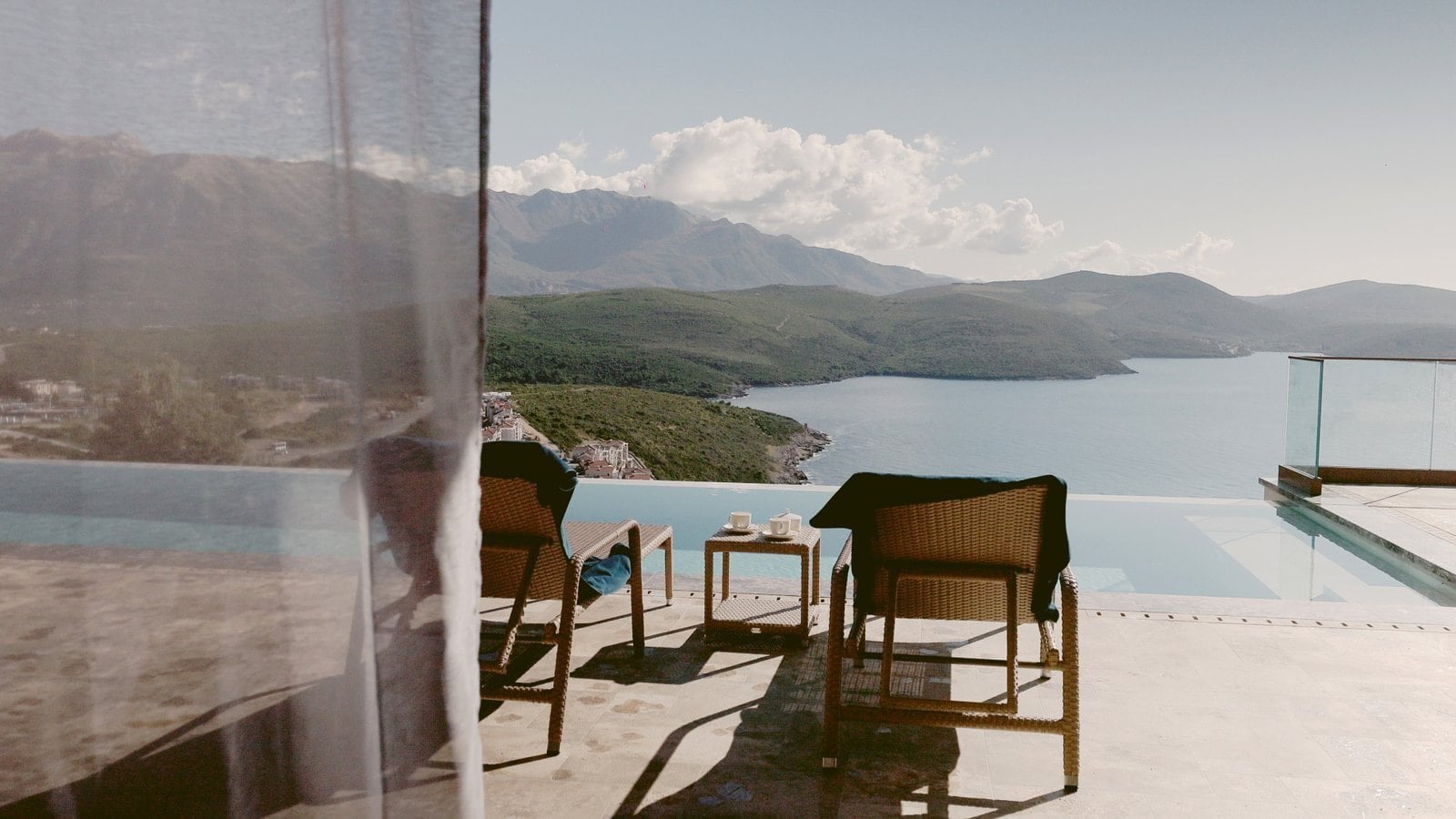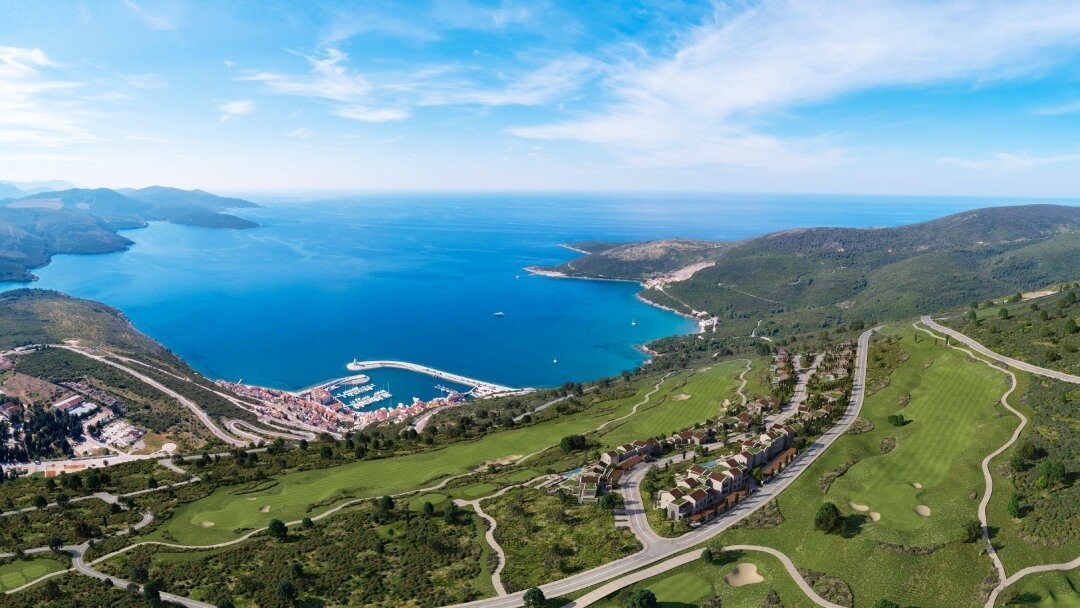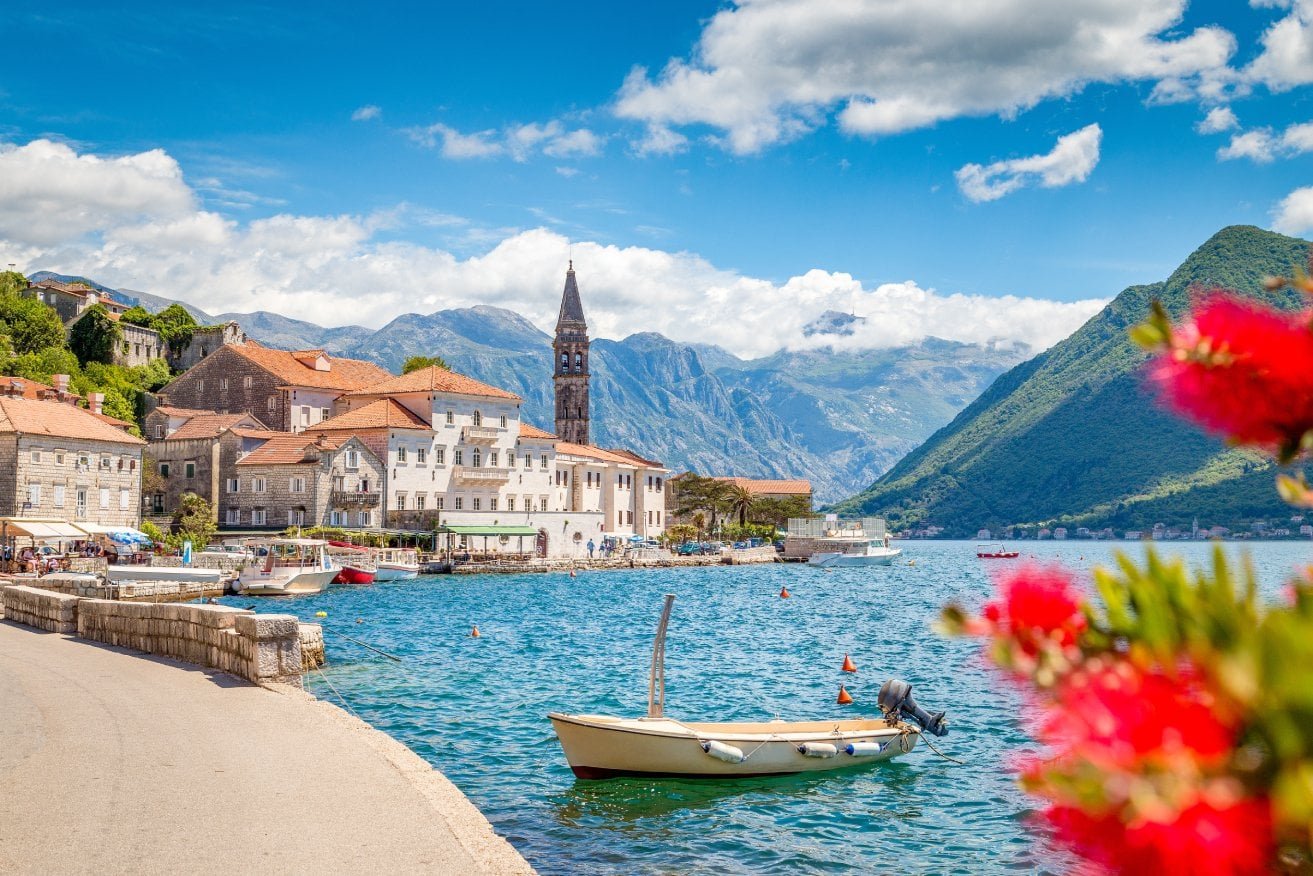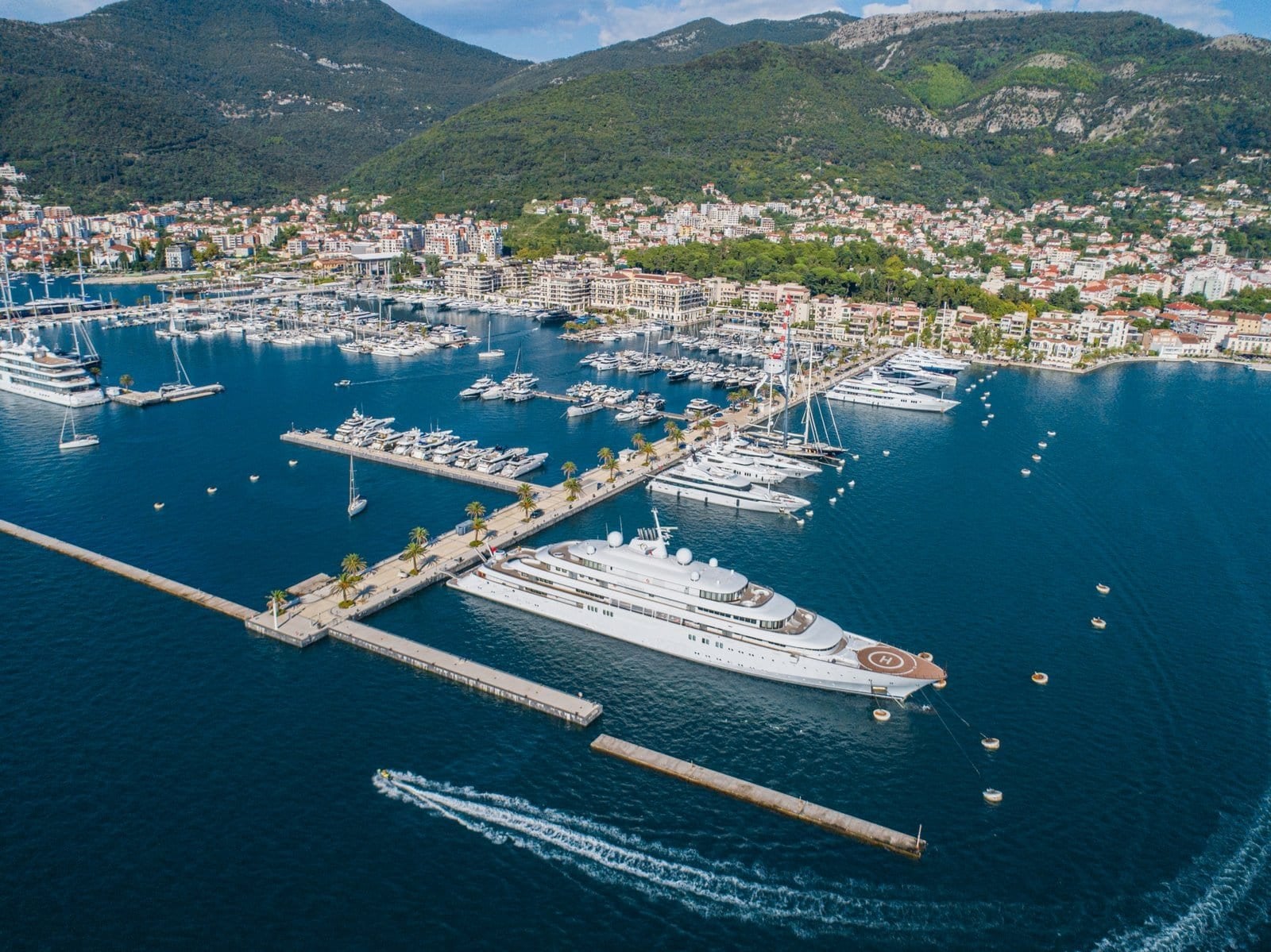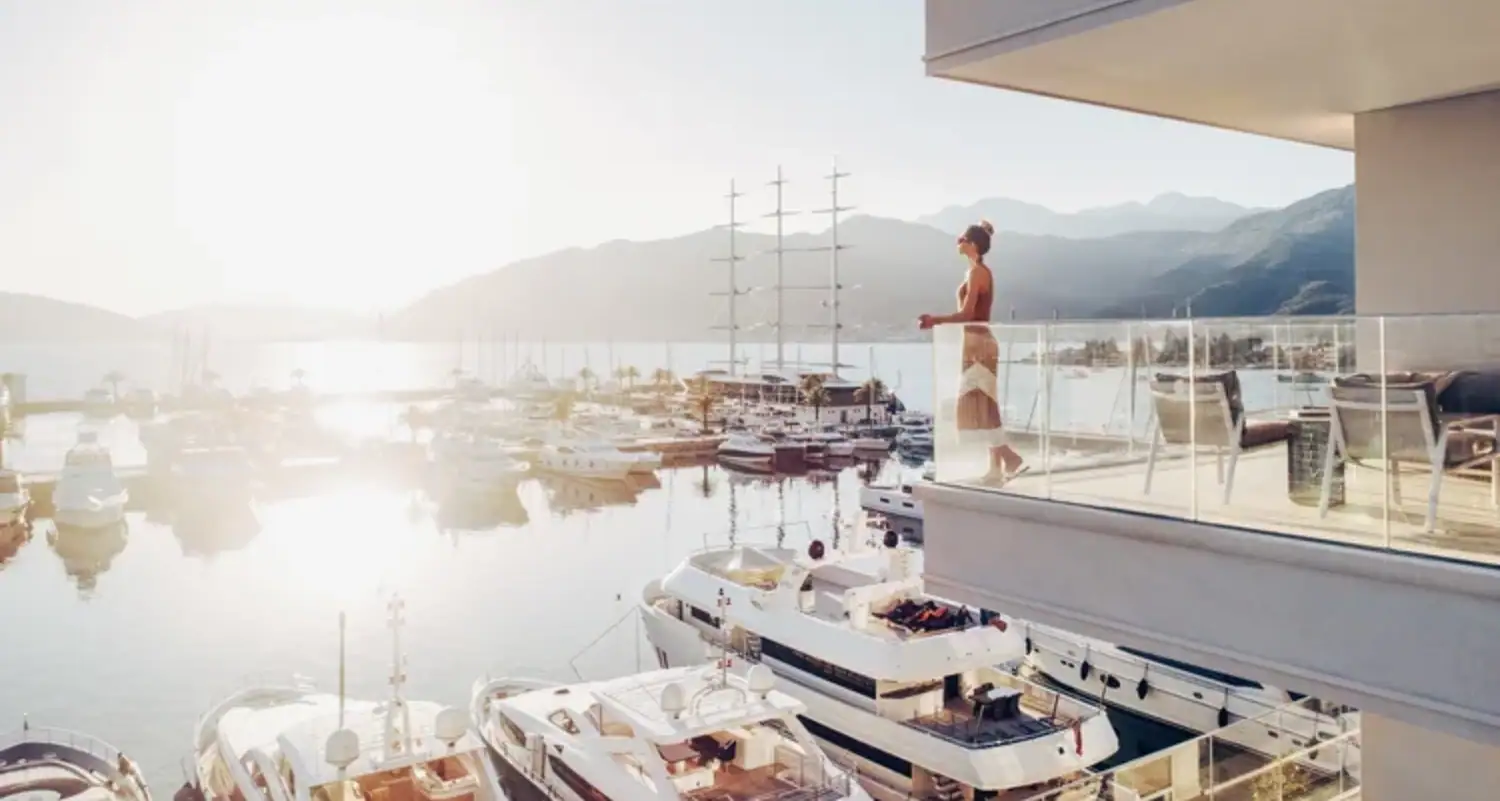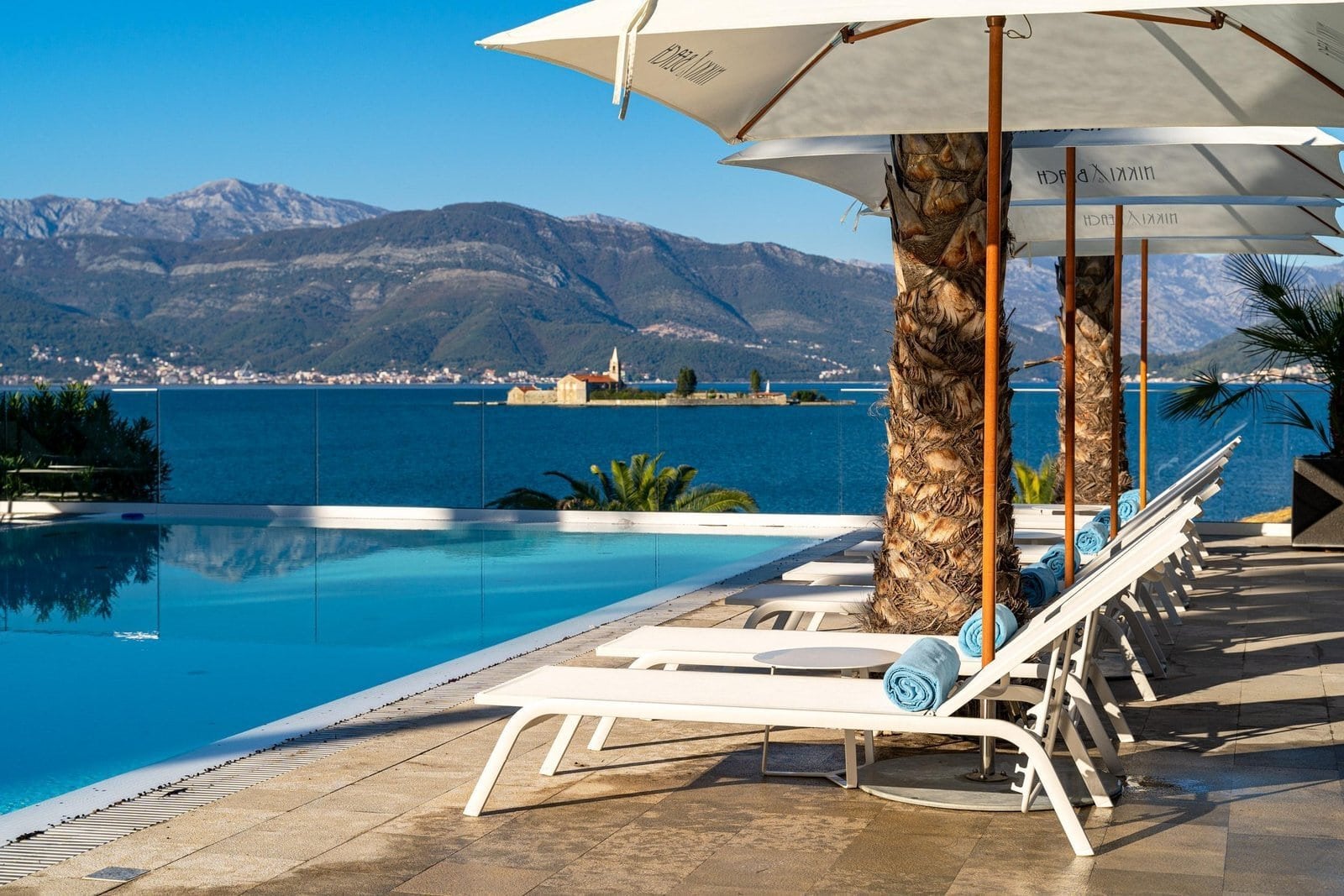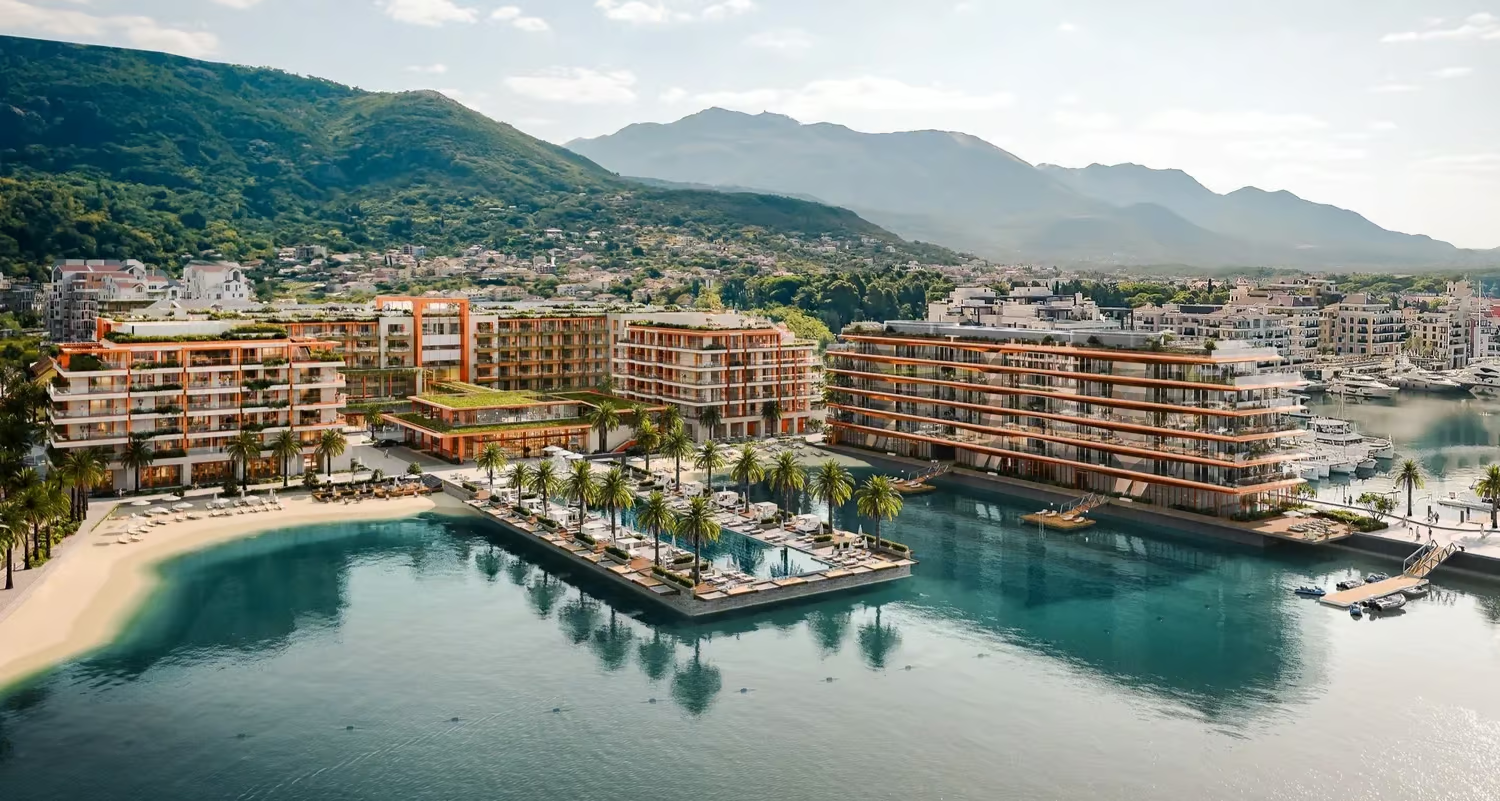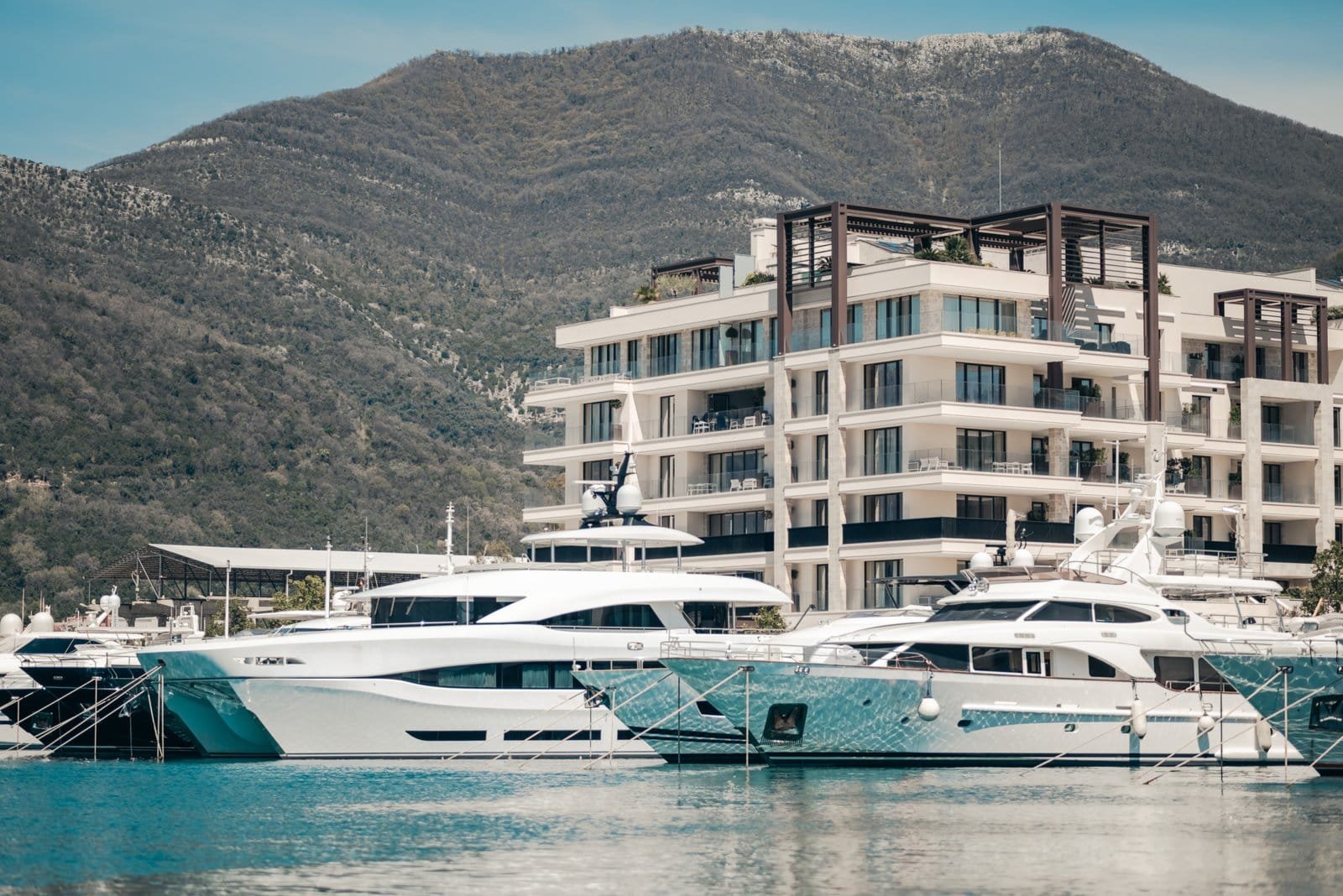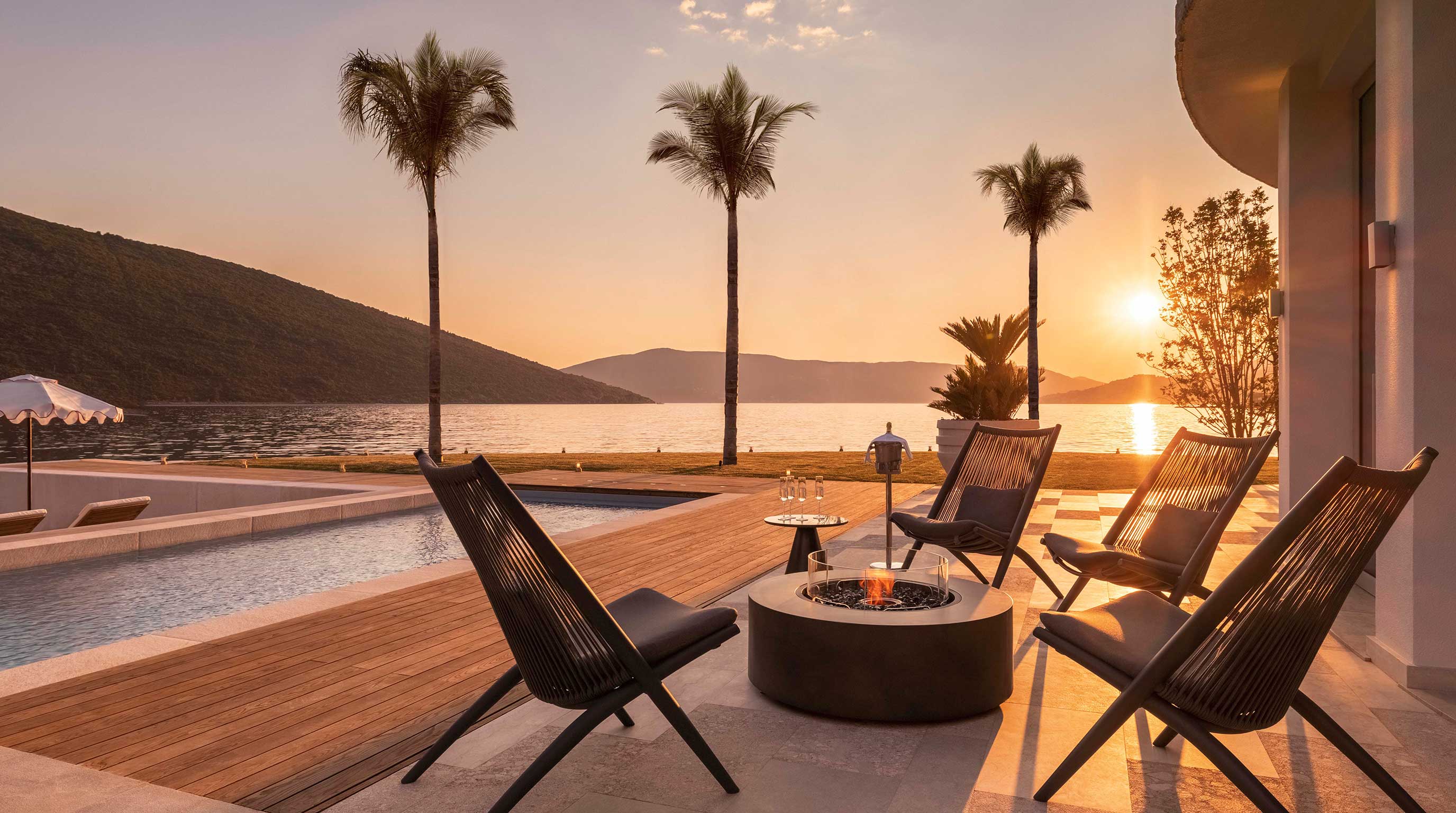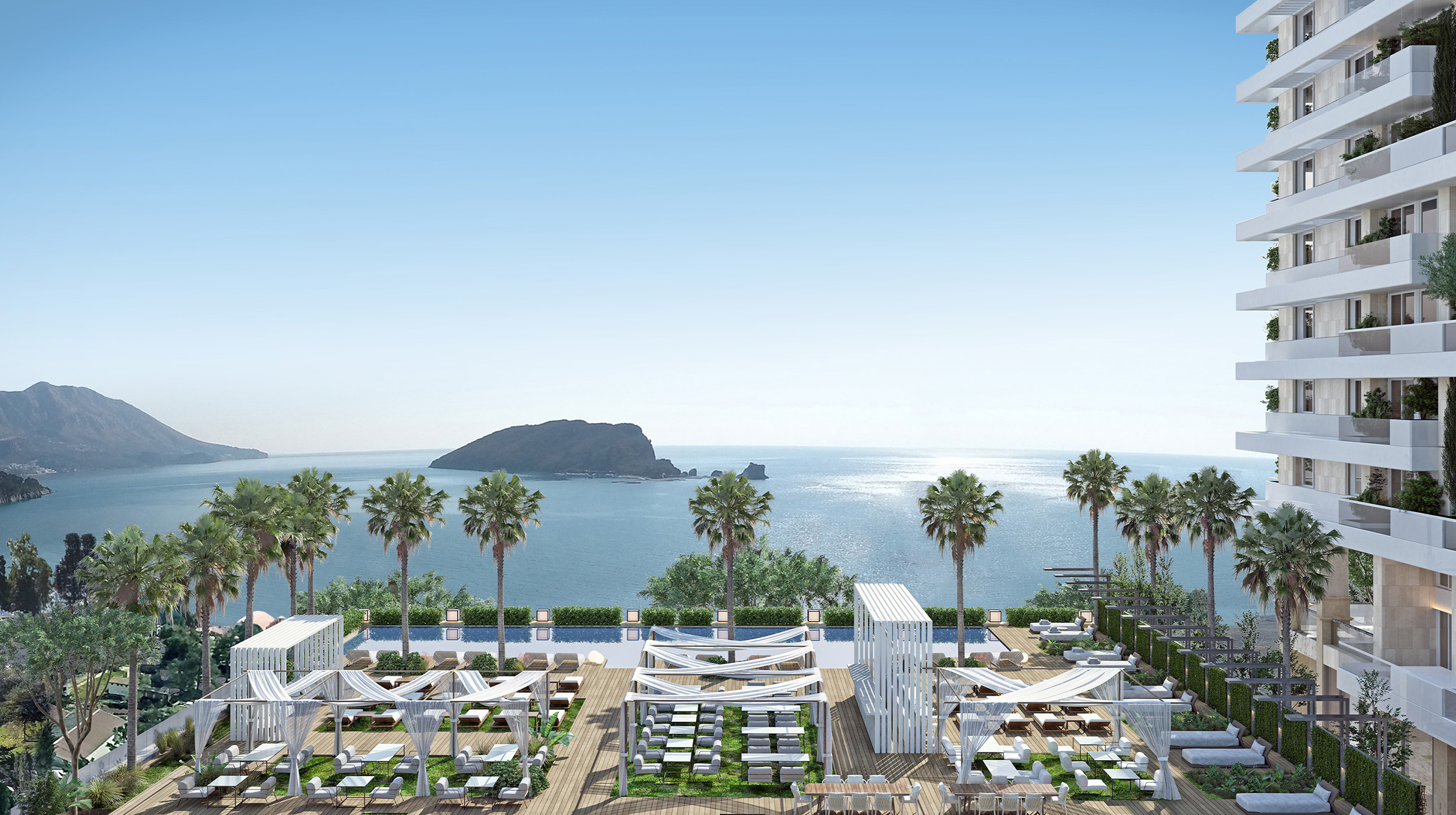
There is a particular hour on the Budva Riviera, just after sunrise, when the Adriatic sits perfectly still and the promenade belongs entirely to the early risers. No listing brochure captures it. Property portals will show you floor plans and terrace dimensions, but they rarely convey the morning walk for coffee, the sound of rigging against masts in the marina at dusk, or the way the town's entire rhythm shifts with the calendar. This guide, prepared by the editorial team at Barok Estates International, pairs that lived experience with the financial and structural detail that serious buyers require before committing capital to one of the Mediterranean's most consistently watched coastal markets.
What Life Actually Looks Like in a Budva Beach Community
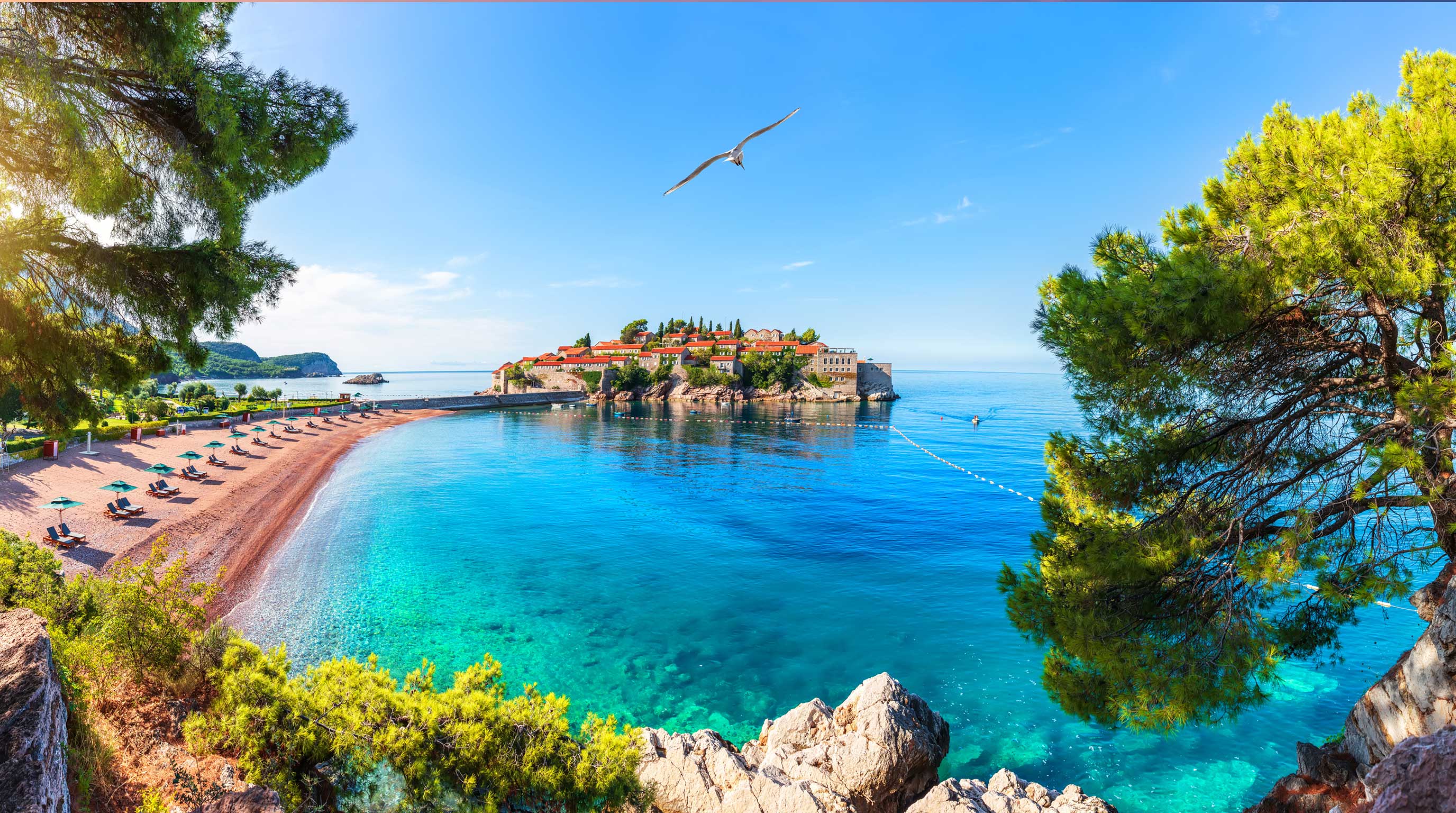
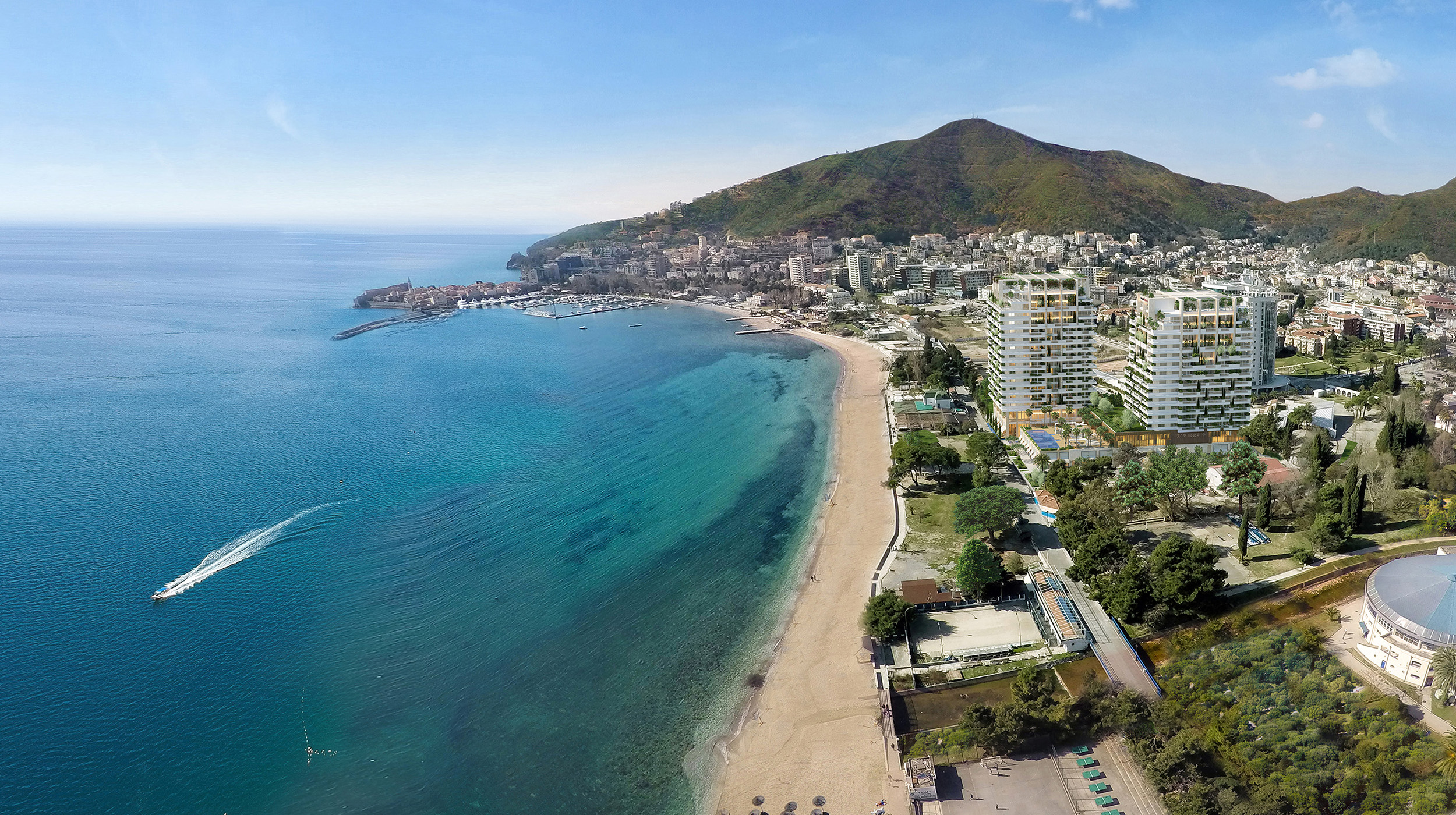
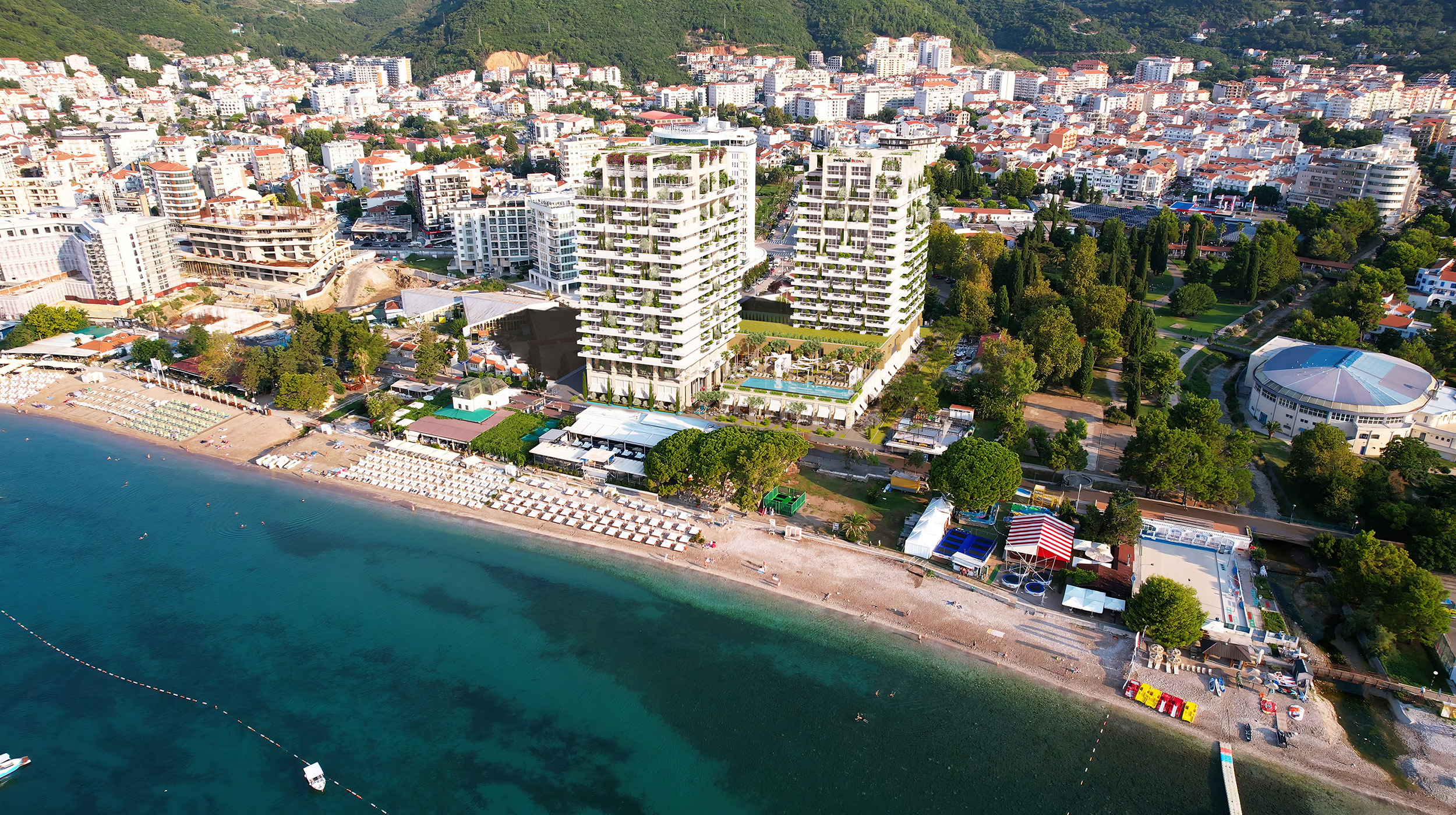
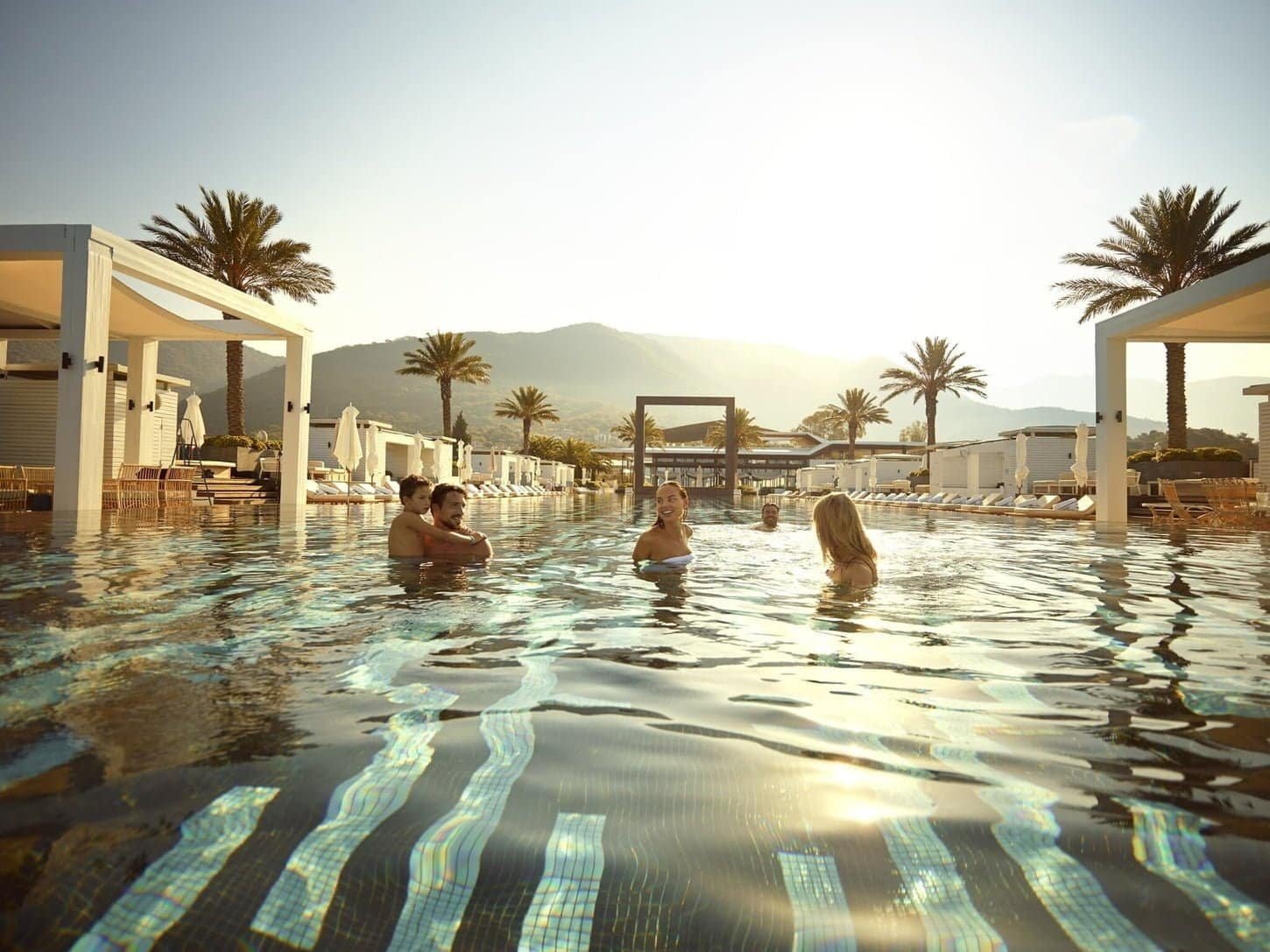
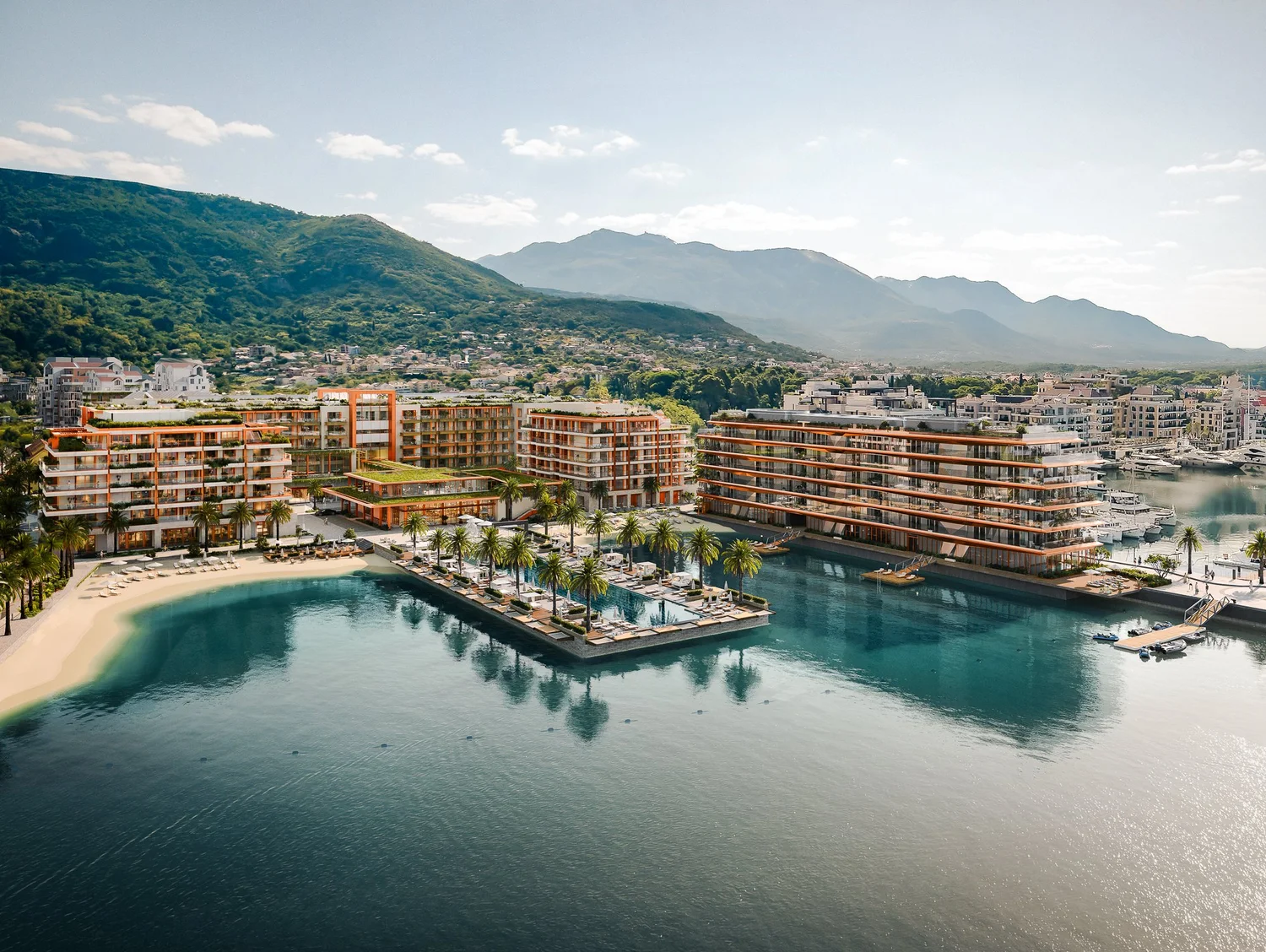
Beachfront living in Budva is organised around proximity to the water in a way that hillside or inland properties simply cannot replicate. Residents do not commute to the coast; they are already there. Mornings tend to begin outdoors, with a swim before the heat builds, followed by coffee at a promenade terrace where familiar faces accumulate over time. By mid-morning, the beach clubs are fully operational, and the town settles into its summer rhythm of leisure, conversation, and the particular unhurried pace that draws international buyers to the Adriatic in the first place.
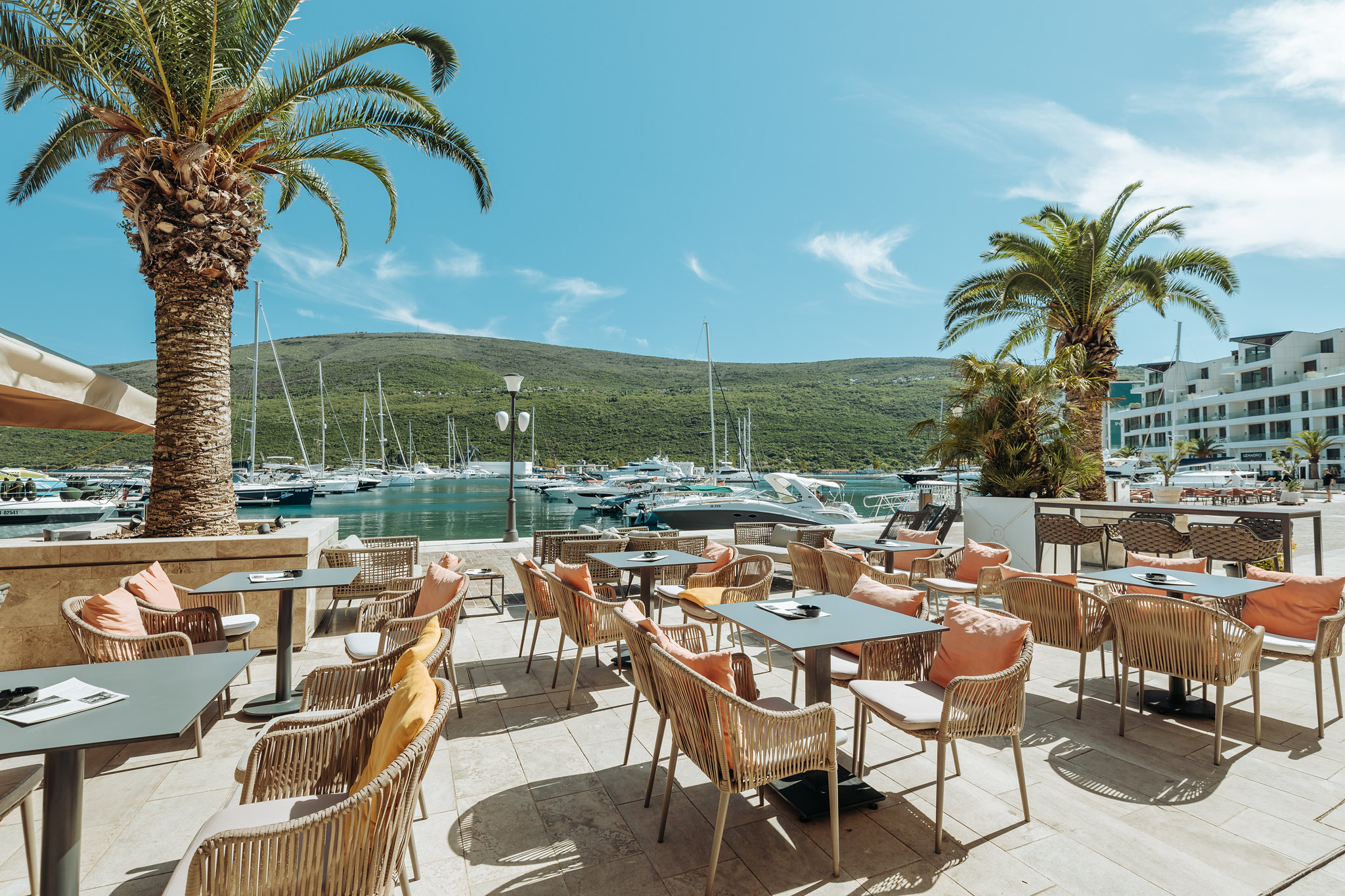
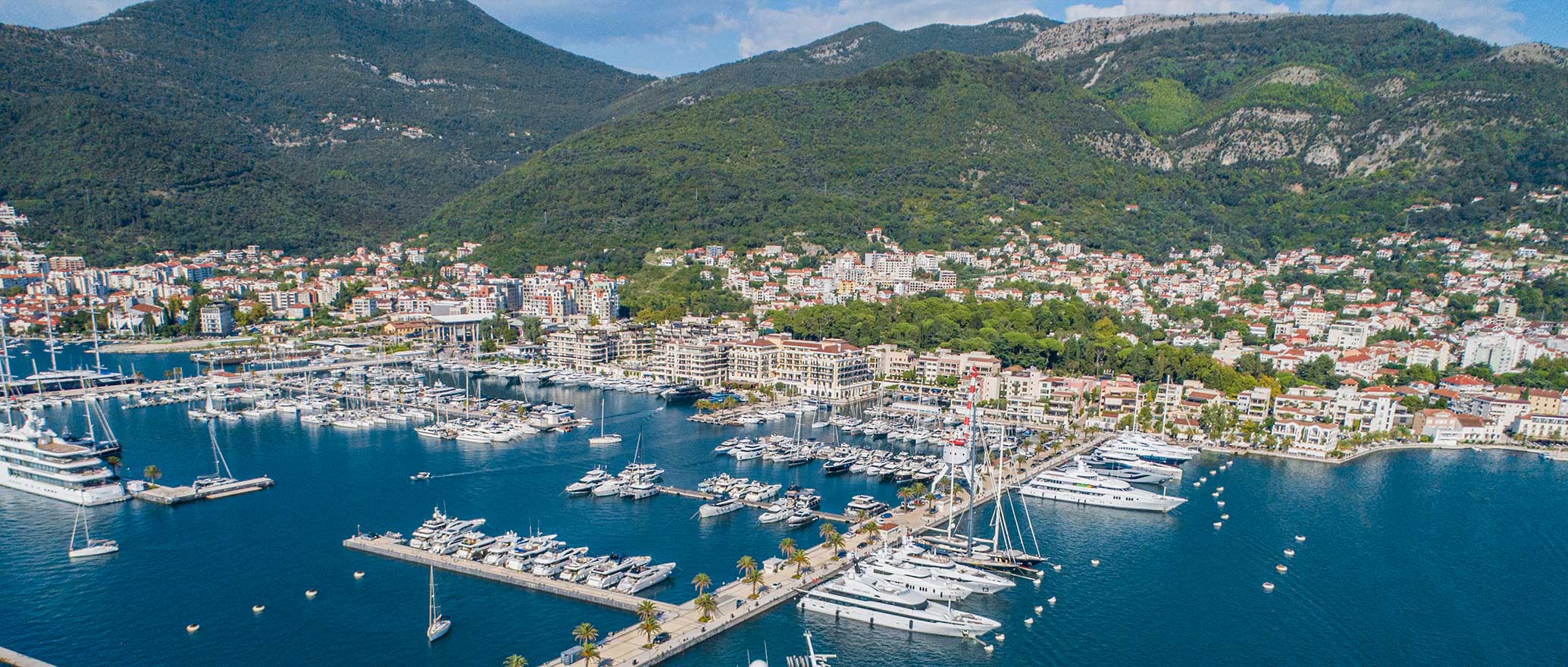
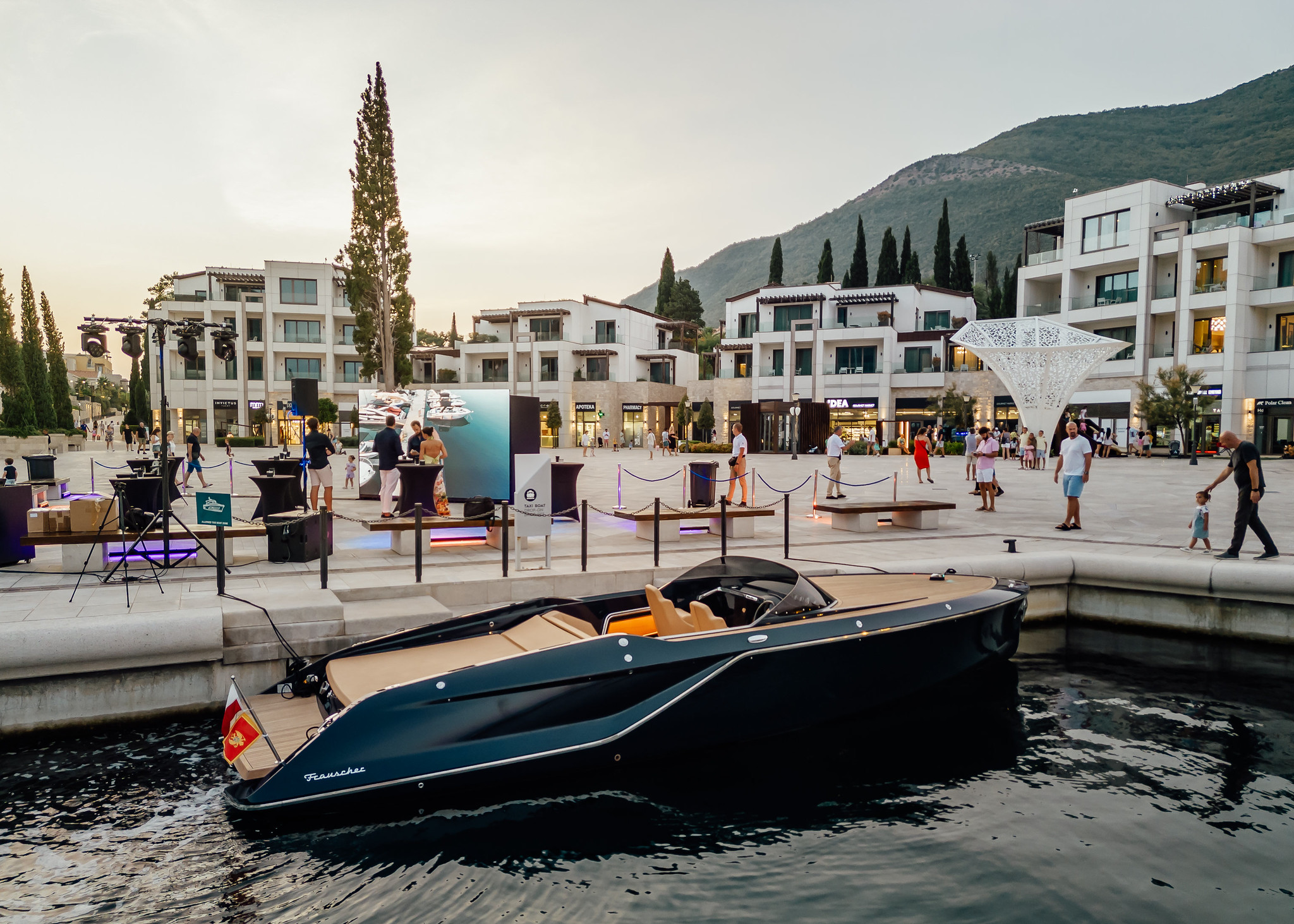
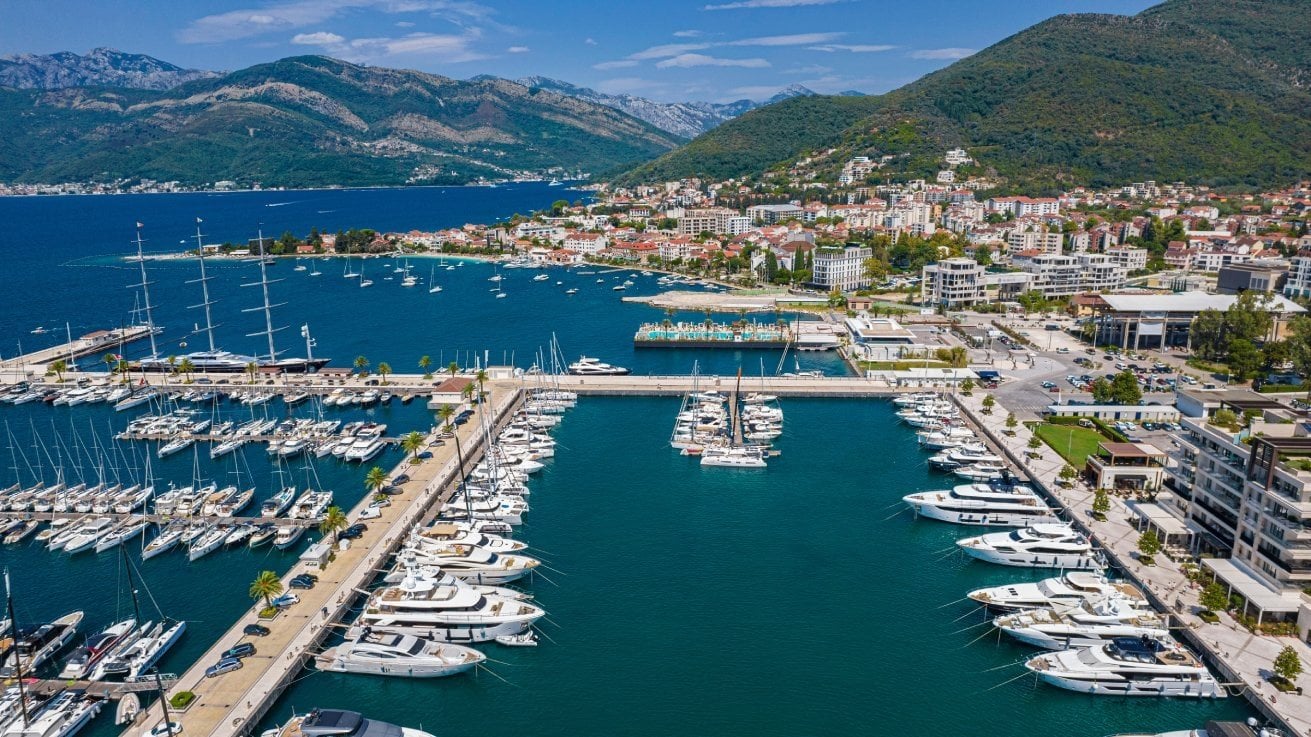
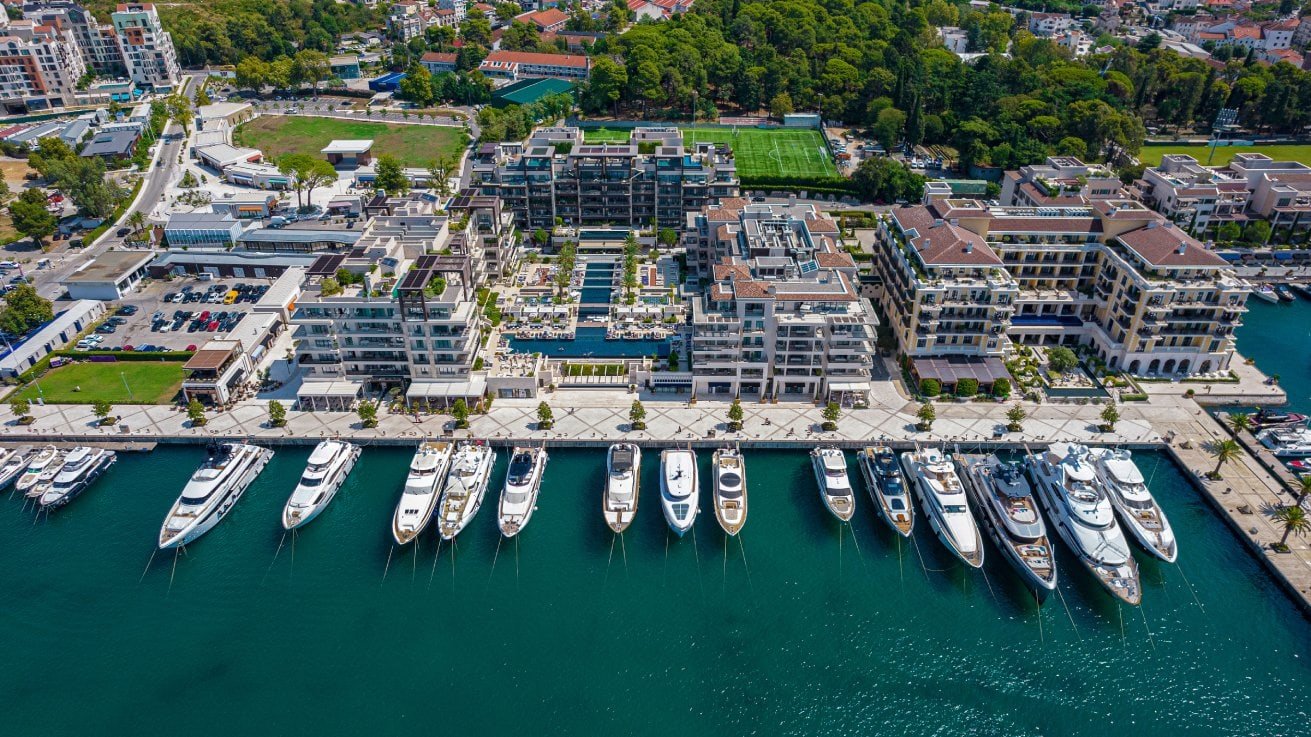
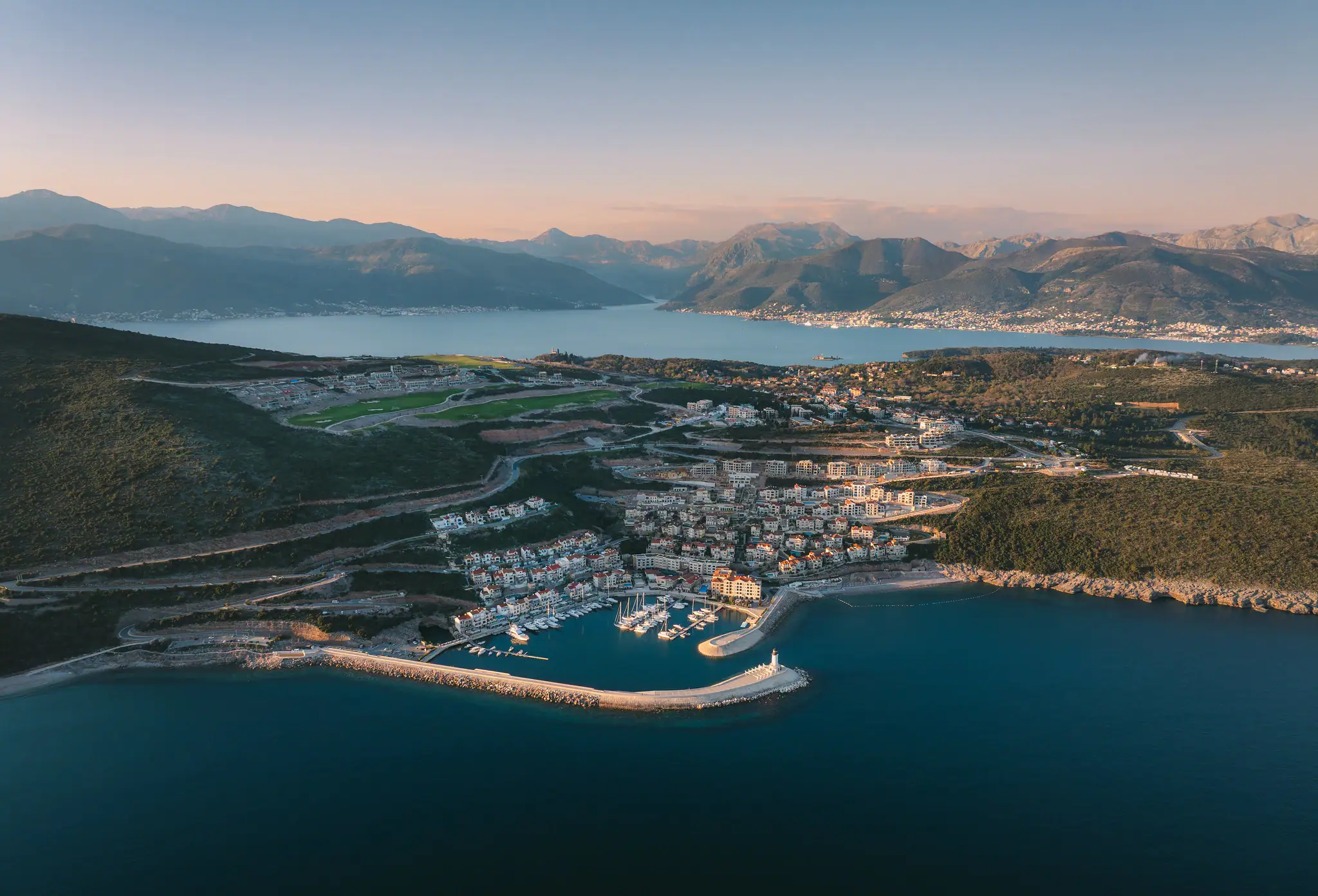
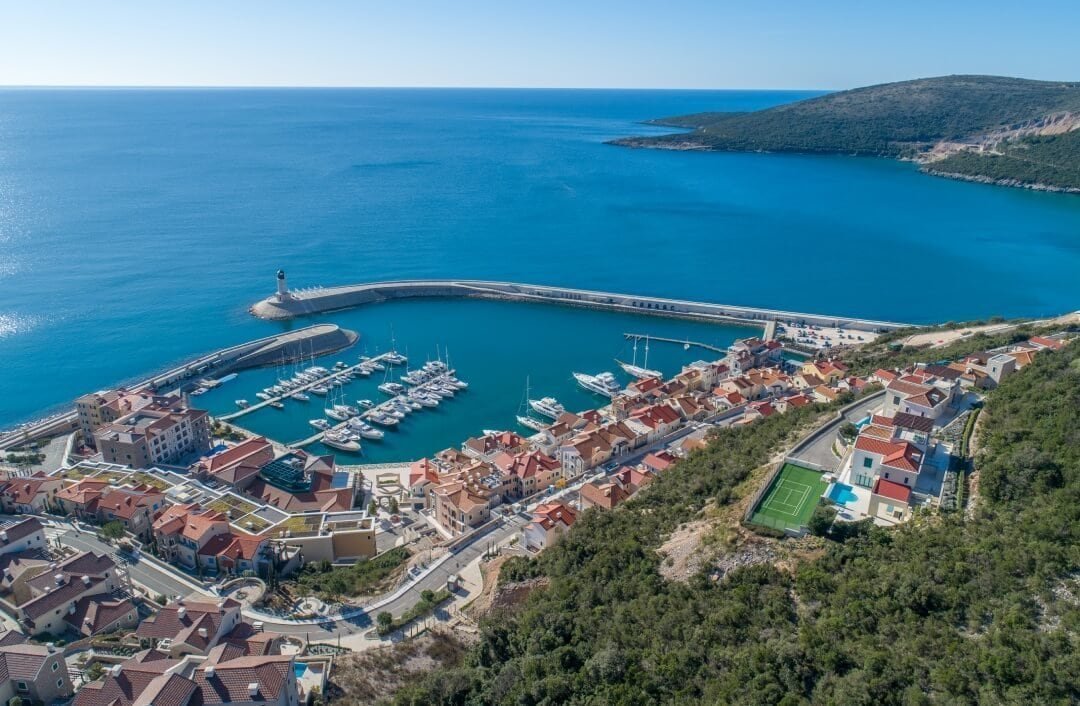
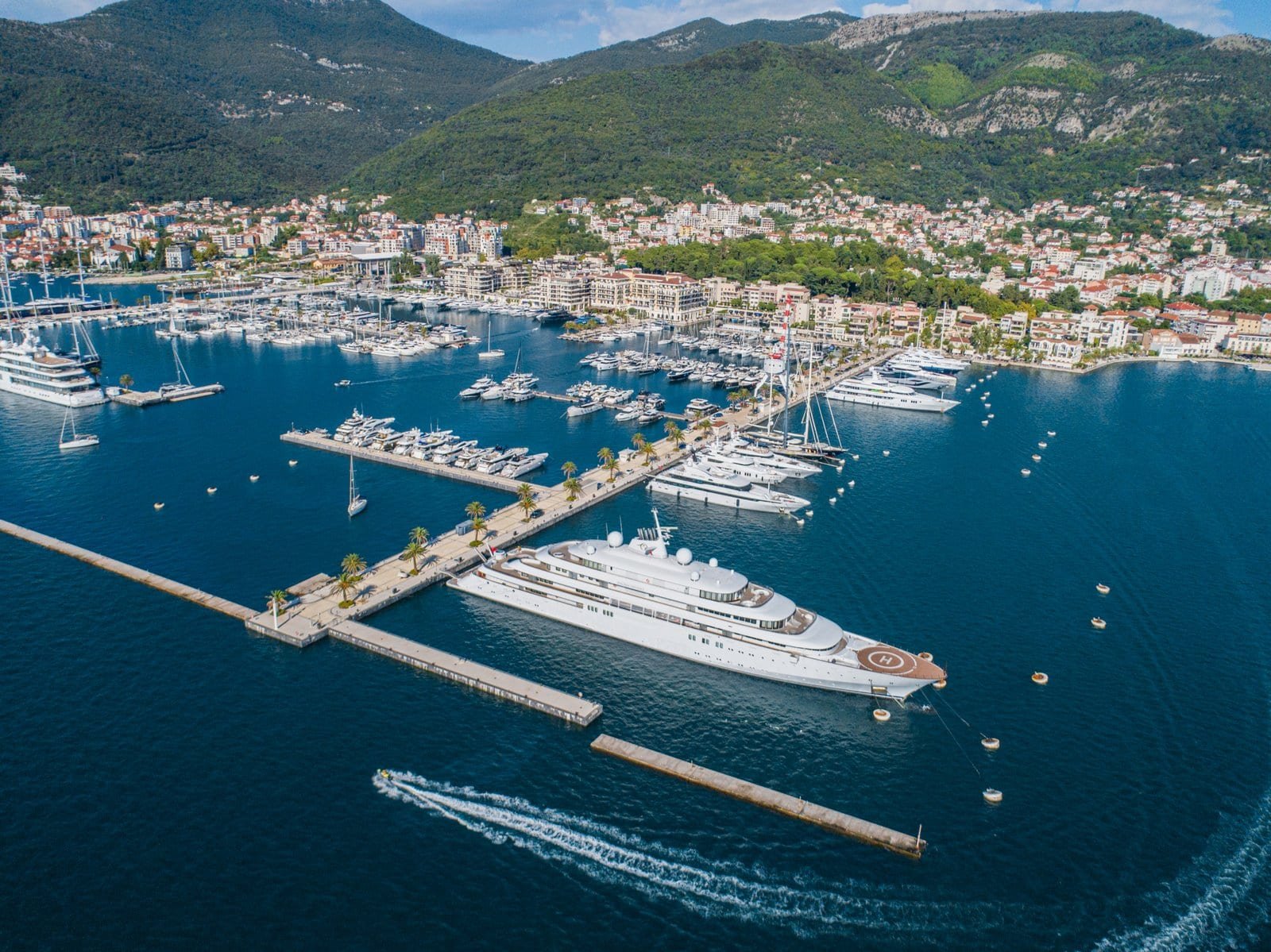
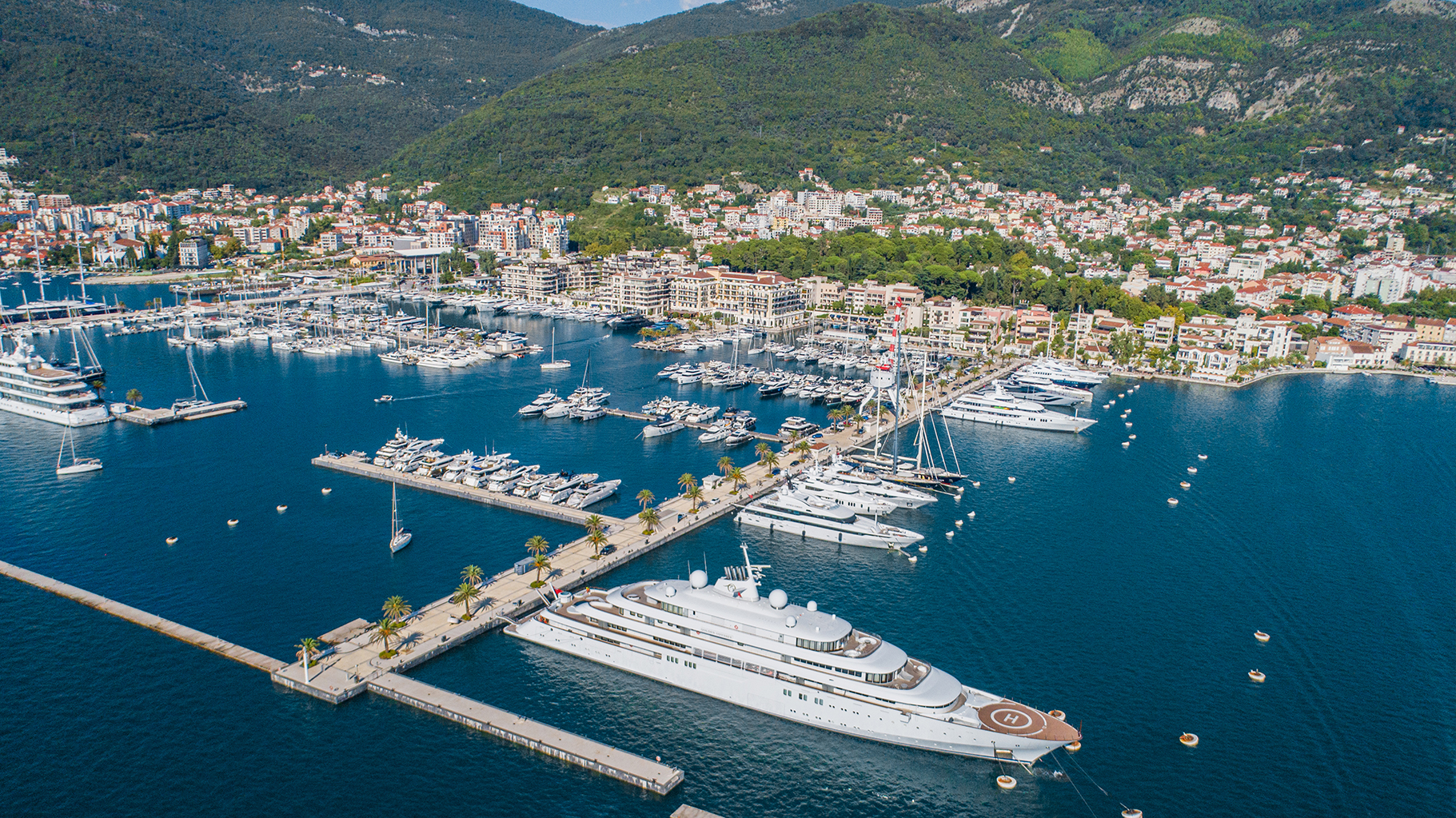
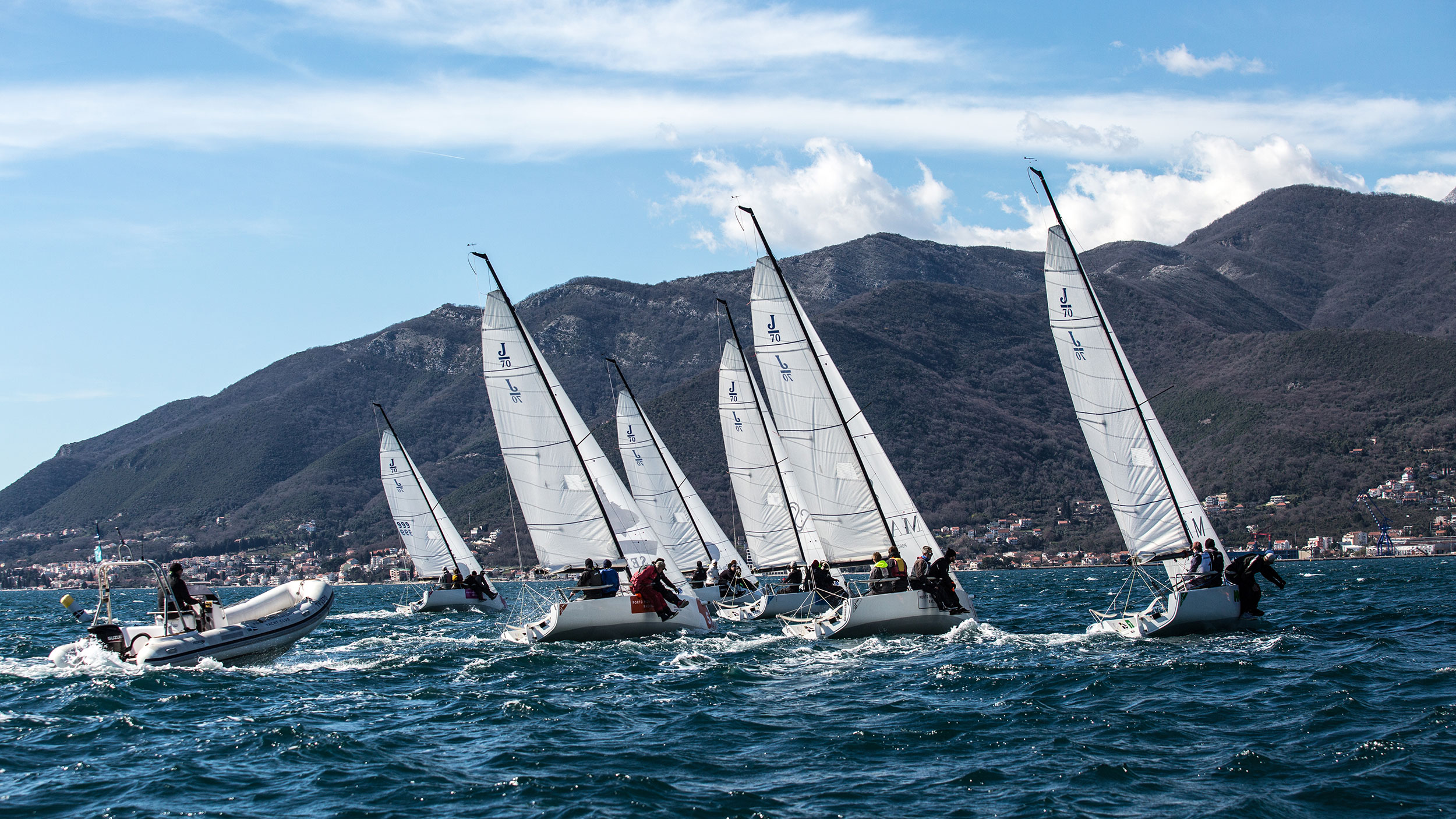
Evenings pivot toward the marina, where sailing vessels and private yachts sit alongside restaurants that remain animated well past midnight during peak months. The social geography of a Budva beachfront address is genuinely compact: the pharmacy, the fresh-produce market, the wine bar, and the sea are all within comfortable walking distance. For buyers accustomed to car-dependent luxury in other markets, that compression of daily life into a walkable radius is frequently the most significant quality-of-life gain the purchase delivers.
For buyers exploring the wider apartment market across the town, our Apartments for Sale in Budva: 2026 Buyer's Guide provides a thorough grounding in pricing tiers, legal requirements, and neighbourhood comparisons across the municipality.
Seasonal Rhythms: High Summer vs. Quiet Winter
Budva operates on two calendars, and buyers should understand both before they purchase. The high season, running broadly from mid-June through to the end of September, transforms the town into one of the Adriatic's most energetic resort destinations. The promenade is full, beach clubs operate at capacity, restaurants extend their hours, and the international visitor population swells considerably. Montenegro's National Tourism Organisation has consistently reported that the overwhelming majority of annual overnight stays along the Budva Riviera are recorded within this four-month window, a concentration that shapes both the town's summer character and its short-term rental economics.
Winter presents an entirely different proposition. Seasonal businesses close, the crowds disperse, and the town reverts to something resembling a quiet Mediterranean coastal settlement. The pace is slower, the streets are emptier, and the relationship between residents and their surroundings becomes more considered. Buyers who expect year-round urban energy will find the off-season underwhelming. Those who value a vivid, social summer followed by a calm and restorative winter tend to find the combination precisely suited to their needs. Clarity on this point before purchase avoids a great deal of subsequent disappointment.
Beach Access and Proximity as a Lifestyle Currency
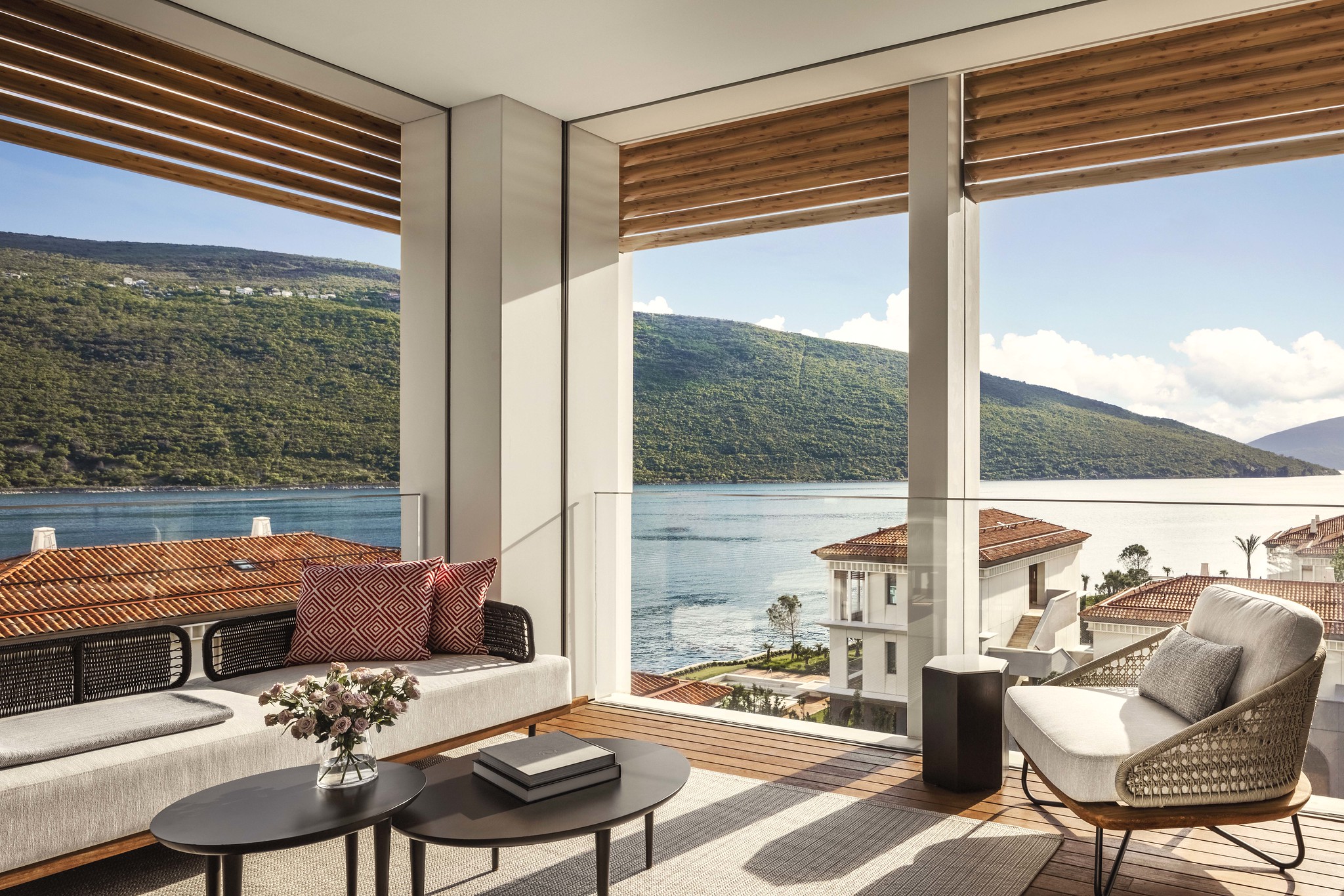
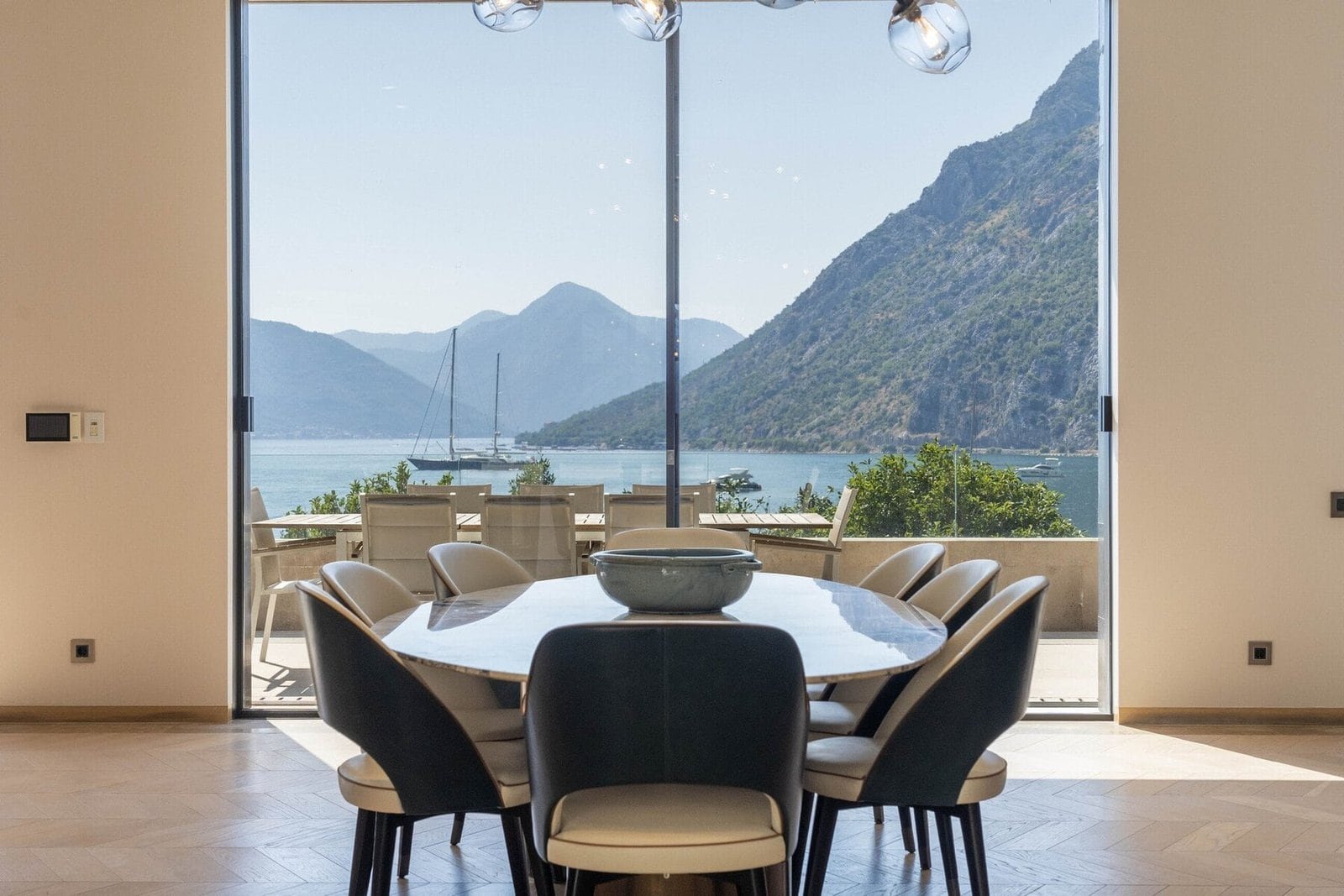
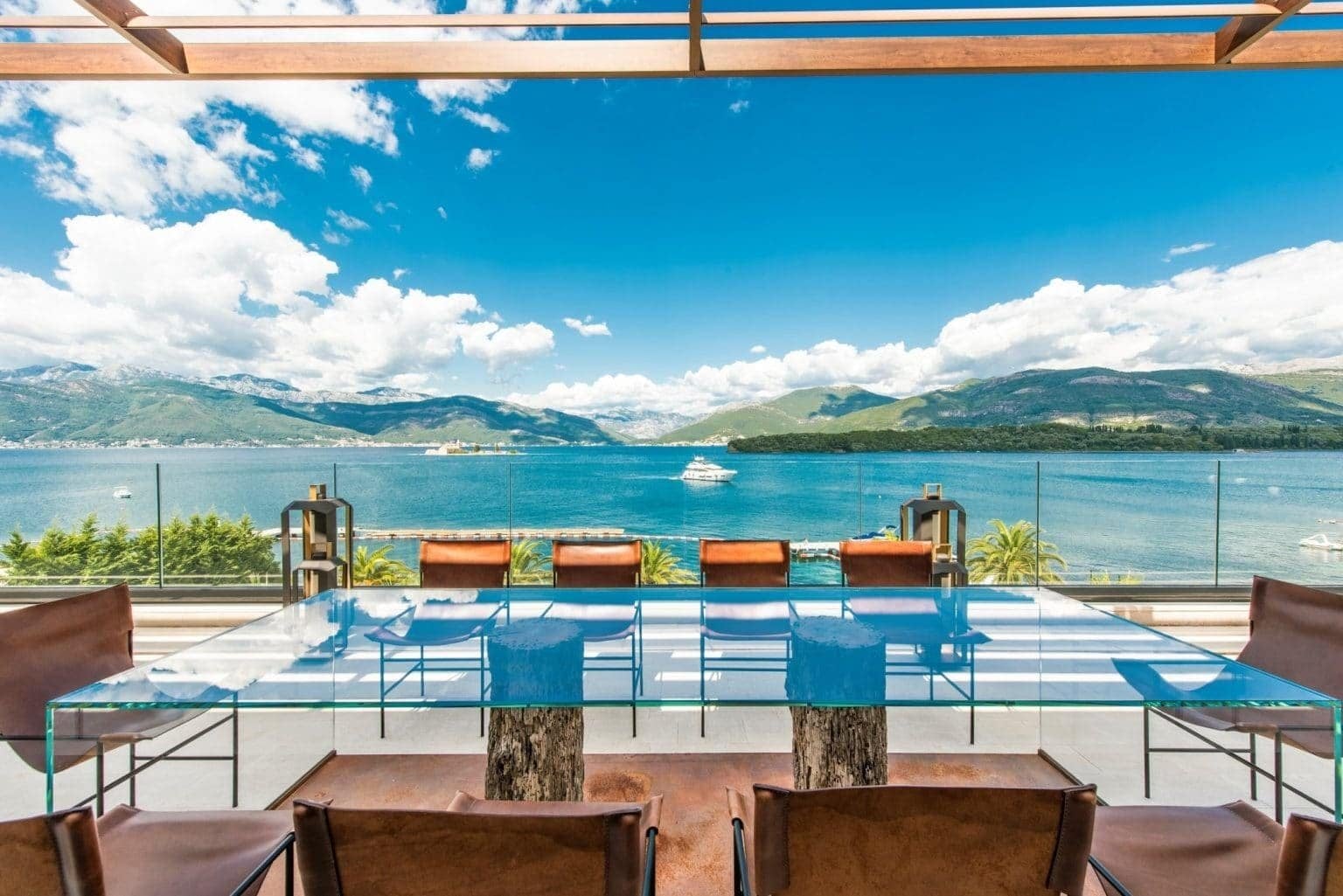
In Budva's property market, proximity to the water operates as its own category of value. A sea view from a balcony is a genuine amenity, but it is not the same as the ability to walk to the waterline in under five minutes, barefoot, without crossing a road. Buildings with direct or near-direct beach access generate a different quality of ownership experience, and this distinction is not always visible in a listing photograph.
Buyers comparing properties across the Budva Riviera should resist the temptation to treat sea views and beach access as interchangeable. A sixth-floor apartment with a panoramic Adriatic outlook may offer a more dramatic visual than a ground-level unit fifty metres from the sand, but in terms of daily use, the second address frequently wins. The metric that shapes lived experience is not how much of the sea you can see from your living room; it is how many minutes it takes to be in it. This distinction, straightforward on paper, is often underweighted by first-time buyers in this market.
Best Budva Neighborhoods for Luxury Beachfront Apartments
The Budva Riviera is not a uniform stretch of coastline. Its distinct neighbourhoods carry different characters, price points, and buyer profiles, and selecting the right one requires more than identifying the most impressive building on the waterfront.
Old Town and Mogren
Budva's fortified Old Town is one of the Adriatic's most genuinely historic residential addresses. The medieval walls, the narrow stone lanes, and the centuries-old architecture give the area a sense of place that no new development can manufacture. Addresses within or immediately adjacent to the old walls appeal to buyers who value cultural texture alongside their sea proximity, and the area's pedestrianised character makes waterfront access particularly immediate.
Mogren, situated just beyond the old fortifications, offers a different version of the same geography. Its twin coves are among the most photographed on the entire Montenegrin coast, and the neighbourhood's slightly lower density gives it a more relaxed atmosphere without sacrificing walkability to the town centre. Both areas carry the inherent constraints of historic urban fabric: access lanes are narrower, parking is limited, and older buildings may require more careful due diligence on structural condition and title. Buyers who understand and accept those trade-offs in exchange for genuine historic character tend to find Mogren and Old Town among the most rewarding long-term addresses on the Riviera.
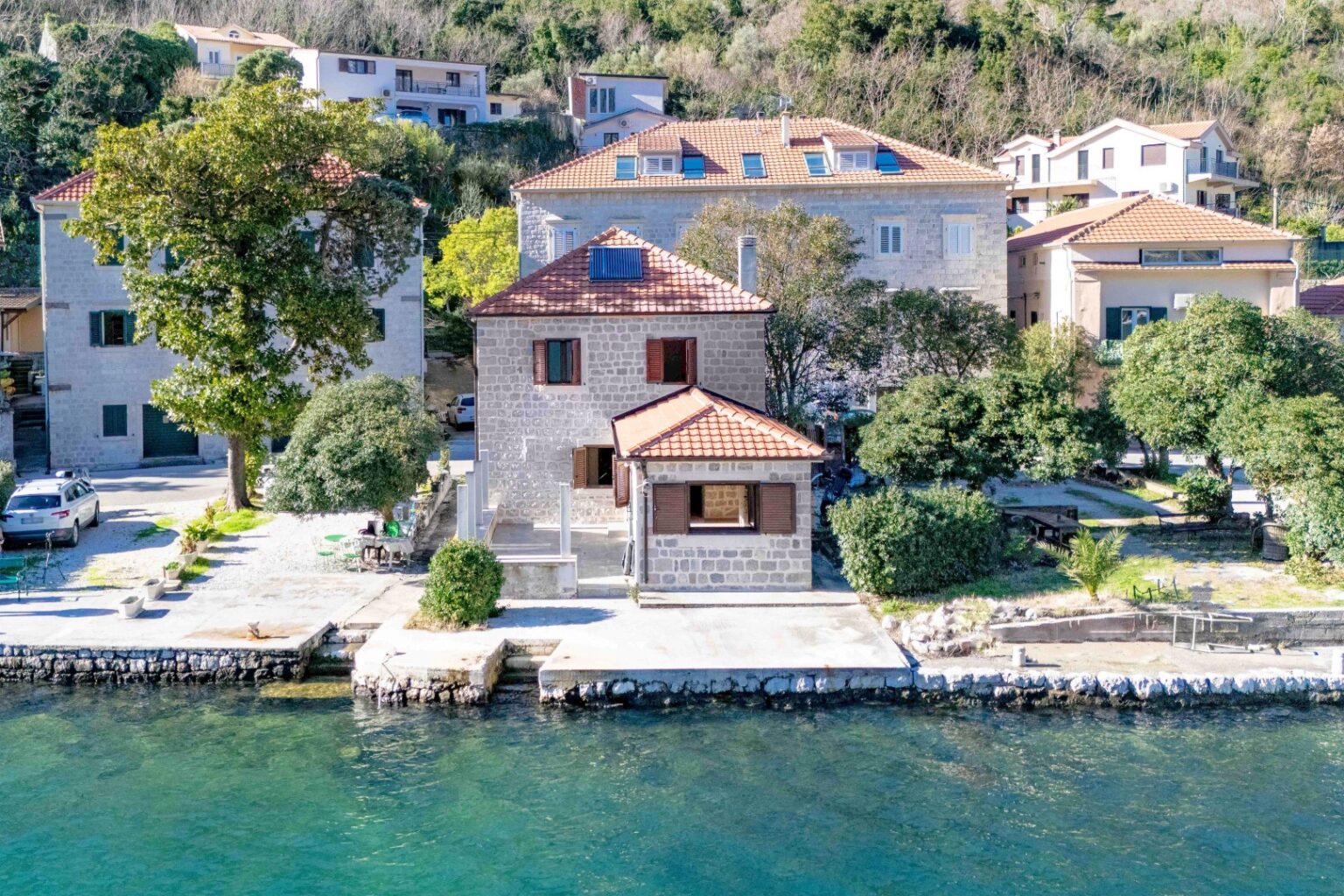
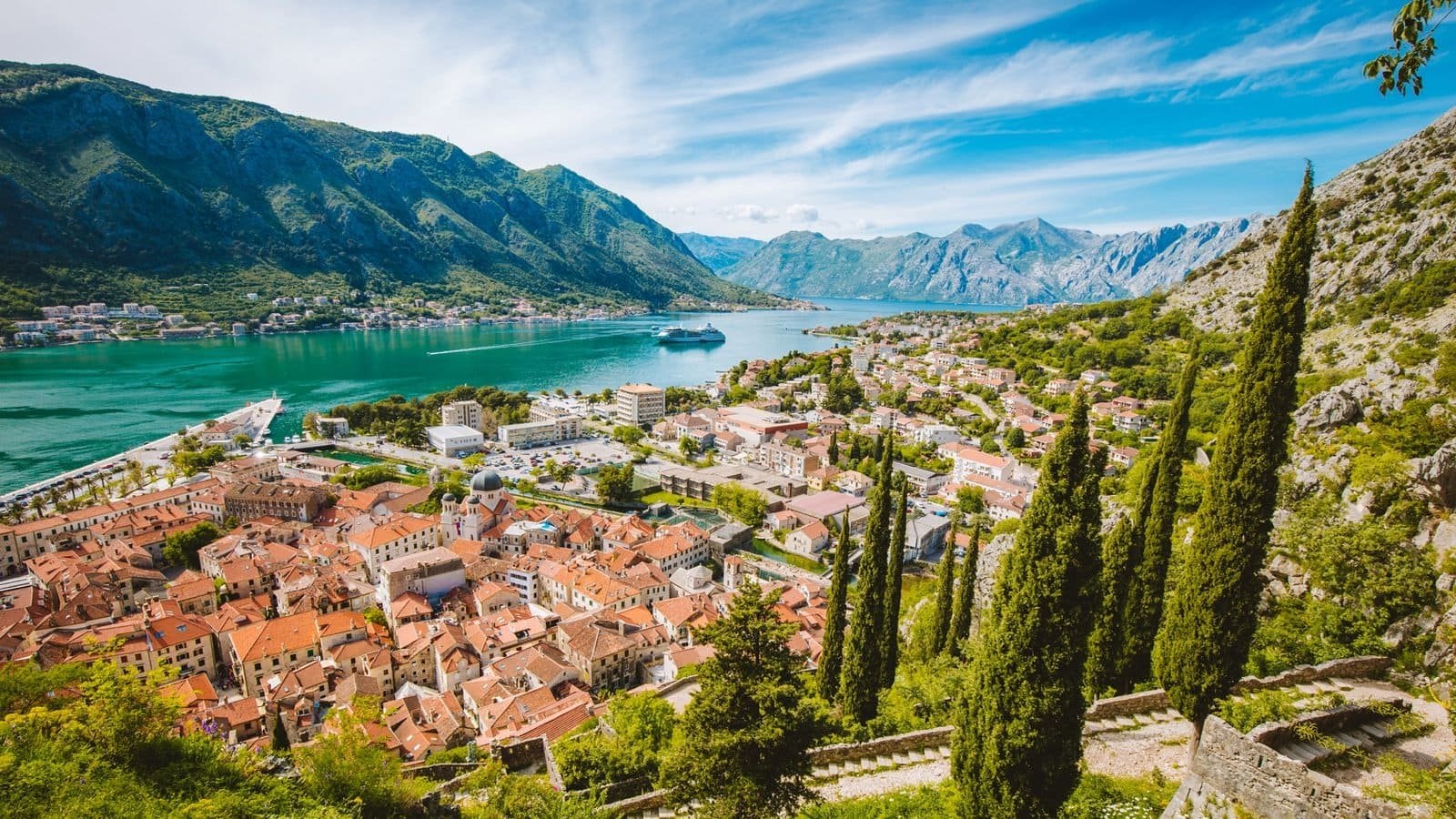
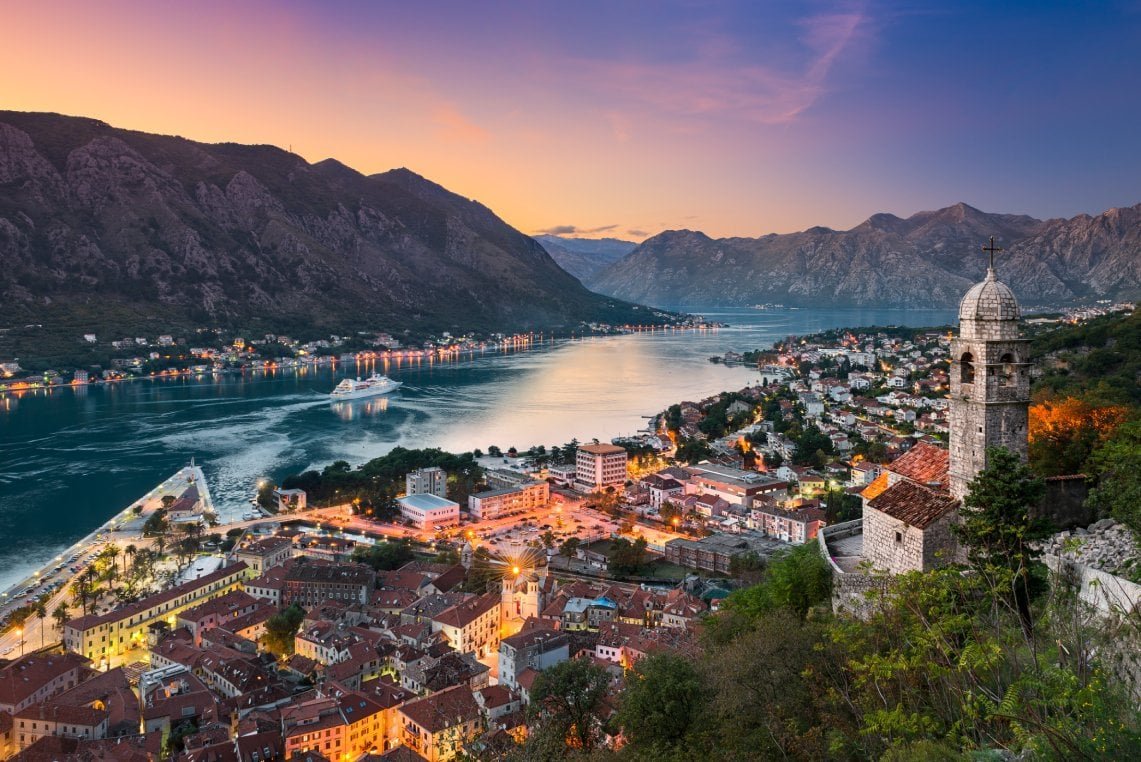
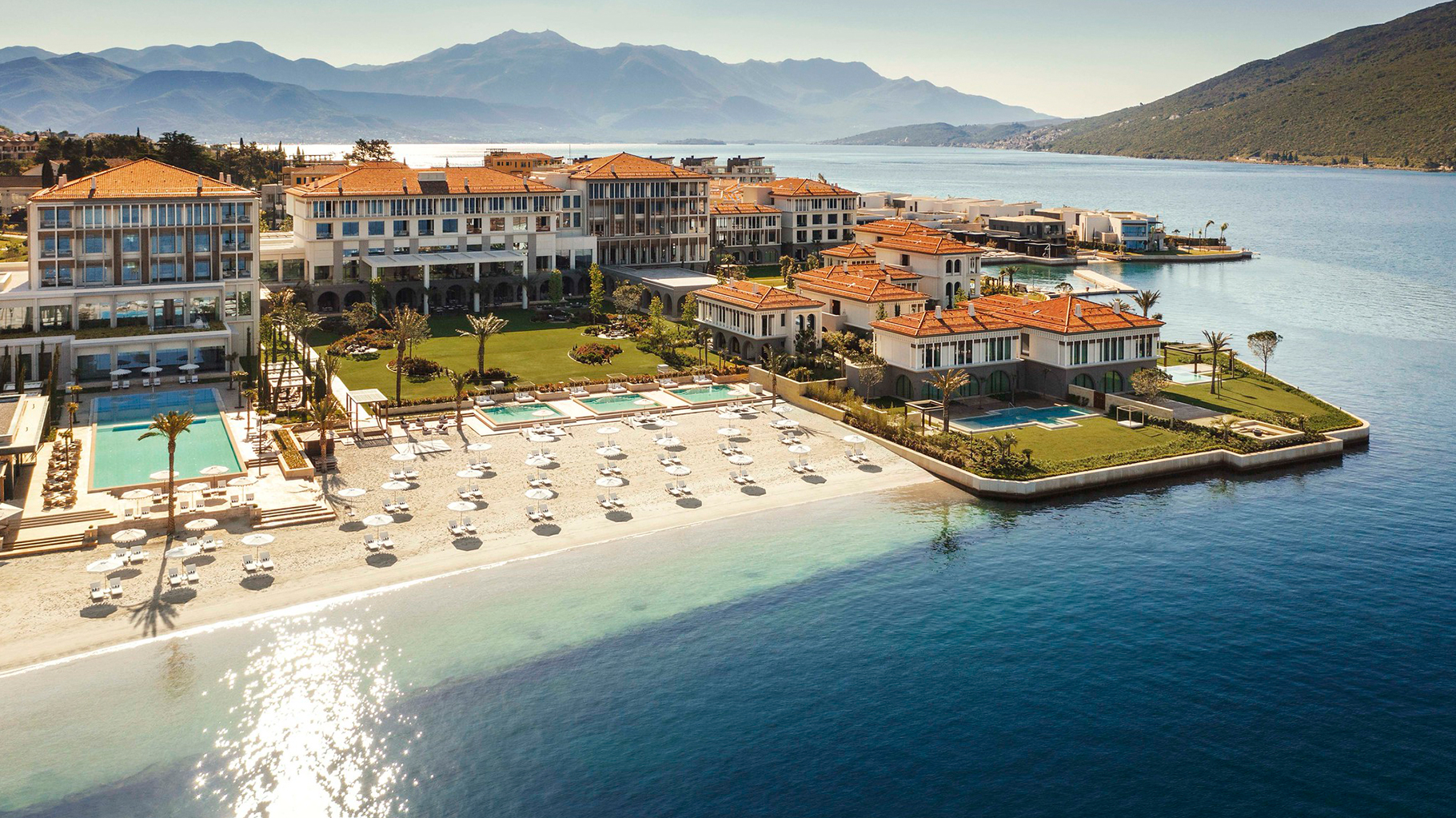
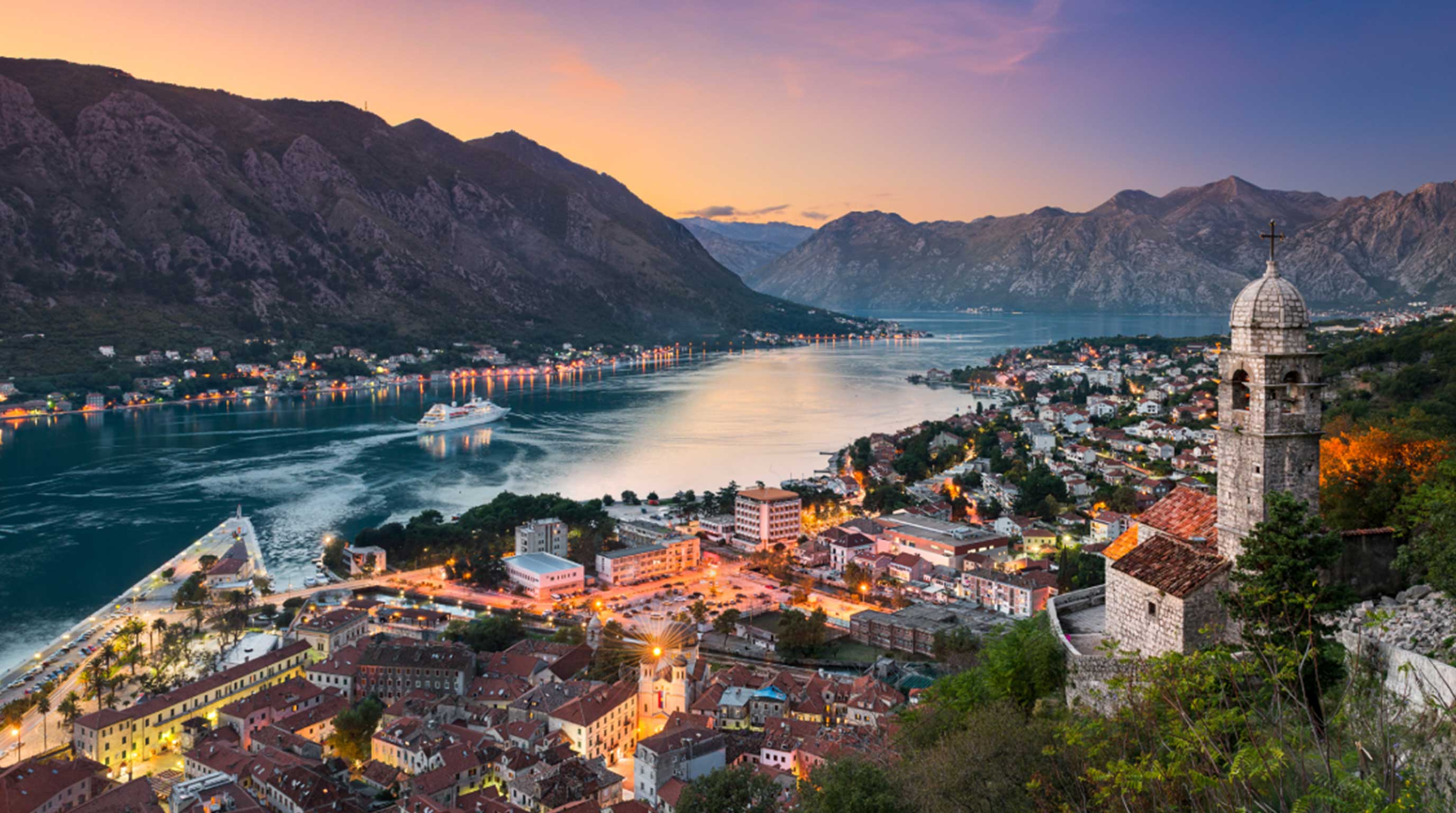
For buyers with an appetite for exceptional coastal properties elsewhere along the Montenegrin coast, the Centuries of Story, One Palazzo Address on the Bay of Kotor represents a compelling benchmark for what historic Adriatic address quality genuinely looks like at the top of the market.
Bečići and Rafailovići
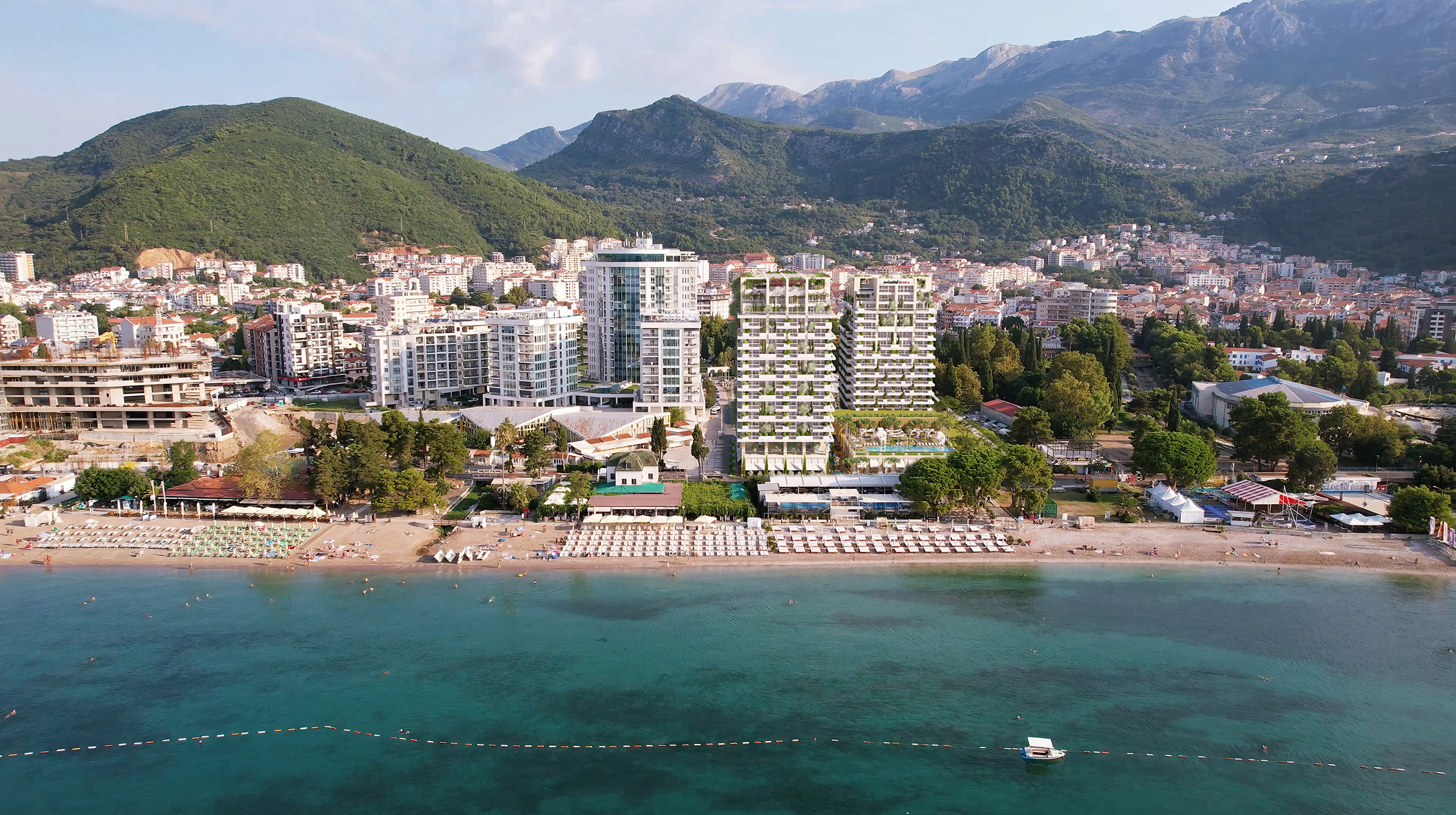
Bečići and Rafailovići have evolved into the Riviera's primary destination for resort-adjacent luxury, and the character of these neighbourhoods reflects that positioning. Bečići is anchored by one of the longer sandy beaches on the Montenegro coast, and its built environment is dominated by newer developments, many of which offer hotel-grade amenities including concierge services, pool facilities, and managed common areas. The appeal is clear for buyers who prioritise contemporary finishes, operational infrastructure, and polished presentation over historic texture.
Rafailovići sits just along the coastal road and shares much of Bečići's resort orientation while carrying a somewhat quieter, more residential atmosphere. The neighbourhood draws a notably family-oriented buyer profile, and its mix of apartments and smaller boutique buildings gives it a more intimate scale than the more densely developed sections of Bečići. Both areas suit buyers who want modern construction with immediate beach access and are less concerned with proximity to the historic town centre.
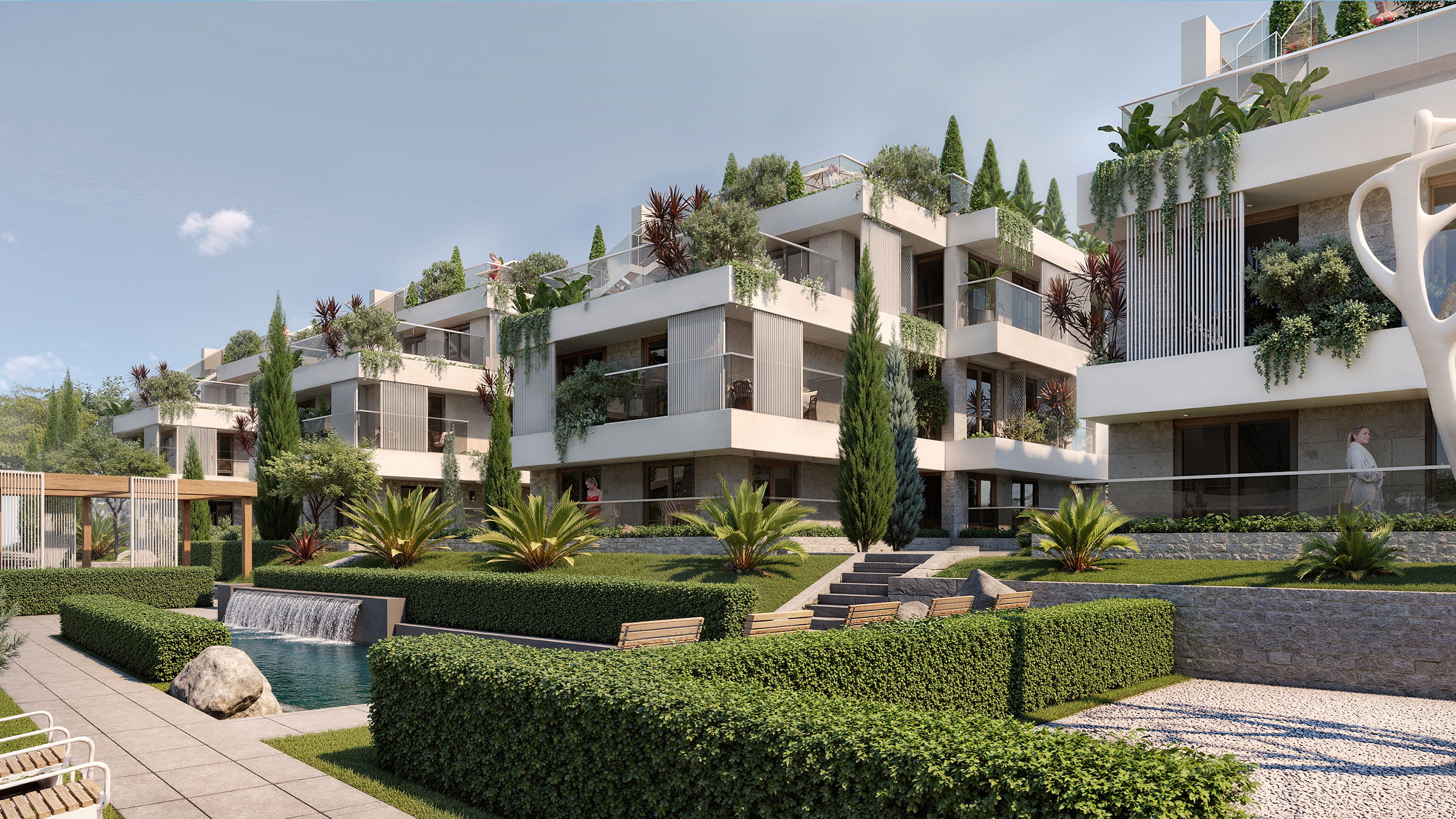
Two properties from the Barok Estates International portfolio illustrate the quality available in this part of the Riviera. The Beachfront Elegance on the Adriatic: Rafailovici's Most Coveted Coastal Address sets a strong benchmark for finished quality and position. For buyers seeking something with a more elevated coastal outlook, the Adriatic Frontline Living: An Elegant Coastal Sanctuary Above the Rafailovici Shore offers an instructive point of comparison. Reviewing both alongside each other gives a clear sense of how specification and position affect value within the same neighbourhood.
For buyers who want to understand how Budva's coastal apartment market compares with other Adriatic and Mediterranean alternatives, our analysis of Apartments on the Costa del Sol: A Market Positioning Guide for International Buyers provides a useful cross-market perspective on yield expectations, ownership structures, and seasonal demand patterns.
Budva Riviera Property Investment: The Fundamentals
Lifestyle considerations aside, the majority of buyers approaching the Budva market arrive with financial objectives alongside personal ones. The investment case for the Riviera is grounded in real and consistent tourism demand, but it also carries recurring cost structures and income characteristics that deserve honest examination before capital is committed.
Rental Income Potential and Occupancy Patterns
The short-term rental market in Budva is driven almost entirely by the summer high season. A well-positioned beachfront apartment, furnished to an appropriate standard and managed professionally, can generate strong gross yields during the June-to-September window, when demand for walkable, sea-adjacent accommodation is at its peak. The critical variable for buyers to internalise is that this income is concentrated rather than evenly distributed across twelve months. Occupancy rates outside the high season fall sharply, and buyers who model their returns on annual averages without accounting for that seasonal weighting will find their projections materially overstated.
Properties with direct beach access, high-quality interior specification, and professional management consistently outperform comparable units that lack one or more of those characteristics. The gap between a well-run beachfront apartment and a poorly presented unit two blocks from the water can be significant in both occupancy rate and achievable nightly rate during peak weeks. Buyers should request verified occupancy data from local management companies, rather than relying on projections, before building their financial model.
For buyers who want to examine how rental income dynamics play out across Montenegro more broadly, including in the marina-focused Porto Montenegro market, the Porto Montenegro Apartments for Sale: 2026 Buyer and Investment Guide offers detailed context on a market with a different seasonal profile and a distinct buyer and renter demographic.
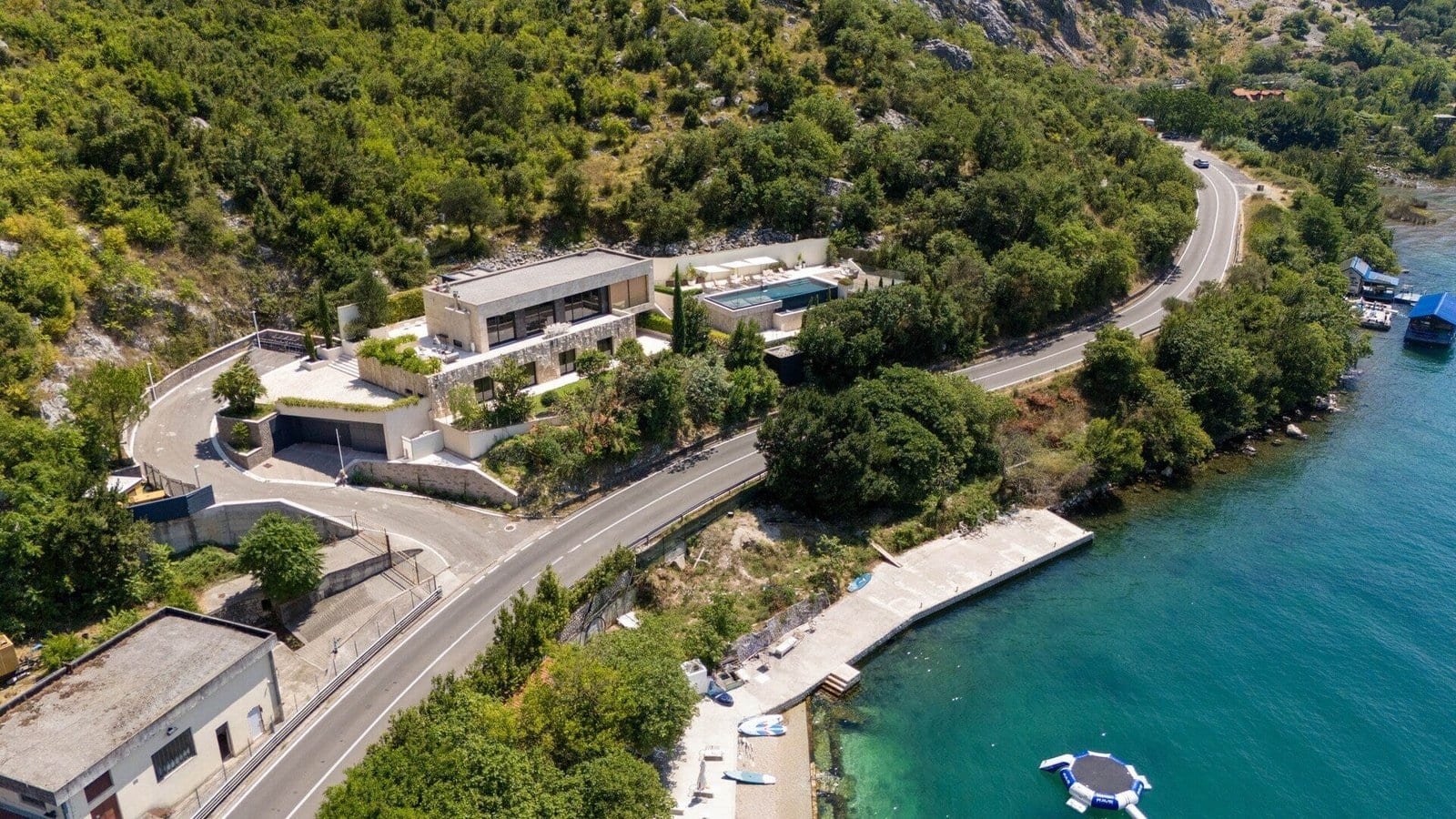
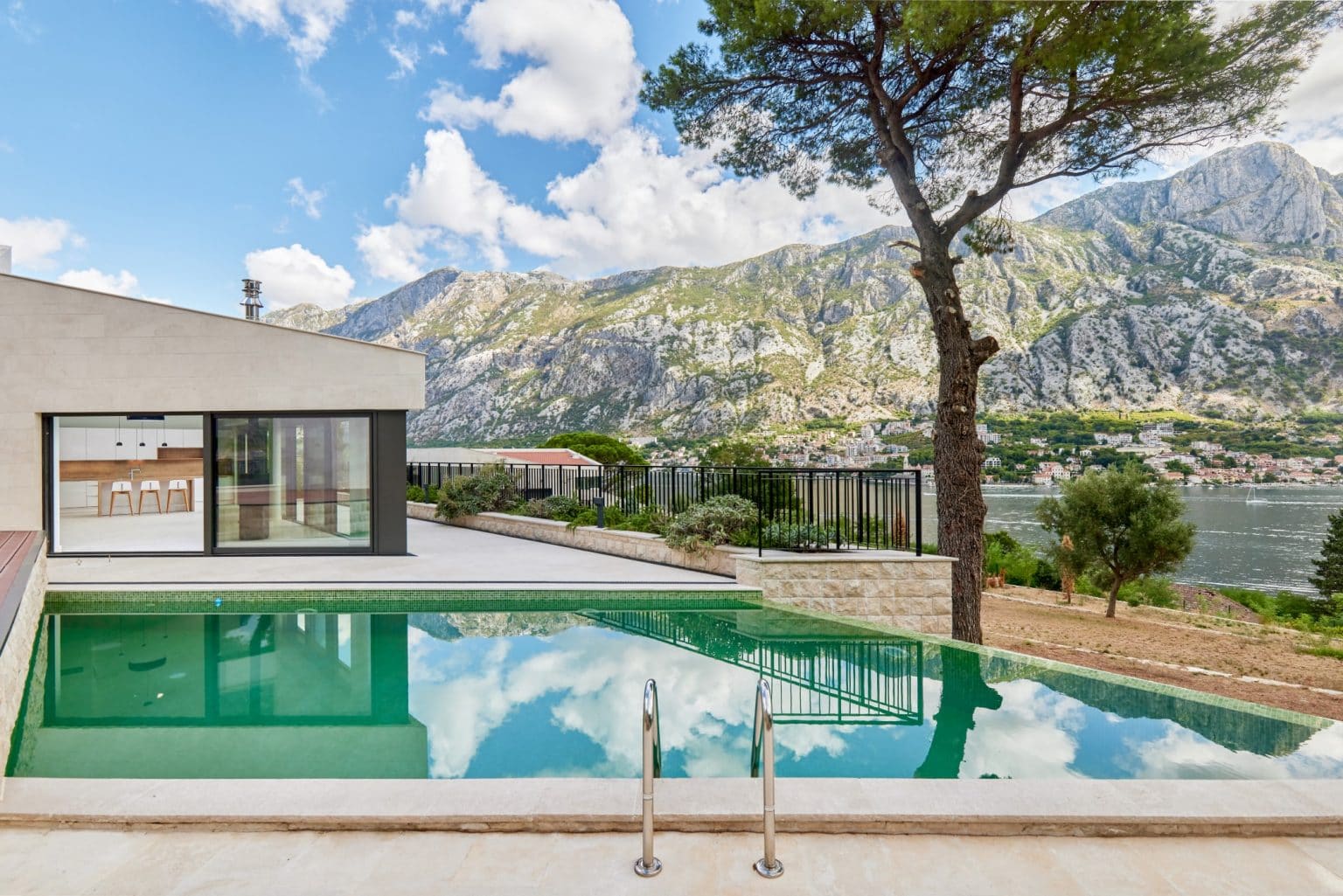
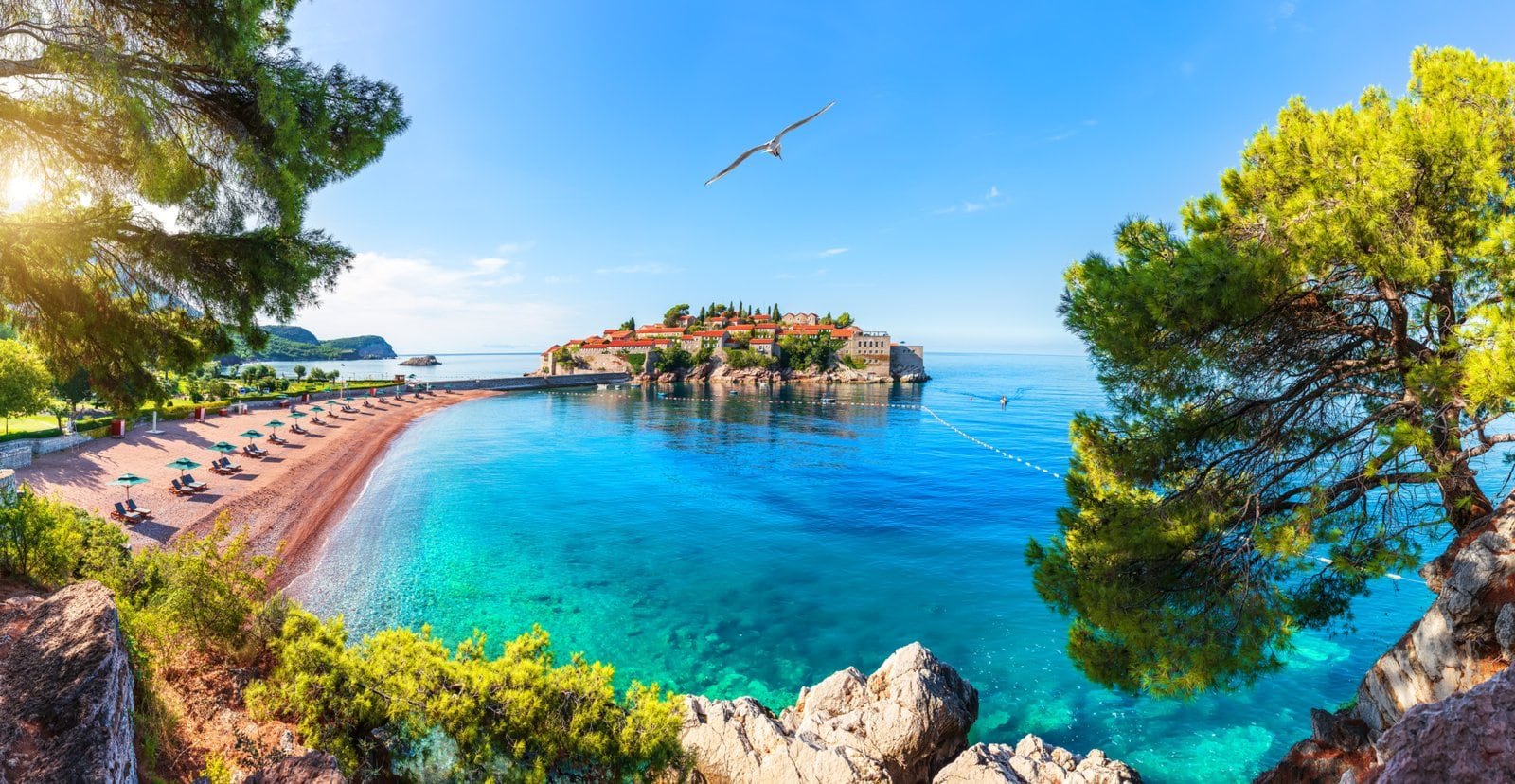
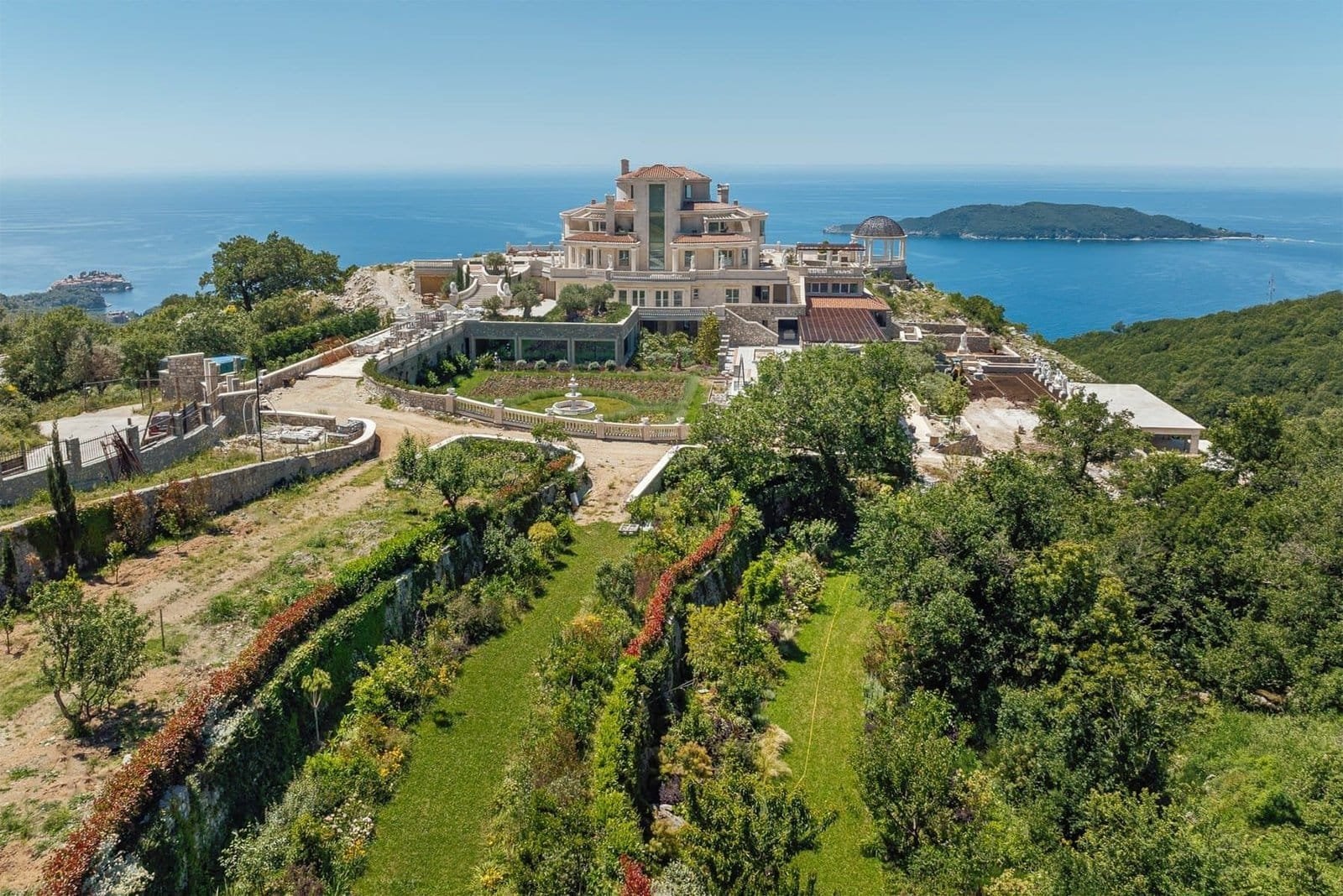
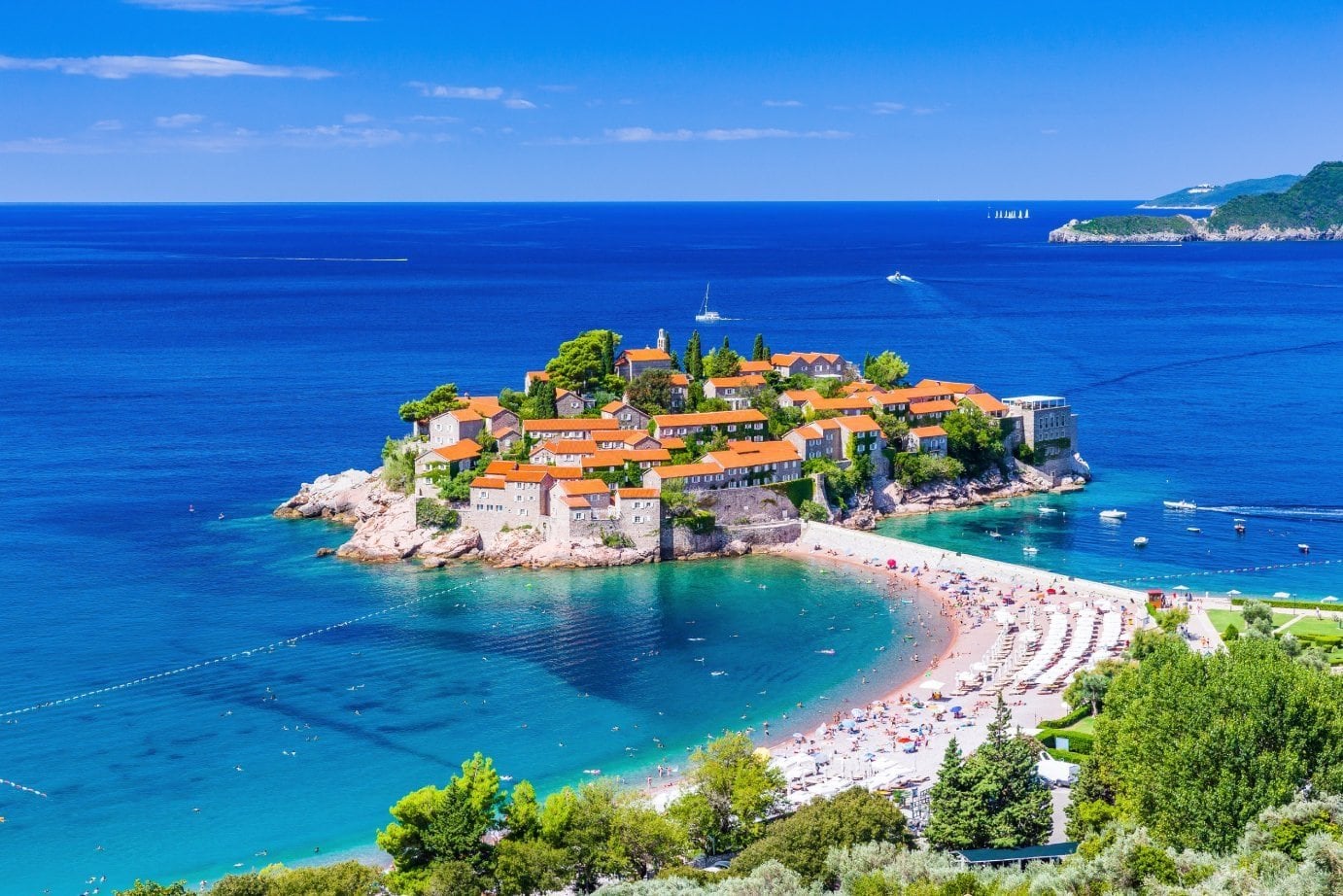
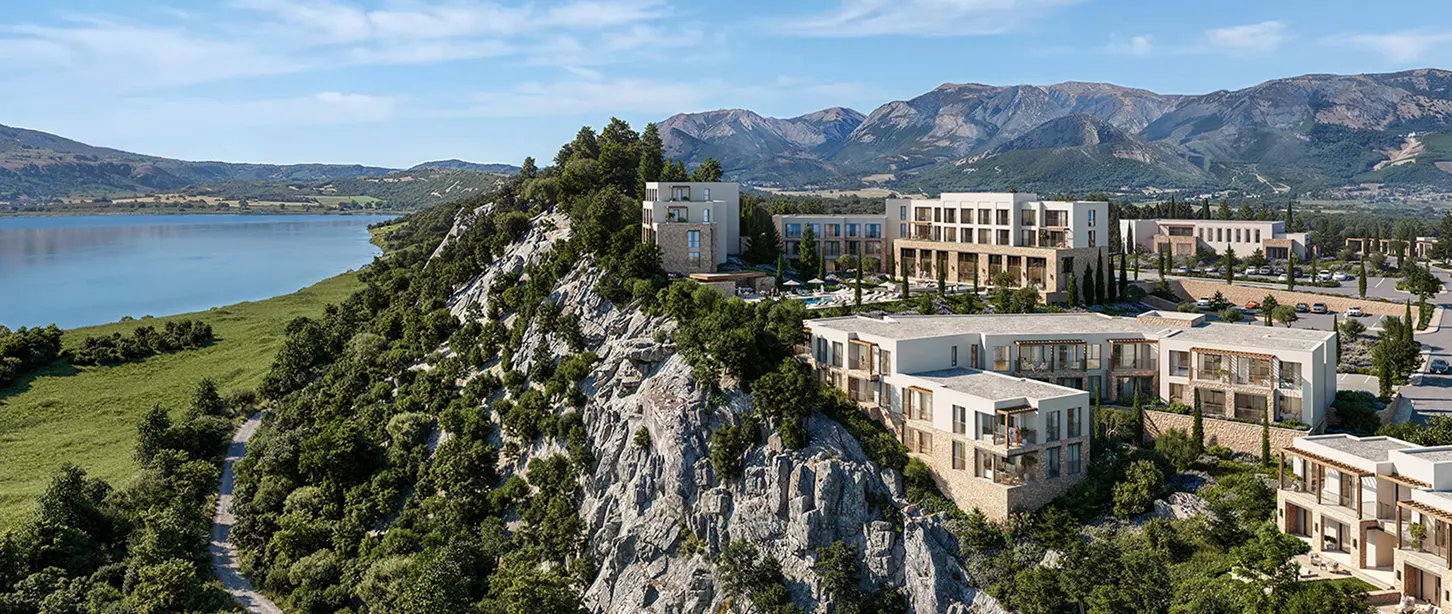
For buyers whose ambitions extend beyond the apartment format, the Hilltop Splendour Above Sveti Stefan: Six Bedrooms of Adriatic Grandeur illustrates what the upper tier of the Montenegrin residential market looks like in terms of scale, specification, and positioning.
Annual Ownership Costs Buyers Should Budget For
The purchase price is one line in the ownership ledger, not the whole of it. Buyers in the Budva market should anticipate a set of recurring annual costs that, taken together, have a meaningful effect on net return calculations.
Community or building management fees are standard across all properly structured developments and typically cover the maintenance of shared areas, pool and garden upkeep where applicable, and common building insurance. These fees vary considerably by development quality and amenity level, and buyers should request the last two years of service charge accounts before exchange in order to identify any exceptional levies or deferred maintenance items.
Utility costs, covering electricity, water, and where relevant heating, are the owner's direct responsibility and should be budgeted separately from community fees. In a property used primarily for short-term rental, utility consumption during the high season can be meaningfully higher than a private owner's equivalent usage. Building insurance specific to the individual apartment, as distinct from common building insurance, is a further cost that is sometimes overlooked by first-time buyers in this market.
Property tax in Montenegro is assessed at the municipal level. According to data published by the Montenegrin Ministry of Finance, residential property tax rates are applied to the assessed value of the property and vary by municipality and property category. Buyers should confirm current applicable rates directly with the relevant municipal authority or through qualified local legal counsel, as rates and assessment methodologies are subject to periodic revision.
Professional property management, for owners who are not resident in Montenegro for extended periods, represents an additional cost line that is, in practice, essential rather than optional for maintaining rental performance and property condition. Management fees in the Budva market typically represent a percentage of gross rental income, and buyers should compare terms across several operators before appointing one.
Amenities and Waterfront Living Standards to Expect
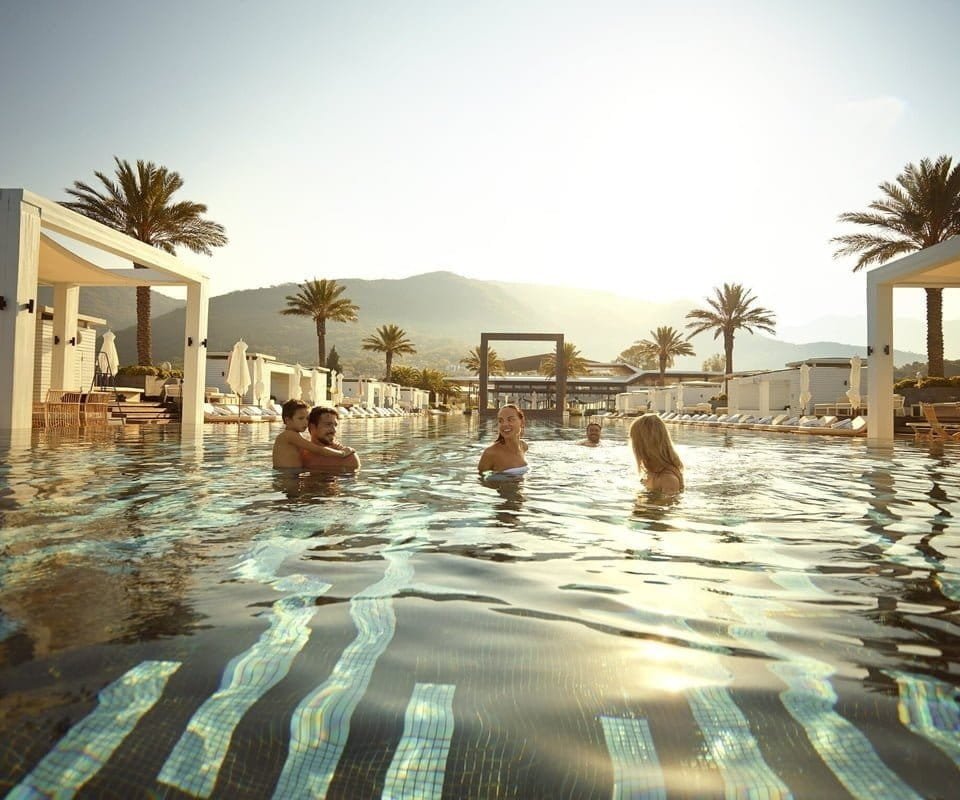
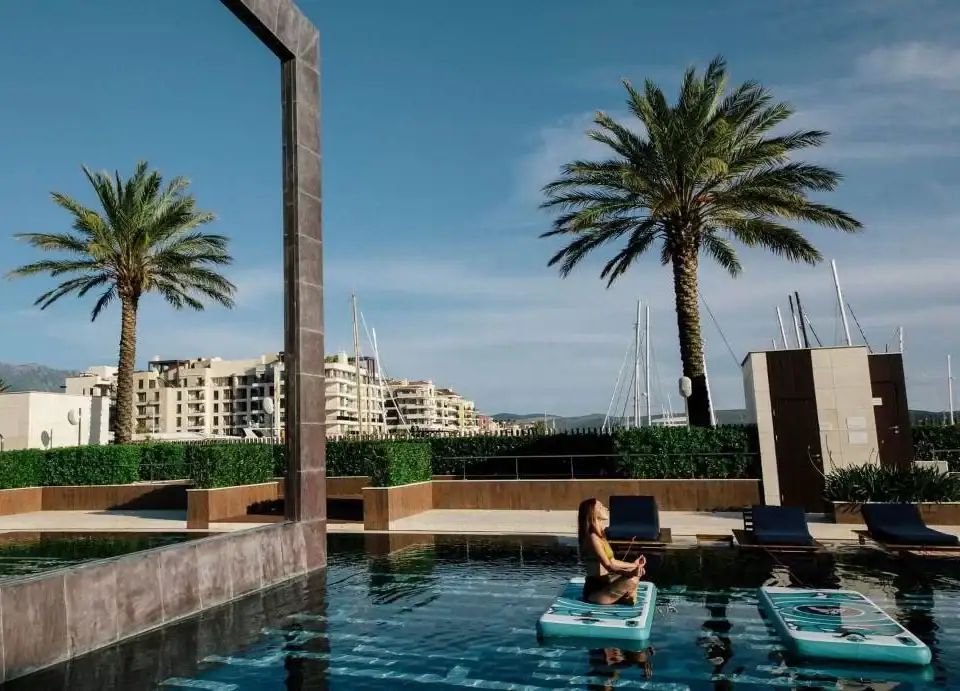
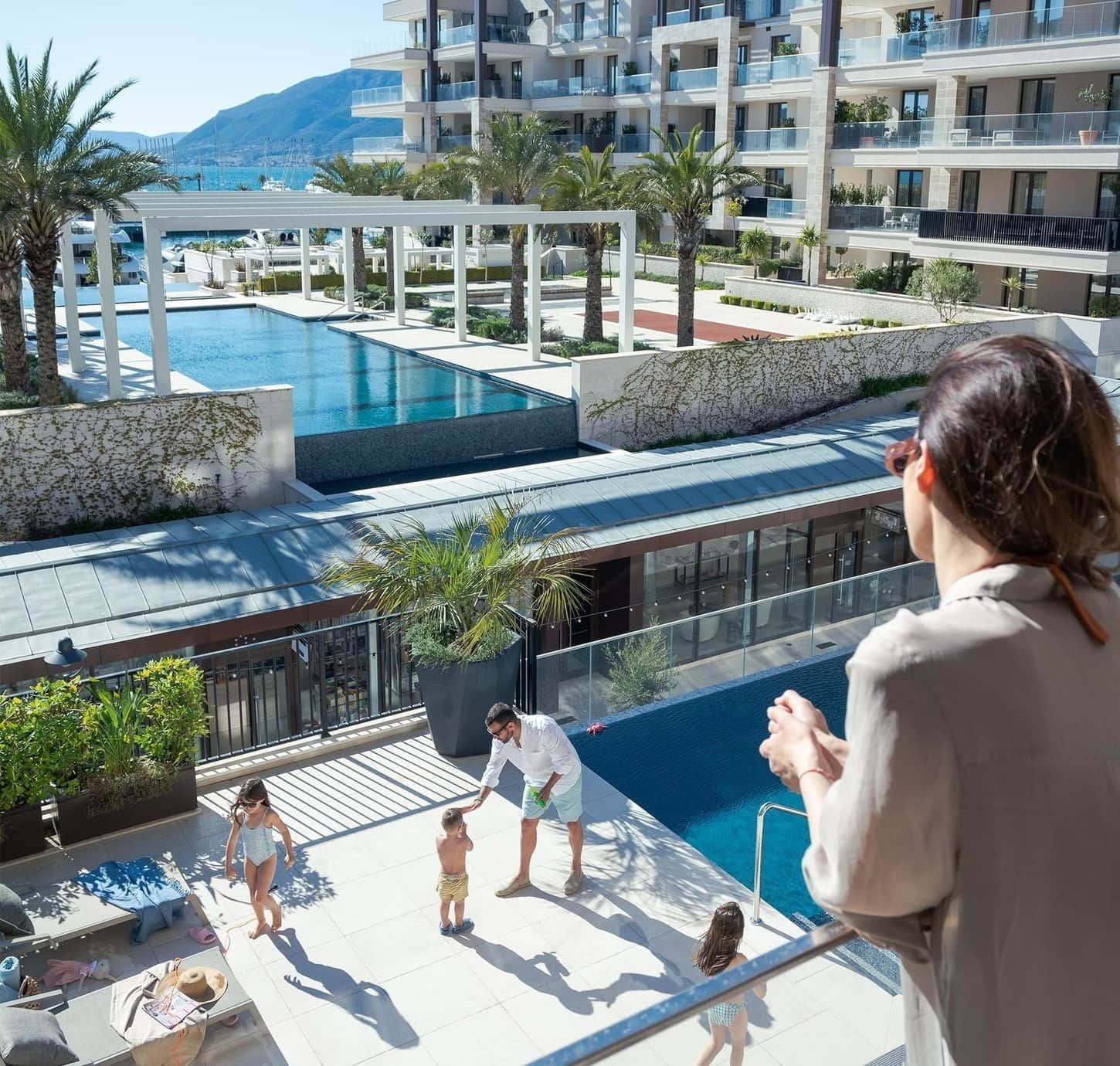
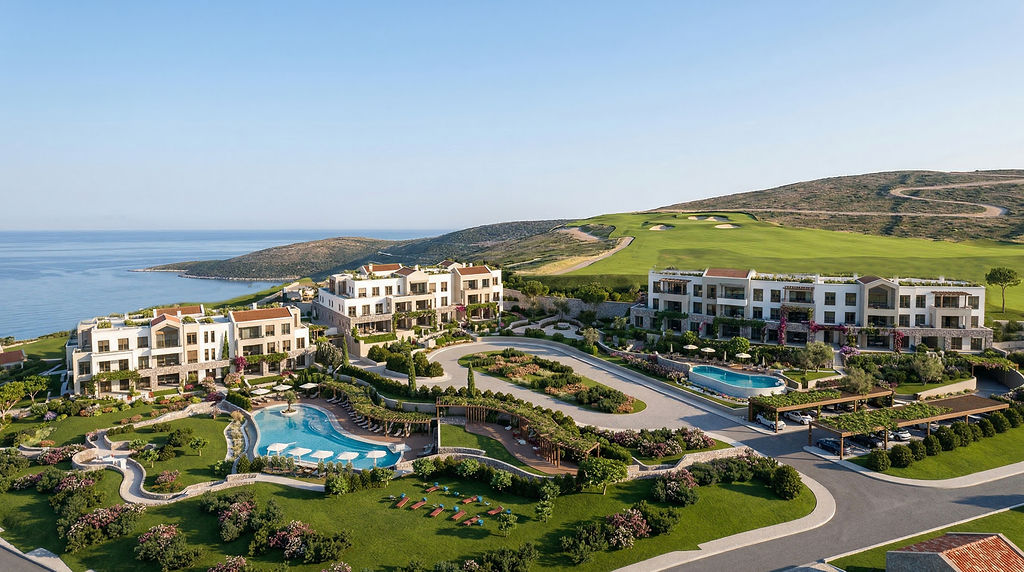
The amenity offering across Budva's beachfront developments has matured considerably over the past decade, and the gap between the top tier and the mid-market has widened as a result. The best beachfront apartments in Bečići and Rafailovići now offer amenity packages comparable to well-run resort hotels: rooftop pools or podium-level pool terraces, concierge or reception services, gym facilities, and in some cases beach club access as part of the building's service structure.
Old Town and Mogren developments, by contrast, tend to offer fewer communal amenities as a function of their historic urban context, but compensate with immediacy of access to the town's own waterfront infrastructure. The beach clubs, restaurants, and promenade facilities that line the Old Town waterfront function, in practical terms, as an extension of the building's amenity offering.
Buyers evaluating amenity packages should consider not just the list of facilities but their operational quality and the governance structure behind them. A rooftop pool that is poorly maintained or a concierge service that functions only in high season adds less genuine value than the specification sheet implies. Requesting references from existing owners within a development, and visiting in person during the shoulder season rather than only in peak summer, gives a more accurate read on how a building actually performs.
Finish quality across the Budva new-build market varies considerably. The most credible developments use European-sourced materials, appoint experienced project managers, and deliver snag-free handovers with proper documentation. A proportion of the market, particularly at the lower end of the price range, does not. Independent structural surveys and legal due diligence through qualified Montenegrin counsel are standard practice for experienced buyers in this market and should not be treated as optional.
---
A Note from the Barok Estates International Advisory Team
Budva's beachfront market rewards buyers who approach it with both clear lifestyle expectations and rigorous financial preparation. The combination of genuine Adriatic character, an established short-term rental market, and a relatively accessible entry price point compared with western Mediterranean equivalents makes it a compelling proposition. It also carries the complexities, seasonal income concentration, variable development quality, and a legal framework that rewards careful preparation, that any serious buyer must understand before proceeding.
Barok Estates International advises private clients across Montenegro, Spain, and the United Kingdom on residential acquisitions at the upper end of the market. Our team operates across offices in Madrid, Marbella, London, and Montenegro, and provides independent guidance on property selection, legal and tax structuring, management appointment, and long-term portfolio strategy. To arrange a confidential consultation with one of our advisors, contact the Barok Estates International Montenegro desk directly.








.jpg)