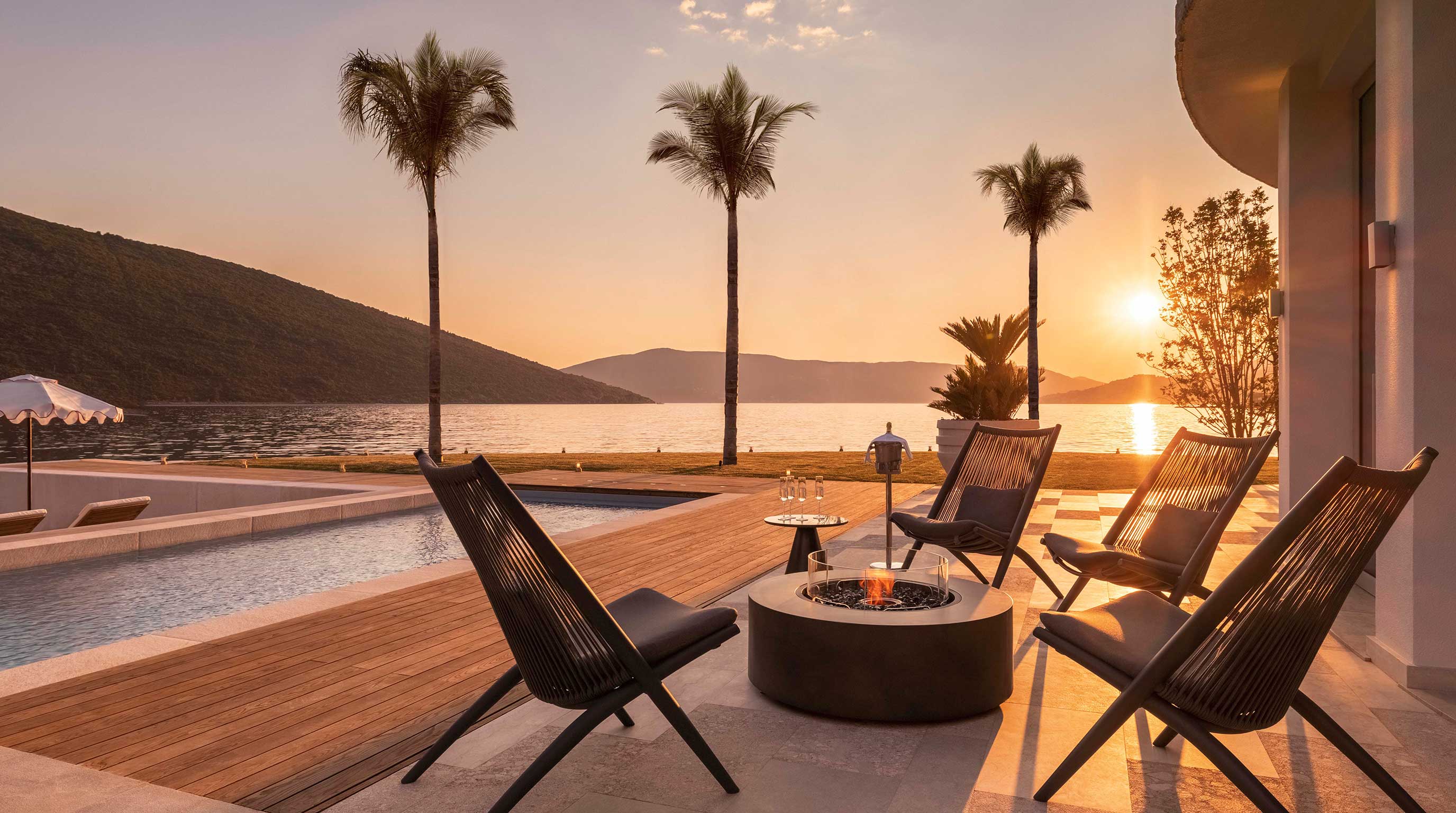
Montenegro: The Adriatic's Most Compelling Discovery
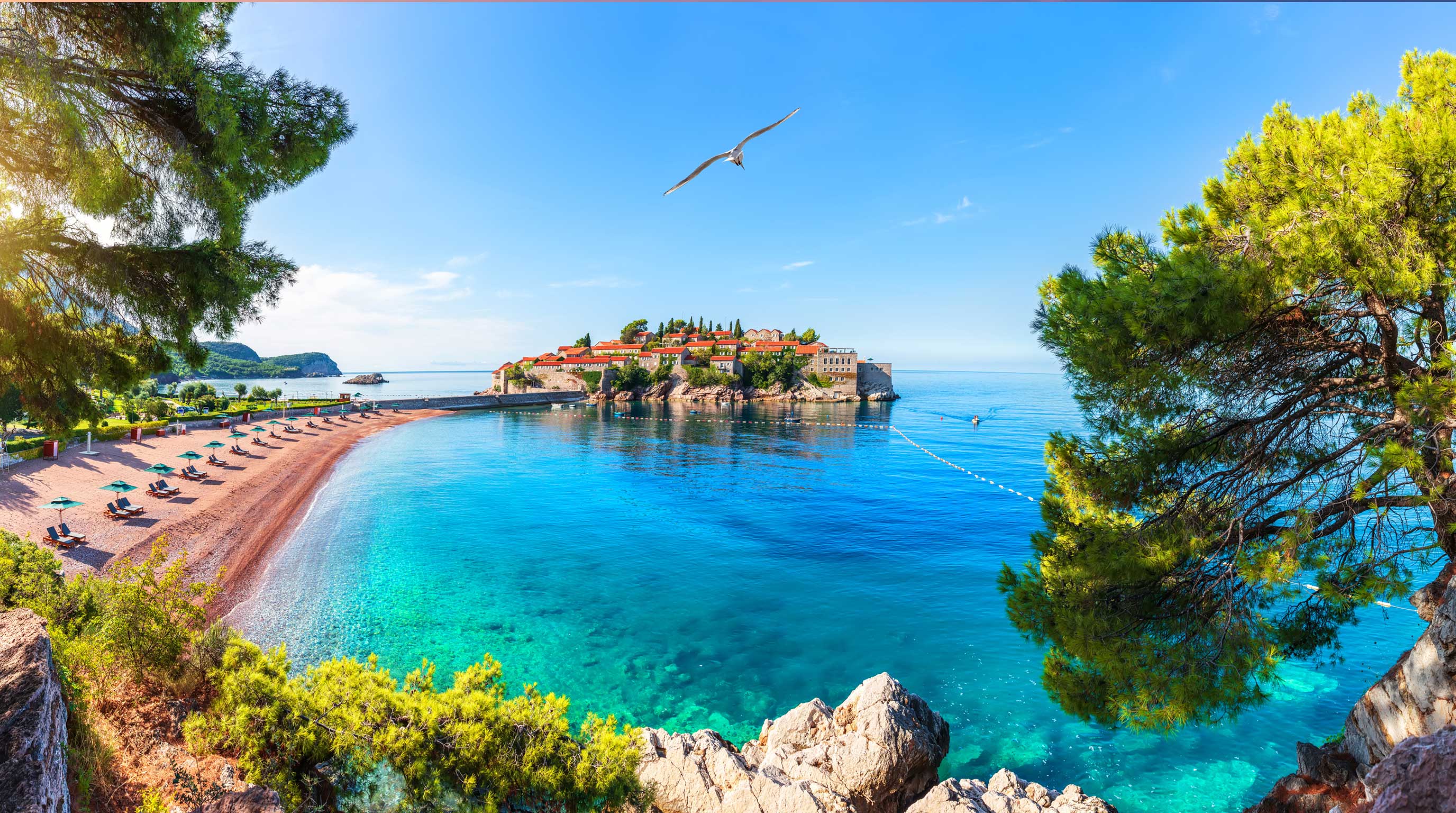
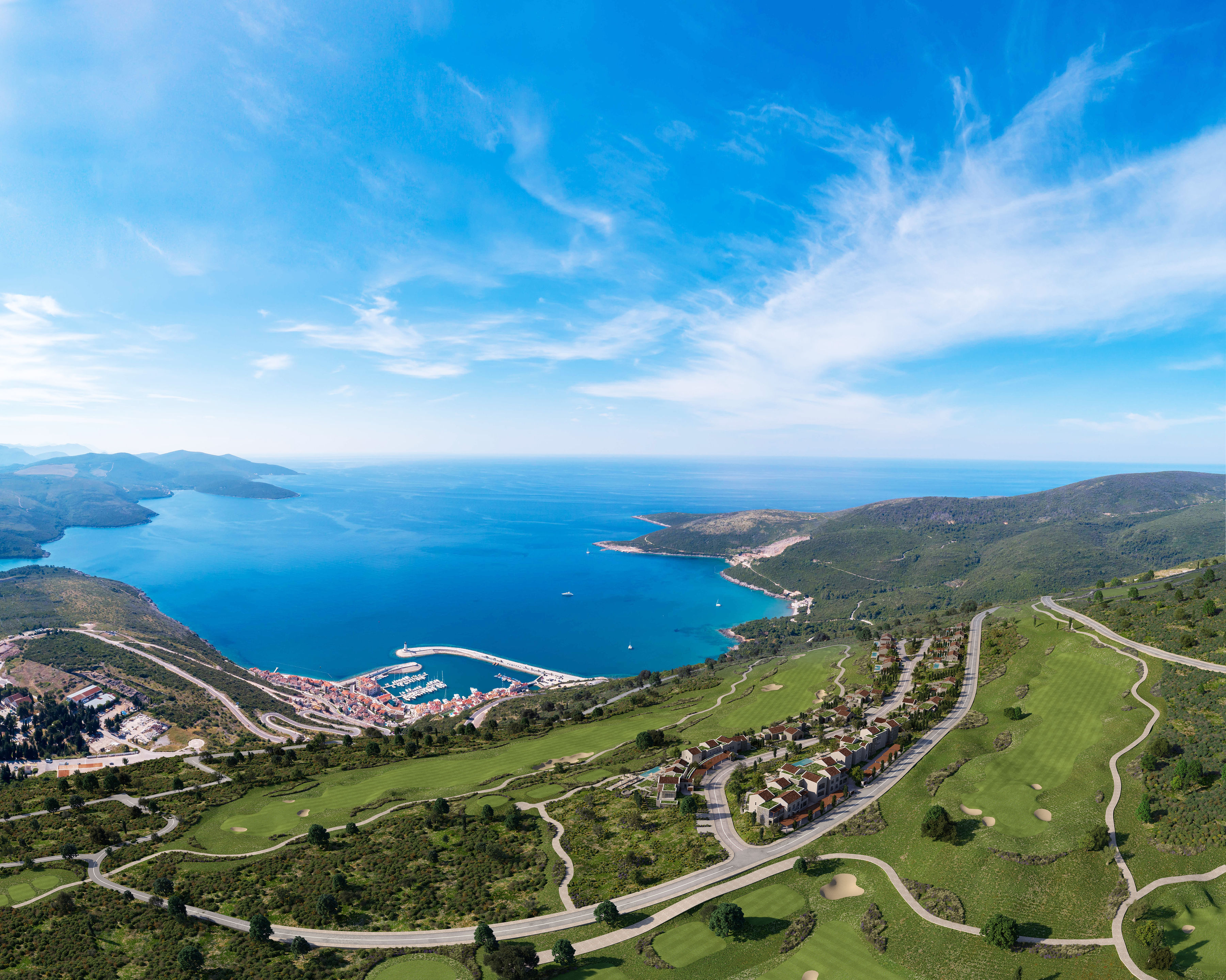
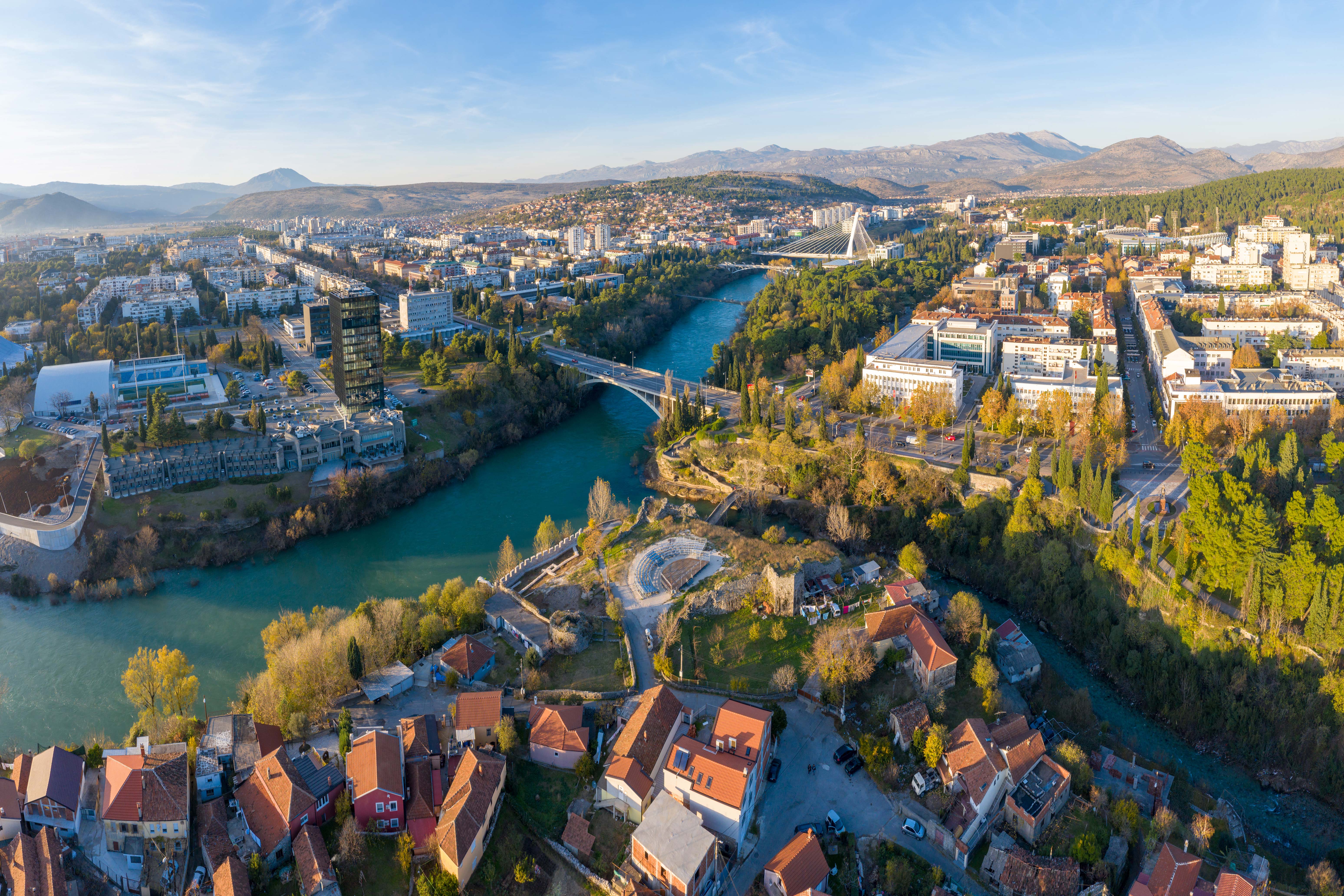
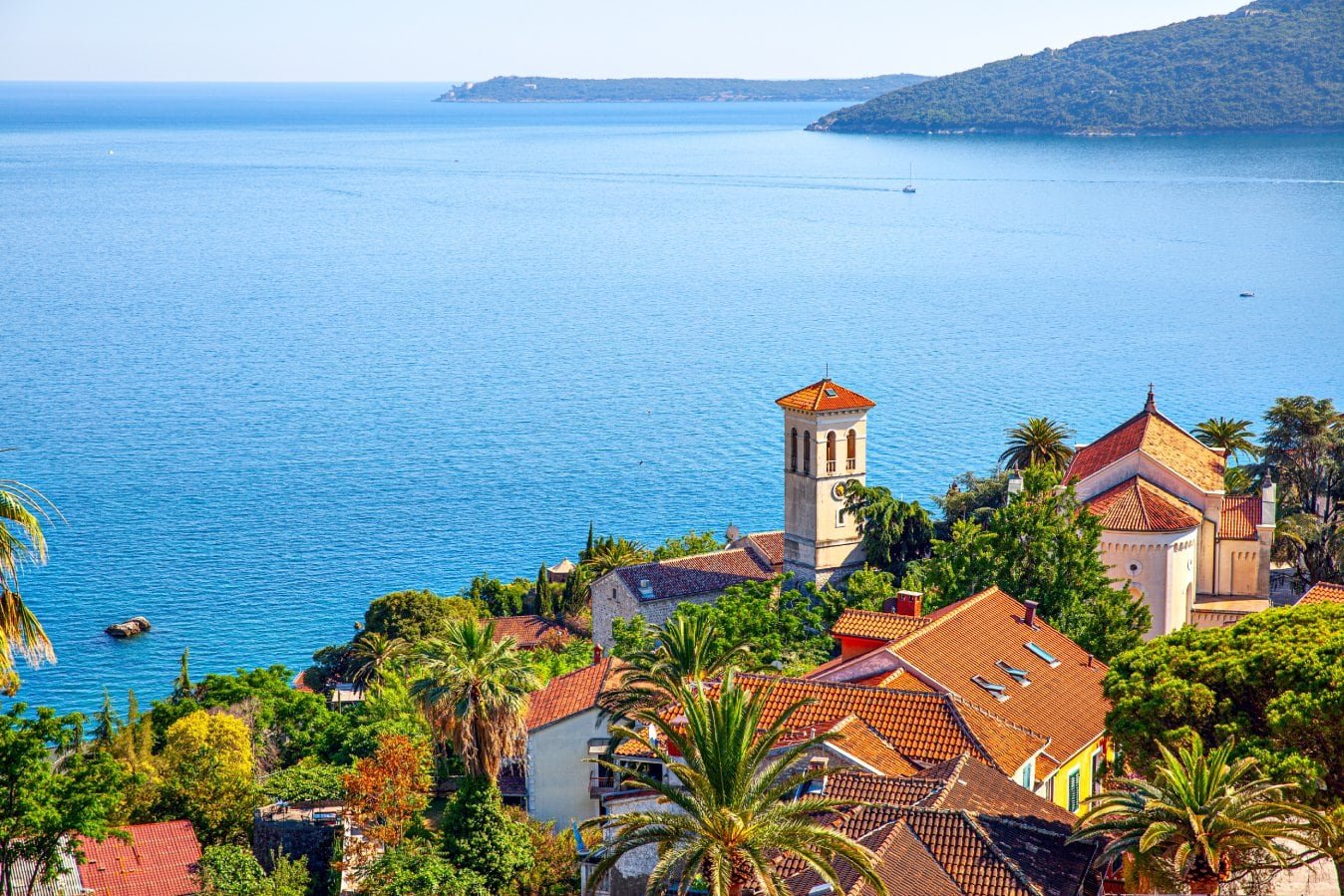
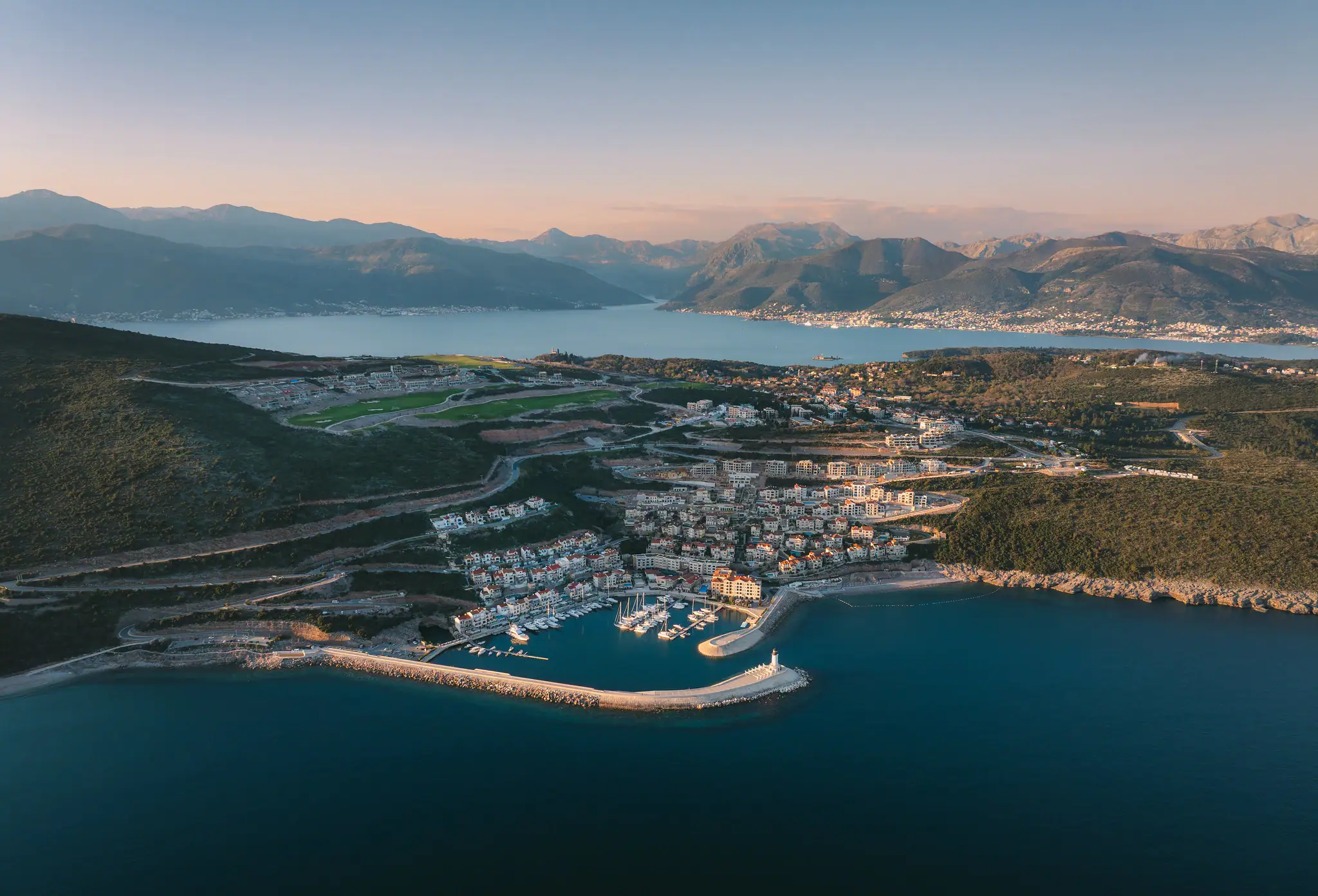
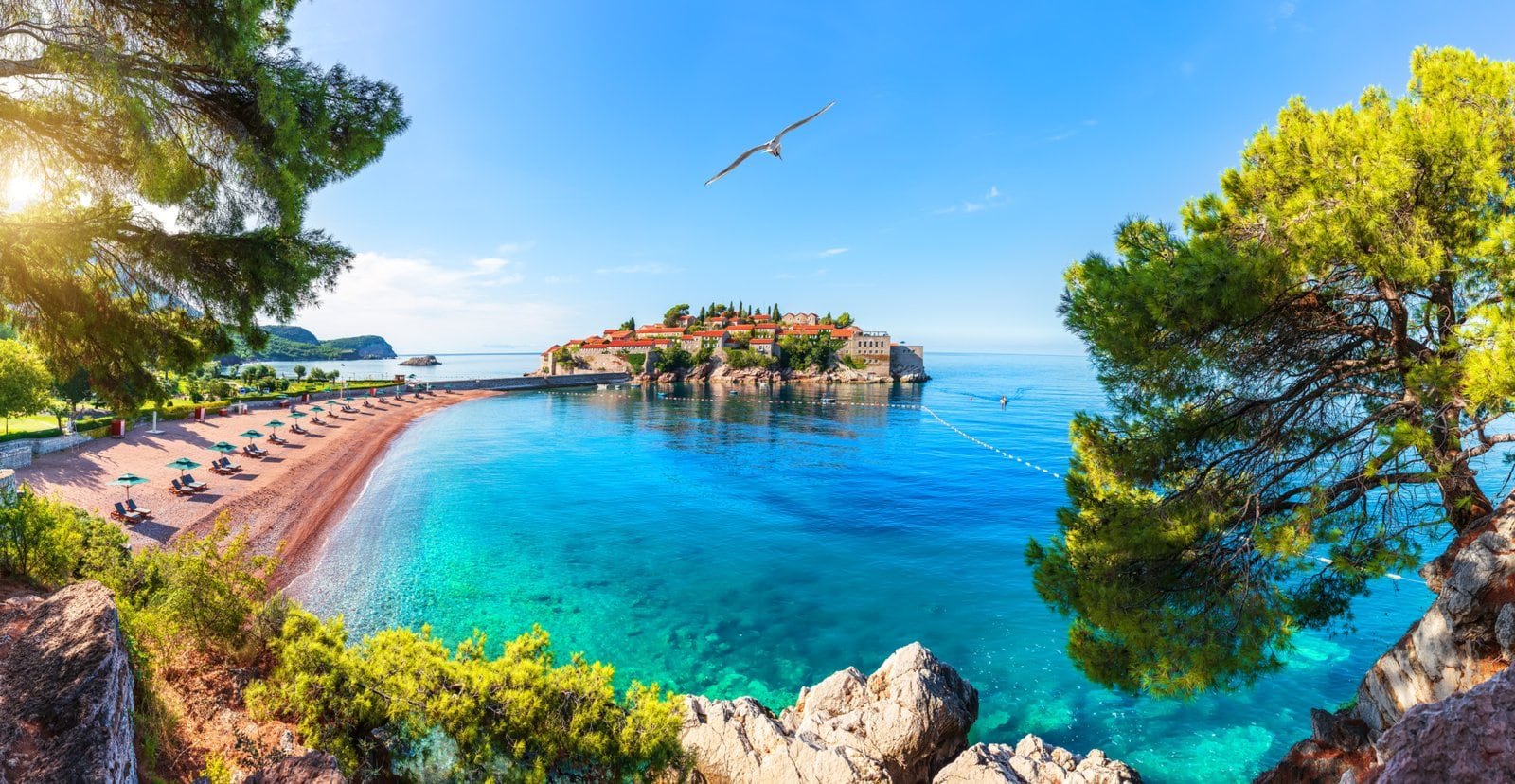
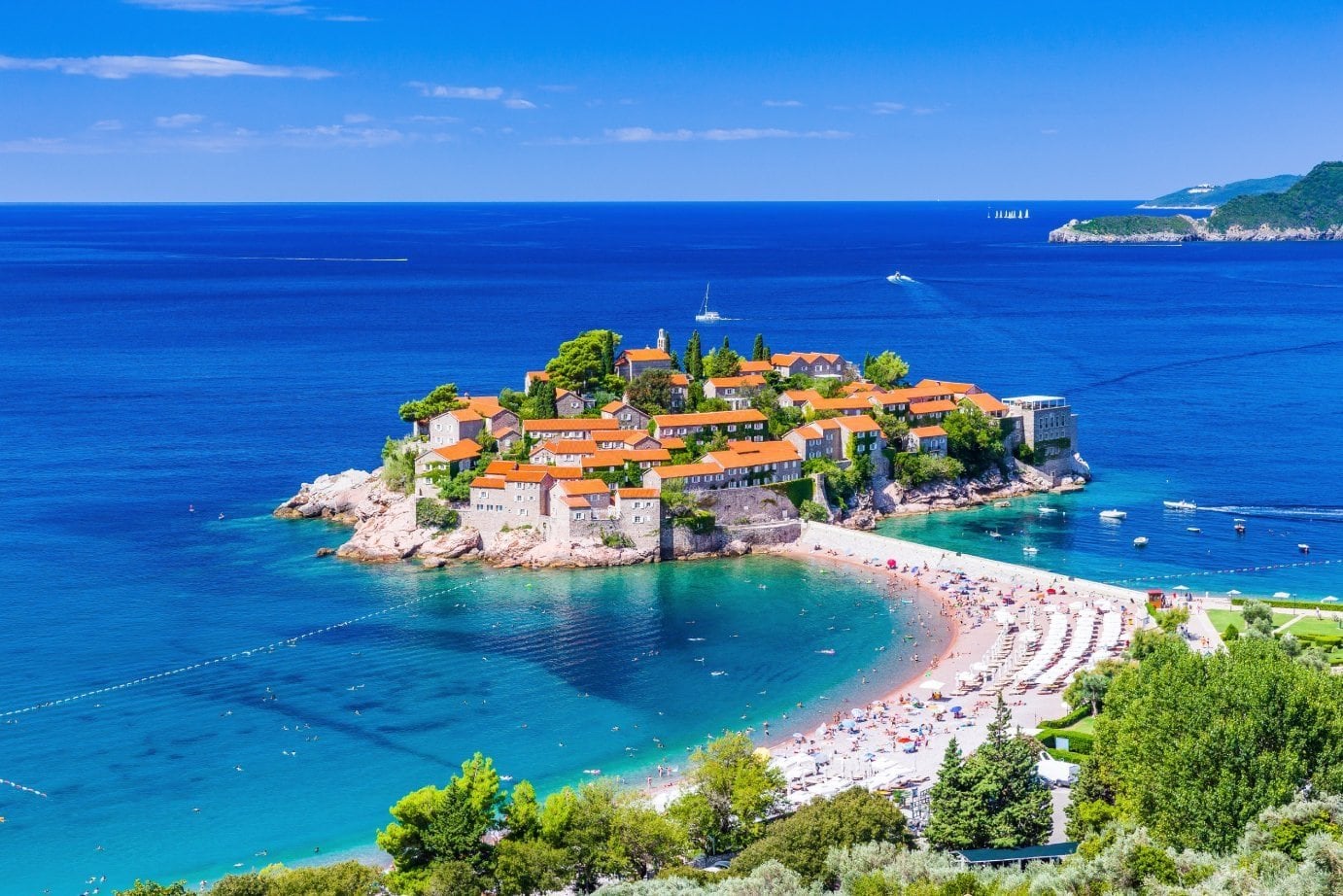
There are destinations that reward patience, and then there are destinations that make you wonder why you waited. Montenegro belongs firmly in the second category. Wedged between Croatia, Serbia, Albania and the open Adriatic, this compact nation packs a concentration of natural drama and architectural beauty that larger countries rarely match. Limestone peaks plunge toward a coastline of extraordinary intricacy, and the towns that dot its shores carry centuries of Venetian, Ottoman and Byzantine influence in their stone and mortar.
For years, Montenegro occupied a quiet corner of the European travel imagination, passed over in favour of its better-known neighbours. That period is drawing to a close. Rising flight connectivity, a maturing hospitality sector and a growing reputation among discerning international travellers have brought Montenegro into sharper focus. The question for first-time visitors is no longer whether to go, but how best to approach a country that offers genuine diversity within a geography you can cross in an afternoon.
This guide is intended for those planning a first or second visit, those weighing a longer stay under the country's digital nomad visa framework, and those for whom a well-chosen journey often leads to a well-considered property investment. Montenegro rewards all three types of traveller.
Understanding Montenegro: A Brief Portrait
Montenegro became an independent sovereign state in June 2006, following a referendum that ended its union with Serbia. The country's population sits at approximately 619,000, according to the Montenegrin Statistical Office, making it one of Europe's smaller nations by headcount. Its official currency is the euro, which it adopted unilaterally, and its territorial footprint is comparable in size to the state of Connecticut.
The country's ethnic composition reflects the broader complexity of the Western Balkans. Montenegrins form the largest group, alongside significant Serbian, Bosniak and Albanian communities. This plurality is most visible in the country's architecture, cuisine and religious sites, where Orthodox monasteries, Catholic churches and historic mosques occupy the same hillsides and town squares.
NATO membership, achieved in 2017, and active EU accession negotiations have accelerated Montenegro's integration with European institutions and standards. For international visitors and investors, this trajectory matters. It signals a country actively aligning its legal and administrative frameworks with European norms, which has direct implications for property rights, business registration and residency arrangements.
Entry Requirements and Travel Documents
Preparing for any international trip begins with confirming your documentation, and Montenegro's entry requirements are relatively straightforward for most Western visitors.
All visitors require a valid passport. Montenegrin border authorities typically require that the passport remains valid for at least three months beyond the intended date of departure. Travellers carrying passports with fewer than six months of remaining validity would be well advised to renew before travelling, to avoid complications at any point in their journey.
Citizens of the United States, Canada, Australia and all European Union member states may enter Montenegro without a prior visa for stays of up to 90 days within a 180-day period, according to the Montenegrin Ministry of Foreign Affairs. The United Kingdom and a number of other countries enjoy similar bilateral arrangements. Travellers from countries not covered by these exemptions should contact the nearest Montenegrin diplomatic mission well in advance of their planned trip to confirm the applicable visa category and processing timeline.
Travel insurance covering medical treatment and emergency repatriation is not a legal requirement but is strongly recommended. Montenegro's private medical sector is developing rapidly, particularly in the coastal towns, but comprehensive cover ensures that an unexpected health event does not become a financial complication on top of a personal one.
Registration with local police within 24 hours of arrival is a formal requirement for all visitors, though in practice hotels and licensed accommodation providers complete this process automatically on behalf of their guests. Visitors staying in private residences or short-term rental properties should confirm that their host has completed the registration on their behalf.
How to Reach Montenegro
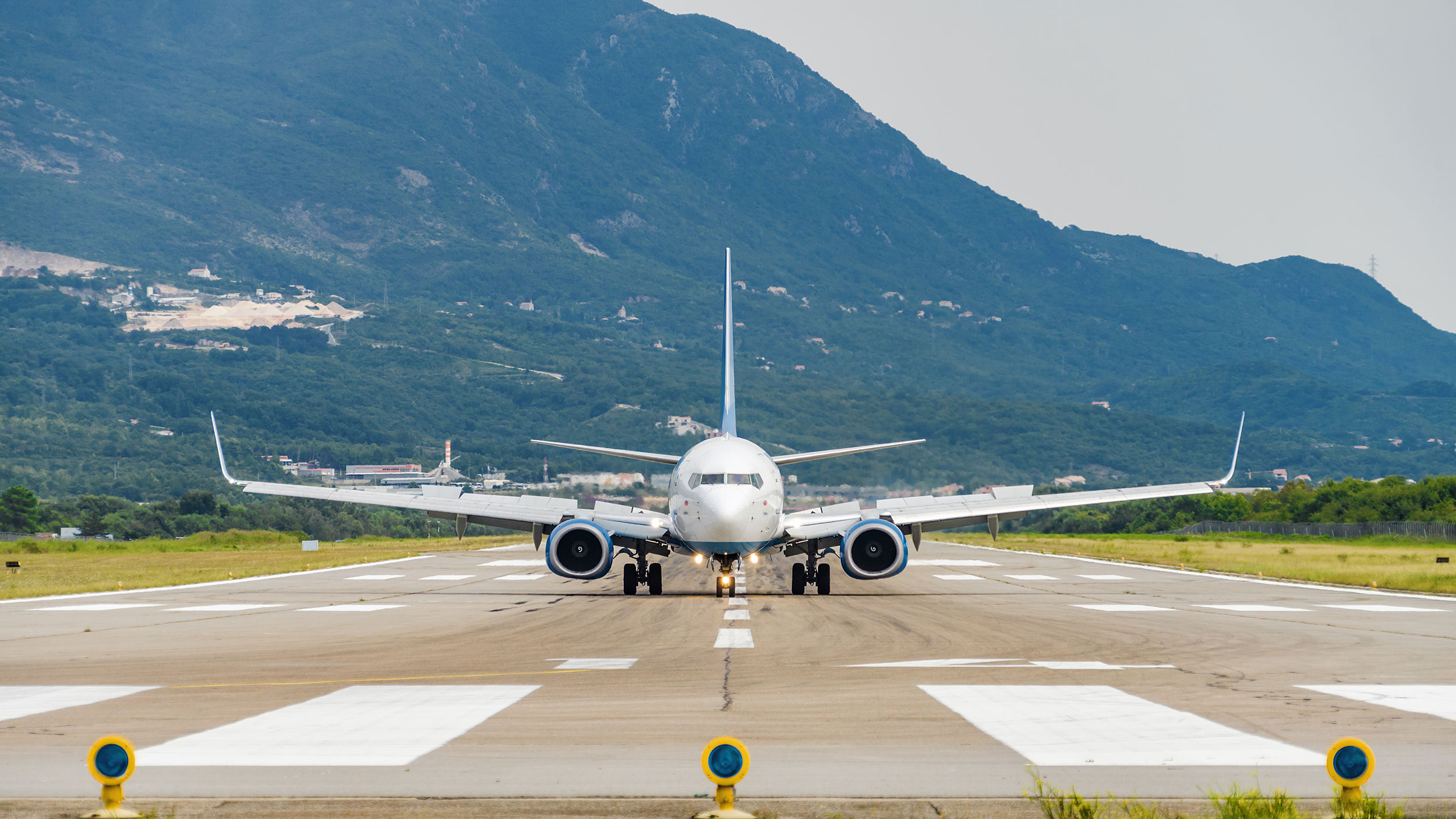
Montenegro's two primary commercial airports, Podgorica Golubovci and Tivat International, connect the country to a broad range of European hubs throughout the year, with the Tivat route network expanding substantially during the summer season. Airlines operating scheduled services from London, Frankfurt, Vienna, Zurich, Istanbul and a number of regional capitals make Montenegro increasingly accessible without routing through a connecting hub.
For travellers based in Italy, ferry services crossing the Adriatic from Bari and Ancona to Bar provide an unhurried alternative that combines the journey with the experience. The connection takes overnight, arriving on the Montenegrin coast by morning.
Overland access from Croatia and Serbia is efficient. The coastal road south from Dubrovnik crosses into Montenegro at Debeli Brijeg and delivers visitors directly into the Bay of Kotor within an hour. Travellers arriving from Serbia can enter via the road corridor through the northern highlands, which provides a quite different introduction to the country, one of forested gorges and mountain passes rather than coastal light.
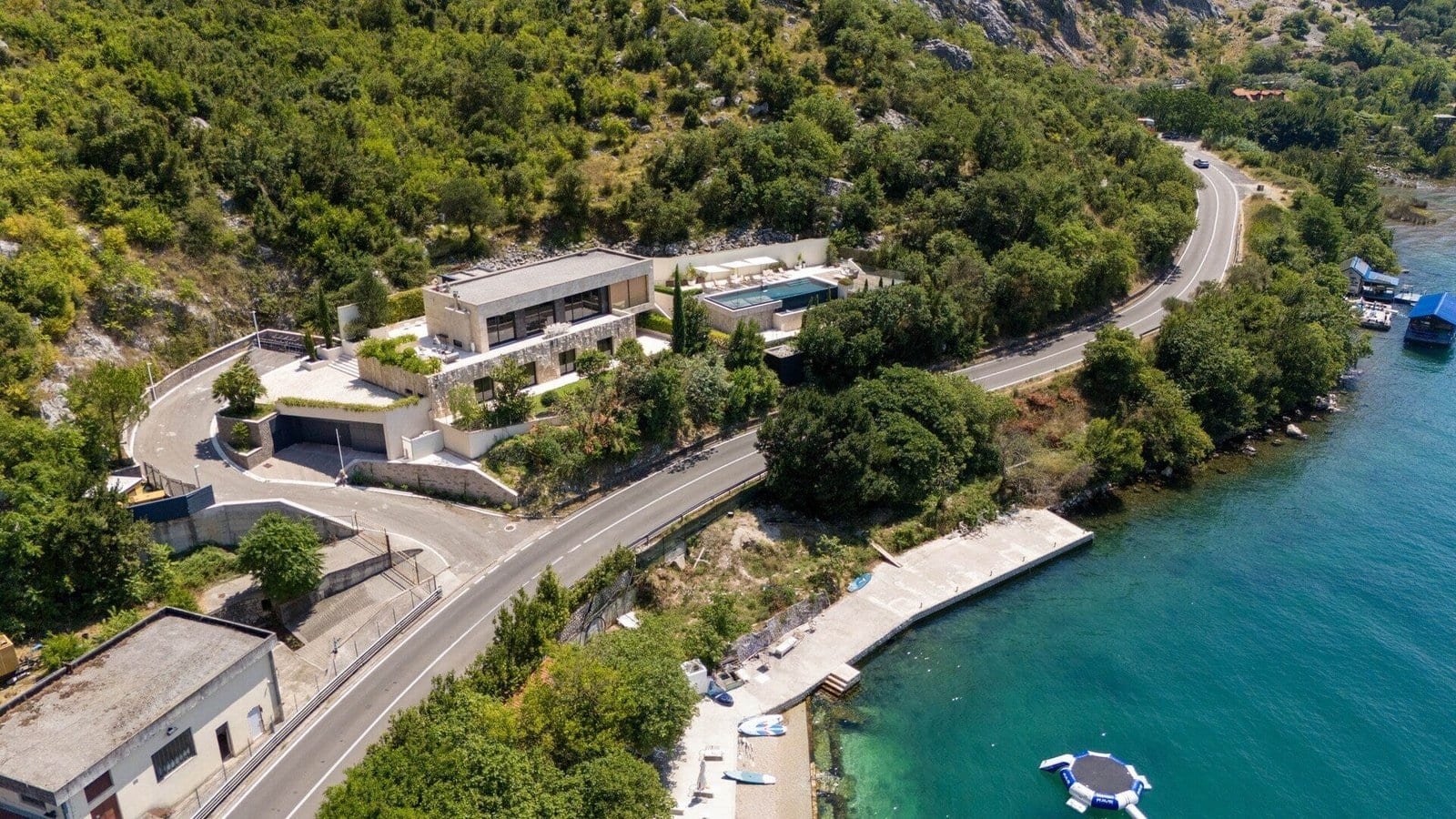
Within Montenegro, hiring a car is the most practical approach for visitors who intend to explore beyond a single base. The national road network covers the country thoroughly, though mountain routes can be narrow and seasonal. The coastal highway is modern and well-maintained, and the drive between Tivat and Herceg Novi, skirting the inner bays, is among the more memorable short road journeys in southern Europe. Those investing in the Tivat area will find road access to Porto Montenegro and the wider bay region straightforward year-round. For a thorough overview of the Tivat property market, the editorial team at Barok Estates International has prepared a detailed resource: Property for Sale in Tivat, Montenegro: A 2026 Waterfront Buyer's Guide.
What Montenegro Offers the Visitor
Montenegro's appeal rests on a combination that few countries in its size category can replicate: Adriatic coastline, mountain wilderness and a layered cultural heritage, all within a compact geography.
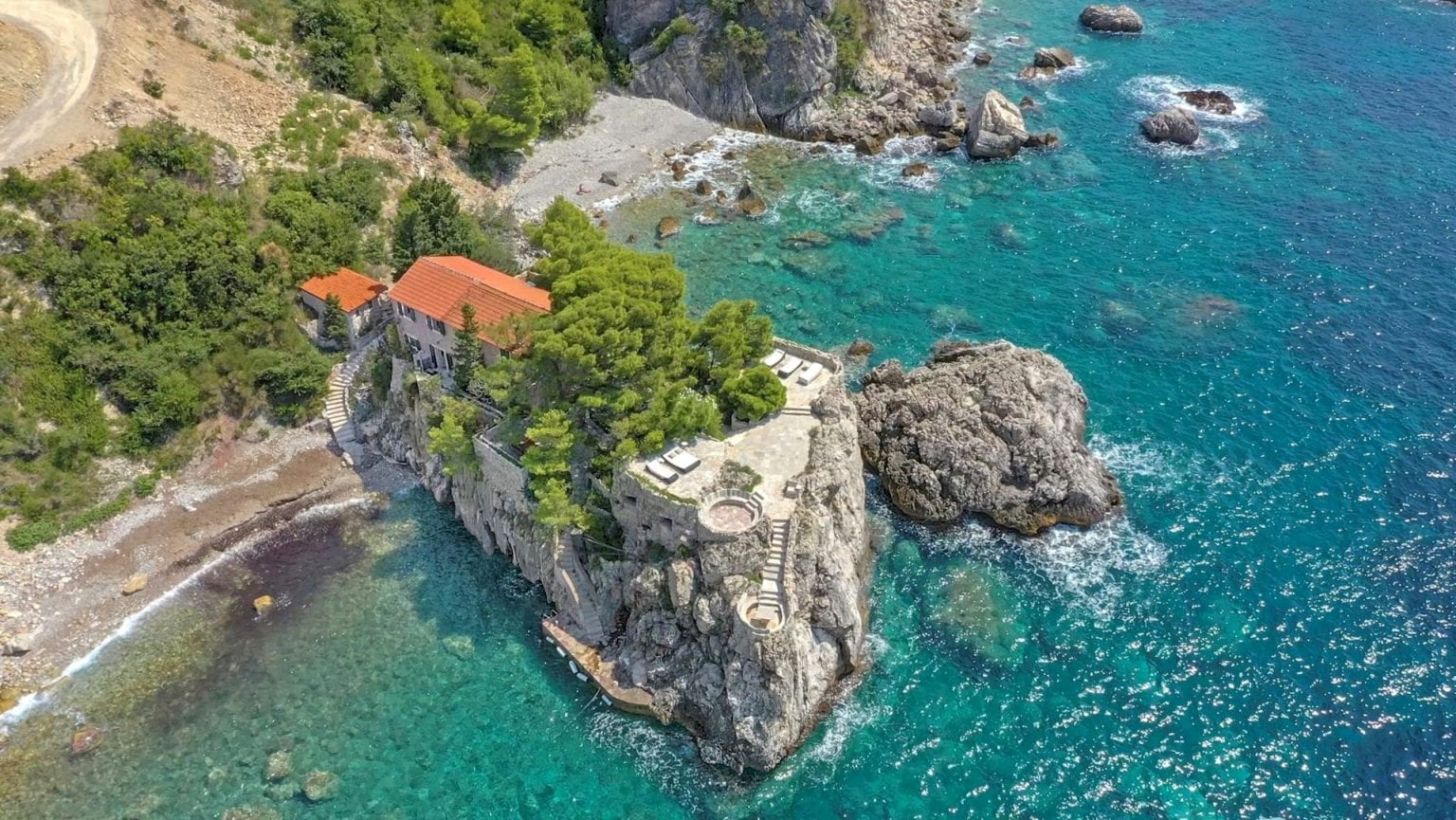
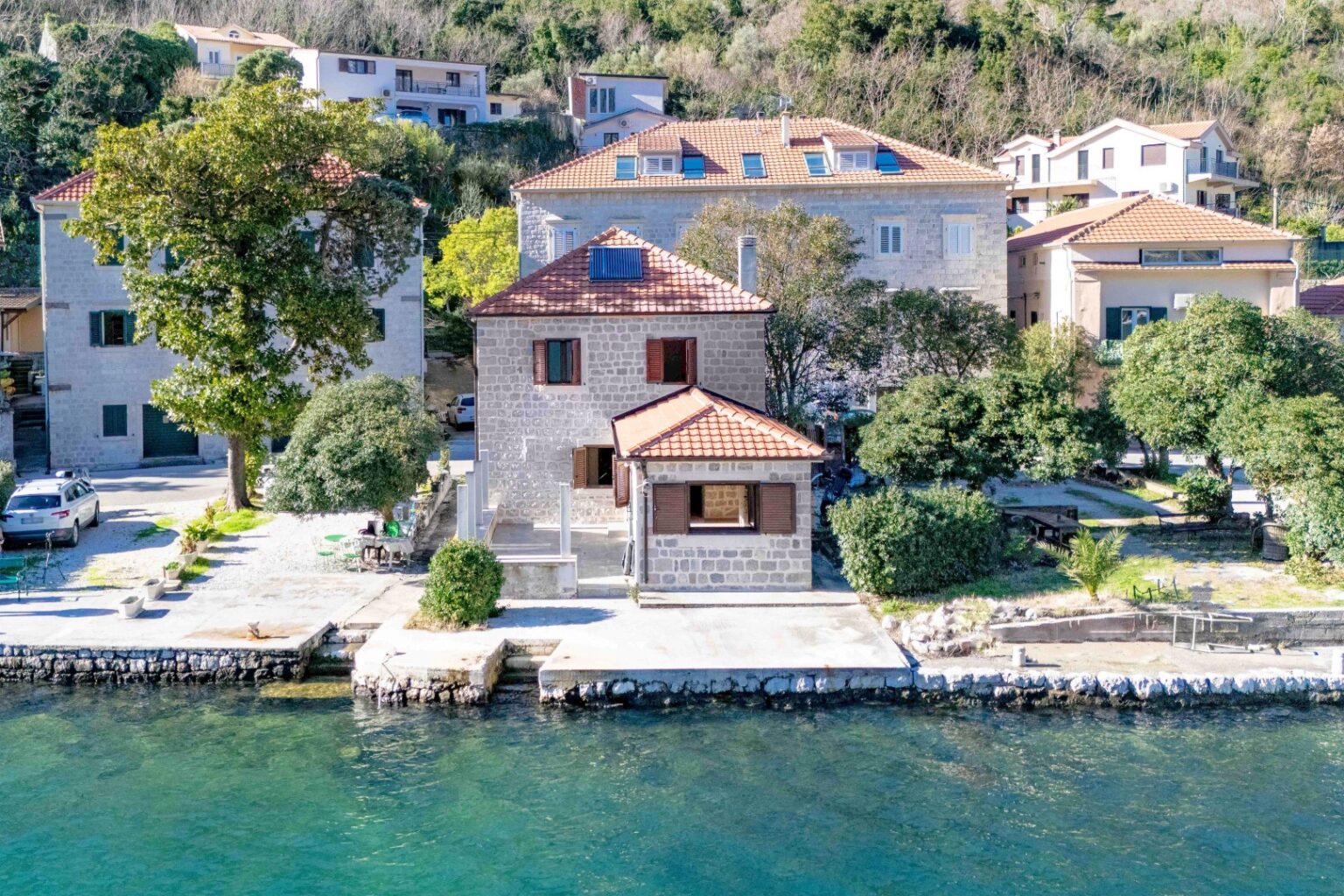
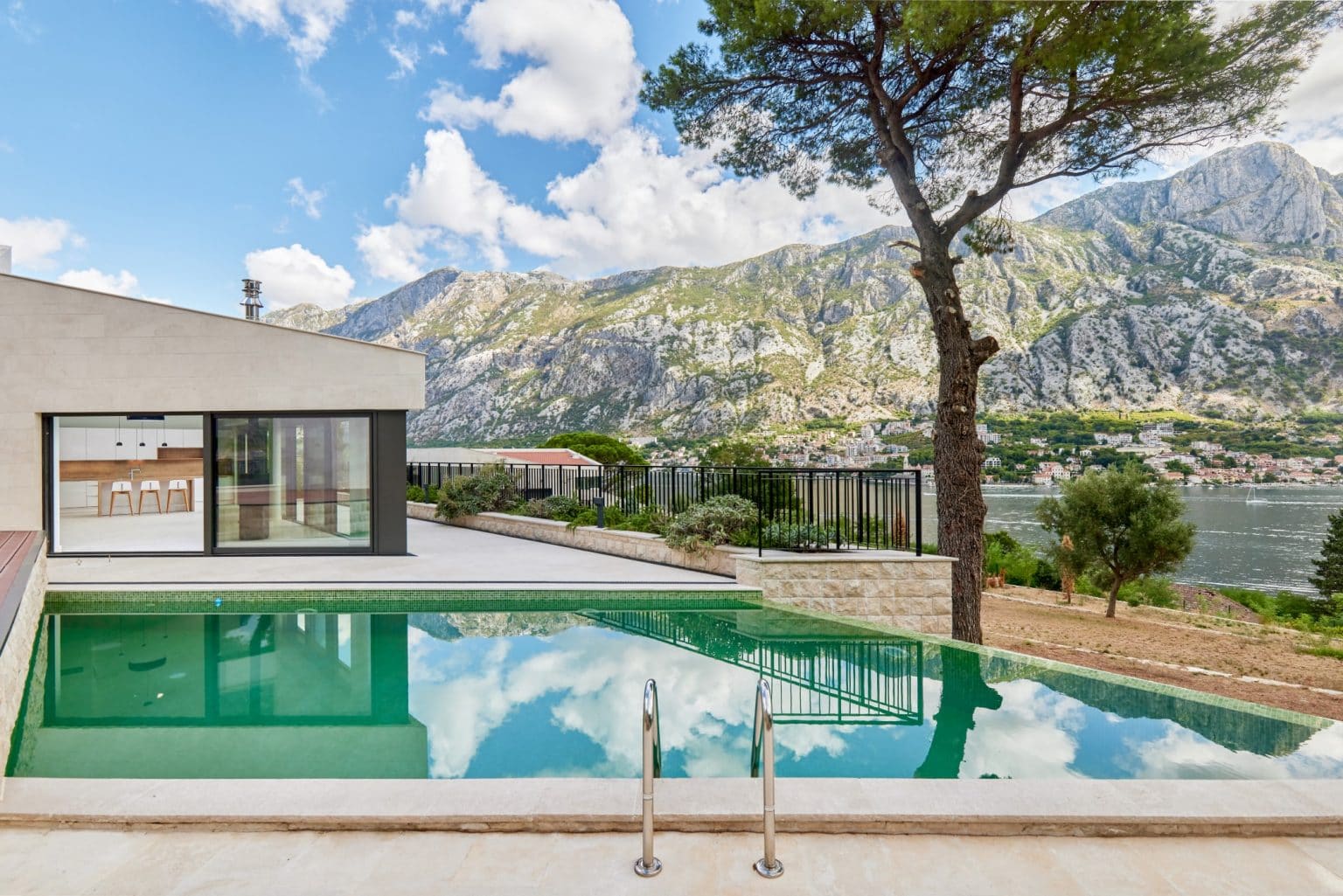
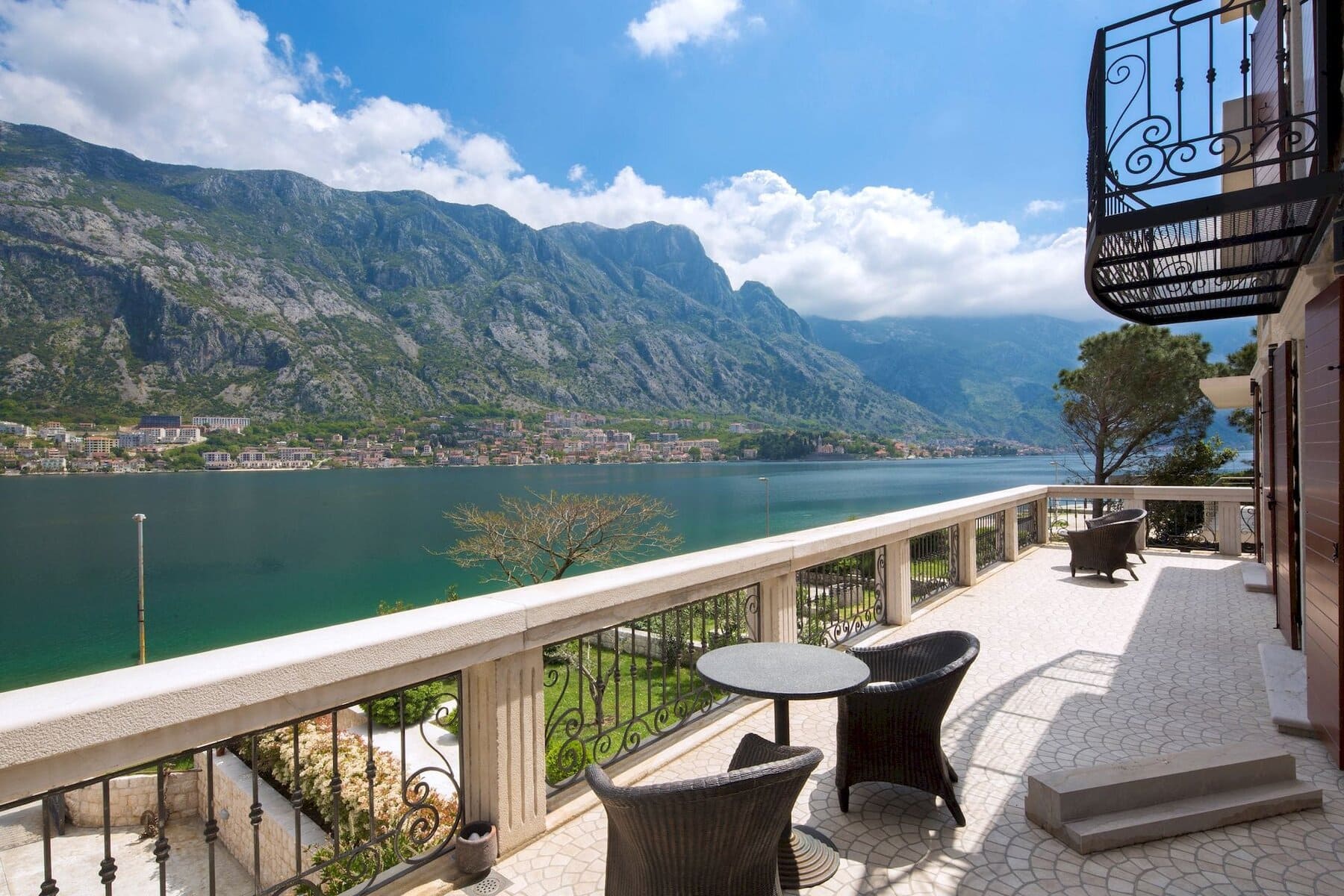
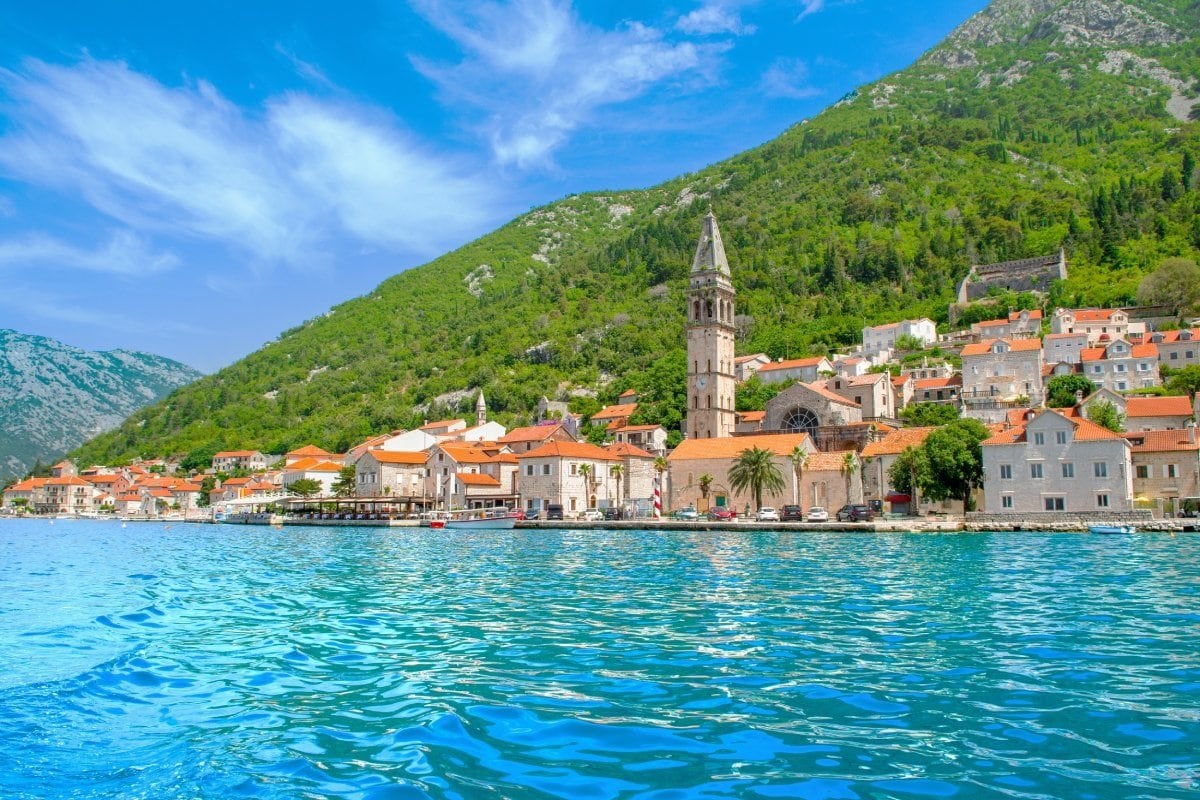
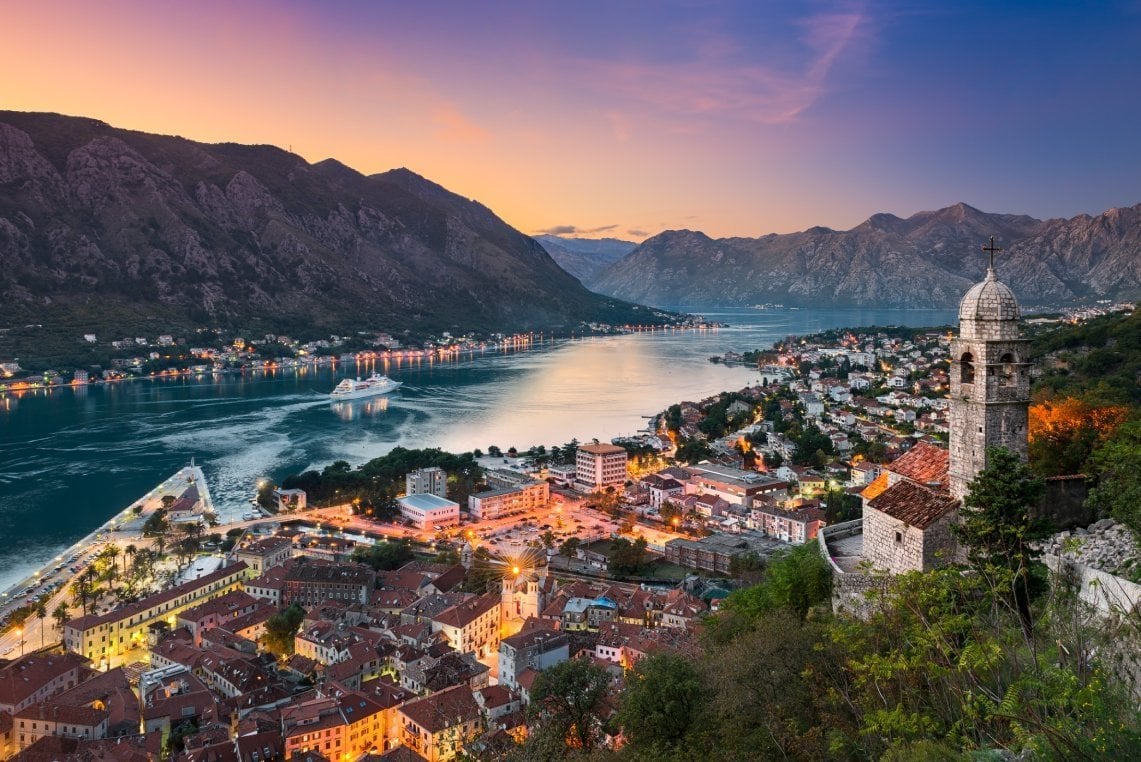
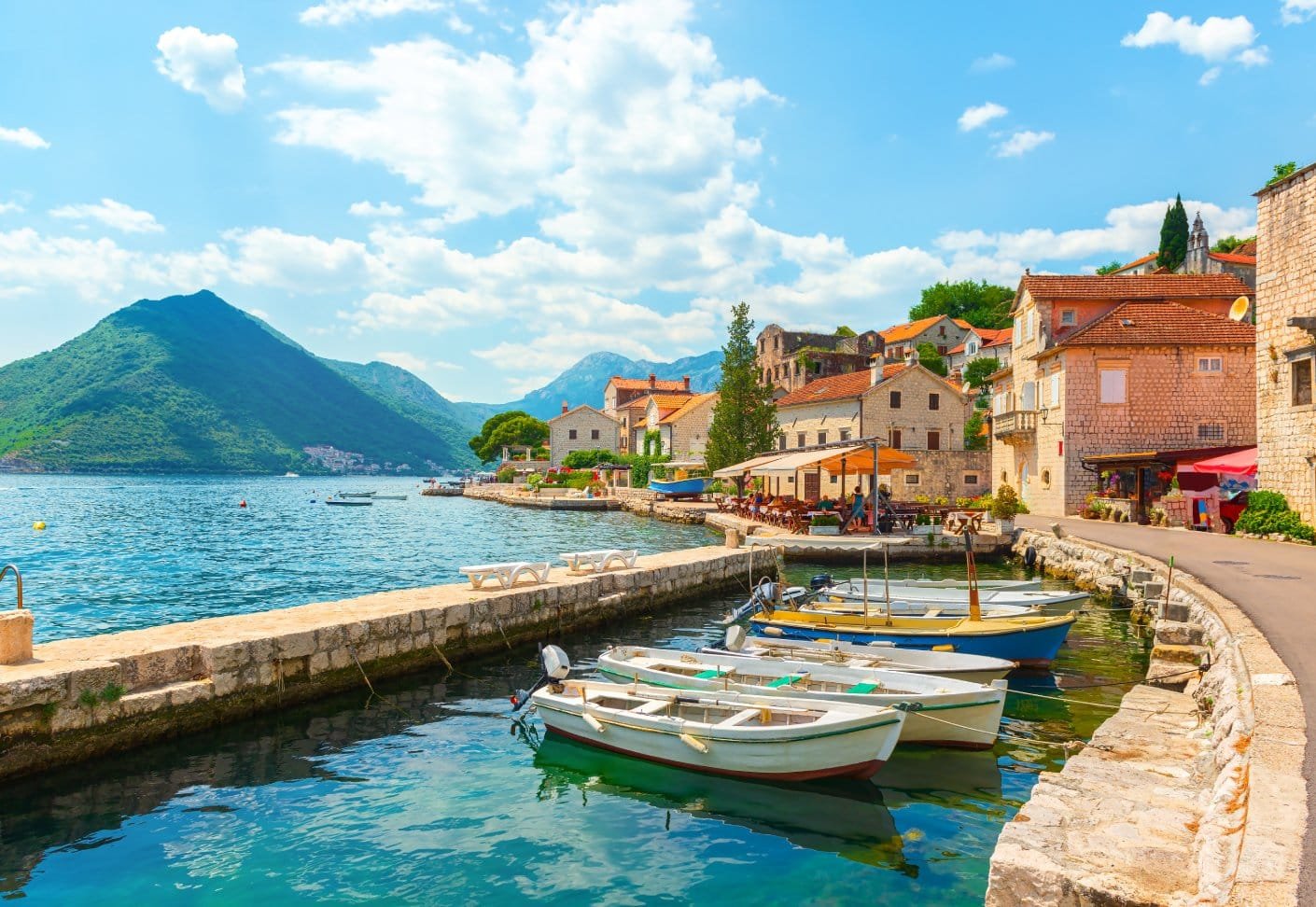
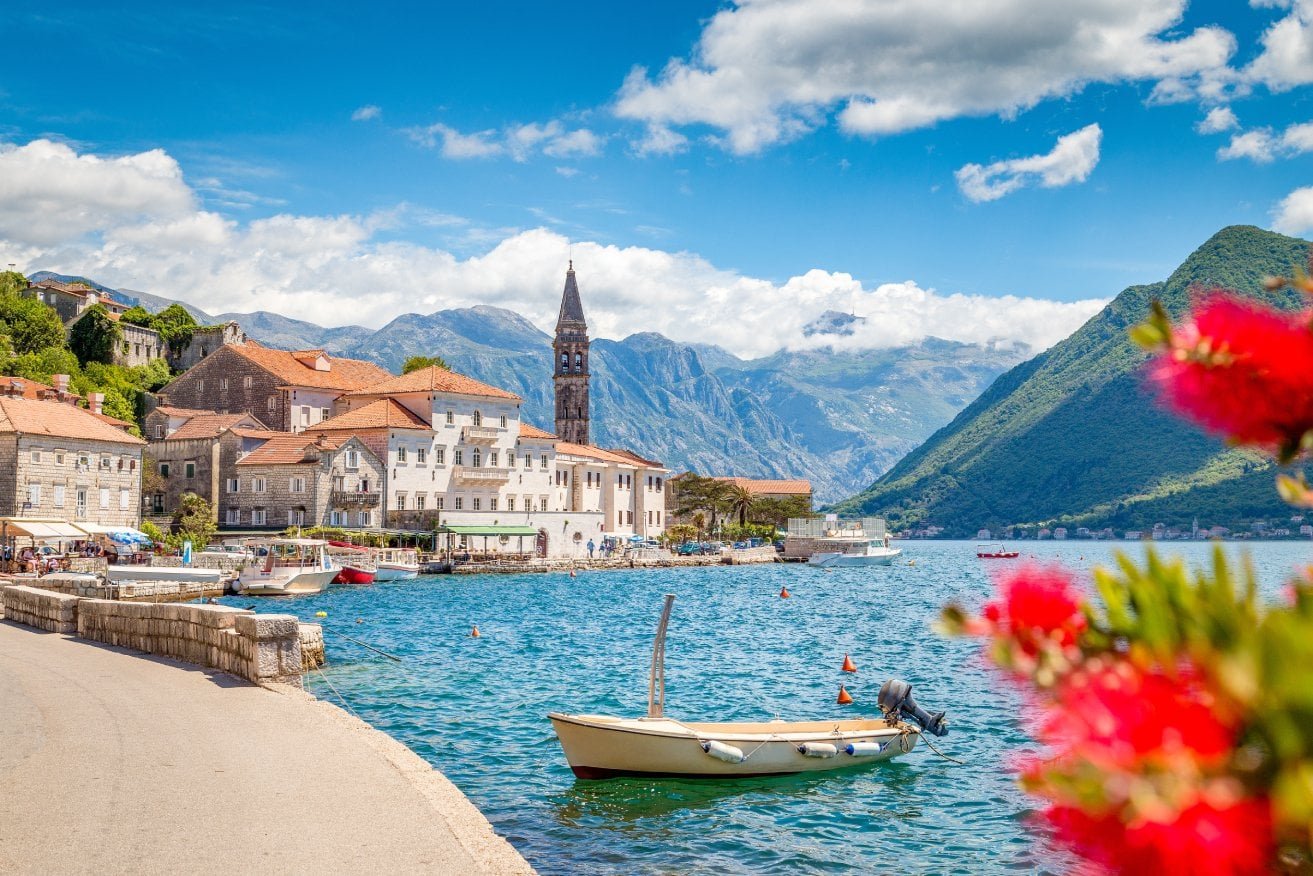
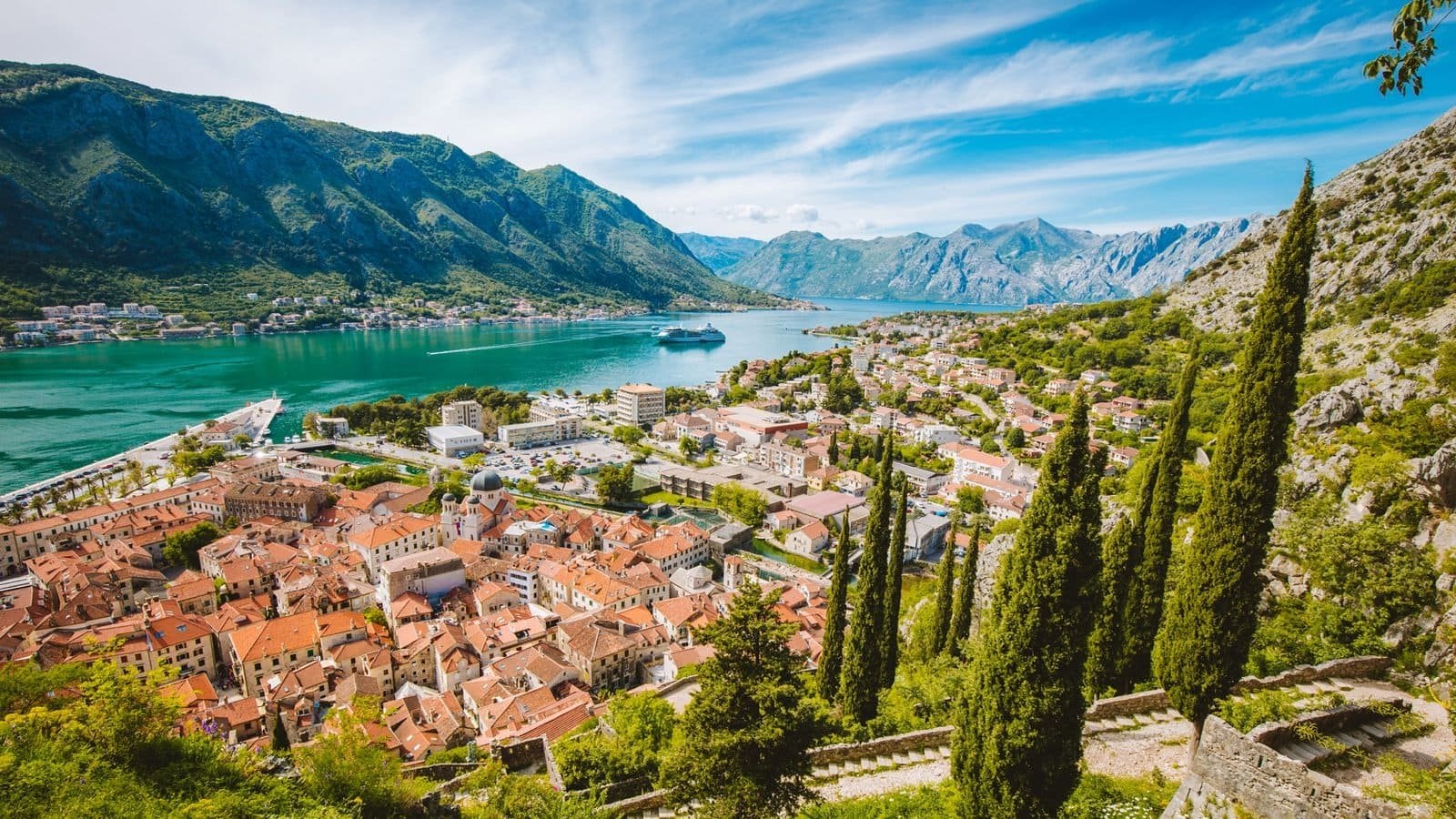
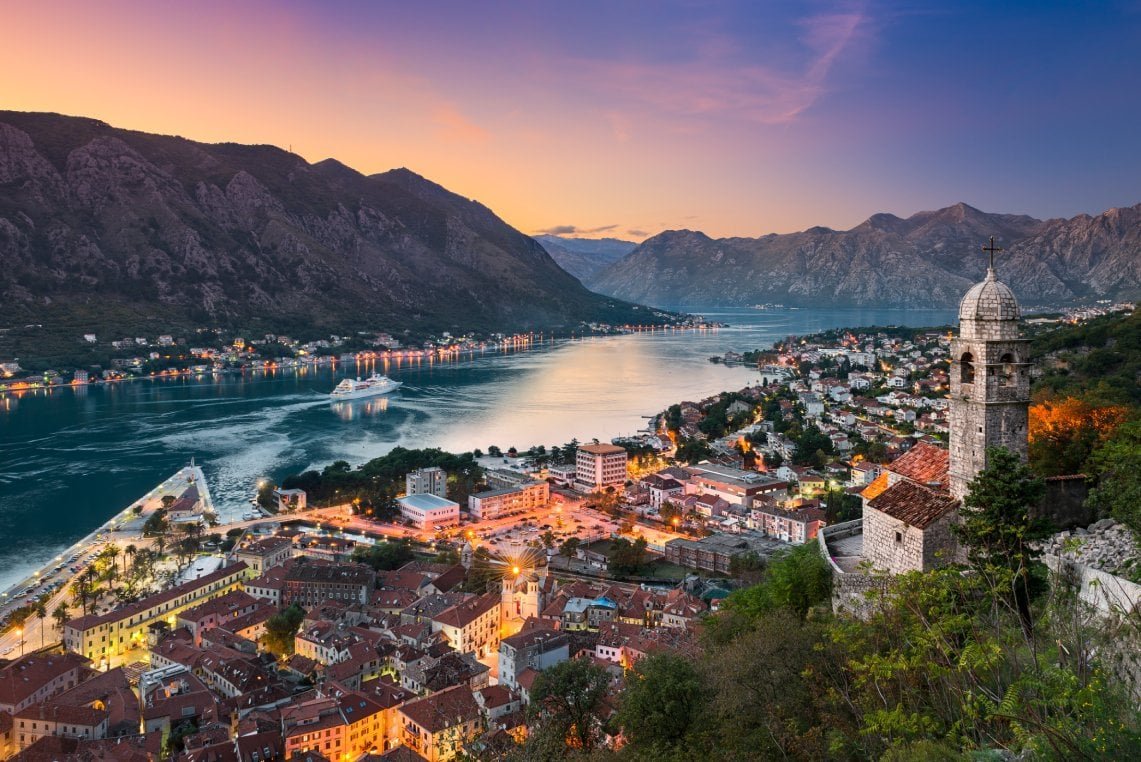
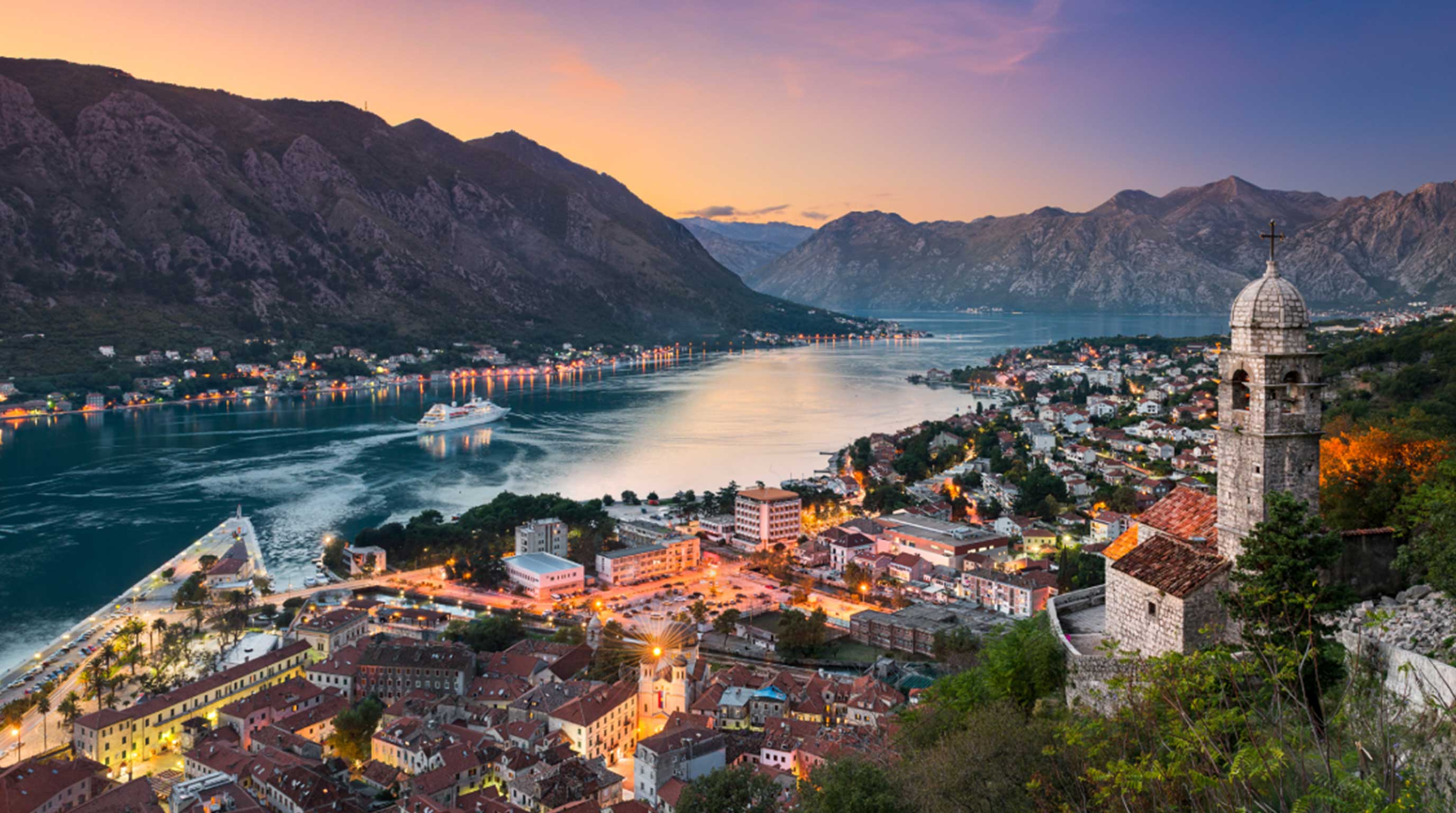
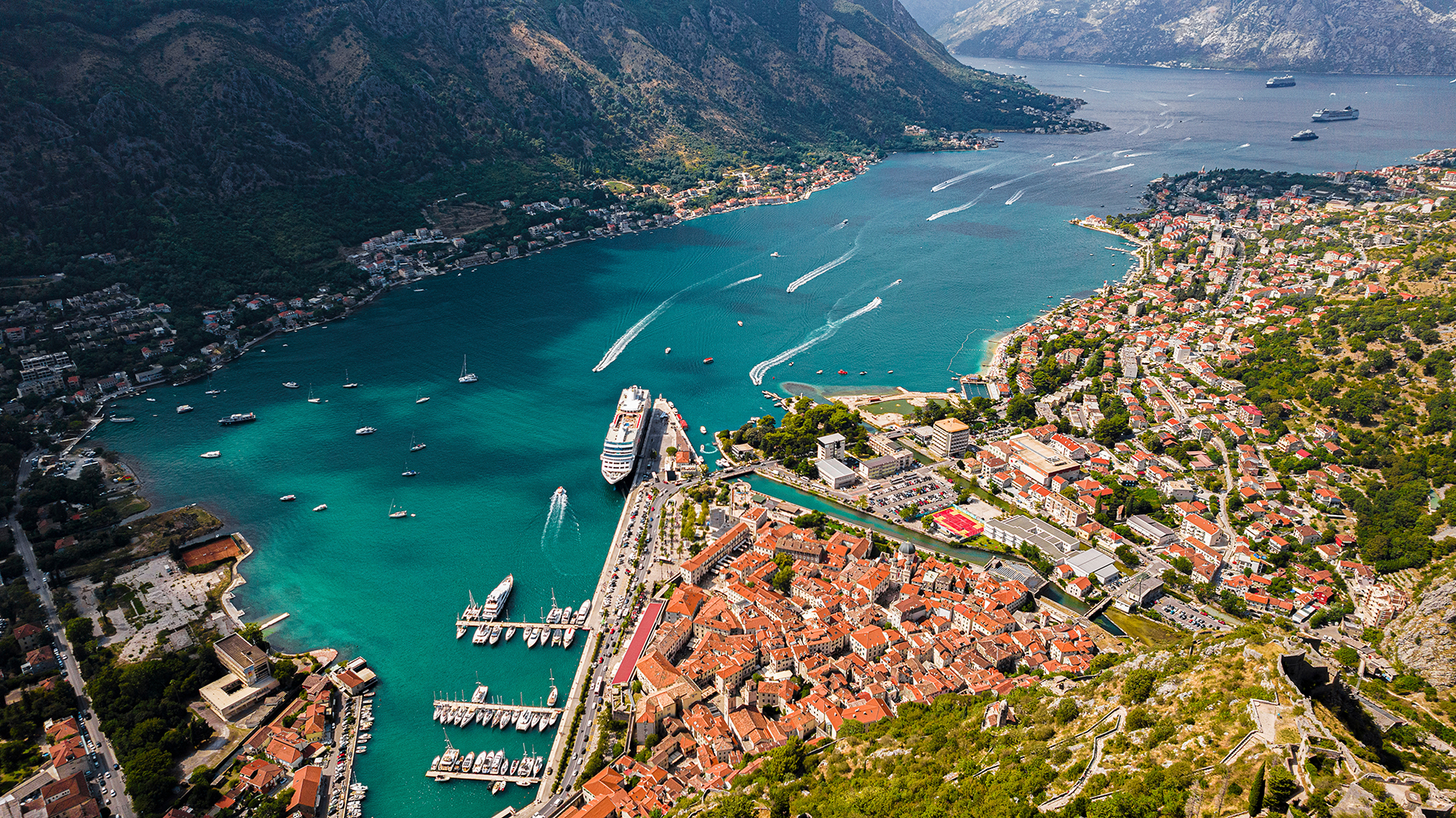
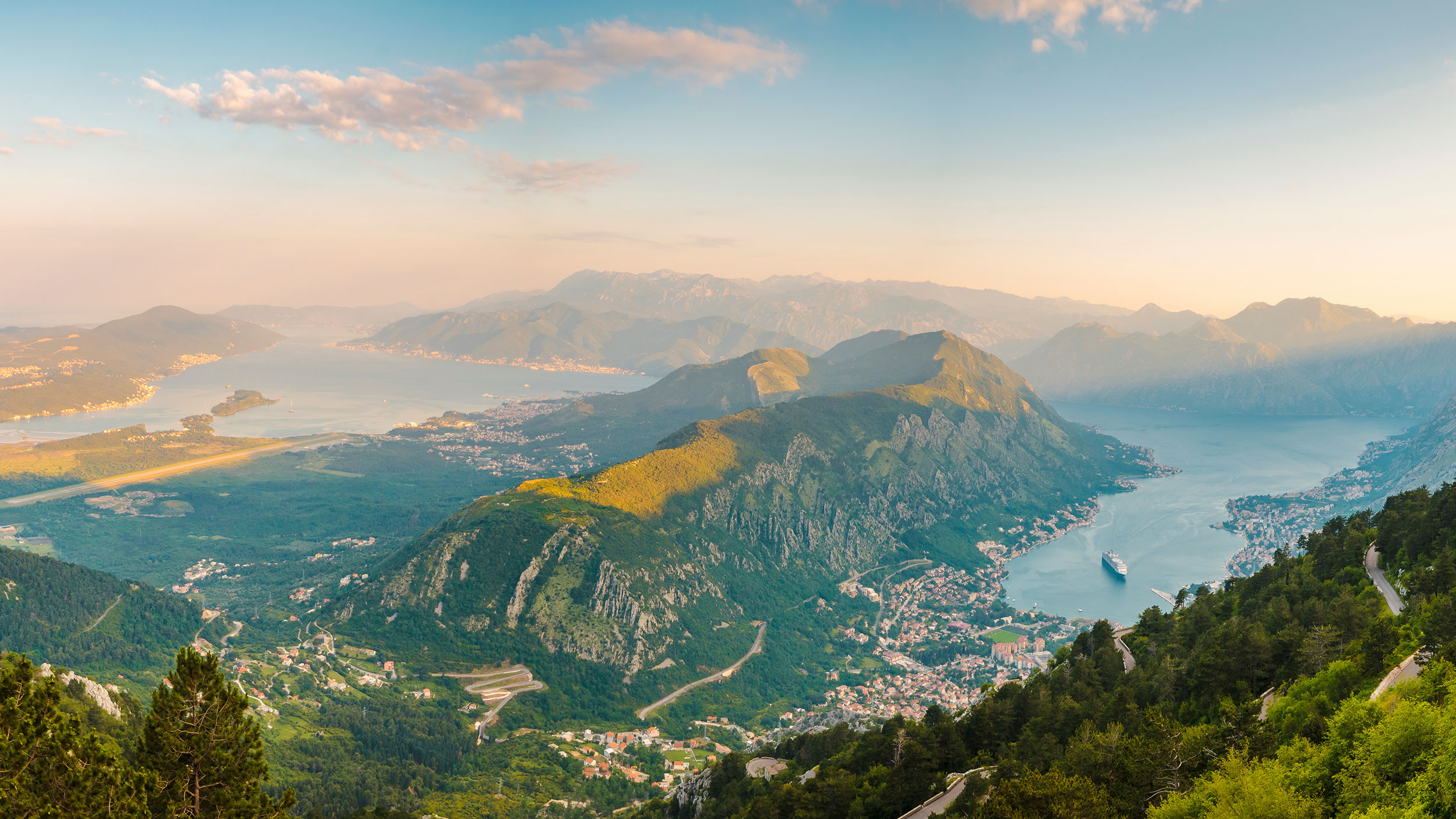
The Bay of Kotor, designated a UNESCO World Heritage Site, anchors the country's cultural identity. The walled town of Kotor itself, with its Venetian-era fortifications and labyrinthine old streets, draws visitors who might otherwise concentrate their Adriatic itinerary on Dubrovnik. Perast, a few kilometres north along the bay shore, offers a quieter and in many ways more affecting experience: a single main street of palazzo-fronted townhouses facing the water, with the island churches of Our Lady of the Rocks and Saint George moored just offshore.
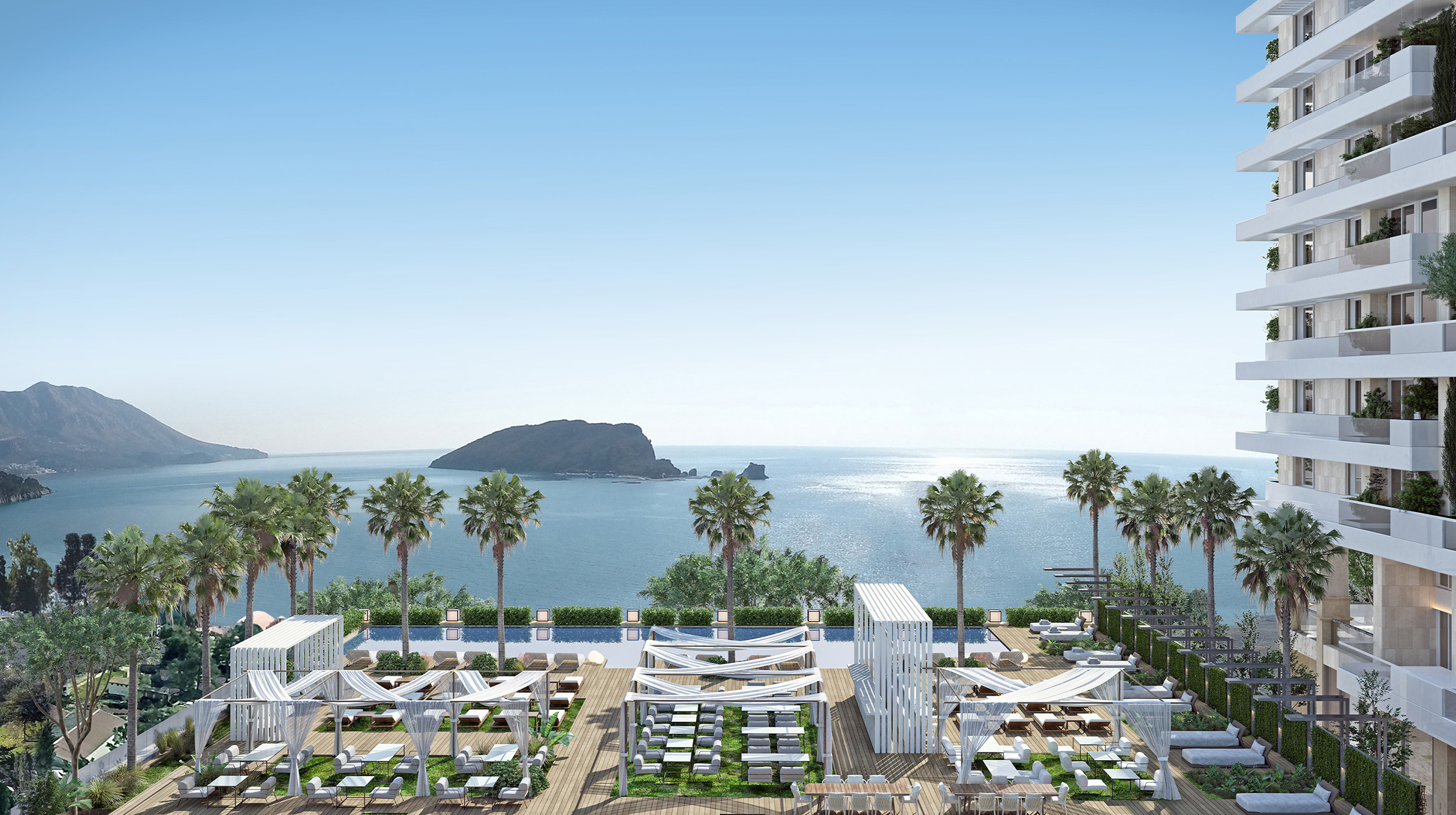
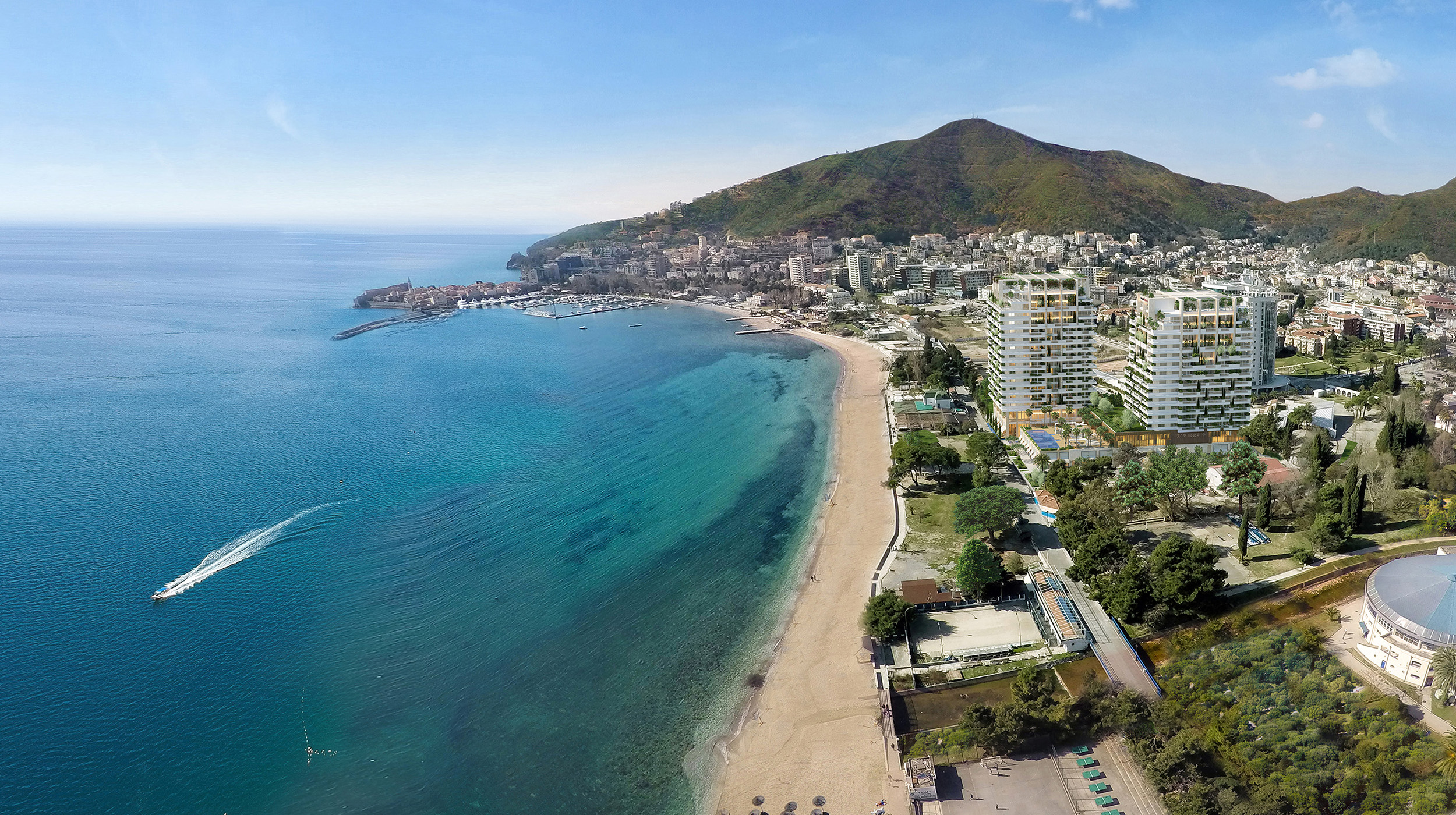
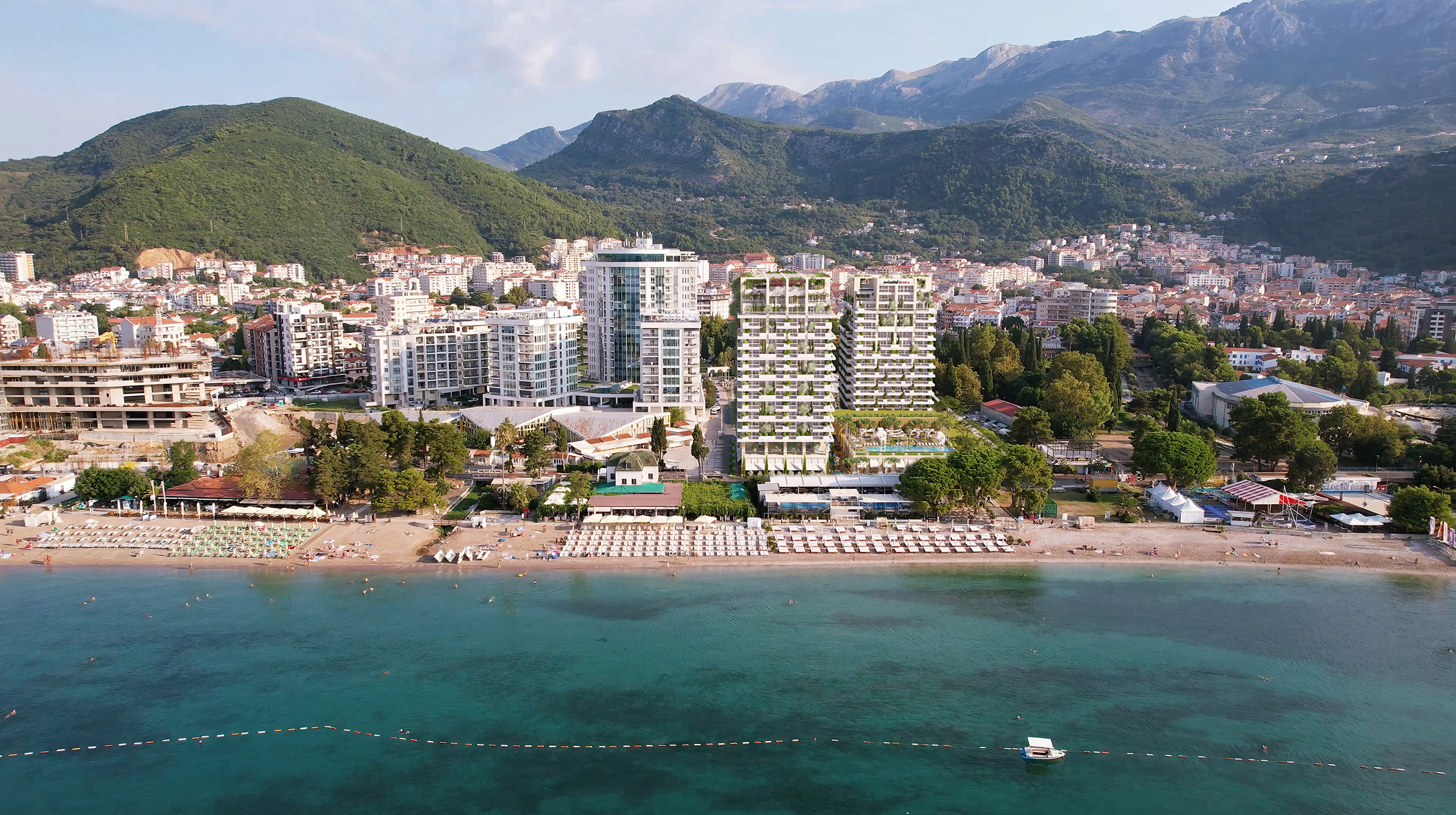
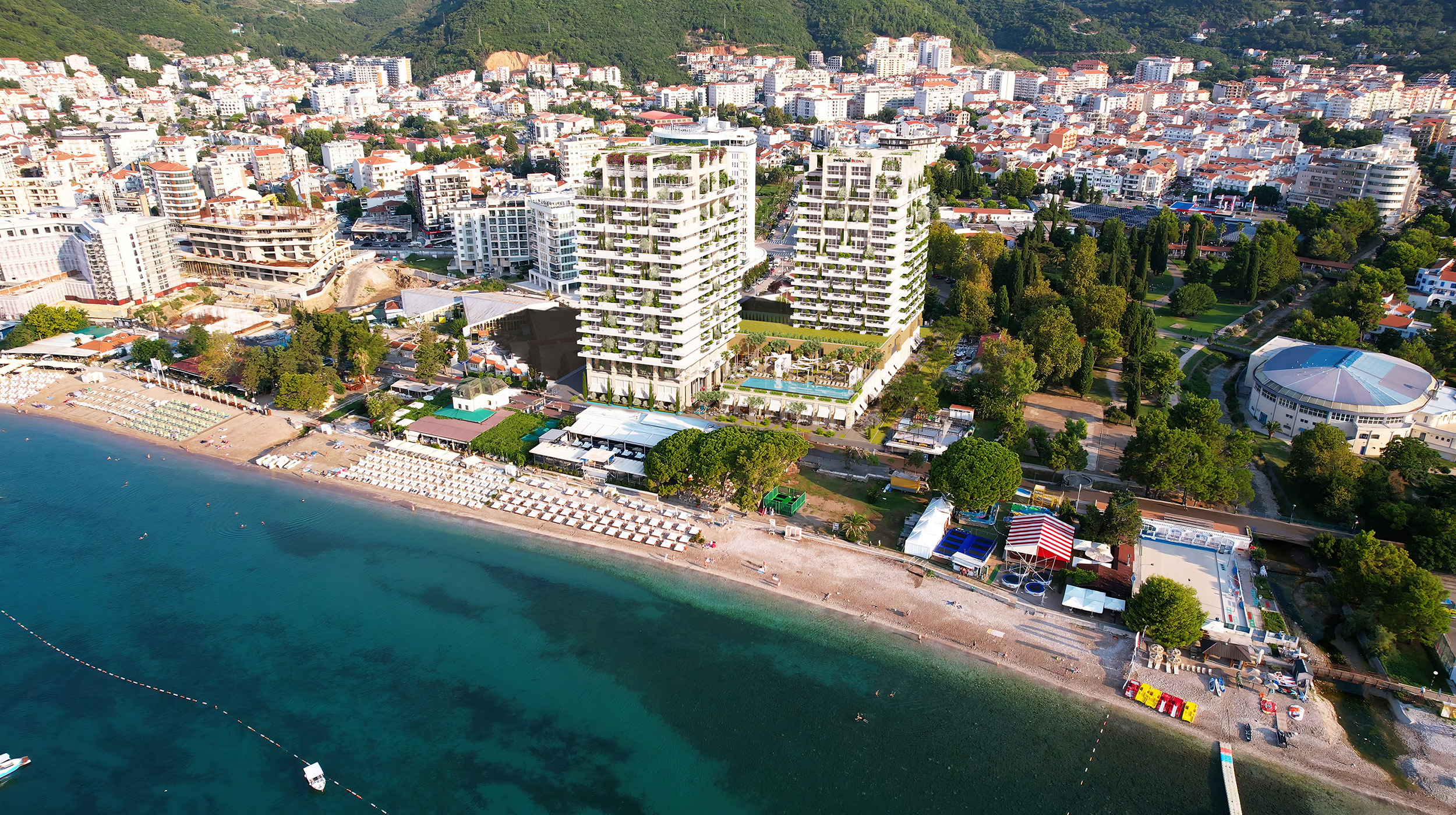
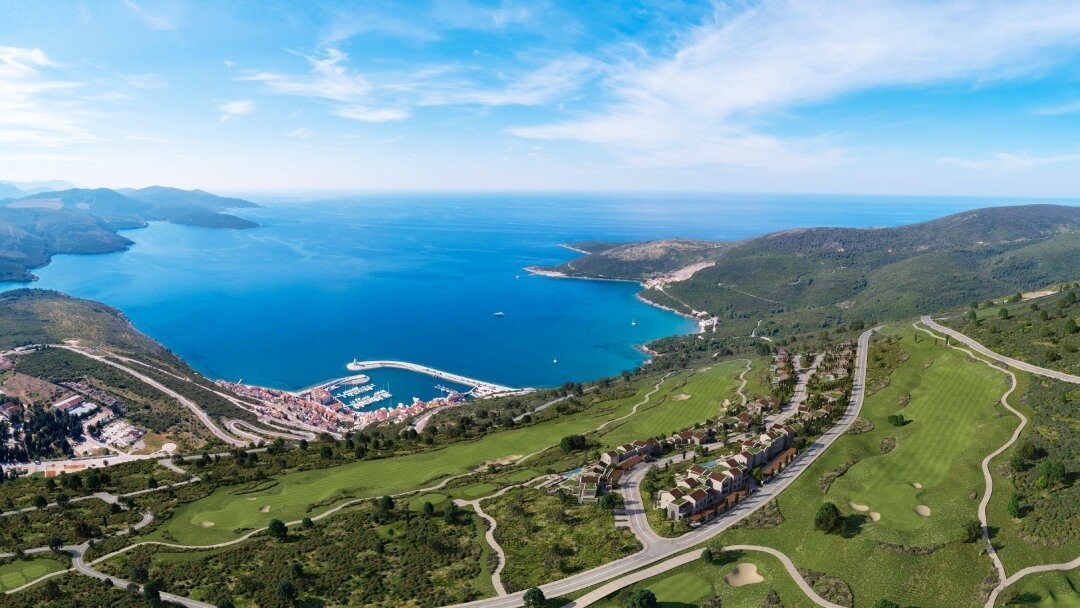
The Budva Riviera, running south from the Bay of Kotor, presents a different character. Sandy beaches, a lively summer social scene and a well-developed restaurant and nightlife offering make Budva the country's most animated coastal resort. The walled old town, perched on a headland above the sea, provides a historical counterpoint to the modern beach clubs and marina below. Those considering property in this area will find useful context in our comparative editorial: Budva vs Tivat Property: Choosing the Right Montenegro Market in 2026.
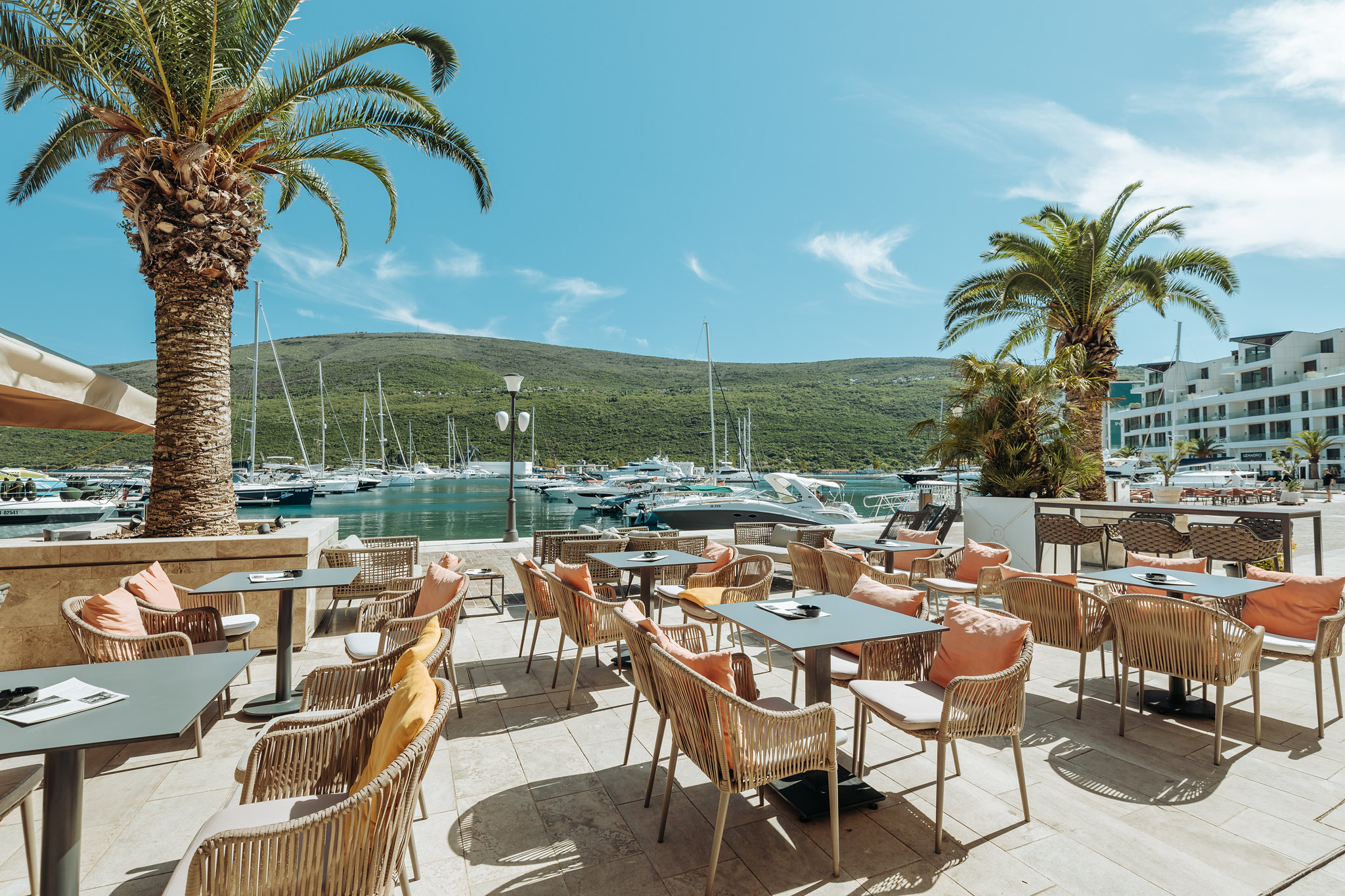
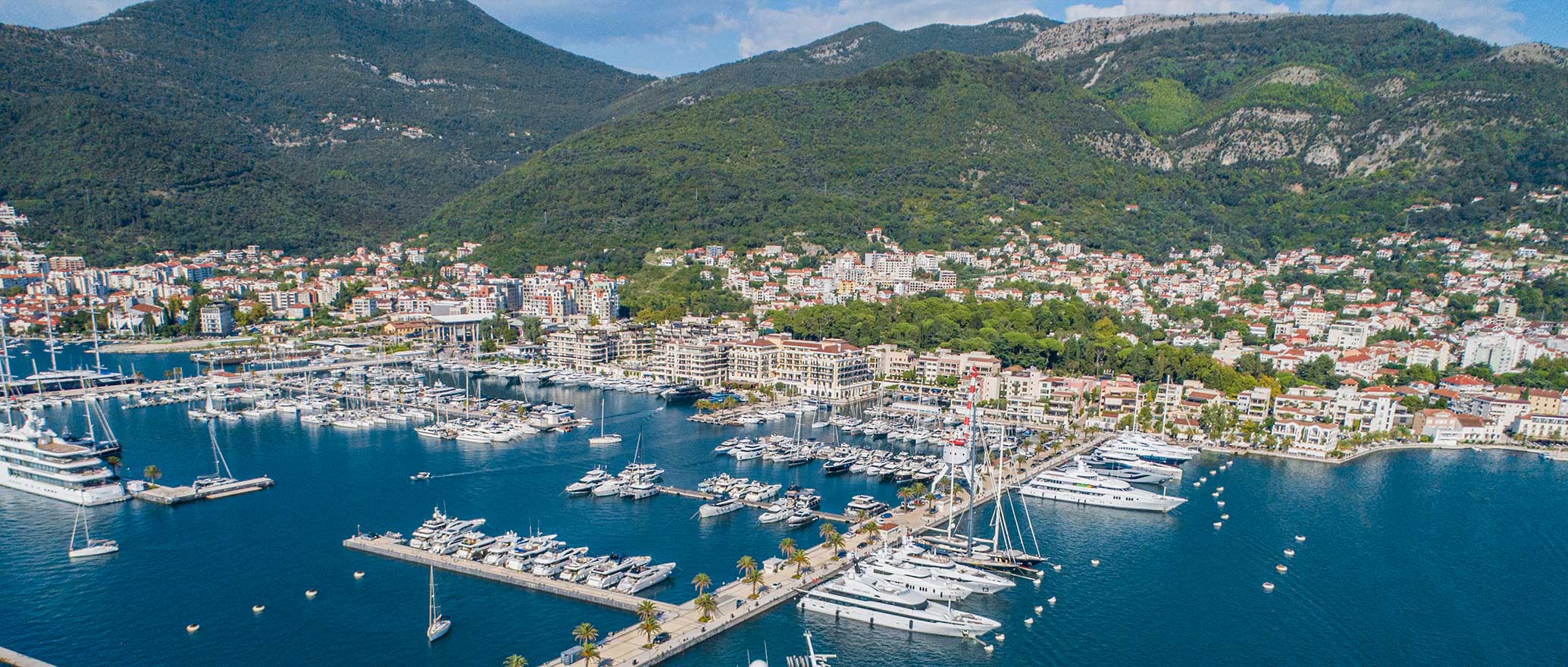
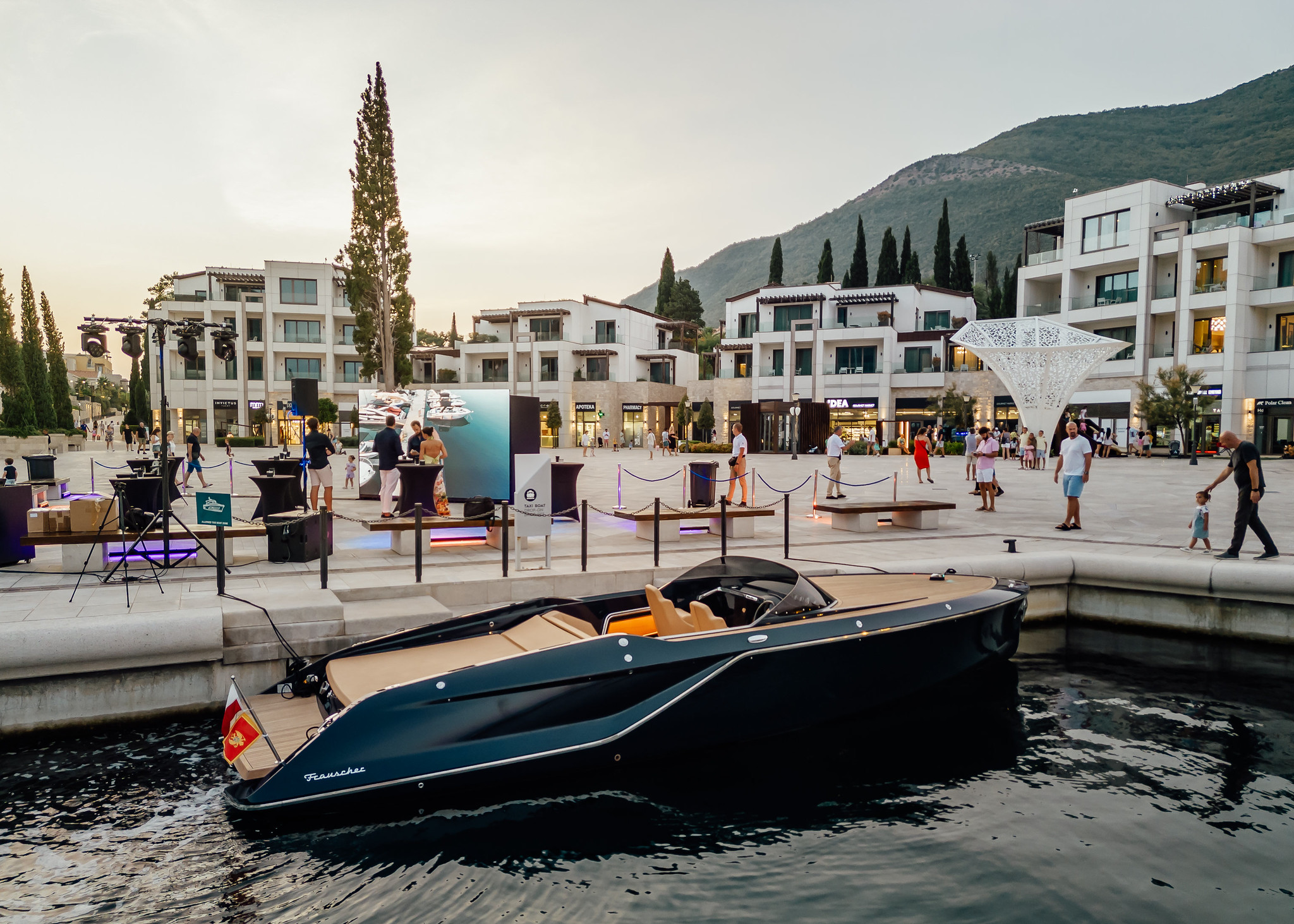
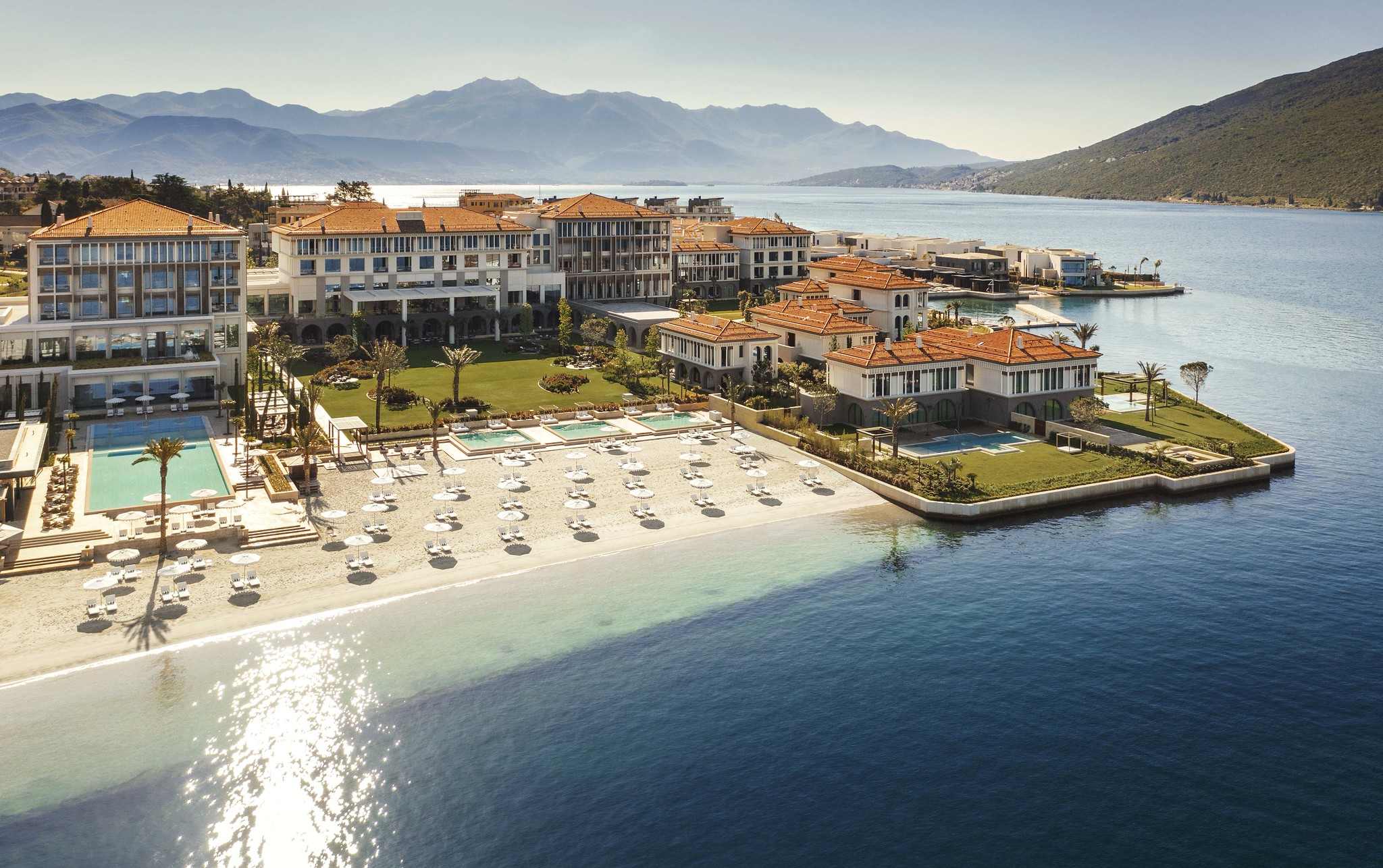
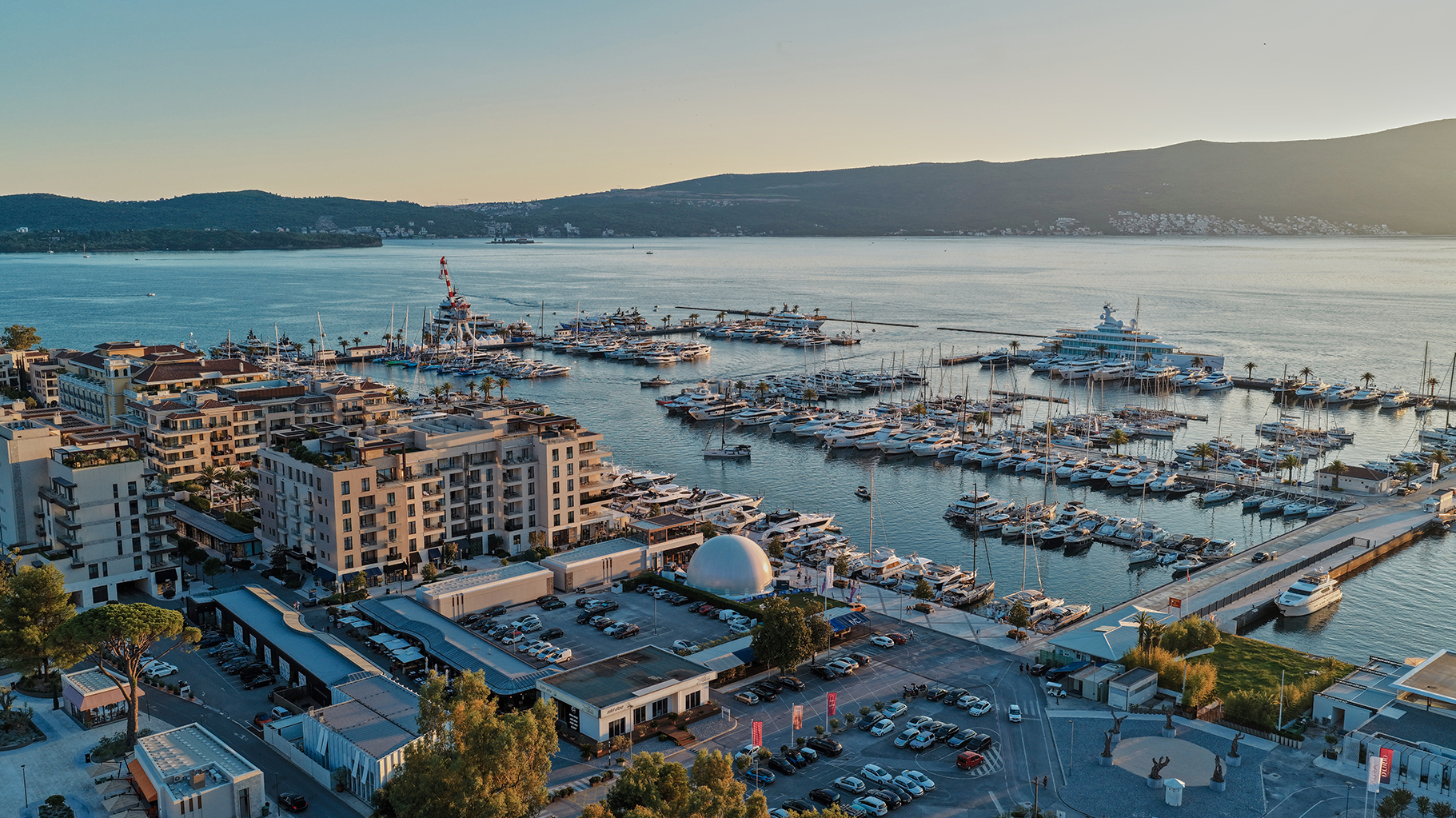
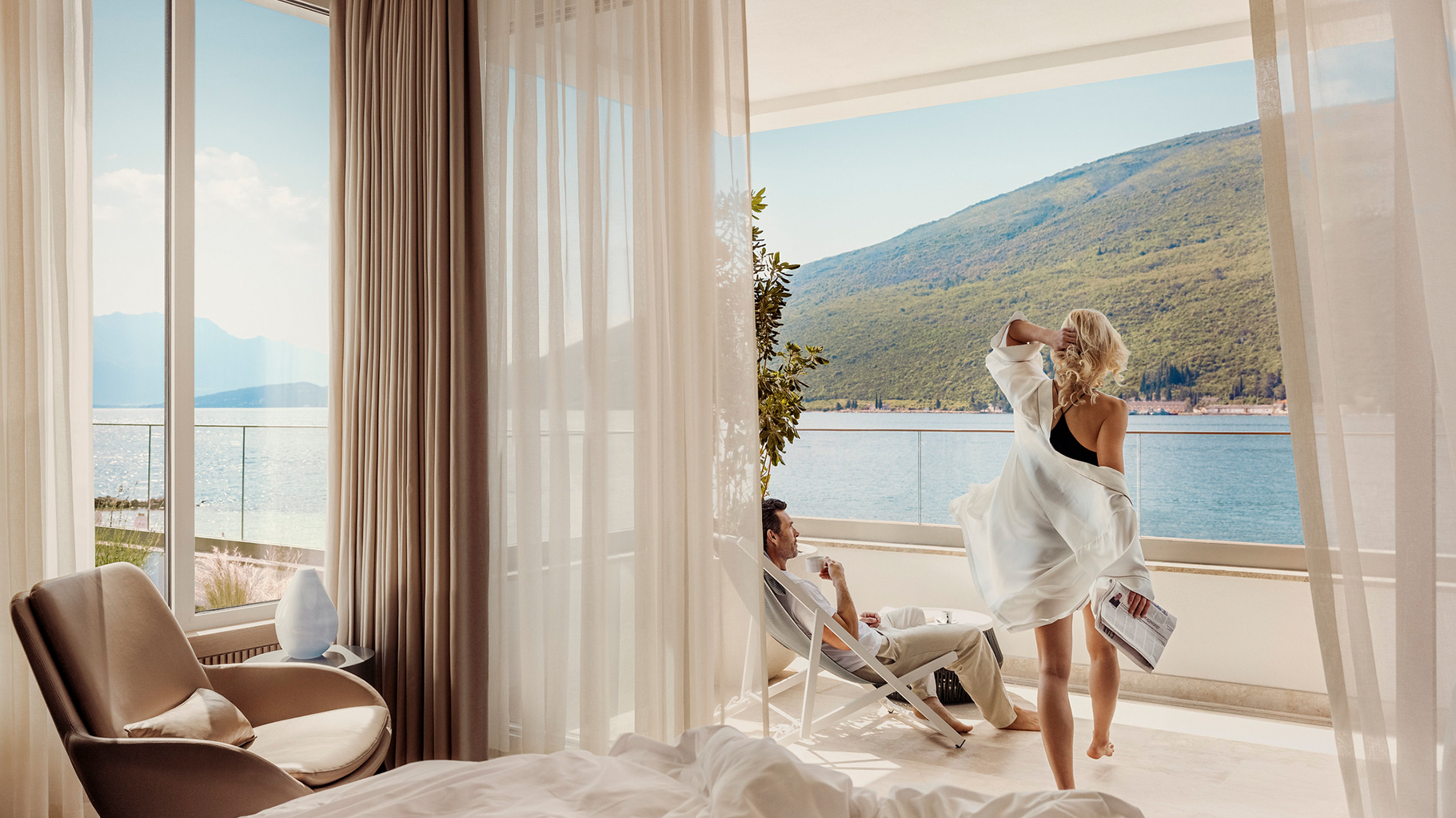
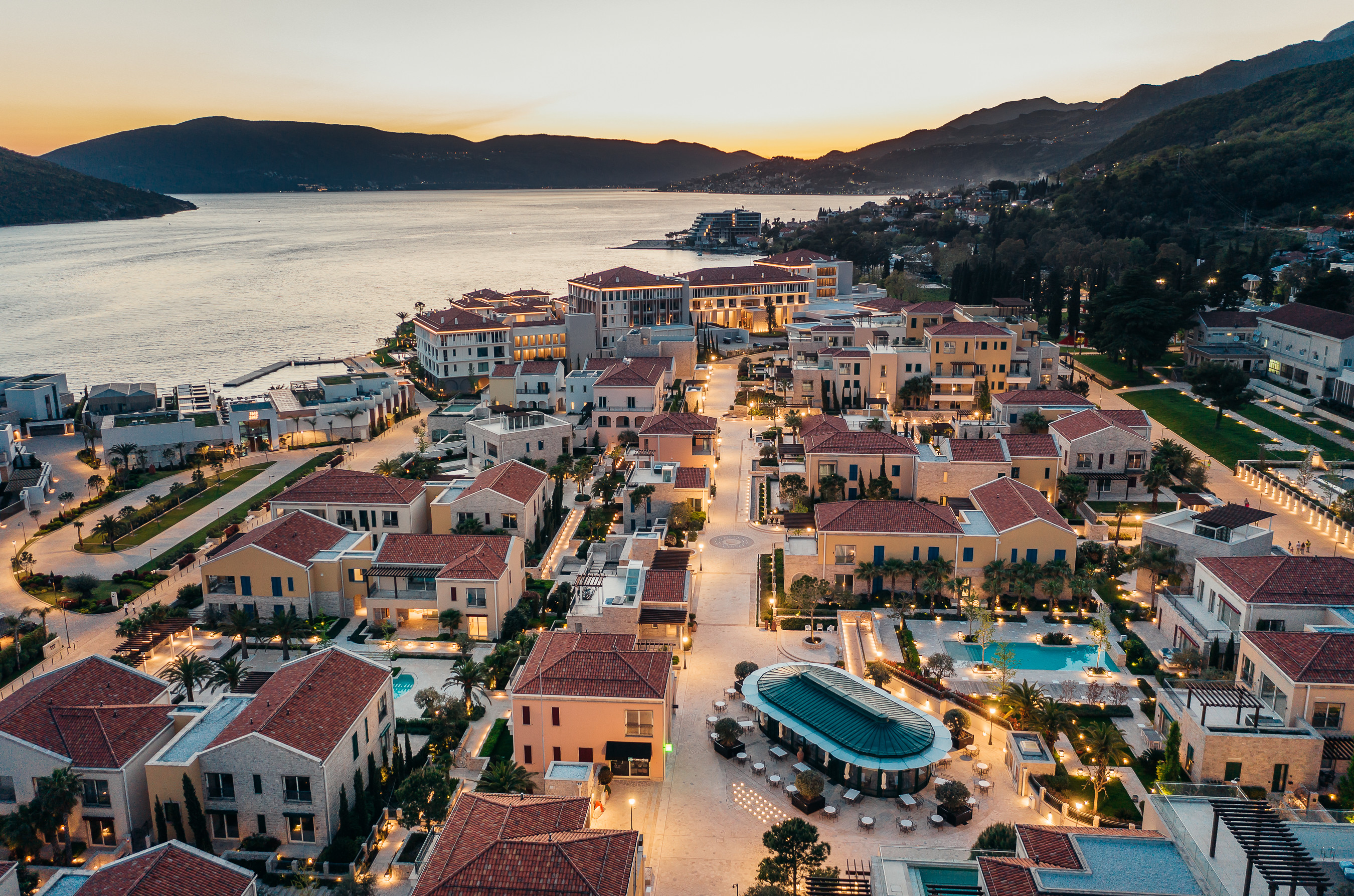
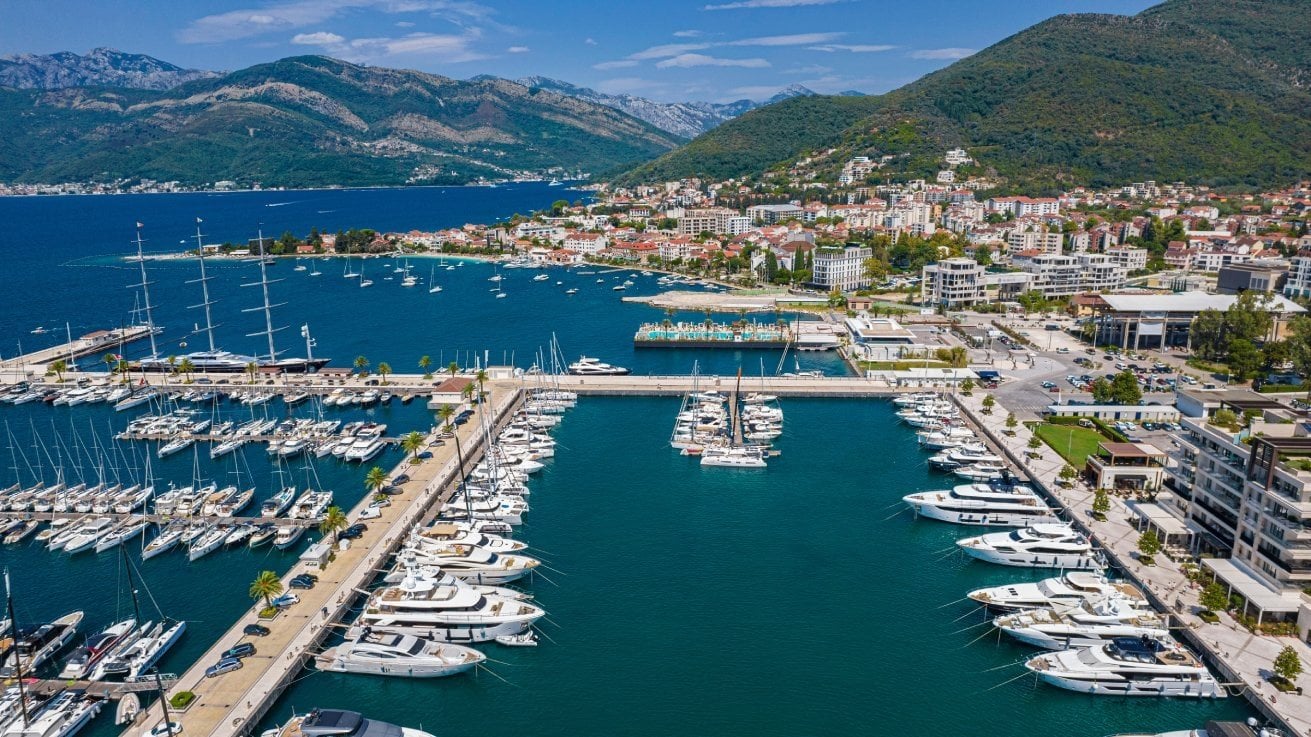
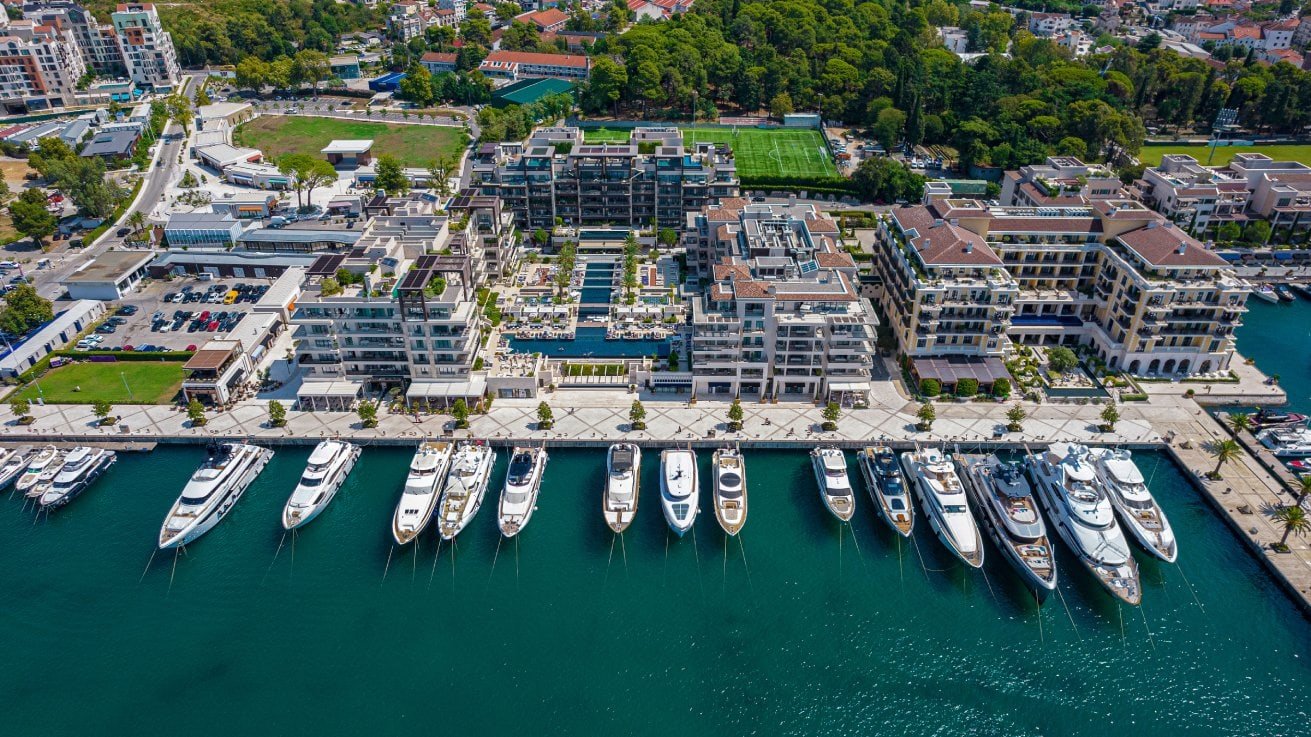
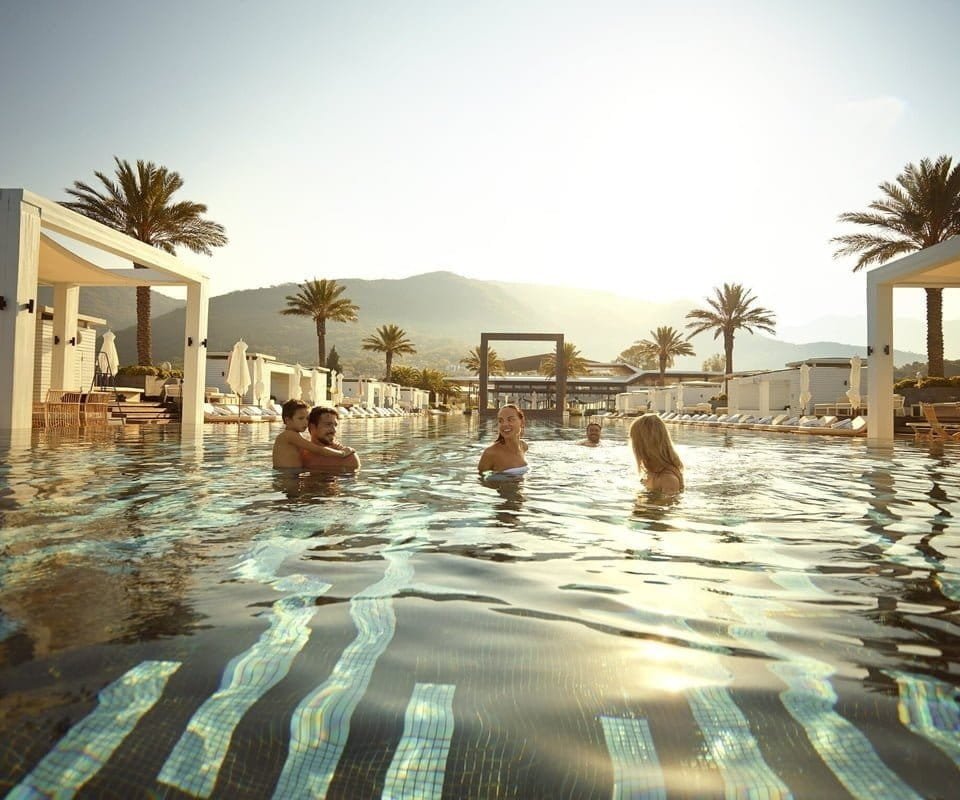
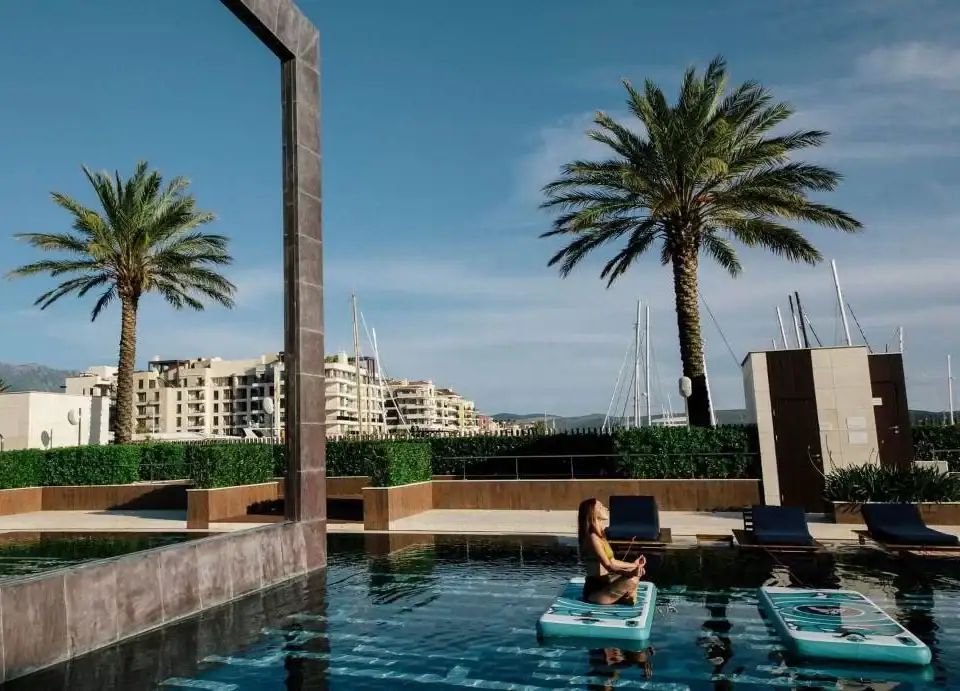
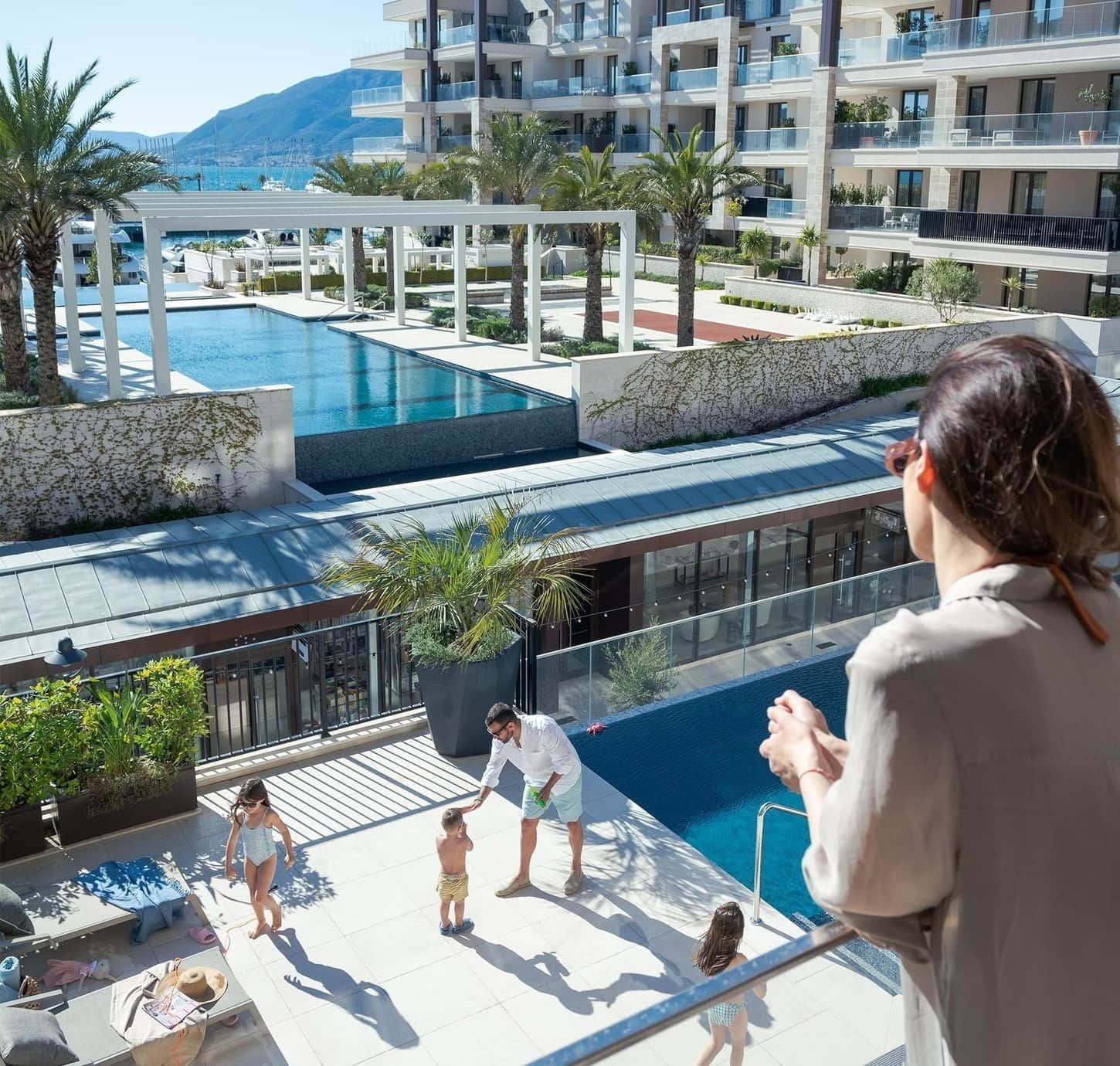
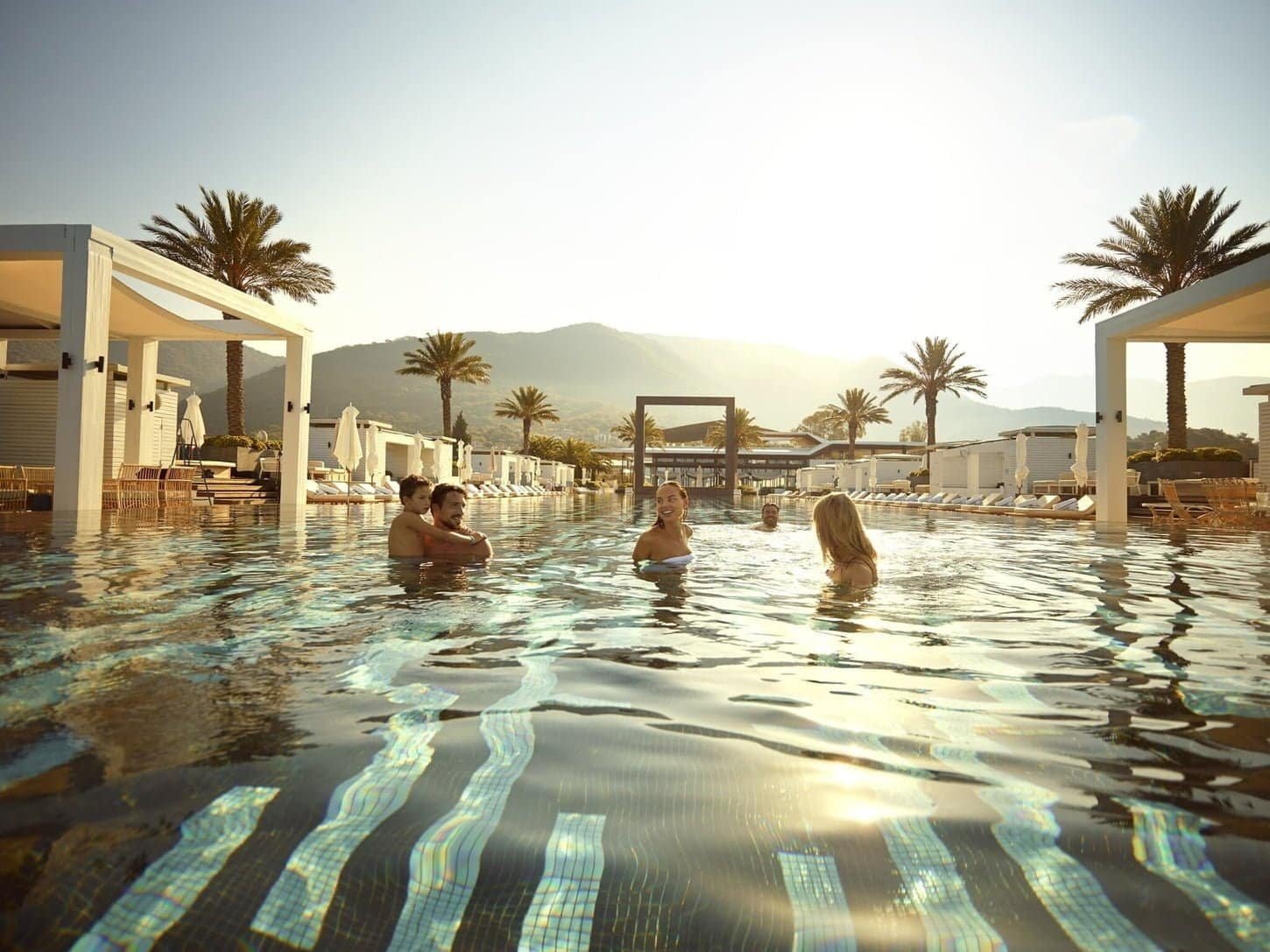
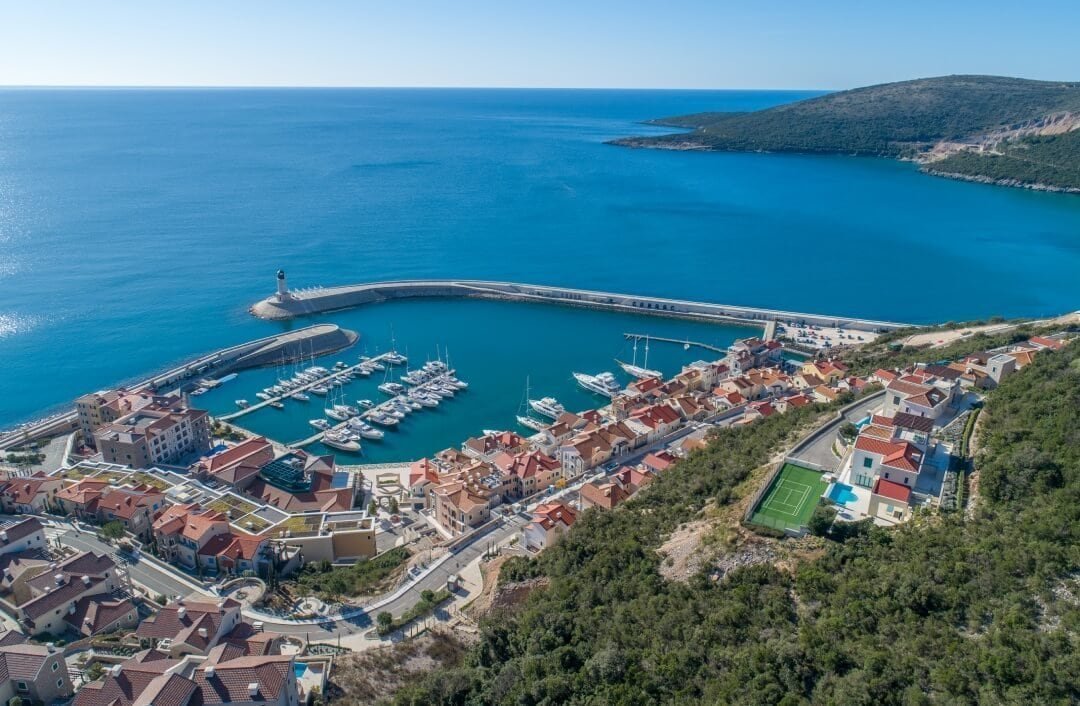
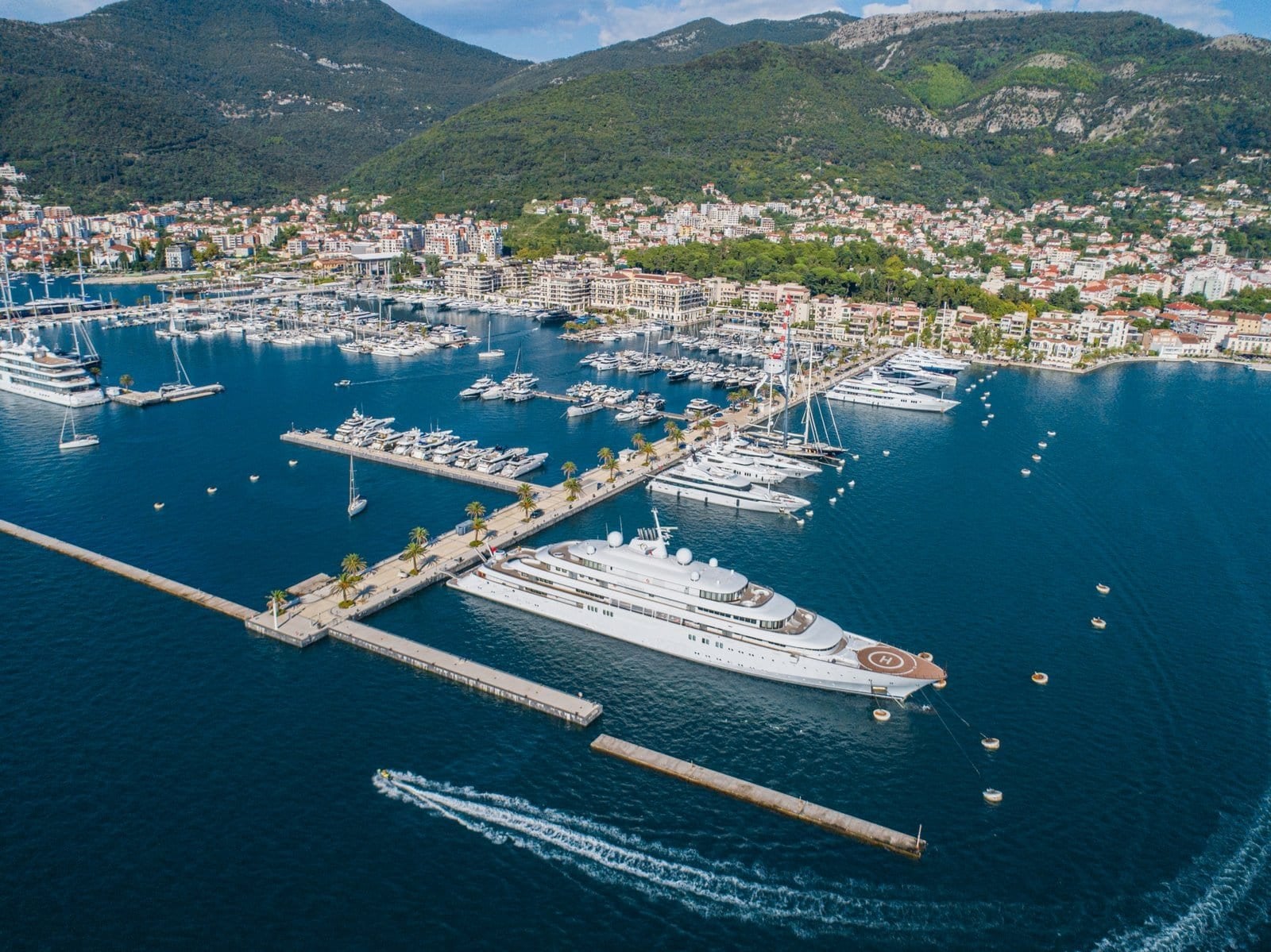
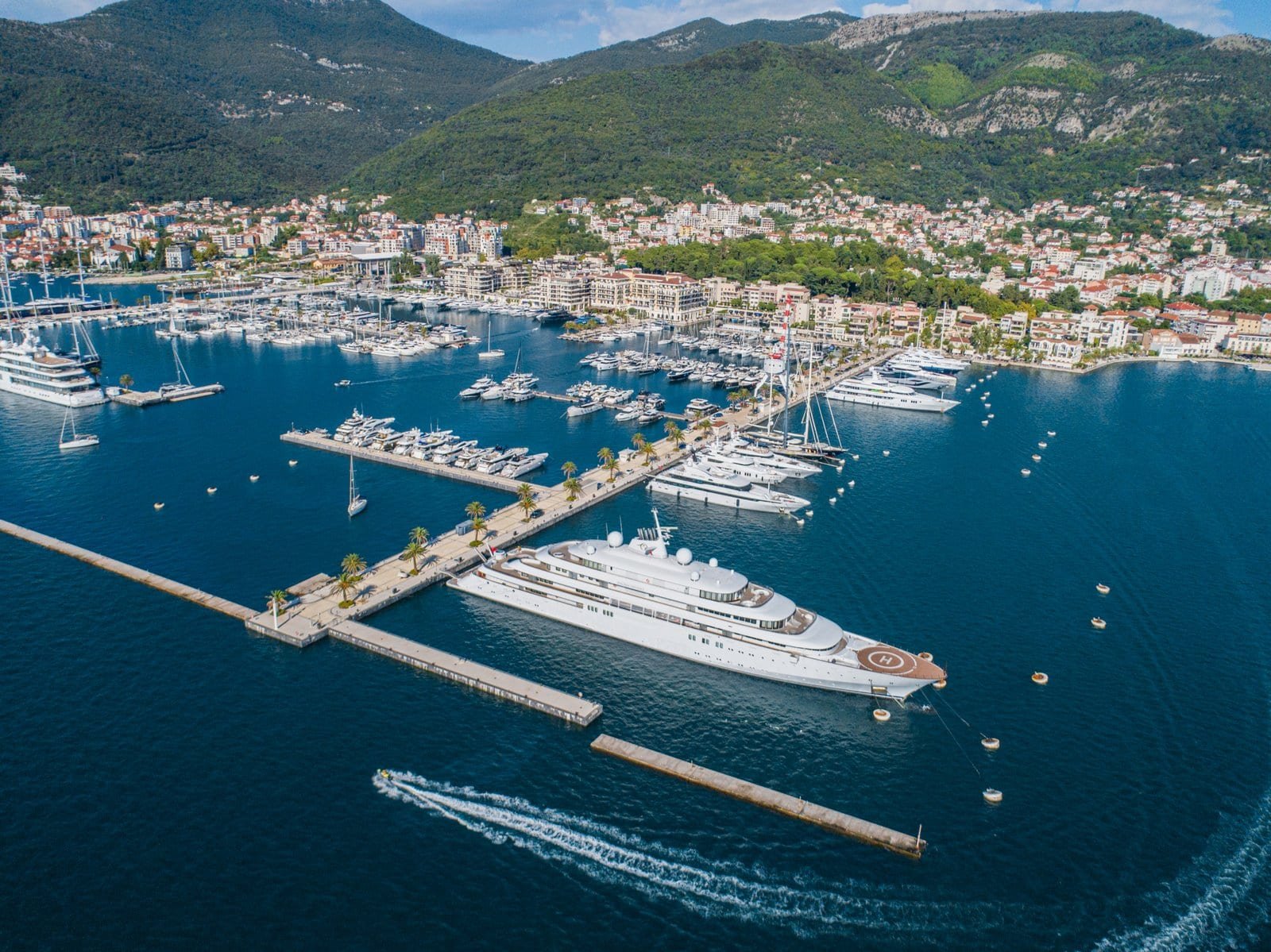
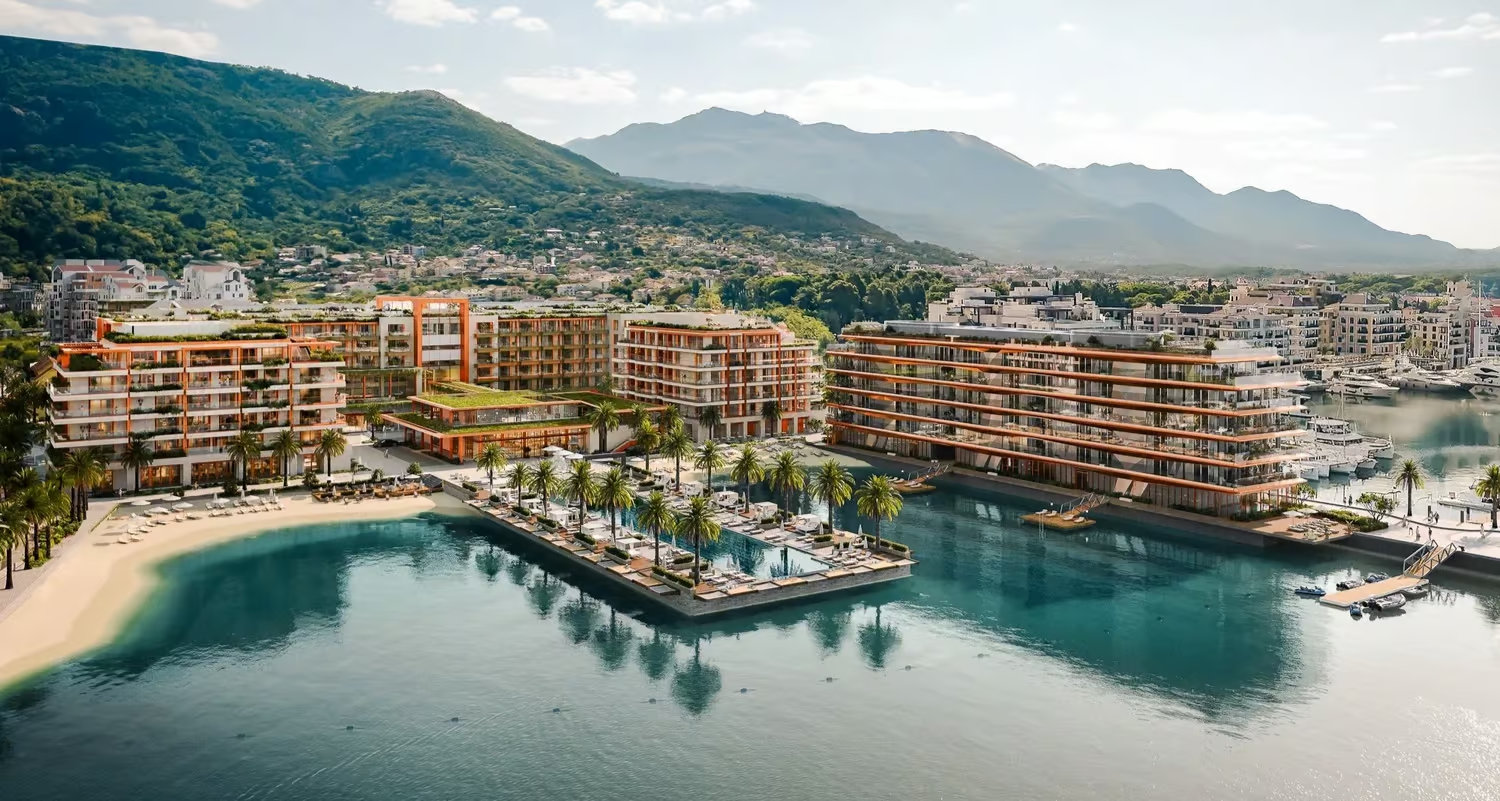
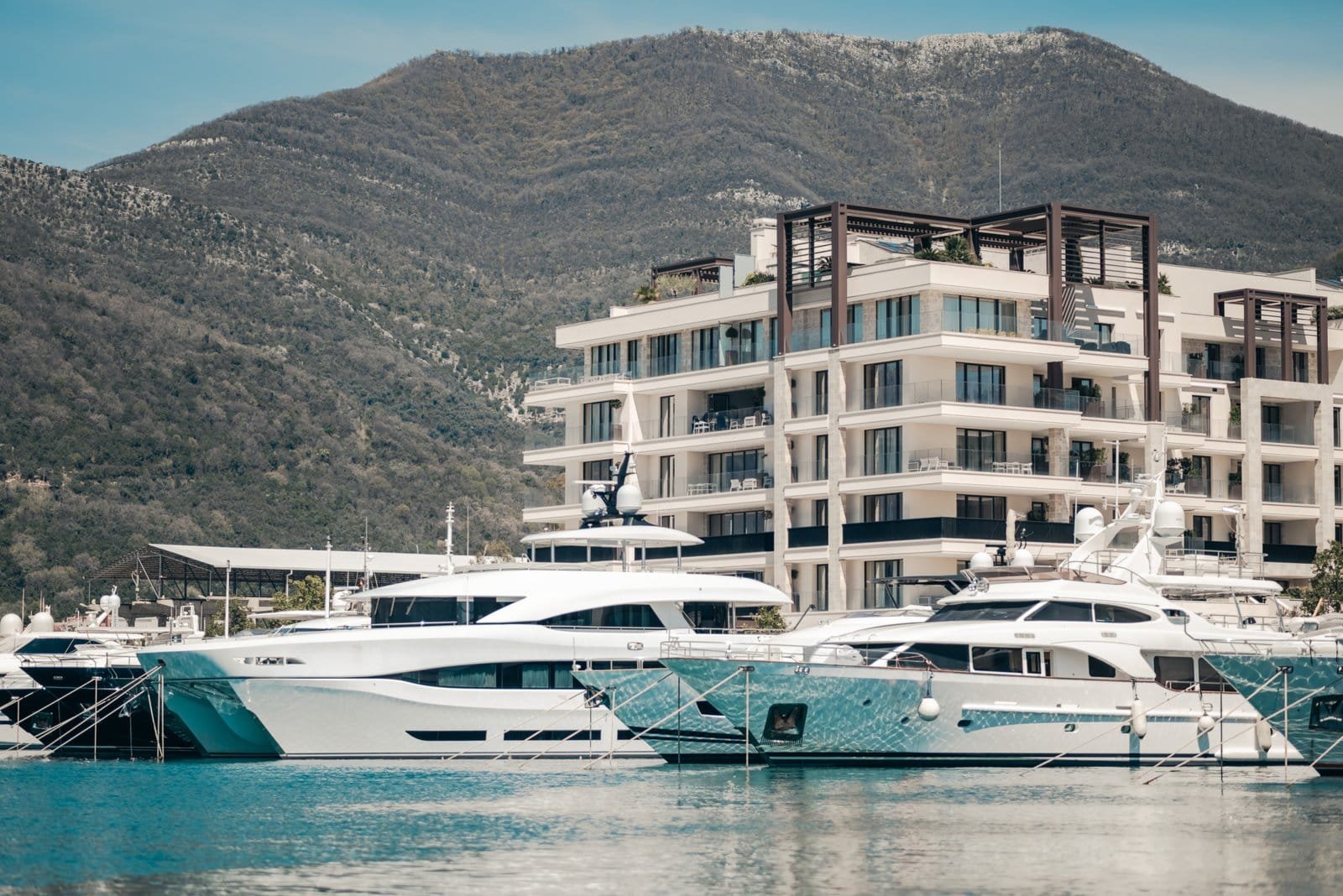
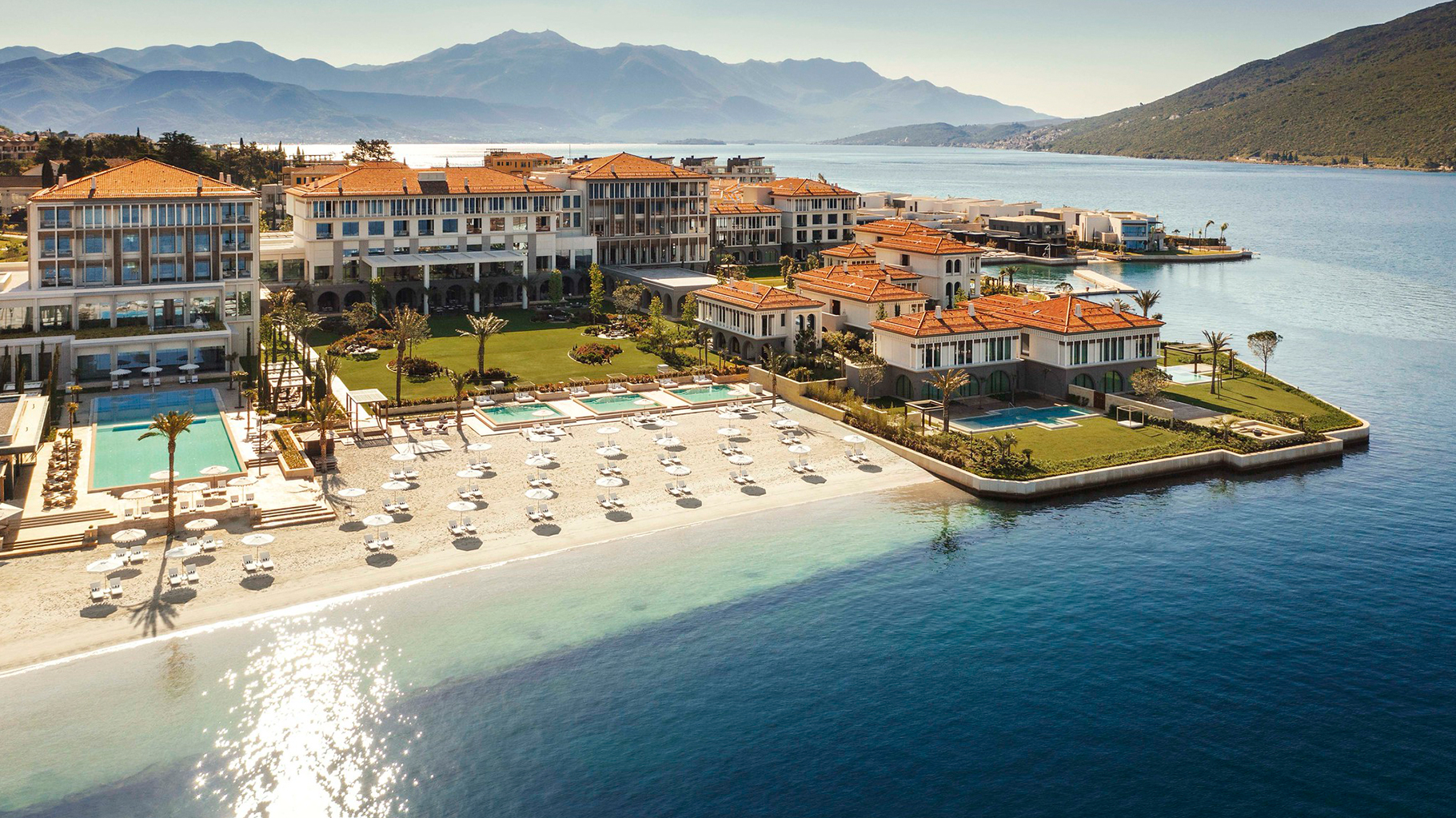
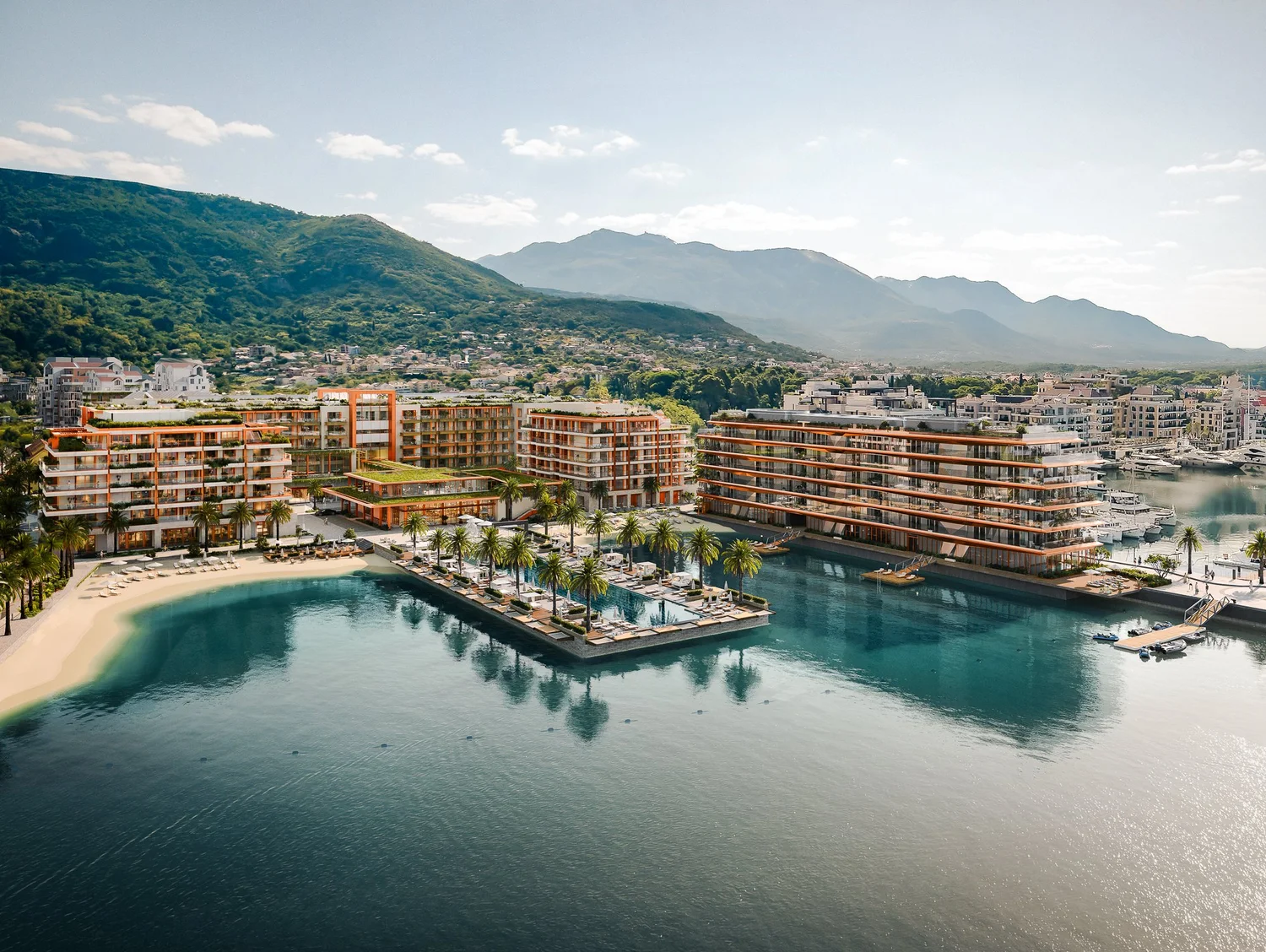
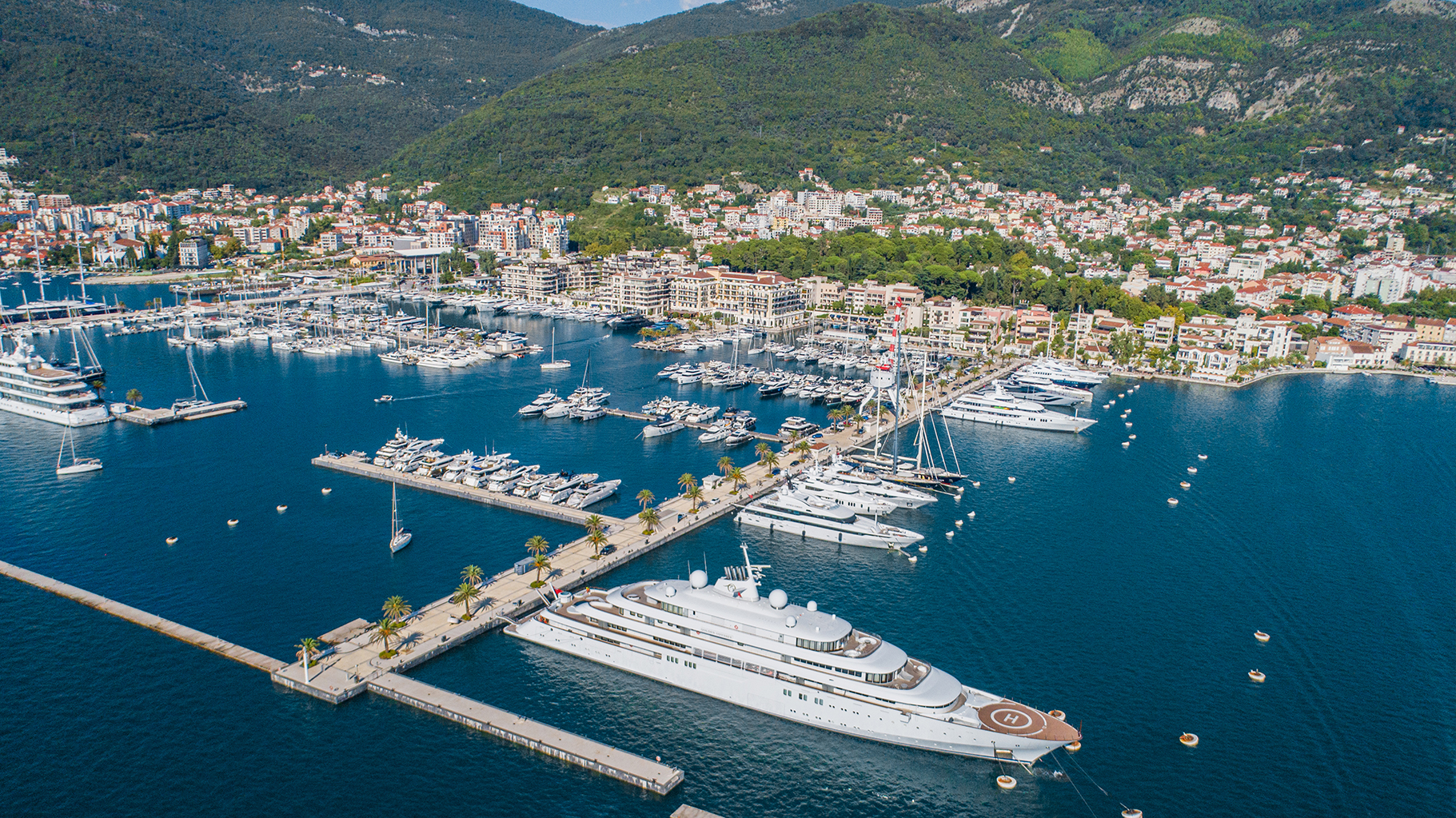
Tivat, where Porto Montenegro has established one of the Mediterranean's most sophisticated superyacht marina and residential communities, represents a third register entirely: curated, international and designed for year-round residence as much as seasonal visiting. The standard of hospitality infrastructure here is comparable to the best of the French Riviera or northern Sardinia, and the surrounding bay scenery provides a natural backdrop that no amount of design investment could replicate.
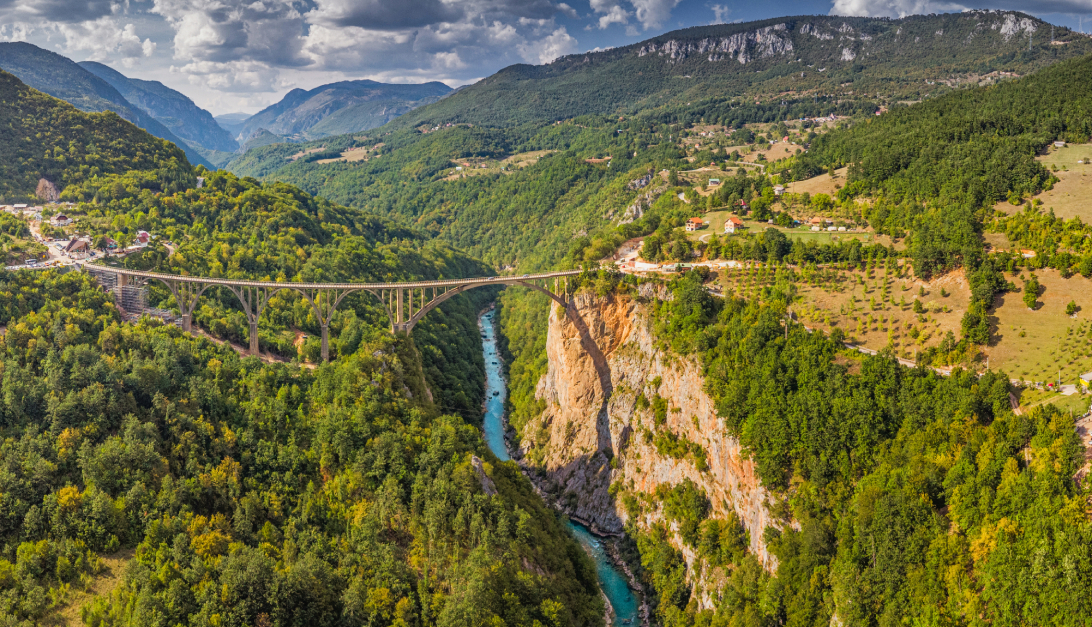
Those drawn inland find Durmitor National Park, a UNESCO-listed wilderness of glacial lakes, ancient forests and the Tara River Canyon, one of the deepest river gorges in Europe. The canyon draws rafting expeditions from late spring through early autumn and cross-country skiing in winter. The northern town of Kolašin has developed a credible year-round mountain resort offer, extending Montenegro's tourism season well beyond its coastal summer peak.
The Digital Nomad Visa: Montenegro's Offer to Remote Workers
Montenegro introduced a digital nomad visa programme to attract location-independent professionals seeking an extended base outside their home country. The programme addresses a category of international resident that the standard tourist visa framework was not designed to accommodate.
Eligibility and Basic Requirements
To qualify for a digital nomad visa in Montenegro, applicants must demonstrate that they work remotely for an employer or clients outside Montenegro, and that their income originates from sources beyond Montenegrin borders. The standard documentation package includes proof of employment or self-employment, evidence of sufficient income to support oneself during the intended stay, private health insurance with coverage valid in Montenegro, and a clean criminal record certificate from the applicant's home country.
Income thresholds and precise procedural requirements are subject to revision by the Montenegrin government. Applicants should consult the Ministry of Interior's current published guidance or contact the nearest Montenegrin consular mission before beginning an application.
Why Montenegro Works for Remote Professionals
The practical conditions for remote working in Montenegro have improved considerably. Reliable high-speed internet is available in all significant urban centres and most coastal resorts. Co-working spaces have opened in Podgorica, Kotor, Budva and Tivat, catering to a growing community of international remote workers and local entrepreneurs. The cost of living, while rising in response to increased international demand, remains competitive relative to Western European capitals.
Montenegro's personal income tax framework, which the Ministry of Finance maintains at a flat rate significantly below the European average, makes the country financially attractive for higher-earning remote professionals when compared to jurisdictions like Germany, France or the United Kingdom. The country's temperate climate, with long warm summers and mild coastal winters, extends the appeal of an extended stay well beyond the peak tourist months.
For remote professionals who find themselves spending extended periods in Tivat or the wider Bay of Kotor area, the transition from visitor to resident, and from resident to property owner, is a path that many have already taken. A first point of reference for those at the early stages of that consideration is our comprehensive overview of the Porto Montenegro residential market: Porto Montenegro Apartments for Sale: 2026 Buyer and Investment Guide.
Property in Montenegro: Where a Visit Becomes a Commitment
Montenegro's combination of natural setting, improving infrastructure and competitive pricing has attracted sustained international property interest over the past decade. The country's EU accession trajectory, confirmed in principle through ongoing chapter negotiations monitored by the European Commission, provides a medium-term structural argument for coastal property values that increasingly resonates with international buyers.
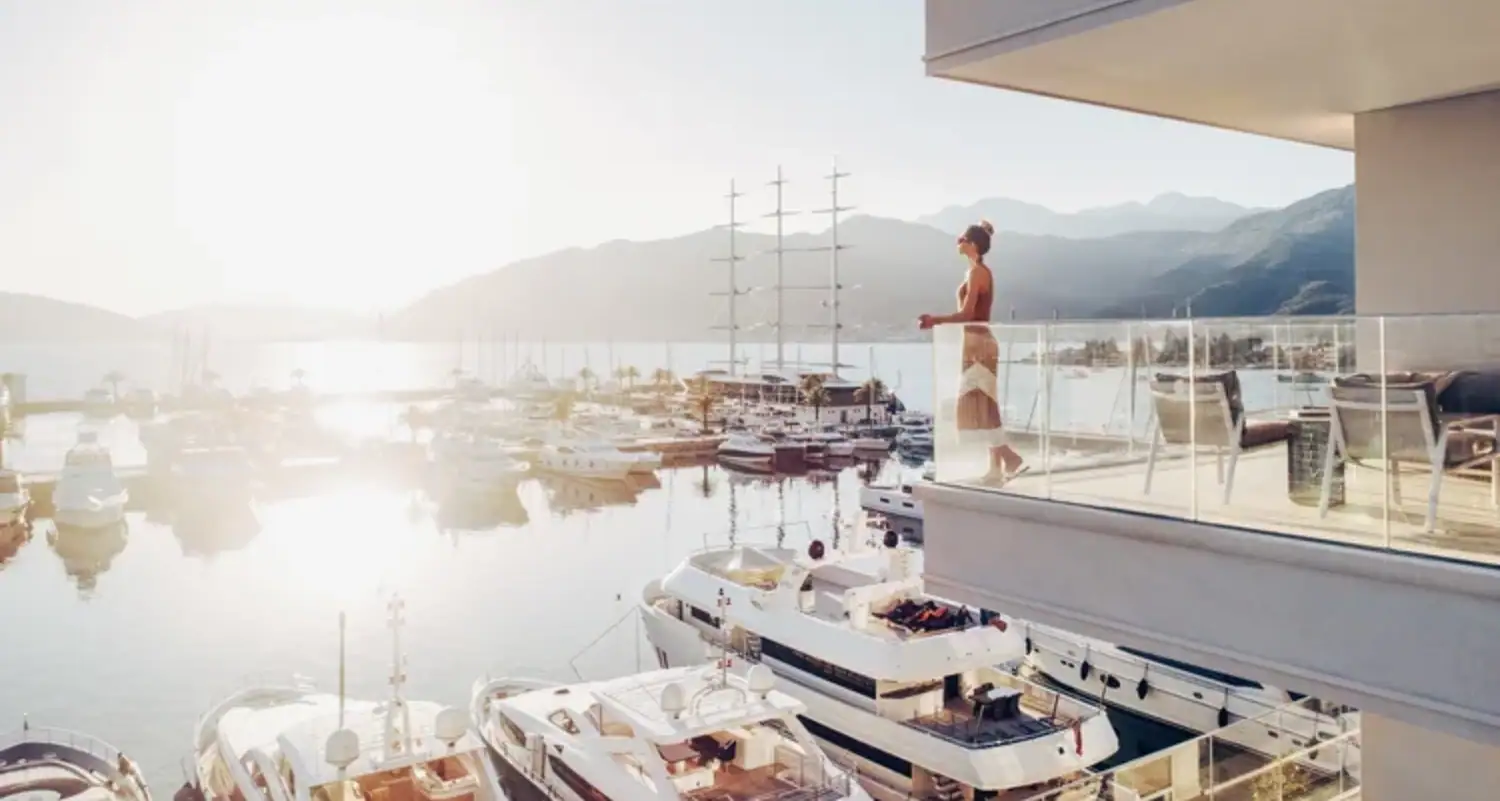
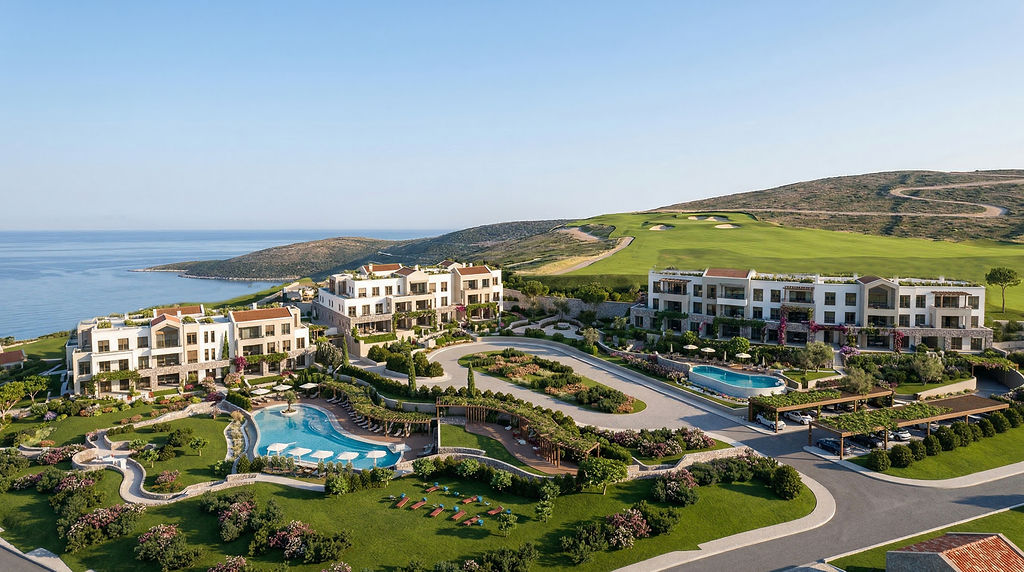
Porto Montenegro in Tivat represents the country's most developed luxury residential offering. The marina quarter, designed and built to international standards, houses permanent residents, seasonal owners and a transient community of superyacht visitors within a single master-planned environment. The residential portfolio ranges from well-appointed one and two-bedroom apartments to exceptional penthouse residences with panoramic views across the inner bay.
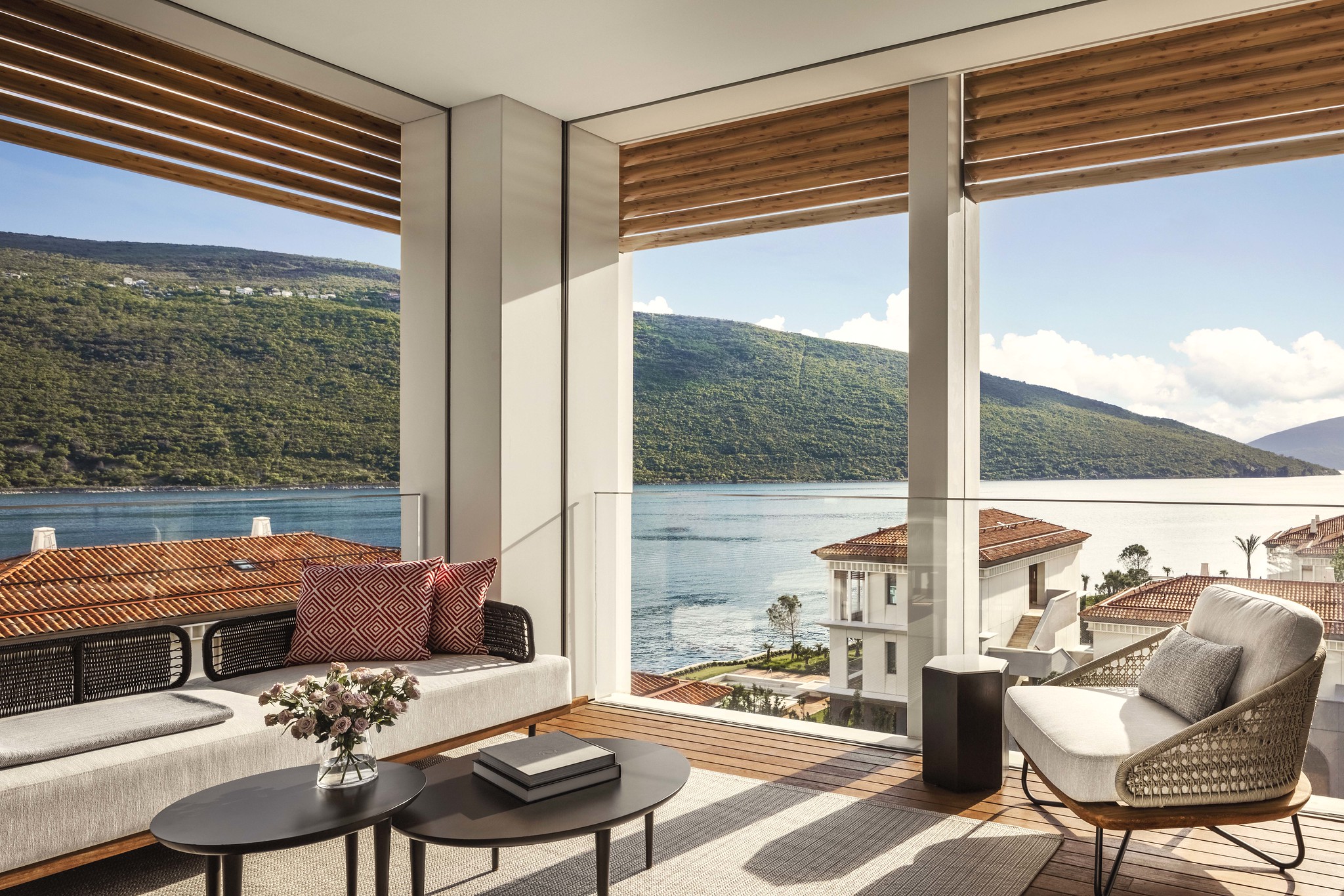
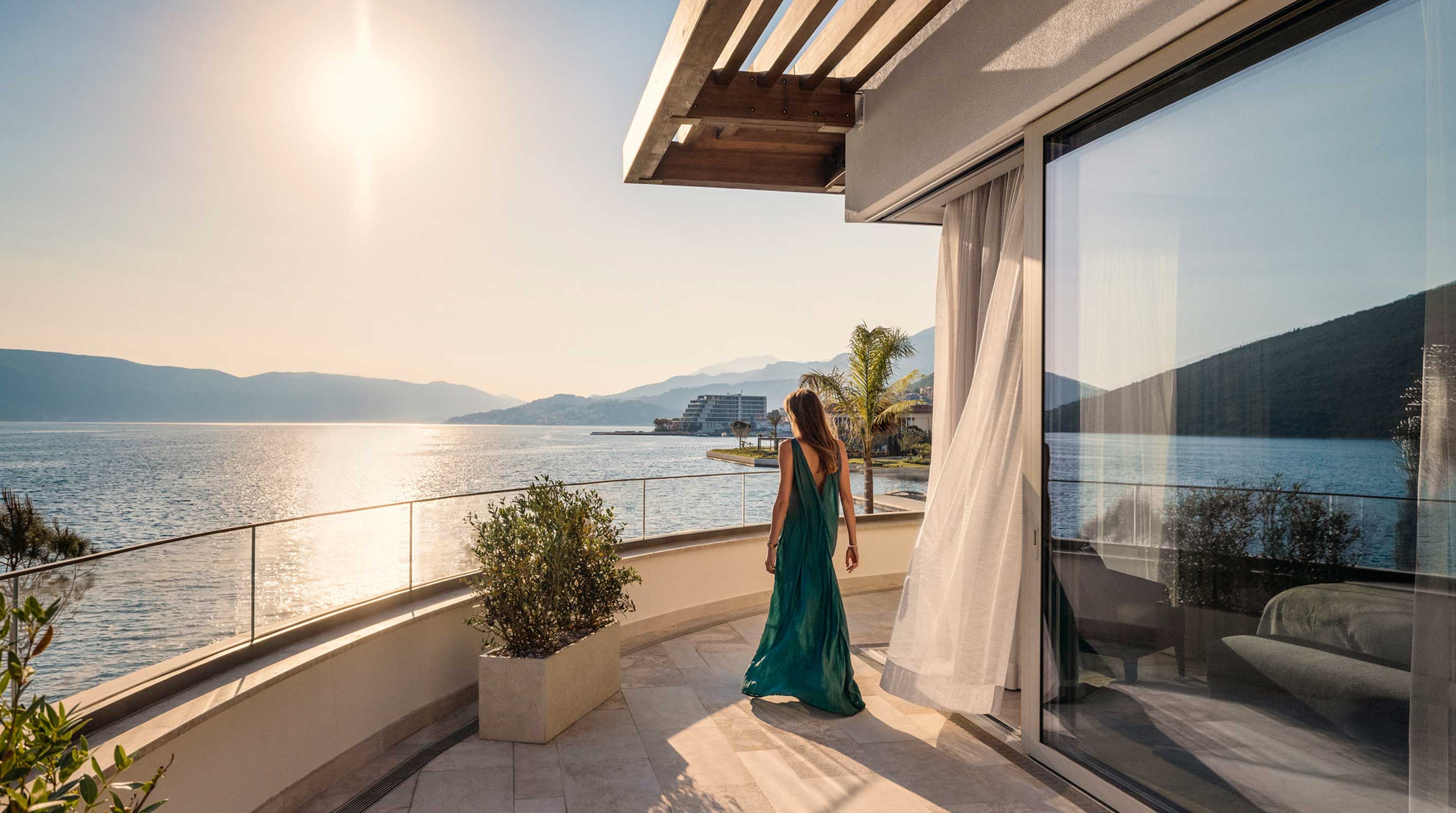
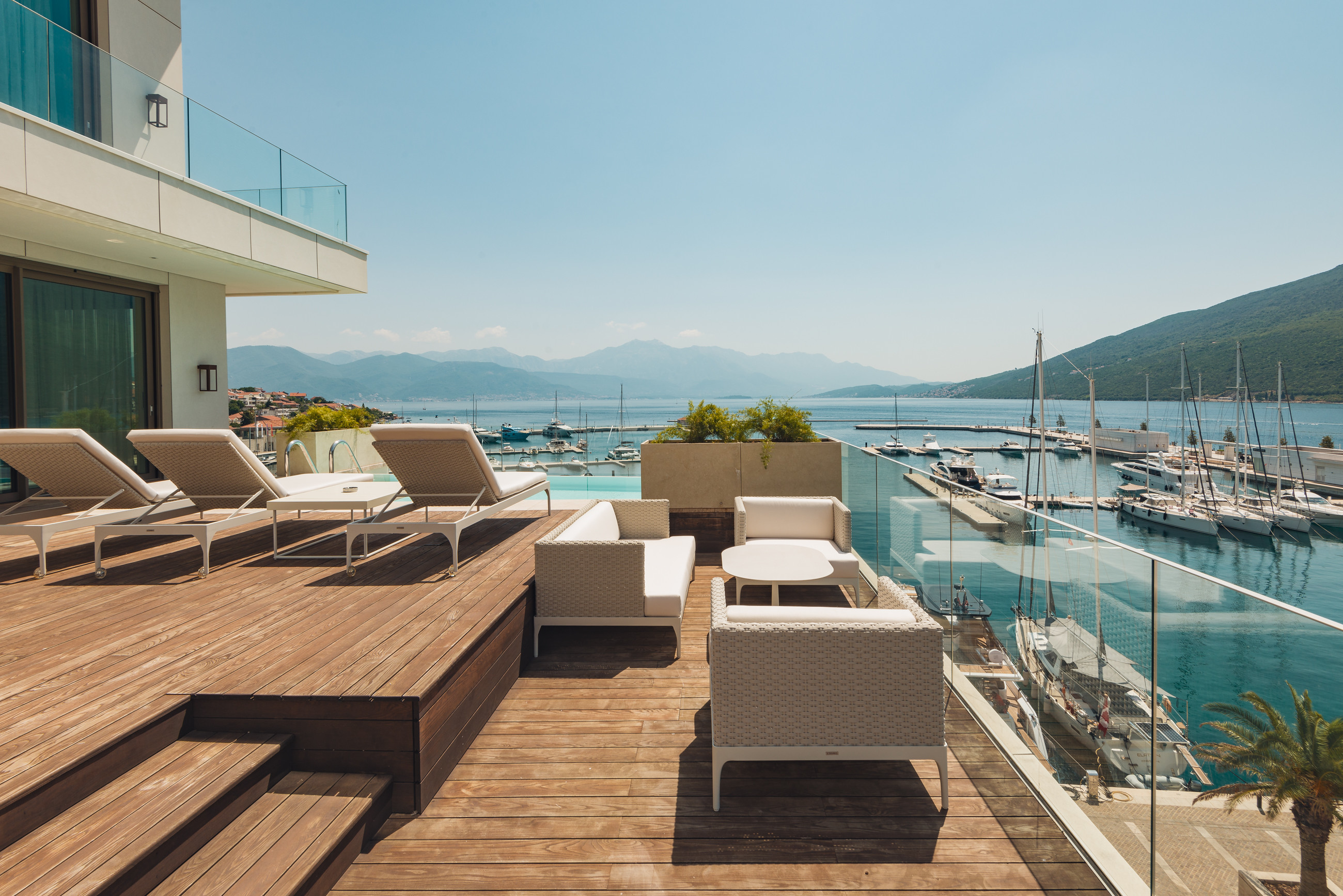
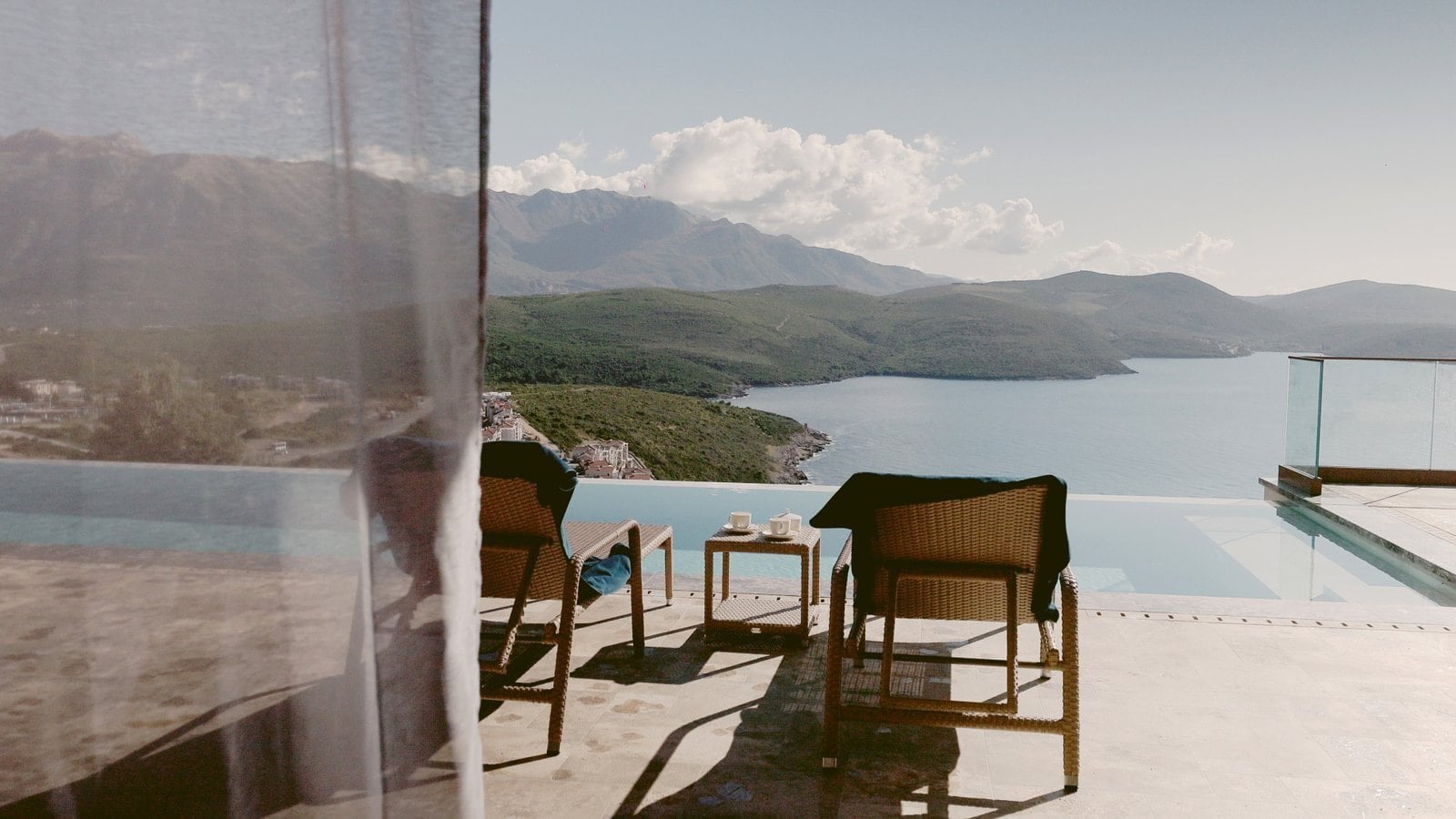
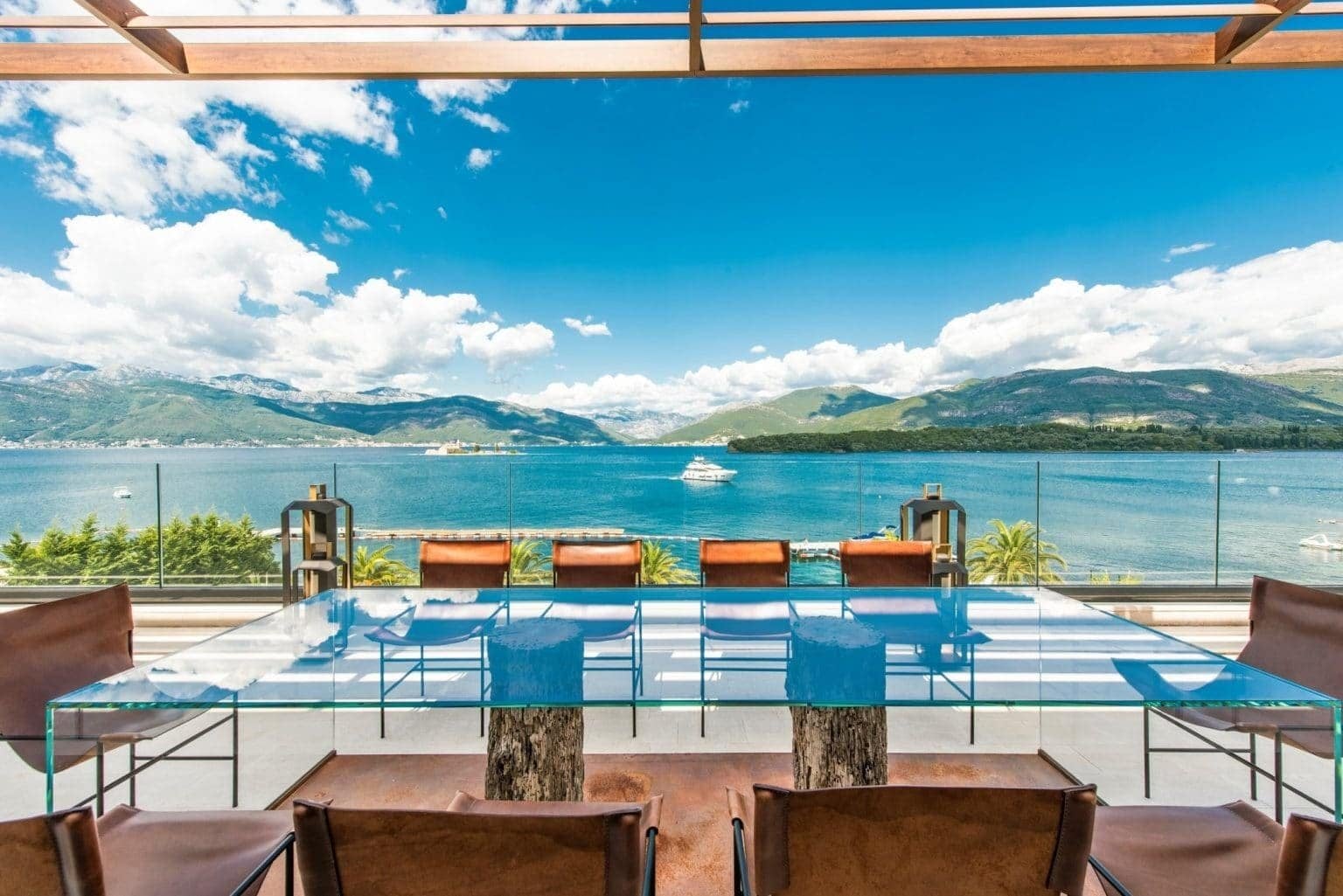
Among the current offerings available through Barok Estates International, the Elevated Living Above the Adriatic: Porto Montenegro's Finest Rooftop Penthouse represents a calibre of residential specification rarely encountered on this stretch of coast. The residence commands unobstructed views across the marina basin and the mountain-framed bay beyond, with interior appointments that reflect the level of finish the Porto Montenegro development has made its benchmark.
For buyers seeking the definitive expression of the Porto Montenegro address, the Sky-High Sovereignty Above the Adriatic: Porto Montenegro's Crown Penthouse occupies the highest residential position in the development. The scale of the bay panorama from this elevation is genuinely extraordinary, and the four-bedroom layout addresses the needs of buyers who require space for family use as well as executive entertaining. An alternative configuration of this crown-level residence is available for review at this linked listing.
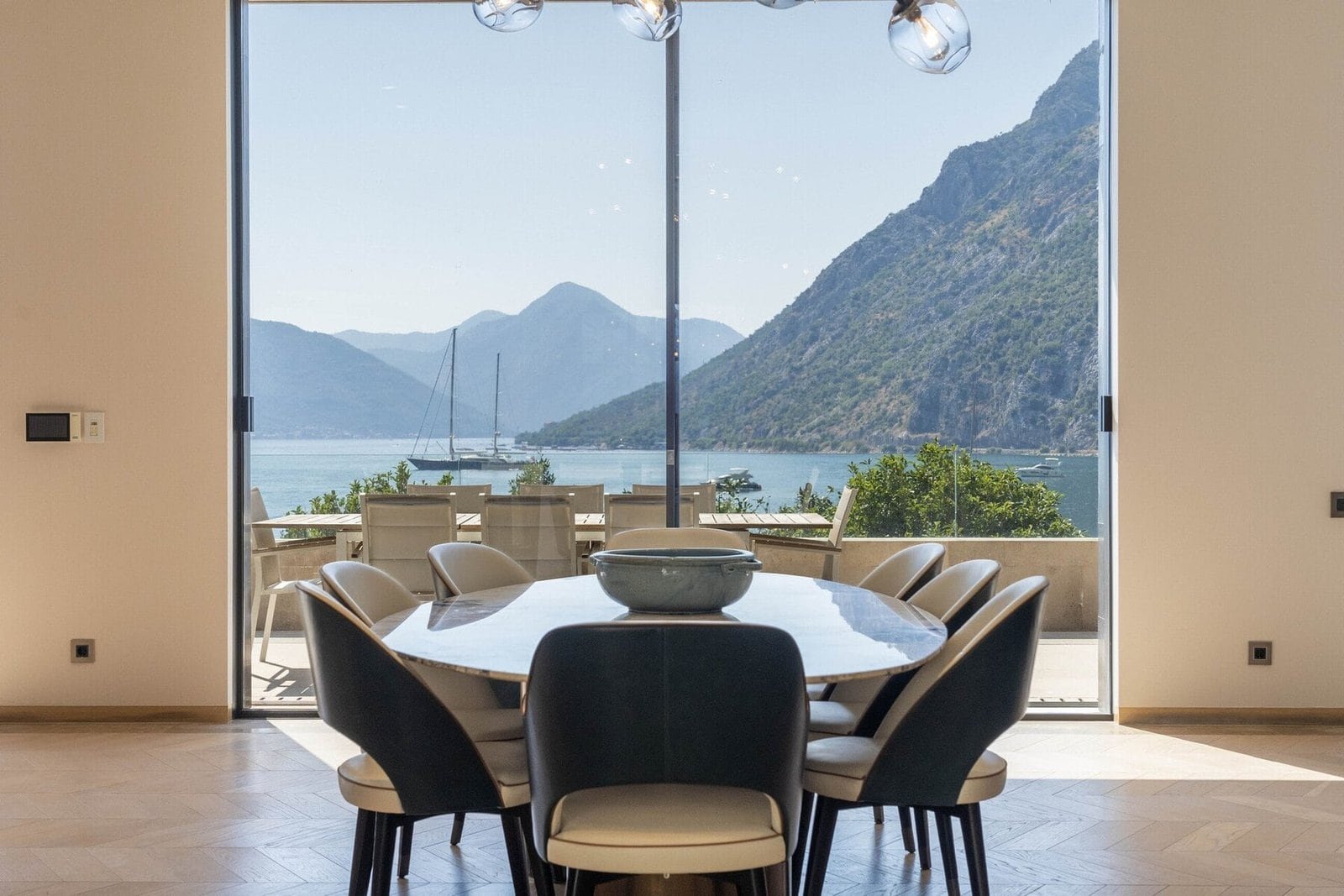
For those whose priorities combine sea views with a more intimate residential scale, the Panoramic Sea Views and Alpine Horizons at Porto Montenegro's Finest Address offers a two-bedroom format with the same bay and mountain outlook that defines the Porto Montenegro visual proposition. This apartment suits buyers seeking a high-specification second home or a premium investment asset within a managed marina community.
Planning Your Visit: Practical Considerations
Montenegro is not a destination that requires exhaustive advance planning, but a few practical points will sharpen the experience.
The peak summer season, running from late June through August, brings the largest crowds and highest prices to the coastal resorts. Accommodation in Kotor, Budva and Tivat is heavily booked during this period, and road traffic along the coastal route can be slow. Visitors who have flexibility in timing will find that June and September offer nearly equivalent weather with considerably less congestion.
The country's culinary offer has strengthened considerably in recent years. The coastal towns in particular have attracted chefs and restaurateurs raising the standard of the local dining scene beyond traditional Balkan fare. Adriatic seafood, prepared simply and with quality ingredients, remains the most reliable and satisfying choice along the coast.
Budget travellers and luxury visitors both find accommodation options that suit their requirements. The spread between a modest guesthouse in a village above the bay and a fully serviced suite at a five-star Porto Montenegro property is wide, and the middle ground between those two poles is well populated.
A Final Word from Barok Estates International
Montenegro's moment has arrived, and the country's combination of natural beauty, improving infrastructure and a clear European institutional direction makes it one of the more interesting propositions in the current Mediterranean property market. Whether your initial interest is a short visit, an extended stay under the digital nomad framework, or the acquisition of a significant coastal or marina asset, the decision merits careful and well-informed consideration.
Barok Estates International advises private clients on residential and investment property acquisition across Montenegro's key coastal markets, with particular depth of expertise in the Porto Montenegro and Bay of Kotor areas. Our team is available from our offices in Madrid, Marbella, London and Montenegro to discuss your specific requirements, provide current market valuations and guide you through the legal and procedural aspects of property acquisition as a foreign national.
We invite you to begin that conversation at your convenience.






.jpg)