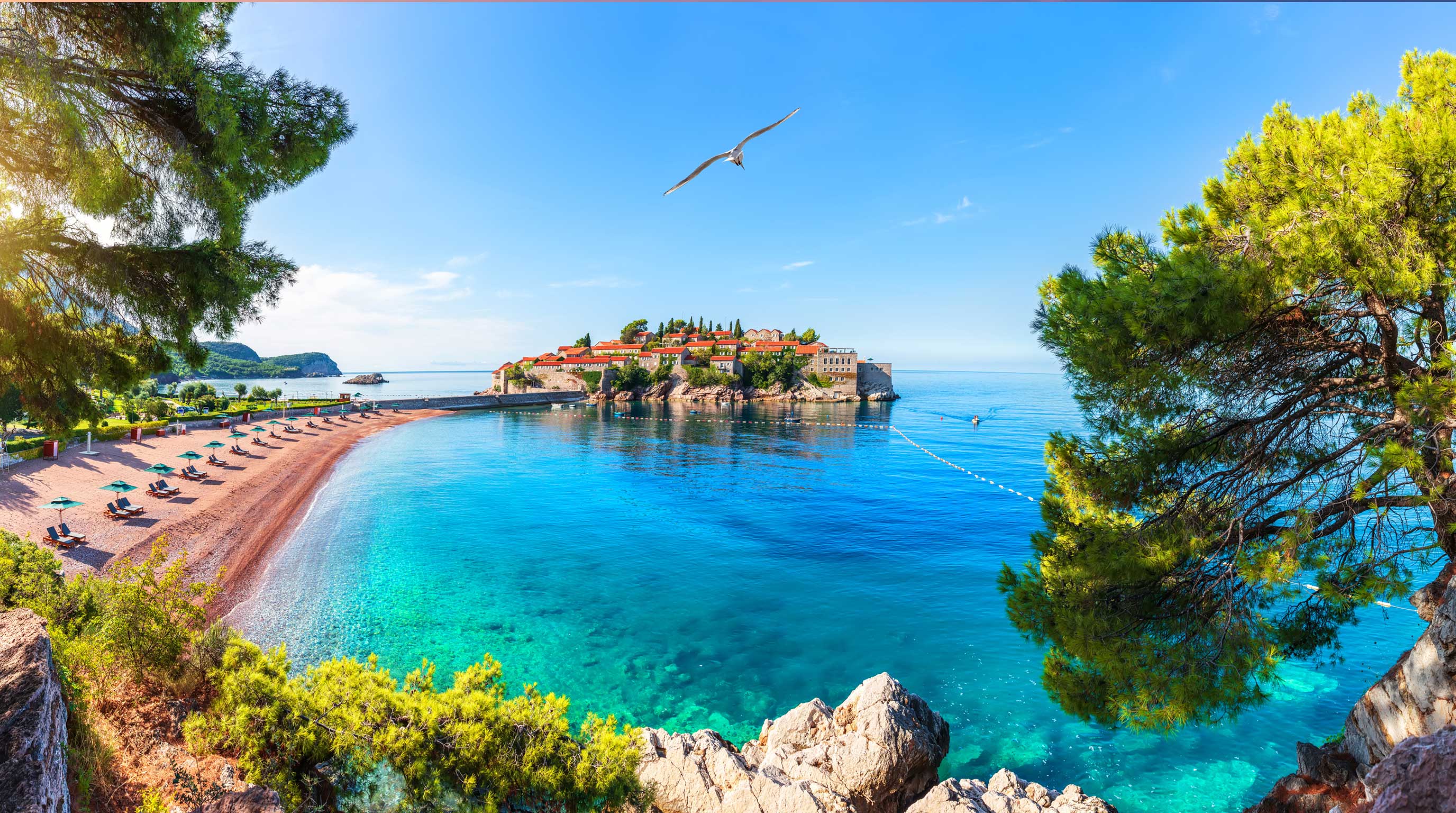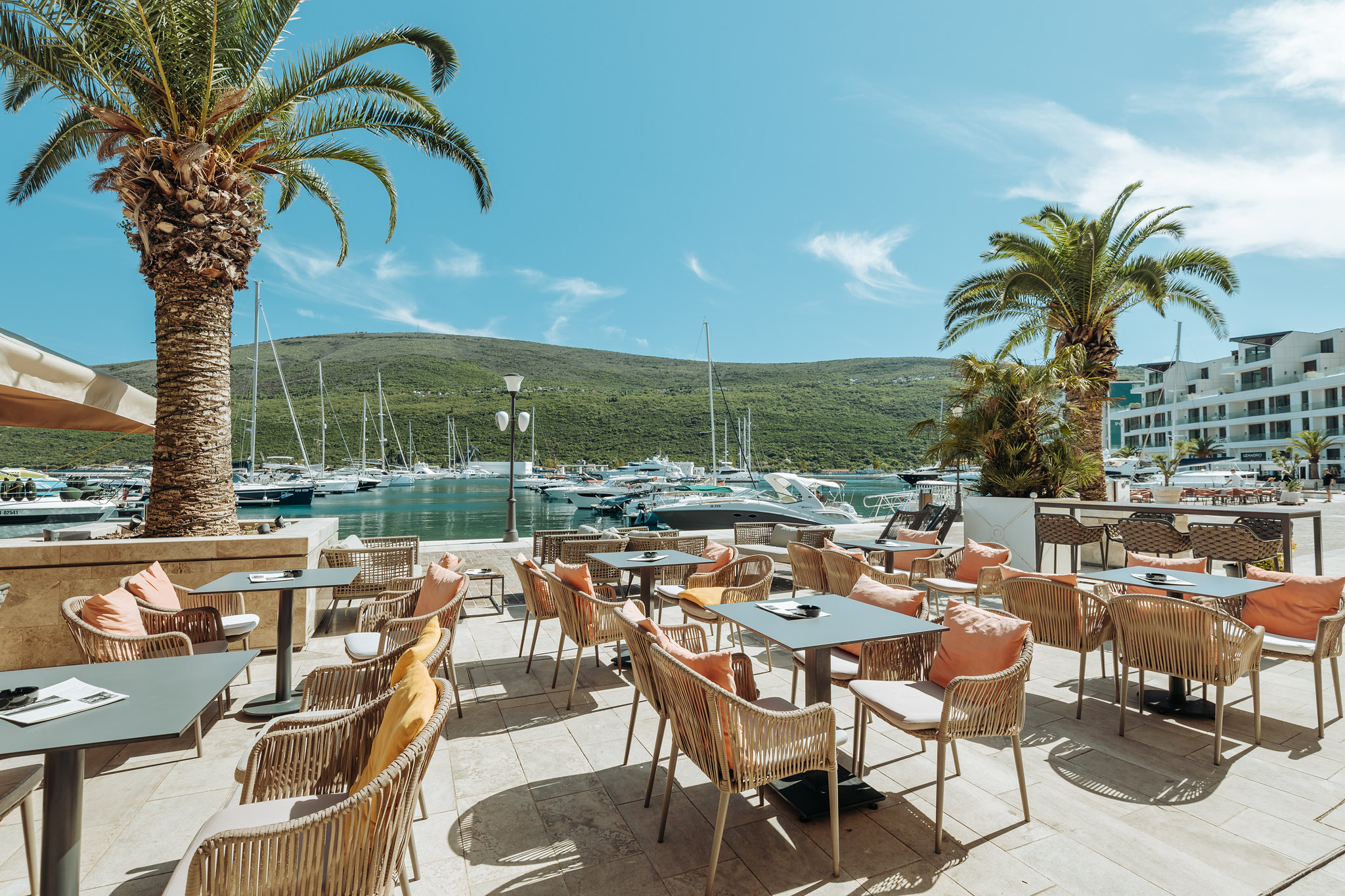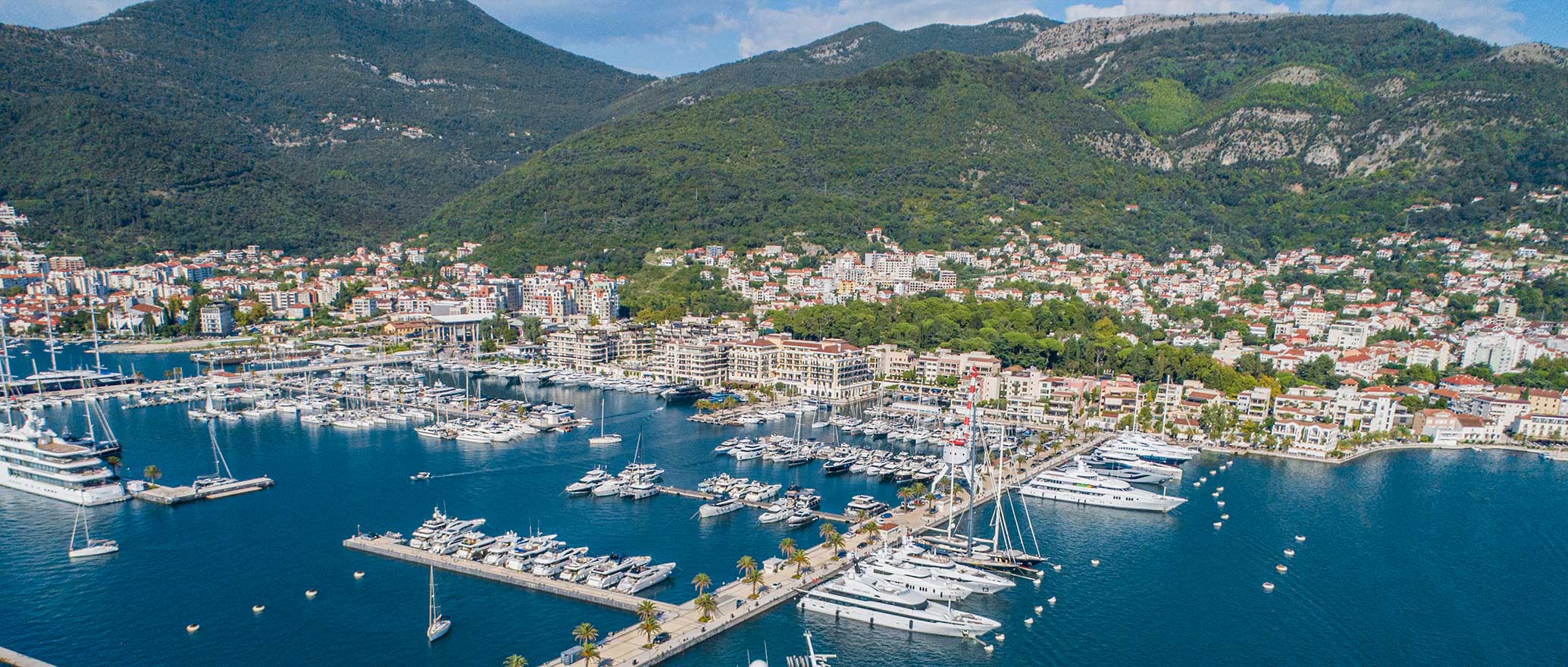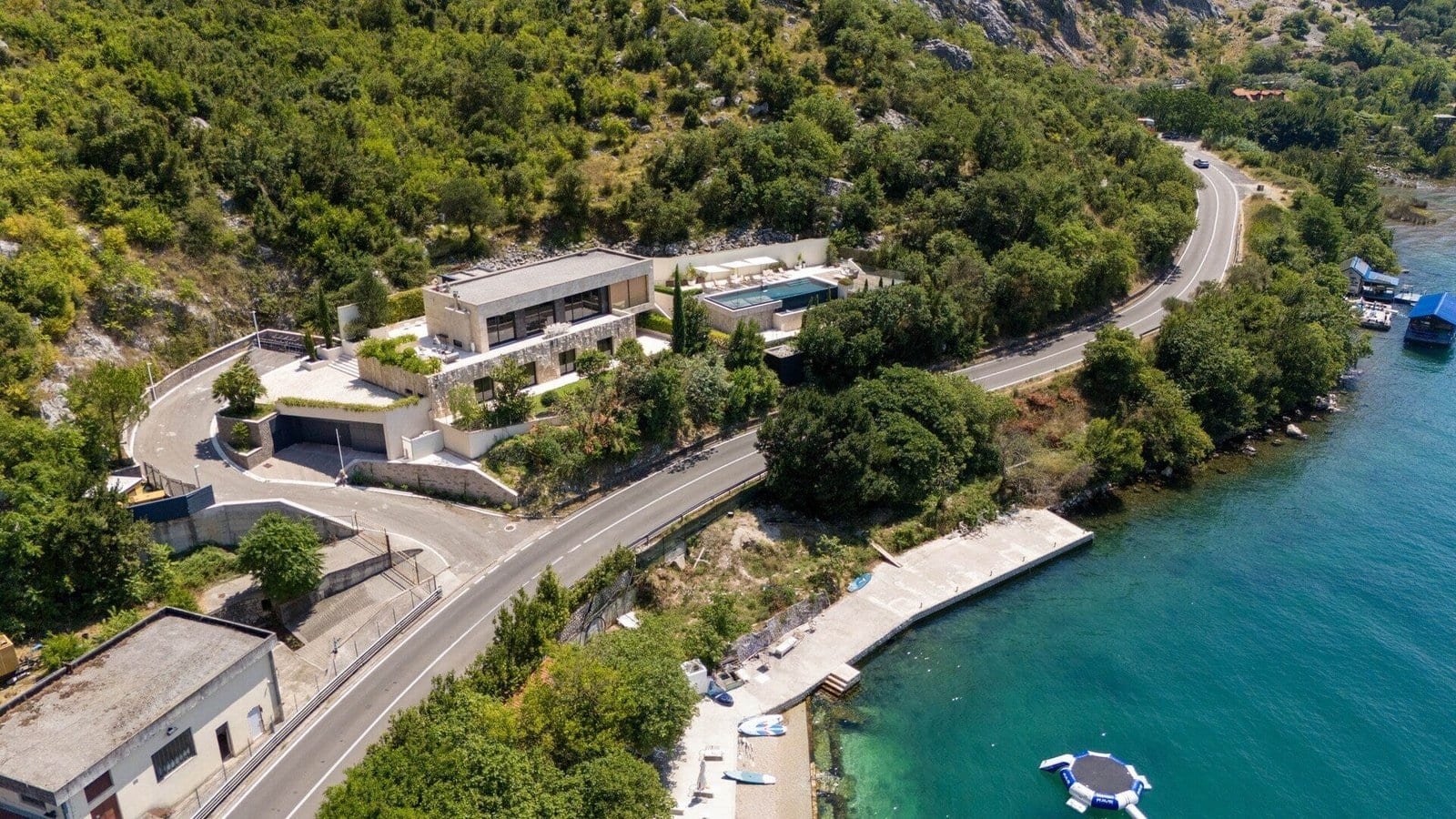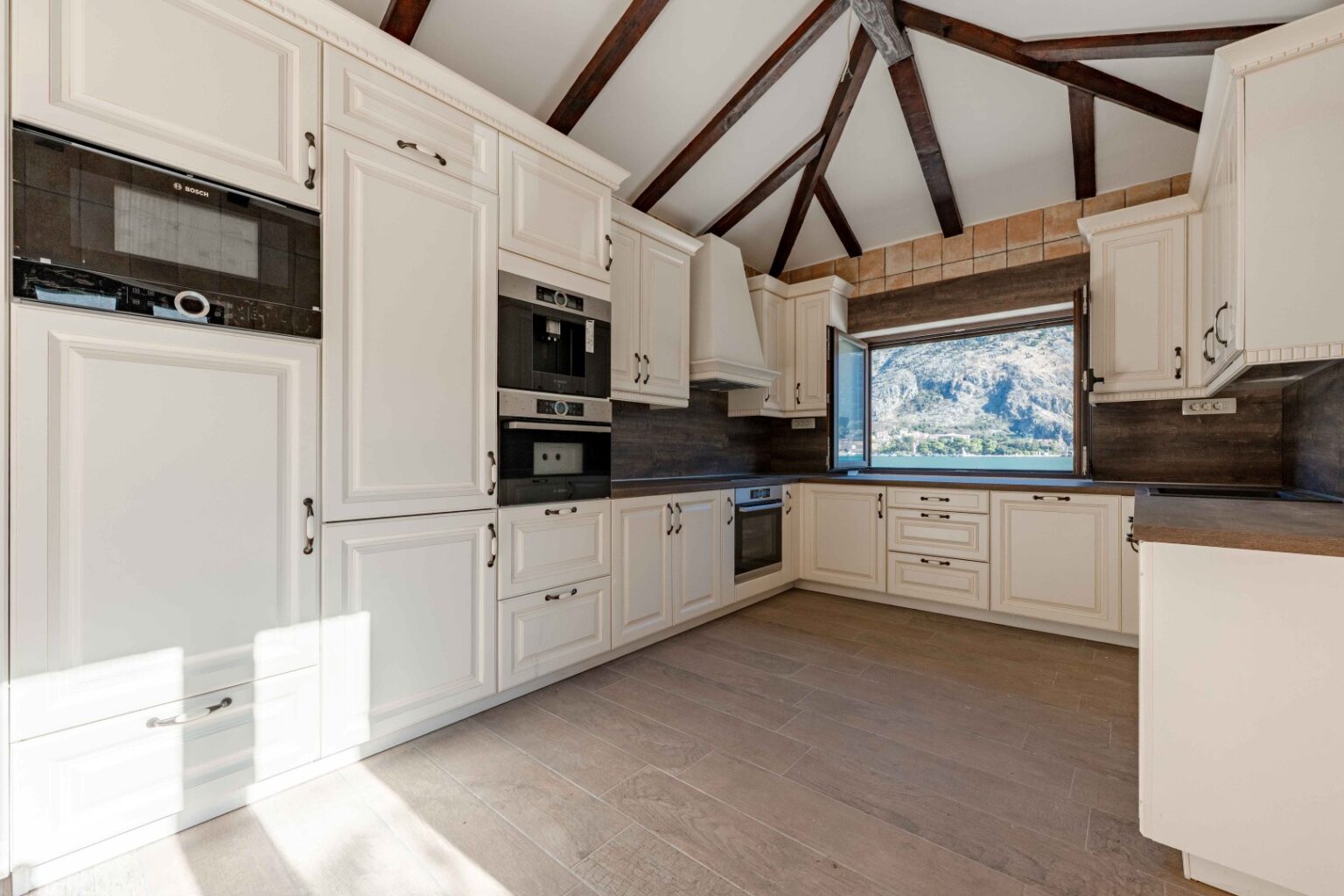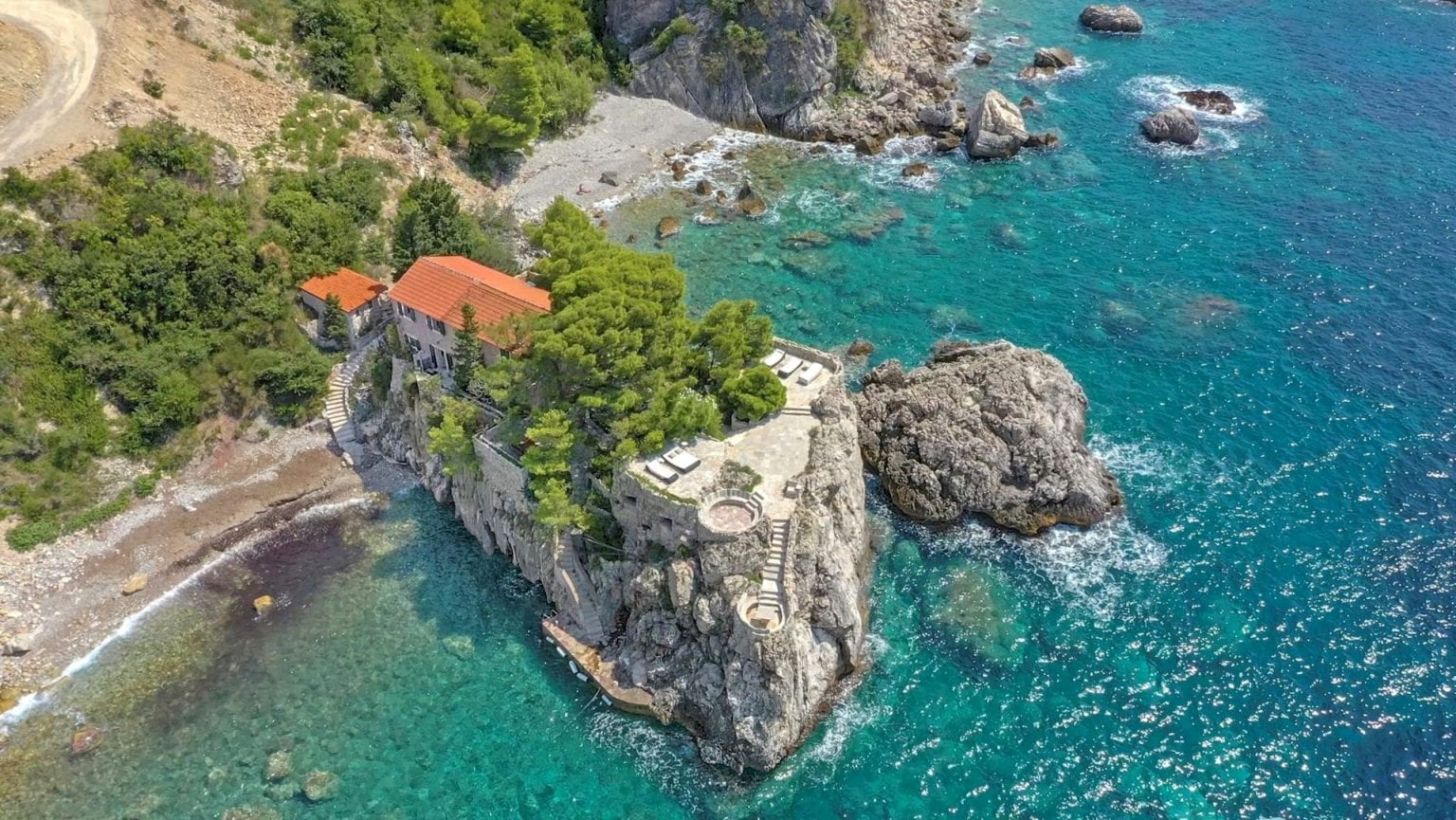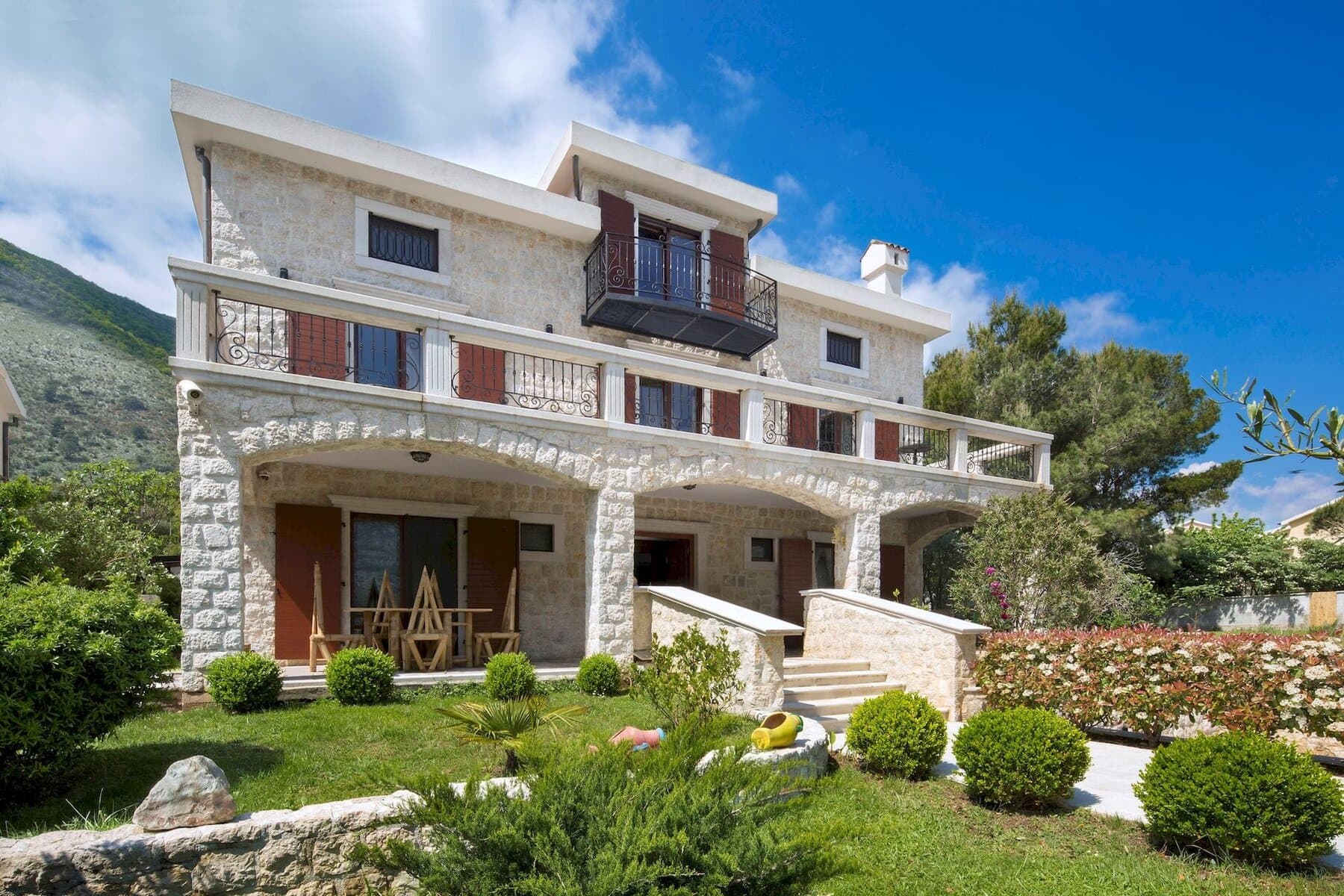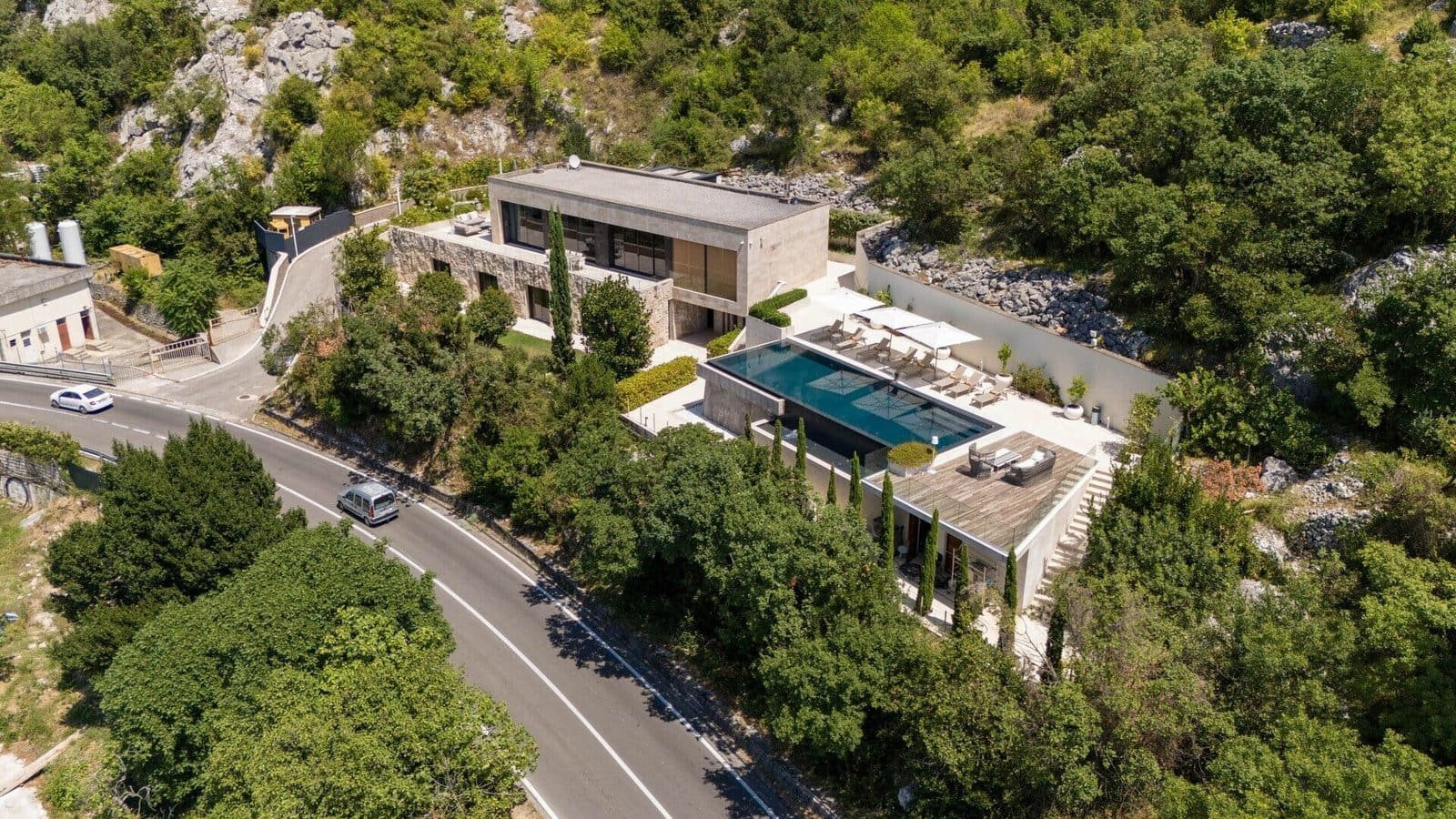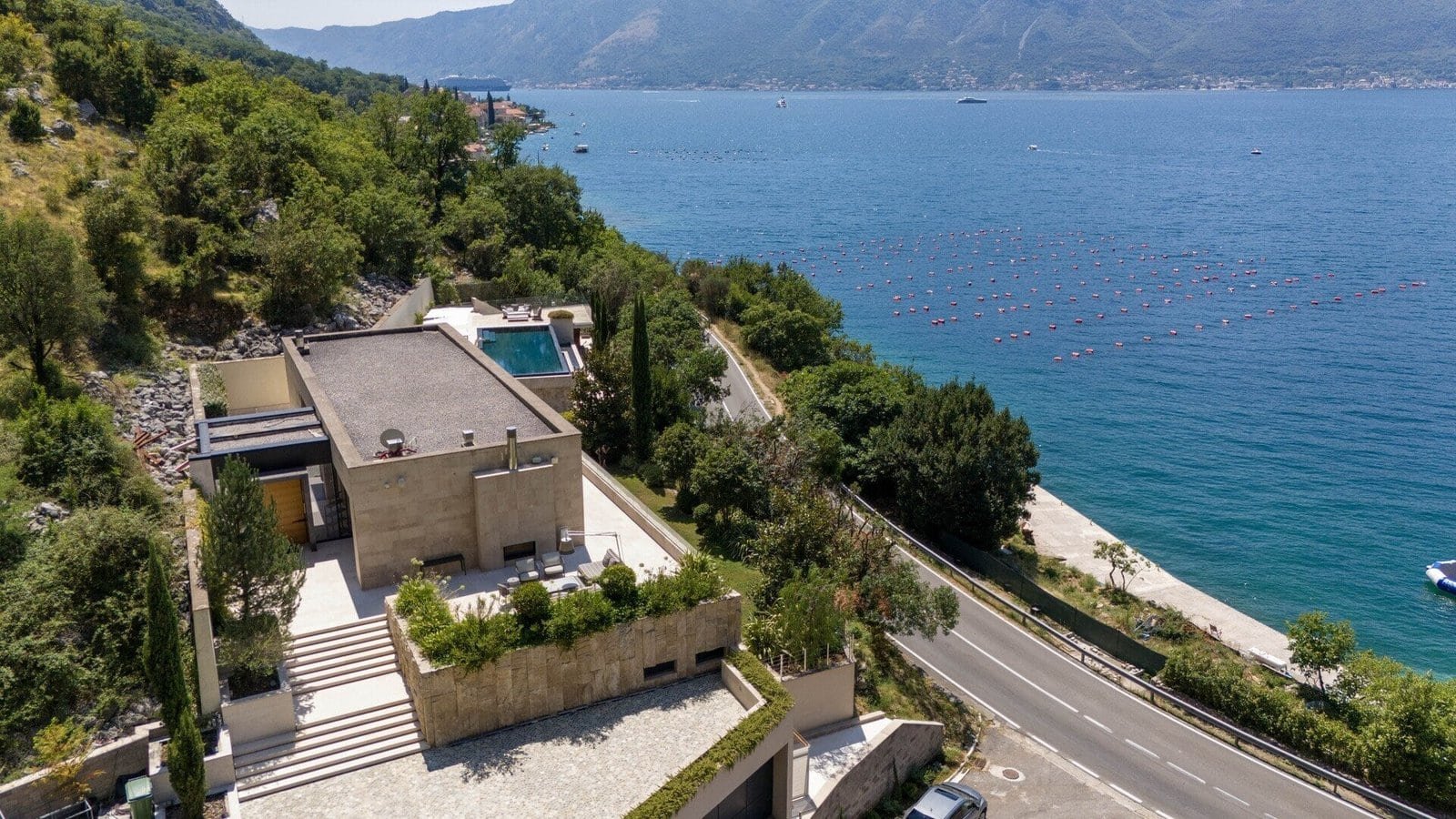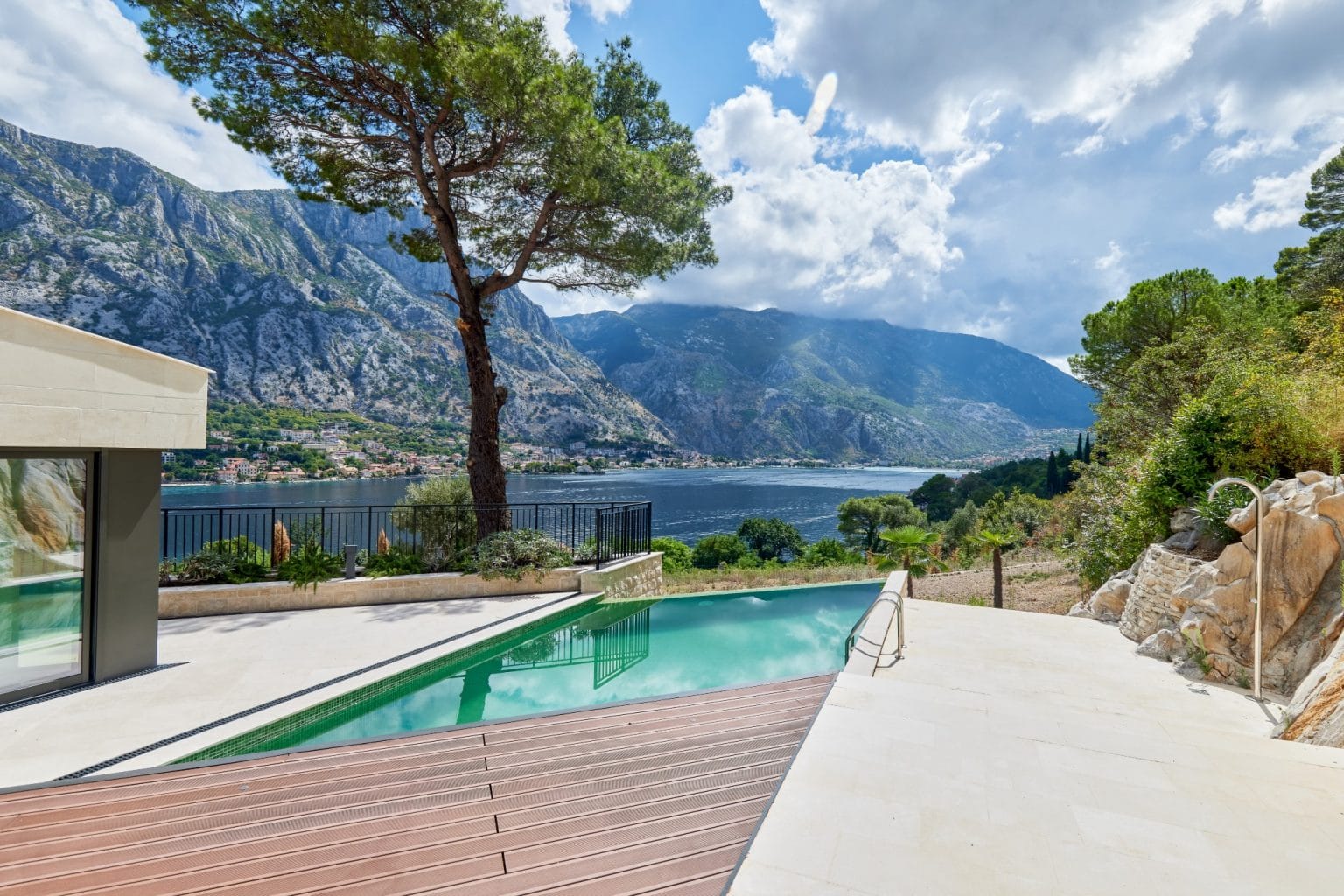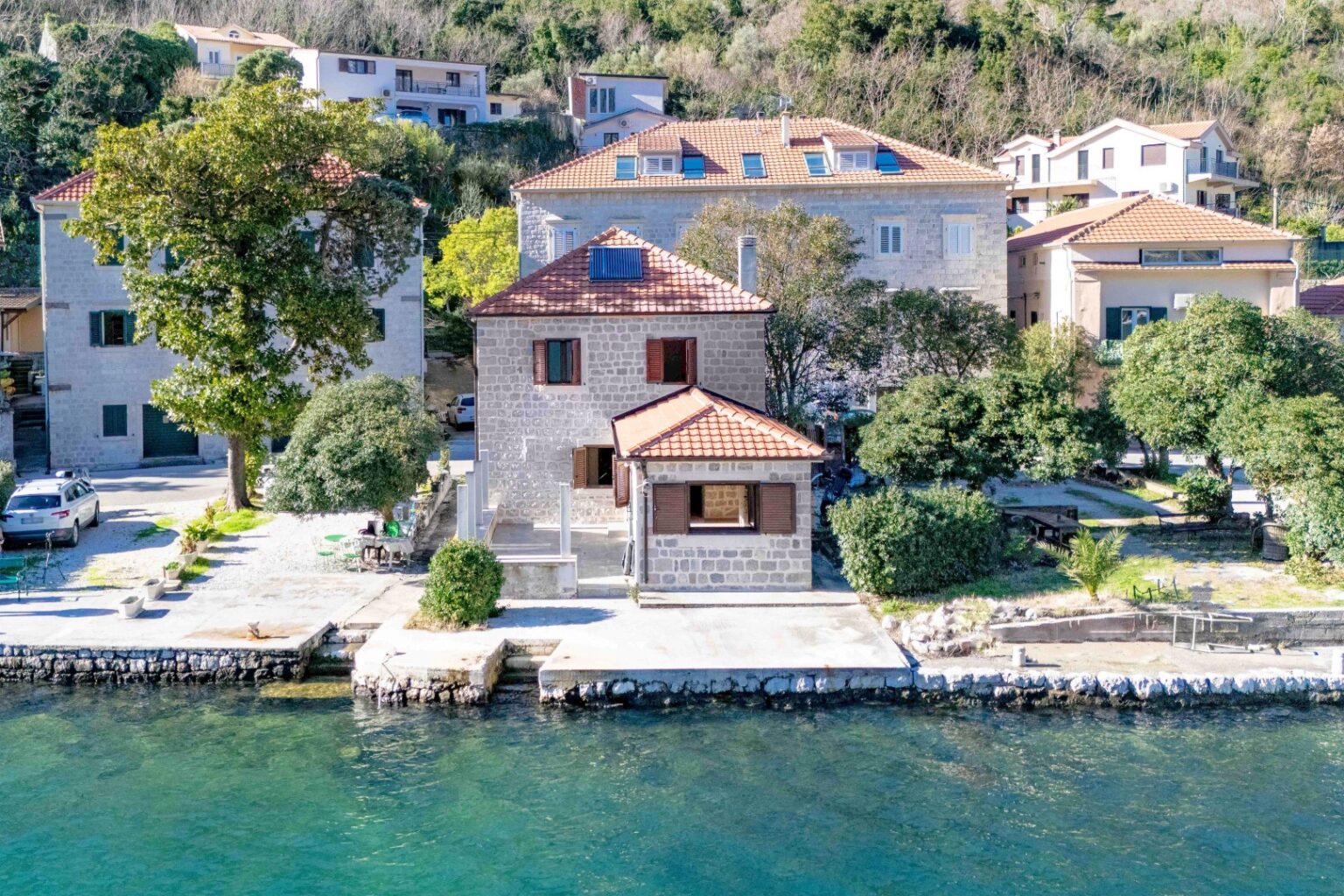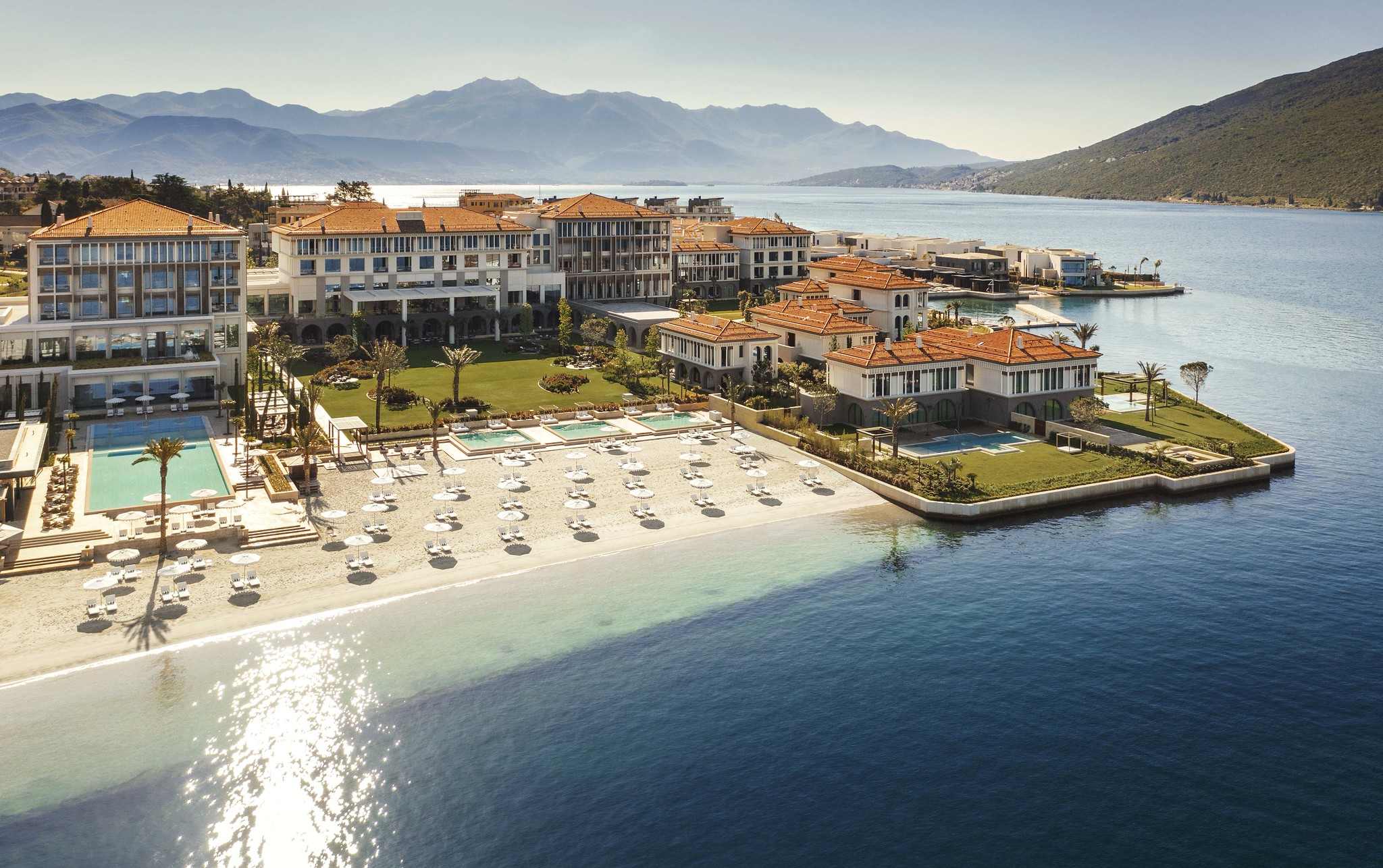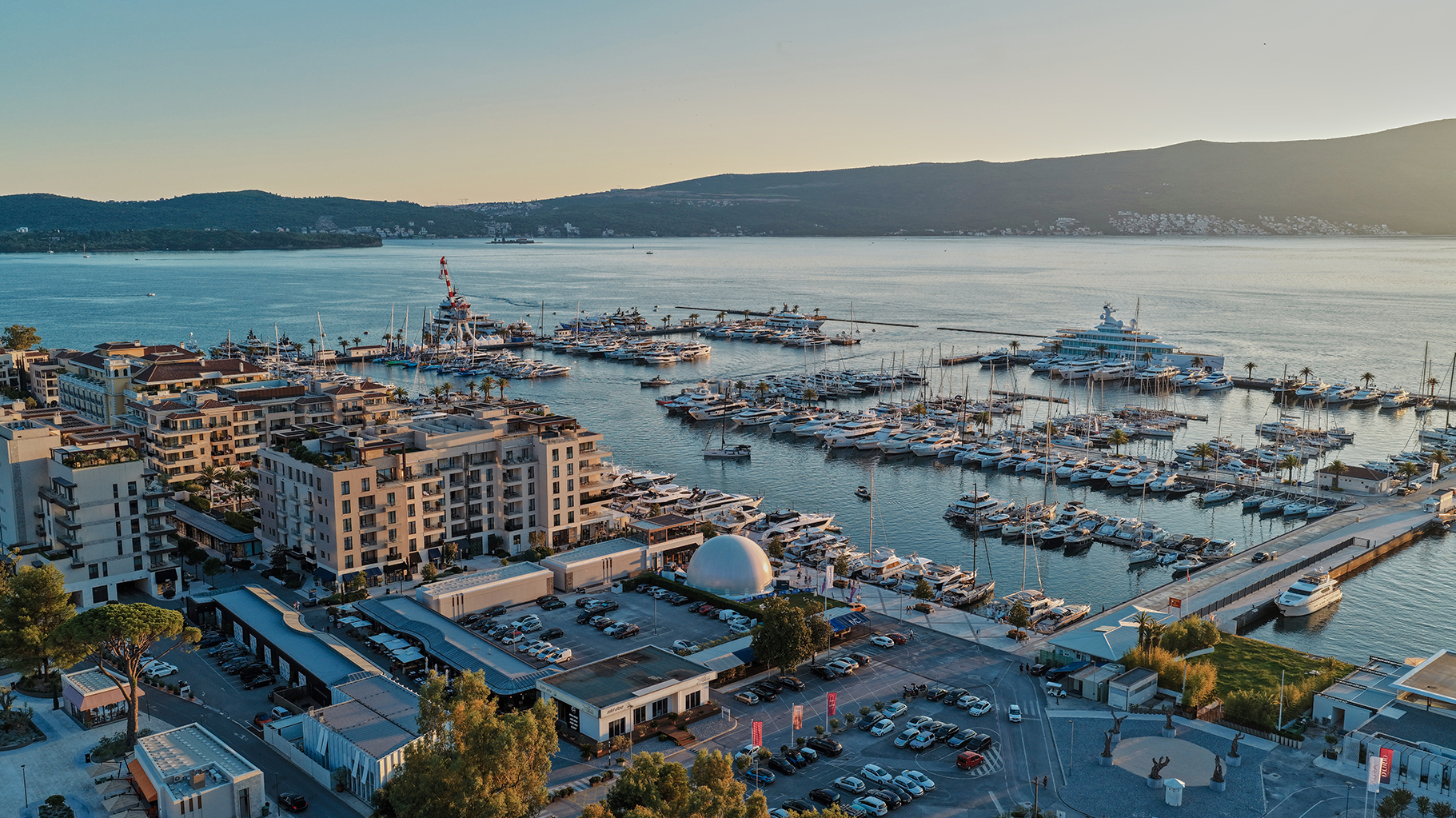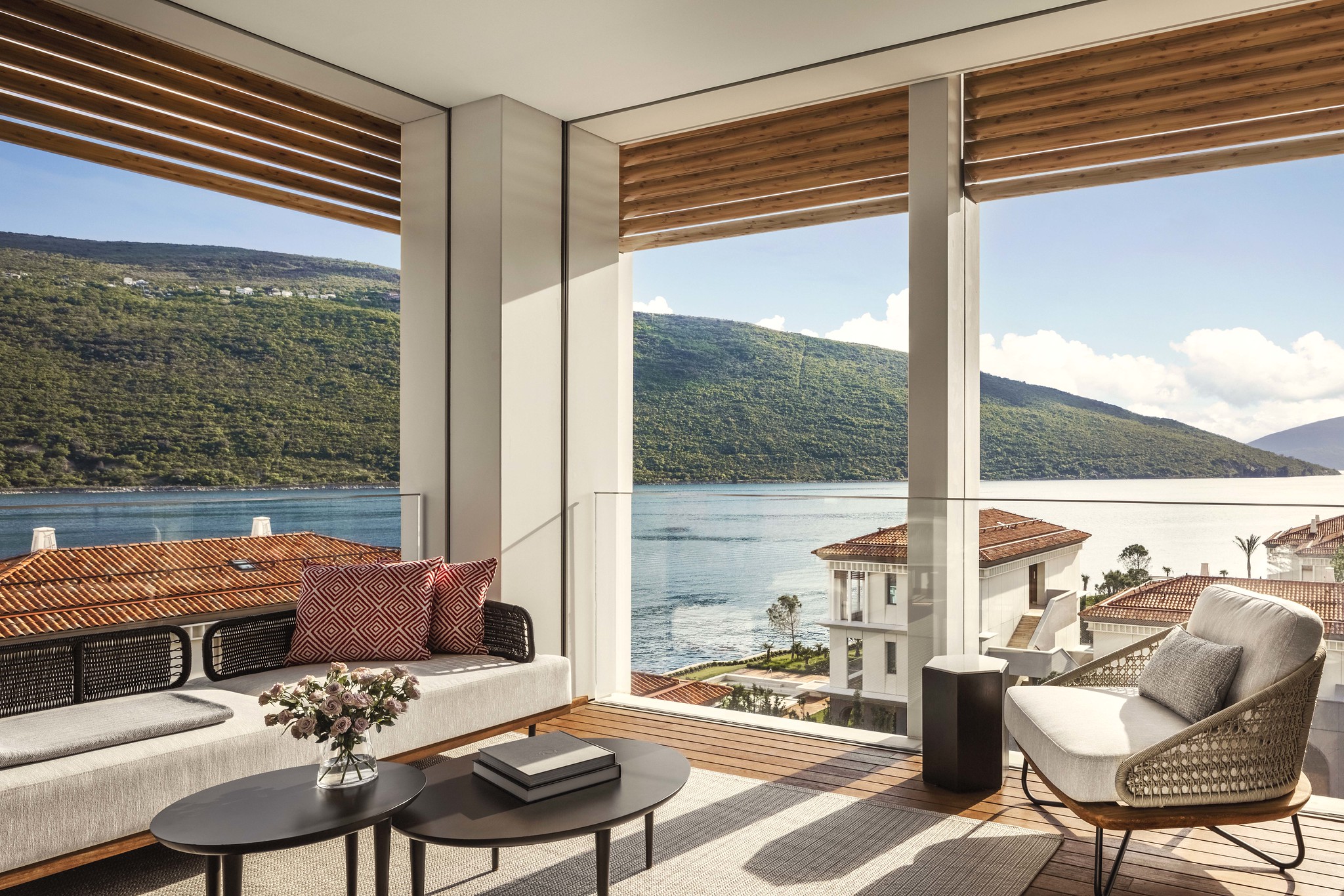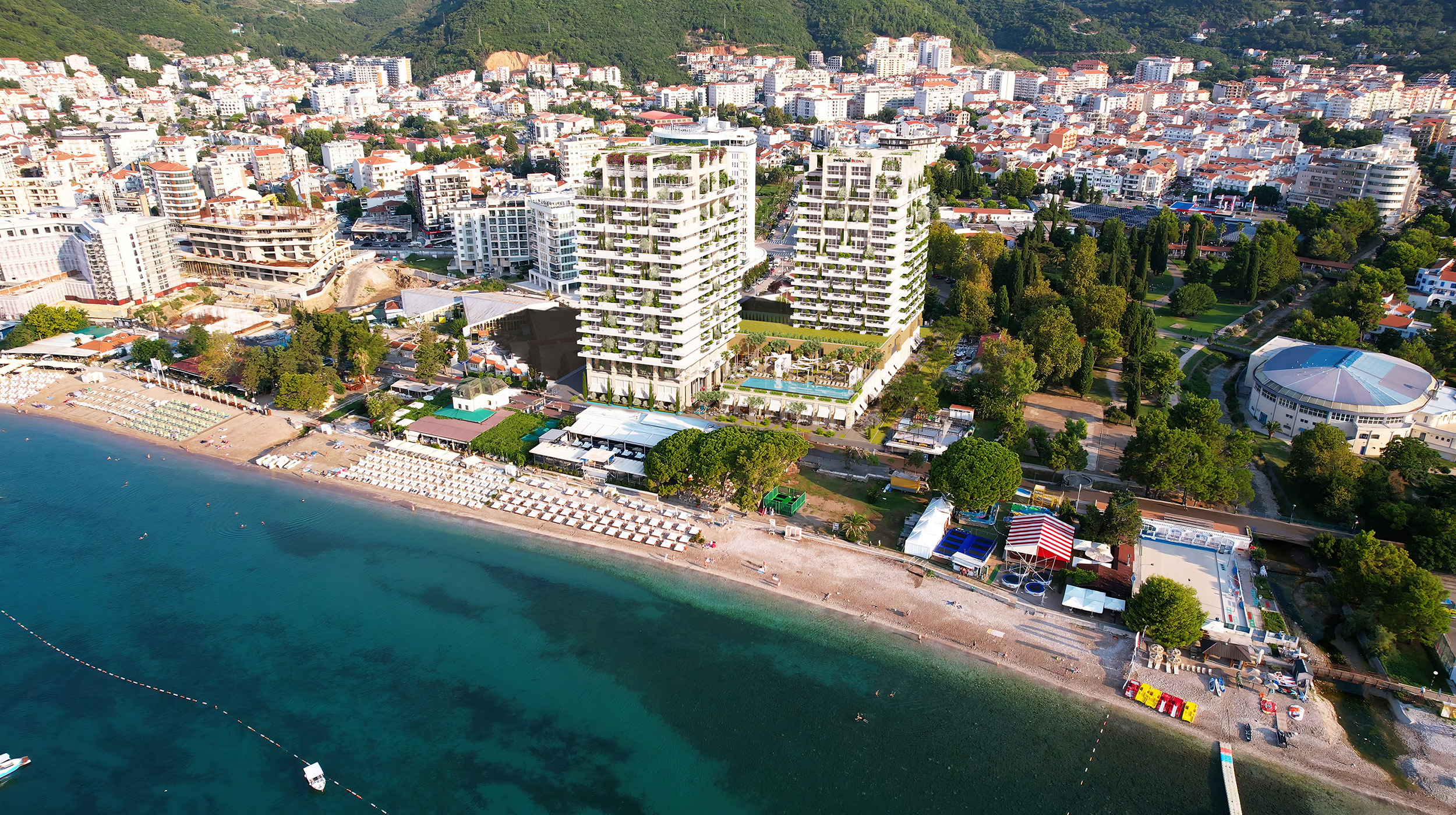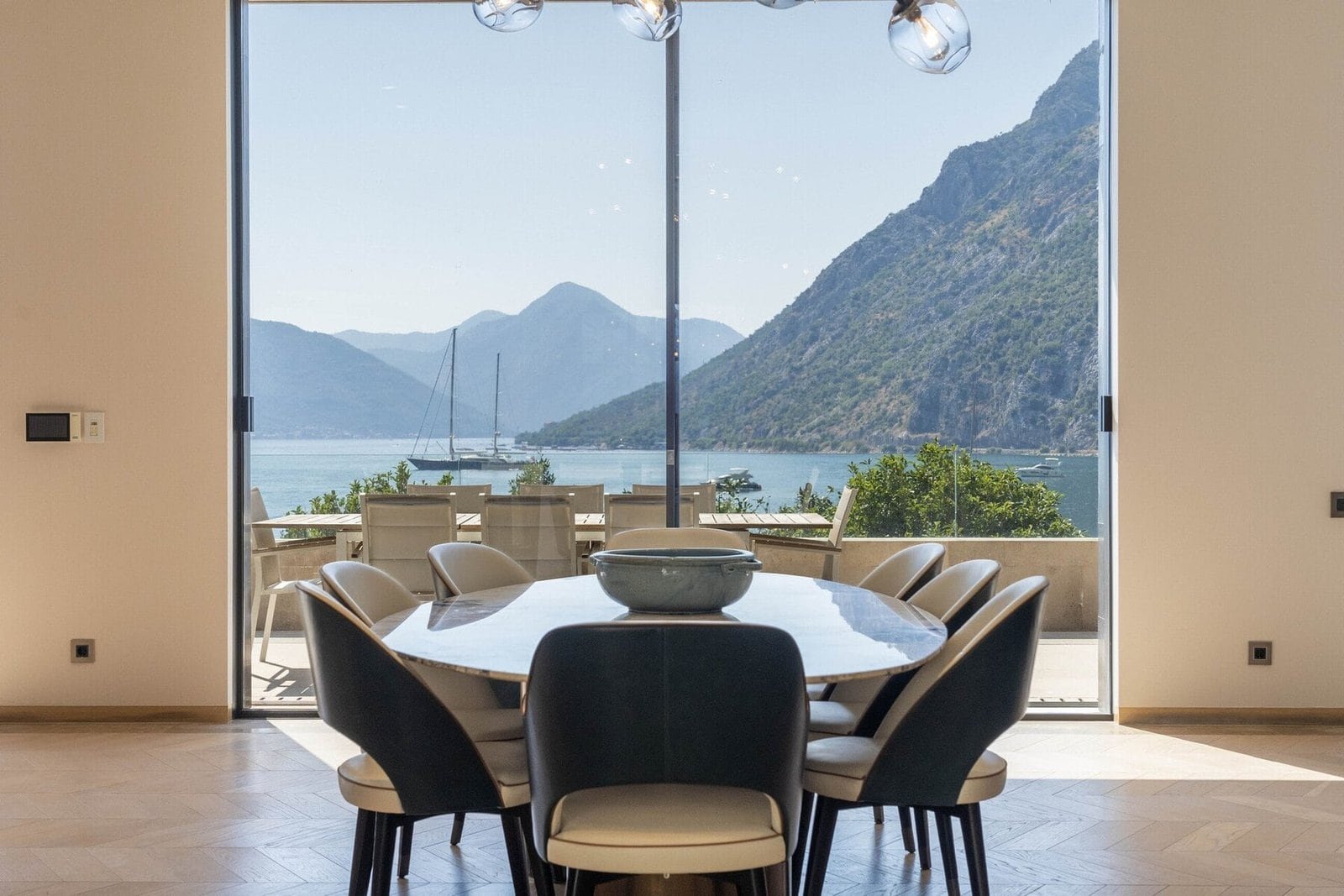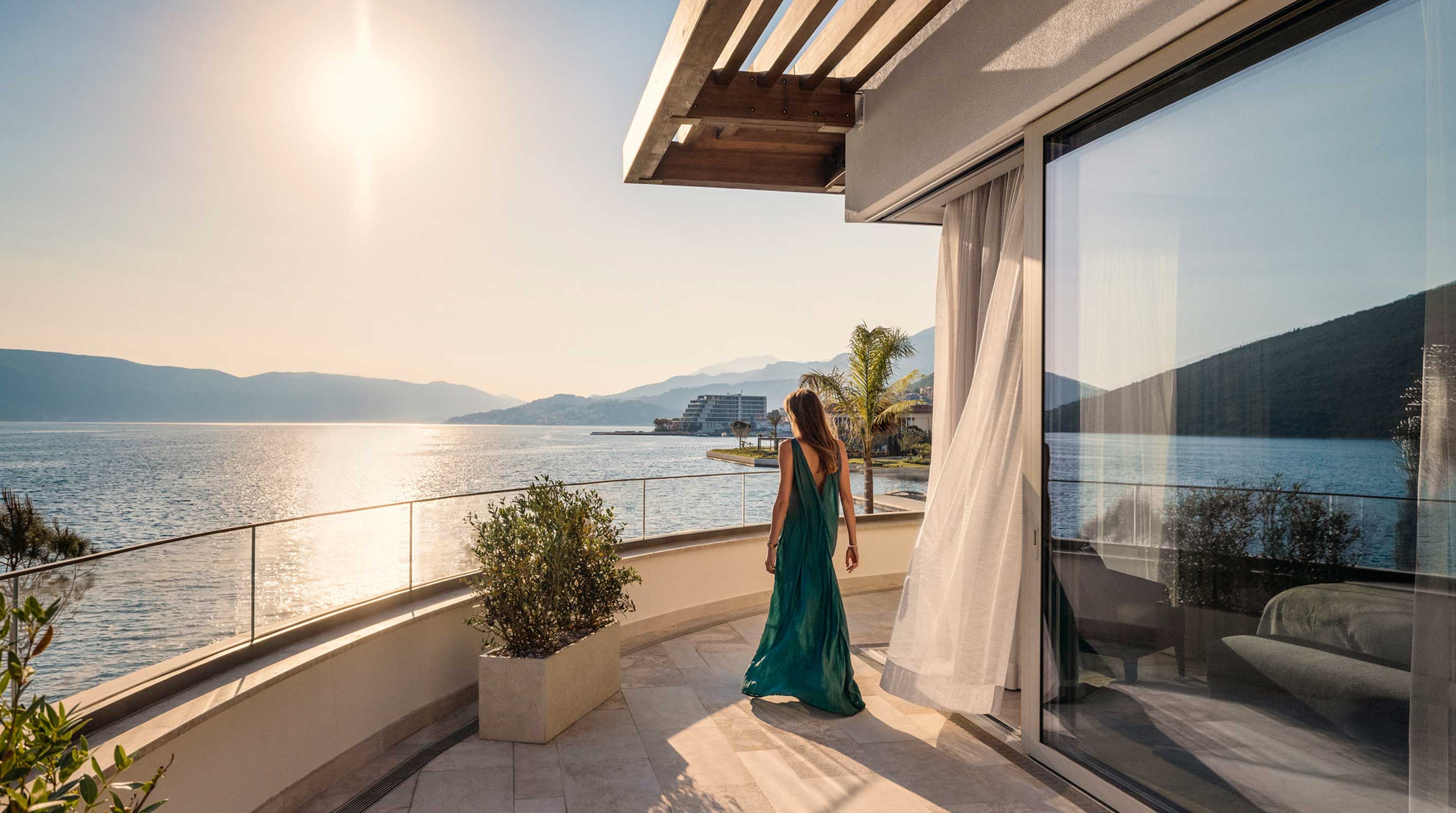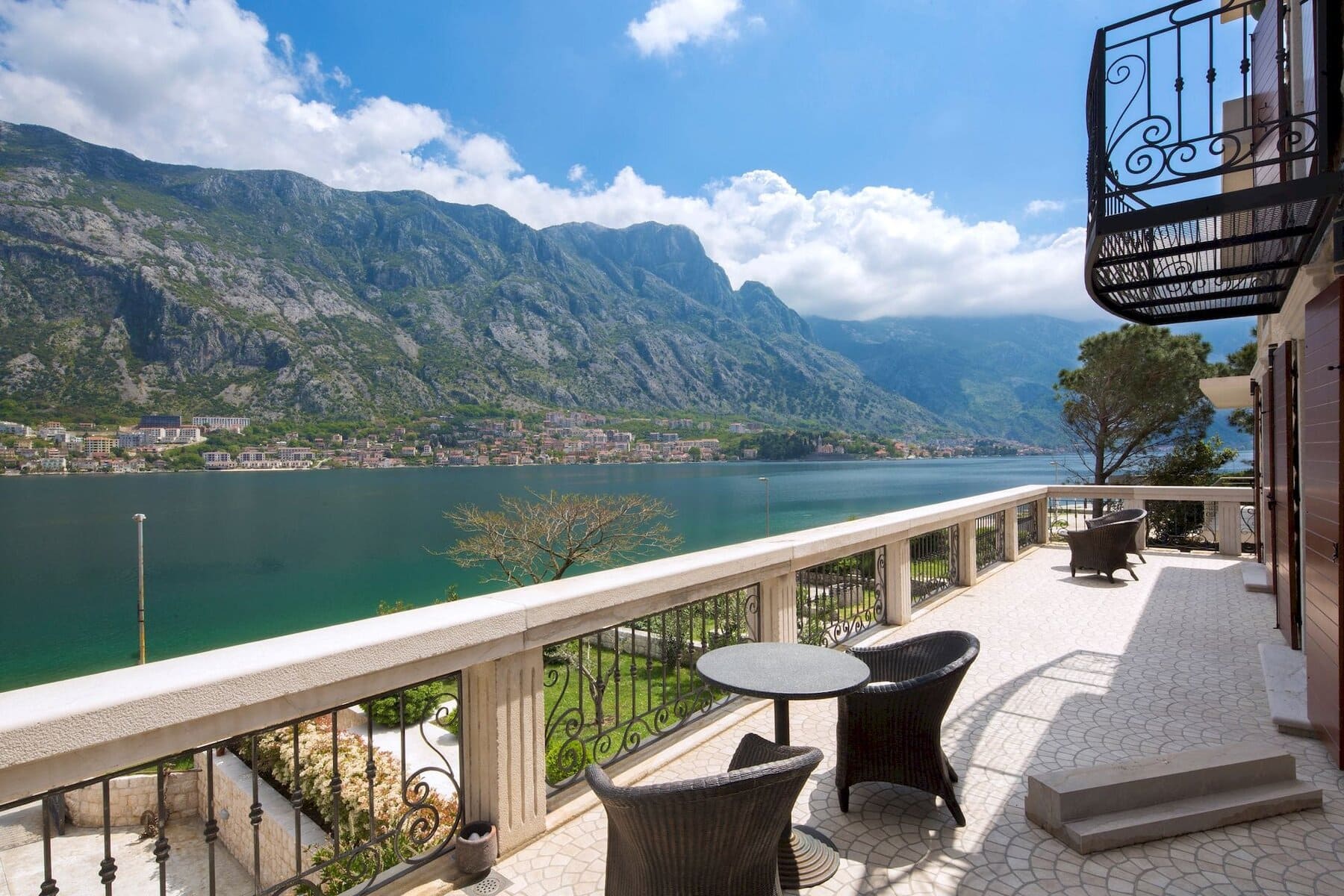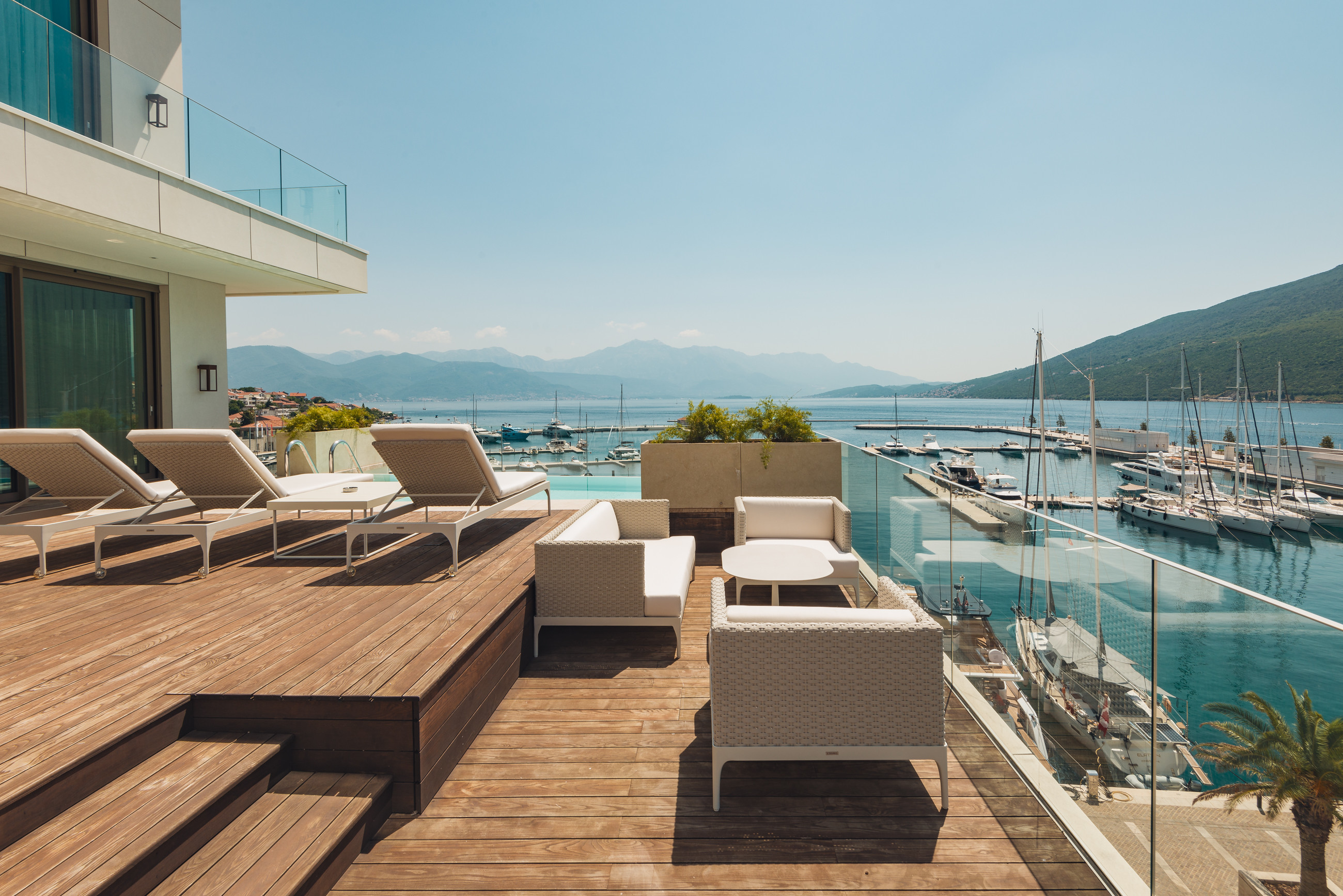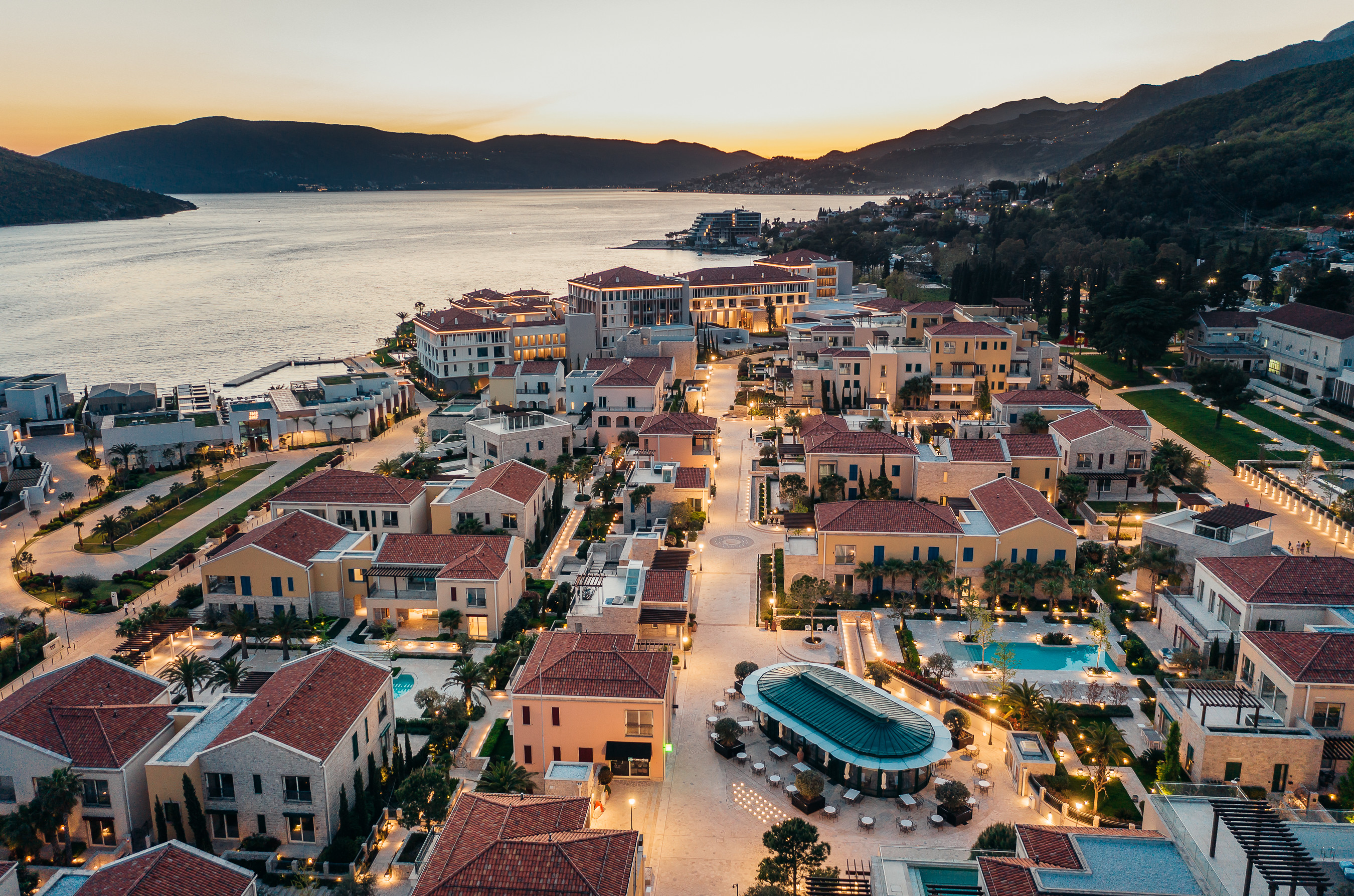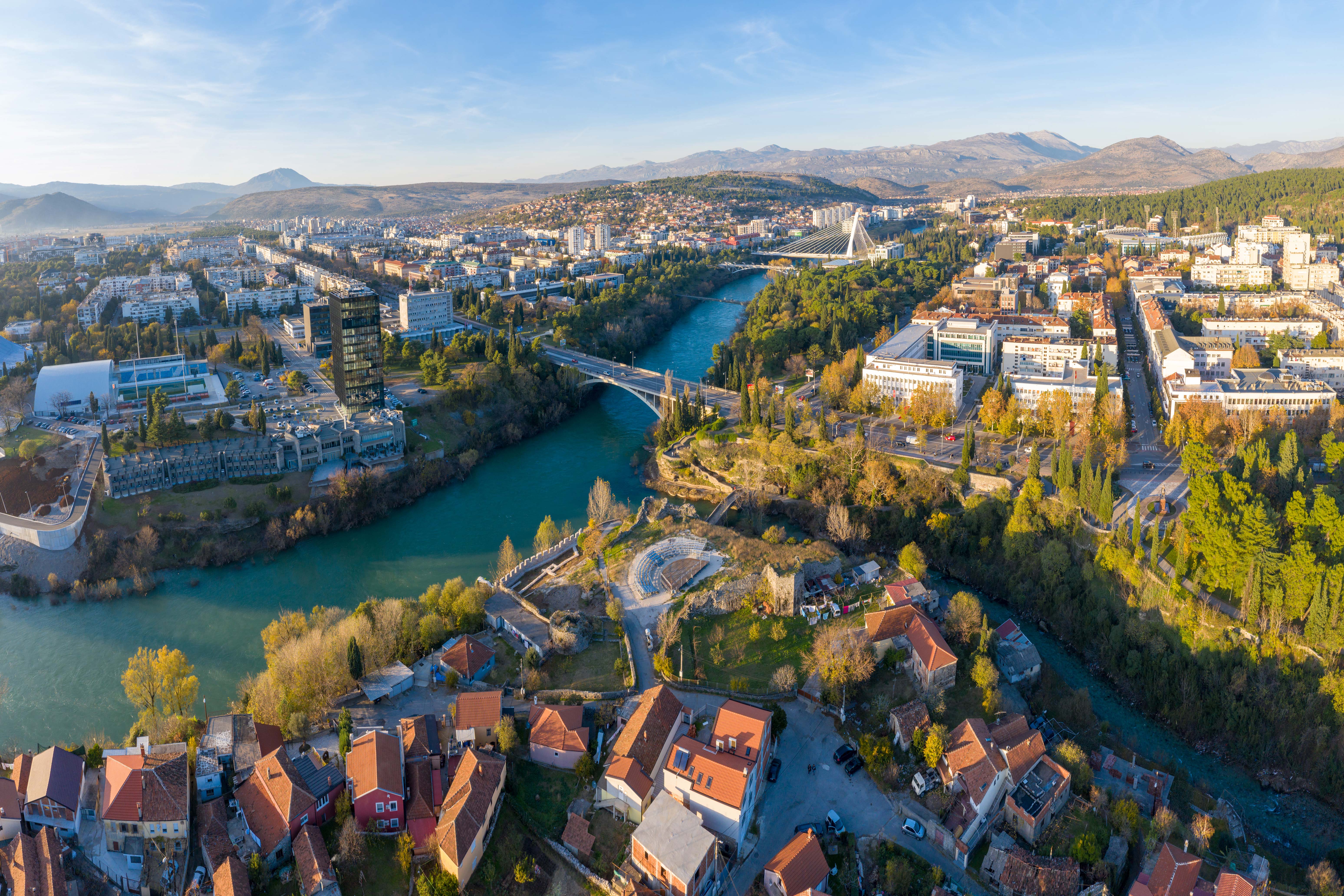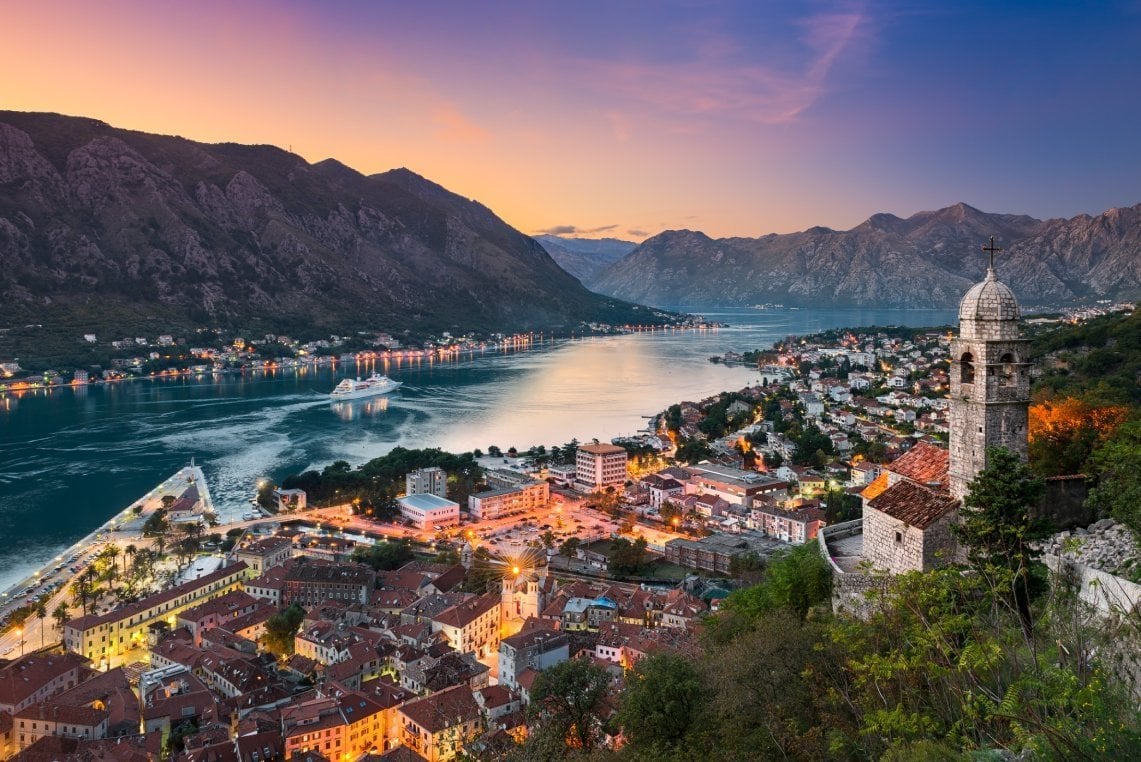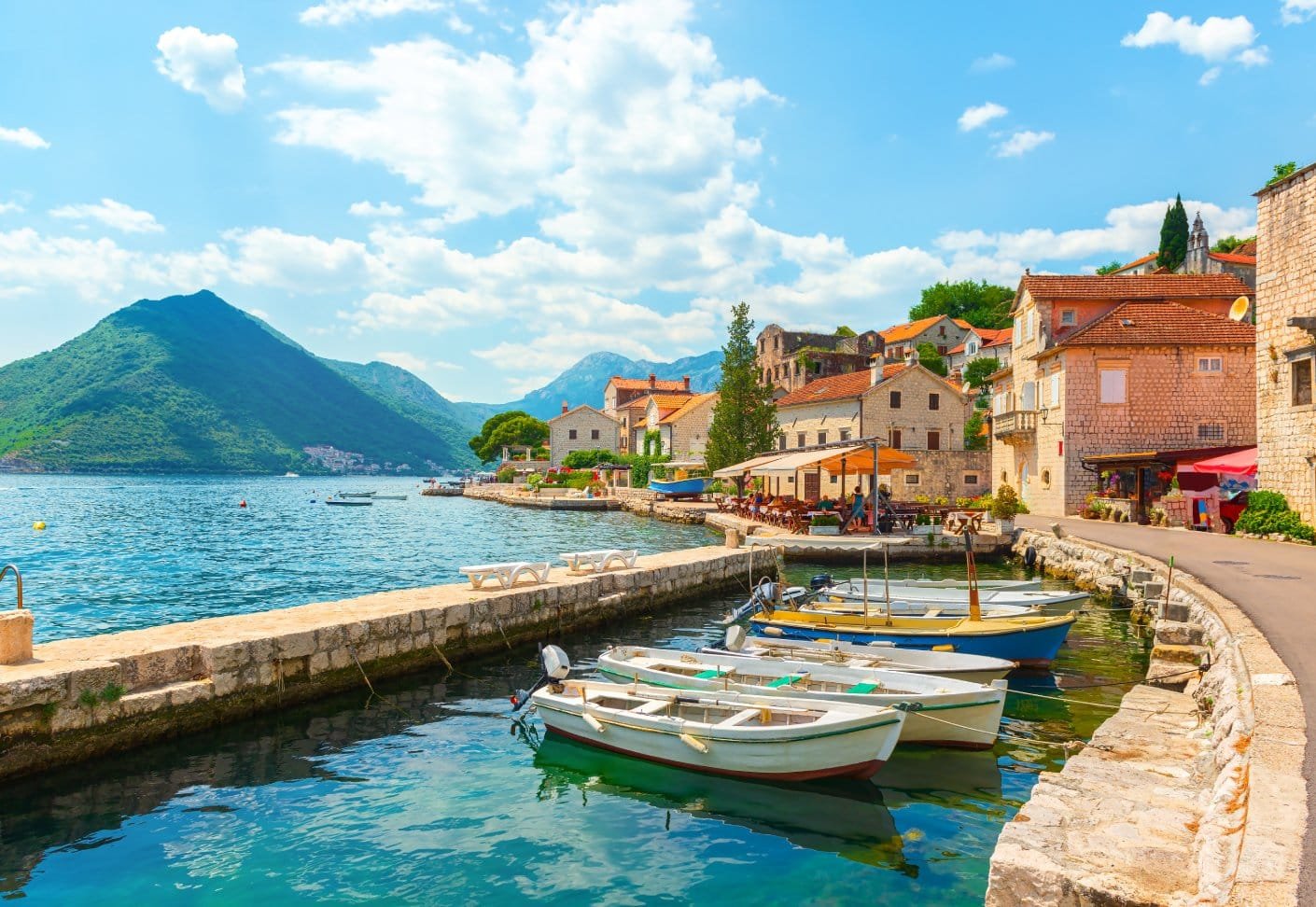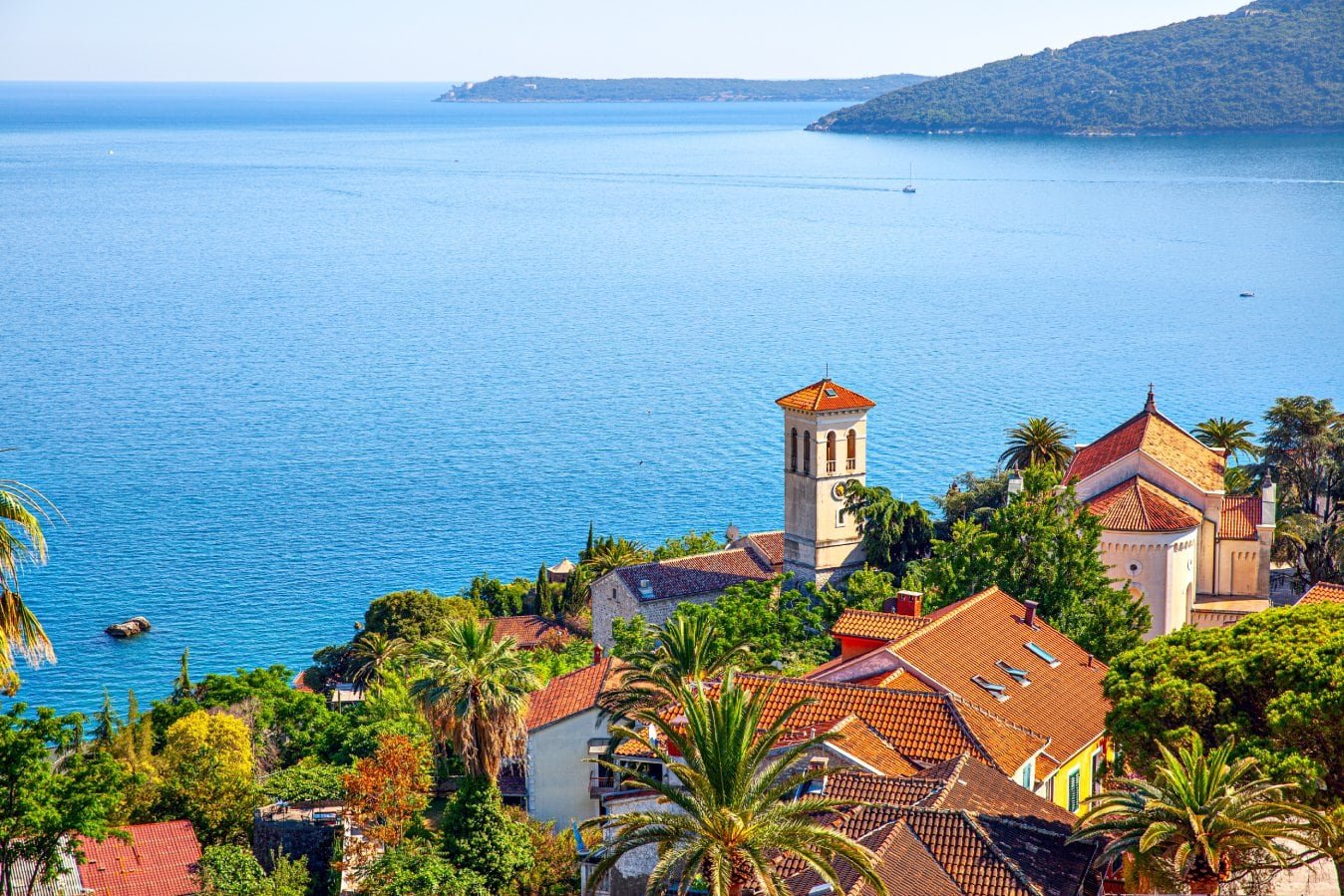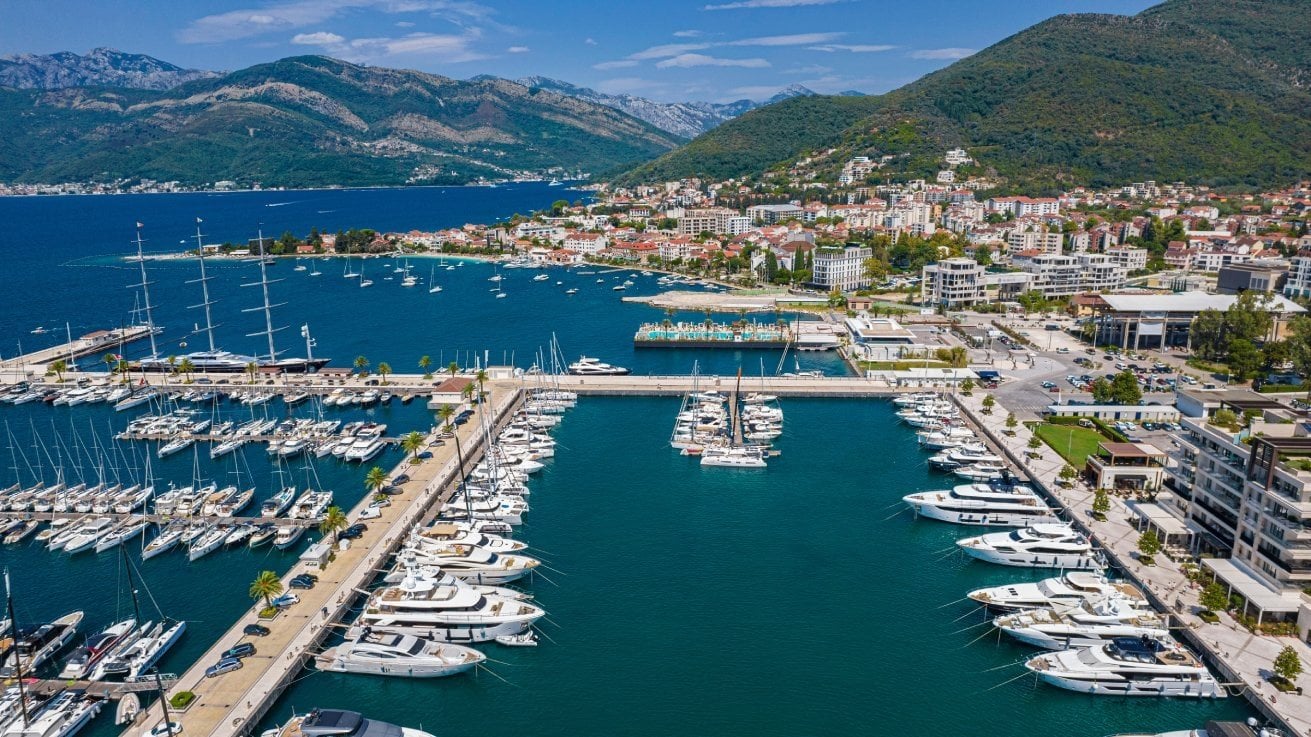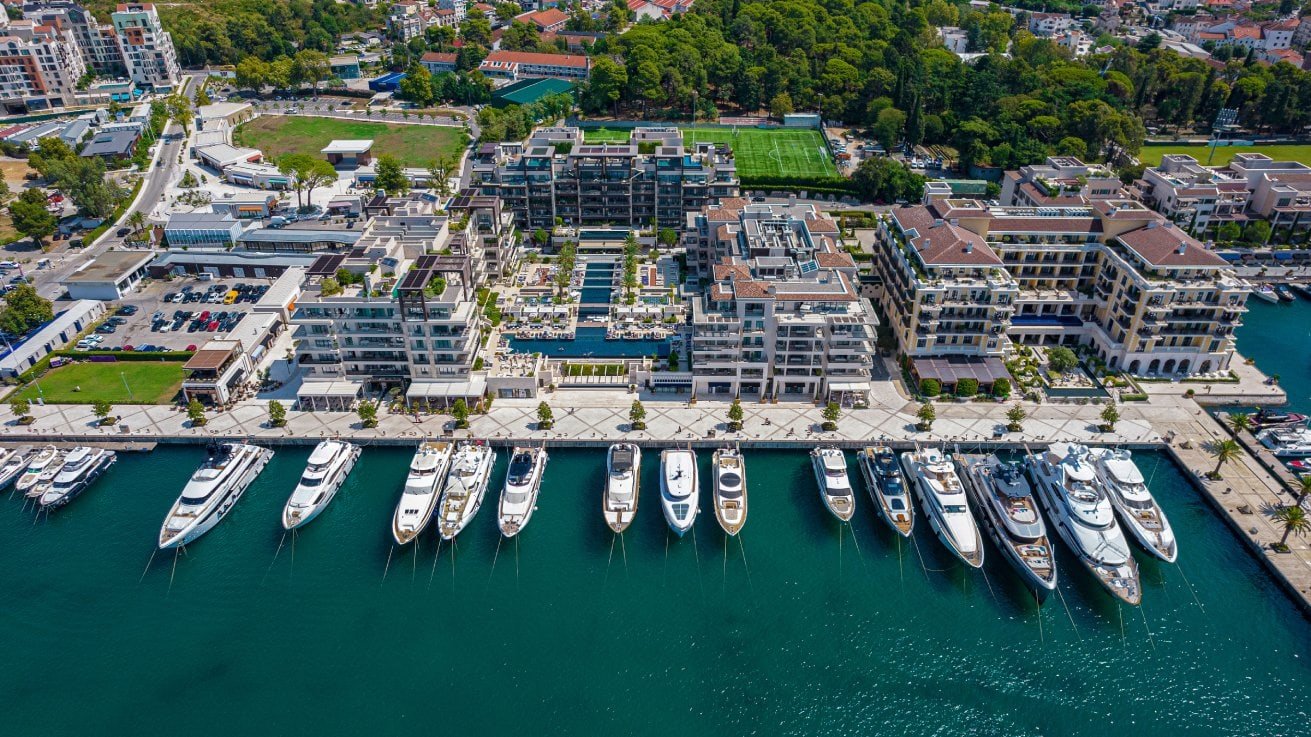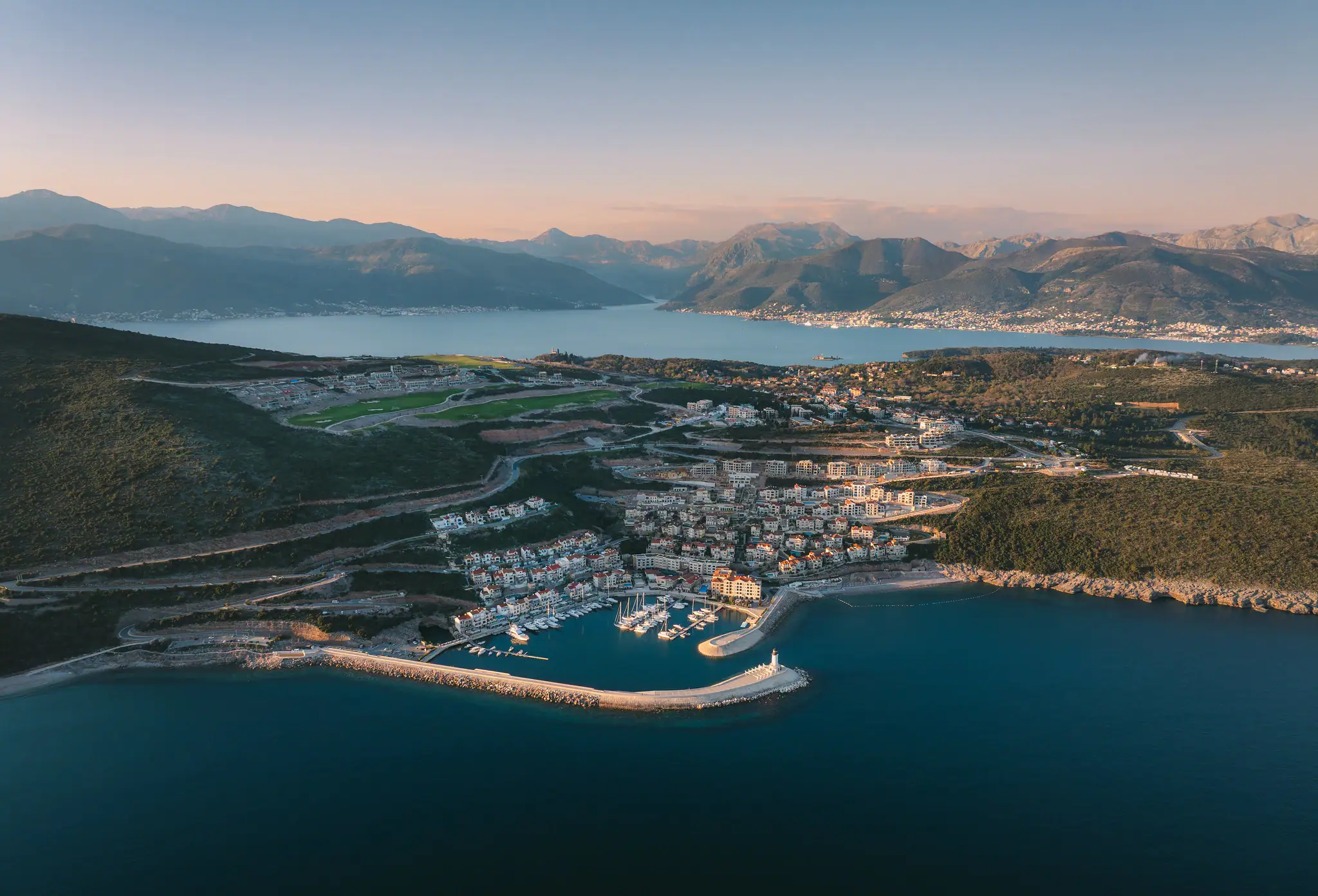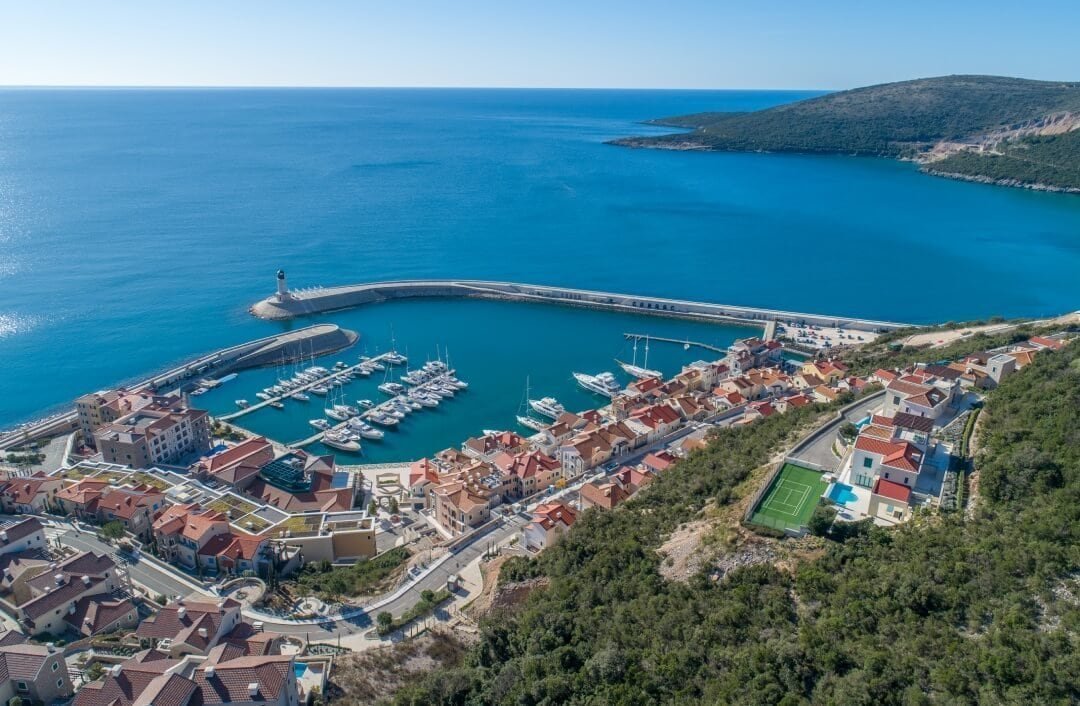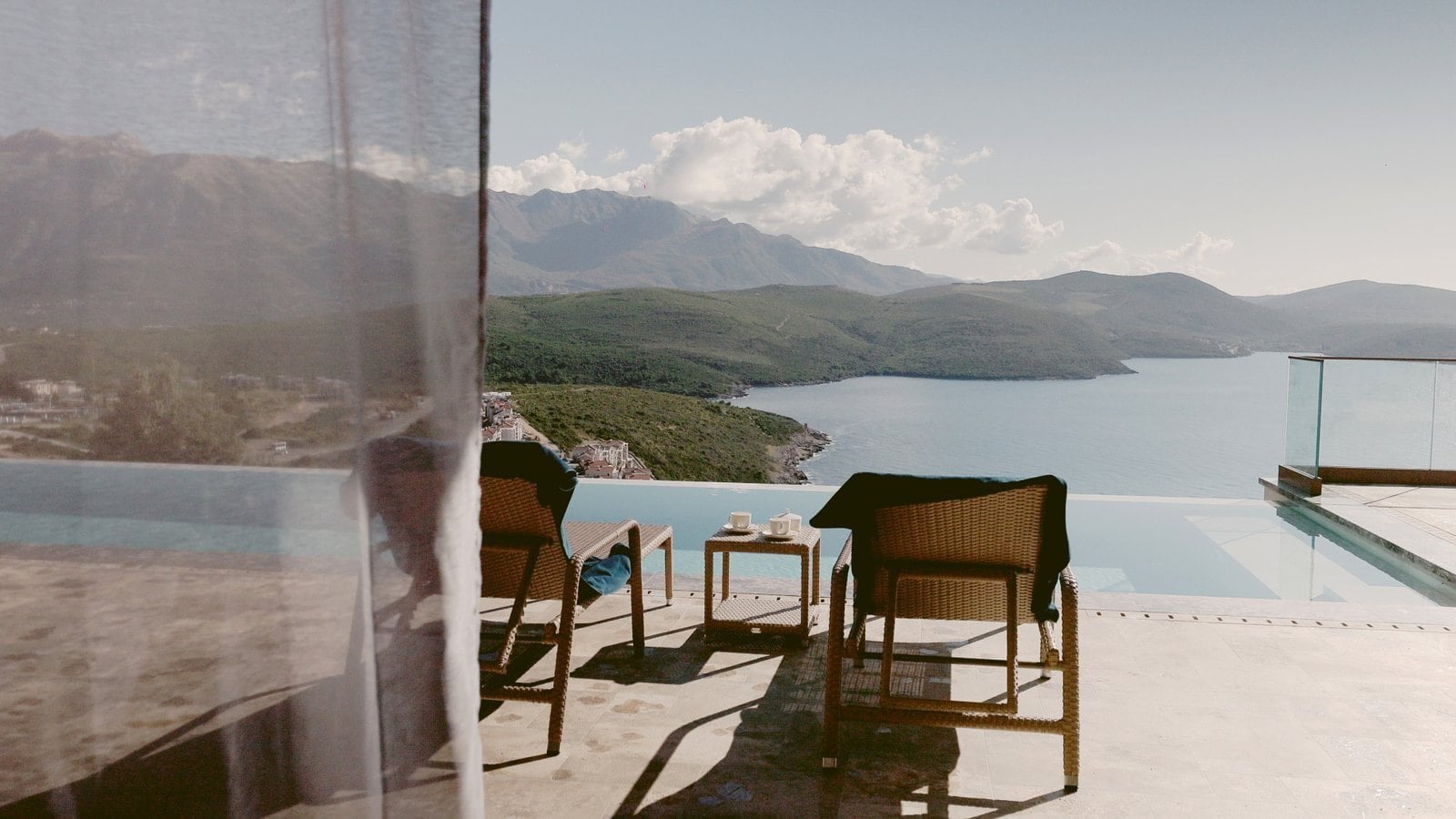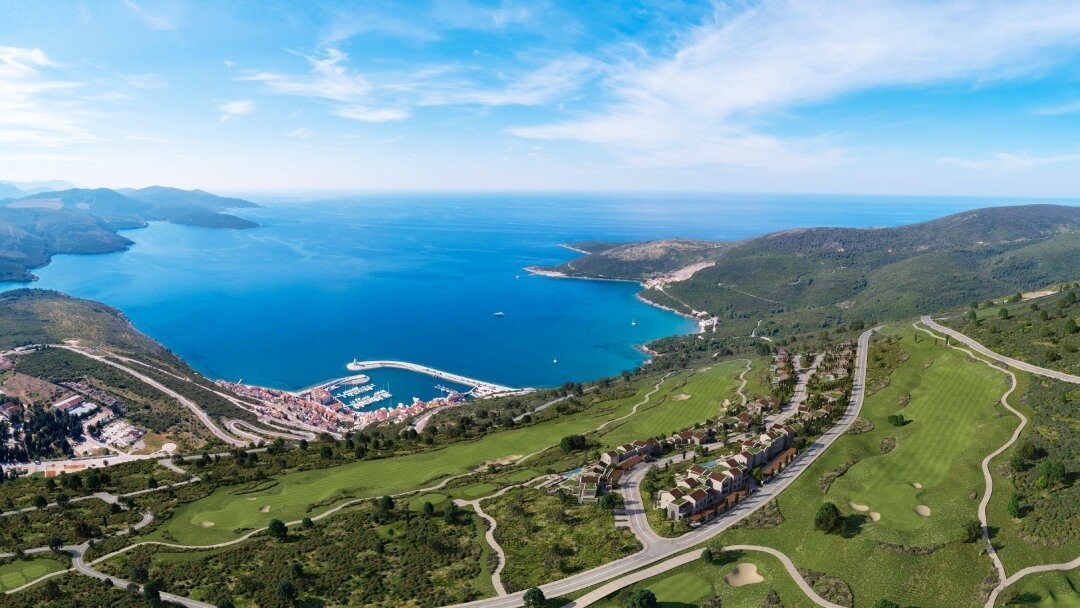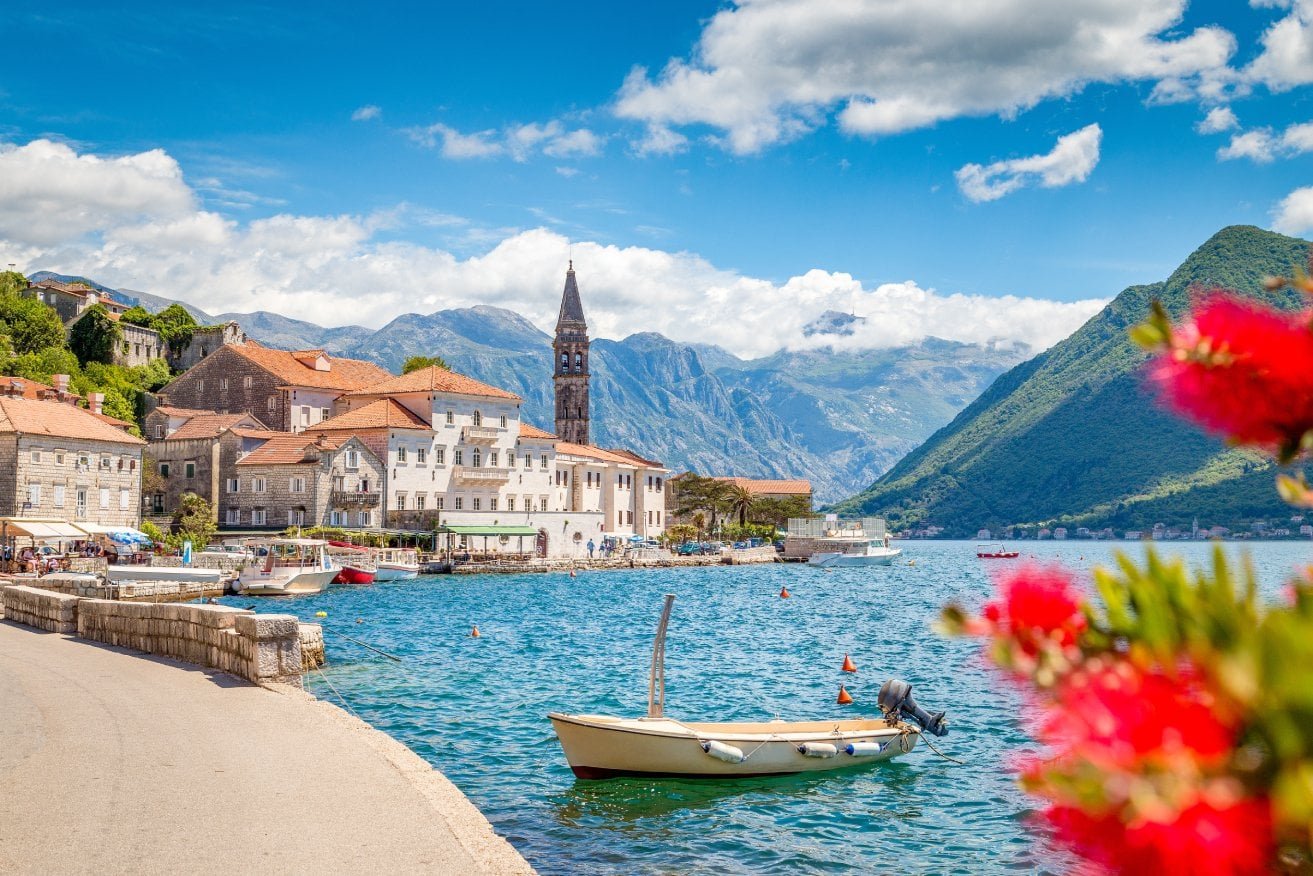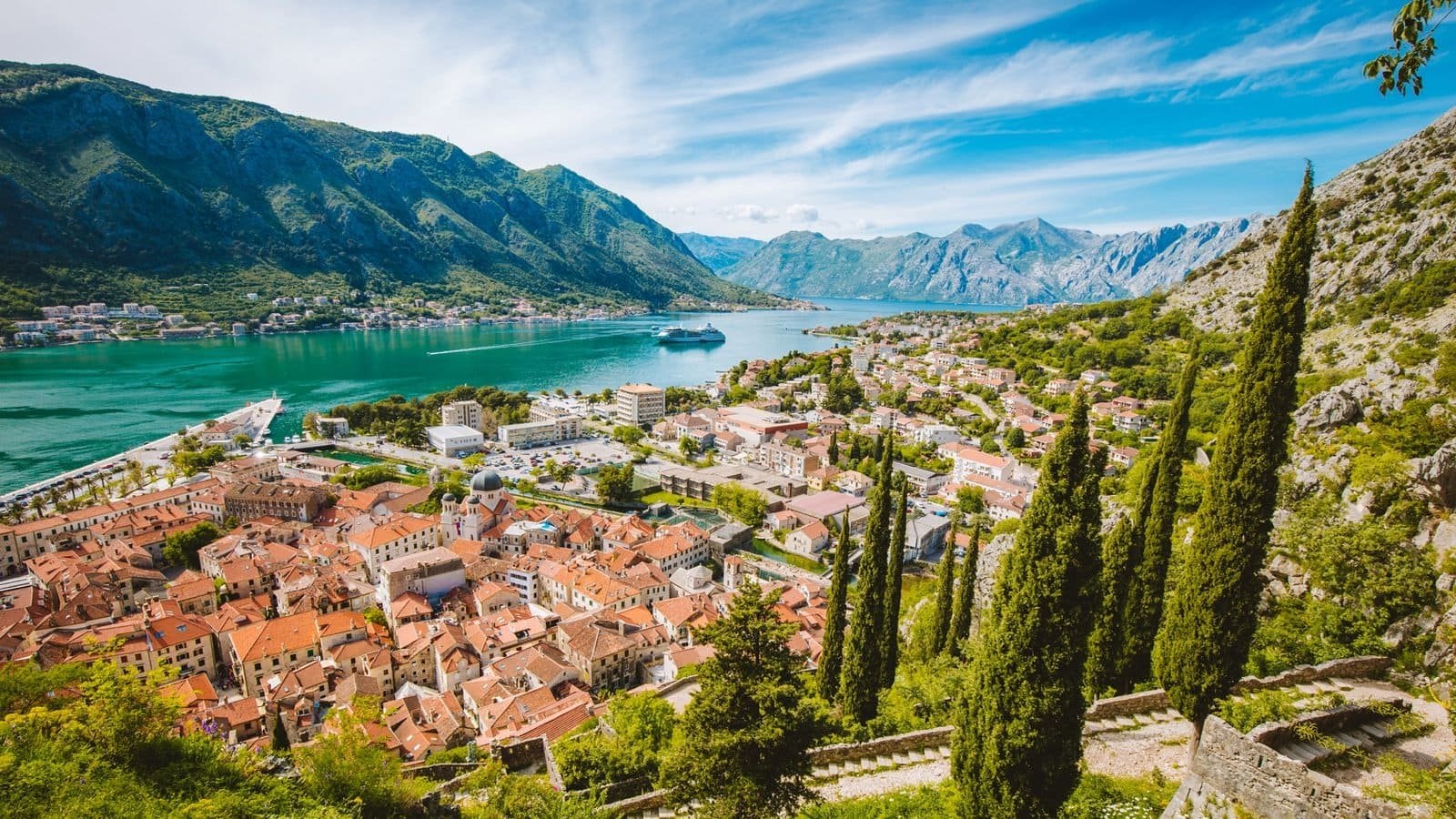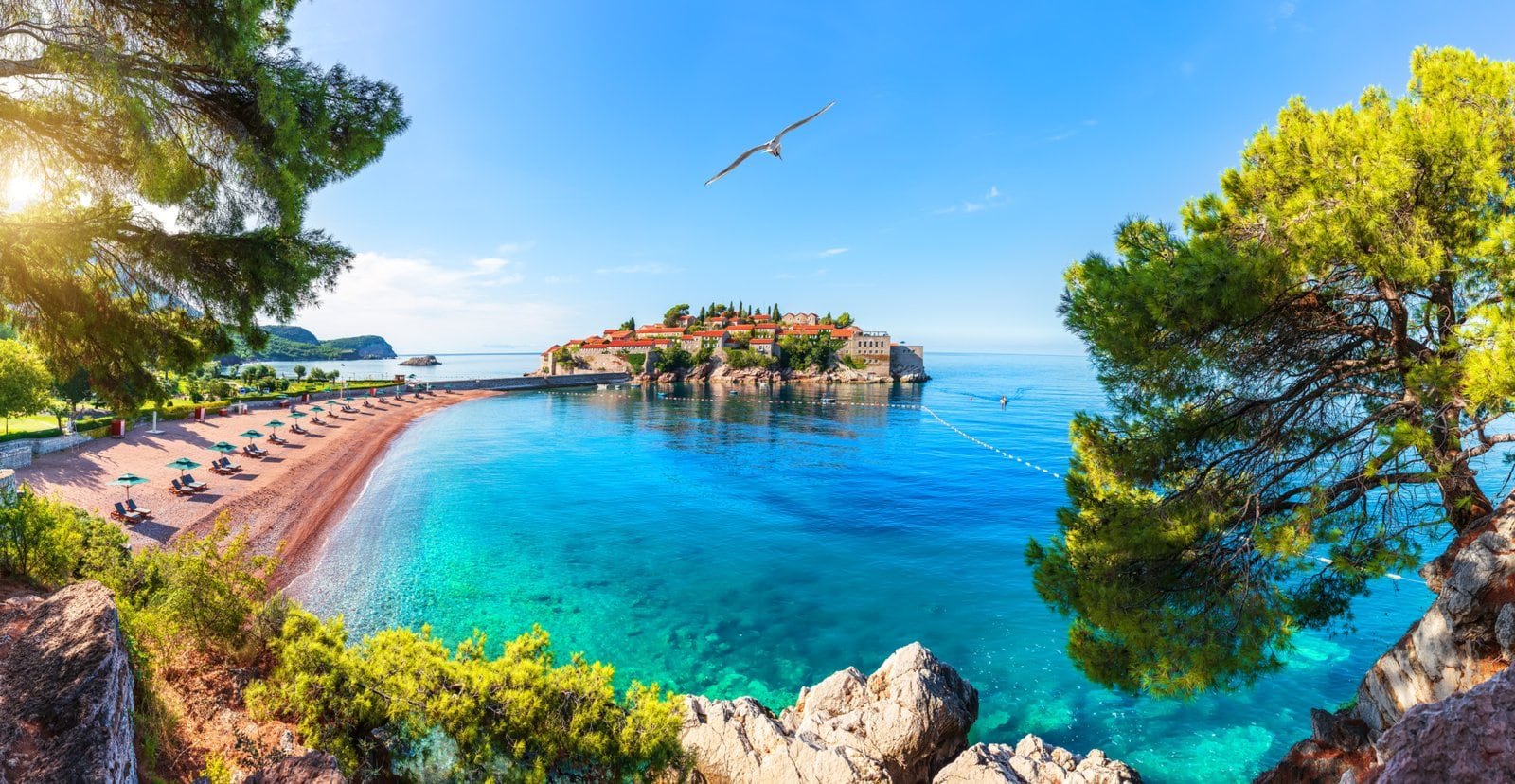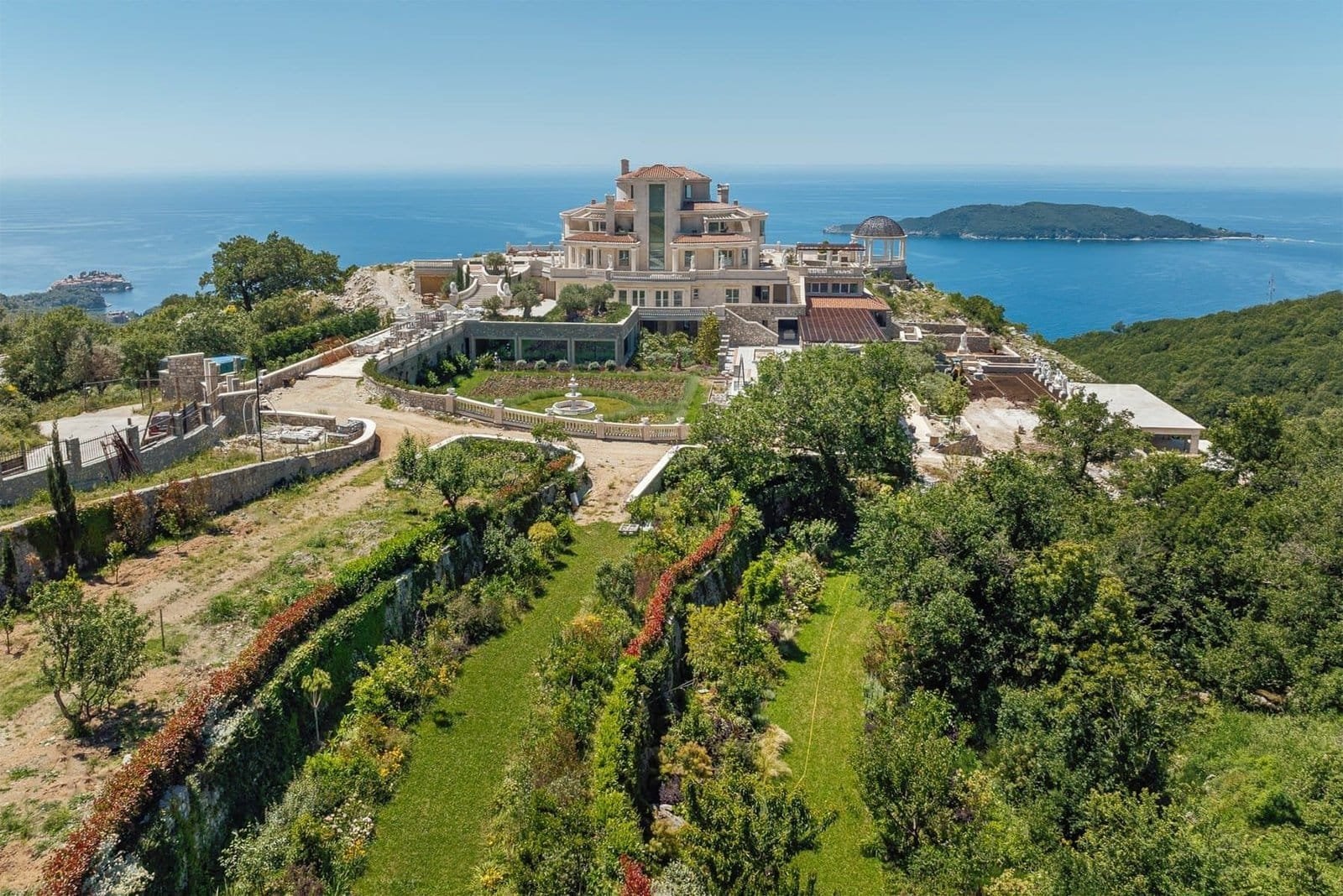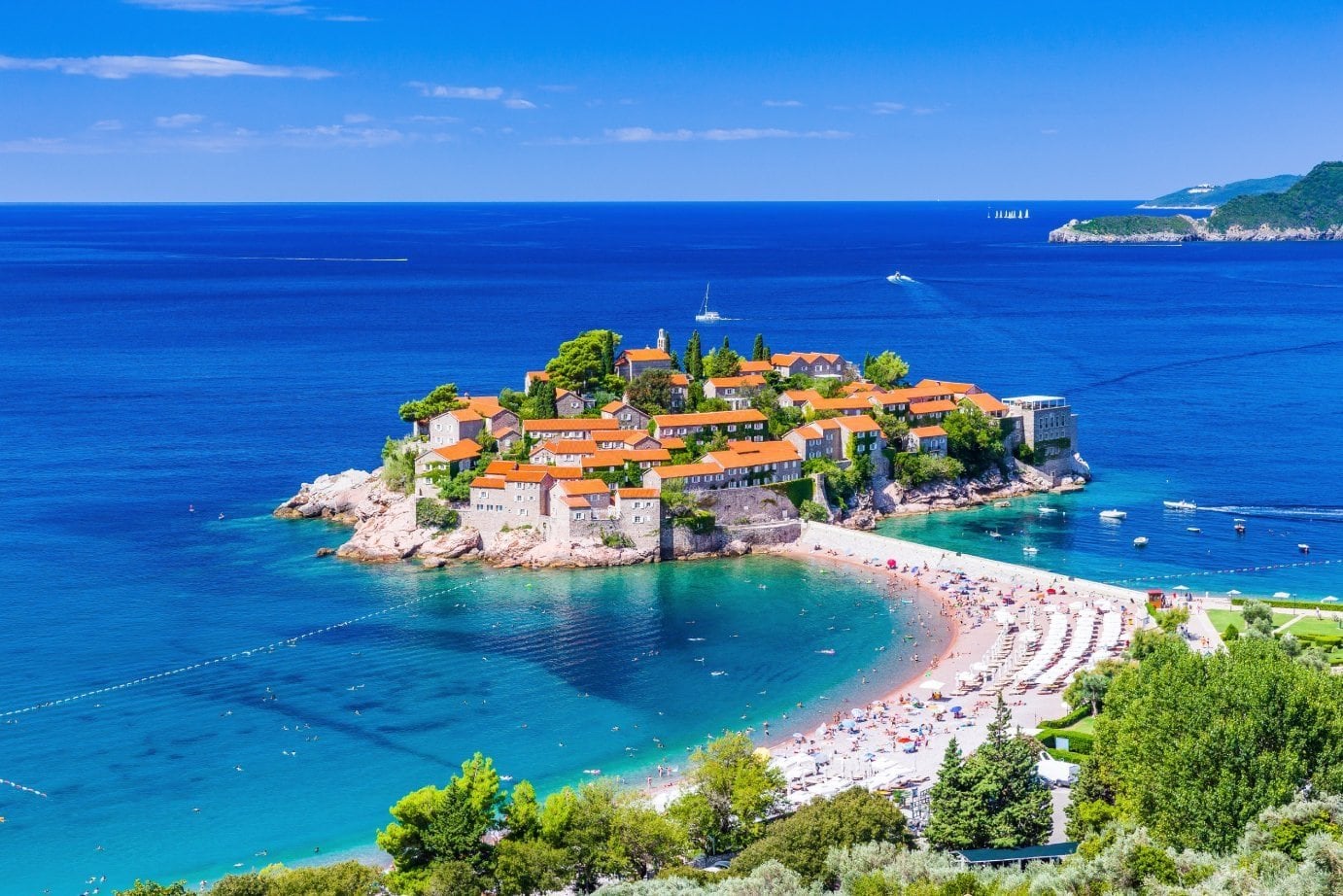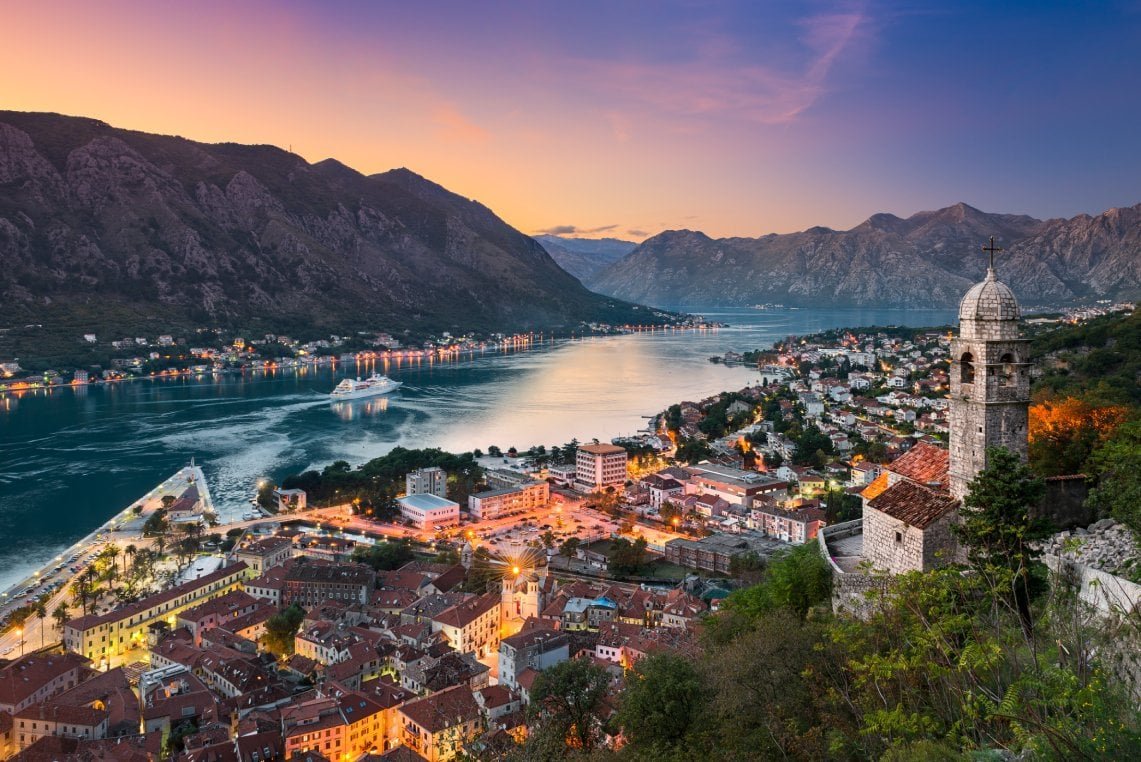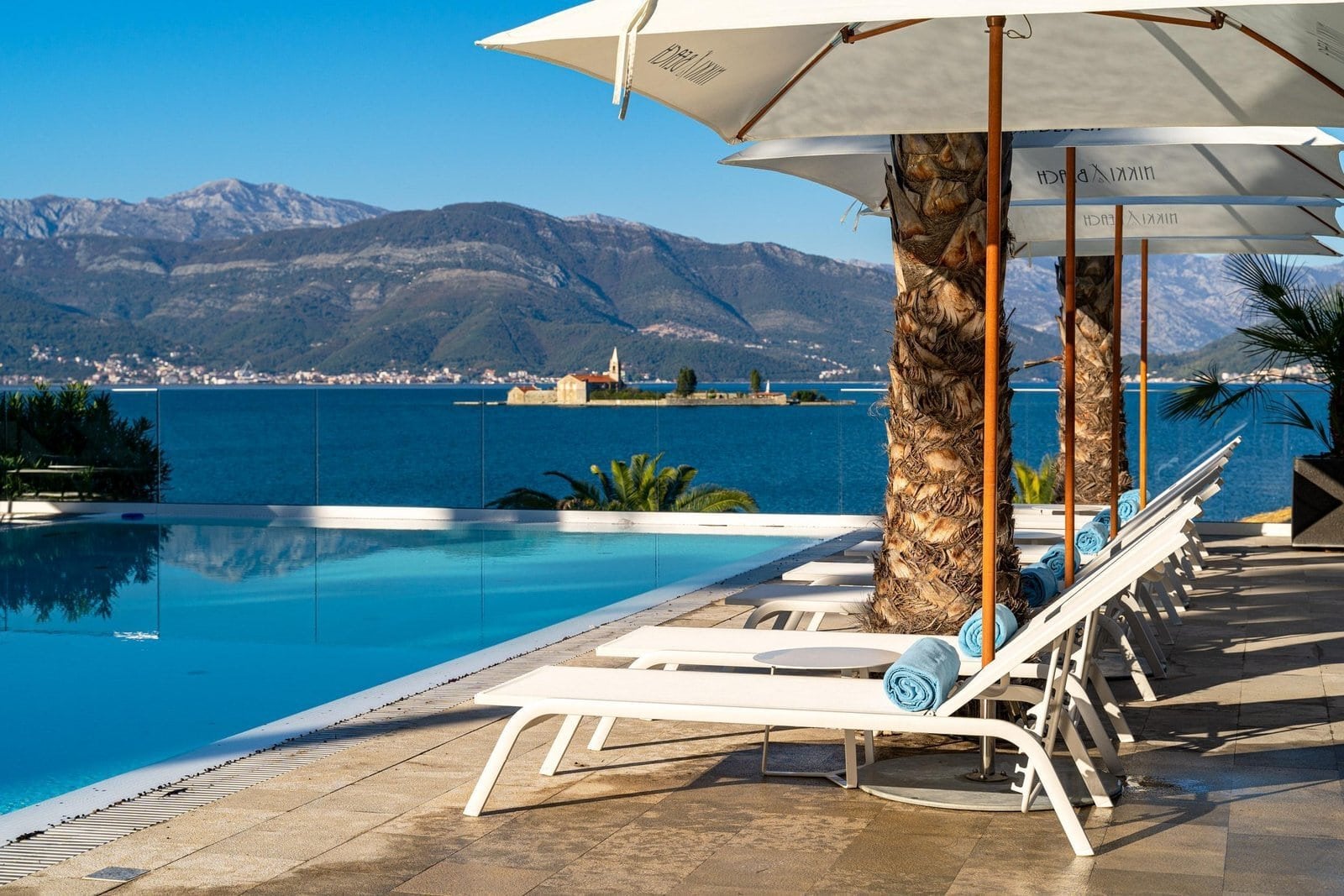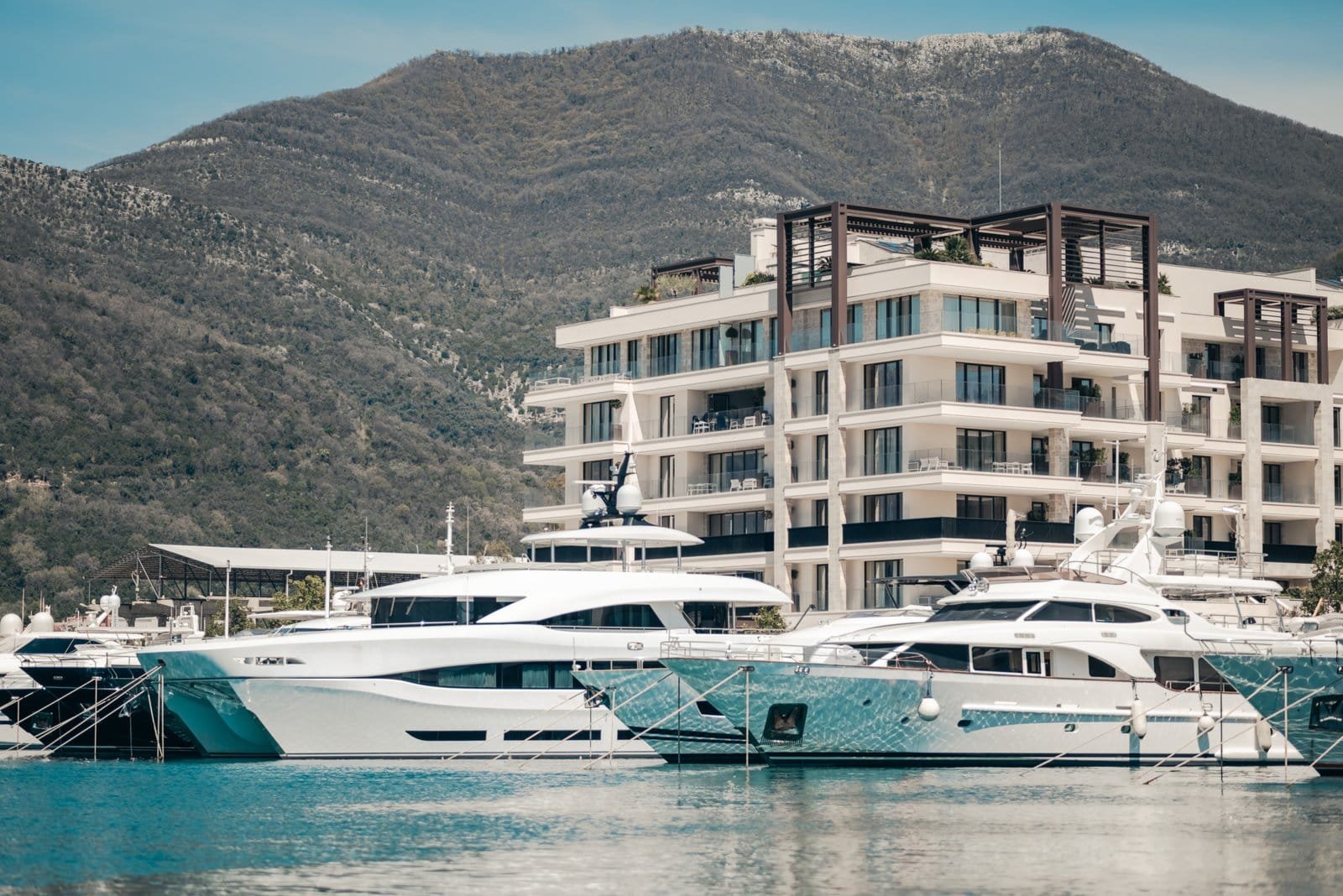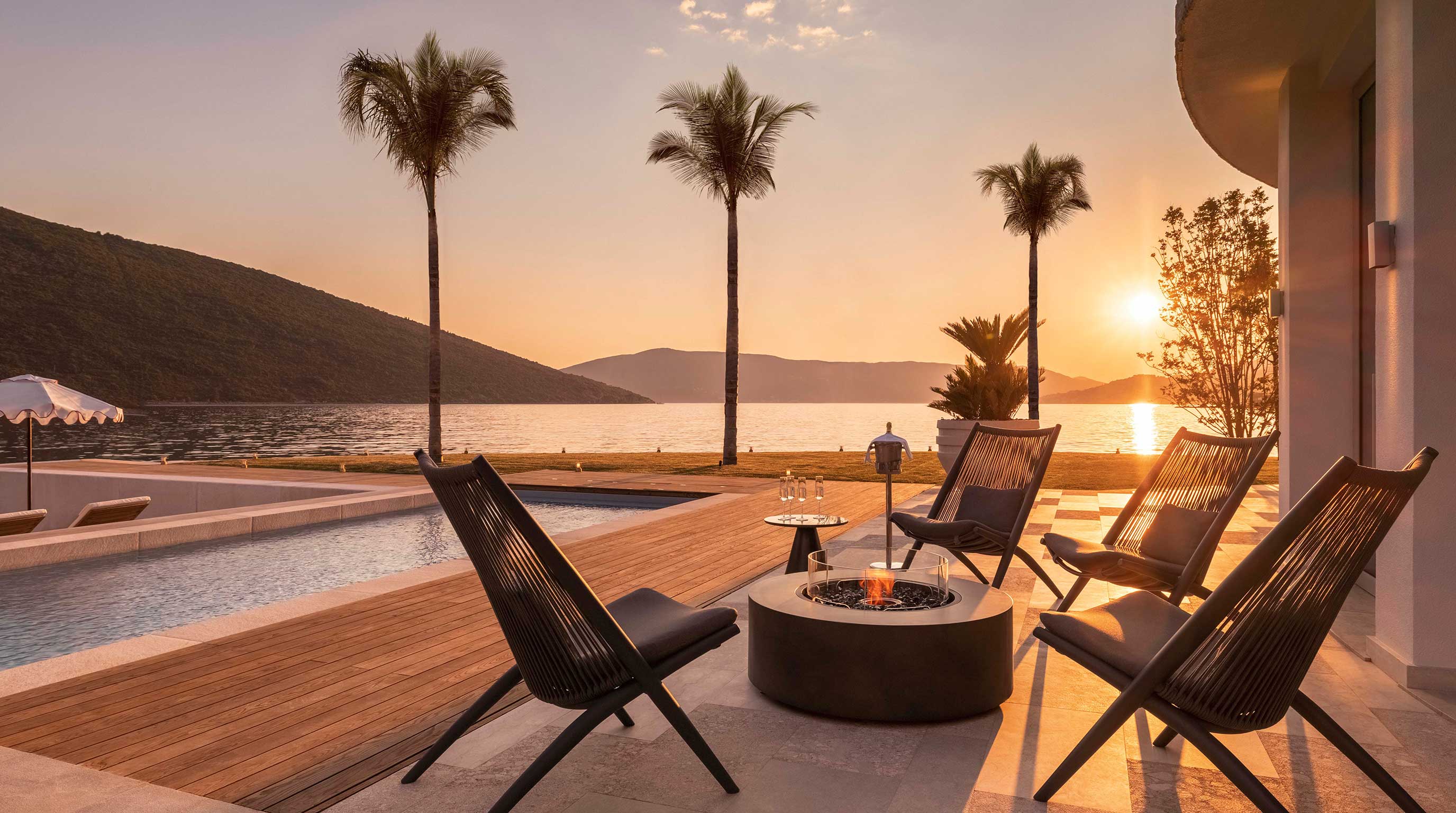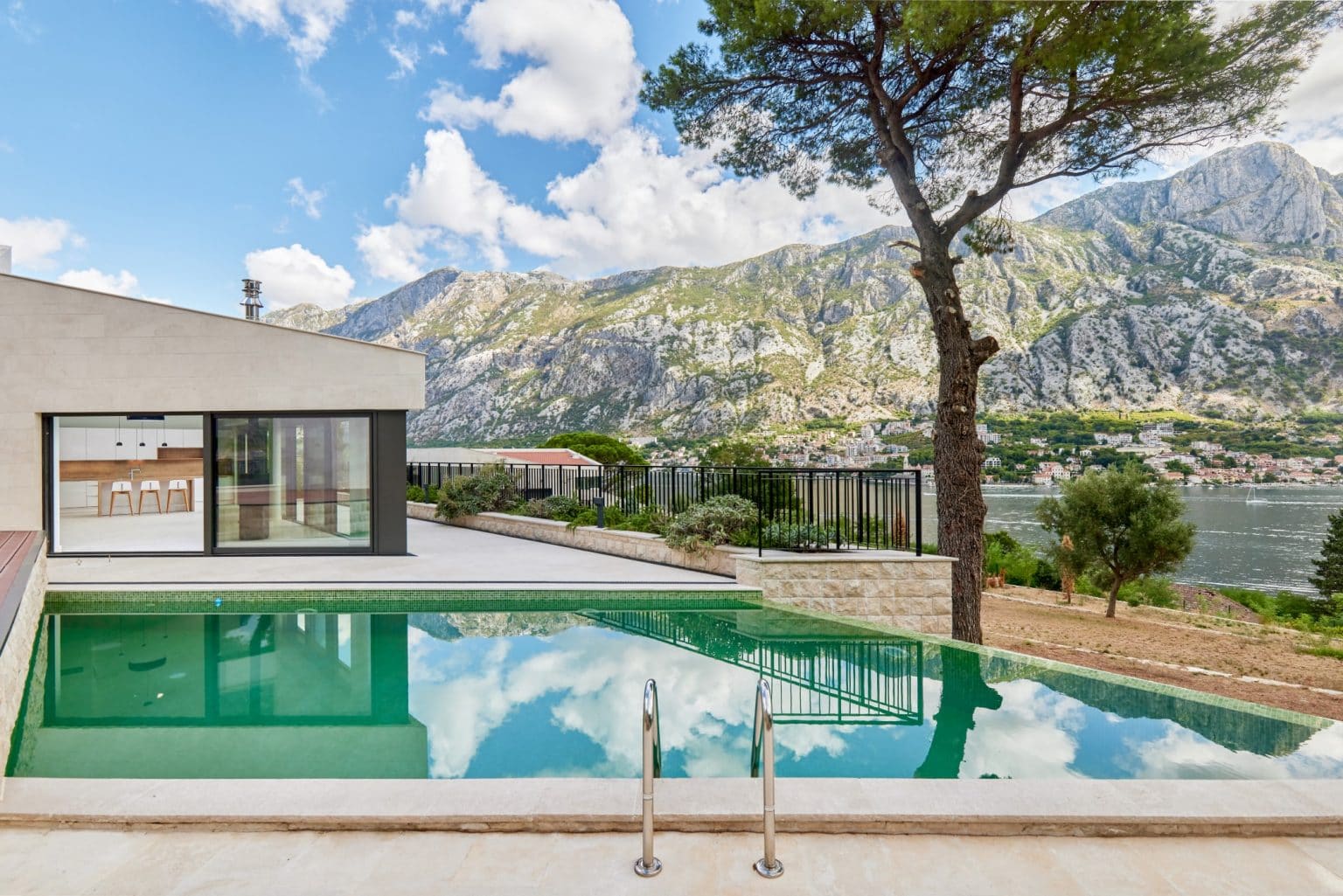
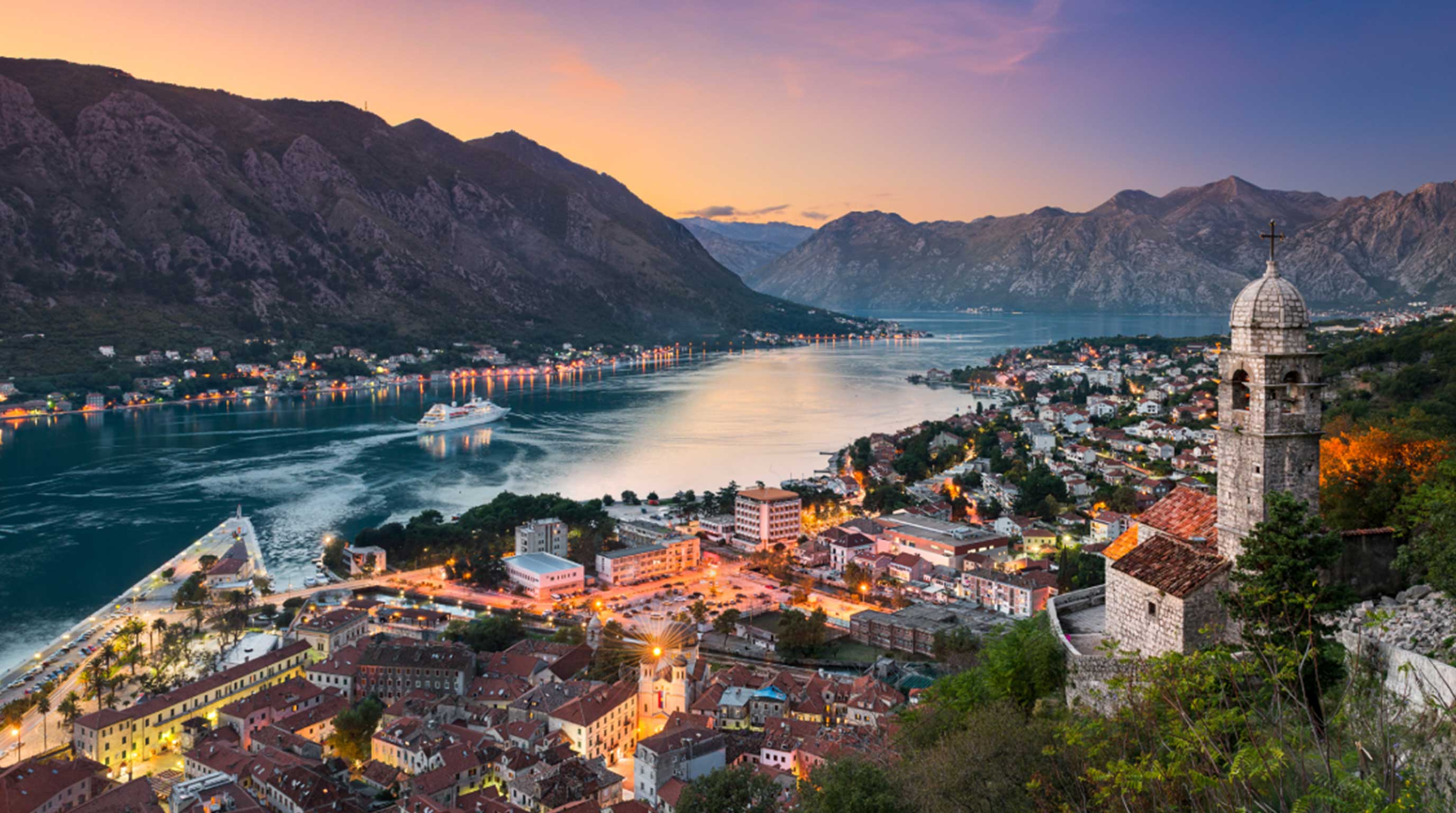
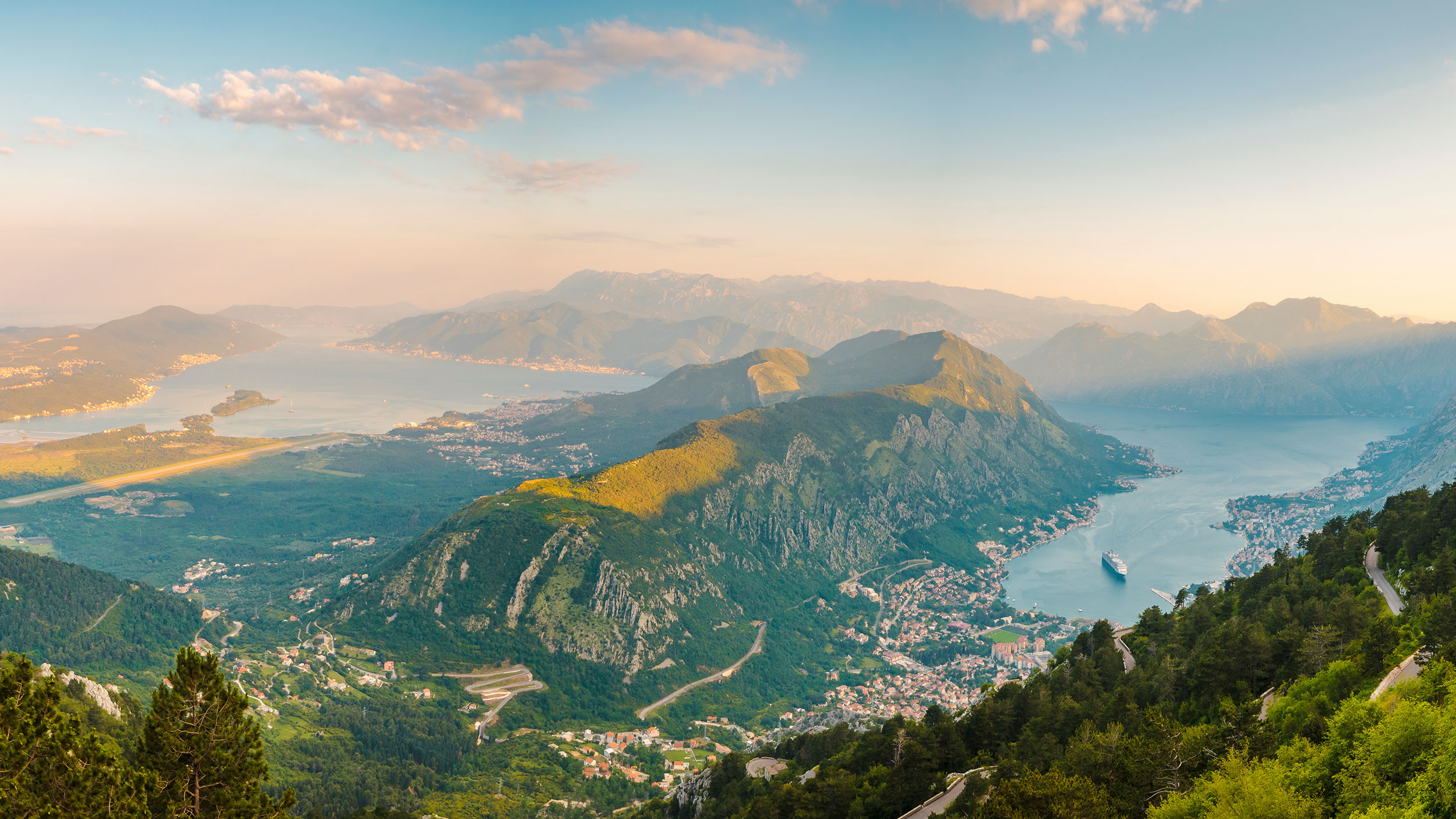
There is a particular quality to early morning on the Bay of Kotor. The water lies flat against ancient stone quays, church bells carry across the inlets from villages that have barely changed in three centuries, and the position of a villa on that shoreline shapes everything that follows: the angle of light through the bedroom shutters, the degree of privacy on the terrace, the ease with which you descend from your garden directly into the sea.
For international buyers considering waterfront villas on the Bay of Kotor, the draw runs considerably deeper than a water view. This is one of the Adriatic's most geographically distinctive settings, where UNESCO-listed heritage towns press against mountain-backed bays, shoreline supply is structurally limited, and the market carries both emotional resonance and measurable long-term weight. Understanding that market properly requires more than browsing listings. It requires knowing what separates a genuinely prime address from a merely attractive one.
This guide, prepared by the advisory team at Barok Estates International, is intended to give serious buyers the framework they need.
Why Bay of Kotor Waterfront Villas Hold Lasting Appeal
Not every waterfront address performs equally, even within the same body of water. On the Bay of Kotor, value is shaped by three converging forces: visual drama, strict scarcity, and a planning environment that continues to constrain new supply on the most desirable stretches of shore.
The shoreline itself is naturally finite. Montenegro's spatial planning legislation, administered through the Ministry of Spatial Planning, Urbanism and State Property, imposes significant restrictions on new construction in coastal and heritage zones. That means the number of genuinely prime villas, those combining direct water frontage, unobstructed views, and meaningful separation from neighbours, is not growing. It is, if anything, contracting as heritage protections tighten and the pool of willing sellers in the best positions remains thin.
This structural scarcity matters enormously for buyers thinking beyond a single season. A well-chosen waterfront villa on the bay can function simultaneously as a summer family base, a multigenerational holding, and a capital-preservation asset in a market that continues to attract significant international attention. According to data published by the Montenegrin Statistical Office, real estate transactions involving foreign nationals have risen consistently since 2020, with coastal municipalities, Kotor, Tivat and Herceg Novi among them, accounting for a disproportionate share of high-value deals.
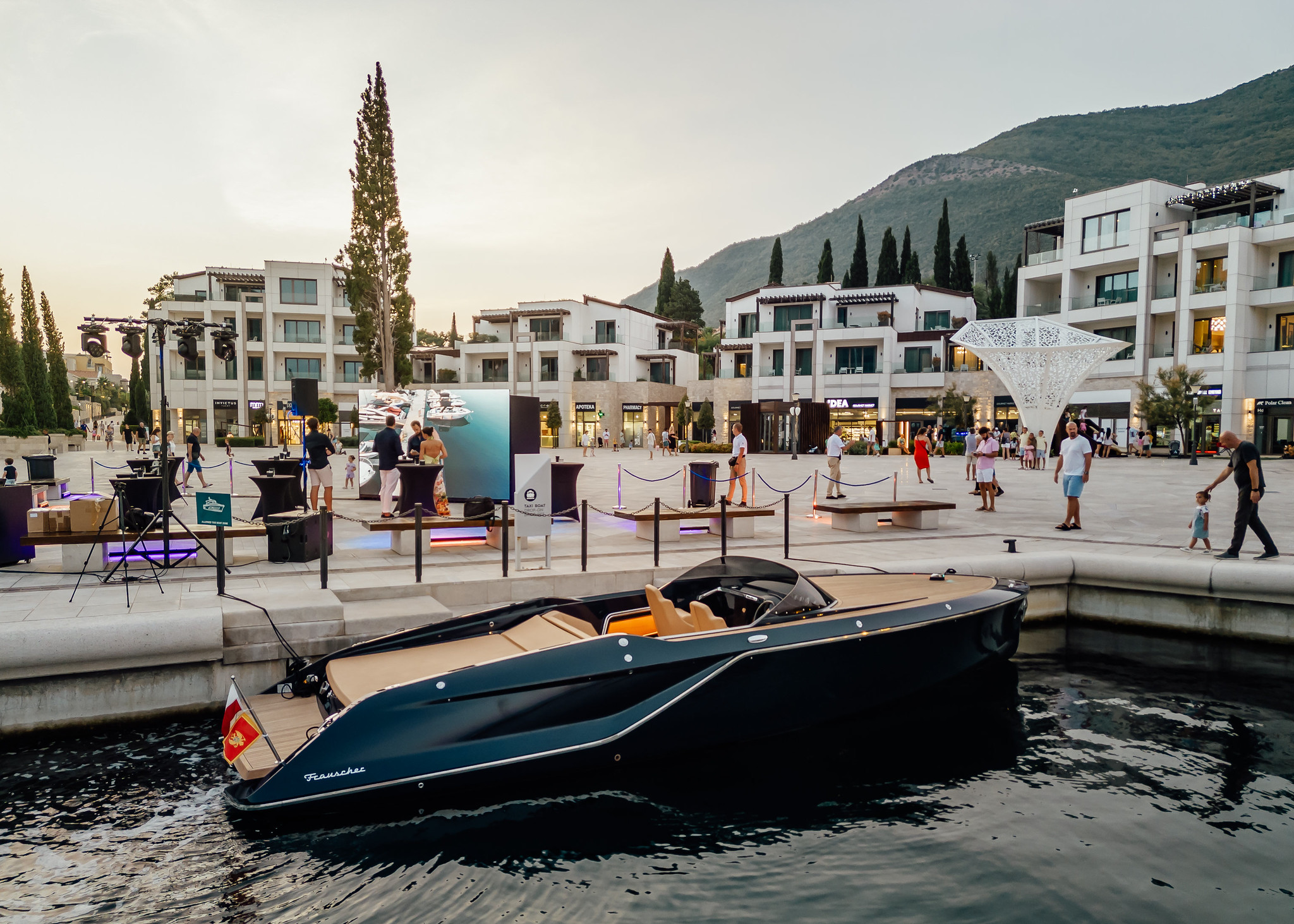
There is also a qualitative distinction between the Bay of Kotor and more overtly commercialised Mediterranean resort destinations. Certain pockets of the bay retain a genuinely residential character: stone houses that have belonged to the same families for generations, narrow waterfront roads where the pace is unhurried, and an architectural vernacular that rewards restraint rather than spectacle. Some buyers want branded marina infrastructure and all-day pool service. Others want a private stone house with a jetty, salt air, and a view of passing wooden sailboats. The bay accommodates both ambitions, but identifying which version suits your life requires honest thinking at the outset.
For a sense of what heritage-grade waterfront living looks like in practice, the Centuries of Story, One Palazzo Address on the Bay of Kotor illustrates the kind of address that rarely becomes available twice.
Choosing the Right Stretch of the Bay
The Bay of Kotor is not a single, uniform market. It is a series of interconnected micro-markets, each carrying a different character, a different buyer profile, and in many cases a meaningfully different price trajectory. Treating the bay as one homogeneous zone is one of the more common and more costly errors an acquiring buyer can make.
Dobrota
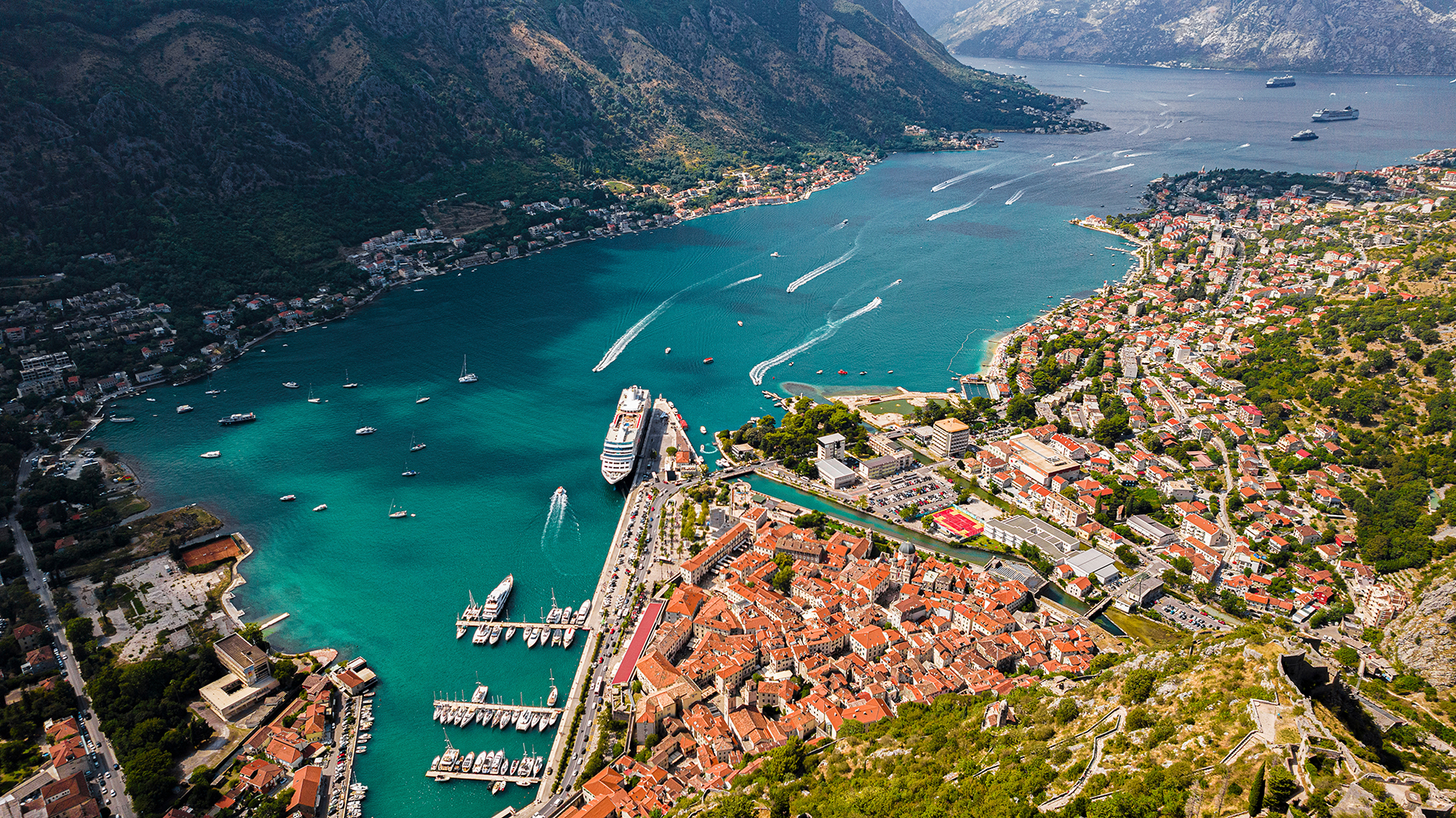
Dobrota is the elongated waterfront settlement that runs north from Kotor Old Town along the eastern shore. It appeals strongly to buyers who want proximity to Kotor's cultural life, restaurants, and services while maintaining a more genuinely residential atmosphere than the old town itself provides. Views here are broad and open, the water is close, and many of the finer villas occupy elegant positions directly on the promenade road. For owners who divide their time between the bay and other European cities and want arrival to feel effortless, Dobrota often provides the right balance of access and quality.
The Sovereign Bay Views and Five-Bedroom Splendour Above Timeless Kotor represents the kind of considered contemporary build in this zone that has genuine staying power, while Sovereign Bayfront Living: Five-Bedroom Villa Crown Jewel of Dobrota demonstrates what direct waterfront positioning at this scale can deliver.
Perast
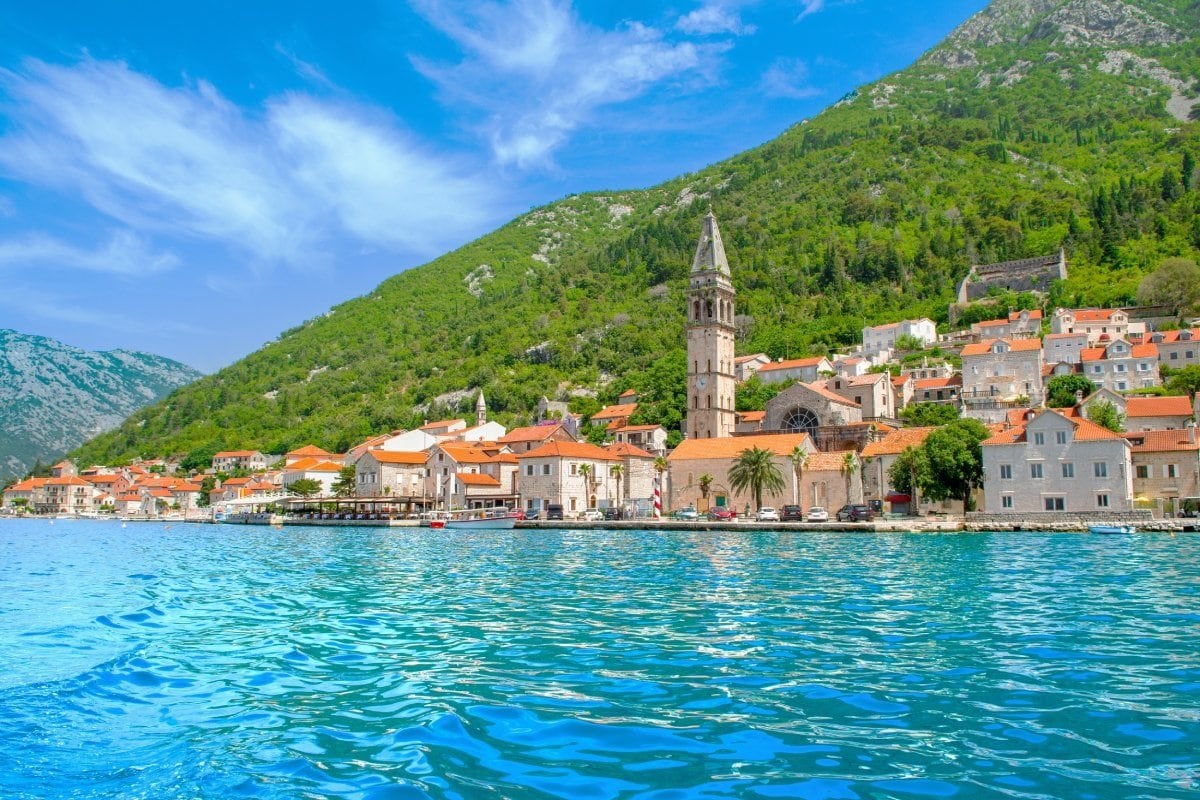
Perast is smaller, more tightly held, and in the view of many serious collectors of Adriatic property, without equal for heritage prestige. The village sits on a narrow promontory with Our Lady of the Rocks visible on its island just offshore, and the ensemble of baroque palaces and church towers is among the most photographed in the entire Adriatic region. Inventory here is genuinely scarce. Properties that do come to market often carry renovation complexity, parking constraints, and the particular demands of working within heritage conservation frameworks. For buyers to whom those trade-offs are acceptable, owning in Perast is less a real estate decision and more the acquisition of a singular cultural position.
Prcanj, Stoliv and Orahovac
These villages tend to appeal to buyers seeking a quieter cadence. Prcanj and Stoliv offer distinguished period homes with a more discreet atmosphere; they are addresses where owners arrive, settle, and are rarely seen in the broader marina circuit. Orahovac, tucked into the inner bay, attracts buyers who place particular value on clean water, a strong sense of retreat, and minimal vehicular intrusion. For a property that captures the spirit of this more private register of bay living, Stone, Sea and Private Moorings: Adriatic Living at Its Most Privileged is instructive.
The Herceg Novi Side
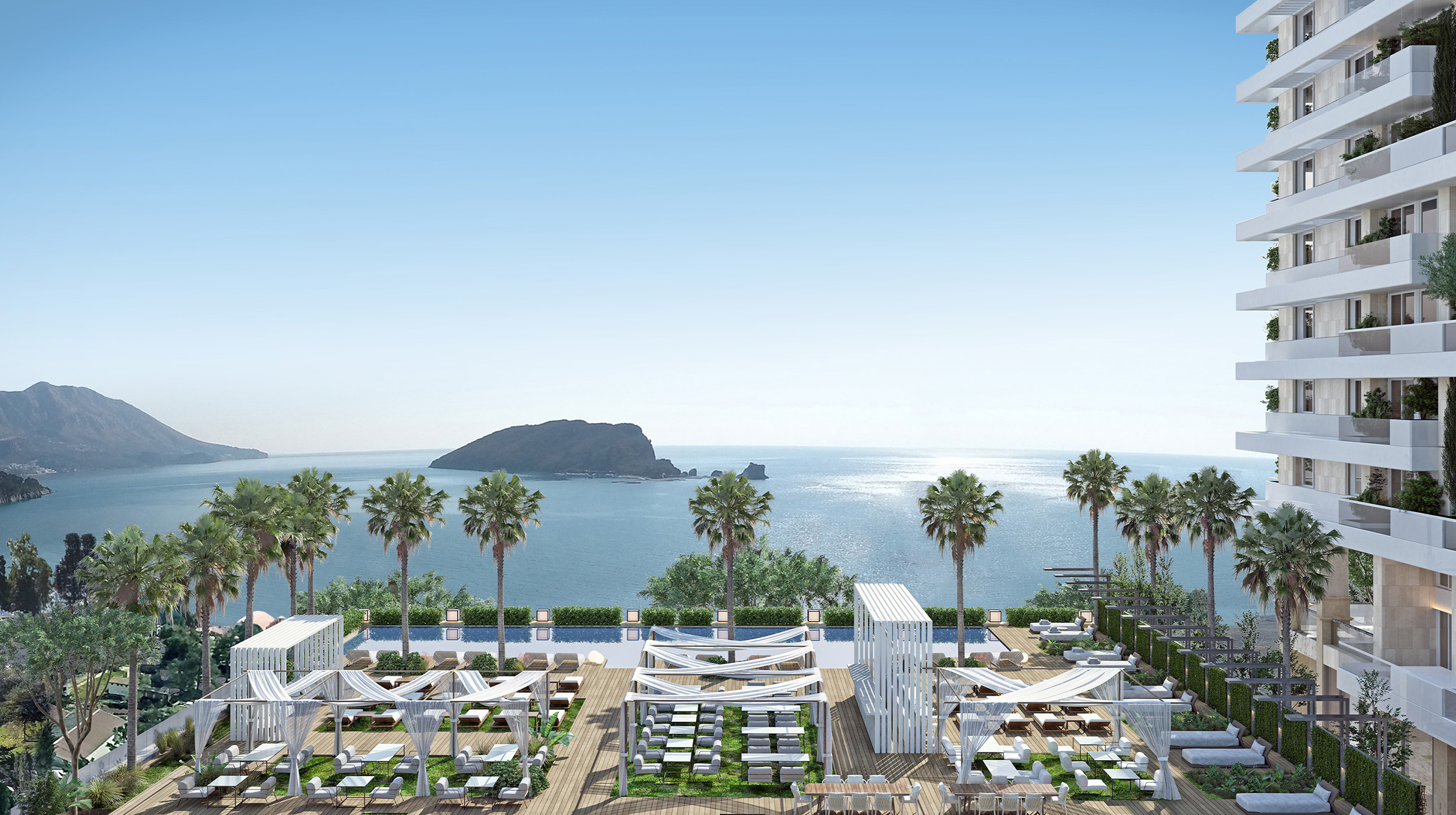
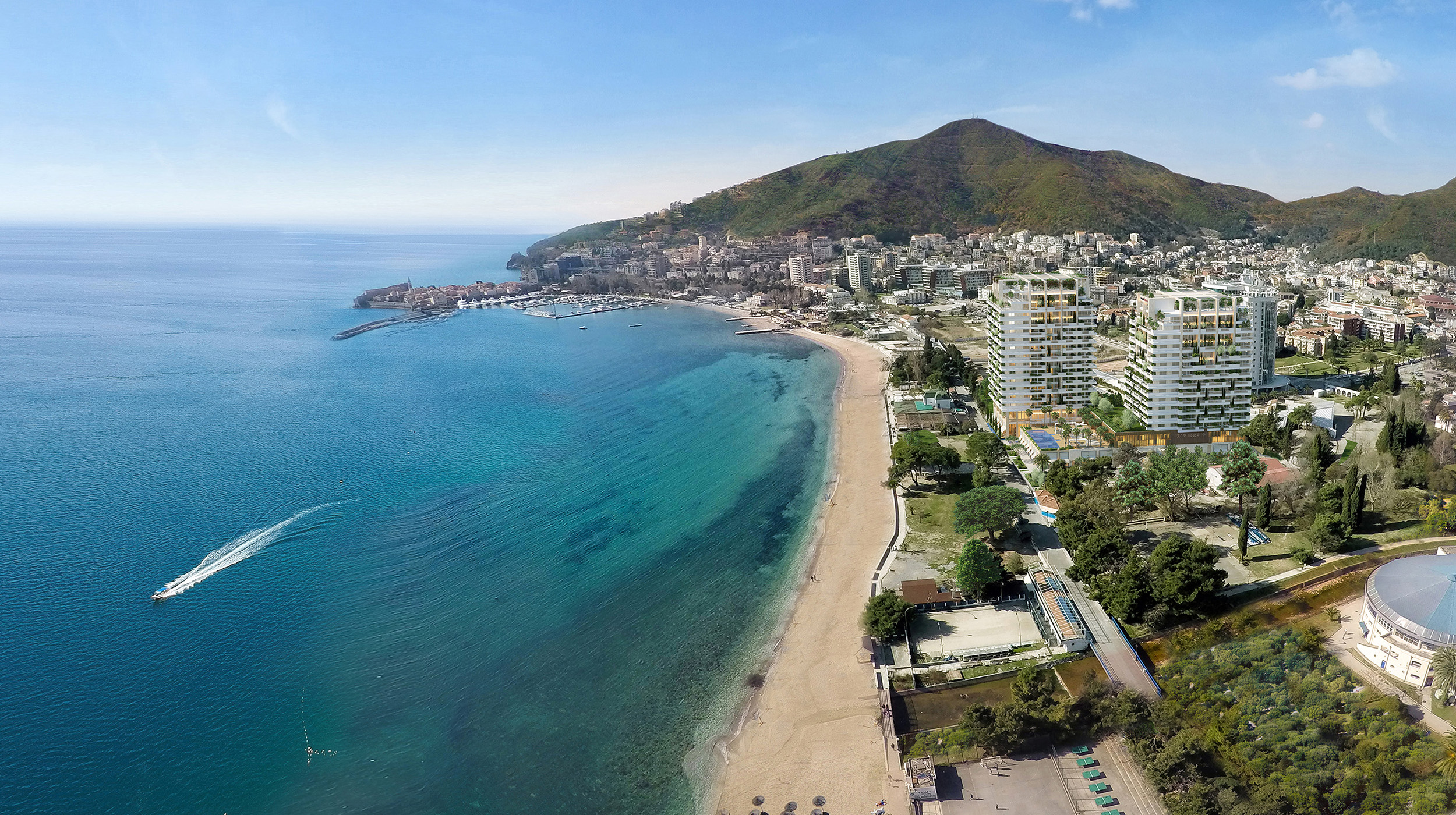
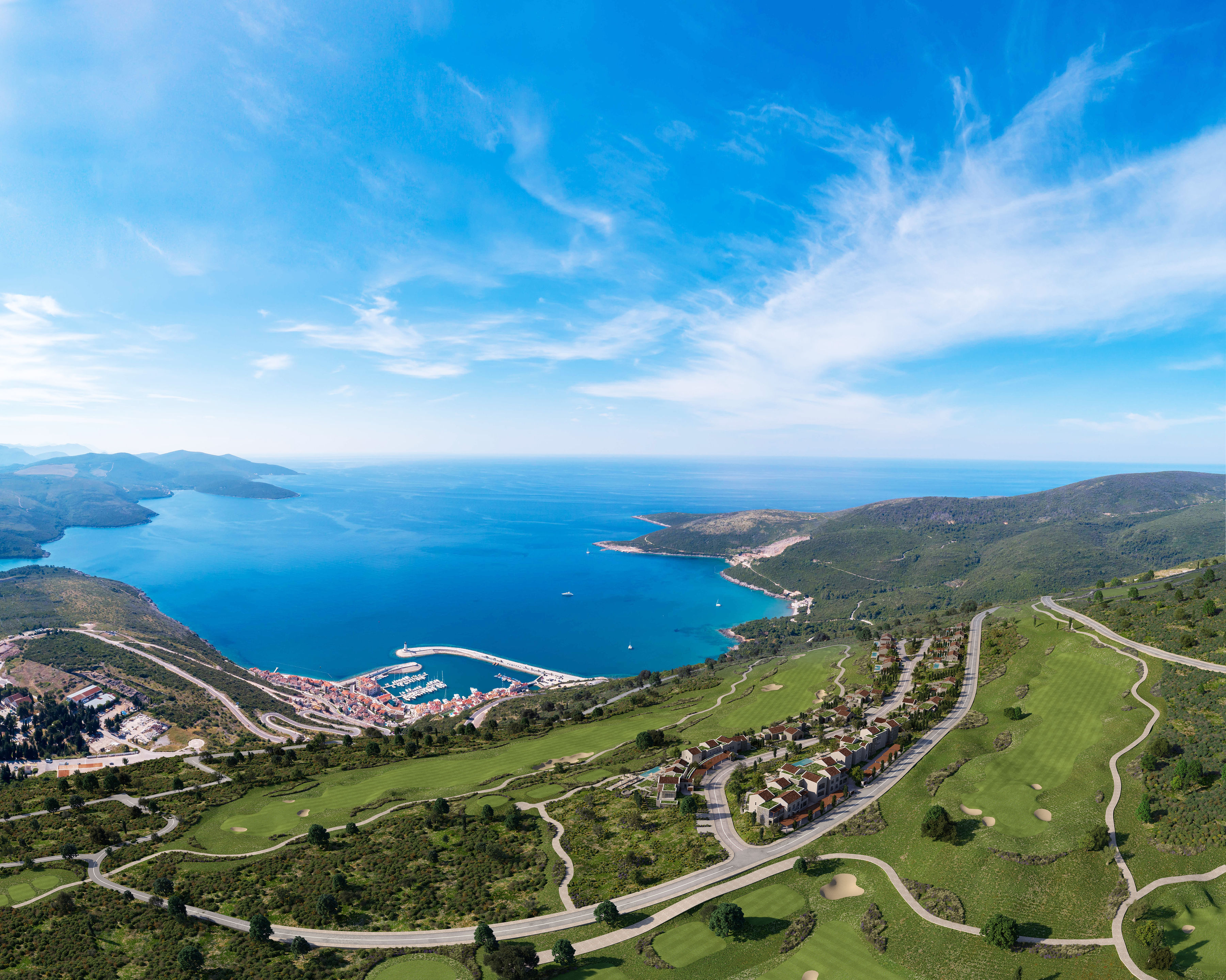
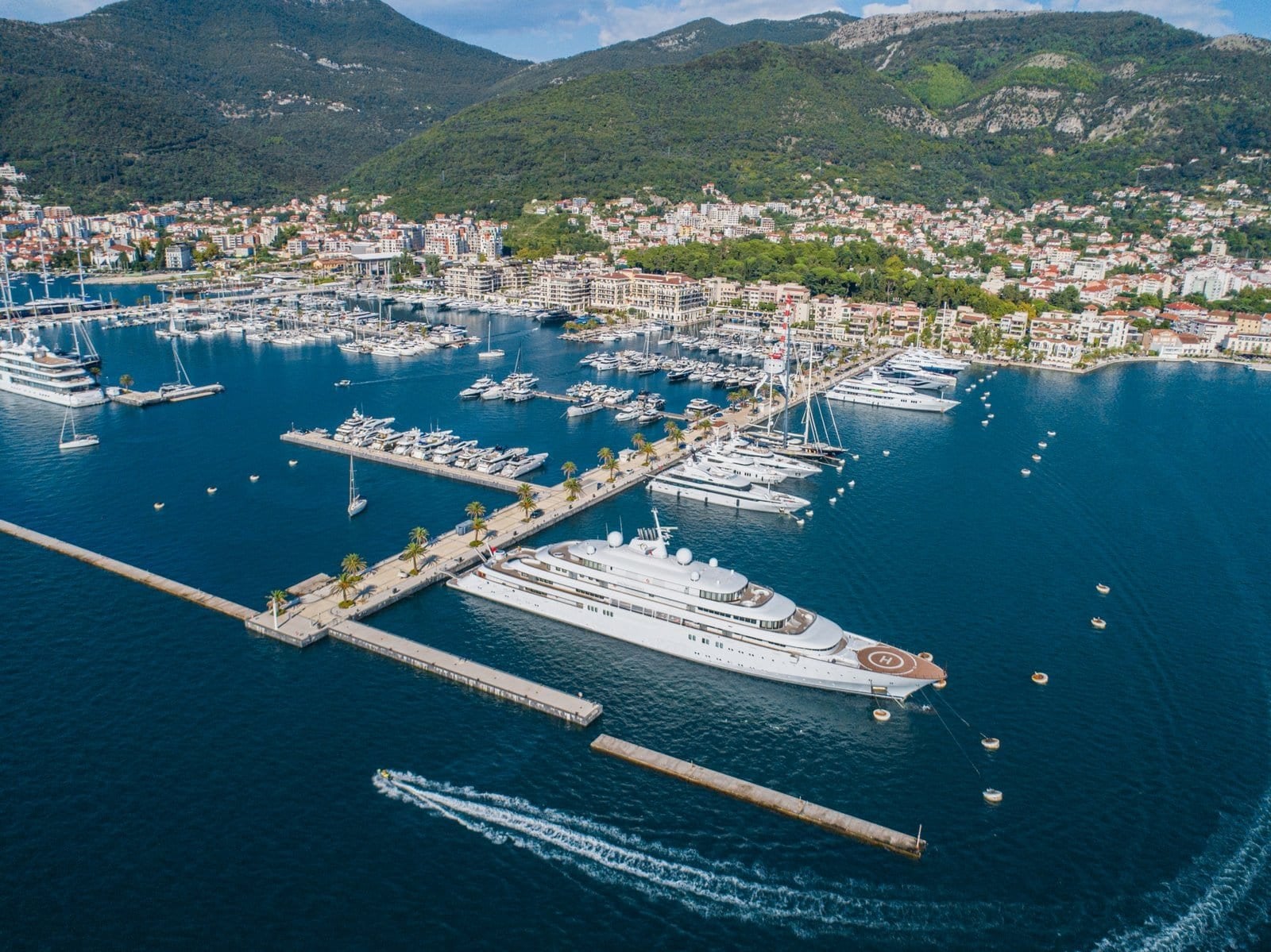
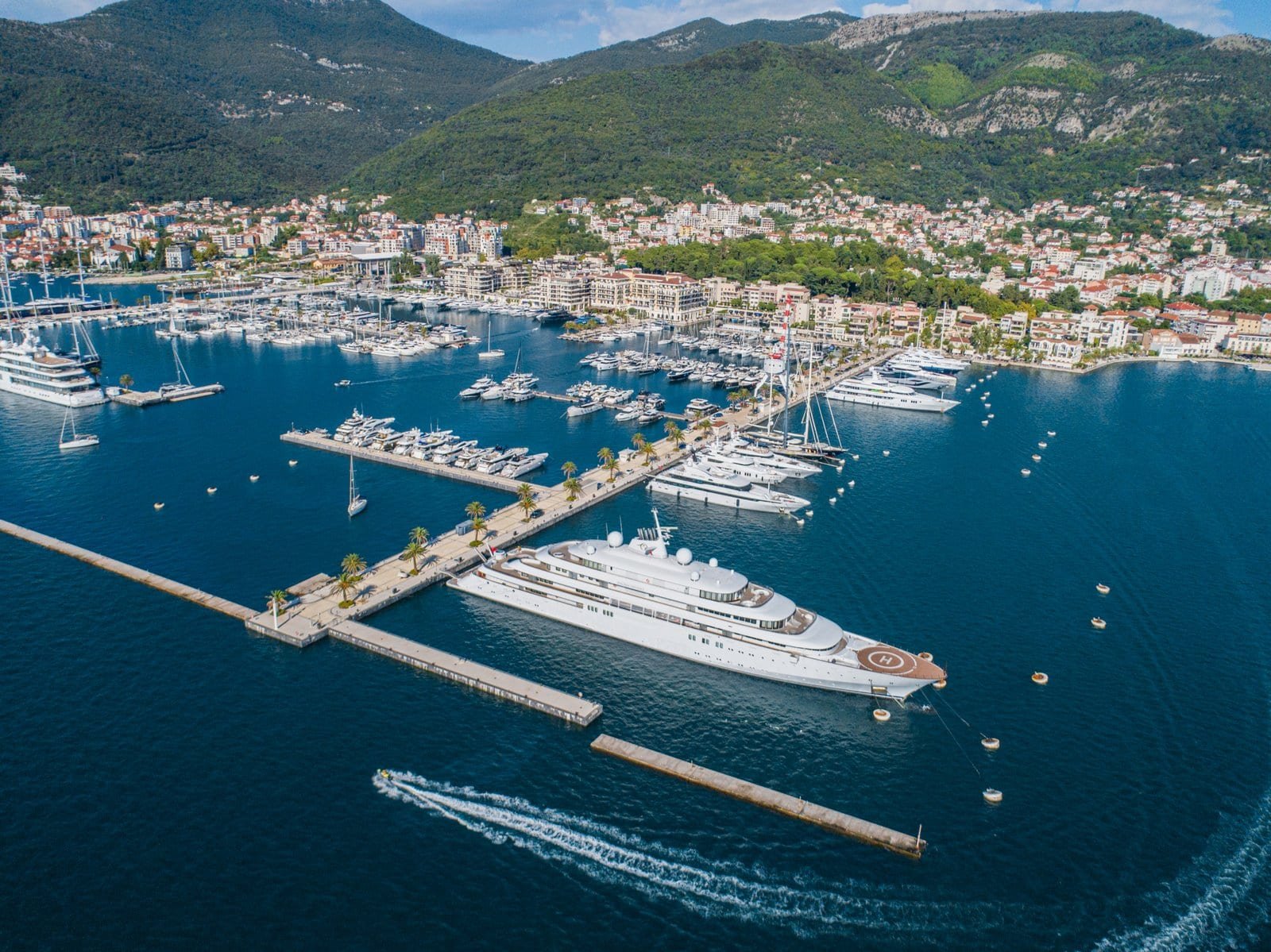
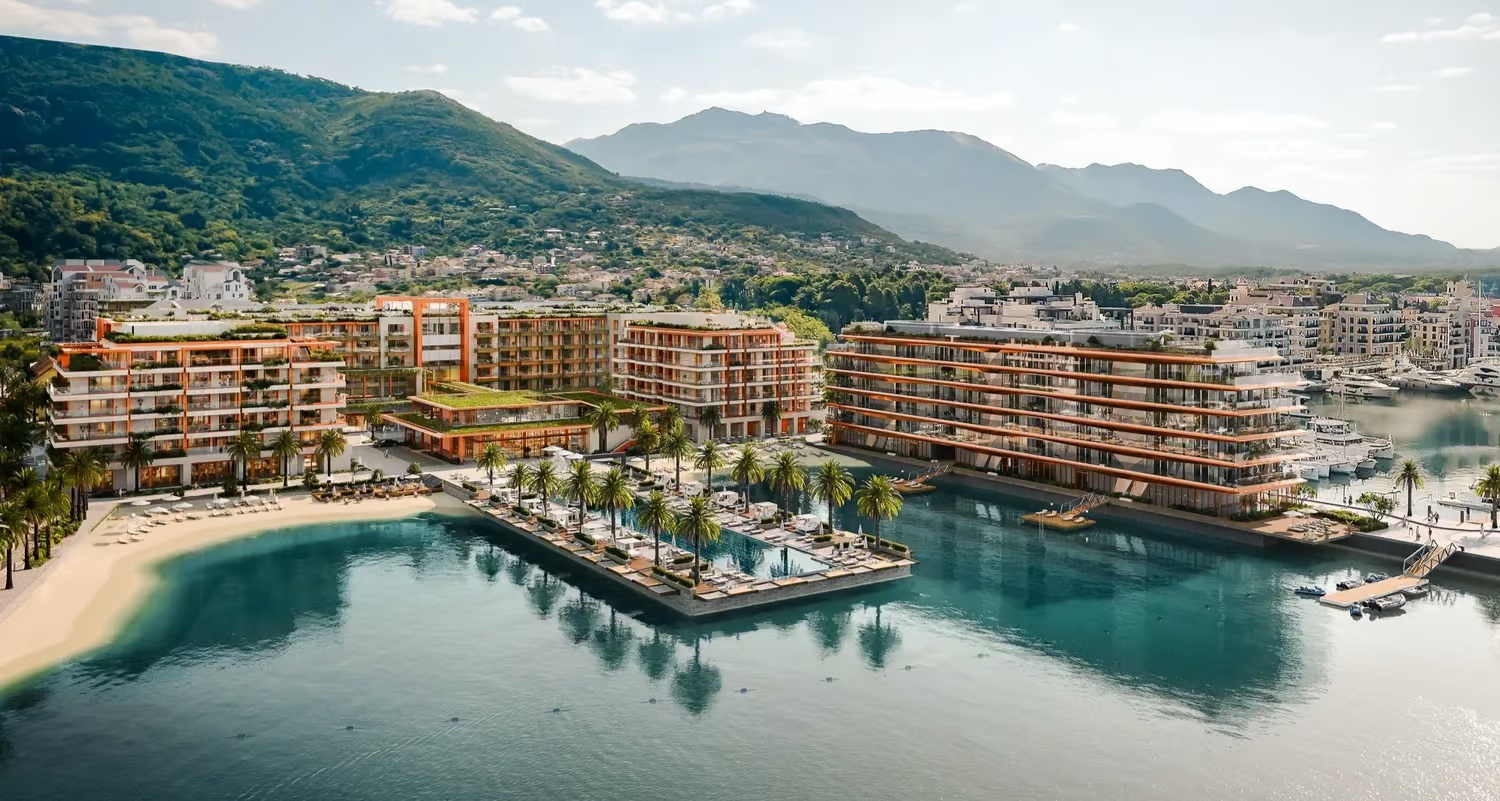
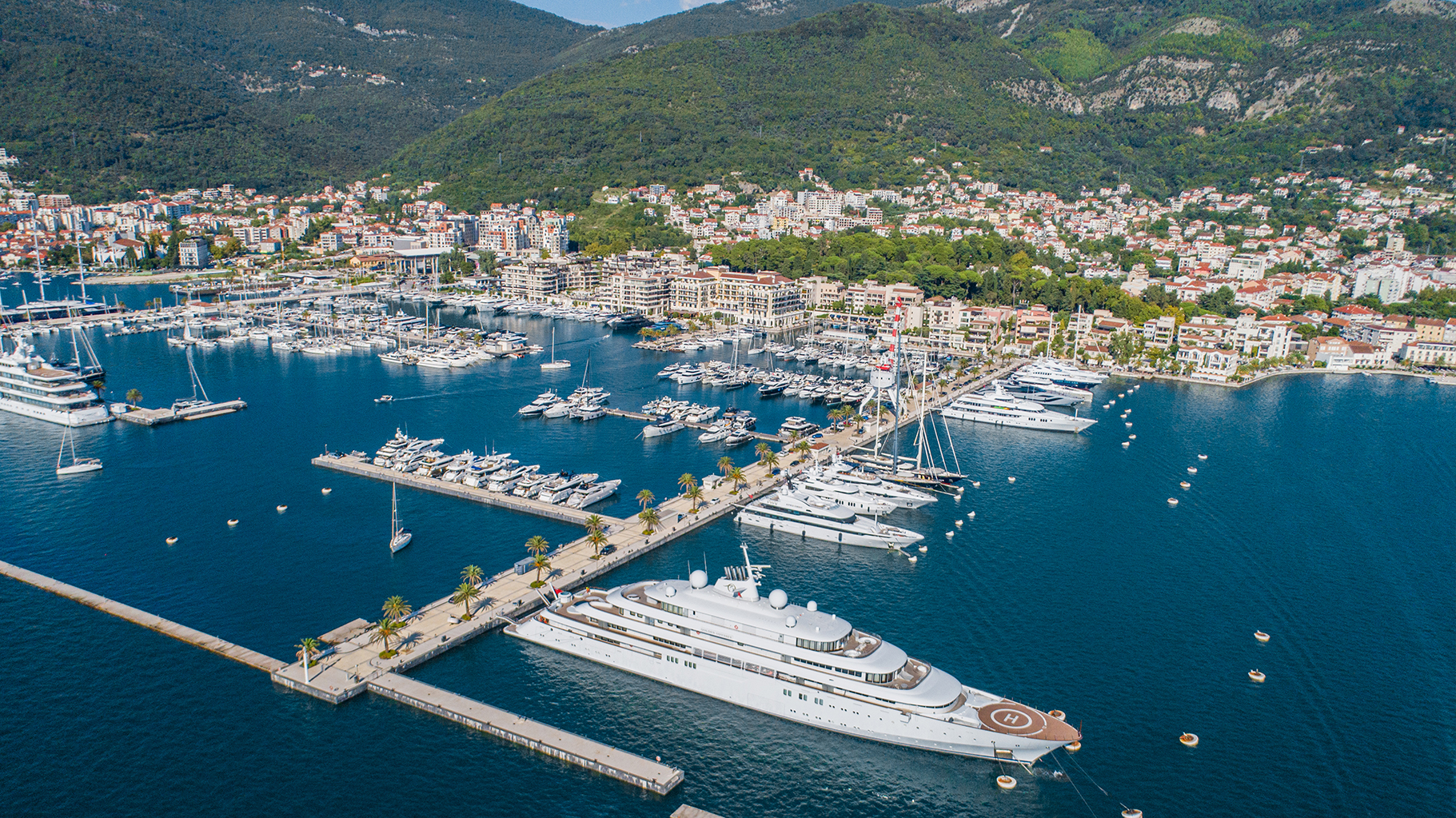
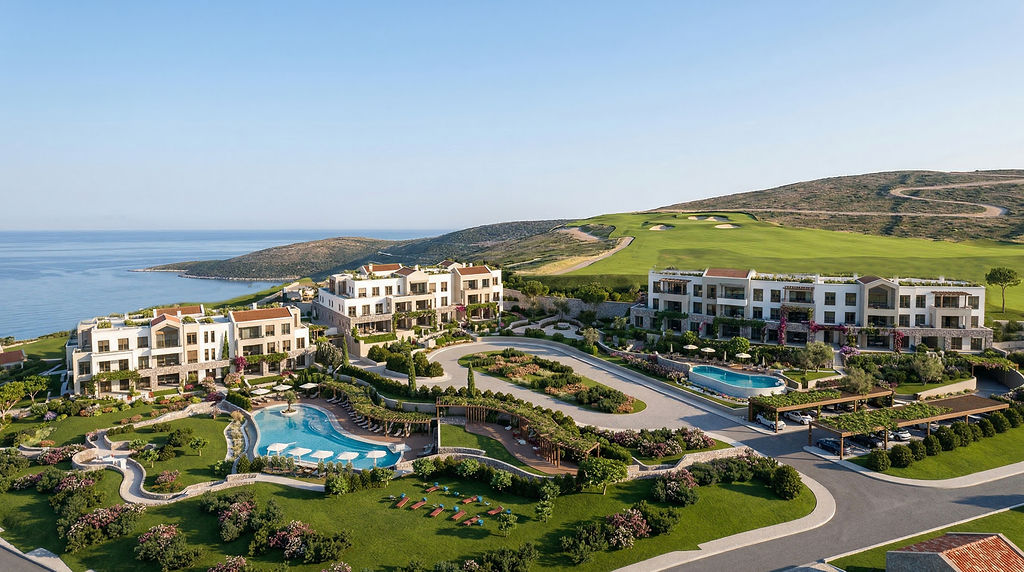
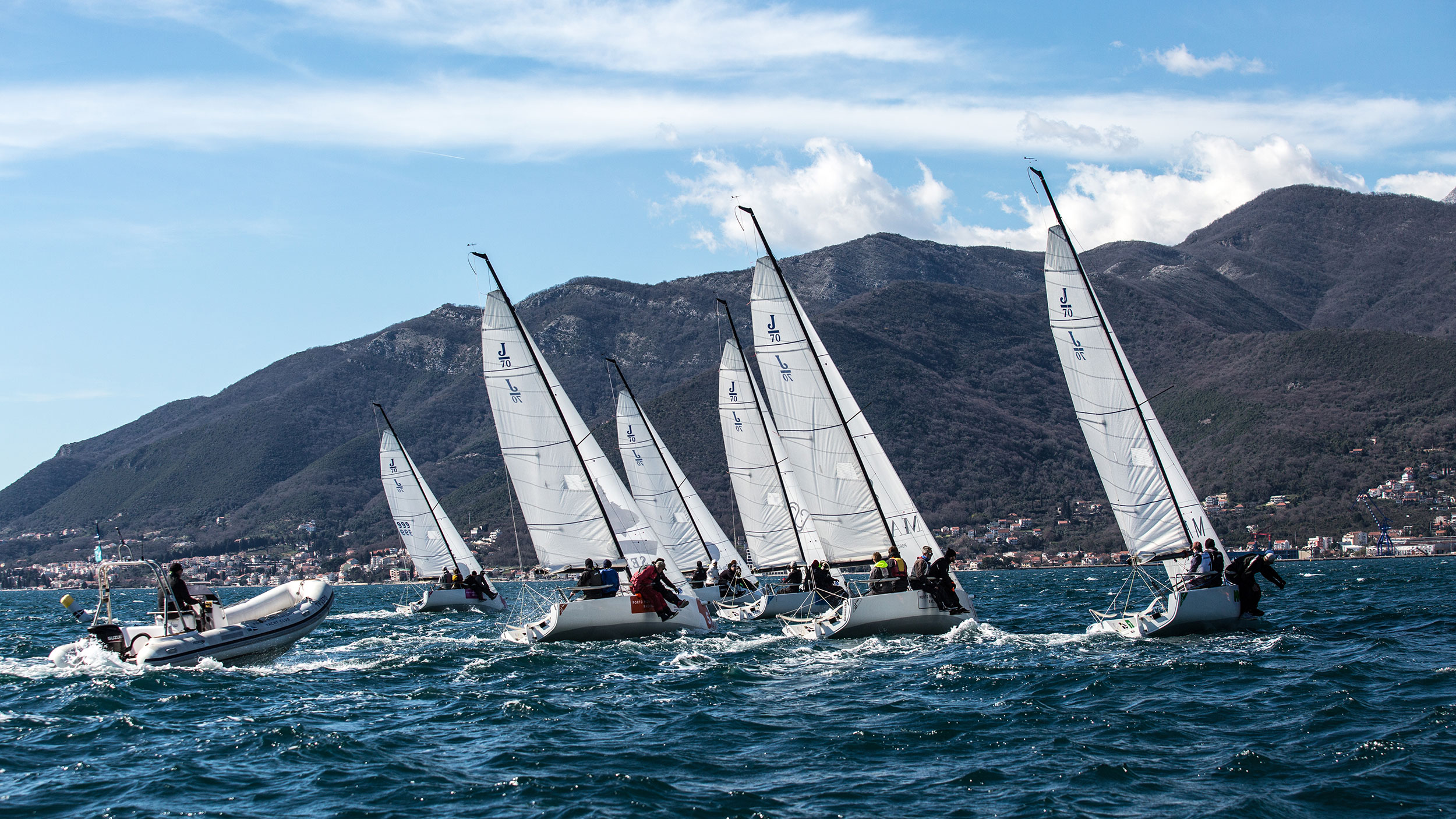
The western arm of the broader bay, including the approaches to Herceg Novi and the Lustica Peninsula, presents a different proposition. Access to the open sea is easier, proximity to several newer luxury developments is a draw for some buyers, and the yachting infrastructure is more developed. Owners who prioritise passage by sea and value being close to internationally branded hospitality will find more to suit them here than in the quieter reaches of the inner bay.
The critical point is this: a beautiful listing photograph compresses meaningful differences between one waterfront address and another into a single appealing image. In reality, orientation, sun path through the day, the degree of road exposure, boating access, and seasonal liveability vary considerably from one property to the next. Local advisory expertise is not optional in this market. It is the primary tool for avoiding expensive misalignment between expectation and reality.
What Defines a Premium Waterfront Villa
Price is a blunt instrument for assessing quality in this market. The characteristics that create genuinely durable value are more specific, and buyers who understand them arrive at decisions with far greater confidence.
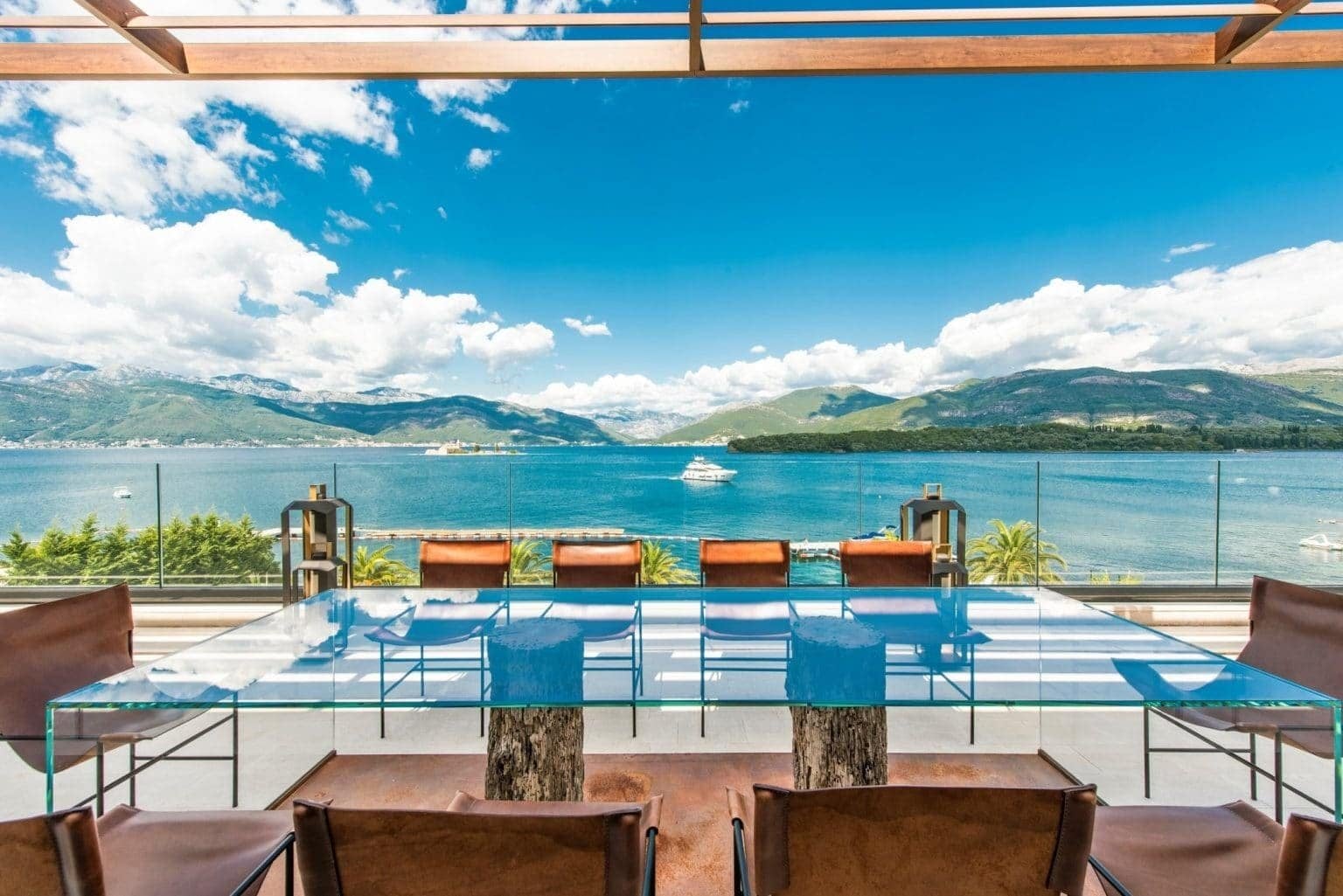
Direct water access is the clearest single differentiator. A villa with its own pontoon, private jetty, or a practical and legal sea entry delivers an ownership experience that is categorically different from one that simply faces the water across a promenade road or public path. For buyers who maintain a tender, enjoy swimming from the garden, or want the option to arrive by boat rather than by car, this shifts from a desirable feature to a functional requirement. Mooring permissions in Montenegro are issued under the jurisdiction of the Maritime Safety Administration, and buyers should verify the legal status of any existing water access before proceeding.
Privacy is the second major axis of value. Some of the bay's finest waterfront homes sit on conspicuous promenade stretches where passing traffic is a constant presence. Others are screened by gardens, mature stone walls, topography, or architectural positioning that creates a genuine sense of enclosure. Neither condition is universally superior. A buyer who intends to use the property socially may welcome the animated waterfront setting. A buyer seeking recovery and seclusion will be far better served by controlled sightlines and acoustic separation from the road.
Architecture contributes more to long-term value than many buyers initially account for. The bay has a strong and coherent vernacular: stone construction, shuttered openings, proportions that reflect centuries of Venetian and Austro-Hungarian influence. Contemporary villas have a legitimate place in the market, but the strongest examples are those that engage respectfully with the setting rather than imposing a visual language imported from elsewhere. Proportion, materiality, the quality of outdoor living areas, and the manner in which the building meets the water's edge all bear on how desirable a property will remain to the next generation of buyers.
Functionality is the fourth dimension, and one that separates seasoned acquirers from first-time buyers in this market. Waterfront romance is straightforward to communicate in marketing. How a house works across twelve months is harder to assess from photographs. Year-round road access, staff accommodation, pool placement relative to prevailing wind, parking for multiple vehicles, seasonal maintenance requirements, and internal layouts that serve a family in October as well as in August: all of these inform whether a villa is truly a home or merely a summer stage set.
For a broader view of what serious buyers are currently paying across these quality tiers, the analysis in Bay of Kotor Property Prices in 2026: What International Buyers Are Paying provides useful context.
Buying for Lifestyle, Investment, or Both
Most acquisitions on the Bay of Kotor are not driven by a single objective, and the most considered buyers are usually honest with themselves about the weighting between personal use and financial rationale.
For buyers whose primary driver is lifestyle, the questions are personal before they are financial. What level of privacy is non-negotiable? Is the ability to walk to a restaurant in ten minutes a pleasure or a distraction? Does a historic stone house with uneven floors and thick-walled rooms speak to you more than a contemporary villa with a clean-lined pool deck? Will you arrive predominantly by road from Tivat or Podgorica airport, or does sea access matter because you keep a yacht nearby?
For buyers with a stronger investment orientation, the analysis is more granular. Liquidity in prime real estate is not simply a function of demand at the headline level. It is a function of how many qualified future buyers will want that specific property, in that specific position, at the price required for the transaction to make sense. Villas with clear legal title, established mooring rights, strong views unaffected by neighbouring development risk, and genuine architectural quality tend to hold their position in the market regardless of broader conditions.
Rental income is a secondary but increasingly relevant consideration. Montenegro's tourism figures, published annually by the National Tourism Organisation, show continued growth in high-value visitor arrivals, and properly positioned waterfront villas can generate meaningful yields during the peak season. The structure of that income, however, depends on legal short-term rental permissions, management quality, and the specific appeal of the property to the guest segment you are targeting. For a thorough treatment of this question, the analysis in Bay of Kotor Property Investment: Rental Yields and Returns for 2026 is worth reading before any investment case is finalised.
Practical Points Sophisticated Buyers Should Examine
The legal and procedural environment for real estate acquisition in Montenegro has become considerably more transparent over the past decade, partly as a function of the country's EU accession process. Foreign nationals may purchase property on broadly the same terms as Montenegrin citizens, though certain categories of agricultural and protected land carry restrictions. Title searches are conducted through the Real Estate Cadastre, administered by the Real Estate Administration, and buyers are strongly advised to commission independent legal due diligence before any preliminary agreement is signed.
Property transfer tax in Montenegro is set at three percent of the assessed transaction value, as confirmed by the Ministry of Finance. Annual property tax rates vary by municipality and property classification but are modest by Western European standards. VAT at the standard rate of 21 percent applies to sales of new-build properties by VAT-registered developers. Resale transactions between private parties are not subject to VAT.
Beyond tax, buyers acquiring waterfront properties should pay particular attention to: the precise legal boundary between the private plot and the maritime public domain, the status of any existing pontoon or jetty under maritime law, planning history and any outstanding enforcement notices, connection quality for utilities including water supply in the hotter months, and the condition of structural elements that are expensive to address on stone buildings of significant age.
A curated approach to the search process changes outcomes in measurable ways. Buyers who engage an advisory with genuine local market depth, access to off-market inventory, and the relationships to open doors that are not publicly listed, tend to acquire better properties at more defensible prices than those who rely on publicly available listings alone. The off-market segment in the Bay of Kotor is meaningful: a number of the finest properties never appear on international portals, moving instead through trusted networks of advisors and existing owners.
The Case for Patience
The best waterfront properties on the Bay of Kotor do not tend to sit available for long once they are properly exposed to the right buyers. At the same time, the right property for a specific buyer is rarely the first one encountered, and acquiring under pressure of artificial urgency is a reliable route to regret.
The buyers who fare best in this market are those who take the time to understand the micro-locations properly, visit across more than one season if possible, and work with advisors whose interests are aligned with finding the right property rather than closing the nearest available transaction. Patience in this context is not passivity. It is the discipline to hold out for a property that meets the full criteria rather than settling for one that meets most of them.
For a comprehensive current overview of the market across price bands, micro-locations, and buyer profiles, Bay of Kotor Real Estate 2026: Prices, Micro-Locations and What Serious Buyers Need to Know consolidates much of what any well-prepared acquirer should have in view before beginning a serious search.
---
Barok Estates International Advisory Note
Barok Estates International advises private clients on the acquisition of prime and ultra-prime residential property across the Adriatic, Iberian Peninsula and the United Kingdom. Our Montenegro advisory practice maintains direct access to both listed and off-market waterfront inventory across all key micro-locations on the Bay of Kotor, with particular depth in Dobrota, Perast and the inner bay villages.
If you are considering a waterfront villa acquisition and would value a confidential conversation about current availability, pricing, and the due diligence process, contact our advisory team directly. Initial consultations are without obligation and conducted in confidence.








.jpg)