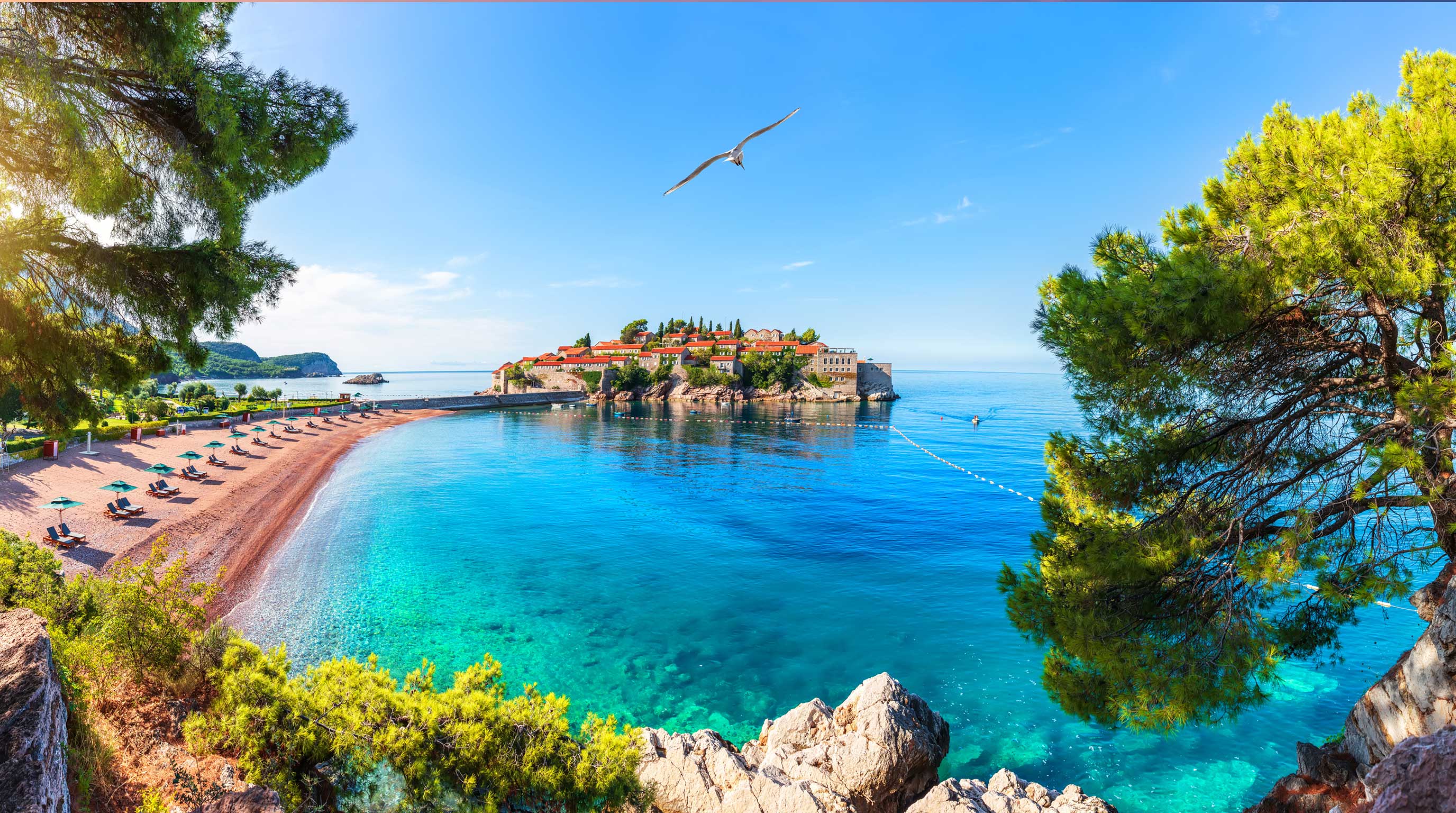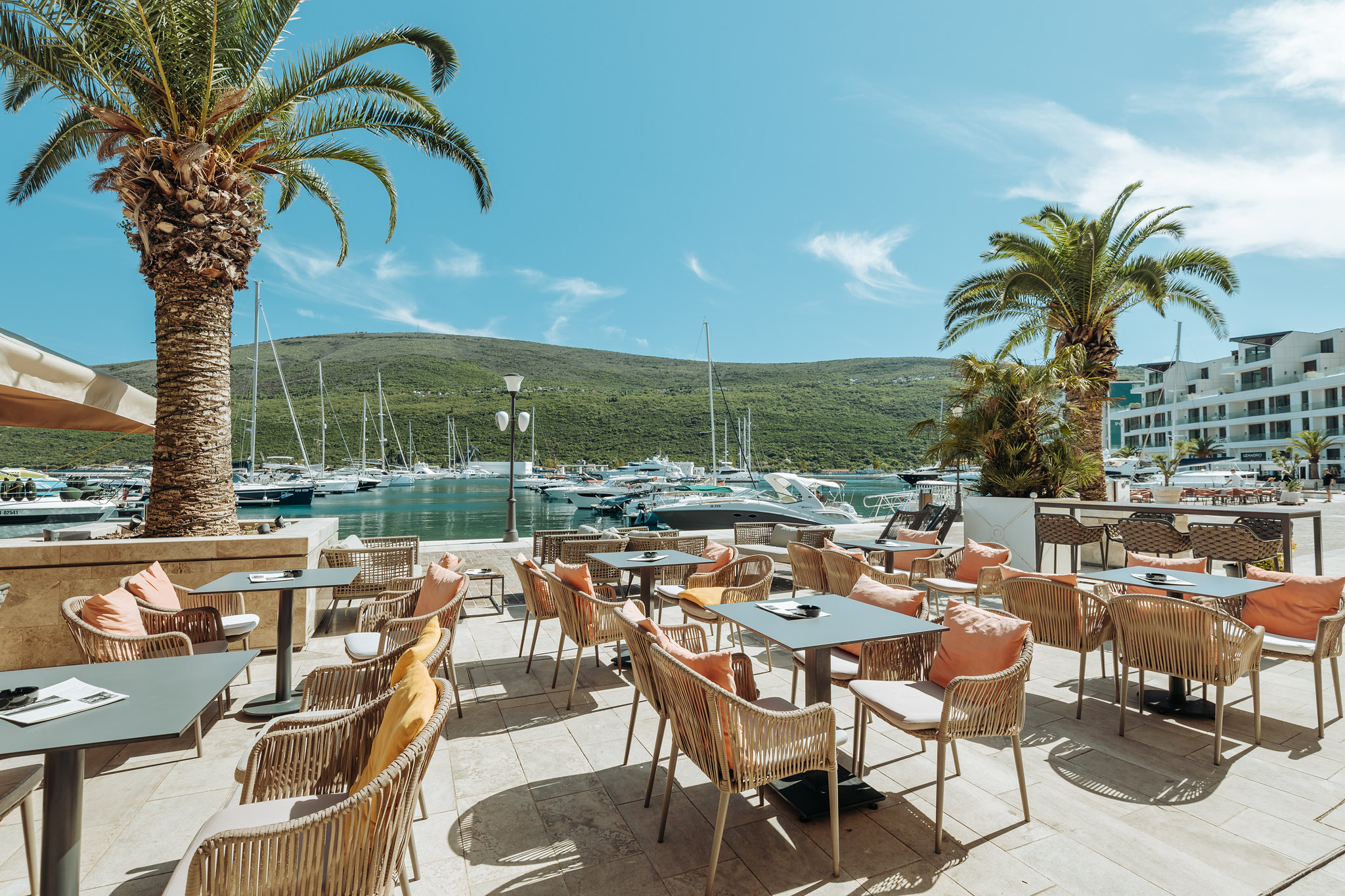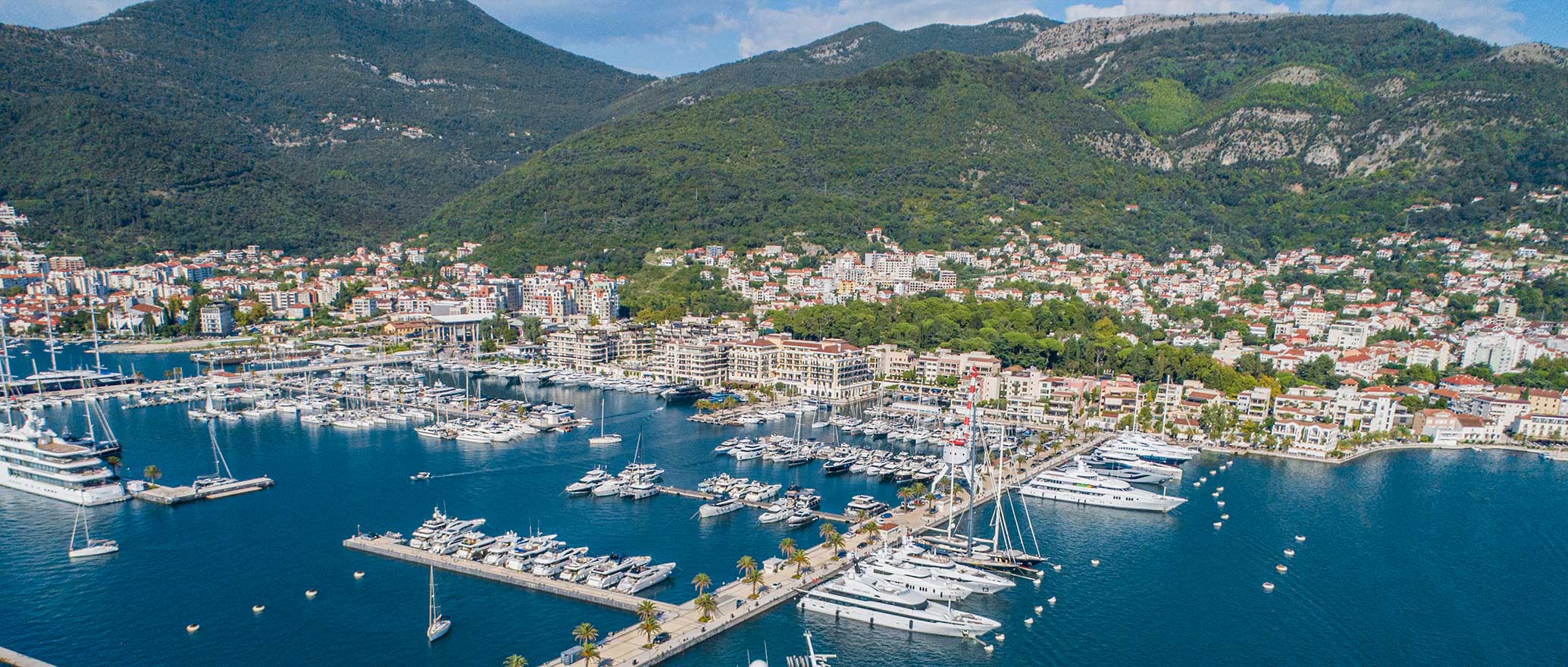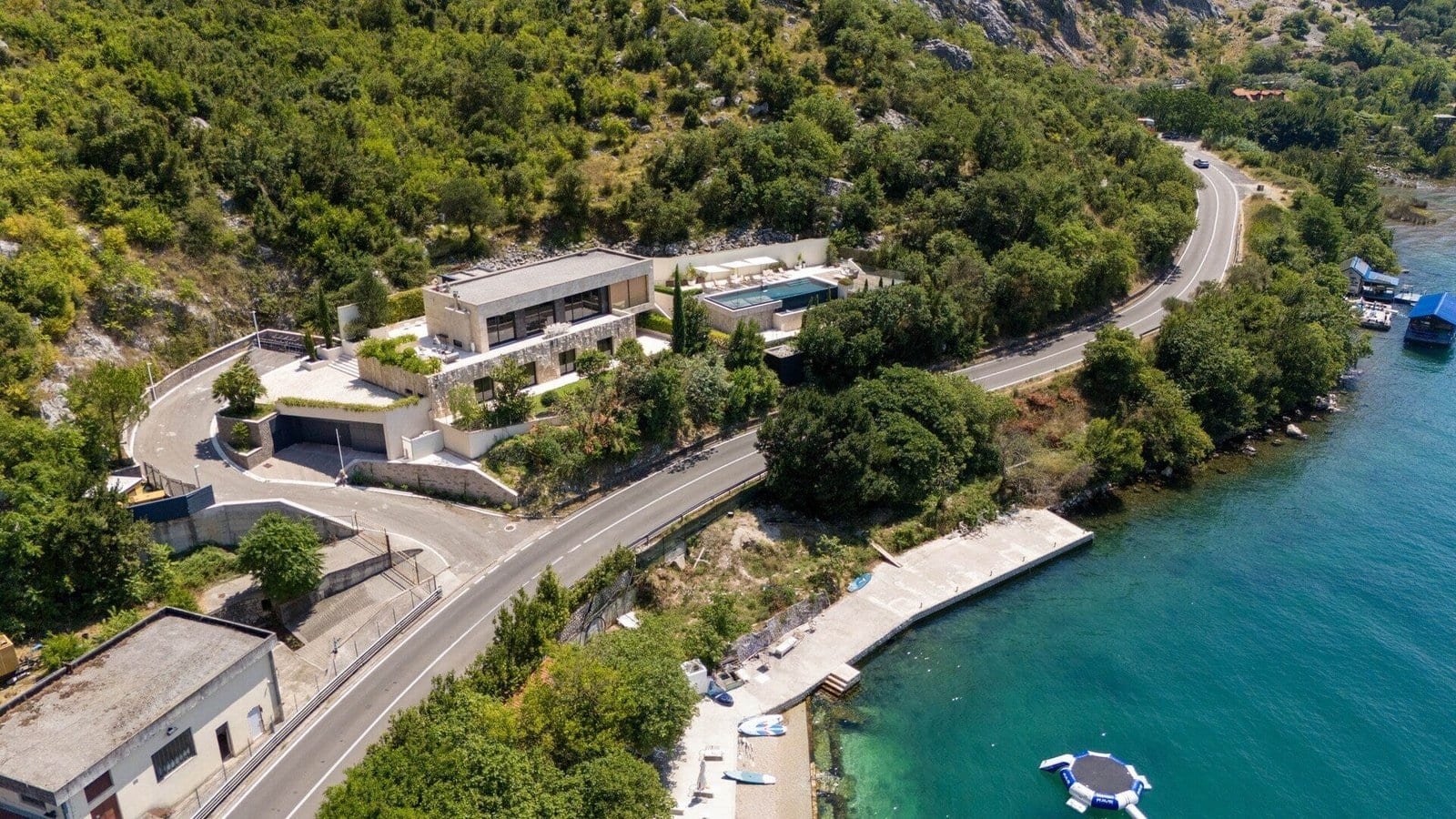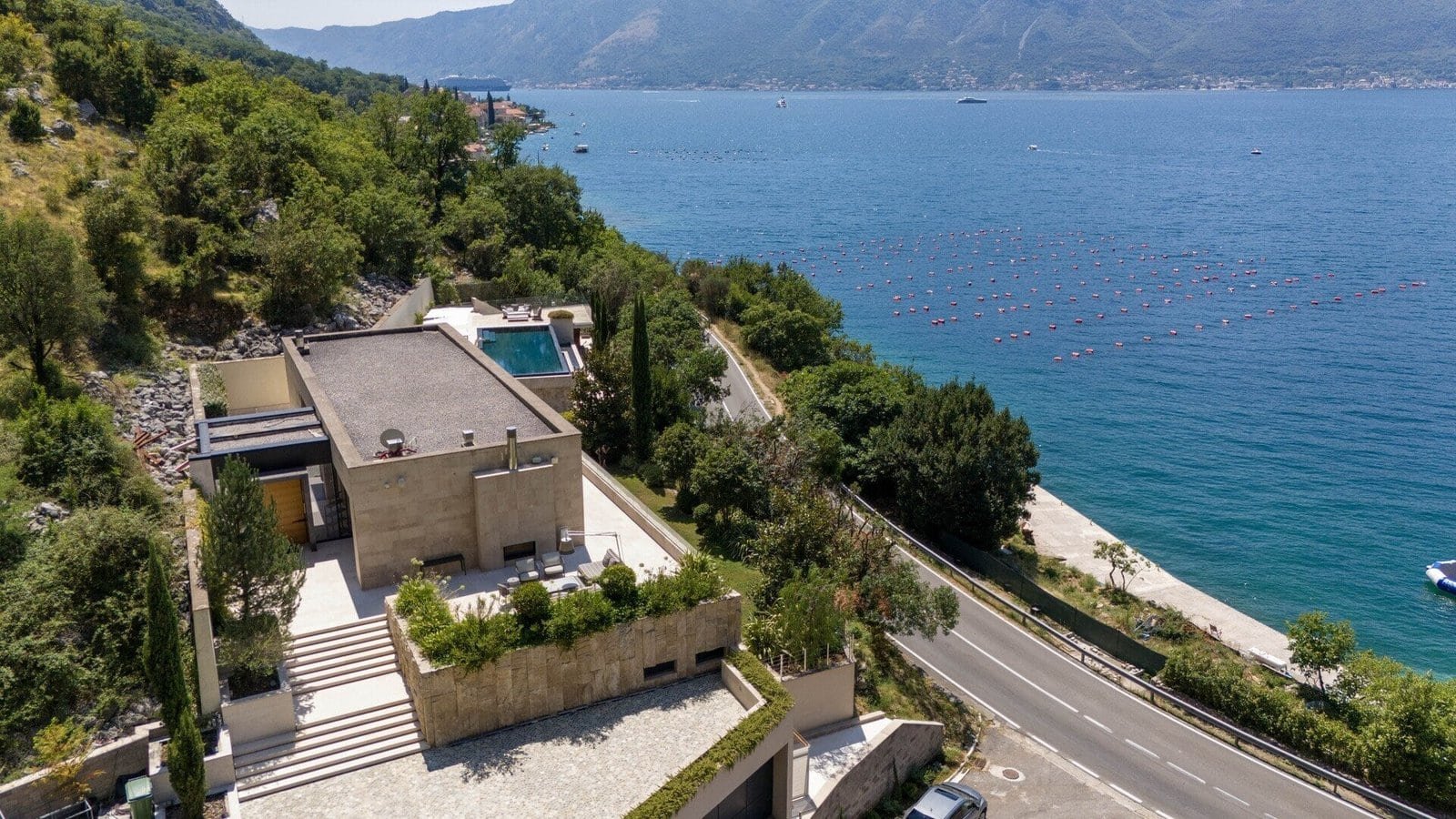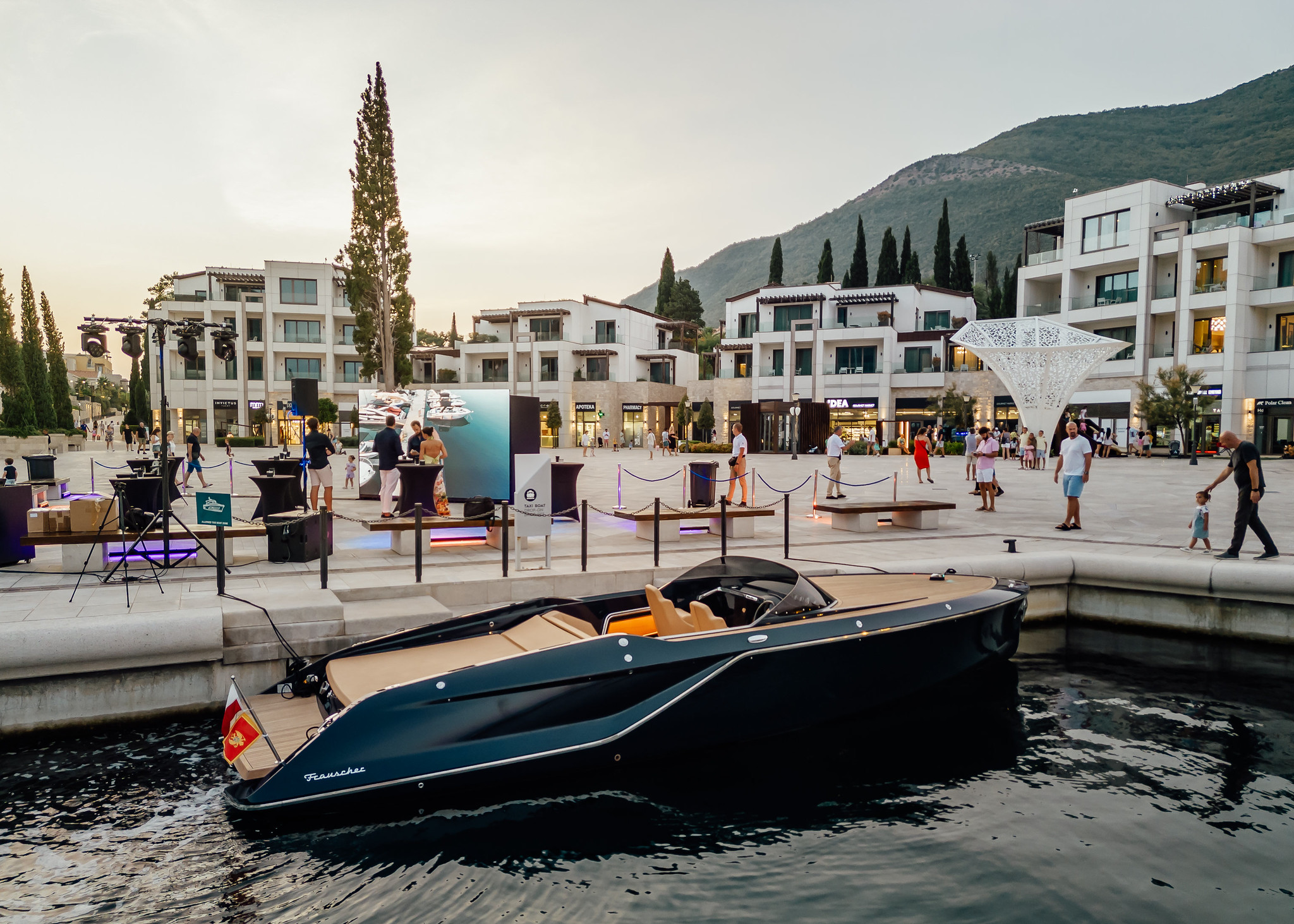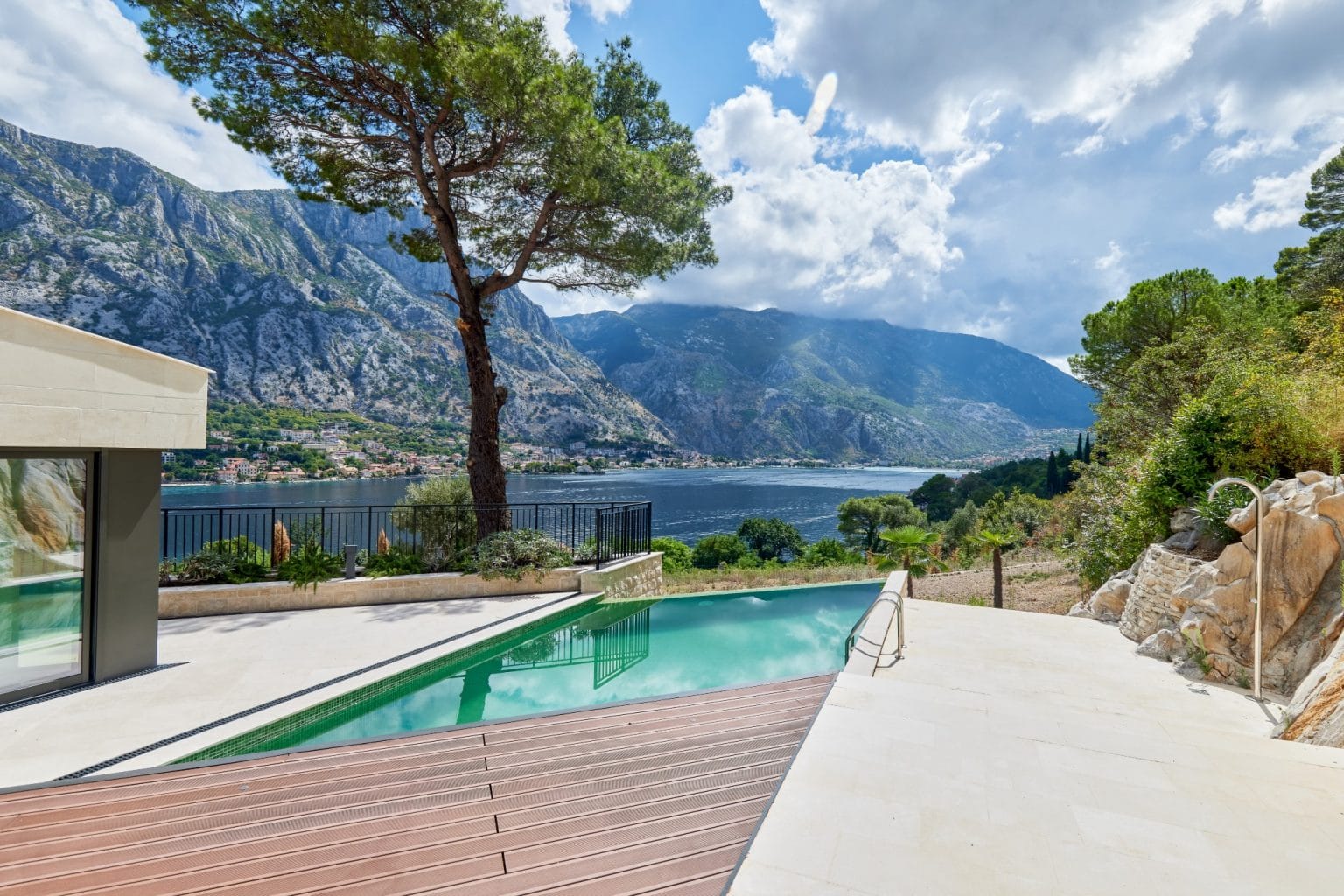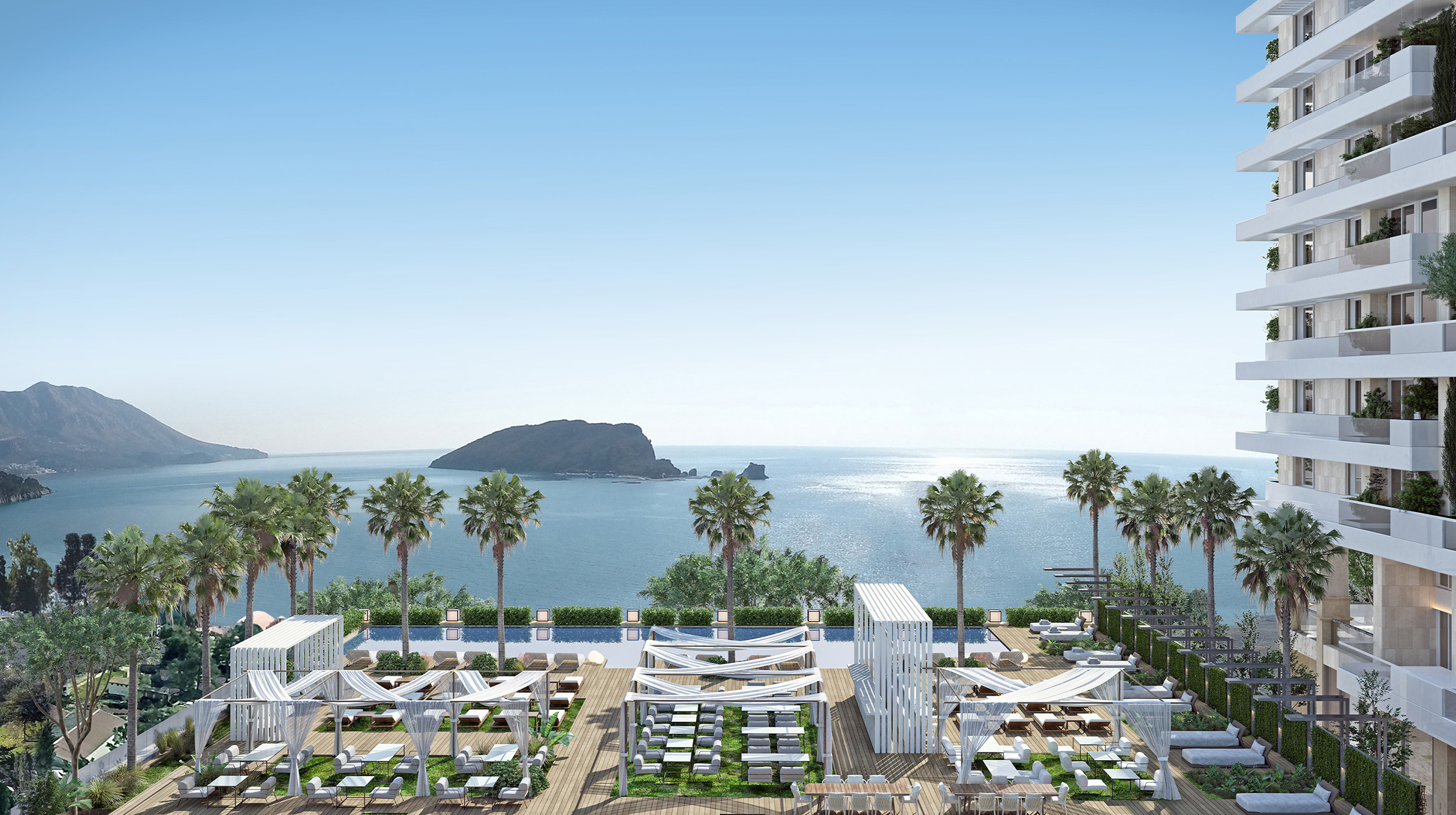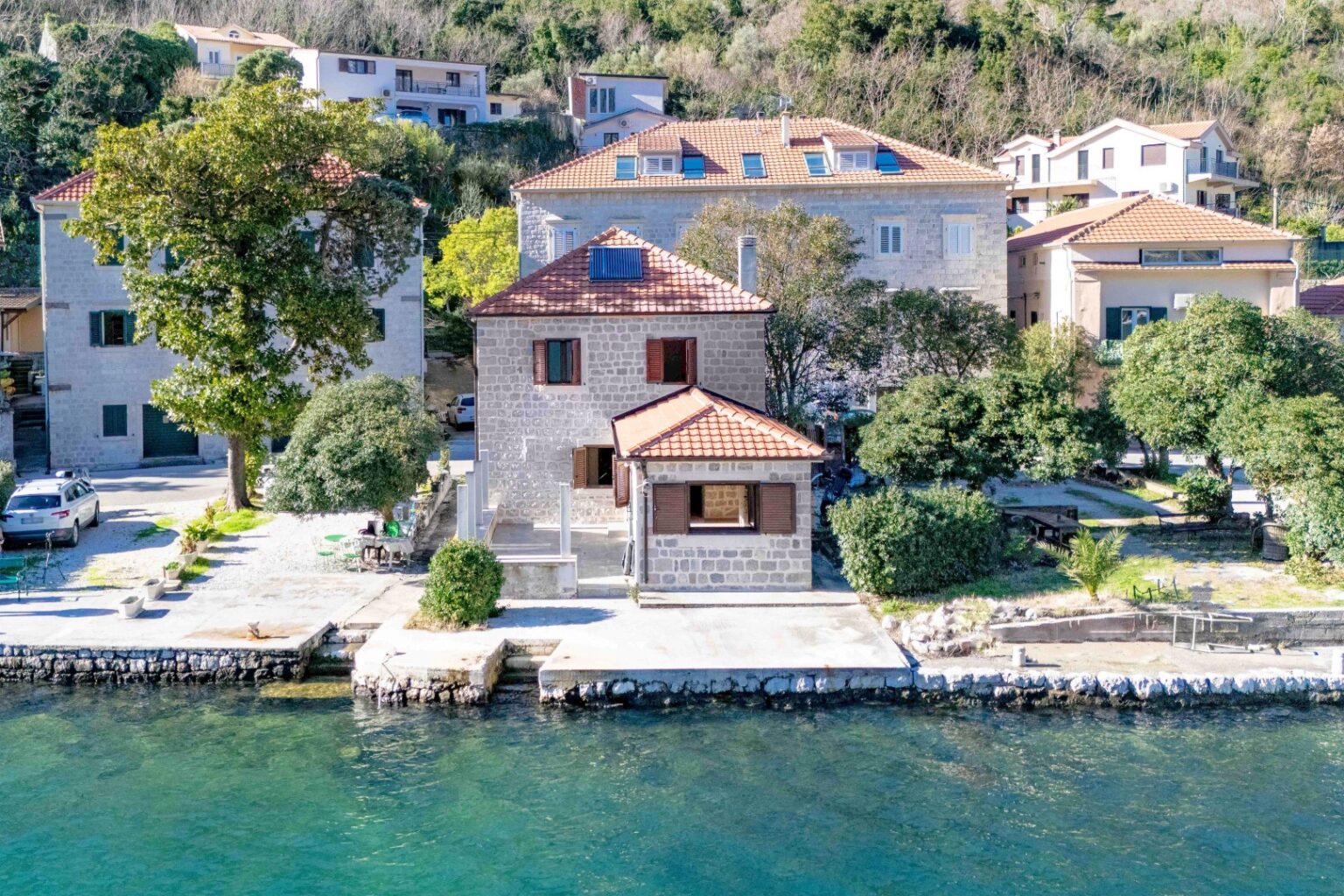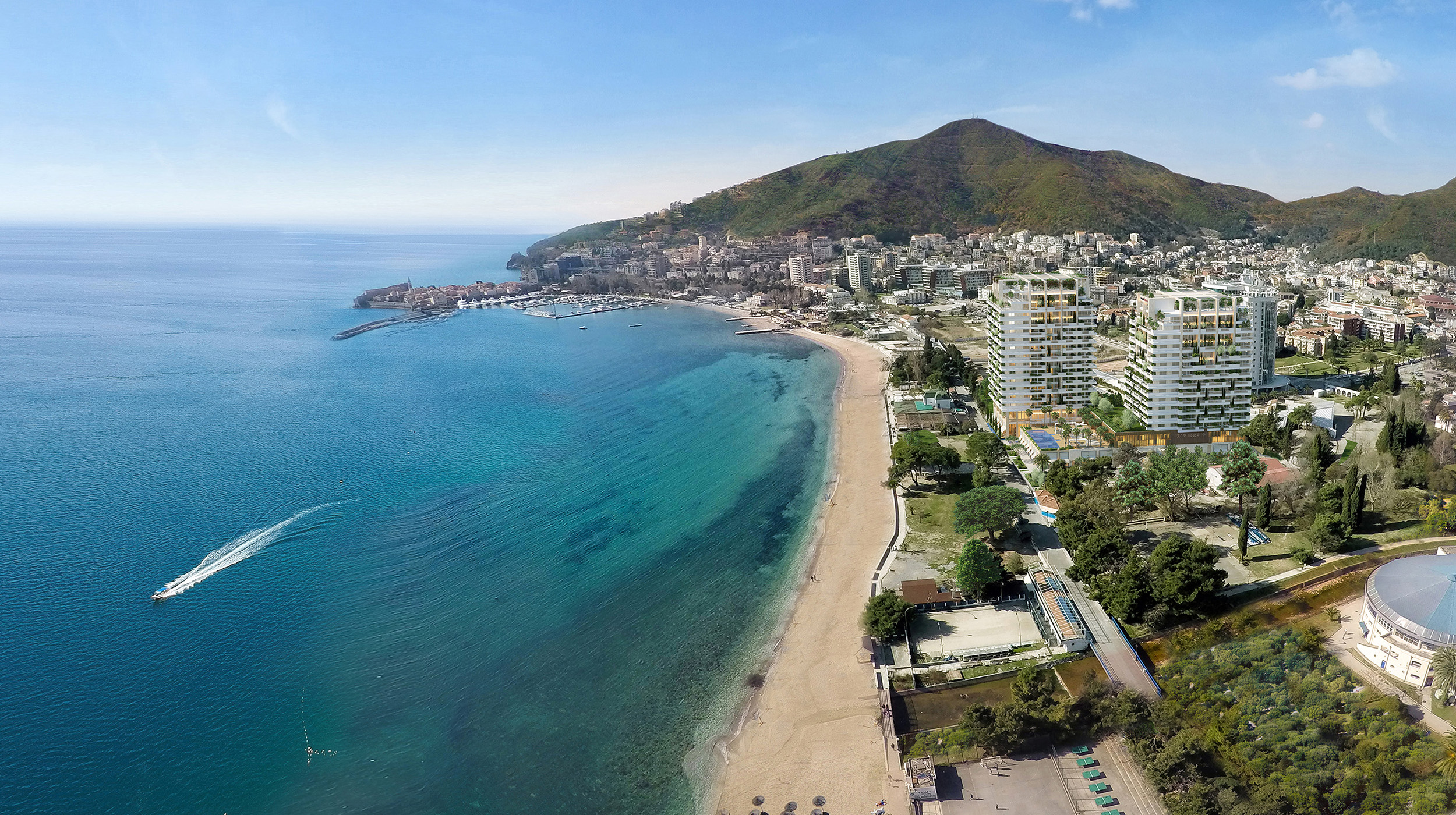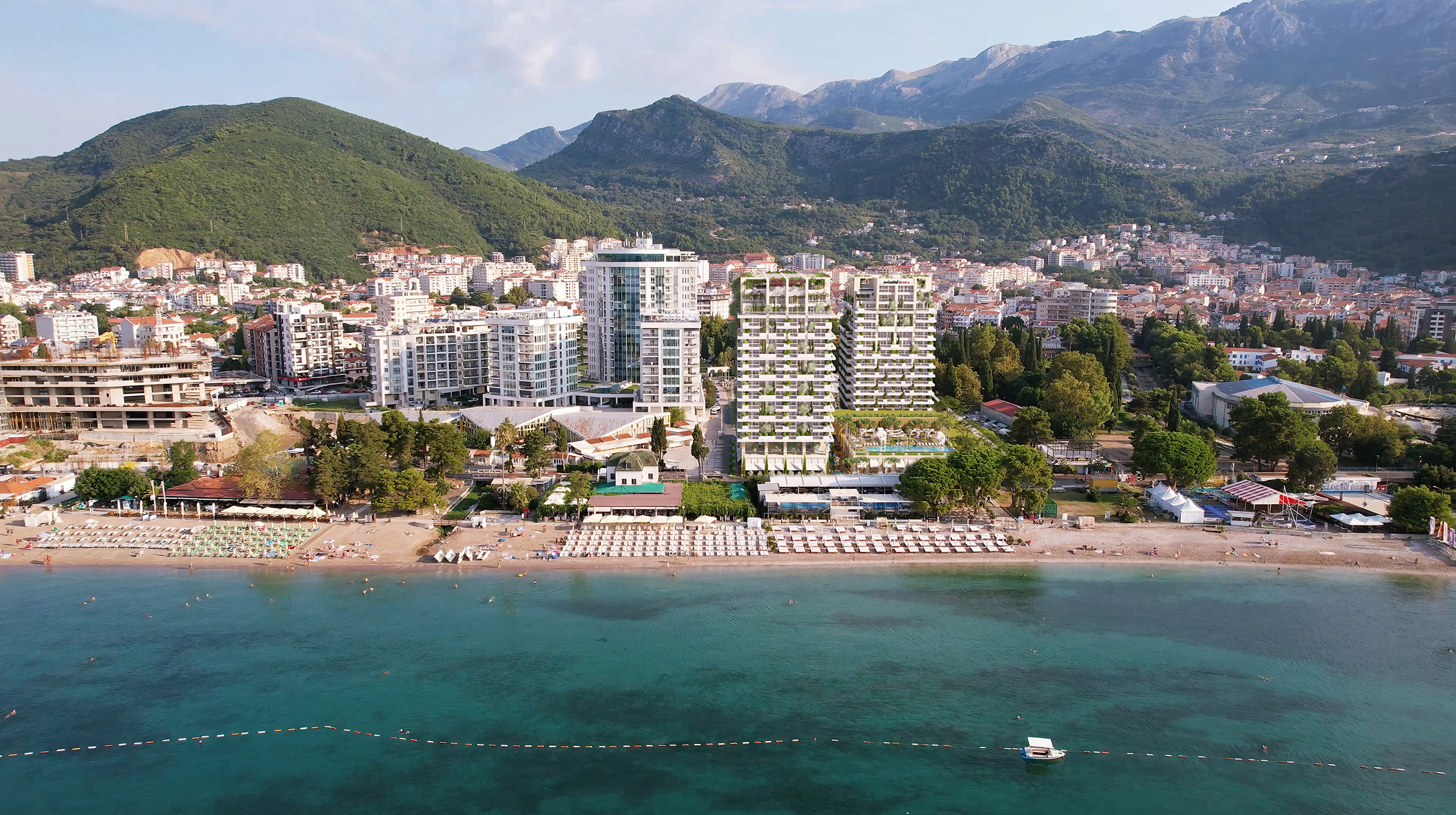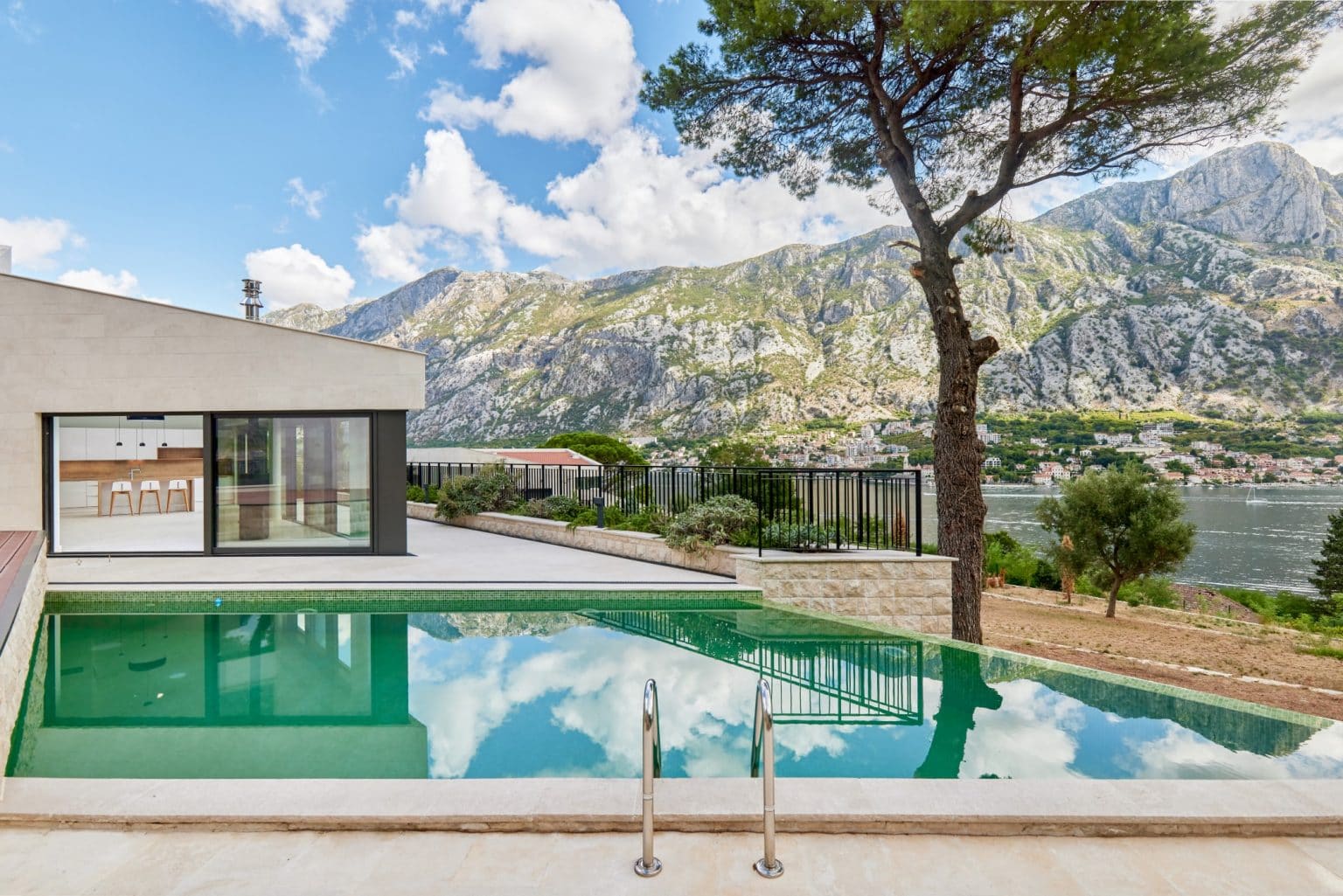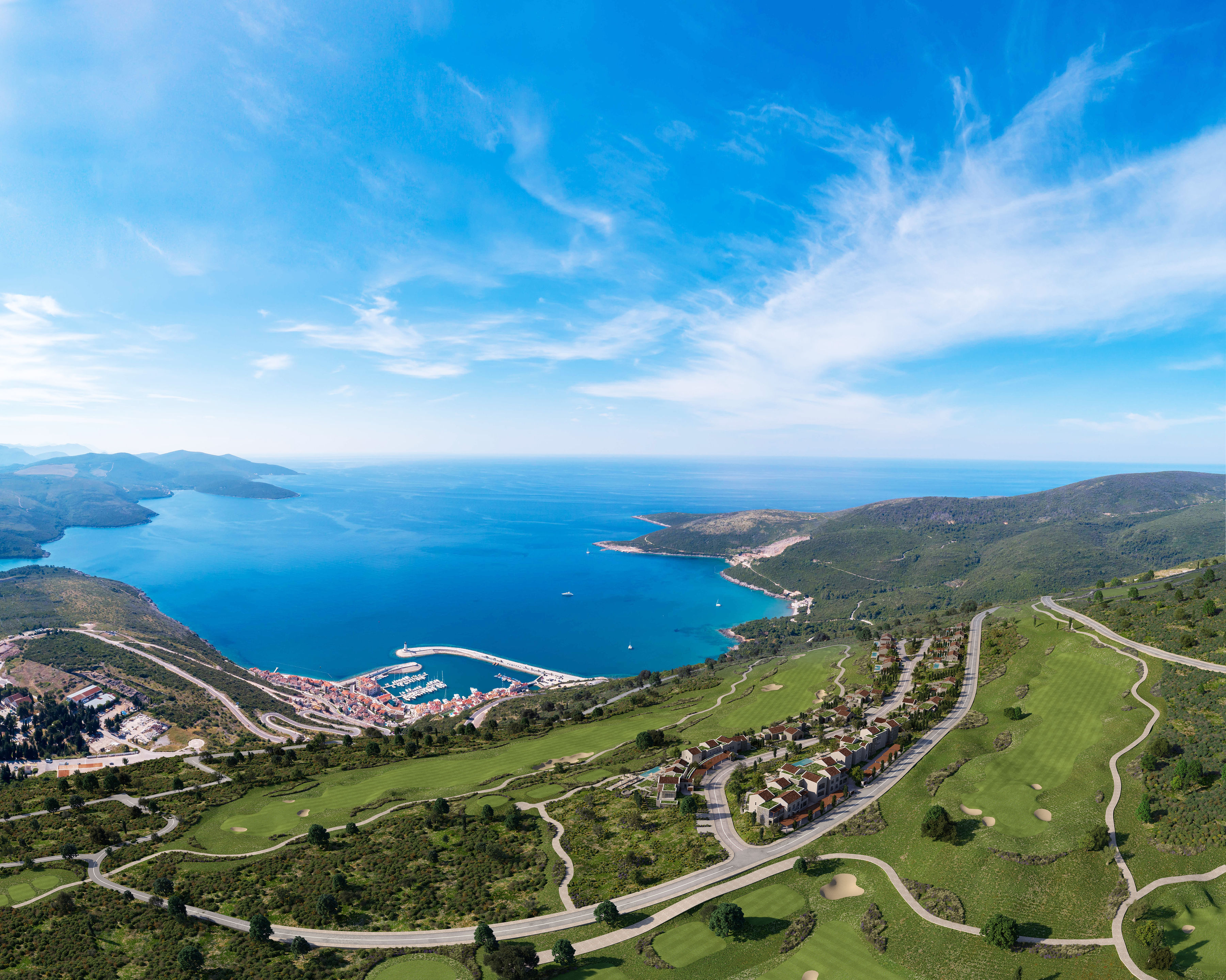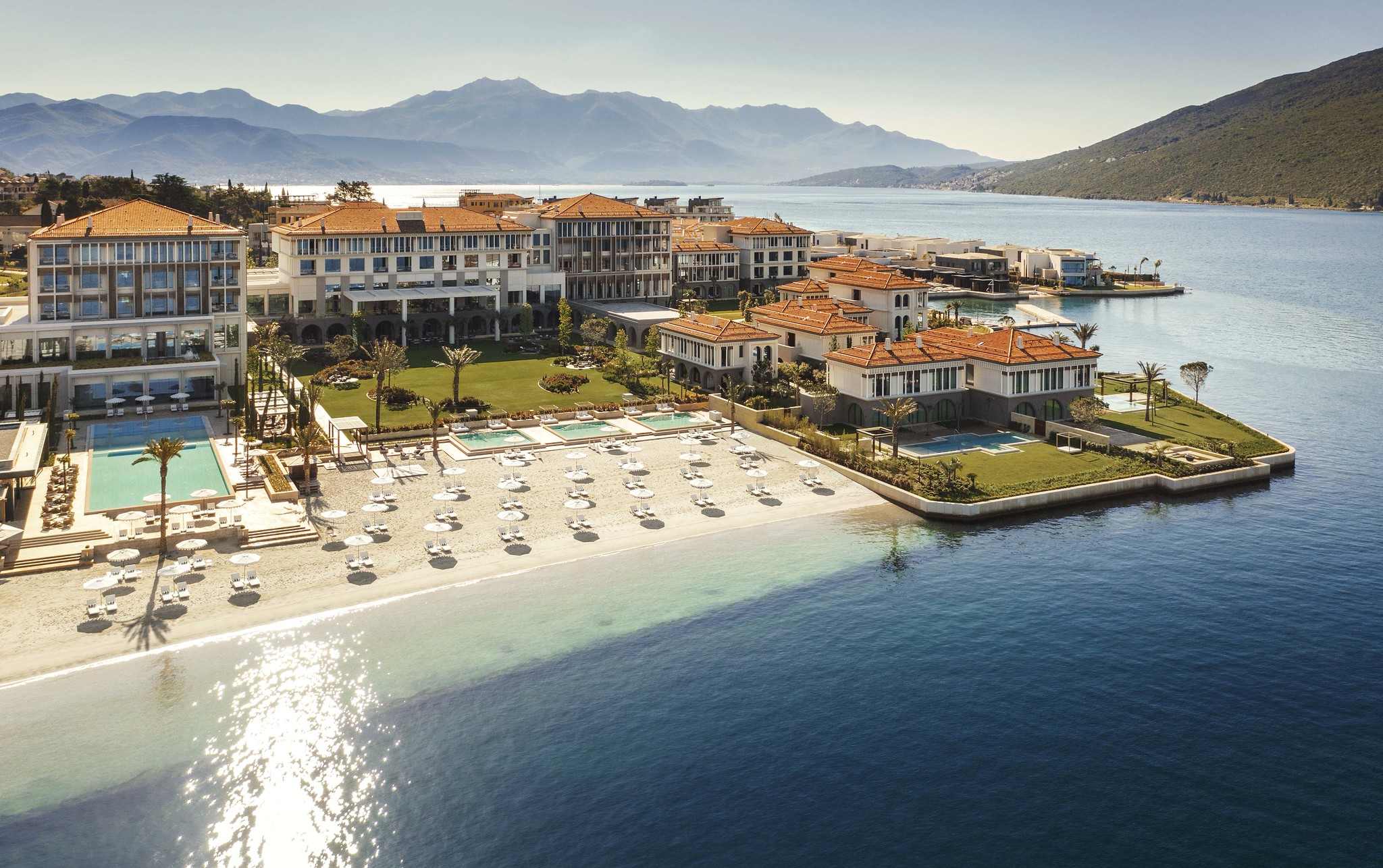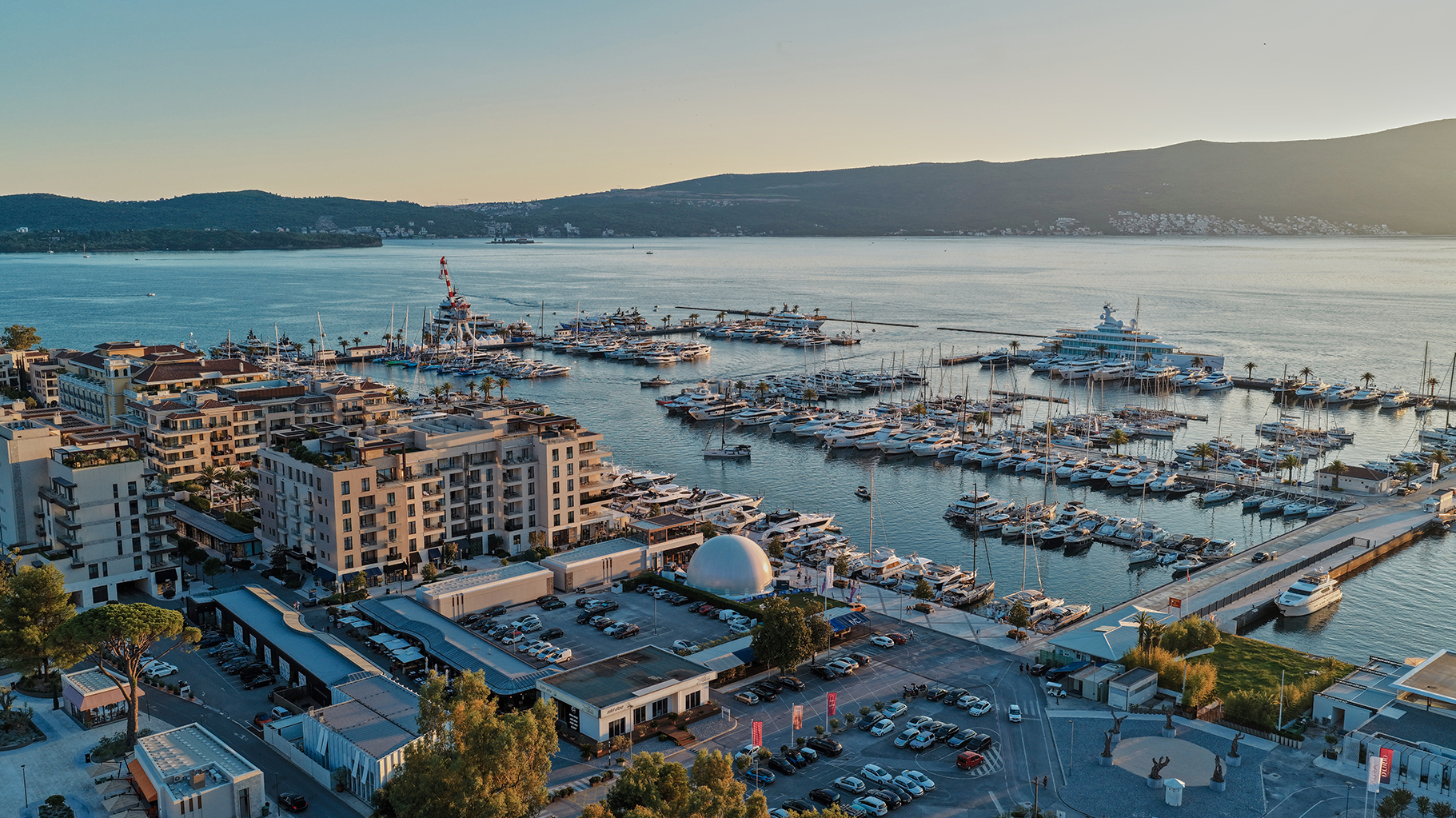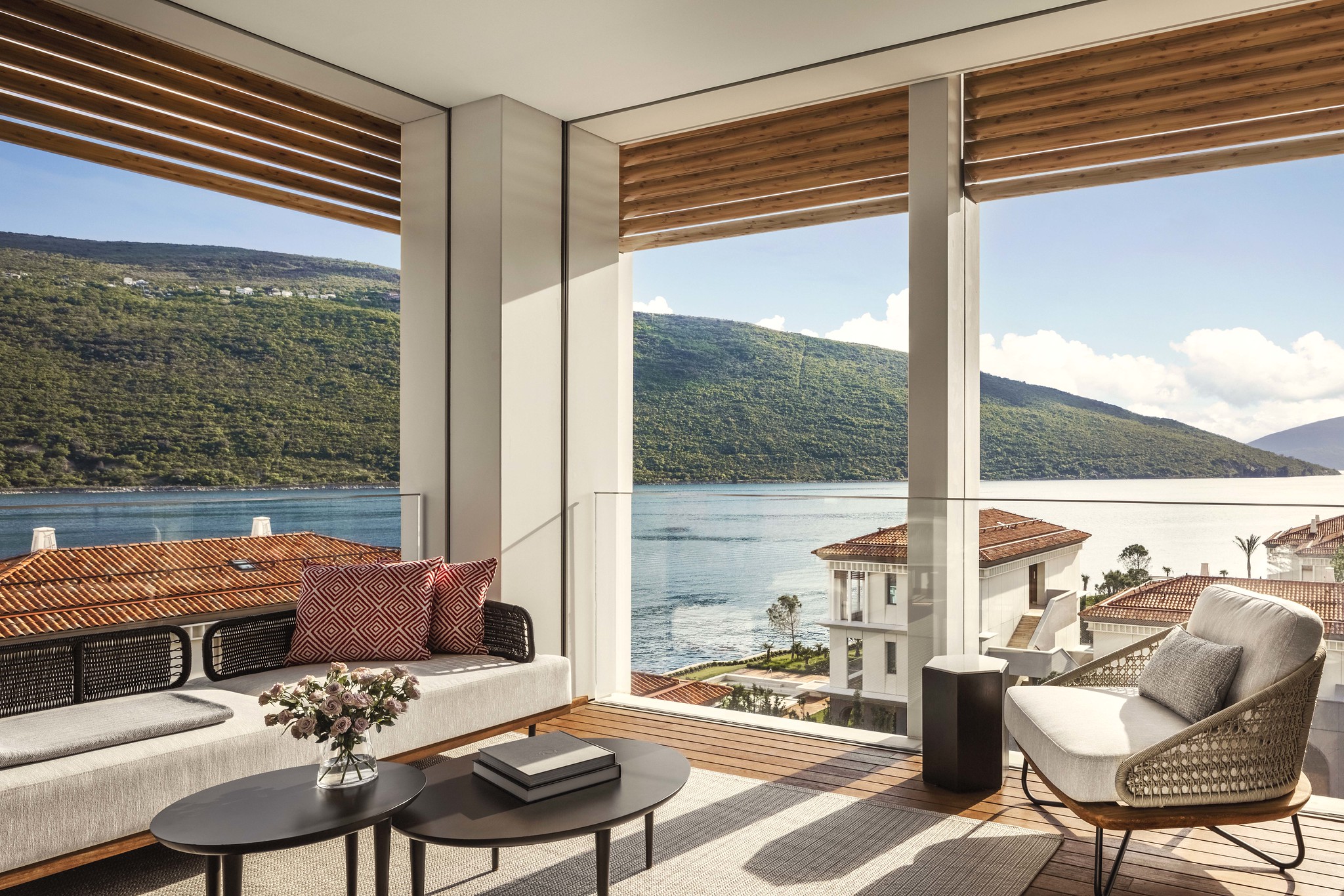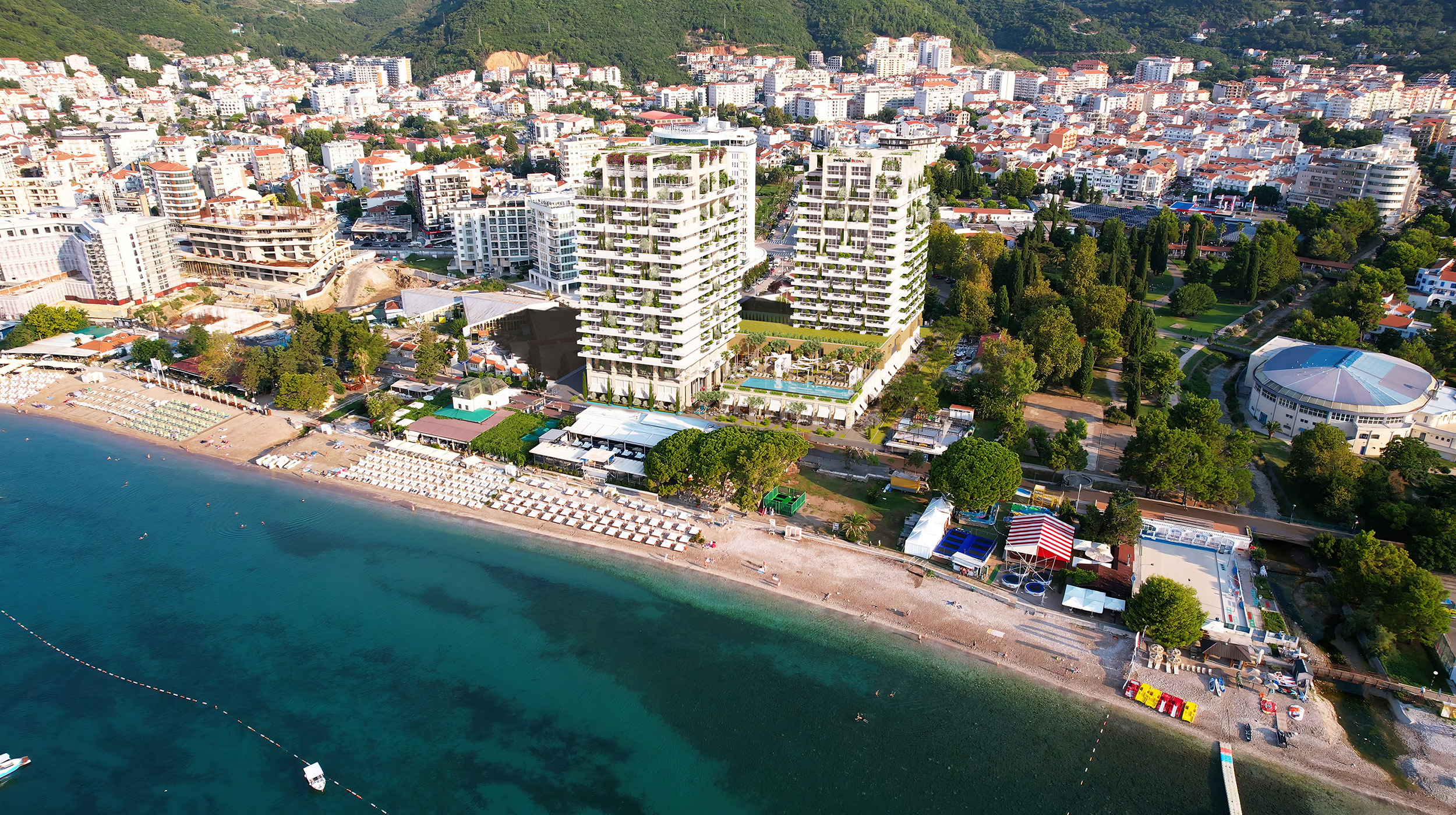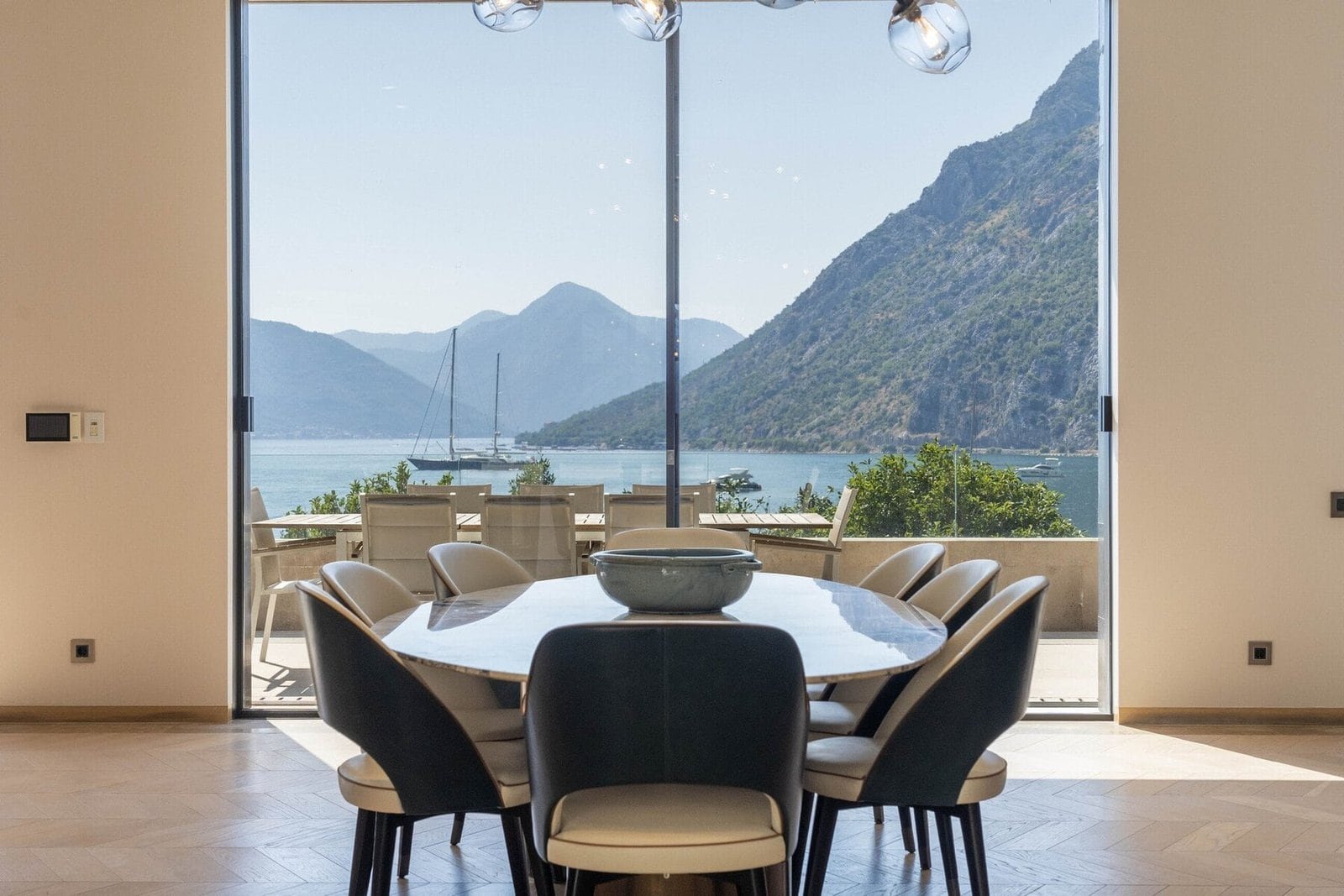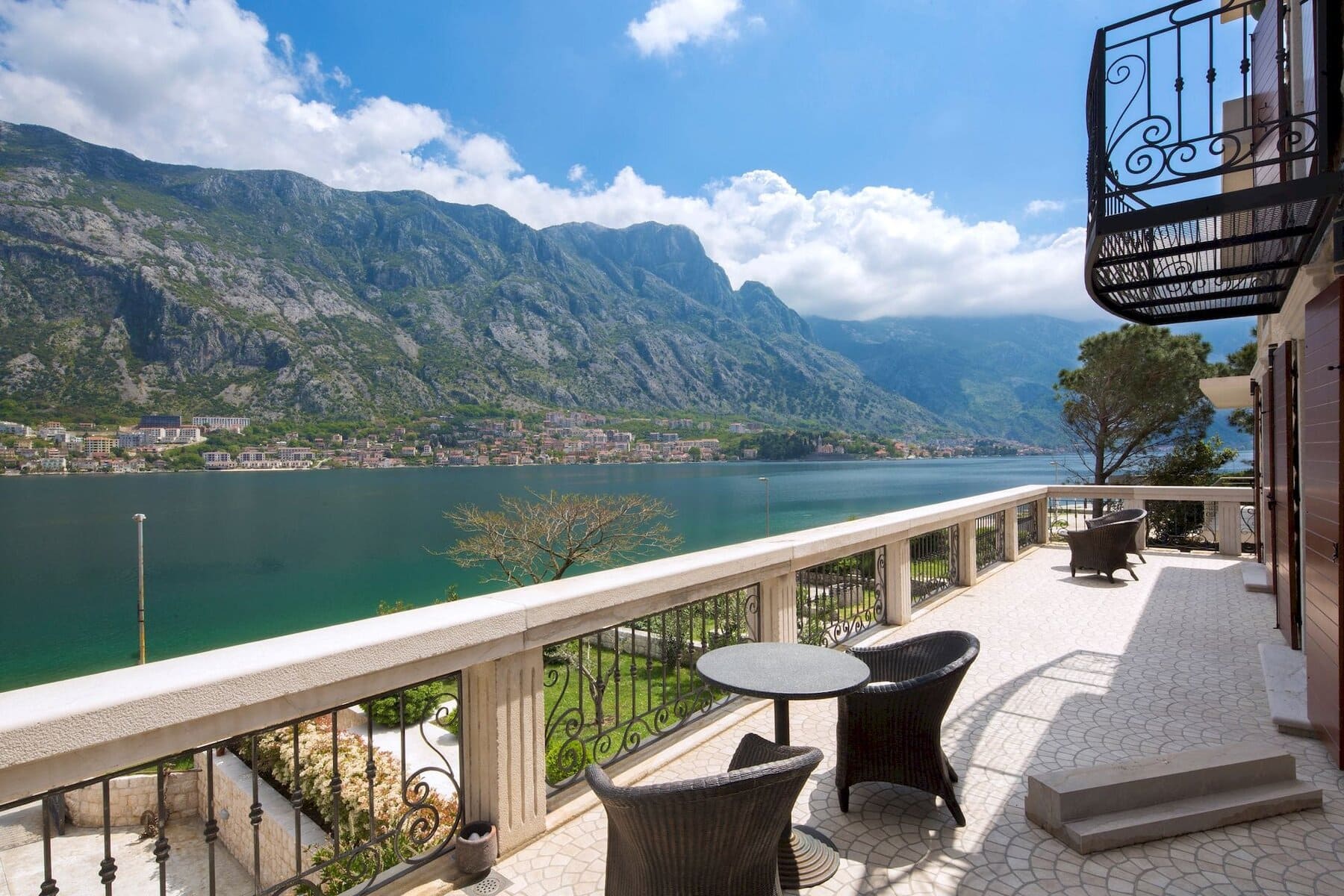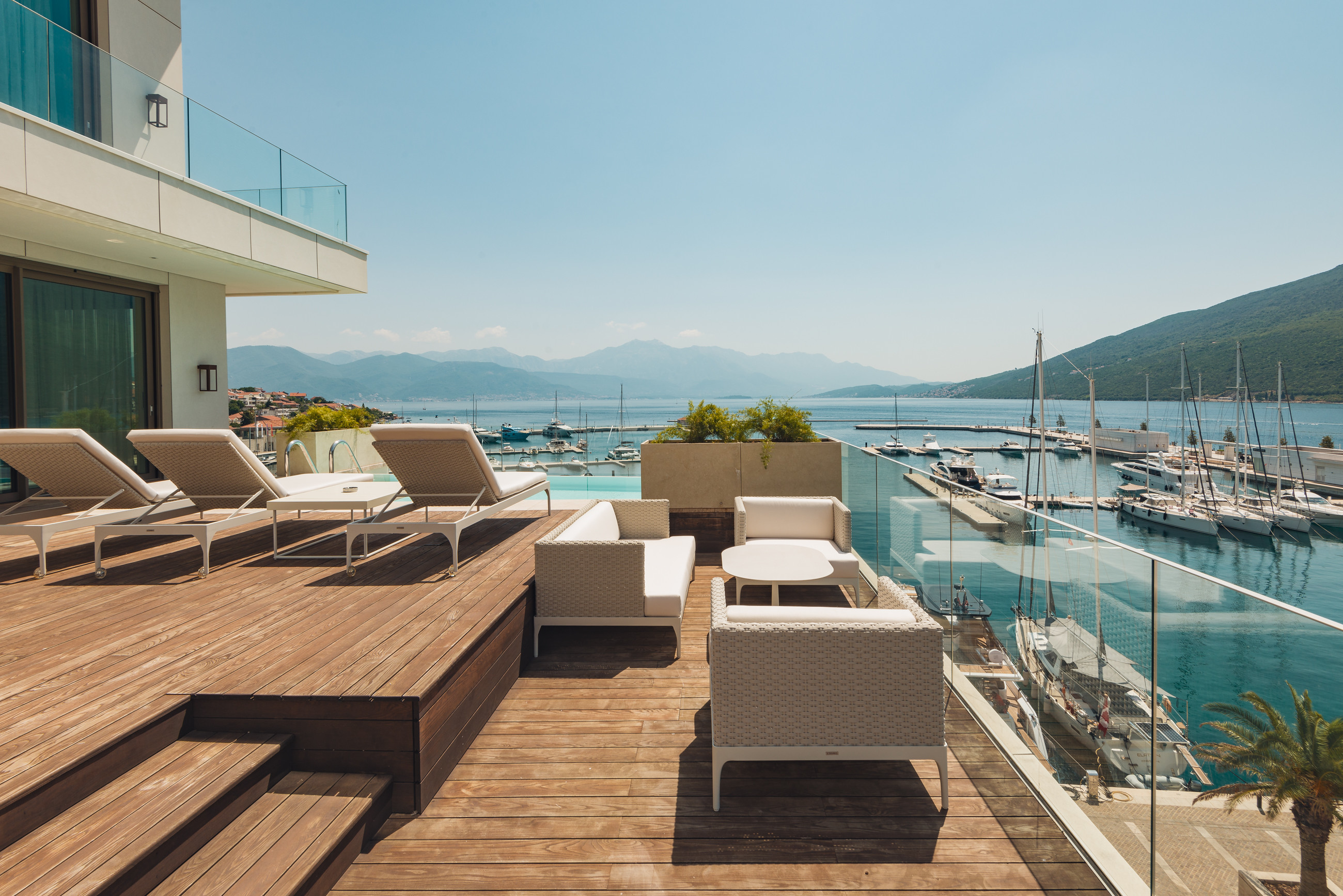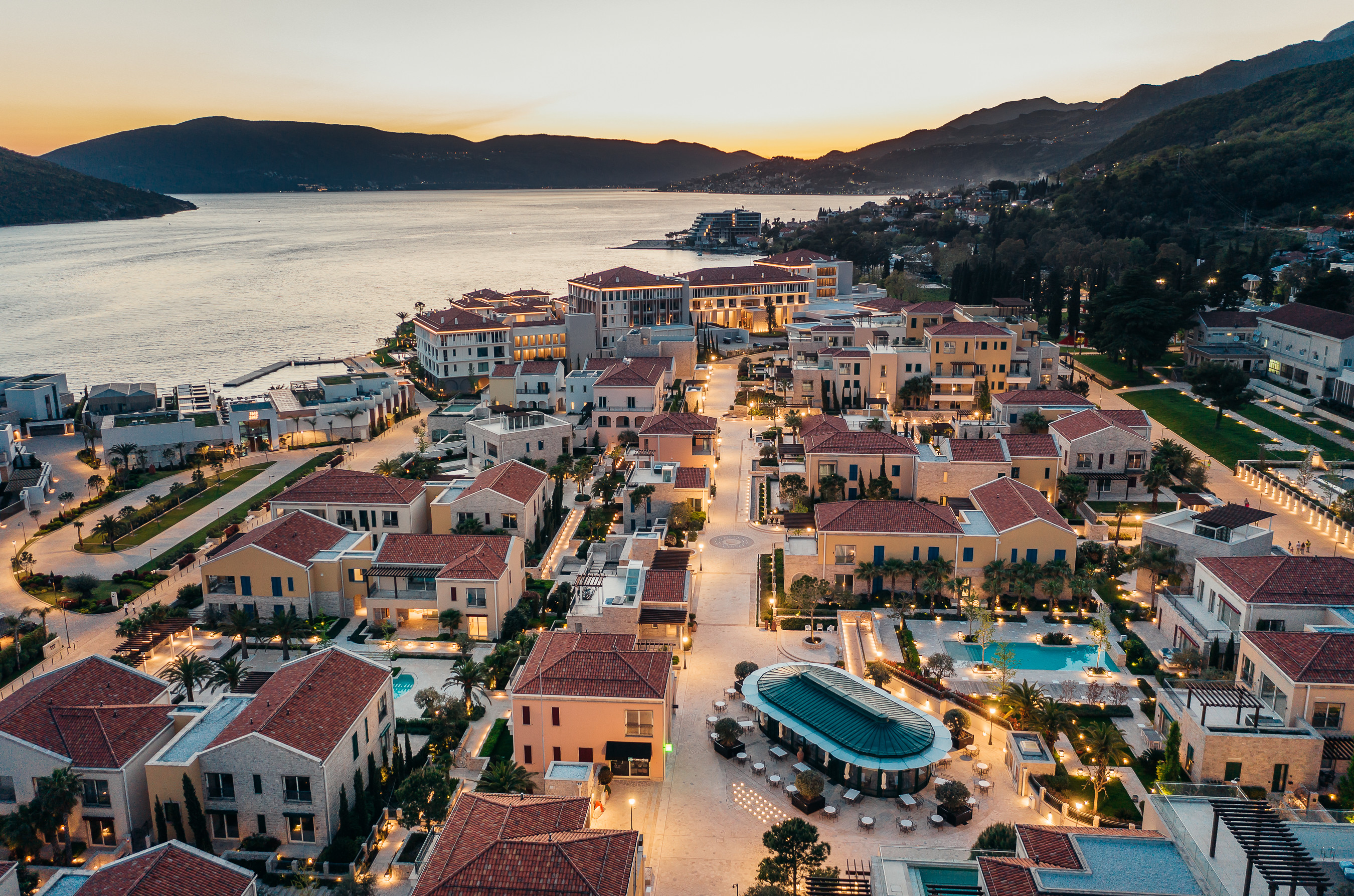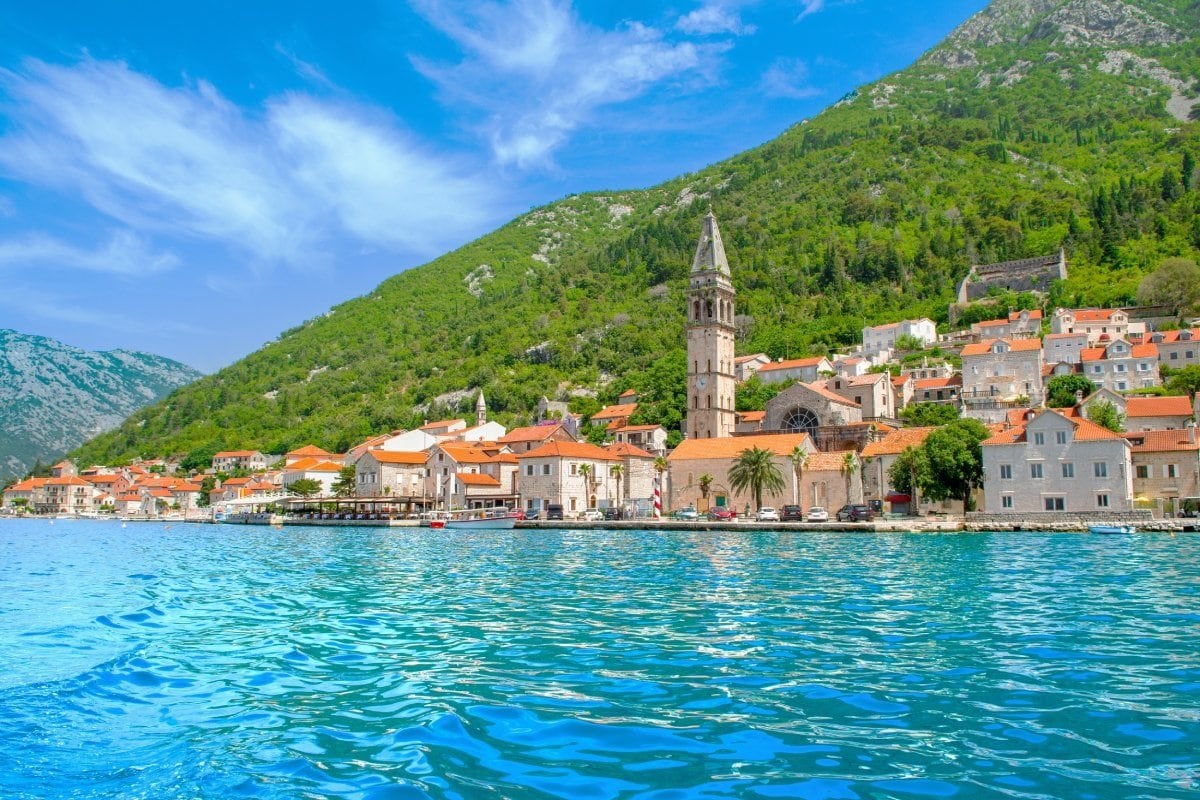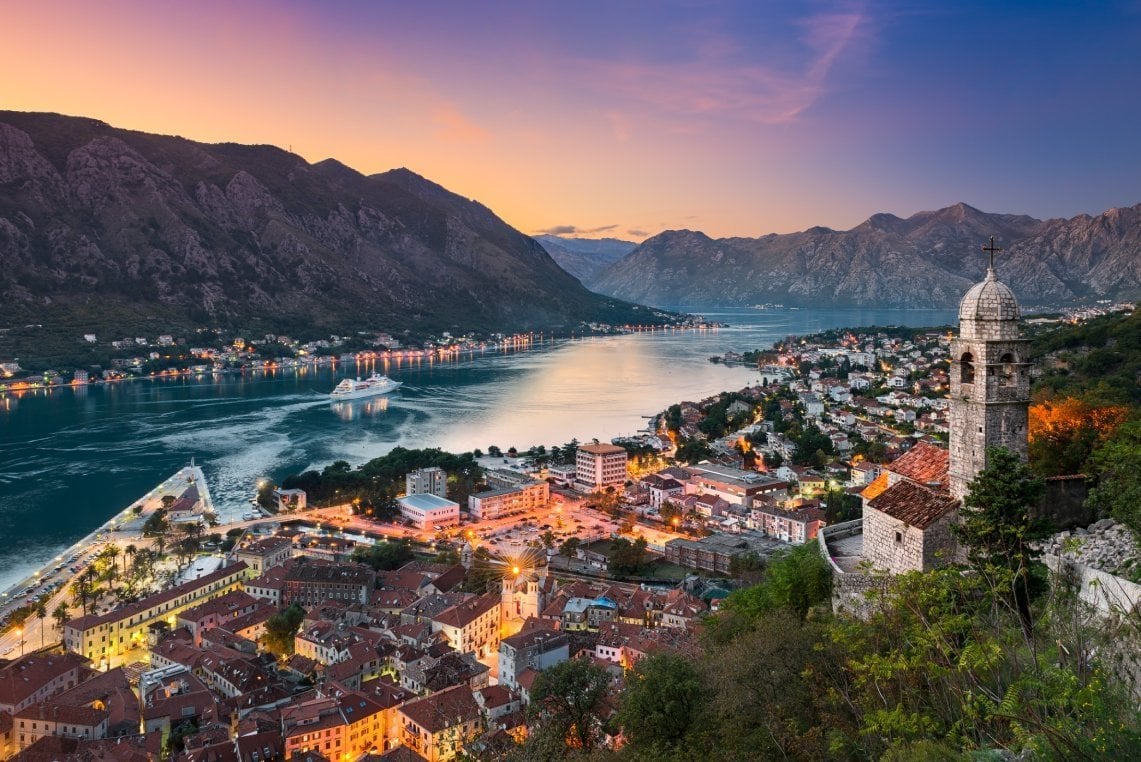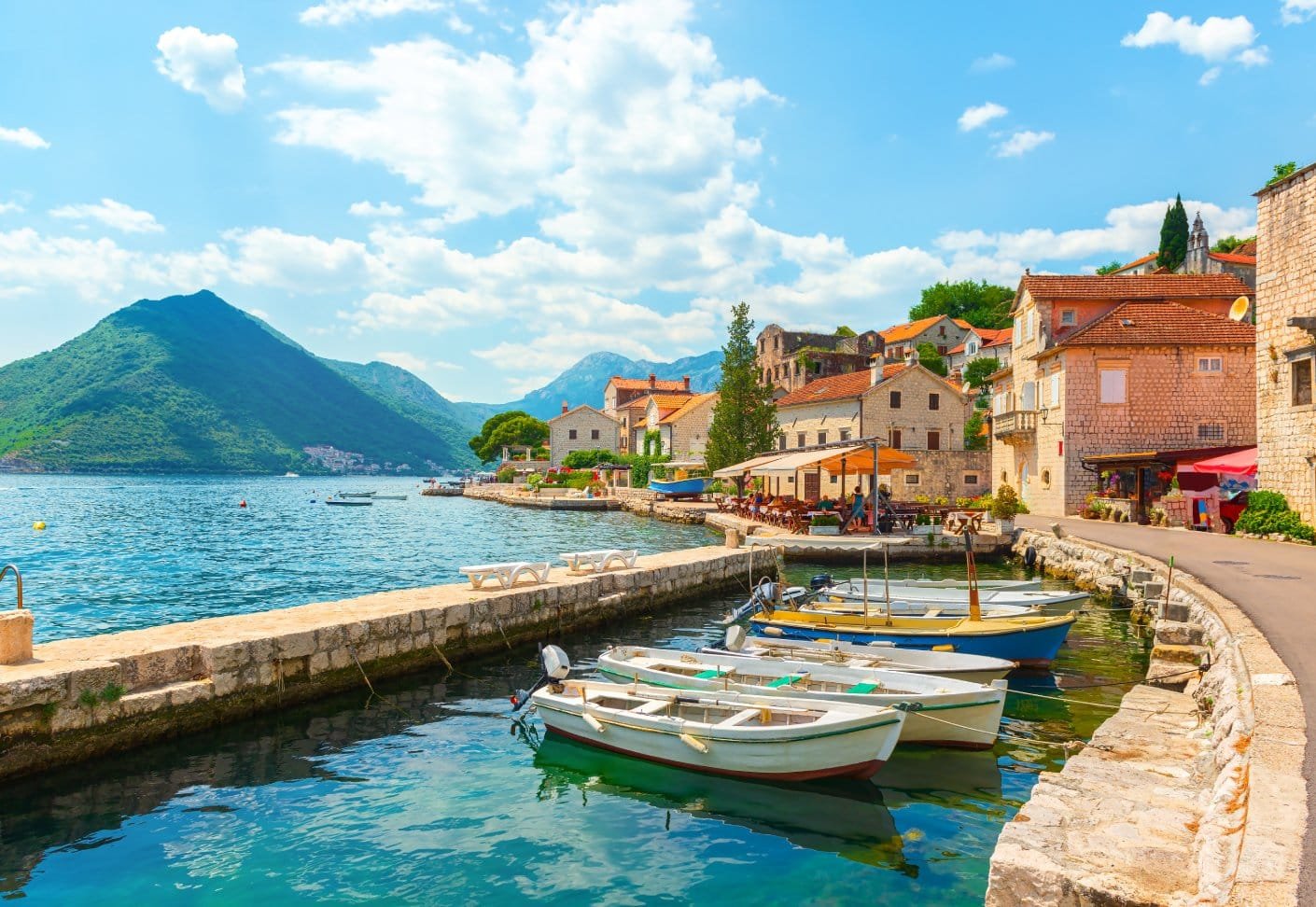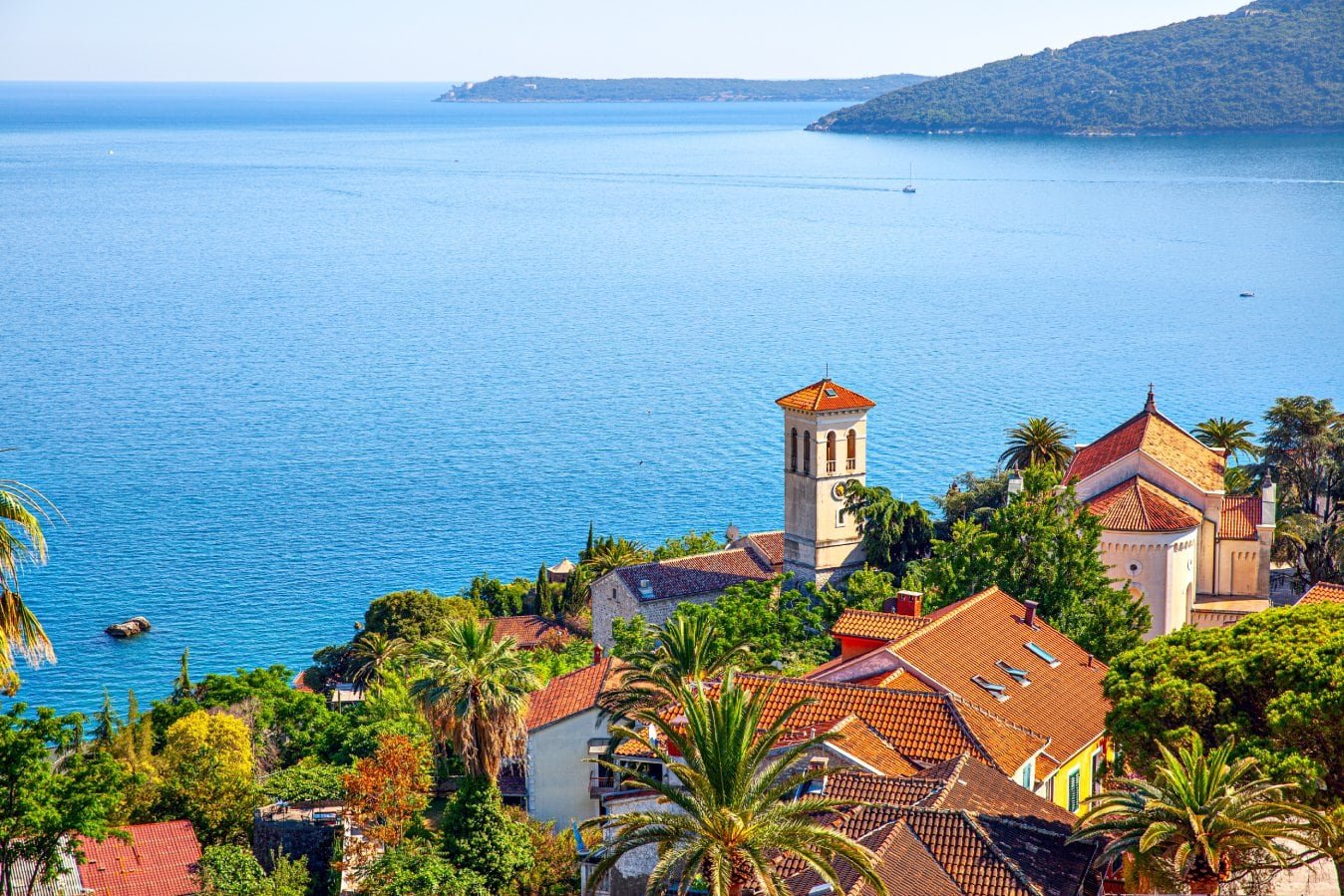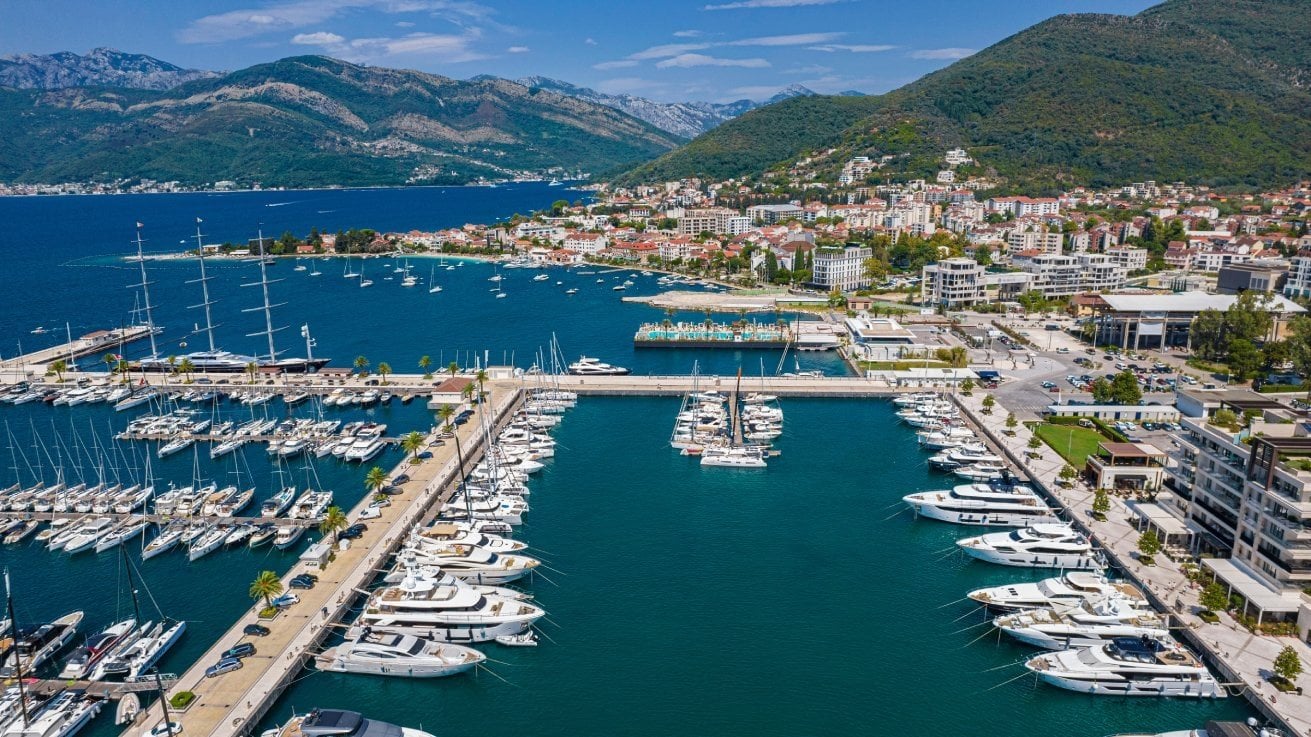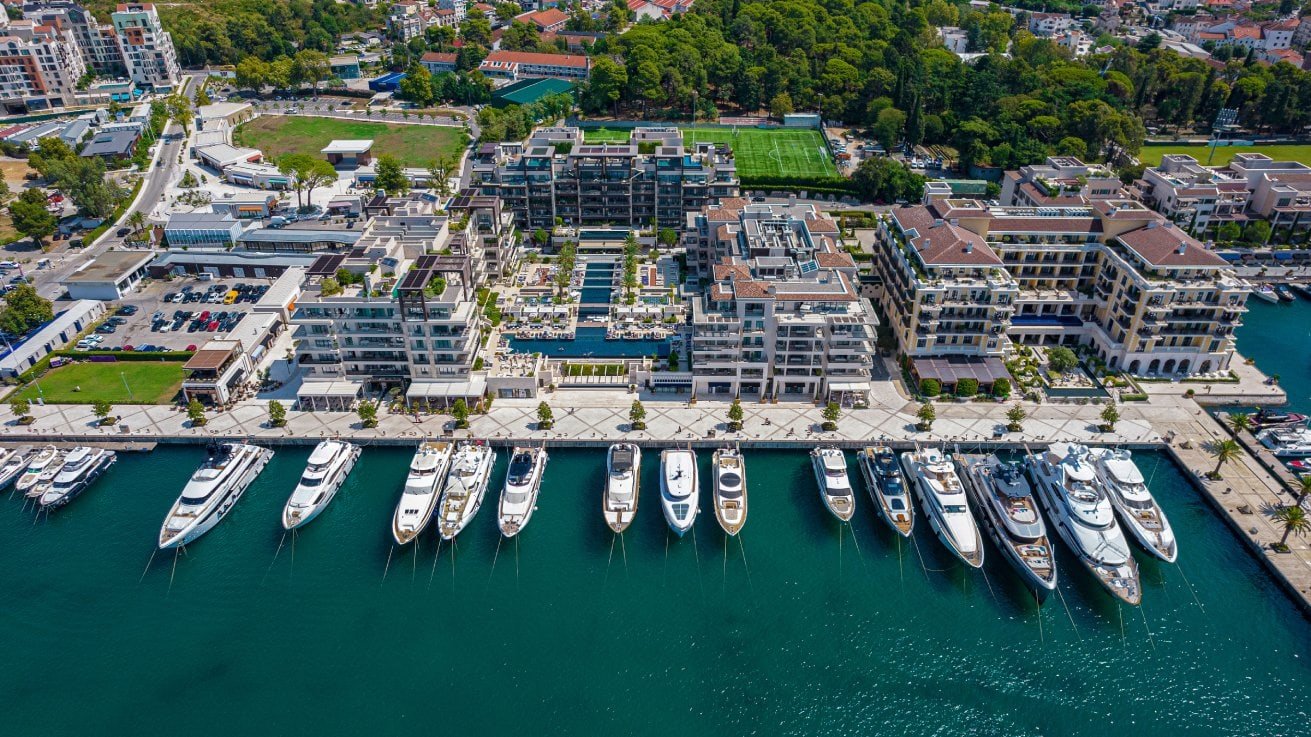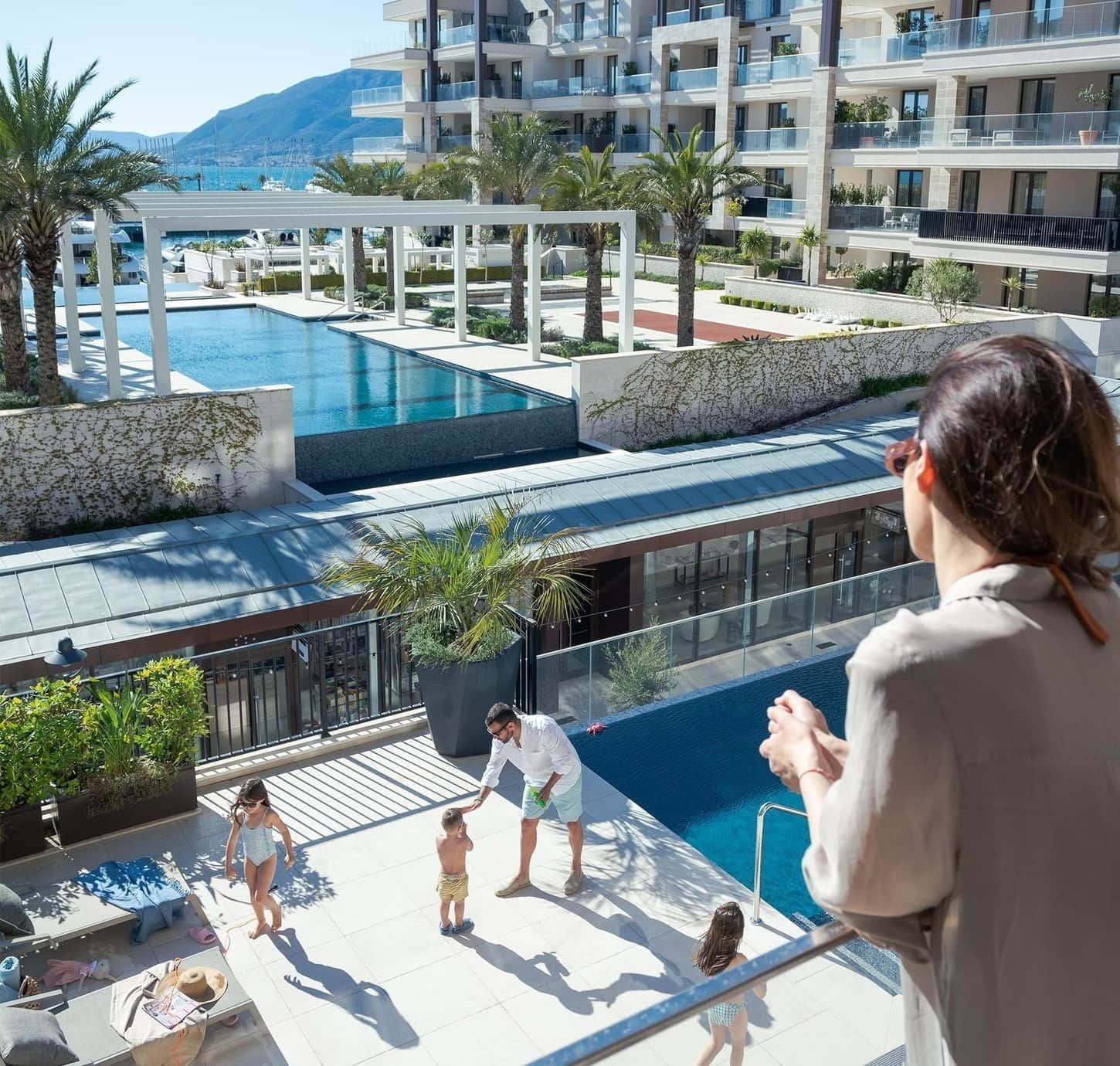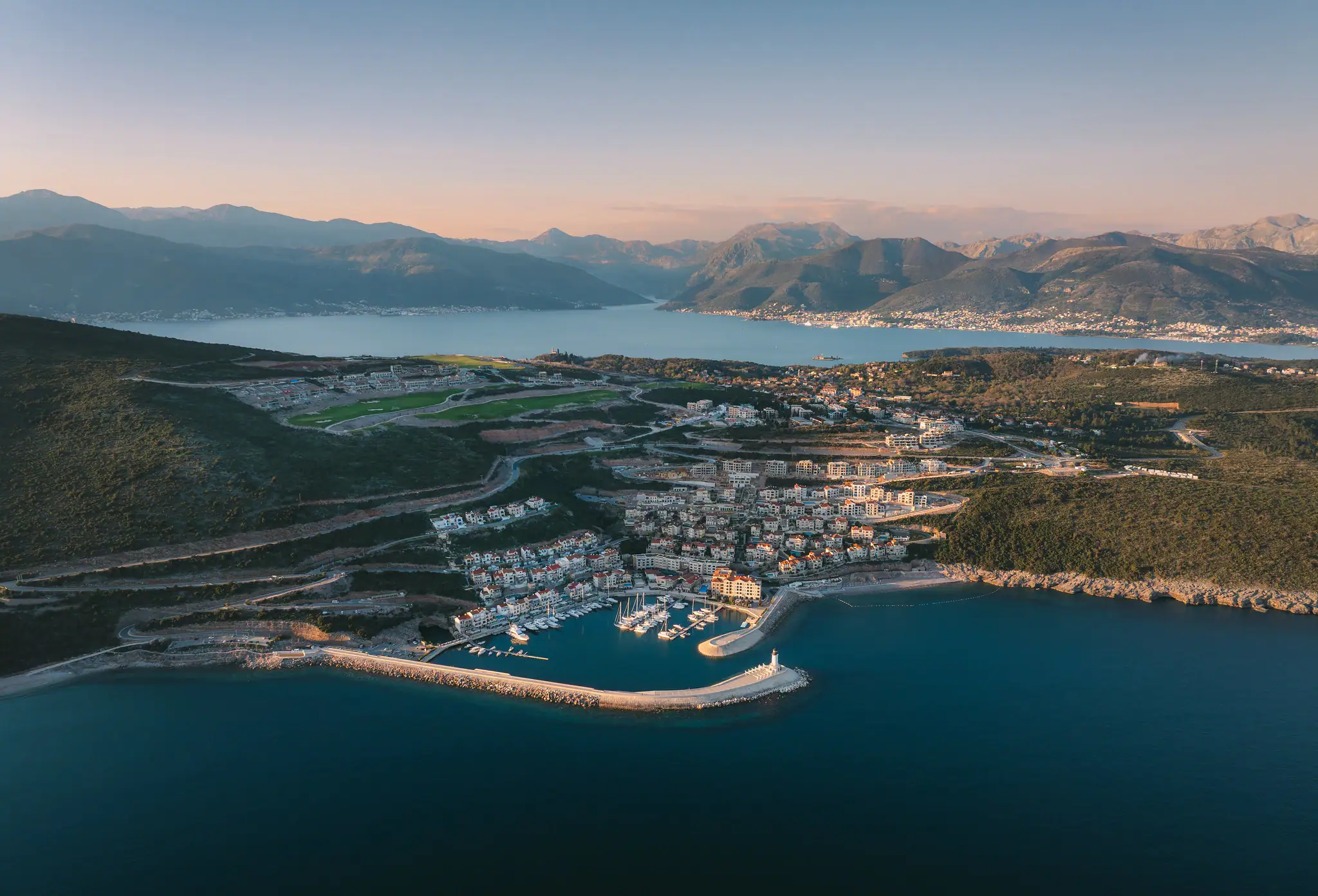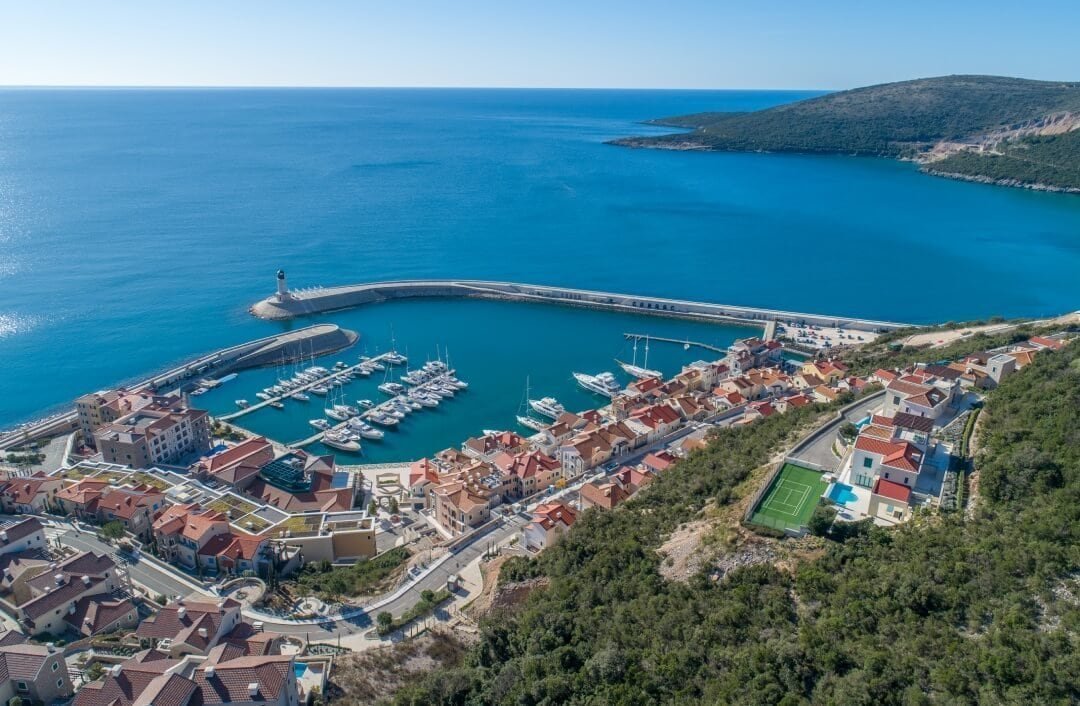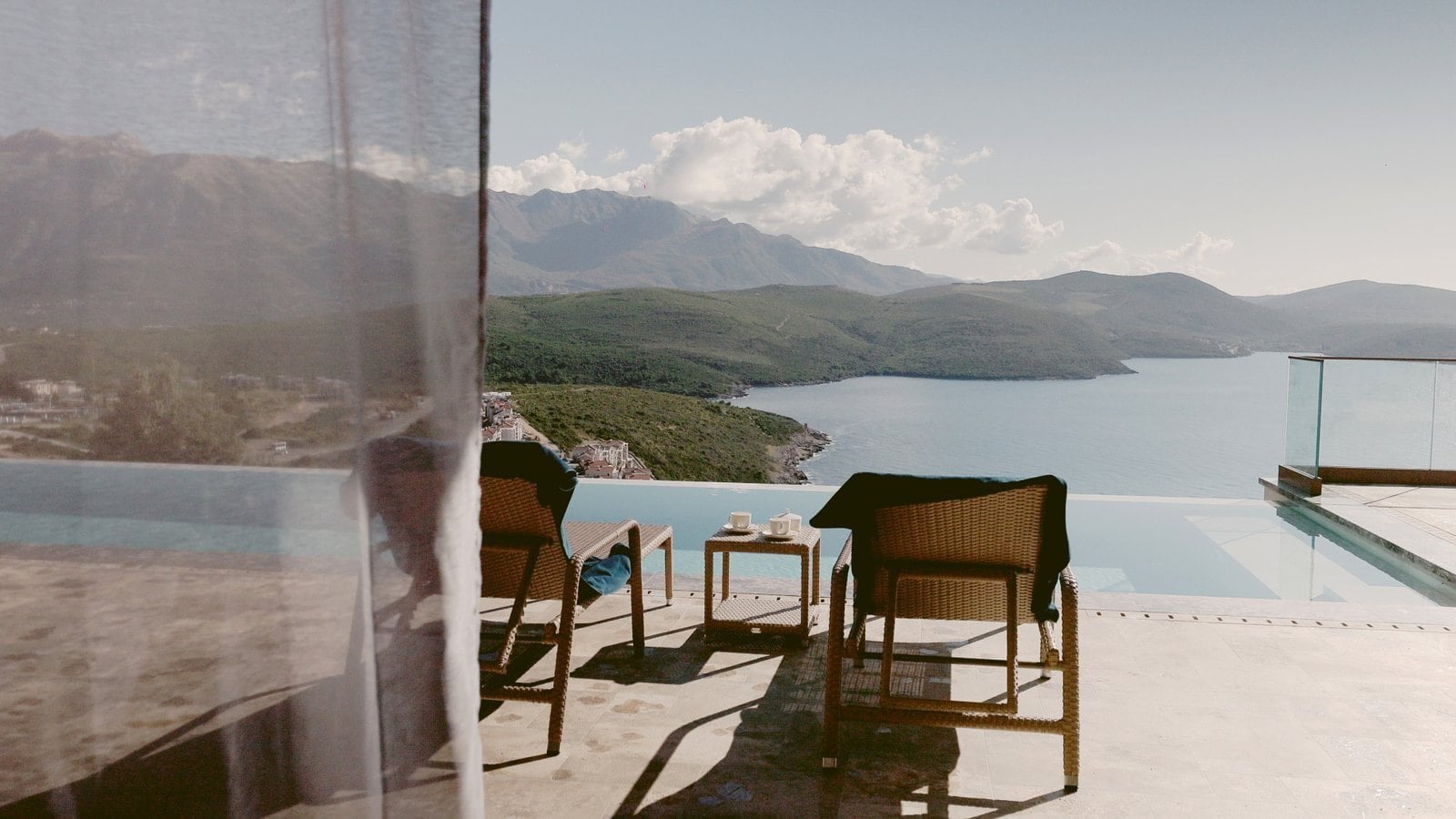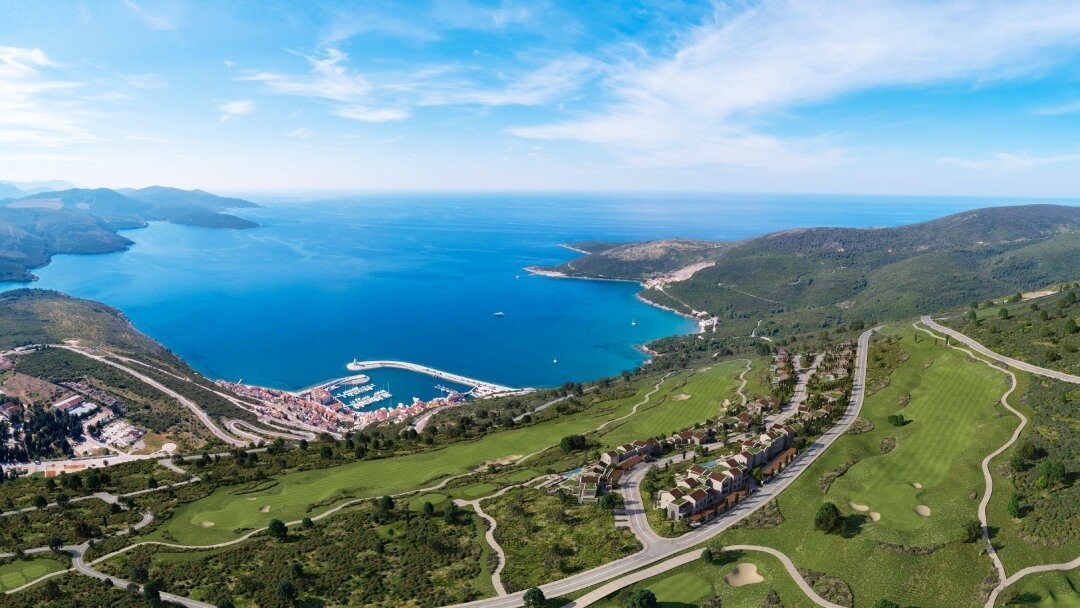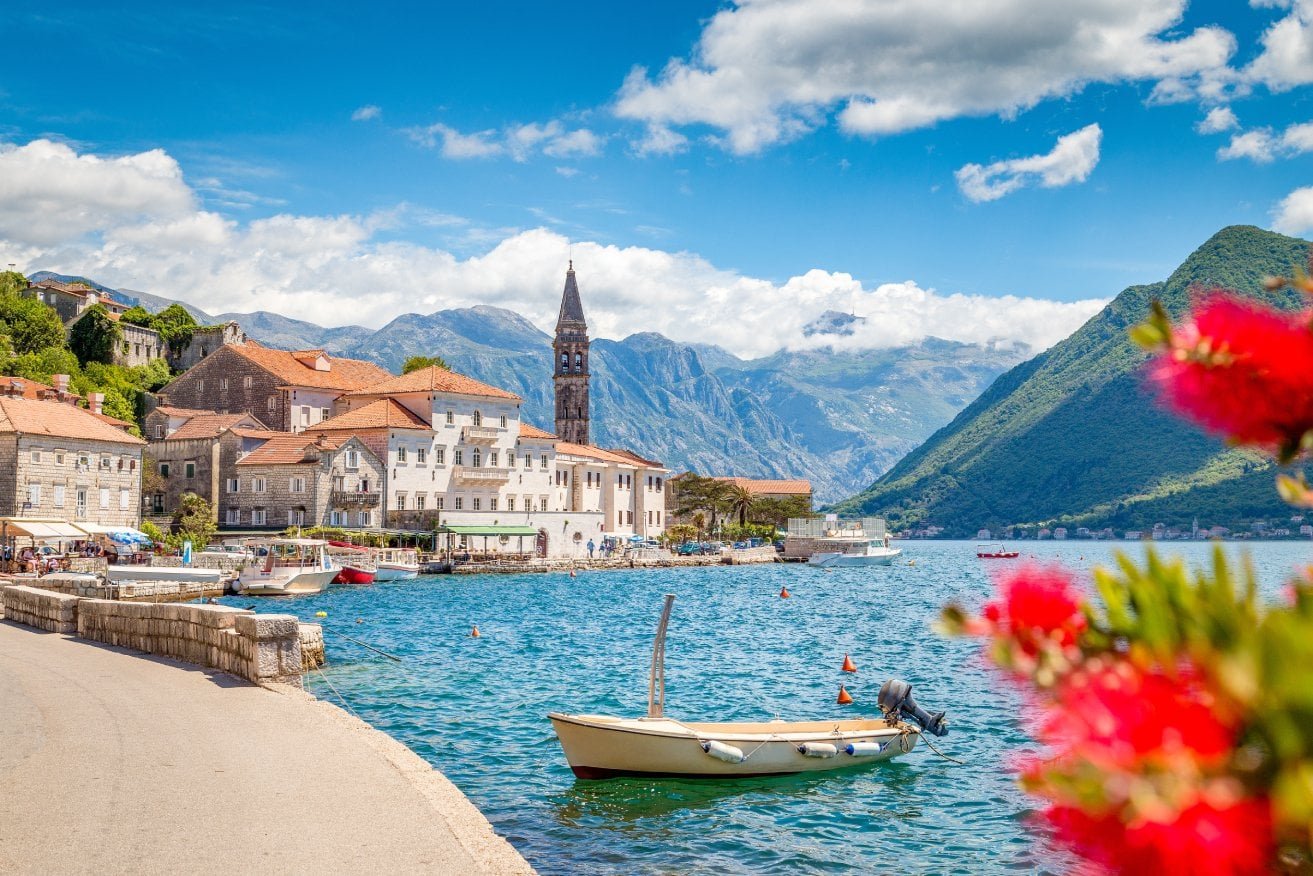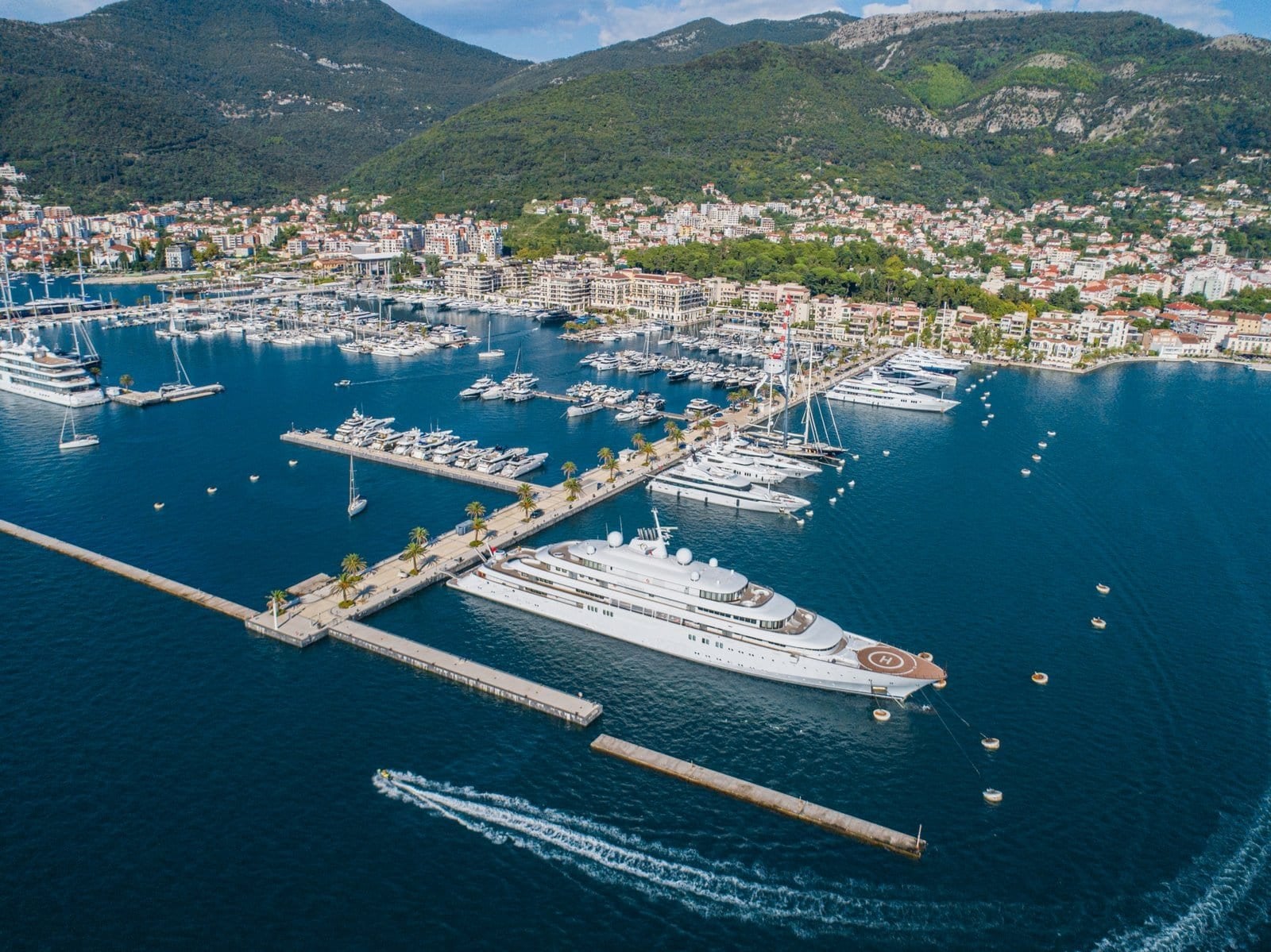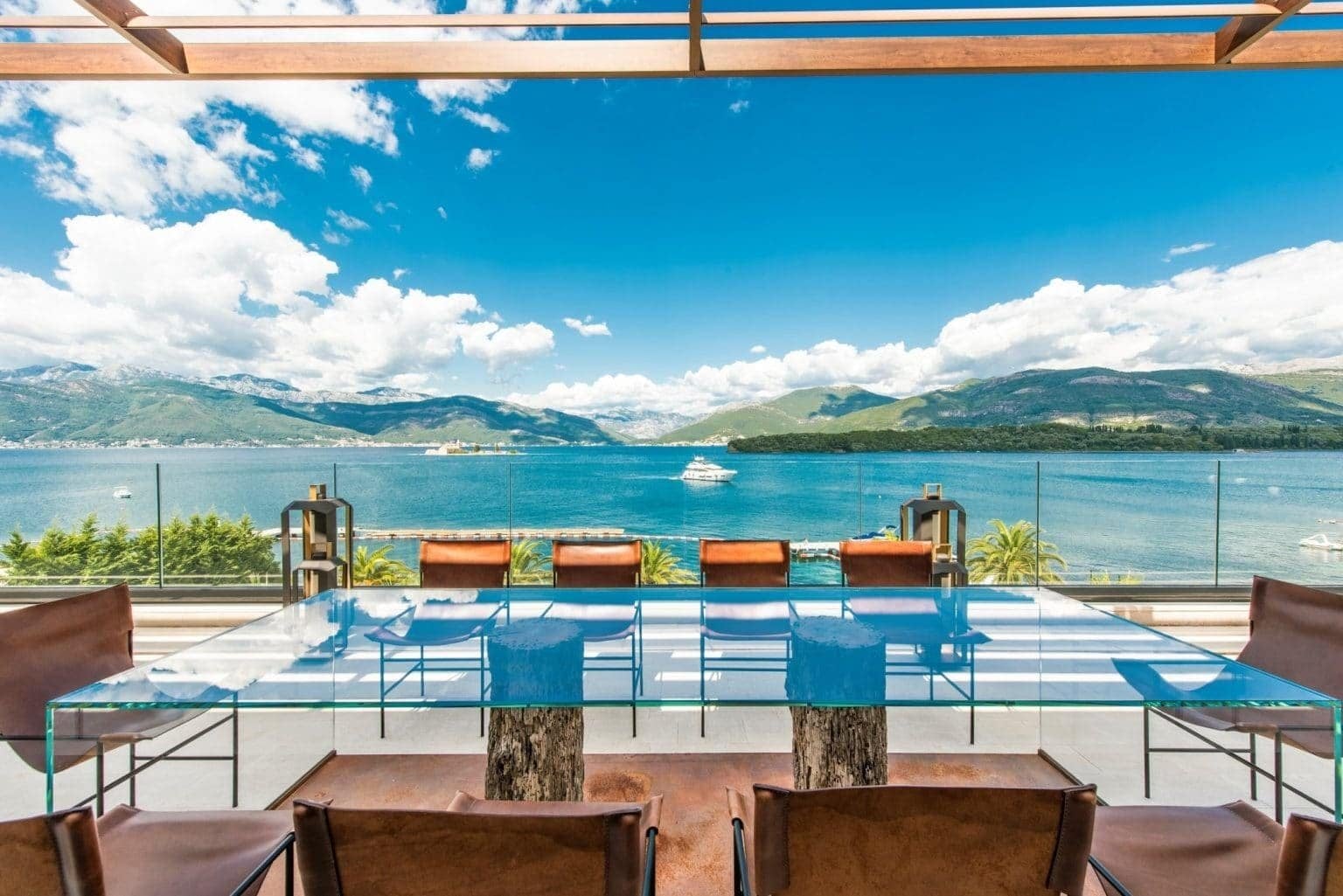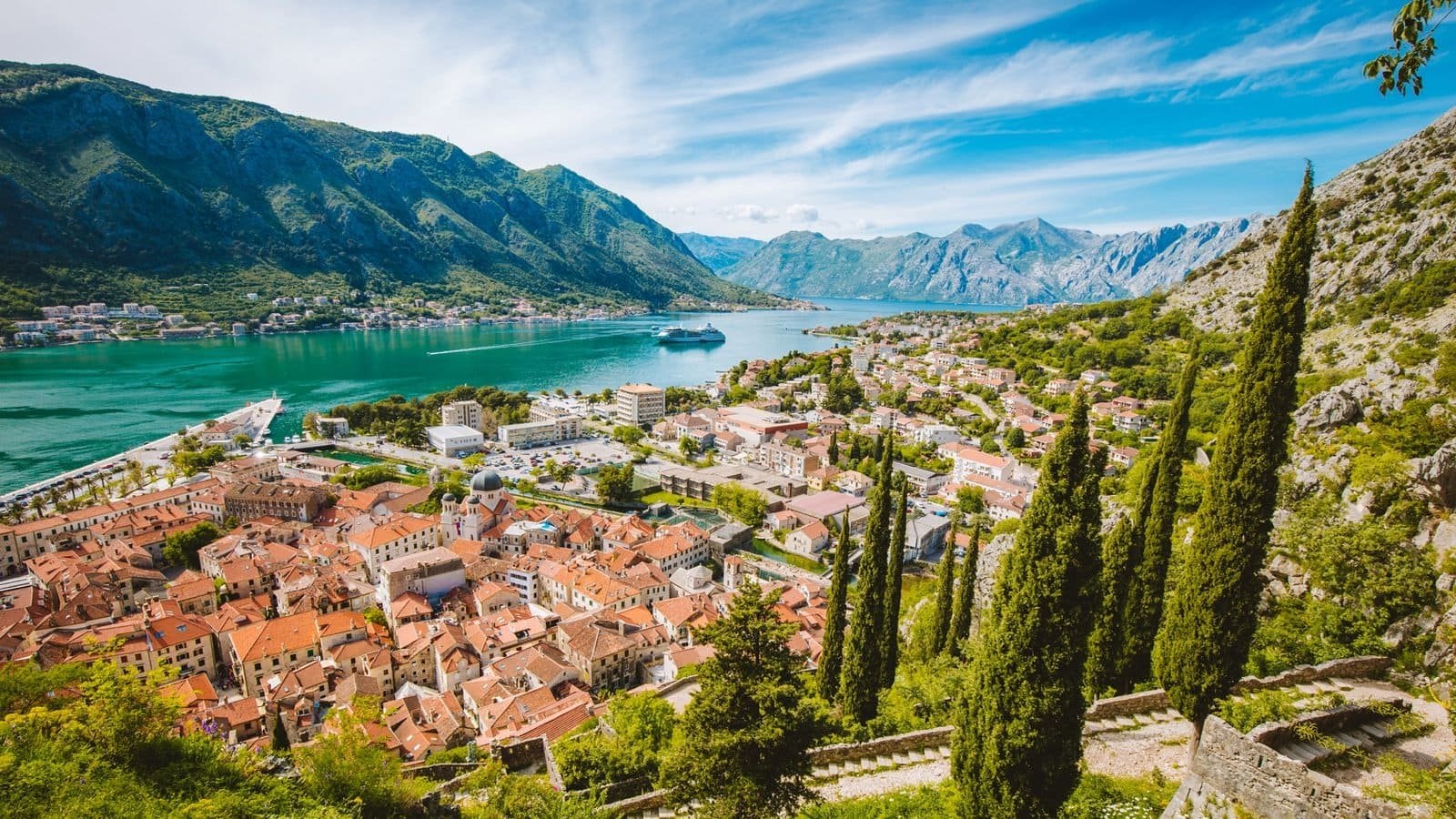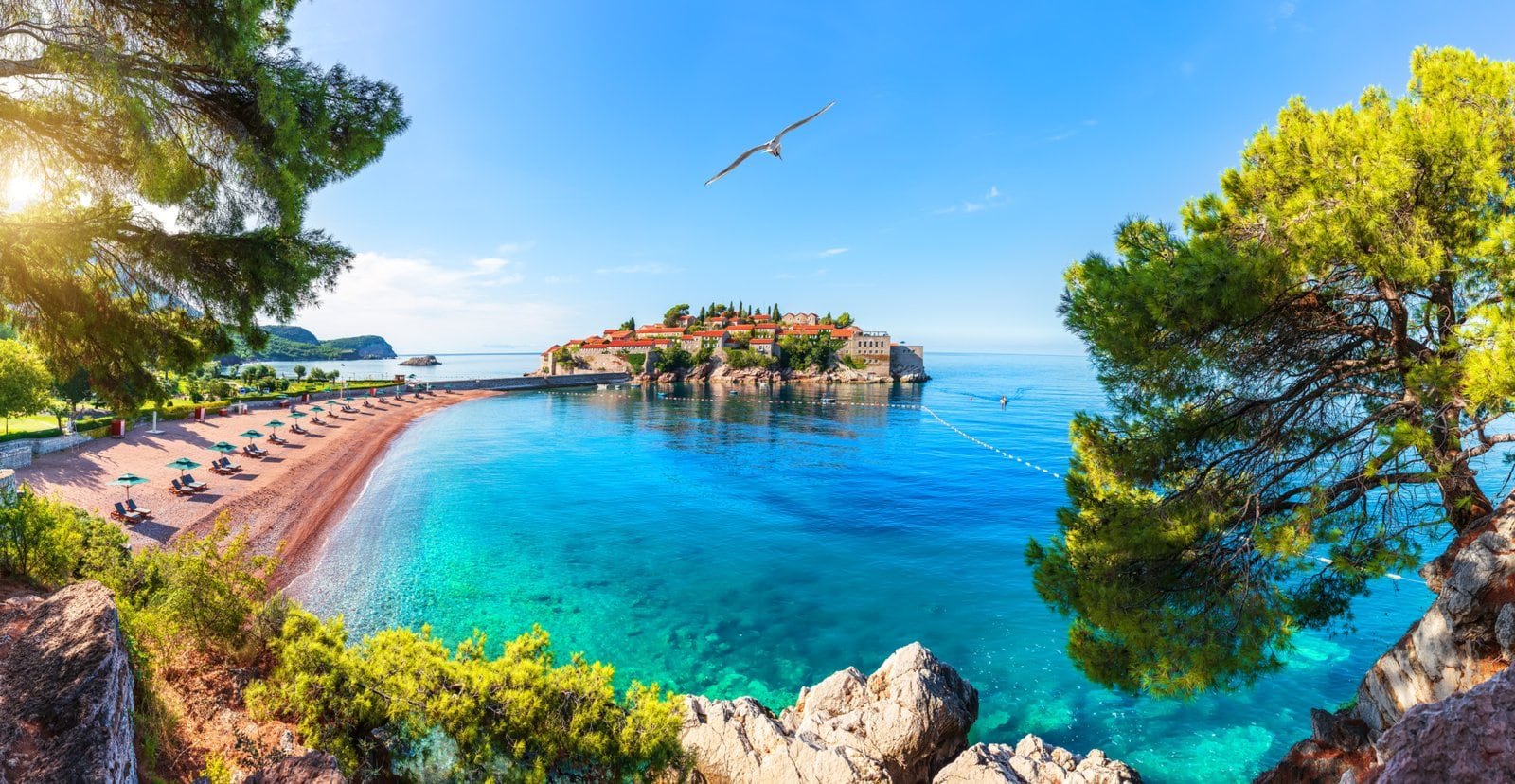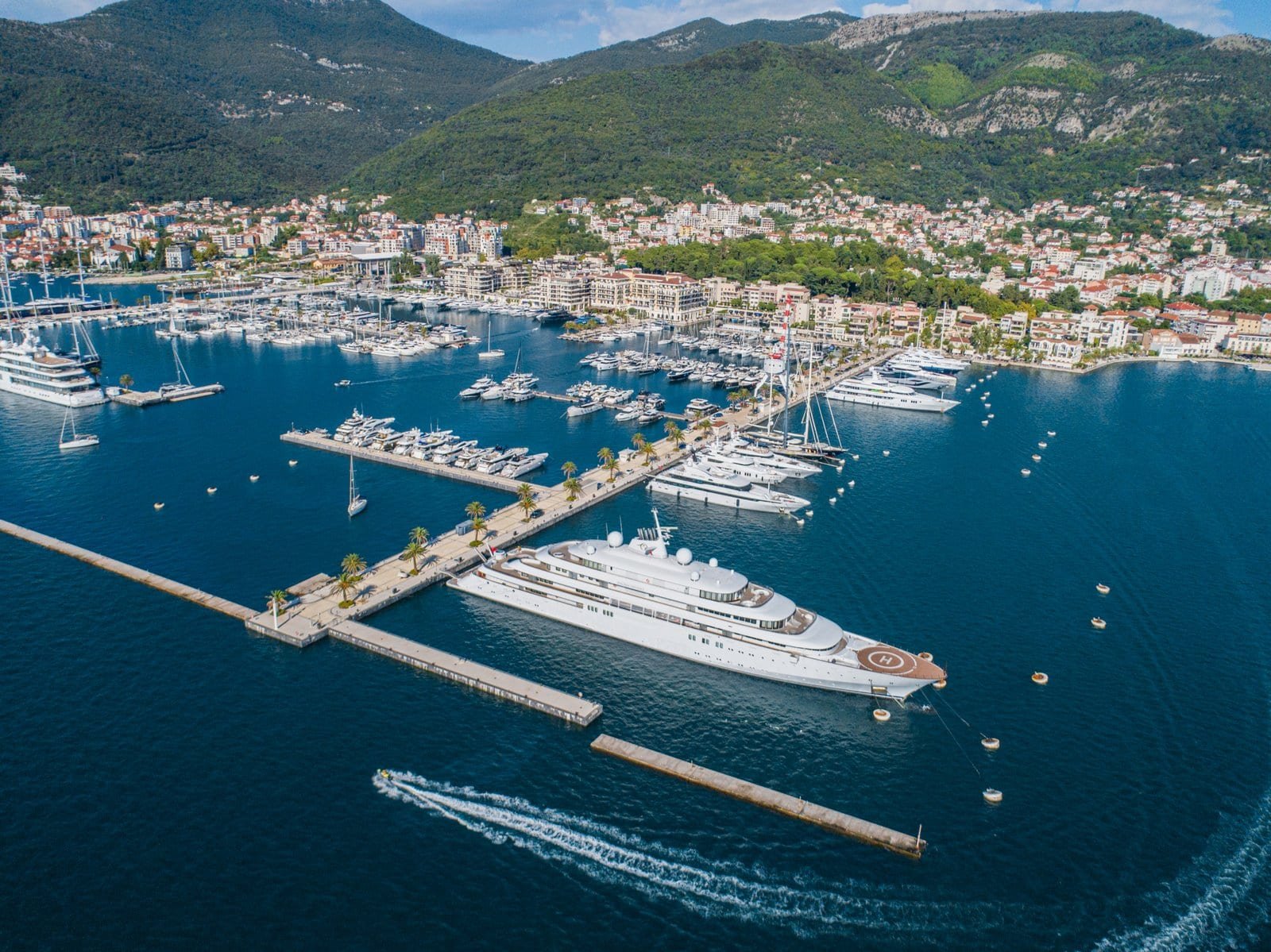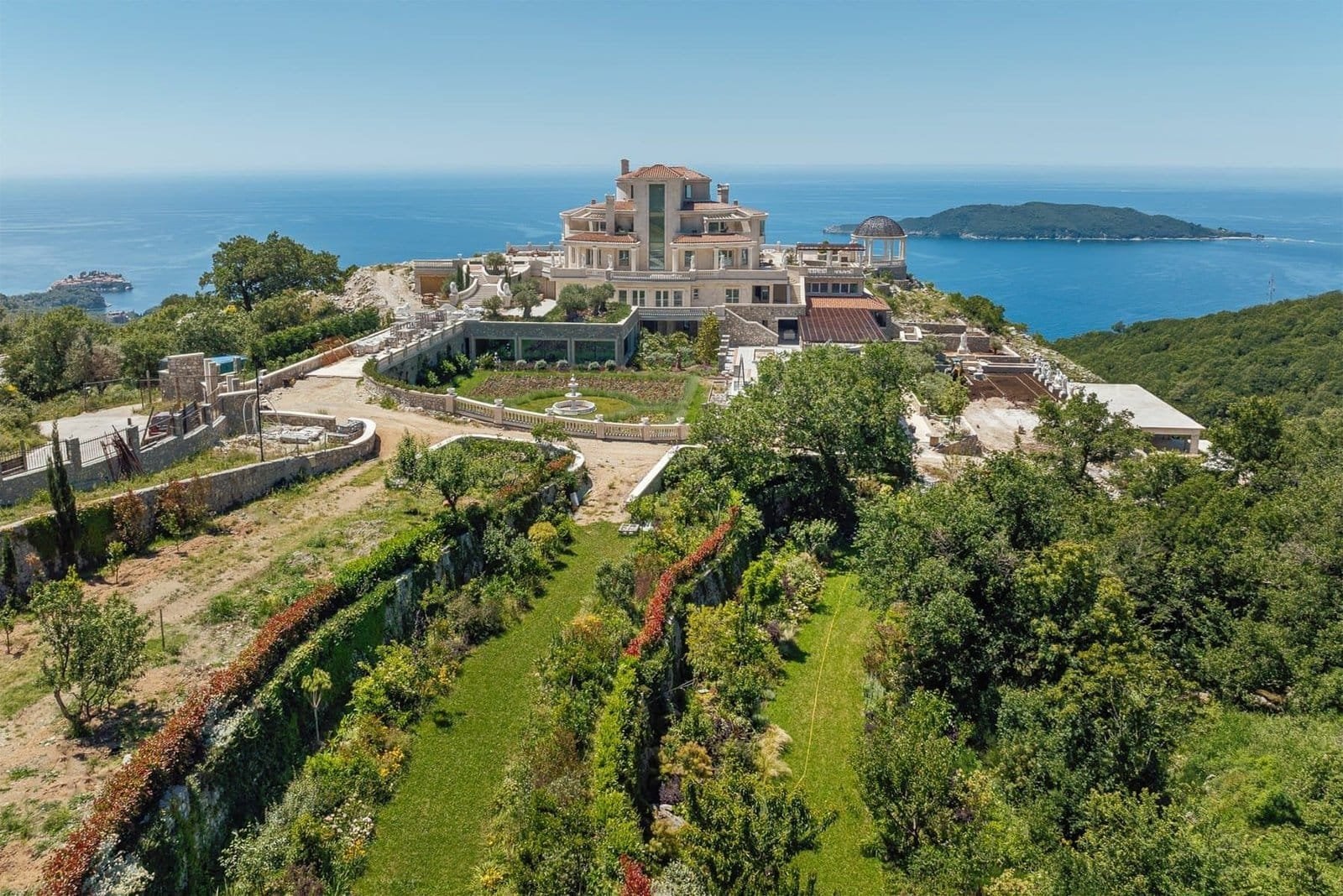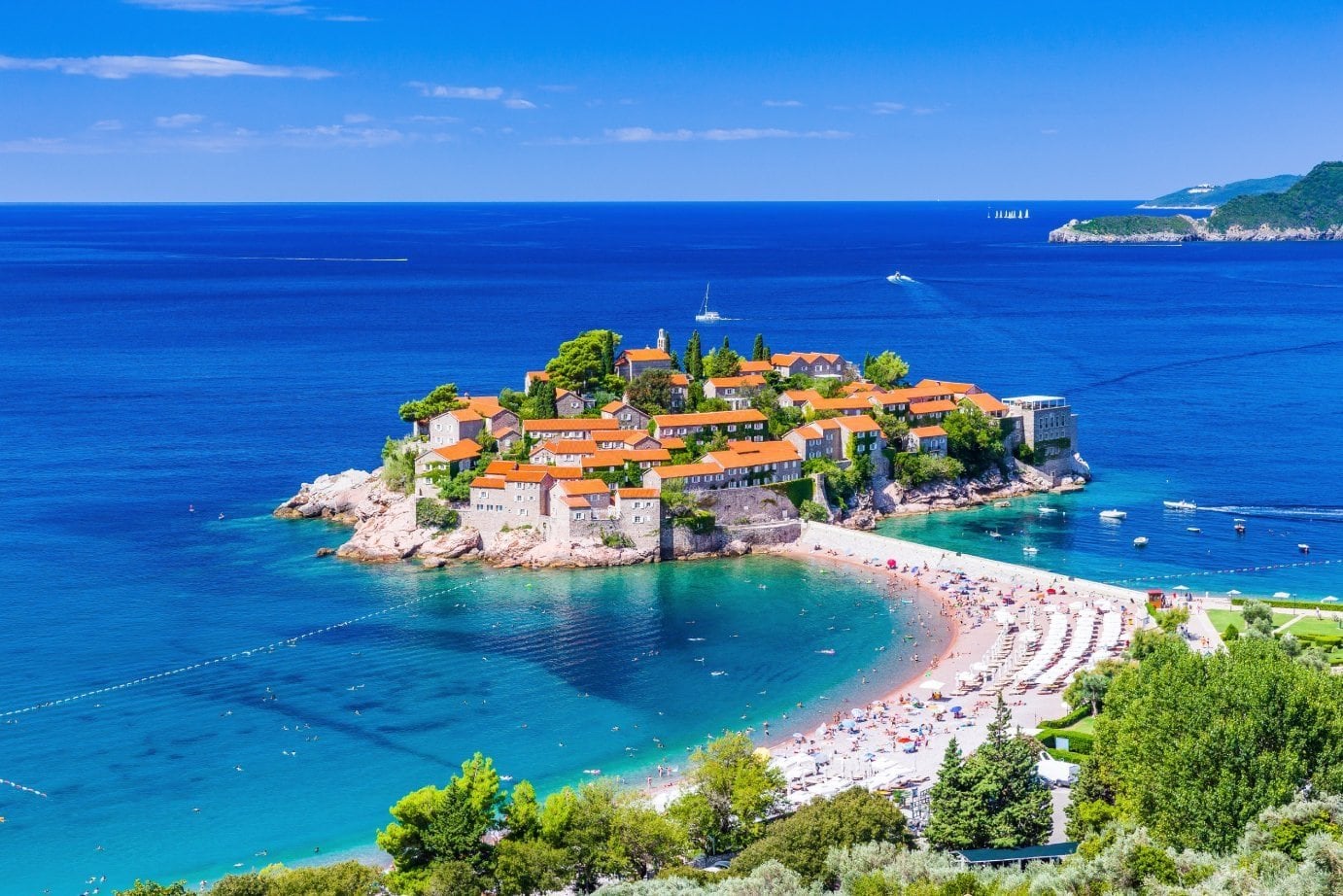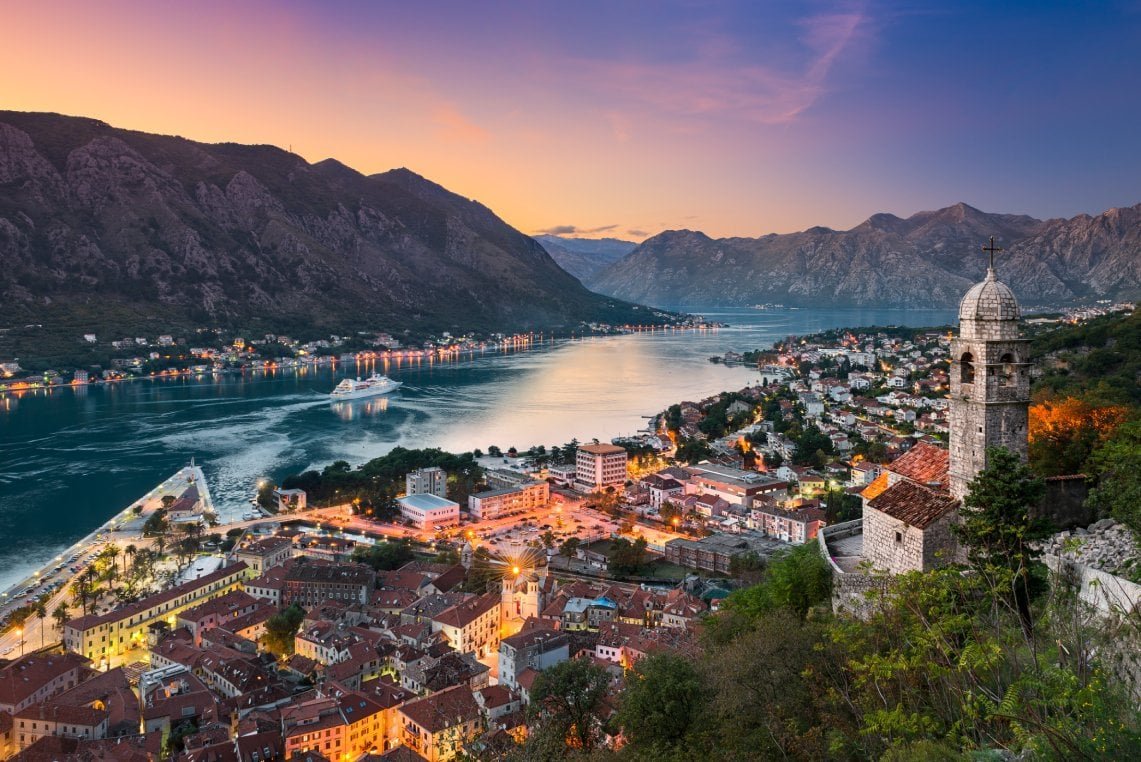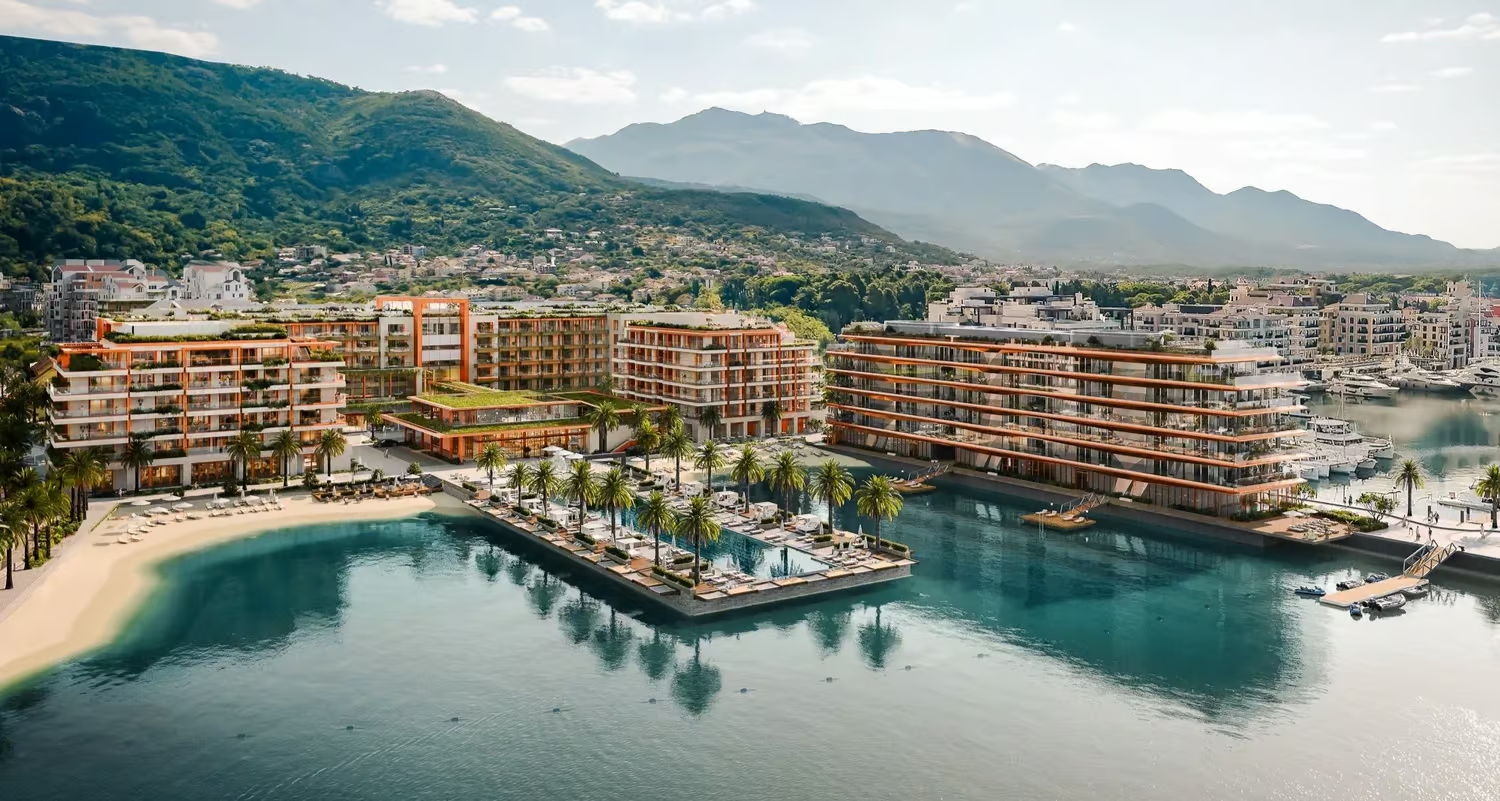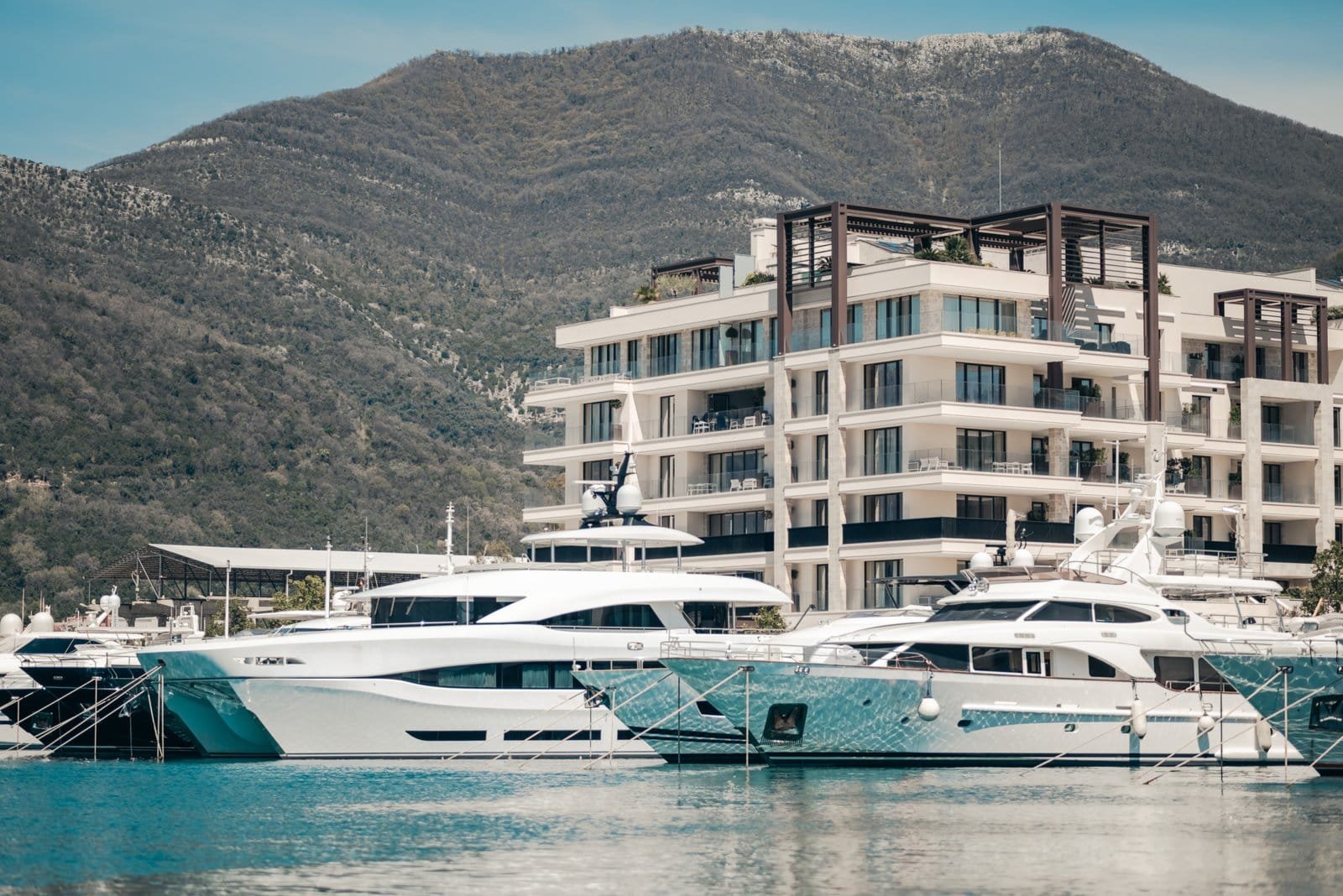
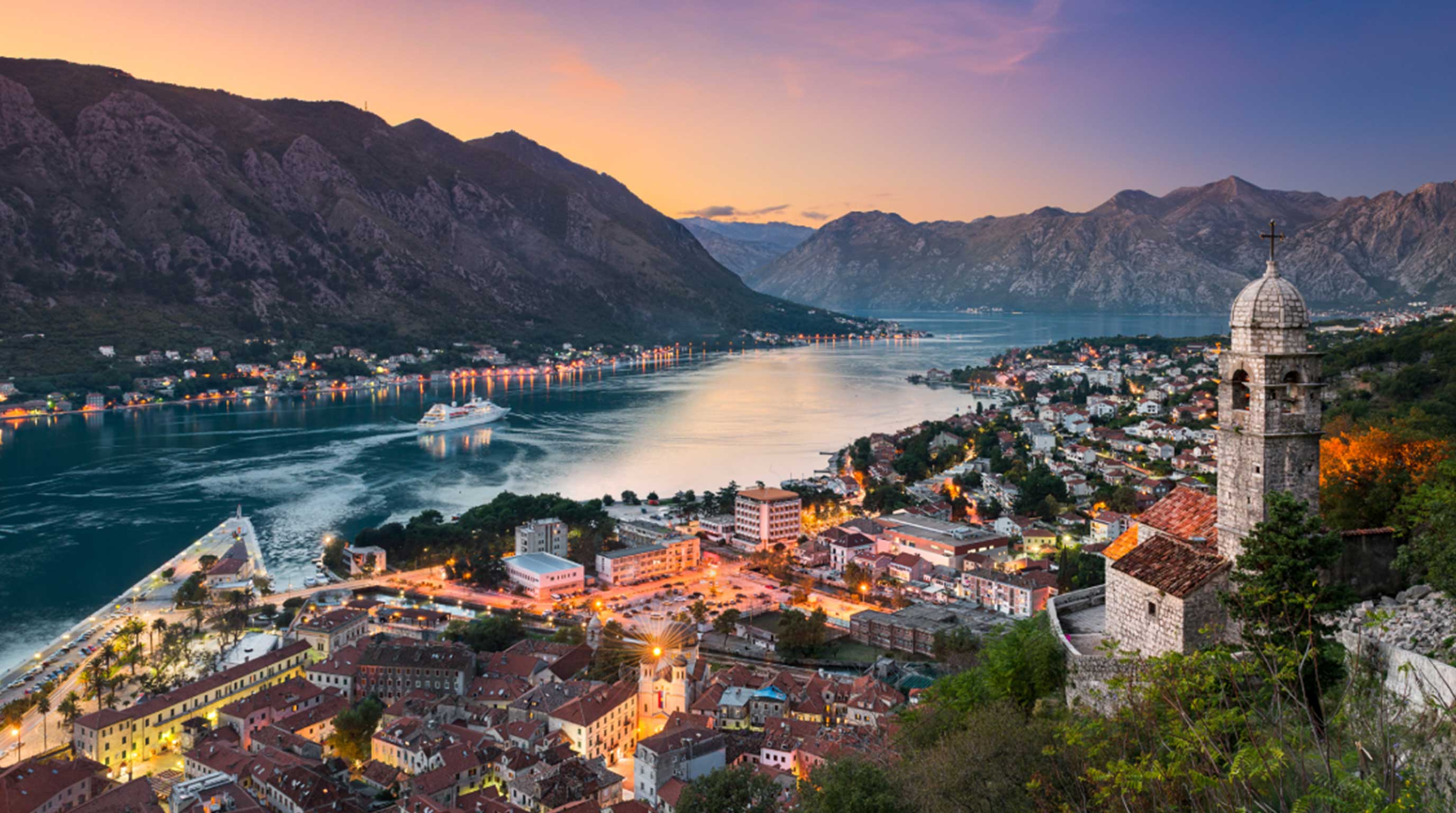
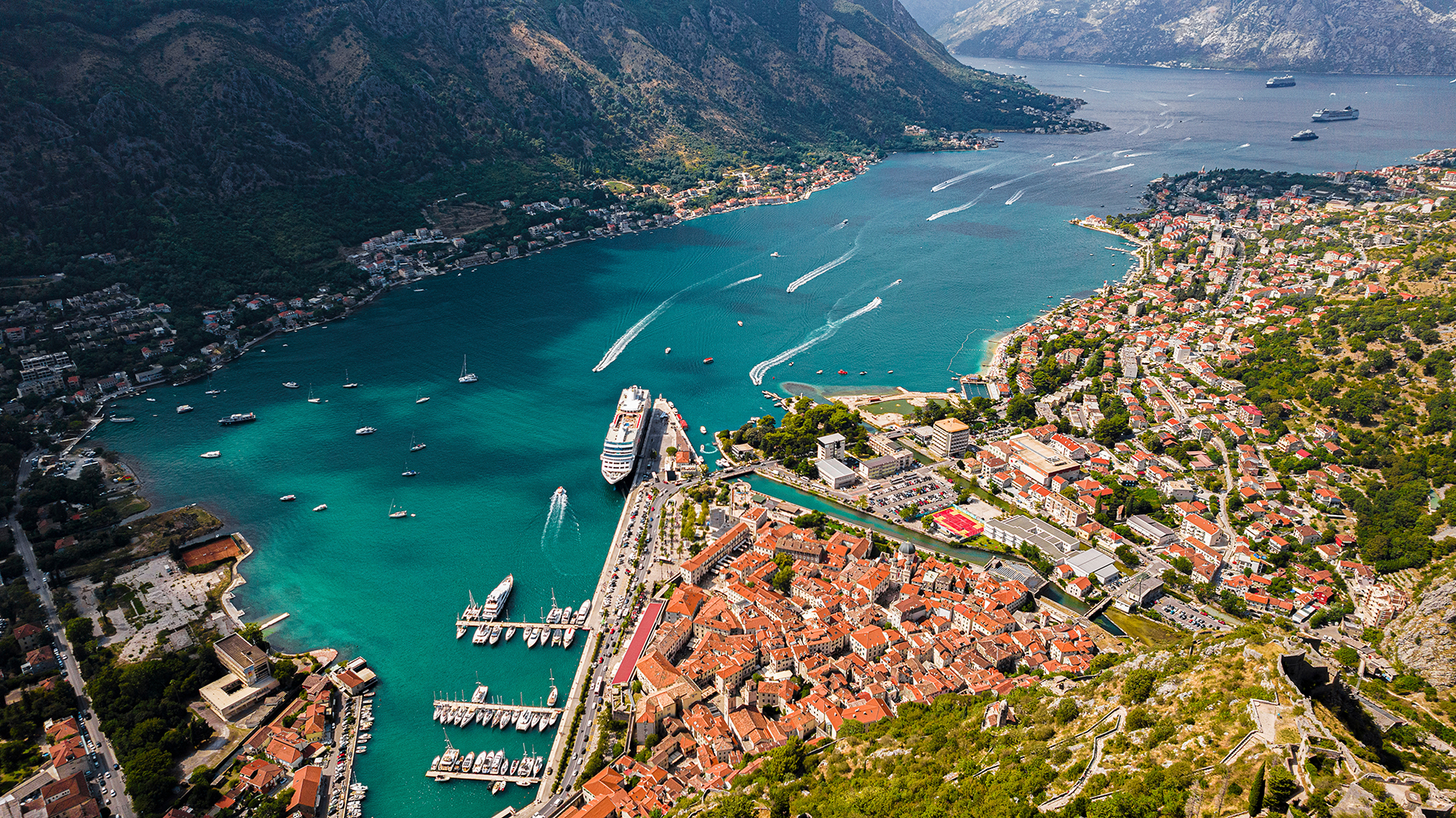
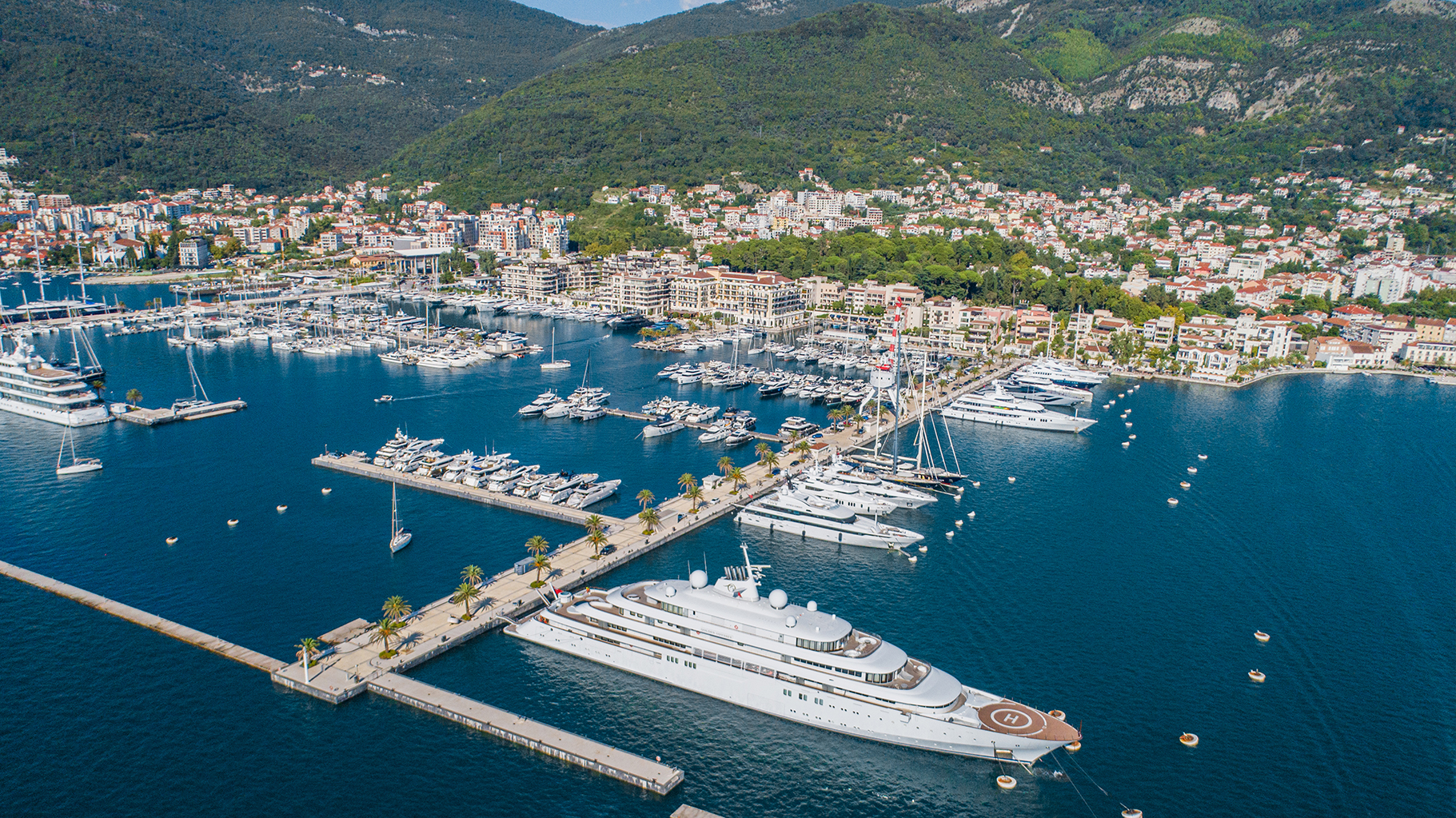
When buyers first consider Montenegro property, the instinct is almost universal: a terrace above Budva, a waterfront villa on the Bay of Kotor, or perhaps a marina-front residence at Porto Montenegro. Those assets have genuine merit, and our own portfolio reflects their enduring appeal, from Hilltop Splendour Above Sveti Stefan: Six Bedrooms of Adriatic Grandeur to Beachfront Elegance on the Adriatic: Rafailovici's Most Coveted Coastal Address. But the coastal narrative, compelling as it is, has begun to share the stage. A more analytically driven category of buyer is now directing serious attention toward Montenegro's urban centres, specifically Podgorica and Cetinje, and the reasoning behind that shift is worth examining in full.
Why Urban Montenegro Is Attracting Serious Capital in 2026
The Structural Difference Between Coastal and City Ownership
The coastal property market in Montenegro is, at its core, a tourism-dependent system. Budva, Rafailovici, and the Kotor Riviera perform strongly from June through September. Outside that window, occupancy contracts sharply, service industries thin out, and the rhythm of daily life slows to something closer to hibernation. For investors holding Adriatic Frontline Living: An Elegant Coastal Sanctuary Above the Rafailovici Shore, the summer income can be excellent. The carrying costs and management demands of the off-season, however, are not trivial.
City residential property in Montenegro operates on an entirely different set of fundamentals. Podgorica functions as a genuine working capital: it houses government ministries, foreign embassies, the headquarters of international organisations, and a growing concentration of foreign-owned commercial operations. The University of Montenegro and several private institutions anchor a year-round student population. Cetinje, the country's former royal capital and its enduring cultural centre, supports a similarly stable residential base. Neither city experiences the seasonal contraction that defines coastal resort ownership. For buyers who require an asset that generates income consistently across twelve months rather than three or four, the urban argument becomes difficult to dismiss.
The Buyer Profile Has Changed
The international buyers now approaching Barok Estates International with urban Montenegro briefs are not the same profile that dominated coastal enquiries five years ago. They are not primarily motivated by holiday use or lifestyle aspiration alone. They are entrepreneurs comparing Podgorica's residential yields against other emerging European capitals. They are professionals seeking EU-adjacent residency options. They are portfolio investors looking to diversify away from saturated Mediterranean markets where entry prices have compressed returns to thin margins.
For a full orientation to the Montenegro property market before focusing on urban assets specifically, the Montenegro Apartments for Sale: The Complete Buyer's Guide for 2026 provides essential context on the legal framework, purchase process, and broader investment environment.
Podgorica Downtown Real Estate: A Neighbourhood-by-Neighbourhood Assessment
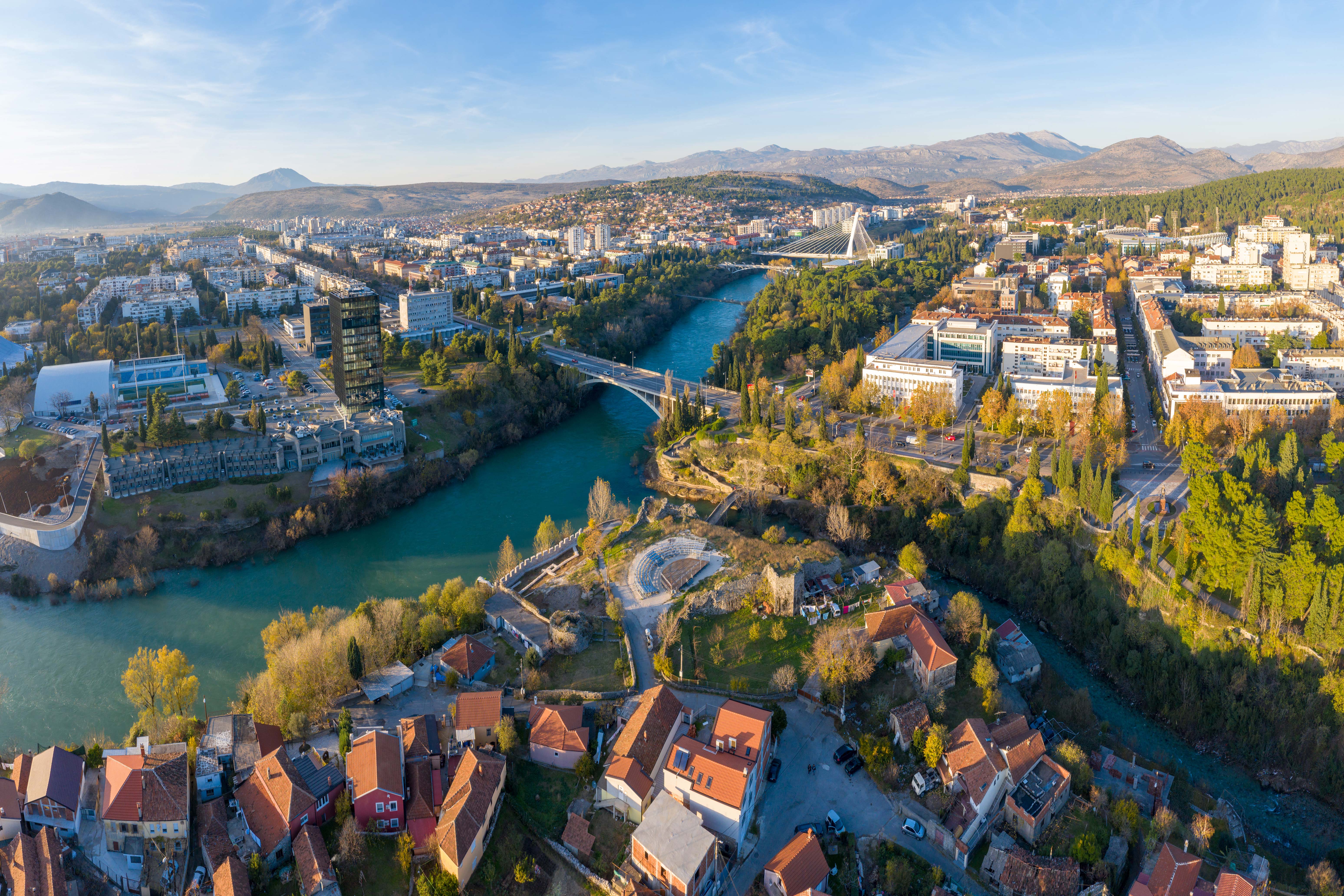
Podgorica is, by the standards of European capitals, a compact and low-rise city. That characteristic is an advantage rather than a limitation for property buyers: genuine walkability, short commute times, and a human scale that larger capitals have largely lost. Two primary zones define the downtown investment opportunity for international buyers.
City Quarter and Novo Naselje: Where Modern Podgorica Is Being Built
The City Quarter, centred on the Blok V corridor and the Capital Plaza development zone, represents the contemporary face of the capital. New-build residential towers here offer specification levels that compare comfortably with equivalent product in Ljubljana, Tallinn, or Skopje: underground parking, concierge services, controlled access, and interior finishes that meet the expectations of corporate tenants. The presence of the embassy district within this zone is commercially significant. Diplomatic and senior NGO staff represent a tenant pool that combines financial reliability with relatively long tenancy horizons, a combination that meaningfully reduces the management burden on investor-owners.
Novo Naselje, immediately adjacent to the City Quarter, adds depth to the area's residential appeal. The neighbourhood has developed a functioning urban fabric of cafés, international-standard medical facilities, supermarkets, and school provision. For buyers who intend to occupy the property themselves, or who wish to attract professional family tenants rather than corporate singles, Novo Naselje's infrastructure makes it the more complete proposition.
Pricing in this belt carries a clear premium over the broader Podgorica residential market, reflecting both the specification quality and the strength of tenant demand. According to data published by the Montenegrin Statistical Office (MONSTAT), residential property values in Podgorica's prime downtown districts have recorded consistent year-on-year appreciation since 2021, outperforming the national average across each measured period.
Stara Varoš and the Old Town Fringe: The Contrarian Case
Stara Varoš, the old quarter of Podgorica, occupies the confluence of the Ribnica and Morača rivers and carries visible traces of Ottoman and early Austro-Hungarian architecture. The residential stock here is older, frequently requiring substantive renovation, and per-square-metre entry prices sit noticeably below those in the modern core. For a buyer prepared to accept project complexity in exchange for asset differentiation, Stara Varoš presents a genuine opportunity.
The logic is straightforward: acquire at a significant discount to new-build pricing, invest in a quality renovation that respects the architectural character of the building, and hold an asset that has no direct equivalent in a city where heritage stock is genuinely finite. The tradeoff is real: these properties demand more active management, longer gestation periods before income stabilises, and a more detailed understanding of Montenegrin building regulations and heritage constraints. Buyers who approach Stara Varoš without professional advisory support frequently underestimate the complexity. Those who approach it correctly often produce the most distinctive assets in the Podgorica portfolio.
Buy an Apartment in Cetinje Old Town: Scarcity as a Financial Argument
Cetinje occupies a singular position in Montenegrin property. The city served as the royal capital of the Kingdom of Montenegro from the late 15th century until 1918, and it retains the ceremonial and cultural pre-eminence that history confers. The old town core is extraordinarily compact: a tight concentration of low-rise heritage buildings, former royal legations that have been repurposed as museums and cultural institutions, and broad, tree-lined avenues that retain a period character found almost nowhere else in the Western Balkans.
That compactness is precisely what makes it financially interesting. New-build residential supply in Cetinje's old town is, for all practical purposes, zero. Heritage preservation legislation, administered through Montenegro's Ministry of Culture, imposes strict controls on what can be constructed and what modifications can be made to existing structures. The supply constraint is structural, not cyclical, which means that well-positioned apartments in the old town core are genuinely non-replicable assets.
The city sits at 670 metres above sea level on the Karst plateau, placing it 30 minutes by road from Kotor Bay and approximately 10 minutes from the entrance to Lovćen National Park. That geography generates visitor traffic across all four seasons: hiking and cycling in spring and autumn, cultural tourism year-round, and cross-country skiing opportunities in winter months. The visitor base is not a beach tourism crowd, it is a higher-spending, culturally motivated traveller who stays longer and returns more frequently.
For buyers considering the full spectrum of Montenegrin property types, this dynamic is worth comparing with the mountain market covered in our Ski Property in Montenegro: The Kolašin Investment Guide for 2026. The four-season logic applies equally in both locations, though the asset character and buyer profile differ considerably.
Perhaps the most important observation about Cetinje in 2026 is simply that international buyers have not yet arrived in force. Prices remain substantially below comparable heritage residential property in Kotor's Old Town, despite Cetinje's arguably more distinguished historical pedigree and its greater cultural depth. The gap will not persist indefinitely. Early-entry buyers in Kotor's Old Town, including those who now hold properties such as Centuries of Story, One Palazzo Address on the Bay of Kotor, acquired ahead of the international market's attention. Cetinje presents a structurally similar opportunity at an earlier stage.
Montenegro City Centre Property Investment: The Yield and Appreciation Case
Rental Yields: Why Urban Outperforms Coastal on a Full-Year Basis
The coastal yield headline is frequently impressive, but headline figures rarely survive contact with annualised reality. A Budva apartment generating strong July and August rental income may sit largely vacant from October through May. When void periods, management fees, seasonal maintenance costs, and the carrying expense of a part-time asset are factored into the calculation, the effective annual yield often contracts significantly from the advertised seasonal figure.
A well-specified apartment in downtown Podgorica, occupied by a diplomatic tenant or a senior professional from the international NGO community, produces a different income profile entirely. Tenancies of twelve to twenty-four months are standard in this segment. Rental payments are reliable, often paid monthly in advance under internationally standard lease agreements. Void periods between tenancies are short in a market where quality supply remains limited relative to the depth of institutional and professional demand.
Montenegro's Central Bank (CBCG) has reported consistent growth in Podgorica's formal rental market since 2022, driven in part by the city's expanding role as a regional hub for technology companies, international financial services operations, and EU-adjacent business activity. That underlying demand is not seasonal. It reflects structural economic growth in the capital, and it supports rental income streams that coastal assets, however attractive their peak-season returns, cannot match on a full-year basis.
Appreciation Drivers: What Will Move Urban Values Over the Next Decade
Several structural factors support the medium-term appreciation case for urban Montenegro property, and they deserve to be considered individually rather than treated as a generic emerging-market growth story.
Montenegro's EU accession process remains the single most consequential macro factor for property values. The country has held EU candidate status since 2010 and has opened the majority of negotiating chapters. According to assessments published by the European Commission in its annual progress reports, Montenegro remains among the most advanced of the Western Balkan candidate states. Accession, when it occurs, would bring immediate consequences for property ownership rights, capital flows, and the depth of international buyer demand across all asset classes. Urban commercial and residential property in the capital would be among the primary beneficiaries.
Foreign direct investment into Podgorica has accelerated across the technology, financial services, and professional services sectors. Each wave of corporate expansion generates demand for quality residential accommodation from relocated professionals who require city-centre living rather than coastal retreat. That demand cohort has specific requirements around specification, connectivity, and proximity to services that coastal or rural property cannot meet.
Cetinje's appreciation case rests on a different but equally compelling set of drivers: absolute supply constraint, growing recognition among the European cultural tourism market, and the increasing attractiveness of small, historically significant cities to a generation of remote-working buyers who are no longer tied to major urban centres but retain strong preferences for cultural richness and architectural authenticity.
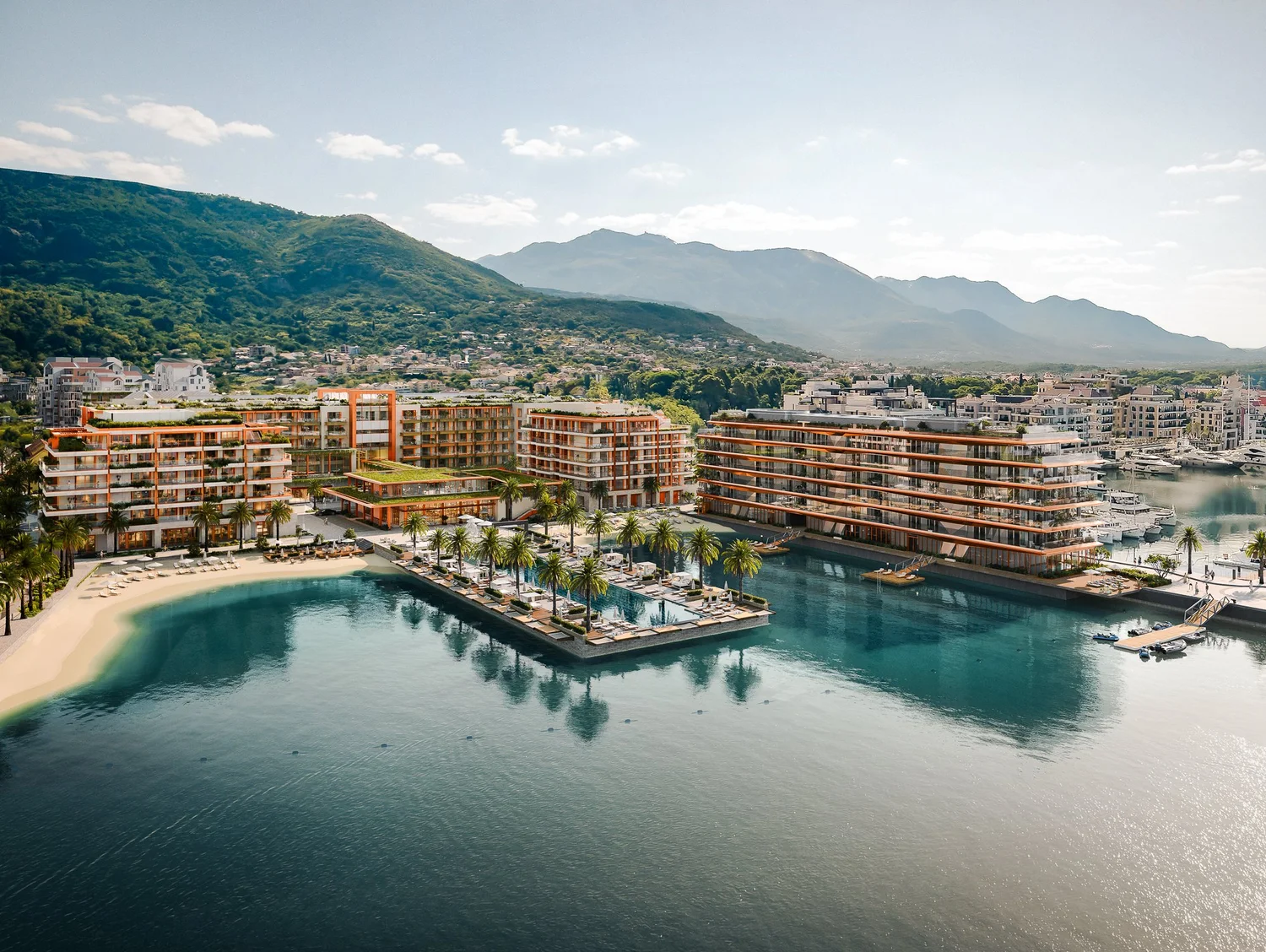
For buyers seeking the broader Porto Montenegro context as a reference point for how international development can reshape Montenegrin property values over time, the Porto Montenegro Apartments for Sale: 2026 Buyer and Investment Guide offers a detailed case study in market transformation.
Tax Environment and Purchase Framework
Montenegro's property transfer tax is set at 3% of the assessed transaction value, applicable to both resident and non-resident buyers. Annual property tax rates are determined at the municipal level and remain among the lowest in the European region. There are no restrictions on foreign nationals purchasing residential property in Montenegro, and the purchase process, while requiring professional legal support to manage title verification and notarial procedures correctly, is considerably more straightforward than many comparable Balkan jurisdictions. Buyers should confirm current rates and any regulatory updates with their legal adviser, as municipal tax schedules are subject to periodic review by the relevant local authorities.
---
Barok Estates International Advisory Note
The urban Montenegro market is at an early but clearly accelerating stage of international recognition. The window for entry ahead of broader market attention is measurable in years rather than decades, and the combination of yield stability, structural appreciation drivers, and Montenegro's EU accession trajectory makes a compelling case for buyers willing to look beyond the coastal default.
Barok Estates International advises private buyers, family offices, and institutional investors across Montenegro's coastal, urban, and mountain property sectors from our offices in Madrid, Marbella, London, and Montenegro. If you are considering an urban acquisition in Podgorica or Cetinje, our advisory team can provide independent neighbourhood analysis, current pricing intelligence, and access to off-market stock that does not appear in public listings. Contact us directly to arrange a confidential consultation.








.jpg)