Montenegro Property: Why Gulf Capital Is Moving West
Something substantive is shifting in the way Gulf investors allocate capital to European real estate. The conversation has moved beyond the predictable triumvirate of London, Paris and Dubai-adjacent markets. Montenegro has entered the room, and it has done so quietly, without the fanfare of a government-sponsored investment campaign or a sudden spike in media coverage. What is driving this shift is something more durable: structural advantages that reward patient, informed capital.
For family offices in Riyadh, Abu Dhabi and Kuwait City, Montenegro in 2026 represents a convergence of factors that rarely align in a single jurisdiction. A euro-denominated economy with no local currency risk. A Western legal architecture reinforced by NATO membership. An EU accession trajectory that carries genuine valuation implications. And a coastline of extraordinary quality that continues to attract discerning buyers from across Europe, the Gulf and beyond.
This guide sets out the strategic case in full, drawing on Barok Estates International's direct experience advising international buyers across the Montenegrin market.
Montenegro's Strategic Appeal for Gulf Investors
A Safe Haven on the Adriatic
Montenegro's geography invites underestimation. A country of fewer than 700,000 people, tucked between Croatia, Bosnia and Herzegovina, Serbia, Kosovo and Albania, it reads at first glance as peripheral. That reading is incorrect.
Since joining NATO in June 2017, Montenegro has operated inside the Western security architecture. The ambiguity that once defined the Western Balkans as an investment region, the unresolved questions of institutional alignment, border stability and political direction, has been substantially resolved for Montenegro. Its legal system is grounded in European civil law traditions. Property titles are registered within a transparent cadastral system that is recognised internationally. Foreign ownership rights are clearly defined in legislation, and the courts that enforce them draw on frameworks familiar to international legal counsel.
For Gulf investors who have seen geopolitical events compress asset values and close exit routes in other regions, this combination of size and institutional integration is genuinely attractive. The country is exclusive by nature. There are no mass-market property corridors of the kind that have diluted yield quality and resale liquidity in parts of Southern Spain or Turkey. Supply is constrained, demand from European buyers is consistent, and the Western legal framework provides the kind of title certainty that family offices require before committing capital at scale.
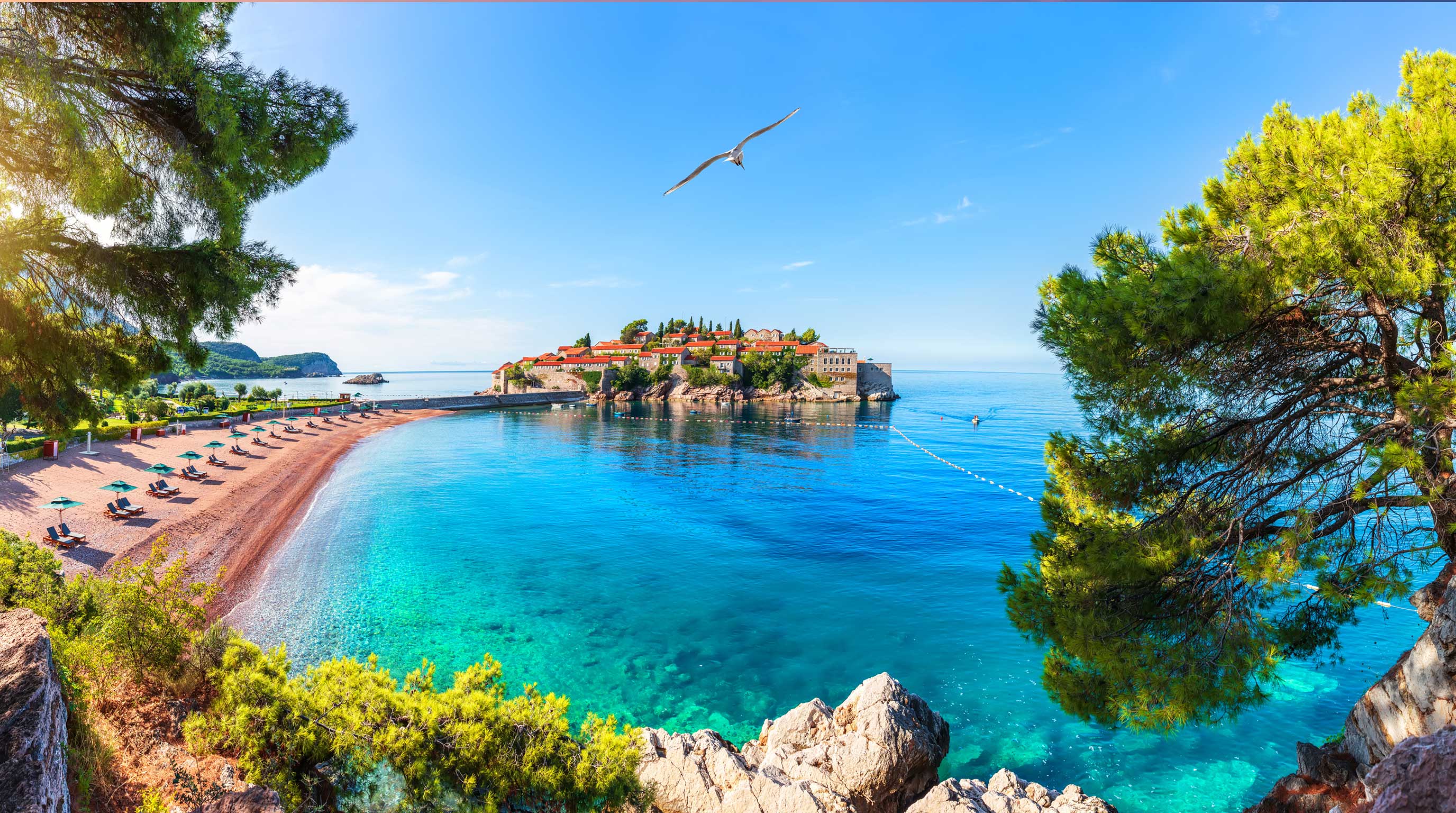
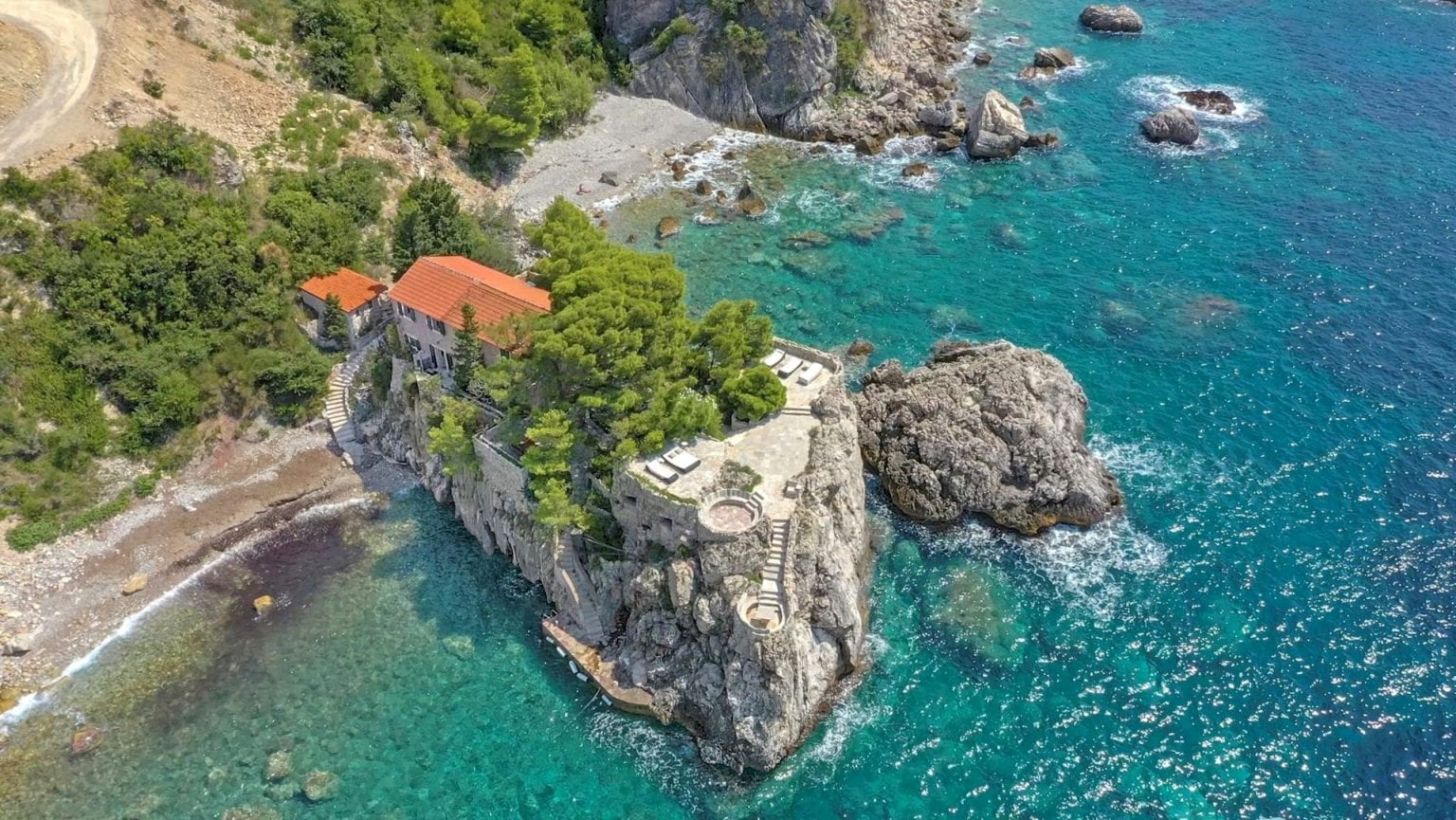
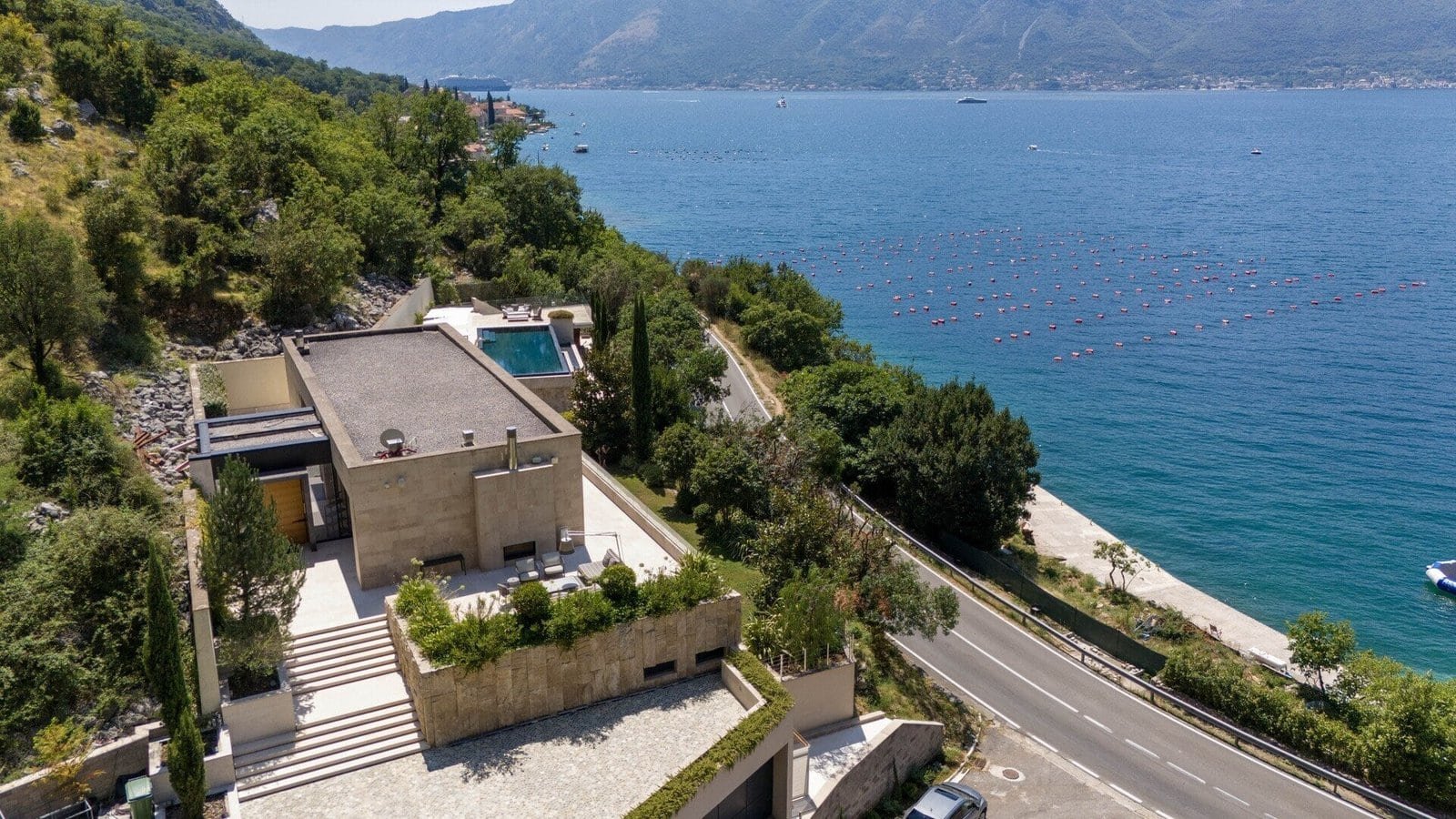
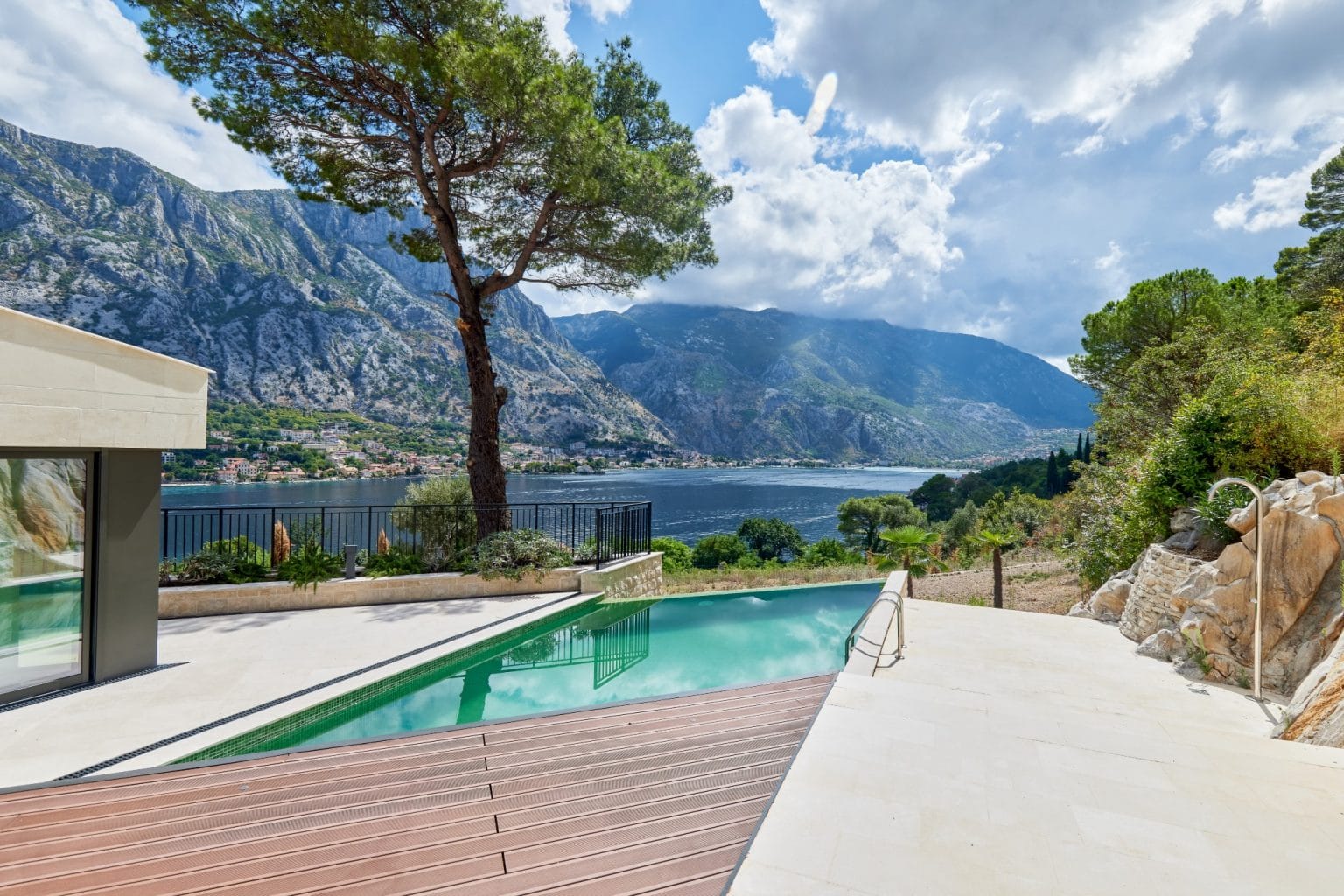
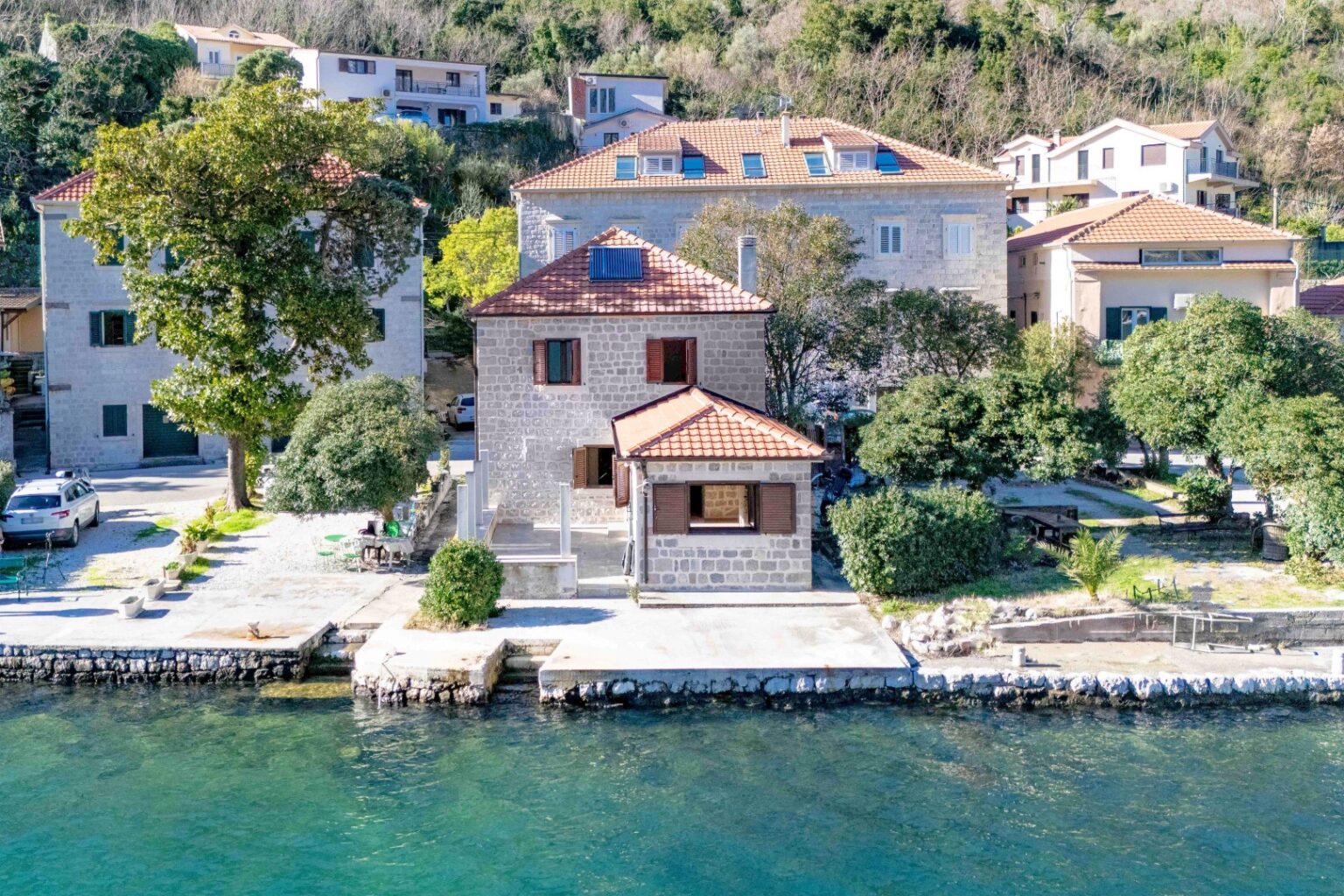
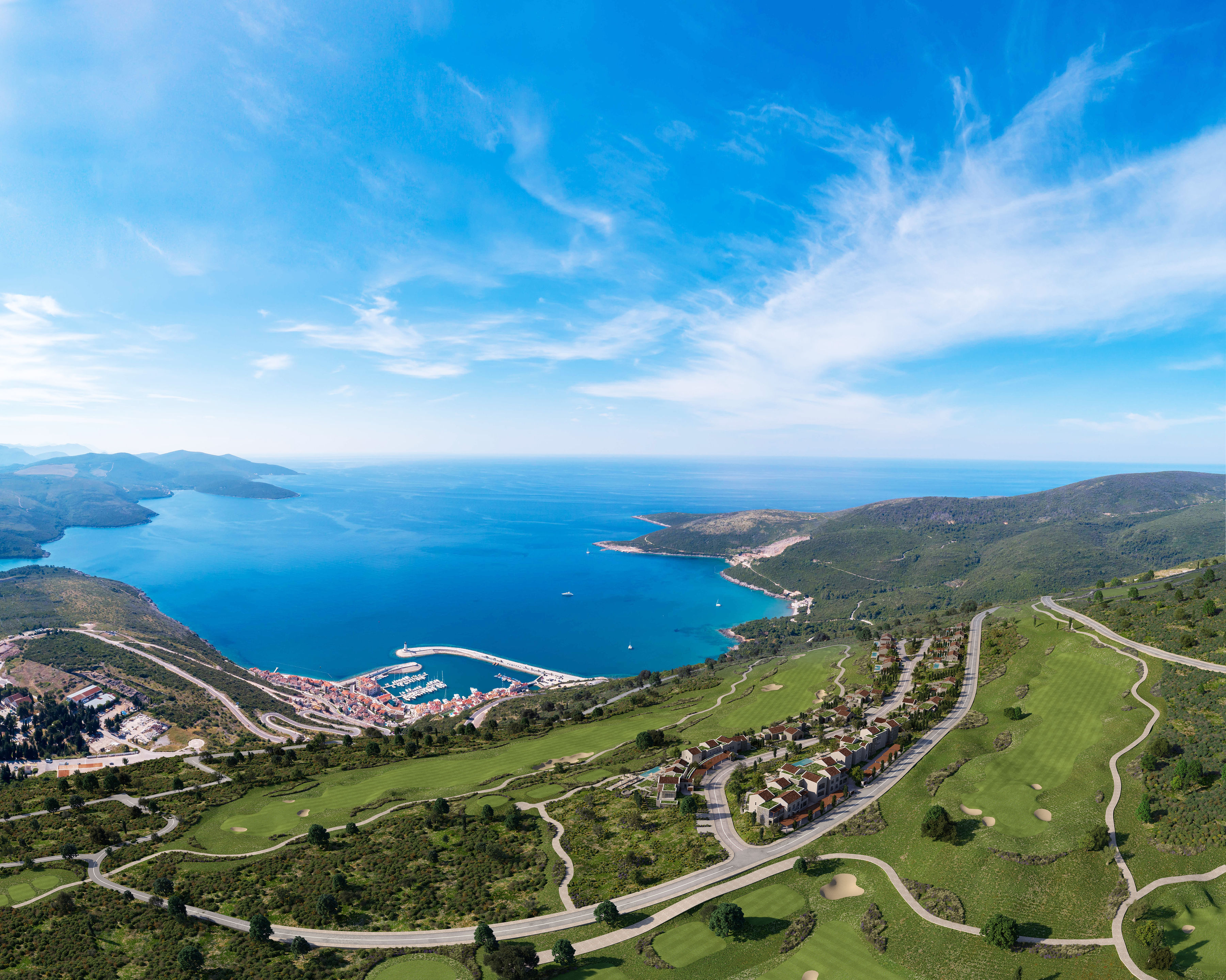
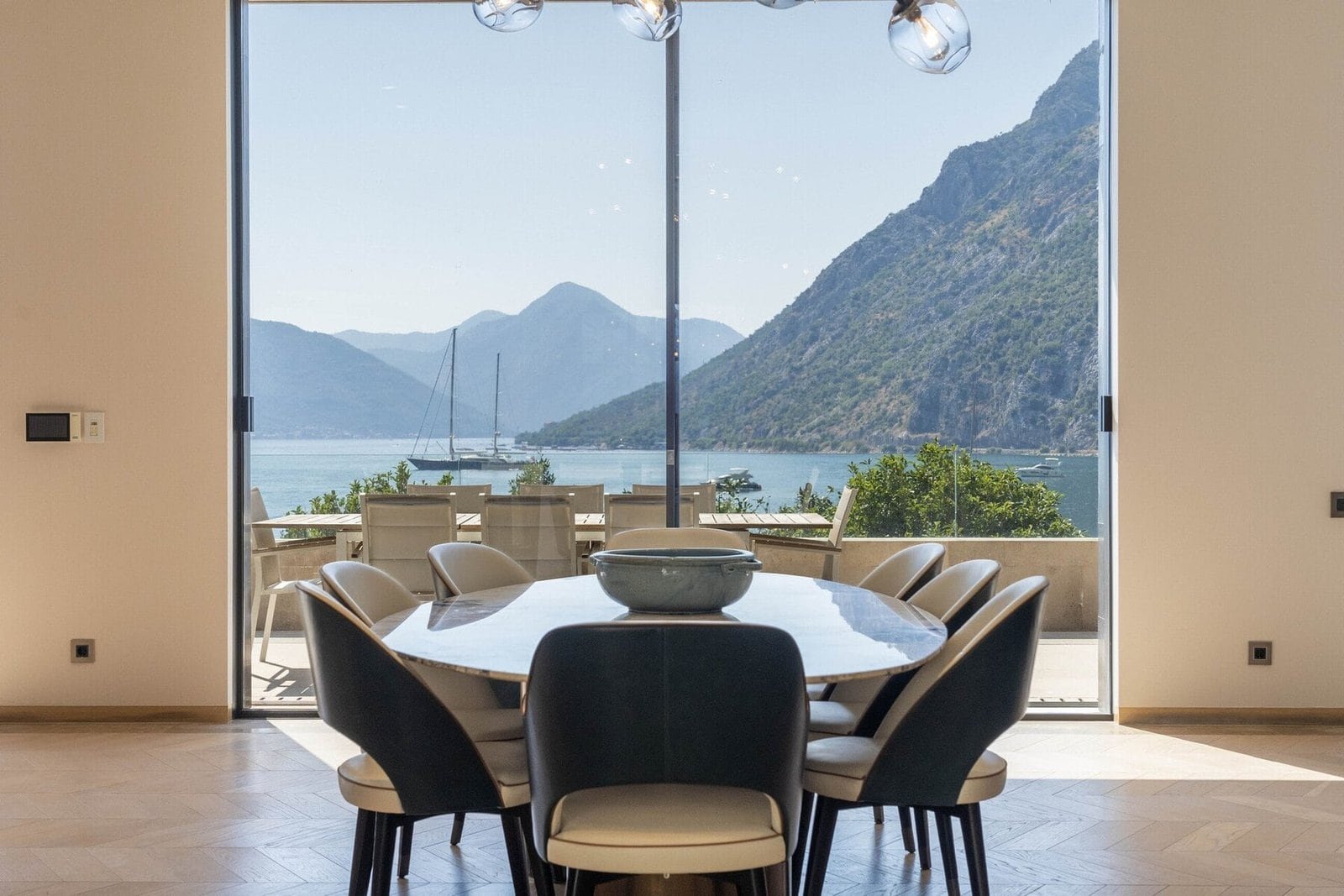
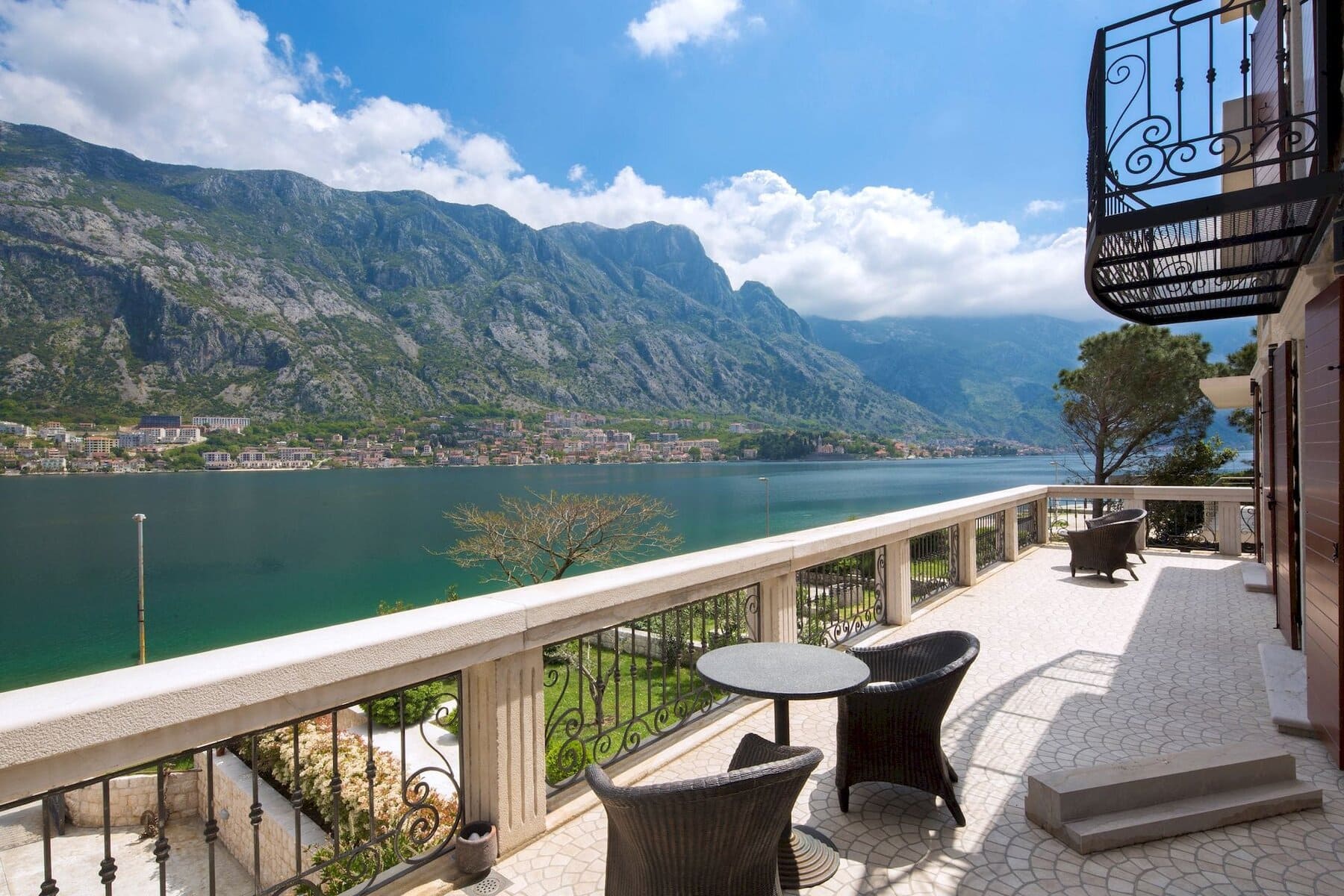
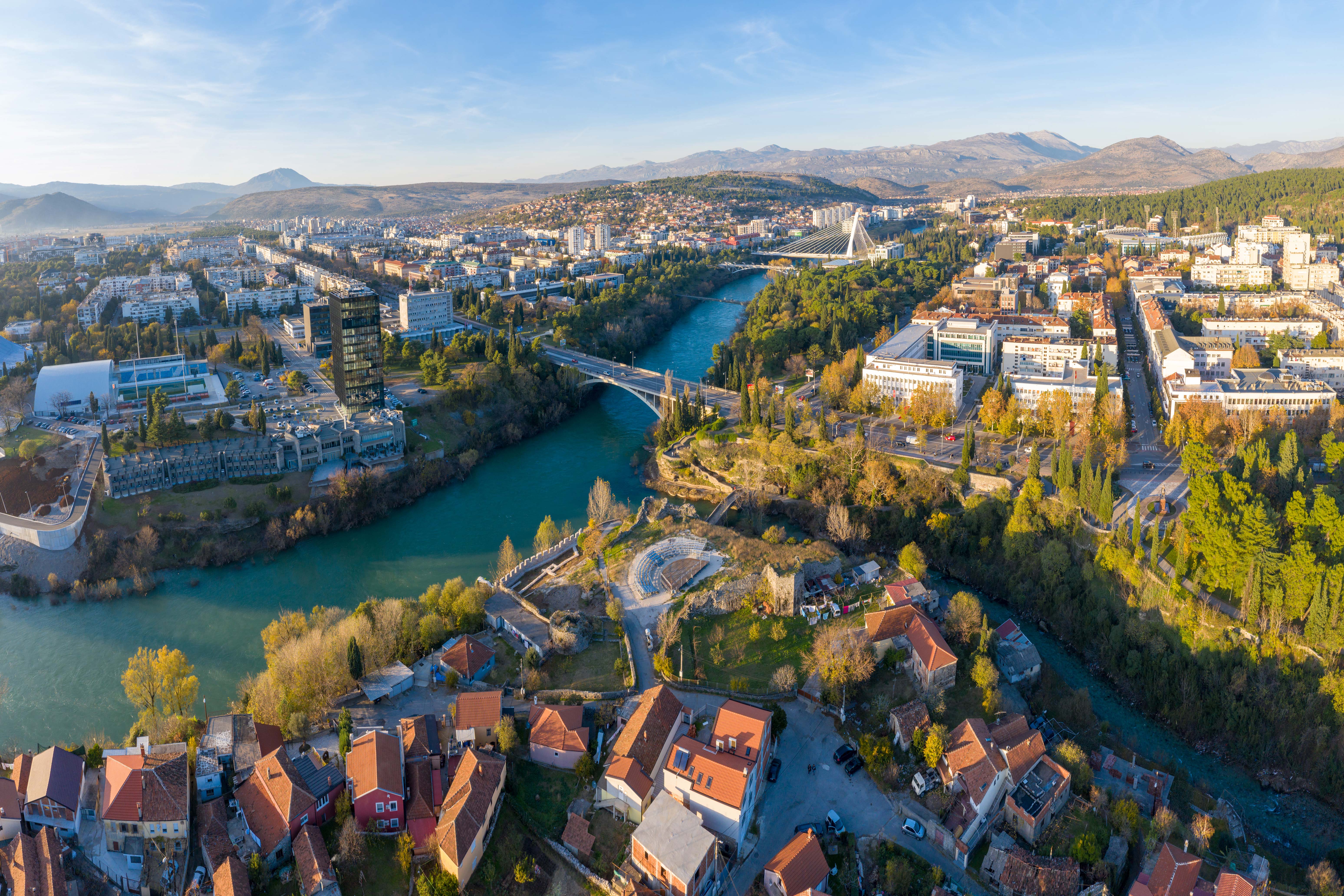
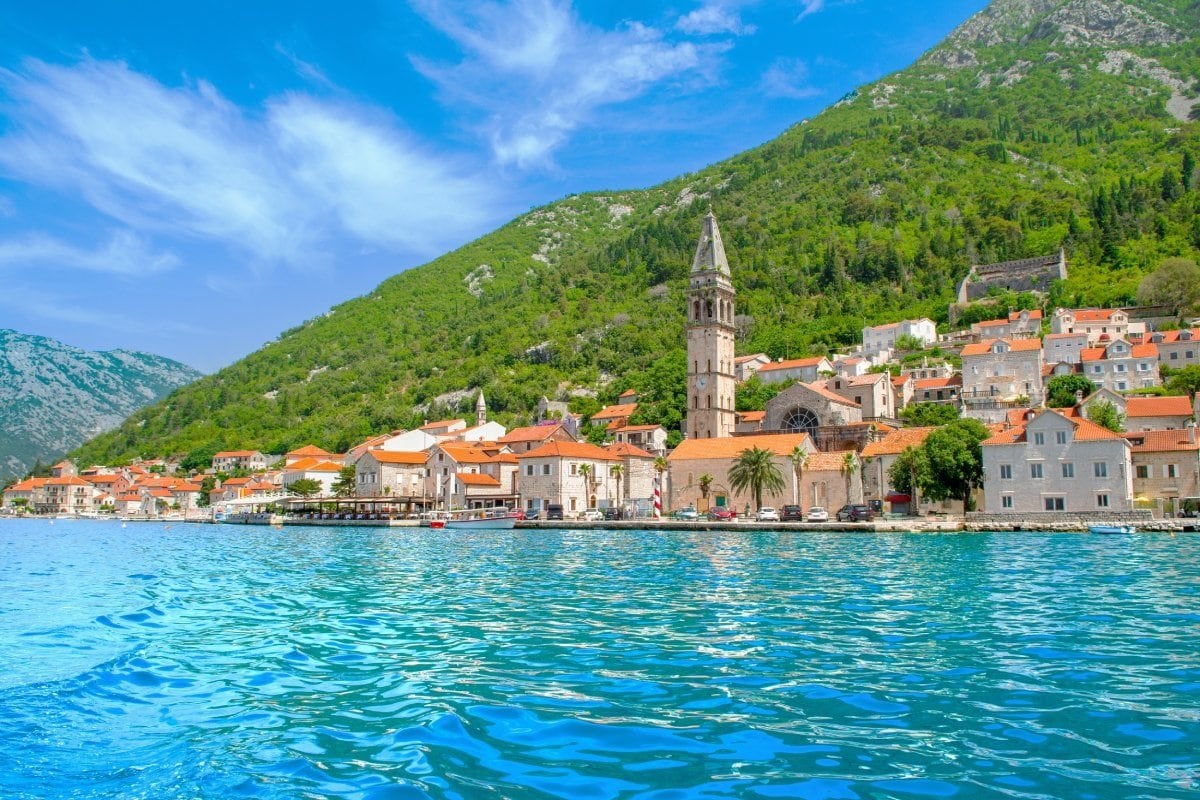
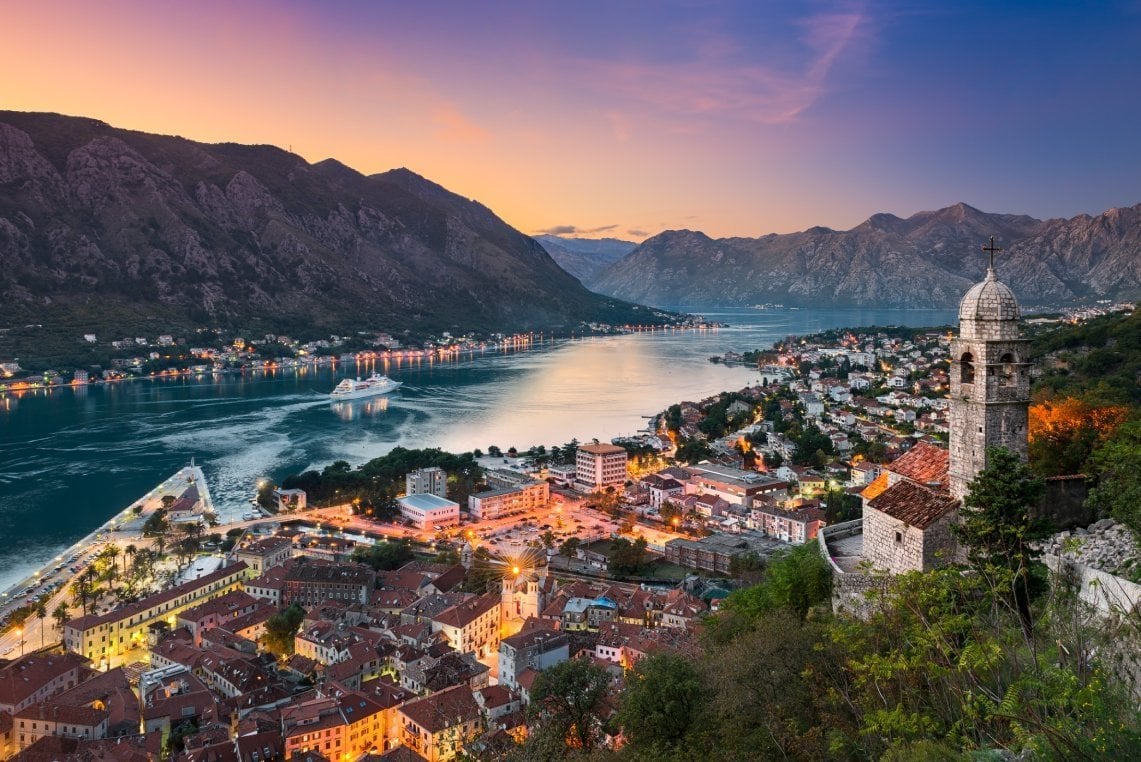
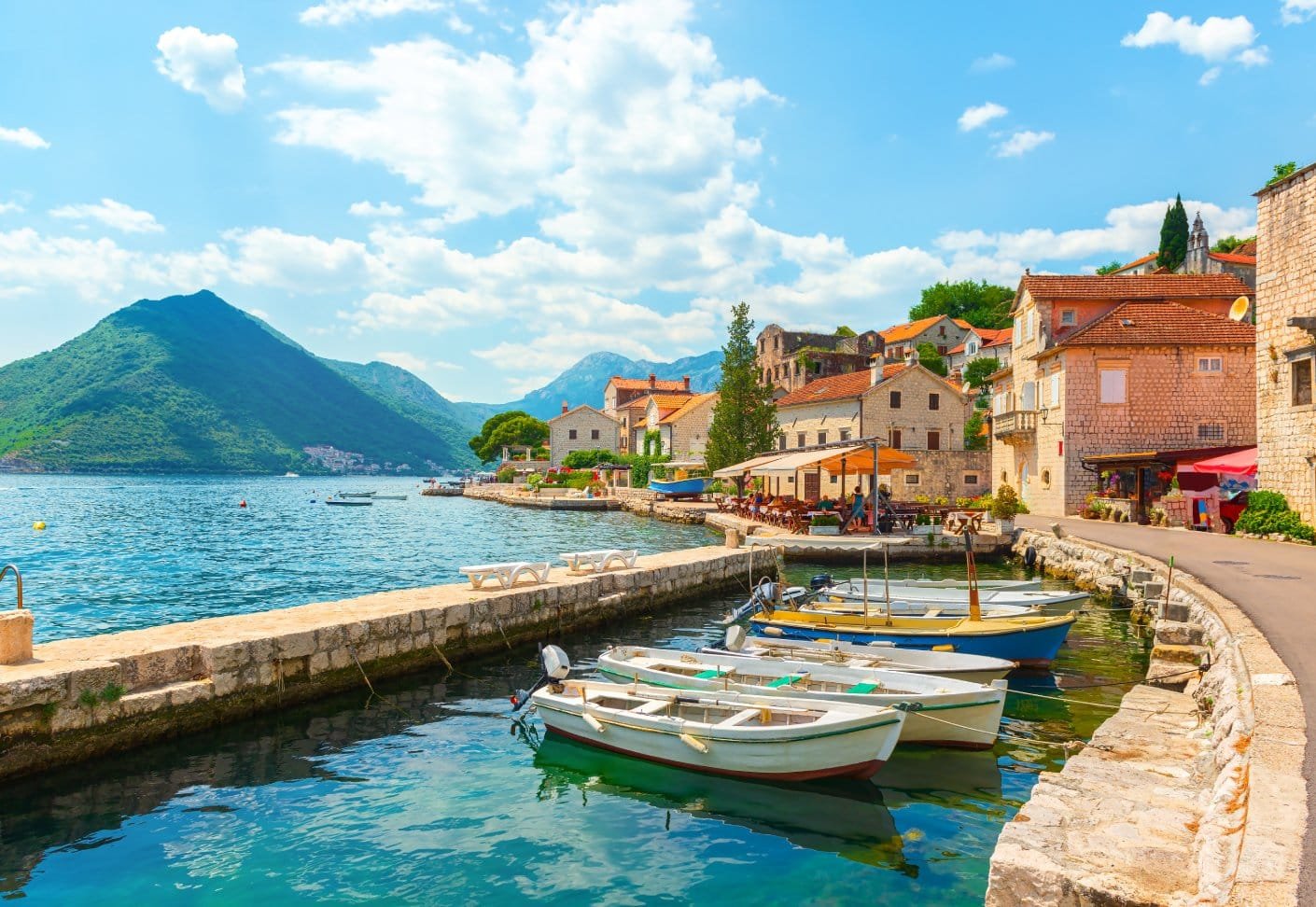
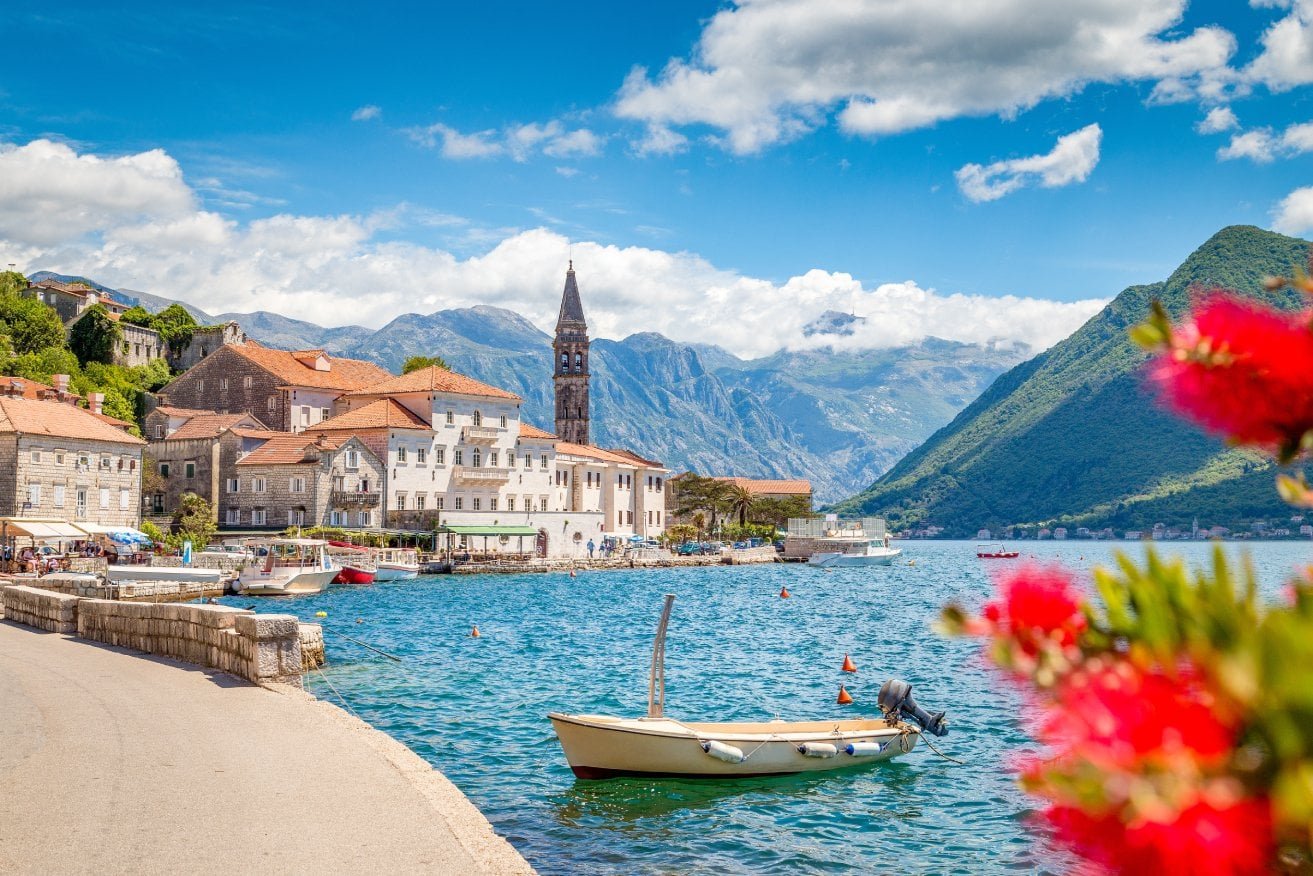
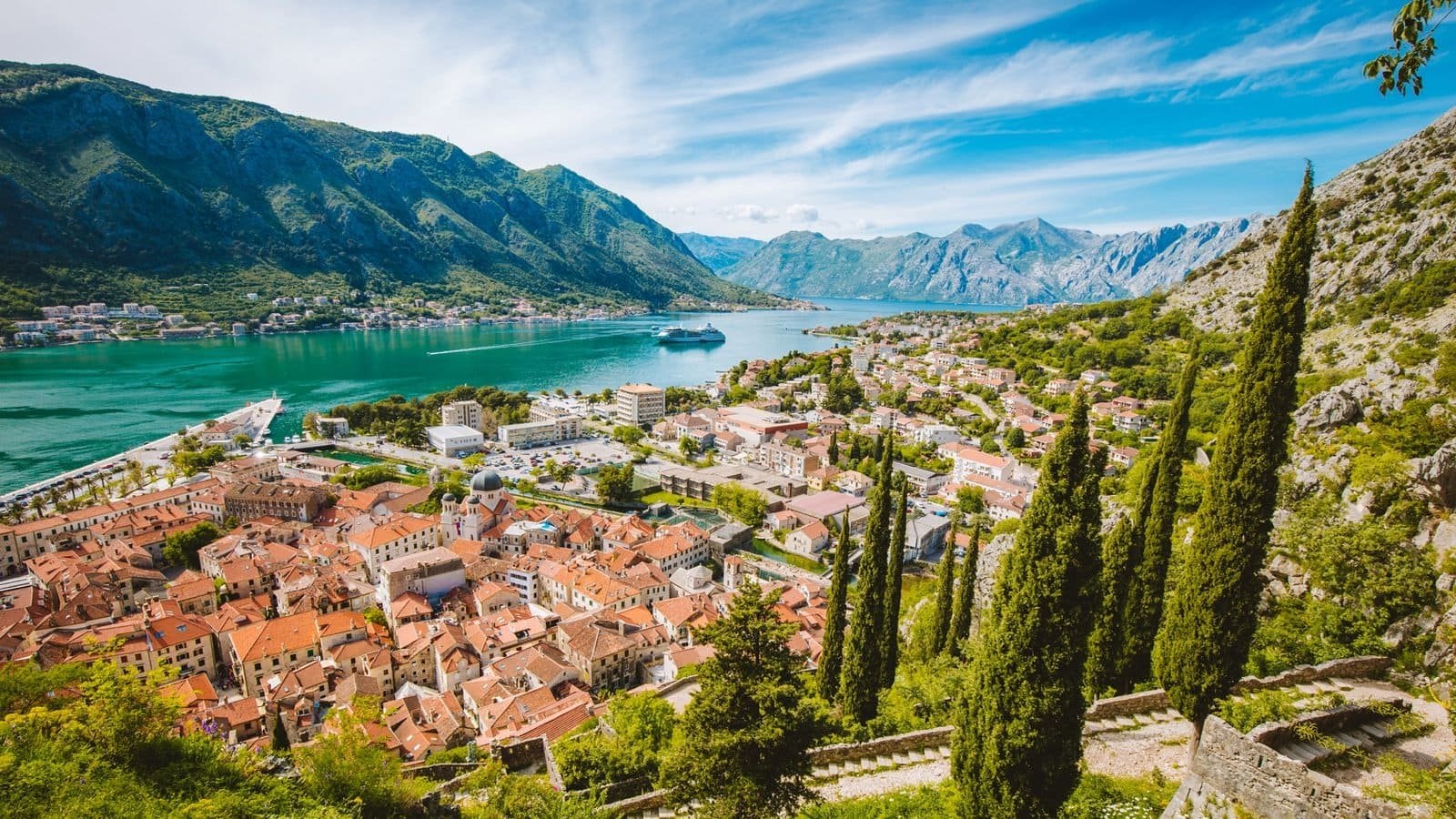
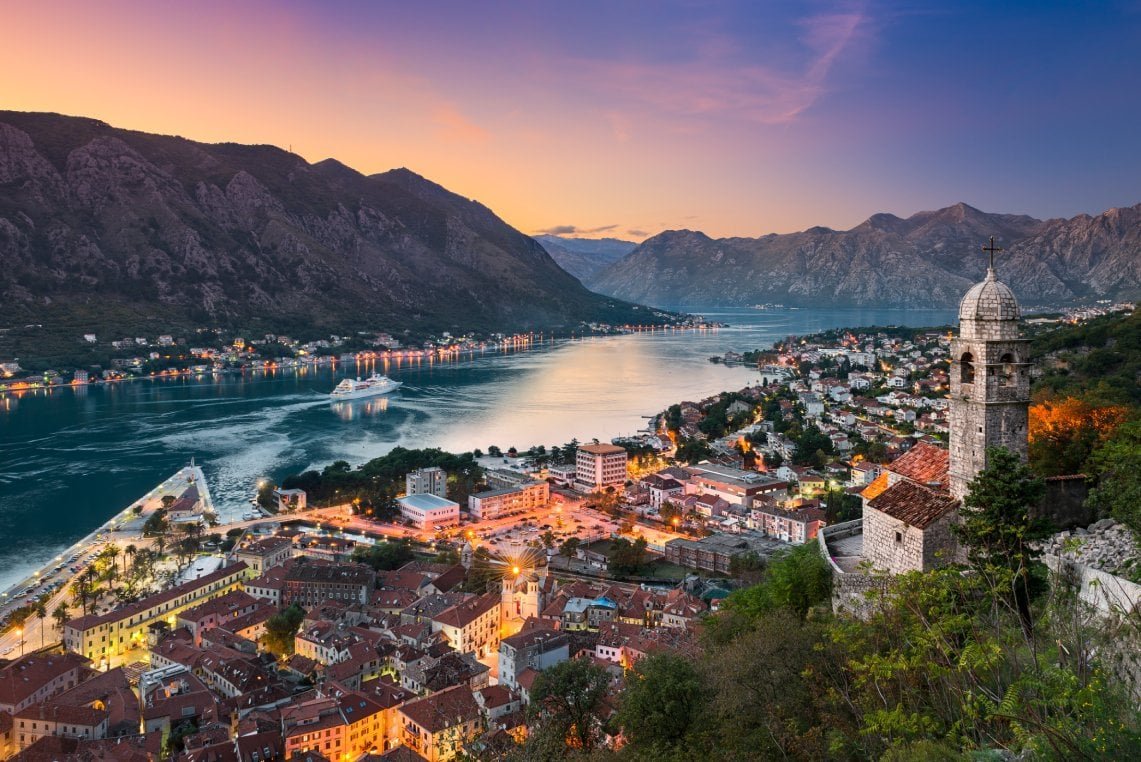
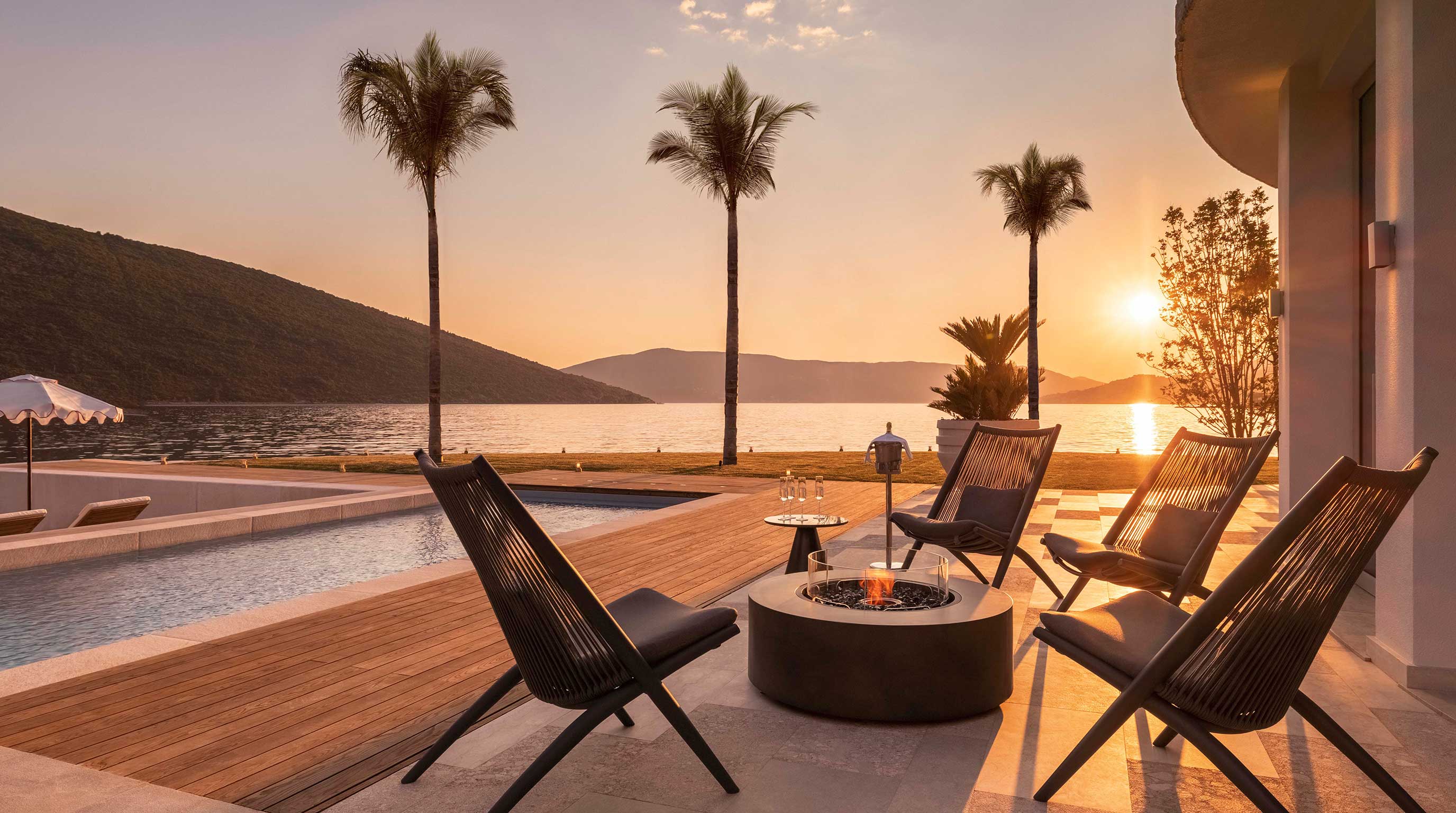
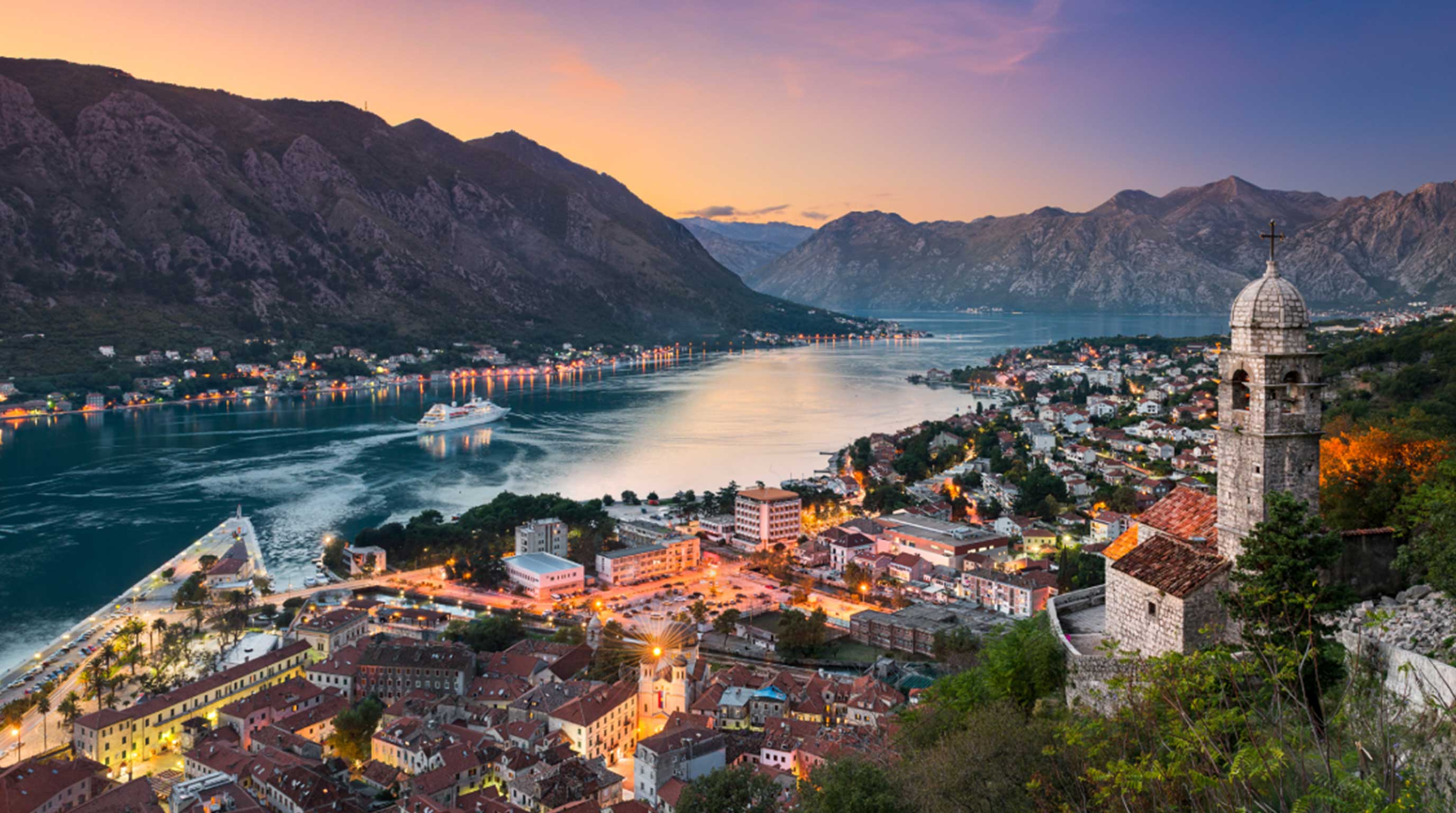
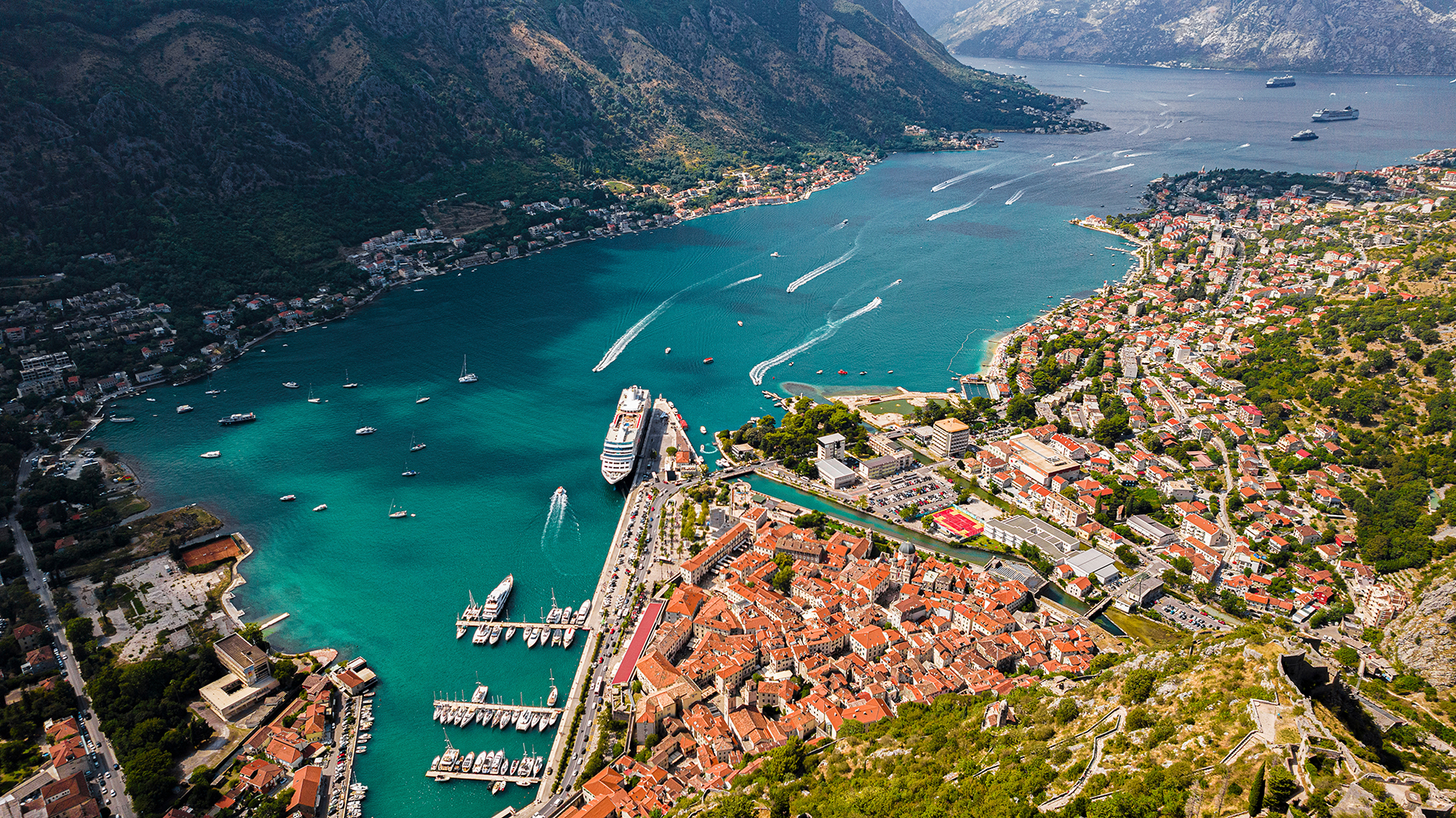
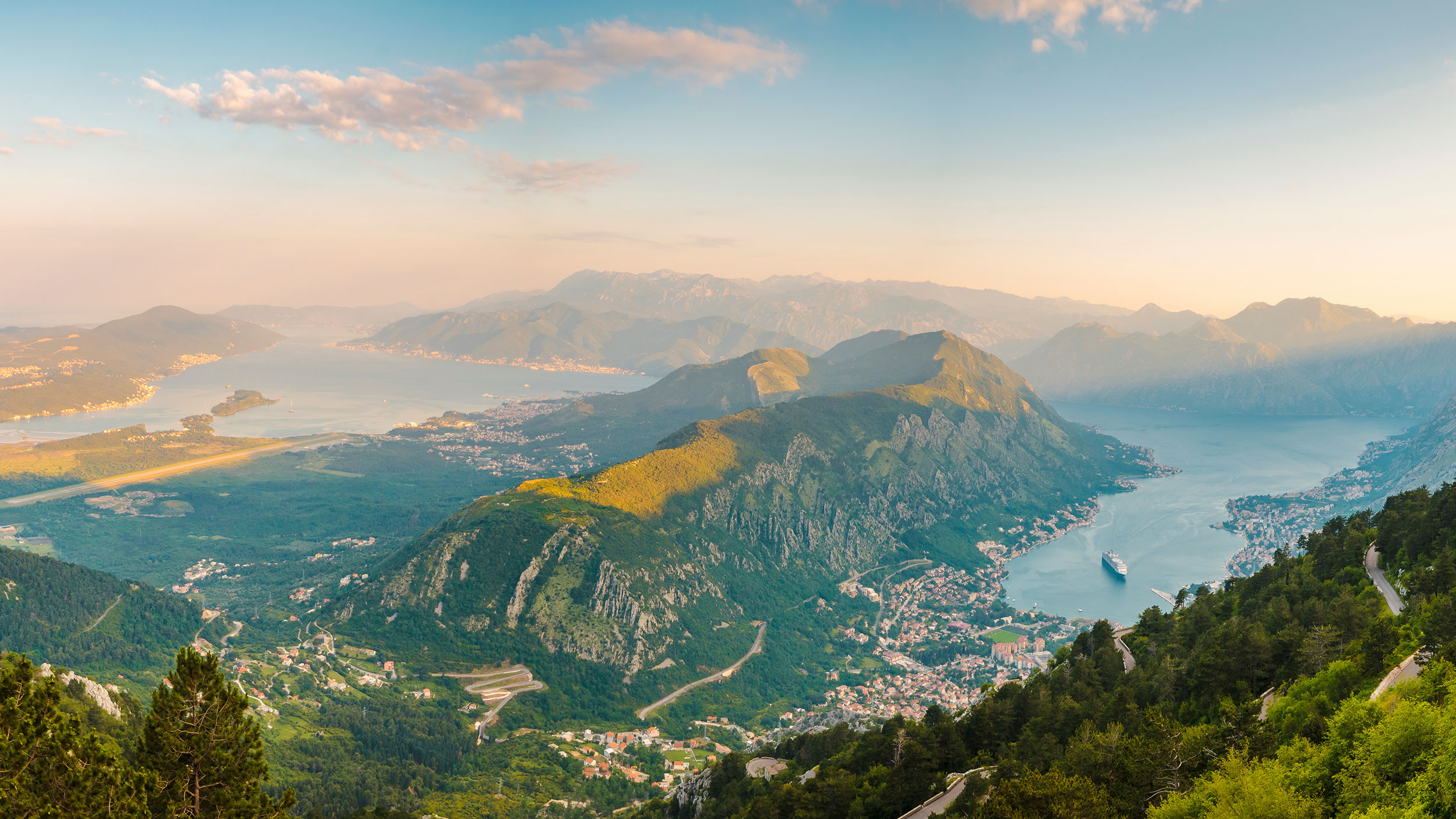
The lifestyle quality that accompanies this security profile is equally compelling. The Bay of Kotor, a UNESCO World Heritage Site, offers a setting that draws frequent comparison to Norway's western fjords, with Venetian-era fortifications and mountain backdrops that no amount of new development can replicate. The Budva Riviera attracts a cosmopolitan summer clientele. Airport infrastructure at both Podgorica and Tivat has improved substantially over the past decade, reducing travel time from the Gulf to under five hours with connecting services.
For buyers considering the full spectrum of Adriatic real estate, our detailed breakdown of Property for Sale in Tivat, Montenegro: A 2026 Waterfront Buyer's Guide provides essential context on the market's most internationally active hub.
Currency Stability and Euro-Denominated Assets
Montenegro is not a eurozone member. It is not yet an EU member state. Yet it uses the euro as its sole official currency, a unilateral decision taken in 2002 that has profound implications for international investors.
The euro adoption means there is no Montenegrin central bank setting monetary policy, no domestic currency to depreciate, and no exchange-rate risk to model into a yield projection. When a buyer from Dubai or Riyadh acquires a property in Tivat or Kotor, the asset is priced in euros, generates rental income in euros, and will transact in euros on disposal. The arithmetic is clean.
For Gulf investors whose primary wealth is held in dirham- or riyal-denominated instruments, both pegged to the US dollar, a euro-denominated property asset provides a meaningful hedge. It diversifies currency exposure without introducing the volatility associated with emerging-market currencies. It sits within a monetary framework governed by the European Central Bank, one of the world's most credible monetary institutions, without requiring EU membership to access its stability.
This is a structural advantage that competing Mediterranean markets cannot offer in quite the same way. A property in, say, a non-eurozone EU candidate state introduces a layer of currency uncertainty that Montenegro simply does not carry.
The EU Pathway: What Gulf Buyers Need to Know
NATO Membership and the Road to EU Accession
Montenegro has held EU candidate status since 2010, a longer continuous candidacy than any other Western Balkans country. Accession negotiations have advanced progressively across multiple chapters, and by 2026, the country remains the most institutionally prepared candidate in the region, according to the European Commission's annual enlargement progress reports.
Full EU membership is no longer a distant aspiration dressed up in diplomatic language. It is a credible near-term scenario. European Commission assessments and senior EU institutional commentary have pointed to meaningful progress within the next two to three years, though formal accession timelines are ultimately subject to unanimous member-state approval, and investors should weigh this nuance accordingly.
What matters for investment purposes is the direction of travel, not the precise date. Each step toward accession carries valuation implications. Properties in Montenegro are currently priced at a discount relative to comparable assets in established EU Mediterranean markets. That discount reflects, in part, a residual institutional risk premium. As EU accession milestones are reached, that premium narrows. Buyers who position ahead of accession capture the benefit of that compression.
NATO membership, already in place since 2017, removes the security dimension of that risk premium entirely. The remaining discount is one of process and perception, not of genuine geopolitical instability. For investors who do their homework, that is precisely the kind of mispricing that generates long-term capital appreciation.
Buyers interested in year-round asset diversification within the country should also consider Ski Property in Montenegro: The Kolašin Investment Guide for 2026, which examines the mountain property market that complements coastal holdings with a distinct seasonal yield profile.
Residency Rights Through Property Ownership
Foreign nationals, including citizens of all GCC states, face no material restrictions on purchasing residential or commercial property in Montenegro. This openness to foreign ownership is codified in Montenegrin property law and applies without distinction to buyers from outside the European Union.
Property ownership in Montenegro creates a legal basis for applying for temporary residency. The framework is not structured as a formal golden visa programme with a defined investment threshold and guaranteed timeline in the manner of Portugal's now-reformed scheme or Greece's current offering. It is more straightforward than that. The legal connection established by property ownership, combined with documented time spent in the country, supports a credible residency application that can be renewed and, over time, extended.
For Gulf buyers with specific objectives, whether a European base for seasonal living, a legally recognised foothold inside a NATO jurisdiction ahead of EU accession, or a stepping stone within a broader international mobility strategy, this pathway has practical merit. It does not require corporate structuring or significant bureaucratic engagement to initiate. It does, however, require properly qualified legal counsel familiar with both Montenegrin immigration law and the buyer's home jurisdiction.
Barok Estates International works with a trusted network of independent legal advisors who specialise in cross-border property acquisition and residency applications for international clients. Engaging qualified counsel before finalising any purchase structure is not optional; it is fundamental.
Tax Treatment That Works for International Investors
Montenegro operates one of the most competitive personal and corporate tax regimes in Europe. The statutory flat rate for both personal income tax and corporate profit tax stands at 9%, as confirmed by the Montenegrin Ministry of Finance. For investors accustomed to marginal income tax rates of 40% or above in major Western European markets, this is not a marginal advantage. It is a structural one that materially affects net return calculations.
Property transfer tax in Montenegro is modest and does not carry the punitive layers that characterise acquisition costs in France, where notaire fees and transfer duties can approach 8% of purchase price, or Italy, where similar costs apply to secondary market purchases. Rental income is taxed at rates that preserve the economics of both short-term holiday let strategies and longer-term residential tenancies. There is no annual wealth tax on property holdings.
New-build properties are subject to VAT in line with European norms, but the absence of additional fiscal layers means that the gross-to-net yield conversion in Montenegro compares favourably with almost every comparable Mediterranean destination. The gap is particularly visible when modelling short-term let income during the peak summer season, a period during which well-located Montenegrin properties command strong occupancy rates from European and Gulf visitors.
Montenegro is not a tax haven in the offshore sense of that term. It is a fully compliant jurisdiction, engaged with OECD transparency frameworks and aligned with international standards on information exchange. The low tax rates are a deliberate feature of domestic economic policy, not a workaround. That distinction matters for Gulf family offices and institutional investors whose compliance obligations require clean jurisdictional profiles.
Every investor's tax position is shaped by their specific circumstances, domicile and the structure through which a purchase is made. Independent tax advice from professionals with dual expertise in Montenegrin law and the relevant GCC jurisdiction is always recommended before any transaction is completed.
Middle East Investor Property Picks: Where to Buy in Montenegro
Bay of Kotor: UNESCO Prestige and Capital Preservation
The Bay of Kotor represents Montenegro's most internationally recognised address and its most defensible store of value. The UNESCO World Heritage designation covering the natural and cultural heritage of the region places it in a category shared by a handful of the world's most protected coastlines. That designation functions as a supply constraint with legal force: development within the protected zone is subject to strict controls that limit new inventory in a way that no private covenant or planning policy can fully replicate.
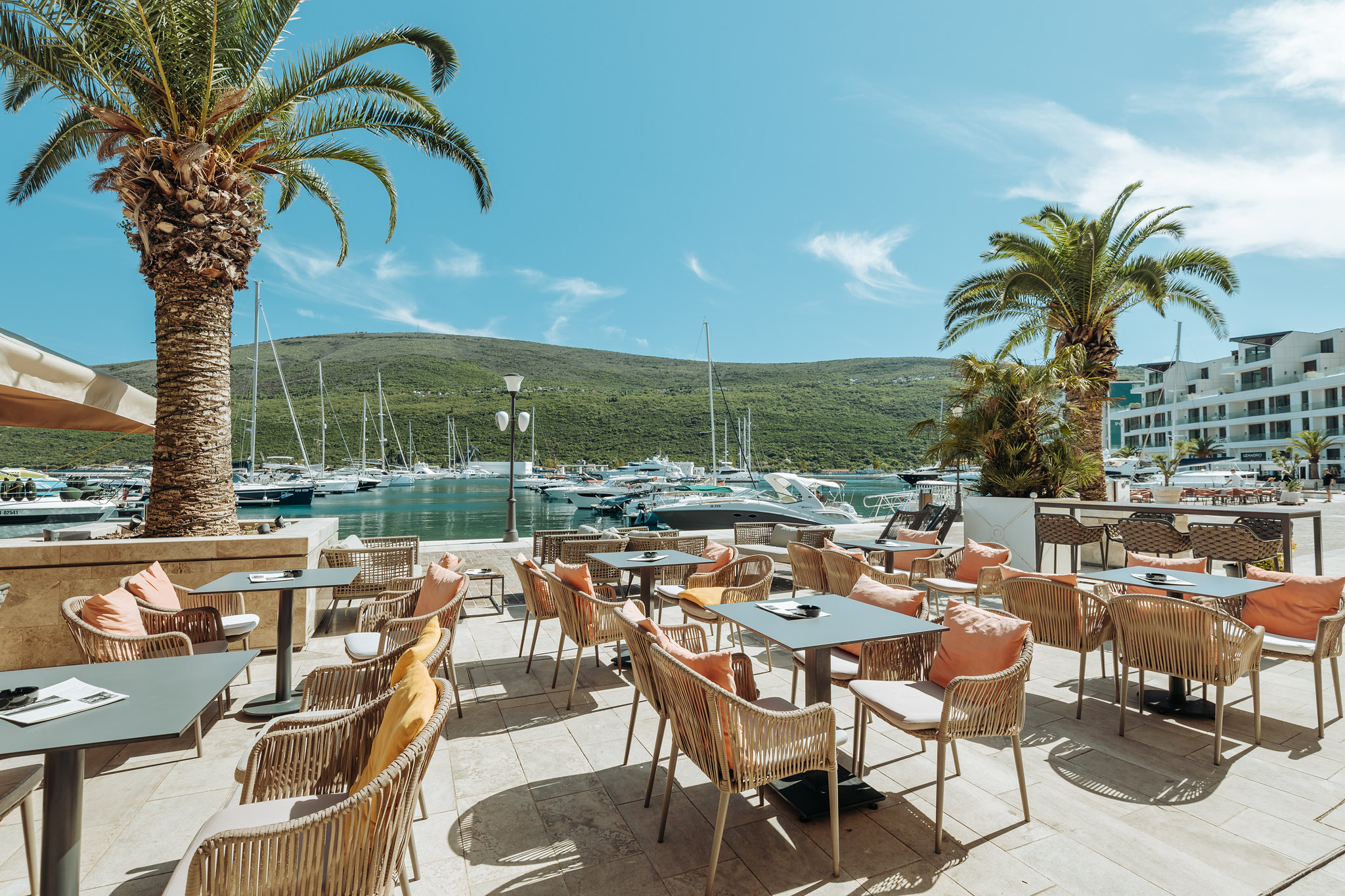
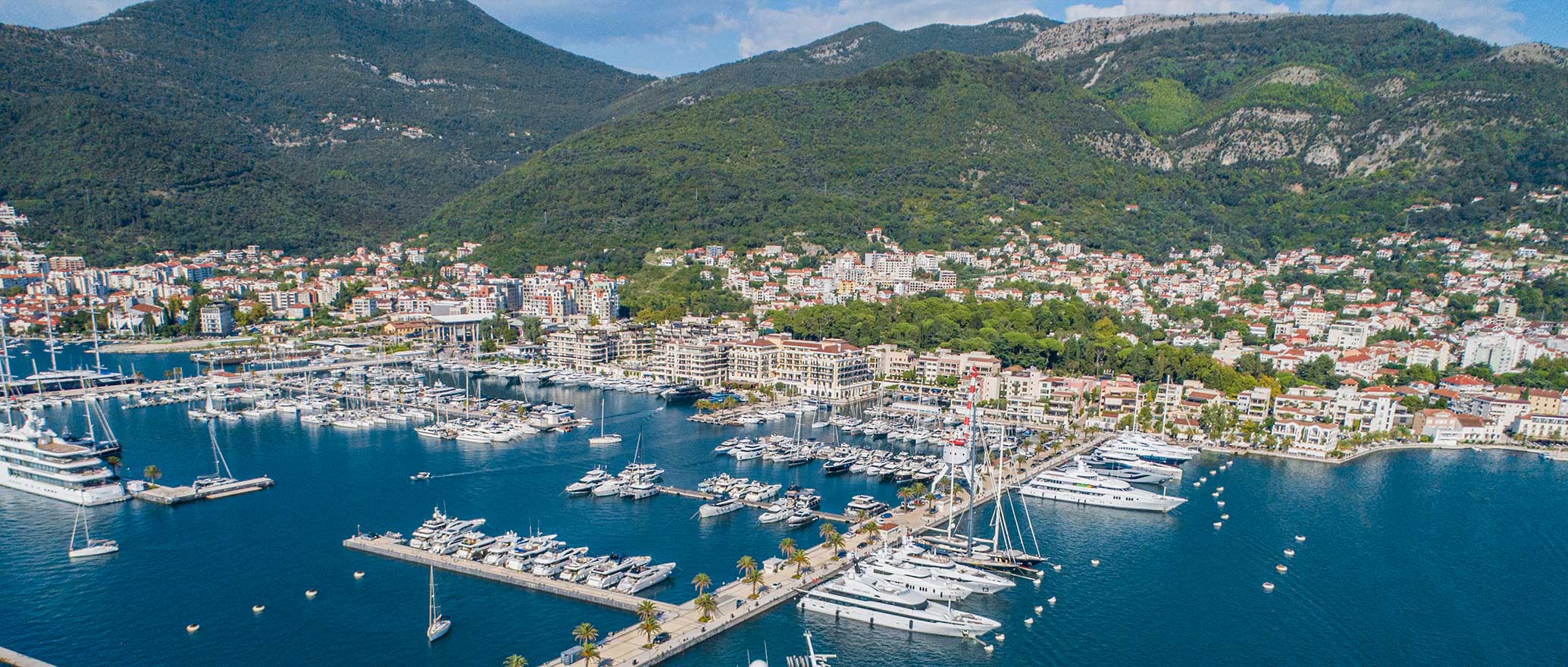
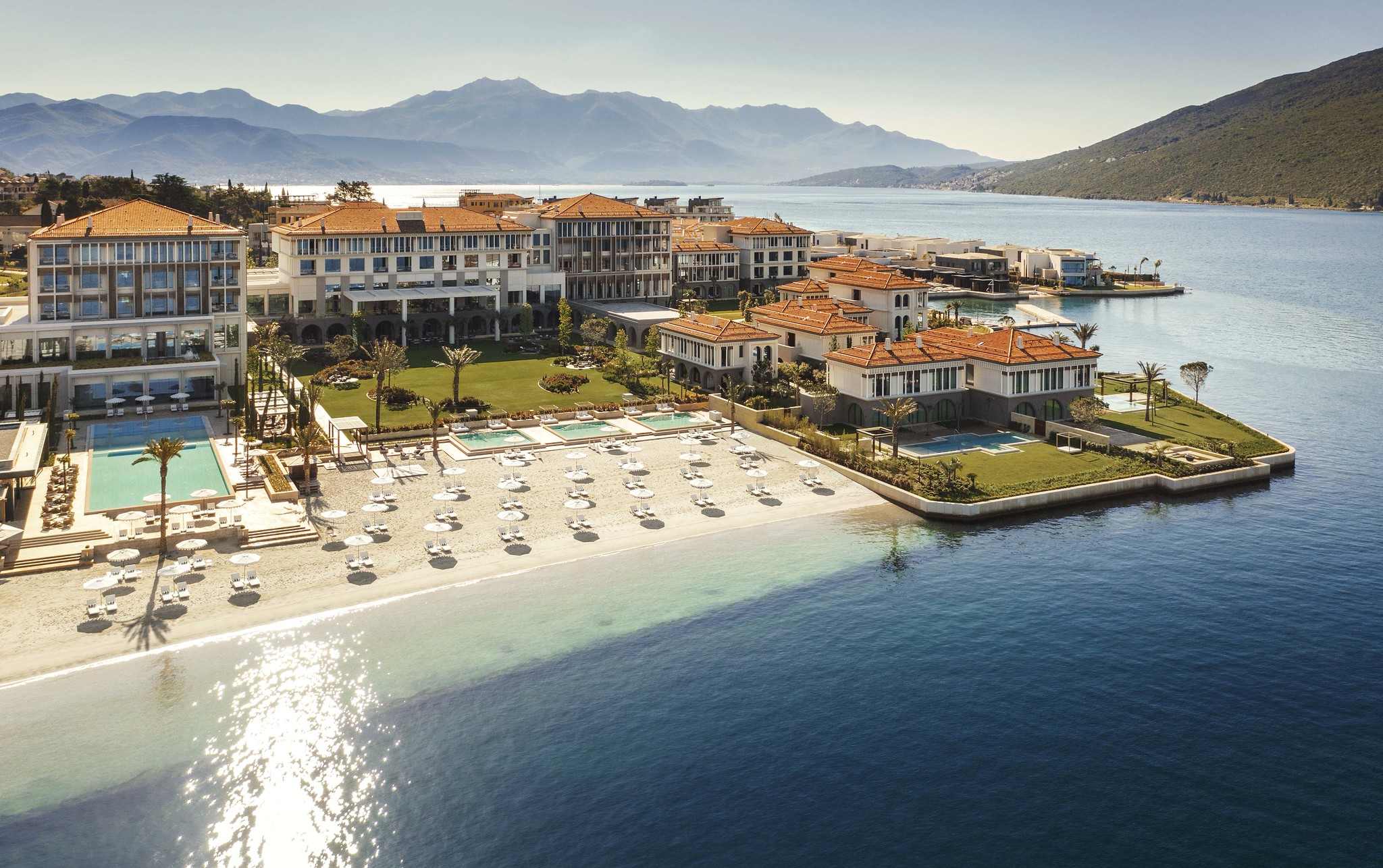
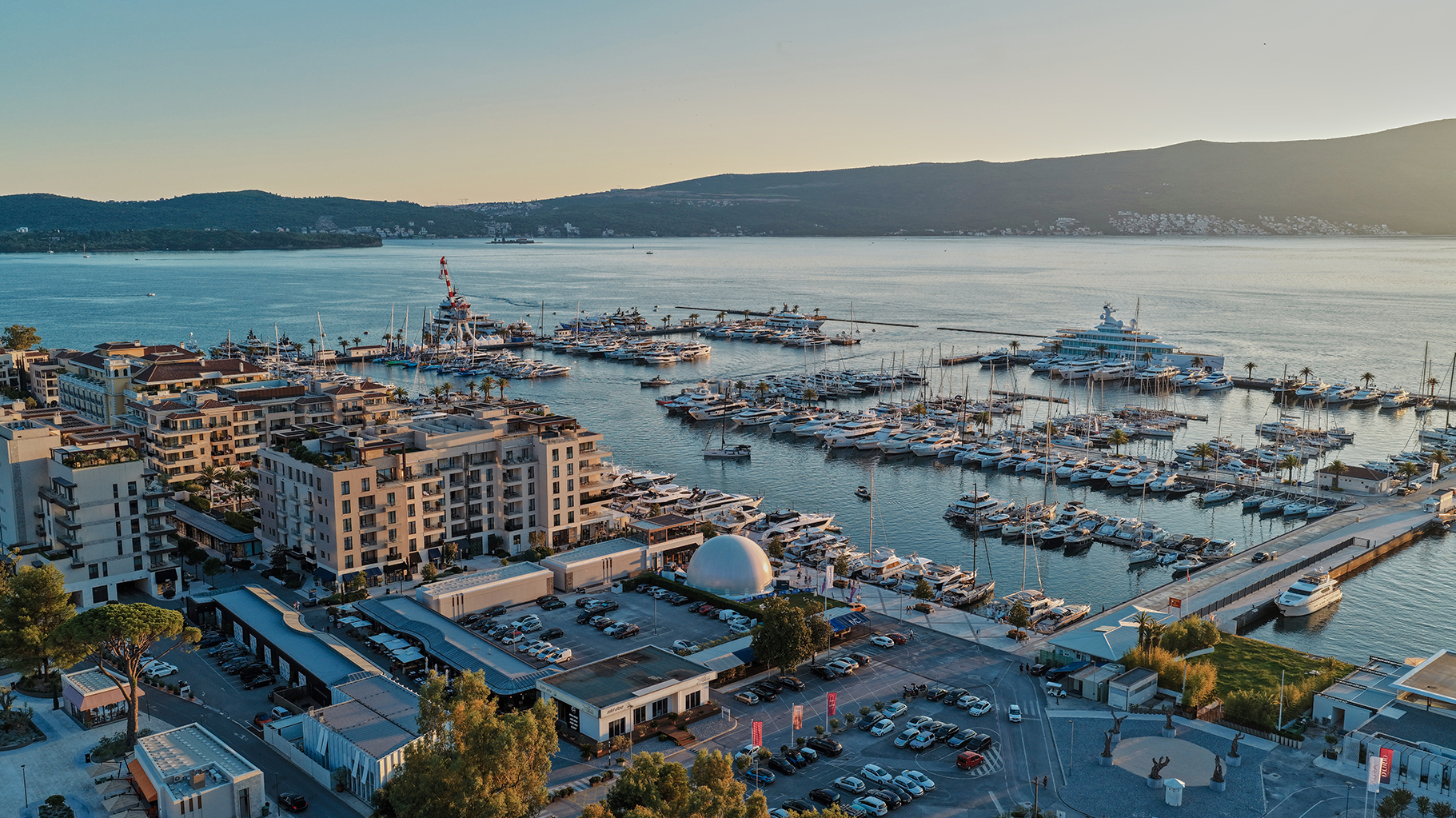
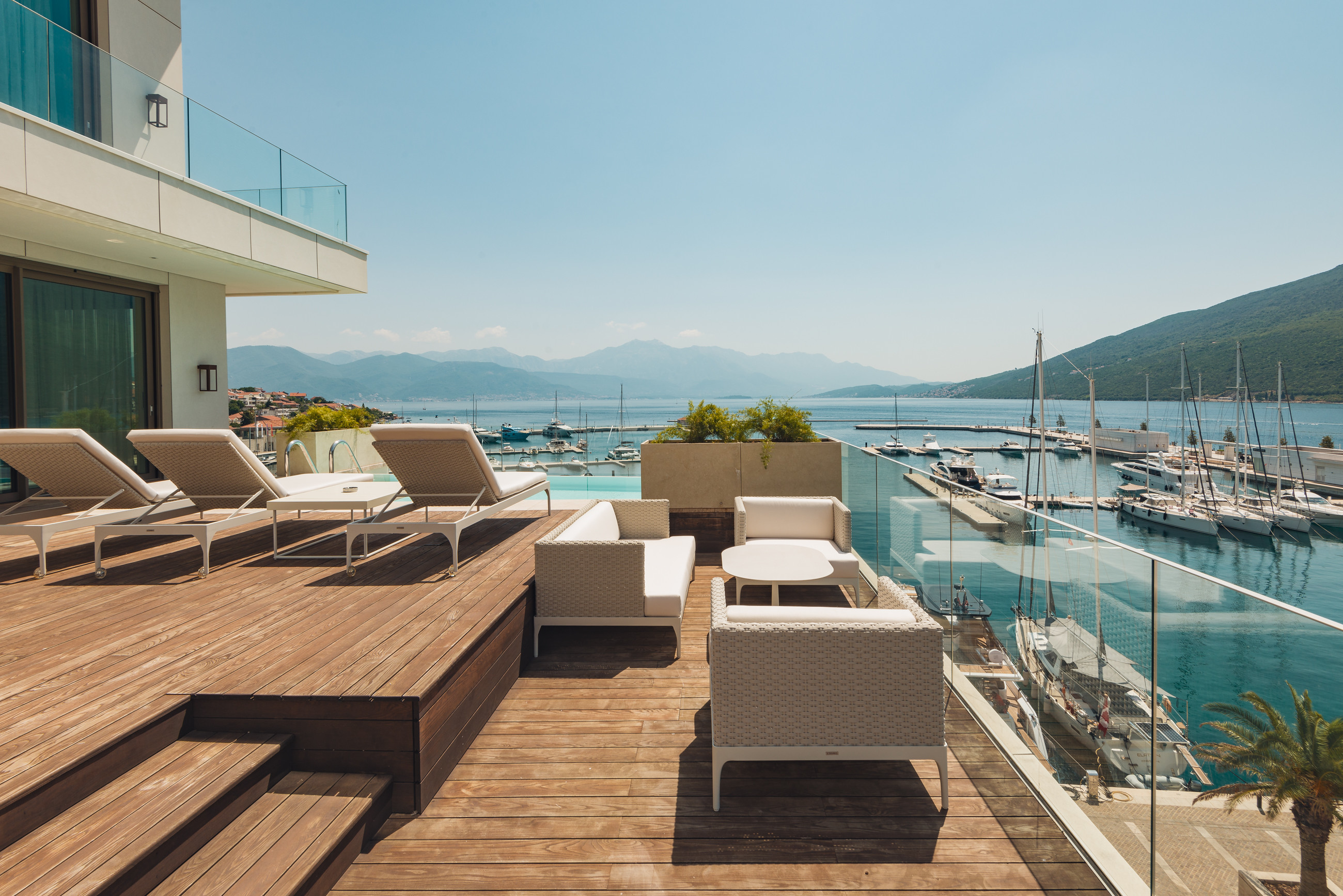
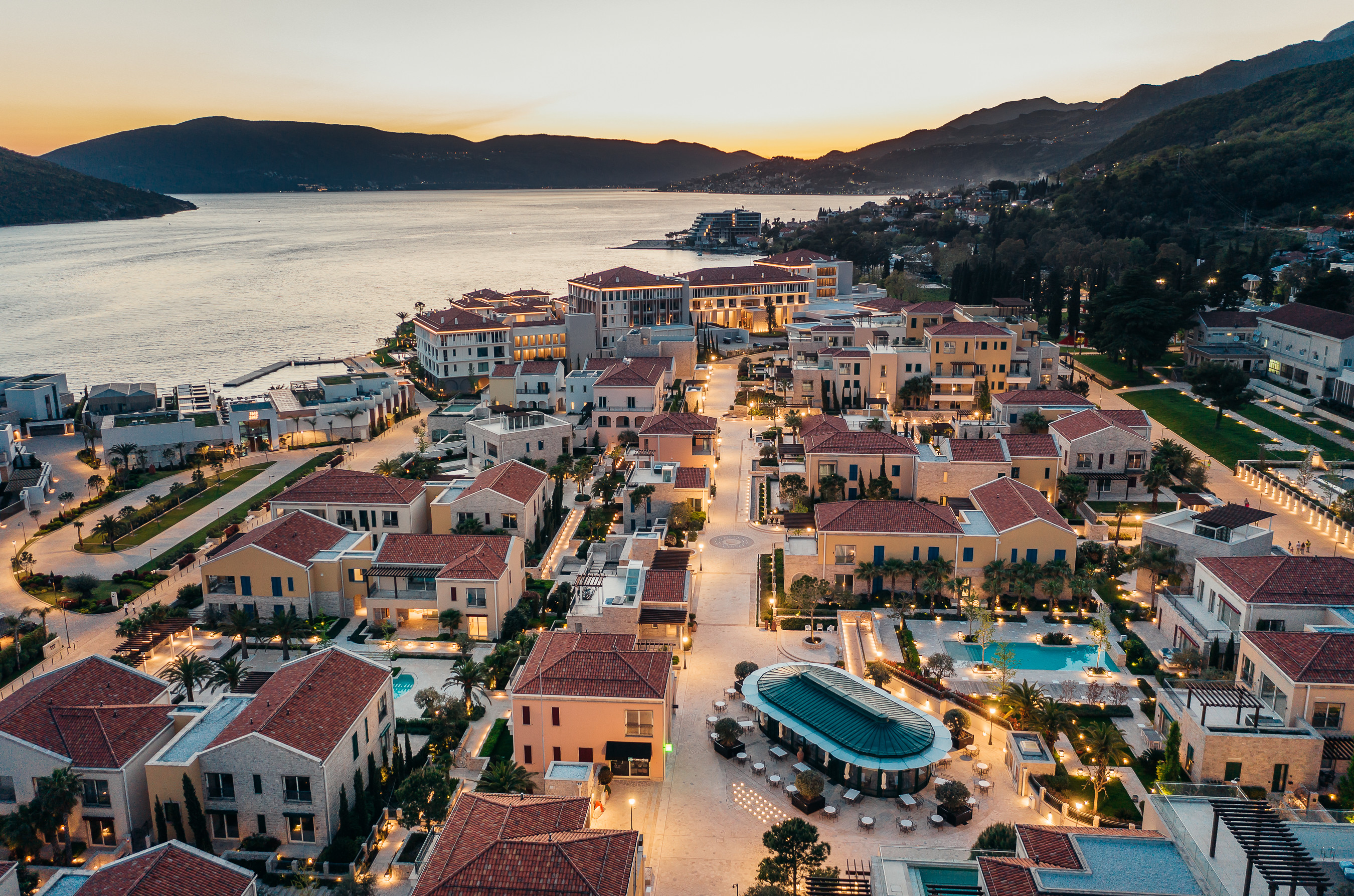
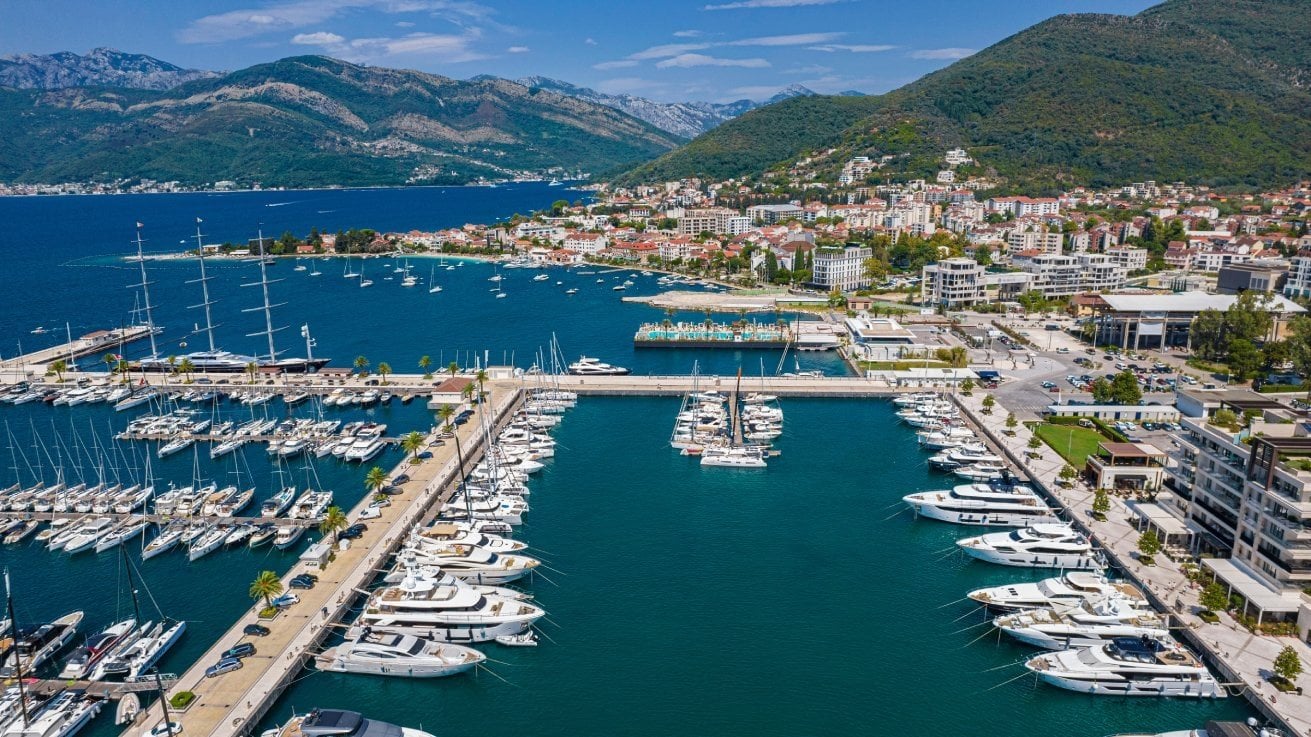
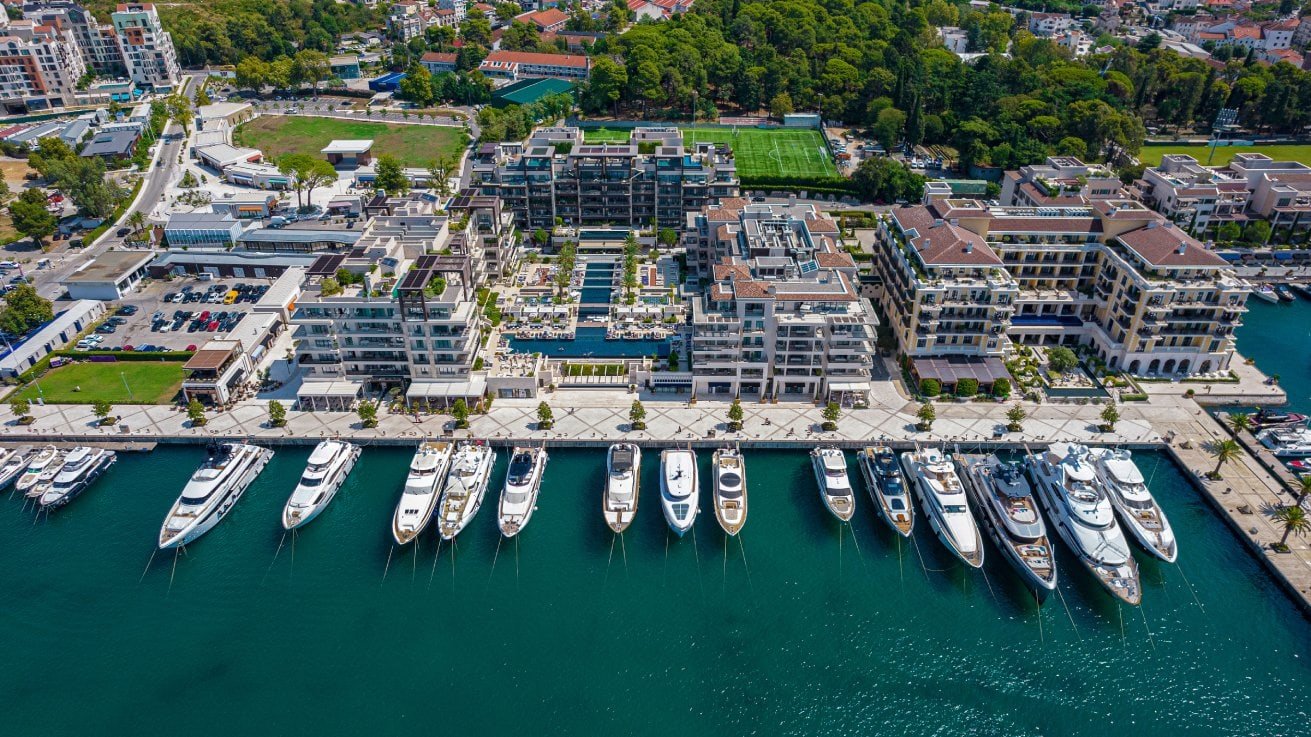
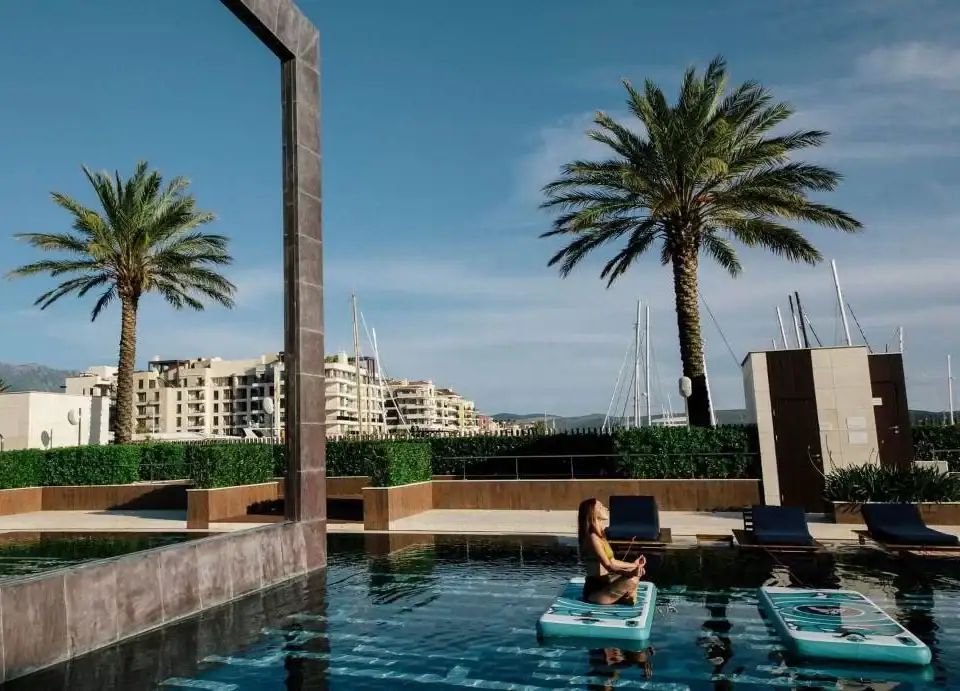
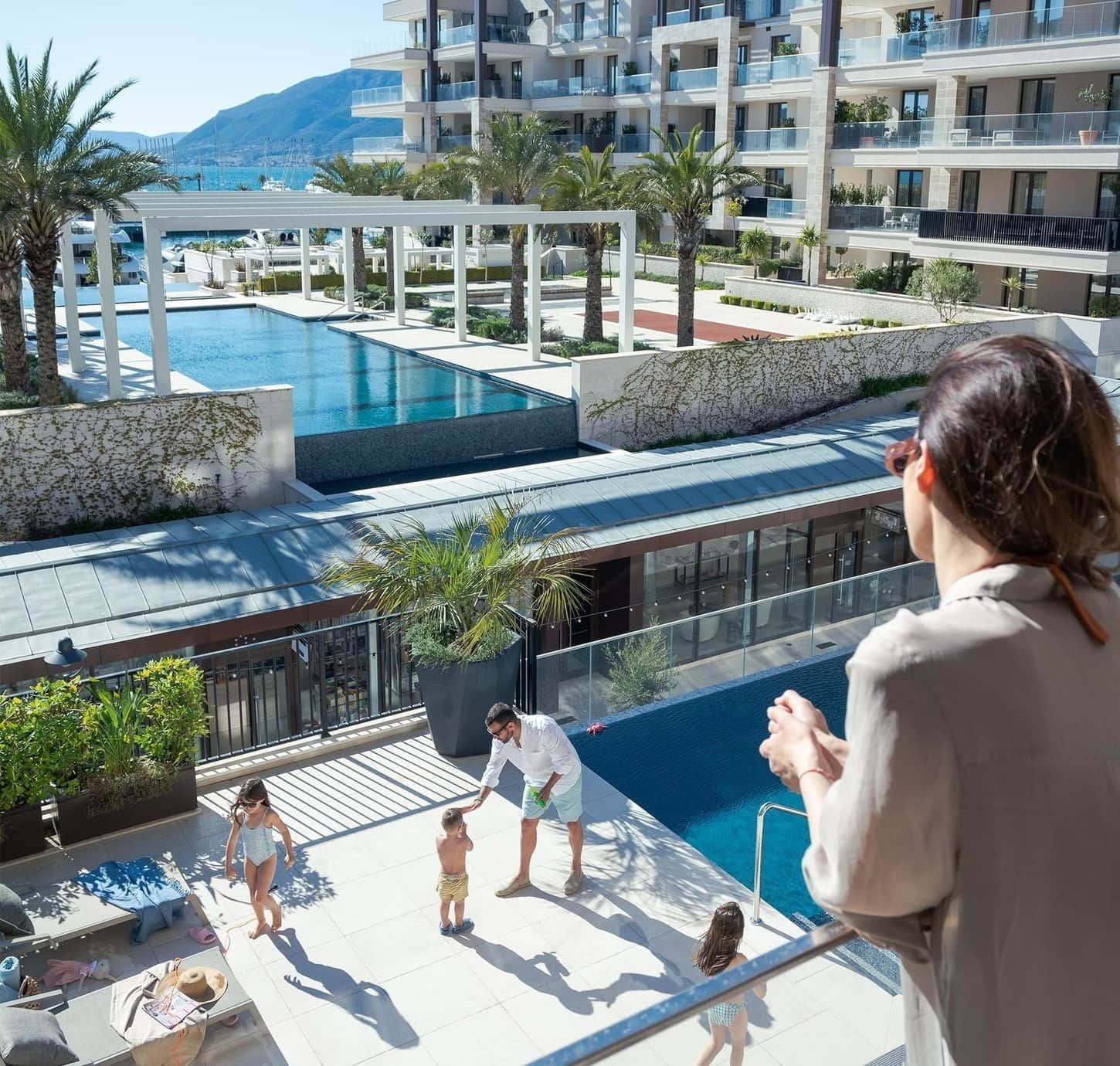
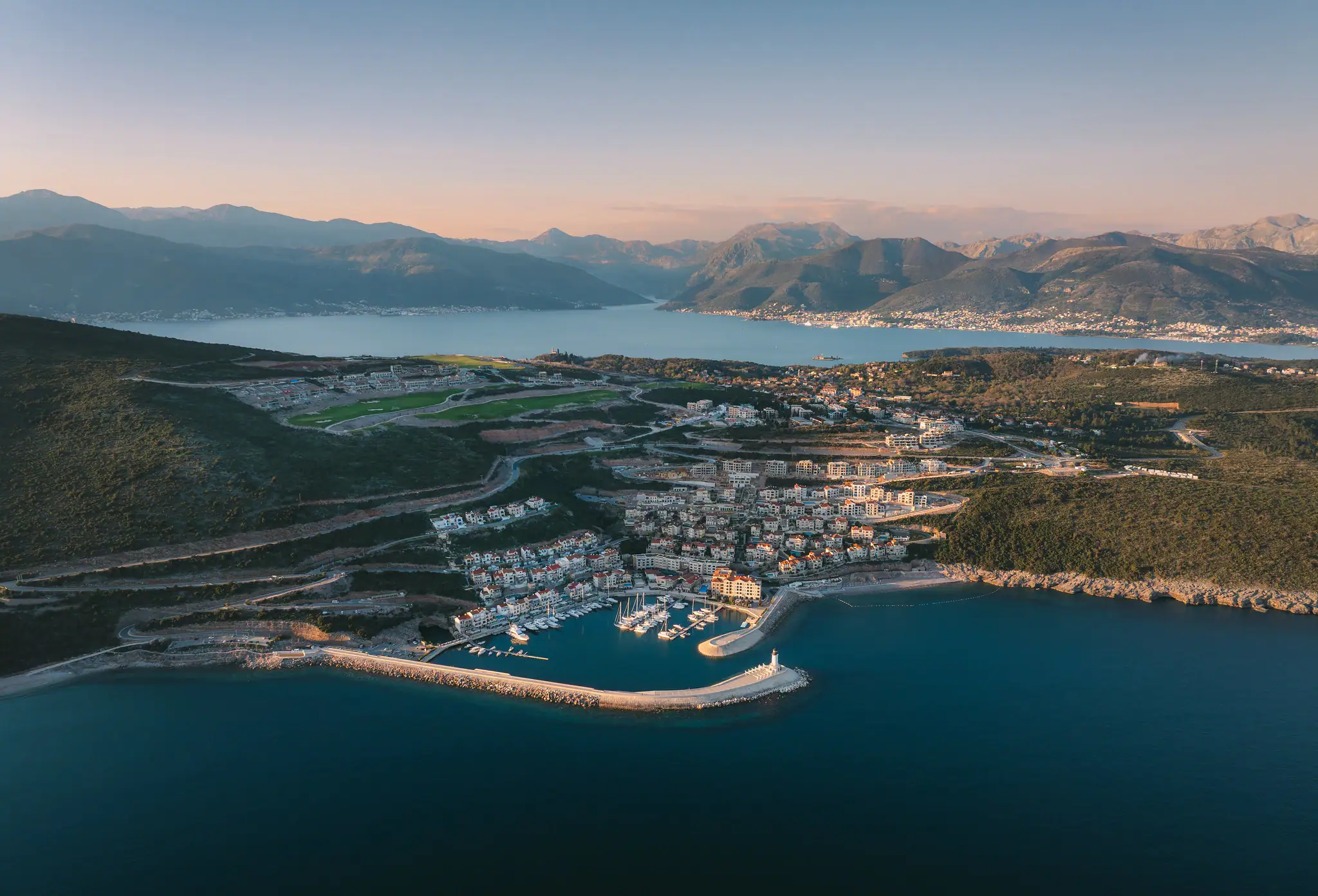
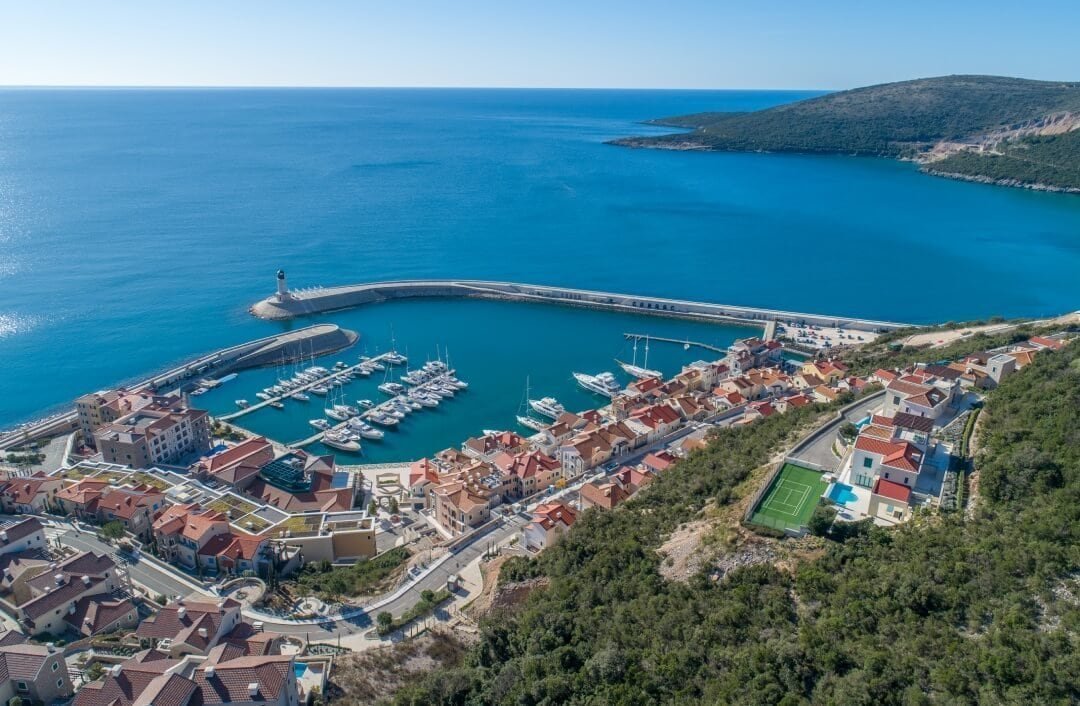
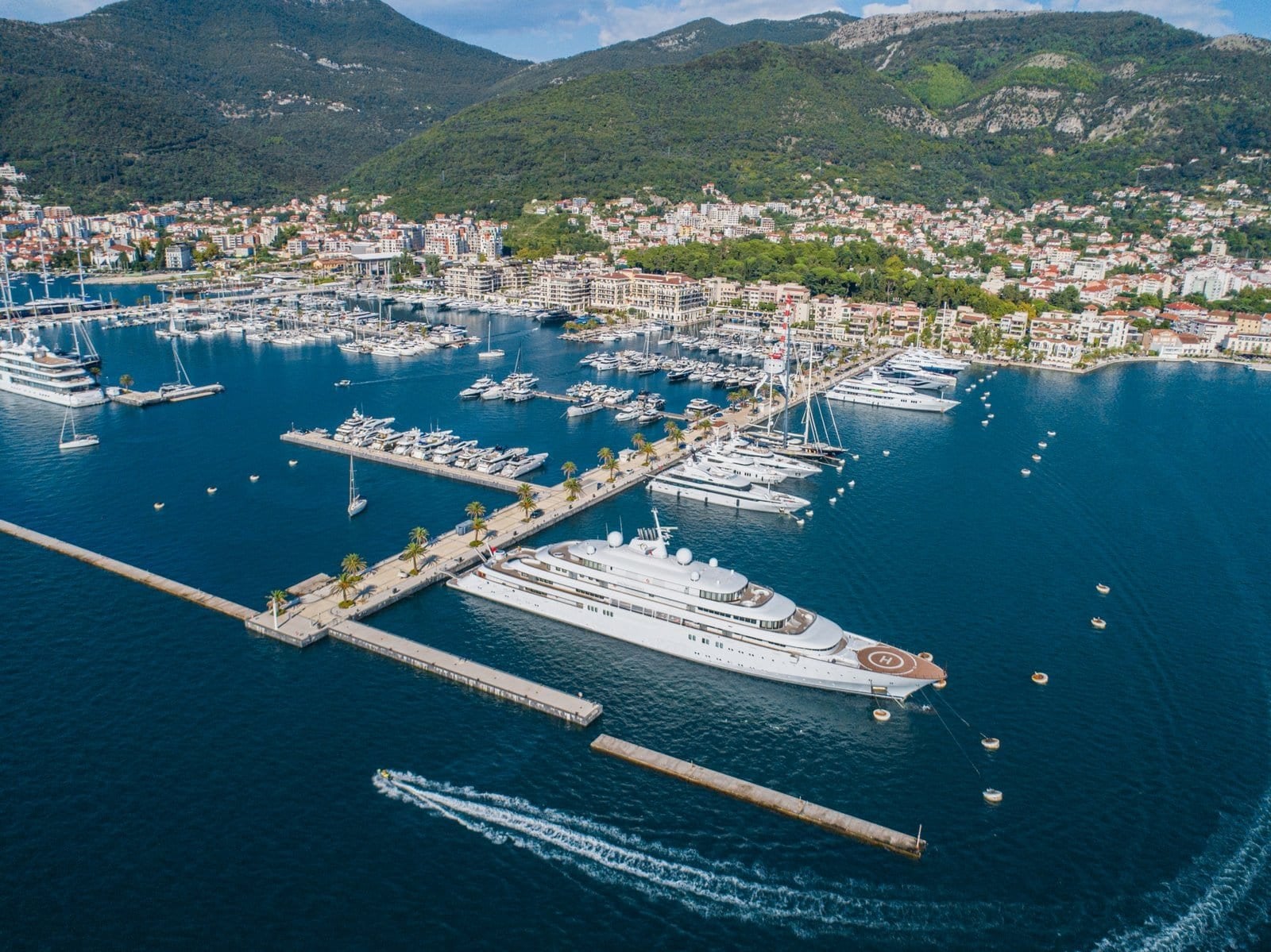
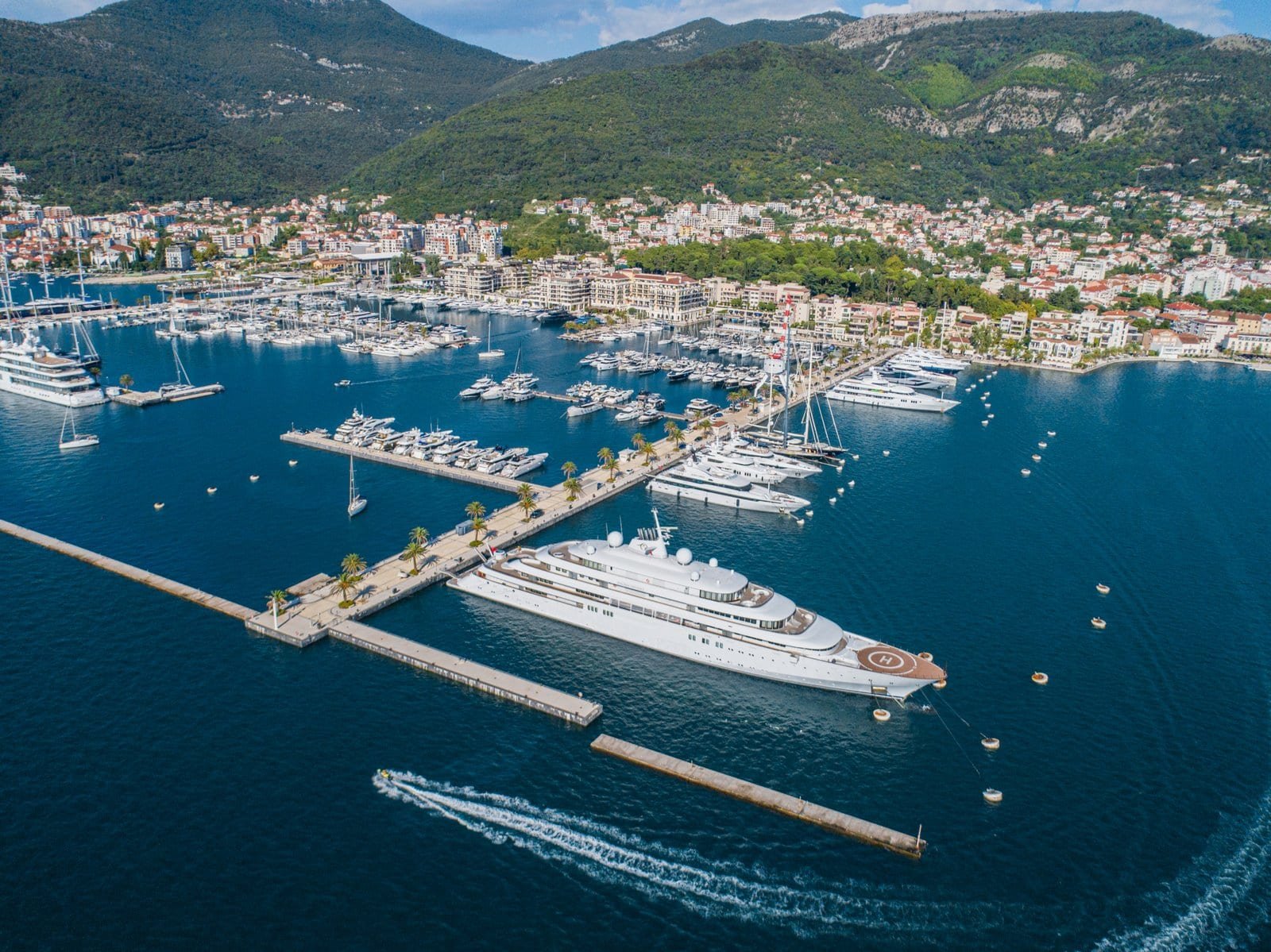
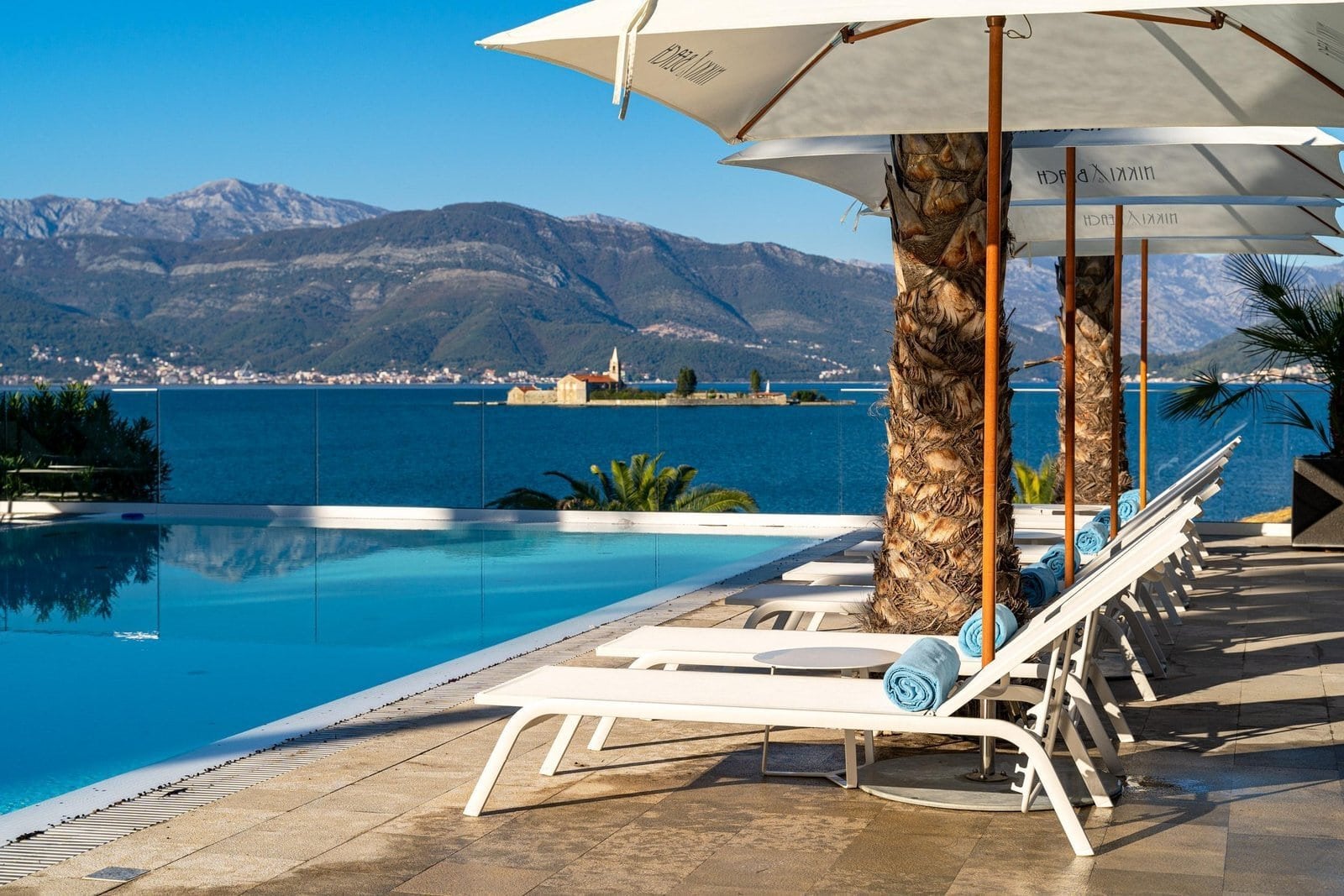
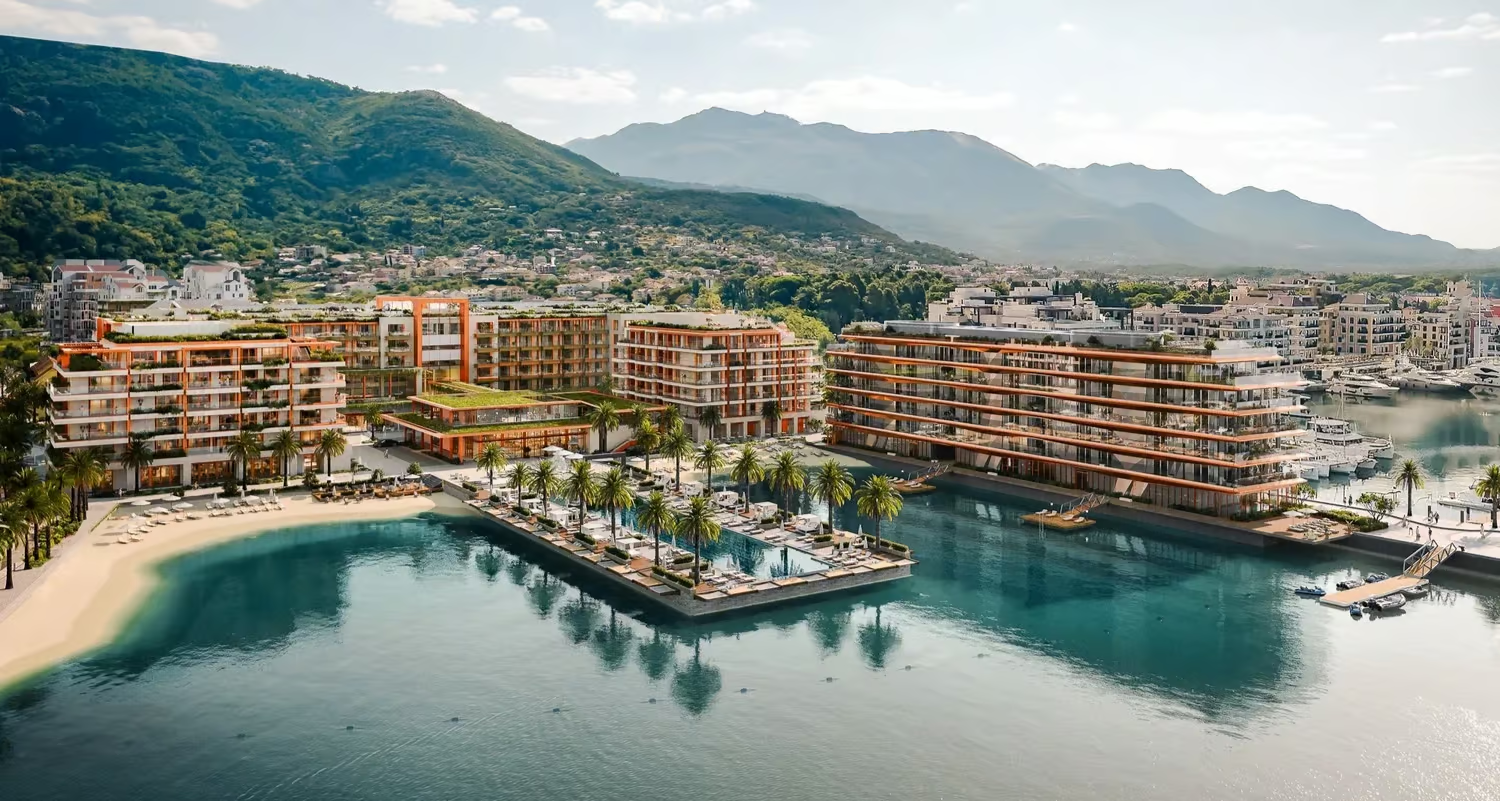
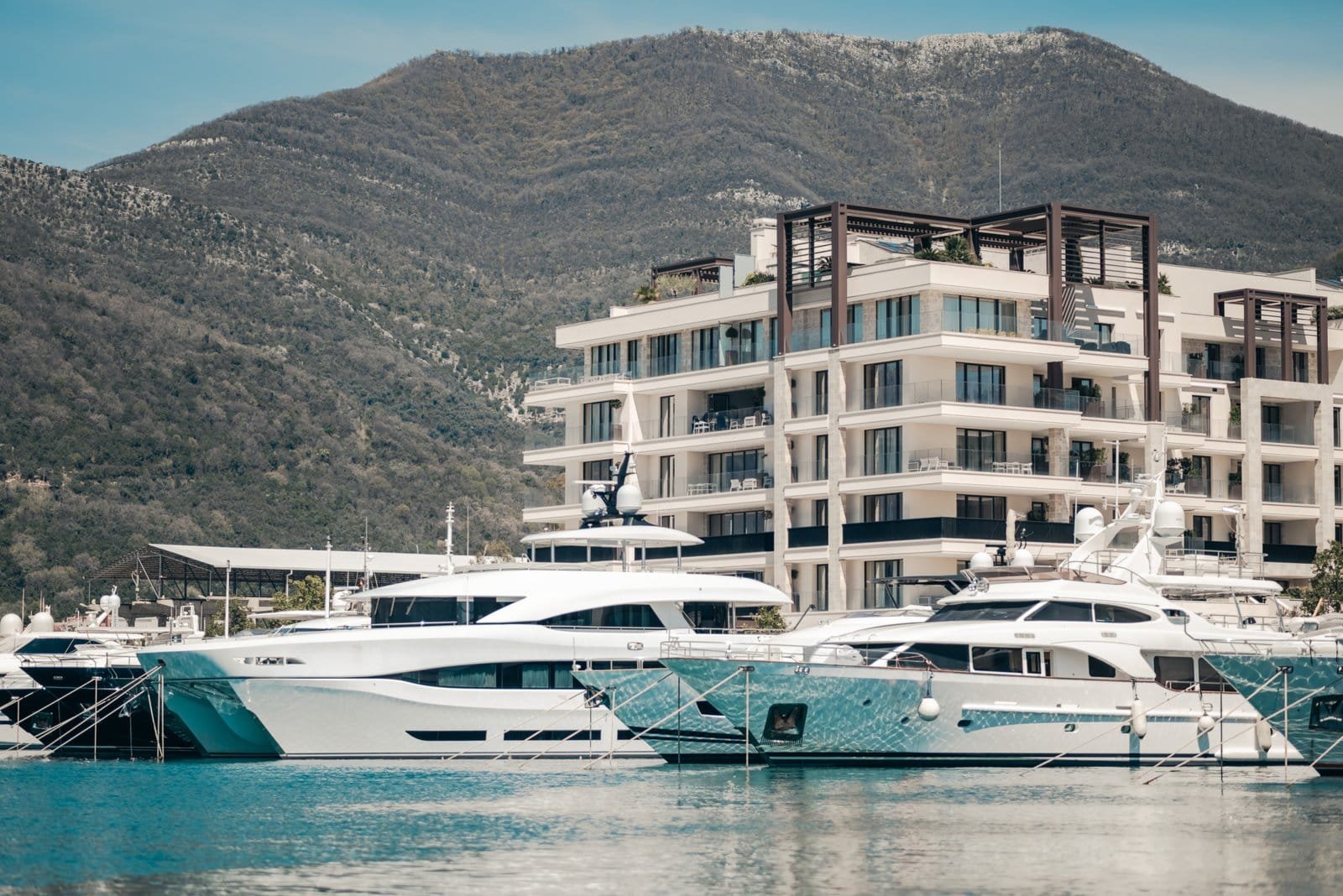
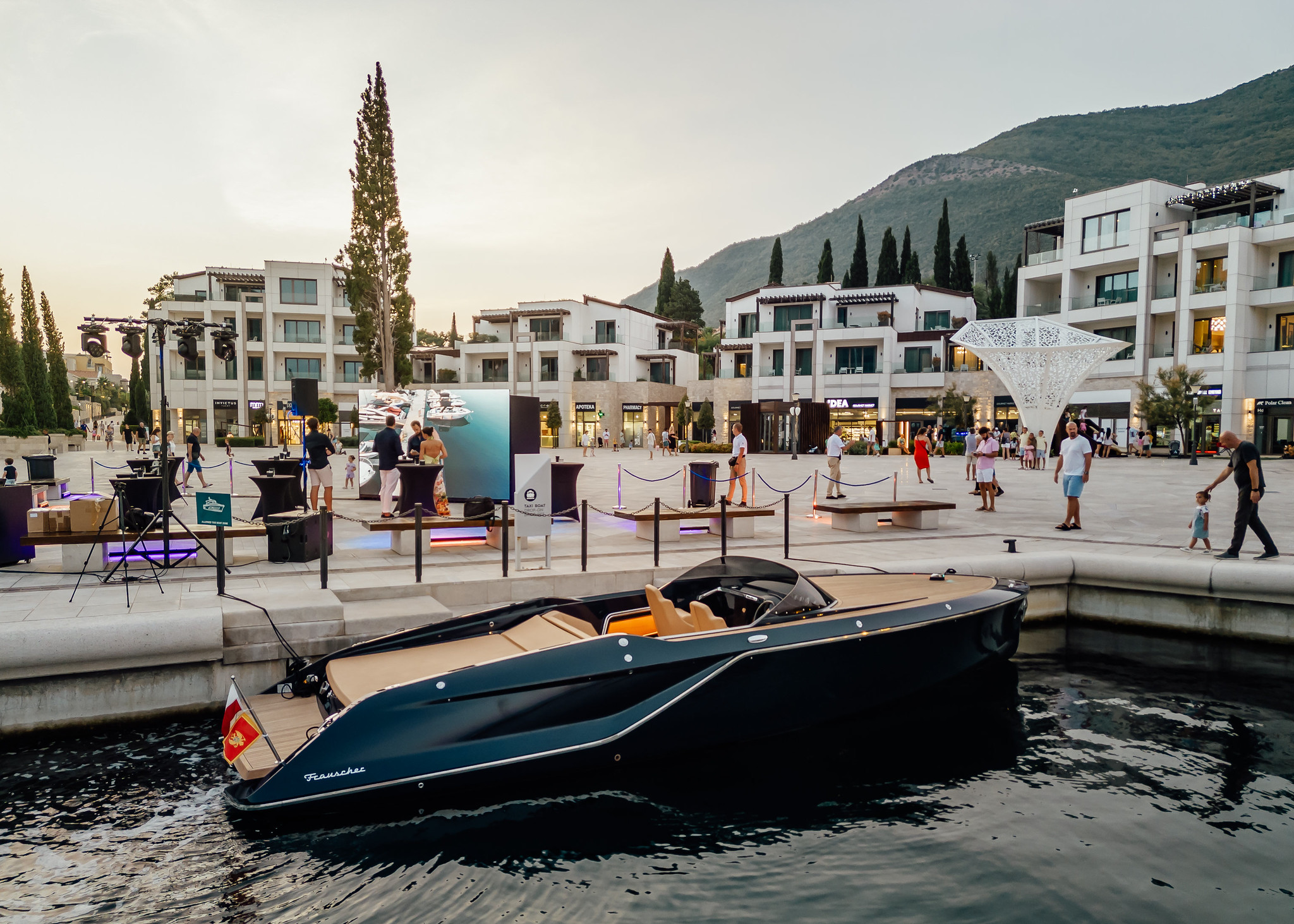
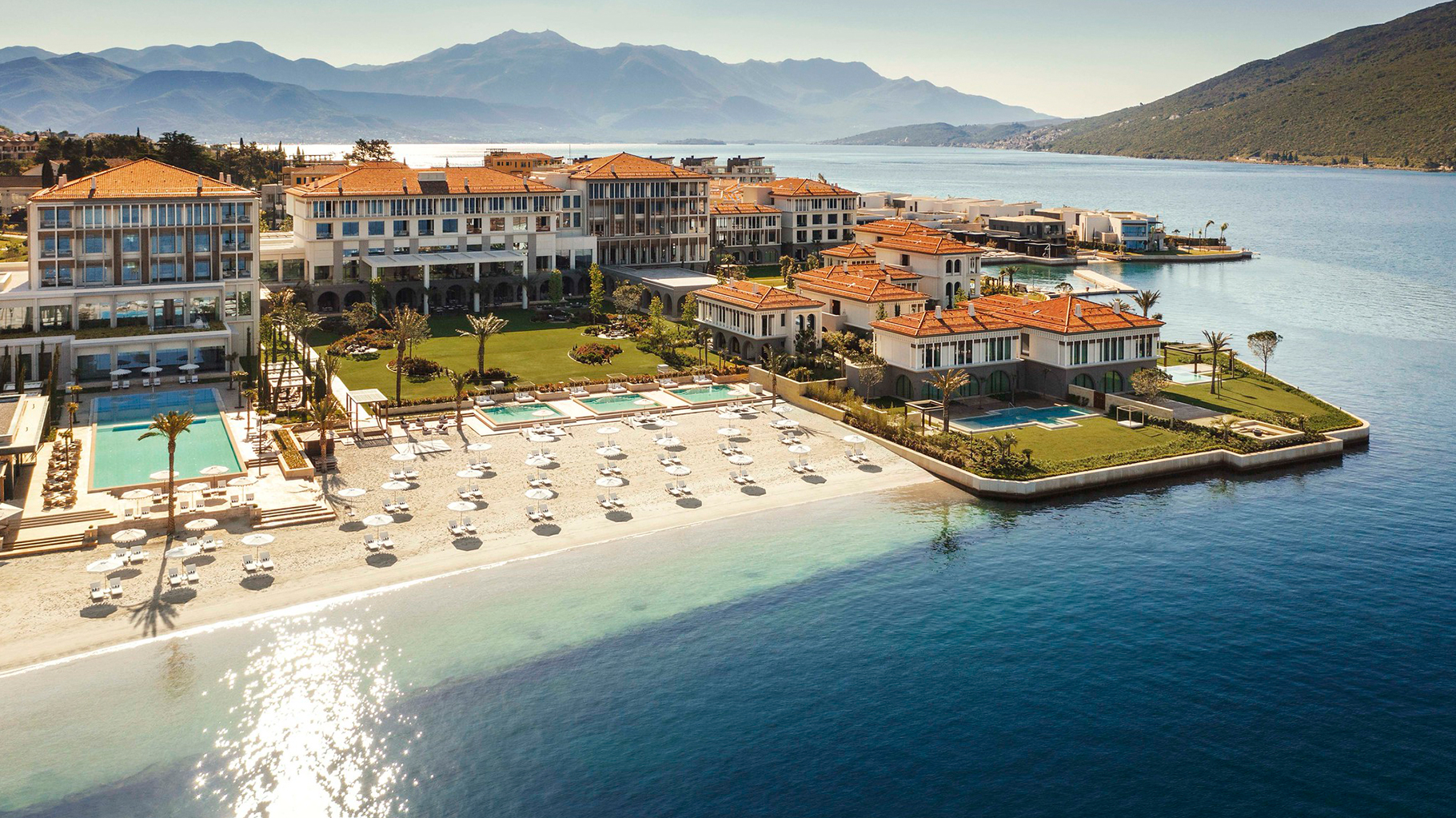
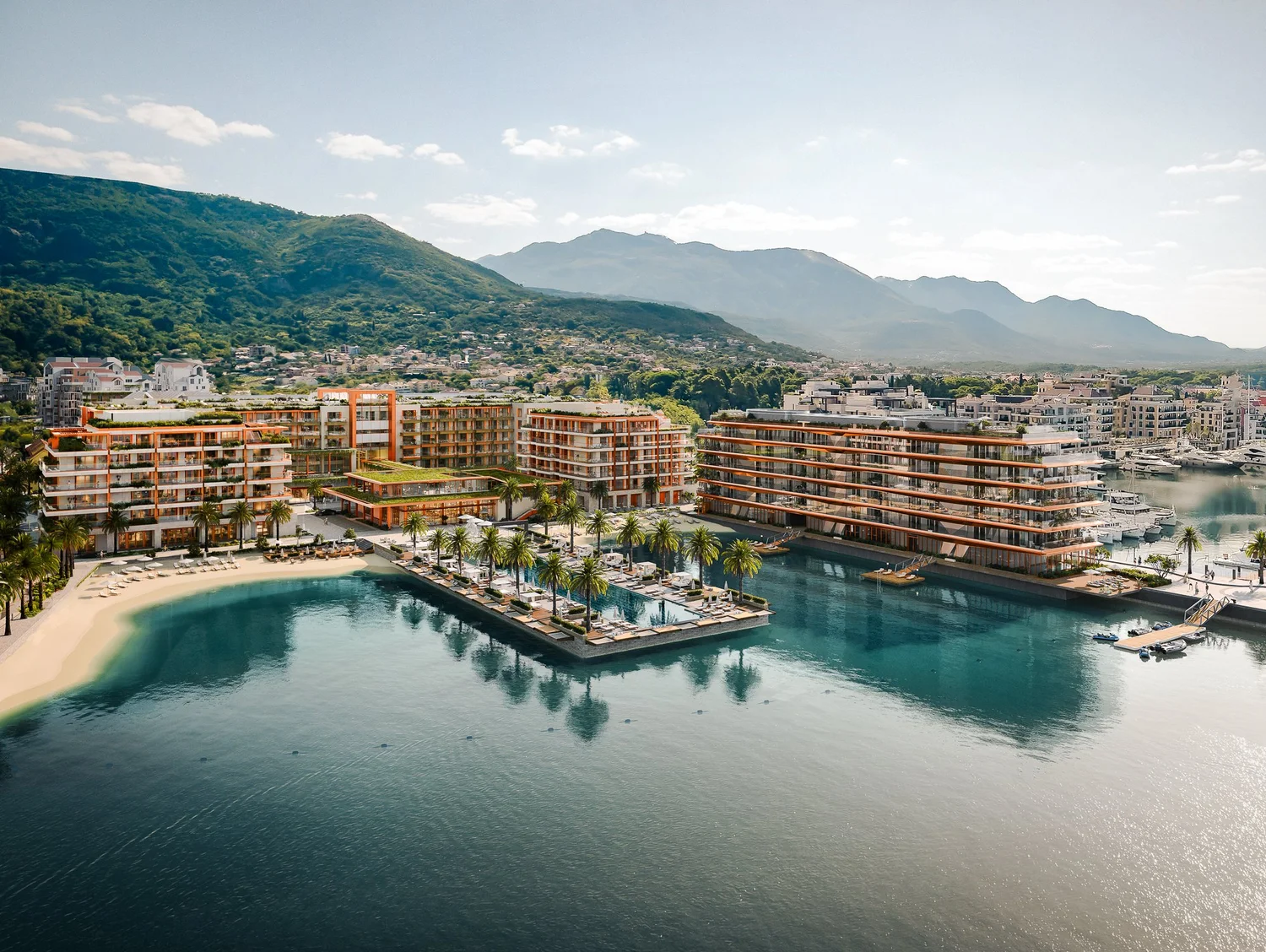
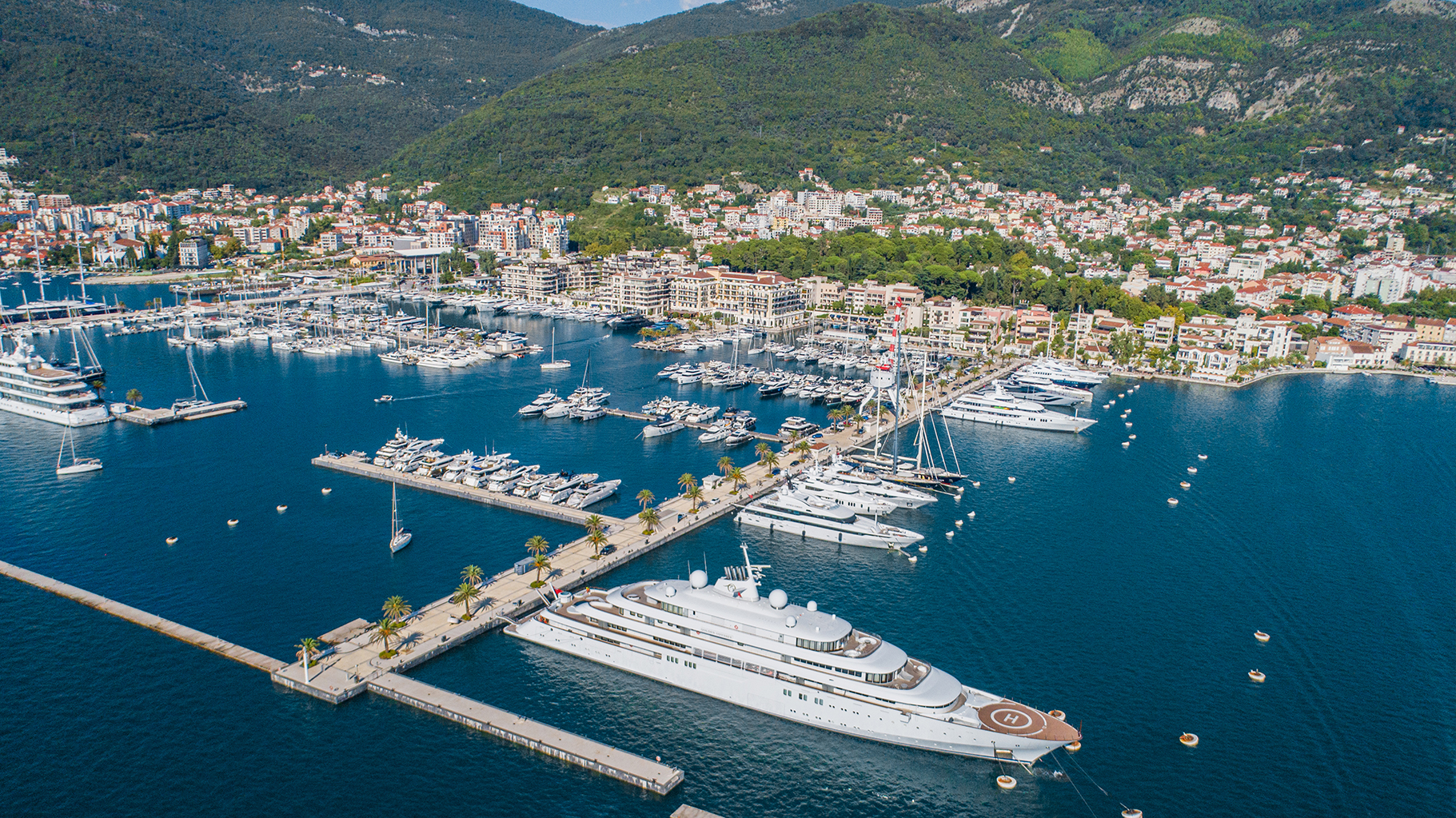
Tivat, at the bay's southern mouth, has emerged as the market's most liquid and internationally active submarket, driven significantly by the presence of Porto Montenegro, the superyacht marina development that repositioned the entire area as a premium address within a decade of opening. The combination of marina infrastructure, international residency, luxury hospitality and growing commercial amenity has created a self-sustaining ecosystem that continues to attract capital from across Europe, the Middle East and the wider international community.
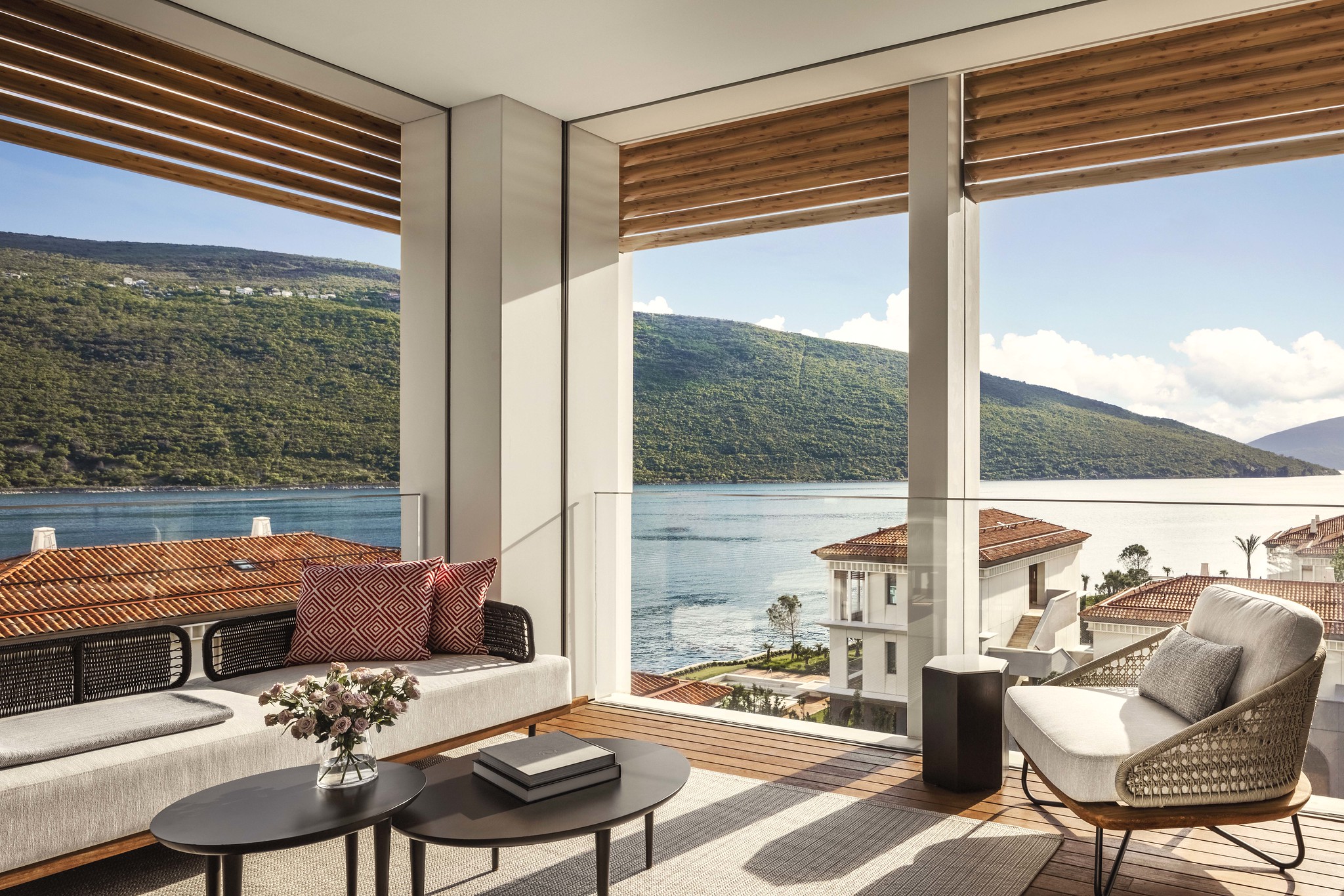
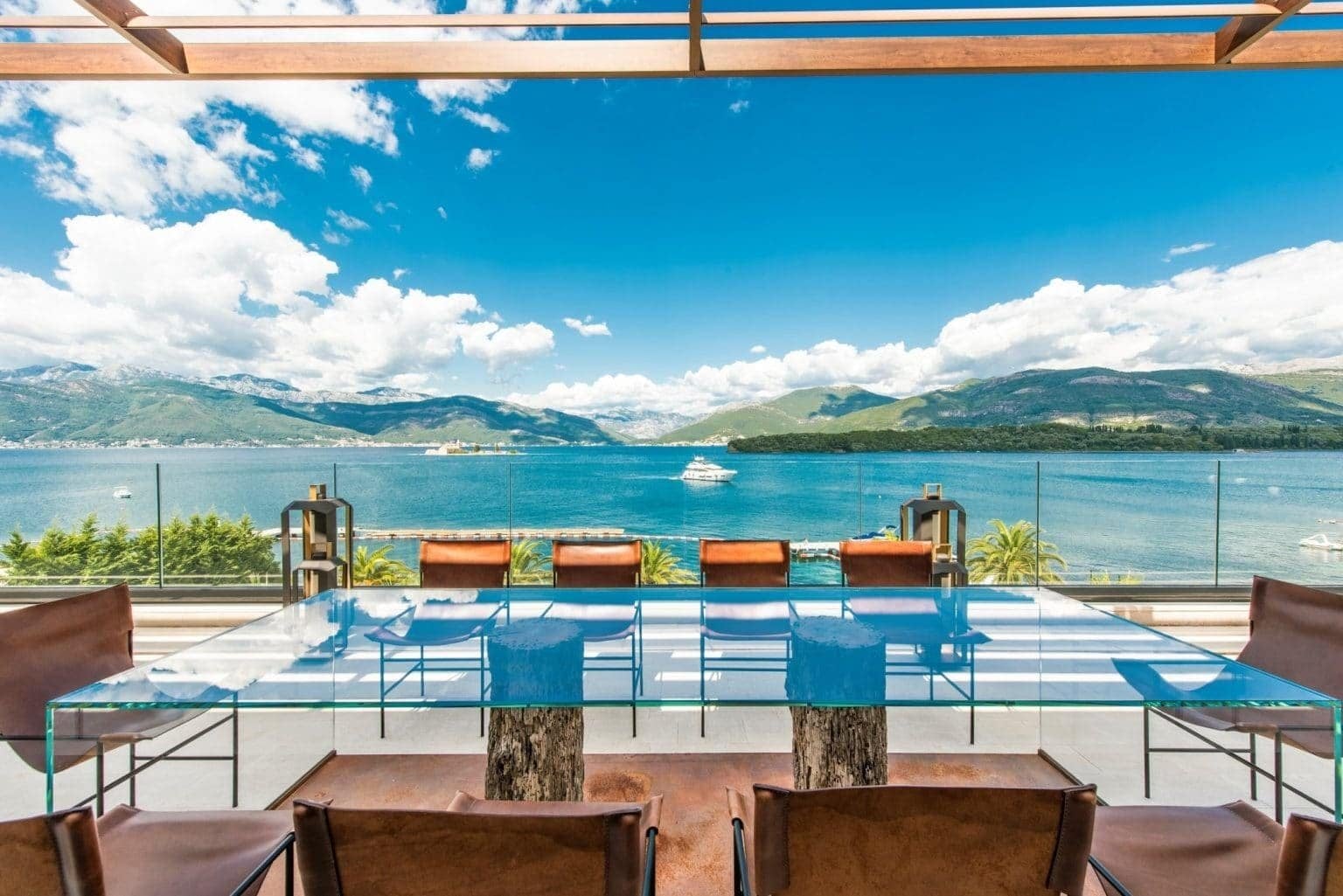
For buyers seeking exceptional specification within this environment, the Elevated Living Above the Adriatic: Porto Montenegro's Finest Rooftop Penthouse represents the kind of asset that rarely enters the open market. Positioned at the apex of one of Porto Montenegro's flagship residential buildings, it delivers the bay views, specification and privacy that justify its position at the top of the local price range.
Equally, for those seeking a crown-tier holding within the same development, the Sky-High Sovereignty Above the Adriatic: Porto Montenegro's Crown Penthouse offers an alternative expression of the same proposition, with four bedrooms and a position that commands uninterrupted sightlines across the marina and bay beyond.
For international buyers who want full market context on the Tivat acquisition process, the Buying Property in Tivat, Montenegro: The 2026 Guide for International Buyers addresses everything from title verification to transfer costs and legal structuring in practical detail.
Buyers considering a wider range of entry points within the same bay environment should also review the Panoramic Sea Views and Alpine Horizons at Porto Montenegro's Finest Address, a two-bedroom apartment that offers the core Porto Montenegro proposition at a more accessible price point, without compromising on the view quality or building specification that defines the address.
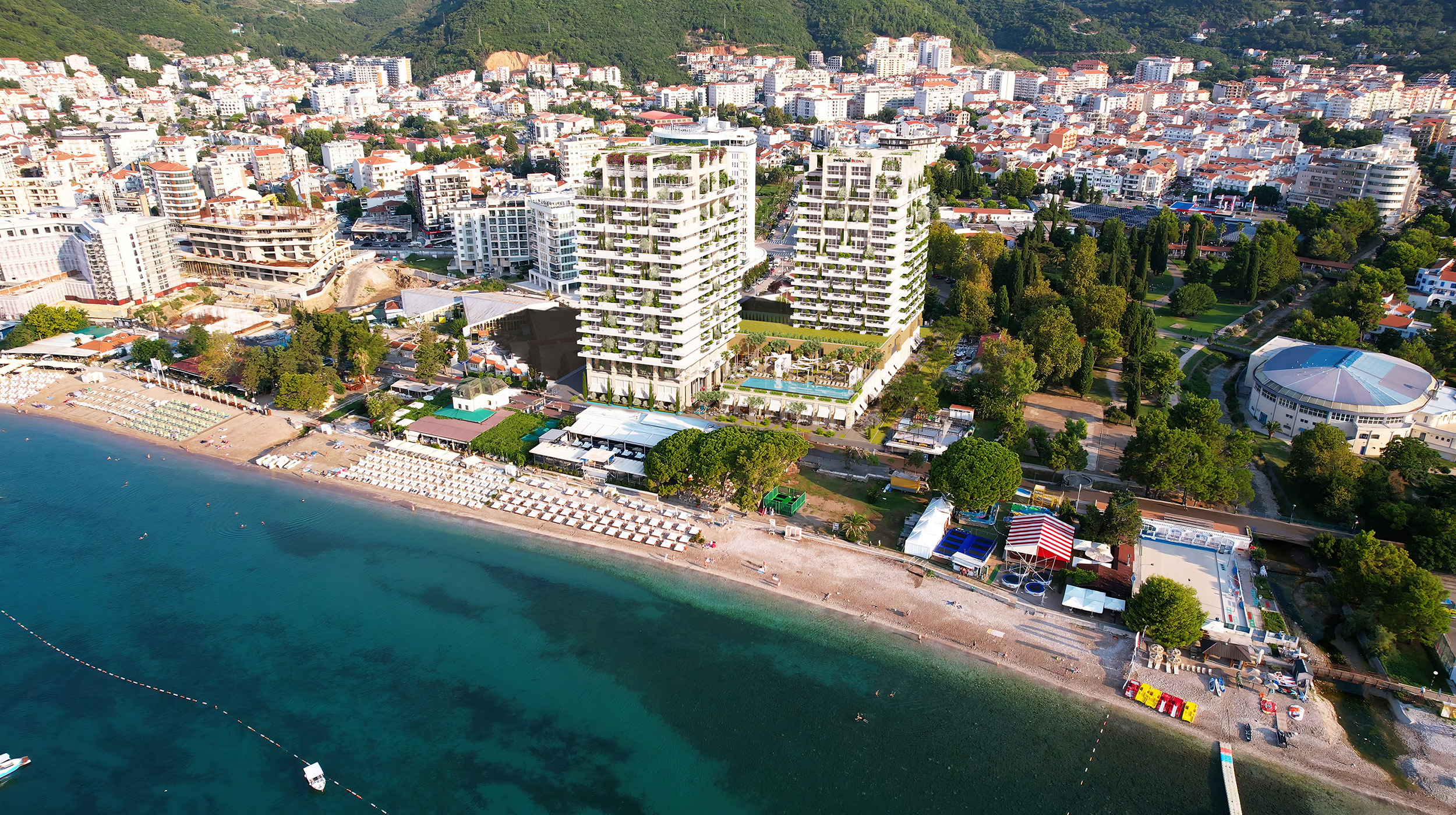
Budva Riviera: Yield-Driven Beachfront Investment
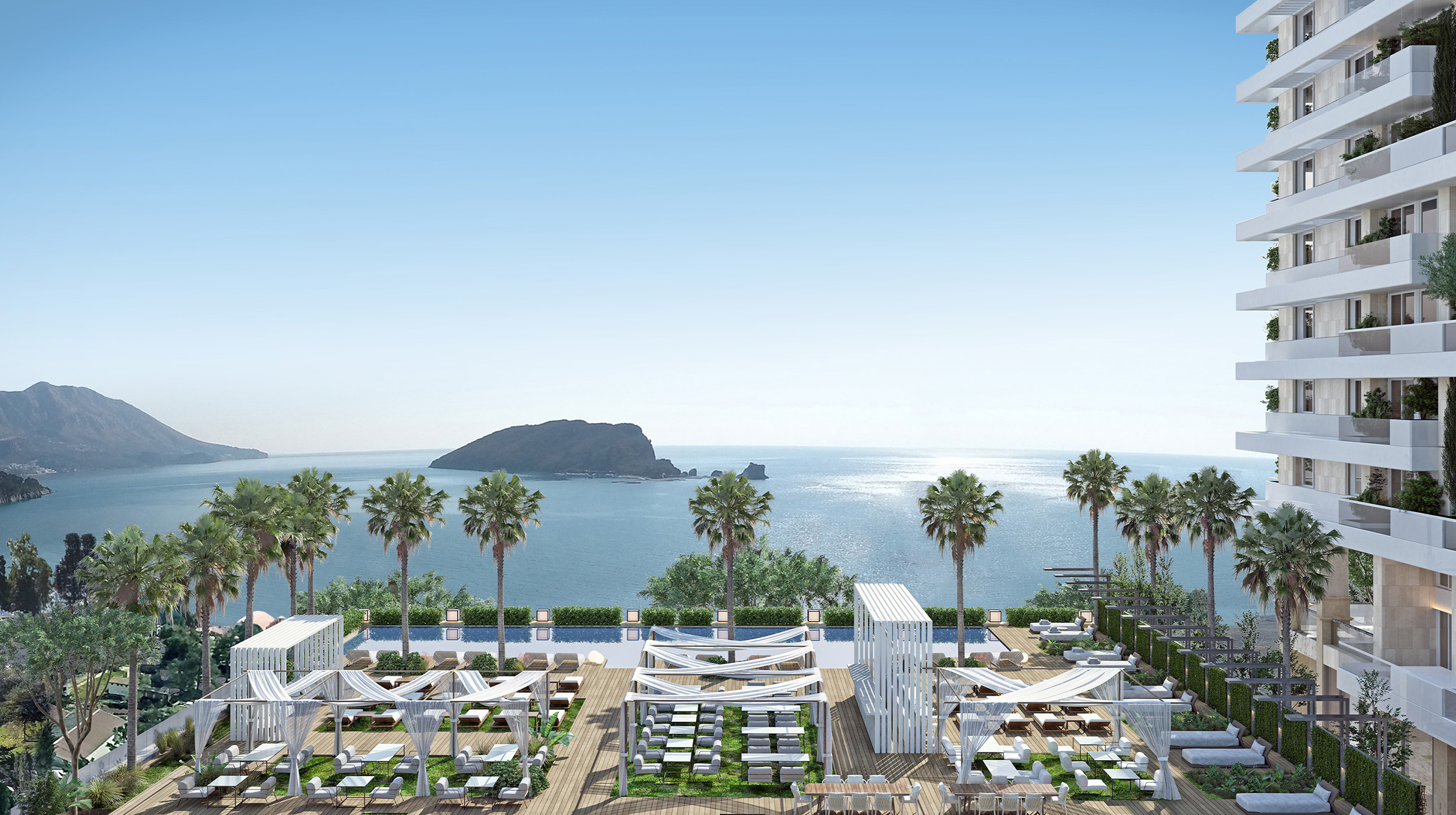
Budva operates on a different investment logic from Kotor and Tivat. Where the bay market is driven by prestige, conservation constraints and long-term capital preservation, Budva is where the rental yield story is most visible and most immediately quantifiable.
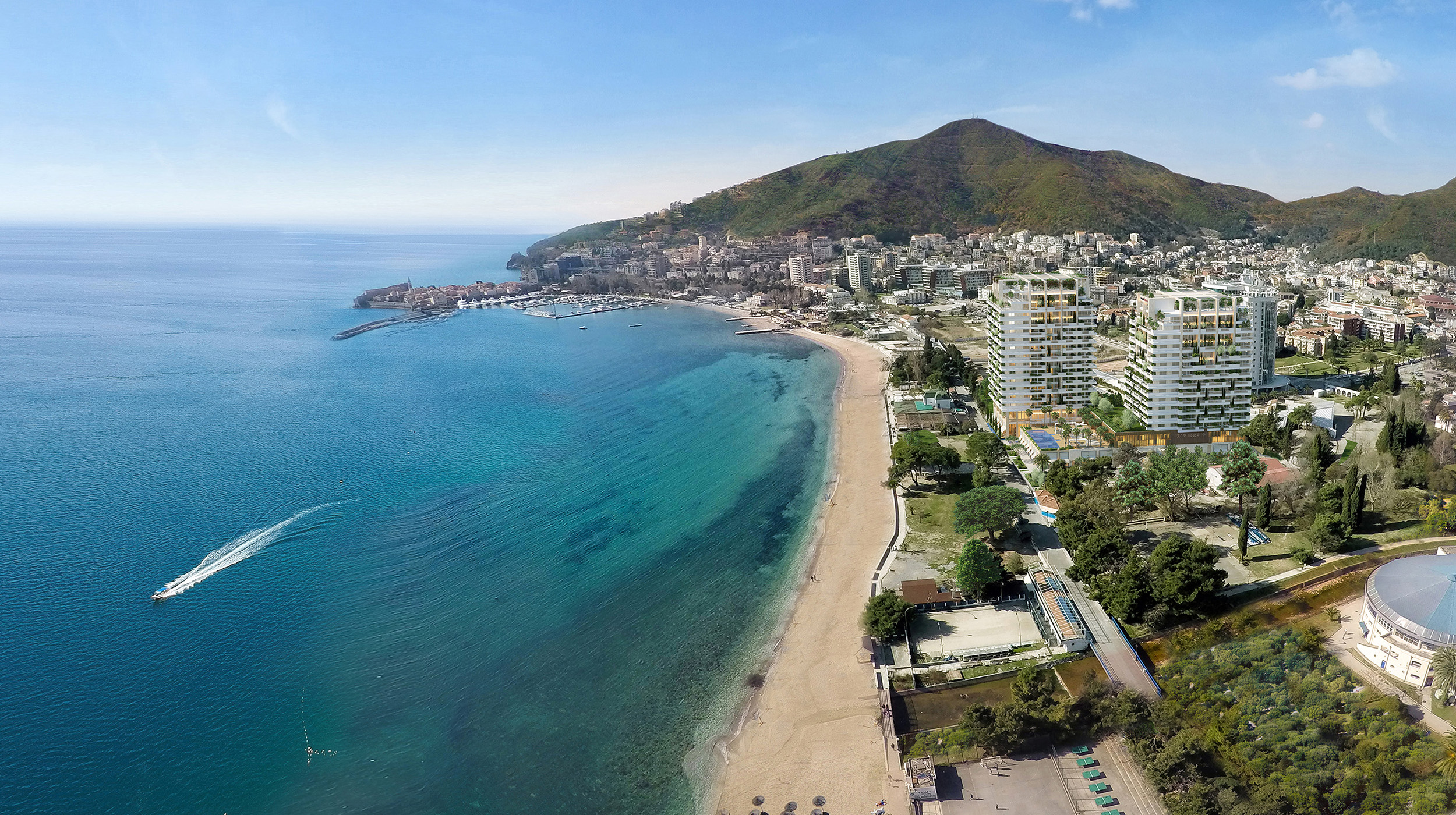
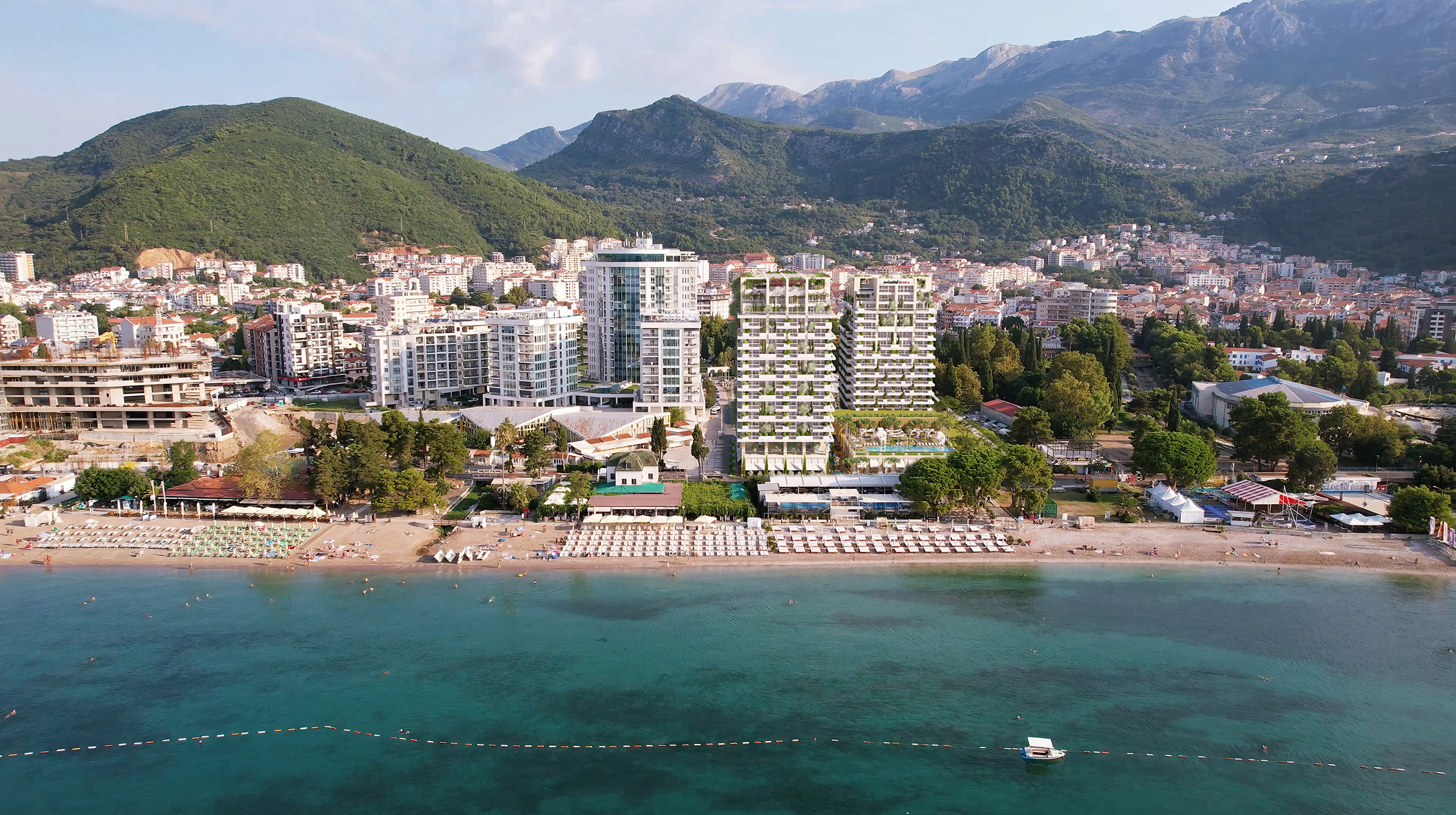
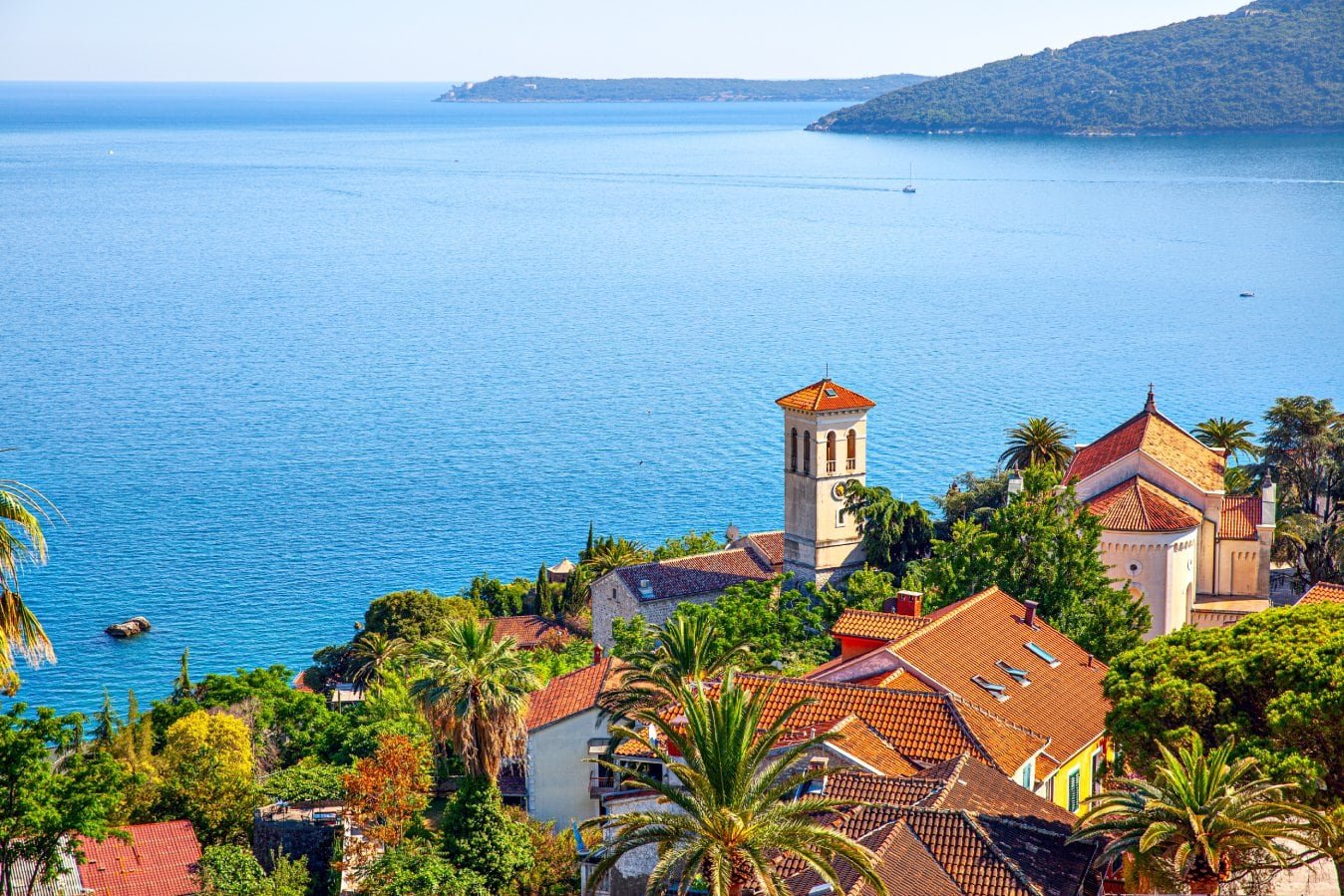
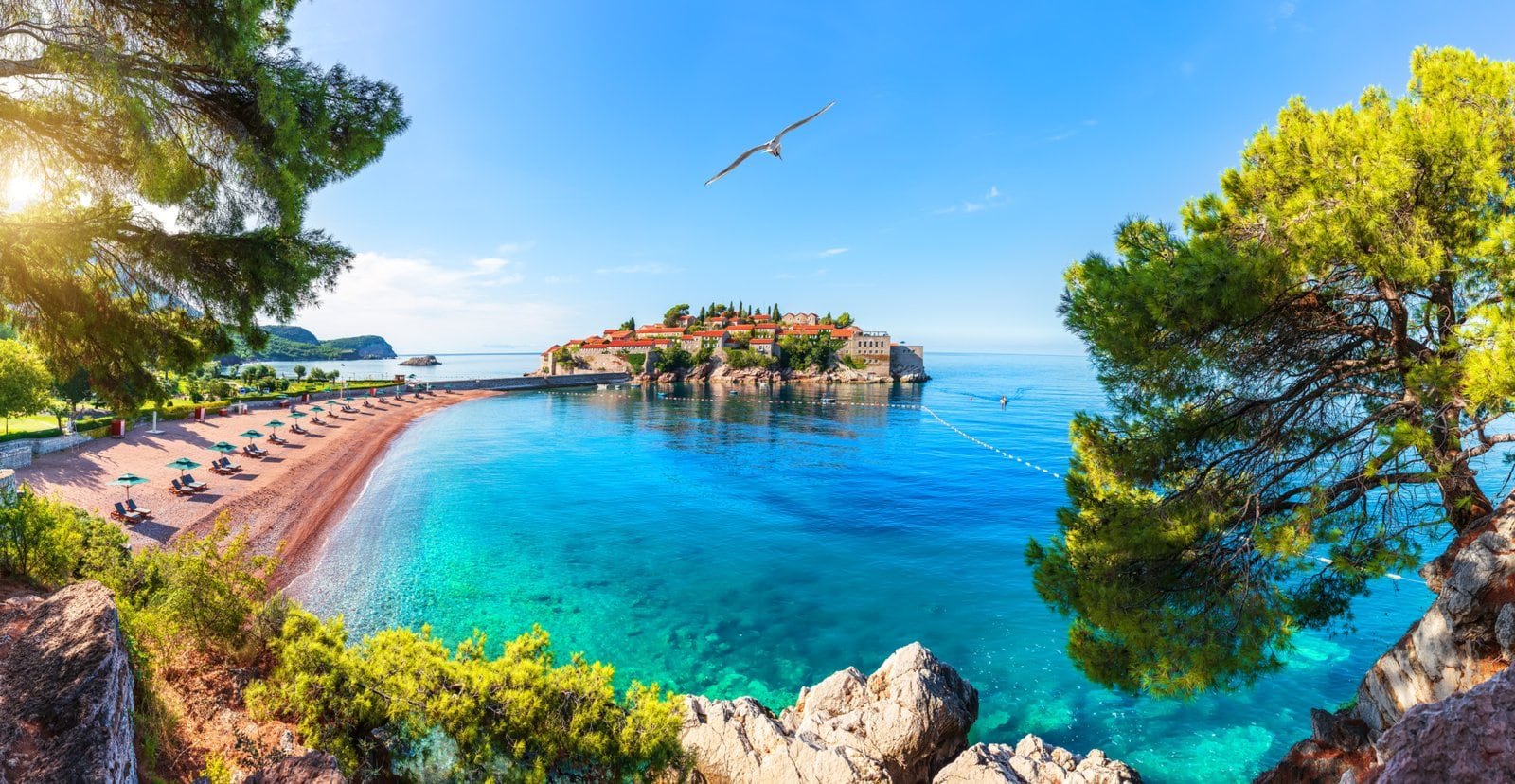
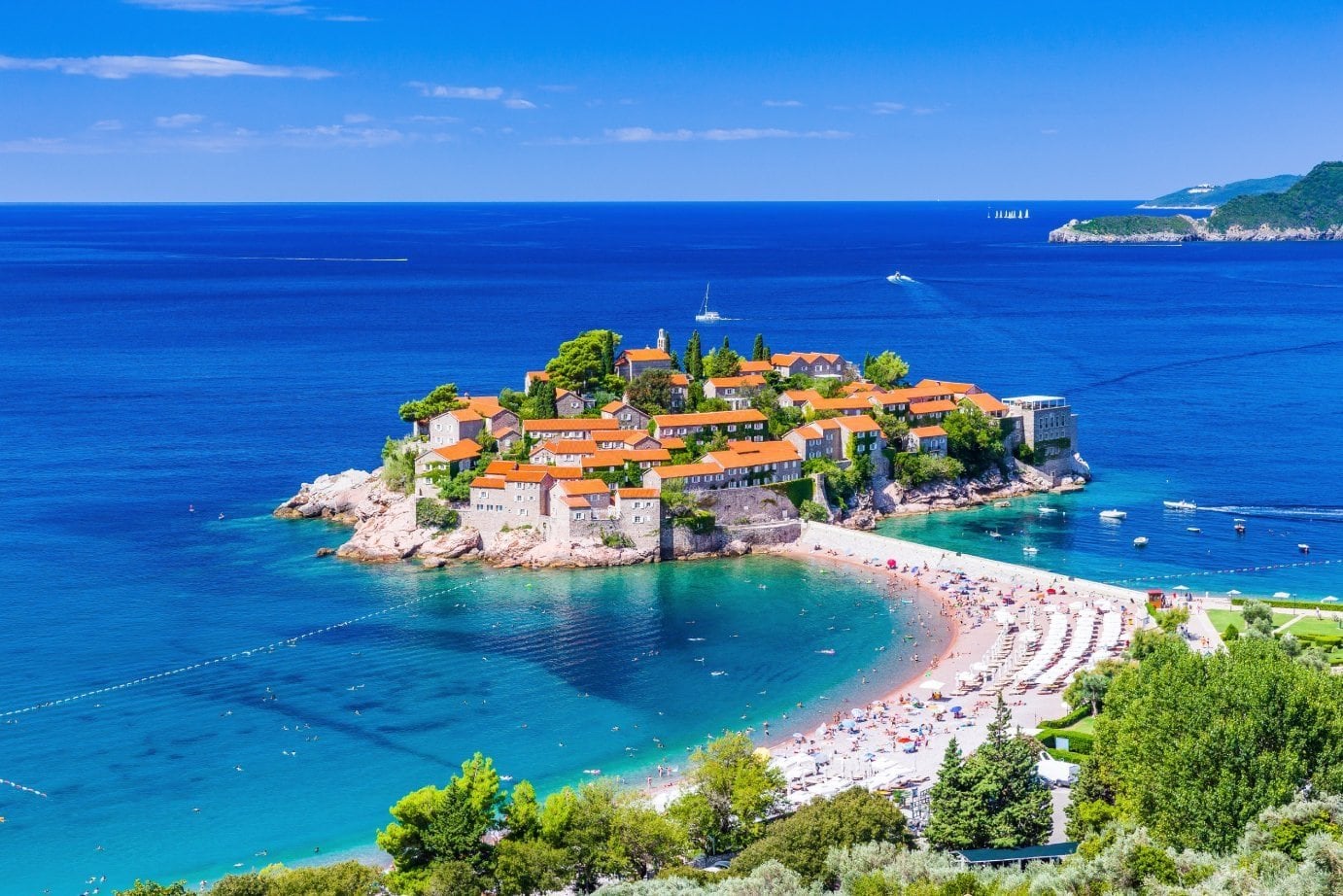
The Budva Riviera stretches for approximately 35 kilometres and encompasses a sequence of beaches, coves and resort towns that collectively draw the largest volume of international summer tourism in the country. Visitor numbers from across Europe, Russia, the Gulf and the wider Balkans have grown consistently across the past decade, with the airport at Tivat serving as the primary international gateway for the entire southern coast.
Property values in Budva sit below those in Porto Montenegro or Kotor's historic core, but rental income per square metre during the June to September season can be proportionally strong. The gross yield gap between Budva and more prestige-driven addresses is one of the reasons the Riviera appeals to investors who are optimising for income rather than pure capital appreciation.
New-build stock in the Budva market has expanded in recent years, and quality differentiation has become increasingly important. The premium end of the Budva market, properties with direct sea views, high-specification finishes and access to hotel-style services, performs materially better on both occupancy rates and achievable nightly rates than the mid-market stock that has proliferated in recent development cycles.
Gulf investors comparing Budva against comparable Mediterranean yield markets, the Algarve, Mallorca, the Italian Riviera, will find that the tax treatment described above converts comparable gross yields into materially superior net returns. When that advantage is combined with the pre-accession capital appreciation thesis, the investment case for a well-selected Budva asset is clear.
Barok Estates International Advisory Note
Barok Estates International has advised international buyers across the Montenegrin coastal and mountain markets for a number of years. Our team works with clients from the Gulf, the UK, Europe and beyond, guiding acquisitions from initial market positioning through to title transfer, legal structuring and post-purchase management.
For Gulf family offices and high-net-worth individuals considering Montenegro as part of a broader European real estate allocation, we offer an initial confidential advisory consultation at no obligation. Our advisors combine direct knowledge of the Montenegrin market with an understanding of the specific requirements, including tax treaty considerations, residency objectives and family governance structures, that distinguish Gulf-based buyers from their European counterparts.
To speak with a member of the Barok Estates International team, contact our offices in Madrid, Marbella, London or Montenegro directly. We are ready to help you identify the right asset, in the right location, structured in the right way for your objectives.








.jpg)