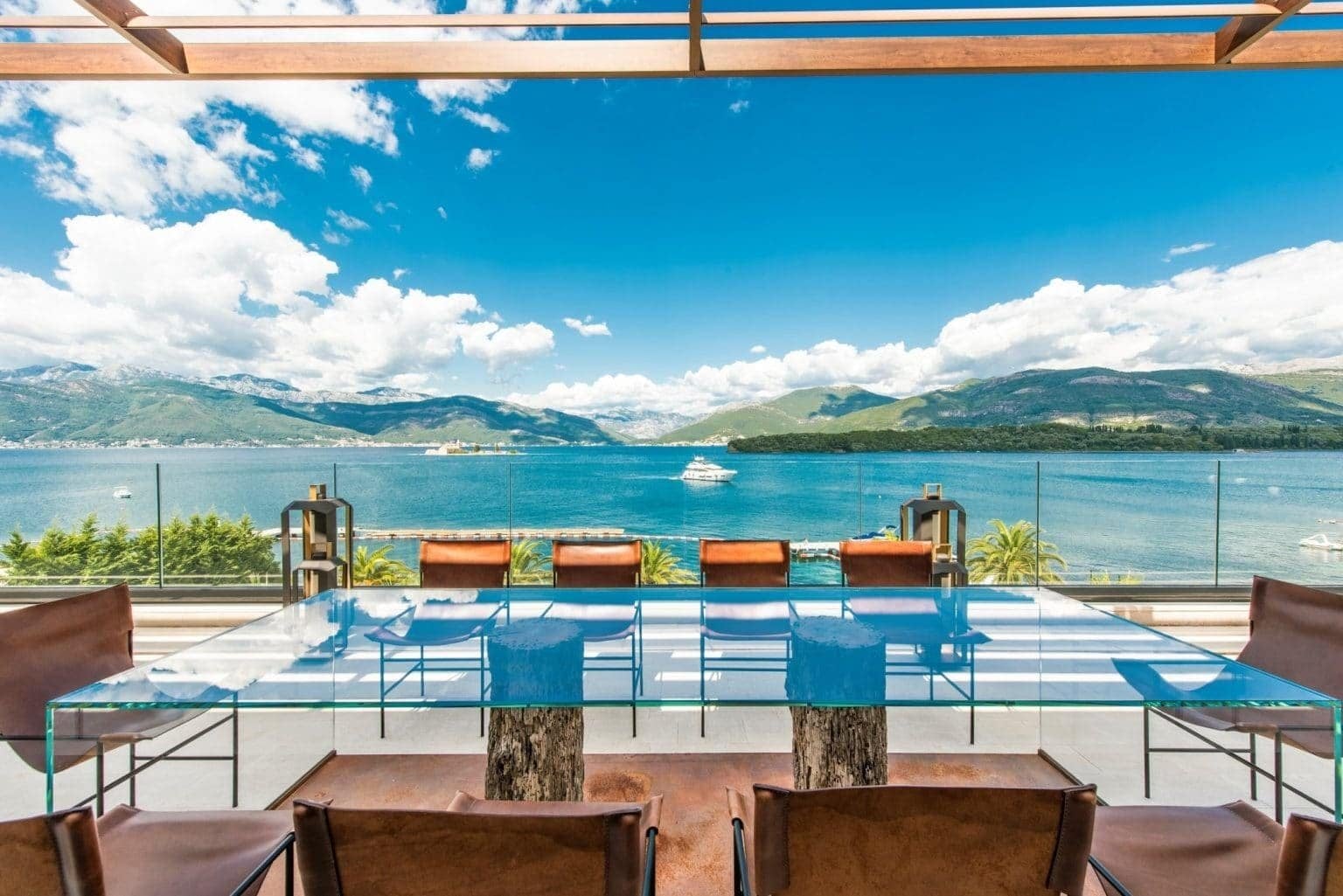
A prime waterfront apartment with marina views can be equally persuasive whether it was completed last quarter or has hosted a decade of Adriatic summers. This is precisely why the question of new developments versus resale property in Montenegro resists a clean, universal answer. The right choice depends on your acquisition timeline, personal lifestyle expectations, appetite for uncertainty, and the shape of your long-term ownership strategy.
Montenegro continues to attract serious international capital for reasons that have become well established: a coastline of rare quality, a luxury market still in an active phase of maturation, and a genuinely constrained supply of prime waterfront and marina-adjacent real estate. Yet once a buyer is committed to the country, a second and more considered decision must follow. Do you acquire within a new-build or master-planned development, with all the modernity and operational polish that implies? Or do you target the resale market, where immediacy, location rarity, and physical certainty can offer advantages that no off-plan brochure can replicate?
Both paths carry merit. Both carry trade-offs. The sophistication of your decision will be measured by how clearly you understand which set of trade-offs is acceptable for your specific situation.
The Fundamental Distinction Between New and Resale
At the upper tier of Montenegro's property market, framing this as a choice between old and new misses the point. It is more accurately a choice between two distinct ownership models, each with its own logic.
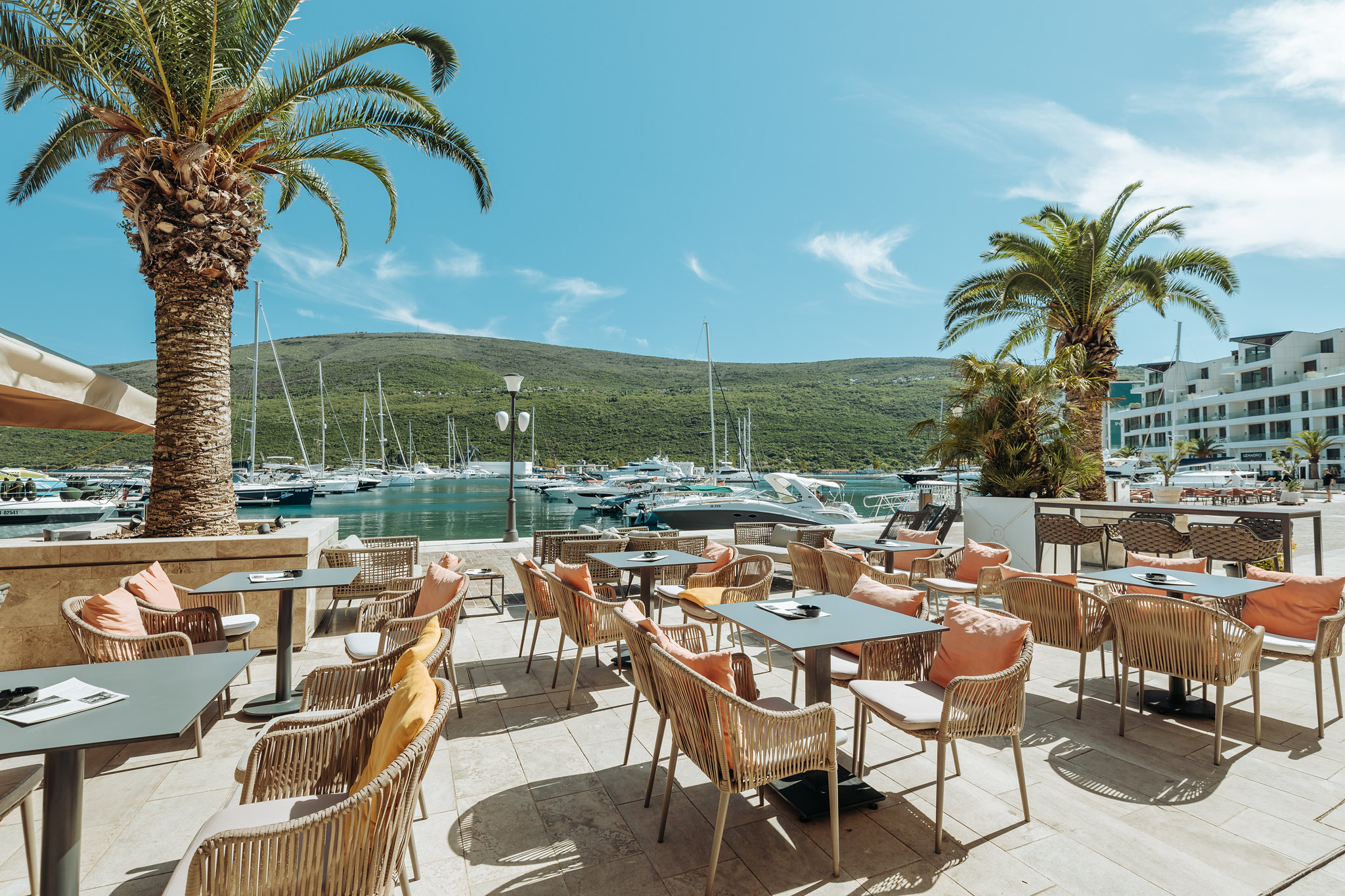
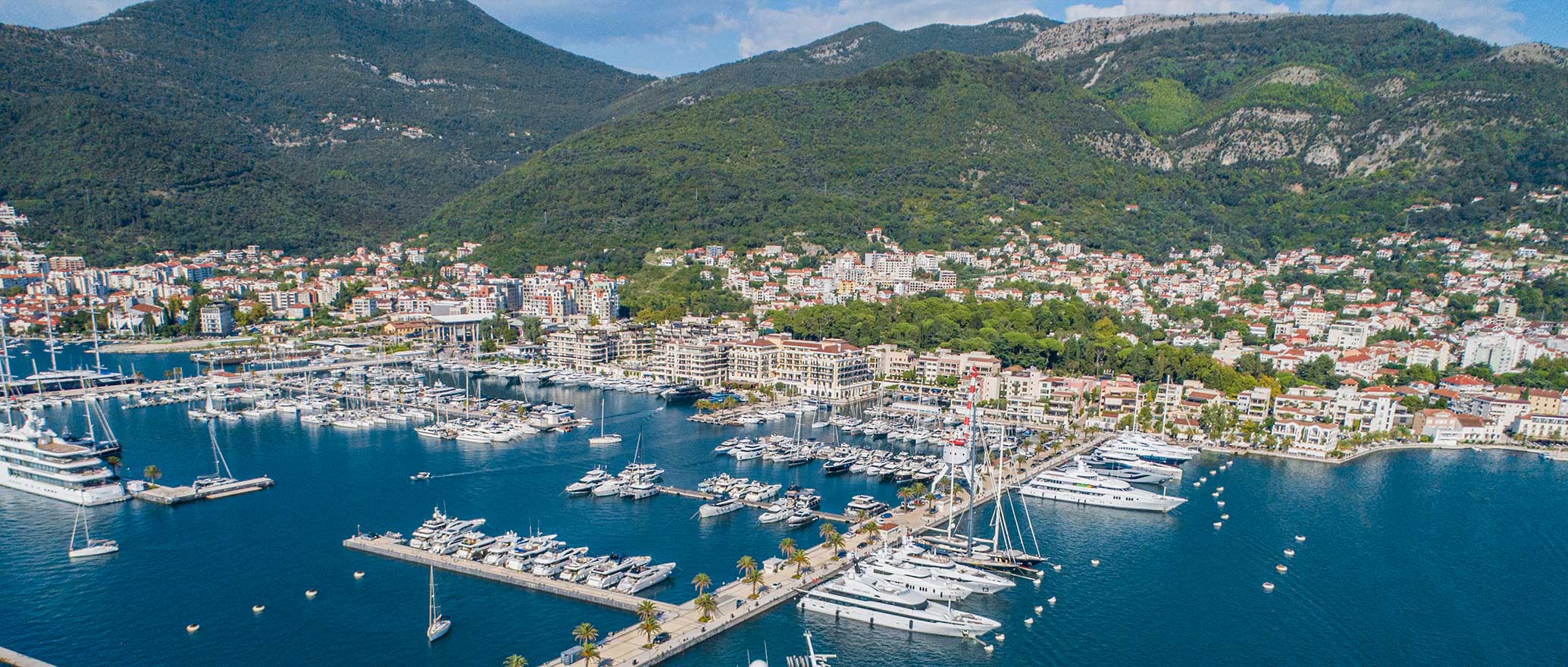
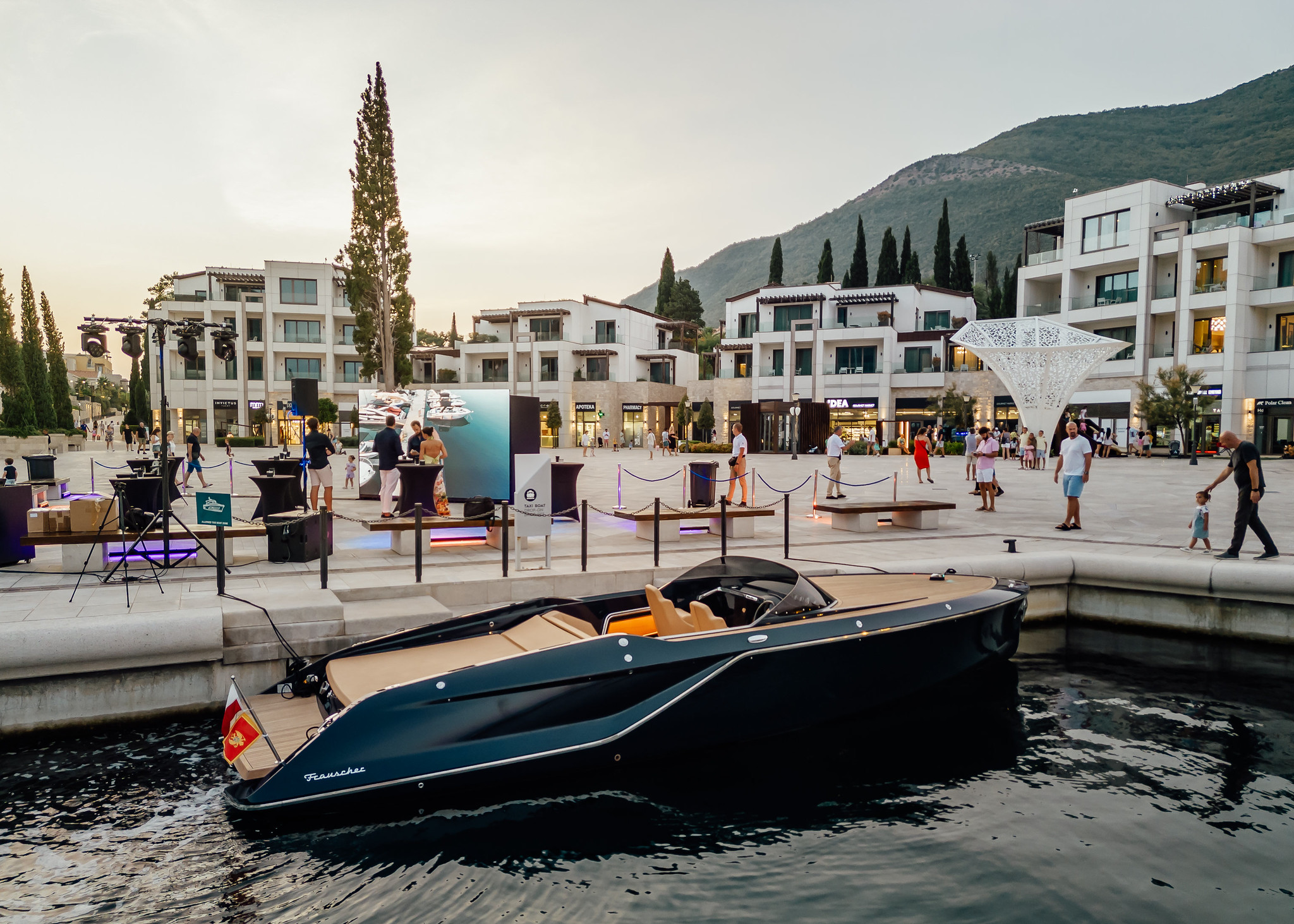
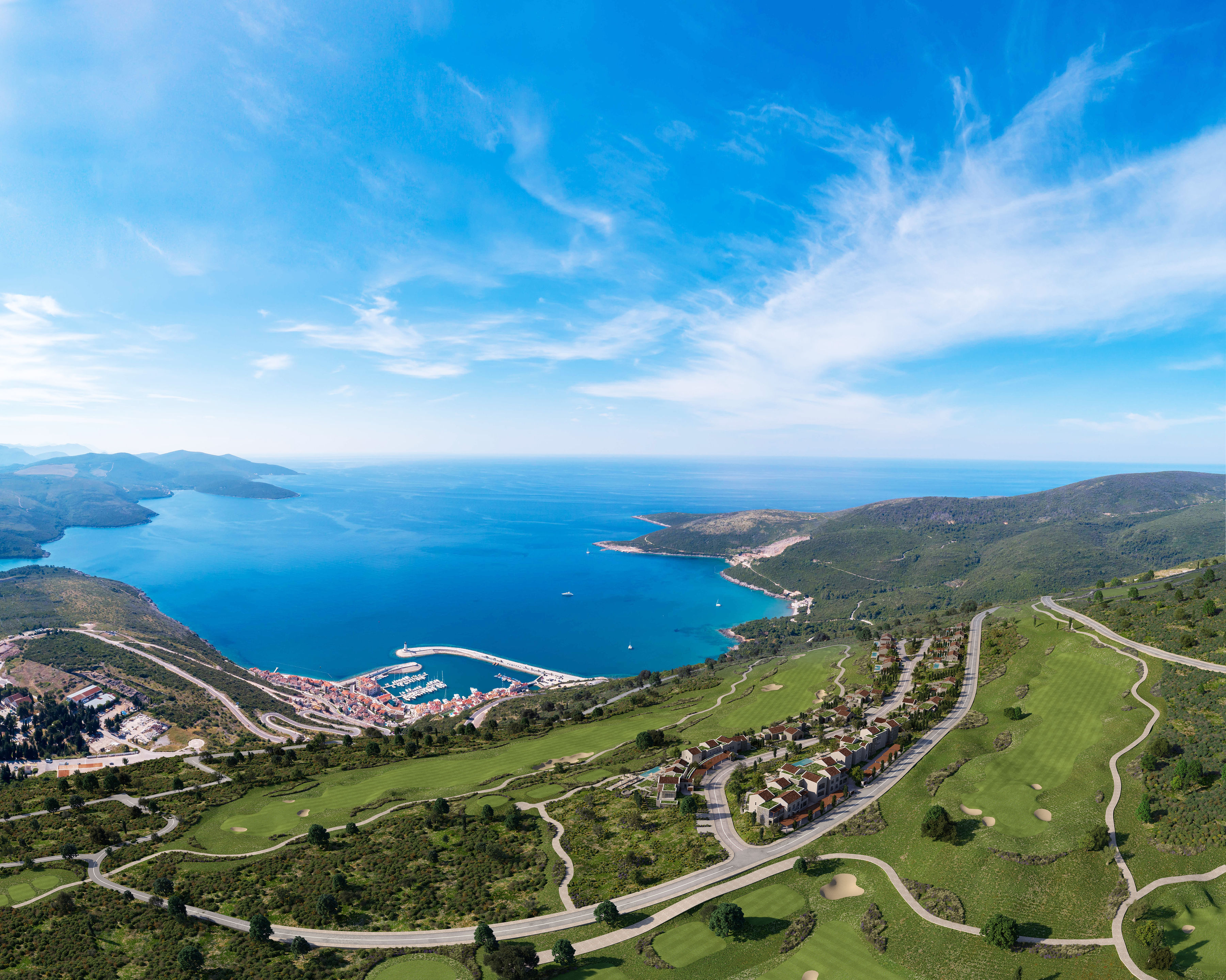
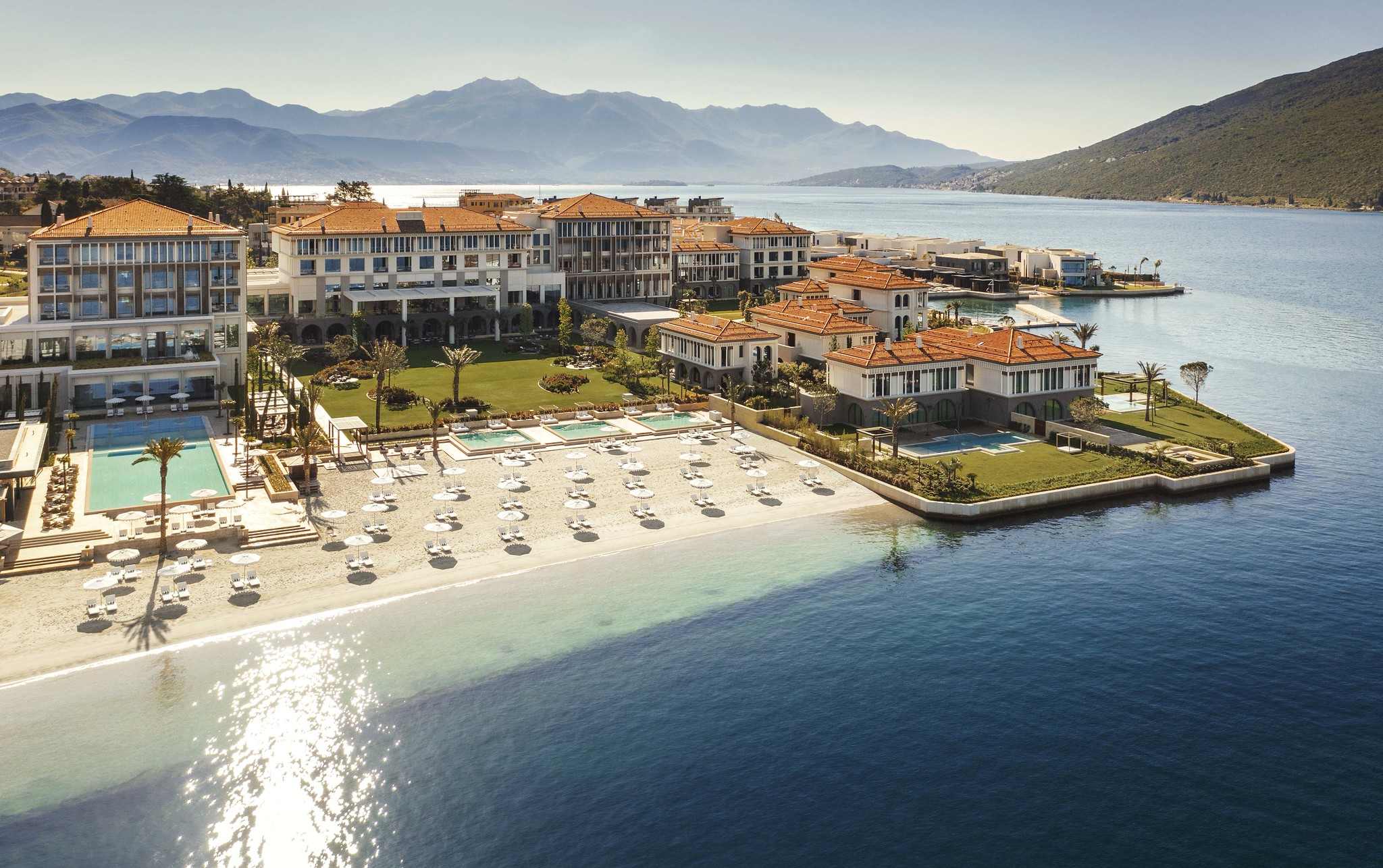
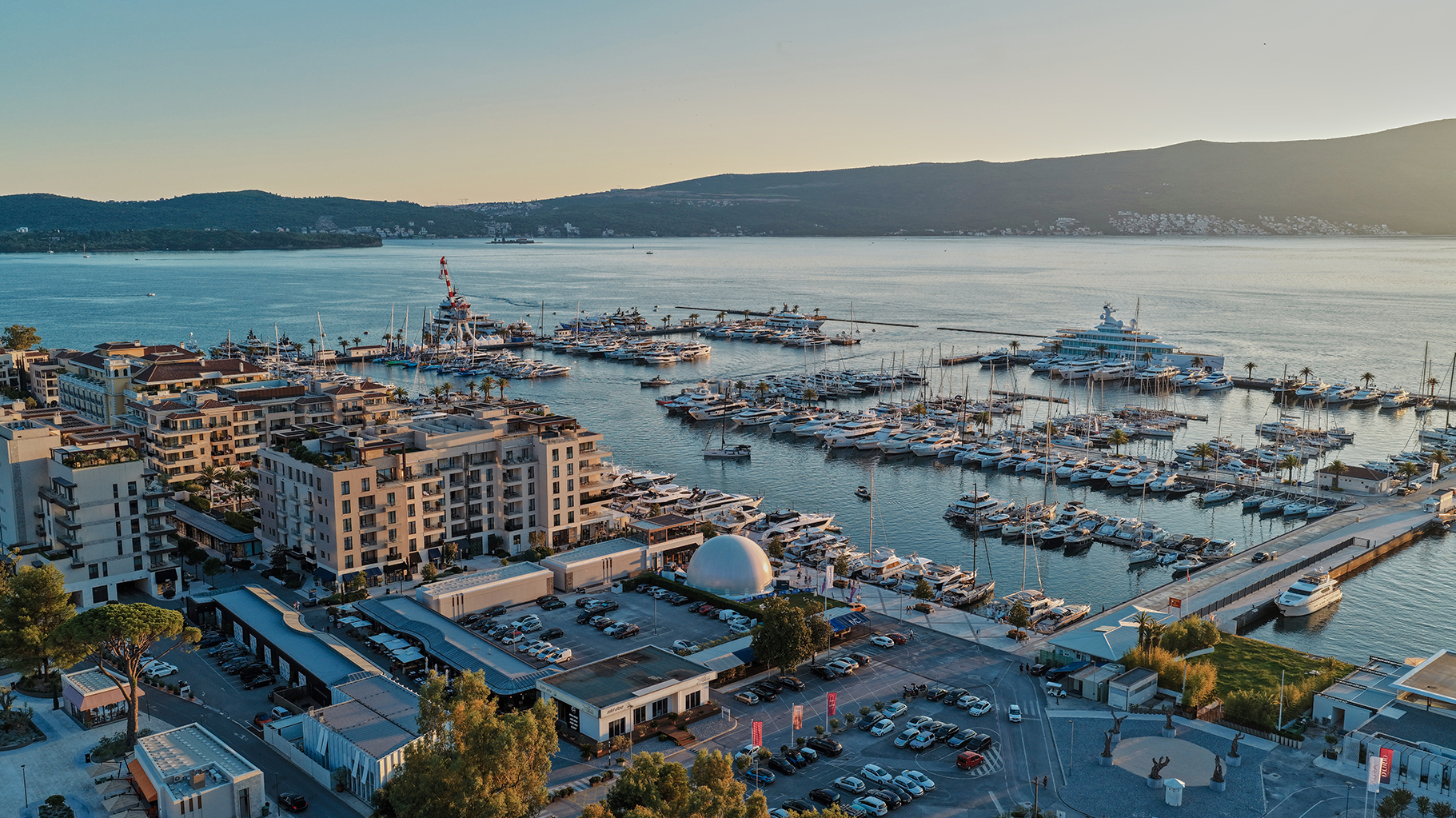
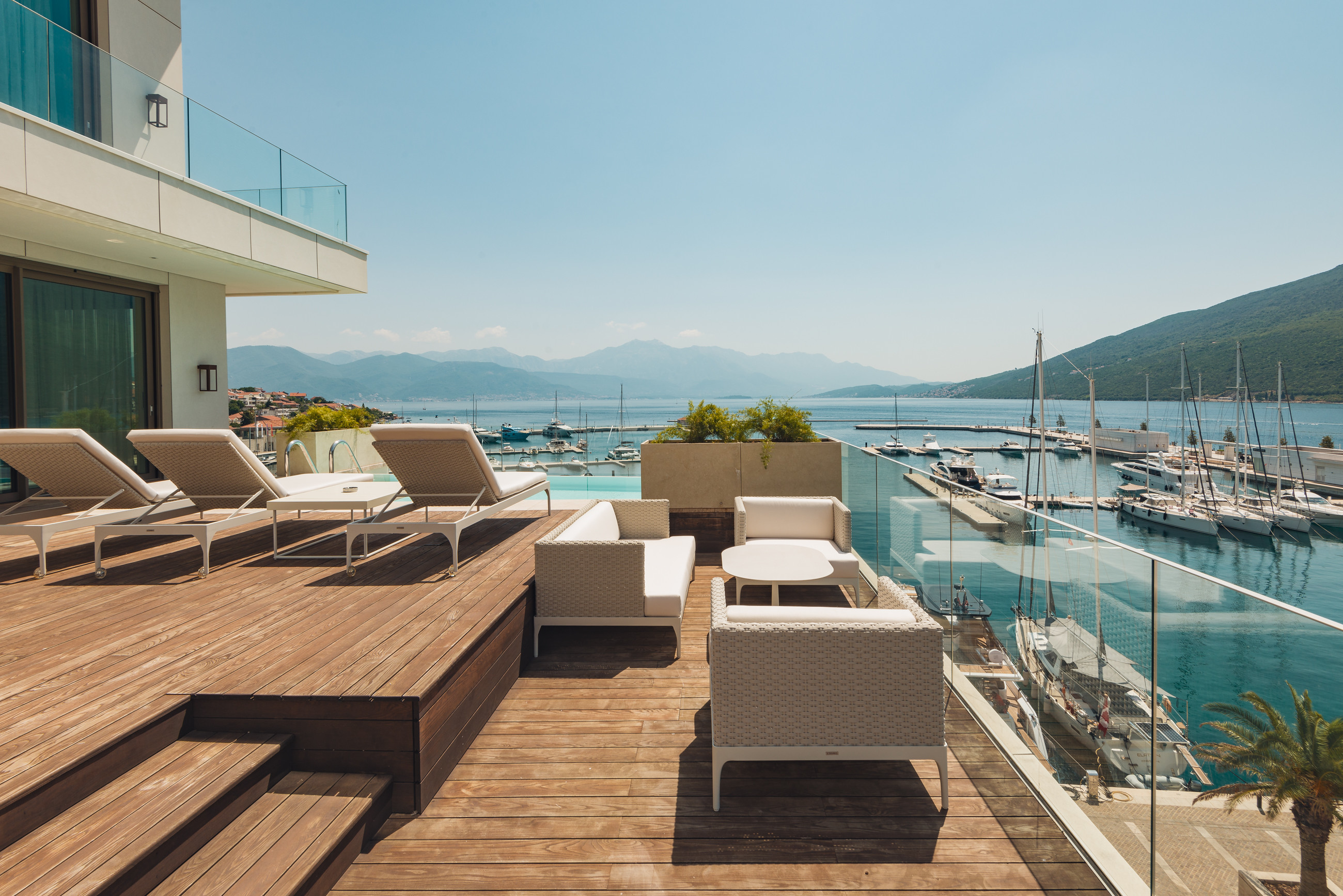
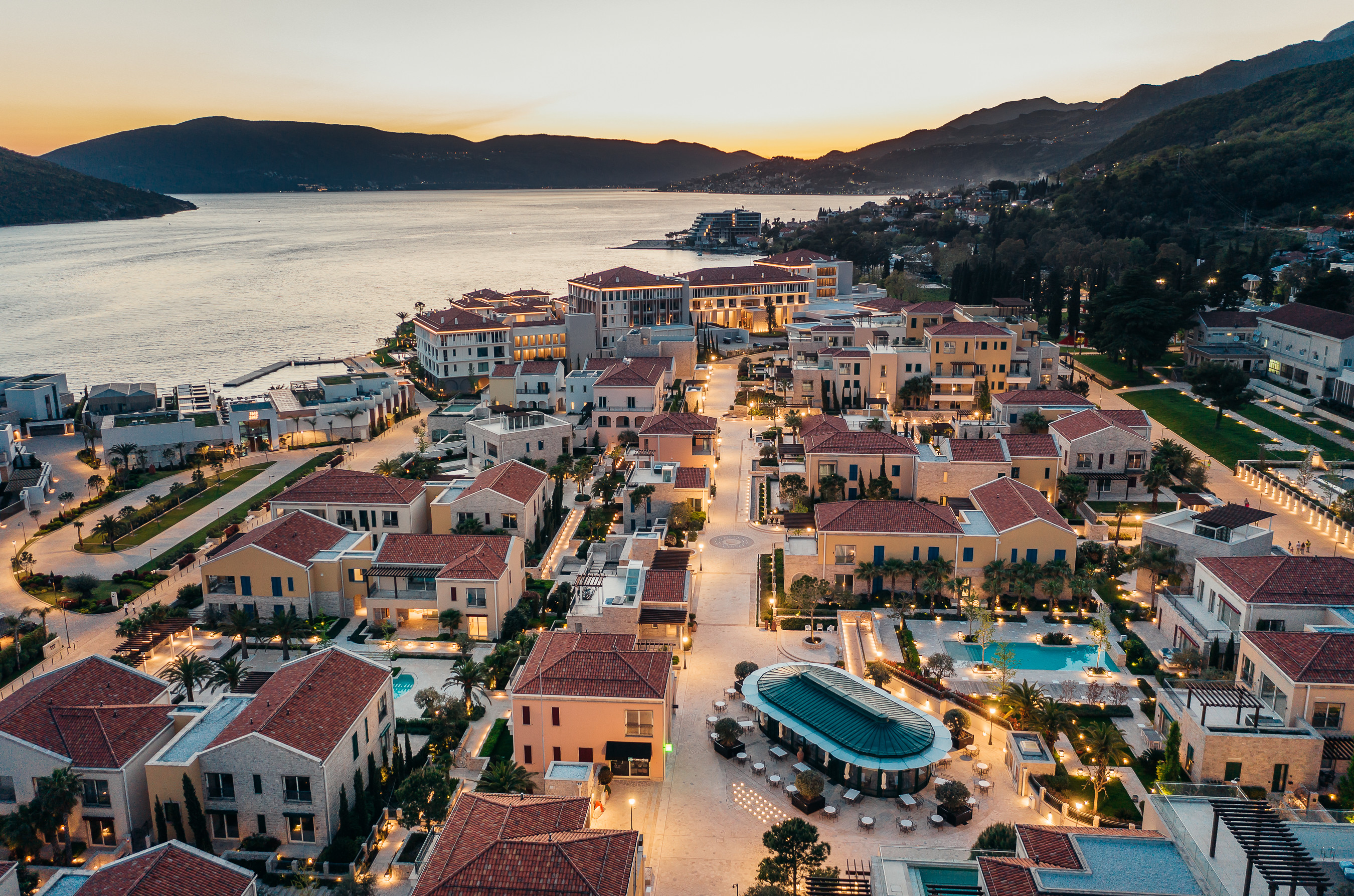
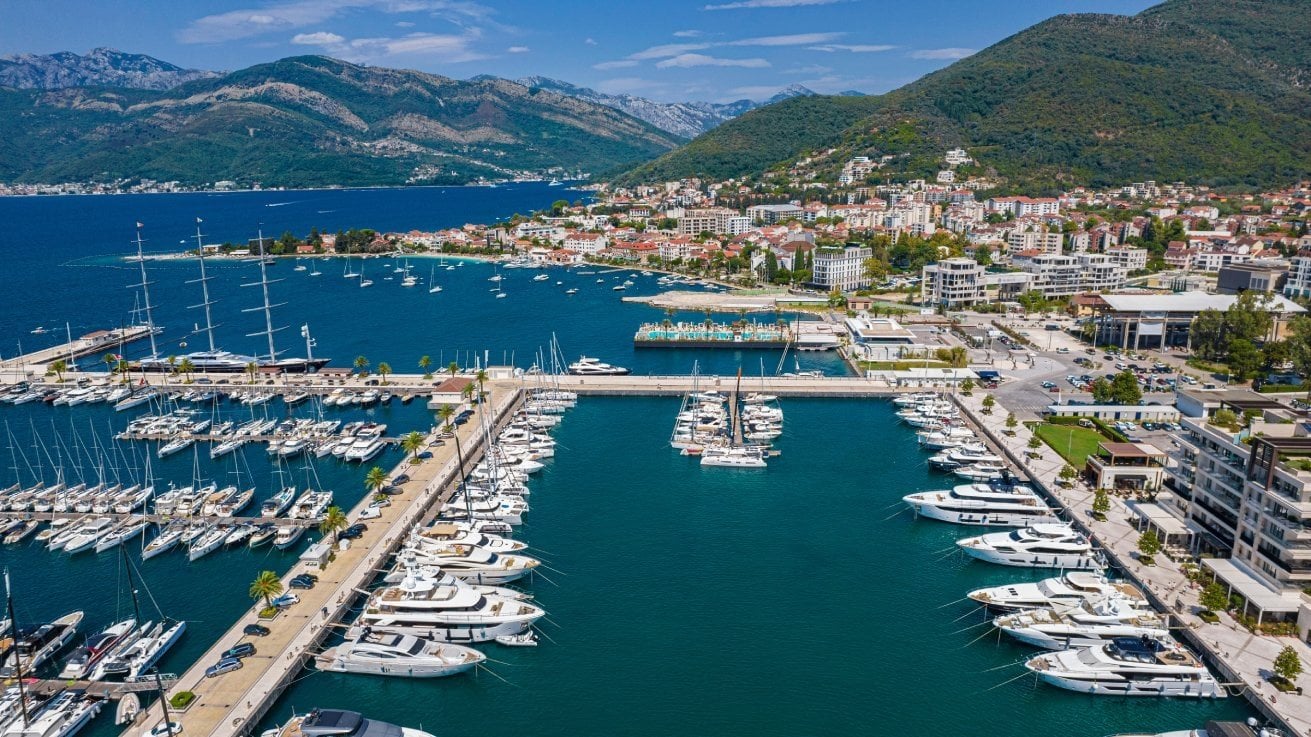
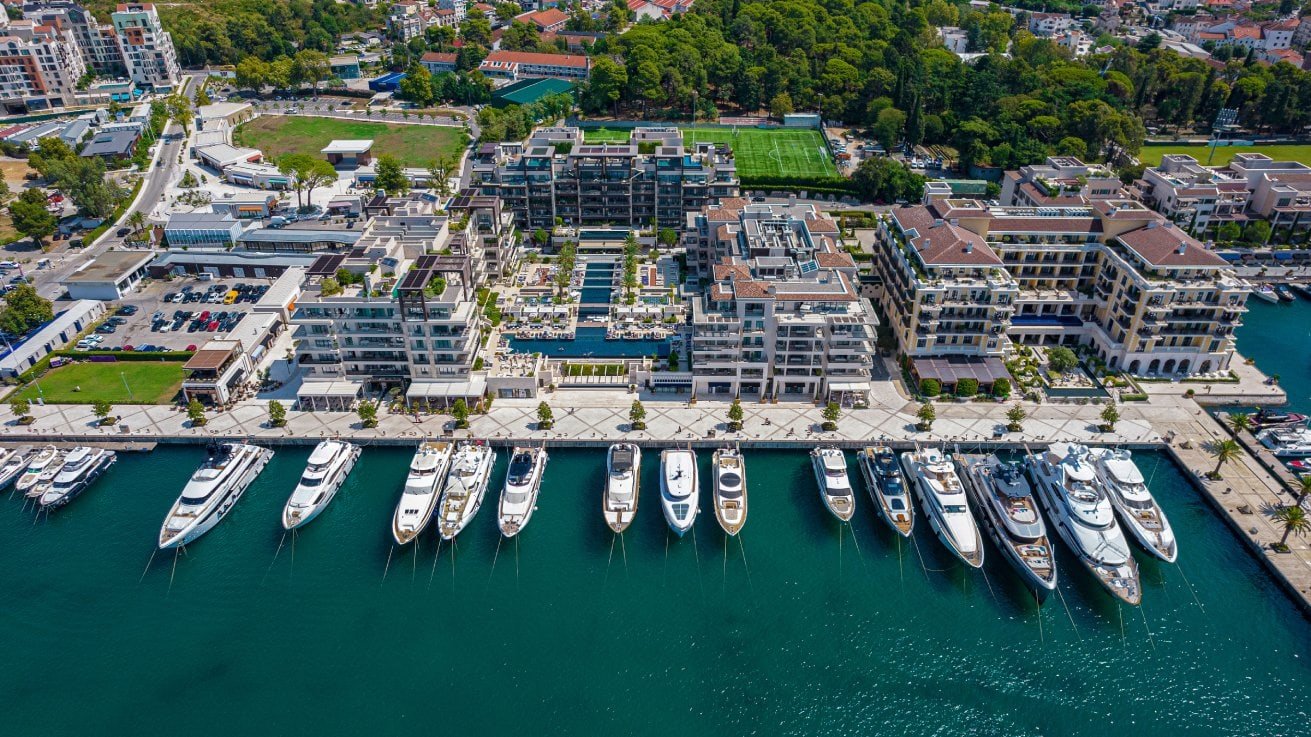
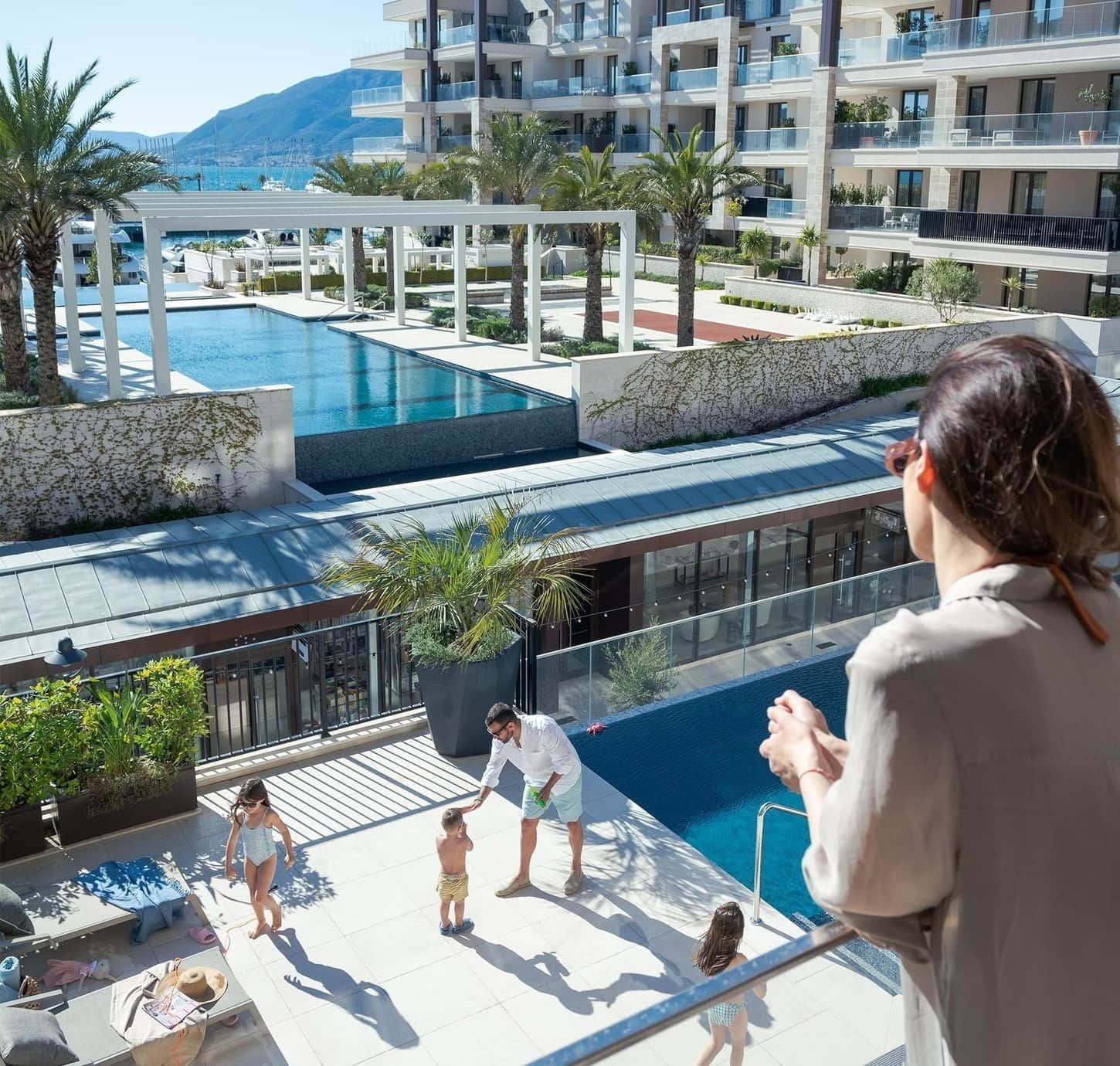
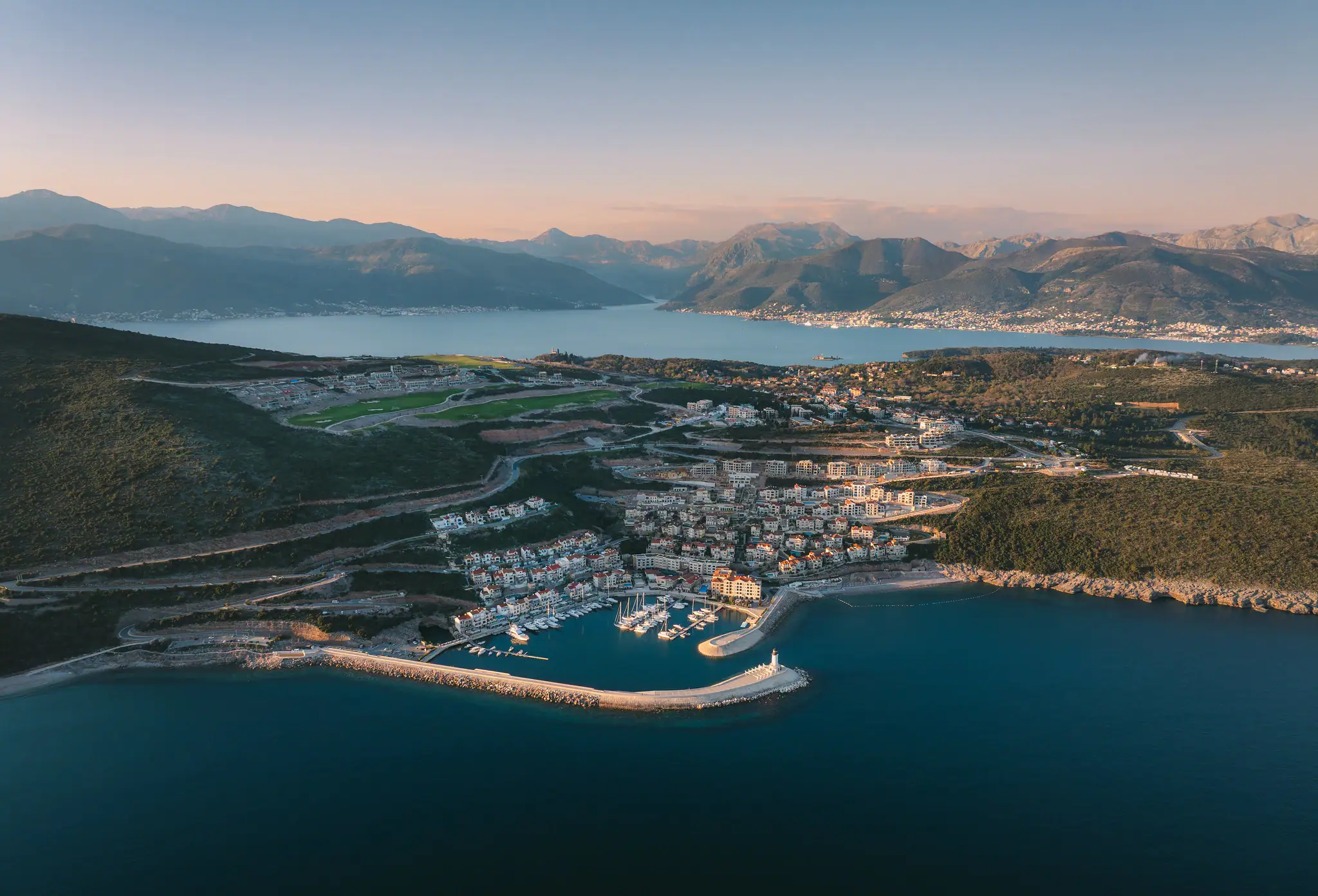
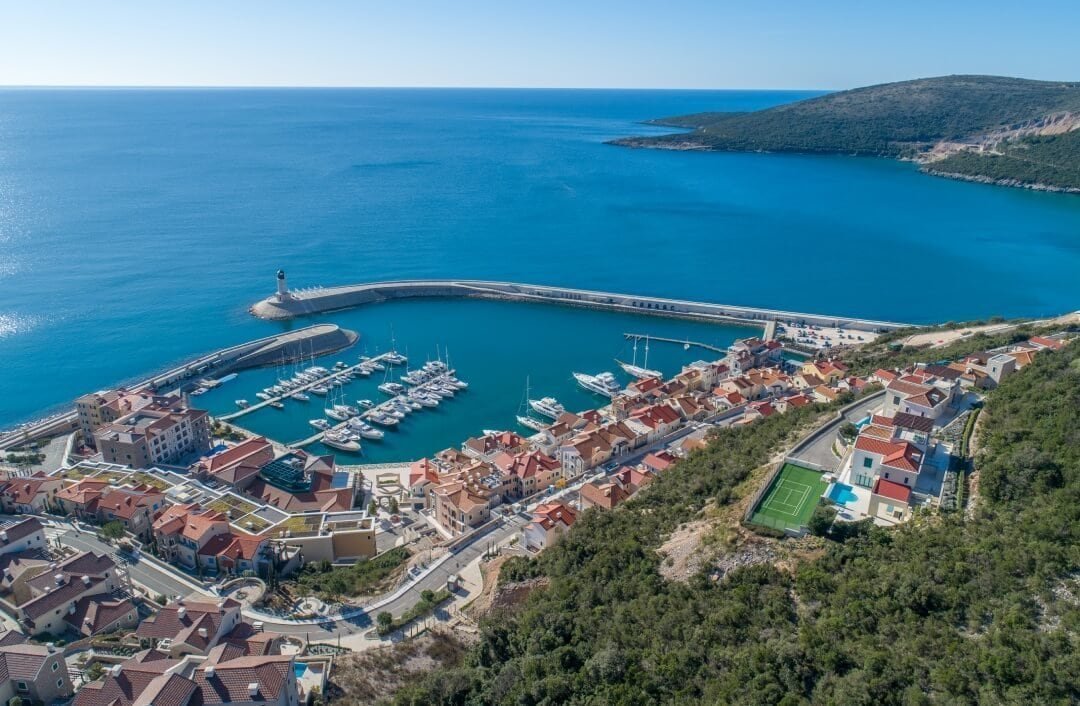
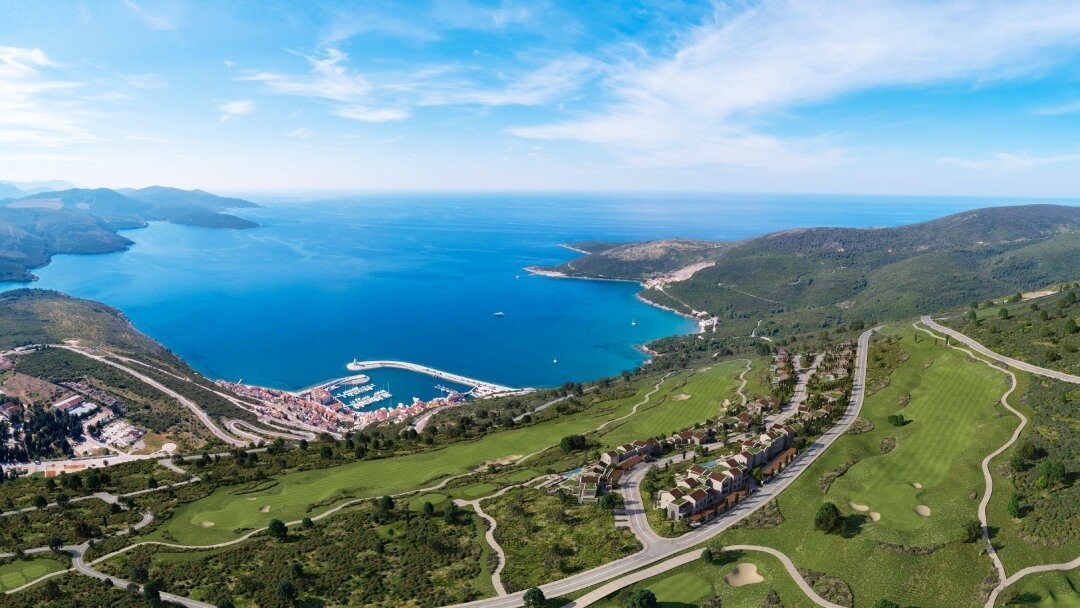
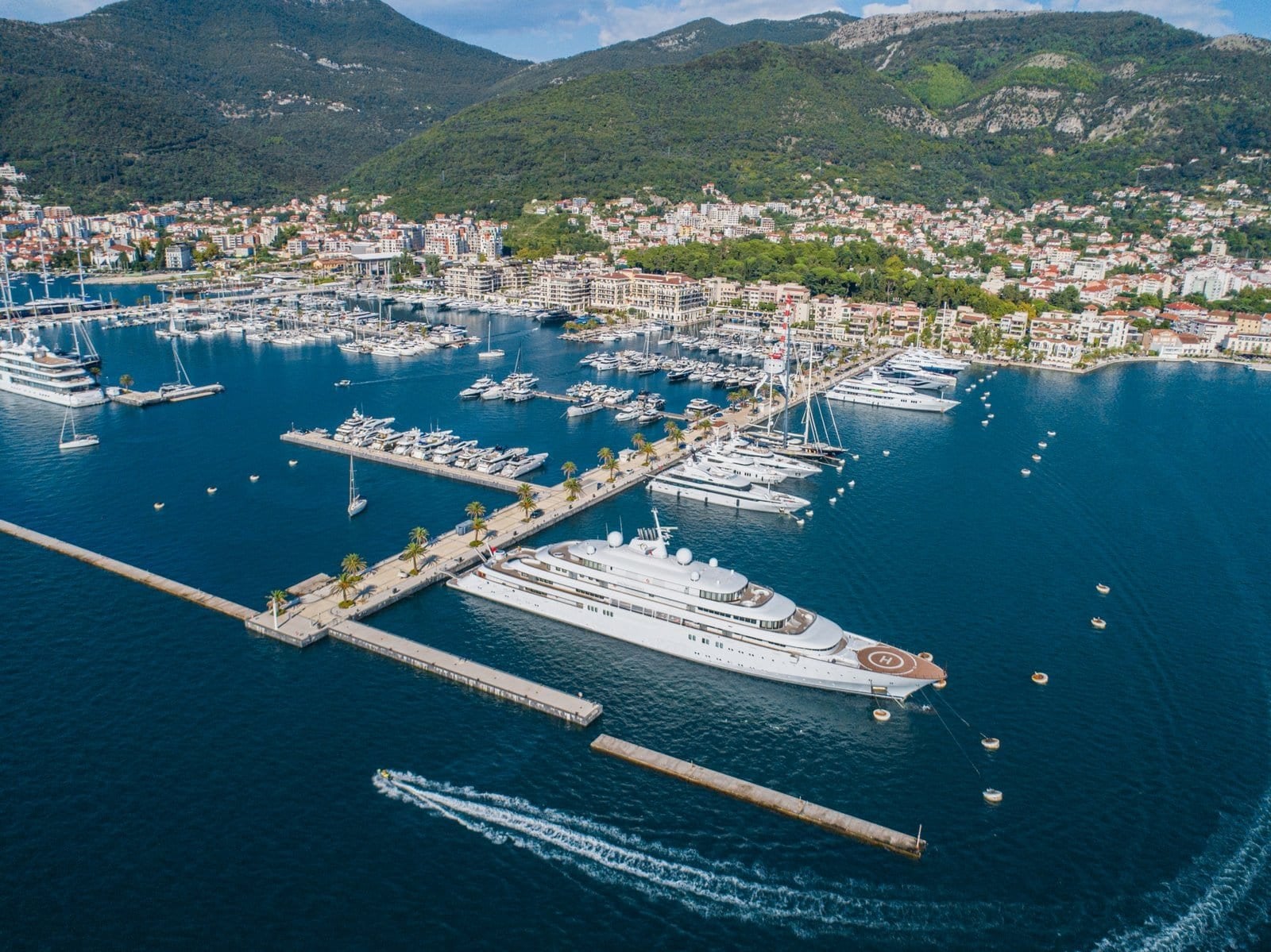
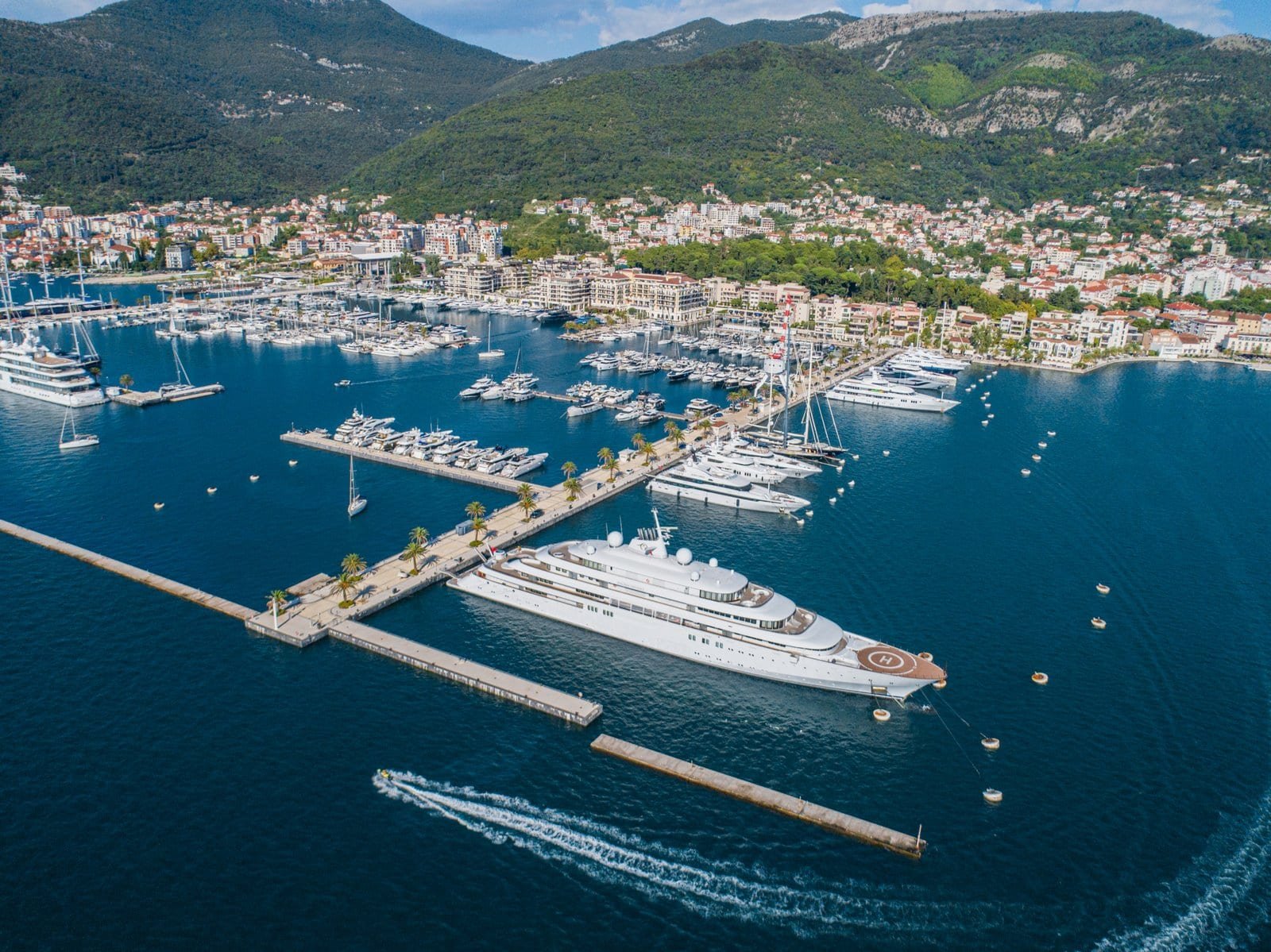
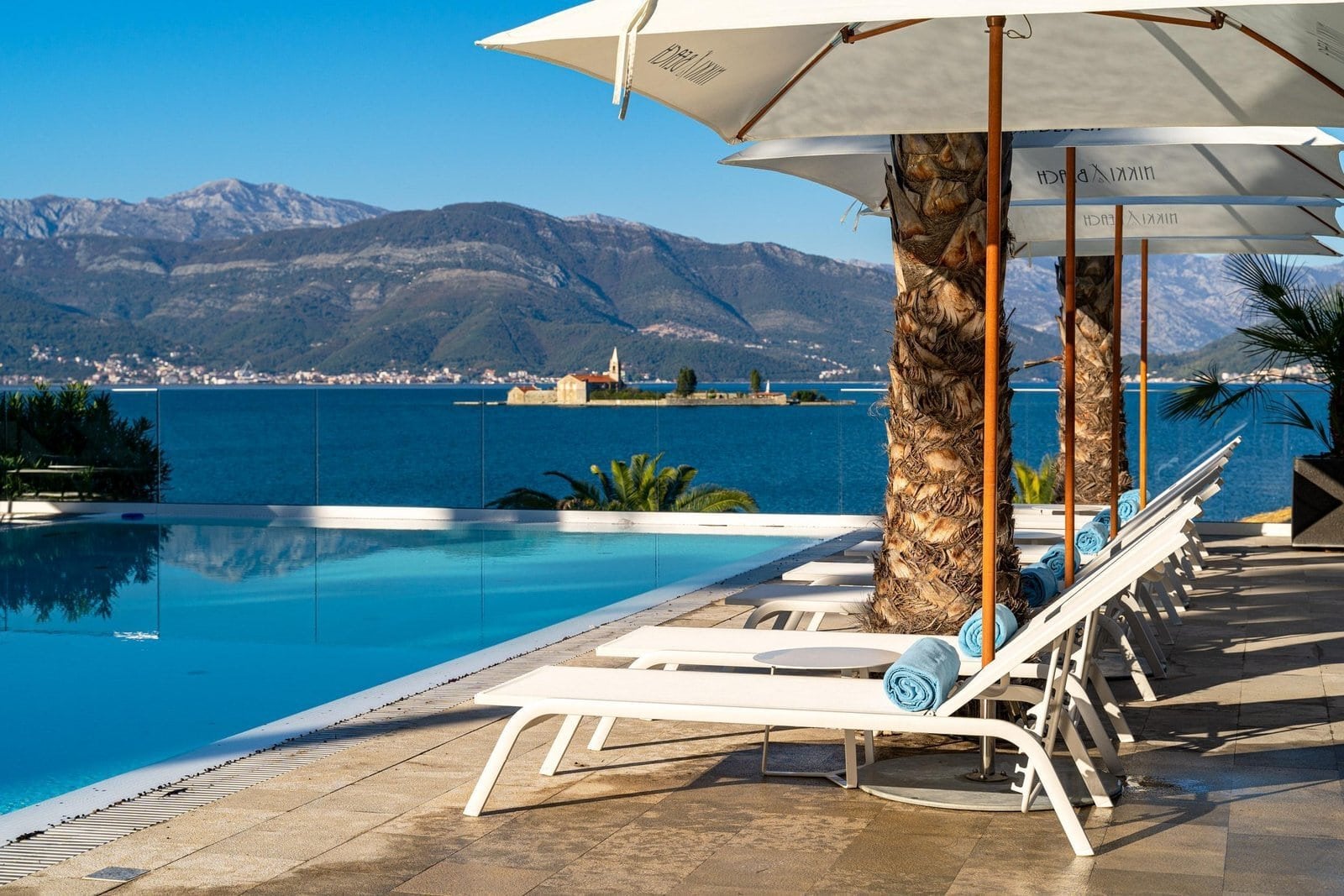
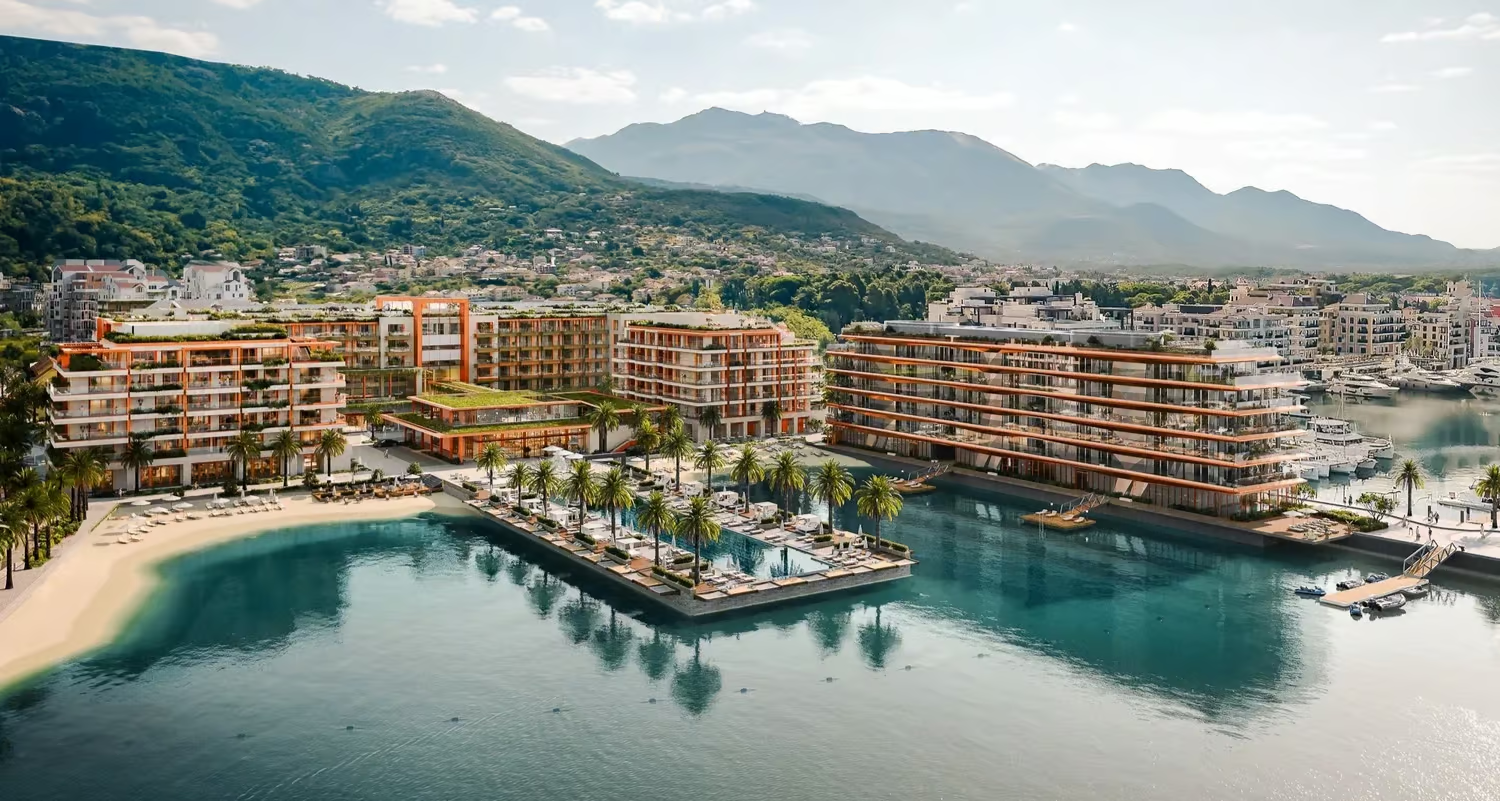
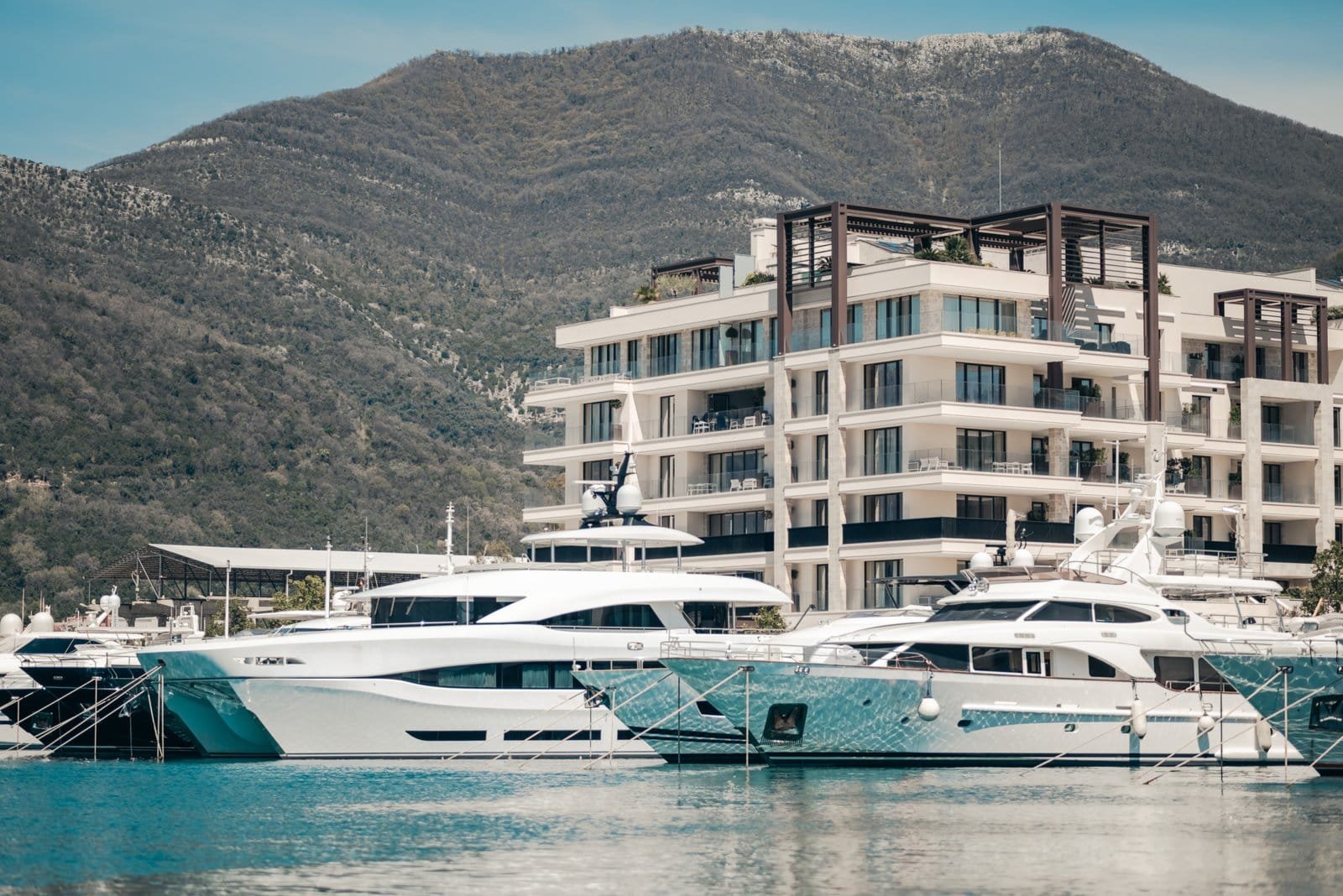
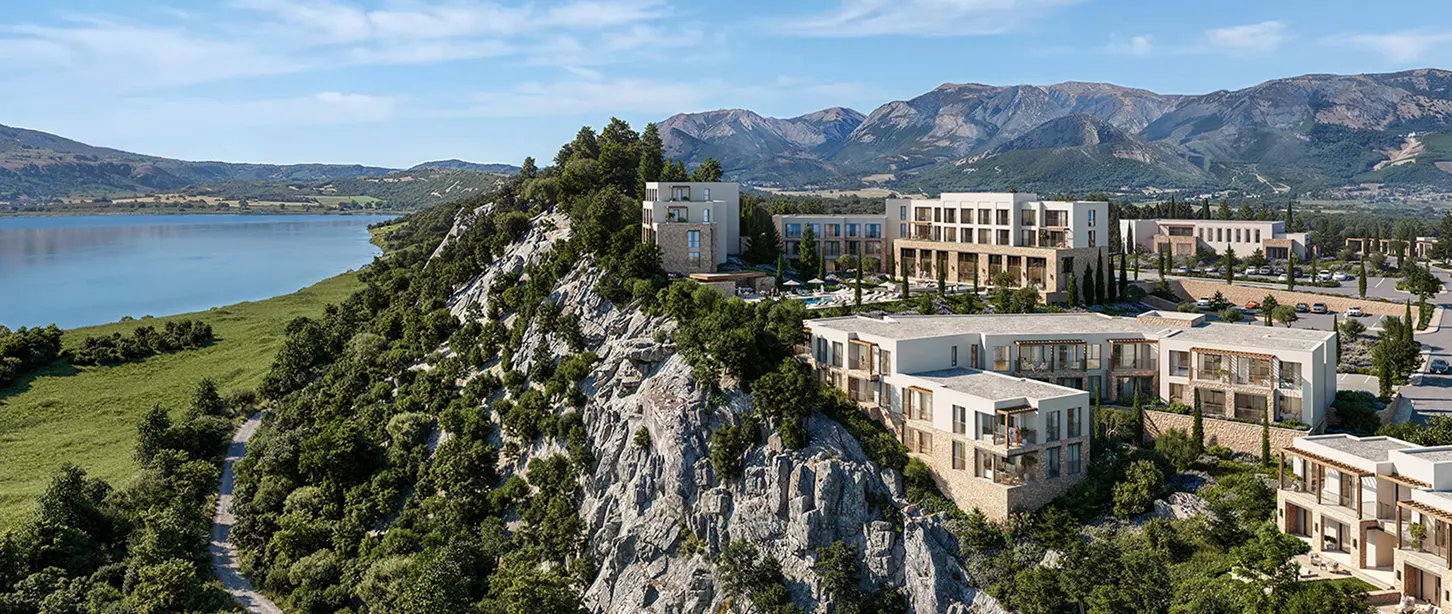
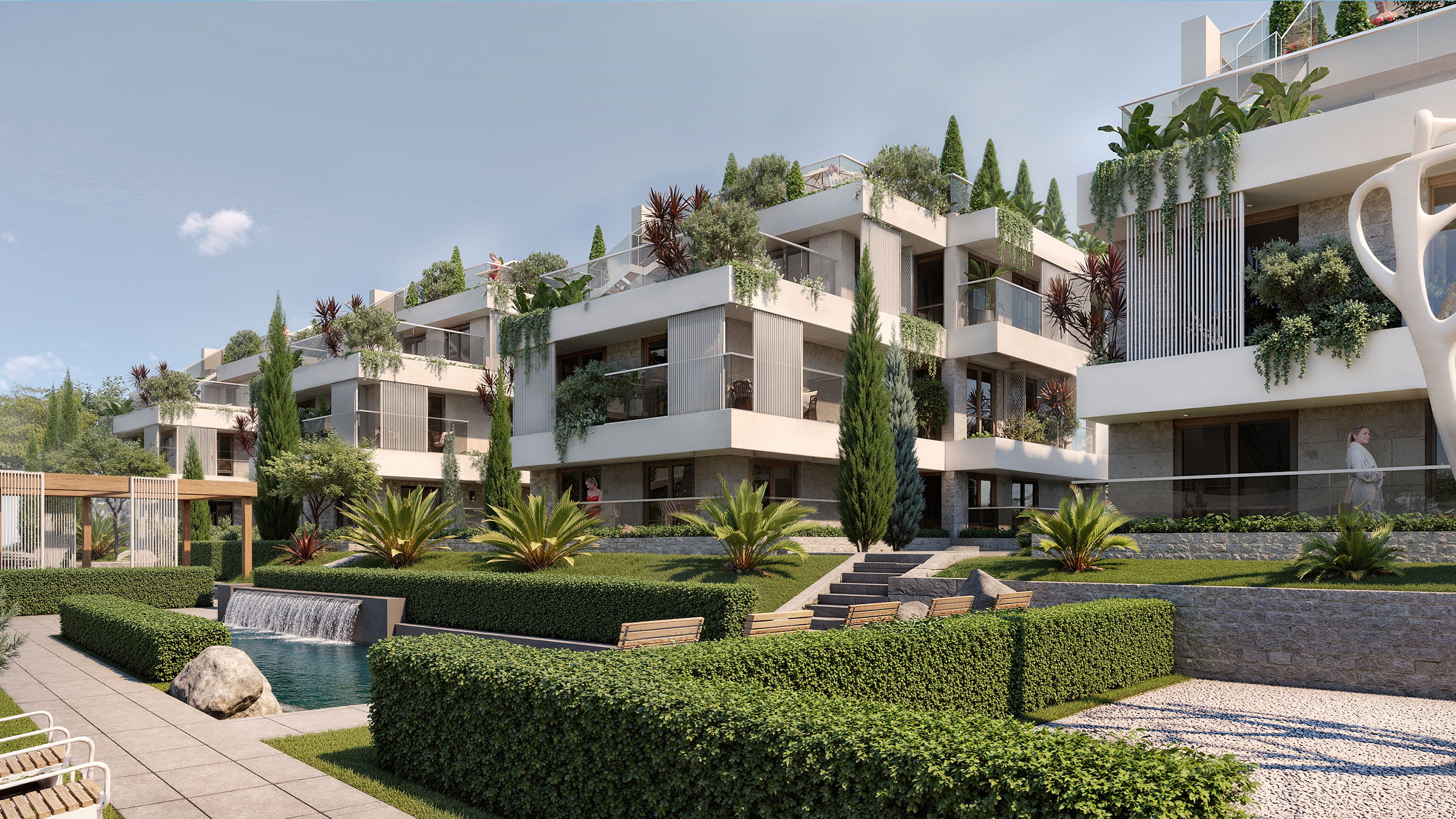
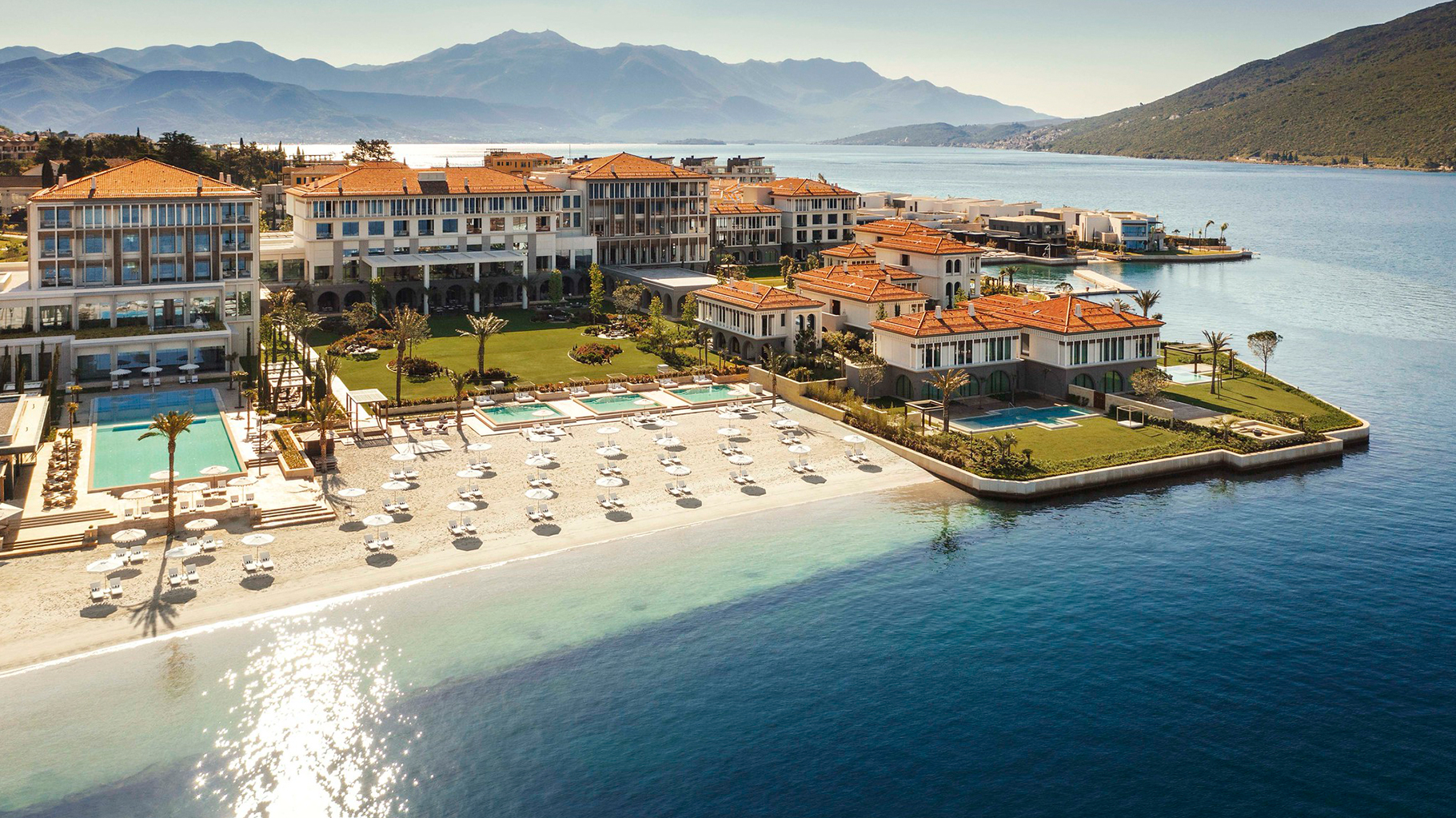
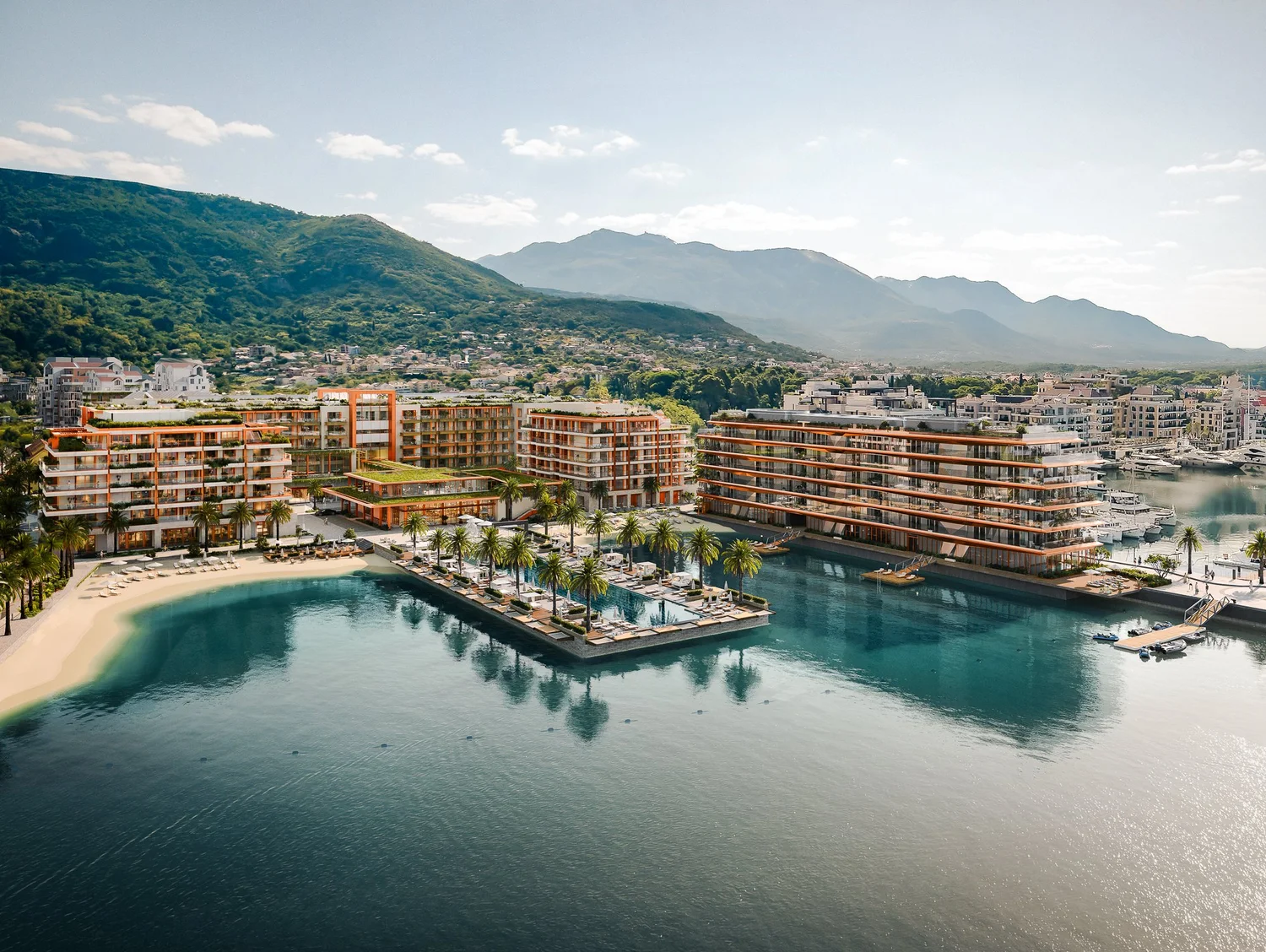
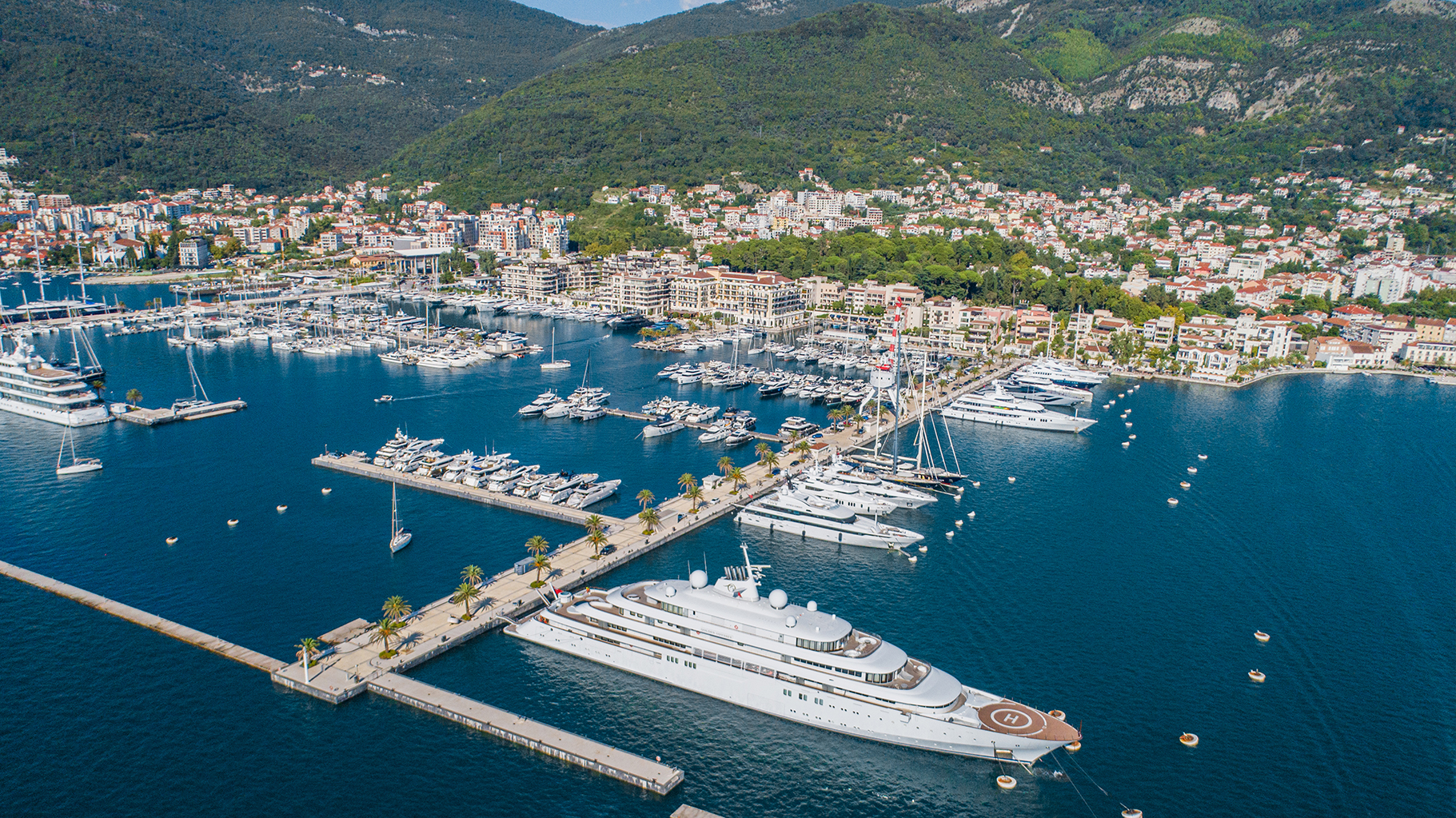
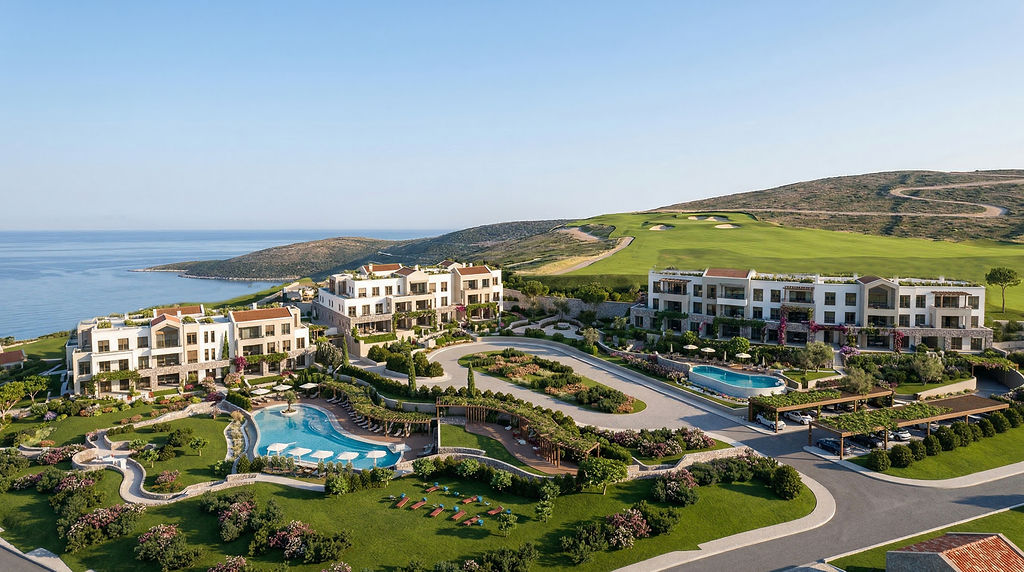
New developments, particularly within established master-planned destinations along the Adriatic coast, tend to offer contemporary architecture, integrated infrastructure, and a curated environment. Communities such as Porto Montenegro and Luštica Bay have set a standard for what high-specification new-build living looks like in this country: concierge services, marina berth access, wellness facilities, managed rental programmes, coordinated security, and a design language consistent across the entire estate. For buyers accustomed to international resort standards, this level of control and consistency is meaningful.
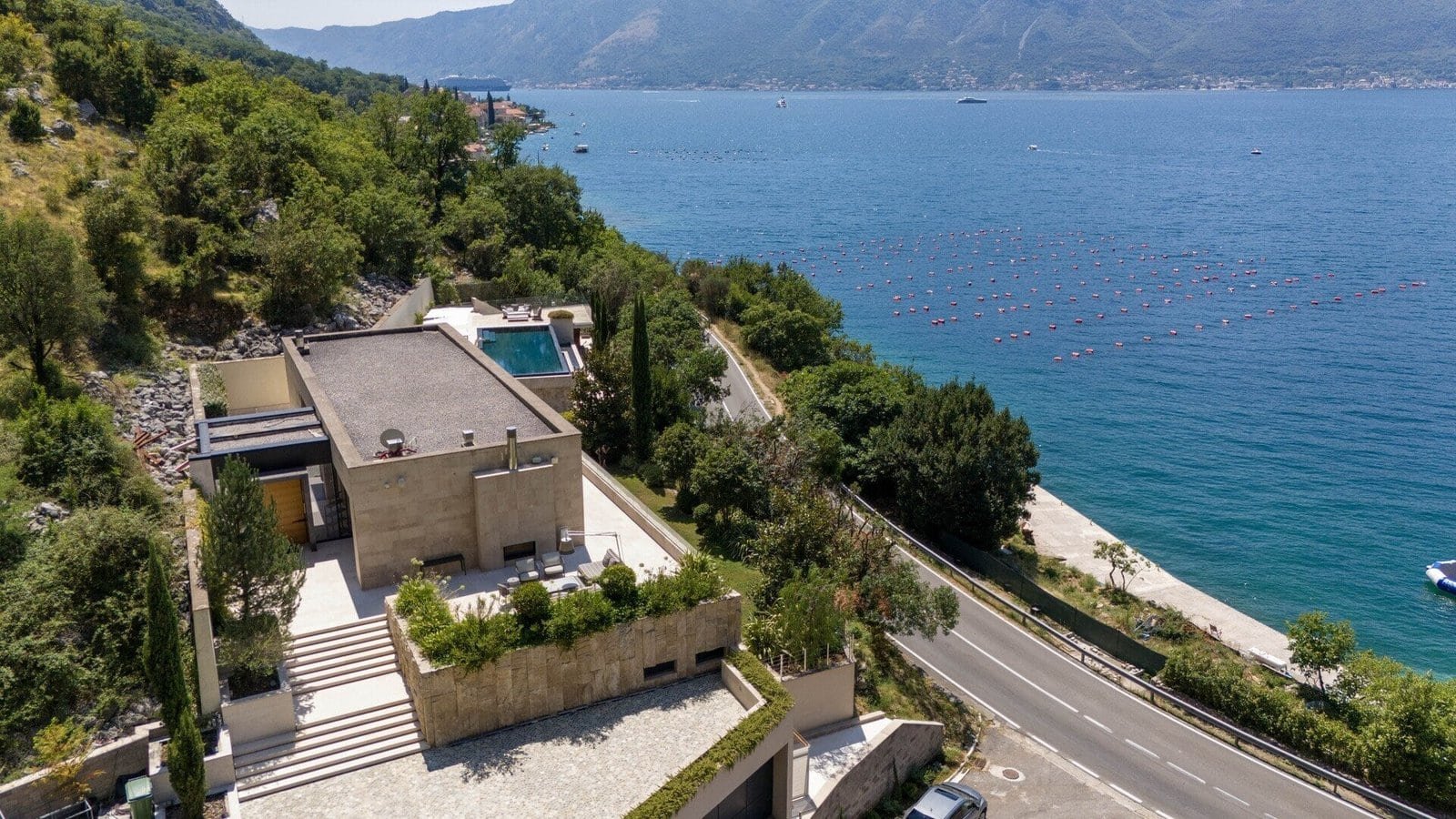
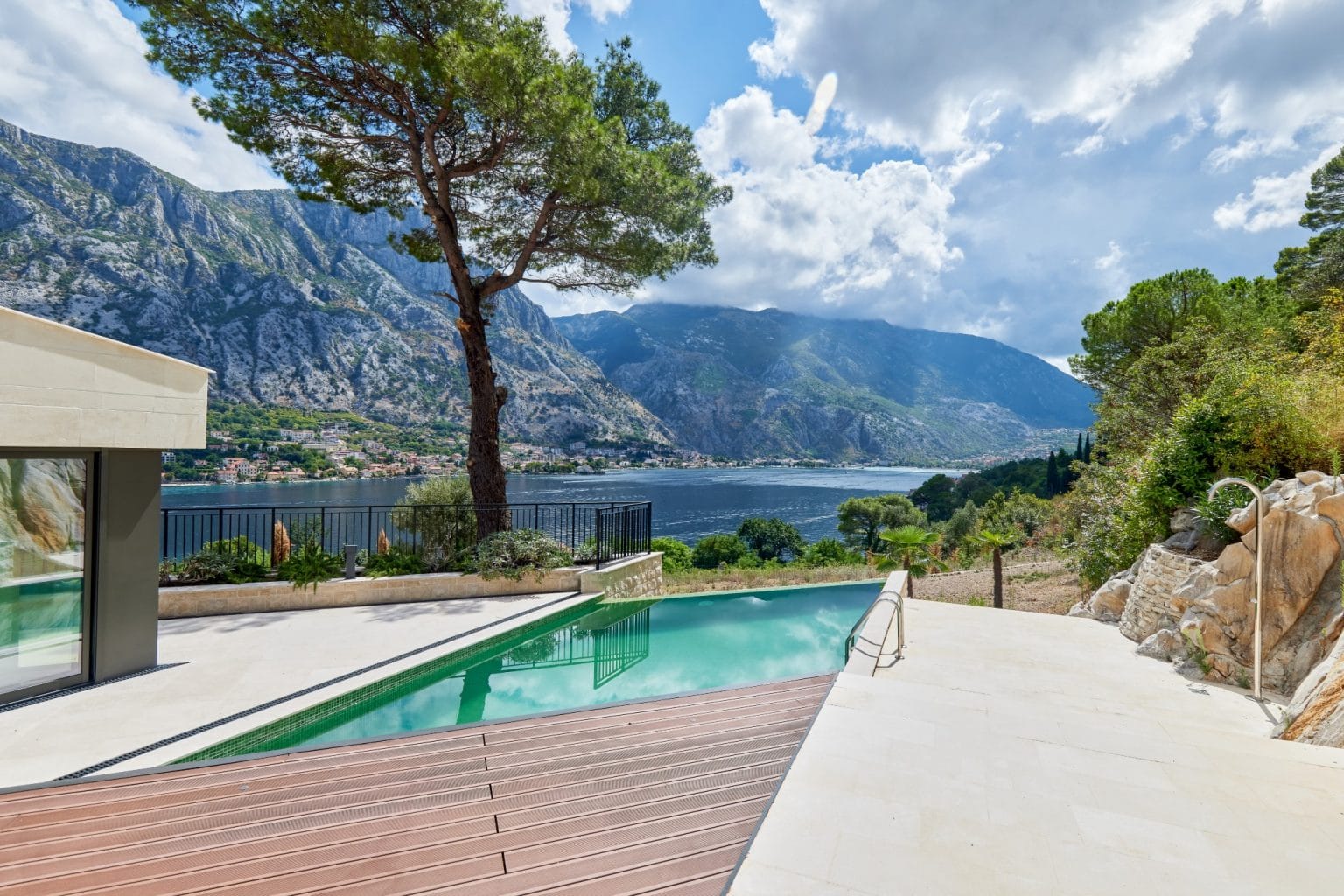
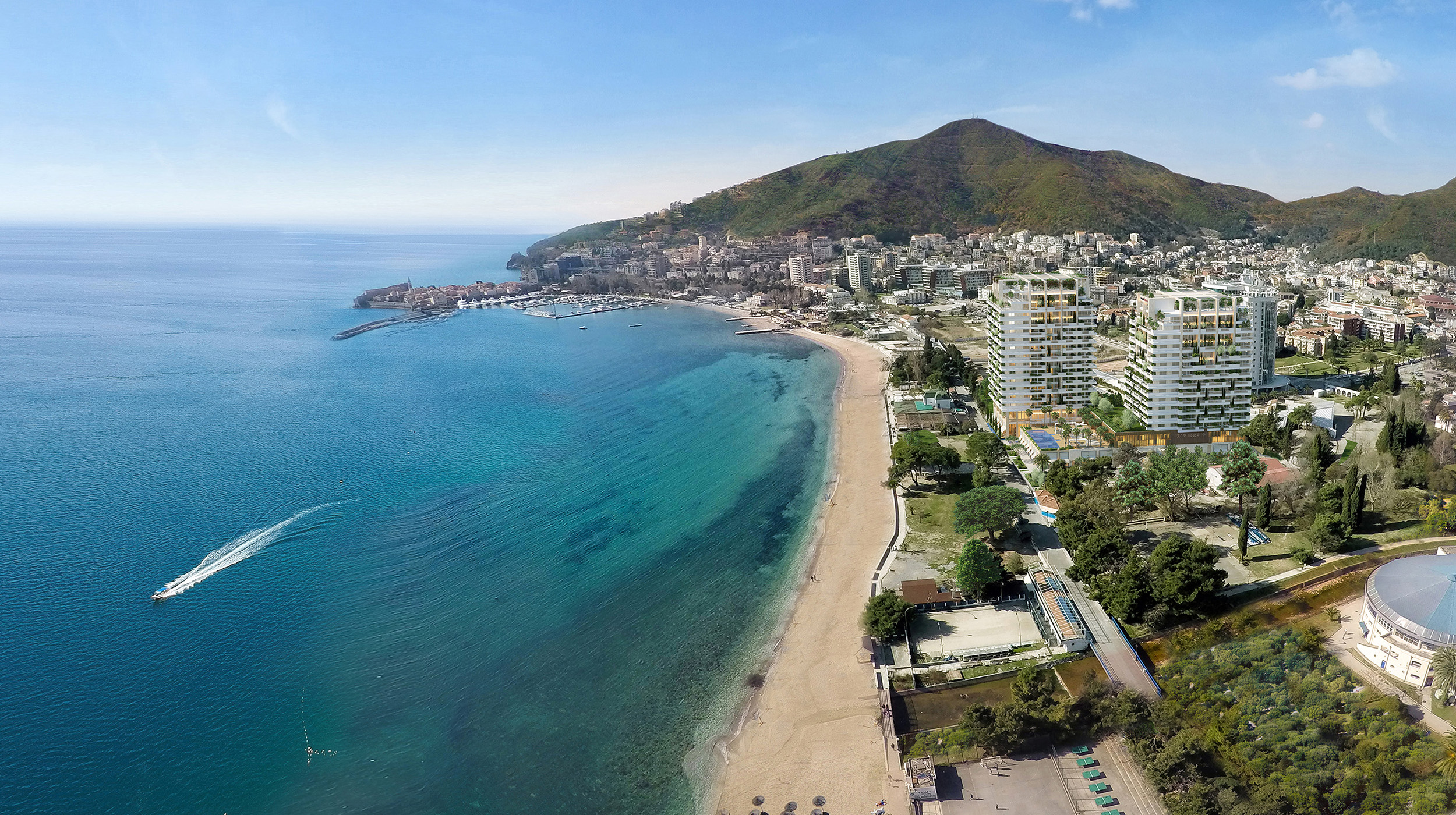
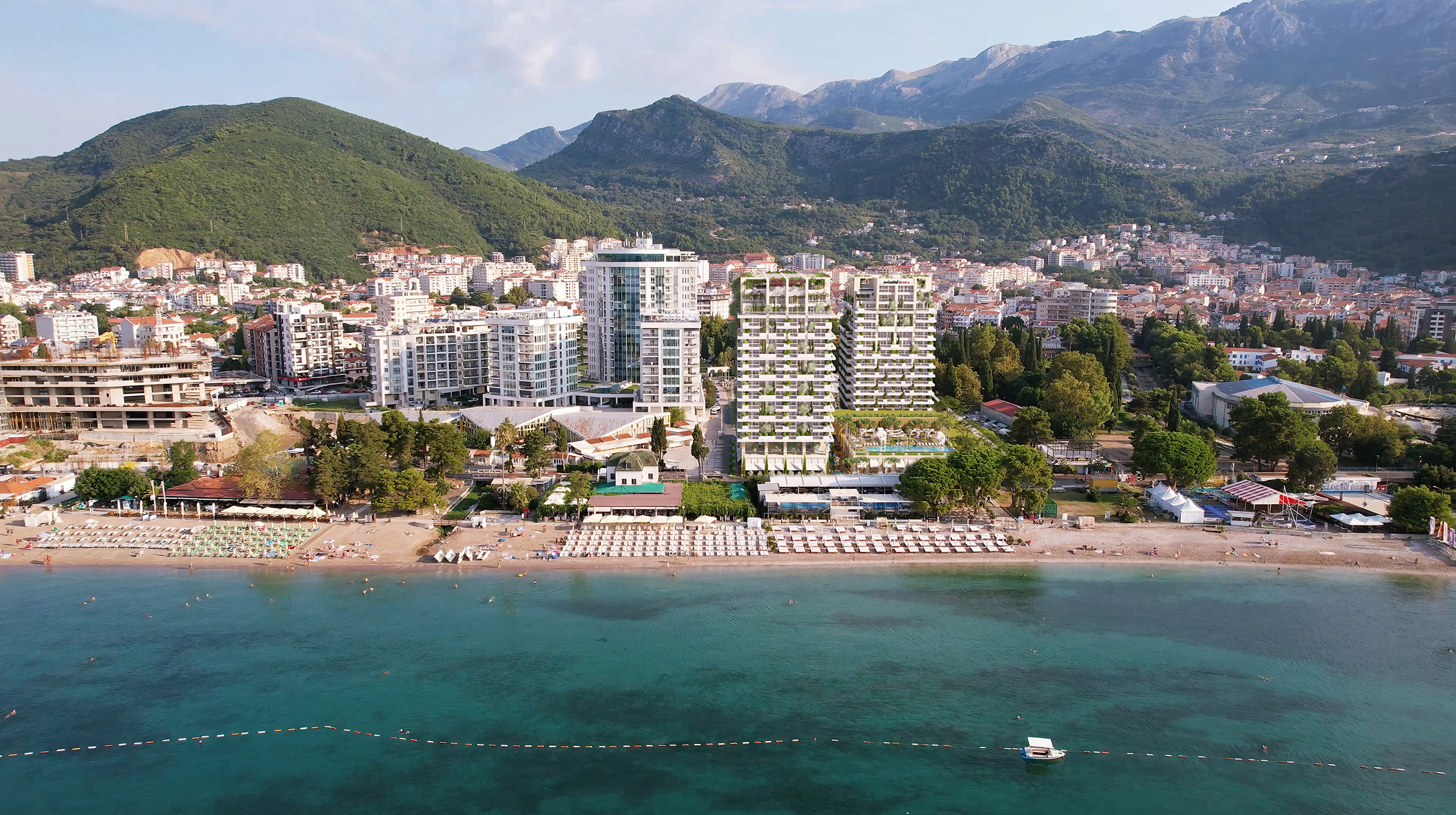
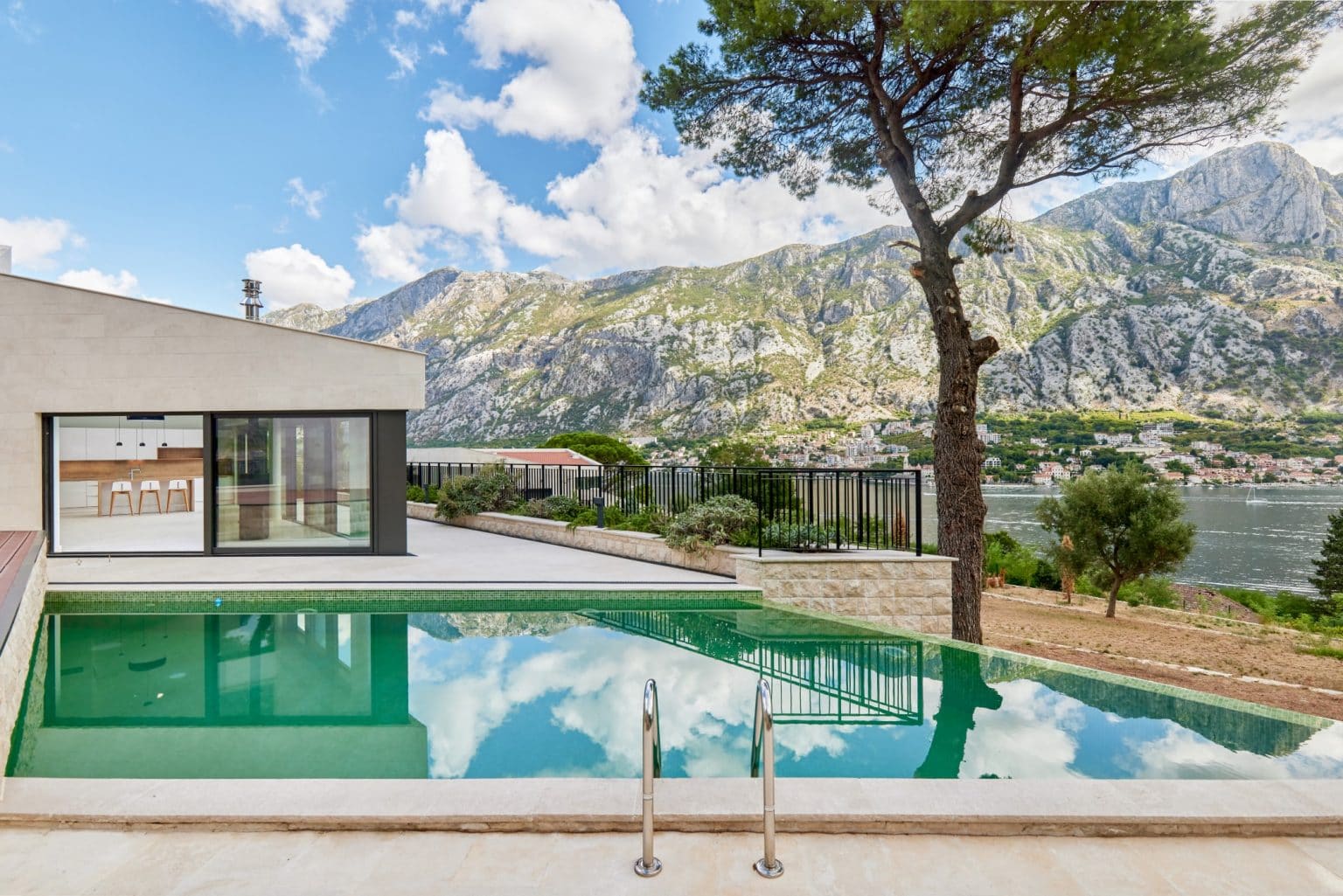
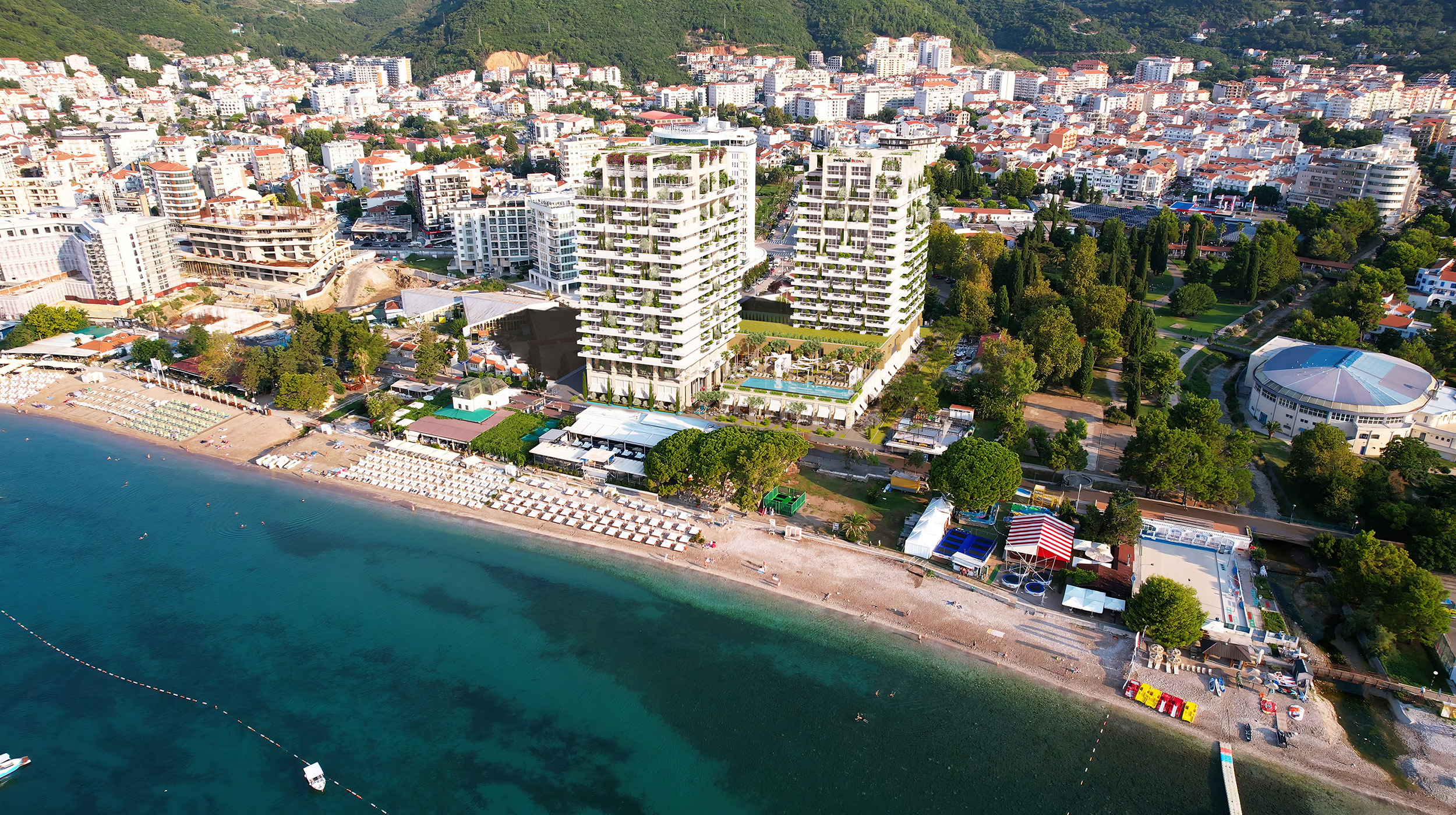
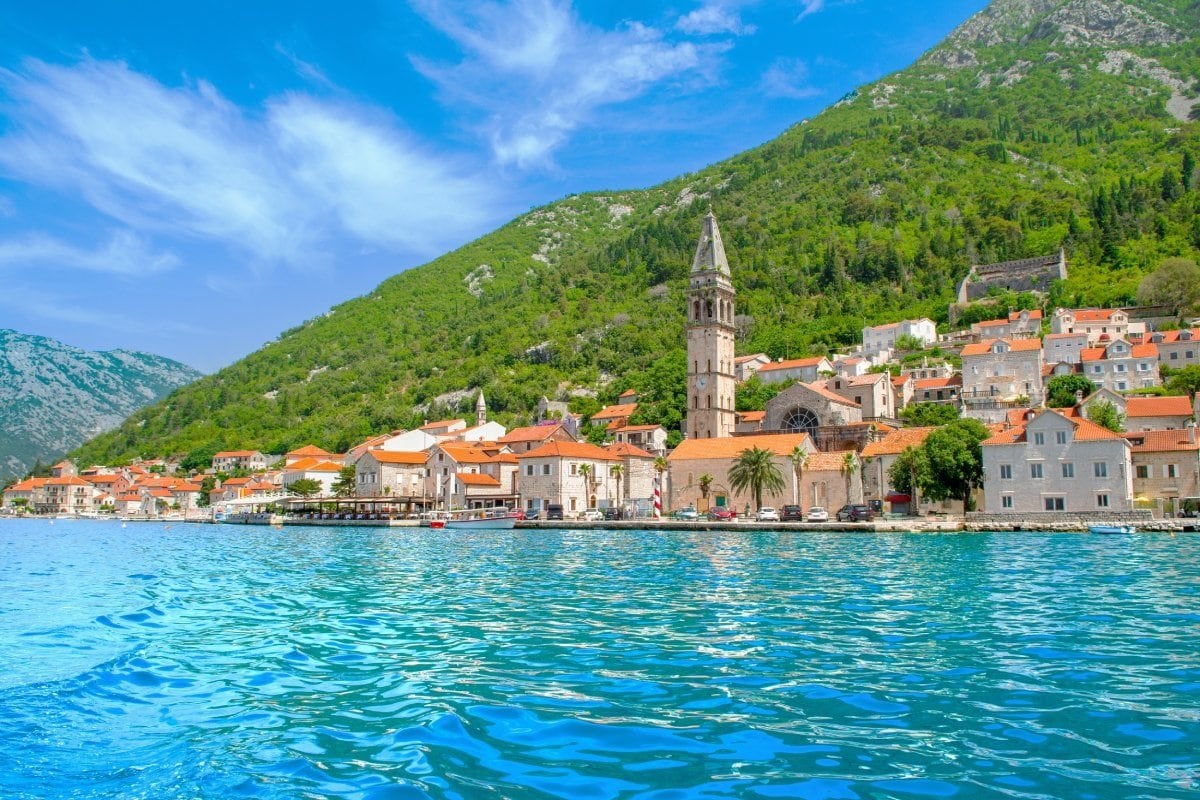
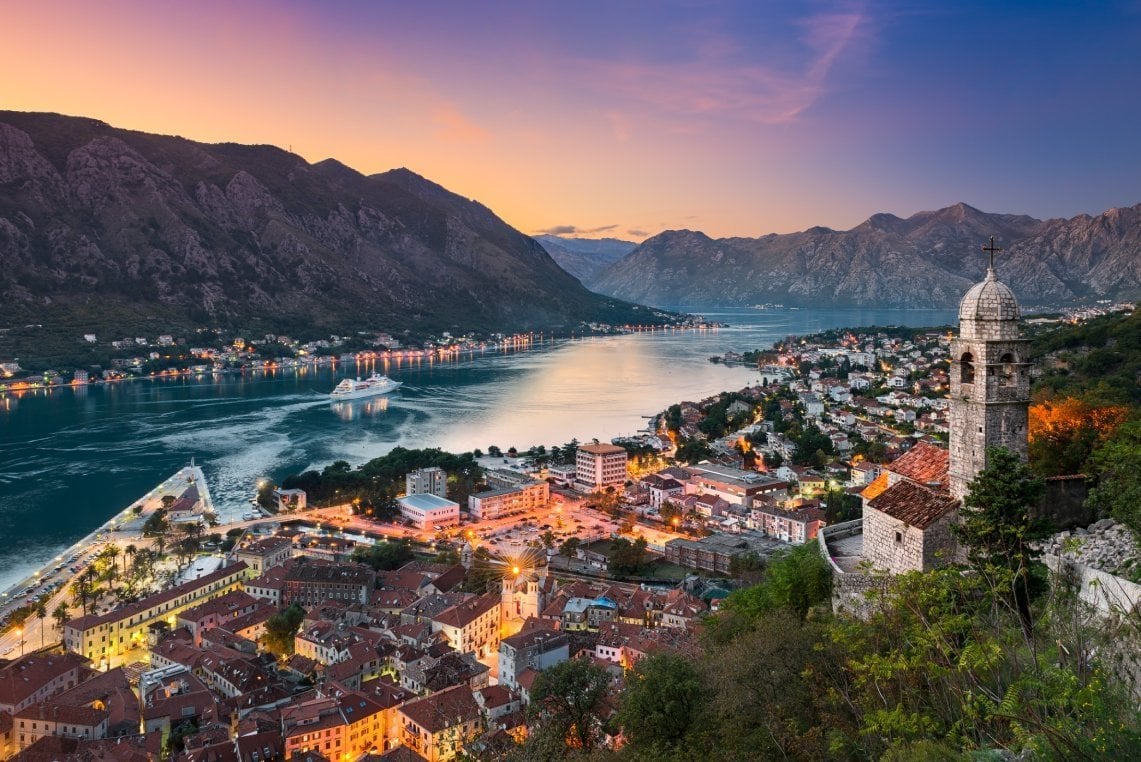
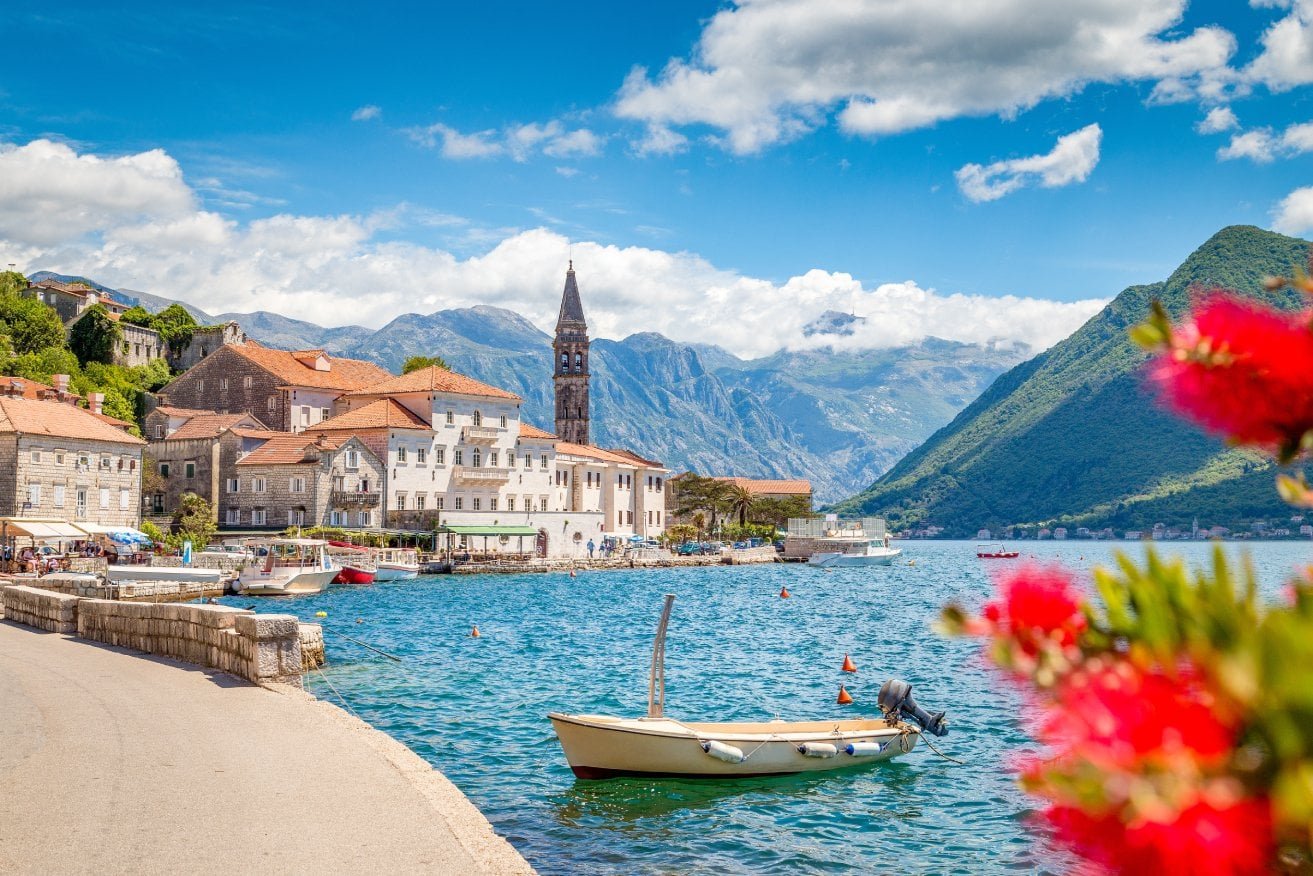
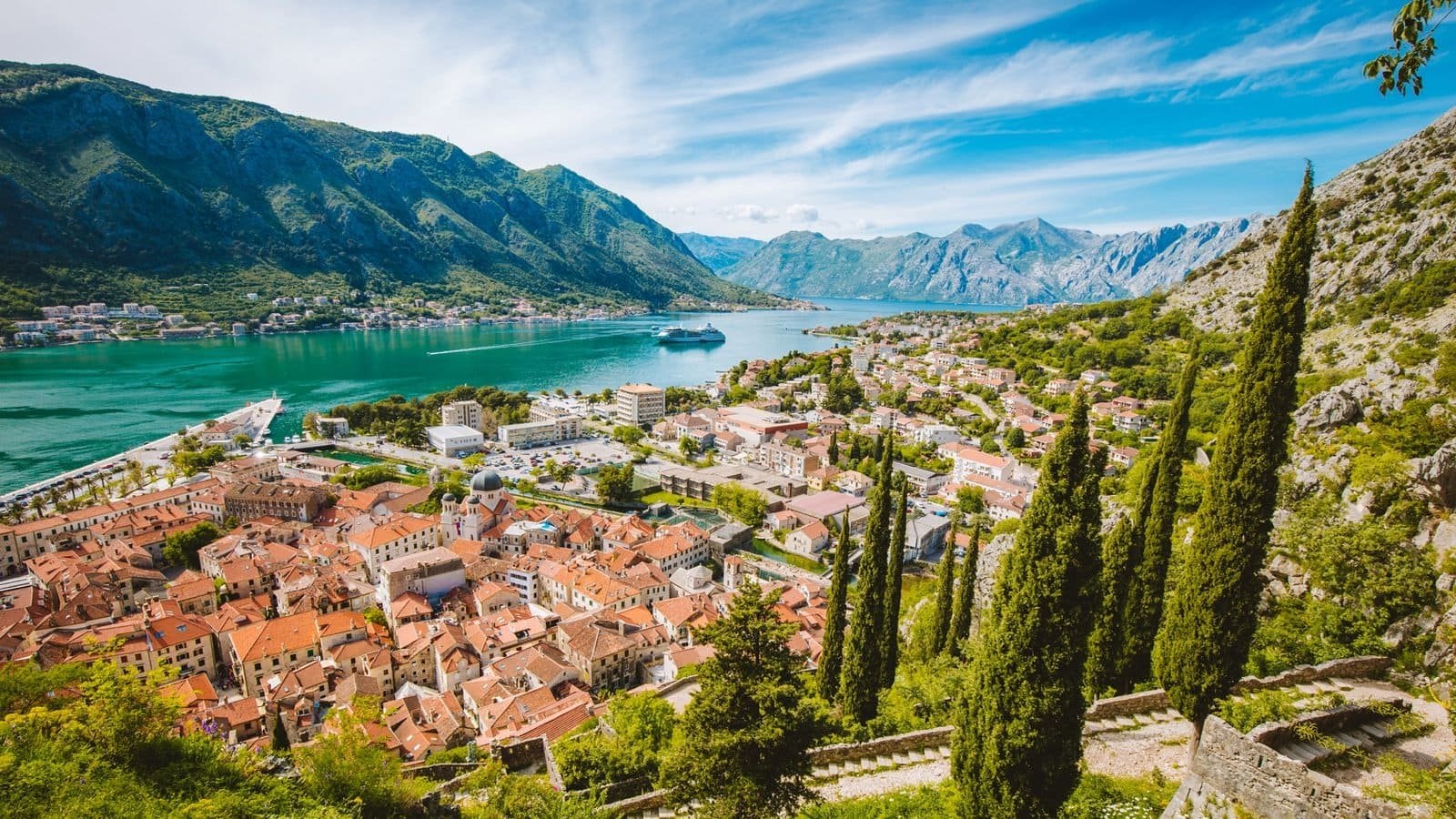
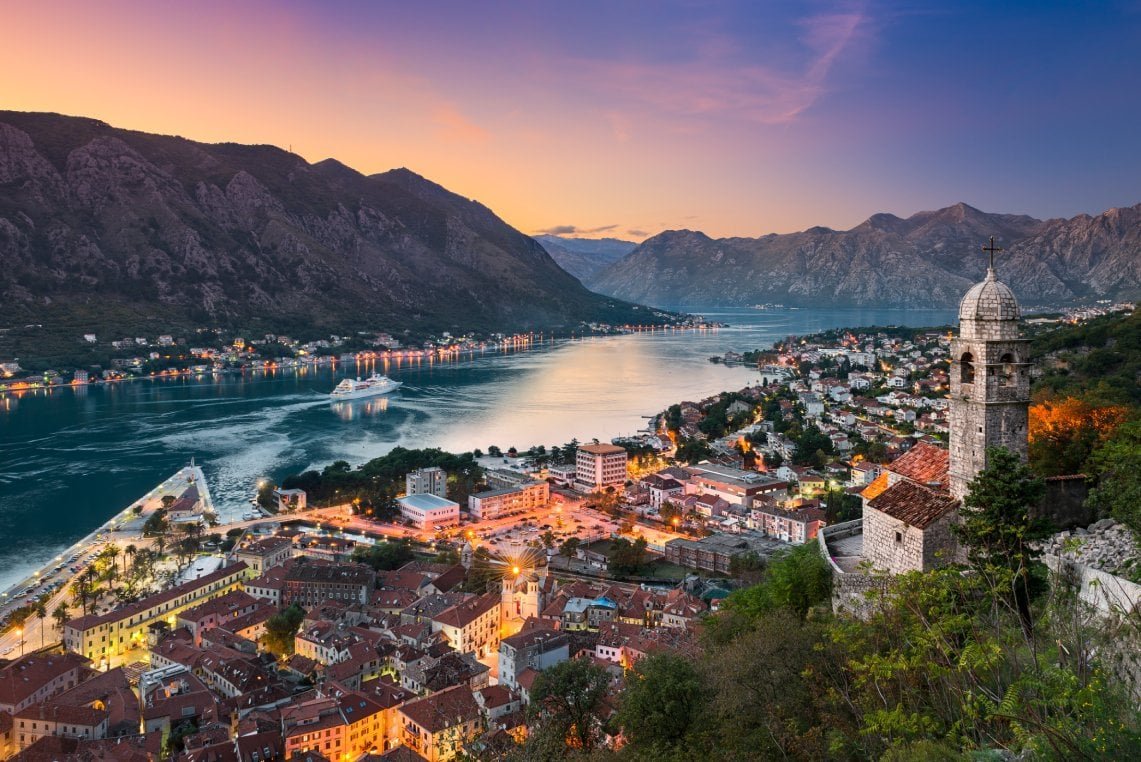
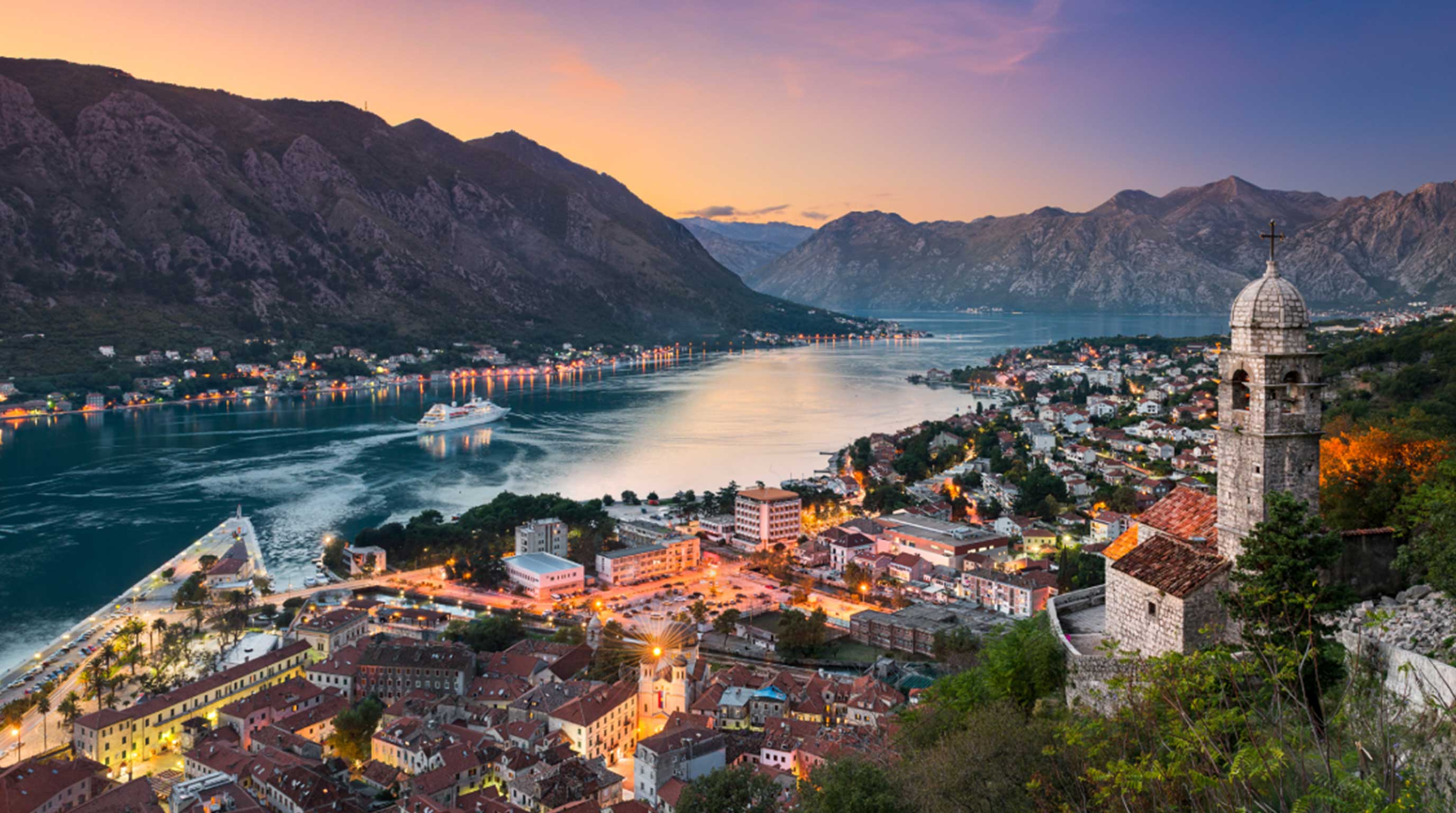
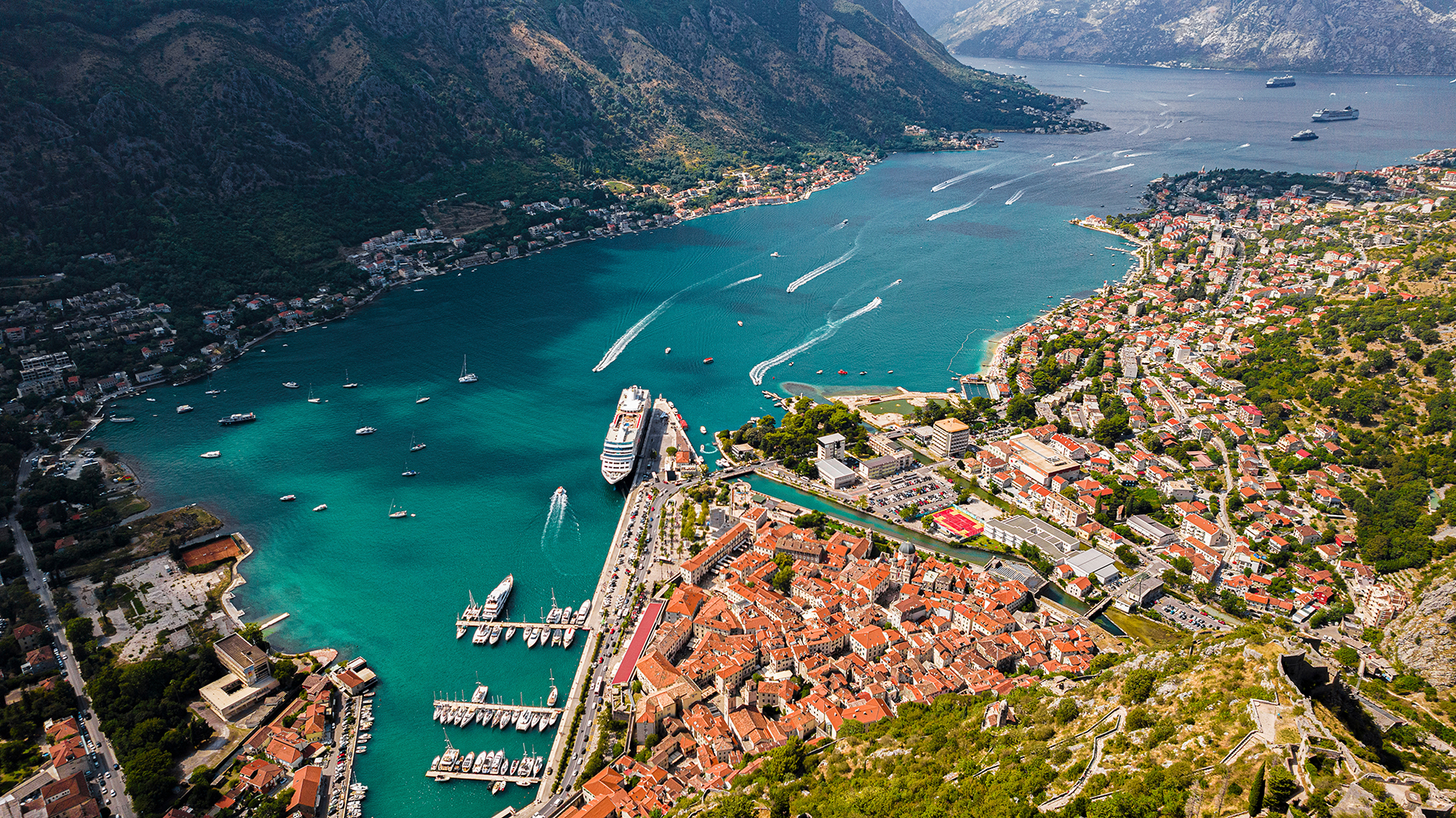
Resale property operates on an entirely different premise. What you gain immediately is certainty. The apartment or villa exists. You can stand inside it, assess the morning light, look at the actual horizon, inspect the build quality with your own adviser present, and understand the surrounding neighbourhood as it genuinely functions rather than as it appears in a developer's rendering. In locations where the coastal frontline has been fully built out, including parts of the Bay of Kotor and several stretches of the Budva Riviera, resale may be the only route to the very best positions.
For buyers who have spent time in markets such as the Côte d'Azur, Mallorca, or the Algarve, this dynamic will feel familiar. Scarcity of position is often worth more over time than novelty of finish.
Why Buyers Are Drawn to New Developments
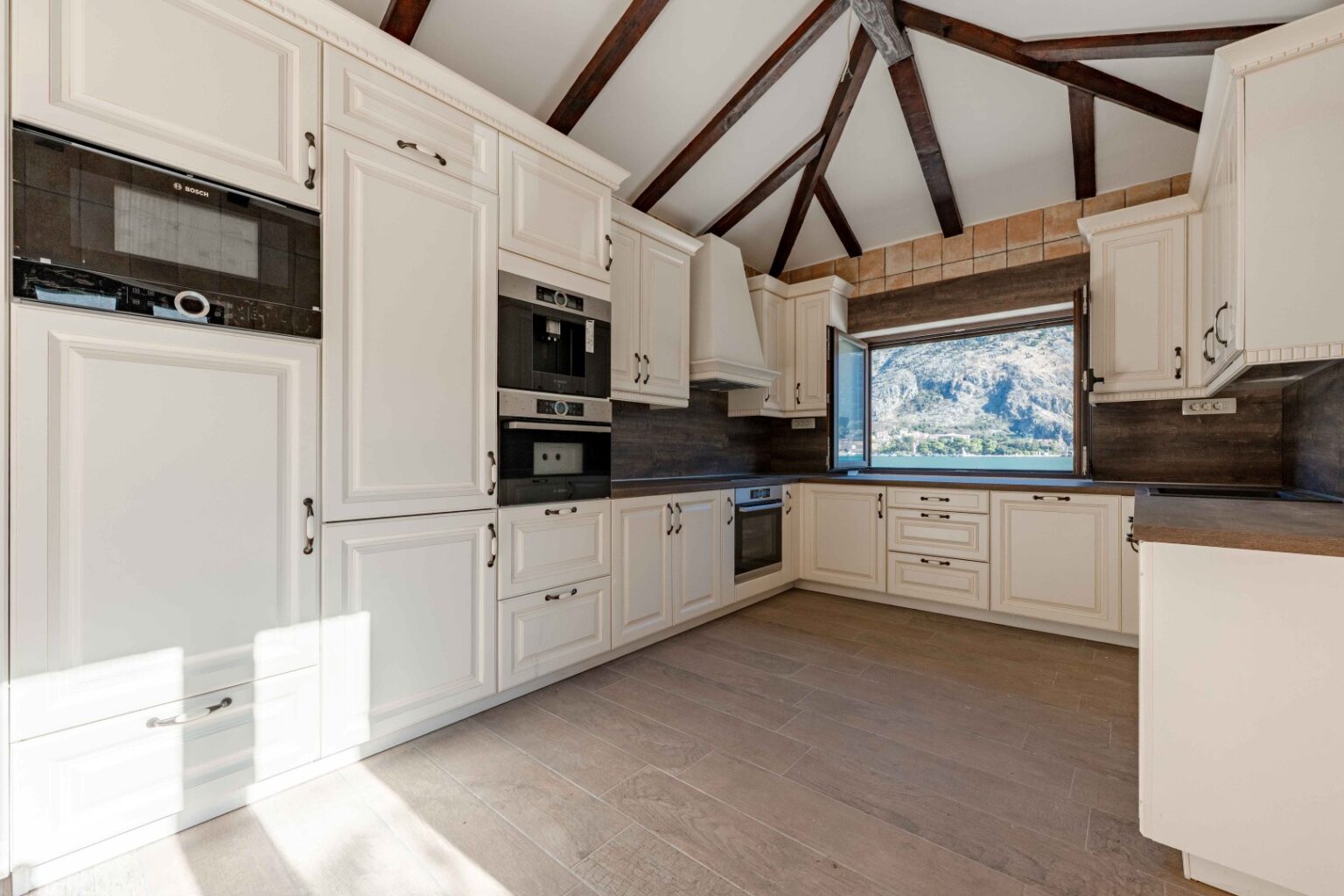
The primary attraction of a new-build residence is the simplicity it promises from the moment of acquisition. Buyers seeking a second home with minimal ownership friction, reliable management structures, and no immediate capital expenditure on maintenance tend to find new developments considerably easier to own from year one.
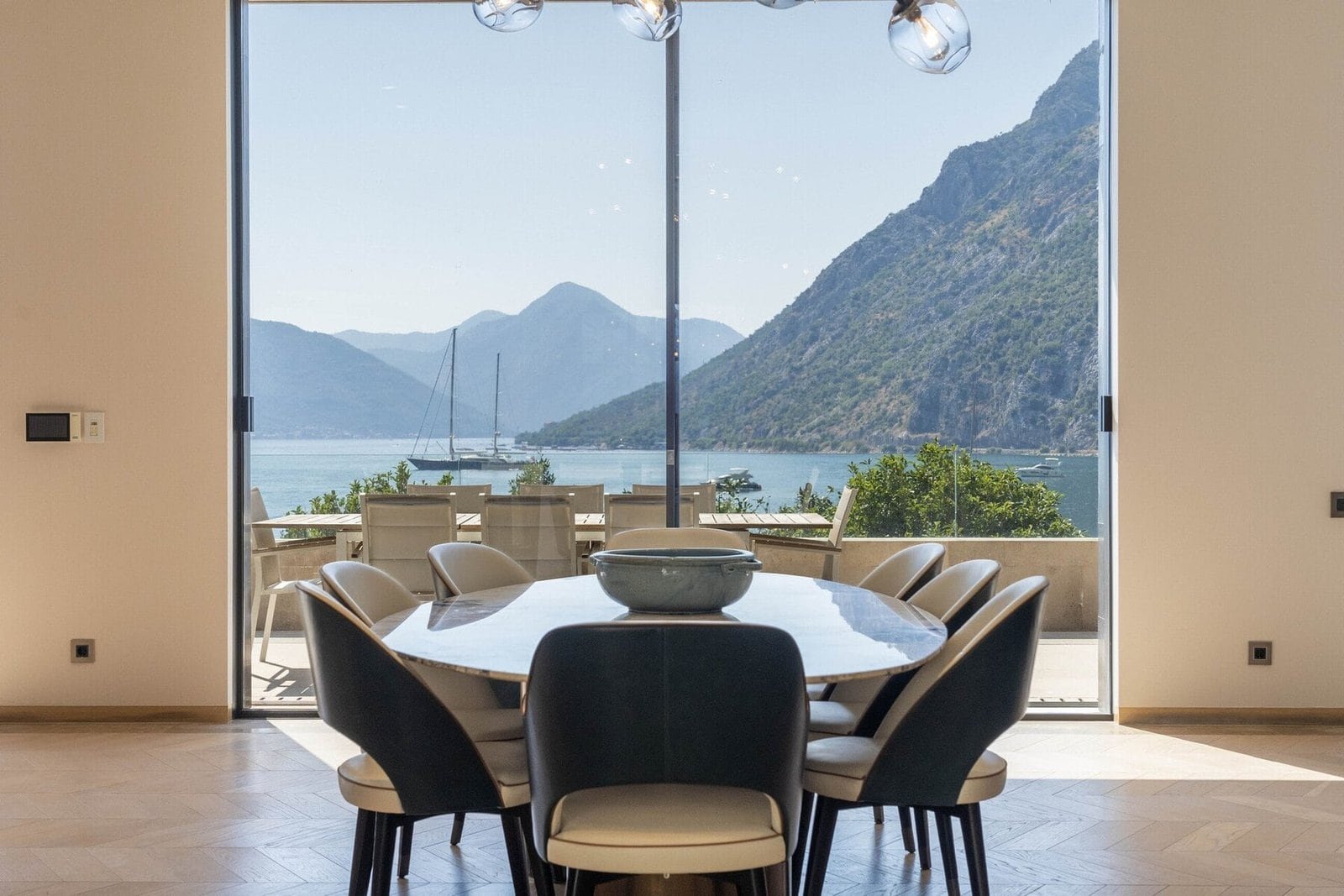
Contemporary floor plans reflect how international buyers actually want to live: generous terraces, open-plan reception spaces, integrated parking, energy-efficient systems, and home automation. In premium-tier projects, the specification across individual units is tightly controlled, which means buyers face fewer unpleasant surprises post-completion. Amenities are designed from the outset for a globally mobile clientele.
There is also a financial argument for early acquisition in a credible development. Buyers who enter during a pre-launch or early-phase release can sometimes benefit from pricing structures that strengthen as construction advances and surrounding infrastructure matures. Montenegro's property market has shown consistent directional growth at the top end, according to data published by the Montenegrin Institute for Statistics (MONSTAT), and well-positioned new-build projects in established coastal corridors have generally tracked that trajectory.
For a broader view of yield dynamics, capital appreciation patterns, and the current state of the luxury segment, the Montenegro Real Estate Investment in 2026: Market Intelligence, Yields and Honest Analysis provides detailed context that any serious buyer should review before committing.
It is worth stating clearly, however, that new-build pricing is rarely modest. The buyer of a premium-tier new development is not simply paying for four walls and a terrace. They are paying for brand positioning, the promise of managed services, architectural coherence, and the reputation of the destination itself. That premium can be justified, but it needs to be understood going in.
The Costs and Risks of Buying New
Convenience in new construction is not cost-free. The most significant risk for buyers purchasing off-plan or during an early release phase is development exposure: the possibility that timelines slip, that the finished environment takes longer than expected to feel complete, or that certain promised amenities arrive later than the marketing suggested.
Even in fully completed projects, there is frequently a period of transition that can last two to four years. Restaurant and retail concessions may still be opening. Gardens and planting schemes continue to mature. The social character of the community, the rhythm of the place, builds gradually as owners and seasonal visitors arrive in greater numbers. For buyers who want to move into a finished, fully alive environment immediately, this is a genuine consideration.
There is also the matter of distinctiveness. New developments at the luxury end achieve elegance and technical quality with great consistency. What they do not always provide is a sense of individuality. An older waterfront villa with its own architectural character, or a well-positioned resale apartment that has accumulated provenance over time, can carry a quality that purpose-built newness is not trying to replicate. For buyers to whom that distinction matters, it should inform the decision from the start.
Where Resale Properties Hold a Clear Advantage
Resale property appeals most strongly to buyers who prioritise tangibility, speed of acquisition, and specificity of location. When you purchase an existing home, you are buying something that already exists in full. There are no construction risks, no questions about how the view will feel from the third floor once the building is finished, and no ambiguity about how the surrounding streets and services actually function.
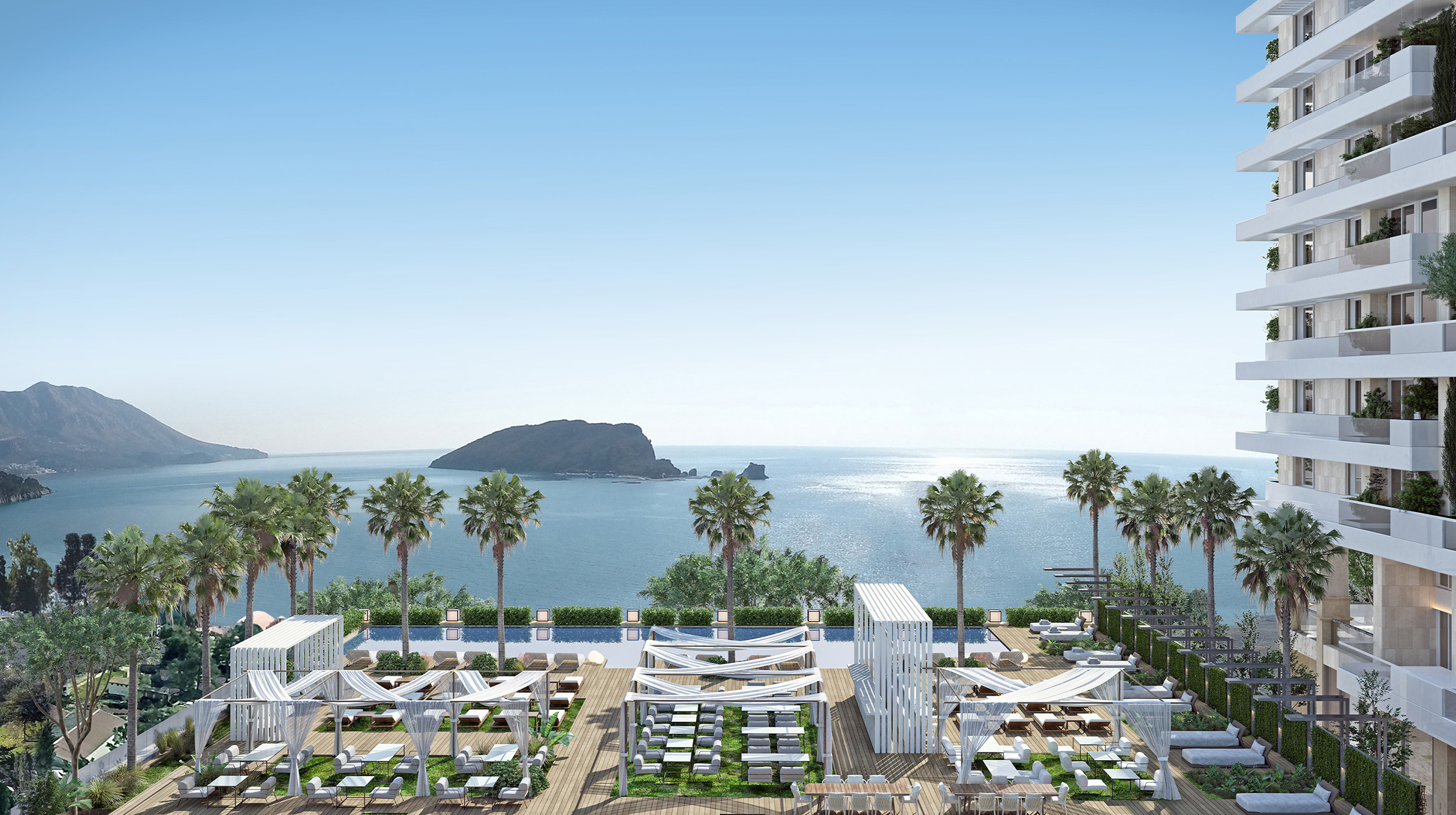
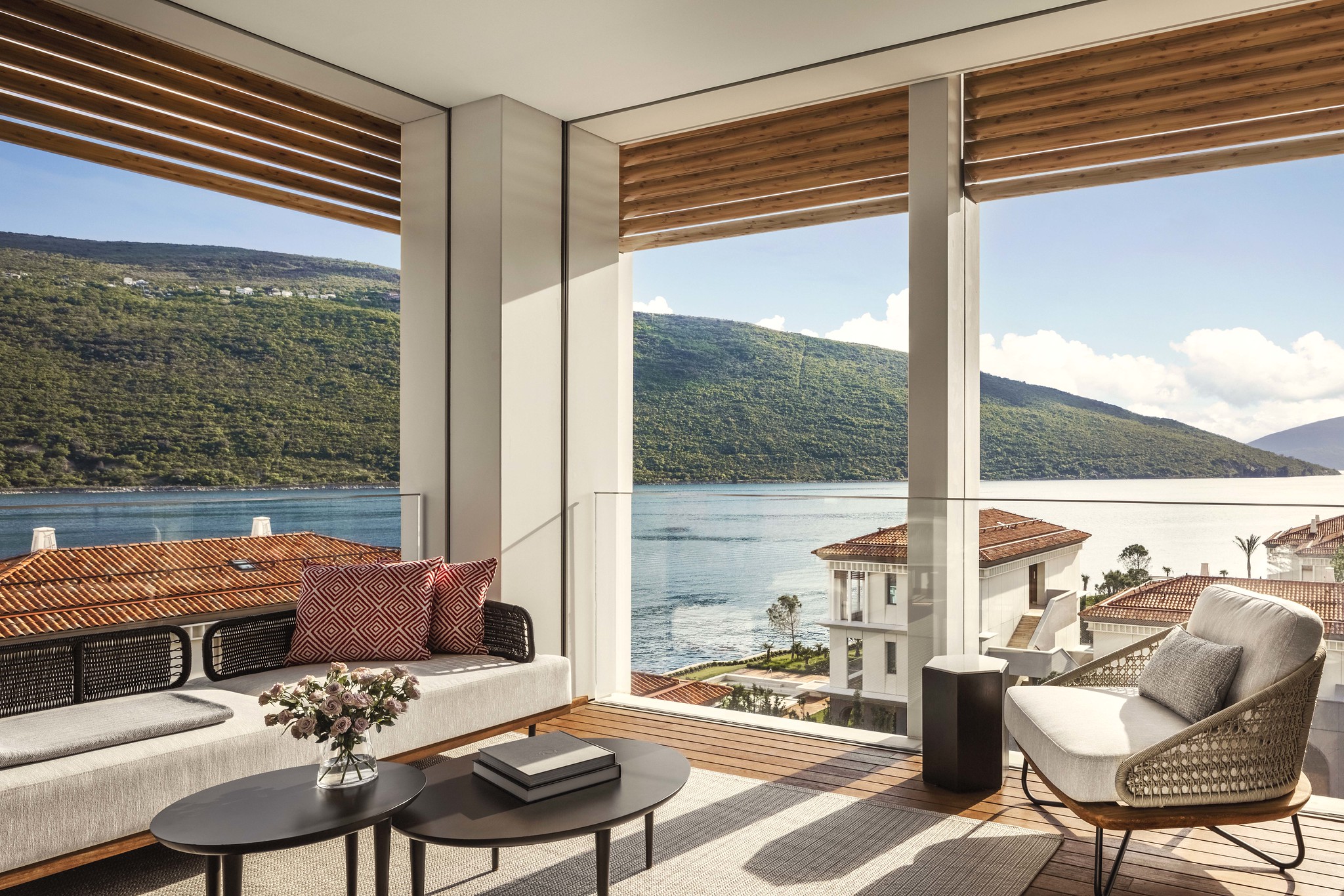
This is particularly important in view-sensitive markets. A sea view that appears generous on an architect's plan can look very different once you account for neighbouring rooftops, the angle of the coastline, existing mature vegetation, and the precise orientation of a building's facades. Resale removes that uncertainty entirely.
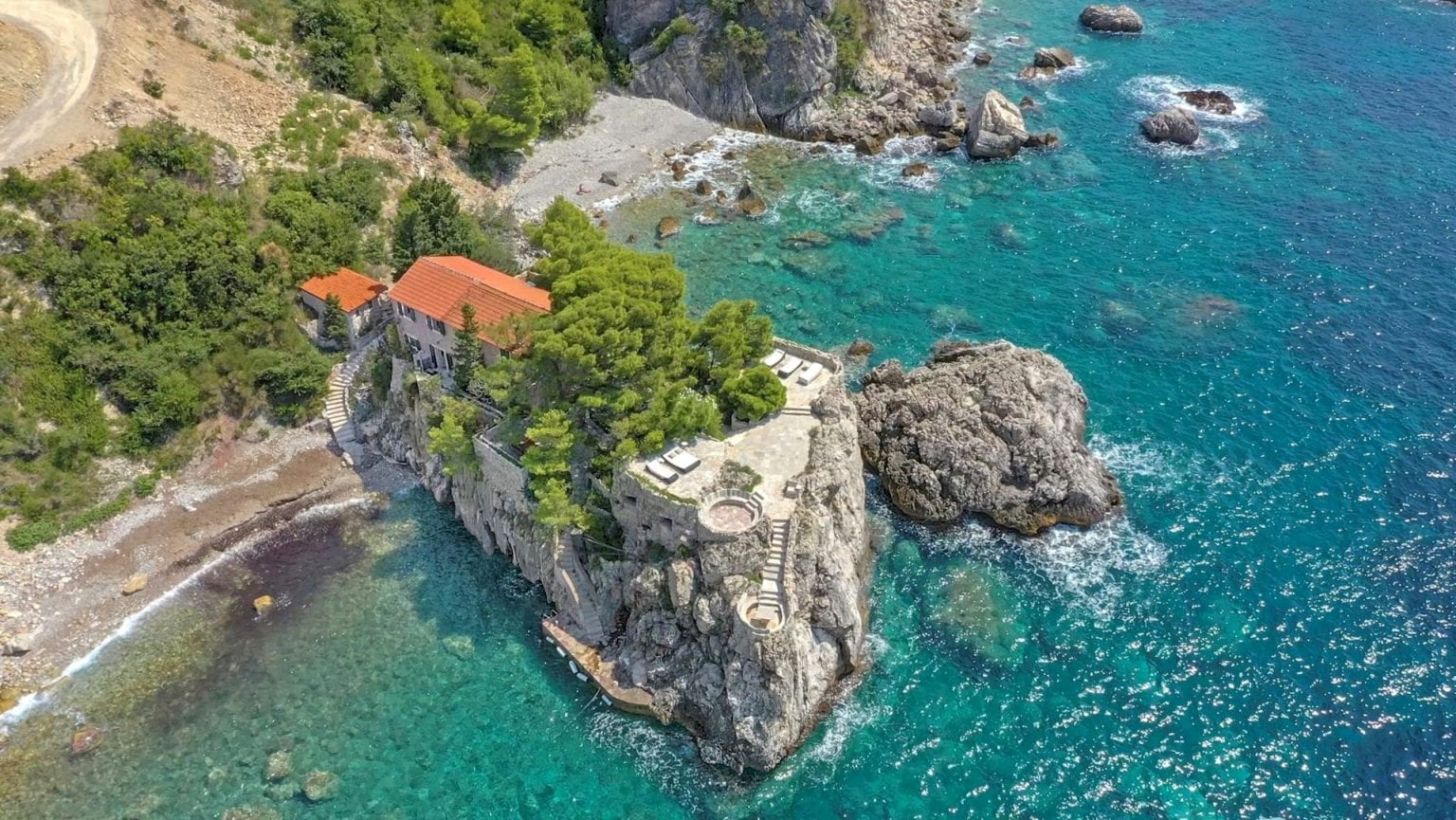
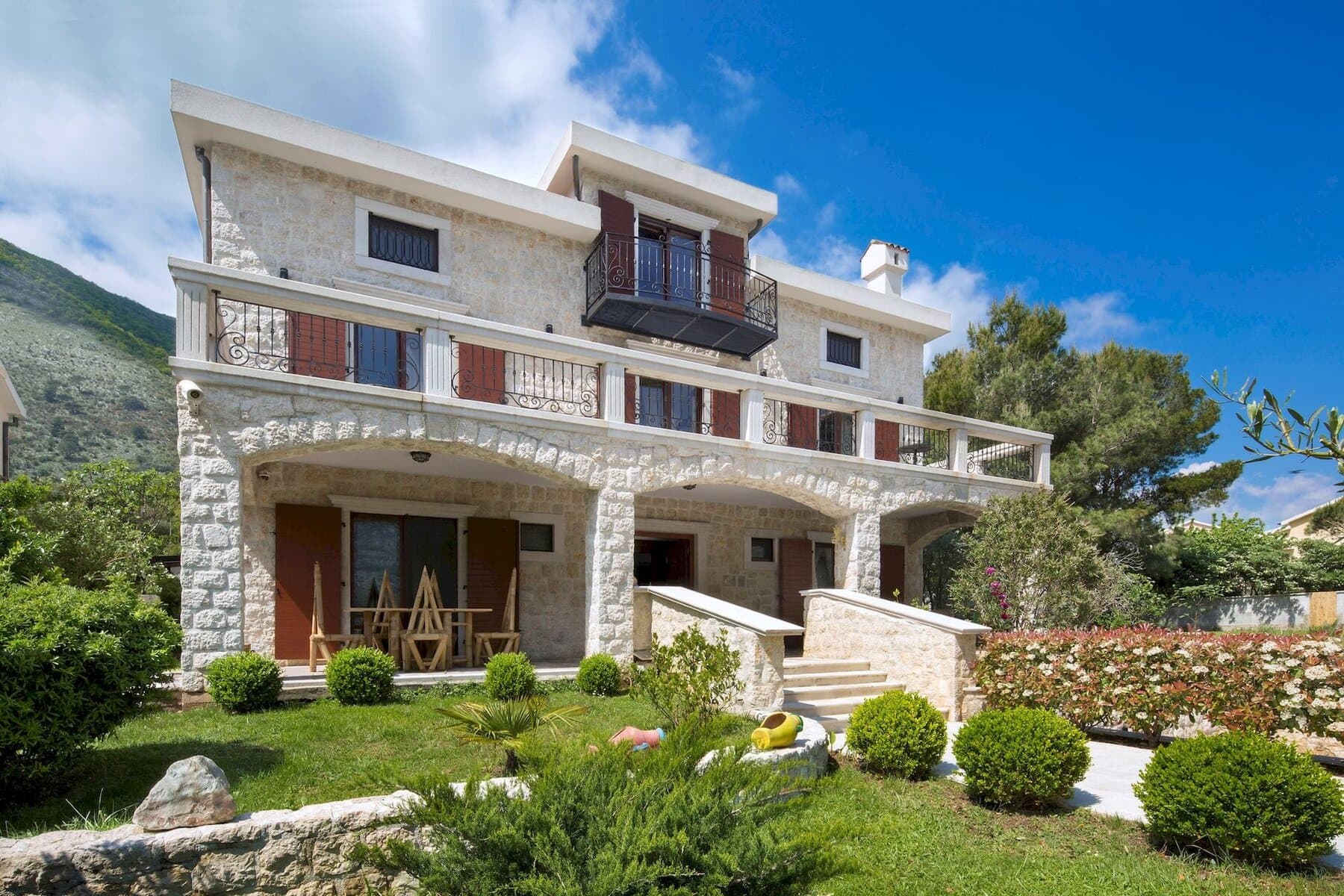
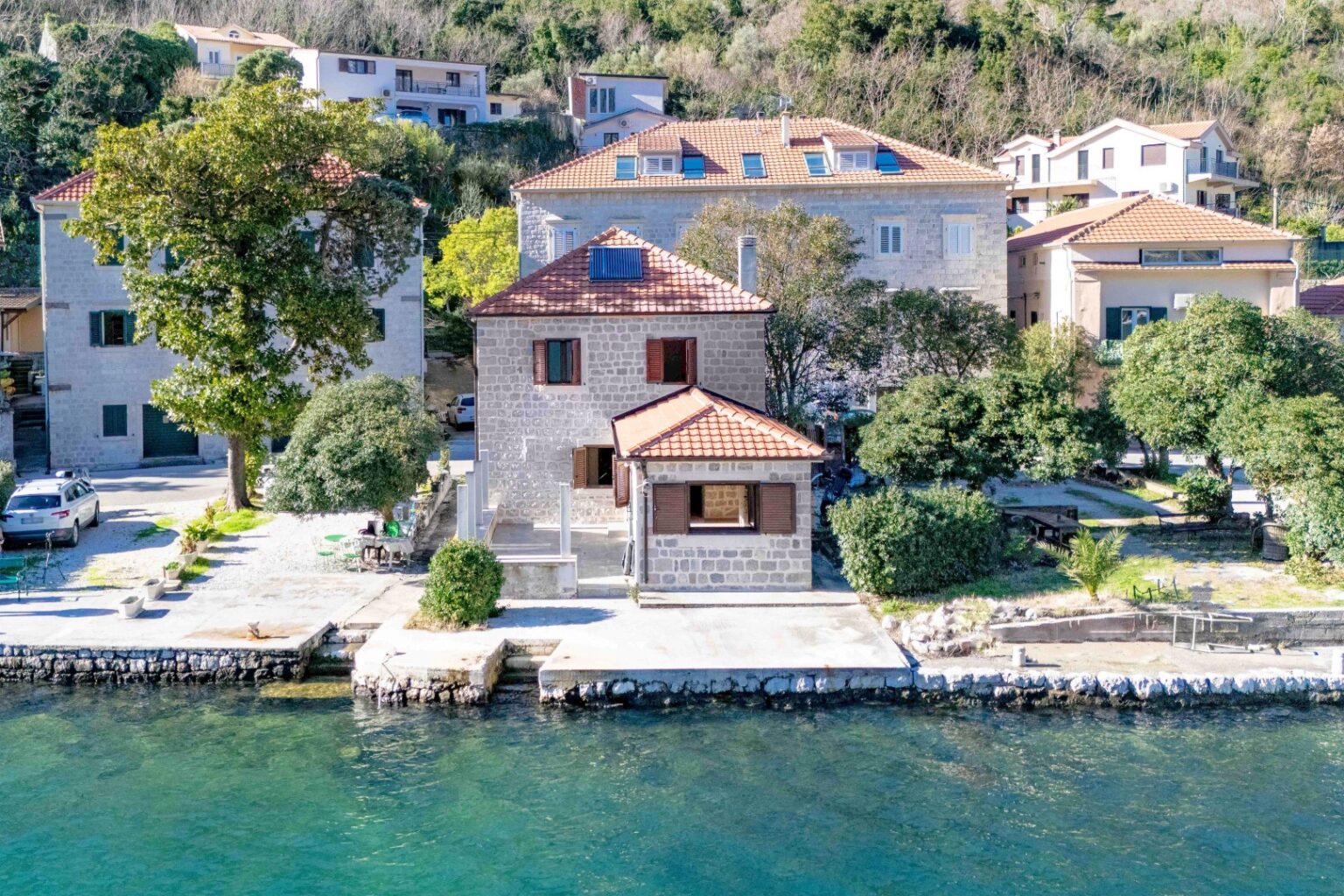
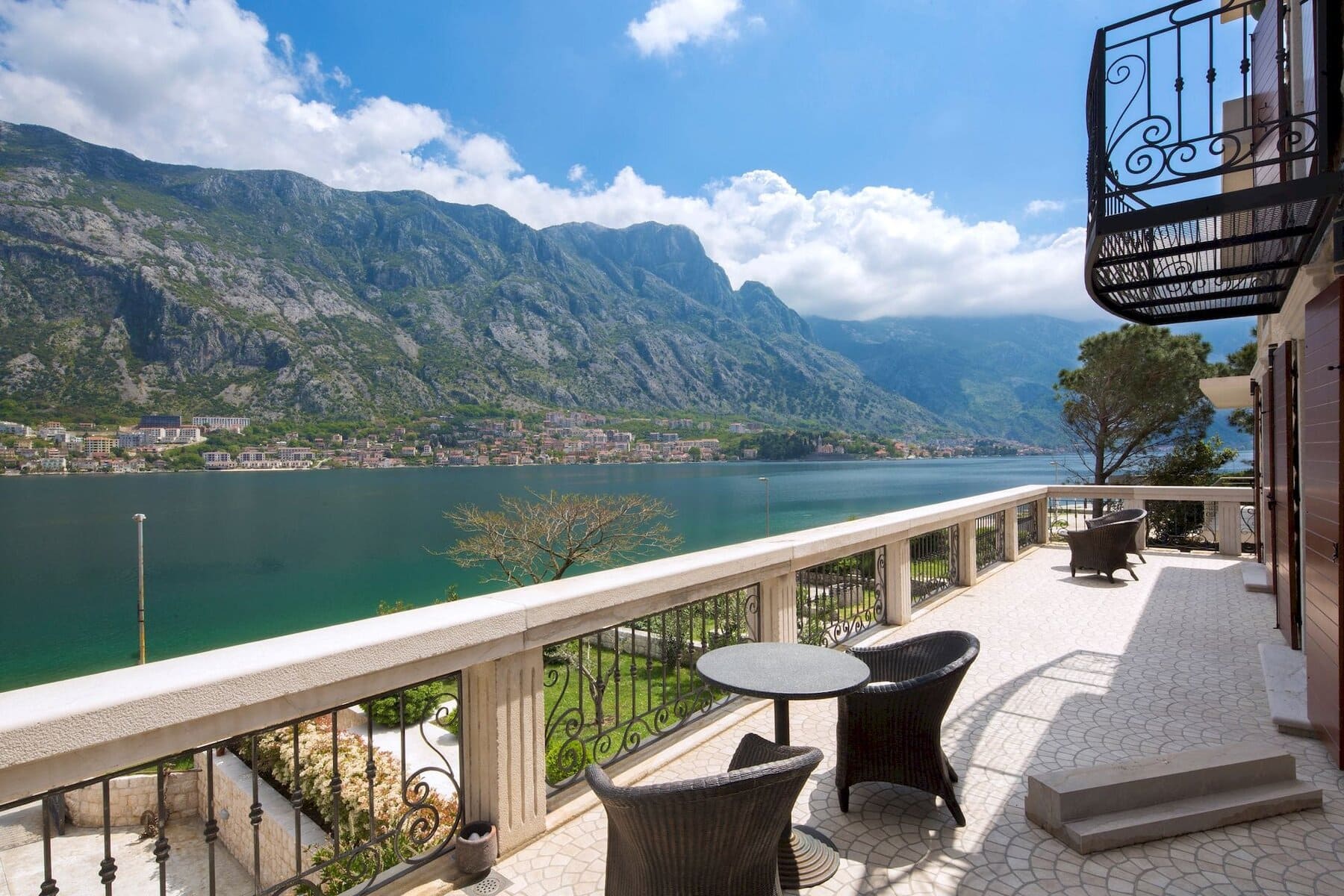
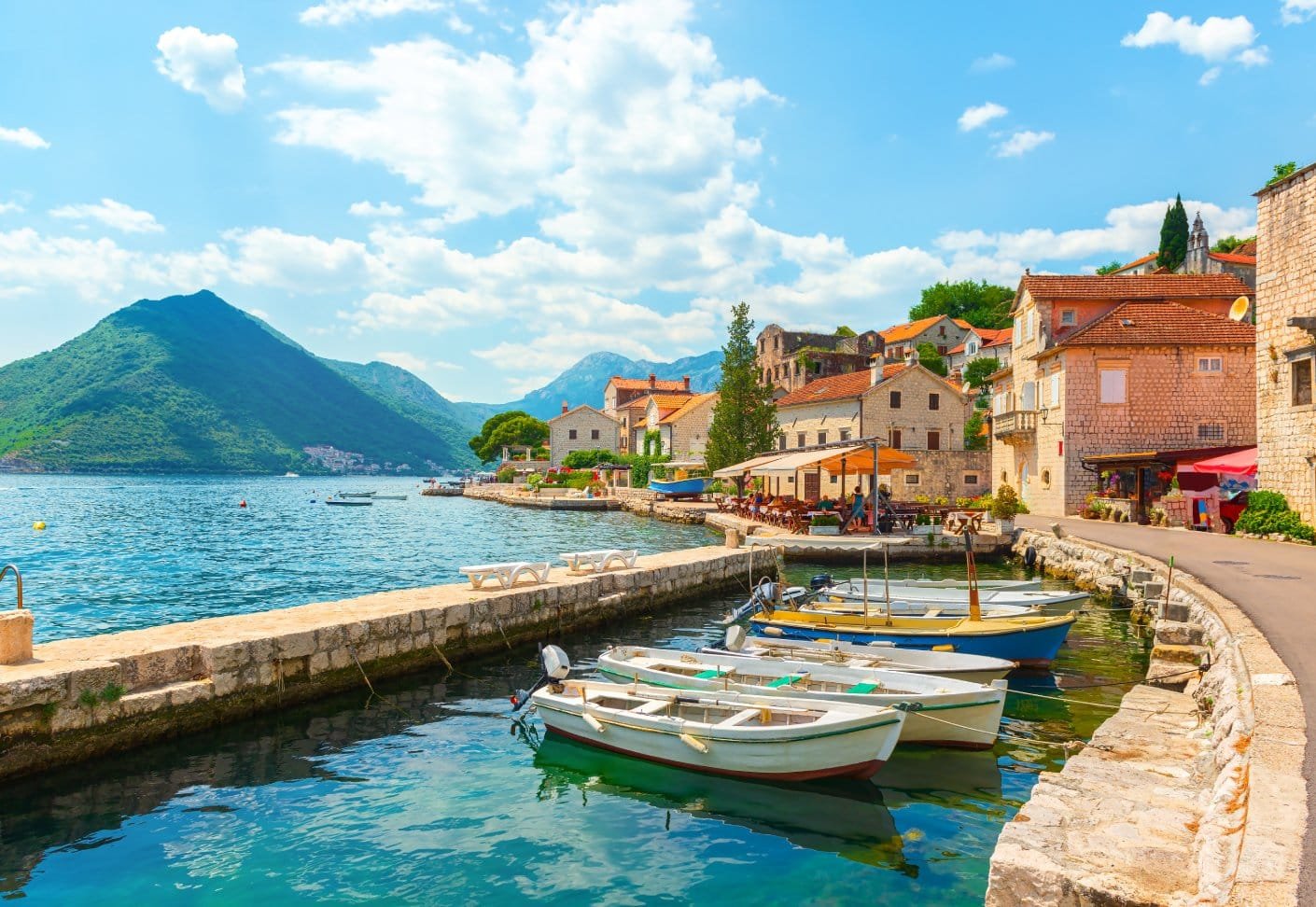
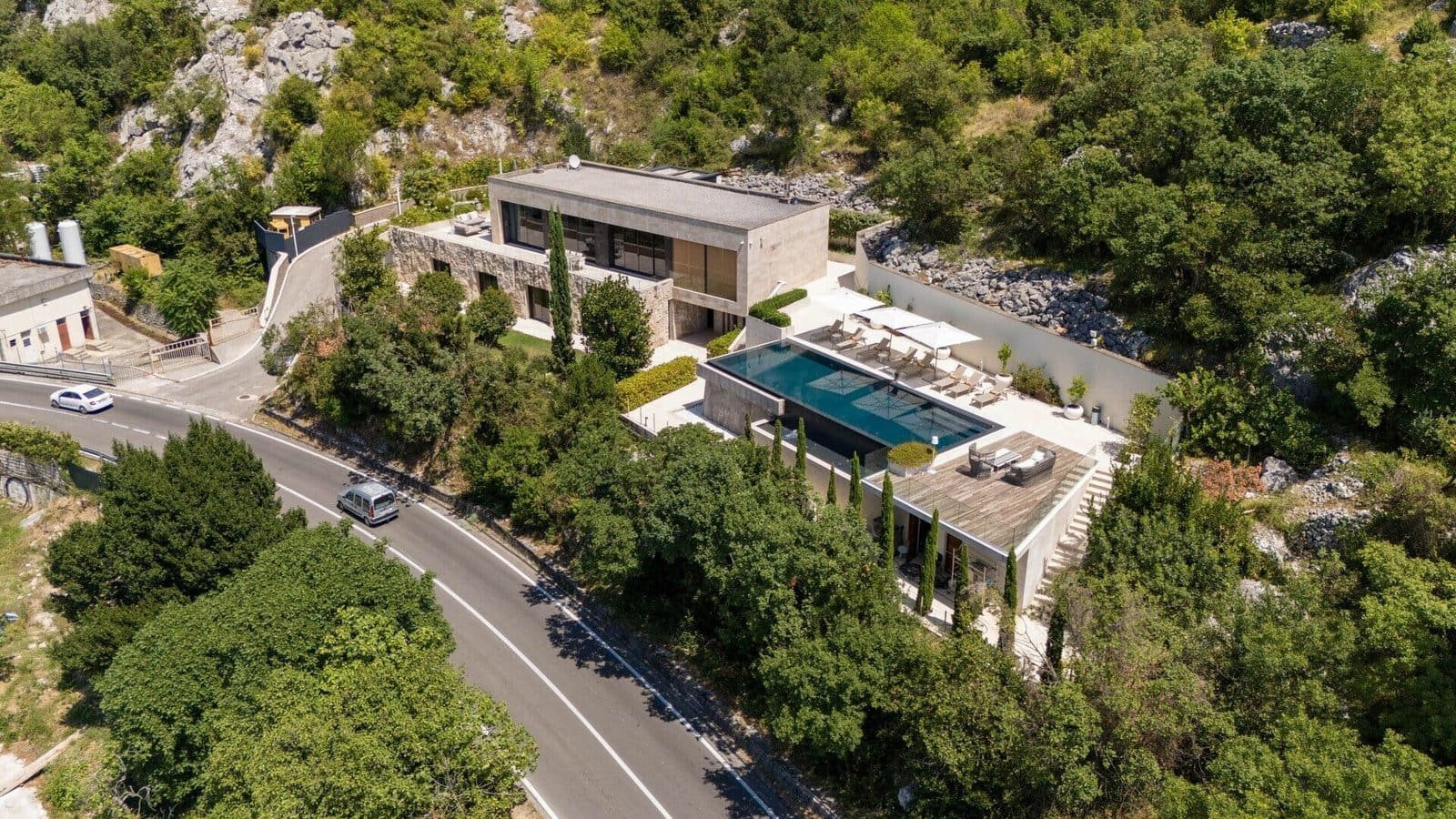
Location access is the other compelling case for resale. Some of Montenegro's most sought-after coastal positions were developed in earlier decades, when plot availability was greater and planning constraints less restrictive. The result is that older stock may sit closer to the water, deeper into traditional village settings, or in micro-locations that current planning frameworks would simply not permit to be replicated today. The Centuries of Story, One Palazzo Address on the Bay of Kotor is a direct illustration of this: a property occupying a historic address in Perast that no new development could recreate, regardless of specification or budget.
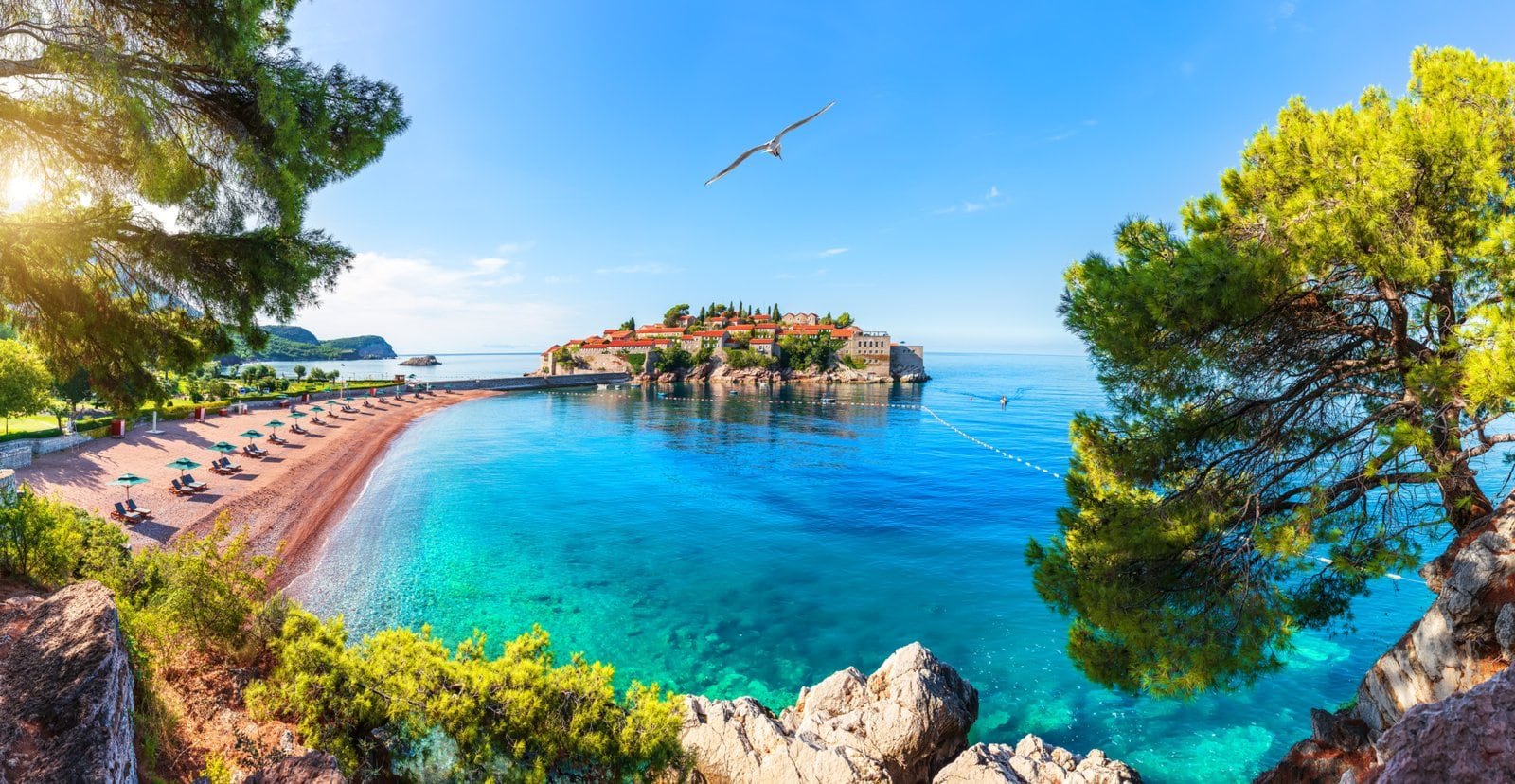
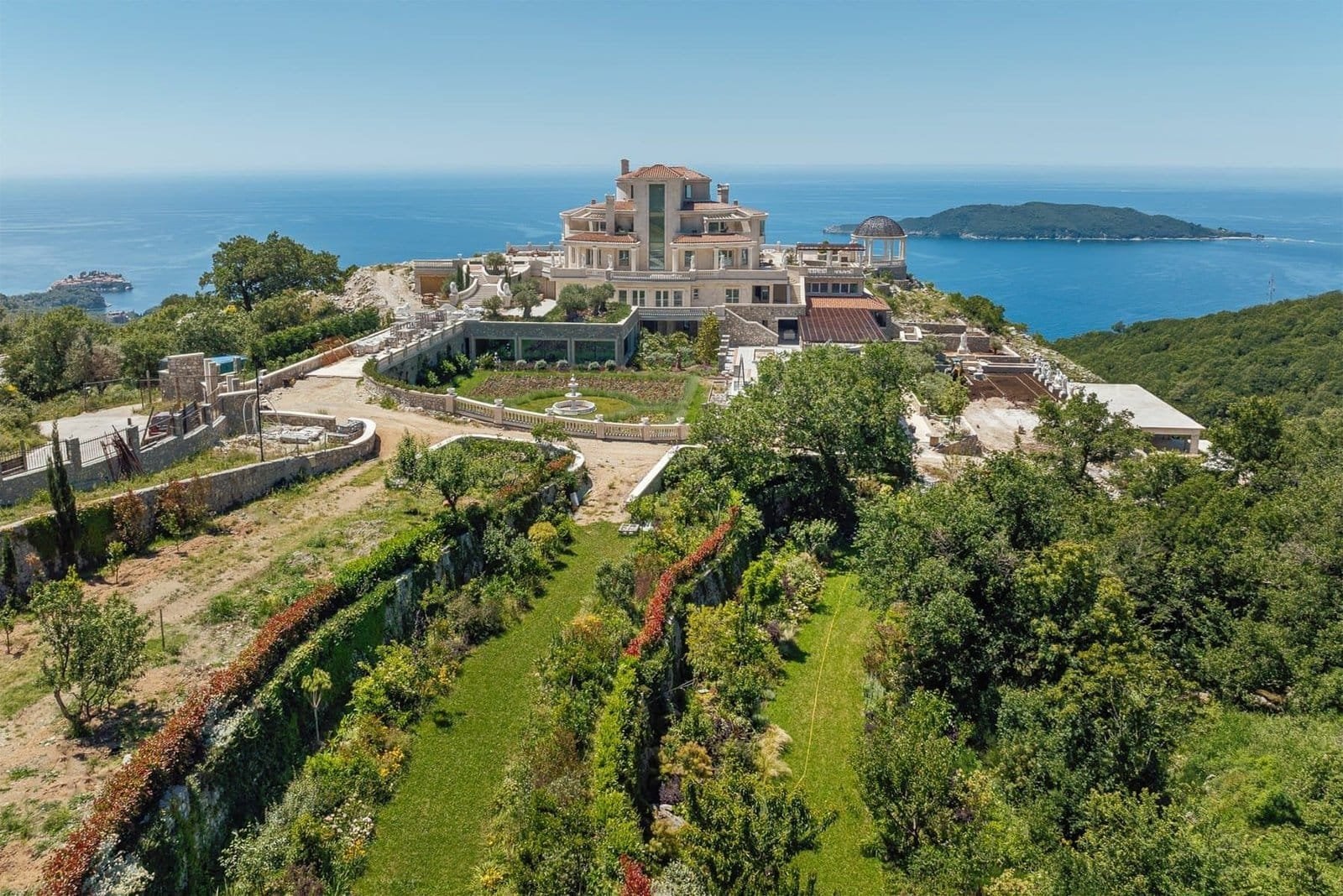
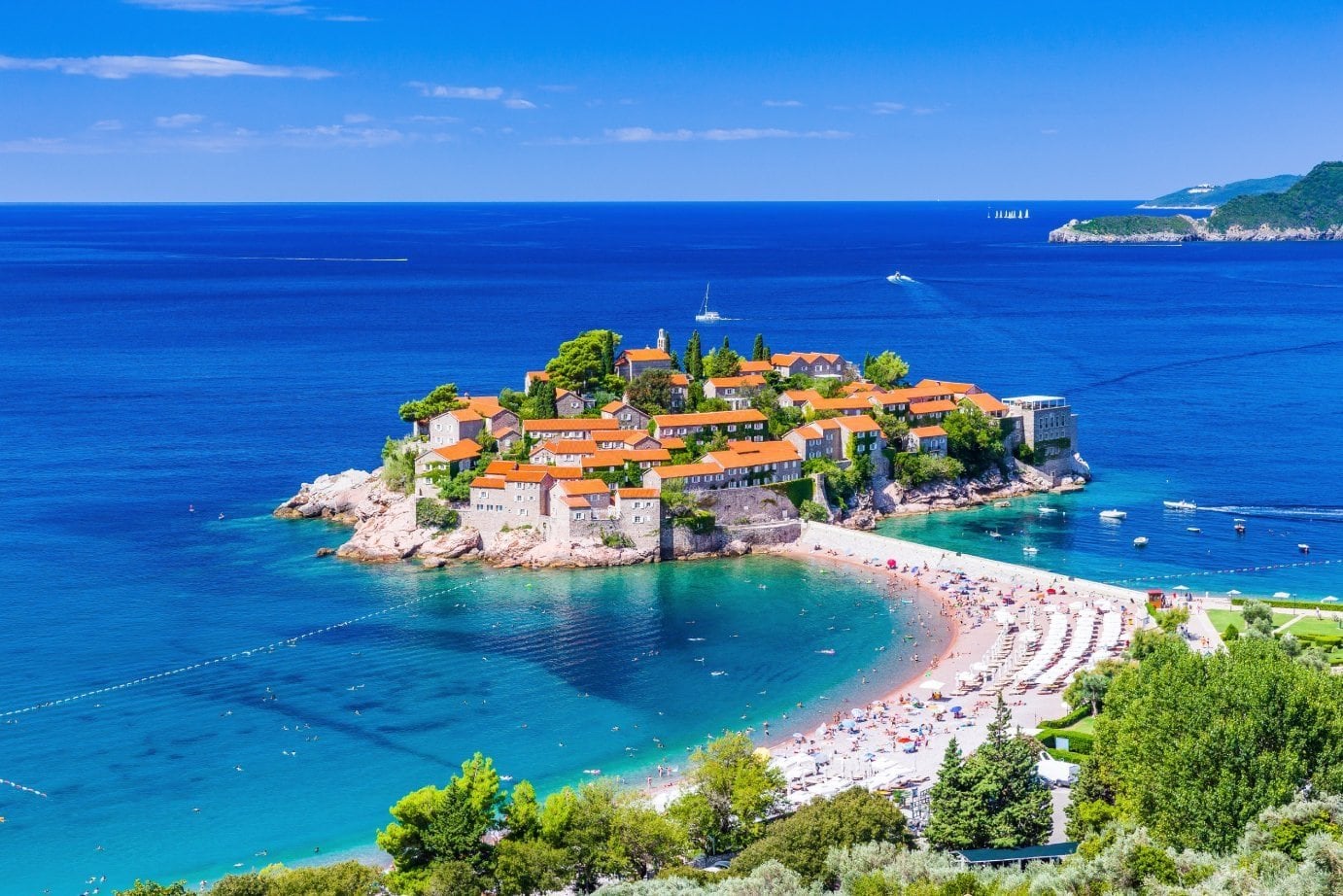
Similarly, for buyers drawn to the elevated Adriatic perspectives above Sveti Stefan, the Hilltop Splendour Above Sveti Stefan: Six Bedrooms of Adriatic Grandeur represents a position and scale of residence that is genuinely difficult to source within newly constructed inventory.
For buyers focused on authenticity and place, resale can be decisive in ways that no amount of contemporary specification can offset.
The Risks and Complexities of Buying Resale
The core challenge with resale property is variability. Two apartments within the same building can differ substantially in renovation quality, technical condition, legal documentation, and anticipated maintenance requirements. A resale acquisition demands a higher standard of due diligence than a purchase within a developer-managed new-build scheme, and buyers who underestimate this requirement can encounter difficulties that were entirely avoidable.
Title clarity, building permits, cadastral records, and the history of any structural or cosmetic works all require careful verification by a qualified local legal adviser. Montenegro's property registration system has improved materially in recent years, a development noted in periodic assessments by the European Commission as part of the country's EU accession process, but inconsistencies at the property level still arise, particularly in older coastal buildings.
There are potential hidden costs to consider as well. An asking price that appears attractive relative to comparable new-build stock may reflect the fact that the property needs comprehensive modernisation: new plumbing and electrical systems, insulation upgrades, facade work, or an interior reconfiguration to meet contemporary luxury standards. A thorough technical survey prior to any exchange of contracts is not optional; it is essential.
For investors, resale property is genuinely case-by-case. Some units are well-maintained, correctly positioned for short-term rental demand, and capable of generating income from early in the ownership period. Others require repositioning before they can compete within the premium rental segment. Understanding which category a specific property occupies requires honest market analysis, not optimistic assumptions.
Beachfront apartments on the Budva Riviera illustrate the contrast well. The Beachfront Elegance on the Adriatic: Rafailovici's Most Coveted Coastal Address and the Adriatic Frontline Living: An Elegant Coastal Sanctuary Above the Rafailovici Shore both demonstrate what well-positioned, well-presented resale stock in prime coastal locations looks like when due diligence has been properly completed and the fundamentals are sound.
Lifestyle Priorities Versus Investment Priorities
One of the most useful frameworks for making this decision is to separate lifestyle objectives from investment objectives, and to be honest about which is primary.
If the principal objective is a private second home that functions reliably, requires minimal active management, and provides a high-quality environment for seasonal use, then a new development within a well-run master-planned community is often the more straightforward choice. The ownership experience is designed specifically for exactly that use case.
If the principal objective is capital appreciation over a defined holding period, the calculus is more complex. New-build pricing in high-profile coastal projects already incorporates significant premiums for brand, amenity, and future demand assumptions. Resale properties, acquired at the right price in genuinely scarce locations, can offer stronger margin at entry and potentially more durable long-term value tied to irreplaceable position rather than developer brand.
Buyers considering the Budva and Tivat coastal corridors should read the Budva vs Tivat Property: Choosing the Right Montenegro Market in 2026 analysis, which sets out in detail how these two distinct markets behave for both lifestyle and investment buyers.
Rental Potential: New Build Versus Resale
Montenegro's peak summer season generates meaningful short-term rental demand across the prime coastal belt. Both new developments and resale properties can perform well in this context, but the drivers of rental performance differ between the two categories.
New-build residences within managed developments benefit from the infrastructure: professional reception, in-house property management teams, on-site amenities that guests expect, and in some cases branded rental programmes that channel bookings through established networks. For owners who want passive rental income without active involvement in the letting process, this structure is clearly appealing.
Resale properties, particularly those in frontline positions or in settings with strong aesthetic character, can command premium nightly rates on short-term platforms precisely because of their individuality and location specificity. A well-situated villa or apartment in a historic bay, or directly above a private beach, will attract guests who have specifically sought out that character and are willing to pay for it.
What resale lacks, in most cases, is the institutional management infrastructure. Owners must either engage a specialist rental management company locally or commit meaningful time and attention to operating the property themselves. This is not an insurmountable challenge, but it is a genuine operational commitment that should be factored into any rental yield projection.
How Experienced Buyers Make the Final Decision
Buyers who have acquired property across multiple international markets tend to approach this decision through a structured set of questions rather than a general preference for new or old.
They begin with timeline. If funds are committed and the intention is to begin using the property within a defined short period, resale is almost always the more practical path. If a two or three-year horizon before intended use is acceptable, new development options open up considerably.
They then assess what they are actually paying for in each option. New-build pricing in Montenegro's premium segment already incorporates significant cost for amenities, brand, and developer margin. Resale pricing, particularly in older stock, is more directly tied to location fundamentals and physical condition. Neither is inherently superior, but both need to be understood clearly.
They consider location rarity with great seriousness. In a market where the most desirable coastal positions are already occupied, an older property in a truly exceptional spot will retain its scarcity premium regardless of what is built nearby. That is a quality no developer can manufacture once the coastline is full.
Finally, experienced buyers assess legal and structural complexity honestly and budget accordingly for independent legal and technical advice before any commitment is made. In Montenegro, as in any market with a developing regulatory framework, professional oversight is not a cost to be minimised. It is the foundation of a sound acquisition.
---
Barok Estates International Advisory Note
At Barok Estates International, our advisory team works with buyers across the full spectrum of Montenegro's coastal and marina property market, from new-build residences in established master-planned communities to character properties in the Bay of Kotor and the Budva Riviera. We do not favour one category over another. We favour the option that is genuinely right for each client's specific objectives, timeline, and risk profile.
If you are weighing new developments against resale opportunities in Montenegro and would like independent, conflict-free guidance, contact our advisory team in Marbella, Madrid, London, or Montenegro directly. We are pleased to provide a confidential consultation at no obligation.











.jpg)