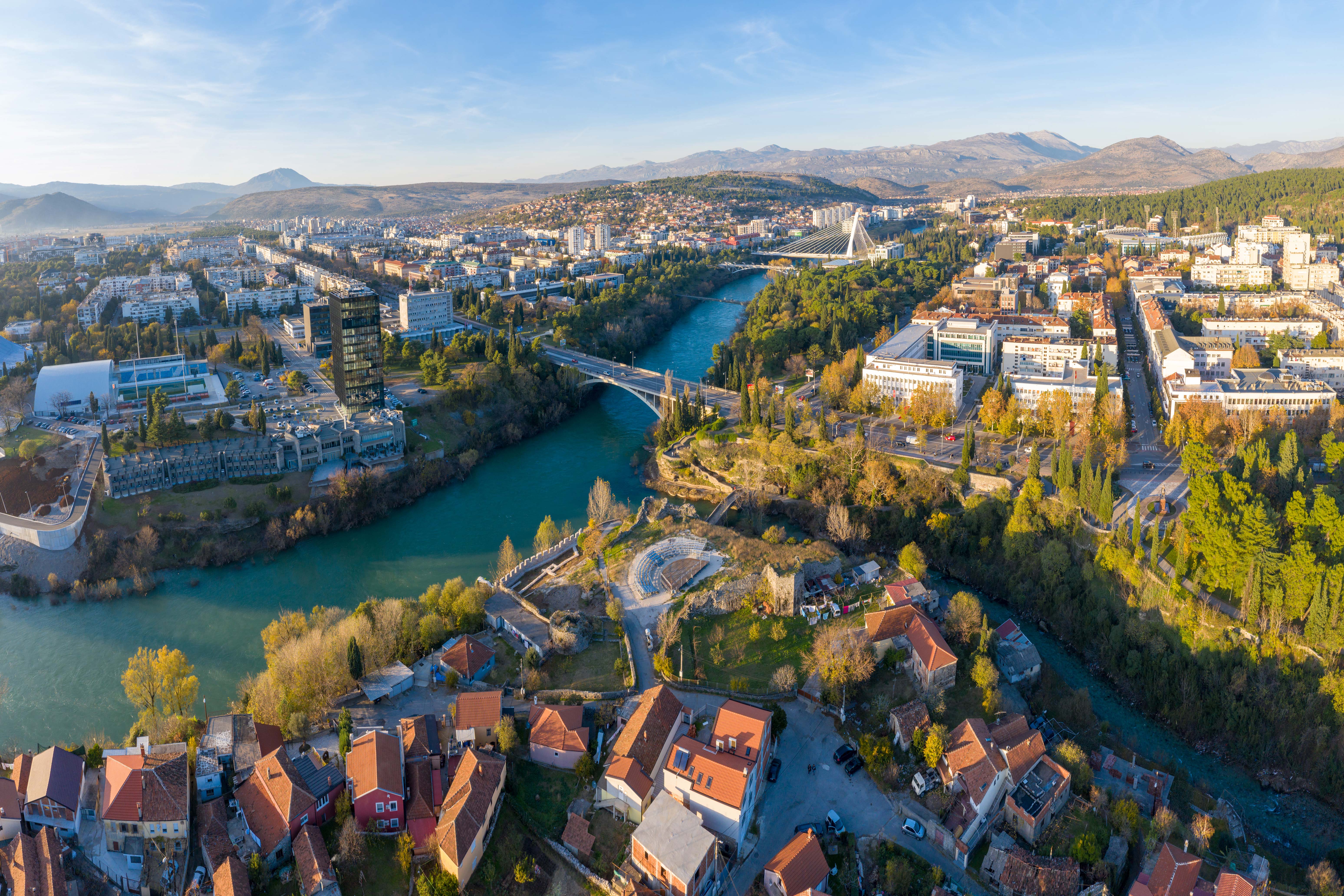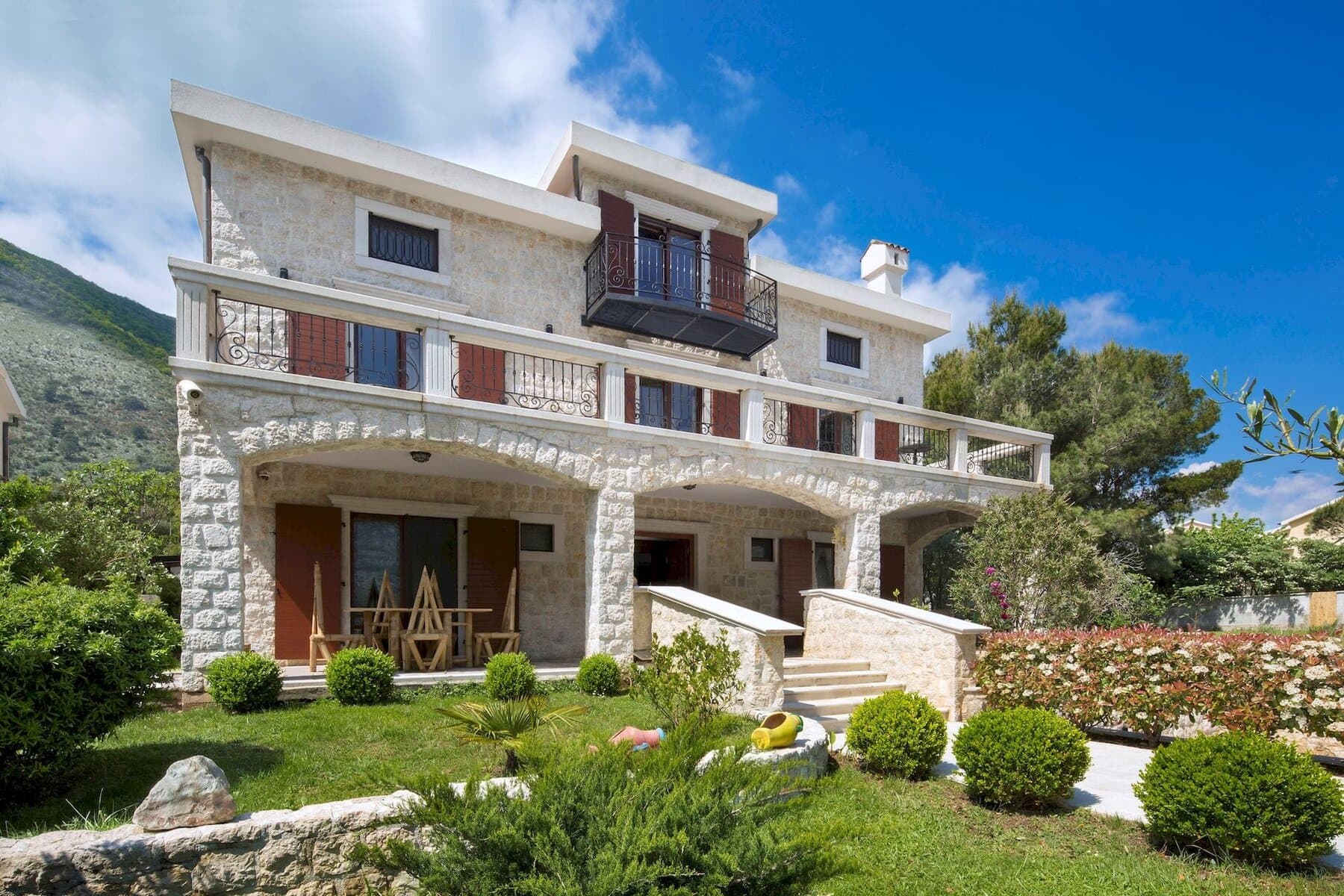
Few corners of Southern Europe present a property opportunity as singular as Montenegro's stock of historic villas. A limestone palazzo facing the Bay of Kotor, a Venetian-era residence within Budva's walled core, a waterfront palace in Perast showing two centuries of salt and silence: these are not assets that can be replicated or relocated. Their scarcity is structural, their character irreplaceable, and for buyers with the patience and preparation to restore them correctly, the financial and aesthetic rewards are substantial. Montenegro villa renovation is not a project to approach casually. The regulatory framework is substantive, the skilled labour pool is finite, and the difference between a sensitively executed restoration and a compliance-blind intervention is measured in years of delay and significant capital loss.
This guide, prepared by the advisory team at Barok Estates International, sets out what serious buyers need to understand before committing to a historic property in Montenegro: the investment rationale, the regulatory environment, the sourcing of qualified craftspeople, and the cost variables that determine whether a restoration delivers the returns the asset is capable of generating.
Why Montenegro Villas Are Worth Restoring
The Investment Case for Historic Home Renovation
Restored heritage properties in Montenegro's most competitive micro-markets command measurable premiums over comparable but untouched buildings on the same street or waterfront. This pricing differential has widened as international buyer sophistication has increased. Buyers and institutional renters are paying not only for finished quality but for the removal of uncertainty. A property that has been professionally surveyed, restored to conservation standards, and cleared through the relevant heritage authorities carries none of the hidden-risk discount that an unrenovated ruin attracts. For buyers assessing Montenegro's property price trajectory in 2026, per data published by the Montenegrin Statistical Office (MONSTAT), that discount on unrenovated historic stock remains significant, which is precisely where the opportunity sits.
The rental income argument reinforces the capital case. A fully restored stone villa, retaining its original vaulted ceilings, period joinery, and courtyard geometry while incorporating a contemporary mechanical fit-out, attracts guests who stay longer and spend more. The discerning traveller who seeks authenticity over a branded hotel product will pay a meaningful daily rate premium for a property that delivers it. For investors exploring how to approach the broader villa acquisition market in Montenegro, understanding the restoration premium is central to underwriting any historic acquisition correctly.
The underlying investment logic is clean: acquire at the distressed or unrestored price, absorb the restoration cost with precision and professional oversight, and exit at or above the premium-market rate, or hold the asset and capture yield from a superior rental product.
Where Restoration Demand Is Highest in 2026
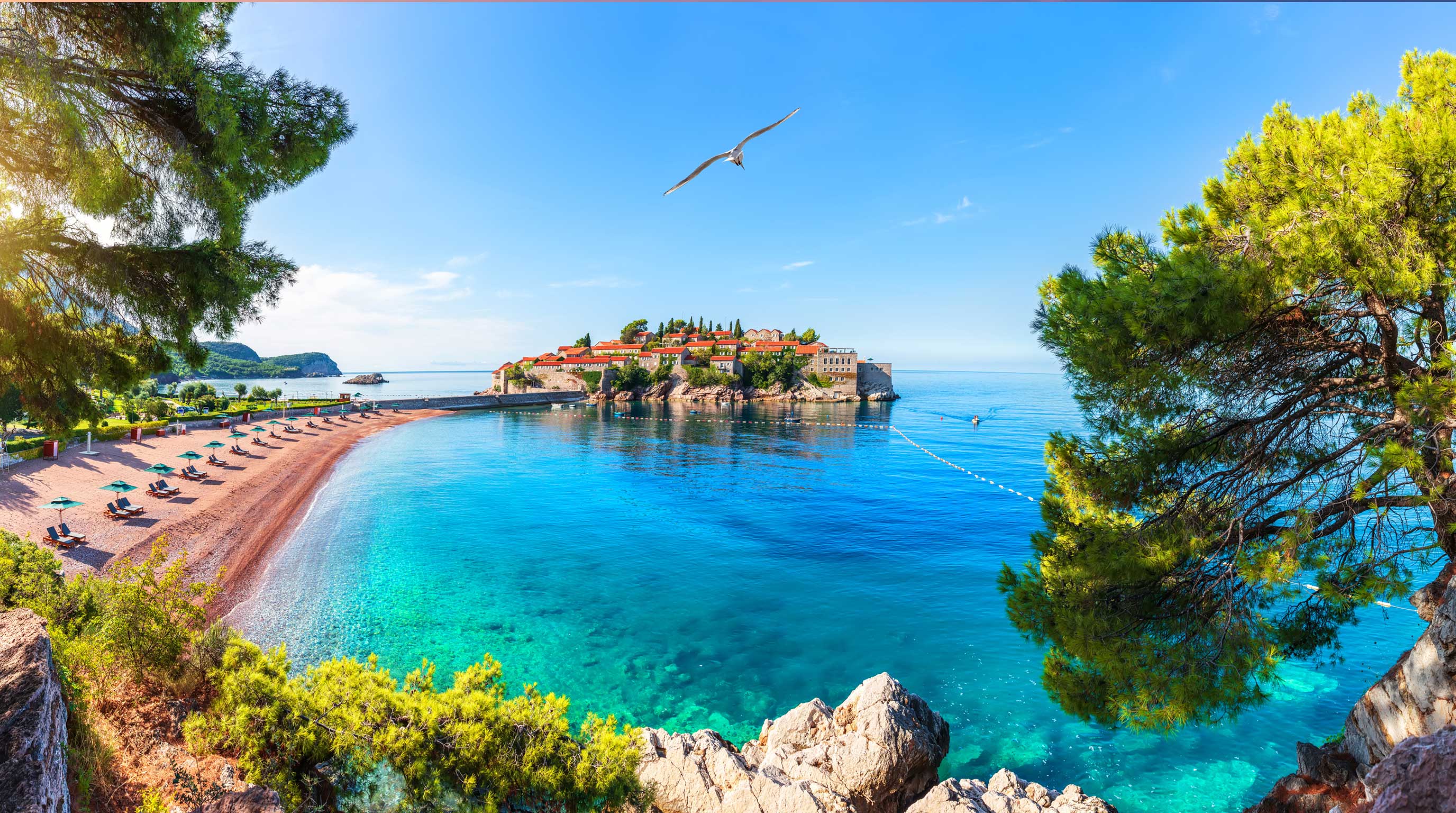
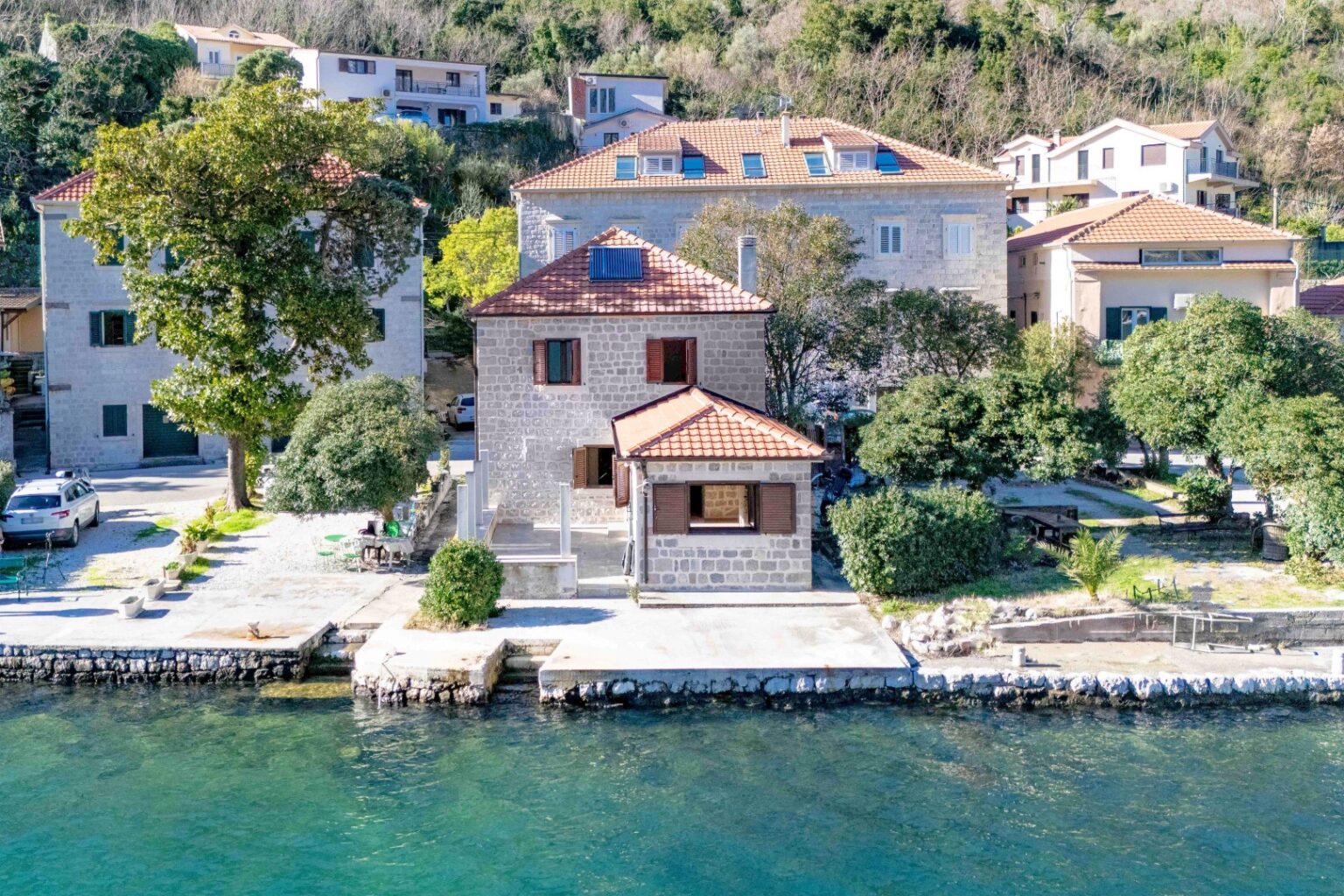
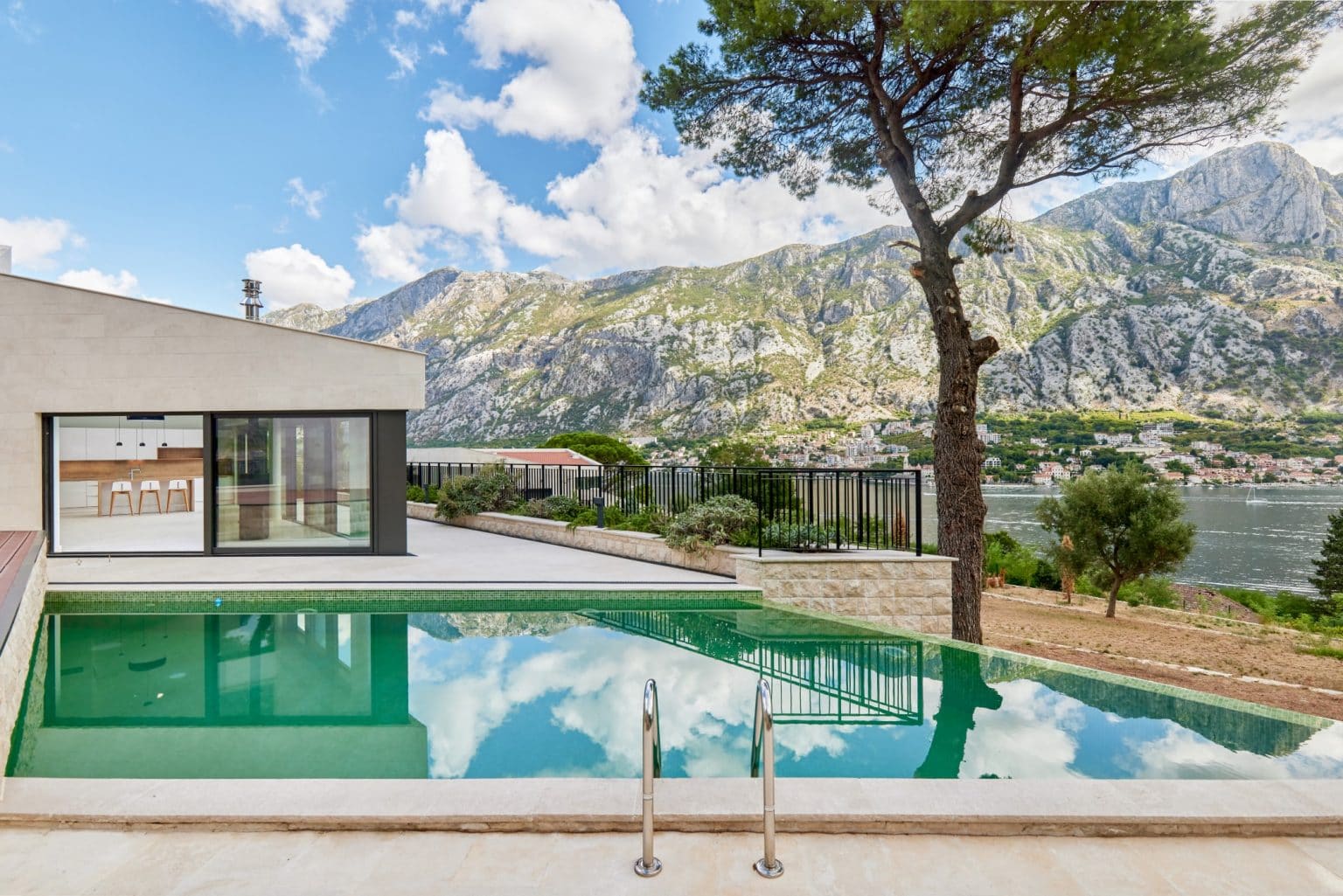
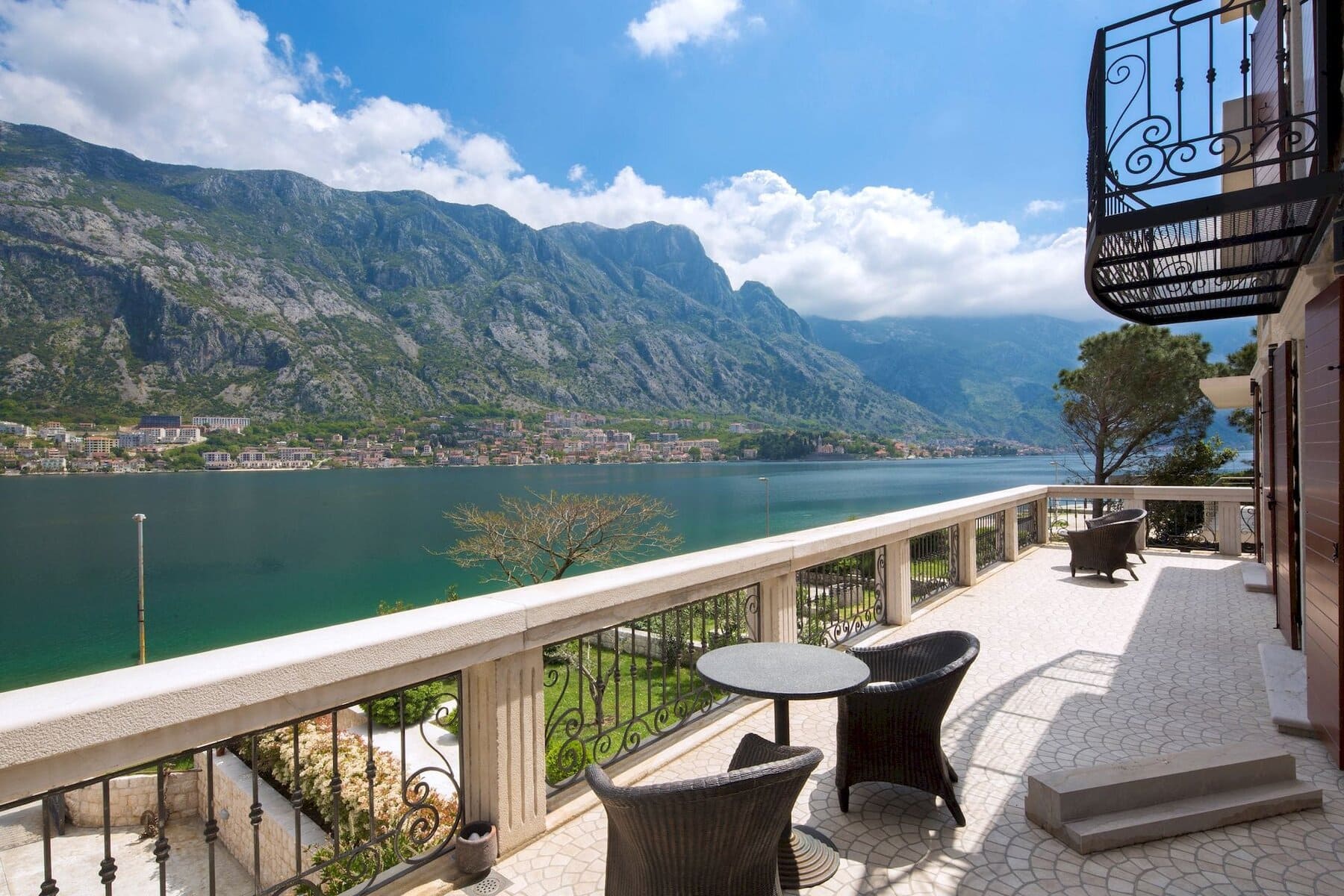
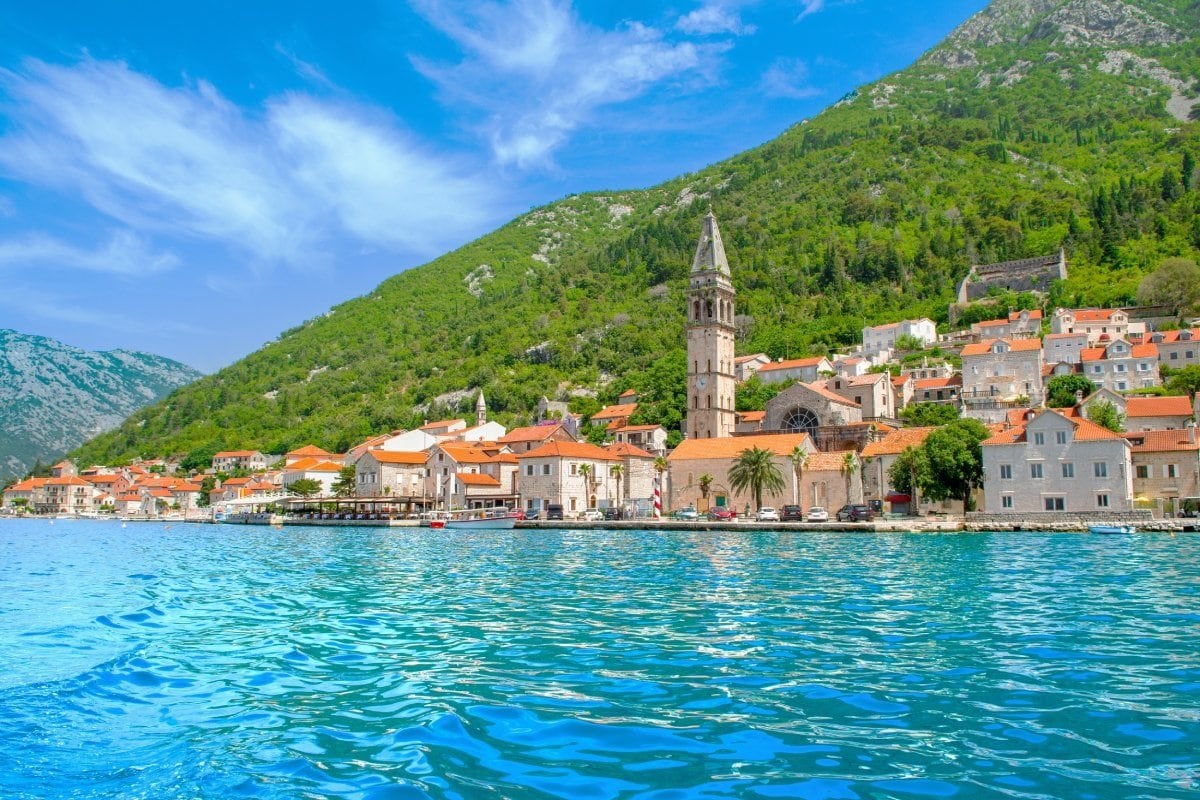
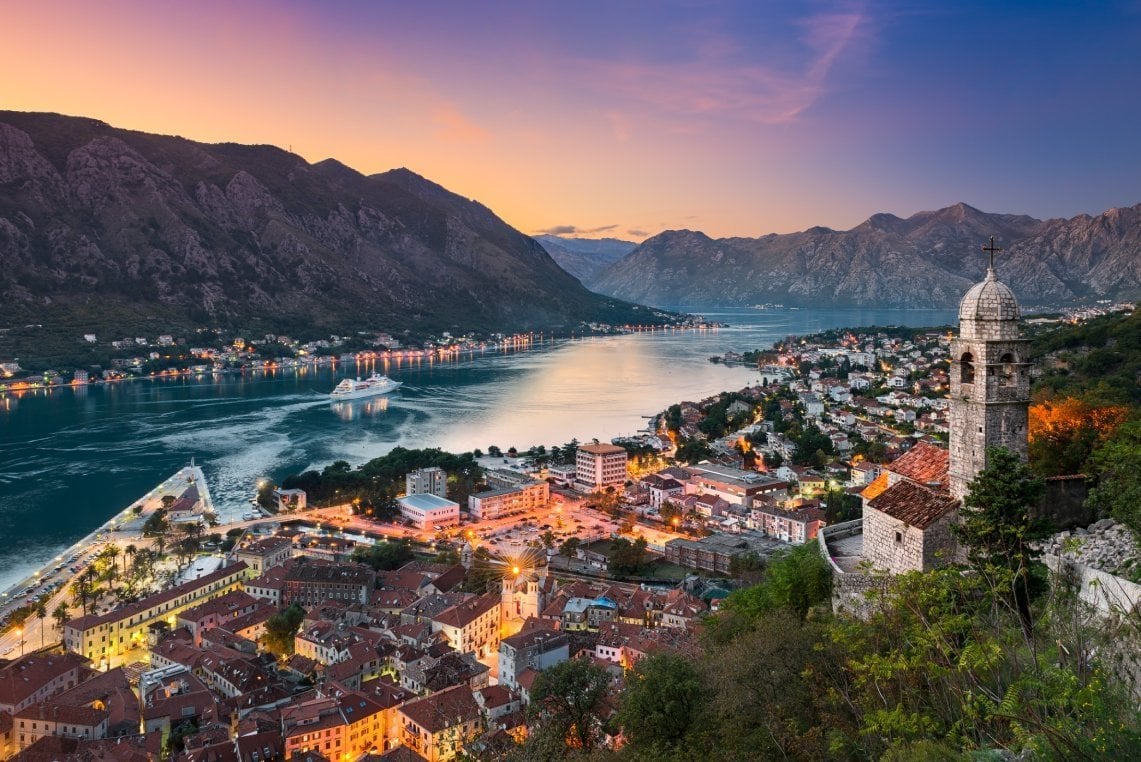
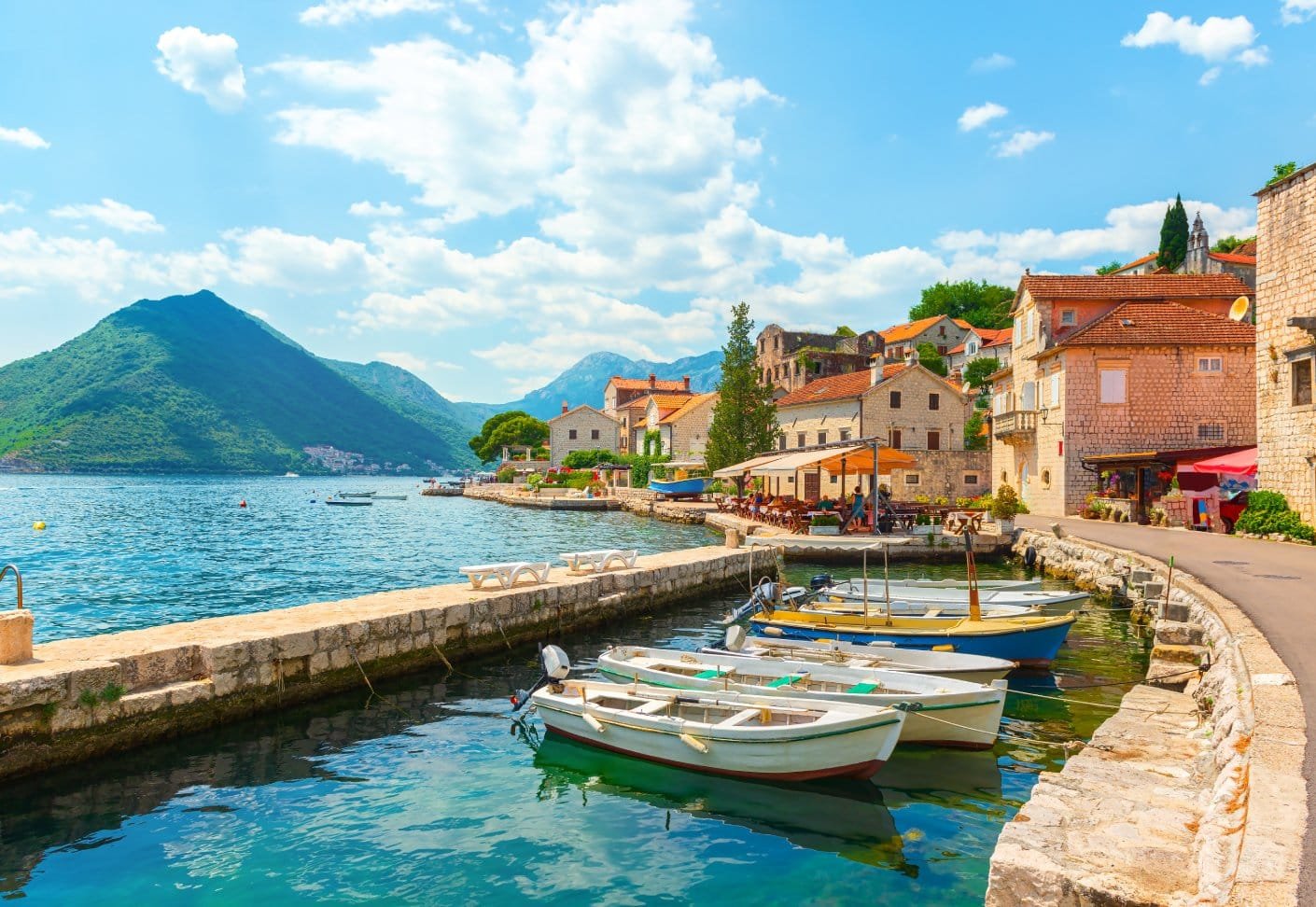
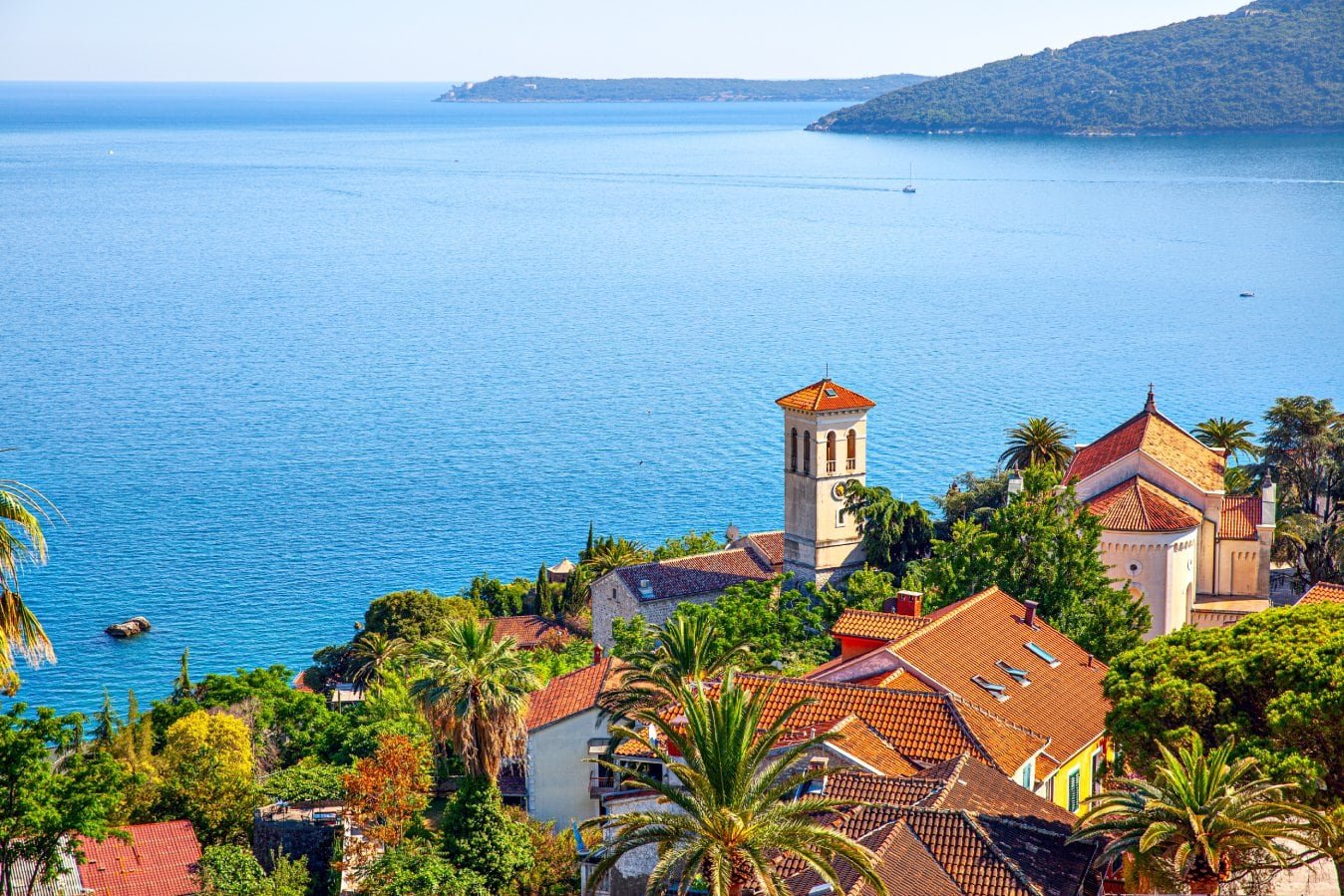
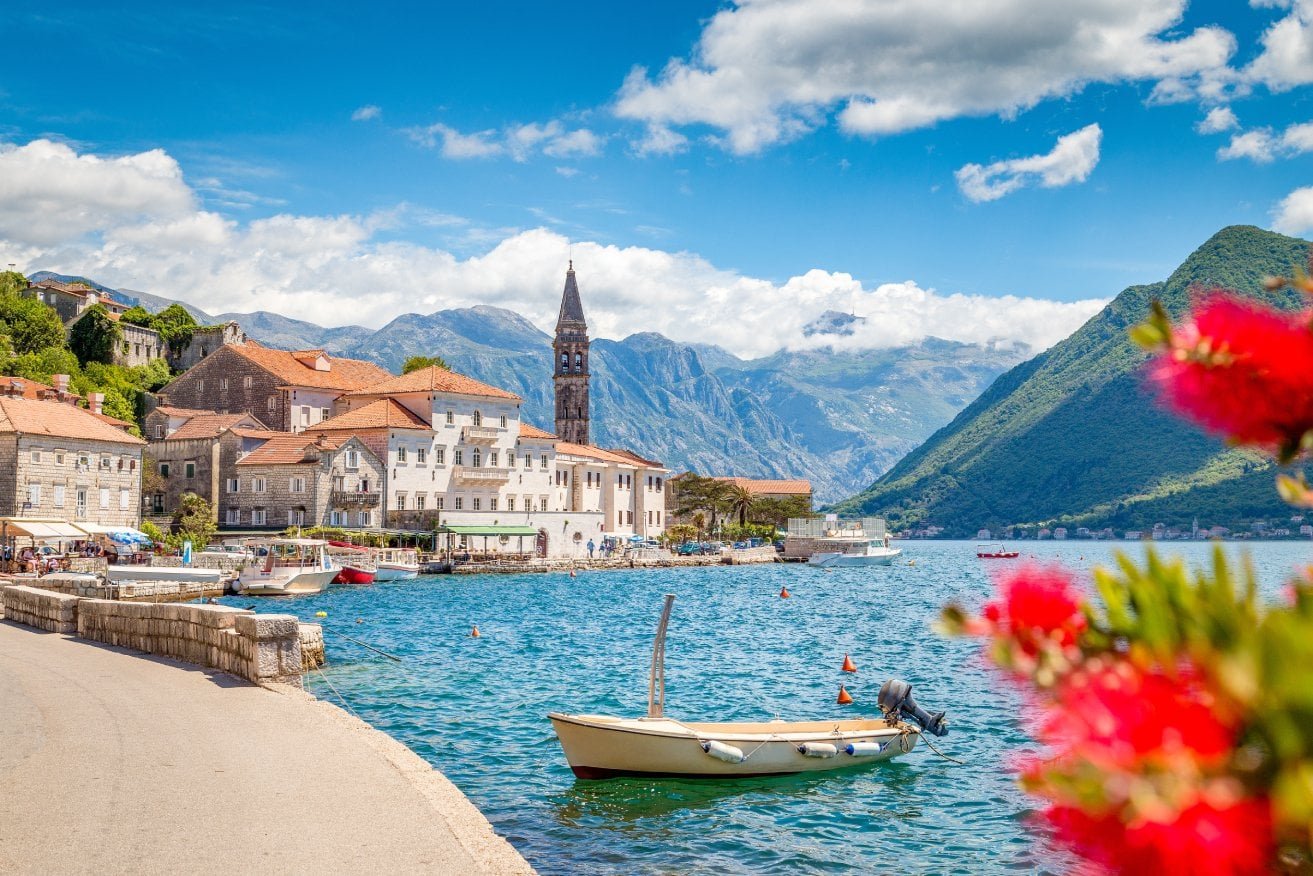
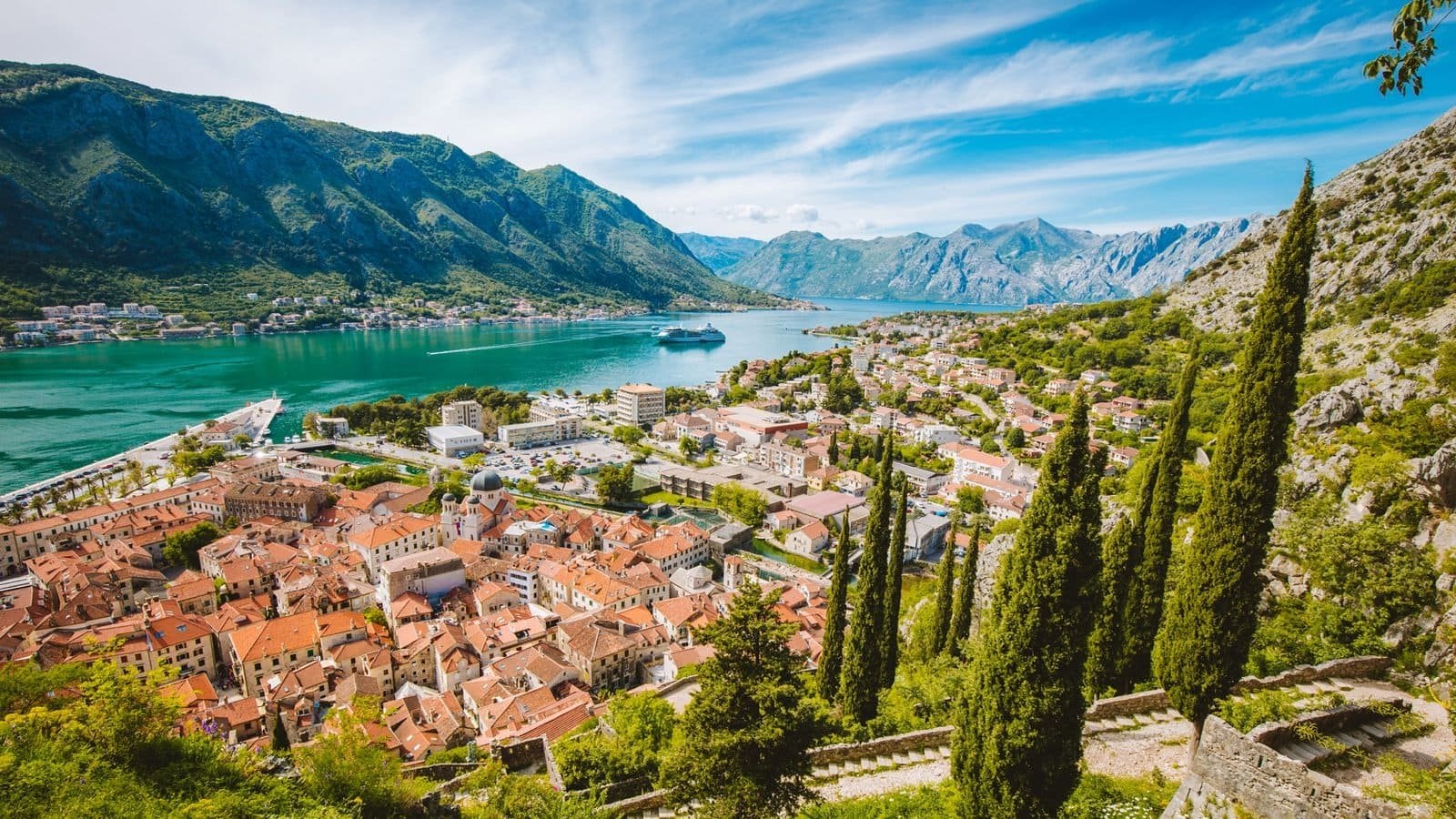
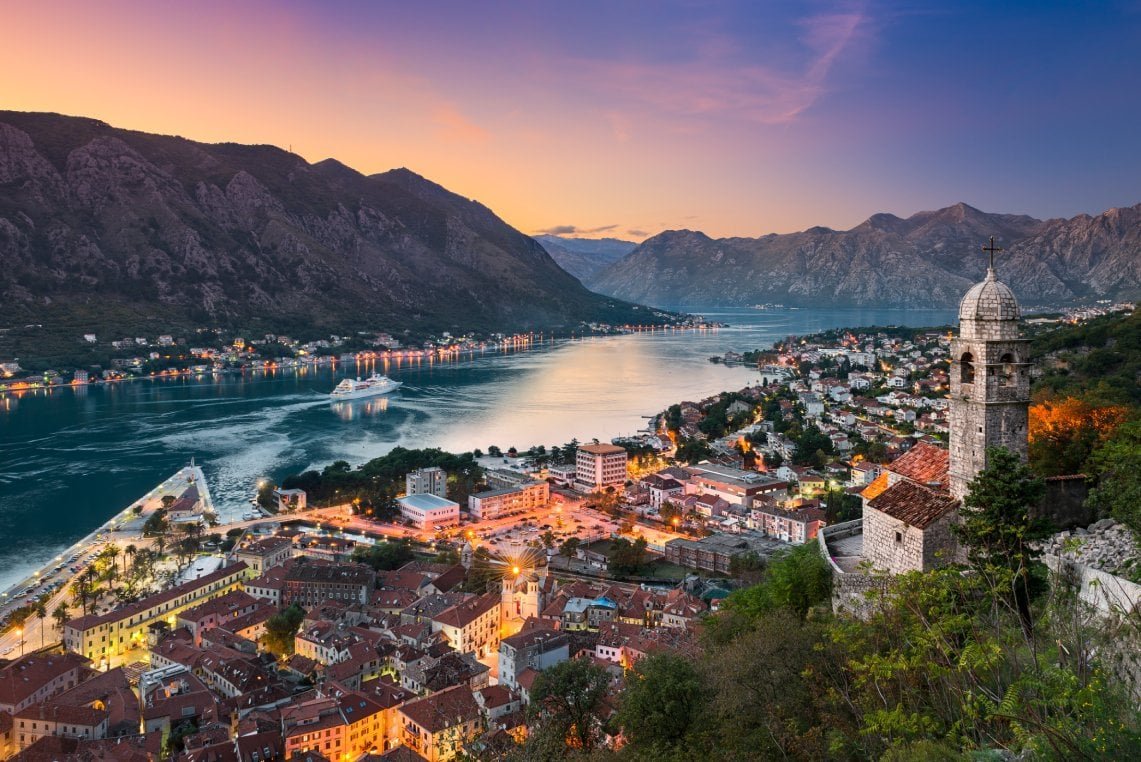
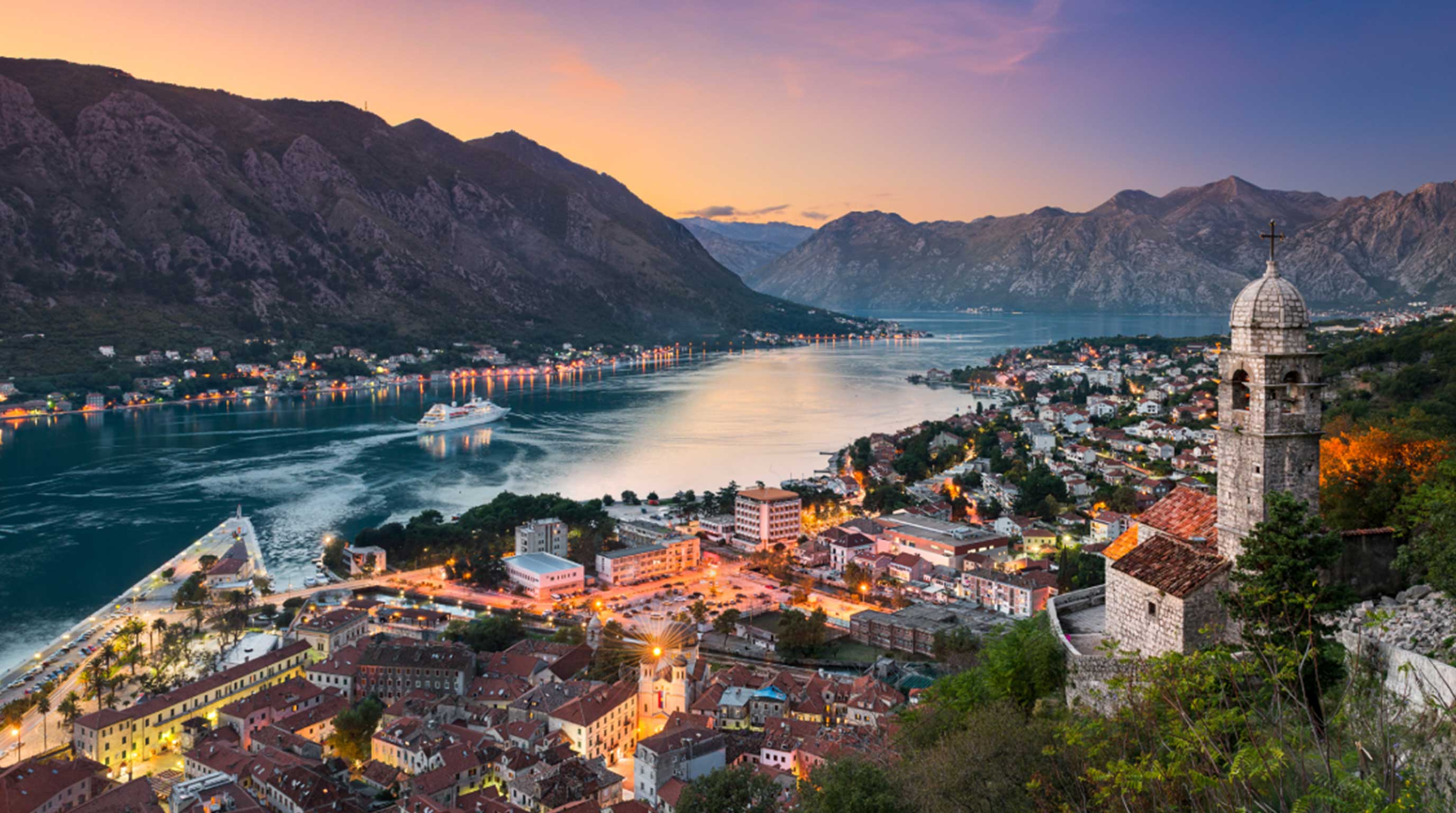
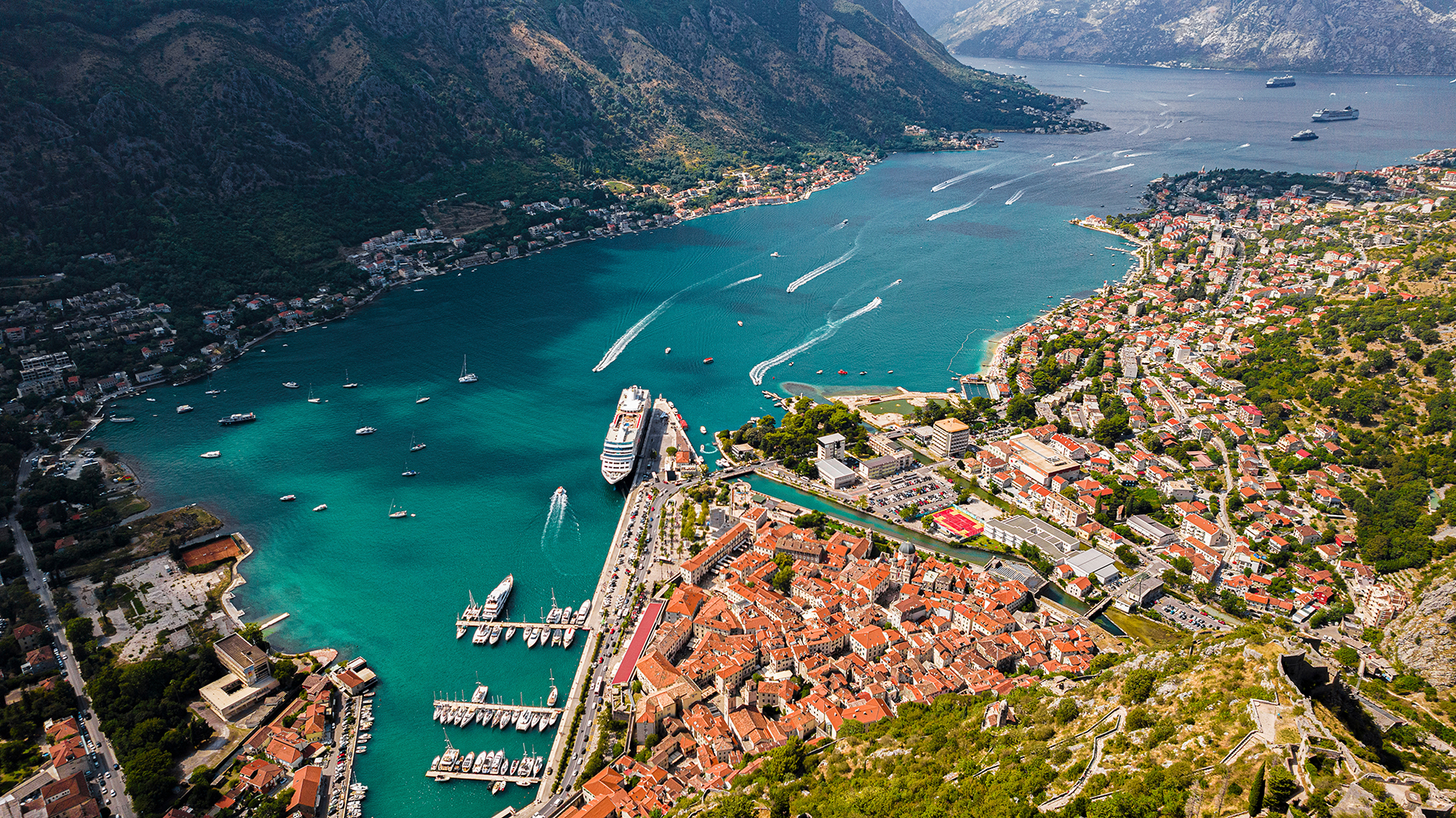
Three geographic corridors are concentrating the most active restoration interest among international buyers this year. The Bay of Kotor, particularly the municipalities of Kotor, Perast, Dobrota, and Prčanj, holds the densest concentration of Venetian-era stone architecture on the Adriatic and the deepest pool of motivated, qualified buyers. Perast, with its 17th- and 18th-century palaces fronting the water, offers some of the most architecturally significant restoration candidates anywhere in the region.
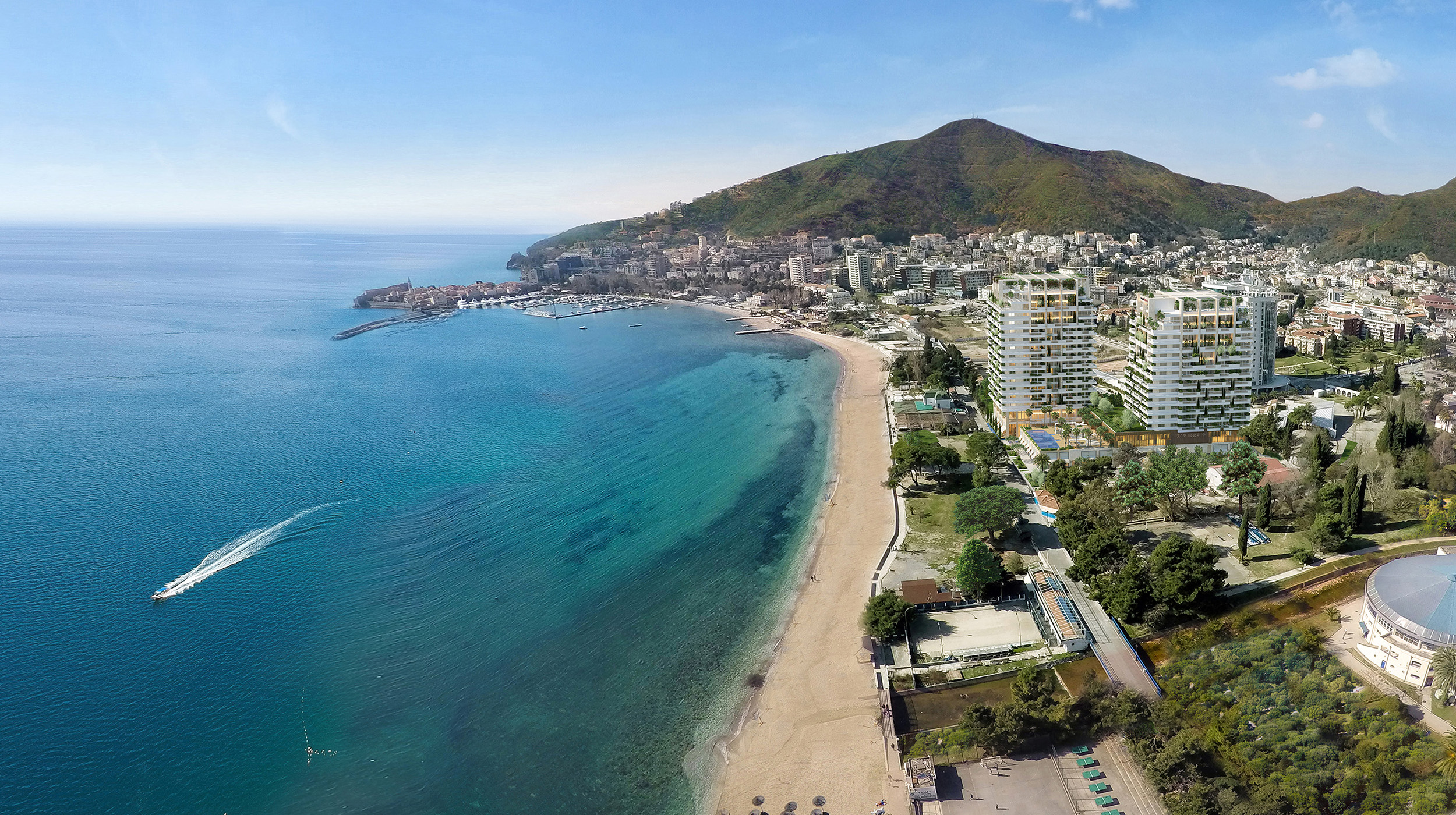
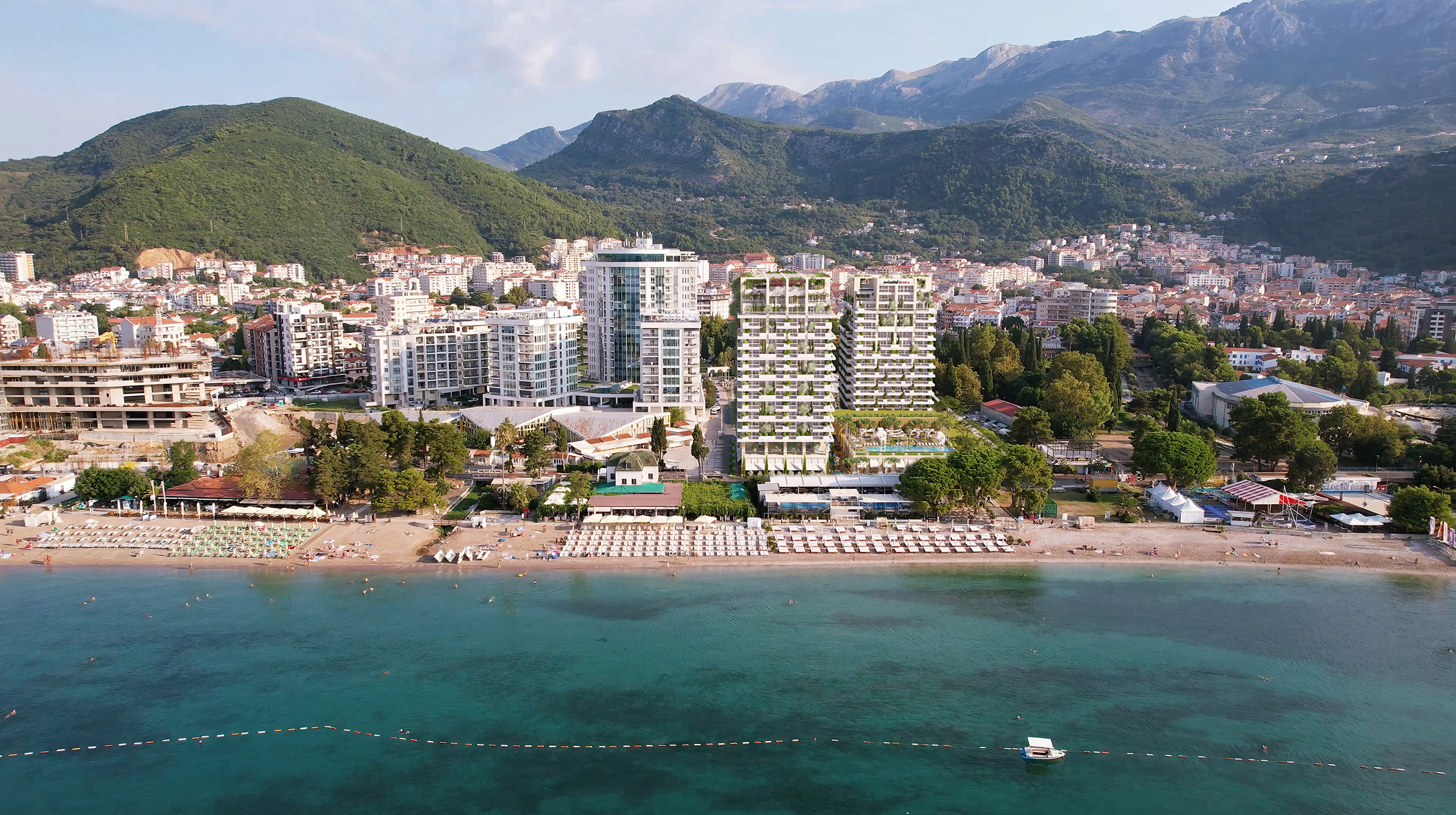
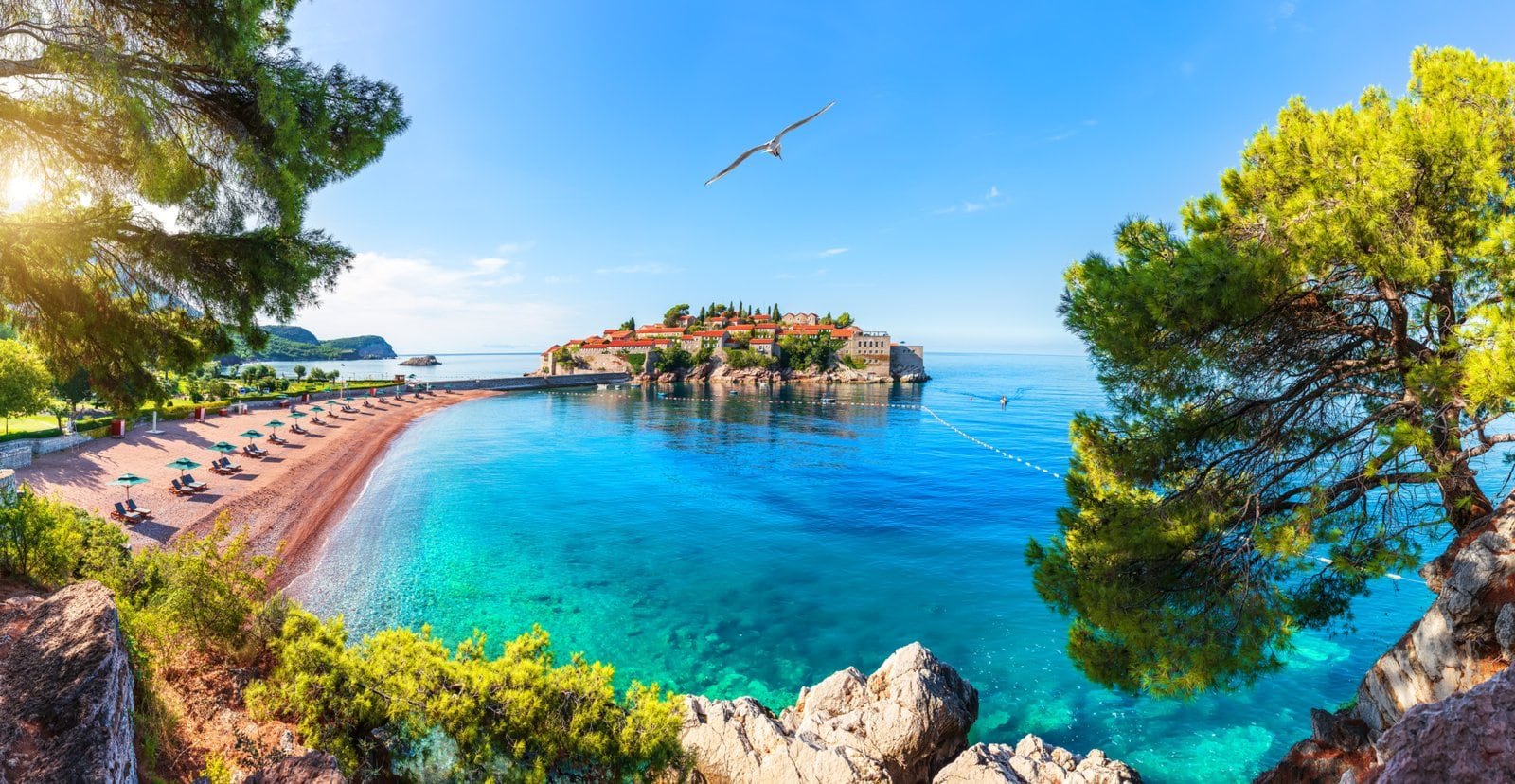
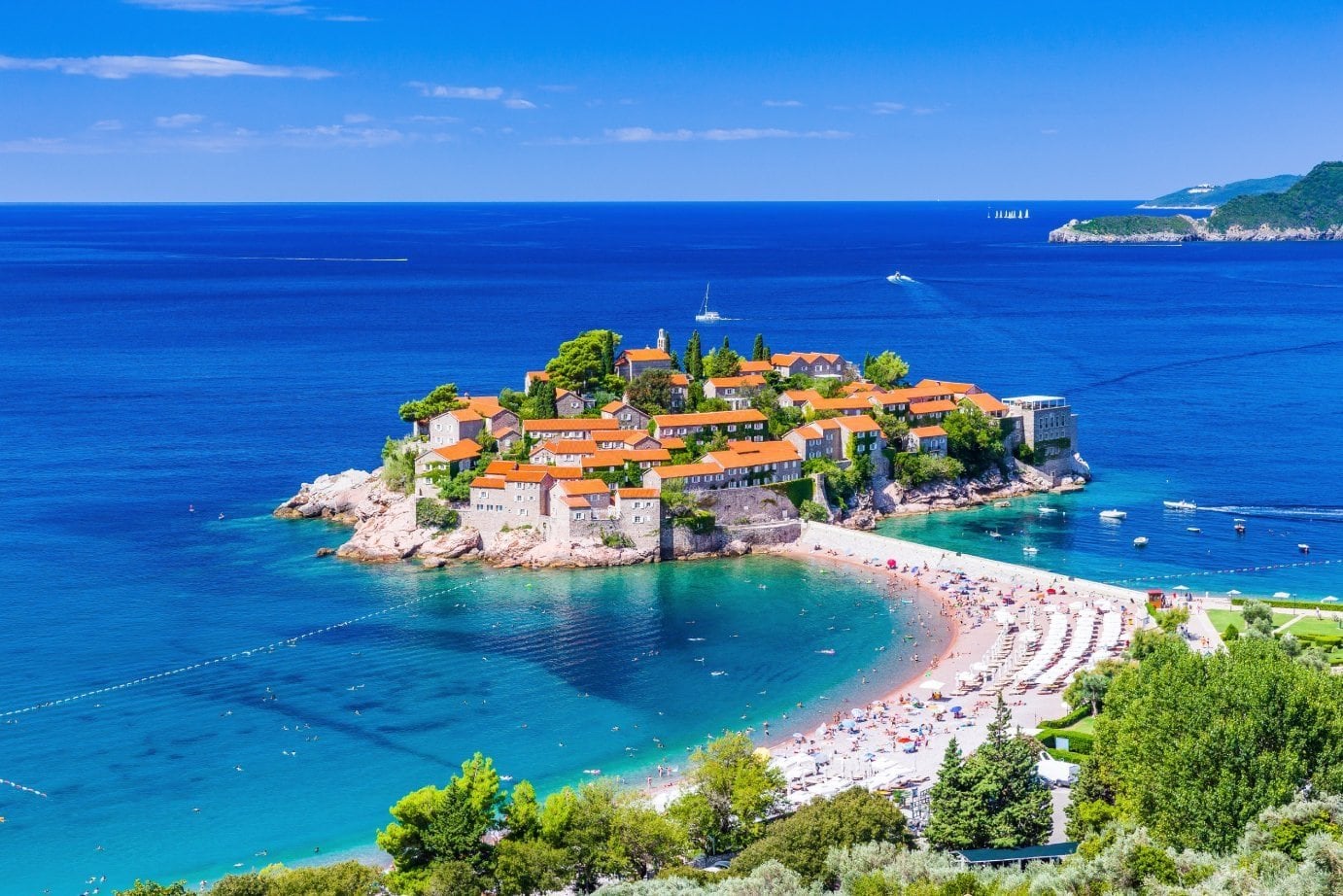
Budva's walled old town presents a different proposition: smaller-scale, more urban, and subject to its own distinct heritage framework, but compelling for buyers seeking a boutique residential or hospitality conversion in one of Montenegro's most visited historic centres. Buyers weighing the relative merits of these two primary markets will find a detailed comparative analysis in our Budva versus Tivat market guide for 2026.
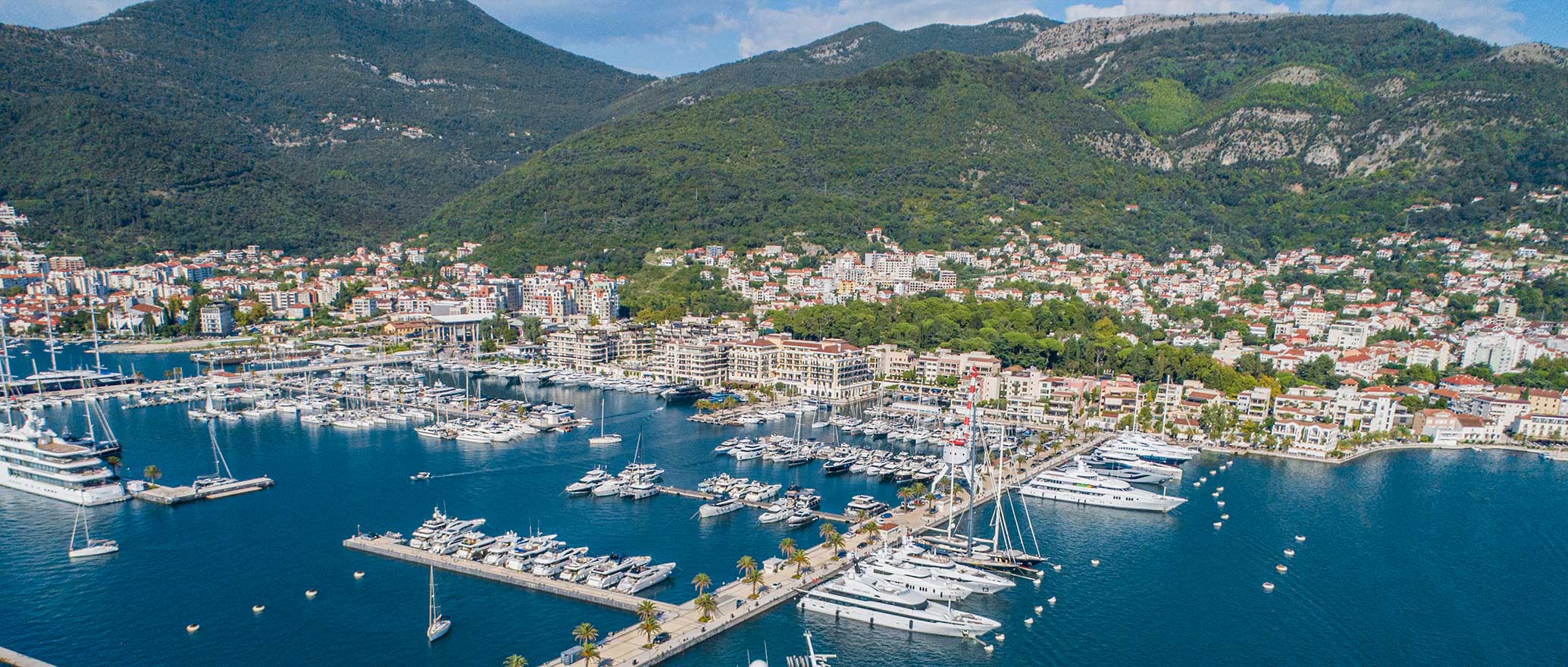
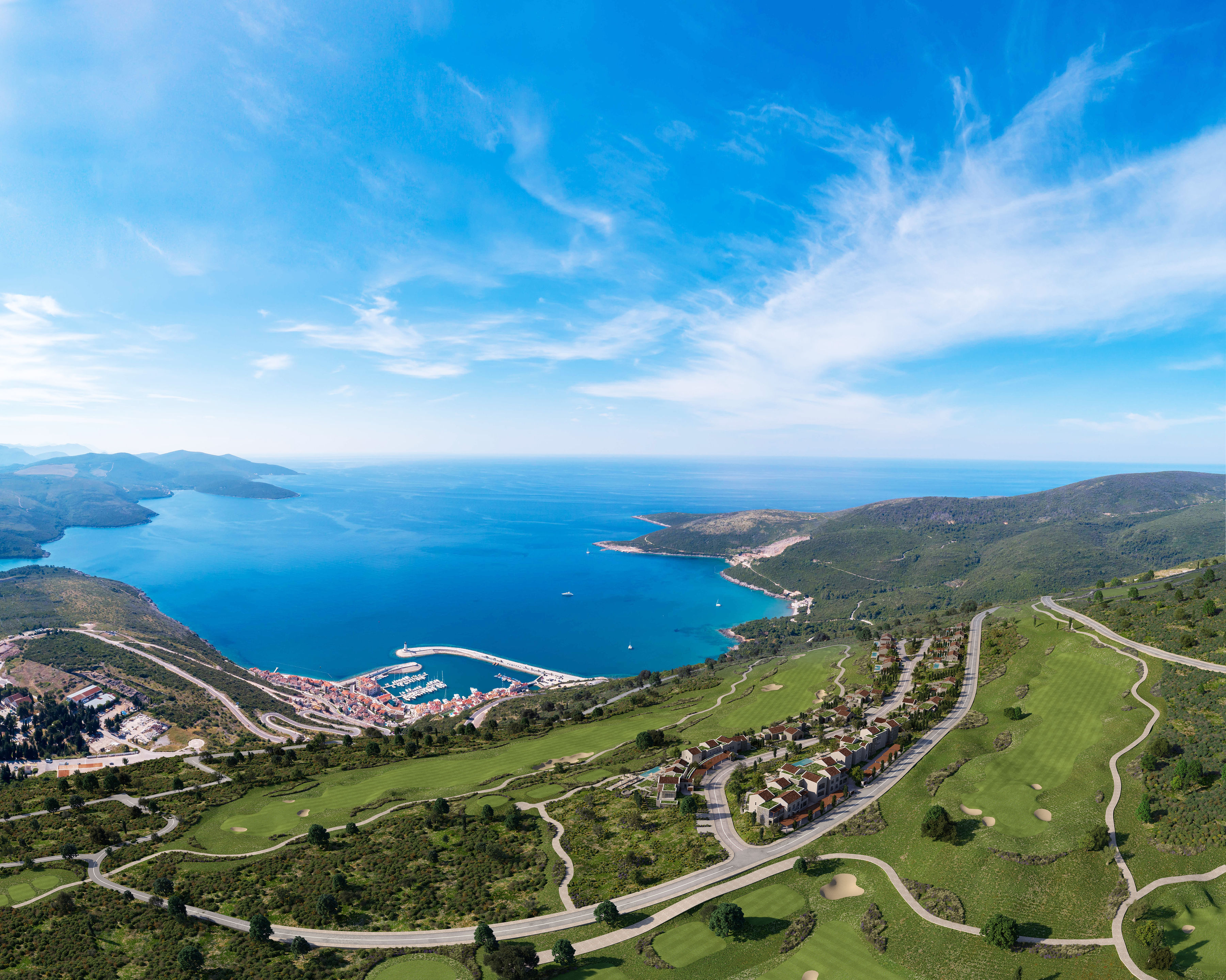
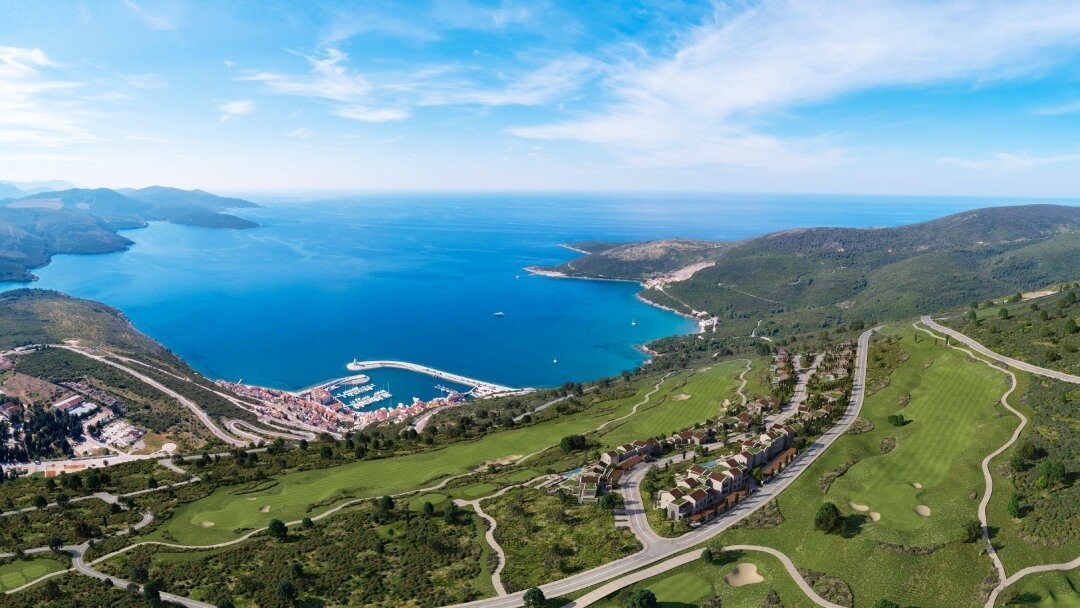
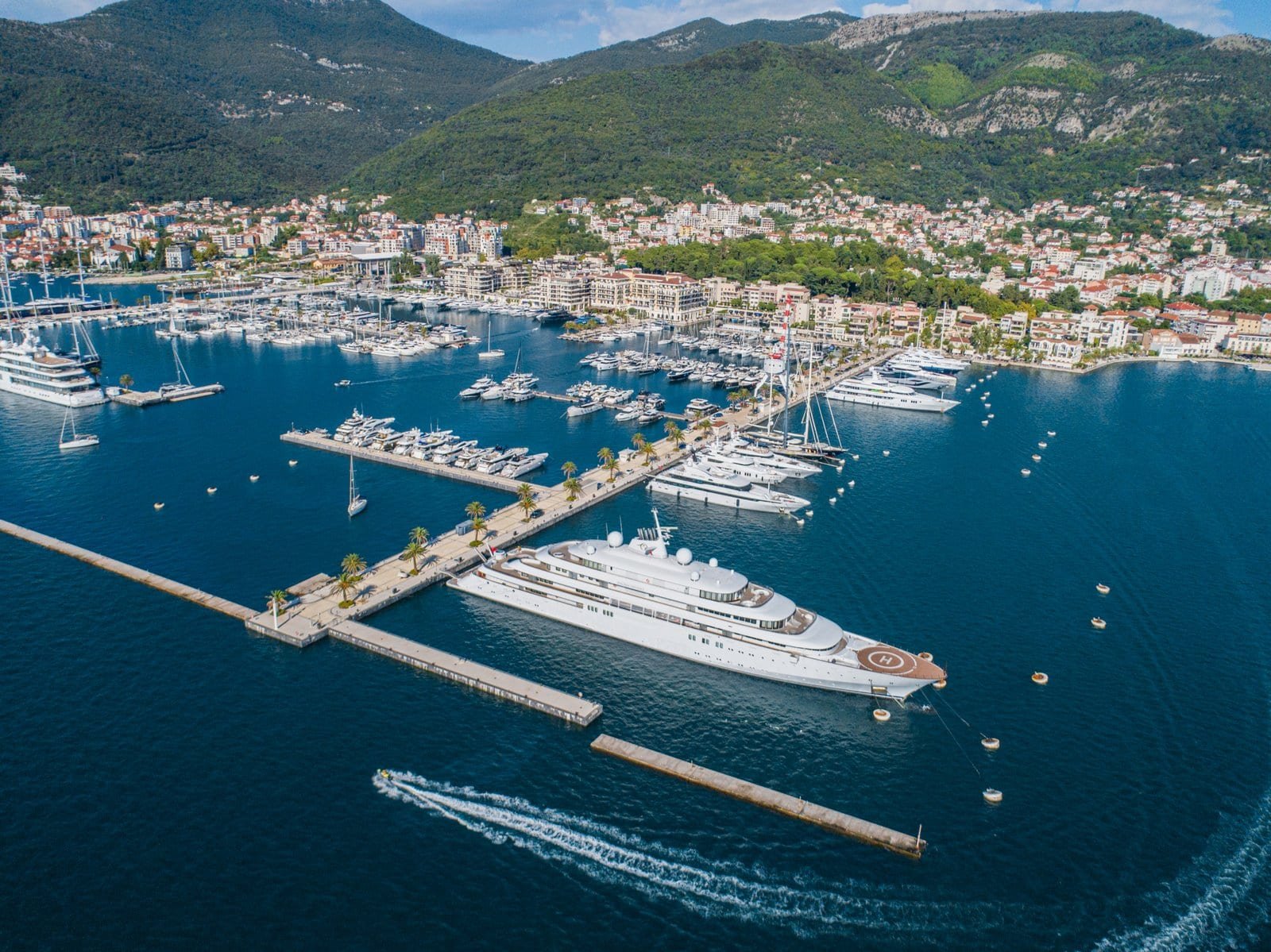
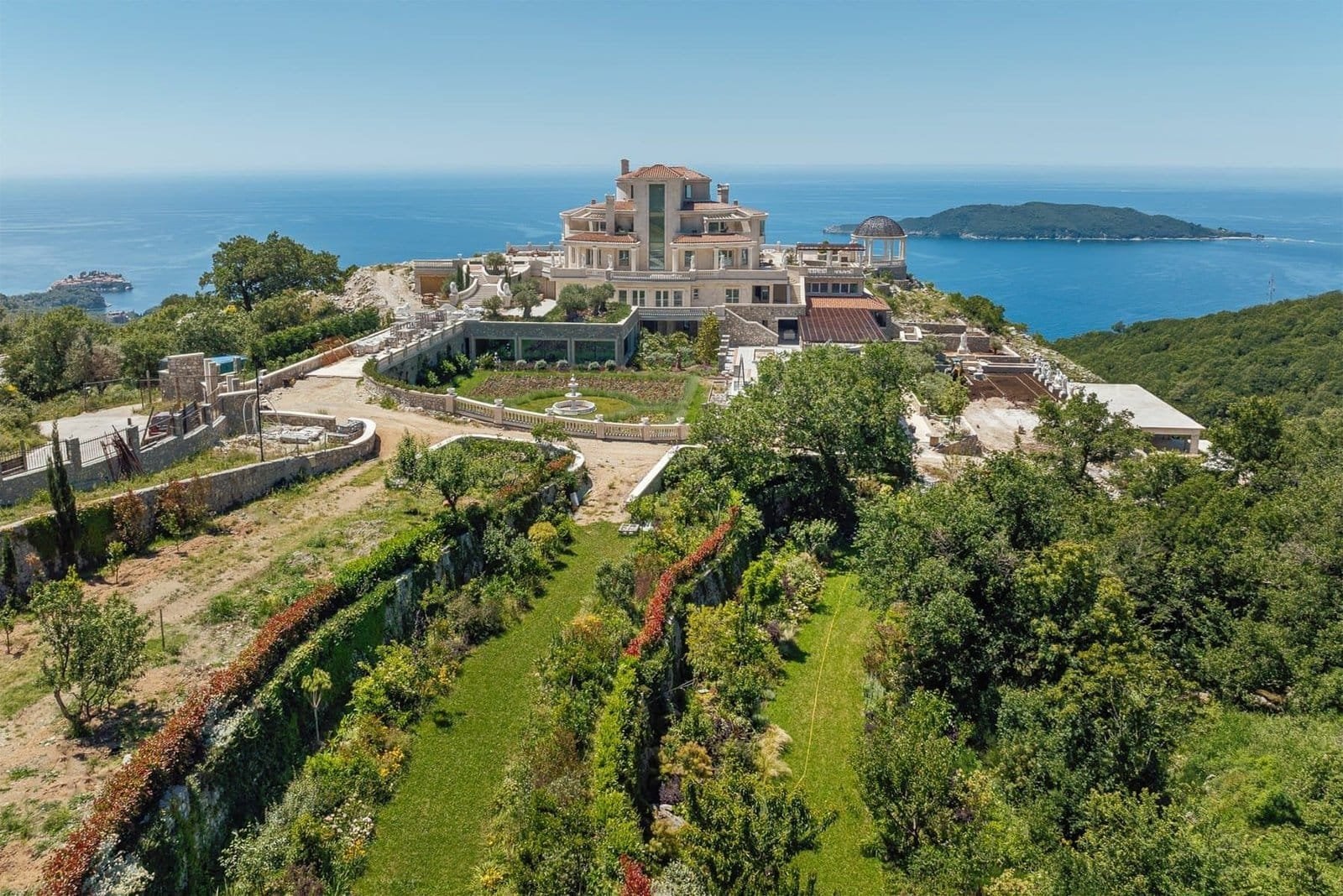
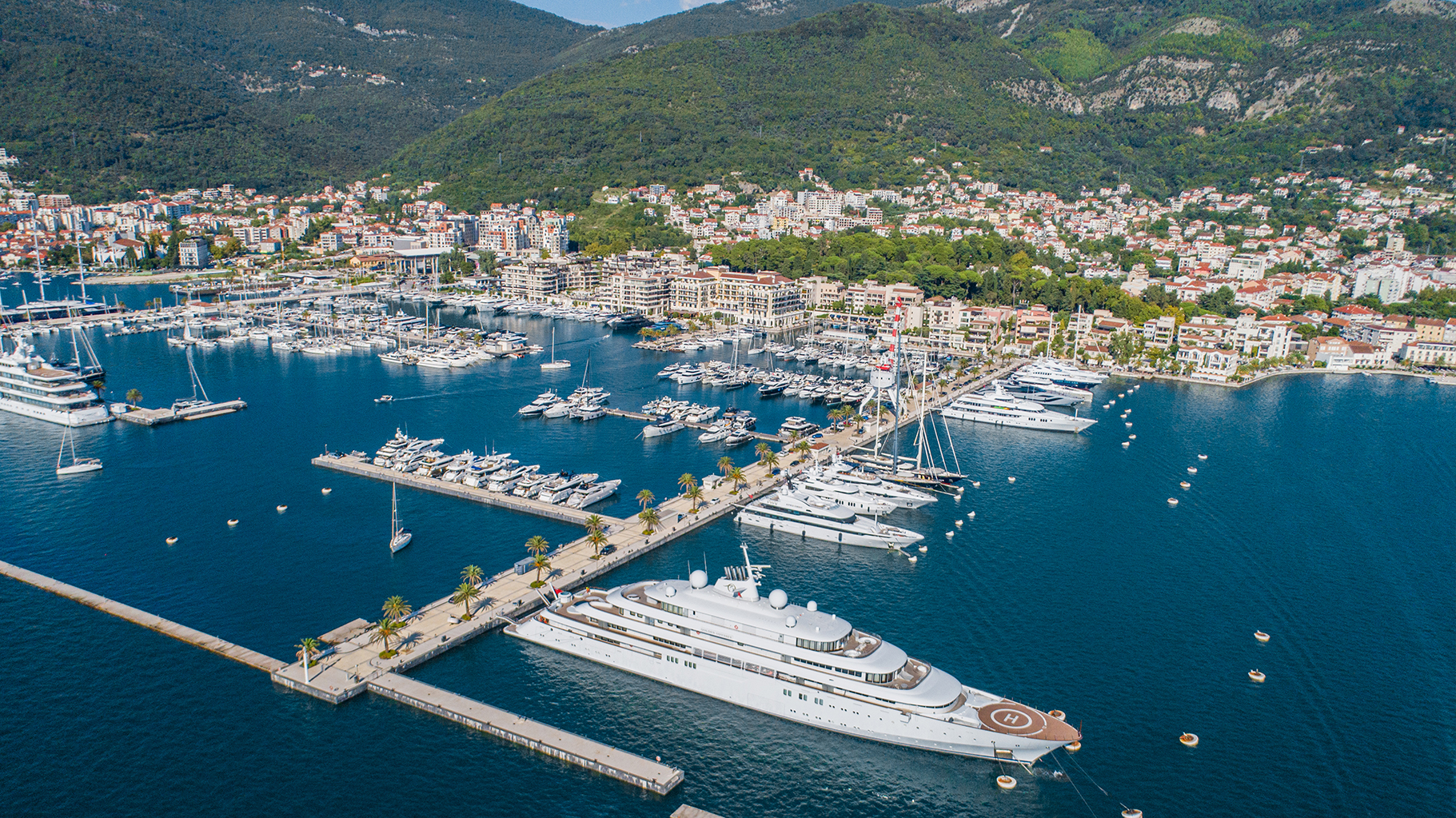
The Lustica Peninsula and the Tivat hinterland attract a third category of buyer: those seeking coastal stone farmhouses and rural estates outside the strictest protected zones, where intervention rules are less prescriptive and development flexibility is greater. For buyers uncertain which corridor best aligns with their objectives, our comparative review of Tivat, Lustica Bay and Budva as acquisition locations sets out the key distinctions.
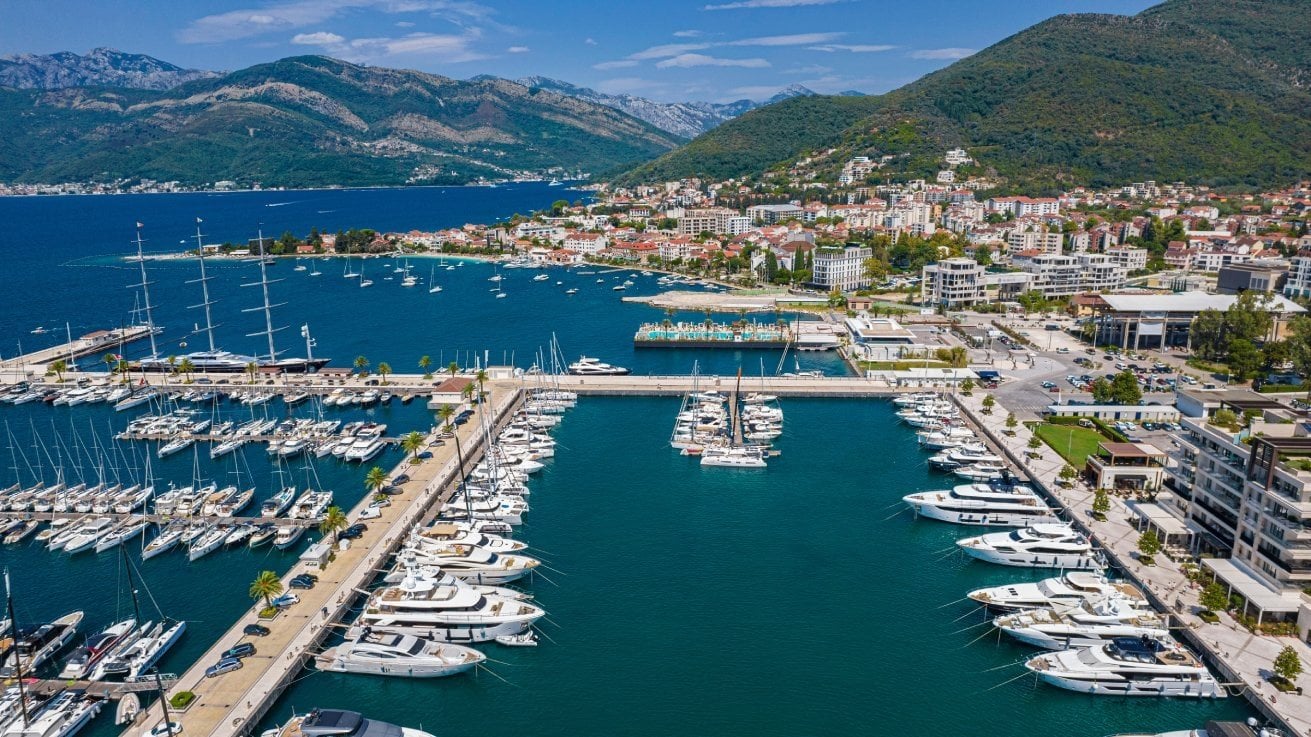
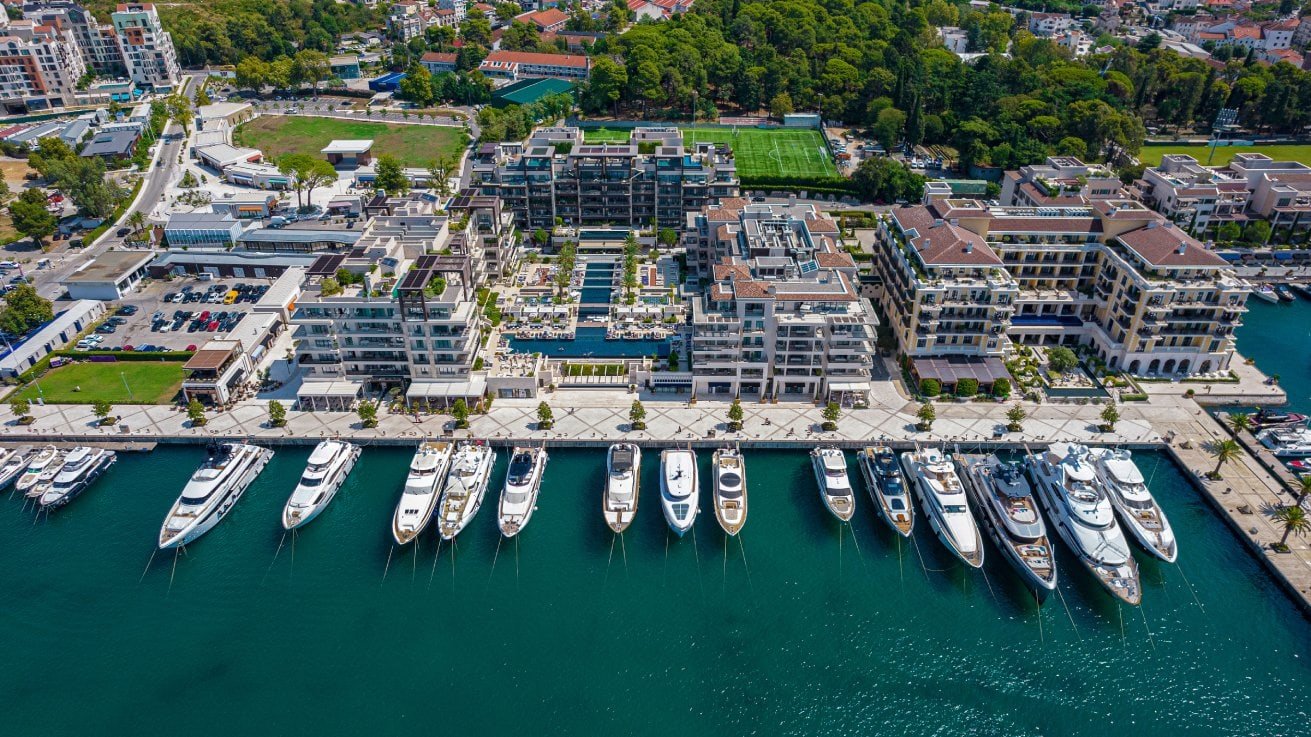
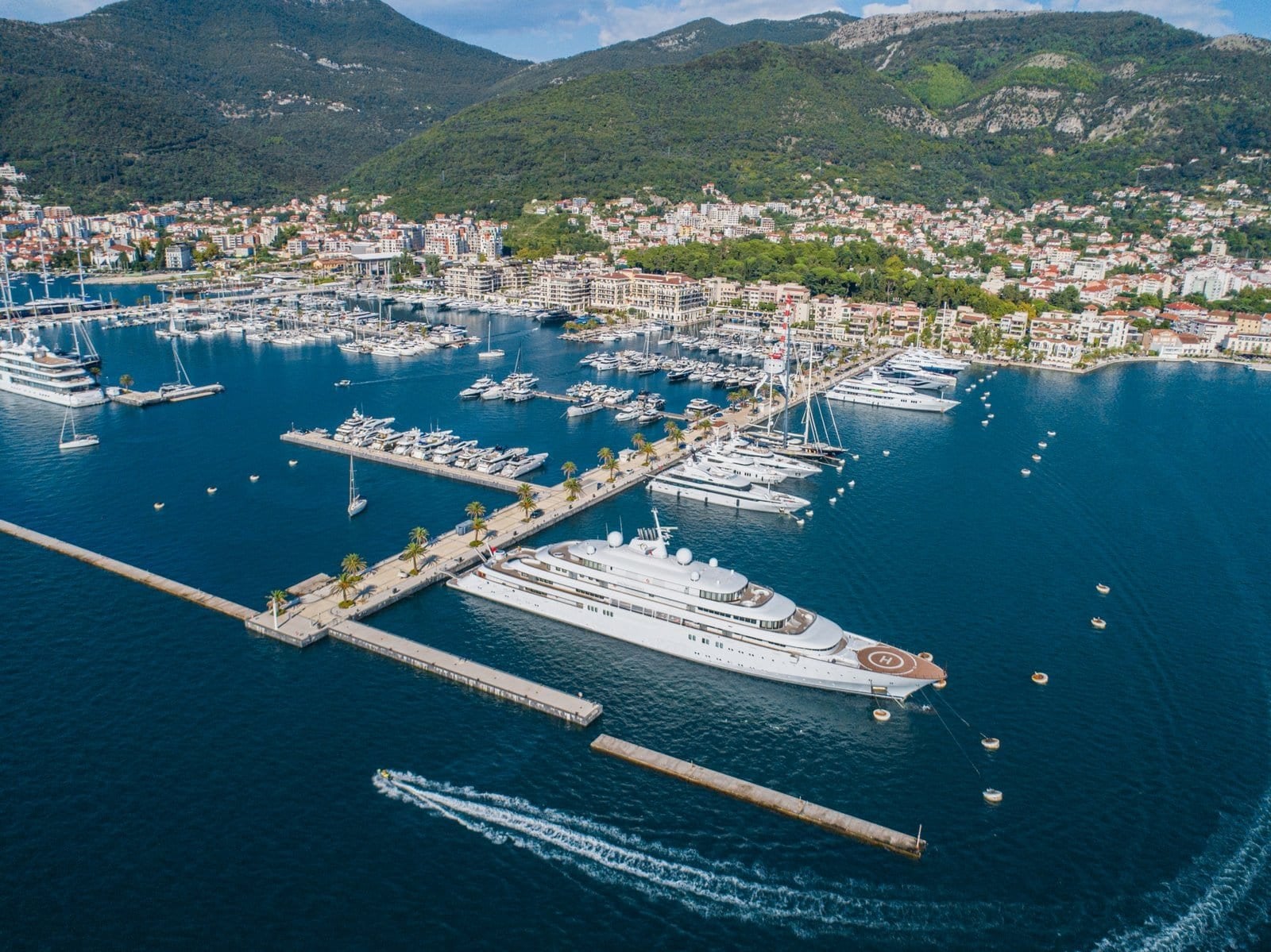
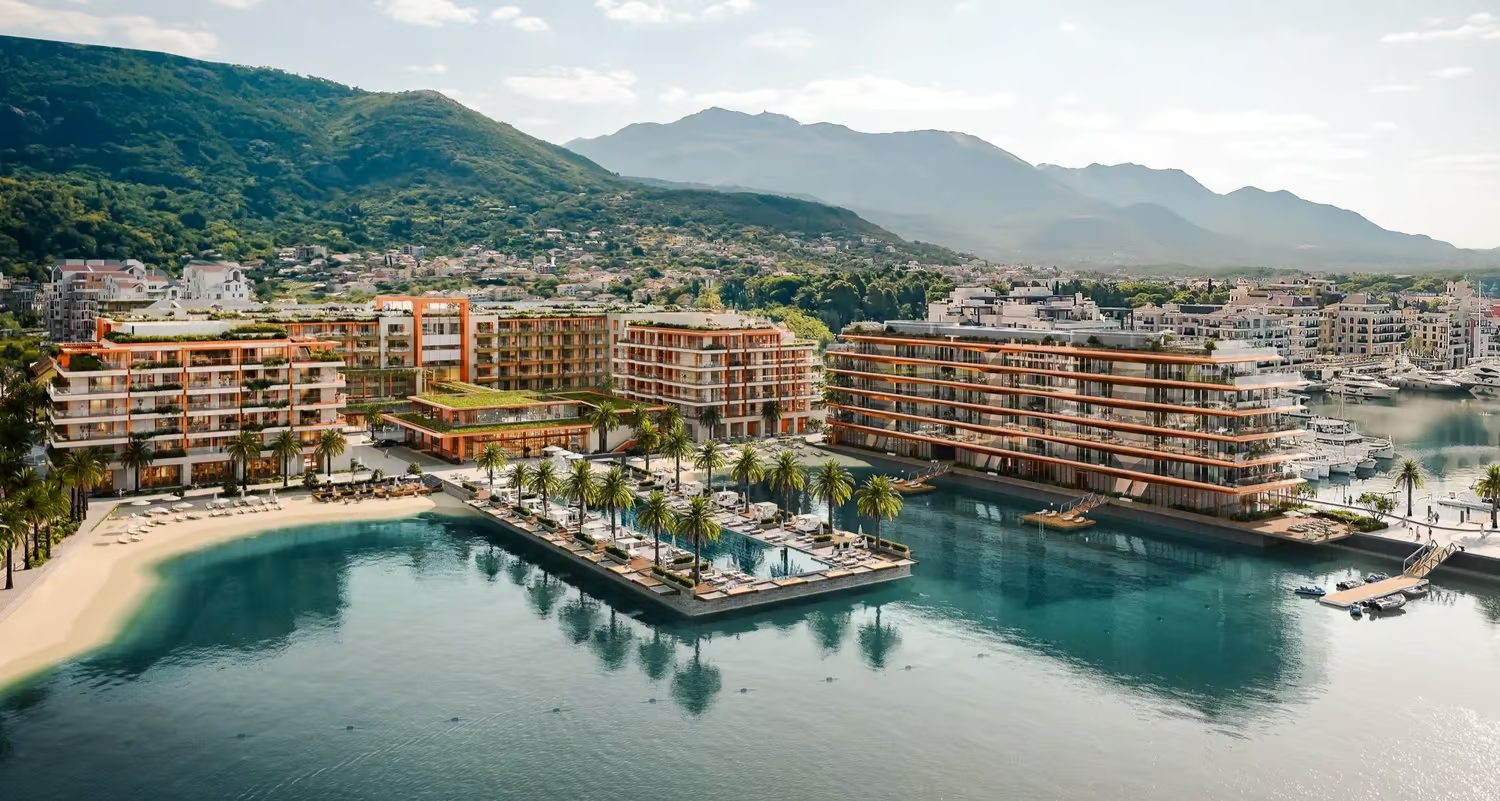
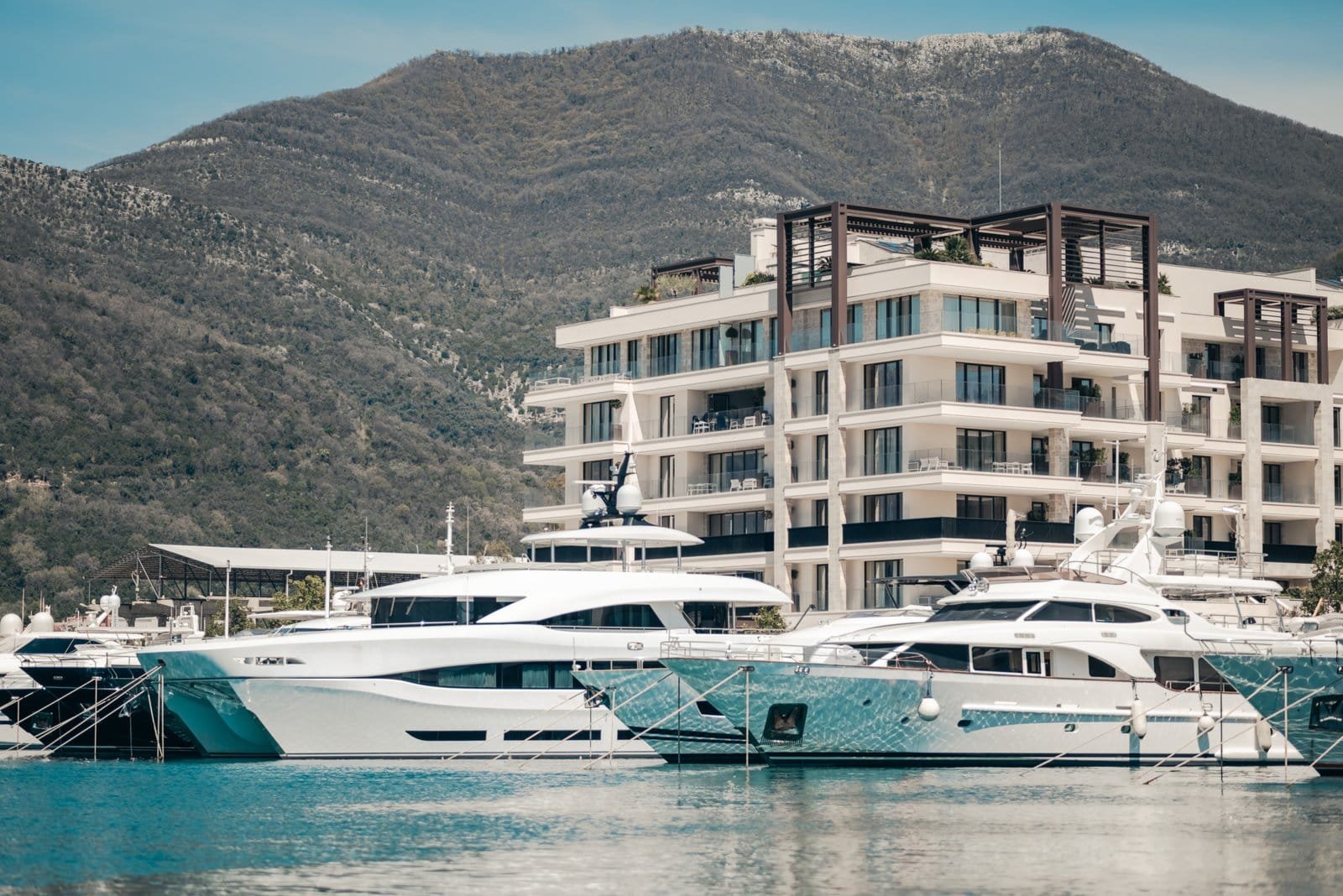
Adaptive reuse is emerging as one of the more commercially compelling approaches in 2026. Converting a protected heritage villa into a boutique hospitality property combines regulatory compliance with Montenegro's accelerating luxury travel demand. The Bay of Kotor, in particular, is attracting serious investor attention for precisely this model. Those considering broader residential options in the Tivat area may also wish to review Porto Montenegro's finest rooftop penthouse at Zeta as a reference point for what the premium end of Montenegro's new-build residential market currently delivers.
Navigating Heritage Preservation Regulations in Montenegro
Protected Zones and UNESCO Adjacency Rules
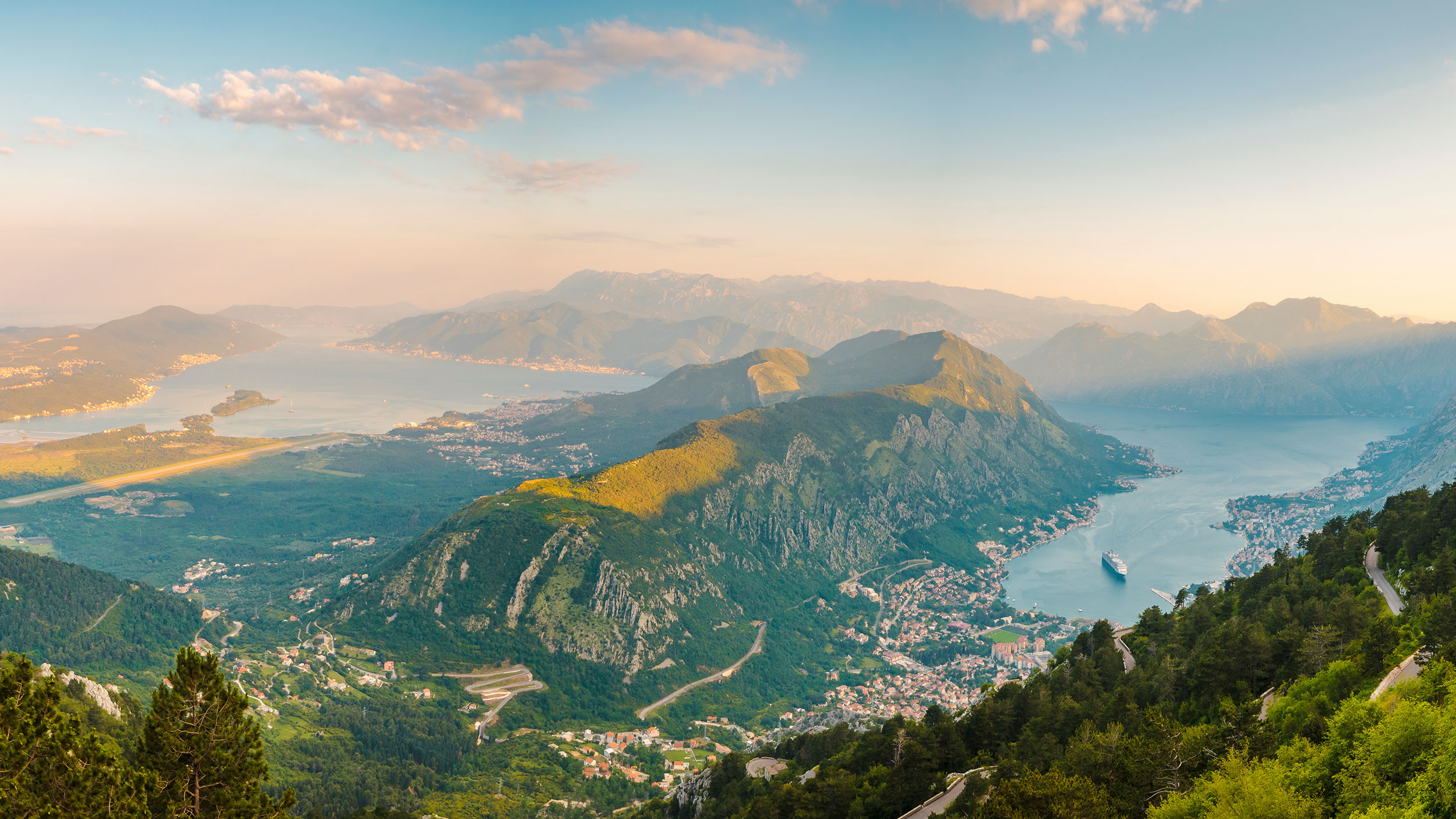
The Bay of Kotor has carried UNESCO World Heritage status since 1979, a designation administered under the framework of the UNESCO World Heritage Convention. Any structural intervention on a property within the inscribed area or its defined buffer zone requires review by Montenegro's Institute for the Protection of Cultural Monuments, known formally as the Zavod za zaštitu spomenika kulture, and in cases involving the core UNESCO zone, engagement with UNESCO's advisory bodies may also be required. Buyers accustomed to Western European planning processes should understand that this is a substantive technical and cultural review, not a procedural formality. It shapes every material choice, every structural decision, and every design amendment from the earliest concept stage.
Montenegro's primary legislative instrument governing these matters is the Zakon o kulturnoj baštini, the Law on Cultural Heritage, which establishes a tiered protection system for designated buildings and sites. Category I status applies to state-protected monuments of the highest national and cultural significance. Properties carrying this designation face the most restrictive intervention rules: conservation architects with specialist qualifications are required, all proposed materials must receive pre-approval, and the scope of permissible structural alteration is tightly bounded. Lower-tier designations still impose genuine constraints, particularly regarding external character and street-facing elevations, but they permit considerably more flexibility in internal reconfiguration and contemporary fit-out.
Identifying the precise protection category applicable to any specific property, before heads of terms are agreed, is not optional due diligence. It is the foundational piece of information on which the entire project, its scope, its cost, and its timeline, depends.
Perast's merchant palaces illustrate the Category I challenge with particular clarity. Many of these buildings retain carved heraldic crests above their doorways and original window proportions that have survived three centuries of Adriatic weather. Under conservation oversight, lime-mortar repointing of original stone, period-accurate reinstatement of fenestration, and replacement of roof tiles with matching original material are regulatory requirements, not discretionary design choices. Buyers attracted by these properties should enter the process with clear eyes about what that means for project delivery.
Permit Pathways and Typical Approval Timelines
The permit sequence for a protected heritage property in Montenegro runs through two primary authorities: the municipal urban planning department and the Institute for Cultural Monuments. Properties within the UNESCO buffer zone introduce a further layer of review. For straightforward cosmetic interventions on lower-tier designated properties, an approval might be secured within a few months of submission. For a full structural restoration on a Category I building within the Bay of Kotor core zone, the heritage review process alone commonly adds six months or more to the project programme before any physical work can commence.
The most effective risk-mitigation measure available to a prospective buyer is to engage a qualified conservation architect before exchange, ideally before any formal offer is made. A competent conservation architect can interrogate the cadastral records, confirm the applicable protection category, identify any prior permit history on the building, and frame a scope of works that the Institute for Cultural Monuments will find approvable in principle. Surprises discovered after contracts have been exchanged are not only expensive to resolve; in some cases they are irresolvable without significant compromise to the project's commercial objectives.
Buyers should also factor in the reality that planning and conservation approvals in Montenegro, as in most heritage jurisdictions, can be subject to revision requests during review. Budgeting for a permit phase of nine to twelve months on a complex Category I project is prudent, not pessimistic.
Sourcing Local Contractors and Heritage Craftspeople
What to Look for in a Montenegro Renovation Contractor
A general building contractor licensed to operate in Montenegro is not automatically qualified to work on a heritage restoration project. The technical requirements for sensitive conservation work on a Category I stone palazzo differ fundamentally from those applicable to a new-build villa or a contemporary residential refurbishment. The distinction matters not only for the quality of the finished product but for regulatory compliance. The Institute for Cultural Monuments will take an interest in who is executing approved works on significant buildings, and contractors without demonstrated heritage experience create real exposure.
For heritage restoration appointments, buyers should require documented evidence of prior work on protected buildings in Montenegro or comparable jurisdictions. References from the Institute for Cultural Monuments, or from municipal heritage bodies in other countries, carry weight. Of equal importance is whether the contractor maintains direct working relationships with the specialist tradespeople whose skills will determine the quality of the finished restoration. A contractor who can manage a project programme but must subcontract specialist trades at short notice to whoever is available is not the right appointment for a Category I palazzo.
Traditional Materials and Where to Source Them
The specialist trades that determine the character and compliance of a heritage restoration in Montenegro are a finite group. Lime-mortar stonemasons who understand the composition and application techniques appropriate to 17th and 18th-century Adriatic construction, traditional terracotta-tile roofers capable of matching original profiles and colours, and period joiners who can accurately replicate 18th-century window and door profiles from surviving examples: these are not skills that can be improvised or substituted.
The pool of craftspeople in Montenegro who meet this standard is genuinely limited. In 2026, demand from multiple concurrent restoration projects across the Bay of Kotor is placing real pressure on availability. Booking lead times for the strongest heritage craftspeople are running to several months, and in some cases longer for the most sought-after stonemasons. Treating craftsperson engagement as a project risk variable to be managed from the earliest planning stage, rather than a logistical detail to be resolved once permits are in hand, is one of the most material differences between projects that run to programme and those that do not.
On materials, the Institute for Cultural Monuments will specify or pre-approve the materials to be used on Category I buildings. Original Adriatic limestone sourced from quarries with a historical connection to the building stock of the Bay of Kotor is the standard for structural and facing stonework. Lime-based mortars mixed to period-appropriate specifications are required for repointing. Buyers should confirm during the pre-purchase due diligence phase whether the relevant materials are currently available in the grades and volumes the project will require, as supply constraints can become scheduling constraints.
For buyers who want to understand the current premium end of Montenegro's finished residential market as a reference point for quality benchmarking, the Crown Penthouse at Porto Montenegro and the Elena development's premier two-bedroom address offer a useful calibration of what the top of the market currently delivers in terms of specification and finish.
Understanding Villa Restoration Costs in Montenegro
Cost transparency in Montenegro's heritage restoration market remains less standardised than in Western European comparators. Buyers should approach cost estimates with a structured methodology rather than relying on per-square-metre benchmarks that may not account for the specific conditions of a heritage project.
The principal cost variables on a Category I restoration include the structural condition of the existing fabric, the degree to which original materials can be salvaged and reused versus sourced new, the complexity of the mechanical, electrical, and plumbing specification required to meet contemporary living standards without compromising heritage integrity, and the duration of the permit process, which carries its own holding costs.
As a broad orientation, full structural restoration of a significant Bay of Kotor stone palazzo to a high international residential standard typically requires a material budget that experienced conservation architects describe as substantially higher per square metre than equivalent new-build construction in Montenegro. The premium reflects the specialist labour, the pre-approved materials, the extended programme, and the regulatory compliance overhead. Buyers who enter the market expecting restoration costs to mirror standard refurbishment budgets will find the gap significant.
Contingency provisions matter on heritage projects. Experienced conservation architects and project managers working in the Bay of Kotor corridor routinely recommend contingency allowances of fifteen to twenty percent above the agreed restoration budget, reflecting the frequency with which unforeseen structural conditions or material availability issues emerge once work begins on a building that may not have been significantly altered for a century or more. This is standard professional practice on heritage projects across Europe, not a Montenegro-specific peculiarity.
For buyers considering the Porto Montenegro residential market as an alternative or complementary position within their Montenegro portfolio, the cost and risk profile differs substantially from a heritage restoration project, and the two investment theses serve different objectives within a broader strategy.
---
Barok Estates International Advisory Note
Barok Estates International advises private clients and institutional investors across Montenegro's residential and heritage property markets from our offices in Madrid, Marbella, London, and Montenegro. Our advisory team has direct experience with heritage acquisition due diligence, conservation architect introductions, permit process management, and contractor qualification across the Bay of Kotor, Budva, and the Lustica Peninsula. If you are assessing a historic property in Montenegro, whether at the initial acquisition stage or with a restoration already under consideration, we welcome a confidential conversation. Contact our Montenegro advisory desk to arrange a consultation with a member of our specialist team.








.jpg)