Buying Coastal Land in Montenegro: The 2026 Investor's Guide
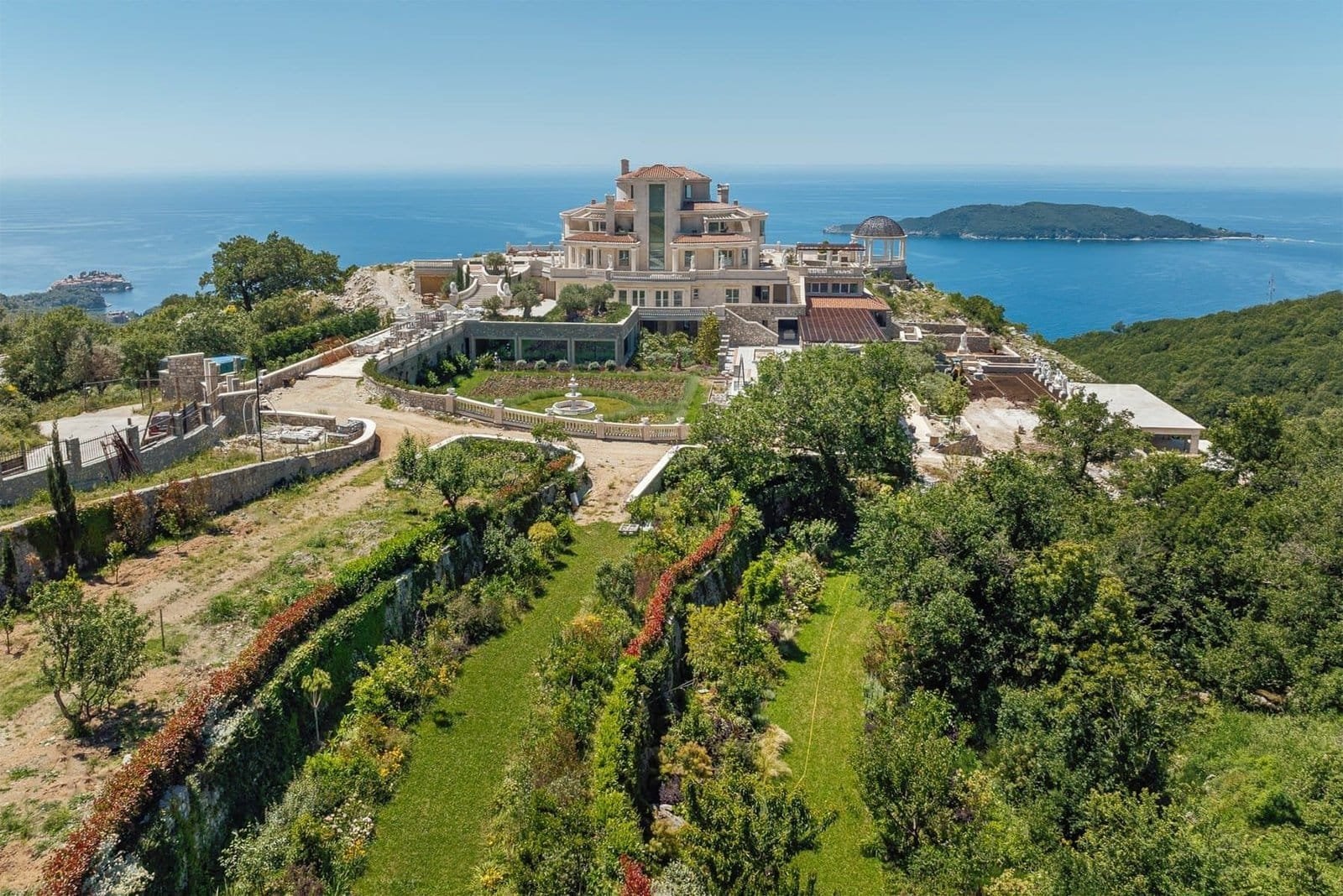
Most international buyers arrive at Montenegro's coast through the front door of a finished property: a sun-warmed terrace, a private mooring, a villa already shaped by someone else's tastes. A different type of buyer, one who tends to think in longer horizons, is increasingly asking a more fundamental question. Why inherit another person's vision when the opportunity exists to commission your own from a blank site?
The acquisition of undeveloped coastal land in Montenegro has quietly become a preferred strategy among high-net-worth individuals who want full authorship over how and where they live. It is also, when approached with proper due diligence, a compelling capital play in one of Europe's most rapidly maturing coastal markets.
This guide from the Barok Estates International advisory team covers everything a serious buyer needs to know before signing anything: zoning classifications, regional price benchmarks, the legal framework for foreign ownership, and the procedural steps that separate a smooth acquisition from an expensive lesson.
Why Coastal Land Appeals to Buyers Who Could Simply Buy a Finished Villa
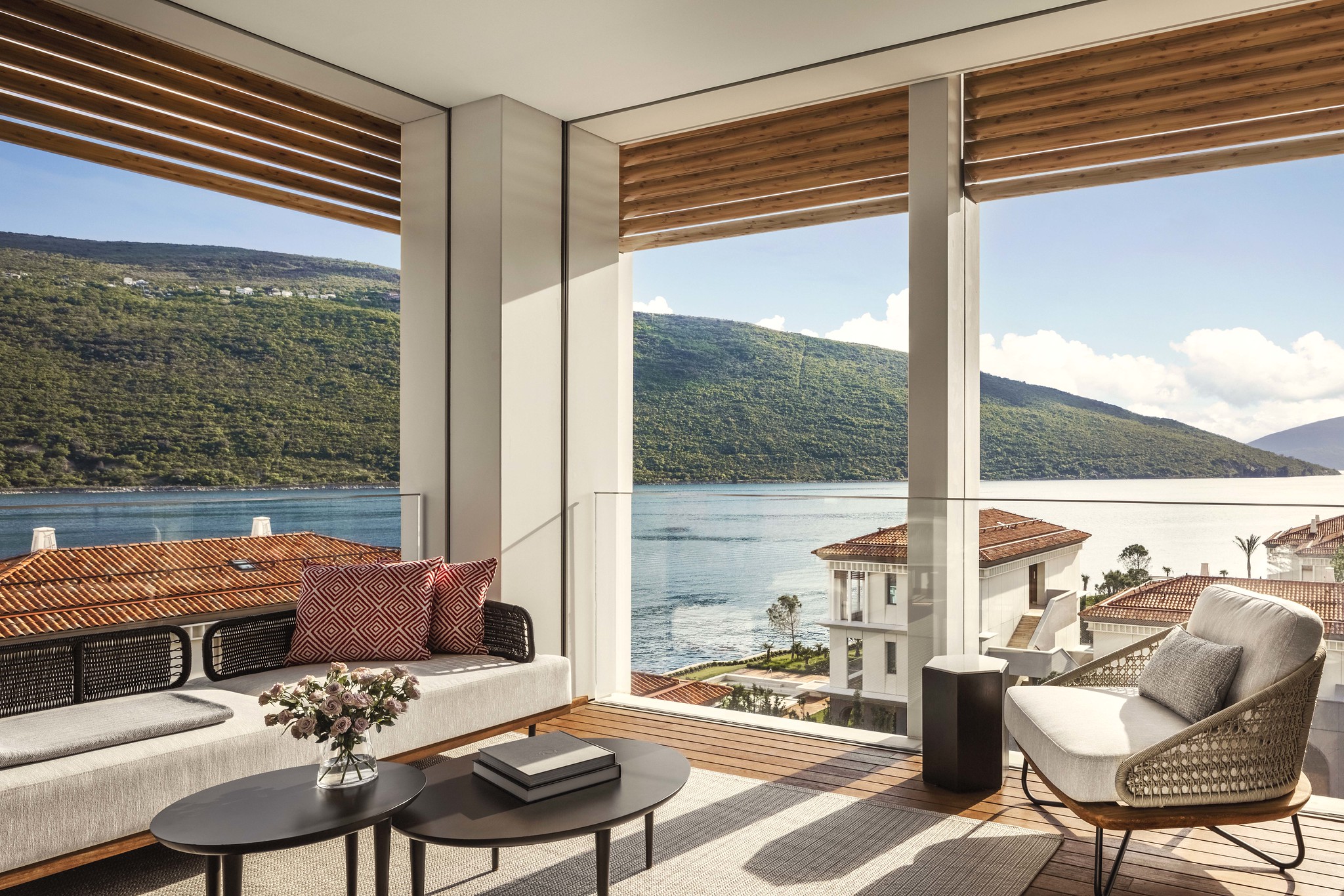
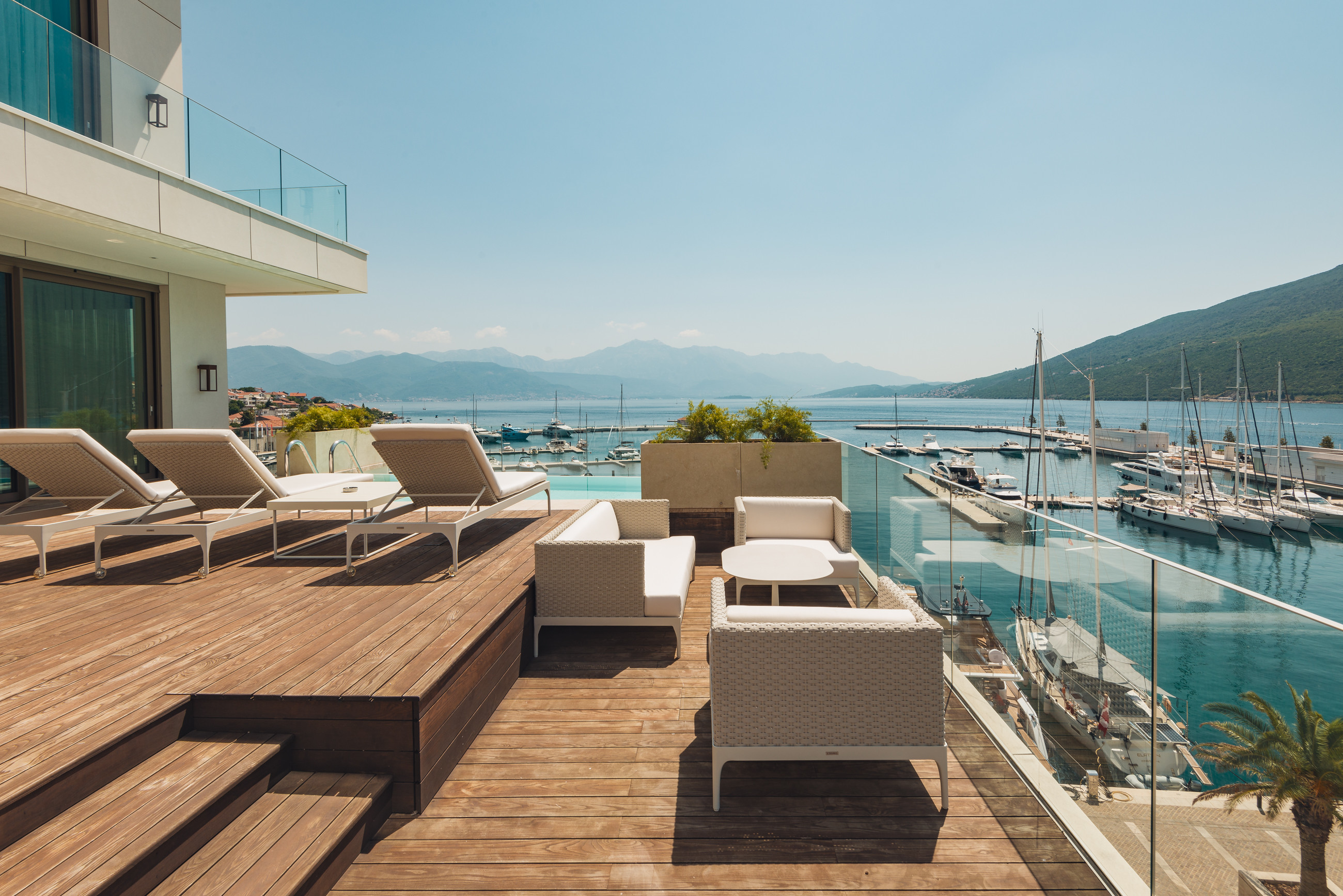
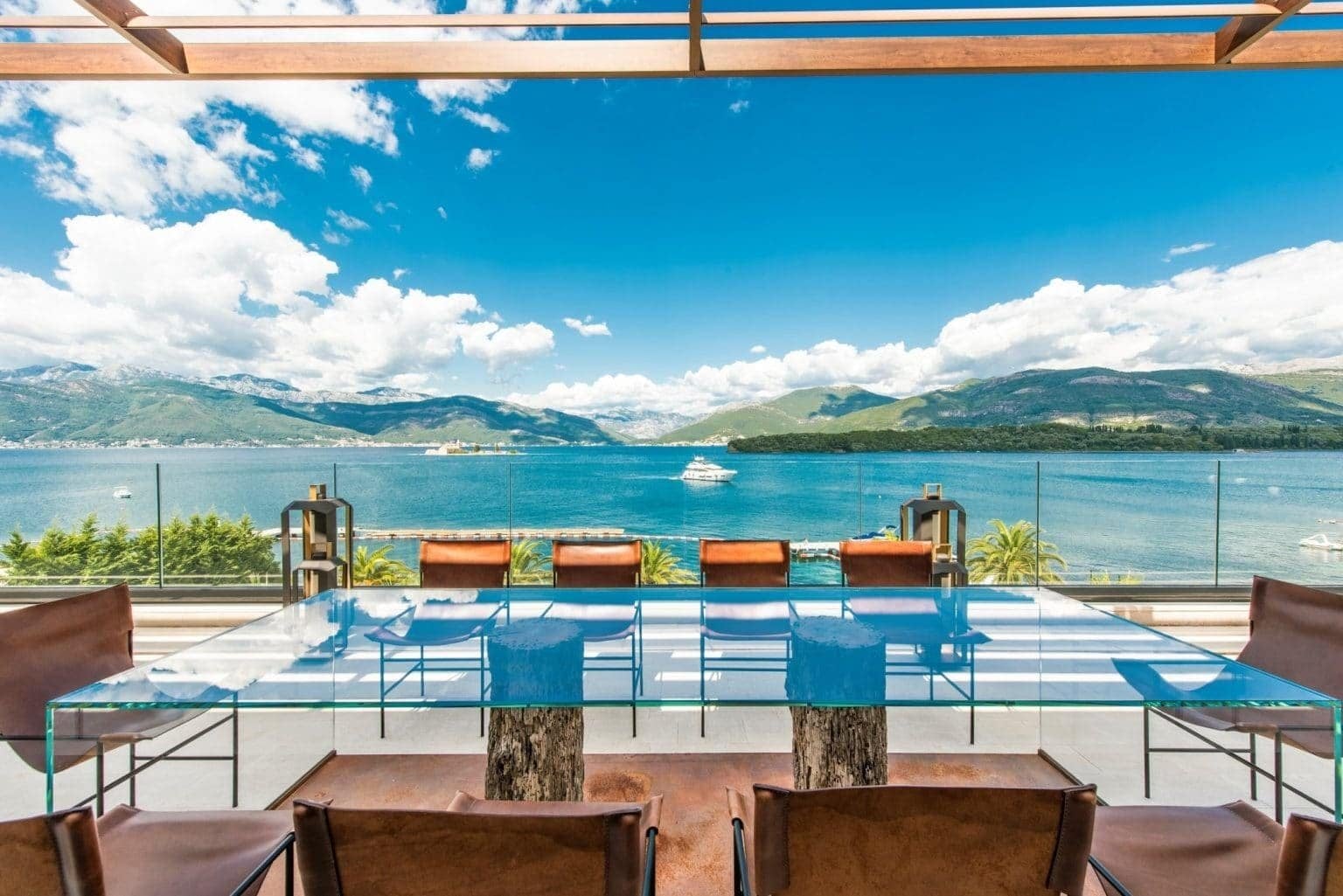
A completed villa has one undeniable advantage: what you see is what you get. For buyers who prize certainty over control, the market offers some genuinely extraordinary finished homes. Those curious about what the top of that market looks like today can explore Elevated Living Above the Adriatic: Porto Montenegro's Finest Rooftop Penthouse or the Sky-High Sovereignty Above the Adriatic: Porto Montenegro's Crown Penthouse as reference points for what prime finished real estate in the Tivat Bay area commands.
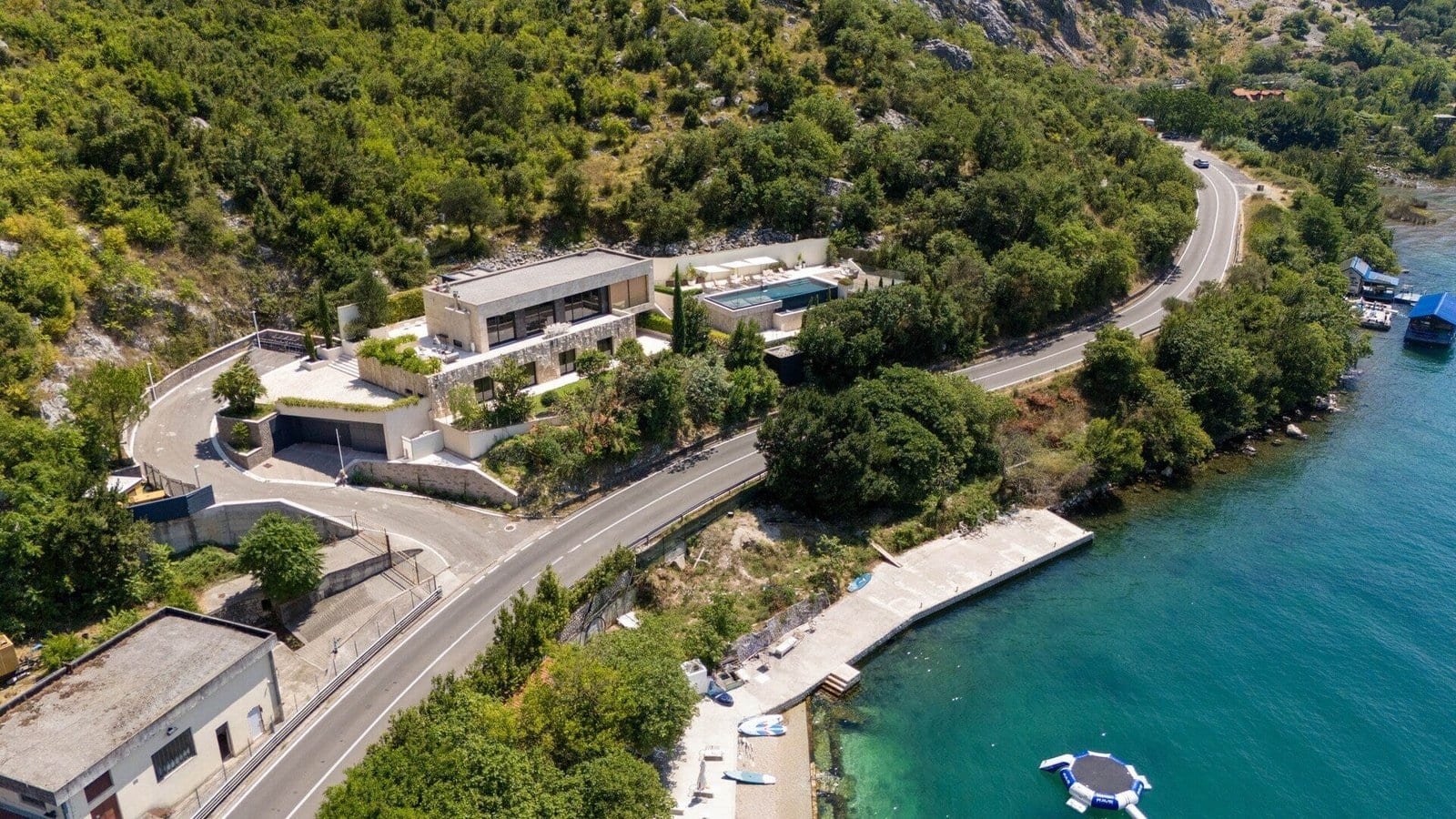
Yet the case for raw or serviced land is increasingly persuasive for a specific buyer profile. Commissioning a bespoke residence means choosing the precise orientation to capture morning light or shelter from prevailing winds. It means specifying materials, ceiling heights, pool placement, and smart-home infrastructure from the outset rather than retrofitting a structure designed to different standards in a different decade. The finished product reflects how its owner actually lives, not how a developer calculated the broadest market appeal.
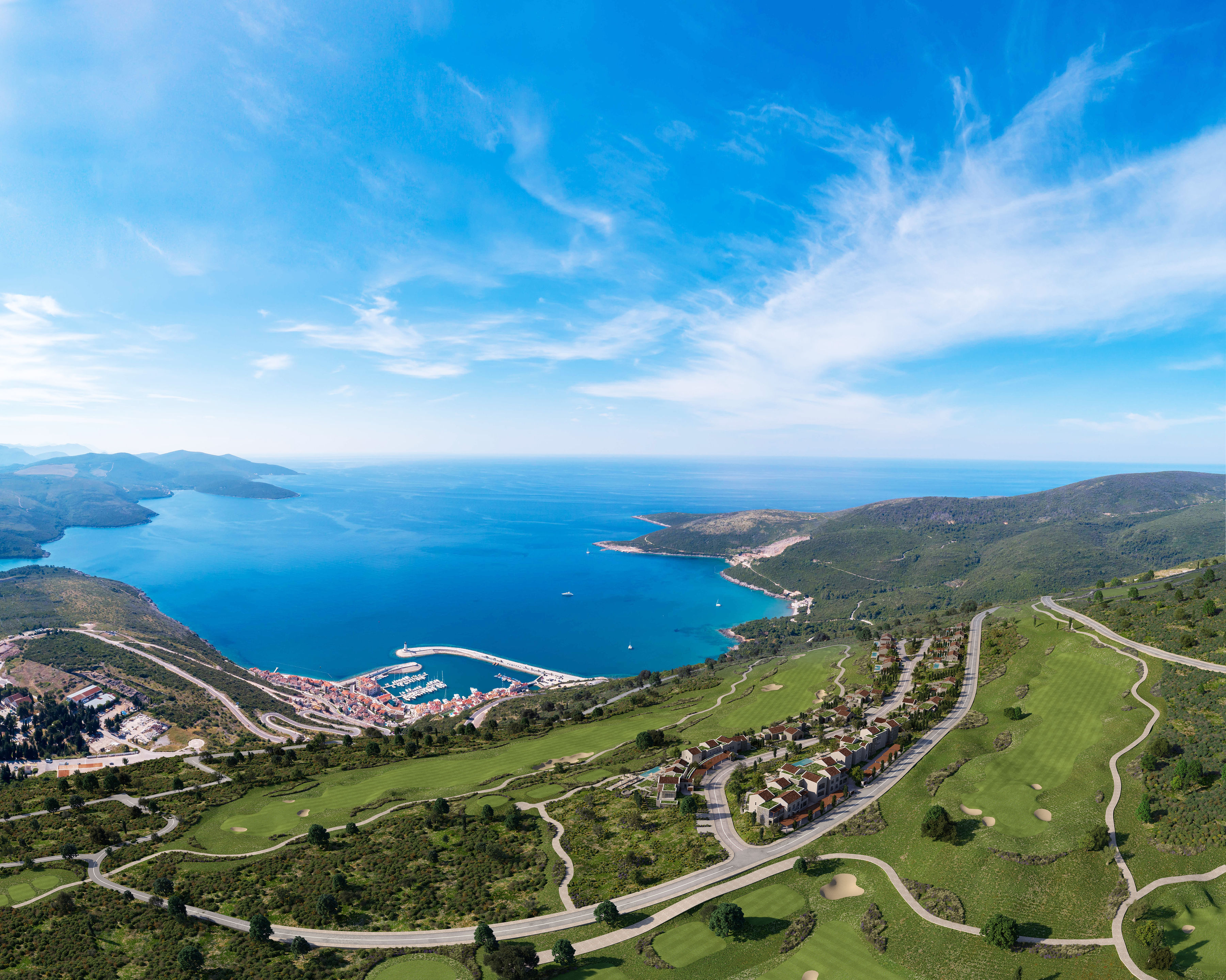
There is also a straightforward financial logic. In established coastal markets, a permitted plot in a prime location, once a high-quality design is attached to it and construction has commenced, tends to appreciate meaningfully above the raw land value. Montenegro's coast has followed precisely that trajectory over the past ten years, with undeveloped waterfront parcels in Tivat and the Bay of Kotor recording consistent capital growth as the supply of buildable, well-connected land has contracted. The buyers who recognised that dynamic early are now sitting on substantially appreciated assets.
What Foreign Investors Must Understand Before Entering This Market
For international buyers researching Montenegro's property market, the most important early lesson is this: coastal land is not a homogeneous asset class. Two plots separated by a few hundred metres can represent entirely different investment propositions depending on their zoning classification, access to utilities, and infrastructure connectivity.
A parcel classified for construction, with road access confirmed and utility connections within reach, is a genuinely buildable asset. An agricultural plot with dramatic sea views, listed at a superficially similar price per square metre, may require years of administrative process before a single foundation stone can be laid, and that conversion is never guaranteed. The brochure rarely makes this distinction clearly enough. Independent legal counsel and a thorough review of the municipal urban plan are not optional steps; they are the foundation of any credible acquisition process.
Regional Price Benchmarks Along the Adriatic Coast
Montenegro's coastline does not function as a single, uniform market. It operates as a series of distinct micro-markets, each with its own demand drivers, buyer profile, and pricing logic. Understanding those differences is essential before committing capital.
Pricing data cited in this section reflects current advisory estimates from Barok Estates International's transactional experience, cross-referenced against Montenegro's Real Estate Administration publicly available registry data.
Tivat and the Bay of Kotor
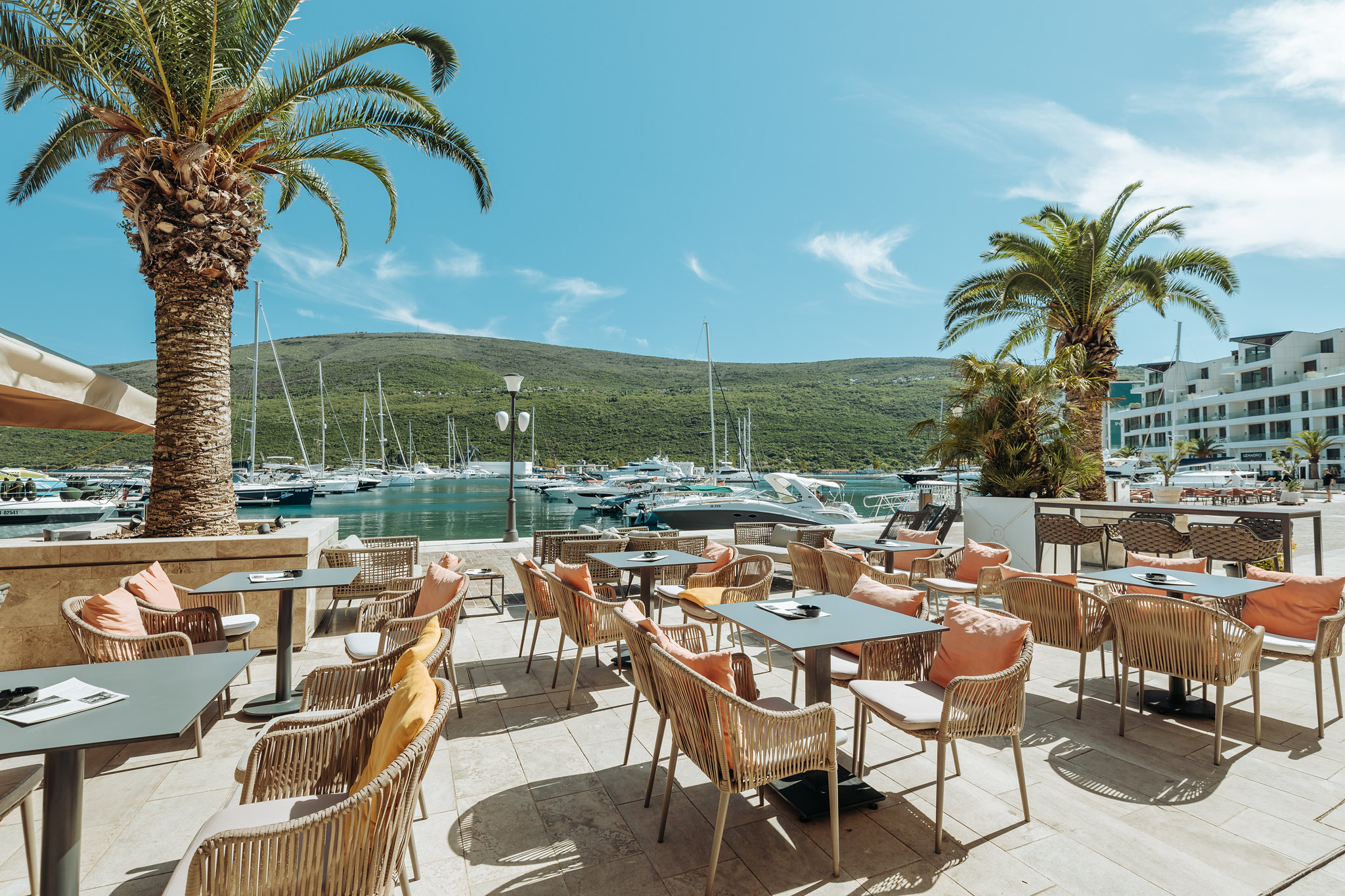
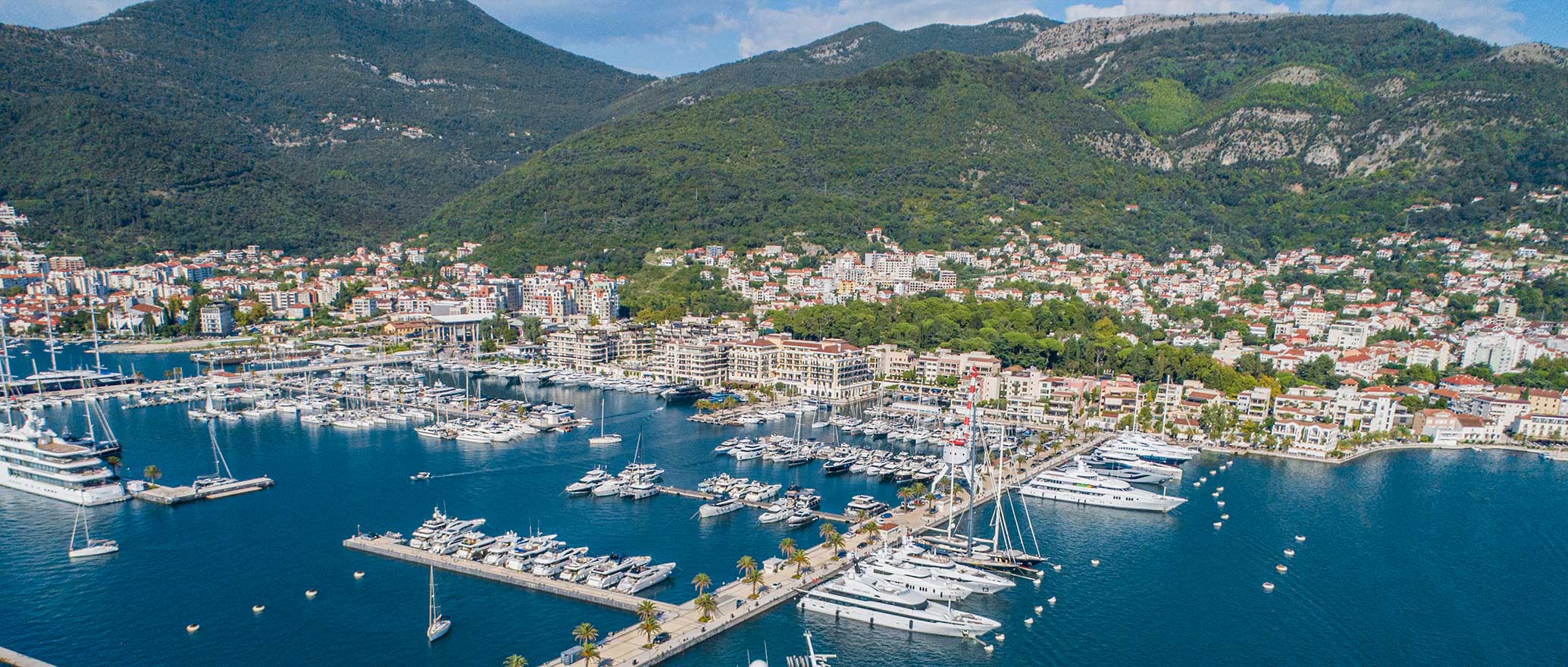
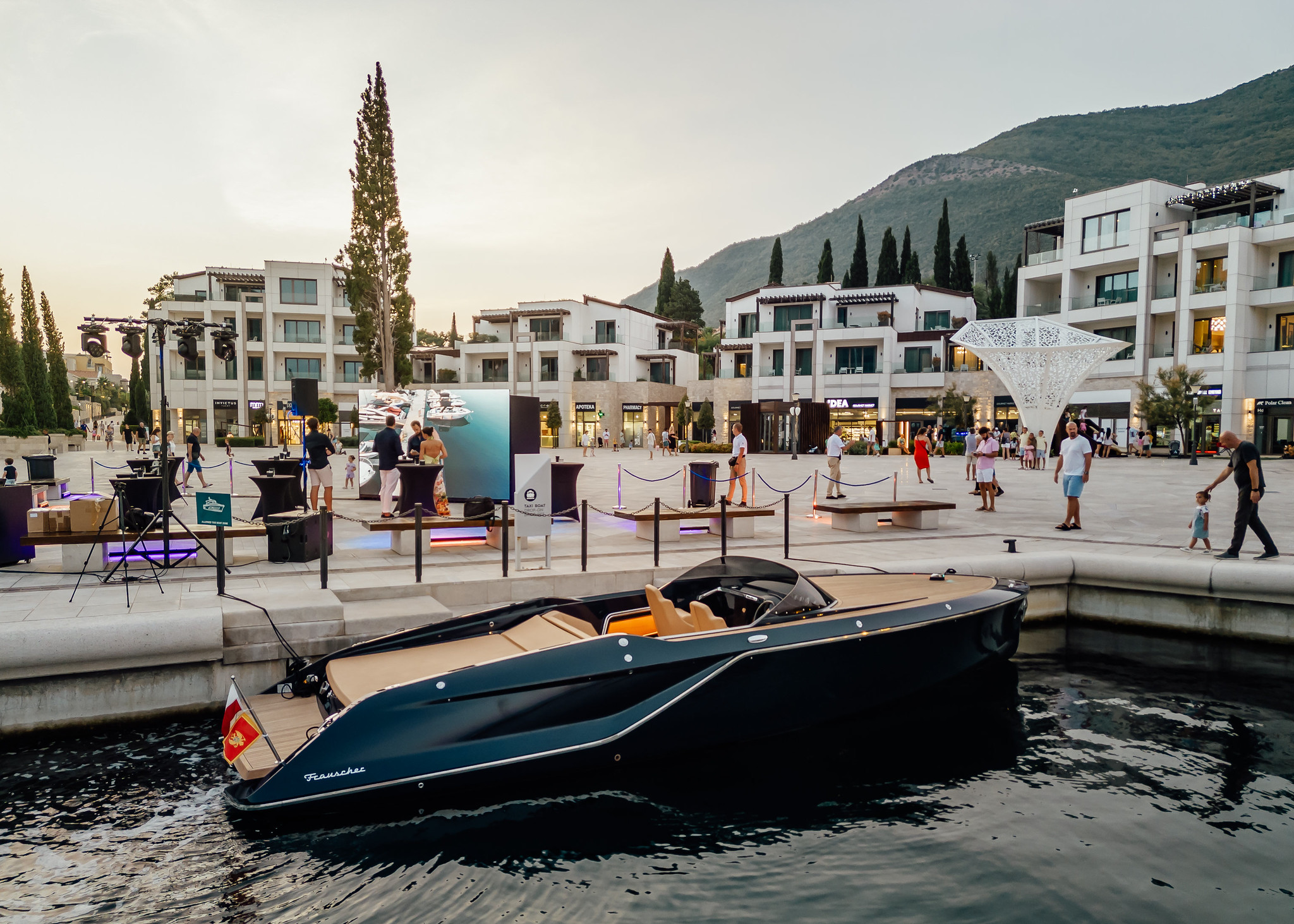
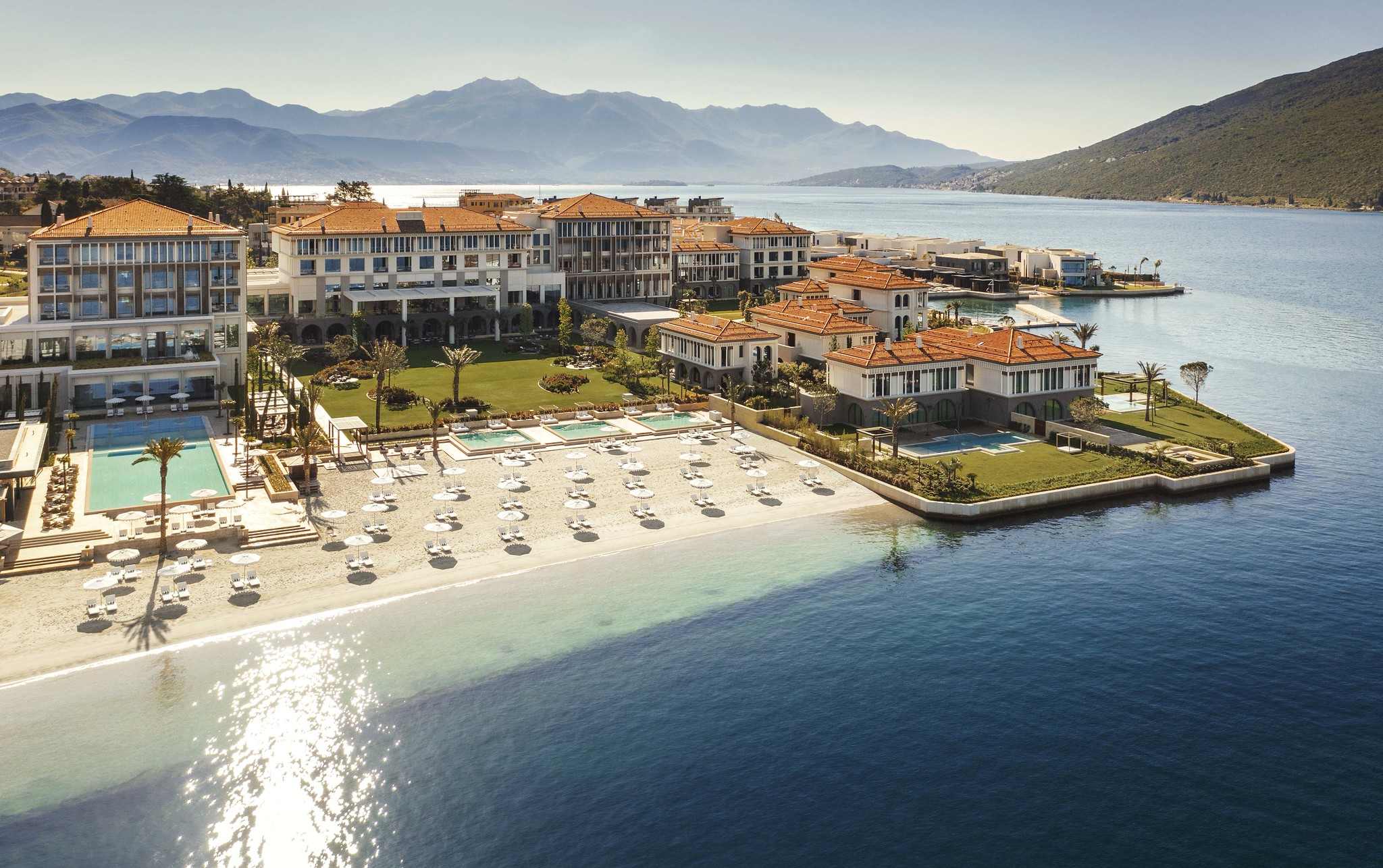
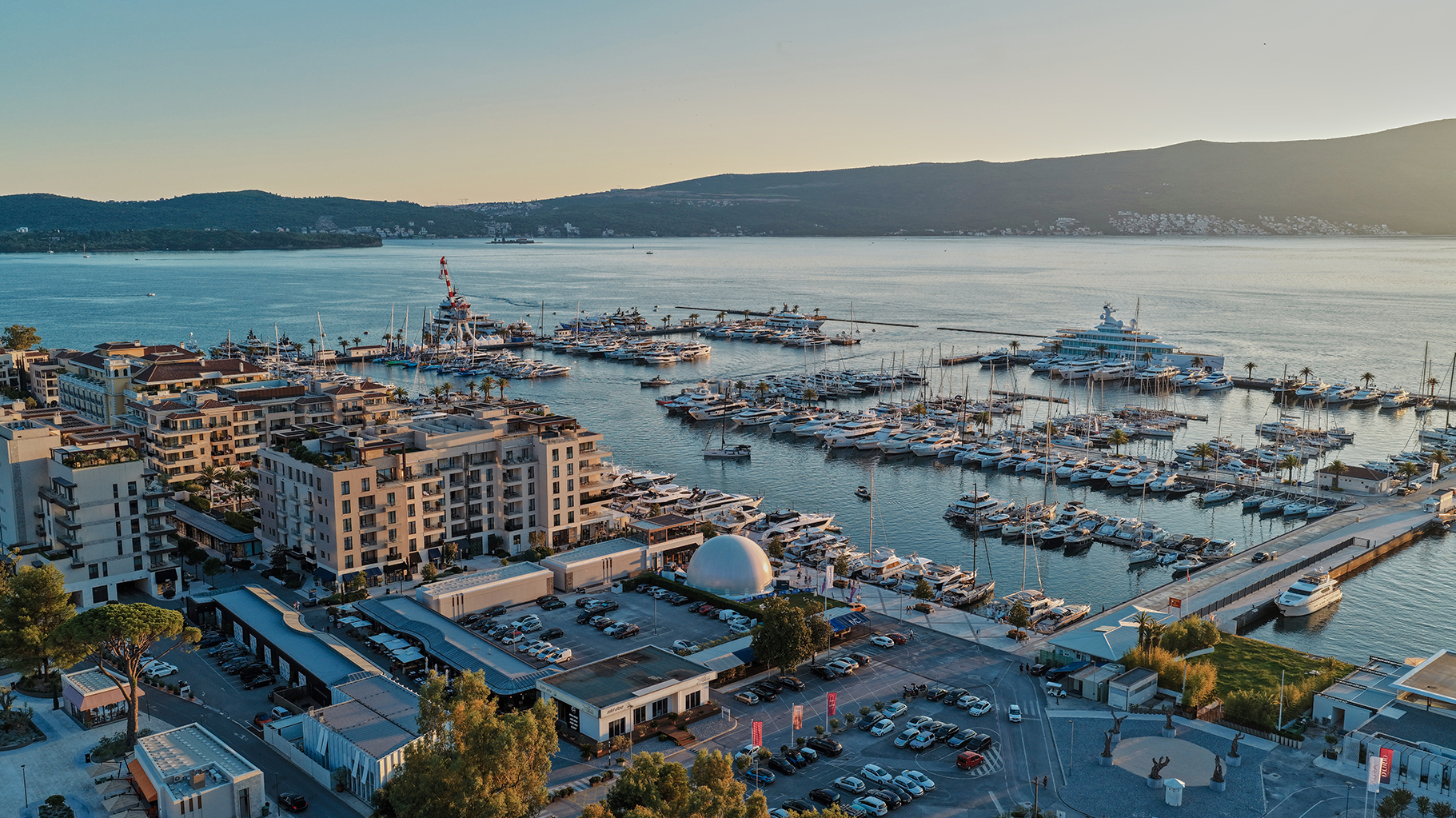
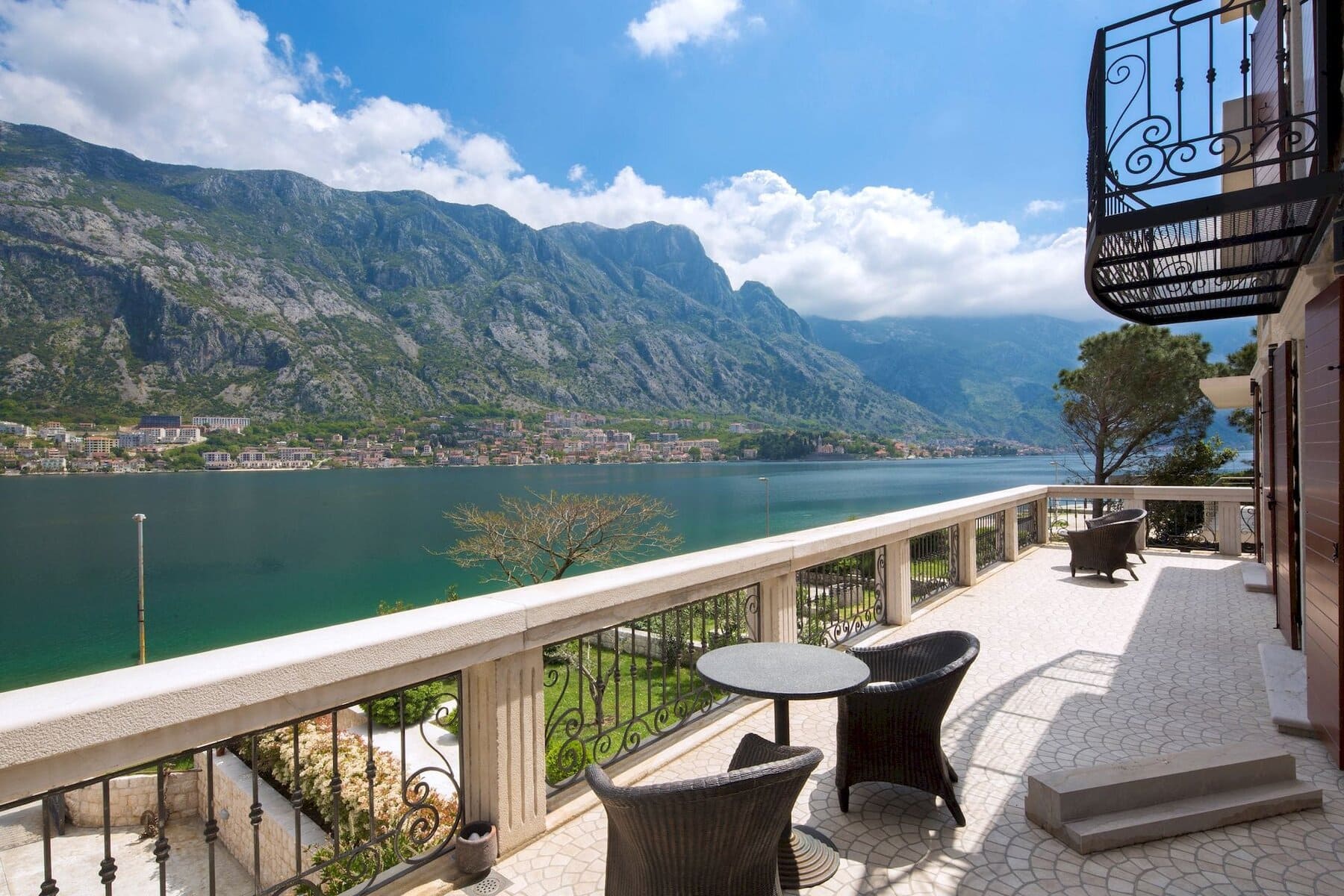
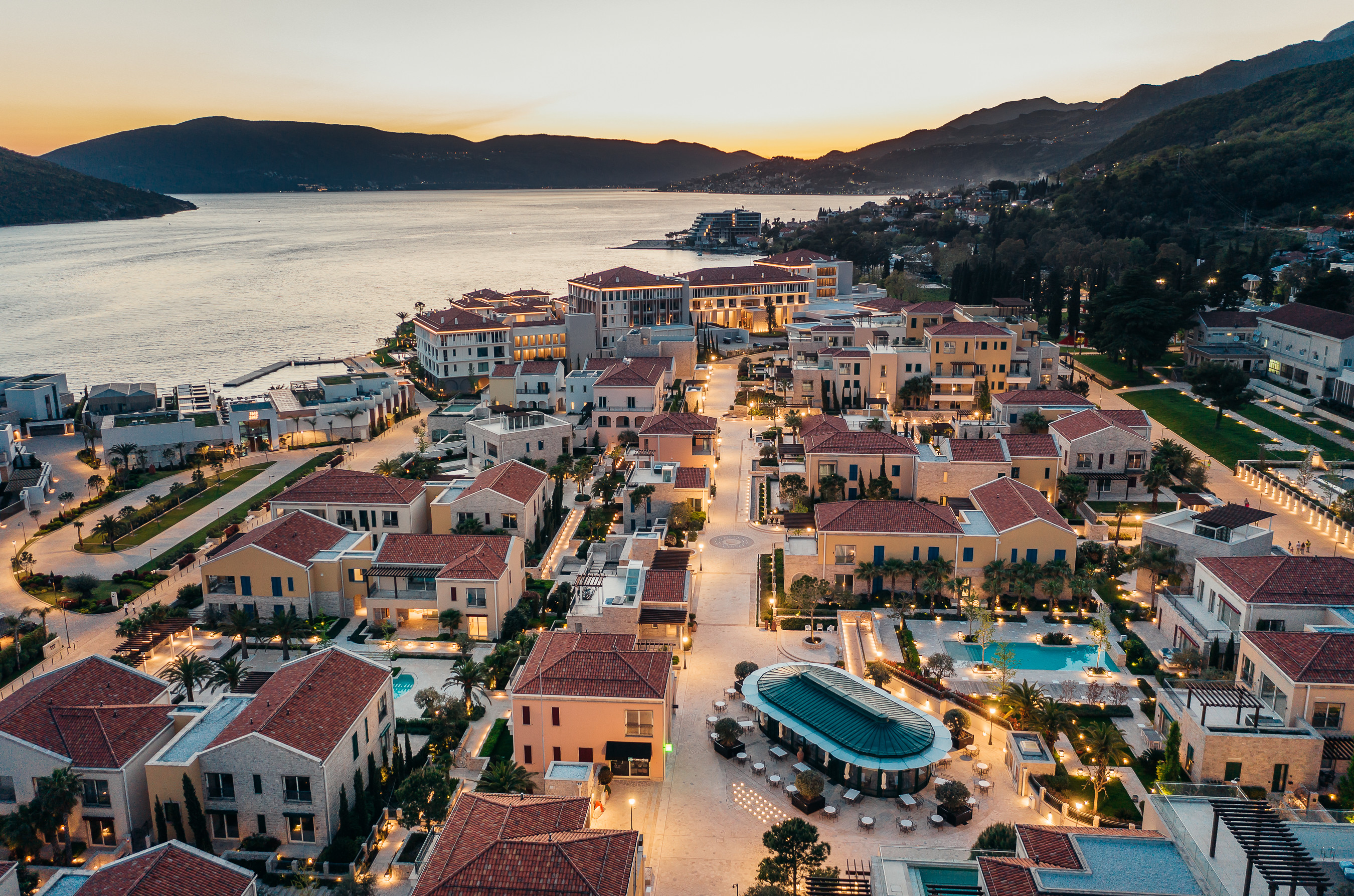
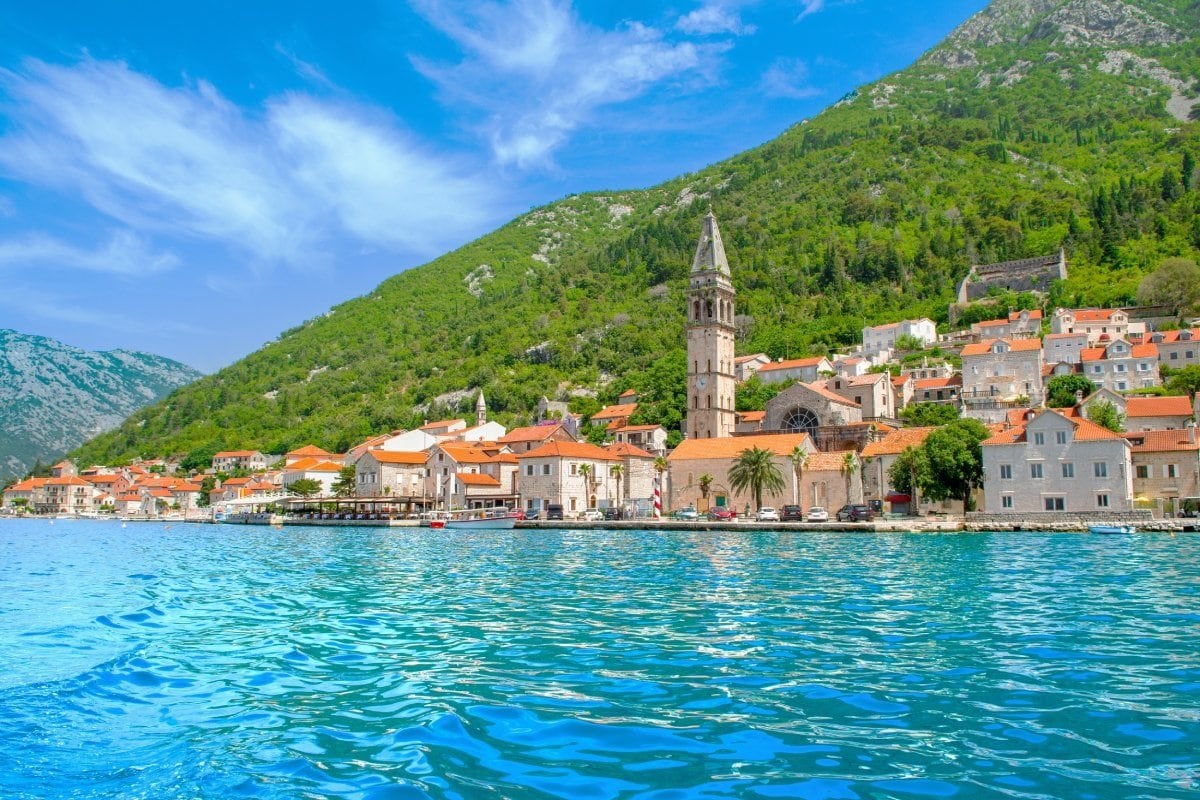
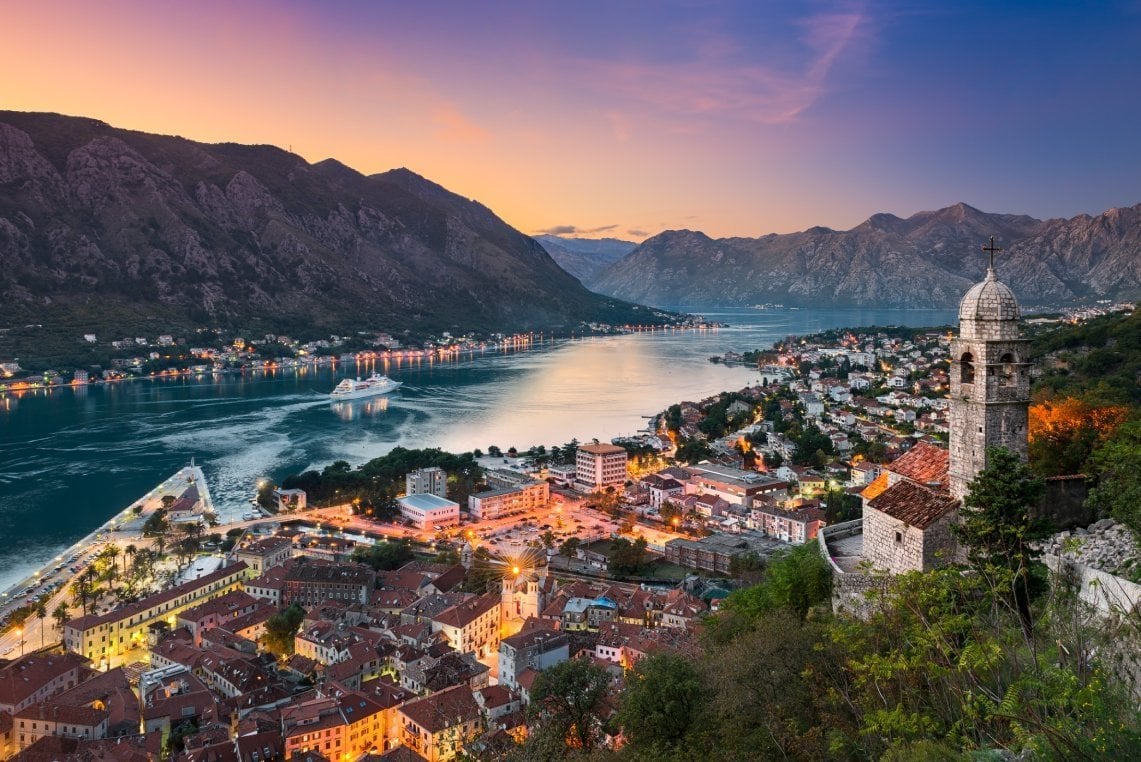
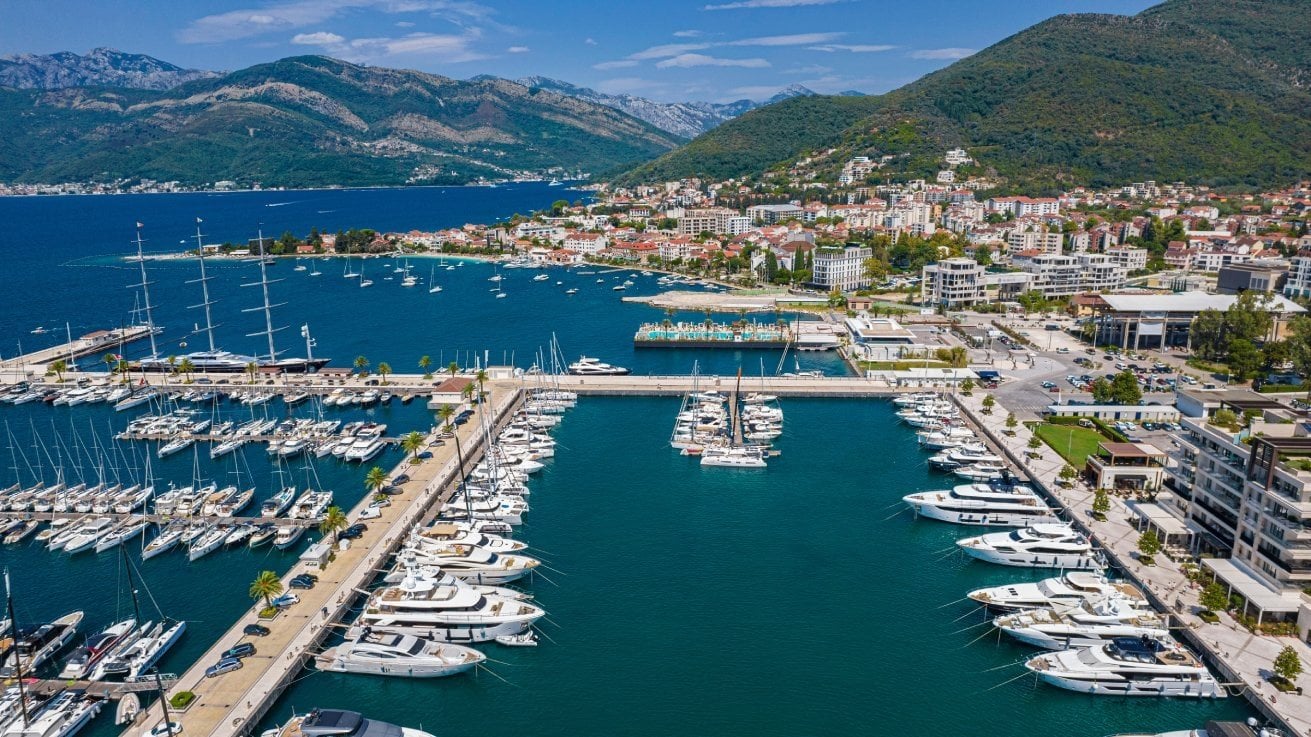
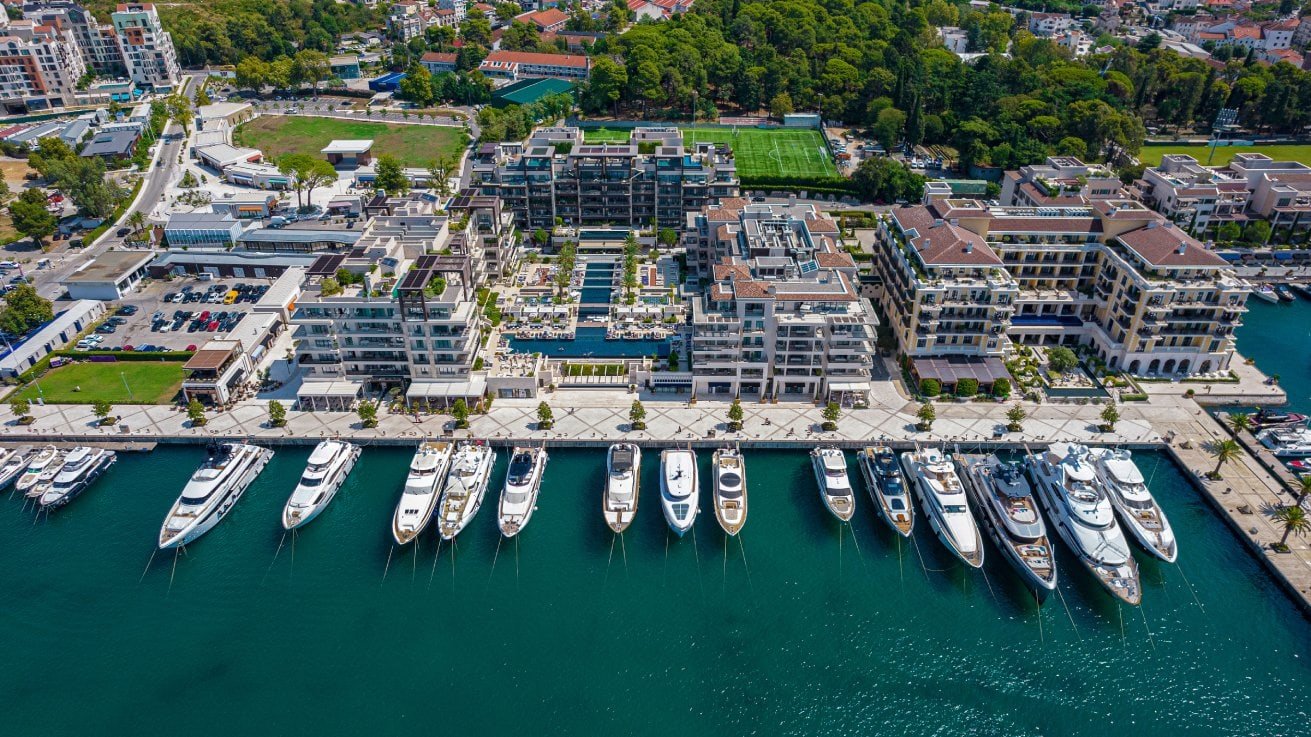
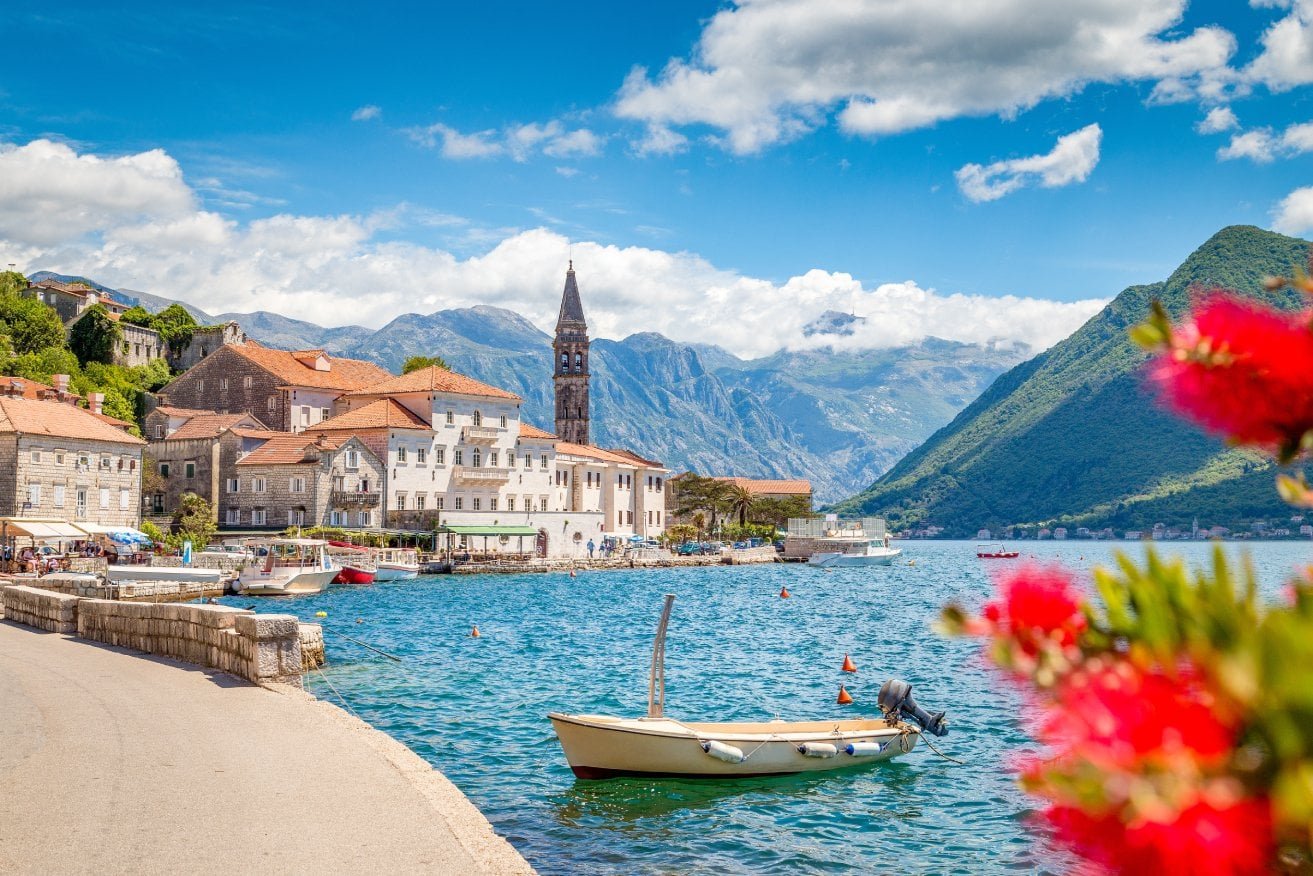
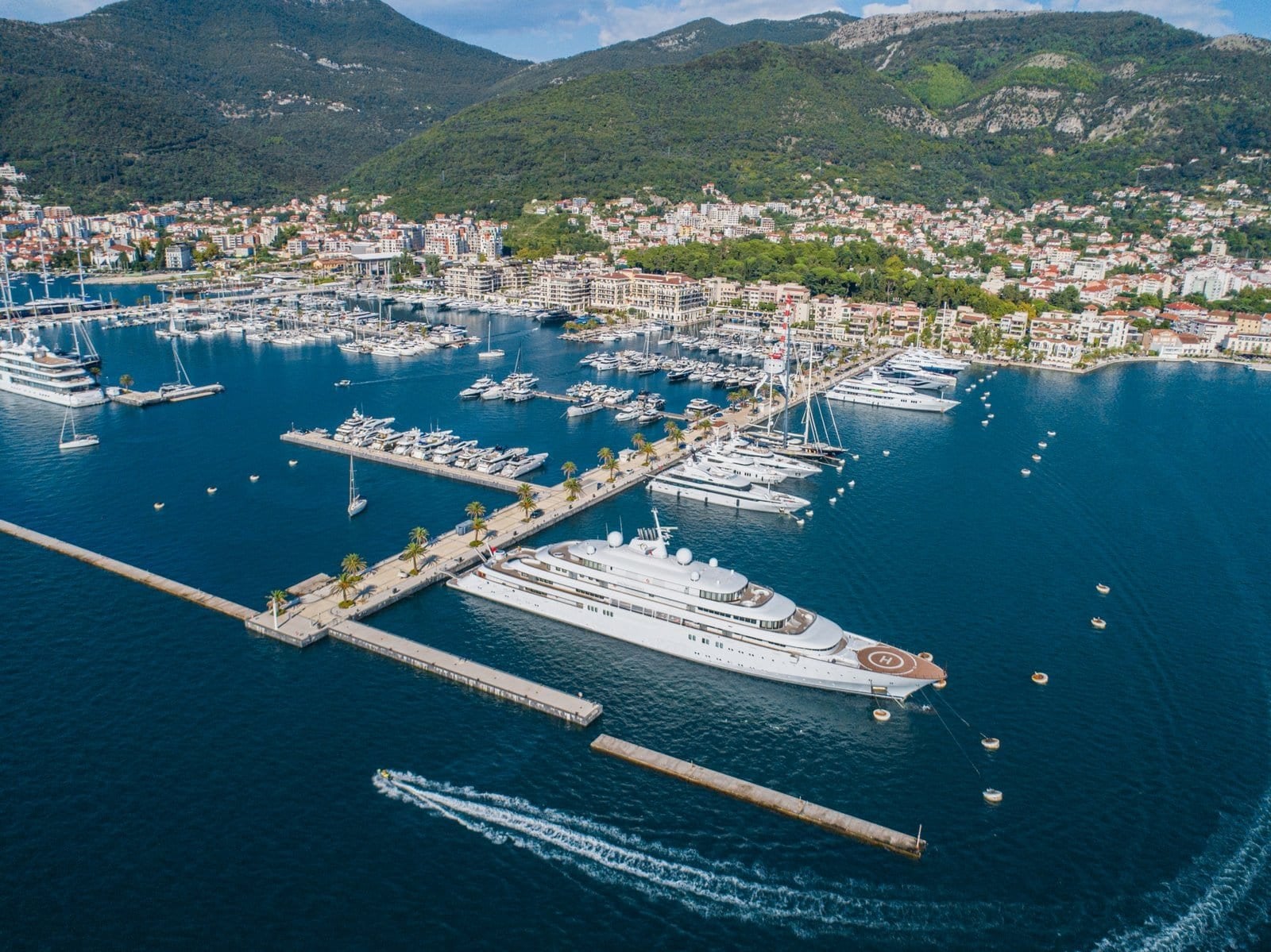
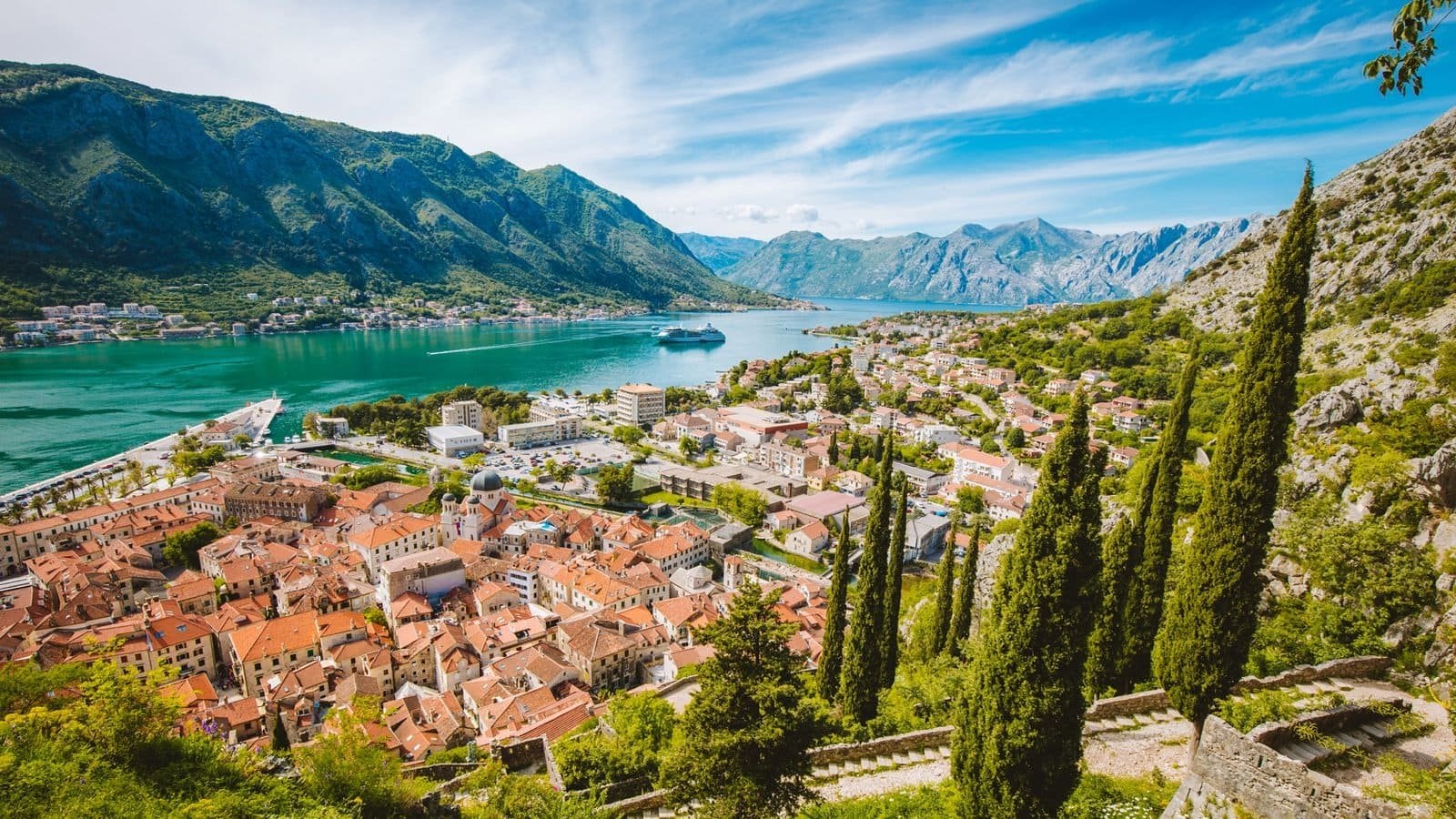
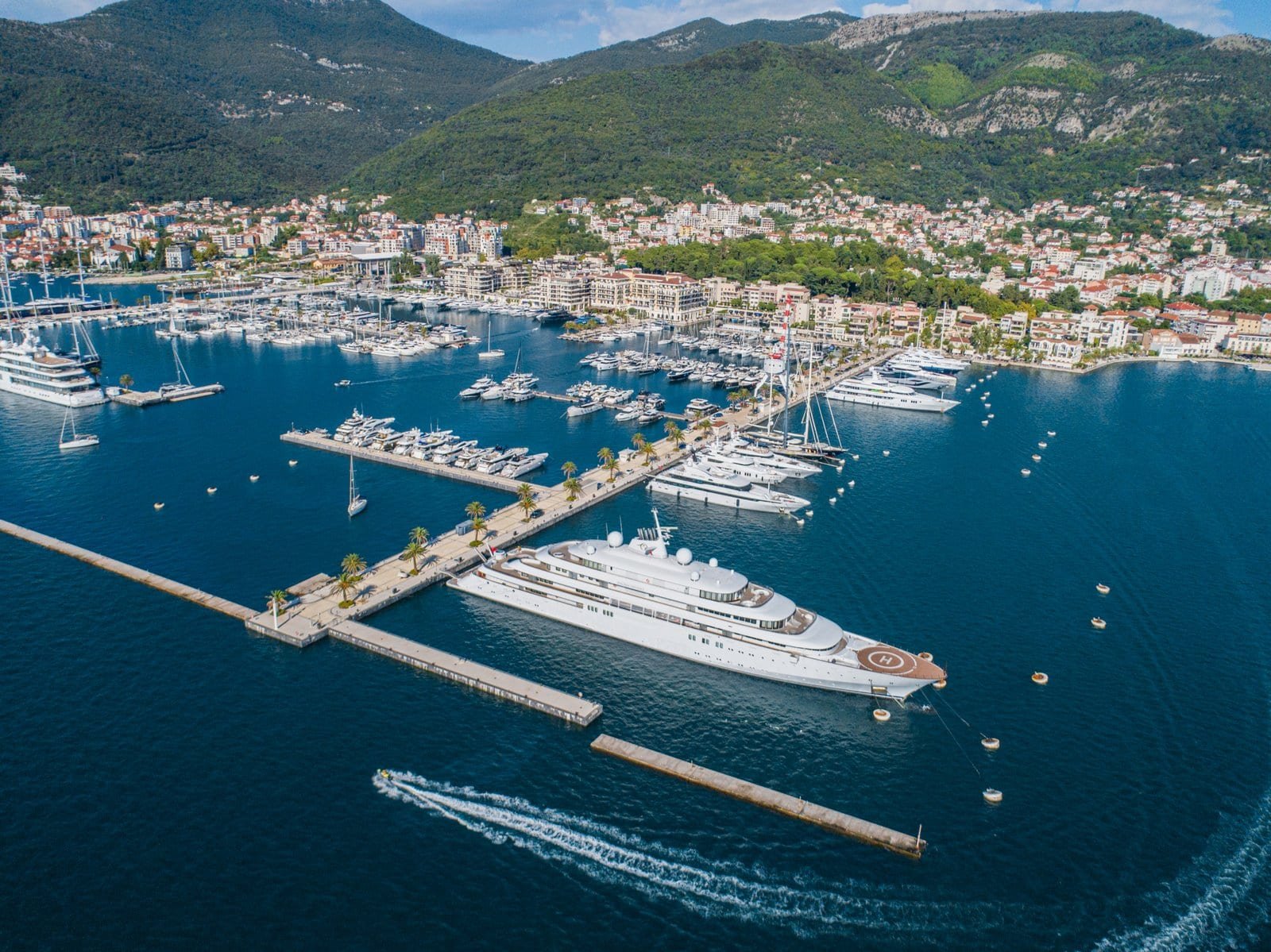
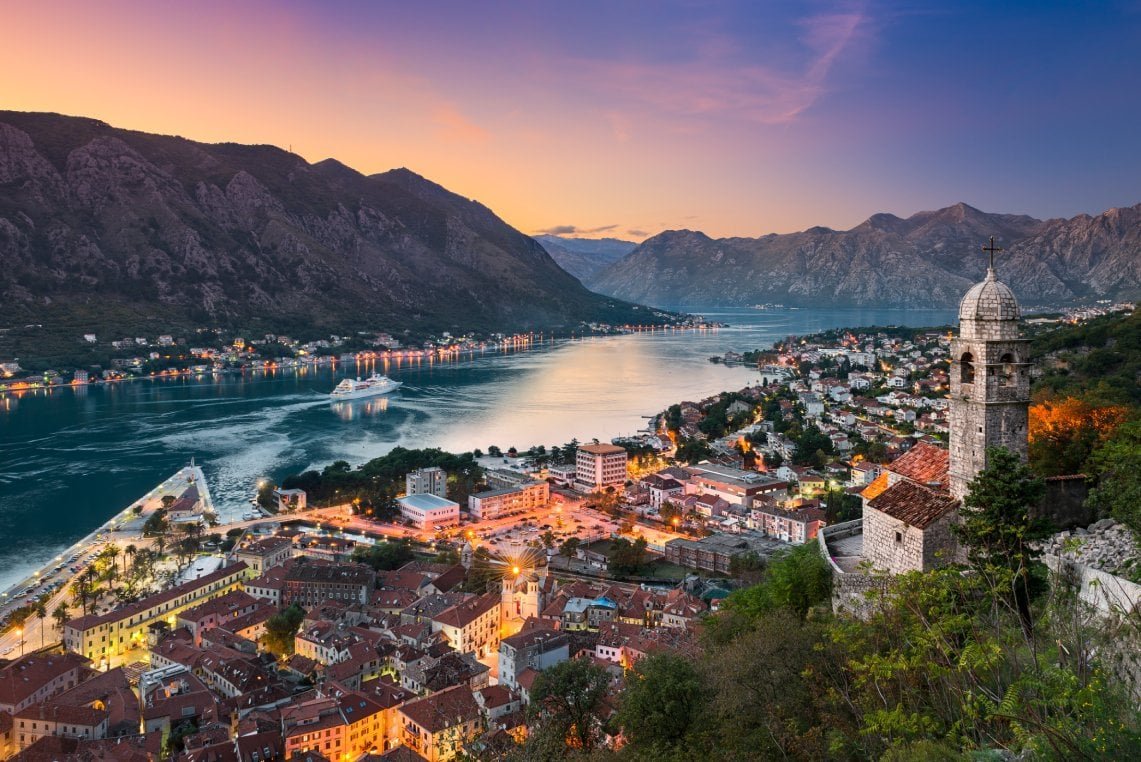
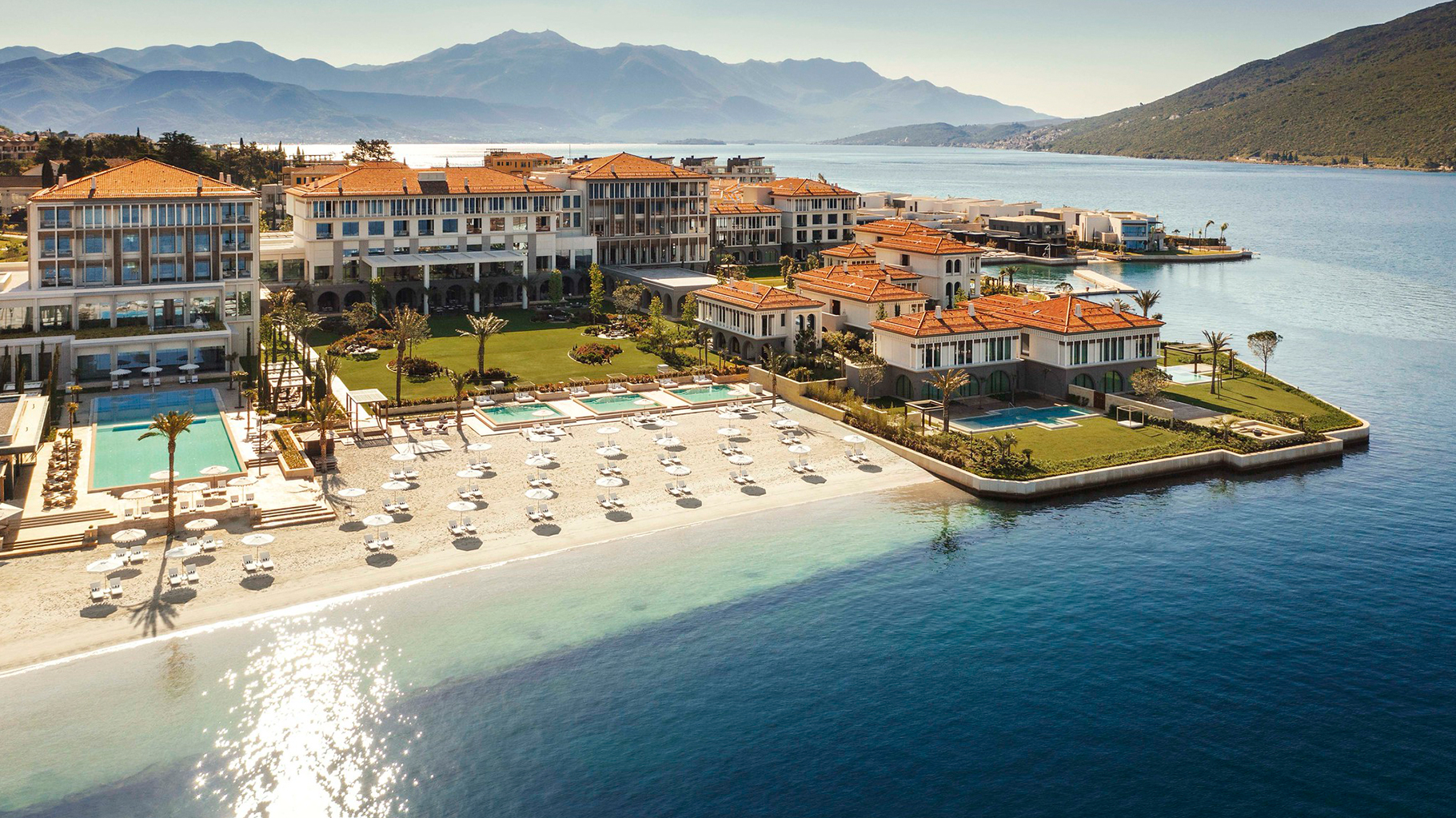
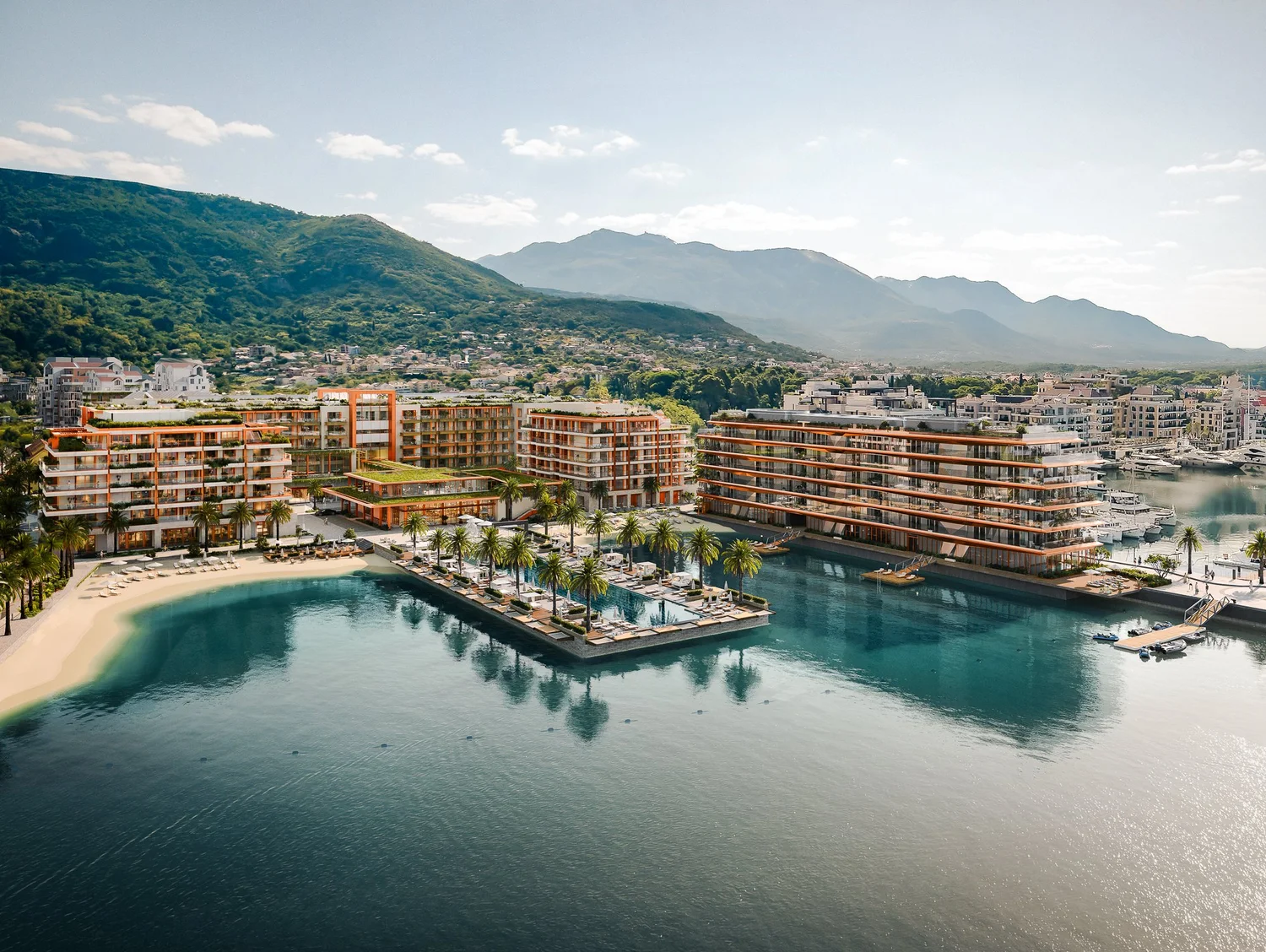
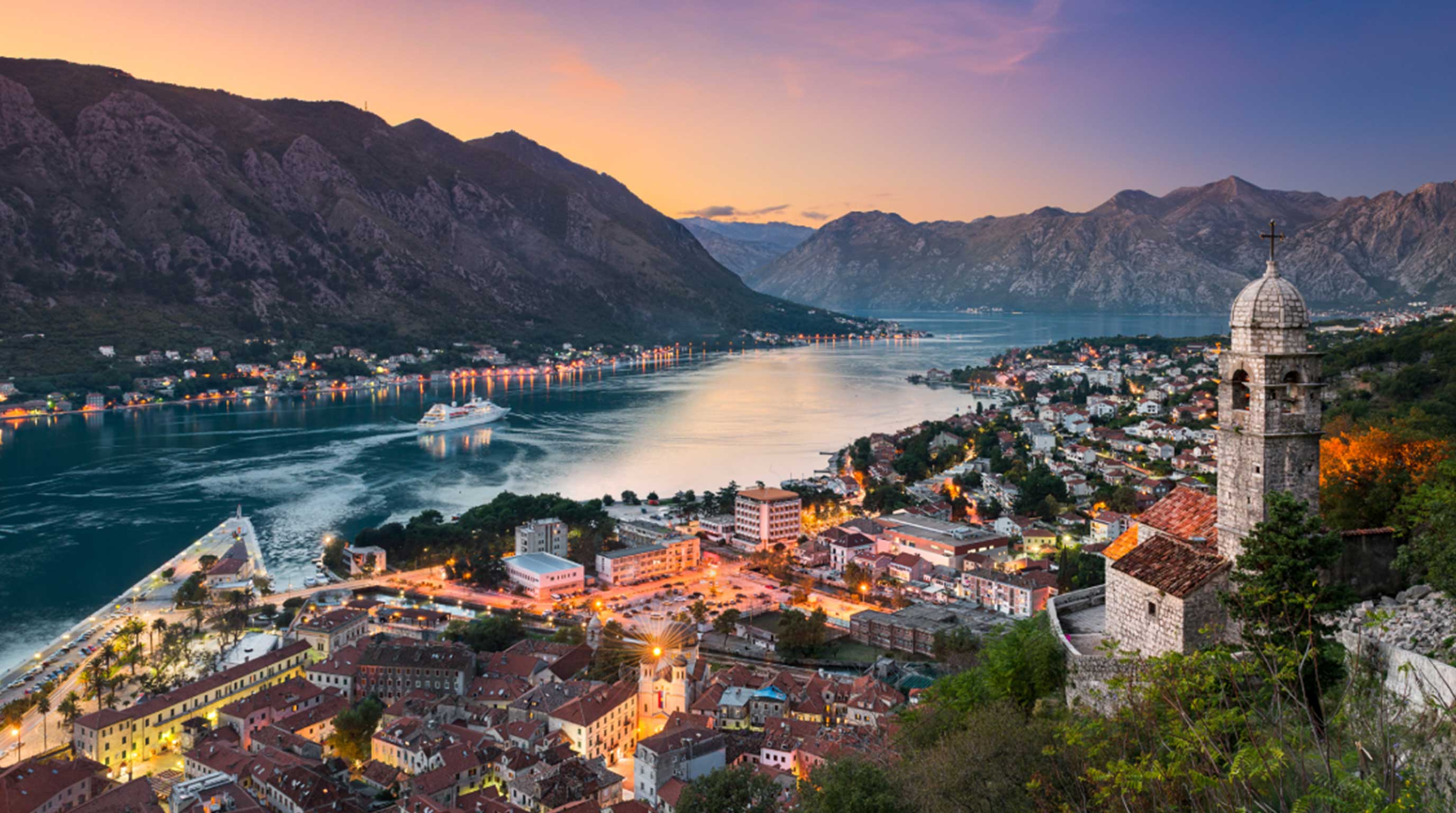
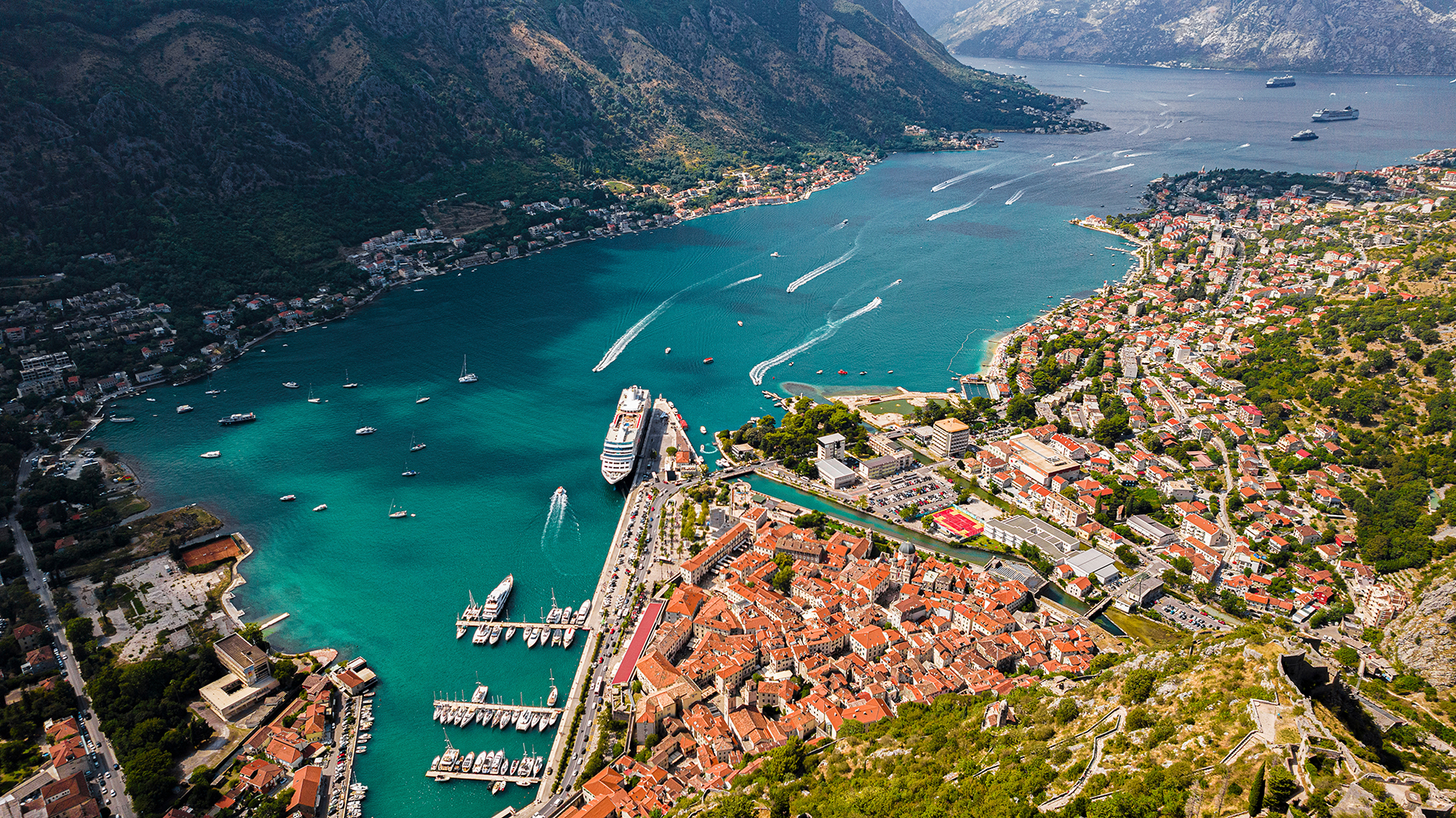
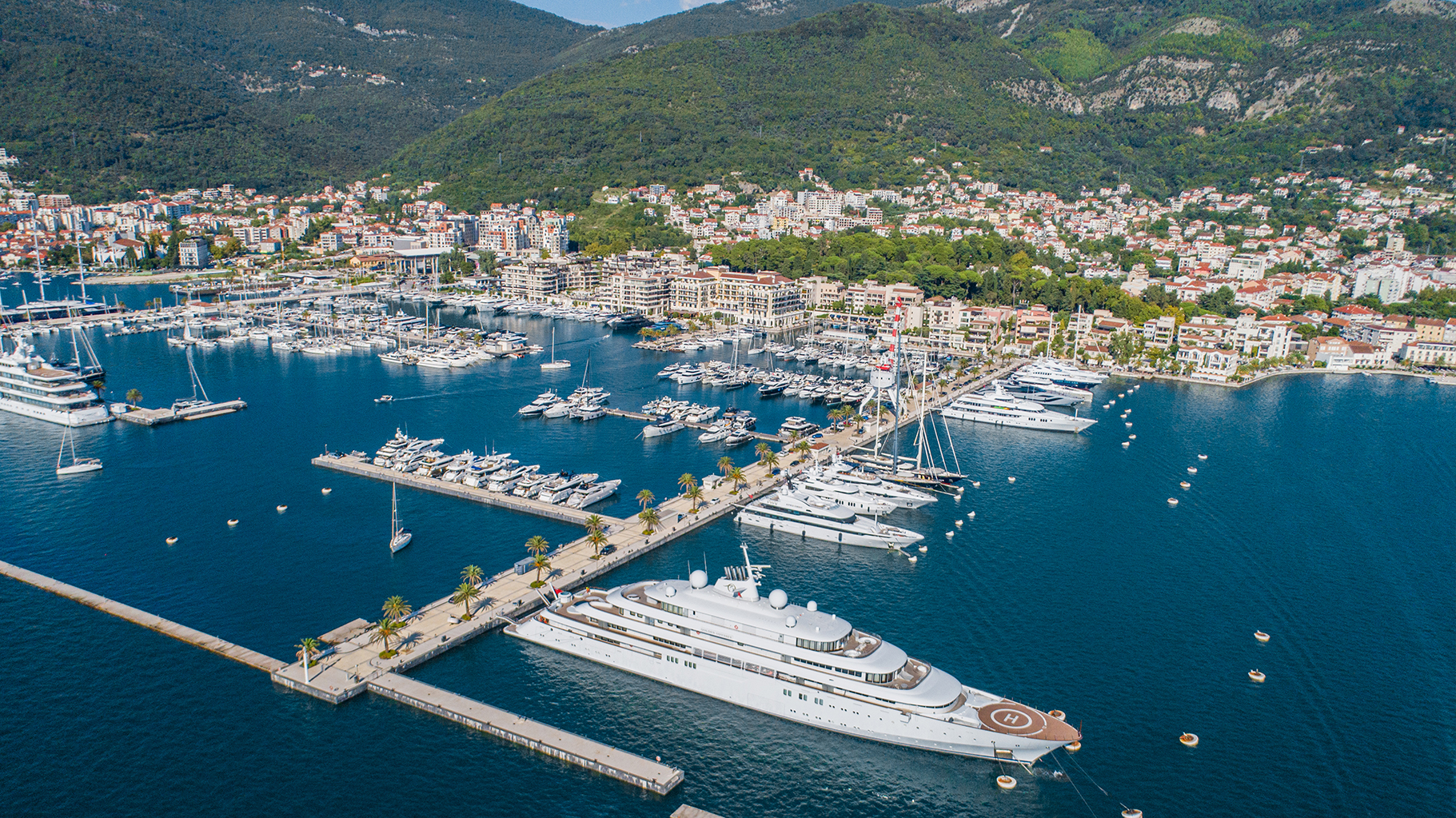
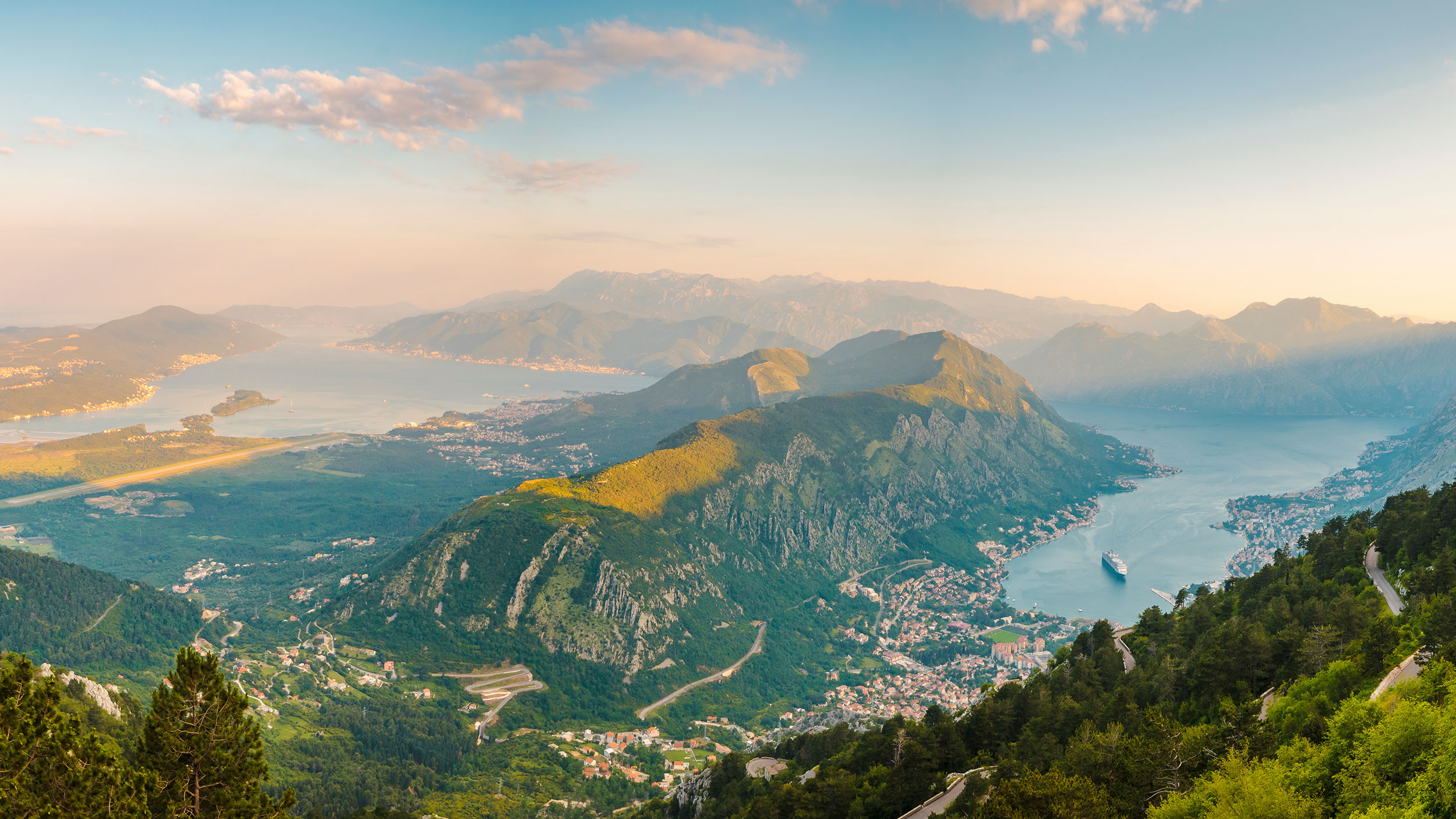
The Bay of Kotor, and Tivat in particular, represents the most internationalised and liquid segment of Montenegro's coastal land market. The presence of Porto Montenegro, one of the Mediterranean's premier superyacht marinas, has acted as a permanent anchor for demand from high-net-worth buyers across Europe, the Gulf, and beyond. That demand has compressed the supply of genuinely buildable plots to a point where prime parcels rarely reach open-market listing at all.
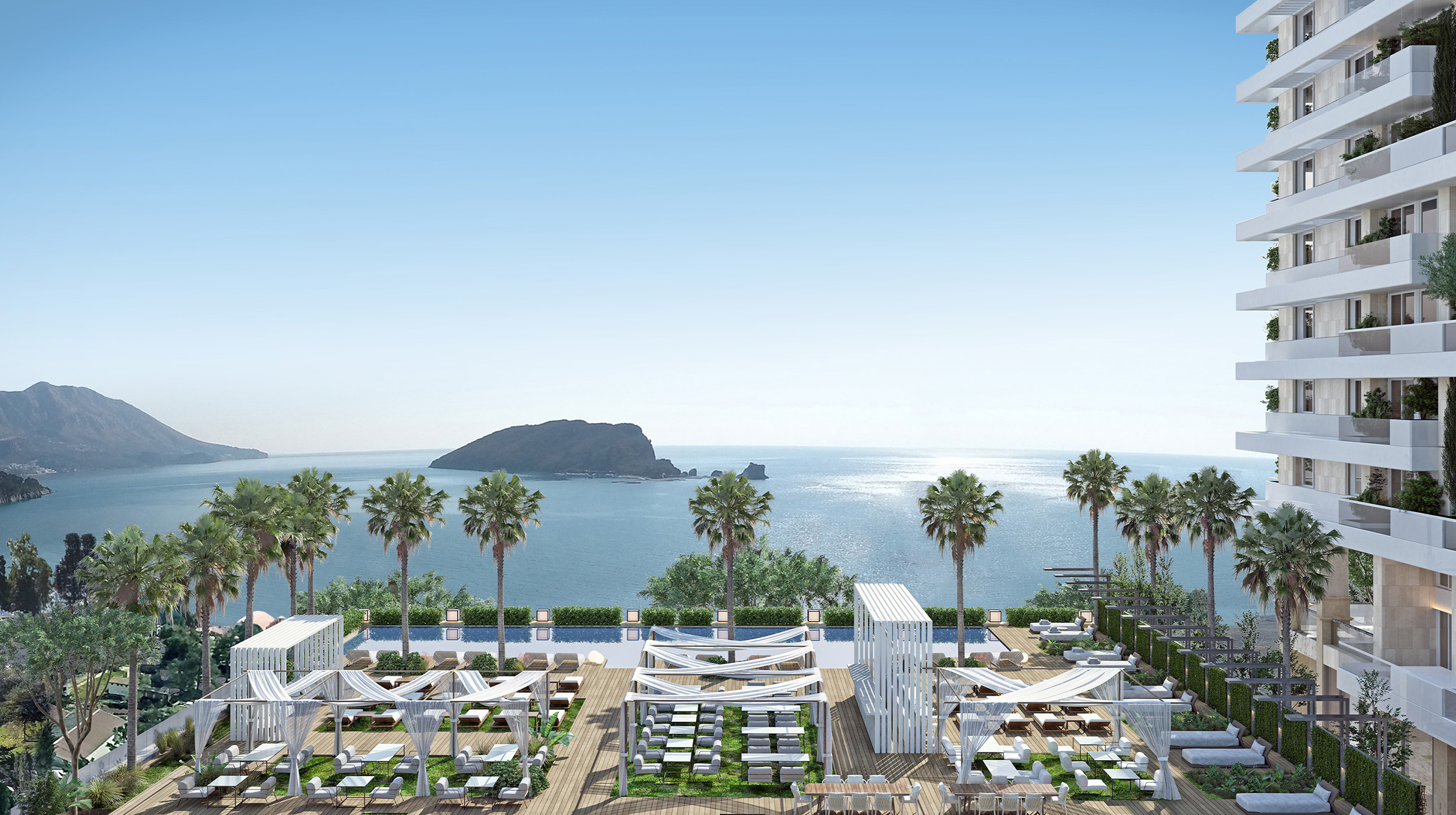
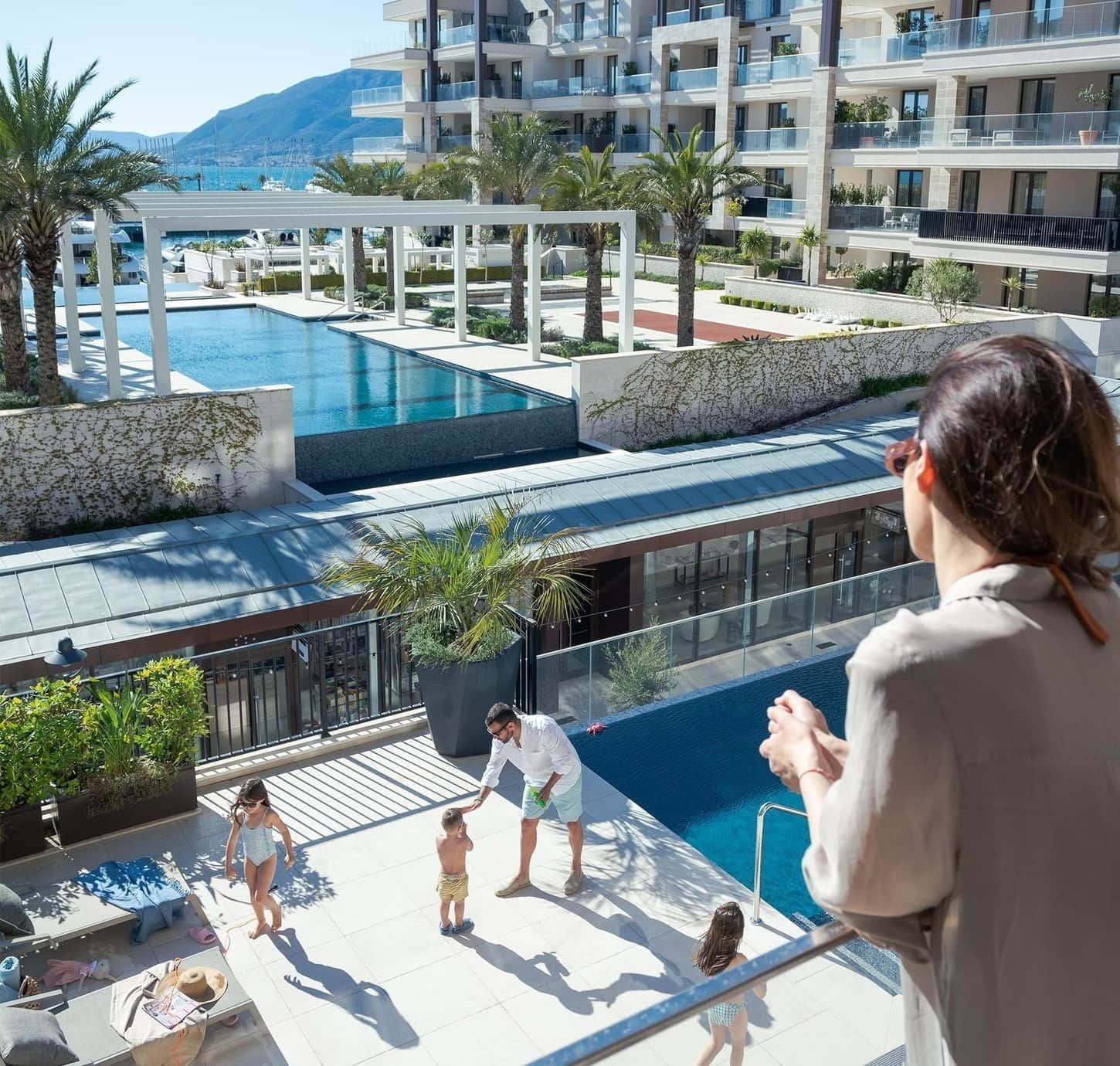
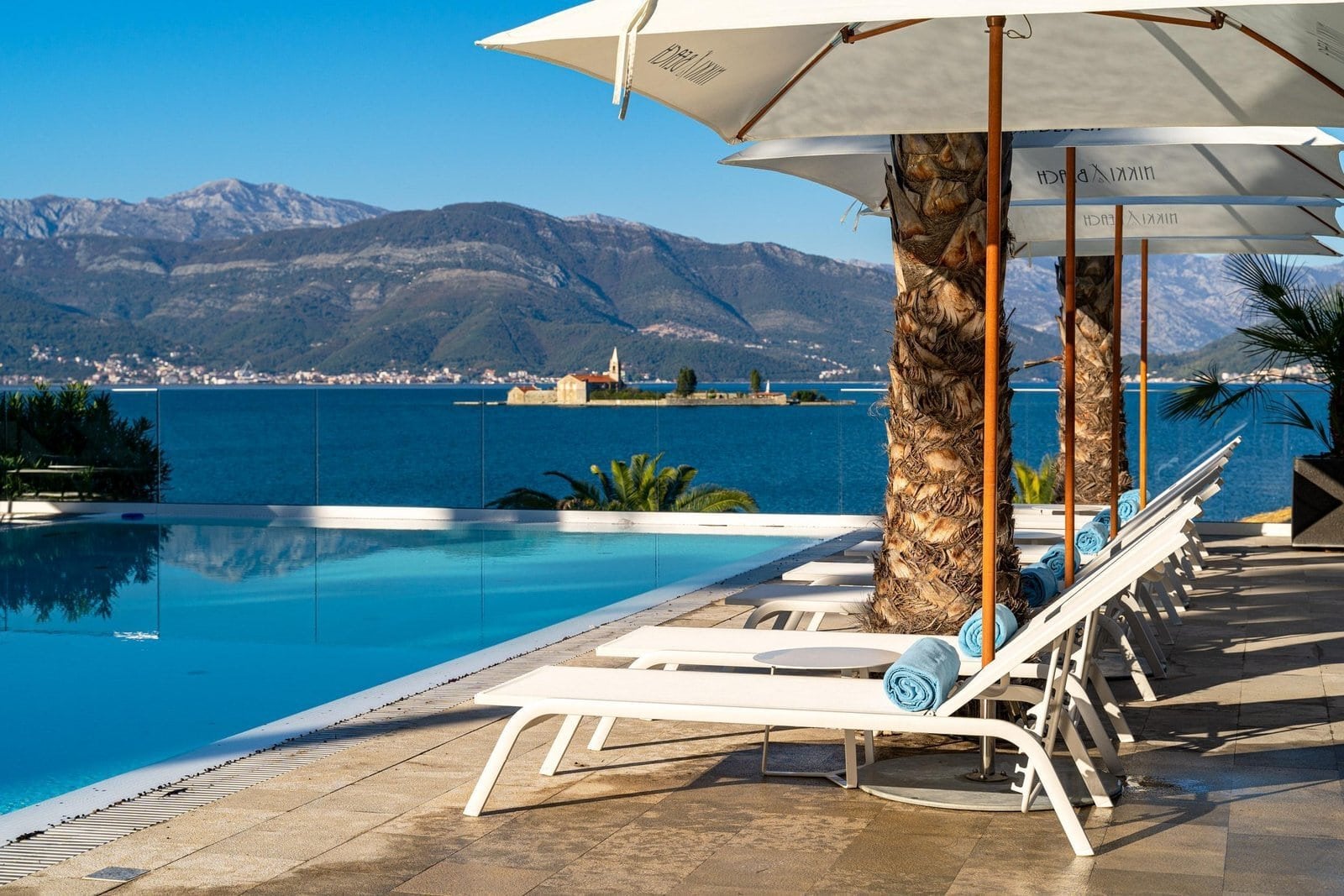
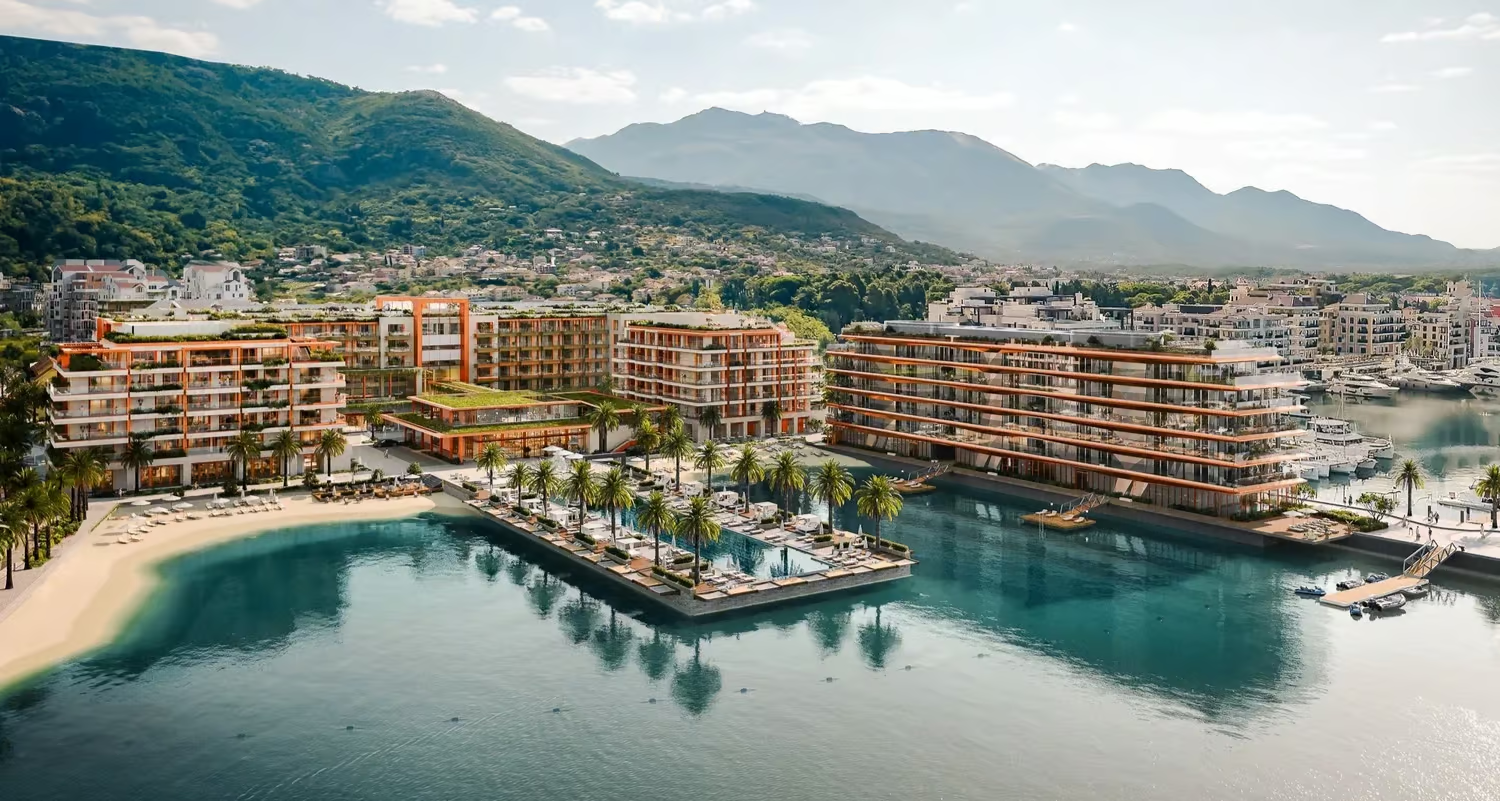
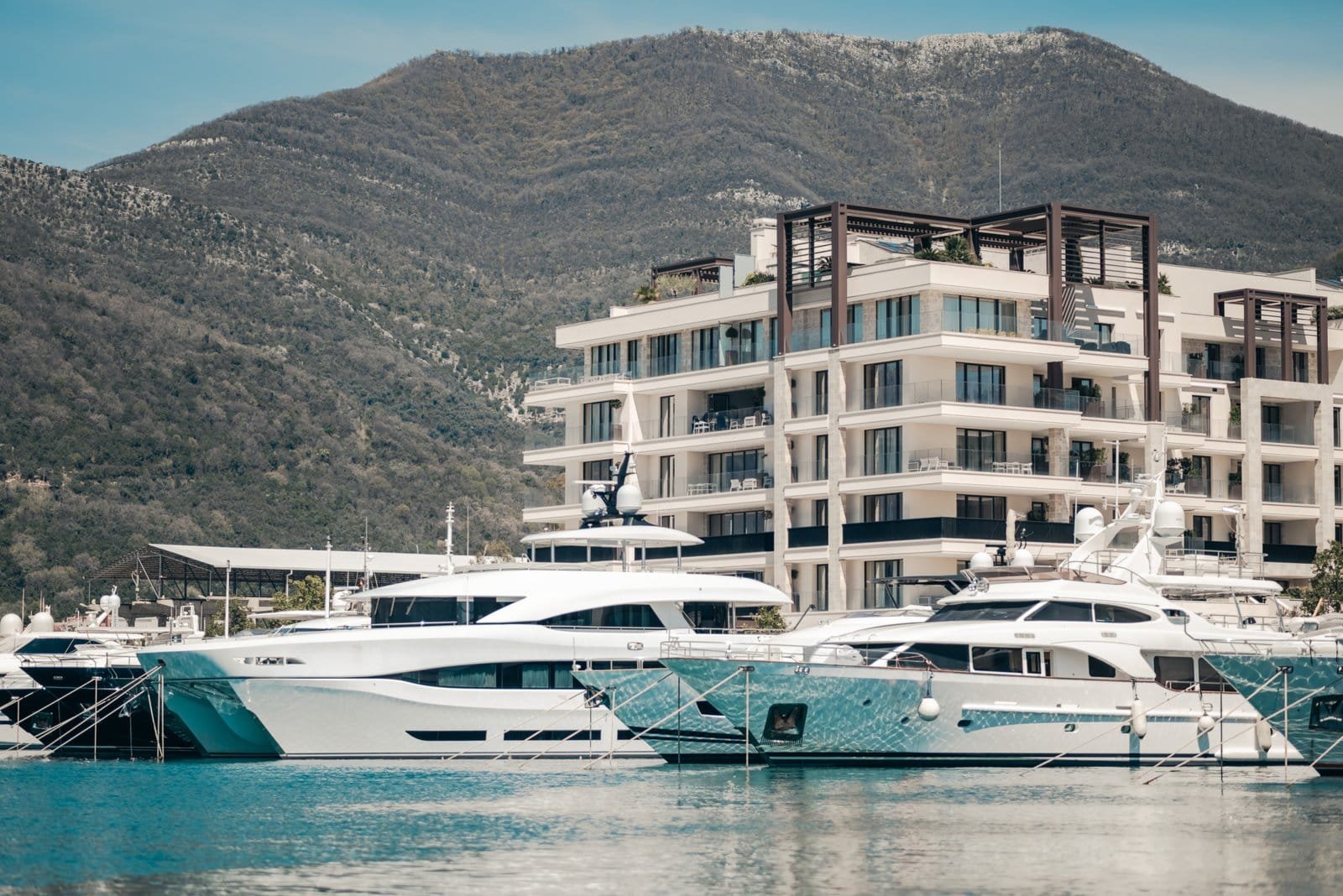
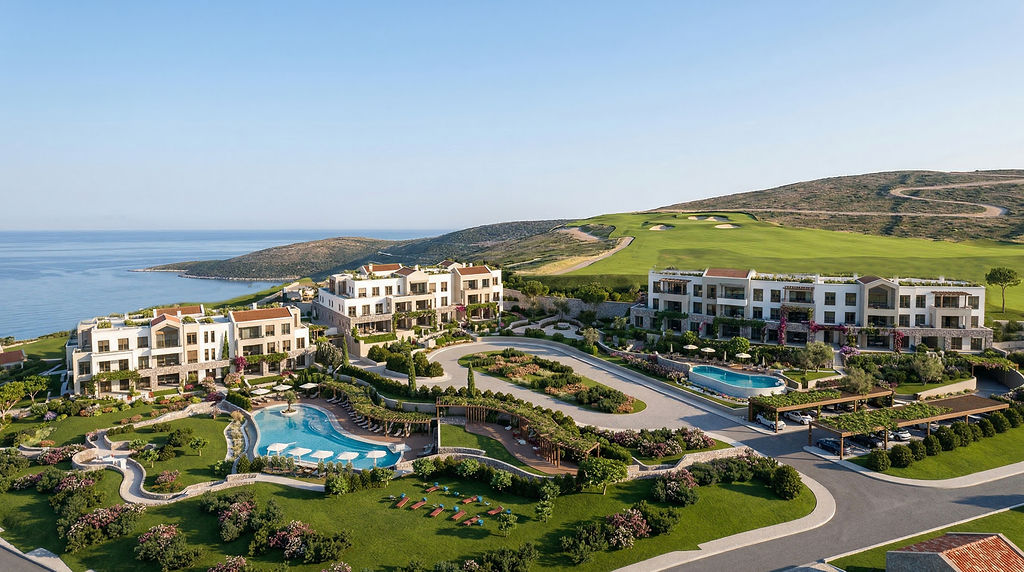
Land with direct bay frontage or unobstructed water views commands the highest premiums in this micro-market. Buyers researching this corridor typically review completed residential projects in the area as a basis for valuing land: understanding what a finished apartment or villa achieves allows for a more disciplined reverse-calculation of what a permitted plot should be worth. The Sky-High Sovereignty Above the Adriatic: Porto Montenegro's Crown Penthouse and the Panoramic Sea Views and Alpine Horizons at Porto Montenegro's Finest Address illustrate the quality benchmark that defines the upper tier of this submarket and, by extension, the standard any bespoke development on comparable land should aspire to match.
For a comprehensive orientation to the Tivat property market more broadly, the Barok Estates editorial team has published a dedicated 2026 waterfront buyer's guide for Tivat covering both land and finished property across all major neighbourhoods.
Budva and Herceg Novi
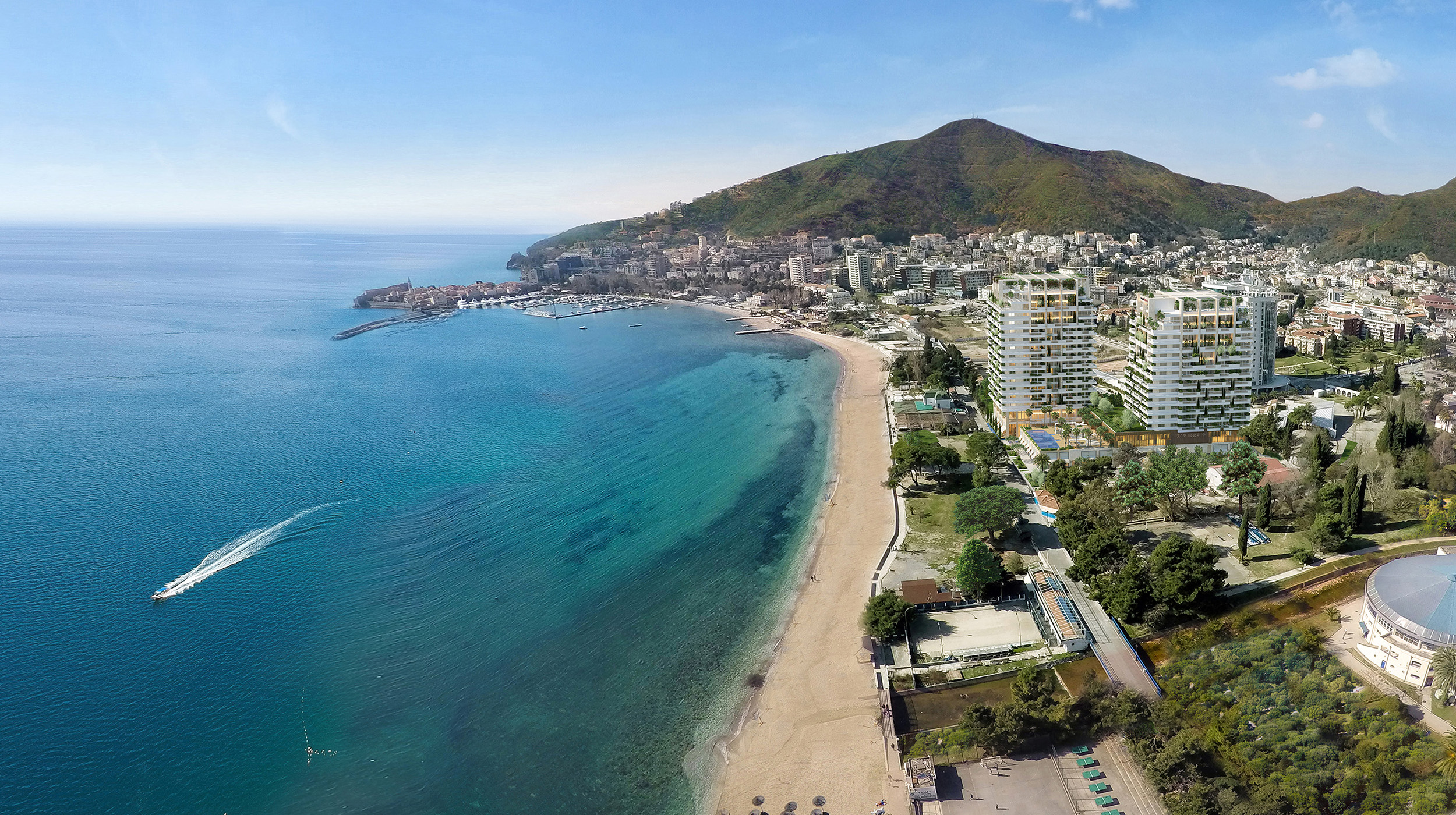
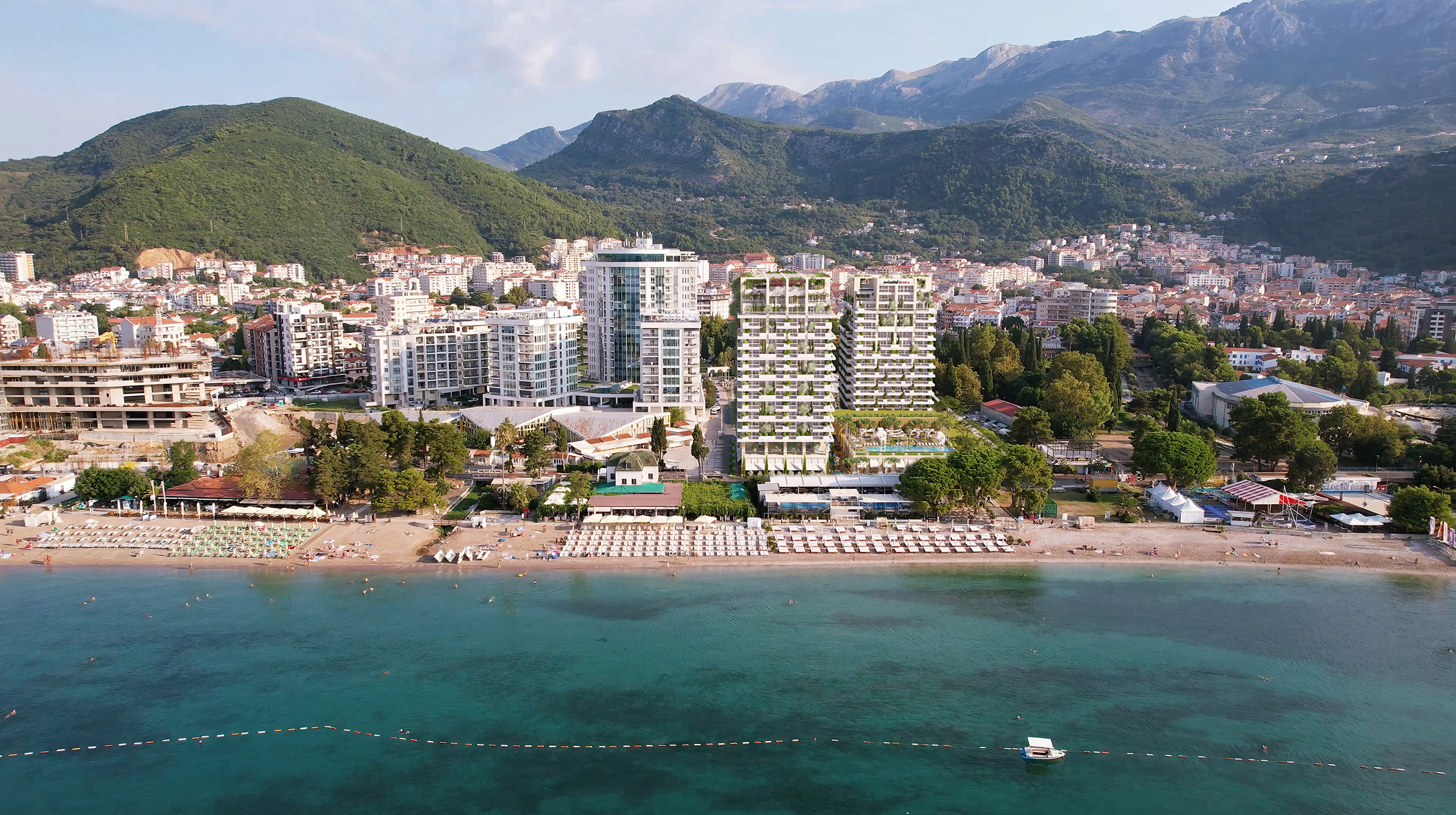
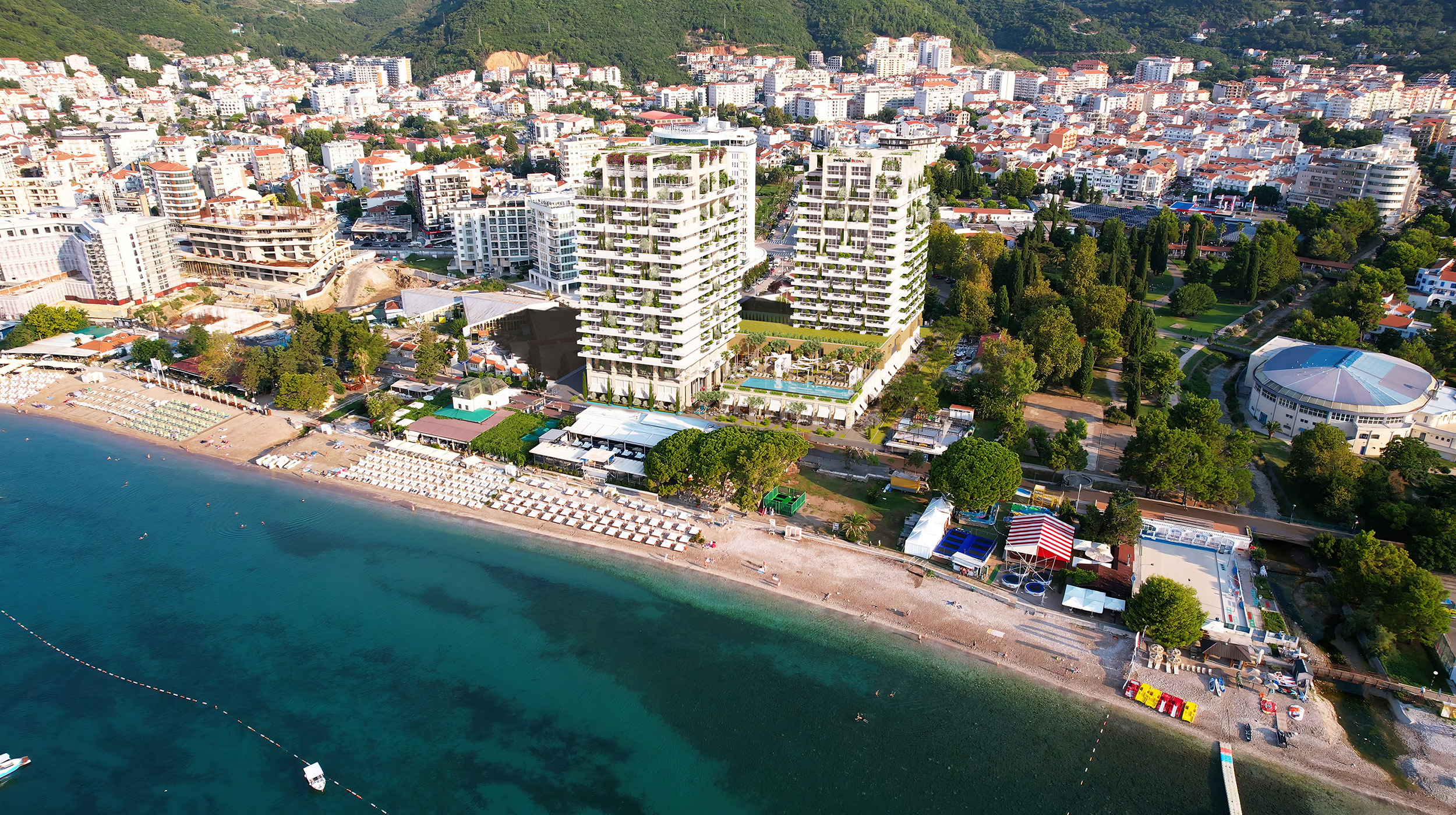
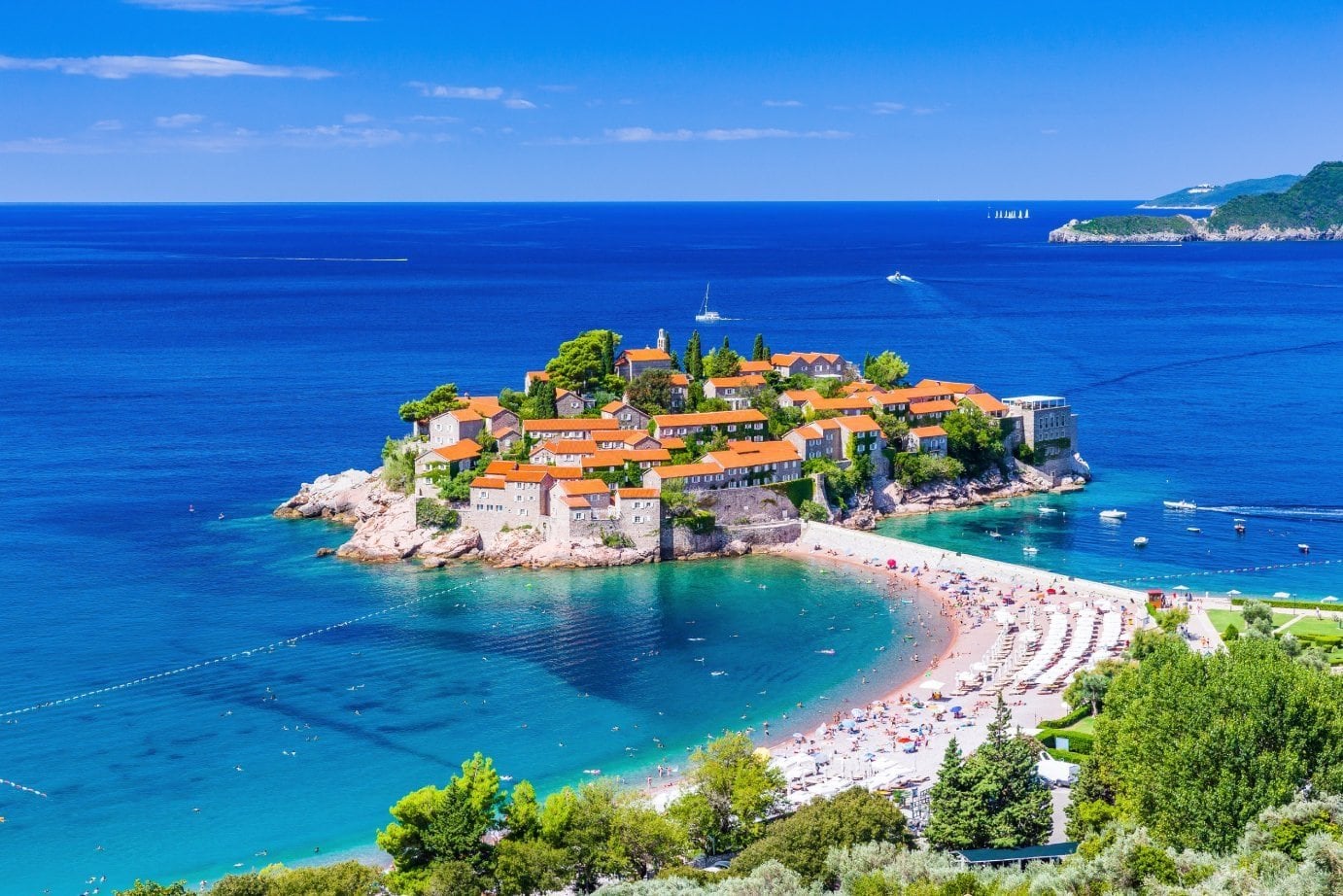
Budva operates on a different logic. It is Montenegro's most established tourism destination, and its land market is shaped primarily by density of demand: plots close to the Old Town or the major beach strips carry substantial premiums because both lifestyle appeal and short-term rental yields are highest there. The trade-off is that the most desirable parcels are small, often irregularly shaped by older cadastral divisions, and subject to greater planning complexity given the sensitivity of the historic urban fabric.
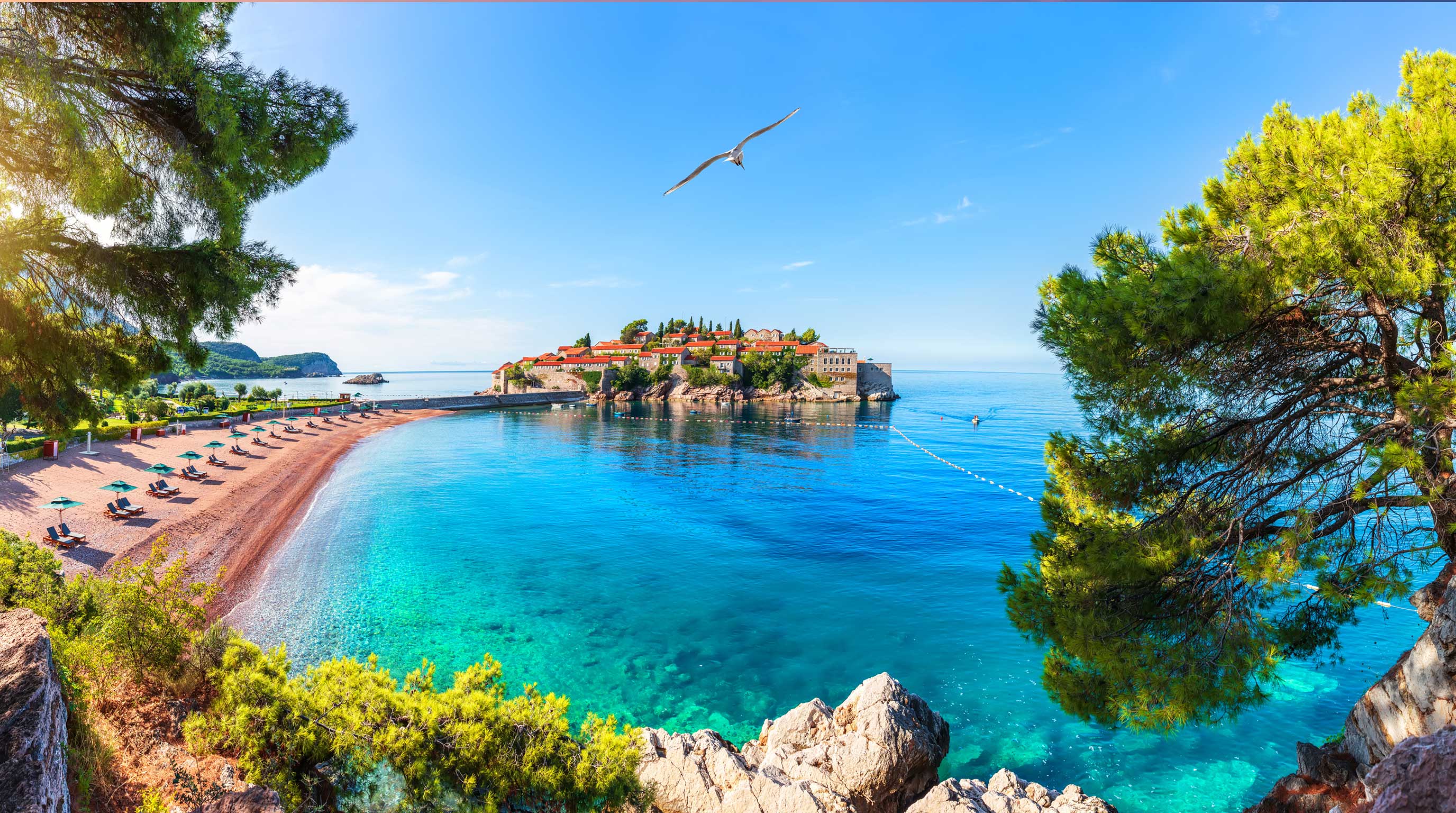
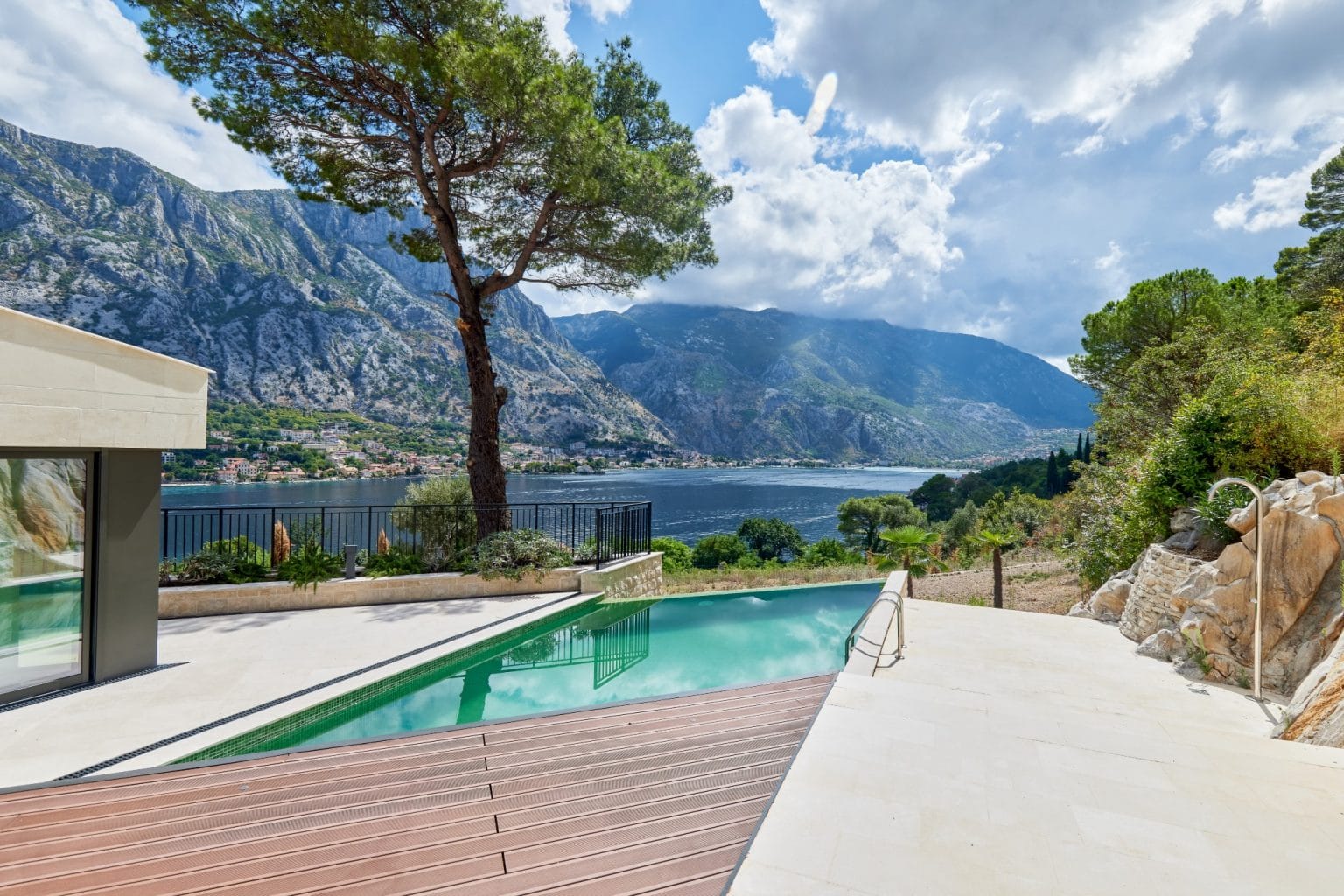
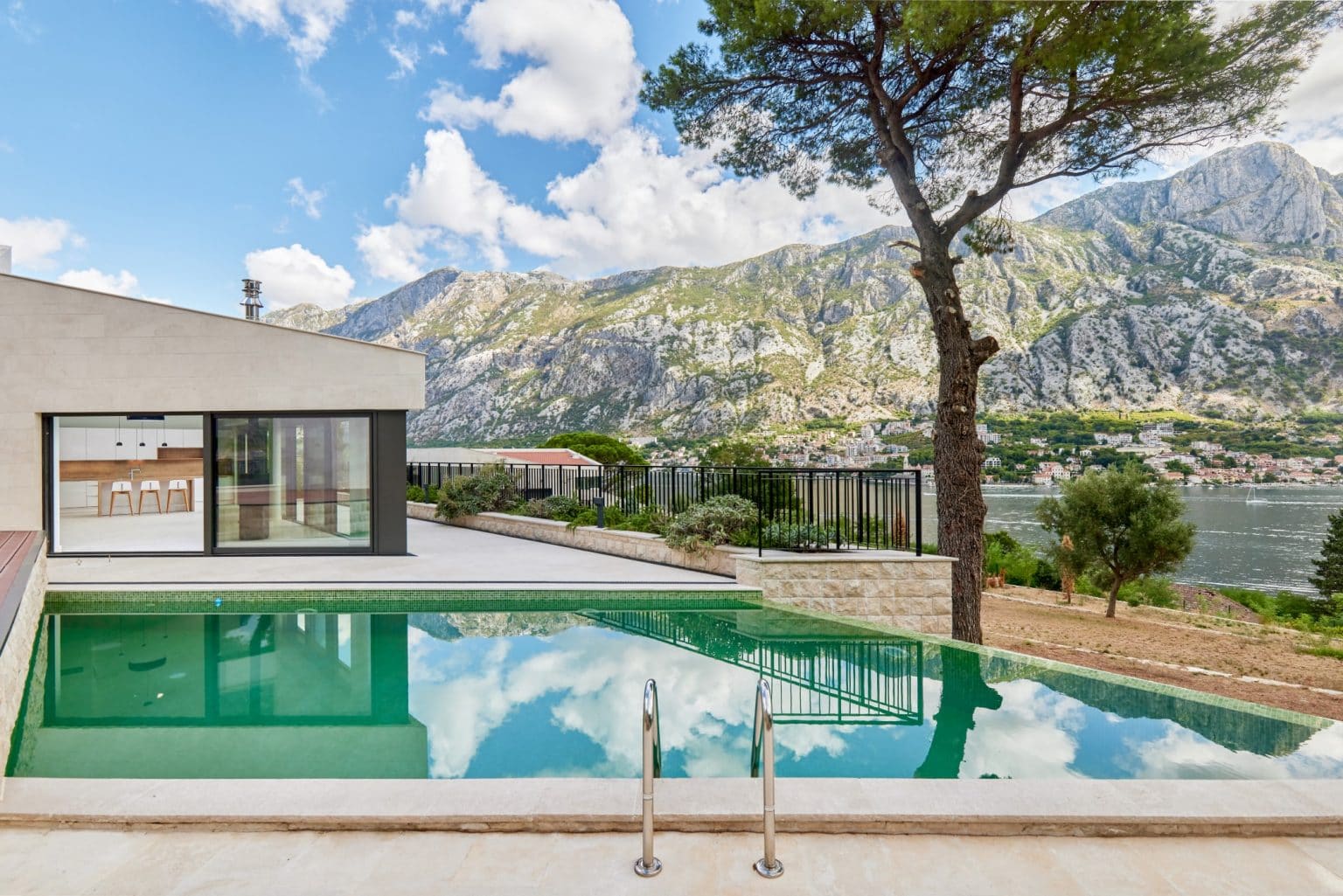
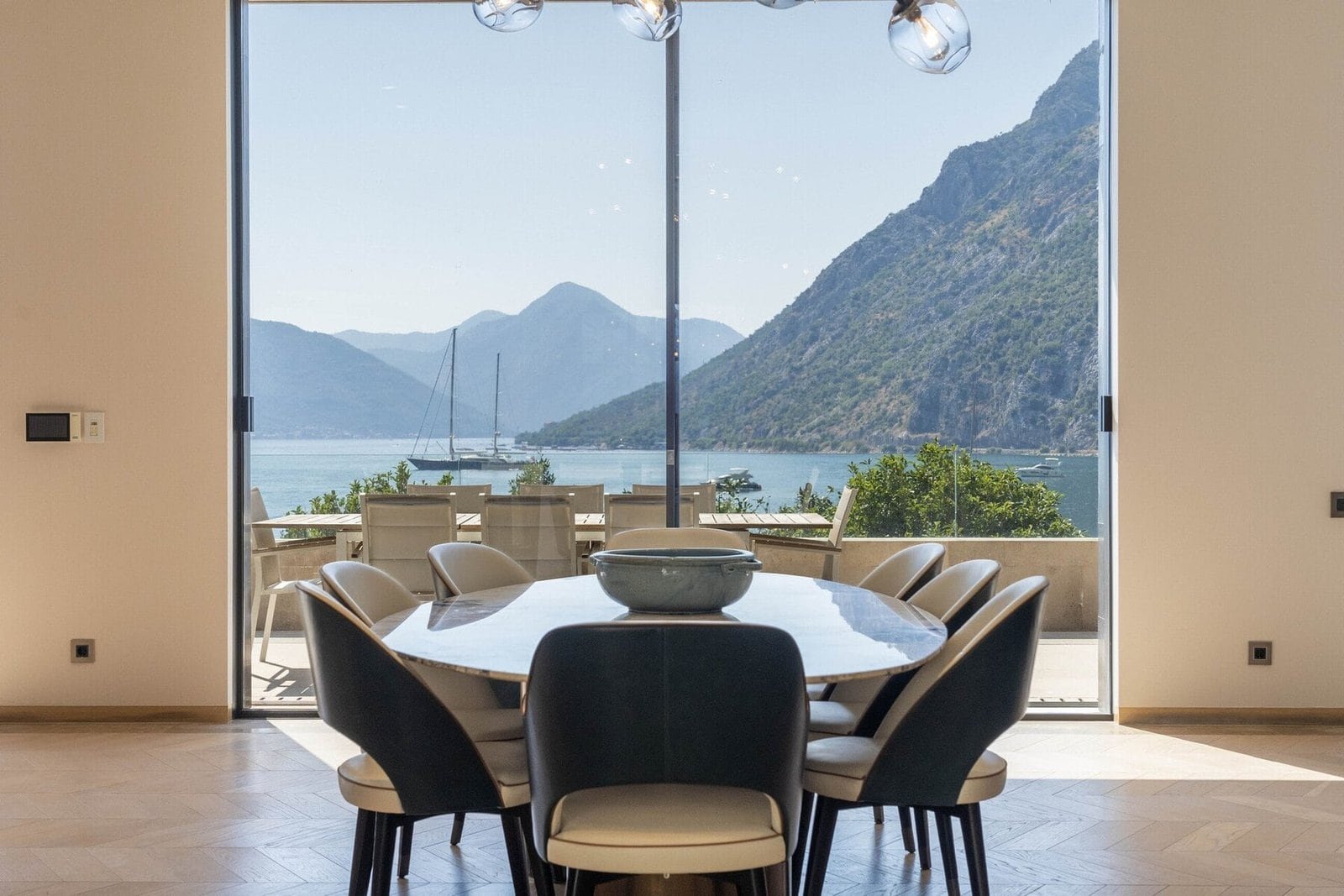
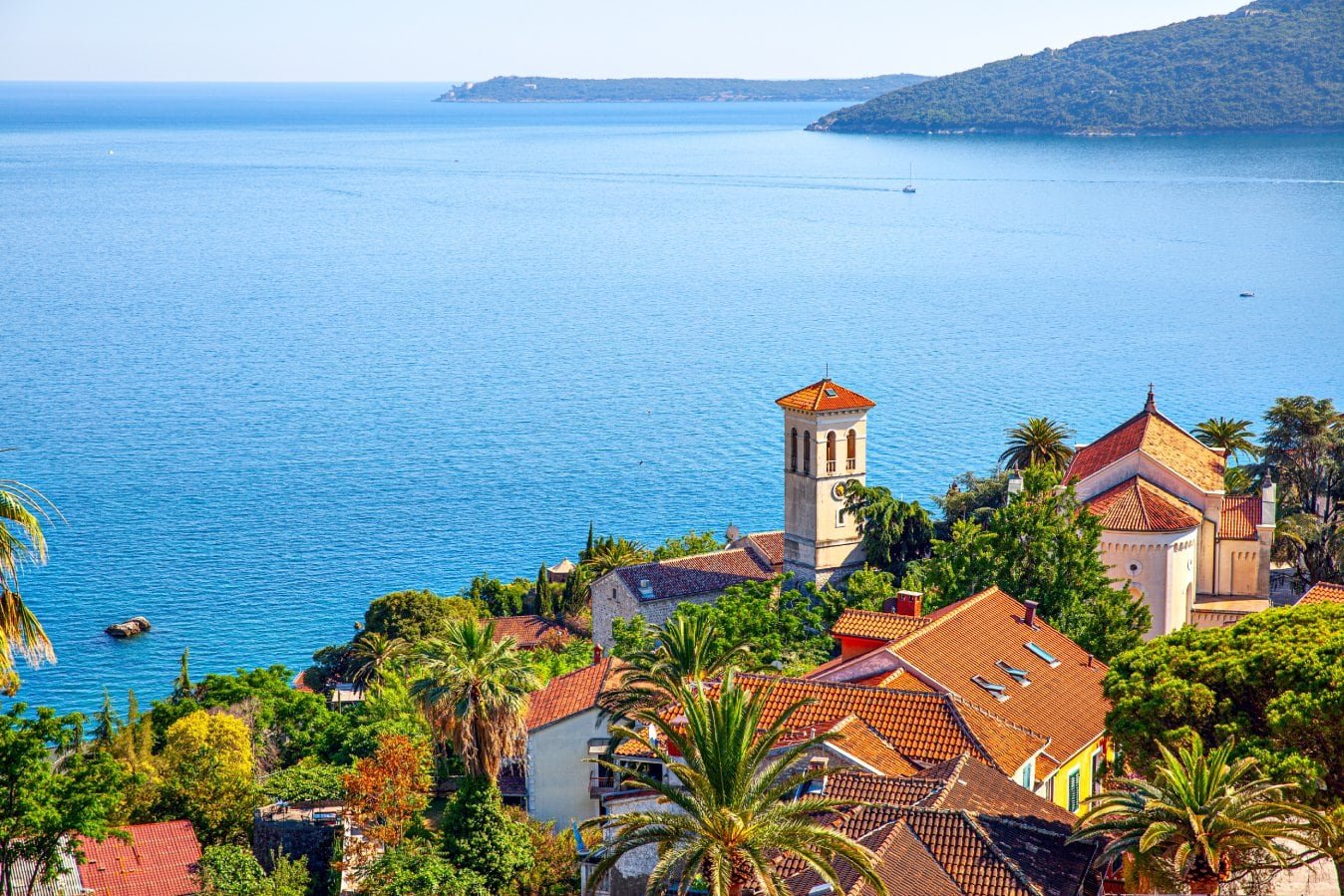
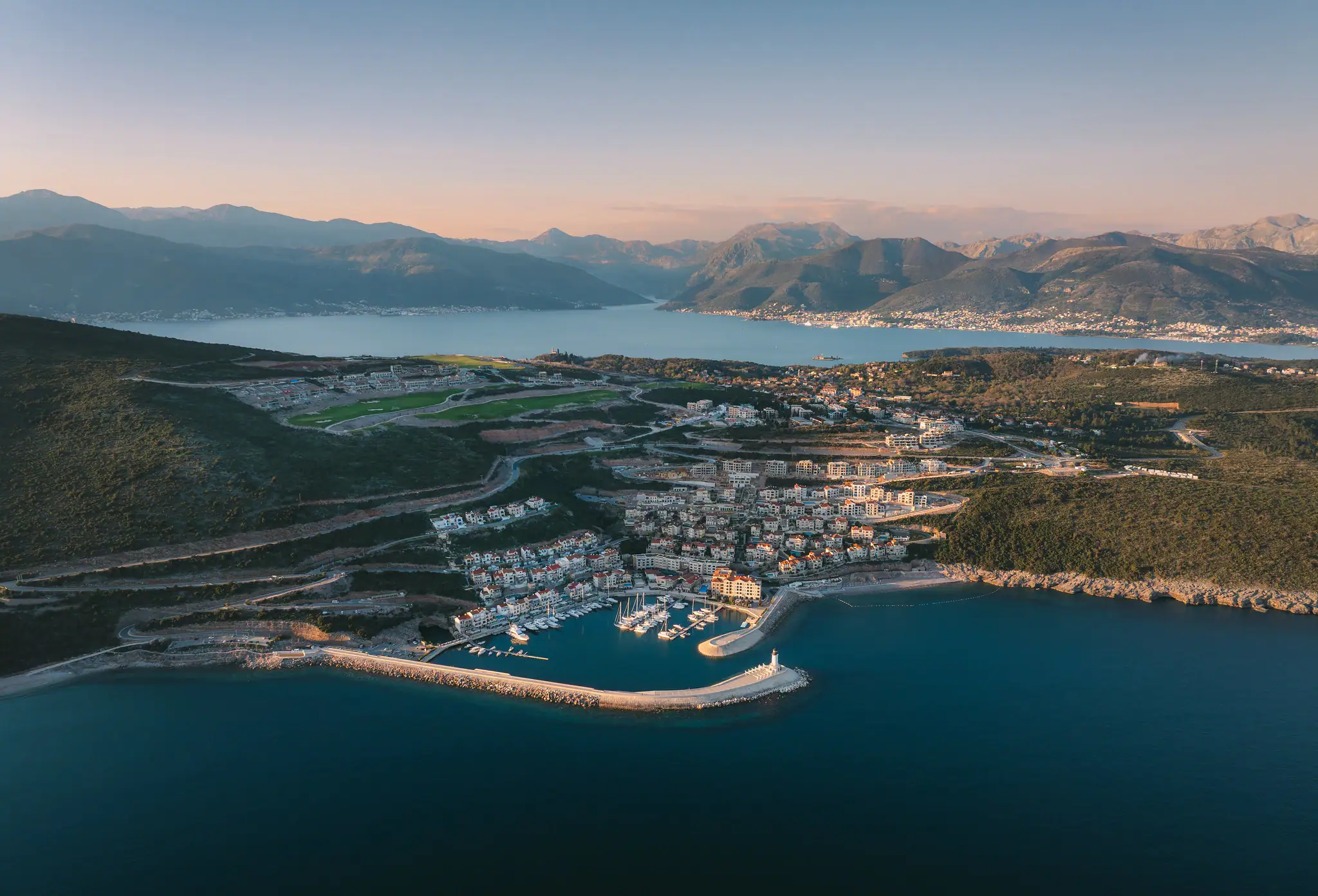
Herceg Novi, positioned at the western entrance to the Bay of Kotor, offers a meaningfully different proposition. It has historically attracted less international attention than either Tivat or Budva, which has kept entry prices relatively accessible. The scenery is equally dramatic, combining Adriatic water views with the backdrop of Mount Orjen, and the town itself has a genuine architectural character that is increasingly attracting buyers who find Budva's pace too commercial. For those who prioritise plot size, privacy, or budget efficiency over immediate proximity to a superyacht marina, Herceg Novi frequently represents the most rational point of entry into coastal land ownership in Montenegro.
Understanding Zoning: The Classification System That Determines Everything
No element of land acquisition in Montenegro is more consequential than zoning status. Before any emotional attachment to a view takes hold, a buyer must confirm what the local municipal urban plan actually permits on a given parcel. Zoning governs not only whether construction is possible, but how much floor area can be built, what height limits apply, and whether the intended use is even permissible.
Montenegro's spatial planning framework is administered at the municipal level, with oversight from the Ministry of Ecology, Spatial Planning and Urbanism (as per Montenegrin Law on Spatial Planning and Construction, consolidated through 2024 amendments). The relevant classification must be confirmed directly with the local urban planning department, not inferred from a seller's representation.
Construction Land, Agricultural Land, and Protected Zones
Urbanised or construction land, known locally as građevinsko zemljište, is the only category that offers a direct and legally straightforward path to residential development. Within this classification, the municipal urban plan specifies a building coefficient that defines the maximum permitted gross floor area relative to plot size, along with height restrictions and setback requirements. Buyers targeting a custom villa should focus their search almost exclusively on this category.
Agricultural land carries a lower price per square metre, which can make it appear attractive at first glance. The critical qualification is that converting agricultural land to construction land requires a formal reclassification process through the municipal authorities and the relevant ministries. This process is neither quick nor certain. Timelines of several years are common, and there is no guarantee of a successful outcome. Buyers who purchase agricultural land on the assumption that reclassification will follow are carrying a risk that is rarely priced correctly into their acquisition calculus.
Coastal protection zones exist across significant stretches of Montenegro's shoreline, established to preserve environmentally sensitive areas and the visual integrity of the coastline under both national legislation and Montenegro's obligations as a candidate state for EU accession. Land within these zones may be subject to strict construction limitations or outright building prohibition. Any parcel marketed with phrases such as "sea view" or "beachfront" should be verified against the municipal spatial plan before an offer is made. The view is real; the buildability may not be.
The Legal Framework for Foreign Land Ownership
Montenegro maintains one of the most accessible property ownership frameworks in the Western Balkans for foreign nationals. There is no general prohibition on non-residents or non-citizens acquiring freehold title to land, which distinguishes Montenegro from several of its regional neighbours and has been a material factor in the breadth of international interest the coastal market has attracted.
Foreign buyers acquire land under the same legal framework as Montenegrin citizens, with freehold title registered in the state cadastre. The ownership right is full and transferable. There are no restrictions on subsequent resale to another foreign buyer, and no minimum holding period requirements under current legislation (Montenegro Property Law, as administered by the Real Estate Administration, confirmed through 2025 regulatory review).
Property transfer tax, currently set at three percent of the assessed transaction value as per the Montenegro Tax Administration's published schedule, applies to all land acquisitions. Independent legal representation by a Montenegrin-licensed attorney is both a practical necessity and a professional obligation for any buyer conducting proper due diligence.
The Acquisition Process: From Initial Search to Notarised Title
The process of acquiring land in Montenegro follows a defined sequence. Deviations from that sequence, typically pressure to sign before due diligence is complete, are a reliable signal to slow down.
The first step is zoning verification. Before any negotiation begins, the parcel's classification should be confirmed in writing with the local municipality's urban planning department. A seller's verbal assurance is not a substitute for documentary confirmation.
The second step is a title search through the state cadastre. This establishes who legally holds ownership of the parcel, whether there are co-owners whose consent is required for a sale, and whether any encumbrances, mortgages, easements, or active legal disputes are registered against the title. Clean title is a prerequisite for proceeding.
The third step is the preliminary agreement, signed once both parties have confirmed intent and the buyer has completed an initial review. This document typically includes a deposit, usually ten percent of the agreed purchase price, and sets out the terms and timeline for completion. It is legally binding under Montenegrin contract law.
The fourth step is full legal due diligence. A licensed Montenegrin attorney reviews boundary demarcation, access rights, utility easements, proximity to coastal protection zones, and any pending claims or planning disputes affecting the parcel. This step cannot be rushed and should not be abbreviated to accelerate closing.
The fifth step is the notarised sale contract. Montenegrin law requires that real property transfers be executed before a licensed notary public. The notary confirms the identity of the parties, the legality of the transaction, and the agreement of terms before the document is formally certified.
Following execution, transfer tax is assessed and paid, and the new ownership is registered in the state cadastre. Registration constitutes the legal completion of the transfer.
For buyers who are also considering how Montenegro's property market compares across different asset types and regions, the Barok Estates advisory team has published a broader market overview covering ski property investment in Kolašin for those interested in Montenegro's year-round investment potential beyond the coast.
Land Ownership Rights for Non-Resident Buyers
Non-resident buyers holding freehold title to land in Montenegro have the same rights as resident owners in relation to the asset itself. They may develop the land in accordance with applicable planning permissions, sell it, lease it, or hold it as an appreciating asset with no statutory obligation to build within a defined period.
There is no annual wealth tax on property ownership under current Montenegrin law. An annual property tax does apply, assessed by the local municipality at rates that vary by location and classification, but these are modest relative to comparable Western European jurisdictions (Montenegro Tax Administration, published rate schedule 2025).
Buyers should be aware that obtaining a construction permit is a separate process from acquiring the land. Even a plot with full construction classification will require an approved architectural project, a geotechnical study, and formal permit issuance from the local authority before building can commence. The permitting timeline varies by municipality and project complexity, but a well-prepared application on a straightforward site can typically be processed within six to twelve months.
---
Barok Estates International Advisory Note
The Barok Estates International team advises on coastal land acquisitions across Montenegro's Adriatic municipalities, working with a network of licensed Montenegrin legal counsel, certified valuers, and planning consultants. Our advisory practice covers site identification, zoning analysis, due diligence coordination, and ongoing project oversight through to construction completion.
For buyers at the earliest stage of evaluating coastal land in Montenegro, or those who have identified a specific parcel and require independent assessment before proceeding, we invite you to contact our Montenegro desk directly. Informed acquisitions begin with the right counsel.








.jpg)