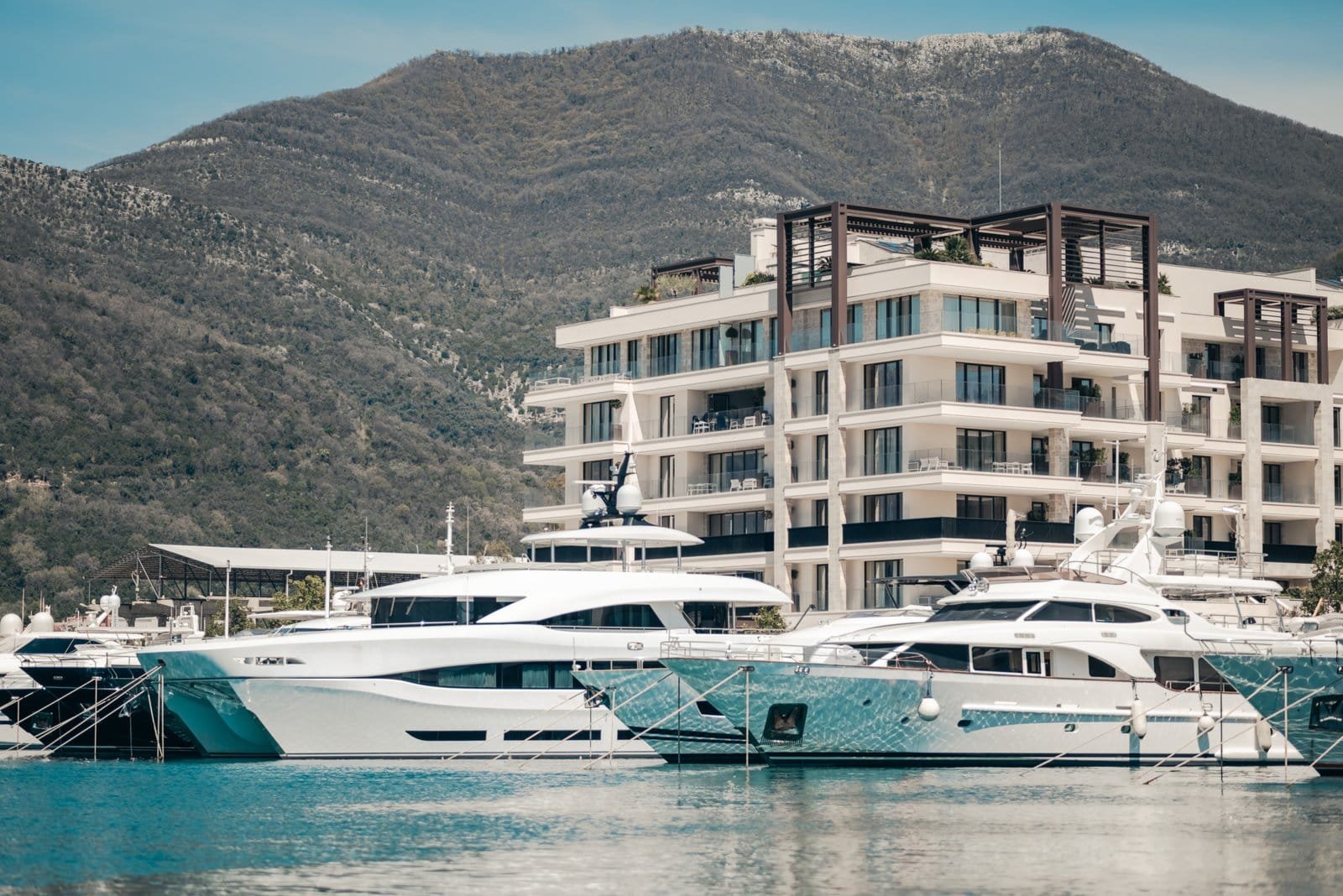
Why Kotor Old Town Commands a Premium in 2026
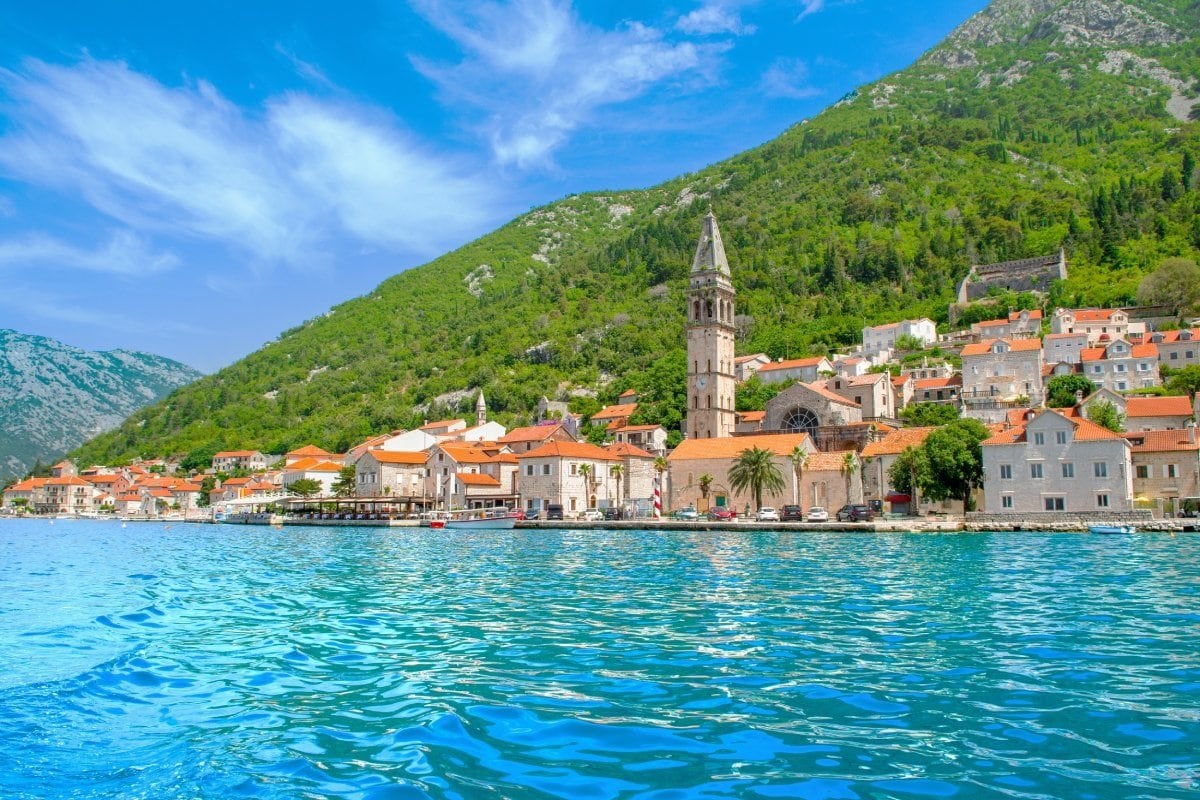
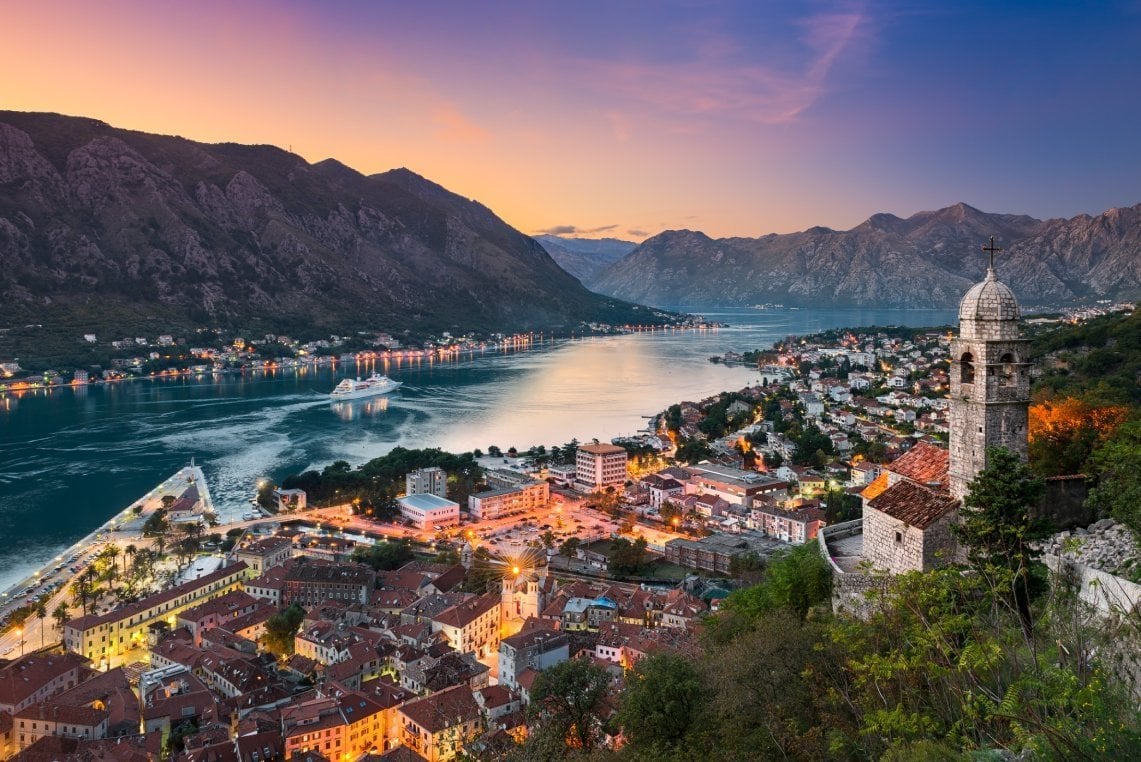
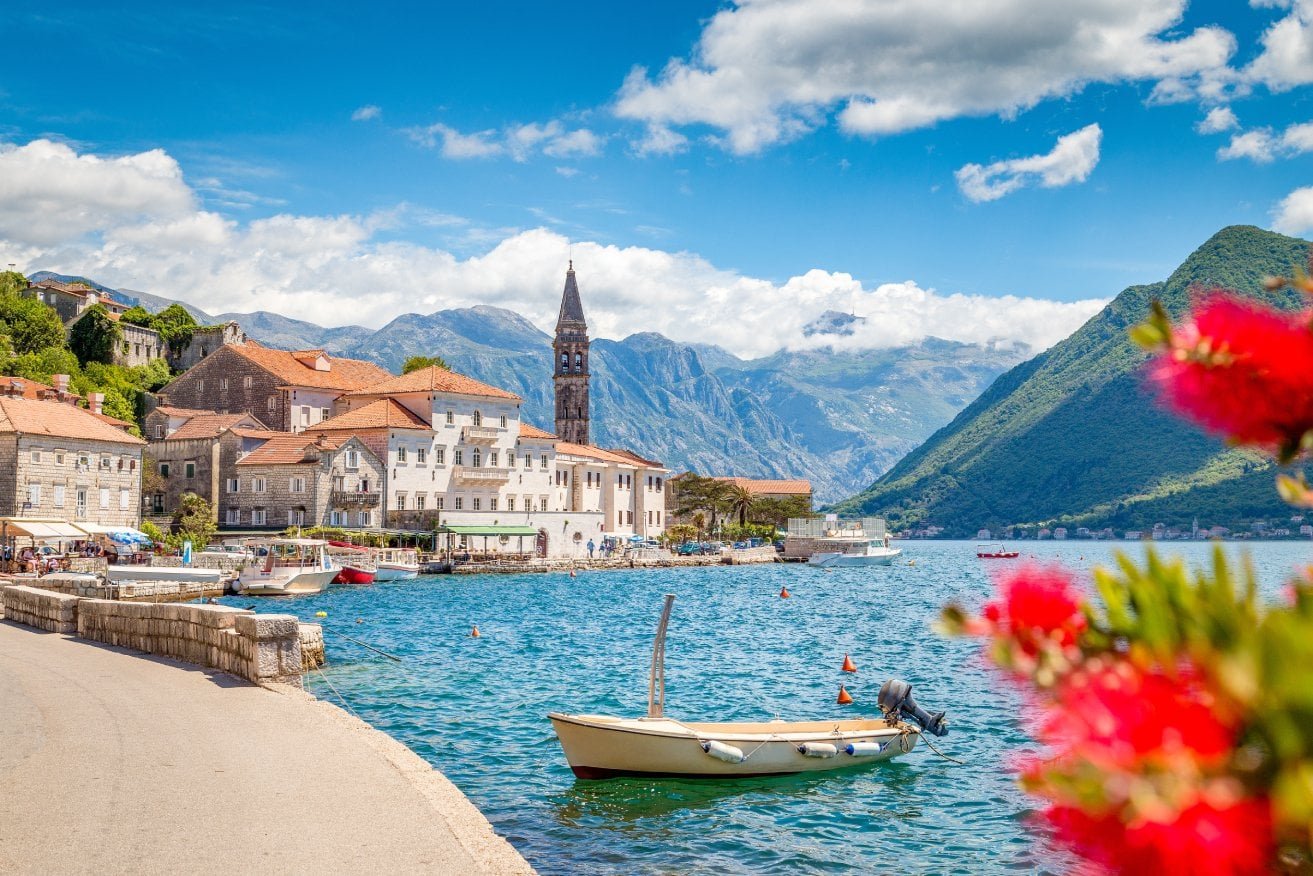
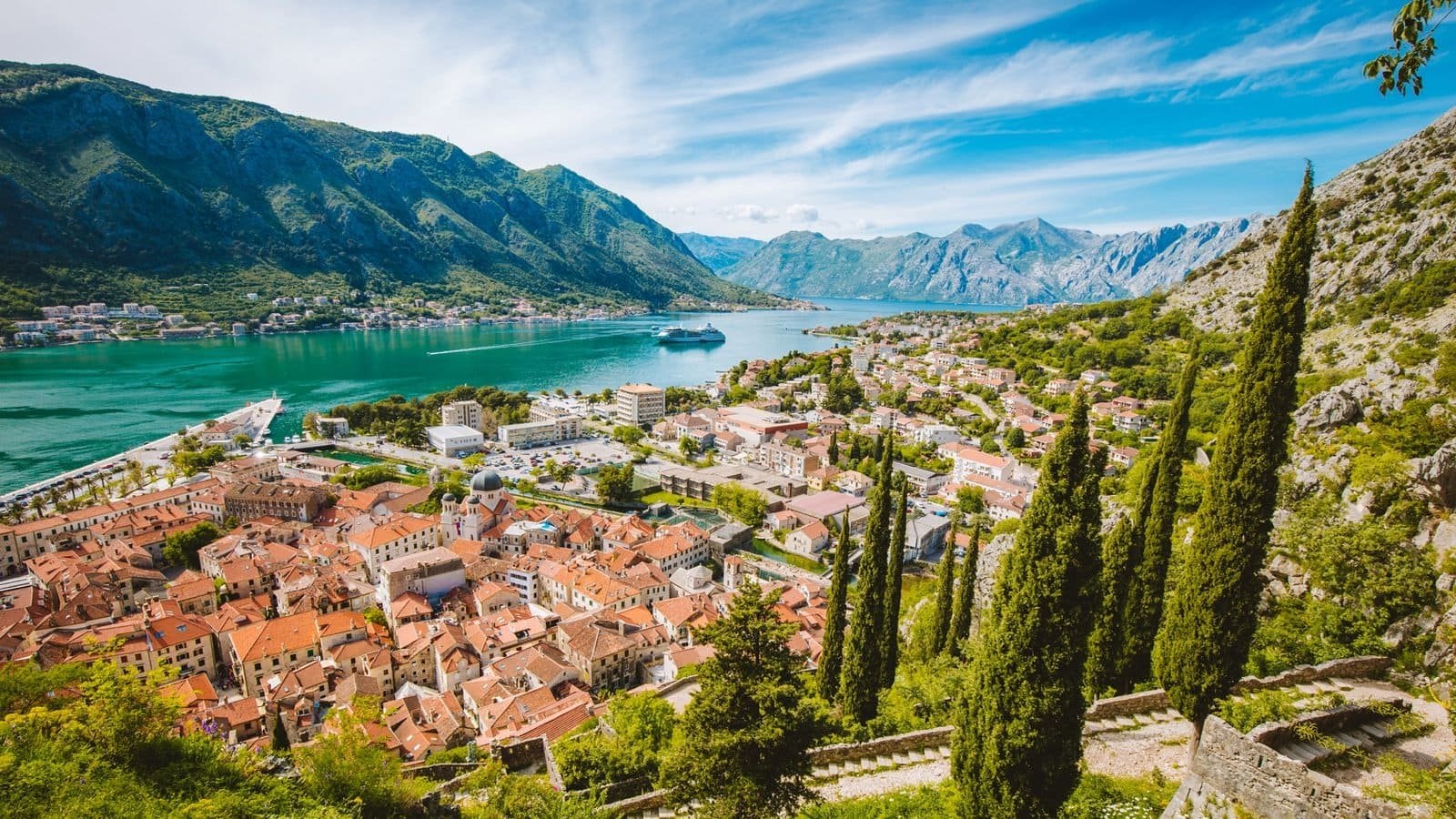
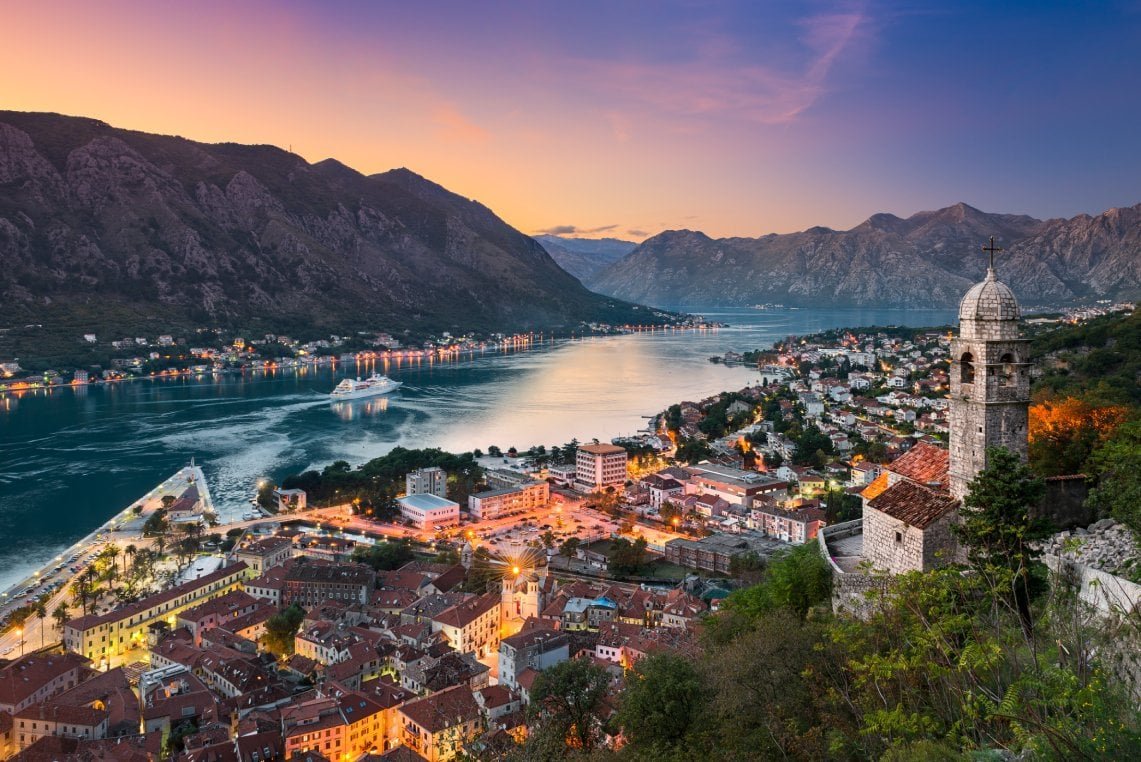
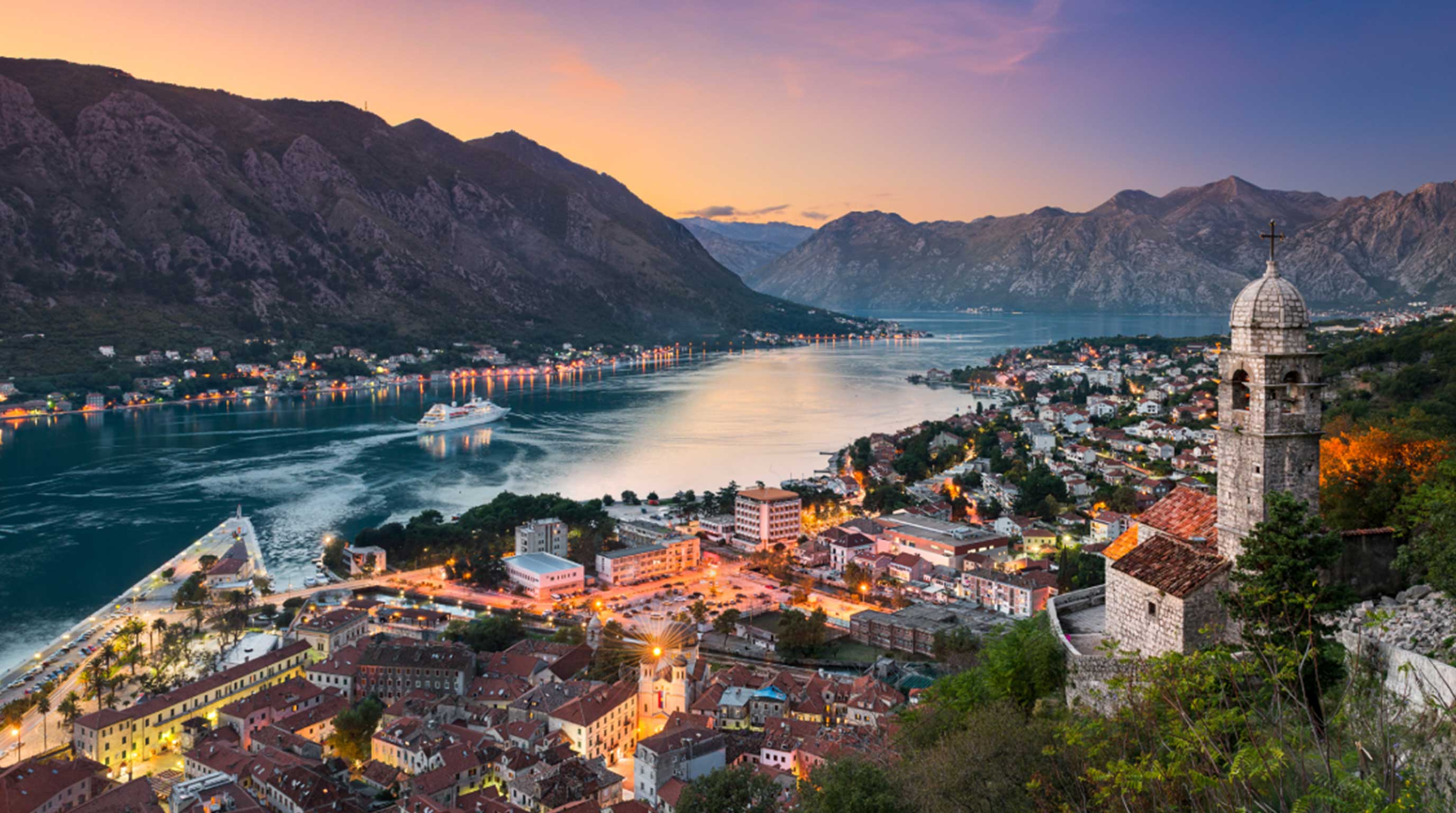
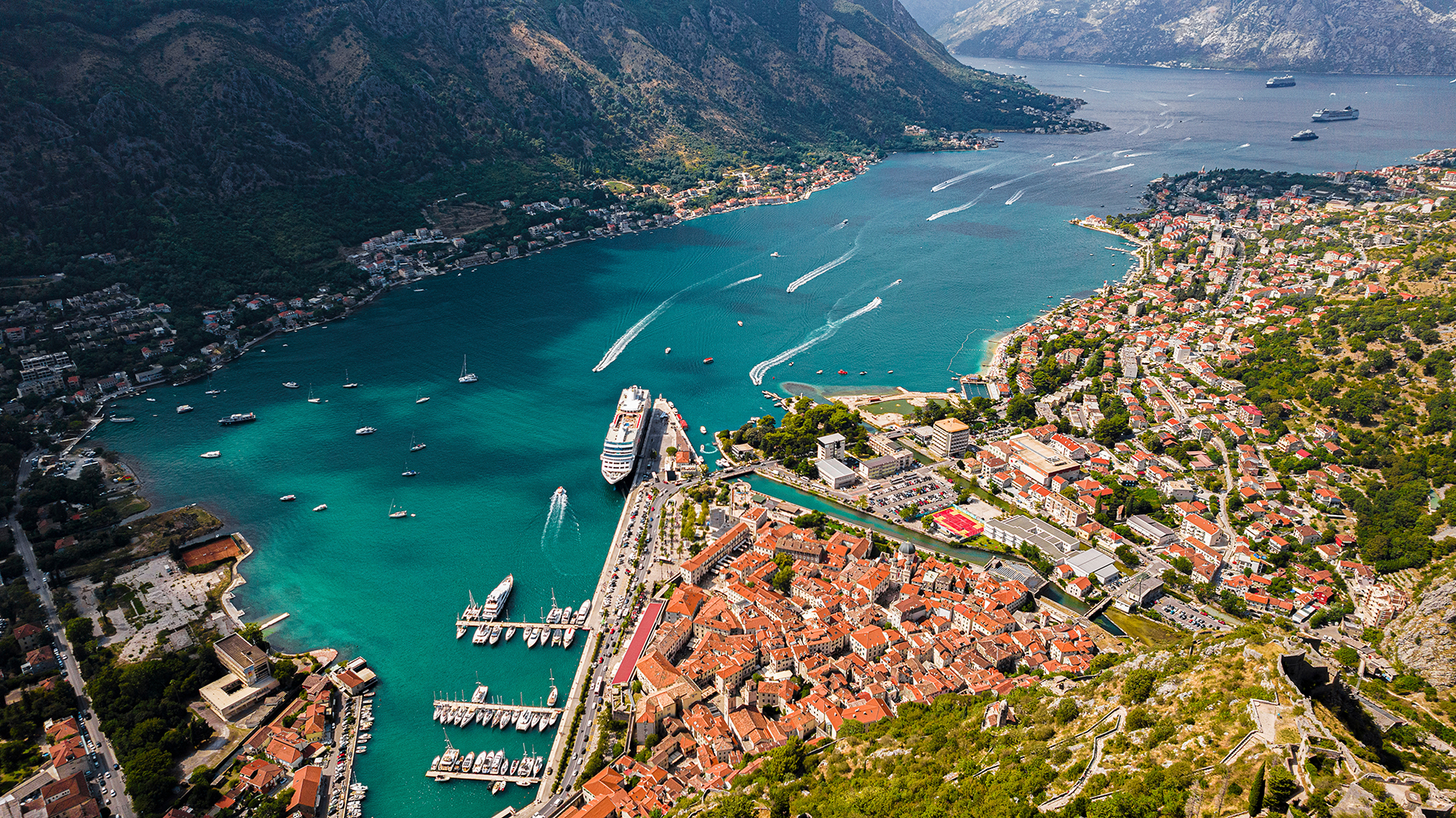
Very few addresses in continental Europe carry the kind of intrinsic, irreplaceable value that Kotor Old Town does. Ringed by 4.5 kilometres of medieval fortifications and inscribed on the UNESCO World Heritage List, this concentrated Adriatic enclave offers international buyers something no amount of capital or development ambition can reproduce: a genuine medieval urban fabric, centuries-old Venetian stonework, and a residential inventory that is structurally incapable of growing. For the discerning buyer seeking a luxury apartment in Kotor Old Town, that permanence of supply is not a footnote. It is the entire investment thesis, and in 2026, the gap between demand and available stock has widened to its most pronounced point in at least a decade.
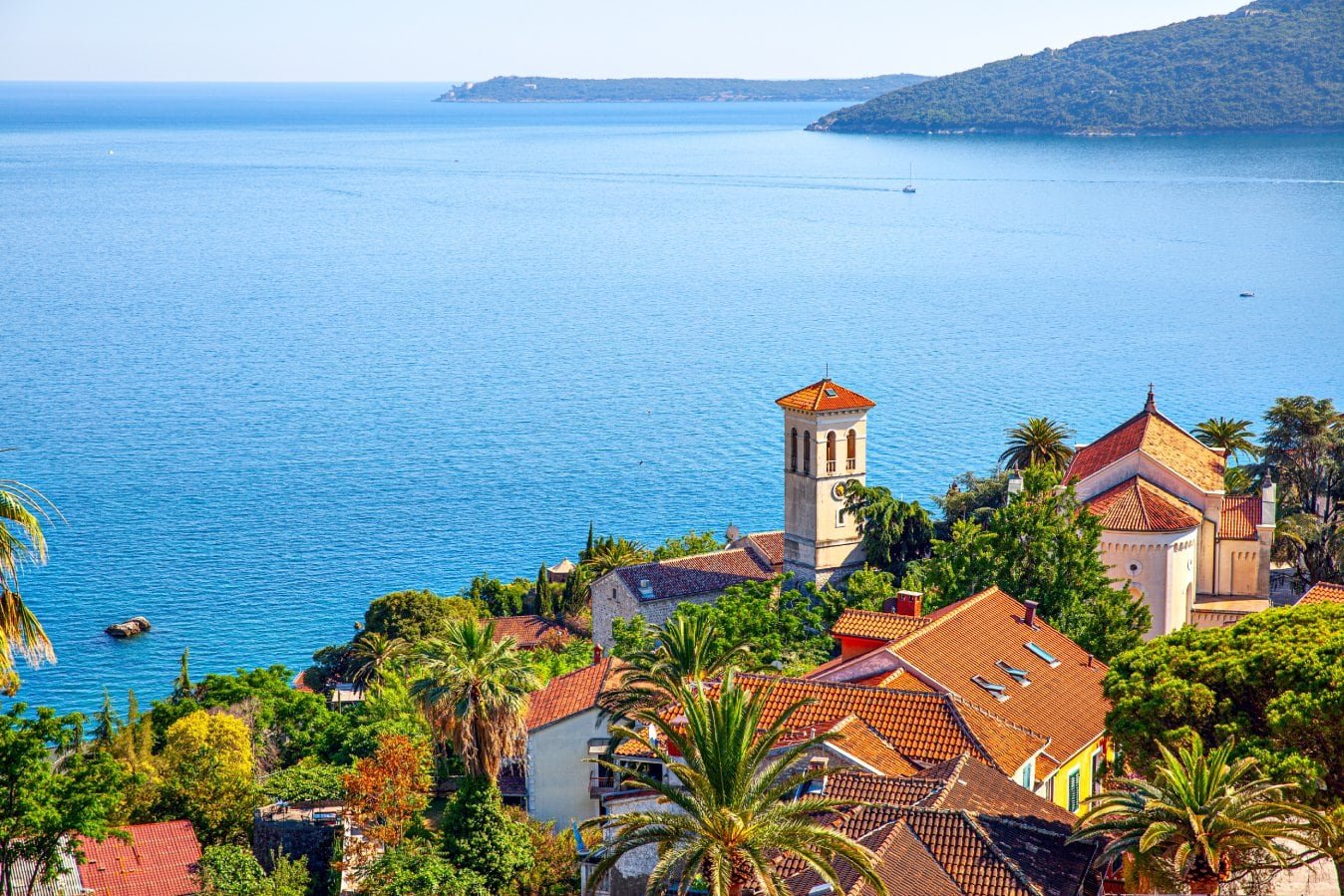
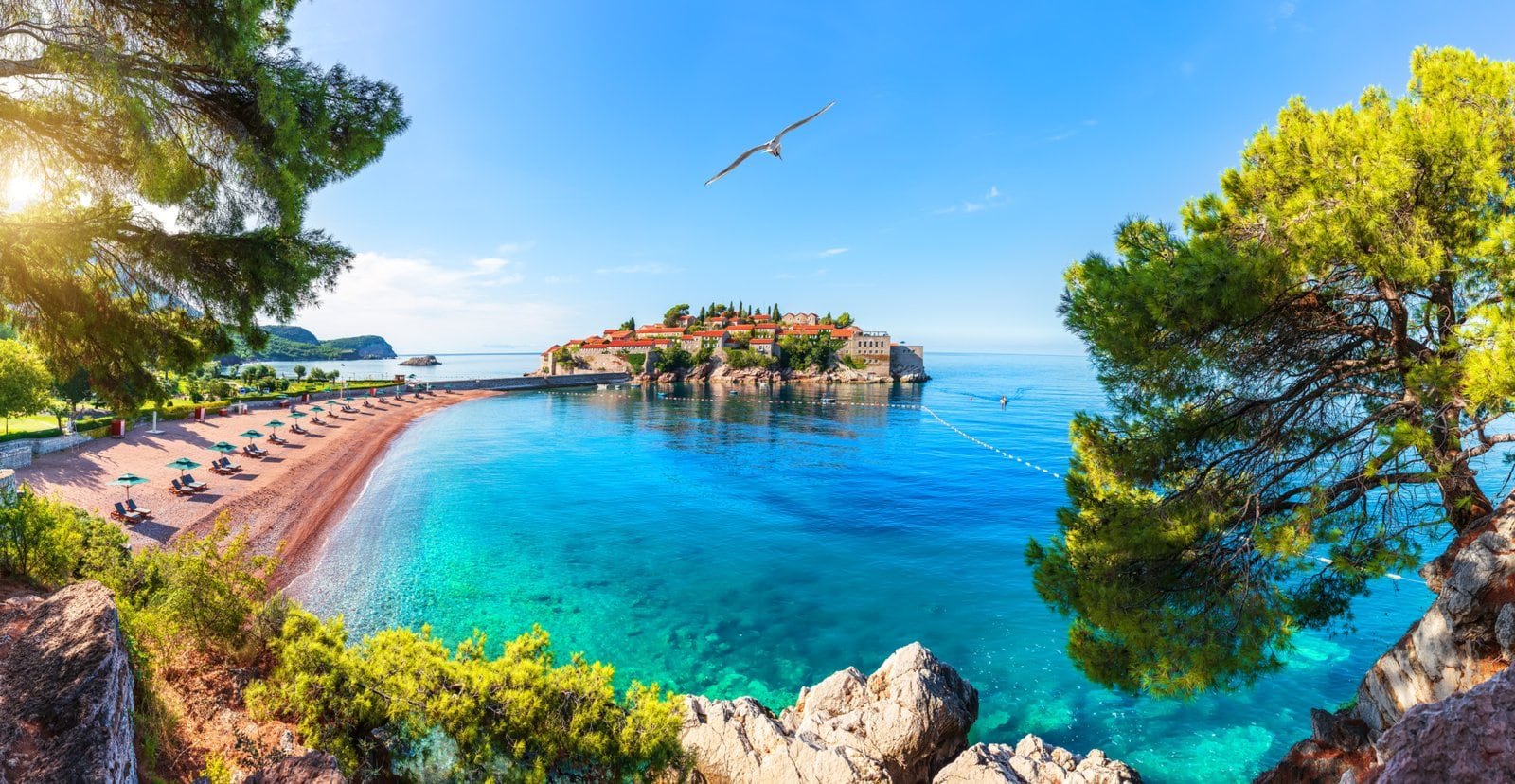
Montenegro's emergence as a credible luxury destination has accelerated considerably. EU candidate status, a stable euro-denominated economy, and an improving international air connection to Tivat have placed the Bay of Kotor on acquisition shortlists that, five years ago, would have looked no further than the Côte d'Azur or the Balearics. Within that broader Bay of Kotor story, the Old Town functions as the trophy tier: the address that no marina development, however well-capitalised, can replicate or compete with directly.
A Market Defined by Scarcity
The entire residential stock of Kotor Old Town occupies roughly 4.5 hectares enclosed within those ancient walls. That figure has not changed since the Venetian Republic was administering the town, and it will not change. No infill development is permitted. No rooftop additions are sanctioned. Every apartment that comes to market represents a transfer from one owner to another within a fixed, finite pool of properties, the same structures that have been standing since the thirteenth, fourteenth, and fifteenth centuries.
This supply ceiling is the defining structural feature of the market. As European, Middle Eastern, and increasingly American buyers identify Montenegro as a serious acquisition target, the Old Town absorbs the premium tier of that demand. Inventory cannot respond. The consequence is a one-directional pressure on values that has no architectural or planning mechanism to relieve it. Buyers who understand this are not paying a premium for sentiment. They are paying for a permanent supply constraint that acts, in practice, as a capital-preservation floor.
For a broader perspective on yield performance and capital growth across the wider bay, the Bay of Kotor Property Investment: Rental Yields and Returns for 2026 guide sets out the comparative investment case across the region's key sub-markets.
Kotor Old Town Apartment Prices in 2026: What Buyers Are Paying
Price per square metre within the historic district consistently and significantly exceeds the wider Bay of Kotor average. Buyers comparing asking prices in Dobrota, Tivat, or Porto Montenegro against Old Town listings are, to be precise, not making a like-for-like comparison. They are comparing standard residential square footage against a position inside a UNESCO World Heritage Site, set within medieval stone of Venetian origin, offering views and streetscapes that no new-build project can reproduce.
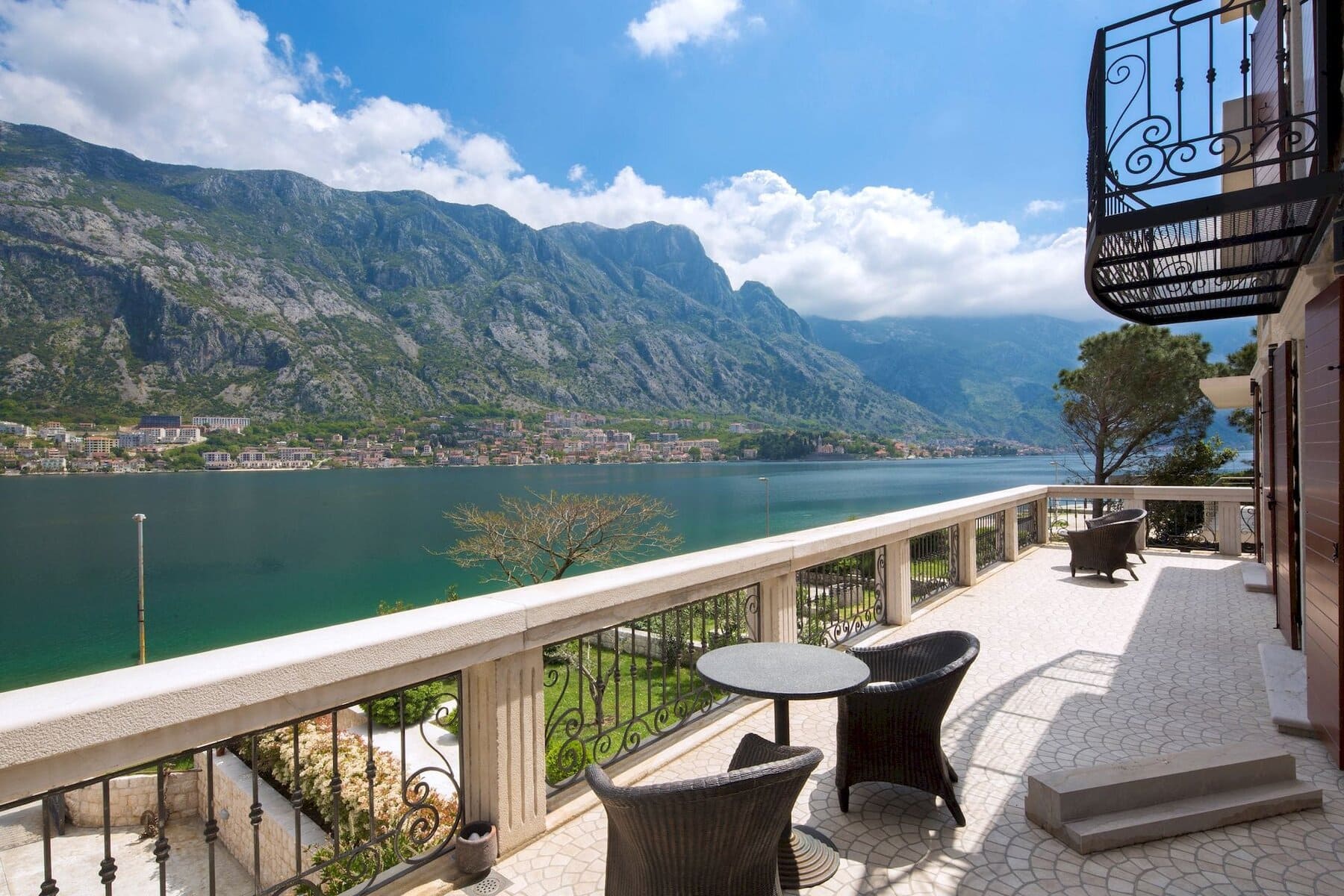
Within the Old Town itself, pricing stratifies across several clear variables. Floor level is the most consequential: elevated apartments with private terrace access and direct sightlines across the bay sit at the top of the asking-price range and generate the strongest short-term rental premiums. Ground-floor units on interior lanes, still historically significant and architecturally characterful, trade at a relative discount to bay-facing elevated stock, though they remain well above the wider Bay of Kotor average on a per-square-metre basis.
Condition creates the widest price band. A fully restored apartment with a rooftop terrace, period vaulted ceilings, and an unobstructed sea view represents the market ceiling. An unrestored stone shell, structurally sound but requiring full licensed renovation, represents the entry point for buyers with the appetite and capability to undertake heritage-compliant restoration. The gap between those two poles is substantial in monetary terms, but the gap in outcome, for buyers who execute a restoration correctly, can be equally substantial in the other direction.
Restoration-Grade vs. Turnkey: Choosing the Right Apartment in the Historic District
Restored Apartments in Kotor: The Heritage Premium Explained
Acquiring a restoration-grade property, a raw or partially stripped stone shell requiring full licensed renovation, offers a lower entry price than a finished unit. That pricing differential, however, should not be read as a straightforward saving. It reflects a different cost structure and a different risk profile that buyers must assess clearly before committing.
Restoration inside the Old Town requires engagement with specialist conservation architects and construction firms holding the relevant licences issued by Montenegro's cultural heritage authority, the Institute for Protection of Cultural Monuments. Materials must be approved. Structural interventions require documented methodology. Window profiles, facade treatment, lime-render specifications, and flooring choices are all subject to oversight. This is not bureaucratic inconvenience. It is the legal and administrative framework that has kept a 2,500-year-old urban fabric intact and, in doing so, has preserved the very asset quality that commands premium pricing.
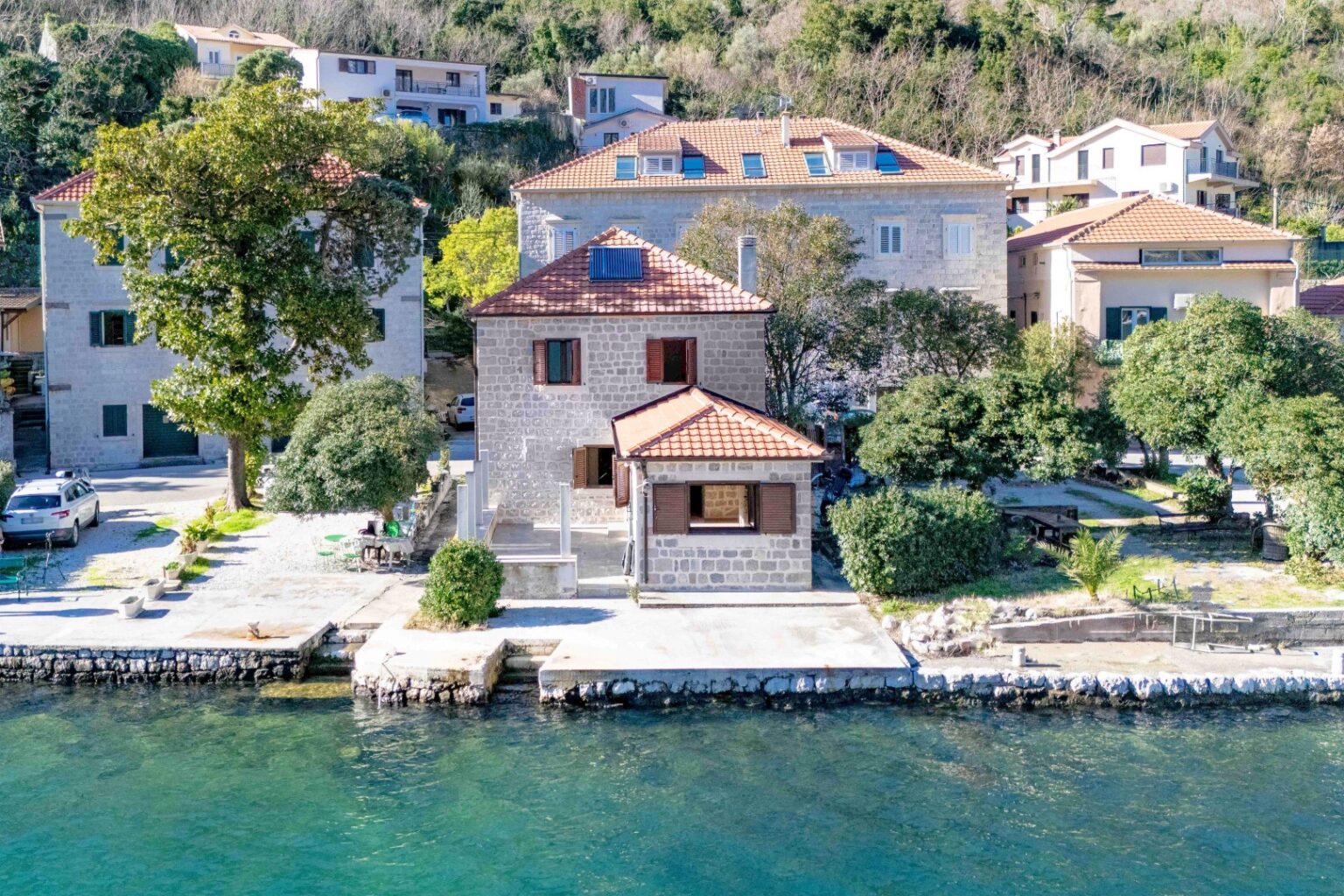
The results, when executed with the right professional team, are genuinely exceptional. Venetian-era stone palazzos fronting the Pjaca and the quieter secondary lanes have been converted into high-specification residences that retain original vaulted ceilings, carved stone doorways, and flagstone floors. No contemporary development in the Bay of Kotor, however expensively finished, can reproduce that combination of architectural authenticity. Full restoration timelines typically range from twelve to thirty months, depending on the scope of structural and interior works. Buyers who plan that process carefully and budget conservatively consistently produce assets that sit at the very top of the Old Town hierarchy in both resale value and short-term rental appeal.
Heritage compliance is, in this sense, the quality-control mechanism that protects long-term asset value rather than constraining it. Owners who invest in proper, documented restoration see measurably stronger resale premiums than those who treat heritage requirements as obstacles to be minimised.
Turnkey Units: Immediate Activation and Predictable Costs
For buyers who prefer a clean, predictable acquisition, a fully finished apartment that already meets heritage standards removes the restoration variable entirely. Asking prices on turnkey units are higher, reflecting the capital the previous owner has already deployed, but cost certainty is considerably greater, and rental income can begin within the same season as acquisition.
Approval risk is also behind the buyer at the point of purchase. A turnkey unit has already passed through the heritage authority process. The materials are approved, the structural interventions are documented, and the property is ready for occupancy and licensing as a short-term rental.
The principal trade-off is optionality. A finished apartment reflects the aesthetic decisions of the party that commissioned the restoration. For buyers who want to shape the interior to a specific vision, or who want to create a product positioned at the very top of the short-term rental market, a restoration-grade acquisition, managed with experienced professionals, offers a creative latitude that no turnkey purchase can match.
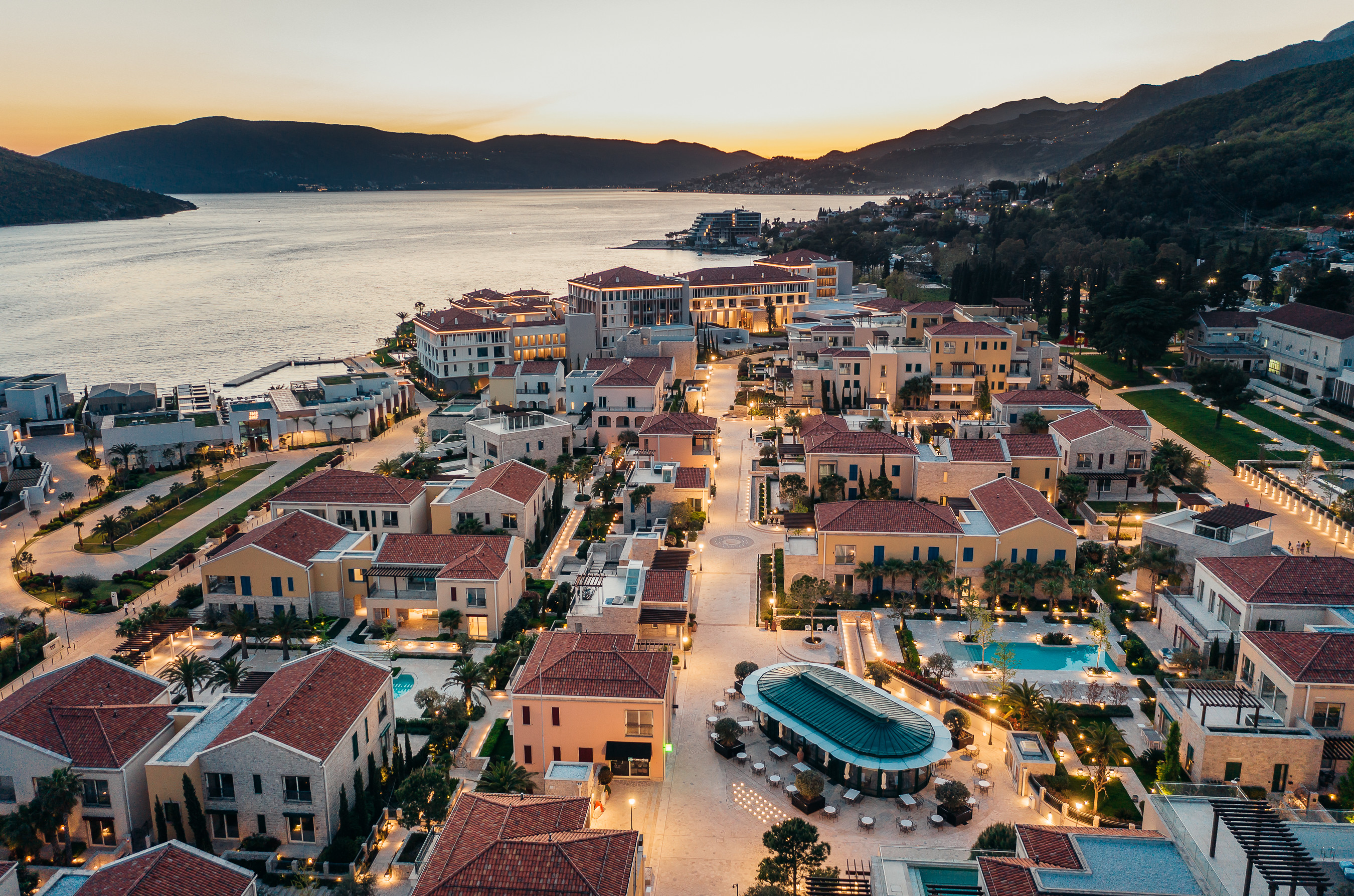
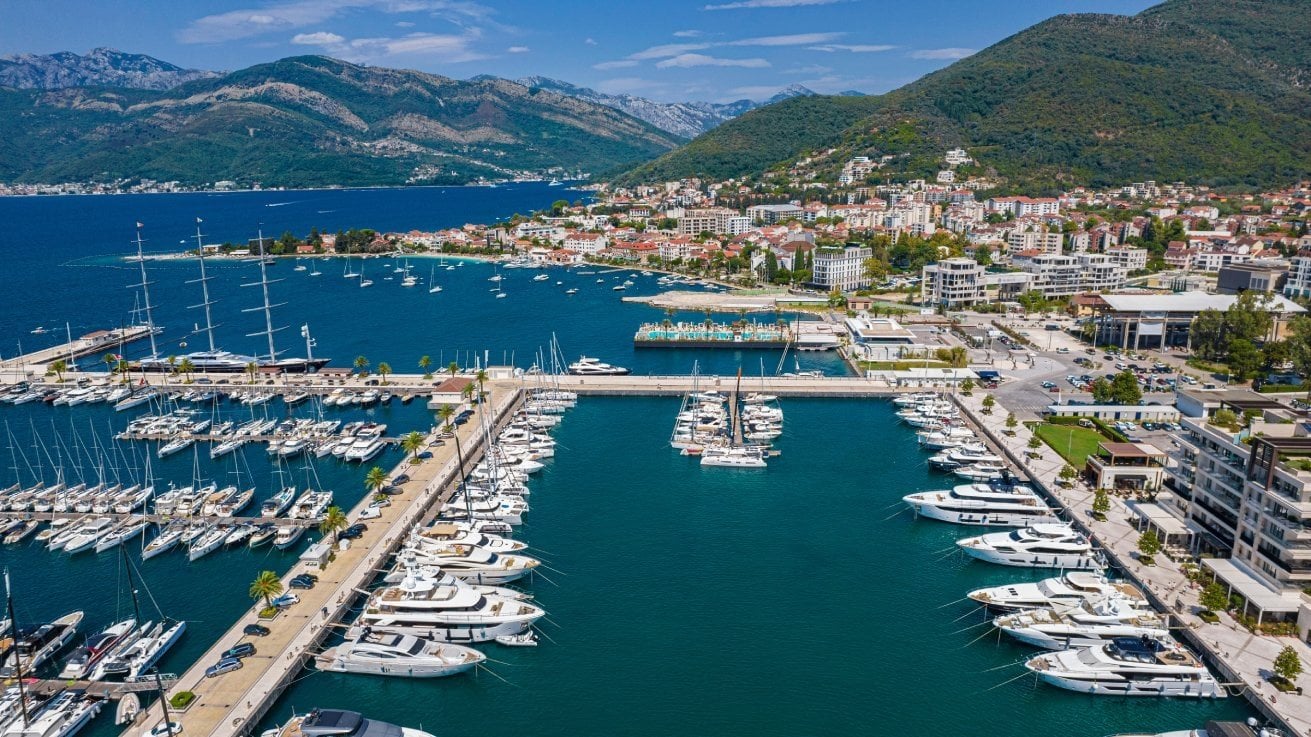
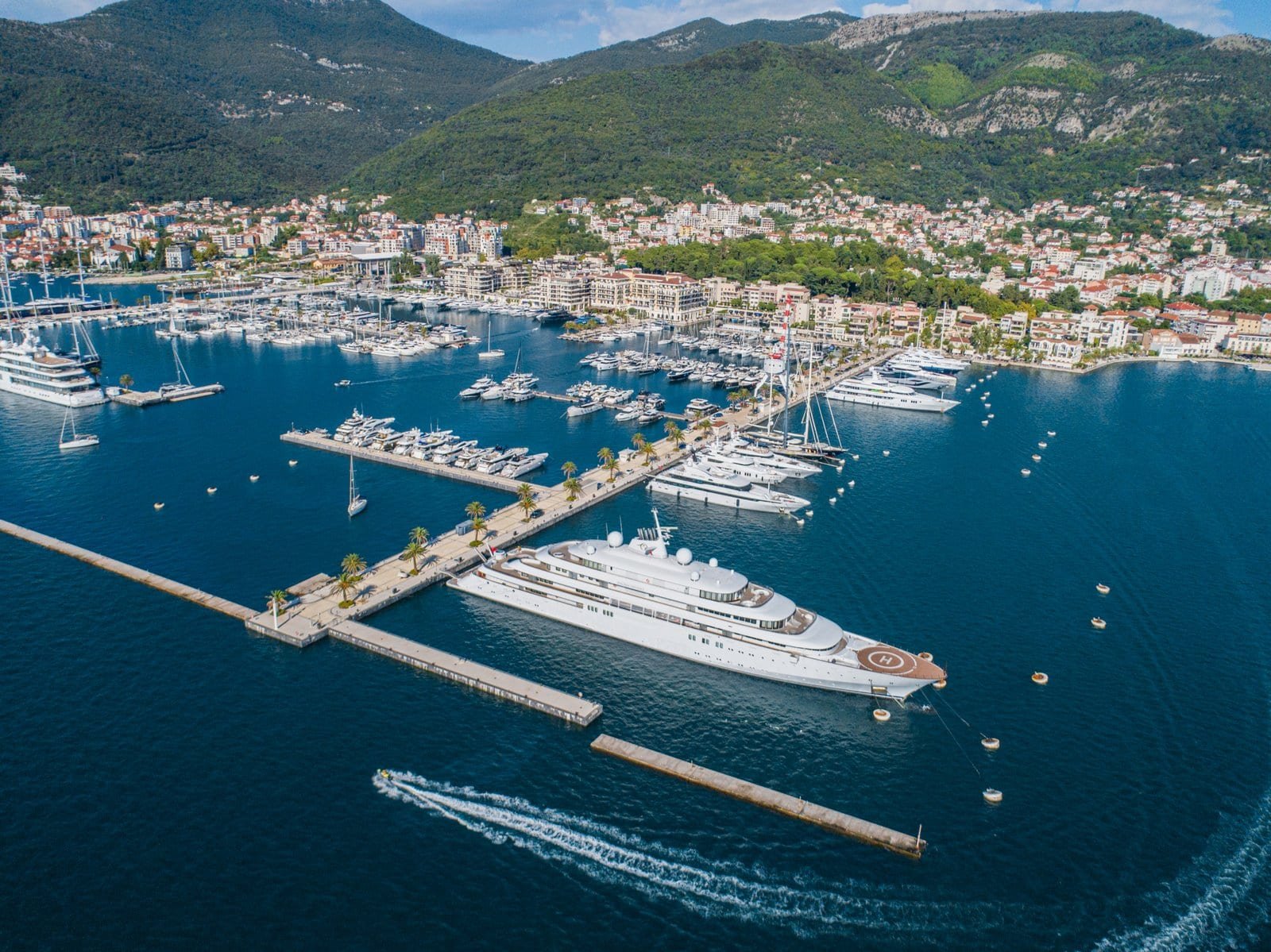
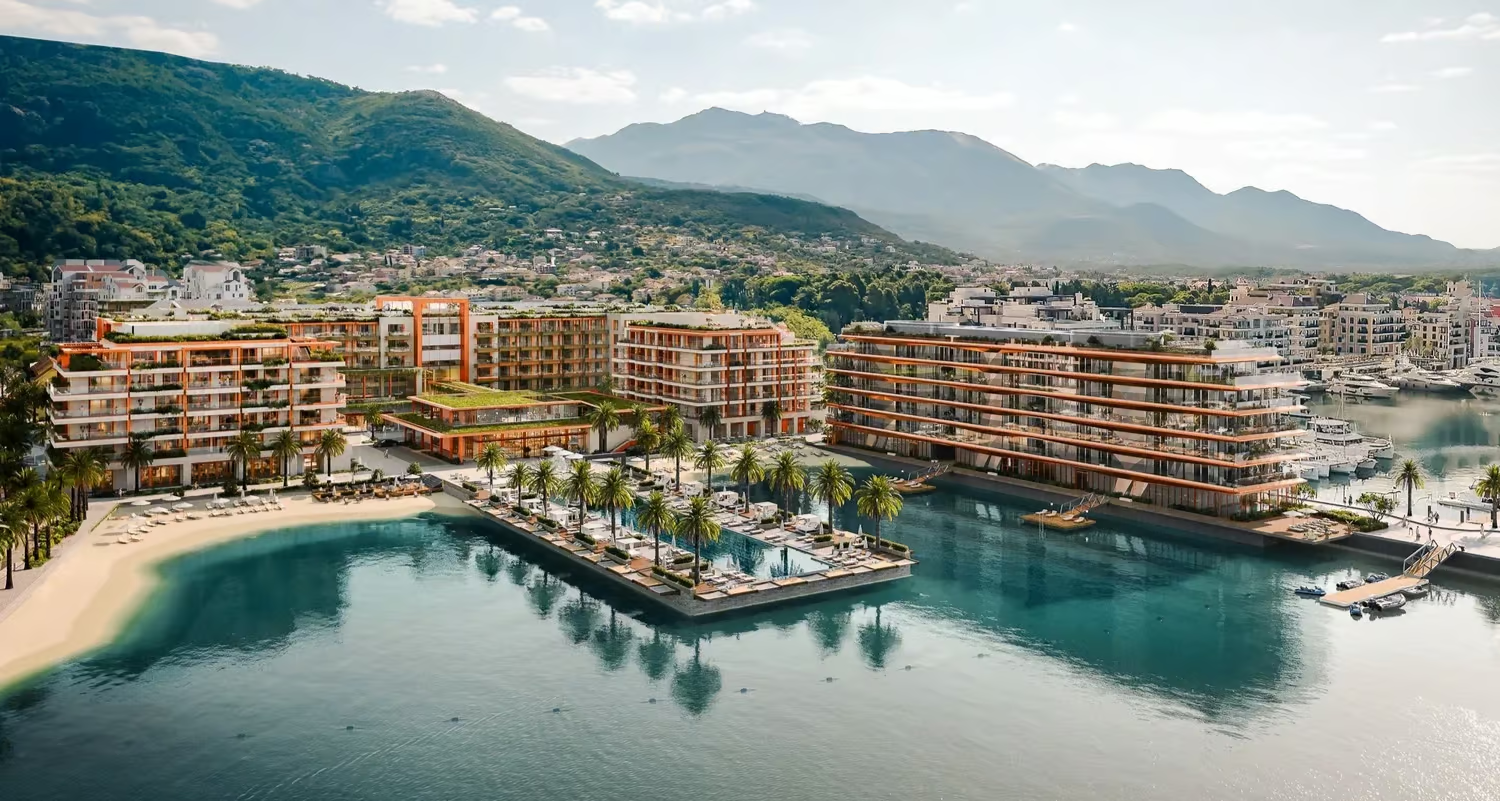
Buyers evaluating property across the broader bay, including the marina-adjacent new-build market, will find relevant context in the Porto Montenegro Apartments for Sale: 2026 Buyer and Investment Guide, which sets out the contrasting investment profile of that sub-market in comparable detail.
UNESCO Heritage Designation: Ownership, Usage, and What the Rules Mean in Practice
Planning Restrictions Inside the Walls
Montenegro's Law on Cultural Heritage governs all structural and aesthetic changes within the boundaries of Kotor Old Town. Exterior materials, window styles, roof treatments, facade colours, and even the placement of external fixtures such as air-conditioning units are regulated and require prior approval from the Institute for Protection of Cultural Monuments. This applies universally, to new owners and long-standing ones alike.
Buyers accustomed to Montenegrin coastal development outside the historic zone sometimes underestimate the specificity of these requirements. A contemporary glass extension is not permitted. Repainting a facade in an unapproved colour requires a formal application. Installing any mechanical or electrical equipment visible from the street demands heritage clearance. These are not conditions that can be resolved after the fact. Non-compliant works can be subject to enforcement orders requiring reinstatement at the owner's cost.
Internal layouts offer considerably more flexibility, which is why many owners have been able to create genuinely contemporary interior finishes behind historic facades. However, any intervention that touches original structural fabric, stone walls, vaulted ceilings, flagstone or terracotta floors, arched openings, requires a documented methodology and must be supervised by a licensed practitioner. Understanding the precise scope of these requirements before exchange, not after, is what separates a well-managed acquisition from a costly remediation exercise.
For buyers whose appetite for Mediterranean property extends beyond the coast, Montenegro's mountain interior presents a complementary investment case. The Ski Property in Montenegro: The Kolašin Investment Guide for 2026 outlines the emerging opportunity in the country's alpine market, which operates under a very different planning and development framework.
Foreign Ownership and the Approval Process
Foreign nationals acquire freehold property in Montenegro on identical legal terms to Montenegrin citizens. There is no nationality restriction, no requirement for a local co-owner, and no supplementary foreign-buyer tax. The legal framework governing property ownership, as set out in Montenegro's Law on Property Rights, establishes full and unrestricted title transfer to non-residents and non-citizens.
The acquisition process for an Old Town apartment involves a purchase agreement drafted and certified by a Montenegrin notary, title verification through the cadastre register maintained by the Real Property Administration, and payment of a transfer tax currently set at 3 percent of the agreed transaction value, as confirmed by the Montenegrin Ministry of Finance. Buyers should also account for notarial fees and legal advisory costs, which typically represent a further one to two percent of the transaction total.
For foreign buyers intending to rent the property commercially, registration as a tourism service provider with the local tourism organisation and tax registration with the Montenegrin Tax Administration are required before rental income can be legally received. This process is straightforward and well-established. The documentation requirements are clear, and the timeline from acquisition to rental activation is typically measured in weeks rather than months, provided the property itself is already in a finished and compliant condition.
Kotor Old Town Rental Yield: The Investment Case for Apartment Owners
The short-term rental market in Kotor Old Town operates within one of the most concentrated and high-demand tourism environments on the Adriatic. The Old Town itself, as distinct from the wider Bay of Kotor, draws visitors specifically for the historic experience. That visitor segment, international travellers with higher average spend and longer average booking windows, aligns precisely with the premium short-term rental product that a well-restored Old Town apartment represents.
Yield performance in the Old Town is driven by a combination of high average daily rates, a peak season that extends from late April through to early October, and an emerging shoulder-season premium as the destination builds year-round profile. Elevated apartments with bay views and private outdoor space consistently achieve the strongest nightly rates and occupancy figures. The supply of that specific product type, units combining authentic historic fabric with contemporary amenity standards and unobstructed water views, is extremely limited, which sustains rate premiums even as overall visitor numbers to the Bay grow.
Net yields, after property management fees, platform costs, utilities, and the annual tourism tax, vary according to unit type, condition, location within the walls, and the quality of the management operation. Buyers should model conservatively on the basis of a four to five month peak season, treating shoulder-season income as upside rather than underwriting it as a baseline. Properties managed to a genuine luxury standard, with professional photography, premium listing positioning, and responsive guest service, materially outperform the broader Old Town average.
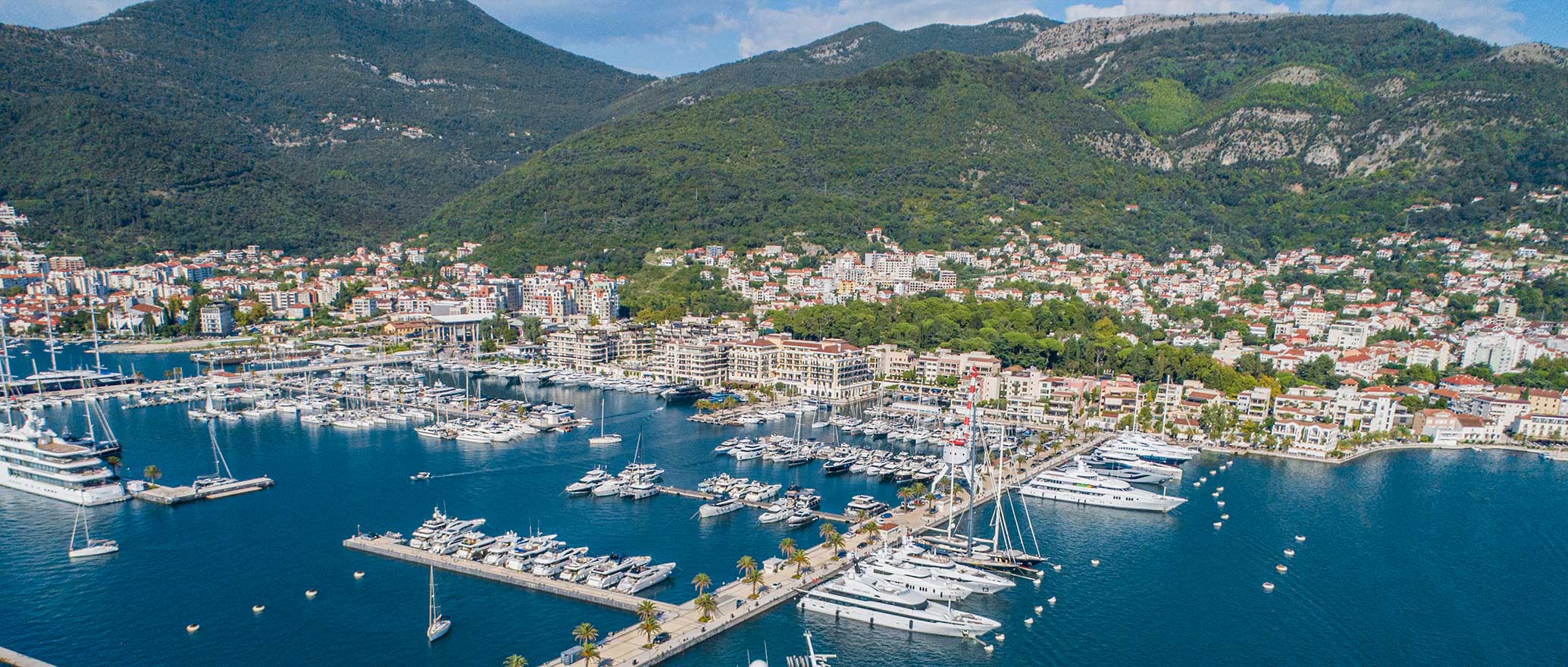
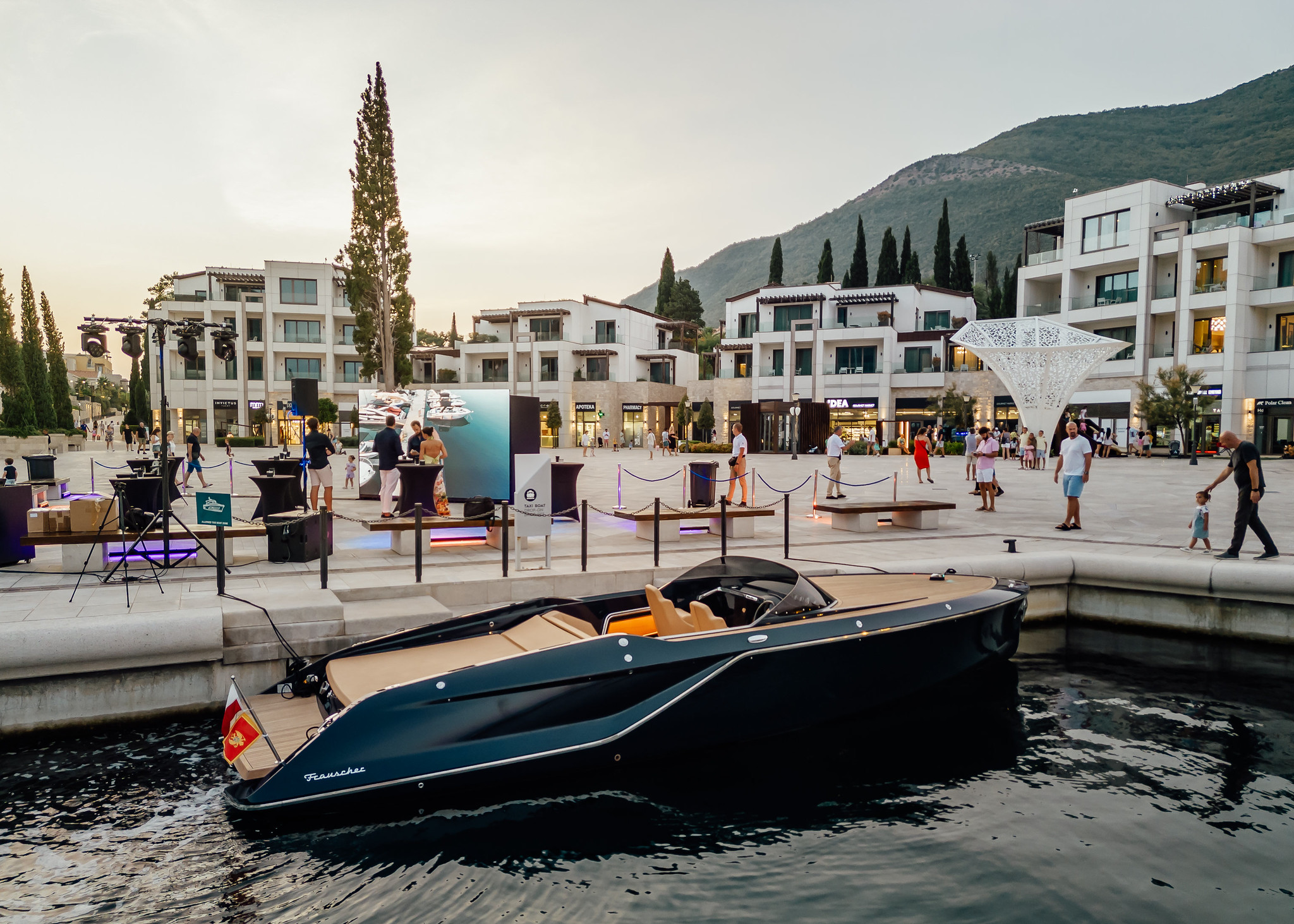
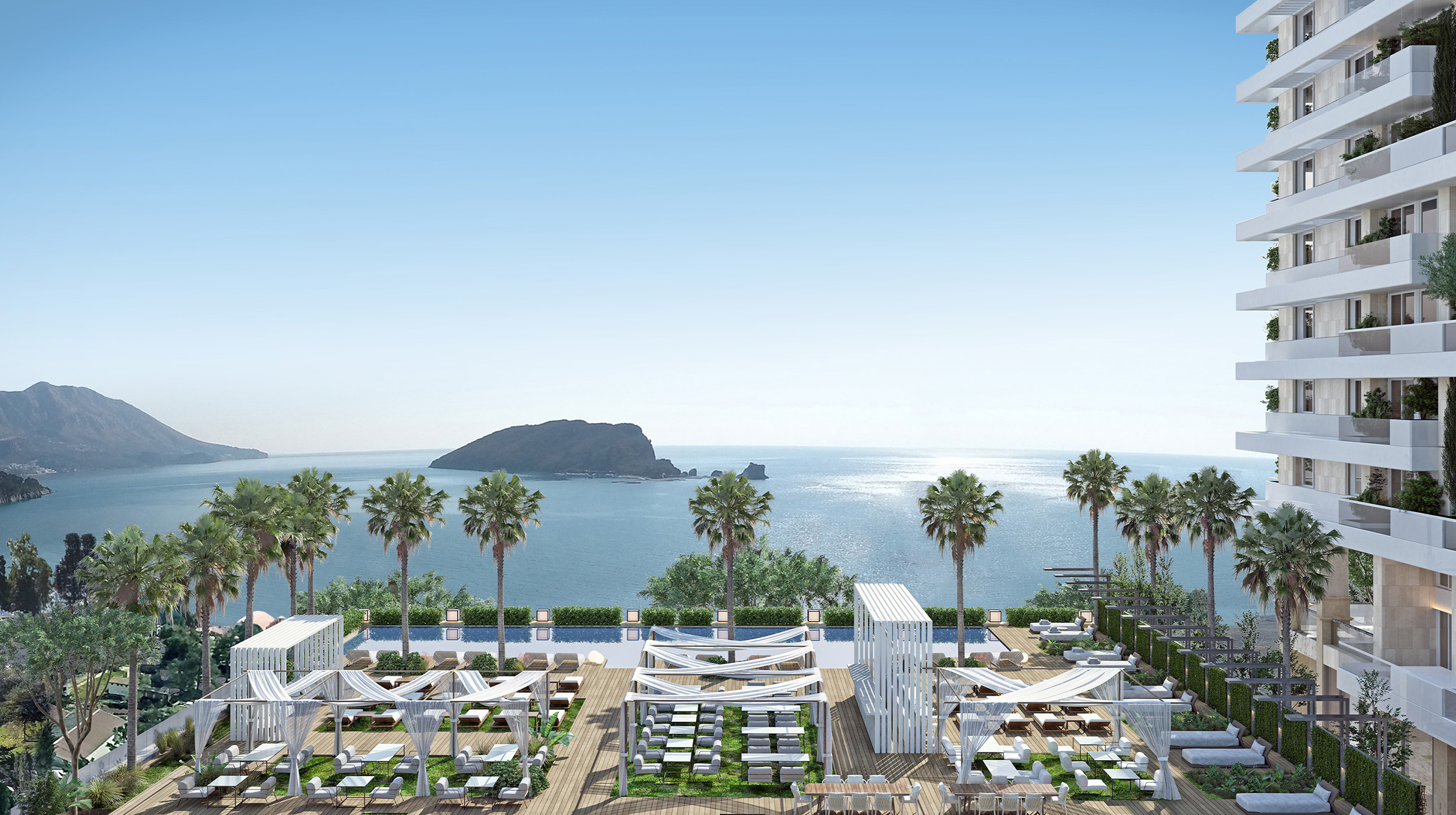
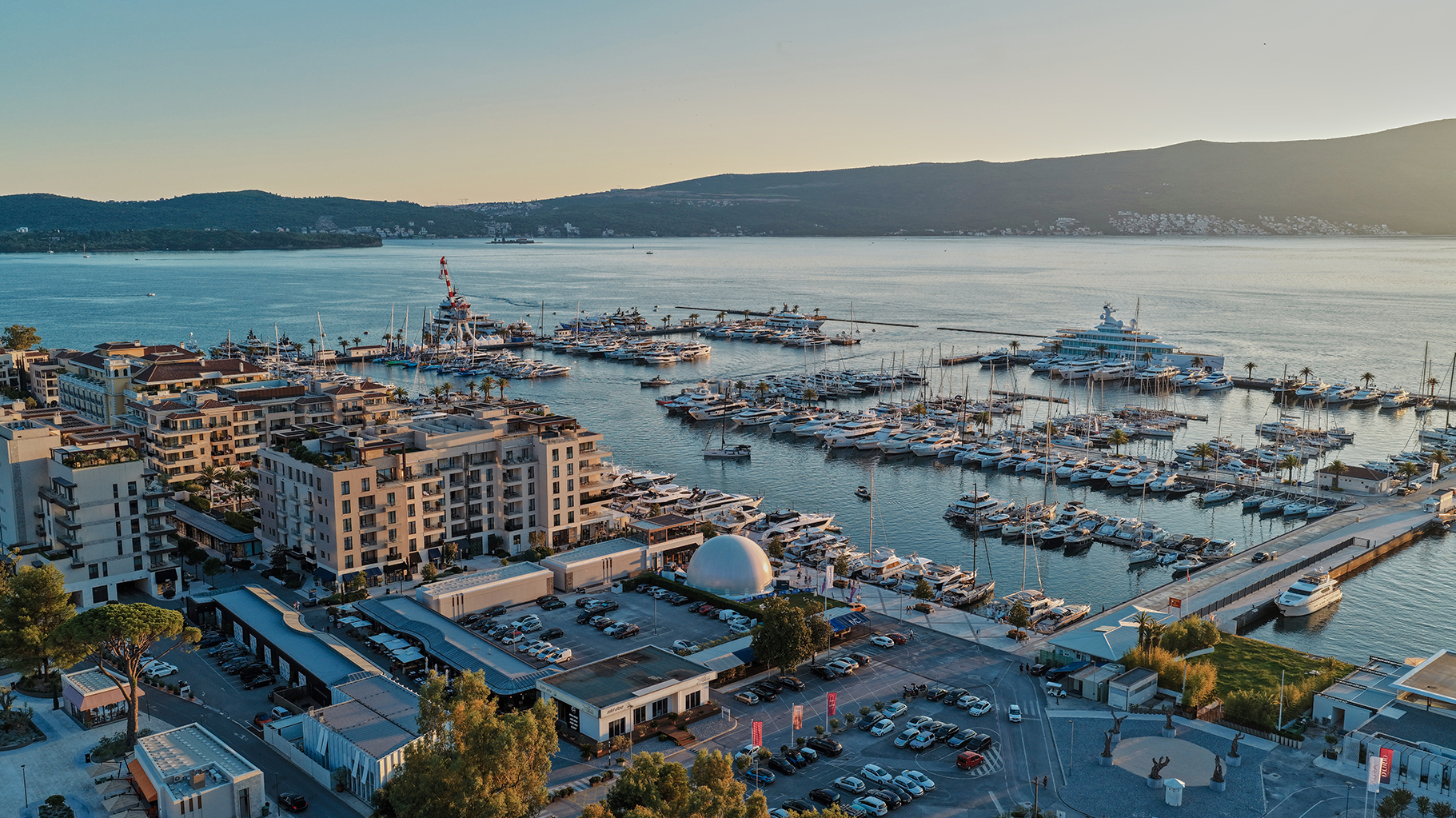
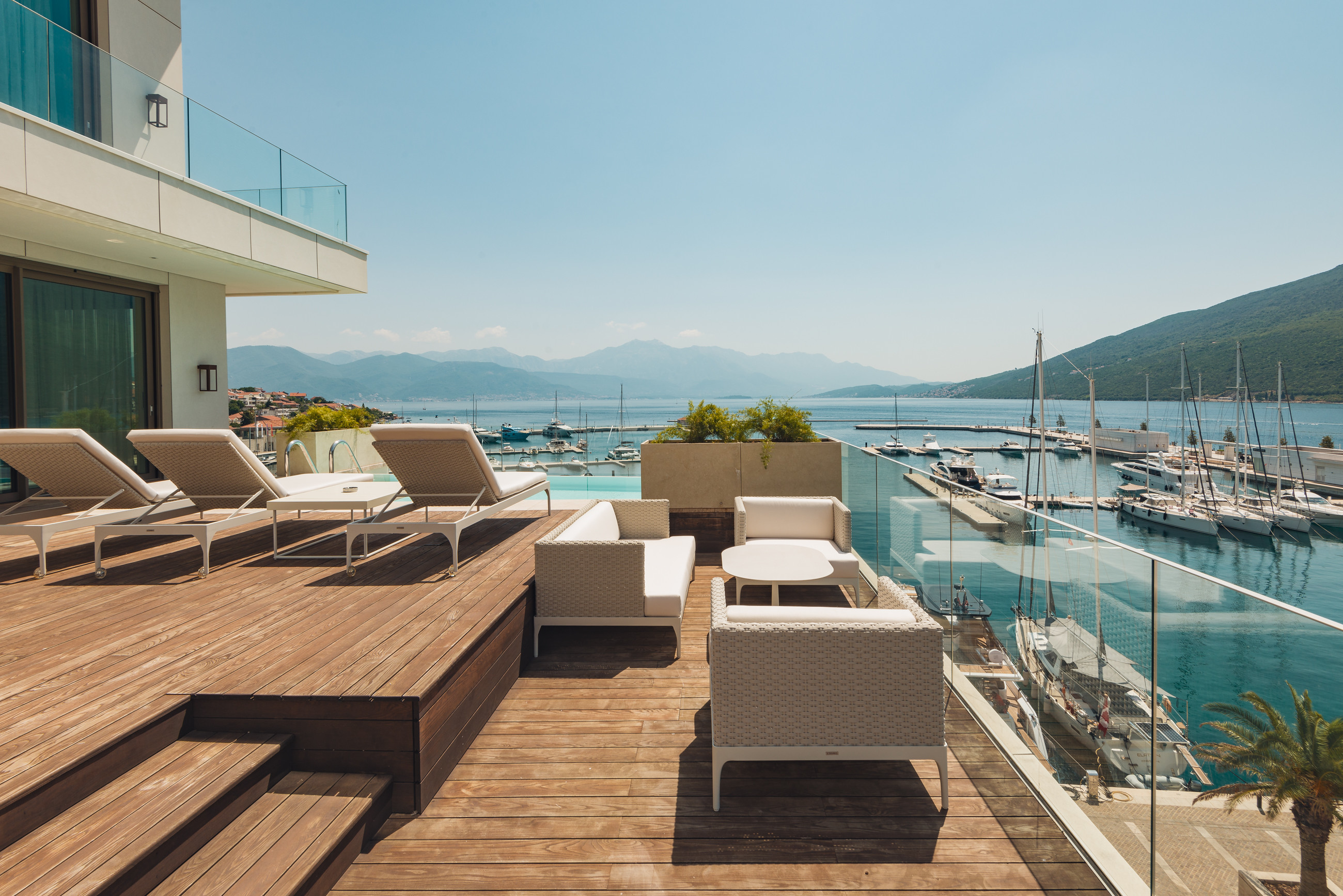
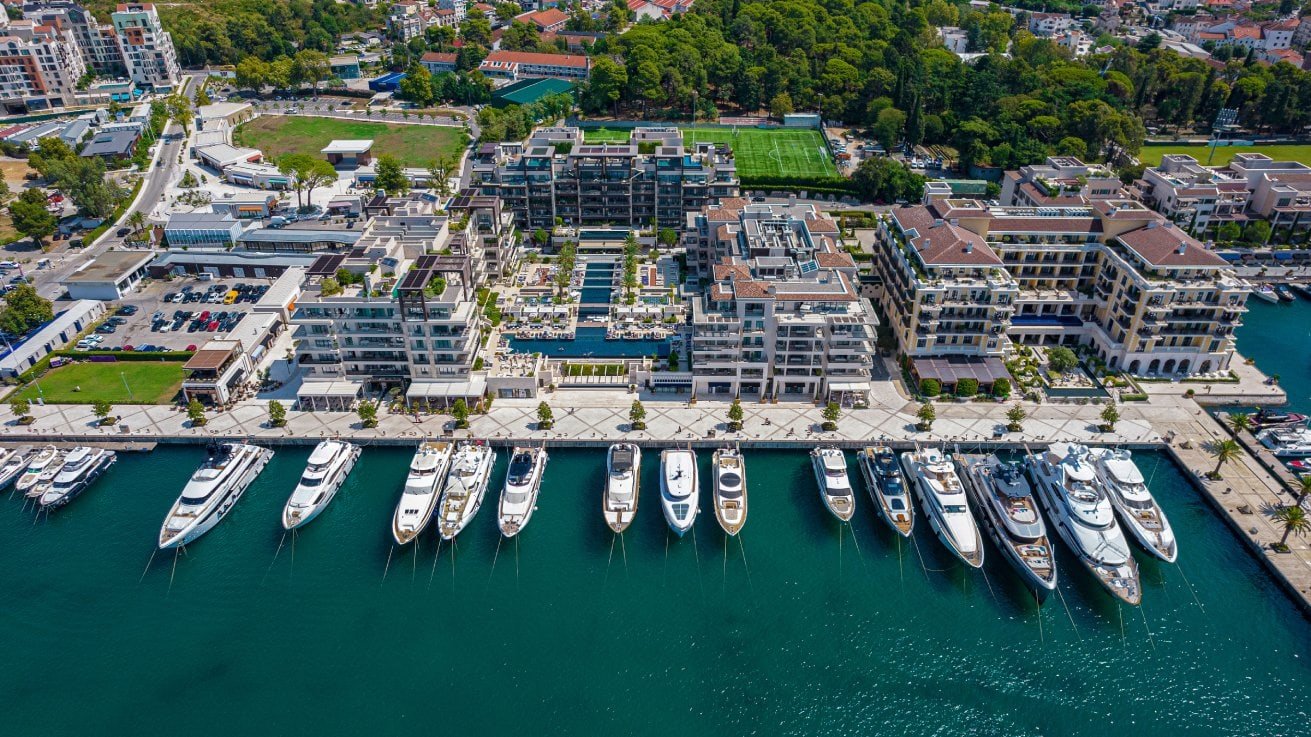
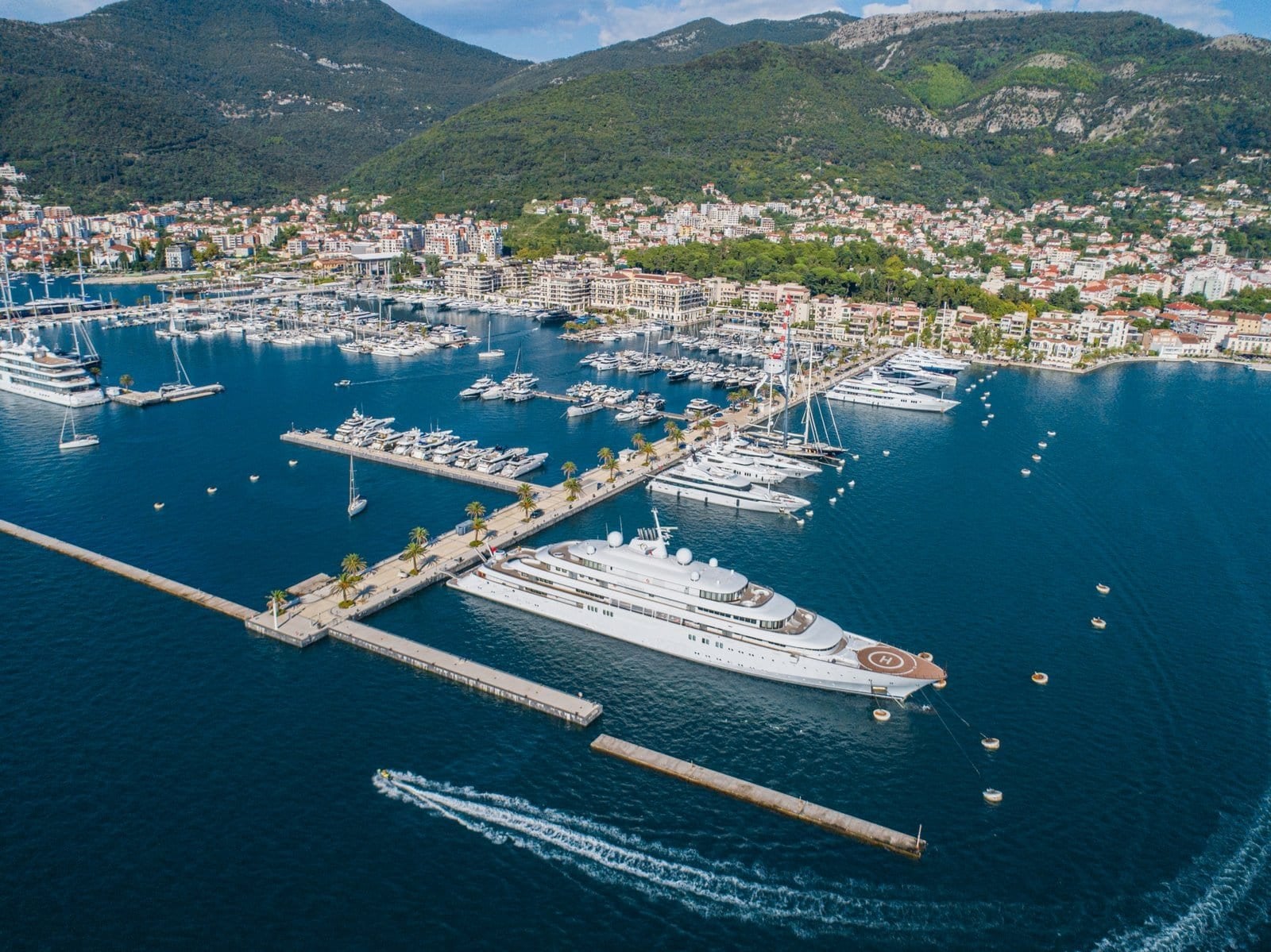
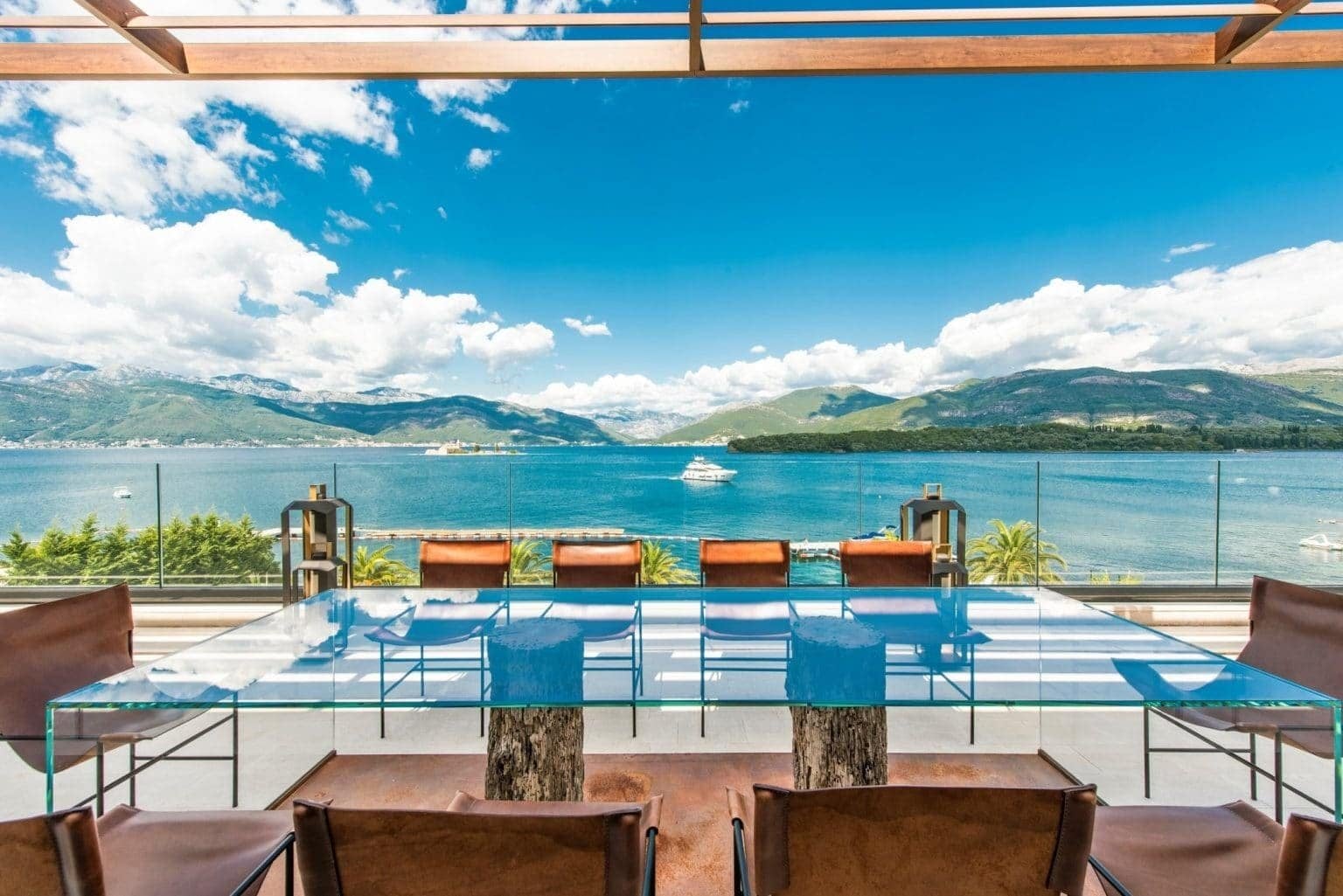
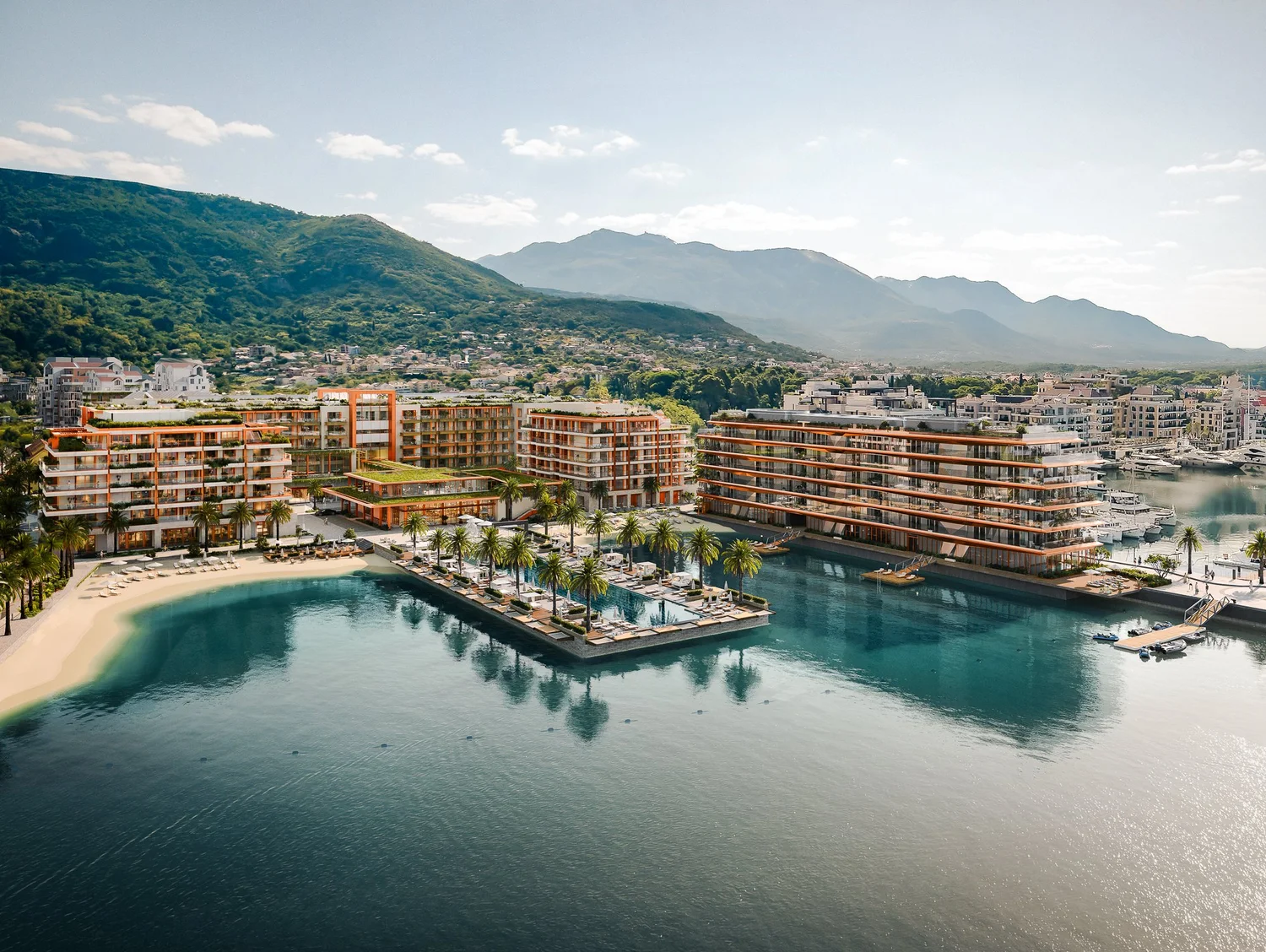
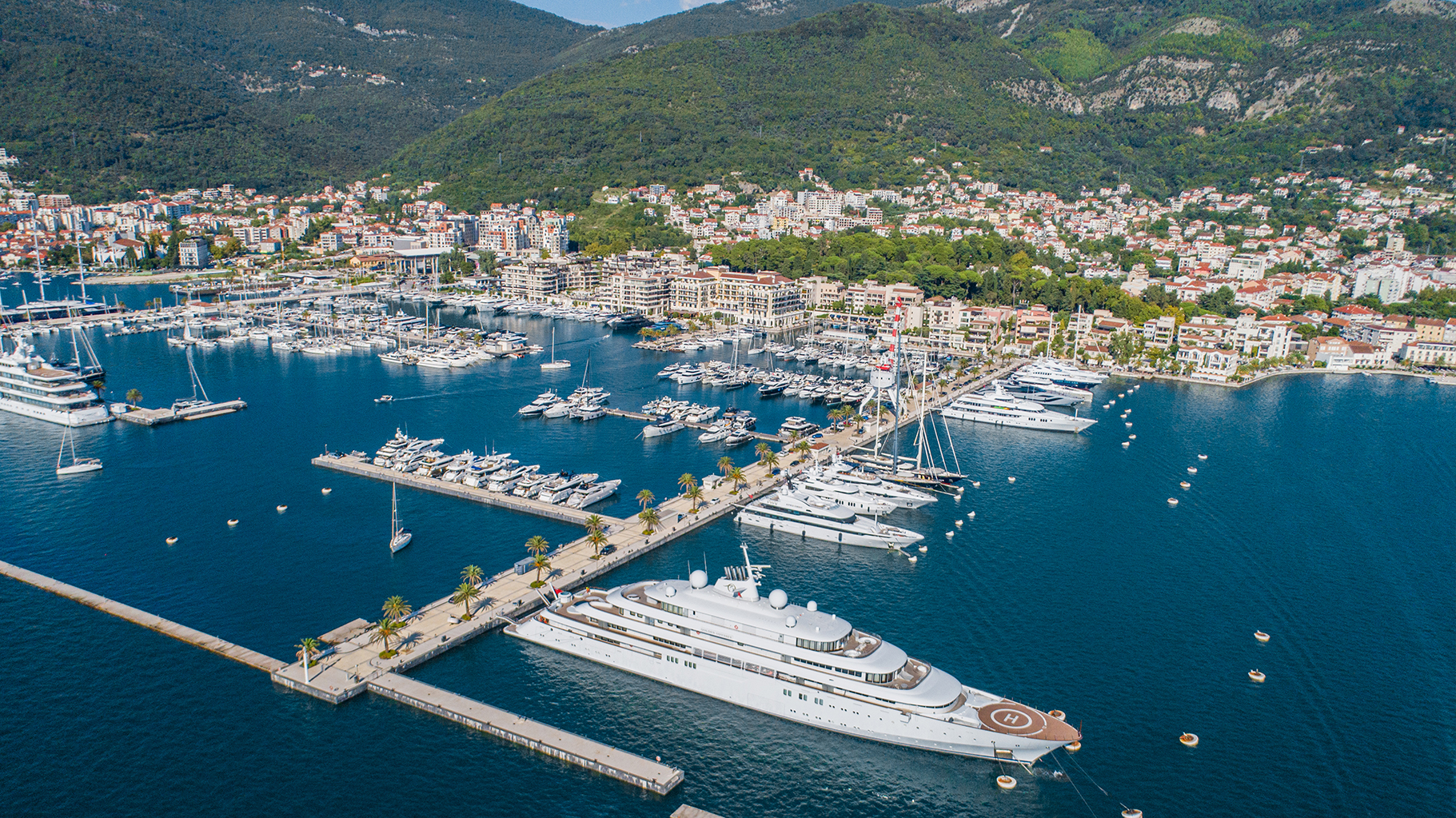
For buyers considering the broader Bay of Kotor as an investment context, the contrast with marina-adjacent new-build product is instructive. Porto Montenegro's high-specification apartments, such as the Elevated Living Above the Adriatic: Porto Montenegro's Finest Rooftop Penthouse and the Sky-High Sovereignty Above the Adriatic: Porto Montenegro's Crown Penthouse, offer a different risk and return profile: newer infrastructure, marina access, and a growing residential community, against the fixed-supply heritage premium that defines the Old Town market. The Sky-High Sovereignty Above the Adriatic: Porto Montenegro's Crown Penthouse and Panoramic Sea Views and Alpine Horizons at Porto Montenegro's Finest Address illustrate the calibre of finished product that the marina district is producing, and both sit within a sub-market that operates under entirely different planning and supply dynamics to the Old Town.
These are not competing propositions so much as complementary ones. Some buyers build positions in both, treating the Old Town as the heritage asset with irreplaceable provenance and Porto Montenegro as the income-optimised, infrastructure-supported holding.
---
Barok Estates International Advisory Note
Barok Estates International advises private buyers on luxury residential acquisitions across Montenegro, Spain, and the United Kingdom. Our Montenegro team maintains active market intelligence across Kotor Old Town, the broader Bay of Kotor, and the Tivat marina district, with direct relationships with heritage restoration specialists, licensed notaries, and independent legal advisors experienced in foreign acquisition. Whether you are evaluating a restoration-grade shell or a finished turnkey apartment within the historic walls, we provide independent, unbiased counsel at every stage of the process. To arrange a private consultation with our Montenegro advisory team, contact Barok Estates International directly through our website or visit our Marbella or London offices.











.jpg)