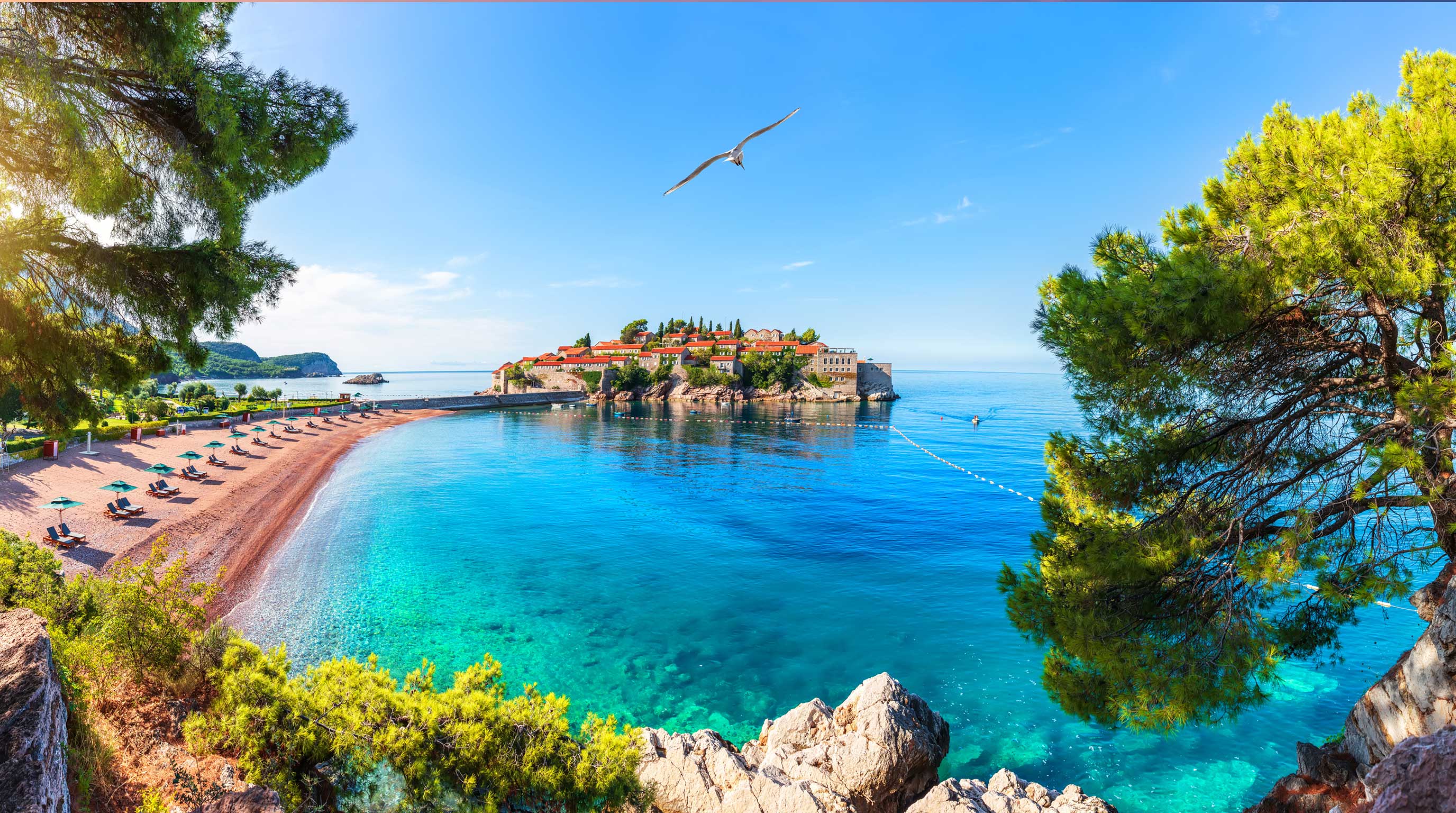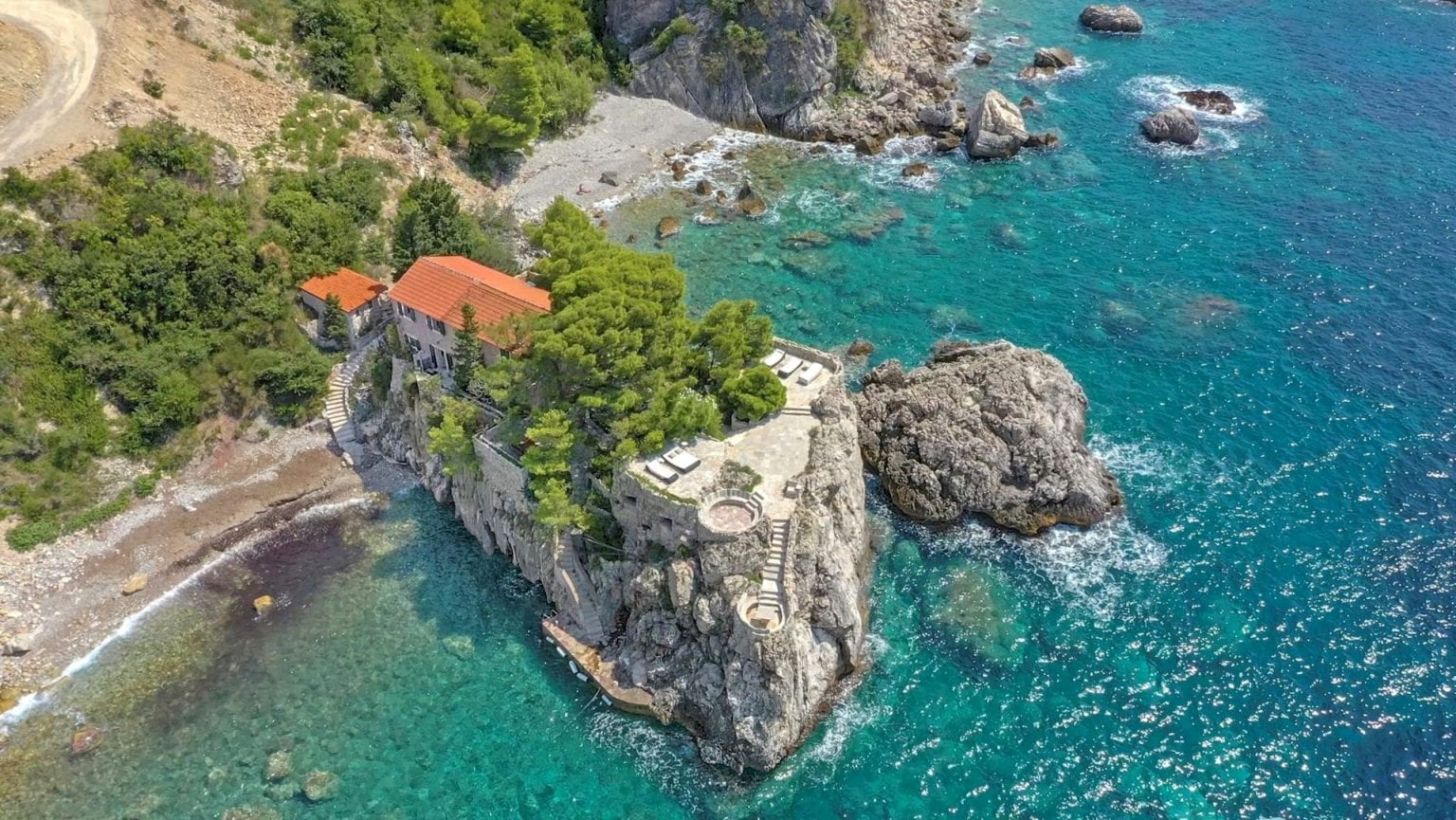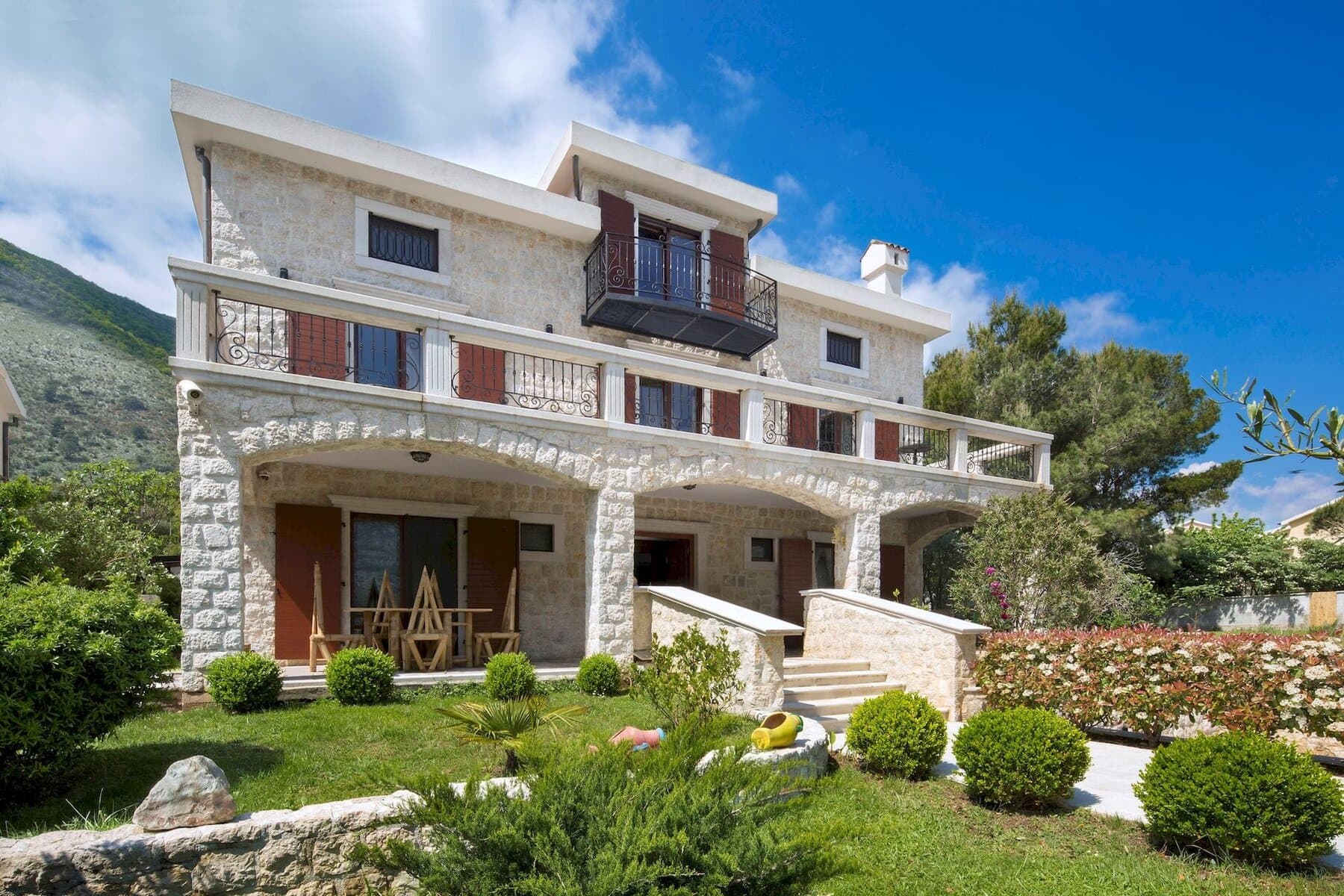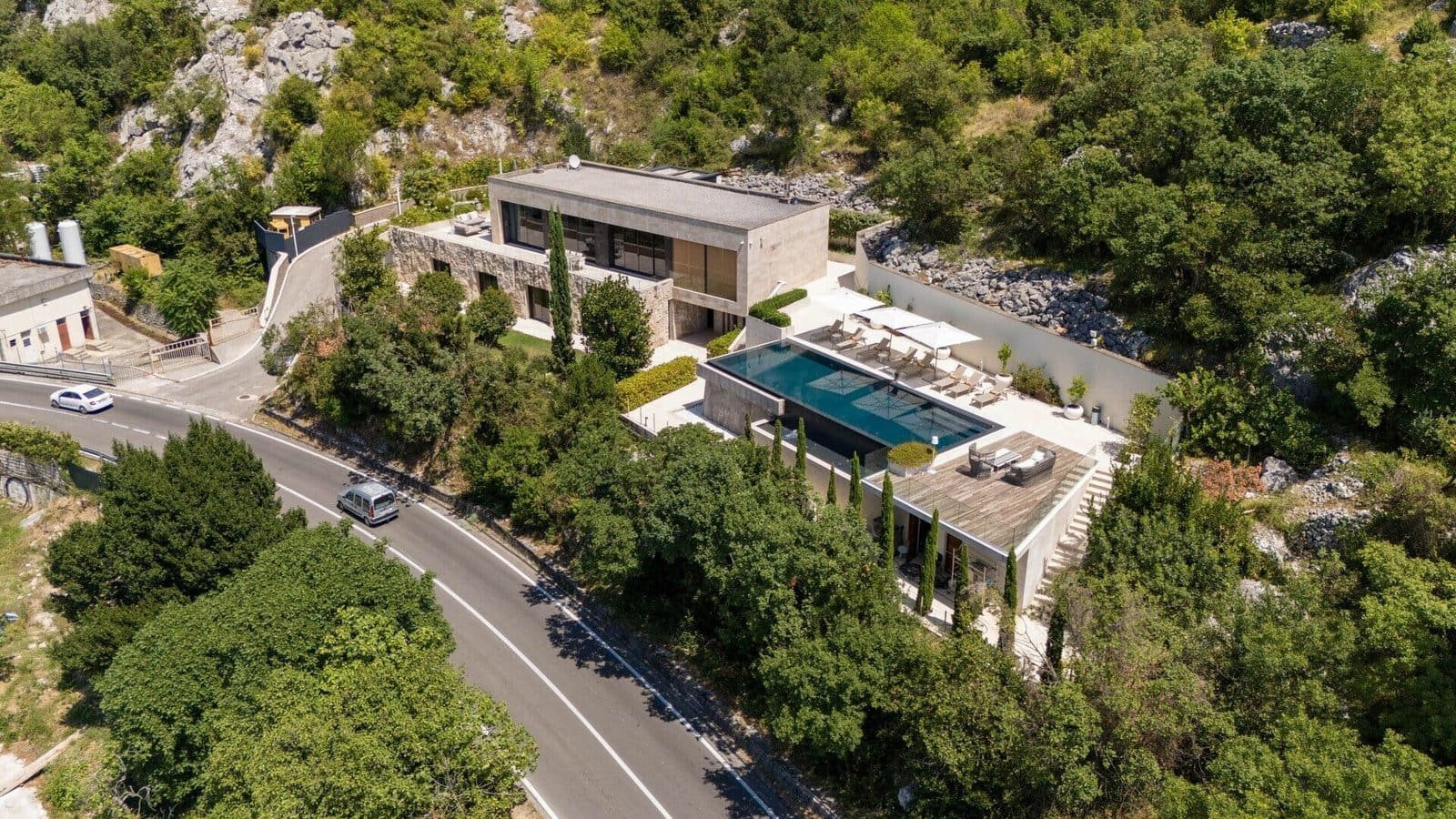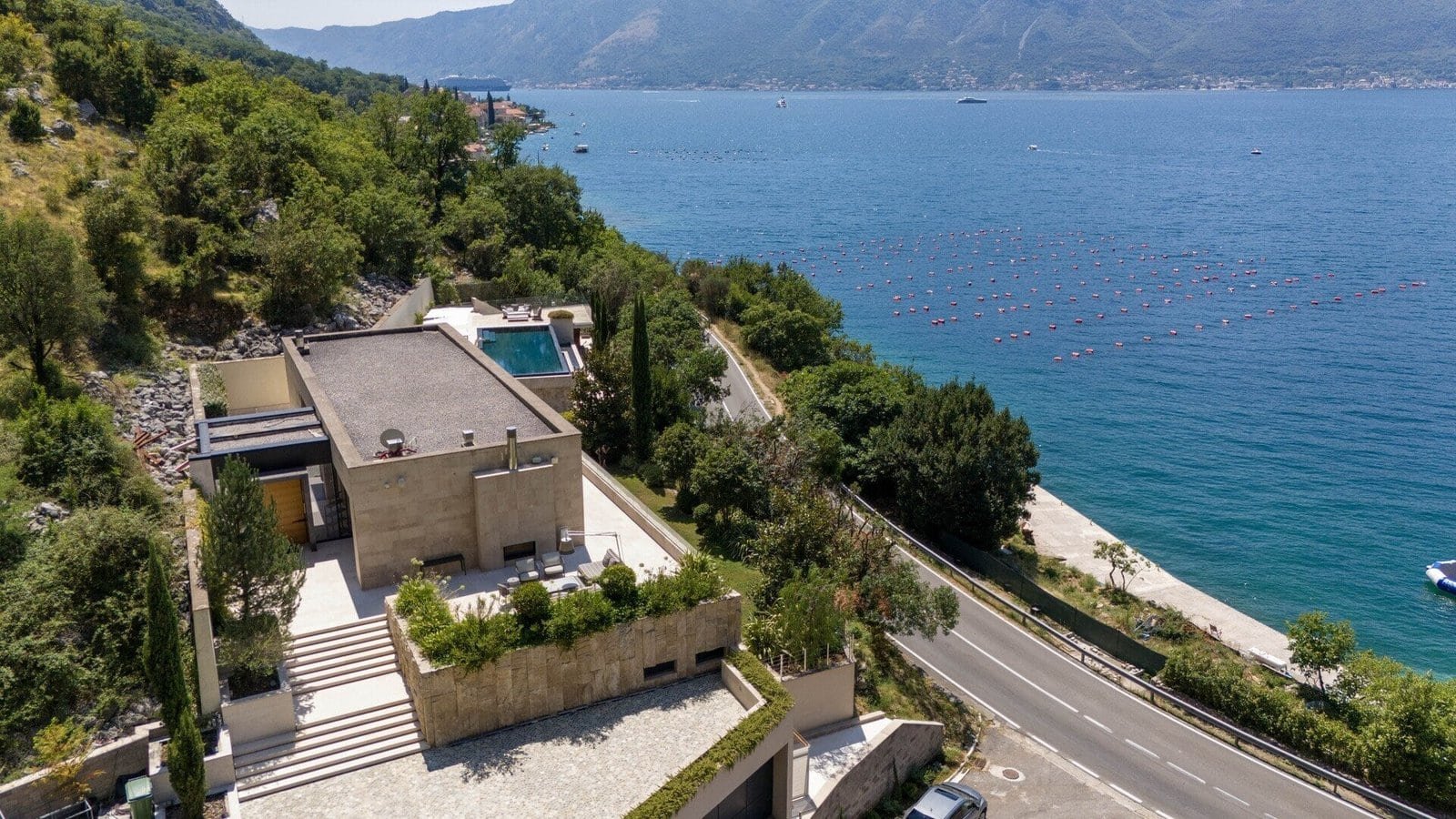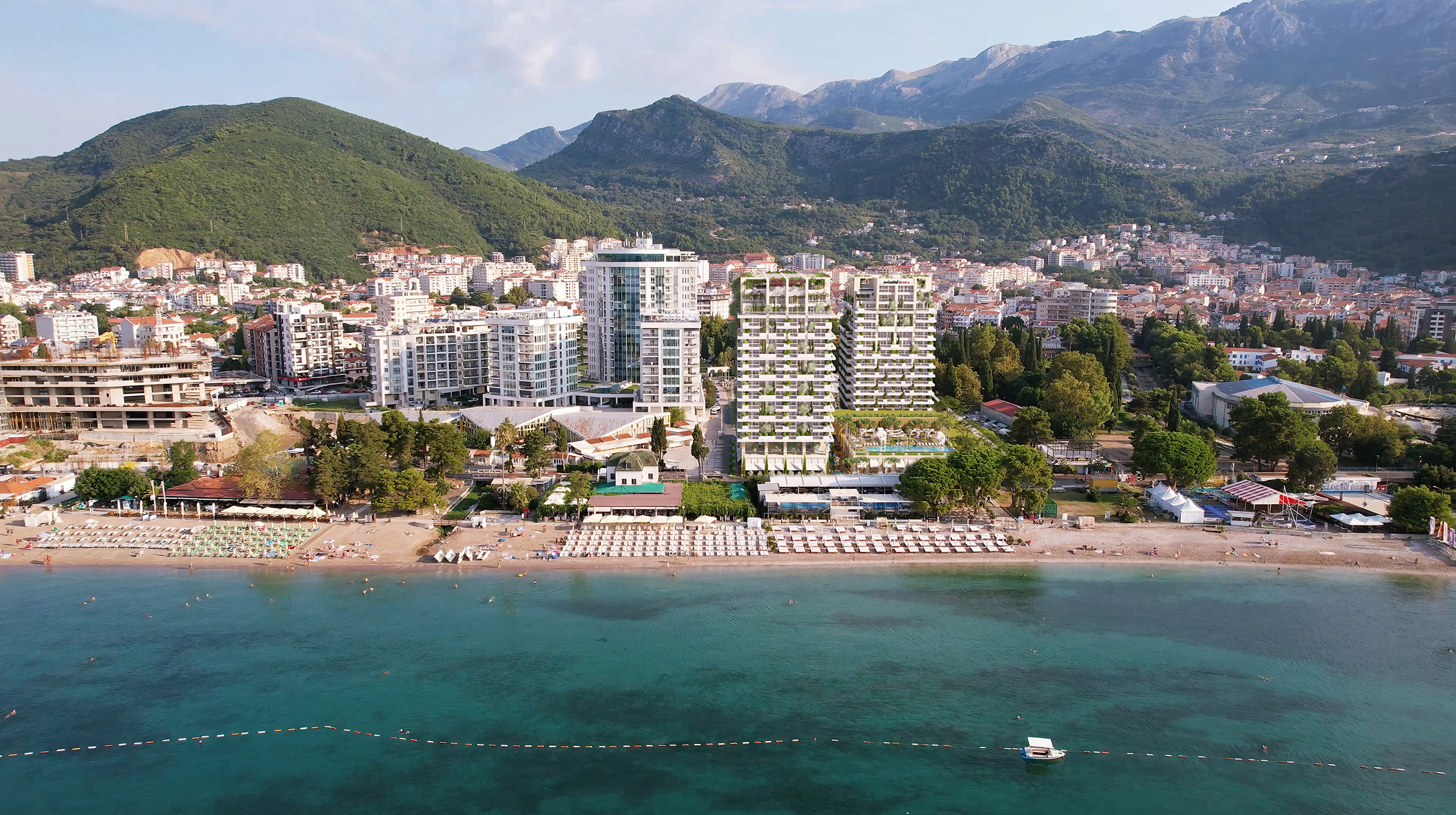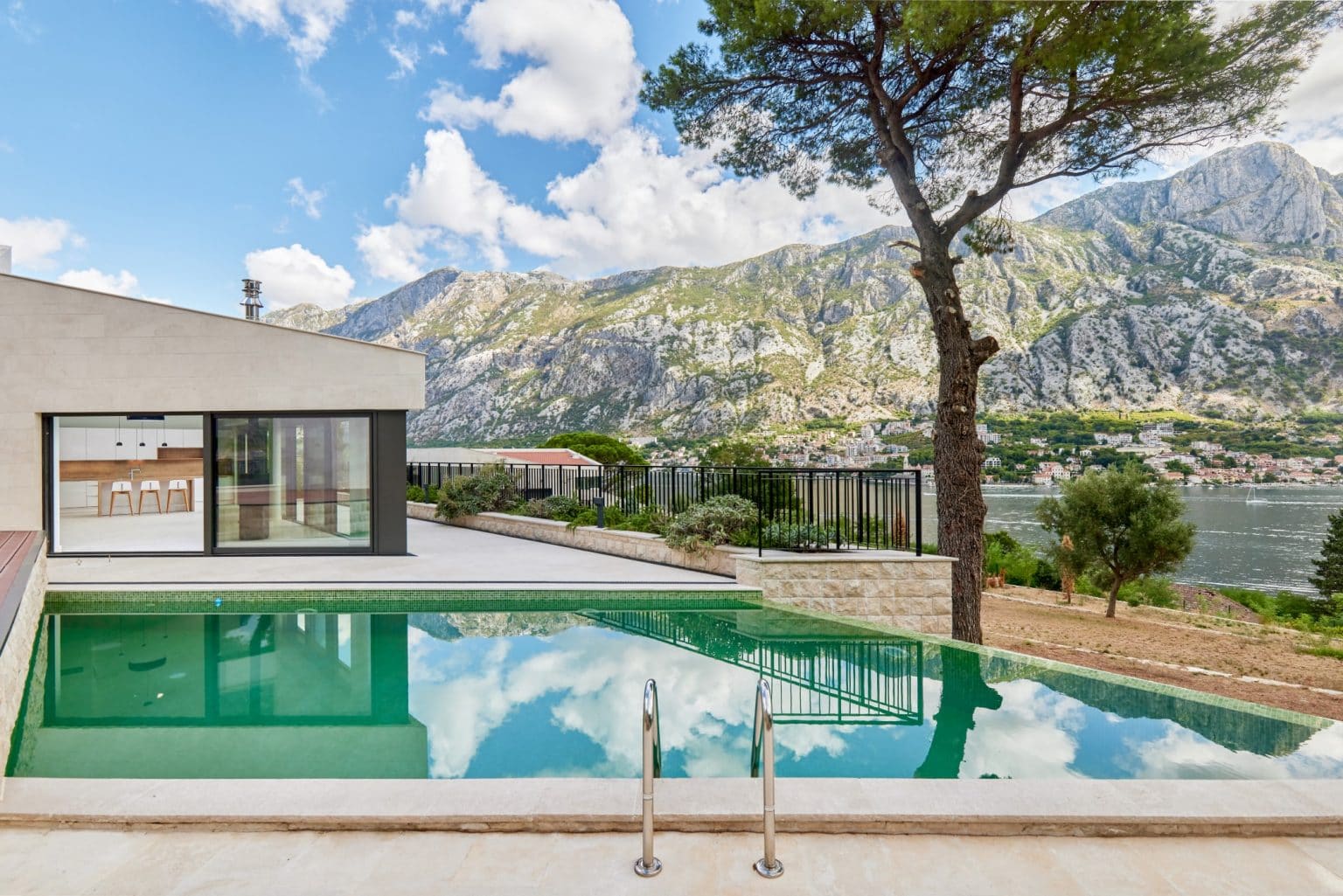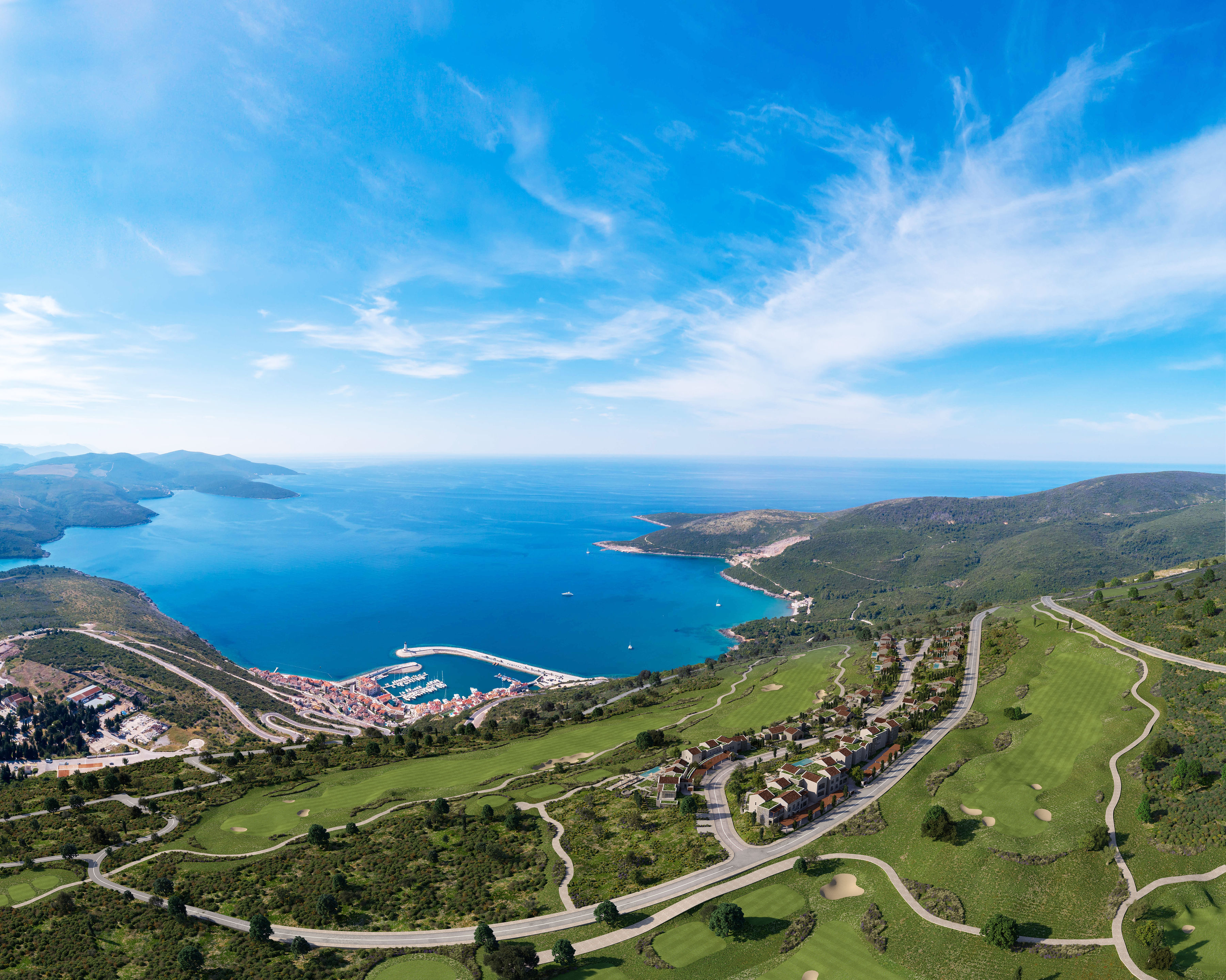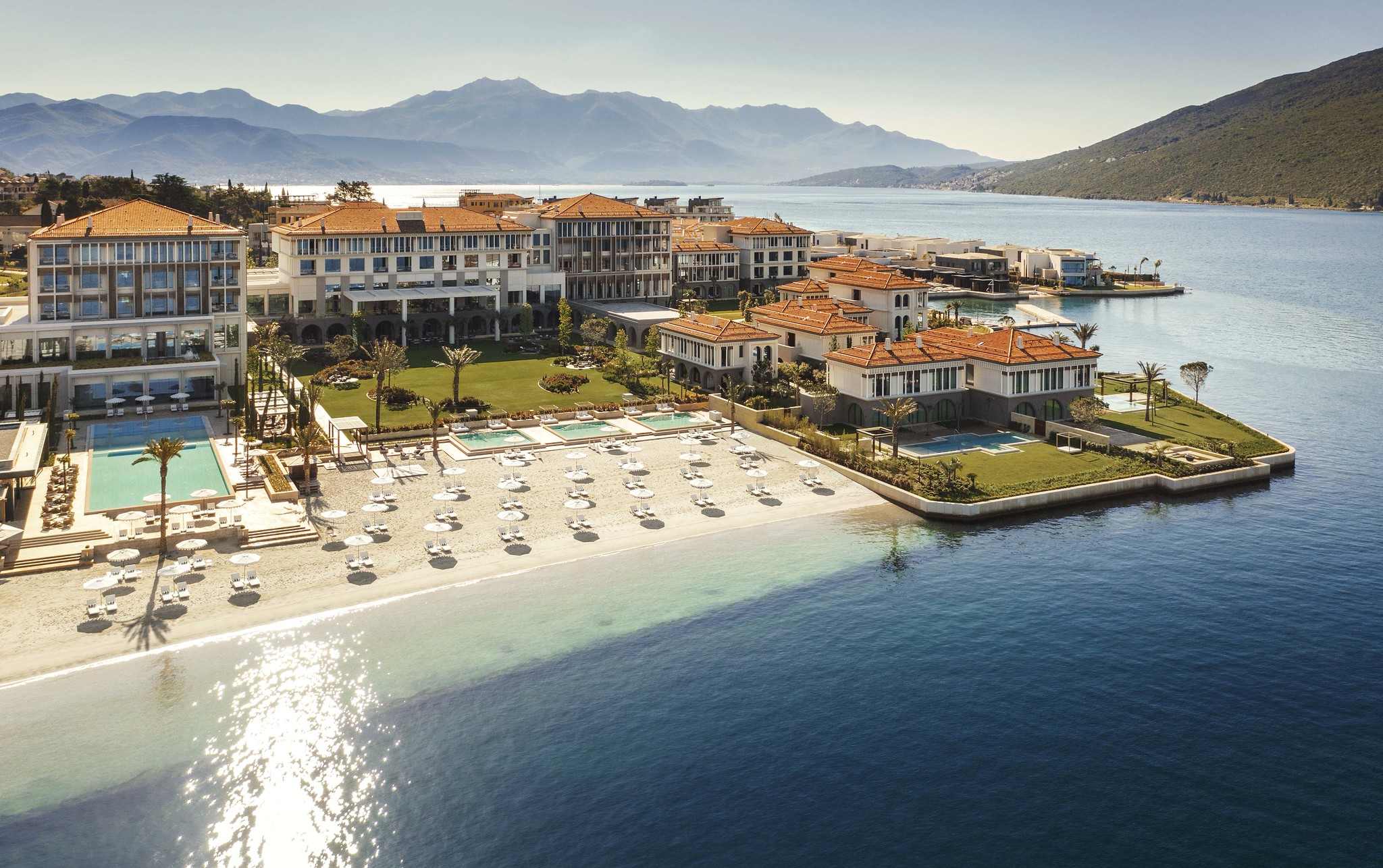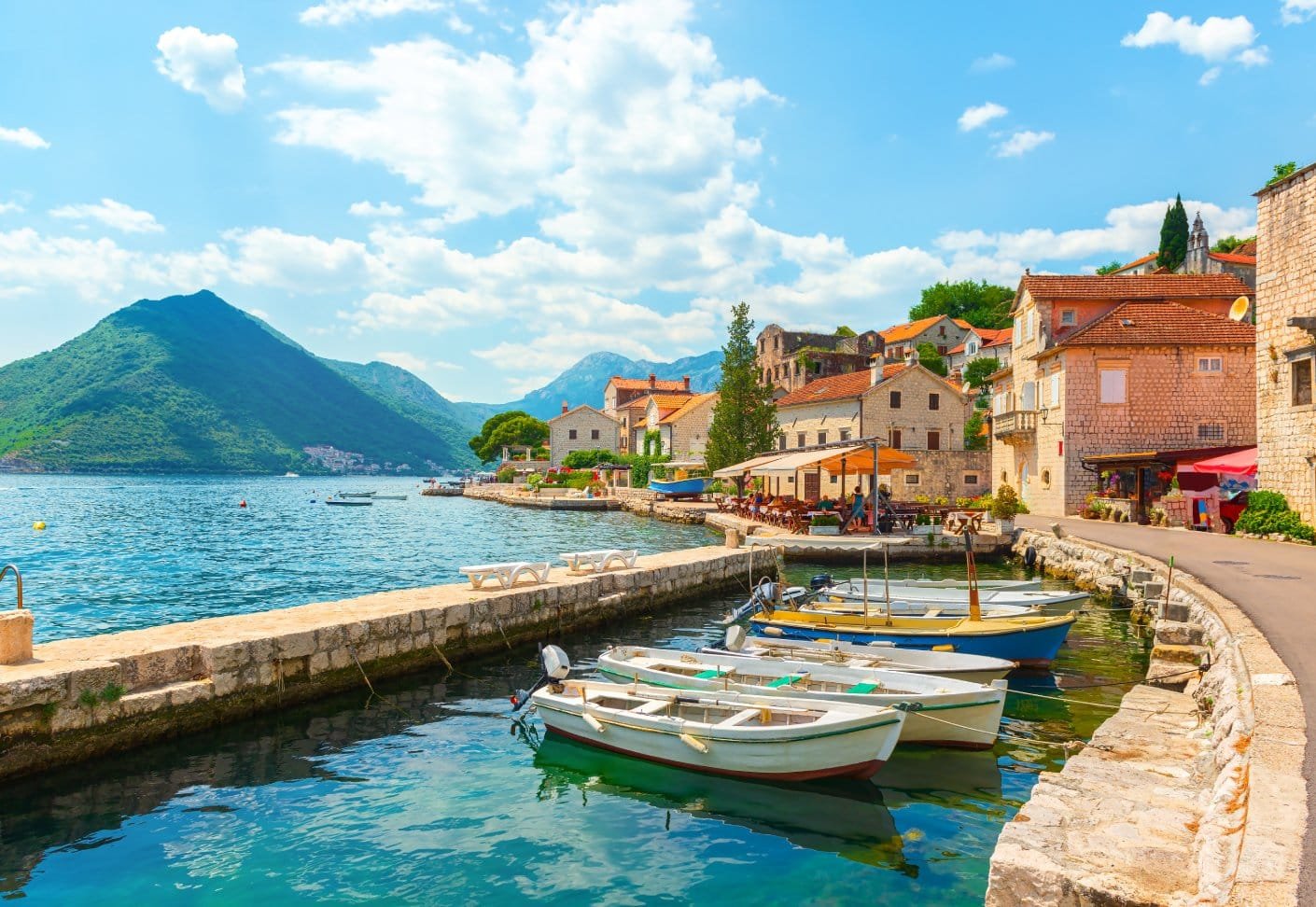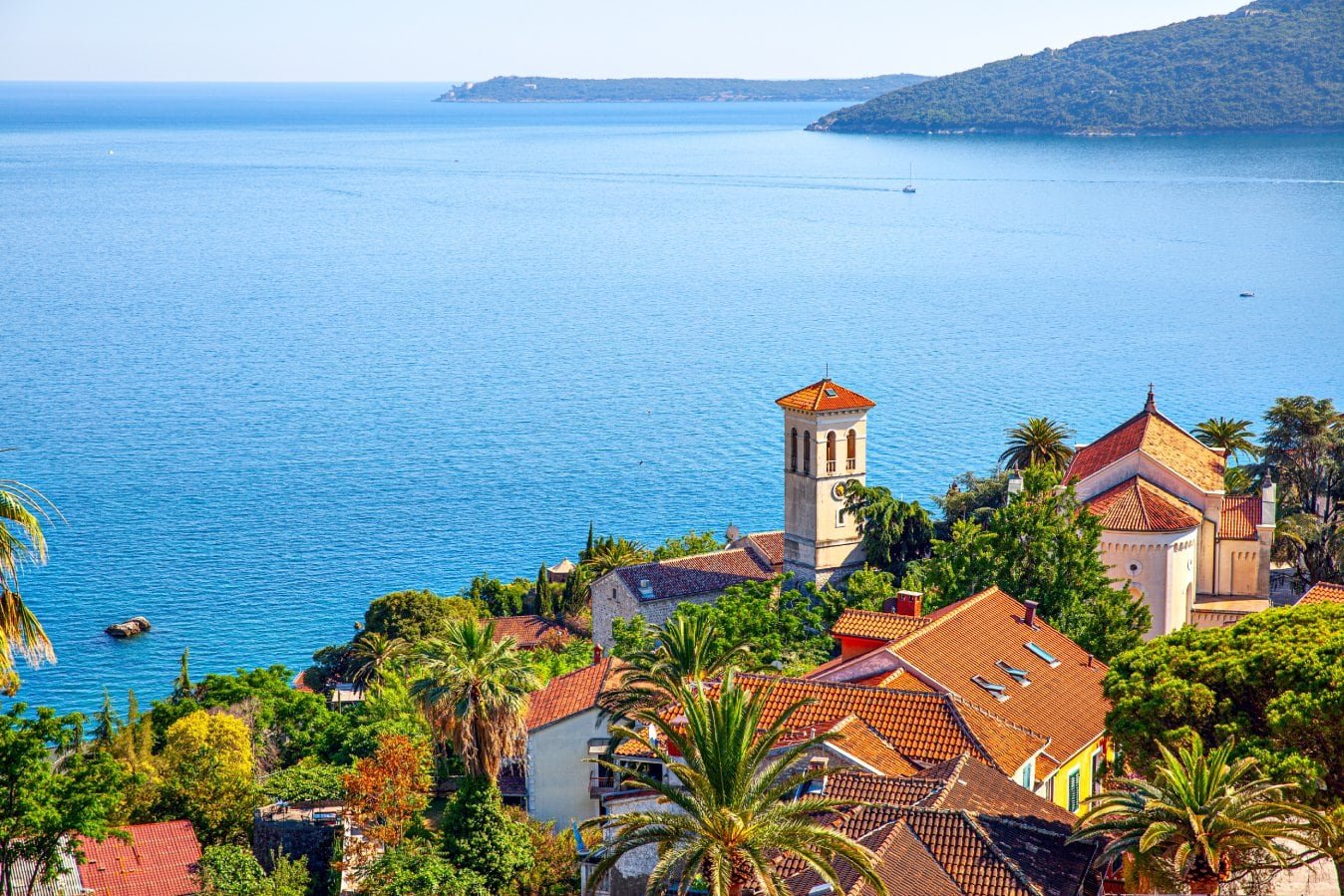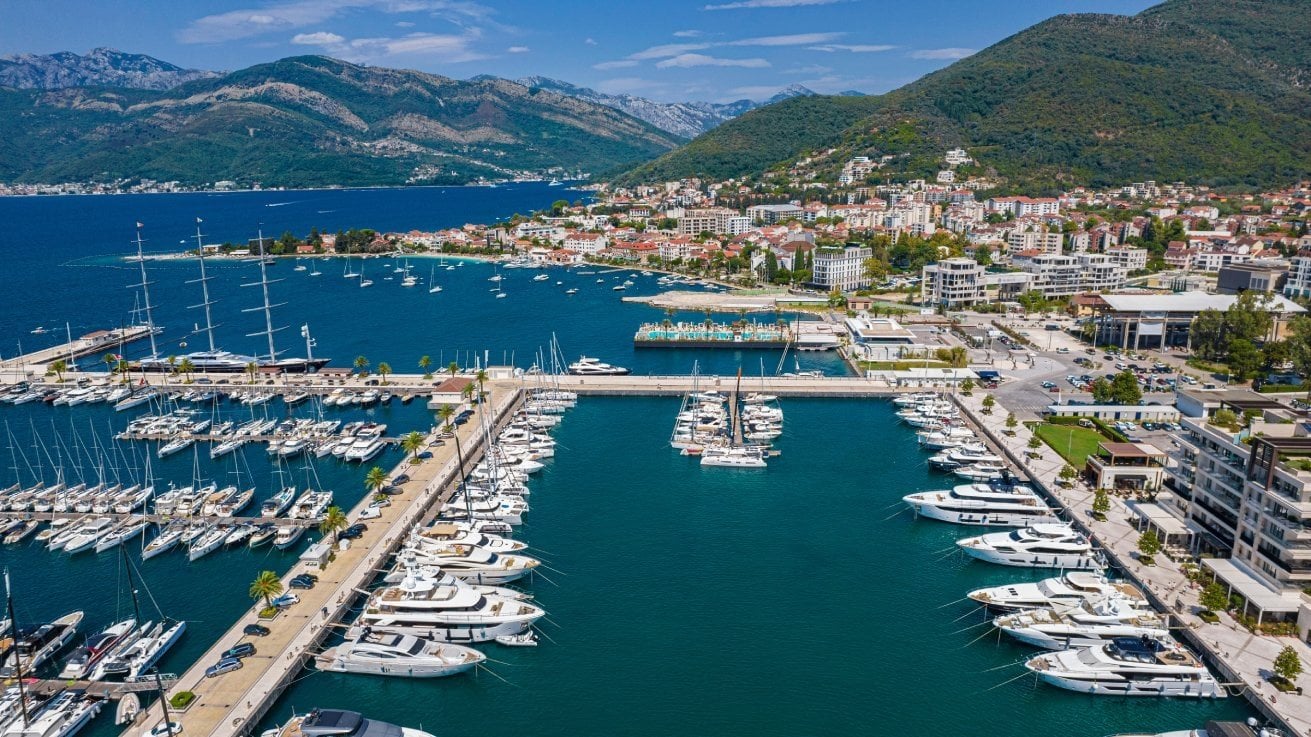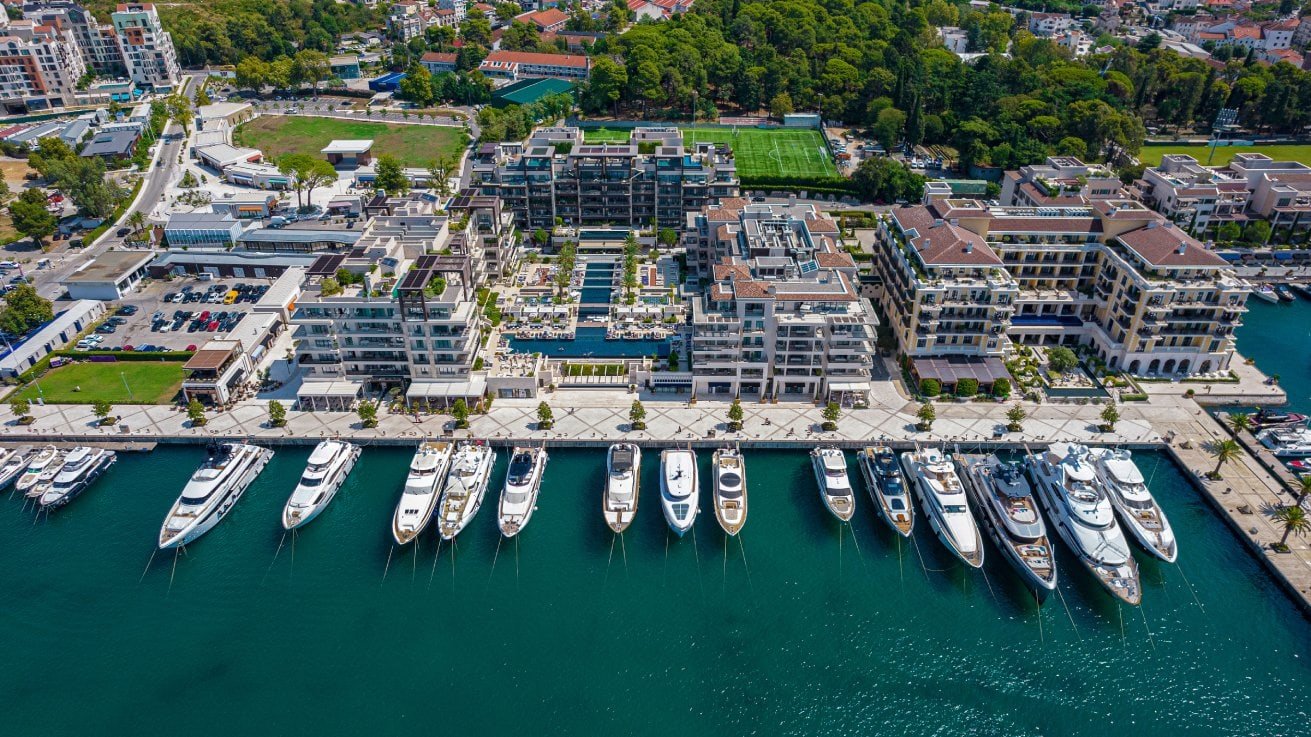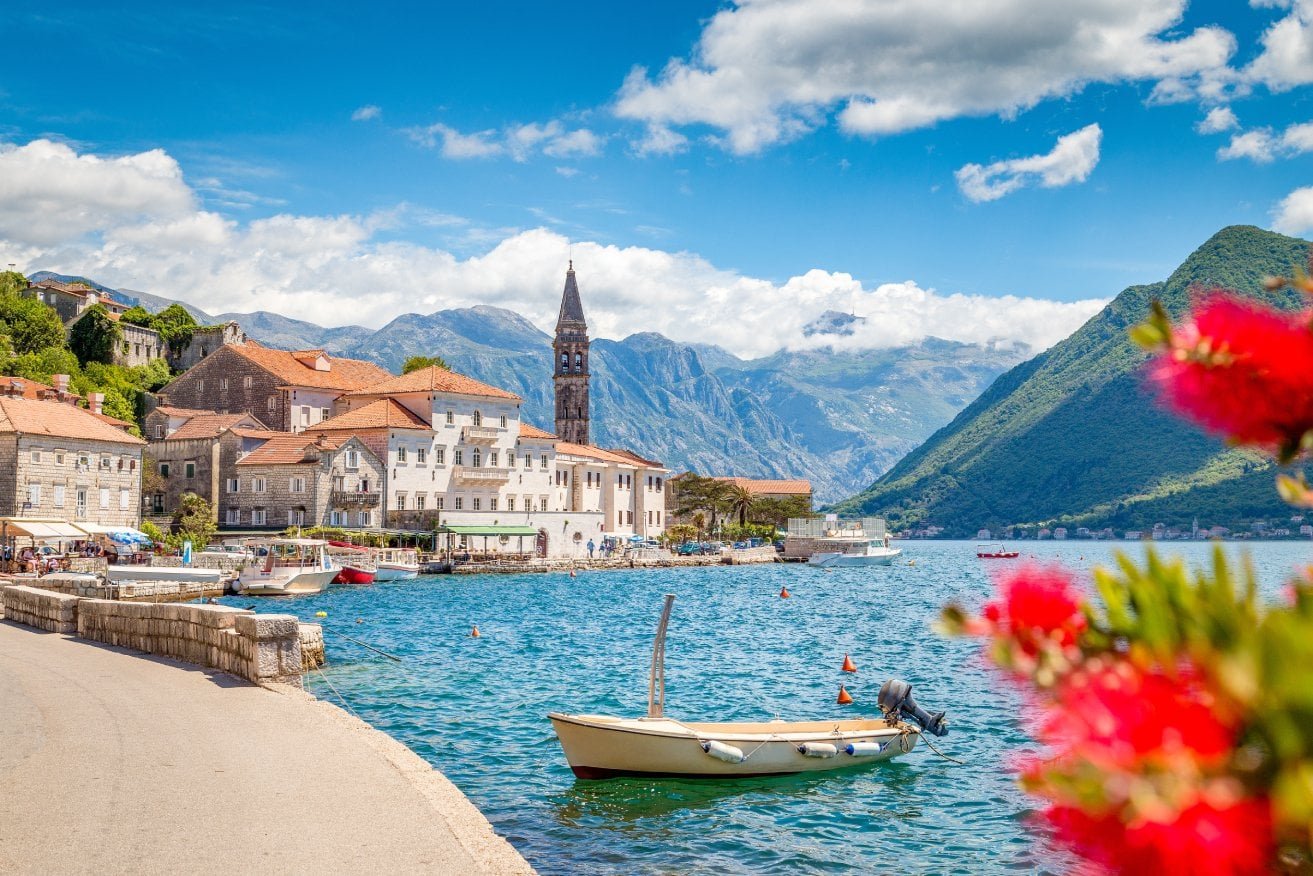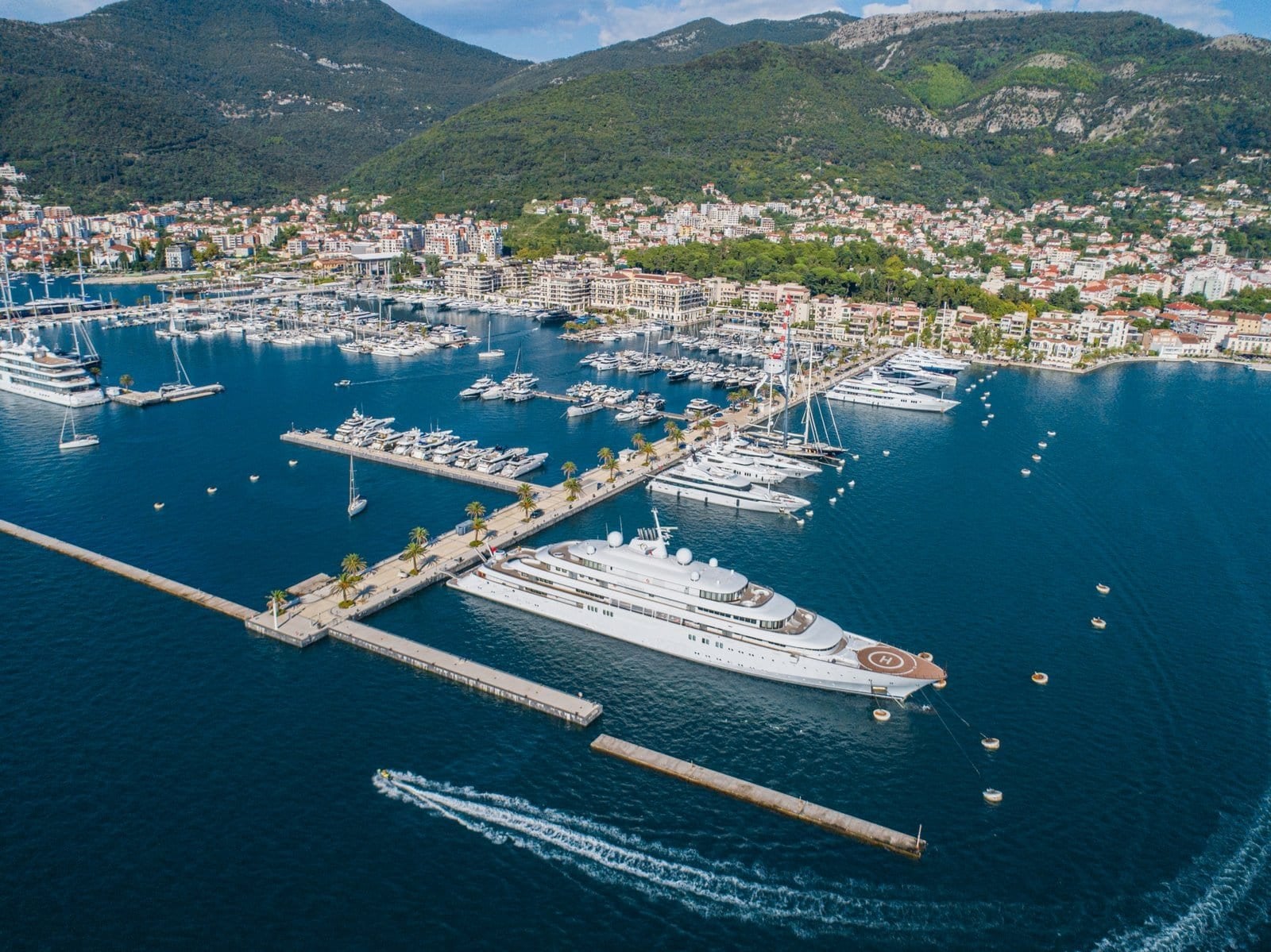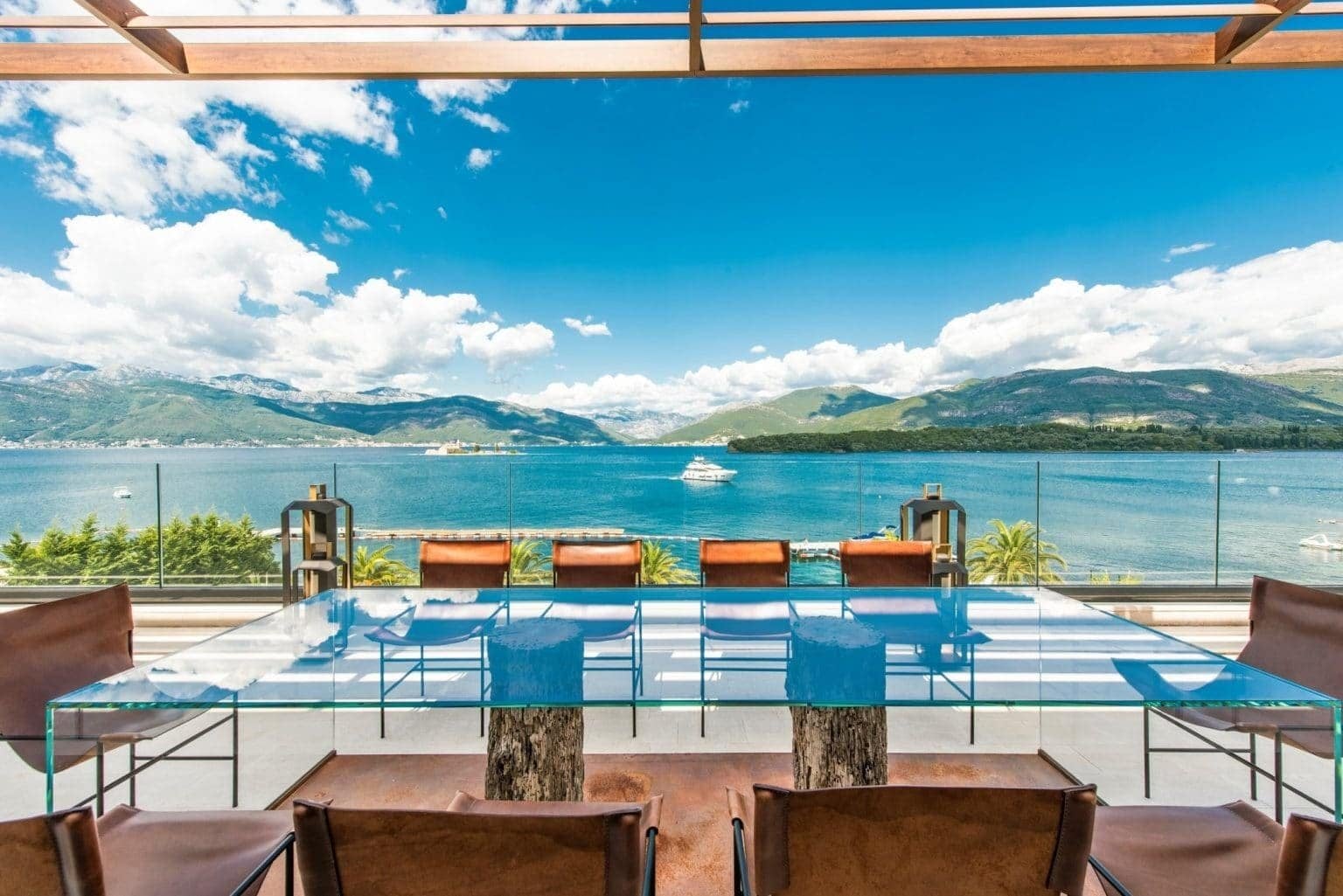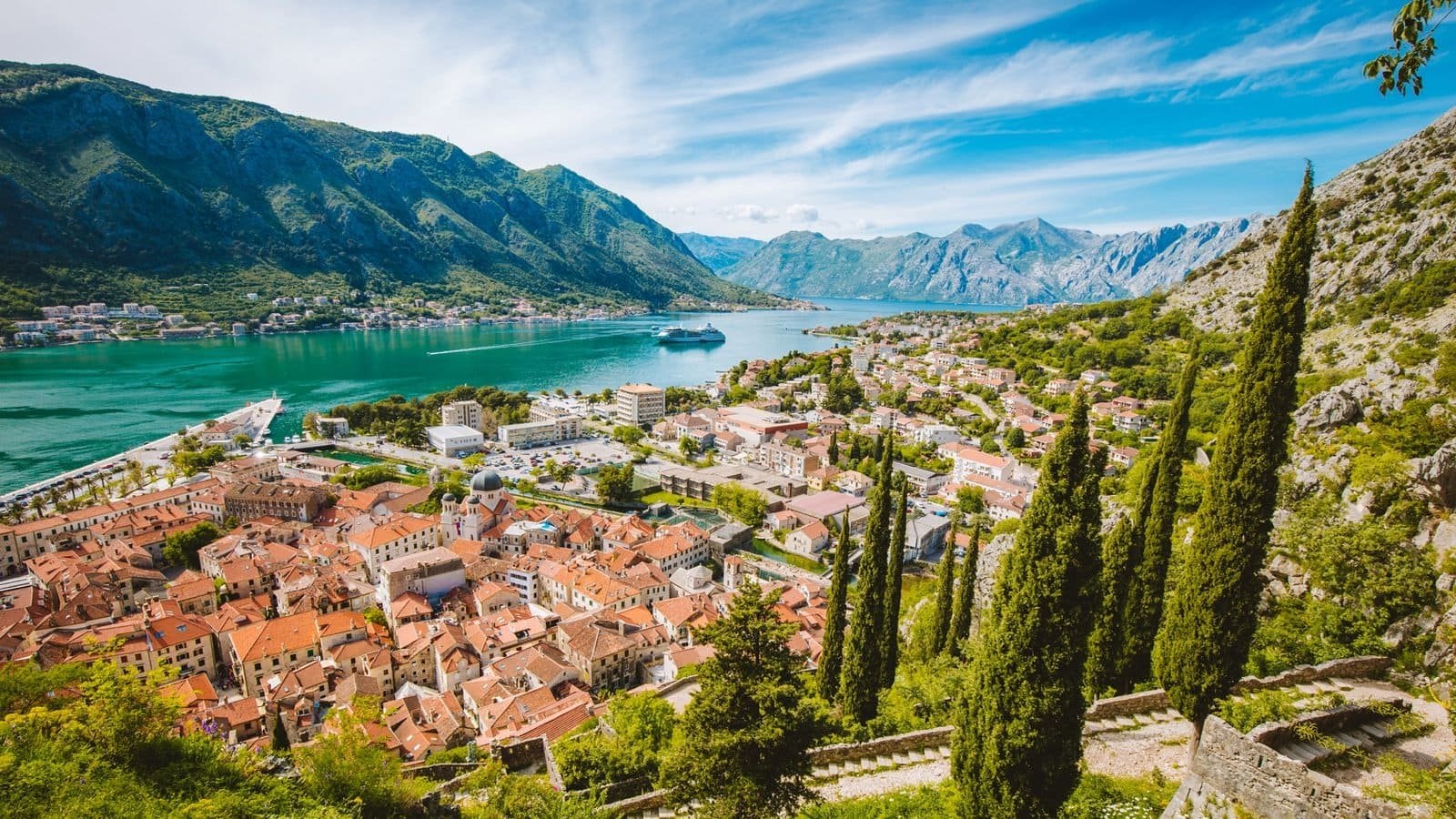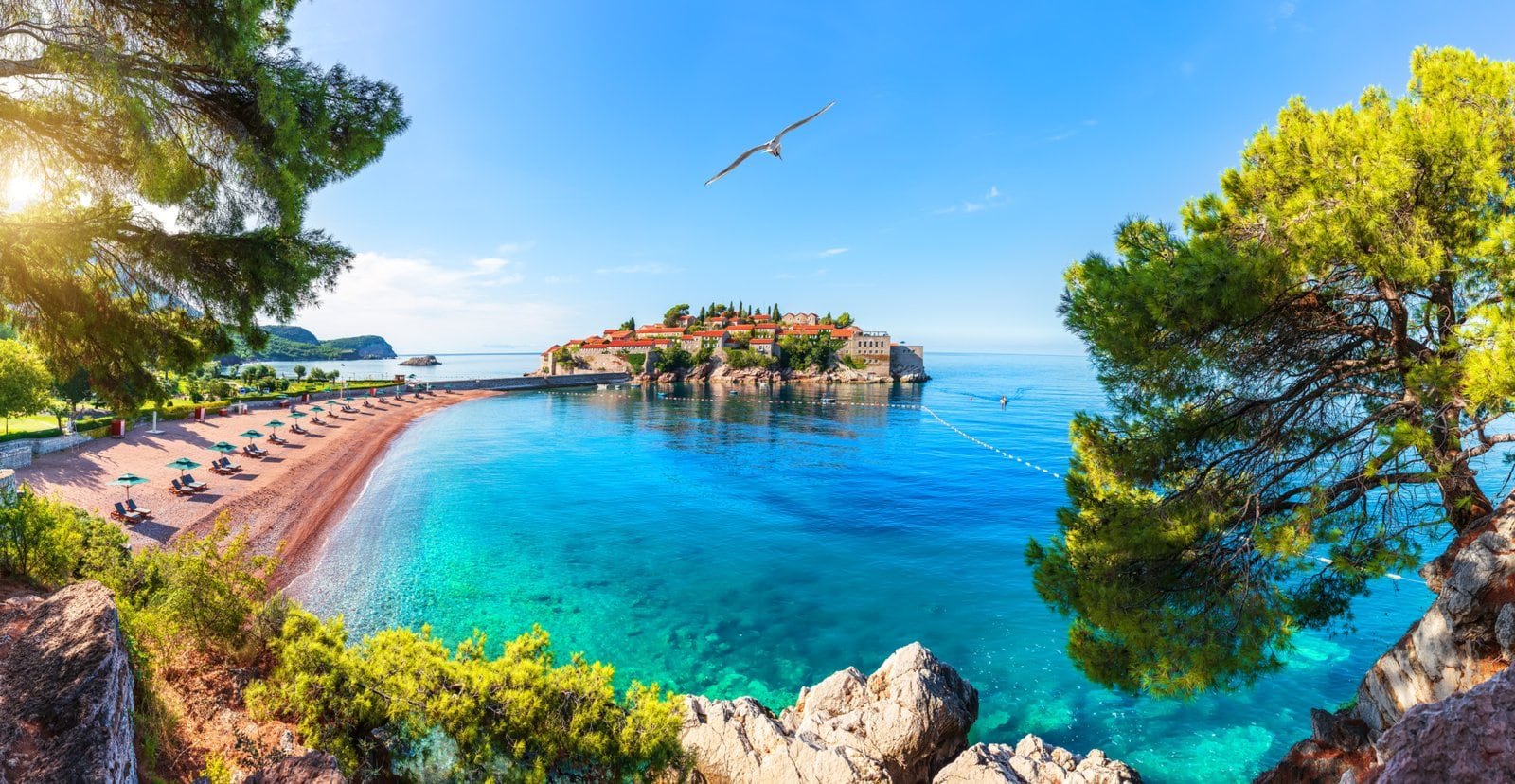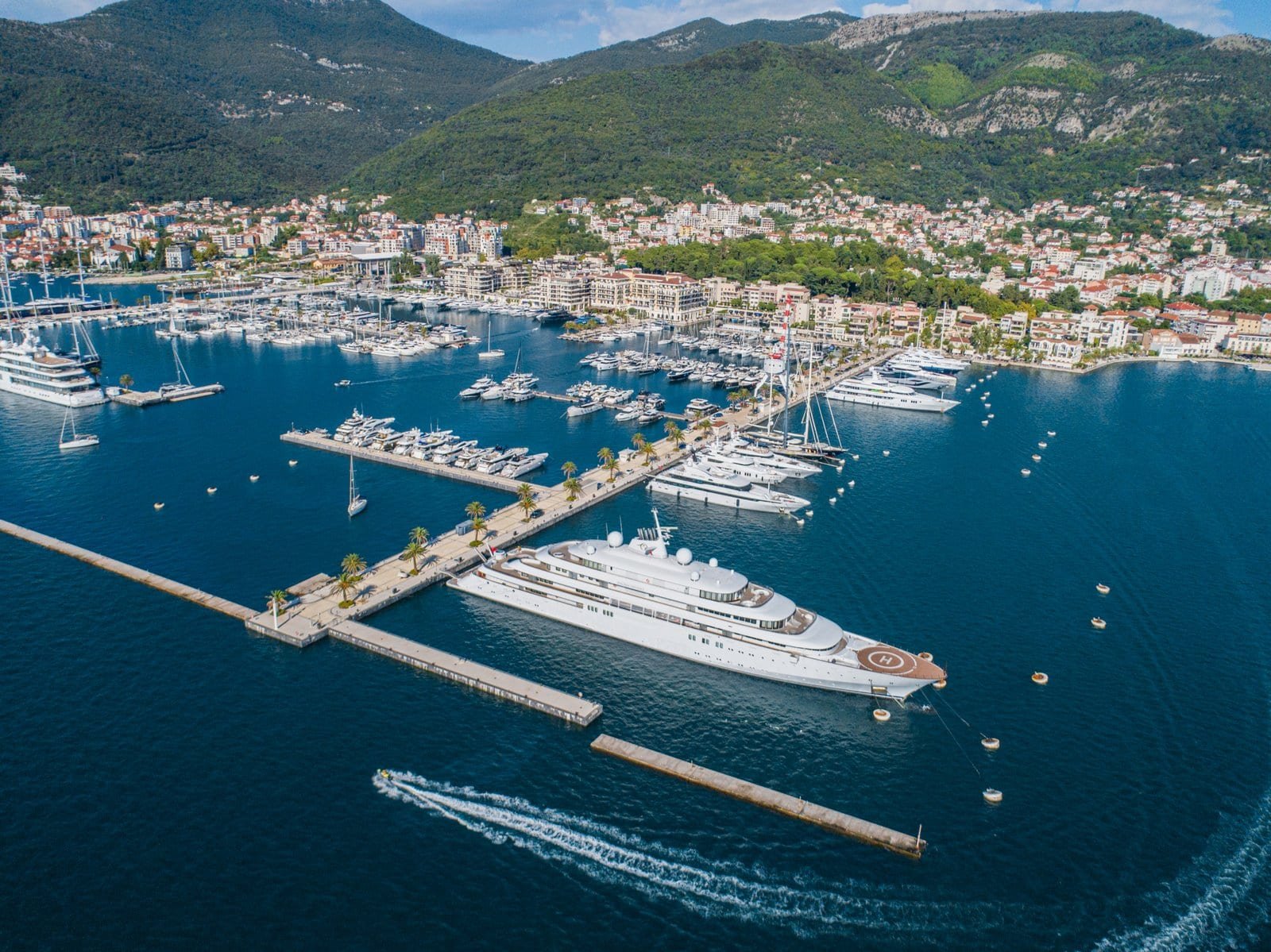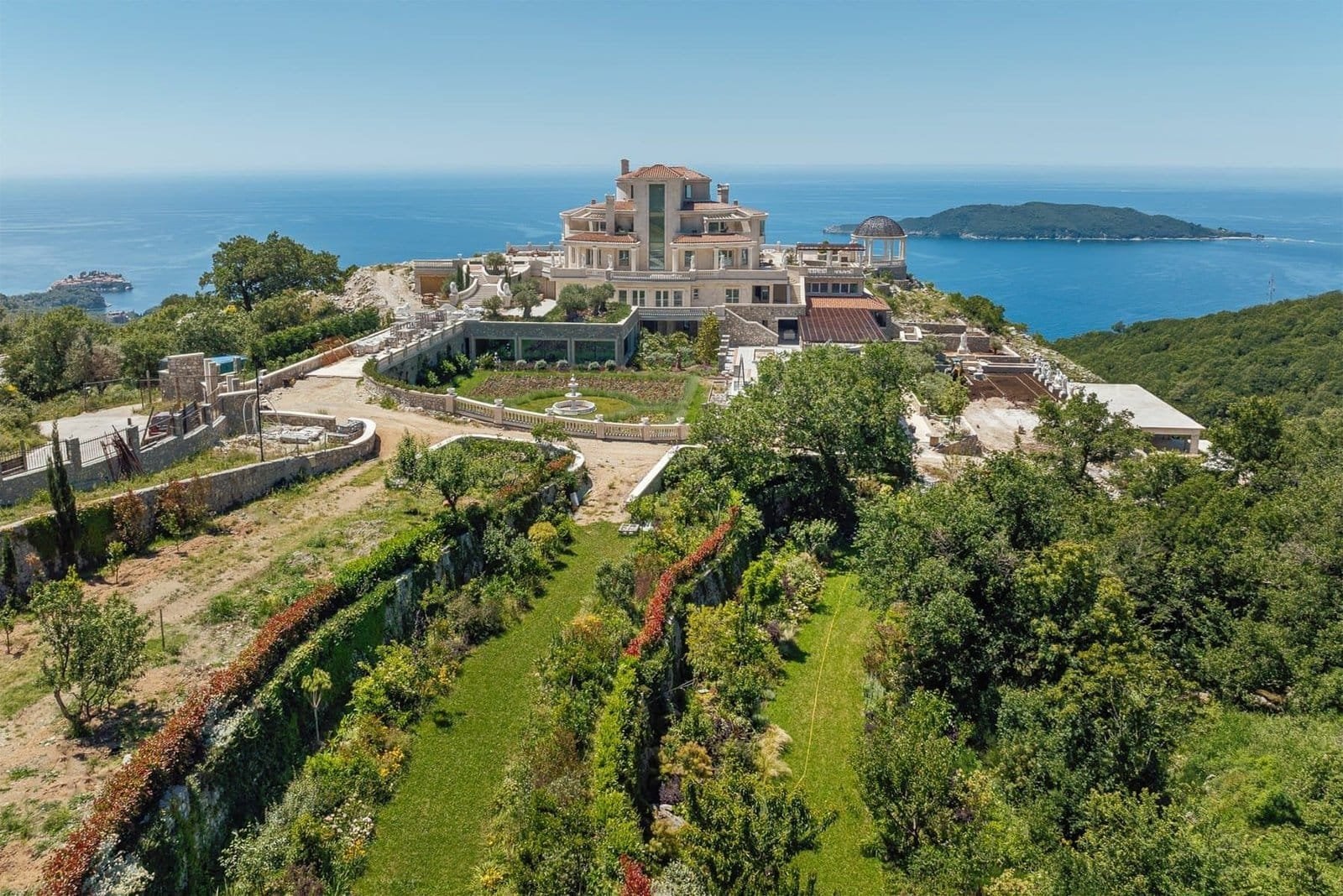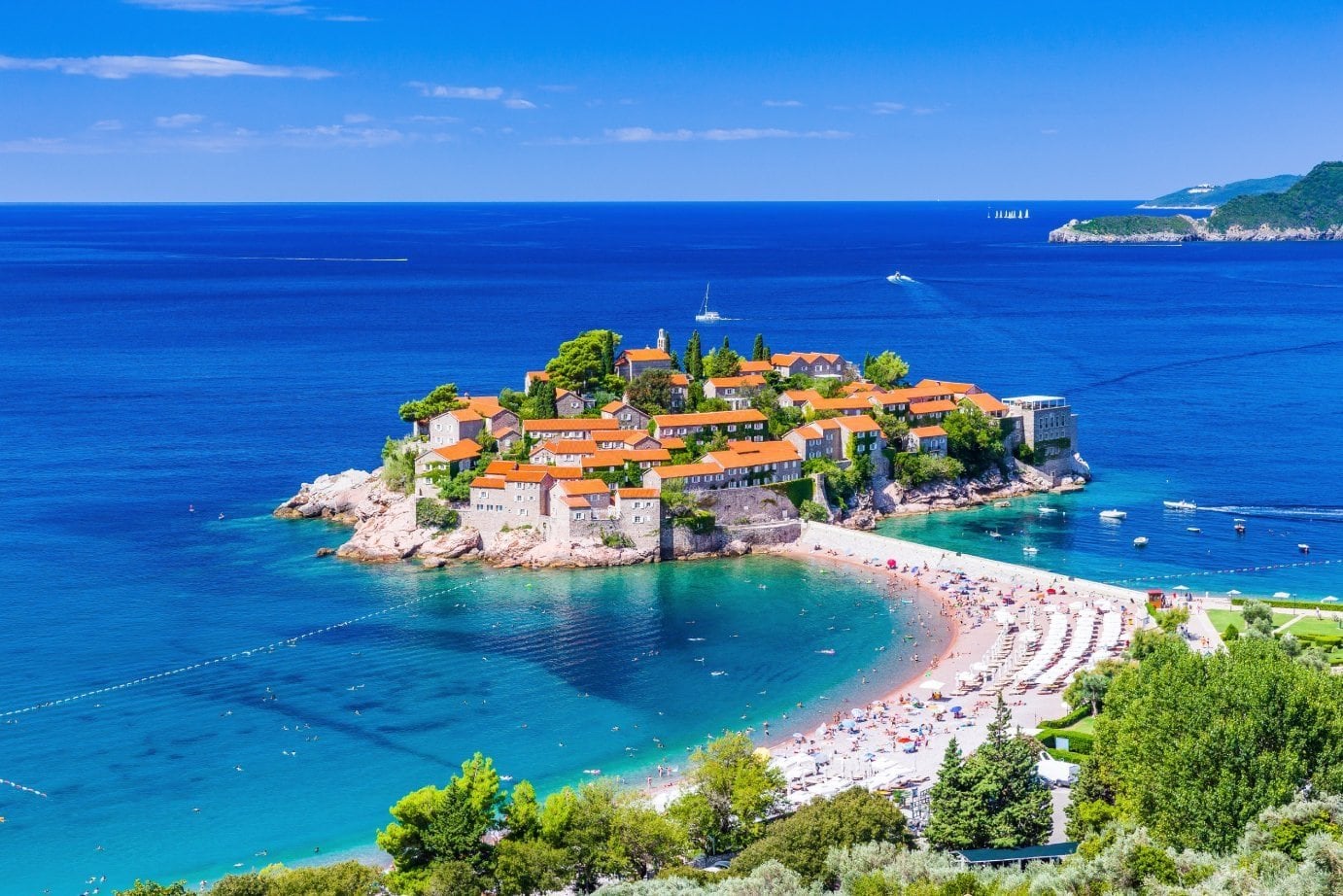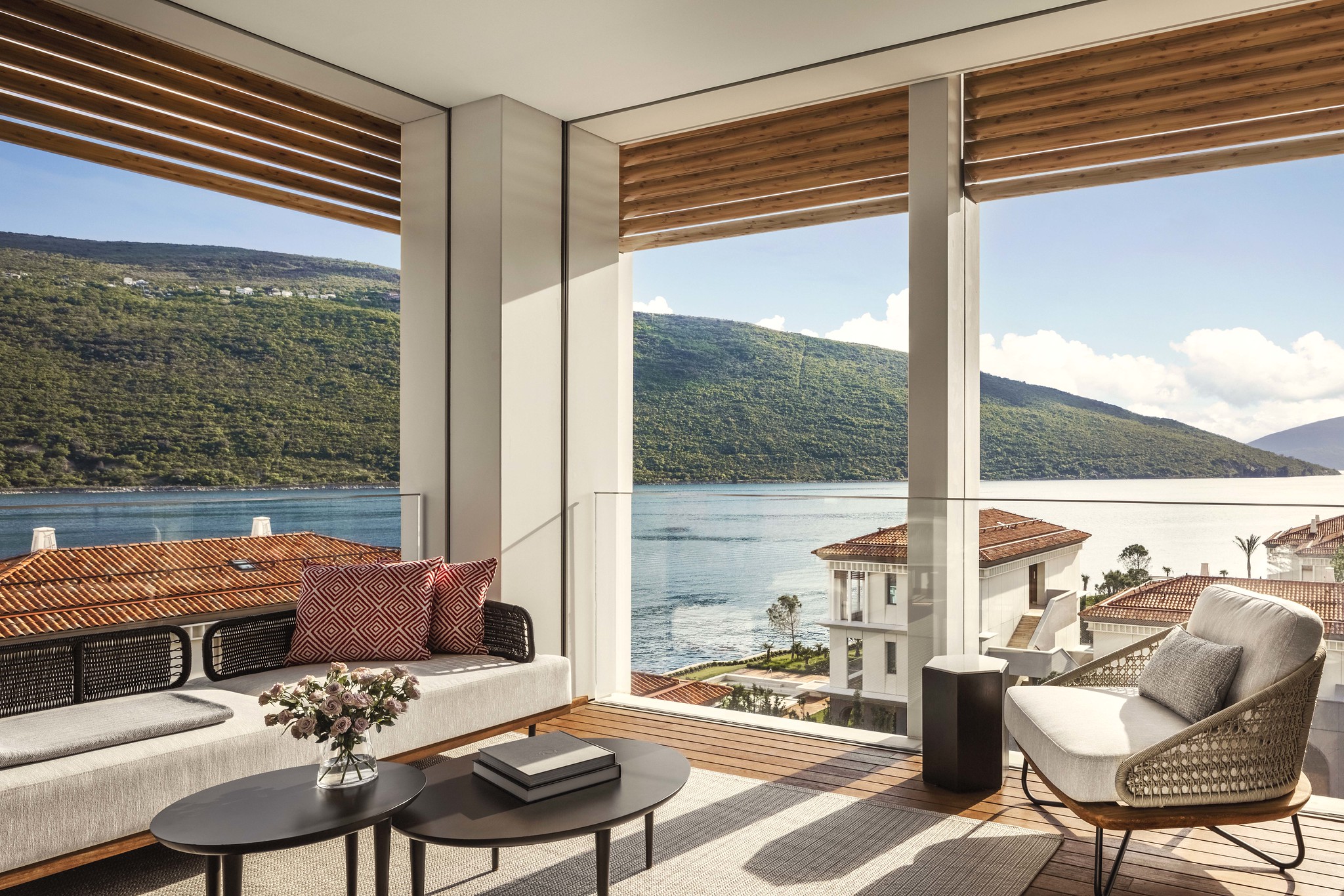
Montenegro's Adriatic coast has moved well beyond the category of emerging market curiosity. Crystalline bays, a flat corporate tax rate of nine percent (among the lowest in Europe, per Montenegro's Ministry of Finance), and apartment values that remain materially below comparable Adriatic rivals have combined to attract a serious cohort of international capital. Yet the practical path from an inspiring listing to a registered title deed is rarely explained with the rigour that buyers deserve. This guide, produced by the editorial team at Barok Estates International, addresses that gap in full.
For a broader orientation to the market before reading further, our colleagues have prepared a detailed overview in Montenegro Apartments for Sale: The Complete Buyer's Guide for 2026, which situates individual transactions within the wider market context.
Understanding the Apartment Buying Process in Montenegro
Who Can Buy? Foreign Ownership Rights Explained
Montenegro operates one of the more permissive foreign ownership frameworks on the Adriatic. Private individuals holding any nationality may purchase apartments and other completed residential units without restriction. There are no nationality-based prohibitions, no foreign ownership caps, and no mandatory local partnership requirements for private residential acquisitions.
The one area where buyers must exercise care involves land classification. Agricultural land and state-designated forest land carry specific acquisition restrictions for non-citizens under Montenegrin property law. For international buyers whose focus is a coastal apartment or an urban residence in Podgorica, Budva or Tivat, those restrictions are largely immaterial. Montenegro is not a member of the European Union, so EU capital movement directives do not apply. The applicable legal framework is domestic, codified primarily in the Law on Property Relations, and it treats foreign buyers of residential property on broadly equal terms with Montenegrin nationals.
UK buyers should note that post-Brexit legal status in Montenegro is unaffected by EU membership considerations, since Montenegro sets its own rules independently. Our advisory team has prepared a detailed breakdown specifically for British purchasers in Buying Property in Montenegro as a UK Citizen: Rules, Residency and What to Expect.
The Five Key Stages of a Montenegro Apartment Purchase
Every transaction in Montenegro, regardless of property type or price point, follows the same five-stage sequence. Understanding that sequence before viewing a single property removes a significant source of buyer anxiety.
The first stage is search and shortlisting: defining the target location, property type, and acquisition budget, then systematically reviewing vetted listings against those criteria.
The second stage is reservation. Once a buyer identifies a preferred property, a reservation agreement or letter of intent holds the unit off the open market. This typically involves a modest refundable deposit while the buyer proceeds to due diligence.
The third stage is due diligence itself: title verification, cadastre checks, building permit review, and physical inspection. This stage should never be treated as a formality.
The fourth stage is the preliminary purchase agreement, known in Montenegrin law as the ugovor o kupoprodaji. This is a notarised, binding contract that fixes the purchase price and timeline. The standard buyer's deposit at this stage is ten percent of the agreed price.
The fifth and final stage is title transfer: the notarised deed of transfer (ugovor o prenosu vlasništva), settlement of the balance purchase price, and formal registration of ownership in the national cadastre.
In straightforward transactions involving clean title and newly completed stock, the period from signed preliminary agreement to registered ownership typically runs between sixty and ninety days. Transactions involving older properties, contested boundaries, or inherited title chains take considerably longer. Buyers who hold that five-stage mental framework from the outset tend to manage timelines and expectations far more effectively than those approaching the process without it.
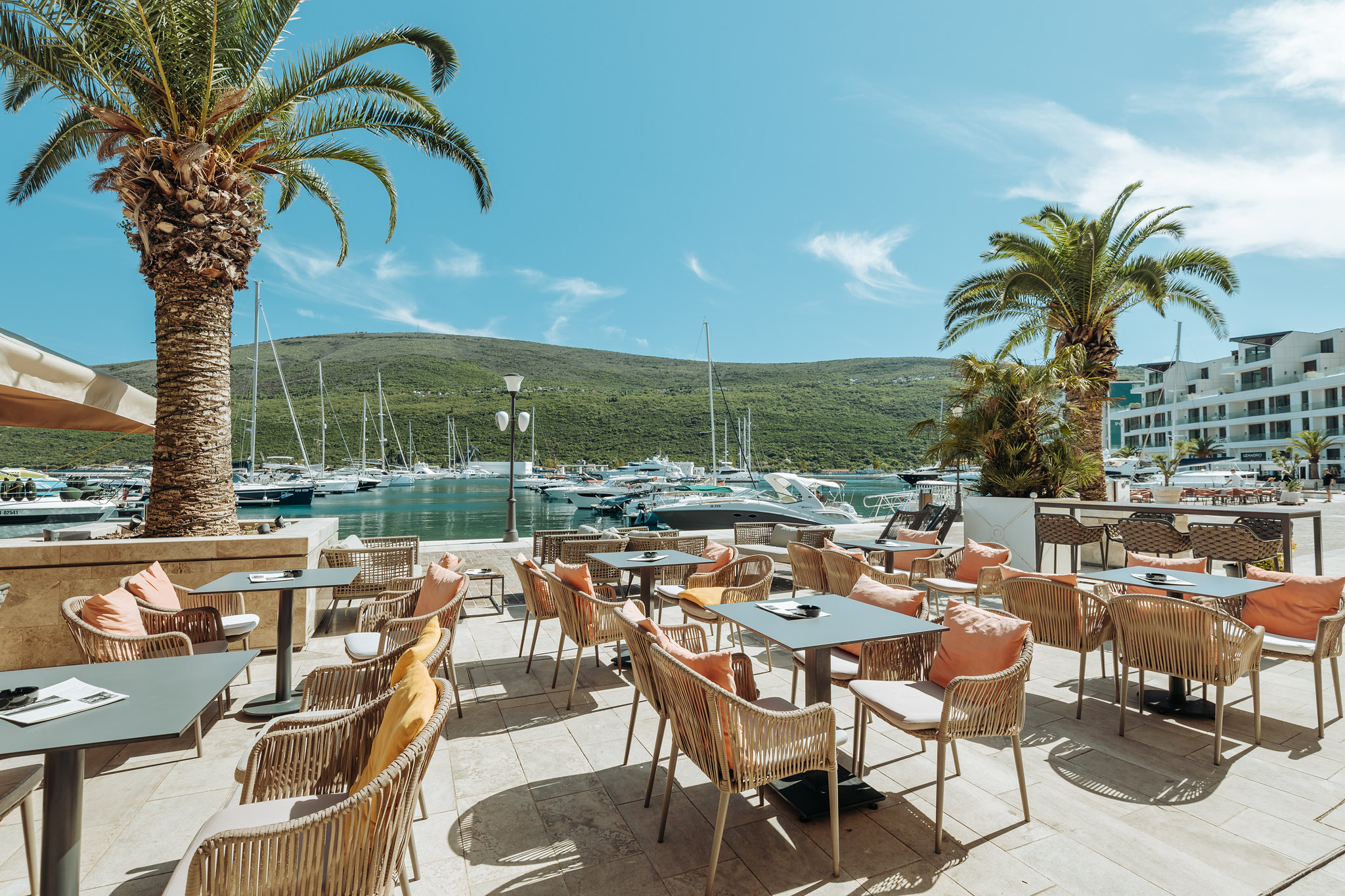
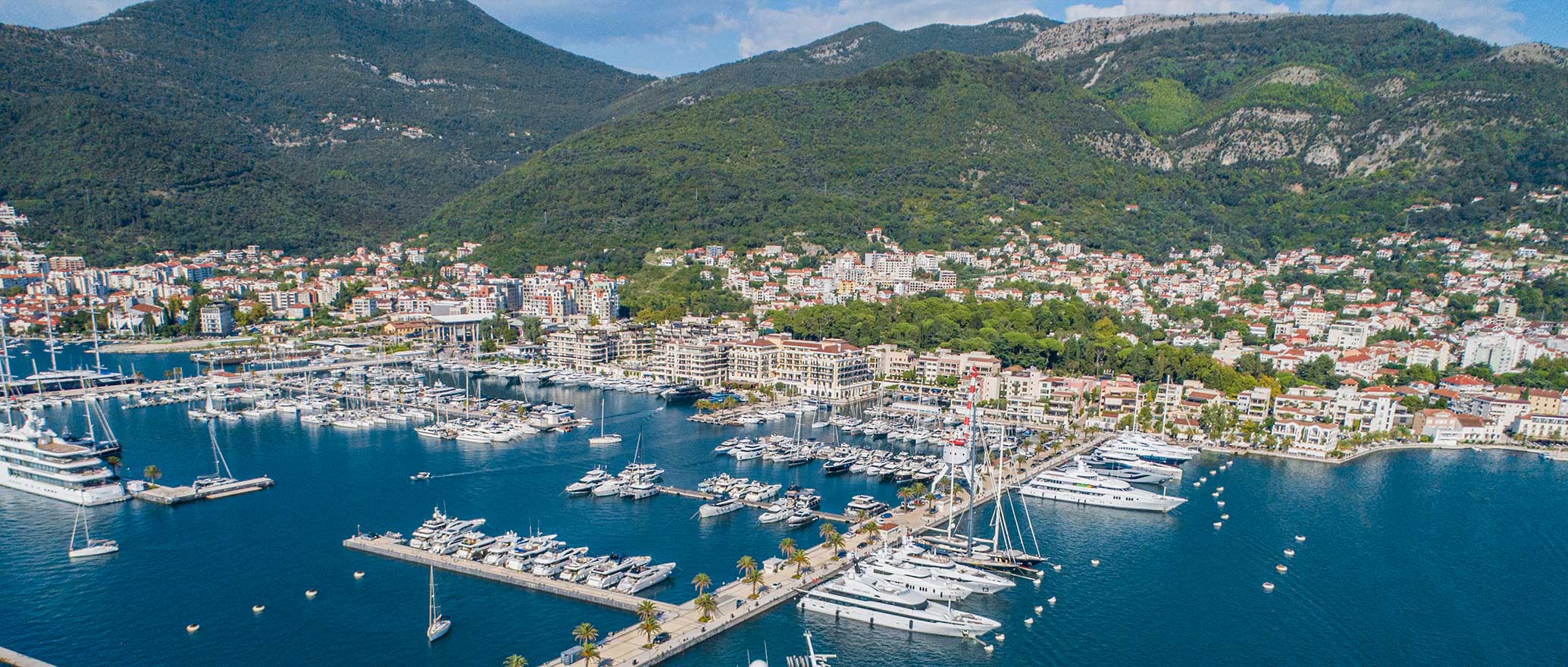
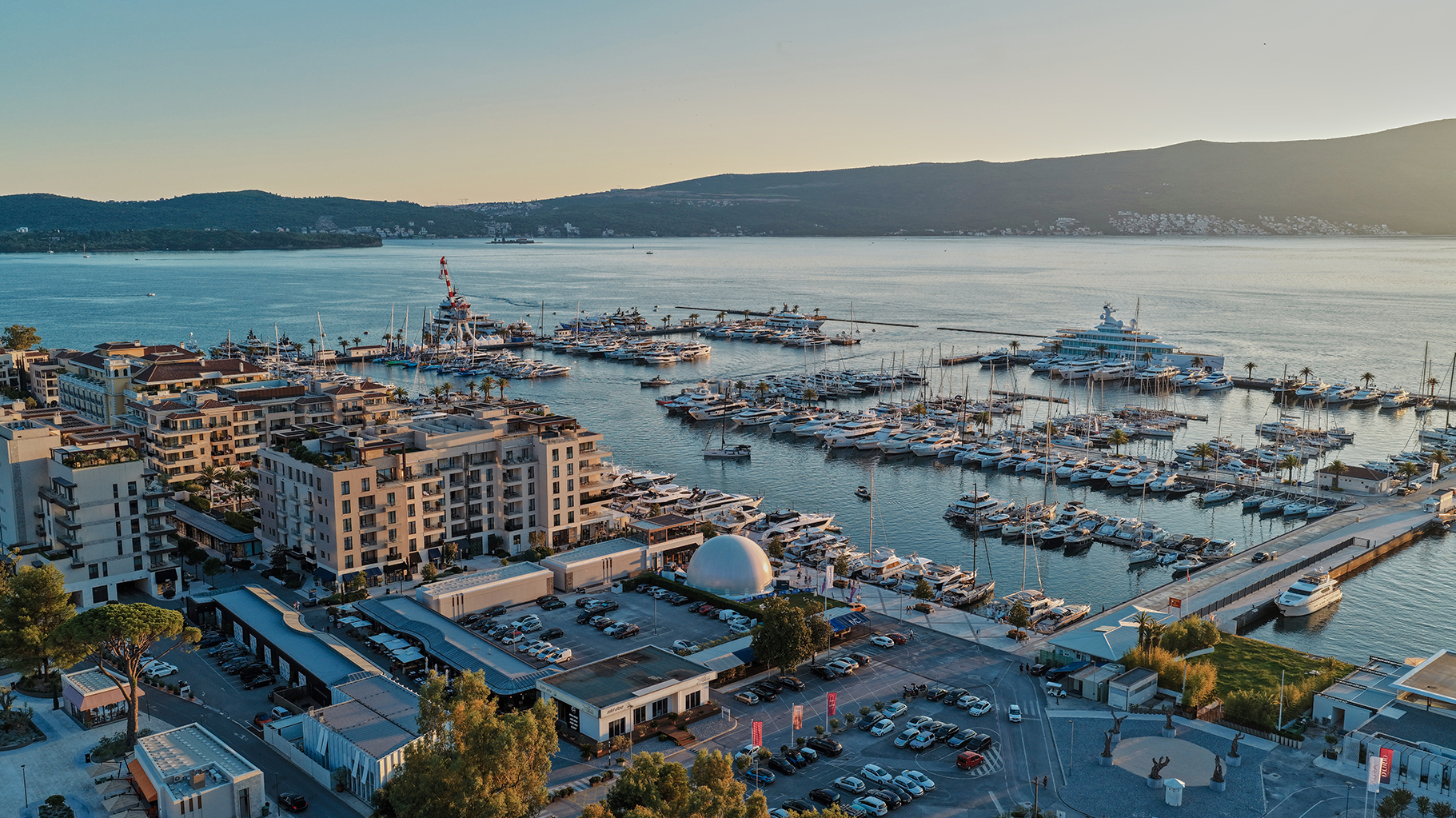
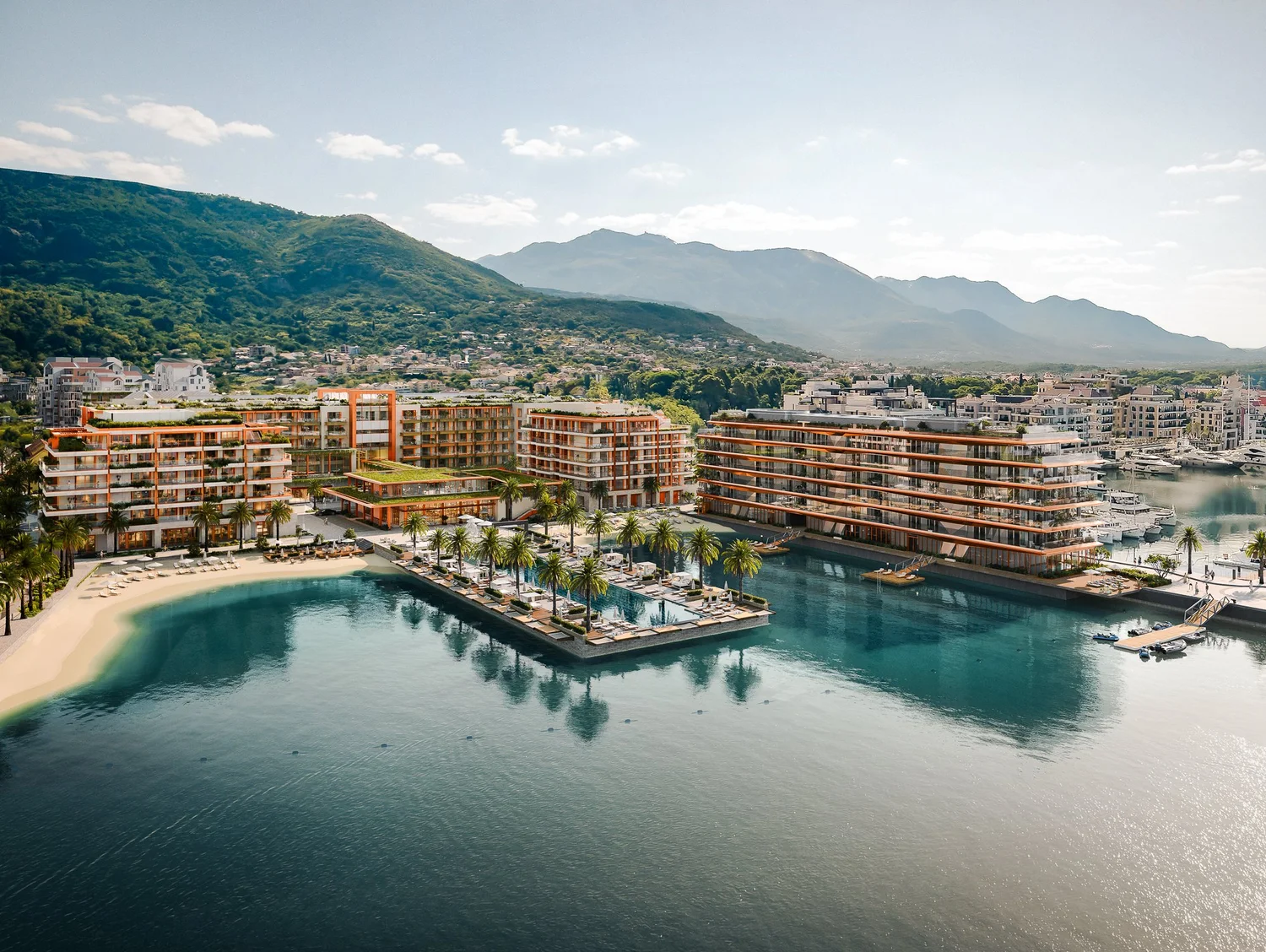
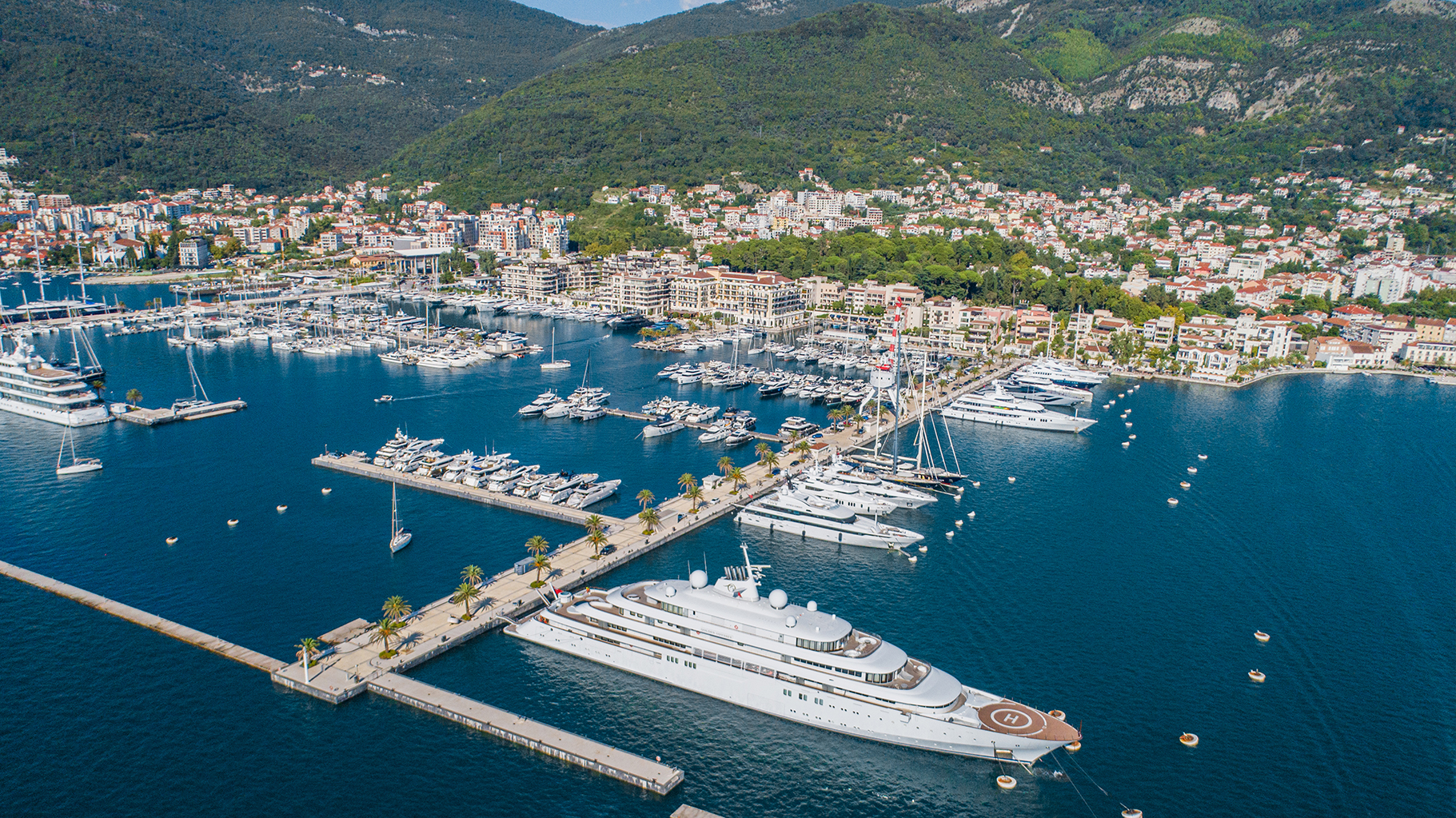
For buyers whose attention has been drawn to Tivat and the Porto Montenegro marina district specifically, our team has prepared a comprehensive location guide: Buying Property in Tivat, Montenegro: The 2026 Guide for International Buyers.
Legal Due Diligence and the Montenegro Purchase Agreement
Title Search, Encumbrances, and Cadastre Checks
Property ownership in Montenegro is recorded in the katastar nepokretnosti, the immovable property register maintained by the Real Estate Administration under the authority of the Montenegrin government. Every buyer, at every price point, must obtain an official cadastre extract before signing any agreement, including a reservation agreement.
The cadastre extract performs several critical functions simultaneously. It confirms the identity of the registered owner, provides the property's legal description and surface area as registered, and discloses any encumbrances recorded against the title. Those encumbrances can include mortgages, creditor liens, servitudes, and active legal disputes. A clean extract shows none of these. A problematic extract, which buyers do encounter with meaningful frequency on older Adriatic stock, may reveal encumbrances the seller has chosen not to disclose.
At Barok Estates International, our advisory process mandates an independent cadastre title review before any client commitment is made, including reservation deposits. The cost of commissioning a thorough title report is negligible relative to the financial exposure of proceeding without one.
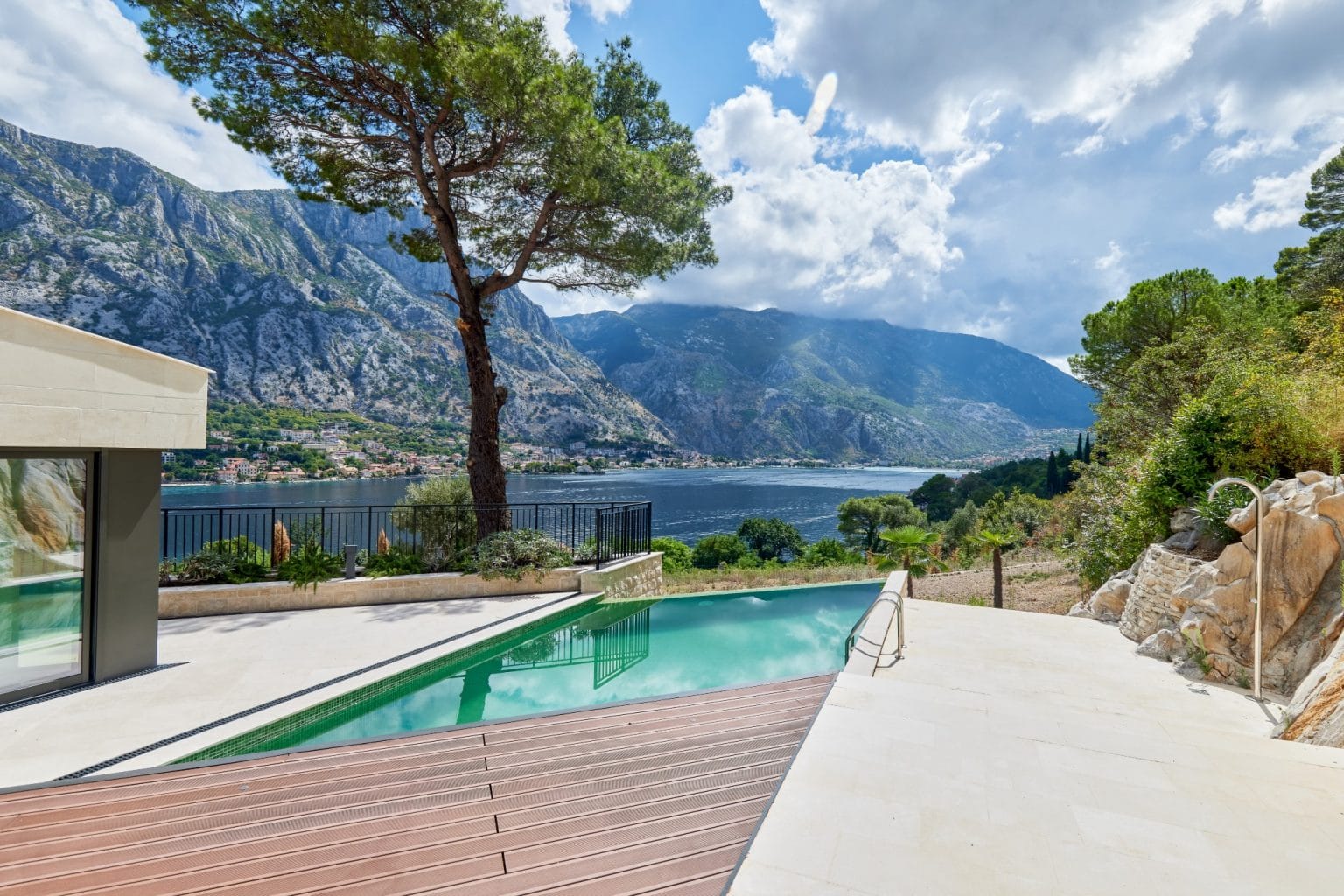
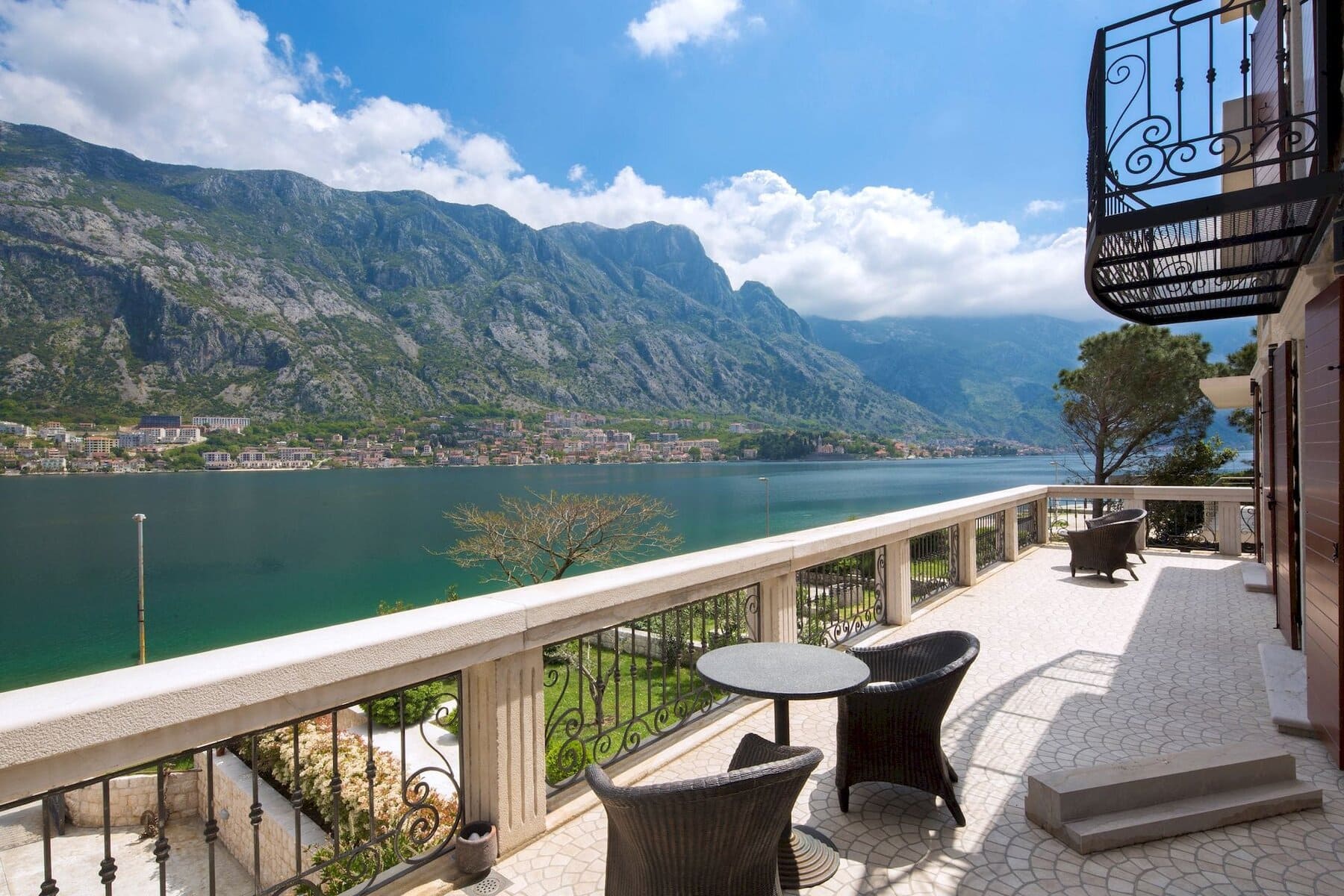
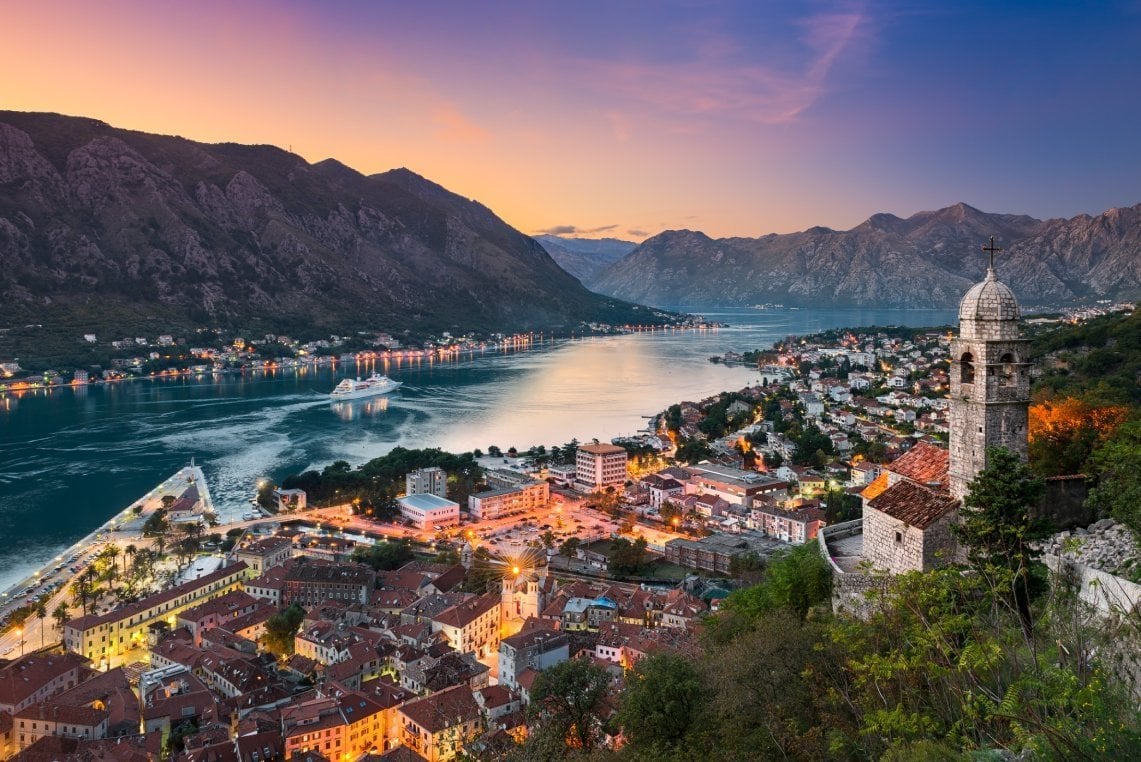
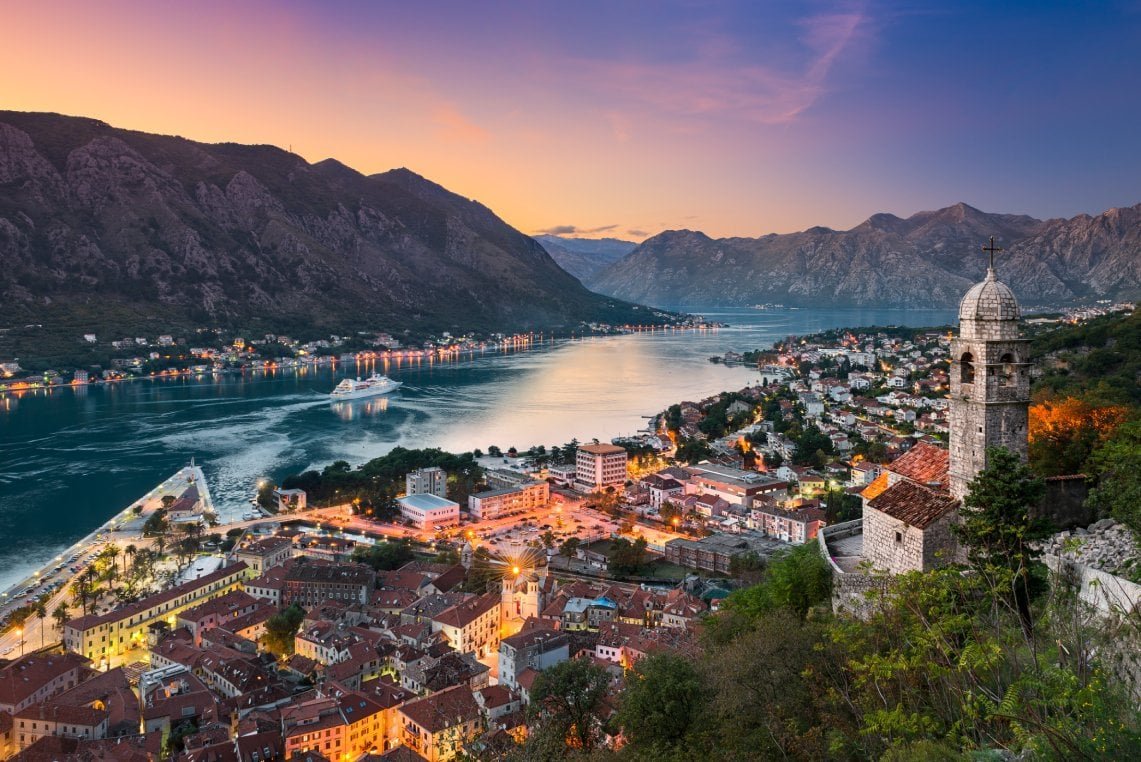
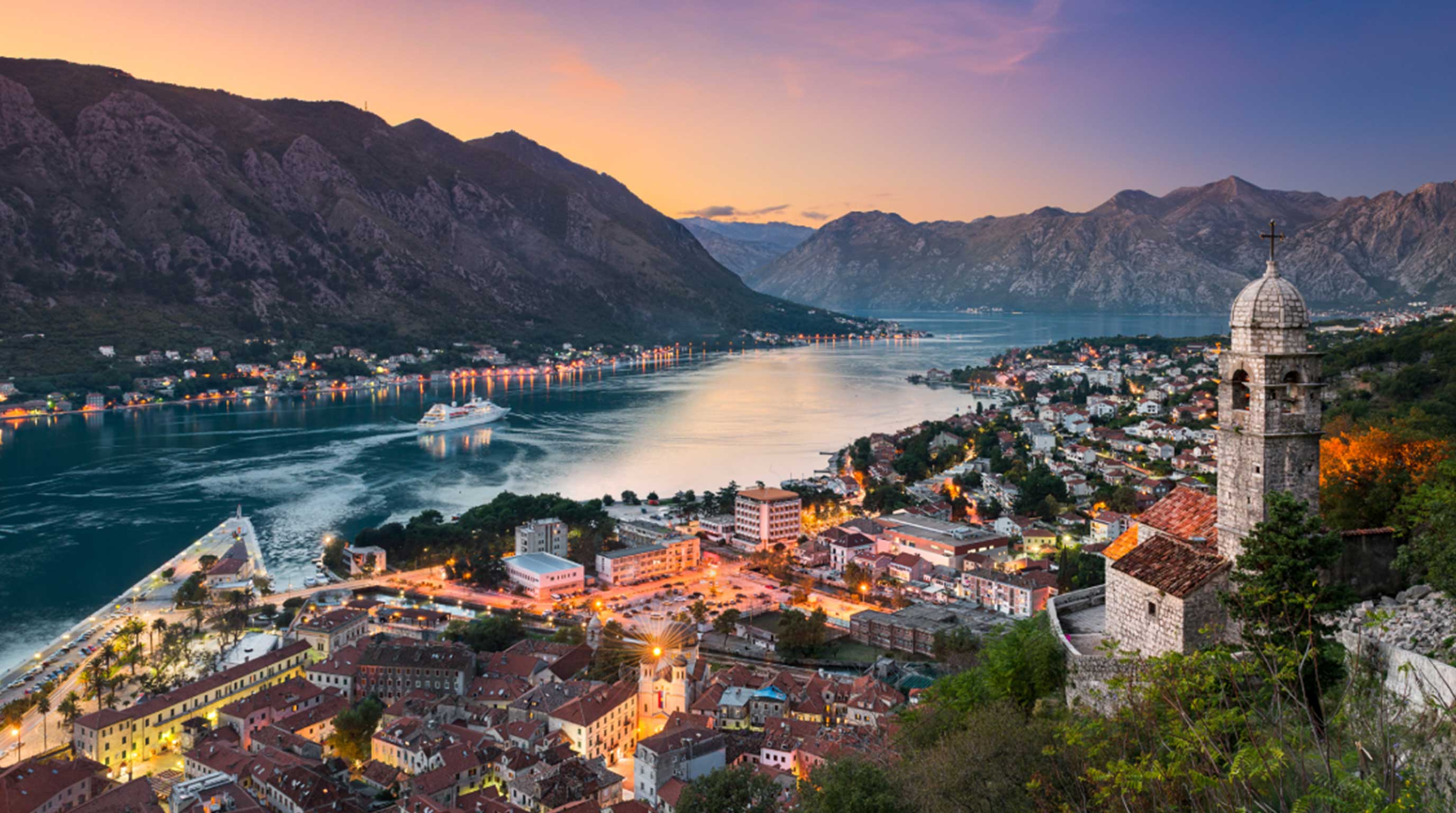
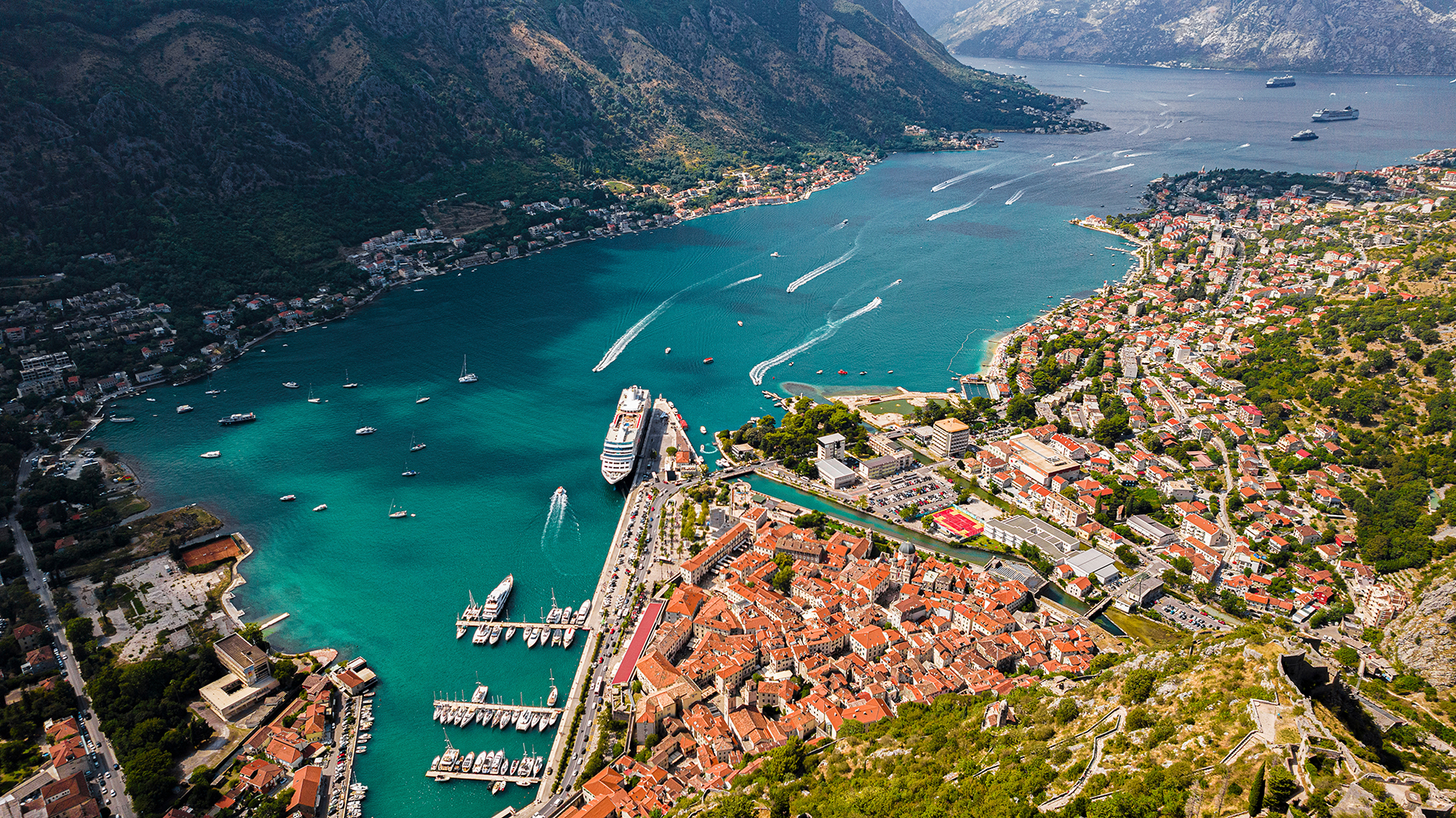
The Bay of Kotor adds a further layer of legal complexity that buyers must treat seriously. Properties located within or adjacent to the UNESCO Natural and Cultural-Historical Region of Kotor are subject to overlay restrictions on construction permits, renovation rights, and façade alterations. Those restrictions derive from both national heritage law and the applicable local spatial plan (prostorni plan). Buyers must verify the full planning status of any Kotor-area property before exchange, not at the point of deciding whether to proceed with renovation post-completion.
What to Expect in a Montenegro Apartment Purchase Agreement
The preliminary contract (ugovor o kupoprodaji) is a fully binding notarised instrument. It is not a heads-of-terms document or a gentleman's agreement. Once signed before a Montenegrin notary, both parties are bound by its terms.
The contract will specify the agreed purchase price, the completion date, the respective obligations of buyer and seller prior to title transfer, and the deposit structure. The market standard sets the buyer's deposit at ten percent of the contract price. If the seller withdraws from the transaction after the preliminary contract is executed, they are ordinarily liable to return twice the deposit amount to the buyer. If the buyer withdraws without legally recognised cause, the deposit is forfeited to the seller.
Notarisation is a legal requirement, not an optional formality. The notary (notar) verifies the identities of both parties, confirms the current cadastre status of the property, and formally registers the transaction. However, notarisation does not replace independent legal counsel. A local property lawyer reviews the contract for substantive terms that fall outside the notary's procedural remit: warranty provisions, penalty clauses for delayed completion, title-clearing conditions, and any representations the seller has made that should be contractually embedded. Independent legal fees in Montenegro are modest. Treating them as optional is a false economy.
Apartment Inspection in Montenegro: What to Check Before You Sign
Structural and Building-Permit Checklist
The physical inspection of any apartment should be completed before the preliminary contract is signed, not afterwards. This sequencing matters because the preliminary contract is binding. Issues uncovered after execution require renegotiation, which is both slower and more expensive than walking away from an unsigned contract.
Barok Estates International advises every buyer to work through the following checklist systematically before committing.
The first item is the building permit and usage permit (upotrebna dozvola). The usage permit is the document that confirms the building was constructed in conformity with its approved planning permission and is legally certified as habitable. The absence of a valid usage permit is among the most serious red flags a buyer can encounter in the Montenegrin market. Buildings without it carry significant legal and financial risk.
The second item is structural integrity. Buyers or their appointed surveyors should look for signs of rising damp, settlement cracks in load-bearing walls, the condition of roofing on top-floor units, and the general state of shared structural elements including staircases and external facades.
The third item is utility connection. Water, electricity, and sewage connections should be verified as active, legal, and registered either in the building's name or the seller's name. Informal connections that bypass official registration create compliance problems at the point of re-registration.
The fourth item is communal charge arrears. Buyers should request a formal statement of any outstanding maintenance fees (zajednička potrošnja) from the building management or homeowners association. In Montenegrin property law, unpaid communal charges can attach to the property itself rather than the seller personally, meaning an acquiring buyer may inherit the liability.
The fifth item is spatial plan compliance. The physical footprint of the building and any enclosed terraces or extensions should match the registered plans exactly. Unauthorised additions and enclosures built without permit are encountered frequently in older coastal stock. Legal liability for those additions transfers to the buyer on completion.
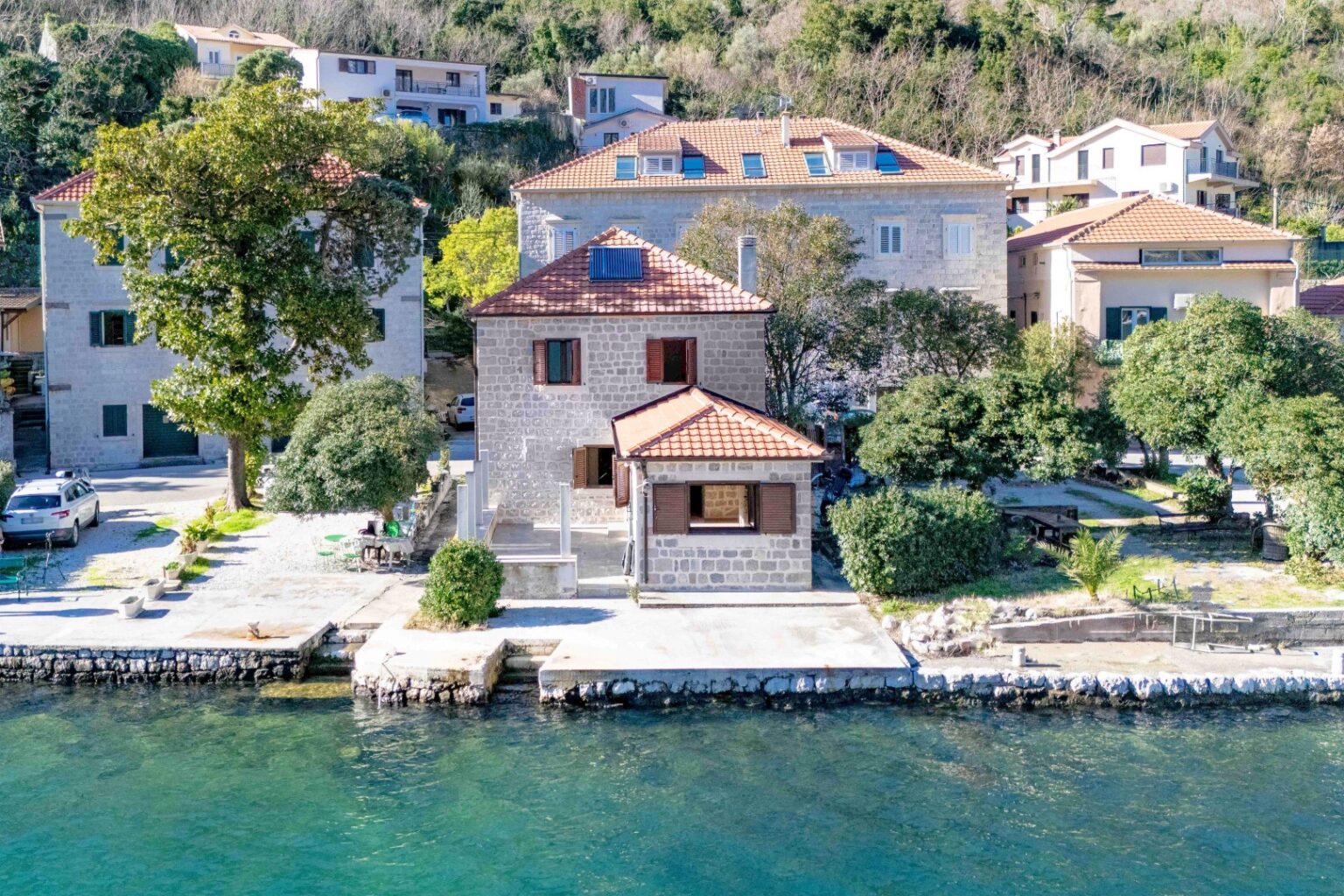
For coastal properties specifically, buyers must also confirm that the building does not sit within the pomorsko dobro, the maritime public domain. This is a state-owned coastal strip within which private ownership rights are curtailed by law. Properties that encroach on or sit within the maritime domain present legal exposure that can be very difficult and costly to resolve after purchase.
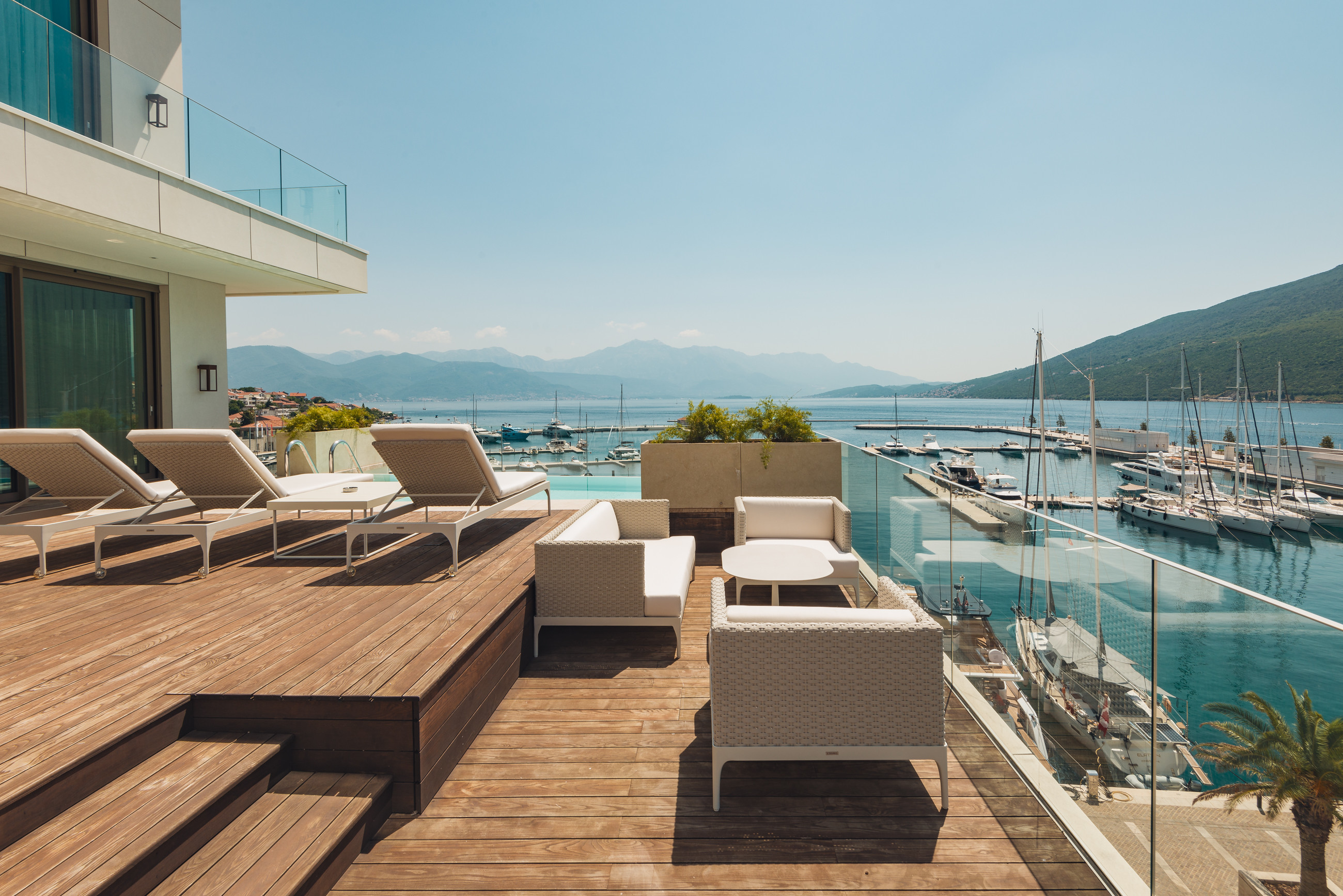
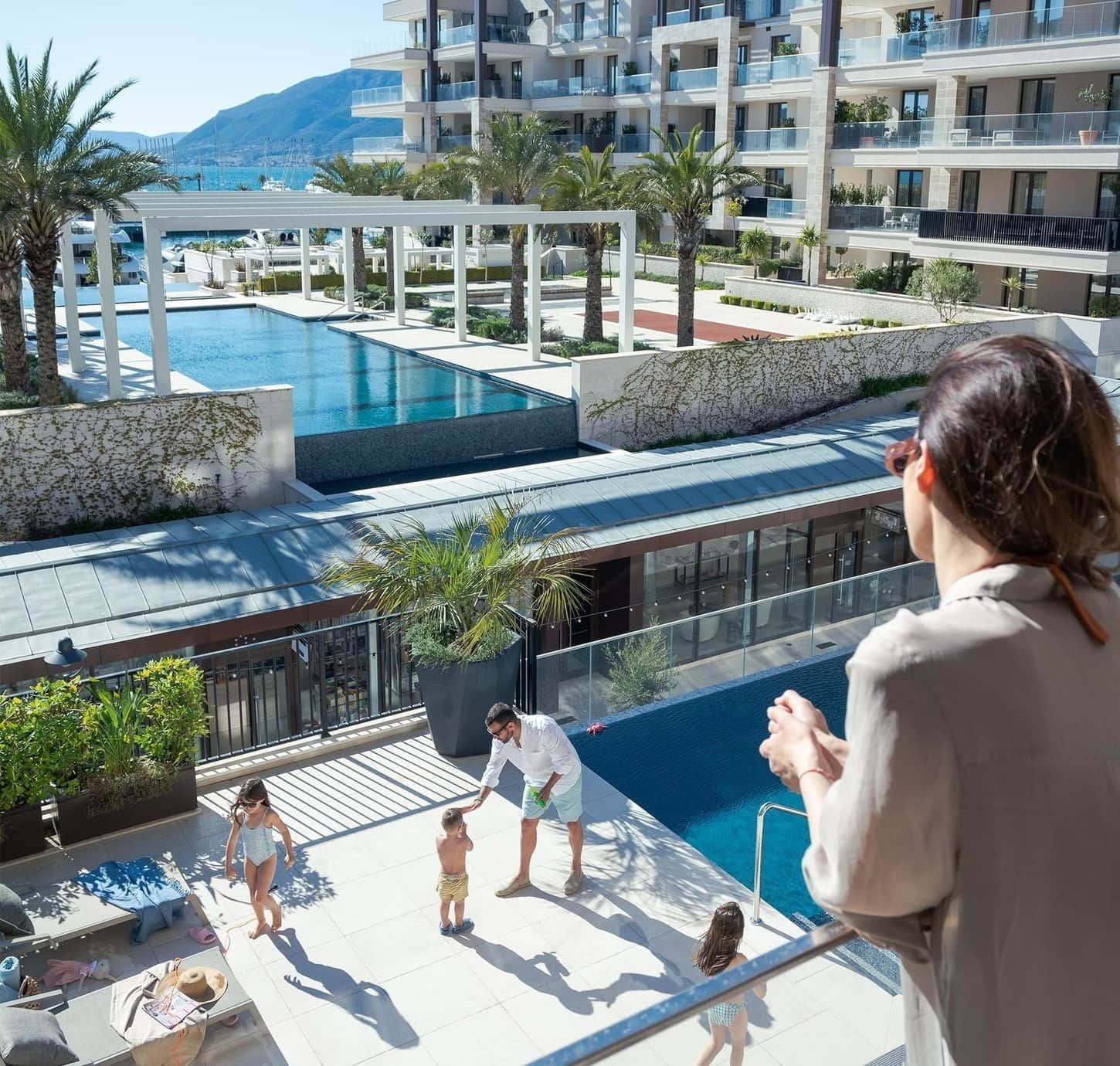
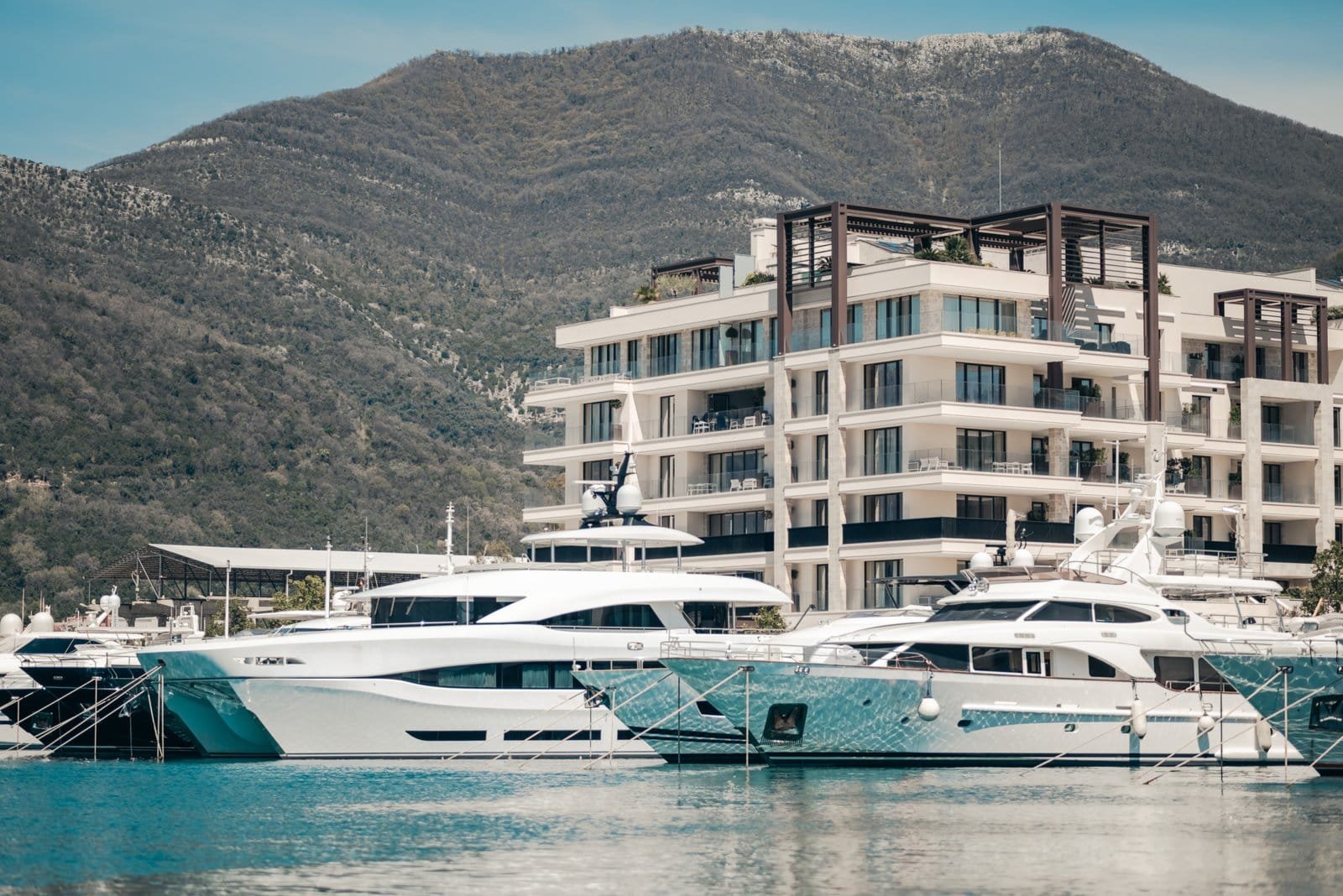
Those who are considering properties at the premium end of Tivat's waterfront will find the standards at Porto Montenegro consistently high in terms of permit compliance and structural quality. The Elevated Living Above the Adriatic: Porto Montenegro's Finest Rooftop Penthouse exemplifies the level of finish and legal clarity available in that district.
Off-Plan and New-Build Considerations
Off-plan acquisitions in Montenegro offer entry pricing that is typically ten to twenty percent below completed-unit equivalents in the same development. That pricing advantage reflects the genuine risk premium that buyers accept by committing capital before construction is finished.
The risks in off-plan purchases centre on three areas. The first is developer financial strength. Buyers should request audited accounts or evidence of construction financing before signing. A developer who cannot demonstrate secured construction funding represents material completion risk. The second is escrow and payment structuring. Buyers should insist that stage payments are tied to verifiable construction milestones rather than calendar dates. Where possible, funds should be held in a third-party escrow arrangement rather than paid directly to the developer on signing. The third is title pre-verification. Even before a building is completed, the underlying land should be free of encumbrances. A cadastre extract on the development site should be obtained and reviewed before any off-plan deposit is paid.
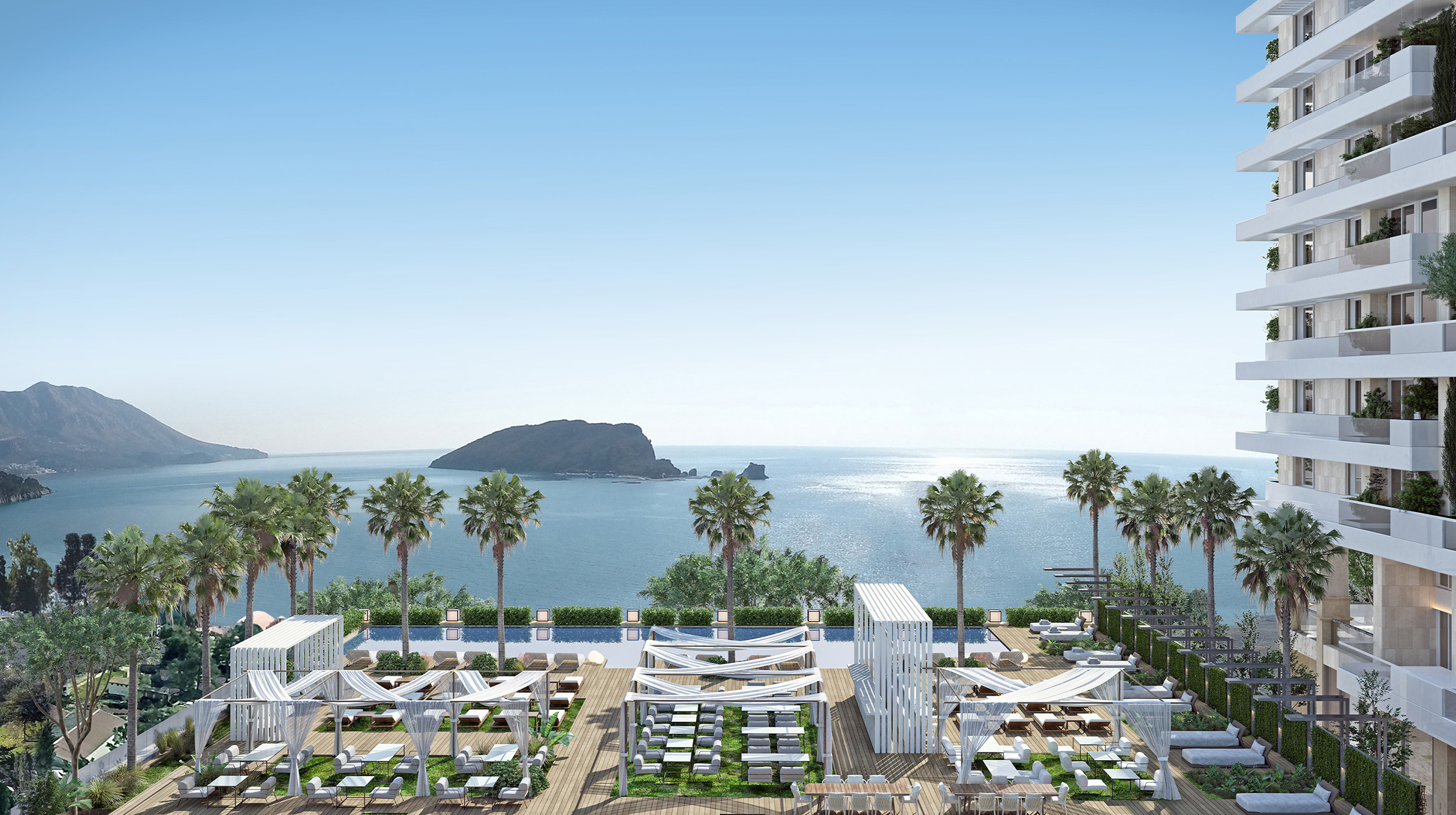
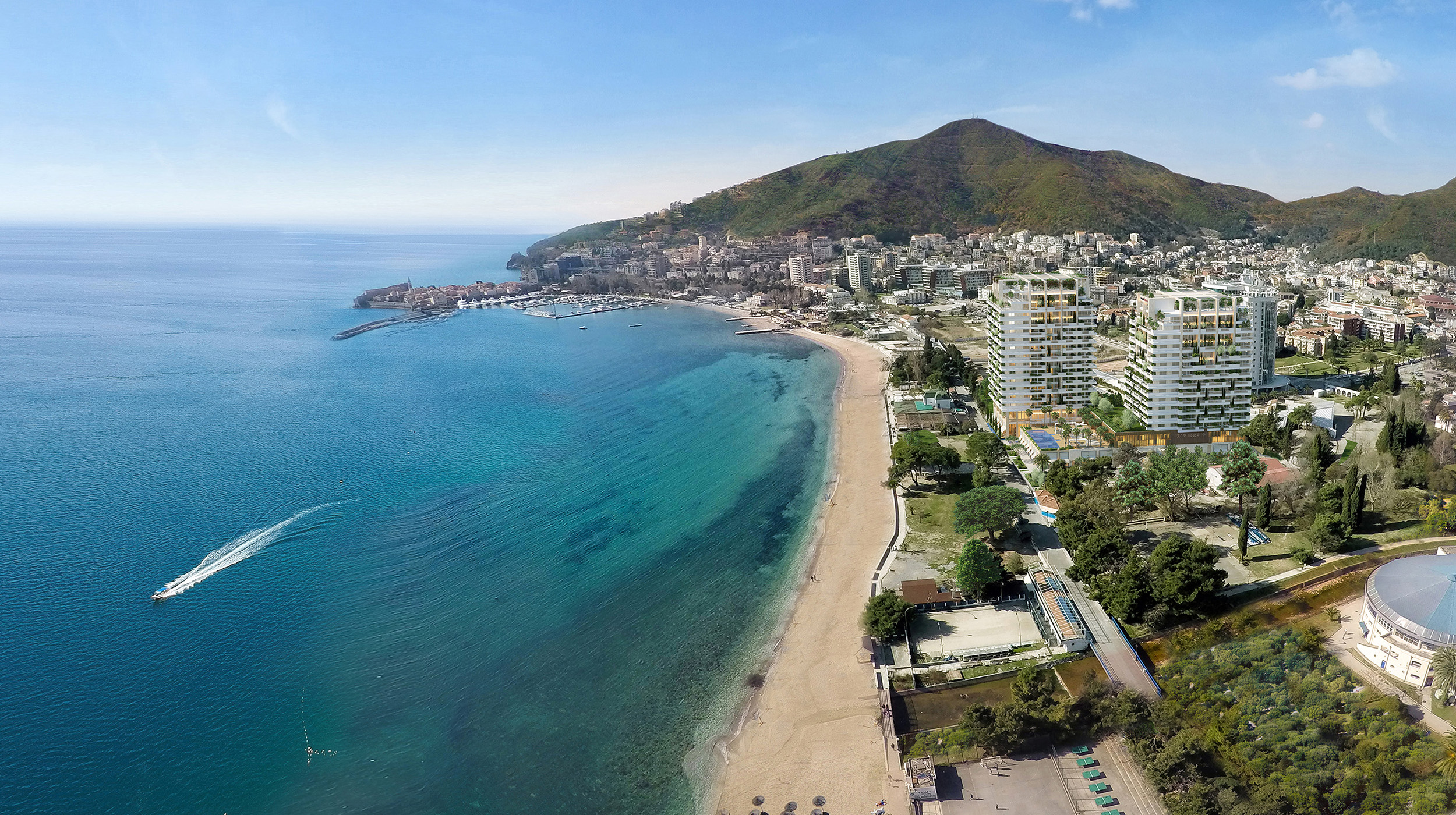
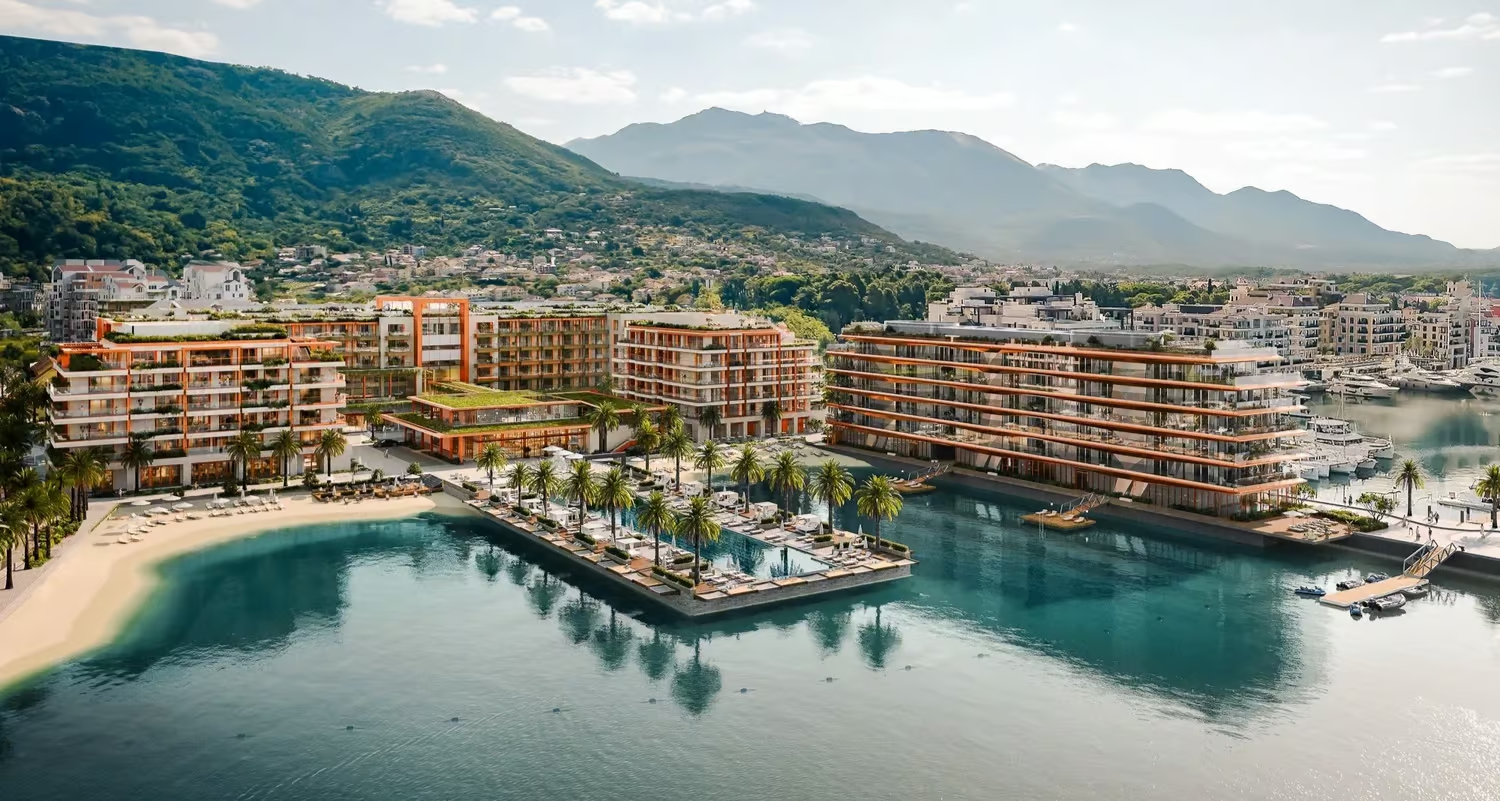
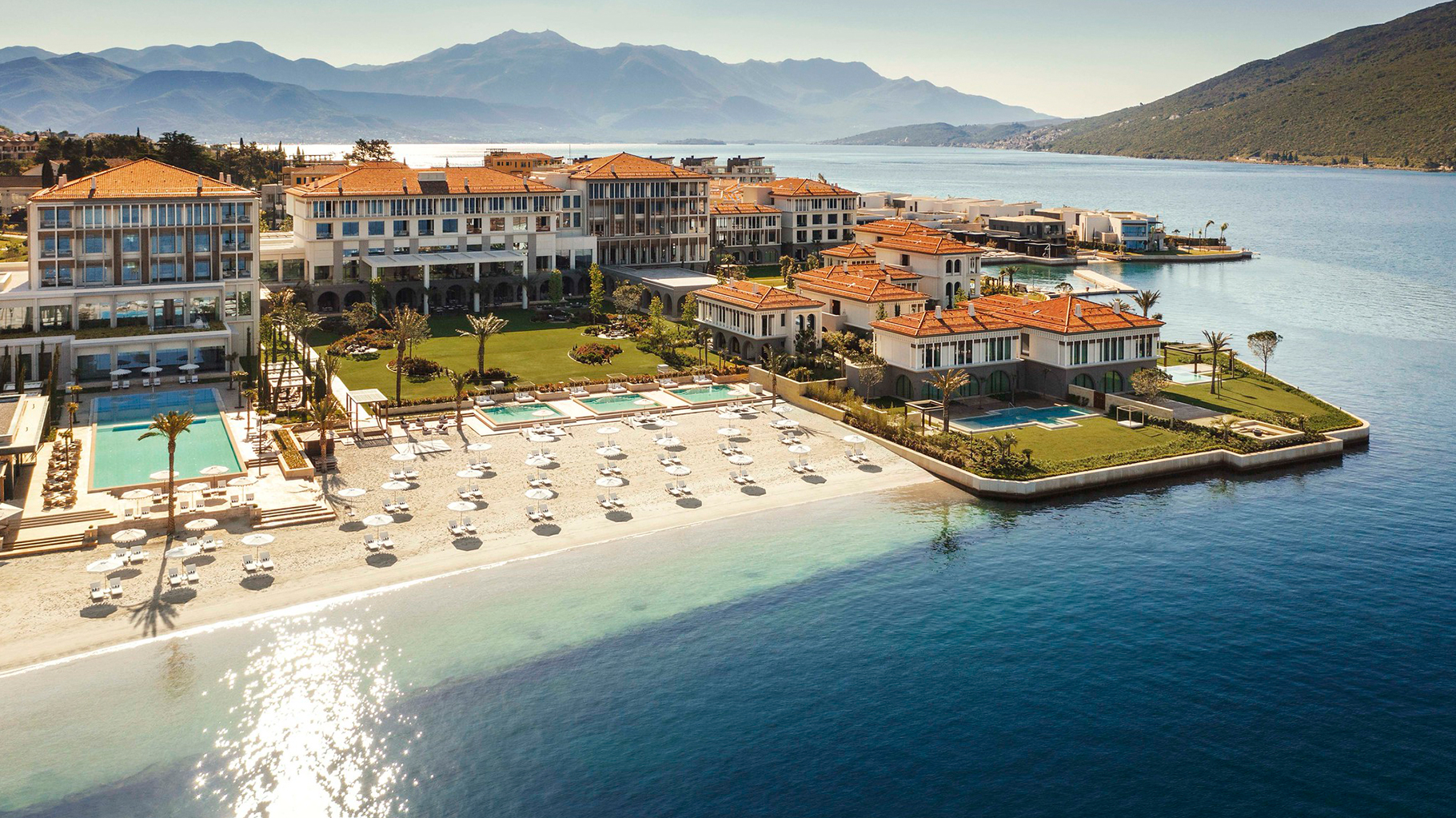
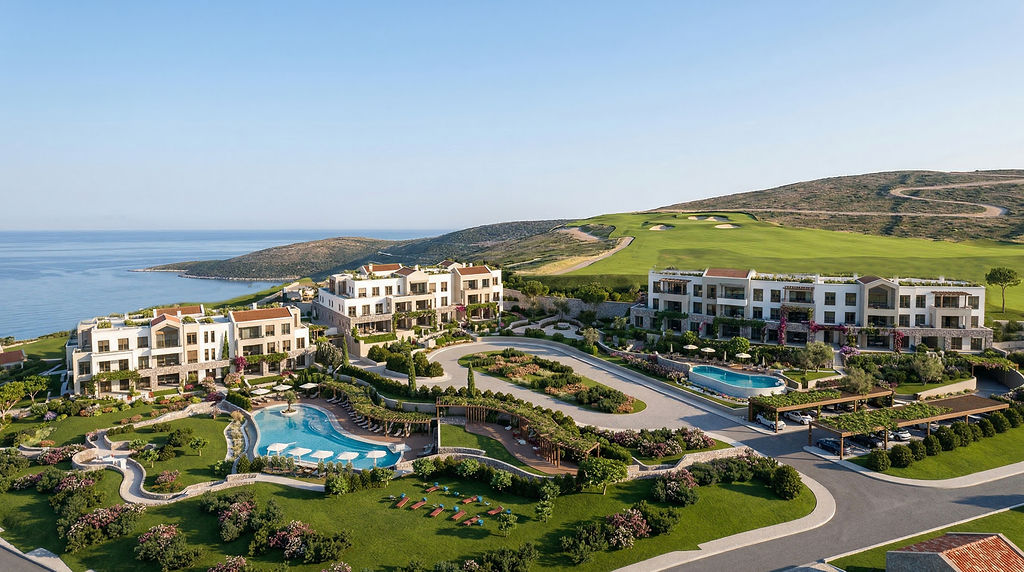
New-build completions within established, permit-compliant developments at Porto Montenegro consistently provide the cleanest transaction structures available in the Montenegrin market, with usage permits issued on completion and full cadastre registration immediately available. Those who wish to explore what premium new-build delivery looks like at that address can view the Sky-High Sovereignty Above the Adriatic: Porto Montenegro's Crown Penthouse or the complementary Crown Penthouse listing, both of which represent title-clean, permit-compliant completions in the marina district. For buyers seeking something at a different scale, the Panoramic Sea Views and Alpine Horizons at Porto Montenegro's Finest Address illustrates the quality of two-bedroom completions now available within the same development.
Currency, Financing, and Closing Costs for Foreign Buyers
Montenegro uses the euro as its official currency despite not being a member of the eurozone, a practical benefit that eliminates currency conversion costs for buyers transacting in euros and reduces exchange rate exposure for those converting from sterling, dollars, or Swiss francs.
Mortgage financing from Montenegrin banks is available to foreign nationals, though the terms differ from those offered to domestic borrowers. Loan-to-value ratios for non-resident buyers typically range between fifty and sixty percent of the purchase price, with rates and terms set at the discretion of individual lenders. The Central Bank of Montenegro publishes reference interest rate data. Most international buyers at the premium end of the market acquire without local financing, funding acquisitions directly from offshore capital. Those who do require financing should approach Montenegrin banks early in the process, as underwriting documentation requirements for non-resident applicants are extensive.
Closing costs in Montenegro are straightforward relative to many European jurisdictions. Property transfer tax is set at three percent of the assessed transaction value (per Montenegrin Tax Administration guidance), payable by the buyer. Notary fees are regulated by a published national tariff and are modest relative to the transaction size. Independent legal fees vary by firm and complexity but typically represent a very small percentage of the purchase price. Cadastre registration fees are similarly modest. Buyers should budget for a total acquisition cost, inclusive of all taxes and fees, of approximately four to five percent above the headline purchase price. That figure should be confirmed with a qualified Montenegrin property lawyer prior to commitment, as rates are subject to legislative change.
Annual property holding costs in Montenegro are low. The property tax regime is administered at the municipal level, with rates that vary by municipality and property classification but that remain materially below the levels applied in Western European jurisdictions. Non-resident owners are not subject to wealth tax on Montenegrin real estate. Rental income generated from Montenegrin property is taxable under domestic law, and buyers intending to generate rental income should seek specific tax advice before purchase.
---
A Note from Barok Estates International
Our advisory team operates from offices in Madrid, Marbella, London and Montenegro, combining on-the-ground market access with the legal and financial rigour that cross-border acquisitions demand. If you are considering an apartment acquisition in Montenegro and would like independent guidance on any stage of the process, from initial market orientation through to title registration, we welcome the conversation. Contact Barok Estates International directly to speak with a senior advisor.









.jpg)