The Yield Question Every Buyer Asks
International property buyers evaluating Montenegro inevitably compare it to the established Mediterranean markets they know: Spain's Costa del Sol, Portugal's Algarve, and increasingly, the Greek islands. The question is always the same: how do the numbers stack up?
Montenegro: 4.5 to 12 Percent
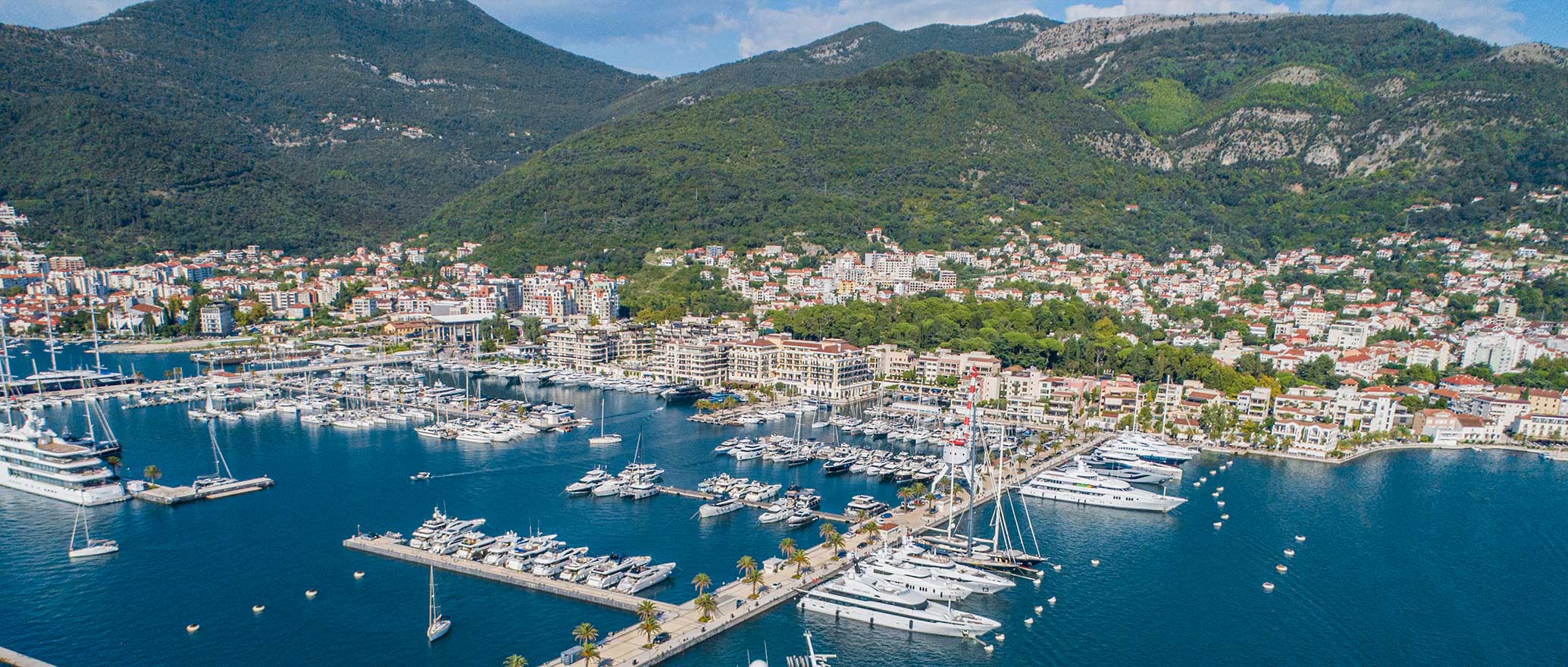
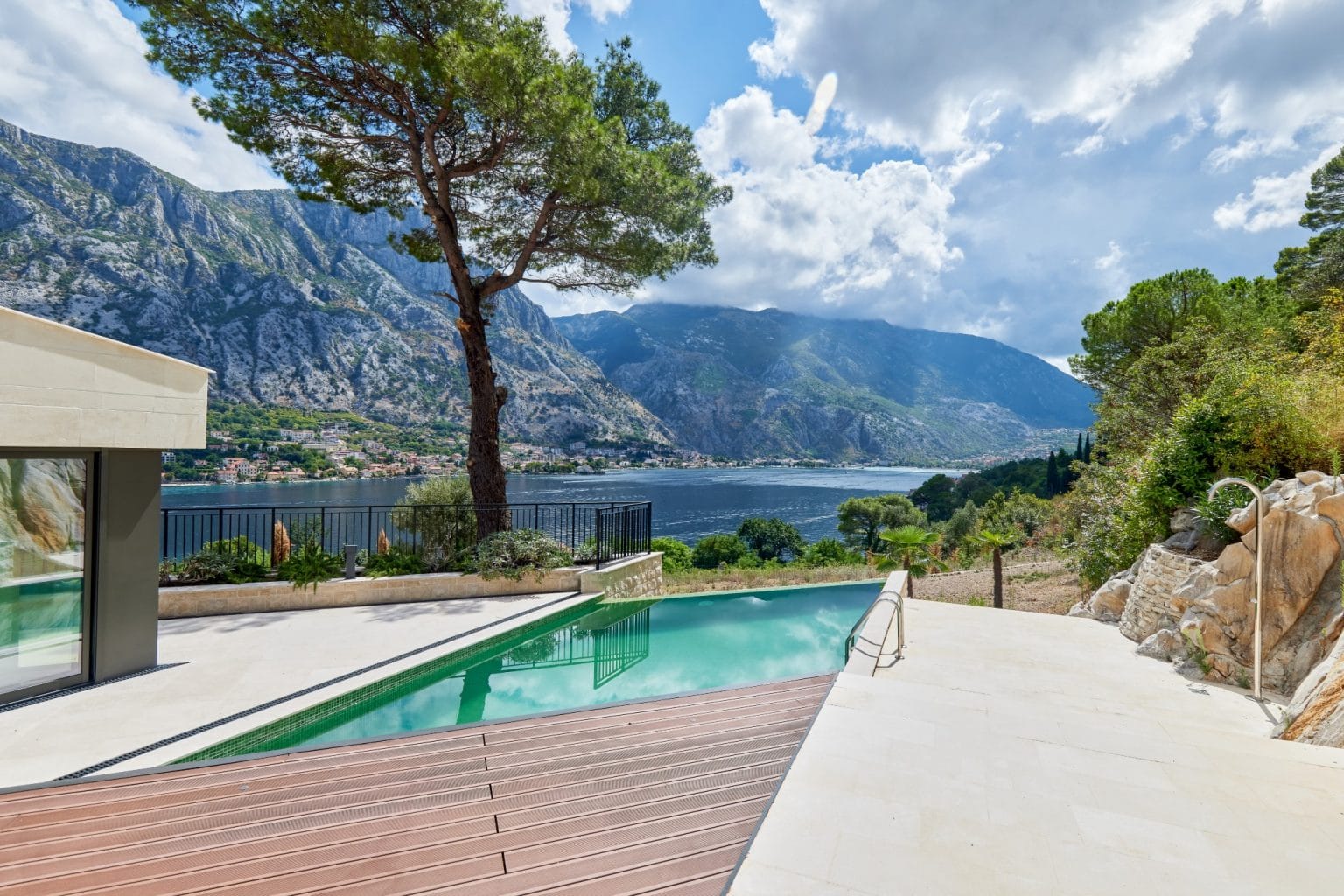
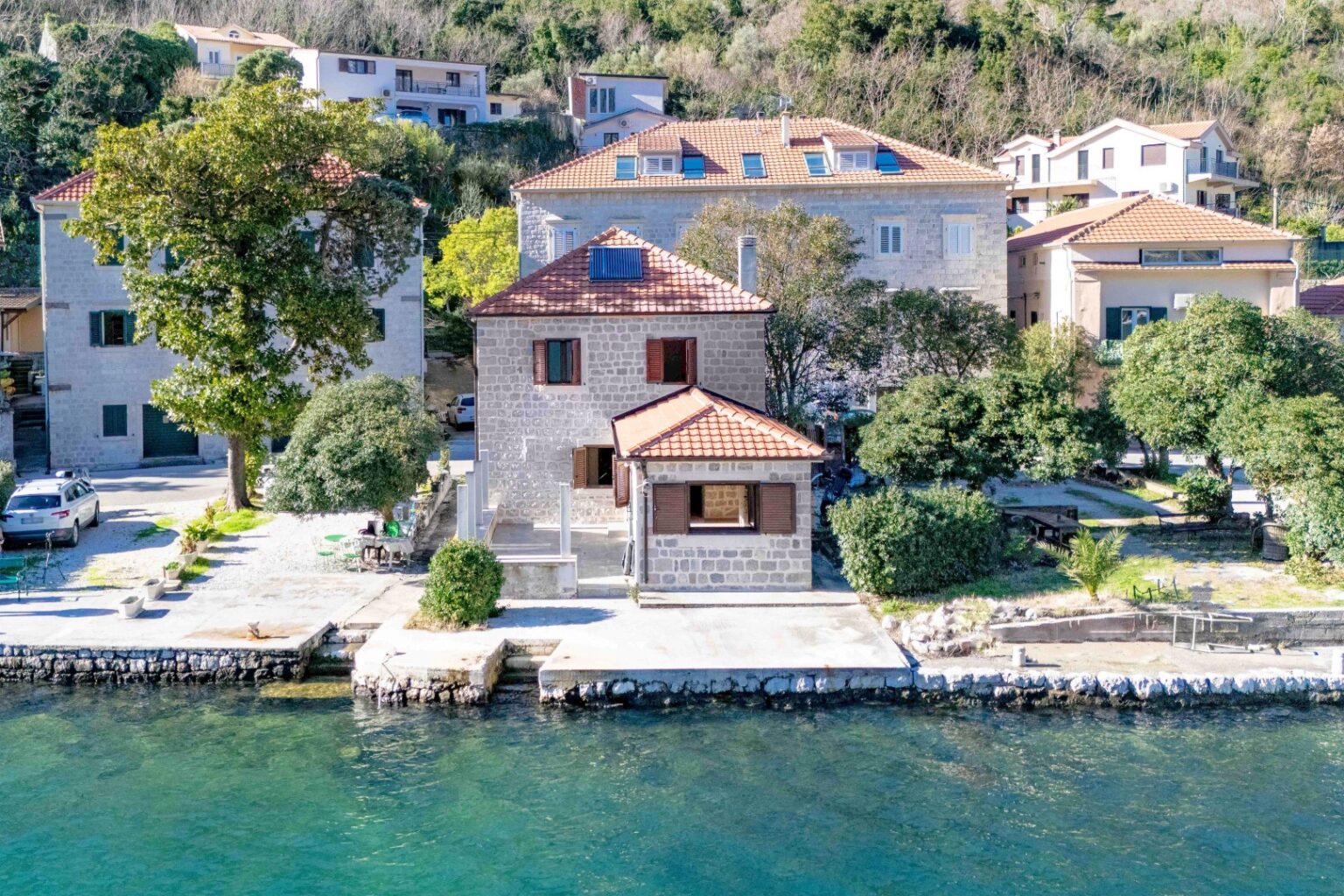
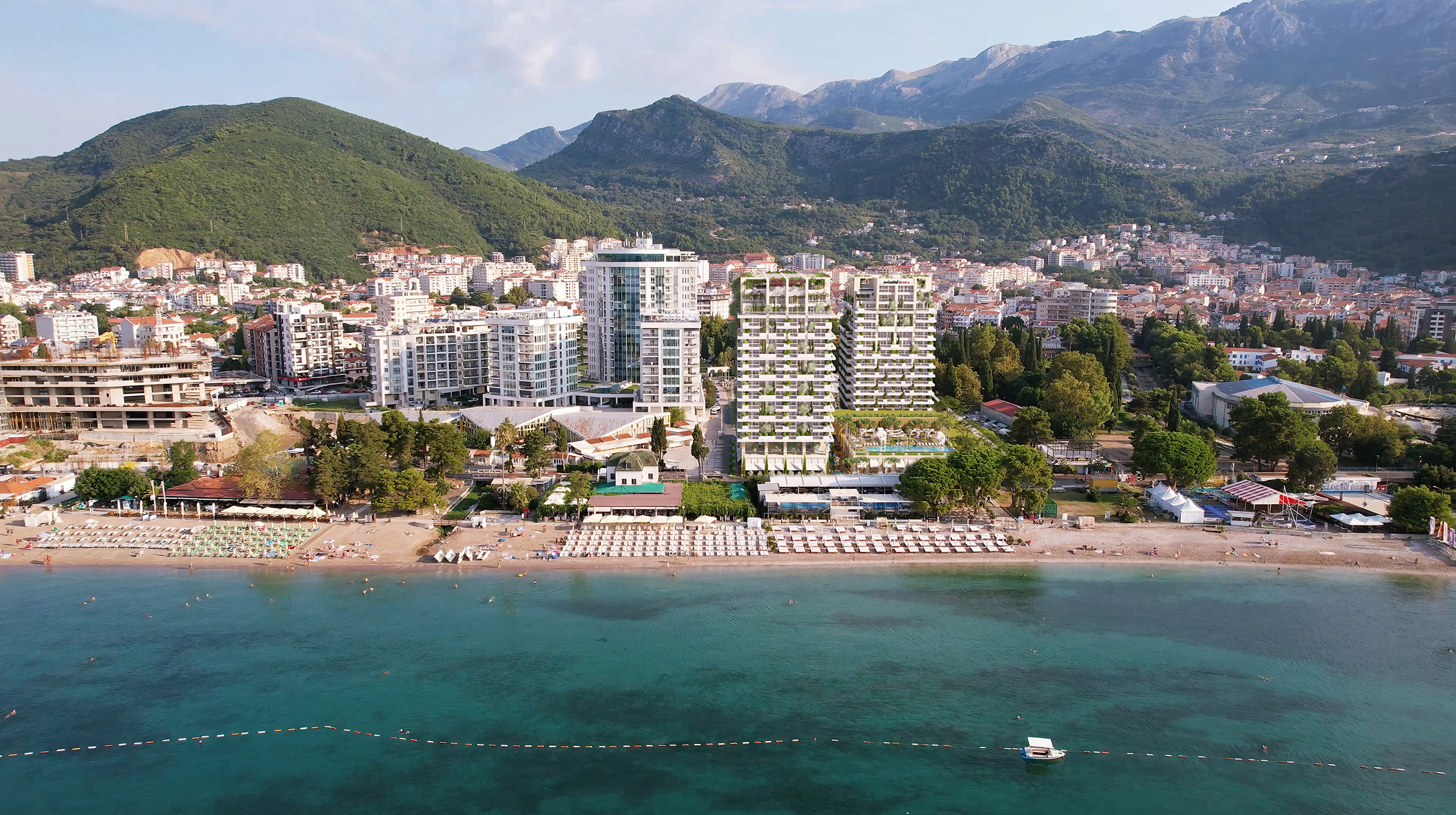
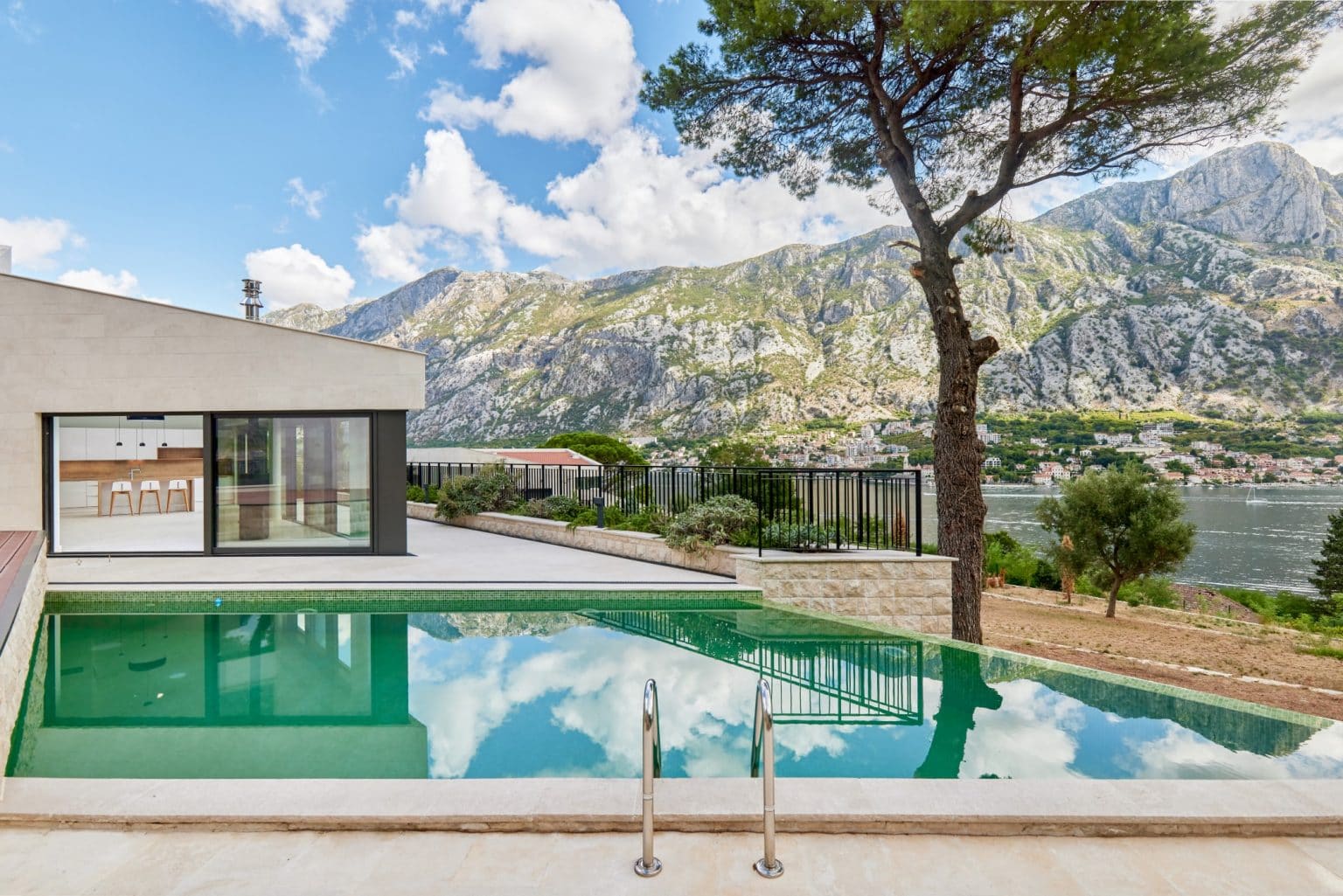
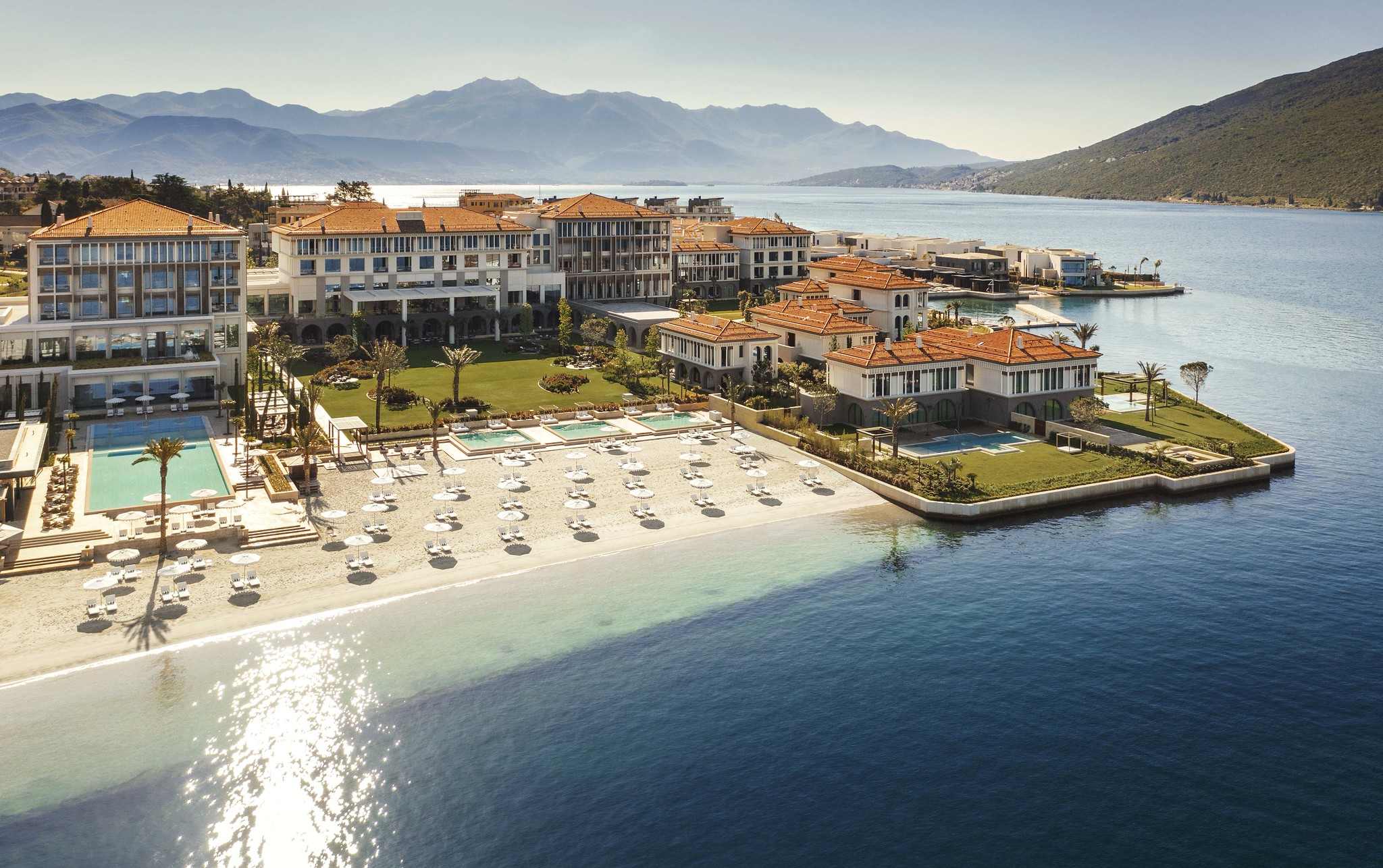
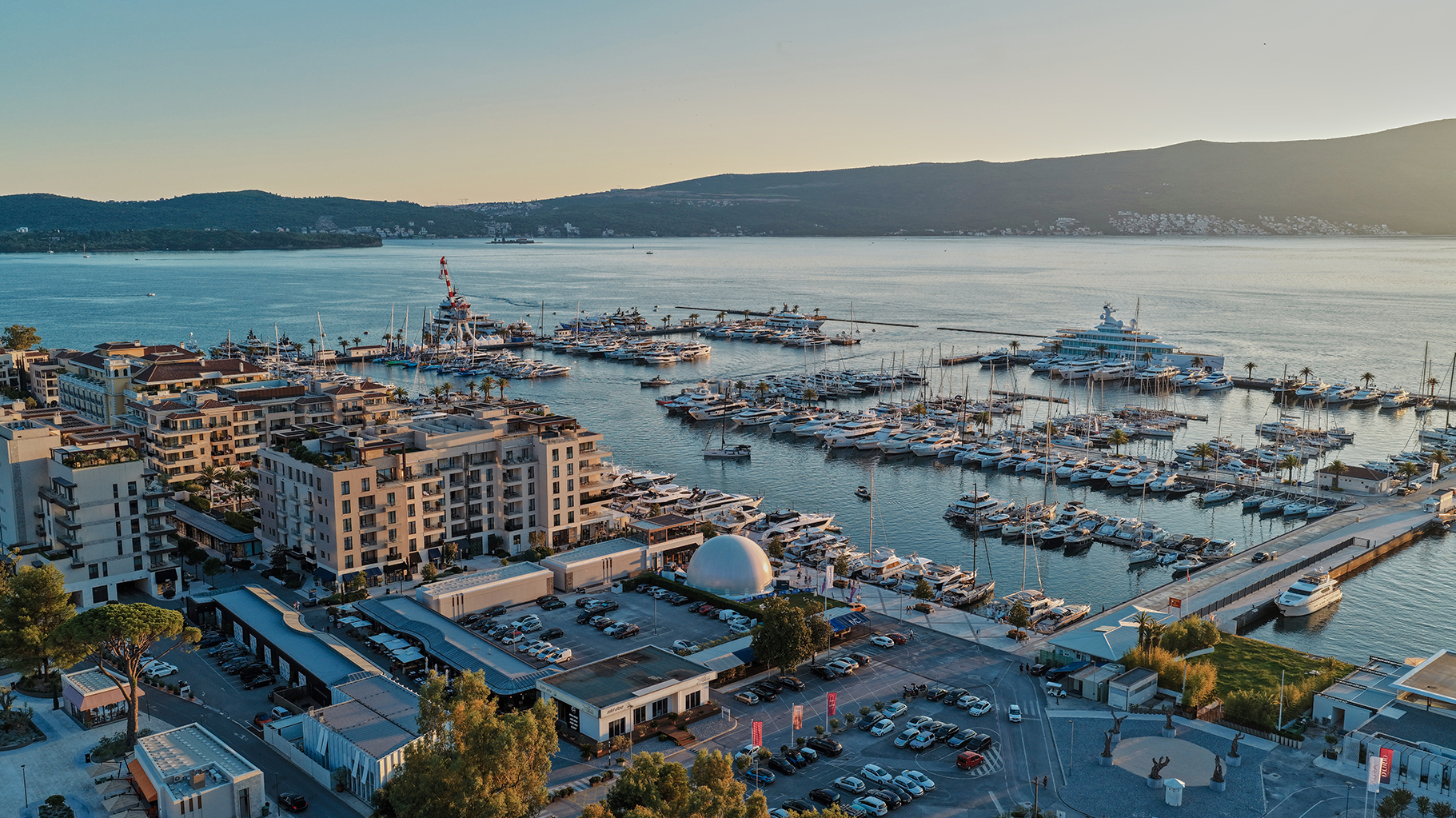
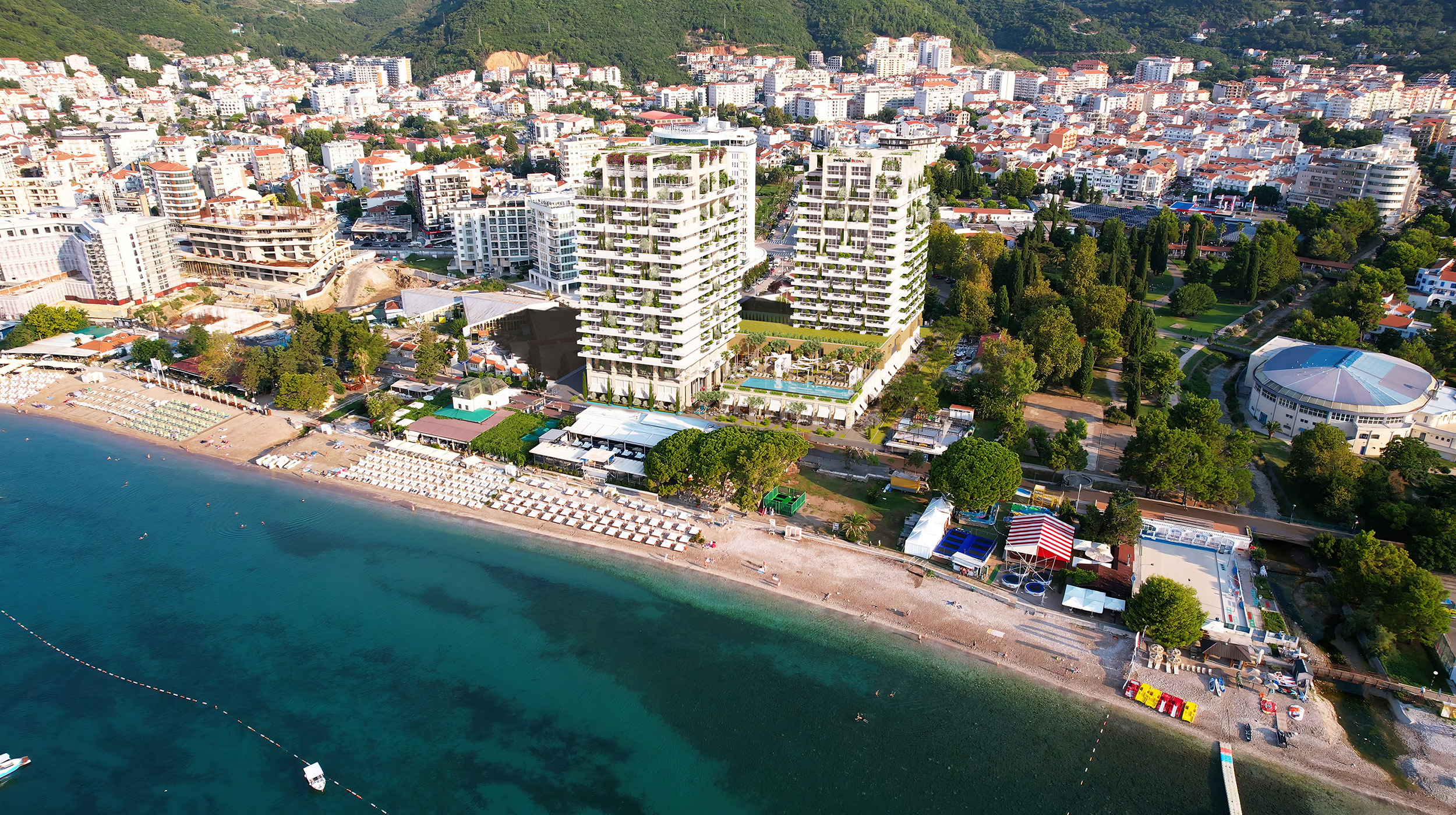
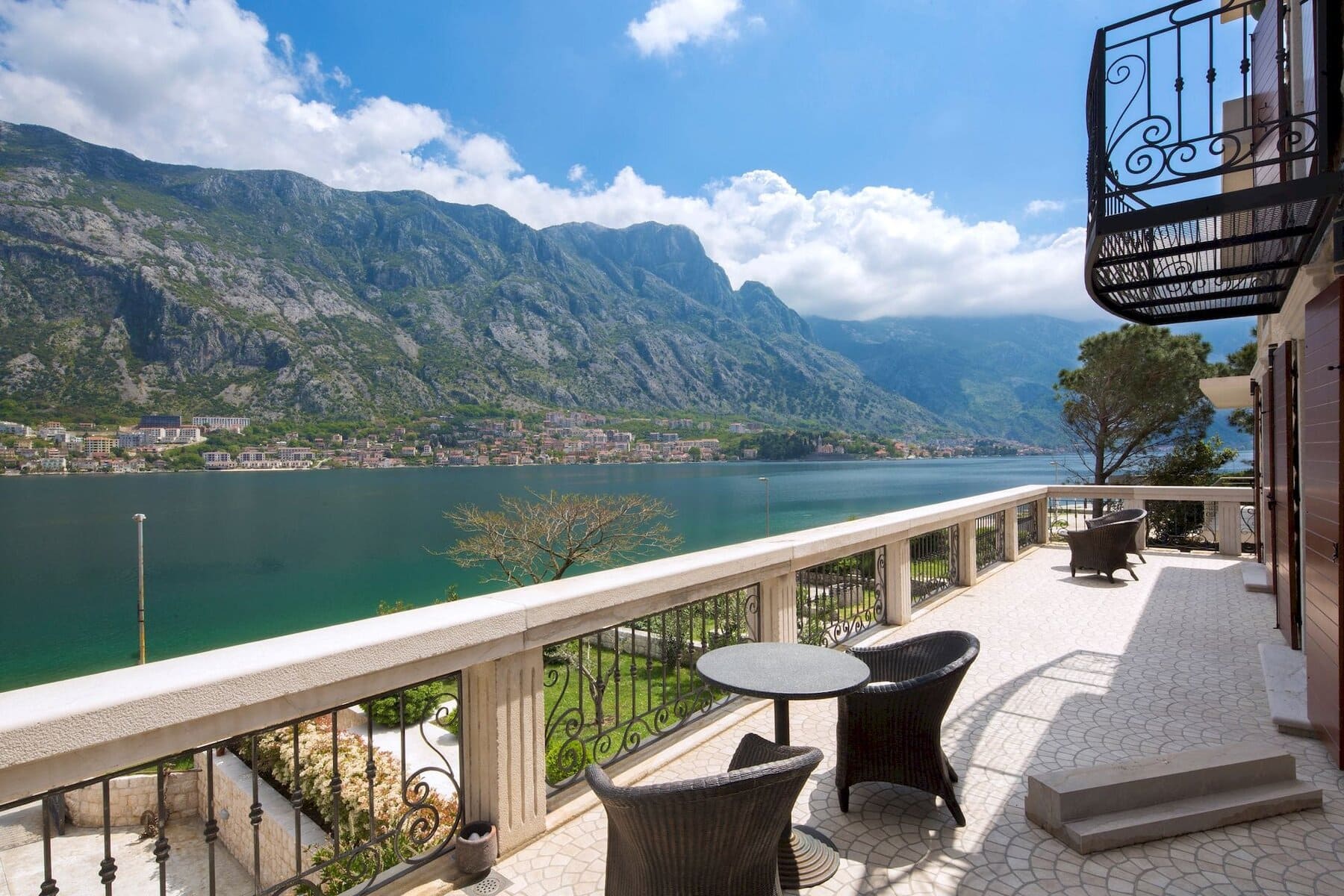
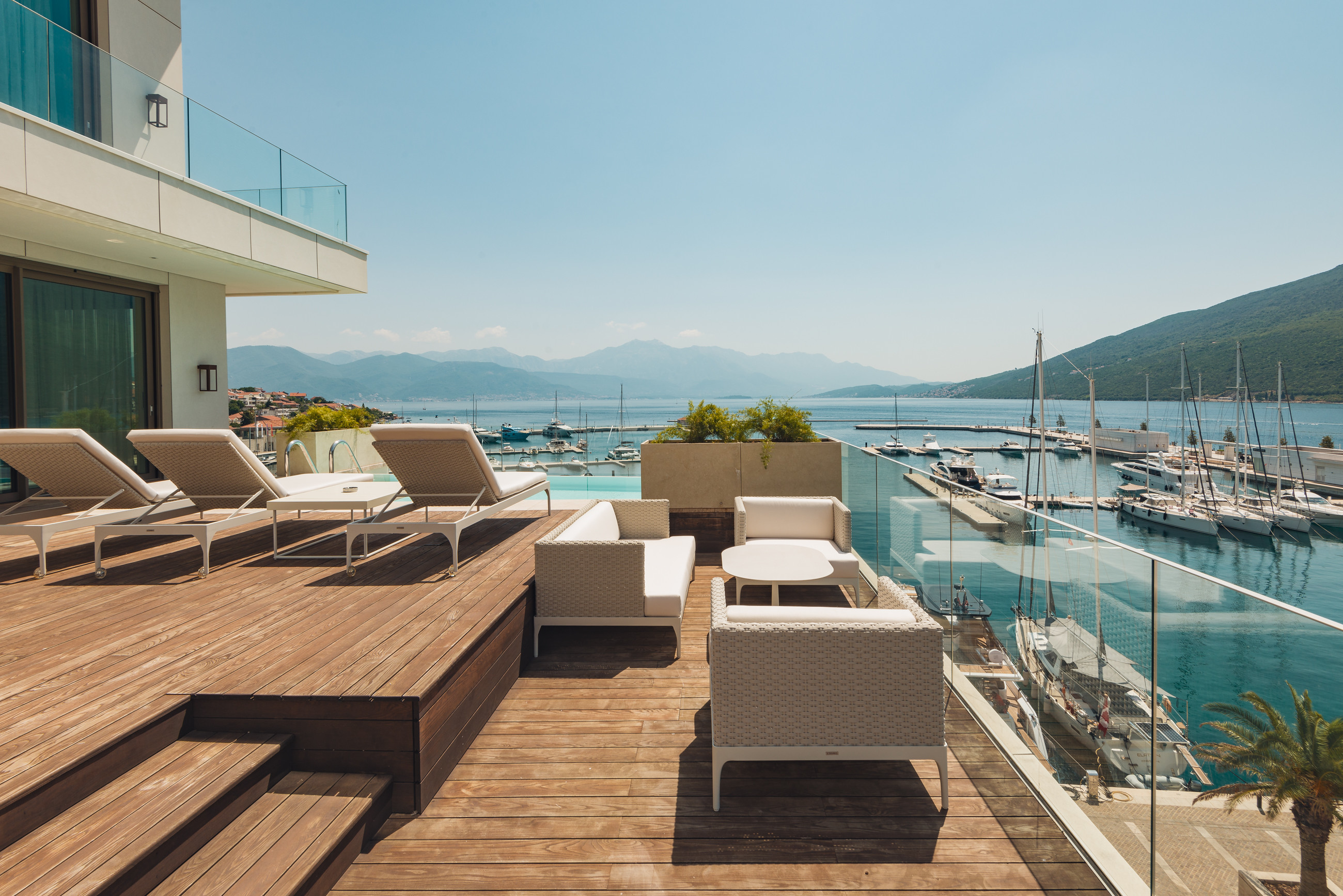
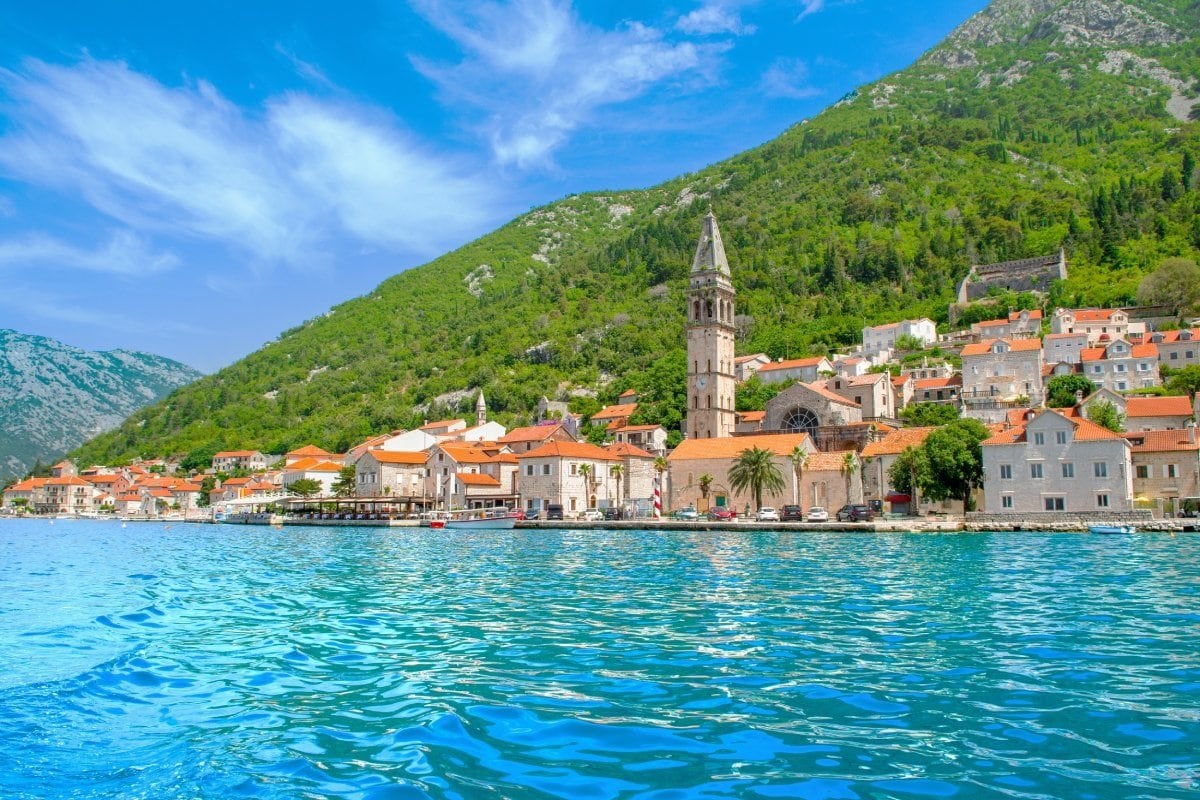
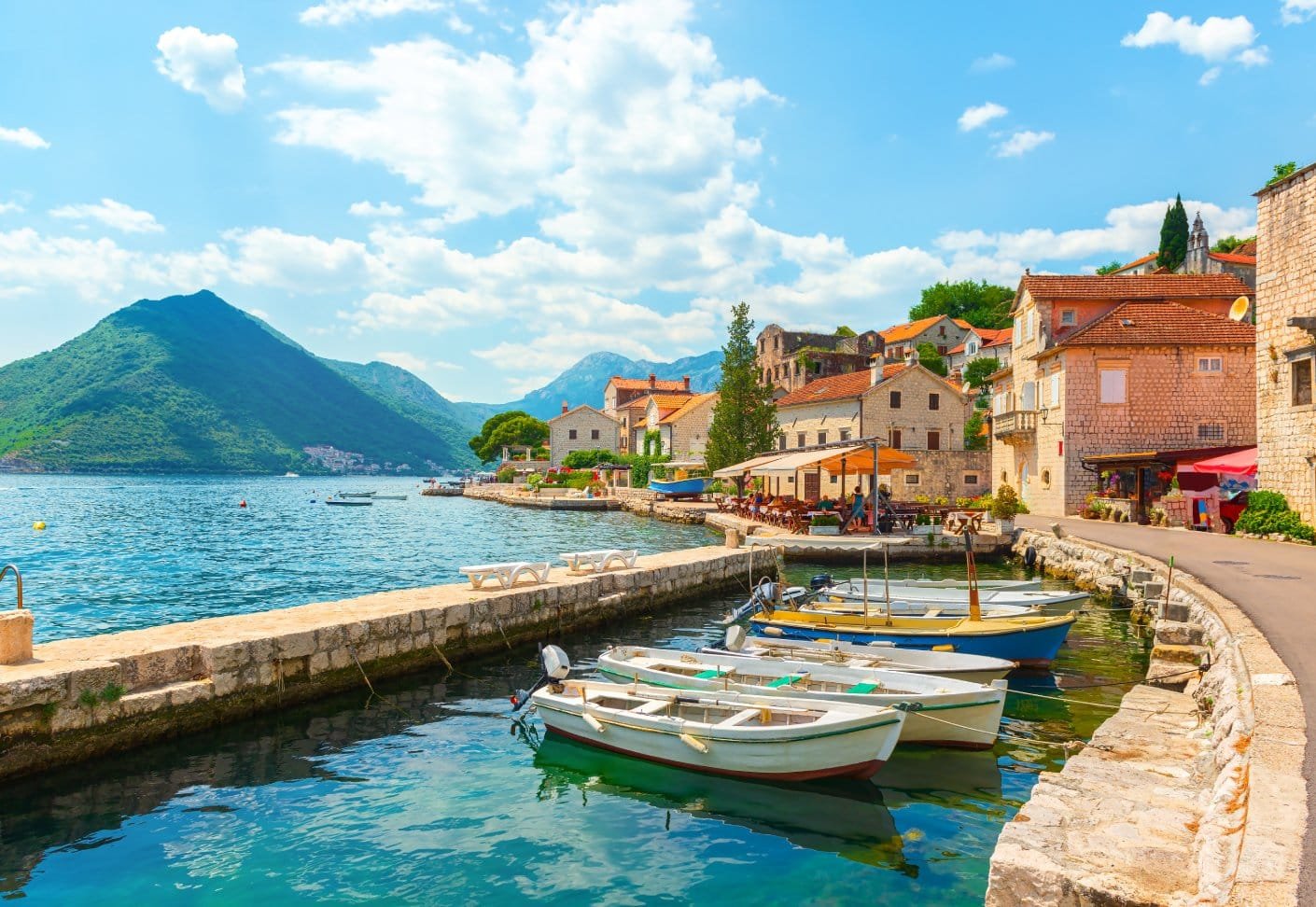
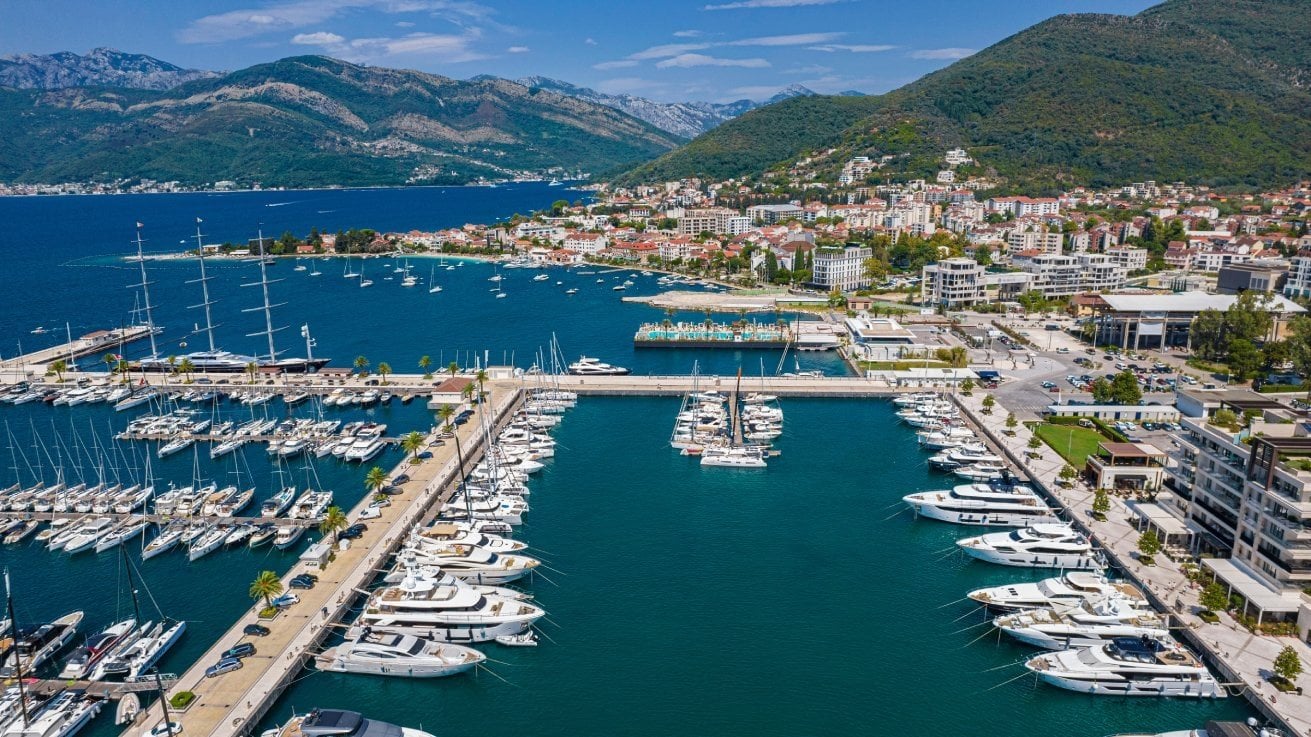
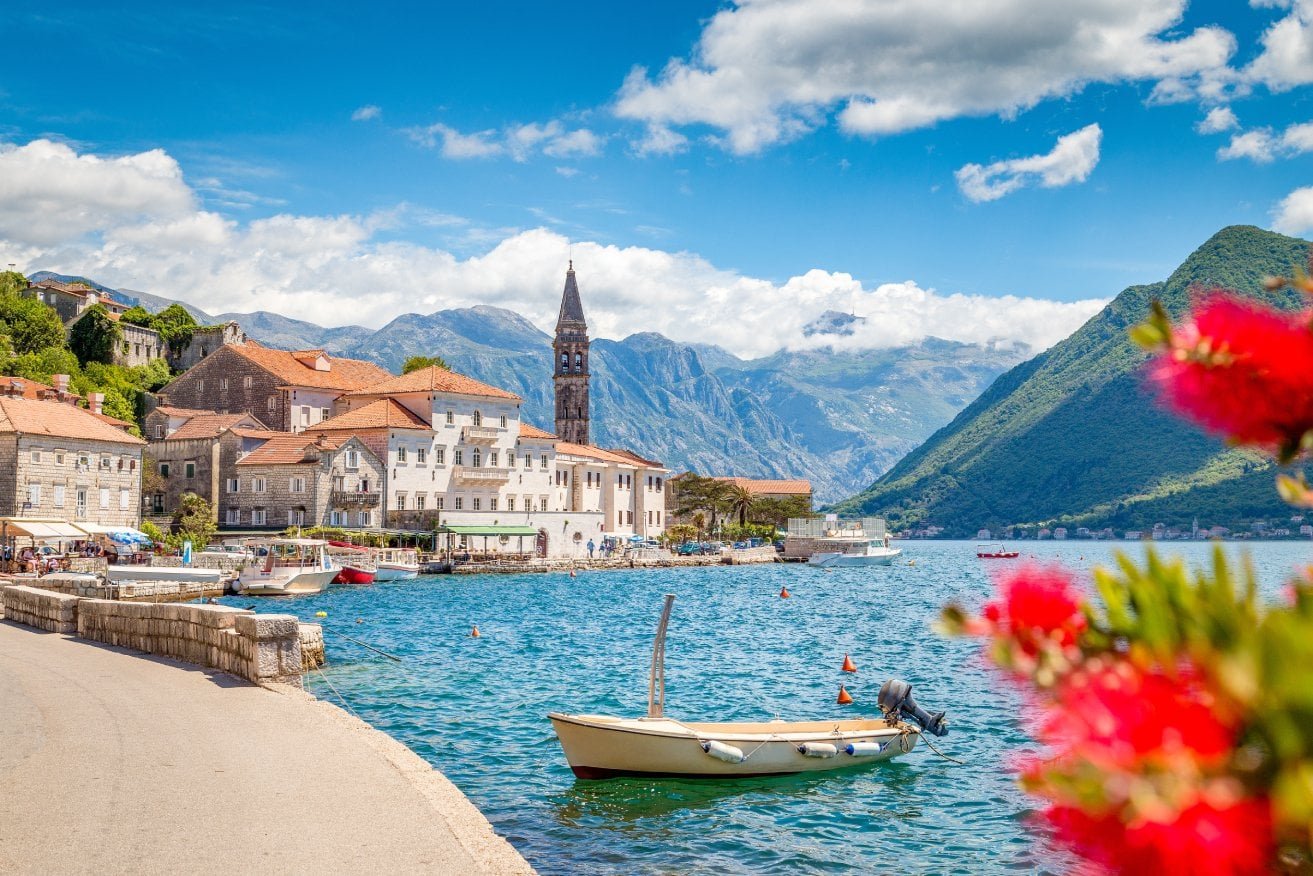
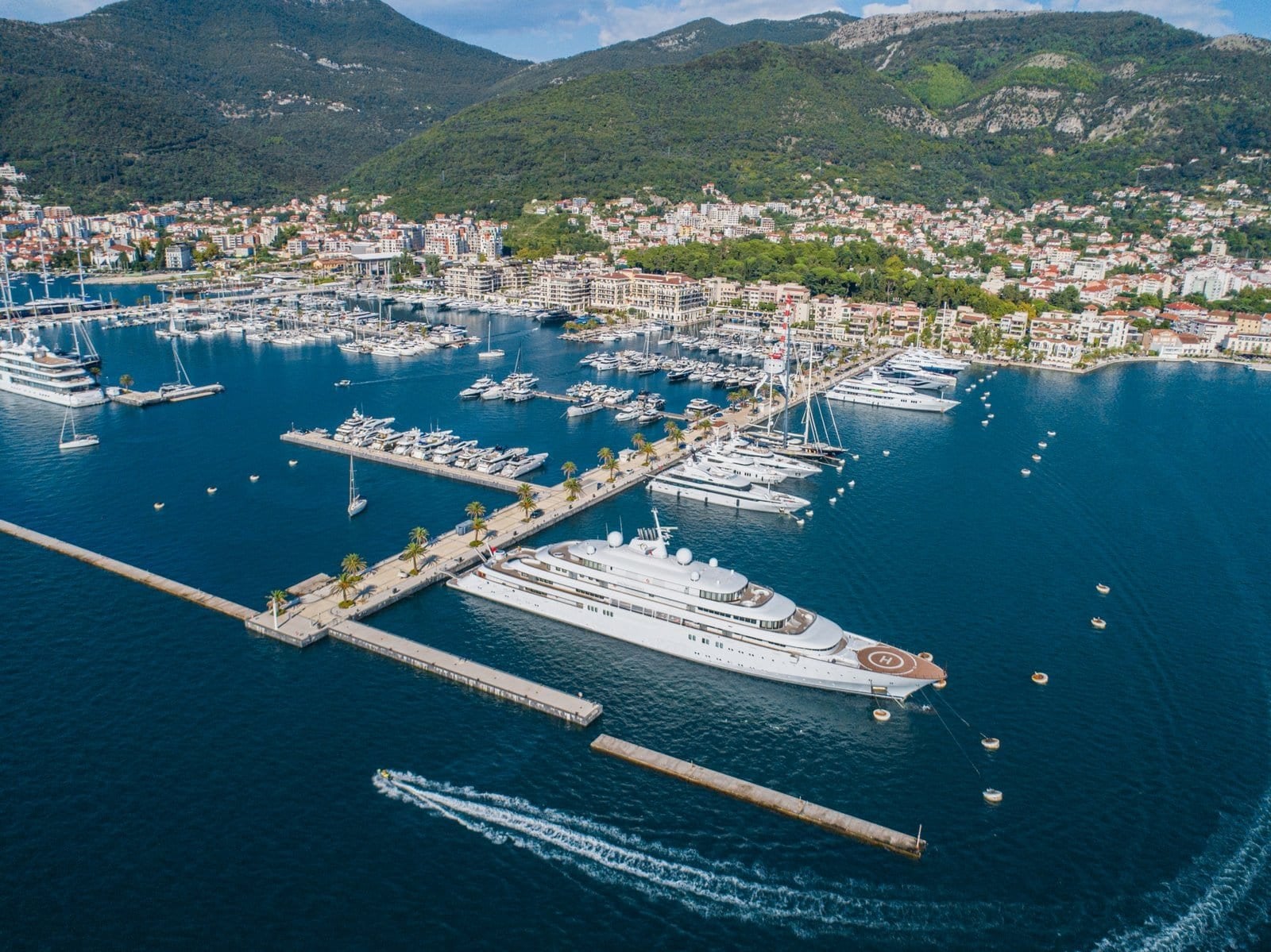
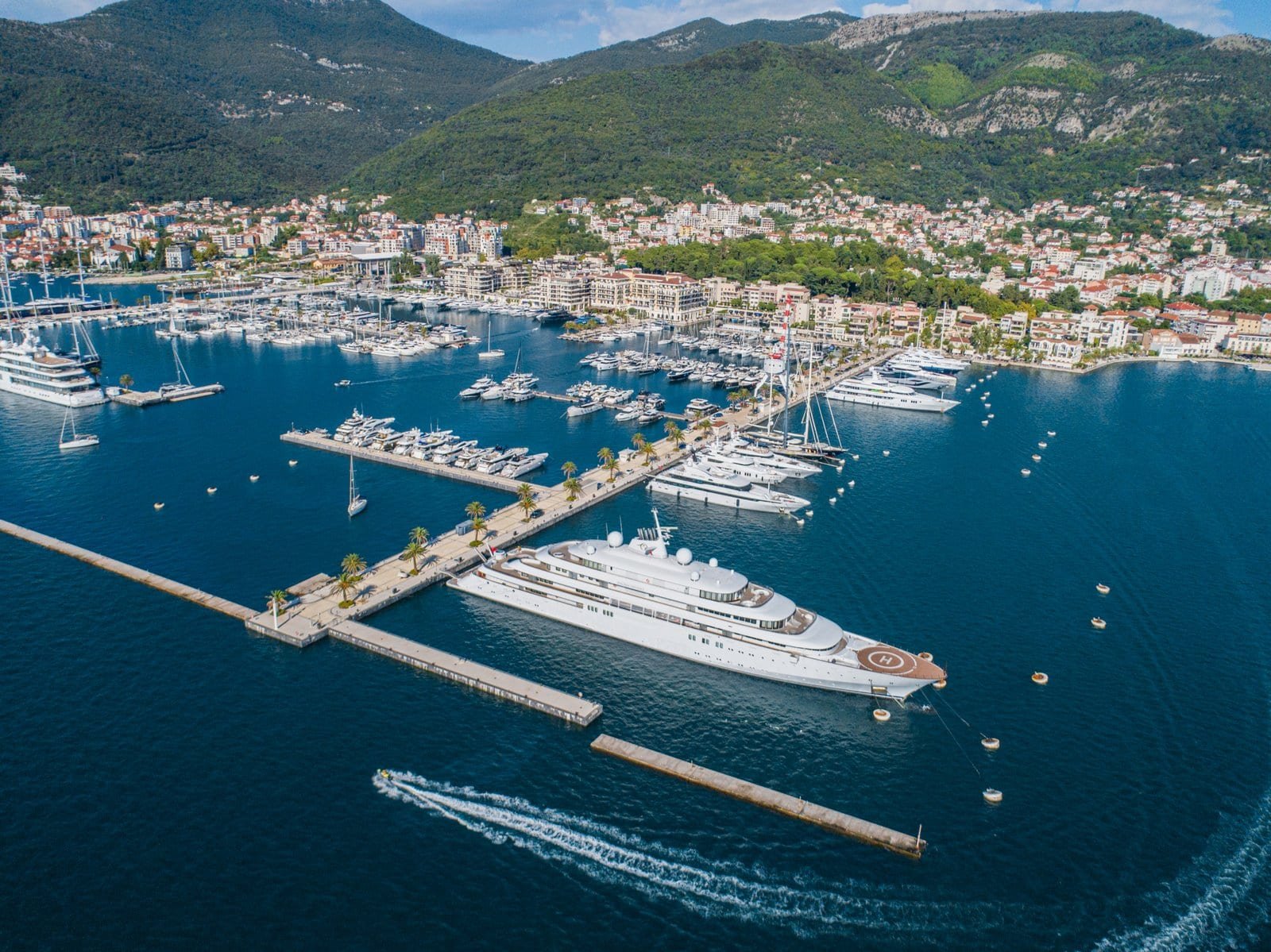
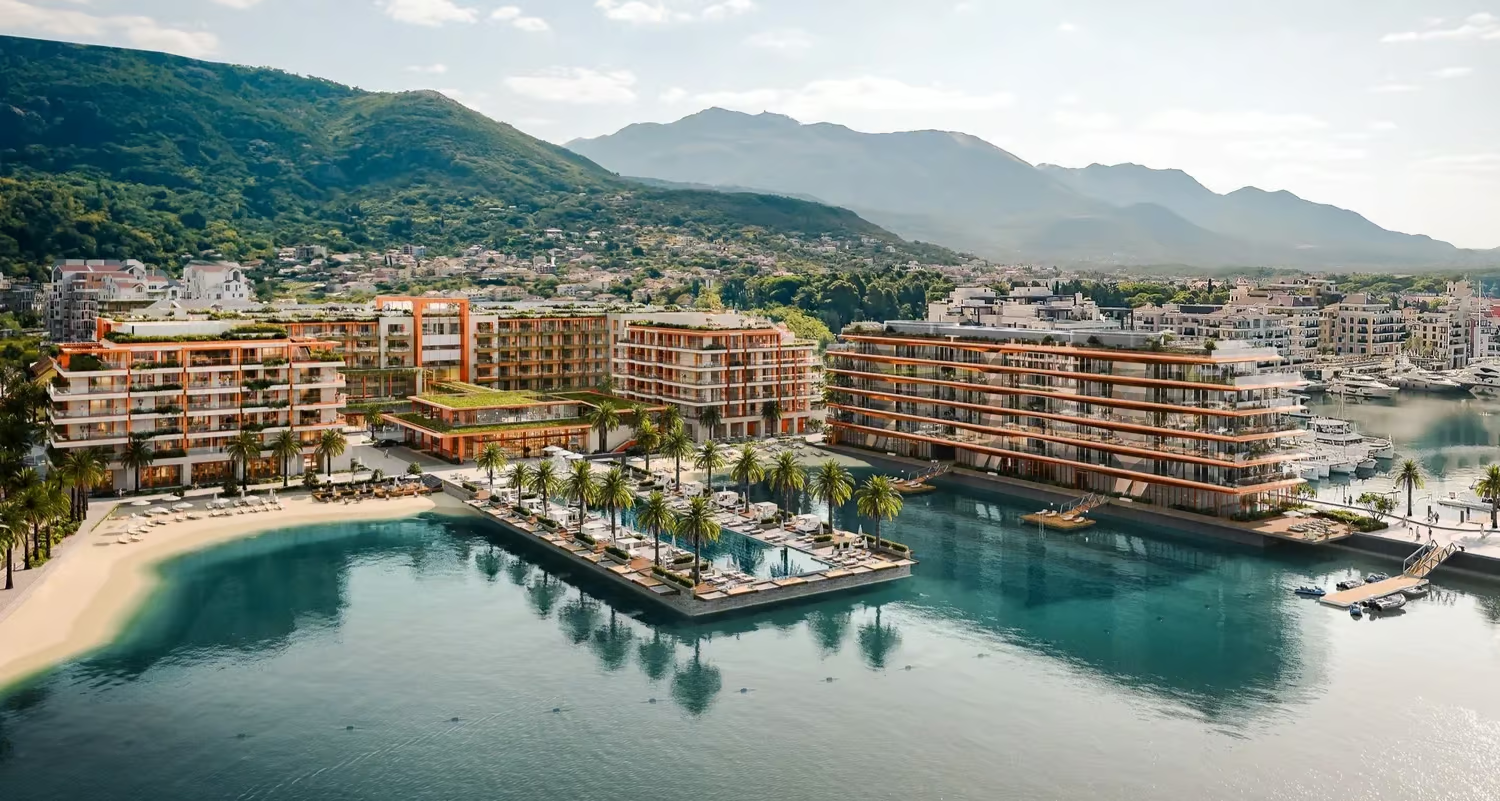
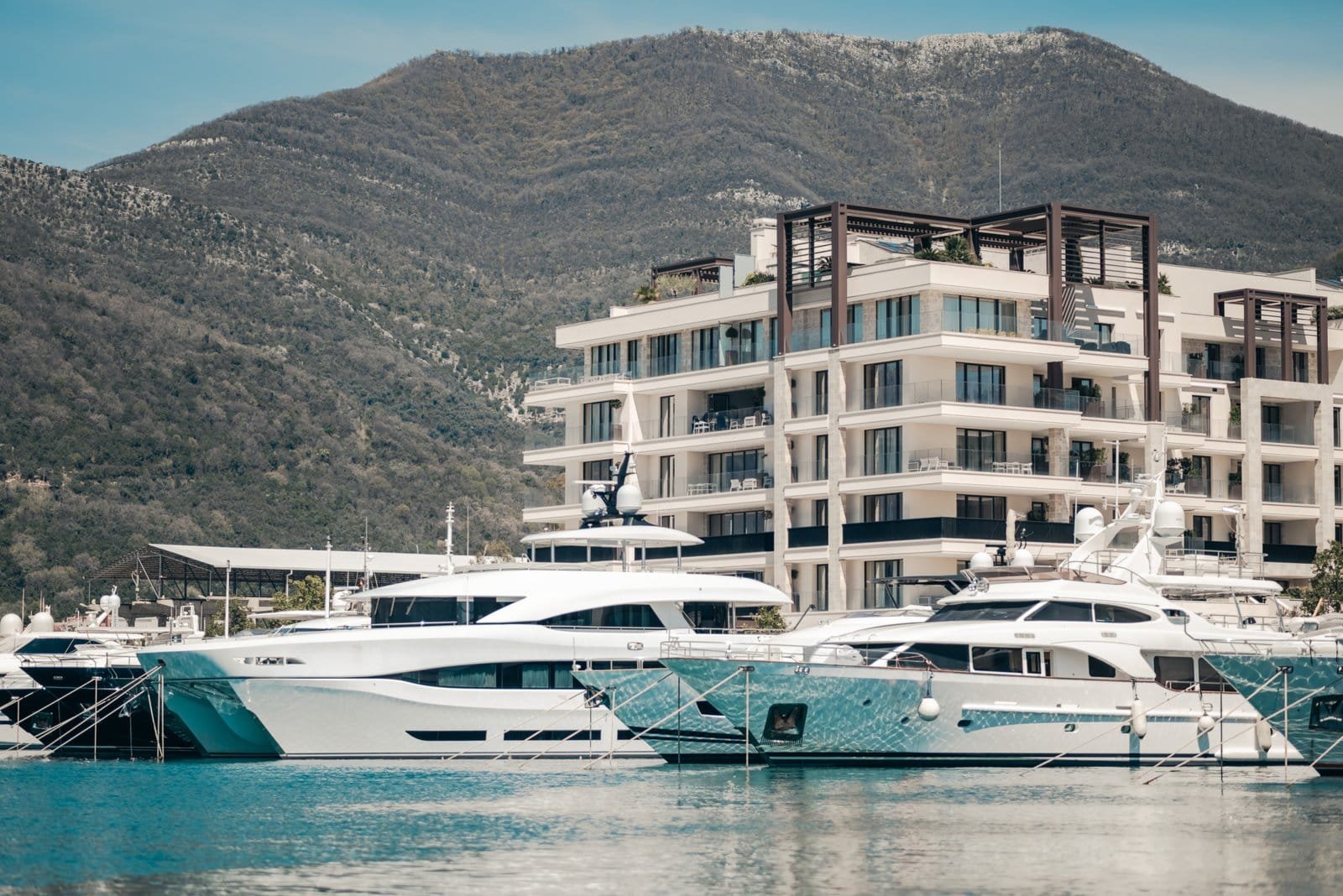
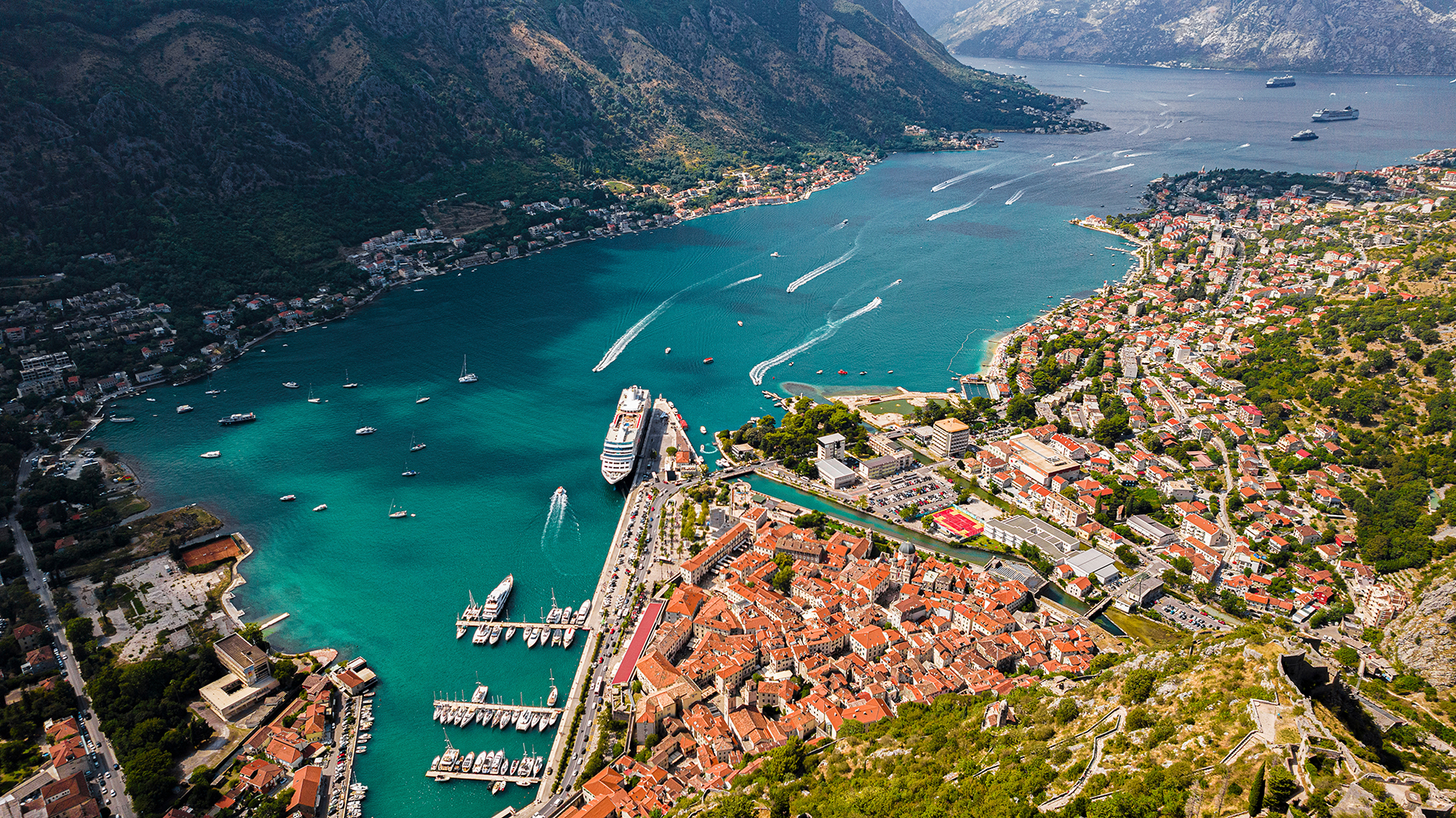
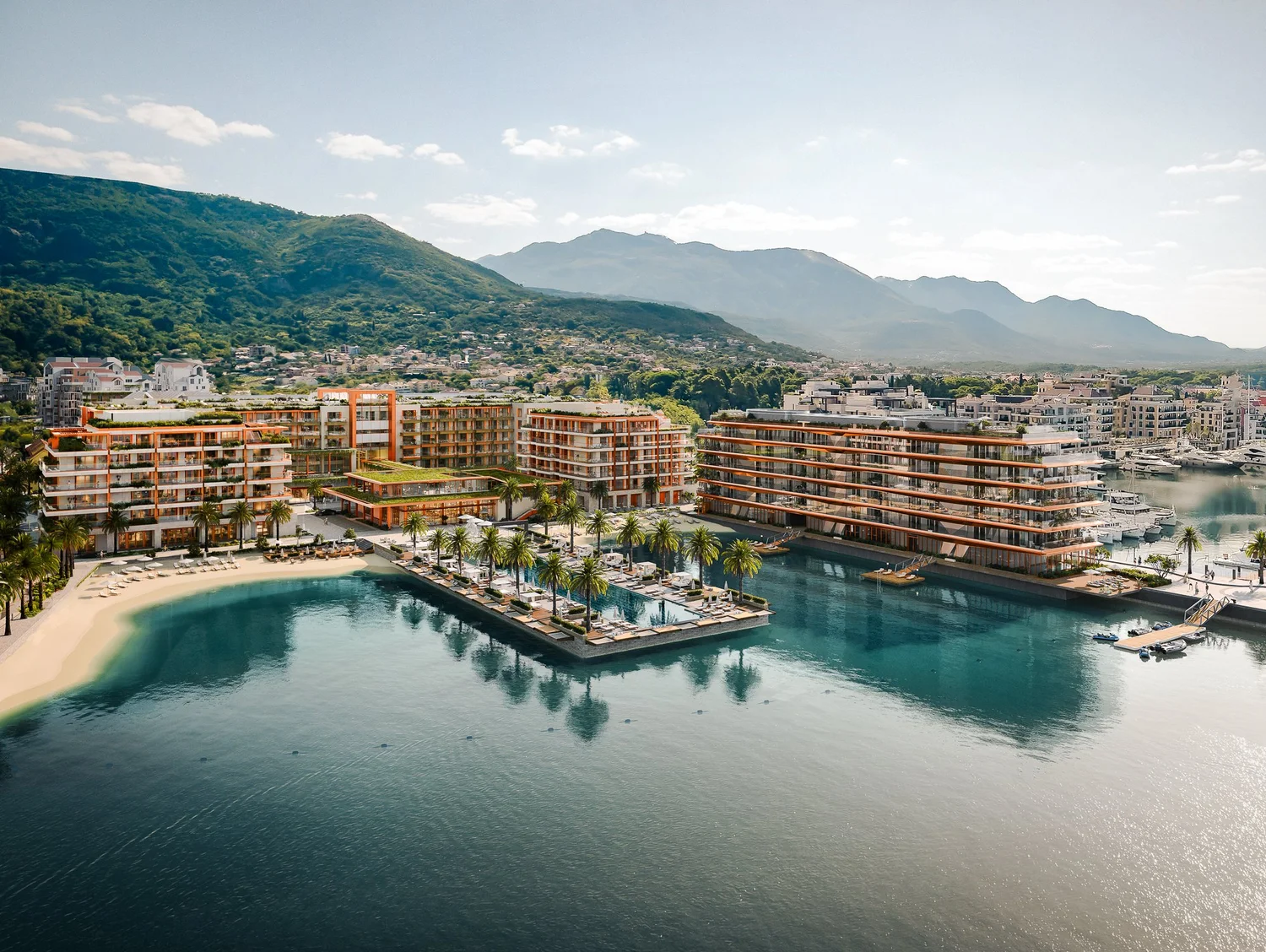
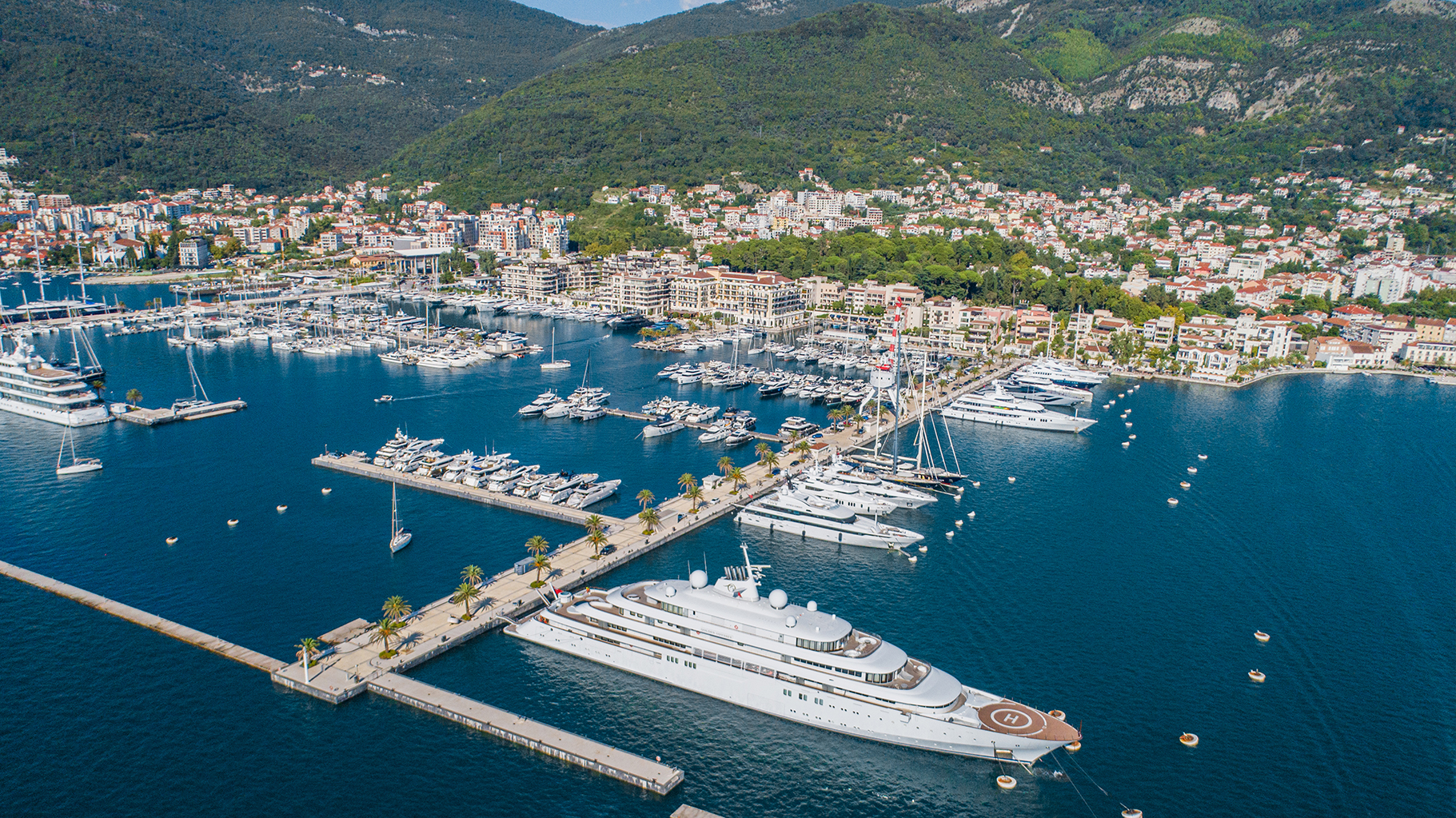
Montenegro's coastal rental yields are among the strongest in the Mediterranean. Long-term rental yields in prime locations such as Kotor, Tivat and Porto Montenegro typically range from 4.5 to 6.5 percent annually. Short-term holiday rental yields in well-located coastal properties can reach 8 to 12 percent, driven by growing international tourism arrivals and limited quality rental supply.
The tax treatment is favourable: rental income is taxed at a flat 15 percent, with no progressive rates and straightforward compliance requirements.
Costa del Sol: 3 to 6 Percent
Spain's Costa del Sol remains the benchmark for Mediterranean property investment, with long-term yields typically ranging from 3 to 4.5 percent and short-term holiday rental yields reaching 5 to 6 percent in prime Marbella and Estepona locations. Higher entry prices compress yields at the top end, and Spain's progressive tax structure (19 to 24 percent for non-resident rental income) reduces net returns.
The Costa del Sol offers liquidity and market depth that Montenegro cannot yet match, but the yield differential is clear.
Algarve: 3.5 to 7 Percent
Portugal's Algarve delivers long-term yields of 3.5 to 5 percent and short-term yields of 5 to 7 percent in prime locations such as Quinta do Lago and Vilamoura. Portugal's Non-Habitual Resident tax regime has attracted significant international buyer demand, but recent regulatory changes and rising entry prices have compressed returns.
The Capital Appreciation Factor
Yield is only half the equation. Montenegro's EU accession trajectory positions the market for the kind of structural price appreciation that Croatia experienced around its 2013 EU entry. Buyers who acquired Dubrovnik property in 2010 at pre-accession pricing saw 30 to 50 percent capital growth over the following five years, in addition to rental income.
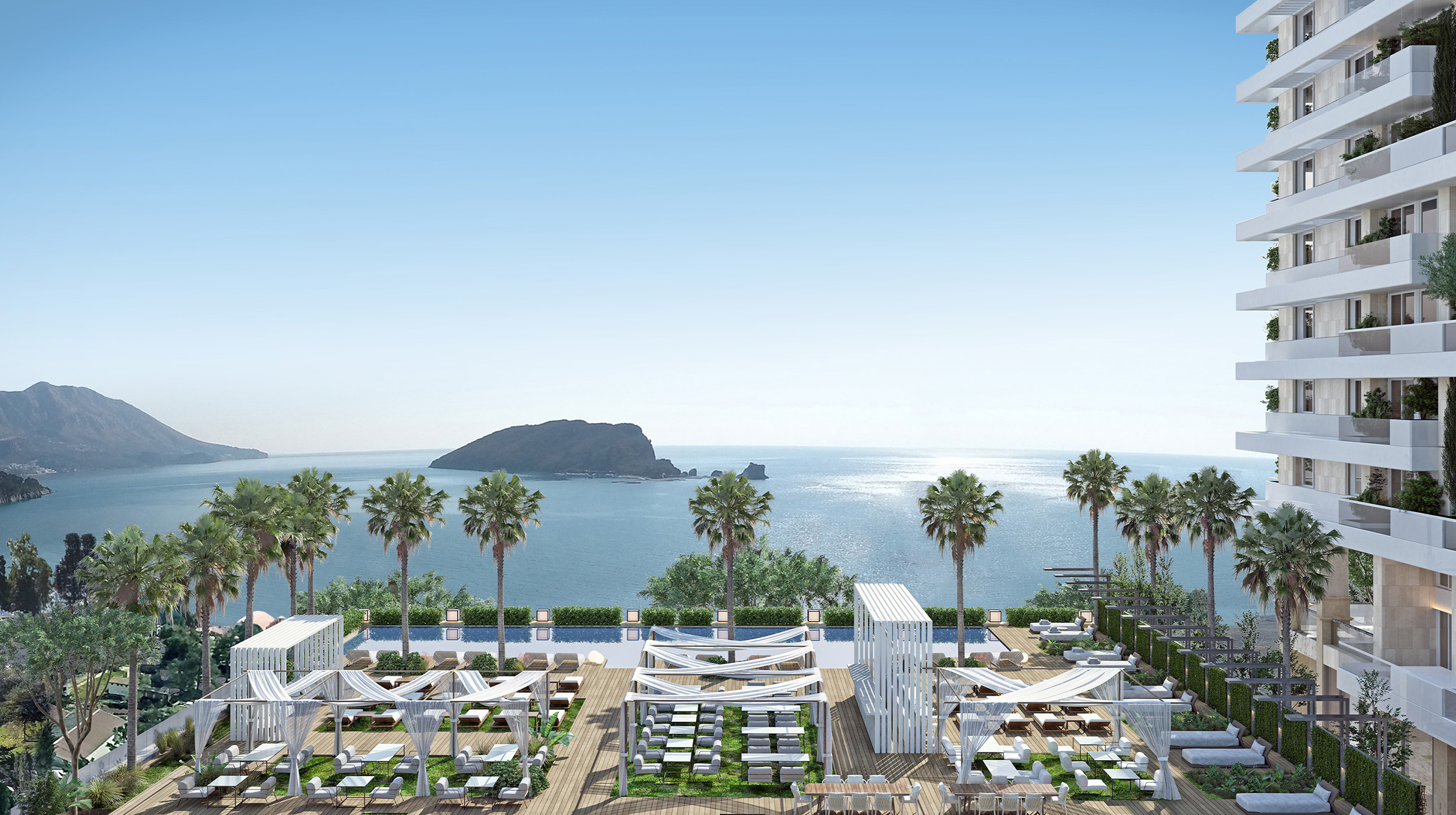
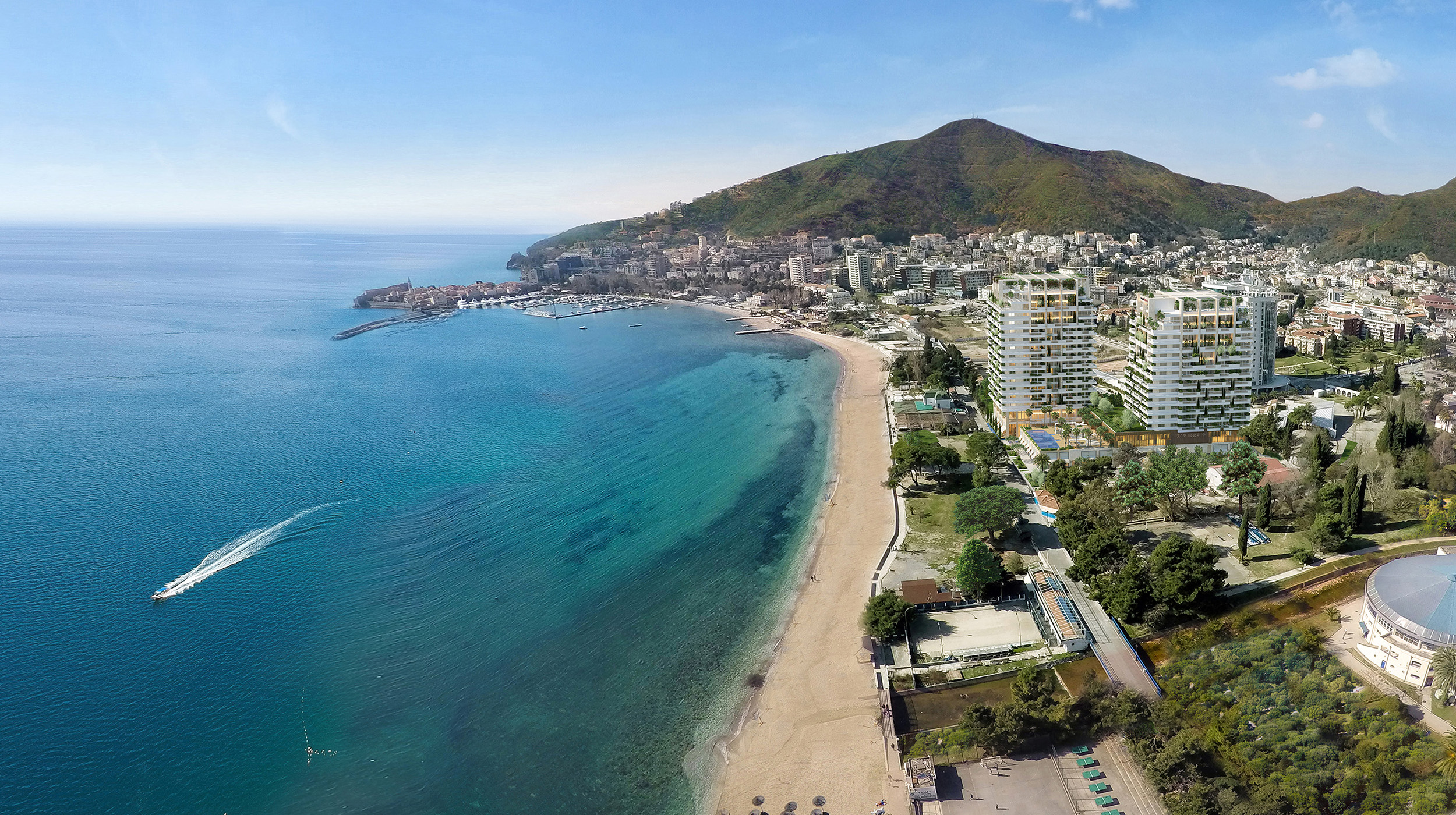
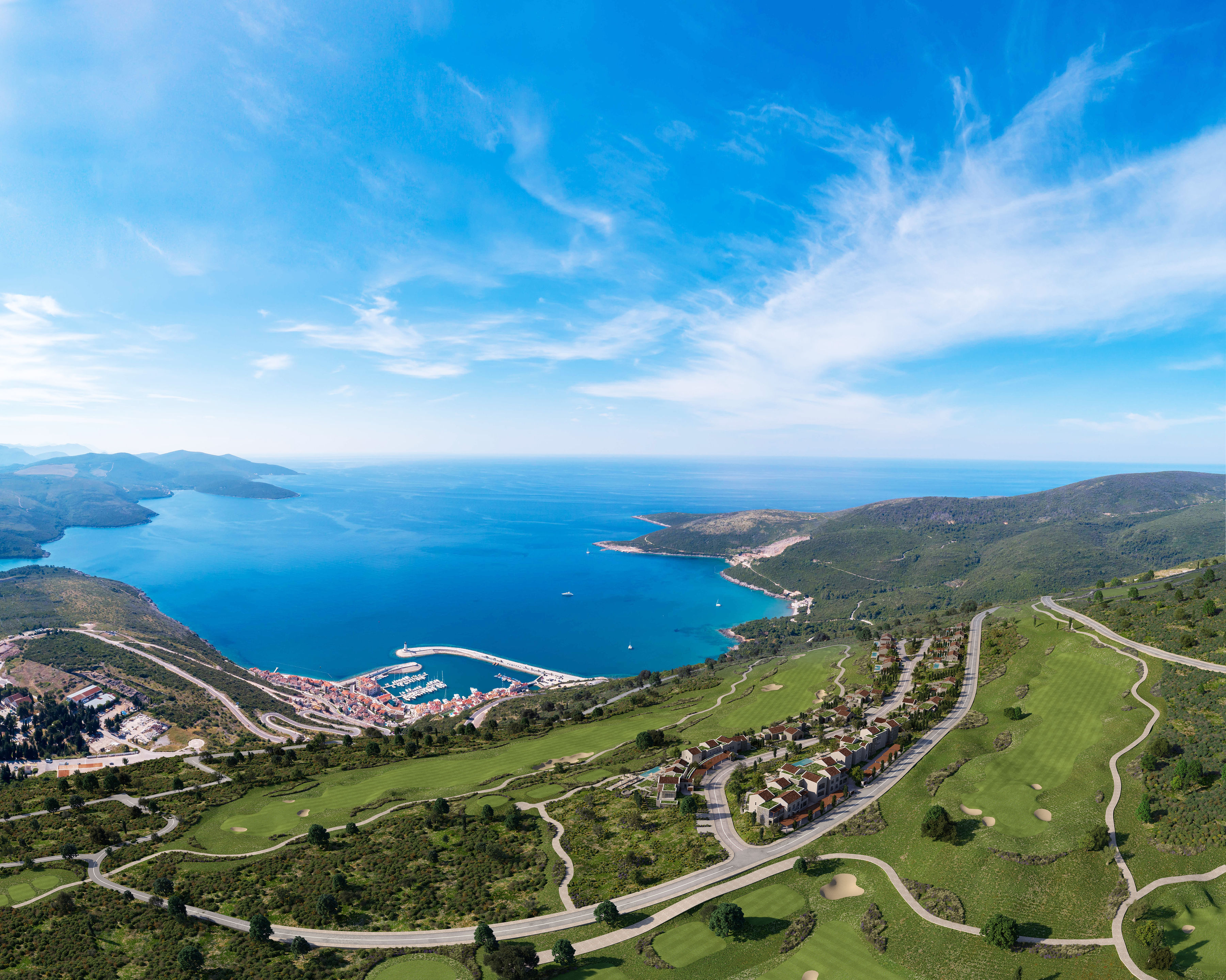
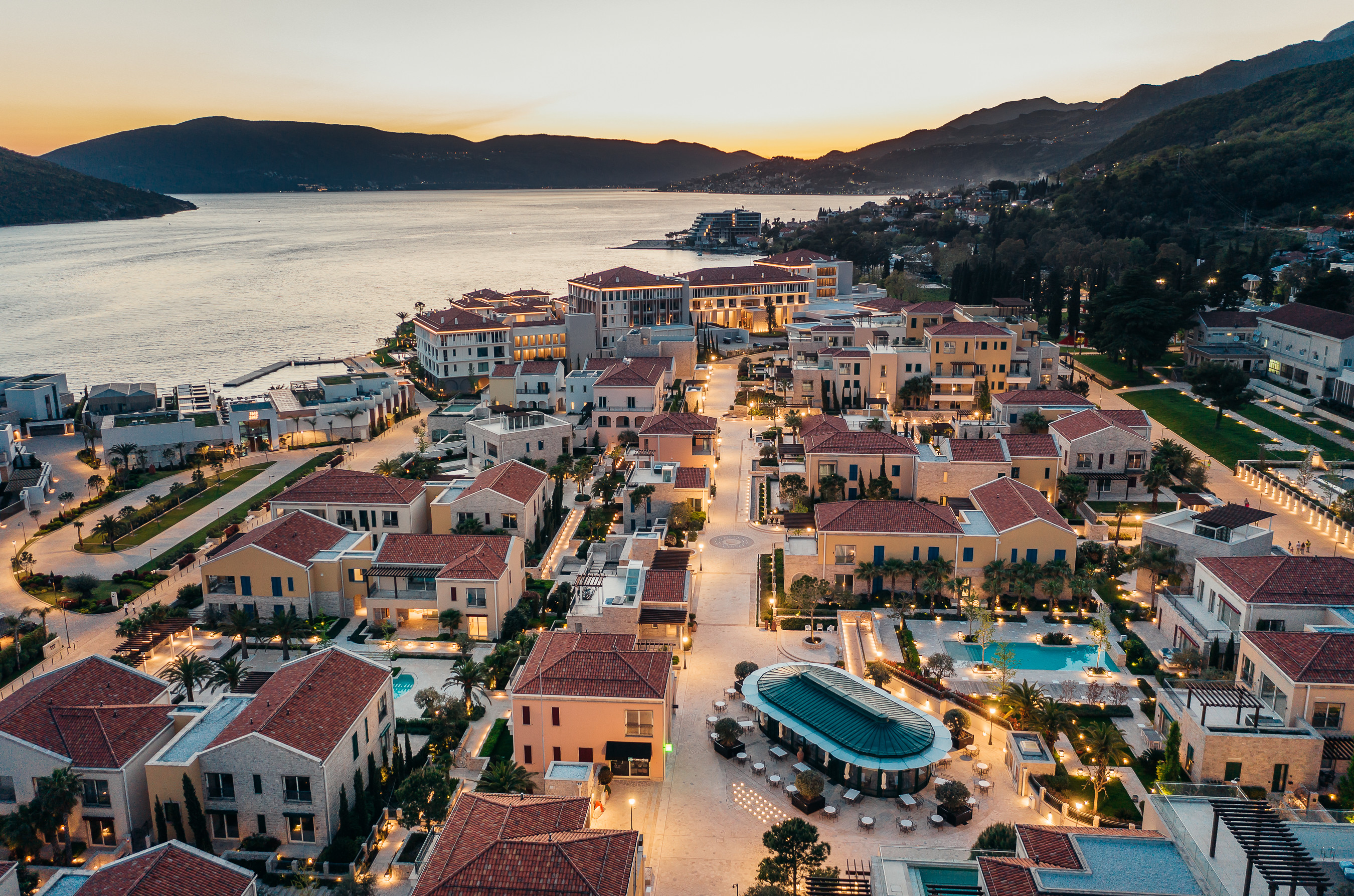
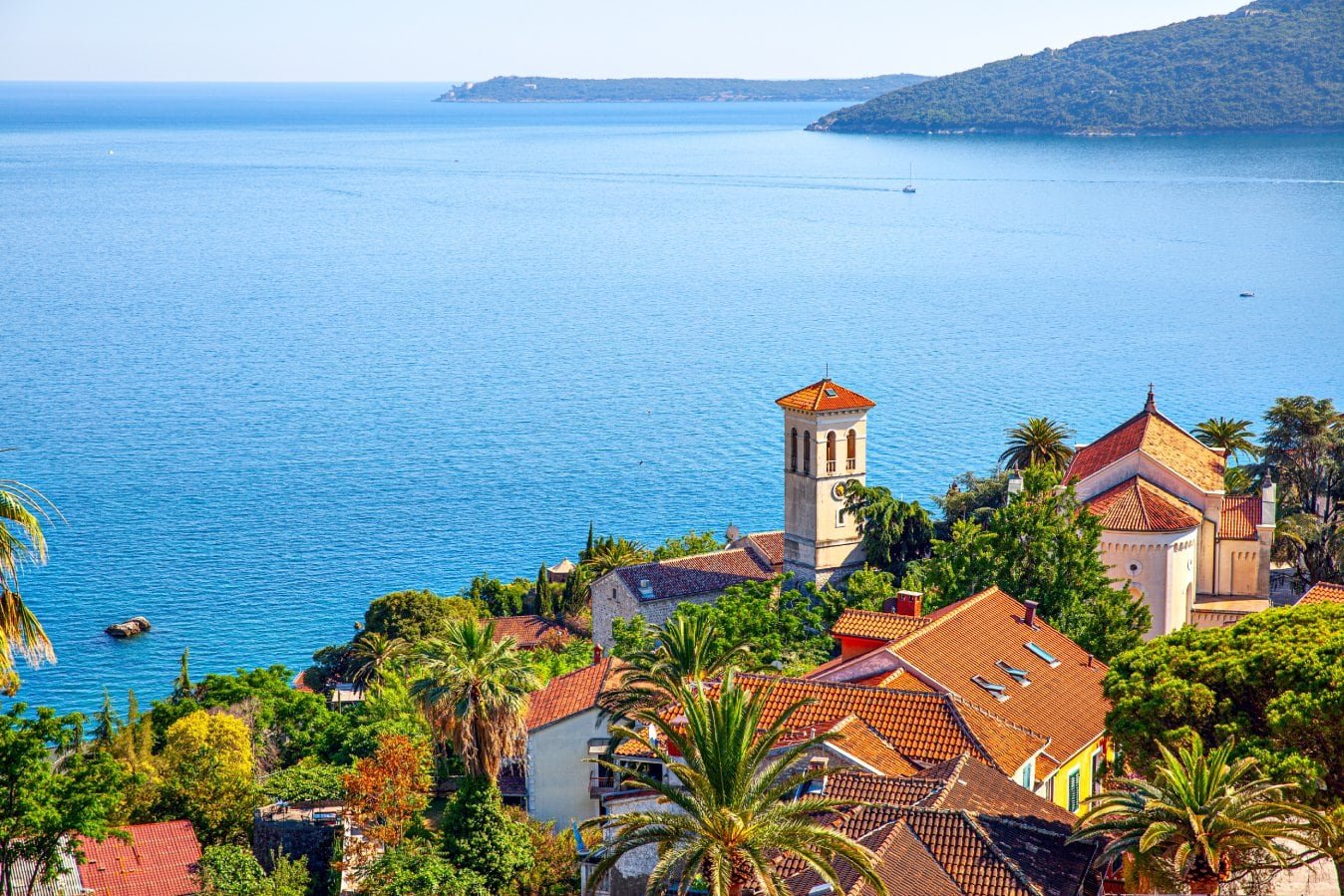
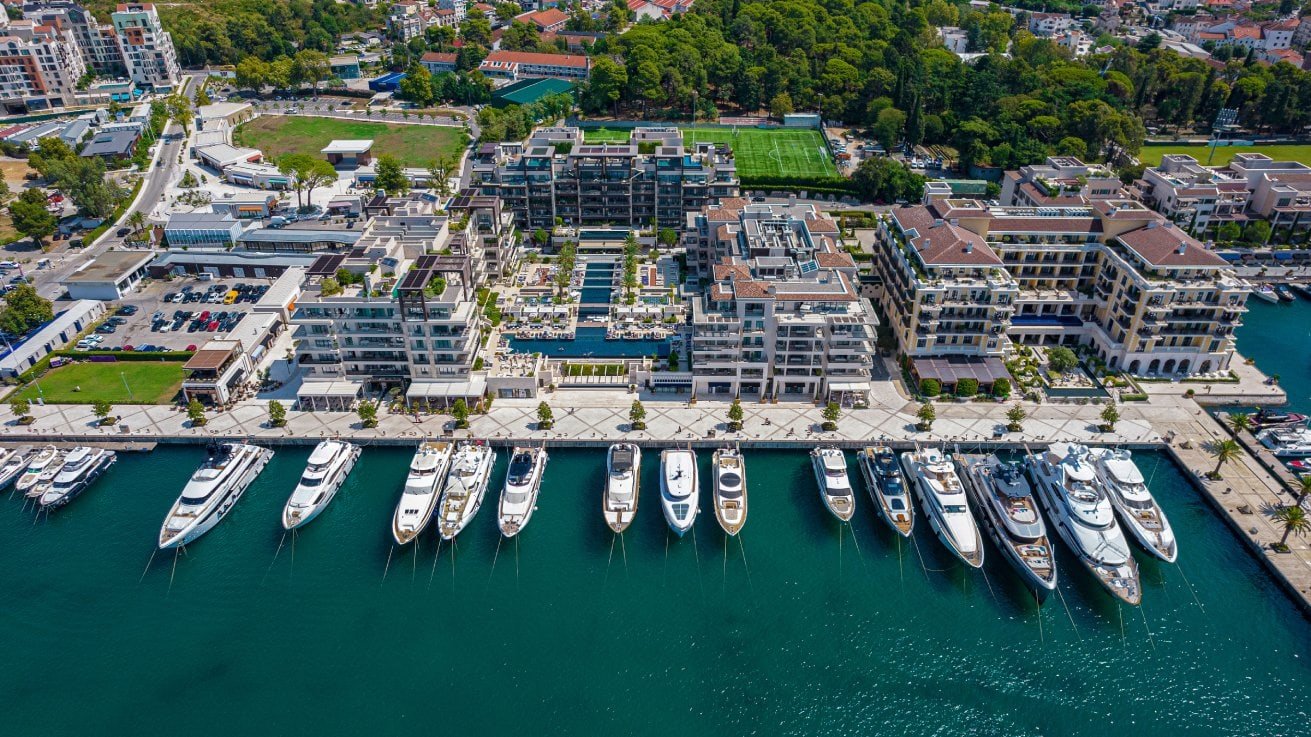
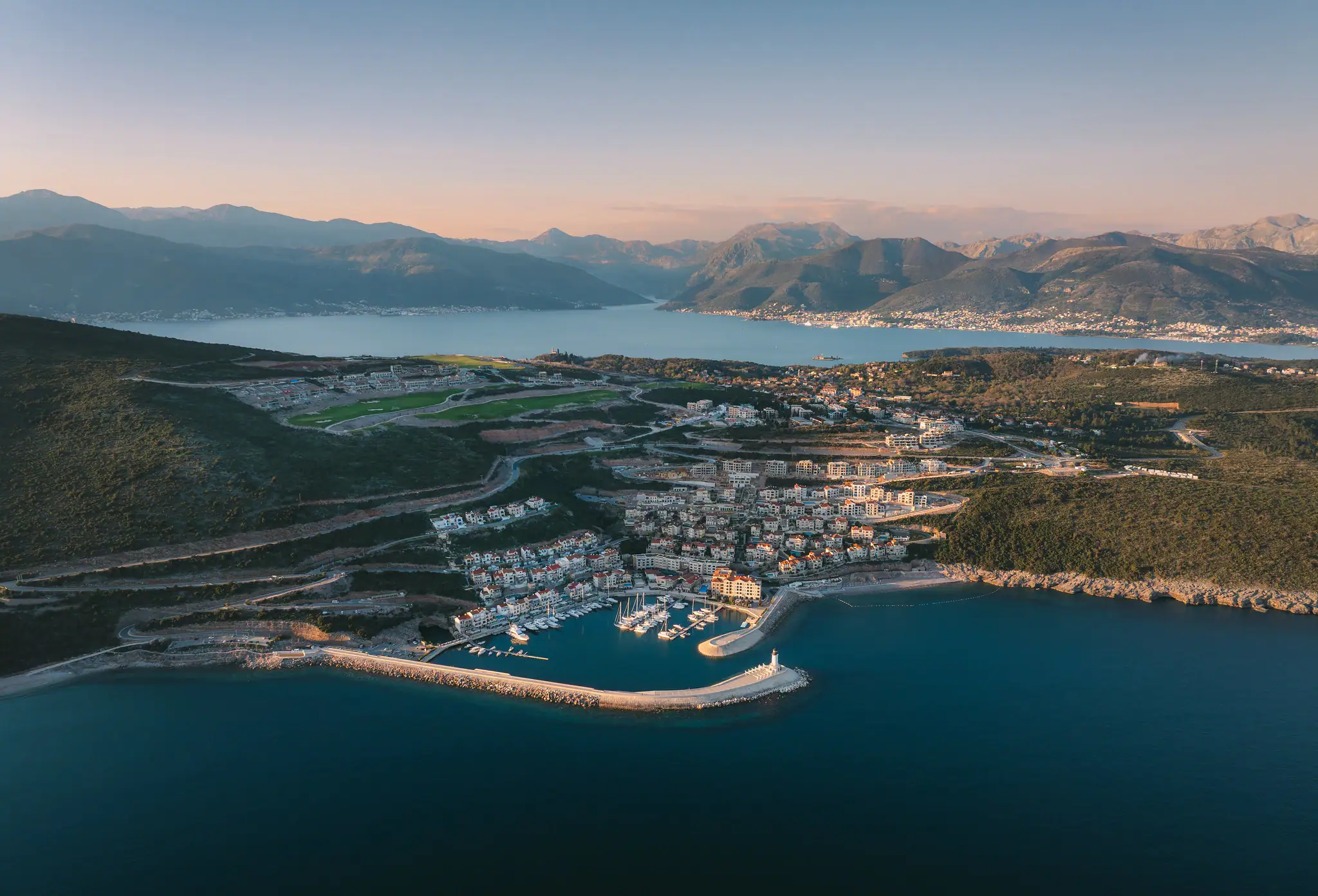
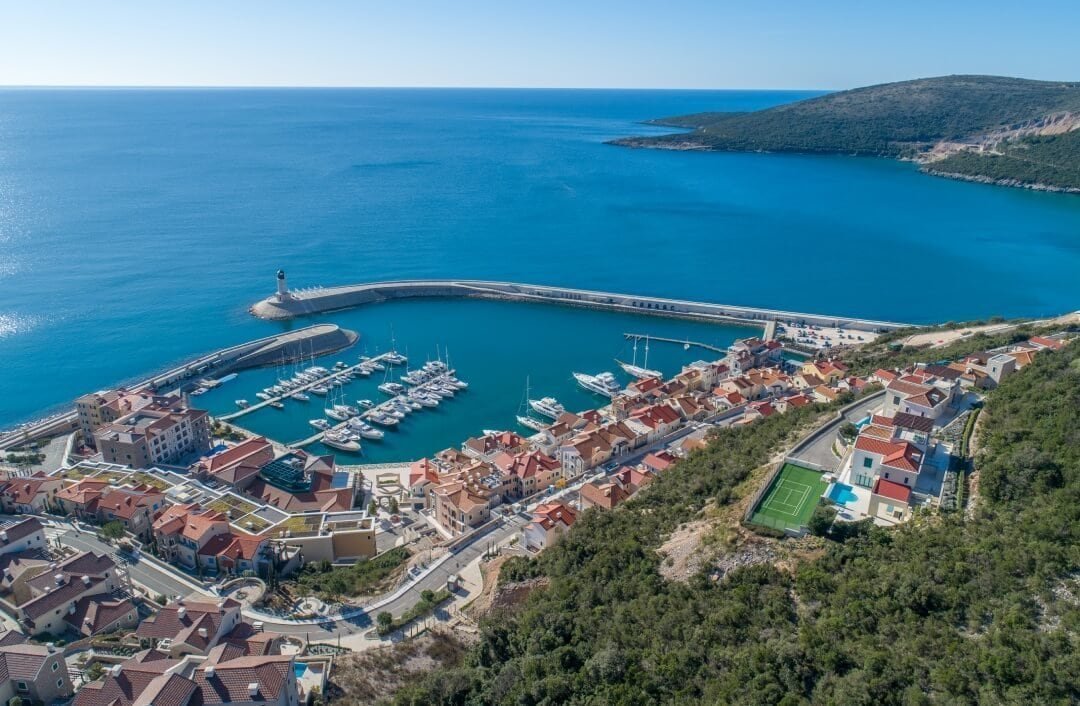
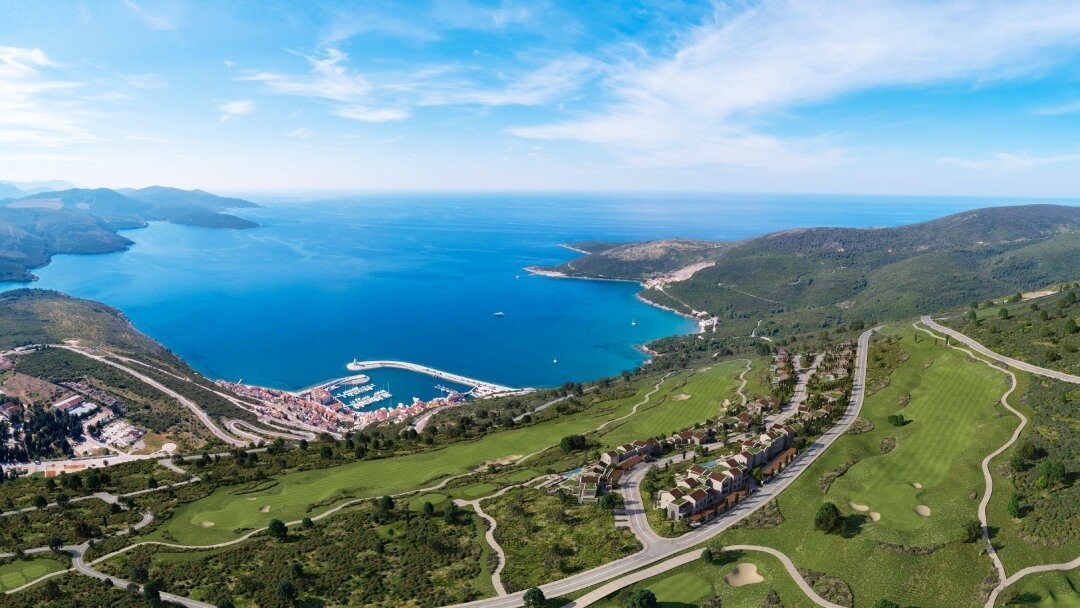
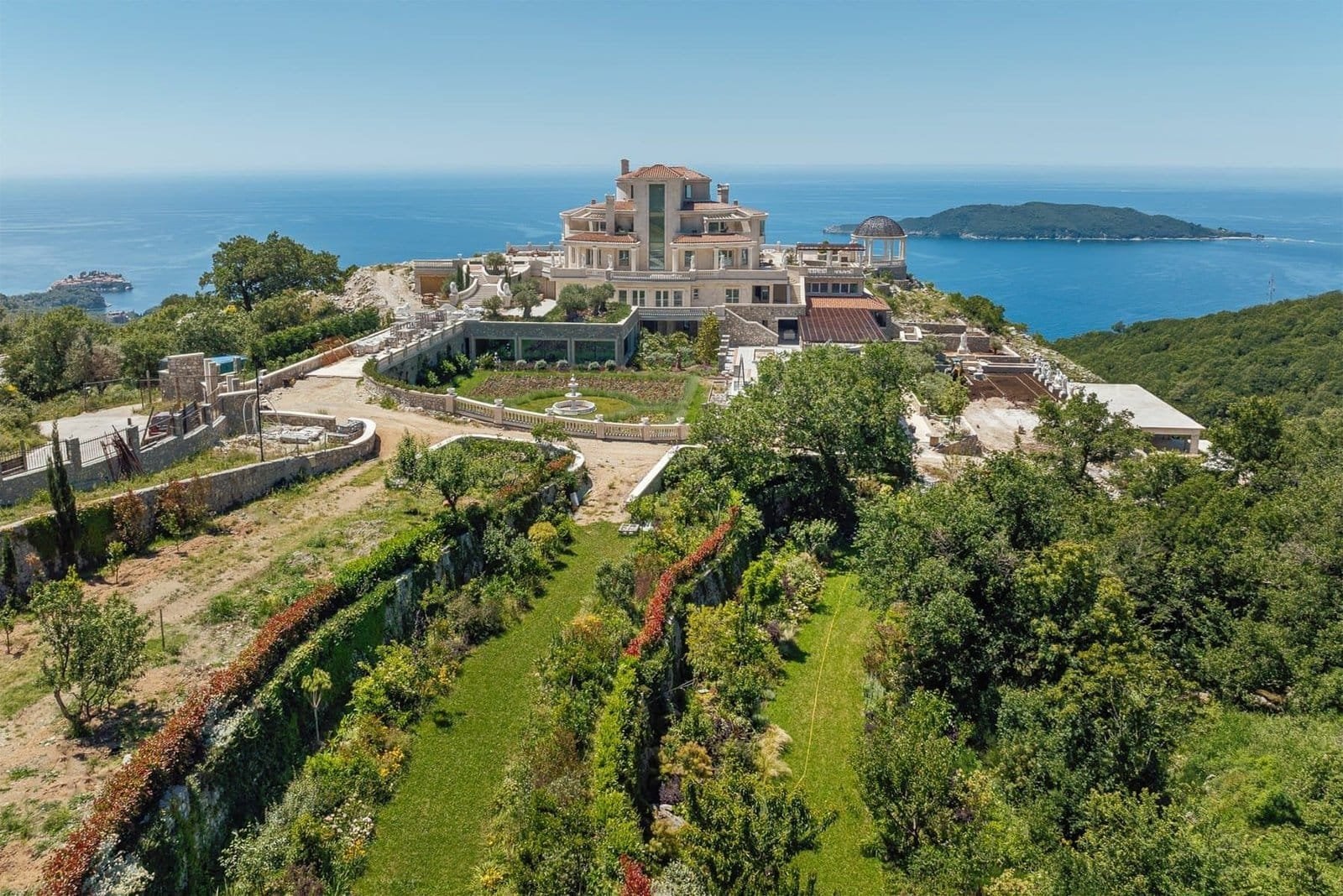
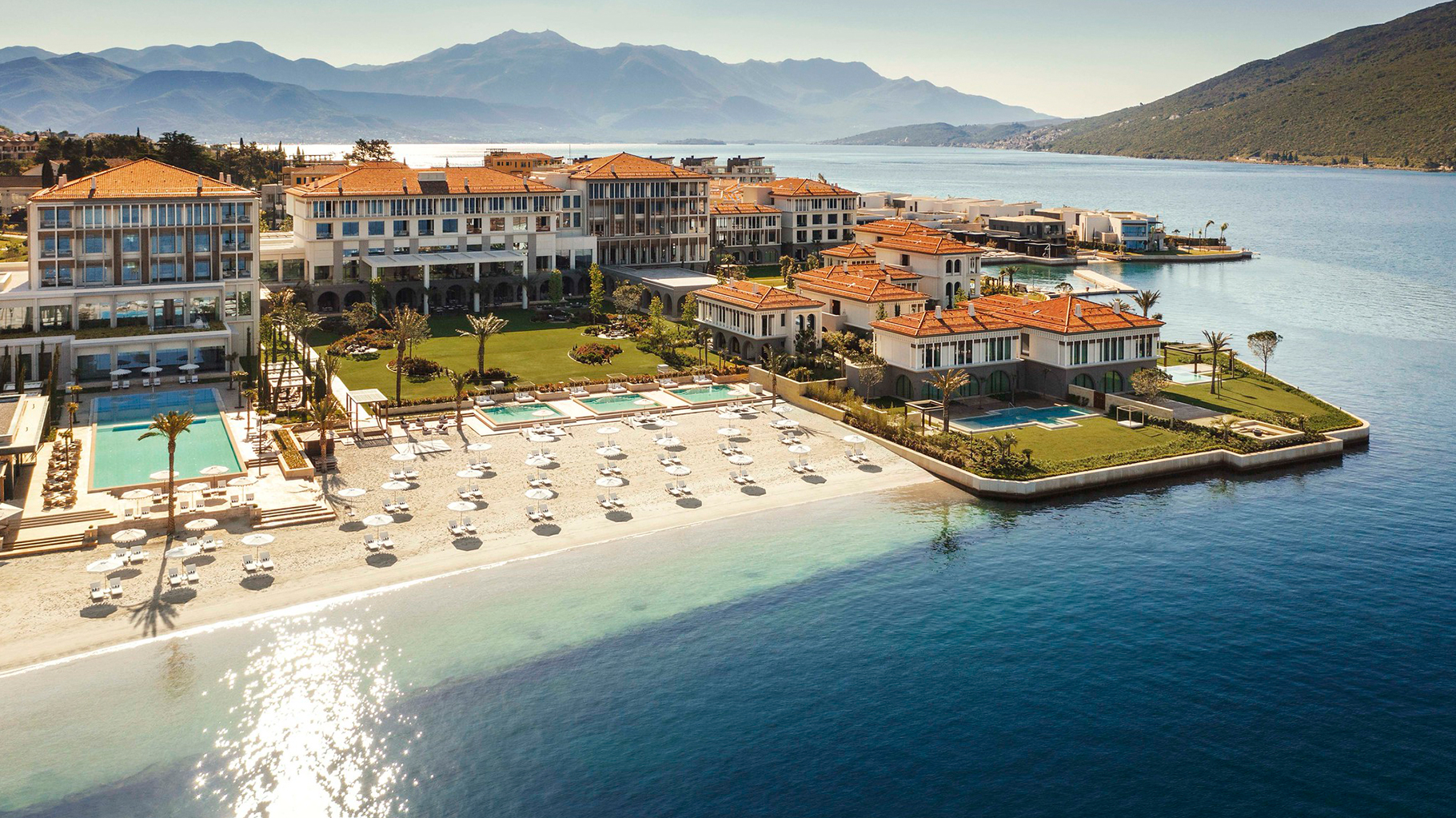
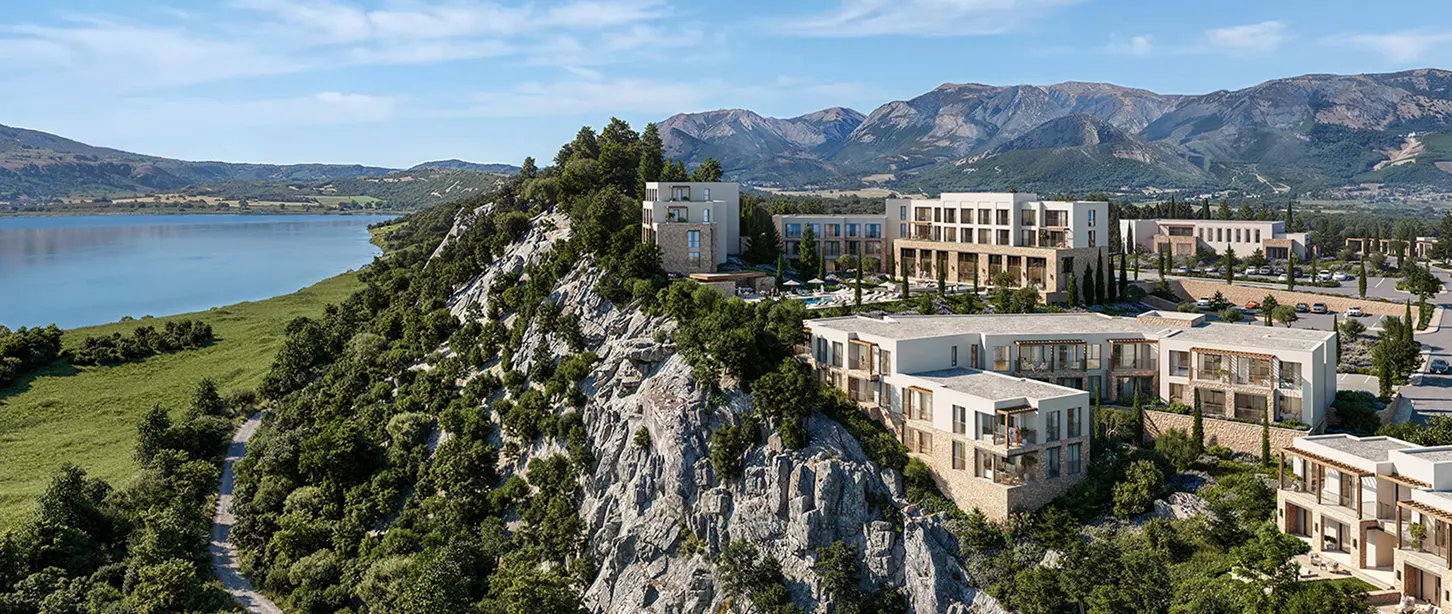
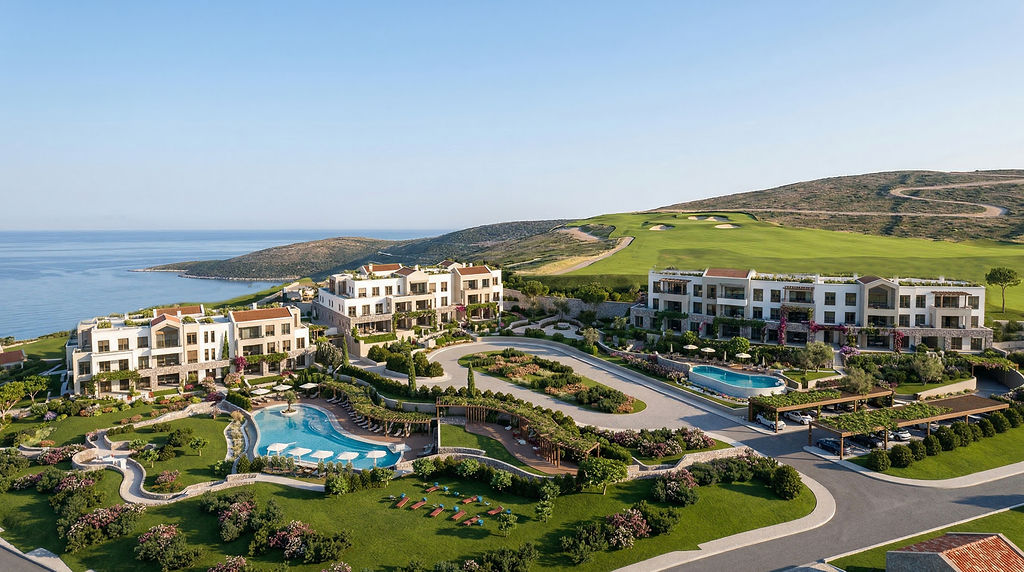
Montenegro is at an earlier stage of that curve. Current pricing in Lustica Bay, Portonovi and the Bay of Kotor still reflects candidate-country risk that will compress as accession approaches.
The Verdict
Montenegro offers higher gross yields than both the Costa del Sol and the Algarve, with lower entry prices, simpler tax treatment and a capital appreciation catalyst (EU accession) that neither established market can replicate. The trade-off is market maturity: Montenegro's rental infrastructure, property management options and transaction liquidity are still developing.
Barok Estates International provides investment advisory with detailed yield analysis specific to each property and location. Book a consultation to review the numbers for your investment criteria.










.jpg)