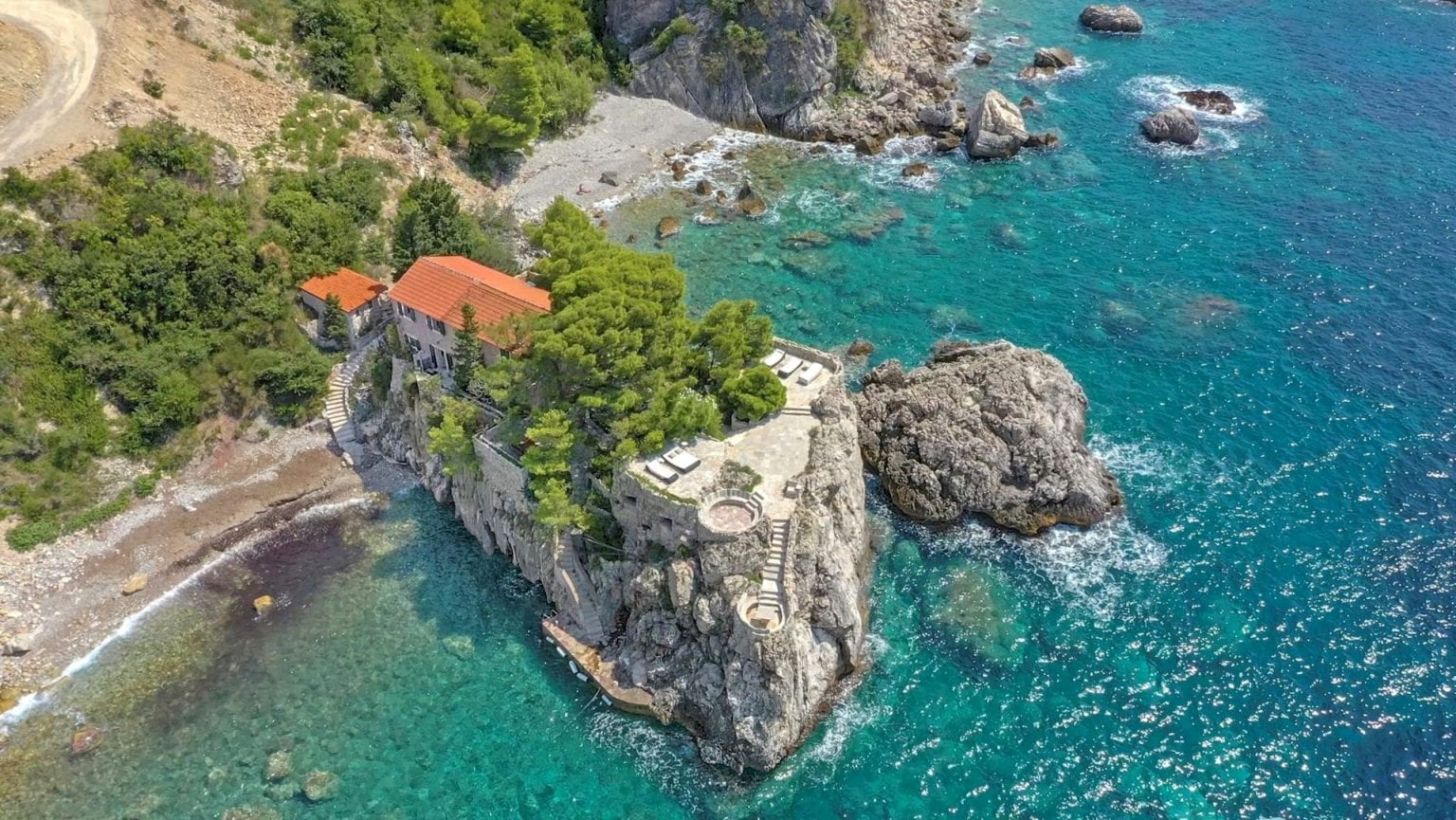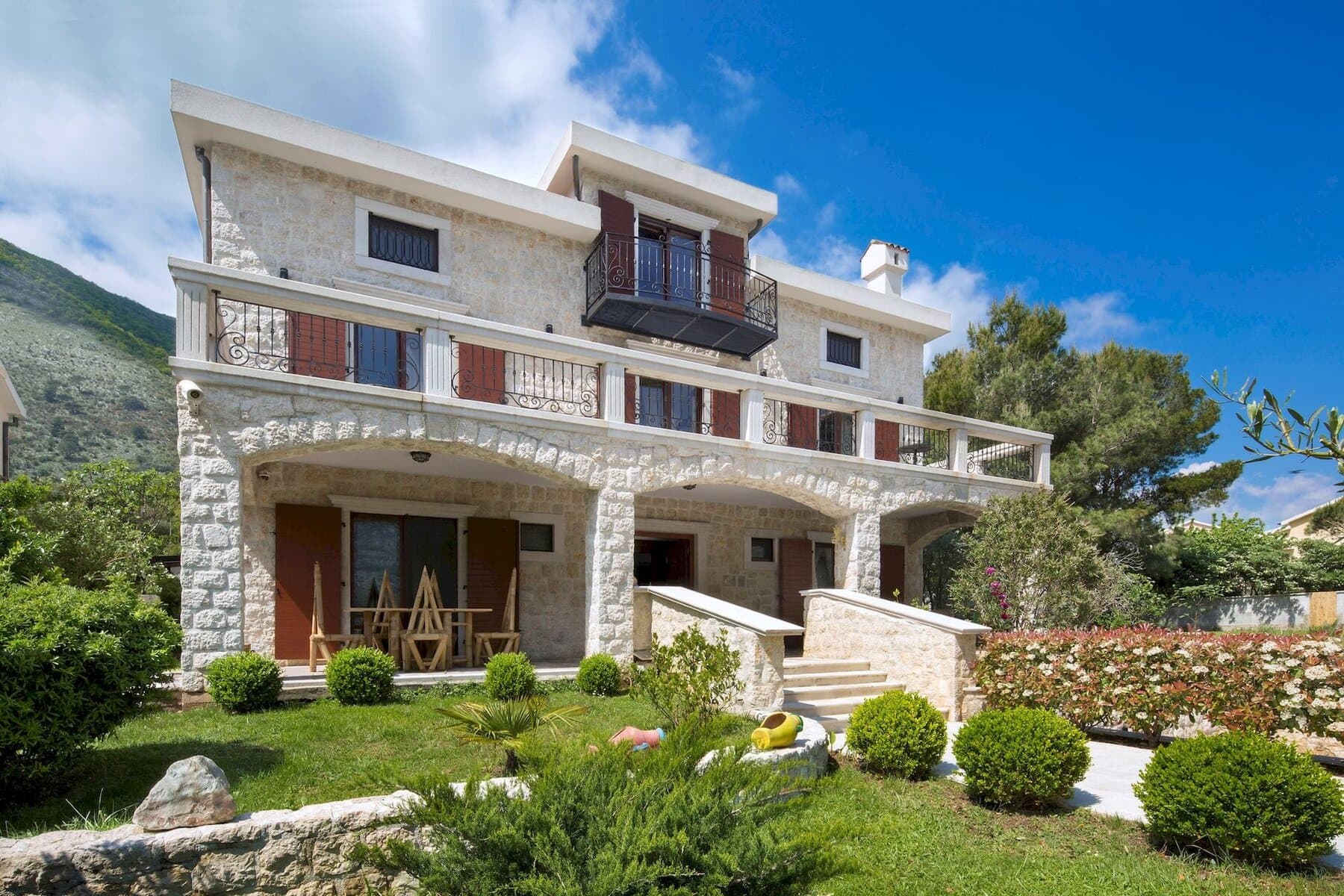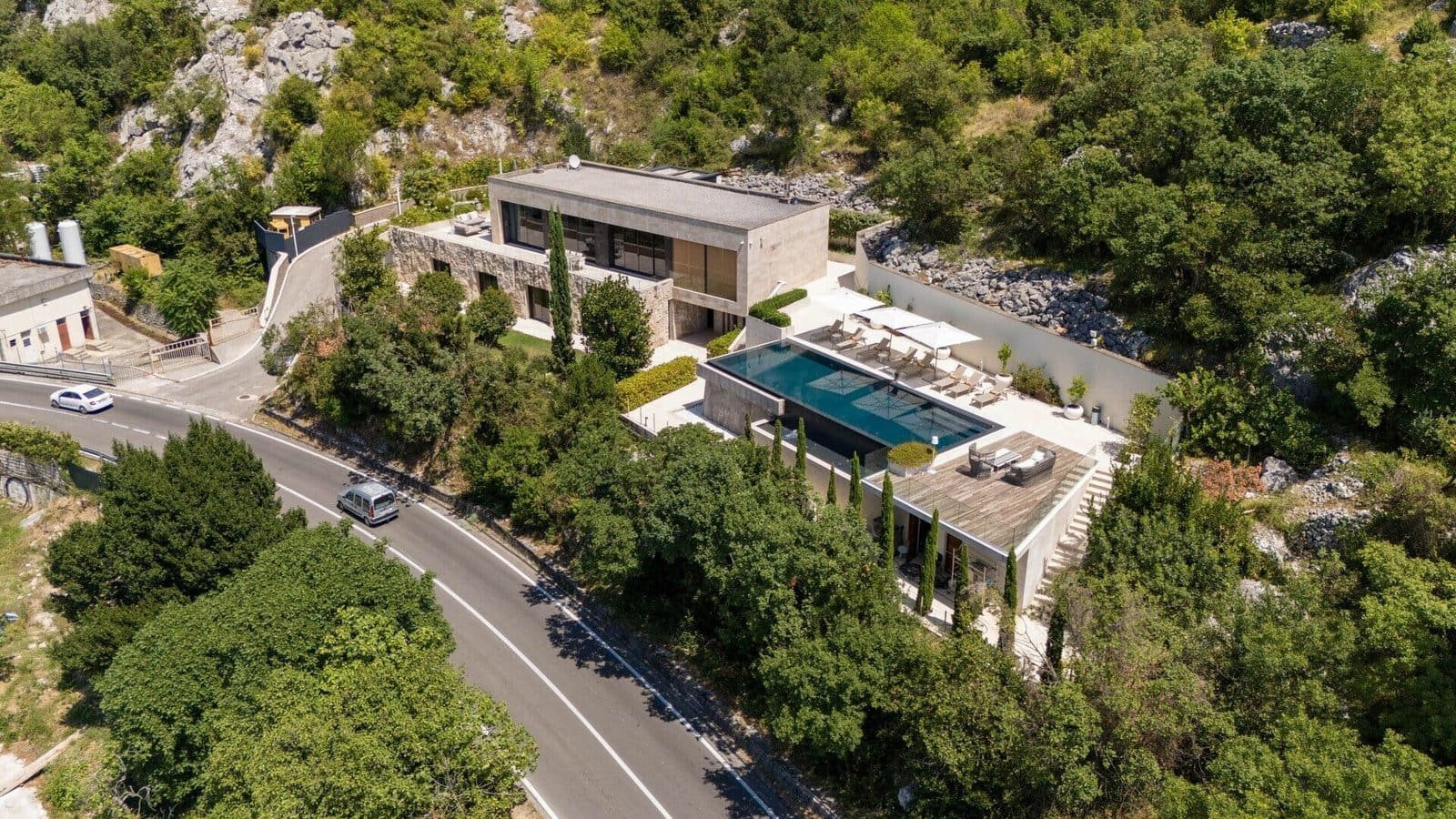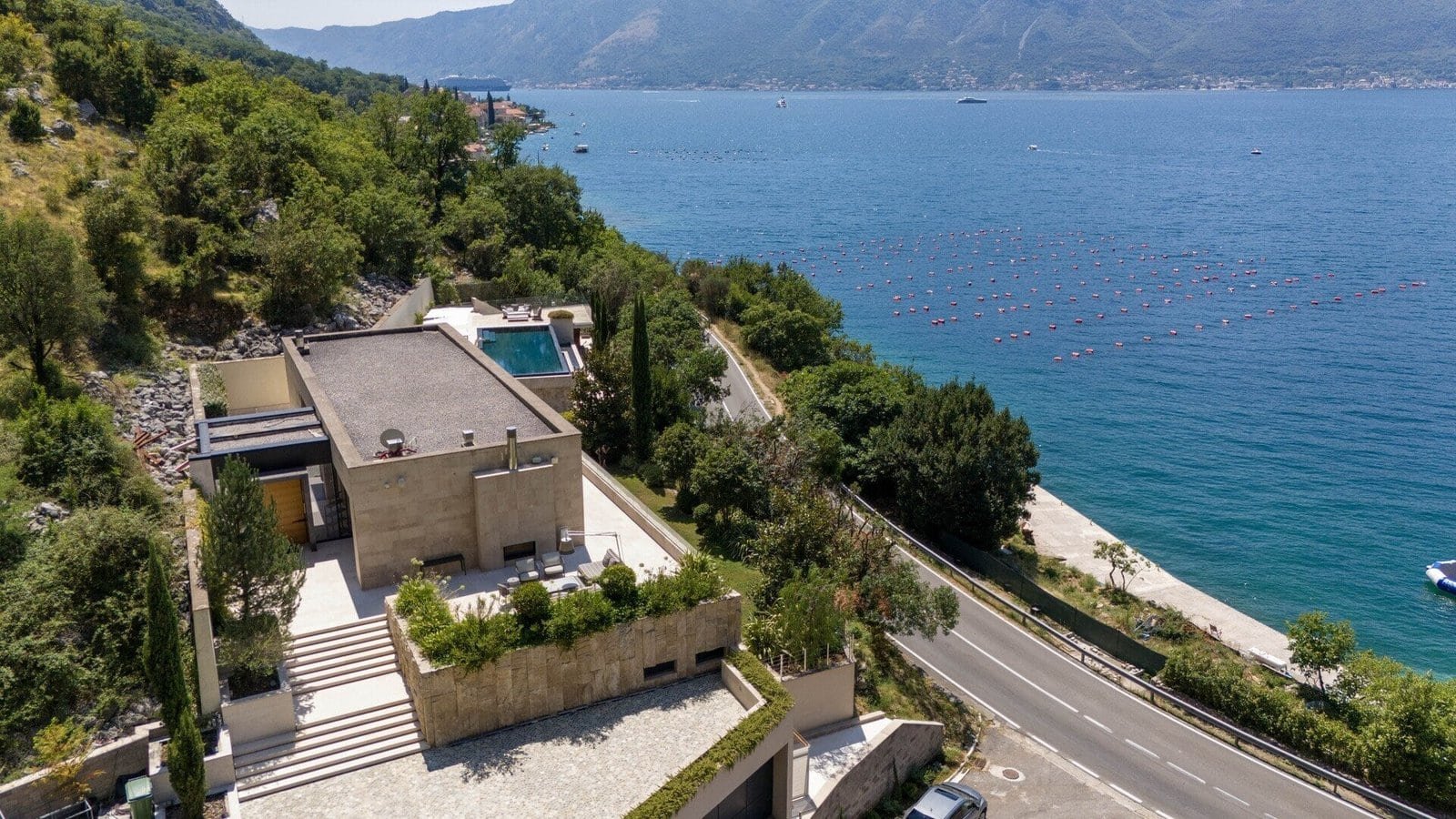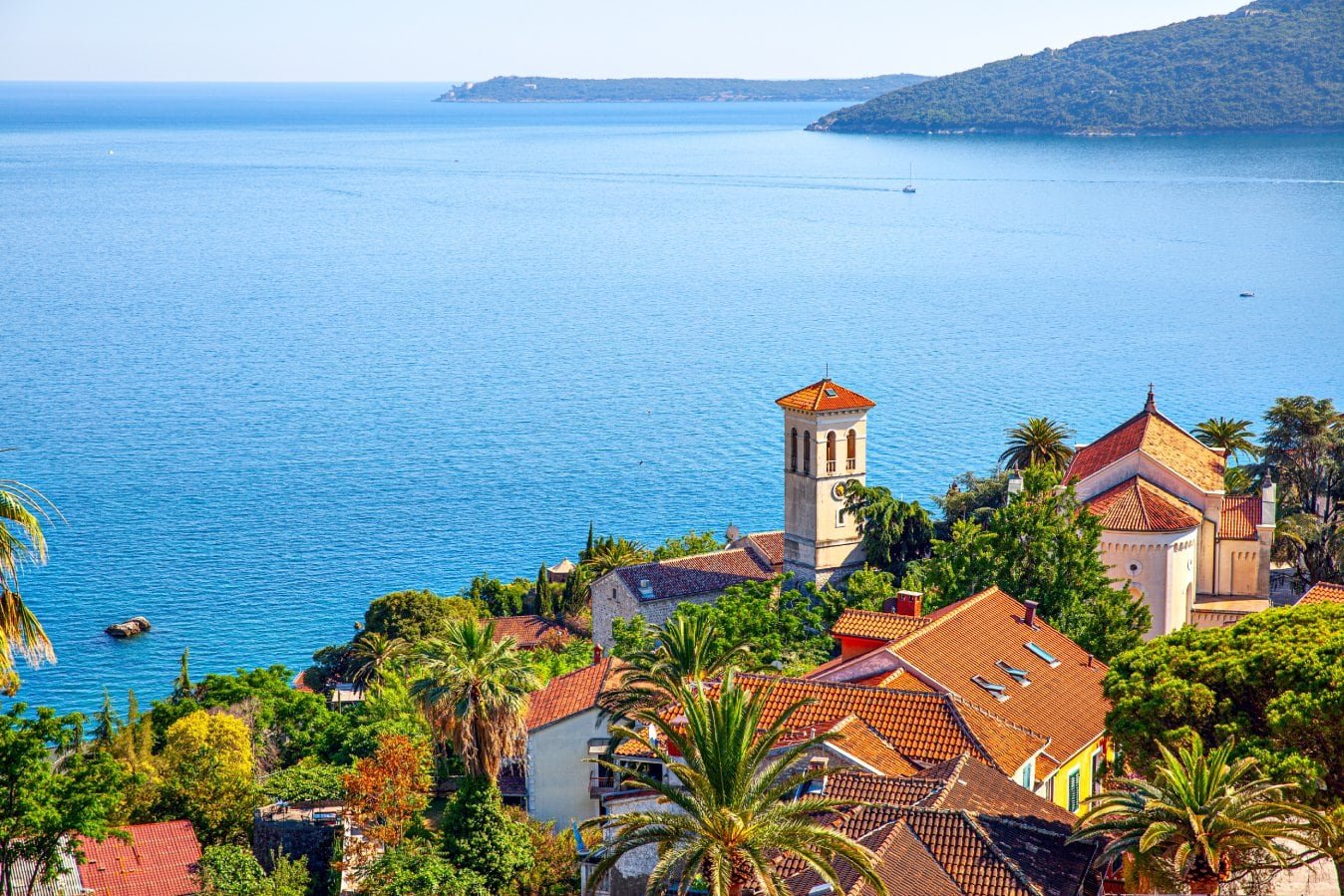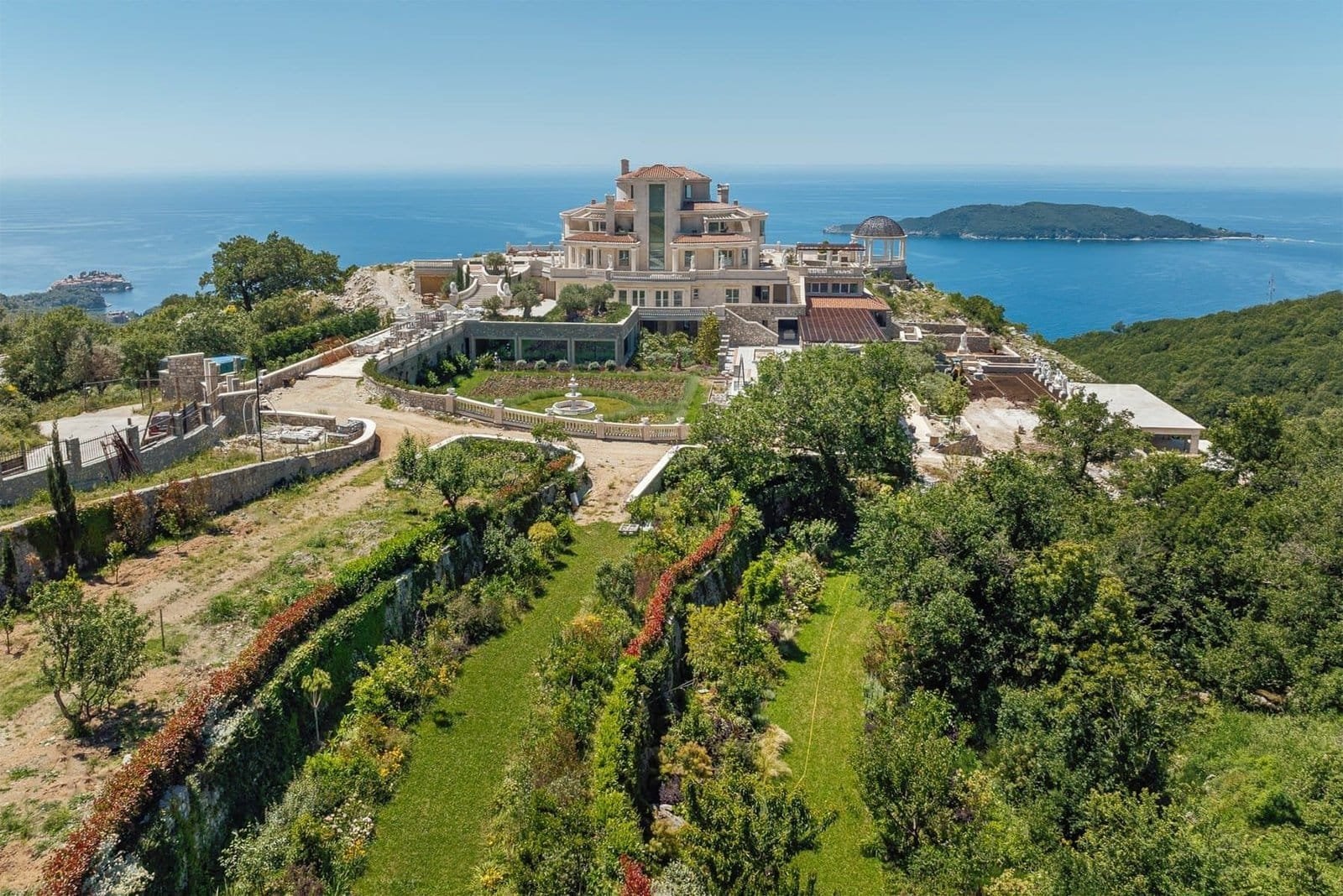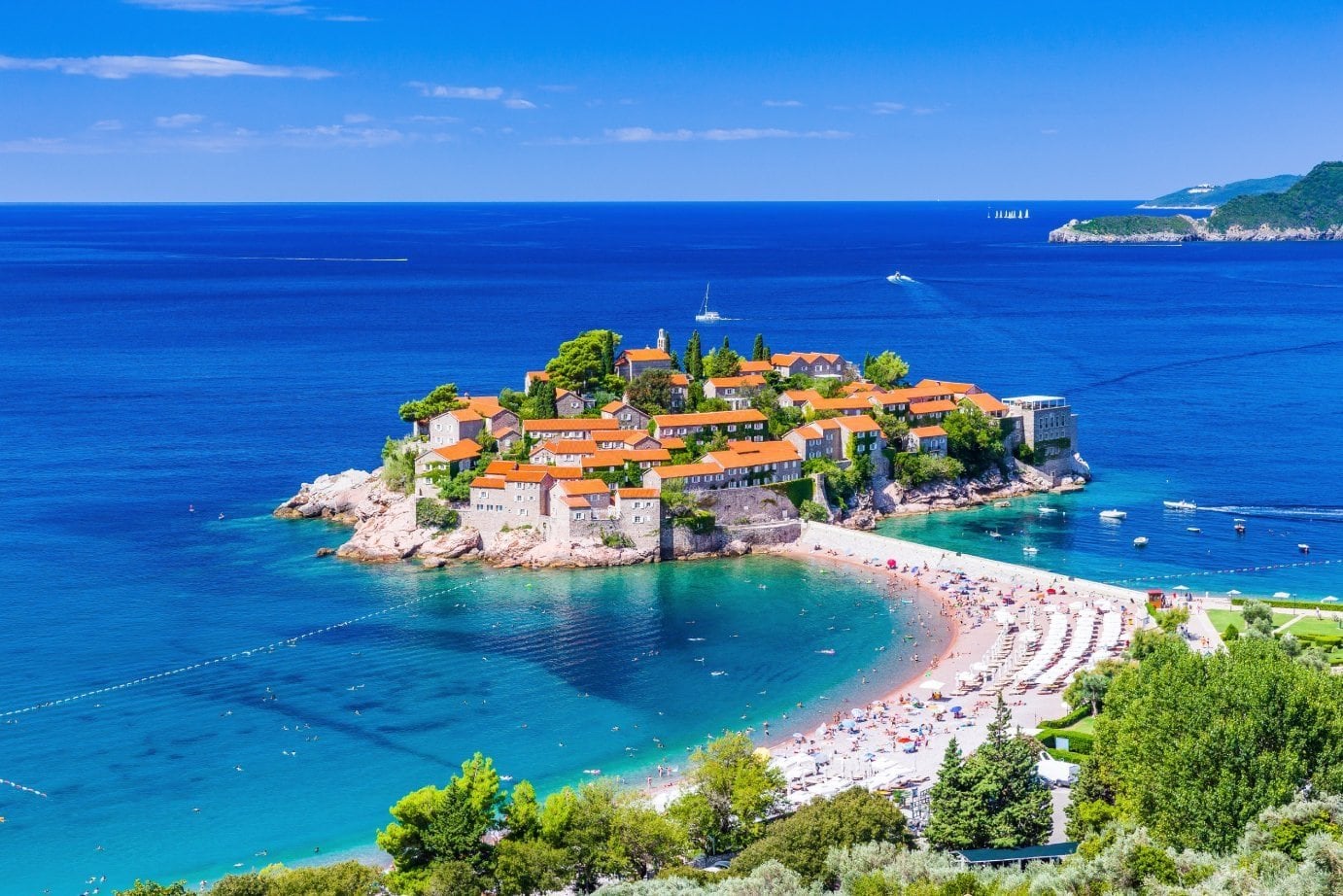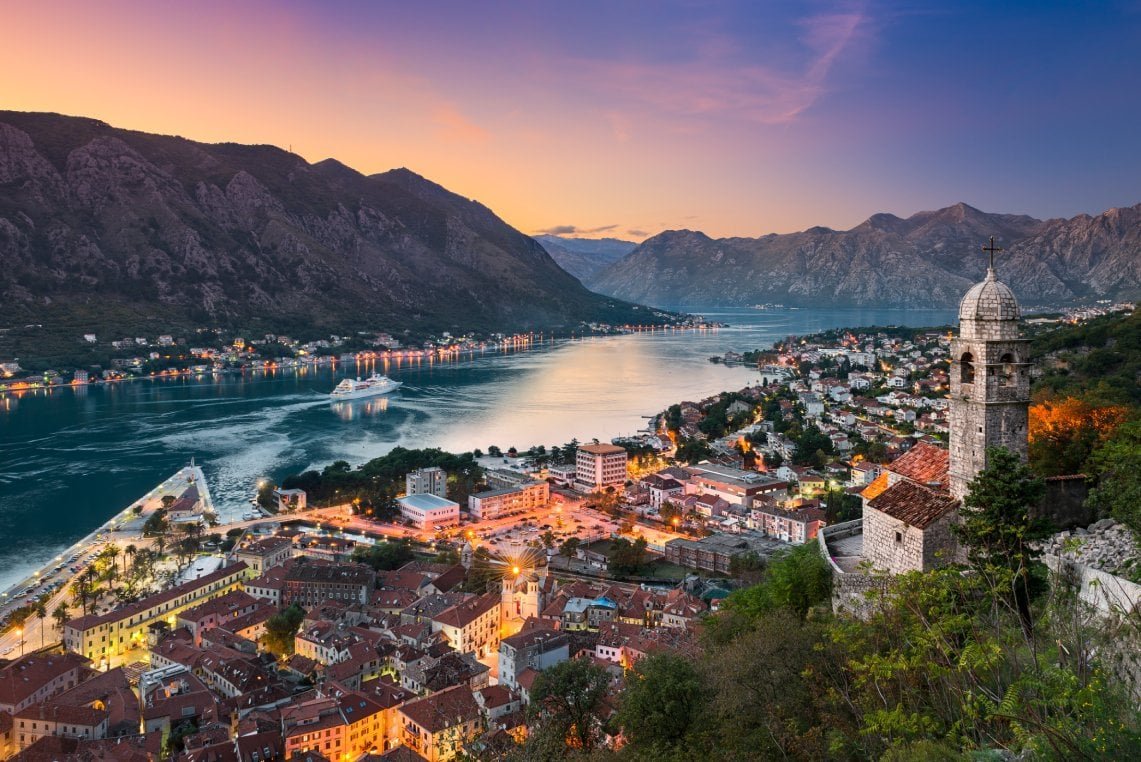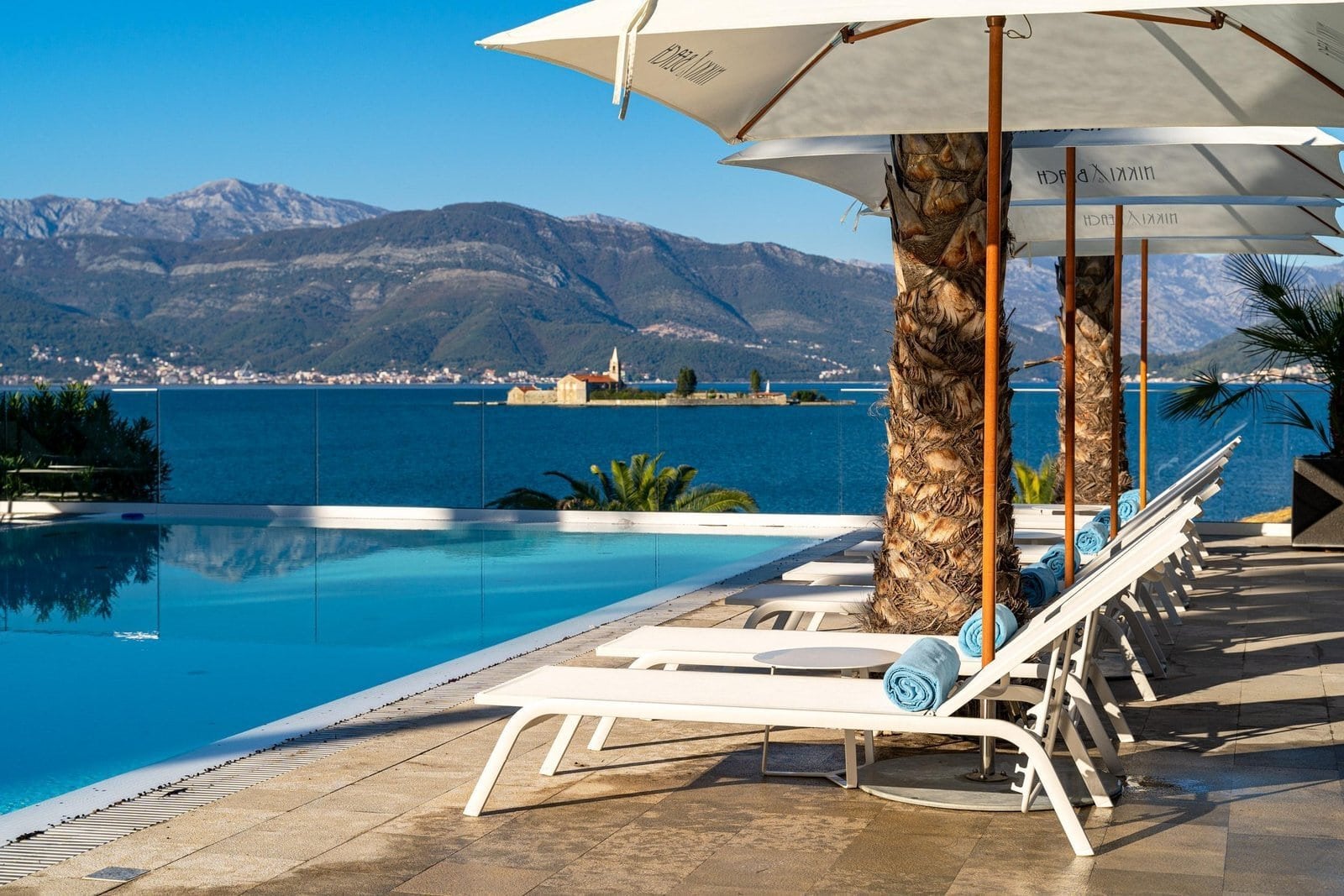
Few corners of Southern Europe present the convergence of architectural rarity, scarcity value, and long-term capital appreciation that Montenegro's historic villa stock quietly offers. A limestone palace overlooking the Bay of Kotor, a Venetian-era residence embedded within Budva's medieval walls, a waterfront manor in Perast slowly reclaiming its grandeur: none of these properties can be replicated, rebuilt elsewhere, or substituted by a modern equivalent. Buyers who recognise that distinction are committing to restoration, not retreating from complexity. Montenegro villa renovation rewards those who arrive prepared. The regulatory framework is substantive, the pool of genuinely qualified craftspeople is finite, and the financial returns for executing well are material.
Why Montenegro's Historic Villas Represent a Distinct Asset Class
The investment logic behind heritage renovation
Restored heritage properties in Montenegro's most active micro-markets consistently command significant premiums over their unrestored counterparts, even when those counterparts sit on the same street or share the same coastal outlook. Buyers and institutional-quality tenants are paying for more than finished interiors. They are paying for certainty: a property that has been professionally assessed, authentically restored, and verified as fully compliant with Montenegro's heritage protection framework carries none of the hidden liability that an untouched ruin carries on its title.
This valuation gap is widening as the buyer pool matures. Internationally experienced purchasers, many arriving from Western European and Middle Eastern markets, are increasingly literate about the difference between cosmetically renovated stock and genuinely conservation-grade restoration. For a broader picture of current pricing dynamics across the country's principal markets, Villas for Sale in Montenegro: An Adriatic Buyer's Guide for 2026 sets out the current market structure in useful detail.
The income case reinforces the capital case. A stone villa restored to the highest conservation standard, with original vaulted ceilings preserved, period joinery reinstated, and a discreetly integrated modern mechanical specification, attracts a category of guest who books for longer and pays a materially higher nightly rate. That profile translates directly into yield, not as an aspiration but as a documented outcome when the restoration is executed to the appropriate standard.
The underlying logic is clean: acquire at the discount that an unrenovated property commands, systematically eliminate risk and uncertainty through skilled, compliant restoration, then capture the premium either through sale exit or through sustained rental yield. It is an active value-creation strategy rather than a passive hold.
Where restoration activity is concentrated in 2026
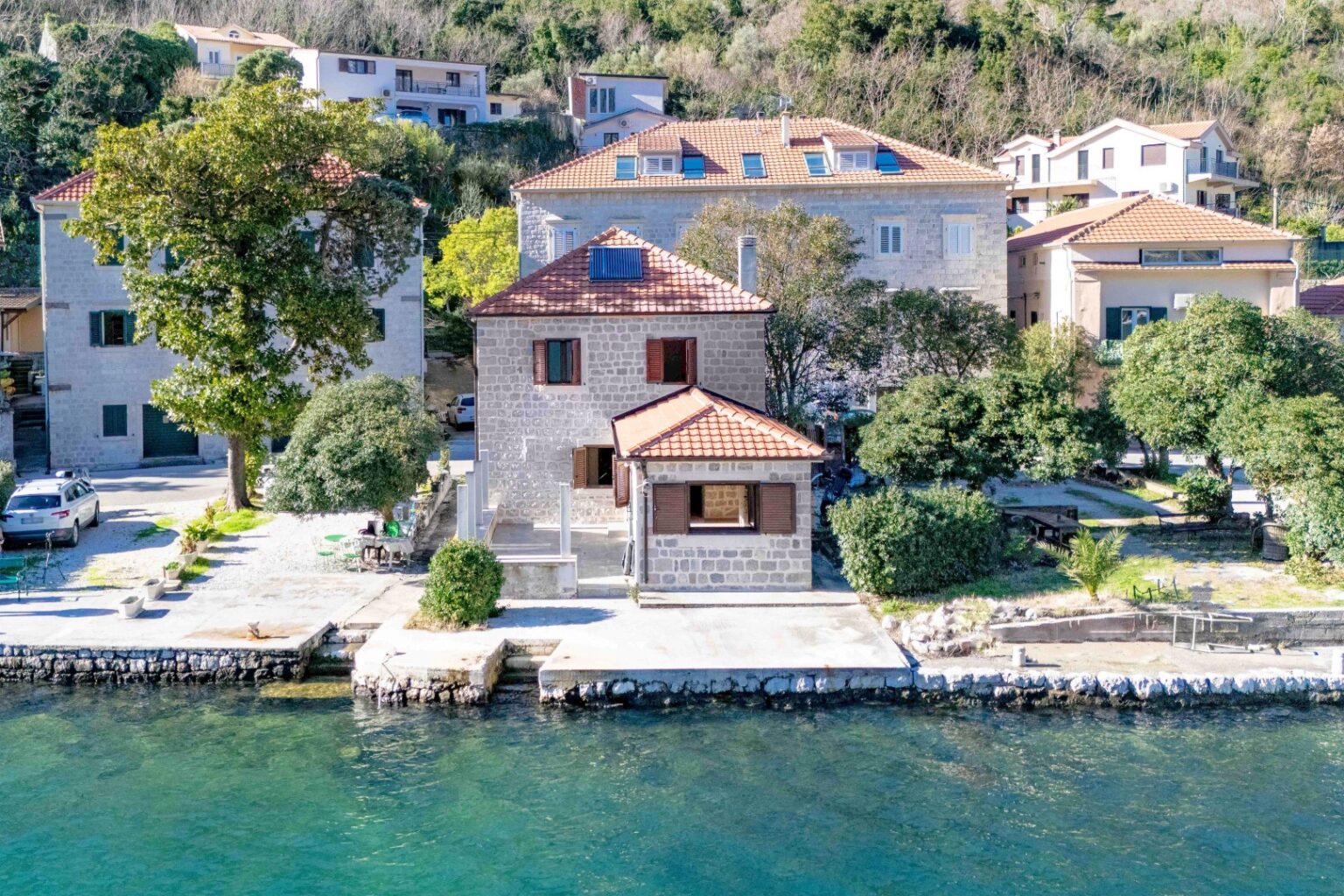
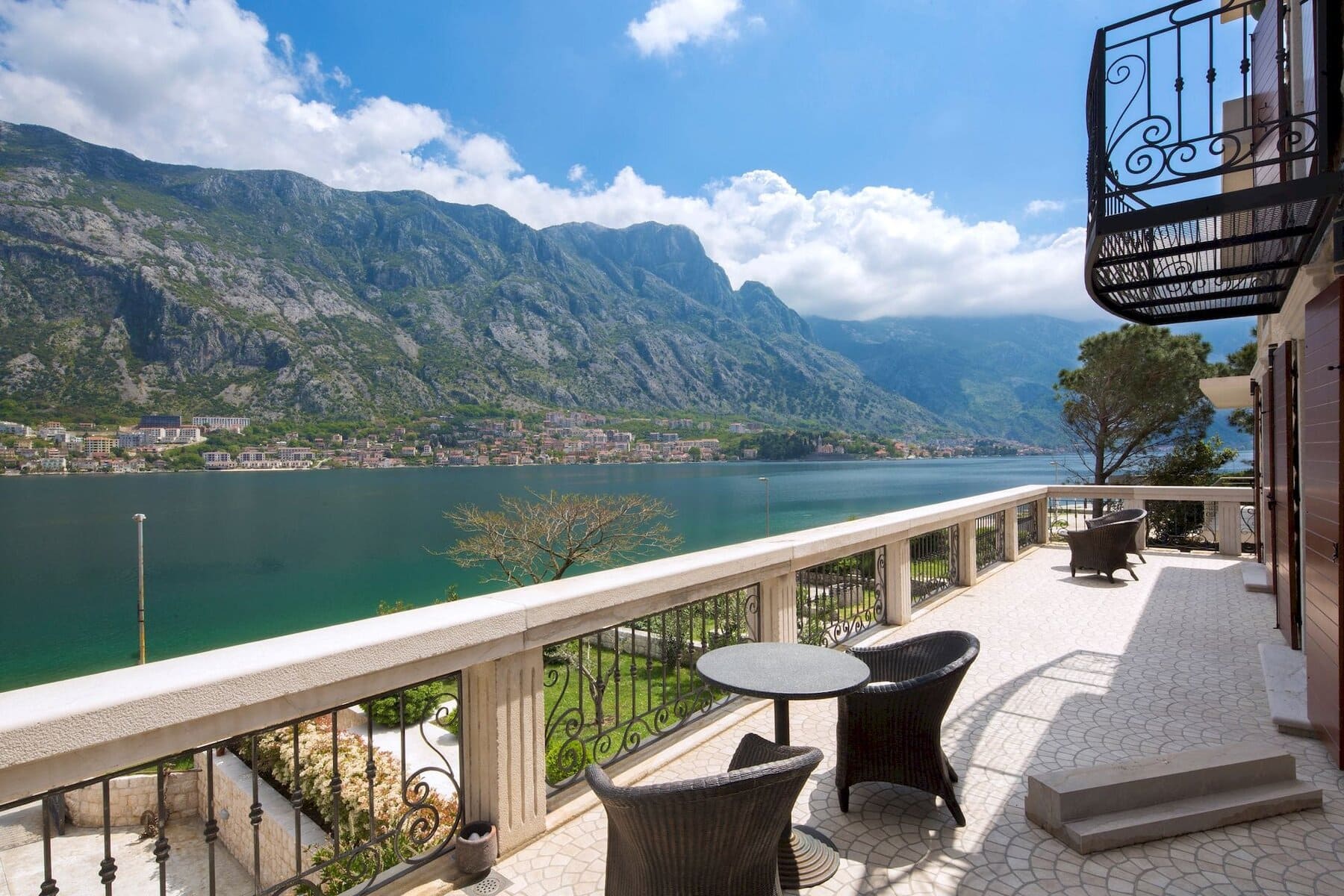
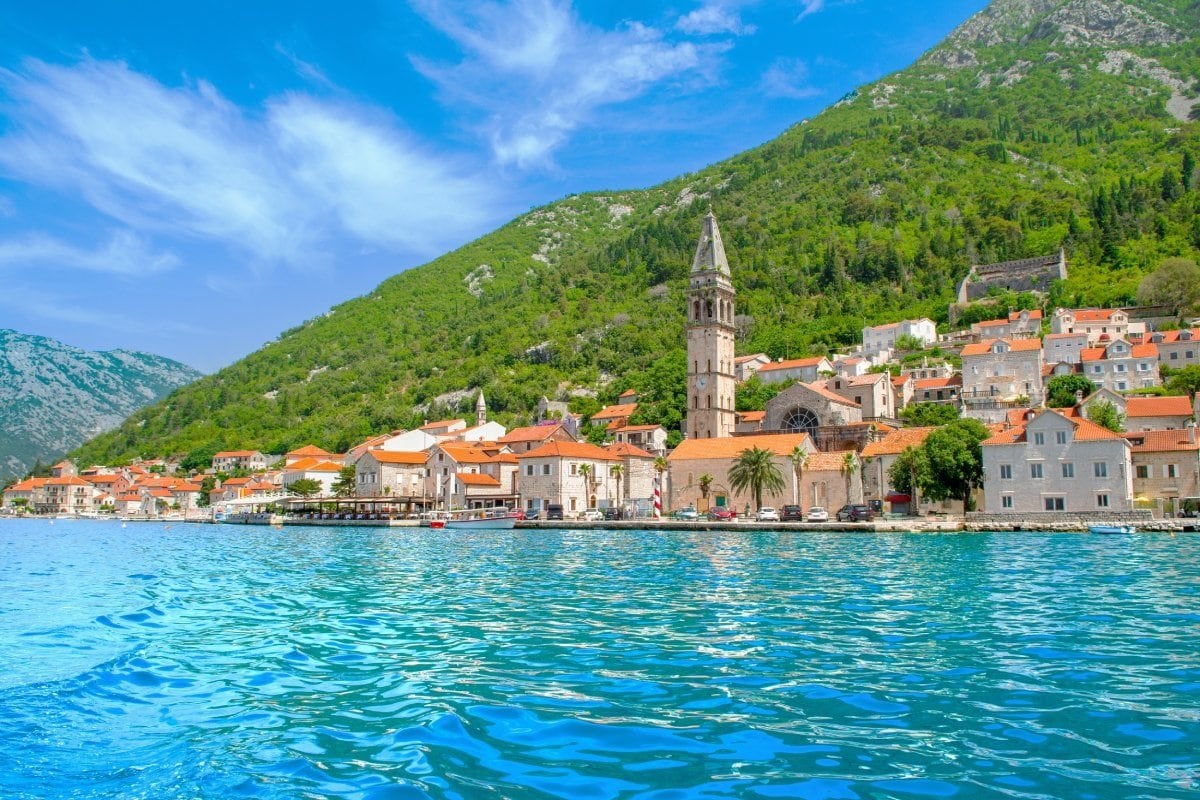
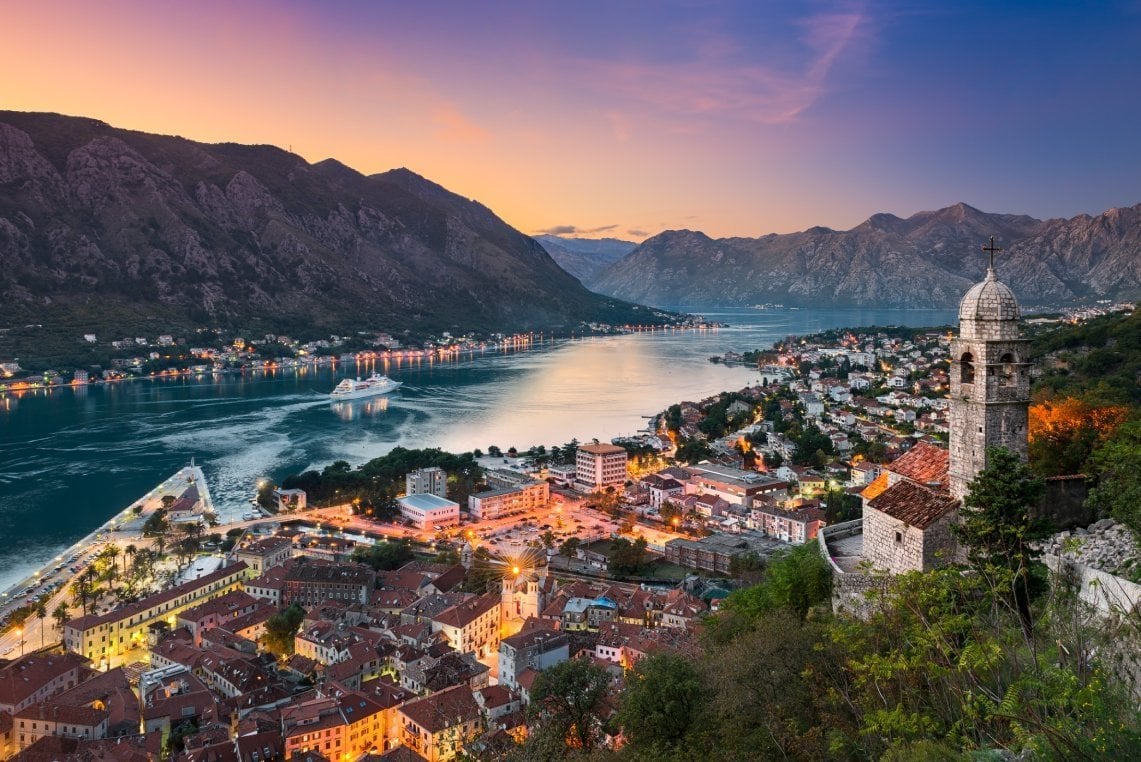
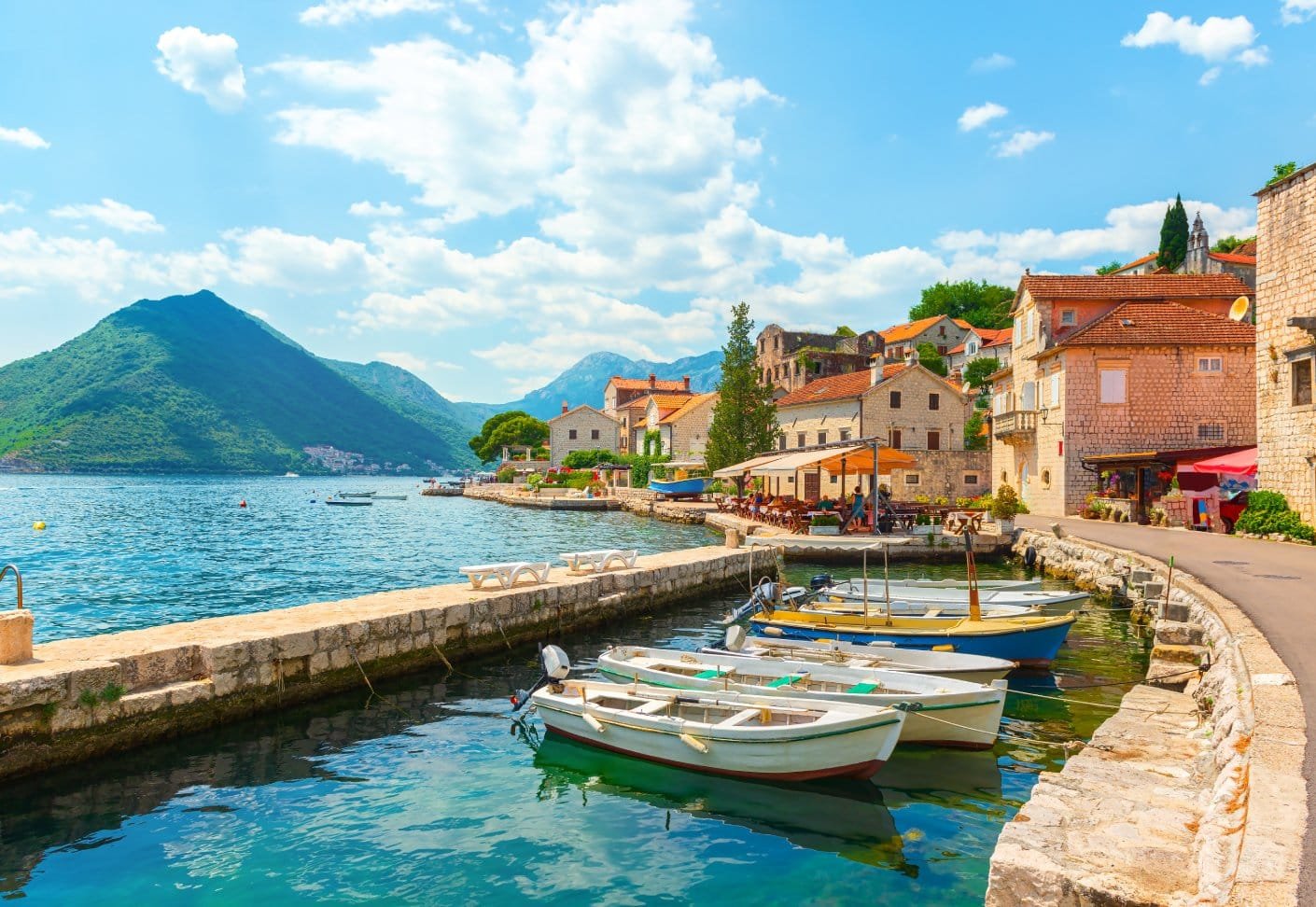
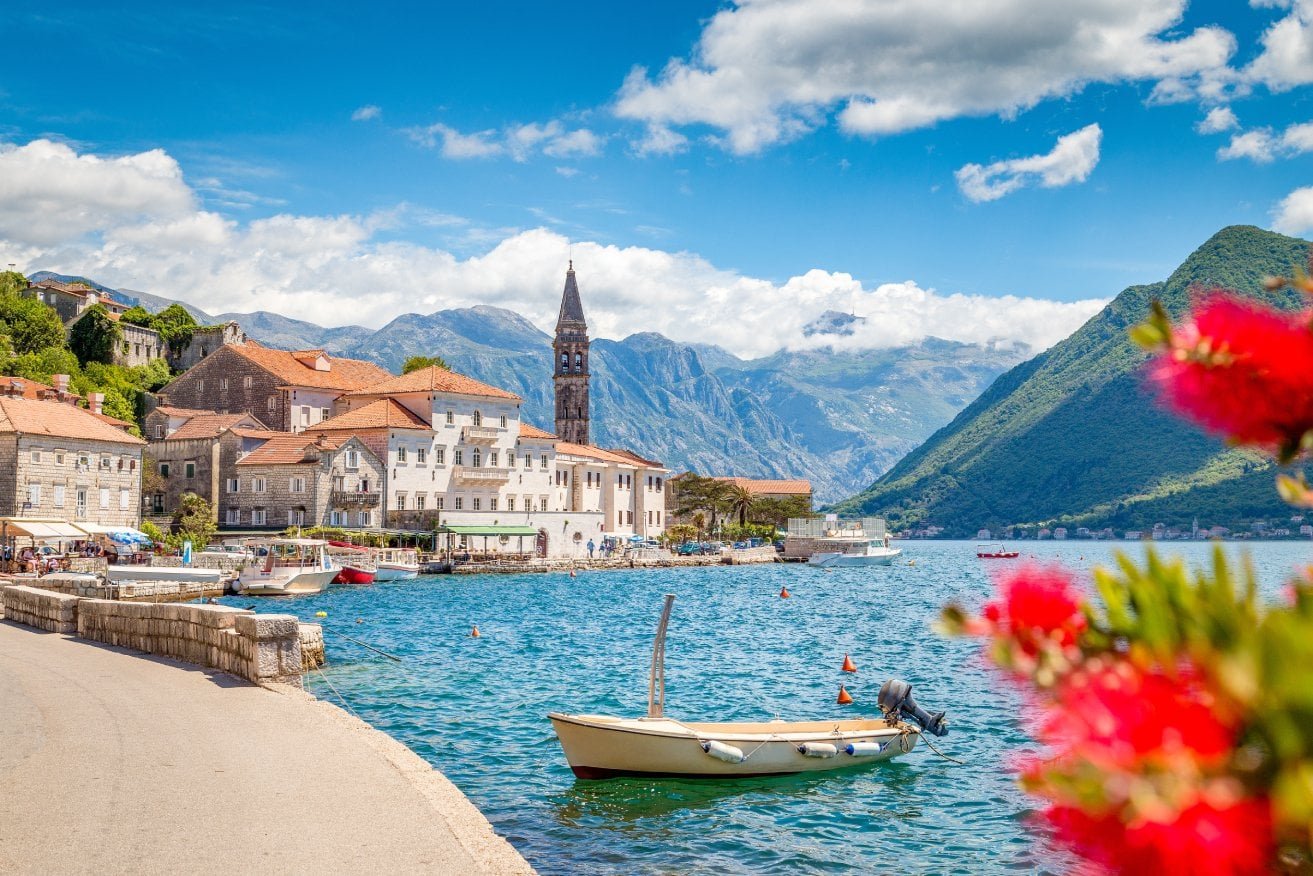
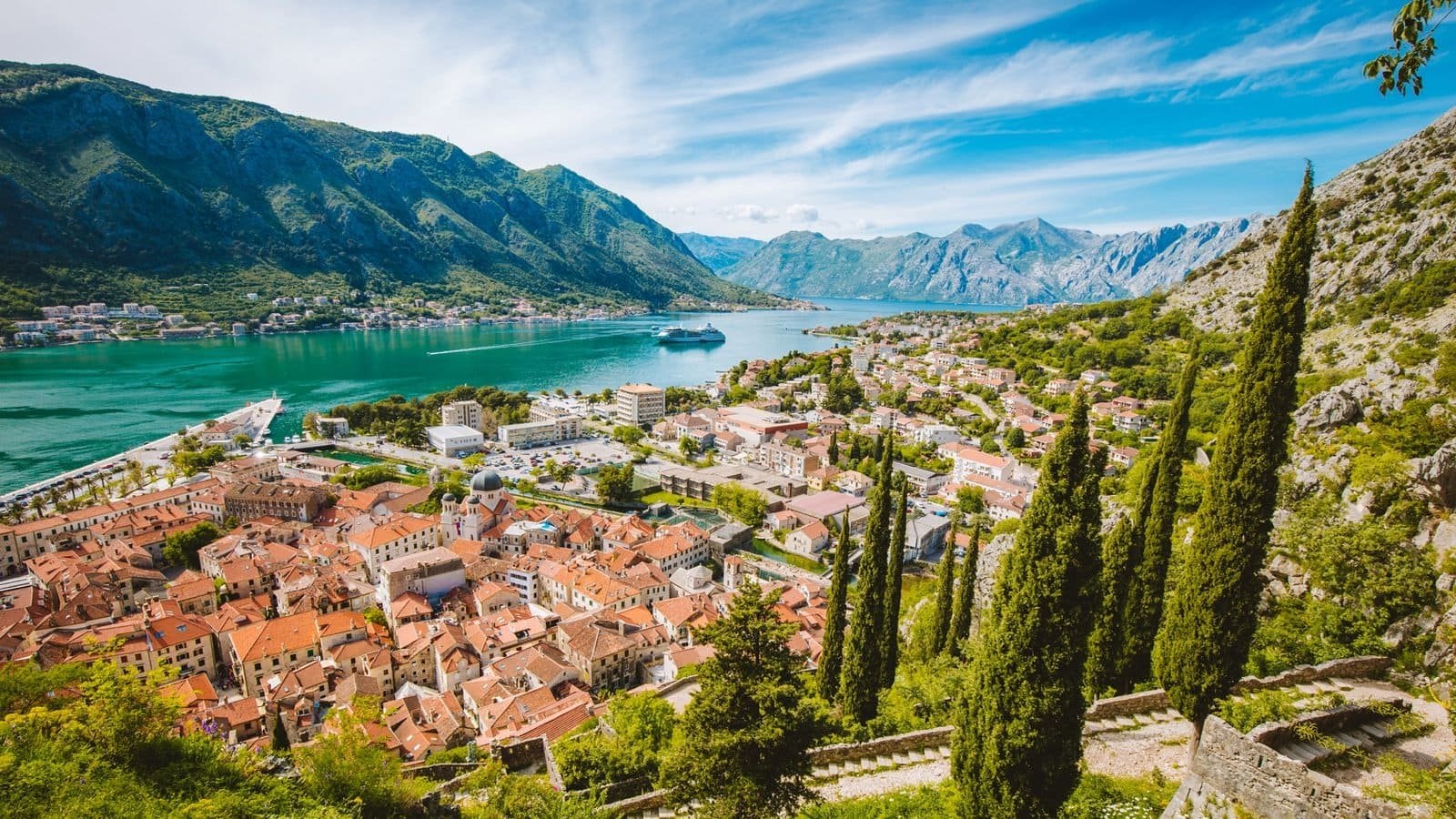
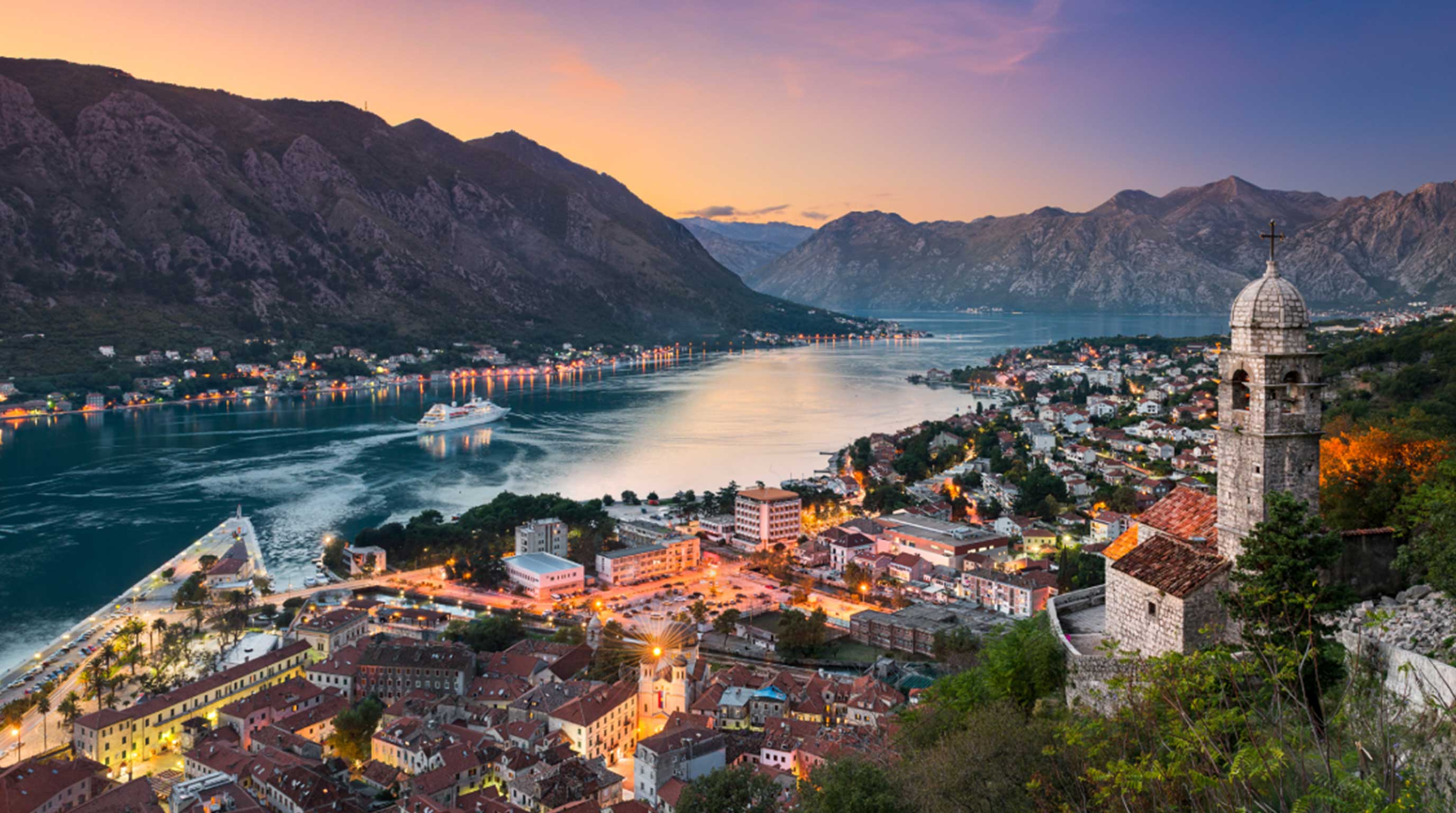
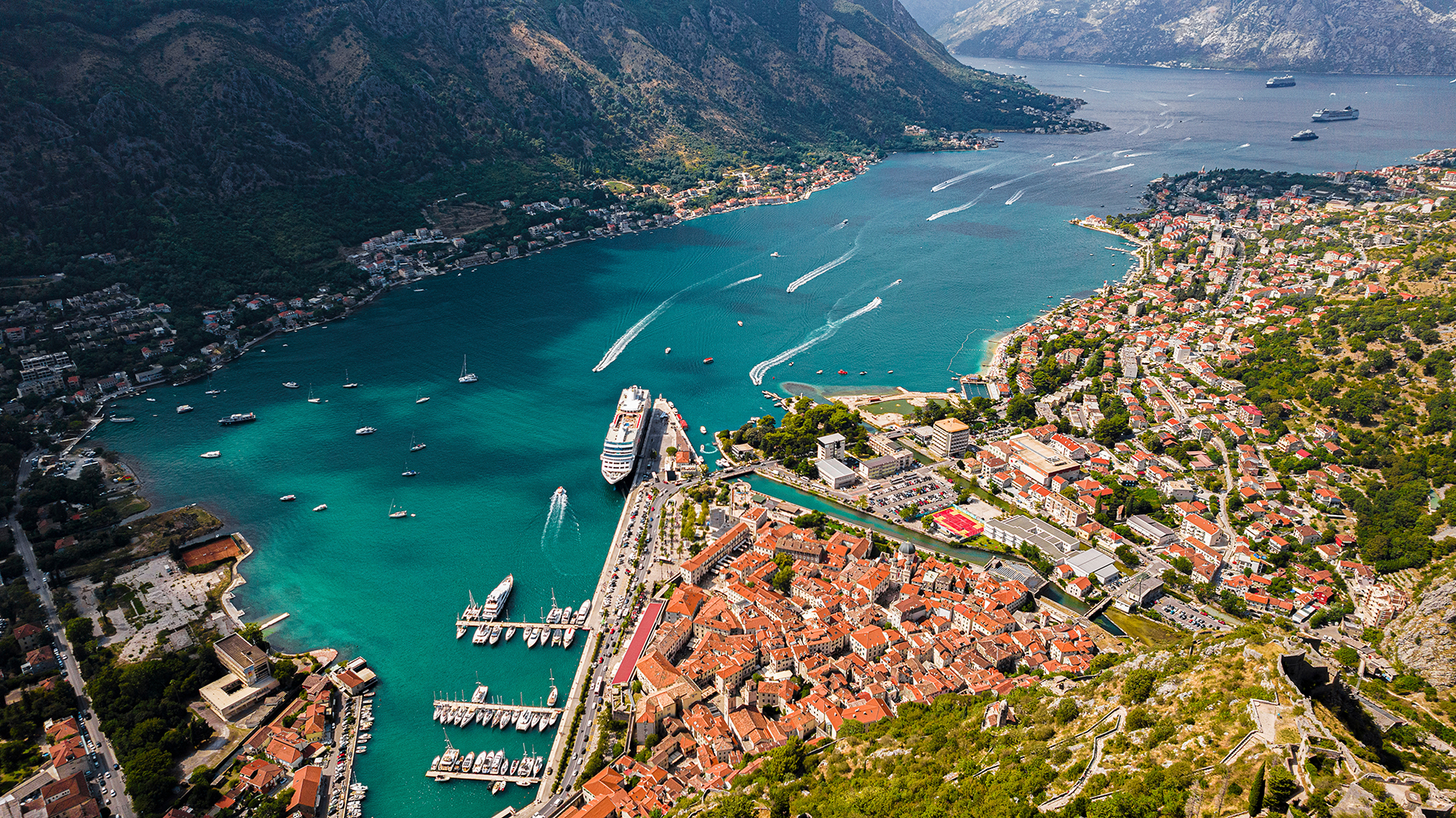
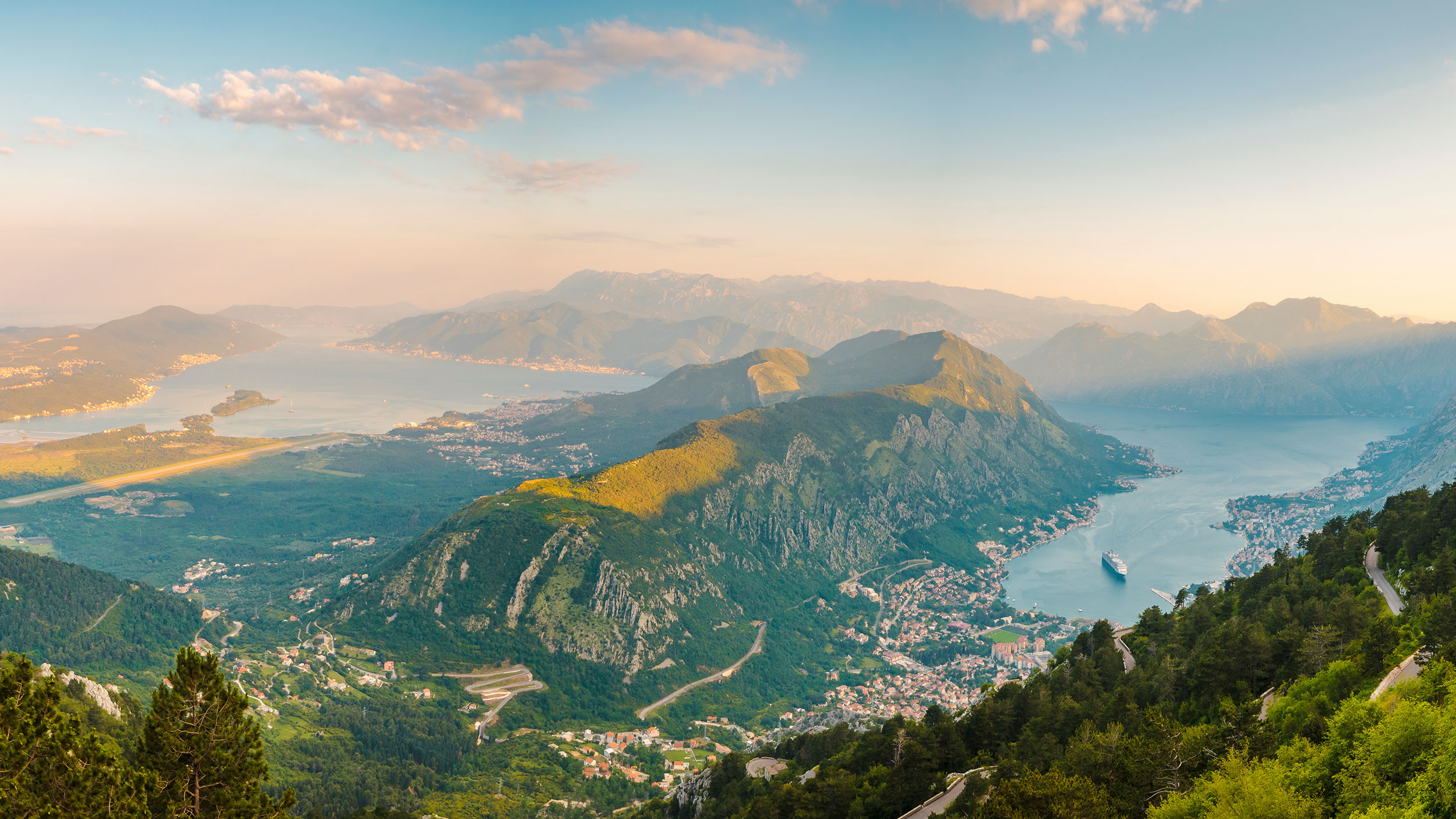
Three geographic corridors are absorbing the majority of serious restoration interest at present. The Bay of Kotor, anchored by Kotor, Perast, Dobrota, and Prčanj, holds the deepest inventory of Venetian-era stone architecture and continues to attract the strongest international demand. The waterfront palaces of Perast in particular represent some of the most architecturally significant restoration opportunities anywhere along the eastern Adriatic coast. Stock at this level is genuinely irreplaceable.
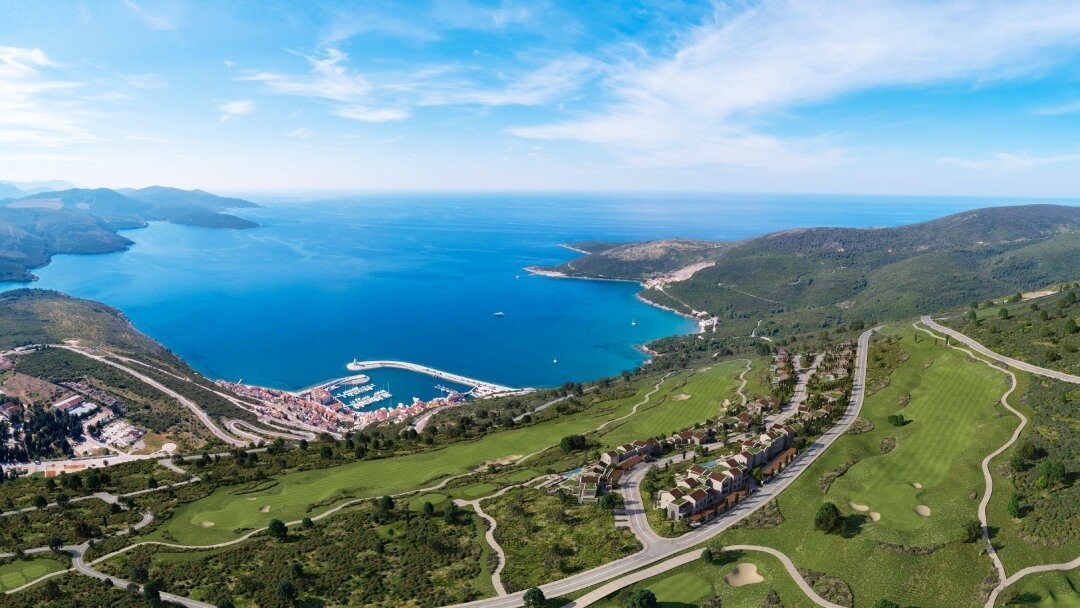
Budva's old town presents a more compact urban proposition: smaller footprints, faster absorption, and a different buyer profile drawn to the energy of the town as much as the architectural fabric. The Lustica Peninsula and the Tivat hinterland offer a third category, coastal stone farmhouses and rural manor properties that sit outside the strictest protected zones while still benefiting from proximity to the Bay's established desirability. For buyers uncertain about which geography best matches their objectives, Tivat, Lustica Bay or Budva: Which Montenegro Location Should You Buy In? provides a structured comparison.
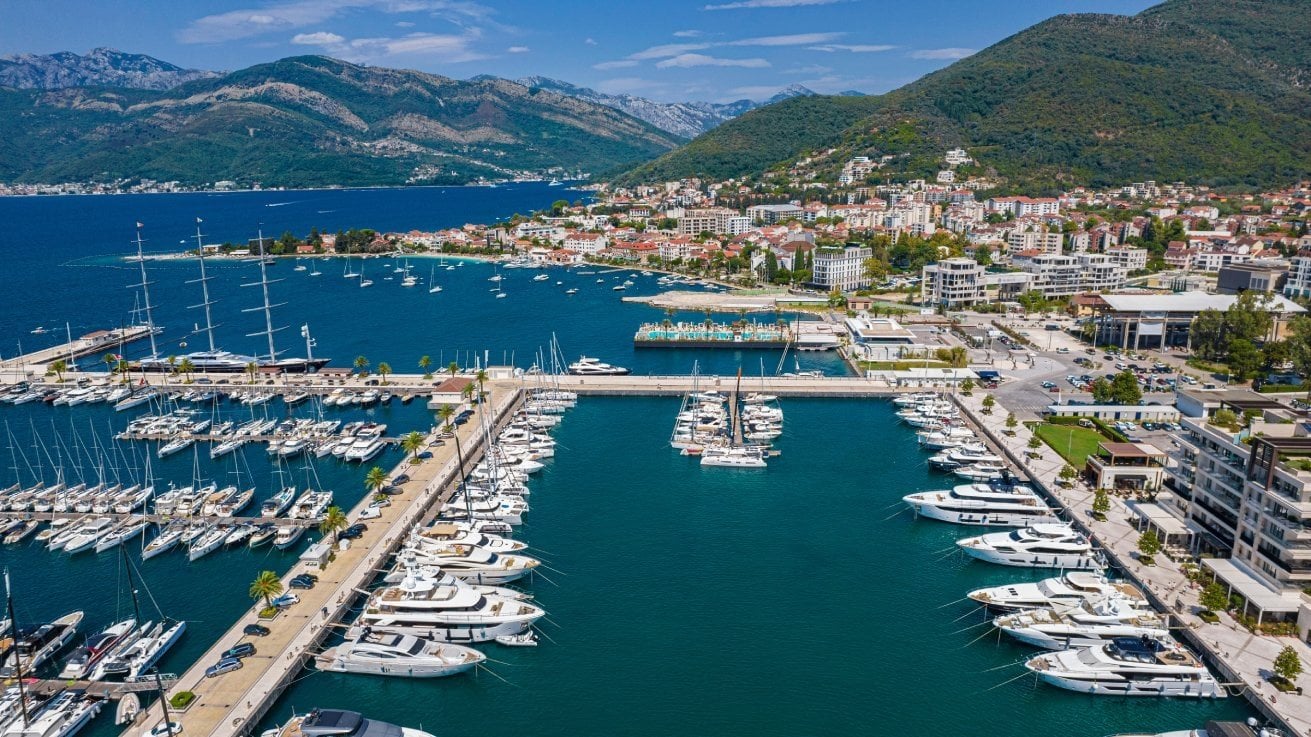
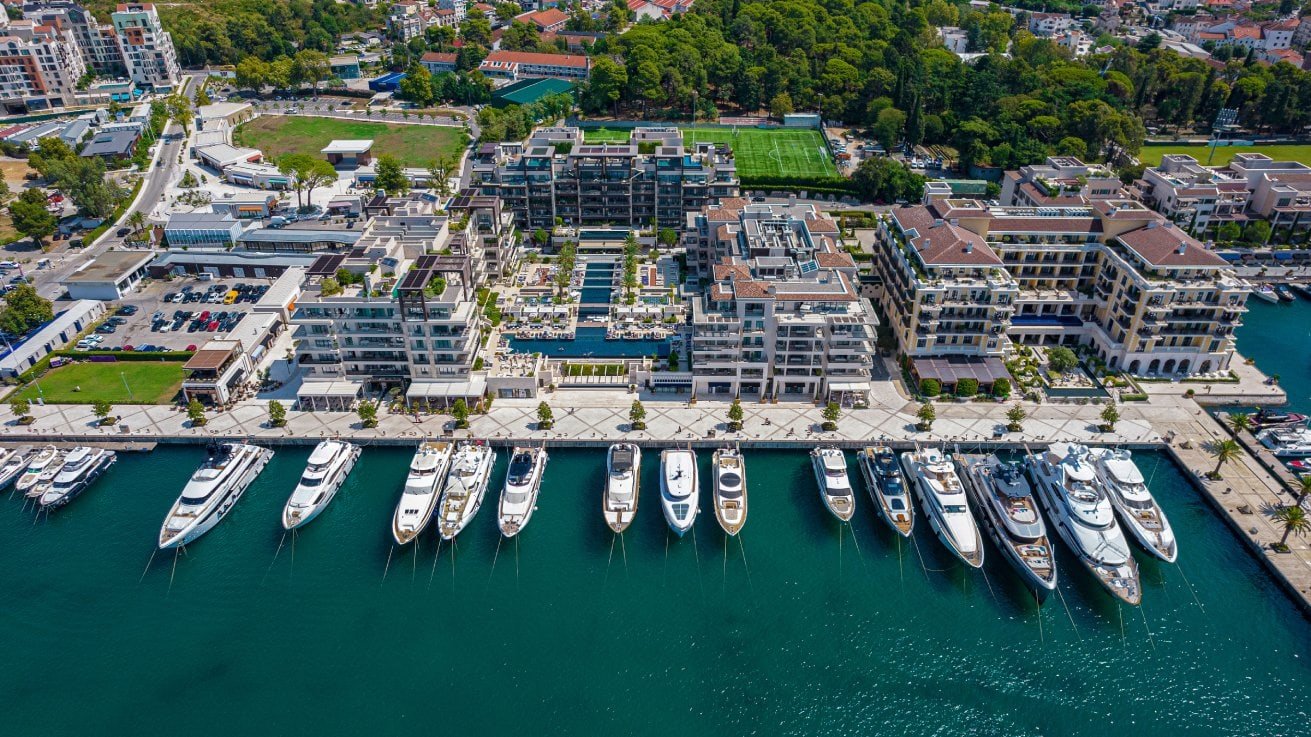
Adaptive reuse is an increasingly prominent theme in 2026. Converting a Category II or Category III heritage property into a boutique hospitality offering has become one of the more compelling repositioning plays along the Bay of Kotor, drawing on both heritage compliance credentials and the strong growth in Montenegro's luxury travel market documented by the Montenegro Tourism Organisation in its annual visitor expenditure reports. Those considering a contemporary counterpart within a fully serviced marina environment might also examine Elevated Living Above the Adriatic: Porto Montenegro's Finest Rooftop Penthouse as a reference point for the standard of finish the prime end of the market currently demands.
Navigating Heritage Preservation Regulations in Montenegro
Protected zones and UNESCO adjacency requirements
The Bay of Kotor has carried UNESCO World Heritage Site designation since 1979, and that status carries direct legal consequences for any buyer contemplating structural intervention within the protected buffer zone. Every significant alteration to a property in that zone must pass substantive review by Montenegro's Institute for the Protection of Cultural Monuments, known formally as the Zavod za zaštitu spomenika kulture, and in certain cases by UNESCO's own advisory panels. Treating this process as a procedural formality is a costly miscalculation. It is a genuine design review, one that reaches into material specifications, window profiles, roofline treatment, and facade intervention in ways that shape the entire project brief.
Montenegro's cultural heritage framework, codified in the Zakon o kulturnoj baštini, establishes a tiered protection hierarchy. Category I designation identifies state monuments of the highest national significance. Properties in this category face the most stringent intervention criteria: conservation architects with specialist credentials are mandatory, materials require pre-approval, and any deviation from the approved scope triggers fresh review. Lower protection categories introduce meaningful but somewhat more flexible constraints, particularly on internal reconfiguration, though they never permit the kind of free-hand alteration that applies to unprotected stock.
Establishing which category applies to a specific property before completing any purchase is not optional due diligence. It is the foundational question on which the entire investment thesis depends. The carved-crest palaces of Perast, many dating to the 17th and 18th centuries and bearing the heraldic marks of Venetian merchant families, illustrate the Category I reality clearly: lime-mortar repointing executed to the original specification, window reinstatement replicating period profiles, and original clay-tile roof replacement are regulatory requirements under conservation oversight, not discretionary quality enhancements.
Permit pathways and realistic approval timelines
The permit sequence for a protected property runs through two primary authorities: the municipal urban planning office and the Institute for Cultural Monuments. Properties within the UNESCO buffer zone add a third layer of review. A minor cosmetic intervention on a lower-tier protected structure can clear approval within a few months under reasonably efficient conditions. A full structural restoration of a Category I monument within the Kotor buffer zone operates on a fundamentally different timescale. Heritage permit review alone, before any physical work commences, routinely extends across six months or more, and that figure assumes a well-prepared application assembled by experienced professionals.
The most effective risk mitigation available to a buyer is engaging a conservation architect before exchange. A qualified conservation architect can read the cadastral register, confirm the protection category and its specific conditions, and draft a preliminary scope of works calibrated to what the Institute will find approvable. Permit-stage surprises, the discovery mid-process that a proposed intervention is not permissible, generate both direct cost and schedule delay that compounds through every subsequent phase of the project.
Buyers evaluating the relative merits of heritage restoration against a turnkey acquisition in a contemporary development, such as Sky-High Sovereignty Above the Adriatic: Porto Montenegro's Crown Penthouse, will find that the timescale difference is real but that the asset characteristics, appreciation dynamics, and market positioning are also genuinely distinct. Neither path is universally superior; the comparison depends on the buyer's specific investment horizon and risk tolerance.
Sourcing Local Contractors and Heritage Craftspeople
What defines a genuinely qualified Montenegro renovation contractor
A general contractor's licence in Montenegro does not constitute qualification for heritage restoration work. The technical demands of a Category I stone palazzo are categorically different from those of a contemporary coastal villa build, and the consequences of deploying the wrong team on a protected building are severe: enforcement action, mandatory remediation at the owner's cost, and potential permanent damage to a structure that cannot be replicated.
For heritage work, the selection criteria are specific. Look for contractors with an auditable track record on protected buildings, references verifiable through the Institute for Cultural Monuments or equivalent oversight bodies, and established working relationships with the specialist tradespeople who execute the critical disciplines. General management capability is necessary but not sufficient. What determines outcome quality is the quality of the specialist trades the contractor can actually deliver to site.
The disciplines that matter most are lime-mortar masonry, traditional terracotta-tile roofing using period-compatible materials, and period joinery capable of replicating 18th-century window and door profiles to the dimensional and material specifications that conservation review requires. Each of these is a diminishing craft. The number of practitioners in Montenegro who execute these skills to the standard that Category I restoration demands is genuinely limited, and that limitation has practical project implications that buyers must account for early.
Traditional materials, sourcing, and supply chain realities
Authentic restoration requires authentic materials, and authentic materials in the Montenegrin heritage context are not universally available through standard supply channels. Locally quarried Adriatic limestone, matched to the specific geological character of the original structure, is a requirement on many Category I projects rather than an aesthetic preference. Hot lime mortars mixed to traditional formulations, compatible with the vapour permeability characteristics of historic masonry, must be sourced from suppliers with genuine heritage credentials, not substituted with modern cement-based products that will cause long-term structural damage to the original fabric.
Roof tile replacement on Venetian-era structures requires period-profile clay tiles, in many cases sourced from specialist producers in Slovenia, Croatia, or northern Italy where traditional manufacturing continues. The Institute for Cultural Monuments may specify source requirements as a condition of permit approval, making this a procurement question that needs resolution before finalising the project budget rather than after.
For buyers who wish to cross-reference the amenity and finish standards that Montenegro's prime residential market currently delivers in a contemporary context, Panoramic Sea Views and Alpine Horizons at Porto Montenegro's Finest Address offers a useful reference point for how the market's upper tier presents in finished form.
Understanding Villa Restoration Costs in Montenegro
Restoration cost estimation for Montenegrin heritage properties operates within ranges significantly wider than those applicable to standard residential construction, and any budget assembled without a detailed pre-purchase survey and conservation architect input should be treated as provisional at best. The variables that drive cost divergence are structural: the condition of the original stonework, the extent of moisture infiltration into vaulted ceilings and floor structures, the state of roof timbers, and the complexity of integrating a modern mechanical specification into a fabric whose proportions and material characteristics were never designed to accommodate concealed services.
As a general orientation, restoration costs on Category I stone properties in the Bay of Kotor have been running in the range of 1,200 to 2,500 euros per square metre for full structural and interior restoration to an internationally competitive luxury standard, according to figures cited by Montenegrin construction industry associations in 2025 and 2026 reporting. That range reflects genuine variation driven by structural condition, protection category constraints, and the availability of specialist trades at the time of procurement. Properties in a more advanced state of deterioration, or those requiring full roof replacement alongside structural consolidation, can exceed the upper end of that range.
Contingency provision on heritage projects is not a negotiating point. Experienced conservation project managers typically recommend allocating a minimum of fifteen to twenty percent of the base construction budget as contingency, reflecting the genuine uncertainty that opening up historic fabric introduces. Discoveries behind render or beneath floor structures, unreinforced vaulting, concealed infill materials, or earlier inappropriate repairs using incompatible modern products, all create scope variations that a conventional residential project budget does not need to anticipate.
The permit and professional fees layer adds a further dimension. Conservation architect fees, structural engineer costs, permit application preparation, and ongoing compliance monitoring through the build phase represent a meaningful additional line item, typically in the range of ten to fifteen percent of construction cost on complex heritage projects, though this varies with project scale and the number of regulatory bodies involved.
For buyers weighing these cost realities against the alternative of acquiring a fully completed contemporary property, Budva vs Tivat Property: Choosing the Right Montenegro Market in 2026 sets out the market-level dynamics across both categories in useful comparative terms. The heritage restoration path demands more capital commitment upfront and more tolerance of process complexity. The premium it creates at exit, and the asset uniqueness it delivers in yield, reflects that additional commitment accurately.
The residual supply of genuinely restorable Venetian-era stone properties in Montenegro's most desirable locations is finite and contracting. Each year, some proportion of that stock either reaches competent ownership and is restored well, or deteriorates beyond economic recovery. The window for acquiring restoration candidates at meaningful discounts to their restored value, while that discount still exists, is a function of how quickly buyer sophistication spreads through the market. The trajectory in the Bay of Kotor suggests that window is not open indefinitely. Those who arrive with the right advisory team, the right professional network, and the right time horizon are positioned to create something genuinely irreplaceable. Those who arrive underprepared tend to discover why the discount existed in the first place.
---
Barok Estates International Advisory Note
Barok Estates International advises private buyers, family offices, and development groups on heritage property acquisition and restoration strategy across Montenegro, with direct relationships across the conservation architecture, regulatory, and specialist contractor networks that determine project outcomes. If you are evaluating a restoration acquisition in the Bay of Kotor, Budva, or the wider Montenegrin Adriatic coast, our advisory team is available for a confidential initial consultation. Contact our Montenegro desk directly to begin that conversation.








.jpg)