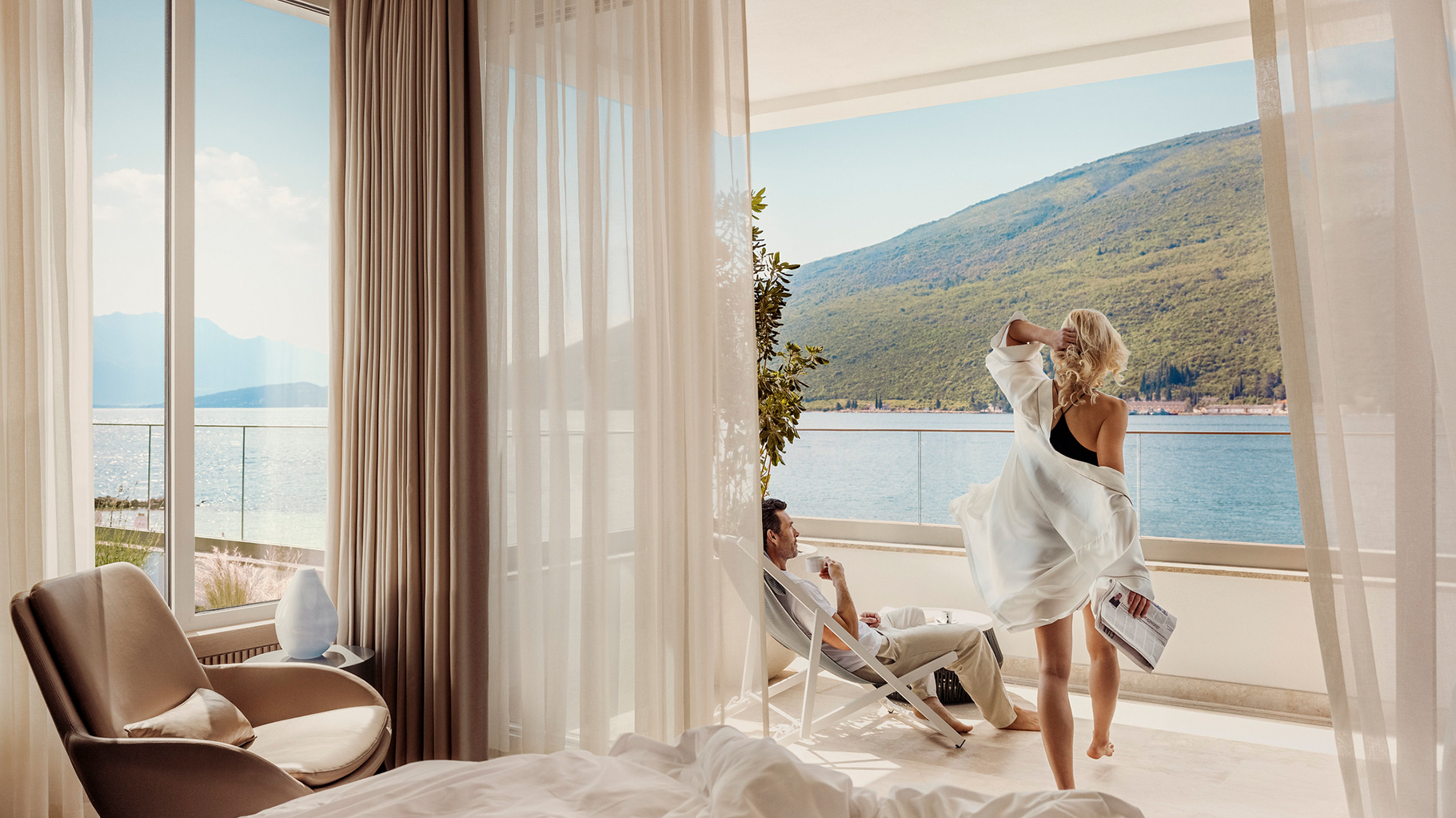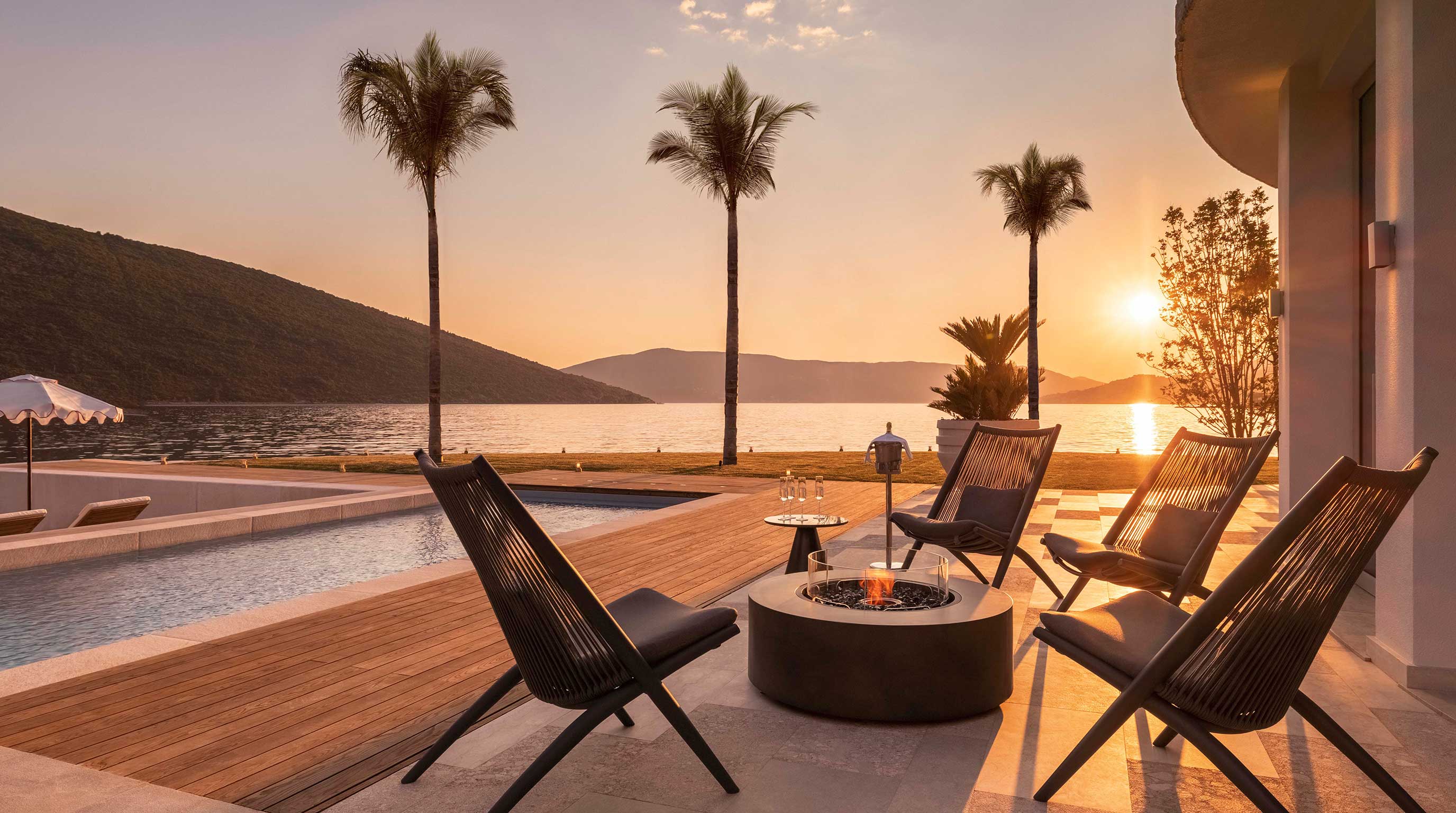
Retirement is, at its core, a question of where to spend the years you have earned. For a growing number of discerning retirees across Europe and beyond, the answer increasingly points toward the coast. Salt air, unhurried mornings, and a built-in invitation to move more and stress less are not incidental perks. They are the architecture of a genuinely different quality of life. At Barok Estates International, we advise clients at every stage of this decision, from the first conversation about lifestyle priorities to the final exchange of contracts on a waterfront property. What we observe, consistently, is that those who retire near the sea rarely regret it.
The Case for Coastal Retirement: What the Evidence Tells Us
The appeal of retiring by the beach is not purely romantic. A body of research, including studies published by the European Journal of Health and the UK's Blue Health project, has examined the relationship between proximity to water and measurable health outcomes. The findings are persuasive. People who live close to the coast report lower levels of psychological distress, higher rates of physical activity, and stronger feelings of general wellbeing than their inland counterparts.
The mechanisms behind this are both physiological and behavioural. Ocean air carries higher concentrations of negative ions, which some studies associate with improved serotonin regulation and reduced fatigue. The visual and auditory presence of water, the steady rhythm of waves and the open horizon, has been shown to induce measurable reductions in cortisol levels. Put plainly, the sea has a calming effect that is biological, not merely poetic.
For retirees specifically, these effects compound over time. A lifestyle that encourages daily outdoor activity, social engagement, and reduced stress does not simply feel better in the short term. It is associated with reduced incidence of cardiovascular disease, lower rates of cognitive decline, and greater longevity, according to data reviewed by the World Health Organisation in its reports on ageing and urban environment.
Physical Health and the Rhythm of Coastal Life
One of the most underestimated aspects of retiring by the sea is how naturally it encourages movement. There are no gym memberships required and no structured fitness programmes to commit to. The beach itself provides the motivation. A morning walk along the shore, a swim before lunch, an evening stroll through a seafront promenade: these become habitual rather than effortful.
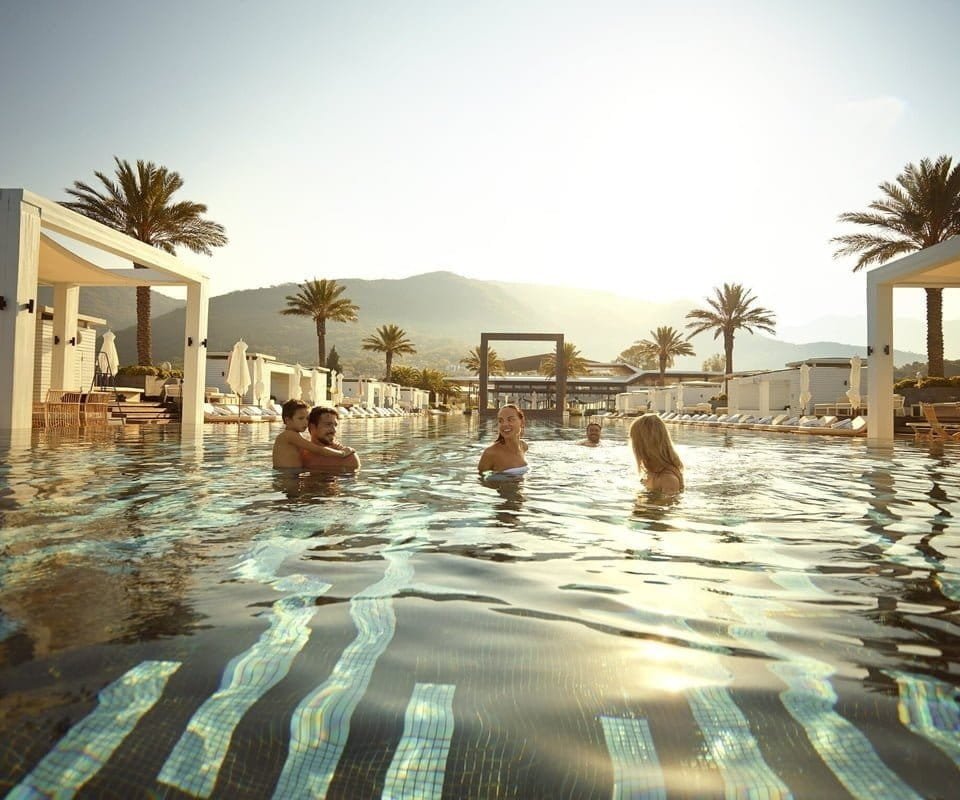
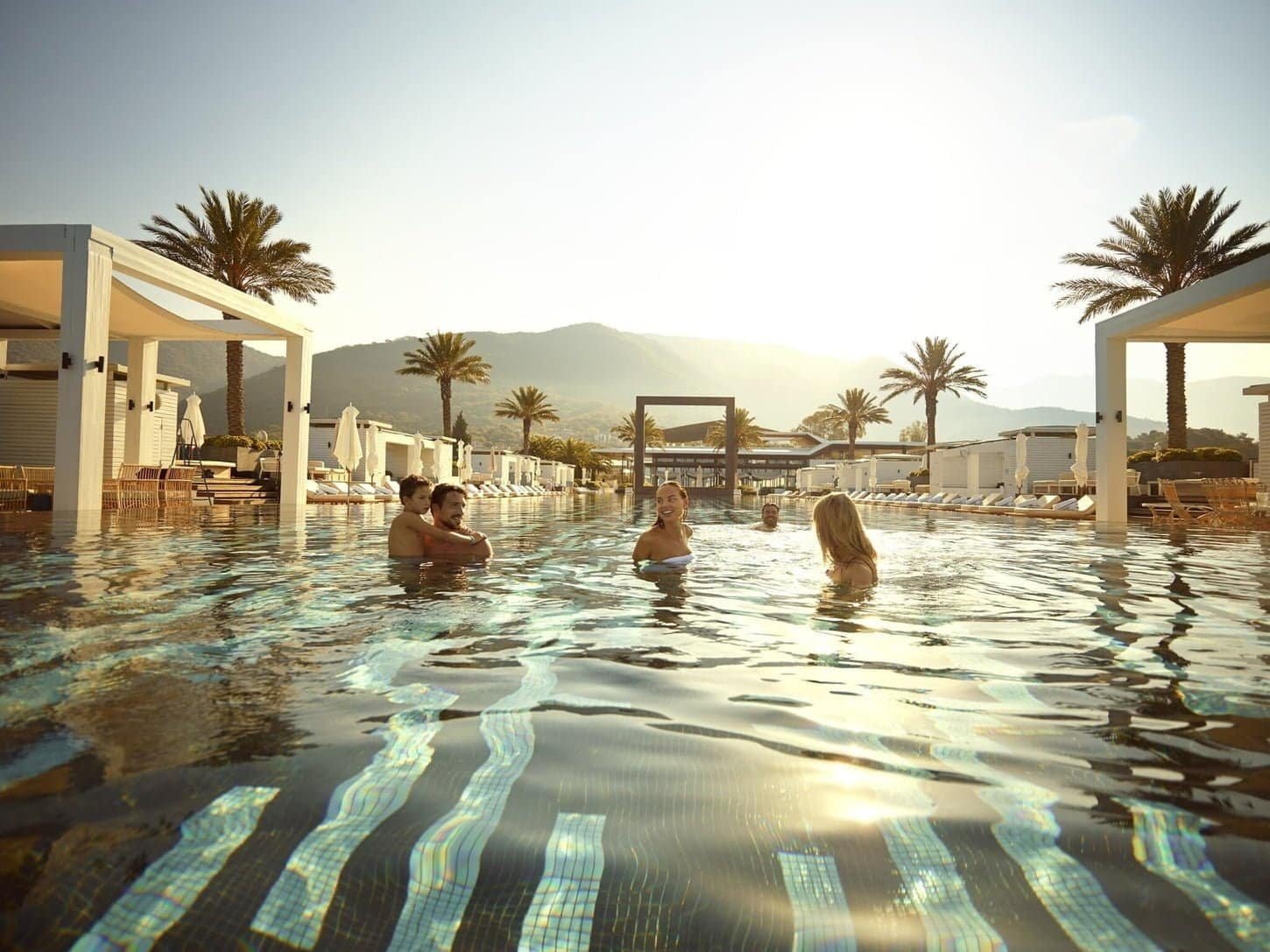
Swimming, in particular, offers exceptional value as a low-impact exercise for older adults. It builds cardiovascular endurance, maintains joint flexibility, and strengthens core musculature without the strain that running or high-intensity training places on ageing bodies. Coastal communities typically support this with accessible public beaches, warm seasonal waters, and a social culture that treats outdoor swimming as an ordinary pleasure rather than an athletic achievement.
Walking, too, takes on a different character near the coast. The terrain is varied, the views are stimulating, and the distances feel less like exercise and more like exploration. Retirees who might have struggled to commit to a daily walk in an urban or suburban setting often find that living near the beach makes the habit effortless.
Mental Wellbeing and the Social Fabric of Coastal Communities
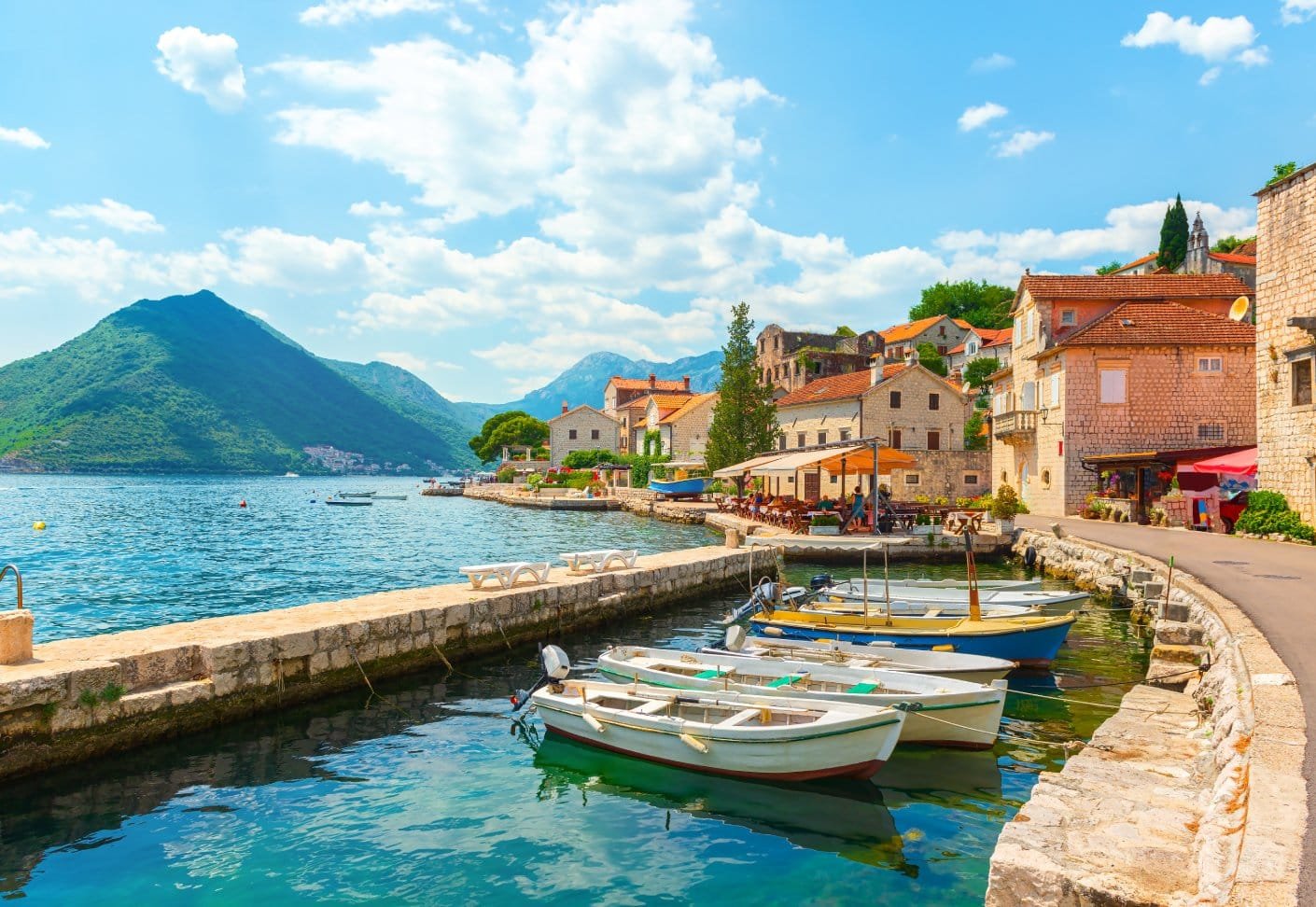
Isolation is one of the most serious risks facing retirees in the developed world. The World Health Organisation identifies loneliness as a significant health risk for older adults, comparable in impact to smoking fifteen cigarettes a day. Coastal communities, by their nature, tend to work against this. Life gravitates toward shared public spaces: the promenade, the beach, the harbour, the local market. These are places where acquaintances are formed gradually and naturally, without the self-consciousness that structured social events can produce.
Mediterranean and Adriatic coastal towns in particular carry a tradition of communal outdoor life that has not been eroded by the privatisation of leisure in the way many northern European cities have experienced. People gather, conversations happen, and a sense of neighbourhood identity persists. For retirees relocating from busier, more anonymous urban environments, this social texture is frequently cited as one of the most valuable and least expected benefits of the move.
Access to fresh, locally produced food is another dimension of coastal life that supports both physical and mental health. Many coastal towns along the Adriatic and Mediterranean maintain weekly or daily markets where seafood is landed the same morning it is sold, and where seasonal produce from nearby farms arrives without the supply chain processing that degrades nutritional value. Eating well becomes simpler when the ingredients are this close to their source, and the ritual of shopping at a local market is itself a social act, a point of connection with the community and its rhythms.
Montenegro: The Adriatic Retirement Destination That Europe's Wealthiest Buyers Are Noticing
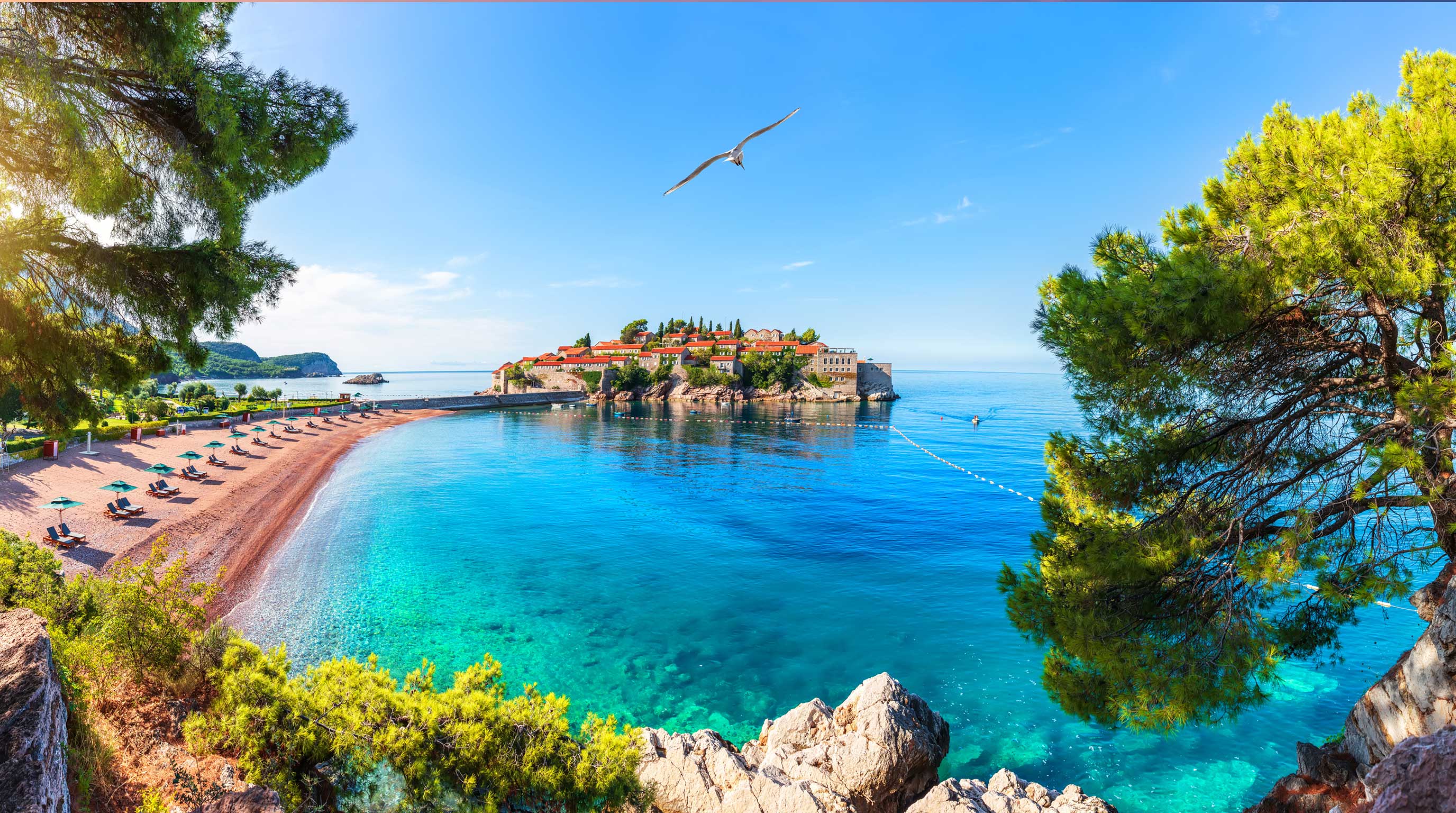
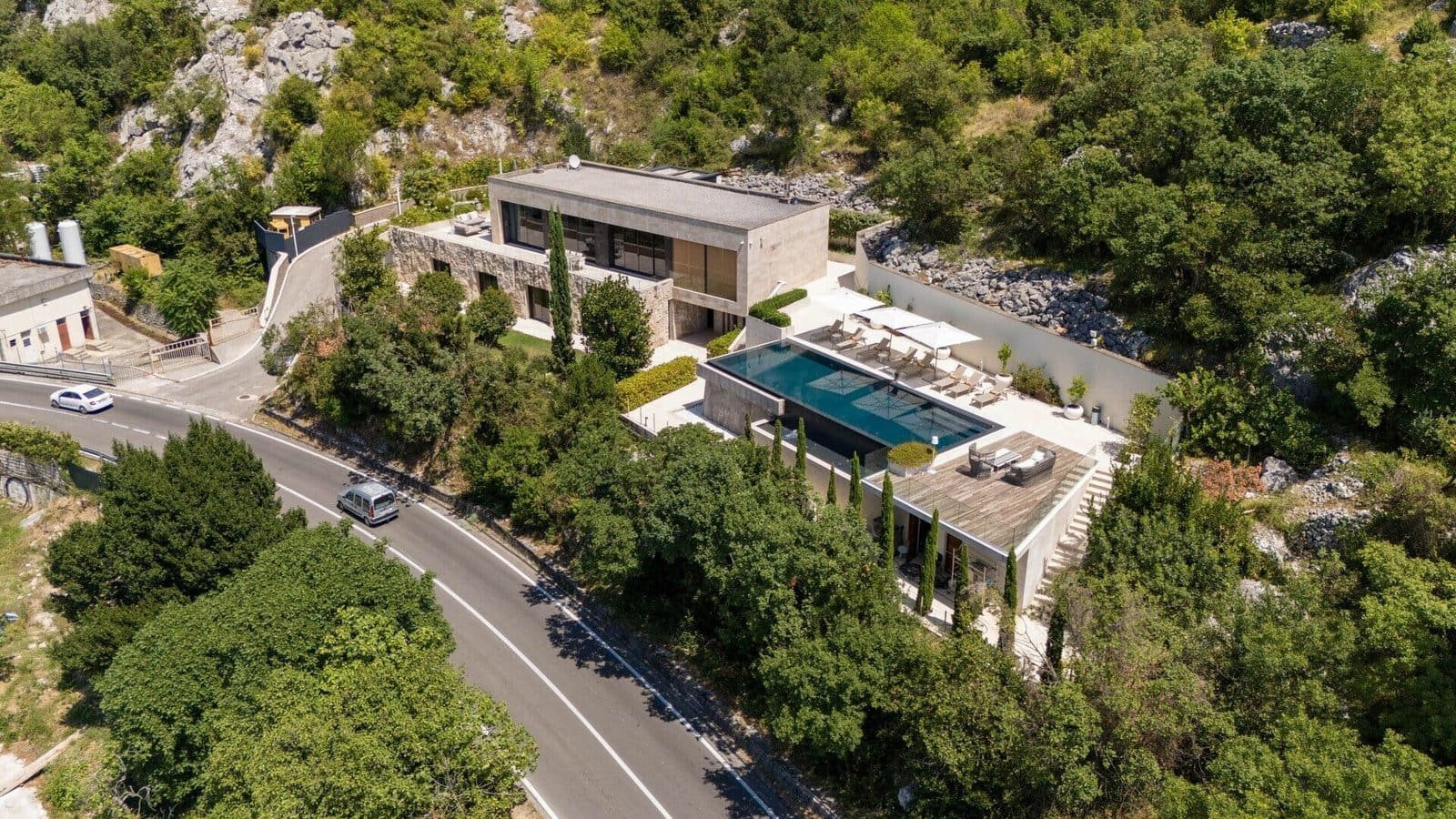
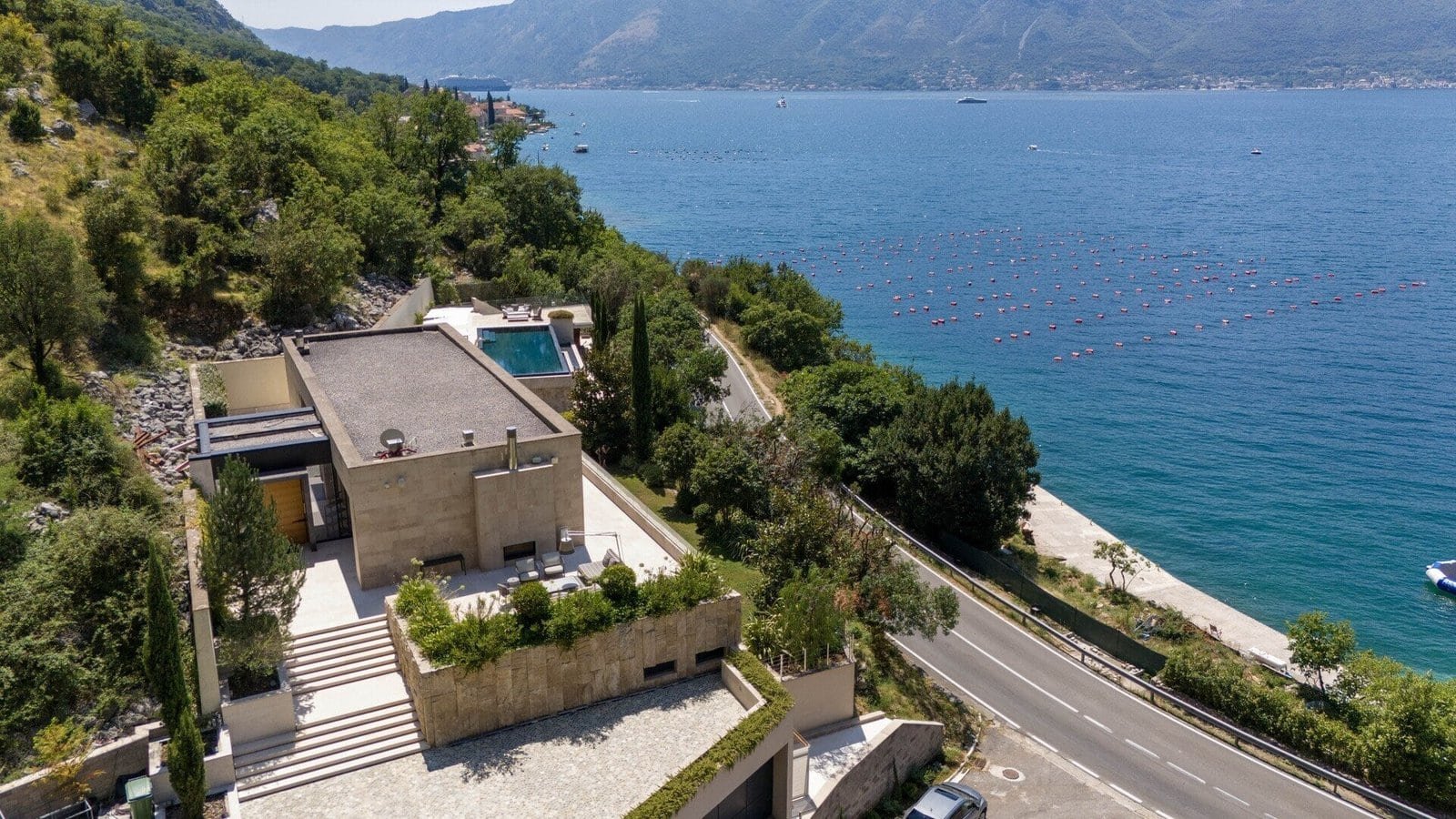
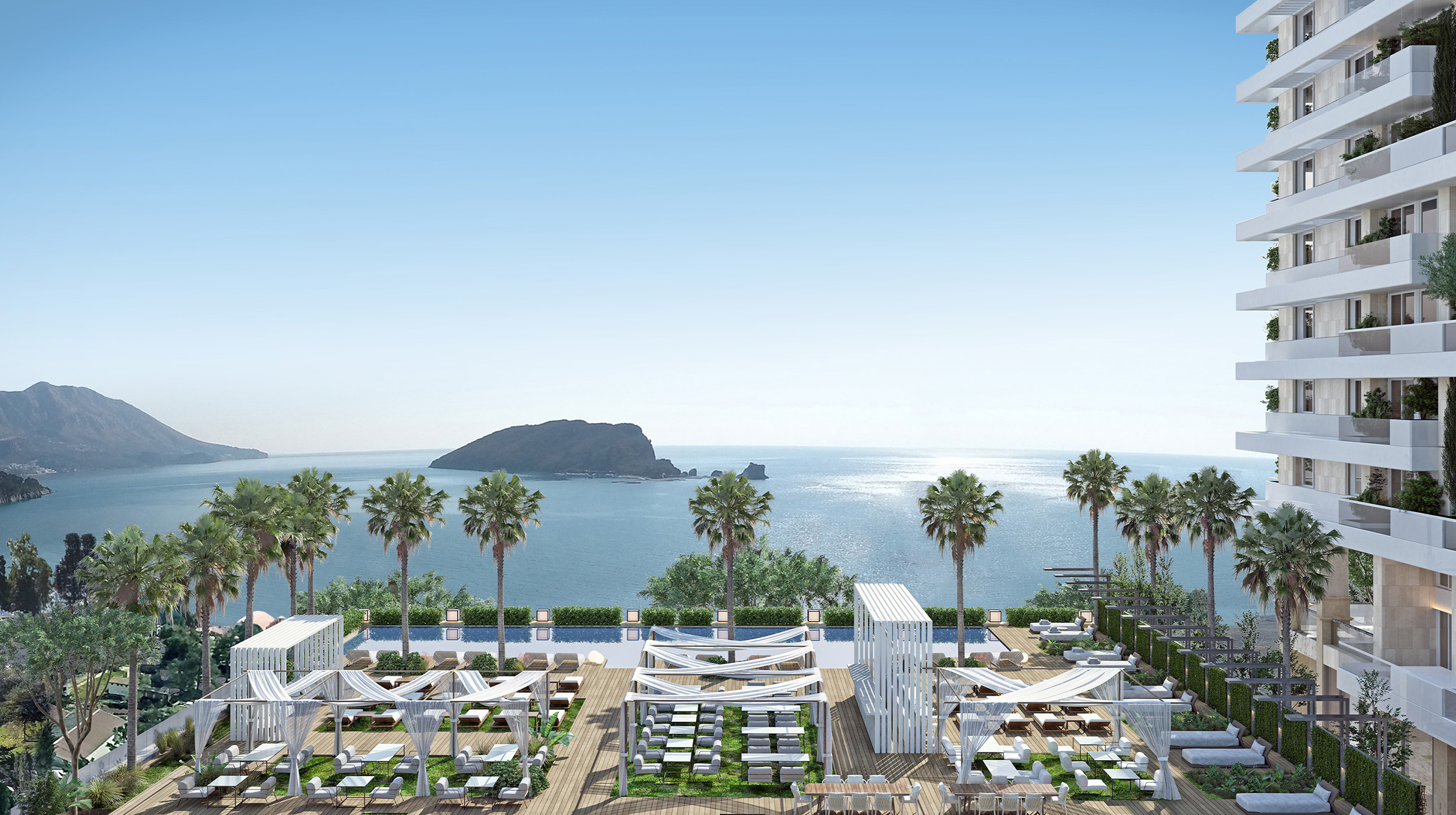
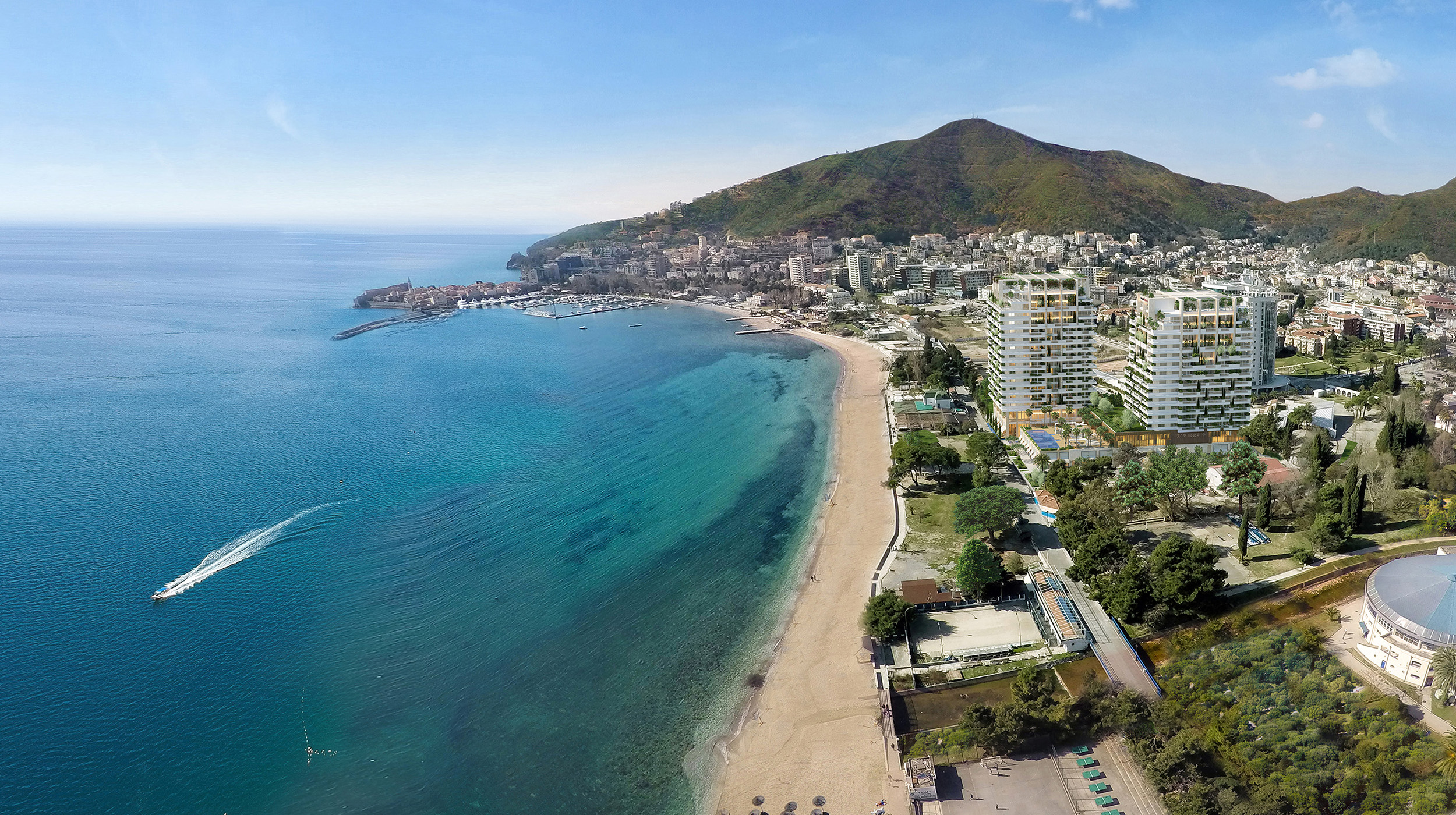
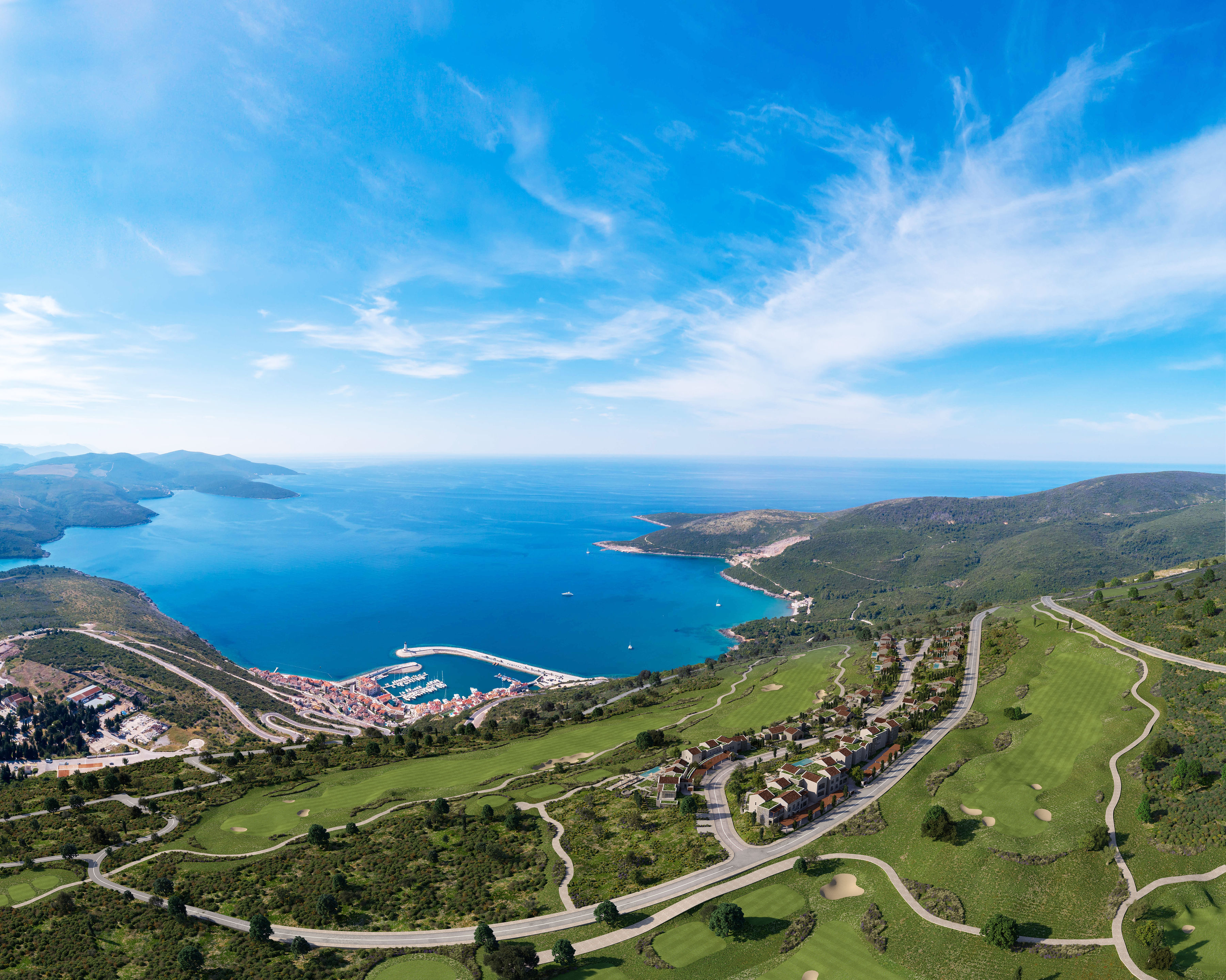
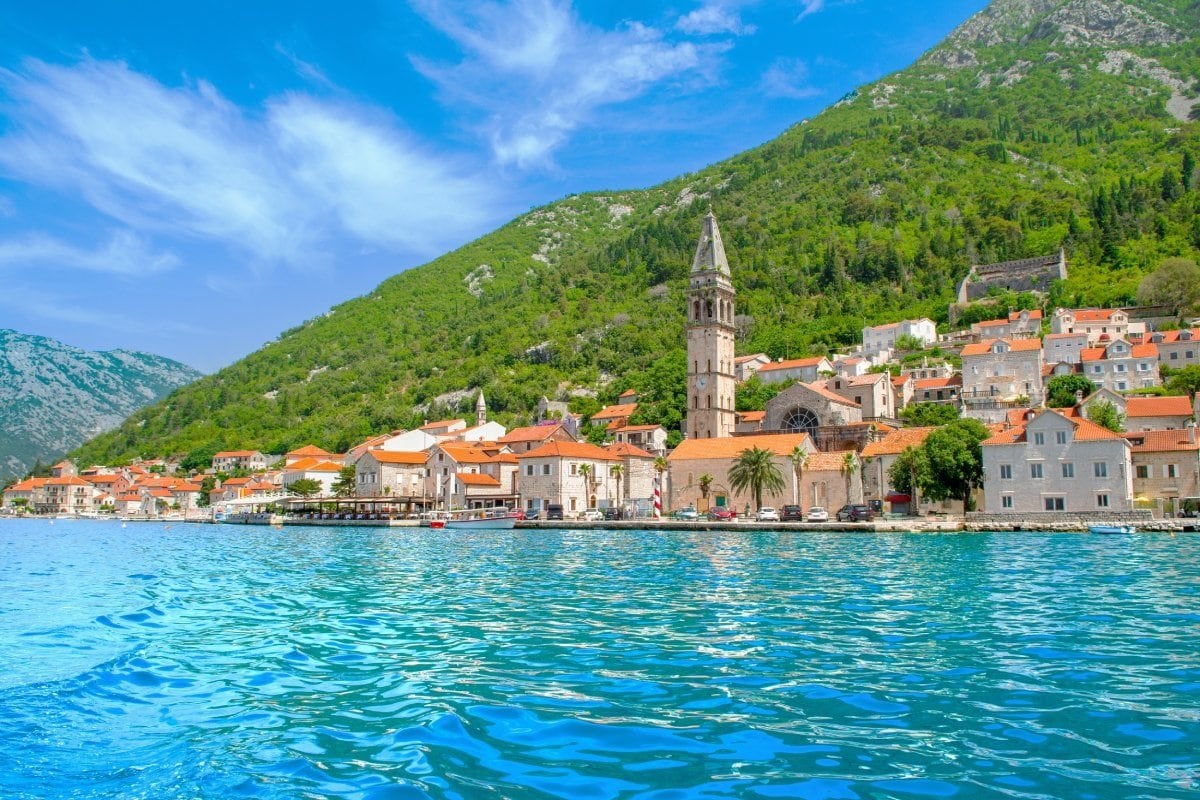
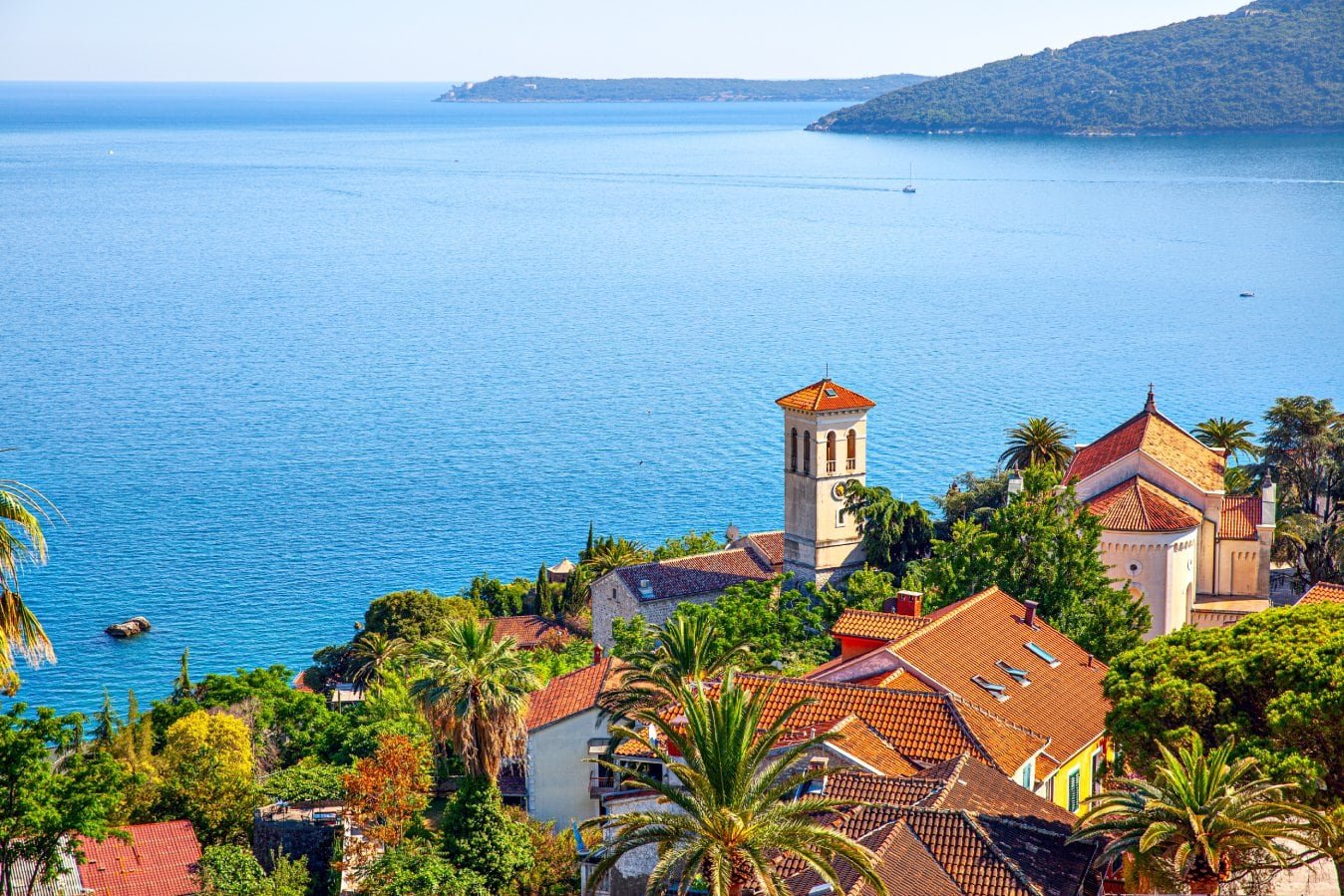
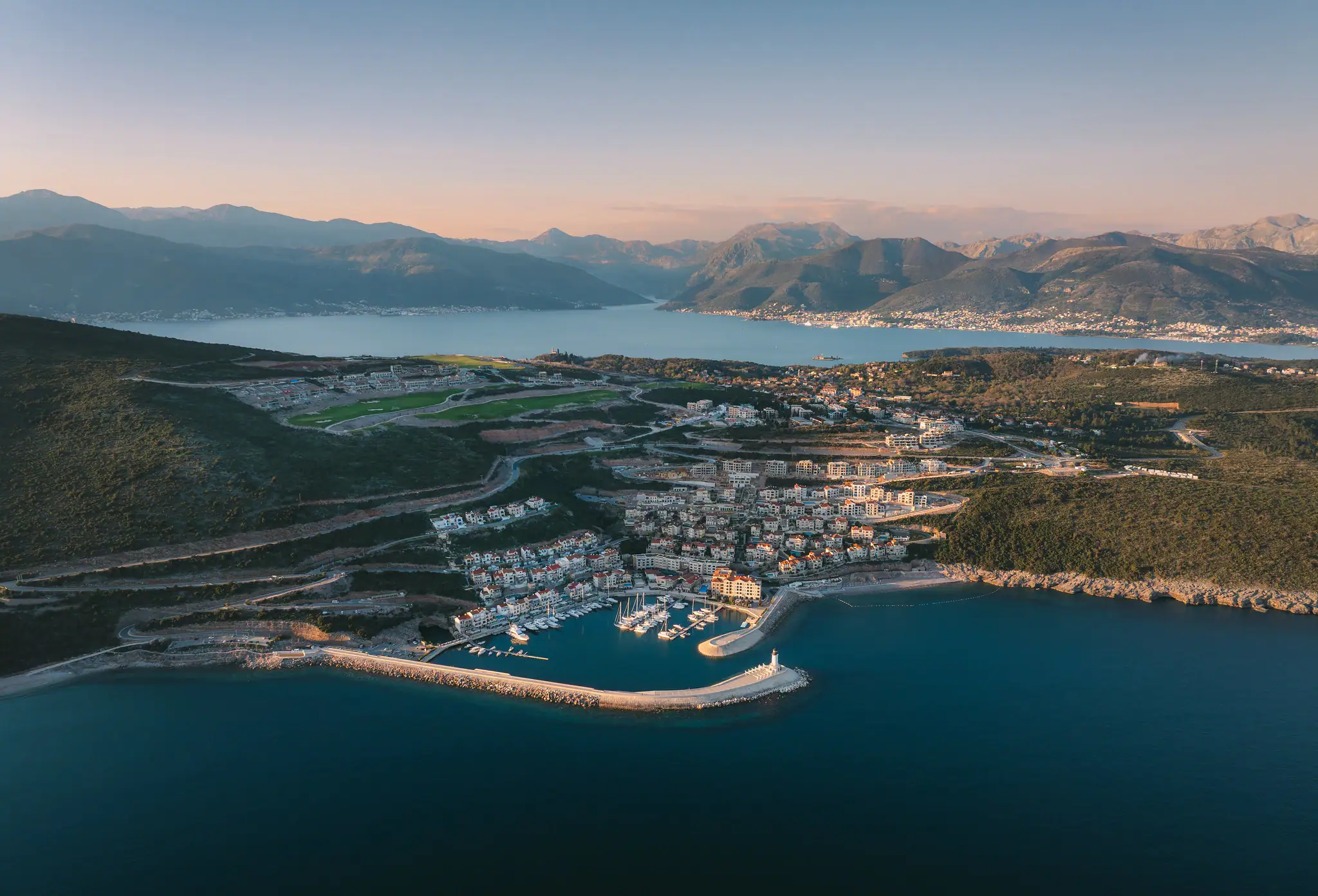
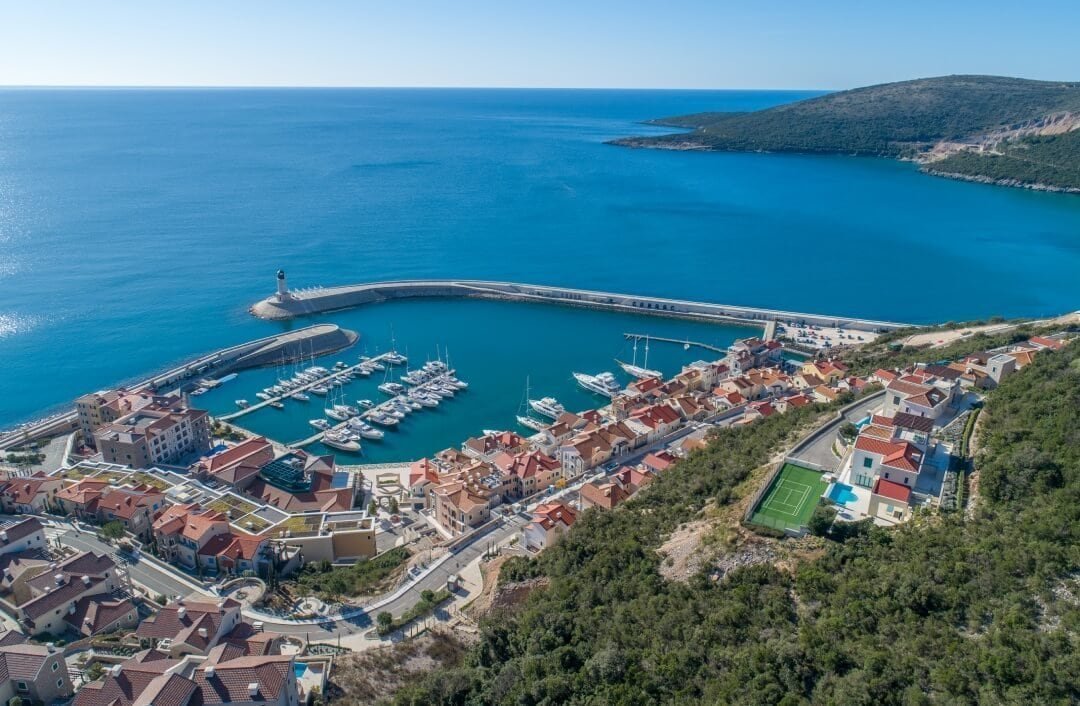
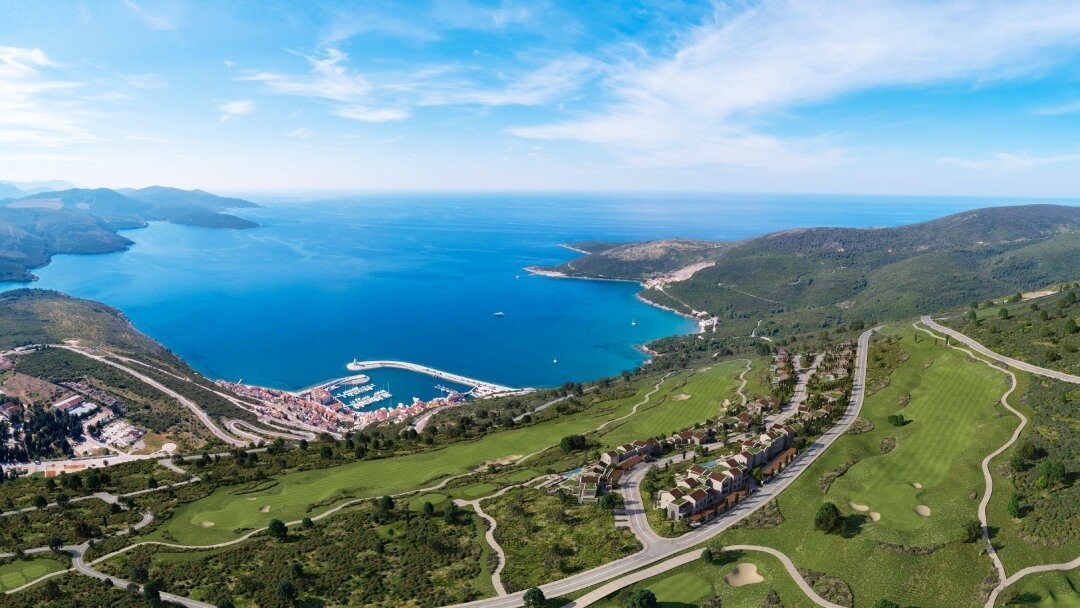
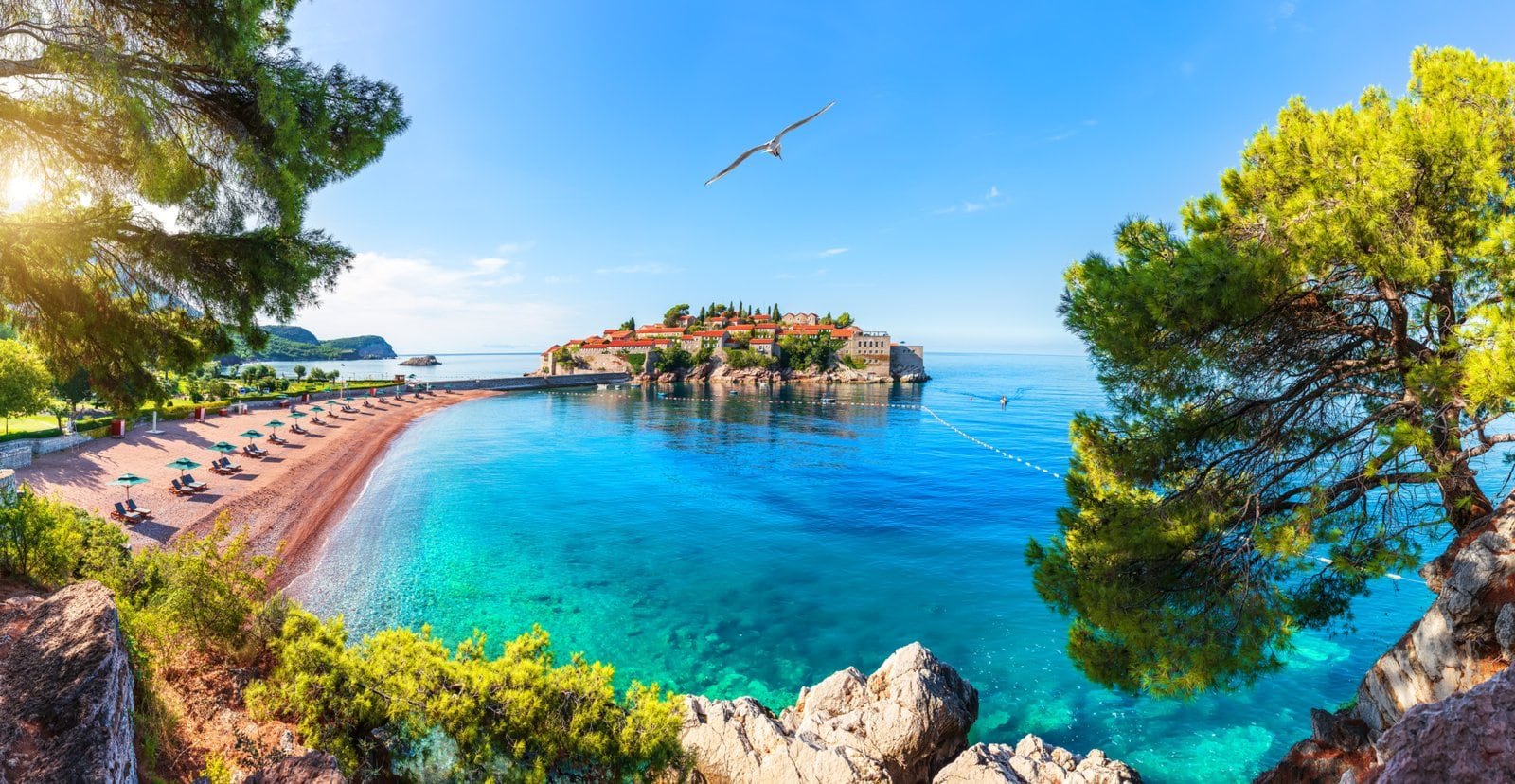
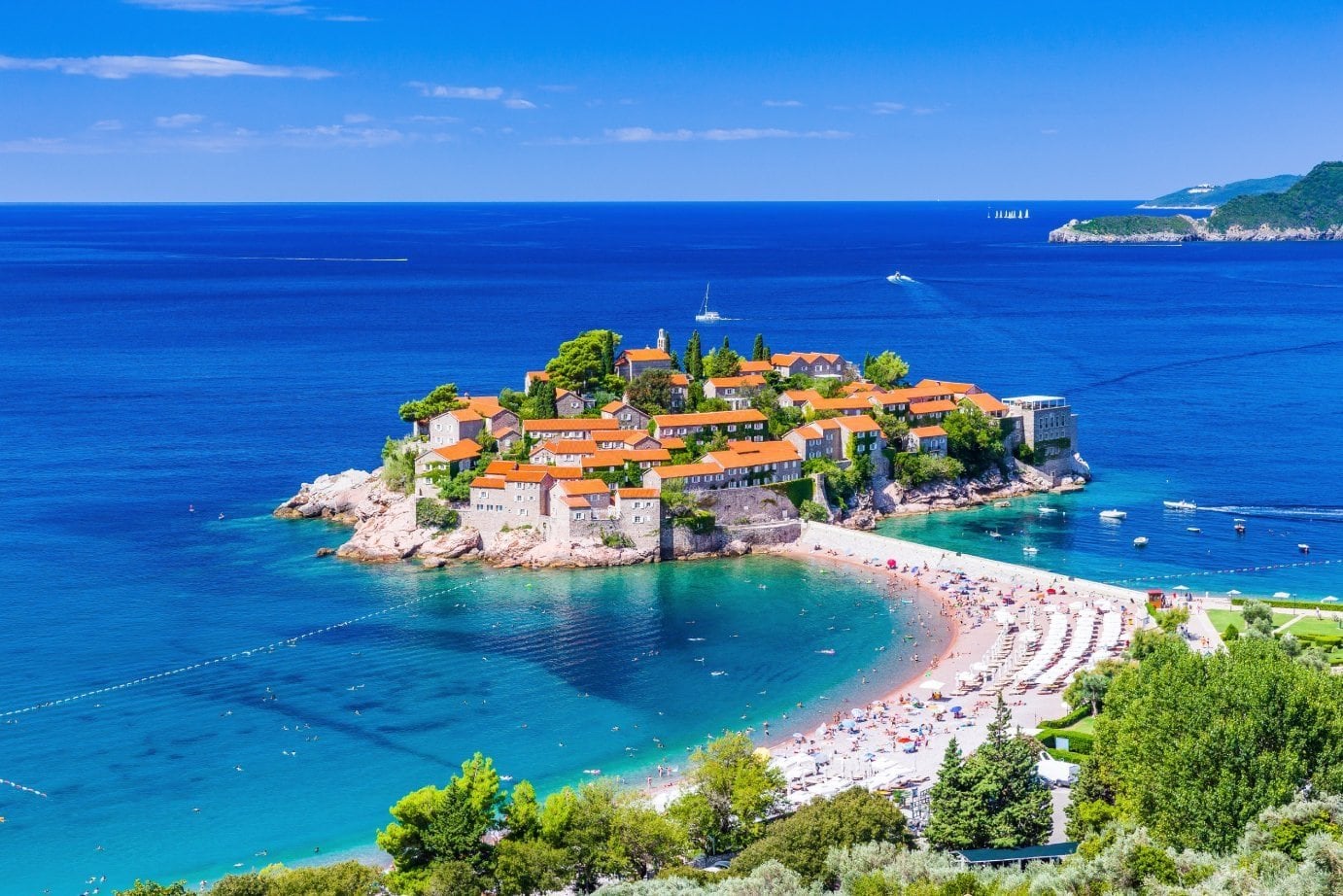
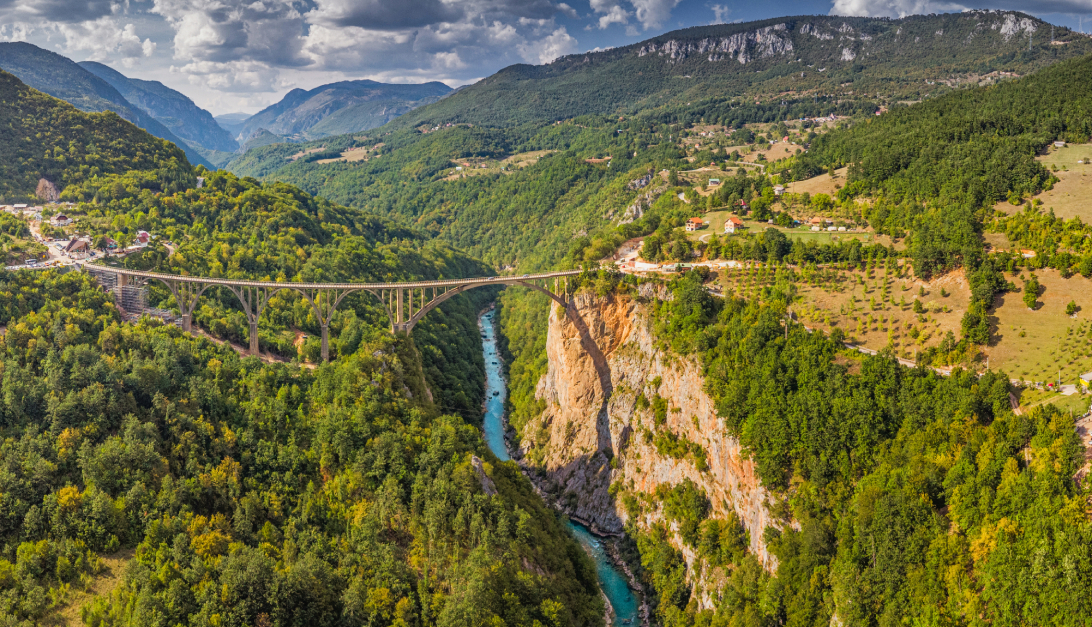
Within the broader conversation about coastal retirement, one destination has been attracting increasing attention from internationally mobile retirees and lifestyle property buyers: Montenegro. Positioned on the eastern Adriatic coast, with a shoreline that spans from the dramatic karstic cliffs of the Bay of Kotor to the long sandy beaches of the Budva Riviera, Montenegro offers a rare combination of natural beauty, cultural depth, and relative affordability that is becoming harder to find elsewhere in Europe.
Montenegro was formally granted EU candidate status, and its accession process, while gradual, has had a visible effect on the quality of infrastructure investment and the regulatory framework governing foreign property ownership. According to the Montenegrin Ministry of Finance, the country applies a flat personal income tax rate of 9 percent on income up to a defined threshold, with 15 percent applying above it, making it one of the more tax-efficient jurisdictions in the region for internationally mobile retirees. Property transfer tax is set at 3 percent, and there are no restrictions on foreign nationals purchasing real estate.
For a fuller picture of the market across different coastal towns, our editorial guides on Porto Montenegro Apartments for Sale: 2026 Buyer and Investment Guide and Property for Sale in Tivat, Montenegro: A 2026 Waterfront Buyer's Guide set out the current pricing environment, buyer considerations, and investment dynamics in detail.
The Coastal Towns That Define Montenegrin Retirement Living
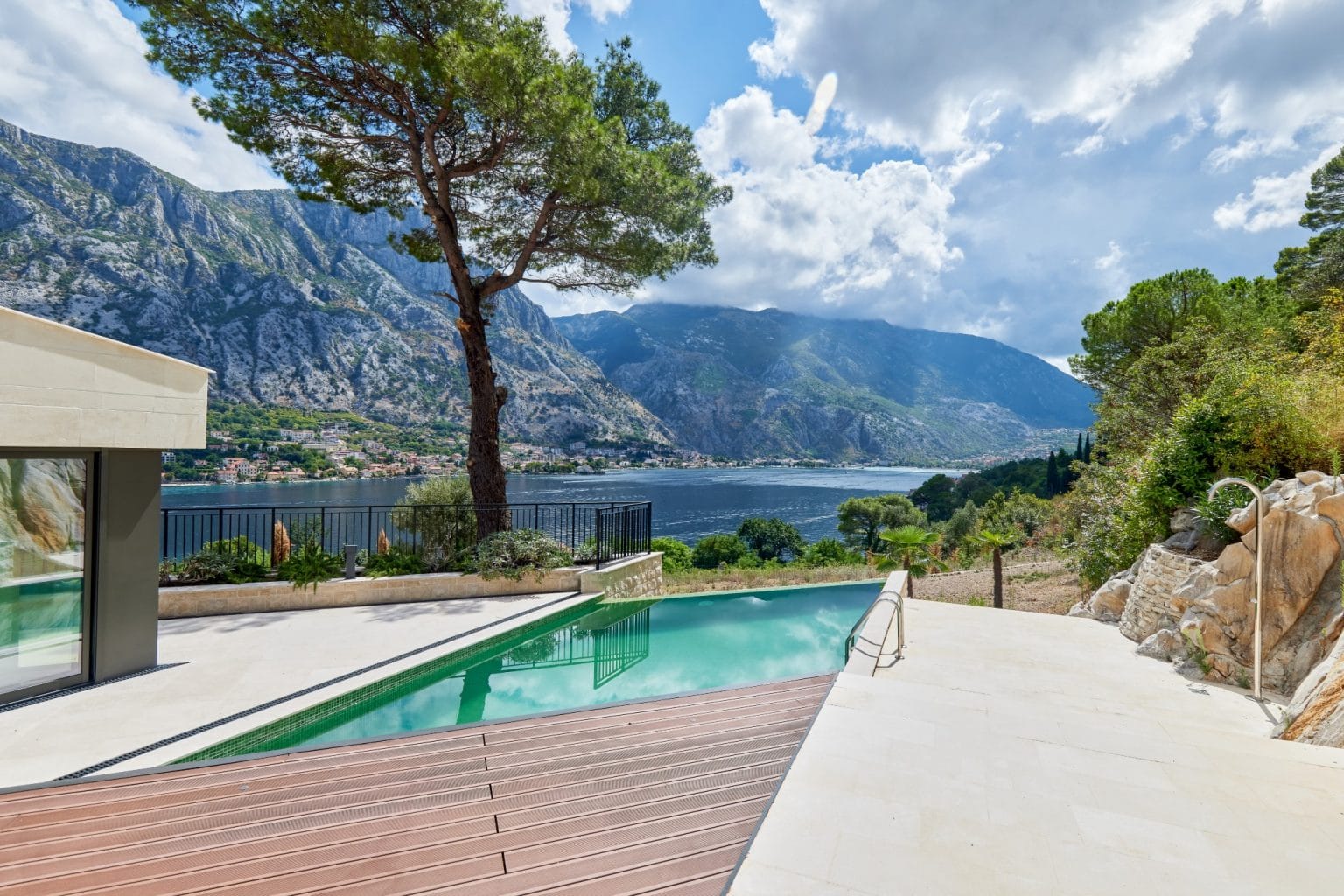
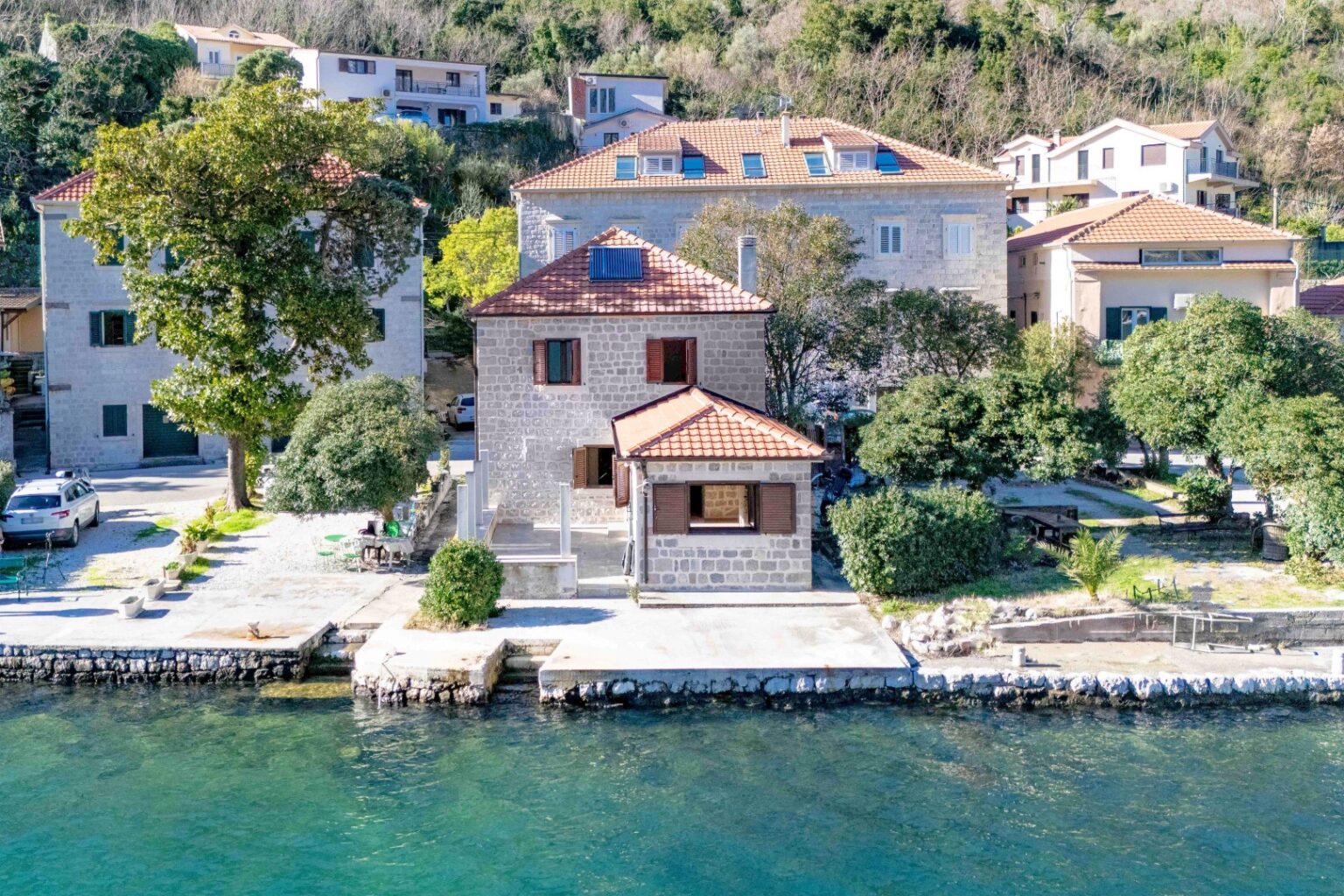
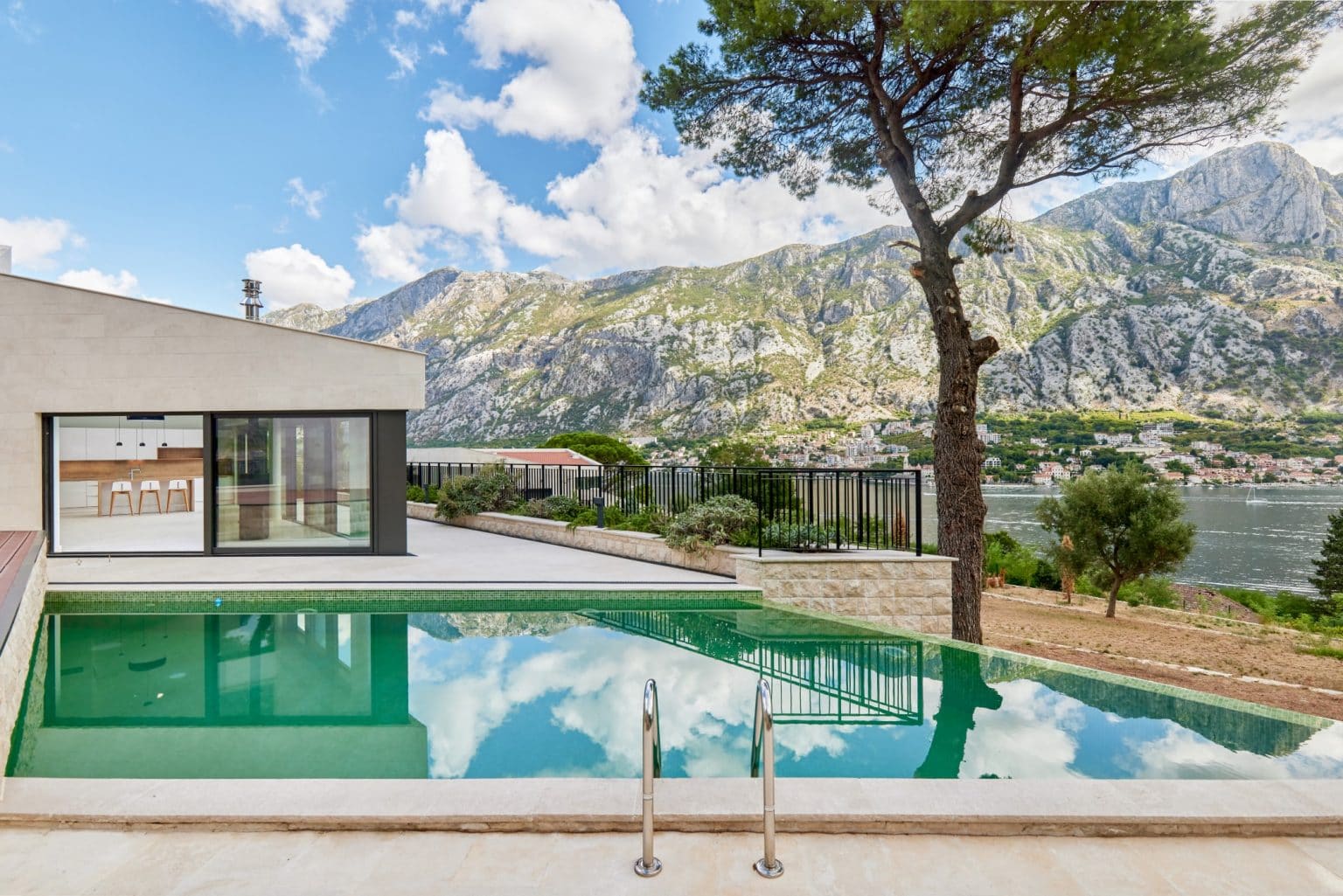
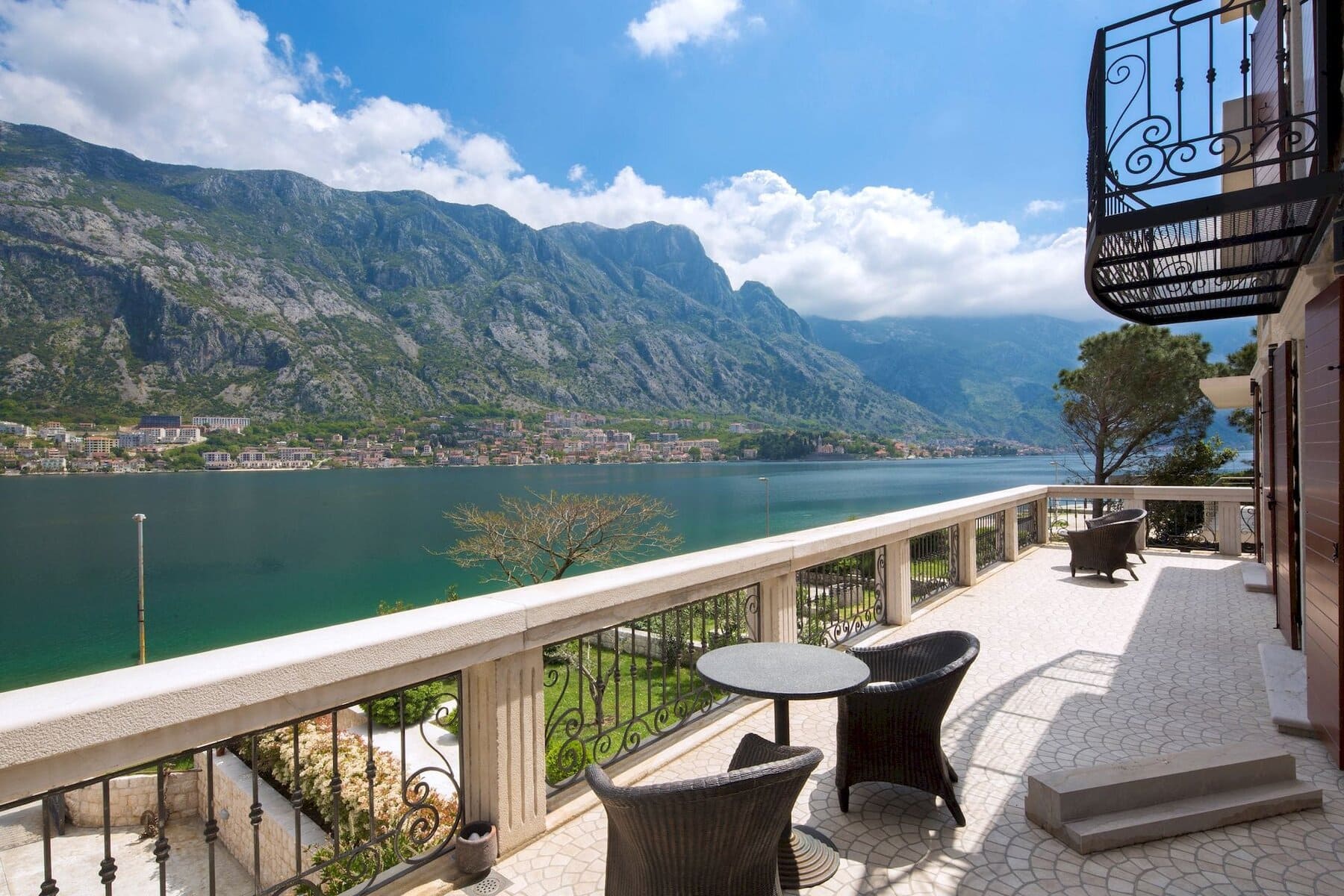
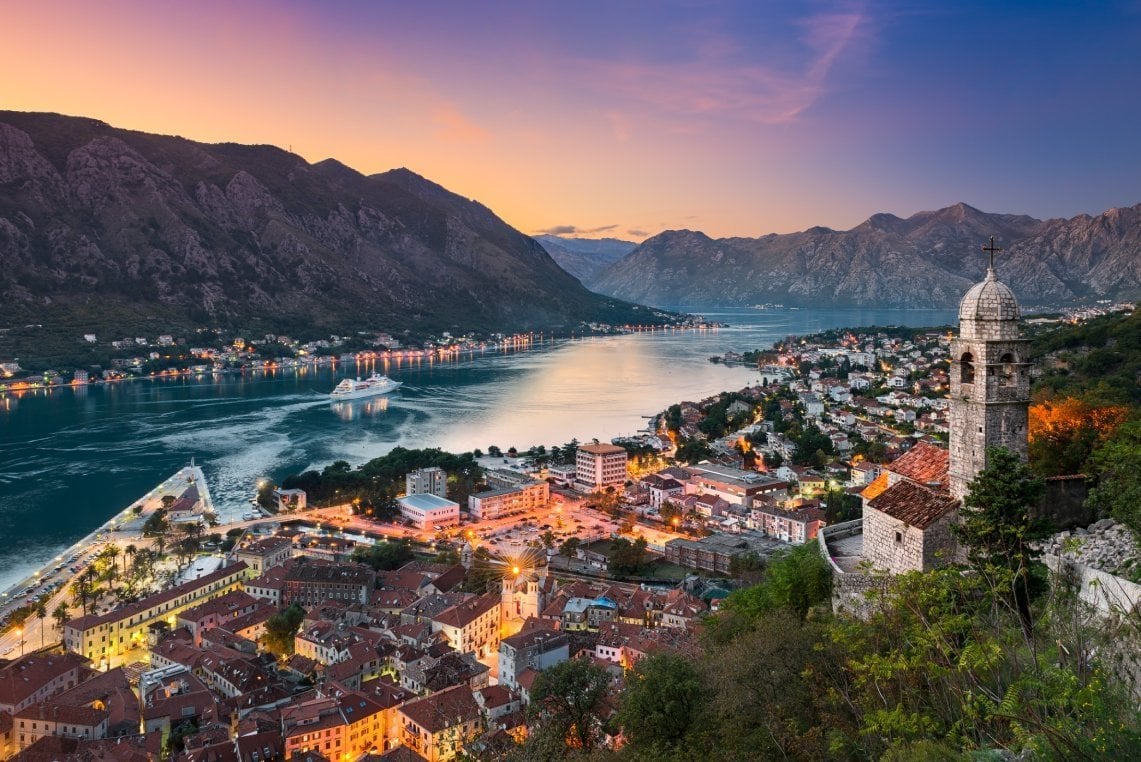
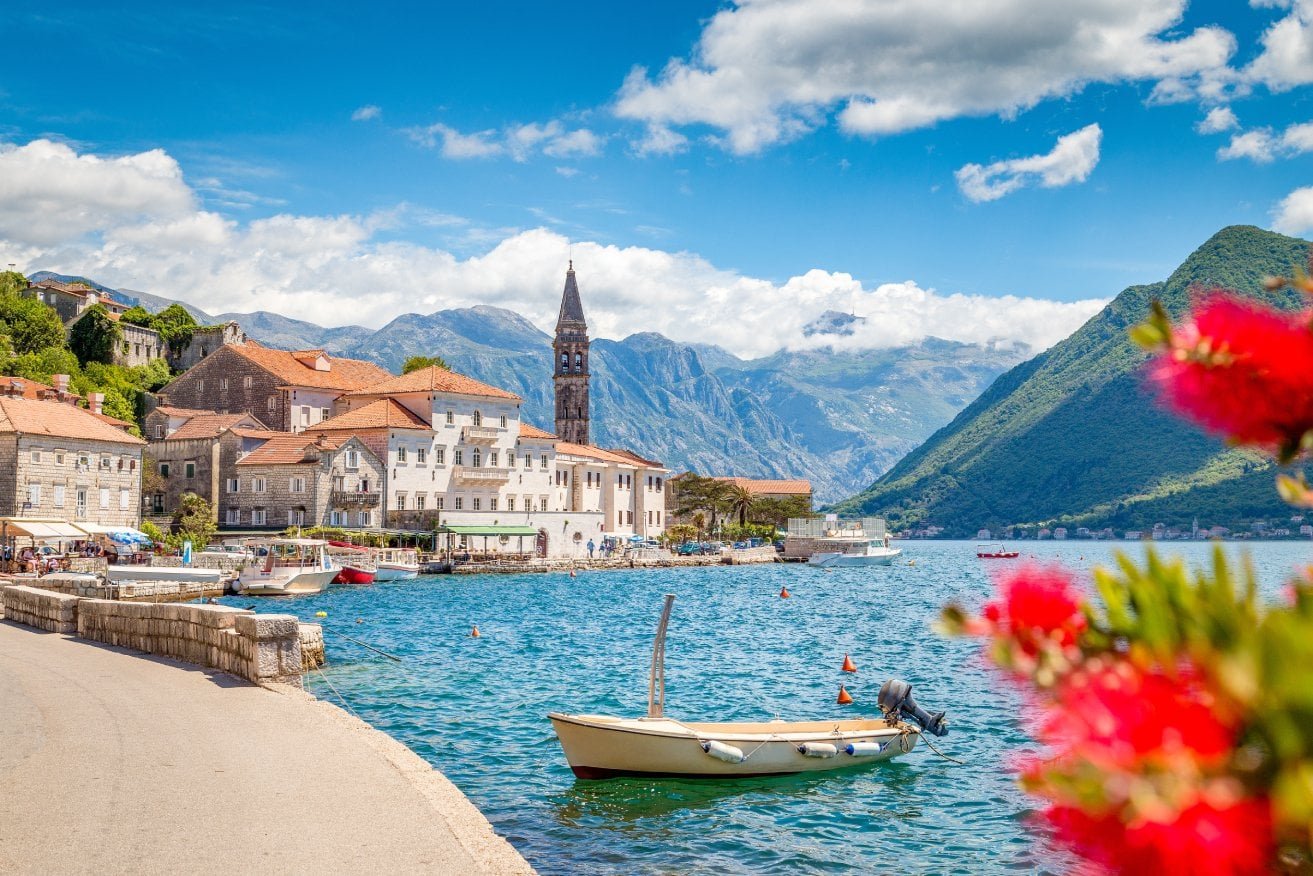
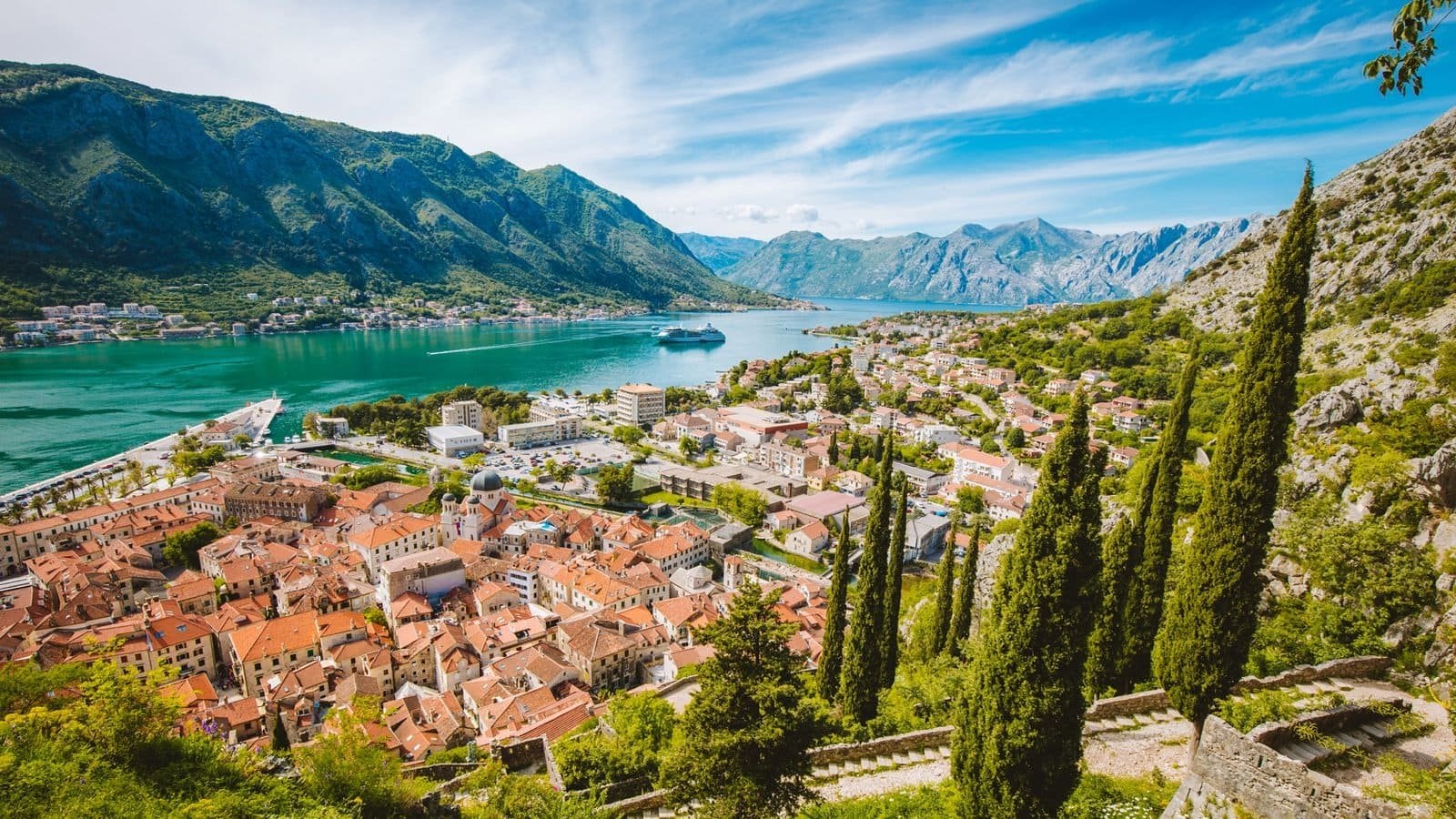
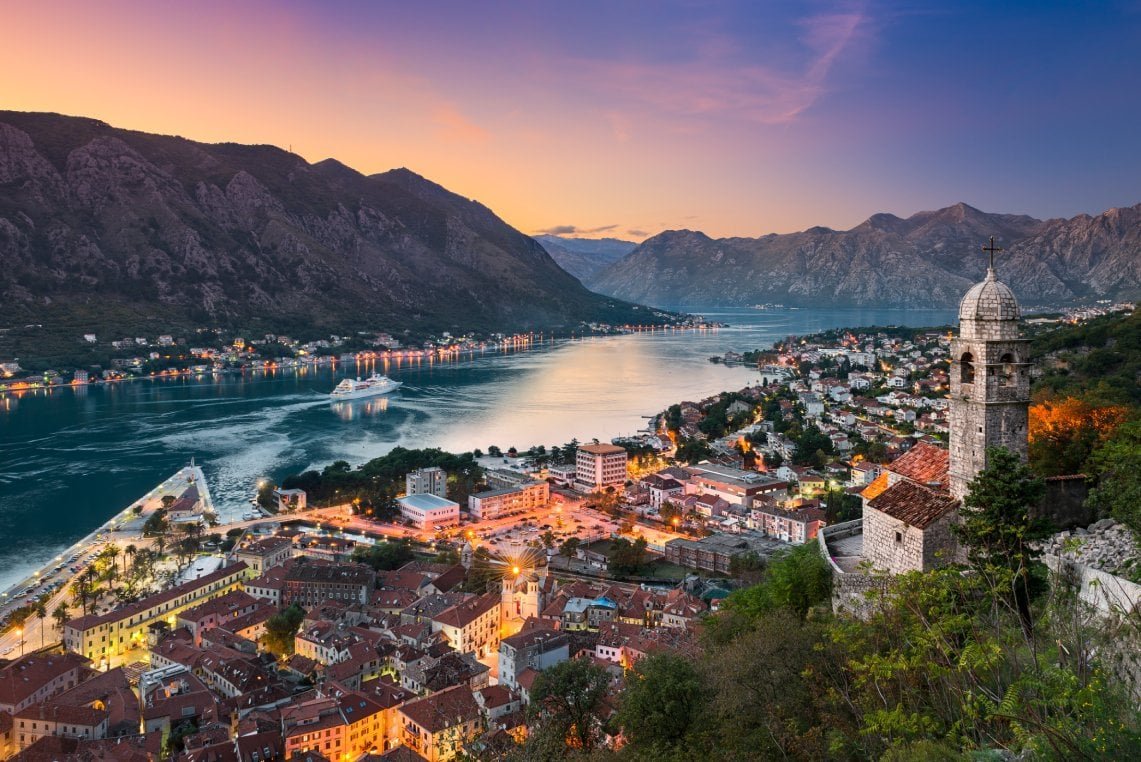
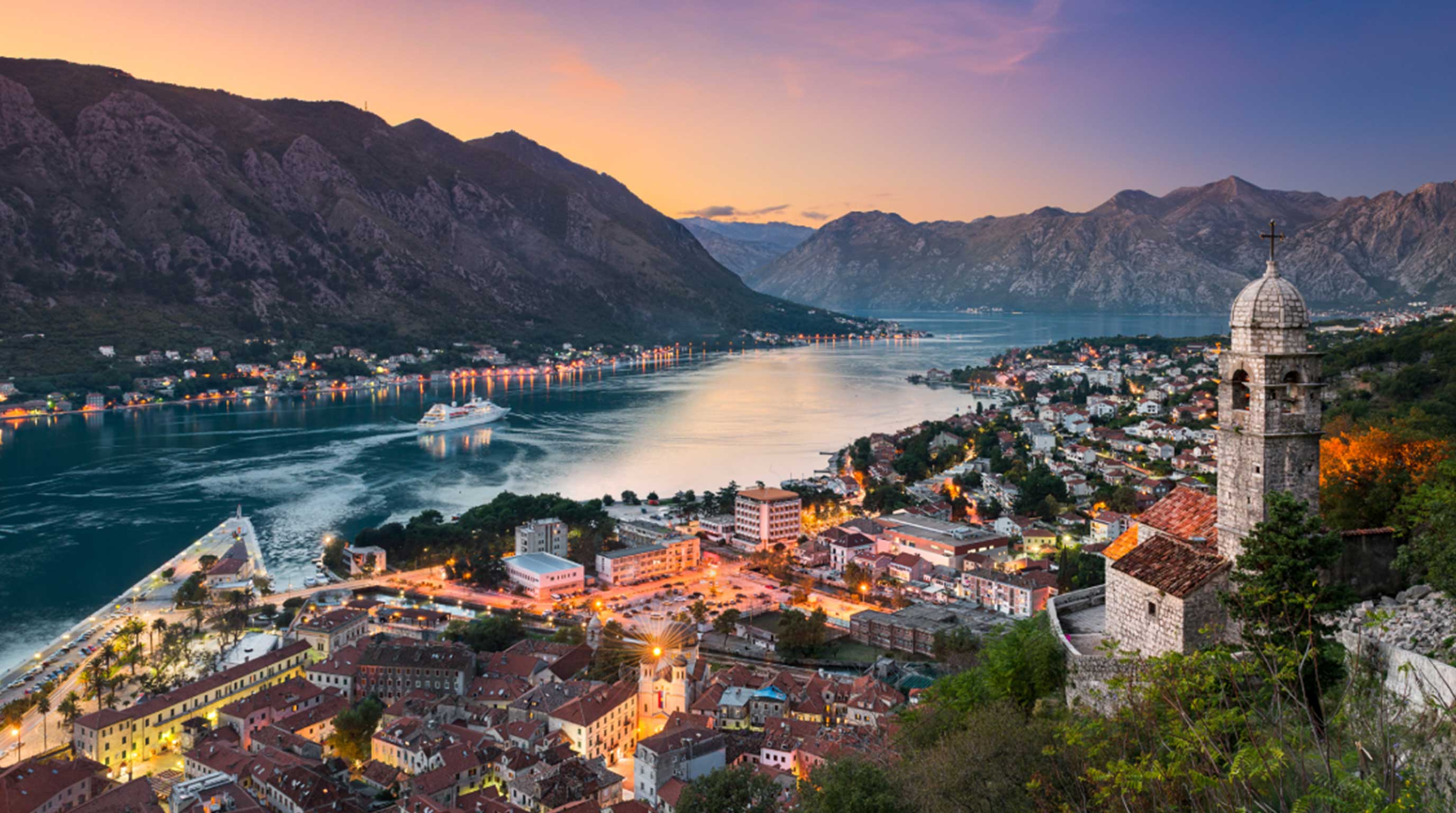
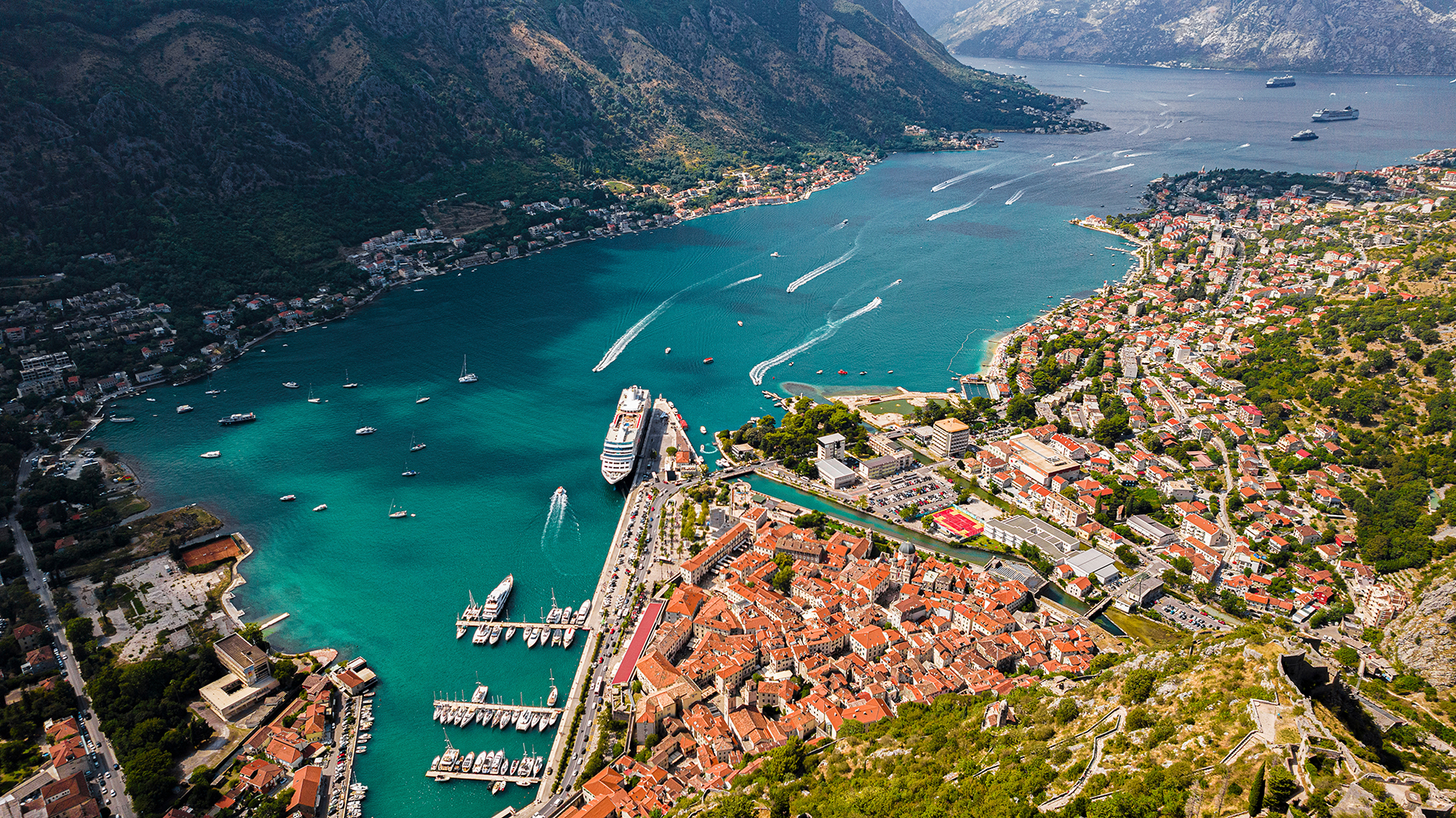
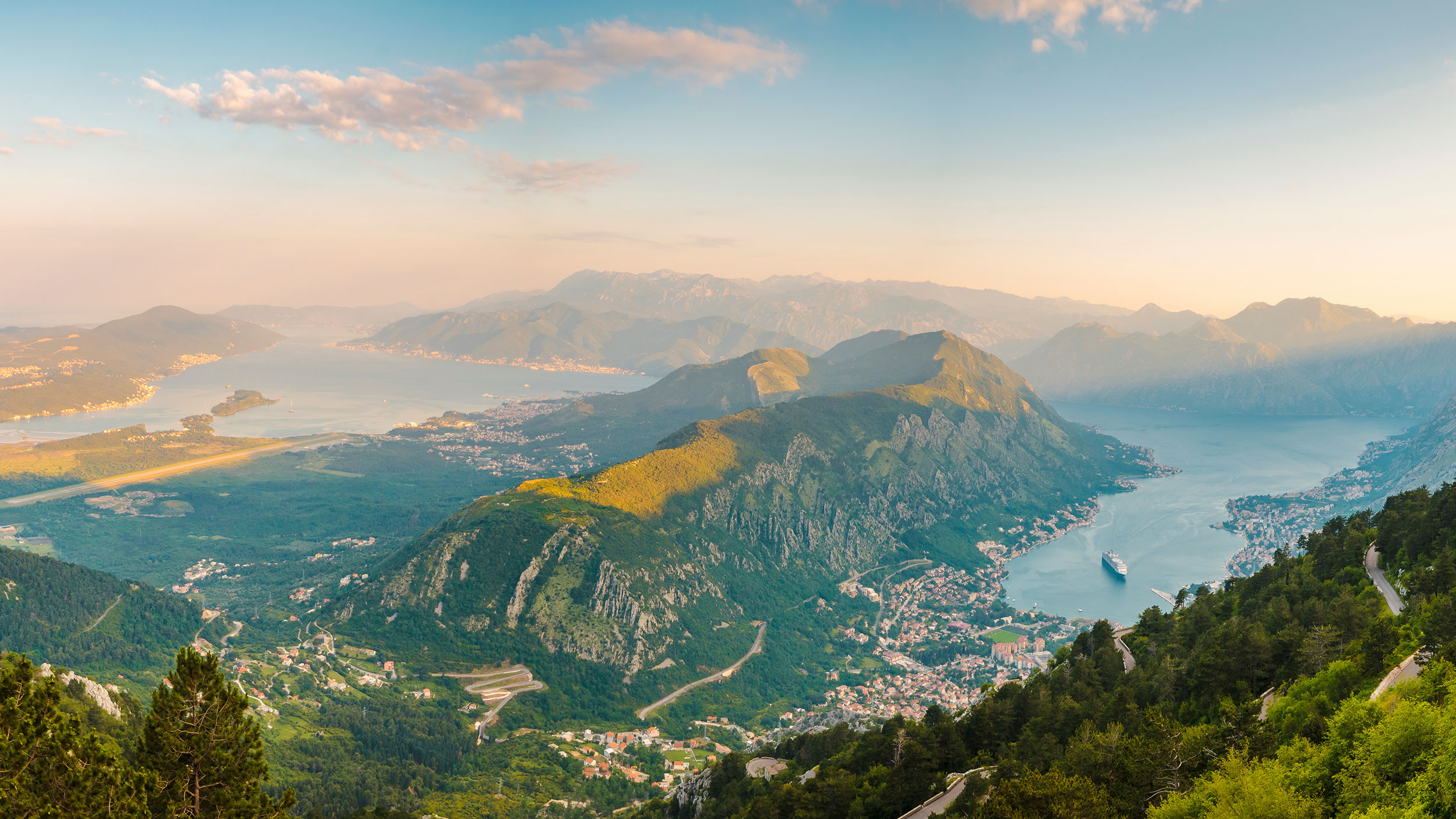
Kotor is, for many, the most immediately compelling of Montenegro's coastal destinations. A UNESCO World Heritage walled city set at the innermost point of the Bay of Kotor, it combines medieval Venetian architecture with a lively year-round residential community. The Bay of Kotor itself is frequently described as southern Europe's only true fjord, though geologically it is a submerged river canyon. The distinction matters less than the experience: sheltered waters, dramatic mountain backdrops, and a microclimate that is warmer and calmer than the open Adriatic. For retirees who want cultural stimulation alongside natural beauty, Kotor offers both in unusual concentration.
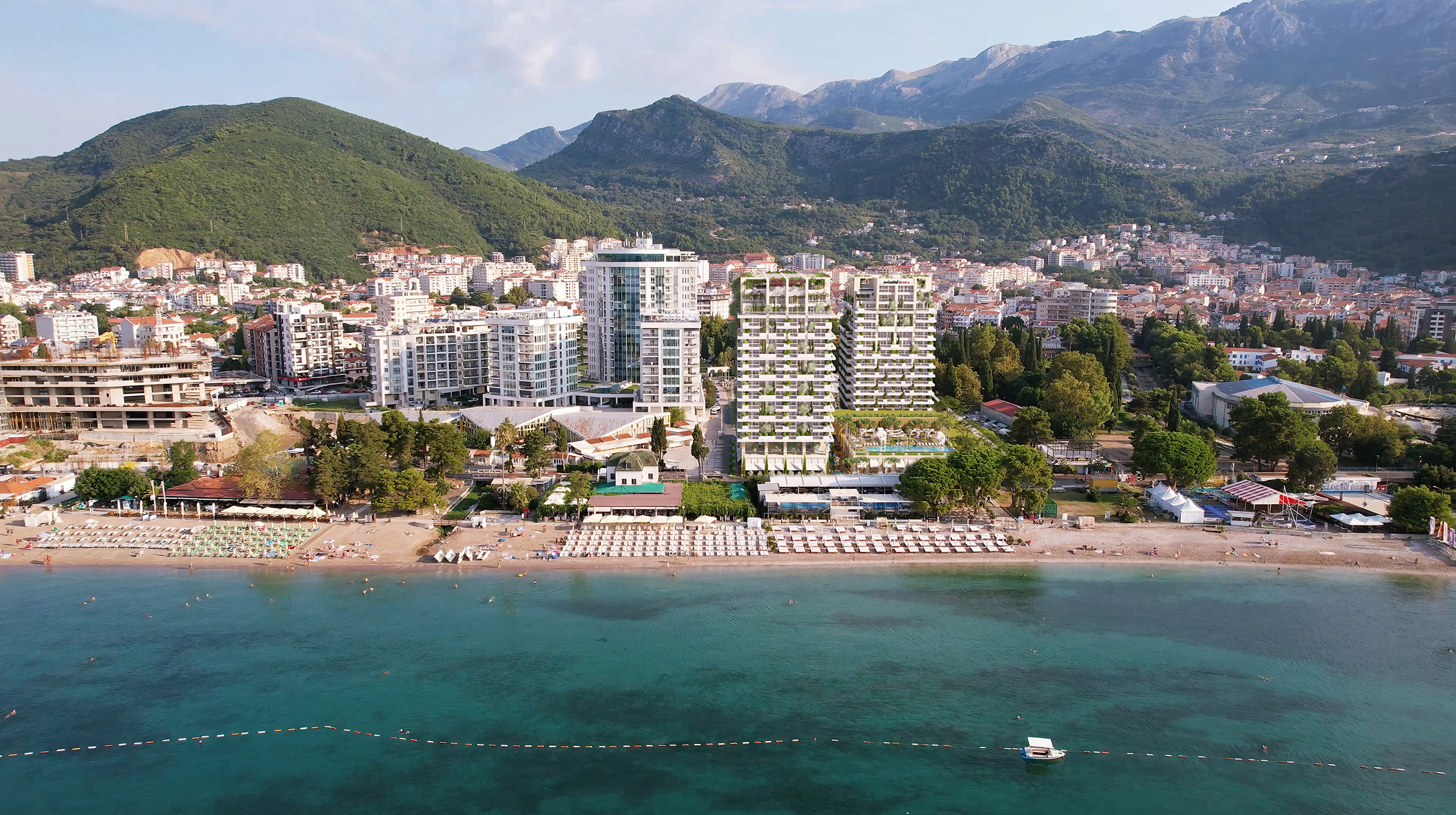
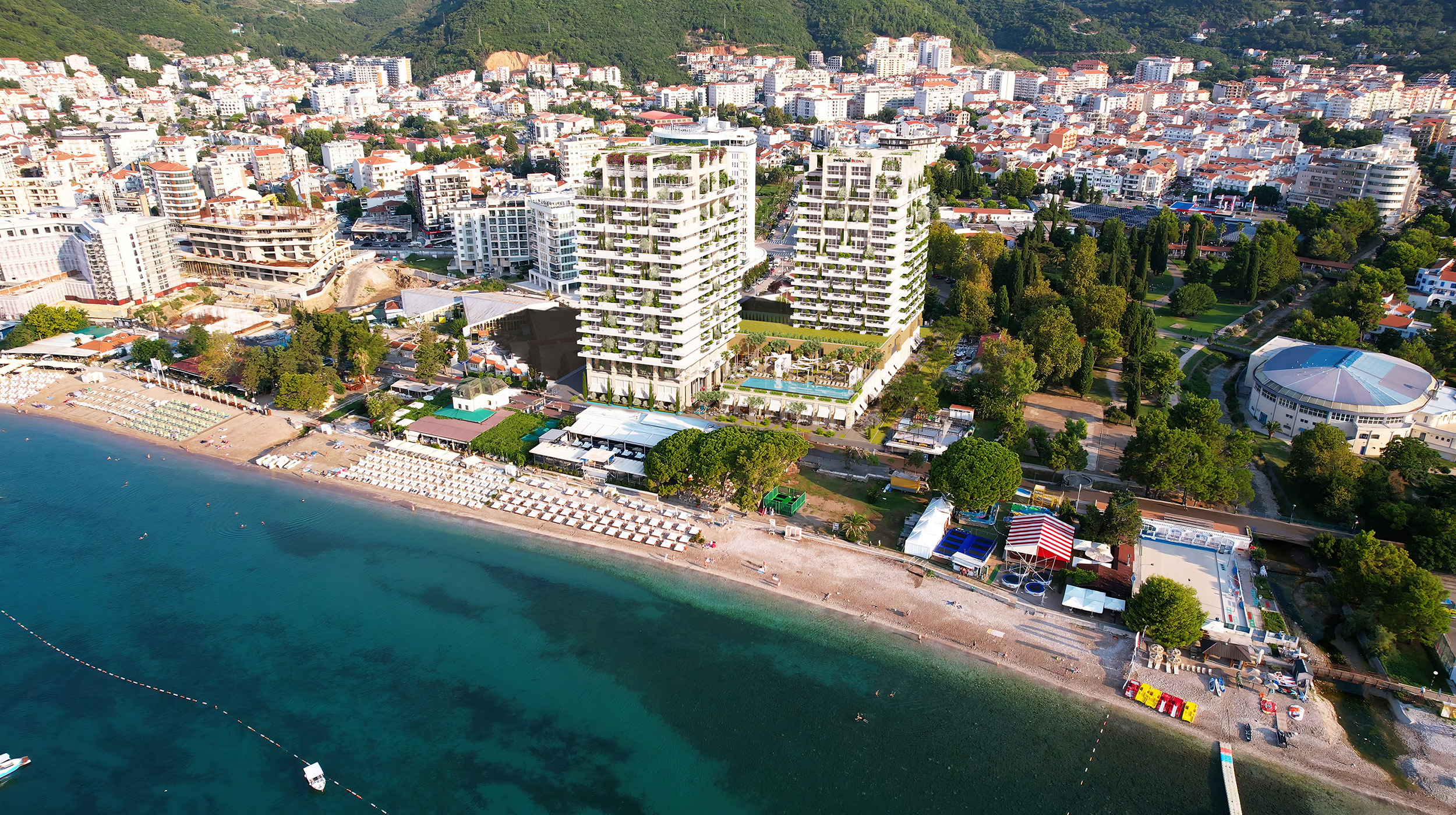
Budva, to the south, presents a different character entirely. The old town retains its Illyrian and Venetian heritage, but the broader Budva Riviera has developed into one of the Adriatic's most active resort environments, with a long sandy coastline, a well-developed restaurant and entertainment scene, and a property market that attracts buyers from across Europe, the Gulf states, and Russia. Those comparing the two primary coastal markets in detail will find our analysis in Budva vs Tivat Property: Choosing the Right Montenegro Market in 2026 a useful starting point.
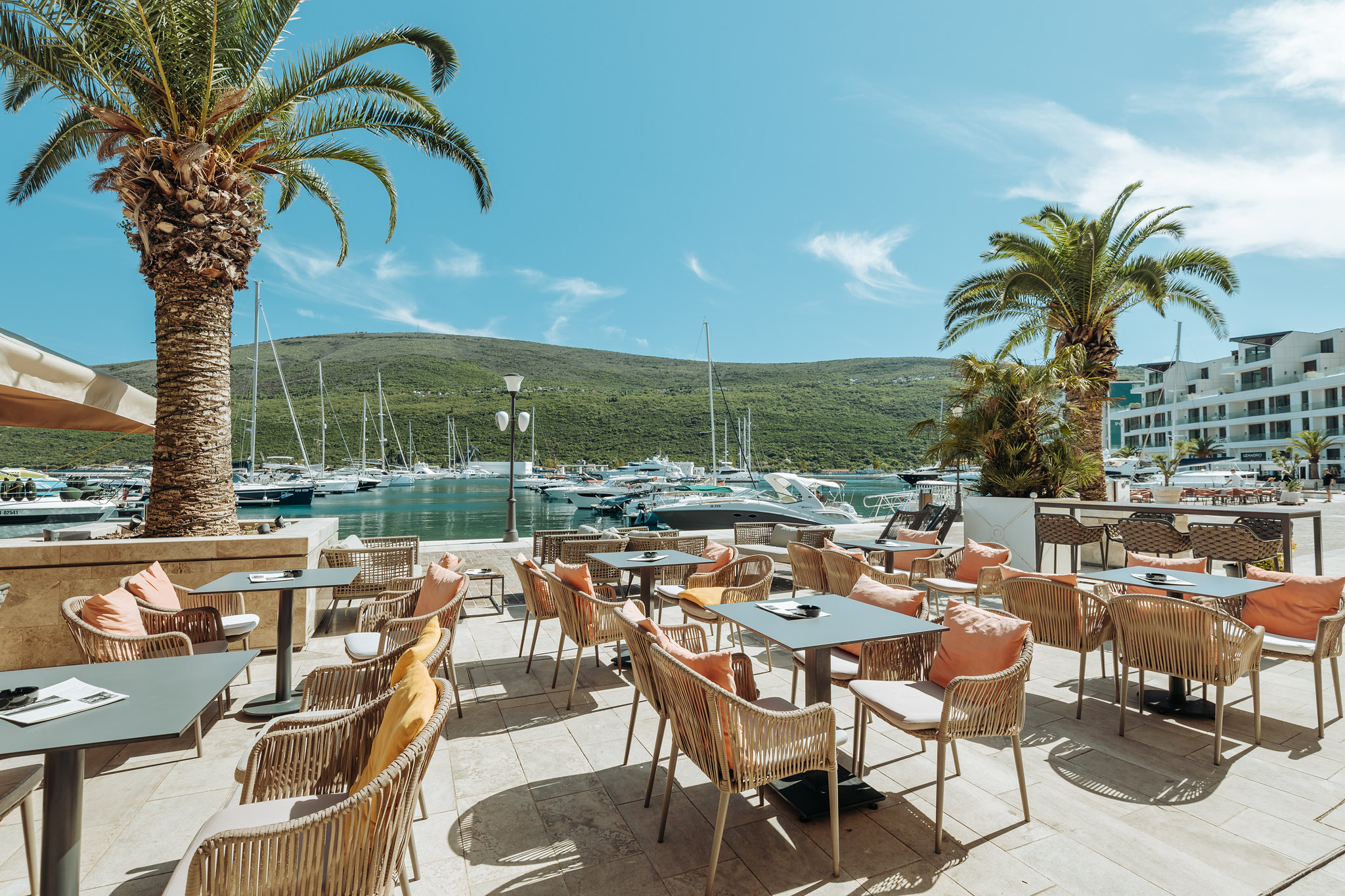
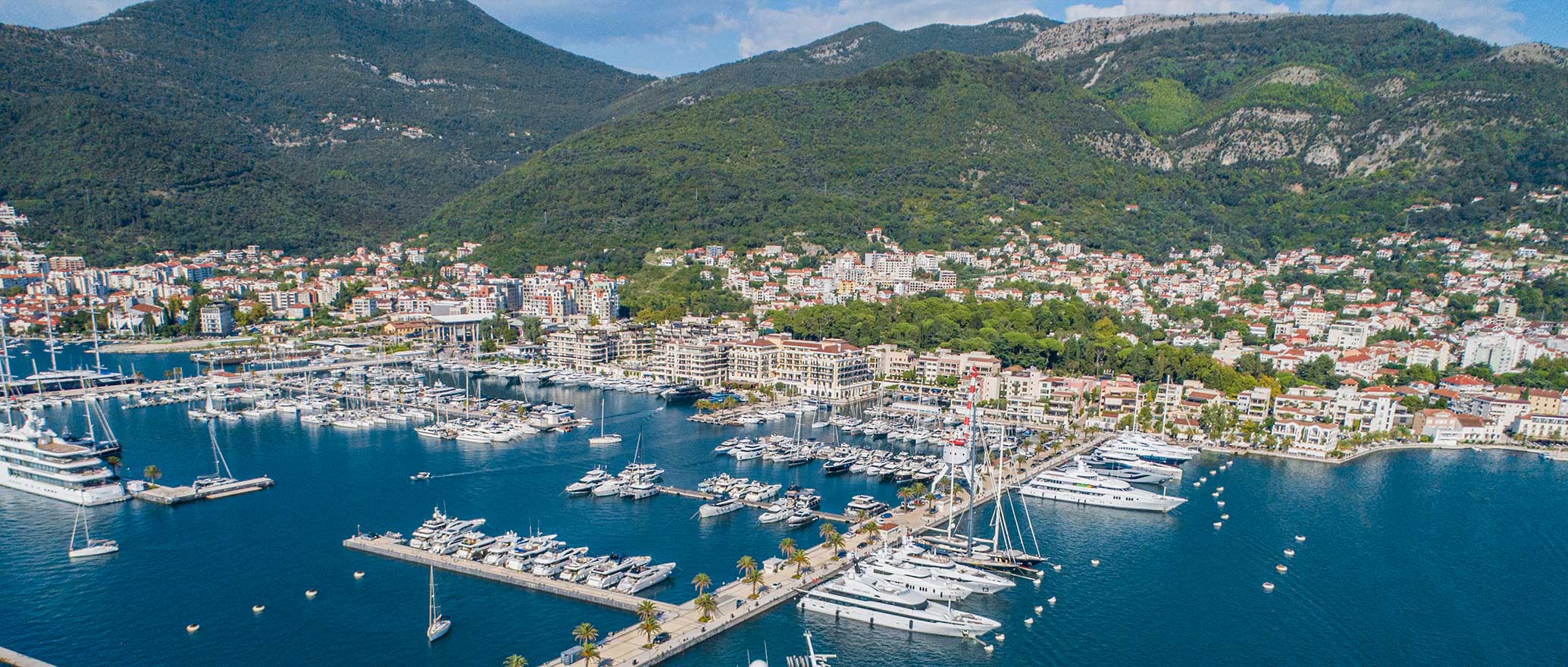
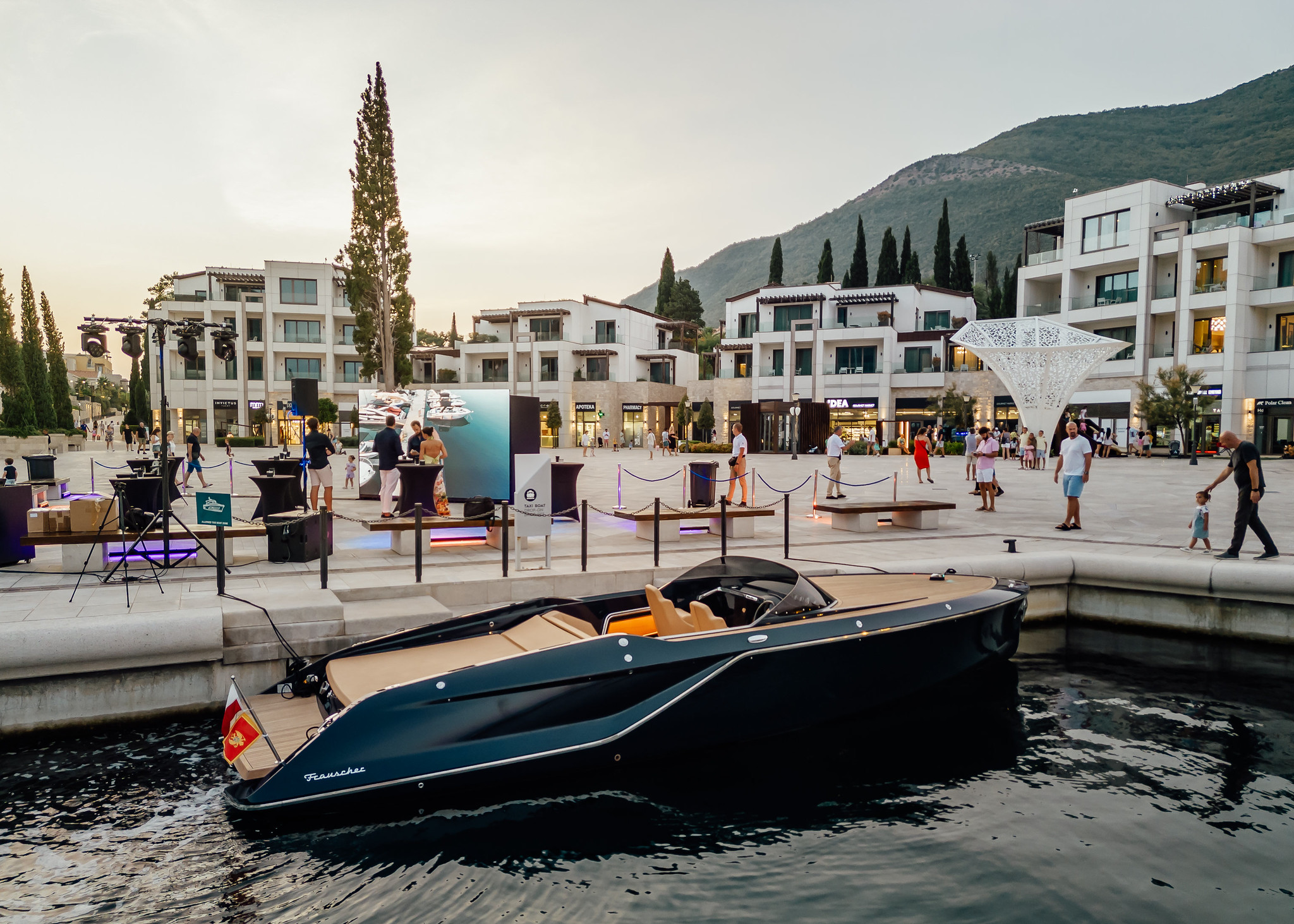
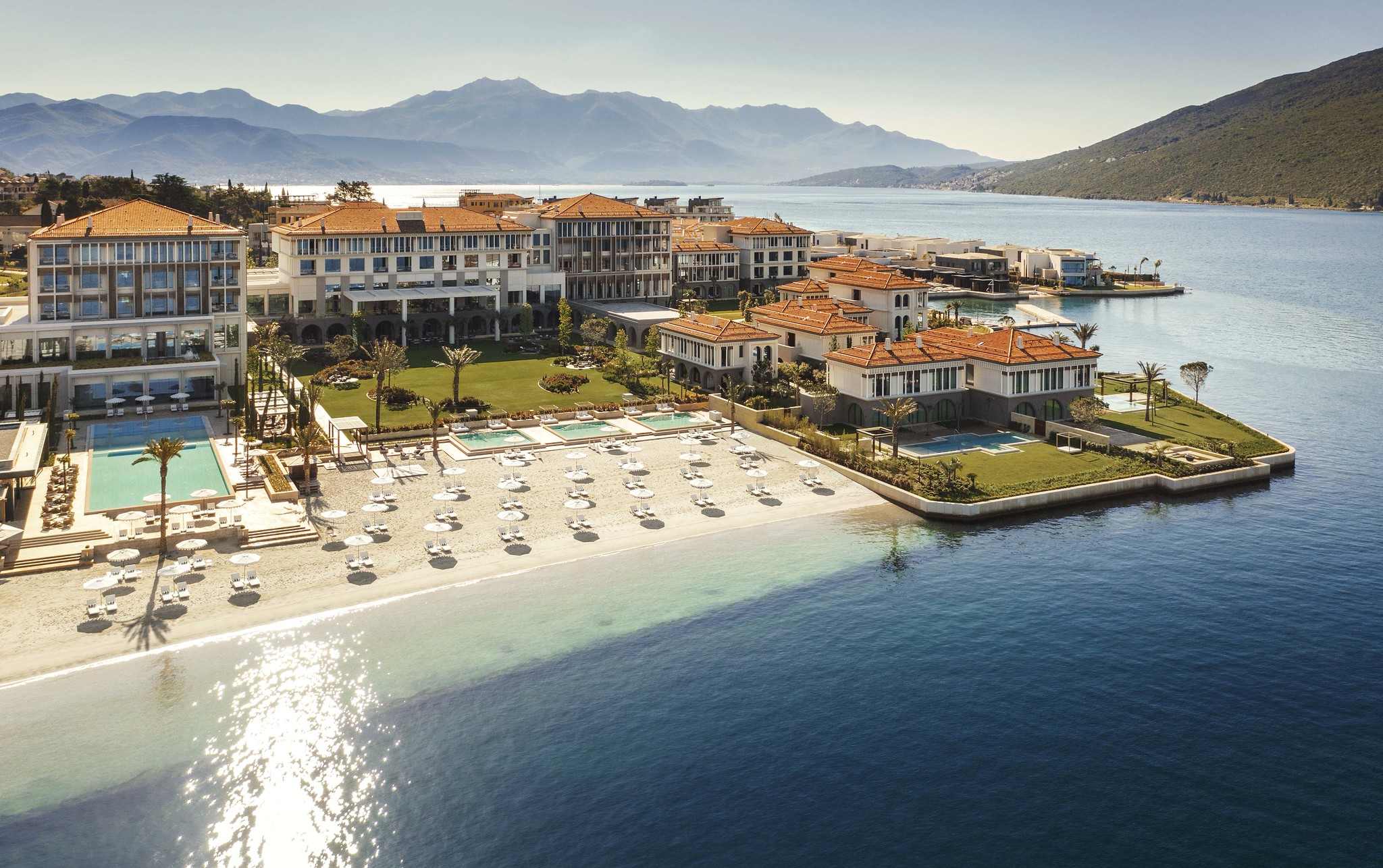
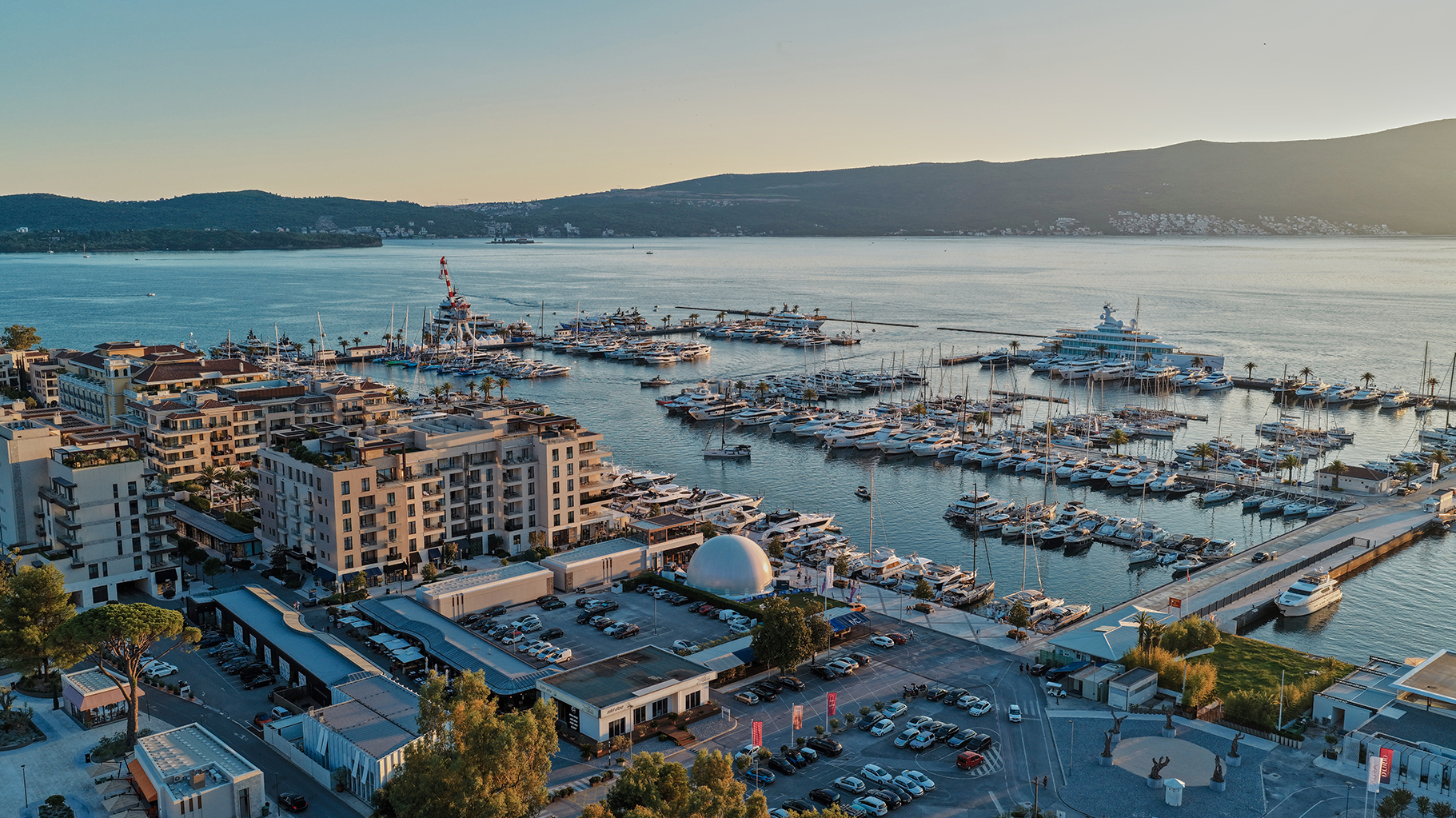
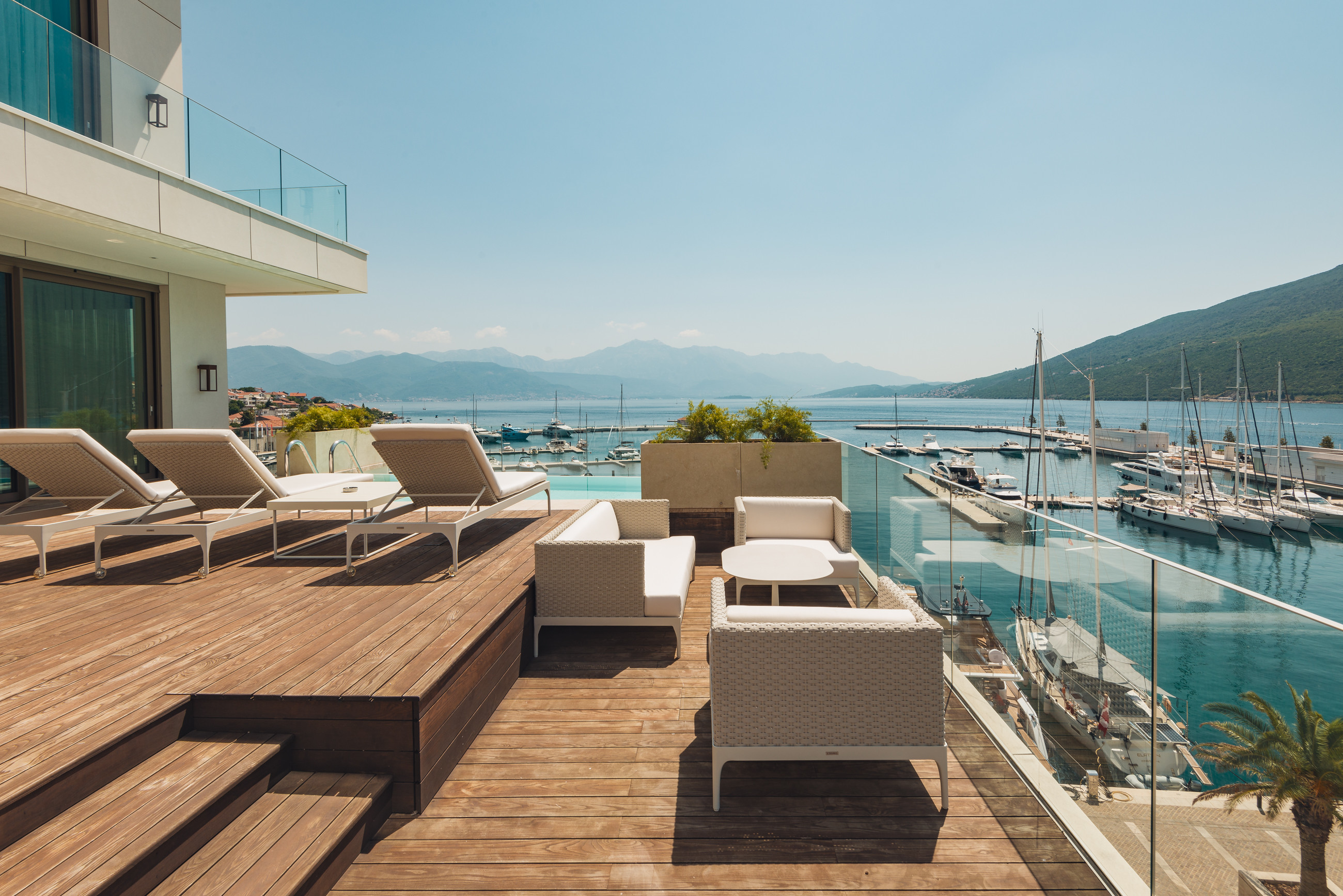
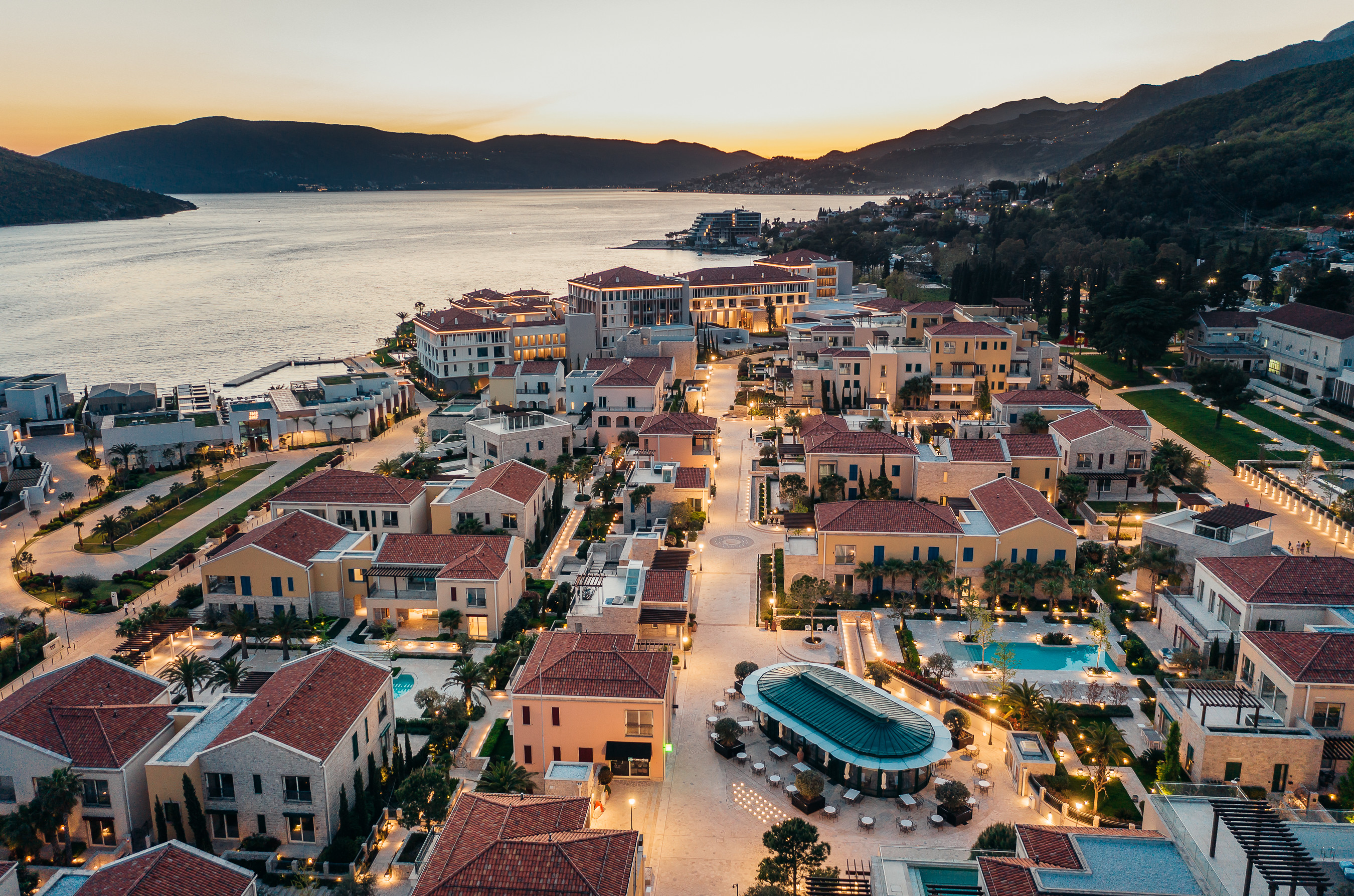
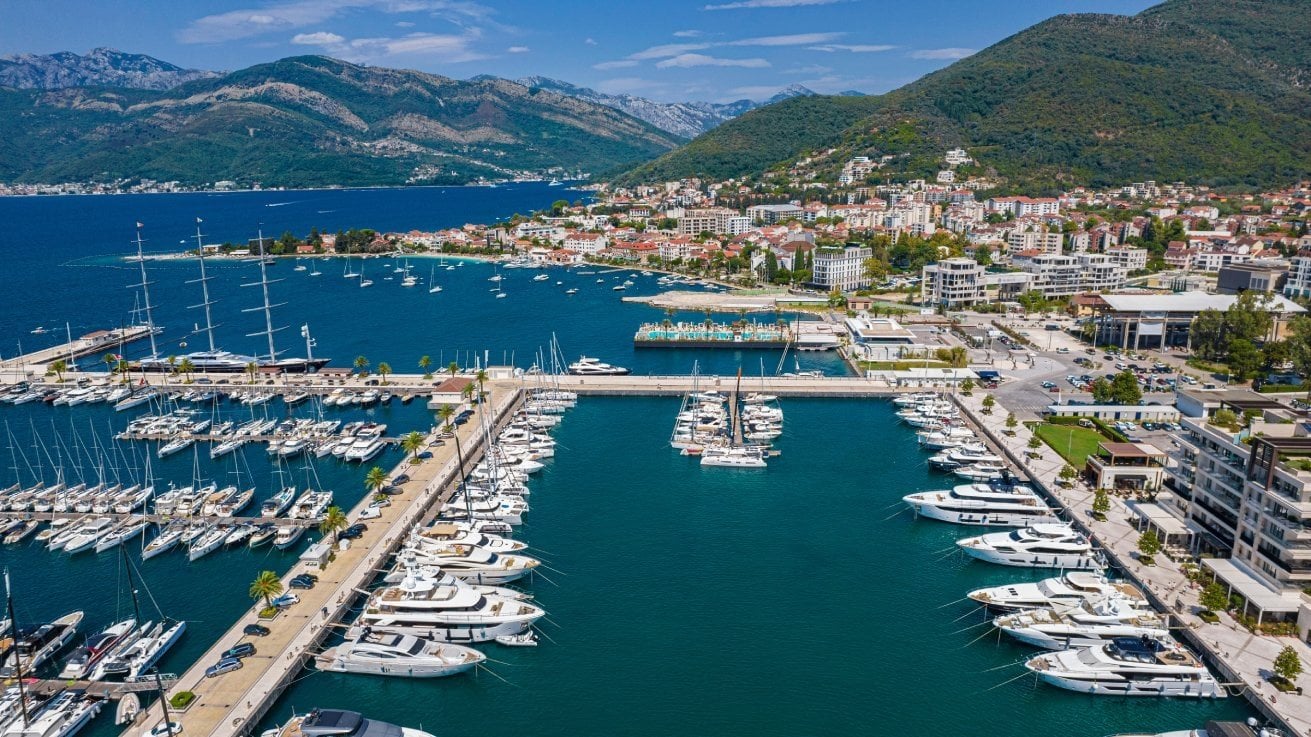
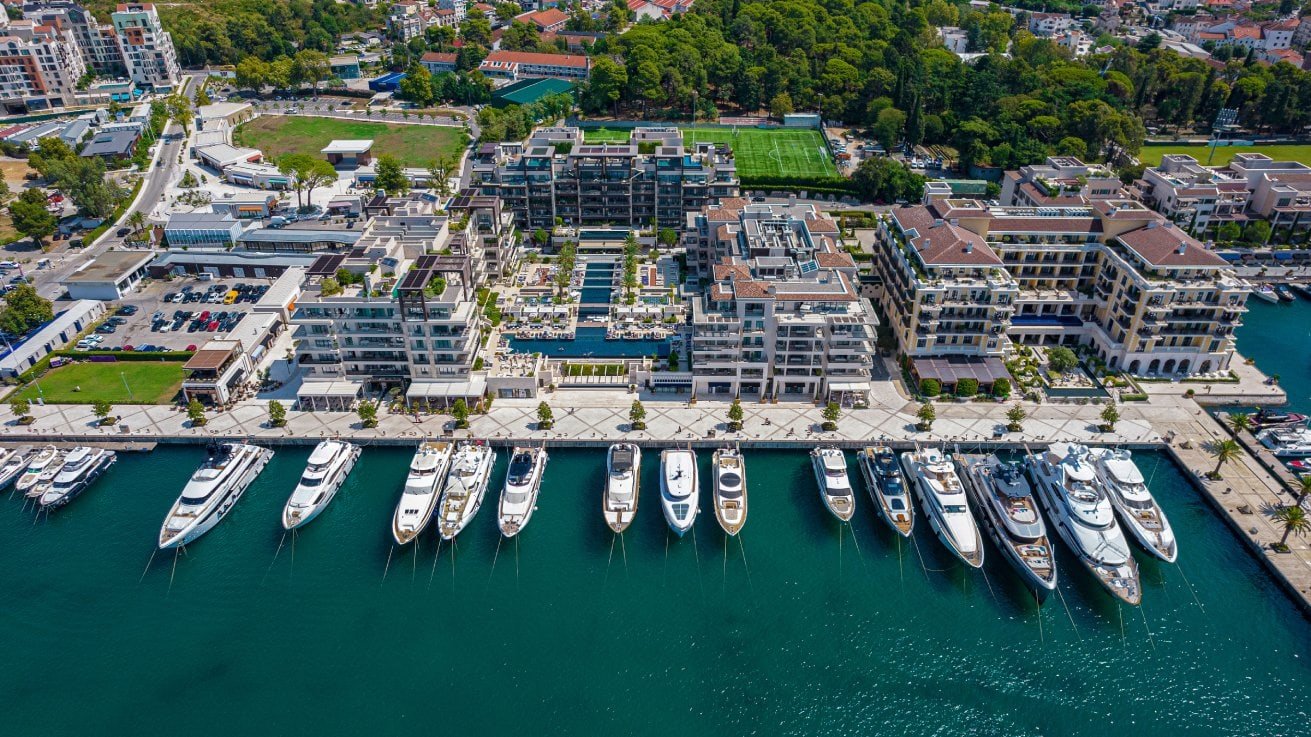
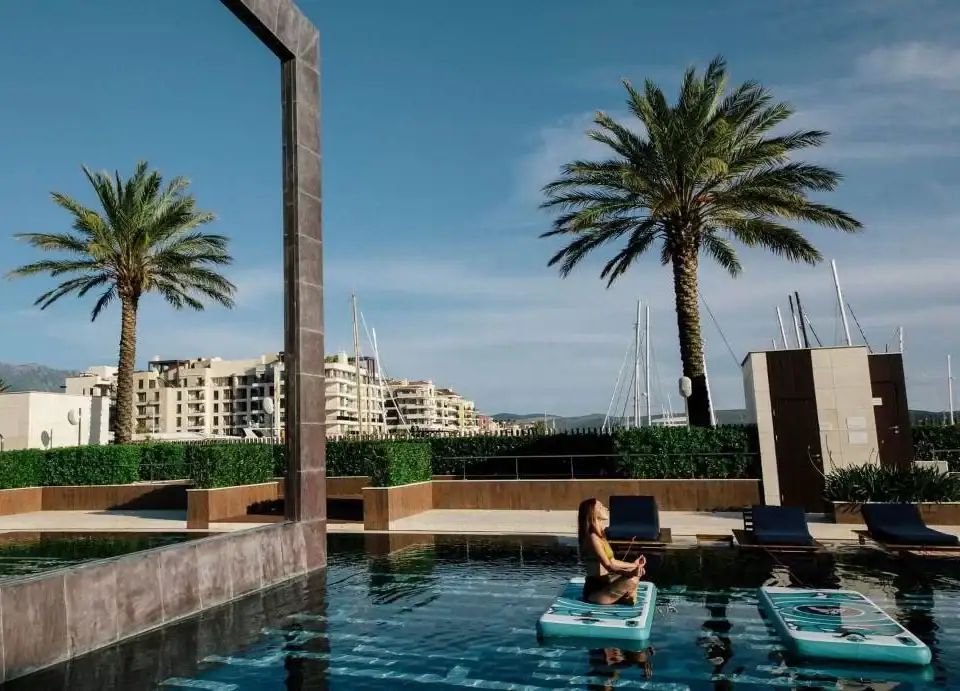
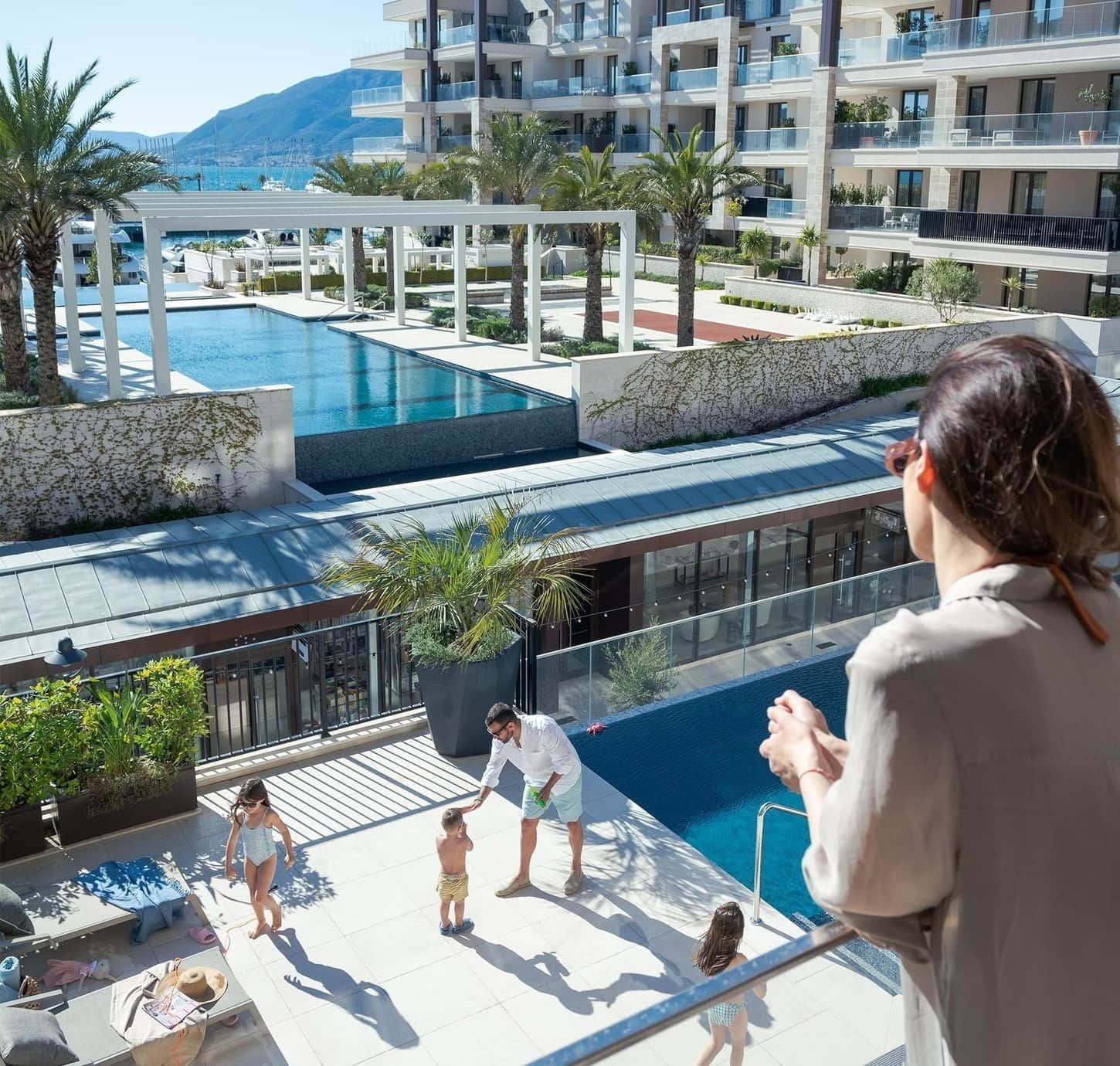
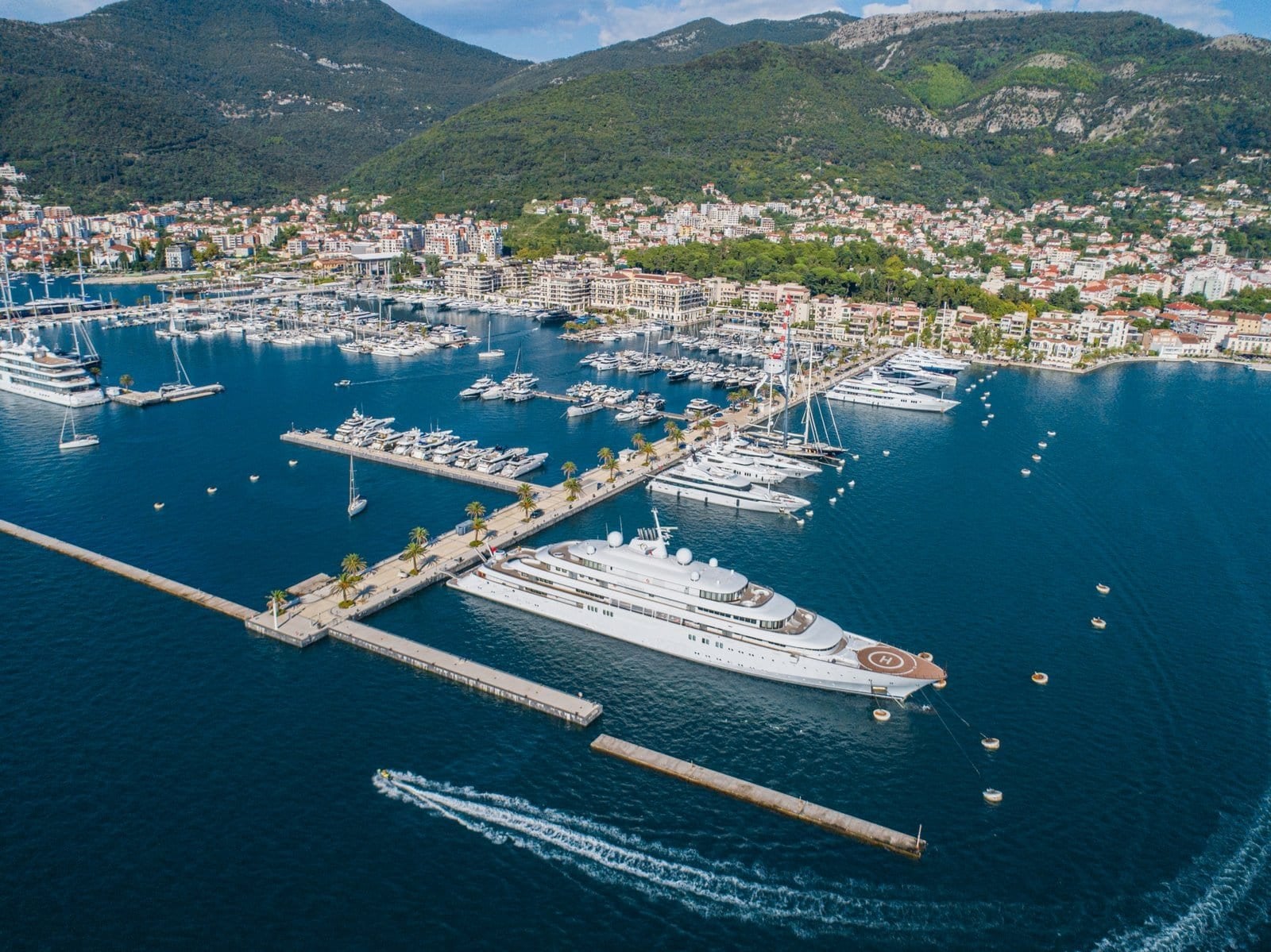
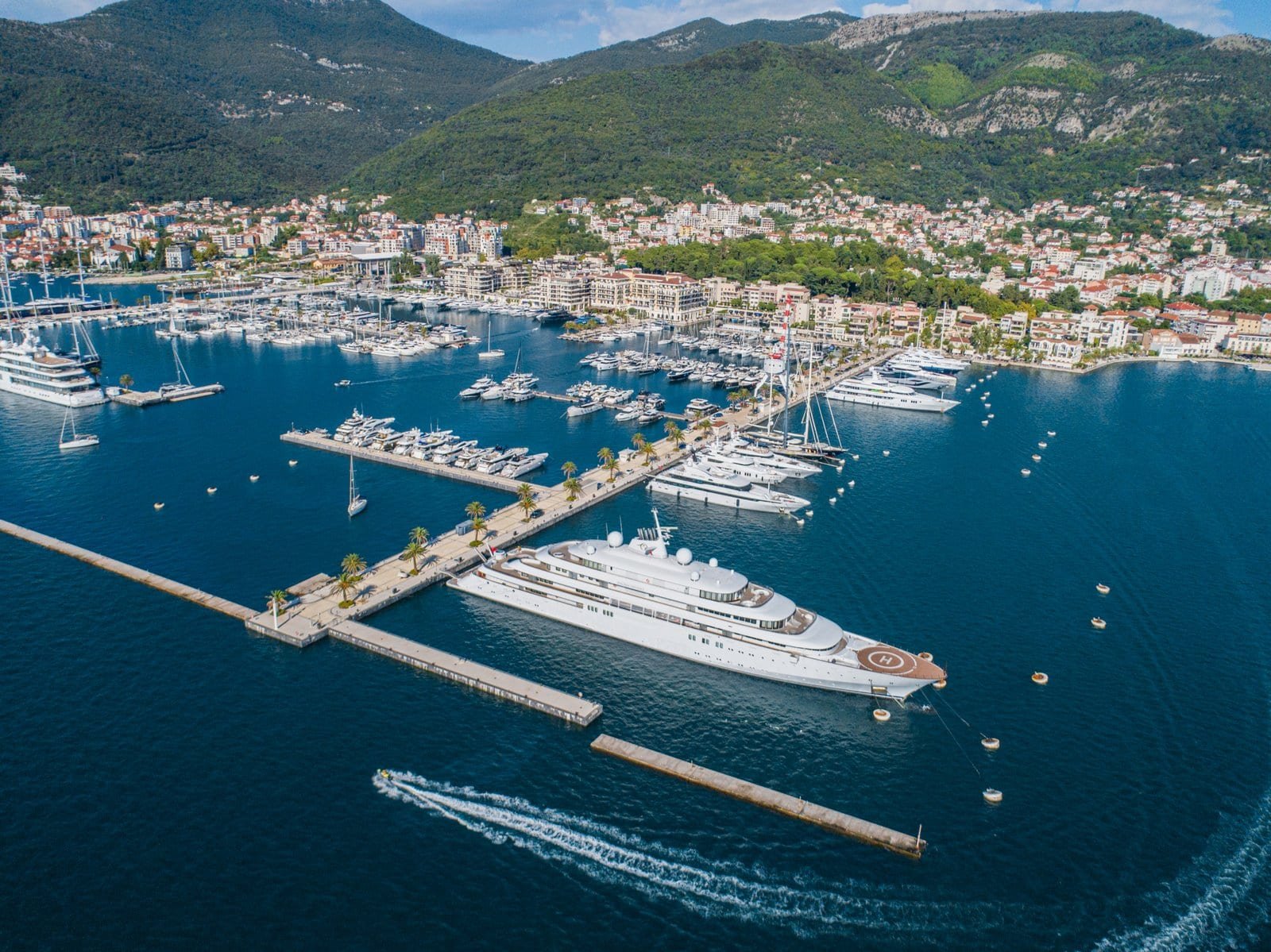
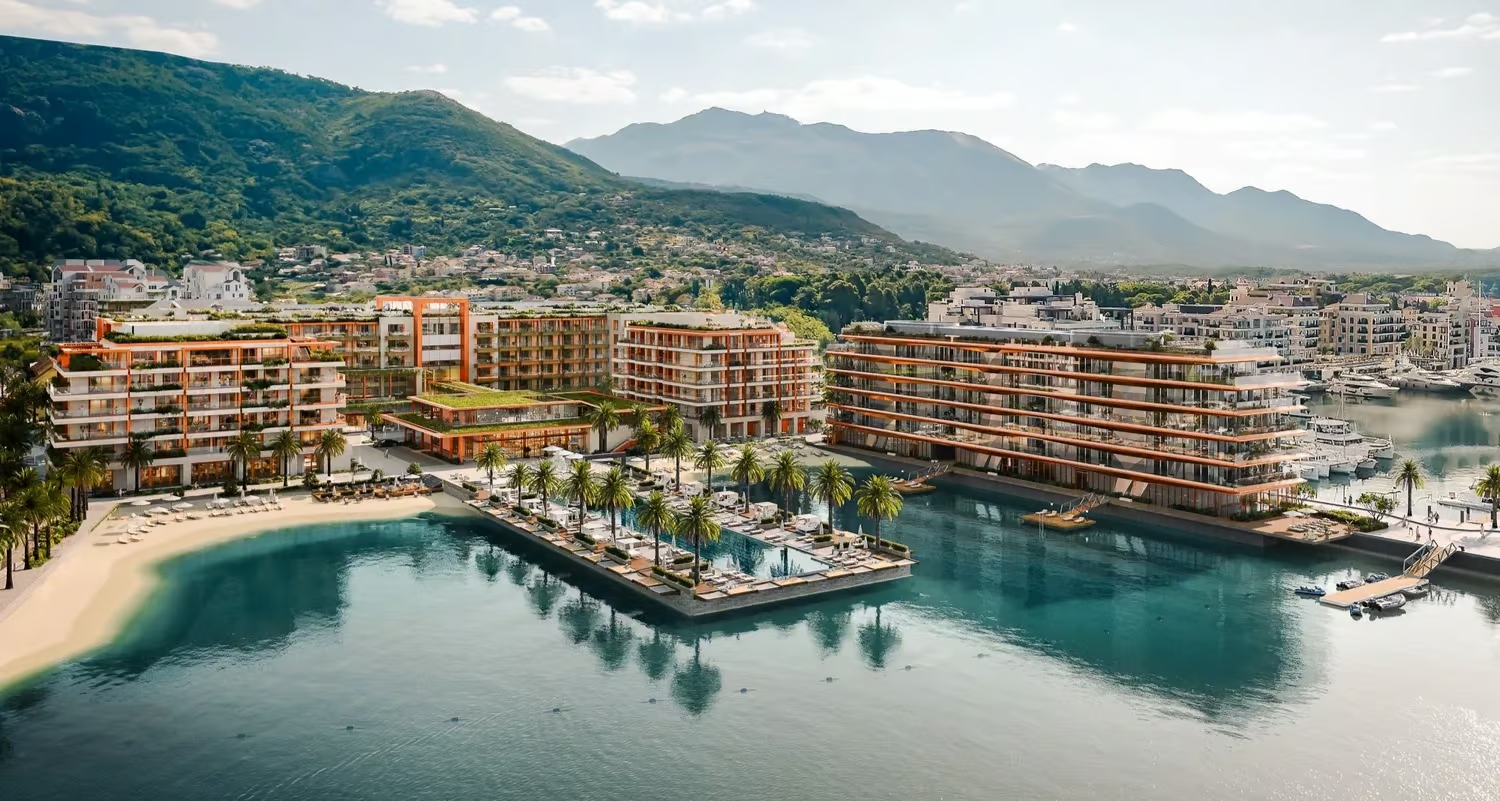
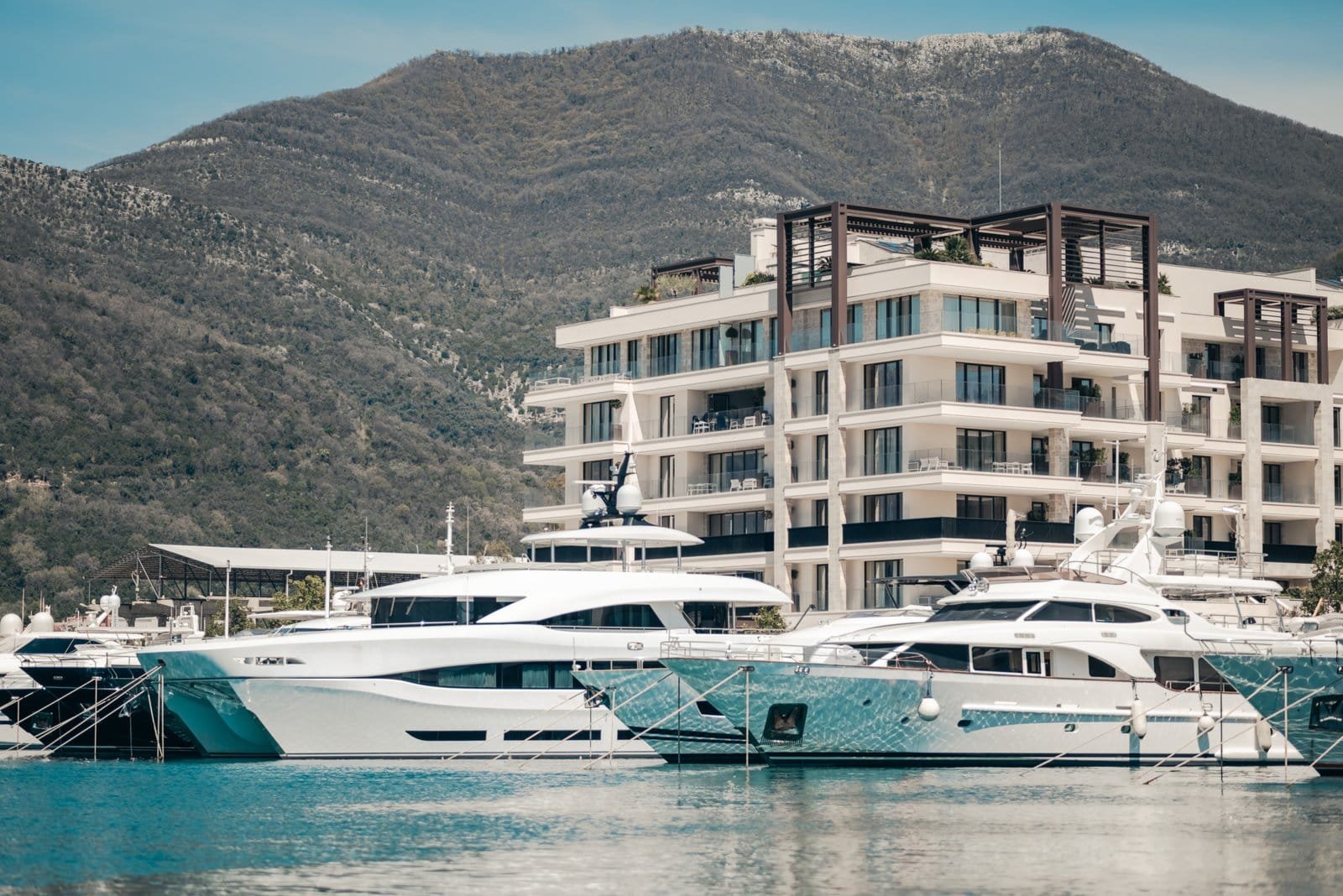
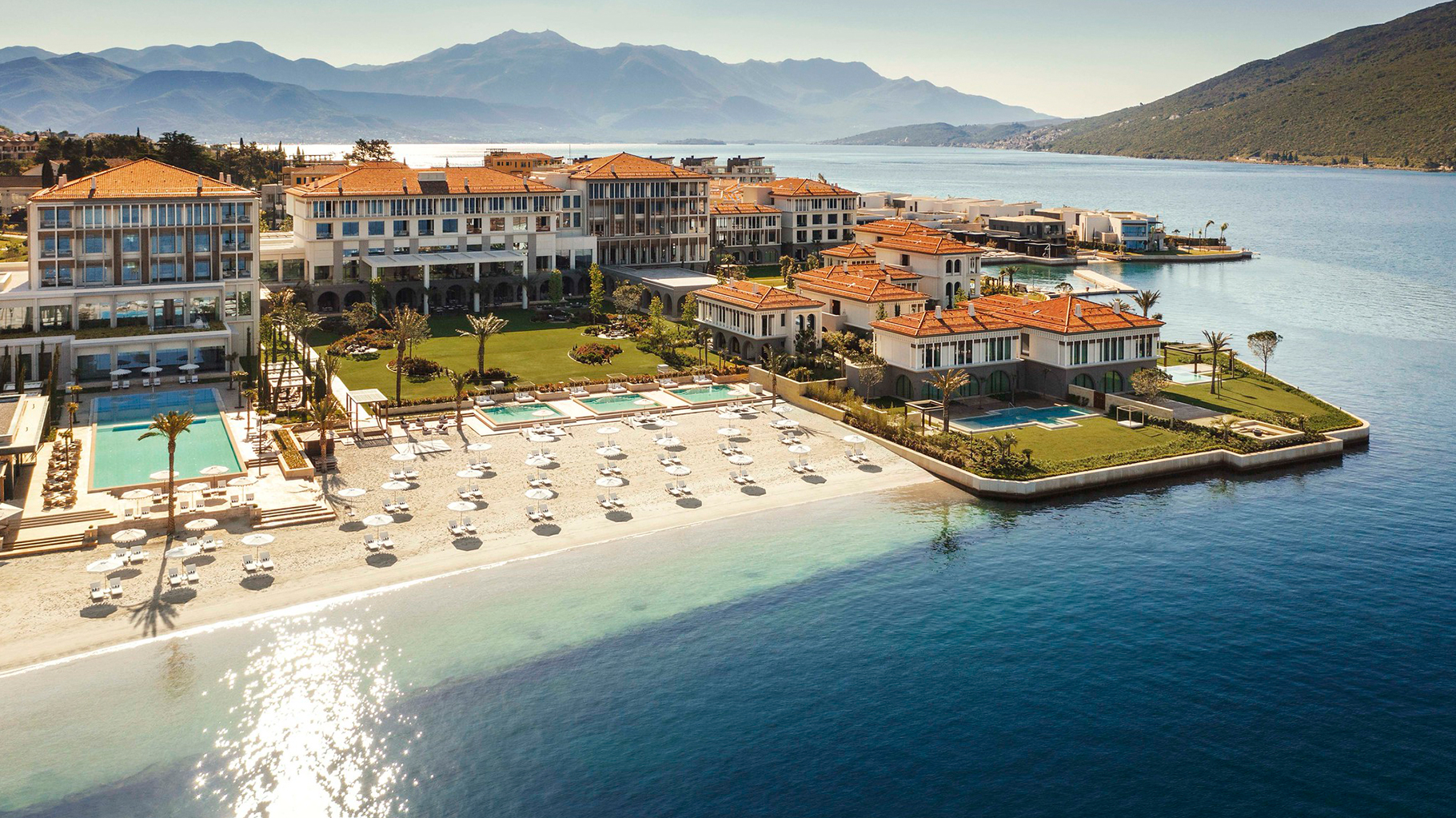
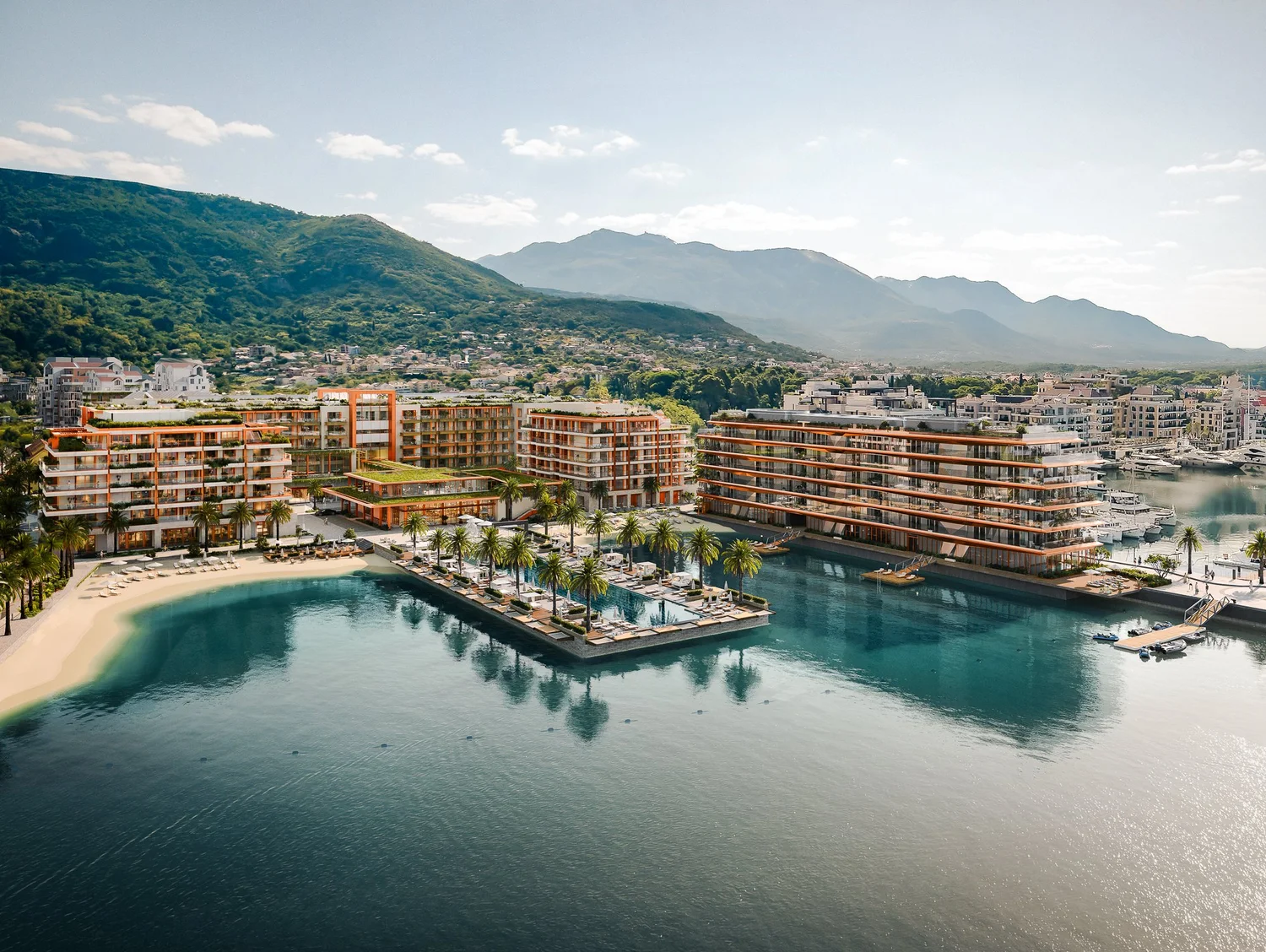
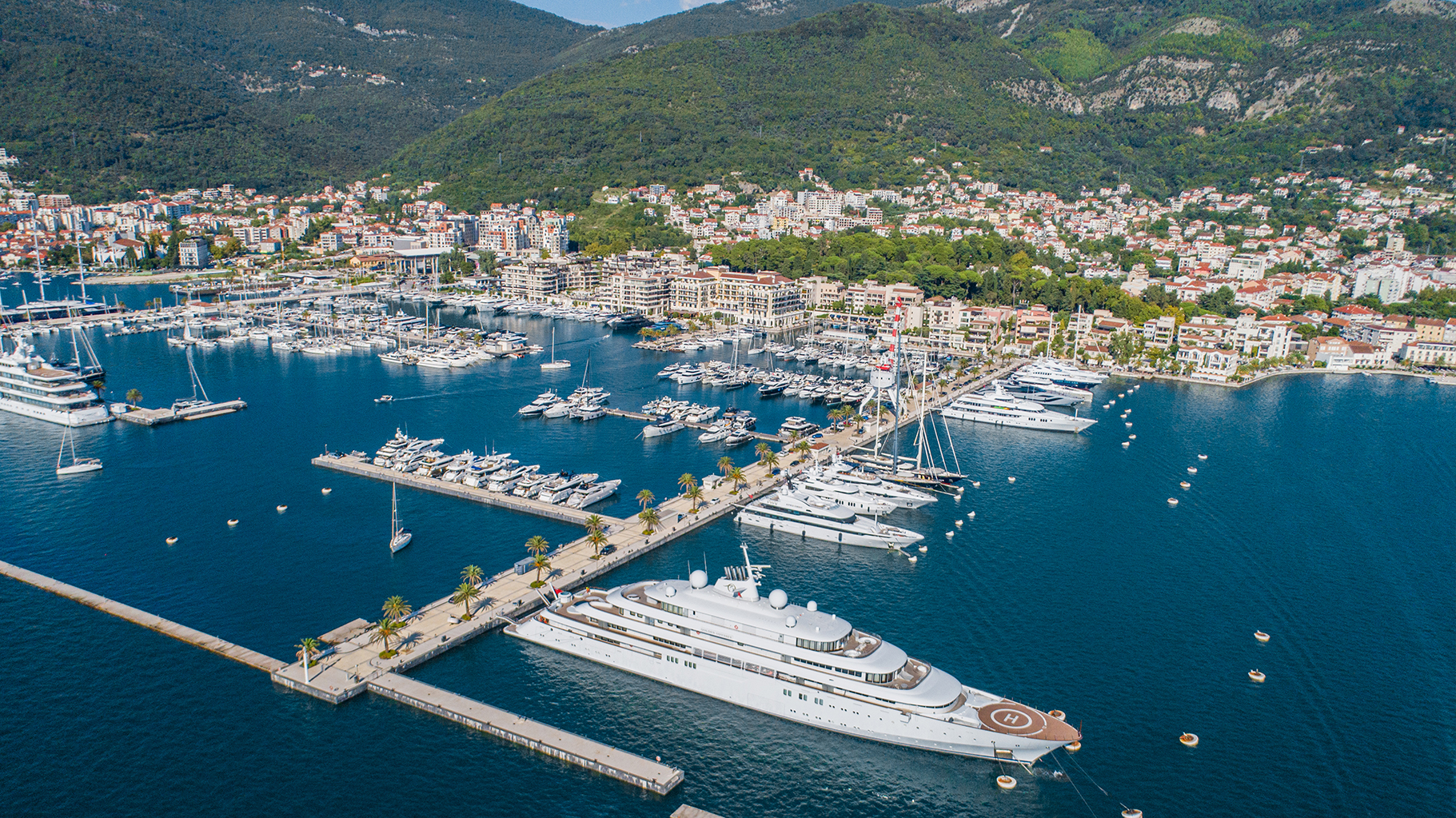
Tivat, and specifically the Porto Montenegro development at its marina, represents something distinct again. Porto Montenegro has become the reference point for luxury coastal living in the Western Balkans. Designed around a superyacht marina with berths for vessels up to 250 metres, the development includes residential towers, a five-star hotel, branded retail, fine dining, and a private members' health club. The residential product here is positioned at the top of the Montenegrin market, and it attracts buyers for whom lifestyle infrastructure is non-negotiable.
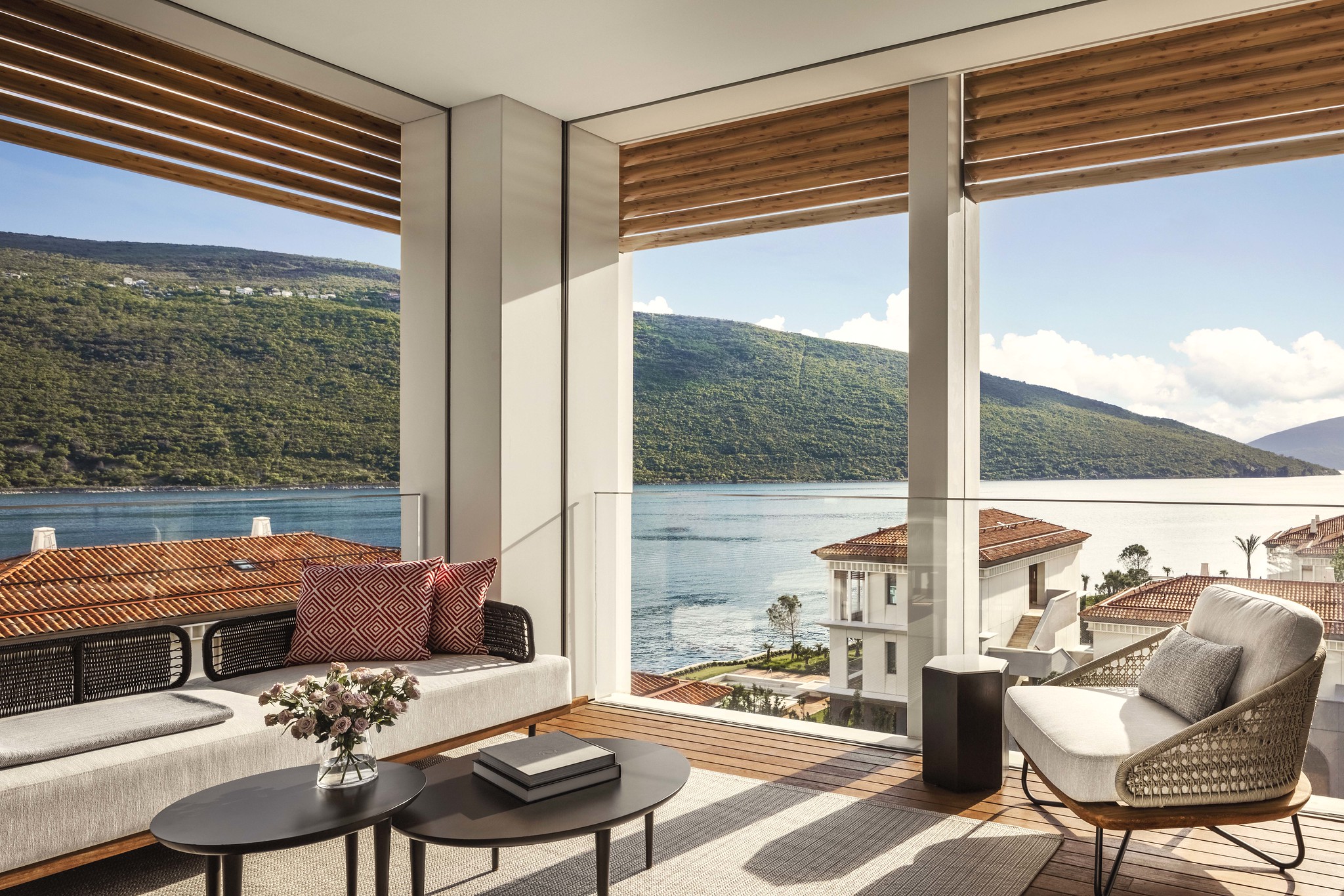
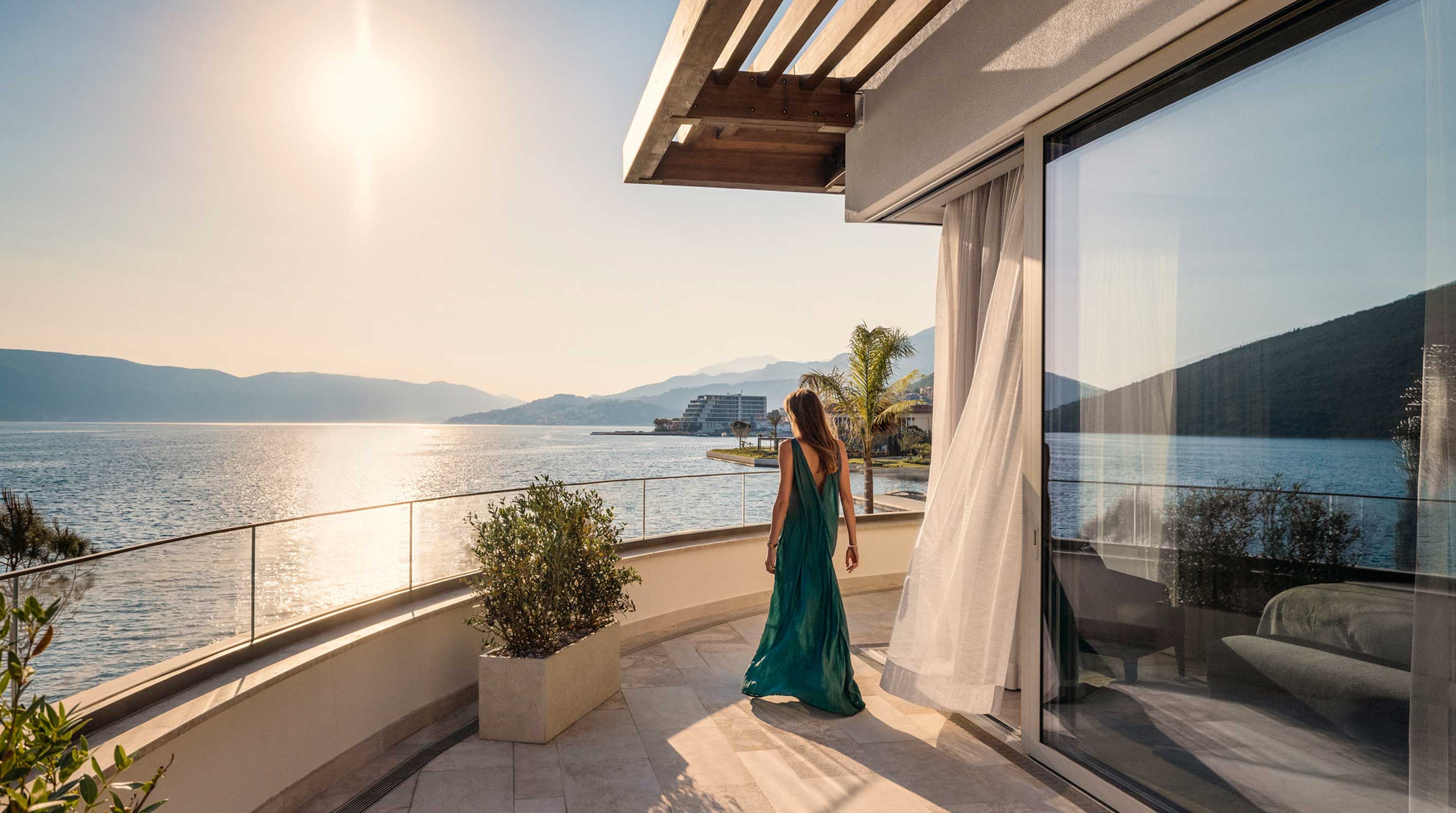
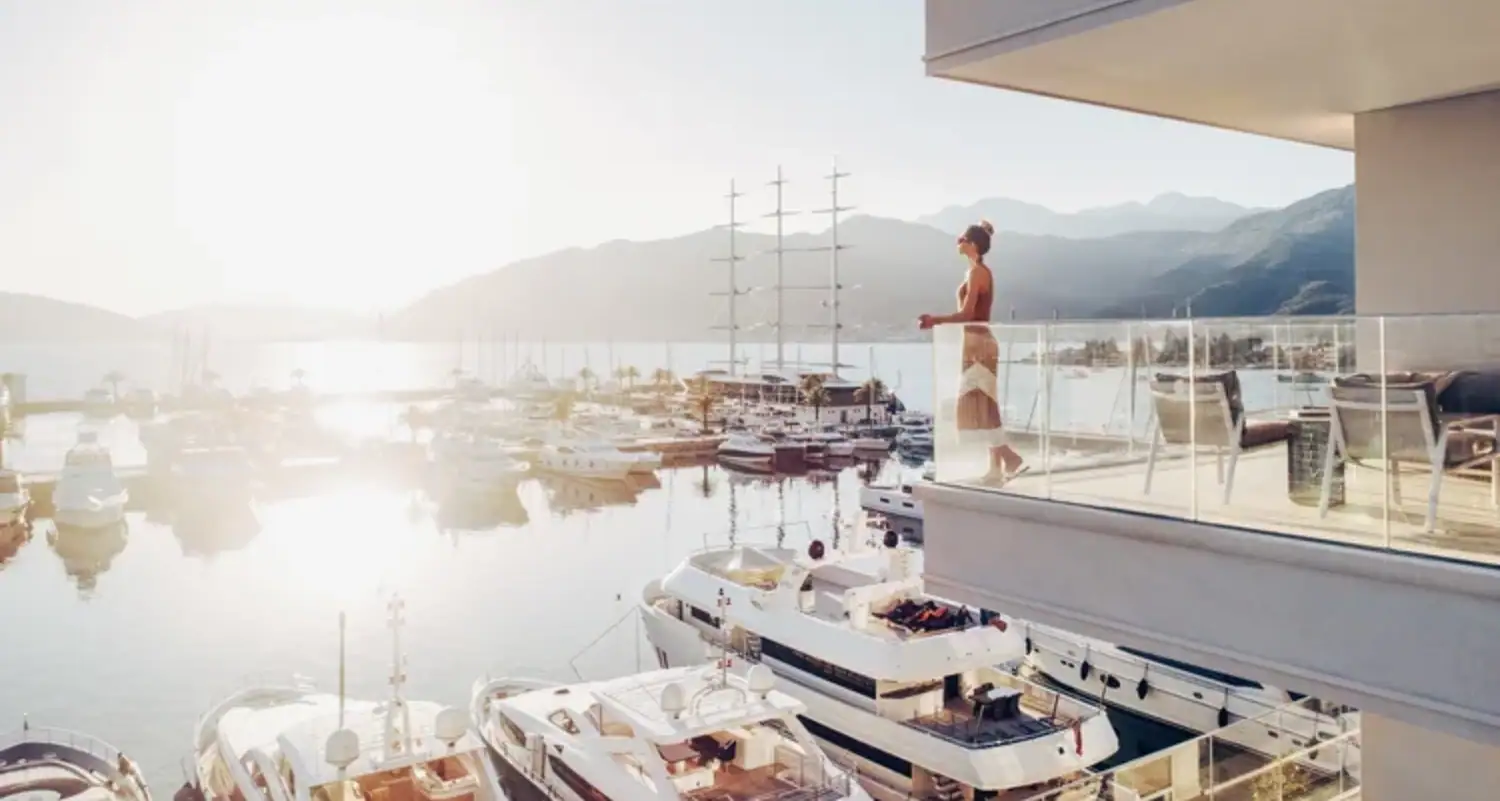
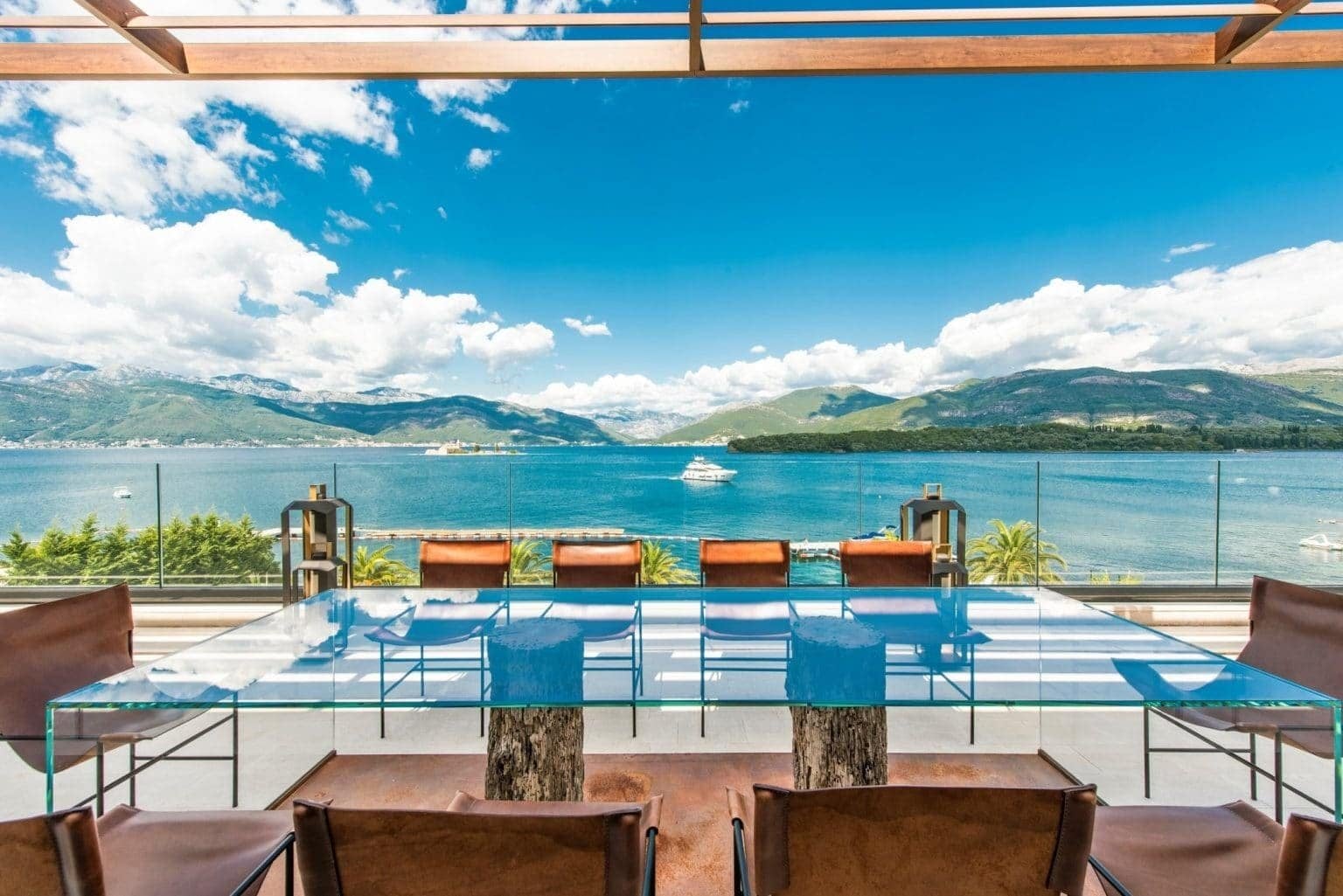
The Elevated Living Above the Adriatic: Porto Montenegro's Finest Rooftop Penthouse represents one of the most compelling examples of what this environment can offer: a three-bedroom penthouse positioned above the marina with panoramic water views, private terrace space, and direct access to the full range of Porto Montenegro's amenities. For buyers who want to retire by the sea without compromising on the standard of living they have built over a career, this is the kind of property that makes the transition not just comfortable but genuinely aspirational.
At the very apex of the Porto Montenegro residential portfolio, the Sky-High Sovereignty Above the Adriatic: Porto Montenegro's Crown Penthouse sets a different standard entirely. A four-bedroom crown penthouse offering uninterrupted views across the bay, this property represents the kind of residence that is rarely available in markets this young. Its combination of scale, elevation, and setting places it in a category that would command a significant premium in comparable Mediterranean markets.
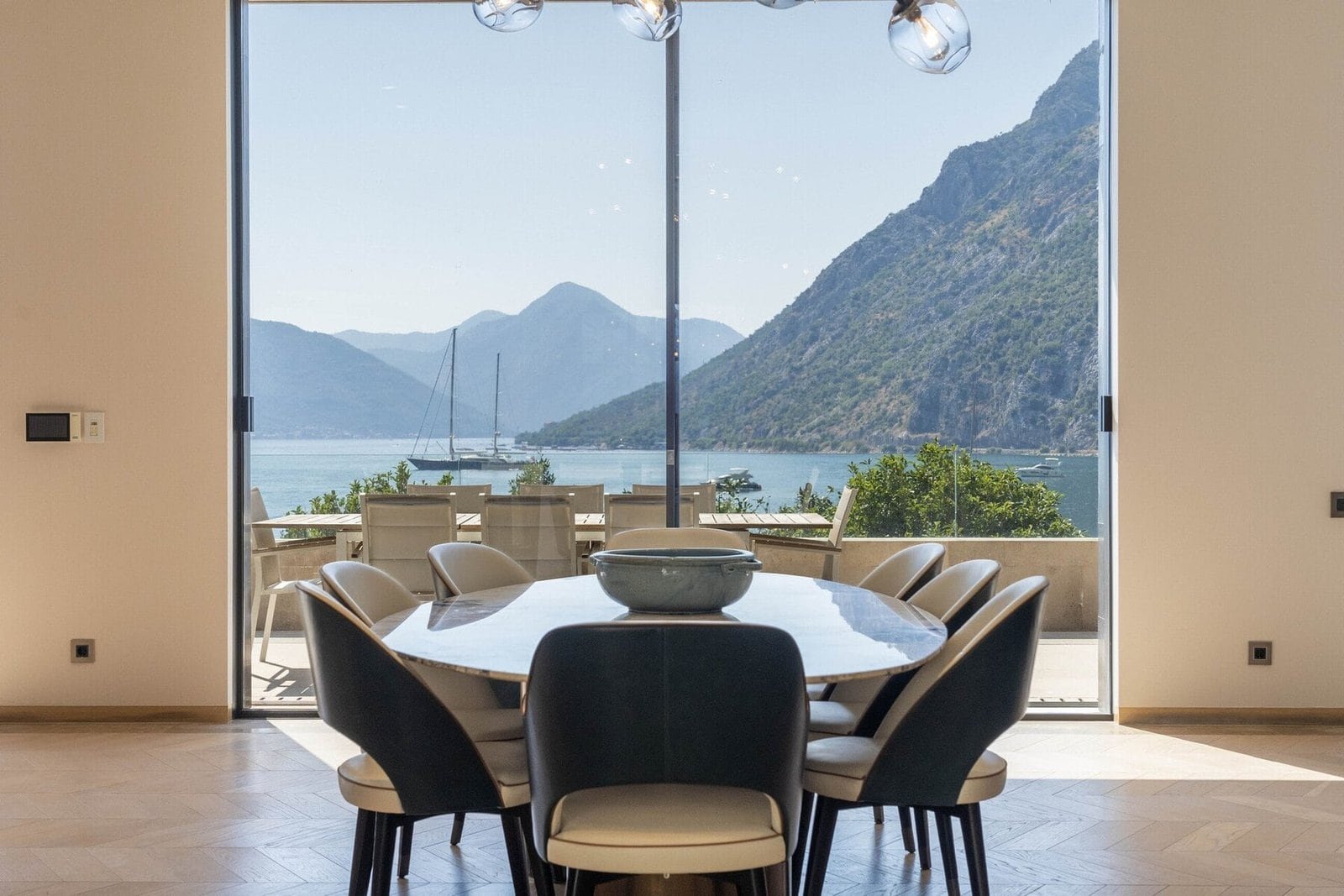
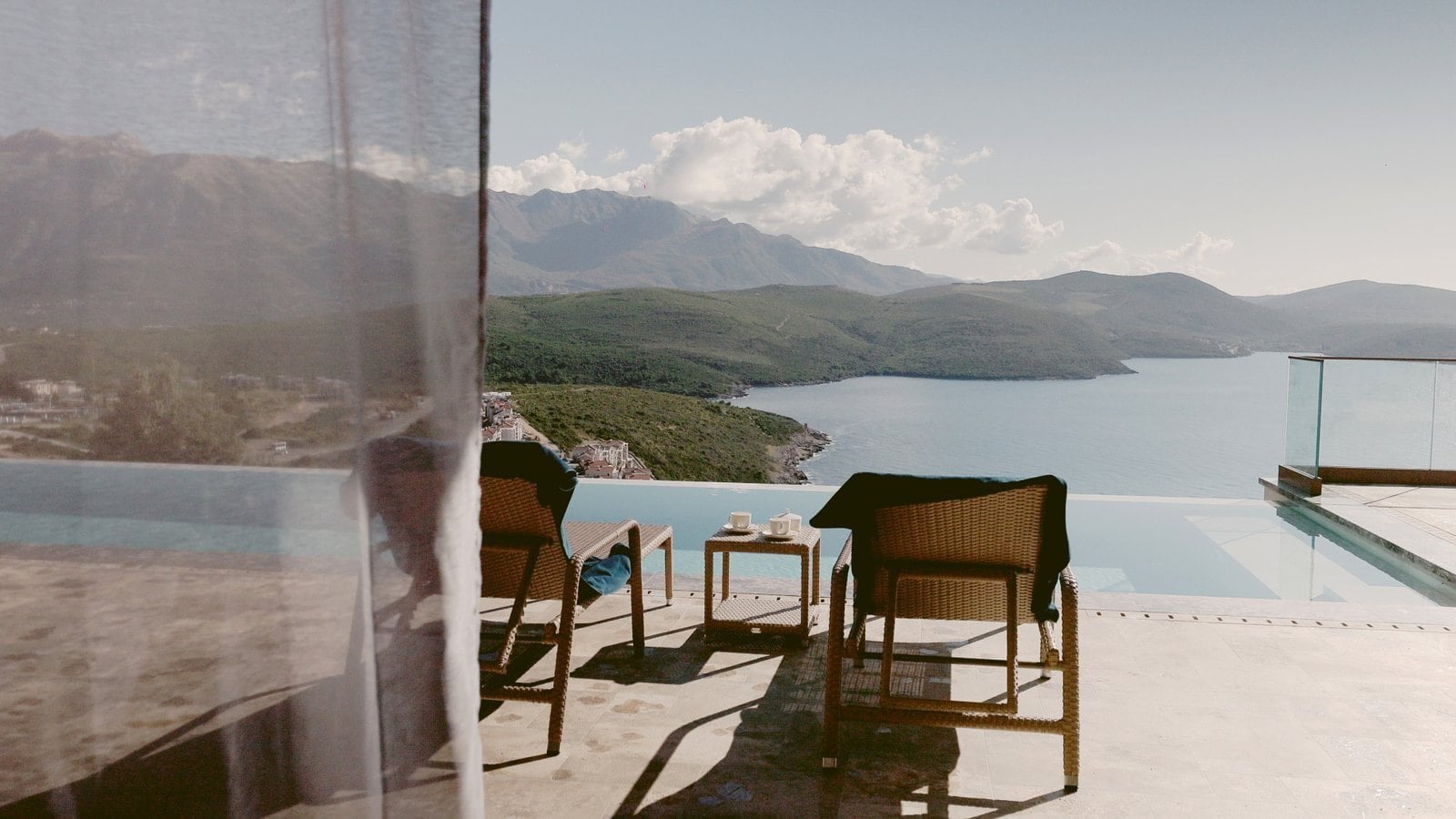
For buyers whose priorities balance sea views with the mountain drama that makes Montenegro's Bay of Kotor so visually distinctive, the Panoramic Sea Views and Alpine Horizons at Porto Montenegro's Finest Address offers a two-bedroom format that delivers both. The dual-aspect outlook, across water to the south and toward the limestone peaks to the north, is a specific characteristic of the Bay of Kotor that no other Adriatic destination can replicate.
Cost of Living and Financial Practicalities
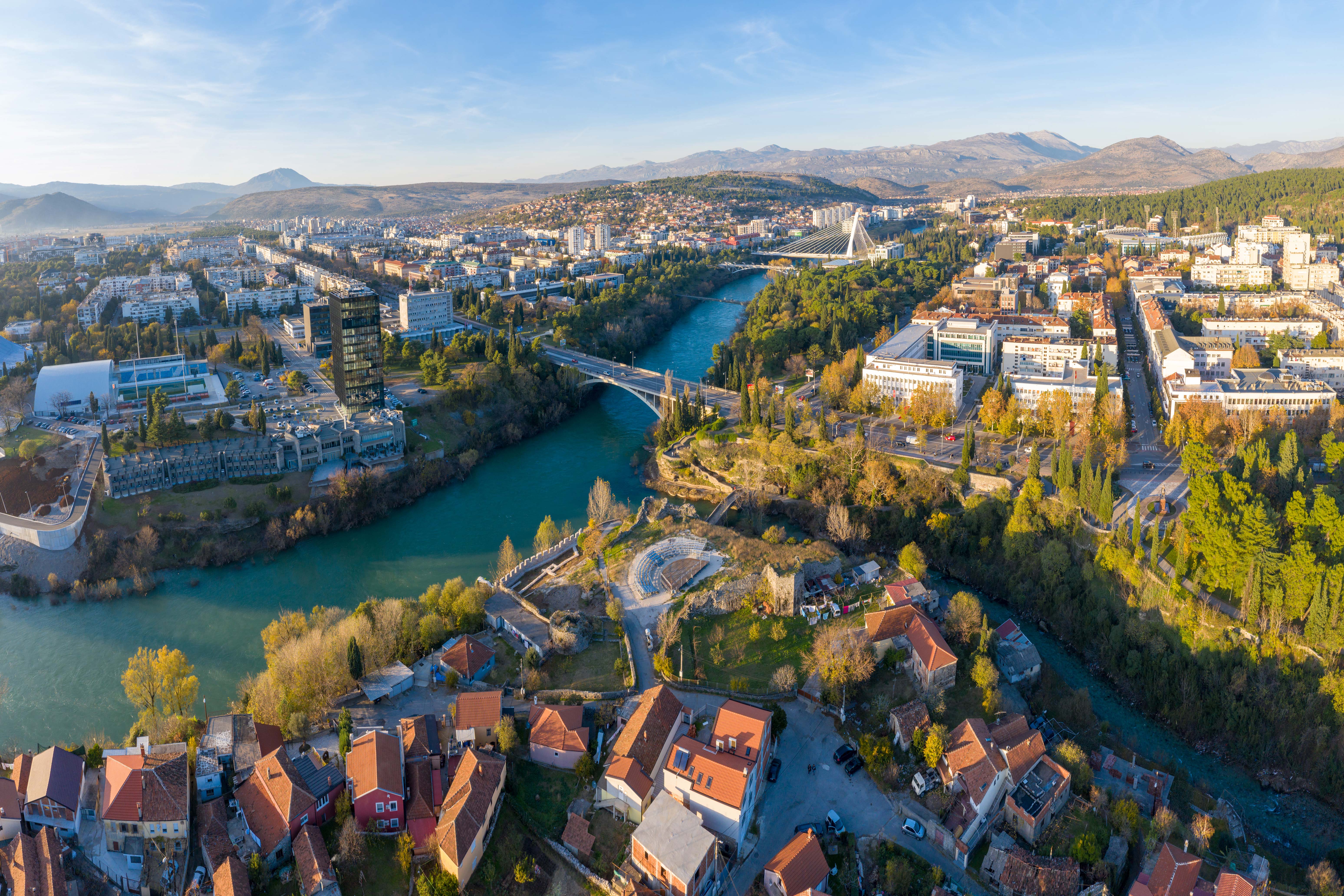
For retirees managing fixed incomes or pension distributions, Montenegro's cost of living is one of its most practically significant attributes. According to data from the Montenegrin Statistical Office, consumer prices in coastal towns remain substantially below comparable resort destinations in Croatia, Spain, or Italy. Restaurant meals, local produce, utilities, and everyday services cost considerably less than in western Mediterranean equivalents, without any corresponding reduction in quality for the essentials that matter to daily life.
Healthcare is a relevant consideration for any retirement relocation. Montenegro operates a public healthcare system, and private medical insurance is widely available at premiums that reflect the lower cost base of the local market. Several private clinics operate in Tivat, Budva, and the wider Bay of Kotor area, and the capital, Podgorica, is accessible within an hour for specialist consultations. Tivat International Airport has direct connections to numerous European cities, particularly during the summer schedule, which makes the return to home countries for family visits or medical appointments straightforward.
The tax treatment of foreign pension income is governed by Montenegro's double taxation agreements, which the country has signed with a significant number of jurisdictions. Retirees should take specific legal and tax advice relevant to their country of residence and citizenship before making any decisions, but the general framework is considered favourable by the standards of the region. The Ministry of Finance publishes the current treaty list.
Culture, Community, and the Pace of Adriatic Life
No financial analysis fully captures the daily experience of living in a place, and in Montenegro, that experience is distinctive. The country has a long tradition of hospitality that is not the performed variety familiar from international tourism, but the genuine warmth of communities where newcomers are welcomed rather than merely accommodated. The pace of life is genuinely unhurried in a way that many western European retirees find initially surprising and then deeply restorative.
Cultural life along the coast is richer than the country's size might suggest. The Kotor Art Festival, summer concerts in the old town squares, the Budva Theatre City festival, and a calendar of local religious and civic celebrations give the year a structure that rewards those paying attention. Retirees who engage with local life rather than retreating into expatriate enclaves consistently report a more satisfying and more stimulating experience.
The cuisine deserves specific mention. Montenegro's coastal cooking draws from Venetian, Ottoman, and Slavic traditions in a combination that is genuinely its own. Fresh Adriatic seafood, specifically the renowned prstaci shellfish of the Bay of Kotor, local lamb, aged prsuit, and wines from the Crmnica and Plantaze vineyards, produce a food culture that is both distinctive and excellent. For retirees who place value on eating well without the expense of Michelin-starred dining, this is an environment that delivers consistently.
What Retiring by the Sea Actually Requires
The decision to retire to a coastal property in Montenegro, or indeed anywhere on the Adriatic or Mediterranean, benefits from preparation that goes beyond choosing a view. Understanding the legal framework for foreign ownership, the tax implications of residency, the practicalities of healthcare access, and the realistic costs of property acquisition and ownership are all essential steps before any commitment is made.
At Barok Estates International, with offices in Madrid, Marbella, London, and Montenegro, our advisory team works with buyers at every point in this process. We do not take a transactional view of property acquisition. We take a generational one. The properties we represent, and the markets we cover, are ones we believe in over the long term.
The Sky-High Sovereignty Above the Adriatic: Porto Montenegro's Crown Penthouse is one example of the properties currently available through our Montenegro portfolio, and it illustrates the standard of what this market now offers at its best.
Barok Estates International Advisory Note
If you are considering retiring to the coast and would like to understand the Montenegro market in depth, the Barok Estates International team is available for a private consultation. We advise on property selection, legal due diligence, residency pathways, and long-term portfolio strategy across our markets. Contact our Montenegro office directly to arrange an introductory conversation with one of our senior advisors.







.jpg)