Waterfront Apartment Investment at Tivat Marina: Returns, Yields, and What Every Serious Buyer Should Know
Barok Estates International Editorial, July 2026
Very few locations along the Adriatic coast present the combination of measurable investment logic and authentic lifestyle quality that Tivat does. For international buyers evaluating a waterfront apartment at Tivat Marina, the conversation quickly moves beyond sea views. What attracts capital here is a convergence of yield potential, currency stability, low acquisition costs, and the kind of scarcity-driven resale appeal that serious buyers spend years chasing across the western Mediterranean. This guide, produced by the Barok Estates International advisory team, sets out why Tivat's marina district has become the region's most closely watched residential micro-market, what financial returns are realistic for 2026 and beyond, and what any foreign buyer should understand before committing to a purchase.
Why Tivat Marina Is Montenegro's Standout Micro-Market for Investment
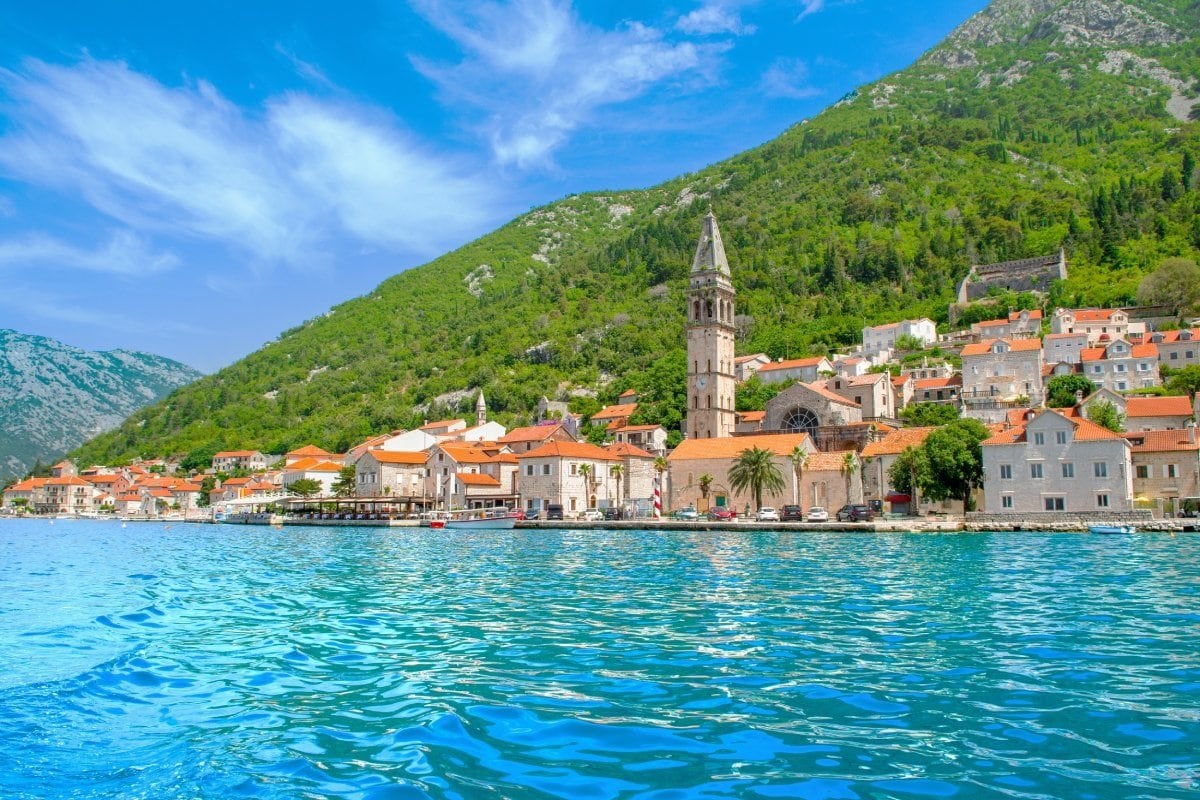
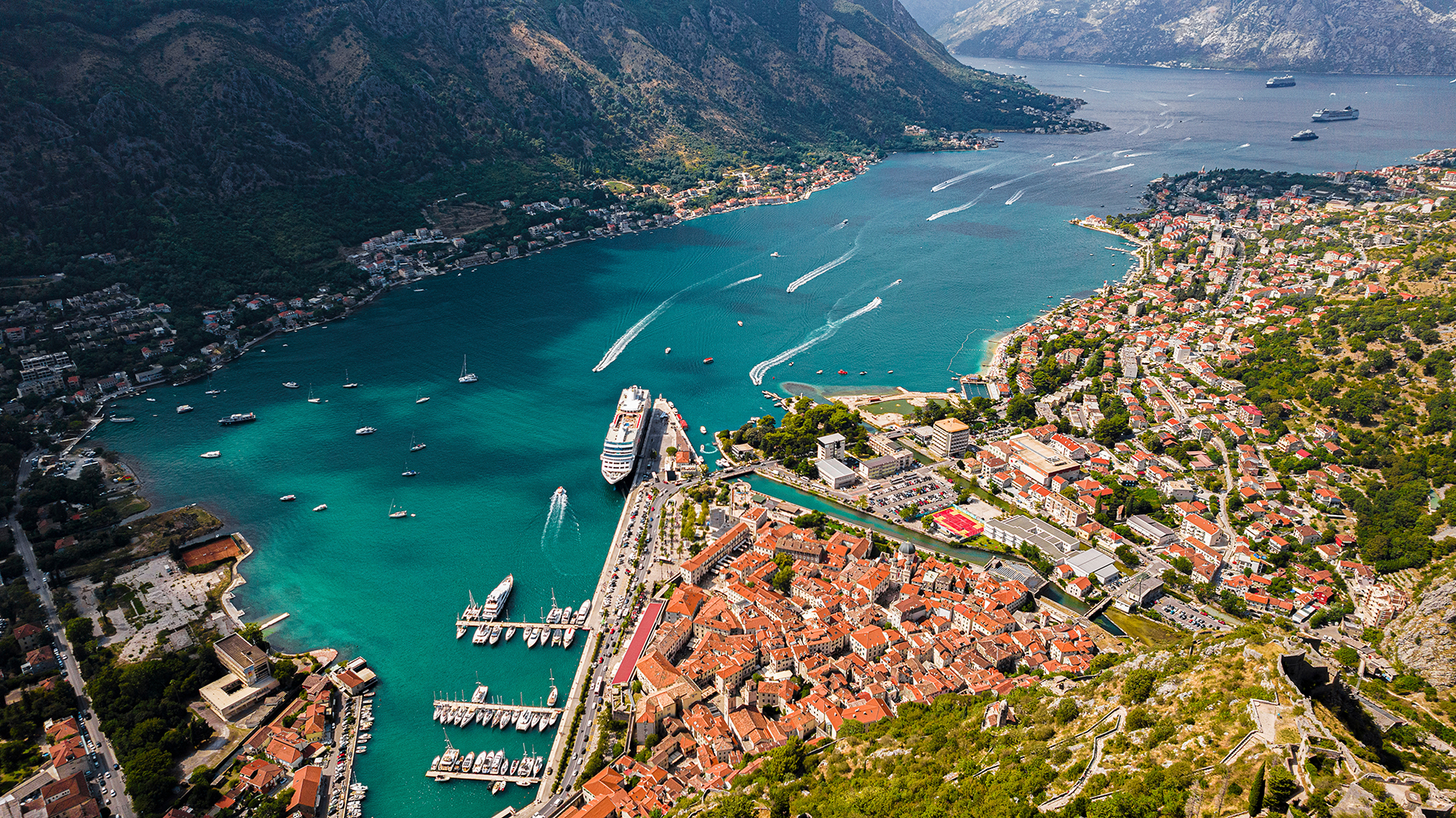
Montenegro's Adriatic coastline stretches across a succession of historic towns, fishing villages, and resort strips, each with its own character and its own investor audience. Tivat sits apart from that continuum. Its competitive advantage has never been medieval heritage or mass-market beach tourism. Instead, it has built a reputation on infrastructure quality, a deliberately exclusive atmosphere, and a consistent record of drawing private capital from Gulf sovereign wealth structures, Western European family offices, and individual high-net-worth buyers who regard the Balkans Adriatic as an underpriced alternative to the Côte d'Azur or the Costa del Sol.
That reputation is not accidental. It was engineered by the transformation of a single site, and it has held.
From Naval Yard to Luxury Marina: Tivat's Transformation
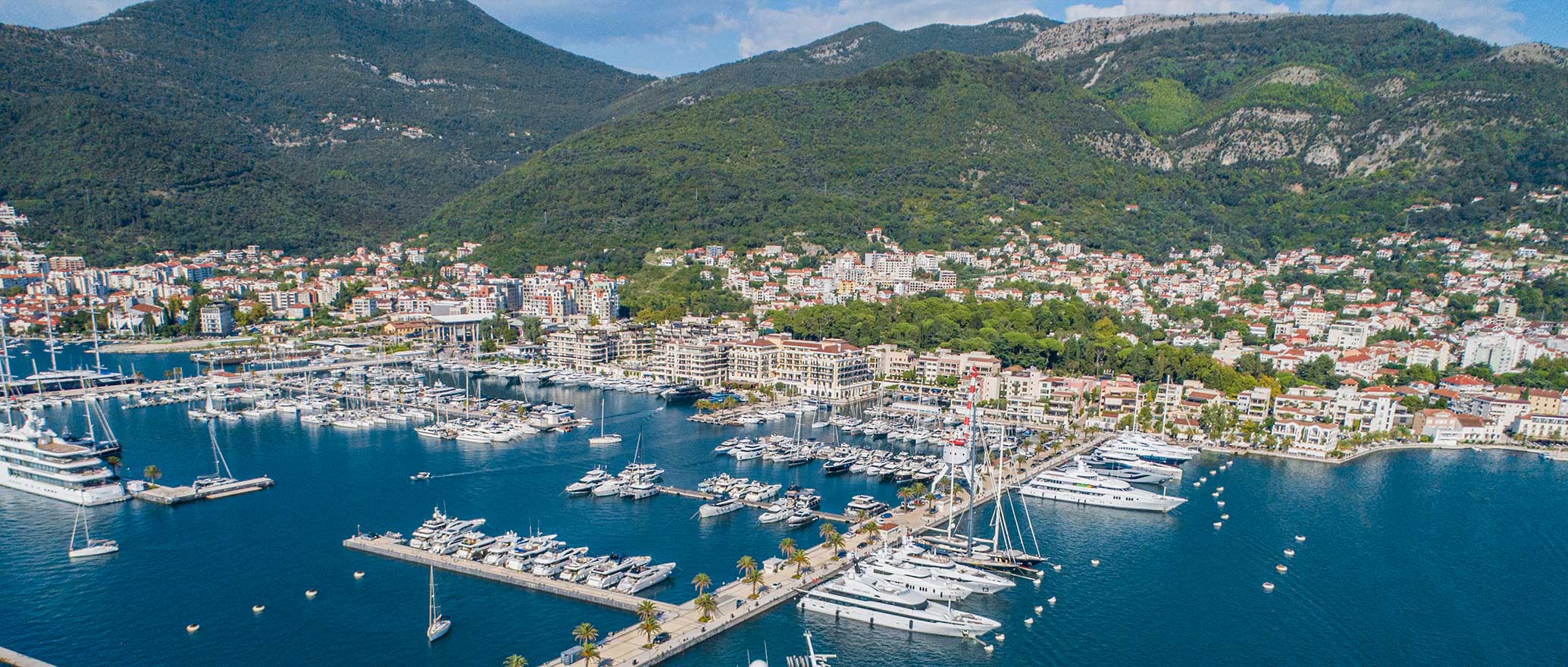
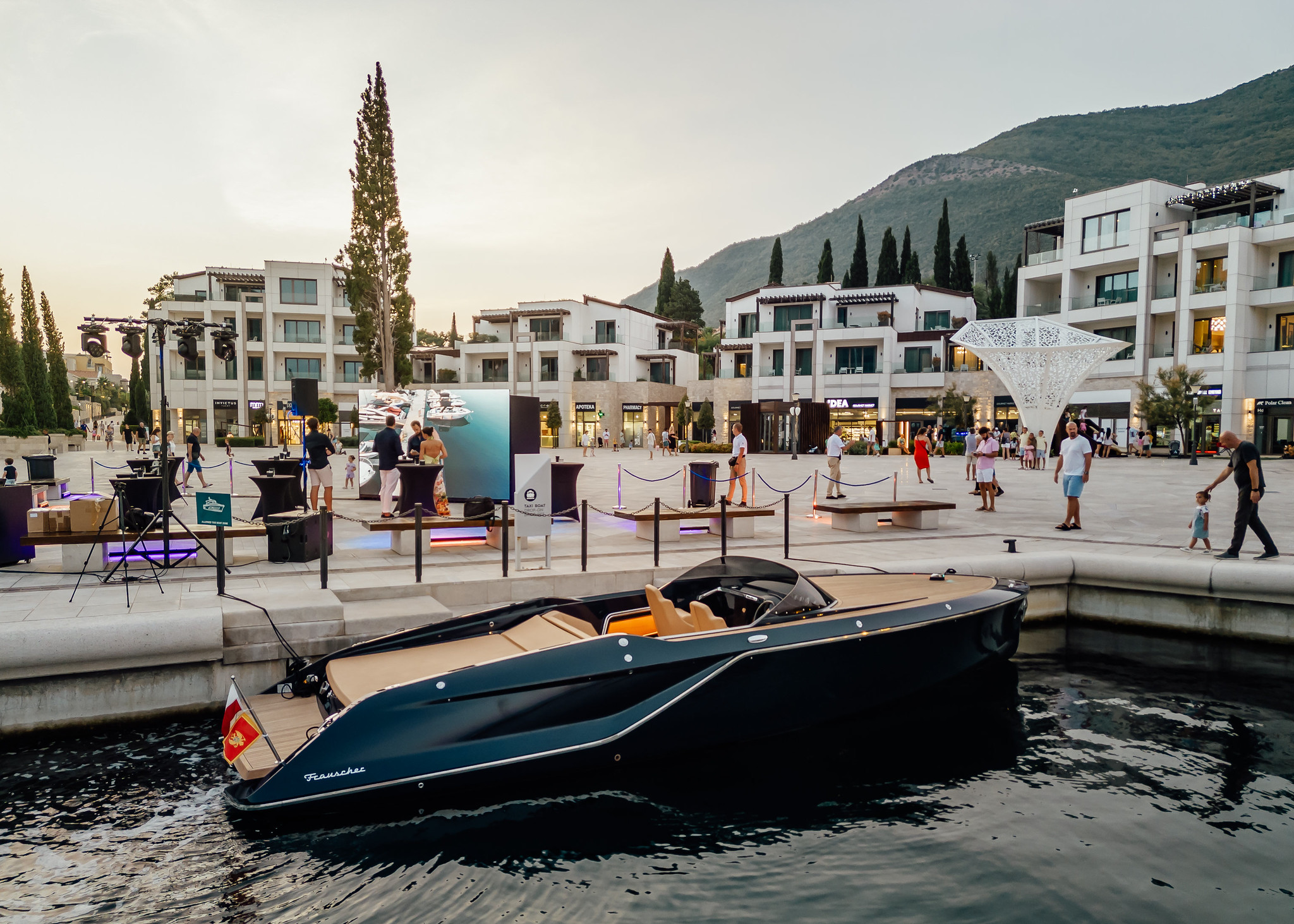
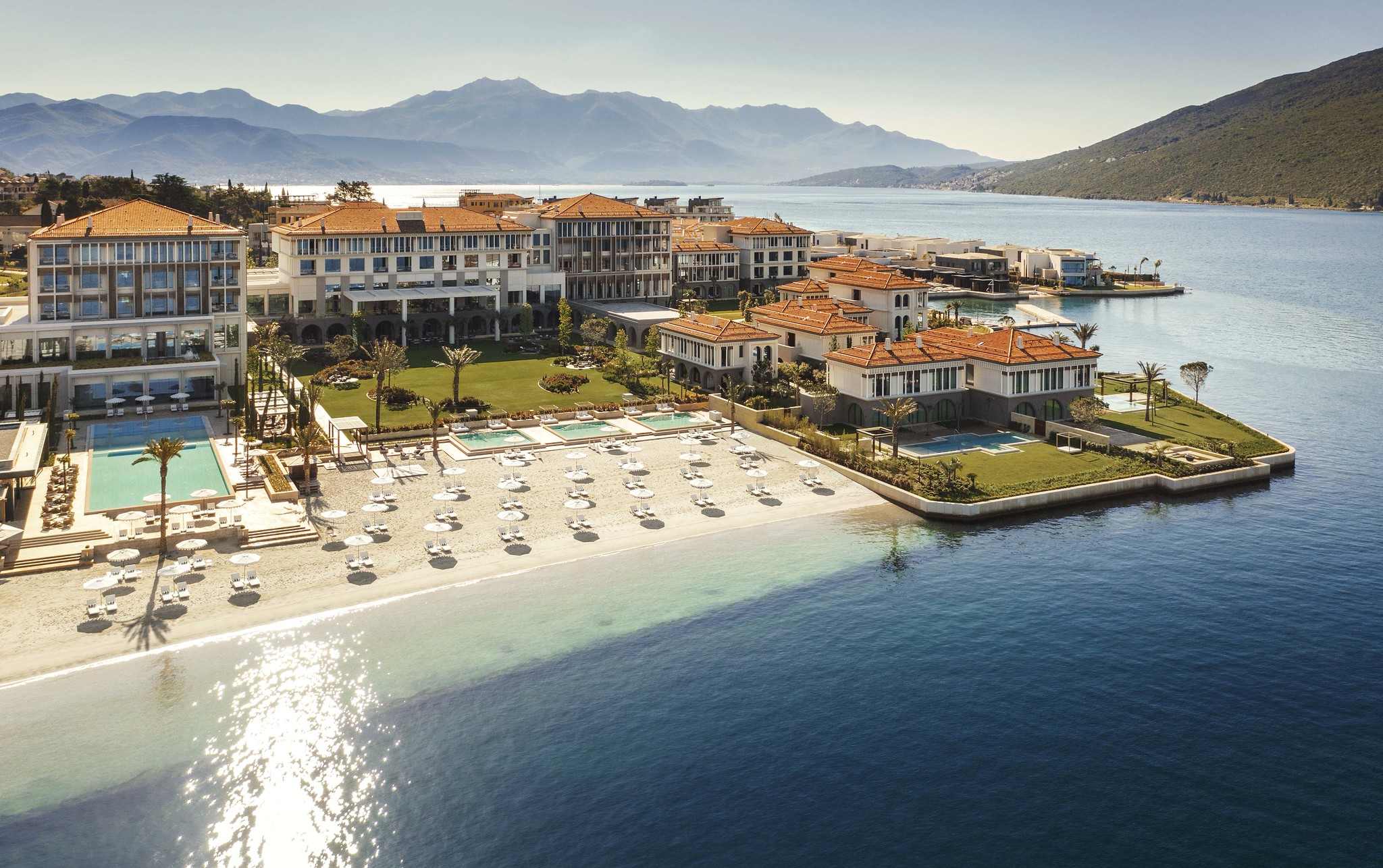
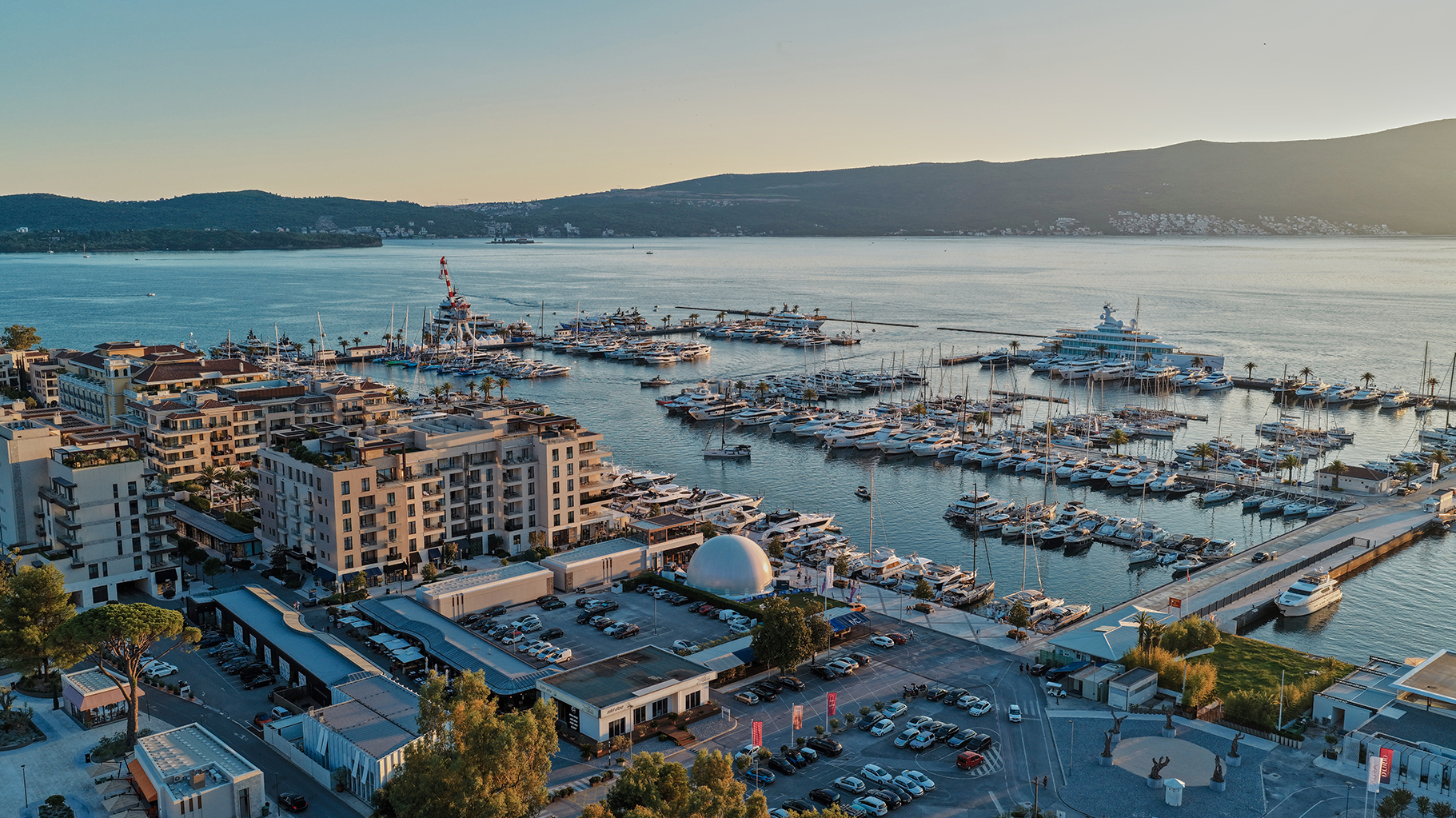
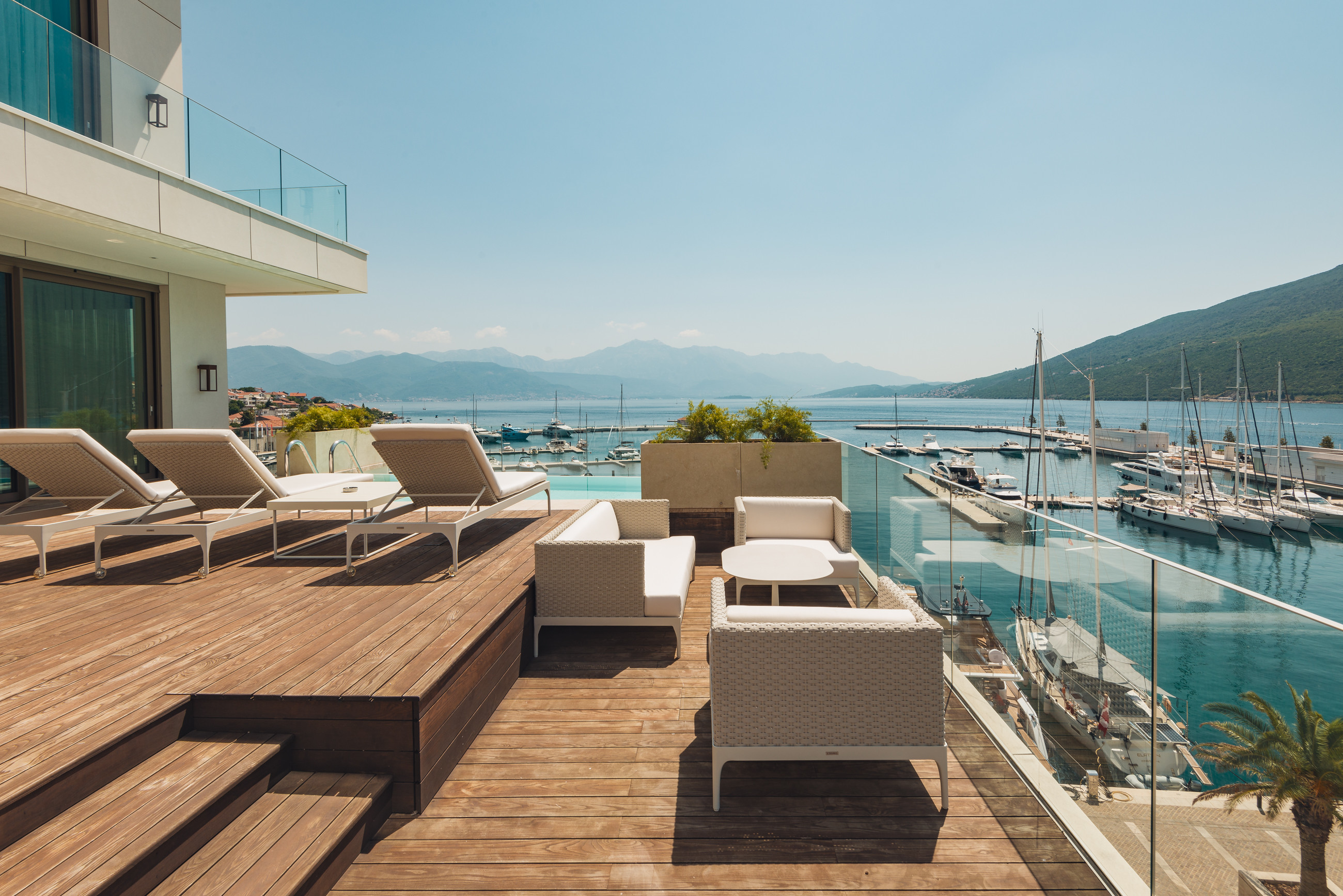
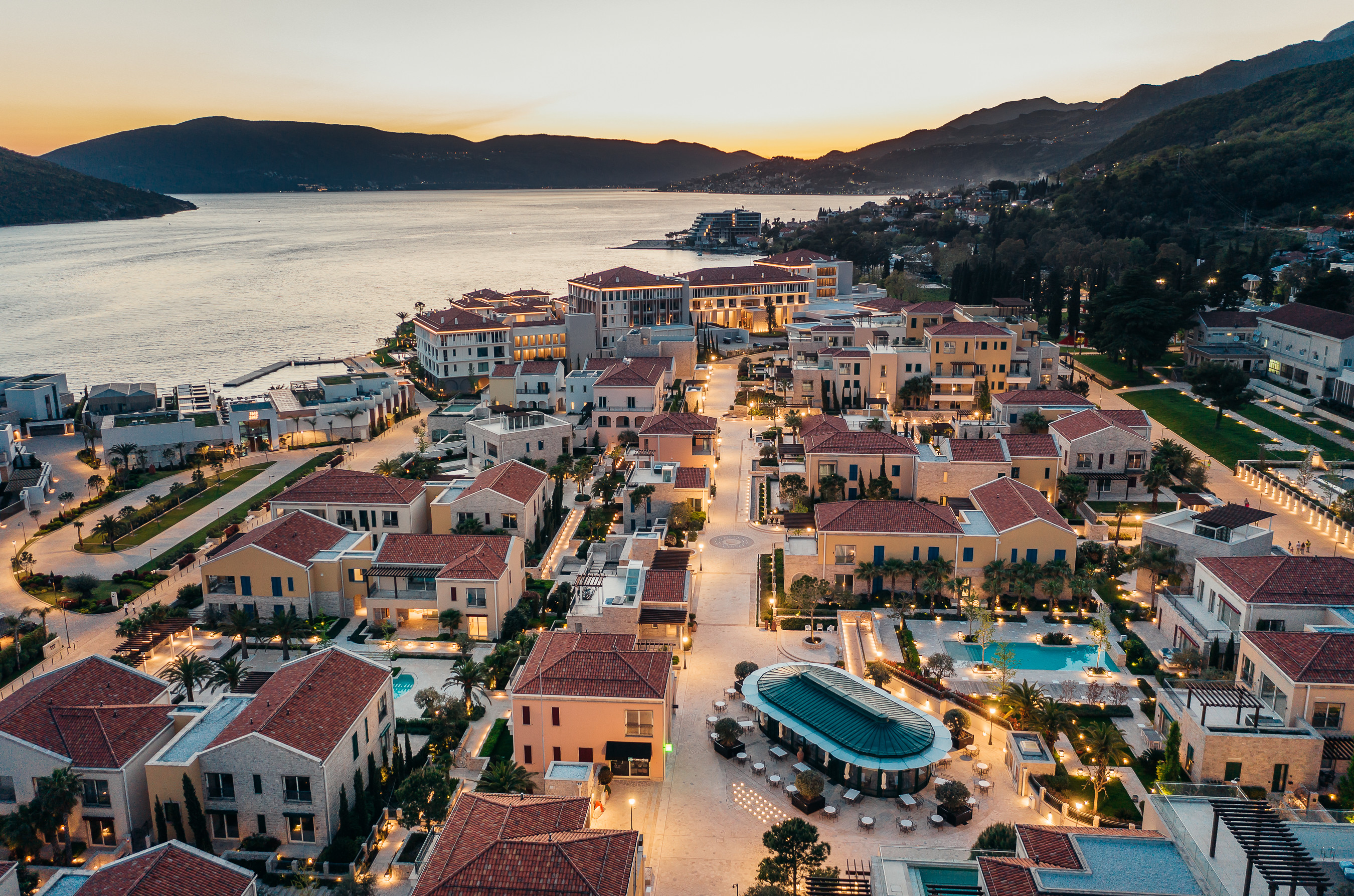
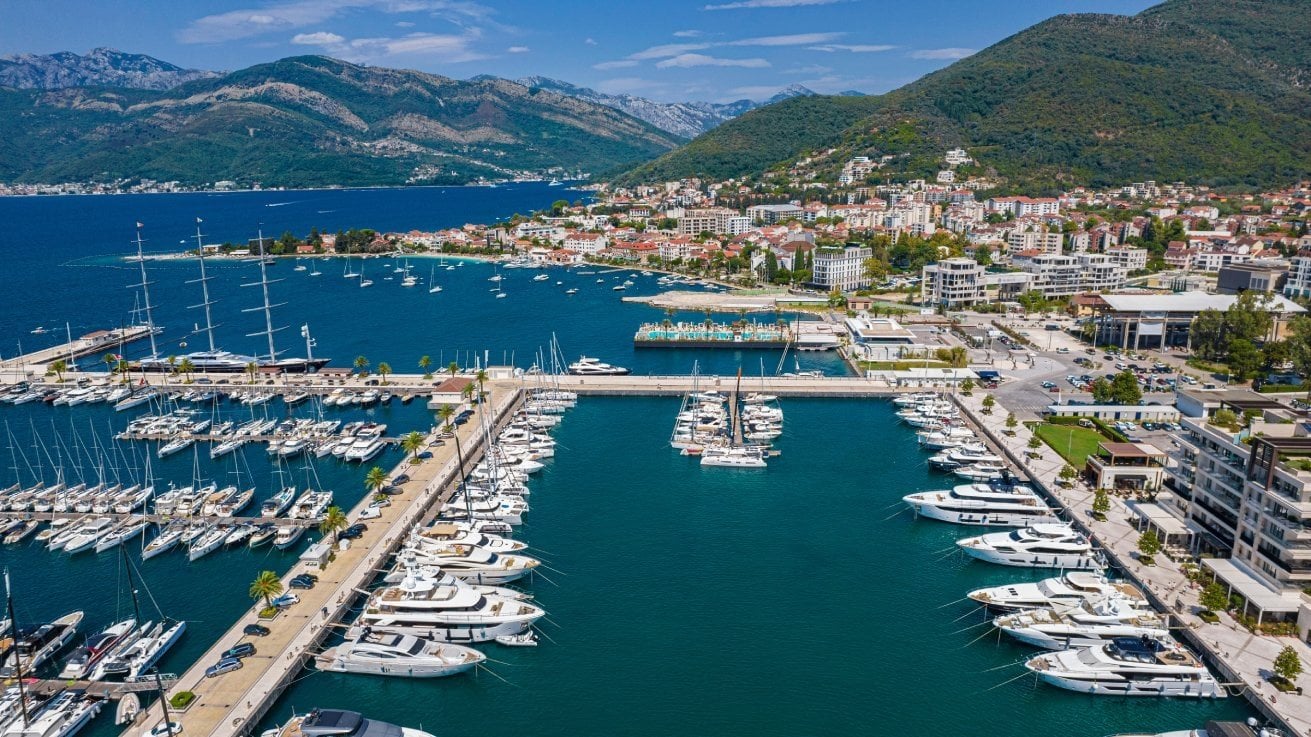
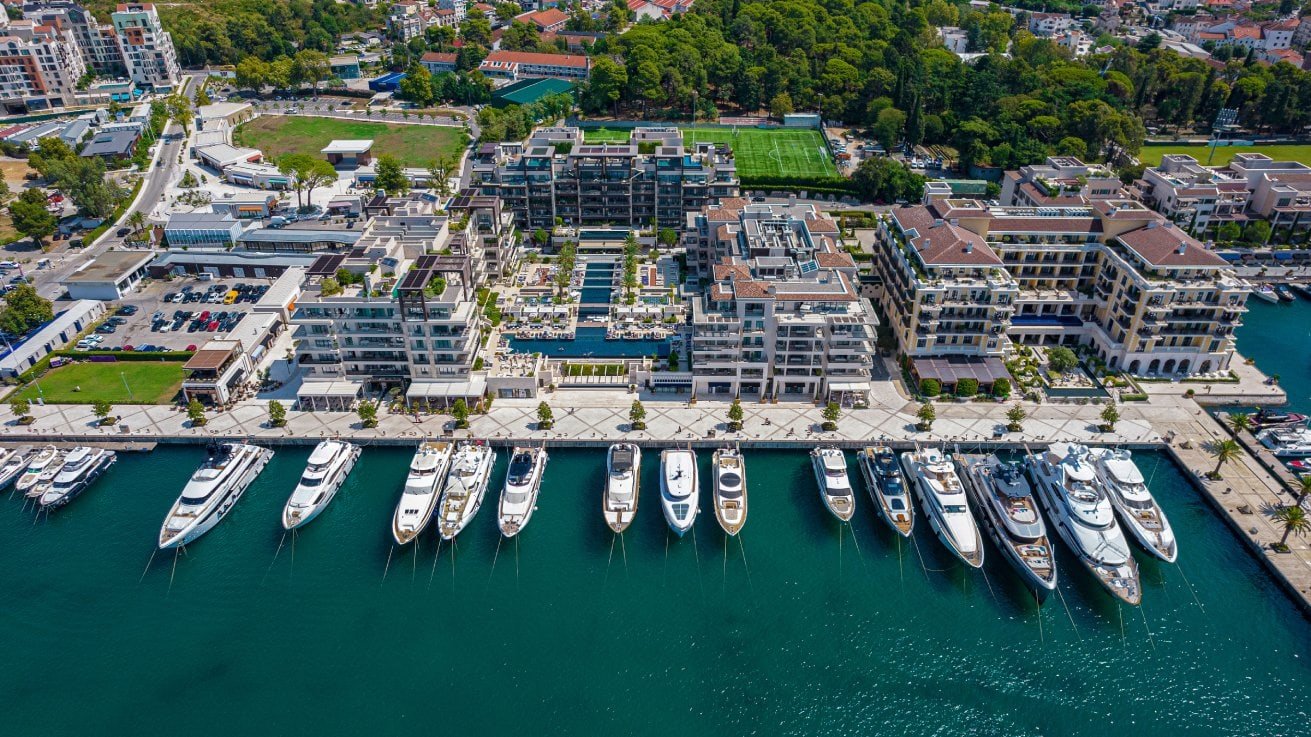
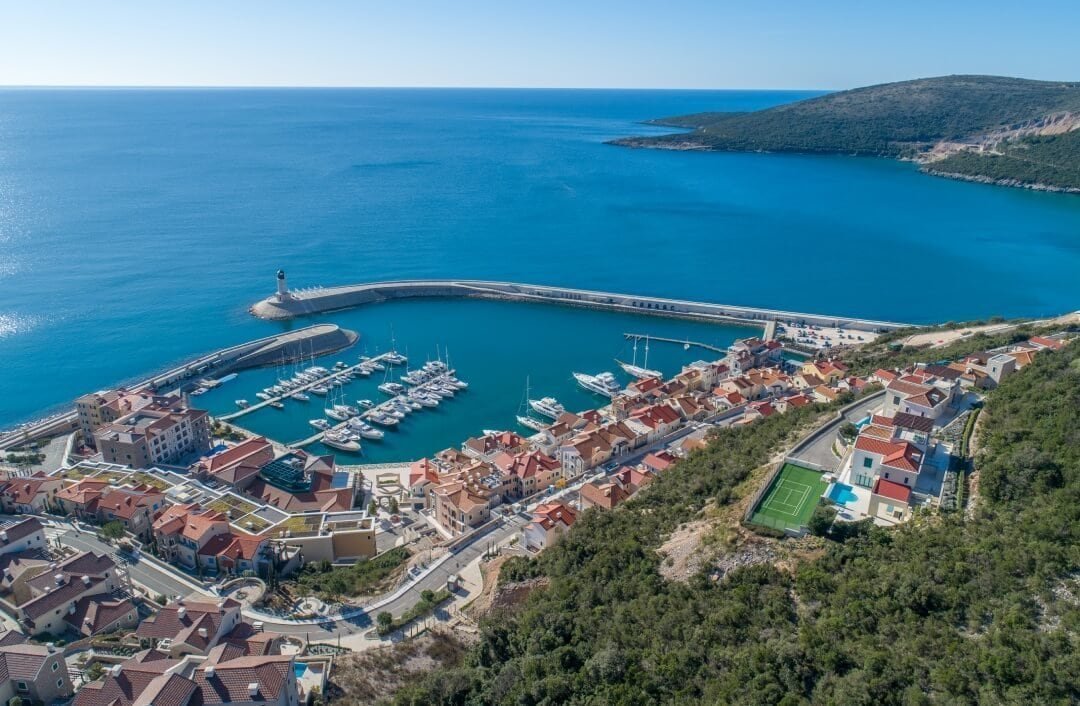
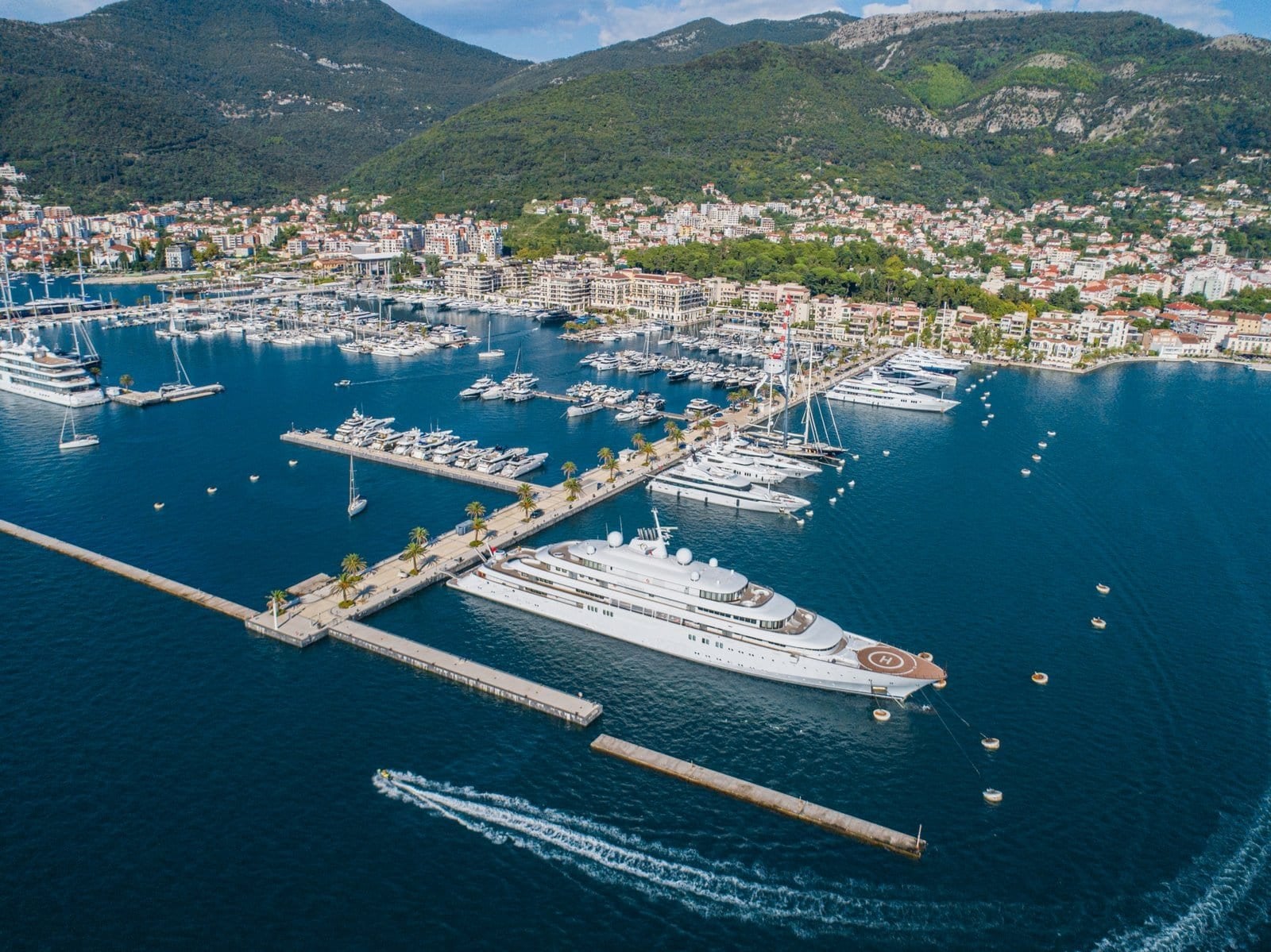
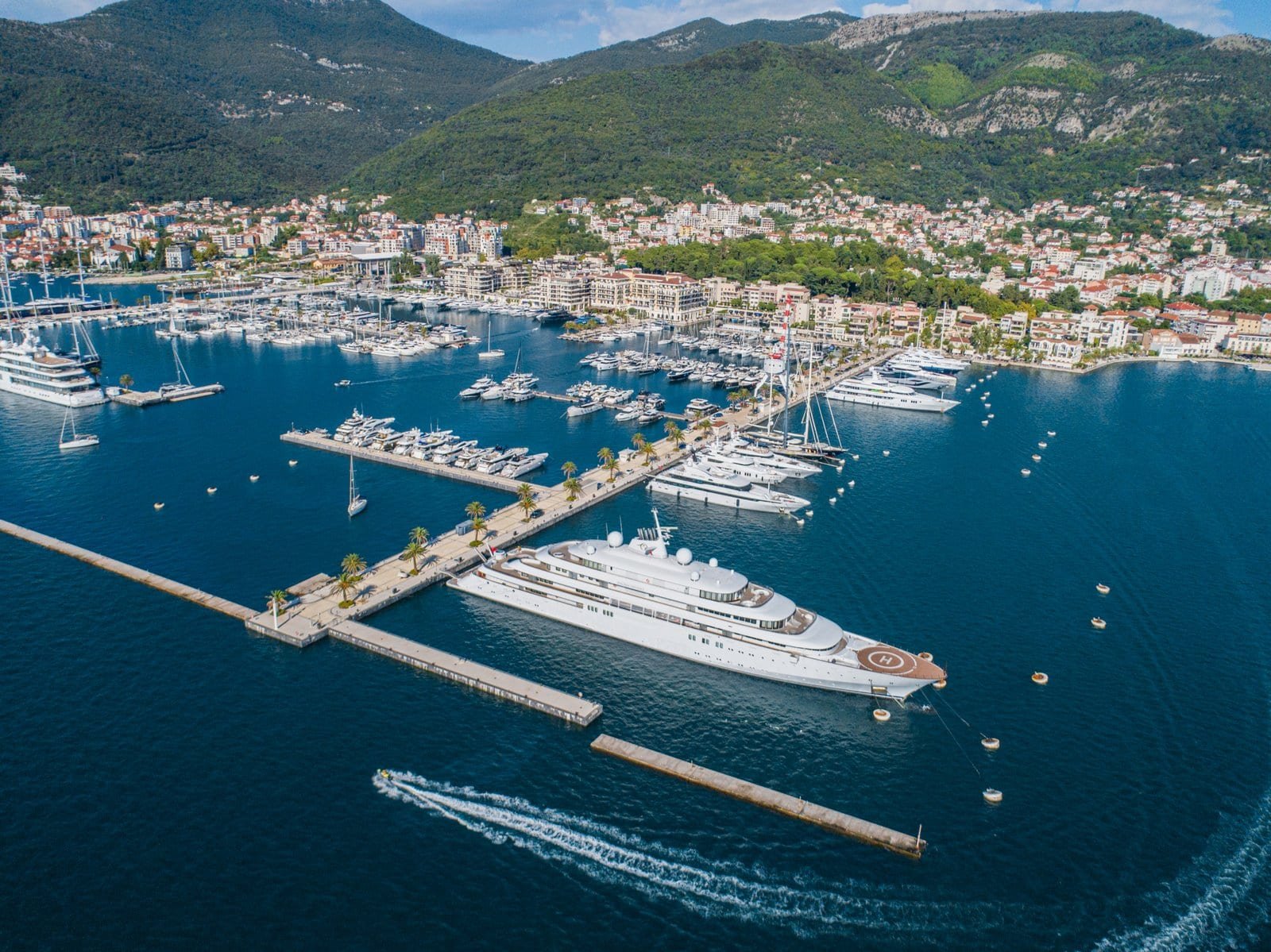
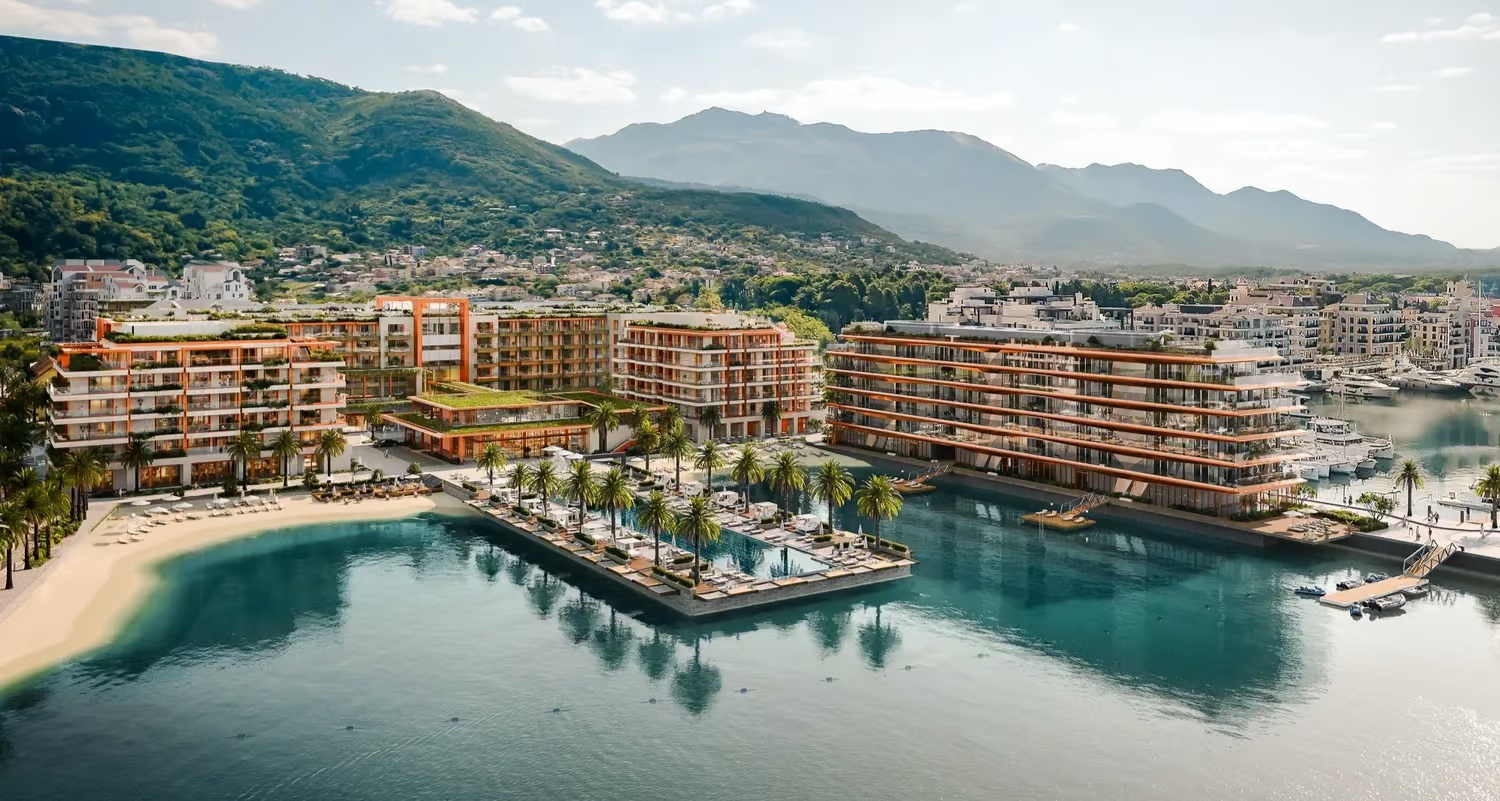
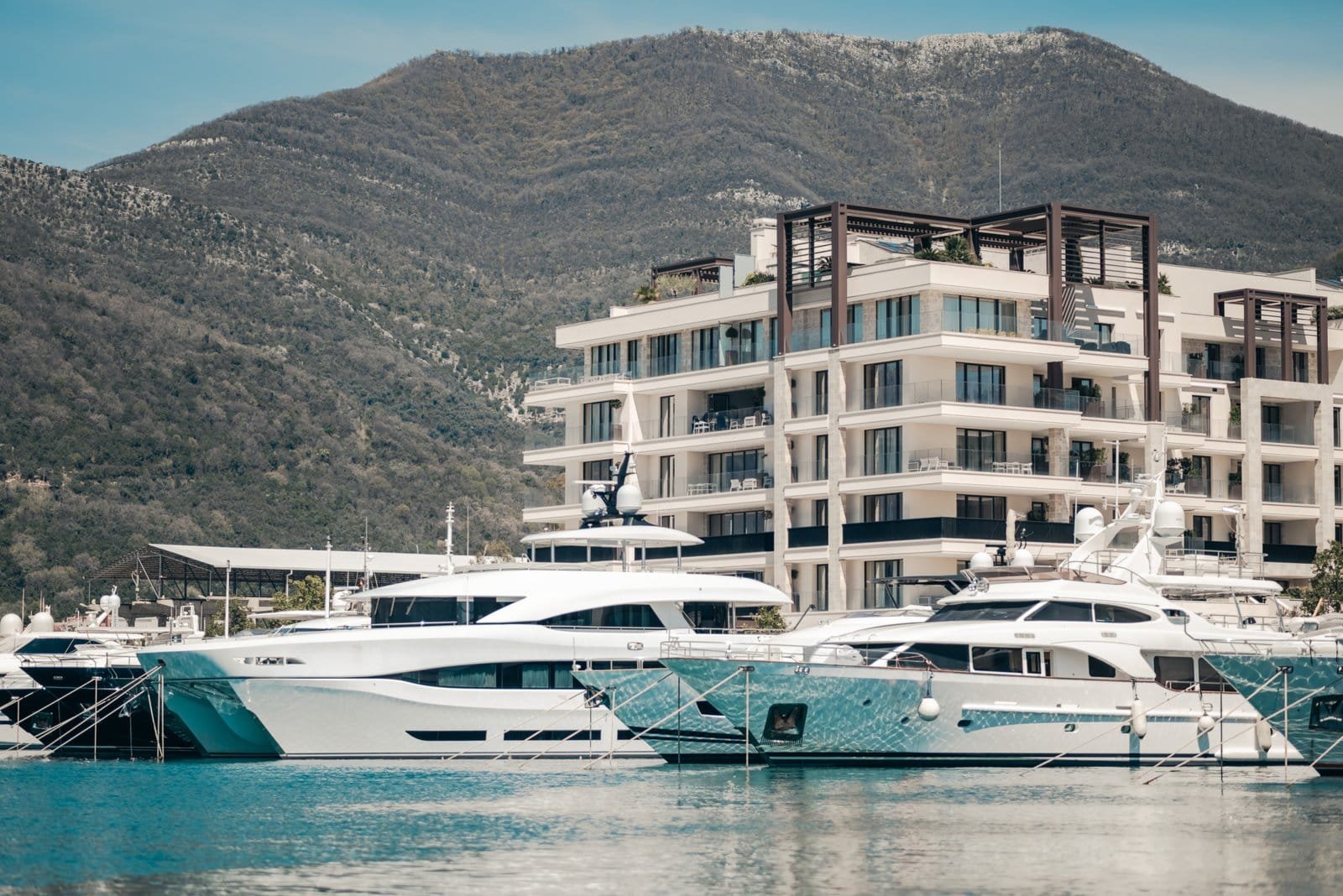
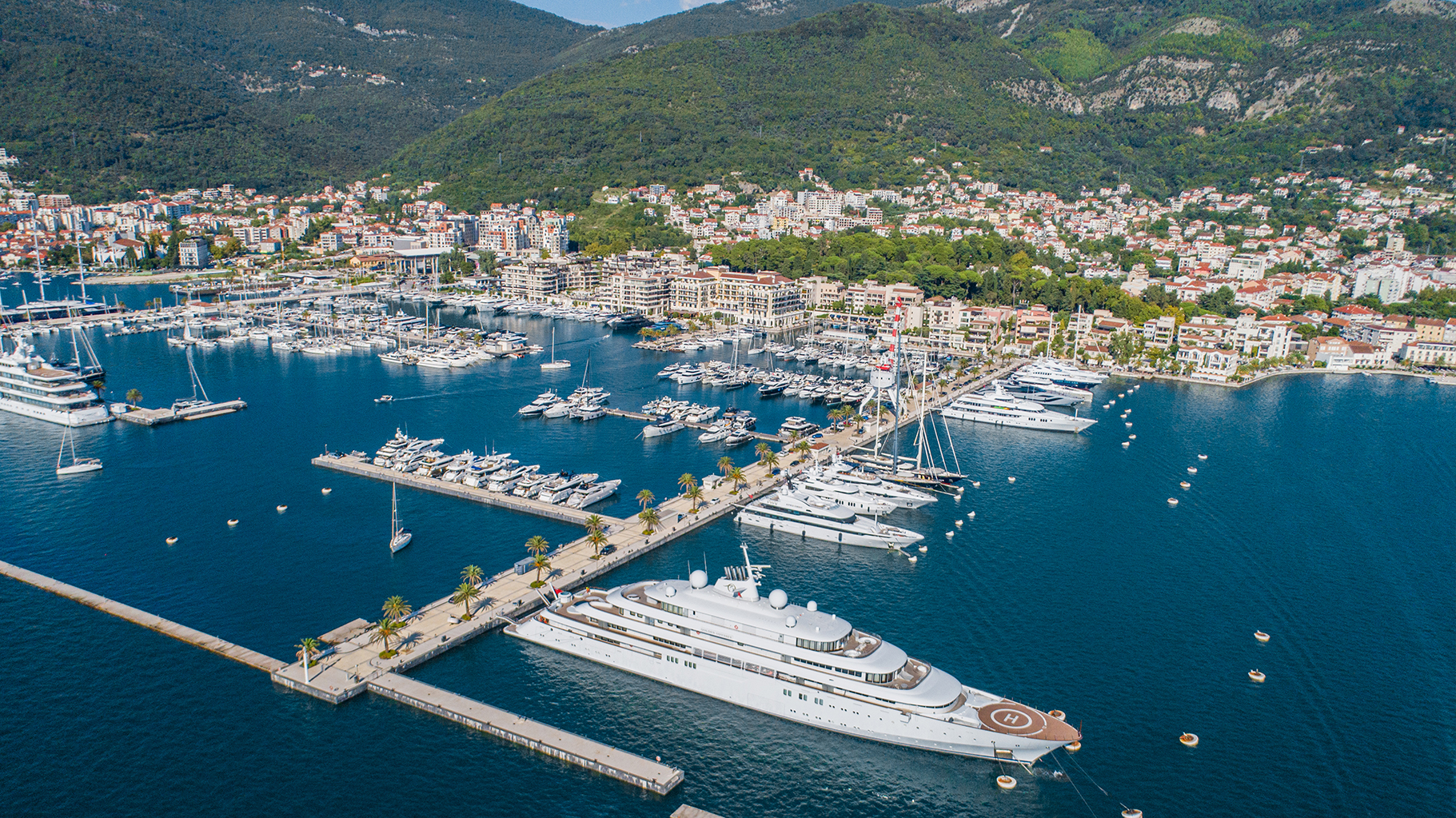
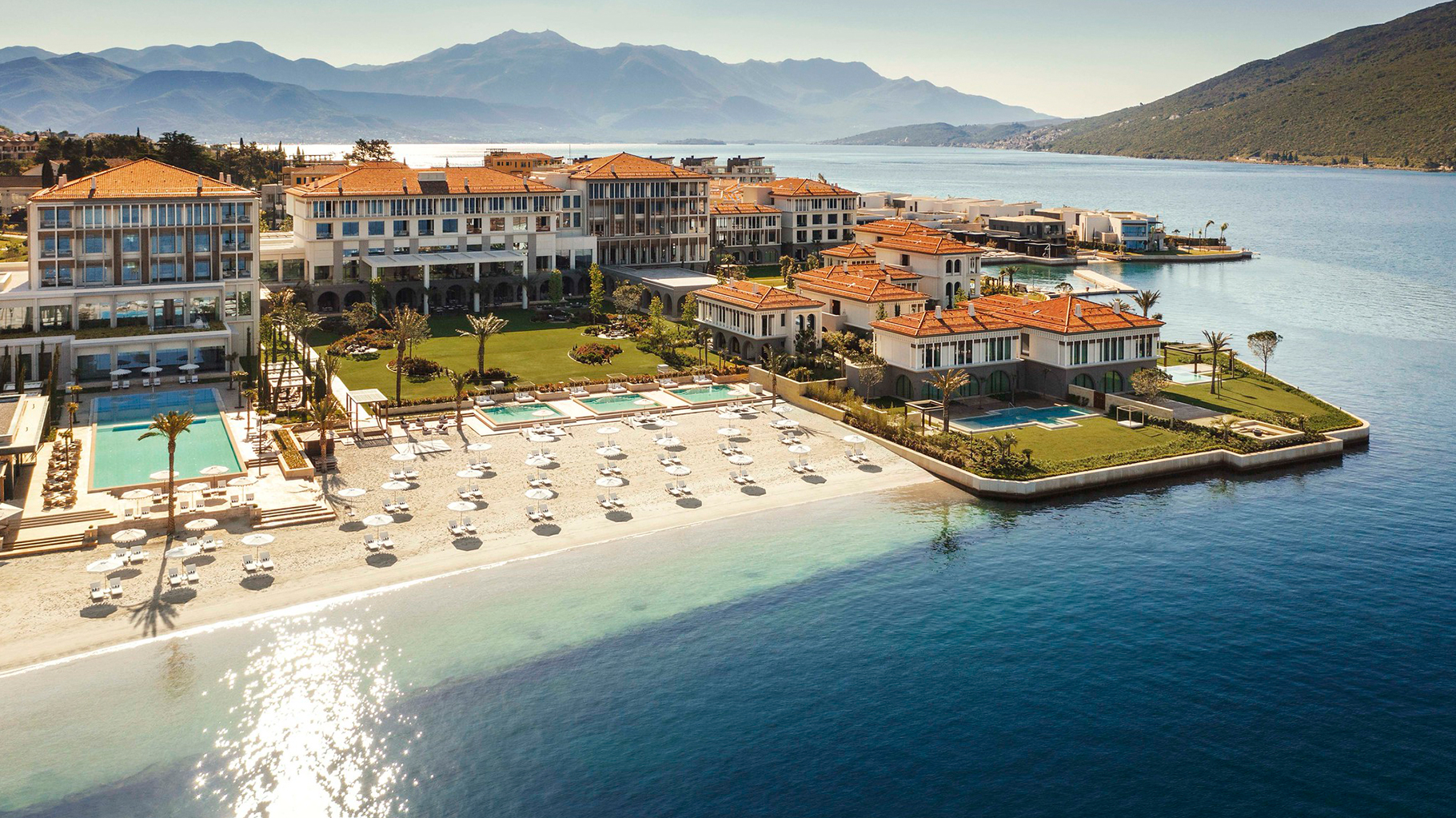
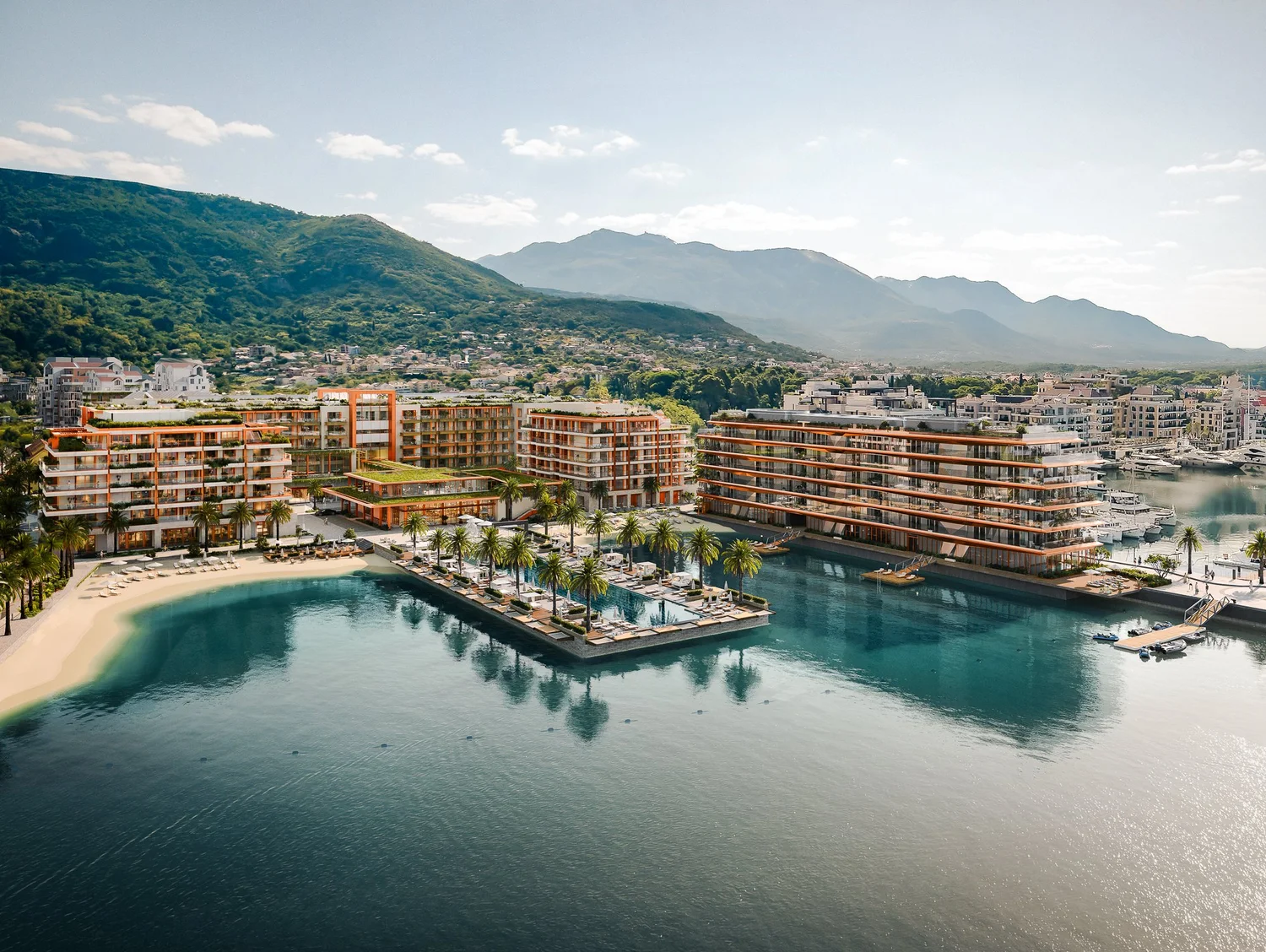
The story of how Tivat repositioned itself in the minds of international property investors begins with the conversion of its former naval shipyard into Porto Montenegro, a purpose-built superyacht marina and residential village that now anchors the town's entire property market. The scale and ambition of that project, which introduced deep-water berths capable of accommodating the world's largest private vessels alongside boutique retail, restaurants, and a promenade designed for a genuinely global clientele, reset price expectations across the whole of the Bay of Kotor.
Developers who had previously concentrated their Adriatic attention on Croatia's Dalmatian coast or Spain's Puerto Banús began acquiring land in Tivat. Hospitality brands followed. And buyers who had never previously considered Montenegro as a serious destination for capital deployment started asking questions.
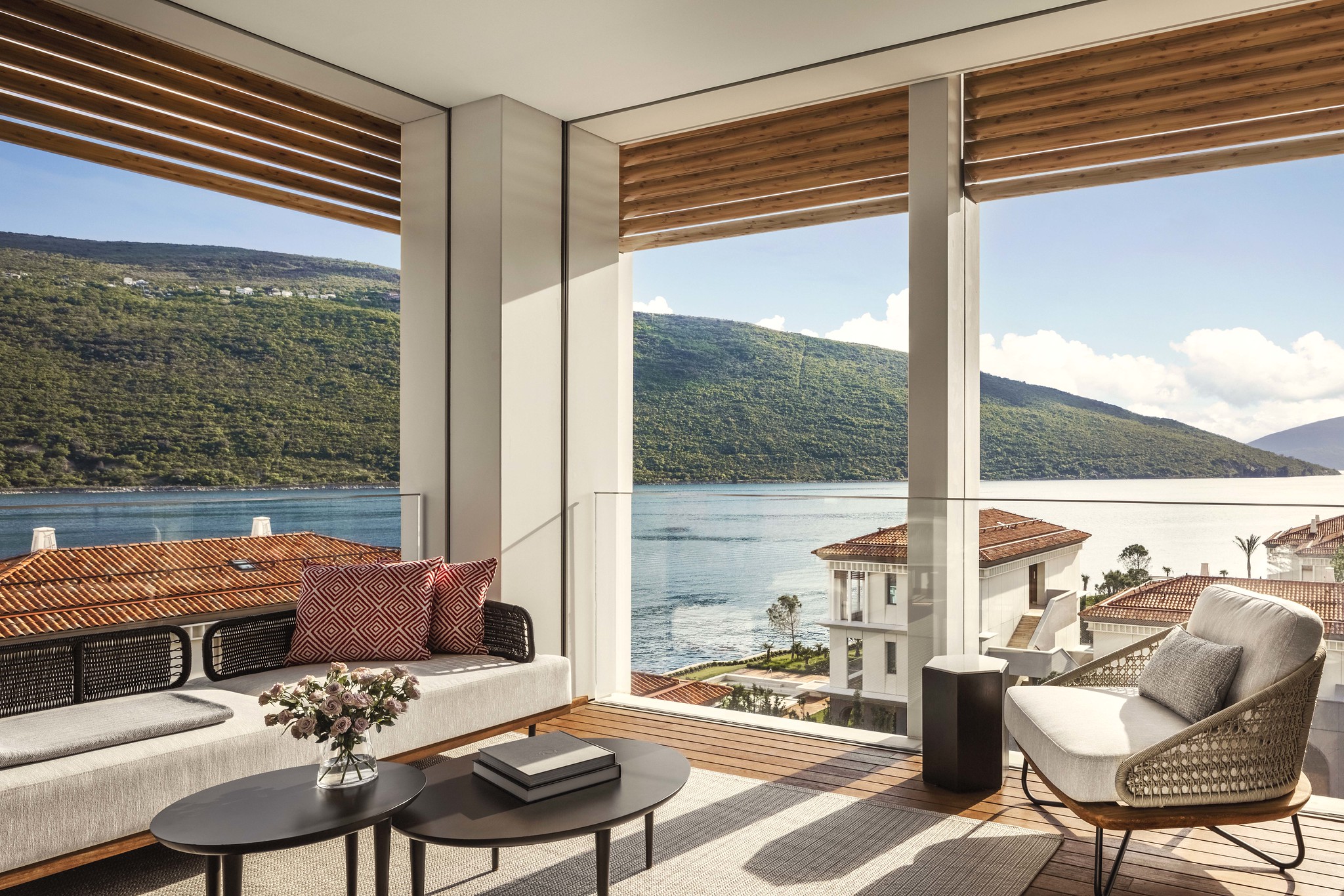
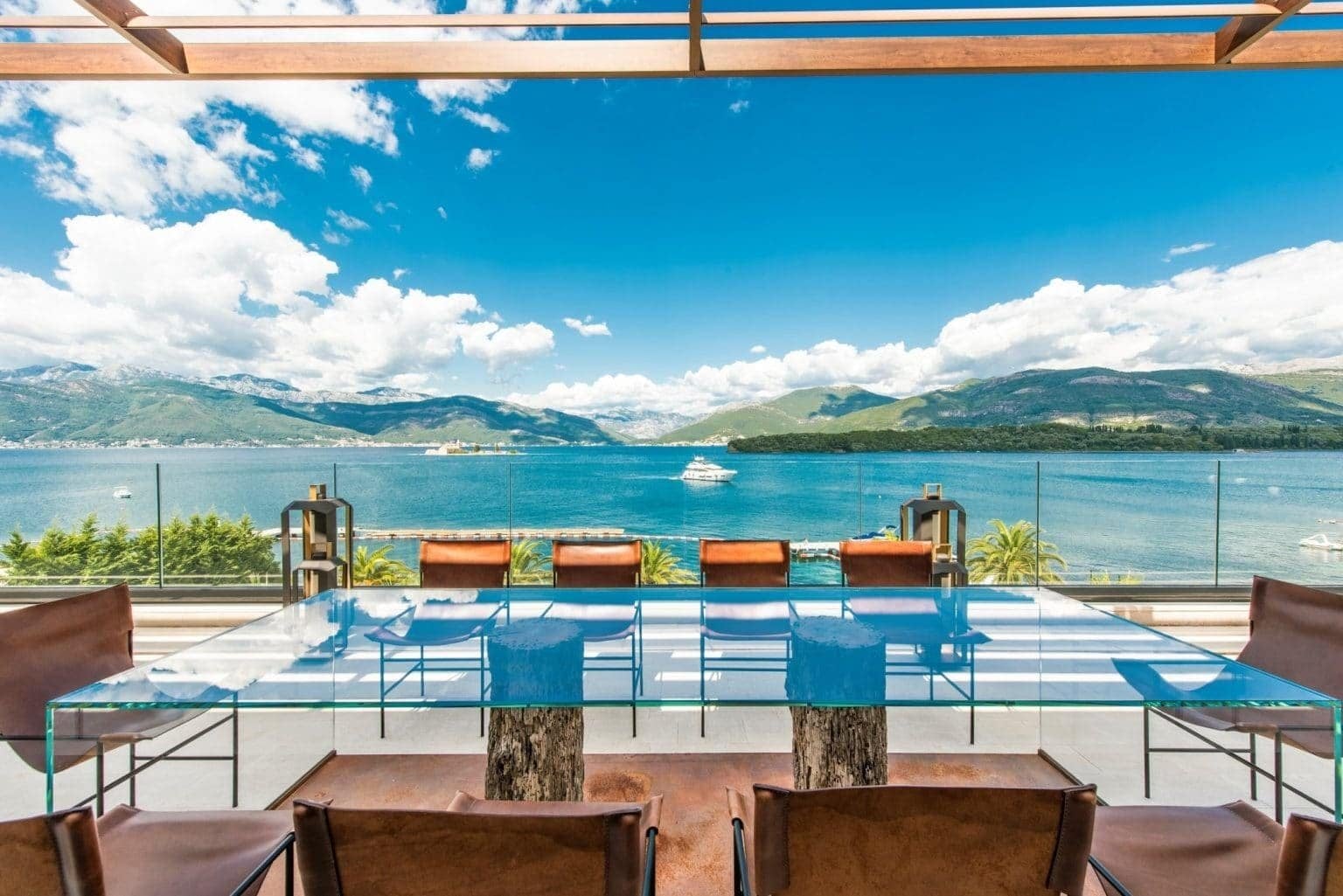
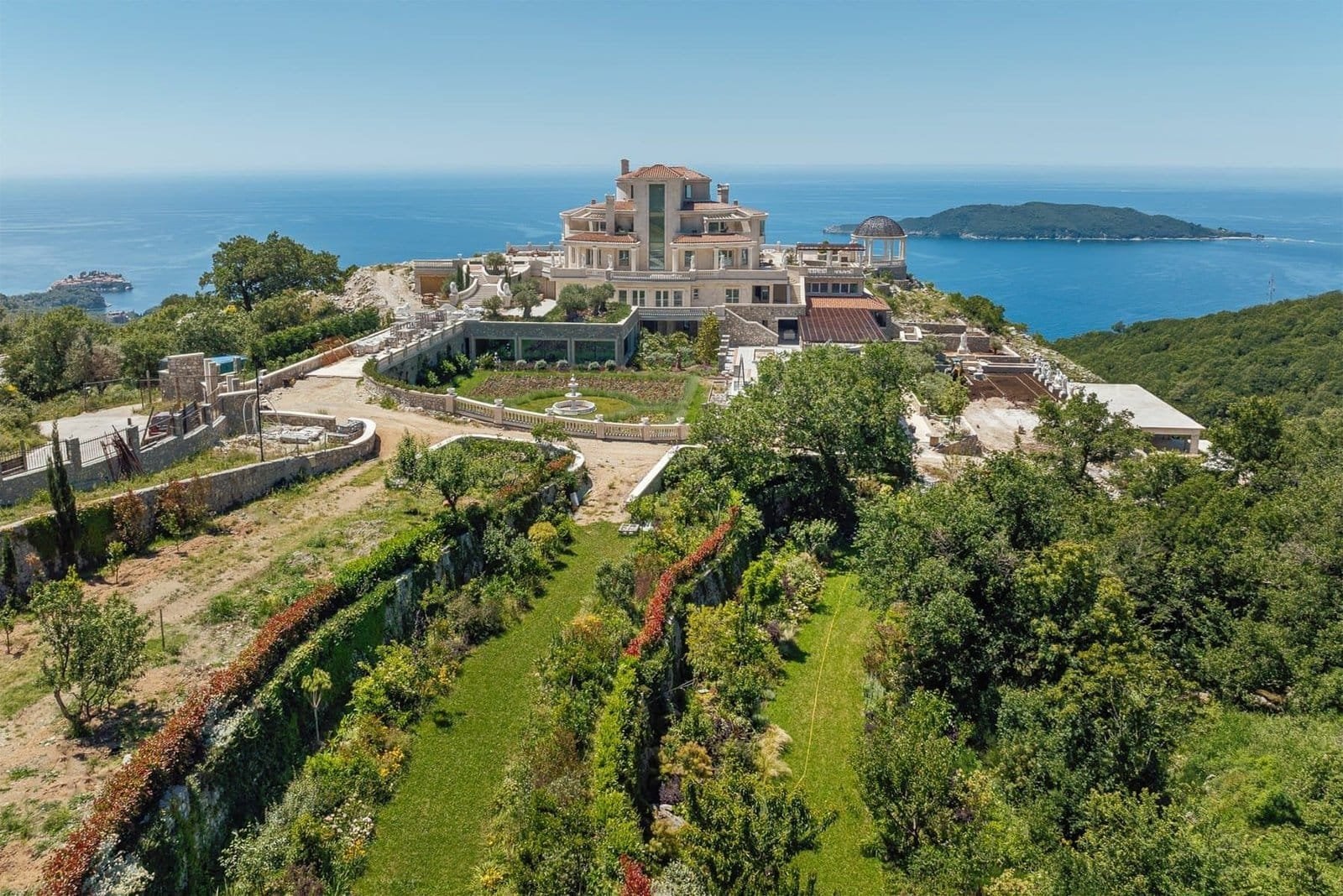
For those ready to explore what that transformation now looks like in residential terms, the Elevated Living Above the Adriatic: Porto Montenegro's Finest Rooftop Penthouse represents the kind of asset that defines this market's upper register: a property where position, specification, and exclusivity converge in a single offering.
How Tivat Compares to Kotor Bay and Budva for Investors
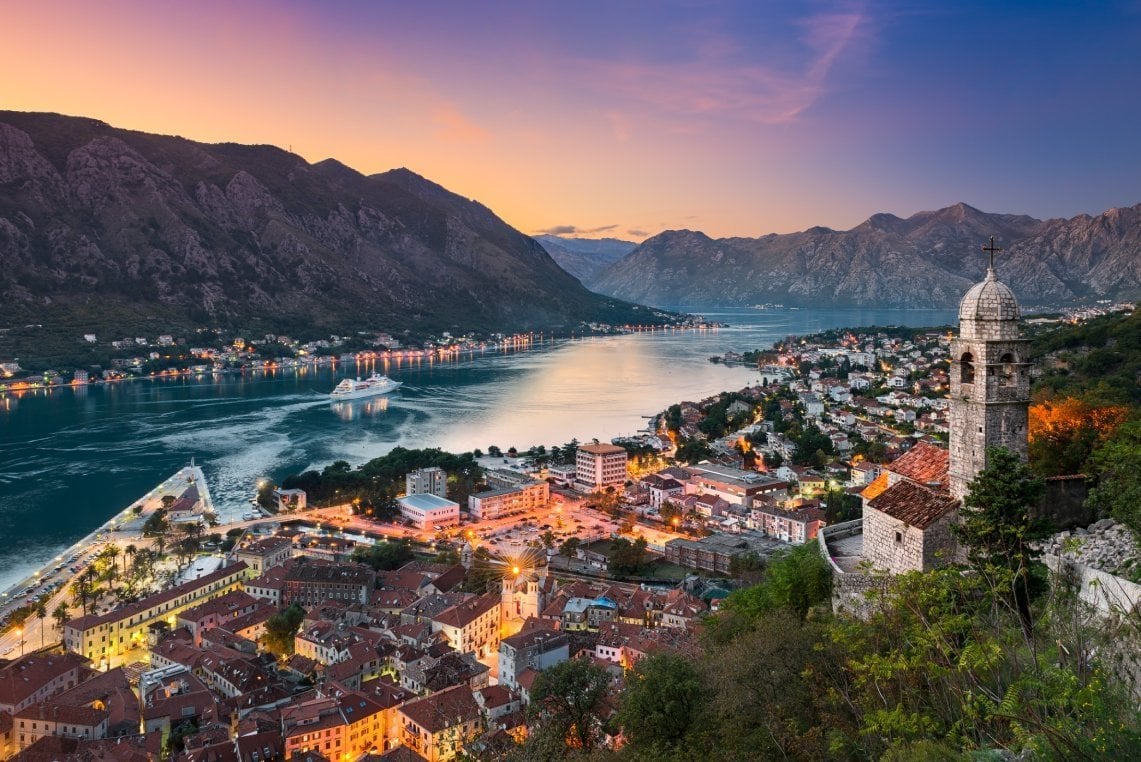
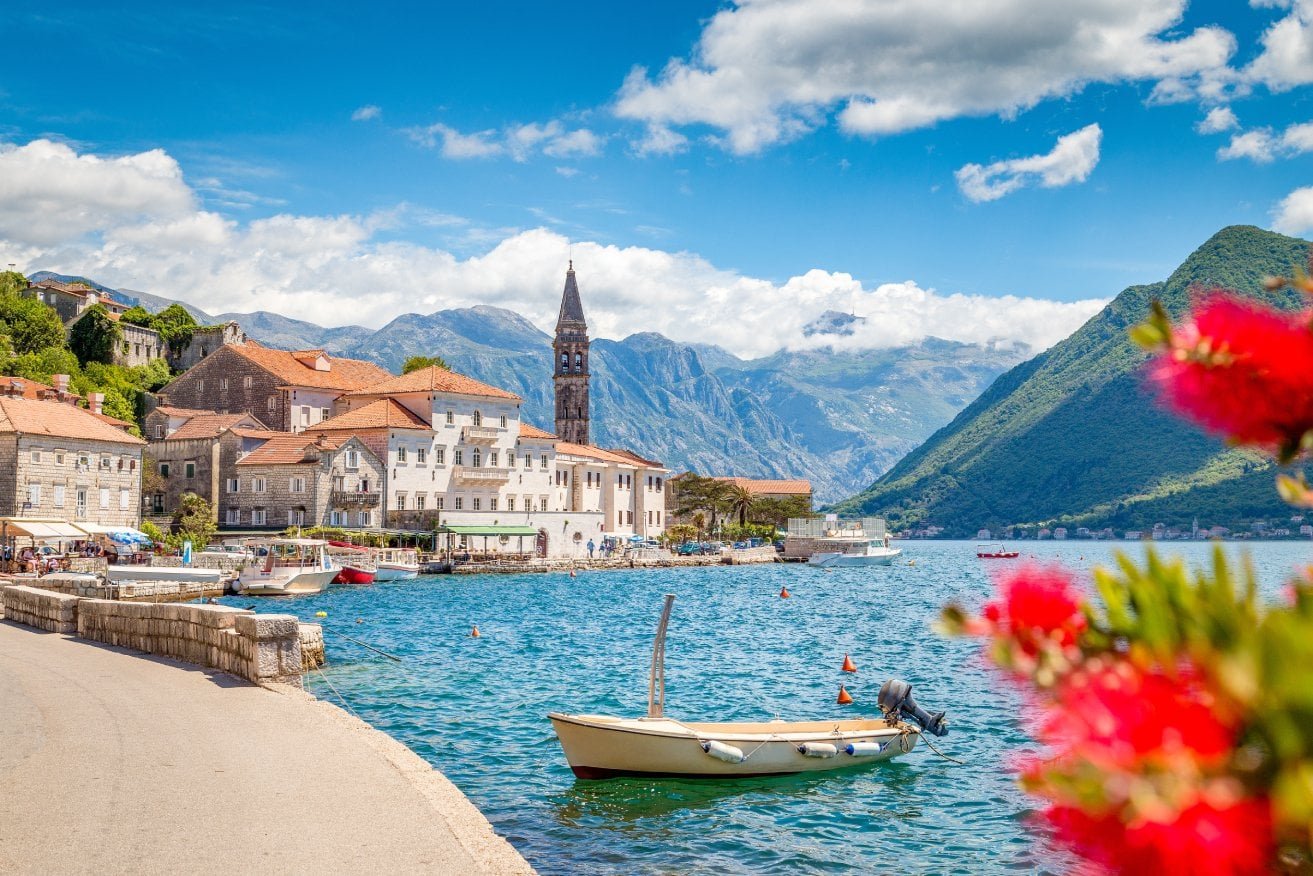
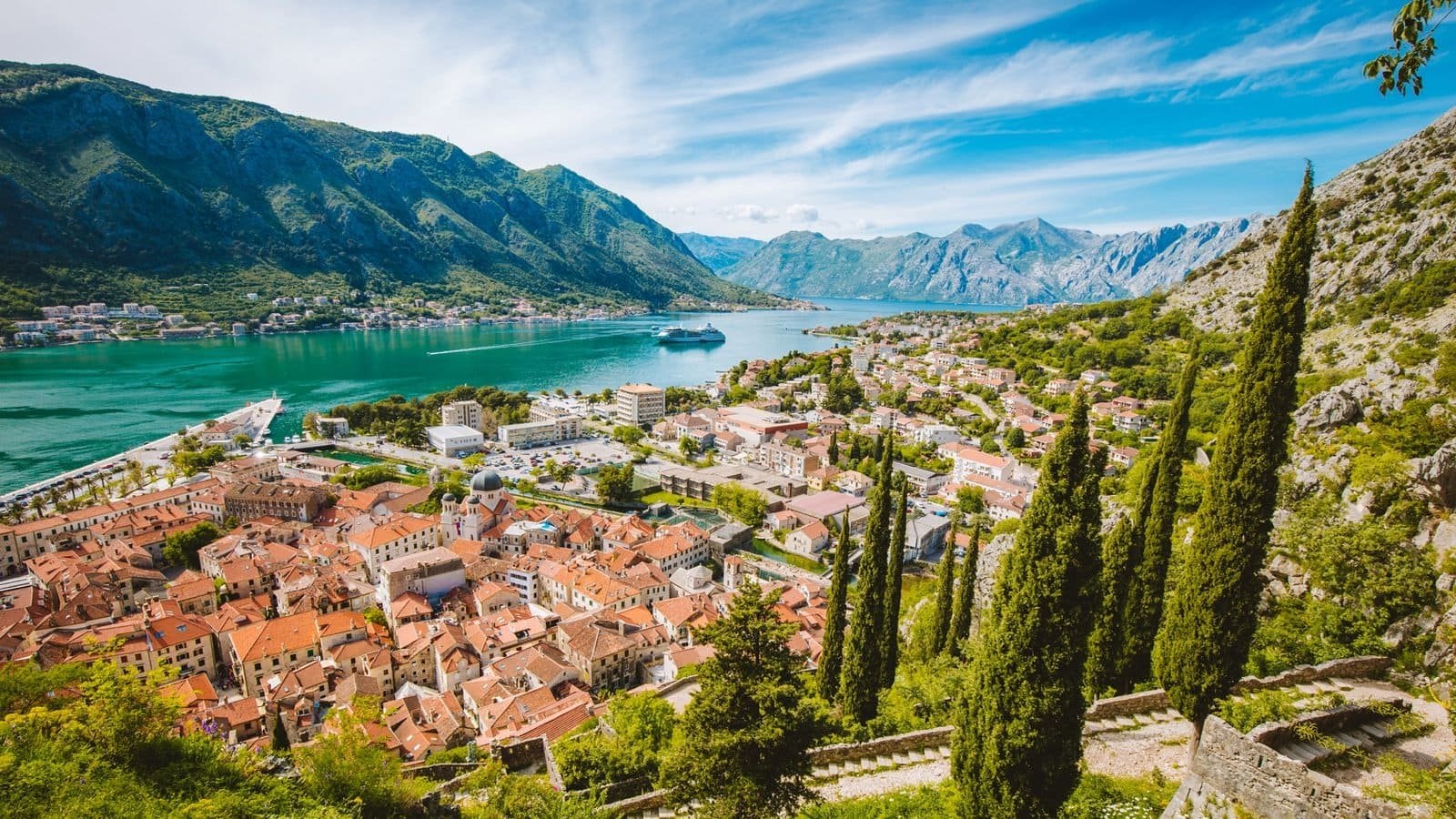
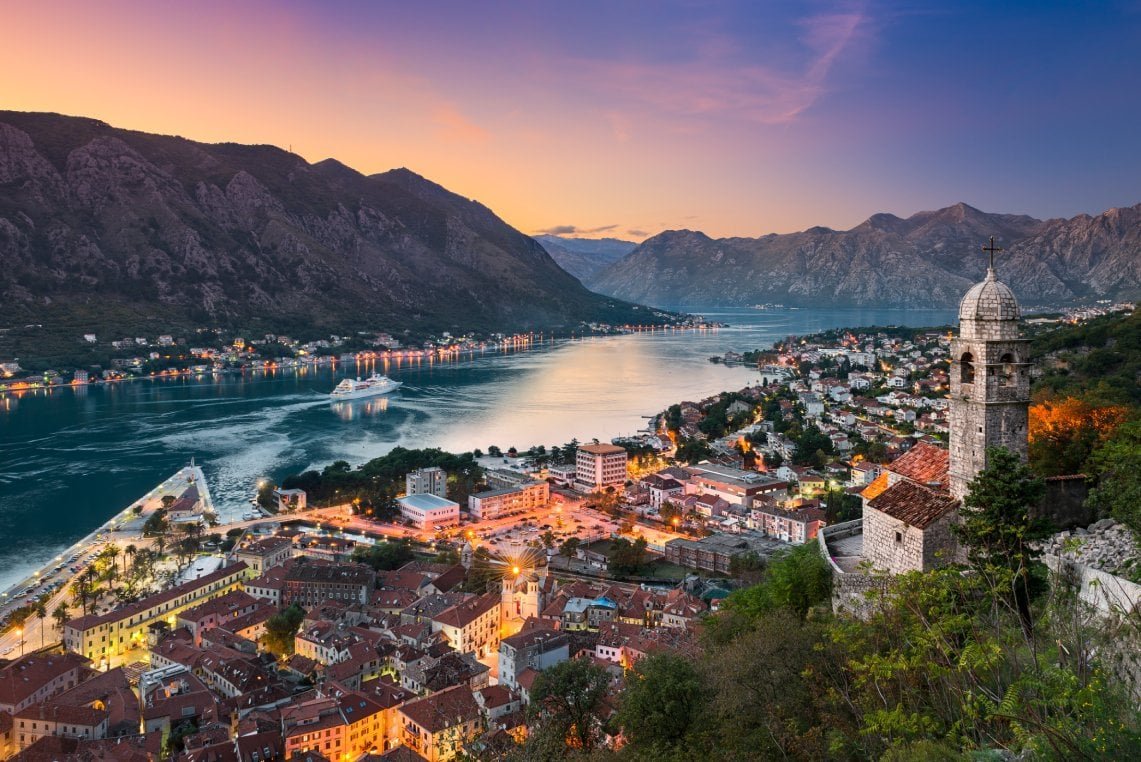
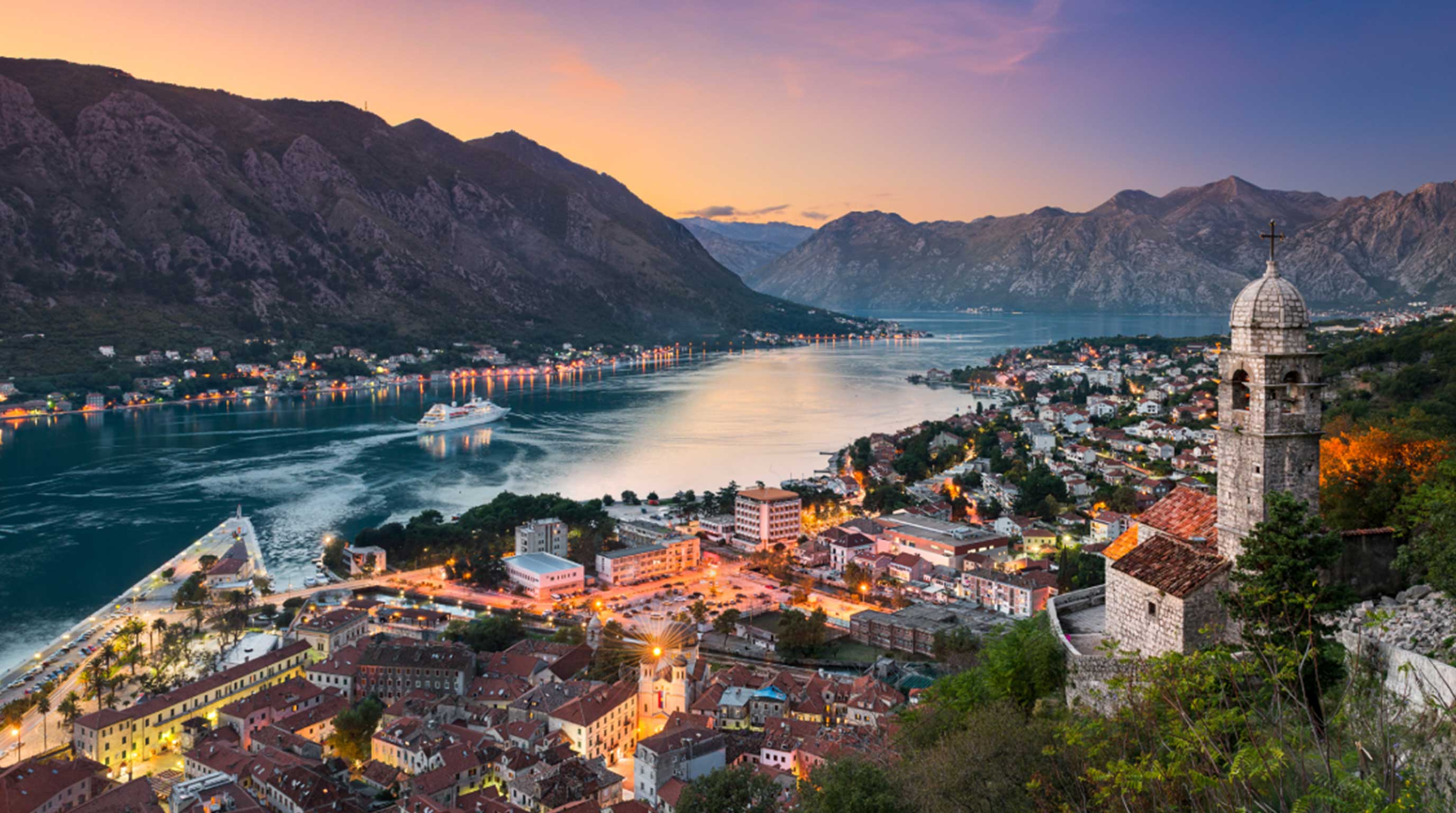
Any honest assessment of Tivat's investment case requires placing it against its nearest regional competitors. Kotor, the UNESCO-listed fortified city to the north, commands powerful cultural cachet and attracts buyers drawn to history and architectural preservation. Its property values reflect that desirability, but rental infrastructure there is fragmented and ownership is complicated by conservation restrictions on older stock. For investors seeking predictable, professionally managed rental returns, Kotor's charm often creates as many obstacles as opportunities. Readers interested in how those dynamics compare in detail will find a thorough treatment in the Porto Montenegro Apartments for Sale: 2026 Buyer and Investment Guide, which sets out the wider marina district context alongside specific pricing benchmarks.
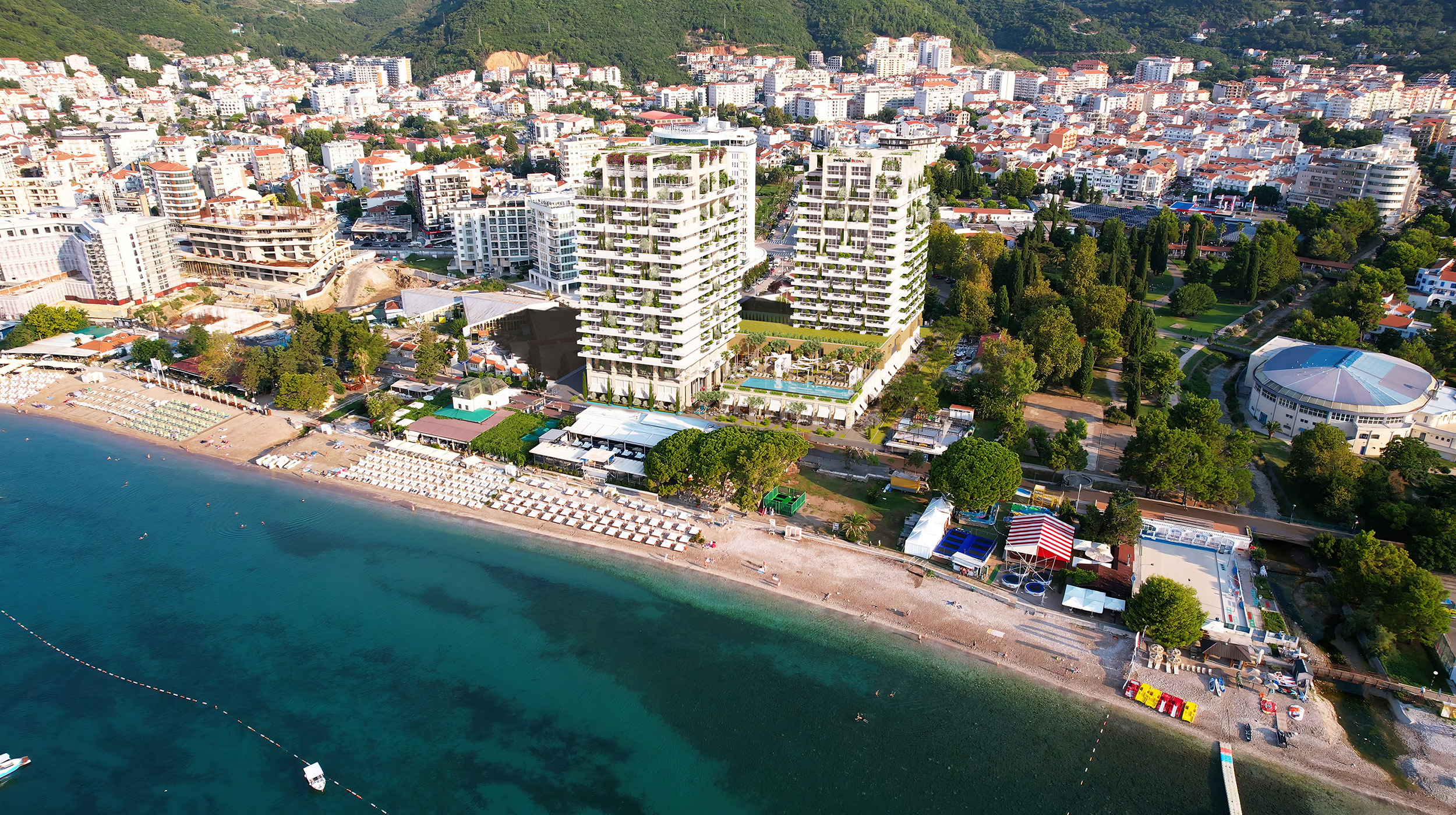
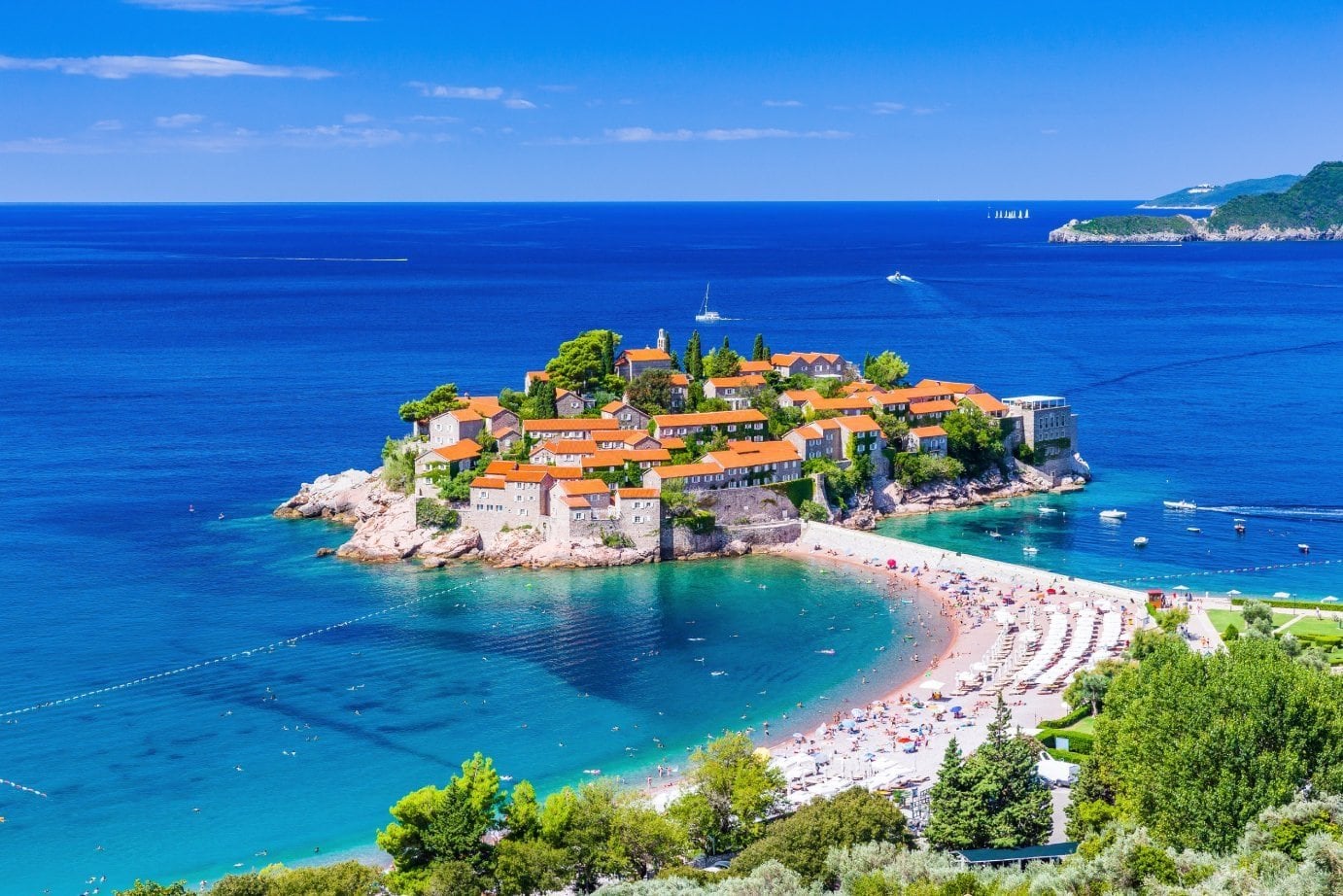
Budva, to the south, has pursued a different model entirely. High-density apartment development, a nightlife economy, and volume tourism have made it Montenegro's most visited coastal resort. Returns from short-term rentals in Budva can be strong during July and August, but the market is crowded and the buyer profile is considerably more speculative. Resale values are less insulated from oversupply.
Tivat's marina district occupies a more defensible position between those two poles. It offers the infrastructure and footfall that Kotor's old town cannot, without the saturation risk that Budva faces as new supply continues to arrive. That balance is what makes Tivat's waterfront micro-market worth examining seriously.
Tivat Marina Property Investment Returns and Rental Yield Potential
The investment case for a marina apartment in Tivat is built on two interlocking factors: the brevity and intensity of the high season, and the structural scarcity of genuinely waterfront inventory. Together, they produce a yield profile that bears careful examination.
Peak-Season Occupancy and Nightly Rate Trends
Montenegro's coastal rental season runs from late April through to the end of October, with the most commercially productive window concentrated in July and August. During those two months, demand from superyacht owners, charter guests, and affluent European travelers who prioritise marina proximity pushes nightly rates to levels that most other Adriatic micro-markets cannot sustain at comparable volume.
Marina-adjacent apartments in Tivat benefit from a particular dynamic during this window. The marina's own calendar of events, combined with the density of high-spending visitors drawn by the superyacht berths and waterfront dining, means occupancy rates for well-positioned properties regularly reach saturation point in the peak weeks. Tivat's international airport, which operates direct connections to the UK, Germany, the Gulf states, and several other key markets, extends the effective season by making shoulder-period visits viable in a way that more remote coastal locations cannot match.
Buyers who want to understand how current pricing translates into modelled yields should begin with the Property for Sale in Tivat, Montenegro: A 2026 Waterfront Buyer's Guide, which provides current price-per-square-metre data alongside occupancy rate context sourced from Montenegro's national tourism statistics agency.
Long-Term vs Short-Term Rental Strategy for Marina Apartments
Owners in Tivat's marina district generally organise their returns around one of two approaches, or a deliberate blend of both. Short-term holiday letting through the peak season captures the highest nightly income but demands active management, either directly or through a professional property management service. Long-term leasing to expatriate professionals, marina operations staff, or corporate tenants provides steadier monthly income with considerably less operational burden, though the per-night equivalent is lower.
In practice, many experienced investors in this market run a hybrid model: short-term rates through the summer months, a fixed-term lease through the quieter winter period. This approach requires a degree of advance planning around tenant changeovers but tends to optimise total annual income while reducing the vacancy risk that pure short-term strategies carry outside the peak window.
Properties at the top of the market, including assets such as the Sky-High Sovereignty Above the Adriatic: Porto Montenegro's Crown Penthouse, occupy a category where long-term tenants with high disposable income represent the most natural match, and where short-term premiums during the superyacht season can be exceptional.
Currency and Tax Advantages for EU and Middle Eastern Buyers
Yield calculations alone do not capture the full investment case for Tivat marina property. The monetary environment in which those yields are generated matters considerably to buyers from outside the eurozone, and Montenegro's position on this question is genuinely unusual.
Why Montenegro's Euro-Based Economy Appeals to Non-Euro Investors
Montenegro adopted the euro as its official currency without holding membership of the eurozone. This distinction, confirmed by the European Central Bank and documented in the Montenegrin central bank's monetary framework publications, has a practical consequence that many foreign buyers underestimate when they first encounter it.
For buyers from Gulf Cooperation Council countries, the United Kingdom, or other markets whose domestic currencies fluctuate against the euro, holding property in Montenegro means holding a euro-denominated asset without the political or economic uncertainty that would come from holding property in a country operating its own independent national currency. Rental income arrives in euros. Resale proceeds are in euros. The exchange risk is the buyer's domestic currency against the euro, and nothing more complex than that.
This structure has made Tivat a consistent inclusion in the diversified property portfolios of Gulf family offices and Middle Eastern private investors who regard euro-denominated Adriatic real estate as a stable counterweight to more volatile regional holdings. The Buying Property in Tivat, Montenegro: The 2026 Guide for International Buyers addresses this in detail, including the specific structuring considerations relevant to non-EU buyers.
Property Tax and Ownership Costs for Foreign Buyers
Montenegro has built a consistent policy record of keeping property acquisition and ownership costs low by western European standards. Transfer tax, annual property tax, and routine ownership charges are materially below the equivalent burden in Spain, France, or Italy, which matters when modelling net yields over a five or ten-year holding period.
Foreign nationals may purchase property in Montenegro on the same basis as domestic buyers, without restrictions on freehold title, a position confirmed in Montenegro's property law framework and in the country's ongoing EU accession negotiations, which have placed property rights harmonisation on the formal agenda. Tax rates are set by the Montenegrin Ministry of Finance and are publicly available through the government's official fiscal publications.
Buyers from the Gulf region in particular should take early advice on structuring, as the interaction between Montenegro's ownership rules and home-country fiscal obligations can vary depending on whether acquisition is made in personal name, through a Montenegrin company, or via an international holding structure.
For those considering the upper end of the marina residential market, the Panoramic Sea Views and Alpine Horizons at Porto Montenegro's Finest Address illustrates the kind of specification and position that commands premium resale attention from international buyers, making structuring decisions at acquisition stage particularly consequential.
Waterfront Lifestyle Positioning and Resale Appeal
The financial architecture of a marina apartment investment at Tivat is compelling on its own terms. But the resale market for these properties is also shaped by factors that conventional yield analysis does not fully capture, and understanding those factors is essential to reading the exit correctly.
Marina Amenities, Community Exclusivity, and Lock-and-Leave Convenience
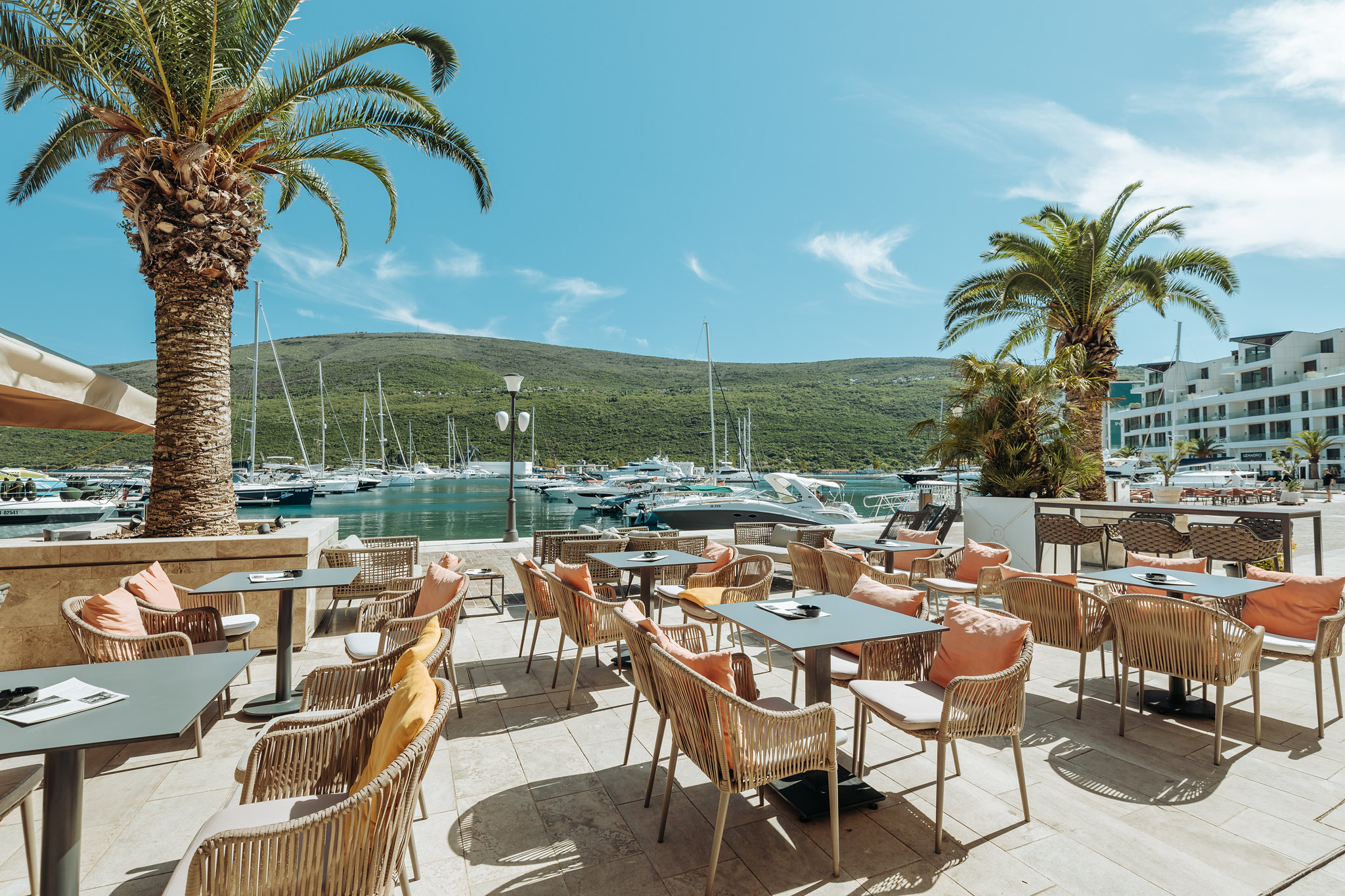
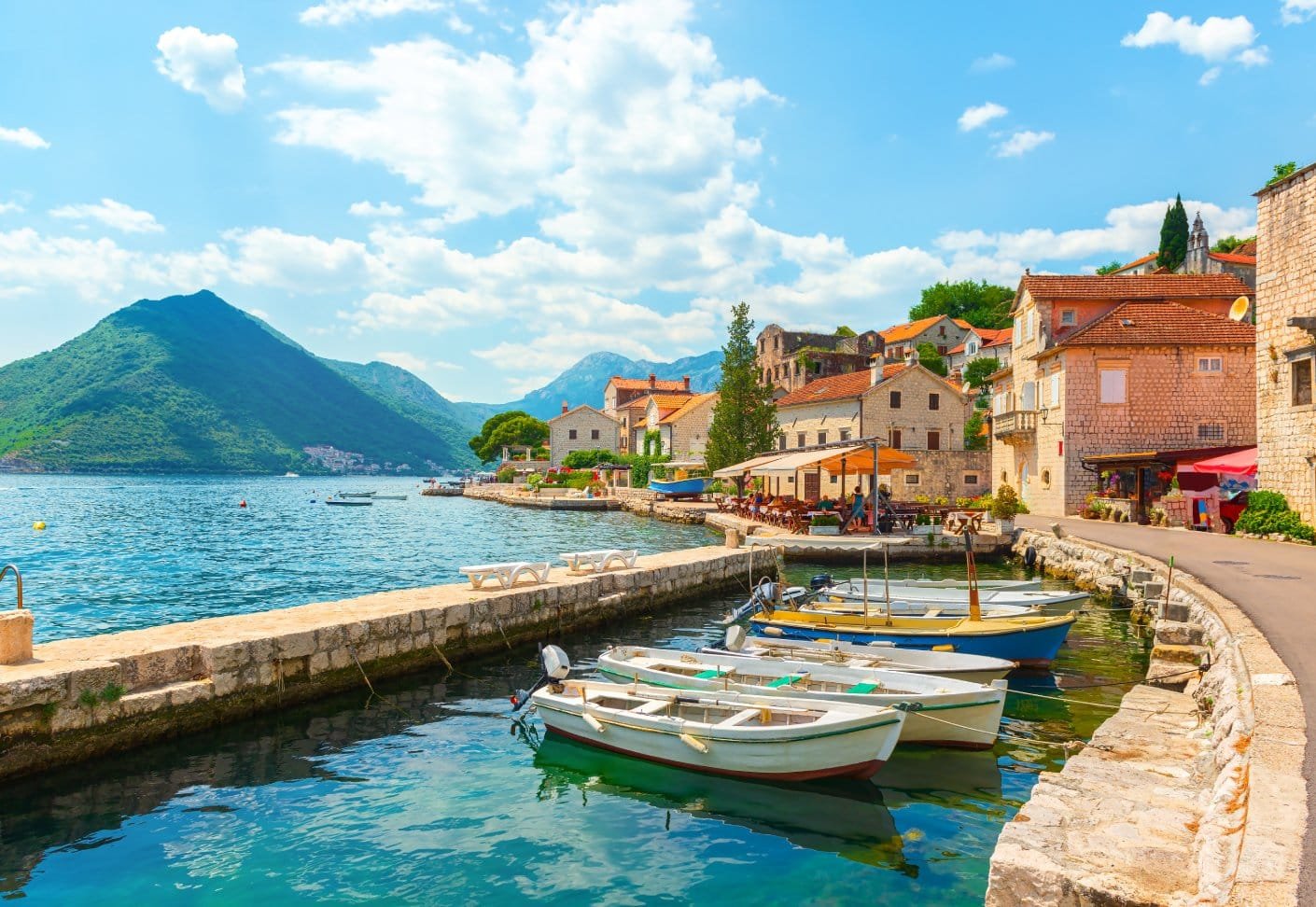
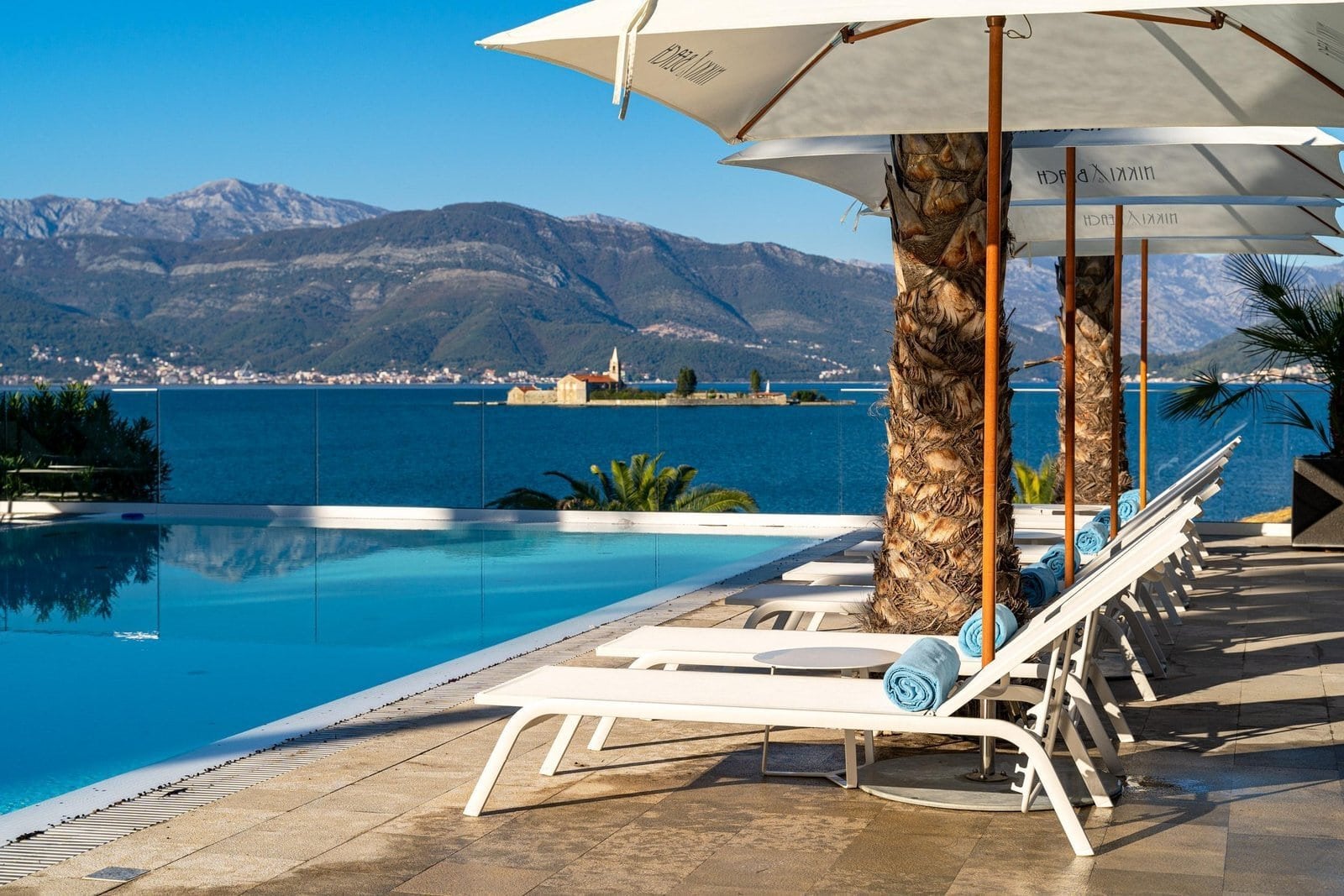
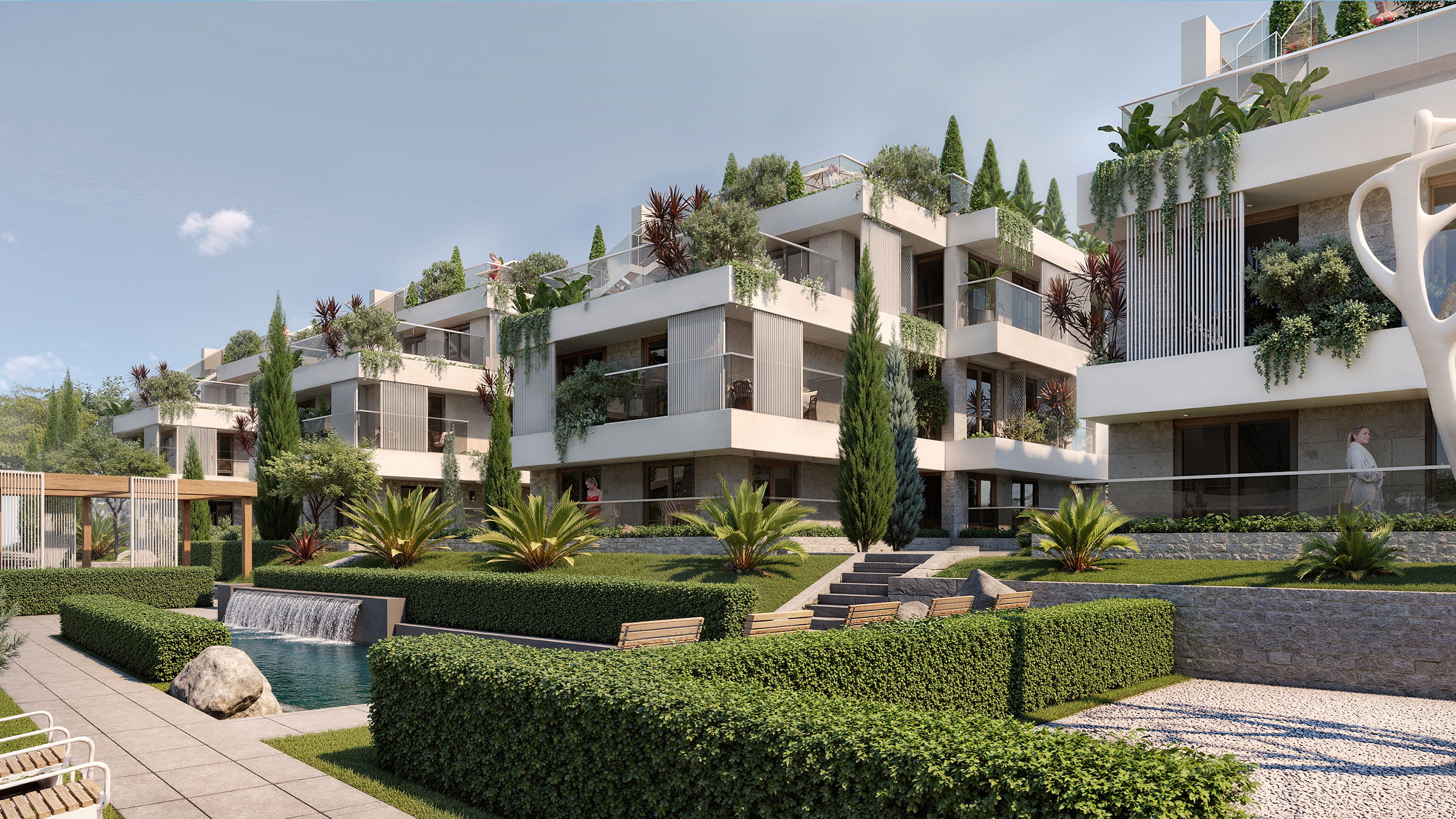
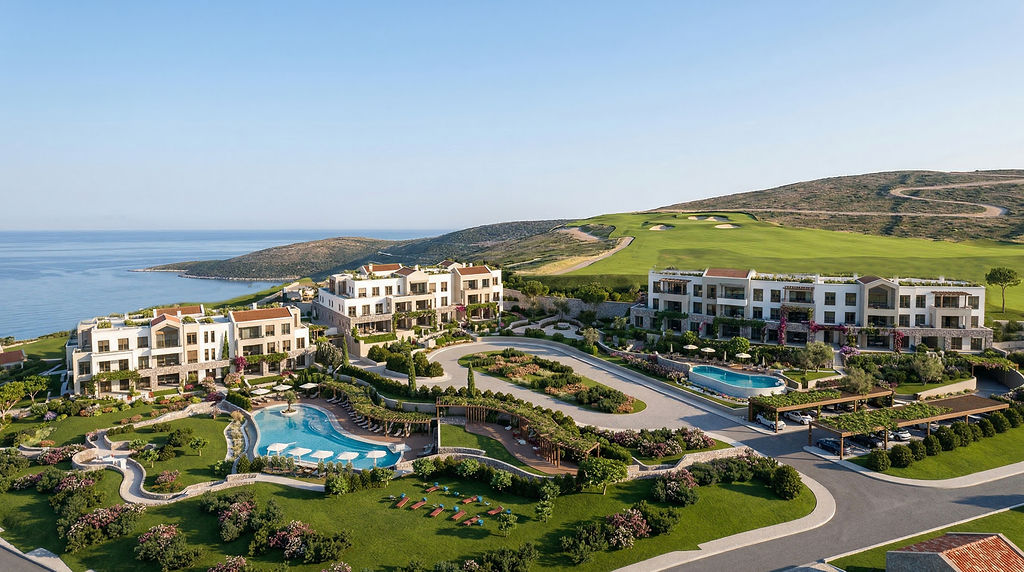
The investment thesis for a marina apartment in Tivat depends in part on a lifestyle argument that has its own capital value. Porto Montenegro's waterfront promenade, its concentration of quality dining and retail, and the proximity to superyacht berths create a daily environment that genuinely competes with established marina destinations in Monaco, Palma, and Antibes. That comparison matters to resale buyers, who are overwhelmingly international and who frame their purchase decisions by reference to alternatives across the Mediterranean.
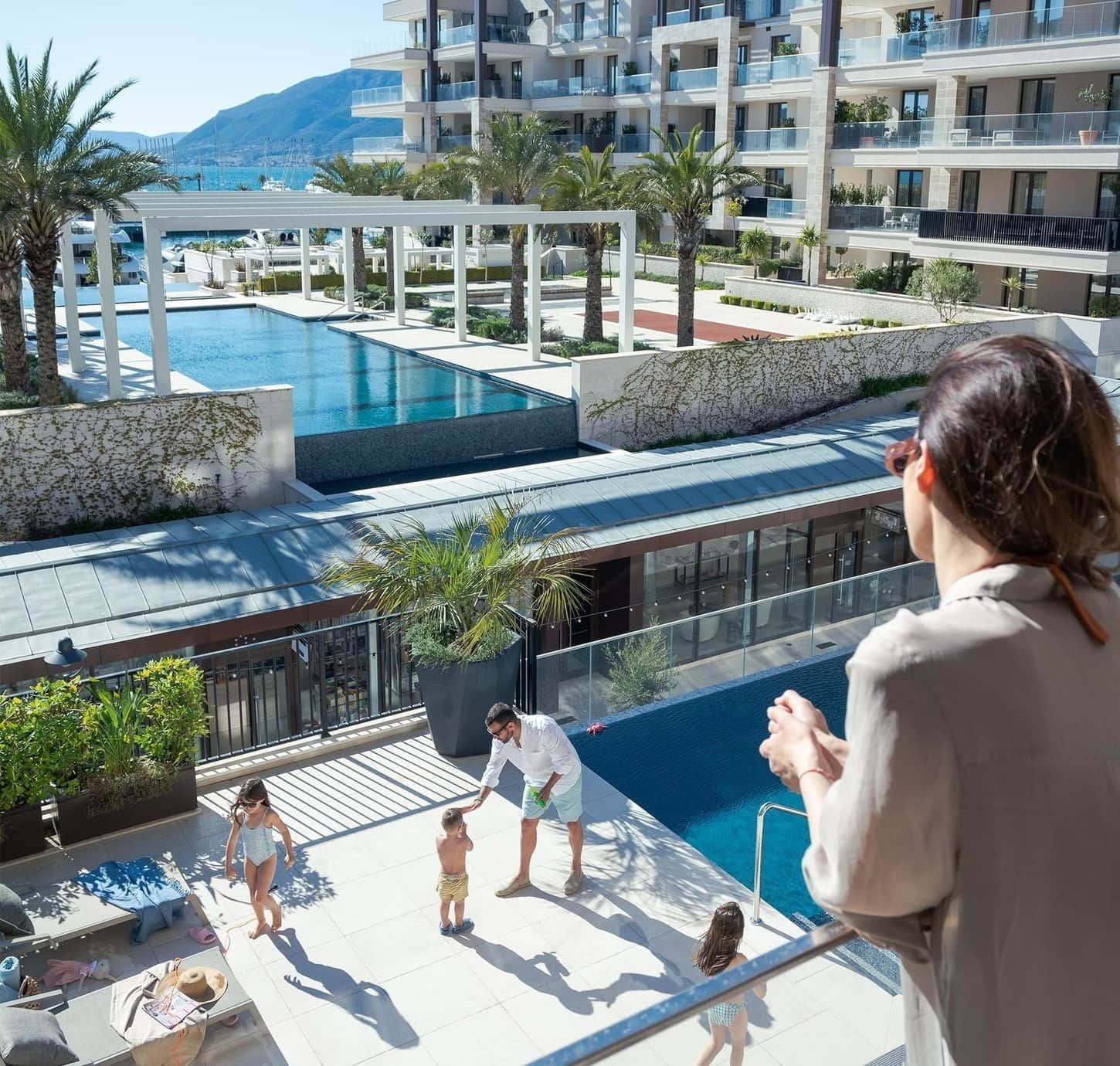
A factor that buyers evaluating apartments against villas frequently underweight is the practical convenience of a well-managed marina apartment for a part-time owner. An owner who spends eight to twelve weeks per year in Tivat and rents the property for the remainder needs a home that functions without constant supervision. A marina apartment in a managed building, with professional concierge services and no requirement for grounds maintenance or pool upkeep during vacancy periods, answers that need in a way that a standalone villa cannot.
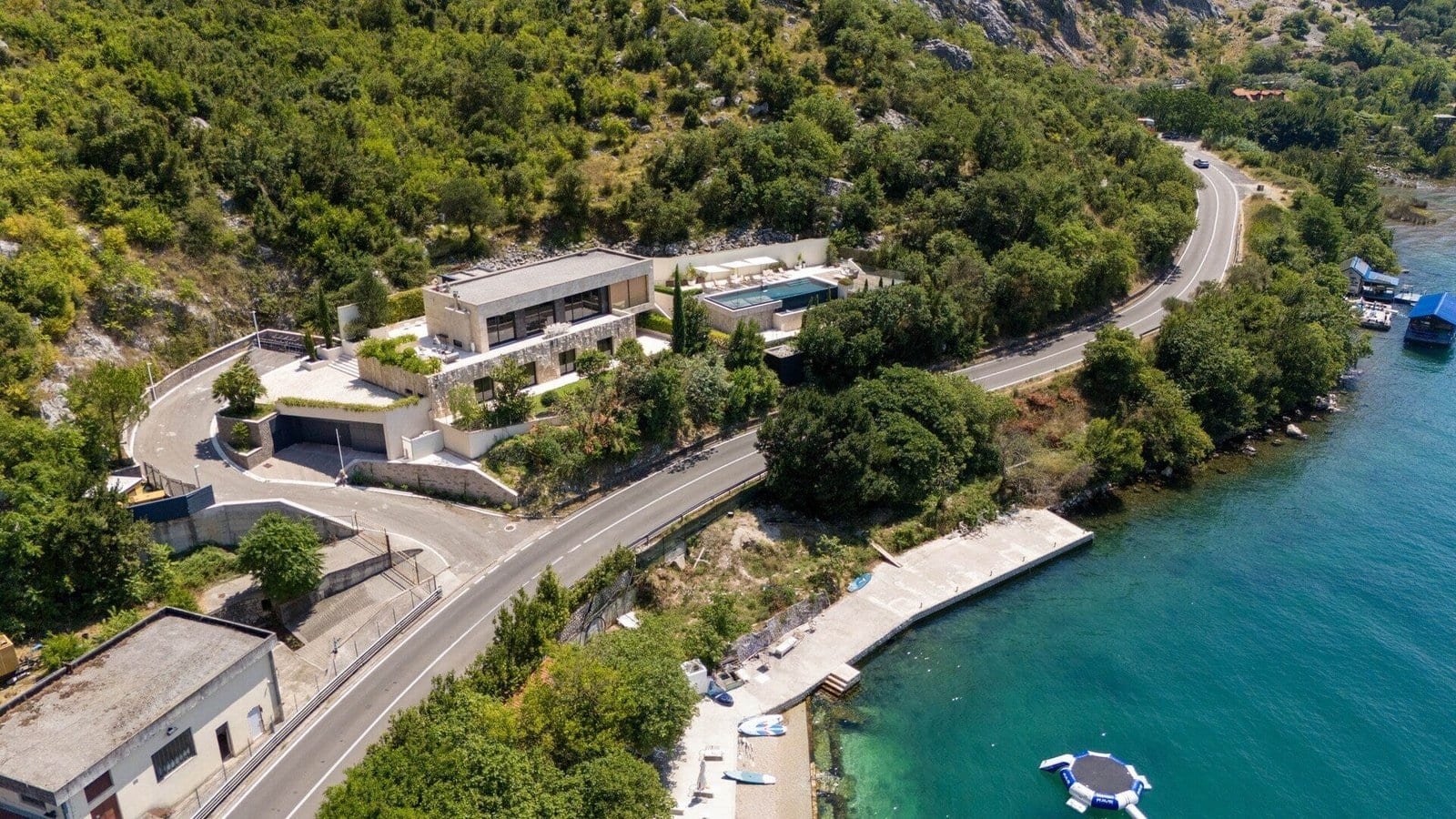
Villas in Montenegro's coastal hills and peninsulas can command higher per-booking rates during the summer season and offer greater privacy. They also demand a more active ownership relationship, with security, garden maintenance, pool management, and seasonal preparation all requiring either resident staff or a high-quality local management company. For buyers whose primary residence is in London, Dubai, Riyadh, or Madrid, that operational complexity is a genuine deterrent and a real cost.
The turnkey quality of a well-positioned marina apartment is, in resale terms, a durable asset. It appeals to the same buyer profile that acquired the property originally: internationally mobile, time-constrained, and willing to pay for simplicity and exclusivity over volume.
The Sky-High Sovereignty Above the Adriatic: Porto Montenegro's Crown Penthouse exemplifies how position and specification in this market translate into assets that hold resale interest even in softer market conditions, because the buyer universe for trophy waterfront inventory in a scarcity-constrained marina district does not contract at the same rate as the broader residential market.
The Scarcity Argument for Long-Term Capital Appreciation
Tivat's marina district is geographically constrained. The waterfront footprint of Porto Montenegro is finite, and the pipeline of new residential units with genuine first-row marina positioning is limited by both planning controls and physical site availability. That scarcity is a credible long-term price support, particularly as Montenegro continues to advance its EU accession process, which is expected to increase institutional investor attention on the country's real estate market through the remainder of the decade.
Montenegro's EU accession timeline, tracked by the European Commission in its annual progress reports, has historically been a catalyst for price appreciation in the country's prime coastal markets. Each formal chapter closure and each step toward eventual membership has coincided with upward movement in buyer inquiry volumes from Western European buyers who regard accession as a liquidity and governance guarantee.
For buyers with a five to ten-year horizon, the combination of yield income during the holding period and the structural appreciation argument tied to both scarcity and accession progress represents a return profile that few other Adriatic micro-markets can assemble with the same coherence.
---
A Note from Barok Estates International
Barok Estates International advises private buyers, family offices, and international investors across Montenegro, Spain, the United Kingdom, and the broader Mediterranean. Our team works exclusively on behalf of buyers, providing independent analysis of pricing, yield modelling, legal structuring, and property selection in Tivat's marina district and across the Bay of Kotor.
If you are evaluating a waterfront apartment acquisition at Tivat Marina, whether as a primary investment, a lifestyle asset, or a currency-diversification strategy, our advisors in Madrid, Marbella, London, and Montenegro are available for a confidential consultation. Contact Barok Estates International directly to begin a conversation tailored to your specific objectives and timeline.











.jpg)