Abu Dhabi's Masdar Commits to Montenegro's Energy Future
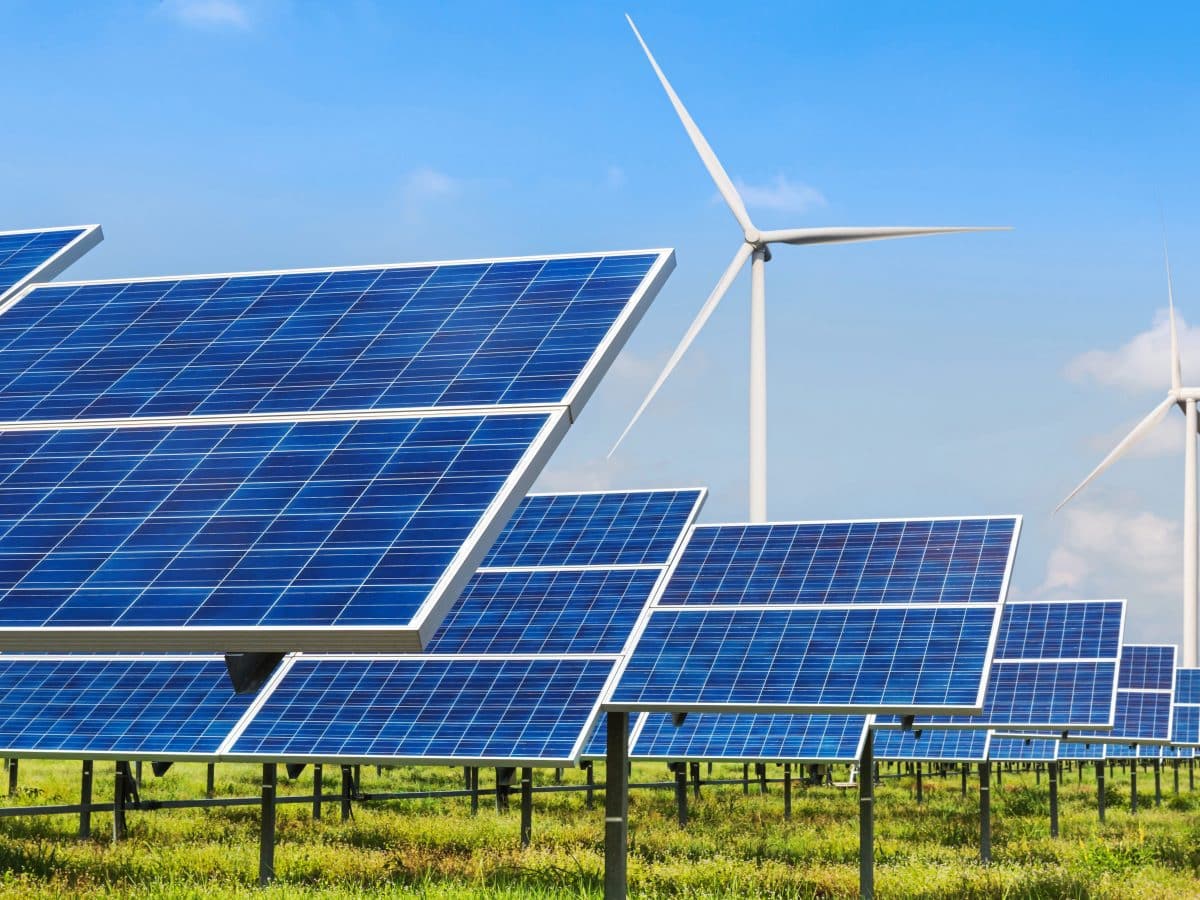
In April 2026, Montenegro's state electricity utility EPCG and Abu Dhabi's Masdar formalised a 50:50 joint venture targeting up to 2 GW of renewable energy capacity. By July, the partnership had already identified its first projects: a 115 MW solar installation at Stedim and a 35 MW facility at Krupac, both near Niksic, with construction targeted for 2027.
This is not a speculative memorandum or a diplomatic photo opportunity. Masdar, wholly owned by Abu Dhabi's sovereign wealth fund Mubadala, is one of the world's largest renewable energy companies, with over 20 GW of capacity across 40 countries. Their commitment to Montenegro carries real capital, real engineering resources and a long-term strategic interest in the country's energy infrastructure.
Why Property Buyers Should Pay Attention
Energy infrastructure investment is one of the clearest leading indicators of a country's economic trajectory. When sovereign-backed entities commit billions to a small European economy, they are not making a short-term bet. They are pricing in EU accession, institutional stability and long-term growth.
For property investors, this signals three things:
First, Montenegro's EU accession path remains credible enough to attract serious institutional capital. Countries that attract Masdar, EBRD and Italian grid investment do not typically stall on their EU integration timeline.
Second, energy reliability and modernisation improve quality of life for residents and reduce operational risk for rental property investors. The 54.6 MW Gvozd wind farm entered trial operation in May 2026, already generating approximately 150 GWh annually.
Third, the Italy interconnector (a 600 MW undersea cable, with a potential second cable lifting capacity to 1.2 GW by 2031) positions Montenegro as an energy exporter, not just a consumer. That structural shift supports long-term economic fundamentals.
The Broader Investment Landscape
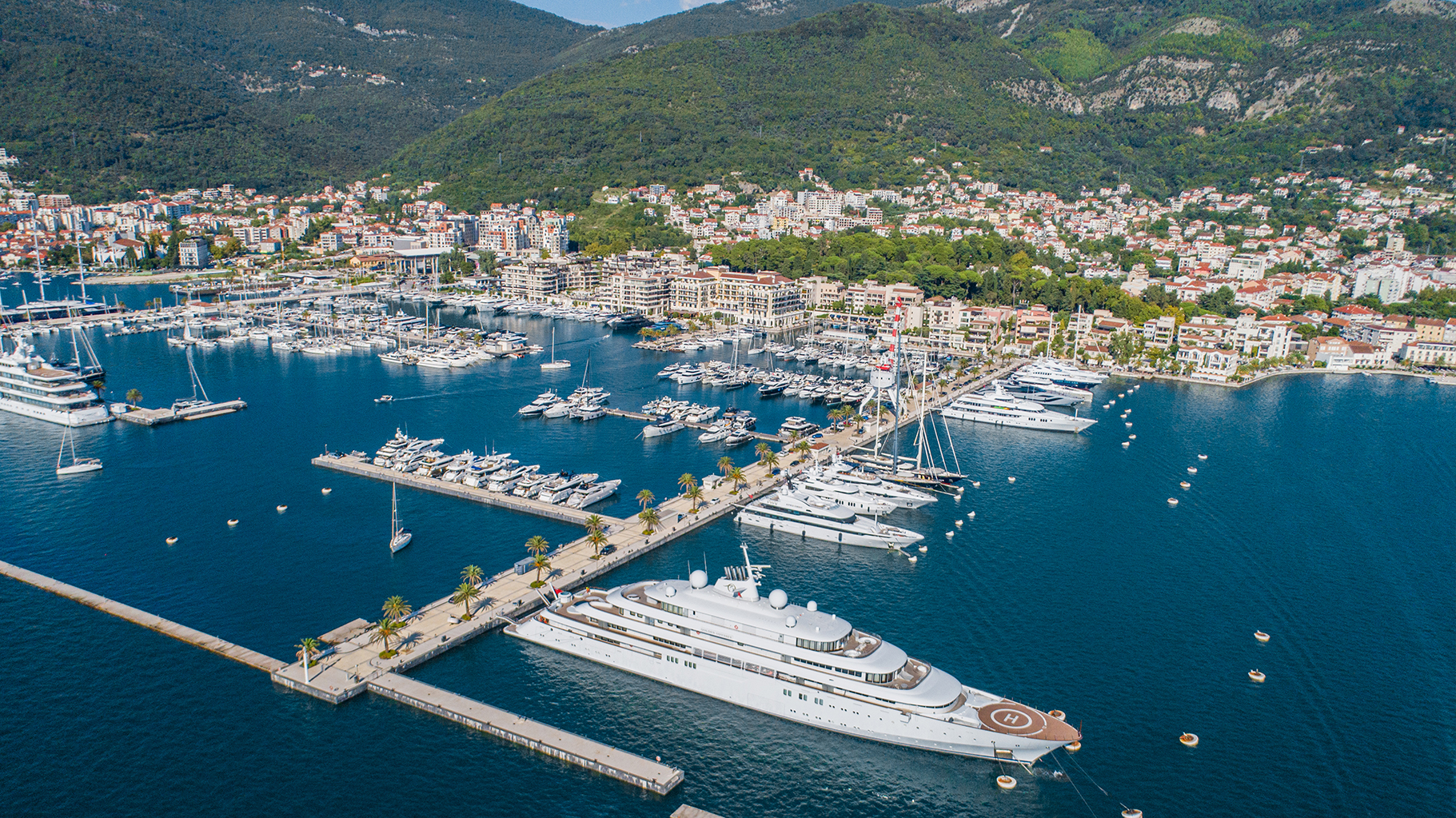
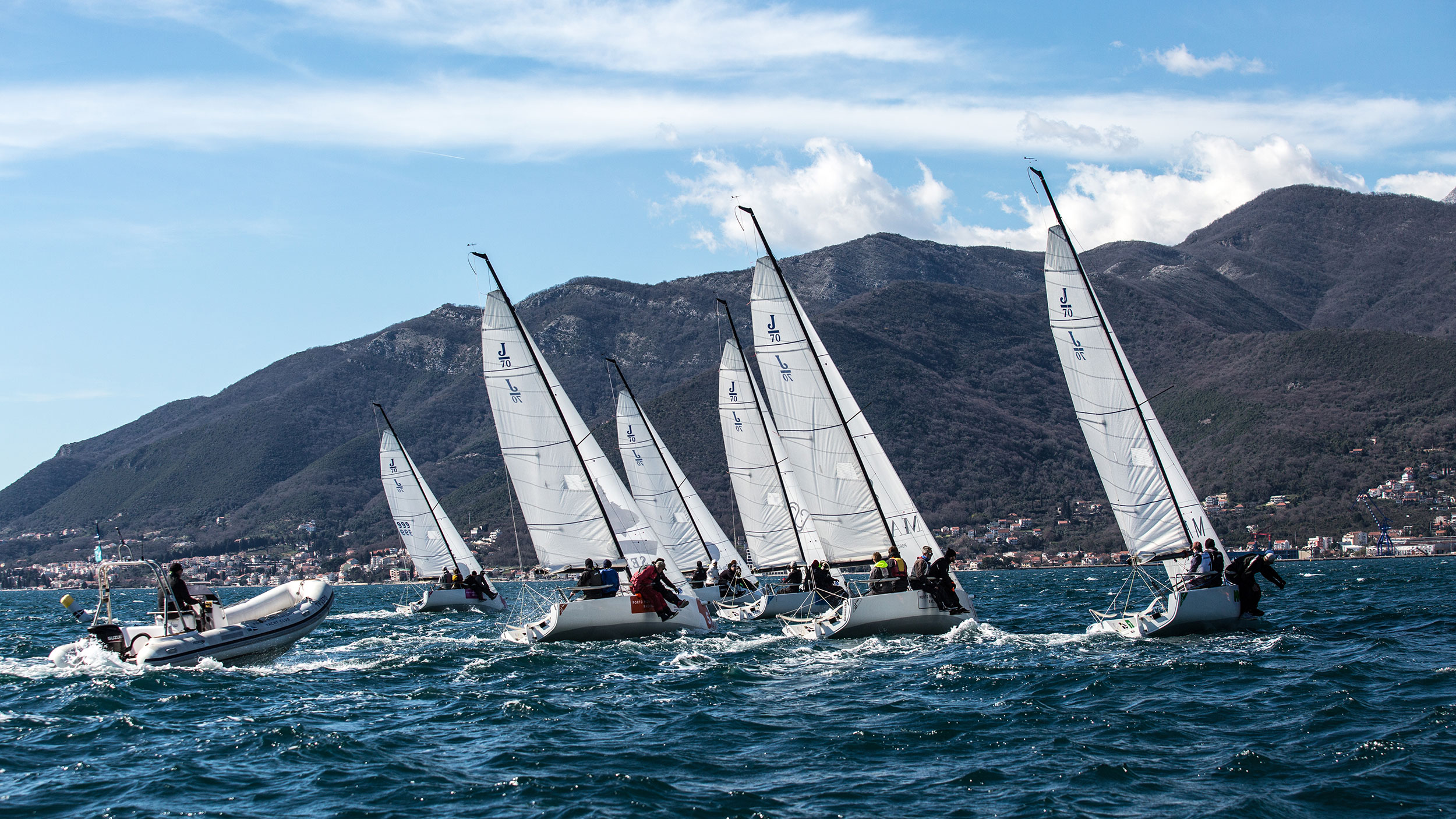
Montenegro's infrastructure story extends beyond energy. EBRD has provided a EUR 15 million loan for regional transmission upgrades. CEDIS secured EUR 35 million for distribution network digitalisation. Combined with the aviation expansion (23 new flight routes in 2026), road improvements and marina development, the infrastructure foundation beneath Montenegro's property market is strengthening measurably.
Buyers who acquired property in Croatia ahead of its EU accession and infrastructure build-out saw significant capital appreciation. Montenegro is following a similar trajectory, but at an earlier stage and with more favourable entry pricing.
What This Means for Barok Estates Clients
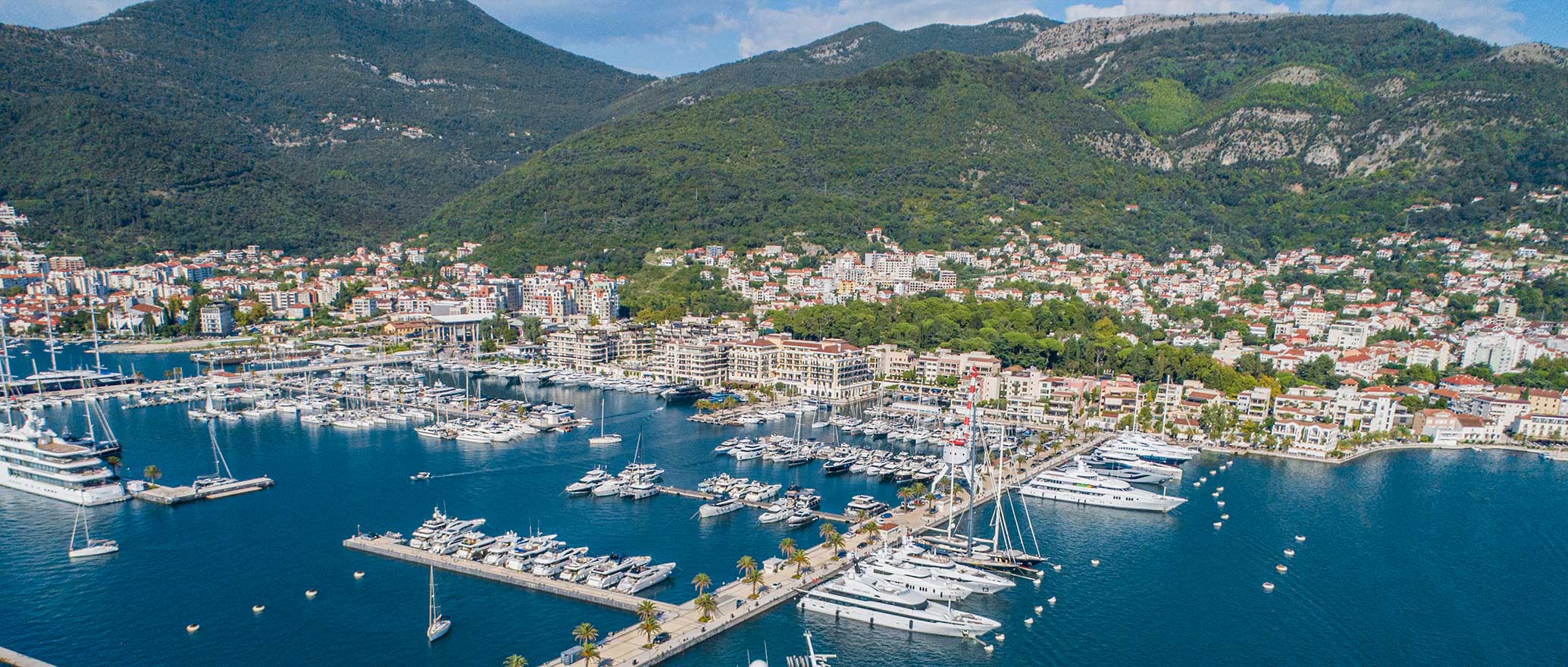
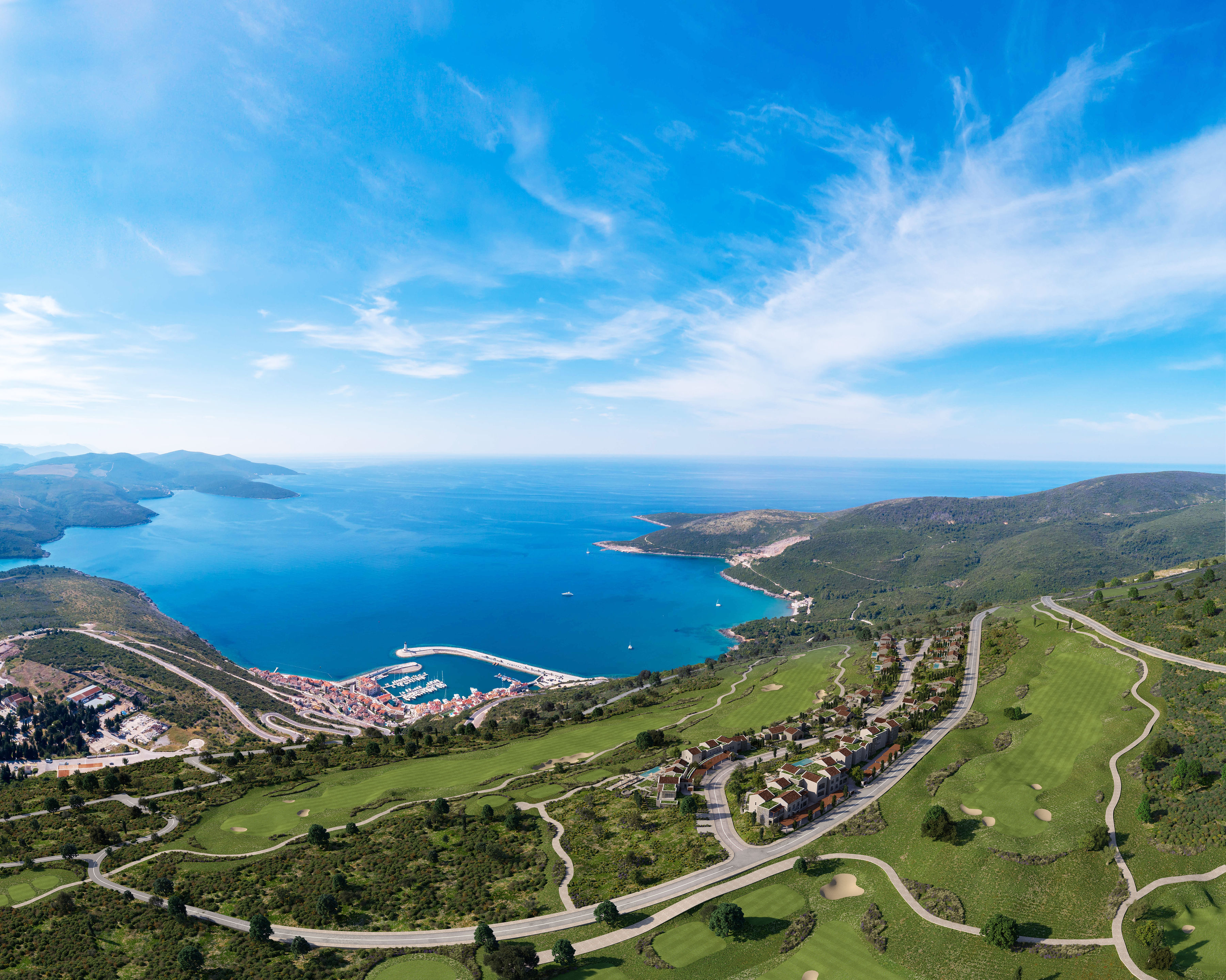
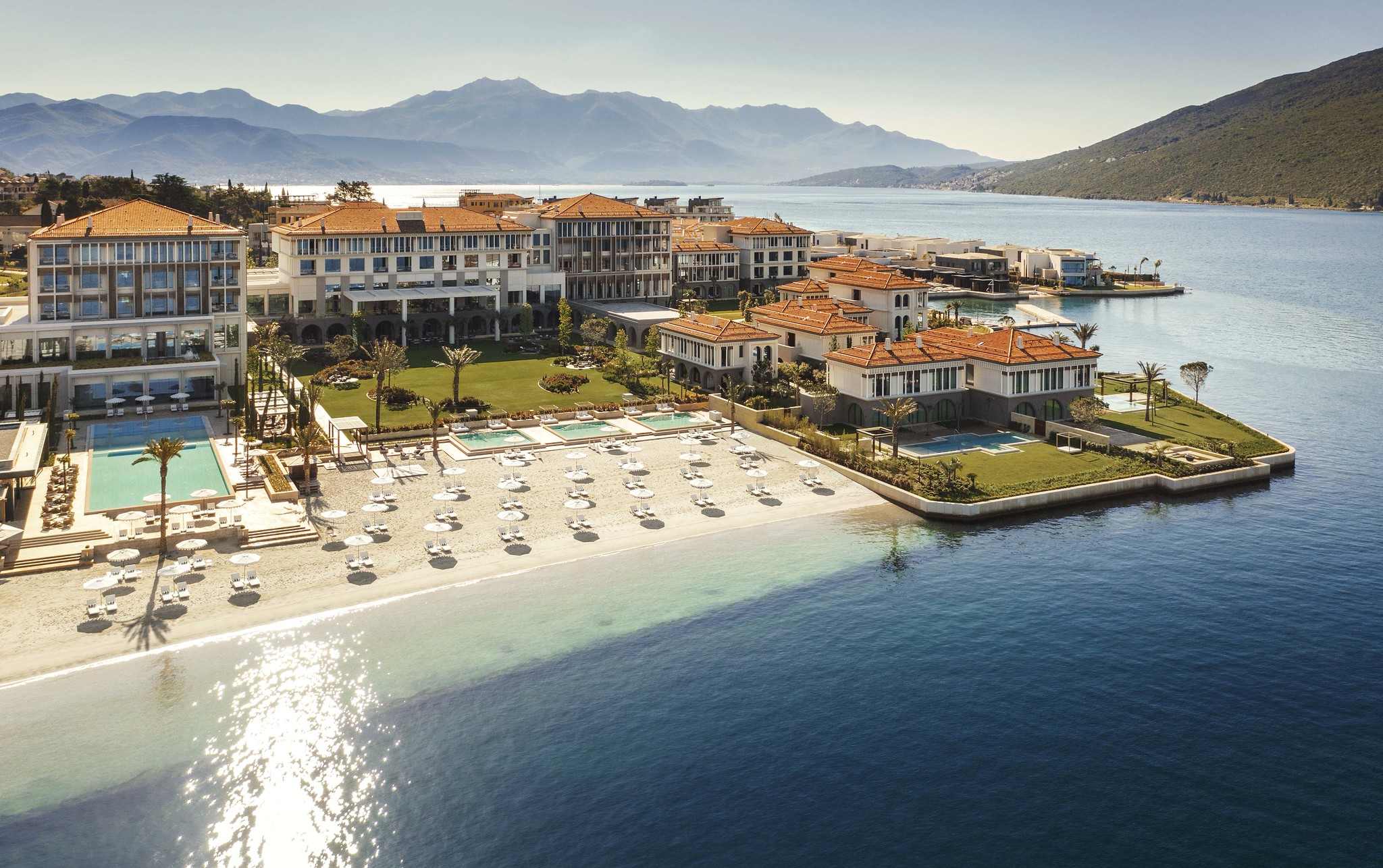
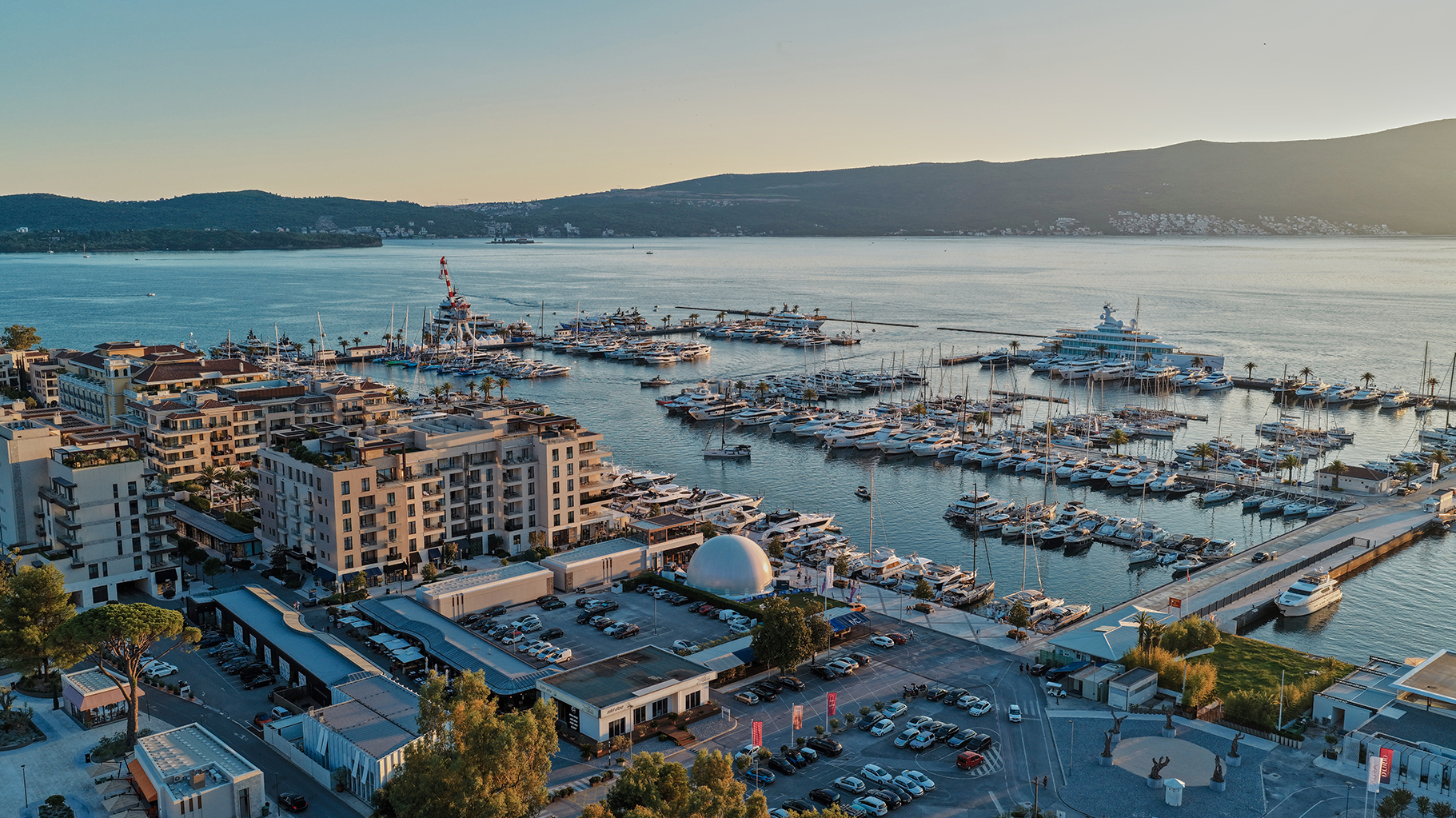
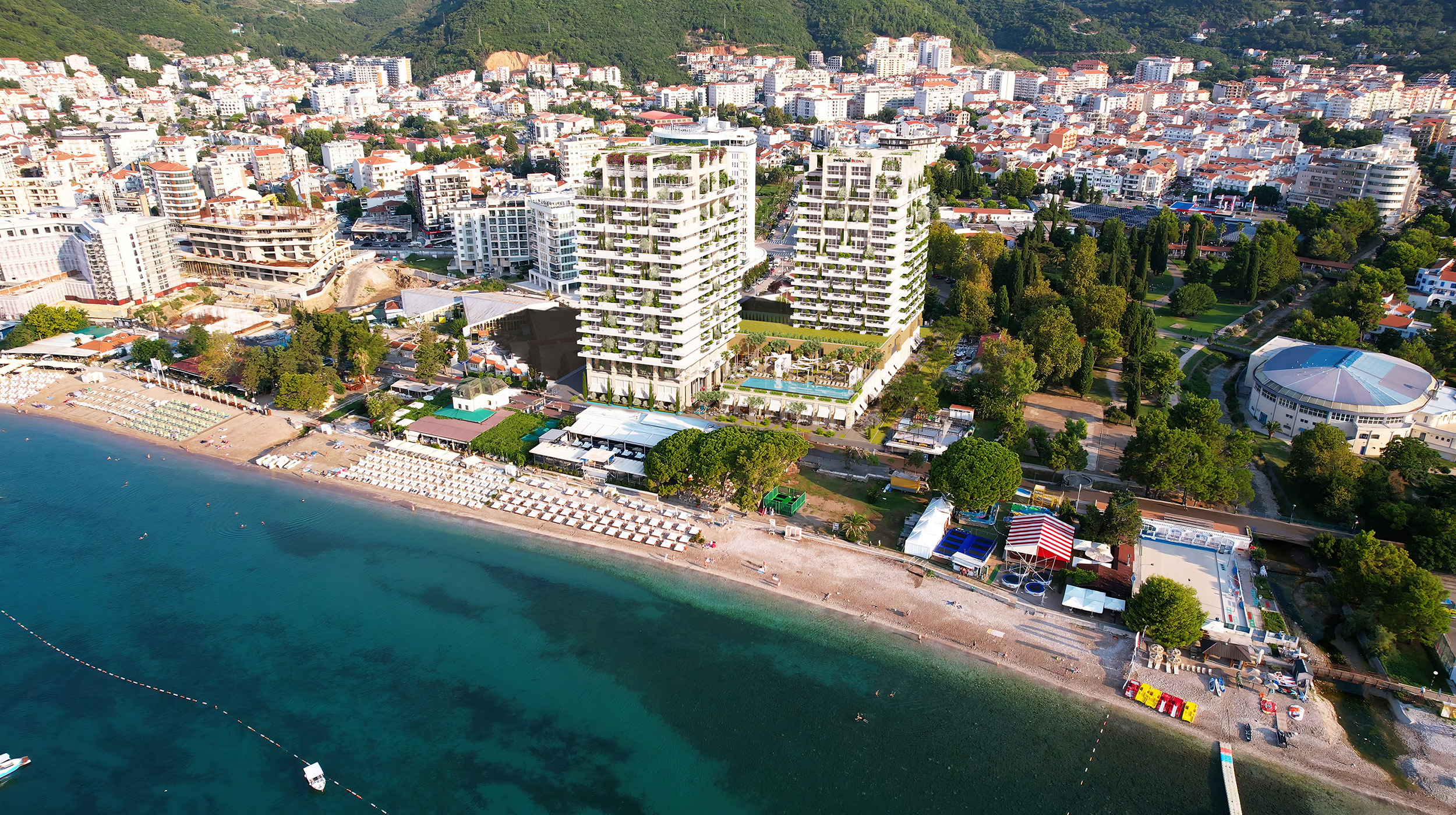
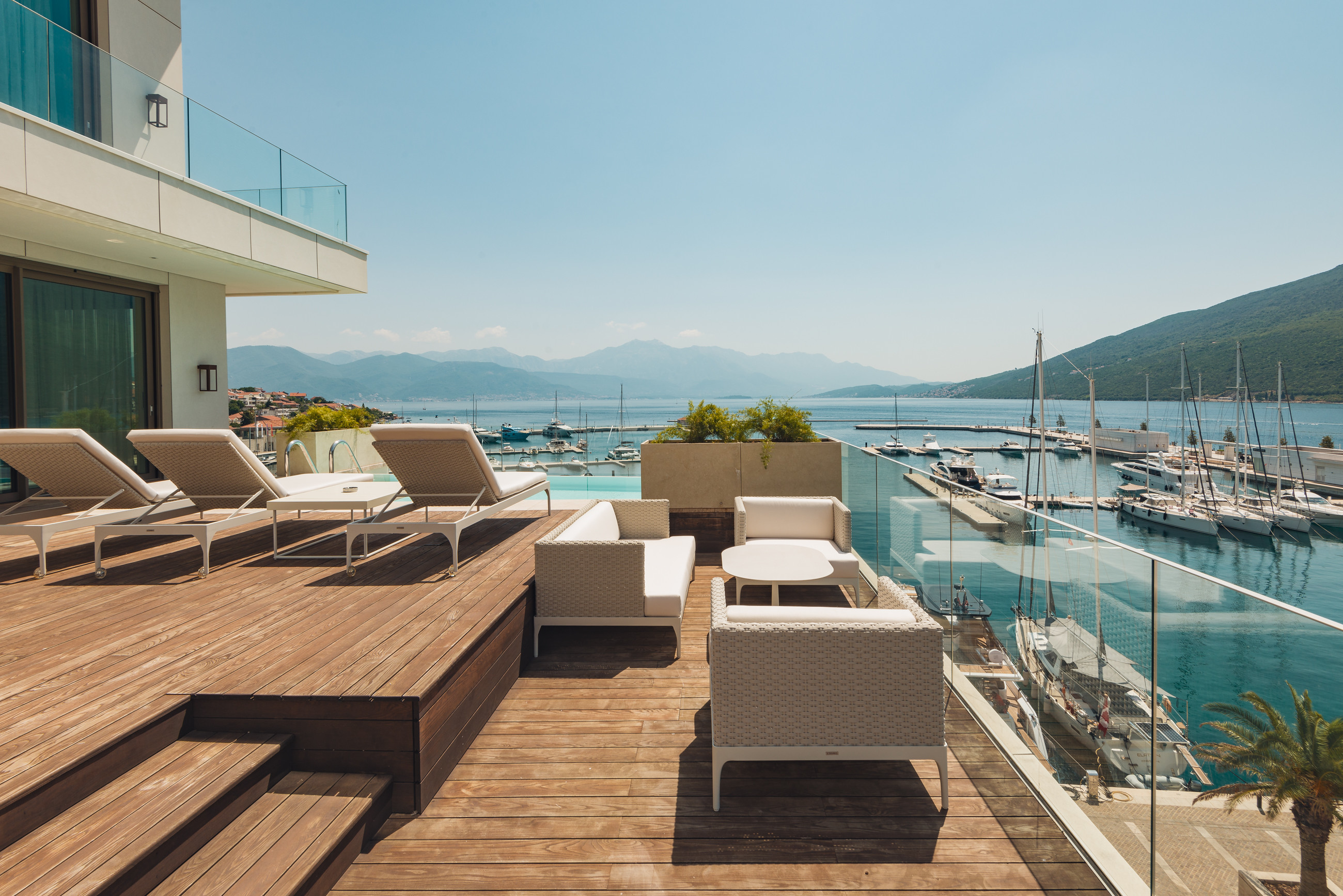
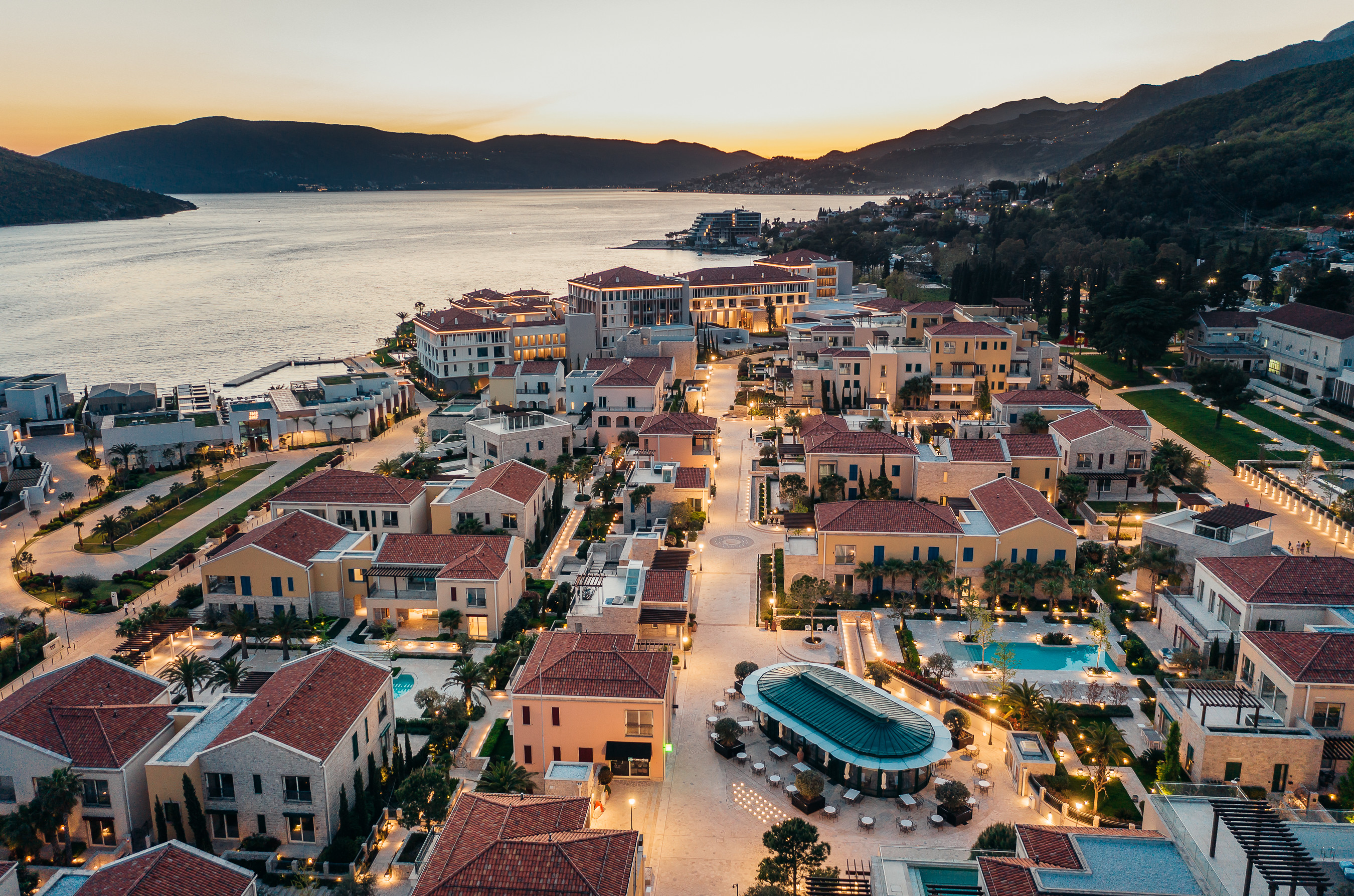
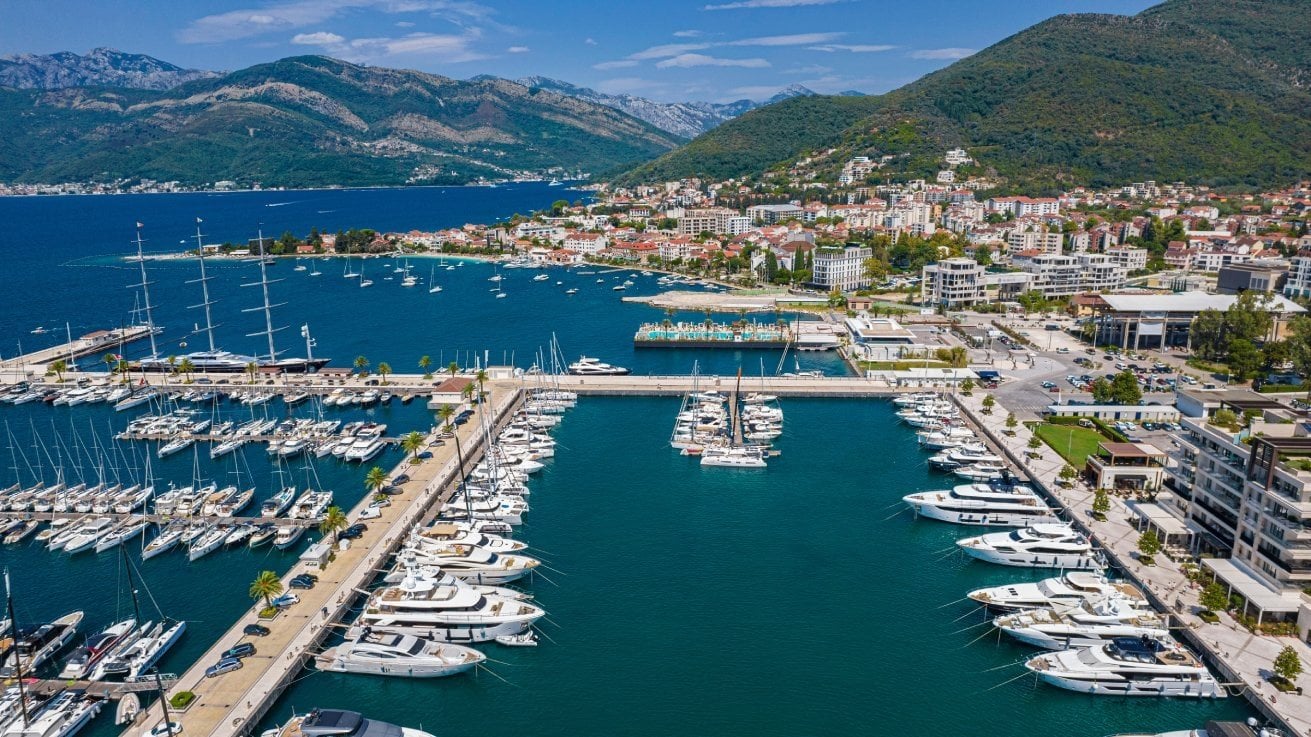
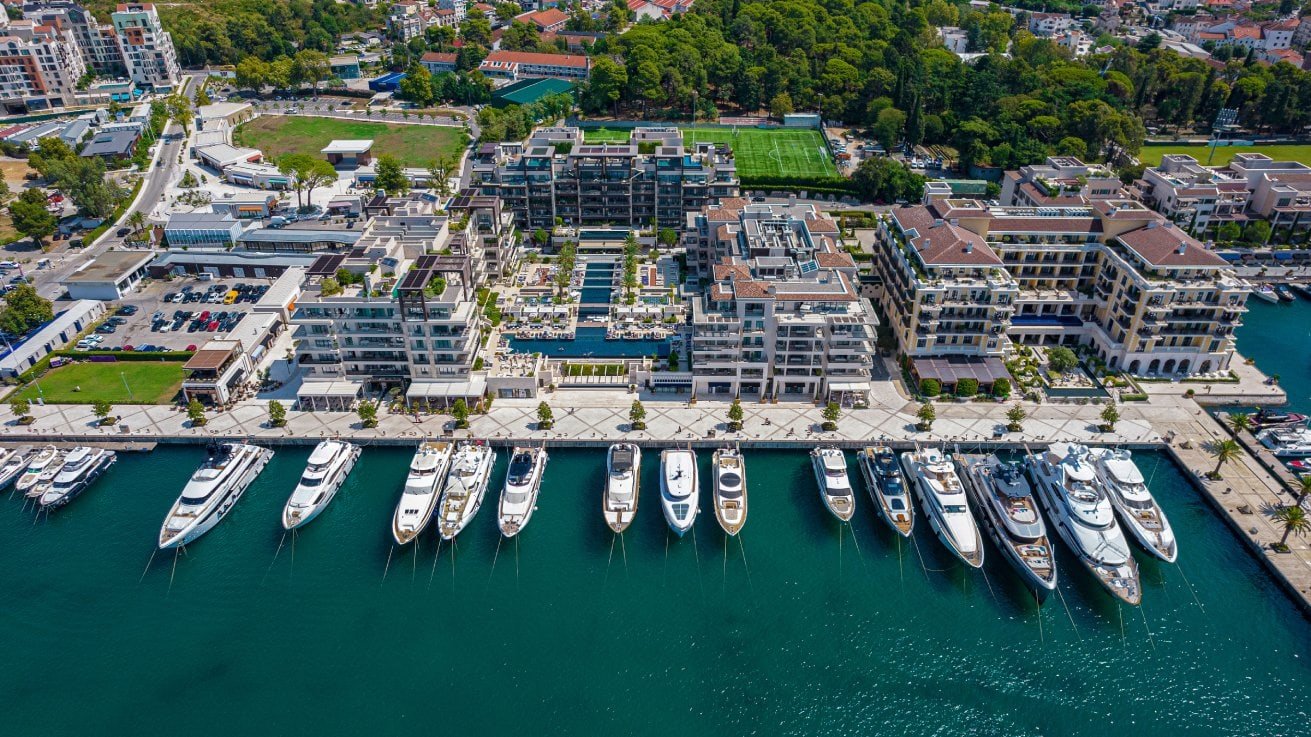
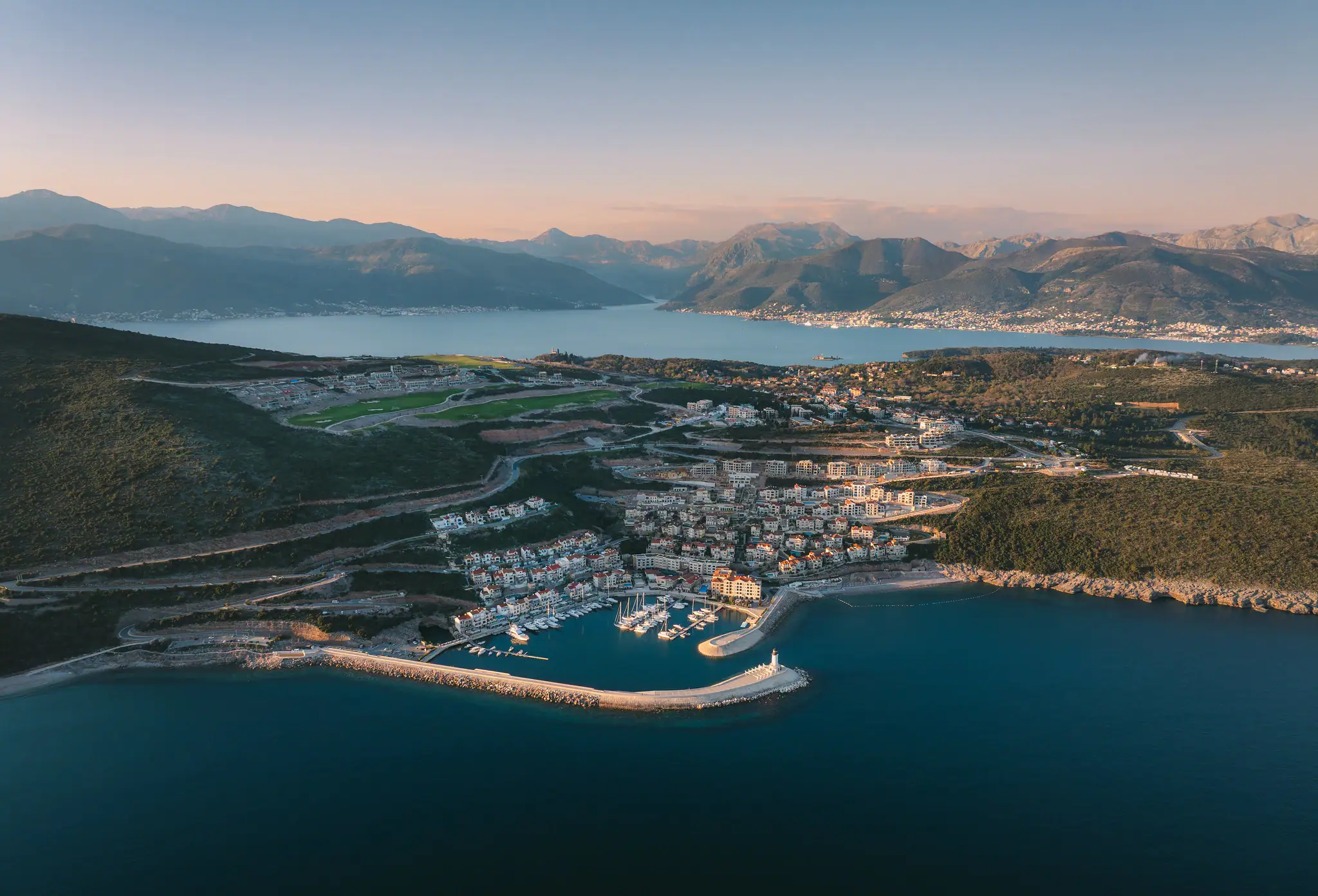
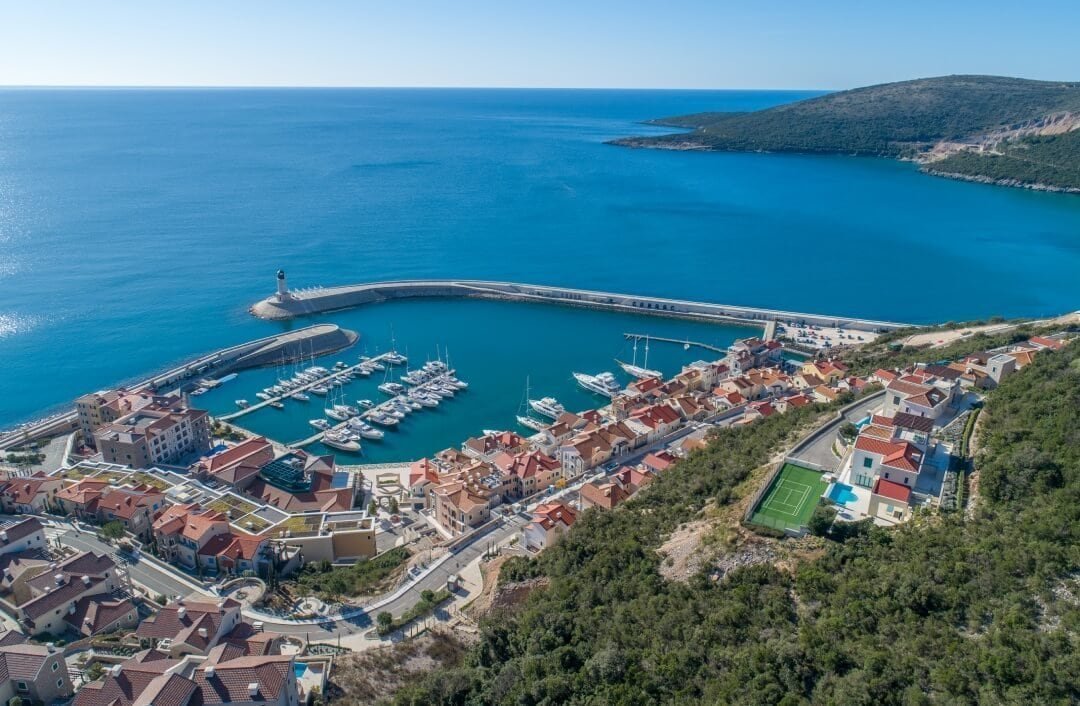
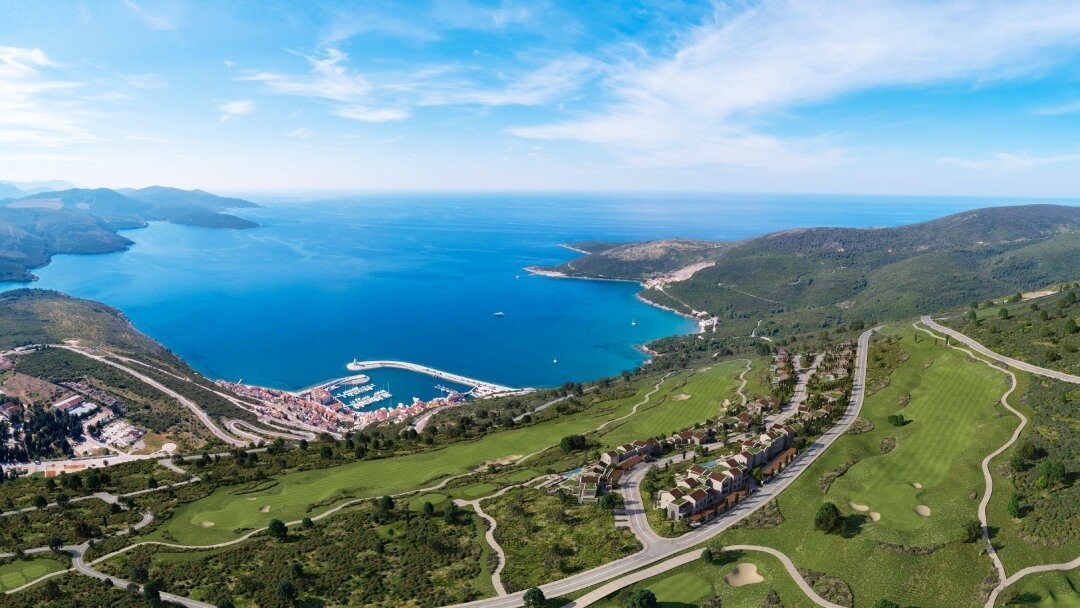
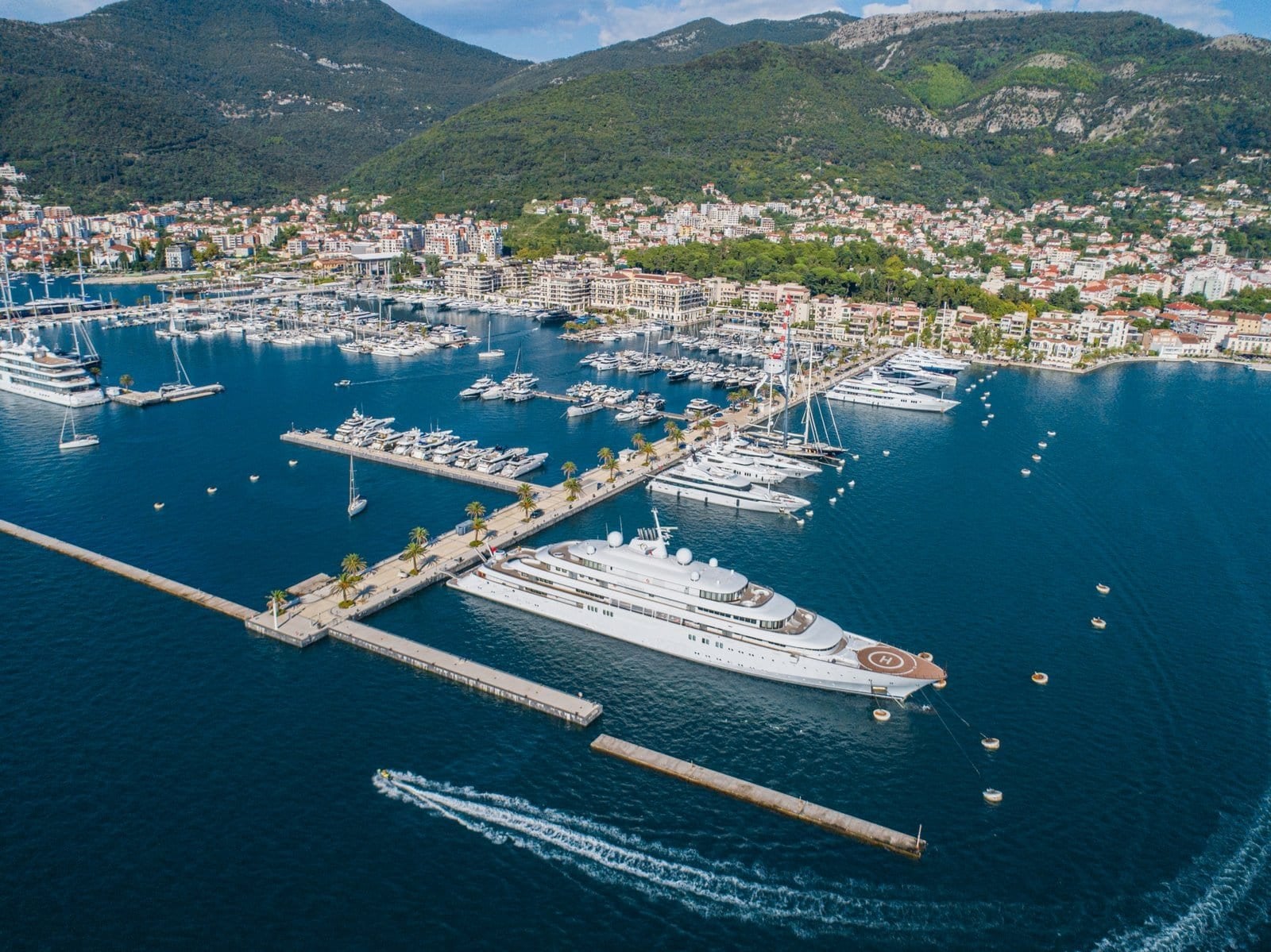
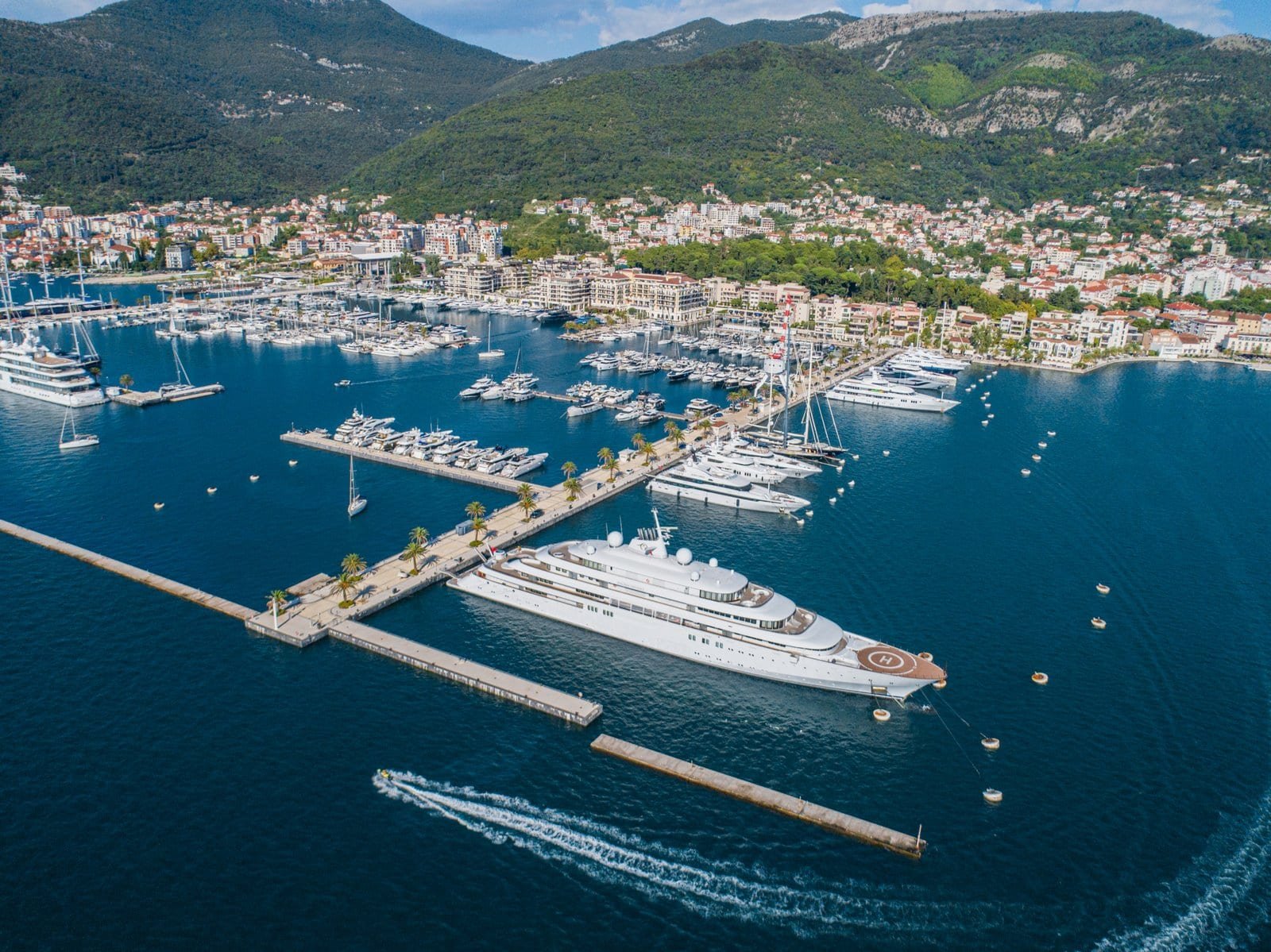
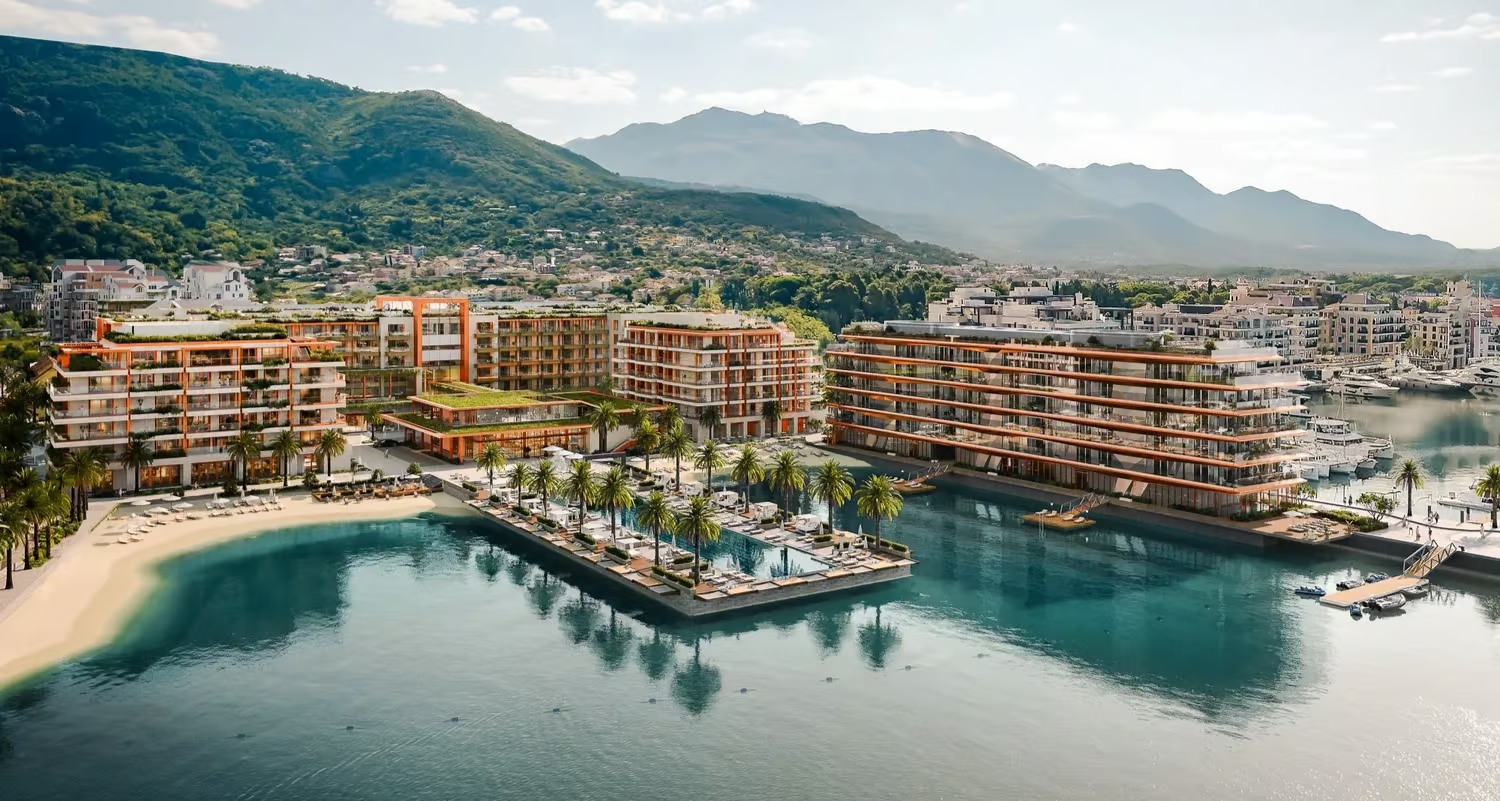
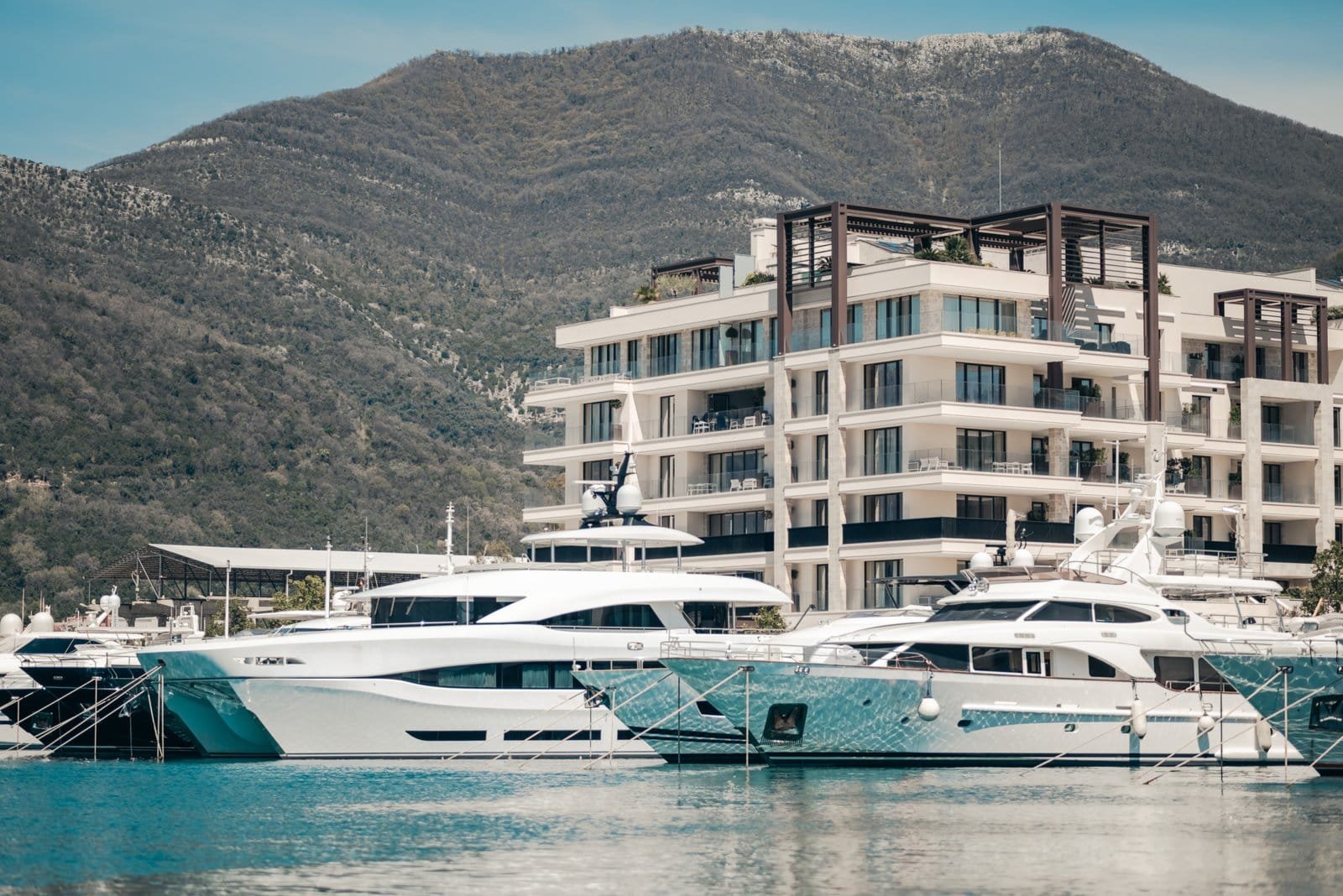
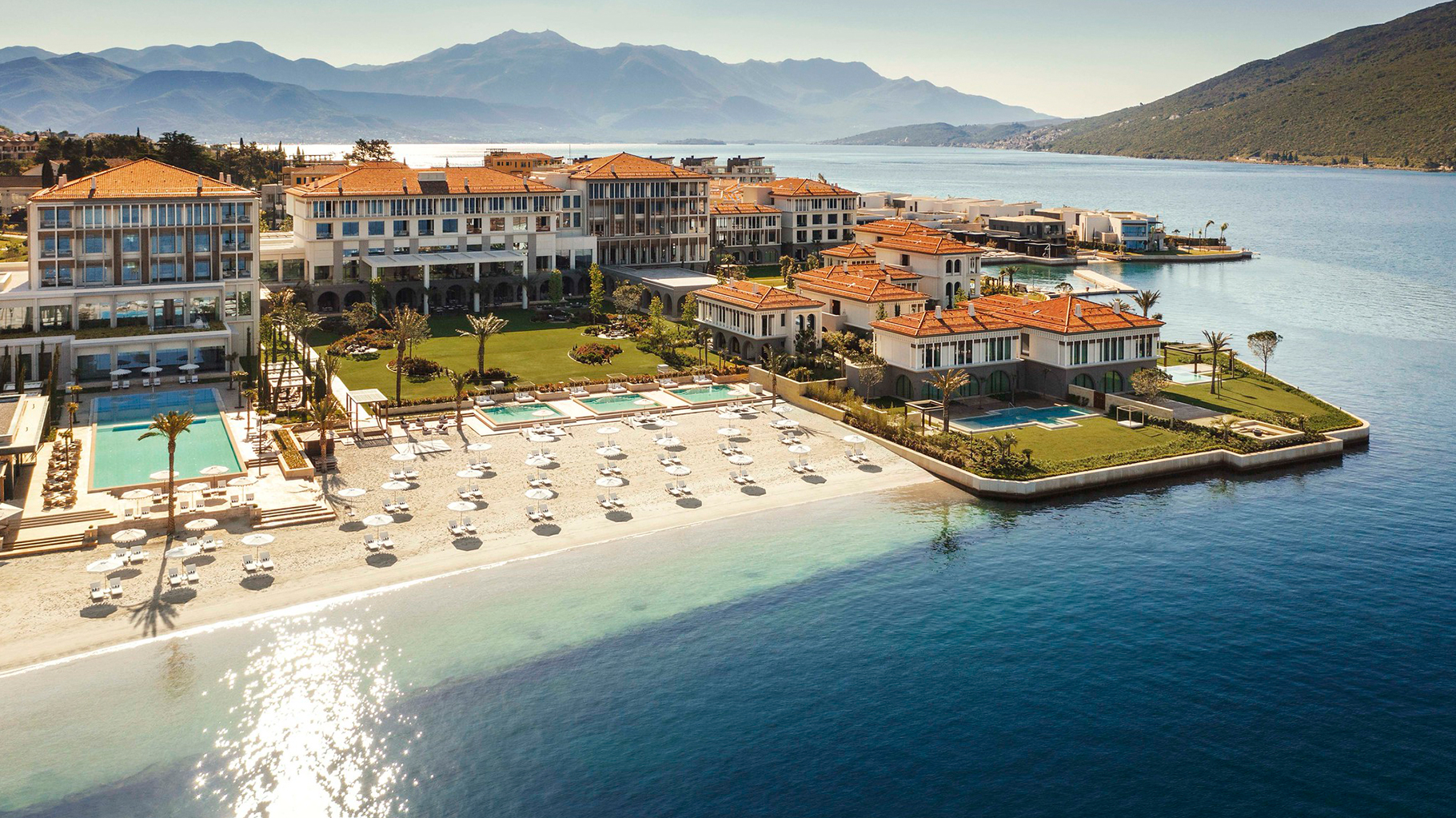
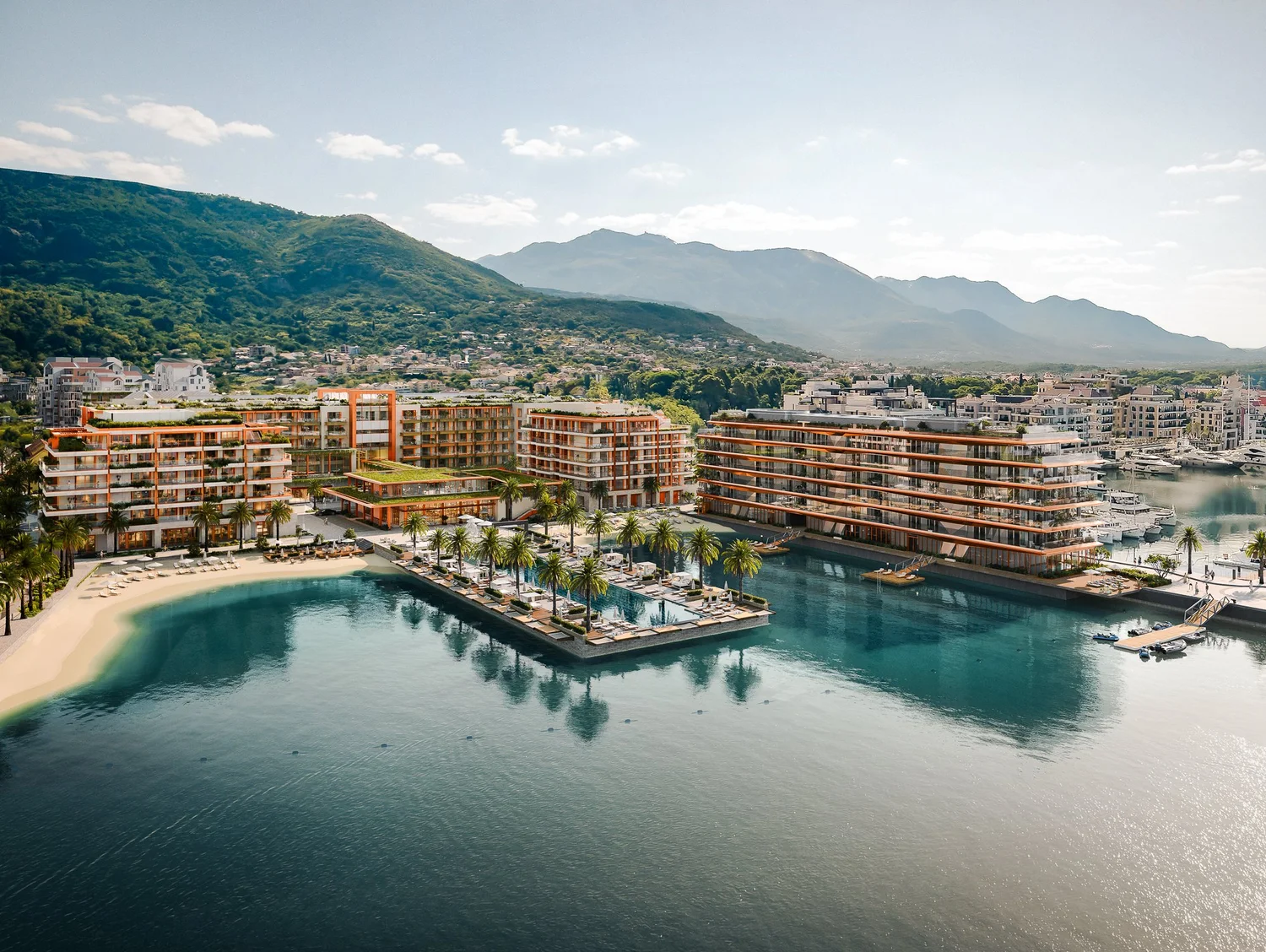
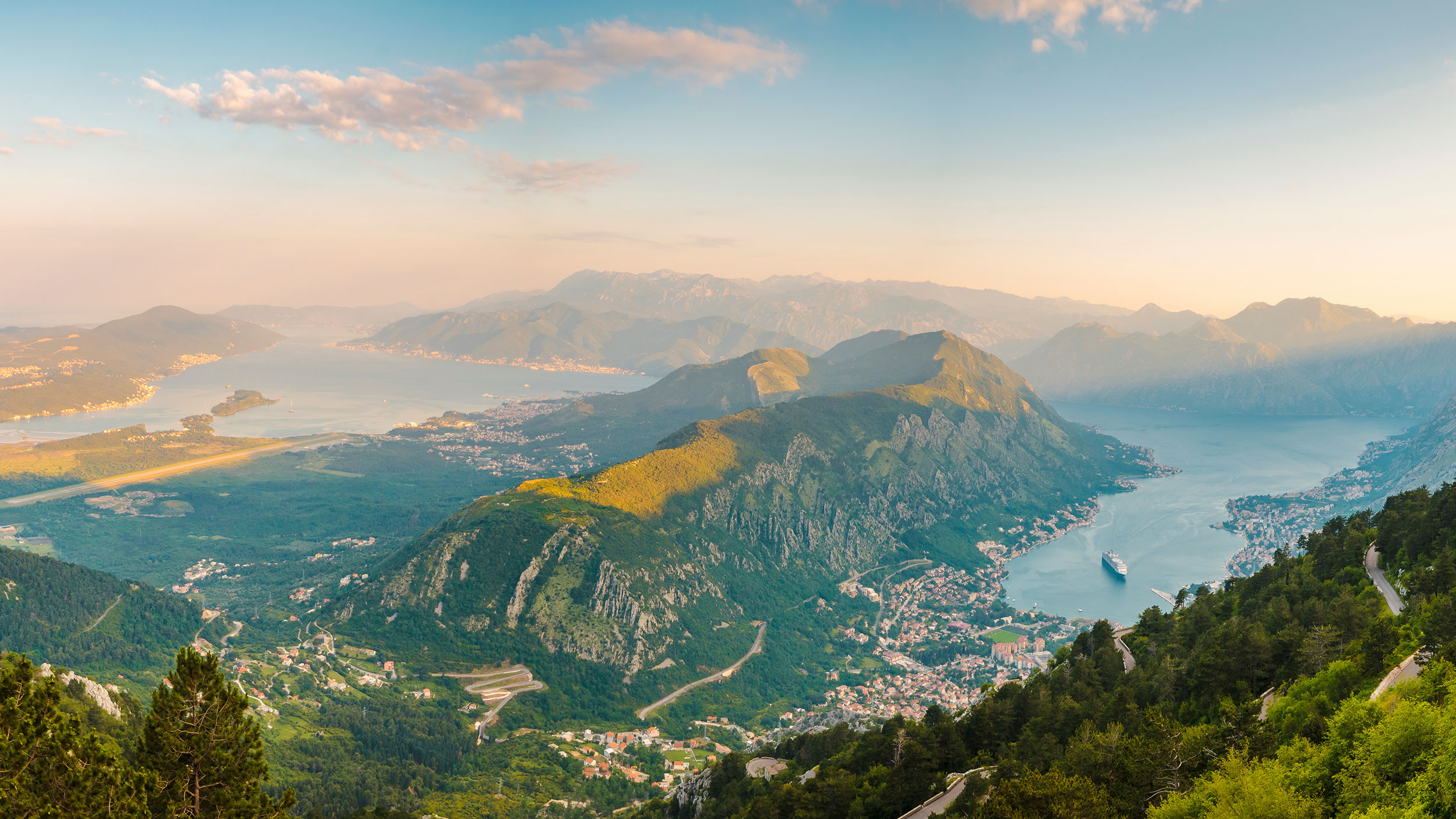
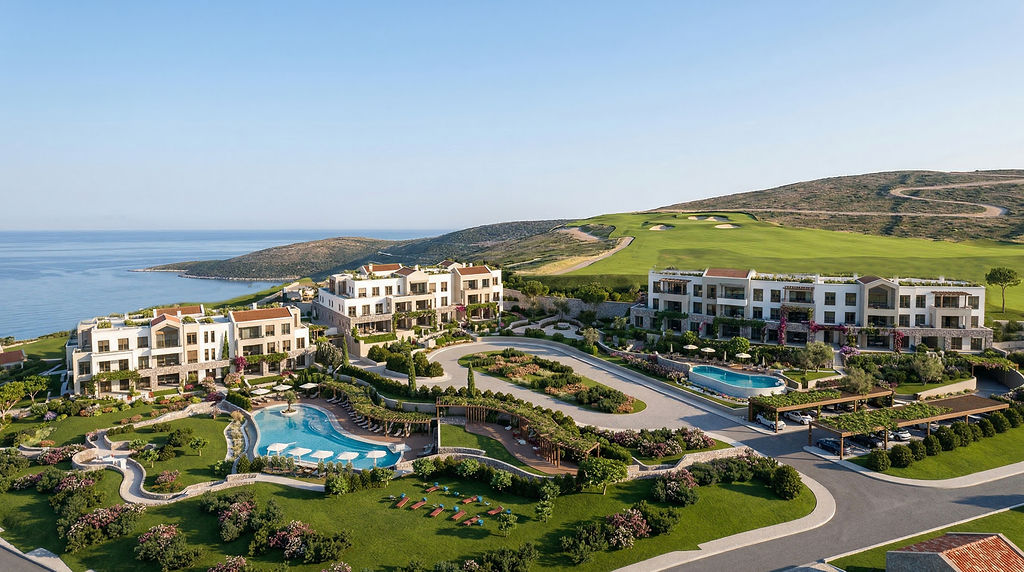
For clients evaluating Montenegro as a long-term hold, the Masdar partnership reinforces the investment thesis. Coastal properties in Porto Montenegro, Lustica Bay and Portonovi sit within a market that is attracting institutional confidence across multiple sectors simultaneously.
Barok Estates International provides investment advisory grounded in current market intelligence. For a detailed briefing on Montenegro's investment landscape, book a private consultation with our advisory team.





.jpg)