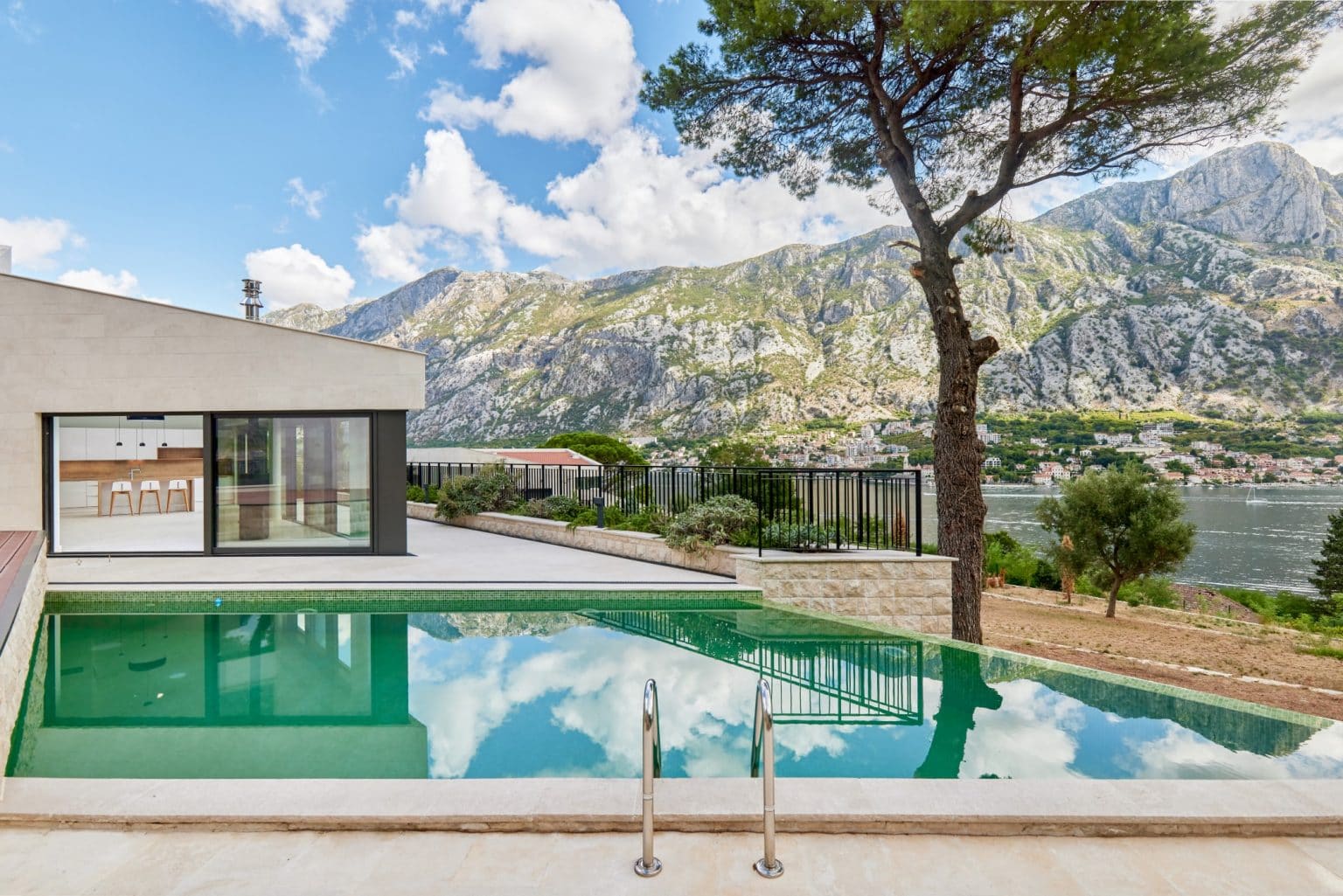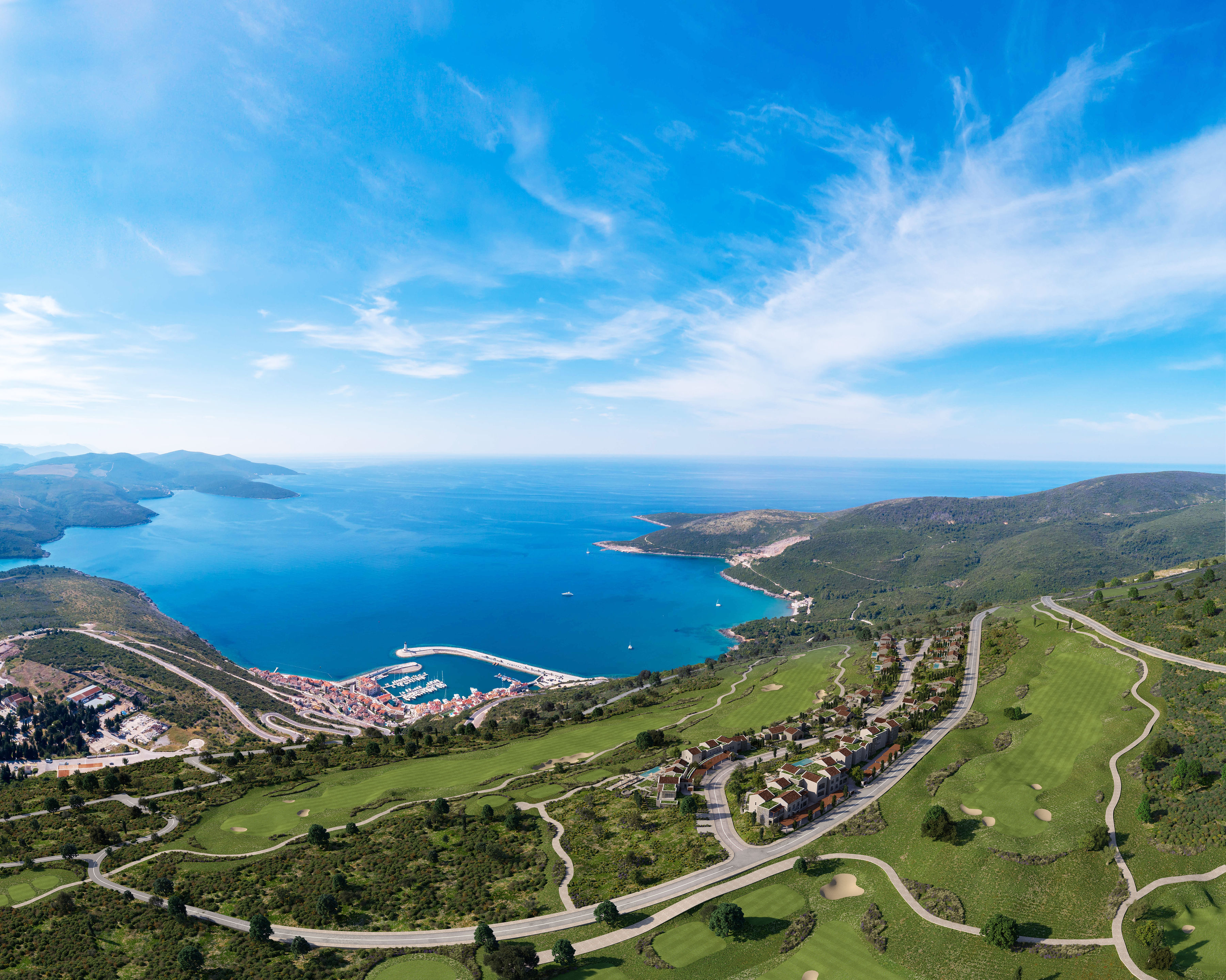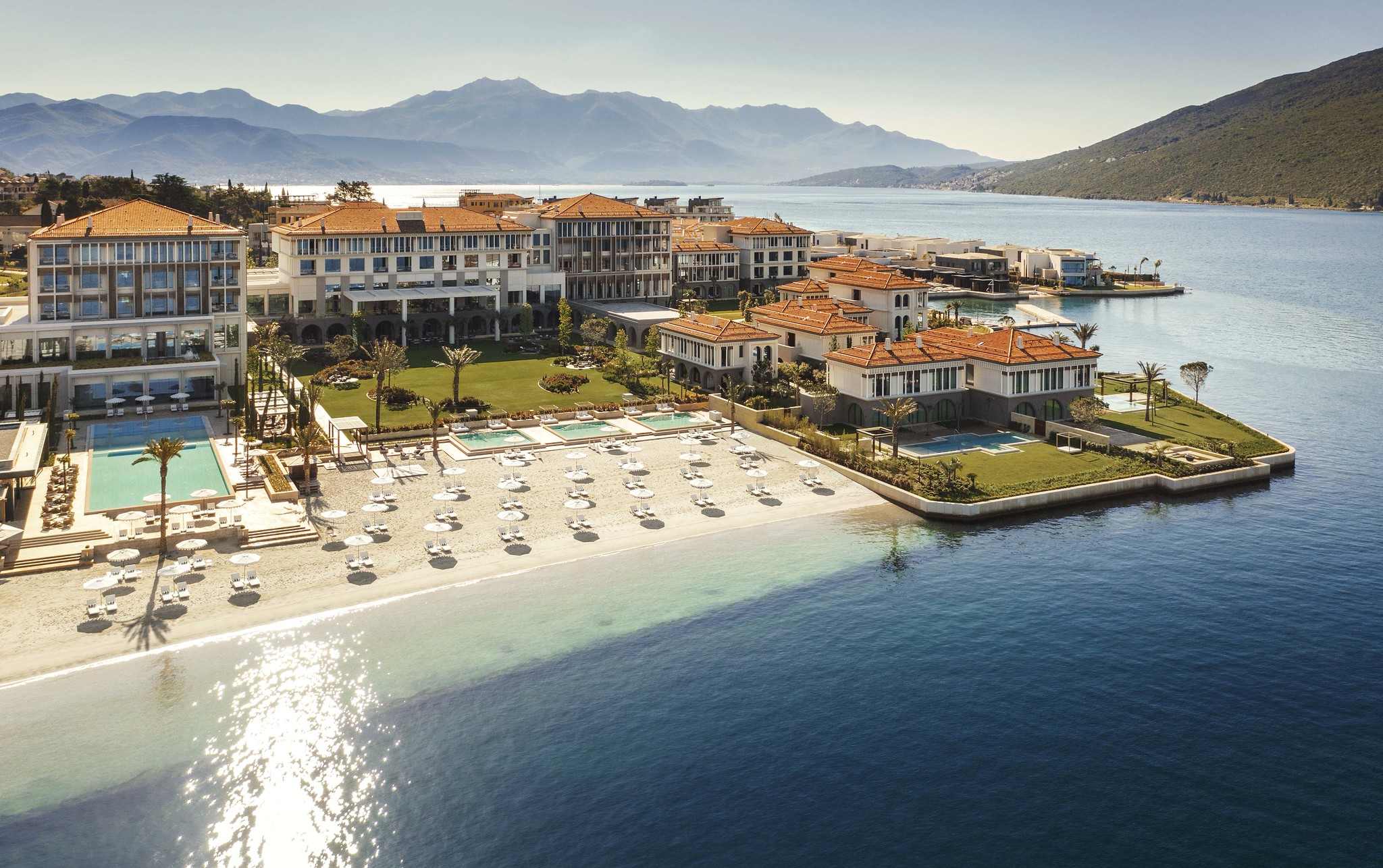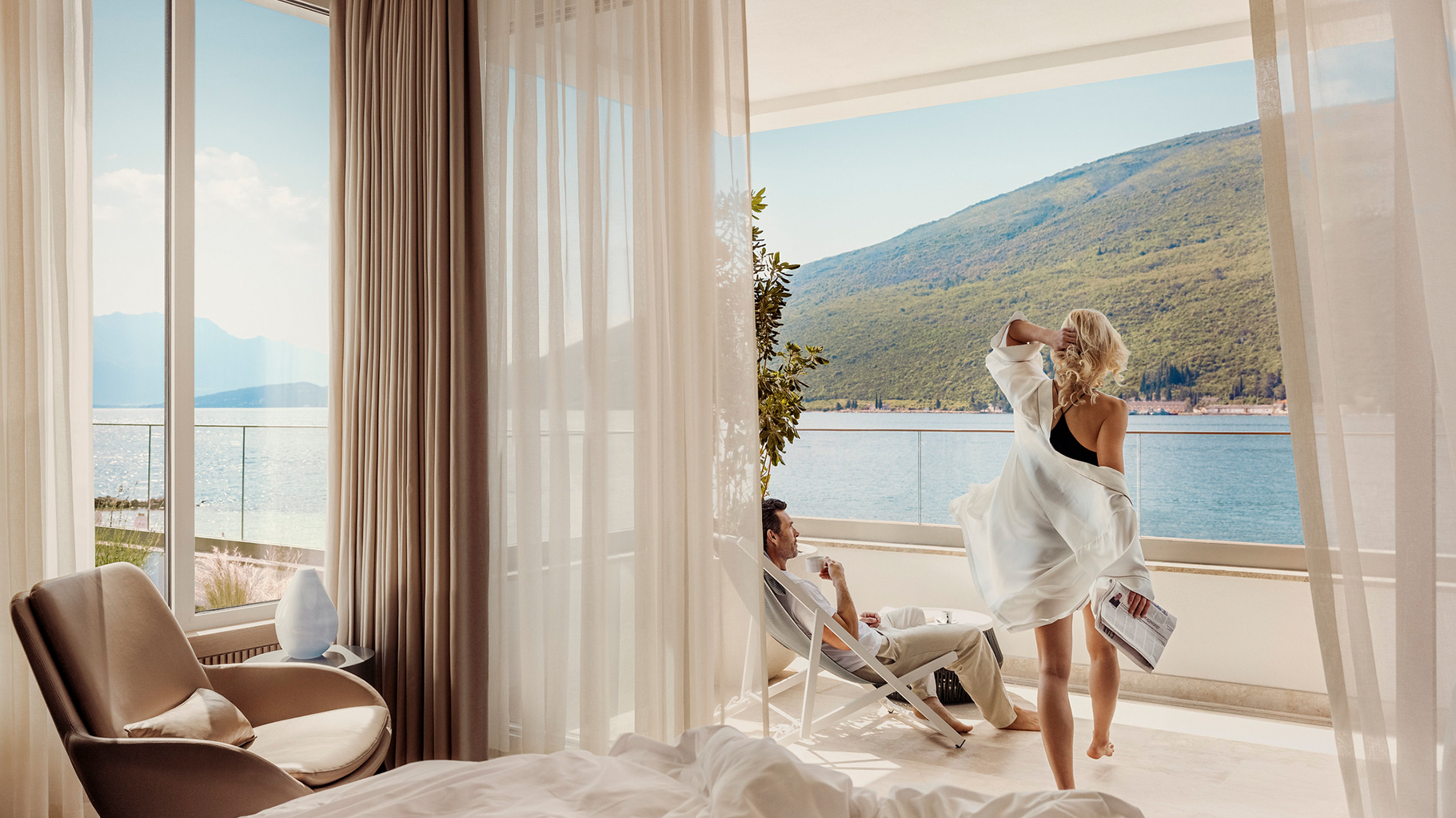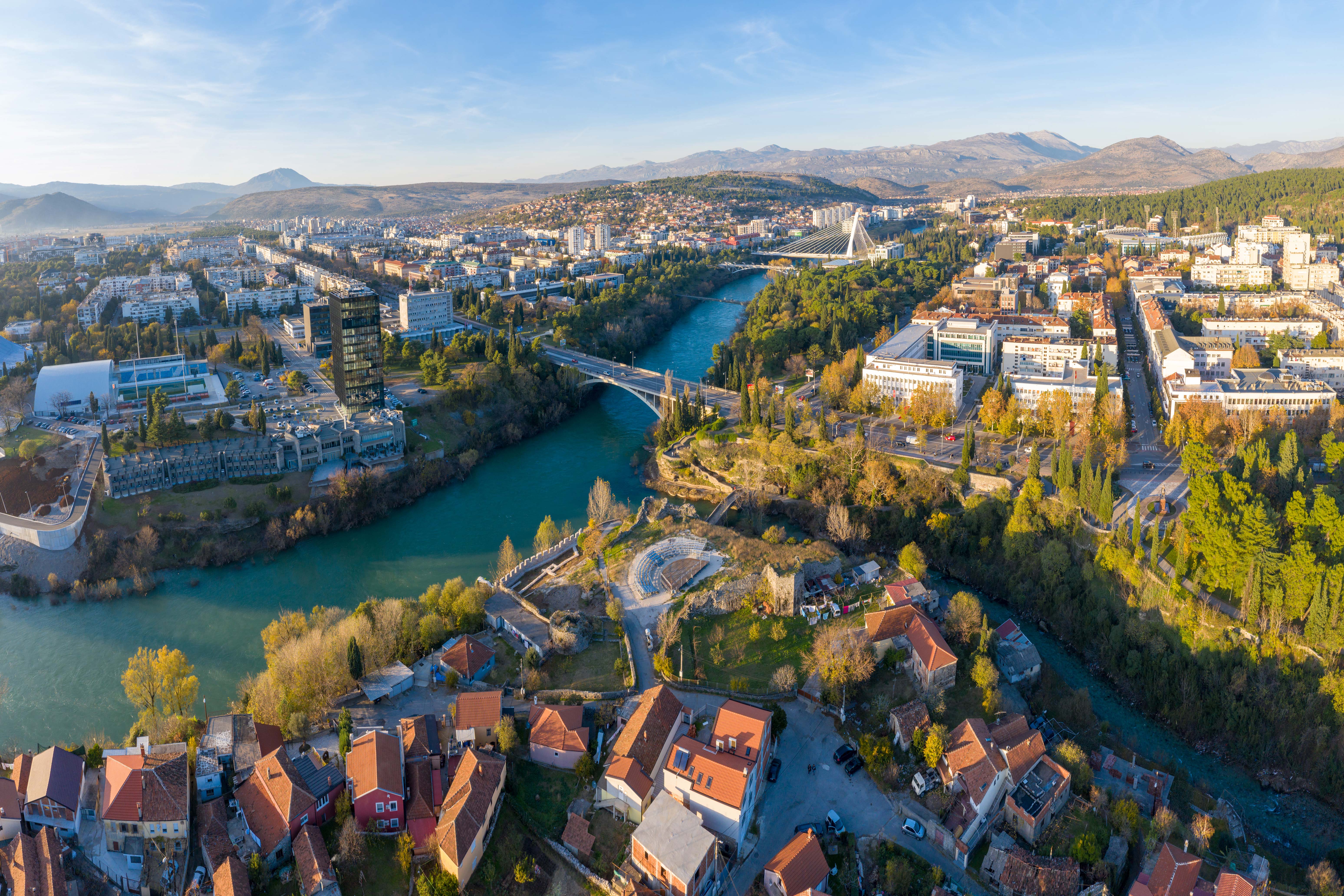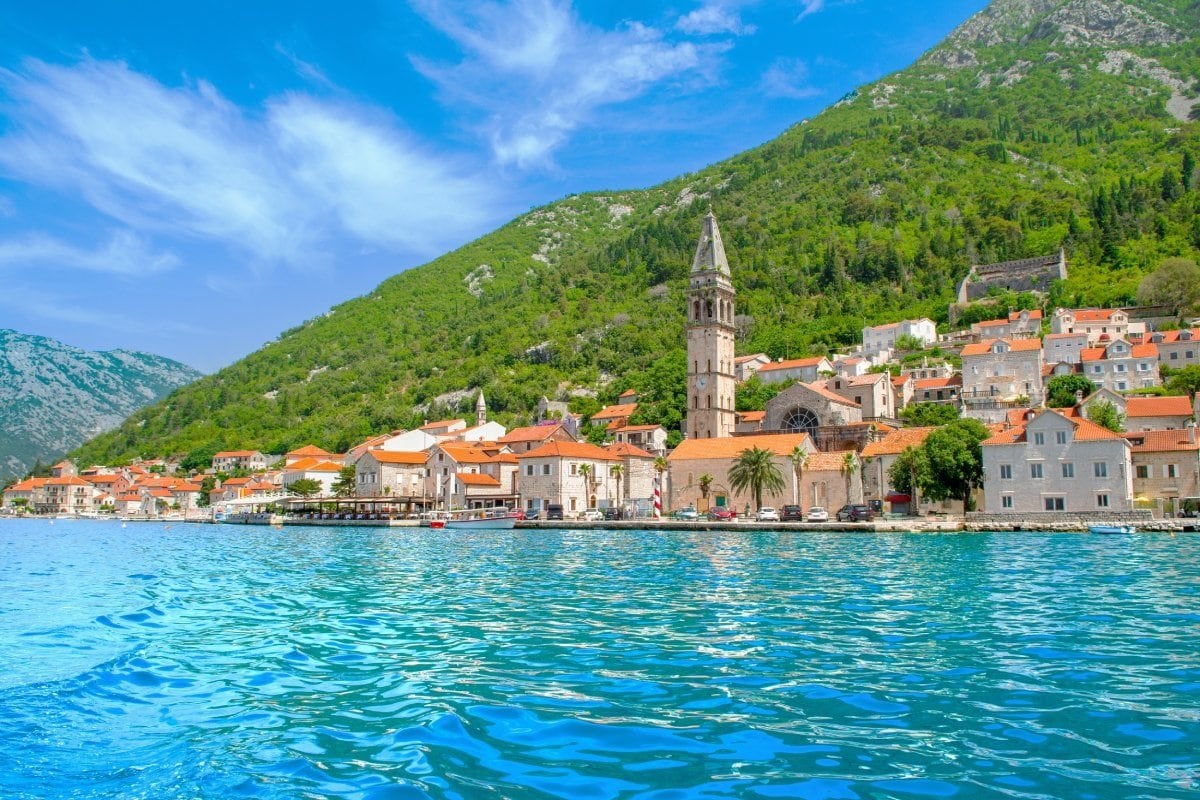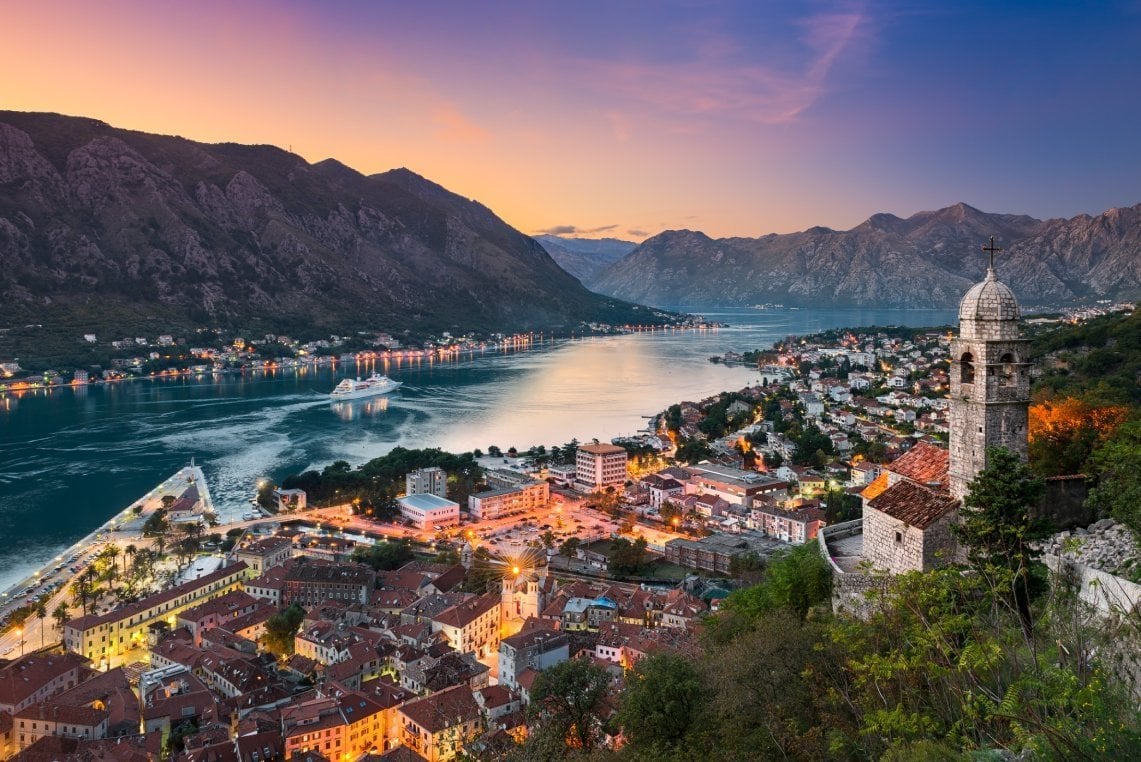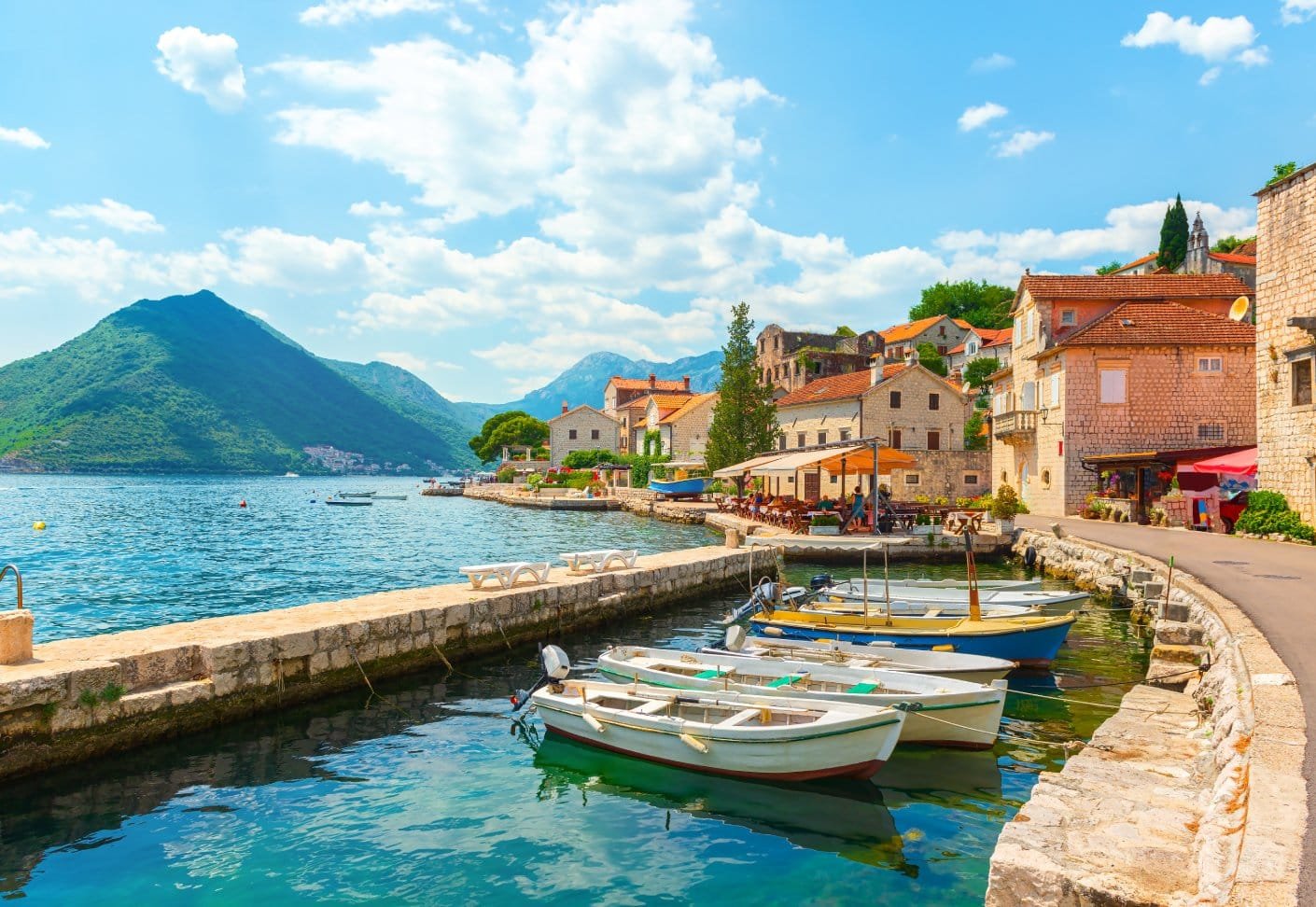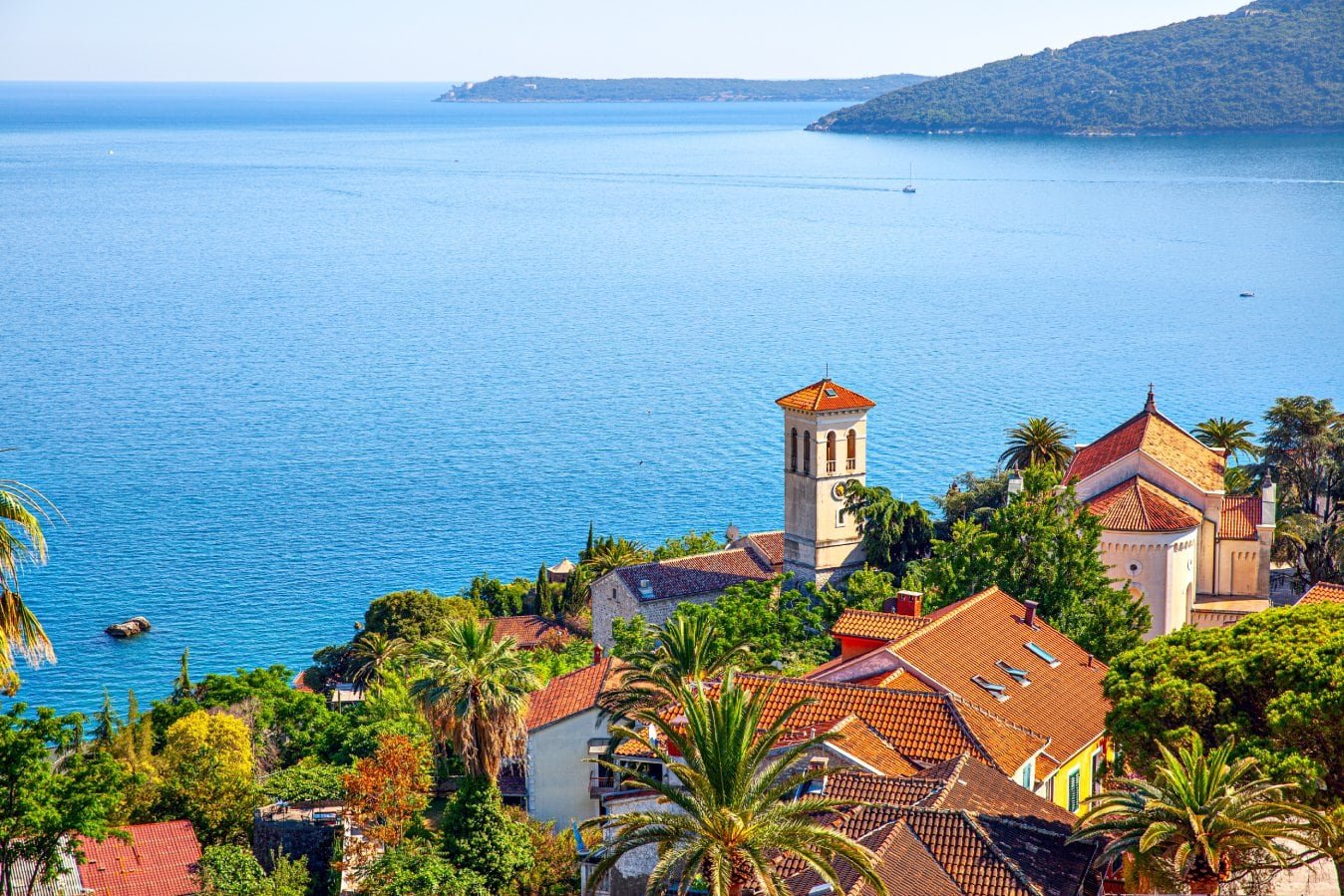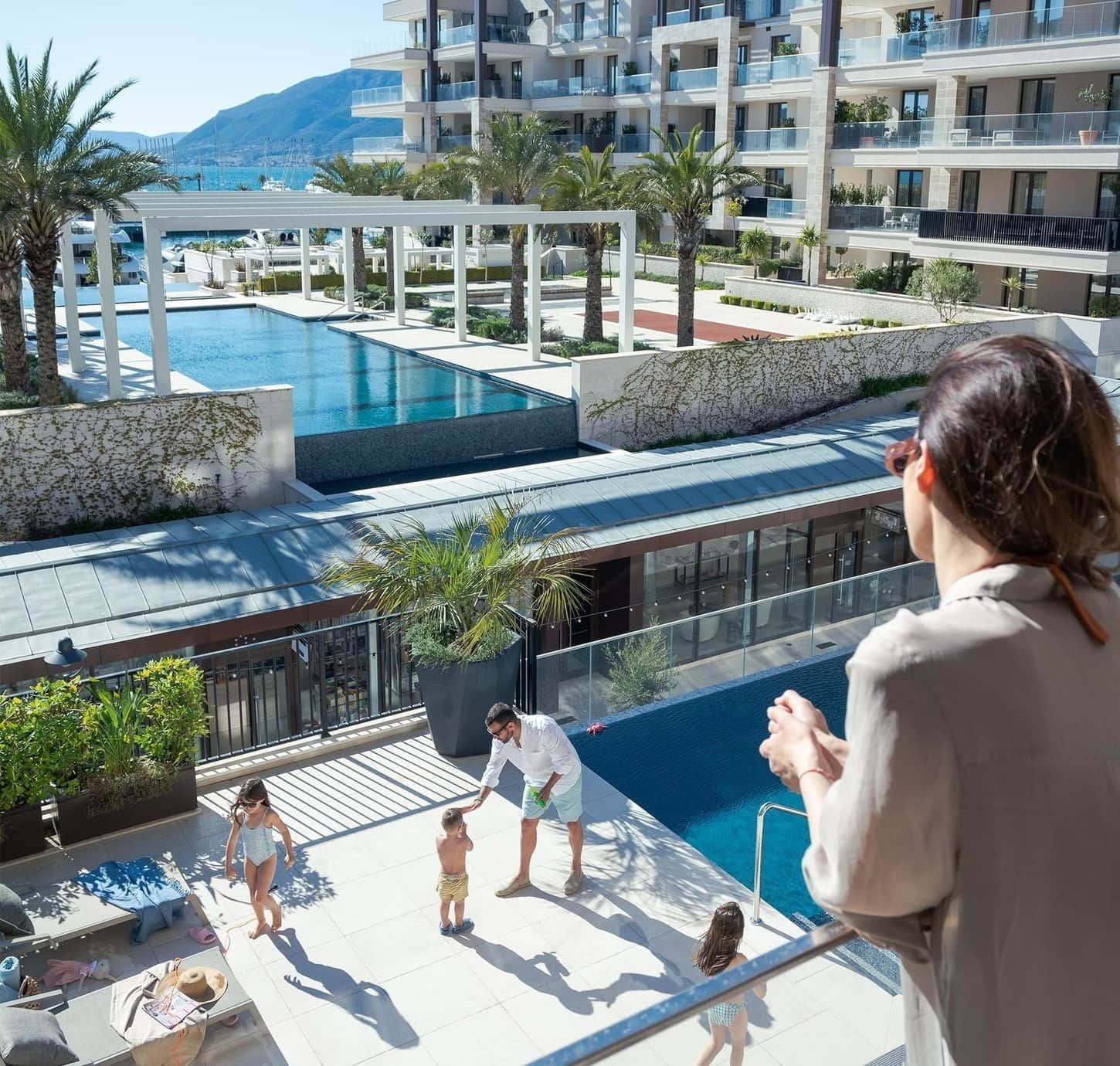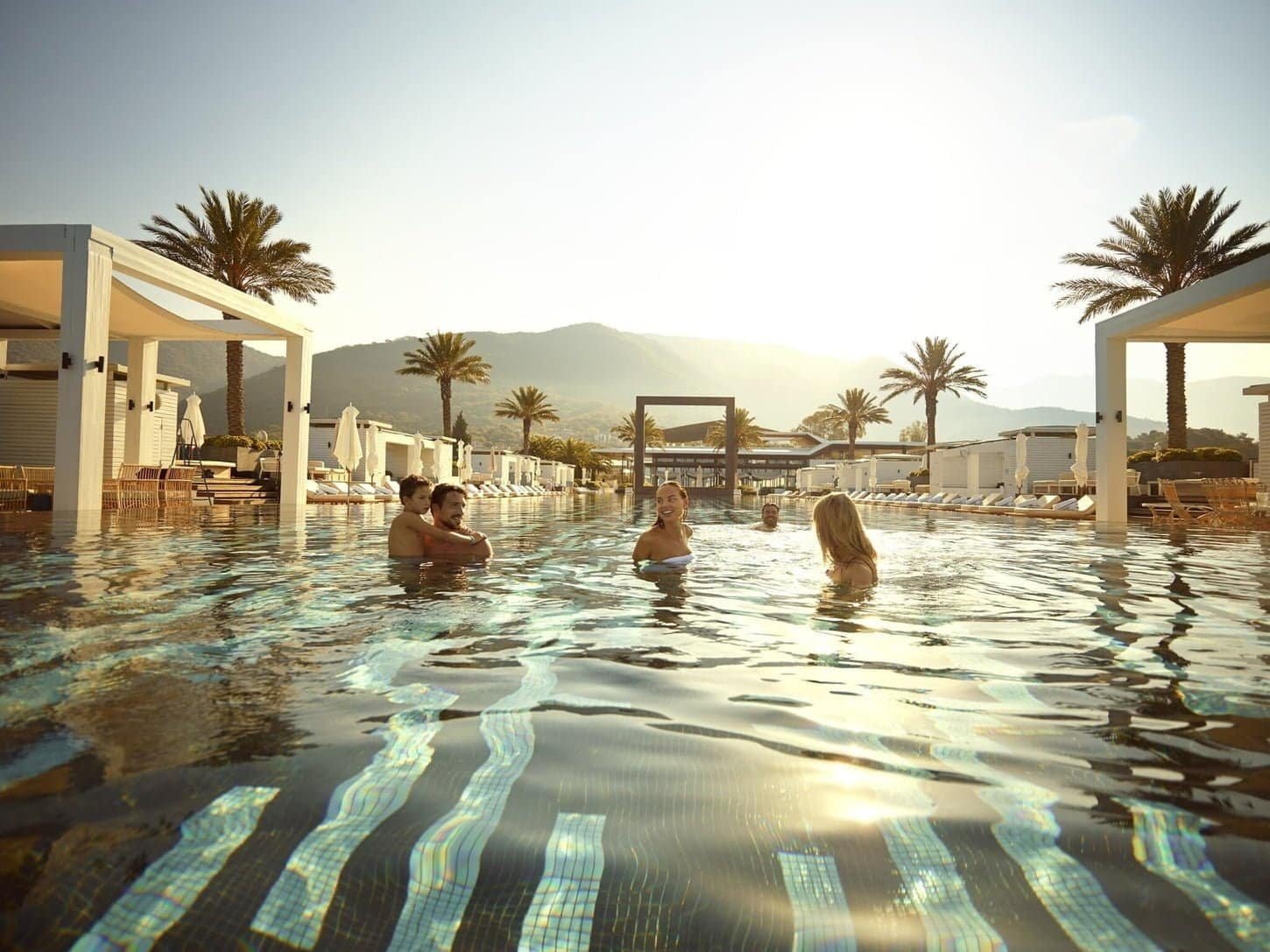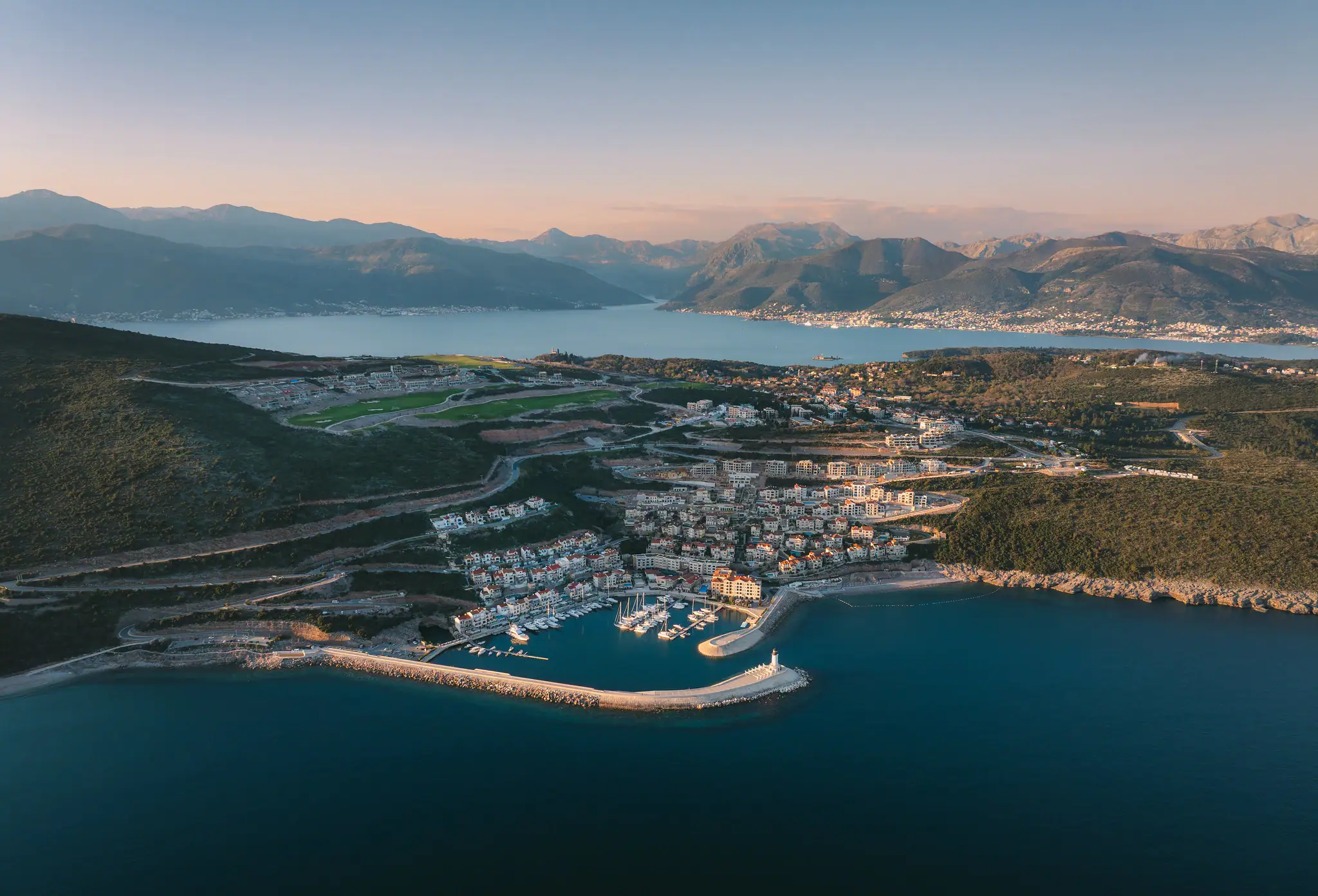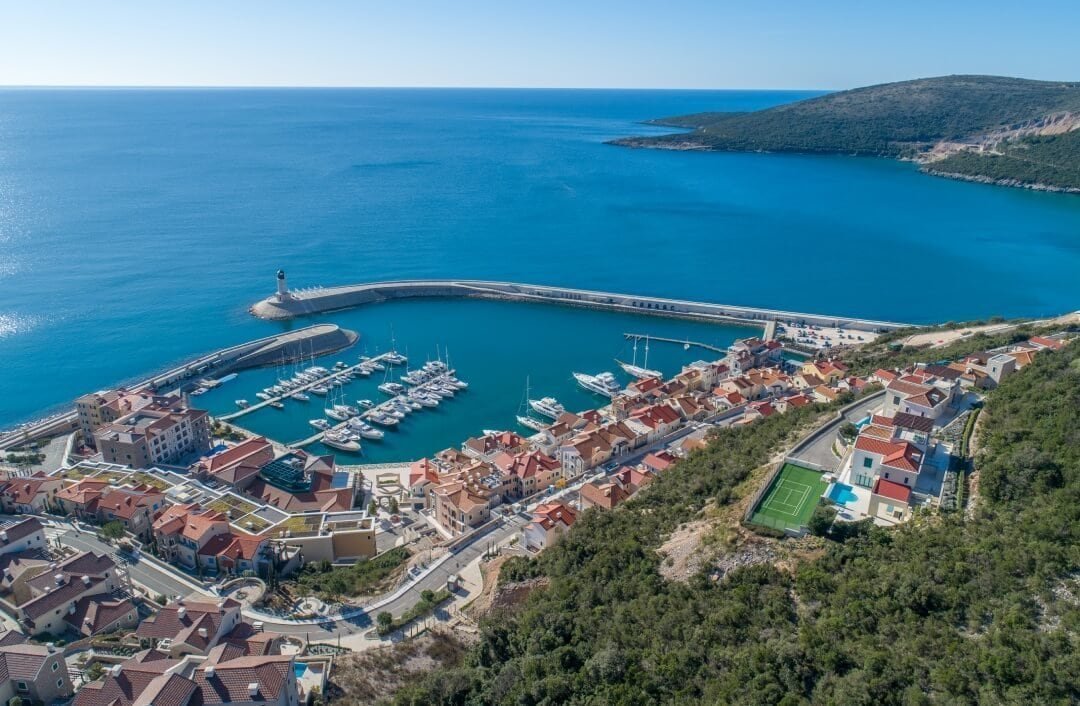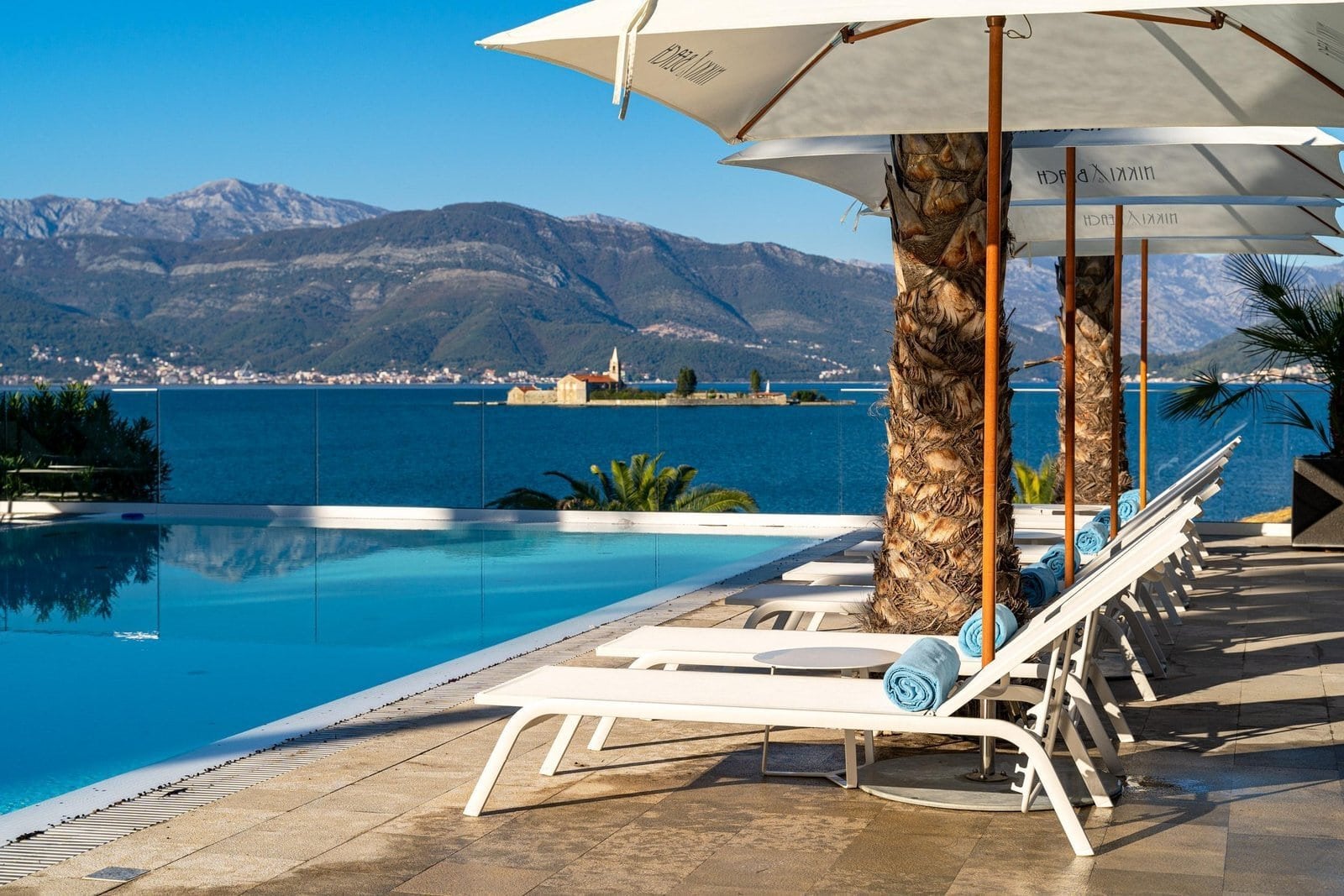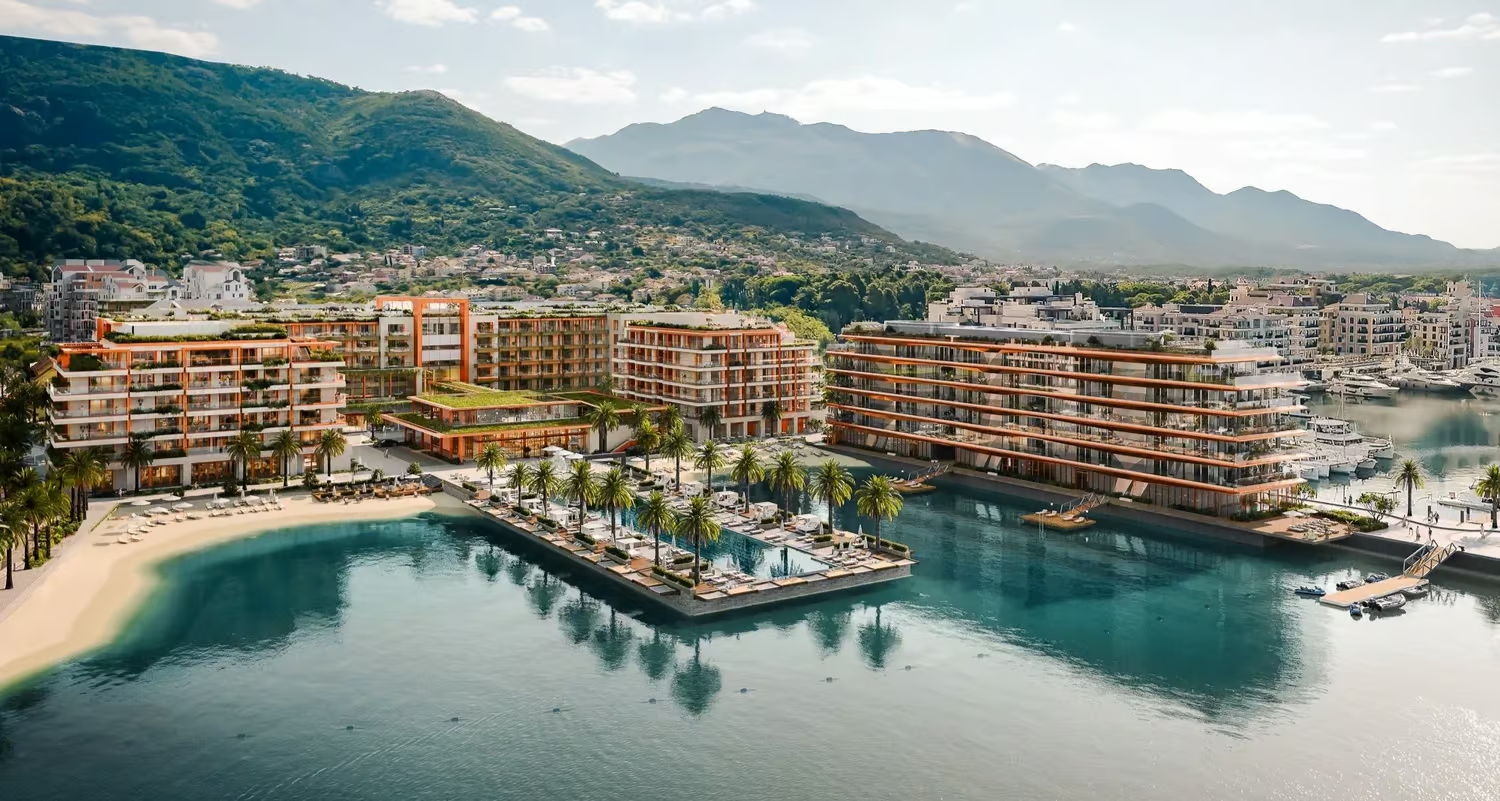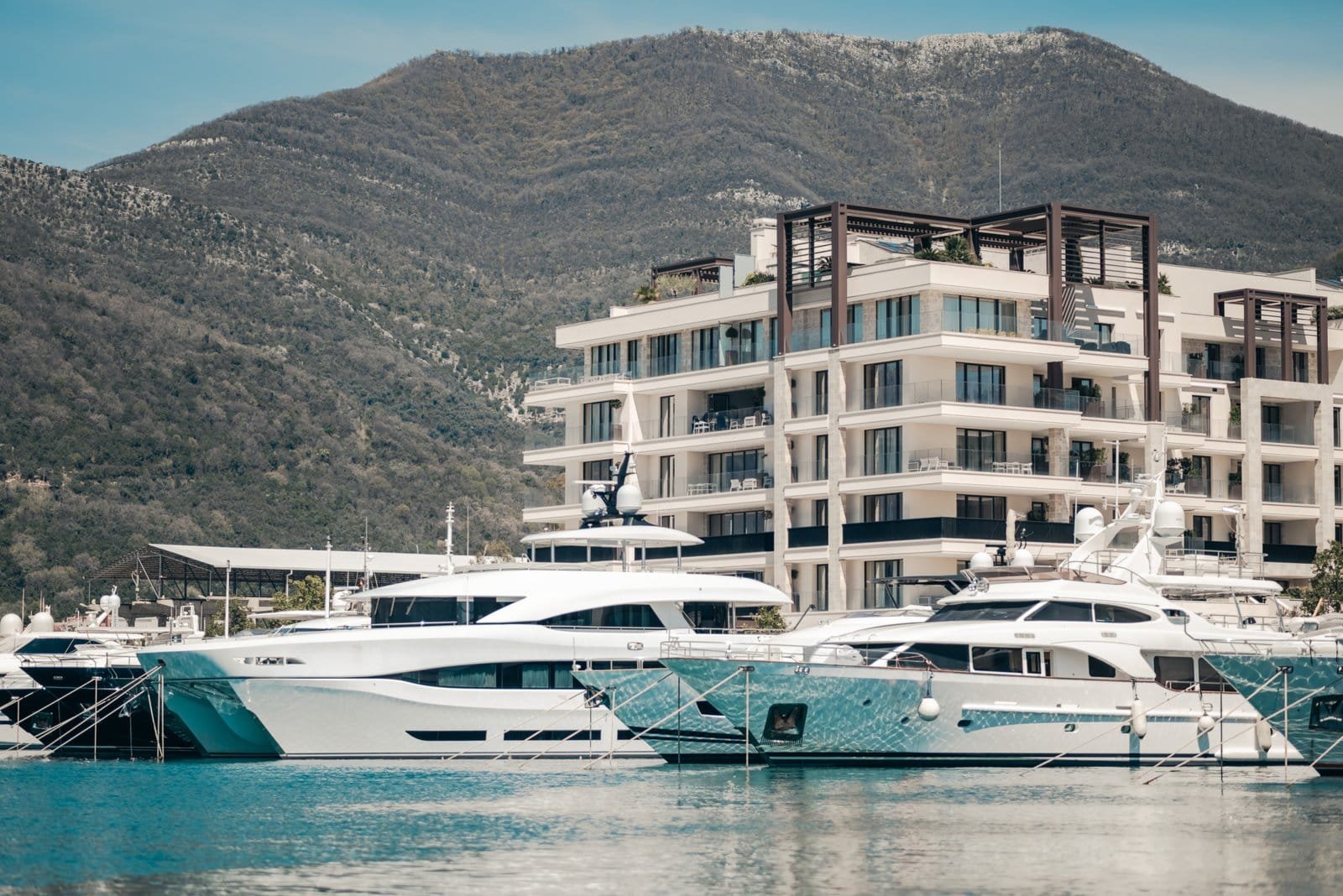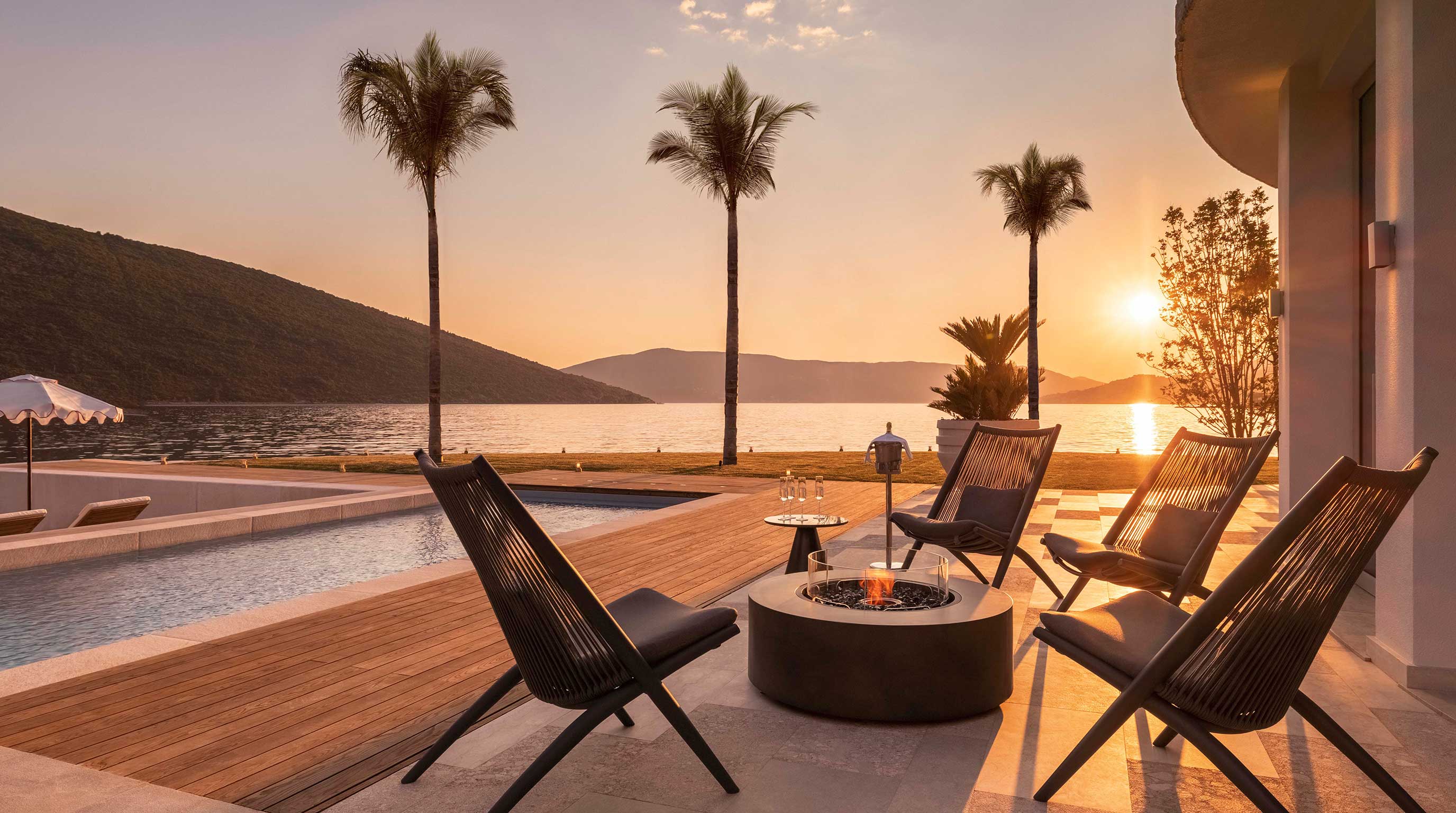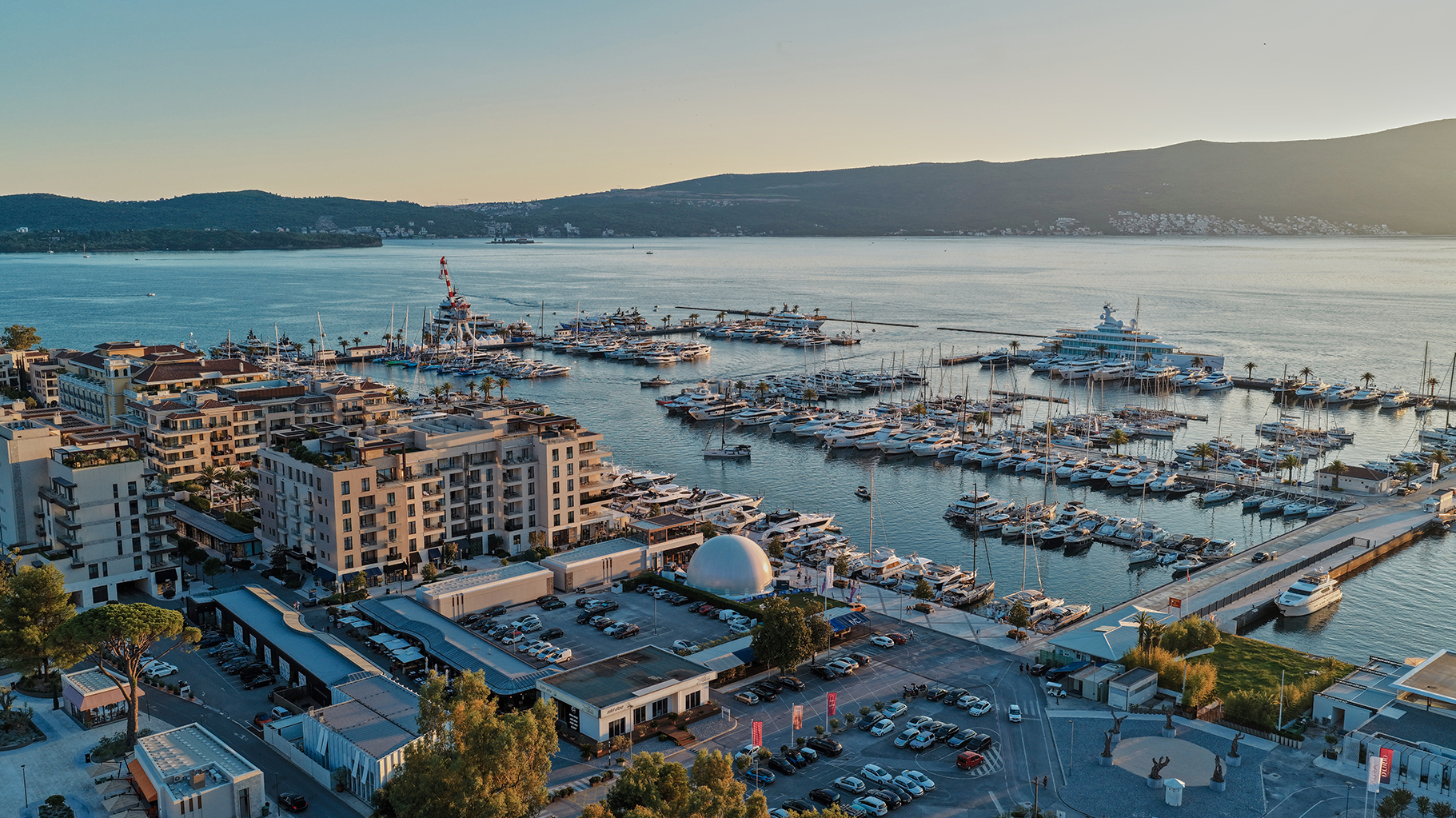
For the right buyer, Montenegro is one of the most compelling second-home destinations available to international purchasers today. Its Adriatic coastline, the enclosed grandeur of the Bay of Kotor, the marina-anchored lifestyle of Tivat, and the UNESCO-listed historic towns combine to offer something that feels genuinely rare: a European coastal setting that still carries a sense of discovery rather than saturation.
Yet the more precise question is rarely whether Montenegro is good in general. It is whether Montenegro fits the specific way you intend to use a second home, the pace of life you are looking for, and the ownership experience you expect to have beyond the initial transaction. For certain buyers, the answer is unambiguously yes. For others, the same qualities that make the country visually and experientially distinctive can, over time, create friction with the realities of ownership.
This editorial sets out the clearest framework we can offer for making that judgement well.
Why Montenegro Is on the Radar for Second-Home Buyers
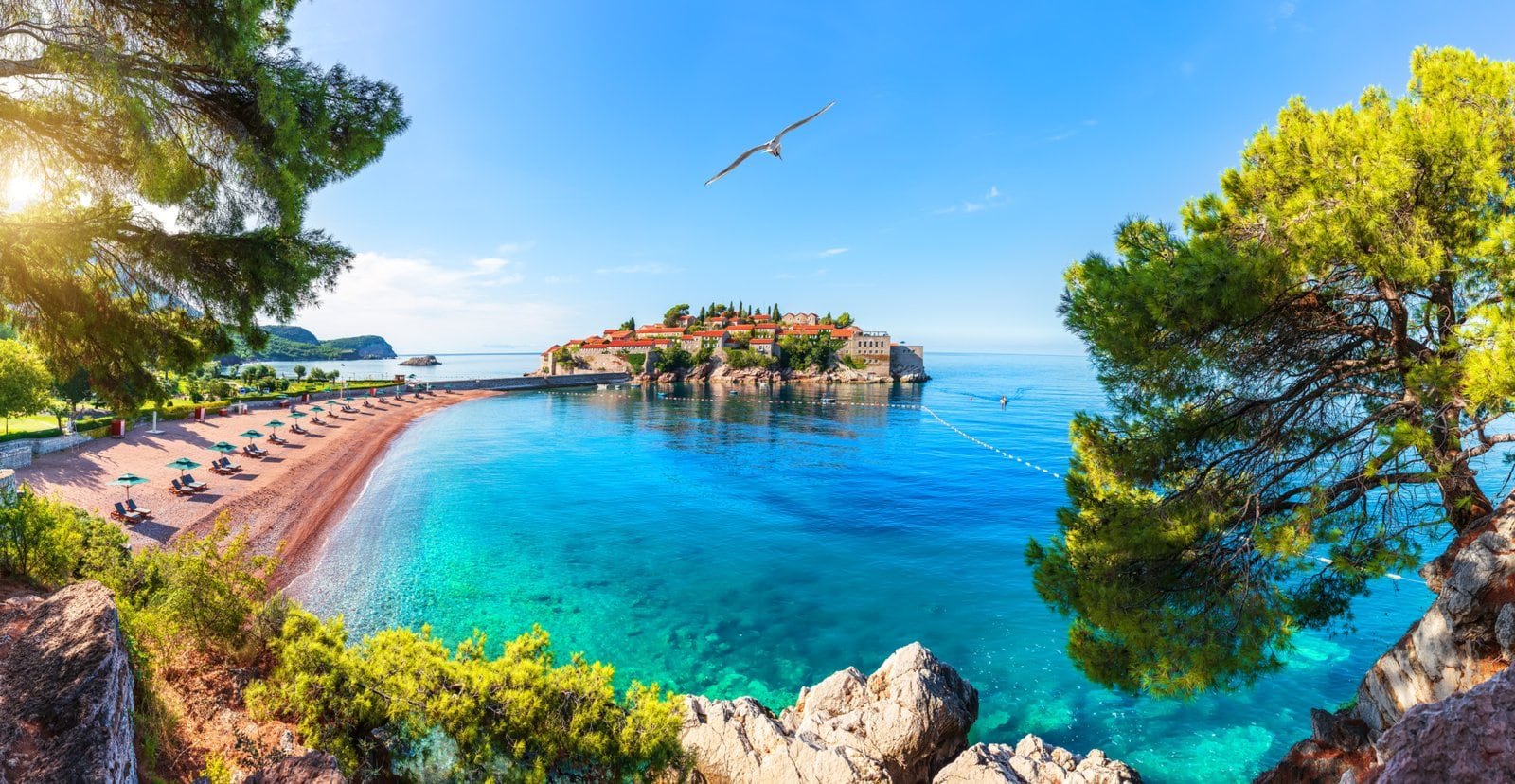
Montenegro has been attracting serious international buyer attention for reasons that go beyond price. The country offers a concentration of qualities that second-home buyers across Europe, the Gulf, and the wider international market tend to prioritise: direct coastal access, a setting of genuine visual distinction, a functioning marina environment, historic architecture, and a lifestyle pace that feels removed from major capital cities without feeling inaccessible.
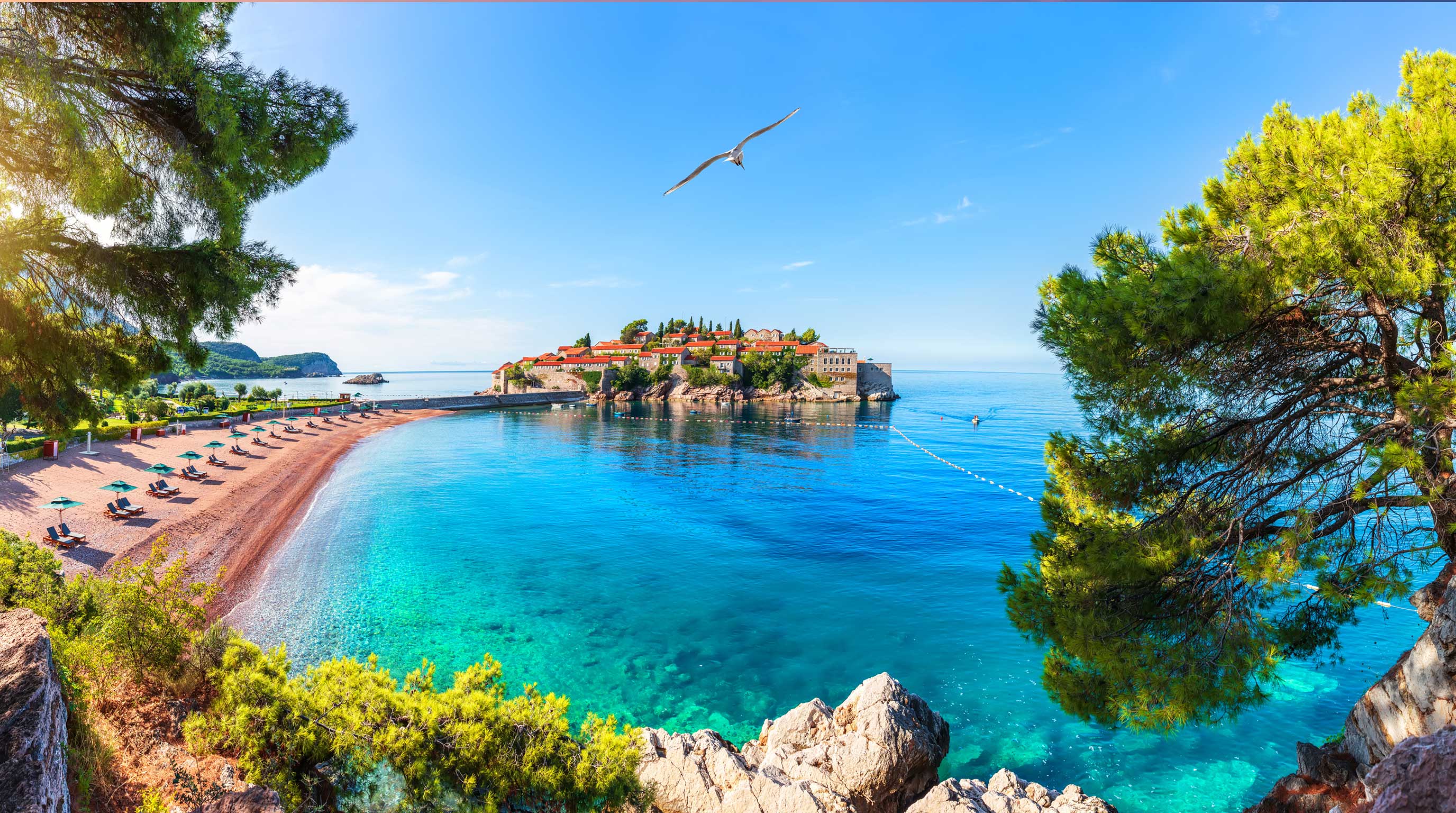
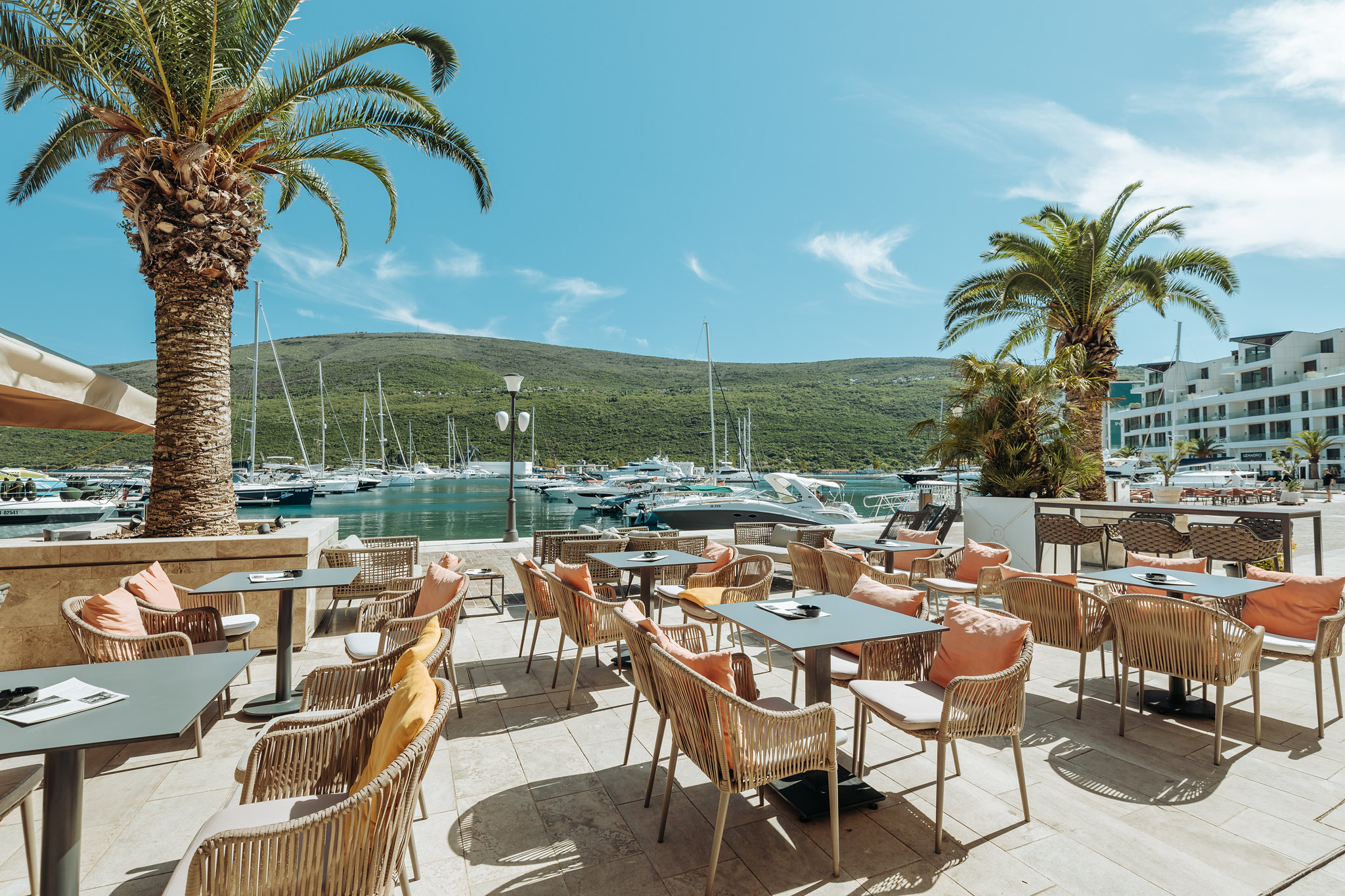
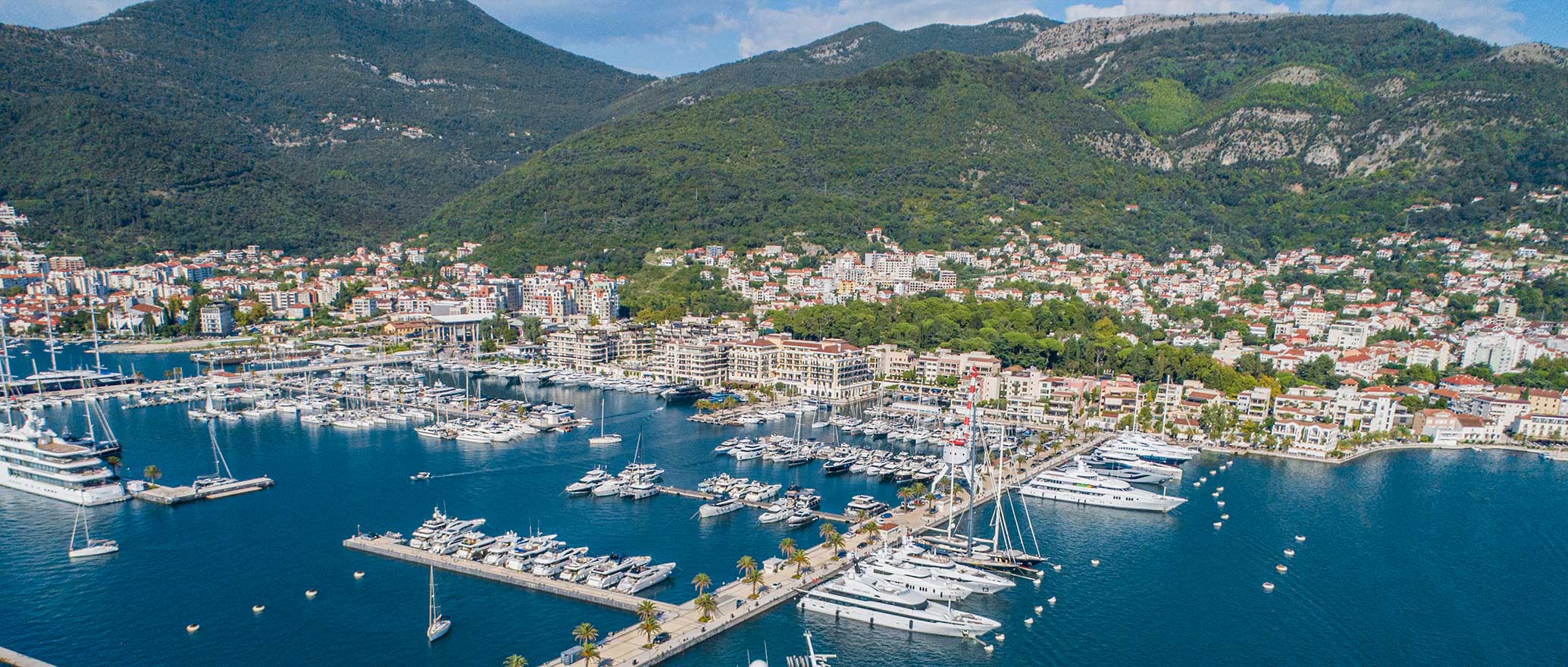
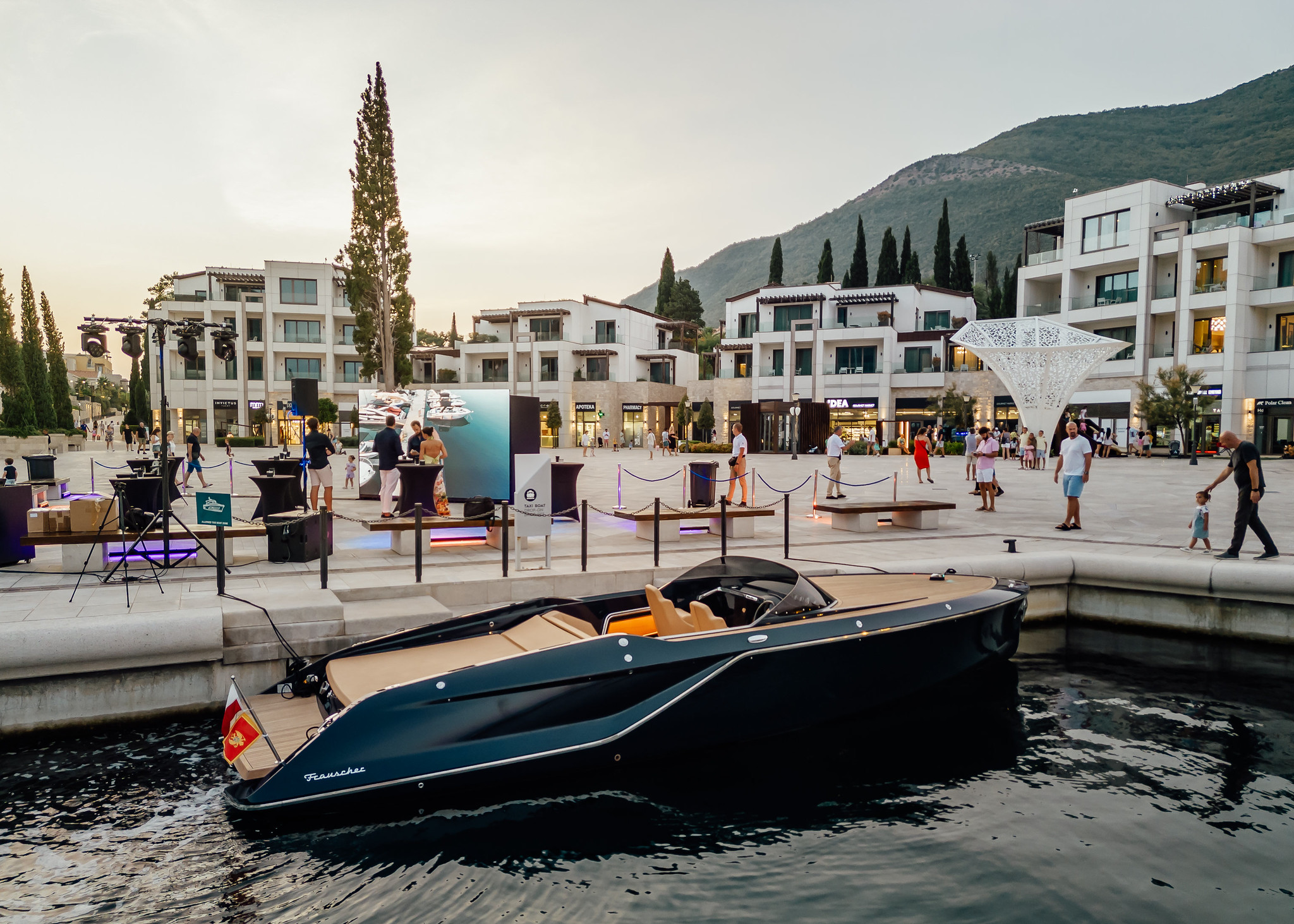
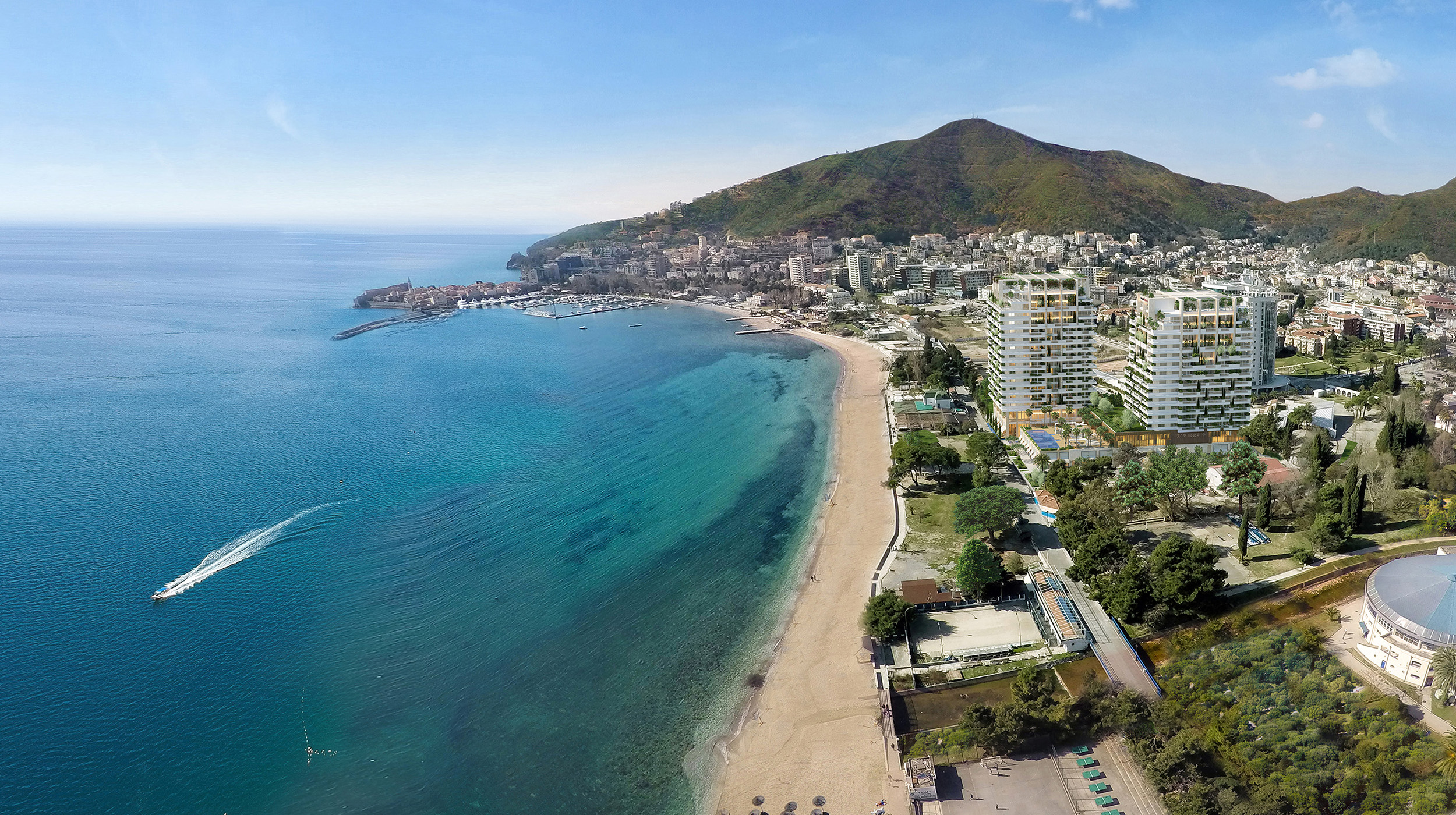
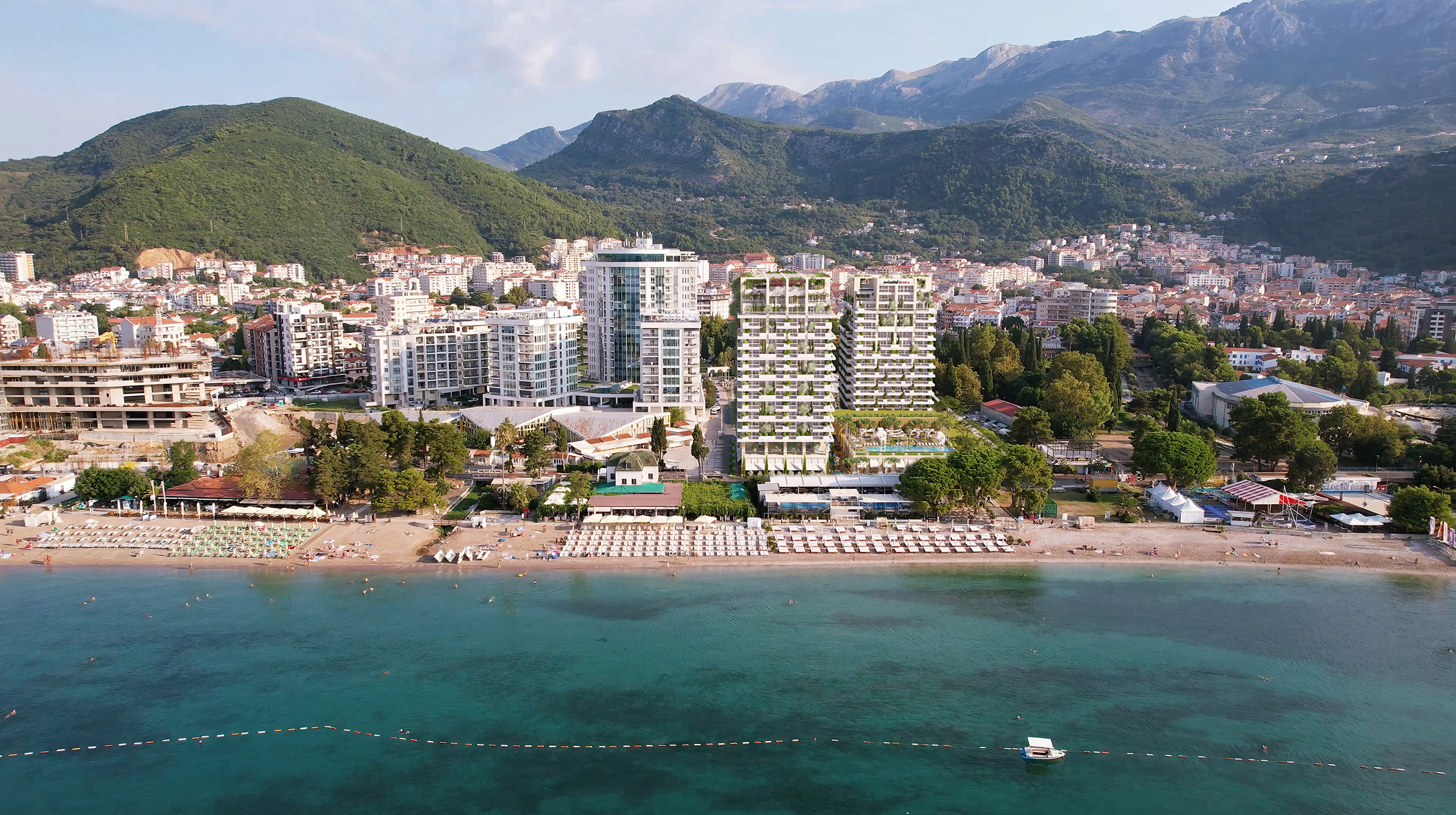
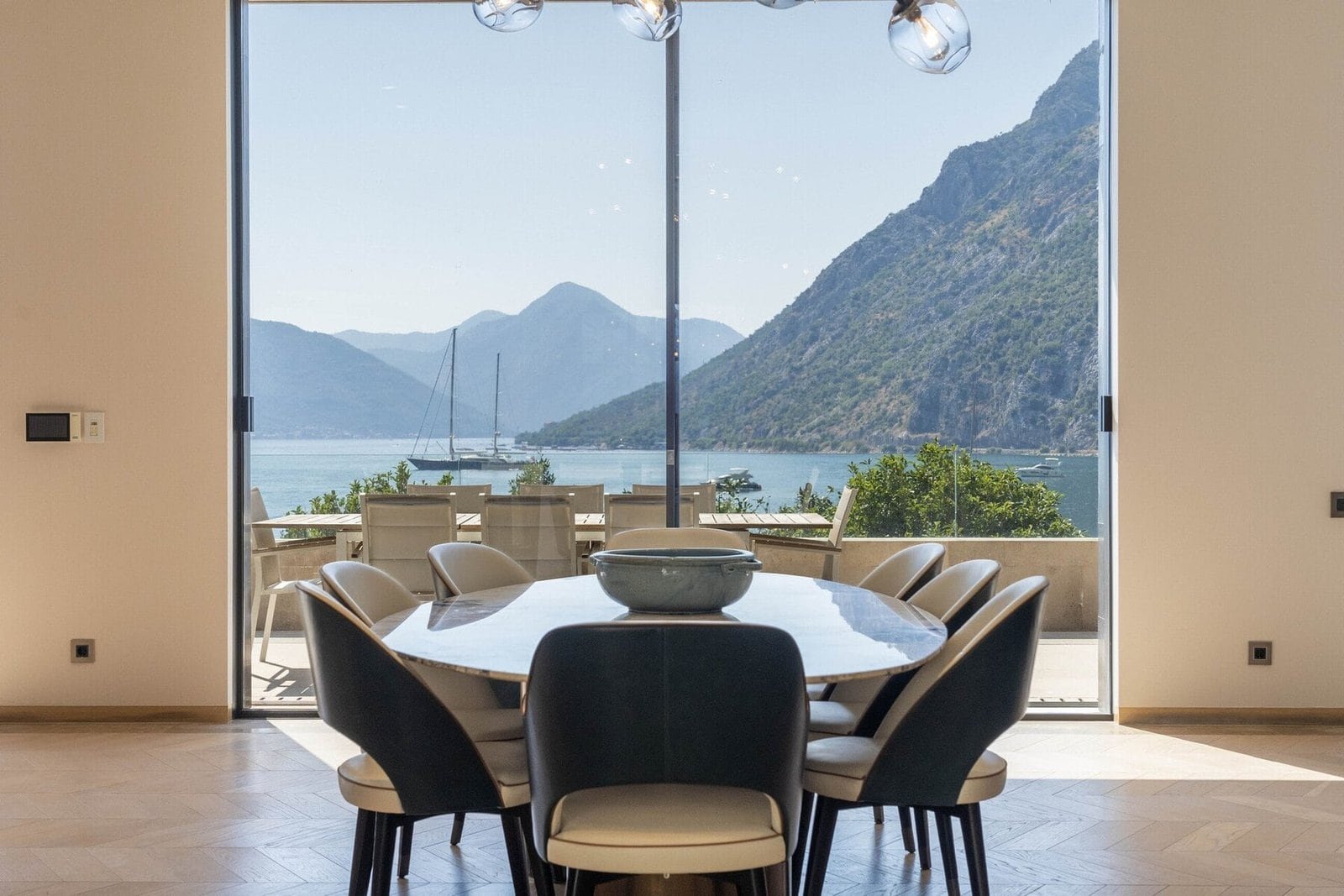
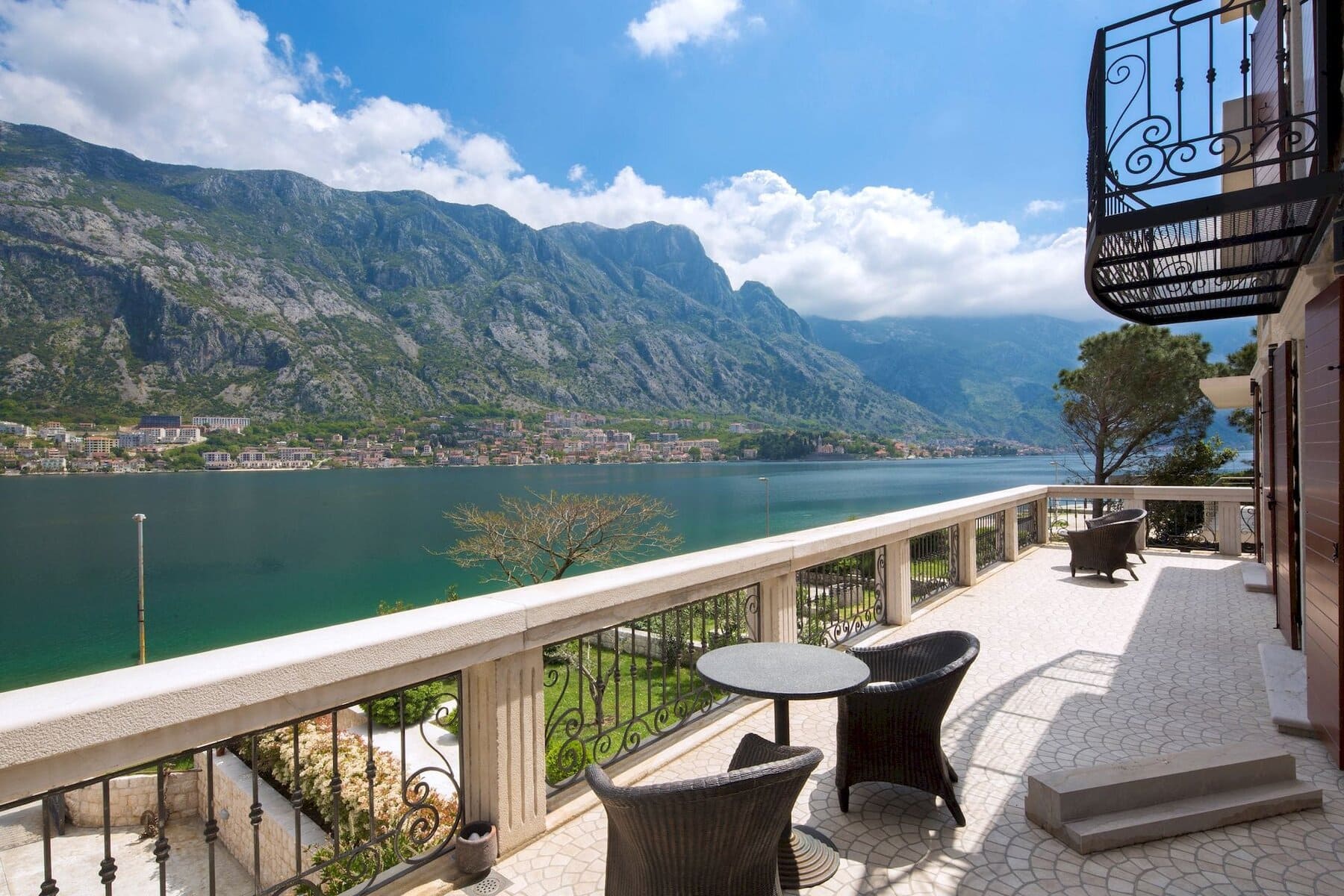
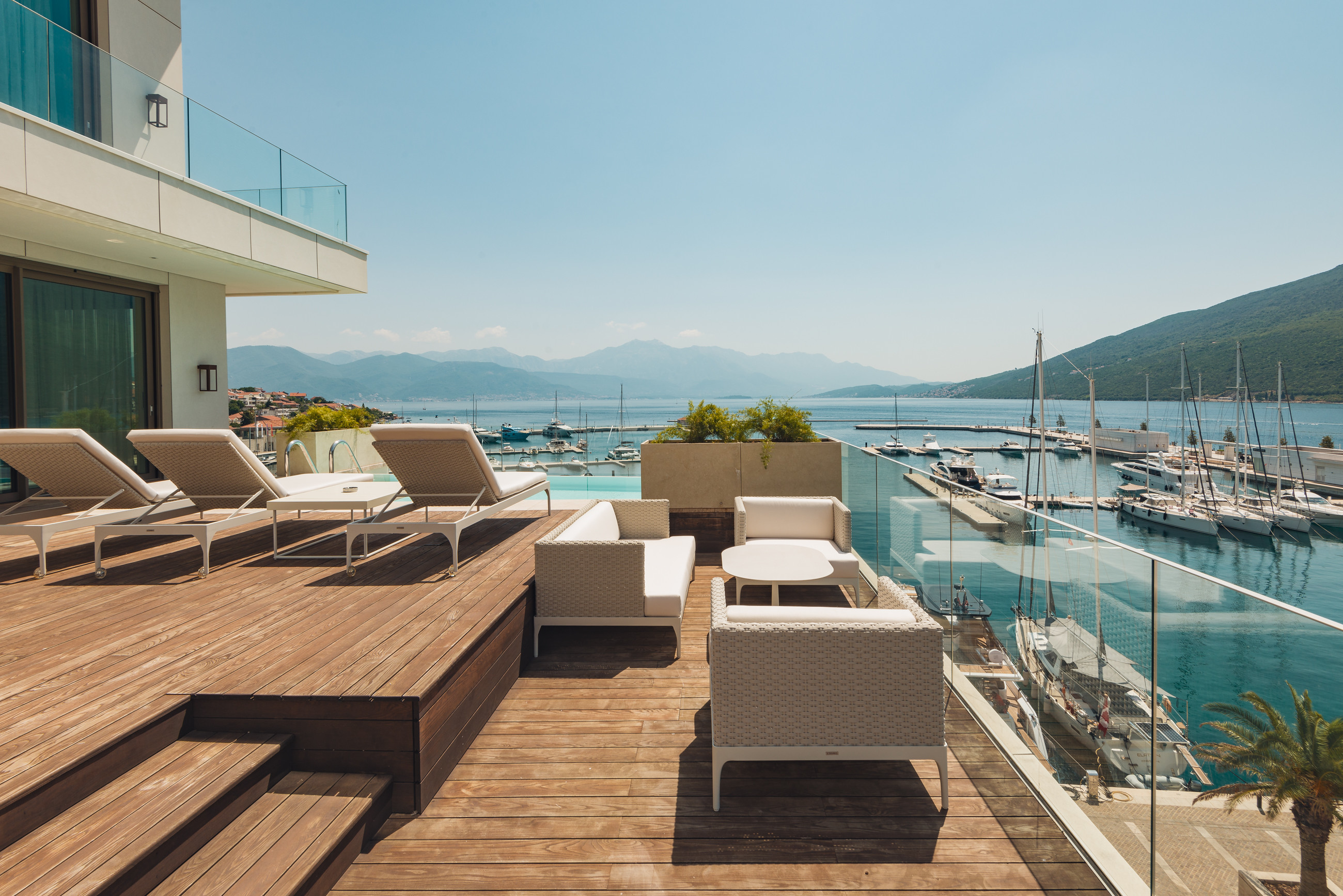
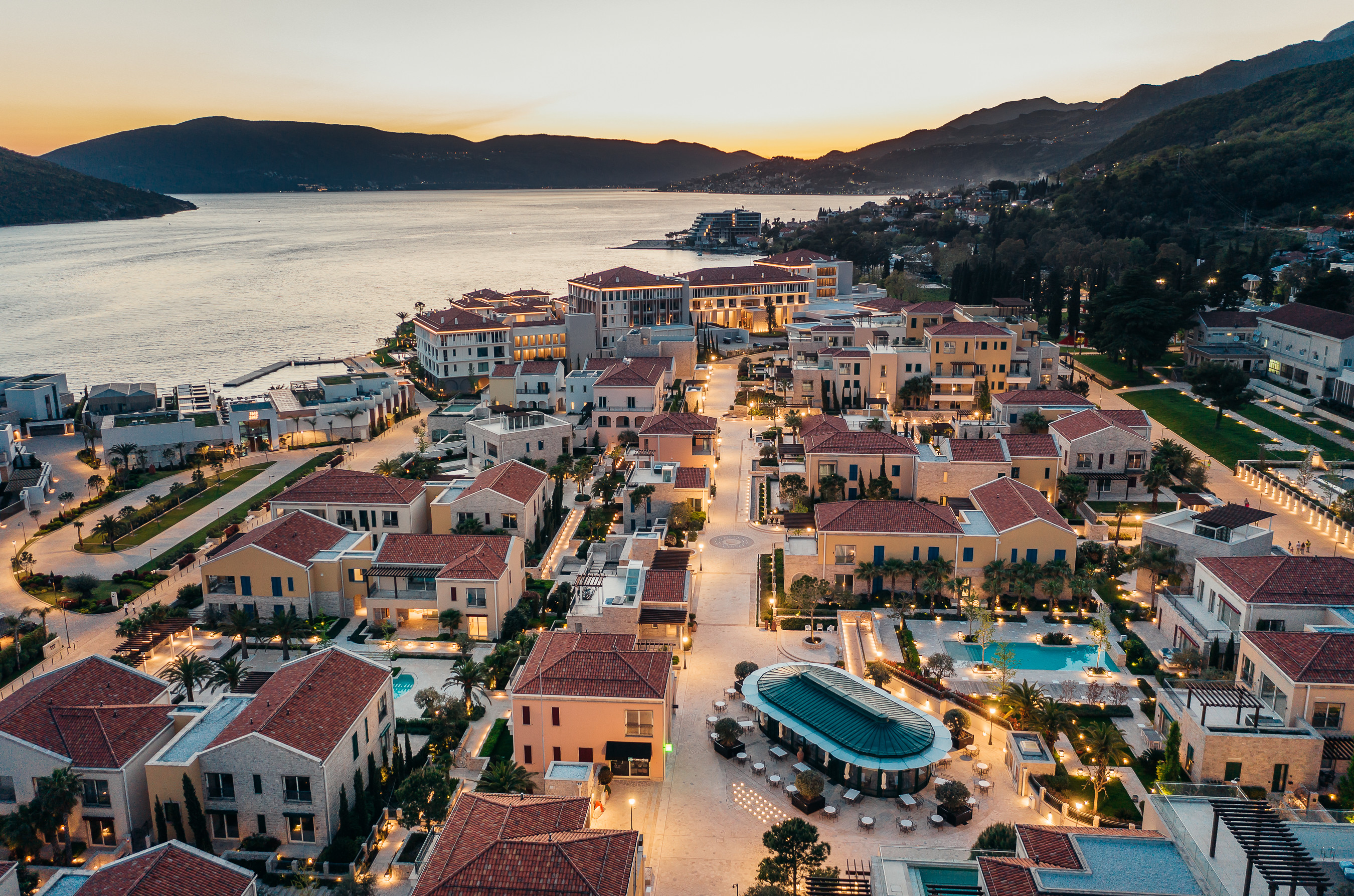
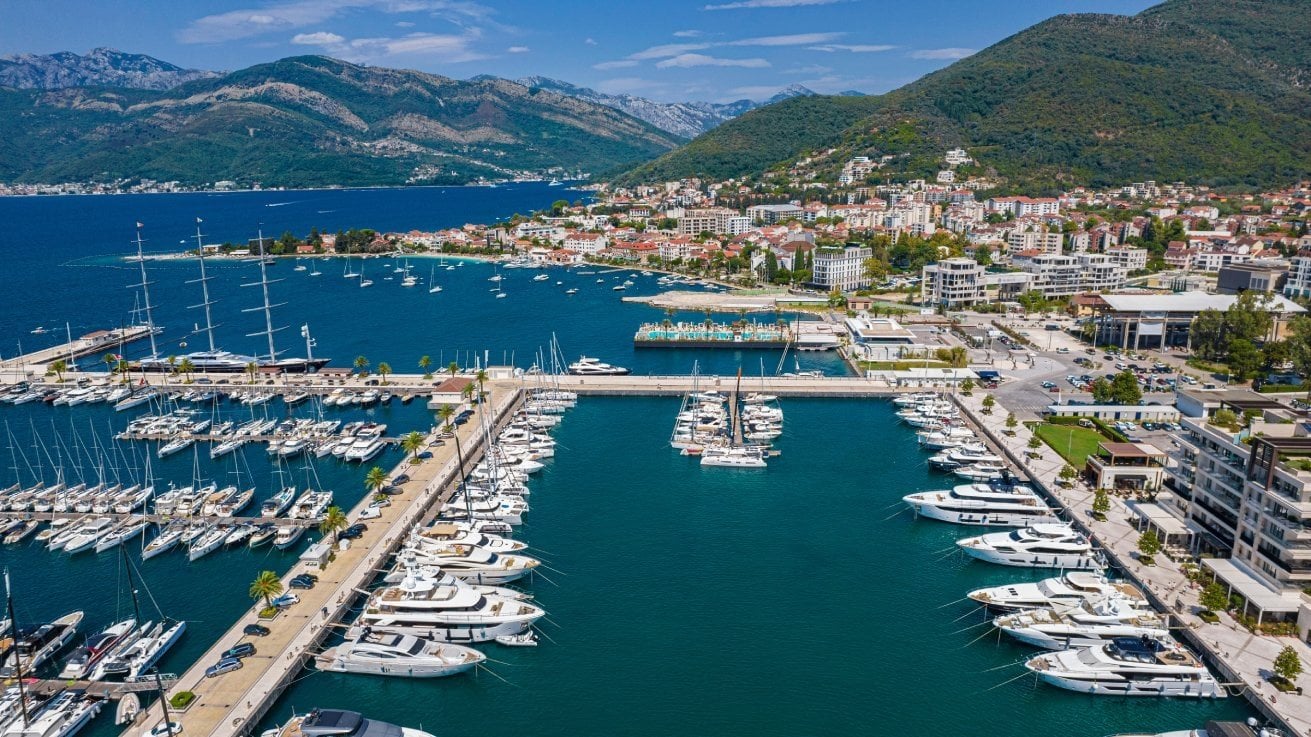
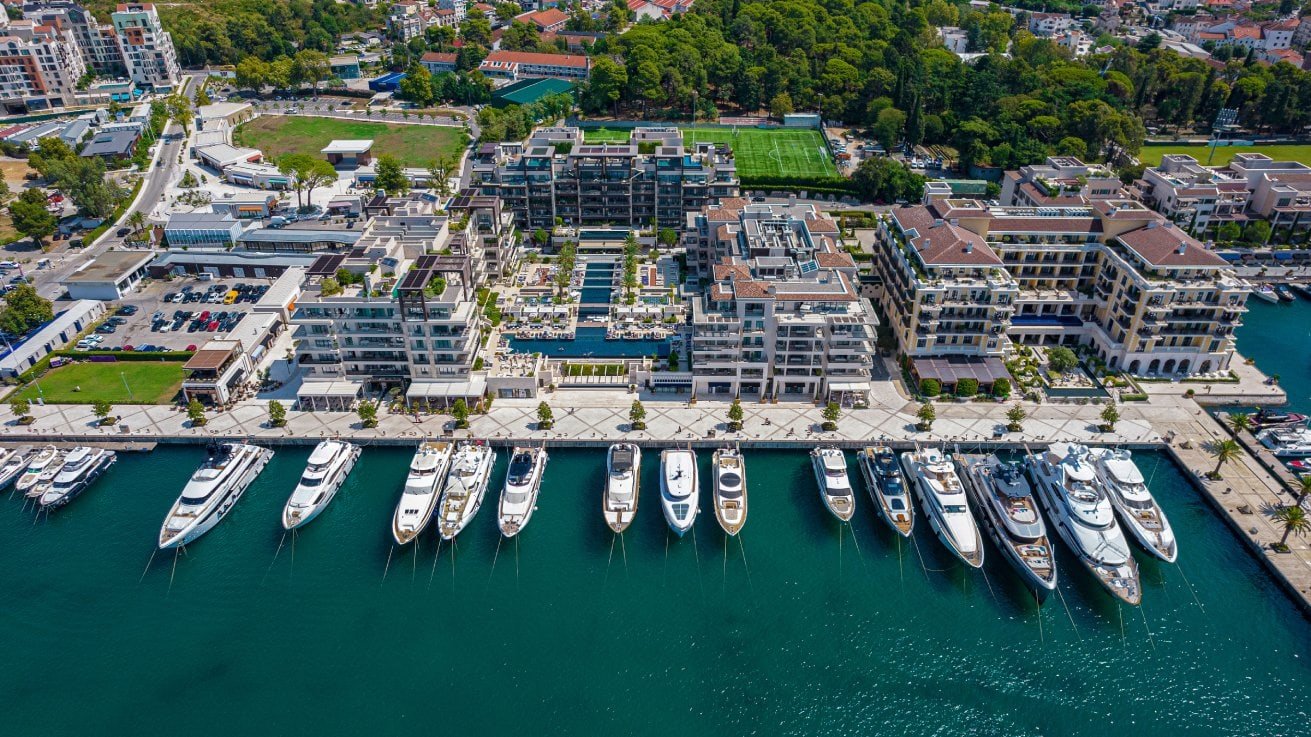
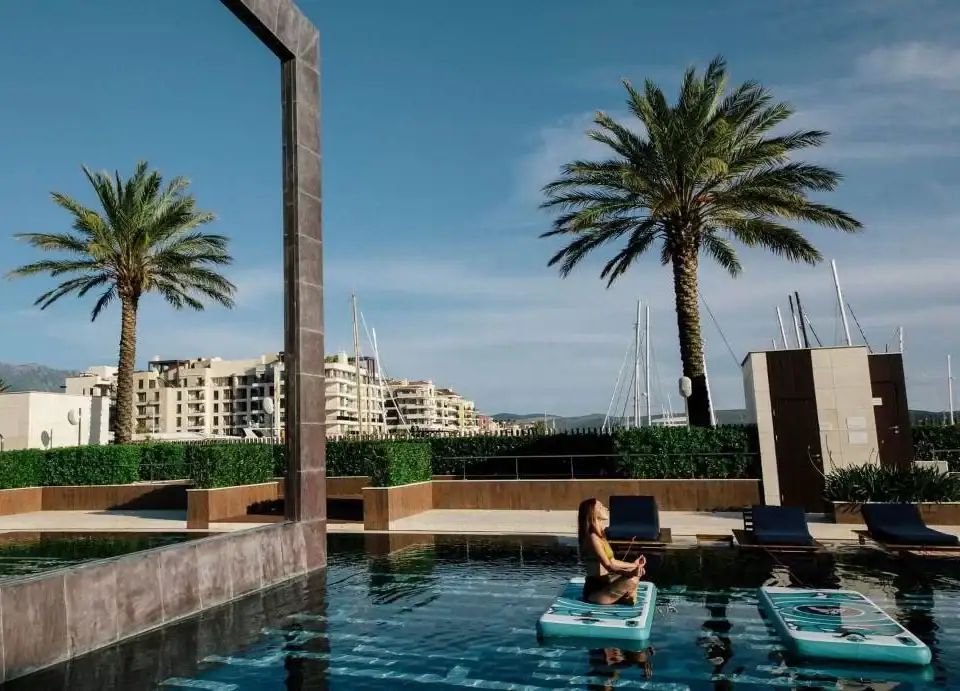
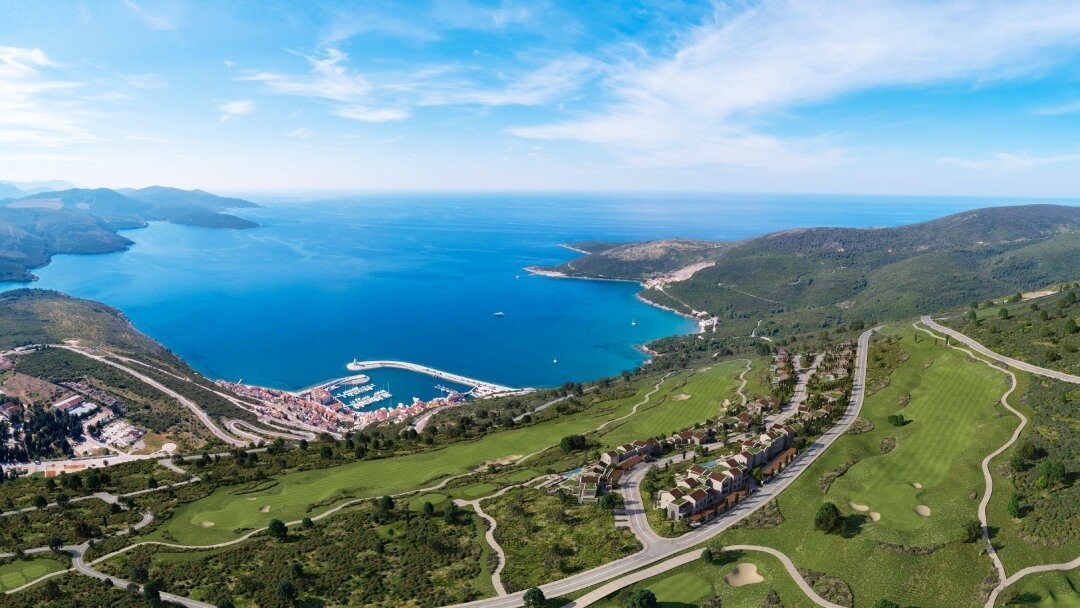
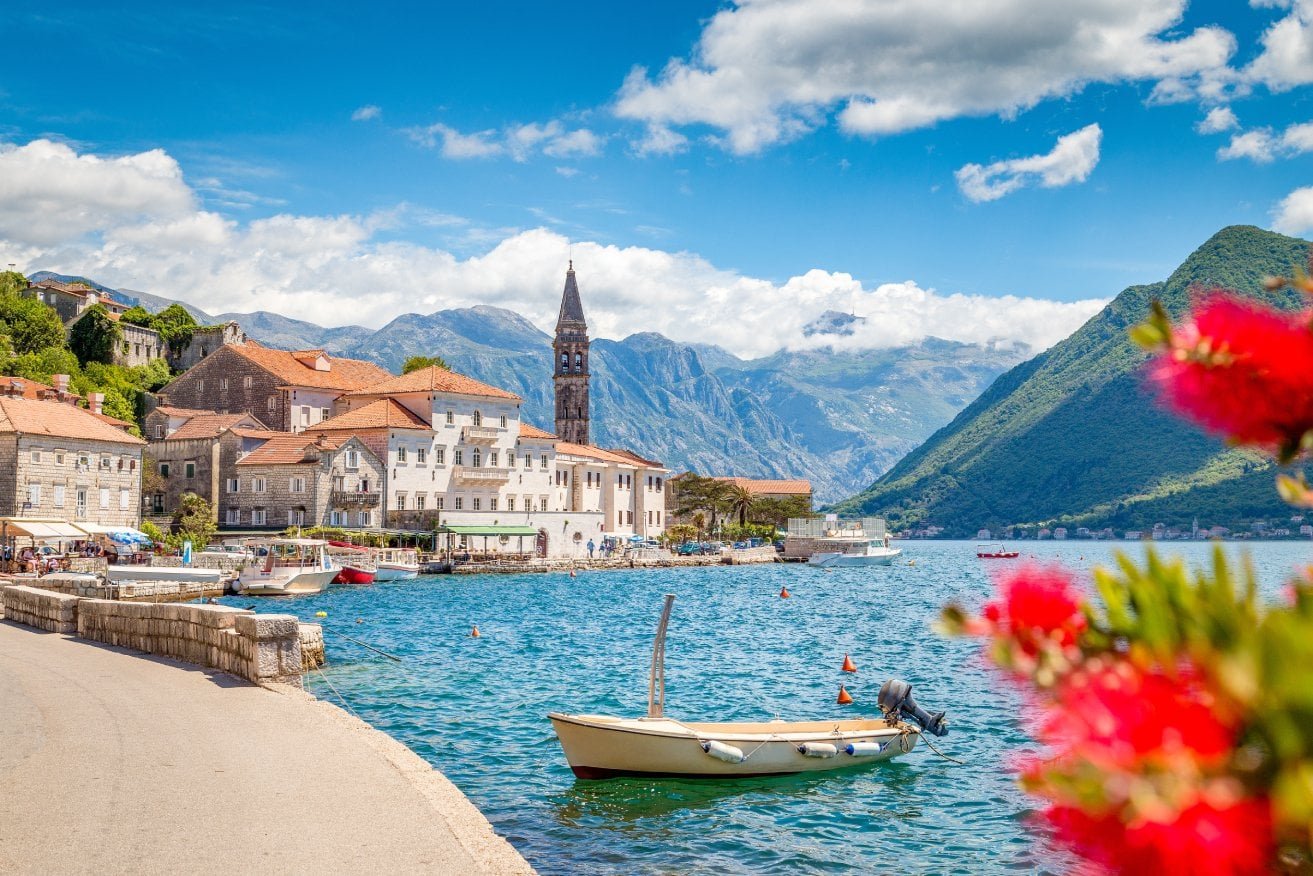
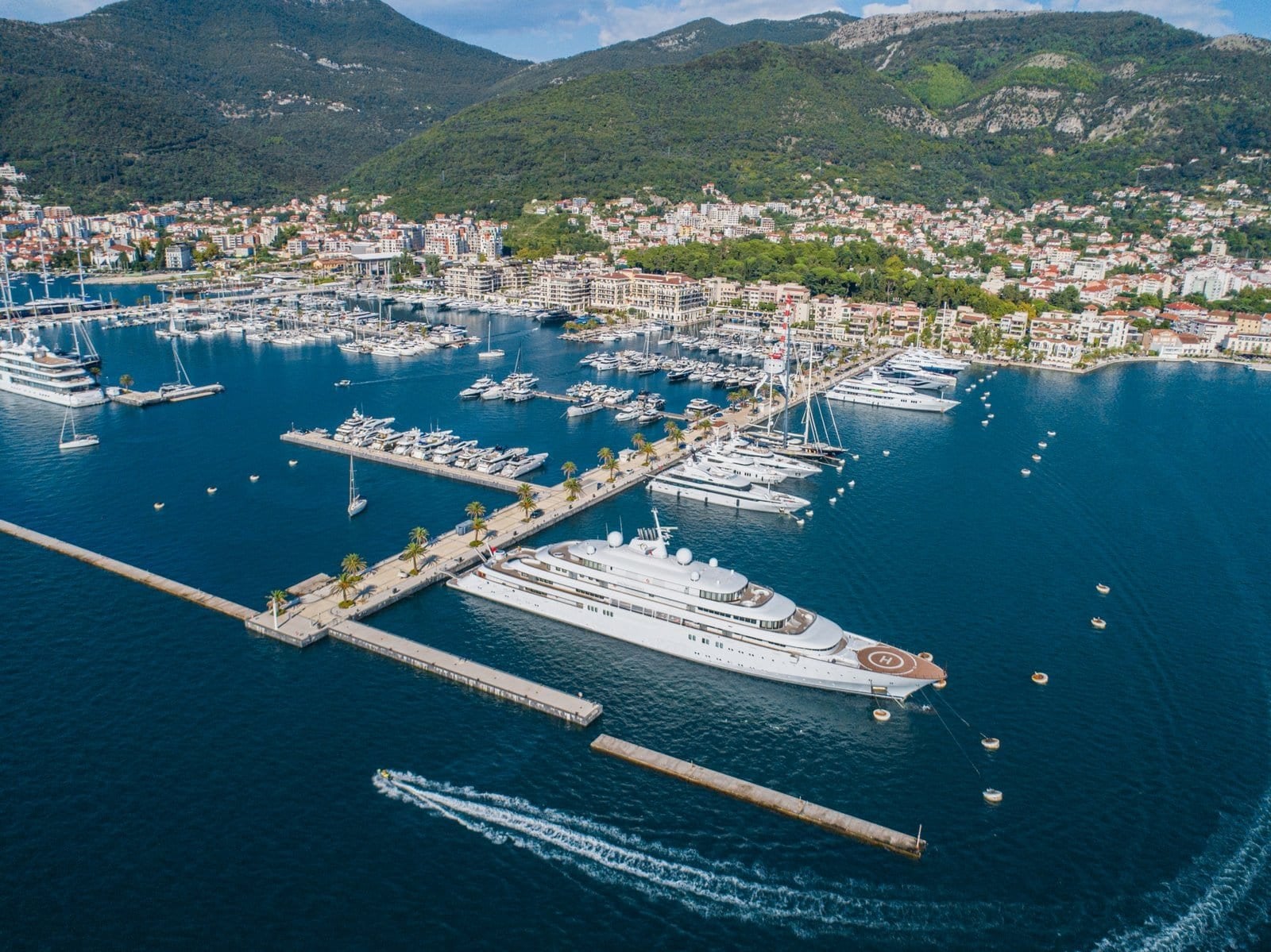
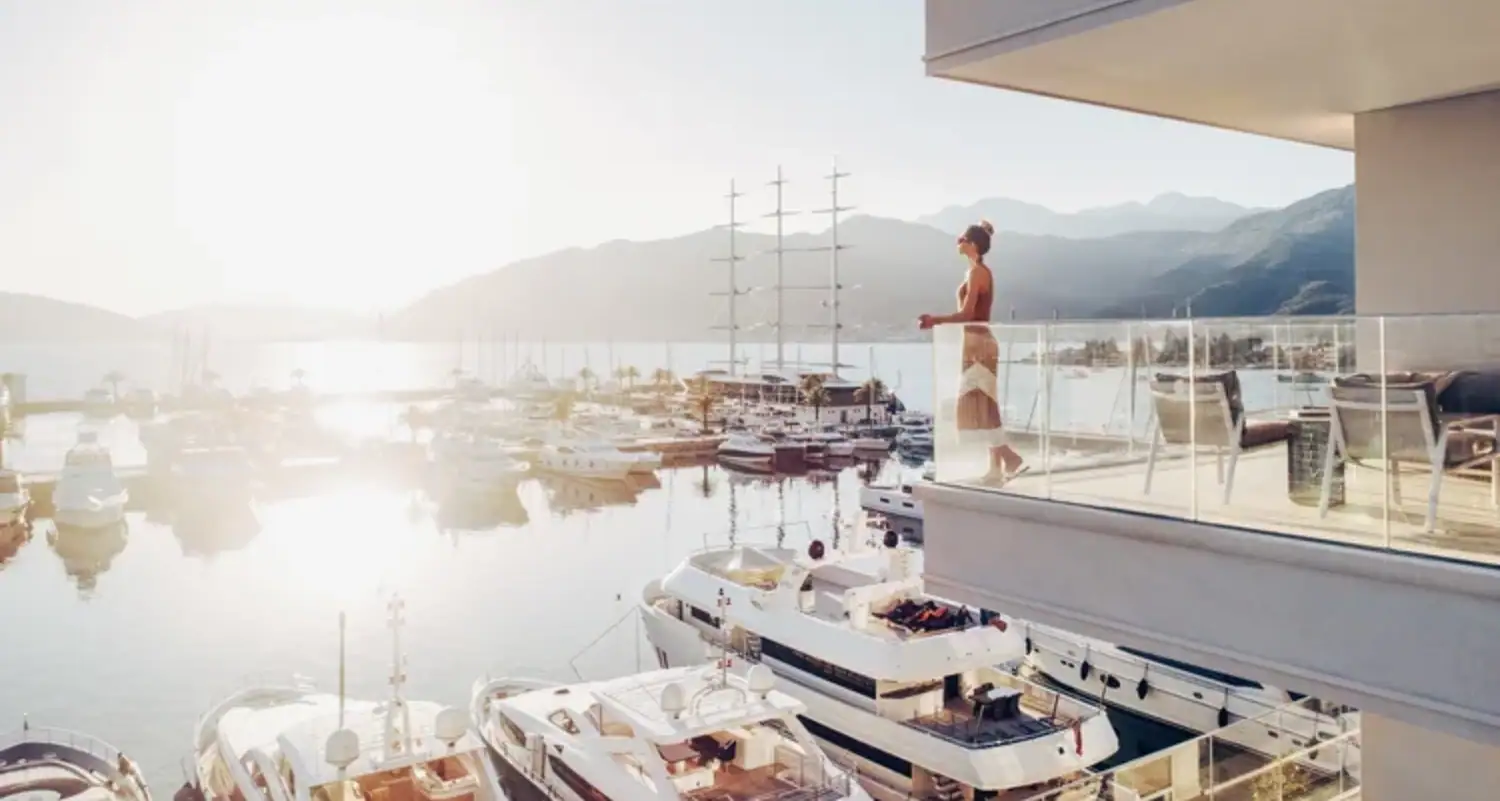
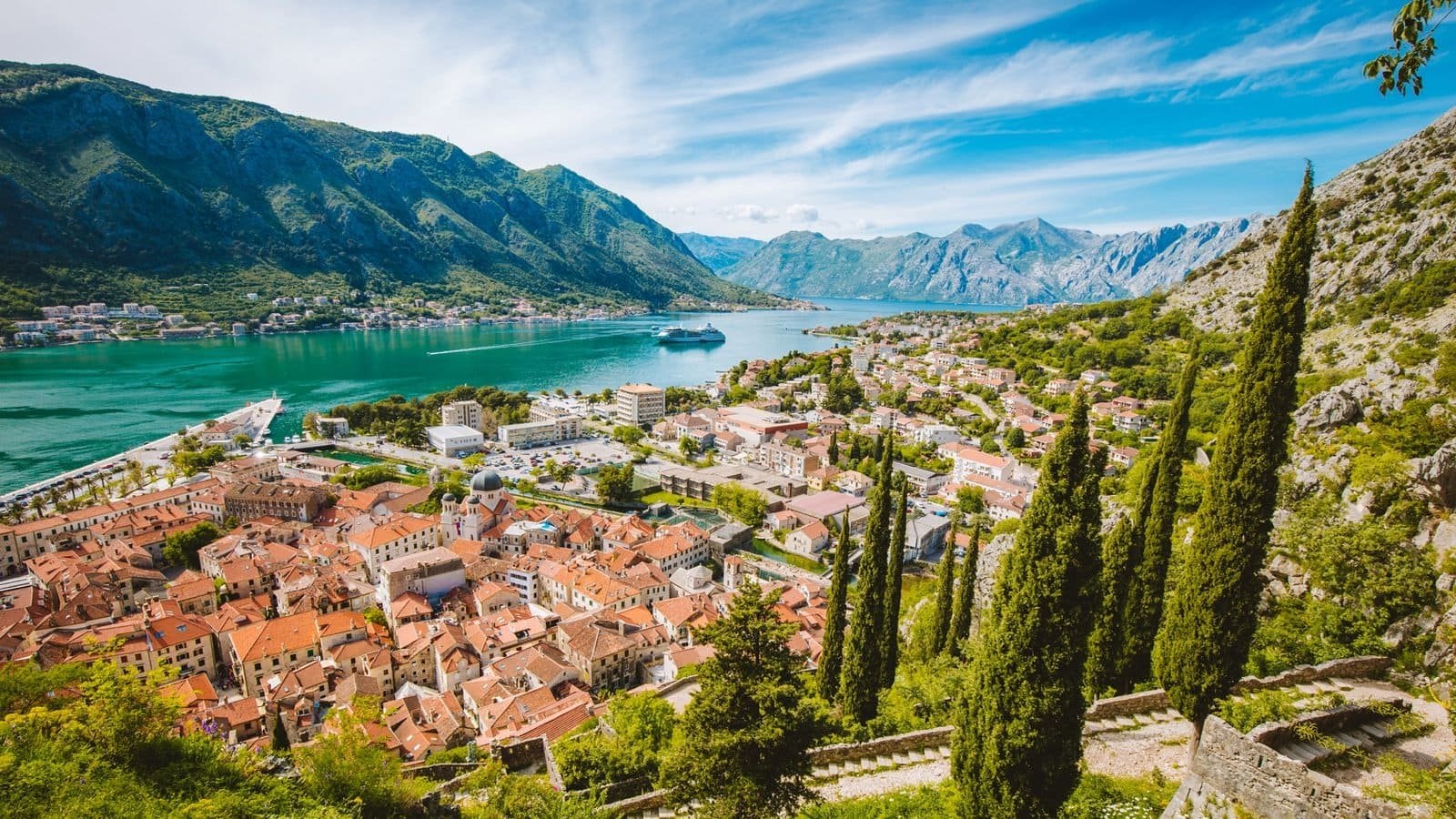
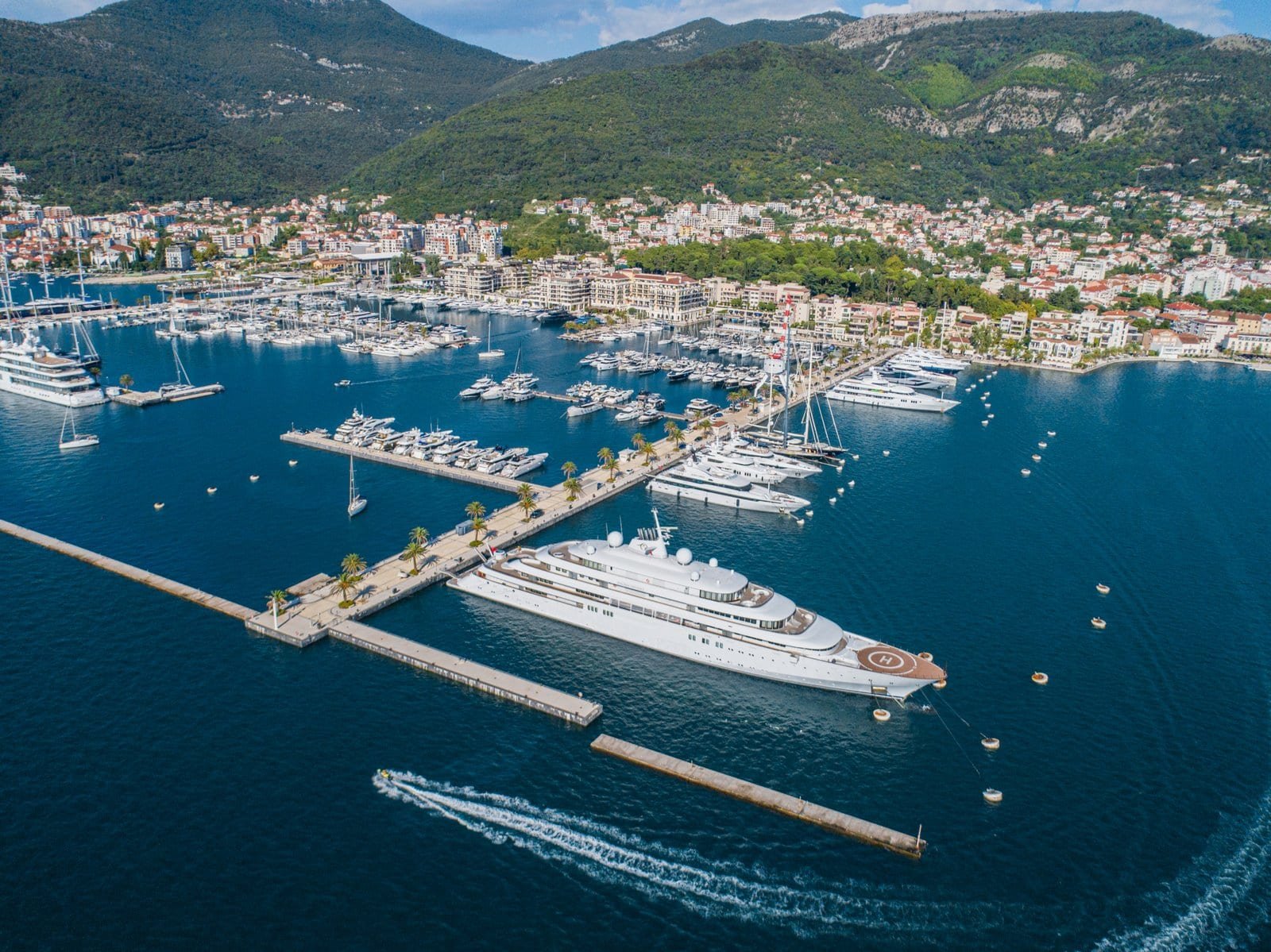
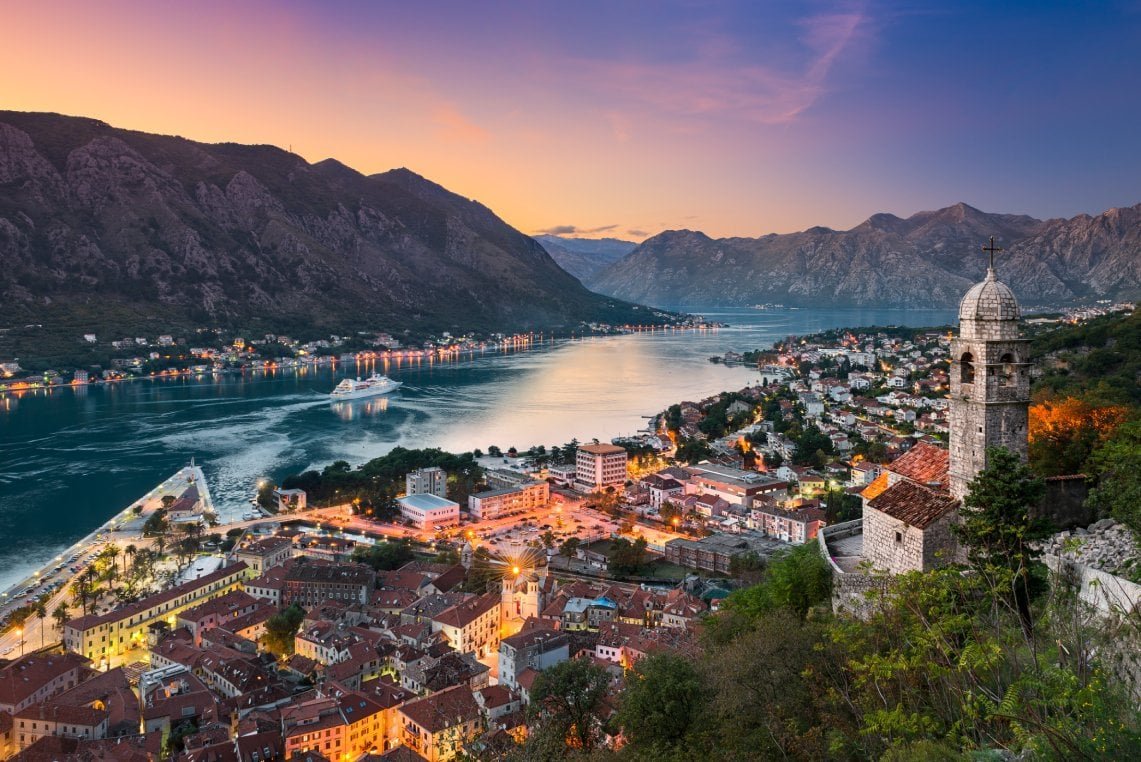
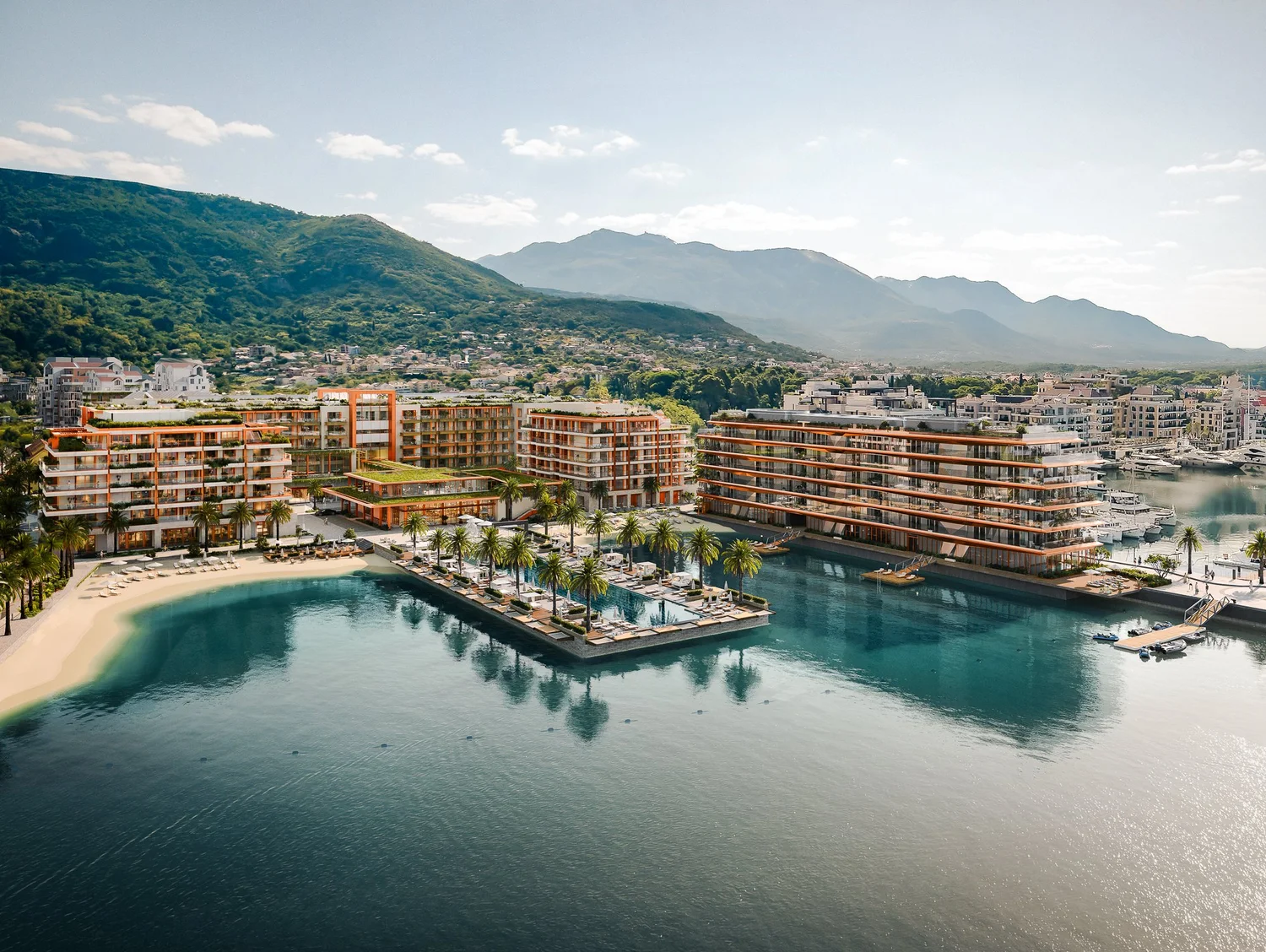
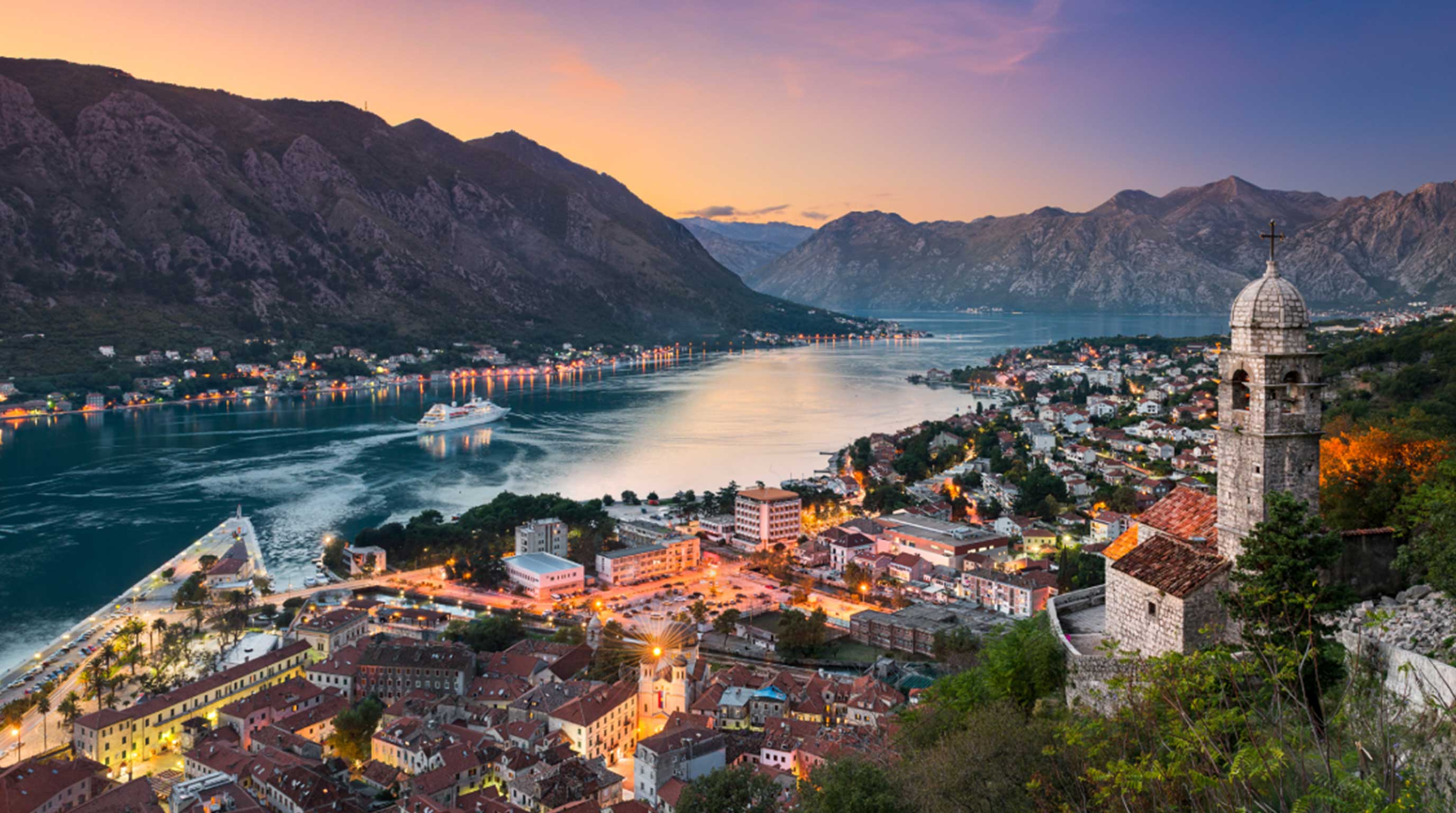
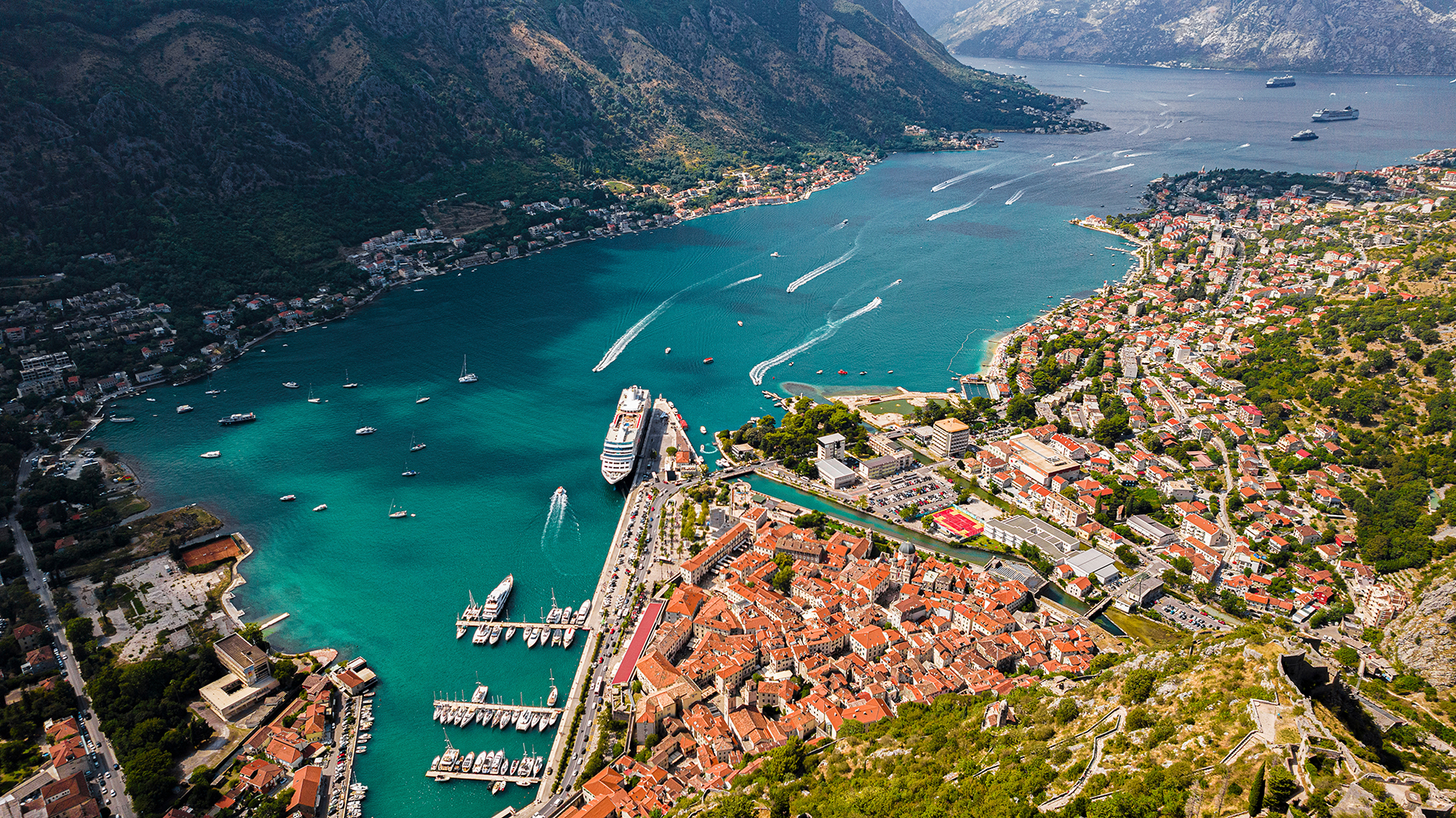
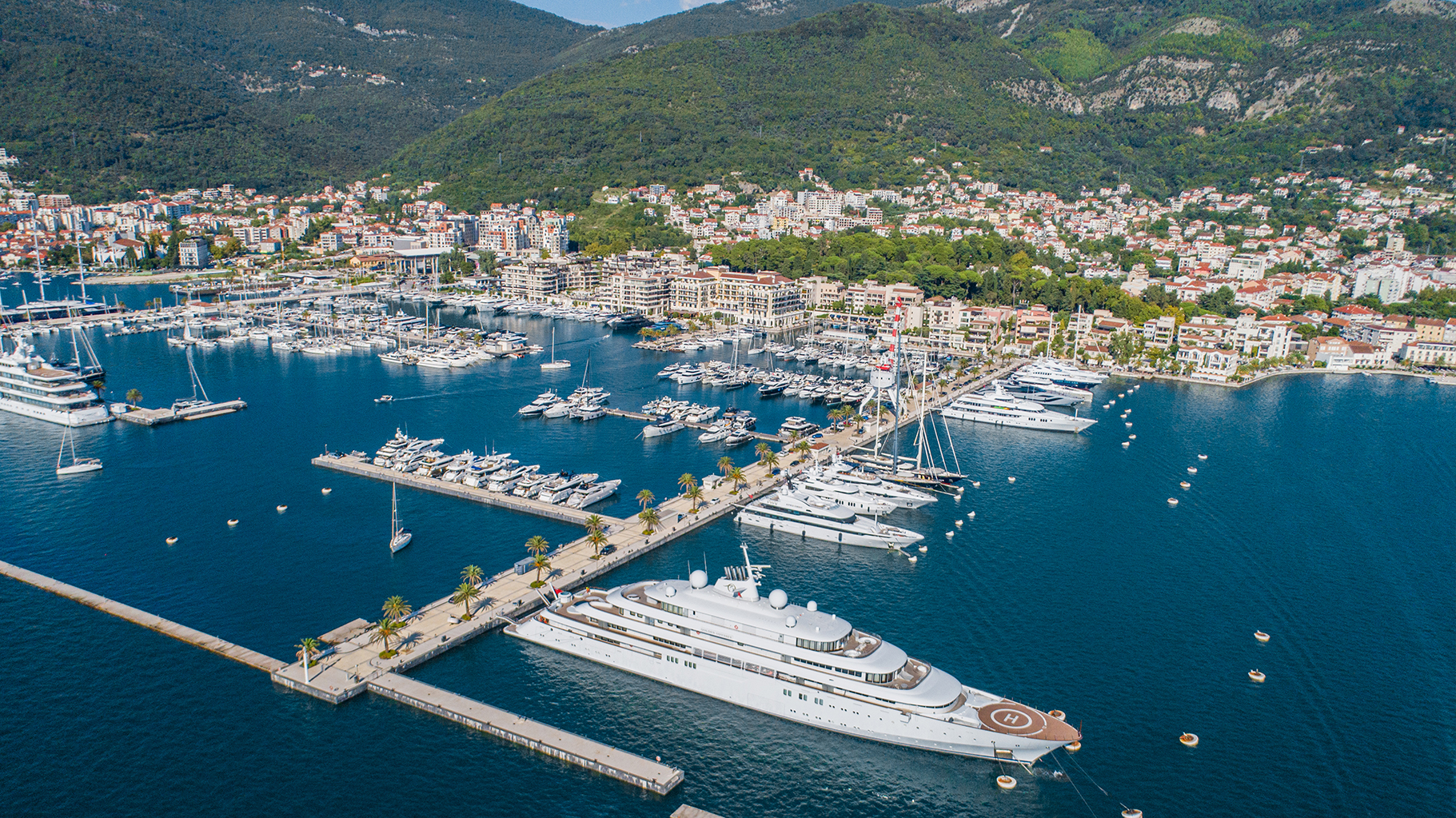
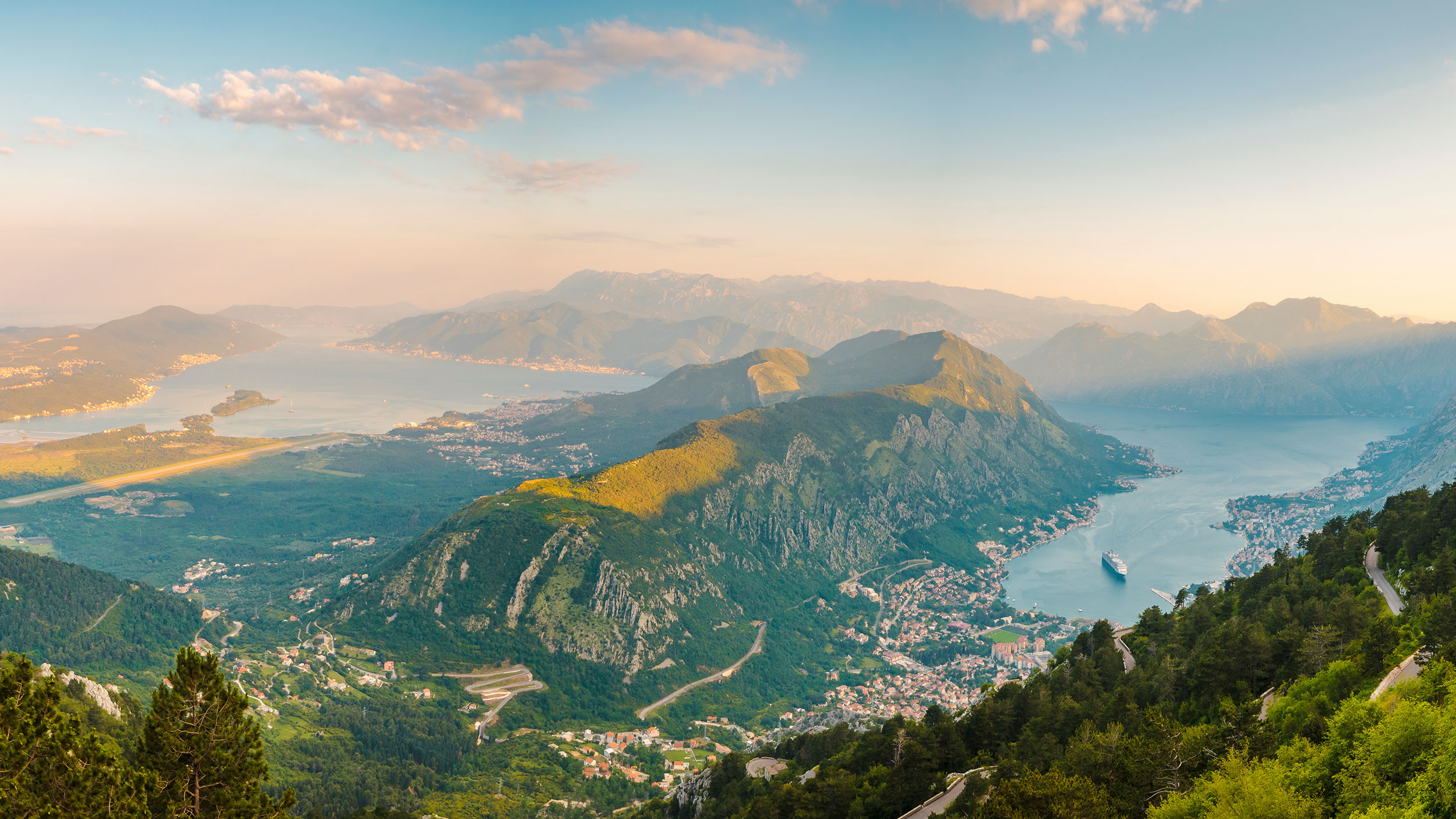
The Bay of Kotor, in particular, occupies a category of its own. Its enclosed bay geography, its UNESCO-listed medieval towns, and the quality of light across the water give it a character that does not closely resemble any other coastal destination in the Mediterranean or Adriatic. Porto Montenegro in Tivat has added a layer of international marina infrastructure that now includes superyacht berths, branded hospitality, and a resident community that reflects global rather than purely regional tastes.
For buyers considering the area in depth, our Buying Property in Tivat, Montenegro: The 2026 Guide for International Buyers sets out the full ownership context, from legal process to market positioning, in practical detail.
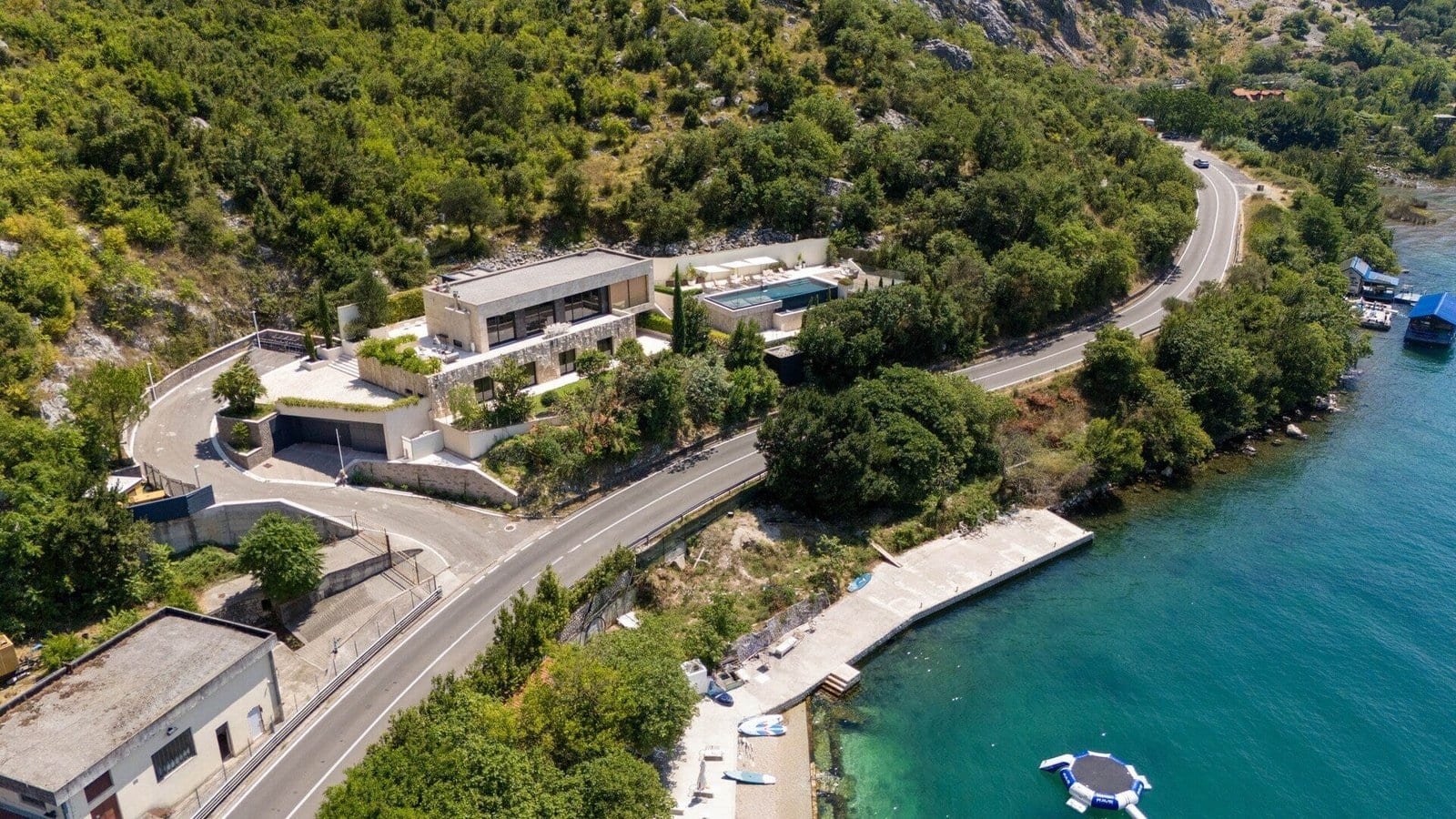
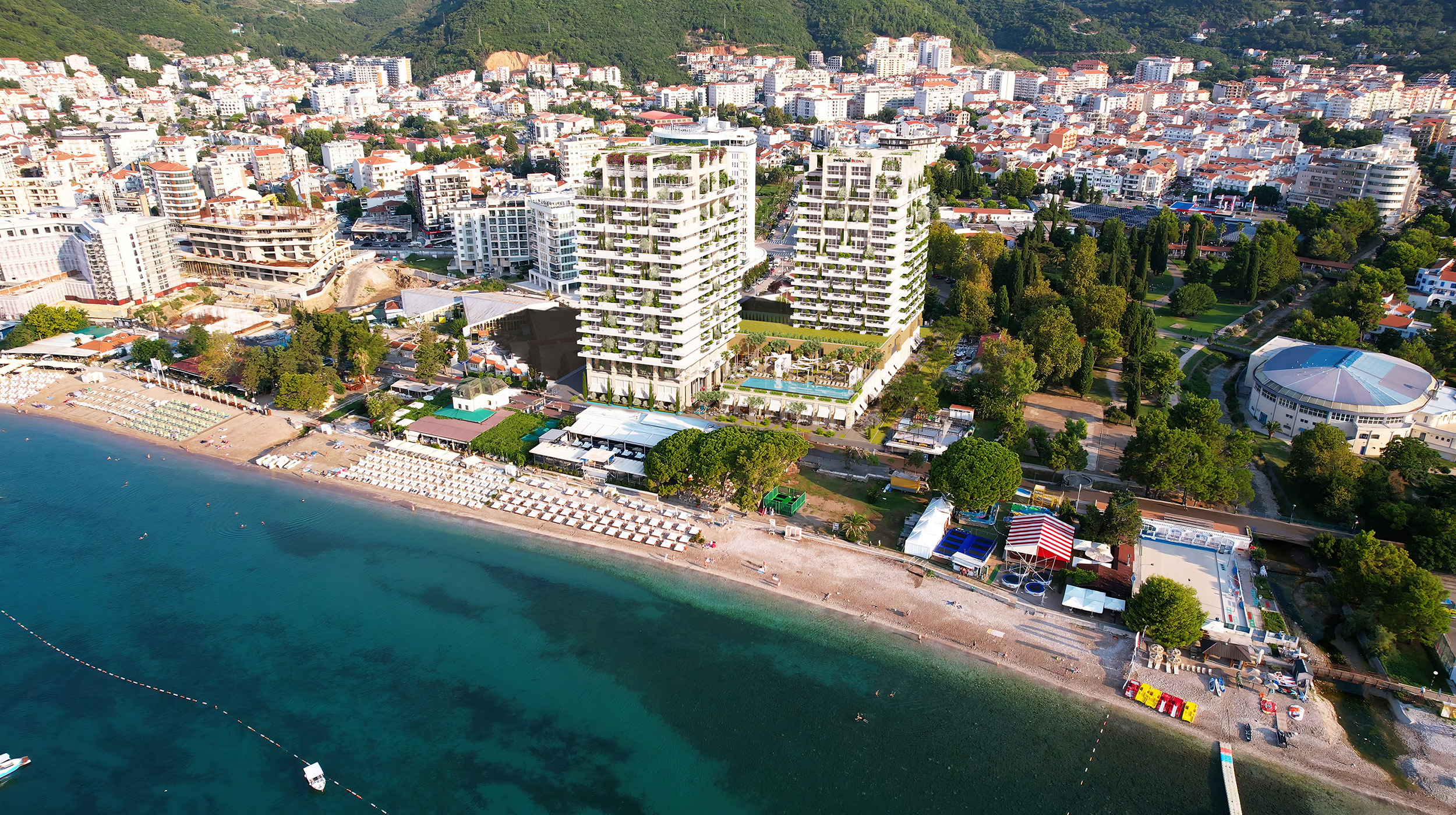
Montenegro also benefits from internal variety. The polished marina residential environment at Porto Montenegro suits one type of buyer. Kotor Old Town's stone-walled heritage apartments suit another entirely. The quieter bay-side positions between the two attract buyers who want premium coastal proximity without the social density of a marina quarter. That range is one of the reasons Montenegro tends to stay on serious shortlists rather than falling away after initial research.
What Kind of Buyer Usually Finds Montenegro the Right Fit
The buyers who find Montenegro most aligned with their expectations tend to share a particular orientation toward second-home ownership. They are buying for life quality, not for yield optimisation. They want a place that rewards repeated visits, that holds emotional value across multiple seasons and years, and that connects to a wider lifestyle rather than simply adding a line to a property portfolio.
More specifically, the buyers who feel Montenegro most clearly tend to:
- Prioritise coastal living over a purely urban second-home experience
- Plan to use the property with genuine regularity, whether for extended summer stays, shorter seasonal trips, or gradual retirement planning
- Place value on scenery, water access, outdoor activity, and the texture of everyday life in a particular place
- Want atmosphere and character alongside quality of finish and specification
- Understand that a second home should carry emotional value, not only financial logic
This is not a profile that excludes financial awareness. Buyers who approach Montenegro in this way often make very sound long-term decisions precisely because they choose with ownership in mind rather than with a transactional or speculative focus. The distinction matters because Montenegro's appeal is deeply tied to experience, and buyers who buy on experience tend to make location decisions they can sustain.
For those exploring heritage-focused positions specifically, our guide to Property in Kotor Old Town: Buying Inside Montenegro's UNESCO Walls covers that category in full.
Coast, Lifestyle, Seasonality, and the Practical Reality of Ownership
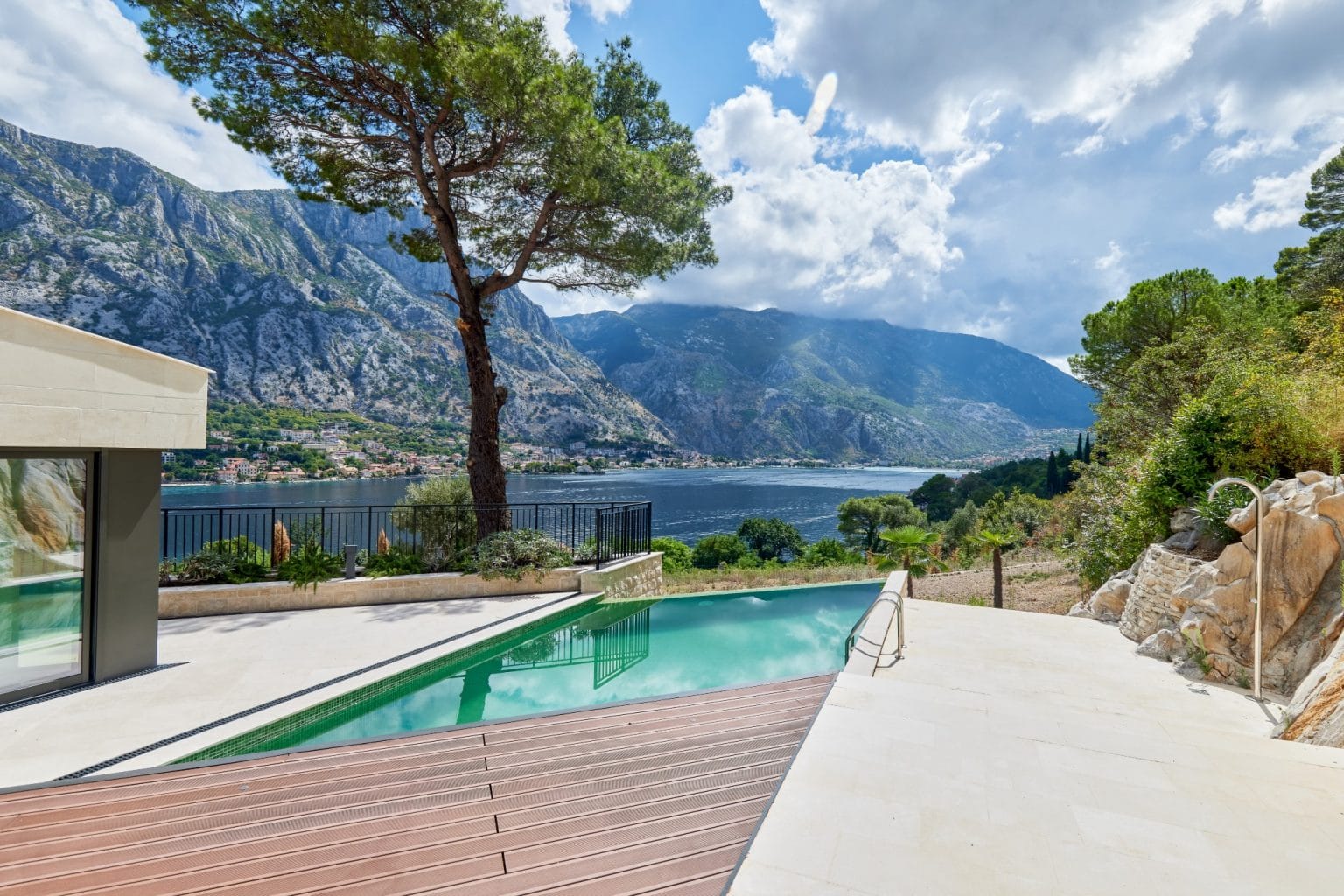
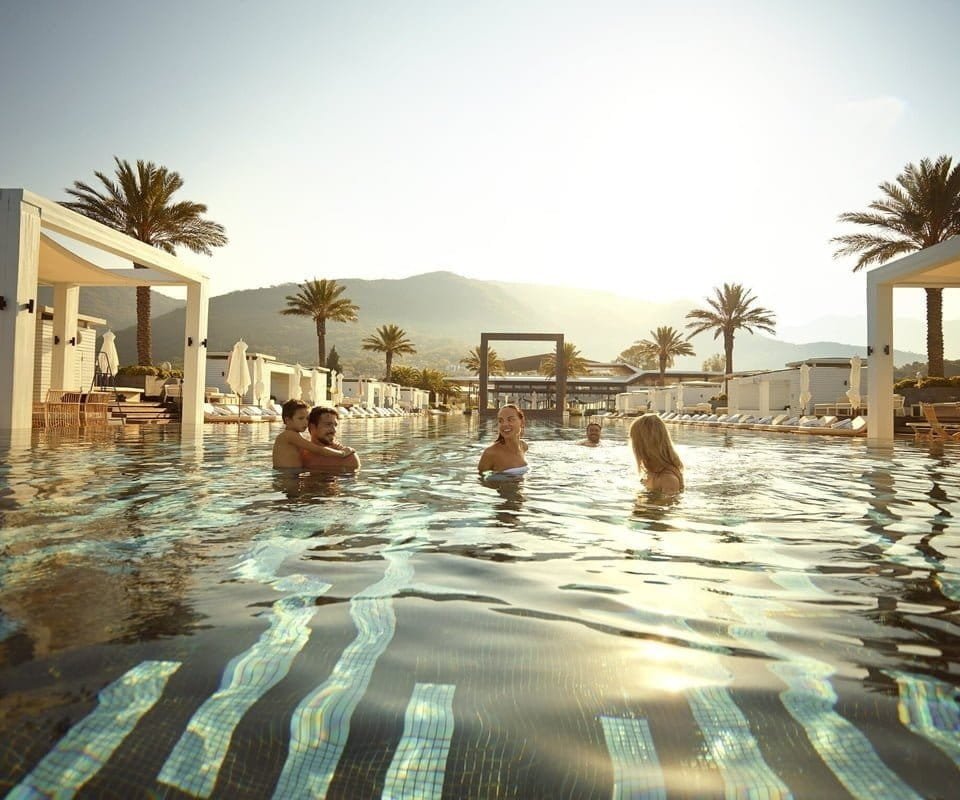
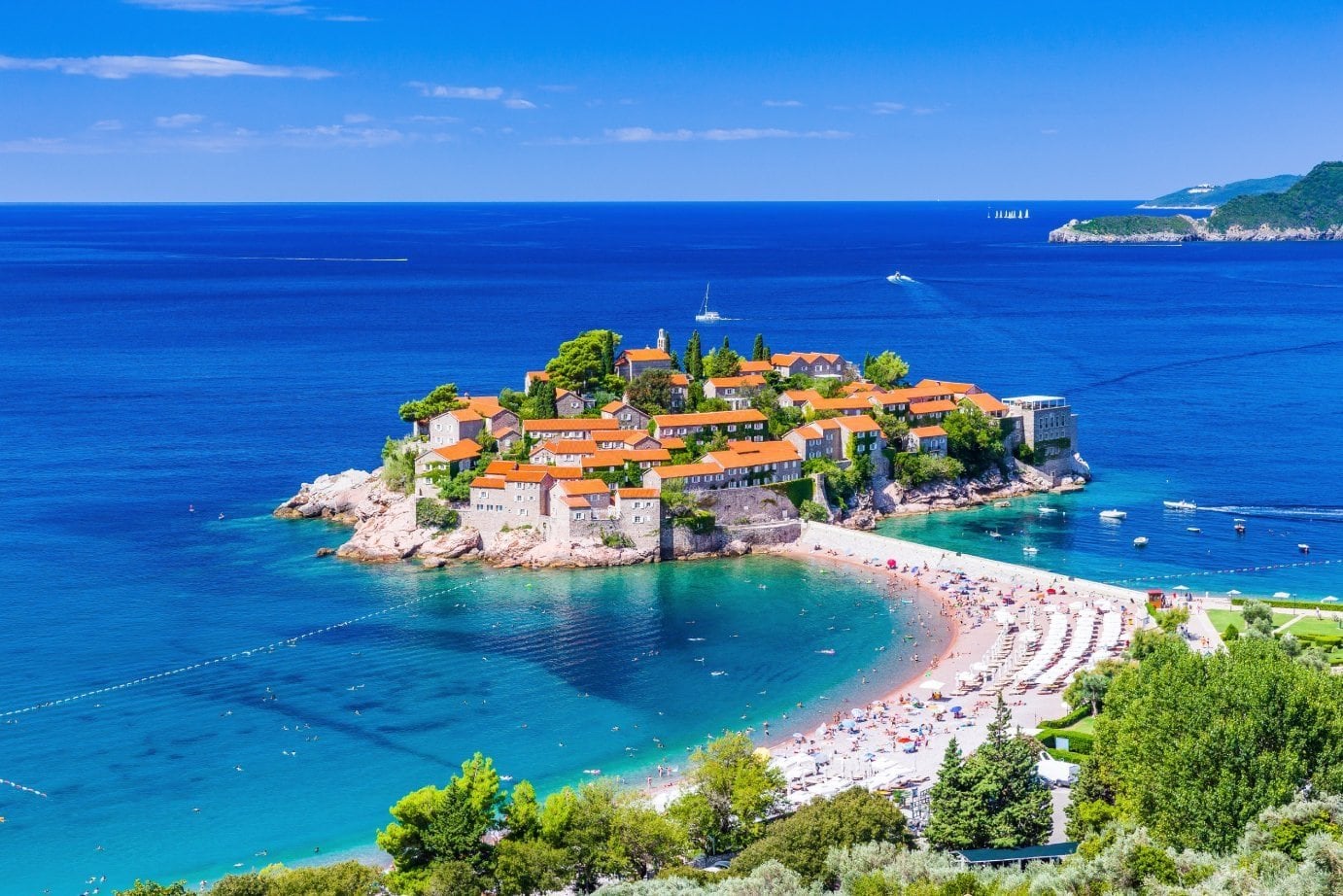
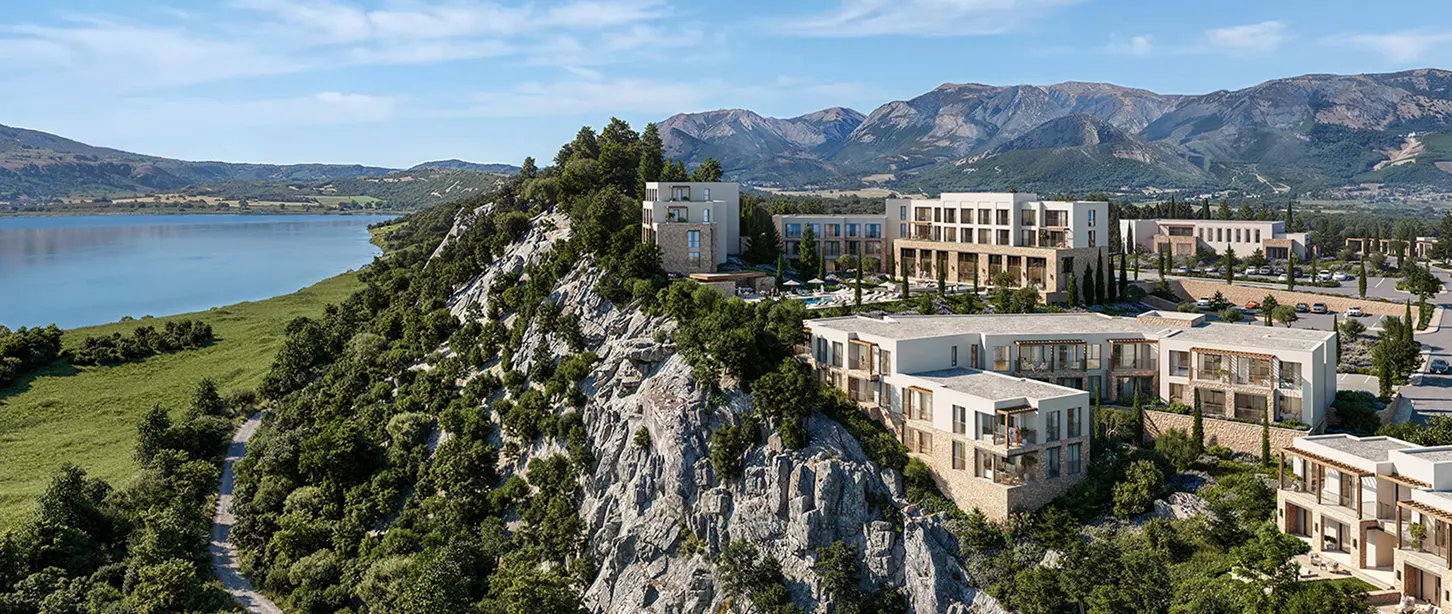
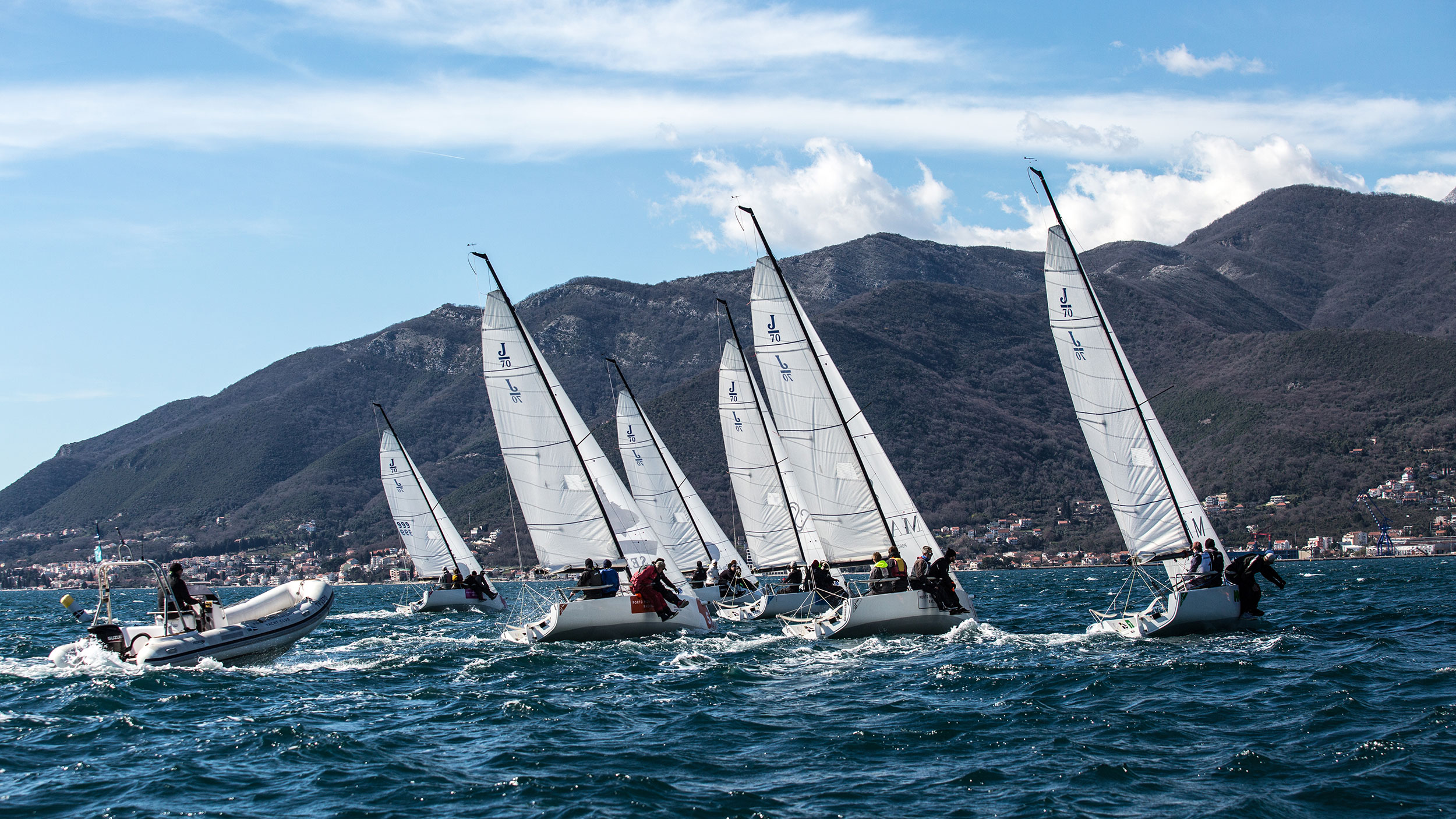
Montenegro's second-home appeal is inseparable from its coastal character. The Bay of Kotor presents a year-round backdrop of water, mountain, and medieval stone that very few other European coastal destinations can match in terms of visual and cultural density. Montenegro's National Tourism Organisation has consistently positioned the bay across spring and summer as a destination for sailing, yachting, hiking, kayaking, and coastal leisure, while the UNESCO designation of Kotor's old town adds a cultural dimension that extends the appeal beyond pure beach use.
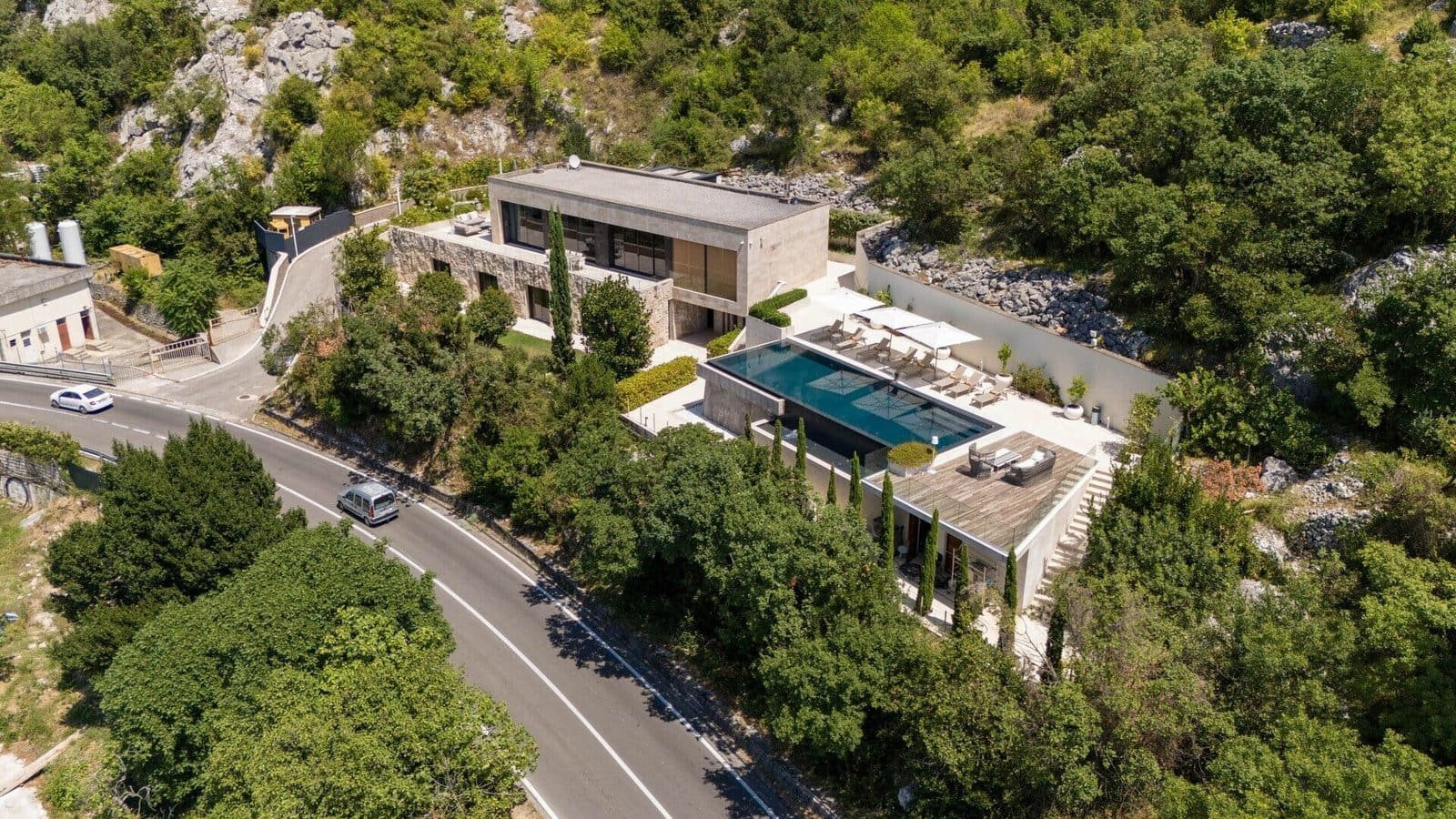
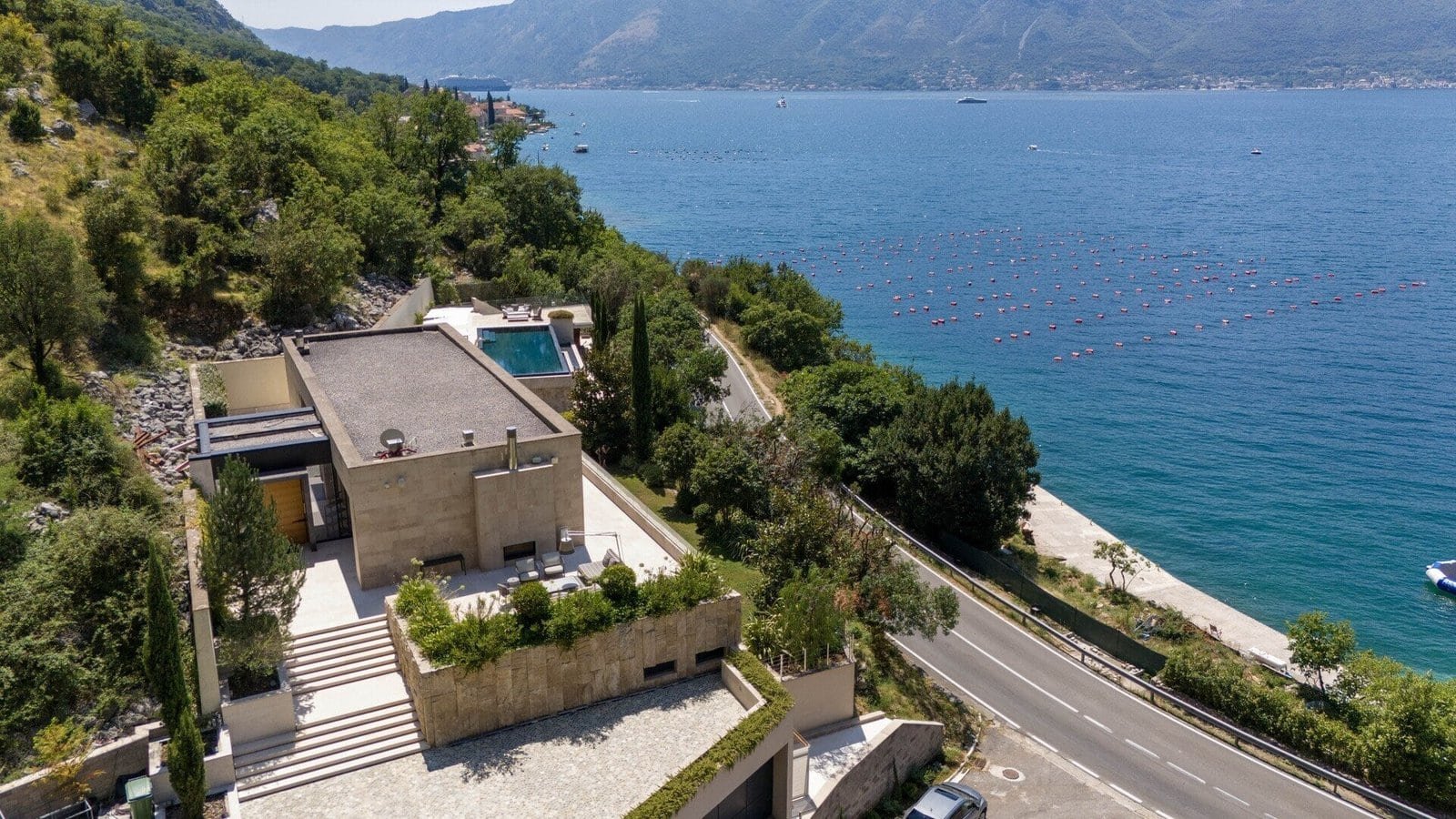
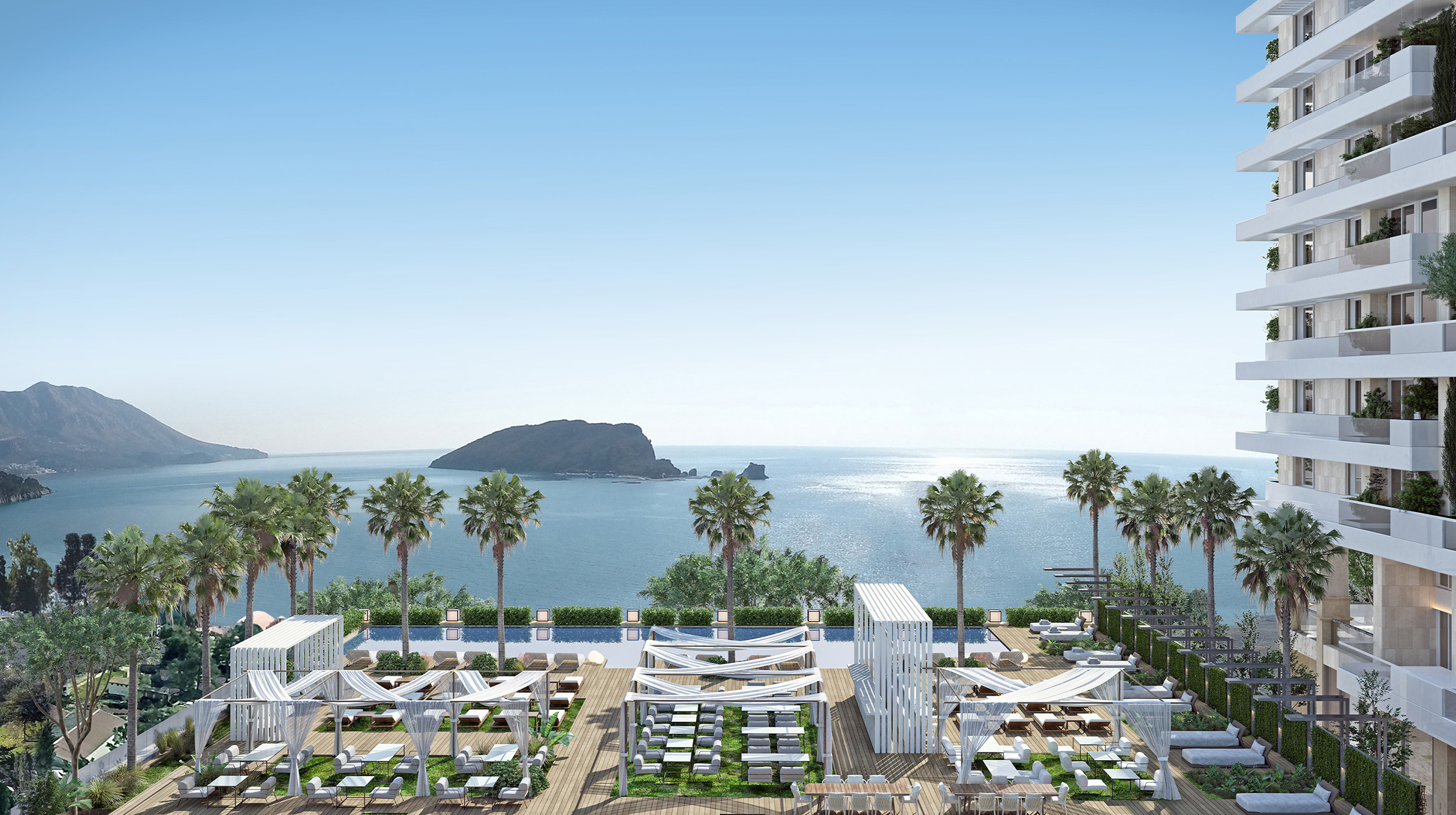
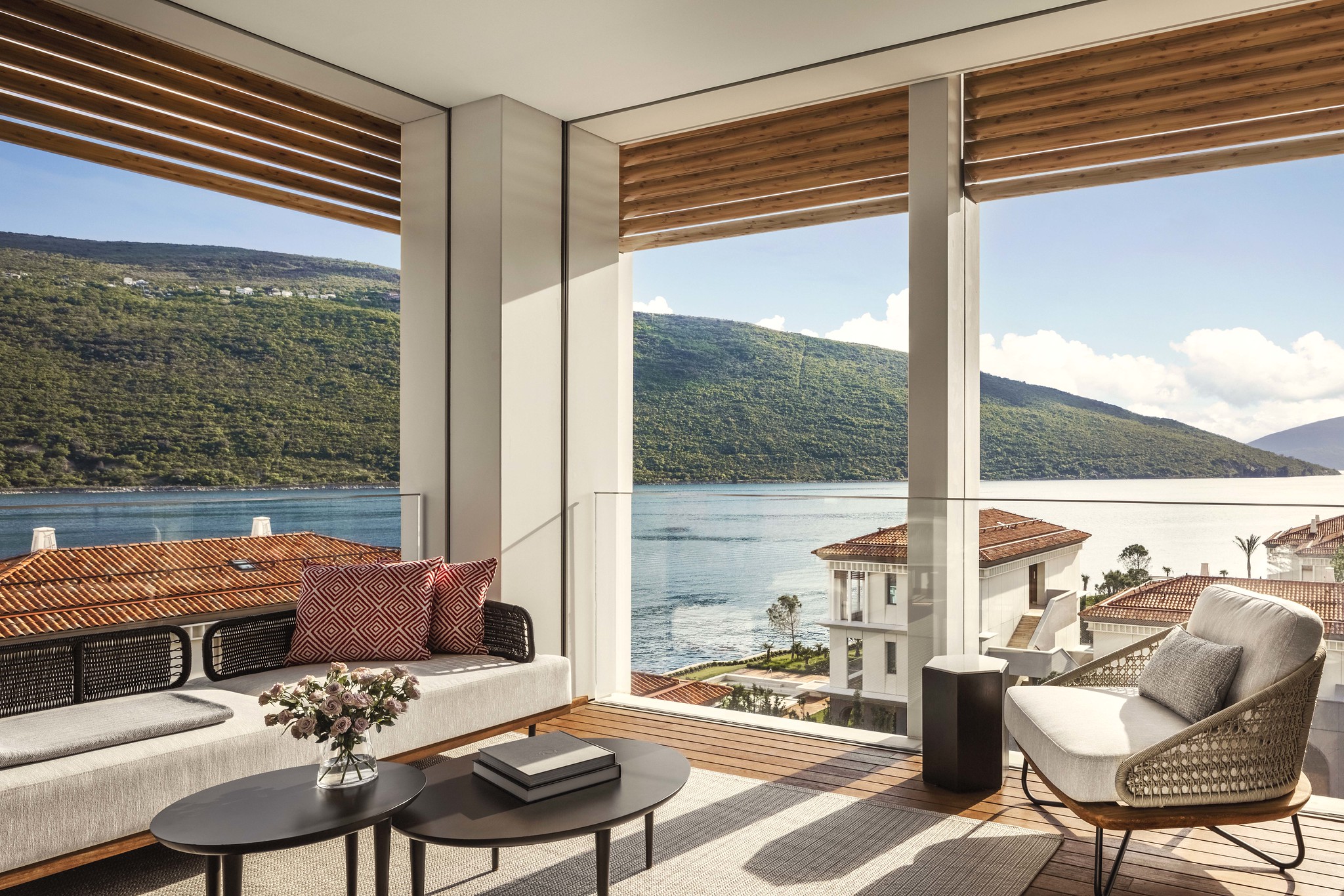
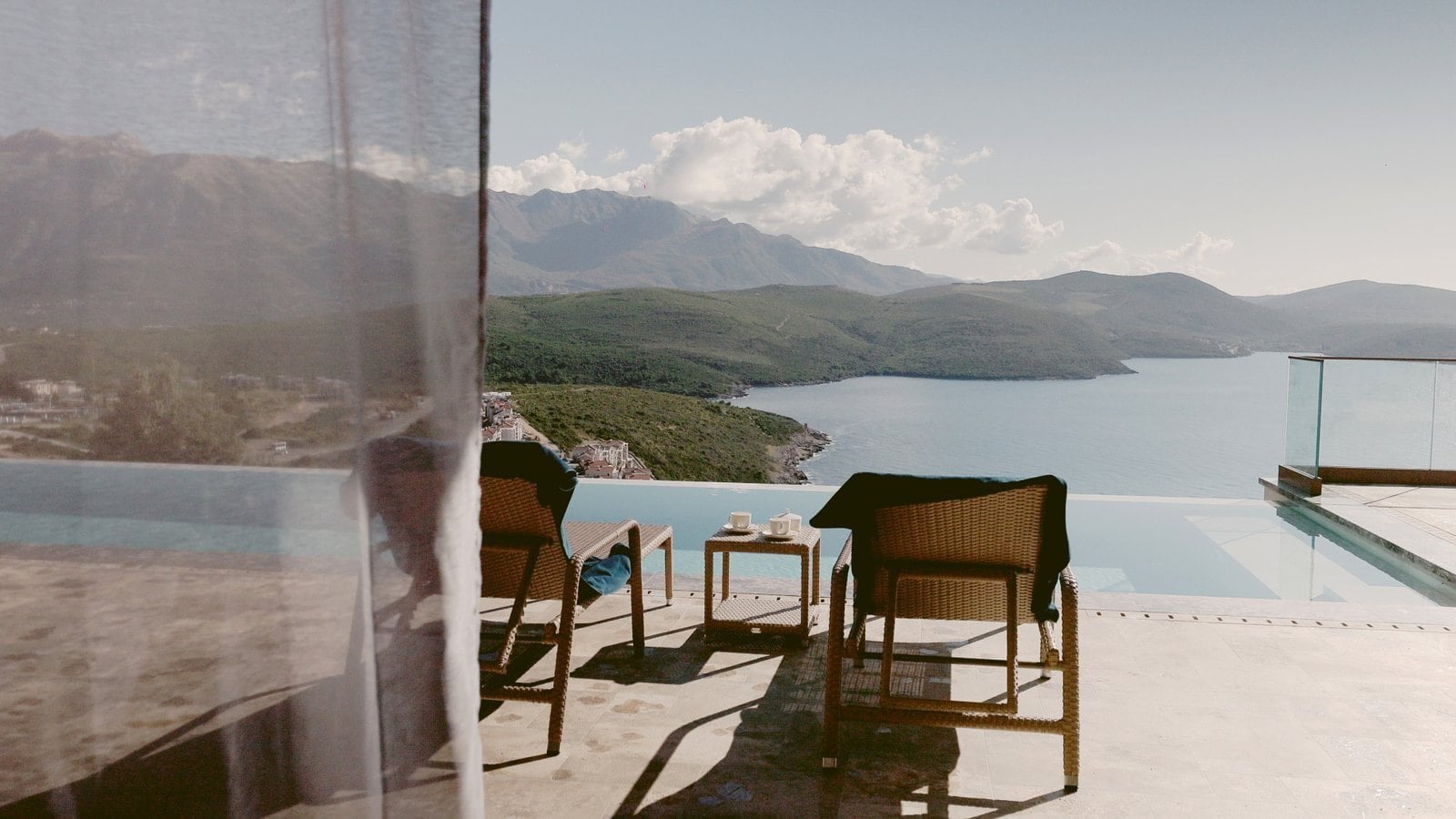
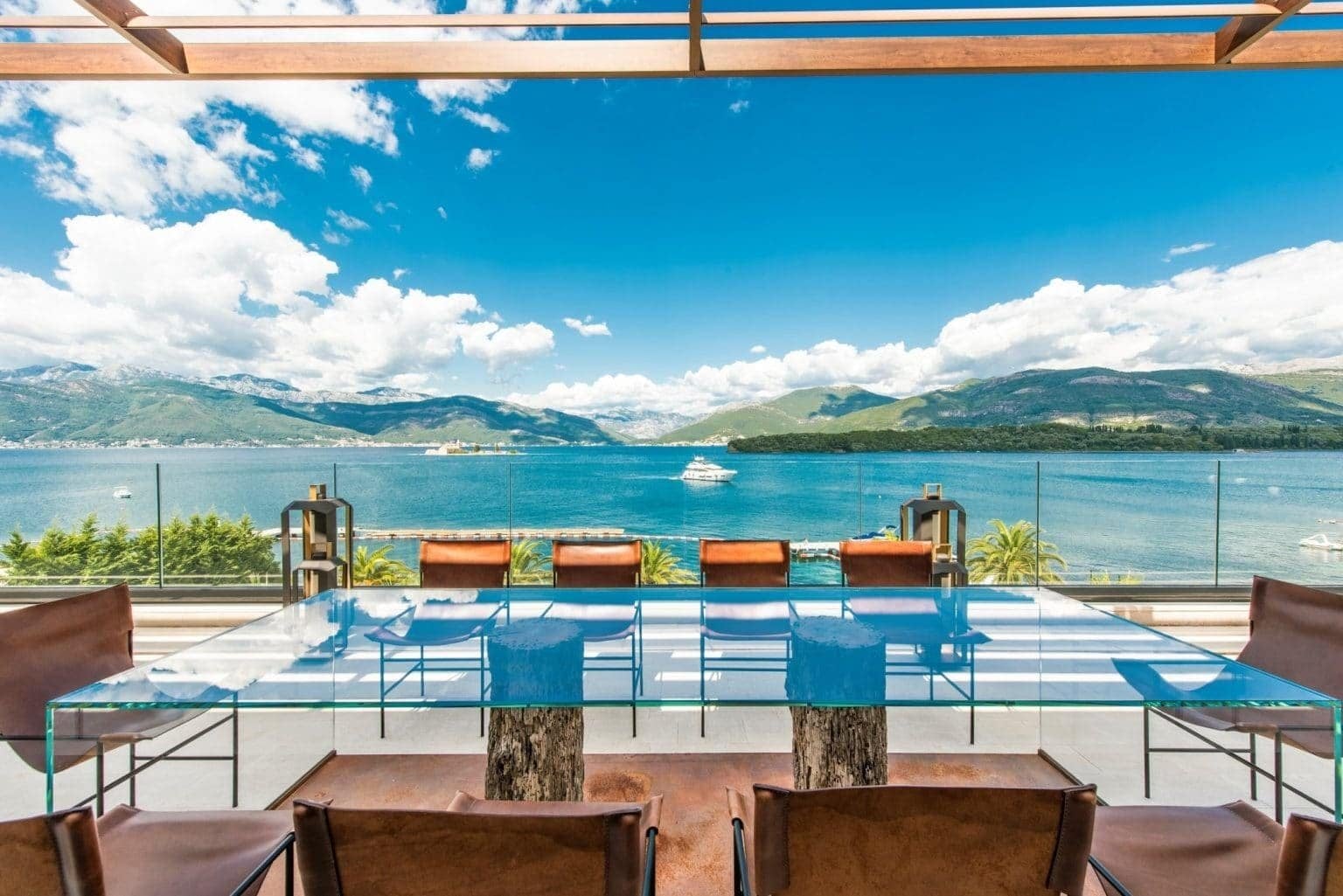
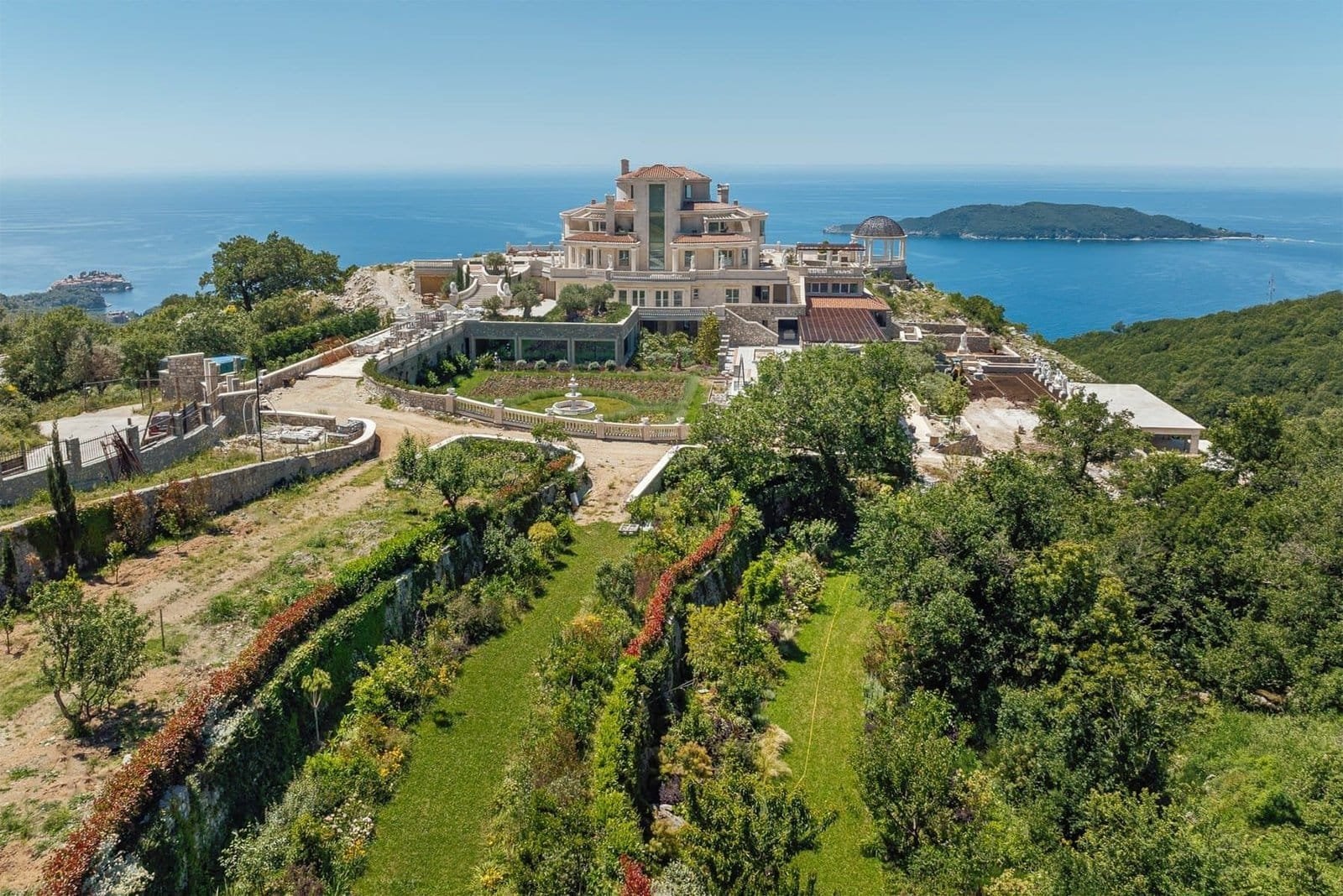
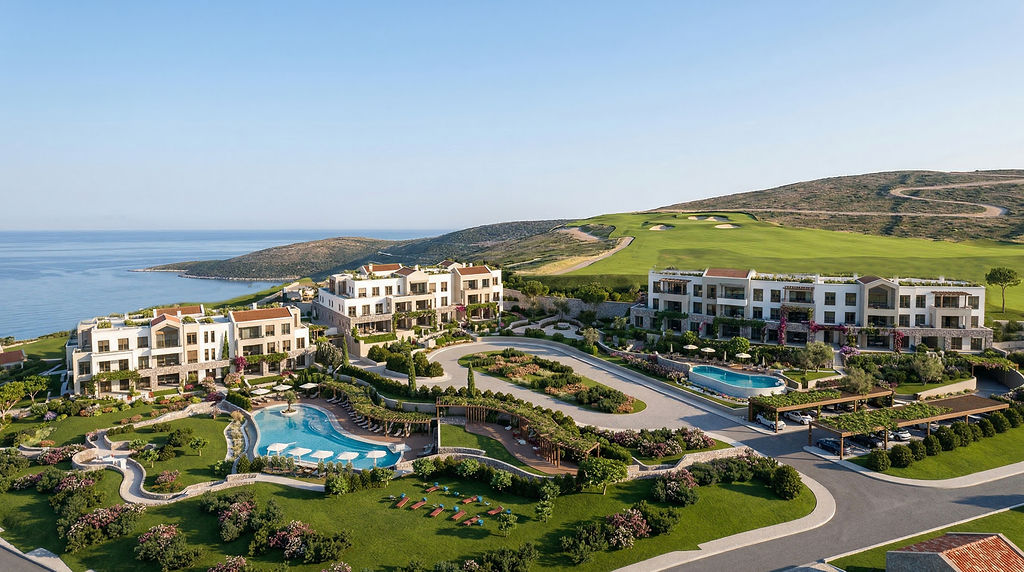
In practical ownership terms, this means Montenegro works especially well for buyers whose second-home rhythm is built around repeated seasonal visits, extended spring and summer stays, and the kind of outdoor, water-connected lifestyle that the bay environment directly supports. The Panoramic Sea Views and Alpine Horizons at Porto Montenegro's Finest Address exemplifies the kind of property where the location itself does much of the work, with bay views and mountain backdrops that make arrival feel like an event each time.
That said, honest buyers need to think about seasonality with some precision. Montenegro's coastal high season runs from May through September, and the period of greatest activity, social energy, and ease of use clusters in June, July, and August. Buyers who expect year-round city-level convenience and activity in the off-season may find the rhythm less suited to their expectations. The right question to ask is not whether Montenegro is perfect in every month, but whether the months that suit you best align with the months the destination performs at its highest level.
Buyers who are considering broader bay positions should also read our overview of Kotor Real Estate: Buying Property in Montenegro's UNESCO Bay, which covers the full geographic spread of ownership options around the bay.
Second Home Versus Pure Investment: Why the Distinction Changes Everything
This is perhaps the single most important mental framework a buyer can bring to the Montenegro decision.
A second home is a property you buy to use, to enjoy, and to make part of the way you live across a year or across a decade. The criteria that matter are personal and experiential: ease of travel, the feeling of arrival, the quality of the surrounding area, privacy, pace, and whether the place continues to feel right after the initial excitement of purchase has settled into ordinary ownership.
A pure investment is a different calculation entirely. Yield potential, capital appreciation forecasts, rental occupancy rates, and exit liquidity are the dominant variables. The property may never be used by its owner at all.
These two orientations can overlap, and they often do. But they are not the same decision, and conflating them tends to lead buyers toward choices that satisfy neither objective particularly well. Montenegro makes the most compelling case when it is approached as a second-home destination first. Its lifestyle credentials, scenic position, and experiential depth are genuine and durable. Its investment fundamentals, while positive in selective segments and improving with EU accession progress tracked by the European Commission, are still in a phase of development rather than full maturity.
For the buyer who wants a property they will actually use, who wants the second home to add something visible and repeatable to their life, Montenegro is an excellent candidate. For the buyer whose primary variable is asset performance and who expects to spend little or no time at the property, the calculation requires a more careful and location-specific analysis.
What Ownership Feels Like After the Purchase Is Complete
The transactional moment, the search, the viewing, the negotiation, the legal process, represents a very small proportion of the total ownership experience. What matters far more is what the property feels like to return to, how easy it is to maintain from a distance, and whether the surrounding area continues to hold its appeal across the full arc of ownership.
A well-chosen second home should feel effortless to re-enter. The journey should feel worthwhile. The immediate environment should hold its quality beyond the first impression. The property itself should not become a source of administrative complexity that begins to outweigh the pleasure it provides.
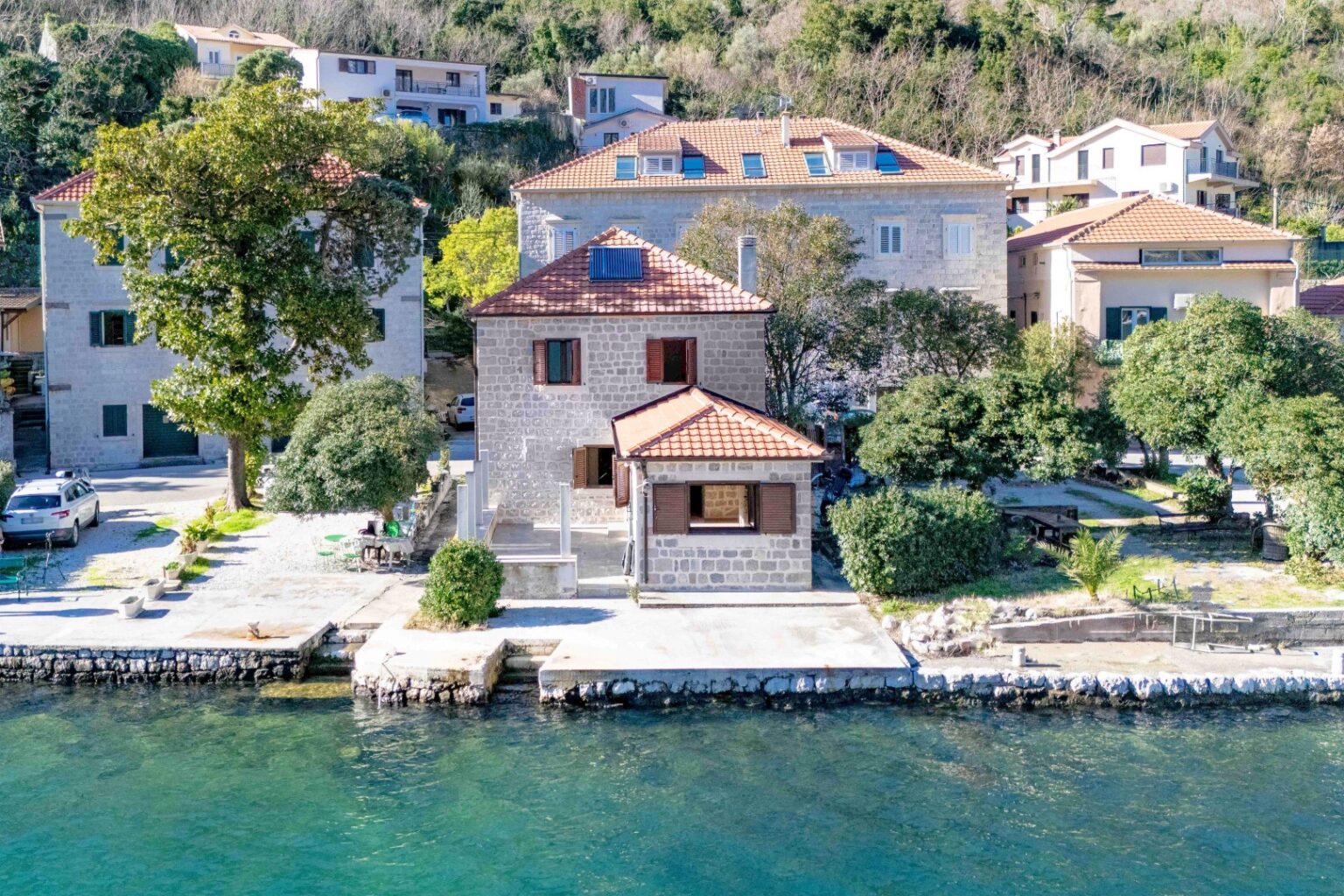
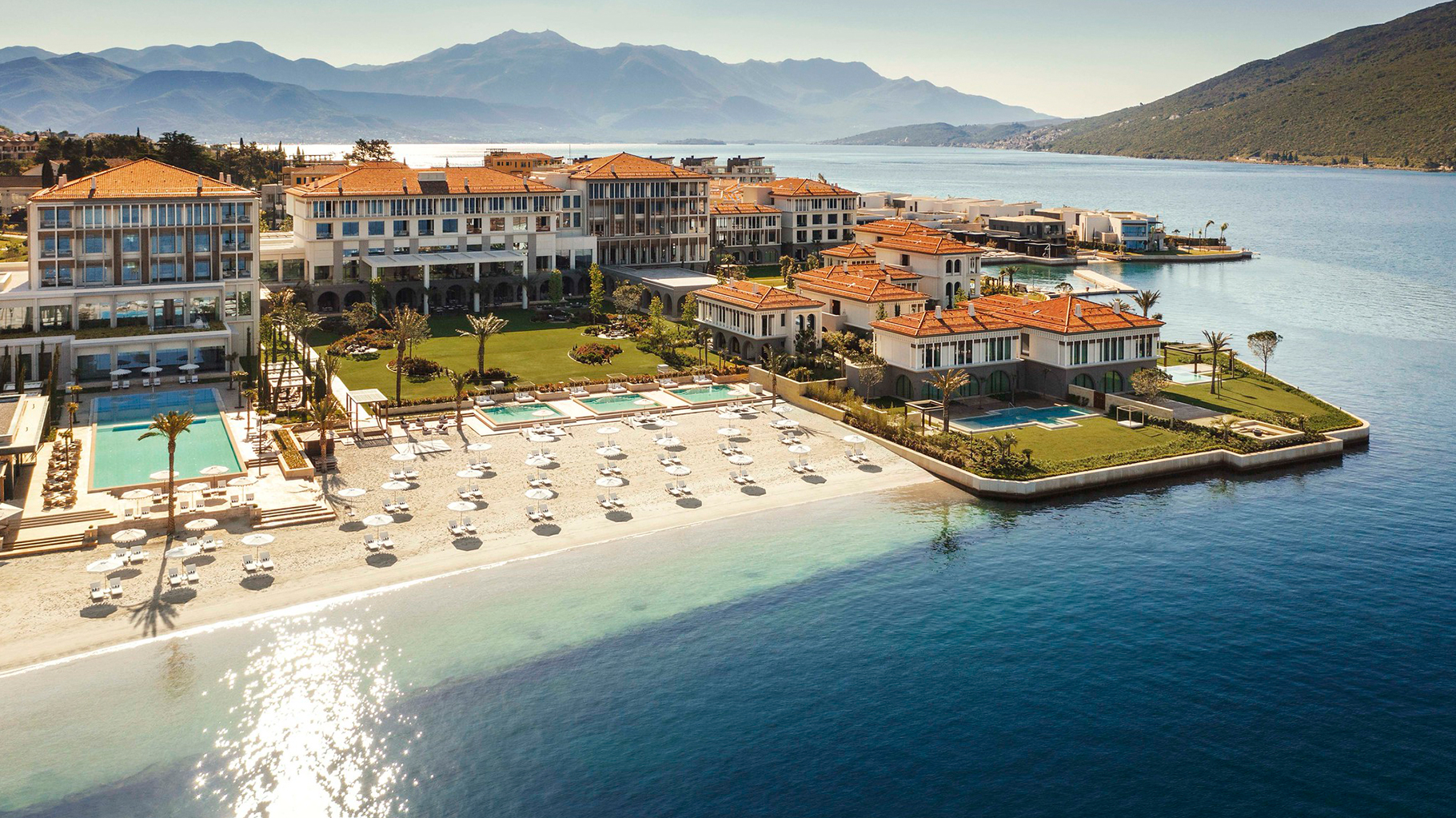
In Montenegro, this usually means thinking carefully about the specific location within the country, not just the country itself. A marina-adjacent residence at Porto Montenegro offers a very different ownership experience to a heritage apartment within Kotor's medieval walls, or a villa position on the quieter northern bay shore. Each carries its own rhythm, its own maintenance and management context, and its own long-term suitability for different ownership profiles.
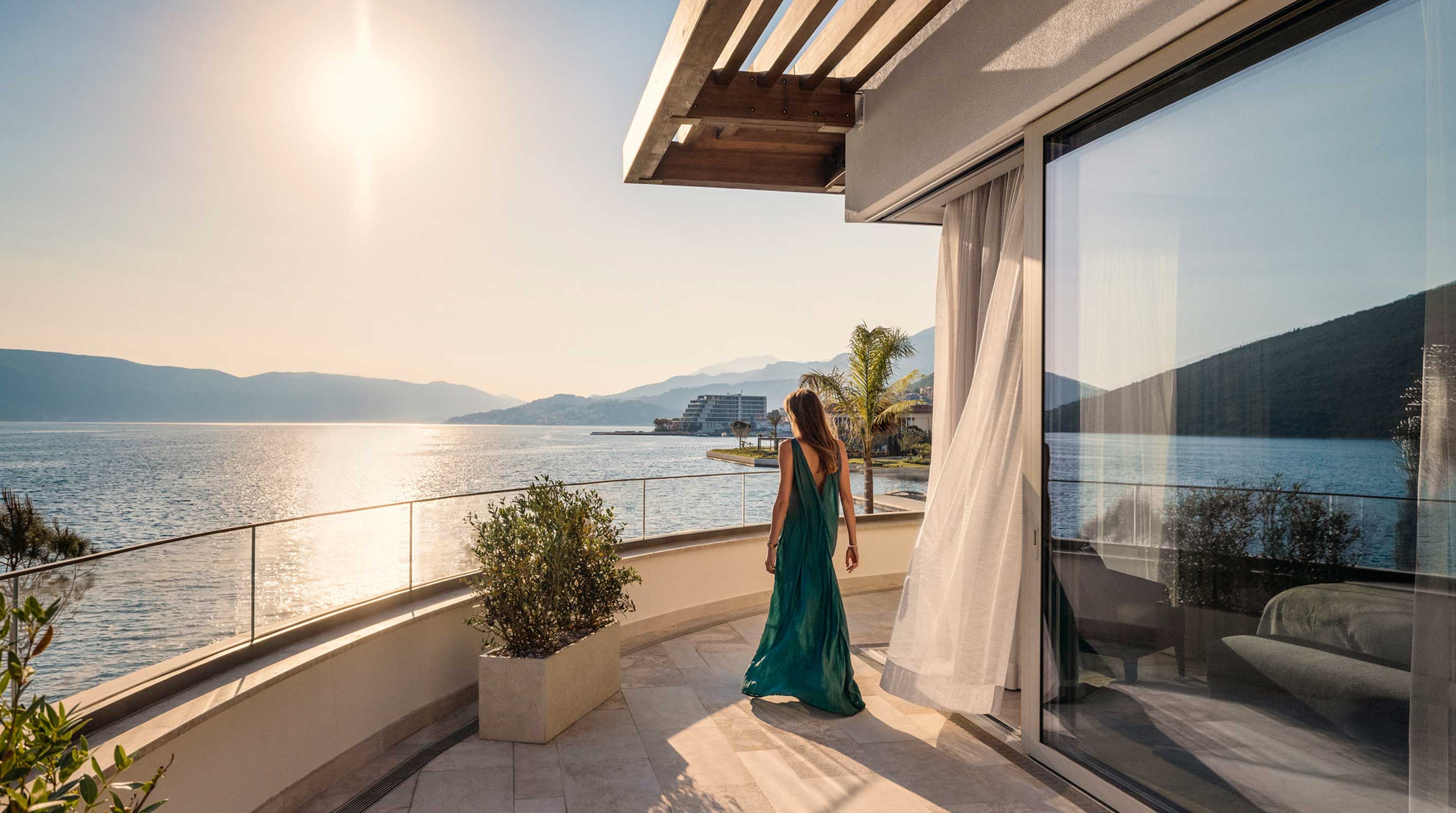
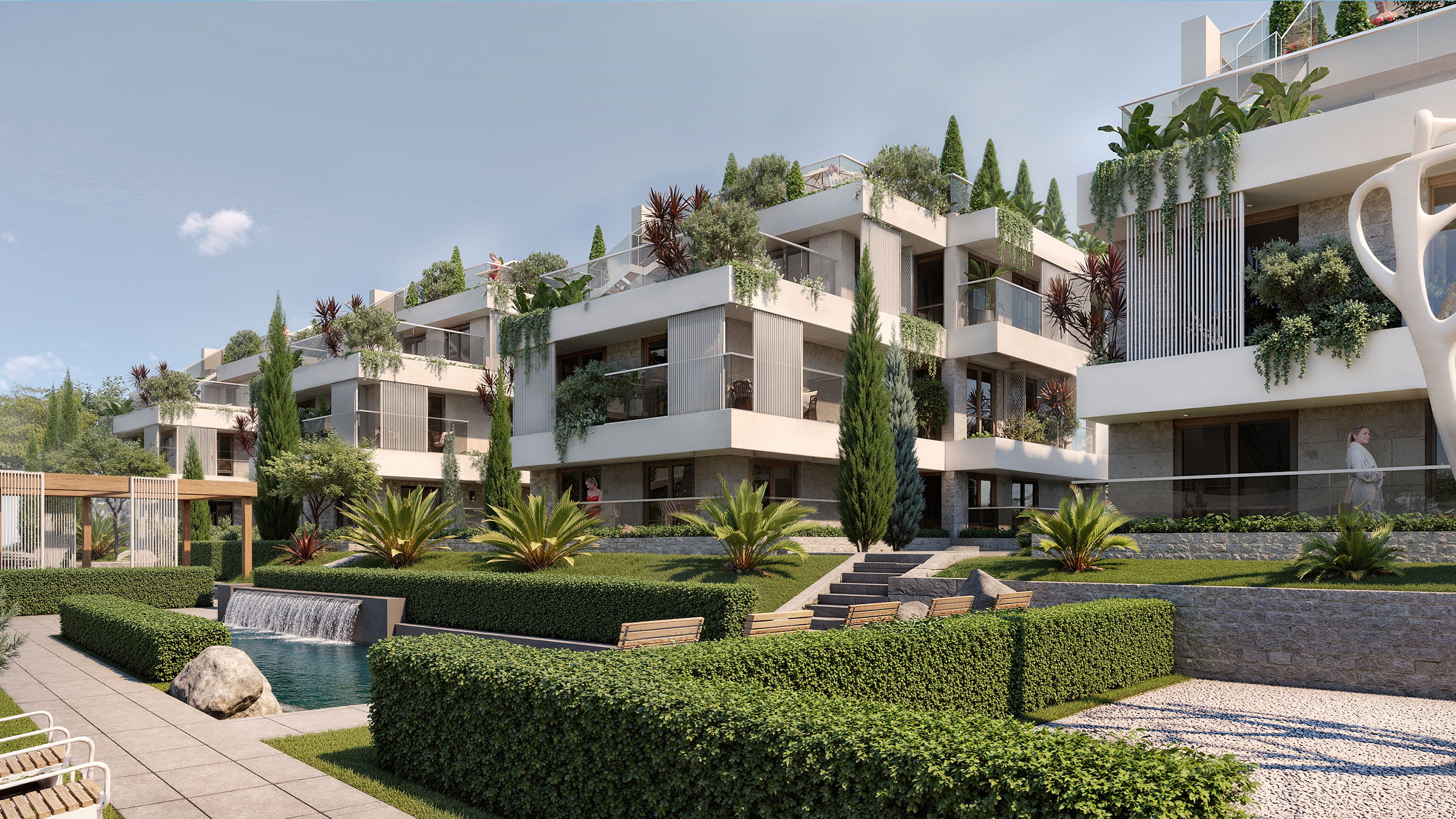
The Elevated Living Above the Adriatic: Porto Montenegro's Finest Rooftop Penthouse represents one end of that spectrum, a managed, service-supported environment where the ownership experience is designed to require minimal effort from the buyer and maximum return in terms of lifestyle quality. The Sky-High Sovereignty Above the Adriatic: Porto Montenegro's Crown Penthouse occupies a similar tier, offering the kind of position where the physical experience of the property, the scale, the views, the sense of elevation above the bay, becomes part of the reason ownership feels rewarding year after year.
The Mistakes That Cost Buyers the Most
Montenegro is a country that photographs exceptionally well and presents beautifully on a first visit. That visual strength is entirely genuine. It is also the precise quality that leads some buyers into decisions they later find harder to sustain.
The most common errors we observe among buyers approaching Montenegro without sufficient preparation tend to follow a recognisable pattern.
The first is choosing a location on the basis of a single short visit in high season, when the bay, the towns, and the marina are operating at peak energy and visual appeal. The same location in November or February can feel very different, and buyers who have not tested that quieter experience occasionally find their ownership rhythm does not hold through the off-season months they had not anticipated spending there.
The second is conflating a strong holiday impression with a strong ownership fit. Enjoying somewhere as a tourist and finding it genuinely workable as a second home are related but distinct experiences. The questions a buyer needs to answer go well beyond whether the place feels good on arrival.
The third, and perhaps most consequential, is buying primarily on the visual quality of a view or a setting without thinking carefully enough about daily life, logistical convenience, privacy levels, and whether the immediate neighbourhood suits the way the buyer actually spends time.
The buyers who make the most durable Montenegro decisions tend to do something quite specific: they allow the emotional and aesthetic appeal of the country to guide them toward the right general direction, and then they apply a rigorous ownership-logic test to the final choice of property and location.
When Montenegro Works Especially Well for International Buyers
Montenegro offers a particular combination of qualities that is difficult to find elsewhere at comparable price points within the European and Adriatic context. Its strongest appeal for international buyers concentrates in a few specific circumstances.
It works especially well for buyers who want a second home that feels genuinely different from their primary residence, in terms of pace, setting, and atmosphere, without requiring a transcontinental journey to access.
It works well for buyers whose second-home use is anchored in the spring and summer months, who want the property to support active outdoor living, water access, and a social environment that reflects international rather than purely domestic tastes.
It works well for buyers who are drawn to the character of a historic bay environment and who find the combination of medieval architecture, superyacht marina infrastructure, and mountain scenery compelling rather than incongruous.
And it works especially well for buyers who are thinking in decades rather than in a single transaction cycle, who want a property they can grow into over time, share with family across different life stages, and ultimately feel that the decision aged well.
How to Decide Whether Montenegro Belongs in Your Second-Home Plan
Montenegro tends to be a strong fit if:
- Your second-home use is built around spring and summer coastal living
- You want a setting that feels distinct from both mainstream Mediterranean destinations and major European capitals
- Scenery, water, outdoor activity, and historical atmosphere are genuine priorities rather than secondary considerations
- You are comfortable with a seasonal rhythm and do not expect year-round city-level convenience
- You want a property that carries emotional and lifestyle value that you can feel on every return visit
Montenegro tends to be a weaker fit if:
- Your primary objective is yield and you intend to spend very little personal time at the property
- You need year-round urban amenity and social infrastructure at the level of a major city
- You are buying on a short-term speculative timeline and expect capital repatriation within two to three years
- Your lifestyle rhythm does not include extended European coastal stays
- You have not yet visited the country and are making the decision entirely from remote research
The honest answer to the question of whether Montenegro is a good place to buy a second home is a qualified yes, qualified not by any deficiency in the country itself, but by the degree to which the buyer has thought clearly about what second-home ownership actually means for them in practice.
For buyers who have done that thinking and find that Montenegro aligns with the answers, it is a destination that tends to reward ownership with a consistency and depth that many more established European coastal markets, at significantly higher price points, no longer offer.
---
Barok Estates International Advisory Note
Barok Estates International advises private buyers and families across Montenegro, Spain, and the United Kingdom on second-home and primary residence acquisitions in the premium segment. Our Montenegro portfolio spans Porto Montenegro marina residences, Bay of Kotor heritage positions, and select coastal villa opportunities across the Tivat and Kotor municipalities.
If you are assessing whether Montenegro belongs in your property plan, our advisory team is available for a confidential initial conversation. We do not offer generic market commentary. We offer position-specific guidance based on your ownership objectives, travel rhythm, and long-term intentions for the property.
Contact Barok Estates International to begin the conversation.








.jpg)