Why Kotor Old Town Restoration Property Represents a Distinct Asset Class
Very few corners of the European property market offer what serious investors find inside the walls of Kotor Old Town: a finite, legally protected stock of medieval stone architecture, rising international acquisition interest, and an undersupply so structural that no developer can build their way around it. The restoration segment here is not a niche pursuit for the architecturally sentimental. It is, increasingly, a studied capital allocation decision made by buyers who understand that genuine scarcity is the one quality that no amount of money can manufacture.
Barok Estates International works across the Bay of Kotor, the Costa del Sol, London and Montenegro's wider Adriatic coast, and the pattern we observe consistently is this: buyers who approach Kotor Old Town restoration with clear-eyed cost intelligence and a well-prepared permit strategy tend to achieve exceptional outcomes. Those who underestimate the regulatory framework, or the true scope of structural work, tend to find the process more difficult than it needed to be. This guide addresses both sides of that equation.
The UNESCO Premium: How Protected Status Defines Market Value
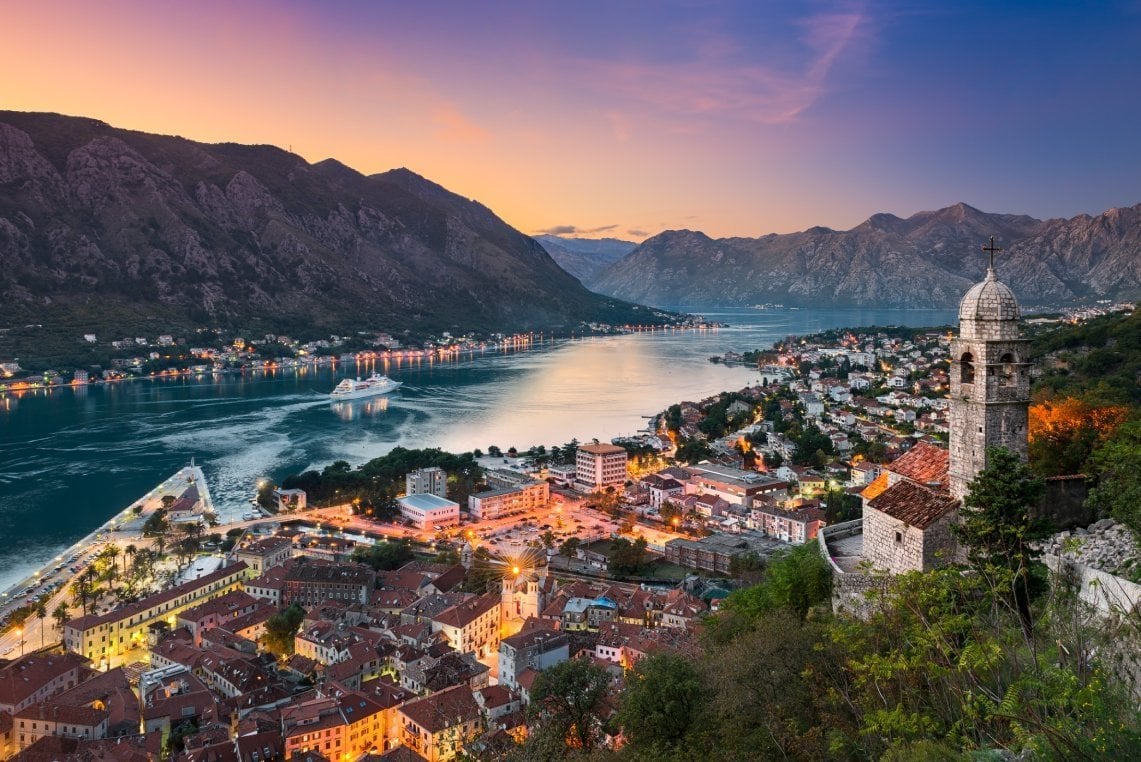
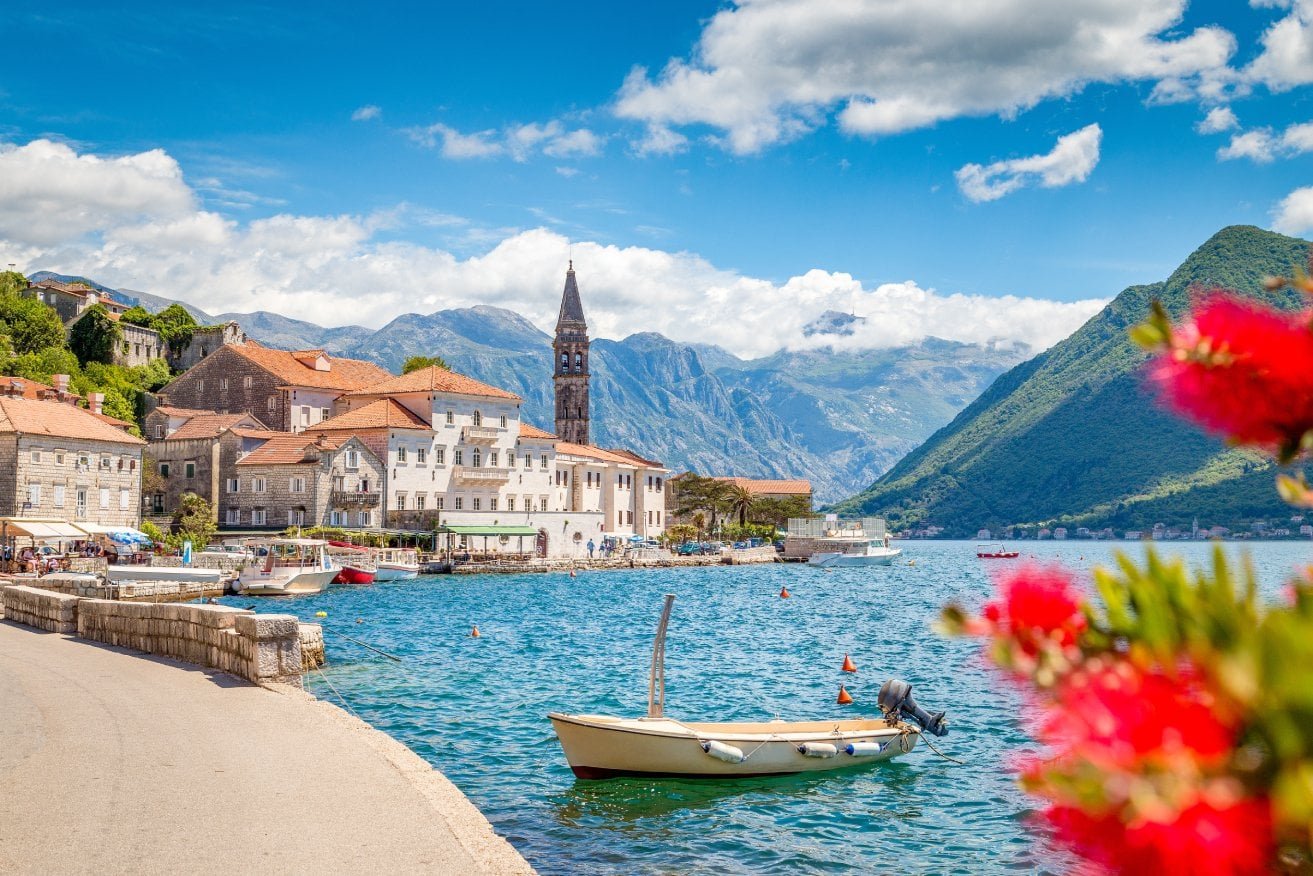
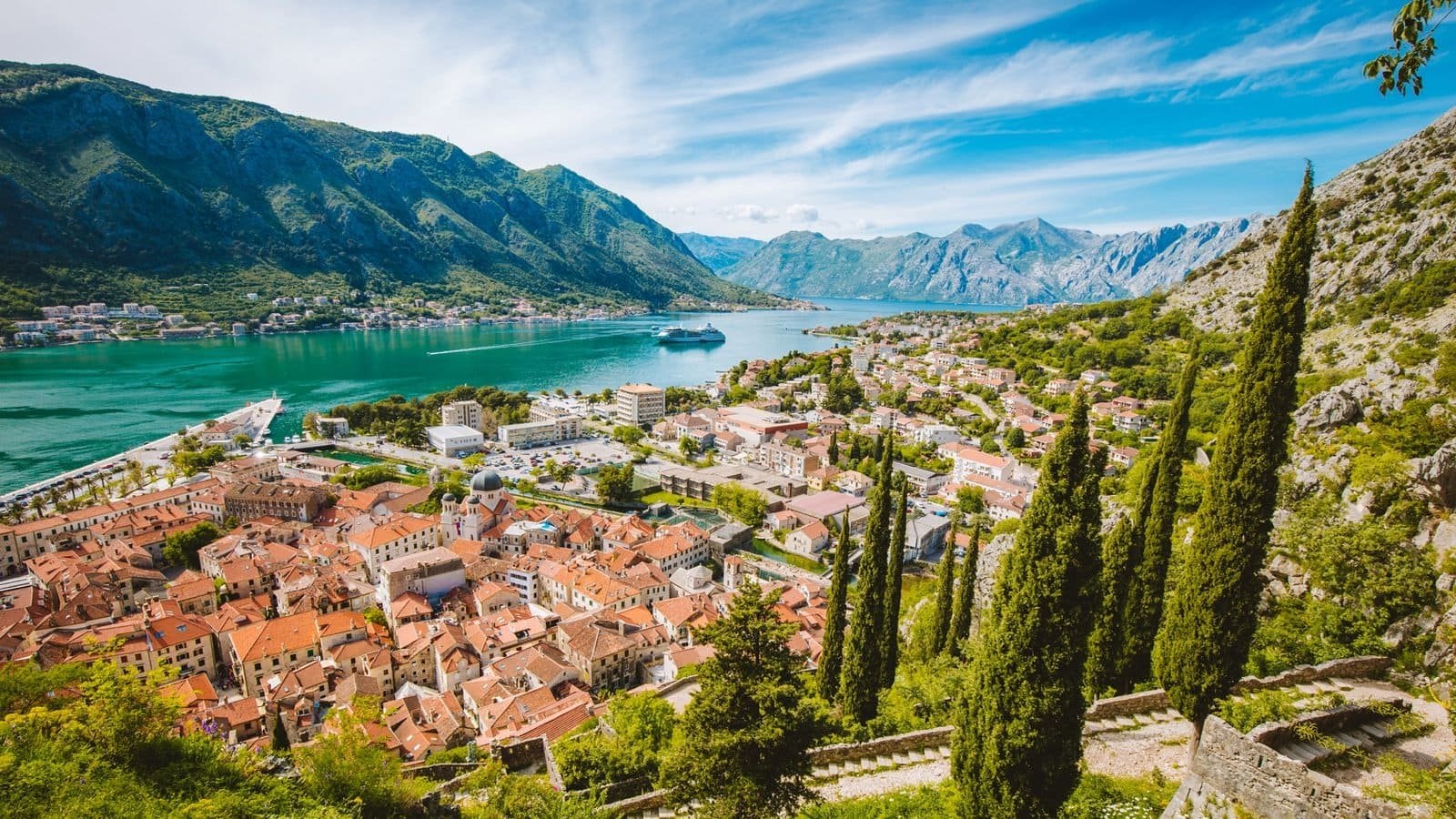
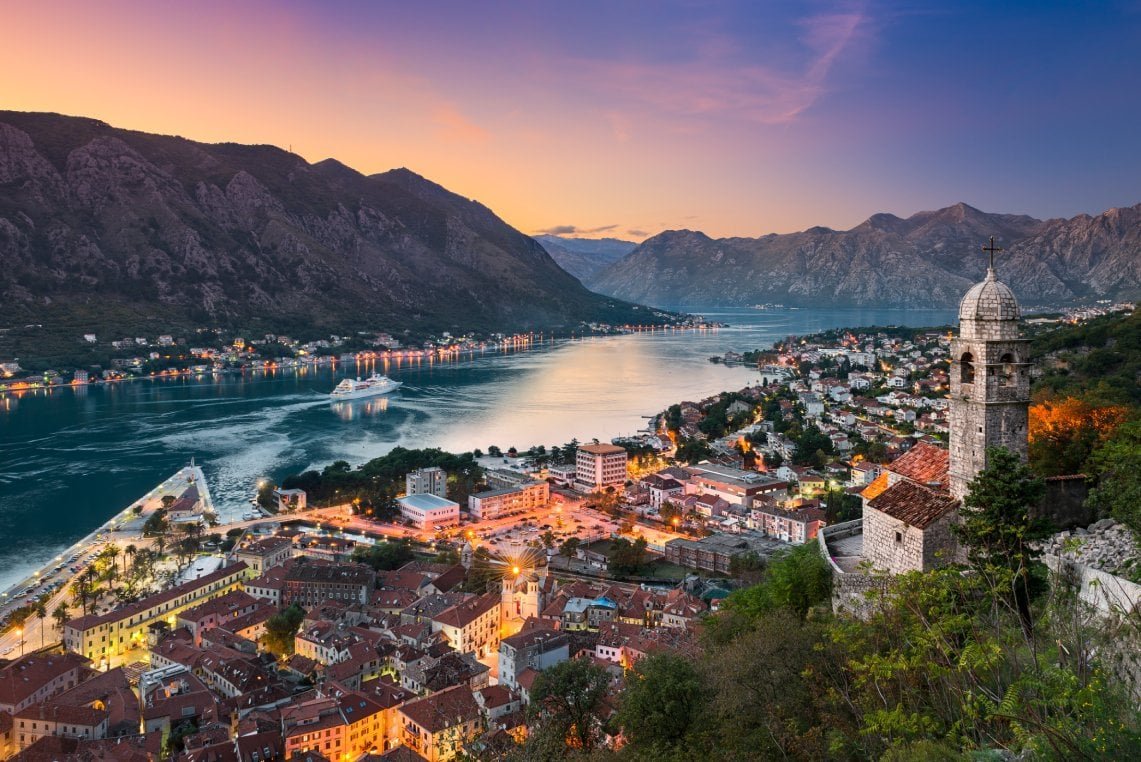
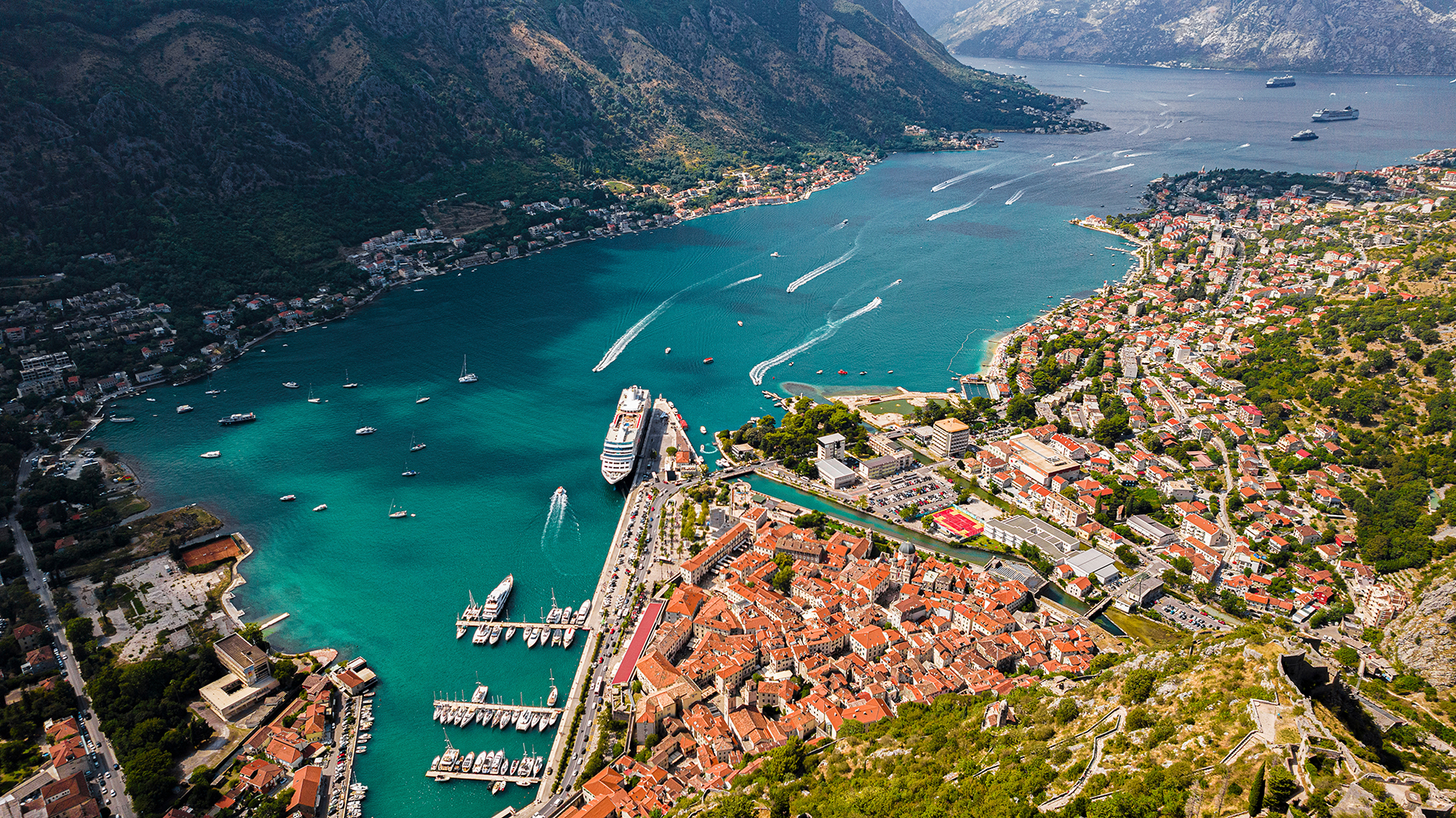
Kotor's Old Town received UNESCO World Heritage Site designation in 1979, a status formally recognised under the Convention Concerning the Protection of the World Cultural and Natural Heritage, administered by UNESCO's World Heritage Committee. That single designation has a property market consequence that no planning policy instrument can replicate: it makes new supply permanently impossible.
Nothing can be built from scratch inside the medieval walls. Every property that exists today is one of a fixed number that will ever exist. When buyers talk about scarcity in real estate, the term is often applied loosely to areas where supply is merely slow to arrive. In Kotor Old Town, scarcity is not slow. It is permanent. A fully restored palazzo here faces no competition from a contemporary development around the corner, because that development cannot legally come into existence.
For those benchmarking acquisition values, it is instructive to review Bay of Kotor Property Investment: Rental Yields and Returns for 2026, which contextualises restored heritage stock against broader regional pricing. The differential between an unrenovated structure acquired at acquisition-stage pricing and a completed flagship restoration is among the most compelling value-creation spreads in the Mediterranean market today.
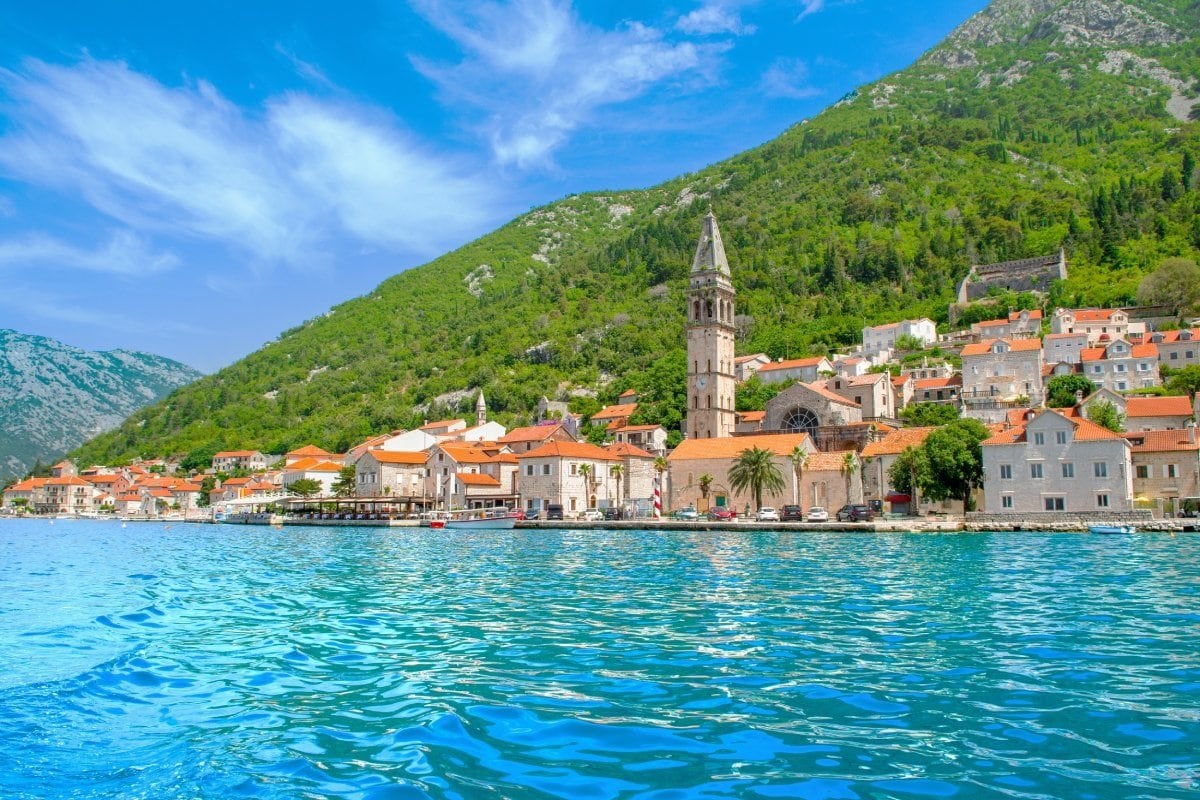
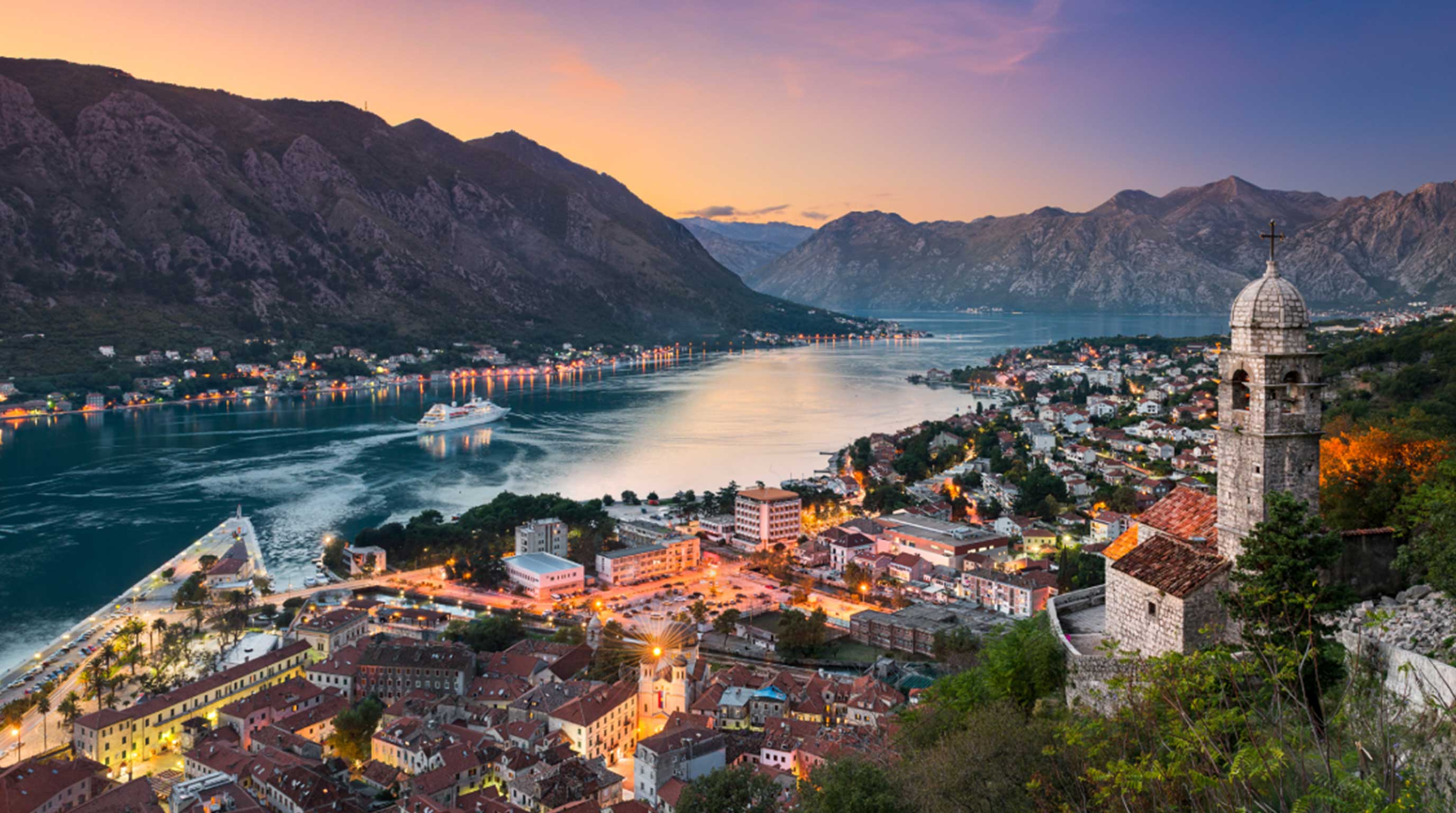
Kotor is one of only a small number of fully intact medieval walled cities remaining on the entire Adriatic coastline. The bay itself holds a category of natural and cultural significance recognised at the highest international level. Owning a restored residence within those walls is not a lifestyle purchase with investment characteristics. It is an investment with exceptional lifestyle characteristics. The distinction matters when modelling returns.
Demand Outpacing Supply in a Walled City
International interest in Kotor Old Town property has expanded materially through the mid-2020s. Several factors are converging. Montenegro's EU accession process, which has been advancing through formal negotiation chapters as reported by the European Commission, is drawing closer attention from buyers who associate accession timelines with medium-term capital appreciation. Regional air connectivity has broadened the buyer pool from primarily Western European to include North American, Middle Eastern, and Gulf-based purchasers. There is also a broader cultural shift among high-net-worth buyers away from anonymous luxury product and toward addresses with historical resonance and irreplaceable character.
The arithmetic of supply and demand inside the walls is stark. The walled city occupies approximately 7.6 hectares in total. At any given moment, the number of restorable properties available for acquisition is measured in dozens at most, often considerably fewer. Demand, by contrast, arrives from a global pool of prospective buyers. Well-priced unrenovated properties generate competitive acquisition interest quickly. Finished restorations at the top of the market transact at a pace that reflects the absence of comparable alternatives.
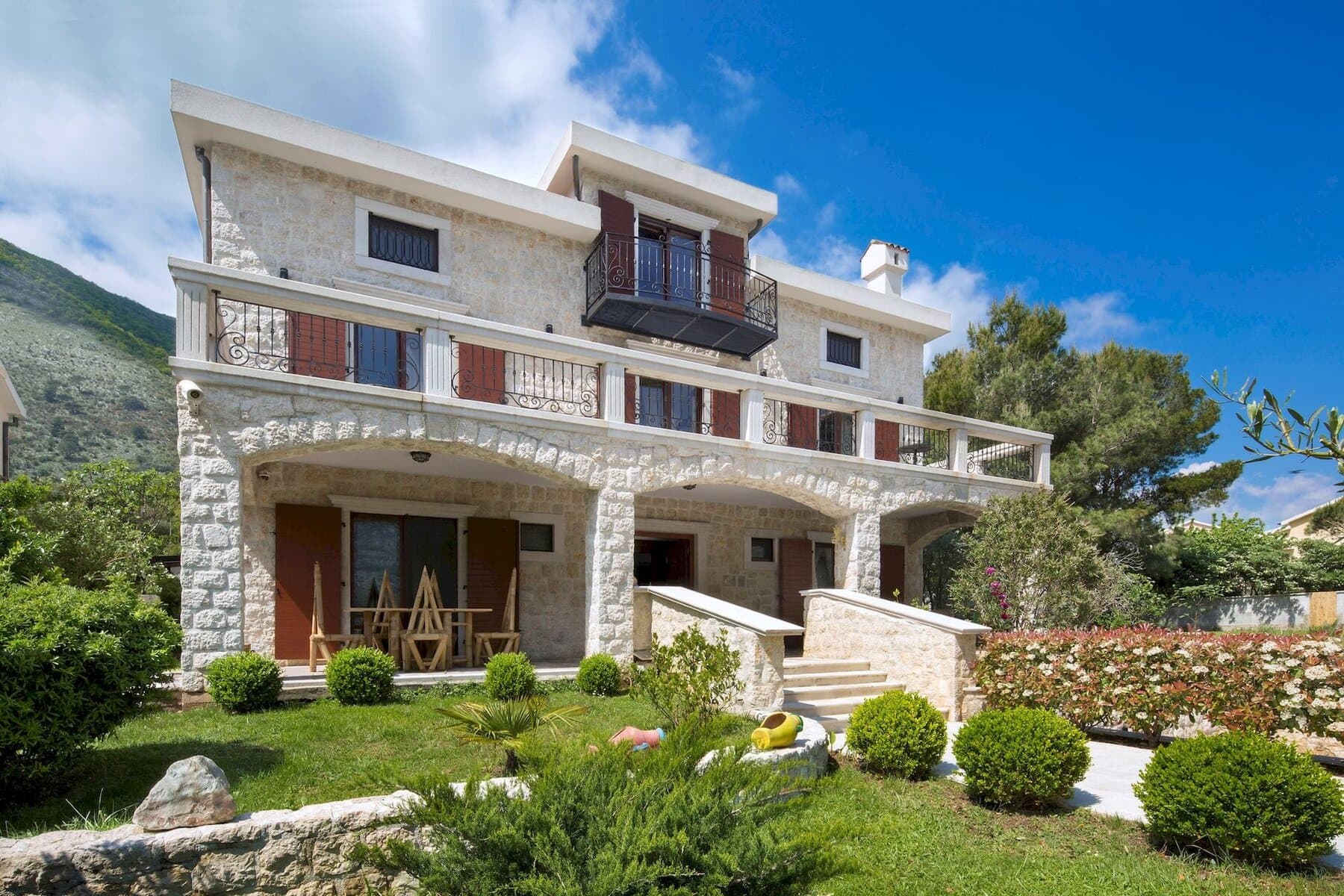
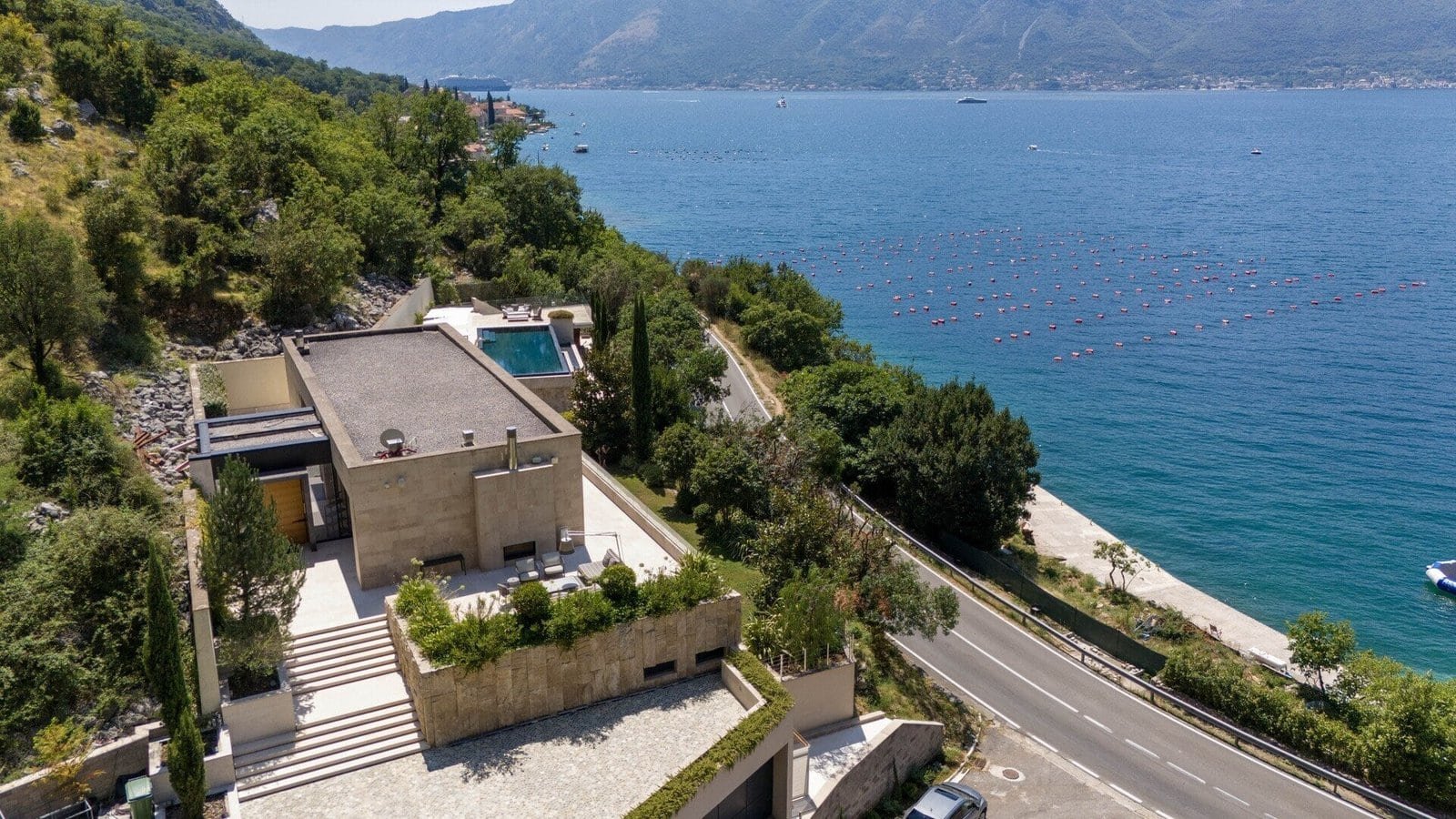
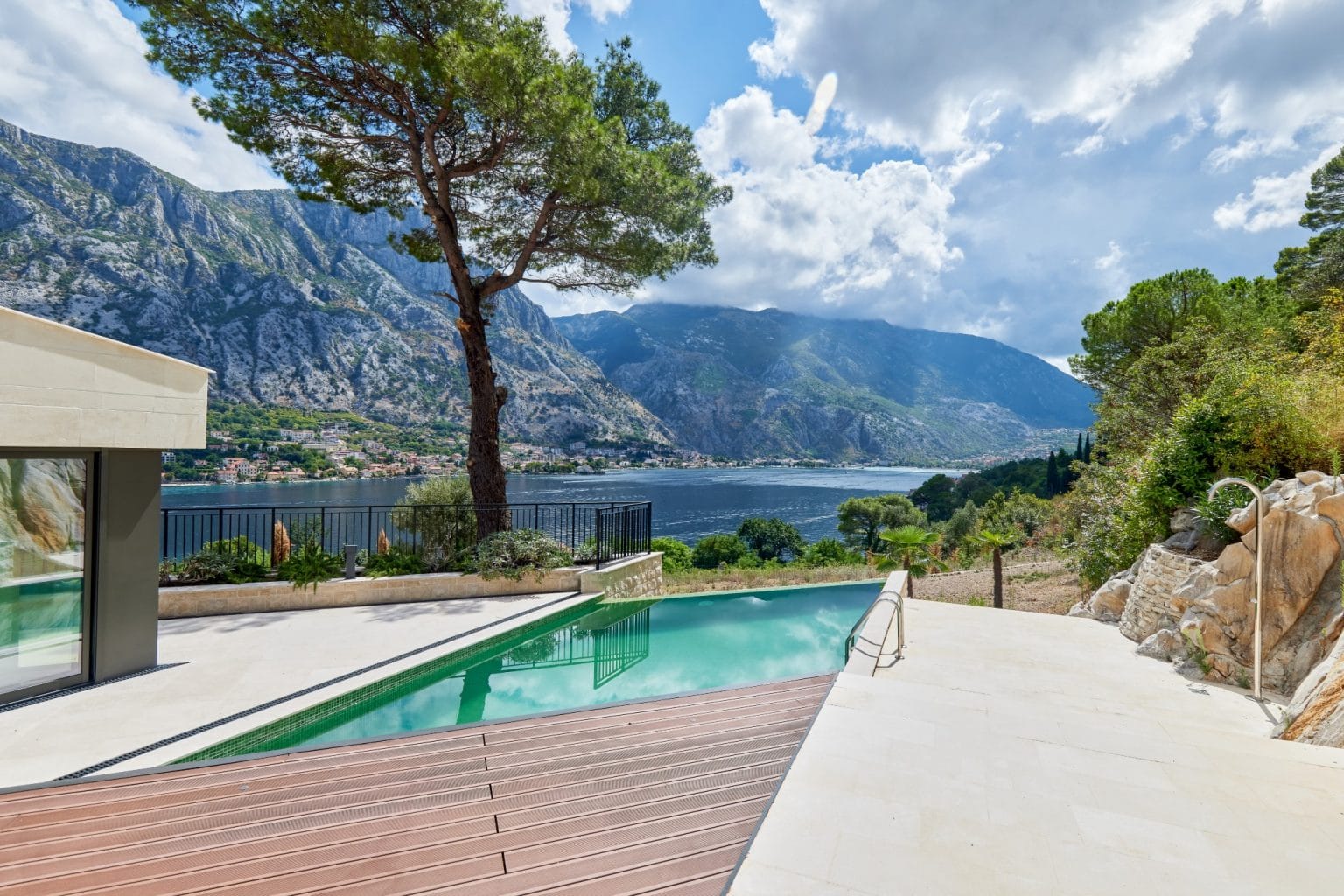
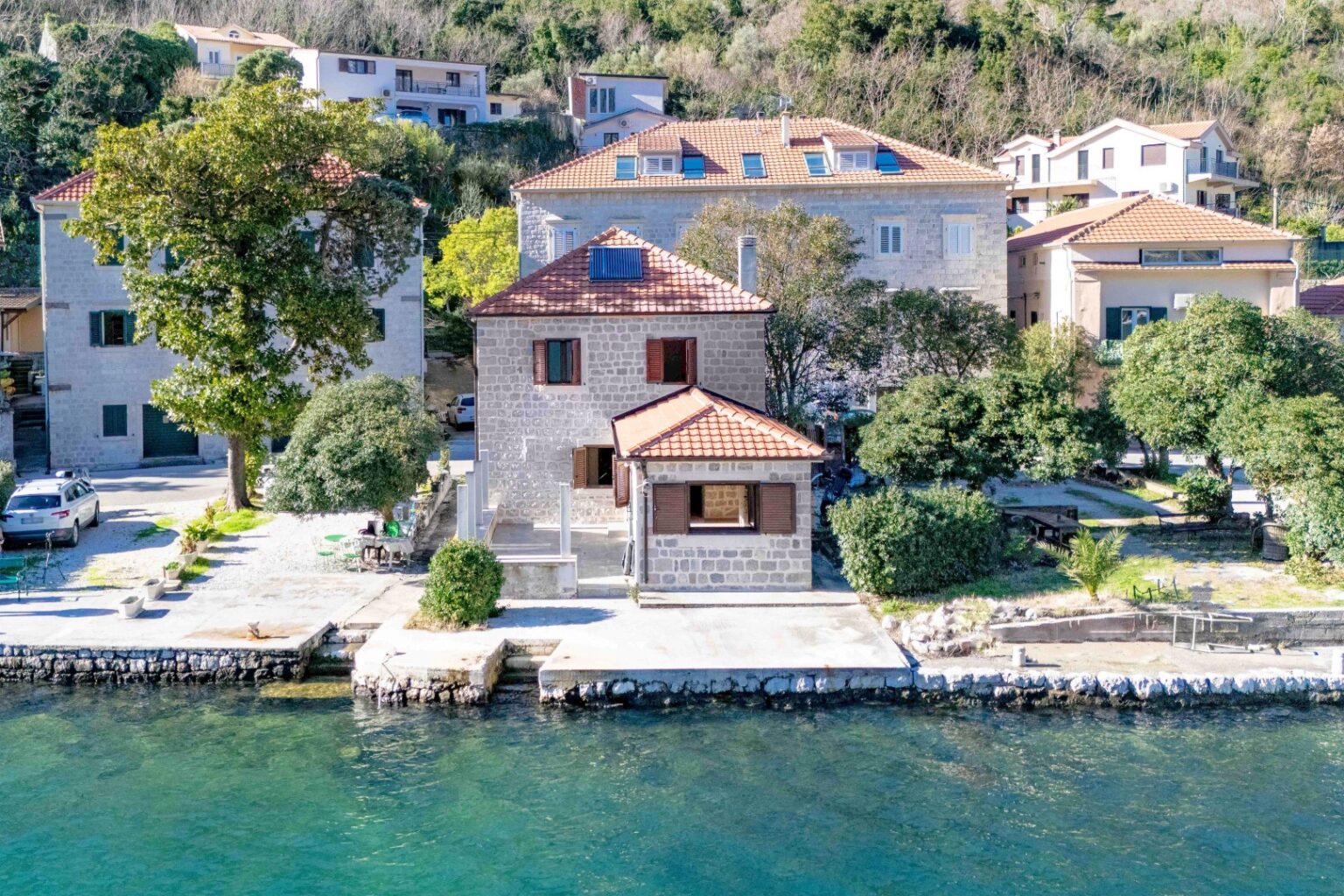
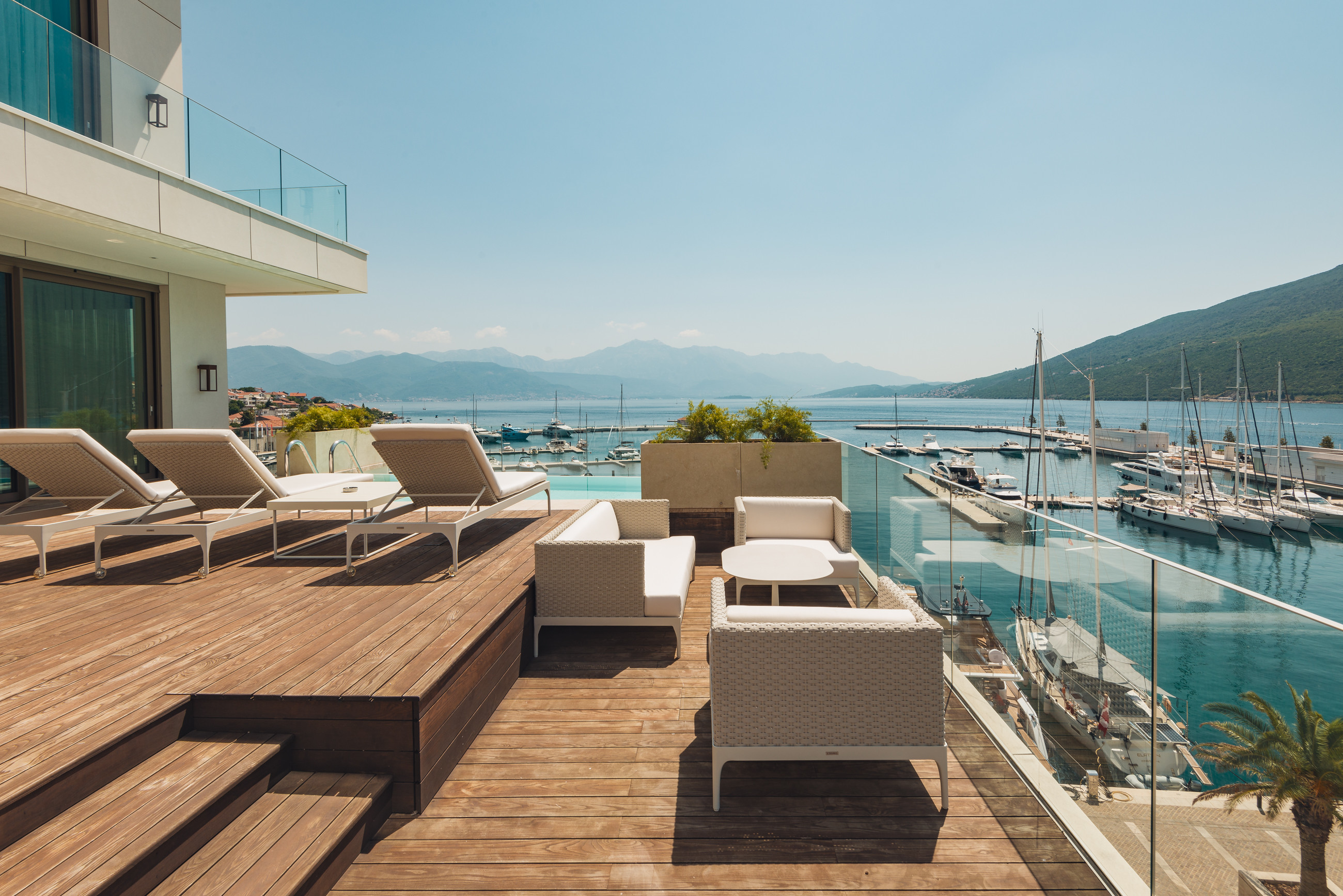
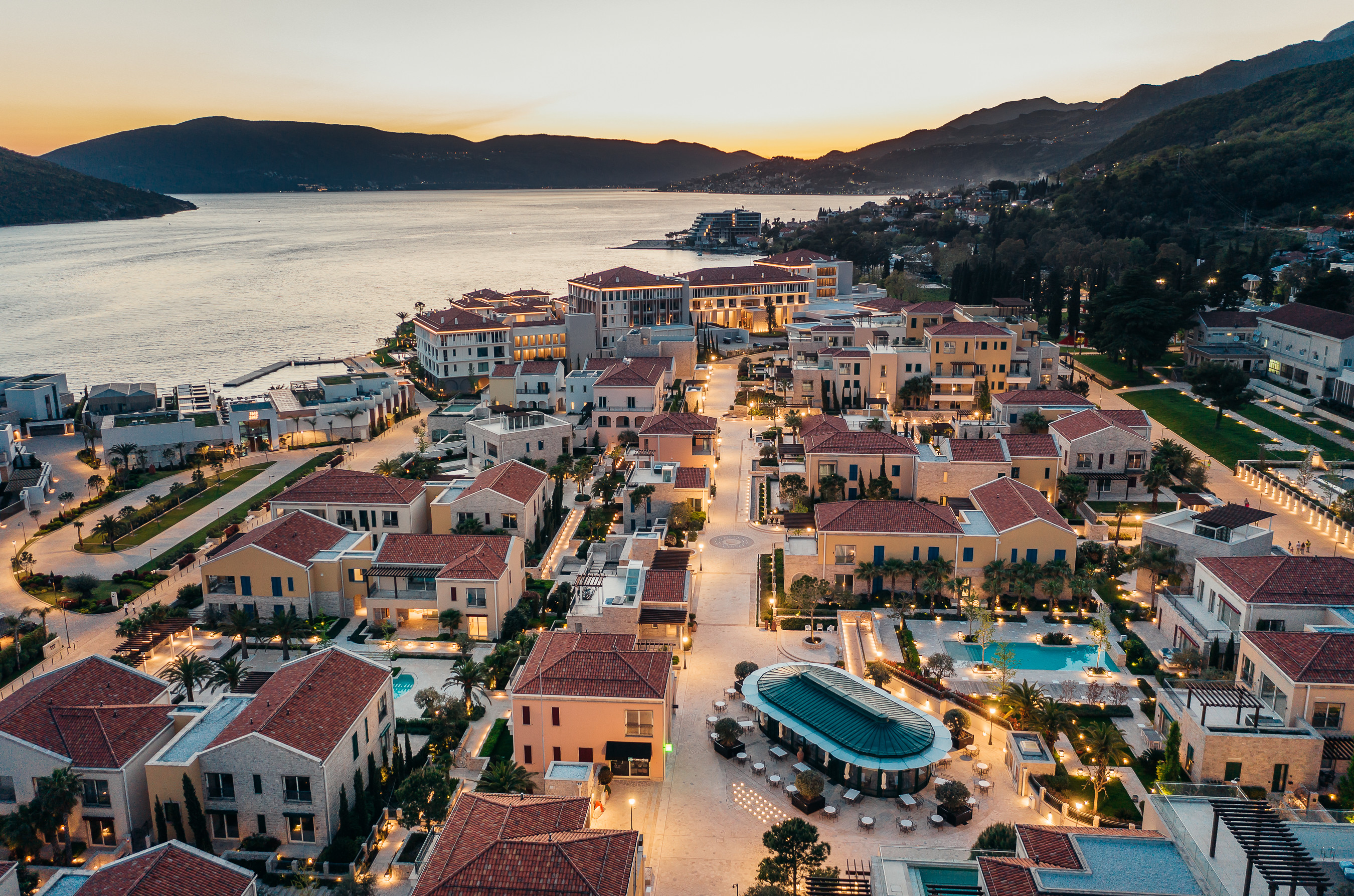
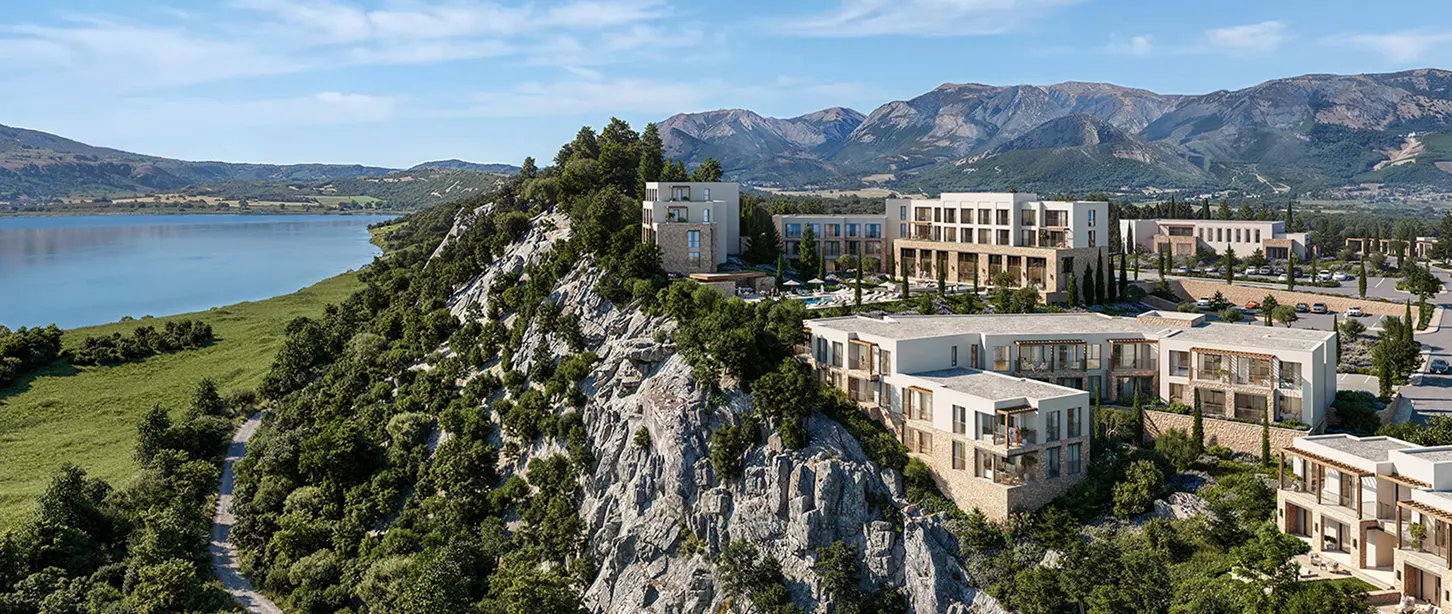
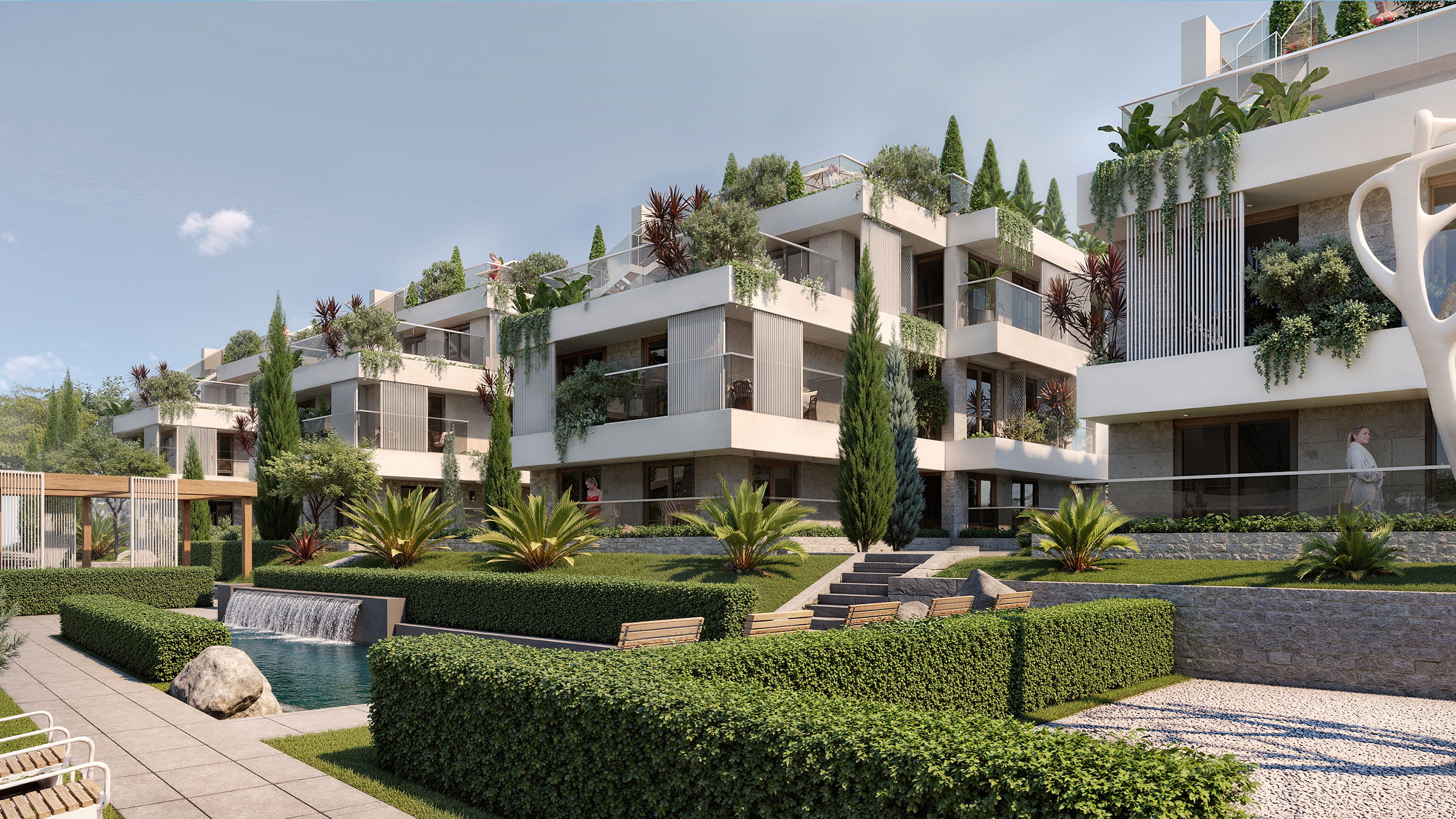
For buyers considering what a completed restoration can look like in the broader Bay of Kotor context, Centuries of Story, One Palazzo Address on the Bay of Kotor illustrates the kind of finished standard that the international market now expects from heritage stock in this region. Across the bay, properties such as Sovereign Bay Views and Five-Bedroom Splendour Above Timeless Kotor and Sovereign Bayfront Living: Five-Bedroom Villa Crown Jewel of Dobrota demonstrate the premium that a combination of position, specification, and coastal prestige commands in this market segment.
Heritage Preservation Rules and Renovation Permissions in Montenegro
Navigating the Ministry of Culture Approval Process
Any buyer considering restoration work inside Kotor Old Town should approach the regulatory framework as a professional obligation, not an administrative inconvenience. All structural and external interventions require formal permits from two separate bodies: the Directorate for Protection of Cultural Heritage, operating under Montenegro's Ministry of Culture, and the municipal planning authority of the City of Kotor. Both processes run in parallel and neither can substitute for the other.
Attempting to carry out works without the required permits carries material consequences. Montenegro's Law on Cultural Heritage gives the Directorate authority to require the reversal of unauthorised works, entirely at the property owner's cost. This is not a theoretical risk. It has been applied to foreign-owned properties, and buyers who proceed without compliance have faced expensive remediation obligations that extended well beyond the cost of the original works.
The permit process itself is thorough but entirely predictable once a buyer is working with the right professional team. Applications to the Directorate must include full architectural drawings, complete material specifications, and for any stonework, documented provenance demonstrating that replacement materials are authentically matched to the original fabric. Heritage-licensed architects with established working relationships inside the walled city understand precisely what submission format the Directorate requires and can prepare documentation that moves through the review cycle efficiently.
Buyers should incorporate permit timelines into their project planning from the point of acquisition. Adding several months to the pre-construction phase is realistic, and treating that period as wasted time misunderstands its purpose. The permit phase is the moment when the quality of the restoration is architecturally specified in detail. Projects with strong submissions tend to be better built.
Montenegro does not at present operate a dedicated tax-incentive regime specifically ring-fenced for heritage property renovation. The broader investment framework for property owners in Montenegro does offer conditions that can be favourable depending on the ownership structure and the buyer's fiscal residency position. Engaging qualified Montenegrin legal counsel to assess applicable exemptions at the individual transaction level is a step that Barok Estates strongly recommends before exchange of contracts.
What Changes Are, and Are Not, Permitted
The heritage framework draws a clear and workable distinction between what the Directorate protects absolutely and what it permits an owner to modify freely.
The elements that are protected and must be restored authentically, rather than altered, include: original stone facades and their surface treatment, window and door proportions together with frame profiles, roof pitch, tile specification, and ridge geometry, and any decorative stonework elements including cornices, quoins, loggia columns, and carved detail.
The elements over which an owner retains considerable freedom include the entire interior specification. Modern plumbing, complete electrical rewiring, underfloor heating systems, HVAC installations, and full contemporary kitchen and bathroom fitouts are all permissible provided the external character of the building is preserved. In practice, a property that from the street presents precisely as a seventeenth-century Venetian merchant's residence can internally meet the standard of a five-star hotel suite. That combination, period exterior authenticity with contemporary interior performance, is precisely the product that the top of the international market seeks.
The regulatory framework is not a constraint on quality. It is a constraint on inauthenticity. Buyers who understand this distinction tend to find the process straightforward. Buyers who approach it as a bureaucratic obstacle tend to struggle. For a wider comparative perspective on how heritage-adjacent luxury markets are structured across southern Europe, our analysis of Apartments on the Costa del Sol: A Market Positioning Guide for International Buyers offers useful context.
Kotor Old Town Property Restoration Costs: What to Budget
Stone House Restoration: Cost Per Square Metre
Restoration costs inside the walled city vary considerably depending on three variables: the structural condition of the building at acquisition, the complexity of the heritage specification required, and the finish standard of the completed interior.
Buyers should distinguish clearly between two categories of project from the outset. Cosmetic renovation, which involves updating interiors in a property whose structural fabric is essentially sound, sits at the lower end of the cost range and is broadly accessible to experienced contractors. Full structural restoration, addressing deep damp ingress, failed lime-mortar joinery, compromised floor structures, and deteriorated facade stonework, is a materially different undertaking and demands specialist trades throughout.
For full structural gut-and-restore projects in the current Kotor Old Town market, Barok Estates' advisory team's experience indicates cost ranges typically falling between EUR 1,500 and EUR 3,000 or above per square metre, depending on scope and specification. A high-specification palazzo restoration incorporating period-authentic joinery, bespoke stone carving, and a full luxury interior fitout sits firmly at the upper end of that range. These figures reflect Montenegro's labour market, which remains considerably more competitive than Western European equivalents. Heritage-approved craftspeople, however, command a meaningful premium over general contractors, and rightly so. The permit conditions require them, and the quality of their work directly affects the finished asset value.
Hidden Cost Categories That Buyers Consistently Underestimate
Several cost categories appear routinely in Kotor Old Town restoration budgets that buyers encountering this market for the first time consistently fail to anticipate at full weight.
Structural surveys at acquisition stage are often more limited than the complexity of the building warrants. A standard visual survey will miss concealed damp within wall cores, deteriorated timber lintels behind plaster, and compromised foundations. Commissioning a specialist structural and heritage survey before finalising an acquisition price is money well spent and frequently results in either a renegotiated purchase price or a cleaner project brief.
Material sourcing is a cost category that surprises buyers accustomed to mainland European supply chains. Authentic limestone matching the original construction fabric is sourced locally or from specified quarries with heritage certification. Lead times are longer, transportation logistics within the walled city require careful coordination, and the price differential between heritage-specified materials and standard construction equivalents is substantial.
Professional fees in a heritage project run higher than in a standard residential renovation. The heritage architect, the structural engineer, the permit consultant, and the legal advisor handling municipal compliance all represent costs that should be budgeted at between twelve and eighteen percent of total construction cost, rather than the five to eight percent applicable in a straightforward domestic build.
Finally, the logistics of working inside a medieval walled city add time and cost that project managers from outside the region consistently underestimate. There is no vehicular access through most of the Old Town. Materials are transported by hand or on small platform trolleys. Working hours are subject to municipal restrictions governing noise and disruption in a residential heritage zone. These factors slow the programme and increase labour costs. They are not variables that efficient project management can eliminate. They are fixed conditions of the site.
ROI and Resale Value: Returns on UNESCO-Protected Property in Kotor
The investment thesis for Kotor Old Town restoration property rests on three compounding factors: acquisition price for unrenovated stock, value creation through restoration, and the structural appreciation dynamic of a supply-constrained UNESCO-designated market.
Acquisition pricing for unrenovated or partially deteriorated properties inside the walls still reflects a significant discount relative to comparable finished stock in equivalent Mediterranean heritage markets. Buyers acquiring at that stage and executing a high-quality restoration to the standard the international market expects are capturing a spread that is difficult to replicate in more liquid or more mature European property markets.
Rental income potential for premium restored properties in Kotor Old Town has strengthened materially as the short-term luxury rental market in the Adriatic has matured. Montenegro's developing tourism infrastructure, combined with the uniqueness of an Old Town address, supports strong occupancy rates and premium nightly rates for properties positioned correctly. The Montenegro Real Estate Investment in 2026: Market Intelligence, Yields and Honest Analysis provides a detailed and balanced assessment of yield expectations across property categories in the current market.
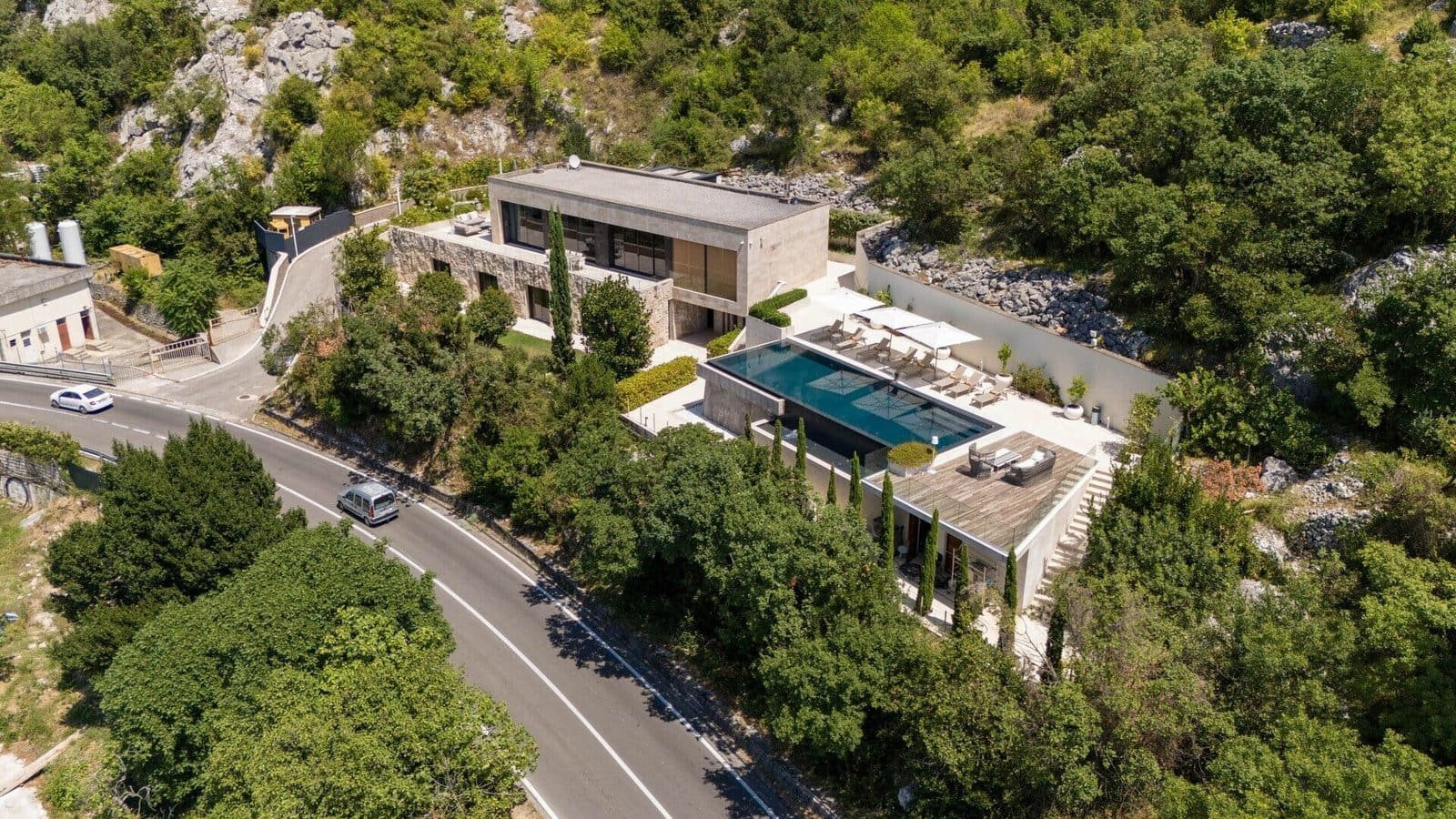
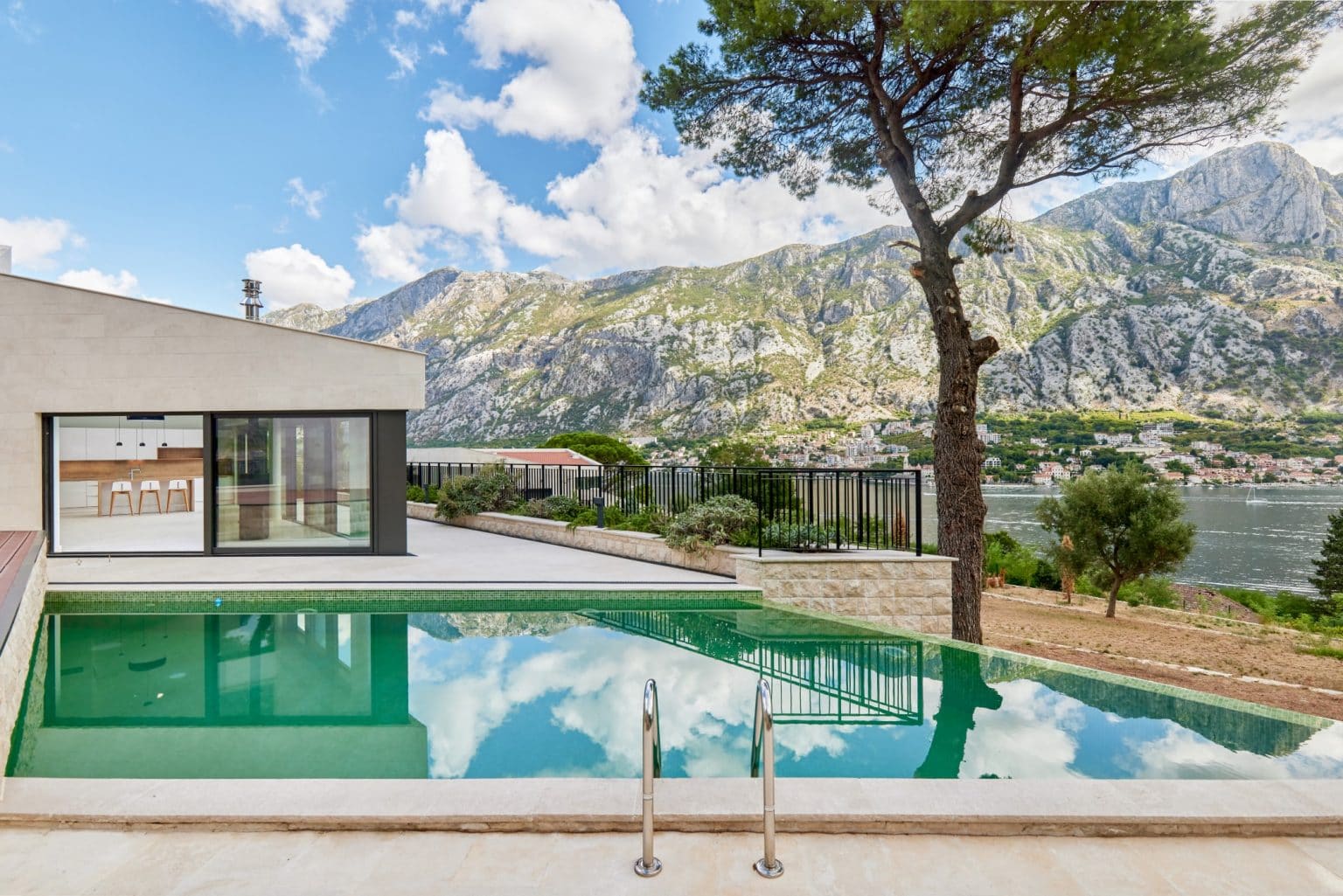
For buyers seeking the full expression of bayfront luxury beyond the walls, Bayfront Villa Living, Elevated to Five-Star Heights Above Kotor Bay illustrates the premium specification standard that the top of the Bay of Kotor market now supports, providing a useful reference point when positioning a completed Old Town restoration for sale or rental.
Resale liquidity for completed, compliant, high-specification restorations has improved as the international buyer pool for this market has deepened. The absence of new competing stock, the UNESCO-protected status, and the ongoing EU accession trajectory combine to support the view that well-executed restorations acquired at today's pricing will operate in a more competitive transactional environment in the medium term.
The key qualifier throughout is execution quality. A restoration completed with authenticated materials, full permit compliance, and a luxury interior specification occupies a different market position entirely from a renovation carried out with expedient materials or without proper heritage approval. In a market as small and transparent as Kotor Old Town, the distinction is immediately apparent to any qualified buyer.
---
Barok Estates International Advisory Note
Barok Estates International advises international buyers on heritage and luxury residential property across the Bay of Kotor, Montenegro's Adriatic coast, the Costa del Sol, and London. Our team combines on-the-ground market access with advisory rigour across acquisition, restoration planning, and portfolio strategy. If you are considering an acquisition inside Kotor Old Town or across the wider Bay of Kotor region, we welcome the opportunity to provide a confidential briefing tailored to your objectives. Contact our Montenegro desk directly to arrange a consultation.









.jpg)