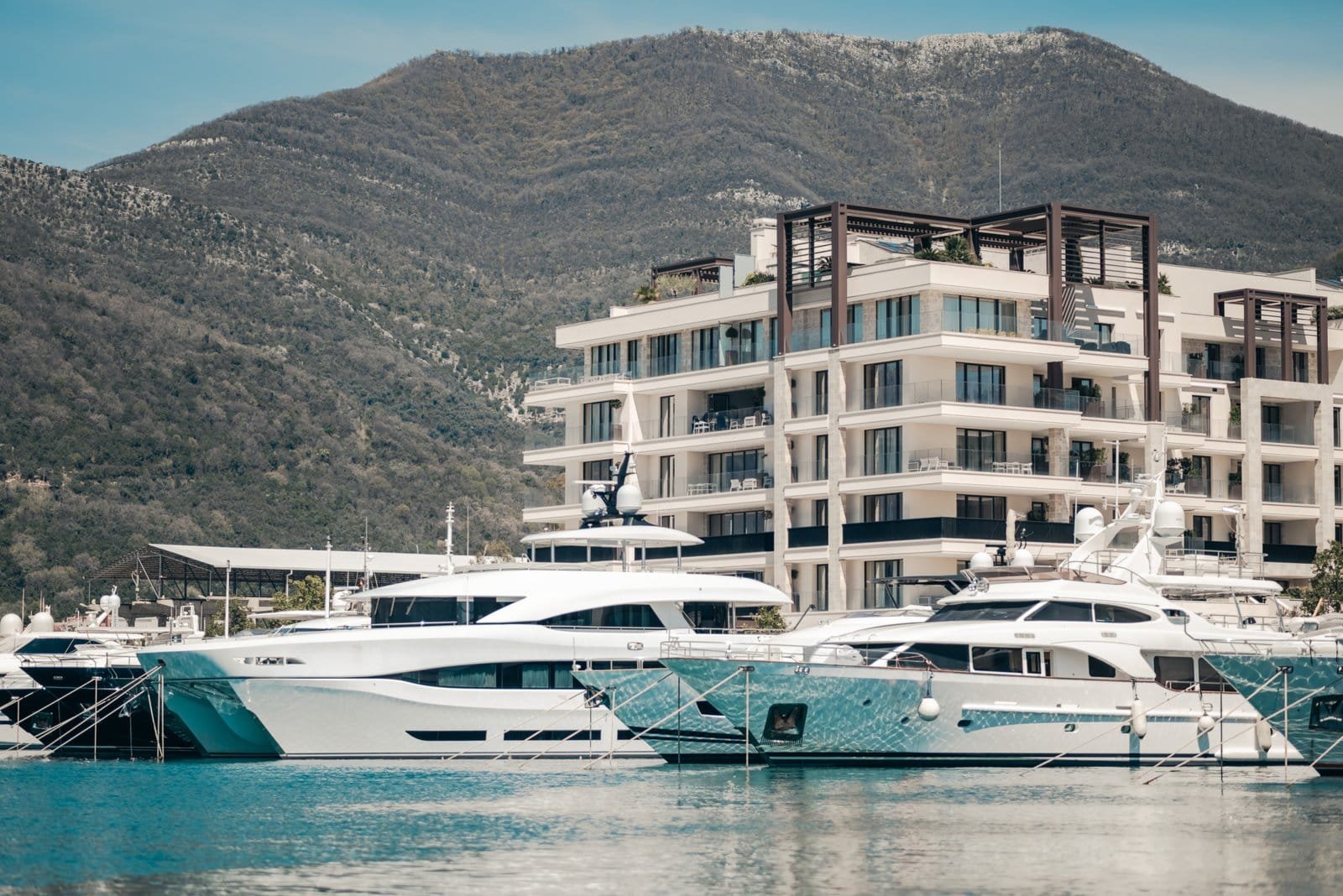
Why Tivat Marina Is Montenegro's Standout Micro-Market for Investment
Very few places along the Adriatic coastline manage to satisfy both the investment spreadsheet and the desire for a genuinely exceptional place to own property. Tivat does. For buyers assessing a waterfront apartment in the marina district, the conversation goes well beyond water views and sundrenched terraces. It centres on a convergence of demonstrable yield potential, a favourable monetary environment, and a resale profile that competes comfortably with more established Mediterranean addresses. This guide, prepared by the Barok Estates International advisory team, sets out why Tivat's marina quarter has become the region's most closely watched micro-market, what returns a buyer can realistically expect, and what any foreign purchaser should understand before proceeding.
Montenegro's coast is lined with towns that each make a credible case for attention. Tivat makes a different argument entirely. It is not competing on cobblestone charm or medieval walls. It is competing on built infrastructure, access to an internationally connected airport, and a demonstrable history of attracting serious capital from Gulf, European, and North American buyers. That distinction is important. It separates a speculative bet on emerging appeal from a considered allocation into an already-functioning premium market.
For buyers who want to begin with the property itself before working through the investment case, Porto Montenegro Apartments for Sale: 2026 Buyer and Investment Guide provides a strong starting point on available stock and pricing context across the marina village.
From Naval Yard to Luxury Marina: Tivat's Transformation
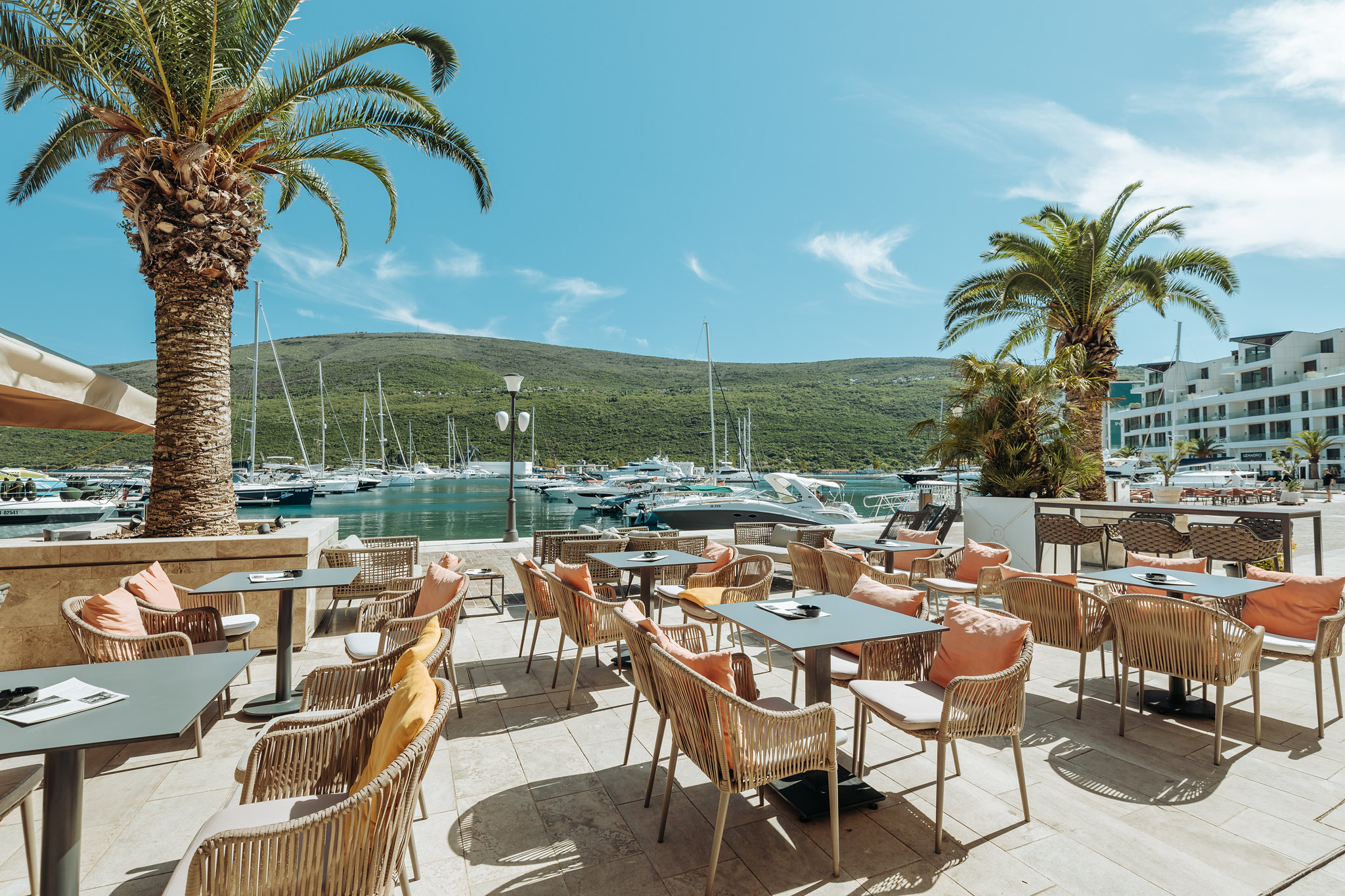
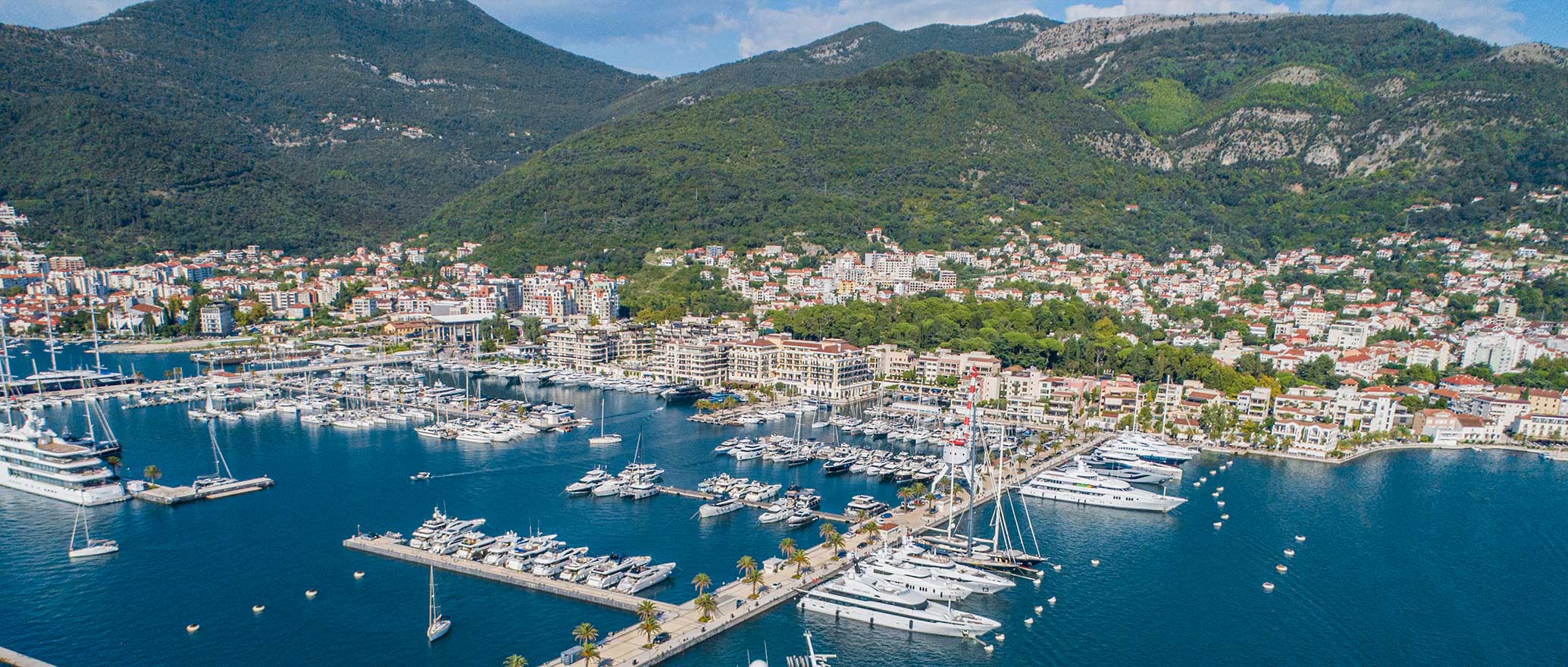
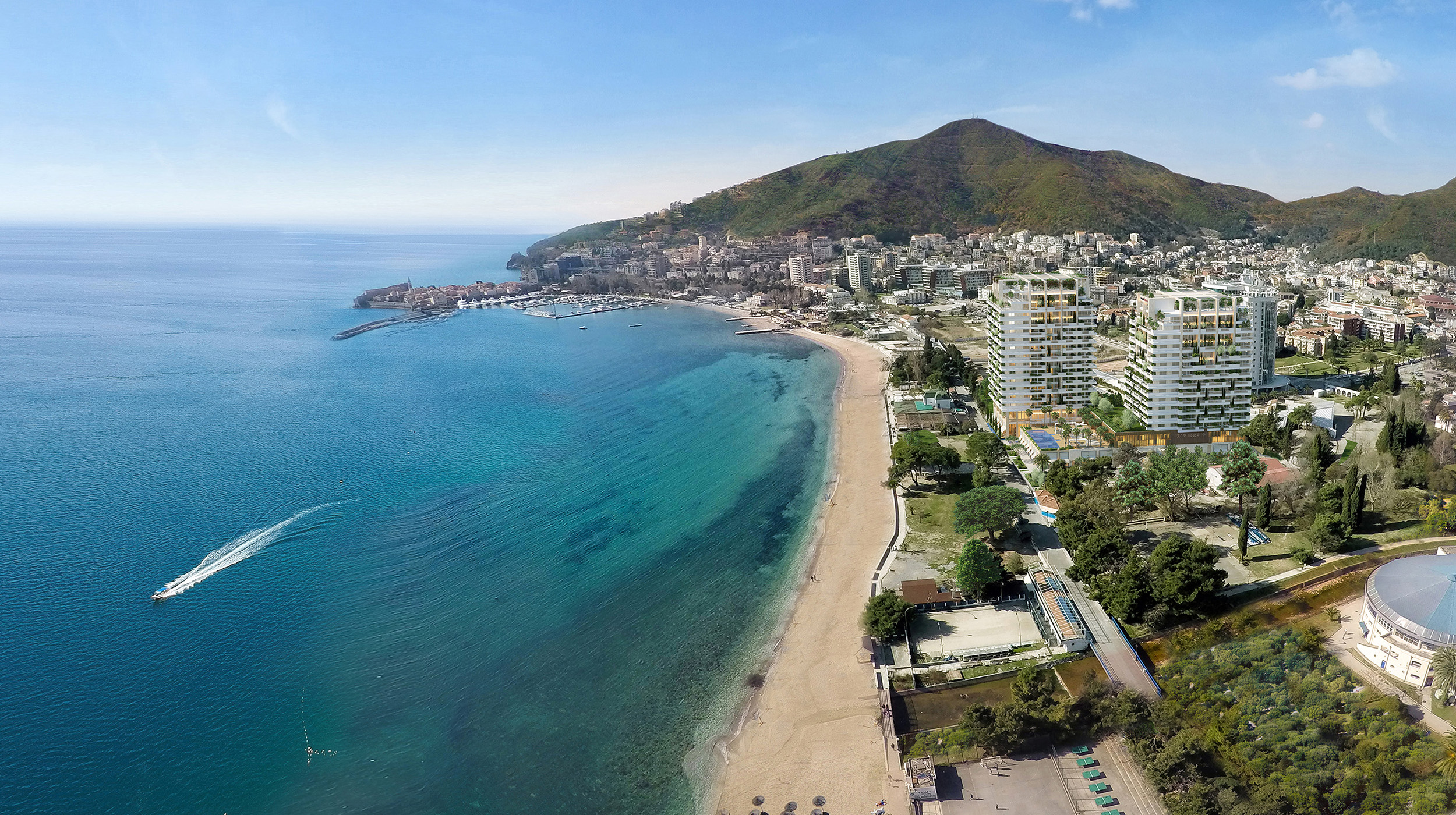
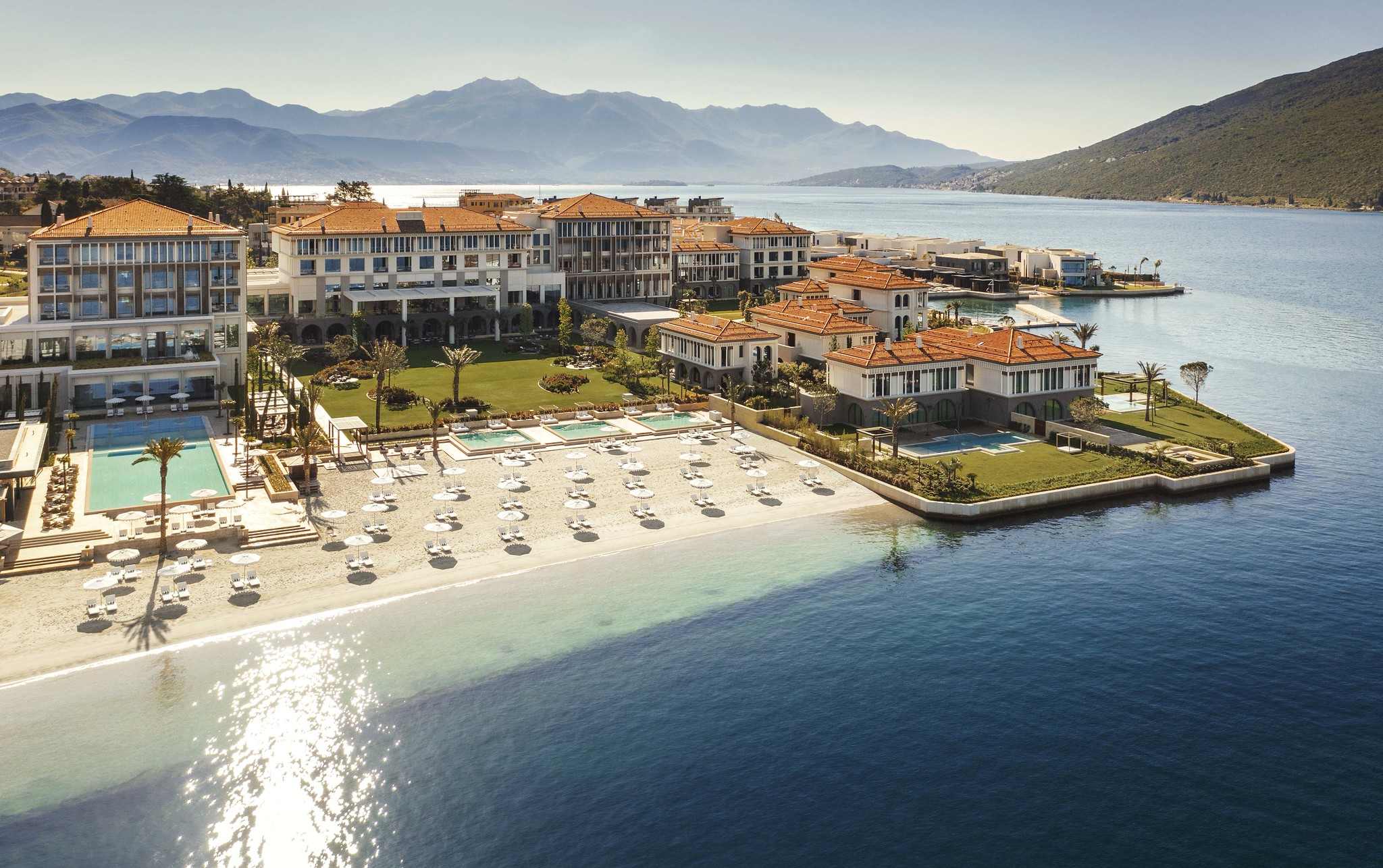
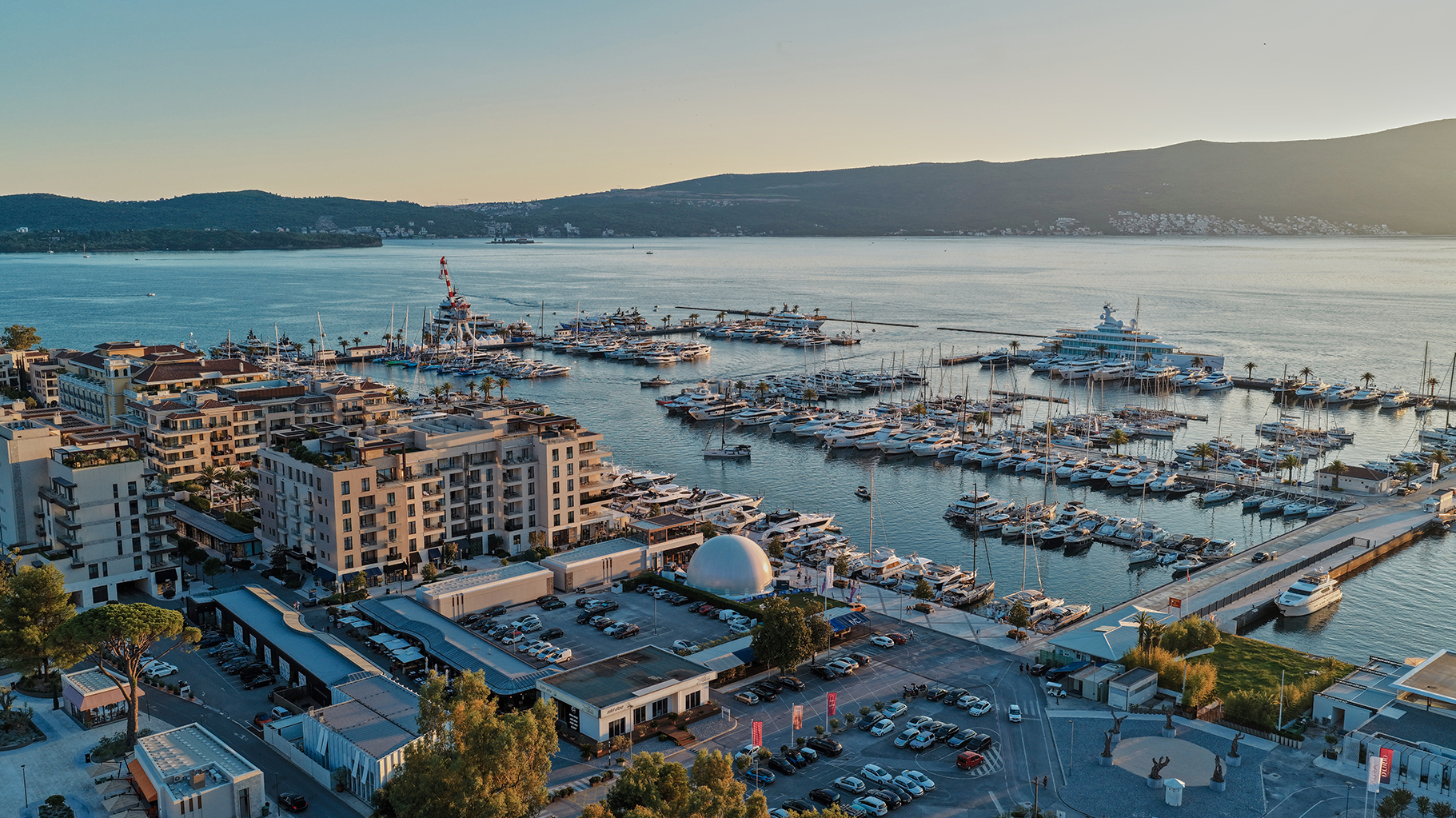
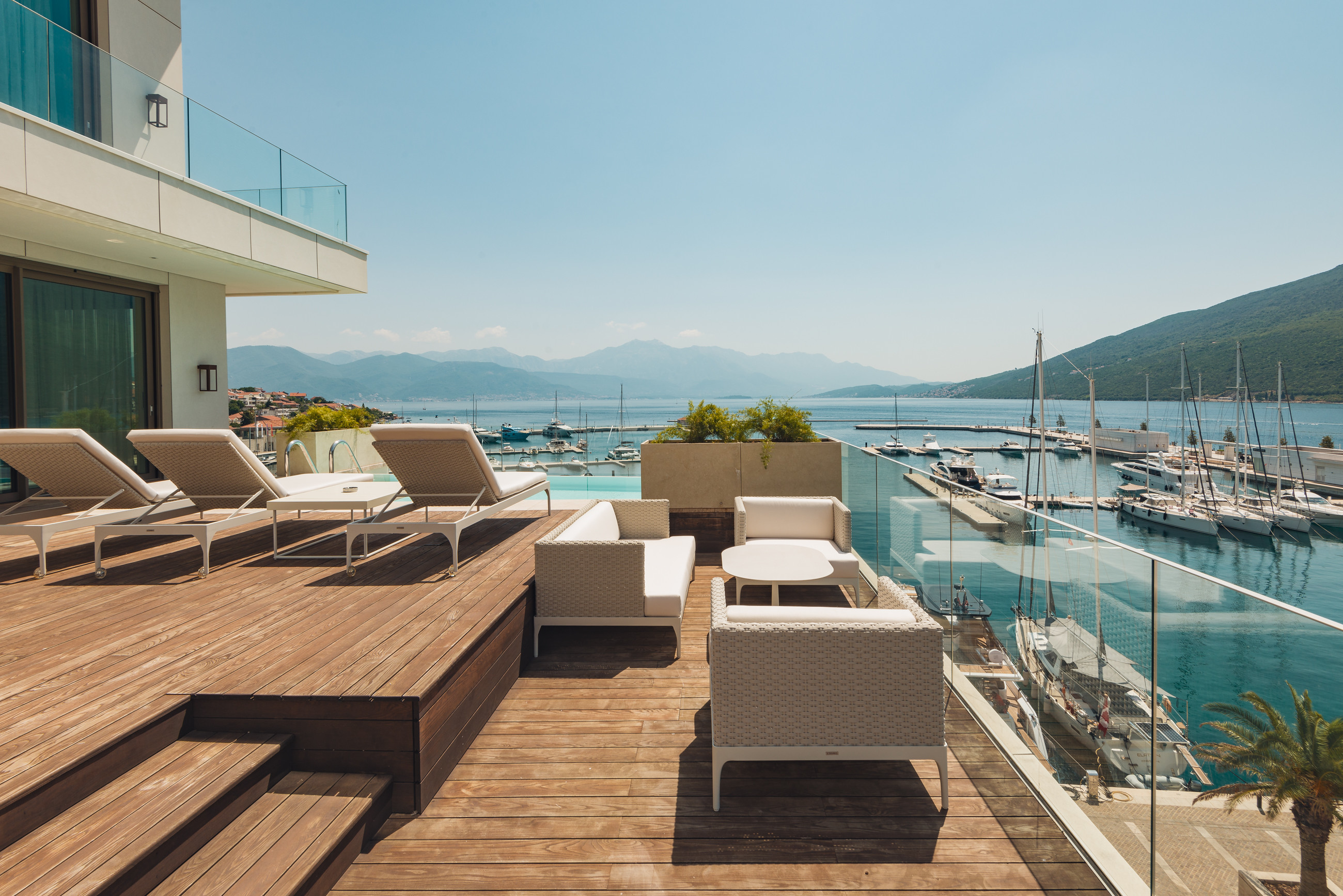
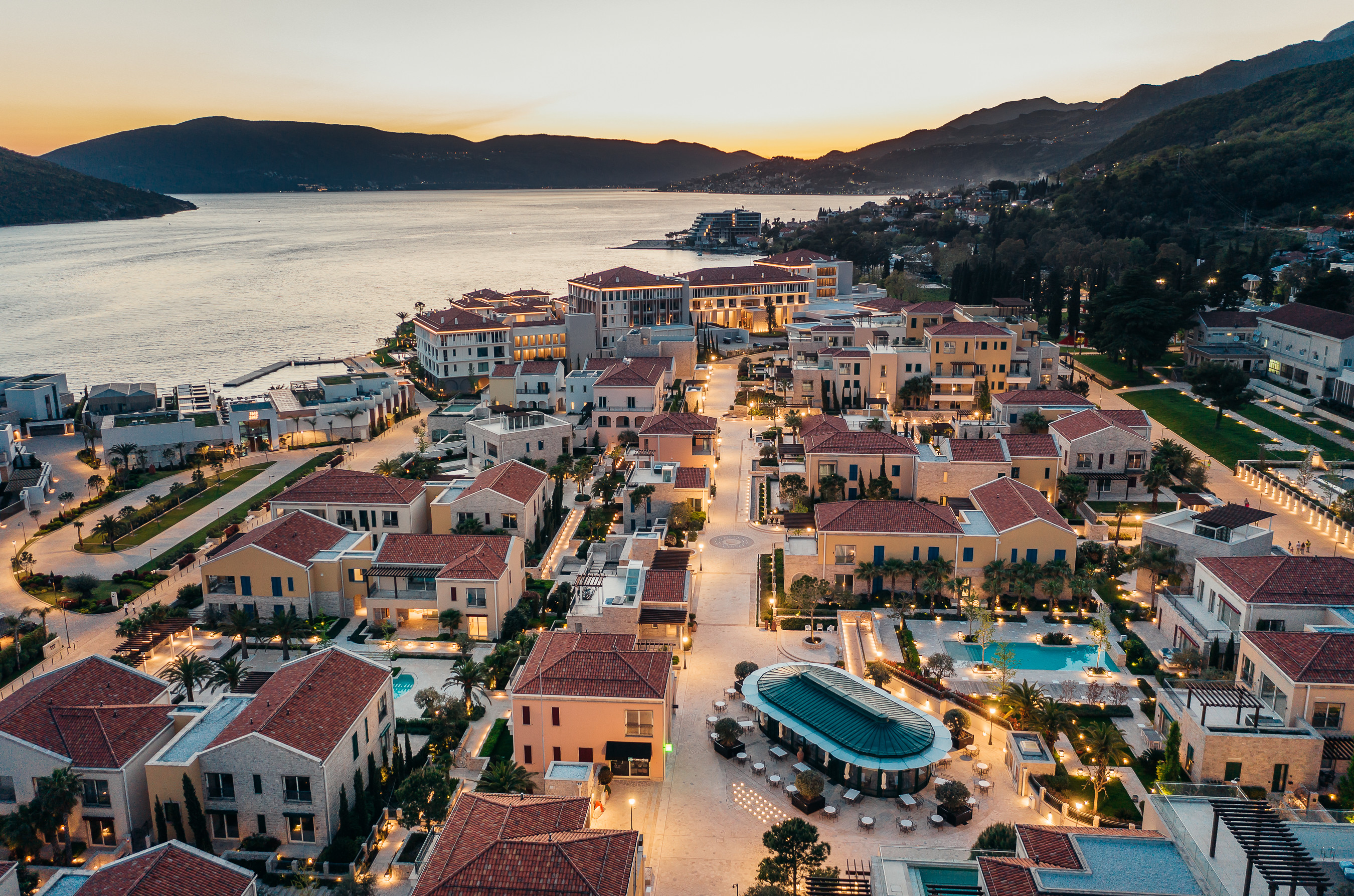
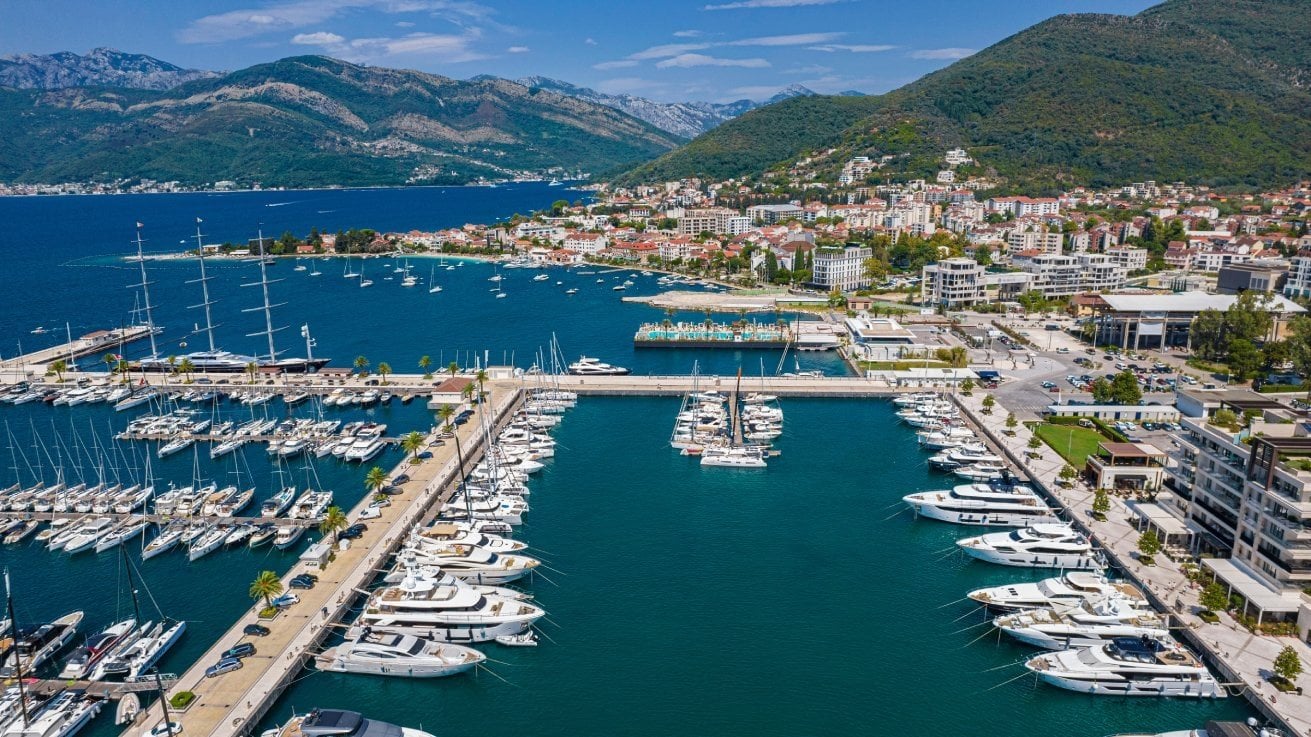
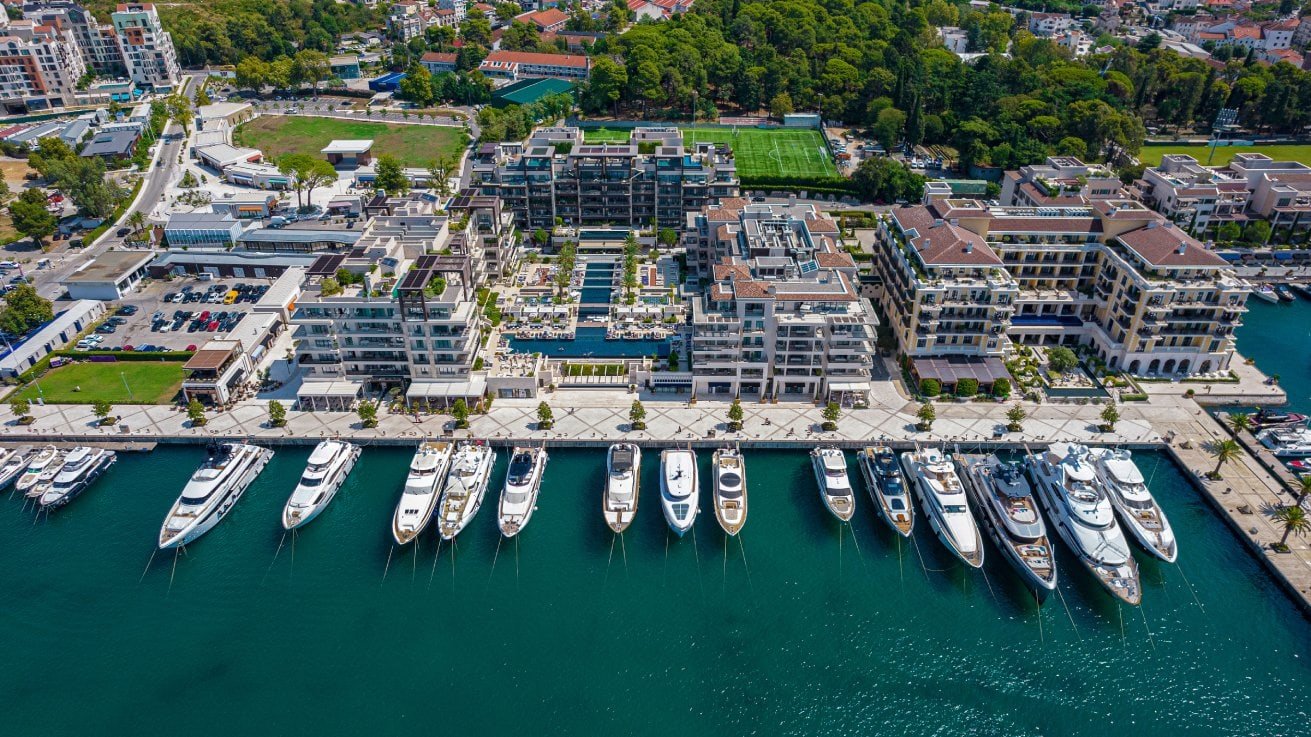
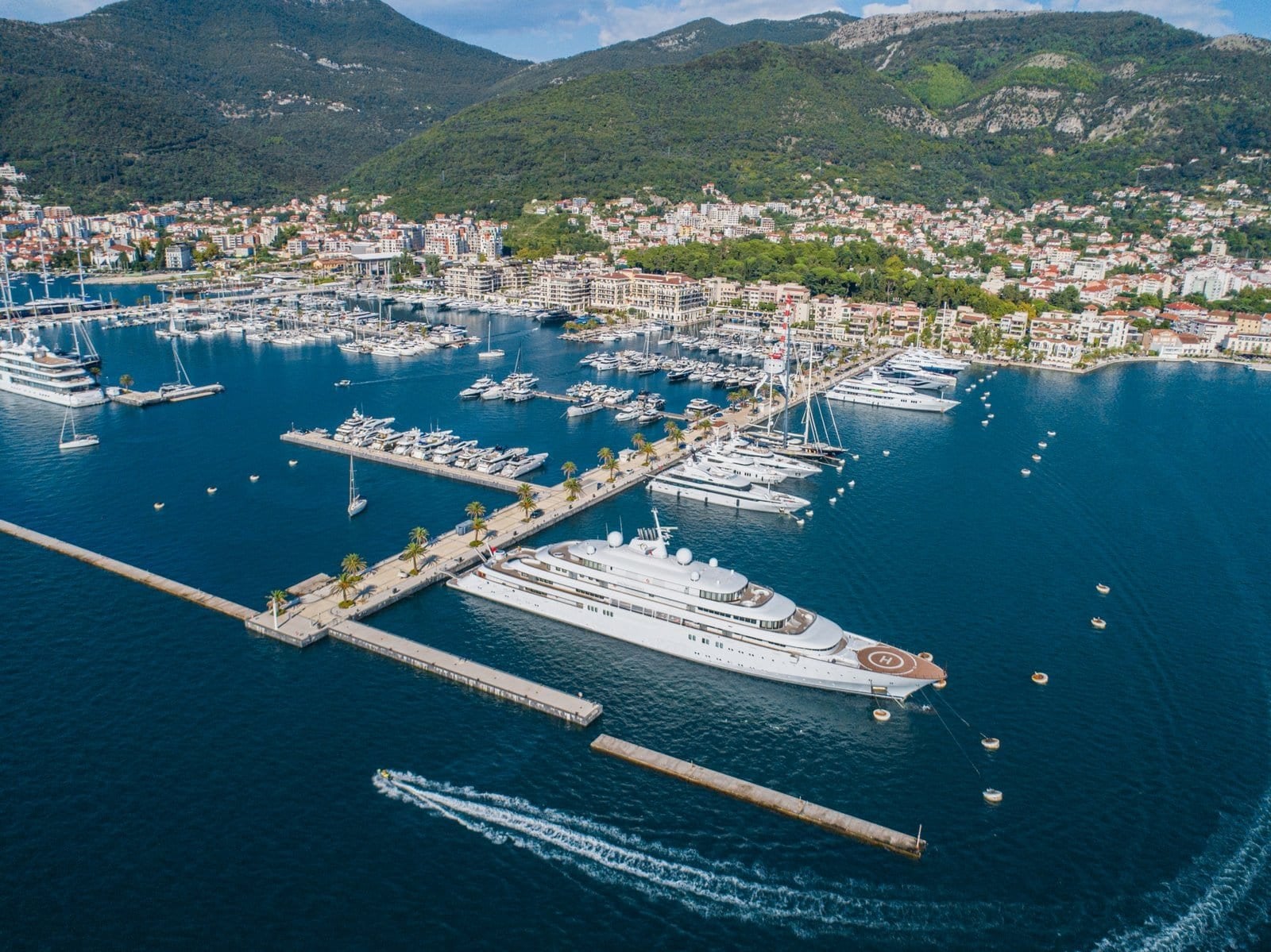
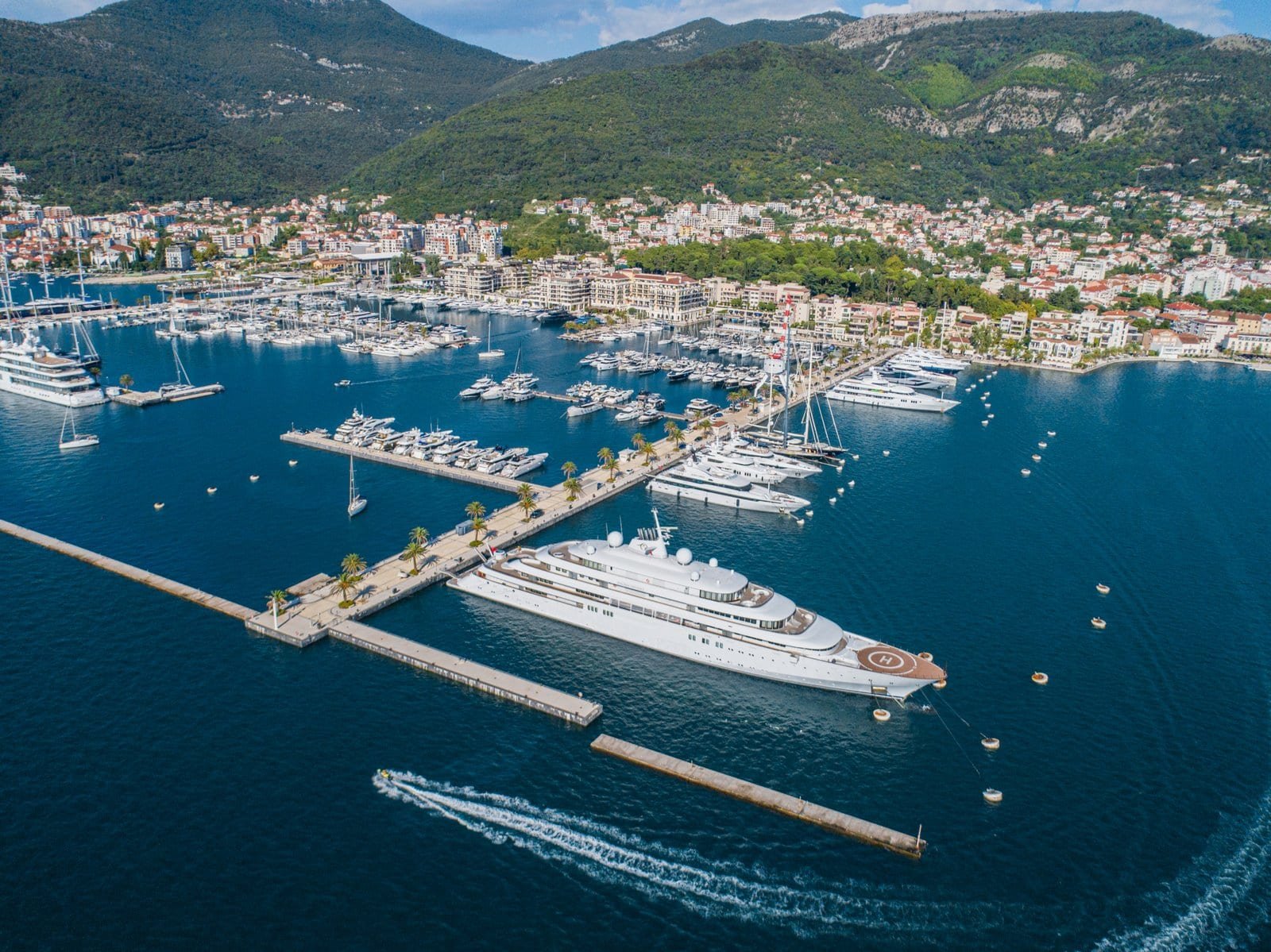
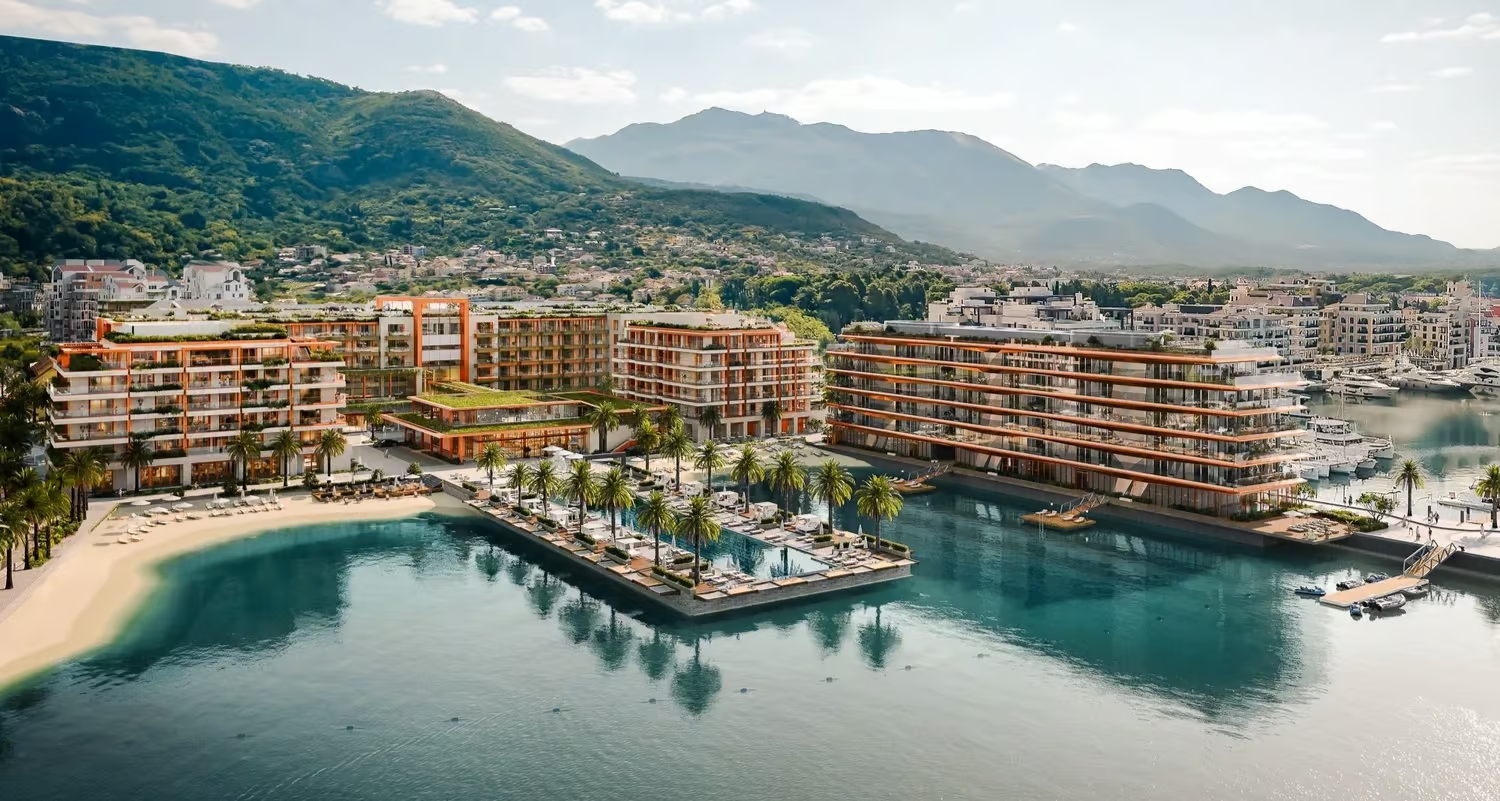
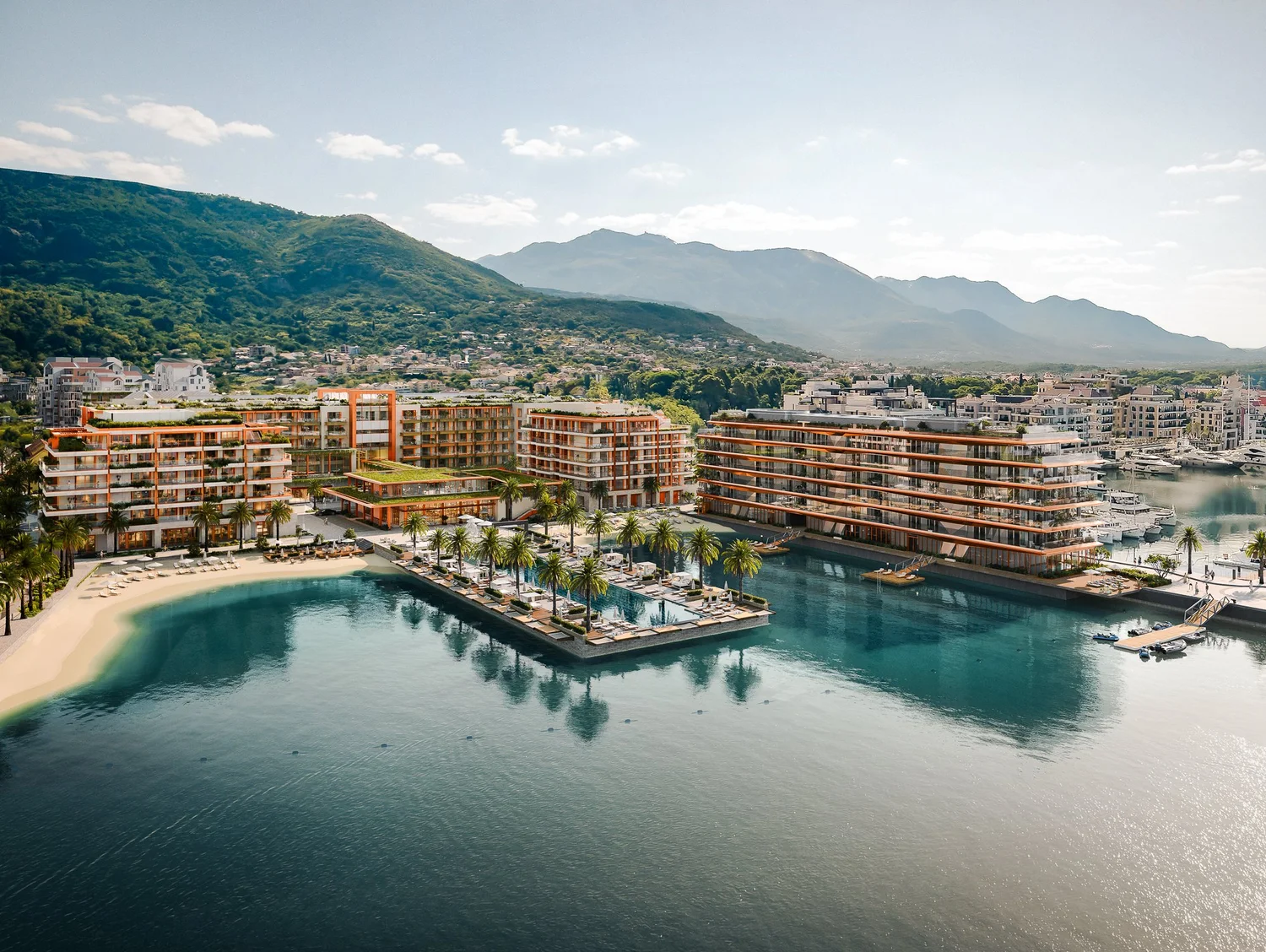
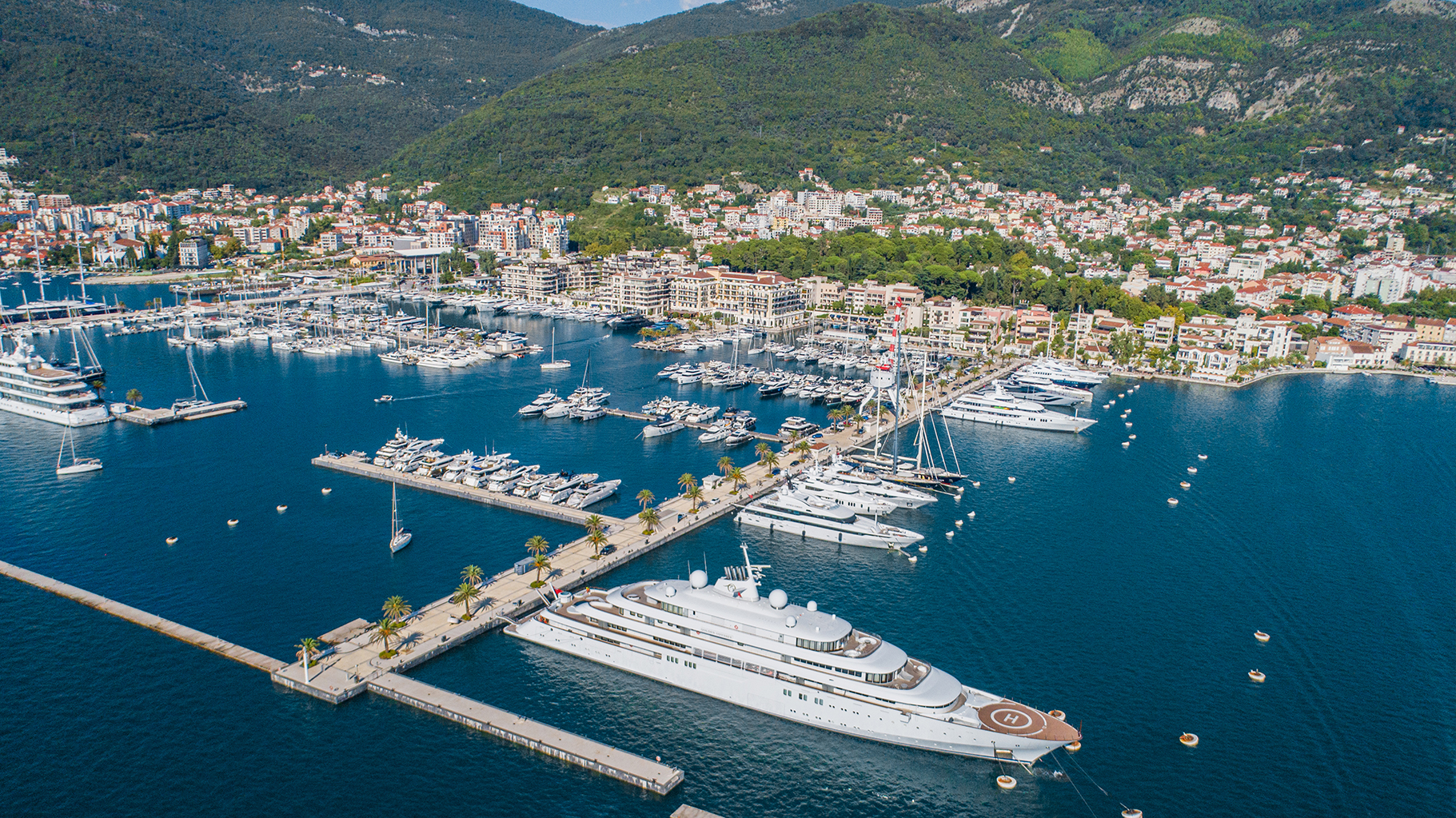
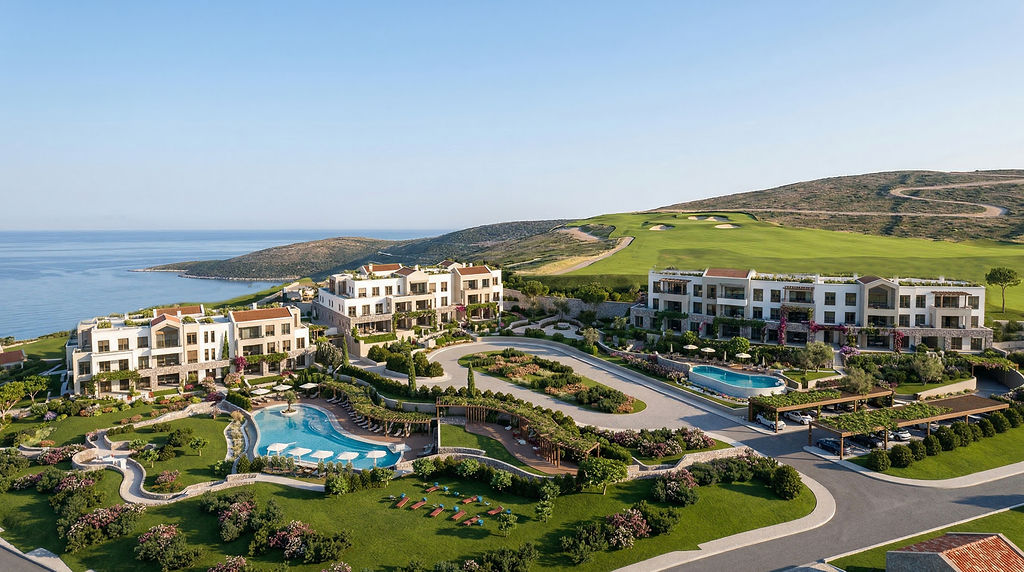
Tivat's current status as a destination for international capital did not arrive gradually. It was anchored by a single, large-scale redevelopment decision: the conversion of a former federal naval facility into Porto Montenegro, one of the Adriatic's most capable superyacht marinas. The project introduced deep-water berths accommodating vessels of significant size, alongside a curated promenade, international hotel flags, boutique retail, and restaurants designed to serve a globally mobile clientele.
The effect on Tivat's surrounding property market was structural, not cosmetic. Developers who had previously focused on Budva or the Dubrovnik hinterland began acquiring sites around the bay. International hospitality brands arrived. Buyers who had dismissed Montenegro as peripheral to their Mediterranean shortlist began taking meetings. That sequence of events reset the town's price floor and, critically, established the kind of resident and visitor profile that sustains premium short-term rental demand.
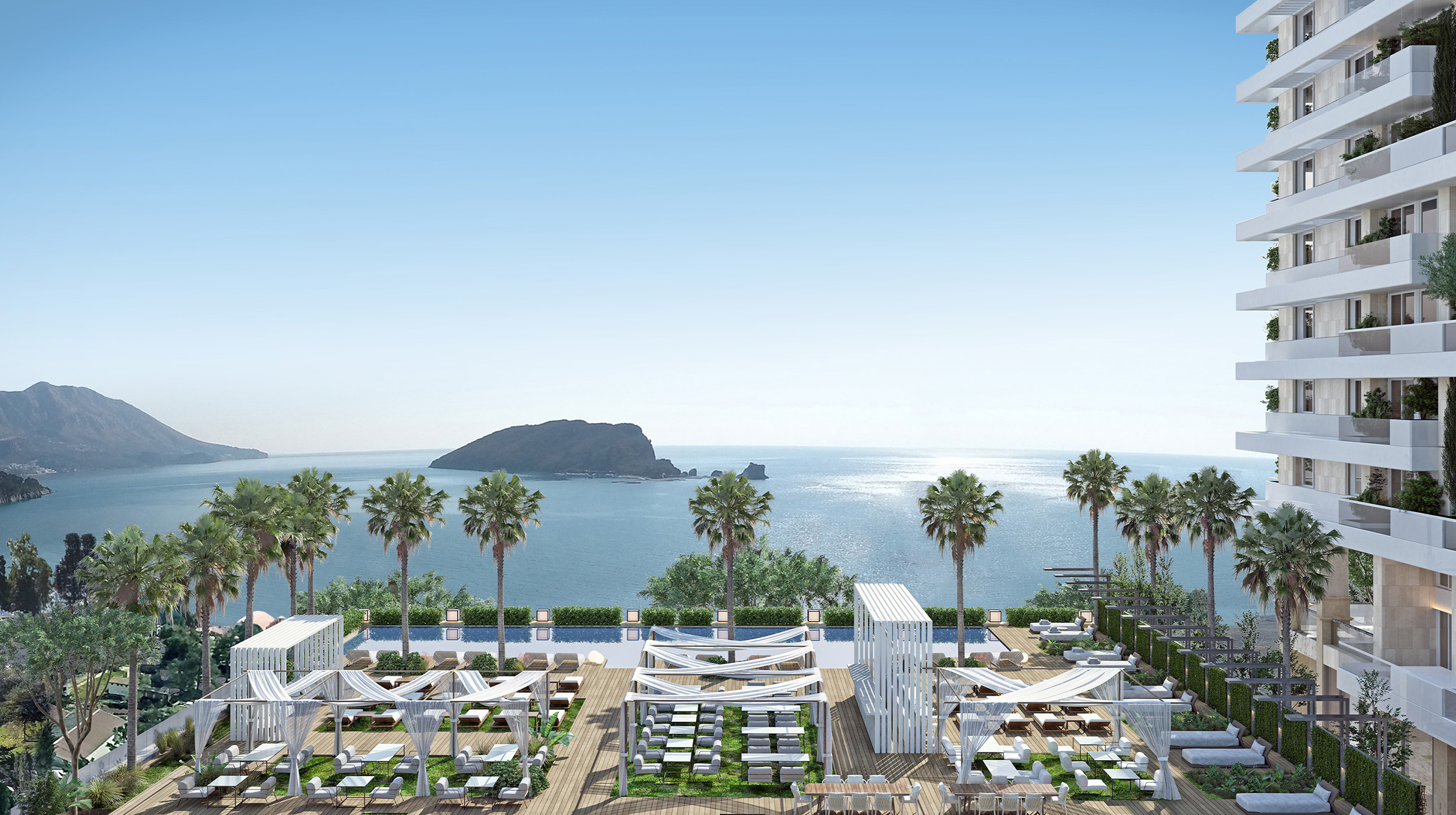
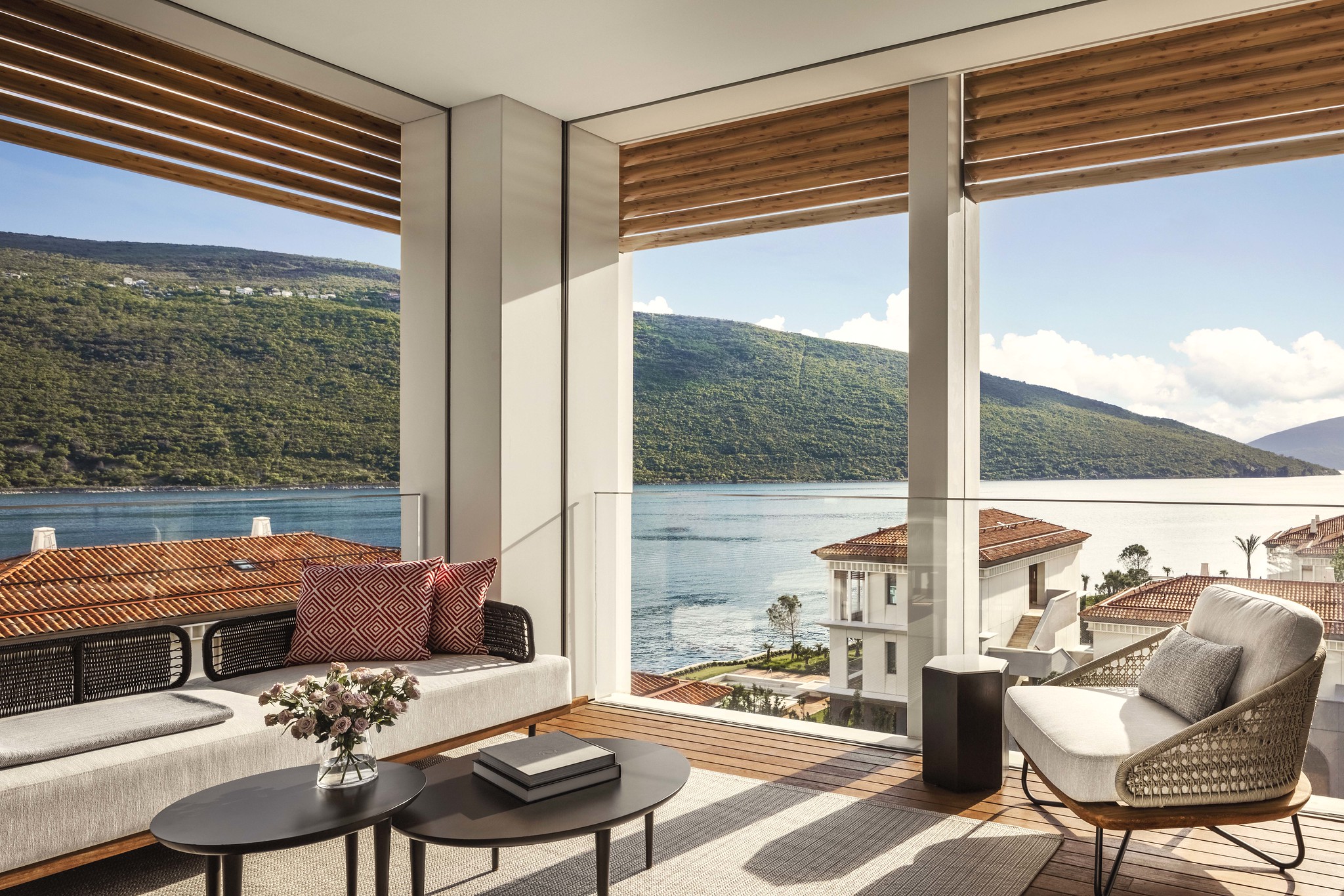
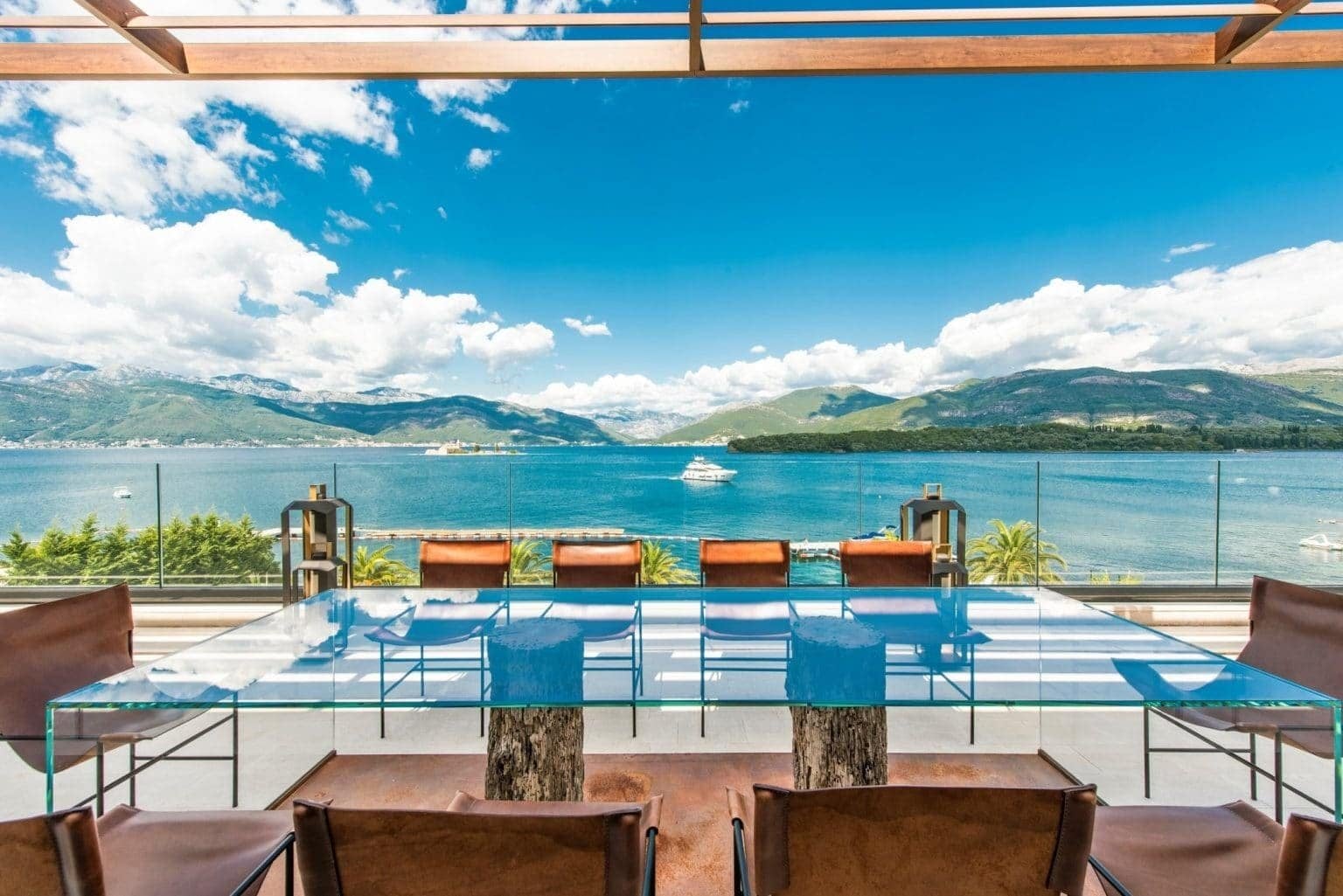
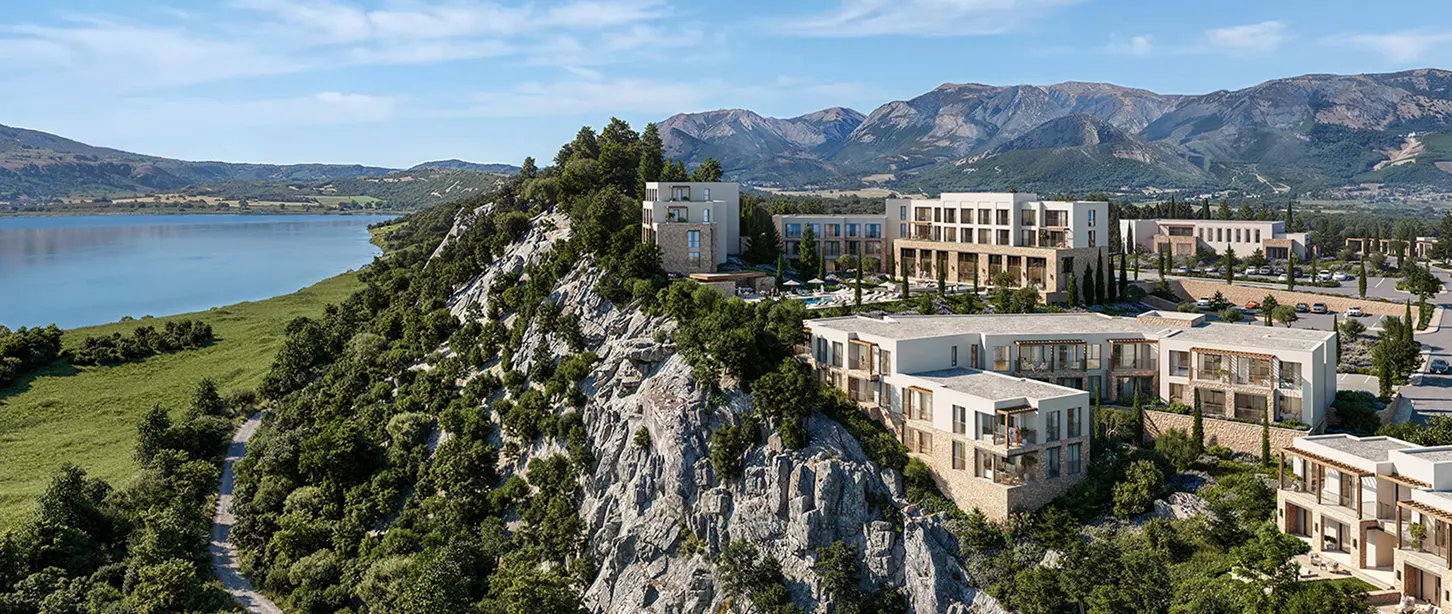
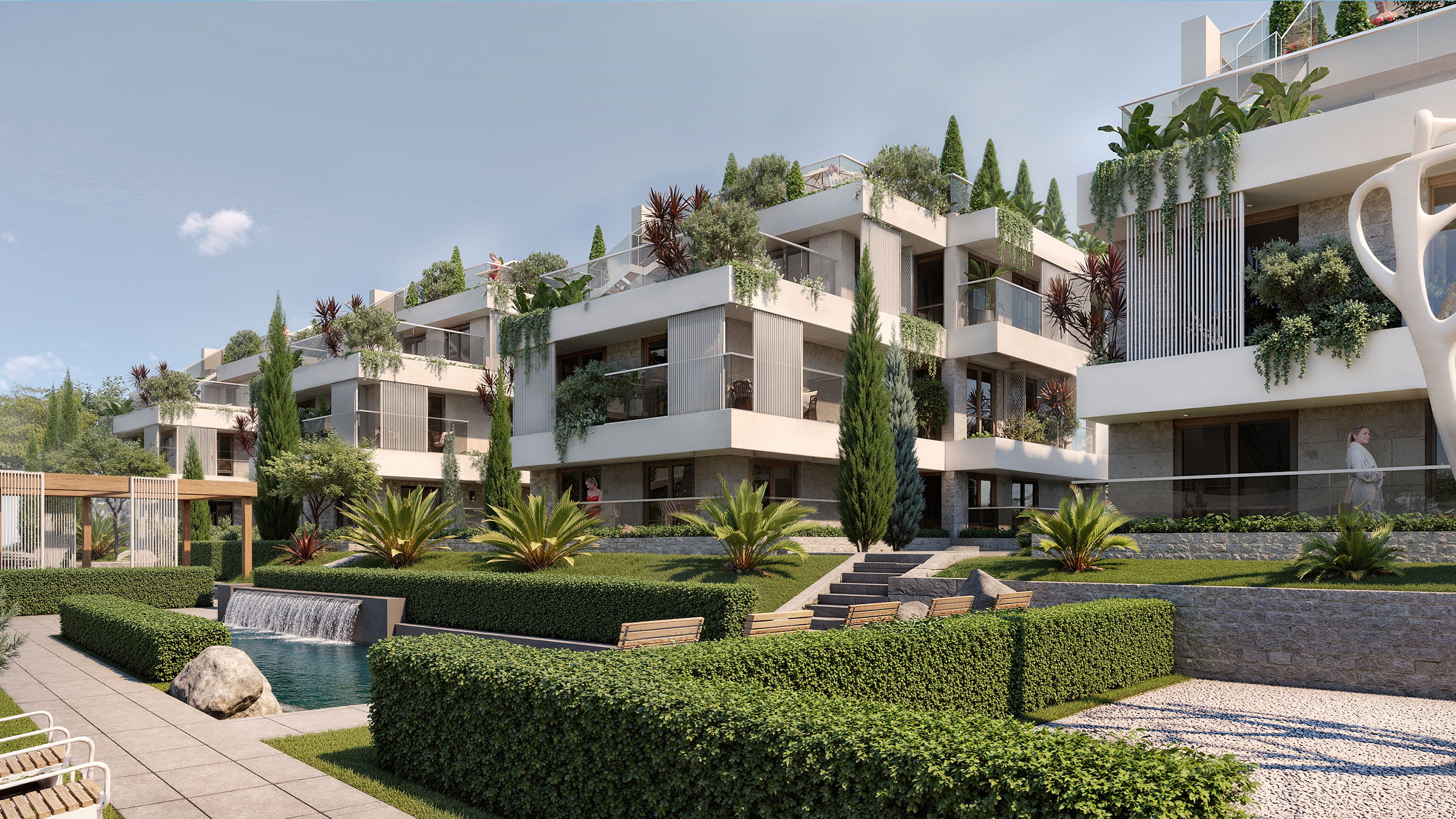
Properties at the apex of this transformation include addresses such as the Elevated Living Above the Adriatic: Porto Montenegro's Finest Rooftop Penthouse, a residence that illustrates precisely how far the marina district's residential offering has travelled from its industrial origins. The contrast with what occupied that waterfront two decades ago is instructive for any buyer trying to understand the long arc of value creation in this market.
How Tivat Compares to Kotor Bay and Budva for Investors
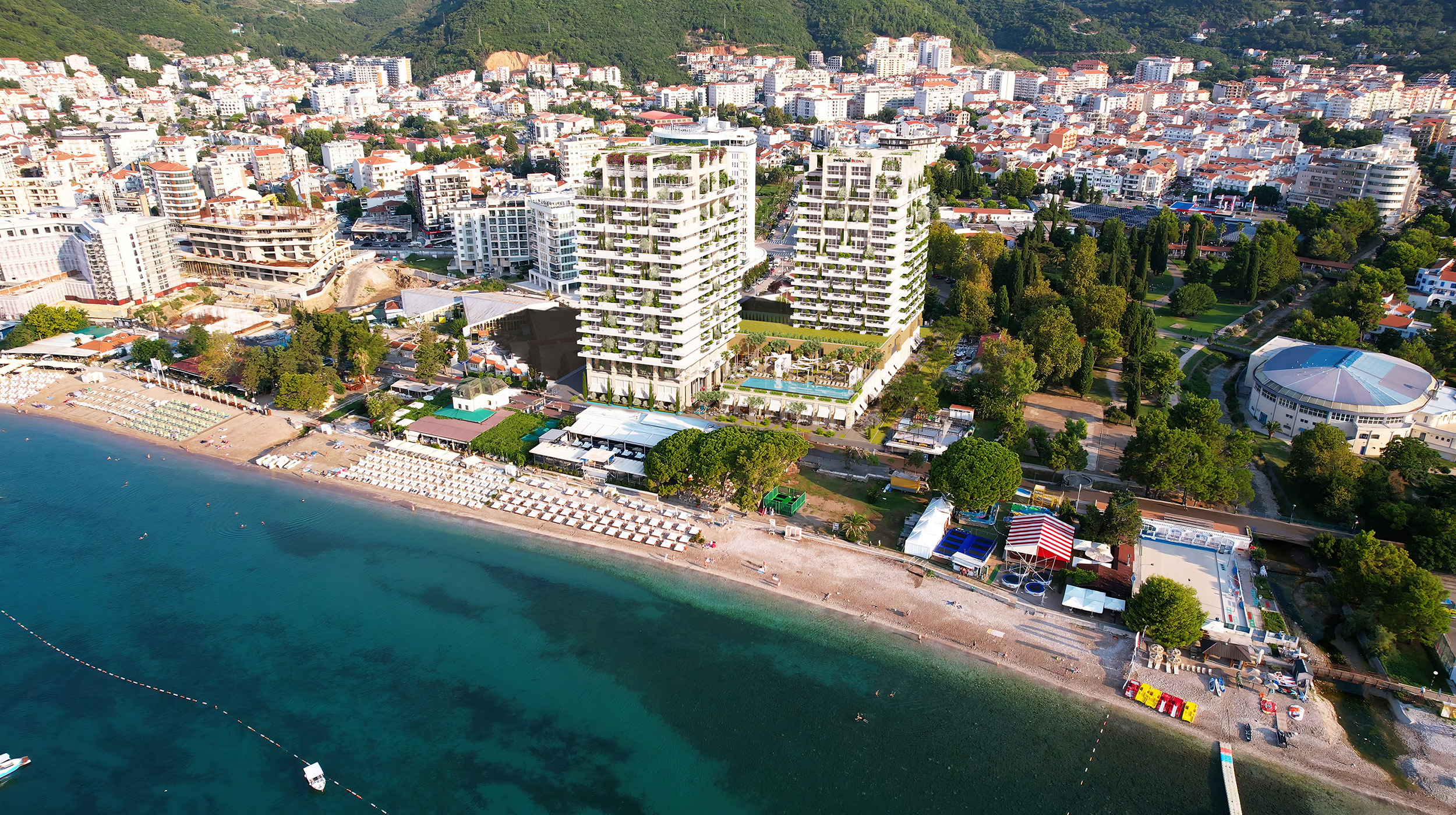
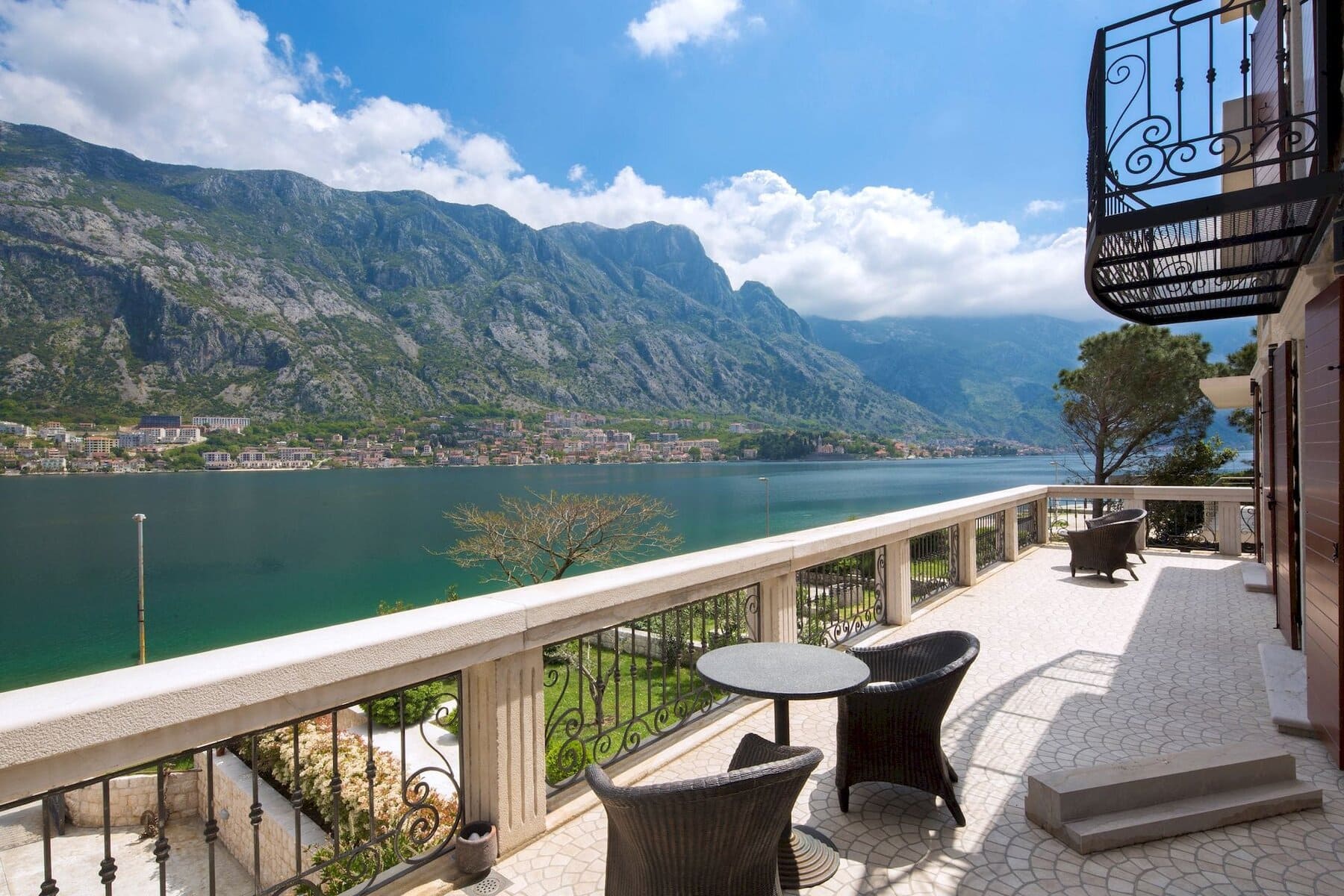
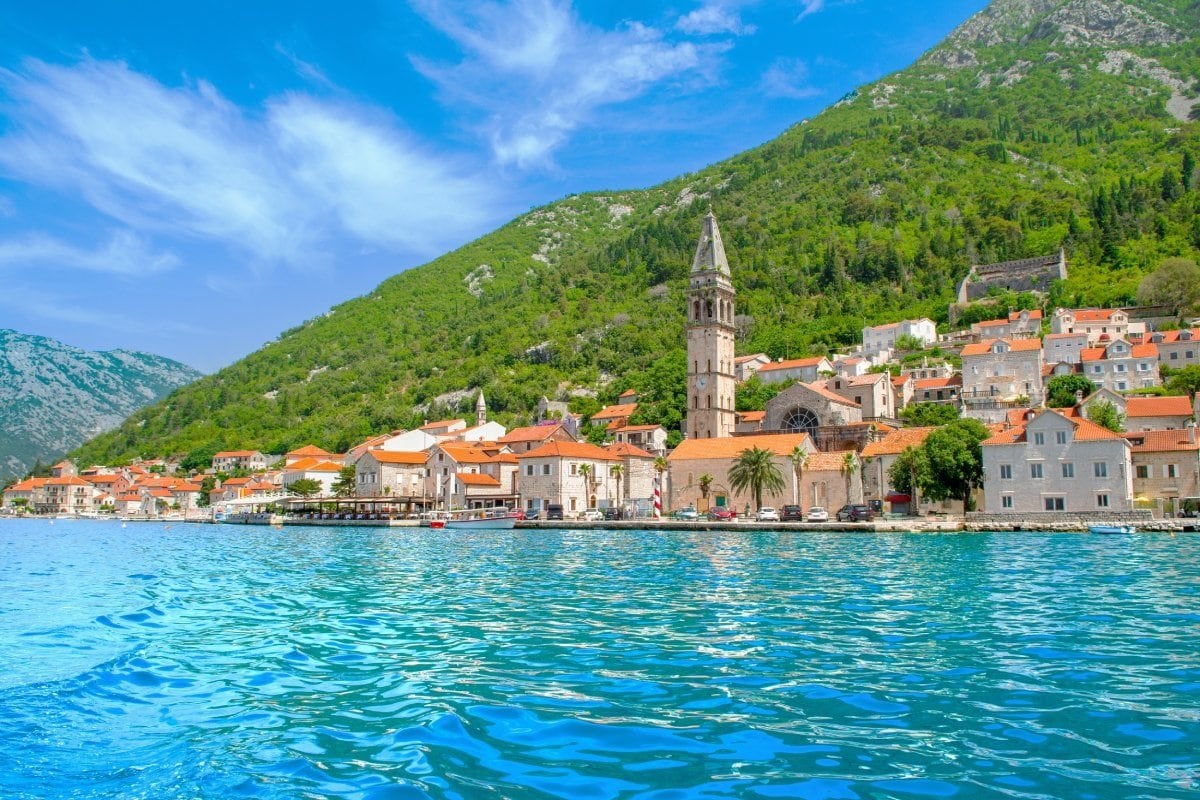
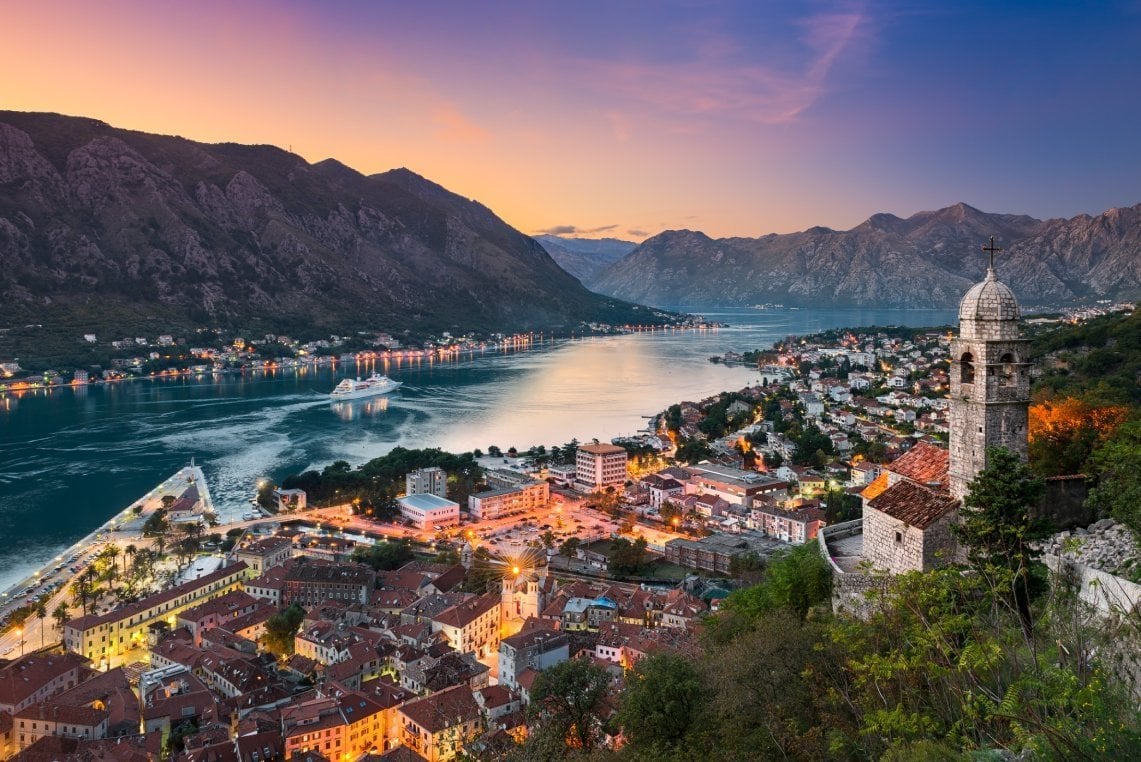
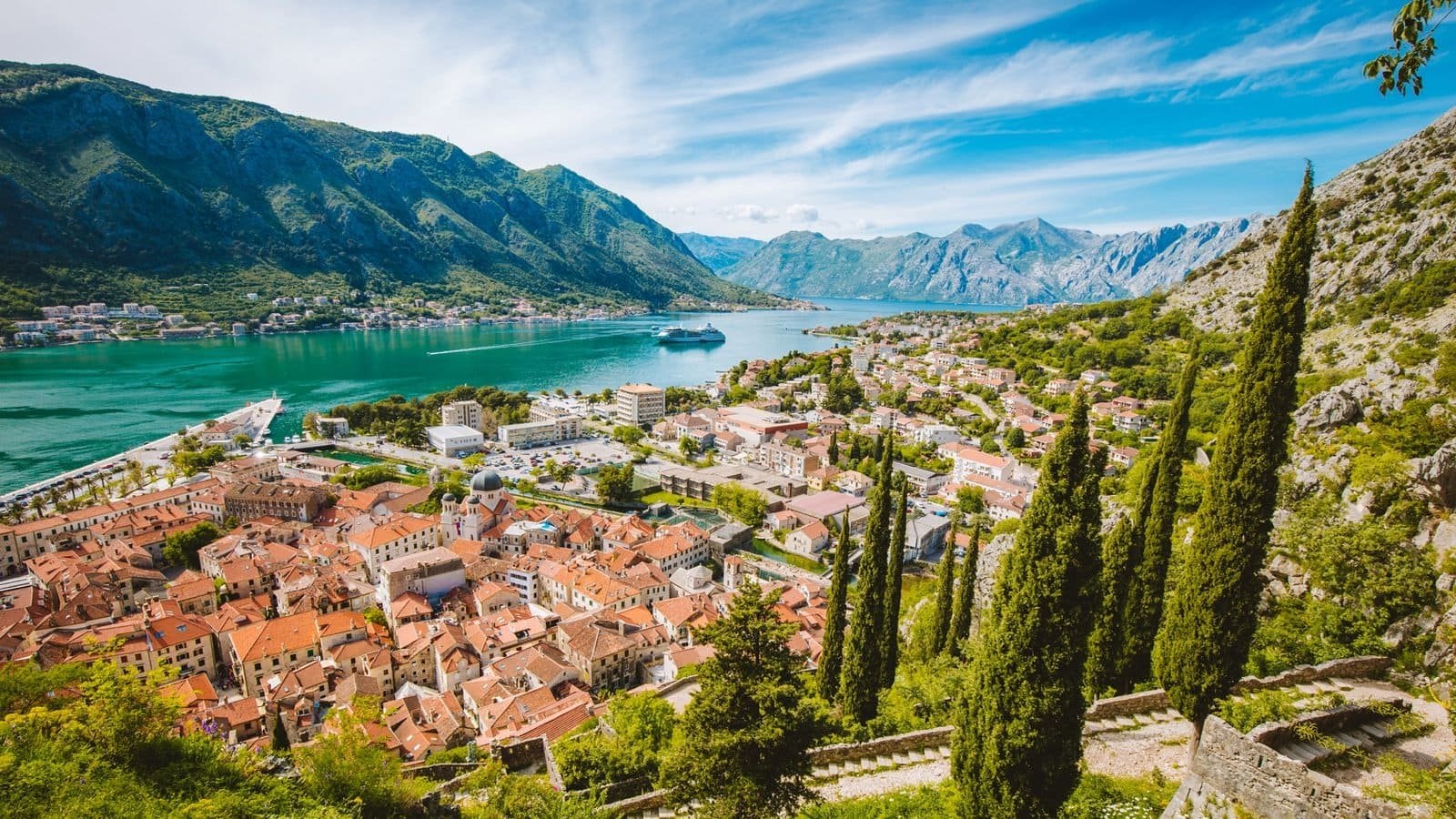
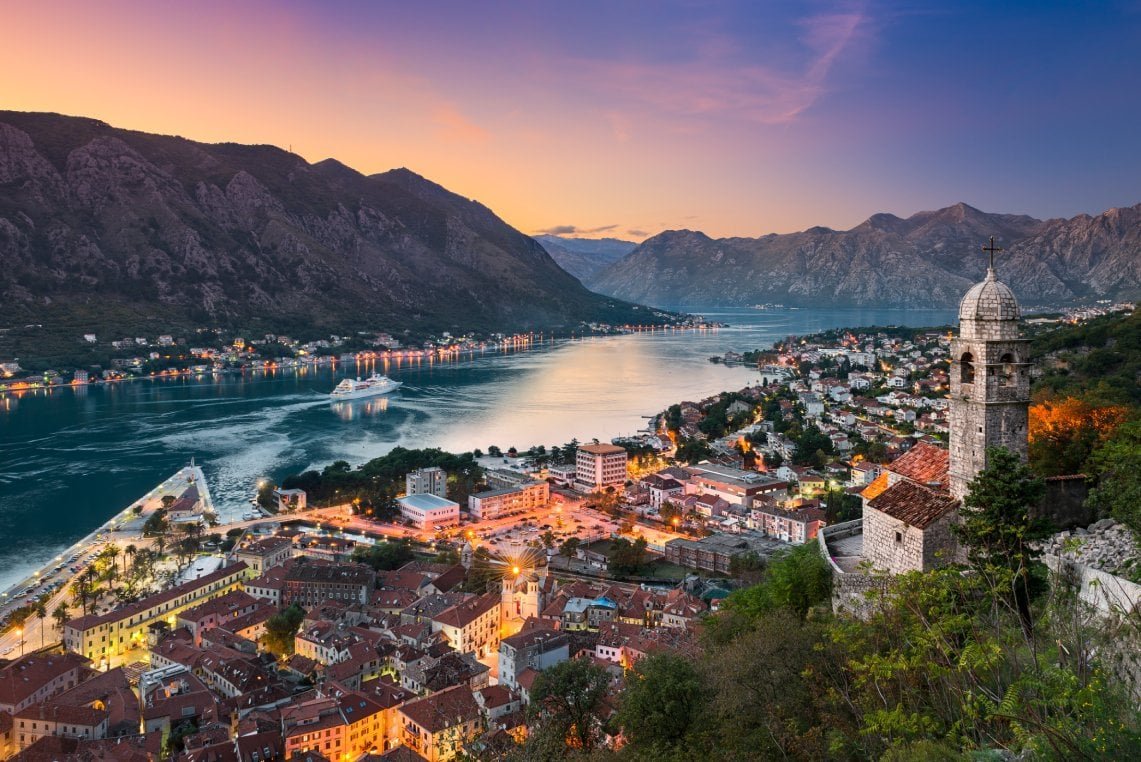
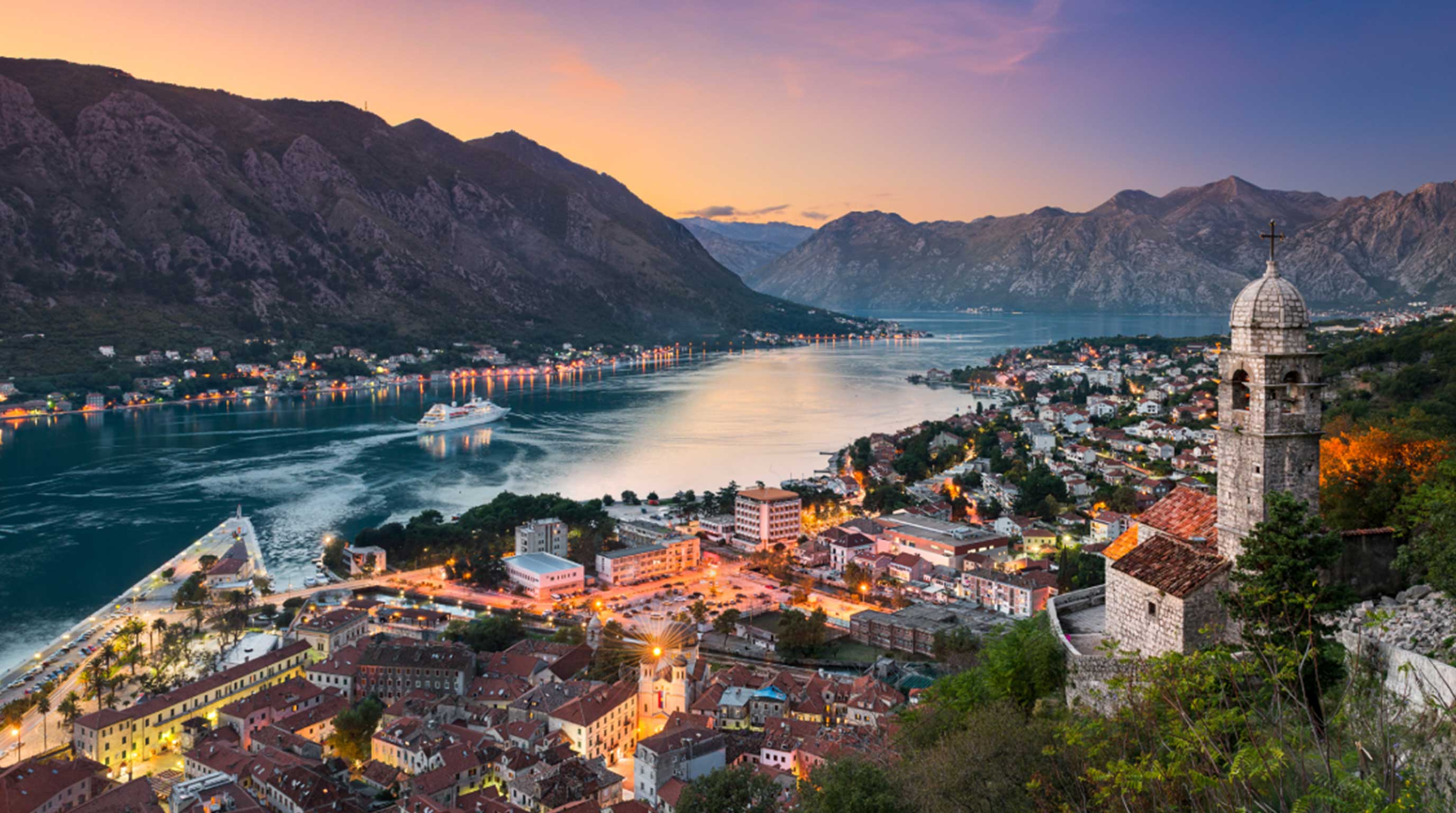
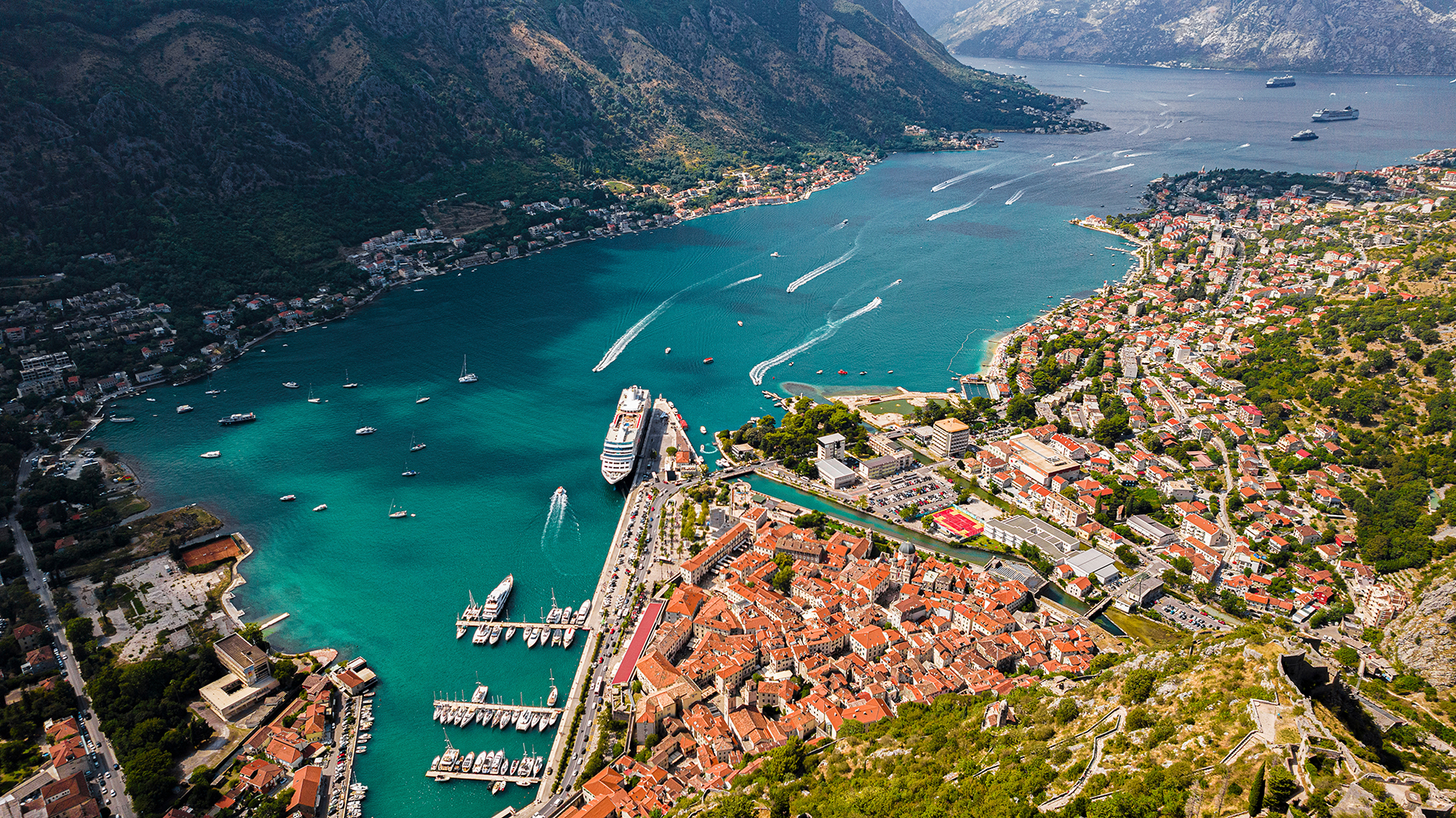
Positioning Tivat correctly within Montenegro's coastal hierarchy matters for investment underwriting. Kotor draws its appeal from UNESCO World Heritage status and the kind of cultural authenticity that attracts visitors seeking historic atmosphere. Its old town is genuinely impressive and commands consistent visitor interest. Budva operates on higher volume, with a dense tourism economy built around beaches, nightlife, and a younger, more price-sensitive visitor segment.
Tivat occupies a distinct and arguably more defensible position between those two poles. It offers prestige without the access constraints of Kotor's old town, and a calmer, more controlled atmosphere that appeals to the affluent visitor who finds Budva's energy unsuited to their travel preferences. For investors comparing the two bay-facing markets directly, it is worth consulting the analysis available in Property for Sale in Tivat, Montenegro: A 2026 Waterfront Buyer's Guide alongside any broader Bay of Kotor data.
What the marina district offers that neither Kotor nor Budva can replicate is purpose-built rental infrastructure. The marina village was designed from the outset to support a transient, high-spending population. Berths, concierge services, security, and a concentration of quality food and beverage operators are embedded in the built environment, not retrofitted into a historic fabric. That infrastructure distinction translates directly into rental income predictability, which matters to any buyer building a yield model rather than simply hoping for seasonal windfall.
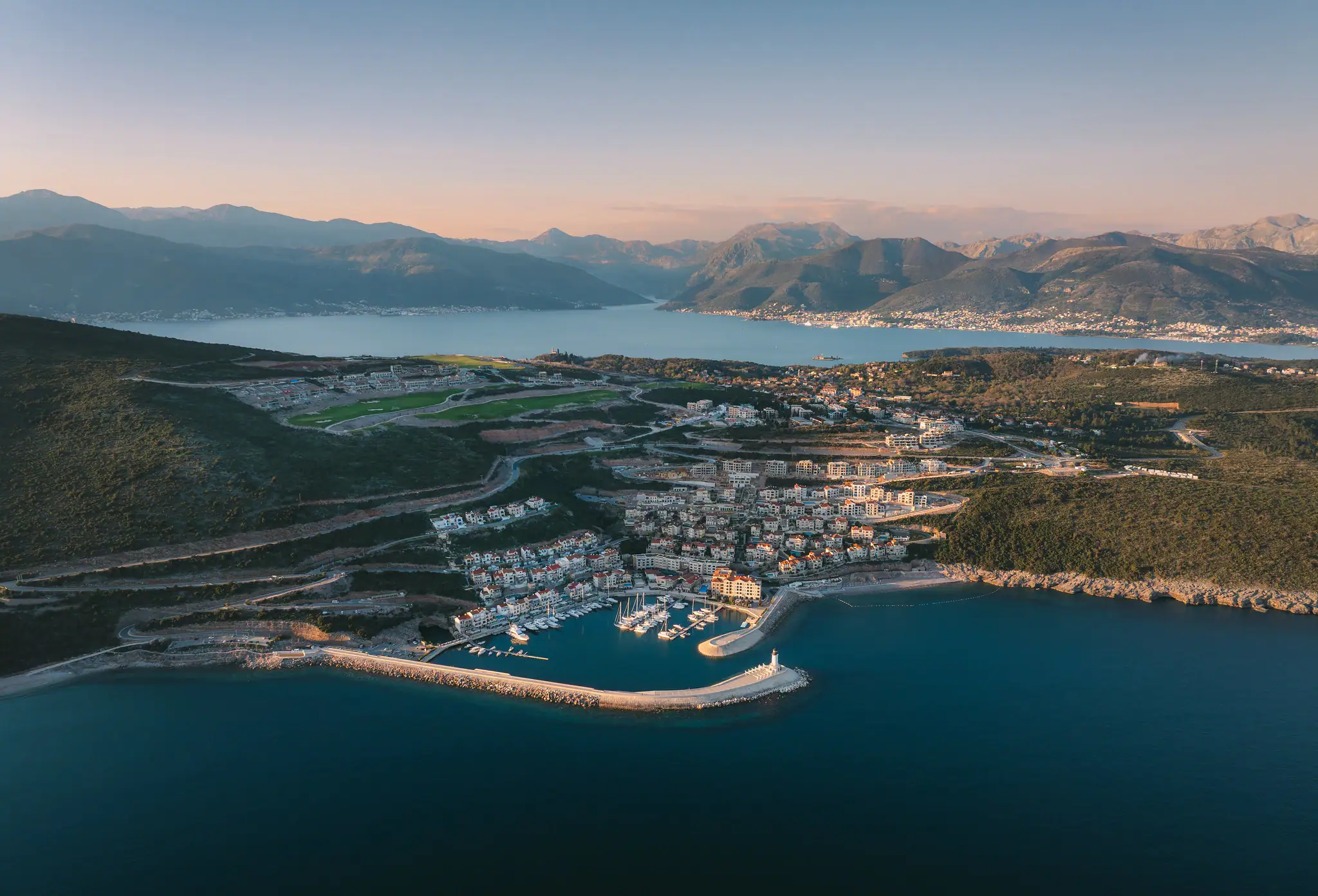
Inquiry patterns tracked by Barok Estates International across its Adriatic advisory practice show that the marina district draws a disproportionate share of Gulf and Northern European buyer interest relative to its geographic size, consistently outperforming other coastal towns on qualified inbound demand. The buyer origin data aligns with what Montenegro's Investment Development Fund has reported regarding foreign direct investment concentration along the Bay of Kotor corridor.
Tivat Marina Property Investment Returns and Rental Yield Potential
The investment case for Tivat's marina district is built on scarcity and seasonality in combination, rather than on the high occupancy volumes that drive yield in mass-market resort towns.
Peak-Season Occupancy and Nightly Rate Trends
Montenegro's coastal rental season runs from approximately early May through late October, with July and August representing the concentrated premium window. During those peak weeks, marina-adjacent apartments attract a visitor segment that is specifically drawn to proximity to the superyacht environment, the marina events calendar, and the promenade dining scene. That visitor is willing to pay materially more per night than the average Adriatic tourist, and the nightly rates achievable during peak season reflect that willingness.
Properties such as the Sky-High Sovereignty Above the Adriatic: Porto Montenegro's Crown Penthouse represent the upper tier of that demand, where nightly rates during peak season can be benchmarked against comparable offerings in recognised Mediterranean marina destinations rather than against standard Montenegro coastal inventory.
Outside the July-August peak, demand does not evaporate. Tivat's airport, which receives direct connections from a range of European cities throughout the warmer months and maintains some year-round service, keeps shoulder-season occupancy viable in a way that is less certain in towns without that infrastructure. May, June, and September all generate meaningful short-term rental revenue for well-positioned marina apartments, and October increasingly attracts buyers of longer itineraries who are extending their Adriatic season.
Long-Term Versus Short-Term Rental Strategy for Marina Apartments
Investors at Tivat generally choose between two operational approaches, or a hybrid of both. Short-term letting through the peak season maximises nightly income but requires active management, either self-directed or through a professional operator. Long-term leasing to marina staff, superyacht crew members in transit, or expatriate professionals provides steadier cash flow with considerably less administrative burden.
The hybrid model is increasingly common among sophisticated buyers at Tivat. Properties are offered on short-term platforms from May through September, then transitioned to medium-term leases covering October through April. This approach captures peak-season rate premiums while maintaining a base of income during the quieter months, reducing the effective cost of carrying a property that would otherwise sit vacant through winter.
Buyers working through the numbers for marina apartments will find additional context in Buying Property in Tivat, Montenegro: The 2026 Guide for International Buyers, which addresses pricing tiers and current market conditions in detail.
For buyers interested in how marina apartment yields compare with larger residential formats, villa properties along the bay typically deliver higher per-booking revenue but require proportionally greater management commitment and carry costs, including grounds maintenance, pool servicing, and security arrangements that apply whether or not the owner is in residence.
Currency and Tax Advantages for EU and Middle Eastern Buyers
Yield figures do not exist in isolation from the monetary and regulatory environment that surrounds them. For foreign buyers evaluating Tivat, that environment is unusually favourable on both dimensions.
Why Montenegro's Euro-Based Economy Appeals to Non-Euro Investors
Montenegro adopted the euro as its official currency without acceding to the eurozone as a formal member state. That arrangement, confirmed by Montenegro's central bank and consistent with the country's broader EU integration trajectory, has a practical consequence that many foreign buyers underappreciate until it is explained clearly: there is no separate national currency to introduce volatility between acquisition cost, rental income, and eventual resale proceeds.
For buyers whose personal wealth is held in Gulf currencies pegged or closely managed against the US dollar, holding a euro-denominated asset in Montenegro offers a straightforward hedge against euro-dollar movement without the additional layer of exchange risk that comes with property ownership in countries operating their own floating currencies. Rental income is collected in euros, resale proceeds are realised in euros, and the buyer's exposure to a secondary currency layer is eliminated. That is a structural advantage that distinguishes Montenegro from Balkan neighbours that retain their own currencies, and it is a point that Gulf-based buyers in particular have identified as material to their allocation decisions.
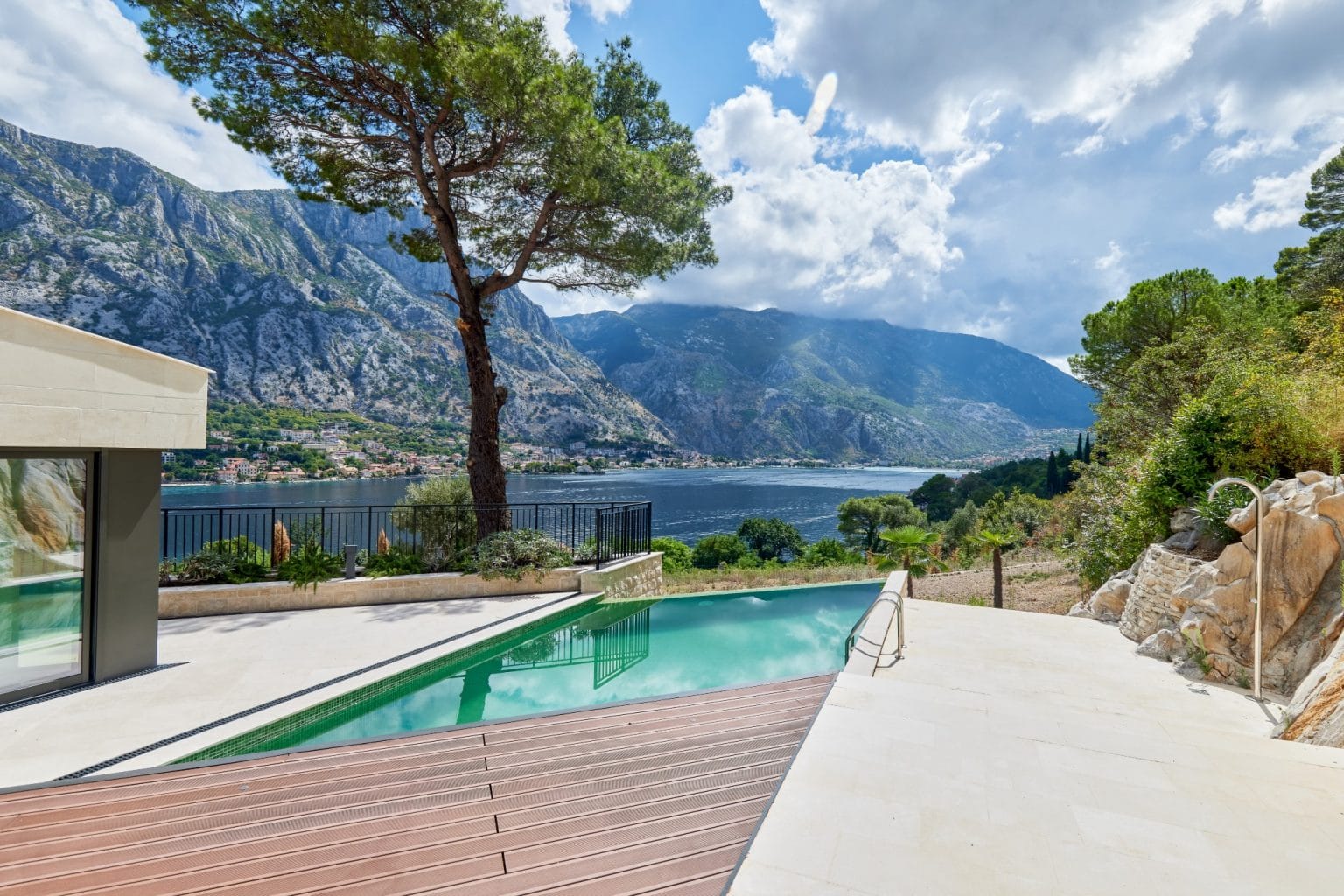
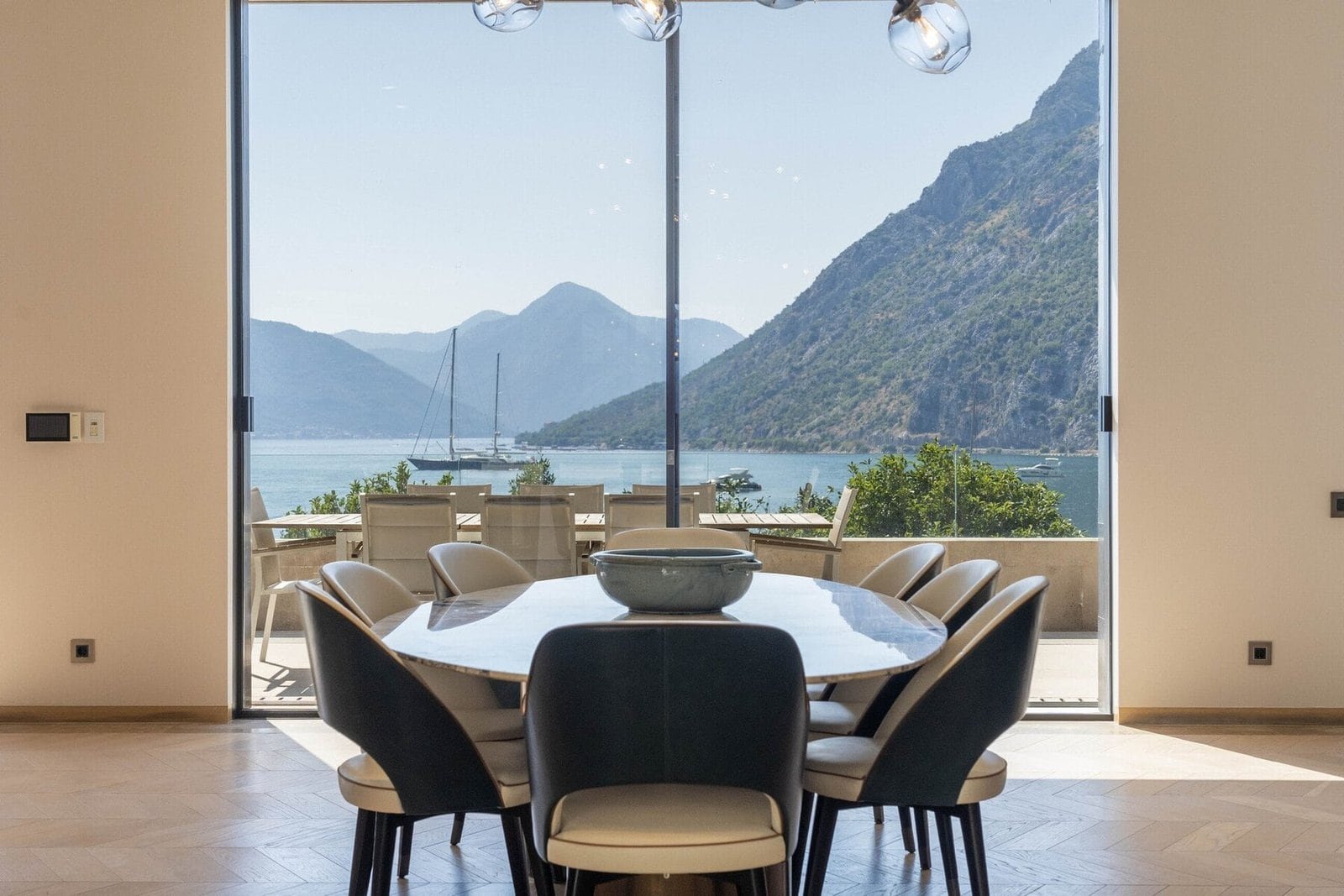
The Panoramic Sea Views and Alpine Horizons at Porto Montenegro's Finest Address exemplifies the kind of euro-denominated asset that appeals to currency-aware buyers seeking both lifestyle quality and monetary clarity in a single acquisition.
Property Tax and Ownership Costs for Foreign Buyers
Montenegro's fiscal framework for foreign property owners is deliberately designed to reduce friction. Annual property tax rates, as published by the Ministry of Finance and updated periodically, sit at levels that compare favourably with most Western European jurisdictions. Transfer taxes at acquisition and ongoing holding costs together represent a lower effective burden than equivalent ownership in France, Spain, or the United Kingdom, making the net yield calculation more attractive than headline gross figures might initially suggest.
Foreign buyers acquire property in Montenegro under broadly the same legal framework as domestic purchasers, with no restrictions on full ownership of apartments by non-citizens. The transaction process involves notarised deed preparation, registration with the state cadastre, and payment of the applicable transfer tax, which is assessed on the declared transaction value. Buyers are advised to engage local legal counsel familiar with the specific requirements of the cadastre district in which the property sits.
The Sky-High Sovereignty Above the Adriatic: Porto Montenegro's Crown Penthouse offers a concrete example of the premium end of the market where understanding the precise ownership cost structure ahead of signing is particularly important, given the scale of the transaction.
Buyers arriving from Gulf jurisdictions often have additional structuring questions relating to residency pathways and the interaction between property ownership and Montenegro's investor visa programme. The Montenegro government's foreign investment framework, administered through the Investment Development Fund, addresses these questions at a regulatory level, and Barok Estates International's advisory team is available to walk buyers through the specific implications for their personal situation.
Waterfront Lifestyle Positioning and Resale Appeal
Investment analysis accounts for the numbers. It does not always account for the less quantifiable forces that determine whether a market sustains buyer appetite through multiple cycles. At Tivat, lifestyle positioning is not merely a marketing layer applied to a yield calculation. It is a structural component of resale value.
Marina Amenities, Community Exclusivity, and Lock-and-Leave Living
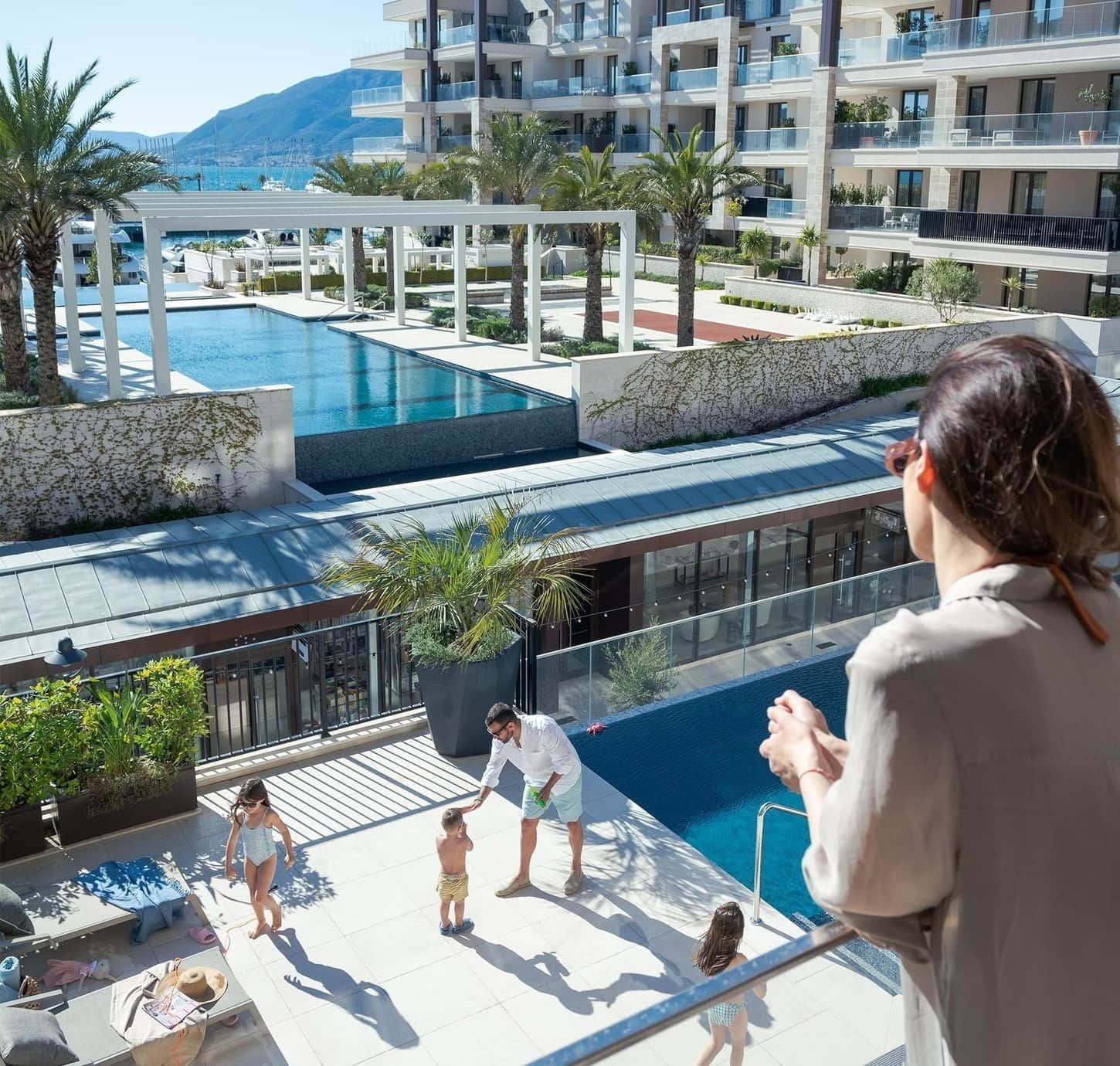
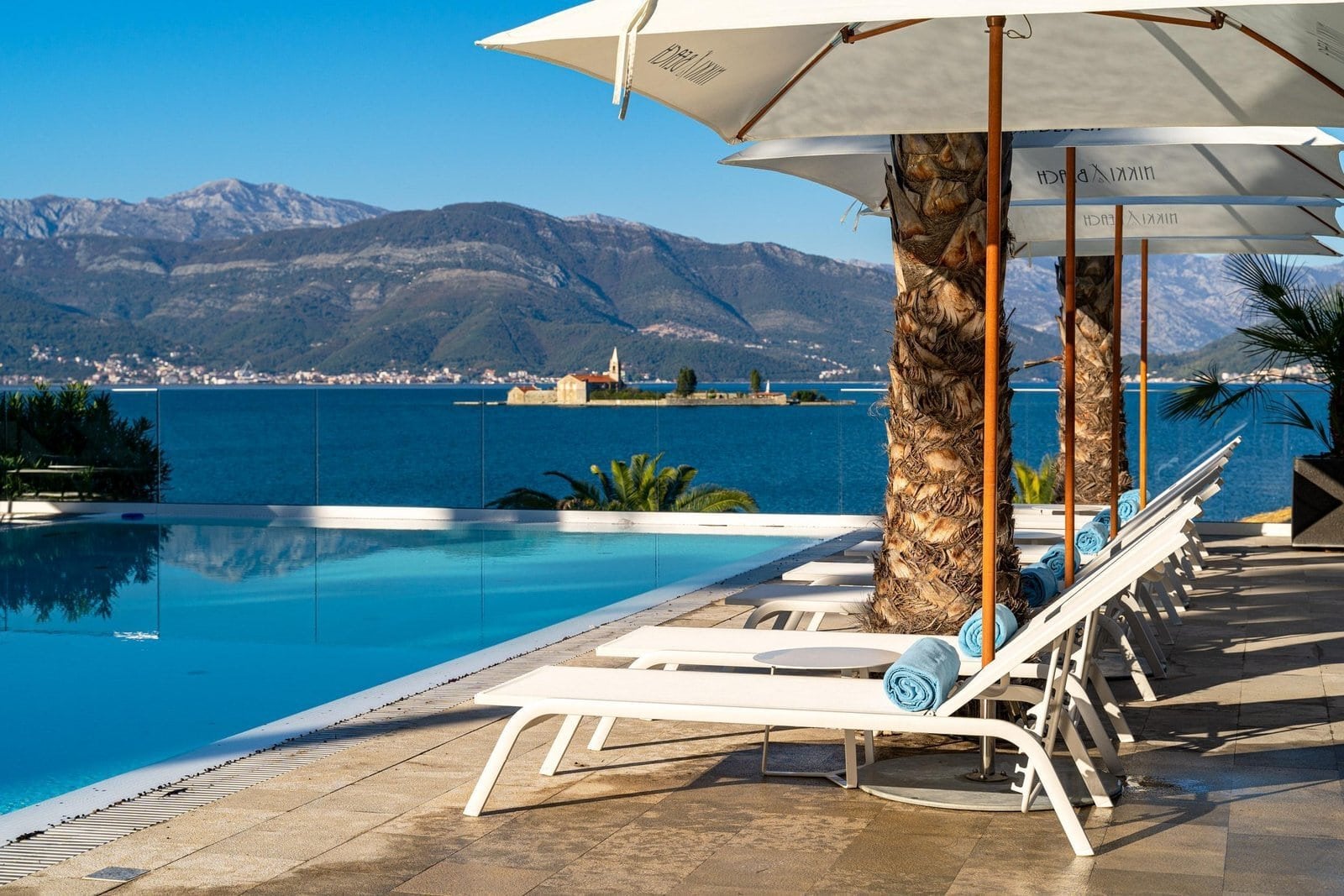
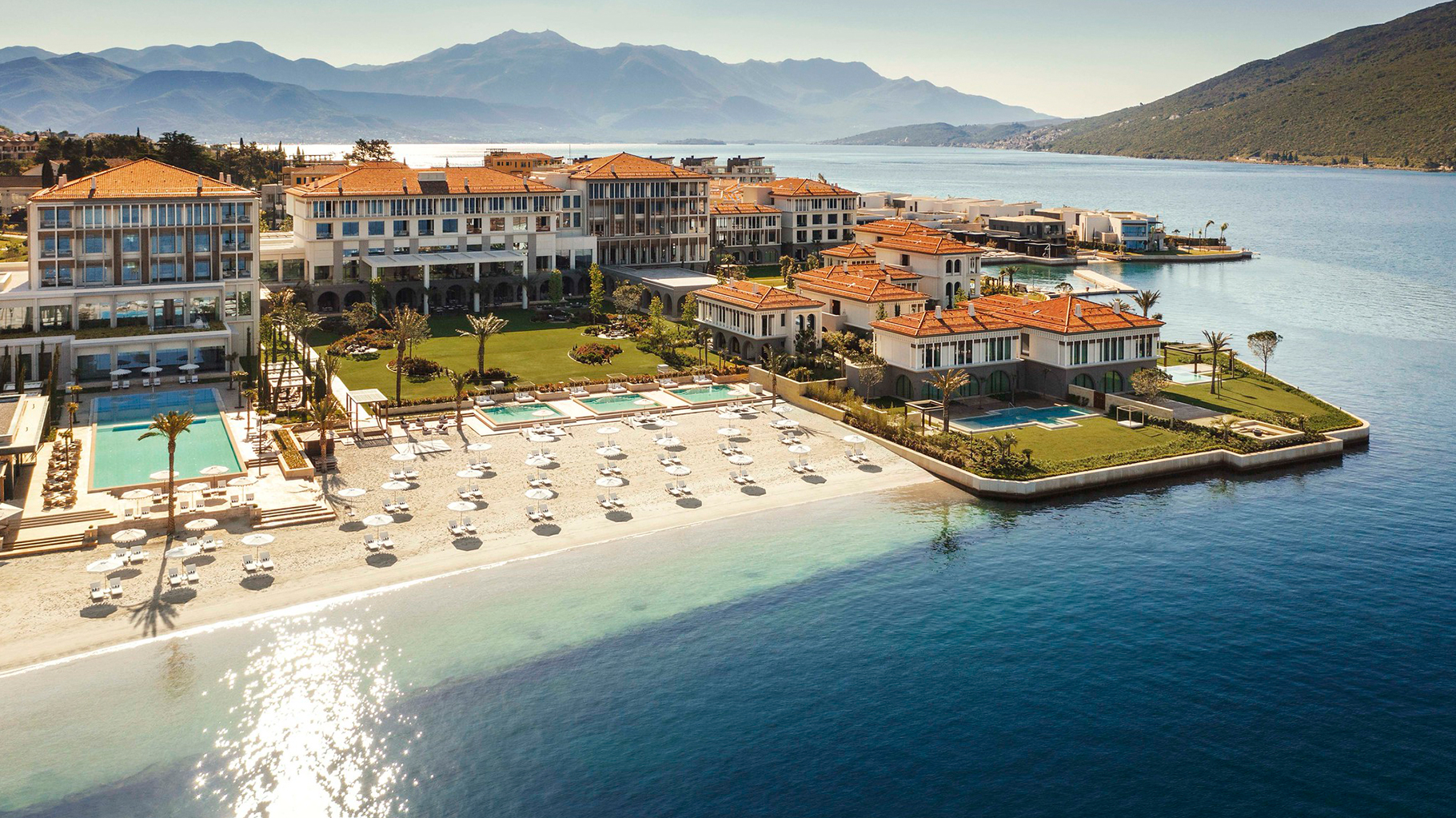
Owners of marina apartments in Tivat benefit from an amenity concentration that would require a substantially larger city to replicate through normal urban density. Superyacht berths are within walking distance of front doors. A promenade of restaurants, bars, and boutiques provides the social infrastructure of a resort town without the noise profile of a high-volume beach destination. Security and management services embedded in the marina village mean that a property left vacant for eight months of the year does not accumulate the maintenance debt that unmanaged coastal properties typically generate.
That lock-and-leave quality is consistently cited by Barok Estates International's buyer clients as a decisive factor when comparing a marina apartment against a detached villa elsewhere on the coast. A villa demands continuous attention: gardens require maintenance, pools require servicing, and security must be arranged regardless of whether the owner is present. A well-managed marina apartment in Tivat carries none of those obligations in the same form. The building management structure absorbs them, and the owner's relationship with the property can be as intermittent as their schedule demands.
For buyers who visit only two or three months annually, that structural convenience is itself a capital asset. It broadens the pool of future buyers who will consider the property at resale, particularly part-time owners from London, Madrid, Dubai, and Riyadh who want Adriatic access without Adriatic maintenance obligations. A wider eventual buyer pool supports a more liquid resale market, which is a risk-reduction factor that yield figures alone do not capture.
The concentration of international capital already present in the marina district compounds this effect. A buyer purchasing alongside owners from multiple European and Gulf countries is purchasing into an established international community of like-minded investors, not pioneering a frontier market that requires patient capital and tolerance for uncertain exit timing.
---
A Note from Barok Estates International
Barok Estates International advises private buyers, family offices, and institutional investors on residential and investment acquisitions across Spain, the United Kingdom, and the Adriatic coast, with offices in Madrid, Marbella, London, and Montenegro. Our Montenegro advisory practice covers the full Bay of Kotor corridor, with particular depth in the Tivat marina district.
If you are evaluating a waterfront apartment acquisition at Tivat Marina, our team is available to provide current pricing data, introduce you to legally verified listings, and walk through the ownership cost and yield modelling specific to your buyer profile. Contact Barok Estates International to arrange a confidential advisory conversation with one of our Montenegro specialists.












.jpg)