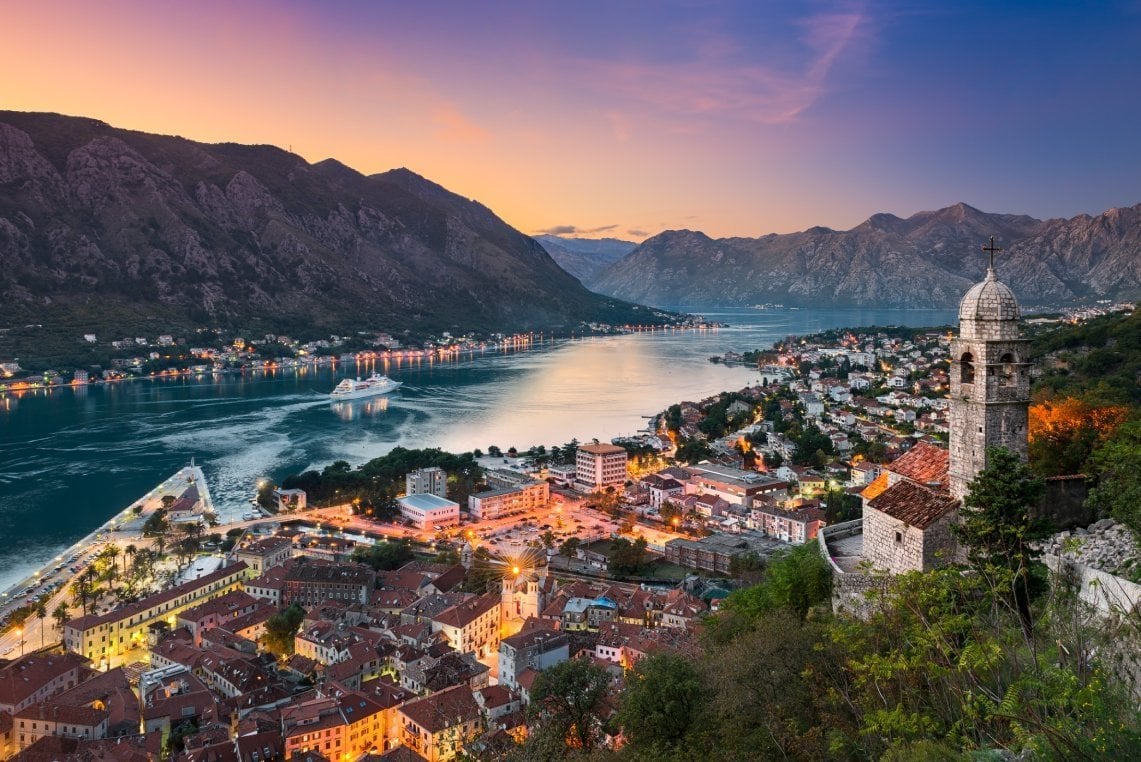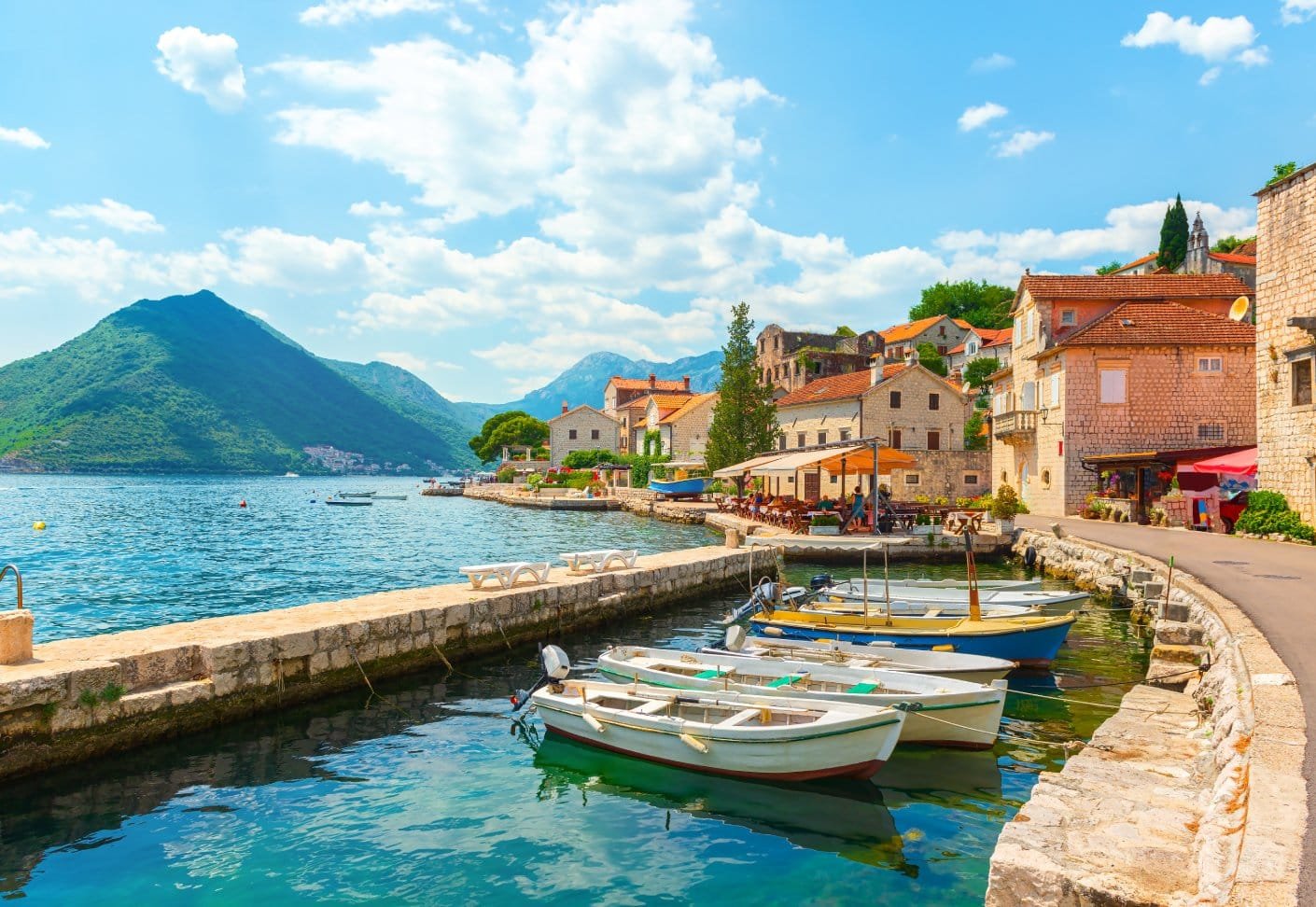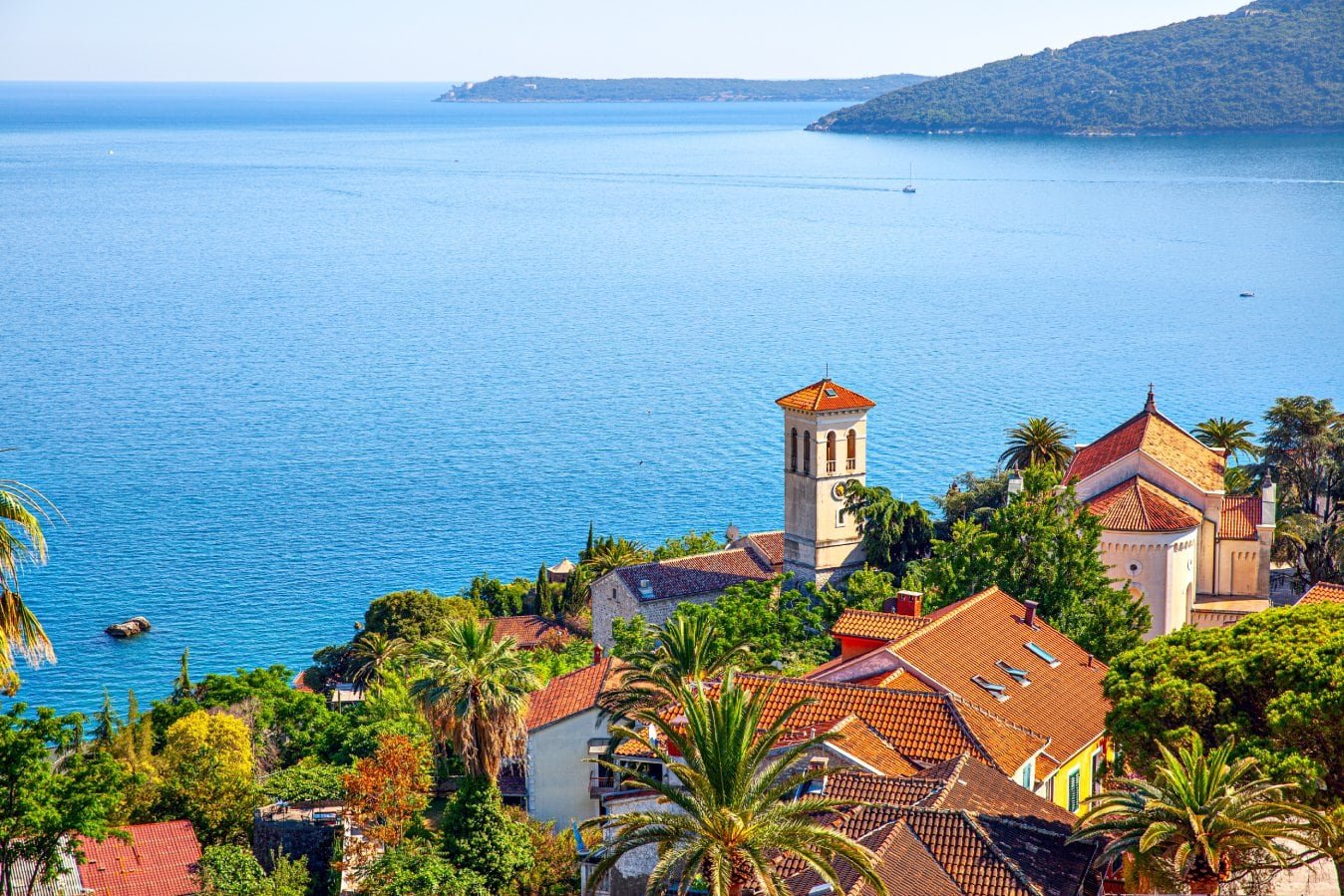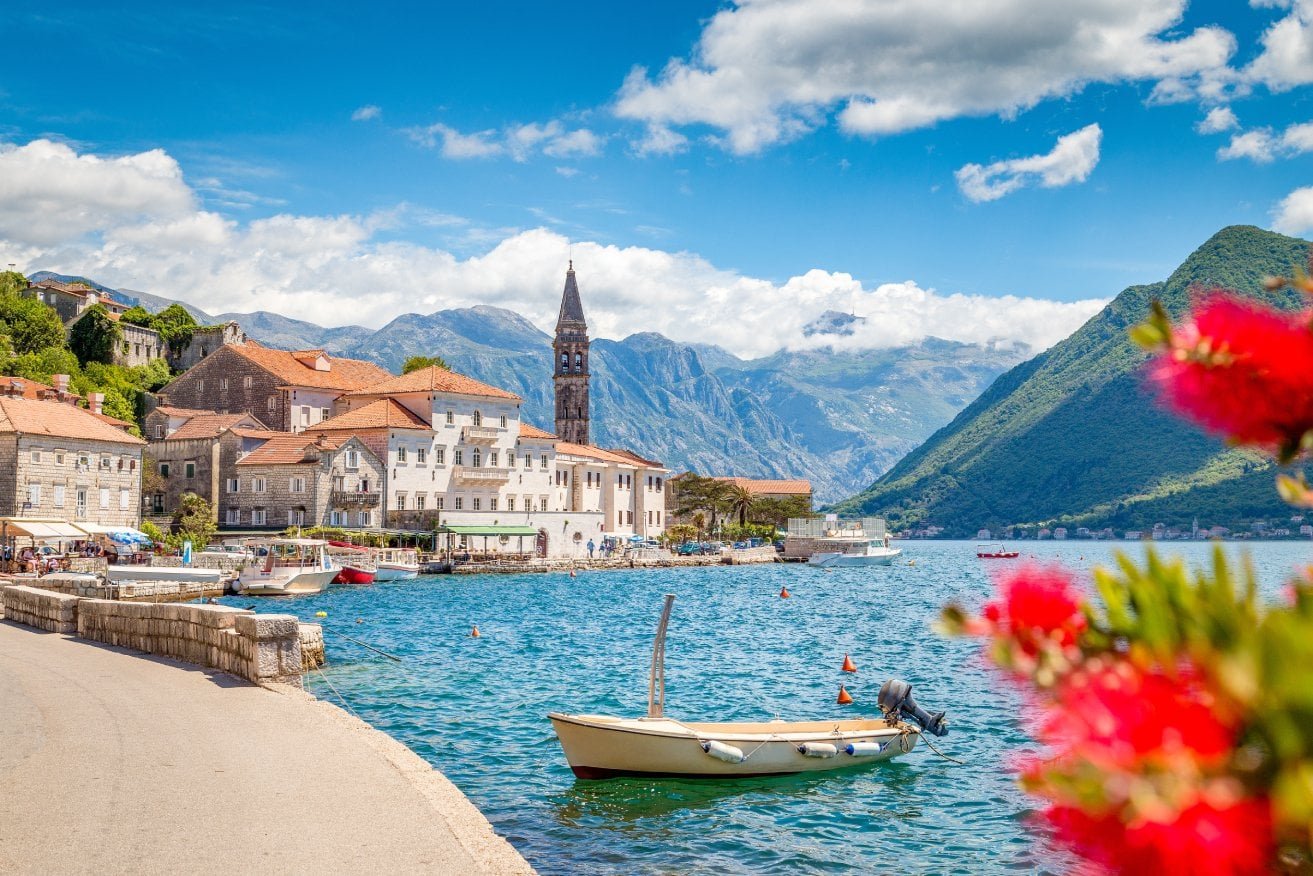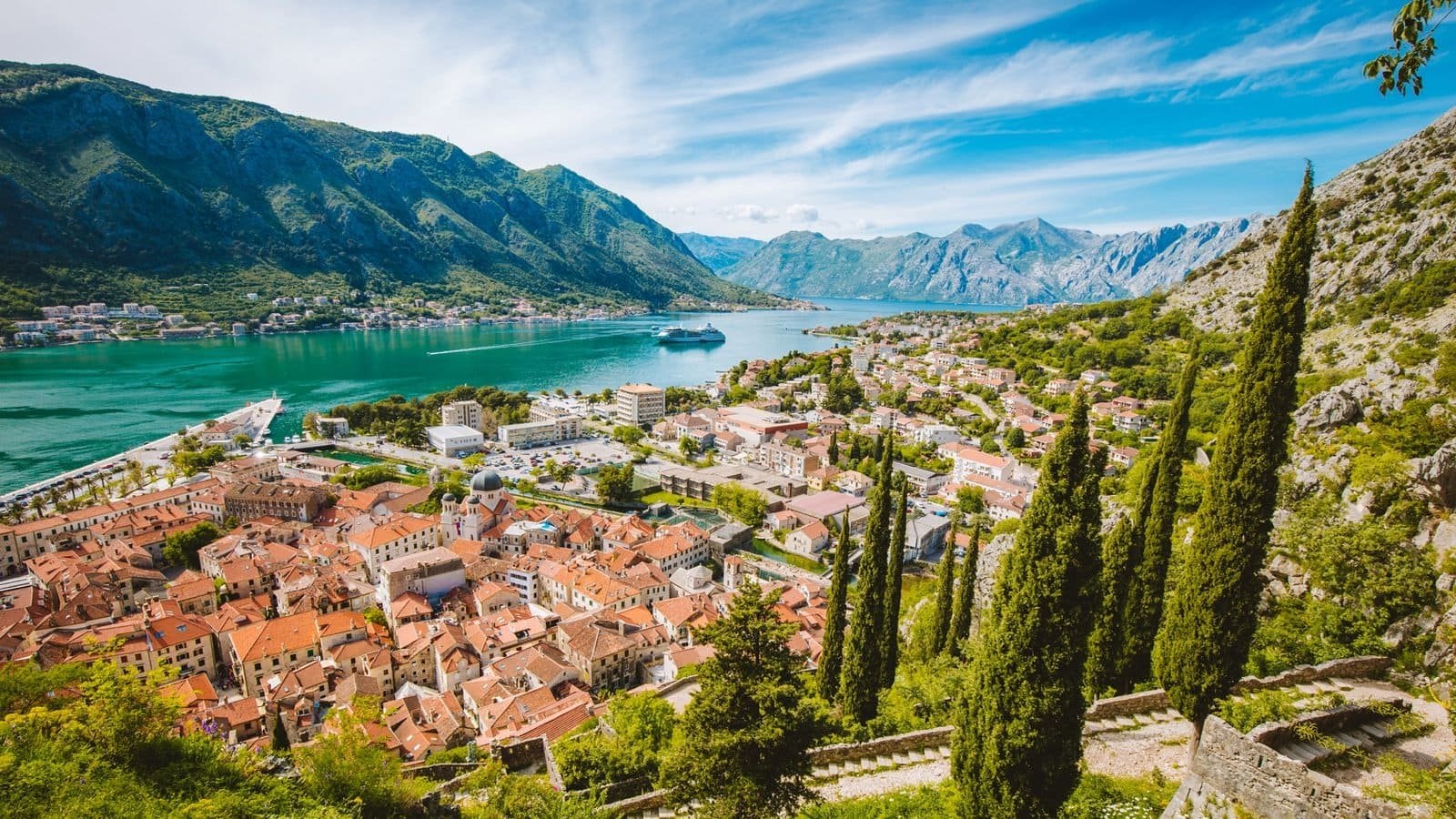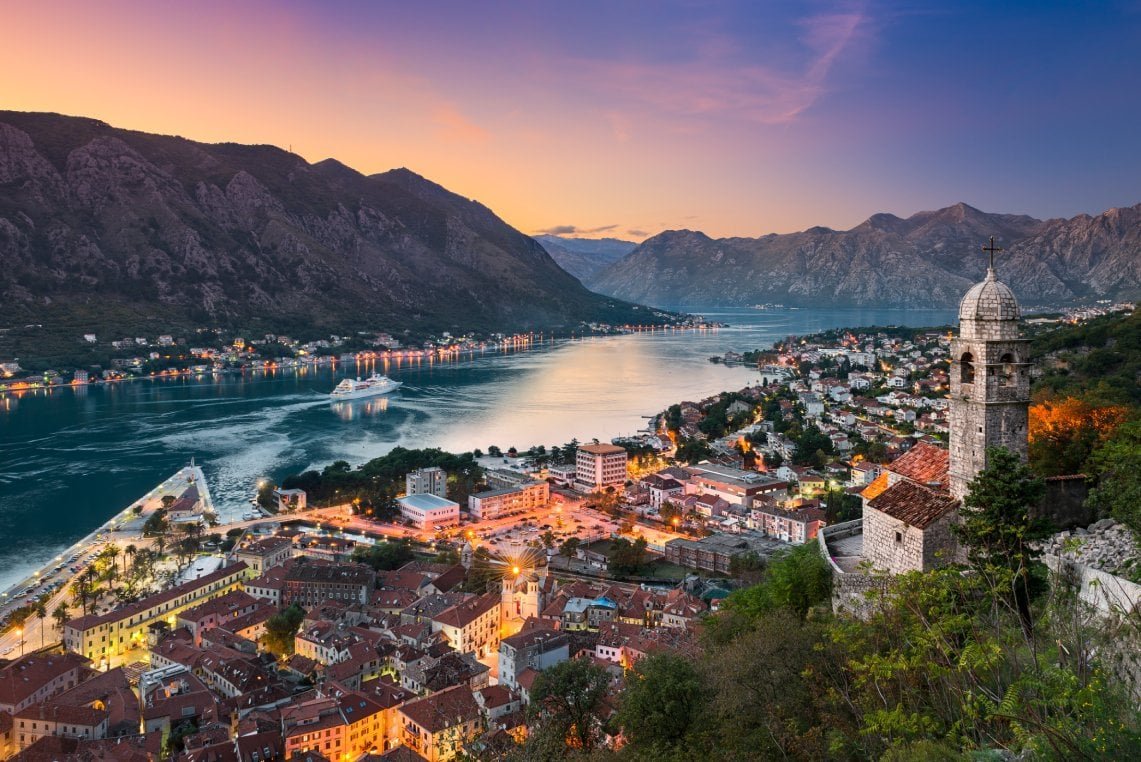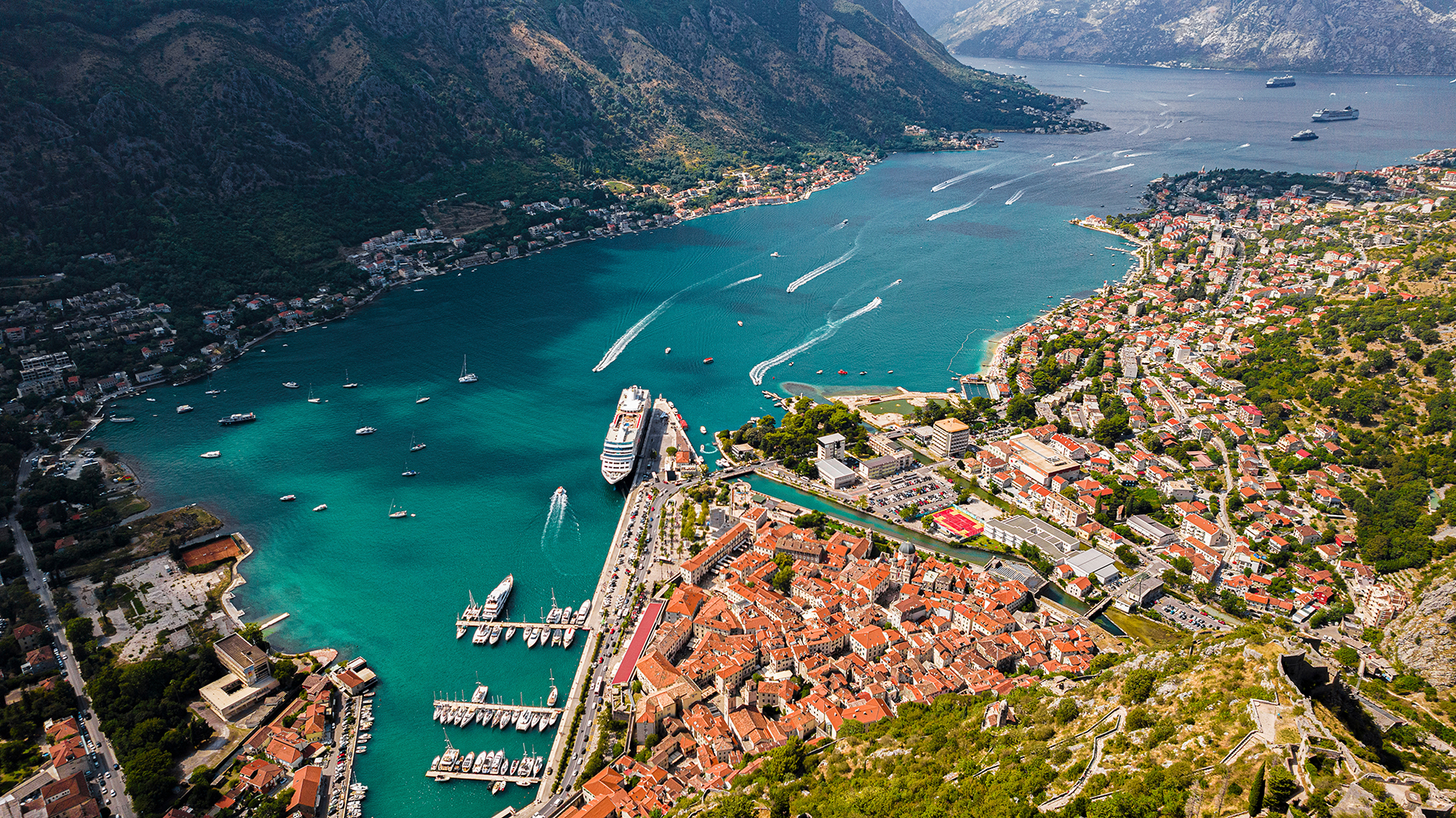
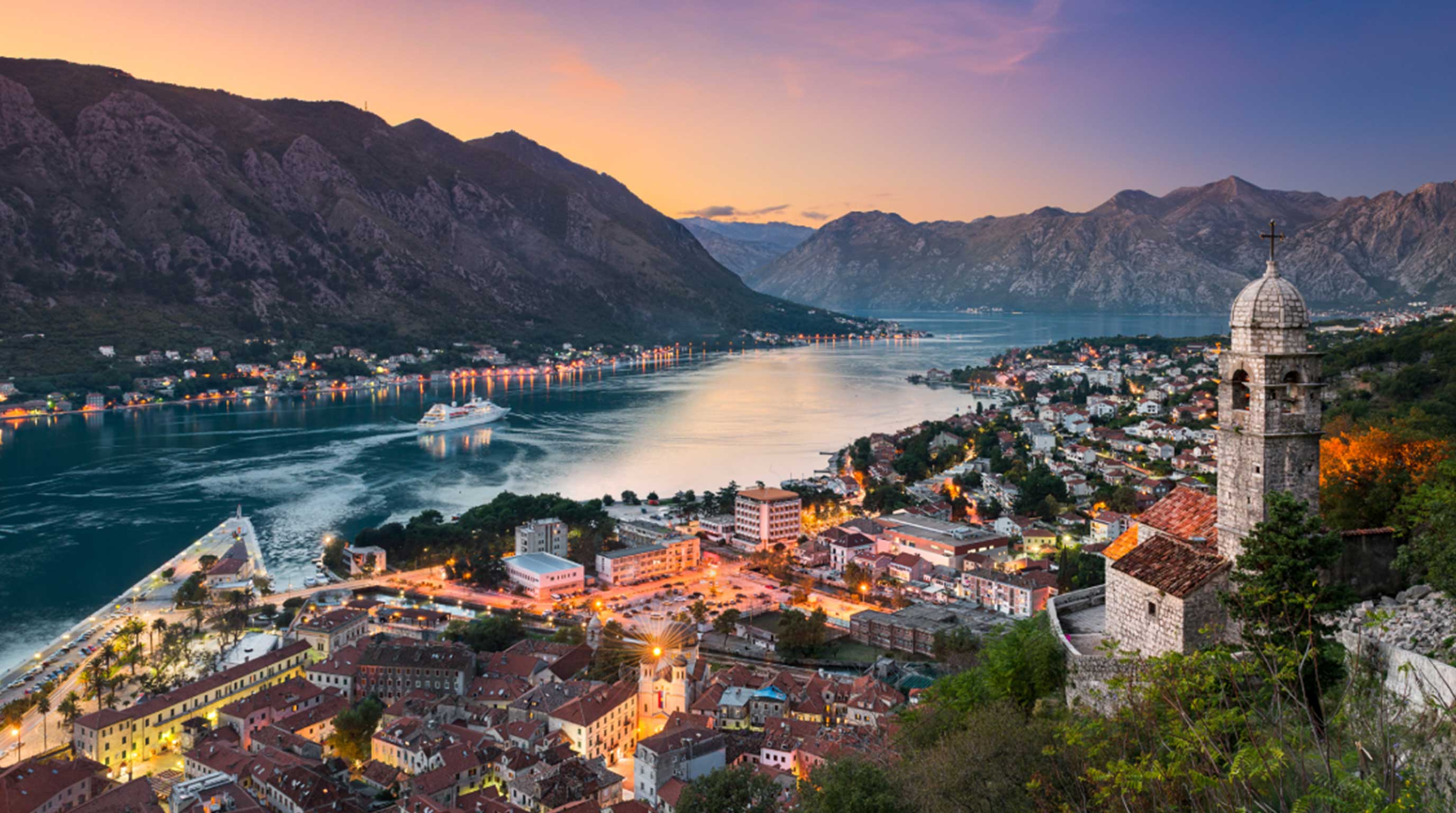
Few corners of the European property market offer the combination of absolute supply constraint, internationally recognised heritage status, and accelerating cross-border buyer interest that Kotor Old Town presents in 2026. For investors who have grown accustomed to weighing yield against liquidity, price-to-earnings ratios and vacancy risk, this walled Adriatic city introduces a different set of parameters entirely. The investable stock is fixed by medieval walls that predate the modern concept of property rights. The quality signal is underwritten by UNESCO. And the demand, driven by buyers from Western Europe, the Gulf, and East Asia, continues to outpace a supply that is structurally incapable of responding.
This is not a conventional apartment market. It is a finite collection of stone palazzos, vaulted residences, and canal-facing townhouses that, once sold, rarely return to open circulation. Understanding what that means for long-term capital preservation, rental income, and renovation returns is the starting point for any serious investor considering entry.
Why Kotor Old Town Is an Alternative Investment Class
Heritage Scarcity as a Value Driver
The investment case begins with a straightforward observation: the walls of Kotor Old Town are permanent. No planning authority, no private developer, and no market force can introduce new residential supply inside them. There are no vacant plots awaiting permits, no air rights to be converted into additional floors, and no adjacent parcels that could be absorbed into the historic district. The total number of properties available to private buyers has remained essentially constant for centuries, and it will remain so.
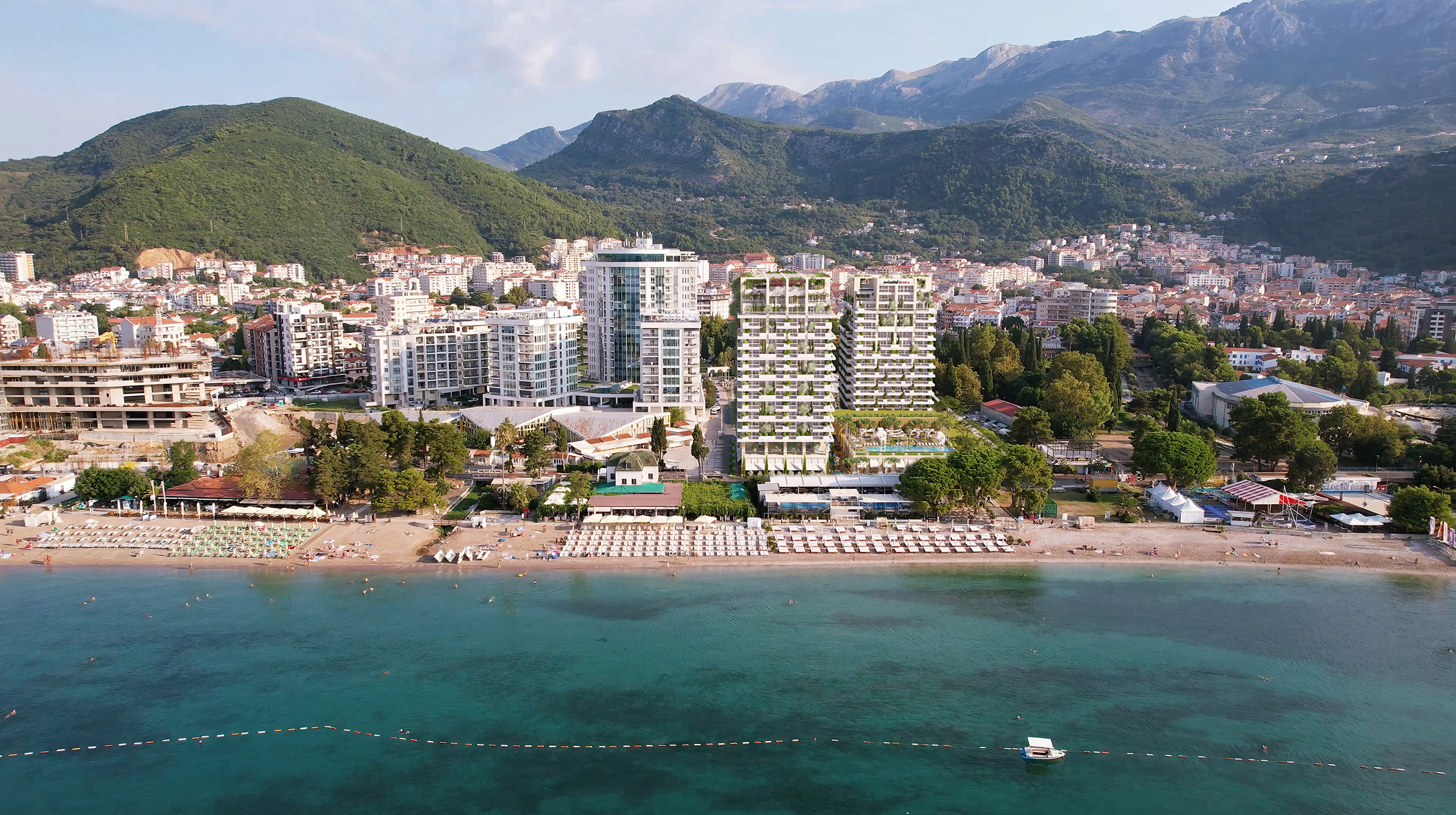
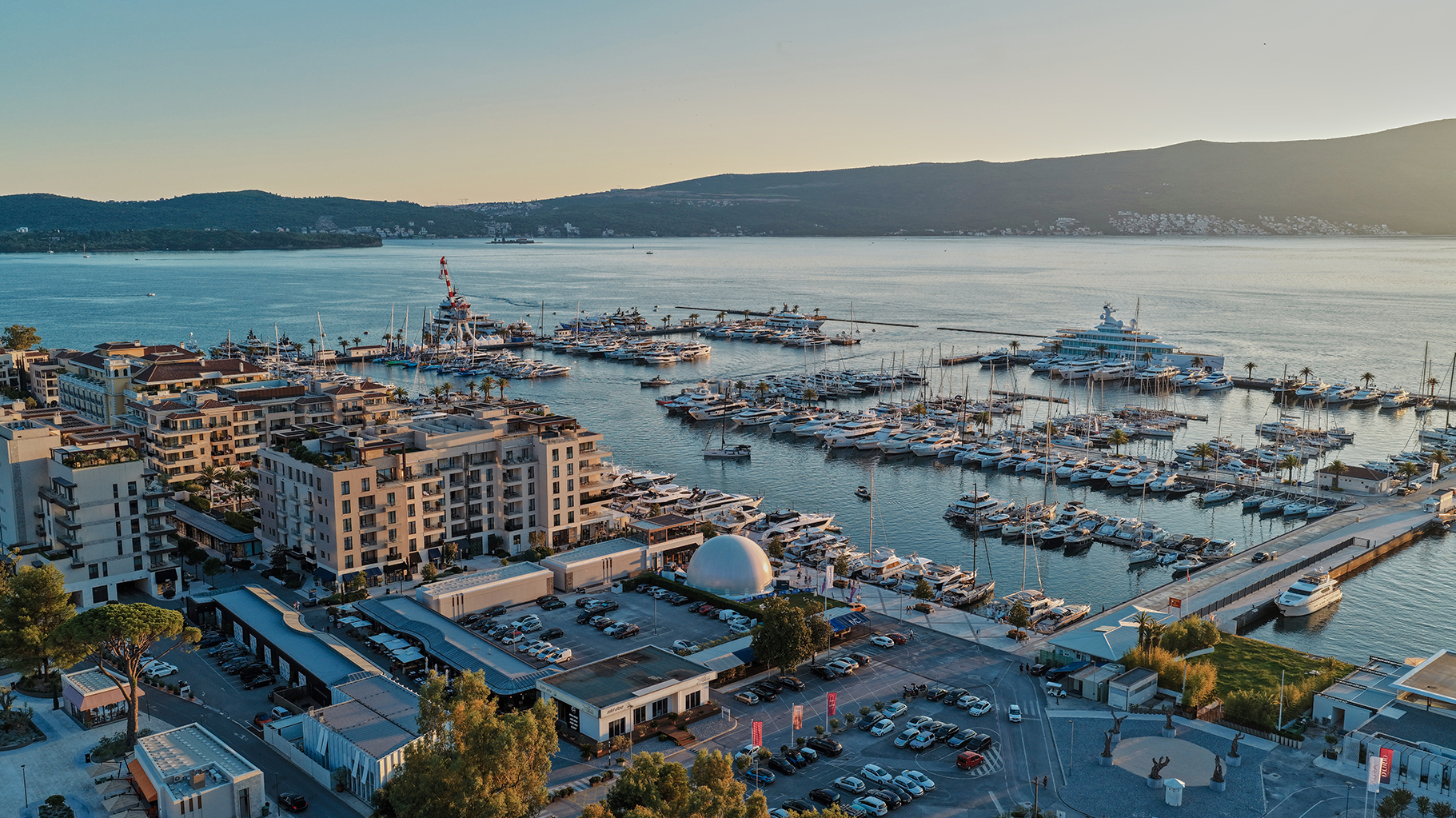
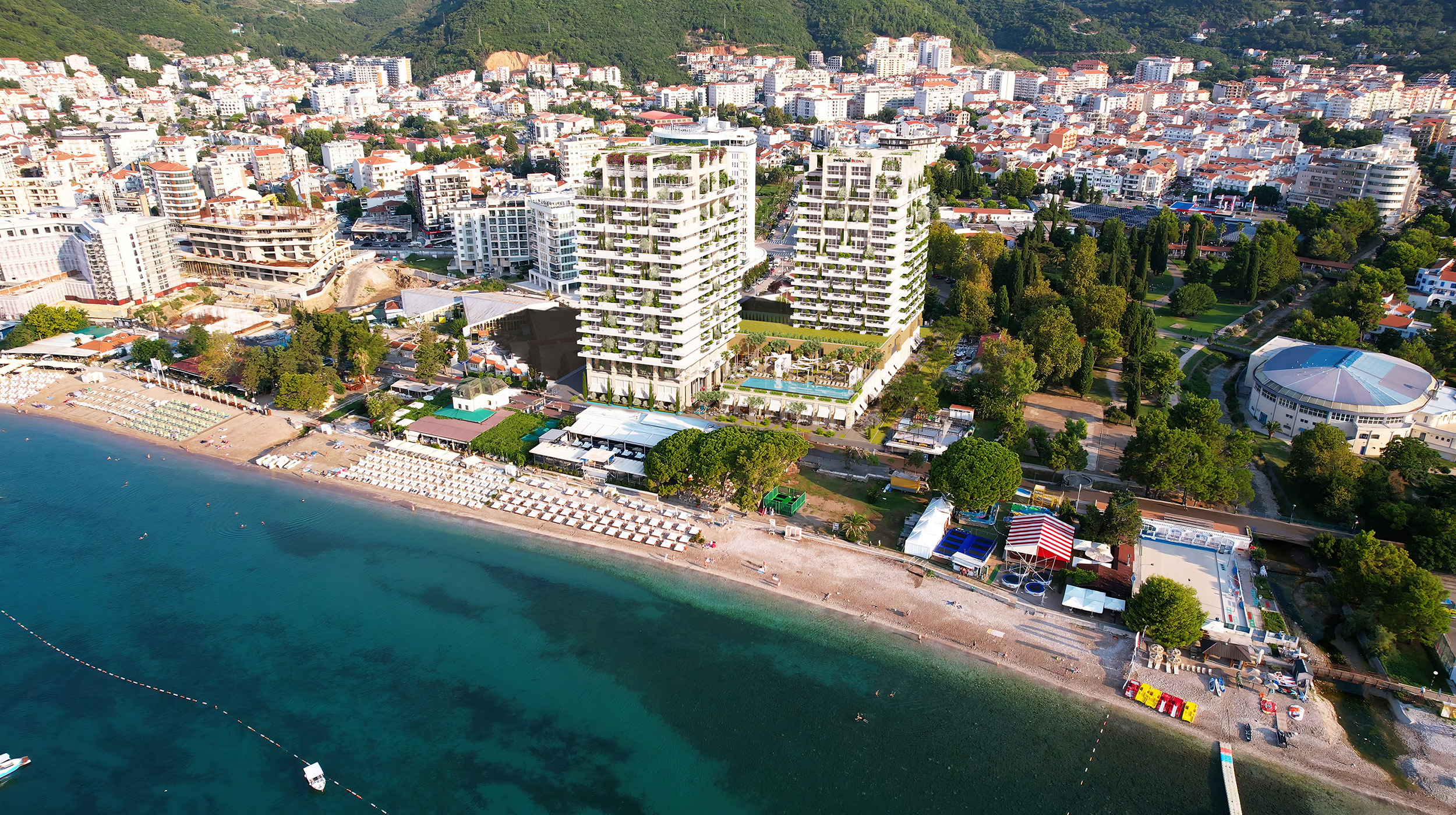
This is a categorically different condition from the one governing most European property markets, including the wider Montenegrin coast. A new luxury apartment tower in Budva or Tivat can be followed by another, and another, diluting the scarcity premium of any individual unit. A fifteenth-century stone house on a cobbled lane inside Kotor's medieval perimeter cannot be replicated by any neighbouring development. The physical constraints and the regulatory protections reinforce each other simultaneously, producing the kind of durable scarcity that long-term capital tends to seek out.
That combination has not gone unnoticed. Buyer enquiry volumes for Old Town properties have risen consistently through 2025 and into 2026, with heritage apartments and unrenovated stone houses representing the most actively sought segment among private buyers approaching the market through off-market channels. Demand of that character, pressing against a supply that cannot grow, establishes the structural conditions for sustained price appreciation over any meaningful hold period.
How UNESCO Designation Shapes Property Value Appreciation
Kotor Old Town received its UNESCO World Heritage listing in 1979, placing it among the earliest Adriatic sites to achieve that designation. The inscription was made under the Natural and Culturo-Historical Region of Kotor classification, and the protection it confers operates on two levels that matter directly to property investors.
The first is regulatory. Every intervention affecting the fabric of a listed structure, whether structural, cosmetic, or infrastructural, requires prior approval from the Montenegro Cultural Heritage Protection Directorate. The authority specifies permitted materials, construction methods, and design language. Modern cladding, synthetic renders, and aluminium joinery are excluded. This level of conservation oversight limits the kind of speculative short-cycle renovation that can gradually erode the character of a historic district, preserving the architectural coherence that underpins long-term value.
The second level is reputational. UNESCO designation functions as an internationally portable quality signal. A buyer in London, Dubai, or Singapore does not need to visit Kotor to understand what the inscription communicates: authenticity, permanence, and a form of protected prestige that no private developer can manufacture. The Adriatic's most instructive precedent is Dubrovnik, where heritage designation has sustained a measurable and durable premium over unprotected comparables across extended hold periods, as documented in property market analyses published by Croatian regulatory bodies. Kotor is following an analogous trajectory, with the designation acting not as a ceiling on value but as the mechanism that defends appreciation against cyclical market pressures.
For investors who want broader context on Montenegro's investment performance across all coastal segments, the Montenegro Real Estate Investment in 2026: Market Intelligence, Yields and Hones guide from Barok Estates sets out the macroeconomic and regulatory conditions shaping the national market this year.
Historic Apartment Rental Income: What Investors Are Earning
Short-Term Luxury Rentals Versus Long-Term Tenancies
A well-located historic apartment inside Kotor Old Town generates income through two distinct channels, and investors who structure their approach to use both tend to produce the strongest annual returns. During the Adriatic high season, broadly late May through September, the Old Town draws an international audience with strong spending capacity and a specific preference for character accommodation. Guests paying premium nightly rates for a vaulted stone apartment with a private terrace overlooking a medieval square are not cross-shopping with standardised hotel rooms in the wider bay. The product is different, the pricing reflects that difference, and the occupancy rates achieved by well-presented historic properties consistently outperform those of comparable modern apartments in Tivat or Budva.
Beyond the summer peak, a second demand layer has established itself over the past three years. Kotor's quality of life, its walkable medieval core, its position on one of the most scenic bays in southern Europe, and Montenegro's relatively modest cost of living have made it an increasingly attractive base for European remote workers and longer-stay expats. This group sustains occupancy through shoulder and winter months at rates that may be lower than peak summer yields but provide more predictable cash flow over a twelve-month hold. The combination of short-term premium rental income in season and longer tenancies outside it gives the income-focused investor a more balanced annual return profile than a single-channel strategy would deliver.
For a detailed breakdown of yield benchmarks and seasonal income patterns across the Bay of Kotor, the Bay of Kotor Property Investment: Rental Yields and Returns for 2026 analysis provides current market data referenced against property categories and locations within the bay.
Boutique Accommodation as a Revenue Model
A number of Venetian-era palazzos situated along the Old Town's principal squares and quieter canal-facing lanes have been converted into boutique guesthouses and licensed luxury holiday apartments, establishing a clear template for investors prepared to commit to a more active operational model. A boutique property of this type, typically a multi-room stone palazzo positioned as a licensed hospitality asset, operates at a fundamentally different revenue scale than a single apartment let.
The inherent drama of a medieval stone building, combined with considered interiors that respect the architecture rather than working against it, allows operators to charge rates that reflect a curated experience rather than simply square footage. Occupancy is driven by the property's distinctiveness as much as by its location, and the premium that guests will pay for that distinctiveness is substantial. The trade-off is clear: this model requires a higher initial investment in fit-out and ongoing active management. The revenue ceiling, however, is correspondingly higher, and the asset itself, as a converted heritage building with an established operating track record, carries additional exit value for a future buyer seeking a ready-to-operate hospitality investment.
Kotor Old Town Renovation Investment Returns
Understanding Restoration Costs and Heritage Regulations
Acquiring an unrenovated stone house or palazzo inside the Old Town is a fundamentally different transaction from a standard residential purchase on the Montenegrin coast. It is more accurately characterised as a heritage development project, and investors who approach it without that framing tend to underestimate the time and cost involved at each stage of the process.
All works affecting the structure or appearance of a listed building in the historic district are subject to approval by the Montenegro Cultural Heritage Protection Directorate, operating under the framework established by Montenegro's Law on Cultural Heritage Protection. Approvals must be secured before any physical intervention begins. The authority specifies not just what can be changed but how: local stone must be matched in colour and texture, lime-based mortars are required in place of modern cement mixes, timber joinery must conform to period-appropriate profiles, and fenestration changes are subject to detailed scrutiny. These are not suggestions. Non-compliant works can be ordered to be undone at the owner's expense.
This regulatory environment extends project timelines. A realistic appraisal should factor in an approval phase of several months before construction commences, with the understanding that heritage authorities operate on their own schedules and that appeals and revisions are part of the process rather than exceptions to it. Investors who build this timeline into their financial model from the outset, rather than treating approval as a formality, arrive at completion with fewer surprises and stronger final returns.
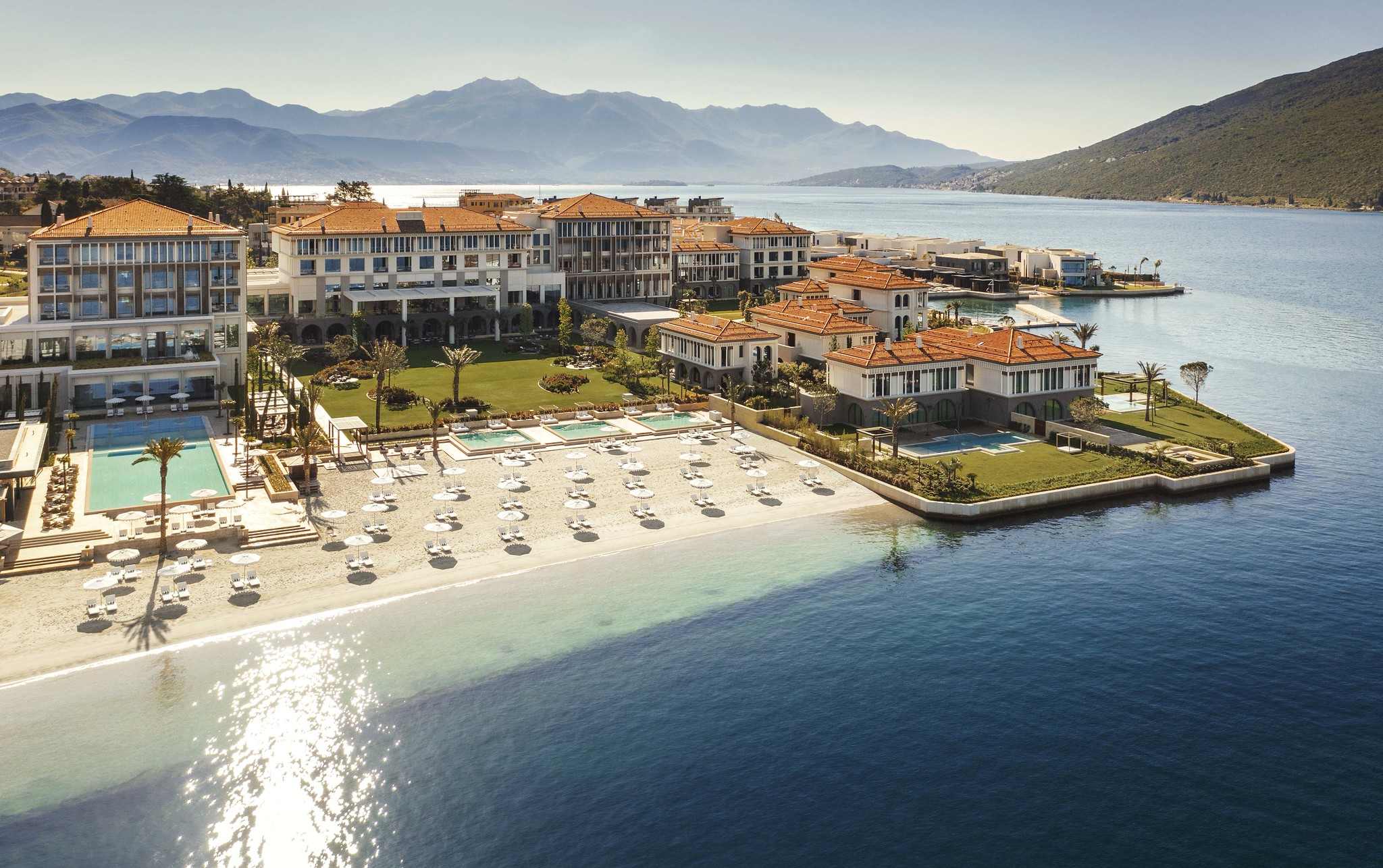
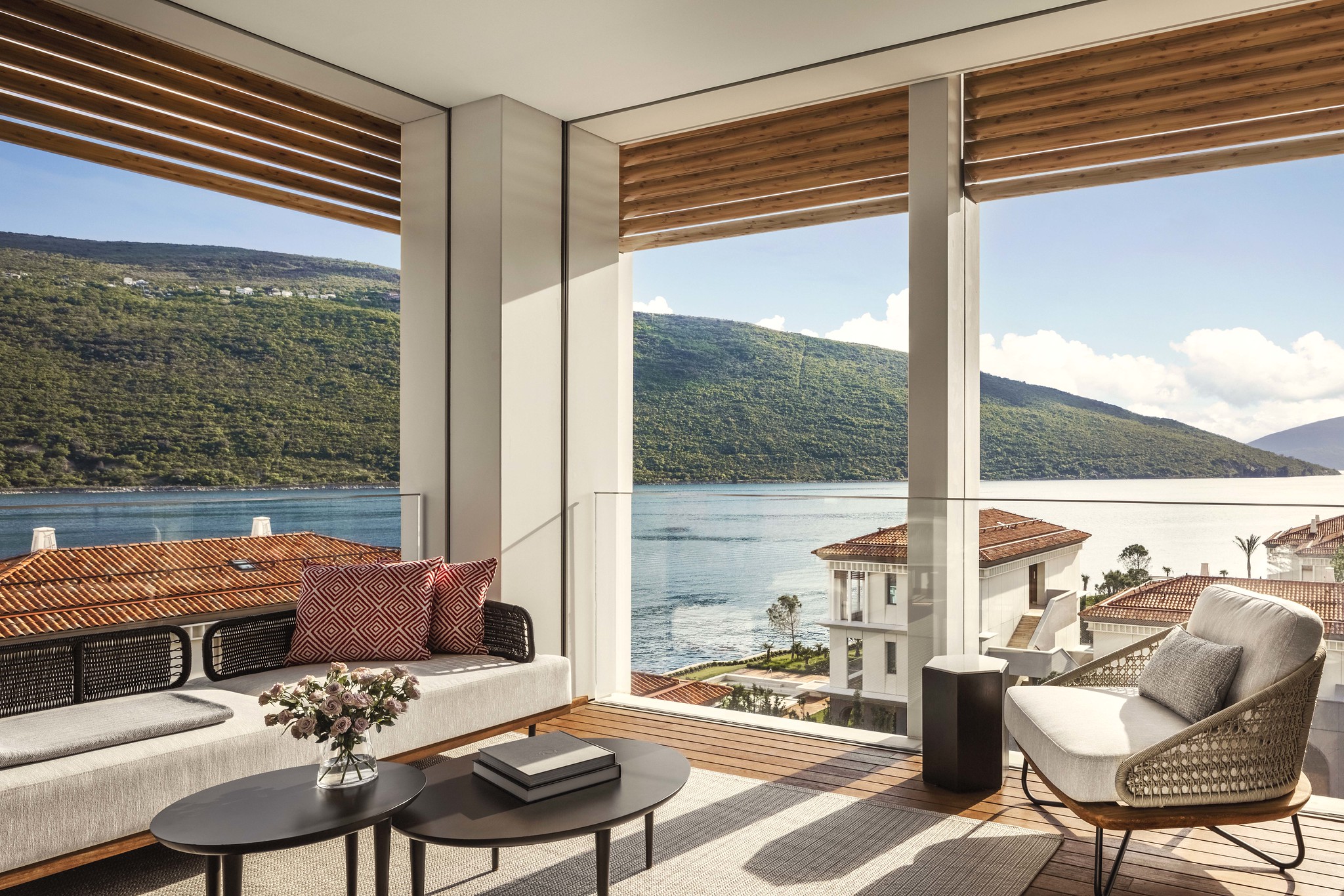
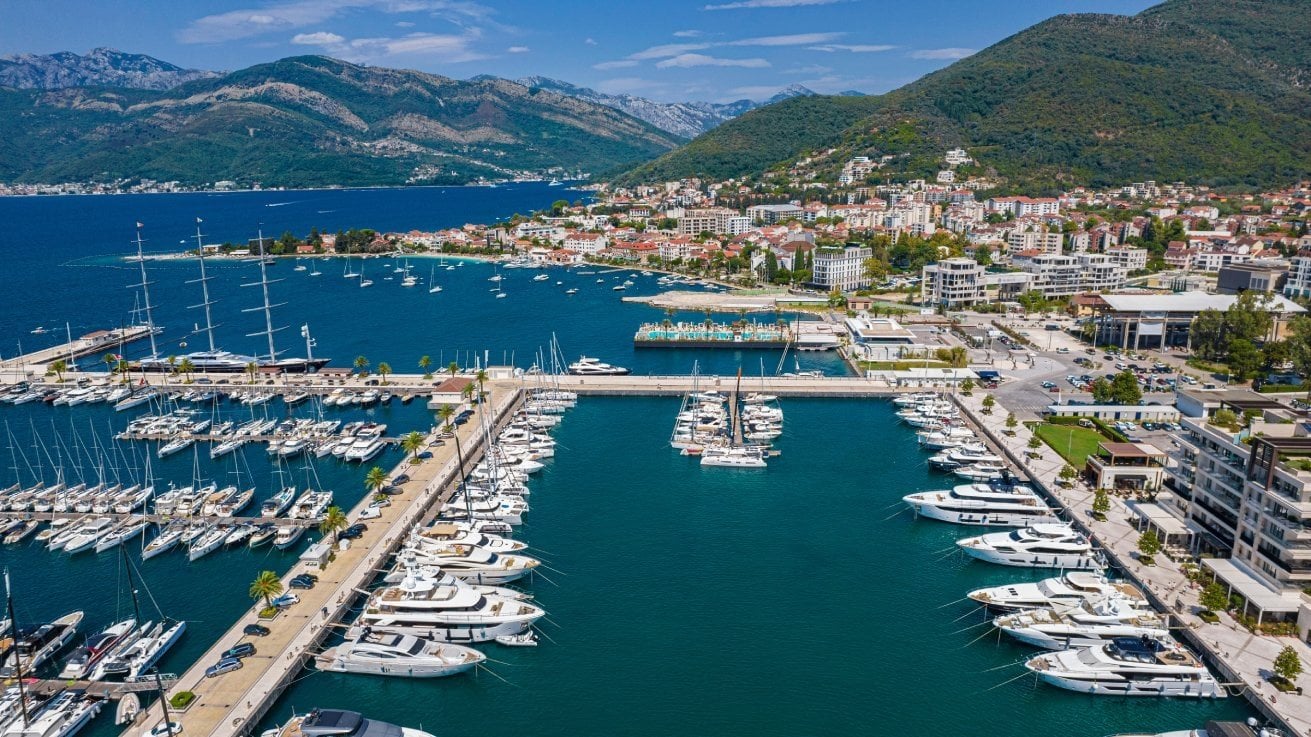
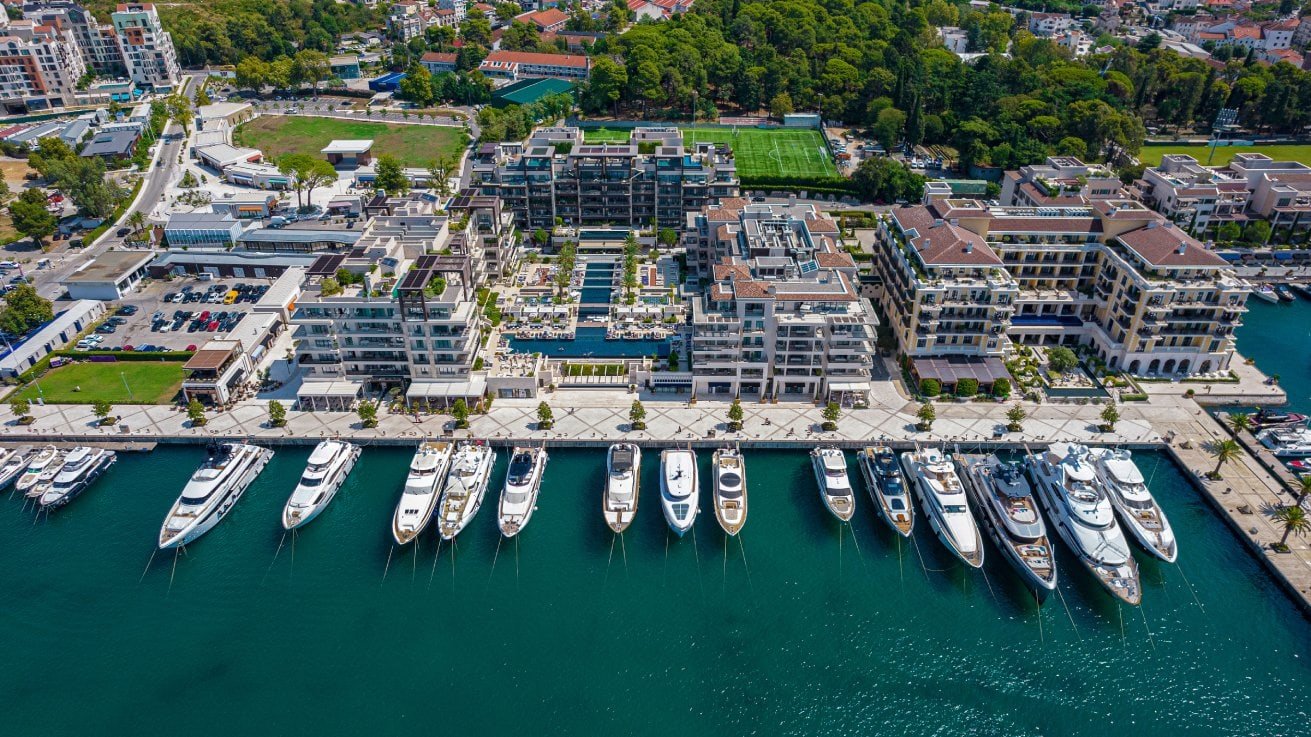
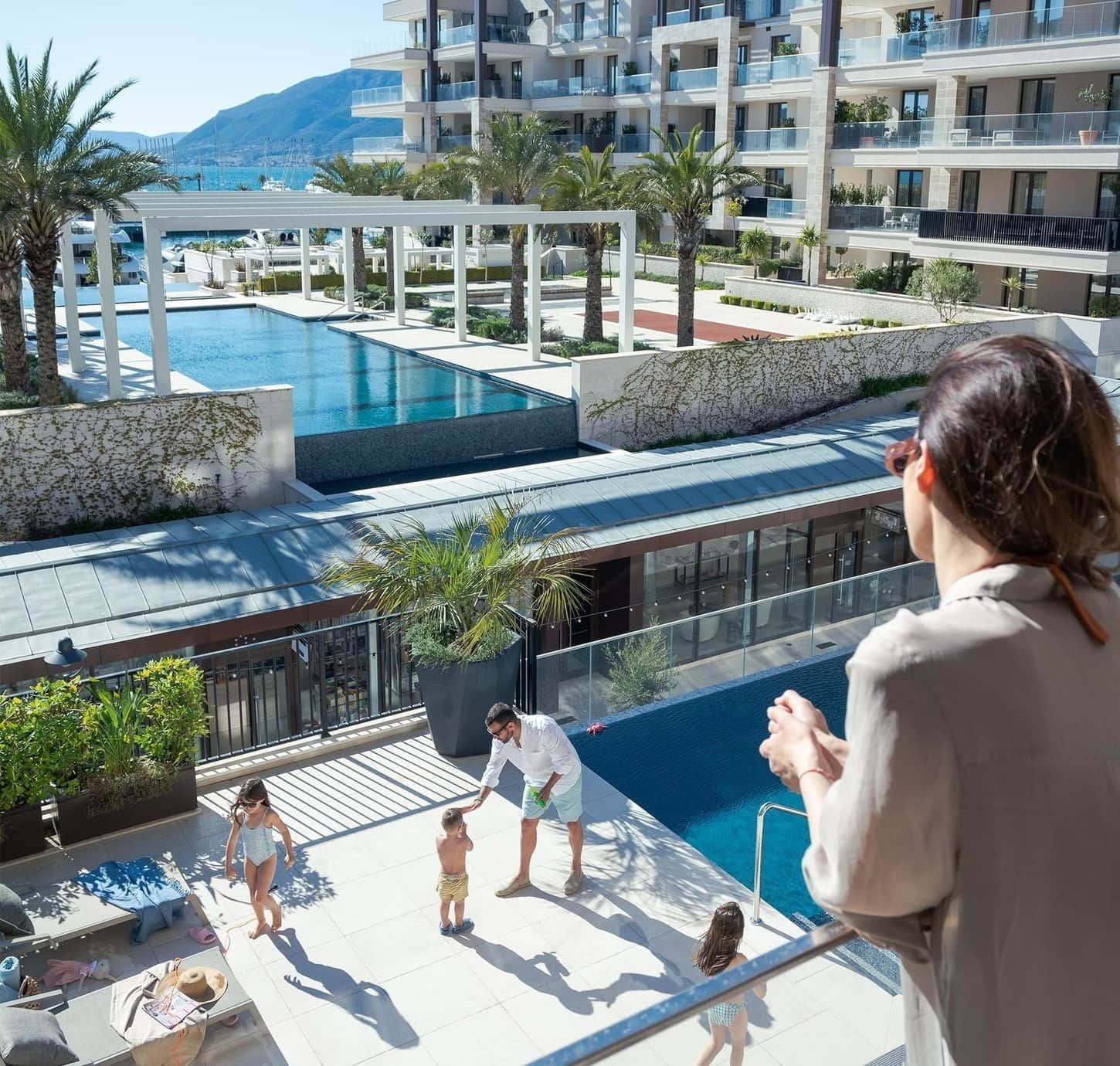
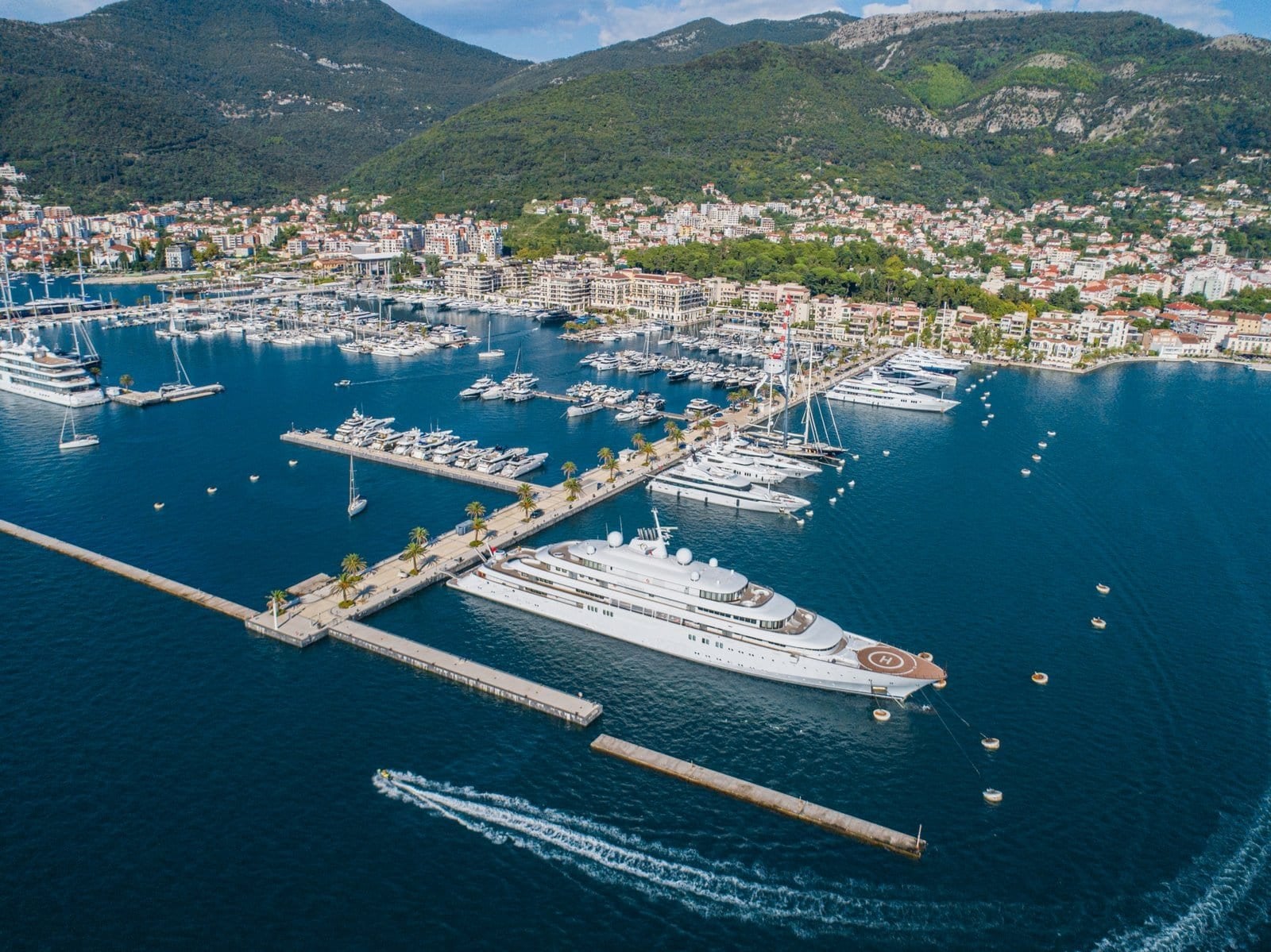
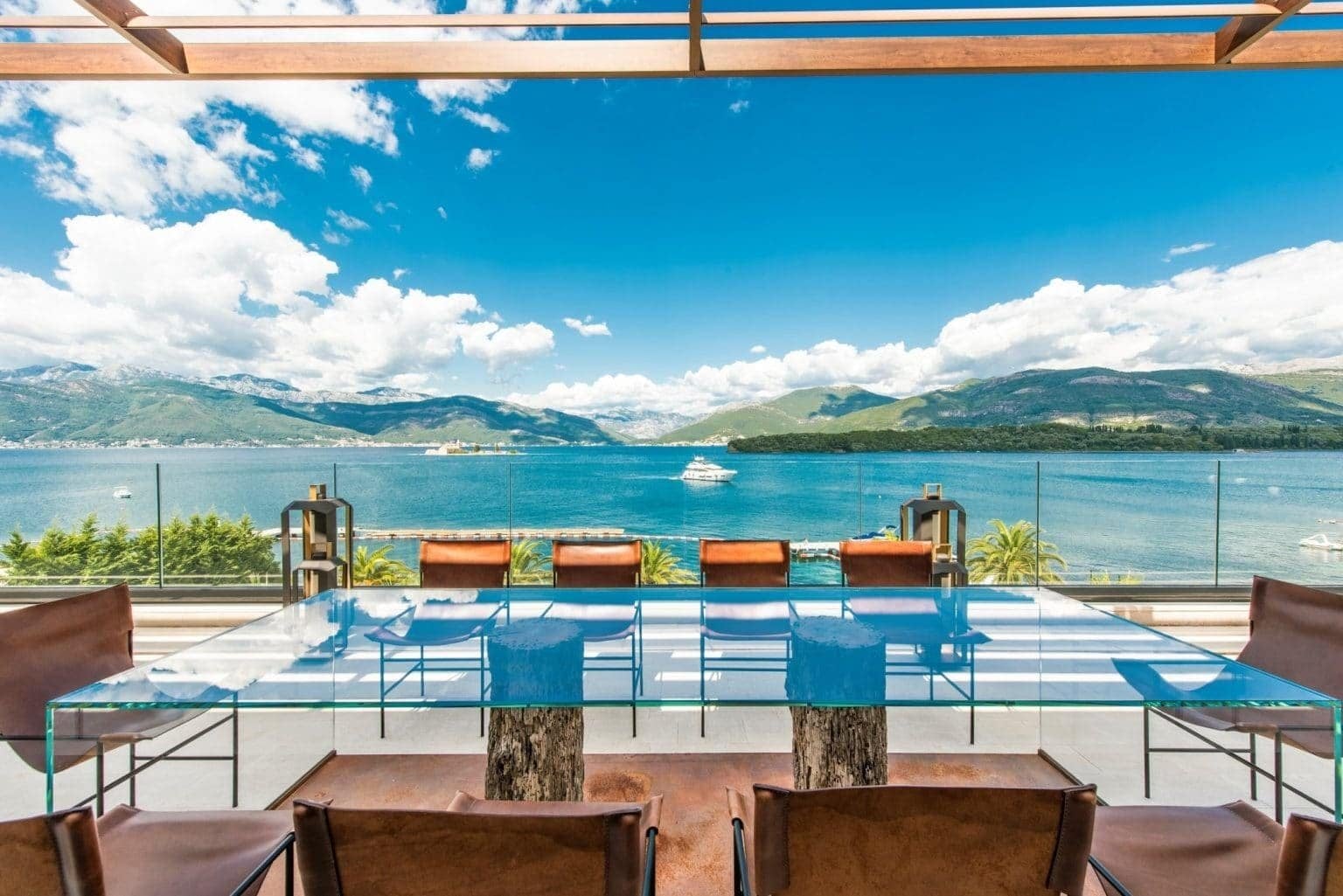
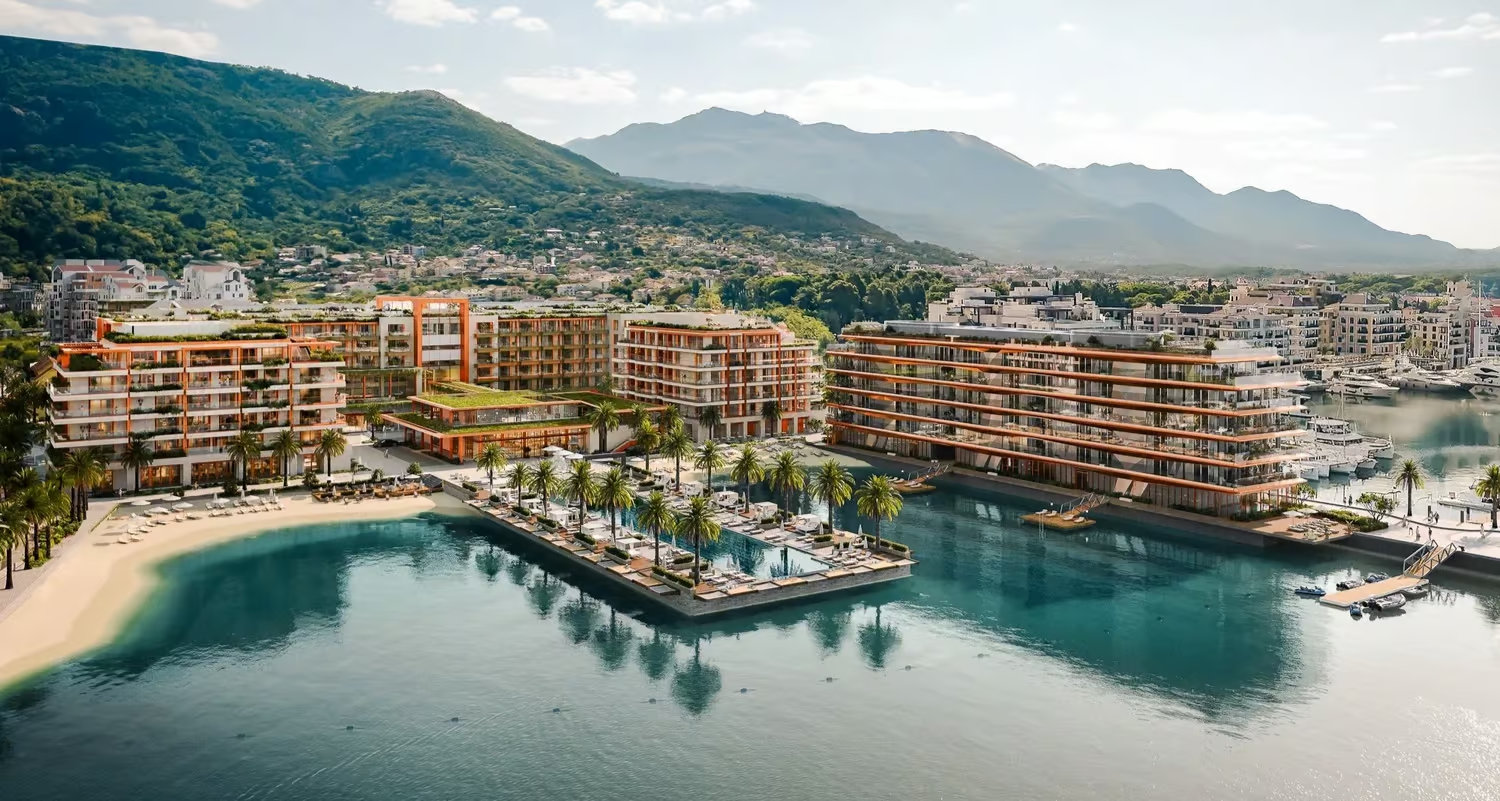
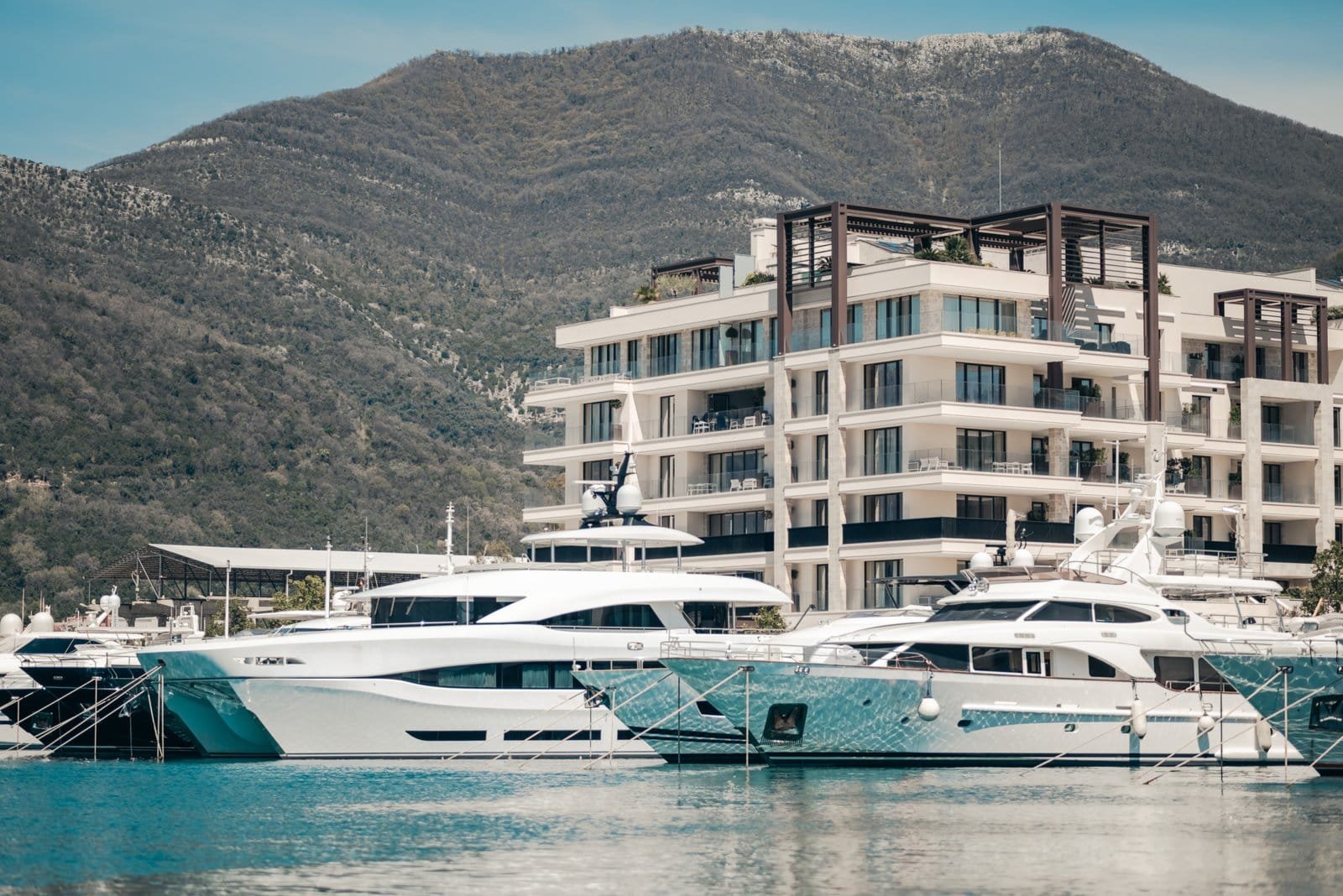
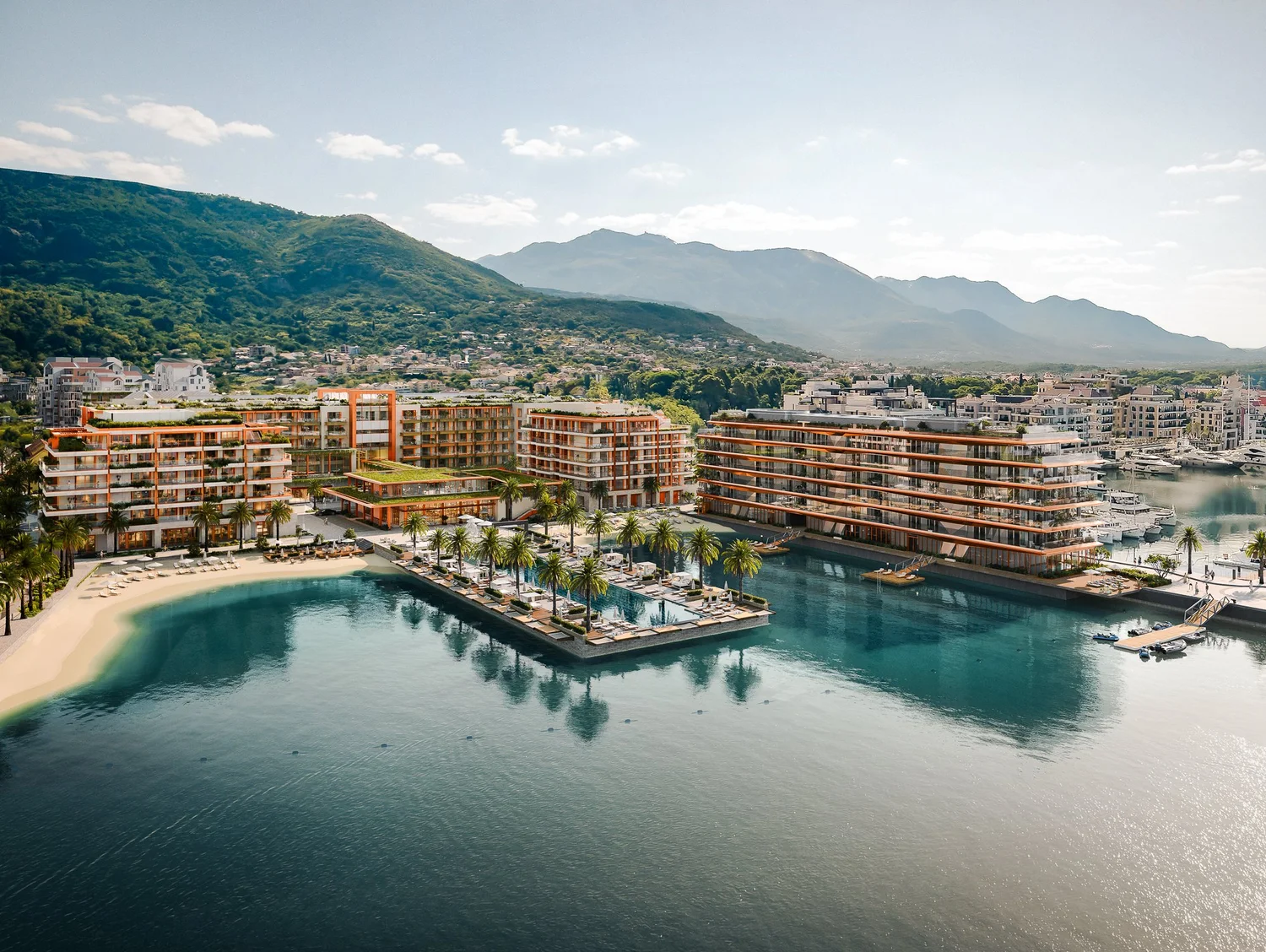
For investors comparing heritage renovation opportunities with new-build luxury assets in Montenegro, properties such as Elevated Living Above the Adriatic: Porto Montenegro's Finest Rooftop Penthouse illustrate the alternative end of the market, turnkey assets in a fully serviced marina environment, which represent a different risk-return profile suited to a different investor type.
The Finished Asset: Luxury Stone Houses in Kotor Bay
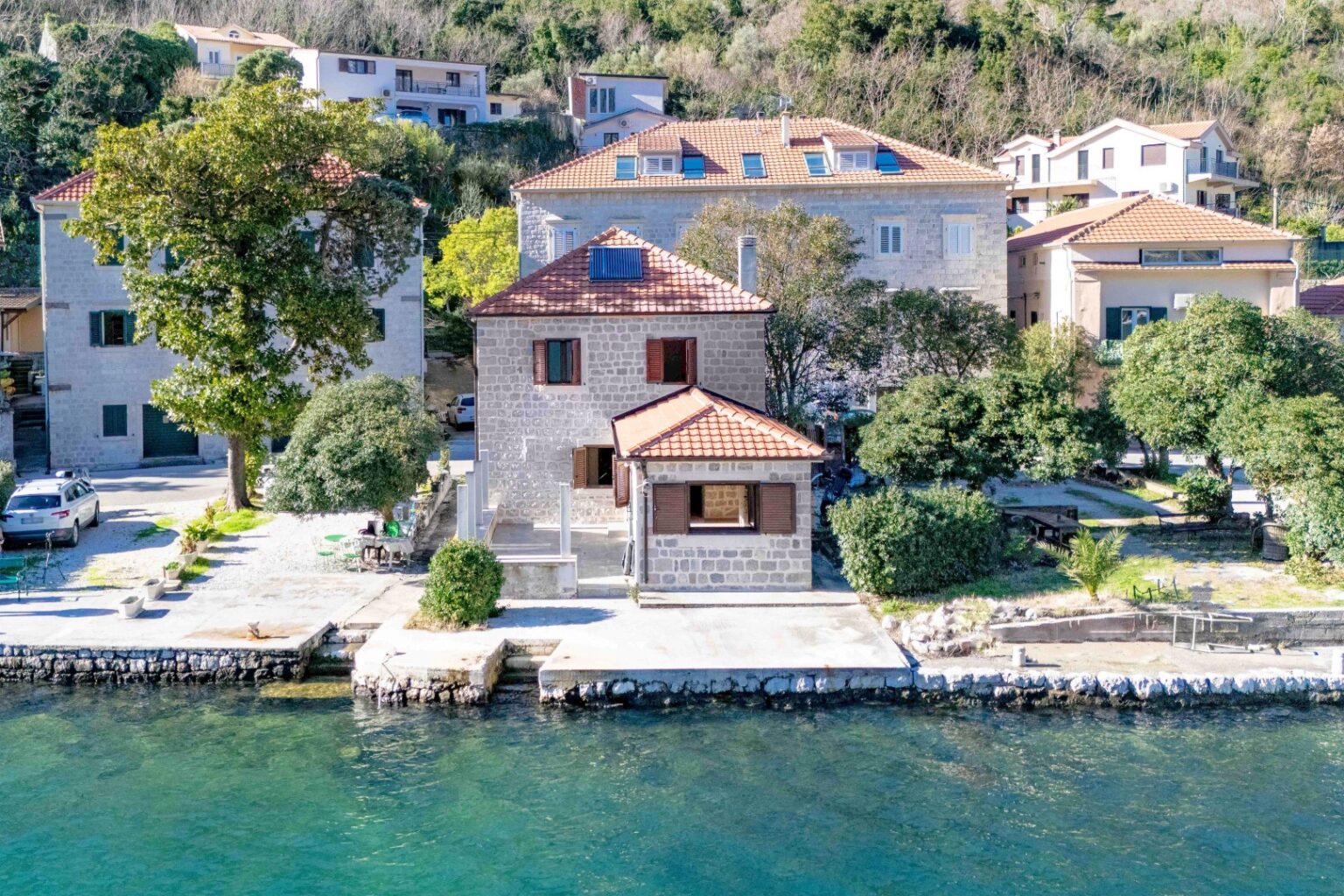
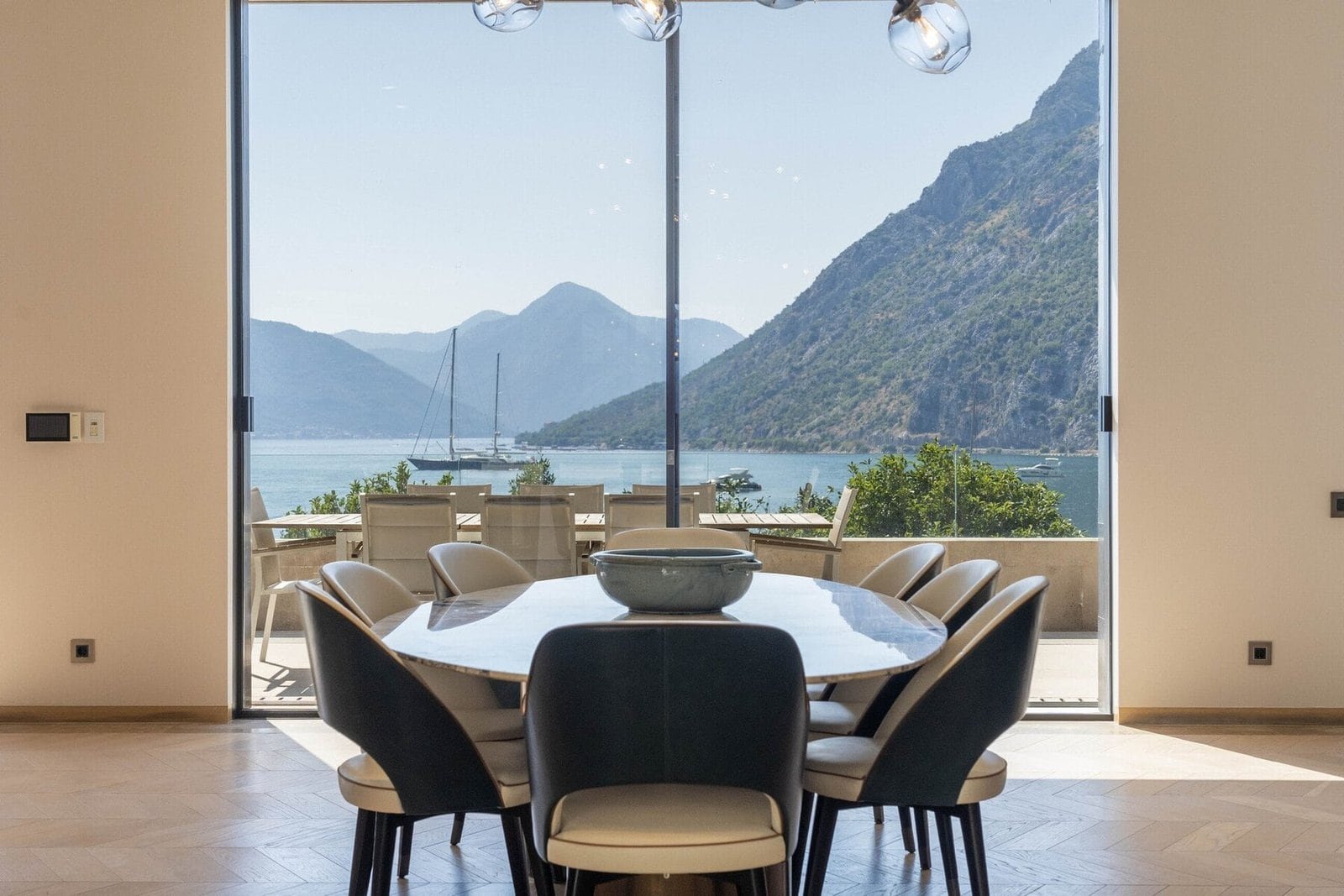
A successfully restored stone house in Kotor Old Town is a genuinely rare finished asset. There is no comparable product available at scale anywhere on the Adriatic, and the combination of heritage authenticity, Mediterranean climate, a walkable urban environment, and UNESCO-protected surroundings positions the finished property in a premium bracket that conventional coastal apartment supply cannot reach.
Valuation uplift on a well-executed restoration reflects both the quality of the work and the scarcity of the finished product. Investors who have completed restorations in the Old Town and brought them to market as either primary residences or holiday lets have found that buyer interest is not confined to Montenegro or even to the Adriatic. The profile of incoming buyers for this category extends to Northern and Western Europe, the Gulf states, and increasingly to buyers from North America, attracted by the combination of European heritage, relative value versus comparable Mediterranean markets, and Montenegro's accessible property purchase framework for non-EU nationals.
For investors who want to consider the full spectrum of high-value Montenegrin real estate before focusing on a specific asset type, the Sky-High Sovereignty Above the Adriatic: Porto Montenegro's Crown Penthouse and the Panoramic Sea Views and Alpine Horizons at Porto Montenegro's Finest Address represent the premium end of the new-build marina segment, providing useful reference points for understanding how Kotor Old Town heritage assets are positioned relative to the wider luxury market.
The International Buyer's Entry Point to Kotor's Historic District
The mechanics of purchasing property in Kotor Old Town are broadly straightforward for international buyers, though the heritage overlay introduces specific due diligence requirements that a standard coastal purchase would not demand. Montenegro permits non-EU nationals to acquire real estate freehold, with purchase costs including a property transfer tax set at 3 percent of the assessed value, as established under Montenegro's Law on Property Tax. Legal title research is essential given the age of many Old Town properties, and buyers should anticipate that historic ownership records may require resolution before transfer can proceed cleanly.
Entry price points for unrenovated properties begin at levels that reflect genuine acquisition value rather than speculative premiums, though well-located finished apartments and restored palazzos command prices that place them firmly in the European luxury residential bracket. The price gap between an unrenovated stone house and a fully restored comparable represents the renovation opportunity, and it is that gap, assessed against realistic restoration costs and the finished asset value, that defines the investment return for buyers pursuing the development pathway.
Demand from international buyers shows no structural signs of abating. Enquiry patterns through the first half of 2026 reflect continued interest from British, German, Scandinavian, and Gulf-based buyers, with the Old Town consistently identified as the single most requested location within the Bay of Kotor for heritage-led investment. Supply, as always within the medieval walls, is not in a position to accommodate that interest at scale, and the resulting tension between finite stock and growing demand is the defining characteristic of this market.
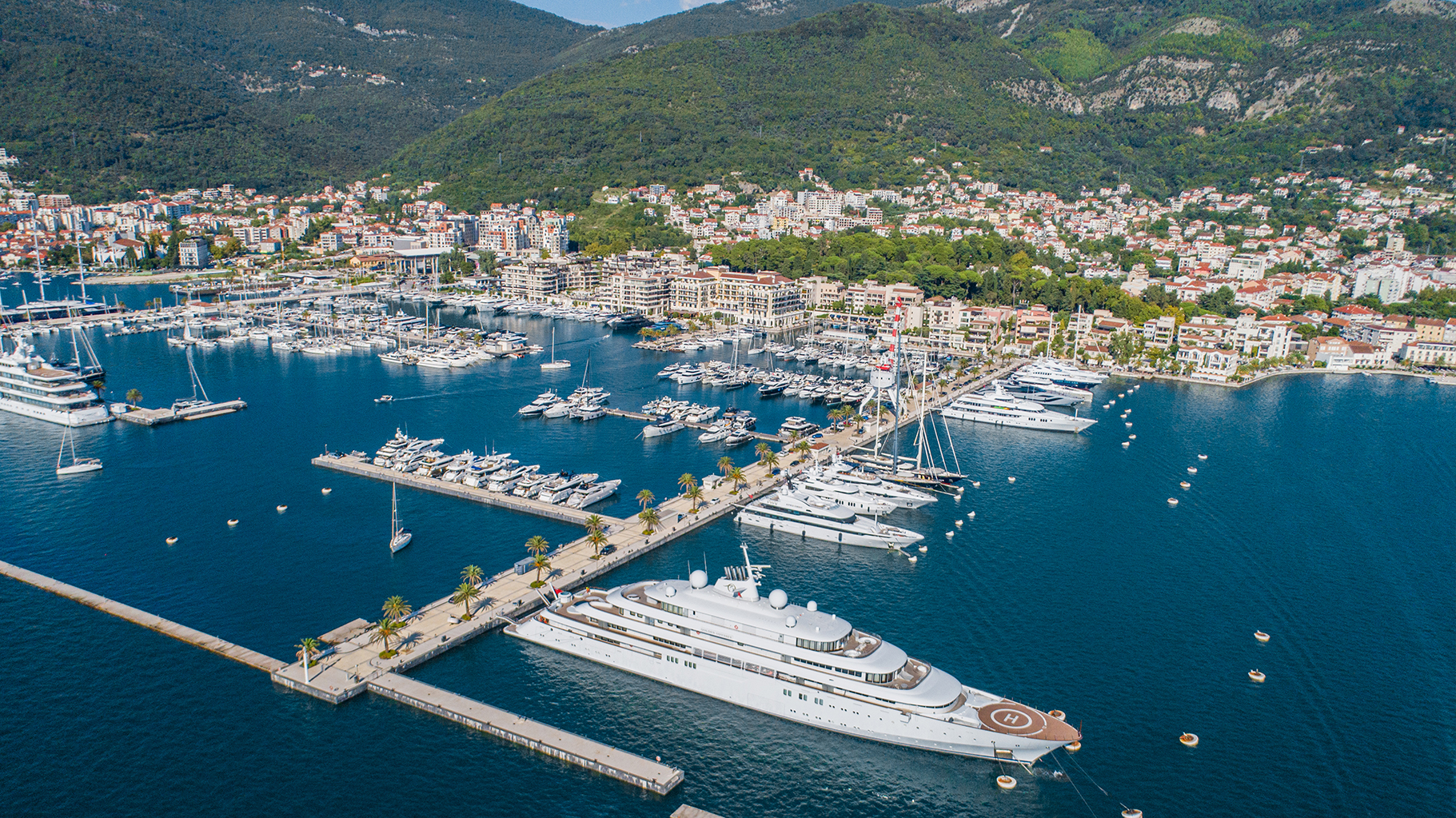
Investors who want to understand how Kotor Old Town fits within a broader Montenegro portfolio strategy, including comparisons with marina-adjacent new-build assets such as the Sky-High Sovereignty Above the Adriatic: Porto Montenegro's Crown Penthouse or the range of options covered in the Porto Montenegro Apartments for Sale: 2026 Buyer and Investment Guide, will find that the Old Town occupies a distinct and complementary position. It is not in competition with the marina segment. It serves a different investment thesis, one built on irreplaceable heritage, absolute supply constraint, and a long-term capital preservation logic that most other Adriatic markets are simply unable to offer.
---
Barok Estates International Advisory Note
Barok Estates International advises private clients and institutional investors across Montenegro, Spain, and the United Kingdom on heritage property acquisition, renovation structuring, and portfolio strategy. Our Montenegro team, based in the Bay of Kotor region, holds direct relationships with heritage authority advisors, specialist restoration architects, and legal practitioners experienced in historic district title resolution. If you are considering an entry into Kotor Old Town or wish to discuss how a heritage acquisition fits within a broader Mediterranean portfolio, contact our advisory team for a confidential consultation.











.jpg)