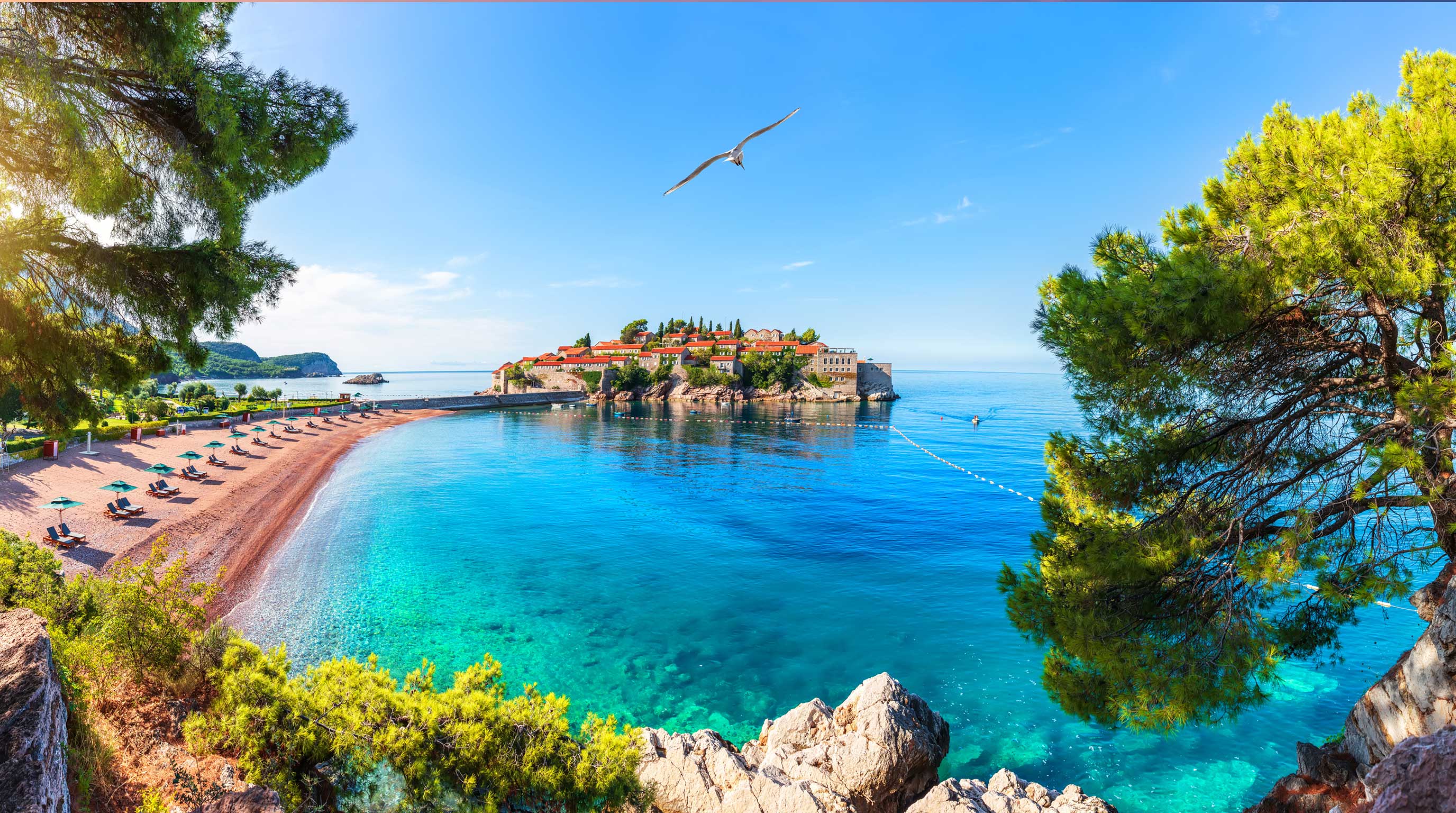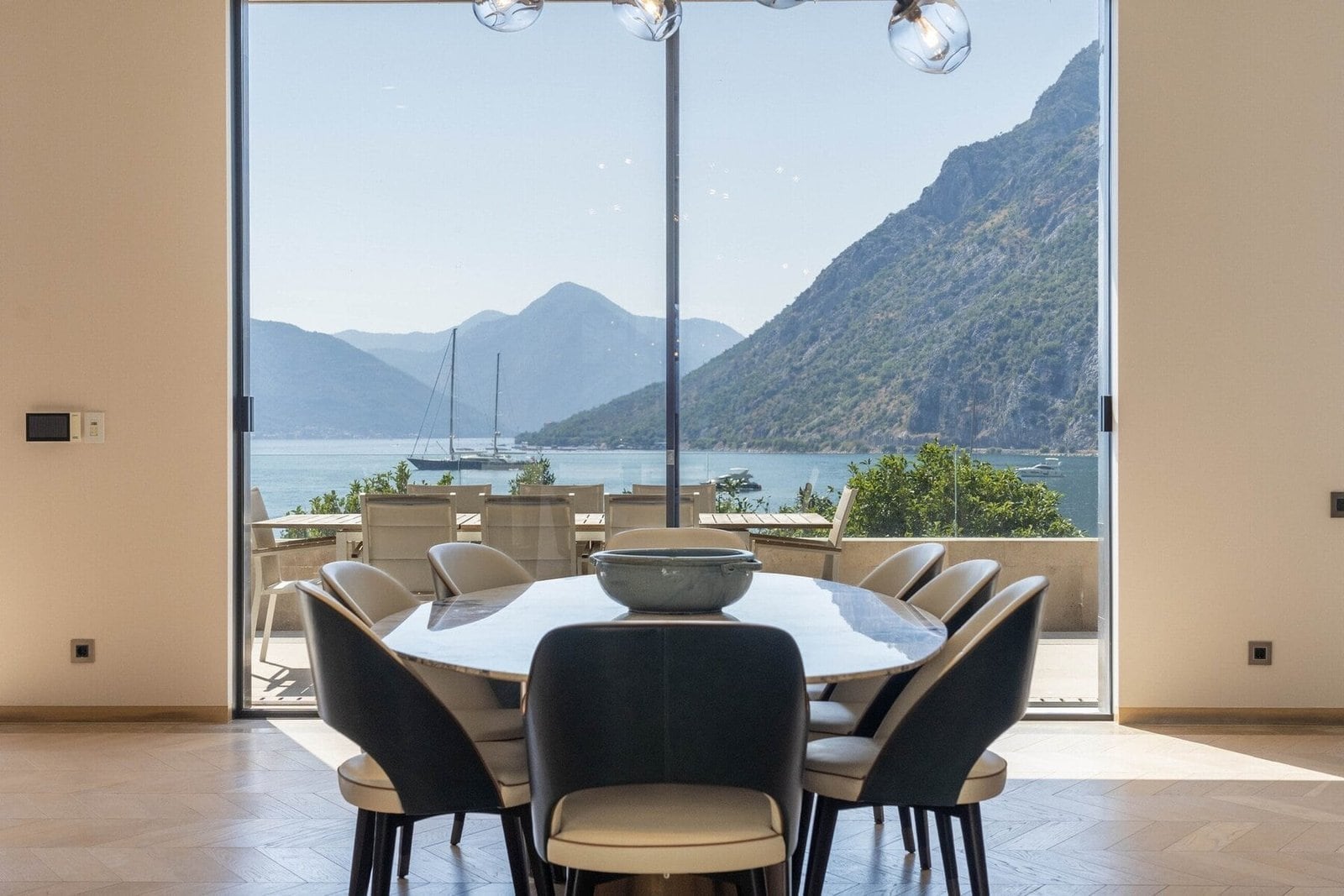
Montenegro and Spain are the two European markets attracting the most consistent international buying interest in 2026, and they serve fundamentally different investment theses. Understanding which market aligns with your objective, whether capital preservation, income generation, residency positioning, or lifestyle, is the starting point for a structured acquisition strategy.
Barok Estates International advises buyers across both markets. The question of Montenegro or Spain is not one with a universal answer. It depends on capital availability, time horizon, residency ambitions, risk tolerance, and how property sits within a broader portfolio. This comparison addresses each dimension honestly.
Entry Prices: What Capital Gets You in Each Market
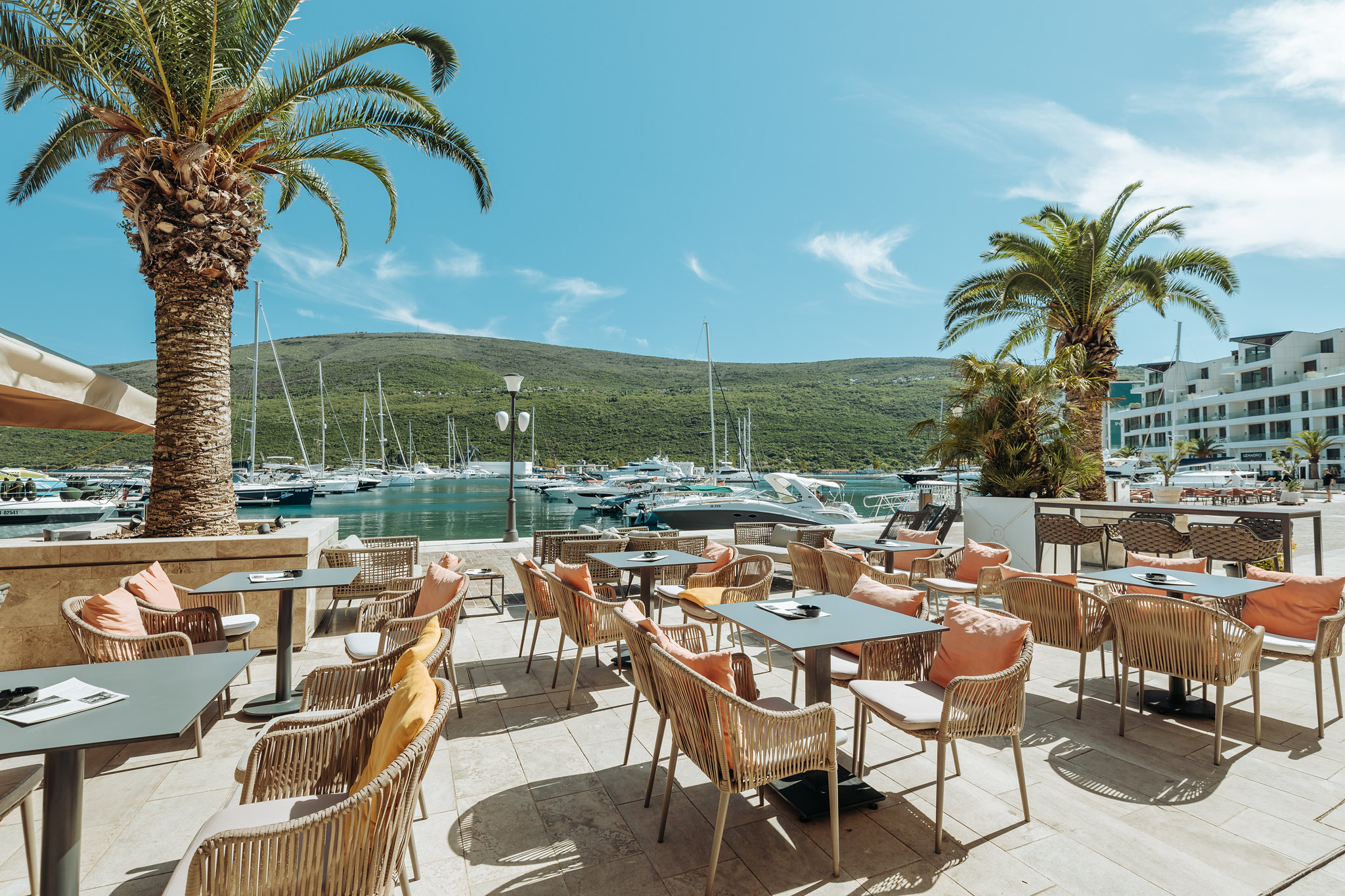
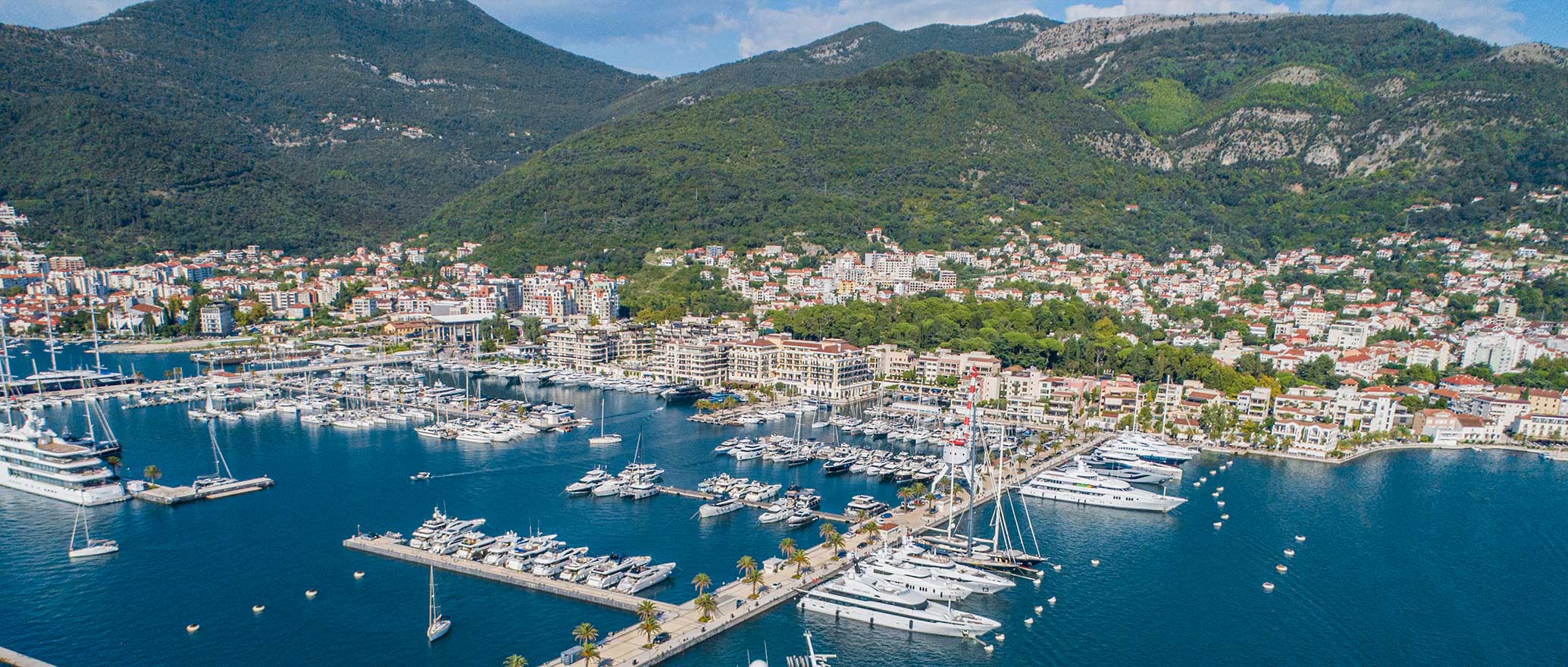
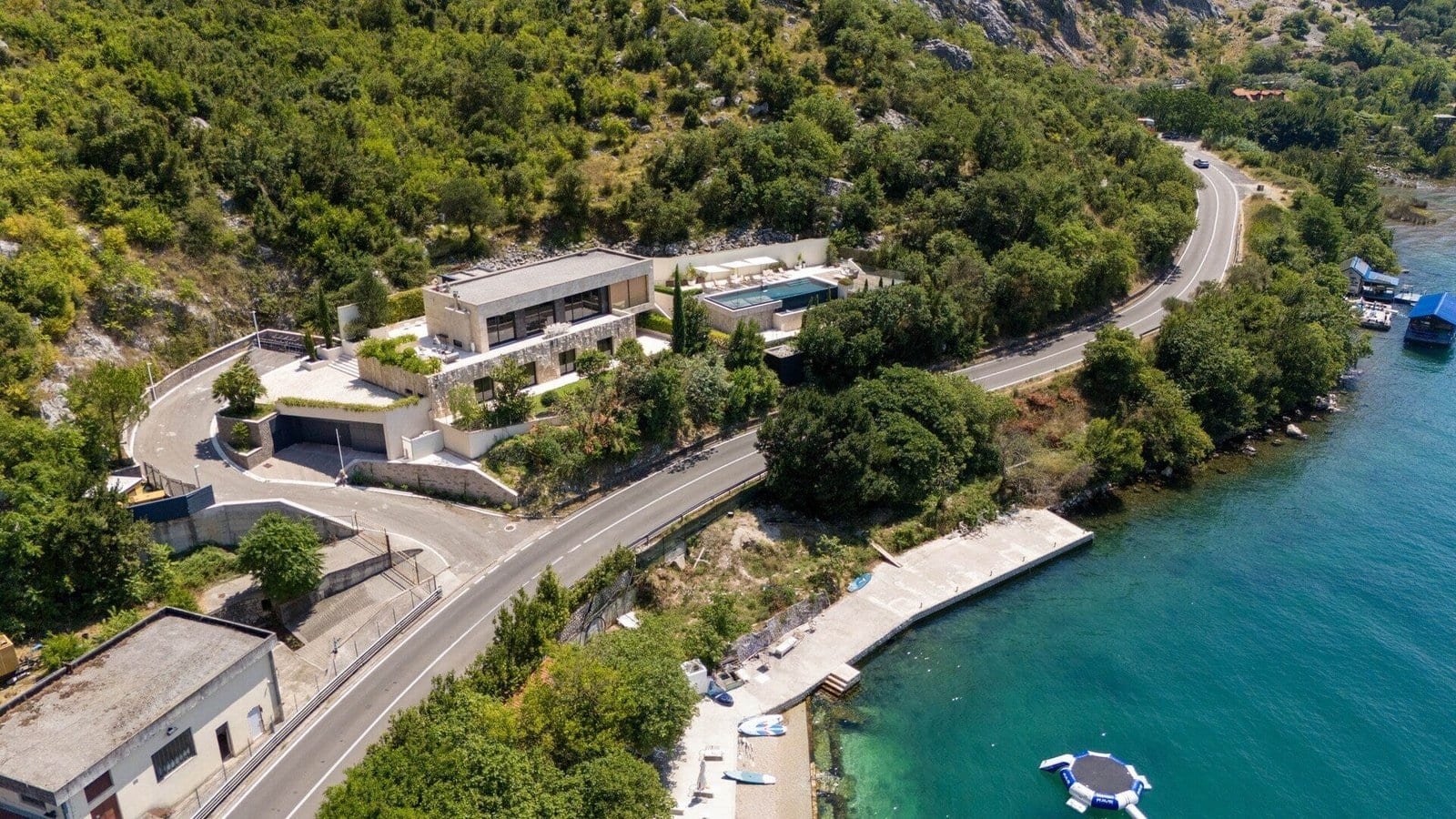
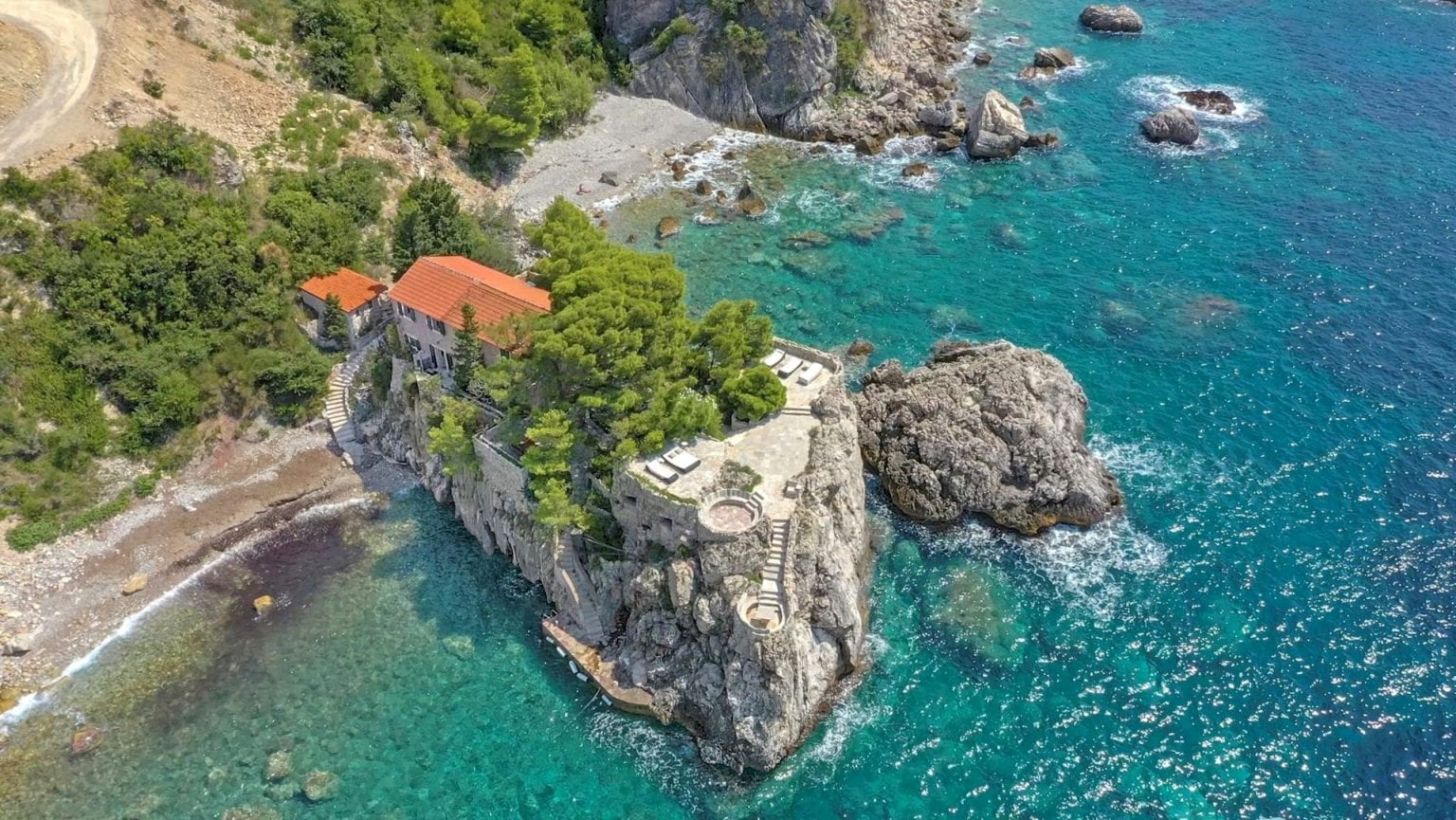
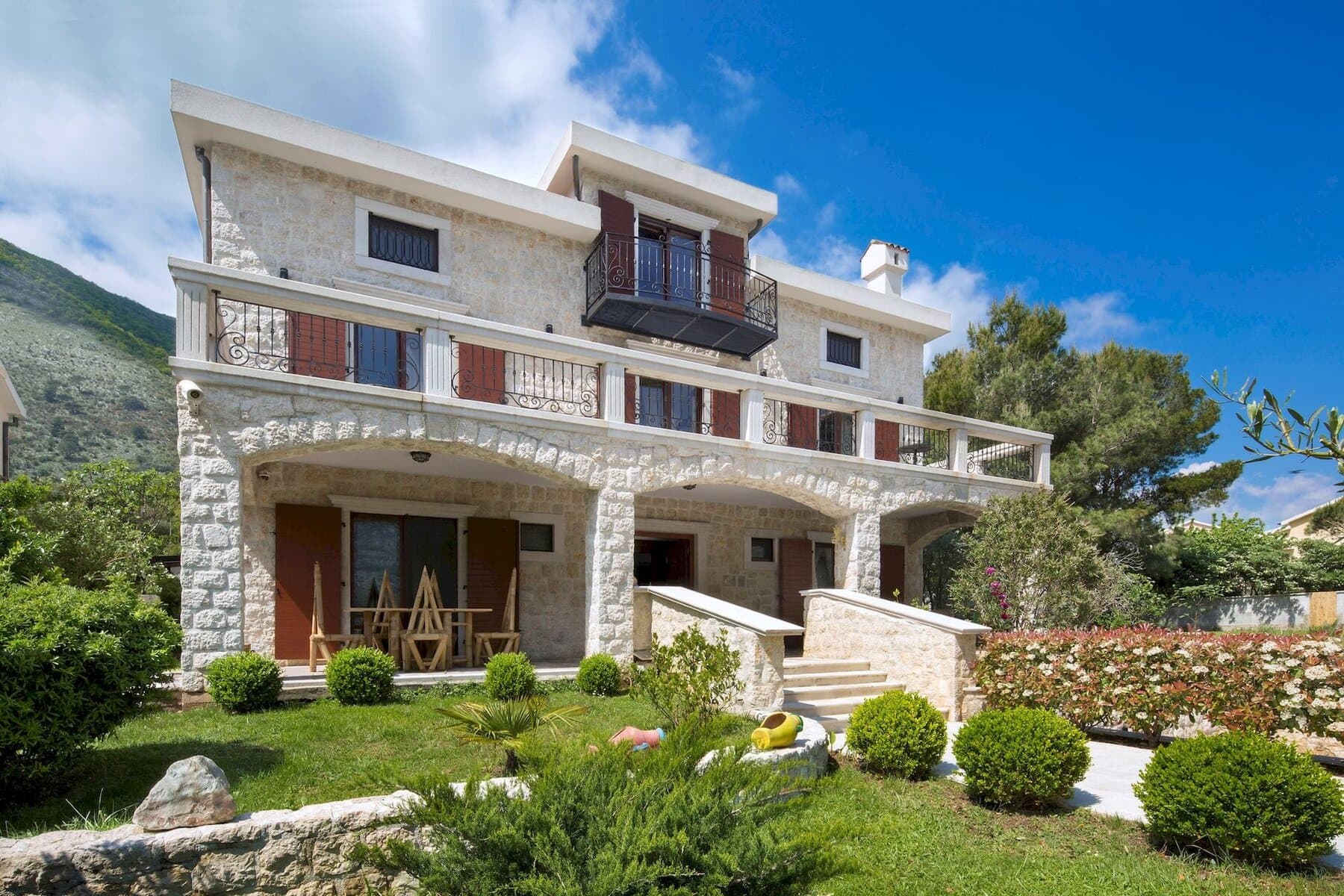
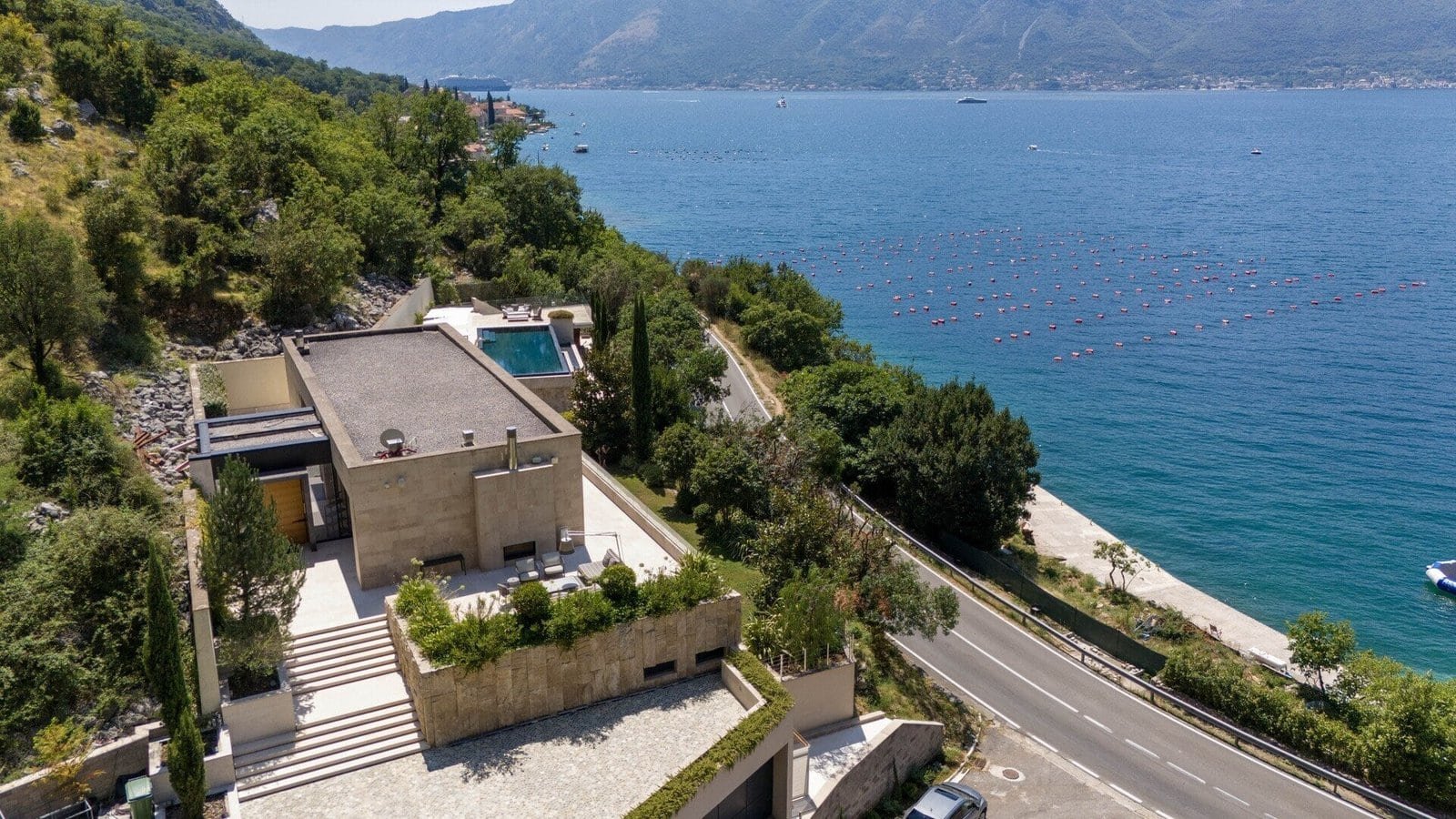
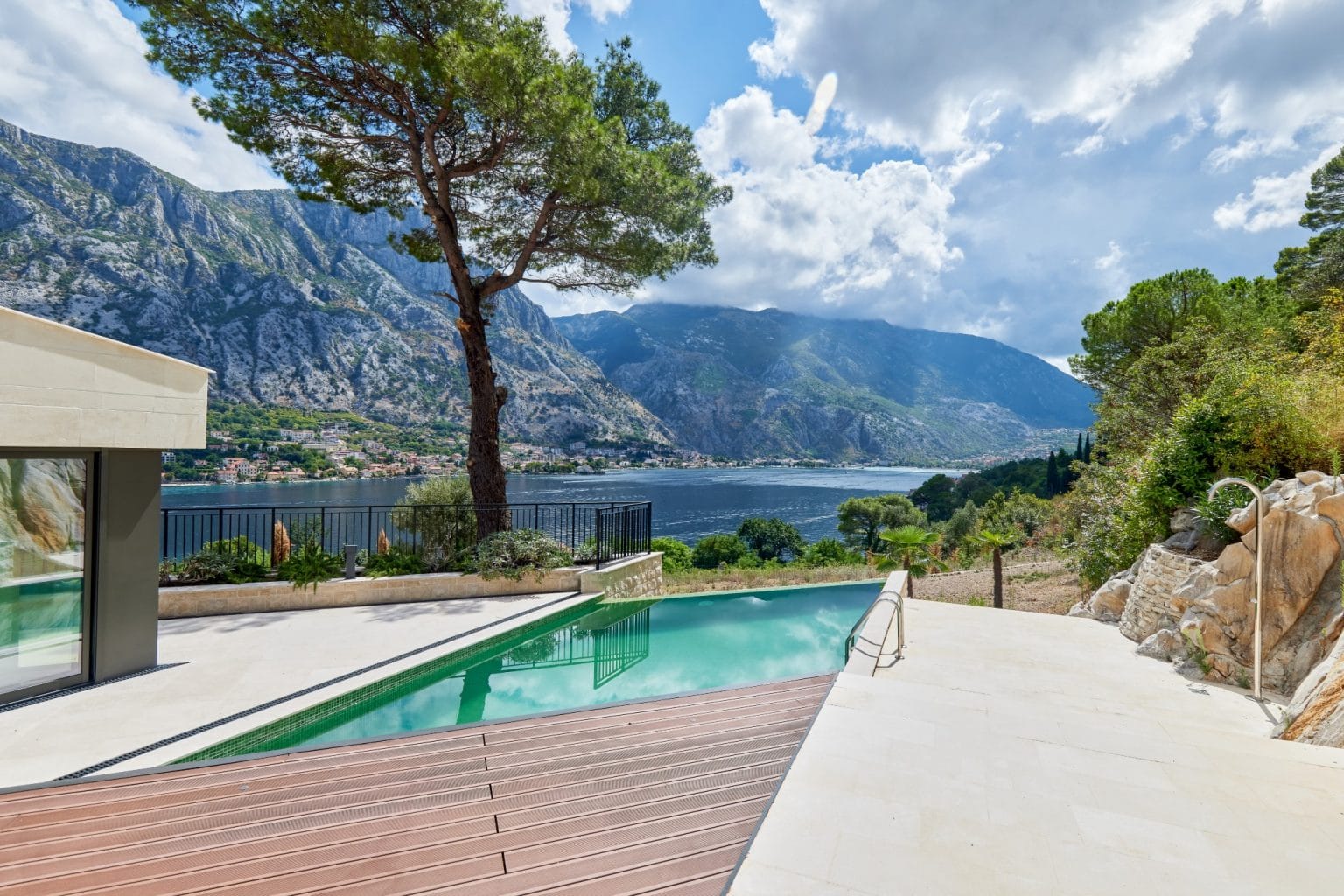
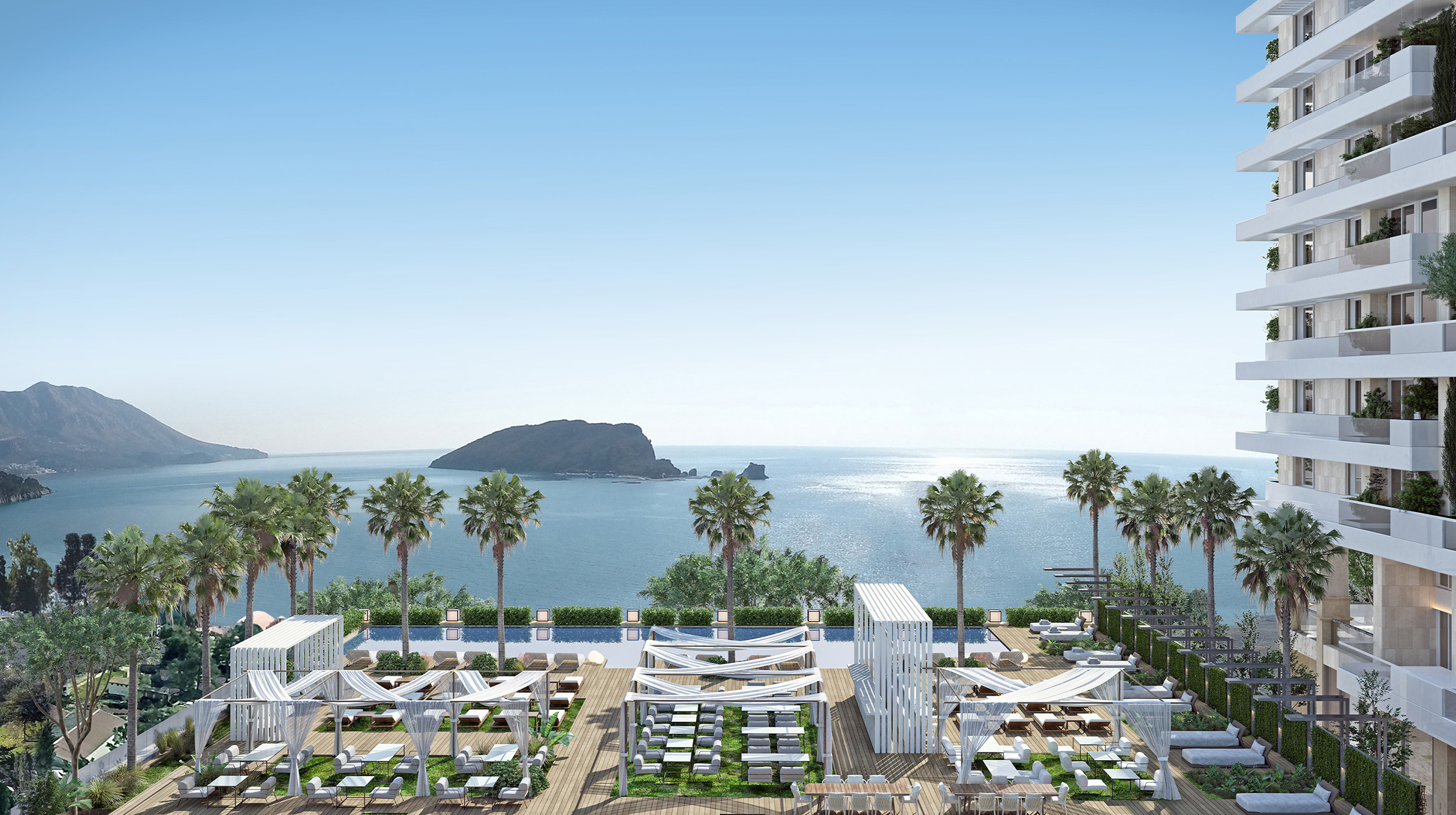
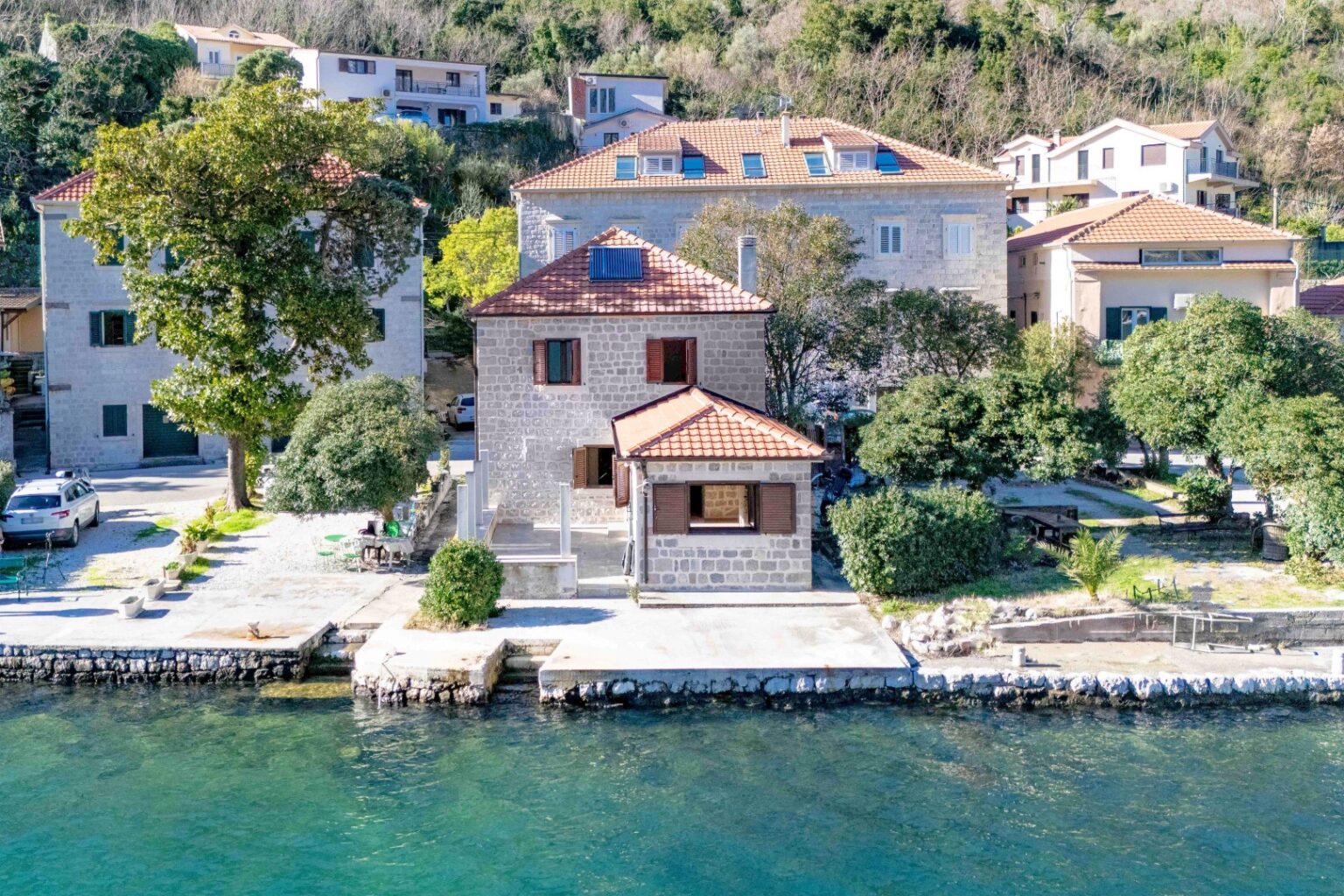
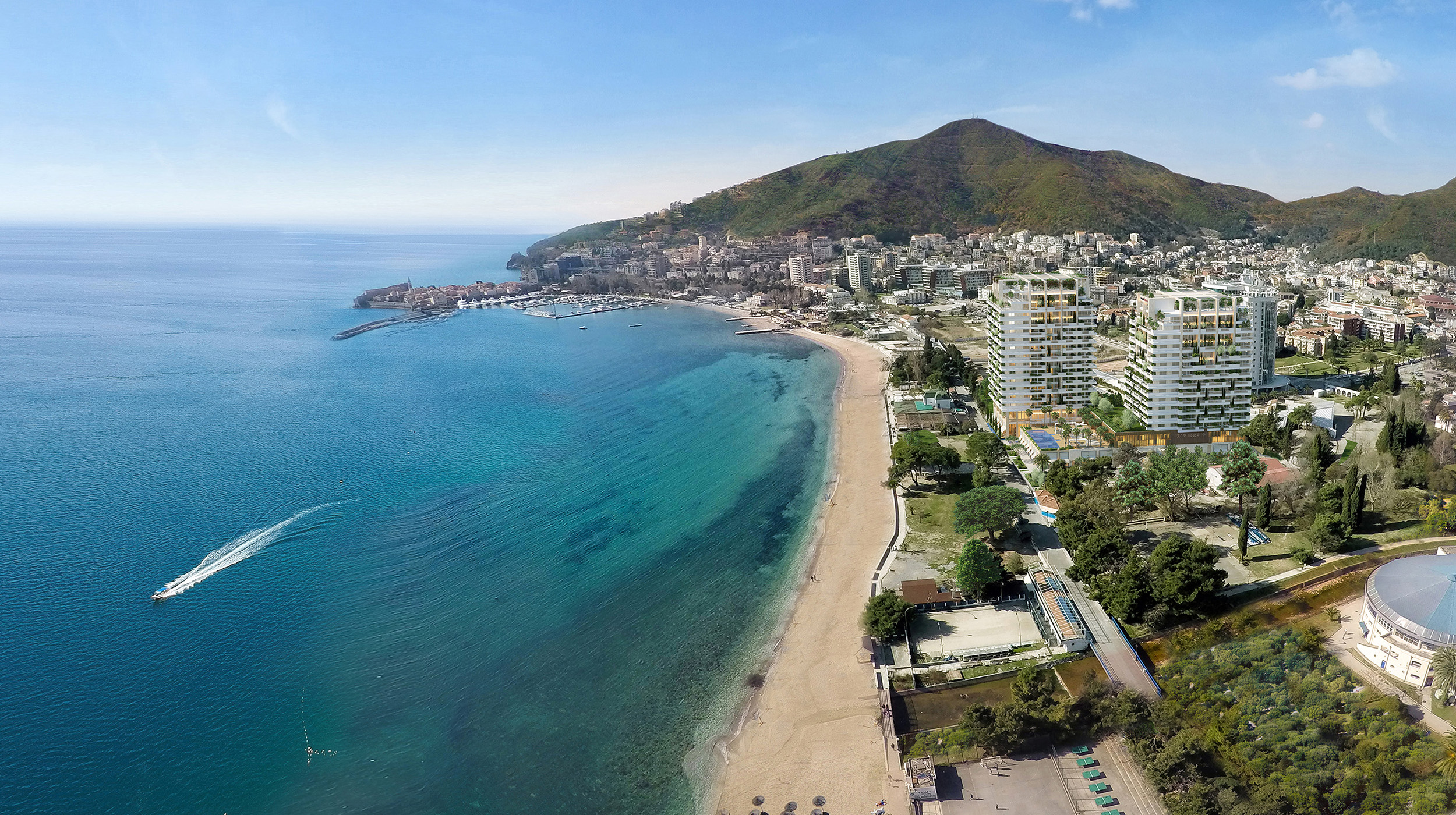
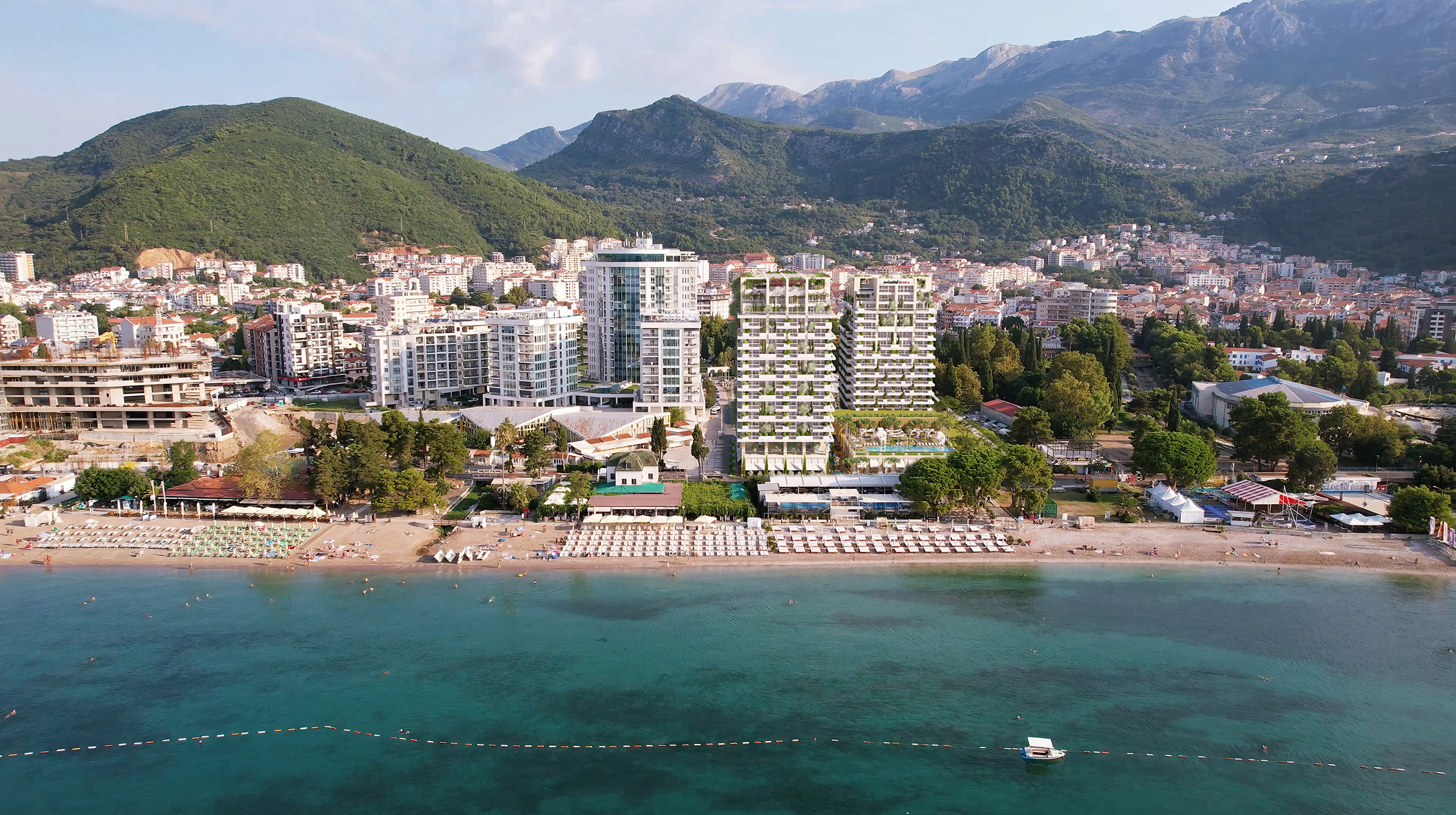
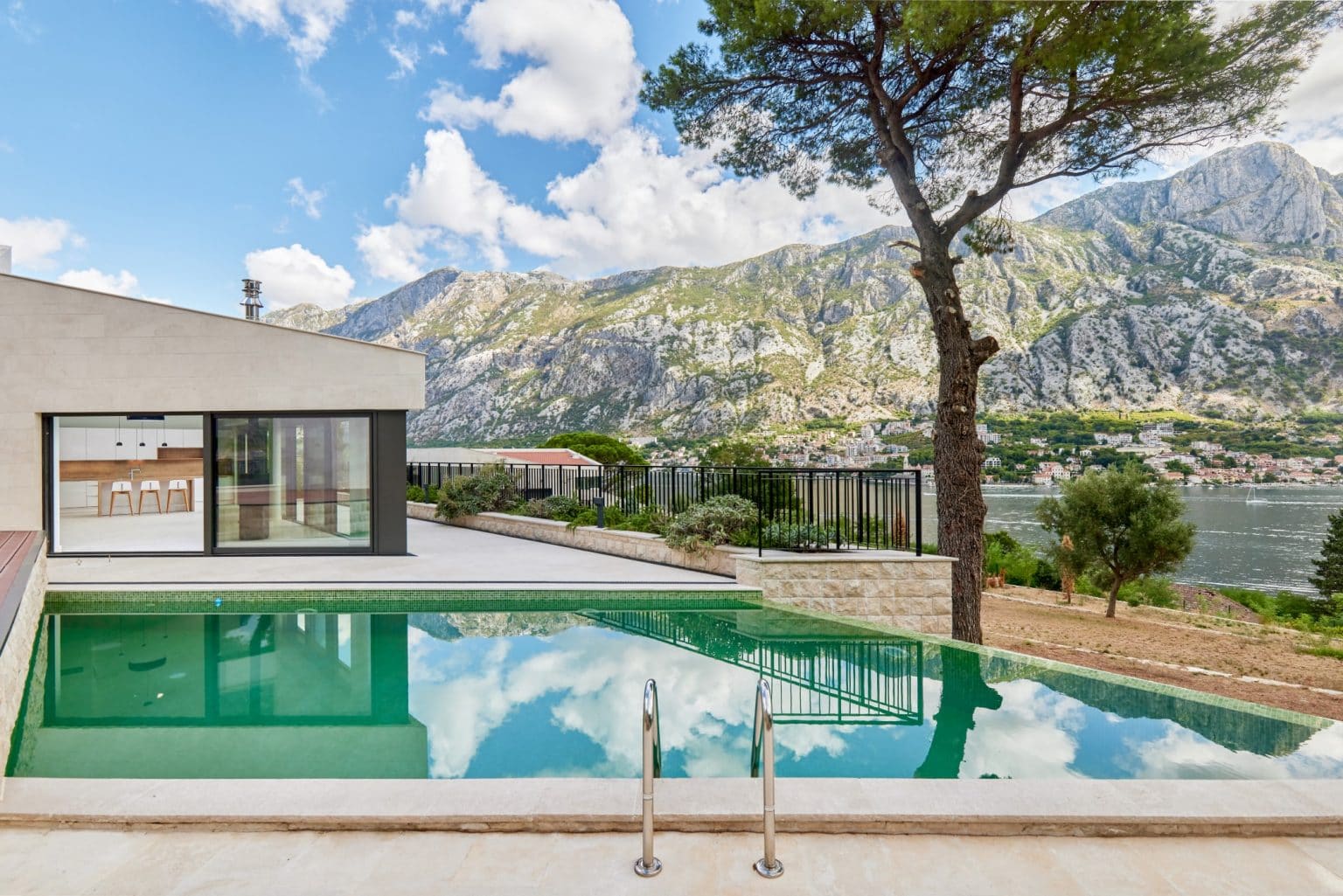
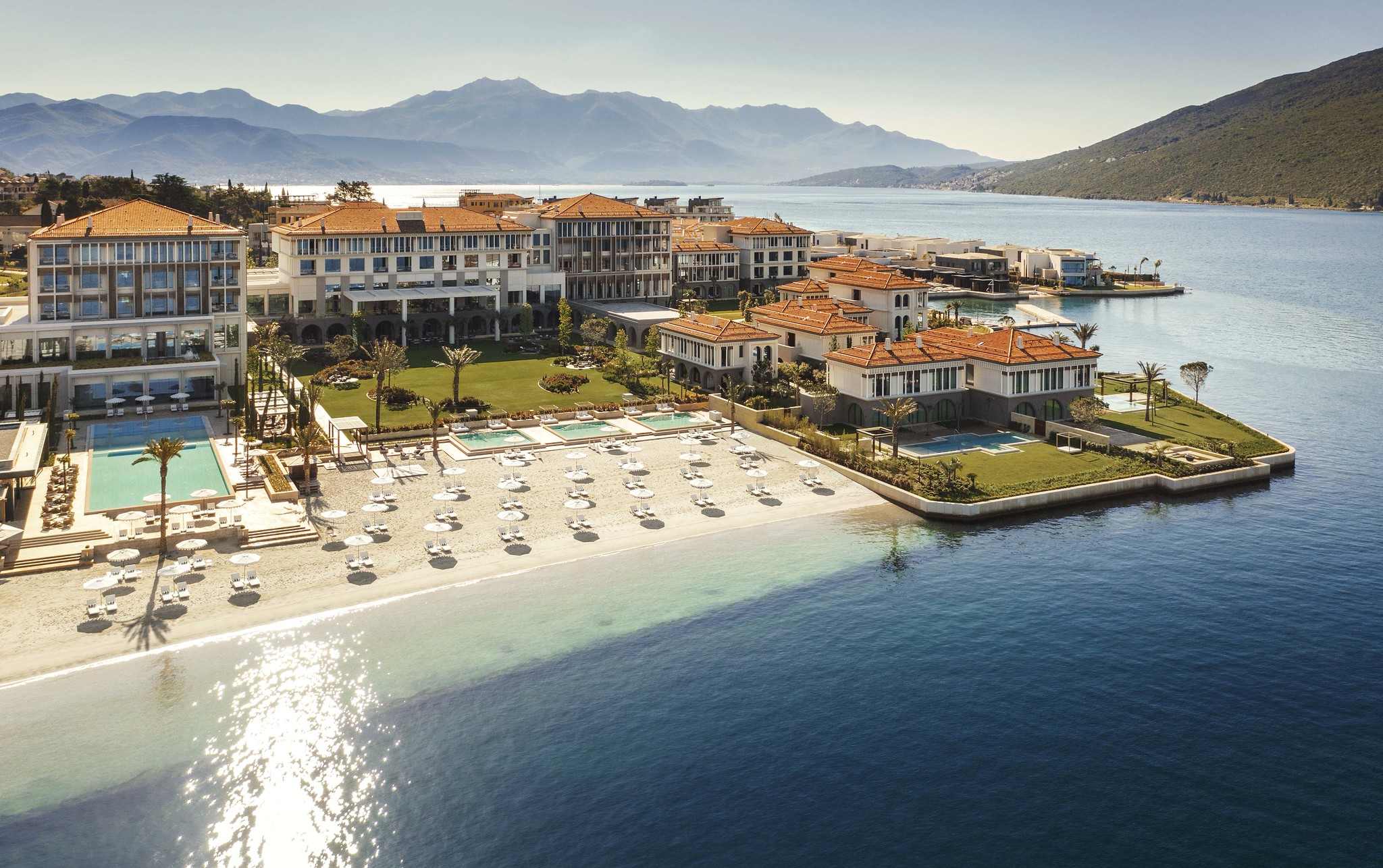
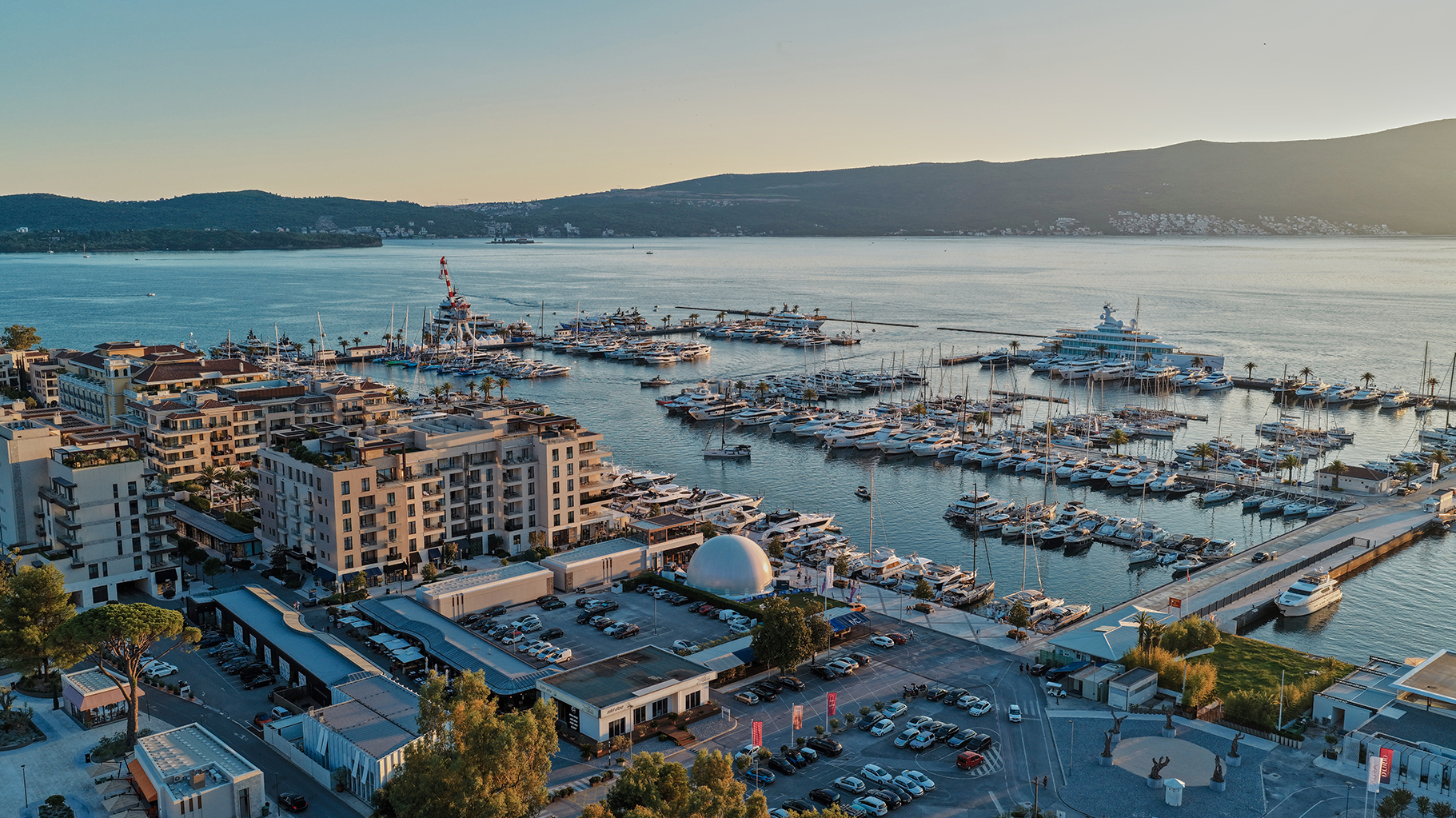
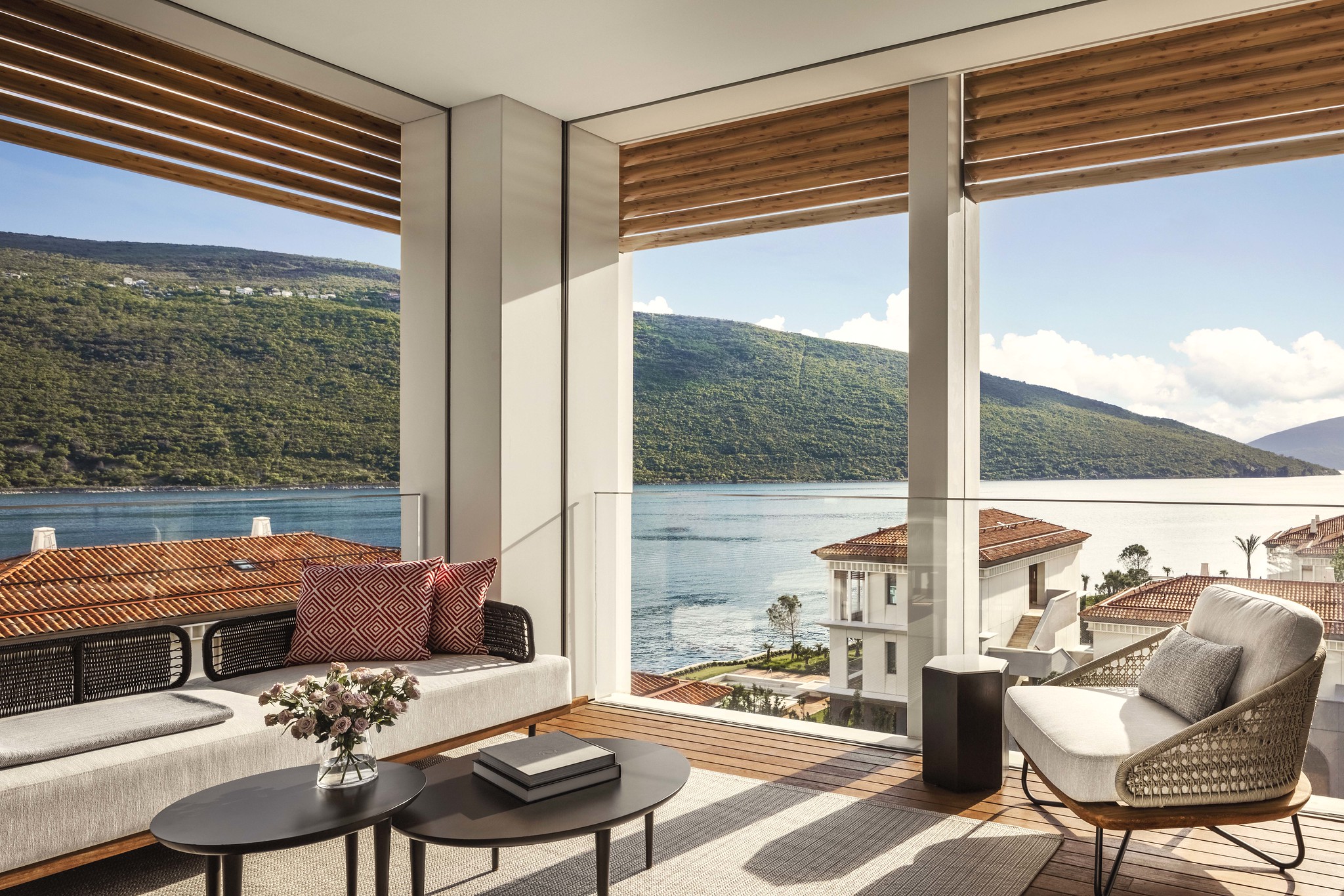
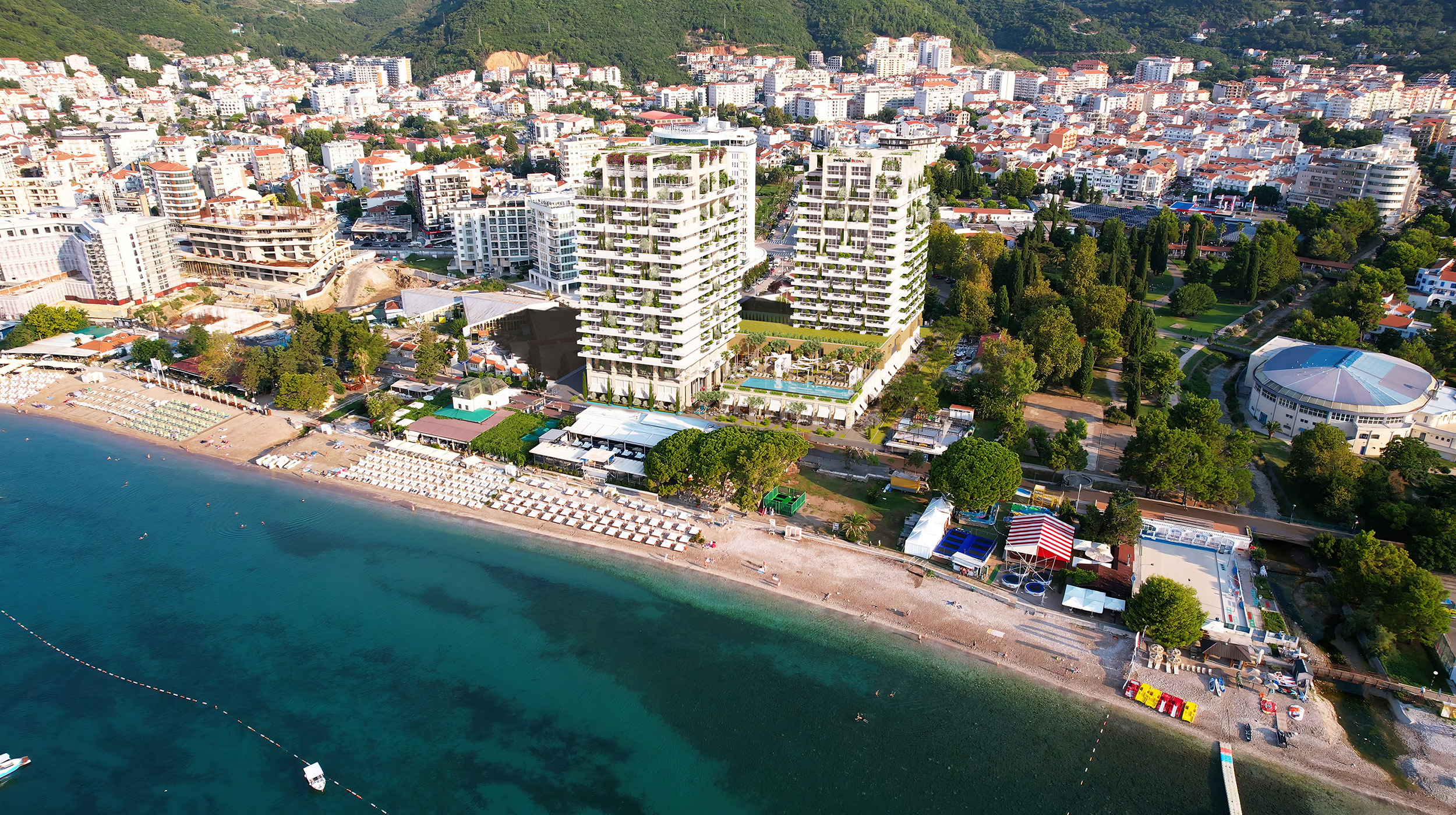
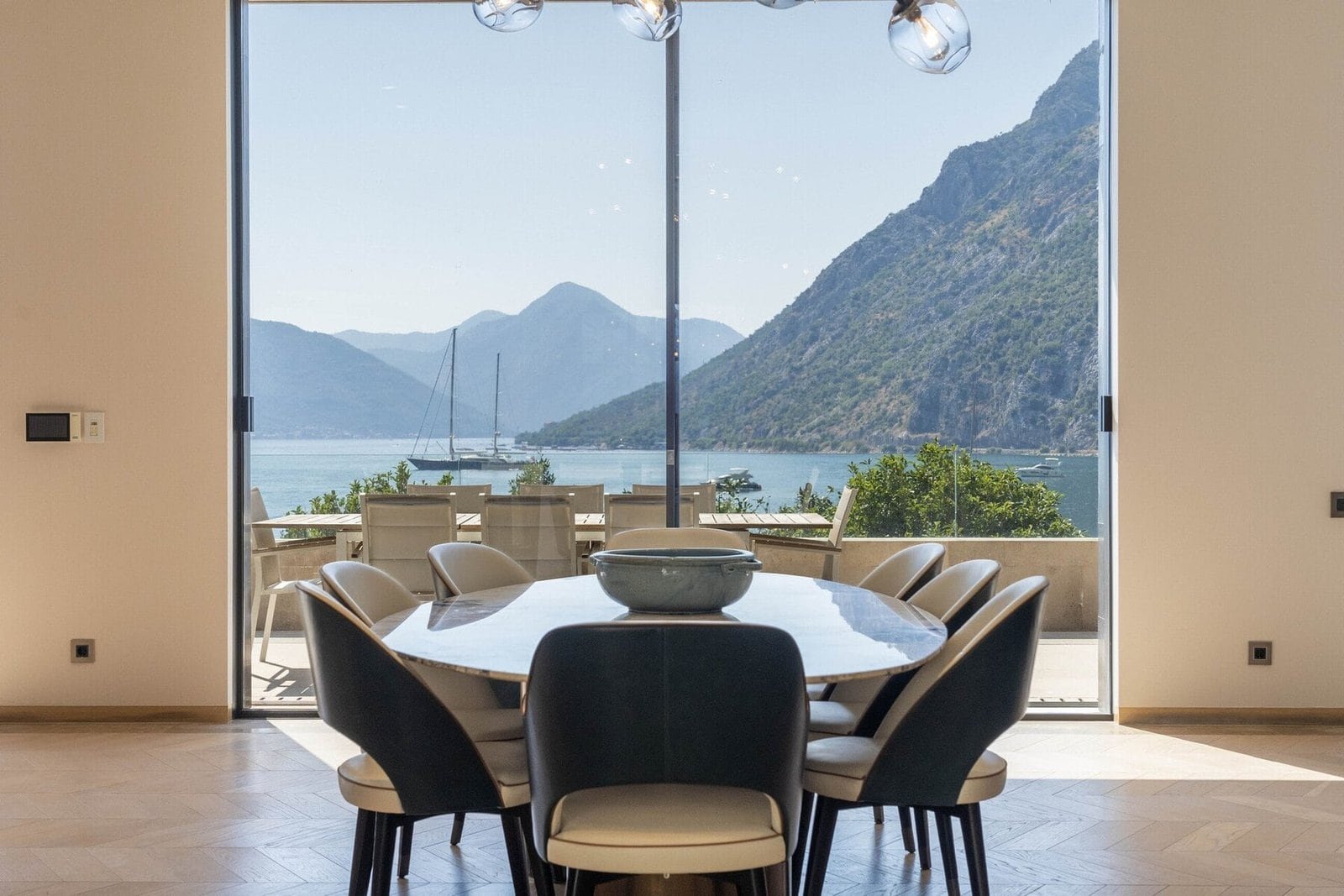
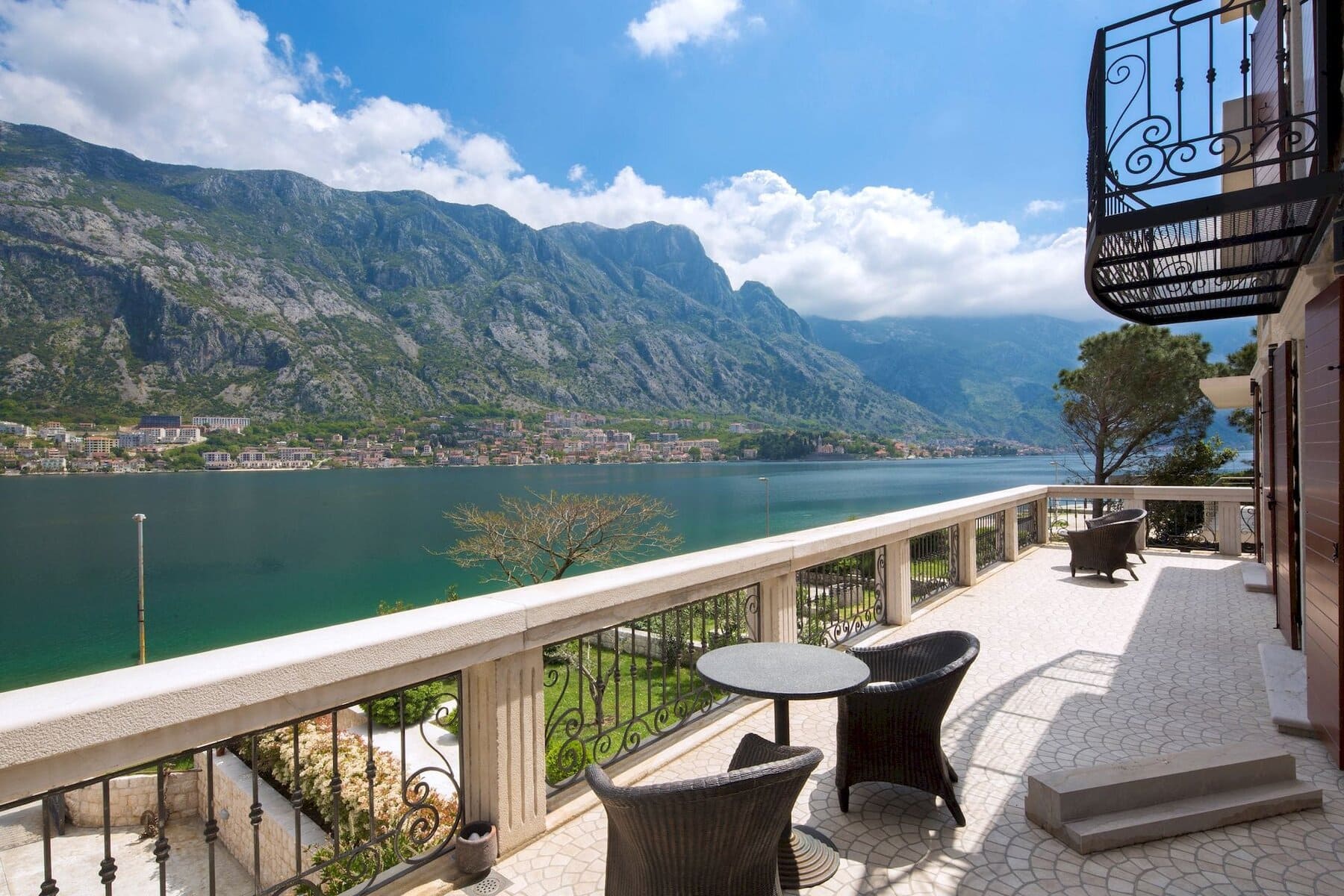
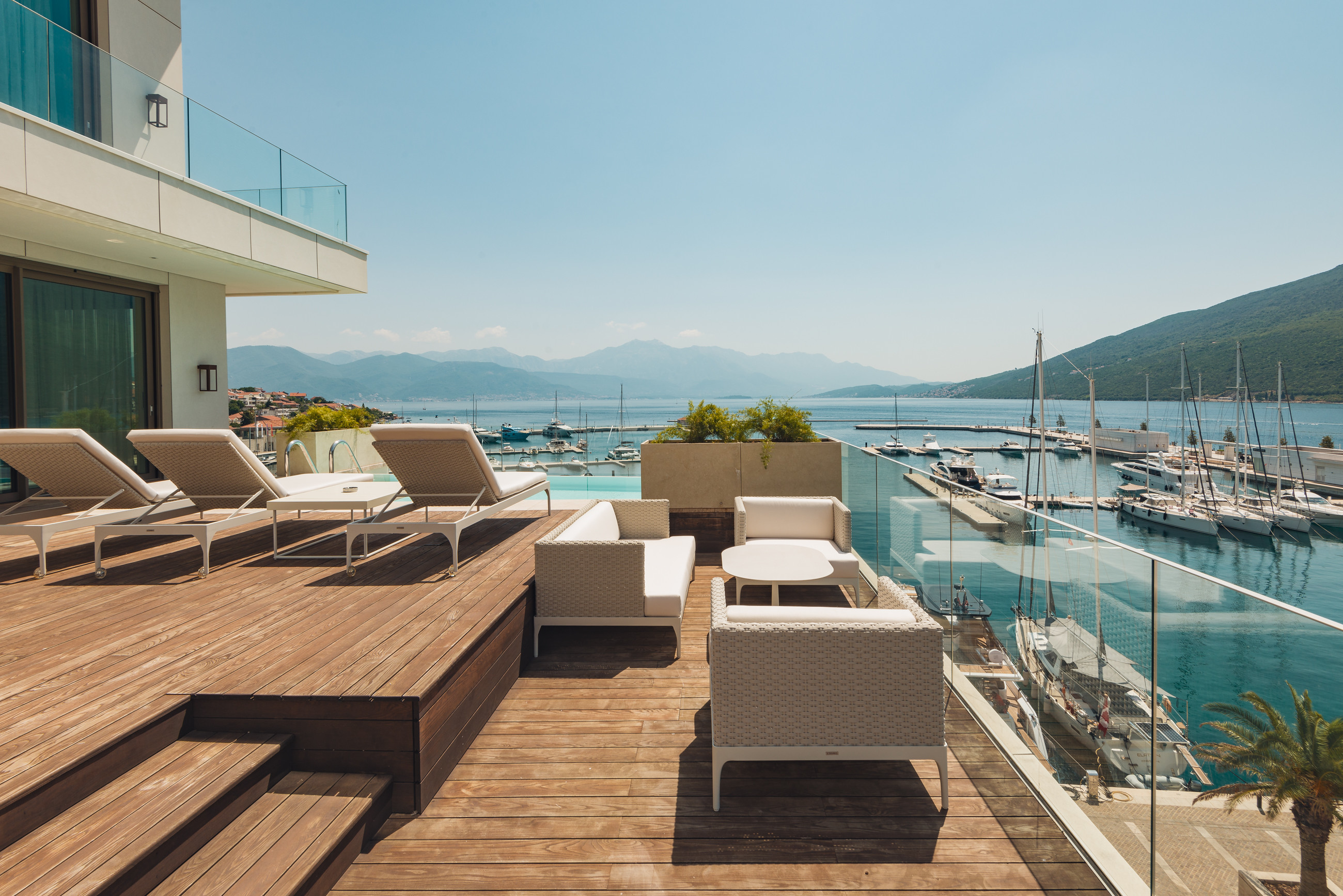
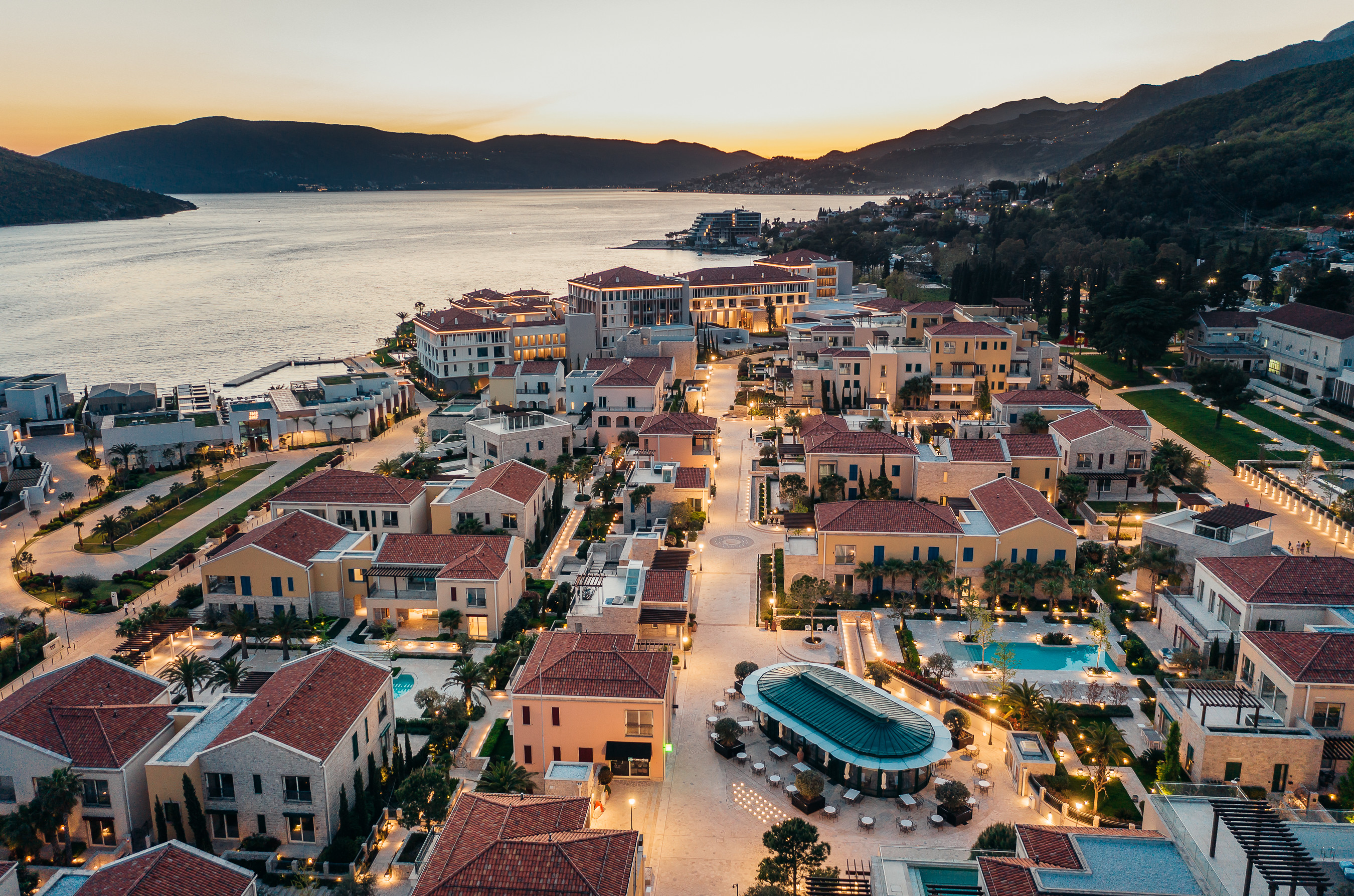
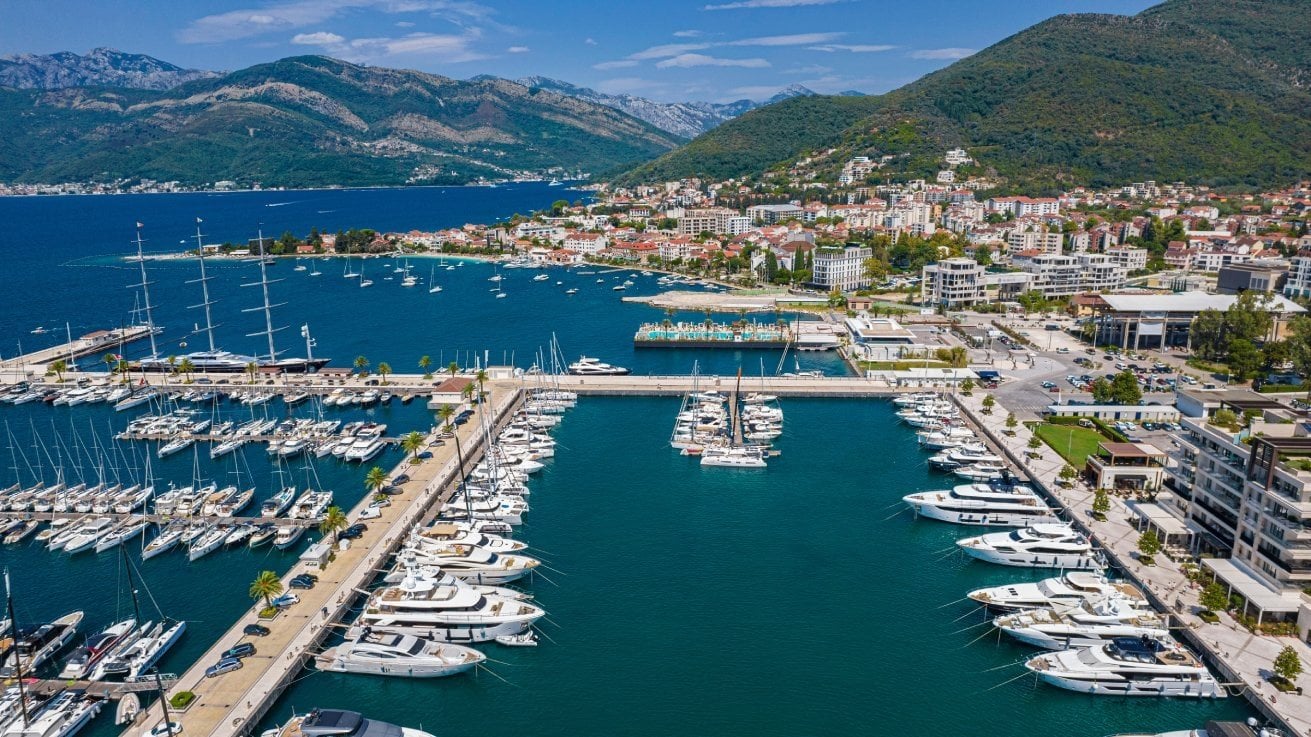
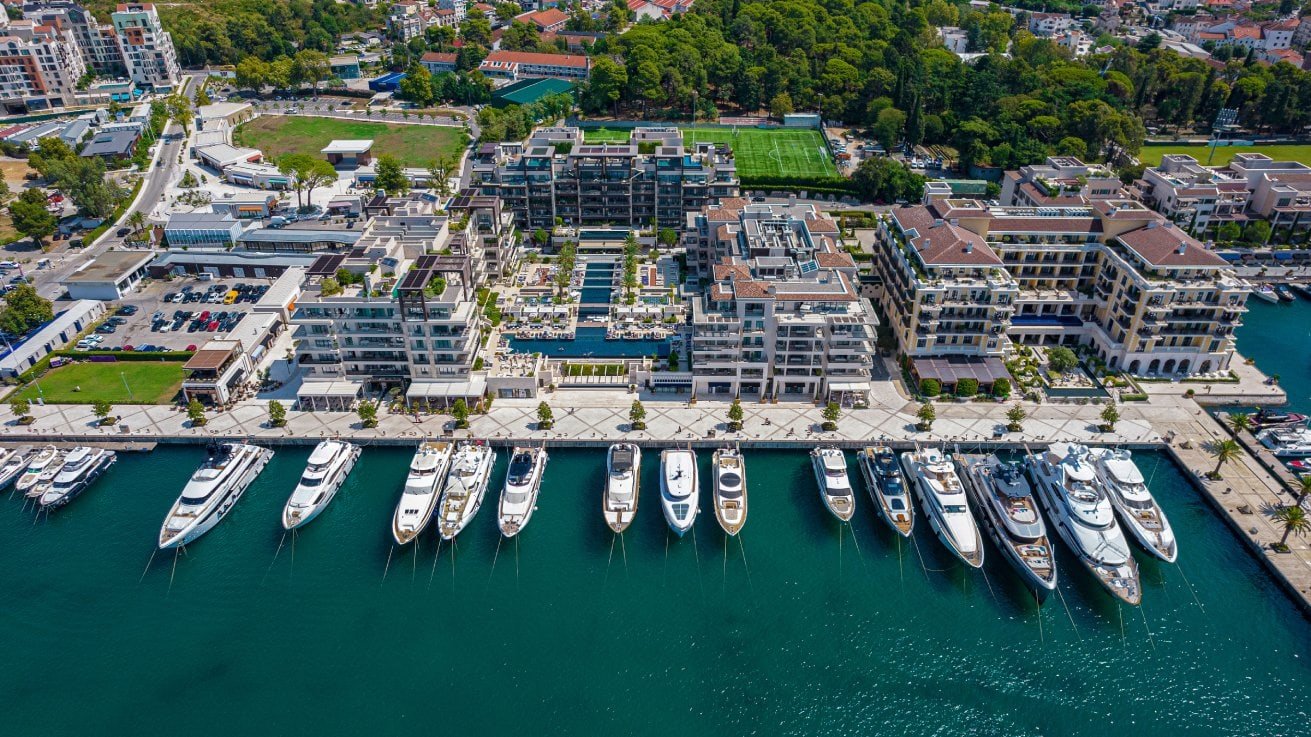
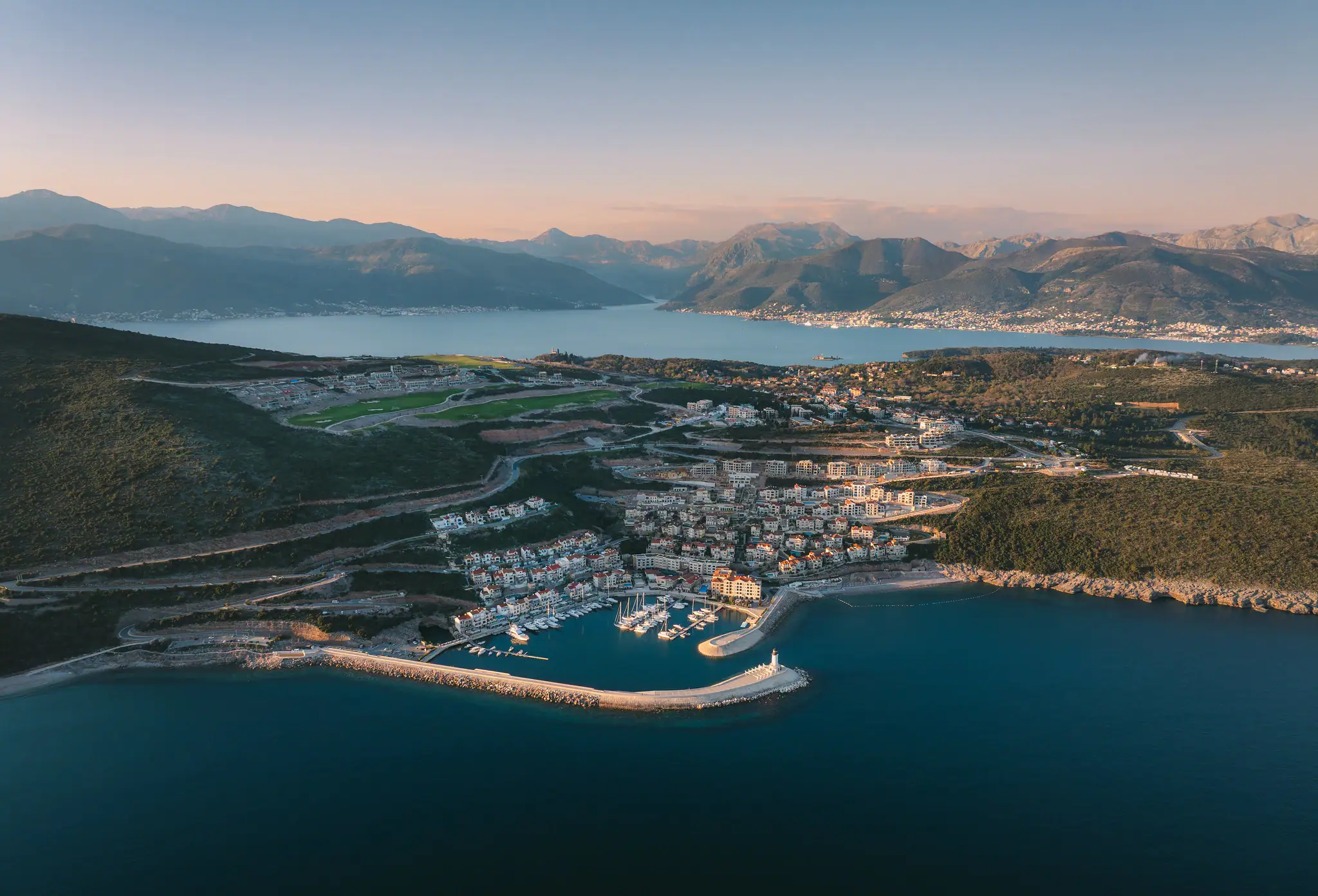
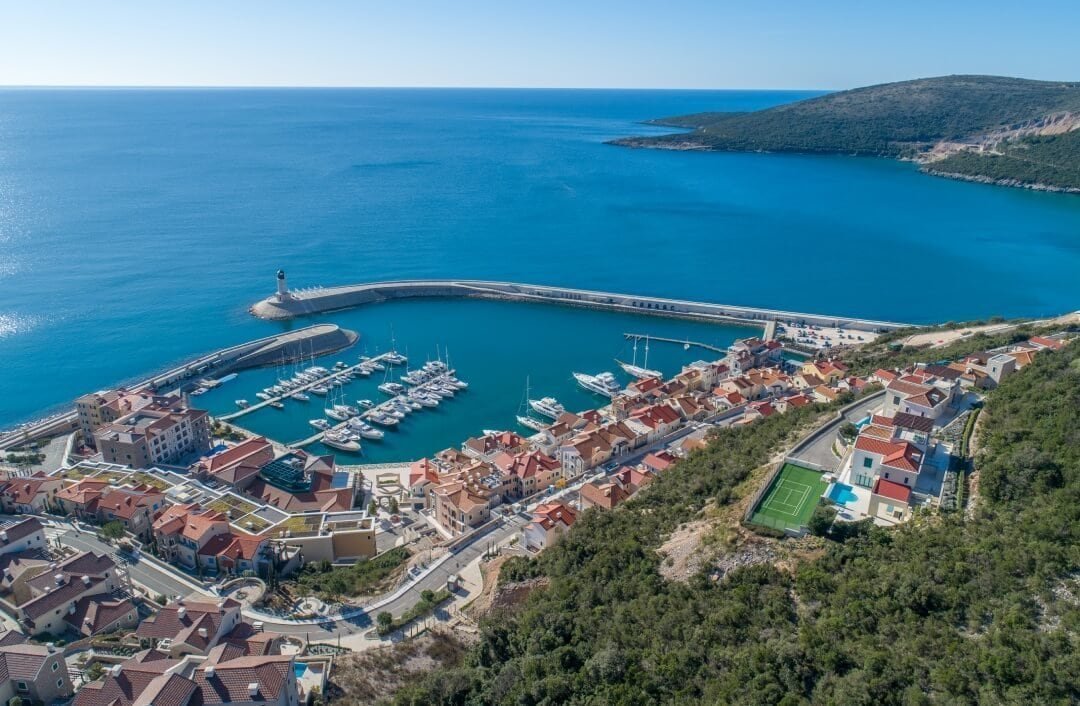
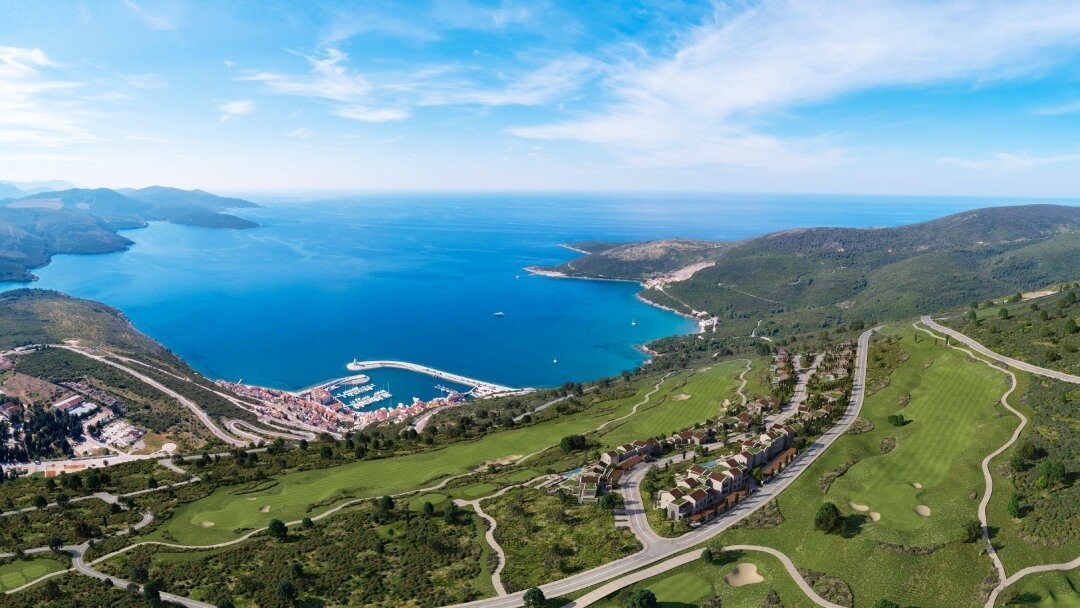
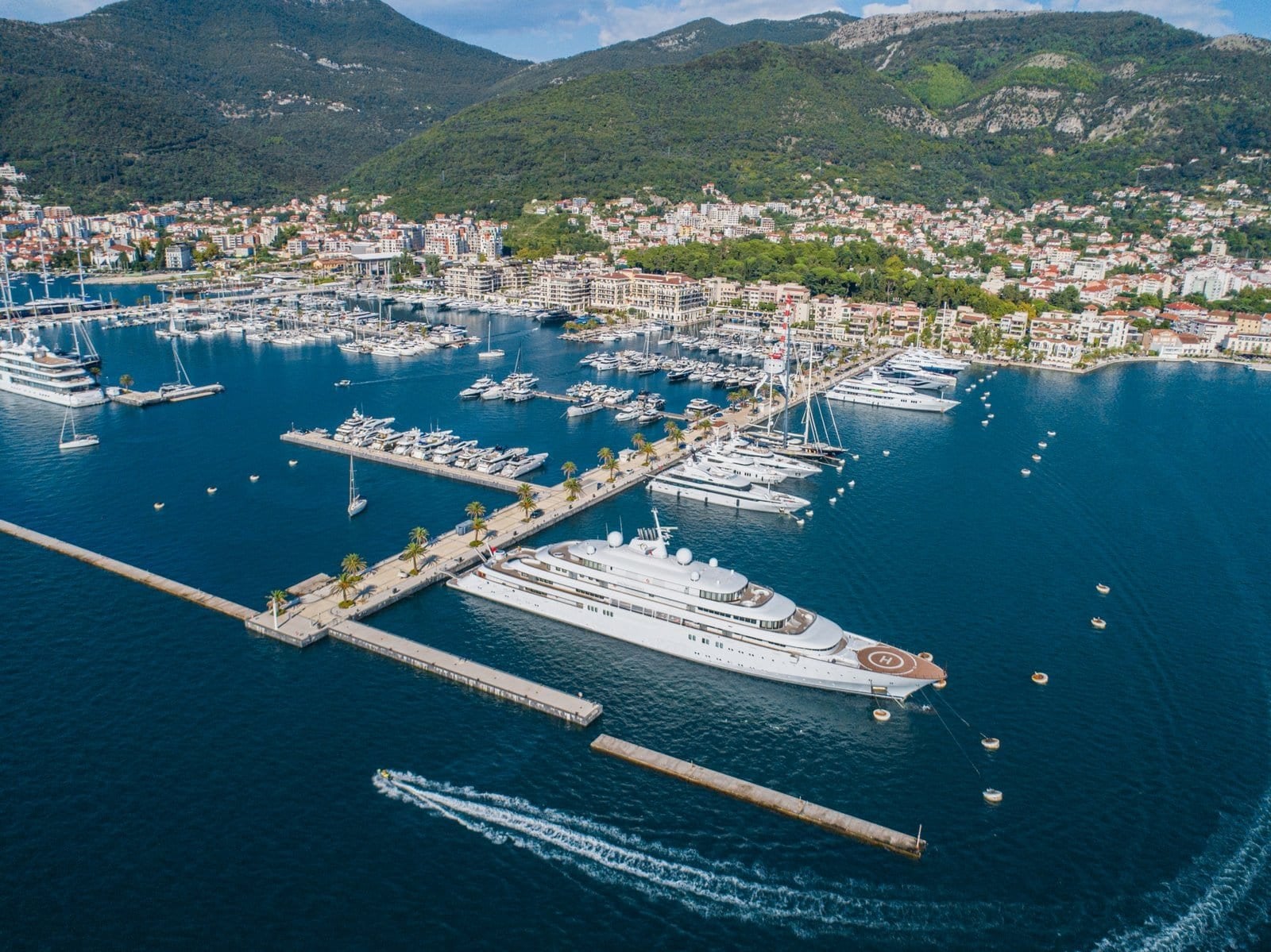
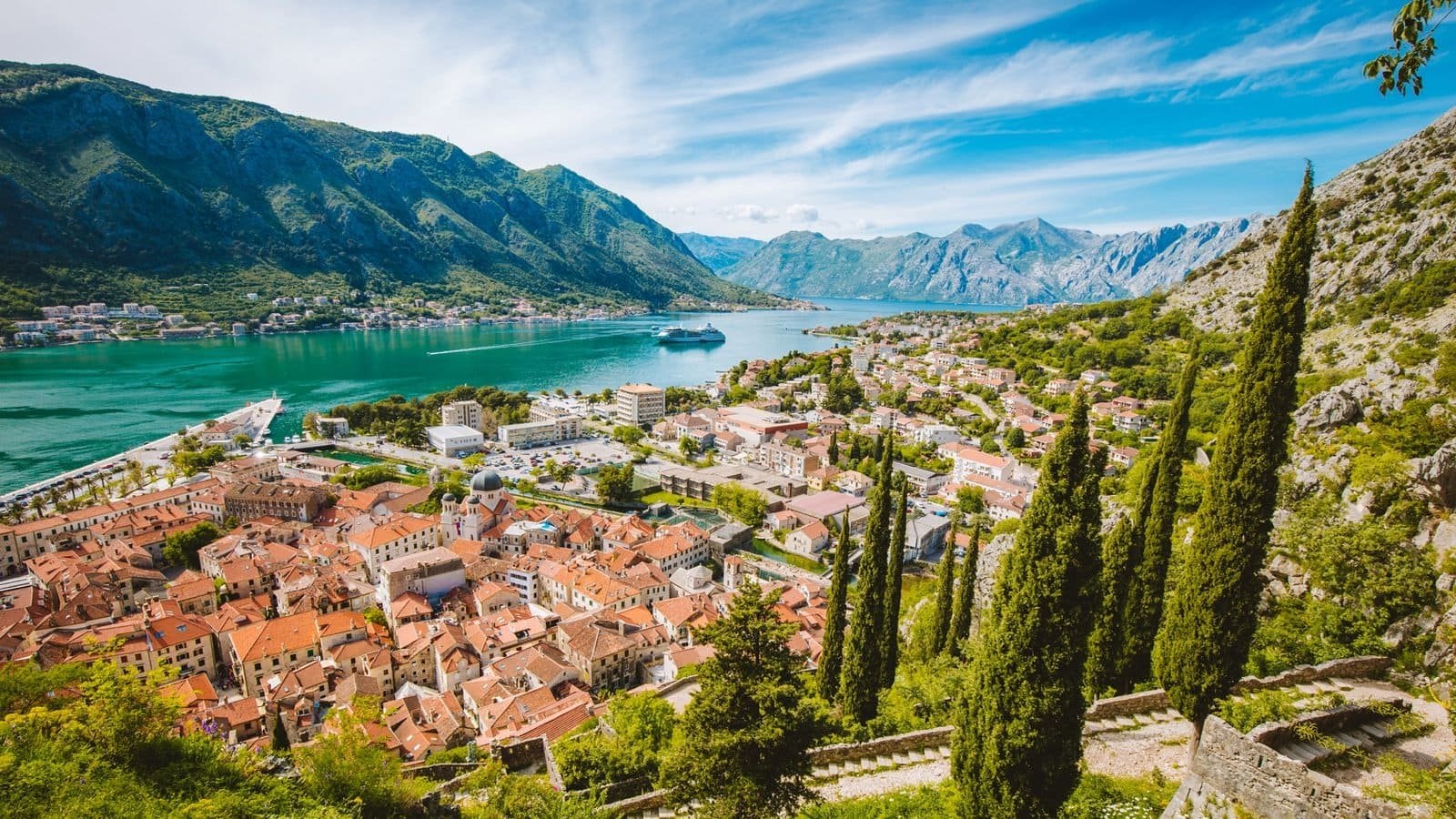
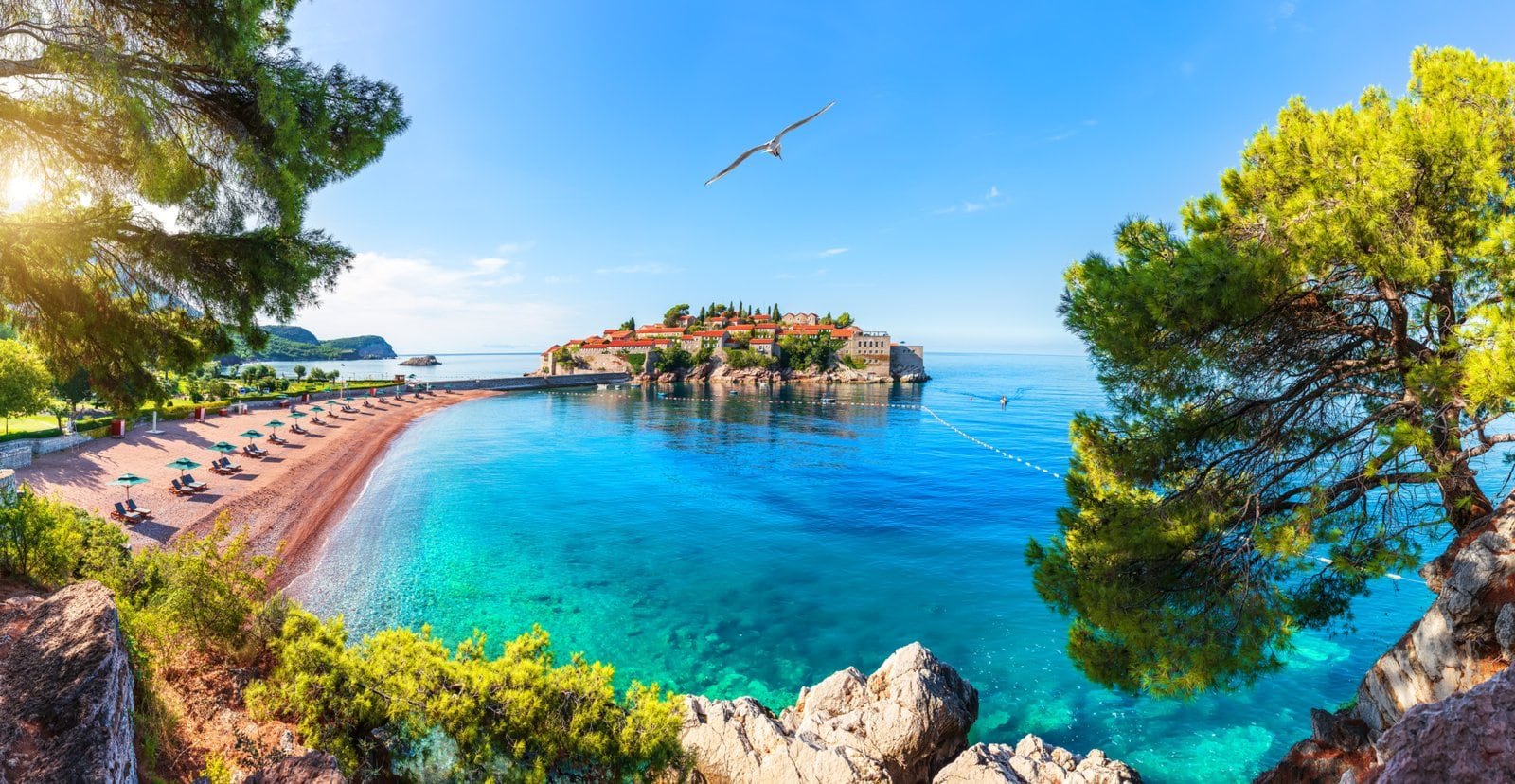
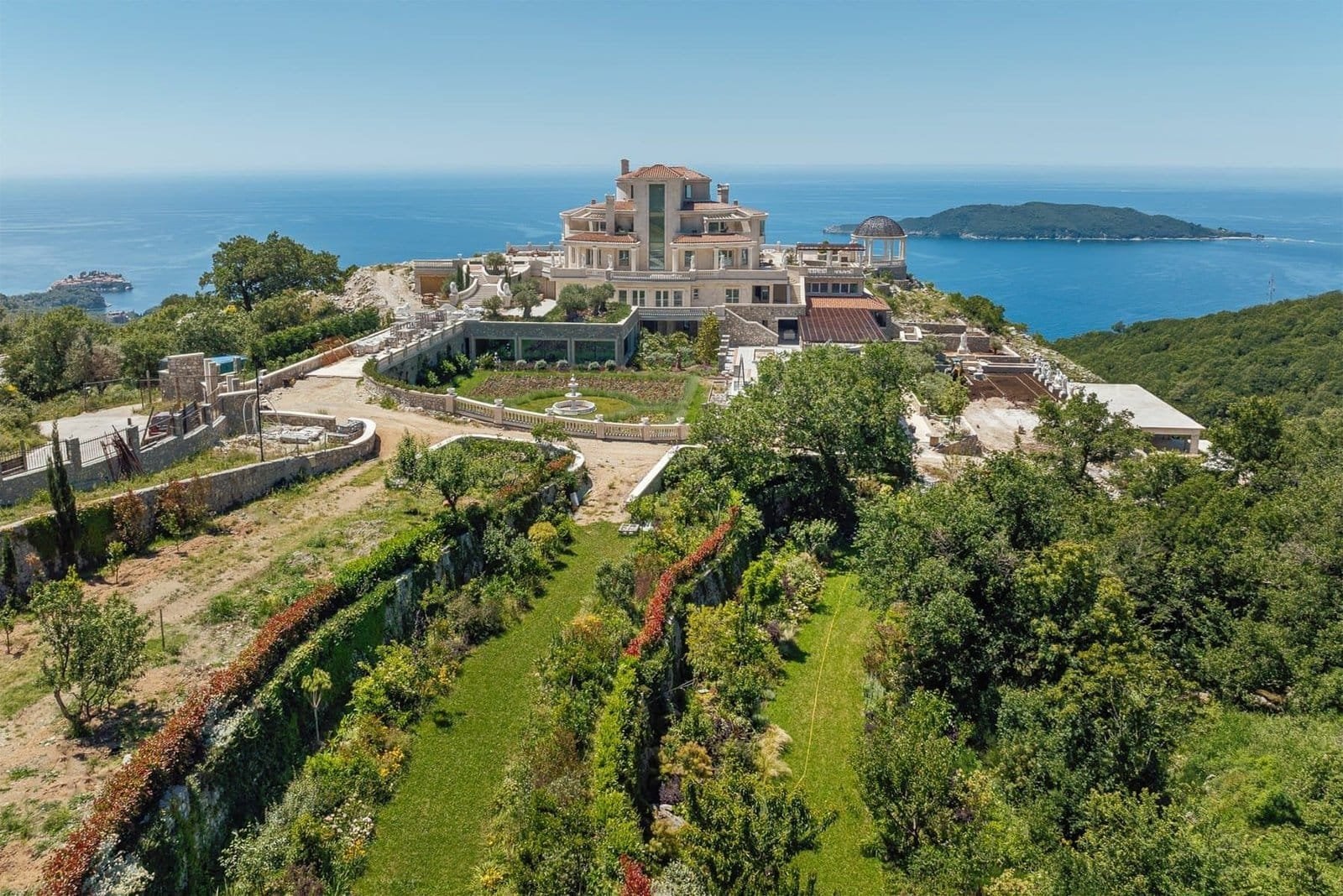
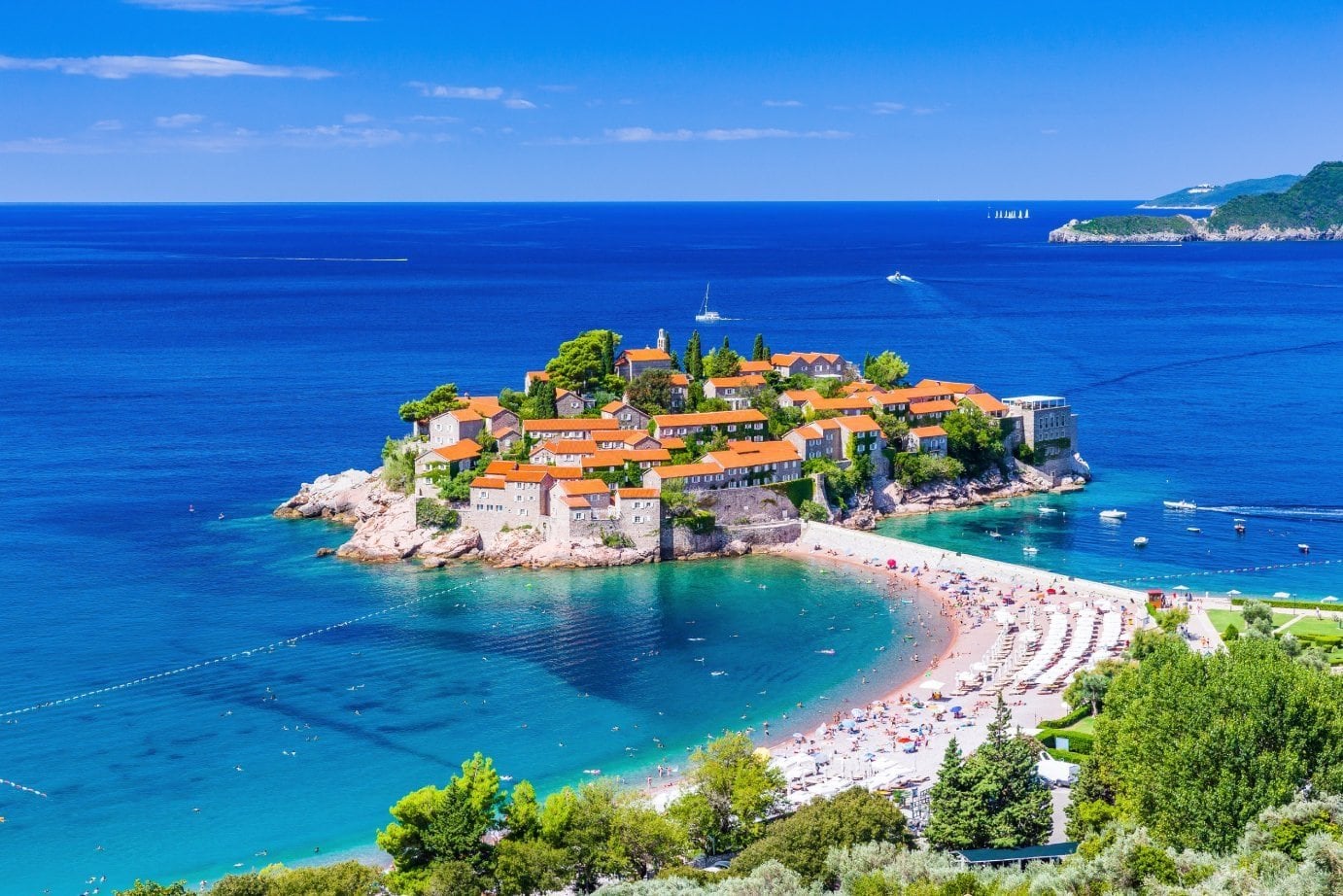
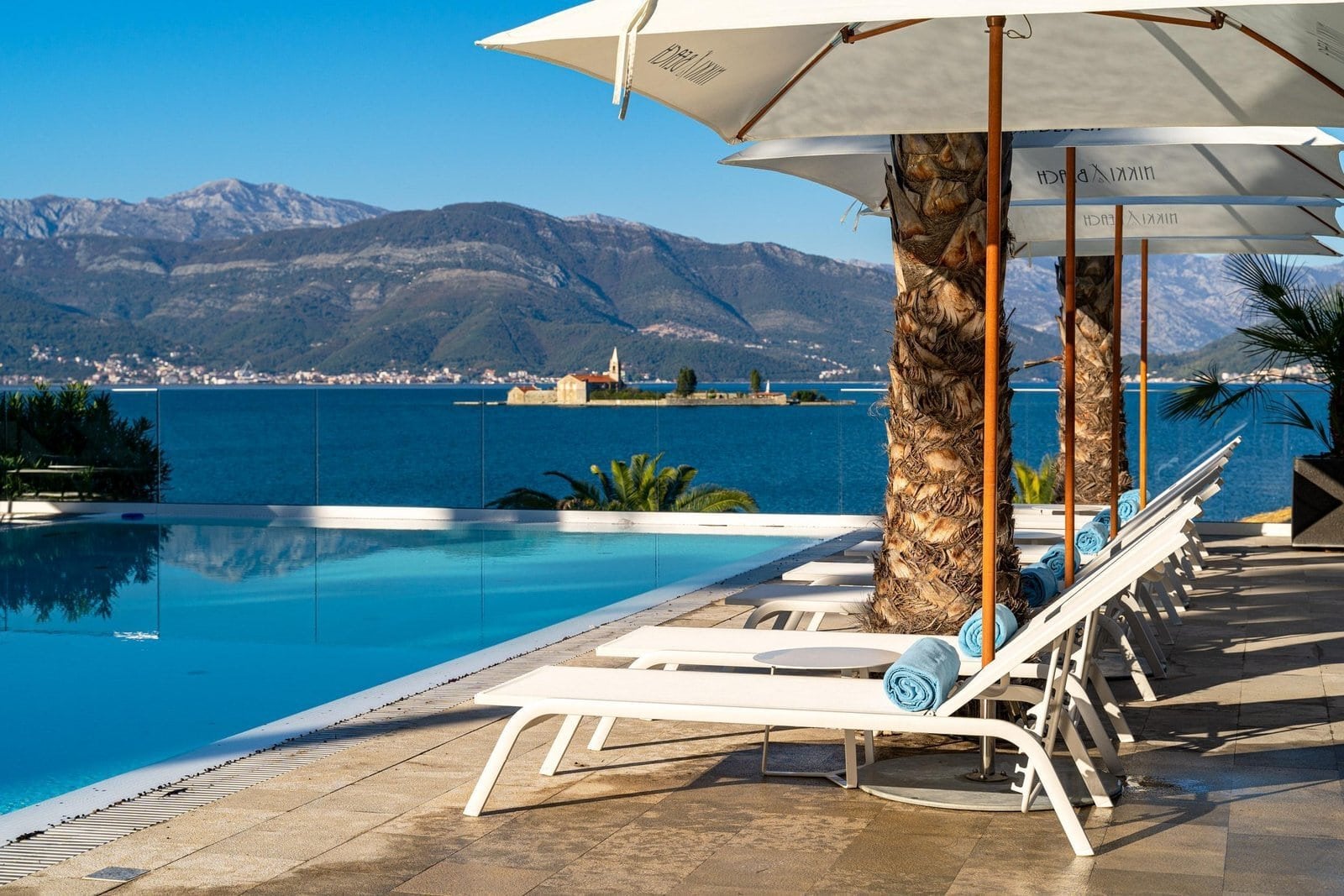
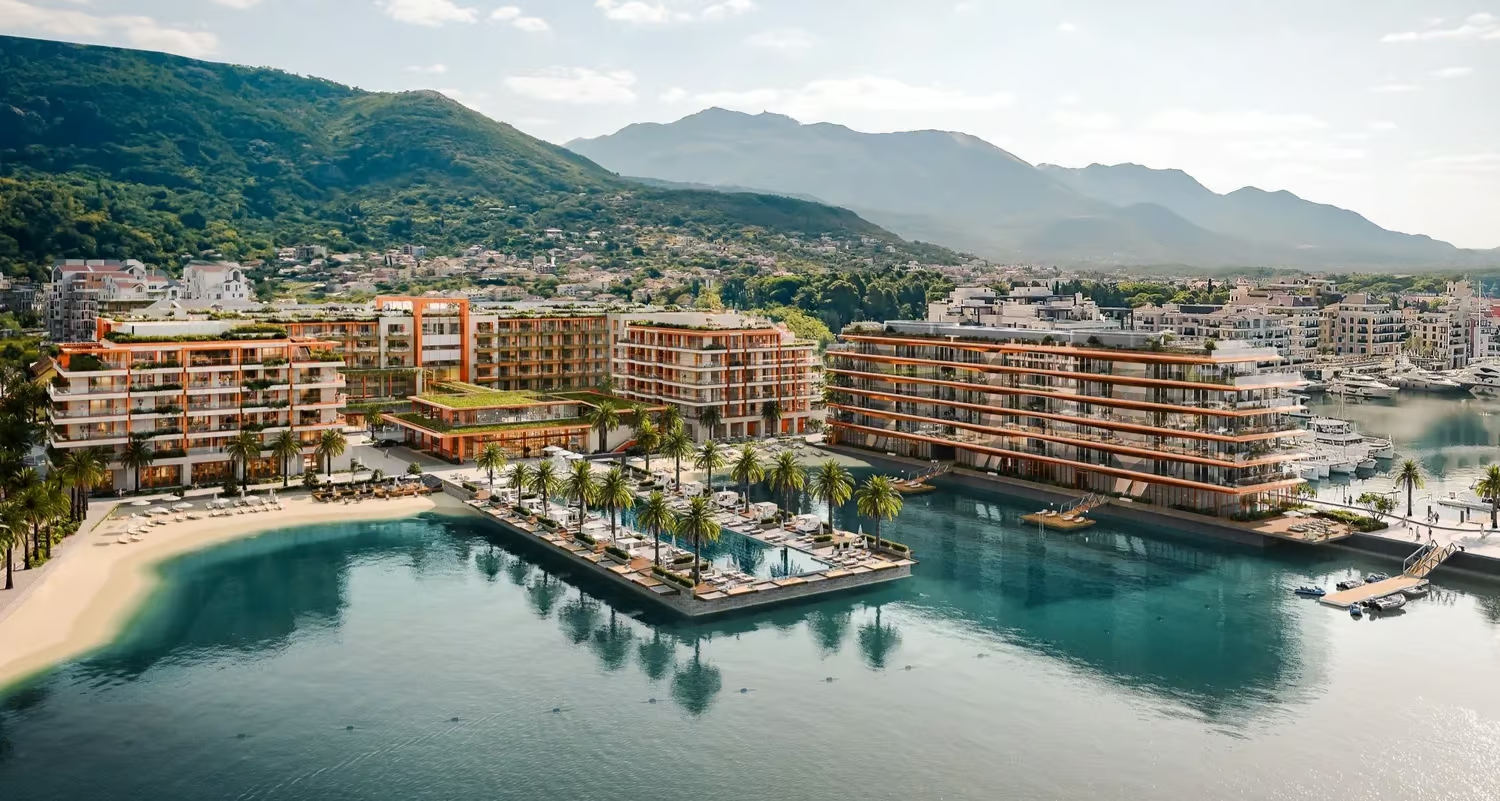
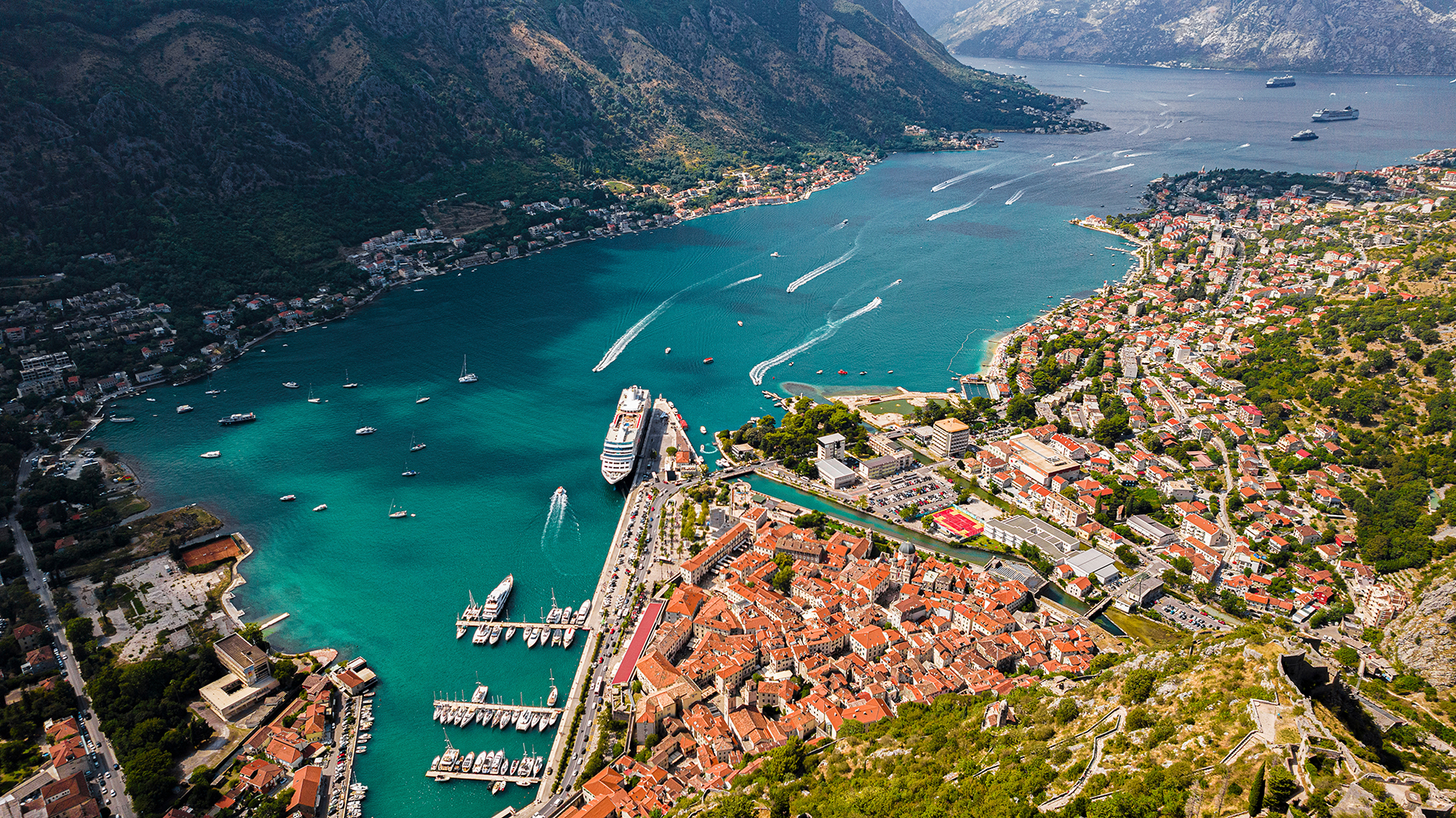
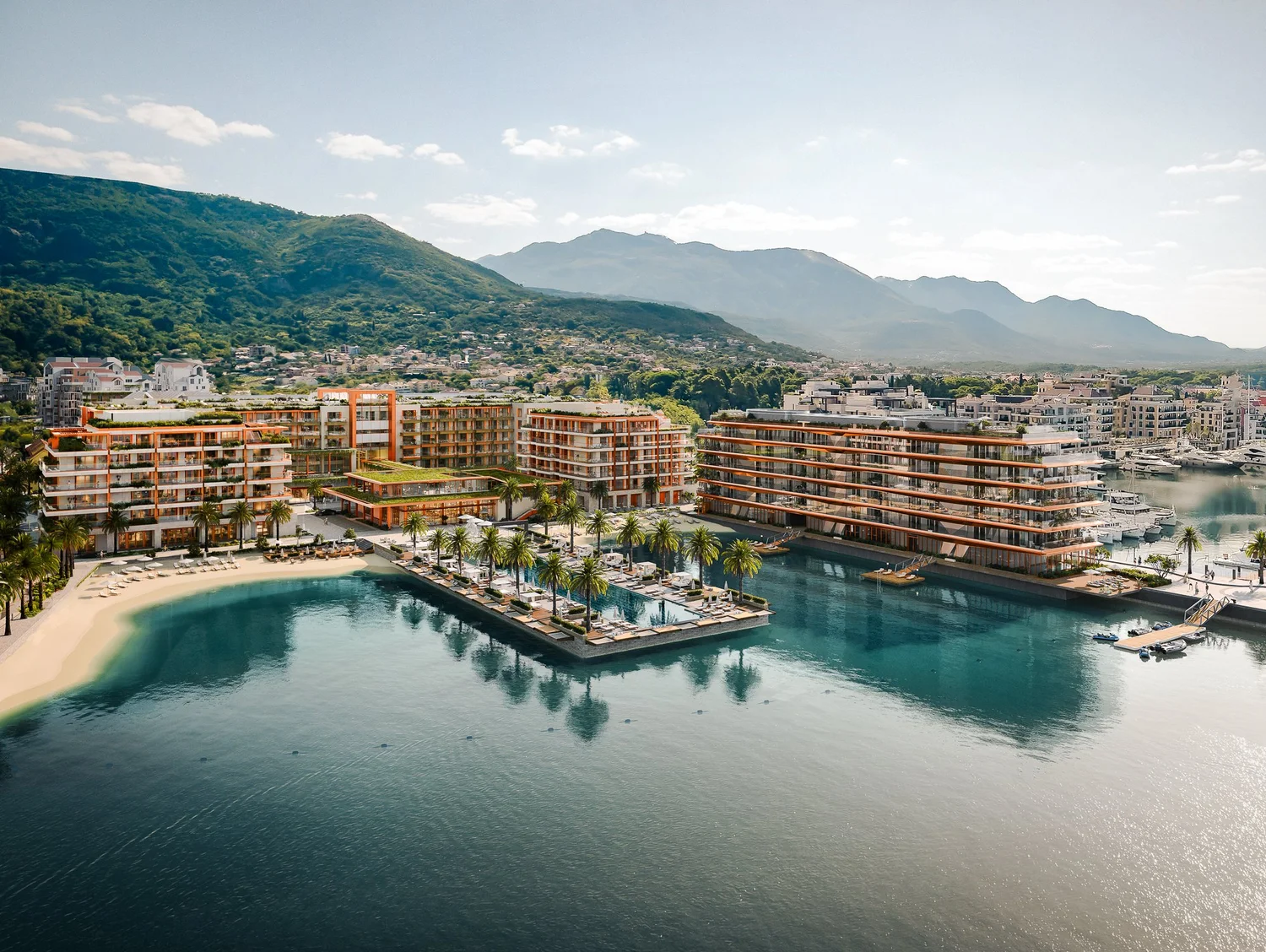
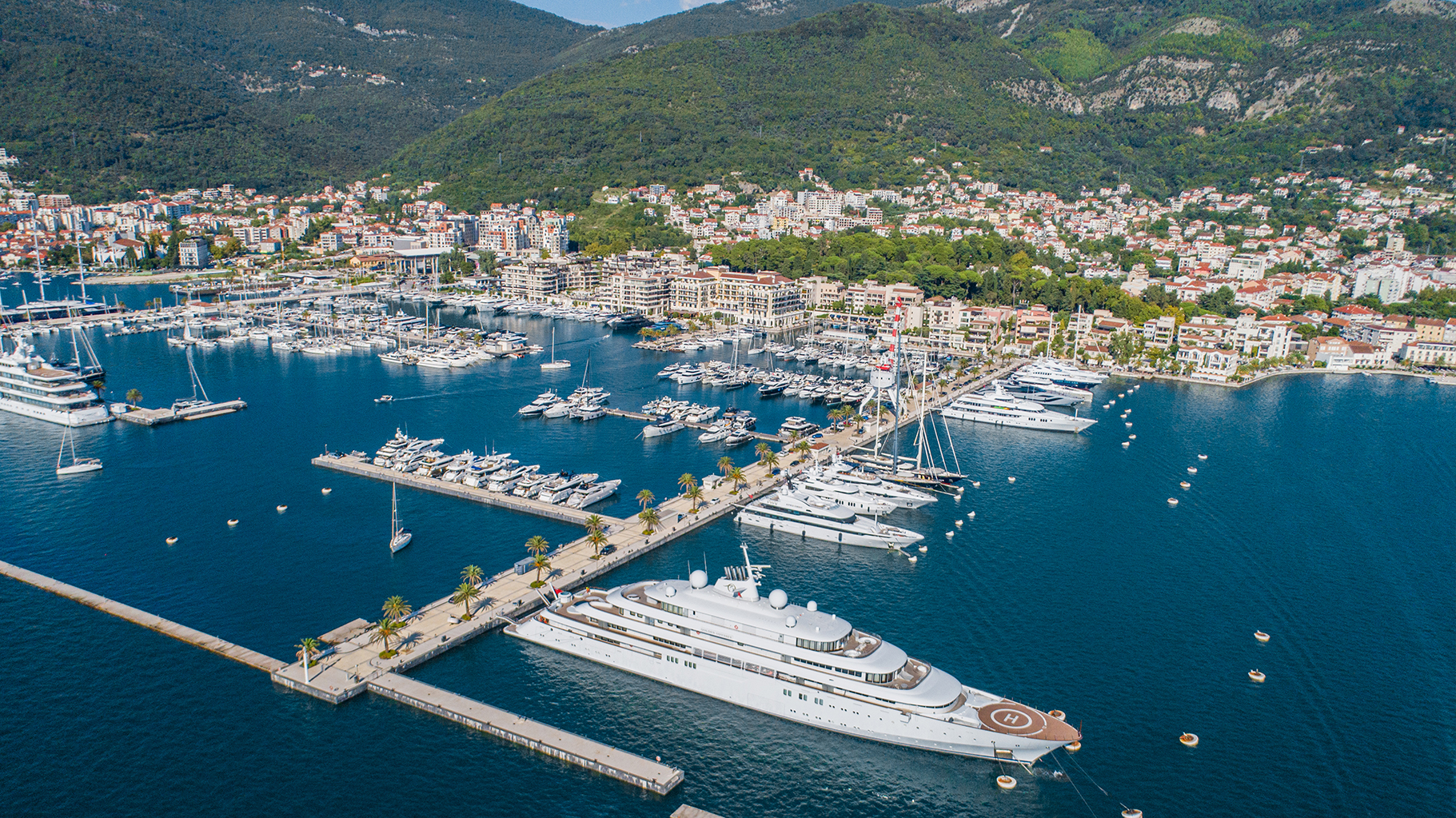
Montenegro offers one of the most accessible entry points among European coastal markets. Quality apartments in Tivat and Budva typically begin at €2,000 to €3,500 per square metre, with waterfront and marina-facing positions commanding premiums. Prime product at Porto Montenegro, the Bay of Kotor’s established marina development, ranges from approximately €4,500 to €8,000 per square metre for new-build and recently completed stock. Villas with bay frontage or elevated sea views begin at around €600,000 and rise considerably for freehold waterfront positions.
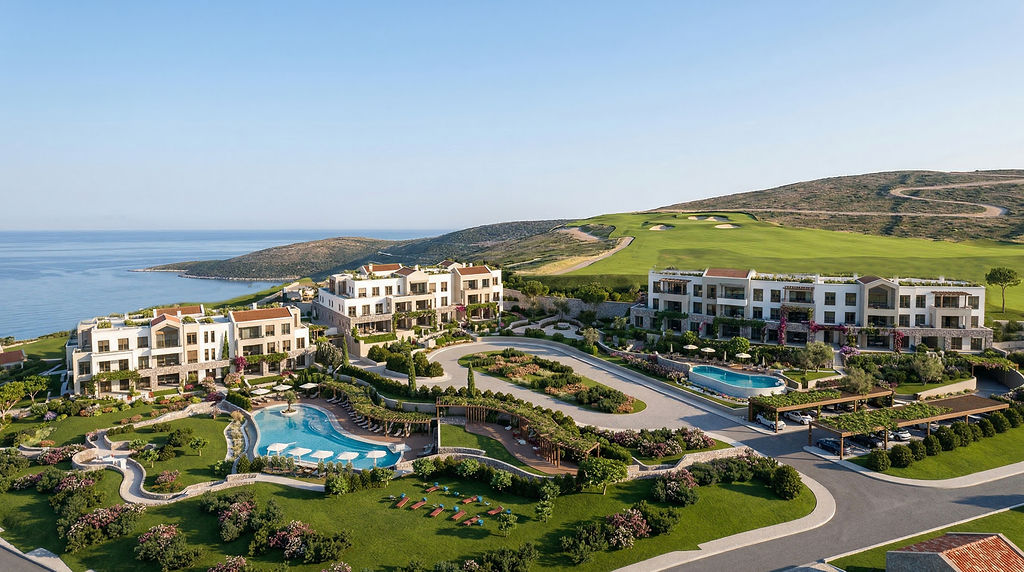
Spain’s Costa del Sol operates at a higher price level across most segments. Marbella apartments in established residential areas begin at around €400,000 for resale stock, with new-build product in prime locations typically starting above €600,000. Villas on the Golden Mile or in Sierra Blanca frequently begin at €2.5 million and extend well beyond €10 million for landmark positions. Estepona and Benalmádena offer lower entry points within the Costa del Sol, with quality new-build apartments from approximately €300,000.
For buyers with capital between €300,000 and €800,000, Montenegro offers more options at higher relative quality and location. Above €1.5 million, the choice broadens substantially in both markets, with Spain’s prime product offering stronger liquidity and established resale demand.
Full detail on entry pricing in Tivat and Budva is available in the Tivat Real Estate in 2026 and Budva Property for Sale guides. For Costa del Sol benchmarks, the Apartments on the Costa del Sol guide provides current pricing across zones.
Rental Yields: Income Potential Compared
Montenegro’s coastal rental market is seasonal but concentrated. Budva and Tivat generate the majority of rental income during a May-to-October window, with well-managed apartments in prime positions reporting gross yields of 6 to 8% annually. Porto Montenegro attracts a higher-spending visitor profile, and marina-facing apartments can generate stronger per-night rates during the peak season. The Montenegro Rental Yields guide covers the 4.5 to 7.1% range across the main coastal markets in detail.
Spain offers a longer rental season, particularly on the Costa del Sol, where year-round occupancy is achievable in established markets. Golf Valley properties in Nueva Andalucía generate consistent occupancy from golf tourists and families throughout a ten-to-eleven-month season. Net yields of 4 to 6% are commonly achieved on well-managed villas and apartments in Marbella and Estepona. The regulatory environment for tourist rentals in Andalucía has tightened in recent years, and licensing requirements now apply to all short-term rental properties.
On a yield-adjusted basis, Montenegro offers higher gross returns but with shorter seasons and less developed property management infrastructure. Spain offers more predictable, year-round income with deeper professional management provision, but at lower gross yield rates relative to entry price.
Residency and Visa Framework
Montenegro provides a clear residency route for property buyers. Purchasing property above €150,000 in cadastral value supports an application for temporary residence, which is renewable annually and leads to permanent residence after five years of continuous legal stay. Montenegro does not currently operate a formal Golden Visa programme in the sense used by Portugal or Spain, but property ownership is a well-established basis for residency applications. Full detail on the process is in the Montenegro Residency by Investment 2026 guide.
Spain’s Golden Visa programme, which granted residency to non-EU buyers investing over €500,000 in property, was closed to new applications in April 2025. Non-EU buyers can still obtain residency through other legal routes, including passive income visas and non-lucrative residency permits, but the direct property-to-residency pathway that attracted significant international interest no longer applies. UK buyers are subject to 90-day Schengen zone limitations under current post-Brexit rules, which affects long-stay planning. For UK-specific guidance, see Buying Property in Spain as a British Citizen.
For buyers for whom residency is a primary objective, Montenegro currently offers a clearer, more accessible path at a lower capital threshold than Spain’s non-property residency routes require. For buyers who are EU citizens, or for whom residency is not a priority, Spain’s framework presents no meaningful restriction.
Tax Framework: Property Acquisition and Ongoing Costs
Montenegro applies a progressive property transfer tax on purchases. The rate structure is tiered: 3% applies on the first bracket of value, rising to 5% on mid-range values, and 6% on higher-value transactions. The exact bands are set by the municipality and are subject to revision. Buyers should verify the applicable rate with their legal advisor at the time of purchase. Annual property tax in Montenegro is low by European standards, typically well below 1% of property value. Capital gains on property sales are taxed under Montenegro’s general income tax framework, which applies rates of 9% up to annual income of €8,400 and 15% above that threshold. For full guidance on exit costs, see the Selling Property in Montenegro: Capital Gains Tax and Exit Costs guide. Comprehensive purchase tax guidance is in the Montenegro Property Taxes and Purchase Costs overview.
Spain applies 7% ITP (property transfer tax) on resale purchases in Andalucía, or 10% IVA plus approximately 1.2 to 1.5% stamp duty on new-build purchases. Annual IBI property tax is calculated on cadastral value and typically runs between 0.4% and 0.6% of assessed value. Non-resident capital gains are subject to 19% tax for EU/EEA residents and 19% for non-EU residents on gains above the purchase cost at the time of sale, along with municipal plusvalía tax. A 3% withholding on the sale price is retained at completion and reconciled against the final tax liability. Spanish property taxes are covered in full at Property Taxes in Spain: What International Buyers Pay in 2026.
Overall, Montenegro’s tax burden on acquisition is lower than Spain’s, particularly for higher-value transactions. Ongoing holding costs are also lower in Montenegro. Spain’s capital gains framework is broadly comparable at 19% for most international buyers.
Market Maturity and Liquidity
Spain’s Costa del Sol is an established international market with deep liquidity, developed legal infrastructure, professional property management, and a large body of comparable transaction data. Resale demand is strong across all prime segments, and international buyers represent a substantial share of total market activity. This maturity translates into more predictable exit options and tighter pricing signals.
Montenegro is a developing market in the context of European real estate. Liquidity is growing but thinner, particularly outside the prime Tivat and Budva coastal zones. The legal framework is functional but less tested at scale than Spain’s. Montenegro’s EU accession trajectory, which gained formal momentum in 2025, is expected to transform the market’s risk profile and pricing as membership approaches. The strategic case for positioning ahead of accession is outlined in the Montenegro EU Accession and Property Values analysis. For a broader market assessment, see Montenegro Real Estate Investment in 2026.
Buyers with a five-to-ten-year horizon who are comfortable with emerging-market characteristics may find Montenegro’s growth runway more compelling than Spain’s more mature appreciation cycle. Buyers prioritising capital safety, exit certainty, and established infrastructure will typically favour Spain.
Which Market Fits Which Buyer
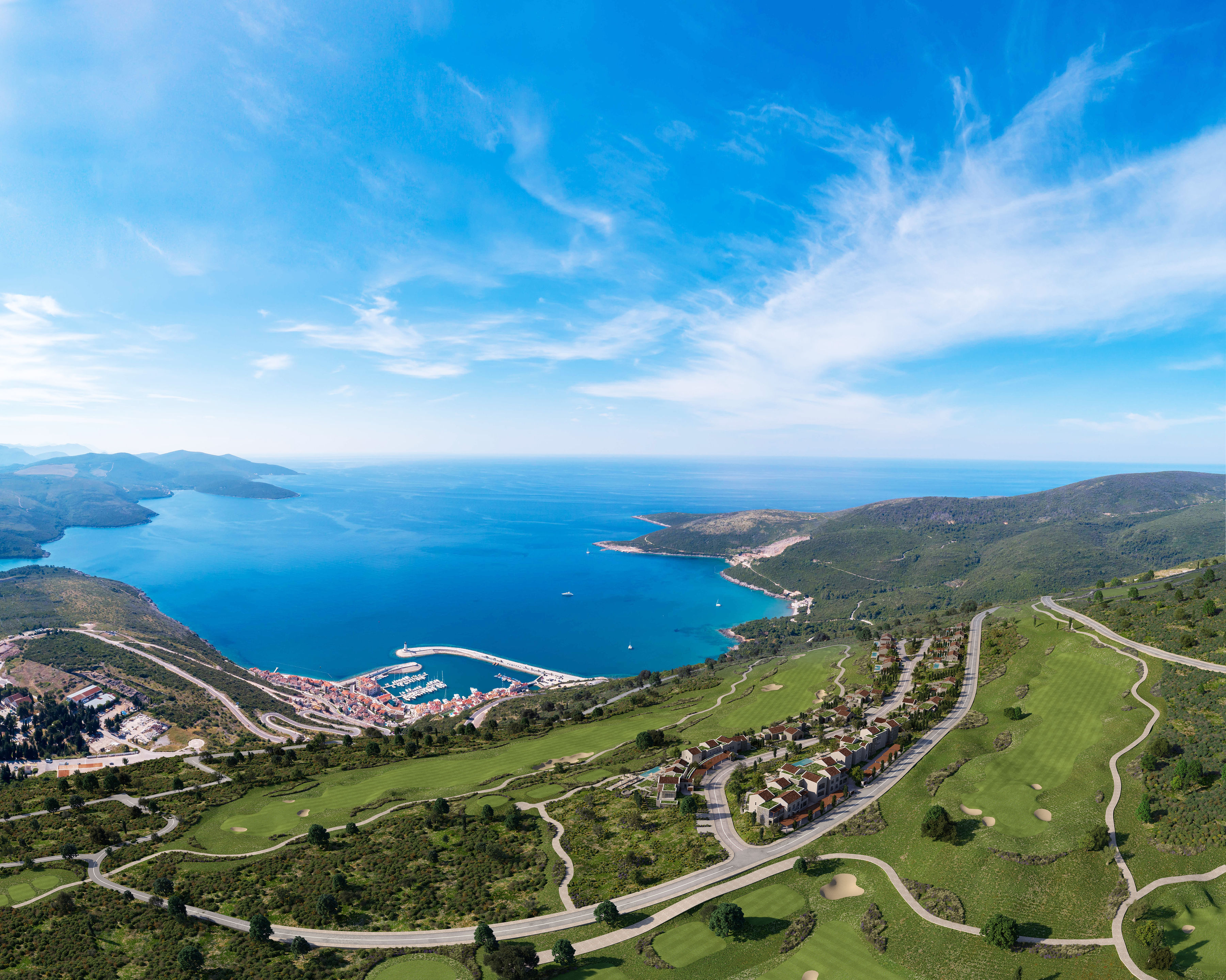
Montenegro suits buyers seeking lower entry costs, residency optionality, growth-phase positioning ahead of EU accession, and higher gross yields relative to price. It rewards buyers who are comfortable with less developed transaction infrastructure and who have a longer investment horizon.
Spain suits buyers who prioritise market liquidity, proven capital preservation, year-round rental income, established legal frameworks, and access to a broader range of service providers. It is the stronger choice for buyers who may need to exit within a shorter timeframe or who prefer the certainty of a deeply traded market.
For capital-aware buyers, a position in both markets is not unusual. Montenegro provides growth optionality and residency positioning; Spain provides portfolio stability and income. Barok Estates International advises across both, which means we can model this allocation with full visibility of current pricing, inventory access, and market conditions in each.
Advisory Across Both Markets
Barok Estates International operates across Montenegro’s Bay of Kotor, Budva Riviera, and Tivat marina zone, as well as across Marbella, Estepona, Benahavís, and the wider Costa del Sol. For buyers comparing markets, we can provide a structured, data-informed assessment of which allocation better serves your capital objectives.
Explore our international portfolio or contact us directly for a confidential advisory conversation at barokestates.com/contact.
Learn more about our approach at barokestates.com/about.










.jpg)