Montenegro permits short-term holiday rentals by private property owners, including foreign nationals, and a straightforward registration process makes it one of the more accessible markets in Europe for investors planning to let a coastal property on platforms such as Airbnb or Booking.com.
The framework governing holiday lettings in Montenegro sits within the Law on Tourism and Hospitality. It treats private short-term rental as a recognised accommodation category, distinct from standard residential tenancy but equally accessible to non-residents. For investors purchasing in Budva, Kotor, Tivat or along the Bay of Kotor, understanding this framework before acquisition is not a secondary concern. It directly influences yield projections, management costs and the regulatory risk profile of the investment.
This guide sets out the registration requirements, tax obligations and market considerations that apply to holiday rentals in Montenegro in 2026. It is written for property owners and prospective buyers, not for agents or operators, and focuses on what a foreign investor needs to understand before committing to a letting strategy.
The Legal Framework for Short-Term Rentals in Montenegro
Short-term tourist accommodation in Montenegro is legal and explicitly recognised under national tourism legislation. You do not need to establish a Montenegrin company to operate as a private host, provided you remain within the capacity limits that apply to natural persons, which are a maximum of seven bedrooms and fifteen beds across the properties you let.
Foreign owners may collect rental income from Montenegro property without holding a Montenegrin residence permit. Ownership and income rights are governed under property law, separately from residency status. However, income earned in Montenegro is taxable in Montenegro, and you will need a Montenegrin tax identification number to file correctly. If you are considering a Budva apartment or a Tivat property with a holiday letting strategy in mind, establishing your tax position before completion is advisable.
Registration and Categorisation: What the Process Involves
Before listing a property on any short-term rental platform, the property must be registered with the local municipality for hospitality services and assigned a categorisation certificate. This certificate confirms that the property meets the minimum standards for tourist accommodation, covers equipment, layout and basic safety requirements, and is issued following a municipal inspection.
The registered property must also be entered into Montenegro’s Central Tourist Register, or the relevant municipal equivalent. Coastal municipalities, including Kotor, Budva and Tivat, operate electronic guest-registration systems, typically the eBoravak platform, through which all arrivals must be reported within 24 hours of check-in. This requirement is strictly enforced in peak tourist zones.
The process is manageable but requires planning. Buyers purchasing off-plan property in Montenegro should factor registration timelines into their letting strategy, as the categorisation process cannot begin before the building has received its final occupancy certificate.
Tourist Tax in 2026: Rates, Exemptions and Remittance
Hosts are legally required to collect and remit tourist tax on behalf of guests. This is not an optional charge. The tax is governed by the Law on Tourist Tax and must be paid to the relevant municipality on a schedule set locally, typically monthly or seasonally during the summer period.
For coastal municipalities in 2026, the standard rate is €1.00 per adult per night. This applies across Budva, Kotor, Tivat, Herceg Novi and other coastal towns. Inland municipalities apply lower rates, typically around €0.60 per adult per night. Several exemptions apply: children under twelve are fully exempt; guests aged twelve to eighteen pay a 50% reduced rate; and guests staying at the same property for more than 30 consecutive nights are exempt from the remainder of their stay.
Tourist tax is a pass-through cost, collected from guests and remitted to the municipality. It does not affect net rental income directly, but failure to register for collection or to remit accurately carries administrative fines that, in high-inspection zones such as the Kotor area, can be substantial.
Income Tax on Holiday Rental Earnings
Rental income from short-term lettings in Montenegro is subject to Montenegrin income tax. The effective rate for registered tourist accommodation operated by a natural person is notably favourable. Hosts operating under the tourism registration framework may deduct 50% of gross rental income before calculating tax, leaving an effective tax rate of approximately 7.5% on gross rental receipts.
This rate applies specifically to registered tourist accommodation in a household context. It represents a material advantage over standard rental taxation in many comparable European markets and is one of the structural reasons why Montenegro’s coastal property market has attracted increasing attention from income-focused investors.
Tax returns must be filed regularly, typically quarterly. Foreign owners without a permanent establishment in Montenegro are still required to file and pay tax on Montenegro-sourced income. A local accountant or tax representative is standard practice for non-resident investors, and their fees are modest relative to the obligation they manage.
VAT Thresholds and Obligations
VAT registration is not required for hosts generating annual short-term rental revenue below €30,000. Most individual property owners operating a single apartment or villa will fall beneath this threshold. Hosts with multiple properties or exceptionally high nightly rates in premium markets such as Porto Montenegro or the Bay of Kotor should monitor their annual revenue against this threshold and take advice if they are approaching it.
Above €30,000, VAT registration is mandatory and the standard rate of 21% applies to rental charges. The practical effect on pricing strategy at that level is significant and requires careful consideration when structuring a management approach for a higher-end property.
Which Montenegro Markets Perform Best for Holiday Lettings
Rental demand in Montenegro is strongly seasonal, concentrated in July and August, with shoulder-season occupancy growing in June, September and October as the market matures. The distribution of demand is not uniform across locations, and the right market for a holiday letting strategy depends on the property type and target guest profile.
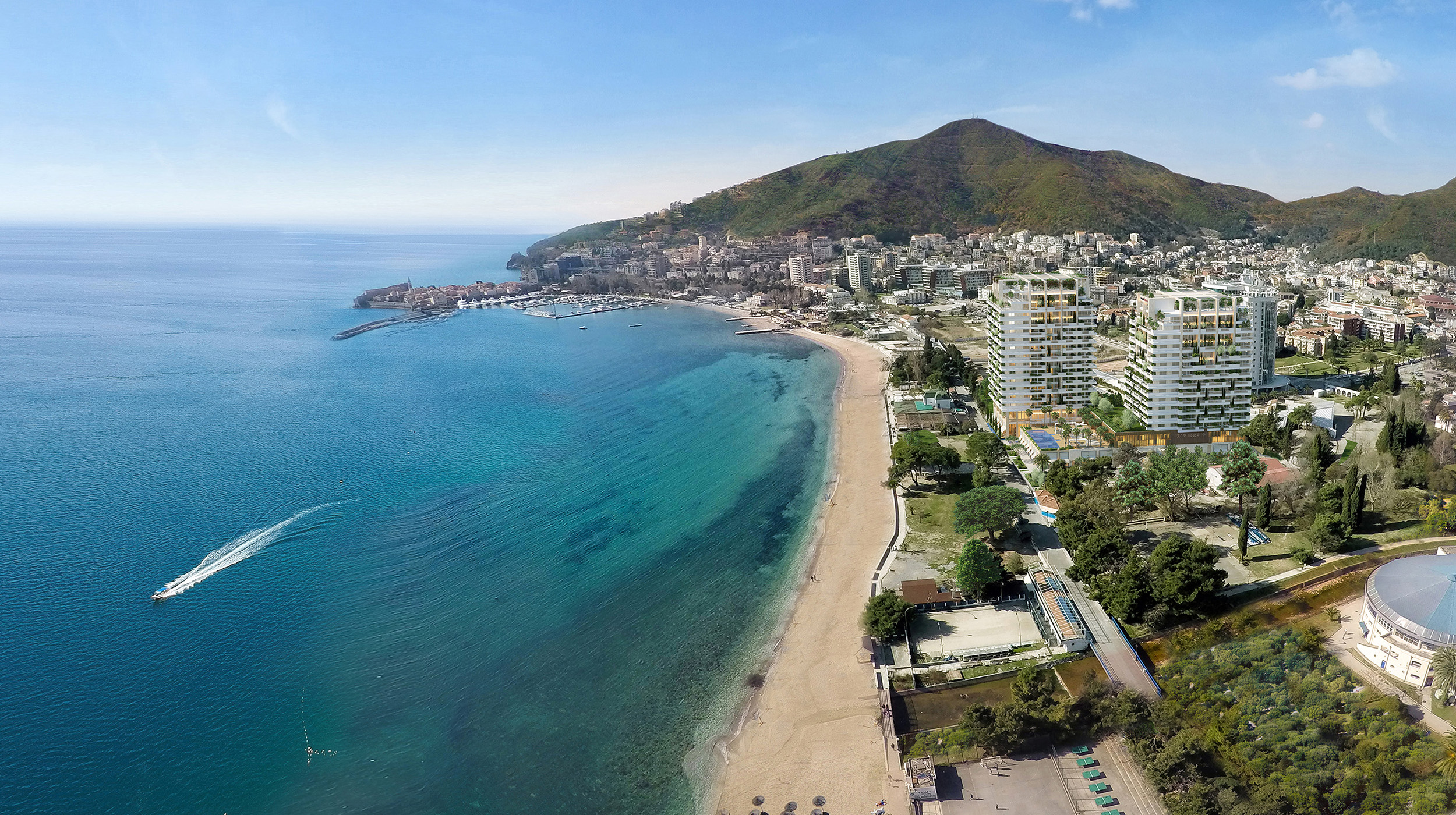
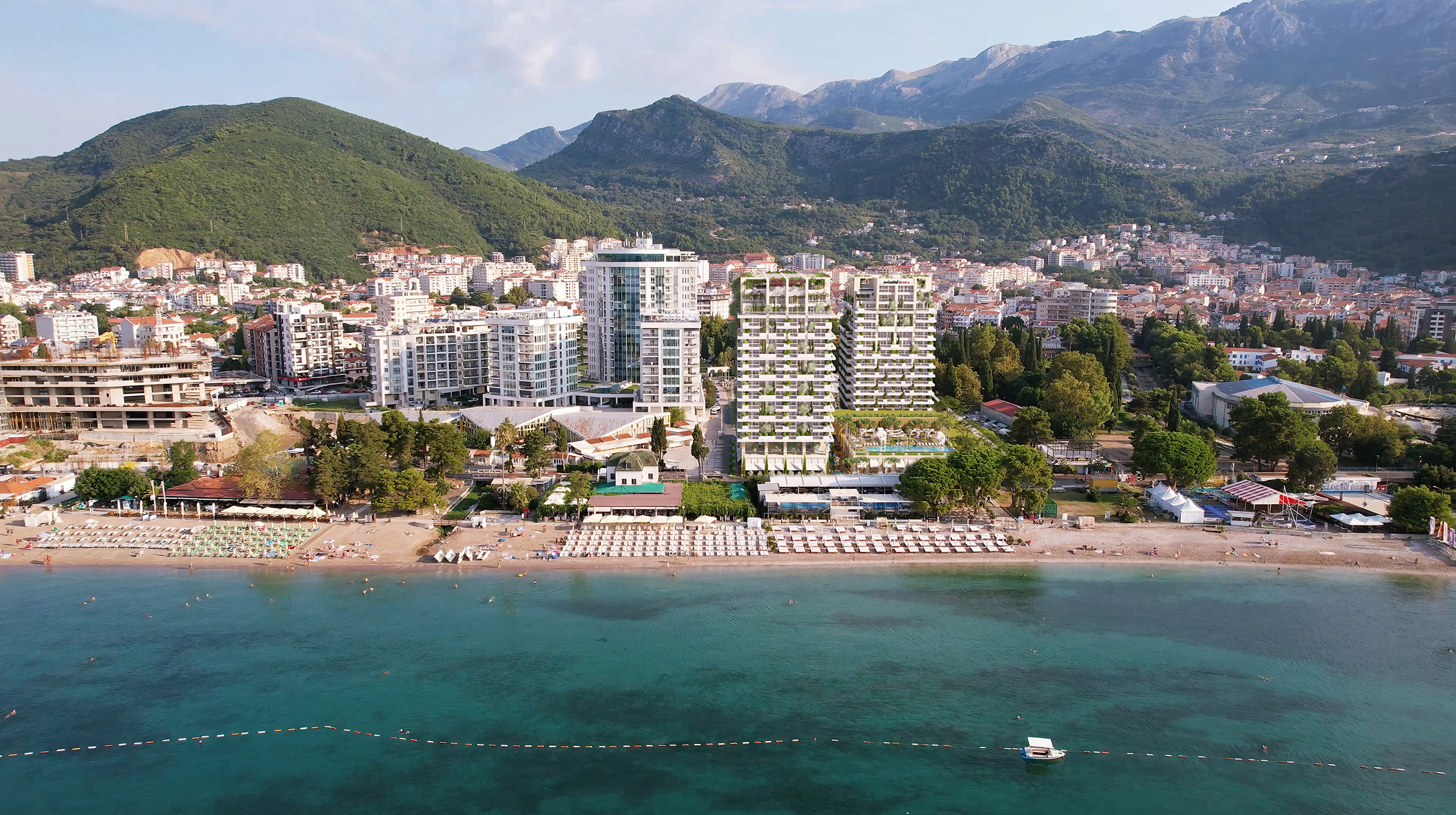
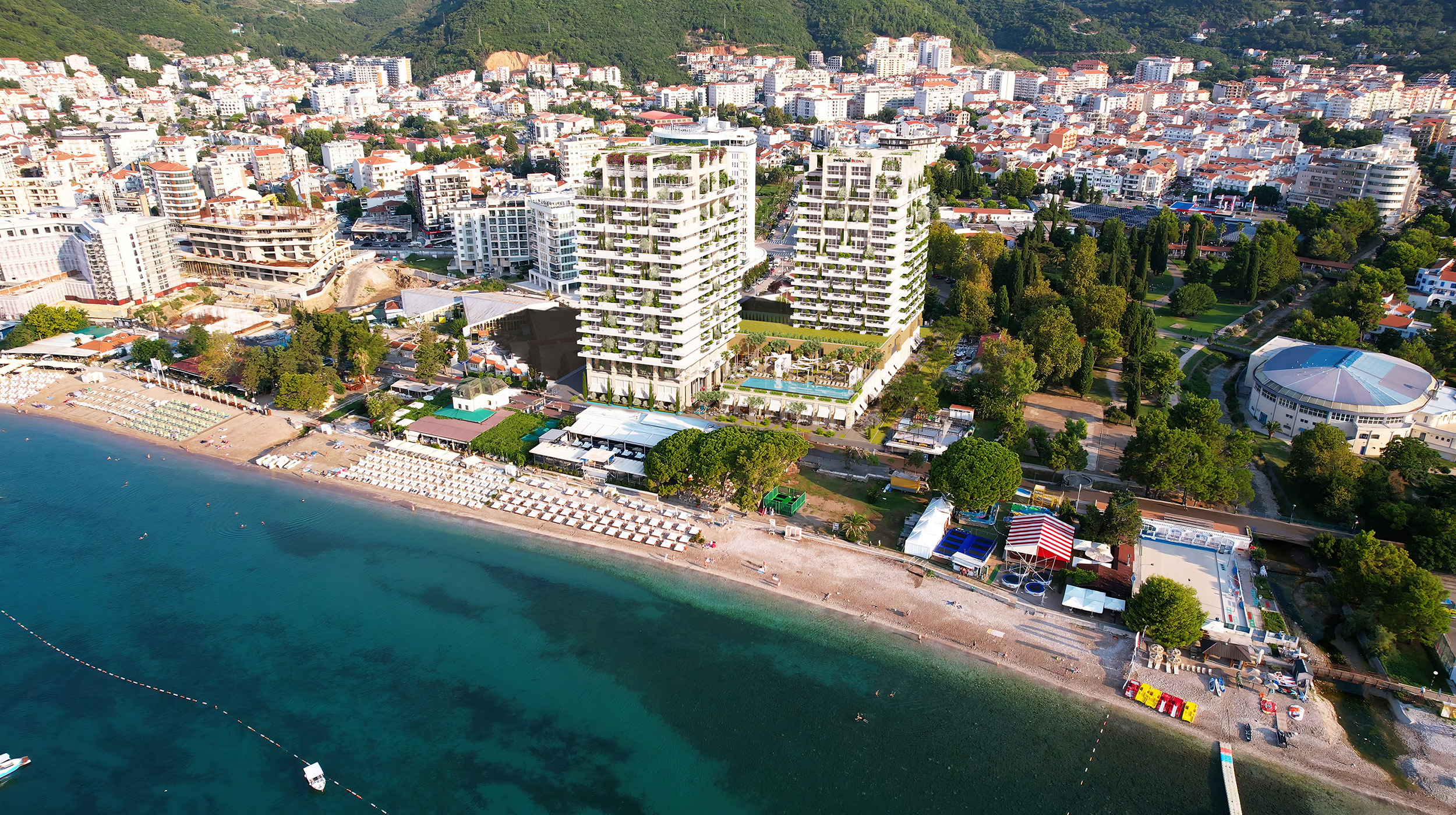
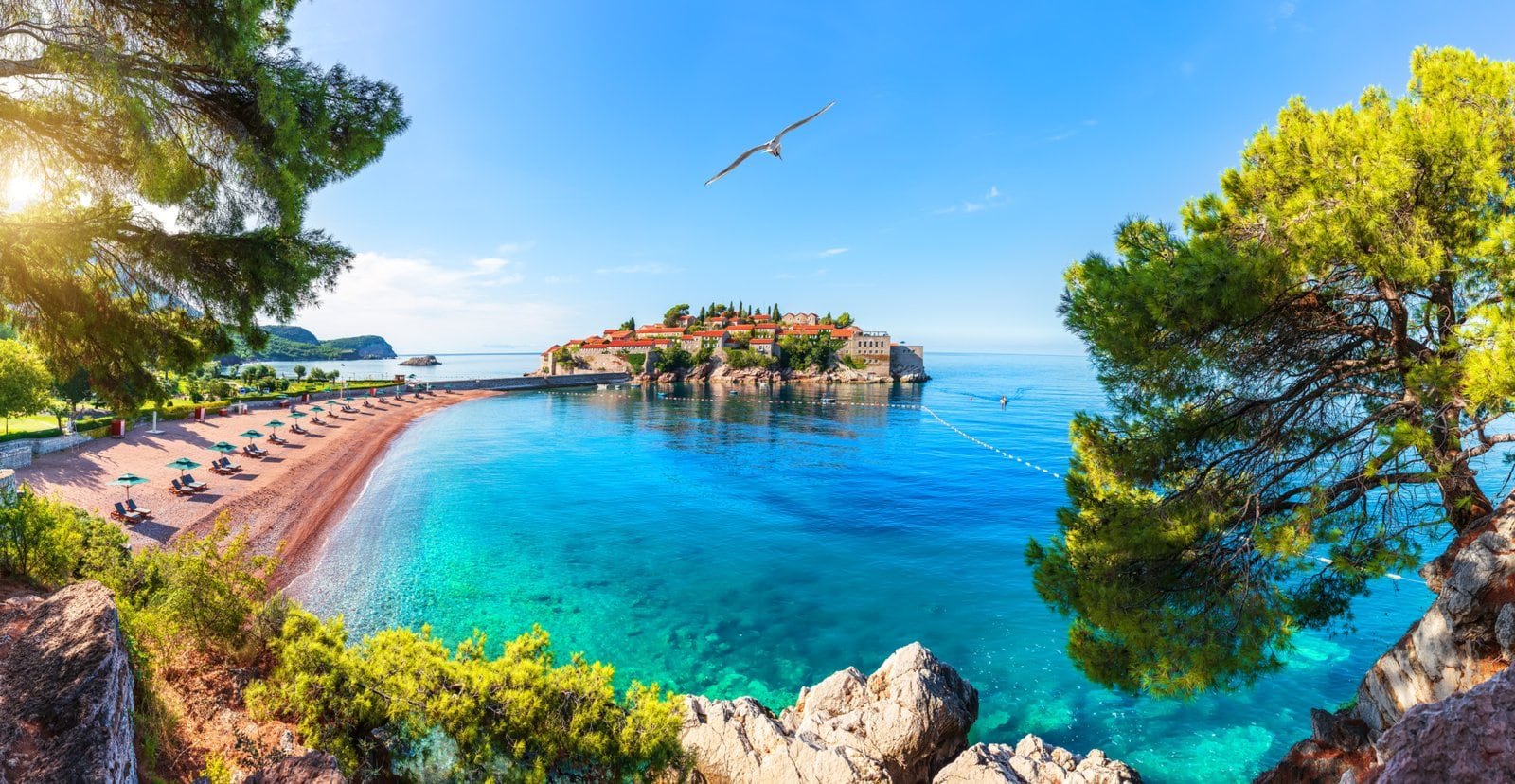
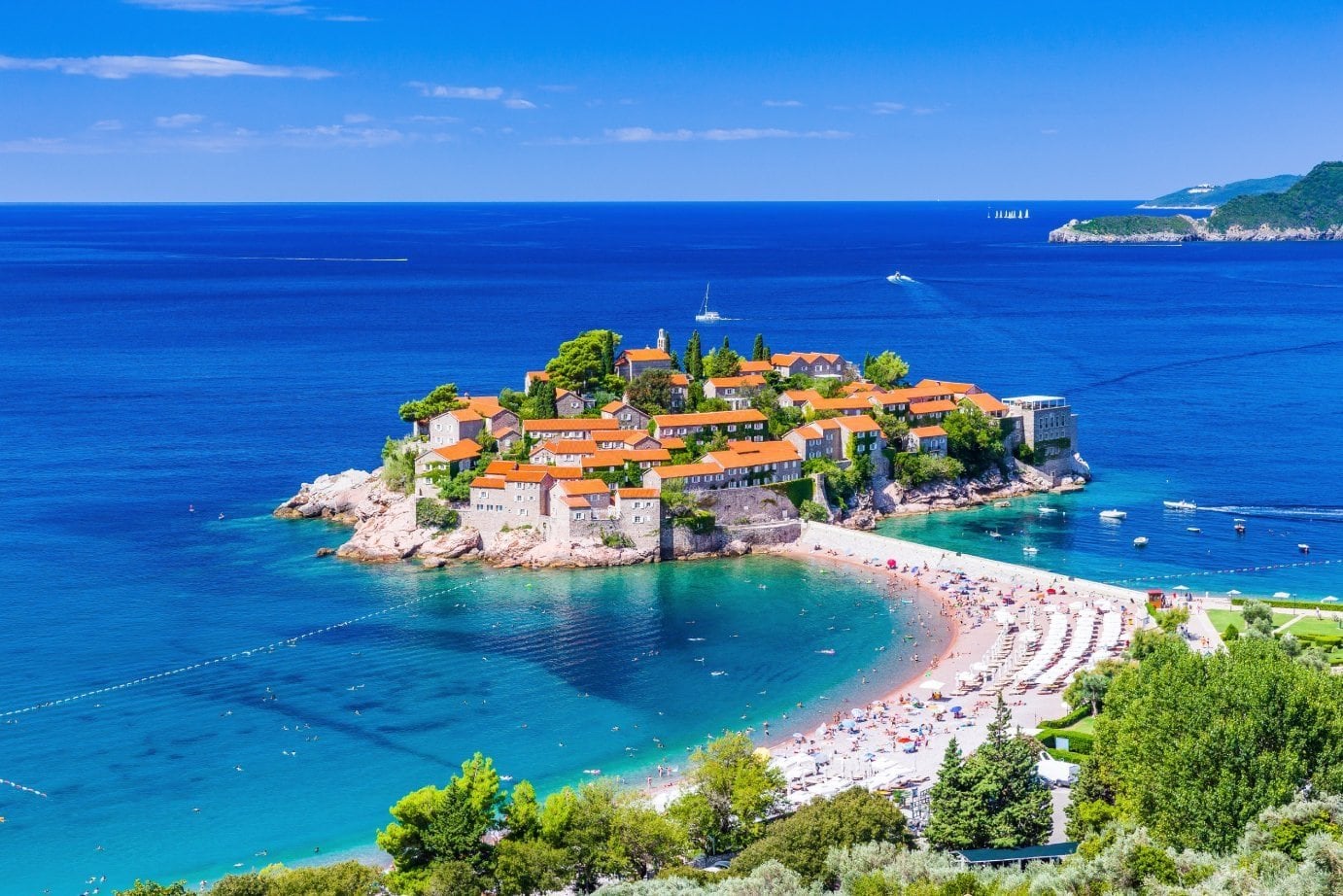
Budva generates the highest volume of short-term tourist arrivals of any coastal town. Studios and one-bedroom apartments let consistently throughout summer, with strong demand from European and regional visitors. The rental yields in Budva tend to reflect this volume, with solid seasonal returns achievable on well-located stock. Entry pricing is the most accessible on the Montenegrin coast, making Budva the most practical starting point for yield-focused investors.
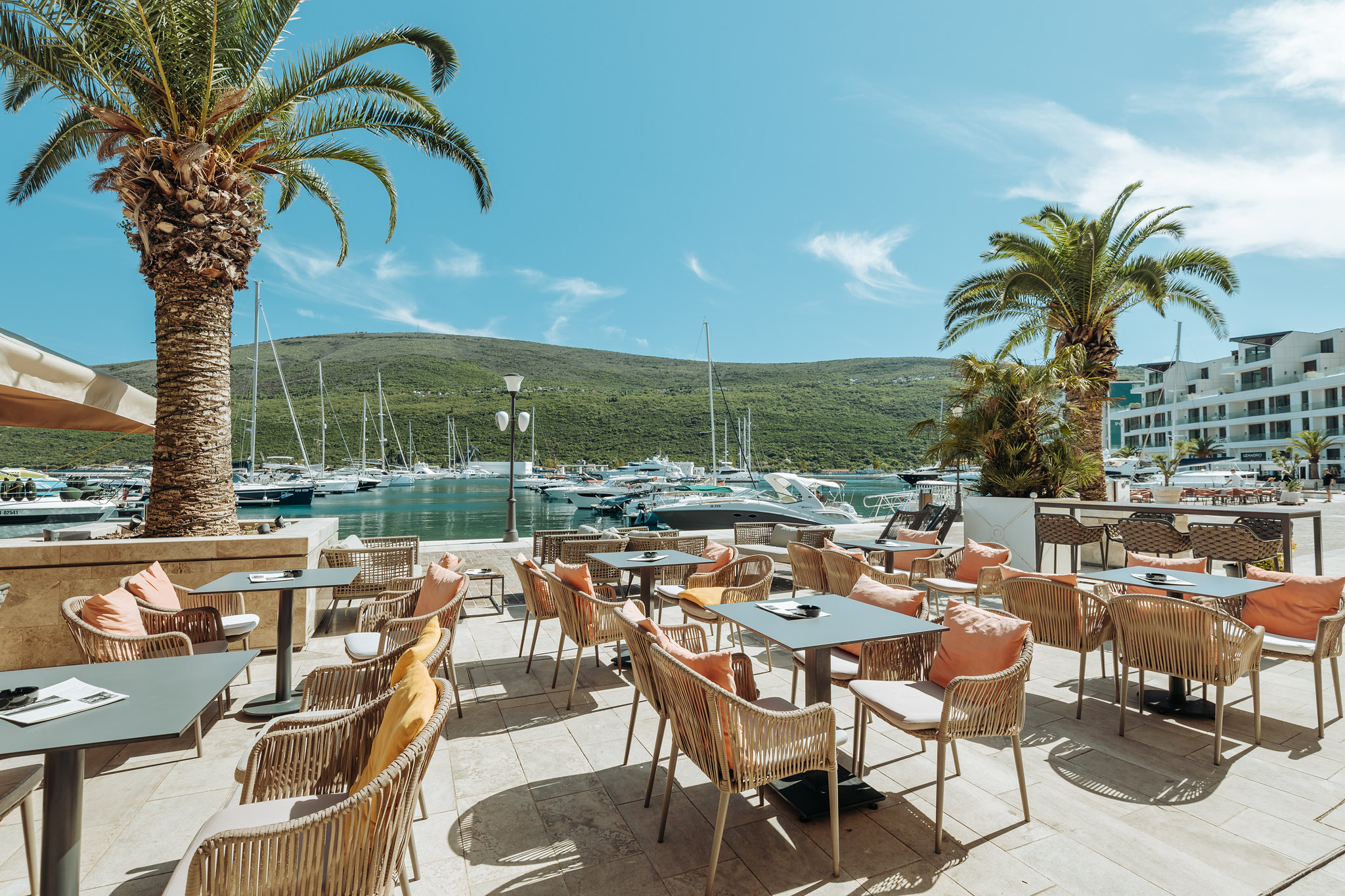
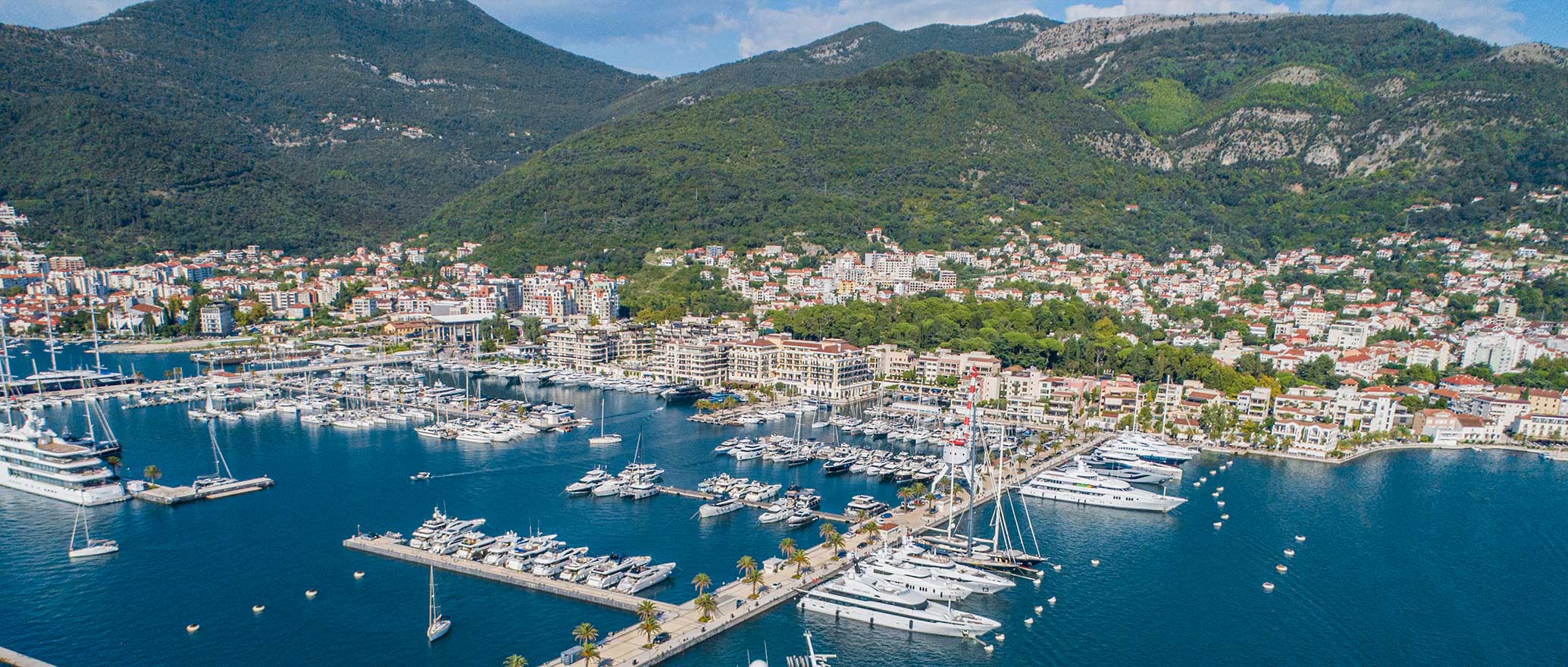
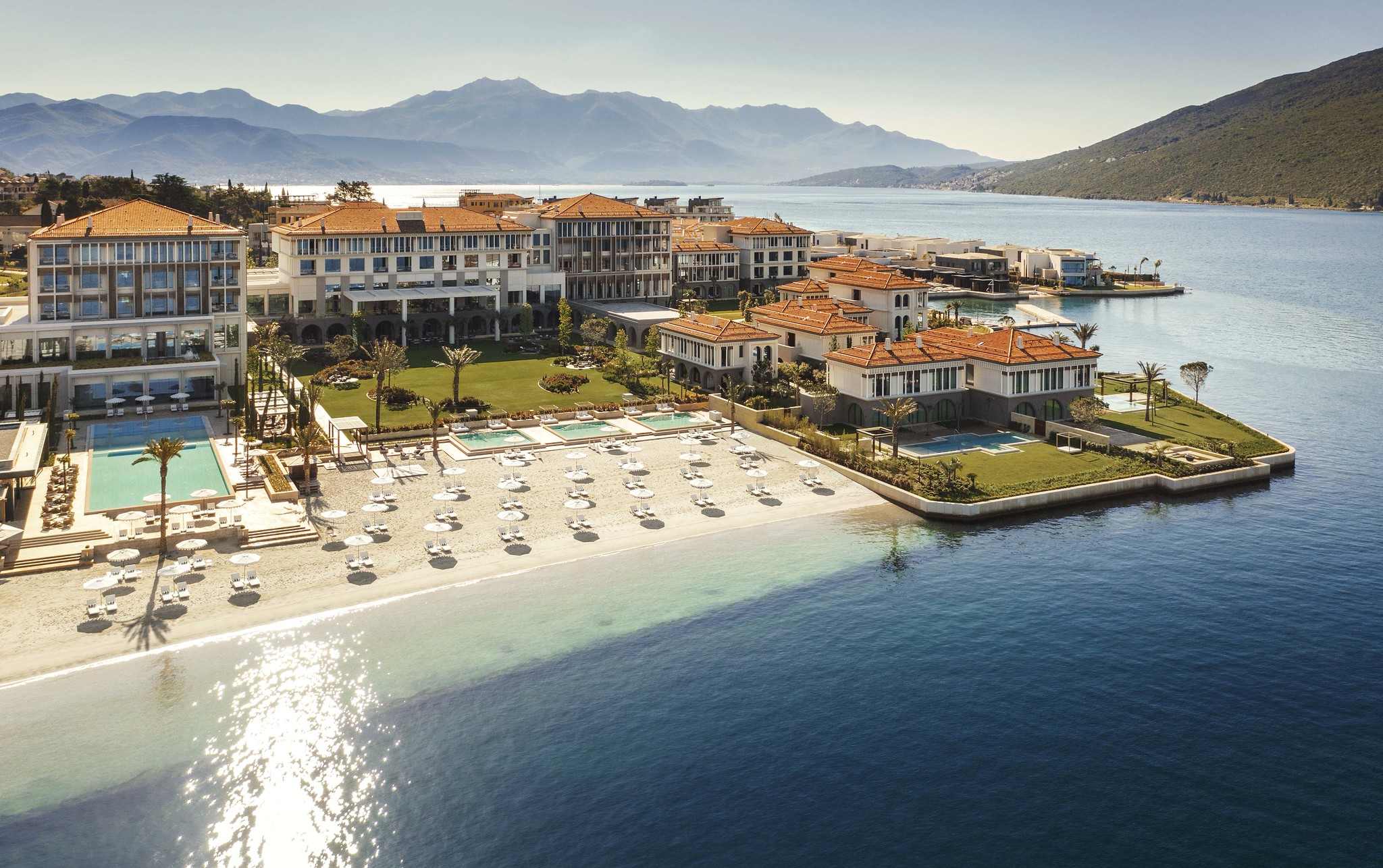
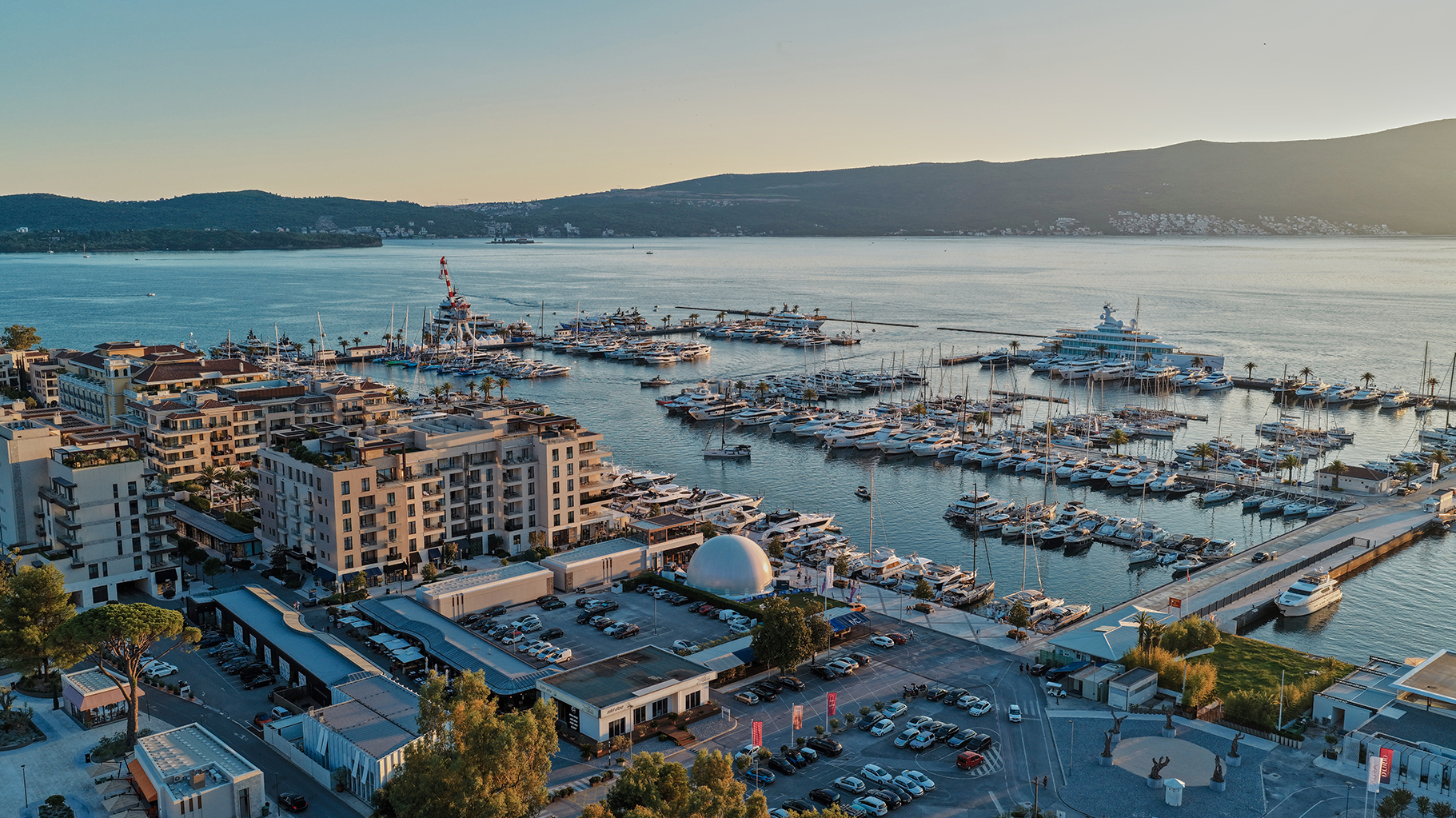
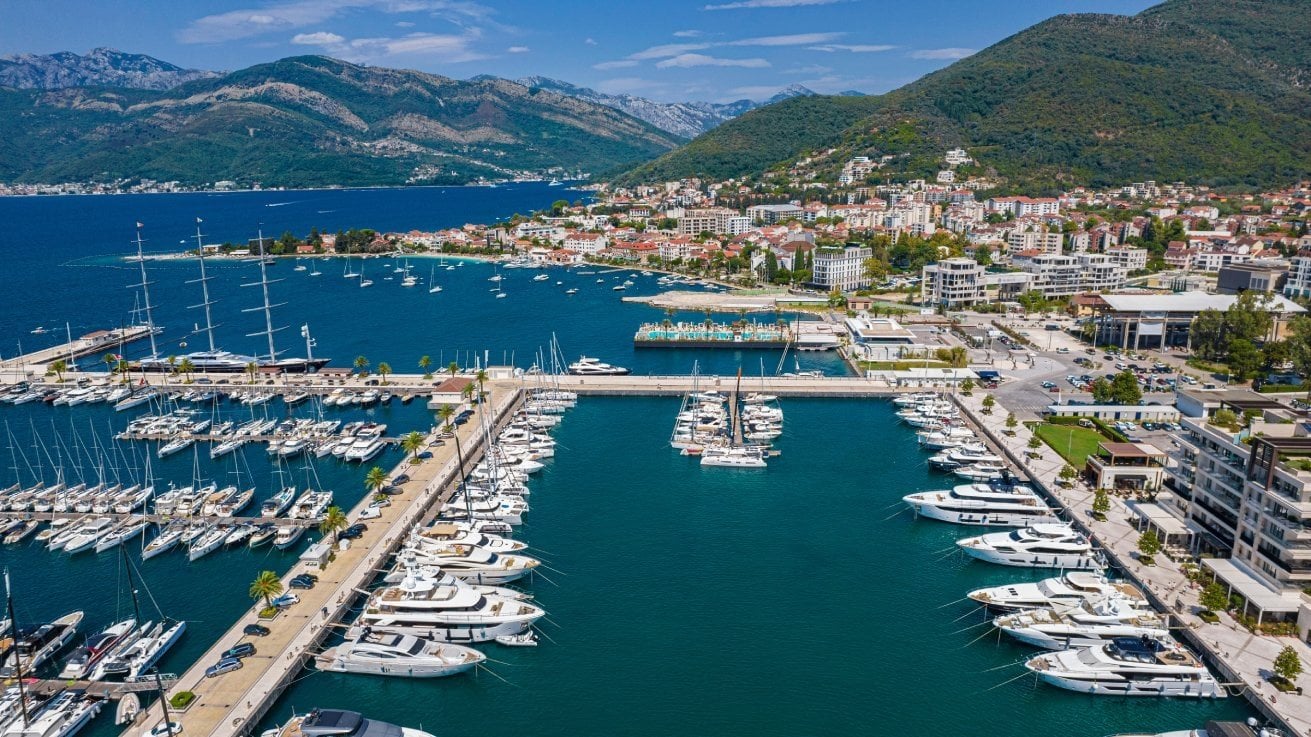
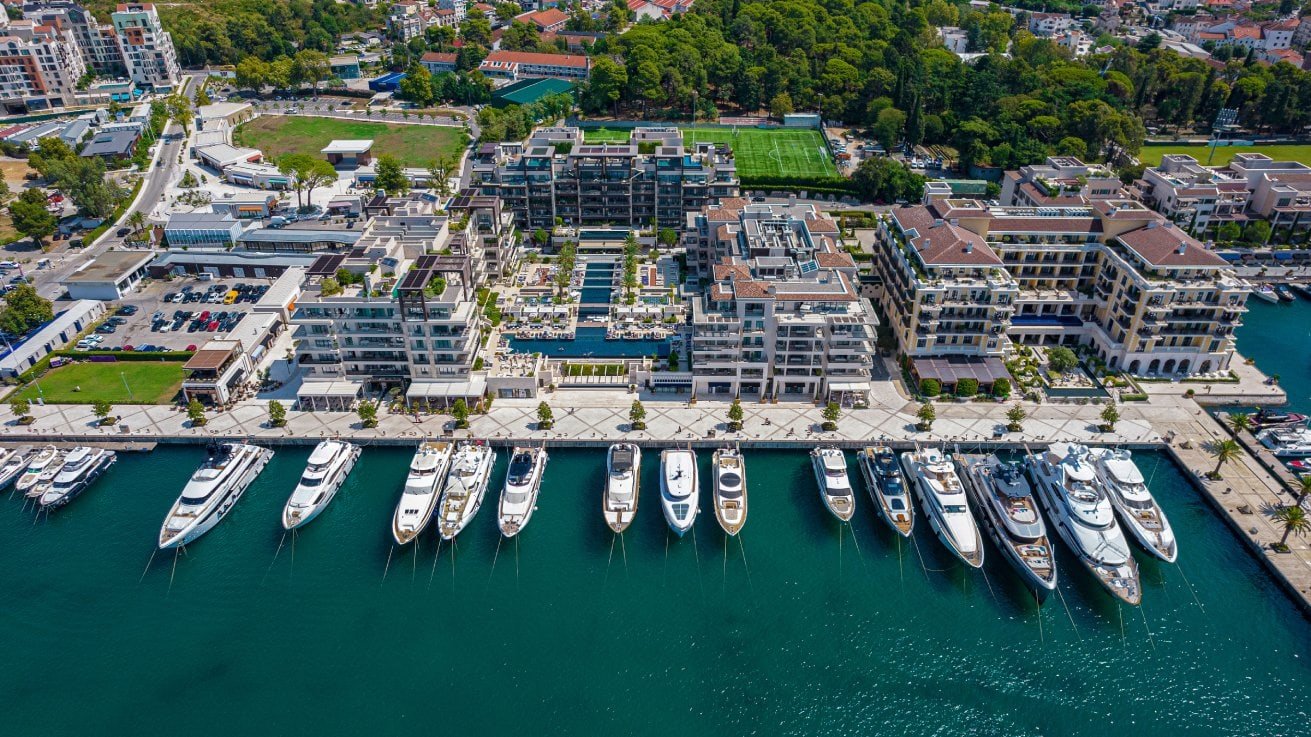
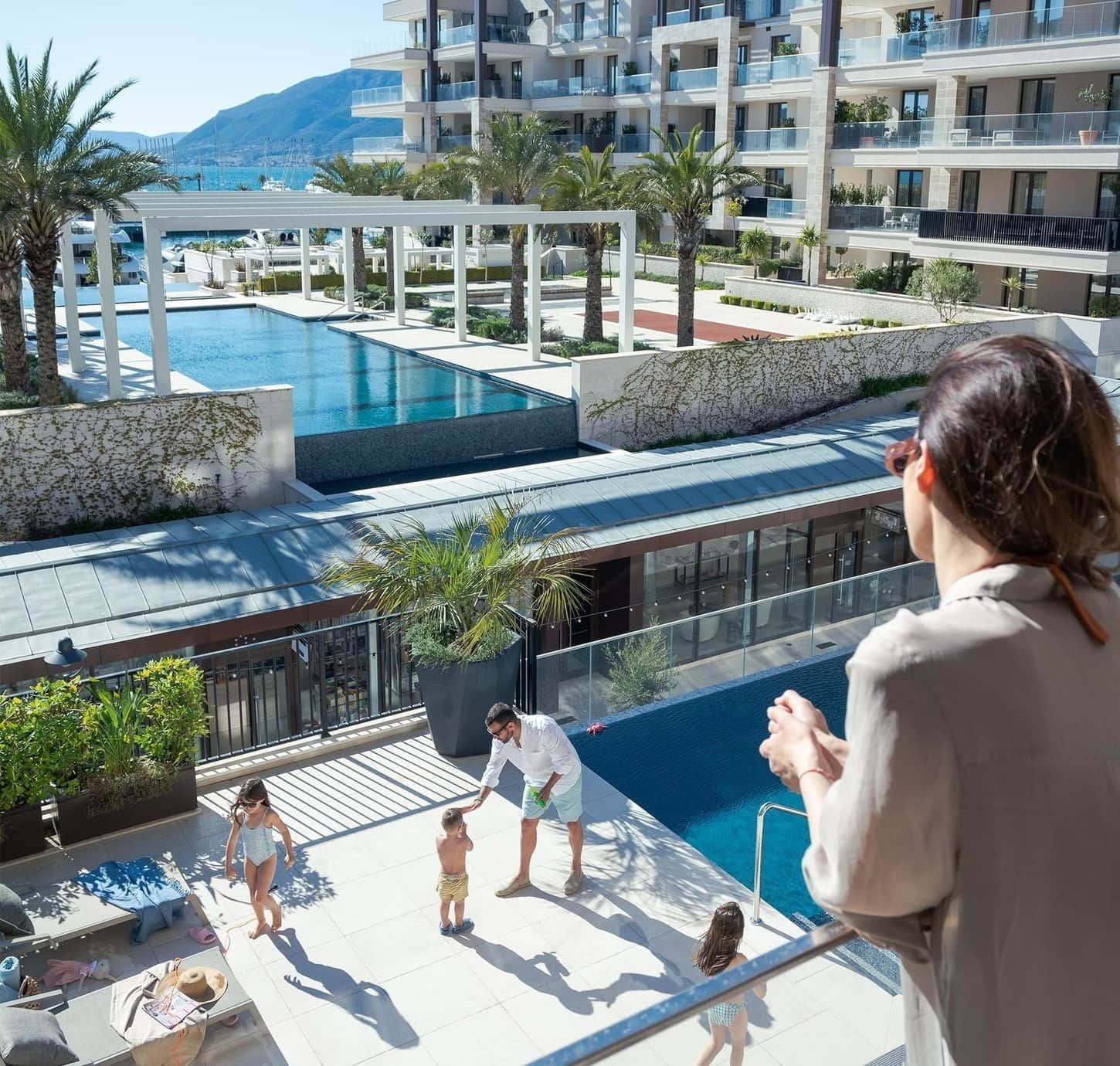
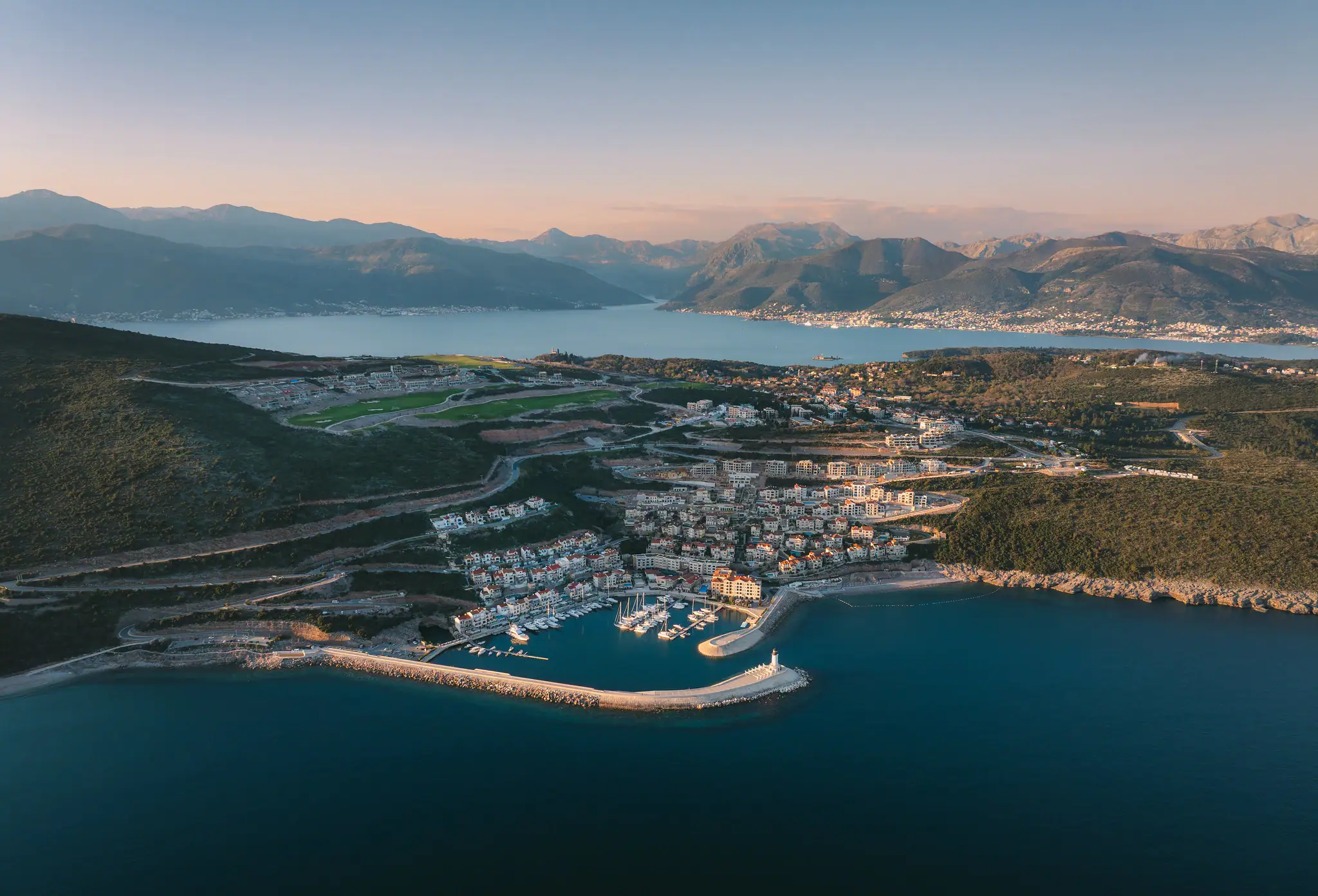
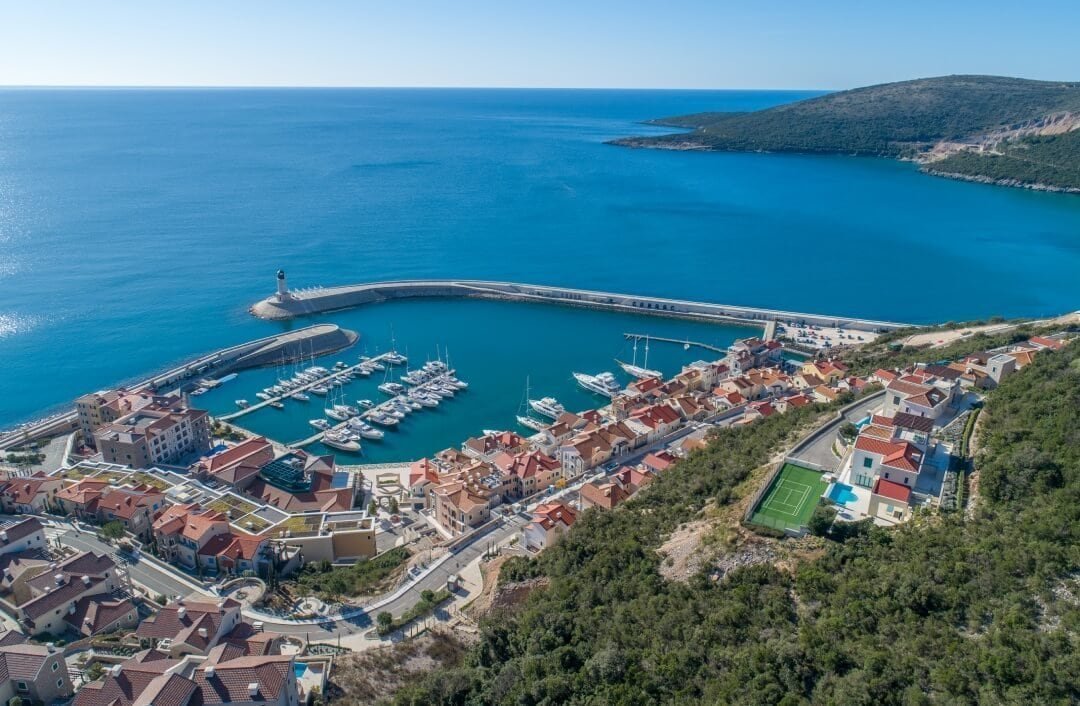
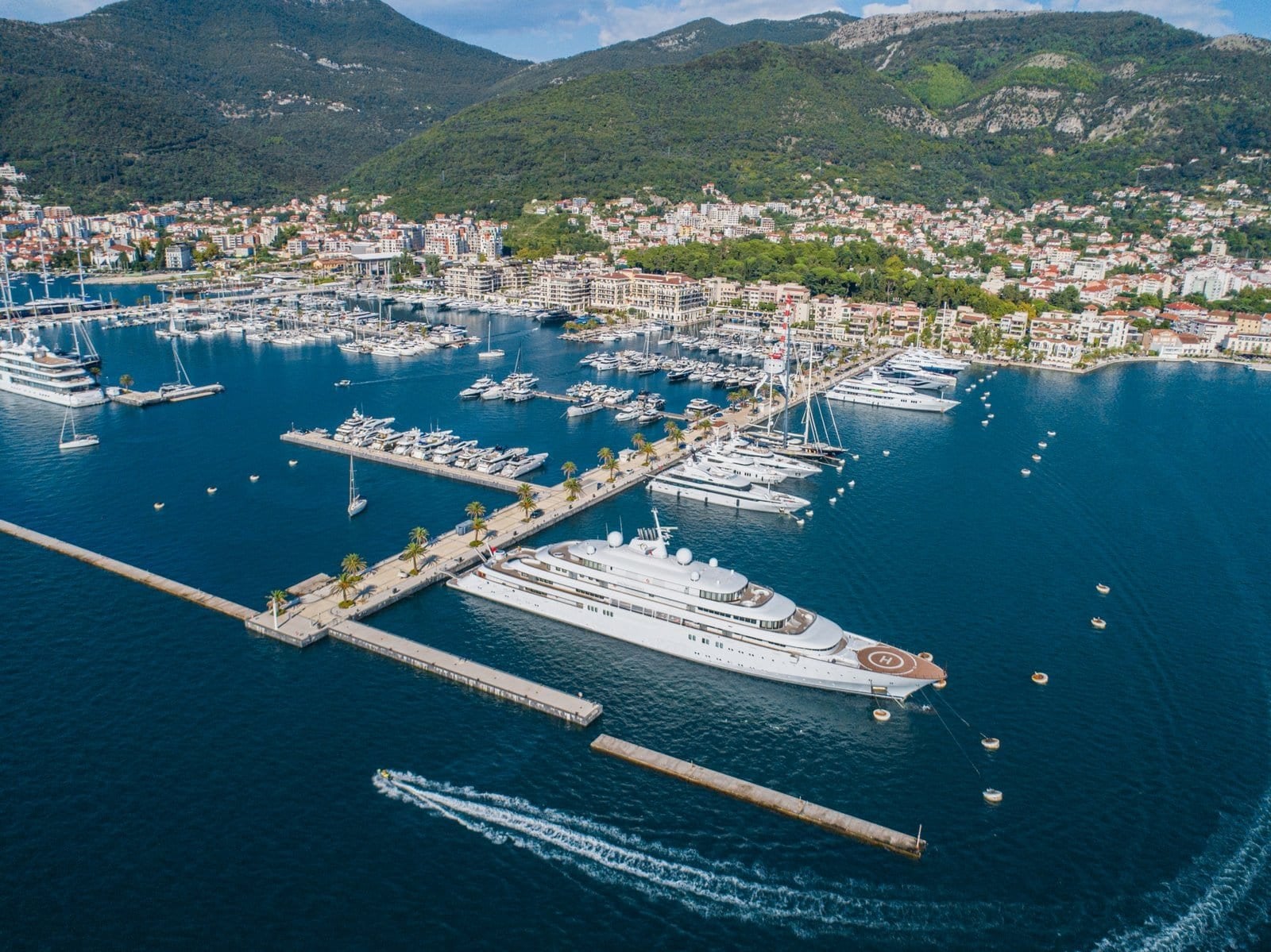
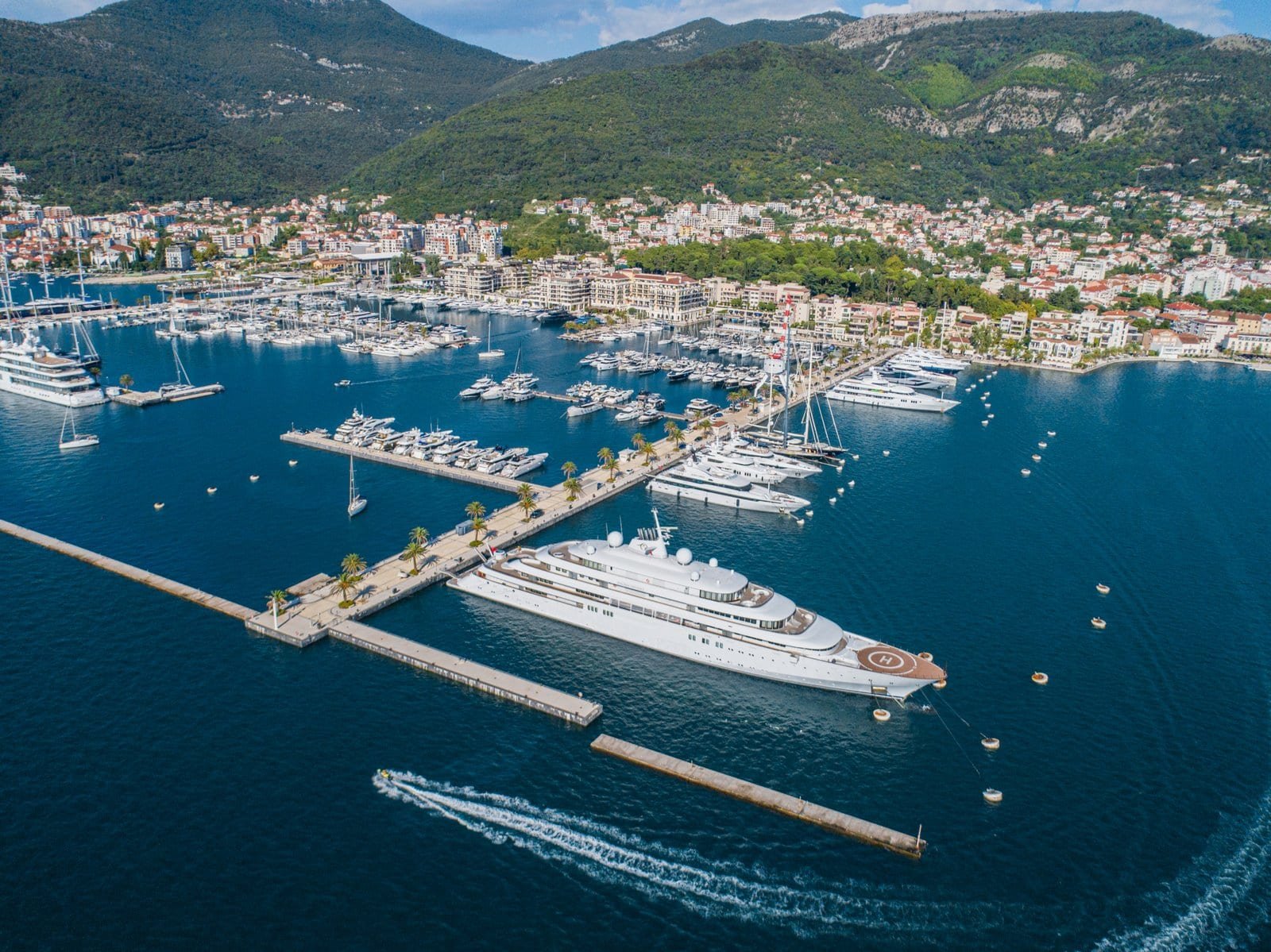
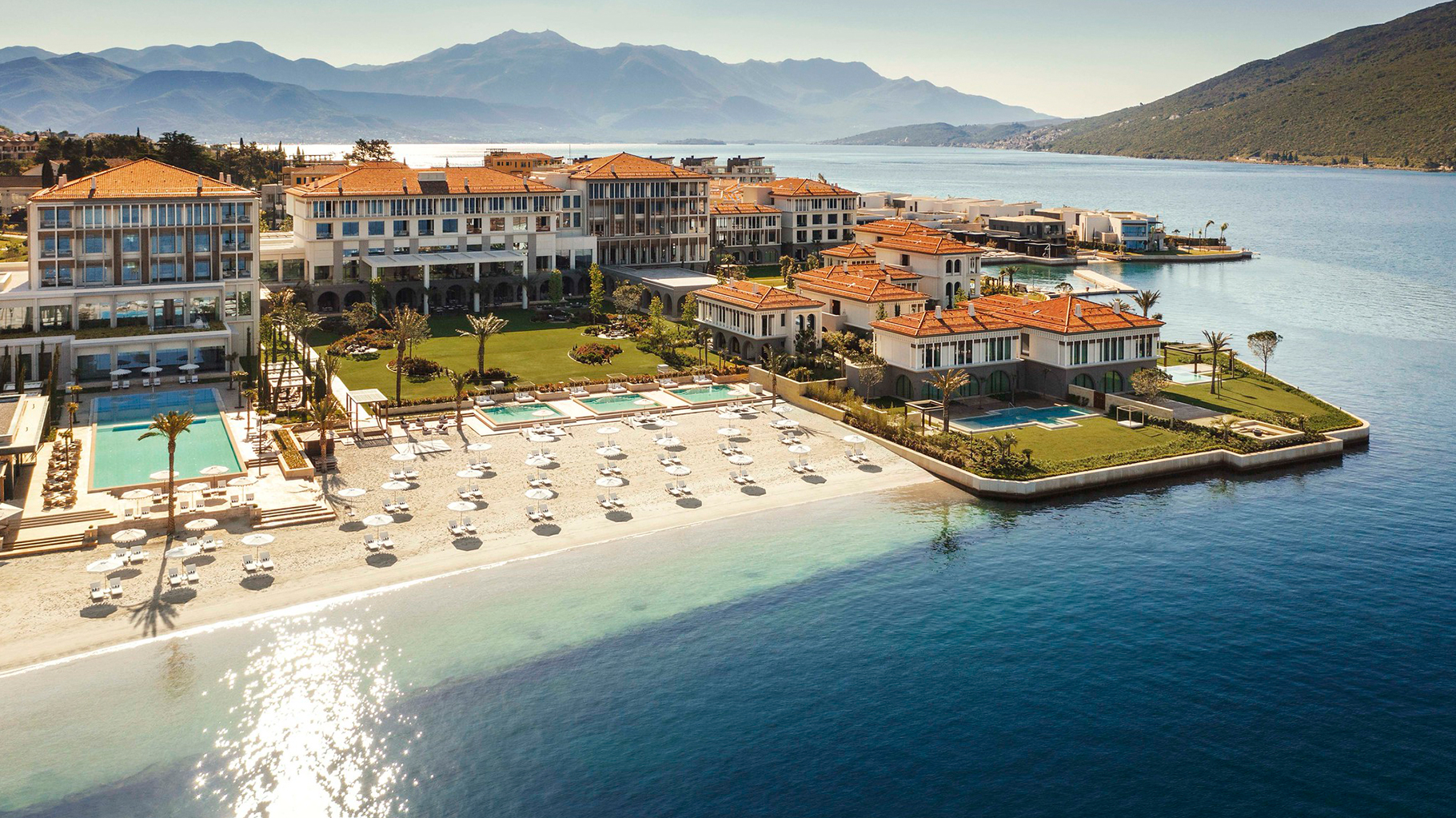
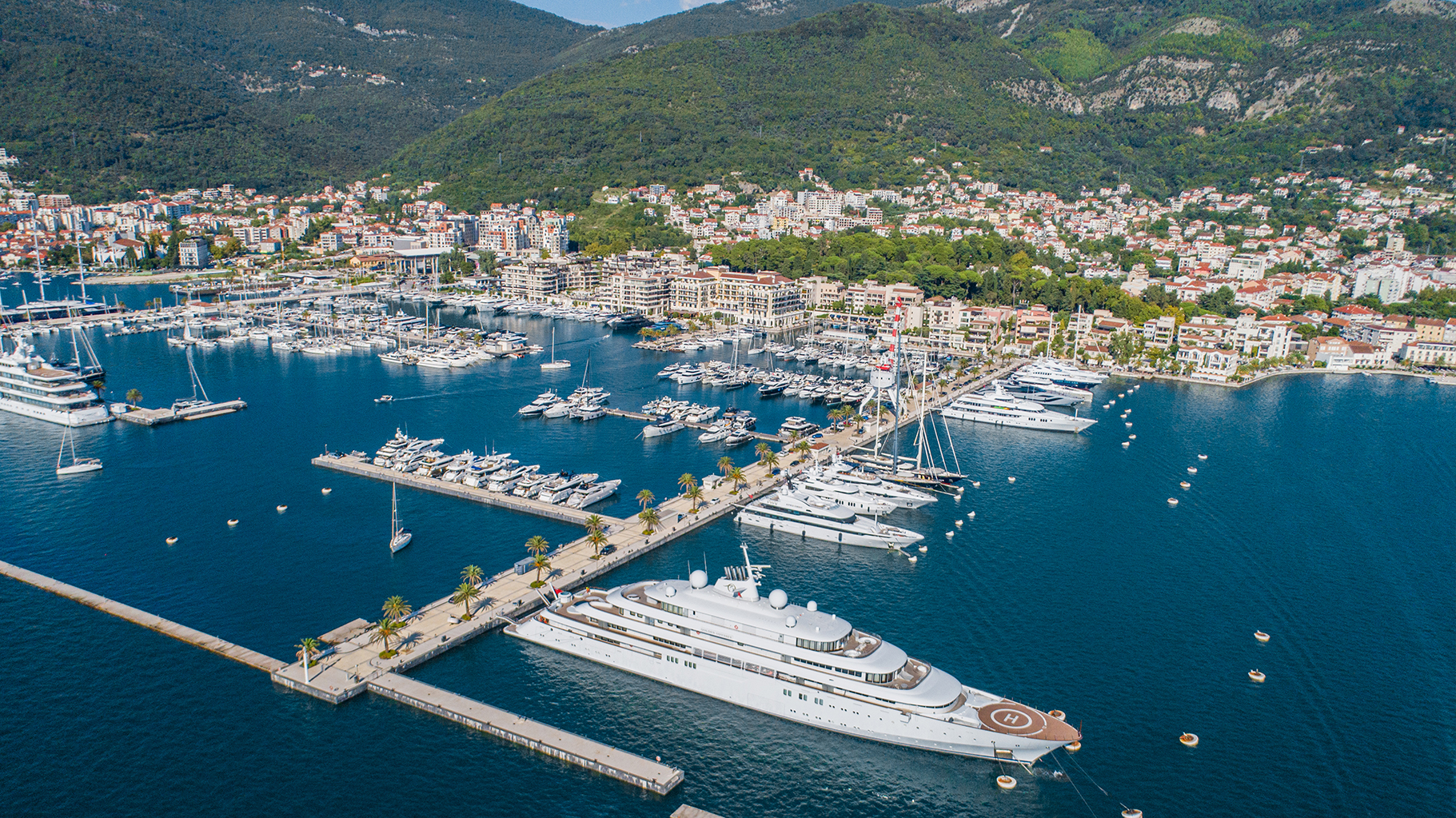
Tivat and Porto Montenegro attract a distinctly different guest profile: yacht owners, high-net-worth visitors and longer-stay guests seeking marina access and privacy. Nightly rates achievable in this market are considerably higher than Budva equivalents, but occupancy outside the main summer weeks is thinner. Our guide to Tivat real estate prices and yields covers this in detail.
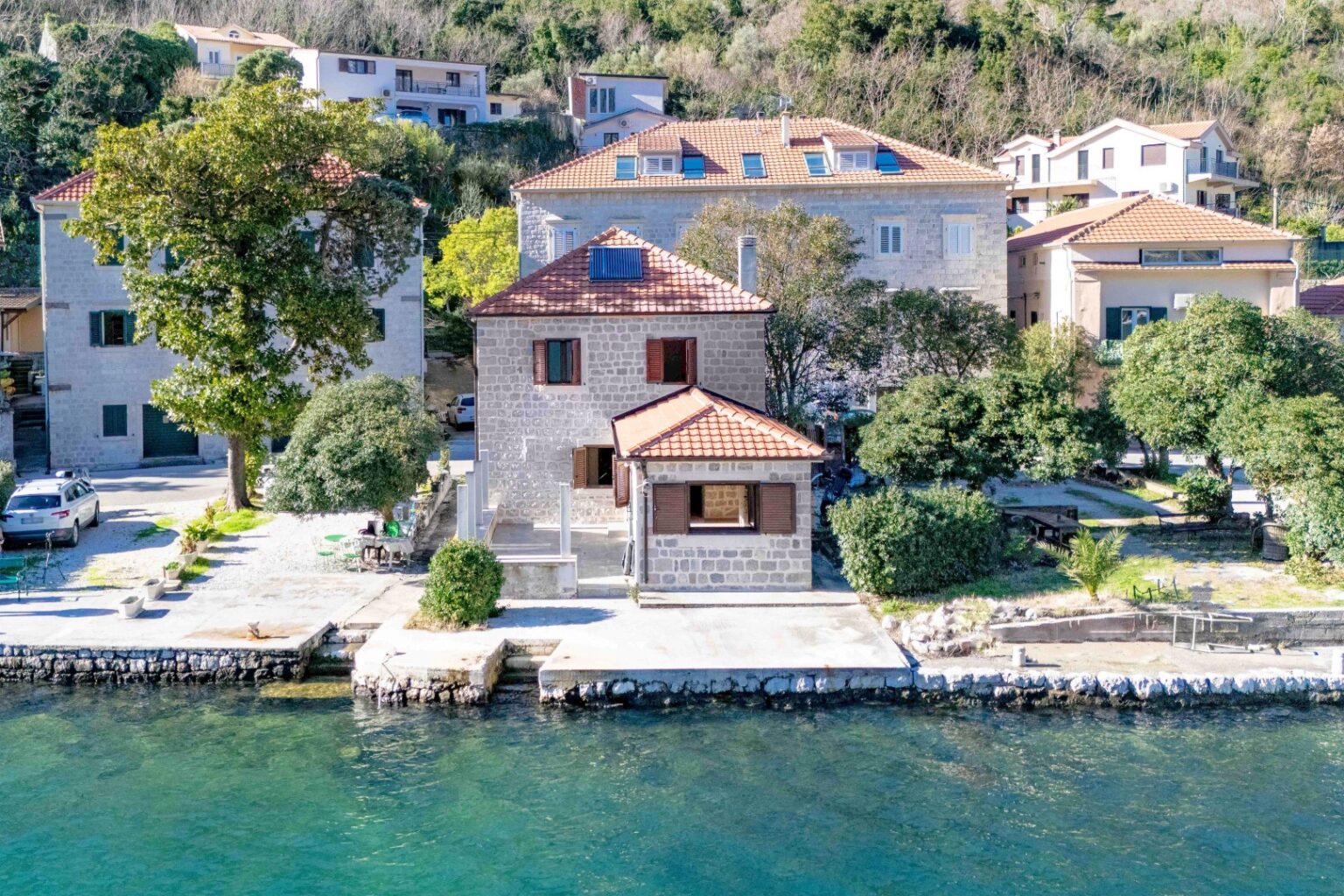
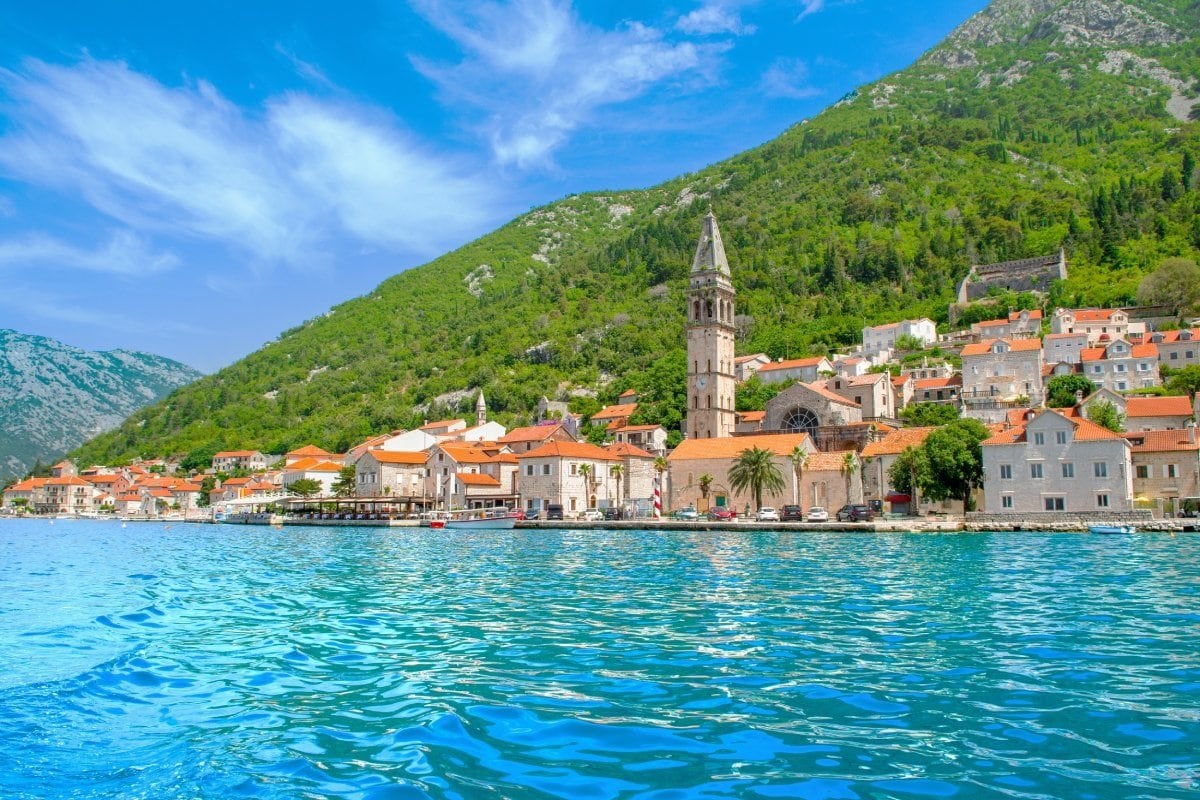
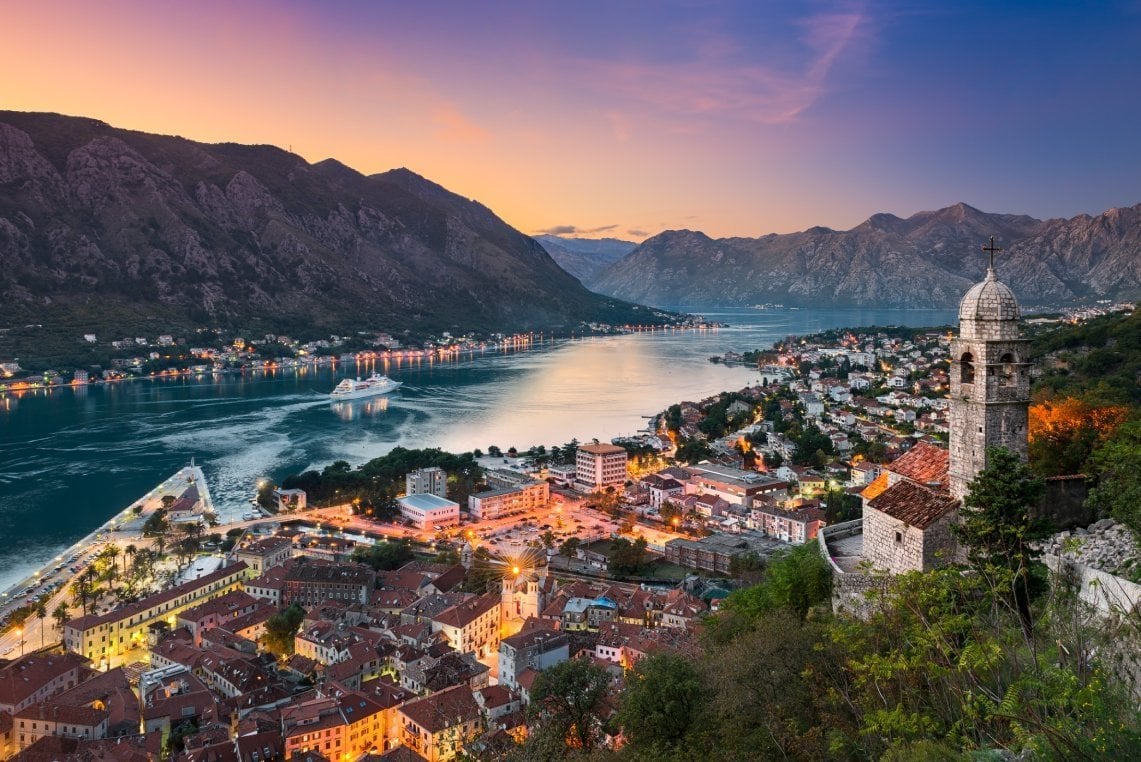
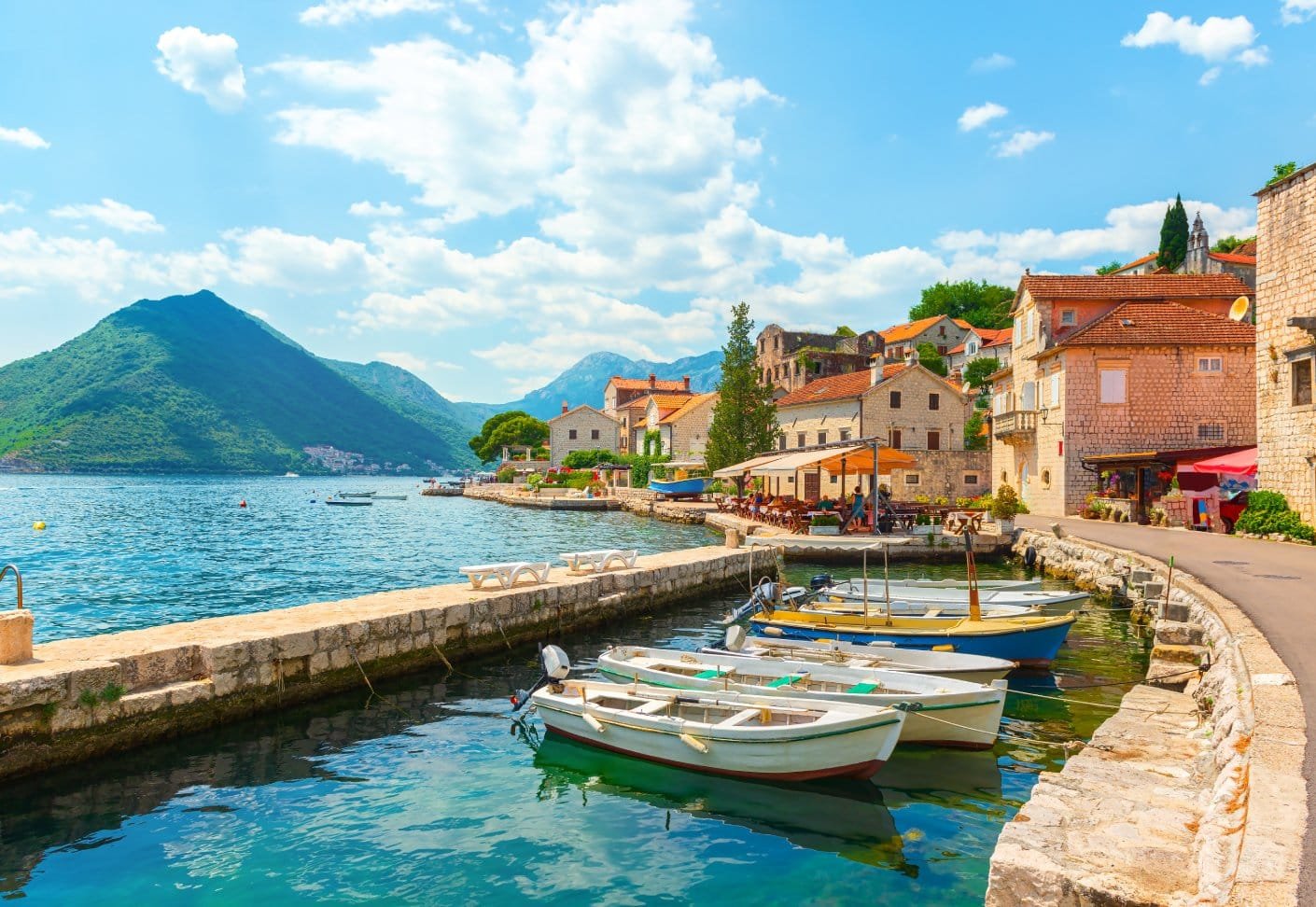
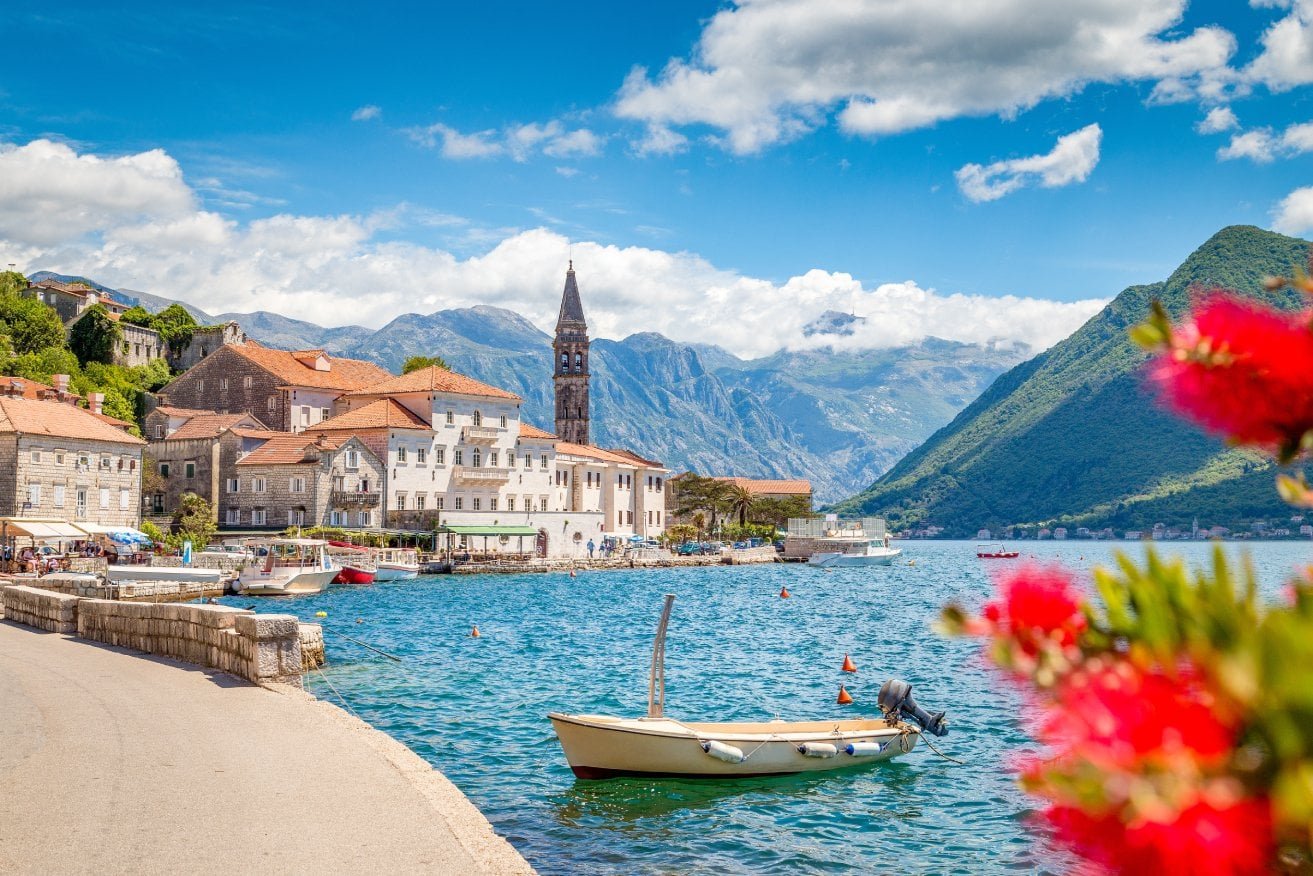
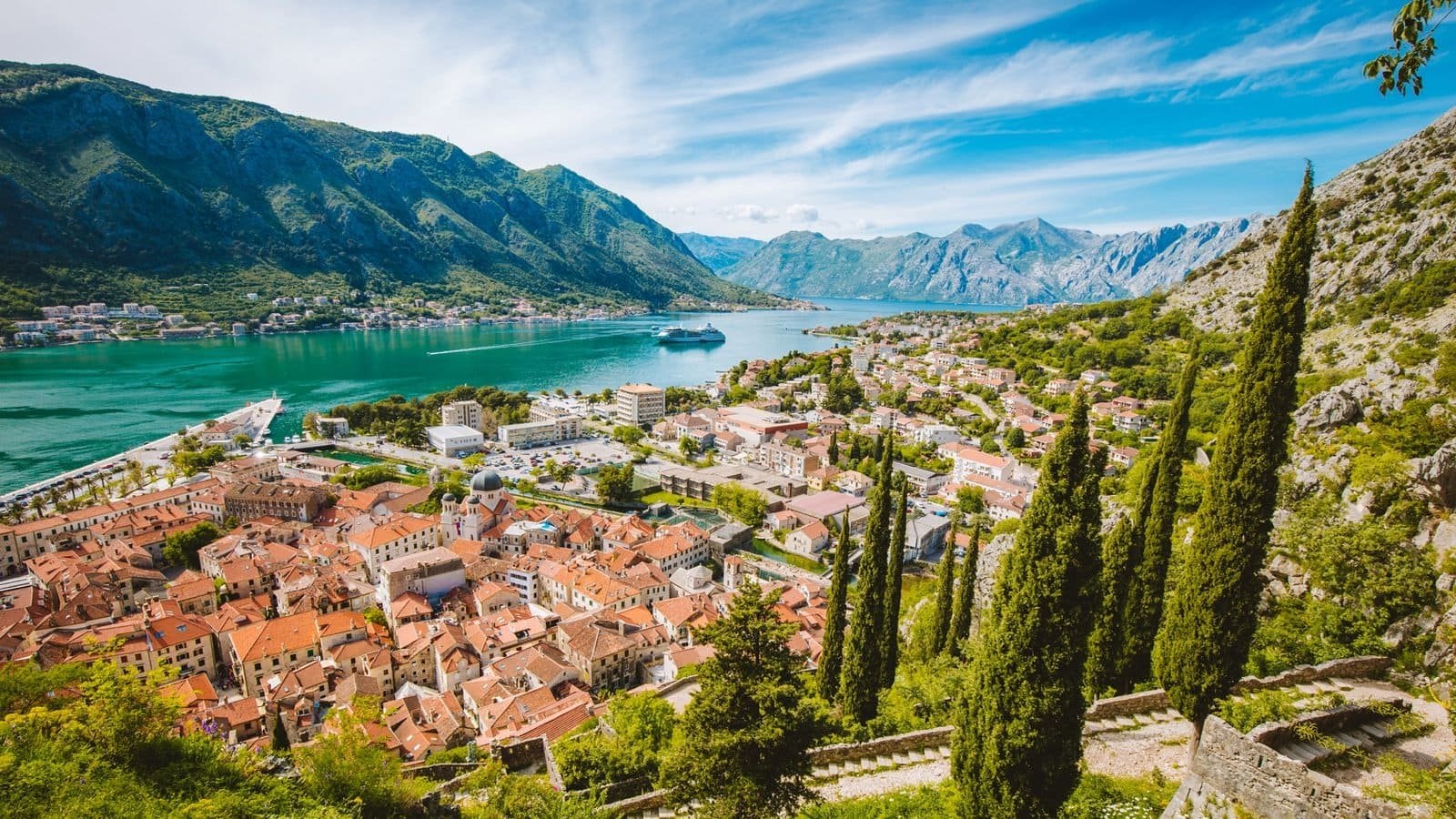
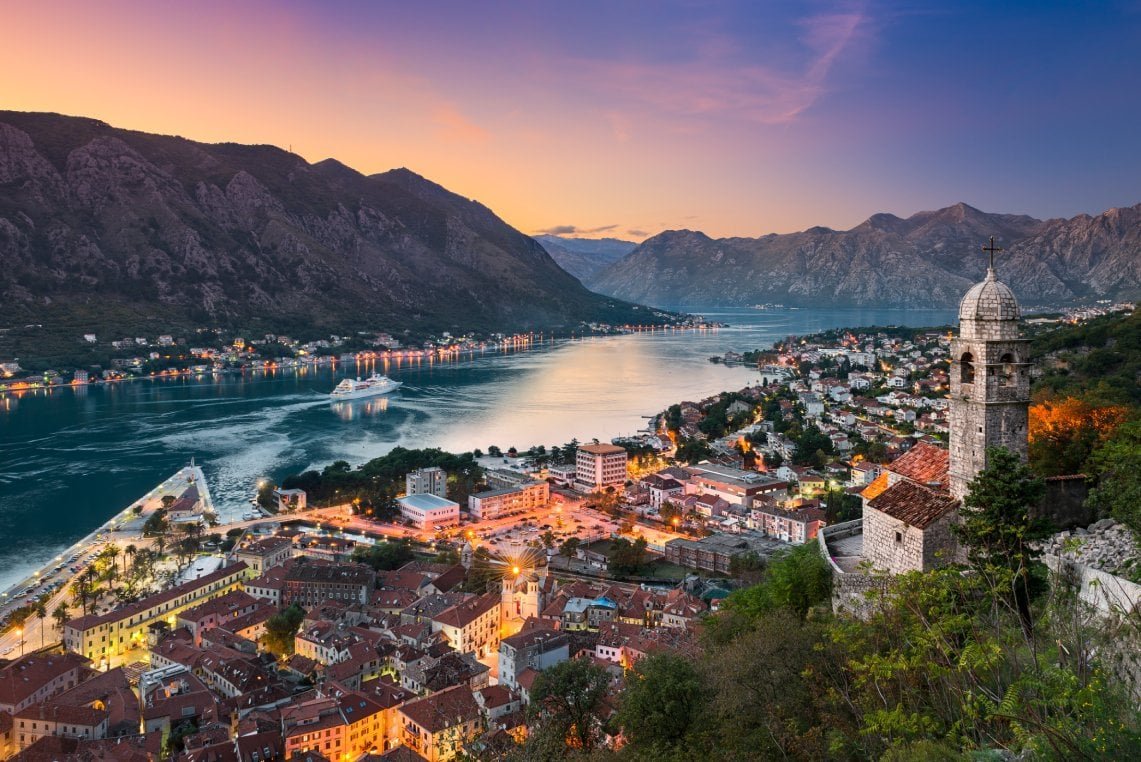
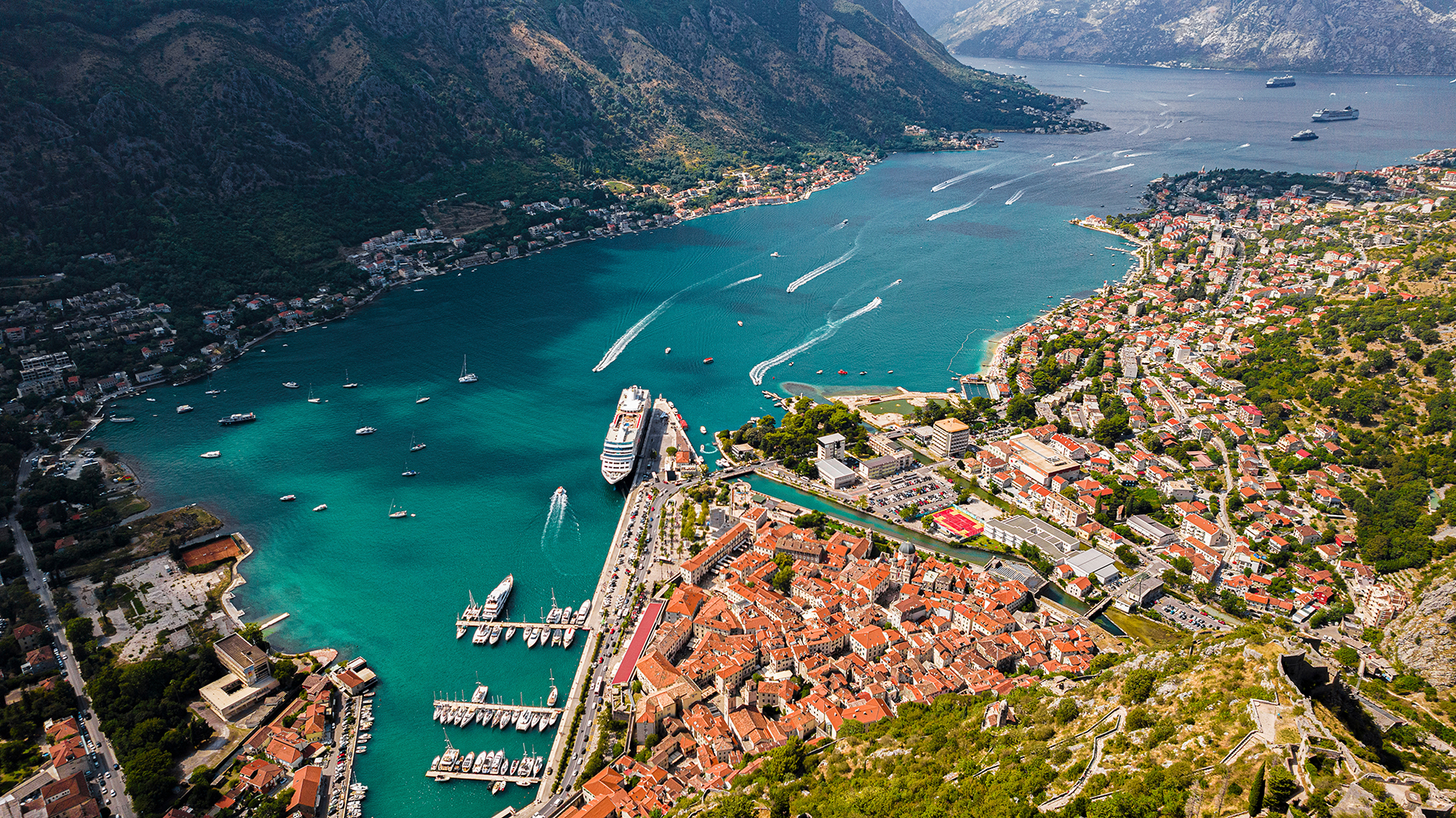
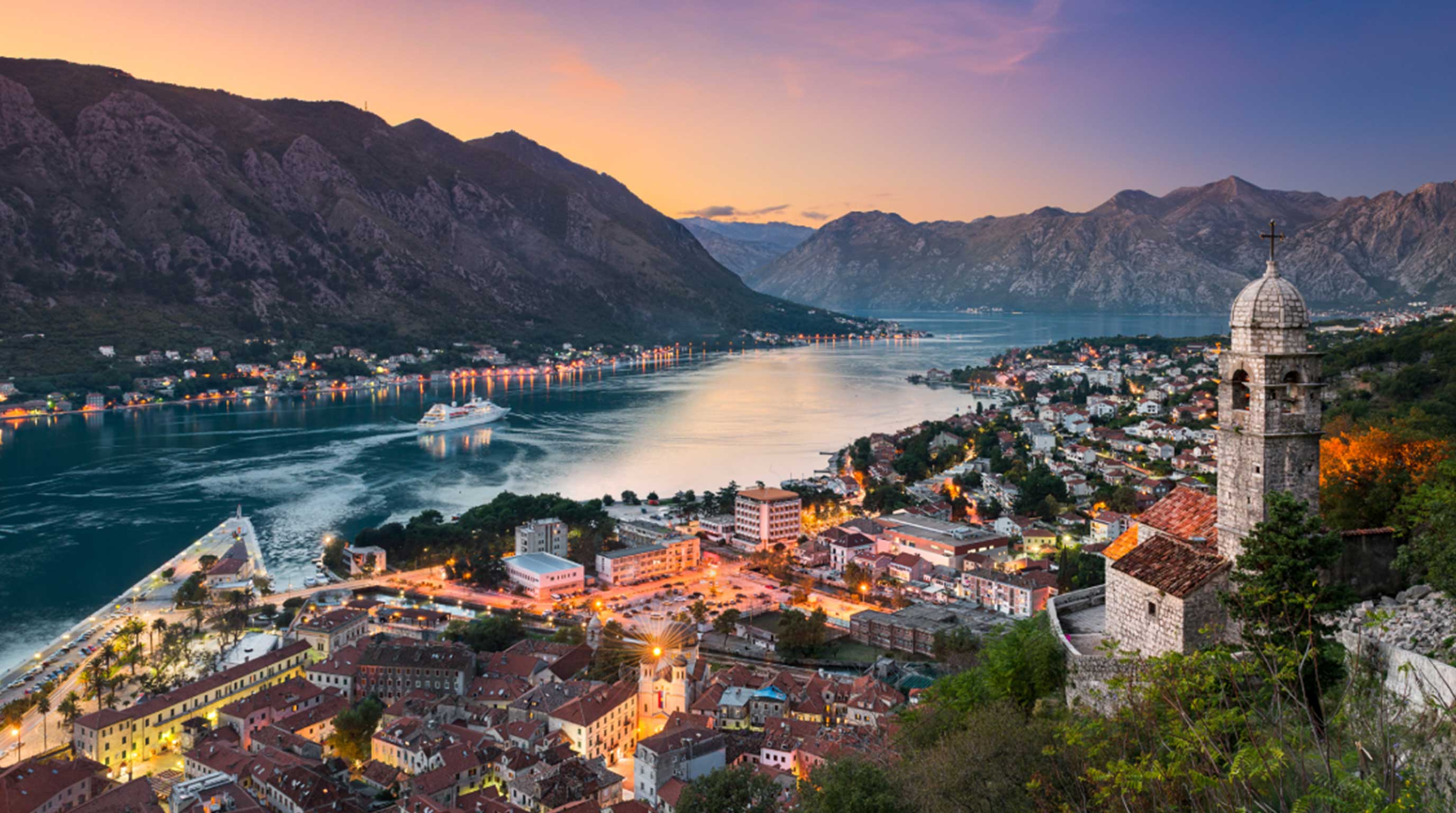
Kotor and the wider Bay of Kotor appeal to guests drawn by the UNESCO heritage setting, sailing culture and a quieter pace compared with Budva. The supply of legally compliant short-term rental property is more constrained in the Old Town, which limits competition but also constrains the number of viable units available for purchase. Stone houses and heritage apartments in this area carry a strong nightly premium and tend to generate repeat bookings from a specific guest type. Kotor Old Town property requires careful legal and structural due diligence before acquisition.
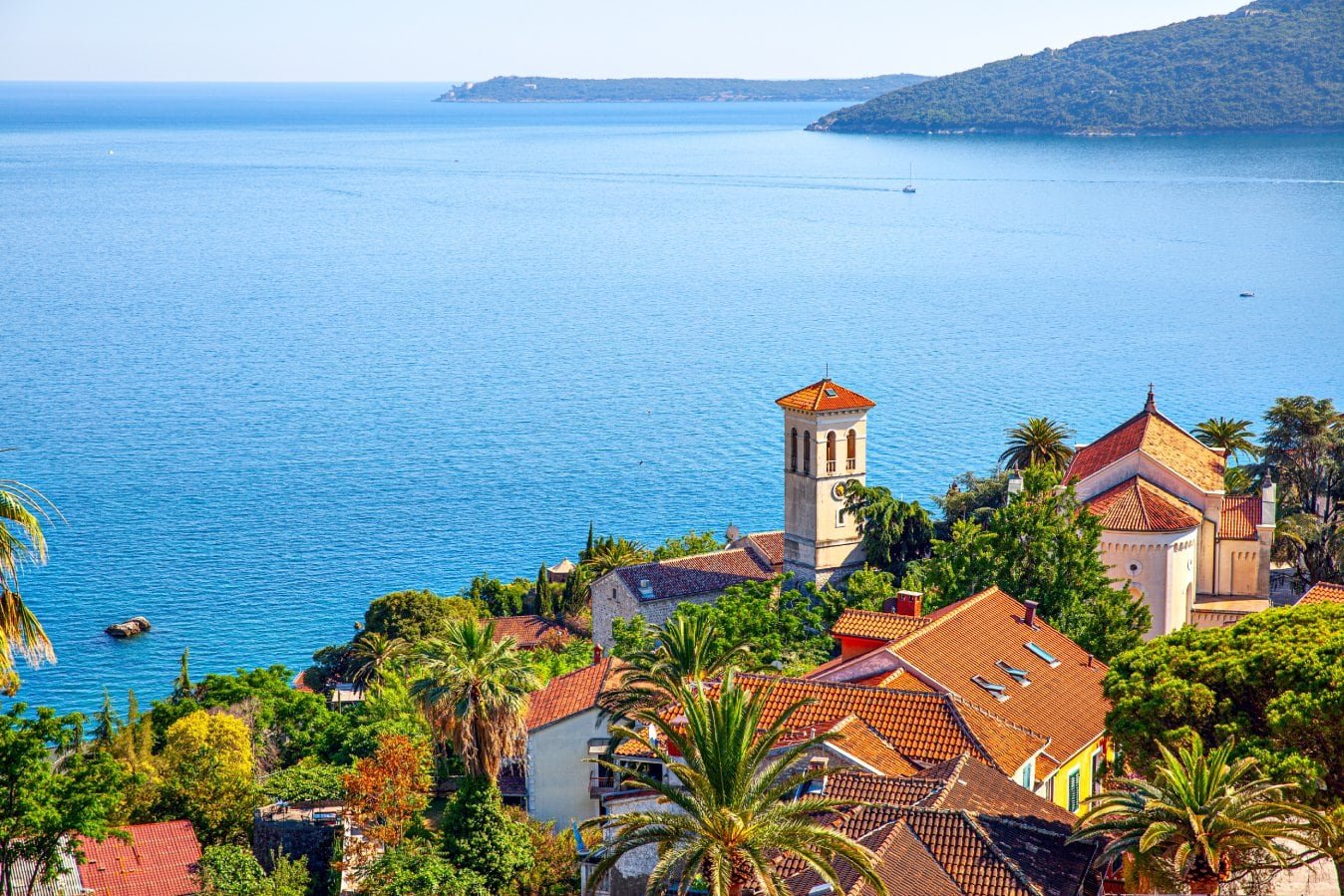
Herceg Novi offers value relative to the other coastal markets, with prices averaging around 20 to 35% lower than Budva and Tivat. Holiday letting potential is growing alongside the town’s increasing profile among Western European visitors, though current occupancy and yield data remain thinner than in the established coastal markets. For investors comfortable with a longer occupancy ramp-up, Herceg Novi property represents one of the more interesting emerging positions on the Montenegrin coast.
Practical Considerations Before Letting
Several operational realities are worth addressing before the first booking arrives. Guest registration within 24 hours is a legal obligation and requires either personal management or a reliable local co-host or property manager. Key exchange logistics for coastal properties are straightforward but must be planned. Professional photographs and accurate listing descriptions in English and German yield measurably better occupancy rates than self-managed listings on local platforms alone.
Investors purchasing through Barok Estates International can access introductions to local management partners in Budva, Tivat, Kotor and Herceg Novi as part of the advisory process. Management fees in Montenegro typically run between 15% and 25% of gross rental income, depending on the level of service included. Our broader guide to buying property in Montenegro covers the full acquisition process, from due diligence through to completion.
For full context on the Montenegro property market before committing to a letting strategy, the overview of Montenegro real estate investment in 2026 sets out the market structure, price trends and structural drivers in detail.
For confidential guidance on which Montenegro market best suits your investment objectives, contact Barok Estates International’s advisory team directly.














.jpg)