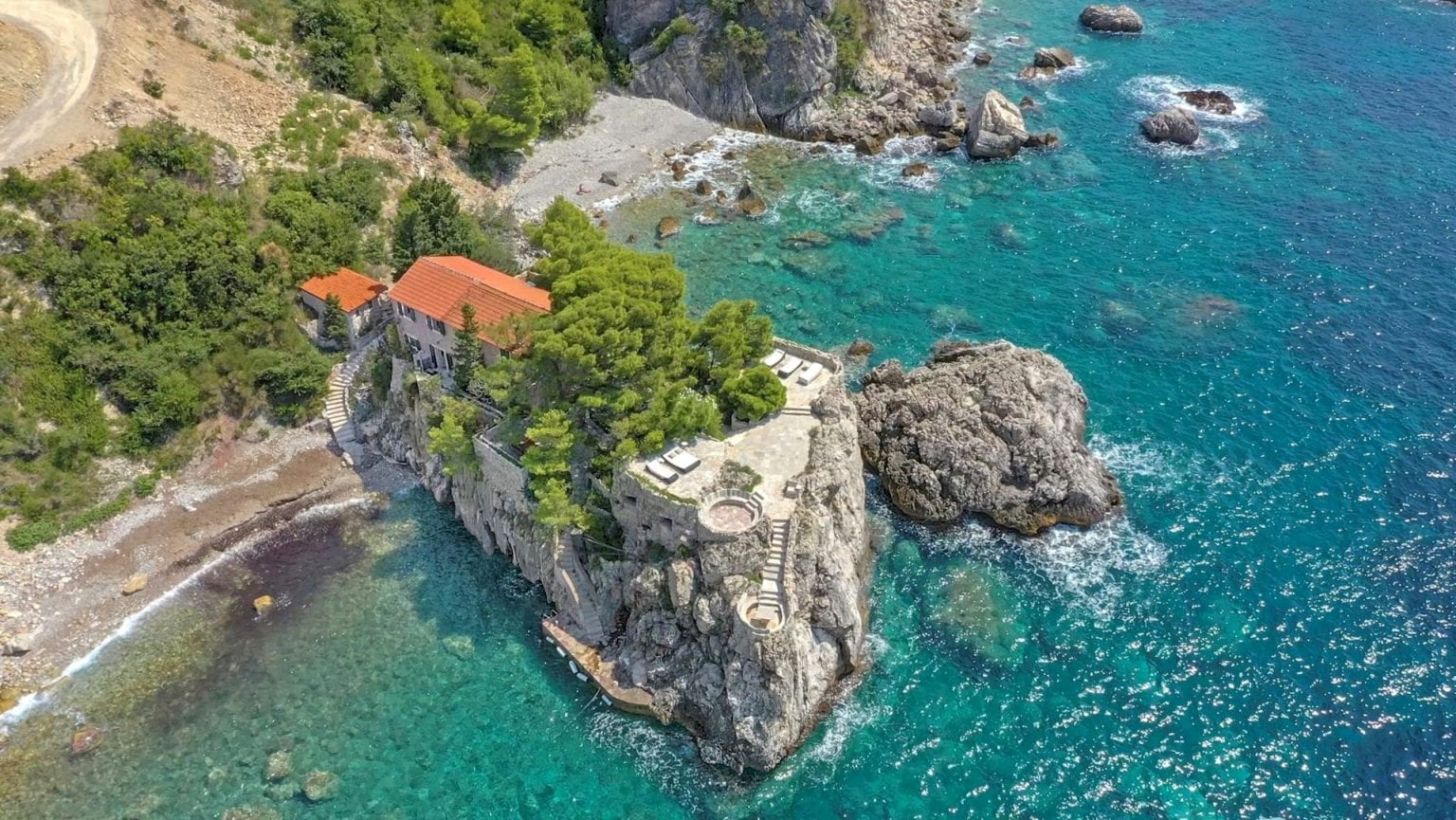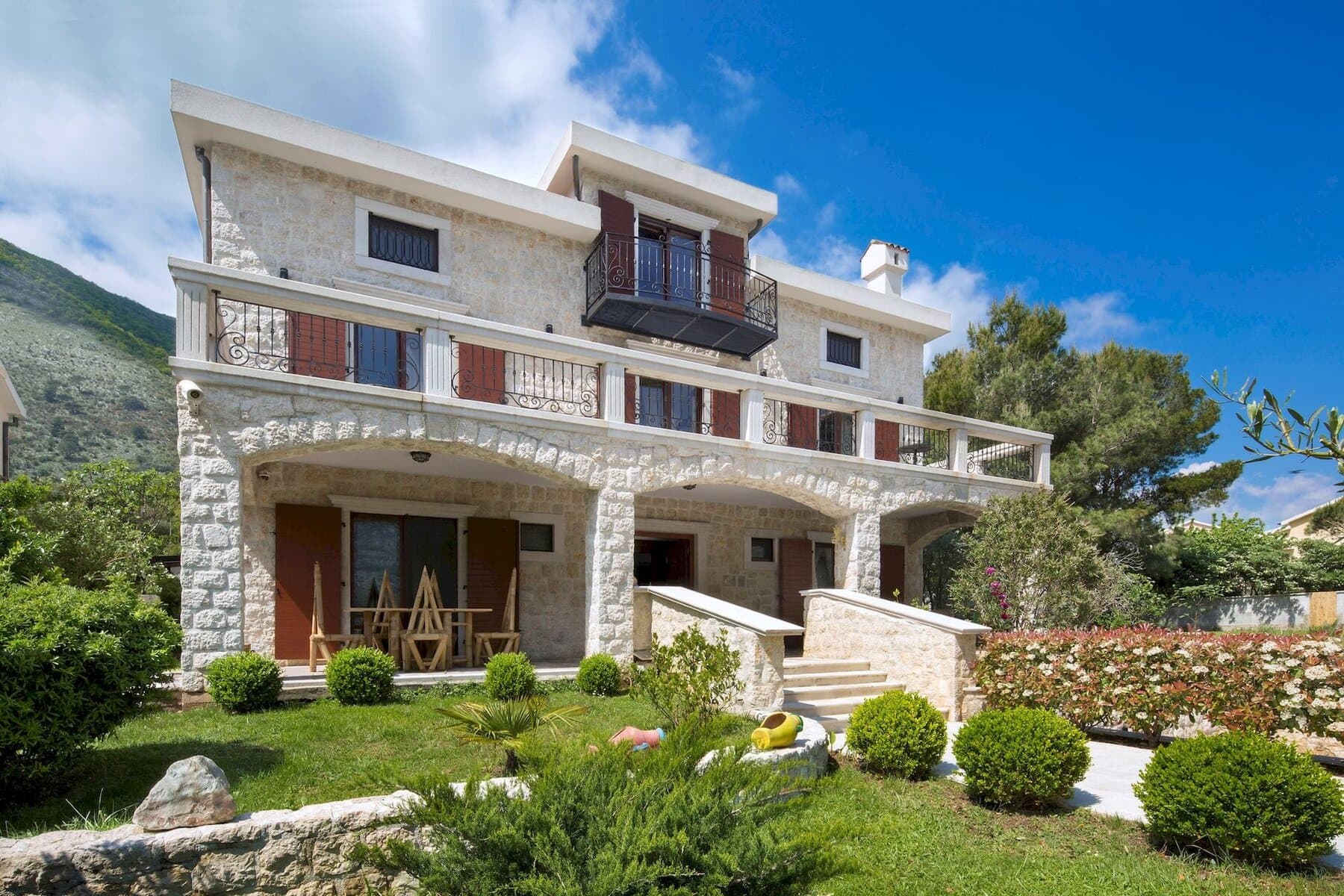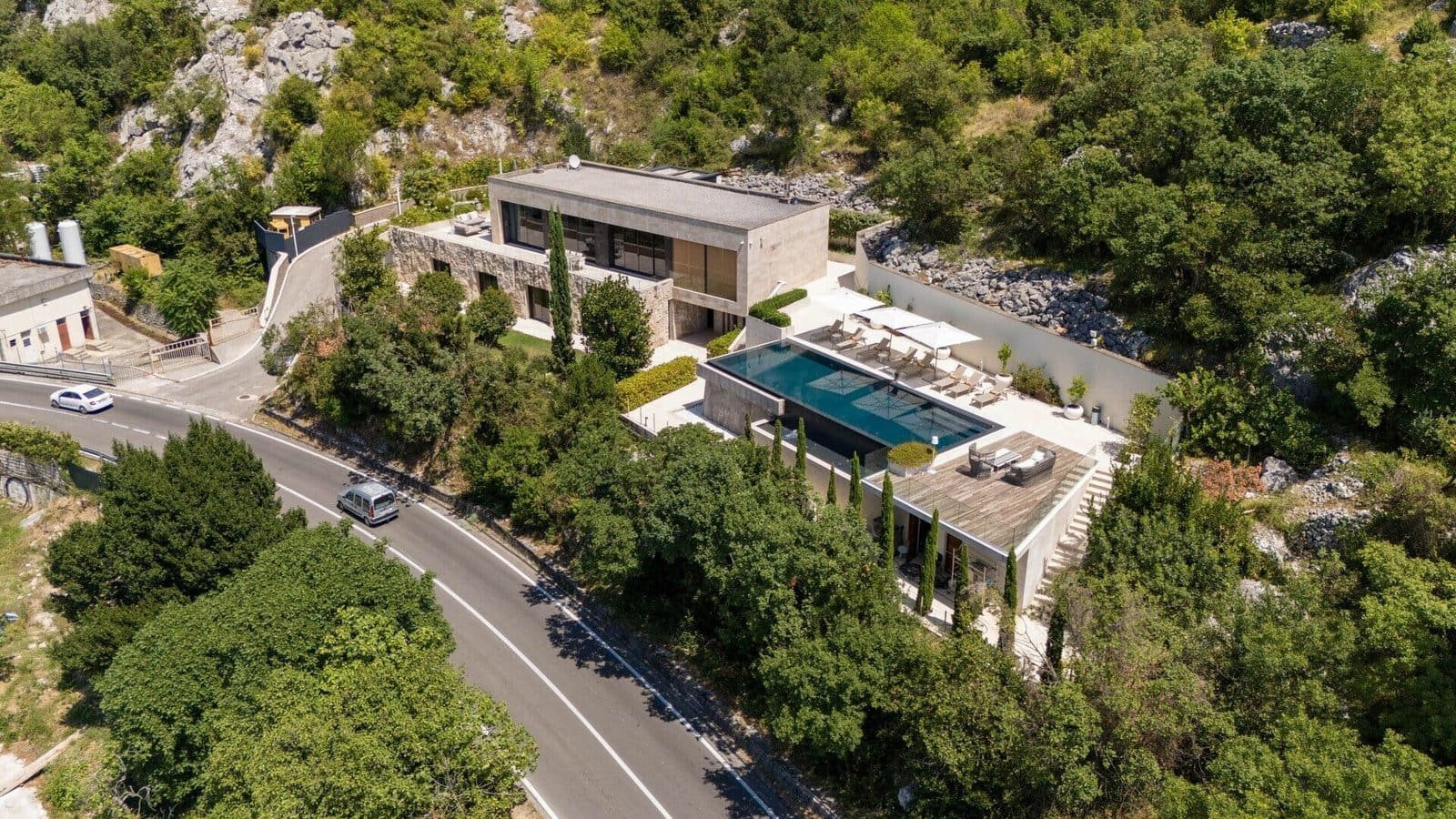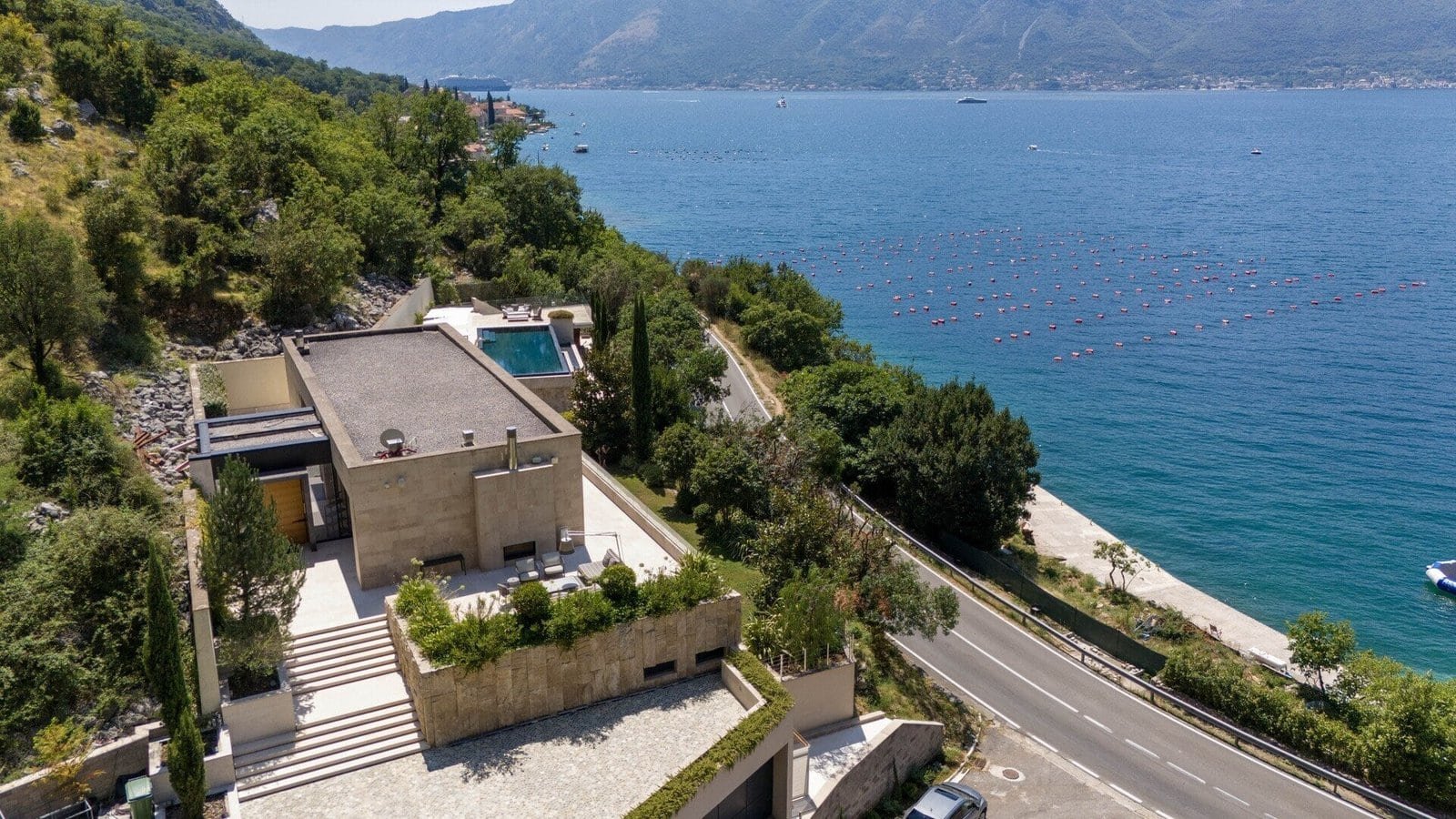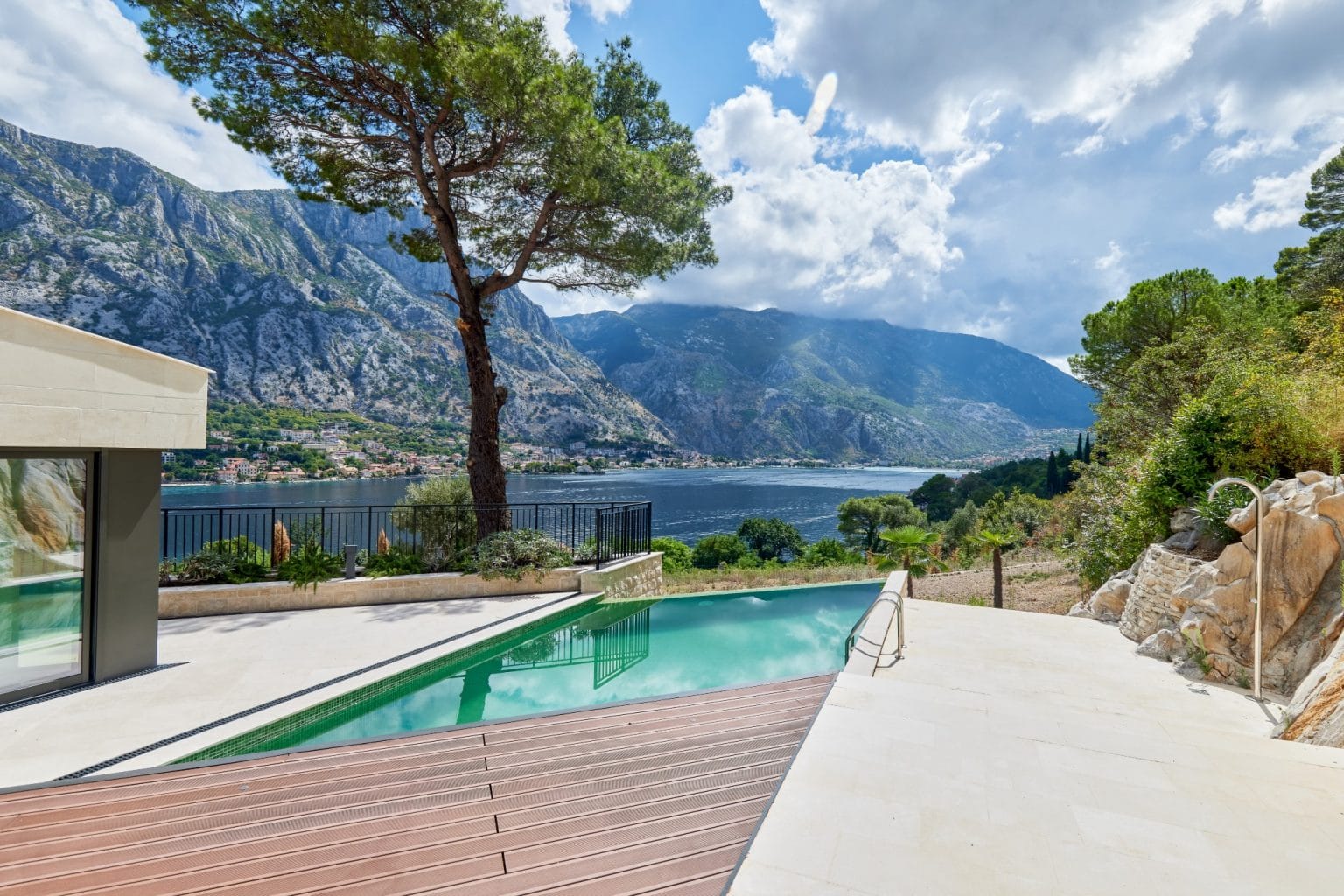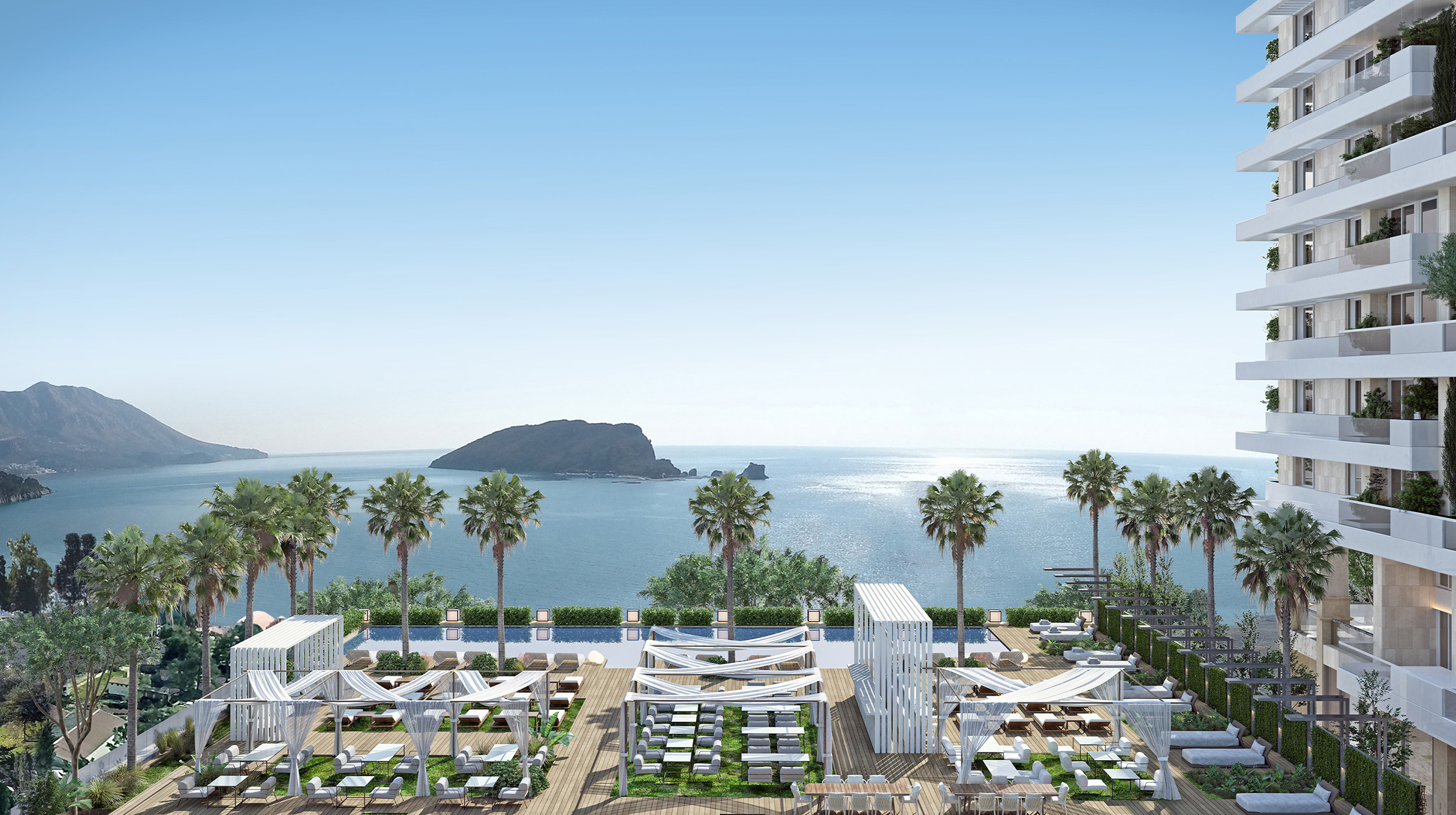
Bay of Kotor property investment delivers gross rental yields of 6 to 10 per cent for well-positioned coastal apartments, placing the region among the more consistent short-term rental markets in the Adriatic for capital-aware buyers in 2026.
Why Investors Are Now Asking About Returns
For much of the past decade, buyers in the Bay of Kotor were motivated primarily by lifestyle and price appreciation. The combination of a UNESCO-protected coastline, structurally limited waterfront supply, and Montenegro’s long-term EU-accession trajectory created a compelling capital case without requiring investors to model rental income closely. That calculation has changed. The market has matured, transactional volumes have grown, and buyers with institutional-grade capital now ask a more structured question: what does this property earn, and how does that compare to regional alternatives?
The answer varies sharply by micro-location, property type, and management quality. Understanding those distinctions separates a strategic acquisition from a purchase made on sentiment. For context on the broader buying process, Barok Estates International’s Bay of Kotor real estate buyers’ guide covers the legal and structural aspects of acquiring property in this market.
Kotor Old Town: Highest Occupancy, Strongest Nightly Rates
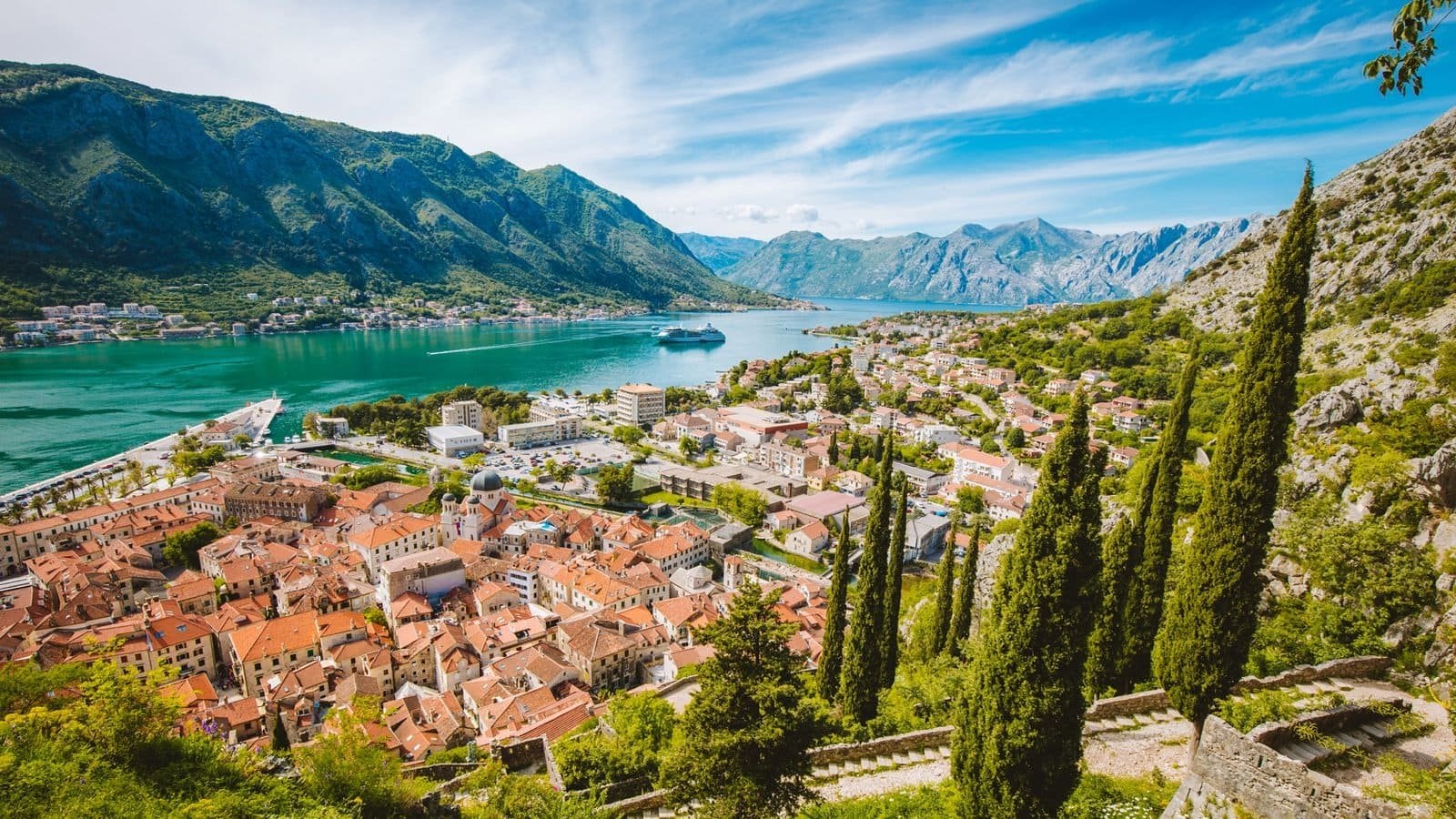
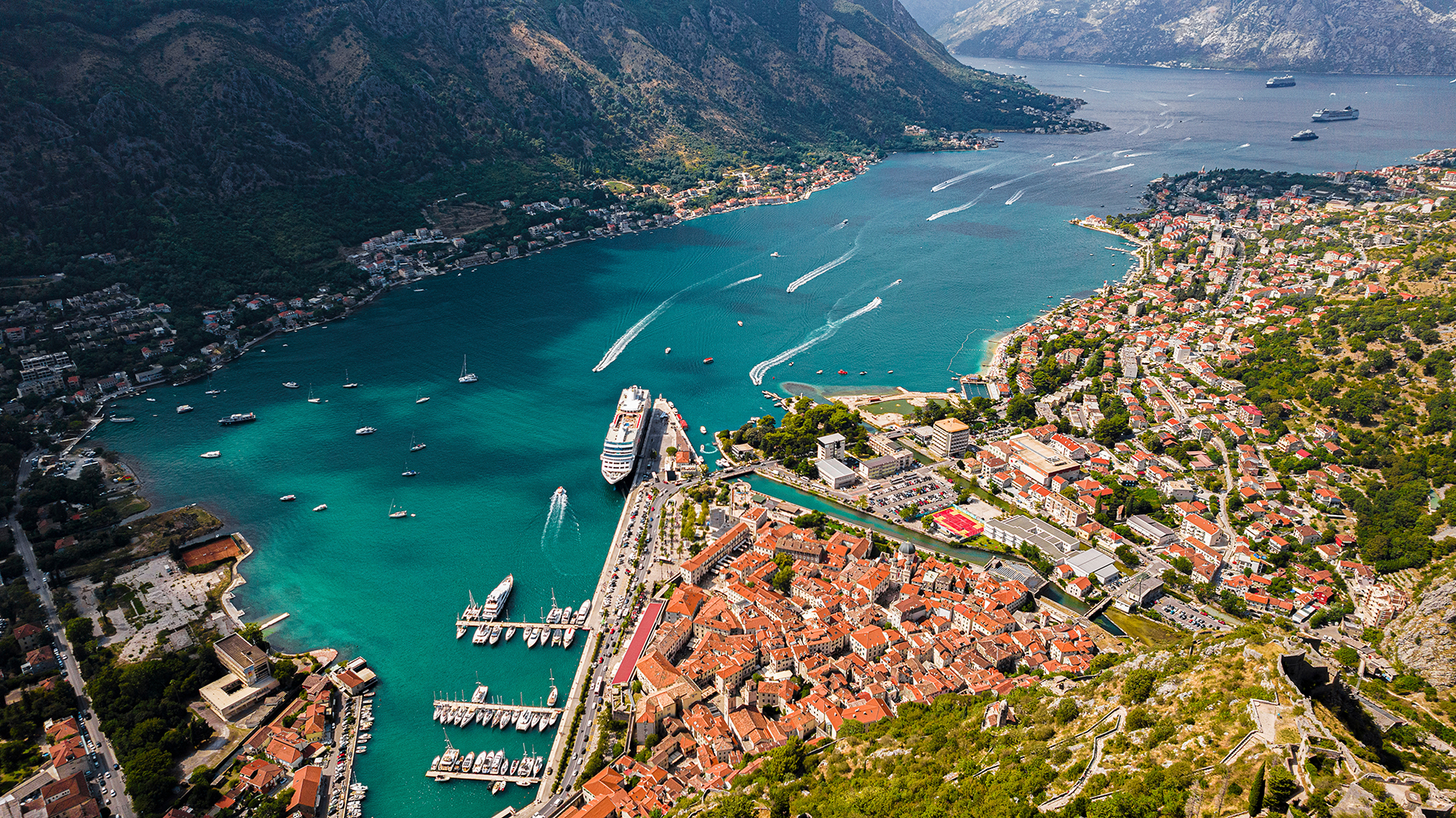
Properties within or immediately adjacent to Kotor Old Town produce the most consistent occupancy across the bay. The volume of international visitors, cruise arrivals, and heritage tourism concentrated in this UNESCO-listed centre translates directly into short-stay demand, with high season running from May through October and a genuine shoulder season that most Adriatic destinations cannot match.
Gross yields for compact one-bedroom and two-bedroom apartments in the Old Town typically sit between 7 and 10 per cent. Peak-season nightly rates reach EUR 150 to EUR 280 for well-presented units, and occupancy during July and August frequently runs above 90 per cent for professionally managed stock. The constraint is capital entry: Old Town property commands a premium that reflects both scarcity and demand, and the pool of genuinely renovated apartments suitable for premium letting is limited. Barok Estates International’s Kotor Old Town property guide provides detail on what is currently available and at what price point.
Dobrota and the Northern Shore: Waterfront Appeal for Longer Stays
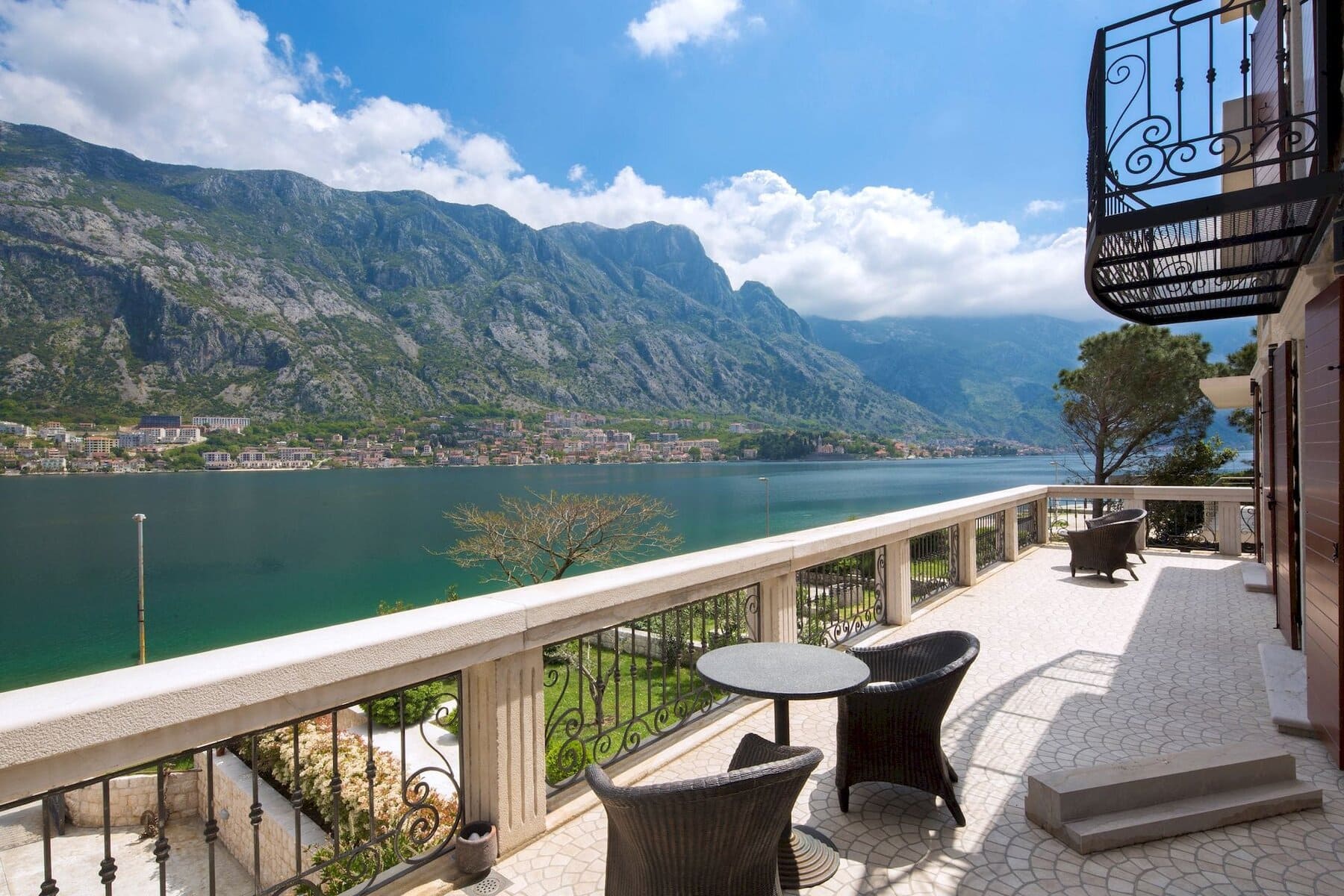
Dobrota, situated on the northern shore between Kotor town and Tivat, draws a different letting profile. Families and couples seeking a quieter base with direct sea access favour the waterfront apartments here, typically booking for five to fourteen nights rather than the two-to-three-night stays that dominate Old Town calendars. Gross yields in Dobrota fall in the 5 to 7 per cent range, with seasonal occupancy rates of 65 to 75 per cent across the letting window.
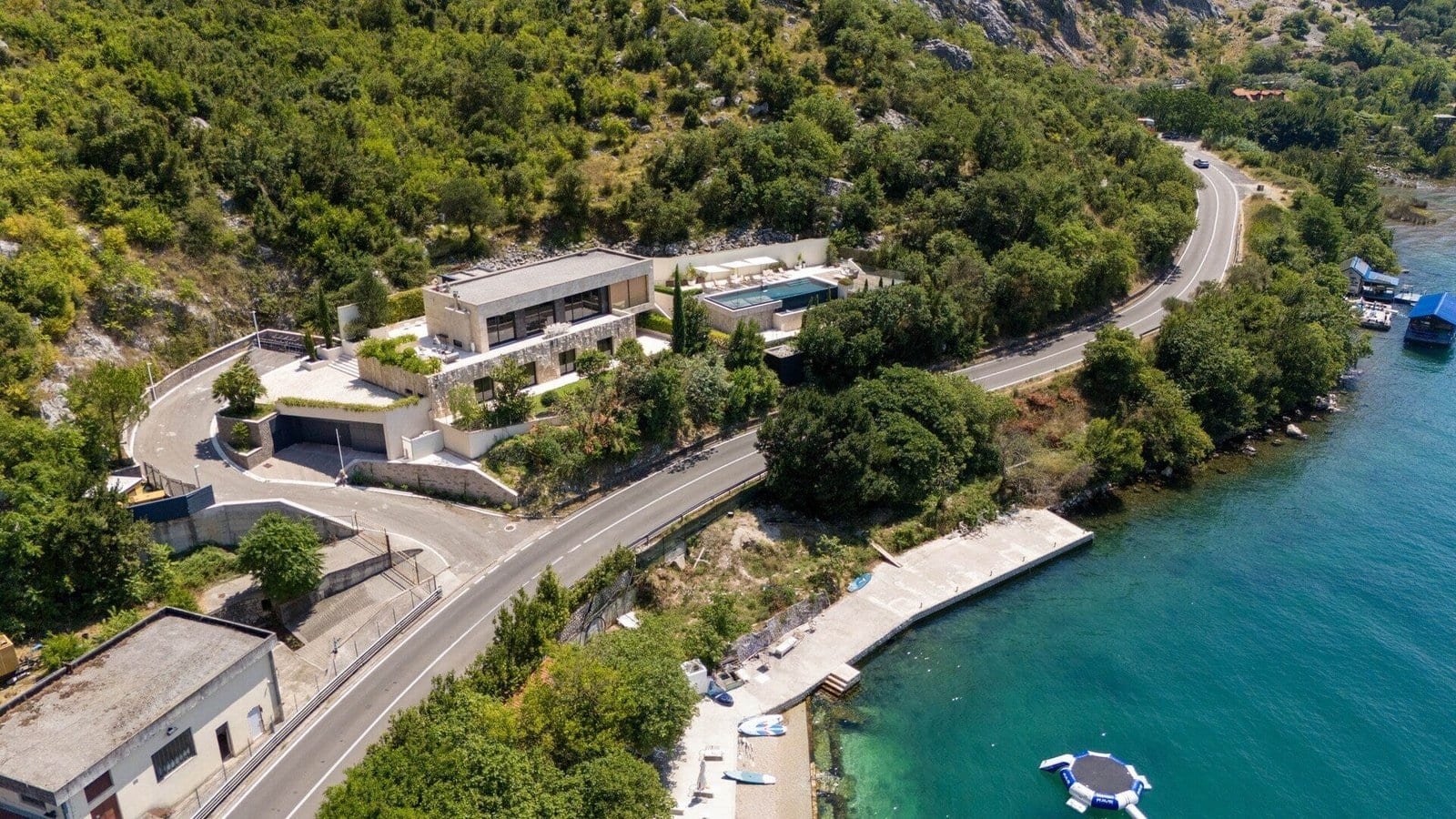
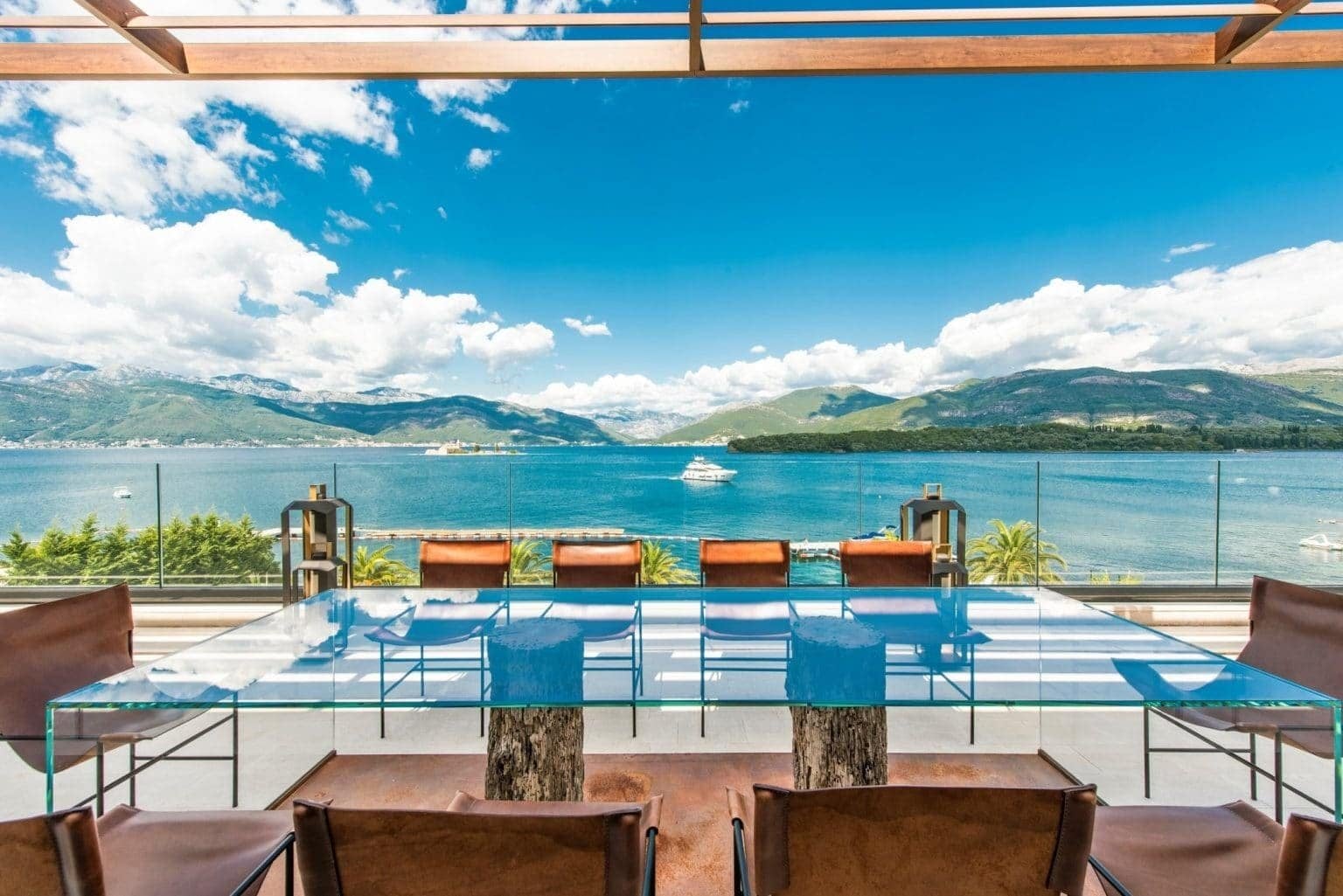
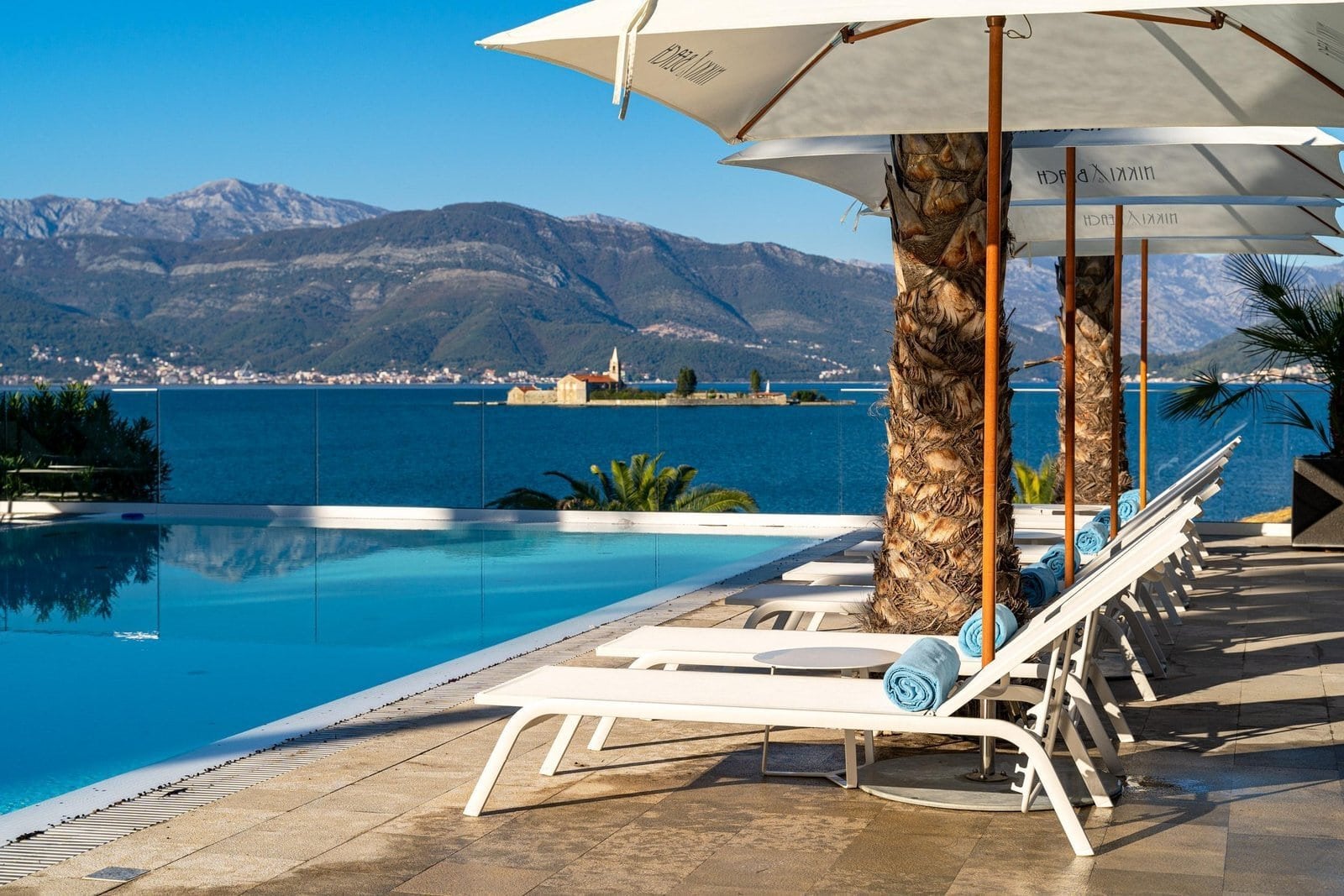
The waterfront stock in this area varies considerably in quality. Buyers targeting rental income should focus on properties with private terrace or direct sea access rather than upper-floor units without outdoor amenity, as the differential in nightly rate between the two categories is material. Barok Estates International’s guide to waterfront property in Montenegro explores the distinctions between rentable and lifestyle-only coastal assets across the country.
Porto Montenegro and Tivat Marina: Premium Rates, Compressed Yields
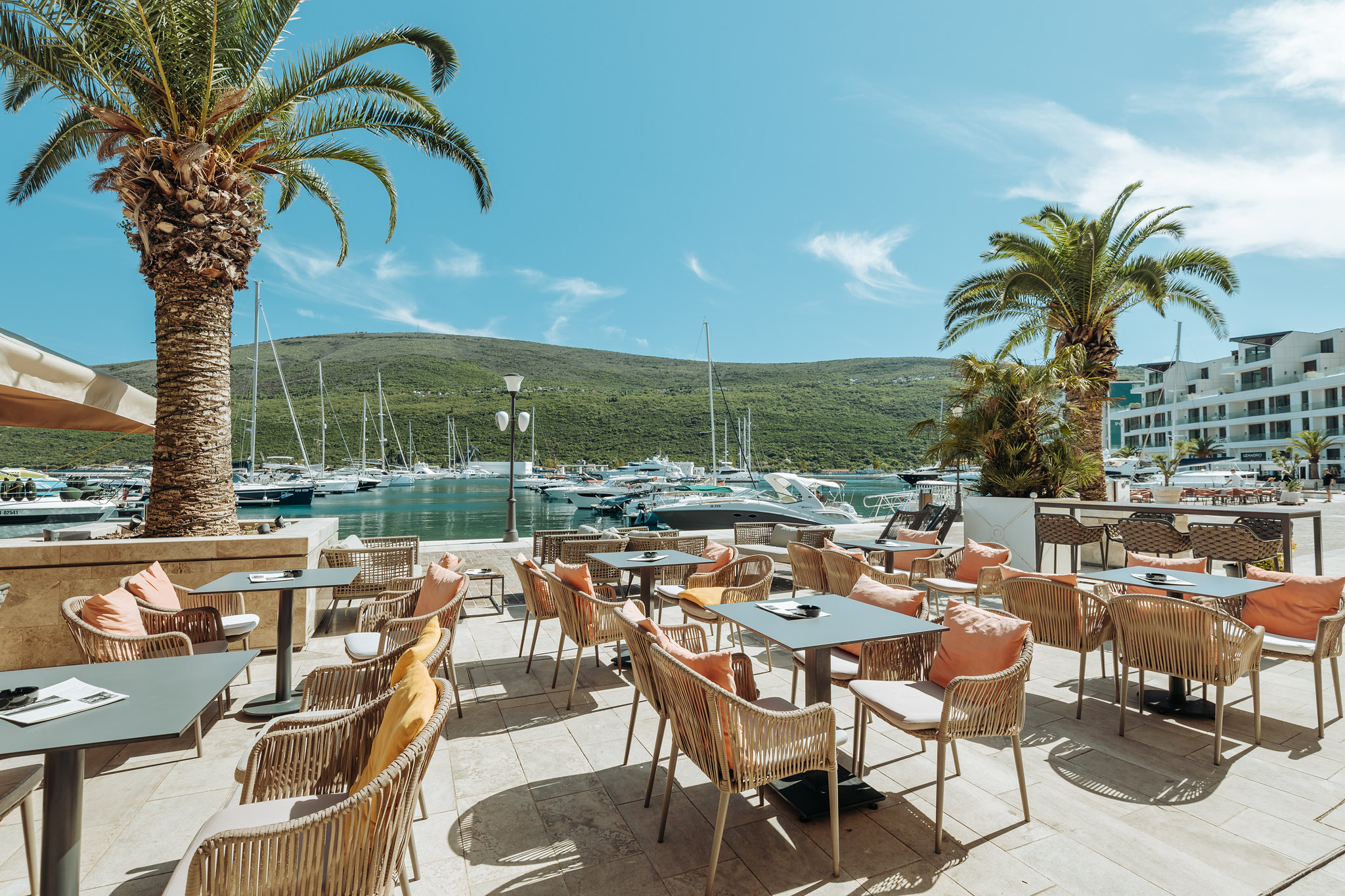
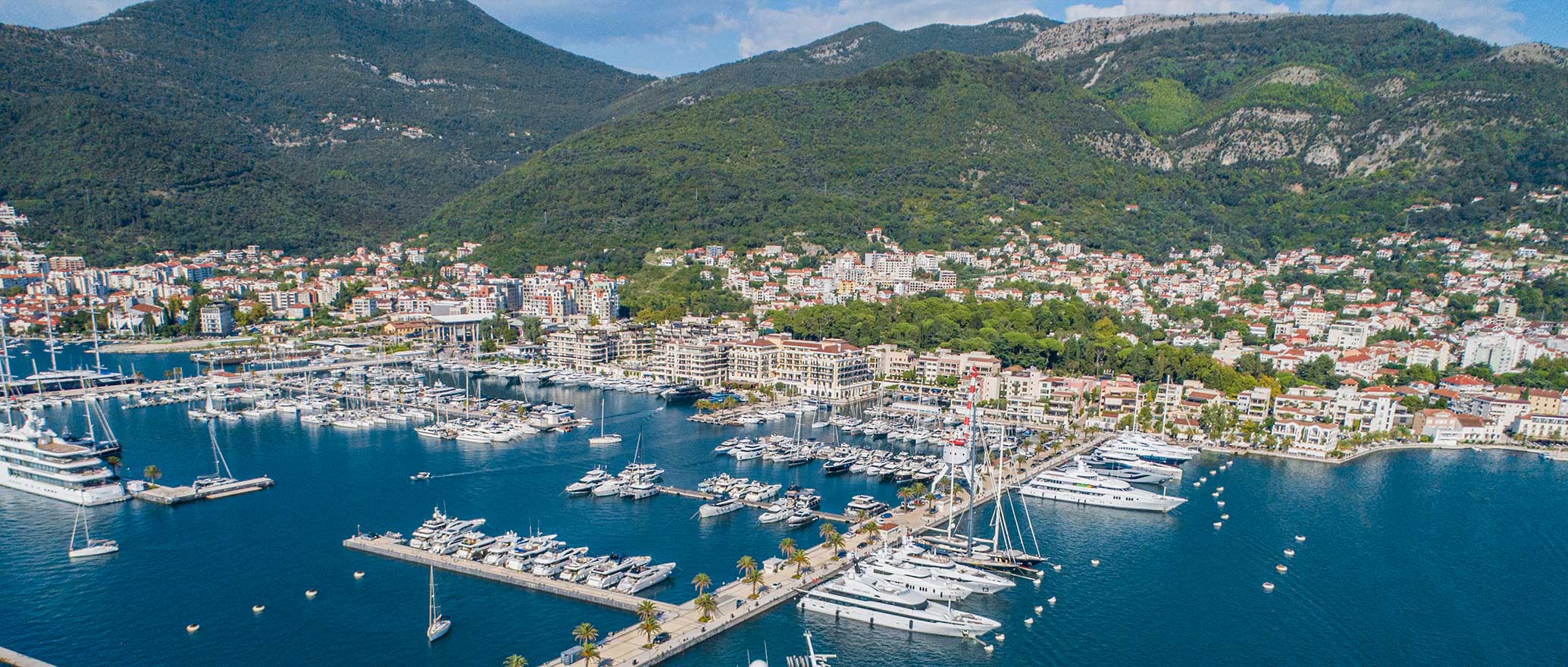
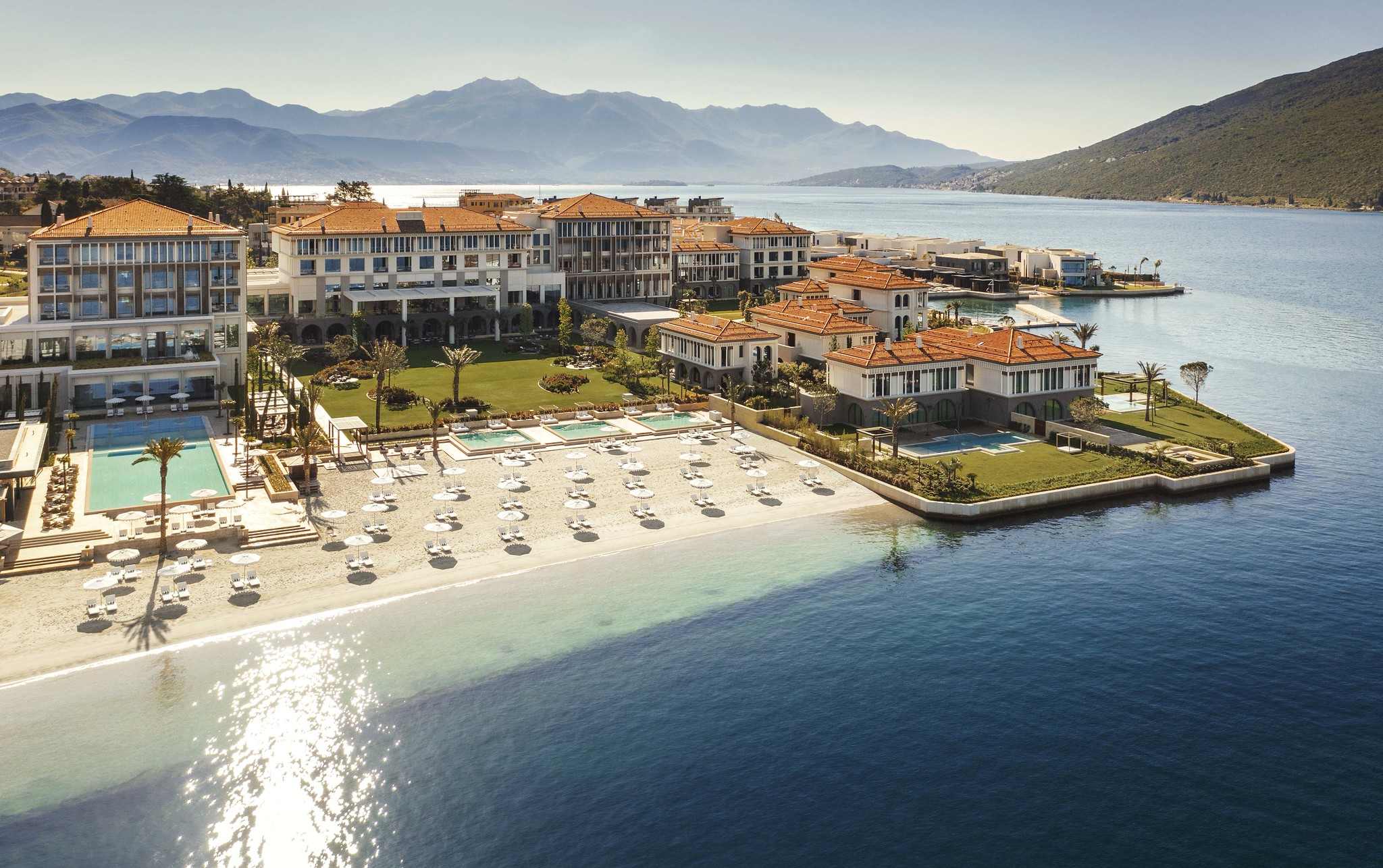
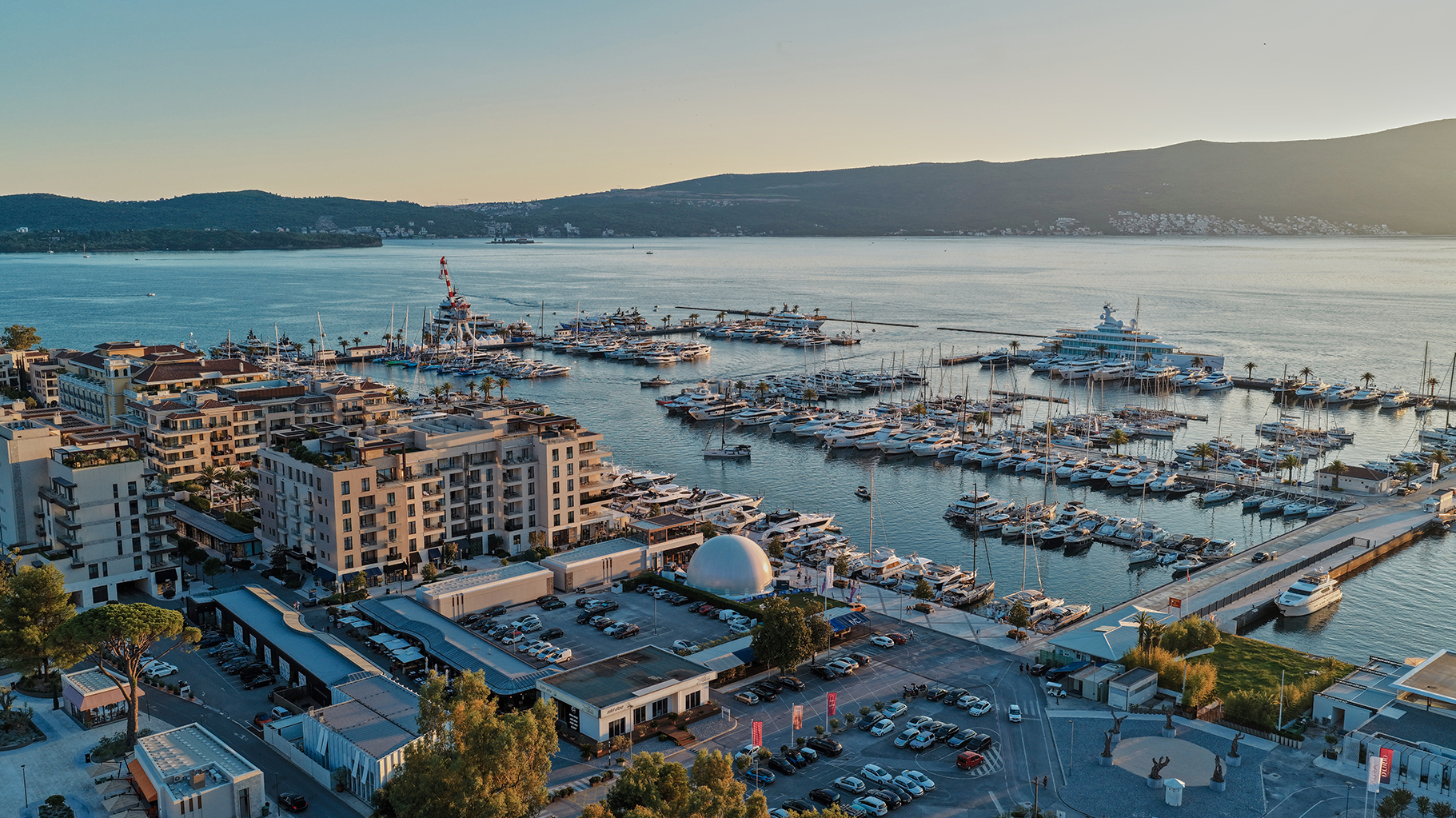
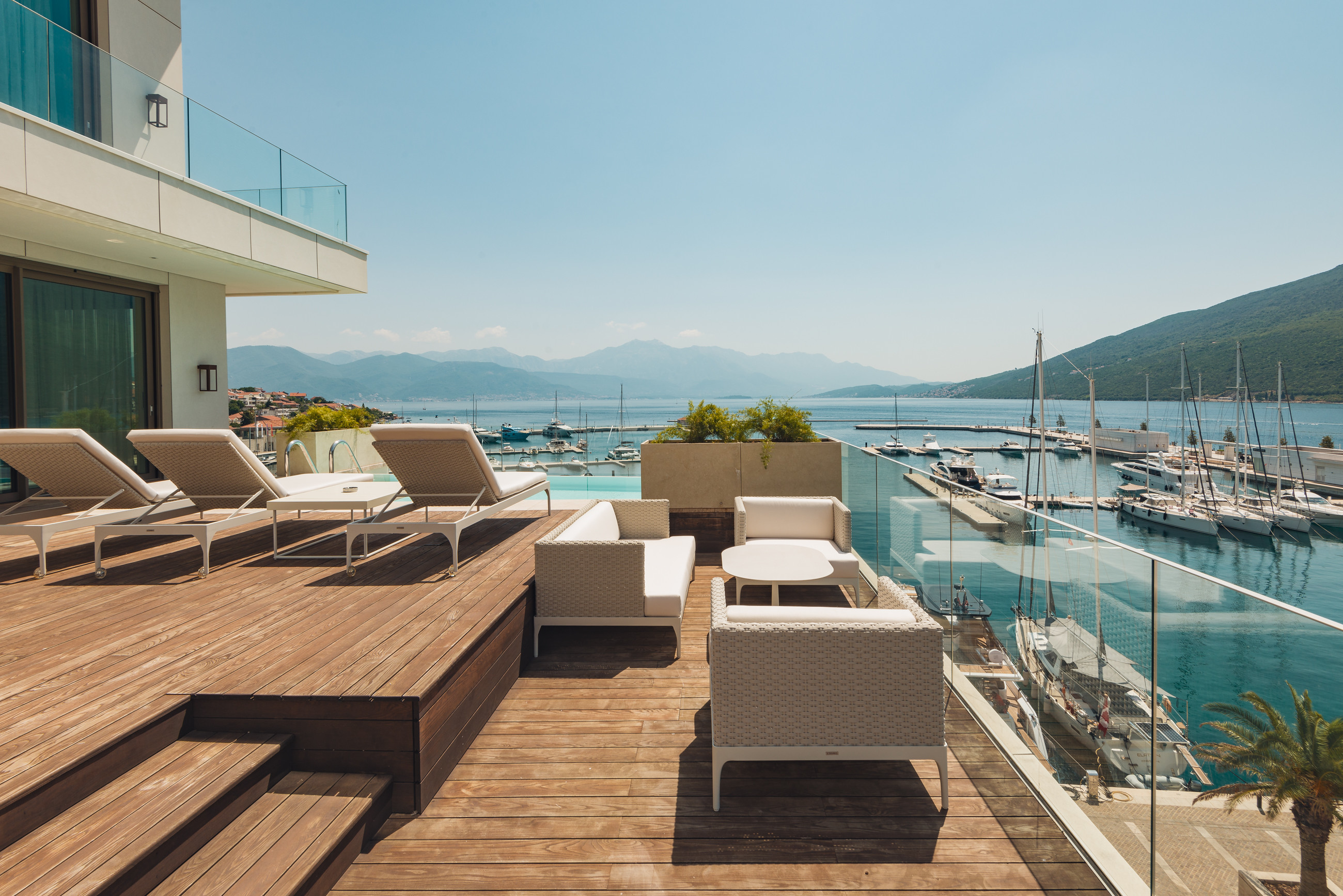
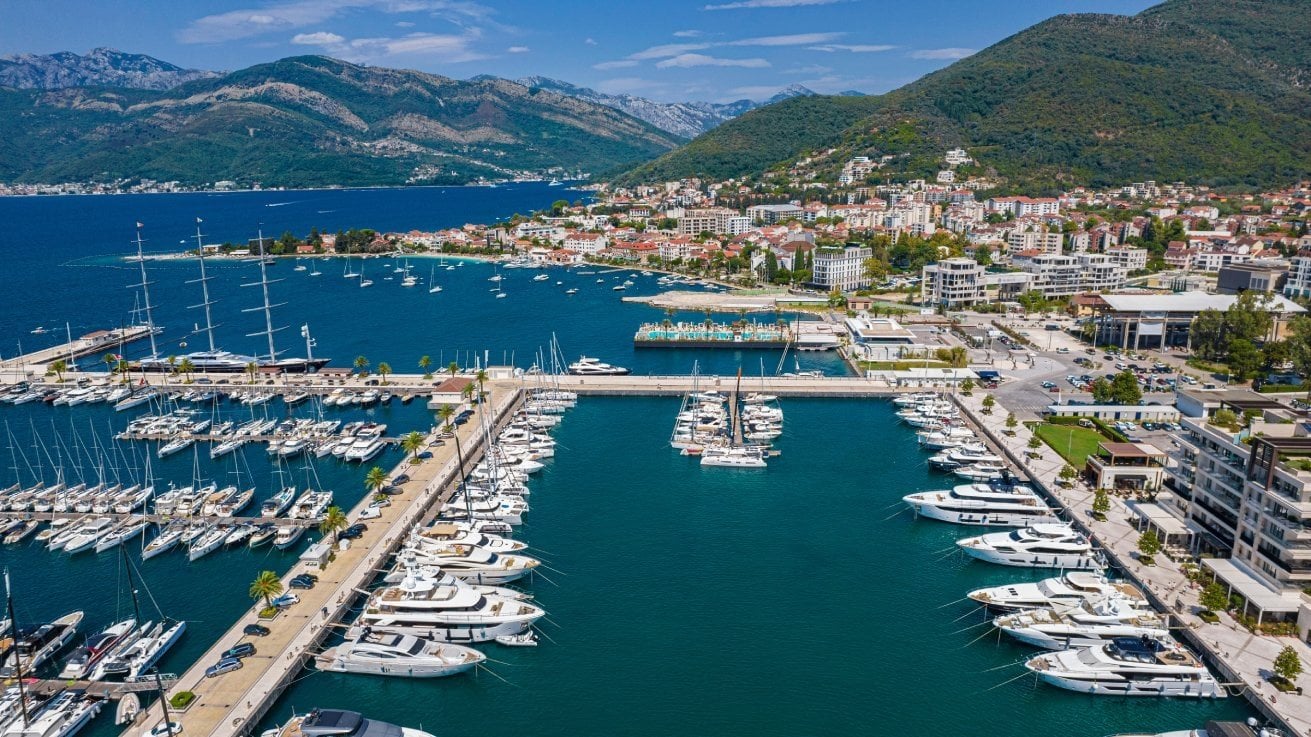
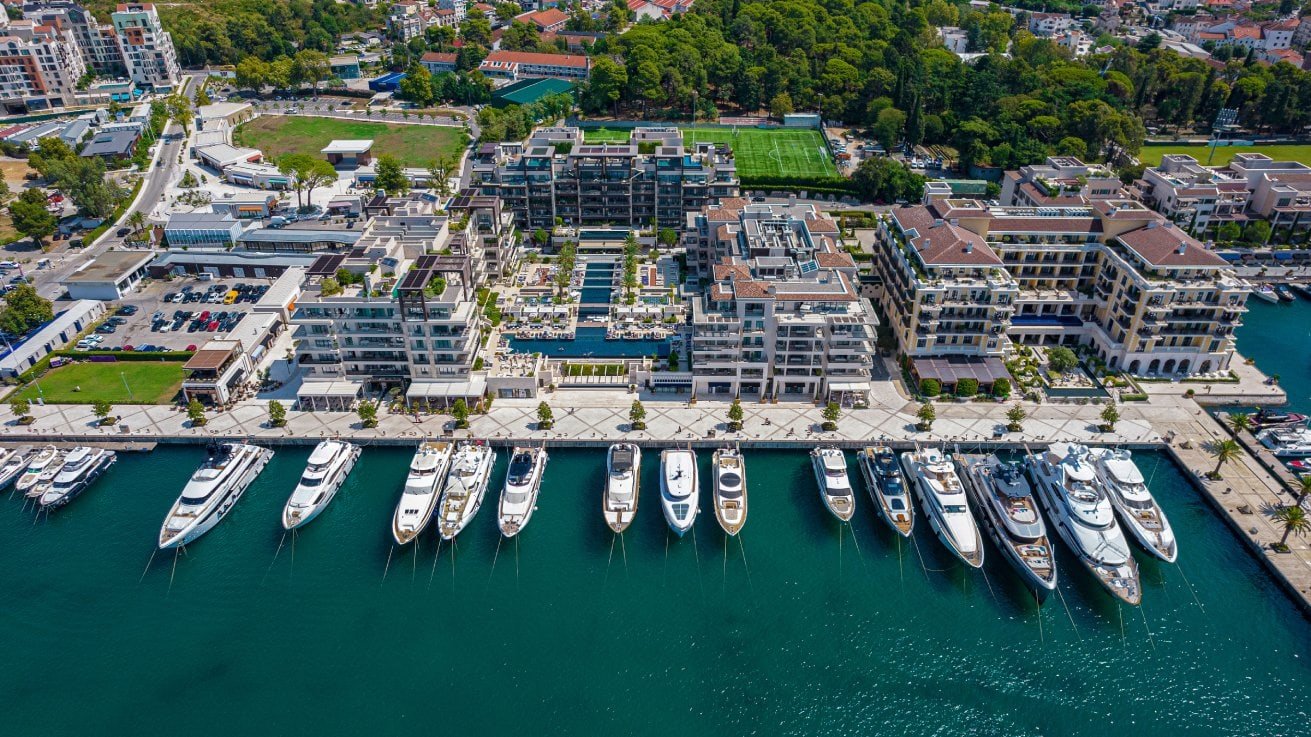
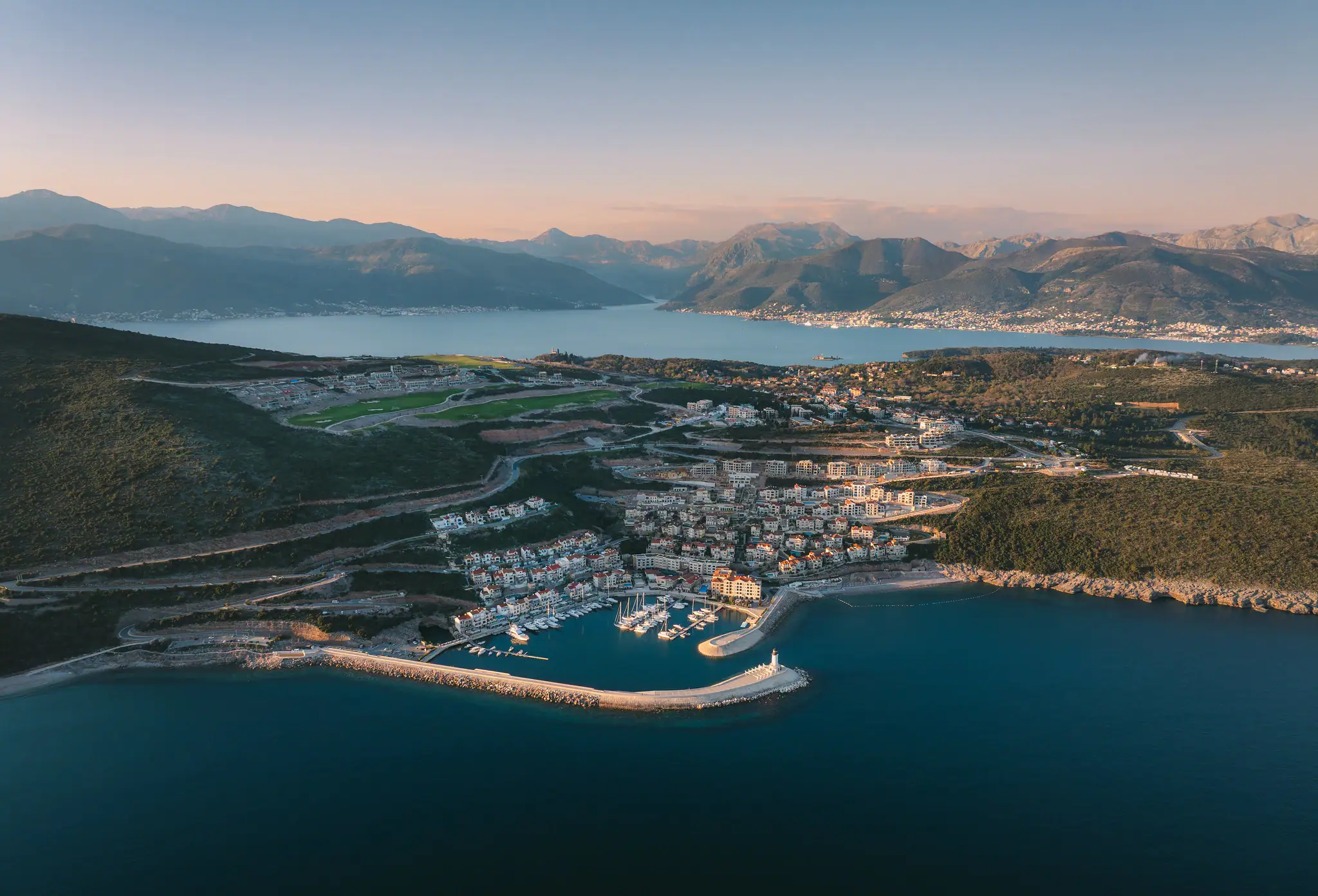
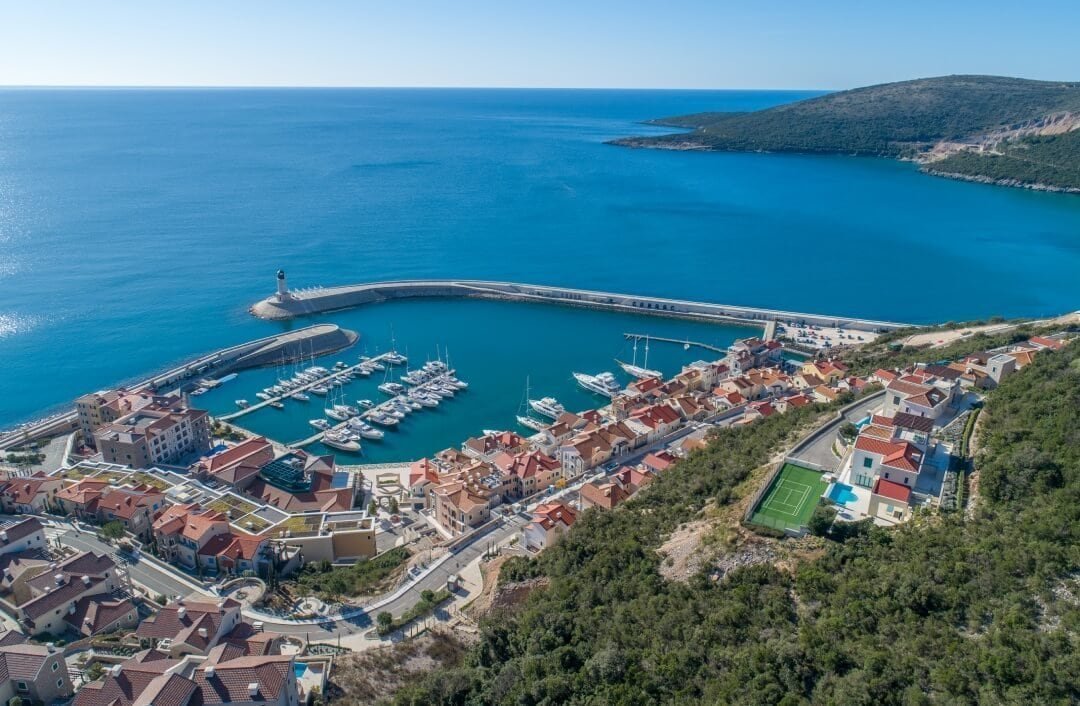
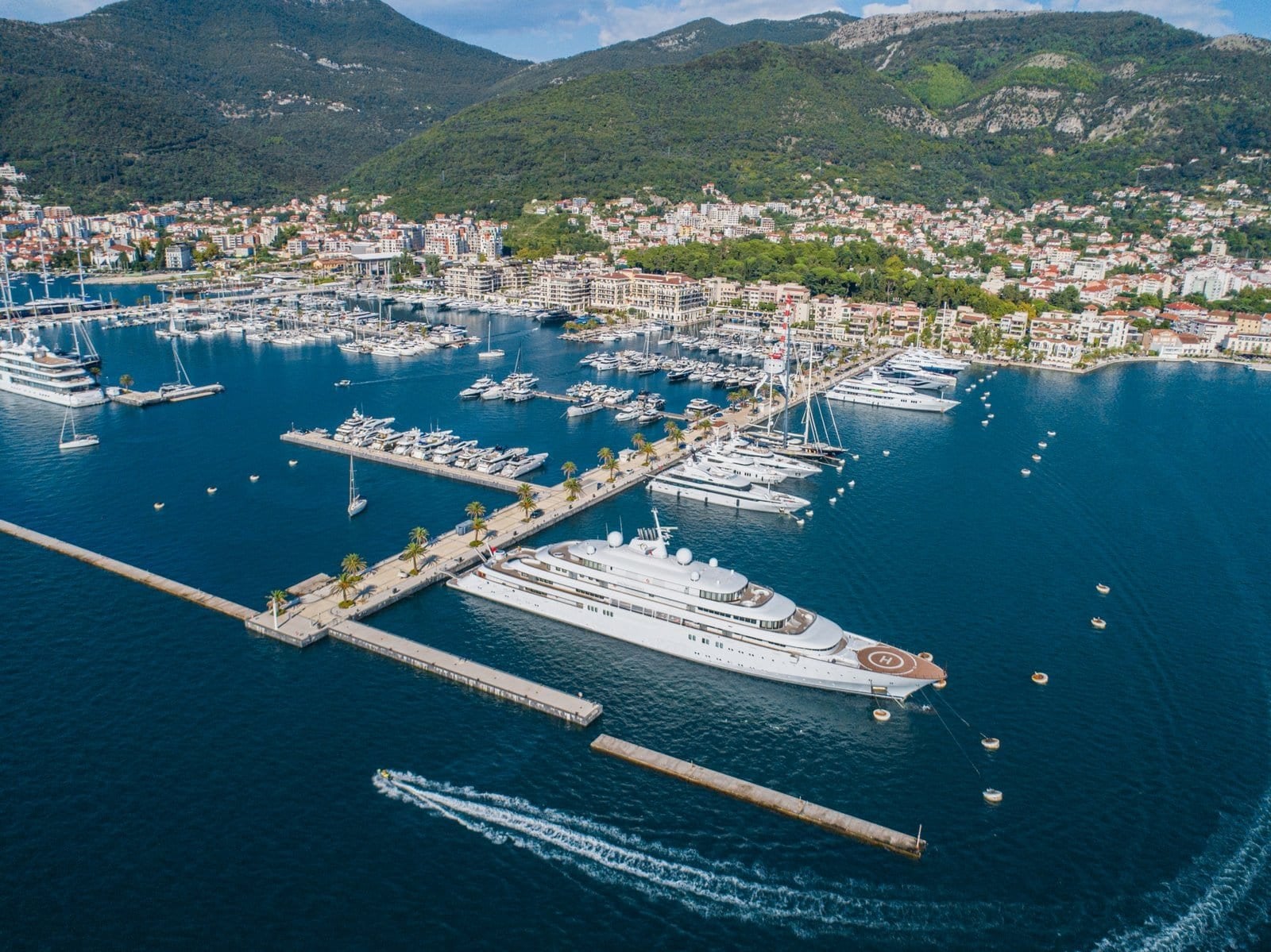
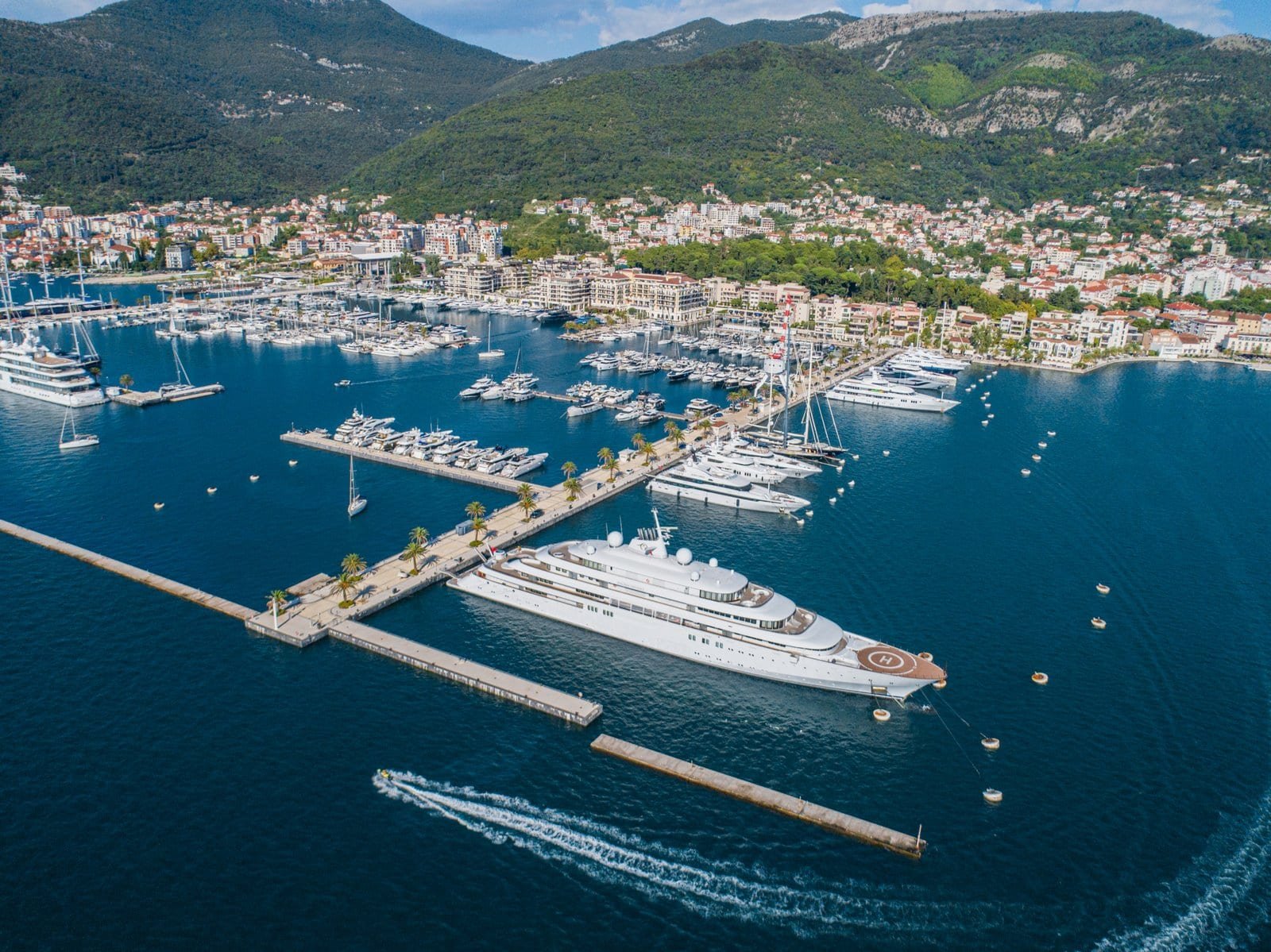
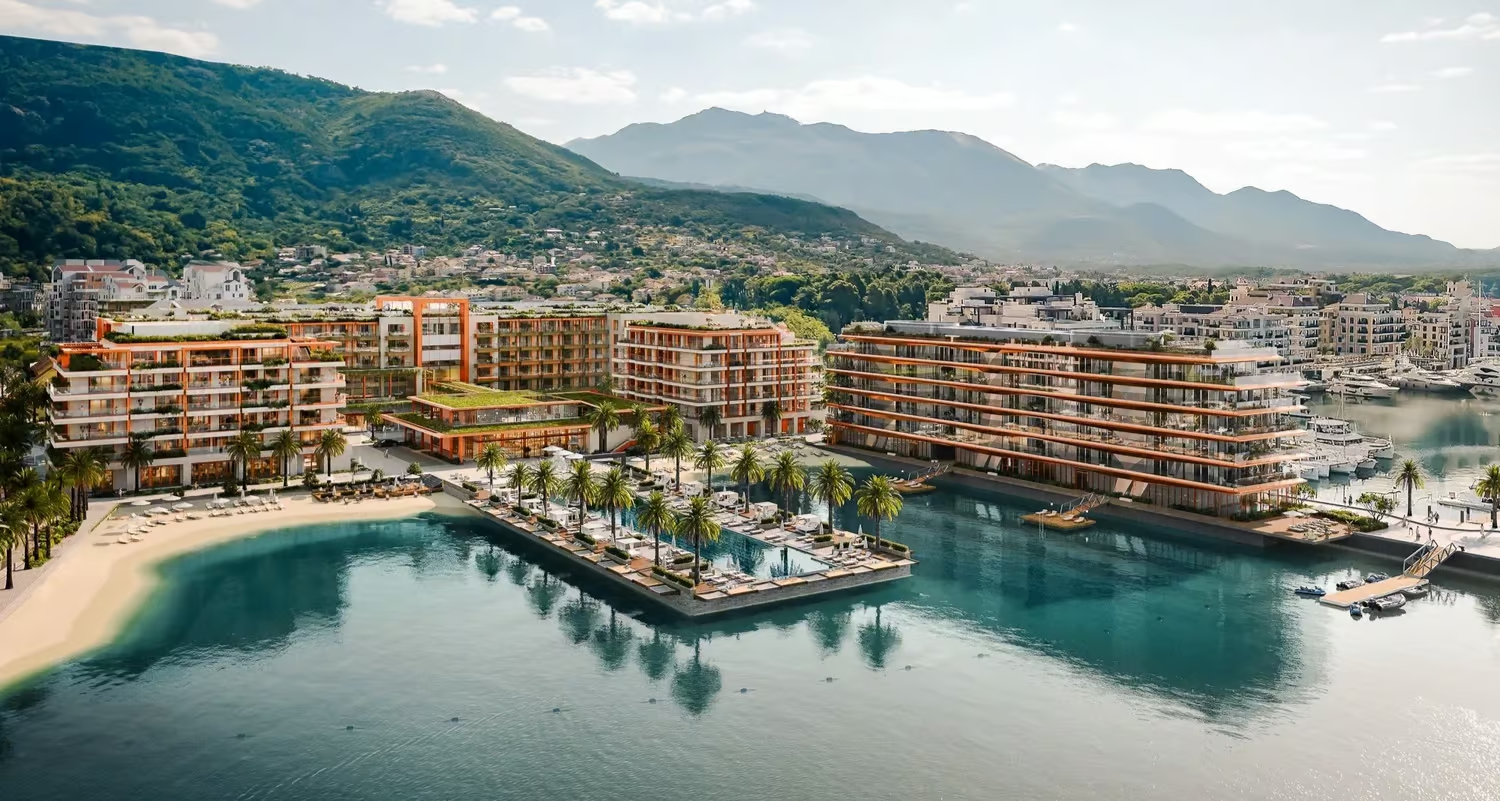
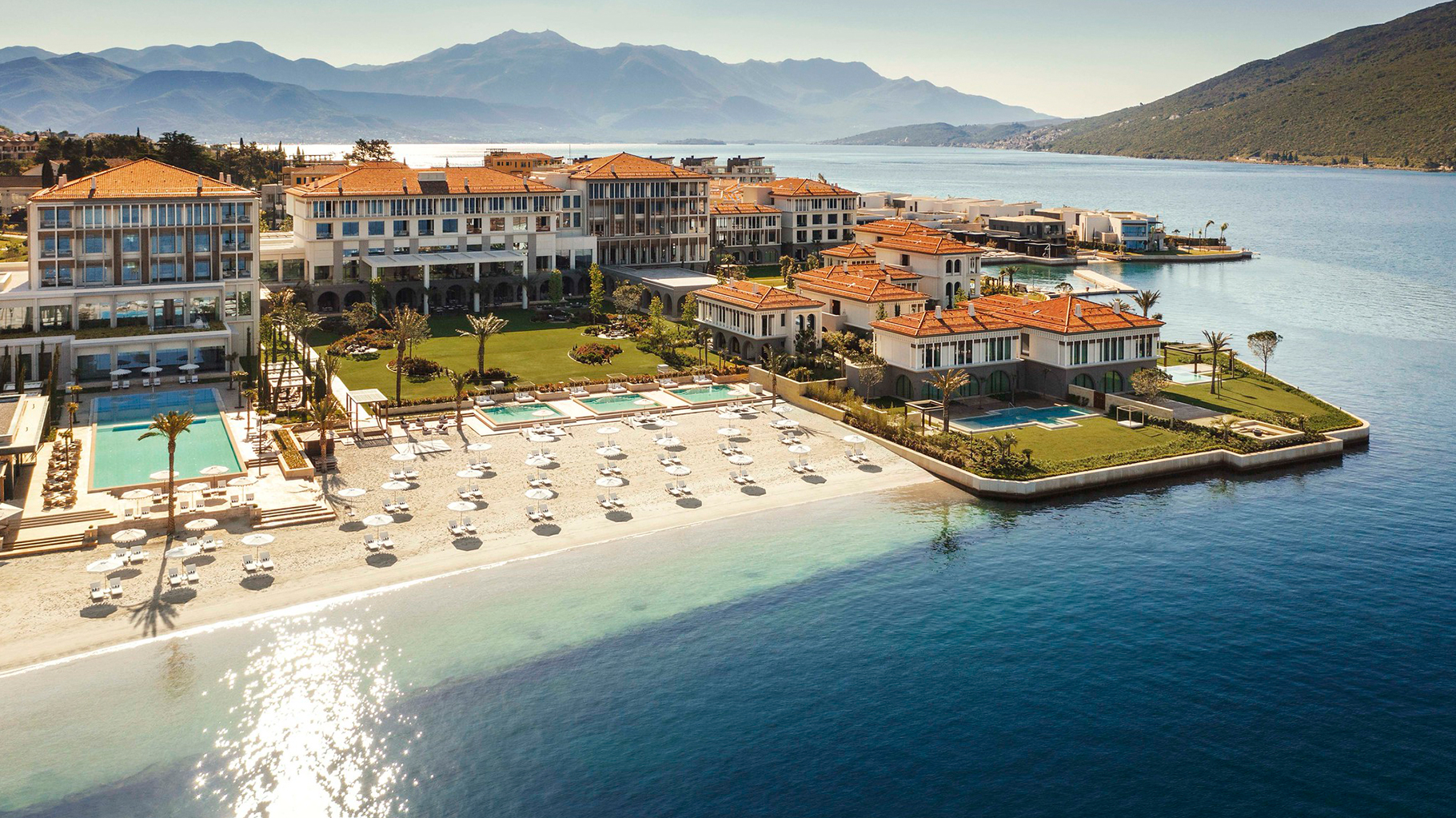
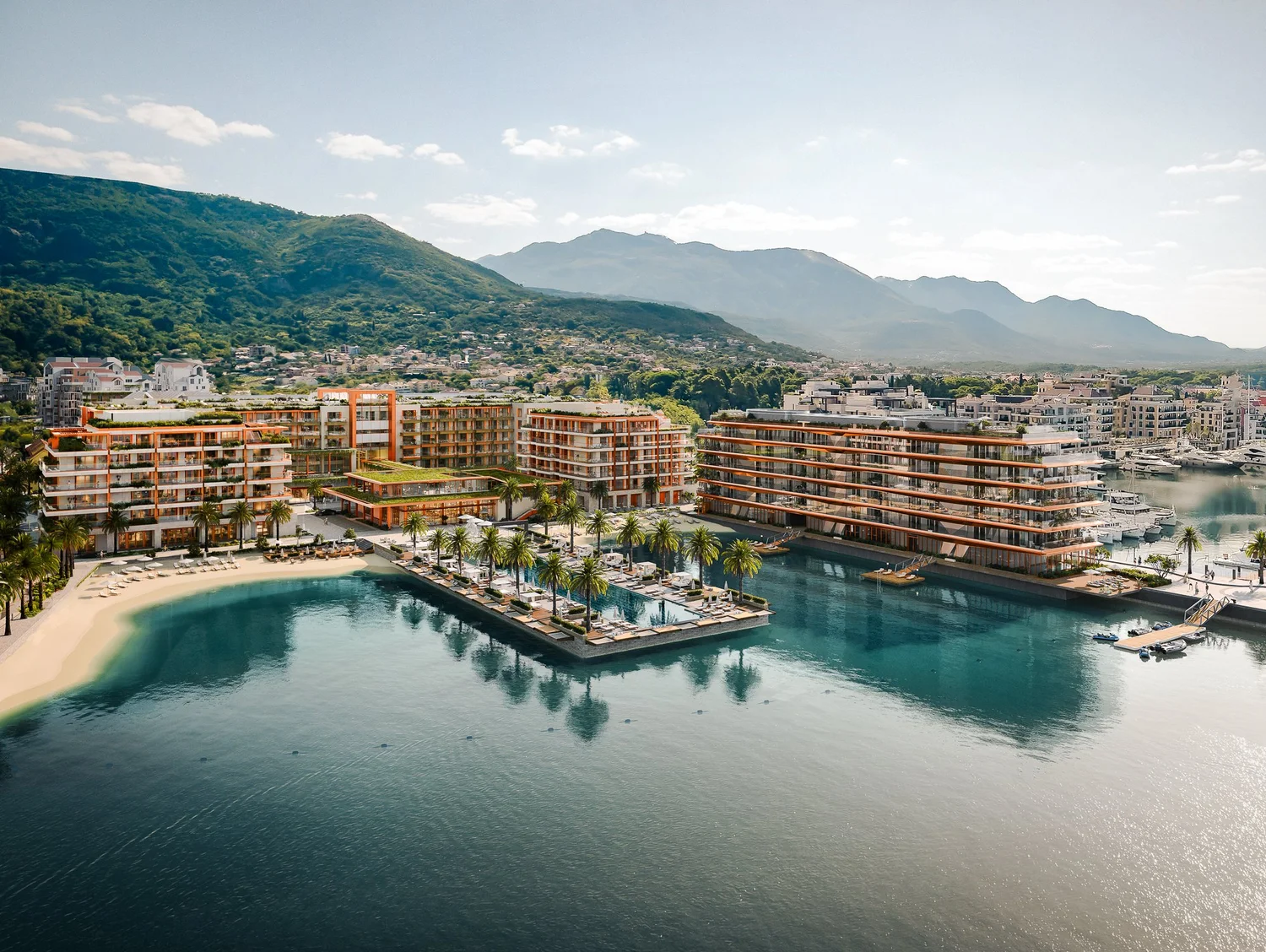
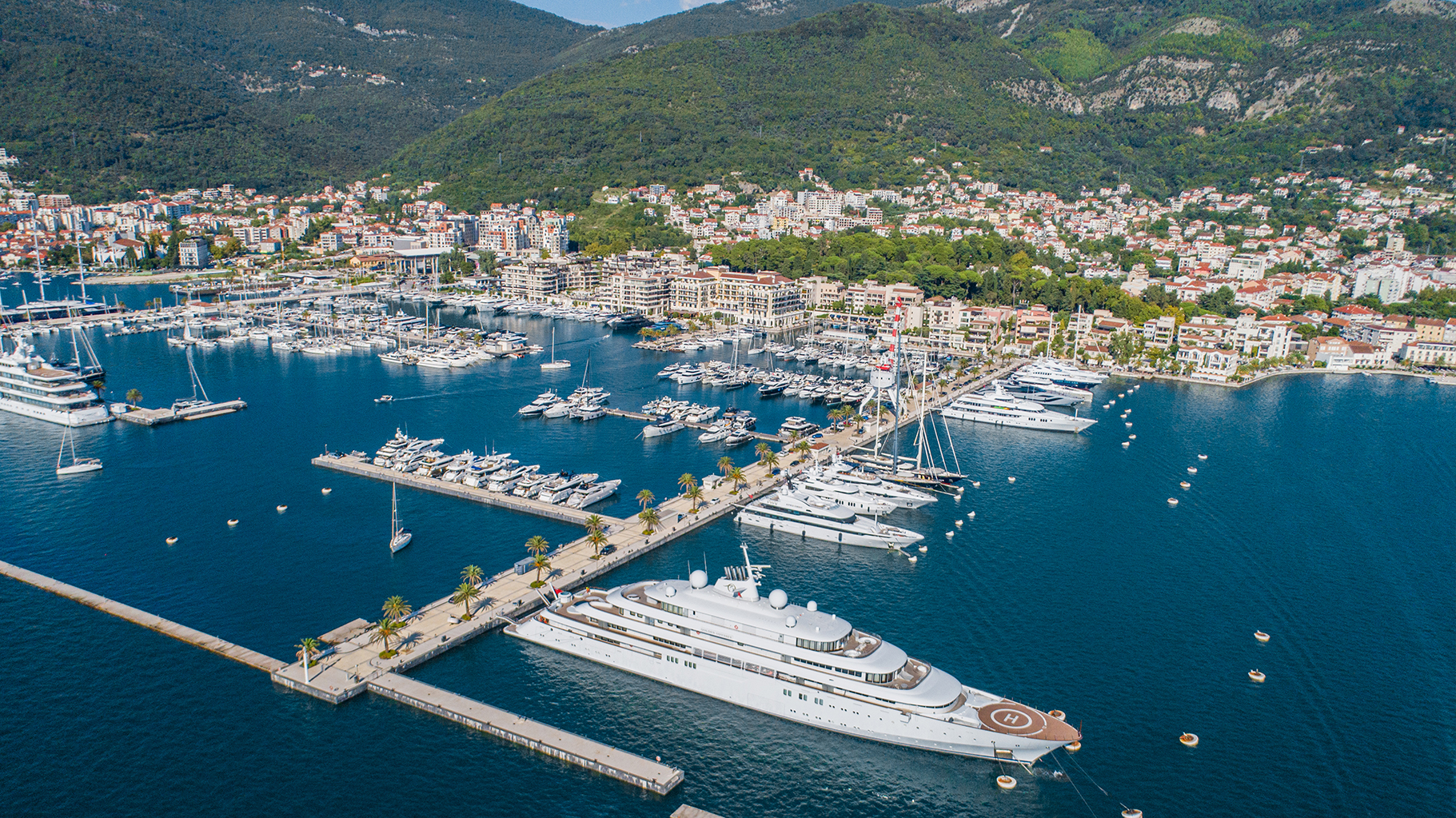
Porto Montenegro represents the highest capital-value zone in the bay. Branded-residence operators in this marina district have set a strong baseline for nightly rates, and the international clientele that the marina attracts supports an aspirational price ceiling for all letting in the area. Capital values are elevated accordingly. Gross yields typically settle in the 4 to 6 per cent range in Porto Montenegro, with entry prices for marina-adjacent apartments now reaching EUR 6,000 to EUR 12,000 per square metre.
The investment case for Porto Montenegro is therefore a total-return argument rather than a pure yield story. Capital appreciation in this zone has been among the strongest in Montenegro in recent years, and resale liquidity is materially better than in less developed coastal locations. Barok Estates International’s Porto Montenegro buyers’ guide and the dedicated Tivat real estate prices and yields guide provide the relevant market context for buyers considering this zone.
Perast and the Upper Bay: Capital Preservation Over Yield
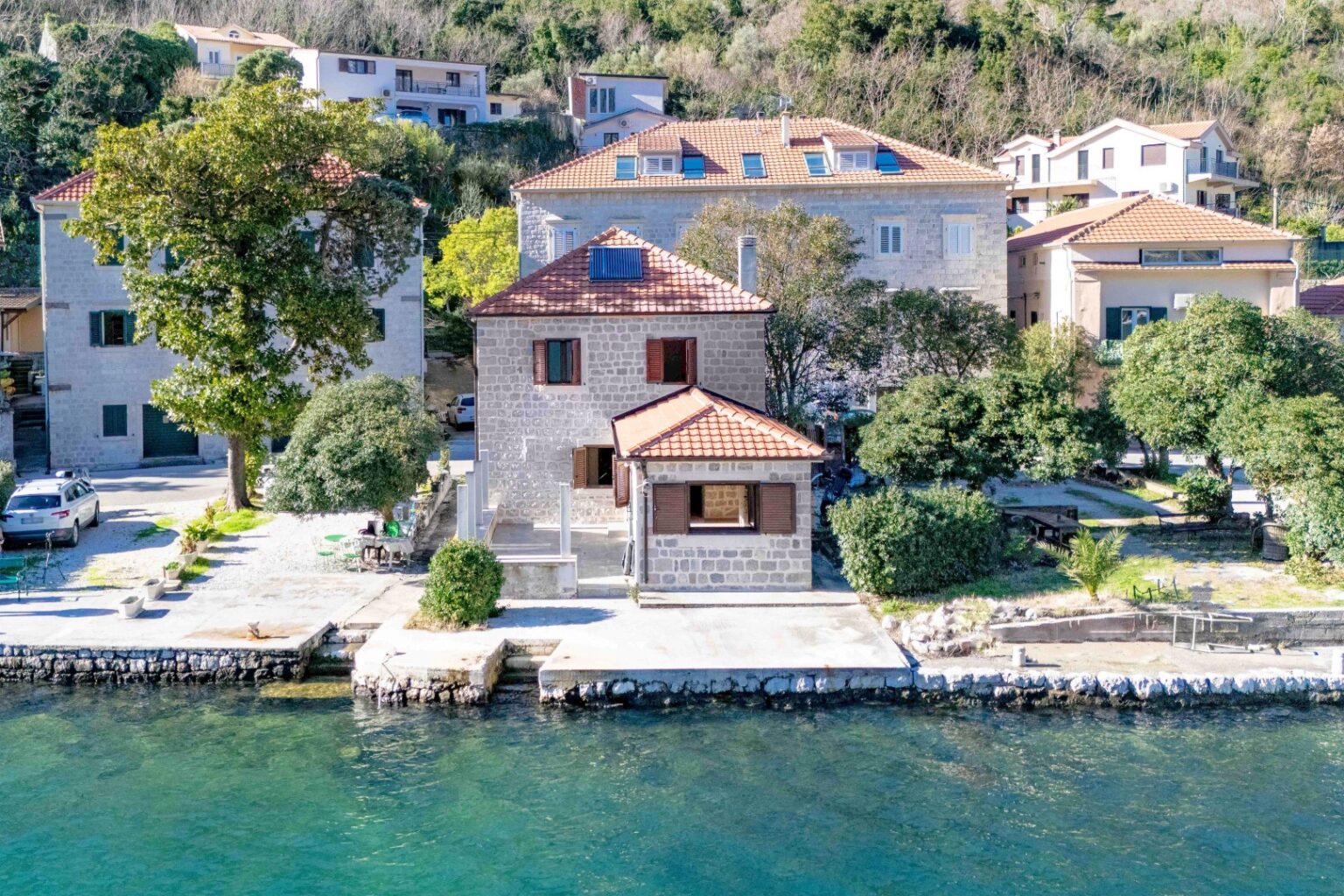
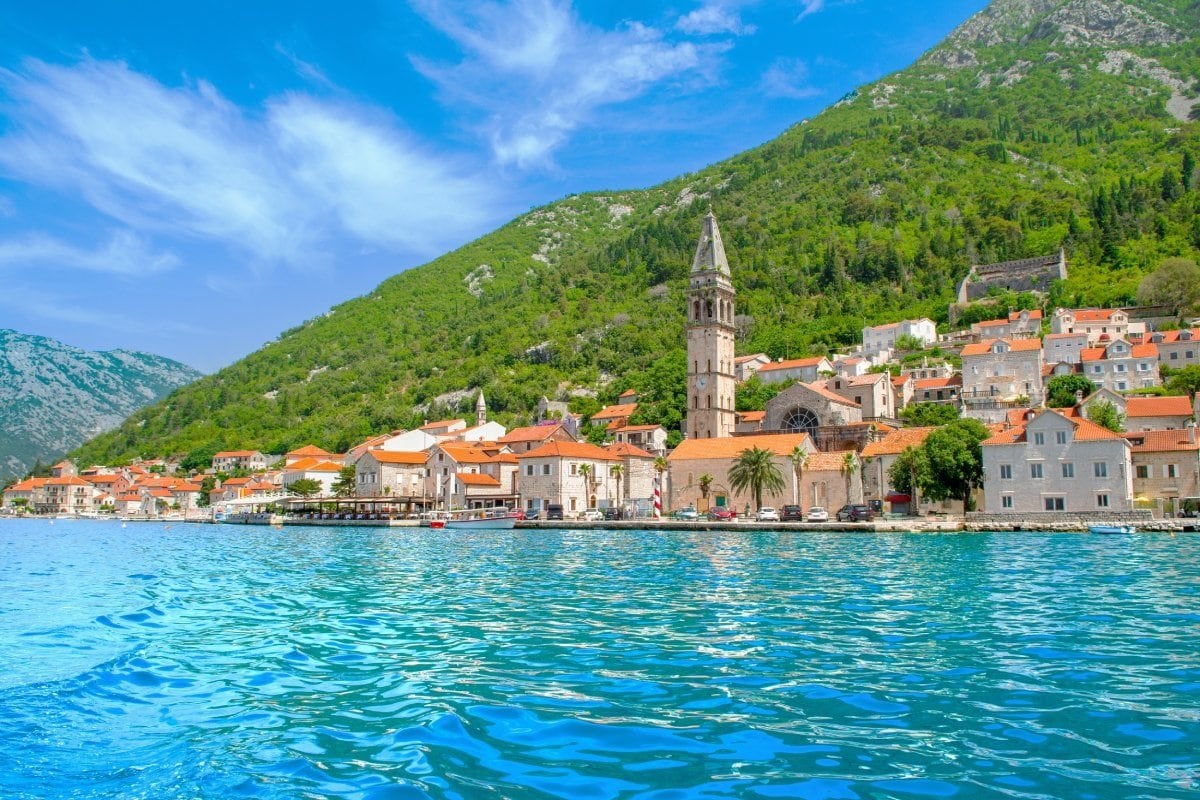
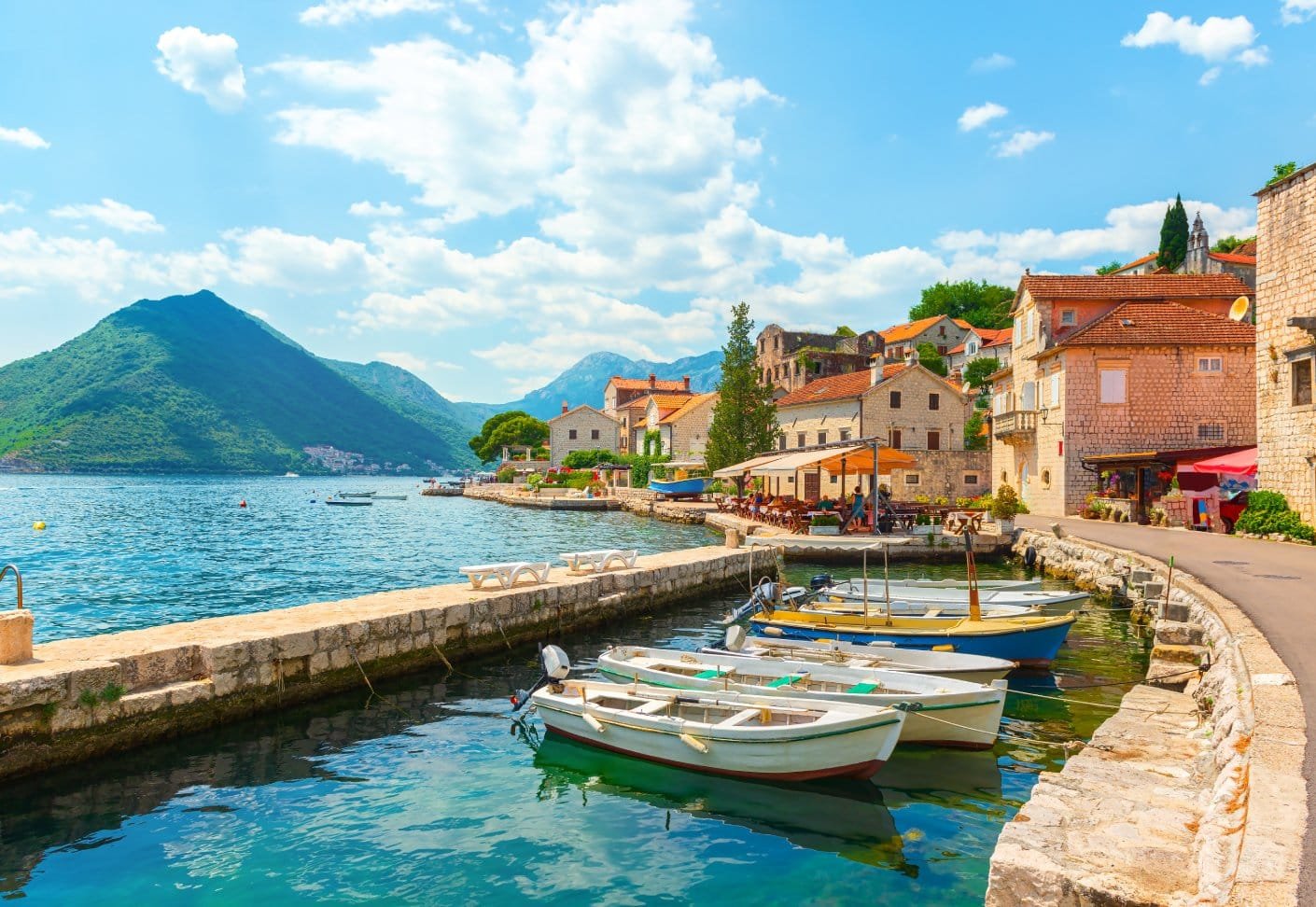
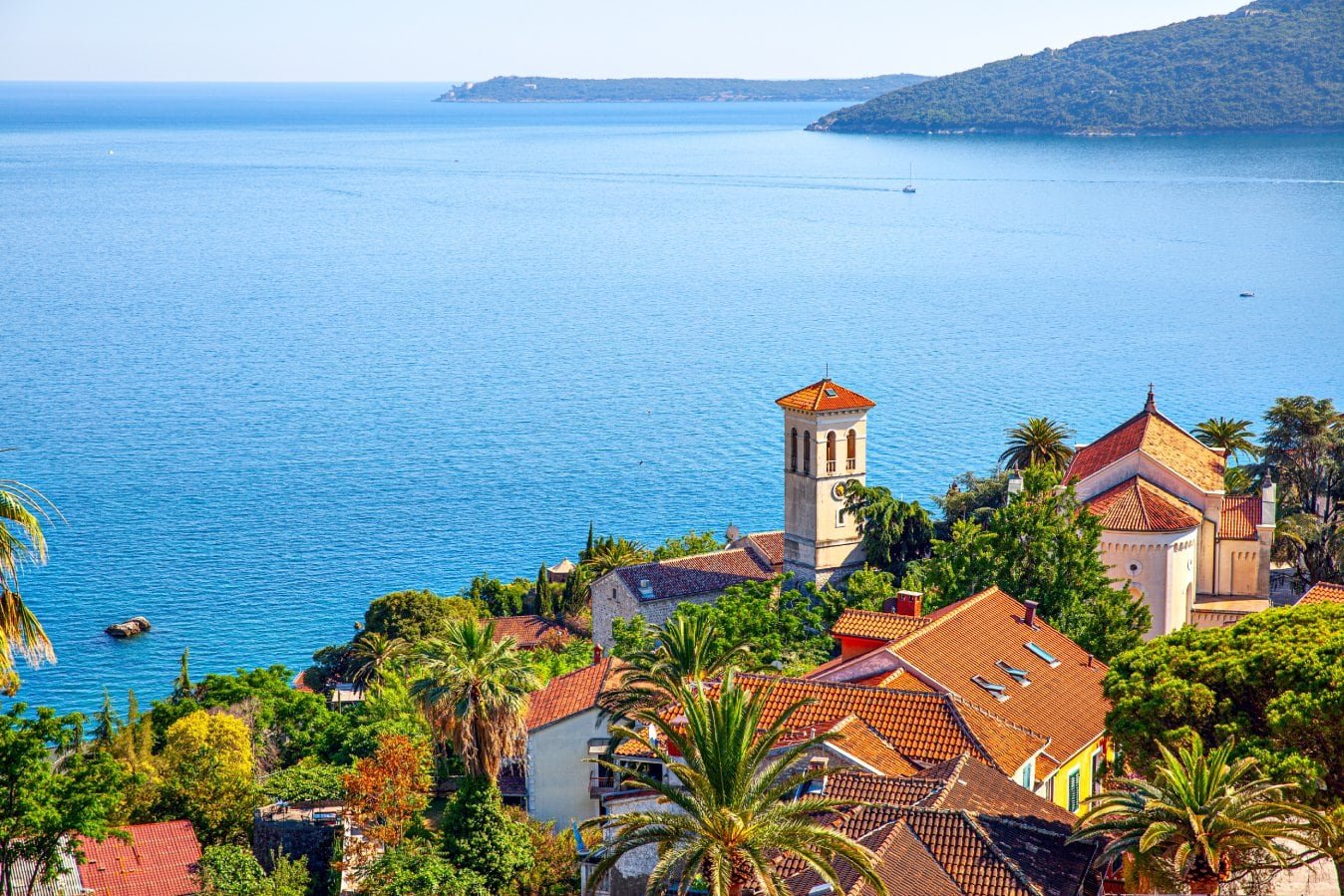
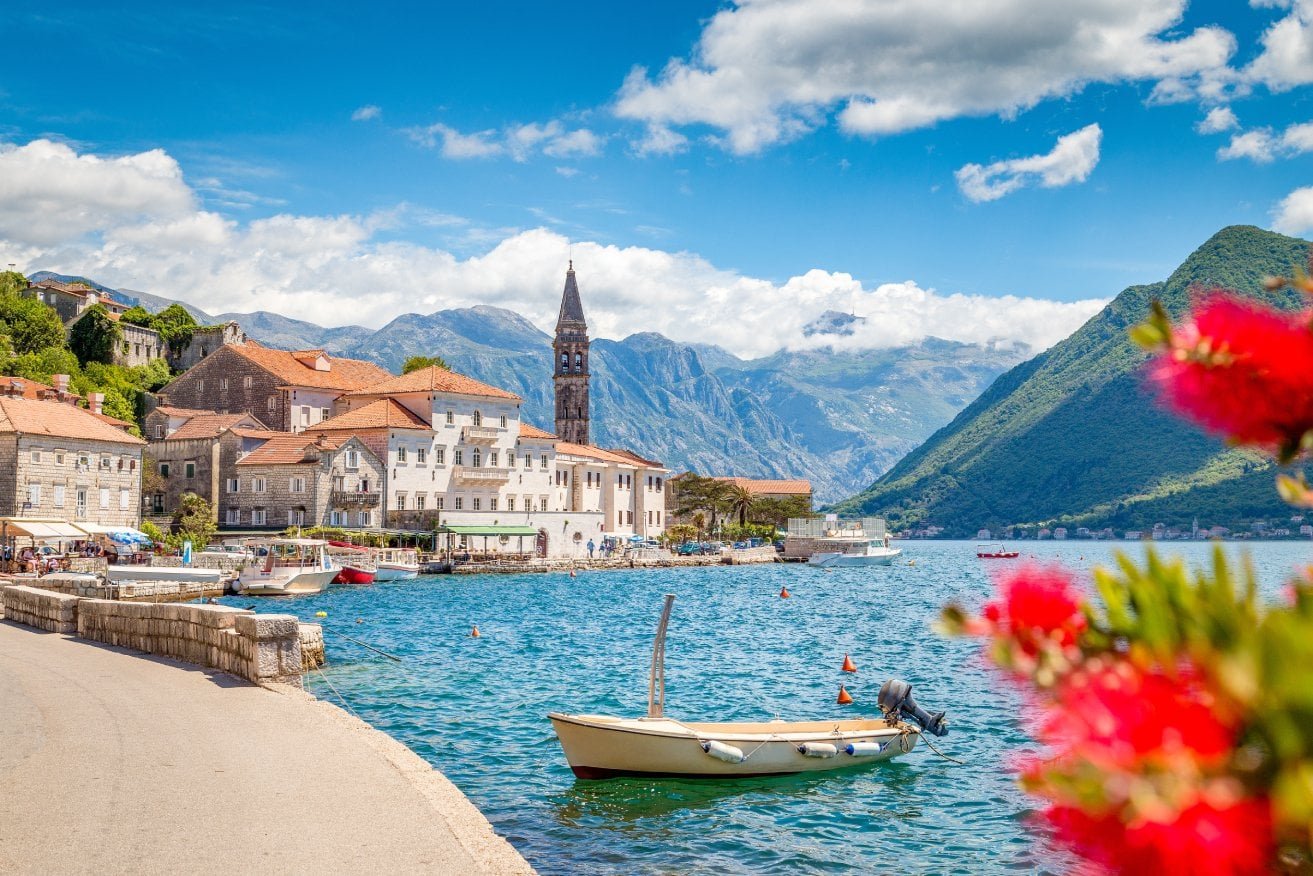
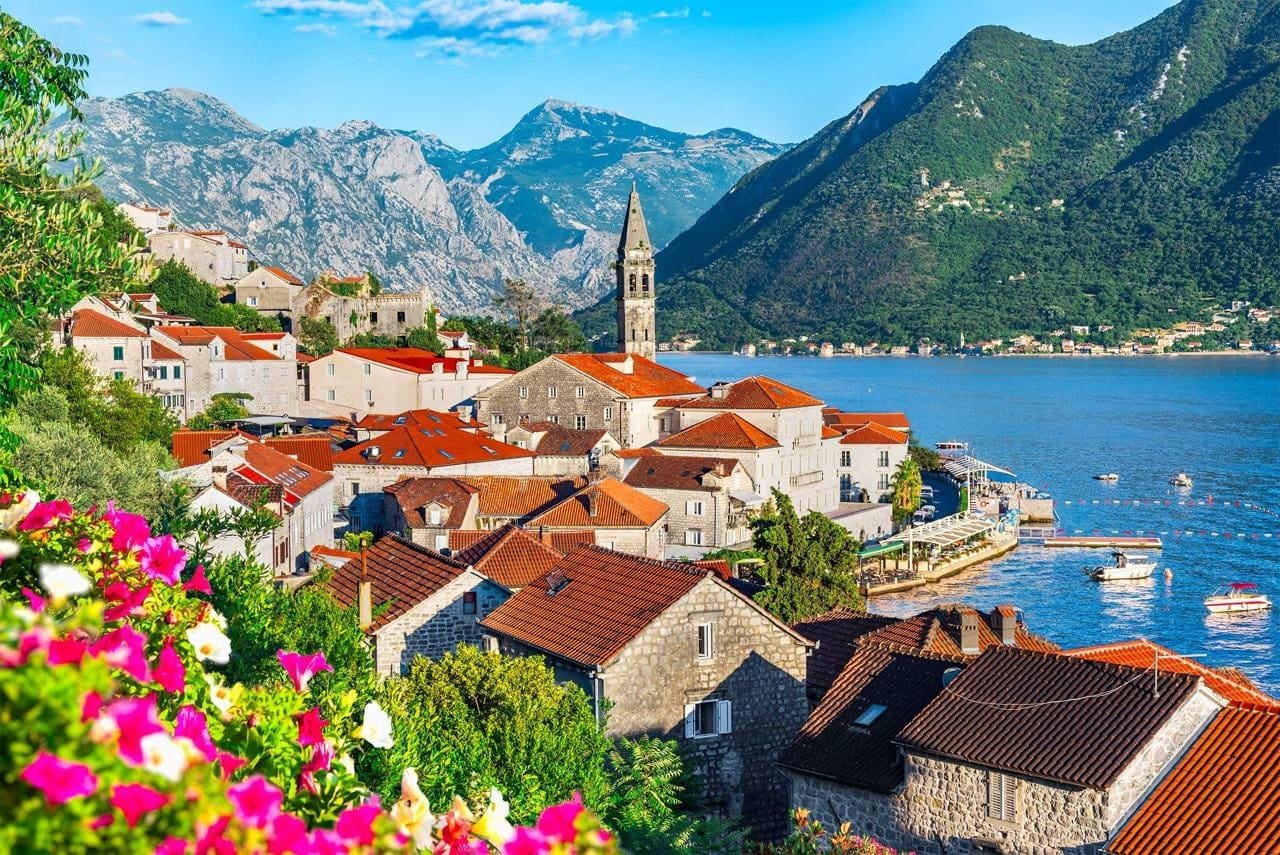
Perast commands attention for a different reason. Stone houses and villa-style properties in this historic settlement sell at premiums that reflect extreme scarcity rather than rental income potential. Gross yields in Perast typically fall below 4 per cent, and the buyer profile is overwhelmingly oriented towards trophy-asset acquisition, second-home use, and long-term capital preservation. Barok Estates International’s Perast real estate guide covers what is available and how to approach acquisition in this tightly held sub-market.
Price Appreciation as the Second Return Driver
Rental income is only part of the Bay of Kotor investment case. Coastal property values across the region have appreciated substantially over recent years, driven by foreign capital inflows, record tourism numbers, and growing international awareness of Montenegro’s EU trajectory. New-build apartments in prime coastal locations now average EUR 2,200 to EUR 2,400 per square metre nationally, while marina-adjacent stock in Porto Montenegro and Tivat trades at EUR 6,000 to EUR 12,000 per square metre.
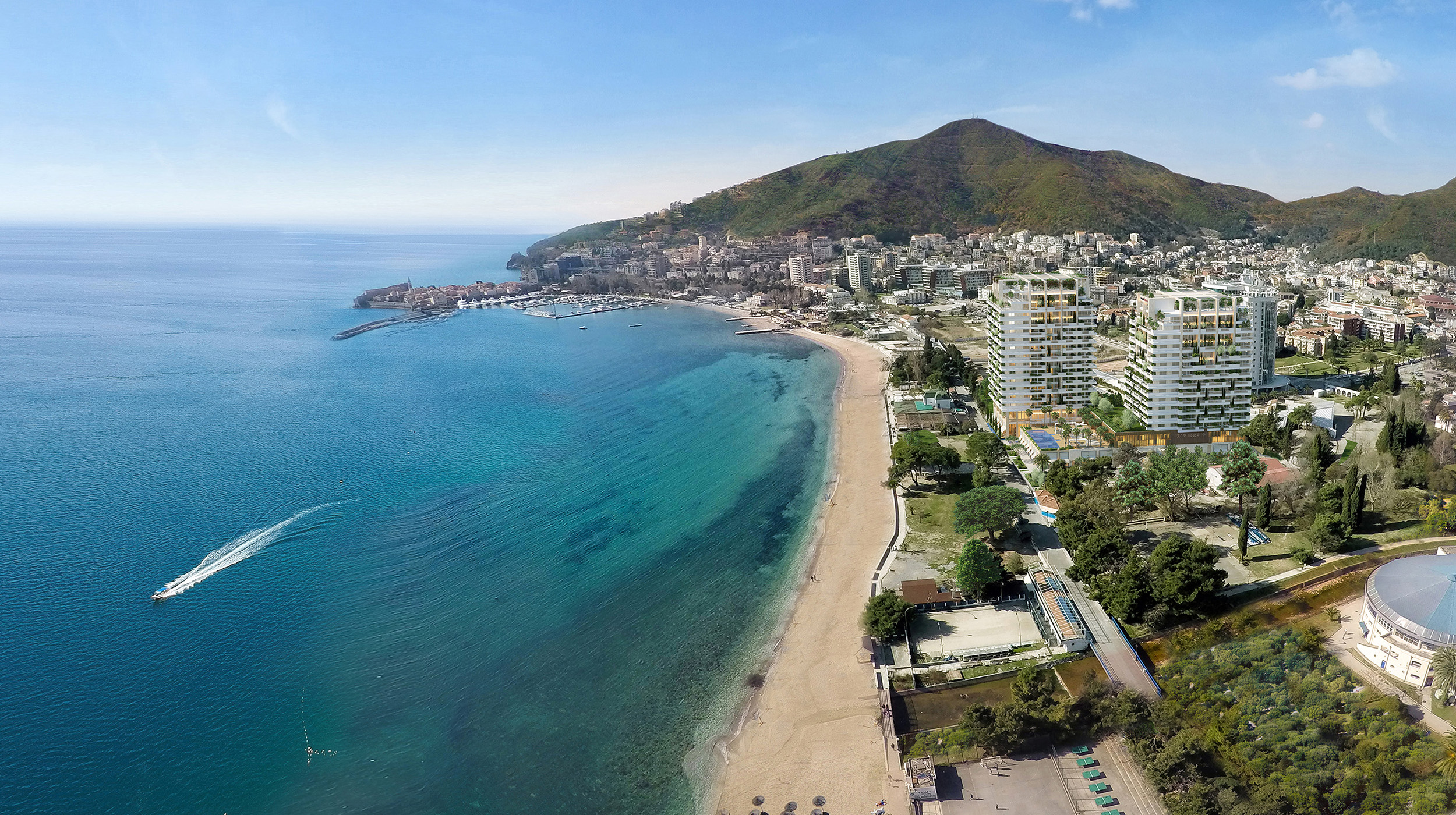
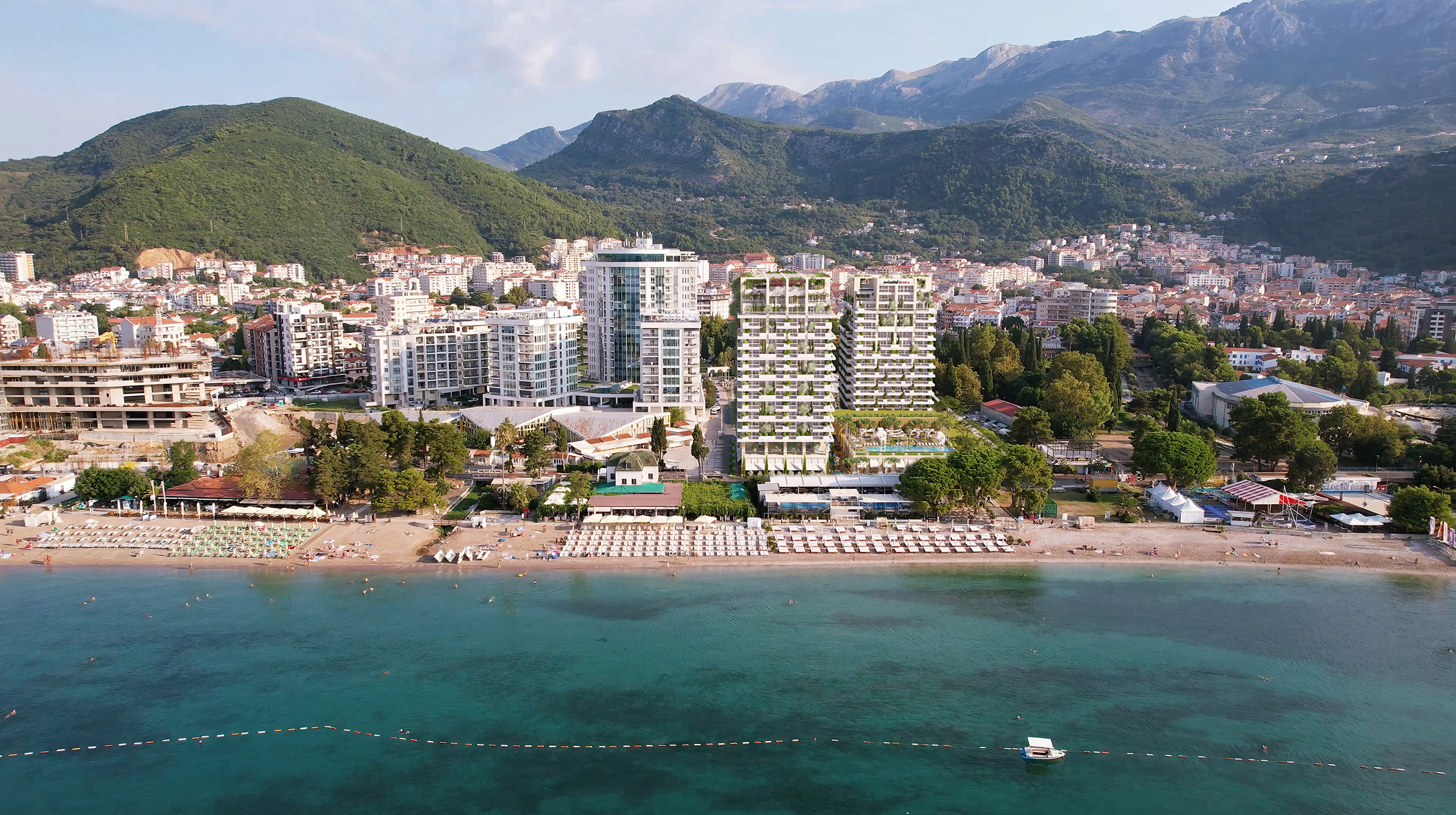
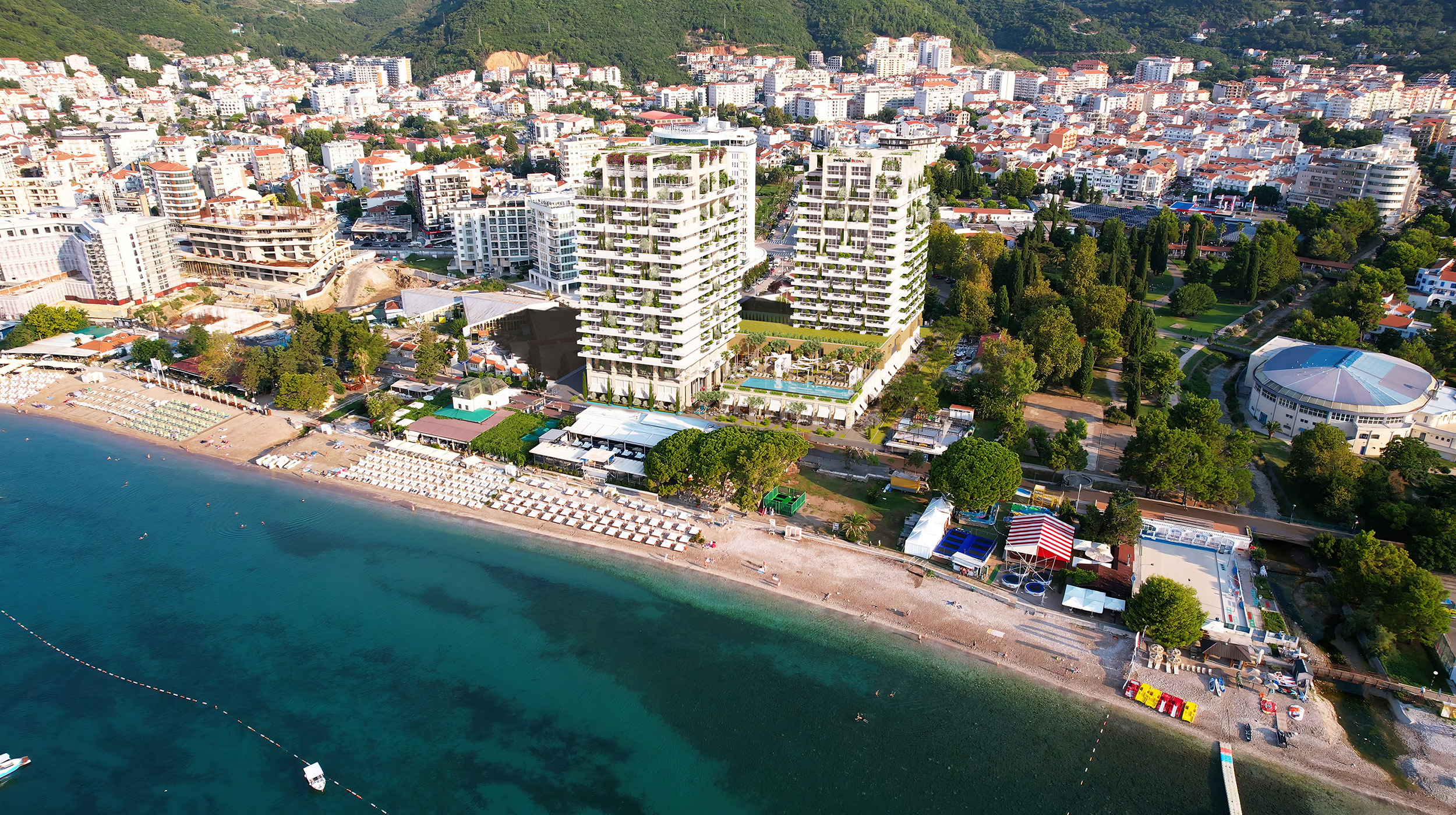
Market analysts project annualised price growth in the 6 to 10 per cent range for prime coastal zones in 2026, with five-year appreciation estimates in the 4.5 to 7 per cent band. Total returns for well-selected Bay of Kotor assets therefore substantially exceed the yield component alone. For a broader comparison of coastal Montenegro markets, including how Budva property compares on yield and appreciation, Barok Estates International’s off-plan property guide for Montenegro provides useful benchmark data across the coast.
Tax and Structural Considerations for Investors
Montenegro applies a progressive transfer tax on property acquisitions, with rates of 3, 5, and 6 per cent depending on the assessed value band. Rental income earned by non-resident owners is subject to Montenegrin income tax, and buyers should obtain advice from a qualified local fiscal adviser before finalising their acquisition structure. Notably, the absence of capital gains tax on properties held for longer than two years represents a material structural advantage for medium-term investors. Barok Estates International’s guide to Montenegro property taxes and buying costs sets out the full cost-of-ownership picture in detail.
For buyers who also wish to qualify for Montenegrin residency through property, the minimum investment threshold is EUR 150,000 for non-EU nationals, making a Bay of Kotor apartment a dual-utility asset: rental income combined with a credible residency pathway. Montenegro’s accession process is tracked by the EU Neighbours portal, which publishes annual progress reports relevant to buyers considering the long-term political context. For those considering relocation as well as investment, the guide for those retiring to Montenegro covers the residency and lifestyle dimensions in detail.
Structuring a Yield-Led Acquisition
Consistent rental returns in the Bay of Kotor come from properties that combine three factors: proximity to water or a historic centre, access to a professional short-term management operator, and an acquisition price that has not been inflated by speculative premiums. Off-plan entry into credible coastal developments has historically delivered prices 15 to 20 per cent below completion values, allowing investors to capture both yield from day one of letting and appreciation from a lower cost base.
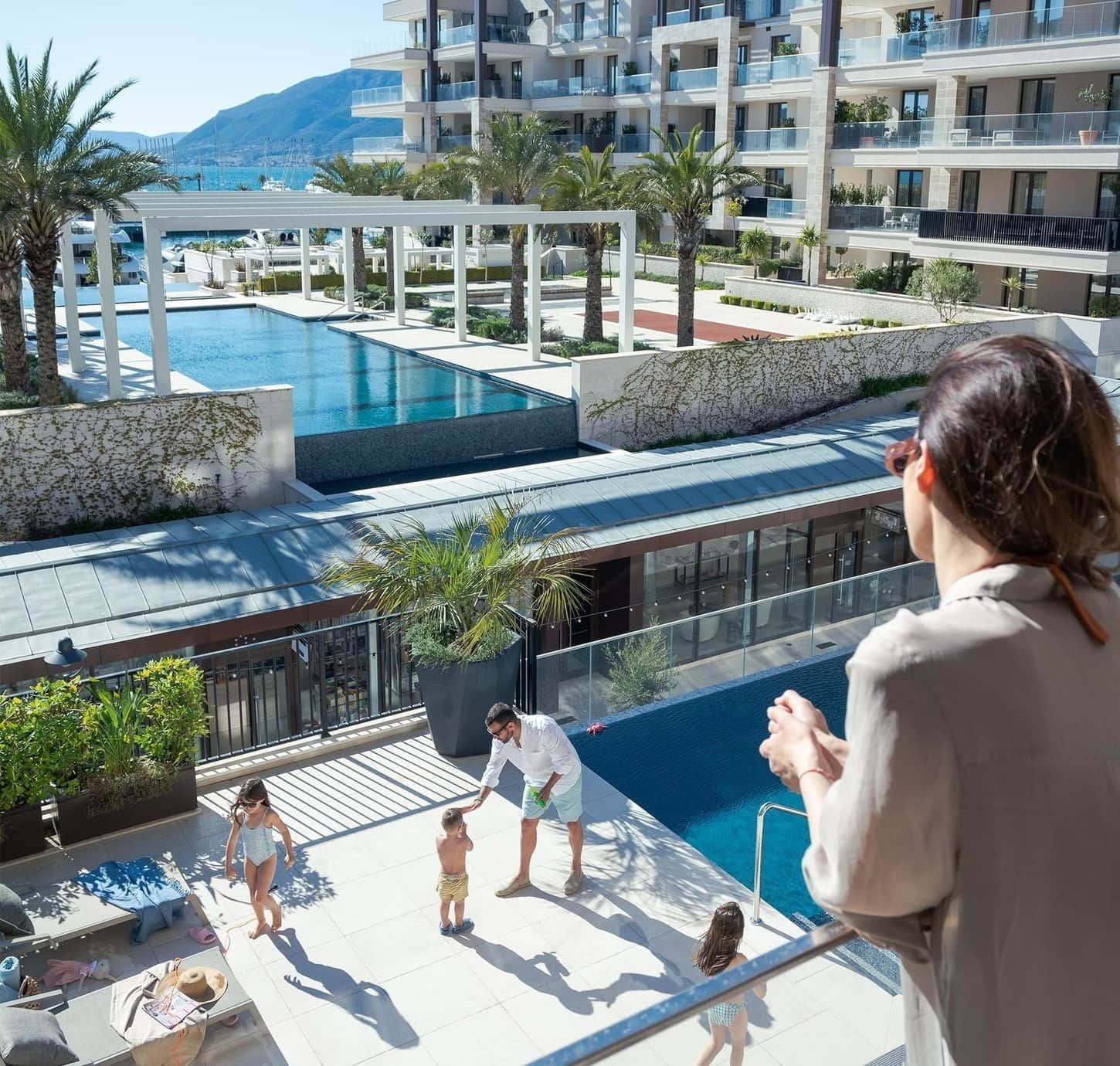
The distinction between a development that includes genuine rental management infrastructure and one that relies on owner self-management is material. Professional management typically adds two to three percentage points to net yield through higher occupancy, better rate positioning, and lower vacancy. Identifying which developments offer real operational support, rather than nominal management on paper, is a core part of advisory work in this market.
Barok Estates International works with investors across the Bay of Kotor to identify acquisitions aligned with specific return objectives and capital positions. For an initial conversation about current availability and yield expectations by micro-location, contact the advisory team directly.













.jpg)