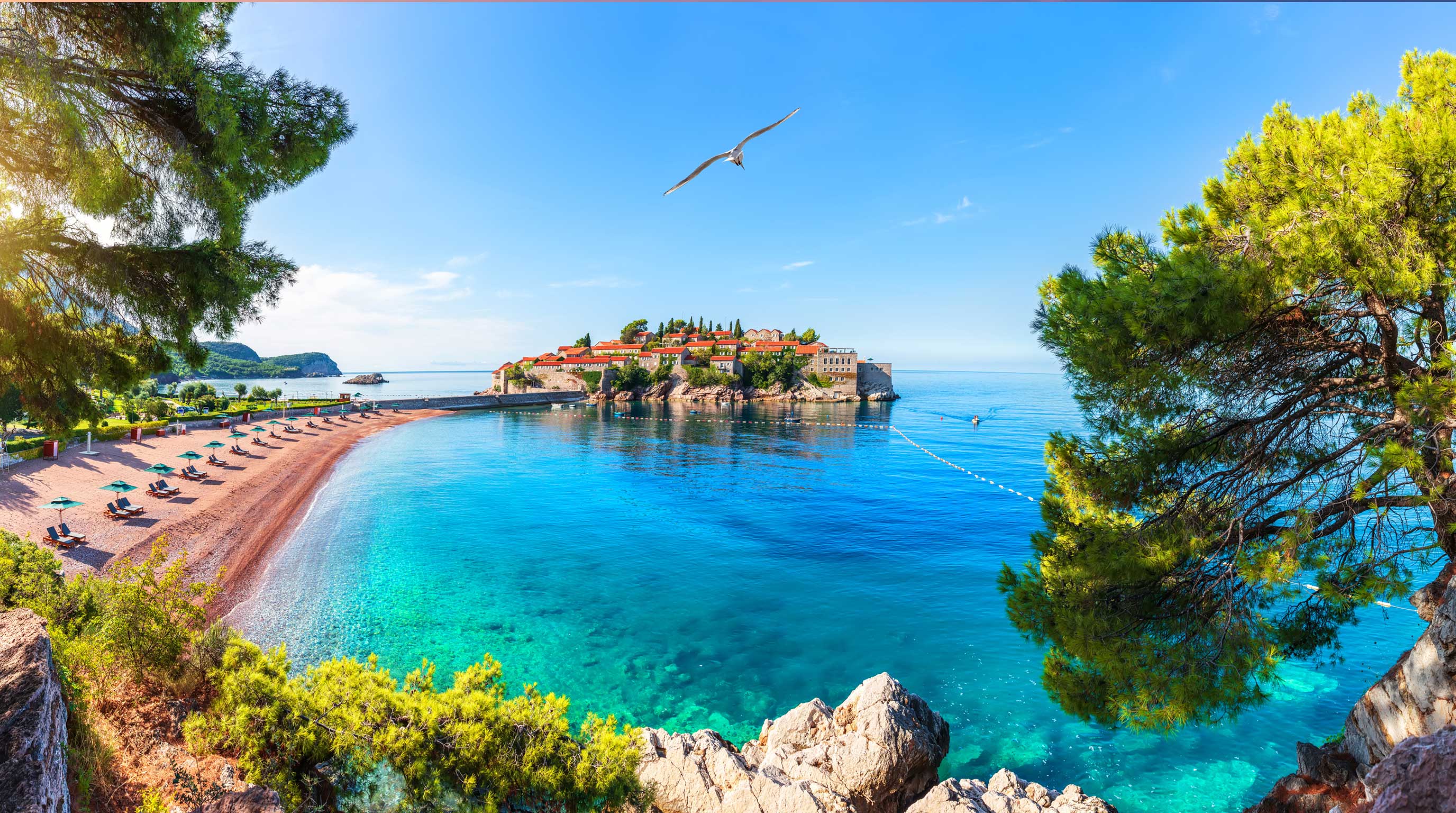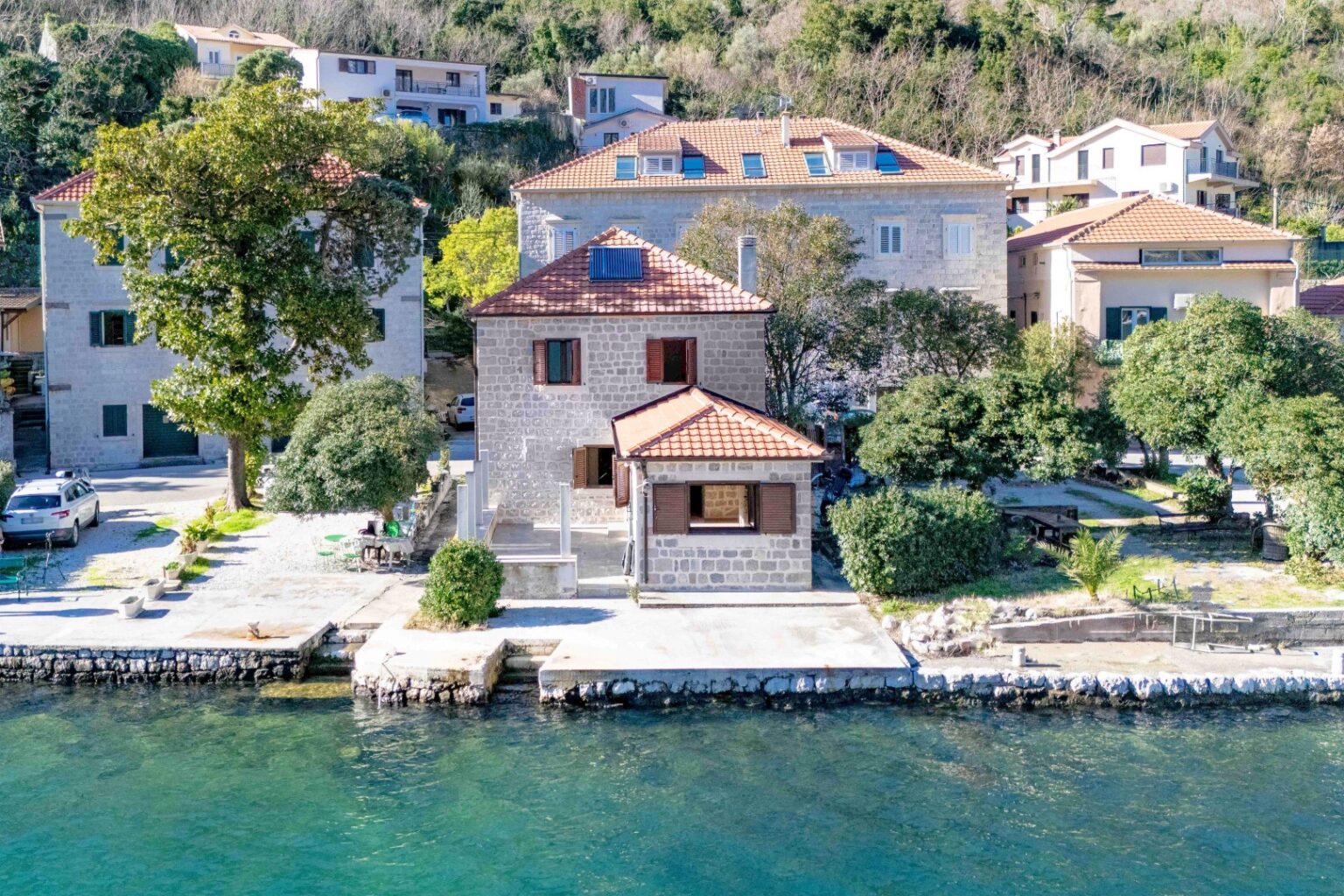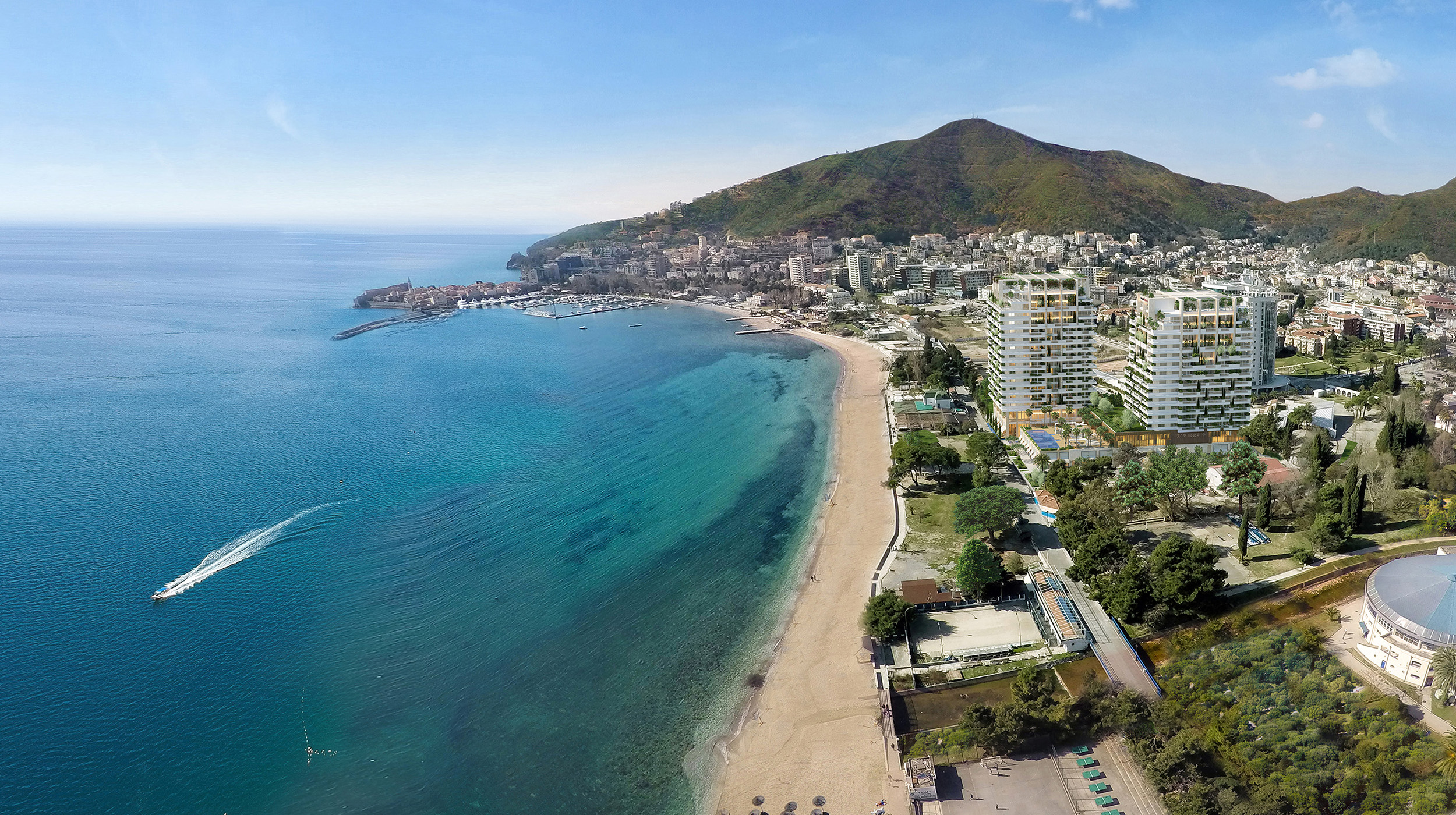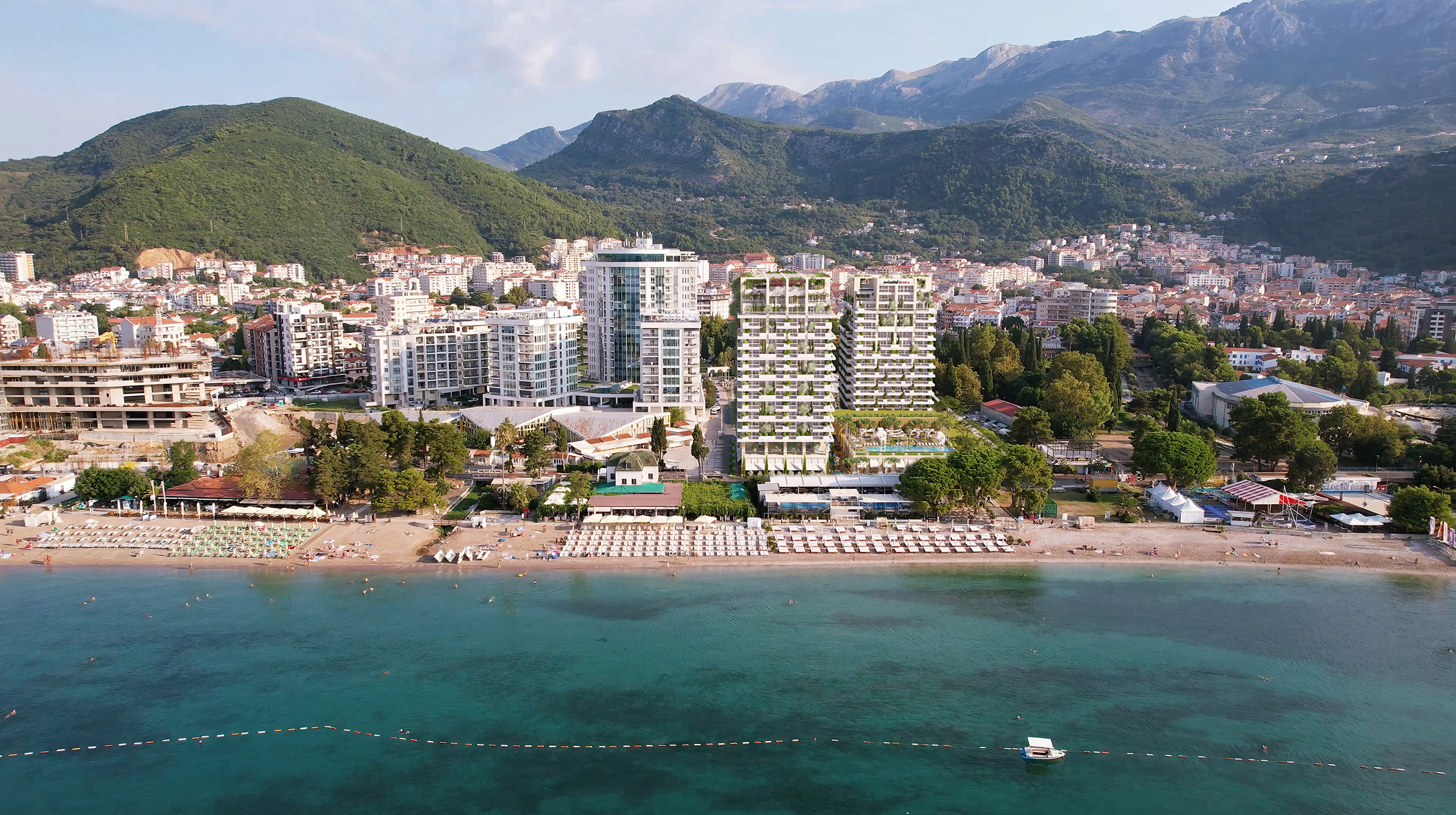
Budva is Montenegro’s most active coastal market for apartment buyers in 2026, with sea view stock in established buildings trading between 2,700 and 4,000 euros per square metre and prime frontline or branded residences reaching 5,000 to 8,000 euros per square metre. For international buyers positioning in the Adriatic market, Budva offers a depth of supply and a range of entry points that no other Montenegrin town can match, from compact studio apartments in the Old Town to large-format penthouses on new waterfront developments. The market has matured considerably over the past three years, and the buyers arriving today are considerably more informed about what they are buying and why.
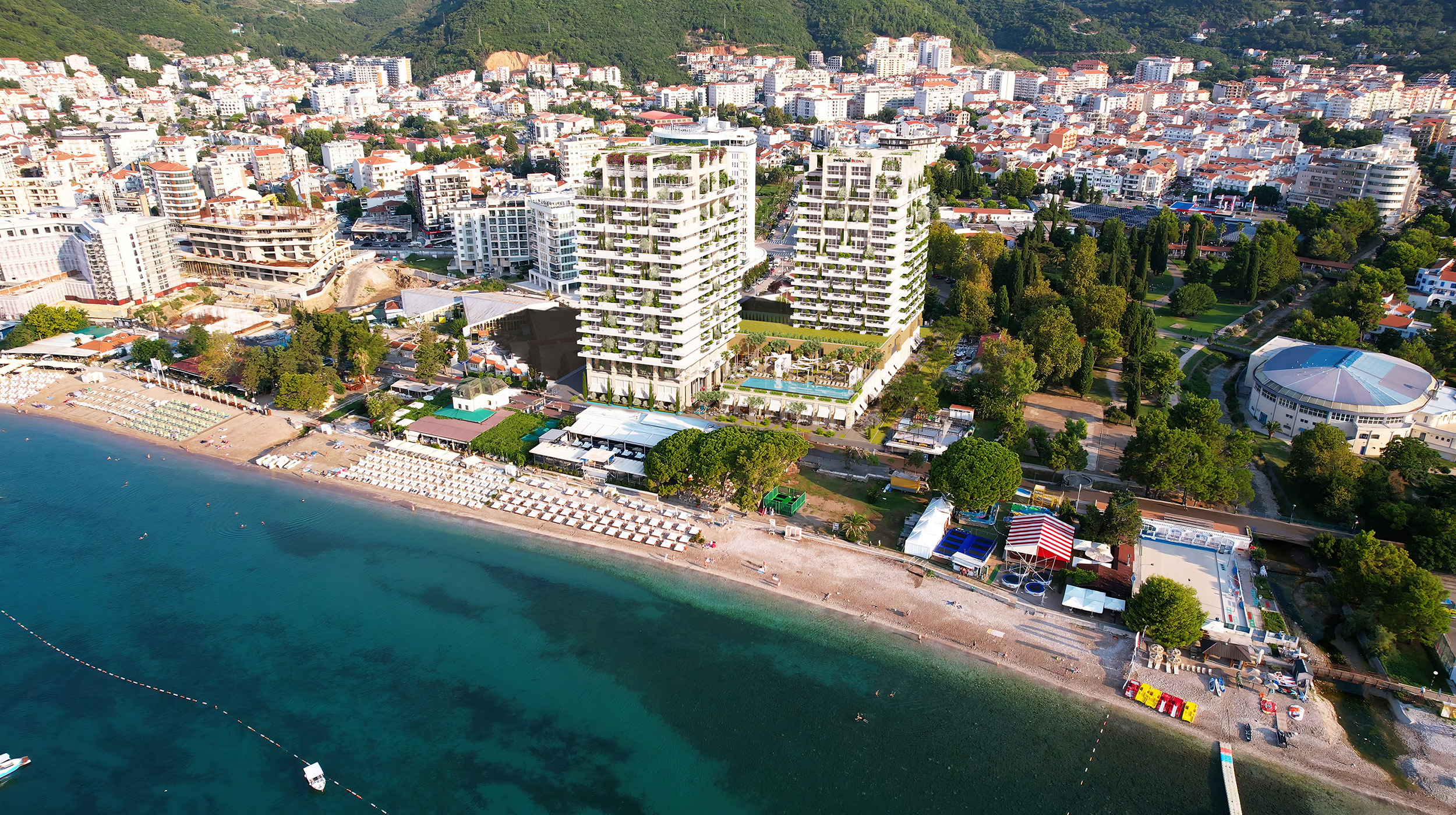
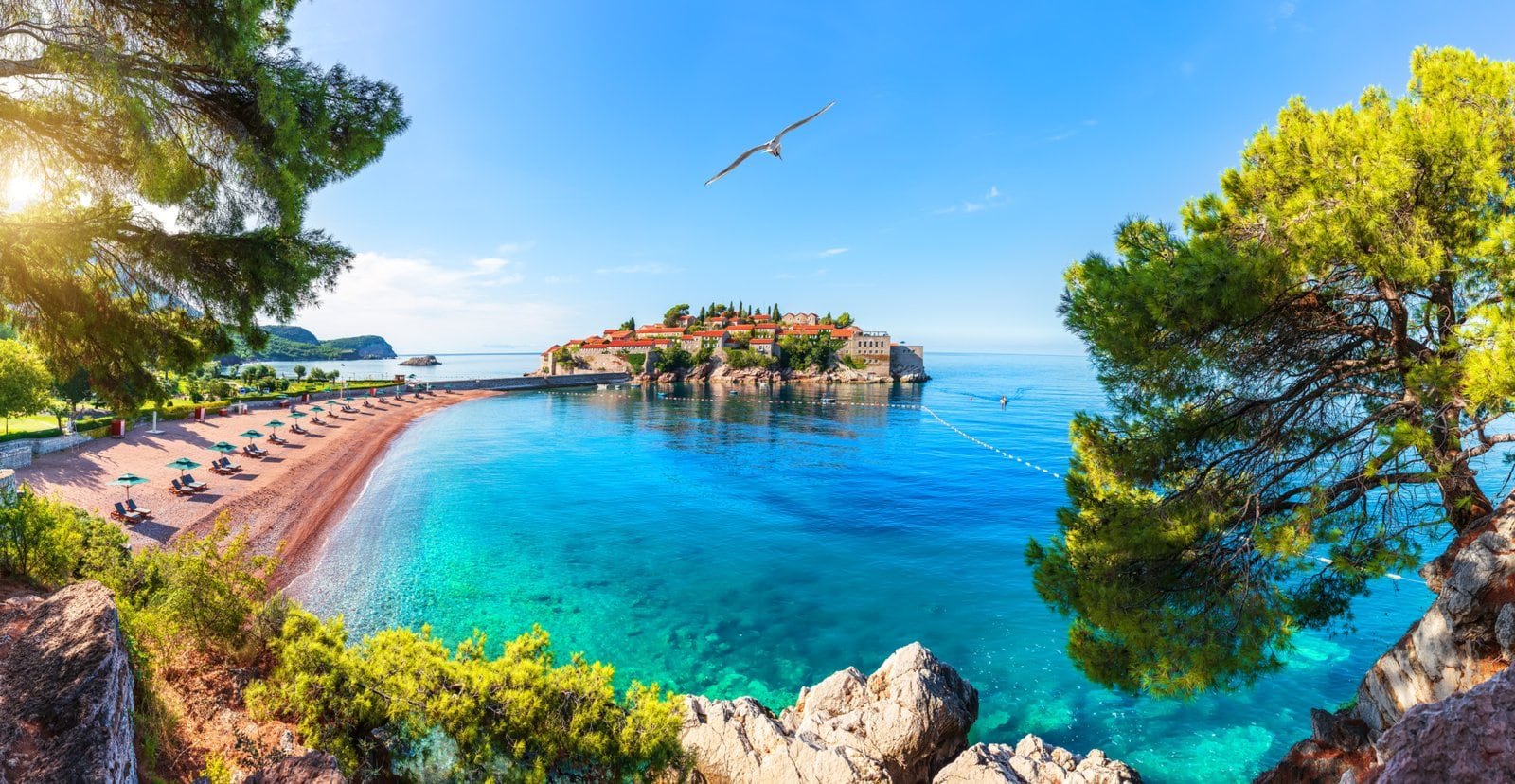
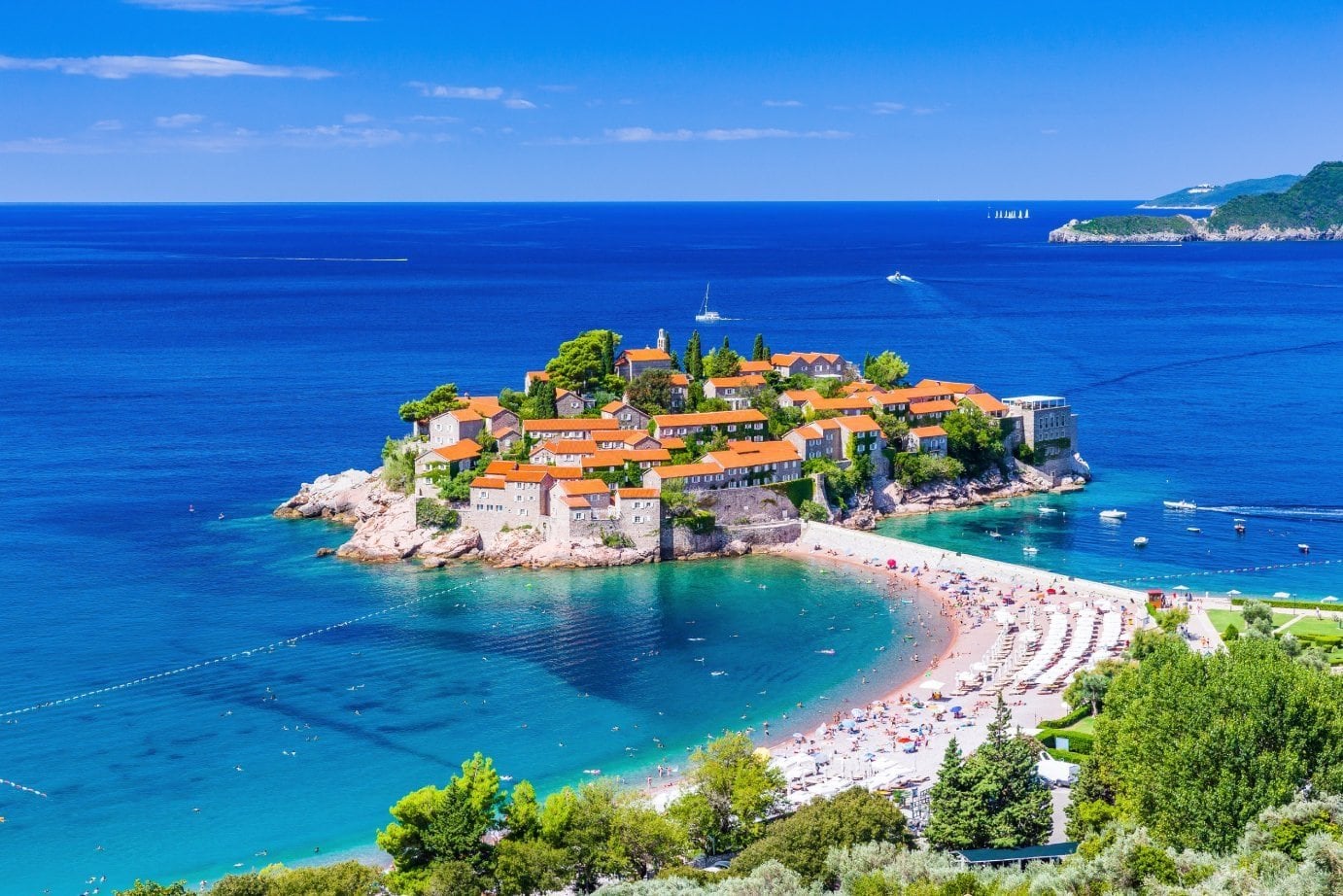
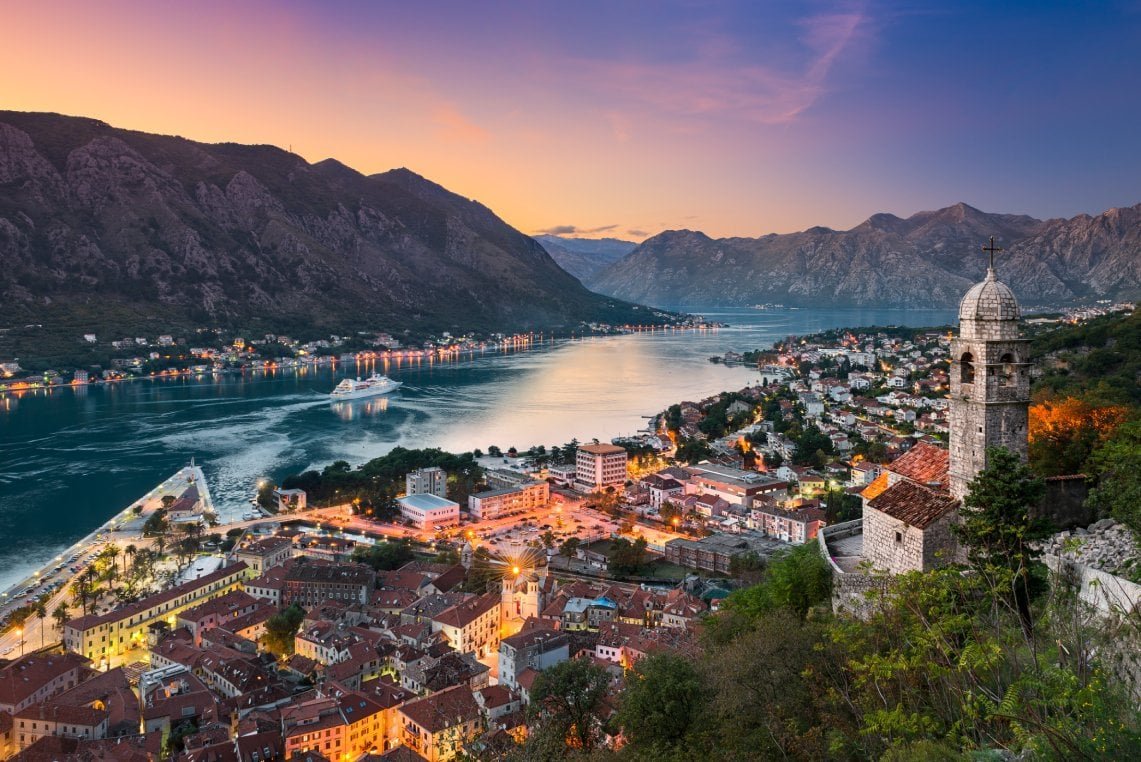
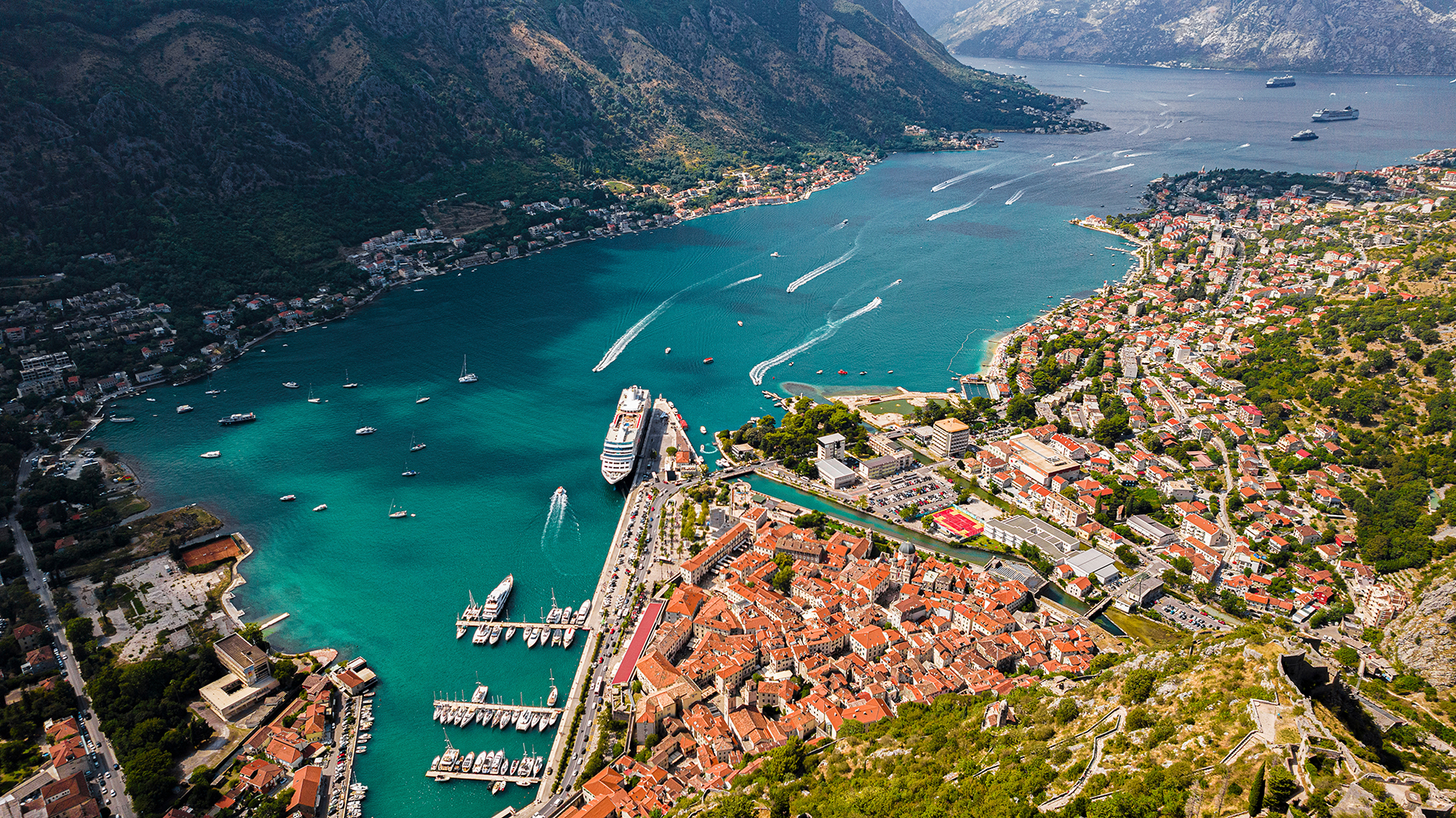
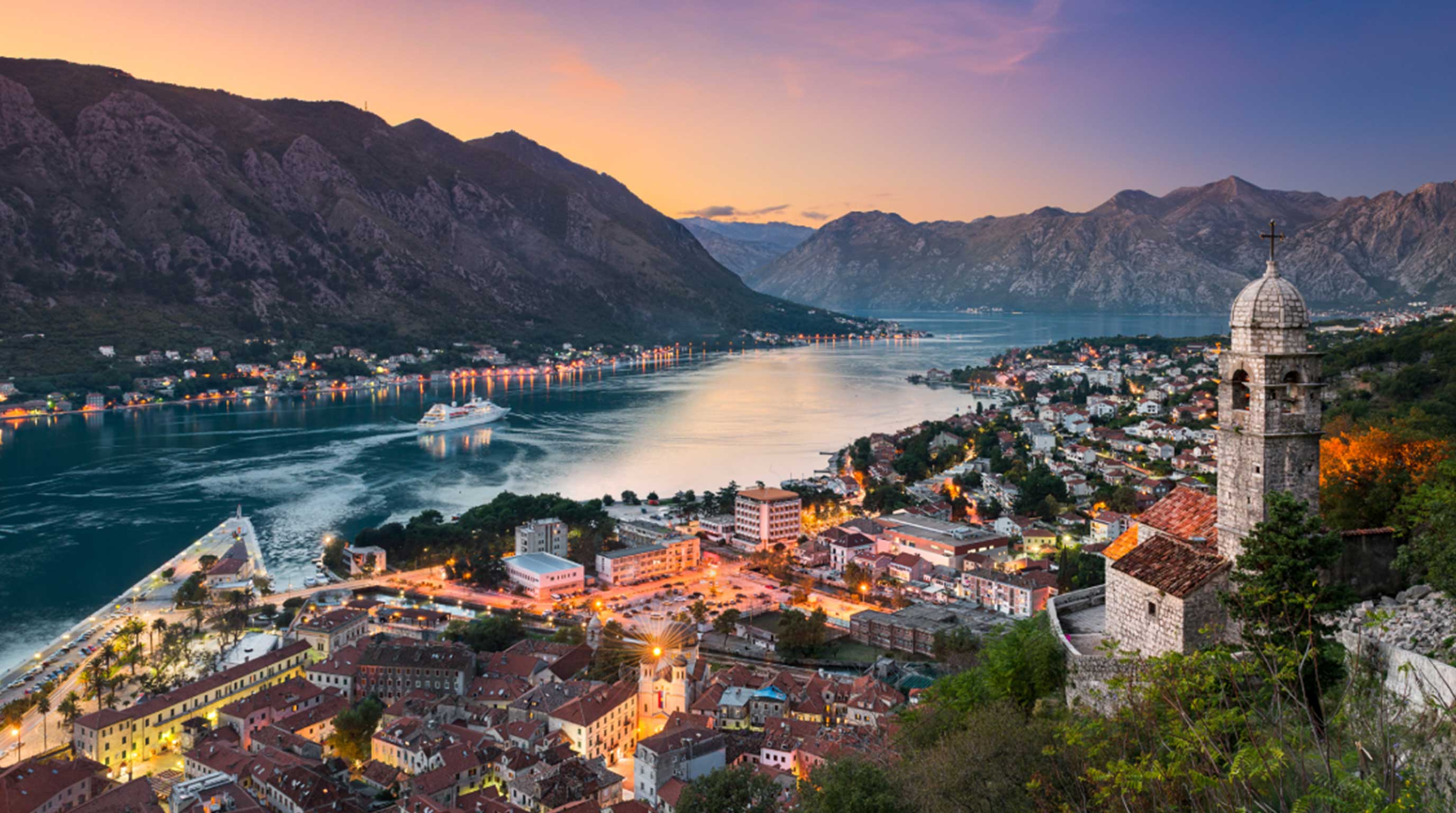
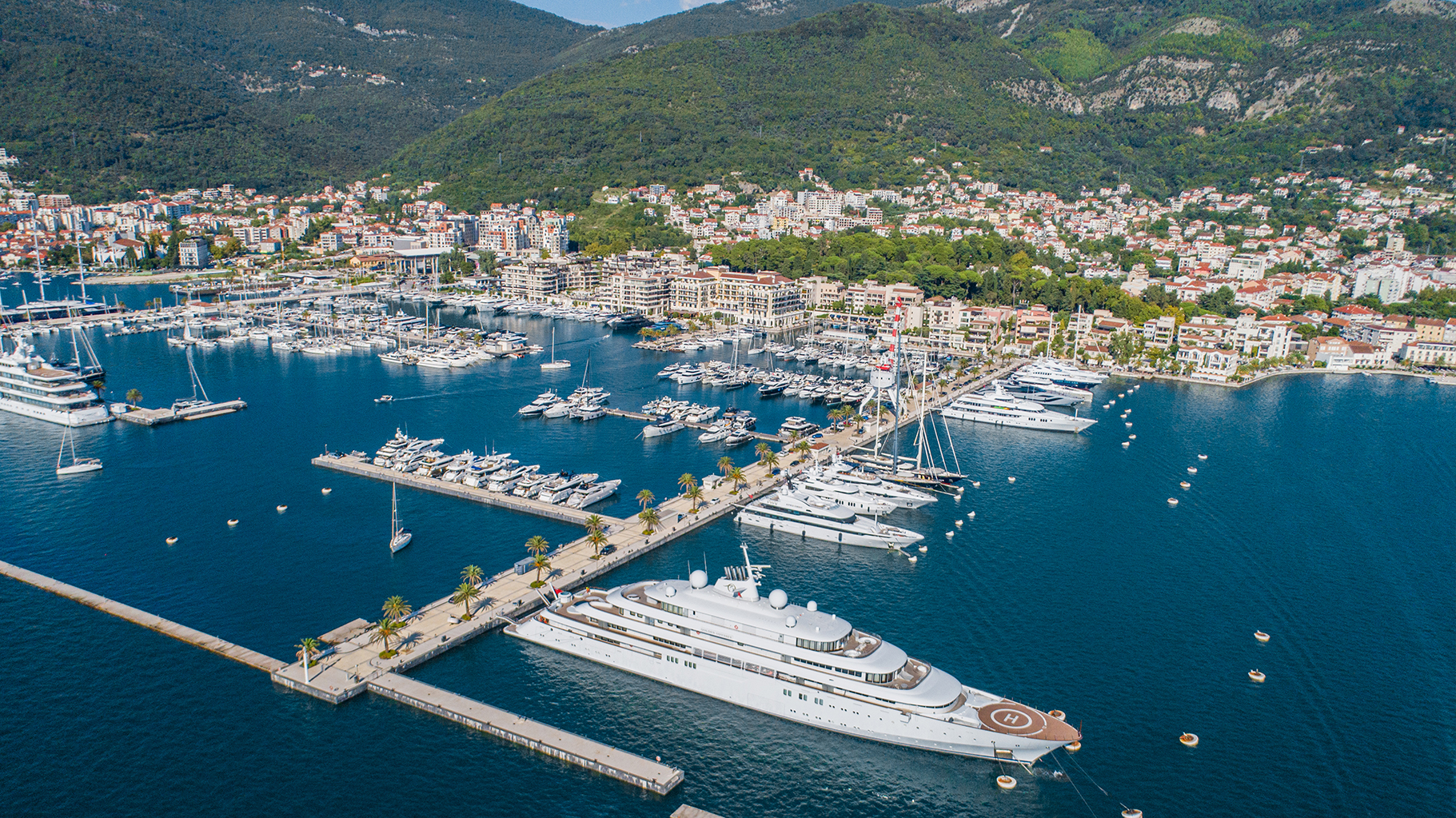
Budva’s particular appeal rests on a combination that is hard to replicate elsewhere on the Montenegrin coast. The Old Town, a walled medieval settlement set directly on a rocky promontory above the Adriatic, gives the town a character that purpose-built resort communities in the region cannot offer. At the same time, the municipality has attracted significant new development across its beaches and surrounding hillsides, creating a tiered market that serves lifestyle buyers, rental investors, and long-term repositioning capital alike. By contrast, Tivat draws a more marina-centric, high-end demographic, while Kotor’s UNESCO heritage status limits new development significantly. A detailed comparison of Budva and Tivat is worth reading if you are still deciding between the two.
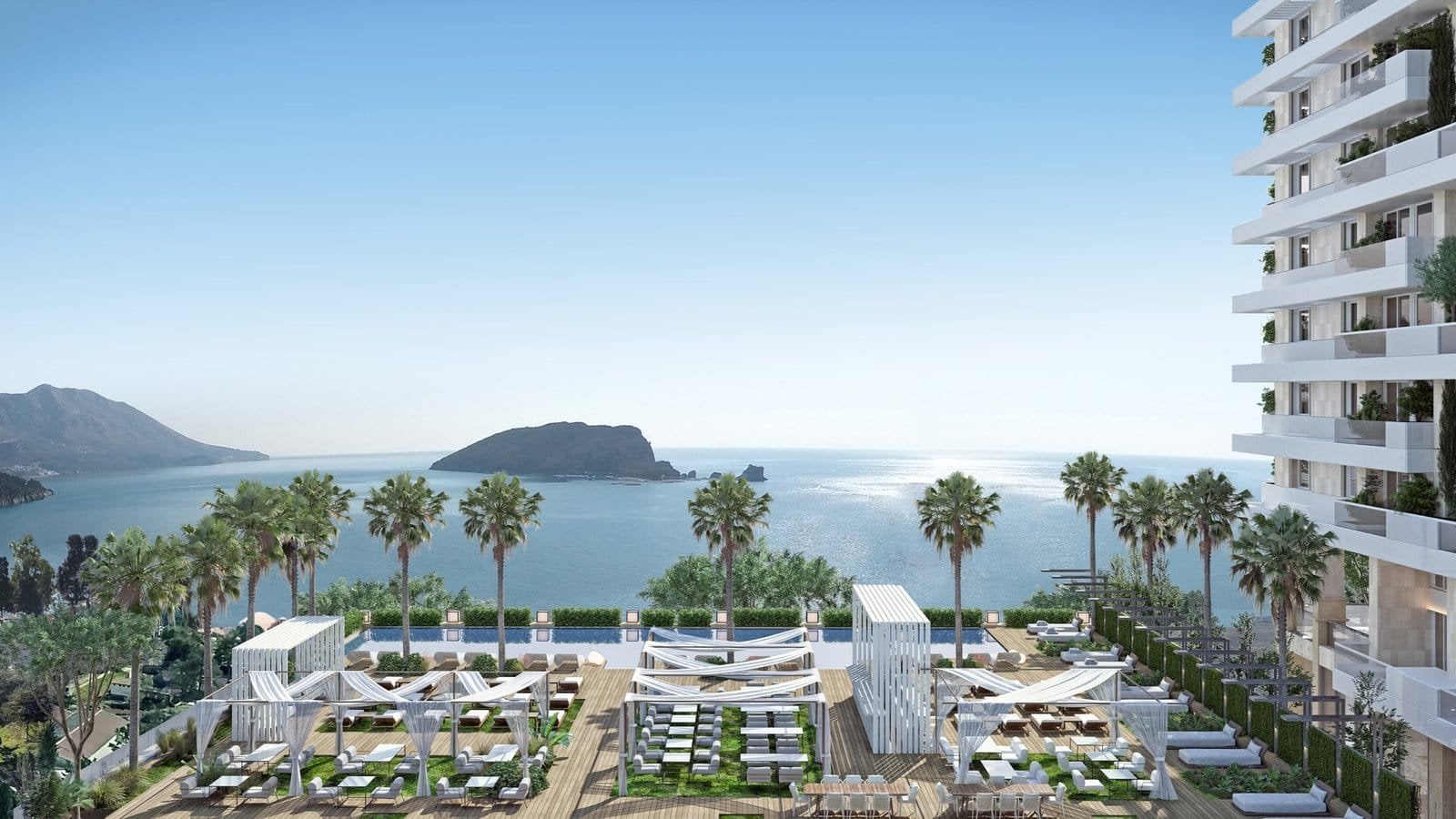
Price ranges vary considerably across Budva’s micro-locations, and understanding the geography is essential before interpreting any per-square-metre figure. In Budva town proper, including the Old Town and the Slovenska Plaža beachfront area, newer buildings with genuine sea views are trading at 2,700 to 4,000 euros per square metre. Branded and frontline residences in these locations command 3,500 to 8,000 euros per square metre, with the most exclusive product exceeding 10,000 euros per square metre at the top of the market. Bečići, the long sandy beach immediately south of the Old Town peninsula, offers slightly more accessible pricing: established stock at 2,200 to 3,500 euros per square metre, with new-build sea view product reaching 5,500 euros. Rafailovići, a quieter seafront settlement between Bečići and Petrovac, is one of the more interesting micro-markets, with seafront pricing at 3,500 to 7,000 euros per square metre reflecting the scarcity of genuine frontline supply. Further south, Petrovac sits within the wider Budva Riviera and offers sea view apartments at 1,800 to 3,000 euros per square metre, attracting buyers who prioritise quiet surroundings over proximity to Budva’s centre.
Translating per-square-metre pricing into total budgets clarifies what different capital levels can realistically achieve. A studio or one-bedroom apartment with a sea view, typically 35 to 55 square metres, ranges from approximately 95,000 to 220,000 euros depending on location and building quality. A two-bedroom sea view apartment of 60 to 80 square metres sits broadly in the 180,000 to 360,000 euro range, with better-located or more recently built stock pushing toward the upper end. Luxury penthouses and branded residences at 100 square metres and above enter a different tier entirely, where 500,000 to 1,000,000 euros represents the active range for serious product. The full buyer’s guide to Budva property covers how to assess value across these segments.
The choice between off-plan and resale stock is one of the most consequential decisions a Budva buyer makes, and the right answer depends on the buyer’s objectives and time horizon. Off-plan purchases from established developers typically offer payment schedules that spread capital outlay across the construction period, which can improve cash flow management significantly. In addition, buying early in a development cycle often means lower entry pricing and the ability to select preferred floors and orientations before the best units go. However, off-plan purchases carry completion risk and require careful legal due diligence on the developer’s track record, planning permissions, and escrow arrangements. Resale apartments, by contrast, offer immediate visibility on condition, management quality, and actual rental performance data. Montenegro’s off-plan market in 2026 has matured, with better developer practices than a decade ago, but selectivity remains essential.
For buyers with rental income as a primary or secondary objective, Budva’s peak season runs from June through September, with July and August delivering the highest occupancy and daily rates. Sea view apartments in well-managed buildings in Budva town or Bečići can achieve strong seasonal occupancy during peak months, and the rental market has professionalised significantly with the growth of short-term platforms. However, rental yields are seasonal by nature, and total annual returns should be modelled on the full year rather than peak weeks alone. Detailed rental yield data for Montenegro’s coastal properties gives a more complete picture. A good rental apartment is not always the same as a good lifestyle apartment: rental buyers should prioritise proximity to beach access, building amenities, and professional management, while lifestyle buyers may prefer hillside settings with panoramic views and quieter surroundings.
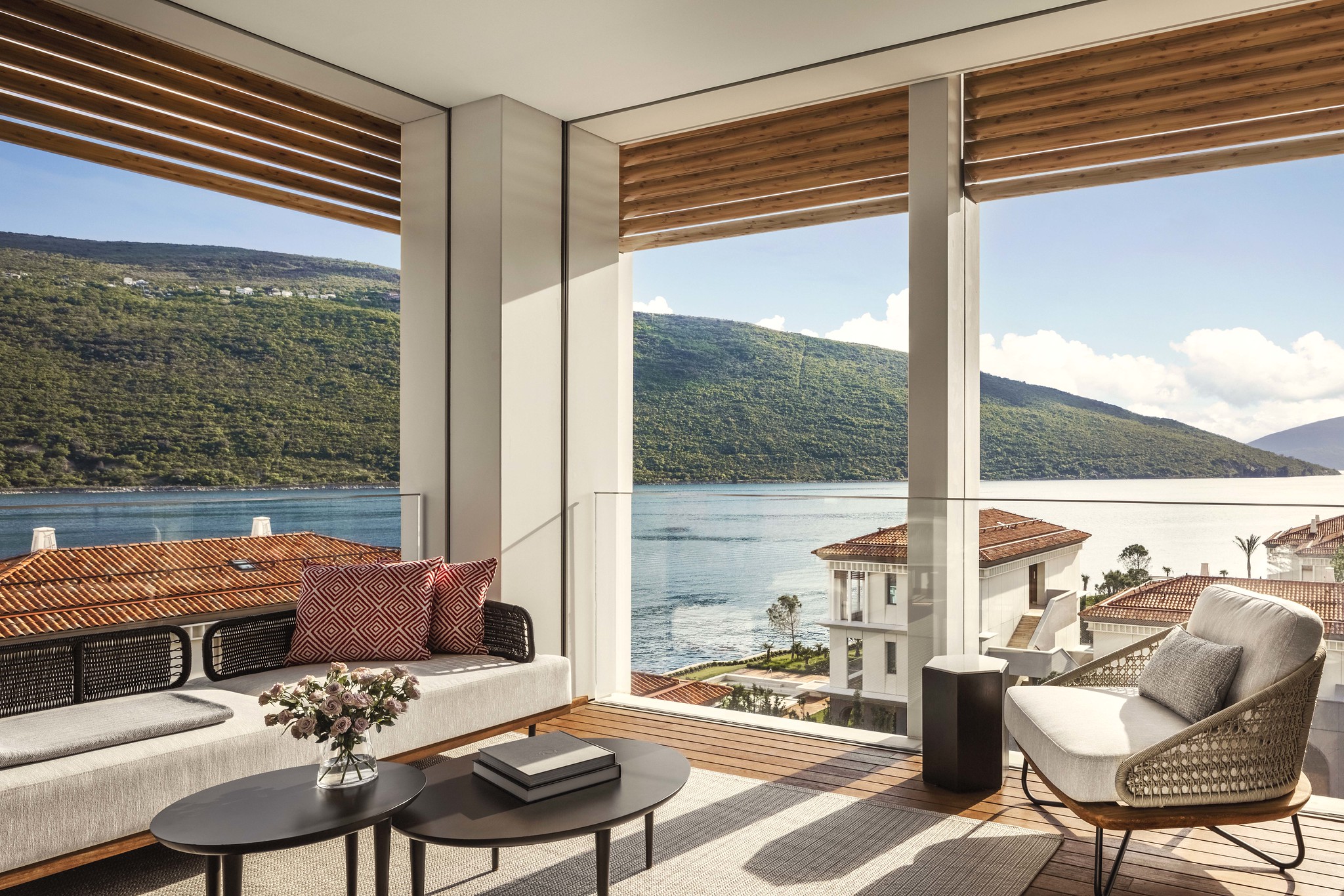
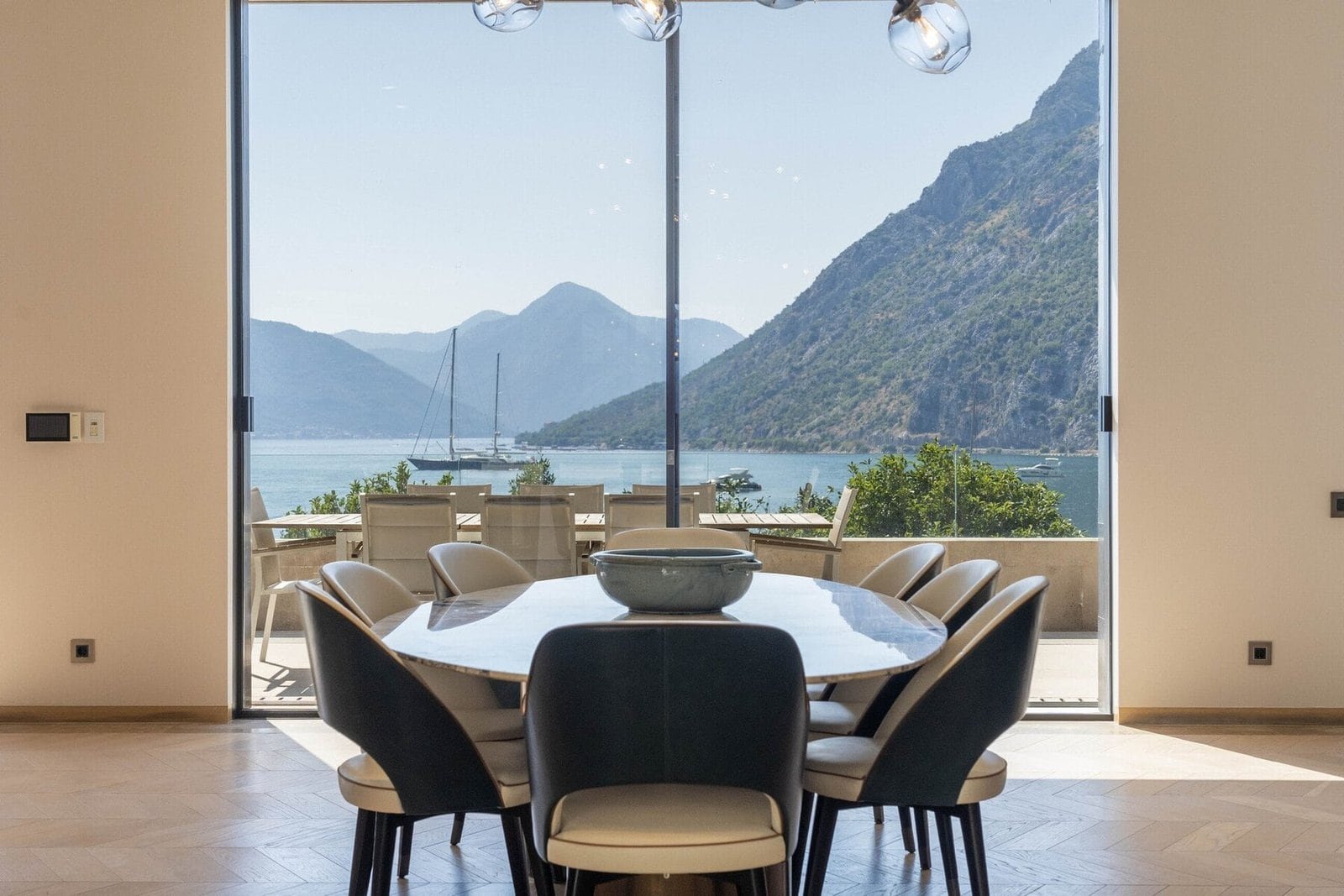
Within any given budget, the factors that most reliably protect and enhance value over time are sea view grade, floor level, building quality, and on-site management. A genuine unobstructed sea view commands a material premium over partial or distant views, and that premium tends to hold or grow as the market develops. Floor level matters both for the quality of the view and for natural light. Building quality, including materials, communal area maintenance, and the presence of amenities such as a pool, varies widely across Budva’s stock, and older buildings without active owner associations often carry hidden maintenance liabilities. At the same time, proximity to the beach is a significant driver of rental performance, while hillside and elevated positions tend to attract long-stay and lifestyle buyers who prioritise privacy.
On the legal and tax side, Montenegro applies a progressive property transfer tax on resale purchases, with rates moving through bands of 3%, 5%, and 6% depending on the value of the transaction. This is not a flat rate, and buyers should model the actual tax liability rather than applying a single percentage to the full purchase price. Notary fees and legal representation add further to acquisition costs, and professional legal advice is essential given that title documentation quality in Montenegro varies. A full guide to Montenegrin property taxes and purchase costs covers the current framework in detail, and the process for buying property in Budva walks through each legal step. Montenegro’s ongoing EU accession process is worth monitoring, as regulatory alignment with EU standards is expected to continue affecting the legal and financial framework for property ownership over the coming years.
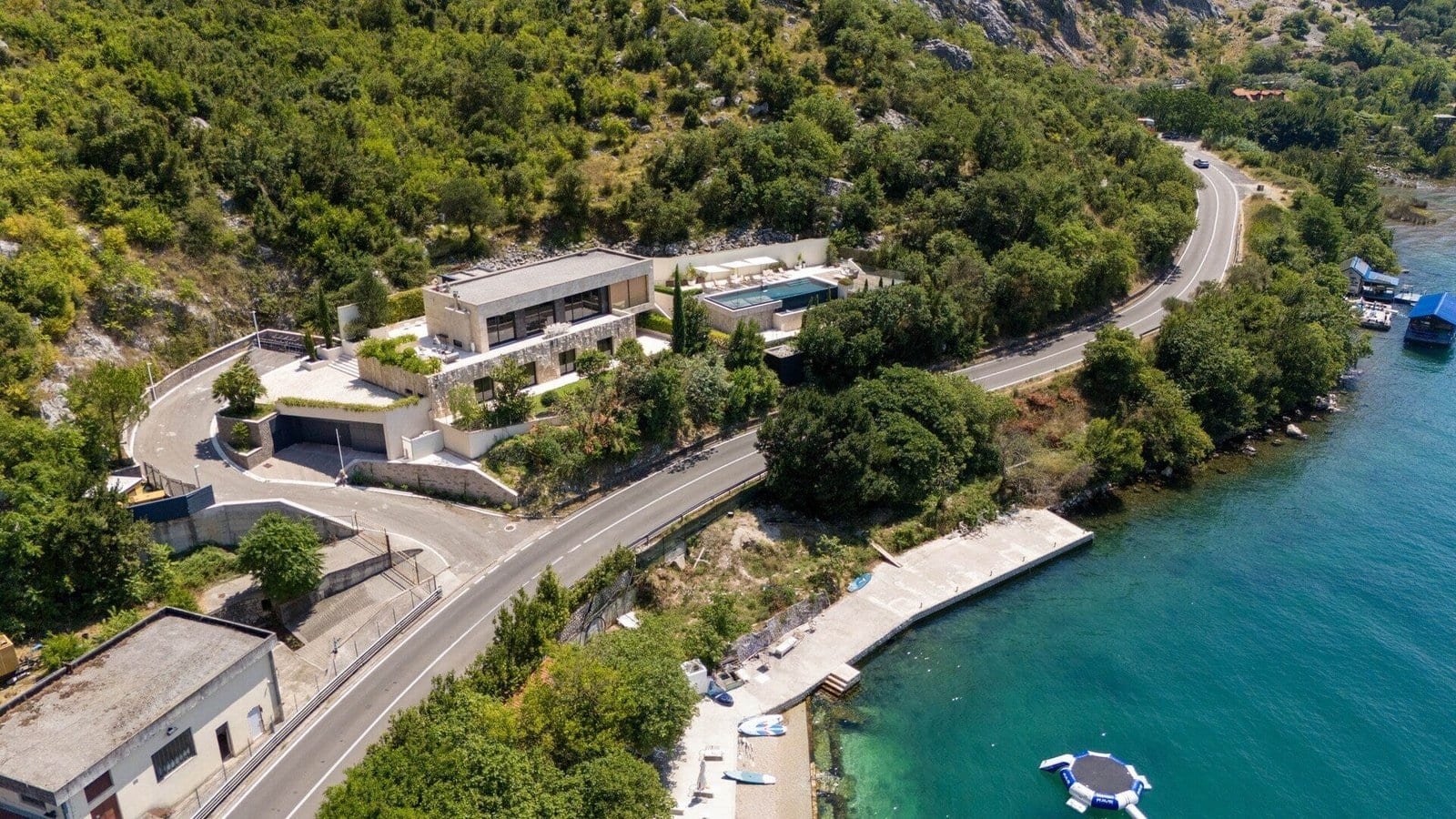
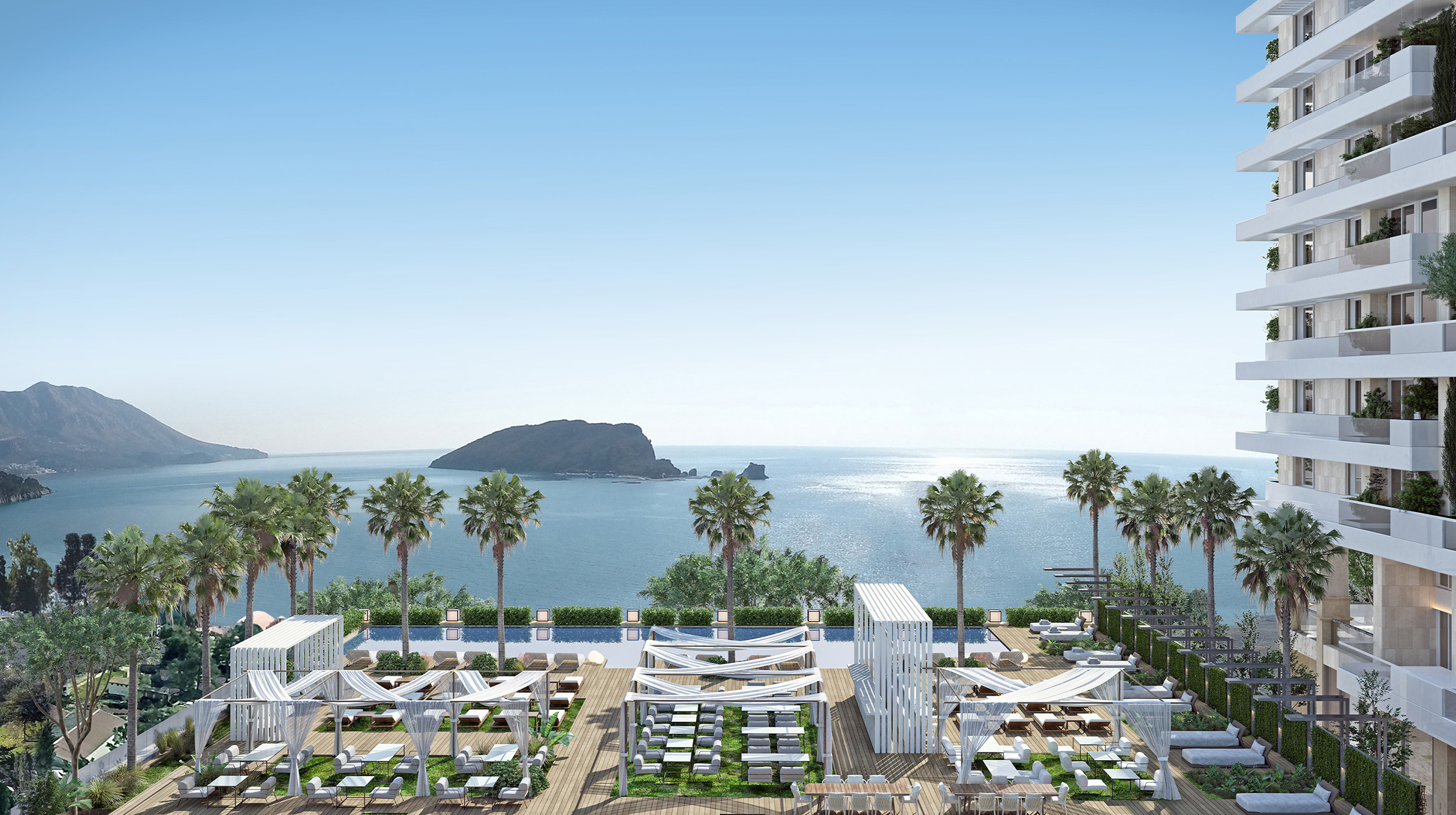
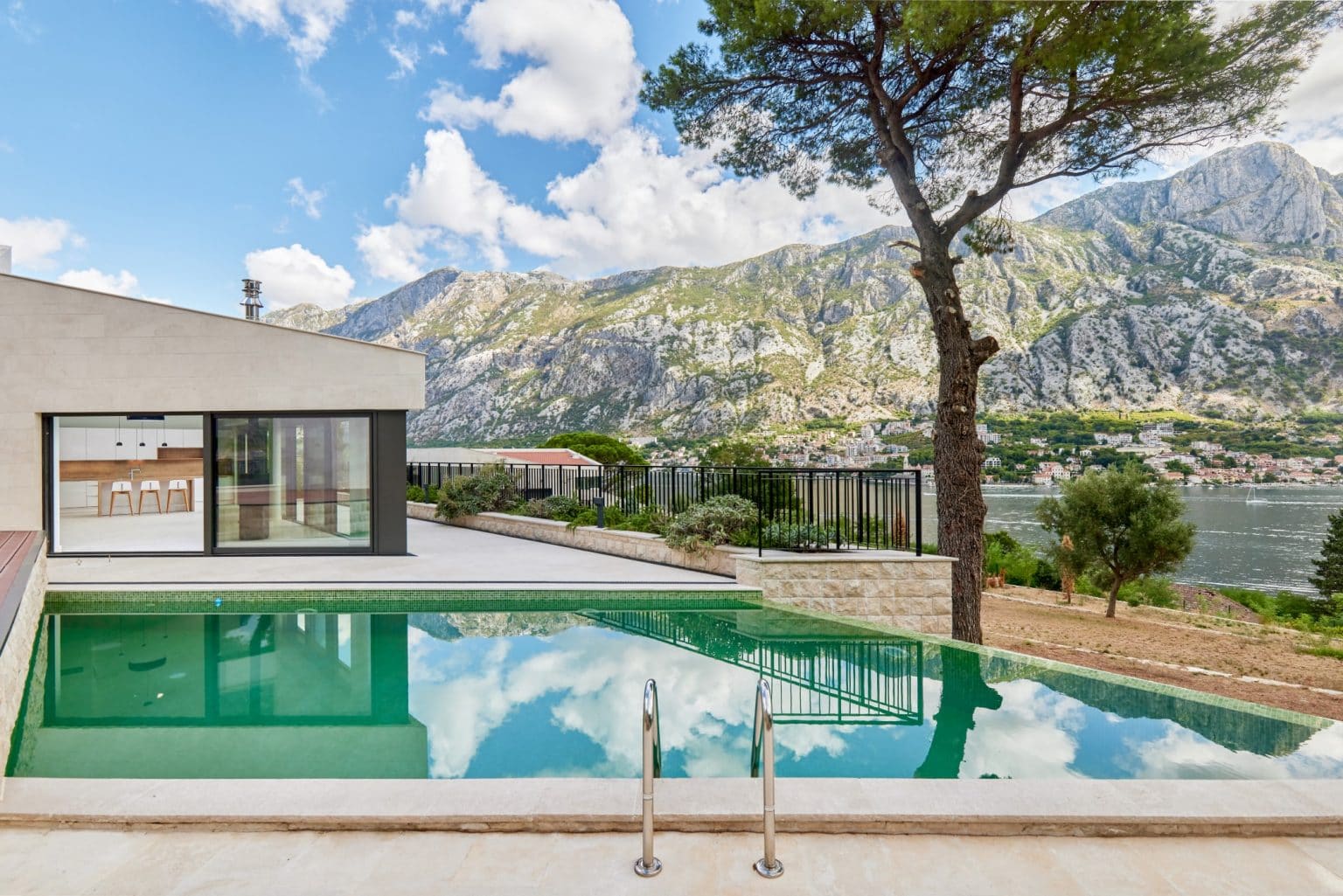
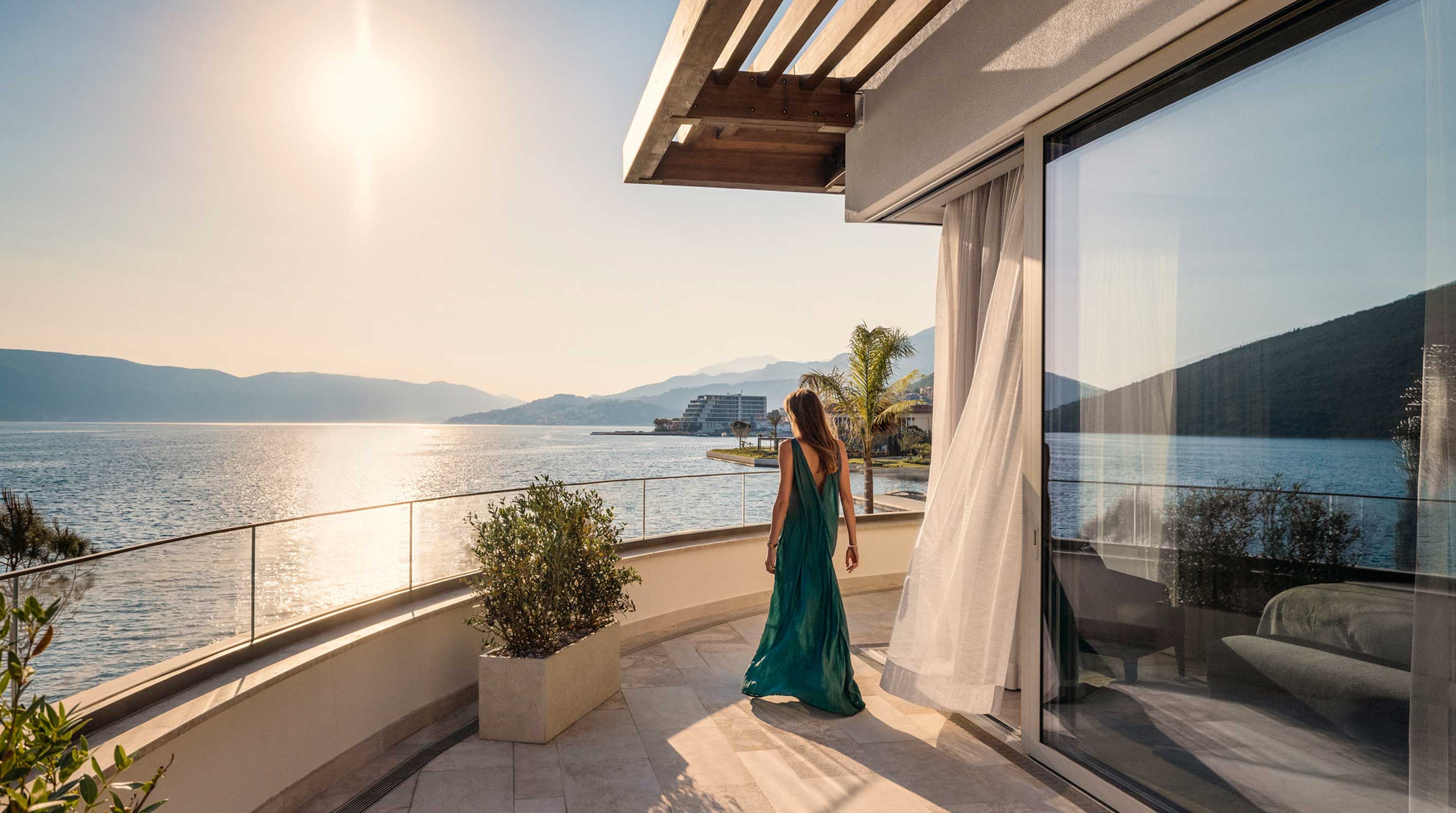
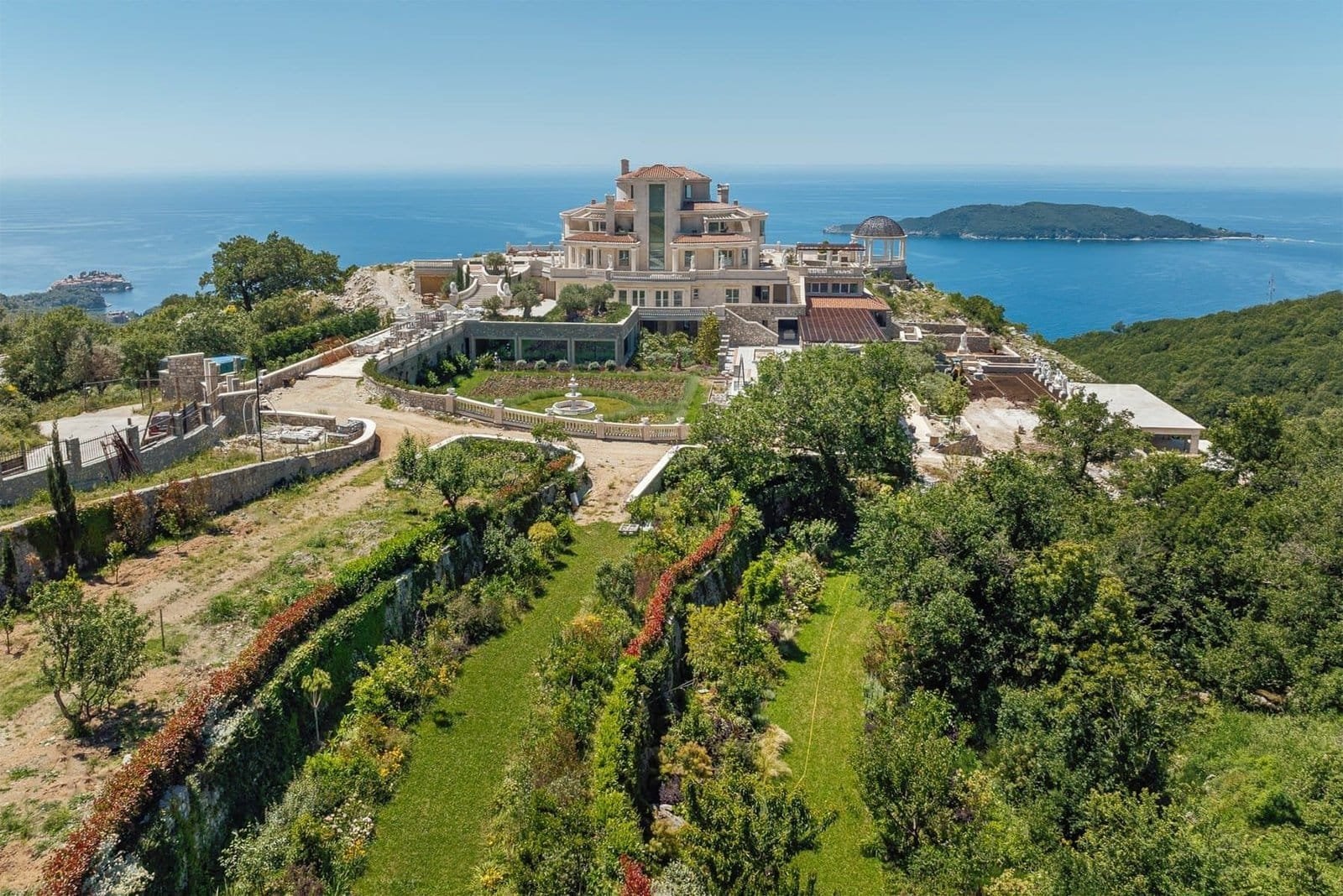
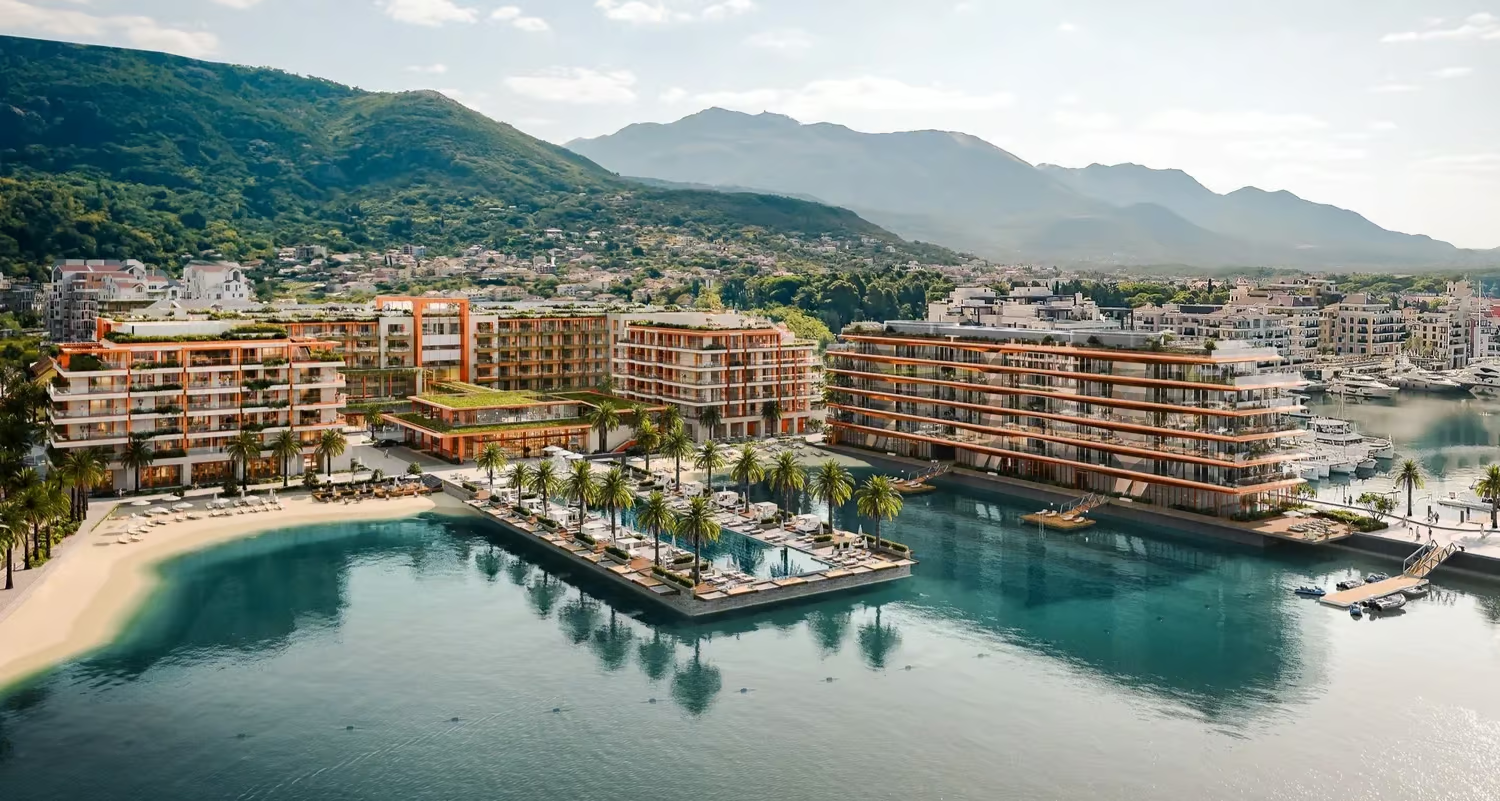
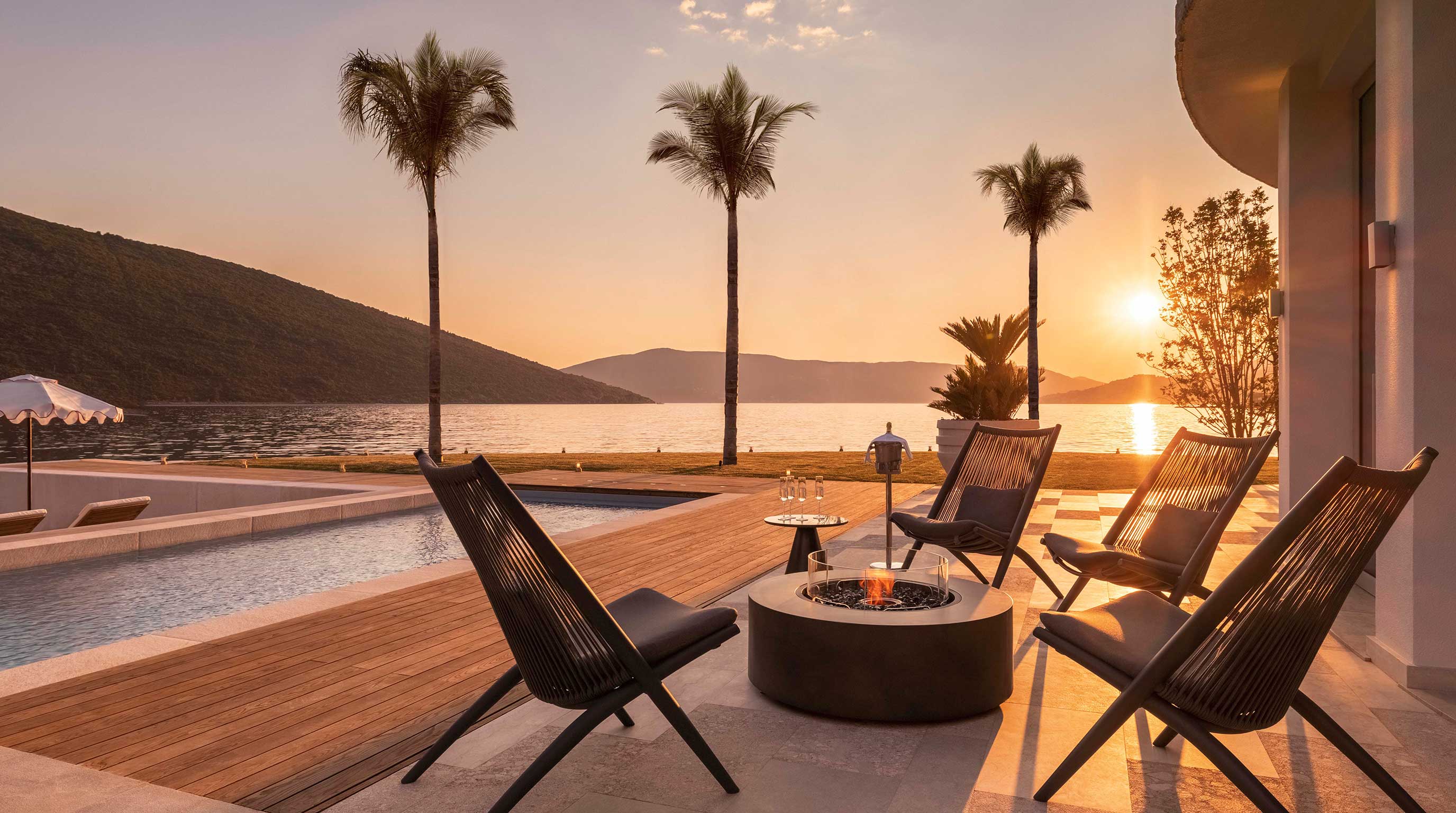
Barok Estates has active coverage across the Budva market, with access to both listed and off-market inventory across the micro-locations described above. The team works with international buyers from initial positioning through to legal completion, and the advisory process is designed to help buyers match their capital and objectives to the right product rather than simply the most visible one. Branded seafront residences in Budva represent one end of the spectrum currently available, while a private estate on the Budva Riviera illustrates the kind of distinctive, positioned asset that serious buyers are increasingly seeking. For buyers ready to move from research to acquisition, the next step is a direct conversation about what your specific objectives require from the Budva market in 2026.







.jpg)